Hall of Fame: Three game-changing professionals inducted p. 10
Leadership: Inspiring world-class safety, health performance p. 12
Top 25 Under 40: The future of OHS is in good hands p. 24
Hall of Fame: Three game-changing professionals inducted p. 10
Leadership: Inspiring world-class safety, health performance p. 12
Top 25 Under 40: The future of OHS is in good hands p. 24
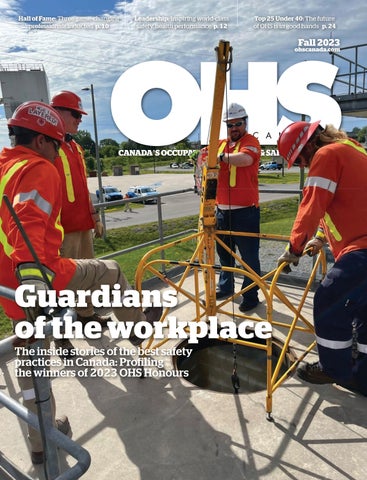
The inside stories of the best safety practices in Canada: Profiling the winners of 2023 OHS Honours

COLUMNS
12 | Safety Leadership Inspiring world-class health, safety, and performance
30 | Time Out
A collection of the strangest stories our editors uncovered.
OHS CANADA HALL OF FAME Legends of safety
OHS Canada unveils the three inductees to the Hall of Fame. BY TODD HUMBER
STORY Guardians of the workplace
The stories behind the winners of 2023 OHS Honours BY
TODD HUMBER


04 | From the Editor Writing songs about the unsung heroes
05 | In the News
26 | CCOHS Corner Fighting fatigue in the workplace
28 | Quarterly Check-in
CSA Group's Candace Sellar takes questions on the role of standards in electrical safety
24
Top 25 Under 40
The 2023 class of the brightest young safety professionals was harder than ever to pick. A record number of nominations, combined with incredible resumes, shows how bright the future is for OHS in Canada.

By Todd Humber, Senior Editor
It has been an incredible couple of weeks behind the editor’s desk at OHS Canada. August and September are amongst the busiest periods for us as we sift through the nominations that pour in for OHS Honours and the Top 25 Under 40.
It’s humbling to be able to craft and tell the stories of these professionals and organizations. The stories we uncovered are powerful and moving, the best practices we’re shining a spotlight on can make a difference in any organization, and the people doing the work are — without exception — some of the nicest people you could ever meet.
The programs being run are thoughtful and sophisticated. There wasn’t just a spike in the quantity of entries, but also the quality.
“ It was for sure a difficult process,” said Maureen Shaw, one of this year’s judges and a member of the OHS Canada Hall of Fame. “Pleased to see so many working to be the best!”
A big thanks to her, and the other judges — Shelagh Robinson; Sherry Novak; Tara Beaton; Bill Howatt; and Tammi Smith.
Some of the most powerful stories are rooted in personal tragedy. Shirley Hickman, who founded Threads of Life,
turned the loss of her son Tim into a movement that has helped untold families cope with unbearable loss.
“ We cried together on the phone and we laughed together on the phone,” she said, discussing one of the first times she spoke to a widow who lost her husband. Hickman was inducted into the OHS Hall of Fame this
"We cried together on the phone and we laughed together on the phone." –Shirley Hickman
year in probably one of the easiest calls our judges had to make.
Maryanne Pope was awarded the Community Leader Award for her work at the John Petropoulos Memorial Fund (JPMF). John, her husband, was a Calgary cop who was killed while responding to a breakand-enter call at a warehouse. He fell through a false ceiling that wasn’t properly marked off, leading to a charge by Pope to raise awareness and get employers to answer this question: “How safe is your workplace for emergency responders?”
Satnam (Sam) Chauhan, another 2023 Hall of Fame inductee, waxes so eloquently and passionately about the work he’s
Paula Campkin: chief safety officer, Energy Safety Canada
Marty Dol: president and founder, HASCO Health & Safety Canada
Cindy Moser: director of communications, Institute of Work & Health
Natalie Oree: prevention consultant, SAFE Work Manitoba
David Powers: EHS director (Atlantic), Sysco Canada
done, both at the City of Surrey and in the wider community across British Columbia.
Our OHS Professional of the Year, Niclas Eduardo Manson, is also on the Top 25 Under 40 list. I’ll be honest — it’s not a scenario we expected to see play out, and we had to check the fine print to see if anything prevented a double-winner like him. It was silent.
When you read about the work he did at the Toronto Public Library, especially in getting a new position created to ensure safety with the unique challenges that open buildings have, it’s no surprise to see him on both lists. Manson has an incredibly bright future in safety.
I can’t recount all the moments that gave me gratitude while putting this issue together. Keep this issue. Refer to it. These stories of triumph and tenacity are a toolkit for improvement, a catalogue of best practices, and a source of inspiration for the tougher days in OHS.
The ultimate aim of OHS Canada, and OHS Honours, is not to just recognize and celebrate excellence, but to encourage it in every corner of the workplace.
Congrat ulations to all this year’s winners. We’re proud to tell your story.
Richard Quenneville: senior director of corporate services, T. Harris Environmental Management
Maureen Shaw: lecturer and presenter
Dylan Short: managing director, The Redlands Group
SENIOR EDITOR
Todd Humber 289-264-4883 thumber@annexbusinessmedia.com
MEDIA DESIGNER
Curtis Martin
ACCOUNT CO-ORDINATOR Cheryl Fisher 416-510-5194 cfisher@annexbusinessmedia.com
AUDIENCE DEVELOPMENT MANAGER Serina Dingeldein 416-510-5124 sdingeldein@annexbusinessmedia.com
BRAND SALES MANAGER Silvana Maiolo smaiolo@annexbusinessmedia.com
SENIOR PUBLISHER Paul Burton pburton@annexbusinessmedia.com
GROUP PUBLISHER Anne Beswick abeswick@annexbusinessmedia.com
PRESIDENT/COO Scott Jamieson sjamieson@annexbusinessmedia.com
Printed in Canada
ISSN 0827-4576 (Print) ISSN 1923-4279 (Digital) PUBLICATION MAIL AGREEMENT #40065710
SUBSCRIPTION RATES
Published six times per year – Jan/Feb, Mar/Apr, May/Jun, Jul/Aug, Sep/Oct, Nov/Dec Canada $100/yr plus tax USA $130/yr (100 USD) Foreign $214/yr ($164.50 USD)
Occasionally, OHS Canada will mail information on behalf of industry related groups whose products and services we believe may be of interest to you. If you prefer not to receive this information, please contact our circulation department in any of the four ways listed above.
Annex Business Media Privacy Office privacy@annexbusinessmedia.com Tel: 800-668-2374
No part of the editorial content of this publication may be reprinted without the publisher’s written permission © 2023 Annex Business Media All rights reserved. Opinions expressed in this magazine are not necessarily those of the editor or the publisher. No liability is assumed for errors or omissions.
All advertising is subject to the publisher’s approval. Such approval does not imply any endorsement of the products or services advertised. Publisher reserves the right to refuse advertising that does not meet the standards of the publication.

Canada is underestimating the mental health impact domestic emergencies like wildfires and COVID-19 have had on the military reservists who respond to them, a new report says.
Gregory Lick, the Canadian Armed Forces ombudsman, said there are also gaps in health-care policies and a shortage of health professionals, which put the military’s 28,500 reservists at disadvantage compared to regular force members.
Lick’s report published Wednesday said that some reservists who tried to get mental health care through the military’s health services were turned away because administrative staff were under the mistaken impression that reserve members did not have coverage.

“I have accessed military health services in my past and I would never have expected that,” said Lick. “That really is a training or understanding issue that can be quickly addressed.”
Not everything identified in the report is so easily fixed, he said.
“In military health services, the same as it is in Canadian society, one of the largest deficits in the resources available for mental health is that lack of people,” he said.
That means wait times are long. The report said there is a biased belief that domestic operations have a lesser impact on mental health, and in some cases that has meant the Armed Forces is skipping pre-deployment screenings for reservists.
"They saw something really tragic in those homes. And that was one of the instigators, certainly, in why we looked at this particular issue," said Lick.
3Size of a fire, measured in football fields, that burned in September at American Iron and Metal in Saint John, N.B. The fire prompted officials to warn residents across the city to stay indoors and keep their windows closed.
A B.C. company faces rare criminal charges 11 years after one of its employees was crushed to death on the job.
Crown prosecutors have charged J. Cote & Son Excavating Ltd. with criminal negligence causing death and criminal negligence causing injury in relation to the 2012 death of Jeff Caron, a pipe-layer who was killed while working on a project for the company in Burnaby.
It is a rare example of companies facing criminal charges related to the death of a worker. One of Caron’s co-workers, Thomas Richer, was injured in the same accident.
The same charges were laid against David Green, the foreman at the site, who also faces an additional charge of manslaughter.
The charges are one of about two dozen cases in Canadian history of a company being charged with criminal negligence
in the death of an employee. The news was welcomed by Caron’s friends and family, some of whom had been calling for such charges for nearly a decade.
Lawyers for the company and Green said they would plead not guilty.
Bill Smart, a high-profile defence lawyer, says J. Cote & Son “will not comment on the allegations other than to say that the company denies them, intends to plead not guilty, and intends to proceed to trial.”
Brock Martland, a lawyer representing Green, says his client “denies these charges in the strongest way possible.”
Martland said he expected the matter to proceed to trial, adding he was surprised charges were laid so longer after Caron’s death.
“It’s quite an extraordinary amount of time,” Martland said.
A construction supervisor has been fined $70,000, plus a victim surcharge fine, after a worker was killed in an explosion in Woodbridge, Ont., in 2020.
Infrastructure Coatings (Ontario) Corporation was contracted by a constructor under contract to the Regional Municipality of York to re-line an underground water chamber with a spray waterproofing as part of a watermain remediation project.
The company applied the waterproof coating to the chamber in July 2020. A follow-up inspection revealed that a corner of the chamber was spongy and required re-spraying so the company returned and cut out the spongy area.
After conducting the repairs, the worker used Methyl Ethyl Ketone (MEK) to clean the chamber. This product is extremely volatile and flammable.
A short time later, the worker was going to re-enter the chamber with a propane torch to speed up the drying process before applying the spray waterproofing. The waterstop supervisor indicated to the worker not to use the torch, before being distracted by their phone.
At the same time the worker lit the torch near the manhole entrance. MEK fumes being purged from the chamber ignited, causing an explosion that critically injured the worker. There was no fire extinguisher at the scene.
Tony Ventrone, the construction supervisor, was in his truck at the site but not present at the incident scene and failed, as a supervisor, to ensure that fire extinguishing equipment was provided and readily accessible at a project where open-flame operations were carried out. The victim surcharge brought the total fine to $87,500.
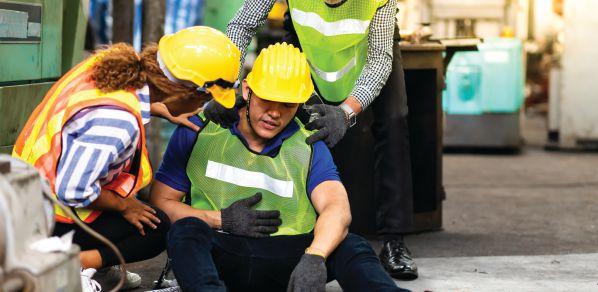
Fewer workers in Nova Scotia are getting hurt at work, according to new data from WCB Nova Scotia. That amounted to 52,000 fewer days lost due to injury, or the equivalent of 200 full-time employees working for a year, it said.
4Percentage point increase in the number of parents in Ontario who have witnessed dangerous driving in school zones.
More than eight in 10 (82%) reported seeing a dangerous incident and 55% believe roads around schools to be unsafe. Source: CAA SCO
But the number of fatal incidents rose in 2022 to 24, up from 20 in 2021, according to the data. That included nine acute fatalities, eight that were attributed to occupational diseases and seven that were health-related.
The province’s injury rate
continued its long-term improvement trend reaching what it called a “historic low” of 1.41 in the first quarter of 2023 compared to 1.54 at the end of 2022. The number measures injuries serious enough to cause the worker to lose time from the job, per 100 workers covered by workers’ compensation.
There was also encouraging progress in the amount of time lost to workplace injury, with fewer days lost in Q1 compared to the same period last year, it said.
Take-home naloxone kits across Canada should contain both versions of the opioid overdose-reversing drug a nasal spray and an injectable that goes into a muscle says a panel of experts that includes people who use drugs.
The new guidance, led by the BC Centre for Disease Control, aims to standardize take-home naloxone kits that are distributed through various sites, including pharmacies, community groups and emergency departments, to anyone who could respond to an overdose.
Those who have used naloxone to save lives say having the nasal spray at hand could ensure a faster response because some people may be uncomfortable with needles.
Authors of the guidance, published recently in the Canadian Medical Association Journal, strongly recommend federal, provincial and territorial programs be adapted so people have a choice of methods when a fast response is needed after someone has overdosed on an illicit substance.
First responders also carry naloxone, which blocks the effects of opioids such as fentanyl, heroin, morphine and oxycodone. The medication will not work on someone who has overdosed on stimulants including cocaine, MDMA (ecstasy) and Ritalin, but will not cause harm either.
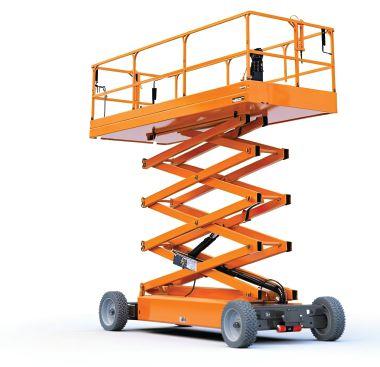
Four family members are dead after a construction project turned tragic in Quebec’s Bas-St-Laurent region, provincial police say.
Investigators said two men and two women were working on a new house atop a scissor lift on Aug. 19 in St-Leandre, a rural municipality of fewer than 400 people, when the device toppled for an unknown reason.
“The occupants fell several meters. On the spot, we found the death of one of them,” said provincial police spokesman Stephane Tremblay, referring to a 27-year-old man.
He said three others were badly injured and were taken to hospital but died during the night.
The victims include a 27-year-old man and a 24-year-old woman from St-Leandre and a 53-year-old woman and 60-year-old man from Riviere-du-Loup.
Officials said a coroner’s inquest is underway, while an investigation by Quebec’s workplace health and safety board aims to determine whether an equipment breakdown occurred.
‘Persistent’ bears force firefighters to pull out
About 160 firefighters battling a blaze in the British Columbia Interior have had to pull out of their camp after they were subjected to what the BC Wildfire Service calls “persistent bear activity.”
The wildfire service says the bears threatened the safety of staff “within and around” the camp near Gold Bridge, about 100 kilometres west of Lillooet, prompting the decision to quit the camp.

It says conservation officers are “assessing and advising” on plans to safely return the firefighters to continue their battle against the Downton Lake wildfire.
Scavenging bears have been a problem in other B.C. wildfire zones, with authorities in the Shuswap region in the Interior collecting refuse and refrigerators in hopes of keeping the animals at bay.
The Downton Lake fire has scorched 95 square kilometres of land and prompted evacuation orders and alerts.

sawmill agrees to pay
A northern Wisconsin sawmill has agreed to pay nearly $191,000 and stop hiring children under 16 to settle a federal lawsuit labor regulators filed after a teenager was killed on the job this summer and other child employees were hurt in a string of accidents.
Michael Schuls died in July after he became pinned in a wood-stacking machine at Florence Hardwoods. He was trying to clear a jam in the machine in the facility’s planing mill when the conveyor belt he was standing on moved and left him pinned, according to Florence County Sheriff’s Office reports obtained by The Associated Press through open records requests.
An ensuing U.S. Department of Labor investigation found that three children ages 15 to 16 were hurt at the sawmill between November 2021 and March 2023.
The sawmill also employed nine children between the ages of 14 and 17 to illegally run machines such as saws, the investigation found. Most work in sawmills and logging is prohibited for minors. But children 16 and older can work in Wisconsin planing mills like the Florence Hardwoods facility where Shuls was pinned. Planing mills are the final processing sites for lumber.
The investigation also determined that seven child employees between 14 and 17 worked outside legally permitted hours.
The company will now be required to post signs visible from 10 feet away warning people that anyone under the age of 18 isn't allowed in the facility's sawmill and planer mill.
The RCMP is looking at easing a policy that requires front-line officers and many other employees to refrain from recreational cannabis use for four weeks before duty.
A change to the five-year-old policy could bolster recruitment of new officers by bringing the Mounties in line with police forces that have much less restrictive policies on pot use.
2Generations of Campbells who have played a key role at the Workers Compensation Board of PEI. Daniel M. Campbell took over as CEO in September. His grandfather, Michael, helped found the WCB and later served as its chair of the board of directors.
An internal RCMP briefing note, obtained by The Canadian Press through the Access to Information Act, recommends a 24-hour restriction on cannabis use before reporting to work, with some exceptions.
RCMP spokeswoman Robin Percival says the current policy is under review but no final decision has been made. The policy took effect in 2018 when Canada legalized recreational cannabis.
It requires RCMP employees in safety-sensitive positions to refrain from non-medicinal cannabis use 28 days before reporting to work.
The policy covers a wide array of employees, from officers and reservists to telecommunication operators and firearm technicians.
A Saskatchewan construction company has been fined $70,000 after one of its workers was seriously injured on the job.
KMS Construction Ltd. pled guilty to one violation of the province’s occupational health and safety regulations. The charges stemmed from an incident on June 17, 2021, near Gull Lake, Sask. A worker was seriously injured after being ejected from a scraper buggy.
The company was fined for contravening clause 3-1(c) of the regulations (being an employer, fail to comply with the duties of an employer at a place of employment including the provision of any information, instruction, training and supervision that is necessary to protect the health and safety of workers at work, resulting in the serious injury of a worker).
As a result, the court imposed a fine of $50,000 with a surcharge of $20,000, for a total amount of $70,000.
Two other charges were withdrawn.
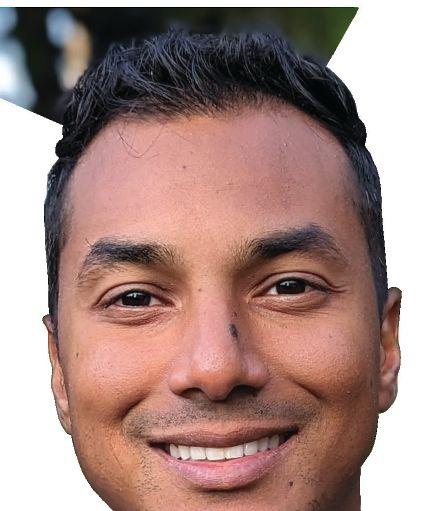
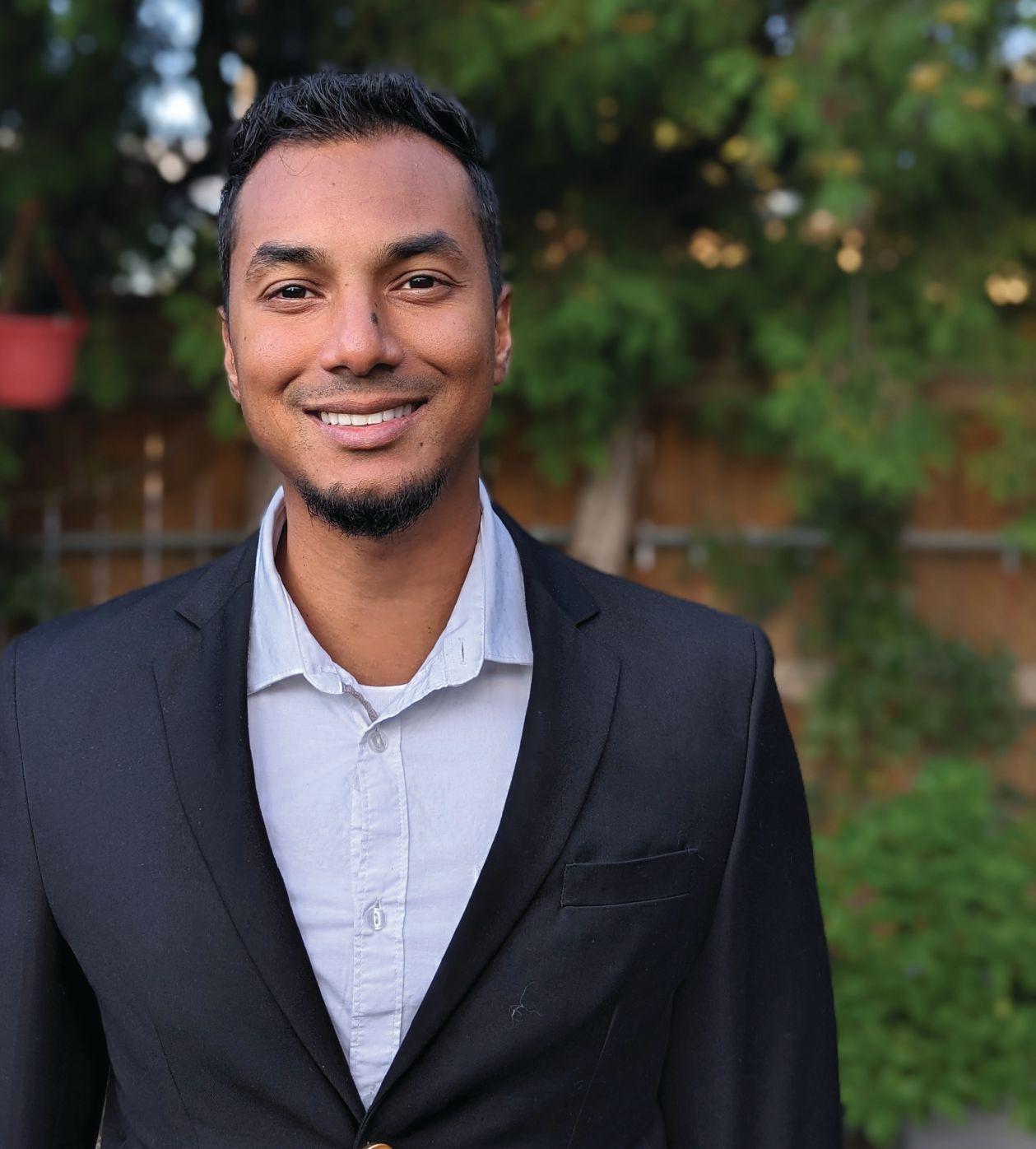




Iwas trained as an Industrial Hygienist at the University of Toronto. With over a decade of experience, I have had the privilege of working across various sectors, both in a corporate setting and as a founder of my own health and safety consulting firm. I am constantly learning and I enjoy the challenges of solving complex safety problems and implementing control measures to protect my clients and employees. Presently, I work with a diverse group of employees and clients where I use my expertise to teach, mentor, and provide guidance on health and safety protocols, and the implementation of risk mitigation techniques.
This is a special moment for me and for OHS Canada. I am proud to be the first person to win the OHS Professional of the Year (Gold) and be a part of the Top 25 under 40. I am thankful for the strong support from my supervisors, mentors, business partners, and family. With this accomplishment, I promise to make a strong effort to support the new generation of safety professionals and positively impact the field of occupational health and safety.
Niclas Eduardo Manson B.KIN, MPH, CRSP, CIH, ROH
niclas@mansonmethods.com
+1 647 236 6252
www.mansonmethods.com

By Todd Humber

Alan Quilley:
A legacy of transformation, humour and challenging the status quo
Alan Quilley, a best-selling author, consultant, and captivating speaker in the realm of occupational health and safety (OH&S), has been posthumously inducted into the OHS Canada Hall of Fame as part of its 2023 induction class.
With a career spanning four decades, Quilley was a unique voice in the safety sector who combined real-world experience with an engaging presentation style.
Quilley’s journey began in 1976 when he took on the role of a safety coordinator at CN Rail. Over the years, he ascended through increasingly senior positions in OH&S, giving him invaluable hands-on experience. This allowed him to actively participate in the development and delivery of programs at the University of Alberta and Northern Alberta
Institute of Technology (NAIT).
His impact reverberated across a multitude of industries, including oil, gas, petrochemicals, emergency services, construction, and municipalities. His approach was pragmatic and hands-on, working not just with C-level executives but also with hourly workers, emphasizing that safety is a collective responsibility.
Quilley made a significant academic contribution as well, distilling his decades of experience into multiple books. His first, “The Emperor Has No Hard Hat: Achieving REAL Workplace Safety Results,” received an Honourable Mention among the Globe & Mail’s top ten business books of 2006. He developed the concept of an Integrated Safety Management System (ISMS), a versatile set of principles adaptable to various organizational contexts.
OHS Canada put a call out for memories of Quilley and was flooded with responses. Here is a sampling of the feedback that came pouring in — it is impossible to publish all of them.
Dave Rebbitt said he was “underappreciated” in his time.
“He was always up for a discussion and always curious — a key attribute,” he said. “We always found time for an animated discussion when we ran across each other.”
His philanthropic pursuits extended to writing articles for various safety publications and platforms, including LinkedIn and Wordpress, while also mentoring aspiring safety professionals.
Before his passing in early 2021, Quilley was able to revise and create new content for the CRSP 2020 Blueprint study material, a poignant final chapter to a lifetime devoted to enhancing workplace safety. His wife, Marie, now helms the company, continuing his substantial legacy.
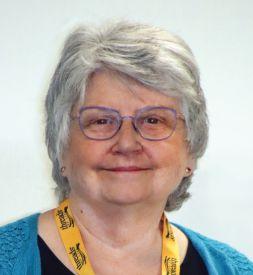
“You’re just lost. You’re a lost person.”
That’s how Shirley Hickman described the weeks and months that followed the death of her son Tim, who was killed on the job in 1996 when there was an explosion at an arena in London, Ont. He was 20.
There were no immediate answers. She was “thrown” into what she called a foreign world with a confusing legal system and investigators who didn’t have any answers and people who didn’t want to speak to her.
The employer wasn’t talking. The Ministry of Labour, at that time, was not communicative with families, leaving them feeling isolated and uninformed.
“If you can’t find out what was the root cause, you don’t know what could have been done to prevent it,” said Hickman.
Leveraging her experience in volunteer work, she began to identify a need for an organization that would be the “voice of prevention.”
“People started asking me to speak, and it was about, ‘Who is Tim?’ No so much about what happened, but who is Tim?” she said.
These engagements led her to collaborate with various ministries and organizations focused on health and safety, specifically initiatives to decrease injuries to young workers.
It all crystallized with the foundation of Threads of Life in 2003, which today serves around 3,600 Canadians personally impacted by workplace tragedies. Hickman herself serves as the executive-director.
The organization has become a crucial resource in Canada’s landscape of workplace health and safety, connecting with ministries, labour boards, and companies across various sectors.
Hickman summed up the motivation behind her and many others who have joined Threads of Life, stating, “All family members want is for a similar tragedy to not happen to somebody else. So to create awareness.”
Hickman can never look at the world of workplace safety through numbers.
“I don’t deal with statistics,” she said. “I think in terms of one, and one is too many. I don’t want one family to be
suffering from a workplace injury, illness or death. I can’t think in terms of statistics the way so many organizations do.”
But she is heartened at some of the progress she has seen since 1996, particularly the better communication with families and workers’ compensation boards.
“They weren’t encouraged, weren’t allowed almost, to share with families,” said Hickman.
She also pointed out that public awareness campaigns have been ramped up, and employers are increasingly reaching out to Threads of Life to arrange for speakers on workplace safety. She also cited that students now receive occupational health and safety training as part of their high school curriculum. These educational initiatives, she hopes, will empower young workers to ask questions and know their rights when entering the workforce.
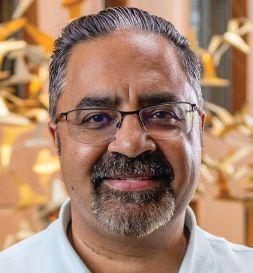
first two days, waiting for instructions and guidance that never came. He went and knocked on the door of his boss, inquiring about any specific tasks that needed to be done.
The response? “Well, no. You need to go out there and figure out what you need to do.”
Chauhan seized that opportunity to take a proactive approach to safety, reaching out to various departments like engineering operations, parks, and civic facilities to get an understanding of the safety landscape facing employees.
“I had an empty canvas,” he said.
He painted that canvas over the decades, building a successful career, improving the lives of workers one-by-one and now he has been inducted into the OHS Canada Hall of Fame for his body of work.
“The last 26 years have flown by, whoa, like a jet,” said Chauhan. “We started with nothing. No safety training and I had an old risk management health and safety policy.”
He focused on building relationships with leaders, key stakeholders, managers, workers and unions.
“Now, I’ve got a team of four individuals, we’ve got 35 different safety programs, we’ve got 37 different occupational health and safety courses, we’ve got online training,” he said. But what he’s most proud of is the culture that has been established at the city.
cannot live on its own.”
Not all the work he does is within the confines of the city. Since 2015, Chauhan has been an active member of the Employers Forum in British Columbia, serving in various roles including director and president.
The forum is dedicated to maintaining an effective workers’ compensation system, balancing the needs of employees and employers for a safe, productive workplace. The organization serves as an advocacy body, facilitating communication between the employer community and workers on compensation issues.
Chauhan is also a long-standing member of the British Columbia Municipal Association, which offers events, certificates,
and training aimed at health and safety management. He has been an active participant since 2012, supporting the association’s mission of annual evaluation and implementation of safety measures.
From 2014 to 2018, Chauhan served as the chair of the BCIT OHS Program Advisory Committee, although his involvement dates back to 1995.
This role underscored his dedication to educational efforts in the field of occupational safety and his belief in the importance of well-informed practitioners.
When asked about this extracurricular safety work, he demurred.
“Safety is a passion, it’s not really a job,” he said.
23_006947_OHS_Fall_CN Mod: August 29, 2023 12:11 PM Print: 09/15/23 9:46:30 AM page 1 v7
Satnam (Sam) Chauhan had a lonely start as a safety professional at the City of Surrey. He came over from the City of Vancouver, where he was surrounded by a dozen OHS employees.
But in Surrey, it was just him — and he sat in his office for the
“Everybody and anyone can bring up a safety issue to their manager,” he said. “And it’s not taboo. It’s a comfortable interaction. We’re moving in a direction where we’re trying to be a leader in local government. But it’s a team approach — safety

By Lisa McGuire
Leaders play a key role in creating both physically and psychologically safe workplaces. As leaders, we have the duty to guide our organizations to longterm success and to care for our essential resources and investments—time, money, and most valuably, people. To do that successfully, our vision needs to recognize how the health, safety, and well-being of our teams integrates into overall performance.
The most effective leaders recognize the critical role of a healthy safety culture in business success. Fostering a shared vision and culture of safety is both our moral and our pragmatic responsibility as leaders to ensure the sustainable success of our businesses.
In a recent interview with Michelle Lofting, a health and safety leader at Factors Group of Nutritional Companies and the 2023 Safety Excellence Awards recipient of the Apex Award for safety advocacy, she reinforced this critical message: “Safety culture is important,” she noted. “It drives change within the organization. And it’s the right thing to do when it comes down to safety.”
People make businesses successful. They are the most important resource we have. So, ensuring that they have a safe and respectful environment in which to work is not only the way forward, but the only way to build thriving and sustainable organizations into the future.
To support ongoing success, we need to ensure that our people are equipped and empowered to make decisions daily that align with our vision and values. Great leaders take responsibility for health and safety throughout the organization. To set a tone of accountability right from the top, one where everyone takes ownership, we, too, need to hold ourselves to the same standard, walking the walk that we ask of our teams. By our investments of time and resources, and unflagging engagement of our teams’ participation in safe behaviours that strengthen our safety culture, we can change people’s attitudes and motivations.
“With the right vision, we set standards about creating the right environment where people feel comfortable speaking up when something isn’t right with no consequences,” notes Puratos Canada President Michael Simone, a 2023 finalist for the Soaring Eagle Leadership Award. “A feedback culture is key to safety,” he adds.
When people feel heard and
have the tools to evaluate their own health and safety actions, our programs become more effective. One way we can build this level of buy-in is to commit to a path towards certification. Health and safety management programs that meet an occupational safety standard of excellence certification have consistently shown to produce superior performance results. Certification offers a roadmap for teams to use to reinforce successful health and safety processes and identify those that need improvement. It helps companies set measurable goals and benchmarks, and to work together to build safer workplaces where everyone can thrive.
Excellent leaders recognize that a strong safety culture reflects a healthy workplace culture, one that celebrates successes and recognizes the growth and contributions of individual team members. And the sustainability of our success requires us to remain vigilant in the face of change.
“ You cannot rest on the
wreath of glory, even for one second,” comments 2023 Soaring Eagle Award recipient Amit Golan, Vice President at CKF Inc. “Even if you’ve done something half decent, you need to always look at the present and the future,” Golan adds. “You must live and breathe safety at all times, every day.”
That level of humility, vigilance, and dedication to continuous improvement characterizes the most successful leaders.
With emerging technology, strategies, research, and risks; leaders also need to stay current on challenges, opportunities, and trends with the potential to impact our organizations— locally, nationally, and around the world.
At global events such as the World Congress on Health and Safety or closer to home at Canadian events such as our upcoming Make It Safe Conference, online this fall, leaders can build connections and knowledge to stay informed and walk away with crucial tools in defeating complacency. Events like these offer unique opportunities for business owners and executives to explore, connect, and discuss current and emerging key issues, developments, and strategies—because health, safety, and performance are intricately connected.
The steps we take to recognize this connection, and the levers we can control to support it, are the keys to building healthy, accessible, inclusive, and respectful workplaces, and thriving industries.


In 2022, Purolator recorded what it called its safest year on record. And that momentum isn’t slowing down, according to Jimmy Vassilopoulos, National Director, Health and Safety, who expects 2023 to be an even better year.
The freight and logistics giant, which has 14,000 employees across 190 facilities who delivered 160 million packages last year, won the Gold OHS Culture Award for 2023 as part of OHS Honours.
The key to transforming safety was creating a comprehensive framework that defined what a good culture meant, he said. The goal was to shift from a culture where employees act safely because they have to — something Vassilopoulos described as “not sustainable” to one where safety is intrinsic to who they are and what they do.
It all starts at the top, according to Tennyson Devoe, Vice-President, Talent, Learning and Safety, at Purolator.
President and CEO John Ferguson, along with the senior leadership team, have invested heavily in health and safety programs and tools, he said. For example, each senior leader has completed the Workplace Mental Health Leadership certification, accredited by Queen’s University.
Leaders are also actively involved on the ground. They make regular visits to terminals nationwide to see safety protocols in action and encourage open dialogue with employees. These senior leaders are known to participate in weekly company-wide safety calls and consistently report on OHS key performance metrics at meetings across all business levels.
“Safety is by choice, not by chance,” states the company’s long-term strategic plan, where health and safety are listed as organizational goals.
“Three of our five metrics are safety related,” said Devoe, noting that they sit side-byside with financial and performance metrics.
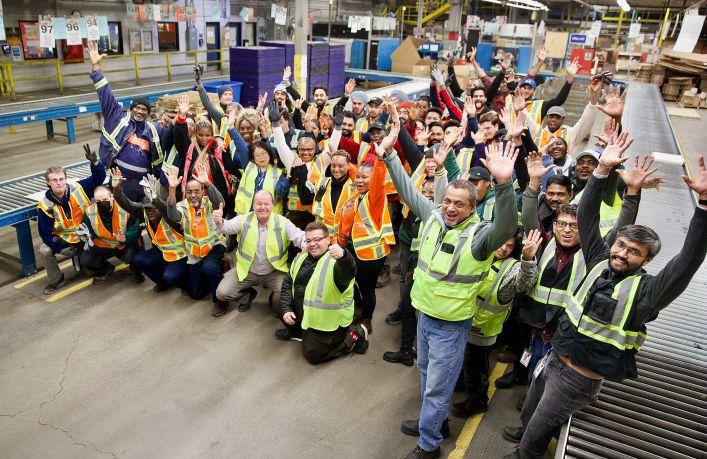
To reinforce the safety mindset, every Purolator event kicks off with a “health and safety moment,” setting the tone for what lies ahead.
Purolator’s safety culture is not only topdown but also driven by its workforce, it said in the nomination.
The company boasts 88 health and safety committees across the nation, where initiatives and metrics are continuously reviewed and improved. These committees also form the backbone of the Behavior Based Safety program that aims to reinforce safe behavior and change at-risk behavior across all its facilities.
Among various recognition programs, the Circle of Excellence and Hands on the Wheel awards are given annually to employees making significant contributions to workplace safety
One of the biggest safety challenges for Purolator is on the roads, said Devoe. That’s because it’s easier to engineer out risks in
controlled environments in a facility, but it’s a different story when you have “a semi-truck driving down a major highway” in what he described as an “uncontrolled environment.”
“ There’s not only significant risk, but there can be very high severity in that type of environment,” he said. “We wanted to have a metric that would help us keep a tight line of sight on what’s happening on the road.”
Often, metrics around road safety are lagging ones — waiting until an accident happens and then doing the remedial work to find out what went wrong, he said.
Instead, Purolator wanted to construct a leading indicator that would “reinforce both the positive as well as the constructive side of on-road safety.”
“ We are now able to generate, for each facility, a report card that identifies drivers that over the last week who haven’t gotten into an accident, or into a collision, but where there have been some indicators that driving behaviours that could be improved,’” said Devoe. See more on their efforts at OHSCanada.com/2023-OHS-Honours.
The concept of a safety “team” is a relatively new one for Utilities Kingston. Just a couple of years ago, that team consisted of one person — Scott Robinson, health and safety supervisor.
That all changed, though, when senior management made a commitment to provide additional resources and capacity around workplace safety, said Robinson.
“By moving safety into its own department and putting safety first with its own budget resources, we’ve doubled our capacity,” he said.
T hat included hiring Karen Bell as health and safety co-ordinator and putting additional professionals on the team, including Kate Tindal, the director of corporate services, and CFO Randy Murphy.
“Safety has always been important, but we really saw how the industry was going and we wanted to stay ahead of things rather than lagging behind,” said Robinson. He gave Tindal and Murphy a lot of credit for ensuring the team was moved into the spotlight in the boardroom.
“(Murphy) is the one who really got the ball rolling on this. He’s the one that identified with our CEO David Fell that there was a gap,” said Robinson, and got the financial resources needed to make it happen. “One of the big things identified was that there was too much work to do for one person.”
The philosophy at the utility has always been to build safety through engagement, building trust and keeping staff informed of their safety responsibilities, he said. That’s a far better tactic than being a safety cop.
“Adopting that approach to being the coaches, guides and counsellors over the safety cop style has paid off in dividends for
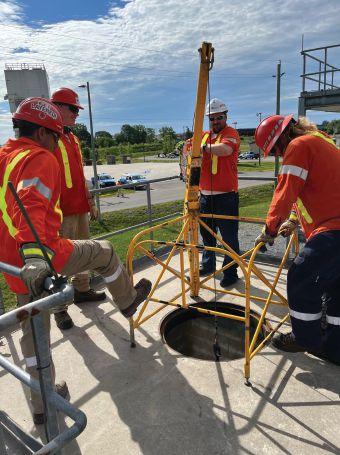
our high hazard work environment,” said Robinson. “Really, it’s all about staff doing safety for the right reasons — not because somebody just told them to do it.”
He pointed to incidents of employees identifying things out in the community, and stopping members of the public from doing unsafe activities, as evidence of how its working.
“Or even other contractors and just saying, ‘Hey, you might want to do it this way,’” said Robinson. When workers see issues, they’re even going as far as saying, “You know what? We need to get the Ministry of Labour involved because this is unsafe.”
This year, the health and safety team held a solemn ceremony for staff to attend on April 28, the National Day of Mourning.
After a moment of silence, staff were welcomed to sign a Utilities Kingston hockey jersey as their commitment to safety. The signed jersey is hanging in one of the vehicle garages, in a spot where staff who pick up their tools, materials and PPE for the day can see it.
One big initiative for the team is its annual Safety Days event, which provides free training and information to its contractors.
“ We started out 15 years ago with 10 people in a small room at a hotel talking about safety and expectations and requirements,” he said.
But now it has grown into a two-day event with more than 100 contracting firms and over 400 workers in attendance.
“Along with this free training and safety awareness session we included industry updates from Ontario One Call, the Infrastructure Health and Safety Association and the Ministry of Labour, Immigration, Training and Skills Development,” the nomination submitted read.
“The event also included additional free safety training from former Regional Program Coordinator with the Ministry of Labour, Immigration, Training and Skills Development, Jean Justa who provided health and safety supervisory training, and the Infrastructure Health and Safety Association who provided training on Trench Hazard Awareness, Asbestos in Construction Awareness and Traffic Protection.”
The team took home the Gold Award for OHS Team of the Year at 2023 OHS Honours, which Robinson called “very humbling for us.”
“It just really emphasizes that we need to keep the ball rolling and keep things moving forward,” he said.
He’s most proud of the increase in staff engagement with health and safety programs and the team, citing support from the CEO right down to the temporary summer students who join the company each year.
“It really sends you home with a smile on your face at the end of the day, that you made a difference, and we’re making a difference for our staff, contractors and our community overall,” said Robinson.
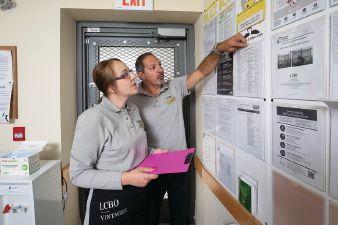
Amidst the challenging backdrop of the COVID-19 pandemic and rising concerns about employee well-being, the Liquor Control Board of Ontario (LCBO) launched a Whole Person Health, Safety and Wellness Strategy in 2020.
The goal was to bring together various programs and offerings, including traditional health and safety, disability management, and well-being offerings, in a “holistic approach,” said Lilian Riad-Allen, senior director, workplace health, safety and wellness.
She noted that the pandemic provided a "seamless opportunity" to expand the traditional focus on physical health and safety to include psychological well-being. For those efforts, the LCBO was awarded the Gold Psychologically Safe Workplace Award for 2023 as part of OHS Honours.
The LCBO, as an essential service in Ontario, remained fully operational throughout the pandemic.
“While we were taking every precaution to protect physical health and safety,” she said. “It was clear to us that we had to prioritize the psychological impact of this completely unprecedented and unknown situation.”
Riad-Allen said that although the retail stores remained open, the head office and other corporate operations shifted to a hybrid model of remote and in-person work, as operationally required. The organization also managed to maintain its regular health and safety protocols, despite the pandemic's complications.
Riad-Allen noted that the LCBO's emphasis on mental health wasn't a reactive measure to a crisis. It had rolled out a program, called "Take Five," aimed at encouraging employees to take breaks and focus on mental well-being, as well as several "bite-size,
self-care opportunities."
H owever, implementing a comprehensive program across multiple shifts and locations right across the province came with its challenges.
" Reaching everyone in our network of stores, warehouses, and offices can be difficult, so we needed to double-down on amplifying our messaging and overcommunicate," Riad-Allen said.
Gaining management buy-in for the initiative was less of a hurdle – it was more about building on the foundation of what was in place. Riad-Allen said the LCBO had already committed to enhancing well-being before her arrival at the onset of the pandemic. The commitment was backed by a strong business case underpinned by "comprehensive research in the proactive management, prevention of psychological injury."
The results speak for themselves: The LCBO has seen a significant reduction in mental health days taken by employees. Riad-Allen attributed the decrease to various factors including "changing the conversations managers were having with employees," stigma reduction campaigns, and the enhancement of several programs and services aimed at psychological well-being.
Riad-Allen also spoke about the issue of escalated behaviours in customer-facing environments, which has been on the rise in many sectors.
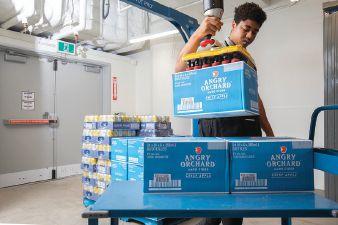
“ The world is in a bit of a hurting place, and we are seeing these escalations in behavior,” she said. "We leaned in pretty heavily to our de-escalation focus, and providing de-escalation training to our frontline employees so that they work as safely within their control as possible.”
According to key performance indicators, the LCBO found that mental health injuries and leaves were on the rise, and also identified opportunities to address belonging as a key outcome of the organization’s People Strategy.
The roadmap it came up with for improvement is based on the Mental Health Commission of Canada’s National Standard for Psychological Health and Safety in the Workplace.
The strategy consists of four main pillars:
• D ecreasing stigma and promoting awareness
• Enhancing the availability and access to resources
• Promoting effective stay-at-work and return-to-work options
• Continuous quality improvement. For more information, including the tangible results that the LCBO achieved, see the full story at OHSCanada.com/2023OHS-Honours.
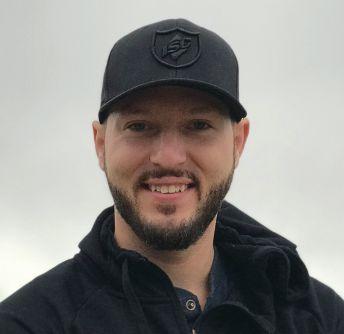
Joël Richer took an unconventional path into the world of occupational health and safety. Back in 2006, he kicked off his career in the financial sector — taking roles in the collection and compliance departments at Citi Financial while completing a master’s degree in history.
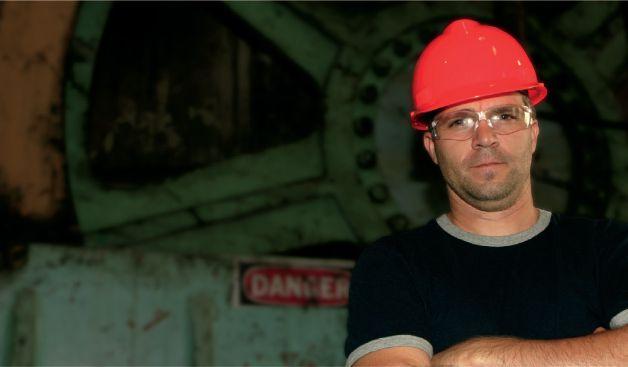
After about seven years, he shifted paths and took on a role at Emco in internal audit, focusing on operational assessments including health and safety.
"I carved my own path to the national health and safety role. And for the past five years, that's been my number one priority," Richer said.
This year, he won the OHS Rising Star Award at OHS Honours, underlining the value of his innovative contributions to workplace safety.
His unique blend of financial acumen and historical insight equipped him to view health and safety from an unorthodox perspective, he said.
"If you approach health and safety with a check-the-box type of mindset, compliance does not lead to culture," he noted.
One of the biggest accomplishments to
date for Richer has been the implementation of an annual strategic planning session focused on health, safety, and wellness. He didn’t let the sheer number of locations — about 300 across Canada — stop him, using virtual meetings to spread the word.
"It's a heavy lift, but the impact on our culture has been substantial," he said. "I'm joined by regional managers and regional health and safety champions on these calls, forming a three-person panel that reviews business unit action planning and provides guidance on each presentation."
The result of these sessions is a 300% increase in near miss and safety opportunity reporting over the last two years.
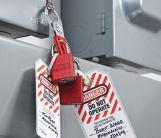




“We actually see near miss reporting as a positive thing,” he said, noting it is indicative of a culture where workers are not afraid to report issues and incidents.
He described these virtual meetings as the "biggest driver of culture" within Emco, with senior leadership's full support.
R icher's approach to wellness is multi-faceted. Rather than merely enforcing rules as a safety cop, he sees his role as a business consultant.
"We're really not there to catch you, so to speak. We're there to be business consultants," he said. “We always try to put health, safety, and wellness through the lens of investing in your people as opposed to accepting the expense when someone gets injured.”
One of his standout achievements is a 98% completion rate for health and safety training across the company. This he attributes to strong relationships with regional and senior leadership, a competitive scorecard system among regions, and a performance pay structure tied to health and safety KPIs.
“I tapped into Emco’s competitive culture. It’s a sales organization — nobody wants to be last in anything,” he said.
For more information on Richer's safety journey, see the full story at OHSCanada. com/2023-OHS-Honours.
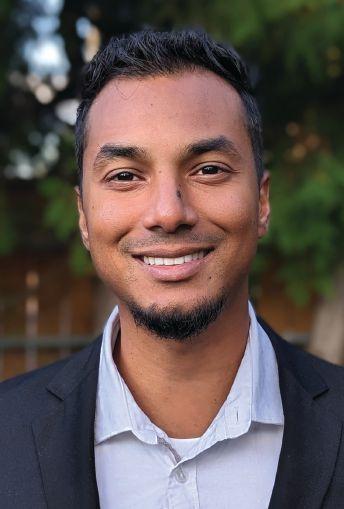
When Niclas Manson was studying kinesiology at the University of Toronto, a lot of his peers were focused on careers in treating injuries and diseases — including roles as physiotherapists or medical physicians.
“I always thought it would have been a much cooler, and smarter, idea to try and prevent any sort of injury from happening before going to a doctor,” he said.
That perspective put him on path to workplace safety that has seen stints at Irving Oil, Magna, the Hospital for Sick Children and the Toronto Public Library. He also launched his own firm, Manson Methods, which specializes in industrial hygiene, risk and sustainability assessments.
Now, Manson has been named the OHS Professional of the Year for 2023 as part of OHS Honours, which recognizes outstanding contributions to workplace safety, for his work at the Toronto Public Library (TPL).
Manson joined TPL in April 2022 and has been lauded for his significant impact on health and safety initiatives across the library system.
"Since joining... Niclas has made significant and positive impacts to workplace health and safety programs and practices at TPL, positively affecting the health and safety of TPL staff, customer s, and the public," said Brian Daly, director of human resources at TPL, in his nomination letter.
As the largest public library system in North America, TPL serves as a benchmark for libraries across the continent. Manson's role is particularly critical as he is responsible for the health and safety of approximately 3,000 staff across 102 locations.
Manson wasted no time in acting after his appointment, promptly working on a comprehensive Workplace Violence Prevention and Response Program. A lot of the
elements were spread out in different departments, he said.
For example, incident reporting was in HR while information about how to respond to an escalating situation was housed in a different department, he said.
“I combined all of that information, updated it and included the missing elements in one collective document,” said Manson. “The goal is that every employee would understand what their role is and how to respond.”
Many public-facing organizations, like libraries, are grappling with complex challenges that arrive on their doorsteps, including incidents involving overdoses, homelessness, and mental health crises.
Post-COVID, TPL was seeing an increase in workplace violence interactions throughout the system.
“Of course, there are some libraries that don’t even see one incident per year. But there are some that see about three or four workplace violence incidents per day,” he said. “There was a steady increase, so that organization was like, ‘OK. We’re seeing this trend. We need to do something to nip it in the bud.’”
It led to the creation of a brand-new role at the TPL — library safety specialist. These specialists focus on a trauma-informed approach to de-escalate violent or disruptive incidents.
"This is truly a new and innovative approach to the work that public libraries do across North America," said Daly.
Manson pointed out that librarians are not crisis workers, social workers or mental health nurses — and they shouldn’t be
tasked with those roles. Manson's work also extends to engaging with key community stakeholders. In partnership with the Toronto Police Service and community resource groups, he helped initiate a pilot project with the Gerstein Crisis Centre to bring social service teams into selected library branches, an effort enthusiastically endorsed by the City of Toronto.
“The main objective is to have people feel that they are welcomed in the space so they do not elicit some kind of hostile reaction out of nowhere, because that kind of reaction happens when you’re feeling edgy,” he said. “We want to make (people in crisis) feel that there is someone there to support them, talk to them, and who also knows the community resources to point them to since they might be unaware.”
For more information on Manson's safety journey, see the full story at OHSCanada. com/2023-OHS-Honours.
Read the full stories at OHSCanada.com/2023-OHS-Honours
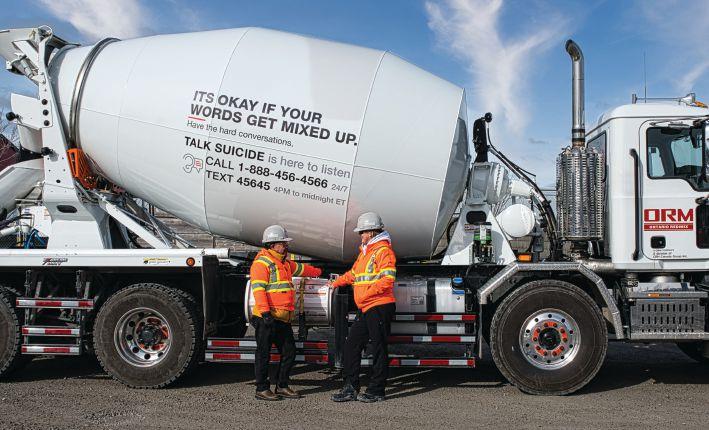
In an industry where heavy loads and large equipment are the norm, CRH Canada is carrying an unusual but vital message on the side of its trucks.
Seventeen v ehicles have been transformed into roving billboards to promote suicide prevention, offering information on where to turn for help, including contact information for Talk Suicide Canada, to anyone who sees the message.
The messaging even caught the attention of a Toronto police officer, who flagged down one of the drivers to offer a compliment on the efforts to raise awareness, said Shannon Truax-Wardell, vice-president of safety and health at CRH Canada.
It’s also part of the reason the organization won the gold award for Best Safety Communications Program for 2023 at OHS Honours.
The suicide prevention program, previously highlighted by OHS Canada, is just one prong of a deliberate and sustained communication program by the team at CRH Canada to put physical and psychological well-being at the forefront, said Truax-Wardell.
Since May 2021, the company has set aside one day per month for "SEE STOP DO Day.”
It’s a chance for senior leaders to connect with front-line workers to talk about a range of issues, and the company tied it specifically to the wellness journey, she said. It serves as a reset button that constantly renews the collective consciousness around safety issues.
Each month, the company picks a theme and arms its leaders with information to talk with employees. In May, for example,
the focus was on mental health and wellness. In July, the conversation shifted to hydration. When the program first launched, there was a risk that staff would feel overwhelmed with leadership descending on work sites, she said.
“ But once they realized it was not a leader coming out to tell them what was going wrong, people became much more open to it and engaged in the process,” she said. “Our employees take it as an opportunity to bring up areas of concern.”
For example, Truax-Wardell was at a quarry in Milton, Ont., for a recent SEE STOP DO Day focused on workplace and equipment safety, when she was approached by a concerned employee.
The issue? A contractor was operating heavy equipment fitted with tinted windows. This worker was concerned that the person operating the machinery wouldn’t be able to see properly, hindering safety and communication.
“I was like, ‘Let’s go take a look.’ It was super dark, the tint,” she said. “We went and talked to the contractor and his boss,
and they thanked us for bringing up that concern and they removed it.”
The Occupational Health Team and the Communications Team at CRH Canada joined forces to reinforce this campaign with a monthly enewsletter — “SEE STOP DO — Take 3 Seconds for Safety.”
It focuses on disseminating information about current and ongoing safety programs, educational materials, and “safety success stories” told by employees.
“People have brought forward stories of their kids, their parents, their spouse, their colleagues,” said Truax-Wardell.
Karli Dempster, communications and marketing co-ordinator at CRH Canada, said they would also supplement those efforts with video testimonials from employees.
“ You could tell it really meant a lot to them,” she said. When news landed that the company had won the top award for safety communications, a cheer went up among the team, said Dempster.
“ It was a sense of recognition, that everything we were doing — all the hard work that both our teams had done — it’s icing on the cake,” she said.
The biggest risk for workers at SLB can be found on the road. To help keep staff safe behind the wheel, the company embraced technology — leveraging it in a threepronged approach to improve its driving culture.
“We recognize that even the best people make mistakes, so we must engineer controls and safeguards to prevent accidents,” said Chawki Koulache HSE manager at Canada Land, SLB.
This approach earned the company the 2023 gold award for Best Use of Safety Technology at OHS Honours. The company developed the GreenRoad Drive app to monitor various
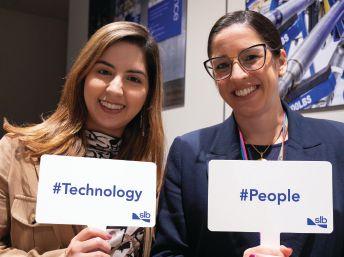
driving behaviors in real-time, such as braking, cornering, hard acceleration, and speeding.
Primarily designed for employees and contractors driving personal or rental vehicles on company business, the app utilizes GPS data for tracking.
“Previously, we had no visibility on drivers when they were driving their personal vehicles or rental (cars) during working hours,” said Koulache. “In case of an incident, the driver had to contact our HSE team by phone for support.”
The app currently has 370 users, which represents about 90% of its employees who are regularly behind the wheel. And it’s also available for use by workers who don’t drive for company purposes, he said.
The GreenRoad Drive app and other technologies, such as Mobileye — an advanced driver assistance system — have shown tangible results.
In addition to its apps and on-board systems, Schlumberger also operates a 24-hour Journey Management Center based in Mumbai, responsible for monitoring all company-wide trips.

Read the full stories at OHSCanada.com/2023-OHS-Honours
Norm Keith got an early taste of the dangers that workplaces can pose. He was working summers underground in the mines in Sudbury, Ont., to put himself through university.
“The second summer I was there, a worker was killed. Not somebody I worked with, I didn’t witness it, but it was still very real and very close to home,” said Keith. “That made a deep and lasting impression of the importance of health and safety.”
At another point during that gig, the union went on strike, which was also a bit of a revelation for him.
“That really gave me some insight and I saw the discomfort from both sides’ rhetoric,” said Keith.
Keith, partner, employment and labour law at KPMG Law LLP, has been named OHS Lawyer of the Year for 2023 at OHS Honours, the national health and safety competition from OHS Canada.
A trailblazer and well-known figure in OHS, Keith has appeared at the Supreme Court of Canada three times and authored a dozen books over his career that spans four decades. He has seen a big evolution in workplace safety during that time — some good, some bad.
But the landscape shifted where more regulatory oversight has created more stringent conditions for employers to navigate. For example, the Westray Bill, which allows for criminal prosecutions for OHS incidents, became law in 2004. It came in the wake of the 1992 Westray disaster in Nova Scotia that killed 26 coal miners.
“Fines are a lot higher today,” he said. “Officers and directors in Ontario, for example, can go to jail for a year or have a fine of up to $1.5 million, the same as a large corporation.”
According to Keith, there is no study that says more prosecutions equals better
worker safety. “The things that do improve health and safety have nothing to do with penalties — not directly, at least,” he said. “What does work are active, non-polarized joint health and safety committees, strong leadership, an occupational safety system and a culture that embraces OHS at every turn.”

K eith’s record at the Supreme Court of Canada is two wins and one loss. The loss came in a 2013 ruling involving Irving Pulp & Paper concerning random alcohol and drug testing in what he called a “very divided bench.”
It ruled that, unless there is an out-ofcontrol culture of drug and alcohol abuse, employers are not allowed to conduct random testing.
“ Well, if you’ve got an out-of-control alcohol abuse culture or drug culture, goodness. You’re not going to need to test them,” he said. “In my view, it would be better to align the permissiblity of drug testing with the U.S. case law and with European practices.”
A nd with so much responsibility on employers to create and maintain safe workplaces, and with high penalties in place, Keith believes that testing would be a reasonable precaution in dangerous workplaces.
“ We’re not talking about the office environment. We’re talking about safety-sensitive jobs in dangerous workplaces,” he said.
Keith said it’s a “dangerous thing” in his business to pull out the crystal ball and gaze at the future. But one wish he has is the creation of a national health and safety code for Canada, similar to what is
seen in the United States and in Europe.
In order for this to work, he says, it would have to be non-binding guidance due to the challenges of getting agreement among all provinces and territories.
“ If it was done well, collaboratively with both government and the private sector, you could have something that would be an excellent guide for a best practice,” he said. “Eventually, over time, it could be adopted by most jurisdictions and courts would know what a reasonable standard is for this type of hazard or that type of hazard.”
Keith said it’s nice, at any stage of your career, to receive professional recognition. He has spent a lot of time writing and speaking, outside of billable hours, to improve the safety landscape.
“It is my job, in a sense. But it’s also my professional passion to see less accidents and more collaboration between government and the private sector,” he said, along with more focus on acute injuries and mental health to support employers who are trying, by and large, to do their best.
“ But they may not have the resources to know what the best looks like,” he said. “A best practice, along the lines of a health and safety code, would be something I’d love to see happen. A national code developed in collaboration with the government that would give guidance to employers would certainly help businesses to be more competitive and consistent, and help Canadian industry to feel more supported overall.
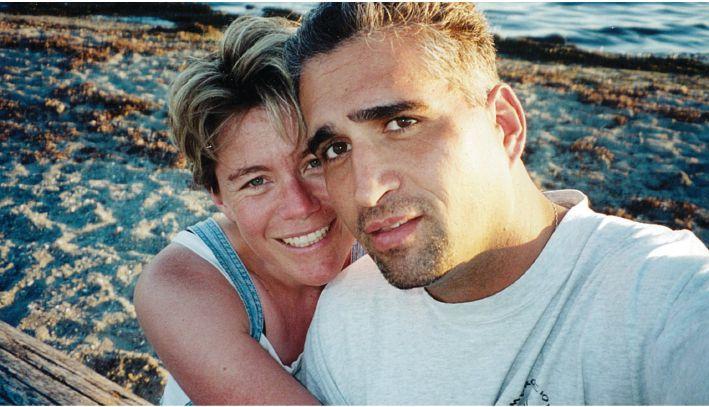
On Sept. 29, 2000, Const. John Petropoulos of the Calgary Police Service was called to investigate a break-and-enter at a warehouse. While on the mezzanine level, the four-year-veteran stepped onto what he believed was a sturdy floor — but it was a false ceiling. He fell nine feet into the lunchroom below.
Petropoulos was 32. His wife, Maryanne Pope, was also 32. They had been together for 12 years, and married for four.
“I was beyond devastated, I suppose just shattered,” said Pope. “You know, we were just like a normal couple one day and then I’m holding his hand in the ICU as he dies of a brain injury.”
She didn’t know what to do next, and his colleagues were at a loss. Shortly after, one of his police recruit classmates reached out to Pope with an idea. They were going to create a pen, with his regimental number, and sell them to police officers, family and friends to raise money.
“ They raised about $10,000. And they said, ‘When you’re in some sort of semblance of shape emotionally and mentally, and you feel like you can handle this, let’s get together and meet and we’ll decide what to do with the money,’” she said.
That led to the launch of the John Petropoulos Memorial Fund (JPMF). This year, Pope was named winner of the Community Leader Award as part of OHS Honours for her incredible work and that of the foundation in his name.
Originally, JPMF focused on the question: "How safe is your workplace for emergency responders?" With increasing activities on construction sites and other high-risk areas, the foundation initially
aimed to address safety issues faced by paramedics, firefighters, and police officers. However, workplace safety statistics prompted the organization to broaden its scope, she said.
"We wanted to raise public education and teach the public how to think about workplace safety from the perspective of first responders who might be in their premise and not familiar with the surroundings," said Pope.
She said it’s “incredible” to see the light bulb go off when someone hears what happened to her husband and other first responders.
“ They go, ‘Oh, I never thought about workplace safety from that perspective — from someone who will be in my building and not be aware of the dangers that we know are there',” said Pope.
This idea grew over the years, leading to public service announcements aired millions of times on television, a 10-minute educational video, and various safety campaigns. The organization later expanded its focus to include traffic safety, creating a campaign titled "Slow down. It's
no picnic out there."
“ We branched away from raising public awareness about workplaces in the sense of buildings, but traffic safety as well,” she said. “That campaign was really powerful and basically shows people that they need to slow down and move over when passing first responders, police, fire, EMS and tow truck drivers and give them room to work.”
The organization didn't stop there. When the pandemic hit in 2020, it pivoted its focus. During this period, Pope looked at the grim statistic that from 2000 to 2020, more than 20,000 Canadians had died due to workplace-related causes. This led to the creation of the "Casket Campaign," a visual representation of the scale of these tragedies.
“It’s a very powerful image, and horribly named for a very good reason,” said Pope. “It shows how high a pile of 20,000 caskets go — and it’s as high as airplanes fly. That’s completely unacceptable that we’re losing that many workers, in my humble opinion, because I know what it’s like to lose just one.”
For more information on Pope's safety journey and the incredible work of JPMF, see the full story at OHSCanada.com/2023OHS-Honours.
Modern Niagara Vancouver noticed a worrisome trend in its injury statistics. The company, which has a focus on plumbing and mechanical work, employs a lot of plumbers and sheet metal workers.
“ We’re always working at heights, and we’re always working with sharp tools and materials,” said Ken Brodie, HSE Specialist. “But it appeared that the lion’s share of our injuries were for ergonomic strains.”
The data backed that up and, with a massive project looming, the focus shifted to how to prevent injuries related to musculoskeletal disorders (MSDs) caused by repetitive, forceful, or awkward movements.
“We knew we had to really focus on the ergonomics issue because we were about to begin work on the new St. Paul’s hospital in Vancouver and have up to 500 workers there,” he said. “If we don’t get control of it before then, ergonomic claims would most likely increase in number and severity. Our focus was to stop this — do whatever we had to do and it had to be done right to prevent hip strains, back pain, and knee and shoulder injuries.”
The proactive approach to tackling the issue led to it winning the gold award for Best Ergonomics Program at 2023 OHS Honours.
" Senior management immediately stepped up," said Brodie. The aim was to implement an ergonomic solution that was effective, impactful, sustainable, and would discourage employees from reverting to ergonomically risky behaviors.
Engineering controls were identified as the most effective means to mitigate risks. In the company's fabrication shop, roller and
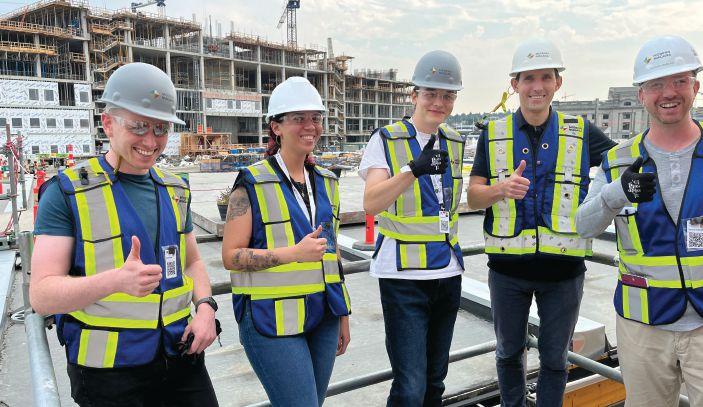
table systems were installed on all bandsaws and Victaulic pipe joining machines.
Gantry Cranes and electric hoists were colour-coded and placed in strategic locations like welding bays and loading docks. Work-tables were also repositioned to reduce excessive reach, fostering a more neutral working position.
“Before it seemed we were manhandling a lot of the pipes and a lot of the ductwork into the shafts and ceilings,” he said. Now, we pre-fabricate entire systems at our shop and the workers spend much less time in the installation process.”
The company extended its ergonomic interventions to field employees through mechanical, portable lifting devices. These devices optimized the delivery of materials to work areas, improving both safety and operational efficiency.
Partnerships with ConstructionCare and the BC Construction Safety Alliance were cornerstones of its ergonomic initiative.
This alliance provided injured workers with prompt medical assessments and
treatments, thereby minimizing the financial and human costs of workplace injuries.
Locations across the Lower Mainland enabled workers to receive same-day physiotherapy and next-day physician assessments, a remarkable feat given the industry standard.
“They said, ‘We can get your workers in at 2 p.m. in five different locations around Greater Vancouver, five days of the week.’ It was perfect, it was exactly what we were looking for,” he said. “Anytime we have an ergonomic strain or injury, they are there to assess and help.”
Employee engagement was another pillar of Modern Niagara's ergonomic program. Employees were encouraged to voice their concerns and suggestions, thereby actively participating in risk reduction, he said.
"Workers involved in ergonomics-related activities within their own field project were able to share their experiences and ideas with our other projects, thus increasing the dissemination of their successes," said Brodie. For more information, see the full story at OHSCanada.com/2023-OHSHonours.
Read the full stories at OHSCanada.com/2023-Top-25-Under-40
Alicia Herwynen
Stanley Black & Decker

Alicia, a 10-year veteran at Stanley Black and Decker’s Mississauga Centre, has excelled in promoting workplace safety, achieving 900 injury-free days.
Ashik Kumara Swamy
Harbridge and Cross

W ith credentials from Lambton College and multiple certifications, including NCSO, he's led key safety initiatives in construction and healthcare projects.
Jasmine Ramrup
Hemlo

Jasmine, an EHS lead at Hemlo, excels in EHS, ESG, and data analysis with a focus on diversity and technology in mining. She spearheads change management, risk management, and training initiatives.
Anders Wheeler
PCL

Anders, with 18 years in construction and 12 in health and safety at PCL, is a district HSE manager in Toronto, overseeing a team of 19 and about 60 projects.
Joanie Grandy
Capital Regional District

Joan is a standout leader in occupational health and safety, significantly reducing workplace injuries and claim costs. She's been pivotal in implementing a comprehensive 14-element safety program, leading an internal COR audit that secured a 10% discount.
Jarret Young
ONE Properties
Jarret oversees operations of multiple properties in Alberta, including high-rise buildings and retail spaces.

Niclas Eduardo
Manson
Toronto Public Library/Manson Methods

Niclas, an Industrial Hygienist and Safety Professional, is known for his comprehensive safety initiatives that have significantly reduced workplace accidents.
Andrew Monkman
Raytheon

S ince joining Raytheon ELCAN from Napoleon Canada, Andrew has significantly improved the company's safety culture, with metrics rising over 350%.
Dominique Cloutier
Demix

Dominique is a vital asset to the CRH OHS Team, coordinating safety committees, leading prevention projects, and providing support for incident investigations.
Robert Taylor
Saskatchewan Government Insurance

A Canadian Registered Safety Professional, Robert has been active on various industry safety committees and has served on the Saskatchewan Safety Council's board for 10 years.
Kendra Griffiths
Mondelez Canada

K endra quickly rose through the ranks at Mondelez, becoming HSE Manager within three years. She has led significant initiatives, including a site pandemic preparedness program.
Tracy Drew
National Microbiology Laboratory Branch

Tracy has significantly advanced OHS in her organization through innovative training programs, garnering worker trust.
Keirson MacDonald
Compass Group Canada
Keirson has significantly advanced safety culture at Compass Group Canada, specializing in occupational and food safety.
Emily Prager
WorkSafeBC


E mily, an Occupational Hygiene Officer at WorkSafeBC, leverages her background in microbiology to make an impact in various sectors including manufacturing and healthcare.
Robyn Spencer
P&H Milling Group

In just one year at P&H, Robyn has become an impactful health and safety leader, revamping the Lock Out Tag Out implementation at the Saskatoon site.
Maria Robibero
Ledcor

In her 14-year construction career, Maria has become an influential HS&E Manager in Ontario, significantly improving Ledcor Construction's safety metrics.
Emilie Gaignard
Canadian Red Cross

As a young OHS advisor in a nationwide organization, Emilie collaborated with internal stakeholders to develop and implement various elements of the OHS program.
Brandon Vance
Norcat
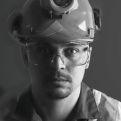
B randon Vance, Senior Consultant at NORCAT Advisory, has made significant contributions to Occupational Health and Safety, particularly in mining.
Moe Handous
Mammoet
Moe is a skilled safety professional known for his meticulous audits, inspections, and reporting. Effective in communication, he delivers clear presentations to various audiences.
Heather Gough
IPC Canada
Heather is a pivotal member of the IPC HSE Team, coordinating the annual Safety Management plan and ensuring year-round focus.
Mark Nolan
Multiplex Construction Canada
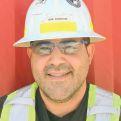


Mark Nolan, Director of Safety at Multiplex, excels in critical risk management and 8D safety, and pioneers the use of Power BI in data analytics.
Cecilia Diaz
Atlantic Packaging
Cecilia, a key member of the Atlantic OHS team, has transformed safety culture in Mississauga and Brampton Corrugated division plants over four years.
Labhesh Modha
Labhesh Modha, holding degrees in Mechanical Engineering, Environmental Health and Safety, and an MBA, has over 12 years of experience in the EHS field.
Chelsea Laporte
Edmonton International Airport



C helsea stands out for her exceptional work ethic and commitment to occupational health and safety (OHS) at the airport. Her proactive leadership has revamped the OHS committee and reduced onsite incidents by 24%.
Kajal Griffeth
Cargill
Kajal excels as a safety professional, demonstrating strong leadership and unswayed decision-making. With an operations background, she's proactive in expanding her expertise.

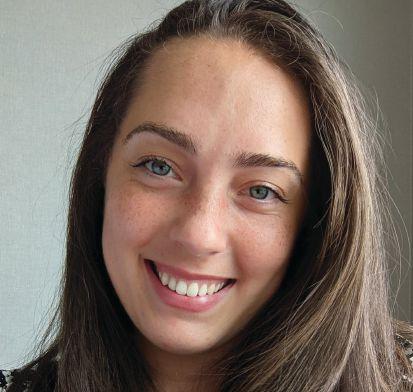
We are thrilled to spotlight Cecilia Diaz, a true champion of workplace health and safety. Cecilia’s dedication and commitment to safety have set a remarkable standard in our industry. Her relentless pursuit of safety excellence has not only earned her this esteemed recognition but has also made a profound impact on the lives of the workers in our company.
By the Canadian Centre for Occupational Health & Safety (CCOHS)
Feeling tired, foggy, mentally, or physically drained, or lacking motivation? These are all signs and symptoms of fatigue. Whether it’s due to working long hours, not getting enough sleep, or from long periods of stress or anxiety, workplace fatigue is a hazard employers should be concerned about.
The impact of fatigue can be considered a form of impairment, making it a workplace hazard that can be dangerous for not only the worker, but also for other employees and even members of the public. Consider delivery truck drivers, for example. If preventative measures aren’t put in place, long hours from shift work or extended workdays may result in the drivers feeling fatigued while on the road, putting themselves and others at risk.
Research has shown that the number of hours awake can impact the body in a similar way to blood alcohol levels. One study reported that 17 hours awake is equivalent to a blood alcohol content of 0.05, and 21 hours awake is equivalent to a blood alcohol content of 0.08 (the legal limit for drivers in Canada). Other studies have shown that workers who have slept for less than five hours before
work, or have been awake for more than 16 hours, have a significantly higher chance of making mistakes at work because of fatigue.
While it can be difficult to isolate the effect of fatigue on incident and injury rate, recognizing it as a workplace hazard and implementing controls can help employers proactively prevent fatigue-related incidents.
There are a number of factors that can contribute to fatigue at work. These factors may include long work hours or long hours of physical or mental activity, insufficient break time between shifts, or changes to jobs or shift rotations. Inadequate rest, excessive stress, and balancing multiple jobs are also contributing factors.
Feelings of fatigue can be increased by dim lighting, limited visual alertness due to weather, low light, or other factors, high temperatures, or noise. It also becomes an issue when tasks must be sustained for long periods of time, or where they are repetitive, paced, difficult, boring and monotonous, or non-strenuous.
Workers may be dealing with external contributing factors, such as a sleep disorder or prescription medication that affects the length or effectiveness of their sleep. Some disorders such as insomnia, sleep apnea, restless legs syndrome or narcolepsy, can cause extended wakefulness or disruptions to circadian rhythms. Illness and other
Feelings of fatigue can be increased by dim lighting, limited visual alertness due to weather, low light, high temperatures, or noise. It also becomes an issue when tasks must be sustained for long periods of time.
medical conditions can also affect sleep length and sleep quality.
Take a thorough look at your workplace, and identify objects, situations and processes that have the potential to cause harm due to fatigue. Once you’ve identified fatigue as a hazard, you can evaluate how likely and severe the risks are, then decide how to effectively eliminate or control the harm. Note that the work environment should have appropriate lighting, temperature, and noise levels. Fatigue may be increased by long, repetitive, and monotonous tasks so it’s important to offer a variety of tasks throughout the workday. If possible, optimize the design of the shift schedule by establishing the length of the rotation period and the direction of shift rotation. Create a schedule for shift workers that rotates forward, allowing them to go from a day shift to an afternoon or evening shift, and then into a night shift. This rotation is easier on the body and helps to build a routine. If the job allows for it, try to adjust the work plan for the day. The most demanding and high-risk tasks should be avoided towards the end of the shift, or between certain hours (between the hours of midnight and 6 a.m.) when employees may be less alert.
In addition to feeling very tired, weary, or sleepy, workers should also know how to recognize less obvious symptoms -- reduced ability to be productive, lack of motivation, de -
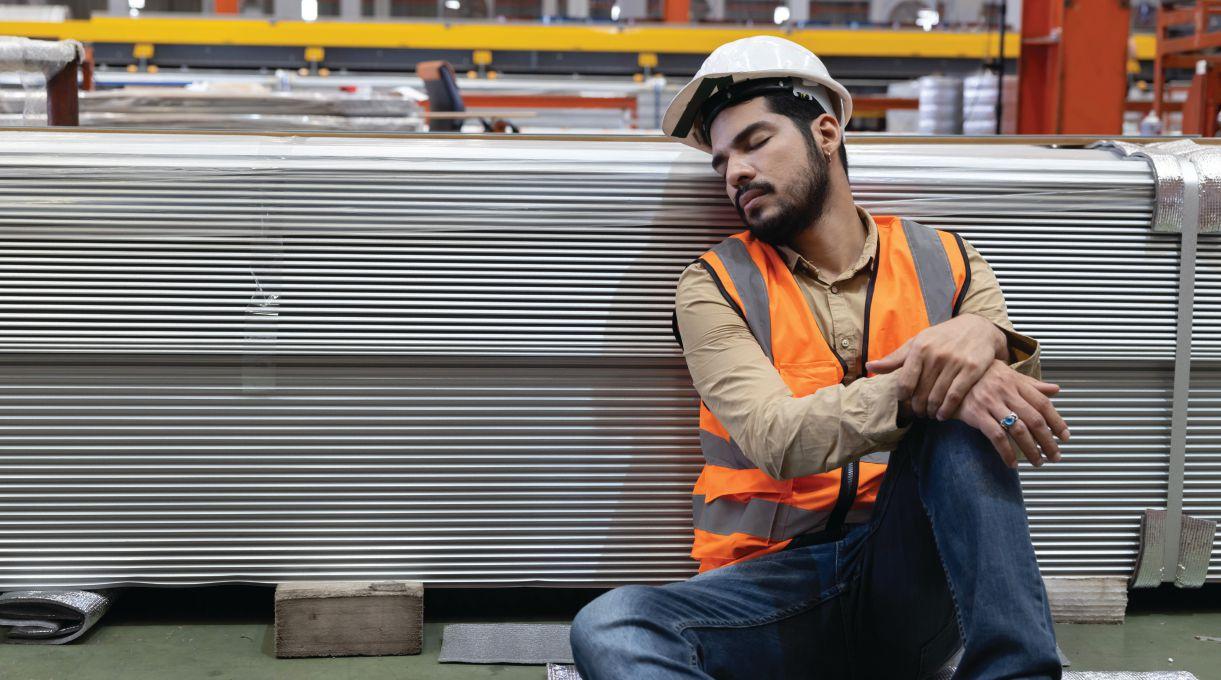
pression, headaches, and increased frequency of illness. Feelings such as giddiness, boredom, loss of appetite, and digestive issues may also be signs of fatigue. Train everyone on the hazards of fatigue, including how to recognize symptoms such as weariness, sleepiness, irritability, being mentally or physically tired, and reduced alertness, concentration, and memory.
Equip workers with the information they need to help address fatigue. Getting enough quality sleep is the habit sure to make the biggest impact. There is no one way to get good sleep – what works for one person may not work for another. General tips include going to bed and getting up at the same time every day; limiting screen time before sleep; exercising regularly; and using the bed primarily just for sleeping instead of activities like watching television. Not tired? Don’t force it. Do something quiet instead, like reading a book.
It may also help workers to establish eating habits that help encourage sleep and feeling good. Having meals at regular times is important to function at our best. Skipping meals or eating at irregular times can contribute to fatigue, food cravings, or increased eating at the next meal. When working night shifts, it’s good to have a
“main meal” before going to work. A heavy meal during the night may cause heartburn, gas or constipation, or make workers sleepy or sluggish.
Eating snacks between meals is a great way to stay nourished and get through work shifts with some energy. At breaks, opt for healthy snacks that include combinations of a variety of foods from the four food groups. Consider caffeine intake as well. Excessive caffeine can cause insomnia, headaches, irritability and nervousness. It is recommended that foods containing caffeine should not be consumed up to eight hours before sleeping.
The amount and quality of social interactions people have are related to their physical and mental health. Individuals like shift workers, who cannot establish regular routines in their daily activities, have more difficulty planning for family responsibilities and participating in clubs, sports and other social activities. The shiftwork makes it harder for them to cope with physical and mental fatigue than nonshift workers. The lack of regular social contact can lead to feelings of loneliness and isolation. Since recreational opportunities are often minimal for workers on non-day or night shifts, some organiza -
tions offer facilities for social activities with the needs of shift workers in mind. Providing access to quality childcare for shift workers' children can also help ease strain on their families.
Encourage employees to speak up if they’re experiencing any symptoms of fatigue that may affect their ability to do their jobs safely. Workplaces can also provide mental health services such as employee assistance programs and promote healthy lifestyle campaigns that encourage healthier eating and drinking habits, and physical activity.
Fatigue can include mental, physical, or subjective states, and can cause workers to potentially be inattentive, physically exhausted, or drowsy. By following these tips and addressing potential hazards and associated risks, employers can be assured knowing that they’re helping workers to stay alert and stay safe while on the job.
The Canadian Centre for Occupational Health and Safety (CCOHS) promotes the total well-being — physical, psychosocial, and mental health — of workers in Canada by providing information, advice, education, and management systems and solutions that support the prevention of injury and illness. Visit www.ccohs.ca for more safety tips.
Any worker required to work on or near electricity is at risk of injury, even fatality. This is why it’s essential to implement an effective workplace electrical safety plan. It is crucial that occupational health and safety (OHS) professionals understand the ever-evolving landscape of codes and standards, as well as the guides and training available to them.
CSA Group’s Candace Sellar shares more about what OHS professionals can expect from CSA Group in the coming months as it continues to update and evolve its offerings which address electrical safety.
What are the key standards and codes that Canadian health and safety professionals with workers required to work on or near electricity should be aware of?
First and foremost, it is important to have a general understanding of the Canadian Electrical Code, Part 1 (CSA C22.1:21). It provides guidelines and safety requirements for electrical work, equipment, and installations across Canada, to help ensure that electrical systems are installed and maintained safely.

First published in 1927, the code is managed by CSA Group and is updated regularly.
In terms of standards, CSA Group also offers three safety-related work practice standards. Primarily, CSA Z462:21, Workplace electrical safety specifies requirements for and provides guidance on safety management systems, safe work procedures, and selection of personal protective equipment and other safety devices for persons exposed to hazards associated with energized electrical equipment. In addition, this Standard sets out criteria for the identification and training of qualified electrical workers and for determination of hazardous work to be performed only by those qualified individuals.
A little more specific, but equally important, CSA Z460:20, Control of hazardous energy – Lockout and other
To ensure electrical safety programs are as current as possible, employers need to actively monitor and stay up to date with changes in regulations, codes and standards.
methods, provides requirements for controlling hazardous energy associated with potentially harmful machines, equipment, and processes. CSA Z463-18, Maintenance of electrical systems , details requirements for the maintenance of both new and existing electrical equipment and systems.
Is the implementation of safety-related work practice standards mandatory across all workplaces in Canada?
Workplace electrical safety is usually governed by a combination of provincial/territorial and federal regulatory requirements. Depending on the province or territory, one or more of the CSA Group standards listed above may be referenced in OHS regulations making implementation mandatory.
While it would be ideal if all OHS standards were made mandatory by being referenced in regulation, voluntary implementation is still incredibly important as standards provide consensus-based expert guidance and leading practices that helps workplaces ensure the safety of their employees, customers, and the communities that they serve. With standard implementation, organizations can demonstrate their commitment to the well-being of their employees and the overall safety of their operations.
To help ensure that their electrical safety program is as current as possible, it is important that employers do their best to actively monitor and stay up to date with changes in regulations, codes, and standards. OHS professionals can stay informed through industry associations, trade publications, their own networks, and by outsourcing assistance from reputable
organizations. For example, CSA Group offers both instructor-led workshops in English and French, as well as self-paced online training for CSA Z462
It is also crucial that OHS training programs focused on electrical safety are designed, maintained, and updated on a regular basis. CSA Group maintains a dedicated OHS space on CSA Communities including information about our OHS standards development activities and updates. CSA Group also offers several free Support Tools, including a short-self-paced learning on the basics of putting together effective OHS training for workers, and a handout on key considerations when building OHS training.
Most importantly, it is critical to check in with employees on a regular basis to see if they have any concerns and ensure they have a firm understanding of what needs to be done to help create and maintain a safe working environment.
International Petroleum Corp. (IPC) is proud to recognize the success of Health, Safety, Environment Coordinator, Heather Gough, in being named as one of OHS Canada’s Top 25 under 40.
This award confirms Heather’s commitment to IPC’s core vision and values and highlights her continual efforts to ensure health and safety goals and initiatives are being met and exceeded.
Heather’s safety leadership skills, work ethic, and dedication to her HSE team and asset groups, is paramount to the success of IPC Canada’s health and safety management program and operational safety as a whole.
Employers should complete regular Electrical Safety Program Audits. Choosing to follow a model like the Plan, Do, Check, Act (PDCA) may help organizations when changes arise impacting their policy, standards, work environment, equipment, and tools. It provides a simple and effective approach for solving problems and managing change. It is an iterative process used by organizations to achieve continual improvement.
Employers should also train workers regularly, so they are aware of, and confident, in their knowledge of program changes, leading practices, and standards. Breaking training into digestible segments delivered more frequently may also help improve engagement and retention.
For more information, visit https://community. csagroup.org/community/ohs.

Congratulations, Heather! IPC is an internationally focused upstream oil and gas company with


and development assets in Canada, Malaysia and France. We are a safe and
www.international-petroleum.com info@international-petroleum.com

China’s Great Wall has been pierced by Genghis Khan, the Manchus and now, allegedly, by construction workers in search of a shortcut. Authorities arrested two people for smashing a path through the ancient structure using an excavator. The area where it happened was in a remote section, far from the areas most tourists are familiar with. The pair were working on a construction site in a nearby town and the wall was a barrier forcing them to take the long way around.

Norway is rebuilding a dilapidated reindeer fence along its border with Russia to stop animals from wandering into the neighbouring country. The strolls are costly for Norway because it is required to compensate Russia for loss of grassland. So far this year, 42 reindeer have snuck into Russia seeking better pastures and grazing land. Moscow has sent two compensation claims this year, one for about $4,700 per reindeer that crossed to graze in the Pasvik Zapovednik natural reserve. The other is a lump sum request for $4.4 million for the days the animals grazed in the park.
An Arizona man called a snake removal company after he found three rattlesnakes lurking in his garage. Turns out he miscounted. There were actually 20 snakes, including five adult western diamondback rattlers and 15 babies. One of the adult snakes was also pregnant. Most of the snakes were coiled around the base of a water heater in the cluttered garage.
“That is a lot of snakes. I’m not going to lie. This is crazy,” said snake wrangler Marissa Maki.
A collection of wild and weird workplace health and safety headlines from Canada and across the world.

Police in Nebraska's biggest city pulled over a Ford Crown Victoria that had an usual passener riding shotgun — a massive bull. A 911 caller reported the unusual sighting in the city of Norfolk. “We didn’t have a full understanding of it until we saw it,” said police Capt. Chad Reiman. The car, driven by Lee Meyer, has been used in parades in the area for years. The bull, named Howdy Doody of course, is able to sit in the passenger seat because half the windshield and a section of the roof have been removed to make room for him to sit comfortably next to the driver. A yellow metal cattle gate serves as the passenger side door, allowing him to be tied up, and a set of longhorns serves as the hood ornament.

Paqui has pulled its "OneChipChallenge" extremely spicy chips from store shelves after a teen in Massachusetts died shortly after eating one. Spicy food challenges have been around for years. From local chile pepper eating contests to restaurant walls of fame for those who finished extra hot dishes, people around the world have been daring each other to eat especially fiery foods. That’s the premise behind Hot Ones, a viral YouTube sensation that sees the host interview celebrities as they eat increasingly spicy wings. While the autopsy results are pending, the teen’s family allege the chip he ate is the cause of his death. “There’s a reason why these challenges are appealing. This type of marketing sells,” said psychology professor Elisa Trucco of Florida International University.
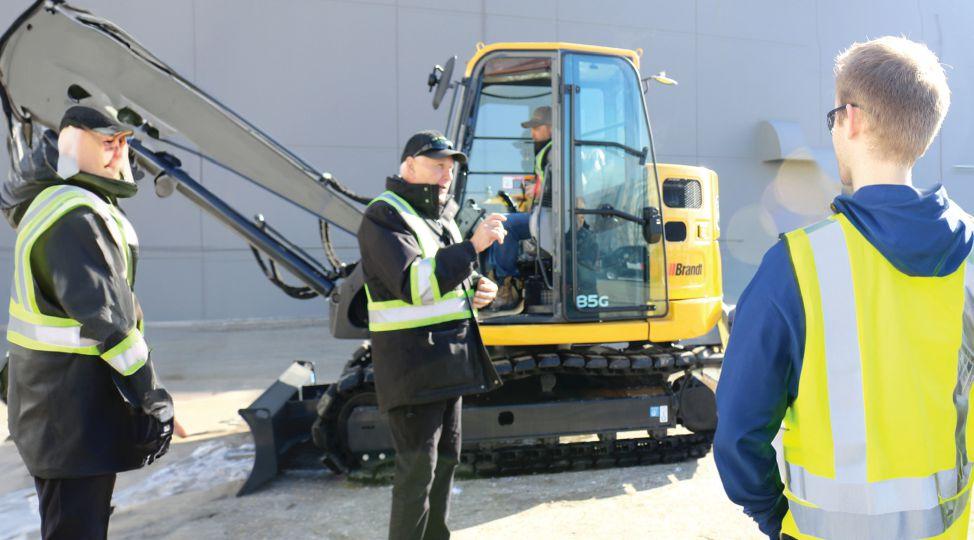
Enhance your safety, productivity, efficiency, and confidence on the job with Brandt Operator Safety Training.
Learn how to load handle, drive & maintain a range of forklift types.
Get certified in a day with our all-inclusive skid steer course.
Understand all aspects of telehandler operation, from startup to shutdown procedures.
Industry-leading training on motor grader handling, safety & operations.

Visit us online at: more.brandt.ca/forklifts
Gain skills in maneuvering and operating an Mobile Elevated Work Platform safely onsite.
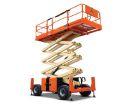
Take our full-day excavator course & get certified.
Master fall protection systems and skills that meet regulation requirements

Industry-leading training on wheel loader handling, safety & operations.

Gain an understanding of how to inspect & safely operate overhead & truck-mounted cranes.
This course provides students a basic understanding of backhoe operation, maintenance, and load handling.