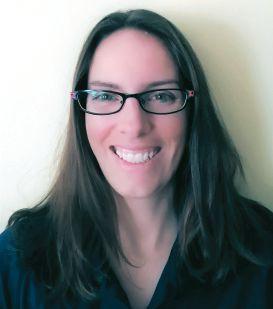
08 | Safety Leadership Leaders need to listen, learn and adapt, says Lisa McGuire
09 | Legal View:
Ignoring COVID safety rules isn’t just a bad practice, it’s also expensive and illegal. That’s a lesson one Ontario employer learned.
OHS HONOURS
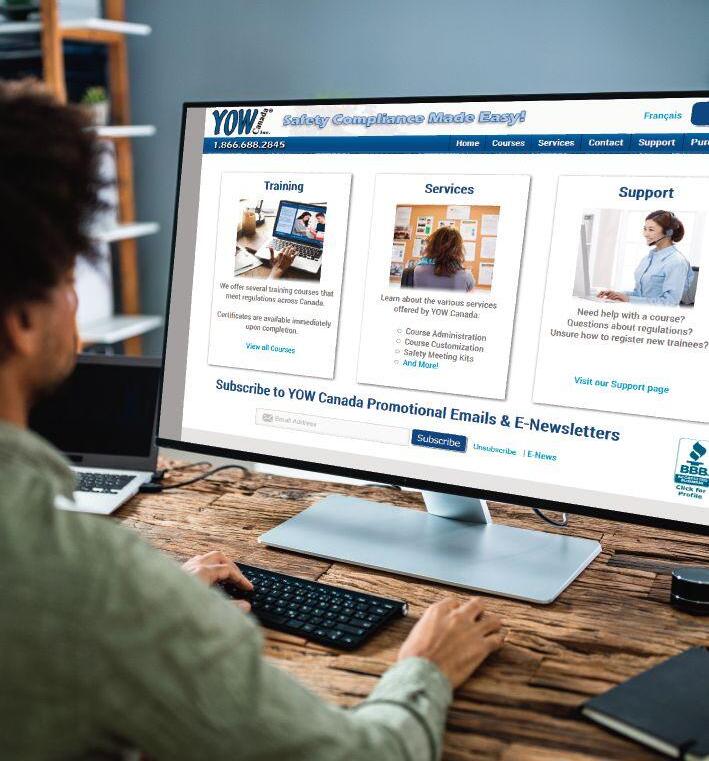
We’re excited to share the stories of awardwinning safety practices across Canada. See our special section on the awards.
BY TODD HUMBER
18
Top 25 Under 40
The future of the safety profession is very bright, judging by the excellent crop (and we got a record number this year) of nominees. See the full list of winners.
BY TODD HUMBER
DEPARTMENTS
04 | From the Editor
05 | In the News
06 | Quarterly Check-in
Q&A: Falls are a major source of injury, death — but standards offer a solution
10 | CCOHS Corner
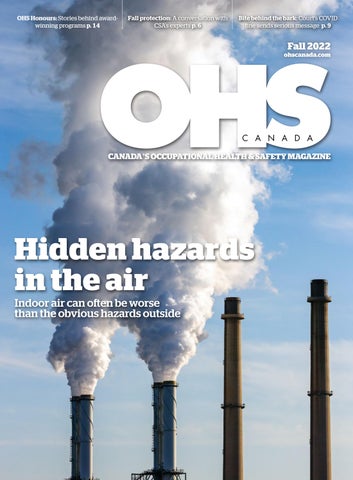
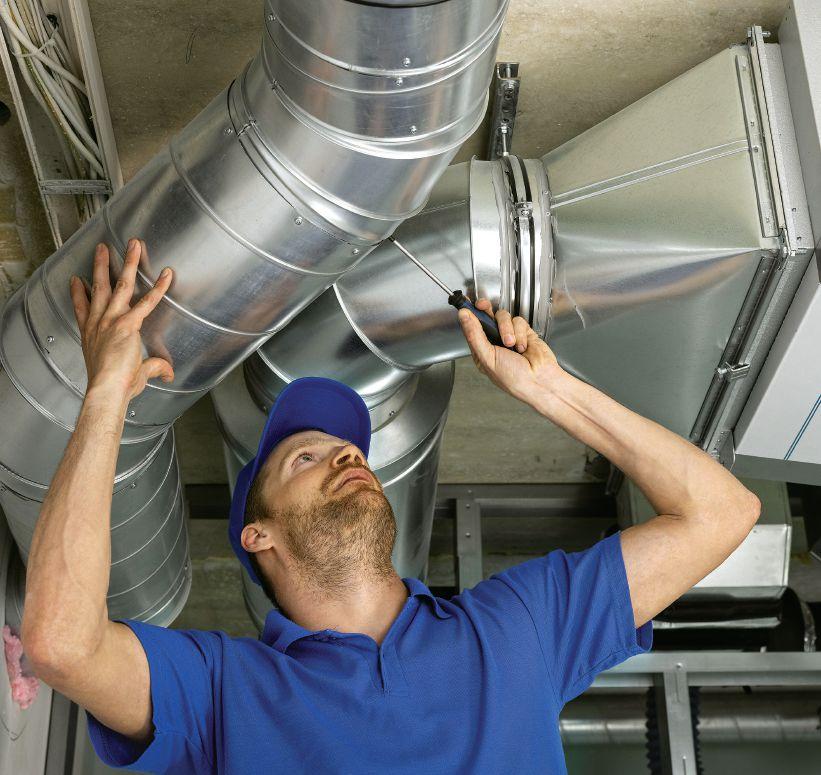
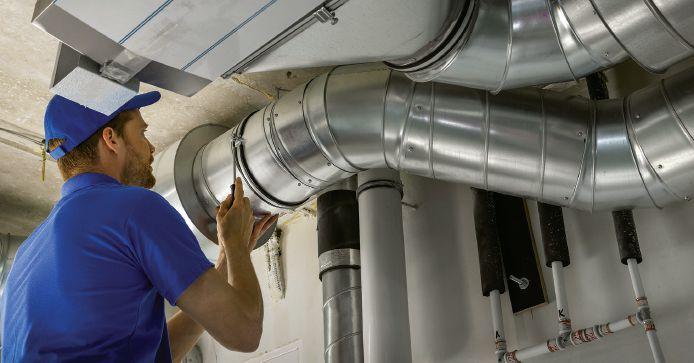
In this issue, the “Corner” doubles as our cover story, with an in-depth look at keeping air quality high.
22
Time Out
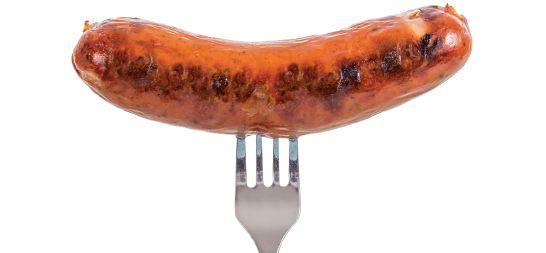
What do boats, sausages and bats have in common? Well, they’re all a bit offbeat. The backpage never disappoints.
BY TODD HUMBER
From the Editor
By Todd Humber, Senior Editor
The language of workplace safety must be universal
Canada’s increasing diversity poses both opportunities and challenges for employers.
New data from Statistic Canada’s Census shows a record number of us report speaking a native language other than English or French. And it’s not a small number — 4.6 million people, or about 13 per cent of the population.
O ffering communications and materials in the two official languages simply isn’t sufficient anymore to keep your workers up to speed and safe.
But it’s also not feasible to translate materials into every possible language. The data, for example, shows a surge in Canadians who speak South Asian languages such as Punjabi or Hindi — the growth in that group was eight times larger than the increase in population.
A best practice would be to have every bit of safety material, every communication and training manual, available in every language. And while you’re not supposed to say these things out loud, the costs in going down that road would be prohibitive, not to mention all the logistical challenges and the work required each time something critical was updated
EDITORIAL ADVISORY BOARD
But hey, nobody ever said safety was easy.
Luckily, this profession is full of creative leaders who look for ways to go above and beyond in their quest to keep people safe. We uncovered some of the issues employers are facing with language while researching the OHS Honours winners.
You’ll find most of the winners profiled in pages of this issue, and we celebrated their accomplishments at a gala on Sept. 15 at the Globe and Mail Centre in Toronto.
Compass Group Canada had a really creative idea that came out of an internal safety awards competition it runs. The idea was to affix stickers with QR codes to safety equipment. It also colour-coded the stickers, with each colour representing a different language, so workers would know which one to scan to get the information they needed.
It has safety training materials available in 11 languages, which is impressive. But when you consider that data shows that, in Canada, there are more than 215 languages spoken, the challenge to be comprehensive quickly becomes daunting.
Compass Group’s solution is to move more to image-based information. Using pictures,
Paula Campkin: chief safety officer, Energy Safety Canada
Marty Dol: president and founder, HASCO Health & Safety Canada
Cindy Moser: director of communications, Institute of Work & Health
Natalie Oree: prevention consultant, SAFE Work Manitoba
David Powers: EHS director (Atlantic), Sysco Canada
rather than words, can convey the message faster and it’s a universal language.
Technology is also riding to the rescue, with instant translation apps and AI that can translate any text just by holding your phone over it. (My favourite is Google Translate, an app for iPhone and Android, It works well and it’s free.) These are imperfect solutions, but they will improve with time.
Telling the stories of the companies that won OHS Honours was a lot of fun. We’re proud of these awards, and it’s the first time we’ve gathered in person to celebrate the winners and share their stories.
We’re also committed to keeping these awards accessible and pure. There is no nomination fee, and there never will be one. This is not a pay-to-play vanity awards gala. It is an opportunity to share best practices, to learn from each other and really capitalize on the fact there are no state secrets in workplace safety. And, of course, celebrate.
For 2023, we are expanding the award categories and looking to add more independent judges to our panel. If you’re interested in taking part, please reach out to me at thumber@ annexbusinessmedia.com.
Richard Quenneville: senior director of corporate services, T. Harris Environmental Management
Maureen Shaw: lecturer and presenter
Dylan Short: managing director, The Redlands Group
Fall 2022
Vol. 38, No. 4 ohscanada.com
READER SERVICE
Print and digital subscription inquiries or changes, please contact Angelita Potal Tel: 416-510-5113 Fax: 416-510-6875
email: apotal@annexbusinessmedia.com
Mail: 111 Gordon Baker Rd., Suite 400, Toronto, ON M2H 3R1
AUDIENCE DEVELOPMENT MANAGER Serina Dingeldein 416-510-5124 sdingeldein@annexbusinessmedia.com
BRAND SALES MANAGER
Silvana Maiolo smaiolo@annexbusinessmedia.com
GROUP PUBLISHER
Scott Jamieson sjamieson@annexbusinessmedia.com
COO Scott Jamieson sjamieson@annexbusinessmedia.com
Printed in Canada ISSN 0827-4576 (Print) ISSN 1923-4279 (Digital) PUBLICATION MAIL AGREEMENT #40065710
SUBSCRIPTION RATES
Published six times per year – Jan/Feb, Mar/Apr, May/Jun, Jul/Aug, Sep/Oct, Nov/Dec Canada $100/yr plus tax USA $130/yr (100 USD) Foreign $214/yr ($164.50 USD)
Occasionally, OHS Canada will mail information on behalf of industry related groups whose products and services we believe may be of interest to you. If you prefer not to receive this information, please contact our circulation department in any of the four ways listed above.
Annex Business Media Privacy Office privacy@annexbusinessmedia.com Tel: 800-668-2374
All advertising is subject to the publisher’s approval. Such approval does not imply any endorsement of the products or services advertised. Publisher reserves the right to refuse advertising that does not meet the standards of the publication.
In the News
Alberta unveils online safety tool
Alberta has launched a new occupational health and safety legislation tool to give employers and workers an easier way to access information.
The search tool consolidates the OHS Act, regulation and code into one interactive, online resource. Updated and easy-to-understand OHS legislation will help workers and employers build safe and healthy workplaces that support jobs and Alberta's economic recovery, said Kaycee Madu, Minister of Labour and Immigration.
It contains a word-for-word transfer of the OHS Act, regulation and code, as it appears in the Alberta Queen’s Printer. It is is available at search-ohslaws.alberta.ca.
Canadians help rescue trapped miners trapped in Dominican Republic
Defence Minister Anita Anand says two miners who were trapped in an underground mine for 10 days in the Dominican Republic in August have been rescued with the help of Canada.
Anand said the Royal Canadian Air Force transported mining equipment to Santo Domingo following a request for assistance.
Two miners with the Dominican Mining Corporation, known as Cormidom, had been trapped since July 31 in an underground mine. According to a news release from the Dominican Republic Embassy, Canada was expected to send over a mining excavation system made up of machines, tools and various rescue technologies.
The equipment was provided by Machines Roger International, a mining company based in Val-d’Or, Que. Anand thanked the RCAF personnel involved in the mission.
25%
Courts in Ontario tack a victim surcharge on fines. The money is earmarked to help victims of crime.
Ontario Supervisor fined $20,000 in death of worker
A supervisor for a refrigeration company has been fined $20,000 after a worker was killed in Ontario.
L.Z. Refrigeration Inc. was hired on March 5, 2020, as a subcontractor to install refrigeration panels for a walk-in, cold storage room at a workplace in Scarborough, Ont.
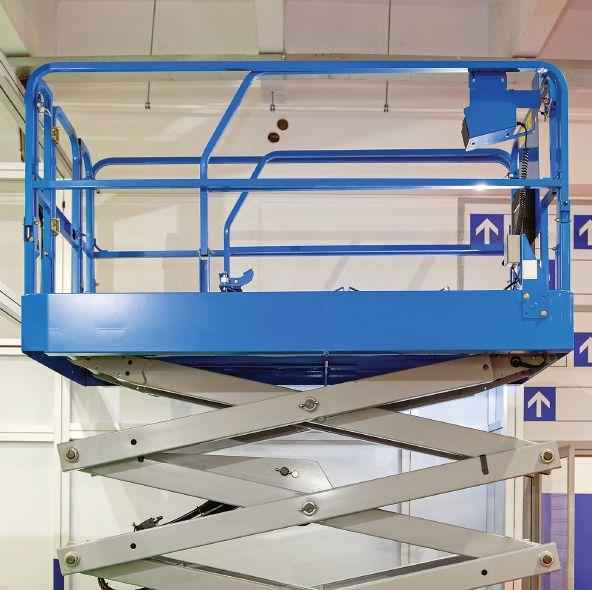
Yuqin Liu was a director and a supervisor of L.Z. Refrigeration Inc. On March 13, 2020, at about 1 p.m., the worker was operating an elevated work platform (EWP) by himself.
At some point, the worker activated the EWP joystick for controlling elevation. The platform elevated and as the EWP continued to rise, the worker became trapped between an overhead beam used to support electrical wires and the elevating platform’s guardrail near the control box suffering
crushing injuries.
The worker was unable to free himself and succumbed to his injuries.
Liu failed as a supervisor to ensure that the worker operated the EWP as required by the Occupational Health and Safety Act. Specifically, he failed to ensure the worker was provided with oral and written instructions or training on the operation of an EWP which includes instructions with respect to the owner’s manual.
Following a guilty plea in Provincial Offences Court in Toronto, Liu was fined $20,000. The court also imposed a 25 per cent victim fine surcharge as required by the Provincial Offences Act. The surcharge is credited to a special provincial government fund to assist victims of crime.
Quarterly Check-In
CSA Group
Q&A: Falls are a major source of injury, death – and the standards offer a solution
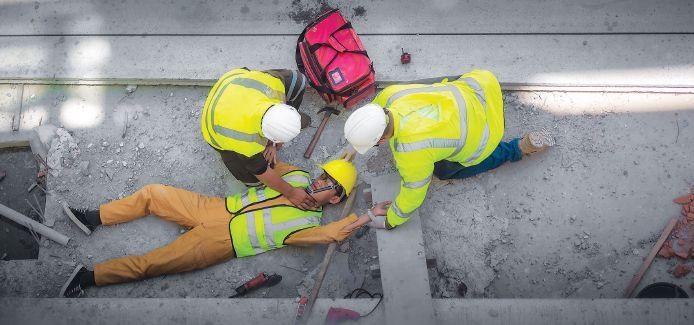
Falls from heights are a major cause of injury and death in Canadian workplaces. Fall protection and work at heights standards can play an important role, but effectively implementing them is a collaborative effort
To better understand the standards landscape, we present a conversation from Candace Sellar (CS), p rogram m anager of CSA Group’s Worker and Public Safety sector and Wayne J. Donnelly (WD), a fall protection and working at heights expert, and active CSA Group member who chairs multiple technical committees and subcommittees focused on fall protection.
What does Canada’s landscape of work at heights and fall protection standards look like?
CS: CSA Group’s collection of work at heights and fall protection standards is robust and continuously evolving to meet the needs of organizations and workers. Our suite of standards offers organizations a robust toolkit to leverage, as they build and improve their OHS procedures. Our standards focus on management of work at heights, proper fall protection equipment, rescue procedures and training.
WD: From a regulatory perspective, the landscape in Canada is quite fragmented with opportunity for harmonization. Across most provinces, territories and federal jurisdictions, many CSA standards are referenced in OHS regulations. This is a good start, but unfortunately there is a lack of consistency across jurisdictions not only in terms of the standards referenced, but also the specific version of the standard that has been chosen to be referenced. With so much variation in regulations, employees and organizations, working across multiple provinces and jurisdictions, may find it difficult to comply or may unknowingly be referencing an outdated version.
Why do work at heights and fall protection standards matter?
CS: Standards are at work in every aspect of our life, helping to establish safety and quality levels across various industries and sectors. Whether mandatory or voluntary, occupational health and safety standards help keep employees safe. Fall accidents remain one of the leading causes of injuries, so the need for standards is important.
WD: Standards are not static. They are evidence informed and their requirements evolve as science develops and technology advances. Standards can help improve worker protection with leading practices, design, and performance criteria – knowledge that is developed, shared and captured by the experts who develop them. Today, we’re very focused on the development of user-standards that focus on providing guidance and assistance in picking the “right tool for the job ” This includes fall protection standards for equipment selection, training and the development of work at heights management systems.
How are fall protection standards enforced?
CS: All CSA Group standards are voluntary unless referenced in regulation by the authority having jurisdiction. Many of CSA Group’s work at heights and fall protection standards are referenced by provinces, territories, and federal jurisdictions in
their respective OHS regulations, or adopted voluntarily by organizations.
These standards are incredibly important and potentially lifesaving. What are some adaption barriers?
CS: Whether mandatory or voluntary, many employers are not aware of the regulations in their jurisdiction or are unaware of the many work at heights and fall protection standards available. Moreover, in many cases, it is the employees, not the employers who are responsible for selecting fall protection equipment. These individuals sometimes lack the knowledge, formal training, and financial resources to select the right equipment. Additionally, in industries with day labourers or smaller teams, there may be limited internal enforcement.
WD: From a regulatory perspective, it takes a considerable amount of time, due to the processes and legalities associated with getting a standard adopted into regulation, to become law. Additionally, organizations are often unaware of specific OHS regulations, or changes to OHS regulations impacting them.
Has CSA Group recently released any new work at heights or fall protection standards?
CS: CSA continues to release new and updated editions of a variety of work at
heights standards and on a five-year cycle, update current standards. Recently, we published CSA Z1009:22, Management of work at heights which provides an overview of steps organizations need to take to establish and maintain an effective management program. This is a very significant standard as it provides information, methods and criteria to develop and implement solutions considering the type of work, frequency of access, knowledge and skills of workers, and other factors. CSA Group also continue to update its CSA Z259 Series which includes more than 17 unique standards focused on fall protection and work at heights. Recently, CSA Group added CSA Z259.19:22, Managed fall protection training, a standard that guides organizations through the development and implementation of fall protection specific training programs.
As technology advances to help reduce worker risk, how are standards evolving?
CS:It’s essential that standards keep pace with advancements in material science, new design specifications, the application of wearable monitoring technologies, or applied lessons learned from the field. Although it’s important that we’re developing new standards as the need arises, it’s also important that we’re updating our existing standards. CSA Group standards are reviewed, at a minimum, every five years.
Who are these standards geared to?
CS: The target audiences for work at heights and fall protection standards are vast and are geared and designed for manufacturers, professional engineers, companies and their owners, regulators, OHS professionals, safety associations, trainers,
academic researchers and end users.
Can you share some best practices?
CS: Implementation of CSA Z1009:22, Management of work at heights is a great place to start. It encourages a preventative approach, and sets requirements and recommendations for developing detailed work at heights plans, work procedures, and training programs. Once in place, an organization can look at the most current guidance on selection, care and use of PPE, paying special attention to the diverse and unique needs of employees.
Information about CSA Group’s fall protection and work at heights standards can be found on the OHS Standards Public Space. All CSA Group OHS Standards that are referenced in regulation are available for no-fee view access through the CSA Group Store.
Safety Leadership
By Lisa McGuire
Leaders need to listen, learn, adapt
Effective leaders are visionaries. They have the capacity — and make the time — to look beyond today’s issues and opportunities towards a vision of a future for their organisation: In three years, five years, 10.
More than that, they help their teams envision that future and build a strategy and roadmap to get there.
What we envision
That vision often includes new products and services. Leaders forecast growth in profitability, perhaps locations and also headcount. The best leaders envision an engaged and thriving team and a healthy safety scorecard.
Their minds go to new technologies, operational enhancement and business development. Potentially also to safeguards and workplace wellness programs. They build plans for technical training to support operational changes for today and tomorrow, conceptualizing the everchanging landscape that has become our new normal.
But in our vision-mapping and strategic planning, how often do we consider whether our leadership team has the skills they need going forward to lead a new generation of workers?
How do we ensure that the leadership team carves out time for education in their already busy days? That they are acquiring the knowledge to apply in critical decision making to ensure that we execute successfully on our strategies? In this new world of work, we cannot afford not to invest in leadership development.
Our workforce is shifting
In Canada, our population is aging. In B.C., only three new workers are entering the job market for every four retiring as boomers leave the workforce.
Compounding the effects of that major shift, a recent survey by ADP Canada Co. found nearly one-quarter of Canadian
workers have switched jobs in the “Great Resignation.”
W hile compensation continues to drive much of that shift in our competitive hiring market, we know that, historically, people leave their jobs because they are unhappy with their managers or company leadership.
Over-extended managers lack the time to provide team members the coaching they crave. Ill-equipped supervisors allow conflicts to become toxic. Busy leaders fail to engage employees with a sense of purpose in their work. Focused on the priorities of the day, they make decisions that encroach on their teams’ work-life boundaries.
A workforce made up primarily of Millennial and Gen Z is the future of your organi zation. This new generation of workers puts an even greater value on work with purpose. On ethical values. On autonomy and protecting their own personal time and boundaries.
Is your leadership equipped with the necessary skills to keep this new workforce connected, motivated, and engaged — and most importantly, safe and healthy?
New skills for leaders
As we map a path to achieving our vision in the next normal, leadership assessment, training, and development may be the most significant investment leaders can make in their futures.
E nsuring that company leaders and
managers understand the core values of their team members — that they have the listening skills to learn and adapt, the communication skills to keep their teams engaged, and the emotional maturity to recognize red flags and adapt their approaches — will be essential.
Beyond that, a keen focus on alignment to mission, vision, and purpose and coaching to develop leaders’ ability to influence and authentically model passion for purpose will become as important as financial or project management skills.
To move the needle in incorporating health and safety into the culture and fabric of an organisation, leaders will need those same skills—to engage their purpose-driven teams and satisfy the growing demands of stakeholders, clients, and consumers for sustainable and ethical practice.
As leaders, our focus has to be forward. As we guide our teams through this shift—amidst the daily crises of a challenging labour market and tenuous supply chain—our organisations and our teams rely on our vision and foresight.
Addressing these issues in more detail, “Leading the Next Normal” is a key theme of a health and safety conference our organisation is hosting in October — Make It Safe 2022, in person Oct. 14 in B.C. and online with a broader international delegation on Oct. 27-28.
What steps are you taking as a leader today to equip yourself and your team for a safe and successful future?
Lisa McGuire is the CEO of the Manufacturing Safety Alliance in Chilliwack, B.C.
Legal View
By David Reiter
There’s bite behind the bark when it comes to ignoring COVID safety protocols
We are now in the 30th month of the pandemic. In my home province of Ontario, we’re in the throes of a seventh wave though, mercifully, life seems to have returned to some semblance of normal.
Nonetheless, more than two years of experience has taught us that once the weather turns colder, and we start to head back indoors in bigger numbers, the risk of infections is likely to increase. It also means companies ought to be taking every available reasonable precaution to protect workers in the coming months.
The
Scottlynn ruling
A recent case from the Ontario Court of Justice, Ministry of Labour (Ontario) v. Scotlynn Sweetpac Growers Inc., helps to bring that obligation into perspective.
Scottlynn operates a farming operation that employs migrant workers. In May 2020, it was pretty much business as usual: Workers were transported to and from the field work in buses and vans, and they slept in bunkhouses that housed up to 50 workers at a time. But then a number of workers fell ill. Three had to be hospitalized, one of whom died. The Ministry of Labour investigated and it eventually laid provincial offence charges under the Occupational Health and Safety Act. The charges alleged the company had not taken reasonable precautions including:
• maintaining two metre separations between workers
• providing handwashing facilities and surface sanitization
• making sure workers had full information about self monitoring for, and reporting of, COVID-19 symptoms.
On June 6, 2022, Scottlynn pleaded guilty to one count of failing to take the reasonable precaution of isolating symptomatic workers from other workers to protect them from the transmission of COVID-19 at the workplace. A $125,000, plus the mandatory 25 per cent victim fine surcharge, was imposed.
Why is this case important
Until now, ministries of labour and health, amongst others, have been warning employers that precautions need to be taken to protect workers at the workplace. Pandemic-related orders that required the implementation of such precautions have been issued, and they have been maintained – even when the science was not certain.
However, this case was different. It wasn’t the maintaining of an order. It was the prosecution of an offence, and the entering of a conviction. It shows there is bite behind the bark. Appreciating that, it is also important to recall that in this specific case the fine that was imposed amounted to less than 10 per cent of the maximum available penalty of $1.5 million.
While the maximum penalty is naturally reserved for the worst offender in the worst circumstances, one might wonder how non-compliance today (as opposed to at the start of the pandemic when all were grappling with the uncharted reality of COVID) might be treated.
Lessons for employers
Given that worker health and safety is a public welfare matter, businesses should expect that the courts will approach the issue with an eye to protecting workers, and that what is or is not reasonable will be given a generous and broad interpretation.
In approaching that task, employers should also keep the precautionary principle in mind. When dealing with the pandemic, from an employer’s perspective – it may well be better to be safe than sorry.
The Scottlynn case serves as just one of many reminders.
22_001592_CN_OH_n_S_JUL_AUG_CN Mod: June 29, 2022 1:44 PM
Print: 07/14/22 10:43:59 AM page 1 v7
Improving indoor air quality
By Canadian Centre for Occupational Health and Safety (CCOHS)
According to Health Canada, people in this country spend about 90 per cent of their time indoors. While not all that time is spent at work, workplaces can have a major impact on individual exposure to air contaminants.
Poor air quality can have a negative effect on employees and their ability to perform their work. What are the causes of air quality issues? Potentially many, including inadequate temperature, lack of humidity or lighting.
Indoor sources such as chemicals (including tobacco smoke and perfume), dust, gases, vapours and odours with a lack of fresh air from ventilation systems are other common causes of poor indoor air quality.
If a workplace is affected by contaminants in the indoor air,
people generally notice their symptoms within a few hours of starting the workday and feel better after they have been away from the building. Common symptoms to look out for include dryness or irritation of the eyes, nose, or throat, headache, fatigue, hypersensitivity, allergies, and dizziness. E fficient ventilation helps improve indoor air quality as it reduces contaminants and can control moisture levels that may directly or indirectly result in discomfort or adverse health effects. So how do you ensure the air quality in your workplace is at optimum levels? As is the case with many workplace health and safety concerns, taking a preventative approach is recommended.
Ventilation a critical control measure
Ventilation is the process of supply-
“People generally notice symptoms within a few hours of starting their workday.”
ing air to or removing air from a space to help control air contaminant levels.
In spaces where there is effective ventilation, the concentration of contaminants in the air is diluted by allowing clean outside air into a space and removing potentially contaminated air.
Maximize indoor ventilation
There are two types of ventilation, natural and mechanical, and both should be maximized in indoor workspaces.
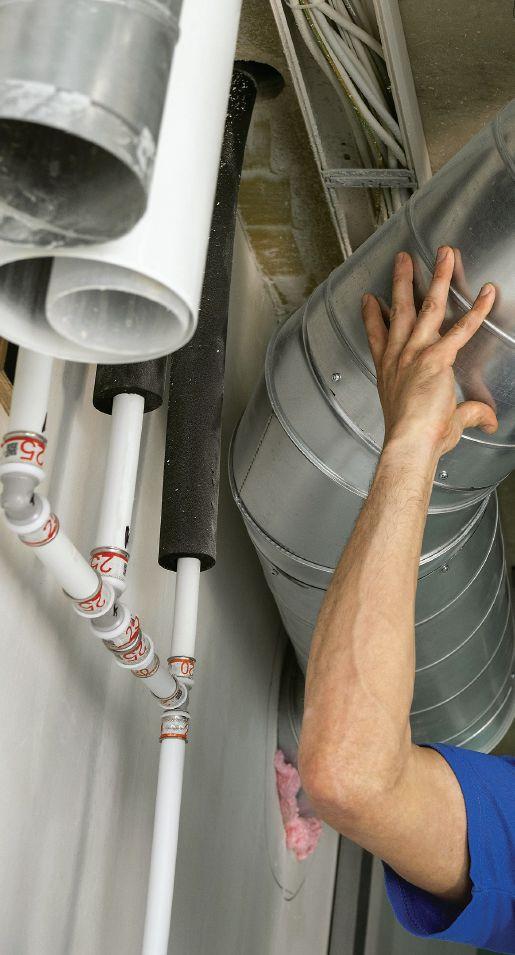
Natural ventilation allows air to move freely in and out of a space by opening exterior windows and doors. Mechanical ventilation is most often provided by heating, ventilation and air conditioning (HVAC) systems.
HVAC systems circulate condi -
There are two types of ventilation, natural and mechanical, and both should be maximized in indoor workplaces.
tioned air within a space with motor-driven fans or blowers through ducts. Recirculating stale air within a space using pedestal fans, ceiling fans or ductless air conditioners moves the air, but does not exchange or replace the air which may lead to a build-up of contaminants.
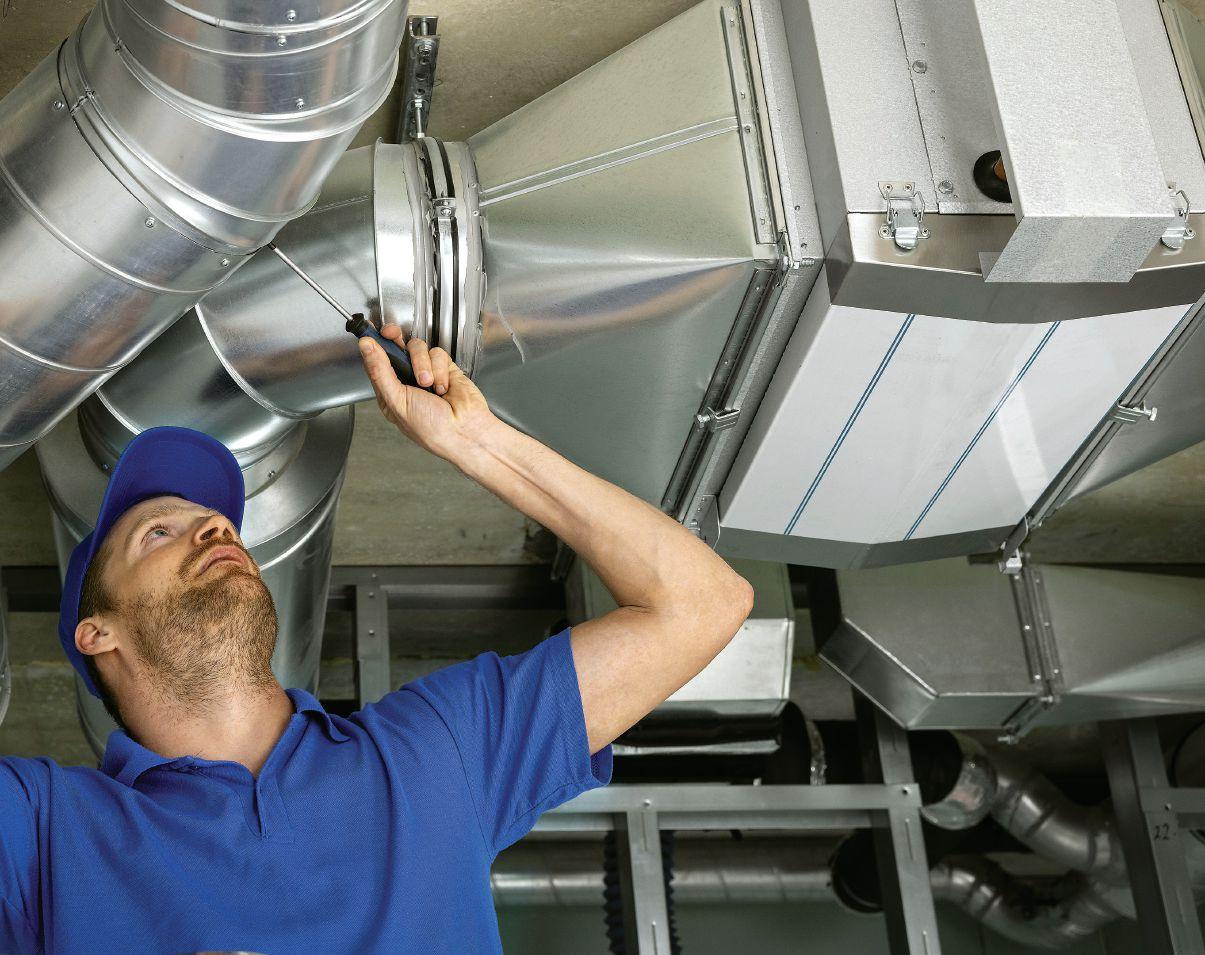
Improving ventilation is one layer of protection for the occupants of a space. HVAC systems are complex so it’s important to consult with an HVAC professional before making any changes or improvements.
Questions to ask your HVAC professional:
• Is the HVAC system operating optimally?
• Is the HVAC system suitable for the type of setting and the number of workers?
• Can the ventilation system be adjusted to bring more outdoor air into the building?
• Is it possible to upgrade the air filters?
Consider installing ventilation system upgrades such as ultraviolet germicidal irradiation (UVGI), heat or energy recovery ventilation (HRV or ERV), or an air economizer. This should only be done by a HVAC professional.
Other questions to consider include:
• Is the ventilation system inspected and maintained regularly?
• Have filters been replaced as recommended?
• Do the filters have the highest possible minimum efficiency reporting value (MERV) ratings recommended for use with the system?
• Has the system been set to the maximum air changes per hour?
In general, the higher the MERV rating, the better it is at removing small particles from the air. To maintain an effective HVAC system, use HVAC system filters with the highest rated MERV filters that are
compatible with your ventilation system.
A ventilation system can also improve the thermal comfort of occupants by maintaining a relative humidity between 30 per cent and 50 per cent. Relative humidity levels below 20 per cent can cause discomfort through drying of the eyes and mucous membranes and skin, whereas a relative humidity levels above 60 per cent may make the area feel stuffy and lead to the development of condensation on surfaces, which in turn can lead to mould growth.
Increase the introduction of outdoor air
Natural ventilation can be maximized in order to improve indoor air quality. Open outdoor air dampers beyond minimum settings to reduce or eliminate HVAC air recirculation.
In mild weather, this will not affect thermal comfort or humidity. However, this may be difficult to do in cold, hot or humid
weather, and may require consultation with an experienced HVAC professional.
Open windows and doors to allow outside air in, as weather permits and if it’s safe to do so. Allowing outside air in, even for a few minutes at a time throughout the day, can improve ventilation with minimal impact on indoor temperature and humidity. If outside air is of low quality — due to pollen for instance — it may be necessary to minimize its intake or pre-filter the air as it enters the building.
Another approach is to optimize air flow patterns to improve ventilation effectiveness. This improvement can reduce contaminants more efficiently without needing to increase the number of air changes per hour. To do this safely, carefully consider fan placement based on the room’s configuration. Avoid placing fans in a way that could potentially cause contaminated air to flow directly from one person to an-
other. One helpful strategy is to use a window fan, placed safely and securely in a window, to exhaust room air to the outdoors. This will help draw air into the room via other open windows and doors without generating strong room air currents. Similar results can be established in larger fa-
cilities using other fan systems, such as gable fans and roof ventilators.
Maintain mechanical ventilation systems
Properly designed and functioning HVAC systems keep indoor air circulating. Make sure that your ventilating systems are properly rated and configured for the layout of the space, type of activity, and maximum occupancy.
Schedule regular inspections and maintenance including filter and parts replacements to keep the system running effectively. Some systems are designed to adjust ventilation according to occupation level such as demand-control ventilation (DCV) or variable air volume (VAV). In work areas where there is no natural or mechanical ventilation, the use of portable air cleaners with High Efficiency Particulate Air (HEPA) filters are an option to help improve air quality. It should be noted that they are not as effective as a properly functioning HVAC system.
Many factors can affect air quality in buildings, and poor indoor air quality can negatively impact employees. Ensuring that the air your workers breathe is clean and properly regulated is an important part of your workplace health and safety plan.
The Canadian Centre for Occupational Health and Safety (CCOHS) promotes the total well-being — physical, psychosocial, and mental health — of workers in Canada by providing information, advice, education, and management systems and solutions that support the prevention of injury and illness. Visit www.ccohs.ca for more
BEST SAFETY COMMUNICATION PROGRAM FOR 2022
Compass Group Canada is proud to be chosen by OHS Canada as part of the OHS Honours Program
At Compass Group Canada, health and safety is a core guiding principle and with over 25,000 associates across the country it is an operational priority. Safeguarding the health and safety of our people and customers is our moral responsibility and essential to the success of our business.
We have worked hard to establish a safety culture where our people instinctively take individual and collective responsibility for their own safety and that of those around them, and act accordingly.
Compass Group Canada is proud to announce that
STEPHANIE GELZ
has been chosen as one of OHS Canada’s Top 25 under 40
Celebrating the Best in Workplace Safety
Read the full stories at OHSCanada.com/OHS-Honours
Pandemic accelerated health and safety progress: Elgy Varghese
It’s really difficult to get Elgy Varghese to say “I.”
As in, almost impossible. Varghese, manager of the Advisory Committee (AC) Program at Workplace Safety and Prevention Services (WSPS), is quick to deflect the reasons for its success from her to its members.
“It’s their passion
for safety that inspires me to do the work with this program,” she said. “Everything that they do, they do it so selflessly.”
B ut the nomination that won her the Community Leader Award as part of the 2022 OHS Honours program shifts the spotlight firmly, if uncomfortably, onto her.
“ We are all made
better because of Elgy’s leadership and commitment,” the AC committee program wrote. “We are all extremely proud to be included in such an impactful program.”
The AC program is massive in Ontario. The committee has about 150 members and represents more than 171,000 firms and 4.2 million workers across the province’s agriculture, manufacturing and service sectors.
Varghese has been instrumental in acting as a bridge between employers and the
prevention system and played a big role in helping organizations navigate the pandemic. That included lining up countless webinars and calls between key stakeholders – in both government and private sector – to ensure employers got the information they needed in the first few weeks.
An upside to the pandemic
If you’re looking for an upside to the pandemic, Varghese found a big one.
“Safety has risen to the top now,” she said. “Pre-pandemic,
OHS Honours is designed to recognize the best in workplace health and safety across Canada.
The Top 25 under 40 acknowledges the young and skilled professionals that are driving the Canadian Occupational Health and Safety profession forward.
COMMUNITY LEADER AWARD
Elgy Varghese, WSPS
Honourable Mention:
Sherry Novak, Brantwood Community Services
it was hard for people in health and safety to get that conversation with senior leadership and get an approval for a safety budget. But the last two years has shown us something completely different. Safety has become a top priority, above almost everything else.”
That heightened awareness, on the part of both employers and workers, means people are more open to ideas, she said.
“ We talk about changing workplaces, and it was gradual before the pandemic. But in the last two years, change has been so rapid.”
Programs that were stale, sitting on paper or tacked to a notice board, have now come to life, she said.
Celebrating the Best in Workplace Safety
Read the full stories at OHSCanada.com/OHS-Honours
“ I think if they keep that stream going, we won’t have to do much because workers themselves will stand up and ask for safe behaviour or catch someone doing something wrong,” said Varghese. “I think we’re on the right path now.”
Relationship building
W hen you get Varghese to focus on herself, she talks with pride about collaboration and her strength in building relationships.
“ Whether it’s with industry, whether it’s with government, it’s helped me fulfill this role to the full degree,” she said.
More co-operation
At WSPS, she has been work-
Board of Canadian Registered Safety Professionals
Conseil Canadien Des Professionnels En Sécurité Agréés
ing in making a real difference in ensuring every worker goes home safe at the end of the day. There has been a sea change in safety attitudes during her tenure.
“When I started off 16 years ago, employers wouldn’t sit across the table from the government or from the ministry, right? They didn’t want to have conversations — because it was about ‘I don’t want any more visits into workplaces,’” she said.
But not anymore. Now, not a single meeting goes by without the two of them at the table.
“And that’s a huge success for me,” she said. There is now a mutual respect and trust, and that has led to some very positive outcomes.
Her parting words: ‘Don’t let up’
Looking ahead, Varghese wants to continue the momentum she has seen develop over the last two decades. Her message to all stakeholders is simple: Don’t take your foot off the gas. “ You may think it’s repetitive, but don’t stop. Continue with the same message. It may sound like you’ve said it 15 times over and over again the same day. But that’s what is going to keep it on the radar the whole time,” she said. “As far as safety consciousness goes, I think we’ve got it. I think we’ve captured that with every single worker. I think we’ve captured that with every single employer.”
The BCRSP is a self-regulating, self-governing organization certified by BSI Management Systems to ISO 9001. The CRSP certification is accredited by the Standards Council of Canada to ISO/IEC 17024. www.bcrsp.ca
The following individuals have been granted certification as a Canadian Registered Safety Professional (CRSP)®/Professionnel en
Adeeba Ahmed CRSP
Aijaz Ahmed CRSP
Fadi Al Jallad CRSP
Cori Alfreds CRSP
Eric Ambroise CRSP
Vilayvone Anchor CRSP
Timothy Annala CRSP
Michael Fabio Arduini CRSP
Olufunso Timothy Babajide CRSP
Kaela Ballum CRSP
Seth Russell William Burt CRSP
Juan Francisco Castillo de la Rocha CRSP
David Centomo CRSP
Krysta Lee Cleary CRSP
Mariea Coles CRSP
Joshua Vladimir Cordeiro CRSP
Christopher Dhillpaul CRSP
Kathy Doucette CRSP
Killian Fuh Forbeteh CRSP
Matthew Allan Stewart Girodat CRSP
Imran Hameed CRSP
Haitham Harajli CRSP
Lowell Troy Hodgson CRSP
Pablo A Hurtado CRSP
Richard Ioculano CRSP
Nicole Khan CRSP
Chase Nicholas Kuziw CRSP
Ashley Lafferty CRSP
Tiana Michelle Larocque CRSP
Michael Luu CRSP
Lan Ngoc Ly CRSP
Jordan Edward Machula CRSP
Marie F Mathe Drader CRSP
Halley McKnight CRSP
Ashley Lynn Mullen CRSP
Adeolu Timothy Odepe CRSP
Patricia Ogilvie-Evans CRSP
Ahmed Oyeleye Oyegunle CRSP
Mansurkhan Pathan CRSP
Clayton Andrew Philip CRSP
Eric Sylvain Plante CRSP
Heidi Rooyakkers CRSP
Kelsey Schimpf CRSP
Sukhwant Singh CRSP
Amanda Michelle Stuyt CRSP
Rajaleshmi Subbiah CRSP
Yogesh Subburaj CRSP
Shaylan Derek Tatarin CRSP
Ryan Jeffrey van der Hoorn CRSP
Sydney VanHerk CRSP
Stephen M Vigneau CRSP
Vergel Talan Villanueva CRSP
Anton Voronin CRSP
Cameron Louis Clinton Wong CRSP Wenxiao Yan CRSP
Matthew Thomas Ziembicki CRSP
sécurité agréé du Canada (PSAC)®
Safety gets a ‘ Nudge ’ at Compass Group Canada
The best part of the safety communications program at Compass Group Canada isn’t the messages pushed out by management.
It’s the feedback that come back from front-line workers, according to Brian Riley, associate vice-president of risk management at the foodservices company that has 20,000 workers across the country.
T hat twoway conversation is facilitated in part by Nudge, an all-purpose employee communication app the company
launched three years ago.
It’s a slick tool that allows videos, pictures and more to be shared easily across the company.
“Prior to Nudge, there was a lot of one-way push to the business,” said Riley. “Through emails, through messages that we post. This has really kind of given us more of that voice of our associates.”
For example, the safety team used it to ask associates to share their favourite stretch. It also held a “Find the Hazard, Fix it” contest. But the app is
just one piece of the puzzle. This year, it launched a Safety Innovation Award program to recognize employees who were being creative.
One of the winners was an idea to attach QR codes to safety equipment that links to training materials. To make a good idea even better, multiple QR codes were attached in different colours — corresponding to different languages so workers could get the information in their native tongue.
It is also moving towards using more visual cues, something that is universal and more practical than trying to have materials available in every language.
Another big reason the communications program has been
successful is the top-down commitment. Senior leaders regularly visit worksites and conduct safety walks.
“We said here’s some things you should demonstrate in terms of your behaviours — wearing your safety shoes, wearing a hairnet, washing your hands when you go into the kitchens,” he said.
That engagement, and recognizing them for safety performance, pays dividends.
“The whole principle behind it is if your senior leader values something, and they communicate that to you, you too will share that value,” he said. “As a result, the message comes down that I care about safety a lot. And that’s why I’m talking to you about it.”
A keen passion for safety, young workers drives Ty Arslan
Ty Arslan always had a keen interest in workplace safety, a passion that led him to purse a degree in human factors and ergonomics at Simon Fraser University
“I strongly believe in creating environments that are safe for employees,” said Arslan, the president of Auspice Safety.
“People need to work and shouldn’t have to be con -
cerned about injury in these settings, or worse, fatalities.”
Arslan is proud of the work he has been able to do in helping other companies improve their “awareness, systems and train them and their employees to help reduce workplace incident.”
Helping the next generation is also high on his agenda, something his company does by offering internships to new grads.
“We’ve also hired some of these interns as full-time employees,” he said.
One of the biggest challenges facing organizations is simply finding and keeping staff, he said. That has massive OHS repercussions.
“There are mandates to train workers by law, and trying to get these employees to be fully trained is a battle,” said Arslan. “Plus the actual cost of training these employees is very high.”
Employers no longer view those investments as money wasted, he said.
“Pretty much all employers now understand the actual
benefit of safety, as well as the pitfalls because penalties have increased,” said Arslan.
He’s also pleased to see younger workers taking safety more seriously — something he credits to more education at the high school level.
“There’s more awareness to the safety protocols and the responsibilities and actual duties of all the stakeholders, moreso than it was 20 to 30 years ago.”
Being named OHS Professional of the Year is an honour he accepts on behalf of “many, many people. I just think I’m doing my job.”
Celebrating the Best in Workplace Safety
Read
Air Canada ’ s safety culture cleared for takeoff after passing big test
Bajzath said the way it all been handled speaks volumes about the safety culture.
“People have been heard, and we’ve
Air Canada thinks very big, and very small, when it comes to keeping its workforce and customers safe.
In the submission for the OHS Culture Award, Chris Koroneos, senior manager of industrial hygiene and biosafety, said the airline strives to be a global ambassador.
“(We’re) proudly flying the flag and sharing the best of Canada,” he said. “We pride ourselves on being one of the safest airlines in the world, which is a reflection of the overall health and safety mindset.”
For staff, it means ensuring everyone feels comfortable in raising their hand when they see something unsafe, said Joseph Bajzath, senior director, corporate safety and emergency management.
“Our safety reporting policy is non-punitive, and it’s confidential,” he said. “If you, as an employee, see a safety infraction, or have a safety concern, you can submit that and your identify will be protected.”
The culture has been pushed and tested over the last few years. The pandemic brought everything to an abrupt halt in the spring of 2020. Now, as appetites for travel return and everything re-opens, pent-up demand means people are flooding back.
Despite those trying circumstances, safety will never take a backseat, he said.
“ We have taken measures to embed additional resources into the operations, to ensure that people are not cutting corners,” he said. “The message is ‘Follow your SOPs (standard operating procedures) and, if we have to take a delay, we will take that delay.’ And nobody is going to be punished for it.”
made the adjustments we’ve felt were necessary,” he said. “I can’t thank our employees enough.”
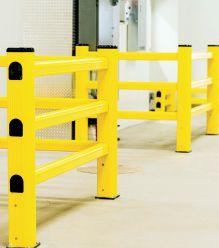
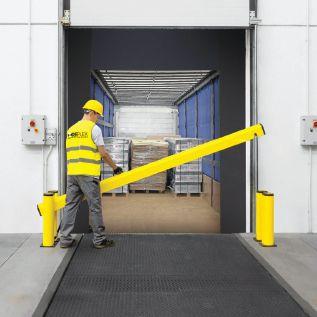
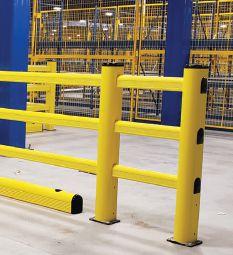
Innovative Protective Barrier System
Reflex Polymer Safety Barriers
Protect people and equipment from accidental impact of moving vehicles.
Industry leading polymer safety barriers flex upon impact and return to their original state. This energy absorbing ability significantly reduces maintenance costs and help prevent expensive floor repairs.
Our patented, proprietary, REFLEX polymer is scratch resistant, safe in food processing environments and is fire resistant.
The modular design can accommodate virtually any application.
Used in over 85 countries REFLEX polymer safety barriers are the most cost effective logical choice for modern day facility and asset protection.
Celebrating the Best in Workplace Safety
Read the full stories at OHSCanada.com/OHS-Honours
Top 25 Under 40: The Class of 2022
OHS Canada is proud to recognize the next generation of safety professionals! Congratulations to these rising stars and a big thanks to all the work they do in ensuring workers go home safe at the end of the day.
Cristina Pagliarello
Auspice Safety
“ She has tremendous problem solving skills with the ability to think outside the box and to look at all angles in finding solutions to sometimes very complex safety problems. Our clients see Cristina as an expert in the field, with automatic credibility, a professional and valued asset to assist them in developing their programs.”
Tsitsi Pena
Journey To Zero Safety Solutions Inc.
“ We have a big, vulnerable workforce and Tsitsi has used her expertise to ensure that their safety is paramount. In the 30 years that I have worked In this industry, I have never seen a more impactful safety leader.”
Jackson Fisk
Goal Zero
“His care, consideration and kindness towards his employees goes unmatched. He is an incredible leader that takes great pride in the work he and the company does. He is understanding, professional and extremely knowledgable as a boss as well as a business owner and safety professional.”
Lindsay Friesen
Allteck
“Lindsay constantly goes above and beyond to put the health and safety of workers above all else. She
drives a world class HSE program and is respected by her peers. She strives to make the workplace health, and safe, while still making it enjoyable for everyone.”
Earlyn Etienne
Stanley Black and Decker
“Earlyn has an excellent collaboration skillset and can navigate from decision-making and strategy planning with C-suite executives to implementing actions and doing assessments with front-line workers on the manufacturing floor. She is diligent, humble about her contributions and does not realize the valuable contributions she makes.”
Heather Aide
Canadian Nuclear Laboratories
“ Heather has shown a great deal of commitment to ensuring contractors on her sites are meeting regulatory requirements and abiding by their health and safety plans. She know regulations better than some individuals who have been in the industry twice as long.”
Kaitlynn Francis
Kel-Tech Safety Services
“I have been told by the trades she is one of the best in the business. She goes above and beyond the call of safety duty and is one of the best problem solvers I have worked with. I am very proud of her accomplishments and where she now is in her career.”
Elias Makhoul
Modern Niagara
“Elias is a strong proponent of the generational change for construction’s digital advances in safety. Elias and his colleagues have worked with
an integrated safety and security software provider to configure and fully customize an HSMS for our operational activities.”
Susan McCarthy
Canadian Red Cross
“ Susan is a champion with a balanced approach to supporting many stakeholders, beneficiaries and the public. Throughout the pandemic, she has proven to be a collaborative, supportive, dedicated and approachable OHS advisor.”
Amith Nair
GFL Infrastructure
“Due to the nature of the work GFL Demolition division are often a first point of call when a building has been severely damaged due to fire/ explosion or flooding. His ability to impart his knowledge to others allows for a safe working environment in one of the most hazardous sectors of the construction industry.”
Domagoj Abramovic
Trophy Foods
“Dom’s leadership, communication, and dedication have drastically changed how the employees of this organization view safety. Dom has influenced the management team to commit to making safety a priority and tackling issues head-on to make the workplace safer for everyone.”
Emily Lindstrom
OSISKO Development
“ Emily is passionate about safety and is highly motivated in her role as a health and safety co-ordinator and has surpassed my expectations. Emily is expanding her knowledge of health, safety and training daily.”
Diana Di Michele
Stellantis Brampton
Celebrating the Best in Workplace Safety
Read the full stories at OHSCanada.com/OHS-Honours
“ Diana does a great job explaining priorities and providing feedback so people understand that their issue will be dealt with systematically and she encourages them to become an active participant in the solution. Diana challenges others and her passion for Safety is infectious.”
Bryana Weaver
Glencore
“ This young worker took the reins in a predominantly male oriented business and ‘owned’ the work that had to be done on a day-to-day bases. If Bryana doesn’t know something — procedure, regulation, whatever — she researches it.”
Oluwadotun
Akinsiku
Covenant Care
“ Oluwadotun provides training and consultation to multiple levels of the company management and employees. As a one-person safety department, he has developed a safety training matrix for effective planning and monitoring of OHS training needs. He also maintains all written programs that enhance the effectiveness of investigations, disaster planning, and emergency preparedness.”
Andrea Mastorakos
Ontario Ministry of Labour, Training and Skills Development
“Andrea is a dedicated and passionate occupational health and safety professional. It is evident that Andrea has the vision of preventing and where possible eliminating all occupational injuries and illnesses in the workplace and her dedication to this vision has been demonstrated.”
Stephanie Gelz
Compass Group of Canada
“ In her role with Compass, she has been involved in the Ergonomic Committee, initiating the innovative stretching program for our front-line associates in our various branch locations. This program includes a video format of various stretches for our associates to perform at shift start, to ensure proper techniques are employed.”
Scott Robinson
Utilities Kingston
“ Scott has introduced several innovative ideas, technologies and initiatives that have been successful at Utilities Kingston. Examples include the Eyelation safety glasses program/self service kiosk, self-retracting arc flash rated lanyards, and tick sprays that won’t damage arc/fire rated clothing, safety glasses and gloves.”
Rhys Fraser
Transcona Roofing
“ Rhys is a visionary; he sees what excellence in safety looks like. His passion for safety drives him and in turn energizes those he leads and works with. He has successfully implemented a team-oriented initiative that engage employees in safety and encourages our team at Transcona Roofing to participate in improvements.”
Gabrielle Herle
Teck
Metals/Chinook Scaffold
“Gab has a leadership style of working toward solutions, rather than mandating safety rules. Her optimistic and friendly approach helps her promote the team aspect of all she touches, whether it is on the job site or in the hockey rink, where she tirelessly supports young women in achieving their dreams.”
Bethany Cudmore
Purolator
“Beth is a people based safety professional and has been a huge proponent of staff “doing the right thing” and having a positive, moral boosting attitude towards safety of themselves and their co-workers. Beth has a promising safety career ahead of her.”
Jeffrey Mantilla
Ledcor Construction
“Jeffery is the lead health and safety coordinator on a $600 million industrial construction project employing over 300 workers. He has set and exemplary standard on site, resulting in zero-time lost injuries.”
Rohit Basra JLL
“Rohit has very quickly become an integral part of our HSE team, and an important influence on our team’s culture. He has accomplished the roll out of several programs, and held up and improved others.”
Zaya Janou
Dufferin Construction
“Zaya is great safety ambassador that leads with integrity. His extensive experience in both the safety and quality control fields has translated into a holistic approach to health and safety. His passion and dedication has positively impacted many lives.”
Dane DeMan
McMaster University
“Dane’s favorite saying is, “Safety First because Accidents Last!”. He operates under the assumption that people want to provide a safe environment, and he takes a real educational approach when working with on-campus partners.”
A lifetime devoted to OHS: The story of Maureen Shaw
It’s impossible to pick a title for Maureen Shaw.
You can call her former president and CEO of the Industrial Accident Prevention Association (IAPA).
You could call her a board member, but you’d have to specify if it was for the Executive Health and Safety Council of BC; or maybe the Radiation Safety Institute of Canada. You could also say advisor, but your choices remain numerous.
Let’s keep it simple and call her a health and safety icon and an inductee into the OHS Canada Hall of Fame for 2022.
S haw was introduced to health and safety at an early age, growing up in Chemainus, a mill town on Vancouver Island. Her father worked at the
If safety is comfortable, you ’ re on the wrong track: Samuel Elfassy Celebrating
Samuel Elfassy eschews blankets. Not the physical kind, which can certainly come in handy after working a long, cold day in a Montreal winter.
Rather it’s the metaphor ical trio of comfort blankets in safety that he avoids — complexity, compliance and consensus.
“ They lull you into this warm sense of false security and really conceal dangers,” said Elfassy, vice-president of safety at Air Can-
mill, which was “a dreadful place,” she said.
“My whole young life was filled with stories of people being injured,” she said.
“When it was a critical injury, that mill siren would go off and everybody just sort of held their breath to see who it was.”
One day, the siren rang for her father — he had fallen off a water tower. He was critically injured, but survived. Tragedy struck her family again when her son was injured in a dynamite explosion while working in the Rocky Mountains and suffered life-altering injuries.
Her first foray into health and safety as a calling came when she was living and working in Alberta in the 1980s.
She wrote a paper and presented it a conference called “When All Else Fails, Send Them to Shop.”
“ That still happens today. Children who are having difficulties are often streamed into shop classes, where they are frequently an accident waiting to happen,” said Shaw.
One of the things she is most proud of was helping to create a global standard around healthy workplaces — working through World Health Or ganziation.
“If you Google healthy work place model WHO, it still comes up that
model — which has had some slight revisions but, basically, it was absolutely solid,” said Shaw. “It wasn’t just me, I don’t take personal credit for it. But I take credit for the fact that we, as an organization, did that.”
Shaw things Canada is on a good path when it comes to OHS, but the onus is on the next generation to ensure the improvement continues. She’s also pleased to see an increase of women in the industry.
“ We should all be acknowledging that and celebrating that,” she said. “There are some really bright, strong women coming up.”
ada and a 2022 inductee into the OHS Canada Hall of Fame.
“There’s certain comfort in complex organizational structures. It can really look impressive, but it’s likely in my experience to reflect refused responsibility, attenuated lines of accountability and confusion in the ranks as to who does what.”
n example of that was the Challenger space shuttle disaster in 1986. There were a lot of valuable lessons from that incident, and one that caught
his eye was that “NASA was so complex that it could not even describe itself to others.”
That’s not good a good blueprint for OHS. Neither is pumping out elaborate volumes of rules and policies.
“It may give the writers this warm feeling and the comfort of a high wall to put between themselves and the problem,” he said. “But this is not helpful to those on the front line who have to read and inwardly digest it, let alone implement it.”
All those roads to lead a compliance culture, which is not a safe culture — “The focus is increasingly on the process
rather than the problem.”
The highlight of his career came in 2014, when Air Canada won a national safety award from Thomson Reuters. “Being able to start that path, make sure that everyone understood with absolute clarity where we were going and being recognized for that. I was very proud of the team.”
For young professionals, his advice is simply to “engage.”
“Engage the employee group, at an emotional level, with their hearts and minds.”
Professionals can’t let the safety message get stale — it has to remain fresh, he said.
Celebrating the Best in Workplace Safety
Read the full stories at OHSCanada.com/OHS-Honours
The accidental safety pro: Shelagh Robinson didn't expect to be in OHS
Shelagh Robinson never planned to have an OHS career. For more than two decades, she served the residents of Saskatoon as a paramedic — respond ing to emergency calls and saving lives.
But then one night she suffered a catas trophic back injury while helping a patient.
“I took a couple of days off, it didn’t get better,” said Robinson, a
2022 inductee into the OHS Canada Hall of Fame. “I just never did get the functional ability back.”
t quickly became clear she could never return to the job she had done for two dec-
I spent some with the WCB and so, when they decided ‘OK, well you can’t be a paramedic on the street anymore. But we’ve taken this industrial contract at a potash mine,’” she said.
They offered her a job working in a trailer at the mine, treating patients brought to her by the rescue team. “We just need you to be a paramedic,” they told her. It was music to her ears.
“I jumped up and I think I was in my truck the next day to go to work,” said Robinson. Once she was on the job site, she started meeting safety professionals — and they had a totally different mindset.
“As a paramedic, or anybody in emergency services, you’re constantly on the go,” she said. Work refusals aren’t
part of the job.
“But when I got to the potash mine, I started meeting all these safety professionals and saw how they investigate an injury or an incident.”
That was a light bulb moment for her, and led to career that has taken her across the country, working as an injury management professional for countless organizations The ability to help injured workers from a different vantage has been satisfying, she said.
“I am proud that I can be the liaison,” said Robinson.
Osisko Development Corporation and the Cariboo Gold Project are excited to recognize the success of Health and Safety Coordinator Emily Lindstrom in being named as one of OHS Canada’s Top 25 under 40. This recognition, which reflects Emily’s strong work ethic, leadership by example, dedication to health and safety, and many initiatives, is well deserved.
Boston Police boat makes unusual rescue
BOSTON (AP) — Officers with the Boston Police Department’s harbour patrol unit are used to helping boaters in distress, but Officer Joe Matthews recently came to the rescue of a groom in danger of missing his own wedding.
Patrick Mahoney was scheduled to get married on Thompson Island in the middle of Boston Harbor, but the boat that was supposed to ferry him to the island where his bride-to-be was already waiting broke down. It gets worse. The groomsmen, photographer, DJ and floral arrangements were also stuck on the mainland. Enter Matthews, who transported more than a dozen people to the island on his police boat so Mahoney’s marriage to Hannah Crawford could go on as scheduled.
“They were there very quickly to get my groomsmen and all of our vendors out here to the island and kind of save the day,’’ Mahoney said.
Monkey business behind 911 call from California zoo
SAN LUIS OBISPO, Calif. (AP) — Cops usually have a prime suspect. In this case it’s a primate suspect.
The San Luis Obispo County Sheriff’s Office believes it was a little Capuchin monkey that called 911 from a zoo. The call disconnected and dispatchers tried to call and text back but there was no response, so deputies were sent to investigate.
The address turned out to be the Zoo to You near Paso Robles, but the deputies found that no one there made the call. They finally deduced that a Capuchin monkey named Route had apparently picked up the zoo’s cellphone, which was in a golf cart used to move about the property.
“We’re told Capuchin monkeys are very inquisitive and will grab anything and everything and just start pushing buttons,” the office’s post said.
Bylaw enforcement officer’s message: ‘Go suck a sausage’
Nevada fire station shuts down for second time over bats
Reno (AP) Bats have infested a Nevada fire station for the second time in seven years, forcing officials to temporarily close it. The bats have been flying around the living quarters of the small fire station between Reno and Carson City. Officials in 2015 managed to get bats out of the fire station but their return has generated health and safety concerns. Bats can transmit rabies and other viruses to humans and their feces can transmit viral, bacterial, fungal and parasitic infections.
SAINT JOHN, N.B. (CP) — A Saint Andrews man says he was told to “go suck a sausage” by a town bylaw enforcement officer who had parked illegally in a no-parking zone.
Thomas Wearing says he was waiting in line with his wife Rene outside the SeaBreeze Restaurant & Patio on Sunday around 11 a.m., when he saw a town truck parked in a no-parking zone. When Wearing decided to go and take a picture of the parking job, he says the bylaw enforcement officer, whose truck it was, came back.
“I said, ‘What gives you the right to park in a no-parking area when nobody else is allowed to do?”’ Wearing said. “He told me very loudly to go suck a sausage.”
The Wearings posted about their experience on social media in a post that has now gone viral. Shortly after the alleged incident, the Town of Saint Andrews issued a statement acknowledging it was aware of the situation and would be completing a “thorough investigation.”
The bylaw enforcement officer in question remains on duty, town clerk Paul Nopper confirmed.
Worker shuts down police website over pay dispute
NEWTON, Mass. (AP) — Officials in a Boston suburb are investigating a former city employee they say shut down the police website over a pay dispute. Newton Mayor Ruthanne Fuller said the former employee, who was the police department IT director, took down the department website in late June. The website directed visitors to a message that called on them to contact Fuller and ask the mayor to restore it.
Fuller said the employee controls access to the site and has not turned it over to the city. Newton has created a new police department website in its place. Fuller said the employee shut down “a vital resource for the residents of the city of Newton.’’
Celebrating the Best in Workplace Safety
OHS CANADA AND TALENT CANADA ARE PROUD TO HONOUR THE WINNERS OF OHS HONOURS AND THE PSYCHOLOGICALLY SAFE WORKPLACE AWARDS.
THANKS TO OUR SPONSORS
For full stories on the winners, scan this QR code or visit www.ohscanada.com/ohs-honours-2022-winners