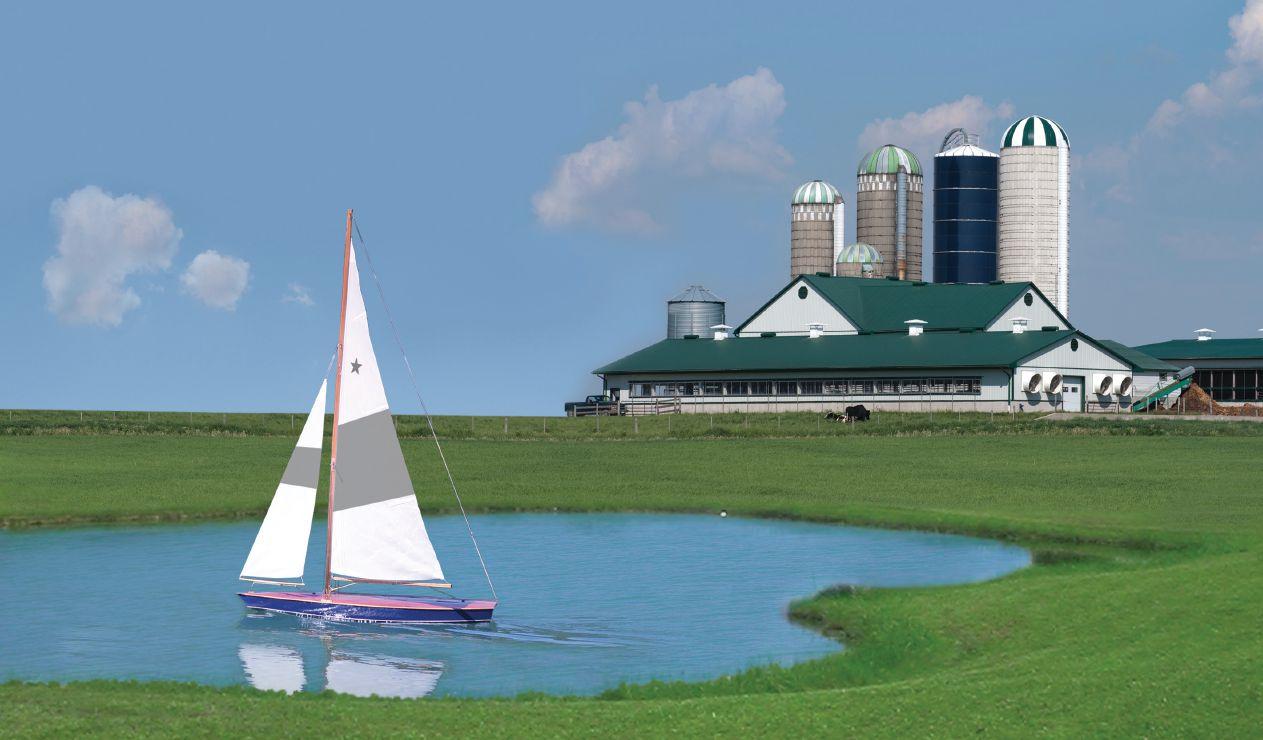
Tension is mounting in a rural municipality located between the shores of Green Bay and Lake Michigan.
The 20,000 or so residents of Wisconsin’s Kewaunee County are fighting over manure – dairy manure to be exact.
The spreading of manure should be nothing new to this region of “America’s Dairyland.” The predominantly rural municipality is home to more than 300 dairy operations, milking a combined 27,500 cows (that averages out to 80 cows per farm). This represents an economic impact of $65 million to the county. Obviously, there’s a lot of manure being spread over the area’s 175,000 acres of farmland.
Adding more fuel to the flames of county unrest is a recent report by Wisconsin’s Department of Natural Resources (DNR) and the Department of Health Services (DHS) stating 11 wells in Kewaunee County have tested positive for salmonella or rotavirus.
“Early indications from the researchers suggest the rotavirus may be bovine,” states a press release from the DNR. “However, additional analysis is needed to confirm. According to DHS, bovine rotavirus is typically not transmissible to humans.”
MANURE MANAGER
May/June 2016 Volume 14, No. 3
Published by: Annex Business Media, P.O. Box 530 Simcoe, ON N3Y 4N5
Editor MARGARET LAND (519) 429-5190, (888) 599-2228, ext 269 mland@annexweb.com
Contributing Editors Dr. Heather Darby, Treena Hein, Tony Kryzanowski, Diane Mettler, Haley Steinkulher
Director of Soul/COO SUE FREDERICKS Printed in Canada
But what is new is the way some of the county’s dairy producers wish to apply the nutrients. A special panel led by University of Wisconsin Extension and comprised of academics, state regulators, county-level health officials, farmers and representatives from agriculture industry recently released a report on manure irrigation. The Wisconsin Manure Irrigation Workgroup was formed in spring 2013 and “asked to review a broad set of issues associated with manure irrigation and to develop guidance and recommendations for state agencies, local governments, and citizens seeking to understand this expanding technology,” the report’s executive summary states. A webinar providing an overview of the report and the work done by the workgroup was held in mid-April and a follow-up webinar was held mid-May to answer questions and concerns people had.
In light of the report, state DNR secretary Cathy Stepp released an editorial to local news outlets reassuring residents the department was working to remedy the issue, adding results in Kewaunee are not all that different from other rural areas in the state.
“Preliminary data from the research shows that the nitrate levels in those tested Kewaunee County wells is consistent with statewide averages in agricultural areas and areas without sewers,” she stated.
Public comments to her editorial were not kind. One reader referred to Stepp’s words as “blonde gobbledegook”.
Clouds are gathering on the horizon and a squall is brewing.
In a proactive move, several dairy operations in Kewaunee and Door counties have joined forces to form Peninsula Pride Farms, an organization aimed at educating farmers about best environmental practices. The group recently held its first field day, attended by more than 60 people. They plan to hold more this summer.
Publication Mail Agreement #40065710
SUBSCRIPTION RATES Canada – 1 Year $35.95 (plus
#867172652RT0001 CIRCULATION
e-mail: blao@annexbizmedia.com
Tel: (416) 442-5600 ext 3552 Fax: (416) 510-5170
Mail: 80 Valleybrook Drive, Toronto, ON M3B 2S9
Occasionally, Manure Manager will mail information on behalf of industry-related groups whose products and services we believe may be of interest to you. If you prefer not to receive
According to Wisconsin Public Radio, workgroup members “don’t agree on everything – one even asked to have his name taken off the report – and critics are already saying it doesn’t dig far enough into potential problems.”
In the coming months, this area will be a key one to watch as environmentalists continue to apply pressure against large-scale farming operations. Clouds are gathering on the horizon and a squall is brewing. Hopefully, it doesn’t turn into a fullblown “sh!t” storm.
and Printing Inc. All rights reserved. Opinions expressed in this magazine are not necessarily those of the editor or the publisher. No liability is assumed for errors or omissions. All advertising is subject to the publisher’s approval. Such approval does not imply any endorsement of the products or services advertisted. Publisher reserves the right to refuse advertising that does not meet the standards of the publication.
THE PERFECT COMBINATION
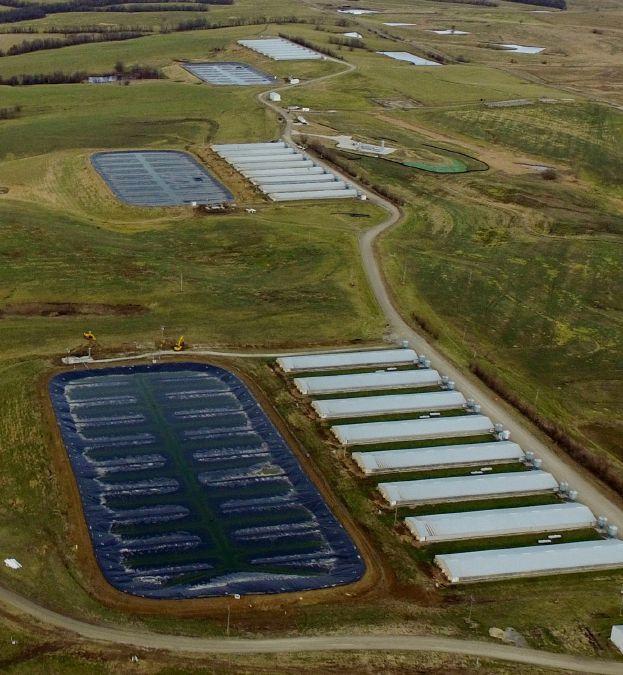
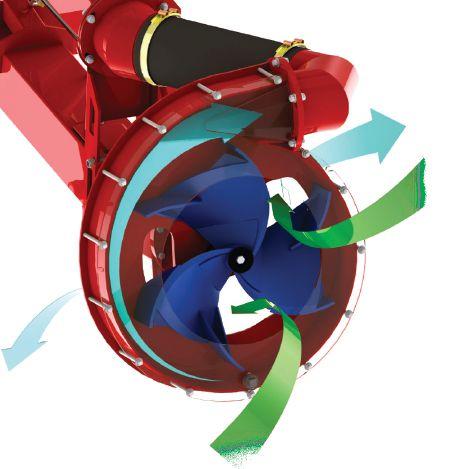
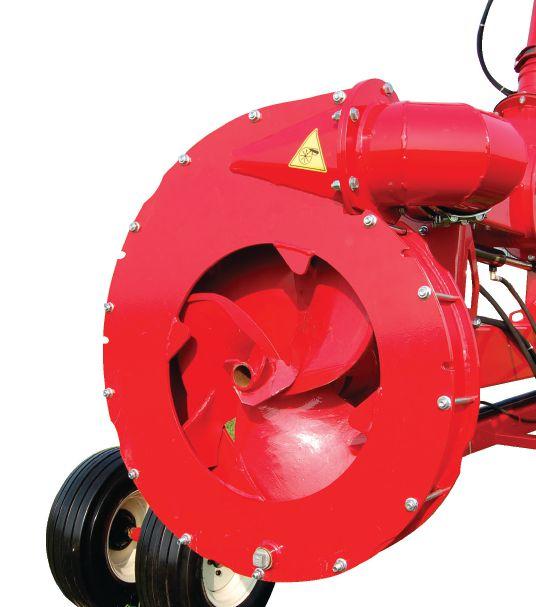
The PUMPELLER® Hybrid Turbine revolutionizes manure pump performance. Incredible intake suction pulls solids into the cutter knives, reducing the toughest crust to nothing in just seconds. The turbine combines the high-volume mixing of a propeller agitator with the power and reach of a lagoon pump, the resulting hybrid design radically outperforms both.
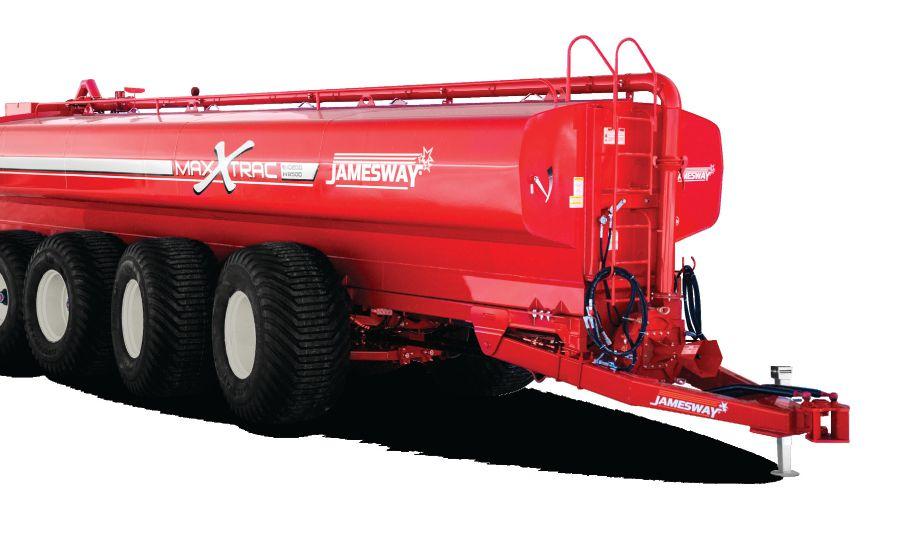
for professional haulers, Jamesway’s new MAXX-TRAC tankers deliver maximum performance.
Patented Turbine Impeller
2015 Manure Expo to receive PA environmental award
The 2015 North American Manure Expo is being recognized with the Governor’s Award for Environmental Excellence, Pennsylvania’s highest honor bestowed upon businesses or organizations for environmental performance and innovation.
Held in Franklin County in July 2015, the expo drew a record 2,000 attendees from 23 states and four Canadian provinces.
Organized by the department of animal science at Penn State and the Franklin County Conservation District, the expo was held over two days and focused on manure handling and application through tours, demonstrations and educational sessions.
Robb Meinen, Penn State senior extension specialist, and Jennifer Bratthauar, ag conservation technician and nutrient management specialist for the conservation district, co-chaired the expo and accepted the award at the April 19 awards dinner in Harrisburg, Penn. It was hosted by the Pennsylvania Environmental Council and the Department of Environmental Protection.
“This is quite an honorable recognition for the countless people and organizations that contributed
to Manure Expo,” Meinen said. “Our environmental benefits are real. Professionals were exposed to information and equipment that allow simultaneous and practical progression of animal agriculture, crop production and environment stewardship. From beginning to end, that was our overarching goal.”
The Governor’s Awards for Environmental Excellence are the highest statewide honor bestowed to businesses and organizations involved in a cross-section of environmental initiatives such as cleaning up watersheds, saving energy, eliminating pollution, reducing waste and more. Projects are selected based on eight criteria: protection, partnership, public service, environmental education and outreach, pollution prevention, economic impact, innovative technology and climate change.
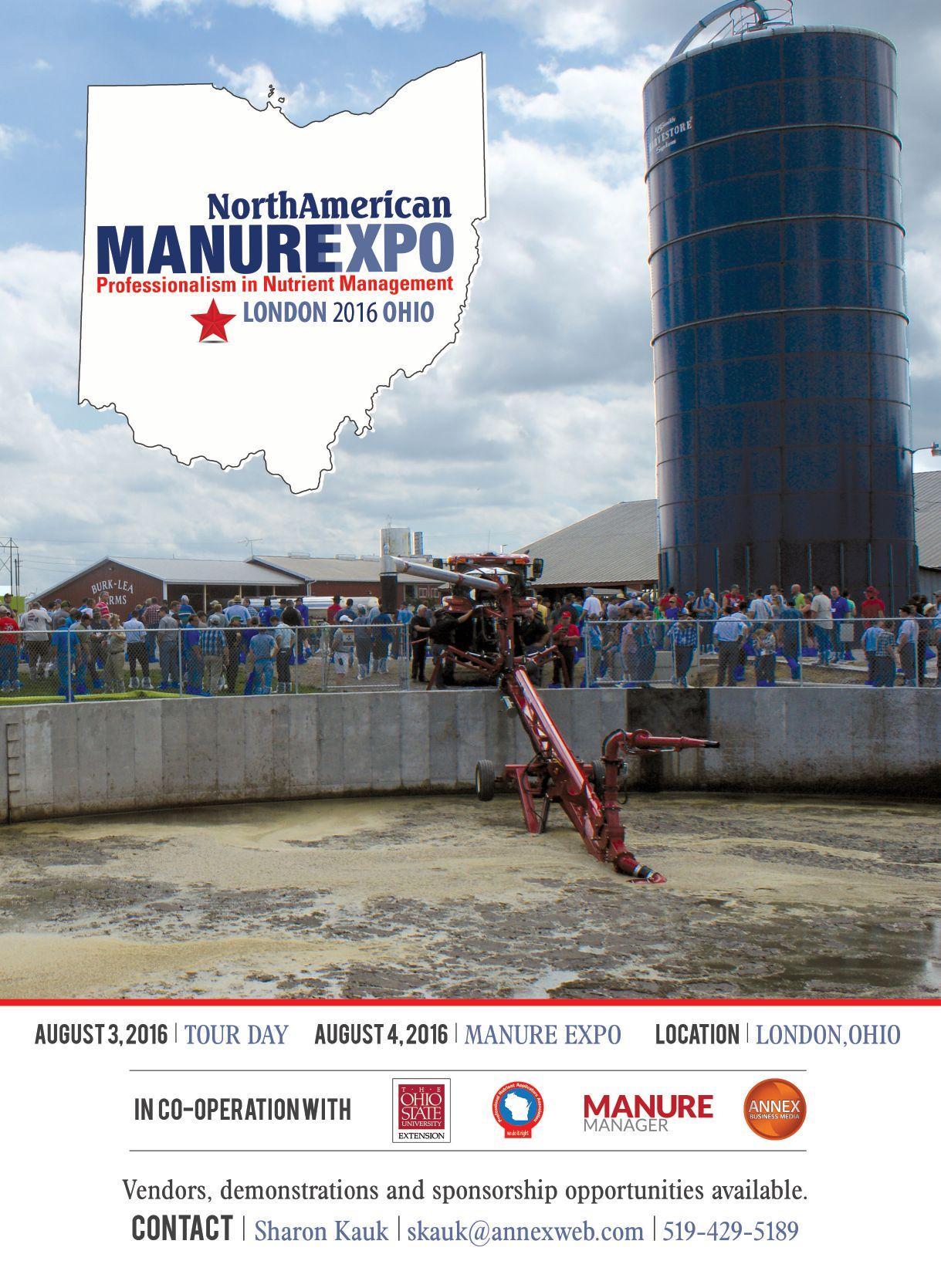
The 2016 Manure Expo will be hosted in London, Ohio, Aug. 3 and 4.
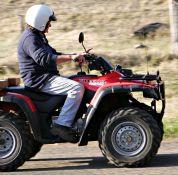
FREE ATV SAFETY TRAINING AVAILABLE
The ATV Safety Institute (ASI) will provide free rider training for the third straight year during ATV Safety Week. The ASI is again working with partners across America who are volunteering to provide free ATV RiderCourses and other safety education June 3 to 12.
“We invite everyone with an ATV to take the first step toward safe ATV riding by taking an ASI RiderCourse,” said Cam Arnold, vice president, rider training, ATV Safety Institute. “Come out to your local range, meet our instructors, have
some fun, and learn. We’re making the class available to adults, youth and families all over the country early in the riding season.”
The ATV RiderCourse is free for those who sign up during ATV Safety Week. Riders can find the closest training sites by going to ATVSafety.org and clicking on the ATV Safety Week logo. Additional locations will be added as they are confirmed. Riders should call 800-8872887 to sign up for a class.
According to the last analysis of Consumer Product Safety
Commission data, 92 percent of all ATVrelated fatalities are the result of warned-against behaviors, such as youth riding on adultsized ATVs. During ATV Safety Week, riders can learn about the proper operation of their machine, find out about helmets and other proper protective gear, and learn ways to dramatically reduce risk.
The ATV RiderCourse is also free year-round to purchasers of a qualifying ATV from an ATV Safety Institute member company.
The ASI also offers a free E-Course, which
is available online 24/7. This online course is available in three age-specific courses – adults, teens and children. Students learn how to apply the Golden Rules of ATV riding in an interactive setting.
The E-Course includes videos, pictures, and games to make it a fun and effective learning experience for all ages. After finishing the course, users can take an ATV safety exam and receive a certificate of completion.
For more information, call 1-800-887-2887 or visit ATVsafety.org.
Downwind safety on the farm Livestock manure provides fertilizers, soil conditioners
New field research out of Clarkson University in upstate New York is providing an answer as to how far microbes from manure application can travel downwind. Shane Rogers, an associate professor of civil and environmental engineering, led the research team. They measured how far common bacteria, including Salmonella and E. coli, are likely to travel downwind from manure application sites. They hoped to better understand how fresh produce might be contaminated by nearby animal agriculture practices. The research lasted three years. They took samples at several distances from manure application sites and measured the presence of illness-causing bacteria.
The researchers used computer models to predict produce contamination over a large range of probable conditions. Variables included the type of manure, the terrain and weather conditions at the time manure is applied.
The team also evaluated the risk of illness.
Combining the data, the team found that produce fields should be set back from areas of manure application by at least 160 meters.
Additional distance and delay between manure application and harvest would provide further protection.
Manure can become a valuable resource when its components are recovered as specific fertilizers and soil conditioners. A pilot plant for the processing of livestock manure – constructed under the leadership of the Fraunhofer Institute for Interfacial Engineering and Biotechnology – has been producing mineral nitrogen and phosphate fertilizers as well as organic soil conditioners.
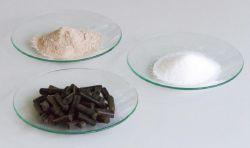
The three products that can be used directly in agriculture include pure ammonium sulfate; a mixture of various phosphate salts (calcium phosphate, magnesium ammonium phosphate, plus magnesium phosphate) and humus-forming soil conditioners.
The products come from Kupferzell, Germany, where a pilot plant for pig manure recycling has been constructed. Every hour, the plant processes 50 kg of pig manure into about 500 g of mineral phosphate fertilizer, 500 g of mineral nitrogen fertilizer plus 900 g of organic biochar. Fifteen partners from five countries have worked for three years on the demonstration project, which is scheduled to run until December 2016.
In the course of the project, Fraunhofer researchers and project partners have succeeded in integrating all the processes as separate modules within a single plant, making it possible to treat the manure directly at its place of origin.
First, the manure is pretreated so that the phosphorus dissolves completely and is separated by coarse filtration into a solid and a liquid phase. The solid is dried using superheated steam in a closed system before being converted to organic biochar by a pyrolysis process. Microorganisms are completely destroyed in the process.
The liquid manure fraction contains plenty of dissolved inorganic nutrients. In a precipitation reactor, all of the phosphorus is recovered and filtered off as calcium phosphate, magnesium phosphate and magnesium ammonium phosphate. Nitrogen is also recovered in a second step involving a membrane cell.
On June 14, the Kupferzell plant will be holding an open house for interested investors, agricultural machinery manufacturers and end users in the agricultural sector. The process steps integrated in the plant will be presented in short talks; the operation of the plant will be demonstrated live.
BY THE NUMBERS – SMITHFIELD FOODS HOG PRODUCTION
# of hog farms owns & manages across U.S.
16M # of hogs produced annually Partner with more than 2,000 contract growers across the U.S.
Average amount of manure each lagoon holds
million gallons
5,000 employees
HAS FARMS IN THESE STATES
88 number of lagoons at Smithfield operations in northern Missouri
FROM PIG TO PUMP
Smithfield tackles sustainability
Installation of Roeslein
Alternative Energy’s biogas technology creates renewable natural gas from Smithfield Foods Hog Production’s two million pigs in northern Missouri and takes sustainability to the next level.
BY DIANE METTLER
What happens when you bring an alternative energy company and pig farms together? Well if the farm owner is Smithfield Foods Hog Production in northern Missouri, which finishes two million pigs a year, and the energy company is Roeslein Alternative Energy (RAE), the answer is a lot of renewable natural gas.
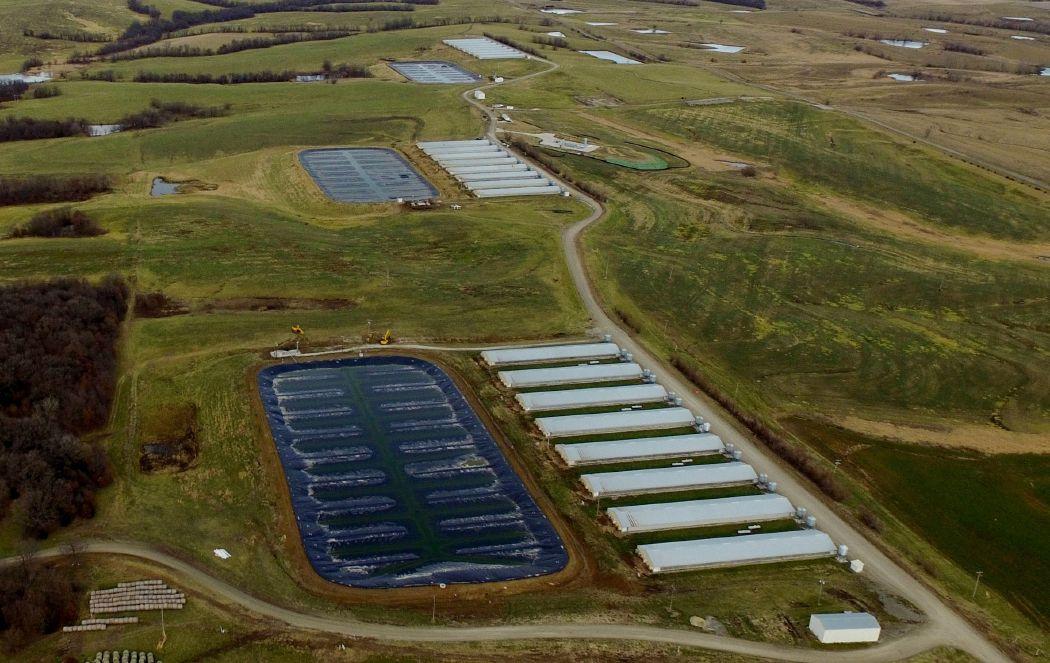
About six years ago, Smithfield (then Premium Standard Farms) was dealing with issues around its sustainable manure management plan. Rudi Roeslein, founder and president of Roeslein Alternative Energy, didn’t see a problem but a potential partnership. His company would capture the methane from Smithfield’s 88 lagoons spread out over nine farms and convert it into natural gas.
“We have a project that makes both economic sense and environmental sense. And we have worked
through the technology of how to make it happen,” Roeslein says.
PROJECT IS LAUNCHED
Discussions between the parties resulted in just such a project launching two years ago, with the goal to have the first natural gas-produced pig manure to be injected into an ANR pipeline sometime in the summer of 2016.
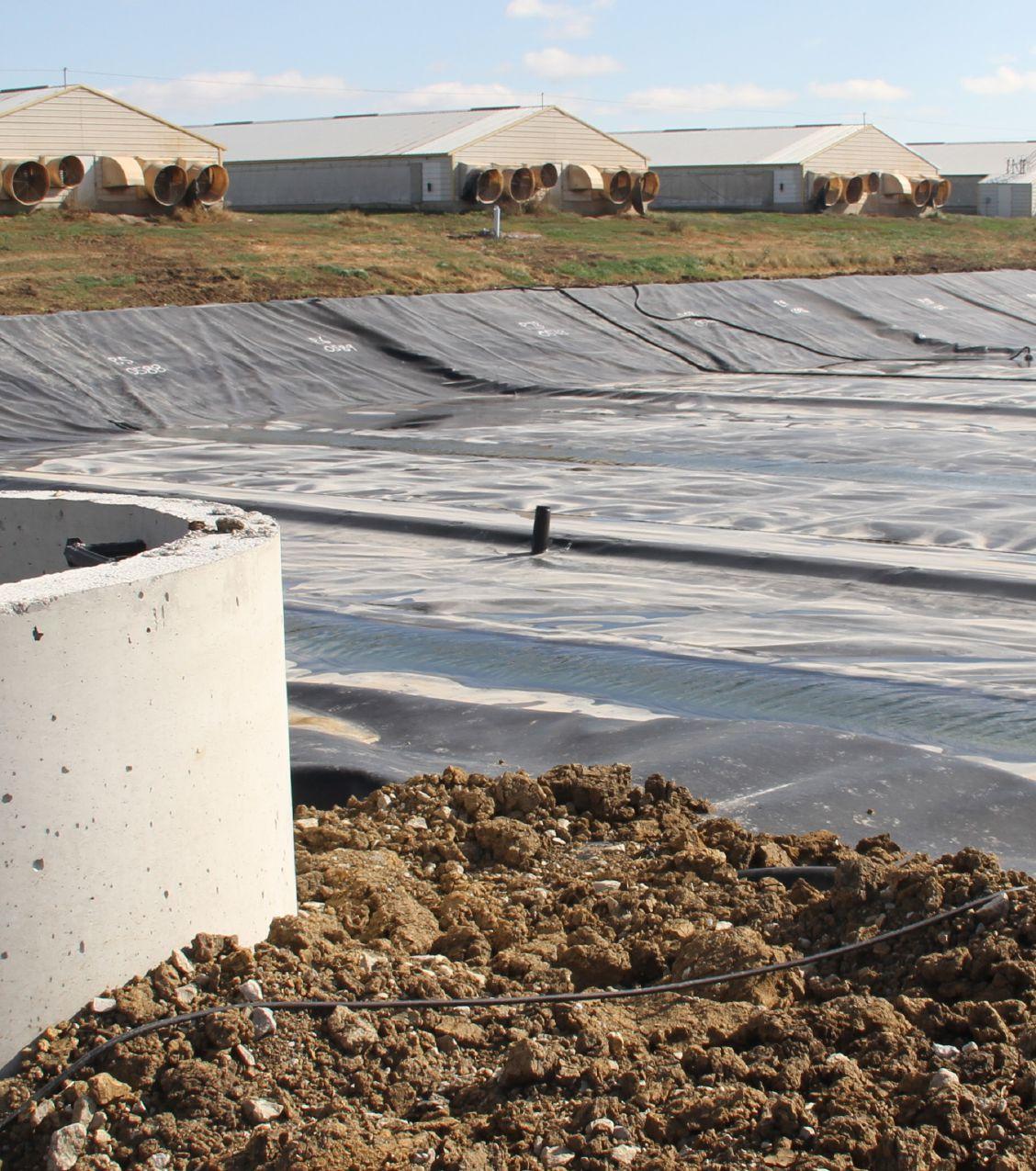
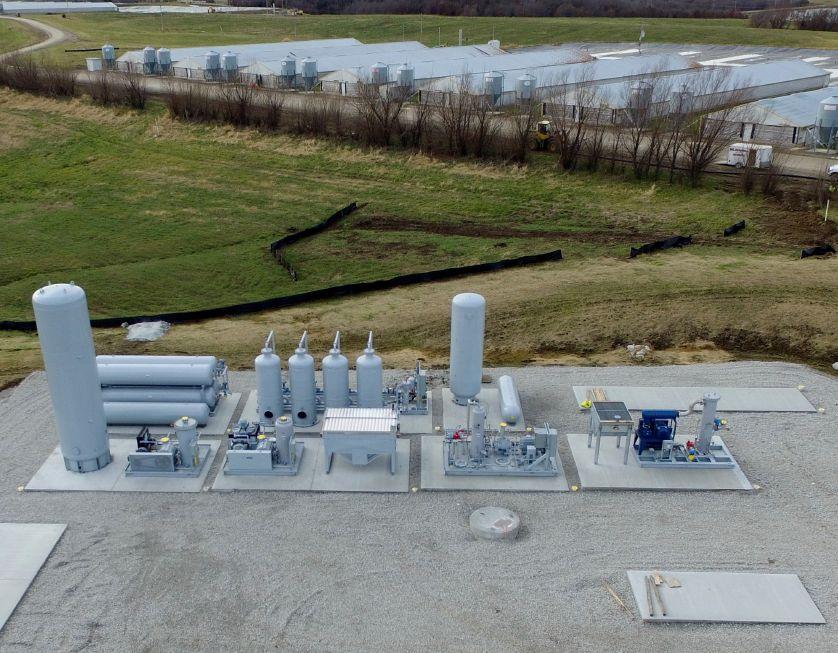
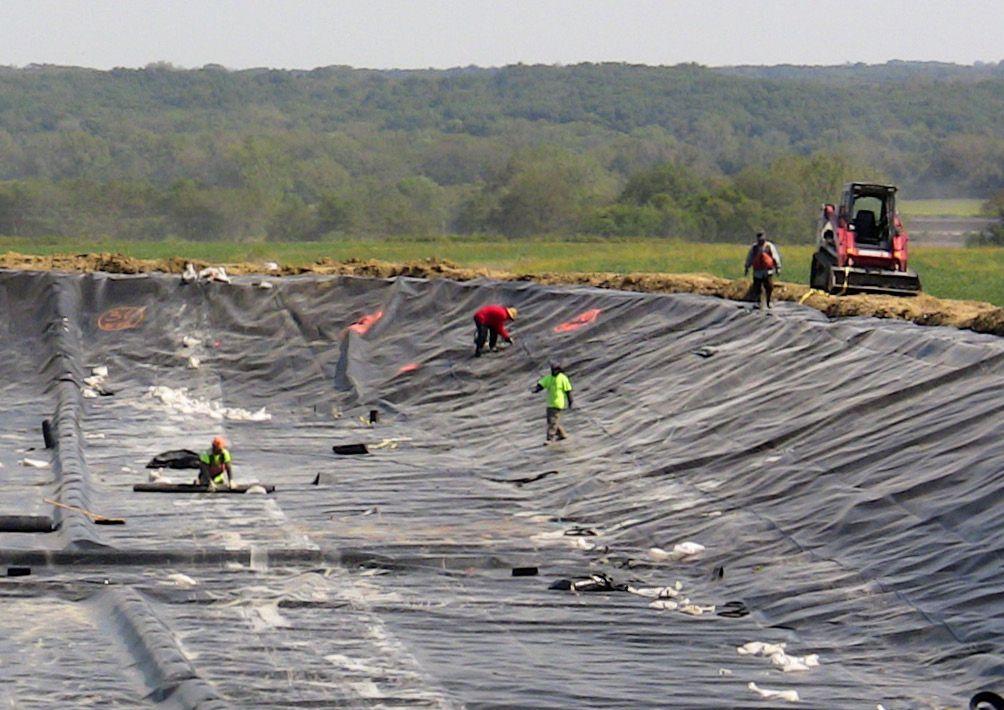
The project, although large in scale, is fairly simple in its overall concept. When it’s complete, Smithfield’s farms will have impermeable covers installed on each lagoon. When temperatures are favorable, anaerobic digestion will begin and biogas will be created. The biogas will be filtered/purified (collected and cleaned of sulfur and other impurities) into a gas that is 98 percent methane and has the same molecular
two years
in
LEFT Hog manure from the project will produce approximately 2.2 billion cubic feet of pipeline quality renewable natural gas (RNG) annually, or the equivalent of 17 million gallons of diesel fuel annually (17 million DGE).
composition as natural gas. The cleaned biogas, or renewable natural gas, will be transported underground to an interconnection with the ANR pipeline, and then transported to customers across the country.
When in operation, the hog manure from the project will produce approximately 2.2 billion cubic feet of pipeline quality renewable natural gas (RNG) annually, or the equivalent of 17 million gallons of diesel fuel annually (17 million DGE).
“We cannot look at manure as waste any more,” Roeslein says. “We have to figure out what we can do with manure to keep it in the cycle. There are no silver bullets. But this is a small step in showing how to use these underutilized resources to produce energy and return everything that remains productively back to the landscape. Because that’s how nature really works.”
LARGE DEMONSTRATION
One of the reasons this project was an ideal demonstration of how the biogas technology can work with the pig industry was location. The ANR pipeline runs across the Smithfield farms.
“RAE has been making very good progress covering the lagoons in a systematic approach,” says Sheldon Ripson, spokesman for Roeslein. “There are 88 lagoons, each approximately four acres [holding 15 million gallons of manure] that need to be covered, with a number of other pieces of equipment to handle the gas being installed along the way. It’s fairly complicated. But they are making steady progress.”
RAE is investing about $120 million into the biogas project. The company anticipates the project won’t just provide renewable natural gas, but also provide hundreds of jobs, and a model for how the swine industry can achieve a more sustainable and profitable business.
Ripson says future partnerships between RAE and other farms will take various shapes.
“Part of the vision here is to show this as a demonstration project on how a system like this can work for handling manure. It’s applicable on any number of operations across the Midwest.”
A recent U.S. Department of Agriculture report said there are thousands of hog operations where anaerobic digestion of hog manure can be economically viable.
“Farmers are busy doing what they do,” Ripson adds. “RAE brings expertise in delivering projects. A company like RAE can fill the gap with a model that makes sense for the producer, both economically and environmentally. Because if you don’t have both of those, it really doesn’t make a whole lot of sense to go forward.”
SIMPLE CONCEPT, BIG BENEFITS
It will take months from the covering of the first lagoon to the last. Methane production, however, doesn’t wait. As the pipelines and purification systems are being installed, the methane is being collected from the first lagoons and being flared off.
Although natural gas isn’t being created yet, Smithfield has already seen some positive effects from just installing the covers. And, the two companies anticipate:
ABOVE Smithfield Foods Hog Production in northern Missouri and Roeslein Alternative Energy launched a project
ago with the goal to have the first natural gas-produced pig manure to be injected into an ANR pipeline sometime
the summer of 2016.
• the prevention of approximately 400 million gallons of rainfall water from entering lagoons
• the elimination of water treatment costs, as rainwater will safely return to the groundwater supply
• the prevention of approximately 850,000 tons of CO2 equivalent methane reaching the atmosphere
• the elimination of hog manure odors
“One of the biggest initial reasons for getting into the project was heavy rainfall that presented an issue with the lagoons,” Ripson explains. “There is a marked improvement with lagoon covers, which keep rainwater out. The rainwater is clean and goes back into the groundwater supply.”
Or the millions of gallons of clean water can be captured to feed hogs or irrigate fields.
Another benefit of anaerobic digestion is the variety of byproducts that can be created from the digestate solids. It can be spread on crops, or it can be used for agriculture, landscaping and public works projects with the benefits of erosion control, water absorption, soil nutrient infusion, and reduction of petroleum-based fertilizer use.
Selling the compost to third parties is something that will be looked into down the road. Currently, Smithfield, which has large tracts of land (approximately 50,000 acres), is pumping the liquid off the lagoons and spraying onto their fields.
INTRODUCING PRAIRIE GRASS
The second phase of this project – and
one that RAE is extremely excited about – is the potential of adding prairie grass to the mix. There is plenty of land in the Midwest that is considered either highly erodible or marginal, and where prairie grass is suited to grow. Farms with land that falls into that category could ideally see that land becoming profitable versus a liability, and provide habitat for wildlife.
“We are looking at native prairie restoration opportunities to produce additional feedstock to increase energy output. It improves the economic model of the project,” says Chris Roach, director of Roeslein Alternative Energy. “But that land restoration is also how we create more habitat and ecological benefits, which are frankly missing from all other models of producing renewable energy.”
Also, prairie grass is by itself a great fuel source. Restored grassland plantings from multiple species can produce fuels with greater net energy gains per acre than corn or soybeans. And mixtures of native perennial grasses and other flowering plants provide 51 percent more usable energy per acre than corn ethanol.
“It’s not something new,” Ripson says. “Germany has been doing it for some time. They have about 7,000 anaerobic digestion systems that handle waste grasses and other kinds of biomass to generate methane. There’s no reason that can’t happen over here as well by using prairie grass feedstock.”
BIG OPPORTUNITIES
The enormous scope of this project requires both flexibility and patience. Each of the nine locations requires a different
LEFT
Roeslein Alternative Energy is investing about $120 million into the biogas project.
set up. Due to that, it’s hard to estimate the final cost. But RAE owner Rudi Roeslein is dedicated to making it happen.
He’s not the only one who sees a big opportunity. There are currently 239 anaerobic digestion facilities in agricultural operations in the United States. And AgSTAR estimates that biogas recovery systems are technically feasible at more than 8,000 large dairy and hog operations.
“The RNG can go right into the pipeline and can be used anywhere across the country once it’s in that pipeline,” Ripson explains. “The company’s first offtake client for this project is Duke Energy in North Carolina. There is already a contract in place and the company intends to take a lot of this gas to help meet its renewable energy requirements.”
There also doesn’t look to be any problem finding future offtake customers, Ripson says.
“There’s an emerging market for renewable natural gas. For example, that market is more established in California where there’s quite a large interest in this kind of thing. The economics are quite favorable for renewable natural gas.
“The technology we have developed is ready to be deployed commercially in a project that makes both economic sense and environmental sense,” Roeslein says. “This is not just about converting the manure from almost two million pigs into renewable energy. It’s about taking environmental sustainability to a new level.”
AN OVERALL SOLUTION
This summer will be a big milestone for RAE as the RNG created from the two million pigs hits the pipeline. But many see this as only one of its many positive benefits.
“This project will show how farmers can do more than produce food. We can make energy, we can reduce waste, and we can be good stewards for our most important resources – land and water,” says Blake Boxley, director of environmental health and safety for Smithfield Foods Hog Production.
It’s a solution that is a win/win for everyone, Ripson says – the farmer, the energy companies, the offtake customers and the environment.
Manure Treatment Technology Evaluation
Researchers compare manure separation devices on swine farms to remove phosphorus.
BY TREENA HEIN
In Manitoba, certain geographical areas have a level of phosphorus (P) being produced in swine and other manures that’s higher than the available acres in the immediate area. In order to comply with provincial regulations, livestock producers in “phosphorus surplus areas” have to implement ways to redistribute nutrients (that is, manure) to “phosphorus deficient” areas. The Manitoba Livestock Manure Management Initiative (MLMMI) is undertaking a series of projects to find effective, affordable solutions for producers.
Feed management, increasing the land area available for manure application, boosting P removal rates through crop rotation, and transporting manure to other areas are all being examined. Manure treatment is another option but, due to its cost, it’s generally considered the last option in a P management plan and must be analyzed for viability in light of how all other factors come into play on an individual farm, notes Lorne Grieger. He is assistant vice-president of Manitoba operations and manager of agricultural
research and development services at the Prairie Agricultural Machine Institute (PAMI), based in Portage la Prairie, Man.
Manure treatment technologies include digesters, composting, precision manure application and solid/liquid separation. The latter separates out most of the phosphorus with the manure solids, creating a nitrogen-rich liquid fraction and a P-rich solid fraction.
“The theory is that the nitrogen-rich liquid fertilizer can then be used locally and applied to somewhat higher phosphorus soils, balancing out the nutrients,” Grieger says. “The solids containing the phosphorus can be transported to areas where soils are lacking sufficient phosphorus.”
But how much P can be removed from the liquid fraction? Researchers at PAMI examined two solid/liquid separation technologies, a decanter centrifuge and a rotary press, to find this out and also to nail down setup and operational costs for these processes, including all necessary on-farm
MAIN A decanter centrifuge can be operated without flocculants, but a rotary press requires flocculants to operate effectively – it plugs without them when processing swine manure.
adjustments. The tests took place at a commercial finishing barn, with funding provided by the MLMMI and Manitoba Pork Council.
“These are two manure treatment processes with a potential for implementation in Manitoba, but there are currently none in use in the province,” Grieger explains. “I’m not sure about other jurisdictions.”
A decanter centrifuge can be operated without flocculants, but a rotary press requires flocculants to operate effectively – it plugs without them when processing
swine manure. Adding flocculants during de-watering aids in P removal because they cause larger particles to be formed – particles that can much more easily be separated from a liquid.
The two systems were run consecutively for nearly four weeks with finishing barn liquid manure slurry at varying solids concentrations. Trials were performed over multiple days with a range of manure consistencies to see how each system would adapt to changing conditions. During each daily trial, samples
were collected from the manure slurry at the point of entry into the equipment as well as from the liquid and solid fractions out of each piece of equipment. The samples, with solids concentrations both above and below three percent, were analyzed at a third-party lab.
It was discovered that the P removal ranged from 32 to 73 percent for the centrifuge without flocculants and 56 to 64 percent when using flocculants. The rotary press – which must always employ flocculants – removed P in roughly the same range, 28 to 62 percent.
MANURE TREATMENT SYSTEMS
Operation of a manure treatment system goes well beyond direct equipment operation. It means, Grieger says, barn activities must be managed in order to maximize efficiency and ensure a consistent manure supply.
“The upstream manure handling system will need to be able to accommodate the surges expected from inconsistent pit pulling, plugged lines and so on,” he says. “Existing barn routines may be inconsistent with the needs of operating a manure treatment system effectively, so they’d need to be examined and possibly re-vamped.”
The separation equipment itself – either a centrifuge or a rotary press – is manageable by trained and technically competent staff. Both separators also have the capability of being automated with programmable cleaning cycles and interlocks.
However, cost remains a large barrier.
“Although these technologies are effective at removing P from liquid effluent, the capital cost of the equipment plus the infrastructure upgrades required to operate them year-round are extensive,” Grieger notes.
The equipment costs based on a 2,000-head finishing barn are similar for both systems and range from $600,000 to $790,000 (Cdn).
While Grieger notes manure treatment works to remove P from swine manure, its cost may be prohibitive, as is the cost of manure transport as an overall solution in Manitoba.
“Since excess phosphorus relative to the local land base is the root cause of the phosphorus issue in this province, locating new livestock production operations areas that require additional phosphorus for the local land area appears to be a better long-term solution,” he says.
For more information on this study, visit manure.mb.ca/projects/viewproject. php?id=87.
KEEPING the Wheels Turning
The key component to Pennsylvania’s Jones Custom Manure Hauling is the company’s tractors. They not only pull the manure tanks through the field but also transport the tanks from job to job. They are the true work horses of the business.
BY TONY KRYZANOWSKI
Jesse Jones, owner of Jones Custom Manure Hauling in Pennsylvania, has done an exceptional job of “keeping the wheels turning” on his custom manure application and hay-making business.
The key to his success has been to diversify his business and his list of clients, keeping an open mind to any opportunities that might come his way. Conducting most of his business in Pennsylvania and neighboring Maryland, Jones will travel as far as three and a half hours from home to work.
“If it pays, we’re willing to go,” Jones says. “We try to utilize our equipment all year long,” and if last year is any indication, they have met that goal, as they were busy throughout the entire year.
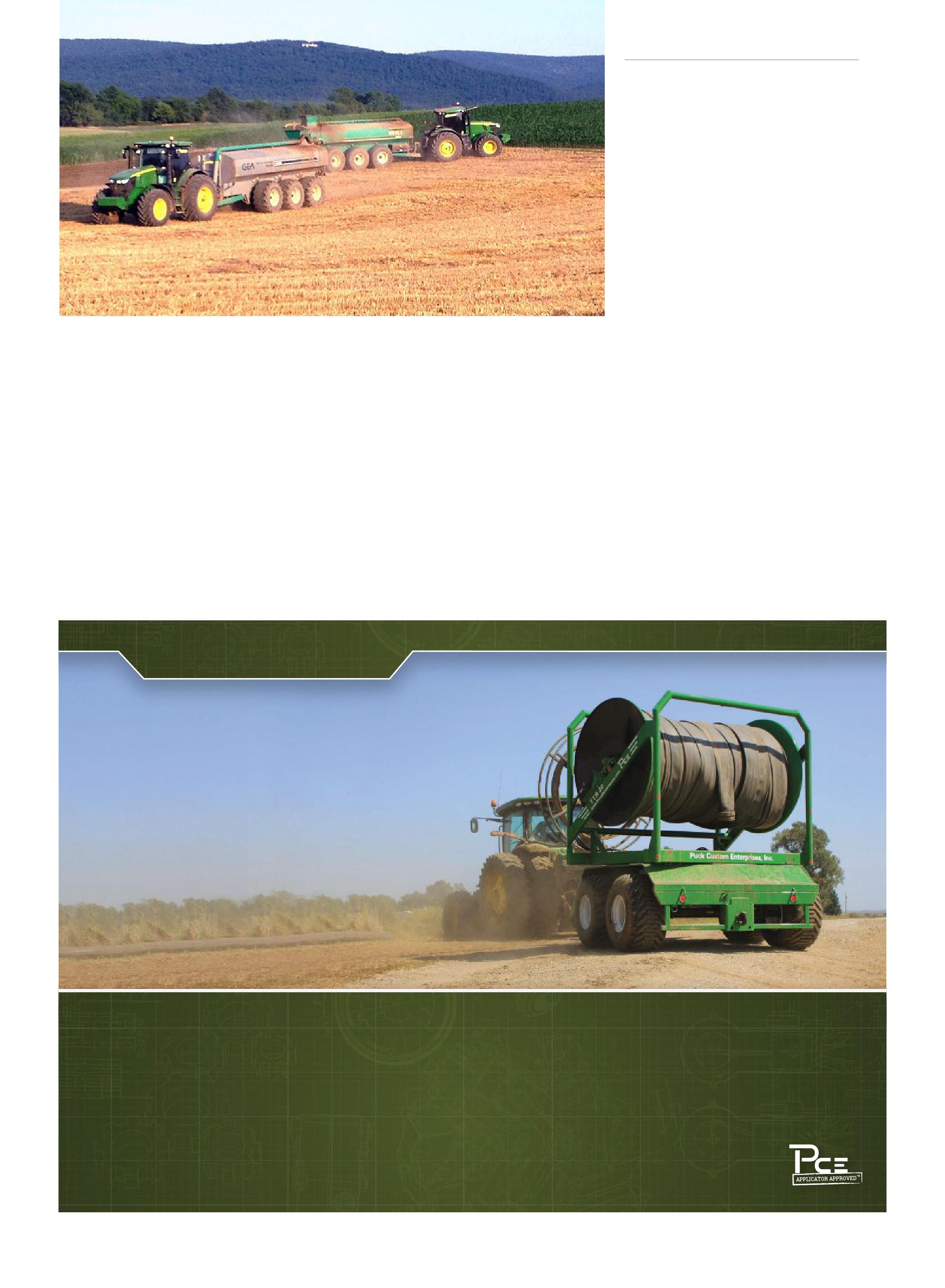
The lynchpin of his business – located in Carlisle, about 35 miles from Harrisburg – are his tractors, which not only pull his manure tanks through the fields but also transport the tanks from job to job, and work in snow removal at various warehouses and parking lots, using the snow pusher attachments placed on them. In addition to custom manure application, Jones has also diversified into custom hay merging and mowing to help local dairy farmers produce silage. The tractors are also used to pull the company’s mowing and merging equipment.
being able to move his equipment from one area to another at precisely the time it is needed.
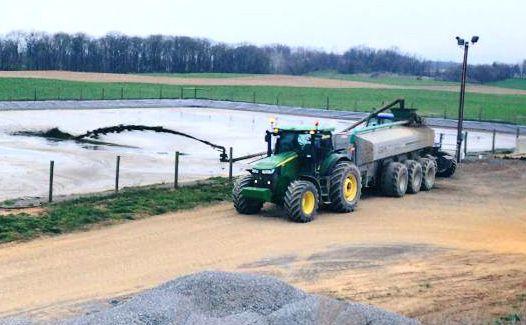
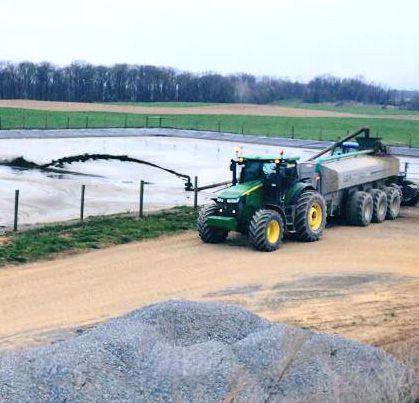
Jones Custom Manure Hauling land applies more than 120 million gallons of manure annually, with most of the manure surface applied on the soil. His dairy clients milk anywhere from 40 to 600 cows. The manure from each dairy farm is land applied on their own farmland. Jones has transported manure from the lagoon for land application up to 10 miles.
However, he has also found a way to diversify beyond the local dairy industry, which is prone to fluctuations in milk prices. About 20 percent of his business is using his manure application equipment to inject organic material shipped in from various food processing facilities. Jones has a contract to receive the material, which is then either stored in liquid manure lagoons among his dairy clients who have agreed to accept the food waste for land application later, or sometimes it is land applied as it arrives. He says this organic material is in high demand among local farmers because of the positive impact it has as fertilizer in crop production.
Jones’s primary business is providing custom manure hauling and application services for the large Pennsylvania dairy industry, in an area he describes as very similar in appearance to the Irish landscape. Unlike the western United States, he says it’s rare to find a 200-acre single patch of farmland in that part of the country. Like rural Ireland, the area consists of numerous small patches typically less than 100 acres each, with a lot of houses, plenty of hills, and narrow roads. As the area is situated between two mountains, Jones says that he is fortunate in that different areas tend to dry out at different times in spring. So he is not pressed from all quarters to make himself available to land apply manure all at the same time. He has the luxury of
“We’ve seen crazy results,” Jones says. “We’re talking about some miracle grow here. There is about 70 pounds of nitrogen to a tanker load of it.”
Jones owns the business with his father, Jason. It was incorporated in 2004. Jones grew up on the family dairy farm, following in his father’s and grandfathers’ footsteps. However, he says that working with livestock didn’t appeal to him. He describes himself as someone who prefers to work in the field running equipment, which was his biggest motivation for taking up a career in custom manure application. He started by working for someone else, and when that business owner wanted to sell out, he jumped at the opportunity to strike out on his own and hasn’t looked back since.
His father continues to actively farm, managing a dairy with 100 milk cows and planting crops on 800 acres. Some of the
LEFT Jones Custom Manure Hauling’s dairy clients milk anywhere from 40 to 600 cows. The manure from each dairy operation is applied on the farm’s own land. Jones has transported manure from the lagoon for land application up to 10 miles.
ABOVE Jones Custom Manure Hauling will travel as far as three and a half hours from home to work, conducting most of the operation’s business in Pennsylvania and neighboring Maryland.
food processing waste that Jones is contracted to land apply is applied on this acreage as organic fertilizer.
Over the years, the business has grown steadily both in the size of its manure applicator fleet and in the geographic area that the company services. Jones says the business has had its ups and downs, particularly during a three-year stretch starting in 2009 when there was a glut in milk production and dairy farms were finding it hard to keep the lights on. The company faces a similar situation now. While their input costs have gone down because of the price of fuel, milk prices have also taken a nosedive. Also, Jones is in an area with a large Mennonite population, and when they decide to do business with someone else, they tend to do so as a large group. Despite the challenges over the years, Jones’s strategy of business expansion and diversification has paid off, as demonstrated by his recent purchase of five new John Deere 7290 auto track and auto steer-equipped tractors to replace four John Deere 7280 tractors purchased in 2012.
The company had been using Series 8 John Deere tractors previously but was feeling squeezed on the cost when they investigated a new fleet of tractors.
“We discovered that the Series 7 John Deere would do just as well as a Series 8 would, so in our eyes, it is a big little tractor and it does what we need it to do, which is why we took that route,” Jones says.
In addition to these new John Deere tractors, Jones also has a Fendt 930 tractor and six 6,300-gallon Houle manure tanks. The company evolved into more manure injection once it took
on the food processing disposal contract, outfitting two of its tanks with Houle toolbars equipped with Dietrich 70 series injectors. The remaining four tanks surface-apply the liquid manure. They also have two Houle lagoon agitation pumps and one Dryhill agitation pump.
They added hay mowing and merging to their complement of services in 2012, and this is accomplished using Pottinger triple hay mowers, an H & S hay merger and an Oxbo hay merger.
Jones says he is open to the idea of investing in a drag hose system, but given the number of hills in the area, the smaller parcels of land and the number of housing developments being constructed, it would have to be the right circumstances with a customer before he could justify making that move. Right now, he says his tanker system is a good match for his customer base.
Jones has worked hard and, he says, “too many 24 hour days” during the past 12 years to develop a modern fleet and a professional service, taking any required training to ensure that he and his four employees are qualified according to the standards of various states where he conducts his business.
Over the past decade, he says there have been many legislative changes intended to ensure that farms have a nutrient management plan and that custom manure applicators land apply according to a plan typically developed by an agronomist. He adds there is greater concern about nutrient drainage into watersheds and he has adapted his application practices accordingly to ensure he is leaving an adequate buffer, depending on whether or not the farmer has sown grass in drainage areas to minimize the potential for manure seepage. Winter application
rates have also changed, limiting their application rate to 5,000 gallons per acre, but Jones adds that applying in winter takes common sense. If there is a foot of snow on the ground, there shouldn’t be any manure spreading.
“We are manure certified,” says Jones, which required a daylong course offered by the Pennsylvania Department of Agriculture, followed by a test.
“If you didn’t pass that test, you shouldn’t be hauling manure,” he adds. “New laws have come into effect, there are certain setbacks that we have to
deal with now, and we also have record keeping of where we put each individual gallon into each individual field.” While he now spends about double the time for record keeping and billing, he believes that new laws tracking where manure is applied have elevated the general level of professionalism among those willing to adapt to new standards.
To this point, they have not installed flow meters in their tractors, but calculate the application rate based on their speed and the acreage that they are covering.
“We know how we are putting it down
CARRY ALL OF YOUR HOSE TO THE NEXT SITE
LEFT
Jones Custom Manure Hauling land applies more than 120 million gallons of manure annually, with most of the manure surface applied on the soil.
with simple math,” Jones says. He adds that so much of operating a successful custom manure application business is just using common sense on where and when to apply.
He says over the past decade, the area in which he works has witnessed a lot more urbanization, with many individuals moving in but working in places like Washington. This has added another element to how he conducts his business on a day-to-day basis.
“The farms have always been there, so they [neighbors] know that the manure is going to get spread at some point,” Jones says. “We’ve had minimal complaints. We’ve done this for a long time, they see our rigs, they know what time of year that this is going to happen, so it’s expected. If they move to the country, they have to expect that.”
Investigating PEDv Survival in Earthen Manure Storages
The latest results from Manitoba about what affects survival of this virus in earthen manure storages.
BY TREENA HEIN
As everyone who farms swine in North America knows, porcine epidemic diarrhea virus (PEDv) is a very serious issue. More than eight million pigs have died of it since early 2013, and several Canadian swine farms were identified as PEDv-positive with recurrent infections.
Eradication of PEDv from farms where it’s present is a tough goal to achieve, and one of the most important considerations is how infected manure is handled and managed. In Manitoba, swine farms generally store their manure in earthen manure storages (EMSs; sometimes referred to as lagoons). These outdoor manure storages are obviously colder than under-barn pits and, contrary to what
one might think, PEDv does well in them because it likes colder temperatures.
But how long does the virus survive in EMSstored manure, and under what conditions?
A study to find out was first initiated in 2014 by the Manitoba Livestock Manure Management Initiative (MLMMI), headed by Ehsan Khafipour, assistant professor of gastrointestinal microbiology in the departments of animal science and medical microbiology at the University of Manitoba.
Finding out how long the virus can survive –and what affects its ability to infect – is critical for manure management.
“Most pork producers in Manitoba apply their
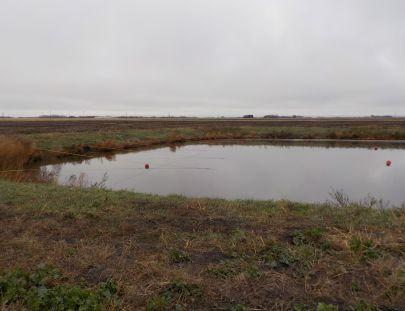
MAIN A study to find out how long PEDv survives in earthen manure storages and under what conditions was first initiated in 2014 by the Manitoba Livestock Manure Management Initiative. ABOVE In Manitoba, swine farms generally store their manure in earthen manure storages and PEDv does well in them because it likes colder temperatures.
own manure by contracting it out every year,” explains Mark Fynn, manager of quality assurance and animal care programs at the Manitoba Pork Council (which provides funding for MLMMI research). “These applicators use machinery that goes to numerous swine farms in a season and has the potential for carrying viruses between farms, especially since it is so hard to get the machinery immaculately clean.”
Fynn says that since the risk of PED virus transmission by manure spreading has been unknown, farmers were not willing to take the chance of having manure application equipment used at PEDv-contaminated sites being used at their own farms.
“We needed to be able to quantify the risk that lagoon-stored manure posed to the industry,” he says. “And answer the question of whether the virus is still viable, and therefore still poses a threat, several months after an outbreak.”
The study aims were to monitor survivability and infectivity of PEDv in infected EMSs, and to test in the lab how different temperatures and incubation periods affect PEDv. Two separate infected
double-layer containers – were removed from the sites by personnel wearing clean clothes and boots. Vehicles that carried the samples were parked at the road and washed after each sampling. The samples were transferred to another vehicle before being taken to the University of Manitoba lab for analysis.
“Upon completion of the sampling, all waste and equipment [that] could not be sterilized was burnt on site,” Chorney adds. “Larger equipment was exposed for a period of time to heat to kill any
possible PEDv that might be present. The maintenance of discipline was critical in following protocol we had established. We had no spreading of the virus so we assume success.”
RESULTS
Lab analysis revealed that PEDv could survive and be infective for at least nine months in infected EMSs, in Manitoba’s climatic conditions. PEDv infectivity declines at pH less than 4 and greater than 9 (with 7 being neutral). The pH of
EMSs were sampled in the fall of 2014 with a second round of sampling in late spring 2015.
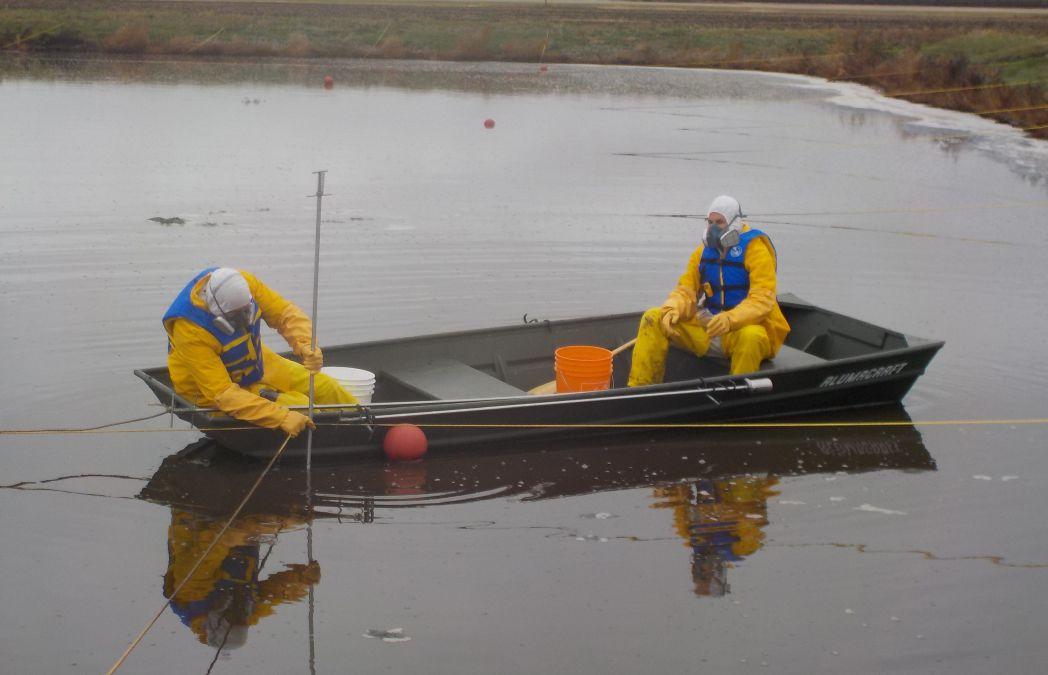
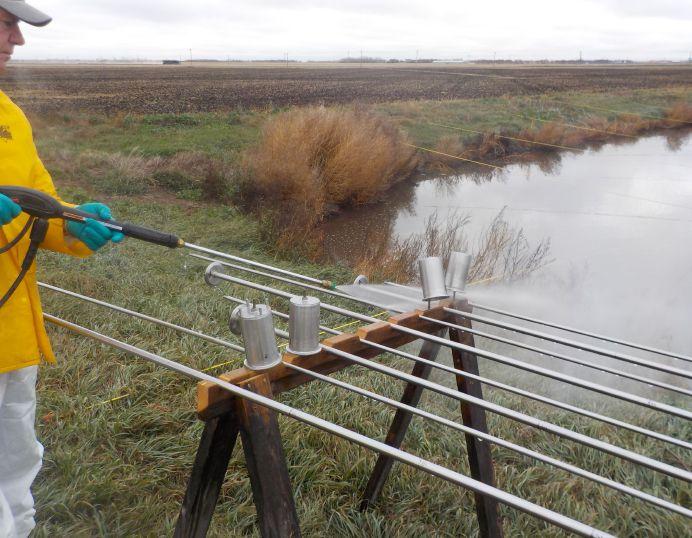
Sampling was carefully done to make sure PEDv didn’t spread from the research activity sites.
“We had to assume that the lagoon was highly infected and everything that was on the site – equipment and personnel – would also be infected,” says Harvey Chorney, vice-president of Portage operations at the Prairie Agricultural Machinery Institute (PAMI), a partner in the research. “We brought in protocols which included a change tent with sides that separated clean street clothes and assumed-to-be-contaminated ‘site’ clothes.”
Only manure samples – stored in
Manure Injection System
Minimize
Soil Disturbance
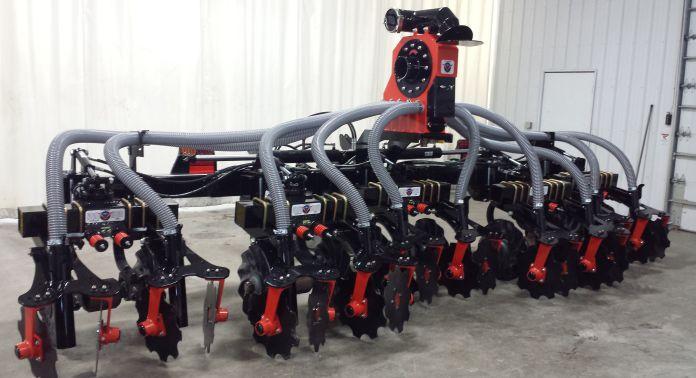
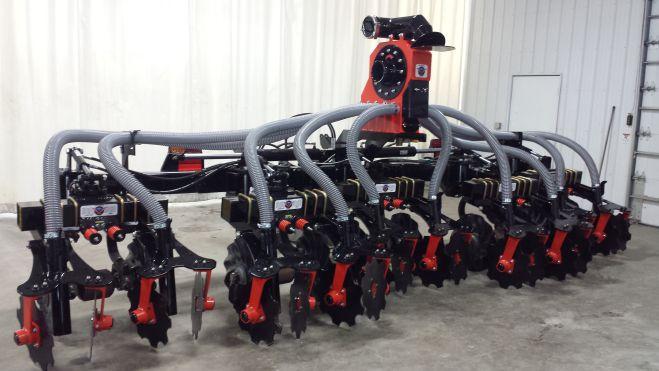
a High Speed - 3-12 MPH with excellent performance a High Residue - Heavy corn stalks without clogging a Low Draft Manure Injection - up to 15,000 gal per acre and up to 50% less draft than prior technology
• Adaptable to different bar sizes & drag hose systems a Built for Commercial and Custom Pumping a Custom Drag Hose Bars & High Flow a Even Flow/High Flow Maniflow Available
ABOVE LEFT Lagoon sampling was carefully done to make sure PEDv didn’t spread from the research activity sites.
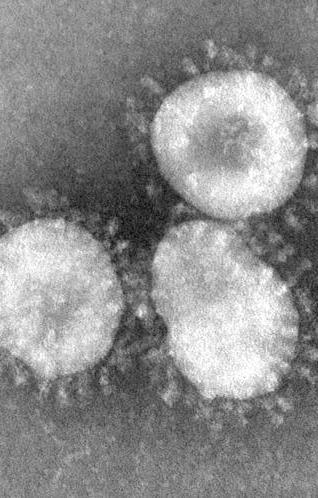
ABOVE RIGHT Porcine epidemic diarrhea virus (PEDv) is a coronavirus, an enveloped virus with a halo around it.
the EMSs varied from 6.6 to 8.4 with the lowest pH at the bottom layer and the highest in the top layer, which is within the range for PEDv to remain infective.
“In general, PEDv favors neutral pH but can tolerate a wide range between pH 5 and 9,” Khafipour notes. “However, temperature is a factor. PEDv is active in the pH range between 5 and 9 at 4 Celsius for example, but the range narrows down with increased temperature to between 6 and 8 at 37 Celsius. However, regardless of temperature, the viruses completely lost the ability to replicate at pH less than 4 and over 9.”
It was also noted that the virus population in both EMSs increased approximately five months after infected manure was placed into them.
“This suggests that PEDv may replicate in a EMS by using another host besides swine,” Khafipour says. “In both sites, the entrance pipes to the EMSs were sealed before sampling started, so there was no inflow of fresh manure, wash water or disinfectants during the study. Under these conditions, we expected that the virus population would either stay stable or decline over time.”
However, in EMS #1, the viral load significantly increased after the third week of sampling in all three layers, and it significantly increased in the early spring in EMS #2. This could not have been due to evaporation of water (which
would increase the concentration of virus per ml), but can only be because the PEDv is replicating in the EMS outside of its typical host (swine).
It’s already known that PEDv can replicate in mammal cells other than swine, but Khafipour says in this EMS scenario, the alternative hosts are likely single-celled protozoa or amoeba.
“EMS naturally inhabit some amoeba and protozoa, but we’d need further research to investigate this aspect of PEDv survivability,” he explains. “What we are currently doing is looking at how the PEDv may have evolved in the samples collected in fall of 2014 to the early summer of 2015. Although PEDv might be able to replicate within an EMS, its ability to infect declines over time. This might be because generation after generation of the virus within the alternative host is pressuring it to evolve in ways that lower its ability to infect its previous host –swine.”
Both of the EMS sites were positive as well for porcine delta coronavirus (PDcoV). Khafipour found that PDcoV survives in EMS over a Manitoba winter, but he didn’t test its infectivity.
MANURE MANAGEMENT RECOMMENDATIONS
Once spring arrives, there are several important guidelines manure managers and applicators should heed in spreading
PEDv-positive manure that’s been stored all winter long.
“PEDv is more sensitive to +20 Celsius temperatures, which over time, can significantly reduce its population, so the longer you can let it sit into summer, the better,” says MLMMI executive director John Carney. “The optimal time to spread PEDv-positive manure is likely on warm, dry days. Sunlight [UV radiation] and warmer temperatures may reduce the ability of the virus to infect and prolonged agitation of an infected EMS may aid in exposing the EMS’s contents to these conditions.”
It is also recommended that producers hold back and treat infected manure in under-barn pits before pumping manure into EMSs where it could potentially flourish.
“When pumping manure,” Carney adds, “applicators should follow a sequence, beginning with PEDv-negative sites, followed by sites with the longest time since an outbreak to sites where PEDv was most recently reported.”
For more information on the study, visit manure.mb.ca/projects/viewproject. php?id=97 or journal.frontiersin.org/ article/10.3389/fmicb.2016.00265/full.
INTERESTED IN MORE INFO ON TREATING AND MANAGING SWINE MANURE? VISIT MANUREMANAGER.COM.
UNL Research Aimed at Improving Swine Disease Control
University of Nebraska researchers are providing swine producers and veterinarians potential methods to manage and prevent the spread of Porcine Epidemic Diarrhea virus.
BY HALEY STEINKUHLER
Beginning in the spring of 2013, a deadly virus spread quickly throughout the swine industry. Porcine Epidemic Diarrhea virus (PEDv) has been reported in more than 35 states and is estimated to have an annual economic impact of up to $1.8 billion. Research recently conducted by faculty at the University of Nebraska – Lincoln (UNL) is giving swine producers and veterinarians potential methods to manage and prevent the spread of PEDv.
PEDv is spread among pigs through the fecal to oral route. It causes severe diarrhea, vomiting and dehydration, typically less than one day following exposure. While older pigs will experience performance losses once infected with PEDv, the virus carries a nearly 100 percent mortality rate in pre-weaned piglets. The virus is highly virulent, which makes controlling its spread within and
ABOVE
among swine operations particularly challenging. Veterinarians have speculated that a thimble-full of PEDv could effectively infect all of the state of Iowa’s nearly 20 million pigs, which is roughly one-third of the United States pig population.
“PEDv has a similar effect on older pigs as the stomach flu does on humans; they decrease feed intake, lose weight and are not productive,” says Amy Millmier Schmidt, assistant professor and livestock bioenvironmental engineer in the department of biological systems engineering at the University of Nebraska. “This loss of productivity equates to an economic loss for the industry as it takes longer for the animals to reach market weight.”
The National Pork Board and Nebraska Pork Producers Association are funding the research of Schmidt and a team at UNL and the U.S. Department
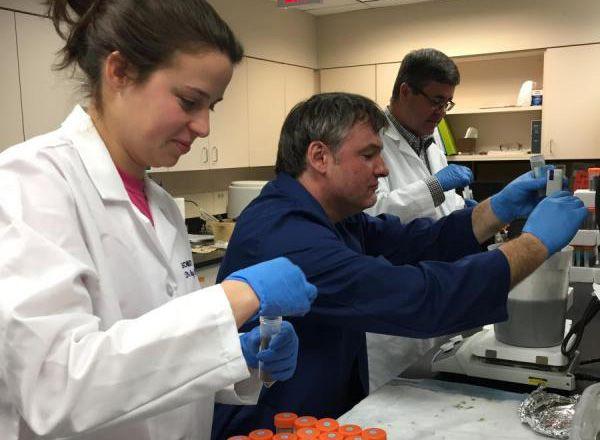
Manure from a PEDv-positive swine operation is added to soil samples to determine virus survival in manure-amended soils. Pictured from left are Bethany Brittenham, UNL biological systems engineering student, Ryan McGhee, USDA-ARS agricultural research technician, and Dan Miller, USDA-ARS research microbiologist.
of Agriculture’s (USDA) Agricultural Research Service. While previous research has looked at such aspects as disinfection practices for vehicles and equipment, developing a PEDv vaccine or evaluating swine feed as a source of infectious virus, this group focused their efforts on the environmental aspect of PEDv.
One area the group has been investigating is composting carcasses testing positive for PEDv. Burial is common practice with PEDv mortalities, which may be problematic because the virus thrives in cool, moist conditions. To test whether composting could eliminate the infectious virus, the researchers constructed three compost bins in which PEDv-positive pigs were composted in biosecure rooms on UNL’s East Campus. Sensors were placed inside the compost piles to monitor temperature and organic matter, and water was added to the bins, as needed, throughout two composting cycles. Testing of the compost material at the conclusion of the cycles found no evidence of PEDv.
“Properly handling and disposing of mortalities is a crucial step in reducing the risk of virus transmission,” Schmidt
says. “We’re confident that composting is an effective method to dispose of on-farm mortalities and help limit the spread of PEDv when the piles are constructed and managed properly to achieve internal pile temperatures of 120 to 130 Fahrenheit.”
“Properly handling and disposing of mortalities is a crucial step in reducing the risk of virus transmission.”
– Amy Millmier Schmidt
Schmidt and her colleagues also looked at adding lime to manure containing the PED virus to determine if a significant pH change in the manure would eliminate the infectious virus. Results revealed that treating manure with lime to raise the manure pH to 10 for at least one hour will eliminate infectious virus in the
Best Storage for Maximum Nutrient Value!
Consistent Nutrient ValueAgitation Makes the Difference
• Center agitation system evenly blends nutrients.
• Better utilization of “waste” translates into less purchased fertilizer.
Environmentally Sound
• Designed and constructed using bolted glass-fused-to-steel panels for secure storage and high corrosion resistance.
• Above ground - minimizes the danger of run-off, leaching and ground water contamination.
• Environment-friendly odor control - releases odors above ground level into higher air currents.
Visit www.cstindustries.com to find your local dealer, or call 815-756-1551.
manure, though Schmidt suspects that a lower pH may be equally effective.
Testing during the past several months has revealed that this virus is extremely sensitive to pH, and researchers suspect that it may not be necessary to raise the manure pH all the way to 10 to inactivate the virus. However, they won’t be able to confirm this until additional experiments are completed.
Another area the team has been looking at is the survival of the virus in soil over the winter following fall manure application. Schmidt and her colleagues added PEDv-positive manure to tubes of soil at varying moisture contents and then stored these soil samples for 150 days in incubators where the temperature was adjusted daily to represent daily soil temperatures from November through April in southern Minnesota, northern Missouri and central Oklahoma. The team expects to share results of this project in peerreviewed publications soon, but initial results indicate that the virus is quickly inactivated once manure is introduced into soil having a pH of 7.5 or greater.
As the quick and natural evolution of this virus progresses throughout the U.S., the positive results from this early research are encouraging. The next step for UNL researchers is to confirm their results with on-farm studies. They have received a grant from the USDA Agricultural Food and Research Initiative through the Critical Agricultural Research and Extension program to conduct a series of on-farm studies over the next three years. They will test multiple mitigative and preventative practices for PEDv to confirm the effectiveness of these biosecurity practices.
The team’s current focus is on demonstrating and promoting disease control and prevention measures on-farm and working with pork producers to create a culture of vigilant preparedness and prevention to minimize impacts of future disease outbreaks.
“All business decisions come down to economics so we want to demonstrate that the cost of investing in on-farm biosecurity practices is far less than the costs associated with lost productivity, decontamination, and remediation of a farm following a disease outbreak,” Schmidt says.
For more information on this research, contact Schmidt at 402-472-0877 or aschmidt@unl.edu.
Haley Steinkuhler is a writer with the University of Nebraska’s Institute of Agriculture and Natural Resources media team.
UVM Extension Receives Grant to Manage Manure
BY DR. HEATHER DARBY
University of Vermont (UVM) Extension has received a two-year grant from the State of Vermont to help farmers improve manure management in Franklin County.
The grant, led by Dr. Heather Darby, is part of the state’s Ecosystem Restoration Program, a competitive grant program administered by the Vermont Agency of Natural Resources department of environmental conservation. Dr. Darby and her UVM Extension northwest crops and soils (NWCS) team have been working with livestock farmers to optimize crop nutrient use to help protect water quality while producing high-quality and high-yielding crops. The new grant will provide funds to test the use of precision technology to improve manure management in the Jewett Brook Watershed.
The project will use global positioning system (GPS) and geographic information systems (GIS) to help detect fluctuating nutrient needs within individual farm fields and then enable manure spreaders to adjust application rates to apply just
the right amount of manure to meet those needs.
Precisely controlling the application of manure will help farmers optimize this important on-farm nutrient, saving them money and improving the overall health of the soil as well as protecting sensitive environmental areas. If successful, this may become another tool that producers can use to adhere to fertility recommendations in their nutrient management plans.
Dr. Darby and her NWCS team expect to test these precision technology tools on two types of manure spreaders on 1,500 acres over the twoyear project period. They will host at least two demonstrations of these tools for interested farmers in the St. Albans Bay Watershed and Franklin County areas.
More information about NWCS research and outreach work, including events regarding this project, can be found at uvm.edu/extension/cropsoil.
Dr. Heather Darby is an agronomic and soils specialist with University of Vermont Extension.
NH T5 Tier 4B
New Holland’s T5 tractor series – a popular choice of tractor in the livestock market – has been refreshed for 2016. The new T5 Tier 4B series has been re-engineered to meet the evolving needs of dairy and livestock farmers. The new T5 series is available in two models: the 107 hp T5.110 and the 117 hp T5.120, with respective maximum torque figures at 1,500 rpm of 345 and 362 ft./lbs. newholland.com
Kioti cab capabilities
Kioti Tractor is expanding its field option cab operator pairings to suit models in the CS Series, CK10 Series, DK10 Series, and UTVs. The cabs can now be paired with new or existing Kioti tractors and utility vehicle models. Cab units can be attached and detached at Kioti Tractor dealerships. kioti.com
John Deere G-Series skid steers, compact track loader
John Deere is introducing four Final Tier 4 G-Series skid steers (312GR, 314G, 316GR, 318G) and one compact track loader (317G). These new machines are designed for agriculture material handling customers. The G-Series machines feature improved horsepower-to-weight ratios and an optimized boom design that enables lift heights over 10 feet on the vertical lift models and a 20 percent increase in breakout forces on the radiallift models. The 316GR, 318G and 317G offer 24 percent more engine power. deere.com
Mahindra 2538
The 2538 is available with hydrostatic transmission in either an open station or cab configuration. Both 2538 models are easy to operate and maintain, featuring a wet sleeve engine as well as Mahindra’s Tier IV solution mCRD has no DPF filter and requires no additional driver involvement or training to operate, no high heat and no regeneration downtime. Features of the 2538 include 28 percent more threepoint lift capacity, more built-in weight for better traction and stability, larger industrial tires and larger battery, quick detach loader, tilt steering wheel. mahindrausa.com
The U.S. Environmental Protection Agency recently awarded $30,000 in cash prizes to 10 winners of the Nutrient Recycling Challenge during a special ceremony in Washington, DC. The government agency is looking for affordable technologies to recycle nutrients from livestock manure.
The U.S. Environmental Protection Agency (EPA) recently announced the winners of Phase I of the Nutrient Recycling Challenge, a competition to develop affordable technologies to recycle nutrients from livestock manure.
In November 2015, EPA launched the Nutrient Recycling Challenge in partnership with pork and dairy producers, the U.S. Department of Agriculture, and environmental and scientific experts. The goal of the challenge is to find affordable technologies that can help farmers manage nutrients, create valuable products and protect the environment.
The EPA received 75 concept papers from around the world and selected 34 submissions to continue on to Phase II of the challenge. EPA is awarding a total of $30,000 in cash prizes to the top 10 submissions (four winners and six honorable mentions).
The following are descriptions of the four winning concepts:
• Slurry Separation with Coanda Effect Separator (by Ahimbisibwe Micheal of Bravespec Systems Ltd.)
– Using centrifuge technology to separate smaller nutrient particles from manure, with fewer energy inputs and lower costs.
create a range of fertilizers from anaerobically digested manure.
The six honorable mentions included:
• Ammonia + Recovery (by Mark Capron and Rakesh Govind of Ocean Foresters and PRD Tech, Inc.)
• Azolla – Biological Way of Nutrient Recovery (by Tulika Arora of Wallenberg Laboratory)
• DVO, Inc. Advanced Phosphorus Recovery System (by Doug VanOrnum of DVO, Inc.)
• Nutrient Recycling by Lime Treatment and Precipitation of Inorganic Salts (by Jordan Phasey, Howard Fallowfield, and Dries Vandamme with Power and Water Corporation, Flinders University of South Australia, and KU Leuven – Belgium)
• Manure Convertor (by Ilan Levy of Paulee Cleantec Ltd.)
– Using chemical processes to rapidly turn manure into a non-toxic, fertile ash fertilizer.
• Producing Nutrients Concentrated Bio-solids via AnSBEARs (by Bo Hu, Hongjian Lin, and Xin Zhang of the University of Minnesota) – Creating a dry biosolids fertilizer by using a novel anaerobic digestion and solid-liquid separation system.
• Removal of Dissolved N and P from Livestock Manure by Air Stripping (by Hiroko Yoshida of Centrisys Corporation) – Using CO2 stripping and other processes to
• Recycle Nutrients from Livestock Manure and Create Valuable Products (by Kerry Doyle, Tracey Mrak, Dr. Roa-Espinosa, and Richard Shatto with Trident Processes, LLC and Soil Net LLC)
• Production of Renewable Low Carbon Transportation Fuels and Nutrient Concentrated By-Products Through the AWS System (by Michael Bagtang, Bruce Scott, and Steve McCorkle with Agricultural Waste Solutions, Inc. and Scott Bros. Dairy Farms)
Partners in the Nutrient Recycling Challenge include the American Biogas Council, American Society of Agricultural and Biological Engineers, Ben & Jerry’s, Cabot Creamery Cooperative, Cooper Farms, CowPots, Dairy Farmers of America, Innovation Center for U.S. Dairy, Iowa State University, Marquette University, National Milk Producers Federation, National Pork Producers Council, Newtrient, LLC, Smithfield Foods, Tyson Foods, U.S. Department of Agriculture, Washington State University, Water Environment Research Federation, and the World Wildlife Fund.
For more information, visit nutrientrecyclingchallenge.org.
Navigate Nutrient Management with a Dewatering System from GEA
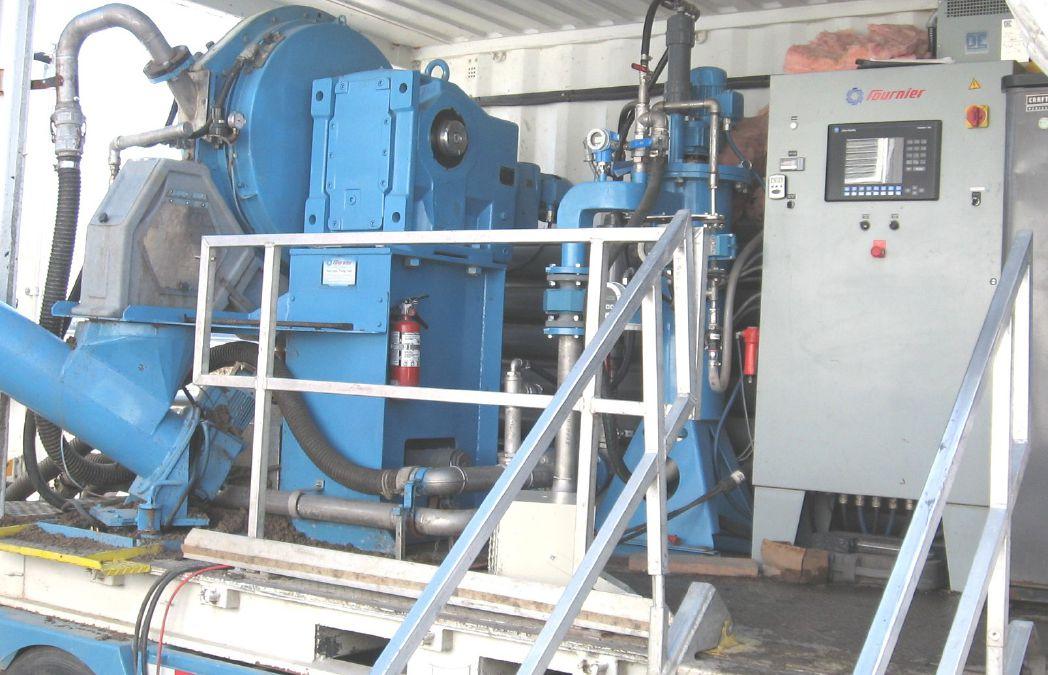
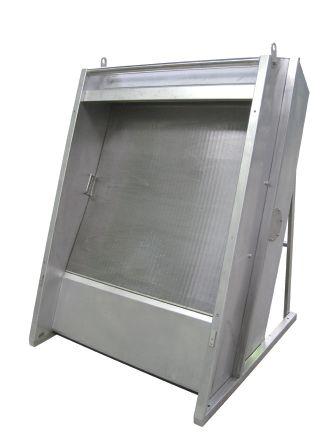
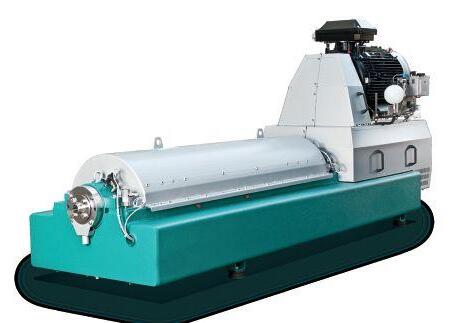
Put nutrients where they belong with a combination GEA Slope Screen and AGM Centrifuge system. Together, the system effectively dewaters manure. Screened solids can be dried and used for bedding. Solids produced by the centrifuge are nutrient-rich and can be used for compost or spread on fields. Recovered liquid can be stored in a lagoon or applied directly to the fields. And since phosphorus levels in the liquid are lower, it can often be sprayed at a higher rate per acre.
The process starts with a Slope Screen that removes large material from the manure. After this, the remaining liquid-solid mixture runs through a high speed AGM Centrifuge that automatically adjusts to different flow rates and solid levels. With almost all the solids removed, the remaining liquid is much cleaner.
Efficient and cost-effective, the equipment can be used with or without an anaerobic digester.
Learn how GEA can help you improve and add value to your manure management program. Call 877-973-2479 or email info.gft.na@gea.com.