
The National Environmental Sustainability and Technology Tool is a first-of-its-kind system that egg farmers can use to track, assess and benchmark the environmental impact of their farm.
How the tool can help you
You can use the tool to:
Understand the environmental impact of your farm
Compare your results to other egg farms
Improve your operations with tailored recommendations
Access the latest on-farm sustainability resources for egg farmers
How to access the tool
By using the tool, you’re supporting the broader movement of egg farmers who are collaborating and innovating for a sustainable future.
All you need to get started is your Farm Registration ID!

Cracking the code Canada hatches world’s earliest in-ovo sexing breakthrough. Plus, other North American advances.

by Brett Ruffell
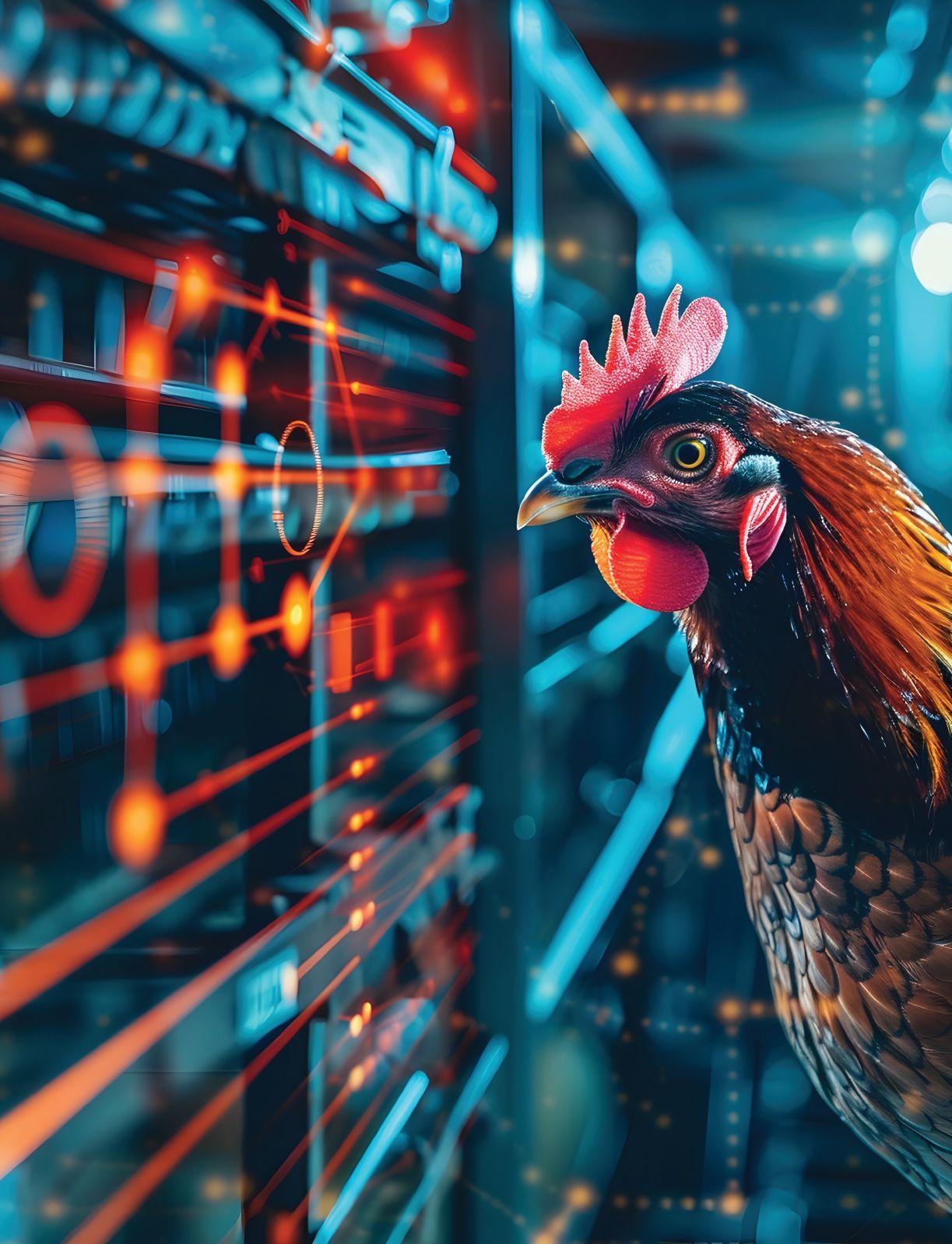
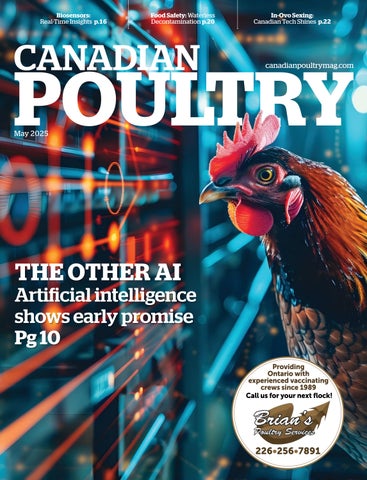
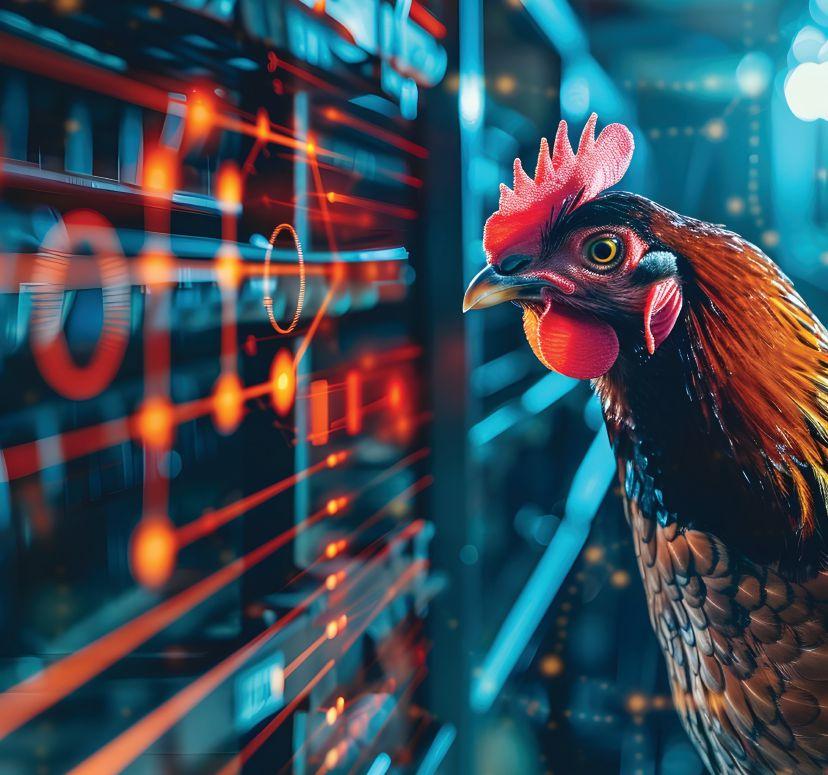
This month’s cover story dives into the fast-moving world of artificial intelligence in poultry.
And it’s a fascinating one. Just 20 years ago, concepts like listening to birds “talk,” weighing them without a scale, or predicting barn health before symptoms arise would’ve sounded like sci-fi. But today, thanks to researchers like Suresh Neethirajan, these tools are not only in development – they’re edging closer to commercial use.
Neethirajan, a professor and University Research Chair in Digital Livestock Farming at Dalhousie University, is the driving force behind
“The future of poultry is not just automated, it’s intelligent.”
Cluckify – a mobile app that uses AI and bioacoustics to decode chicken vocalizations. It’s essentially a “chicken translator,” helping farmers understand what their birds are saying through pitch, rhythm and tone. I found it especially fascinating – and a perfect example of how innovation is reshaping how we interact with our flocks. The possibilities this kind of insight could unlock – from improved welfare to more responsive barn management – are remarkable.
Of course, AI’s journey into poultry won’t be without bumps. There are still questions around scale,
integration, and data sharing. But the momentum is undeniable, and it’s clear the appetite for smarter tools is growing. With younger generations stepping into leadership roles on farms, we can expect to see even greater interest in tech that brings flexibility, insight and efficiency.
On page 22, we explore another major breakthrough – in-ovo sexing. With HyperEye, Canada leads the world with the earliest, non-invasive sexing system, accurate as early as day four of incubation. This technology promises to reduce waste, improve sustainability, and eliminate one of the egg sector’s most difficult ethical challenges.
It’s also a great example of homegrown innovation, developed through collaboration between Canadian researchers and industry partners.
As you read through this issue, I hope you’ll take a moment to appreciate just how quickly innovation is transforming our industry. Some of these tools are already being piloted; others are still years away from widescale adoption. But all signal the same thing: the future of poultry is not just automated, it’s intelligent.
I’d love to hear from you: what innovation do you think has the most promise for our industry? Whether it’s a game-changing product in your barn or a concept still in its infancy, drop me a line – I want to know.
Enjoy the issue.
canadianpoultrymag.com
Reader Service
Print and digital subscription inquiries or changes, please contact Angelita Potal, Customer Service Rep.
Tel: (416) 510-5113
Email: apotal@annexbusinessmedia.com
Mail: 111 Gordon Baker Rd., Suite 400, Toronto, ON M2H 3R1
Editor Brett Ruffell bruffell@annexbusinessmedia.com 226-971-2133
Brand Sales Manager
Ross Anderson randerson@annexbusinessmedia.com Cell: 289-925-7565
Account Coordinator
Julie Montgomery
jmontgomery@annexbusinessmedia.com 416-510-5163
Media Designer Curtis Martin
Group Publisher Michelle Bertholet mbertholet@annexbusinessmedia.com
Audience Development Manager
Anita Madden amadden@annexbusinessmedia.com 416-510-5183
CEO Scott Jamieson sjamieson@annexbusinessmedia.com
PUBLICATION MAIL AGREEMENT #40065710
Printed in Canada ISSN 1703-2911
Subscription Rates
Canada - Single-copy $10.00
Canada – 1 Year $33.15
Canada – 2 years $56.61
Canada – 3 years $78.54 (plus
GST - #867172652RT0001
Occasionally, Canadian Poultry Magazine will mail information on behalf of industry-related groups whose products and services we believe may be of interest to you. If you prefer not to receive this information, please contact our circulation department in any of the four ways listed above.
Annex Privacy Officer privacy@annexbusinessmedia.com Tel: 800-668-2374
No part of the editorial content of this publication may be reprinted without the publisher’s written permission. ©2025Annex Business Media. All rights reserved. Opinions expressed in this magazine are not necessarily those of the editor or the publisher. No liability is assumed for errors or omissions. All advertising is subject to the publisher’s approval. Such approval does not imply any endorsement of the products or services advertised. Publisher reserves the right to refuse advertising that does not meet the standards of the publication.



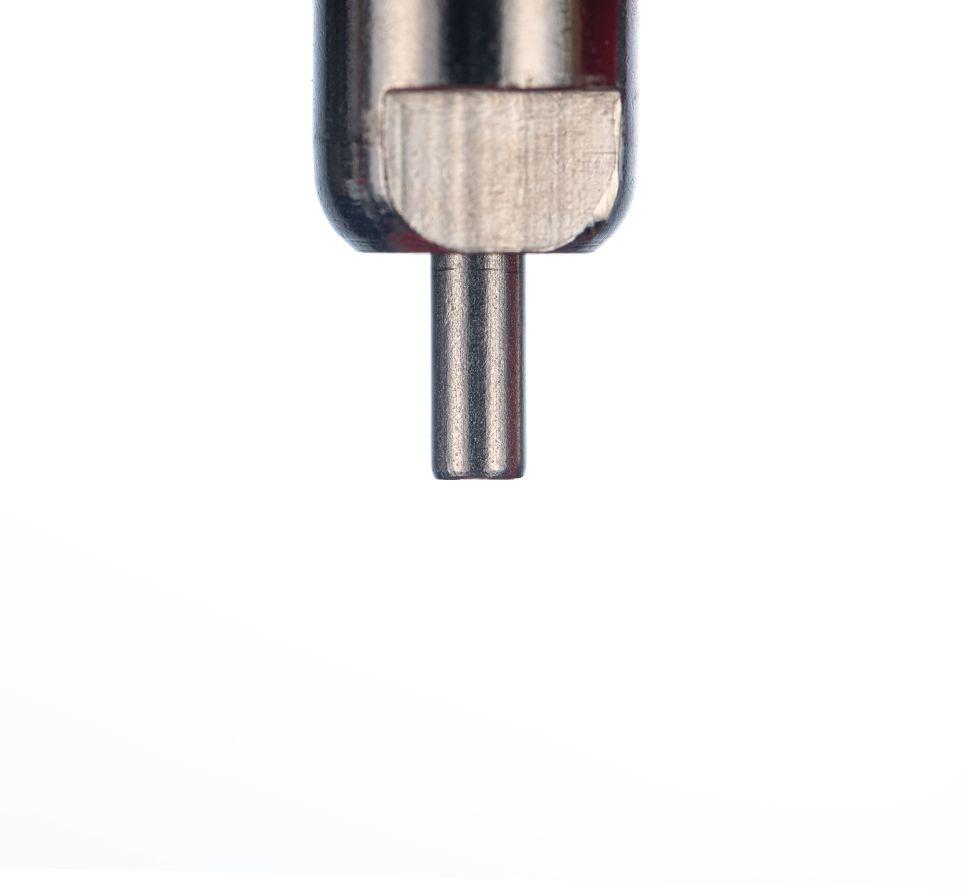
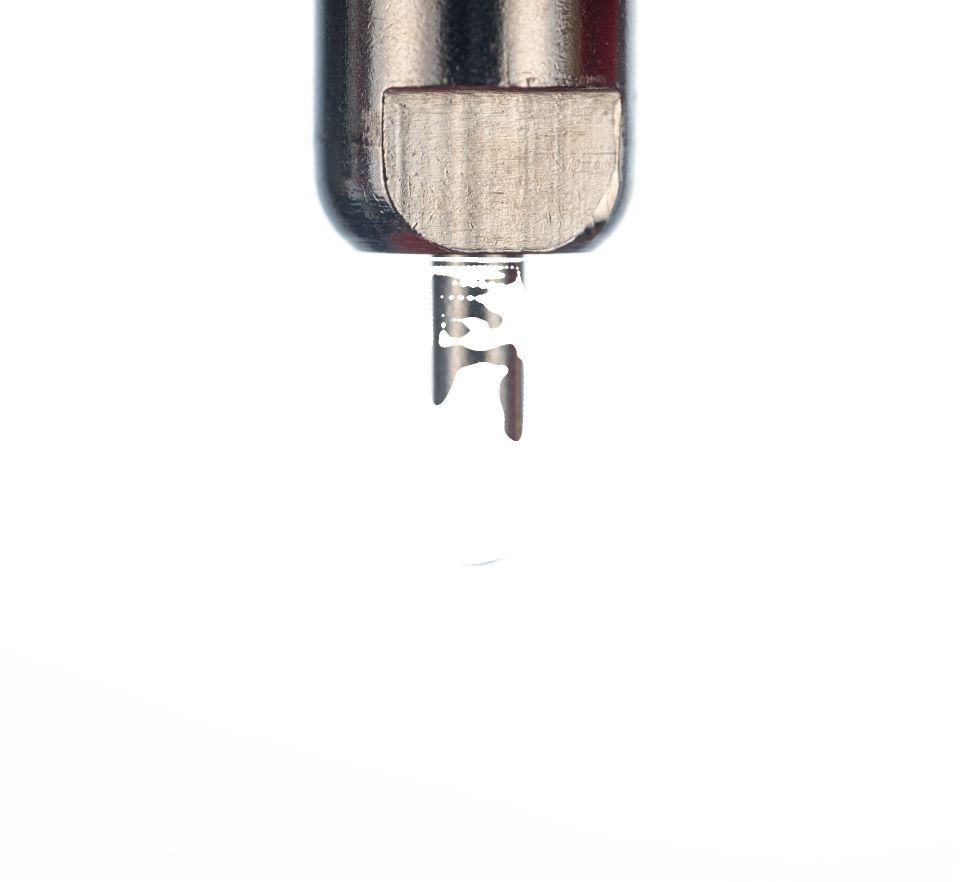
We're beyond thrilled to announce that LUBING Systems has reached a monumental milestone: ONE BILLION poultry drinking nipples sold globally!
We know you have choices, and we're deeply grateful you've chosen LUBING. Your trust in our products is the foundation of our success. We believe in providing solutions that make a real difference, and we're honored to be a part of your operations.
Thank you for trusting LUBING.
Glass-Pac Canada


St. Jacobs, Ontario
Tel: (519) 664-3811
Fax: (519) 664-3003
Carstairs, Alberta
Tel: (403) 337-3767
Fax: (403) 337-3590
Les Equipments Avipor Cowansville, Quebec
Tel: (450) 263-6222
Fax: (450) 263-9021
Specht-Canada Inc.
Stony Plain, Alberta
Tel: (780) 963-4795
Fax: (780) 963-5034
Egg Farmers of Ontario re-elected Scott Helps as Chair and Dan Veldman as Vice Chair for the 2025-2026 term during its 60th Annual General Meeting in Niagara Falls. The event highlighted the industry’s history and future, featuring political guests and industry leaders. Al Corneil received the Get Cracking Award, and retiring director Brian Miller was recognized. Helps reaffirmed the industry’s commitment to innovation, sustainability, and proactive leadership in supporting Ontario’s egg and pullet farmers.
The Poultry Innovation Partnership (PIP) officially disbanded on March 31, 2025, after more than three years of supporting Alberta’s poultry industry. Since its launch in October 2021, PIP delivered research projects, conferences, flock talks, and industry updates, playing a key role in knowledge sharing and sector collaboration. In a closing statement, the team thanked industry partners and supporters for their engagement and extended best wishes for continued success across the poultry sector.
Egg Farmers of Canada has announced the winners of its Student Innovation Challenge, which invited post-secondary students to present research ideas to advance the egg industry. Projects explored topics like artificial intelligence, hen nutrition, and animal health. Jo Ann Chew from the University of Alberta won first place, with students from Dalhousie University and the University of Guelph placing second and third. The challenge is part of the organization’s broader efforts to support agricultural research and innovation.
The National Farm Animal Care Council (NFACC) and Egg Farmers of Canada have launched a 60-day public comment period on proposed amendments to the Code of Practice for the Care and Handling of Pullets and Laying Hens.
The revisions focus on key areas such as feeder space, pullet housing in aviaries, and barn tier limits, aiming to align the standards with the latest animal welfare science and industry practices.
Stakeholders, including farmers, veterinarians, and researchers, are encouraged to submit feedback by May 26, 2025. After the comment period ends, the Code Amendment Committee will review the input before finalizing the updated Code, which will be released in summer 2025.
“The changes ensure our Code
of Practice continues to reflect the best scientific evidence and the needs of the industry,” said Roger Pelissero, chair of Egg Farmers of Canada.
The proposed amendments include adjustments to space requirements for round feeders, aviary space allowances for pullets, and barn tier limits. These updates are part of ongoing efforts to incorporate current research and societal expectations into animal care guidelines.
The public consultation offers an opportunity for all stakeholders to influence the future of bird welfare. For the draft amendments and to submit comments, visit nfacc.ca.
This initiative is supported by the AgriAssurance Program under the Sustainable Canadian Agricultural Partnership.
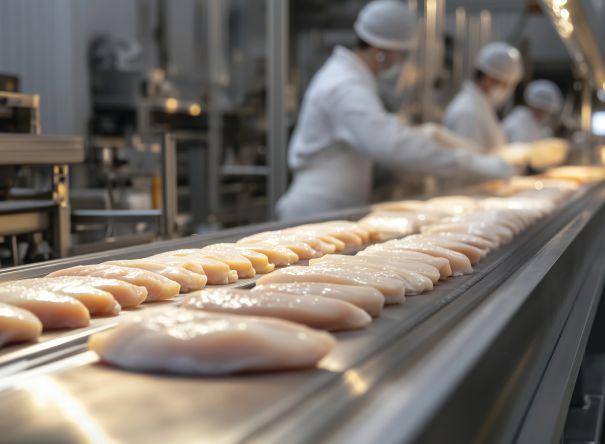
The federal government is taking aim at spent fowl fraud – a practice where broiler chicken is mislabeled as spent fowl to dodge import tariffs.
In a joint statement, Agriculture Minister Kody Blois and Public Safety Minister David J. McGuinty called the misrepresentation “fraud” that threatens Canadian farmers, jobs, and market fairness.
Spent fowl refers to egg-laying hens at the end of their production cycle. Unlike broiler chicken, spent fowl can be imported duty-free from the U.S. under trade agreements like CUSMA. This has led some importers to falsely declare broiler meat as spent fowl to avoid tariffs.
Since 2010, the Canada Border Services Agency (CBSA) and the Canadian Food Inspection Agency (CFIA) have issued more than $361 million in duties, interest, and penalties related to
misdeclared imports.
The government plans to strengthen collaboration between enforcement agencies and industry to improve detection and compliance.
Chicken Farmers of Canada (CFC) welcomed the announcement. “We are confident the government’s commitment will lead to the implementation of DNA testing,” said Tim Klompmaker, CFC Chair.
CFC says fraudulent imports have cost the Canadian economy 1,400 jobs, $105 million in economic output, and $66 million in government revenues annually. The group has supported research at Trent University that developed a reliable DNA test to differentiate between broiler meat and spent fowl.
The government says protecting Canadians and upholding food supply integrity remains a top priority as it works with partners to ensure fairness and accountability.
$360M
is how much has been assessed in penalties for mislabelled spent fowl since 2010.
MAY
MAY 7-9, 2025
Animal Nutrition Conference of Canada, Niagara Falls, Ont.animalnutritionconference.ca
MAY 22, 2025
PIC’S Research Impacts, Wellington, Ont. & Virtual poultryindustrycouncil.ca
MAY 28-30, 2025
ANAC AGM and Convention Canmore, Alta. anacan.org
JUNE
JUNE 18, 2025
PIC’S Poultry Health Day Stratford, Ont. poultryindustrycouncil.ca
JULY
JULY 14-17, 2025
PSA Annual Meeting Raleigh, N.C. poultryscience.org
JULY 15-17, 2025
Ag in Motion, Saskatoon, Sask. aginmotion.ca
JULY 30-31, 2025
North American Manure Expo, Wauseon, Ohio ManureExpo.com
SEPTEMBER
SEPT. 1, 2025
National Chicken Month Kickoff, Nationwide chickenfarmers.ca/nationalchicken-month
SEPT. 3, 2025
PIC’S Golf Day Baden, Ont. poultryindustrycouncil.ca
SEPT. 9, 16, 23, 30, 2025
Canadian Poultry Broiler School Webinar Series canadianpoultrymag.com

By Dr. Gigi Lin
Background: Ascites syndrome, also known as water belly or pulmonary hypertension syndrome (PHS), is a common health condition in poultry, especially in fast-growing broilers with high metabolism. The condition is characterized by excessive fluid accumulation in the bird’s coelomic cavity. While various factors can predispose birds to ascites, environmental stressors – particularly chronic cold stress and suboptimal ventilation – play critical roles in its development. Identifying and mitigating these stressors is essential for optimizing flock health. In this case study, I’ll highlight the use of technology, specificity infrared imaging, to aid in the investigation of increased ascites condemnations.
Case history: A few years ago, I worked with a broiler producer who wanted to improve the farm’s overall performance by addressing potential condemnation issues. The farm’s condemnation rates had been on par with the industry average over the past year. However, the producer noted that instead of cellulitis – one of the common reasons for condemnation – an unusually high percentage of the rejects were due to ascites. Additionally, the on-farm mortality rates remained within normal limits, suggesting a subclinical issue rather than an acute disease condition.
Field investigation and findings: To verify the root cause, I began by having the producer submit all normal daily mortalities for necropsy 10 days prior to slaughter. While condemnation reports provide valuable data, some lesions and disease conditions can be easily missed or masked in the fast-paced processing environment. By confirming the cause of death on-farm with accurate diagnostics, we could ensure that ascites was, in fact, the primary issue, and that there weren’t any other underlying disease conditions. I also reached out to the quality assurance manager at the plant to gather additional information, including photos and trends
Dr. Gigi Lin is a board-certified poultry veterinarian. She provides diagnostic, research, consultation, continuing education, and field services to all levels of the poultry industry in Western Canada. In this new column, she will help producers understand and prevent condemnations.
that could assist with the investigation.
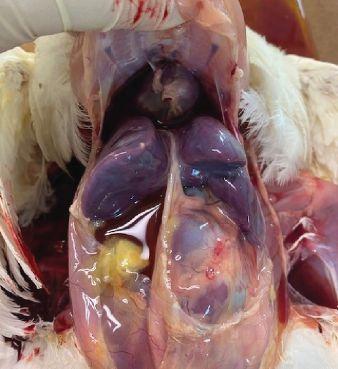
After three days of routine necropsies, I confirmed that ascites was the main cause of death. Among all the submitted daily mortalities, aside from a few birds that died from sudden death syndromes and bacterial septicemia, over 50 per cent of the birds had lesions consistent with pulmonary hypertension syndrome. Affected birds had classic findings, including abdomen filled with straw-yellow colored fluid, heart enlargement, congested lungs, and swollen livers (photo 1).
While there is no single primary cause of ascites, management, environmental and genetic factors all play significant roles in its development. In broilers, any factor that increases metabolic demand can contribute to the condition. In my experience, cold stress is one of the most common underlying risk factors.
How cold stress exacerbates ascites: To put it simply, when birds are cold, their metabolism increases to generate more heat, which leads to a higher demand for oxygen and more blood flow through the lungs. As a result, this increases the workload on the heart and blood vessels. As the same time, cold stress can cause blood vessels in the lungs to constrict, further raising pressure
and workload on the heart. Ultimately, the combination of increased oxygen demand, narrowing of blood vessels, and increased blood flow leads to pressure overload within the circulatory system, triggering a cascade of events that result in ascites with fluid leakage into the body cavity.
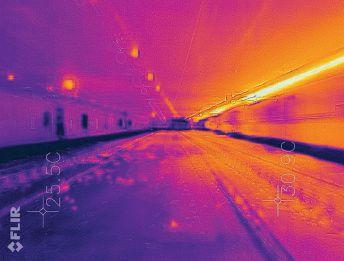
Exposure to cold stress is very common, especially during seasonal transitions, when there are large day-to-night temperature fluctuations. I typically begin by evaluating barn temperatures and ventilation from brooding through the end of the cycle. I found the use of an infrared camera particularly helpful in these cases. With an infrared device, I can detect cold spots and assess the heating system, verify brooding temperatures, and evaluate barn structure and insulation with a just few images and videos, allowing for a more informed evaluation of the housing conditions.
In this case, the imaging revealed distinct cool spots and overall uneven heat distribution, indicating that adjustments needed to be made to the heating system, barn insulation, and brooding set up to reduce cold stress (photo 2). We are very fortunate that the accessibility of infrared technology has improved significantly over the past decade, with newer devices becoming smaller, more affordable, and user-friendly for producers. This case demonstrates the value of integrating such tools into routine farm management practices.
– BROTHER AND SISTER FARMERS VIRGINIE AND FRÉDERICK CLOUTIER, WHO OPERATE THEIR FAMILY FARM IN SAINT-HYACINTHE, QUÉBEC

*Survey

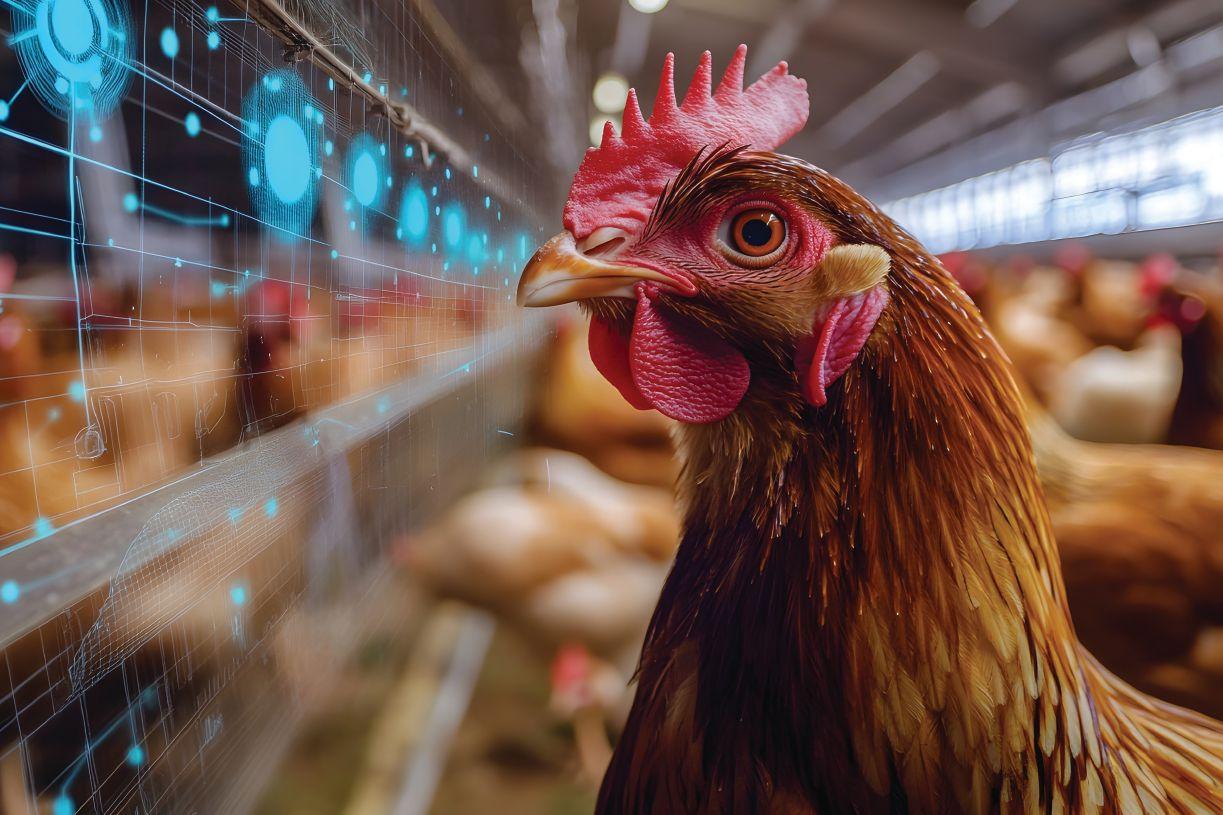
Artificial intelligence is changing the world and it’s gradually pecking its way into poultry barns to improve operations.
By Ronda Payne
Understanding what chickens are saying, weighing birds without a scale, predicting health and disease in the barn. While 20 years ago these ideas might have seemed like laughable sci-fi, with artificial intelligence (the other kind of AI) they are now being planned for the future – the near future – and can make the life of farmers easier if they unfold as intended.
Imagine listening to a flock, then comparing sounds to determine what the birds are saying. Based on the research and under the leadership of Suresh Neethirajan, professor and university research chair in Digital Livestock Farming at Nova Scotia’s Dalhousie University, the team at Dalhousie’s MooAnalytica, has released
Cluckify, a mobile app to help people understand chickens and their needs through vocalizations.
“Using bioacoustics, we recorded a variety of sounds from broilers, from laying hens, from roosters. All at different life stages,” he says. “We use what we call natural language processing, NLP, and using artificial intelligence, we decode.”
By recording the birds in a range of settings and contexts, the team has amassed 45 different categories of sounds. These are collated into the Cluckify library categories tied to bird social and behavioural cues. Even pitch, rhythm and tone were considered to determine what the birds were communicating.
“What we have built is a translator,” Neethirajan says. “It records the sounds. At the other end, the farmers will have a dashboard to see what the chickens are saying.”
Both semantics and linguistics have been applied to the vocalizations to align with words in the English language. So, whether a rooster is working on his mating call, hens are experiencing heat stress, or the birds are happy and relaxed, the sounds they make are the key to understanding.
Sounds are just one small part of cracking the AI-powered poultry-management equation and few solutions are commercial-scale farm-ready. Art van Zanten, owner of Red Deer, Alberta-based Integrated Feed Solutions has been working on AI solutions for poultry “for a while” and says there will be “bits and pieces” coming that will improve the industry, but until there is more data sharing, it will be hard to reach the levels of AI integration being seen in other livestock sectors.
“We
“In poultry, all the data is what I would call siloed,” he says. “Everyone has their own piece, and no one is sharing. The thing is, with AI, the more pieces of data, the better it will function. AI, it’s at a research level in poultry, yes, but not at a commercial level.”
He believes a neutral third-party needs to “house” the data for the industry to keep it unbiased.
“But that’s for massive value for everyone who will participate then,” he says. “That’s down the road.”
In the meantime, he’s working with a pair of students on an AI tool to train unskilled workers in the protocols of poultry to become quickly skilled. This would take
SAVE YOUR BACK
some of the pressure from labour shortages off producers as regulations constantly shift. But van Zanten says most poultry performance issues are multifactorial. The training tool is like other AI tools currently available for the industry where they are beneficial as one-off solutions for one problem, but they aren’t integrated.
“It’s not just one thing causing the challenge, it’s a bunch of things together,” van Zanten says of poultry issues. “And AI is so much quicker at figuring out those data components.”
predictive management Van Zanten is also looking at feed conversions and combining them with elements
that have not been measured previously at a commercial scale, like disease pressure, bacteria load in the barn and the influence of daylight over succeeding flocks. The range of inputs is staggering, which is where AI excels. He wants to see more parameters input into AI solutions.
“What’s going to give us a lot bigger bang for our buck is getting the things we’re not measuring,” he says. “It will put more oomph into it and get better answers. To include more parameters to give us the final performance [outcomes].”
Current technology to assist with decision-making is “one-dimensional” according to Neethirajan, but AI could integrate the modalities or senses to allow for predictive decisions.
“We can move away from the reactive to the predictive,” he says. “Before they reach the barn, the farmer, if [they are] a very experienced, senior farmer, they say ‘oh,
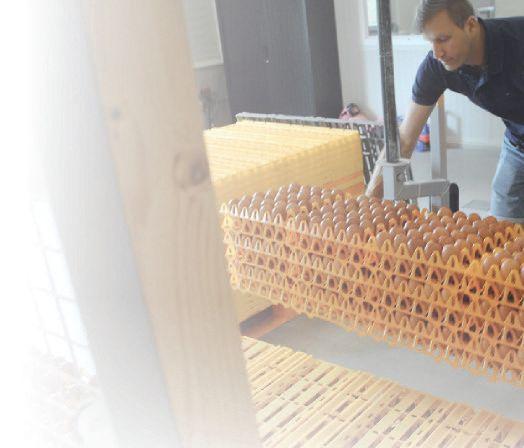
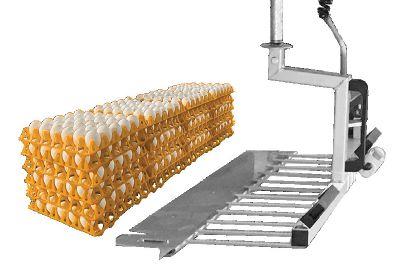
The EggLifter has established itself as the most cost-effective and user friendly solution for egg palletization. With a design focused on simplicity and efficiency, this innovative set up allows poultry farmers to stack and palletize eggs in an effortless manner. It minimizes the complexity and costs associated with other palletizing systems, making it a favourite choice in the poultry industry.

Contact sales@county-line.ca 519-291-5012 (Hickson ext 4) www.county-line.ca



I need to do this intervention,’ they are using all five senses. Sometimes they taste the egg or the feed, they sense the air or the temperature.”
In the future, he says, interventions can be implemented more quickly when predictive activity is enabled by artificial
intelligence. A multimodal predictive analytic project is underway that will look at climate data, feed, fans, door openings, likelihood of wild birds on the farm and other factors to allow for the prediction of the less desirable AI (avian influenza) and other diseases or issues.



But proving the ability and usefulness is different from creating commercially functional applications.
“Scalability becomes a challenge,” Neethirajan says.
While the research level of 75 to 100 or even 2,000 birds is doable, bringing AI systems online for 20,000 or 200,000 birds is another story.
Does the camera really add five pounds?
A new way to look at feed conversions may come from mathematical modelling that considers the flow rate of the feed and weight gain. AI can allow for the inclusion of different types of feed such as black soldier fly feed or yogurt to achieve different ends.
This type of modelling can be done through a “digital twin system,” says
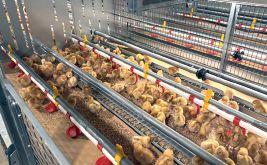
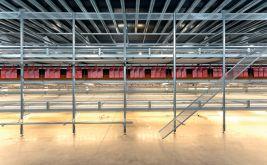
Wherever your farm is, we’re not far.
Find your local Hellmann Poultry partner right here on the map.

Quebec / Eastern Ontario
Stéphane Chouinard
616 rue Bell, Cowansville, ON J2K 3W9 +1 450 266 9604 · schouinard@hellmannpoultry.de
Middle / Western Ontario
Pullets Plus Inc. (Clarence Martin)
6880 Line 86, Elmira, ON N3B 2Z3 +1 519 669 2225 · clarence@pulletsplus.com
Middle / Western Ontario
Andrew Stokman
67-1919 Trafalgar Street, London, ON N5V 1A1 +1 519 777 1495 · astokman@hellmannpoultry.de
Ontario – Service
Jeff Earl
5922 Frank St., Mitchell, ON N0K 1N0 +1 519 348 8483 · jrearl@hogslat.com
Atlantic Canada (New Brunswick, Newfoundland, Nova Scotia, Prince Edward Island)
Johann Benner
Alter Flugplatz 50, 49377 Vechta, Germany +49 170 562 0738 · jbenner@hellmannpoultry.de
Atlantic Canada – Service (New Brunswick, Newfoundland, Nova Scotia, Prince Edward Island)
Agritech Farm Equipment Ltd.
2 Tantramar Court, Amherst, NS B4H 4H8 +1 902 667 5550 · support@agritechequipment.ca
Manitoba Caldora Poultry Equipment Inc. (Calvin Hiebert) 3090A Wallace Road, Ste Agathe East, MB R0G 1Y2 +1 204 346 3584 · cal@caldorapoultryequip.ca
Saskatchewan Greg Olson 76 Eldorado Lane, Casa Rio, SK S7T 1B6 +1 306 260 8081 · gaolson@sasktel.net
Saskatchewan Star Egg Company Ltd. (Shawn Harman) 1302 Quebec Ave., Saskatoon, SK S7J 1V5 +1 306 244 4041 · info@staregg.sk.ca
Alberta Envirotech AG Systems Ltd. (William Vis) 1125 36 St N, Lethbridge, AB T1H 6L5 +1 800 233 6913 · wvis@envirotechag.com
British Columbia New Leaf Equipment (Dave Coburn) 109 - 30600 Progressive Way, Abbotsford, BC V2T 6Z2 +1 778 752 9279 davecoburn@newleafequipment.com
Neethirajan. It’s a process where the bird has a digital replica created through sensors that continually collect data. The “twin” is updated as the data is collected from the live bird. Without AI, data analysis and experimenting with different inputs for the digital twin to predict the result in the living bird would not be possible.
Further to the feed element, is weight. 3D cameras will take pictures of birds to determine the weight based on imaging and previously gathered data, eliminating the need for a scale. At a poultry conference, van Zanten saw the development in action.
“They are taking the ordinary bird scales, and they are using cameras to take video imaging to take pictures of the bird on the scales,” he says. “Then they are going through a correlation process, and they are using AI to do all of that. Eventually, we won’t have a barn scale, but we’ll have a camera.”
While some pieces are available for use now, like Cluckify, intuitive barn control and feed monitoring, even these will require growers to take a leap of faith to trust them with their operation.
1. Chickens are talking – and we can listen
Cluckify, developed at Dalhousie University, uses AI and bioacoustics to interpret chicken vocalizations. Farmers can now “hear” what their birds are communicating about stress, mating, comfort, and more.
2. AI can predict, not just react
Future AI systems aim to integrate multiple inputs – climate, feed, barn activity, even wild bird presence – to predict disease outbreaks like avian influenza before they occur.
3. Scales may become obsolete
3D cameras and video imaging, paired with AI, are being used to estimate bird weights without the need for traditional scales – saving time and reducing stress on birds.
4. Data is powerful, but siloed
AI thrives on large, diverse datasets. In poultry, much of the data is isolated across different companies. A neutral third party may be key to unlocking AI’s full potential for the industry.
5. Adoption requires trust – and training
While early AI tools exist, like training systems for barn workers, widespread use will depend on farmer confidence and ensuring tools are tailored to local conditions and realities.
“When the first people entered the Apollo rocket to go to the moon, they had to trust that what all these people had figured out was right,” says van Zanten. “And this is where we’re at with unleashing artificial intelligence on the farm in a bigger way.”
But do farmers really want to make that leap? Is the agricultural world looking for these tools? Both van Zanten and Neethirajan think so. As younger farmers come into the field, they will bring a desire for more flexibility in their work and more tools to get there along with data to make better, more informed, more intelligent decisions.
However, even some elements readily available aren’t quite ready for all applications. Like AI-controlled barn ventilation.
“A lot of this technology is built in Europe and when we install it here in Alberta and we get an old-fashioned chinook wind, these controllers start making decisions that aren’t linear anymore,” van Zanten says.
“All of a sudden, we get a drastic temperature change, like in the winter, where the temperature rises like 10 degrees in one hour. It starts to make irrational decisions. Because it’s been trained to do certain things in certain circumstances, but if something is outside those parameters, it does funny things.”



Disease detection will be one of the biggest benefits of AI going forward. 3D cameras, thermal imaging and vocalization analysis will all come together to identify early signs of disease. Farmers will receive live updates of birds showing early signs of disease along with recommended actions based on live flock analysis and historical data inputs to create predictive modelling.
Climate control solutions will also build on 3D cameras, thermal imaging and vocalization analysis as well as environmental variables to define comfort, stress and potential problem issues.
Feed efficiency and nutritional optimization will come with the ability to “twin” birds with their digital double and assess benefits of nutritional additions. AI-powered models will be able to predict growth rates based on timing and variety of available inputs.
Labour challenges may be reduced with the implementation of AI-based learning to ensure workers have the most current training.
Plus, fewer workers may be required when AI is able to manage systems and reduce the frequency of barn walking, weighing, egg-collecting and other tasks.
This is much like how AI used in visual and language tools can have “hallucinations” where it inserts elements from outside of the desired inputs. This is easy to catch in small projects, but in large ones, it could be disastrous,
“Even the scholars are not understanding those kinds of responses,” he says. “It’s really interesting because humans have trained these things.”
This new AI isn’t just coming, it’s already here, but there will be bumps along the road to adoption. Finding ways to scale up, and ensuring tools have the data and abilities they need to fulfill demands, are tasks to complete before farmers can give their full commitment to AI solutions.

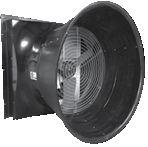

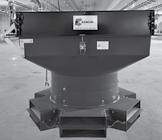
• Agri-fan- Exacon’s brand name since 1987!
• Flush Mount Direct Drive and Belt Drive Exhaust Fans
• Energy Efficient Multifan Motors

• Canadian made from 14 gauge stainless steel
• Allows direction of airflow into corners and dead spots


• No CO2 production and reduction of ammonia
• Nonhazardous with no open flame
• Specialized polyurethane formula
• For exceptional insulation properties
• Creates a uniform climate
• Controls humidity at animal level
• Generates real time data
• FarmQuest Online Farm Management allows
• Access to data 24/7

By Jane Robinson
Canadian poultry farmers need new tools for early disease detection to monitor barn conditions and improve biosecurity. University of Guelph researchers believe biosensors can play an important role.
“With reduced antibiotic use, the ongoing threat of infection diseases and the need to manage antimicrobial resistance, biosensors contribute to more proactive disease management and can help build greater consumer trust in Canadian poultry products,” says Nitish Boodhoo, research associate in the Sharif Lab and adjunct professor in the Pathobiology Department of the Ontario Veterinary College at the University of Guelph.
Boodhoo, along with colleagues Shayan Sharif and Janan Shoja Doost, recently conducted an extensive review of various biosensors and their potential for use along the entire Canadian poultry value chain from hatcheries to processors.
They reviewed biosensor technology currently available in poultry production to examine how and where they are used, how effective they are and identify any limitations. Although none of the biosensors are currently used in Canada, they are ultimately looking to draw attention to the opportunities for biosensor development for the Canadian poultry industry.
Biosensors are miniature devices that pair a biological sample – from a swab, feces,
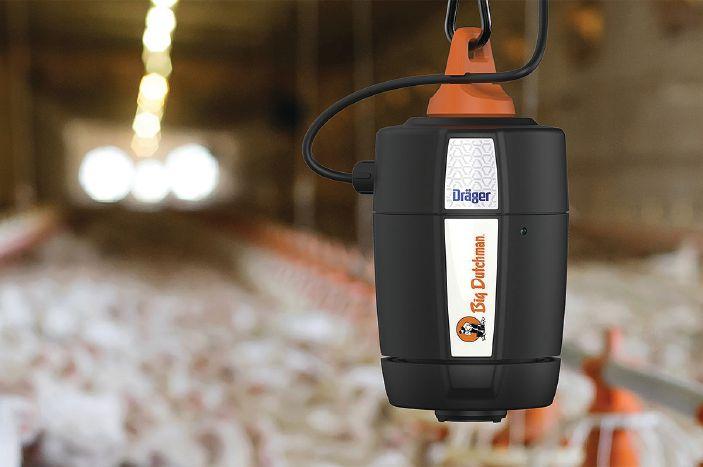
blood or barn environment – with a detector. They provide on-site rapid testing that arm producers and veterinarians with timely information for proactive disease and barn management. Biosensors have emerged in recent years as essential tools for routine surveillance on poultry farms and rapid screening at processing.
“In poultry production, biosensors can be used for the detection of foodborne pathogens, monitoring environmental conditions and ensuring optimal health by detecting diseases at an early stage,” says Boodhoo. “They are a transformative advancement in how we can manage poultry diseases with the level of rapid and precise detection that is critical for safeguarding poultry health and ensuring a sustainable system.”
While biosensors are specific tools that can detect specific substances, they are part of a bigger concept of smart farming
technologies that can include small robots, imaging systems and data management for rapid identification of abnormal barn conditions or sick animals.
“With a reduction in antibiotic use and a resurgence of enteric diseases, the development of biosensors is critical for the rapid identification of sick animals and a tool for early intervention.”
Different biosensors detect different pathogens at specific points along the value chain. Salmonella and campylobacter are two key zoonotic pathogens that generally originate at hatcheries and carry the potential for antimicrobial resistance. If undetected, chicks can carry the pathogens when they arrive on a broiler operation, resulting in reduced health and productivity, and the potential
Brought to you by DOES THE FUTURE OF AGRICULTURE SEEM GREY TO YOU?
Agriculture in the Classroom is cultivating curiosity by providing hands- on, immersive learning experiences to educate and engage students. The next generation of farmers, policy-makers, and innovators is in the classroom today. Together, we can inspire young people to drive our industry forward.
Change the future at aitc- canada.ca


to contaminate products at processing.
“Biosensors could be applied at each and every step to test eggshells for pathogens in hatcheries, track the presence of pathogens in broiler grow barns, and check for pathogens at processing,” says Boodhoo.
Other pathogens that just infect poultry – like E. coli and Clostridium perfringens (that causes necrotic enteritis) – result in very early infections and can compromise the bird’s immune system, which can lead to secondary or tertiary infections.
“E. coli is a top target for biosensors,” says Boodhoo. “It’s very sensitive to antibiotics and can rapidly generate antimicrobial (AMR) markers. We want to stop AMR genes from spreading along the value chain because it’s more difficult to control once on farm.” Targeting hatcheries where pathogens like E. coli are more prevalent would provide a new tool for early intervention.
After reviewing various biosensors, the researchers identified several key areas where biosensor development would benefit Canadian operations.
• Biosensors can help producers detect pathogens – allowing for prompt action to prevent disease spread within a flock.
• Biosensors can provide continuous, real-time data for immediate feedback on flock health and environmental parameters to support data-driven management decisions and greater efficiency.
• Maintaining better environmental conditions and catching health issues earlier will improve productivity and meeting consumer expectations for humanely raised poultry products.
• Biosensors at processing help swiftly detect contamination to ensure products meet safety standards and prevent costly and damaging recalls.
regular introductions of fly parasites. These natural enemies attack and kill flies where they feed and breed: in the manure!
From this work on biosensors, Boodhoo is enthusiastic about the possibilities for the Canadian poultry sector. “Biosensors are a simple solution that can have a big impact.”
For producers, he believes the value of an early investment will pay off. “If we can catch issues early on, we can have a bigger impact on bird health and better economics,” he says.
“There is also the inherent value in strengthening consumer trust in Canadian poultry products by improving poultry health and management.”
The case for biosensors is strong, so what will it take to have them more available in Canada? For Boodhoo and team, they continue to share their work in the hopes of encouraging the commercial development of tools to continually improve and strengthen the Canadian poultry sector.
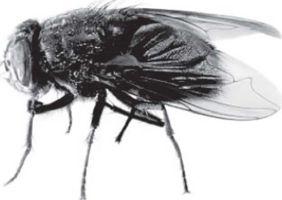
Control flies before they mature and breed.
For humans and other animals. Deadly for flies.
Unlike pesticides, no harmful side effects.
Comparable or less cost than pesticides.



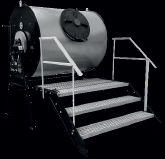
Made-in-Canada waterless decontamination technology is coming to egg and poultry processors around the world, thanks to completed research that tested the technology in Canadian commercial settings.
Keith Warriner, professor at the Ontario Agricultural College, Department of Food Science at the University of Guelph, developed a hydroxyl-radical technology that uses a proprietary system of UV light, hydrogen peroxide mist and ozone gas to kill pathogens. The technology is sold through Ontario-based Clean Works Corp.
He began developing the technology in 2003 with the fresh produce industry in mind. It has since been adapted for multiple purposes, including to sterilize PPE and other multi-use products during the COVID-19 pandemic, and has proven effective in commercial hatchery, table egg and poultry meat facilities.
It started at the hatchery Warriner’s work in eggs and poultry meat began in 2021 with a goal to reduce Salmonella in poultry. Hatchery eggs are known to be a key source of Salmonella and transmission of avian pathogens. Warriner says the hatchery was the most logical place to start.

To remove pathogen risk, hatcheries commonly decontaminate eggs with a process that uses formaldehyde. The practice can be hazardous, time consuming, and it is already losing favour and being phased out in Europe.
“We thought, ‘there has to be a better way,’” says Warriner.
He worked with a team of researchers including Brenda Zai, Vanessa Comacho and Mahdiyeh Hasani to conduct a trial to use hydroxyl-radical technology to achieve a 5-log reduction (inactivating 99.999 per cent) of Salmonella and Campylobacter. They ensured egg quality was not affected. When it was time to test at a commercial site, they learned end-users had more diverse and unexpected needs.
“We took our concepts to commercial sites with a need to know, if we could decontaminate eggs on a large scale, would industry be receptive to it,” says Warriner.
“Industry said the five-log reductions were good, but some hatcheries were opposed to treatment because they wanted to keep the protective cuticle layer on the egg’s shell intact. Others wanted sterile eggs.”
His team tweaked their system to introduce a photosensitizer that he says gave the technology the boost it needed to meet the industry’s needs. They tested two different version of their technology (light and heavy treatments) against the standard formaldehyde treatment, and an untreated control group at their test facility before trying it commercially.
“We knew that we would have to demonstrate our method was as effective as formaldehyde, but we didn’t expect to find formaldehyde’s limitations,” says Warriner. “It is widely believed that formaldehyde inactivates bacteria while leaving an egg’s cuticle layer intact. In our study we found it was not totally effective at inactivating bacteria, and it removes part of the cuticle layer.”
Hatch rate and feed conversion rates among the various groups were similar. Notably, Warriner says the seven-day mortality rate piqued the most interest. The chicks derived from eggs using the standard formaldehyde process had a 7-day mortality of 3.4 per cent, while the chicks derived from eggs treated with the hydroxyl-radical process was 1.2 per cent.
Next, the researchers compared hydroxyl-radical technology with standard North American egg-washing practices for table eggs. Unlike hatchery eggs, table eggs undergo a mandated washing process. Chlorine is used to remove Salmonella, but its effect can be inconsistent.
“Hydroxyl-radical technology removes Salmonella on the egg’s surface before or
after washing in a commercial environment,” says Warriner. “In our study we were able to prove our technology inactivated Salmonella on eggs and trays, with no impact on shelf life or egg quality.”
He shared the results at the Poultry Tech Summit & Expo in 2024 shortly after an egg recall in the U.S. Warriner says a large U.S. egg producer has made the decision to adopt the technology. Other companies overseas have also adopted the technology.
For poultry parts, Warriner’s team made some adjustments to the treatment by changing the peroxide and UV dose to preserve the raw appearance of the meat while inactivating Salmonella. They saw no loss of shelf life or reductions in quality metrics such as whiteness, firmness, cook and drip loss.
He notes the technology has been given the green light by Health Canada to be applied commercially in Canada. The process is being adopted in Canadian poultry commercial lines. “Often with food safety interventions, it’s food safety at the price of quality, but that isn’t the case here,” says Warriner.
Clean Works systems come in various sizes, and they are custom-built for their environment. They use a proprietary loop back system that incorporates UV lights, hydrogen peroxide mist and ozone gas. The machines can be customized to work with existing production lines, workflow and capacity. The Clean Flow decontamination process takes less than 30 seconds and can be incorporated as part of a continuous process.
For more information, visit cleanworkscorp.com.
This research is funded by the Canadian Poultry Research Council as part of the Poultry Science Cluster which is supported by Agriculture and Agri-Food Canada as part of the Sustainable Canadian Agricultural Partnership, a federal-provincial-territorial initiative. Additional funding was received from OMAFRA, Clean Works, Trillium Hatchery and Maple Leaf Foods.


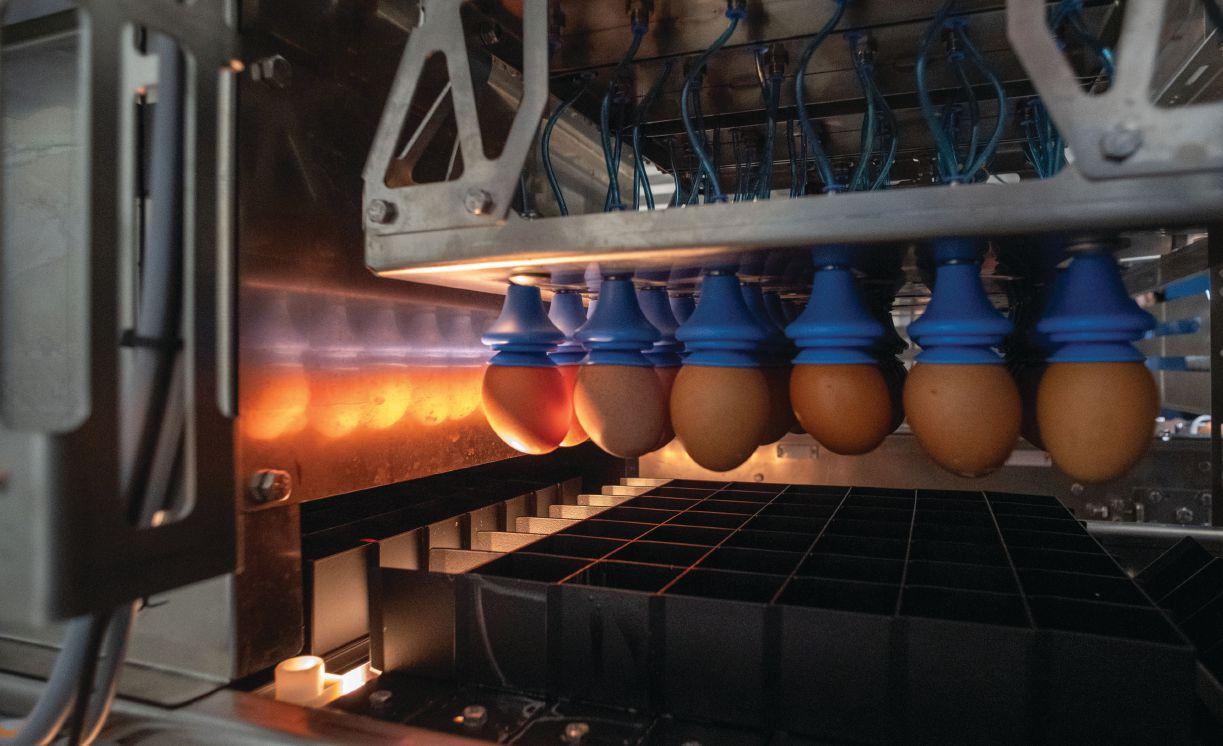
Canada hatches world’s earliest in-ovo sexing breakthrough. Plus,
other North American advances.
By Melanie Epp
ACanadian-made breakthrough is shaking up the egg industry with the introduction of HyperEye, the world’s earliest non-invasive in-ovo sexing system. Unveiled in January 2025 by Canadian Egg Technologies and MatrixSpec Solutions, HyperEye delivers accurate sex determination for both white and brown layer eggs as early as the fourth day of incubation – a global first.
Developed through a partnership between Egg Farmers of Ontario, Egg Farmers of Canada and Montreal-based MatrixSpec, HyperEye utilizes a mix of hyperspectral imaging and artificial intelligence to determine gender without breaching the shell. The method protects both embryo health and egg integrity while allowing hatcheries to divert male or non-fertile eggs into highvalue uses such as animal feed.
“Undertaking the process early in incubation means the eggs identified as non-fertile or male eggs can be used for other
purposes,” Canadian Egg Technologies told Canadian Poultry. “This is an exciting time with great potential for this tool to address a complex area of the egg supply chain, while also accelerating the industry’s sustainability efforts by reducing waste and increasing the food supply.”
What sets HyperEye apart is not just its ability to determine sex early, but its flexibility. The system’s small footprint and modular design make it suitable for hatcheries of any size, with future upgrades –including pre-incubation identification –already on the development roadmap.
According to MatrixSpec CEO Michael Ngadi, the system is “future-proofed,” offering scalability and ease of integration for commercial operators.
HyperEye is currently undergoing commercial validation, with early stages of rollout planned in Canadian hatcheries this year. While Canada may have been slower to adopt in-ovo sexing than Europe, with HyperEye, it is now setting the bar globally.
U.S. debut for in-ovo sexing
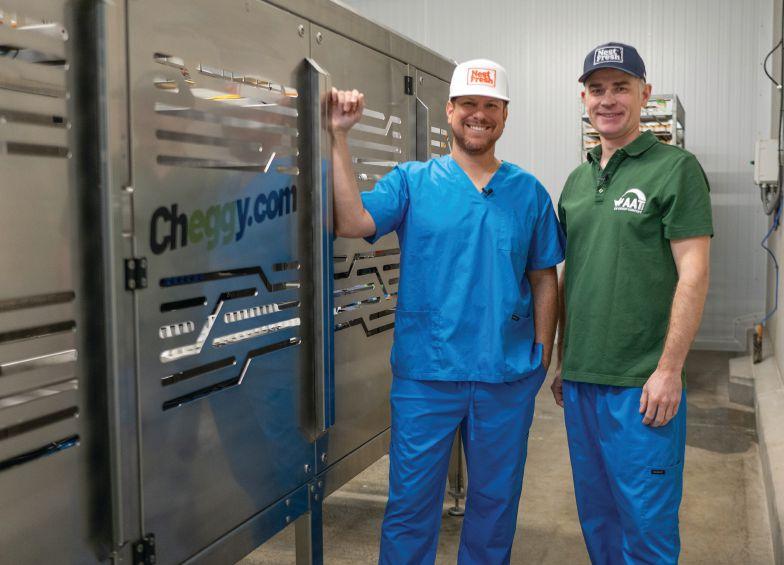
In December 2024, US-based NestFresh became the first North American egg company to adopt in-ovo sexing technology at scale, rolling out Agri Advanced Technologies’ Cheggy at hatcheries in Iowa and Texas.
Billed as non-invasive, high-speed and precise, Cheggy uses hyperspectral measurement to determine chick sex in brown eggs based on feather colour – all without piercing the shell. Each Cheggy unit can process up to 25,000 eggs per hour, making it the fastest machine of its kind. The first Cheggy-sexed chicks were delivered to NestFresh farms in mid-December, with retail eggs expected by June 2025.
“This is a transformative moment for the egg industry and animal welfare in the United States,” says NestFresh executive VP Jasen Urena.
“We are tackling one of the most difficult ethical issues in egg production and raising the standard for animal welfare – starting before our hens are even born.”
The German-made technology, already a market leader in Europe, impressed U.S. operators with its efficiency, speed, and compact footprint – requiring only a small area within hatchery lines. Importantly, Cheggy produces no non-recyclable waste and requires no expensive consumables, making it both sustainable and economically attractive.
Hendrix Genetics is playing an important role in advancing in-ovo sexing technology in the U.S. In early 2025, the company is set to integrate Seleggt’s in-ovo sexing system into its Grand Island, Neb., hatchery. This facility will be the first in the U.S. to utilize technology capable of identifying the sex of both white and brown layer embryos before hatching – a significant development given that white eggs constitute the majority of U.S. egg production.
“Respeggt is a game-changer for farmers,” says Hendrix Genetics’ Steve Welch. “This marks a new era of innovation, focusing on both the future of farming and the welfare of animals.”
Hendrix Genetics will continue to monitor the market demands in the U.S. with plans to scale up poultry operations in key
“This is an exciting time with great potential for this tool to address a complex area of the egg supply chain.”
markets. The company intends to collaborate with industry to ensure it meets the needs of the industry regarding the reduction and elimination of male chick culling with the implementation of in-ovo sexing.
According to Edwin Zeller, Respeggt Group’s lead for technology and operations, the North American poultry sector has been “slow” to adopt in-ovo sexing compared to Europe – but demand from forward-thinking brands has finally pushed the needle.
“There is some demand in the market... and Hendrix didn’t want to fall short,” Zeller explained in an interview. “They wanted to be ready for what’s coming.”
He pointed to U.S. retailers such as Walmart that requested in-ovo sexing in supplier policies as a sign of where things are headed.
Zeller says Respeggt’s edge lies in precision, early sexing and cost competitiveness.
“We’re the only ones working on DNA,” he says. “That allows us to be very precise, very exact, and very early. That helps a hatchery plan volumes correctly .”
While Cheggy has gained early market share and HyperEye offers the world’s earliest read, Zeller cautioned that accuracy and scalability will ultimately define market leaders. “Being early is nice, but if you’re still left with 10 per cent males, what’s the point? You still need to cull.”
He also acknowledged HyperEye’s impressive timeline but noted that entering the market at this stage comes with pressure. “It’s difficult to enter the market now,” he says. “It has reached some kind of maturity... and to find a position, you need to be very accurate, very early, and ready to compete.”
Despite competition, Zeller is optimistic about expansion in North America. Respeggt is now opening a U.S. subsidiary and hiring locally. “We wouldn’t do that if we didn’t see huge potential,” he says. “This is the next big thing. It’s relatively low-cost compared to cage-free transitions, and it offers a big win for animal welfare.”
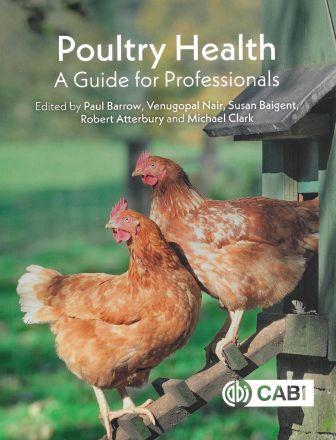

Poultry are a major source of valuable high-quality protein for much of the world’s population, so food security is heavily dependent on maintaining poultry health. They are also increasingly important specialist hobby animals as backyard flocks. Despite this, veterinarians specializing in the care and health of these important domestic animals are few and far between, and many vets in small animal practice have little real experience of poultry health management and disease. Providing a comprehensive overview, this new handbook plugs that gap with 46 chapters of practical and accessible poultry health and management.








By Crystal Mackay
The interest in buying and supporting all things Canadian has spiked up recently, just like our elbows. This has led to more direct and, sometimes, uncomfortable conversations about Canadian and U.S. farming and food systems.
I recently gave presentations to several food and nutrition college classes in Toronto, and the students had some great questions about how Canadian farming compares to farming in the United States – both the similarities and the differences. Here are some insights you might find helpful to share in your next conversations with colleagues, family and friends.
The Canadian food system is strongly rooted in family farms. Family owner-operators make decisions based on what is best for their family, land, and birds – for today and for future generations. While there are family farms in the U.S., the model has evolved to a higher percentage of integrations and company-owned or controlled food chains. It’s worth noting that while some farms in Canada do operate under this business model, they represent a small percentage overall.
Canadian farms are larger and more specialized than the mixed farms from just a few decades ago. However, Canadian farms are significantly smaller than their American counterparts.
For example, Egg Farmers of Canada reported that 1,270 egg farmers had an average of 22,503 layers per farm in 2024. The United Egg Produ-
Crystal Mackay is CEO of Loft32 and co-founder of the online training resource UTENSIL.CA. She helped create both with the goal to elevate people, businesses and the conversations on food and farming with training, speaking and projects.

cers report that less than 150 commercial egg farmers with flocks of 75,000 hens or more care for more than 95 per cent of the laying hens in the U.S. Be cautious in comparing farm sizes when talking with Canadians. Use it as valuable context but remember that the average Canadian might only have one cat or dog, so 22,000 chickens still sounds like a lot!
What about egg prices and why they are so volatile and expensive in the U.S.? We are hearing reports on egg surcharges at restaurants, record prices or switching protein choices to avoid eggs.
While avian influenza continues to wreak havoc on poultry farms, it is important to remember that scale matters. If even one large farm – or a region with several large farms – is affected, the number of birds lost can be enormous, and the volume of eggs they supply to the market can quickly drop to zero.
While we have lost millions of birds to several avian influenza in Canada over the last few years, the impacts on our market have been smaller because of the smaller numbers of birds per farm. The numbers are still significant and not to be taken
Growing interest in buying Canadian is sparking deeper conversations about how our family-focused, supply-managed farms differ from the large-scale U.S. food system.
lightly. The risks and costs and emotional toll on farmers and all involved are real and it’s heavy.
We are dealing with living creatures, Mother Nature, and complex food systems. We can’t just “double shift” at another location to make up some more chickens, turkeys or eggs overnight. Factors like disease or weather have huge impacts on our food system. Many are unaware of these risks and how they affect our food availability.
Unlike beef or grain, Canadian poultry and dairy farmers focus on our Canadian market. The goal is to produce the amount of food Canadians need at the right time every week without a depleted supply or wasteful surplus.
The support for buying Canadian and supporting our own farms and food system partners has never been higher.
Farmers buy quota, a license to produce, to ensure their share of the market and a fair return on their investment and efforts. This is called “supply management” – we manage our supply. The benefit to Canadians is a steady food supply with stable prices.
What about tariffs? There are so many wildcards happening in the tariff and trade game right now that what you might say today can change tomorrow. The fundamental principles of focusing on our own Canadian market remain solid.
The support for buying Canadian and supporting our own farms and food system partners has never been higher. Keep those conversations going. Encourage curiosity and questions and share your why you’re passionate about feeding our country.




Executive Committee 2025/2026

Darren Ference Chair

Jelmer Wiersma
Vice - Chair

Matt Steele Executive Member
Darren Ference - Alberta
Jennifer Paquet - Québec
Matt Steele - Ontario
Debbie Etsell - British Columbia
Jelmer Wiersma - Saskatchewan
Larry Kleinsasser - Manitoba








Hugo Therrien - New Brunswick
Michael de Graaf - Nova Scotia
Craig Valiquette - CPEP
Michel Pépin - CPEP
Adam Power - FPPAC
Scott Olson - Alberta Alternate
Let’s Go, Canada! From farm to table, Canadian turkey farmers are dedicated to providing turkey raised with care.
You can follow along with our campaign at: canadianturkey.ca and on social media.







Introducing Poulvac® Procerta™ HVT-IBD. Timing is everything in a poultry operation, and Zoetis created its newest vector vaccine to put time back on your side. Backed by the latest science resulting in excellent overall protection, studies found that Poulvac Procerta HVT-IBD protected chickens fast against classic IBD and AL-2.1-3 It’s a quick way to full protection from infectious bursal disease. Contact your Zoetis representative or visit PoulvacProcerta.com.