Egg Farmers of Canada (EFC) is the first of the four national poultry organizations to turn 50. And it’s marking the occasion with a collection of videos available at eggfarmers.ca that pay homage to its past with an eye towards an optimistic future.
The series breaks EFC’s history down to four periods: the 1970s and 1980s; the 1990s and 2000s; the 2000s to present; and the next 50 years.
In the first period, the Canadian Egg Marketing Agency was launched with the Farm Products Marketing Agencies Act, which established the system of egg supply management in Canada. This ushered in a new era of collaboration for egg farmers and provided the foundation needed to nurture a thriving egg industry.
The turn of the millennium was driven by enhanced collaboration. Canada’s egg farmers worked together to advance new on-farm programs, initiatives to balance the national egg supply and education programs designed to share the latest nutrition science with the healthcare community. The Canadian Egg Marketing Agency also embraced the new name of Egg Farmers of Canada.
The 2000s to present day has been a period of tremendous growth for Canada’s egg industry, reaching new heights in egg production and consumption. It has also been a time to
innovate, with the sector advancing several cutting-edge initiatives in research, sustainability and social impact.
And looking forward, EFC used the celebration to announce its commitment to achieve net-zero greenhouse gas emissions by 2050 as the next step in the Canadian egg farming industry’s sustainability journey.
“Stepping up our commitment to eliminate greenhouse gas emissions is a natural extension of our already established holistic approach to sustainability – an approach that continues to guide our actions today and into the future,” says EFC chair Roger Pelissero. “A net-zero goal naturally builds on these efforts and further entrenches our
“Stepping up our commitment to eliminate greenhouse gas emissions is a natural extension of our already established holistic approach to sustainability.”
commitment towards the environment in the core of our farming operations.”
Canadian egg farmers have a longstanding track-record of supporting sustainable initiatives and programs, including investment in a comprehensive science-based research program, farm level decision-making tools, and environmental technologies.
This programming has led to
efficiencies and productivity gains within the egg farming sector, allowing farmers to produce more eggs while using fewer resources.
The recently launched National Environmental Sustainability and Technology Tool is one example of how egg farmers are improving environmental outcomes. Canadian egg farmers can use the tool to set sustainability goals, create action plans, track progress and work towards making their farms even more sustainable.
“I am extremely proud of the work that egg farmers across Canada have undertaken to evolve and adapt their farming operations, supporting both Canada-wide and global efforts to address climate change,” Pelissero adds.
“We know we cannot achieve this goal alone, and we look forward to working side-by-side with our supply chain partners and stakeholders to develop and implement a roadmap to net-zero that takes into account the unique circumstances of our farming operations and value chain. Our next step is to roll out a comprehensive consultation that evaluates how we can scale up our initiatives and put a plan into practice.”
In other exciting news, Canadian Poultry ’s 4 Under 40 program is back! Once again, we’ll be honouring three producers and one professional in a supporting role (e.g., geneticist, researcher, veterinarian, etc.) under 40 years of age.Nominations close at 11:59 pm on Tuesday, May 31, 2023. To submit a candidate, visit canadianpoultrymag.com/top-4-under-40.
canadianpoultrymag.com
Reader Service
Print and digital subscription inquiries or changes, please contact Angelita Potal, Customer Service Rep. Tel: (416) 510-5113
Email: apotal@annexbusinessmedia.com
Mail: 111 Gordon Baker Rd., Suite 400, Toronto, ON M2H 3R1
Brand Sales Manager Ross Anderson randerson@annexbusinessmedia.com Cell: 289-925-7565
Account Coordinator
Alice Chen achen@annexbusinessmedia.com 416-510-5217
Media Designer
Curtis Martin
Group Publisher Michelle Bertholet mbertholet@annexbusinessmedia.com
Audience Development Manager Anita Madden amadden@annexbusinessmedia.com 416-510-5183
President/COO
Scott Jamieson sjamieson@annexbusinessmedia.com
PUBLICATION MAIL AGREEMENT #40065710
Printed in Canada ISSN 1703-2911
Subscription Rates
Canada – 1 Year $32.50 (plus applicable taxes)
USA – 1 Year $91.50 CDN Foreign – 1 Year $103.50 CDN
GST - #867172652RT0001
Occasionally, Canadian Poultry Magazine will mail information on behalf of industry-related groups whose products and services we believe may be of interest to you.
If you prefer not to receive this information, please contact our circulation department in any of the four ways listed above.
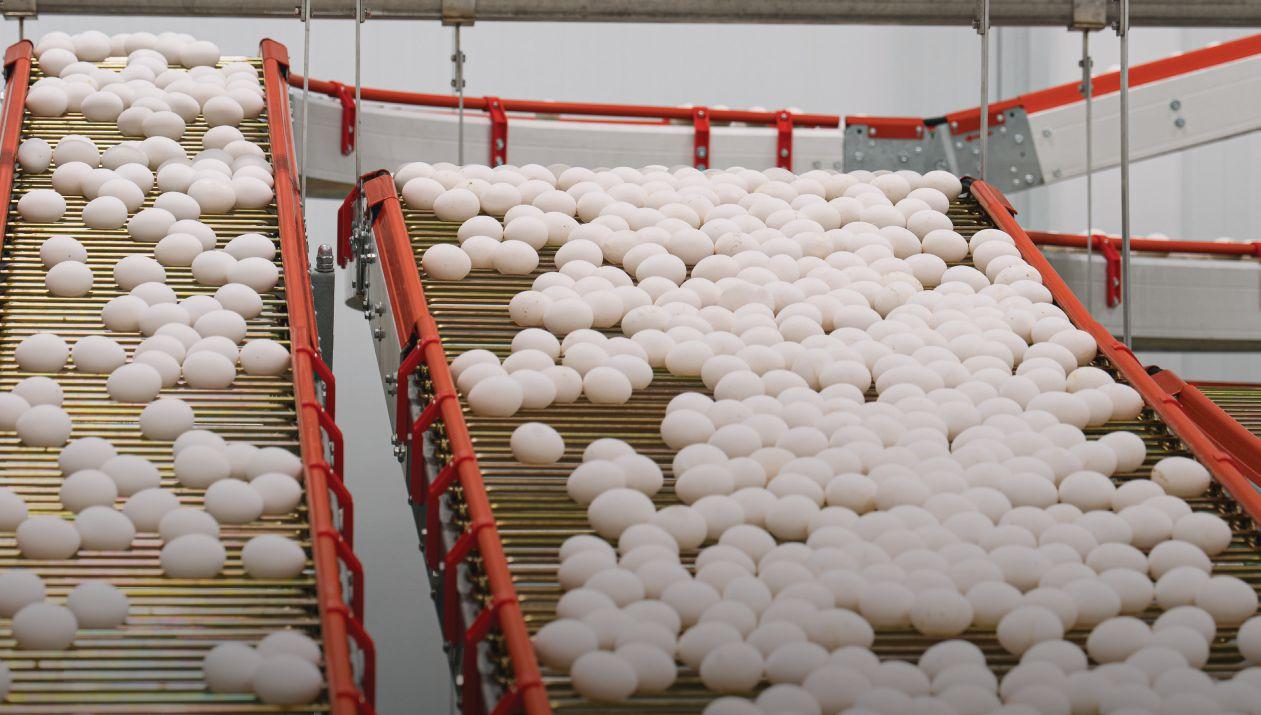
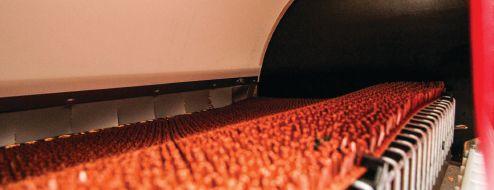
Our egg conveying systems safely transport a large volume of eggs from the nest to the processing area, which is why over 75% of all eggs produced in the U.S. are riding on a LUBING egg conveying system.
Our conveying systems are flexible, and can be adapted to nearly any configuration with curves, angles, heights and distances.
Glass-Pac Canada
St. Jacobs, Ontario
Tel: (519) 664-3811
Fax: (519) 664-3003
Carstairs, Alberta
Tel: (403) 337-3767
Fax: (403) 337-3590
Les Equipments Avipor
Cowansville, Quebec
Tel: (450) 263-6222
Fax: (450) 263-9021
Specht-Canada Inc.
Stony Plain, Alberta
Tel: (780) 963-4795
Fax: (780) 963-5034
What’s Hatching
Aviagen strengthens customer service in Western Canada
Aviagen North America recently announced that Anthony (Tony) Krynski has accepted the position of technical service manager for Western Canada, effective immediately. Reporting to Canadian regional business account manager Matt Klassen, Krynski will champion customers in Alberta, where he will be based, as well as British Columbia, Manitoba and Saskatchewan.
Ontario invests $343M in U of G agri-food initiatives
The provincial government will invest more than $343 million over five years in the Ontario Agri-Food Innovation Alliance, a collaboration among the University of Guelph, the Ontario Ministry of Agriculture, Food and Rural Affairs and the Agricultural Research Institute of Ontario. Among many examples of the ground-breaking research and innovation stemming from the Alliance is the Animal Health Laboratory, which provides avian influenza testing services for poultry producers.
More than 40% of farm operators to retire by 2033: report
A new report says more than 40 per cent of farm operators will retire over the next decade, leaving Canada with a shortage. The report from the Royal Bank of Canada, Boston Consulting Group Centre for Canada’s Future and Arrell Food Institute at the University of Guelph says the country will be short 24,000 general farm, nursery and greenhouse operators. It also estimates that 66 per cent of producers do not have a succession plan in place.
PIC announces latest Poultry Worker Award winner
Dr. Helen Wojcinski joined the Turkey Farmers of Ontario in person Annual General Meeting in London in March to receive the esteemed Ed McKinlay Poultry Worker for 2019. After three years of delays and virtual events, the award was formally handed over to a well deserving mentor of the industry.
with Helen many times over my years in the industry,” says PIC chair Caroline Gonano. “We first met when I was starting in the industry at my PAACO training and since then I’ve conferred with Helen many times on technical questions and more that have helped to progress the industry.”
is how many years Wojcinski dedicated to Hybrid Turkeys before retiring.
The Poultry Worker award is given out by the Poultry Industry Council (PIC) to recognize an individual who has made a significant and lasting contribution, or has given outstanding service to the industry, which as a result has moved the industry forward.
After 30 years of dedicated service, Wojcinski recently retired from Hybrid Turkeys/Hendrix Genetics as the science and sustainability manager, but she continues to stay engaged in the industry today through consulting. She is well known for her contributions to animal health and welfare as well as for her veterinary and technical expertise.
“I’ve had the pleasure of working
Wojcinski is also an industry advocate and has supported many associations over the years including the American Association of Avian Pathologists, PAACO, National Poultry Improvement Plan, and the National Turkey Federation.
In addition to being one of the most knowledgeable people in the industry, she has also been a great mentor to many young veterinarians and animal science students, especially young women entering the industry.
“Helen is a strong, knowledgeable leader in agriculture who has helped build the turkey industry globally,” says Sarah Thomson of Hendrix Genetics who nominated Wojcinski.
Left to Right: PIC chair Caroline Gonano with Sarah Thomson of Hendrix Genetics, award recipient Dr. Helen Wojcinski and PIC executive director Ashley Honsberger.
On Aviaries
By Erika Prewitt
Air quality management in cage-free housing
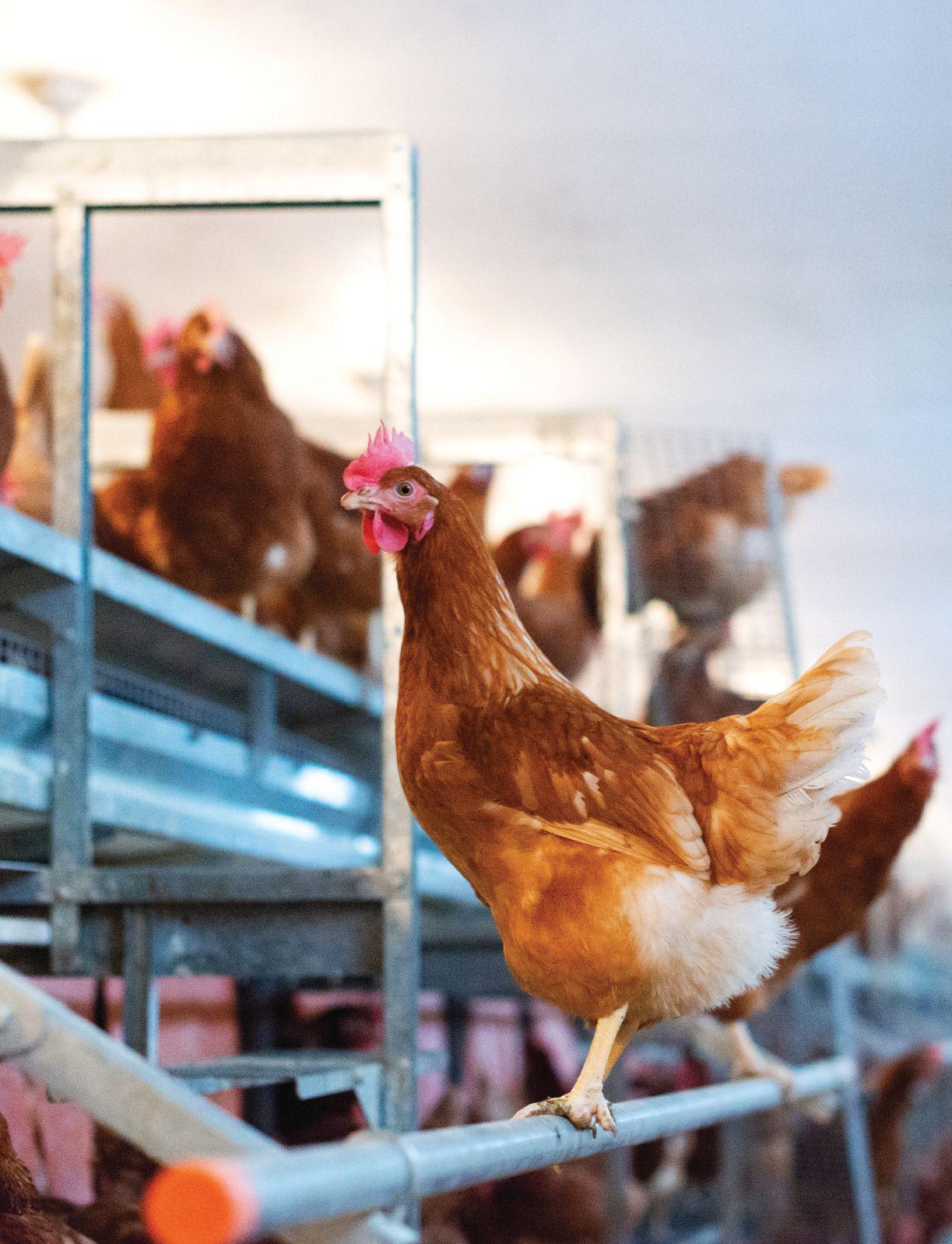
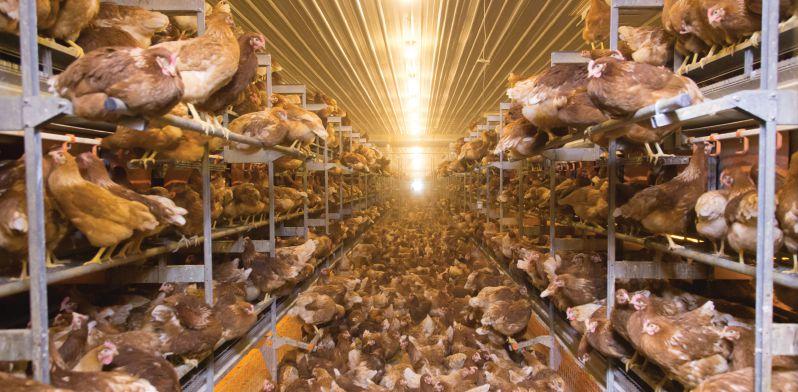
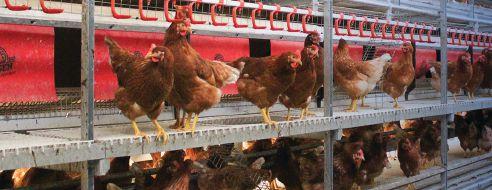
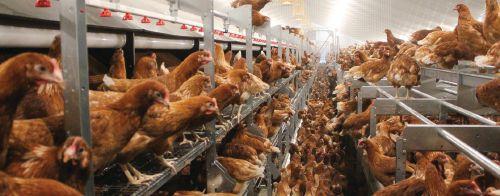
Poor air quality in a cage-free house affects not only the birds but also the workers. Neither people nor birds enjoy being in a house with strong smells, hot temperatures, wet litter or dusty conditions.
You may find it harder to employ workers to work in these types of barns. From the hen side, we can see reduced production, bird health and egg quality.
Typically, we see poor air quality being an issue more in the layer houses than in the pullet houses. But none the less, dusty, smelly, and stale air can happen in any barn. Here are eight tips to help improve air quality.
1. Air movement
Having enough fans that are properly running is key to good ventilation. Stale air can cause uncomfortable living conditions for the hens. We will see them seeking out
areas that do have air movement to lay. These areas can then become very crowded and have high numbers of both system and floor eggs.
2. Temperature setting
Cooler temperatures will allow you to move more air through the house. Not only that, it is more comfortable for the workers and for the hens.
3. High ammonia smell
One of the first signs of poor air quality when walking into a barn can be the overwhelming foul smell of ammonia. It is important to implement some kind of litter reduction system within the house to make sure you aren’t getting a building up of litter.
4. Preventing scattering
Avoid fast movements and loud sudden noises to prevent birds from becoming scared and scattering and creating excessive dust.
Neither people nor birds enjoy being in a house with strong smells, hot temperatures, wet litter or dusty conditions.
5. Wet litter
Wet spots should be cleaned up and replaced with dry litter. Wet areas can be due to leaks or cool cells in the front of house. Try your best to keep litter dry. You may have to remove wet litter in the aisle manually throughout the flock. You can either add shavings then to help absorb the moisture or you can use dry litter located in other places within the aisle to act as a base to encourage dry litter.
6. Tunnel ventilation
Tunnel ventilation is not always the number one choice for cage-free housing. However, it can improve air quality by consistently moving a large amount of air evenly.
7. Stir
fans
Stir fans can help create more even air flow and temperature through the house and in-between levels of the house.
8. Calm birds
Calm birds can help reduce the stirring up of dust. Ideally, you should be able to see the back of the house when standing in the front.
Birds should be walked frequently during rearing to expose them to human interaction and help avoid flightiness when moved to the laying facility.
The main goals with creating proper air quality within a cage-free house is to have proper ventilation, overall consistent air movement, remove any wet areas of litter, and to keep the birds from causing too much dust. By doing these things, you are making the environment both better for the birds and the workers.
Poor air quality can ruin a newly built barn. Take the time to research the needed amount of fans and power of the fans to properly ventilate your barn.
Remember to even take into consideration the design of the system that will be in the barn, as this can restrict air flow.
Aisle width between rows of the equipment can cause an increase in wet litter also. Try to make your aisle widths as wide as feasible. Narrow aisles are not ideal for bird welfare or litter management.
Erika Prewitt is aviary systems specialist with Big Dutchman. In this column, she shares cage-free management tips for egg producers.
Poor air quality in a cage-free house effects not only the birds but also the workers.
Calvin McBain Vice-Chair Jelmer Wiersma Executive Member Executive Committee 2023/2024
Darren Ference Chair
Board of Directors
Darren Ference - Alberta
Calvin McBain – Québec
Matt Steele - Ontario
Shawn Heppell – British Columbia
Jelmer Wiersma – Saskatchewan
Mike Reimer – Manitoba
Michele Levesque – New Brunswick
Steven Eadie – Nova Scotia
Doug Hart – CPEPC
Michel Pépin – CPEPC
Adam Power – FPPAC
Scott Olson - Alberta Alternate
Canadian Turkey - Raised with Pride®
Turkey Farmers of Canada is pleased to be part of a vibrant agriculture sector in Canada.
To learn more about what the Agency is working on visit: turkeyfarmersofcanada.ca and for recipes and more: canadianturkey.ca
What’s happening with restaurant and retailer pledges to only source cage-free eggs and what’s ahead.
By Treena Hein
When major companies make sourcing commitments of any kind, no one – least of all the companies themselves – takes it lightly. Due to their very public nature, pledges do seem rather written in stone. But this isn’t always how it goes. In fact, pledges made by some of the largest food companies in Canada on sourcing only cage-free eggs could better be characterized as written in sand at this point. However, many in the industry, including producers and bird welfare experts, say there is good reason for that.
In 2016, following the release of a new non-mandatory National Farm Animal Care Council (NFACC) Code of Practice for laying hens in Canada – and under increasing pressure from activist groups –over 100 major Canadian food companies took action.
The Retail Council of Canada (RCC, which includes giant grocery store chains
like Loblaw, Sobeys and Metro), leading restaurant chains (Tim Hortons, McDonalds, etc.) and food product makers (Nestlé, Kraft Heinz, etc.) announced they would stop selling eggs from hens kept in any type of cages by 2025.
Much has transpired since then, from all angles. On the retail side, for example, in 2021, RCC members announced they would abandon their cage-free pledge. RCC stated at the time that it will “pursue and make commitments solely through NFACC,” and would not respond for any clarification or update.
For its part, Loblaw states on its website that since 2016, “we have worked with our suppliers to achieve these targets,” but “it has become clear that our farmer partners are unable to meet these timelines. While we are proud of the progress we have made, including converting all President’s Choice shell eggs to cage-free…we continue to work with our egg…partners to make progress.”
Animals rights groups have been disappointed with this development, no matter the reasons given for it. As explained in a 2022 Toronto Star opinion piece, a spokesperson at Mercy For Animals states that “instead of requiring cagefree systems, the RCC allows farmers to invest in slightly larger enriched cages, despite consumer opposition,” and despite “scientific evidence that cage systems are worse for animal welfare.”
For an update on the scientific evidence, we contacted expert poultry behaviour scientist Dr. Tina Widowski, who serves as the Egg Farmers of Canada Chair in Poultry Welfare at University of Guelph in Ontario. Widowski explains that “as indicated in the scientists’ committee report for the Codes of Practice, there are welfare tradeoffs between [free run/cage-free and enriched colony cage] systems.”
She says, “The welfare outcomes for hens in enriched systems can be very good, but expression of dustbathing and foraging are
About three times as many layers are housed in enriched cages compared with free run housing according to new Egg Farmers of Canada data.
limited. These behaviours can be performed in the litter in non-cage systems, but the risks for poor welfare outcomes such as mortality, feather pecking and injuries are greater.
“That’s why the multi-stakeholder committee that developed the Code decided that both types of housing systems were acceptable for Canada, and I do not think this has changed since we wrote that report.”
Widowski adds that “there is evidence that the welfare problems that tend to occur more in non-cage systems, for example, higher mortality and feather pecking, can improve with management experience, but non-cage housing is not a good fit for all managers.”
The U.S. Department of Agriculture factsheet on laying hen housing
echoes these points. “Hens can experience stress in all housing types, and no single housing system gets high scores on all welfare parameters. Likewise, no single breed of laying hen is perfectly adapted to all types of housing systems. Additionally, management of each system has a profound impact on the welfare of the birds in that system.”
The numbers
Egg Farmers of Canada (EFC) has just released its latest data on how many Canadian egg farmers have been installing either enriched or free-run housing to replace conventional cage housing in the seven years since the hen housing transition plan was announced.
According to EFC’s 2022 Annual Report, the fraction of Canadian
laying hens being housed in conventional systems reached about 51 per cent in 2022. About 32 per cent of hens live in enriched housing, which is a big increase from 14 per cent in 2018. About 17 per cent are reared in either free run, free range or organic systems (see sidebar for details). Free run housing adoption has only grown 2 per cent, from 9 to 11 per cent, since 2018.
EFC states that “demand for all product varieties continues to be met and…EFC estimates that conventional production methods will be completely phased out by 2032 – four years ahead of the 2036 deadline.”
Melissa Matlow, campaign director for World Animal Protection, says “it is great to hear that conventional cages are on track to being phasedout four years ahead of time but dis-
Layer housing by the numbers
From the Egg Farmers of Canada 2022 Annual Report, hens in various types of housing in 2022.
appointing to hear about the growth in enriched cages versus organic, free run and free-range. To our organization and a growing number of consumers, a cage is still a cage.”
EFC adds that it continues to advance projects that support the transition to alternative production methods. “[Last year] saw the continuation of the National Alternative Housing Project, which seeks to develop a program to support free run, free range and organic egg requirements in the Canadian egg supply chain as demand grows for these types of production.” The project team consists of representatives from the processing and grading sectors, egg boards and EFC.
EFC Chair Roger Pelissero says “a central outcome when we consider something as sizable as transitioning an entire agricultural supply chain is that the egg supply matches consumer demand across all
product varieties and that prices remain reasonable for Canadian families, especially at a time when all Canadian families are dealing with inflationary pressures.
“We also must not lose sight of critical factors including bird health and welfare, economics, food safety, worker health and safety, and the environmental impact of egg production – these are all key areas that are part of our overall systematic approach to phasing out conventional housing systems.”
Scorecard
Returning to retailer and restaurant commitments, in its 2022 Scorecard document, Mercy for Animals reports that 12 firms in Canada have met their commitments to only source cage-free eggs by 2025. They are Harvey’s, Unilever, Swiss Chalet, Whole Foods, Pita Pit, Starbucks, Chipotle Mexican Grill, The Keg, Taco Bell, Wendy’s and
baked good chain Panago.
The report praises McCain Foods, which “demonstrated impressive progress in just one year and is now publicly reporting 93 per cent cage-free sourcing, up from 52 per cent reported for the first time in 2021.”
In the retailer sphere, “for the second year in a row, Save-On-Foods is reporting the highest cage-free transition rate among major Canadian retailers and attributes this success to a comprehensive labeling and marketing program. With Save-On’s cage-free egg sales reaching 40 per cent in 2022, this west coast grocery chain is well on its way to becoming the first major retailer to transition its entire supply chain to cage-free.”
Also, “Sobeys reported annual cage-free progress for its total supply chain for the second time, reaching 18 per cent in 2022.” However, “iconic Canadian brand and the country’s highest-grossing restaurant chain, Tim Hortons, has once again failed to publicly report any progress toward the company’s commitment to banning cages from its Canadian supply chain.”
Consumer attitudes
To the best of Canadian Poultry’s knowledge, consumer views on cage-free versus enriched housing as alternatives to conventional cages have not been specifically measured in Canada.
However, a university survey study in the U.S. several years ago concluded that consumers don’t expect retailers to only offer cage-free eggs by 2026. Among other findings, the survey found that consumers prefer minimum cage size requirements over banning the production of conventional eggs.
And while some consumers will pay more for cage-free eggs, most will buy whichever eggs are less expensive. Consumers would also rather see government policies that mandate particular housing over unverifiable cage-free labeling.
Not all poultry farmers maximise the full potential of their birds. Both kept in cage or floor systems, for a good performance during the production period, the management should be correct and efficient. But how do you know that what you are doing is right? Your chickens continuously send out signals: about their health, how well they know their way around their surroundings and whether they feel happy and comfortable.
Layer Signals is a practical guide that shows you how to pick up the signals given by your animals at an early stage, how to interpret them and which action to take.
A new disease management tool
A
new platform called Farm Health Monitor is coming to improve disease and outbreak management.
By Treena Hein
Biosecurity and disease management on poultry farms across the world continues to improve due to new technologies, and will improve further once more Canadian technology hits the market.
In development as we speak is an app platform called Farm Health Monitor (FHM), from Ontario-based Farm Health Guardian (FHG). It’s an animal health reporting system that will improve communication between producers, vets and others for early disease detection and better management of diseases.
“FHM supports the early detection of disease events, which is critical to limiting the potential for spread within and between sites,” says veterinarian Dr. Krista Howden, senior scientific advisor at One Health Scientific Solutions in Alberta.
“When combined with Farm Health Protect [FHG’s main platform], it’s also possible to predict the risk of spread and target at-risk sites for disease surveillance and control interventions.”
At the farm level, the FHM app enables poultry producers to digitally record animal observations by pen, batch or barn. This includes specifics and timing of symptoms and any treatments given. There are easy-to-use drop-down menus and appropriate fill-in fields, and farmers
can also upload pictures and video of birds.
A set of health records for each flock are also constantly available to producers, as well as their veterinarians, nutritionists and others on their flock health teams. Instant notifications enable all team members to make the fastest and best decisions possible to prevent diseases from worsening.
And for veterinarians, instead of wasting precious disease management time travelling to a farm, the system enables them to use their time much more efficiently. That is, through seeing symptoms reported by a farmer, speaking to the farmer and so on, vets can give immediate guidance, request appropriate sample-taking and lab analysis, and much more closely monitor a flock health issue.
The FHP system can also integrate barn sensor data to provide a fuller picture of
factors related to flock health, says FHG CEO Rob Hannam. He adds that when implemented across a network of farms or a sector, alerts and other messages can be shared more widely, and as mentioned by Howden, system information enables real-time sector disease surveillance and risk prediction in specific areas.
Farm Health Guardian
Meanwhile, FHG has updated its main platform, Farm Health Protect (FHP, formerly called Be Seen, Be Safe).
As many readers will recall, it’s a subscription-based system that offers farm visit tracking through an app, GPS beacons on vehicles and farm site geofencing. It offers the ability to immediately establish geographical control zones in case of disease outbreaks, send alerts, produce maps
The app enables poultry producers to digitally record animal observations by pen, batch or barn.
Canadian Poultry’s Top 4 Under 40 program is back!
This year, we’ve expanded it to recognize not only outstanding poul try farmers but talented industry support personnel as well.
Specially, we’ll be recognizing three producers and one professional in a supporting role (e.g., geneticist, researcher, veterinarian, etc.) under 40 years of age this time around.
Brett
and more. And among other new features, FHP now integrates wind speed and direction, which may affect the spread of some diseases.
In Canada, FHP is already being used on over 500 farms, mostly on swine farms in Manitoba and Saskatchewan. Hannam reports that over half the hog farms in Manitoba are using the system.
“Obviously, the more users on a system such as this, the more complete the data will be and, therefore, the more effective will be its ability in strengthening biosecurity and stopping disease spread. The cost depends on the number of properties within a group or network of properties, but it can cost as little as $15 per month for one farm property using a digital farm visitor logbook.”
Ontario pilot
In 2022, a FHP pilot project was held in partnership with Ontario’s Feather Board Command Centre (FBCC) from January to August in the poultry-dense Niagara Region. Federal funding was provided for the project through the AgriAssurance Program under the Canadian Agricultural Partnership.
Hannam explains that 220 commercial farms took part, along with a group of service providers (hatcheries, live haul, feed companies and catching crews). “We focused on recording truck
visits to the farms through battery-powered GPS devices in the delivery trucks and a geo-fencing system similar to those used for truck fleet management,” he reports.
There had been a demonstration planned for April 2022 of the various capabilities of the platform. However, the outbreaks of highly pathogenic avian influenza required the full focus on FBCC resources, says FBCC operational lead Maggy Watson and new executive director and veterinarian Dr. Harold Kloeze.
Hannam adds, though, that “our technology was not used during the AI outbreaks because none of the actual outbreaks were in the Niagara Region. Had any of the outbreaks had occurred there, FHP could have been deployed.”
In the end, FHG demonstrated the system during fall 2022 for FBCC staff and stakeholders. Watson says, “they showed us how an outbreak or disease alerts are placed on a map and then you can put a boundary around one or more of them and create an alert zone.
“Everyone in that alert zone or who had recently been in the alert zone is notified in order to contain the disease rapidly, all before an official government quarantine may be put in place. It showed us what we could have had in terms of managing the outbreaks in real time. It would offer us the ability to get alerts out faster.”
Hannam adds that the project clearly identified the fact that there are many nearby farms and overlapping truck routes that could inadvertently spread disease if proper biosecurity procedures are not followed.
“A major outcome was identifying the real need for better mapping and communication tools to deal with disease outbreaks and make sure farmers and others have accurate, up-to-date information sent through the FHP app or via email,” he notes.
“As a result, we’ve worked to develop of Farm Health FastMaps, which is a disease mapping system for organizations and governments involved in disease response. It allows the user to identify disease control zones in minutes and quickly send alert messages to stop the spread.”
Also, if Farm Health FastMaps can be used by a producer organization or regional government for an HPAI response, for example, a list of farm properties within a control zone can be quickly created from the confidential database, enabling quick communication with affected farms and stakeholders.
Industry view
Wallenstein Feed & Supply in southern Ontario participated in the pilot project. Poultry Sales Representative Rick Kavanagh explains “we already had GPS on all our feed trucks, but not all our vehicles that go from poultry farm to poultry farm. It was impressive to see the tracking ability and there is definitely value to seeing traffic activity in an outbreak situation. You can prove where your vehicles went and when, and where they didn’t go. I would participate in another trial or rollout.”
Kavanagh concludes, “if this technology speeds up the lines of communication with all stakeholders in the poultry industry, it gets my approval.”
Overseas use
In the UK, there are over 200 commercial poultry farms testing FHP through a large on-farm biosecurity technology and service provider called Livetec Systems.
“FHP was implemented on the first farm of one of the six clients involved in August
2022 and when all of them were online, we started looking at movements and we’re starting to see some trends,” says Livetec commercial director Gordon Samet. “It’s been a tremendous asset, to be able to recommend ways to reduce farm traffic and therefore risk of disease spread. And
it’s already changing individual behaviour – that’s the feedback we’re getting from our clients, which is impressive.”
Right now, Livetec is also working with FHG on how to add a new biosecurity protocol: confirmation that workers have changed their boots before barn entry.
Air quality tech roundup
Top trends and new products for 2023.
By Treena Hein
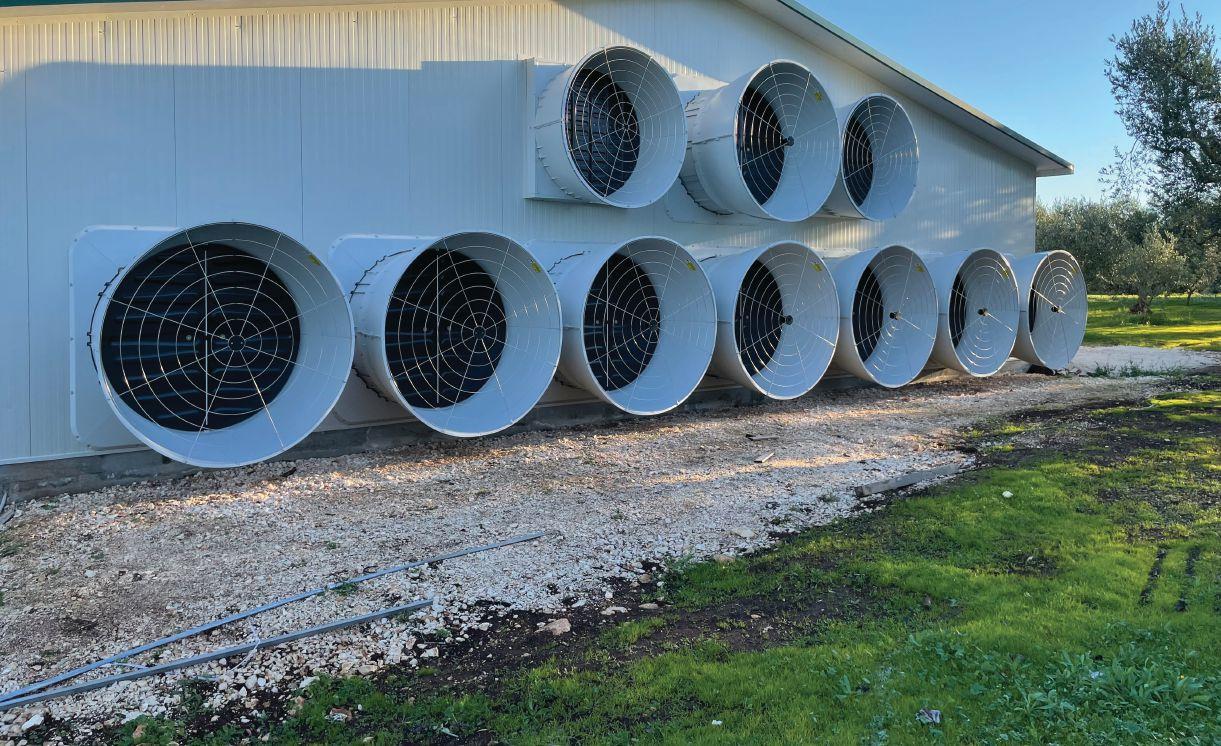
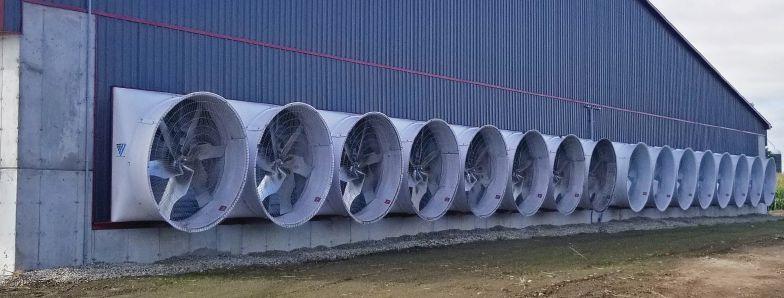
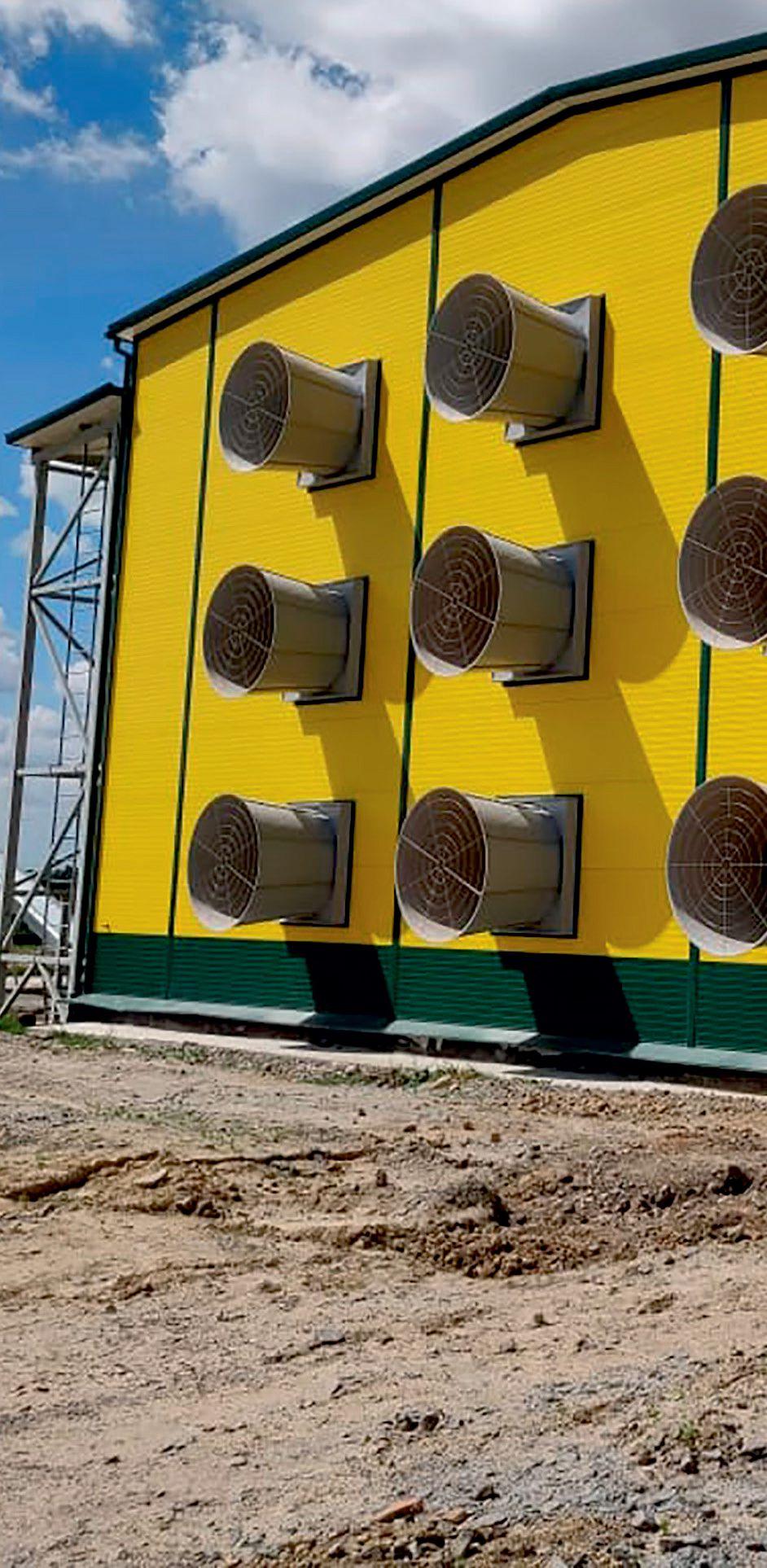
Larger fans, more efficient fans and more automation to finetune operation – those are the top trends in poultry barn fan technology for 2023.
The continuing trend of larger and more efficient fans, mostly variable frequency, has been an aggressive one for quite some time, says Marvin Brubacher, district sales manager at Cumberland Poultry. Instead of the approach of using multiple smaller fans, poultry farmers are installing large, high-efficiency fans because they save on electricity (moving more air per minute per watt). Fewer, larger fans also means less maintenance and cleaning over time.
Looking at the size of today’s direct drive tunnel fans, they pretty much all have a diameter of 55” to 58”, explains Niels Dybdahl, owner of DACS. DACS was the first company to introduce a speed-controlled direct-drive tunnel fan in 2014, the MagFan.
Brubacher adds that as fan technology advances, we are also seeing more options
for motors and combinations of motors and blades. “The result,” he says, “is greater efficiency in terms of energy usage and cost.”
Automation expands
Automation of fan operation (on/off and speed) is also a top poultry barn ventilation trend, one that’s tied into more advanced, more affordable and more reliable barn environment sensors.
Brubacher says today’s sensors go beyond temperature and relative humidity and measure CO2, ammonia airspeed, and can tie into information available from local weather stations as well. He adds, “the controllers we are now developing offer a lot of flexibility in how producers can utilize sensors within a poultry facility.
“We can assign temperature probes to certain equipment. There are touchscreen user interfaces that are easier to work with, as well as larger processors enabling producers to customize a controller and build a modular system for their operation.”
Ben Kaiser of Kaiser Ag notes that because the cost difference isn’t much anymore, more farmers are using variable frequency drive (VFD) controls instead of electrical ones. “This also allows for better monitoring of the fans as you can get amp draws, cycle and run time information, maximum and minimum hertz settings, as well as alarm contacts for each fan,” he explains.
He cautions at the same time, however, that “some people forget to have a few fans wired in parallel to their farm controller with a manual on/off switch. If the farm controller has issues, you still can manually bypass it and turn a few fans on if they are wired in parallel.”
New fan offerings from 2022 and 2023
The Munters Saturn SIXTY (distributed by Ruby360) are among the larger, higher pressure-rated fans now on the market. With the Munters Drive system, fans
Skov offers the BF 55 BlueFan, which includes motor-controlled shutters for optimum climate.
JE JONKMAN EQUIPMENT
Otter Feed
operate with maximum efficiency and electricity use is minimized.
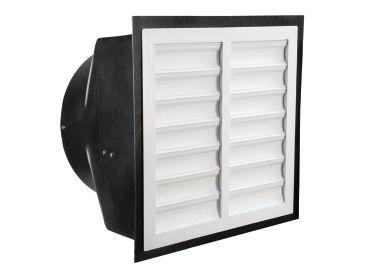
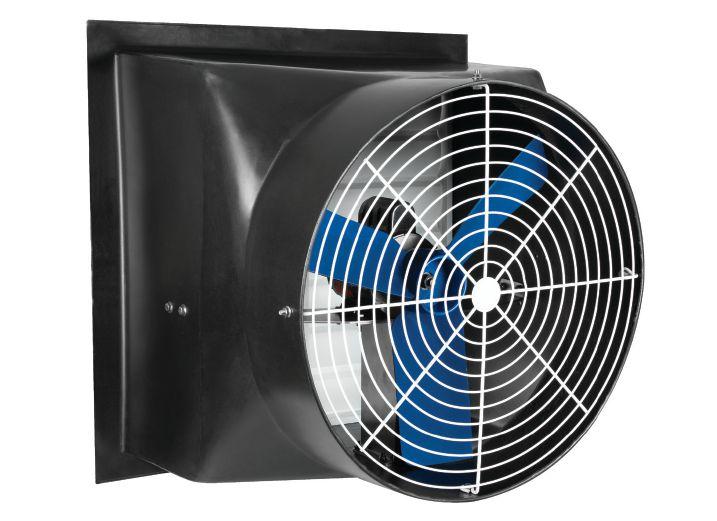
The new PolyStorm fans from Hog Slat/ Georgia Poultry have housings made from high-density polyethylene (HDPE) plastic, which is less expensive than similar corrosion materials like fiberglass. This results in significant cost savings per fan. Poly-
Storm fans also include coated fan guards.
The MagFan 3 is new from DACS. Dybdahl says his team conducted tests on this fan in January 2023 at the famous fan testing facility, the Bess Lab at University of Illinois, where DACS has had testing done before.
Dydbahl explains that due to a lot of
R&D on aerodynamics, “between the New MagFan 3 and the MagFan Plus, we really raise the bar. We have also designed a more slender, high efficiency airfoil blade, so that the fan operates over a much wider speed range, from 160 rpm to 880 rpm. This gives a better resolution of the airflow control and improves the efficiency throughout the speed range, while adding unprecedented pressure capacity and airflow at full speed.”
This new MagFan3 also has improved ingress protection so that both motor and inverter are now IP66. (IP codes classify the degree of protection provided by an enclosure, for electrical equipment with a rated voltage not exceeding 72.5 kV.) In addition, the MagFan 3 motor has a GoreTex breather plug to avoid negative static pressure inside the motor.
Skov now offers the BF 55 BlueFan. regional sales manager, Canada, James
Fans continue to be larger, more efficient fans and include more automation to fine-tune operation.
Black says the motor-controlled shutters ensure optimum barn climate, and “in hot areas, where tunnel ventilation is applied, the BF 55 ensures that you can build an extra-long barn.” In addition, the tightly closing shutters save on heating and help ensure a uniform barn climate.
Exacon now offers a 54” direct drive exhaust fan with direct drive for better energy efficiency, less repairs and easy cleaning. The company’s 58” Magnum exhaust fan operates from minimum ventilation to maximum power using 0-10 volt control relays, eliminating the need for smaller additional fans. It is also quiet with a maximum indoor decibel level of 83.
CanArm’s new FGC54-HE is a variable speed VFD direct drive 54” fiberglass fan used in tunnel or cross ventilated barns. The company is also marketing the new Min-Max continuous baffle, available in 12”, 16” and 24” lengths. It also comes in a split triple baffle version, says CanArm poultry ventilation specialist Nick Wilson, handling up to three separate intake options for new and existing poultry operations.”
On one last barn ventilation trends note, Kaiser says the adoption of more chimney ventilation seems to still be occurring in Canada’s poultry sector.
Bringing air through a chimney has some important benefits
Poultry Equipment
826 Nanticoke Creek Parkway, Jarvis, Ontario, N0A 1J0 Call us on: 519-587-2667 www.meller.ca • mellerpoultry@gmail.com
not available with typical ceiling or sidewall inlets, he explains, such as the ability to mix cold outside air with warm inside air and distribute air from the center of the barn. However, “the downside to chimneys is the extra penetrations you have through the roof,” Kaiser says. “Installing with proper roof membranes and sealer is essential.”
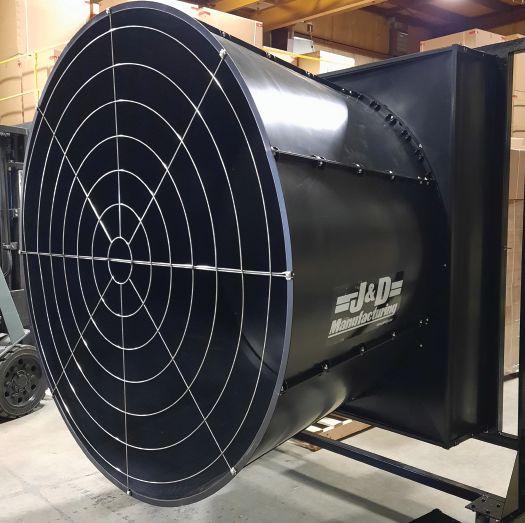
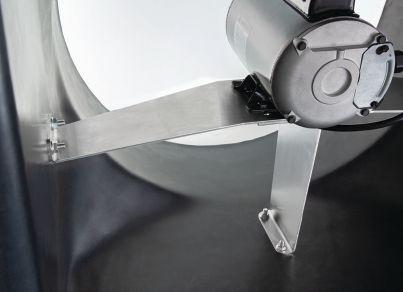
A J&D Magnum exhaust fan is a 58” fan that features the JD-Drive, a direct drive, permanent magnet motor which is practically maintenance free.
Meller
Authorized dealer VDL Jansen VDL Agrotech
The LayMaxx nest with its tilting floor makes nest inspection easy. Moreover, the nest offers a secluded and comfortable environment in which the hen can lay eggs undisturbed. When the nest floor is tilted, the nest flaps roll up, fully exposing the nest mats. A moveable nest floor that tilts upwards ensures that the hens leave their nests at the end of the day. This simplifies the task of inspection. The open structure of the nest mats ensures clean eggs. Eggs roll onto the egg belt with a precise rolling speed and short rolling distance, which preserves the quality of the egg.
LAYMAXX® LAYING NEST Provides a perfect overview of the birds and nests, and stimulates an optimal production of high quality eggs. Integrated walk ways are easy accessible and make inspection of the upper nests easy.
Offers ample space for 8 to 10 males to get feed from each pan in broiler breeder houses. Extra ridge ensures that the dosed feed doesn’t spread further into the bottom pan while dosing the feed.
One and done
New NE vaccine research gives industry a major non-antibiotic tool
By Lisa McLean
Canadian poultry producers may soon have access to a new tool to prevent necrotic enteritis (NE) thanks to a research breakthrough that would give industry the option to administer a single dose vaccine that rivals the efficacy of preventative antibiotics.
Susantha Gomis, professor and head of the Department of Veterinary Pathology at University of Saskatchewan’s Western College of Veterinary Medicine, says the vaccine would be administered to chicks before they leave the hatchery and would protect them from NE throughout their broiler lives.
Not all birds are equal
NE is a devastating gastrointestinal poultry disease that causes mortality in young broiler chickens. When an outbreak occurs, a significant number of birds will die within hours or days.
NE usually strikes around three to six weeks of age, after antibodies from broiler breeder parents have faded. Gomis says it is most practical to vaccinate chicks before they leave the hatchery. However, immune system development can be inconsistent at a young age.
“In an ideal world, chickens would respond the same way to the same vaccine – but they are not equal” Gomis says. “We decided to work with an immune stimulant to level the playing field so the birds would be ready to receive the vaccine.”
Immune stimulant
Gomis used an innate immune stimulant;
a piece of synthetic DNA known as CpG ODN. Through previous work with CpG ODN, his team was able to demonstrate that birds that received the stimulant performed well when they were challenged with E. coli or S. typhimurium
“Once we provided proof of concept, we were curious about different delivery options such as intrapulmonary (IPL) delivery of immune stimulants against bacterial infections,” Gomis says.
Gomis’ team developed a nebulizer chamber that allowed them to facilitate IPL delivery of CpG ODN to 8,000 birds at a time. A sample of broiler chicks received the treatment that combined an immune boost of CpG ODN and then they were later challenged with a lethal dose of the E. coli.
Treatment that goes deep
Normal practice for delivering an aerosol vaccine to chickens would target a more shallow delivery, with the vaccine entering the respiratory system at the nostril.
“We usually avoid sending antigens deep down into the trachea and lungs because
we are dealing with pathogens. We expected that placing a live bacterium so directly into the bird’s lung would cause them to get sick and die,” he says. “But that’s not what happened.”
When the researchers administered the immune stimulant by the in ovo route prior to delivering inactivated NE bacteria deep into the lungs, the birds did well. Next, the researchers repeated the same process using live bacteria following in ovo delivery of the immune stimulant.
By delivering the immune stimulant by the in ovo route to the amniotic cavity, CpG-ODN goes to the lung of the embryo and Gomis says it spreads quickly through the body and stimulates the innate immune system. Gomis believes the process stimulates the lungs and allows the body to recognize live bacteria quickly when bacteria reach the lung, and then produce an immune response.
“We don’t entirely understand everything about the IPL vaccine delivery in the lung, but we realized the chickens were
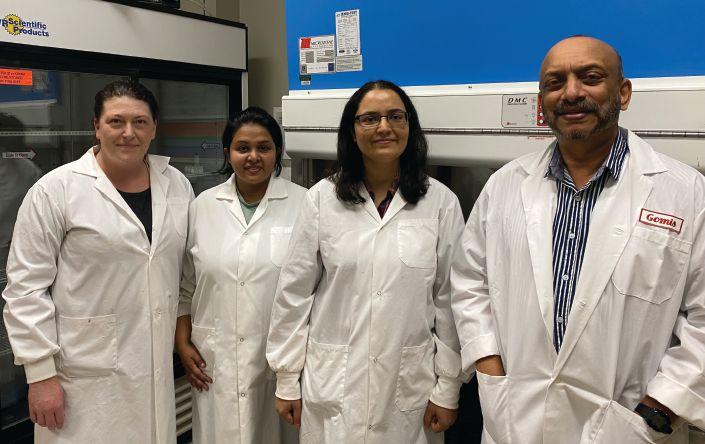
Susantha Gomis (far right) with laboratory team (left to right): Research Officer Shelly Popowich, and PhD candidates Iresha Subhasinghe and Hemlata Gautam.
PHOTO: SUSANTHA GOMIS
• Exacon’s brand name since 1987
• Polyethylene or fiberglass flush
mount housings available in white or black
• Designed to meet the rigorous demands of farm/agricultural ventilation
• Energy efficient Multifan, MFlex, or AGI motors
• Available in sizes ranging from 12” to 72”
TPI WALL AND CEILING INLETS
L.B. WHITE GUARDIAN® FORCED AIR HEATERS
• Available in natural gas(NG) or liquid propane(LP)
• Manufactured with high quality, corrosion resistant components and Tri-Shield coating to provide years of worry-free performance in even the harshest livestock environments
• Features high temperature protection, air proving switch and a totally enclosed motor to assure safe, dependable operation
GENIUS iTOUCH CONTROLS
processing antigens through the lungs efficiently, and traveling to immune organs like the spleen,” Gomis says. “Their bodies were mounting an immune response with that single dose. It was phenomenal.”
New tool in the toolbox
While most vaccines require a booster dose days later, Gomis says with this new IPL vaccine delivery method, together with in ovo delivery of CpG-ODN, a vaccine boost is not necessary.
“We can give CpG ODN in ovo and then a single vaccine at hatch at the hatchery before they go to the farm. This is a single shot vaccine that protects them against NE for their broiler life,” Gomis says.
Gomis says this research represents a major tool in the toolbox as chicken farmers continue to move away from preventative antibiotics. He sees opportunity for additional applications for this approach, particularly for poultry producers in developed countries.
“This is something producers can do, to facilitate with hatcheries to install at a larger scale,” Gomis says. “We know what we need to do, and if industry chooses to, they can work to implement it.”
• Produced out of high-quality polyurethane, TPI inlets are designed to optimize airflow
• High insulation value is ideal for cold weather climates
• Easy to assemble, maintain, clean and adjust to meet your specific ventilation needs
• Wall inlets, ceiling inlets and tunnel inlets
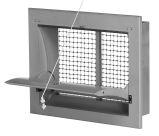
• TPI wind hoods are available with a builtin light trap option
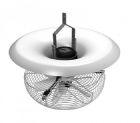
MULTIFAN V-FLOFAN
• The V-FloFan creates a uniform climate in poultry houses
• Equipped with a water and dust resistant IP55 rated, low noise Multifan motor
• Helps control the humidity of the litter resulting in an active microclimate at bird level
• Special aerodynamic shaped conical outlet optimizes vertical airflow contributing to lower energy costs
• 3 year warranty on complete fan
• User-friendly livestock production control equipped with a 10” colour touch screen for easy navigation
• Cutting-edge technology facilitating the management of ambient air(ventilation, heating, humidity, static pressure, CO2), animal populations, feed levels/consumption, lighting, and more
• Access real time data 24/7 and manage your operation remotely from anywhere you can access the internet using the FarmQuest online management tool
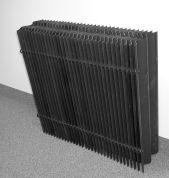
LIGHT TRAP BY EXACON
• Lightweight, corrosion resistant and easy to assemble on site using PVC spacers
• Provides maximum light reduction with very little resistance to air flow
• Also available assembled with a galvanized frame
A sample of broiler chicks received the treatment that combined an immune boost of CpG ODN and then they were later challenged with a lethal dose of the E. coli
Preventing heat stress in broilers
Key concepts and practical tips to help producers mitigate this health stressor. By
Brendan Graaf
Knowing how to mitigate the adverse effects of heat stress on broiler performance helps maintain high production performance and ensures good welfare during periods of hot weather. In this article, we will outline some key concepts and provide some practical tips to mitigate heat stress.
Careful planning is fundamental, whether you live in a hot weather region and deal with heat stress on a regular basis or live in a cold weather region and only experience seasonal periods of heat stress.
Keeping up to date with local weather and knowing when heat stress may be a possibility, allows proactive adjust to management practices to keep birds healthy.
Ventilation
One tip is to increase ventilation rates earlier in the morning. Keeping birds cool during this period will allow them to cope better during the peak midday heat.
Secondly, birds will carry heat from the day late into the evening, so maintaining higher ventilation rates for longer and later into the evening, even after house temperatures have returned to set point, will help reduce heat stress.
It turns out, if birds are kept birds cool during the evening, they are more able to deal with heat stress the following day. If you have back-to-back hot days, it is worthwhile to lower set-point temperatures during the evening and ventilate more.
When it comes to reducing bird effective temperature and alleviating heat stress, being able to achieve wind speed
across the birds is huge. This is easily achievable if you have a well-designed tunnel ventilated house.
Ensuring that your house is ventilating at maximum capacity and is creating as much air movement at bird level during hot weather will significantly help alleviate any heat stress on the birds.
Managing house relative humidity (RH) during hot weather is also critical. Birds will lose heat through respiration and their ability to do so will be greatly affected by the RH of the air around them.
Evaporative cooling systems (cool pads or fogging systems) will reduce the ambient air temperature in the house; however, they will increase RH and thus reduce the bird’s ability to lose heat through respiration. As a rule, these systems should not be used when house RH levels are above 85 per cent.
Walk slowly and gently through the broiler house to encourage birds to stand, which will help release body heat and cool the birds.
Lighting Programs
When the lights go off in the evening (dark period), there may not be a reduction in house temperatures. However, it is now well known that bird body temperatures increase during the dark period. This creates a situation where an automatic controller set to reduce ventilation (due to a reduction in house temperatures) will cause the birds to produce more metabolic heat.
Be aware of this potential situation especially during hot weather periods and be prepared to override the controller systems to ensure sufficient ventilation longer and later into the evening.
It is also important to ensure that the temperature and relative humidity (RH) probes are set at the right heights, just above bird height. They sensors should be high enough that birds cannot play with them, but that sensors low enough to accurately measure the temperature and RH the birds are experiencing.
With regards to the lighting program, during hot weather, it is better to set the lights off time to later in the evening. This will allow the birds more time to cool off from the hot day as well as more time to compensate on feed intake that they may have missed during the heat of the day.
The length of the dark period is also important. Longer solid blocks of dark (six to eight hours) will increase the potential for heat stressed birds. Therefore, breaking the dark period into shorter time frames (four hours) followed by a light period (two hours) and then another dark block (two hours) will help reduce heat stress.
FARM HEALTH FASTMAPS
Disease Mapping in Minutes
A mapping tool for organizations and governments to quickly identify control zones. Generate a list of all commercial and backyard farms in the zone, including contact information.
Send messages to everyone in the control zone.
Reduce stock densities during hot weather seasons to help prevent heat buildup in the houses.
1
It is important to note that the lights off time should be set from day 0 and not adjusted throughout the cycle so this needs to be planned and set in advance taking into consideration hot weather seasons.
Bird Body Heat
Although outside temperature is a major factor, generally the most heat being produced in a broiler house comes from the birds themselves. This is the heat ventilation systems need to remove from the birds and from the house to keep birds healthy.
Bird density plays a major role in body heat production. If you know your housing system struggles to keep birds comfortable and productive during the hot weather season, then reducing stocking densities during this period can prevent heat stress and promote good animal welfare outcomes.
2023-04-14 12:25 PM
Walking through the house gently to encourage bird activity can be highly beneficial since heat stressed birds tend to lie down and have significant heat buildup under their bodies in the litter. Getting birds to stand up and release heat will be beneficial.
Importantly, only encourage bird movement when the house is fully ventilated and there is air movement over the birds that can remove heat the birds and litter. Walk through the house slowly and gently to reduce bird flightiness. Walking slowly will also allow the birds around you to stand up for slightly longer before sitting back down again allowing more heat to be removed.
Feed and Water
Water and drinker line management during hot weather is very important to reduce heat stress. During periods of panting water is lost through the respiratory tract of the birds. In response, water intake is increased to maintain thermoregulation.
Therefore, ensure there is enough drinker space (10 to 12 birds/nipple) and that all drinker lines are working correct-
Concrete flooring is easier to clean & more sanitar y CP_Amvic_May23_CSA.indd
PolyStorm Fans
The PolyStorm fan series combines premium components with our roto-molded High-Density Polyethylene housing. Corrosion resistance features include fiberglass props, PVC shutters, and stainless steel mountings. At the core of every PolyStorm fan are rugged dual voltage motors with an industry-leading, 2-year warranty. PolyStorm fans are an excellent choice for new ventilation systems or lower-cost replacements fans.
• Roto-molded High-Density Polyethylene plastic housing resists cracking or breaking.
• Low maintenance, airfoil style PVC shutters with full-length spring steel rods
• Poly-coated wire guard
• Heavy-duty, dual voltage, 60/50 Hz motors with a 2-year warranty
PS-24EDDLP 24” 27-1/4” X 27-1/4”
“The most heat being produced in a broiler house comes from the birds themselves.”
ly and can supply enough water to the birds (correct flow rates/ pressures). Maintain water temperatures below 25°C through regular flushing of drinker lines.
Making sure water storage/header tanks are shaded or kept indoors out of direct sun exposure will also help ensure cooler water delivery into the houses. Electrolytes and vitamins such as sodium bicarbonate, potassium chloride and vitamin C can be added to the water. However, this should be monitored closely to prevent any wet litter issues as well as biofilm formation in the drinker system.
Feed formulation and quality can also play a role in alleviating heat stress. The partial replacement of energy sources from carbohydrates to lipids is a common practice to reduce the heat increment of the diet as lipids generate less heat when they are digested and metabolized compared to carbohydrates.
Since heat stress negatively affects feed intake, gut health and villi function, the use of lipids also has the benefit of slowing feed passage rate in the gut thus giving more time for nutrient absorption.
Since heat stress can impair digestive function, selection of protein sources that are high in digestible protein and amino acids as well as switching to supplemental/synthetic sources of amino acids can help improve digestibility and reduce heat production during digestion.
There is also an added benefit of being able to dose essential amino acids such as methionine and cysteine which play a role in the body’s antioxidant system. Broilers tend to generate more heat and use higher energy when eating a mash feed compared to a pelleted feed.
Good pellet quality with no more than 10 per cent to 15 per cent fines and a durability index higher than 95 per cent can reduce heat and energy used during eating.
Conclusions
Managing broilers through periods of heat stress is not only about keeping birds alive but keeping them comfortable and productive. Making sure to monitor your local weather and planning is the proactive way to successfully implement many of the above tips and will go a long way in ensuring a successfully broiler cycle.
Brendan Graaf is a broiler specialist with 10 years of experience in the poultry industry. He services the EMEA region. Brendan holds a Bachelor’s degree in Animal Science and a Master’s degree in Poultry Science.
EMPLOYMENT
Job Details: Full time, Permanent
General Description of Role: Reporting to the Director of Farm Operations, the Farm Manager is accountable for live growth production and maintenance of farm equipment/barns.
The Farm Manager is responsible to ensure the health, welfare and humane handling of live animals daily. They are also responsible for the property in and around the operation. They will direct a staffing of up to 4 general farm labourers in the upkeep of all animals, barns and equipment.
Qualifications:
• Must have a minimum of two years of supervisory experience.
• Preference will be given to a candidate with 5 years poultry and barn management experience.
• Post-secondary education considered an asset.
• Farm management requires a flexible schedule depending on poultry cycle.
• On call 24 hours per day.
Benefits
• Flexible Schedule; Paid time off; Health, Vision, and Dental Benefits package; Life & Disability insurance; Farm vehicle and Living accommodations provided
EQUIPMENT FOR SALE
Barn Spotlight
Silverbrook Farms
Location
Walkerton, Ont.
Sector
Layers and pullets
The business
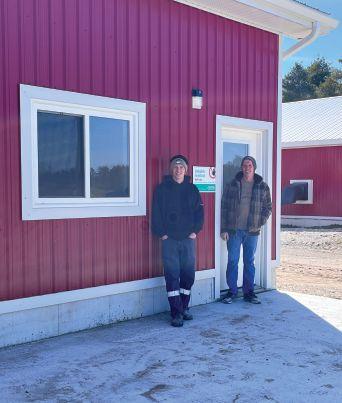
Silverbrook Farms is a mixed operation that includes beef cattle, layers and pullets. Keith and Shelley Thomson have owned and operated the farm for more than 30 years. Their son Alex also works on the farm full time.
The need
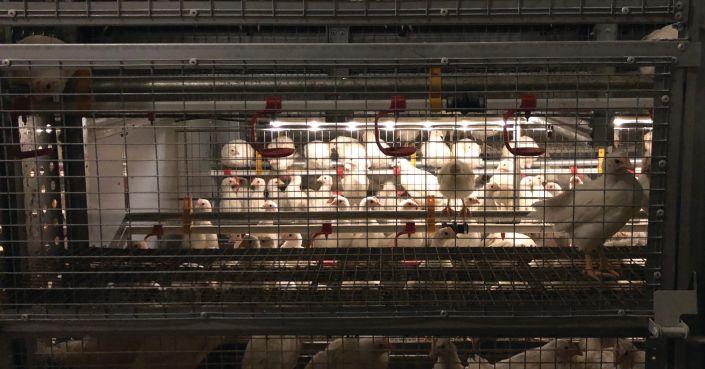
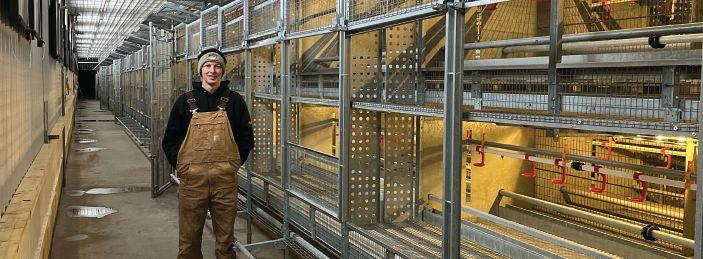
The producers raise their own pullets in a conventional pullet barn to supply their two layer barns, one with conventional housing and one with enriched cages. However, the barn was nearing capacity. Not wanting to sell quota, they decided to build another pullet barn. And noticing an increased demand for pullets trained to navigate cage-free housing, they chose to go with an aviary rearing system.
The barn
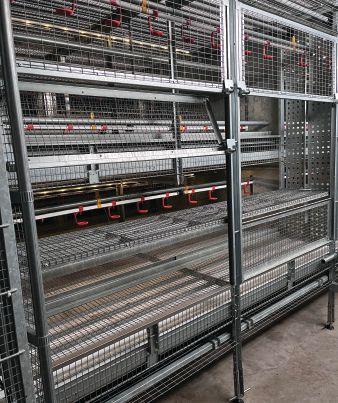
The farm became the first in Canada to install Hellmann Poultry’s new PRO Motion aviary pullet system. “The birds get trained inside the system before you let them out,” Keith Thomson says. This makes management simpler when the pullets get older, he adds. “You don’t have to spend a lot of time getting them back in at night – they jump in on their own.” The system includes a balcony that barn managers can raise and lower to find that ideal spot to teach the pullets how to jump and move around in the system. By the time you open the gate to let them out, they know how to jump to the next tier. Thomson says his aviary customers have been pleased with how well his pullets can navigate cage-free housing.
Barn Spotlight
hatcheries.
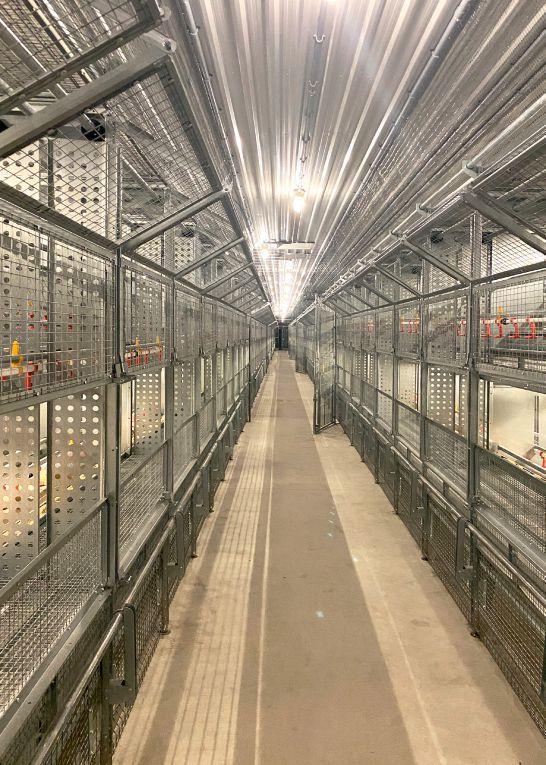
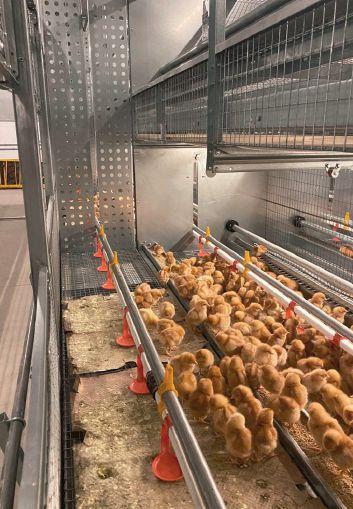
With Hellmann Poultry’s new PRO Motion aviary pullet system, the birds are trained to navigate aviary housing within the system before they’re allowed out onto the floor.
Alex Thomson preparing the barn for a new flock. The producers raise the aviary pullets to sell to customers and raise their own pullets in a conventional system.
The system includes a balcony that can be raised as pullets age to train them on how to jump.
Keith Thomson (right) works on the farm with his son Alex (left) and wife Shelley (not pictured).
MEET YOUR 2023 EXECUTIVE COMMITTEE
TIM KLOMPMAKER CHAIR ONTARIO
LUCE BÉLANGER EXECUTIVE MEMBER QUEBEC
NICK DE GRAAF 1ST VICE-CHAIR NOVA SCOTIA
RAY NICKEL 2ND VICE-CHAIR BRITISH COLOMBIA
Every hen that is protected against E.coli has the potential to produce more. Unleash the full potential of your flock with Poulvac ® E. coli.
Contact your Zoetis representative today to find out more about how Poulvac ® E. coli can