British
FutureMetrics determines which burns cleaner: wood or coal.
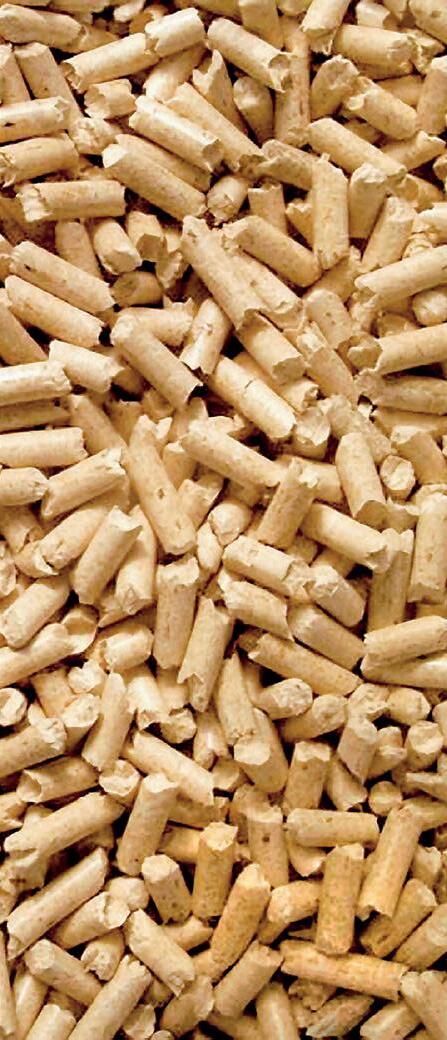
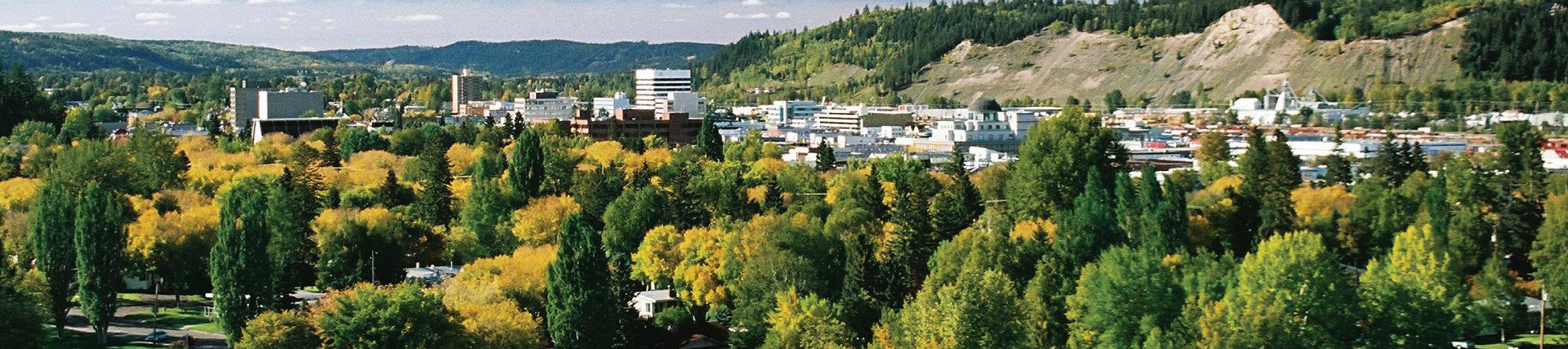
The Northwest Territories is quickly becoming a hot spot for those interested in pellets.
A conference in Atlanta featured discussions on the changing biomass industry.
Pöyry research shows the current state of the wood pellets sector and predicts its future.
Biomass contamination is a big problem, especially for contractor grinders and chippers in Quebec.
At the annual conference in Jönköping, Sweden, what can you expect?

Where there’s smoke,
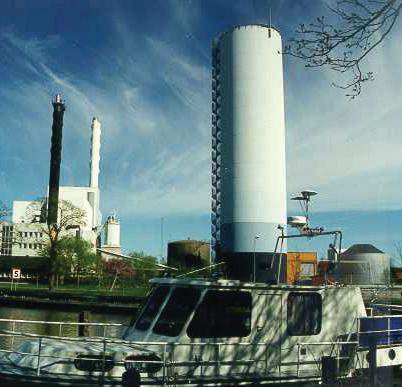
recent fire at Britain’s largest biomass power plant brought an audible groan from everyone in the biomass industry.
The pellet storage area at the RWE plant in Tilbury, U.K., burned for hours, with speculation that the weight of the water used to douse the flames would become a hazard in its own right. Now it looks like much of the plant will be out of commission until July, a four-month shutdown that will undoubtedly affect grid reliability.
Anti-biomass groups will now have another example as to why biomass burning is a bad idea, local consumers will have a scapegoat if blackouts ensue and other large utilities have another reason to drag their feet in adopting co-firing strategies.
On the latter point, this issue includes a study examining some of the assumptions on which the controversial but now famous Manomet study was based. Among other things, the study claimed that CO2 emissions from biomass combustion were higher than those from burning coal, and used that as a basis to portray biomass combustion in a negative light.
Volume 4 No. 7
Editorial Director/Group Publisher - Scott Jamieson (519) 429-3966 ext 244 sjamieson@annexweb.com
Associate Editor - David Manly (519) 429-3966 ext 261 dmanly@annexweb.com
Contributors - Gordon Murray, Catherine Cobden, William Strauss, Laurenz Schmidt, Jack Danylchuk, Todd Bush, Silvio Mergner, Hannes Lechner, Mariève Paradis, Christopher Rees
Market Production Manager
Josée Crevier Ph: (514) 425-0025 Fax: (514) 425-0068 jcrevier@annexweb.com
National Sales Manager
Ross Anderson Ph: (519) 429-5188 Fax: (519) 429-3094 randerson@annexweb.com
Quebec Sales
Josée Crevier Ph: (514) 425-0025 Fax: (514) 425-0068 jcrevier@annexweb.com
It’s not fair that biomass, or specifically wood pellets, are being measured against an unfair fuel standard – perfection. What they should be measured against is the alternative fuel supply, which in this case is coal.
Coal hardly has an unblemished record on the safety front. From mining and processing to storage and combustion, coal needs to be handled very carefully. More to the point, the very RWE plant that is now shuttered suffered a major coal fire just three years ago. It was not seen as a deathblow to coal-fired plants elsewhere, nor were consumers or environmentalists calling for an end to coal combustion.
It is an uneven playing field that those in the biomass sector are sadly getting used to, whether it is the demands of immediate carbon neutrality or emission comparisons that contrast apples and oranges.
FutureMetrics, a company out of Maine, took a closer look, making sure that things like moisture content and the entire harvesting cycle were factored in. FutureMetrics found (as anyone with a fireplace can tell you) that wet biomass or coal creates more CO2 than properly seasoned biomass. In fact, wood pellets, which are made from dried wood fibre, emit fewer emissions than coal, making them a solid choice for co-firing.
This presents the biomass sector with several challenges.
First, where emissions are a factor, we need to be sure we are doing our best to properly prepare the fuel for clean combustion. Second, we need to make sure power consumers are comparing apples to apples in public discussions, whether around renewability, sustainability, safety or emissions. Third, we want to be compared to a viable alternative, not Utopia.
If we’re replacing coal, oil, or gas, how do we rate in those circumstances against those alternatives in all of the above four categories?
In most cases, we’ll rate well. •
Scott Jamieson, Editorial Director sjamieson@annexweb.com
Western Sales Manager Tim Shaddick - tootall1@shaw.ca Ph: (604) 264-1158 Fax: (604) 264-1367
Media Designer - Brooke Shaw
Canadian Biomass is published six times a year: February, April, June, August, October, and December.
Published and printed by Annex Publishing & Printing Inc.
Printed in Canada ISSN 0318-4277
Circulation
Carol Nixon e-mail: cnixon@annexweb.com P.O. Box 51058 Pincourt, QC J7V 9T3
Subscription Rates: Canada - 1 Yr
2 Yr
3
$118.50 Single Copy - $9.00 (Canadian prices do not include applicable taxes)
USA – 1 Yr $60 US; Foreign – 1 Yr $77 US
Occasionally, Canadian Biomass magazine will mail information on behalf of industryrelated groups whose products and services we believe may be of interest to you. If you prefer not to receive this information, please contact our circulation department in any of the four ways listed above..
No part of the editorial content of this publication may be reprinted without the publisher’s written permission ©2011 Annex Publishing & Printing Inc. All rights reserved. Opinions expressed in this magazine are not necessarily those of the editor or publisher. No liability is assumed for errors or omissions.
All advertising is subject to the publisher’s approval. Such approval does not imply any endorsement of the products or services advertised. Publisher reserves the right to refuse advertising that does not meet the standards of the publication.
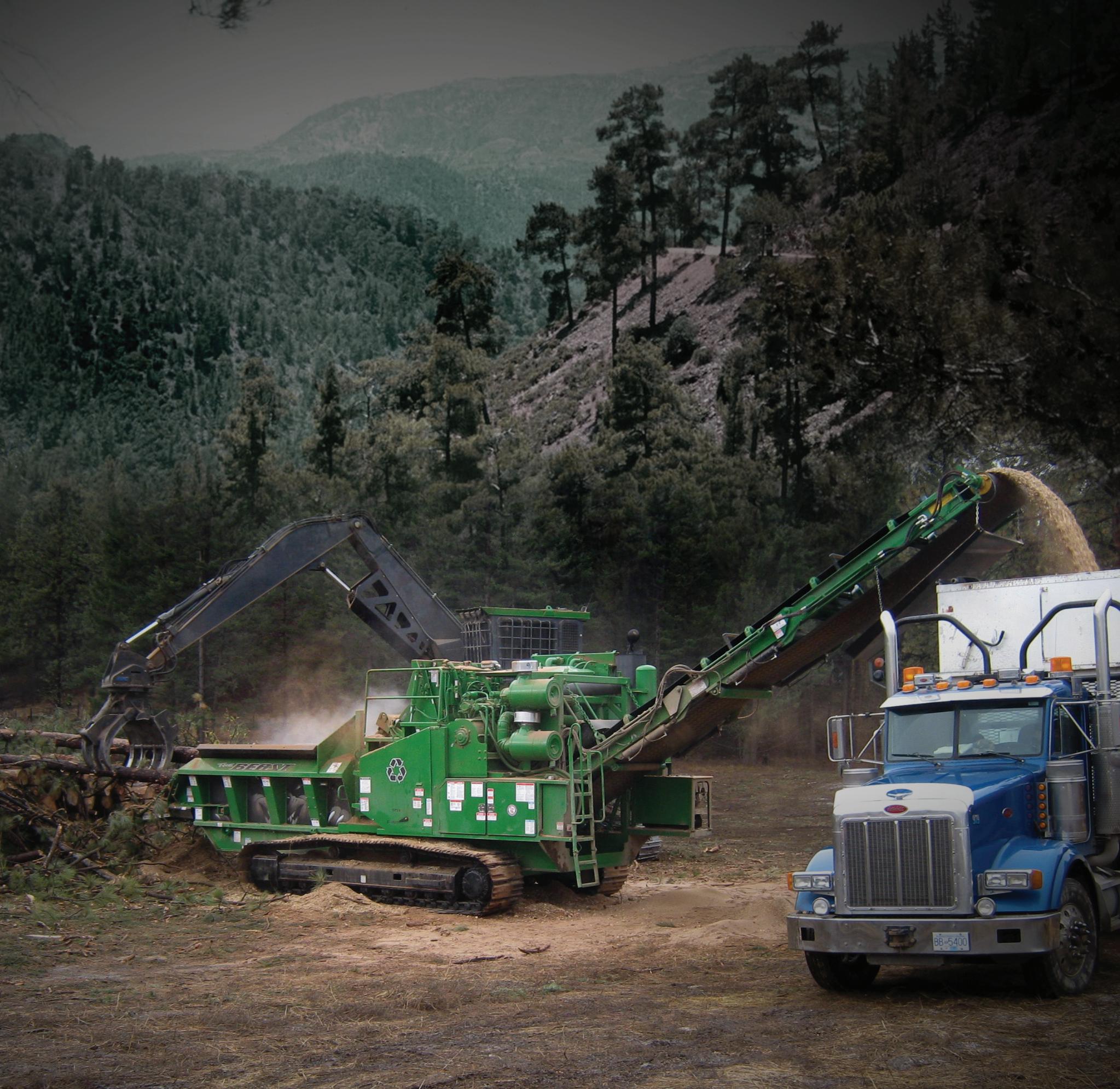



















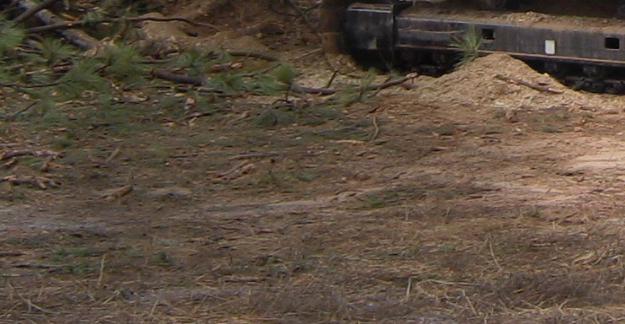
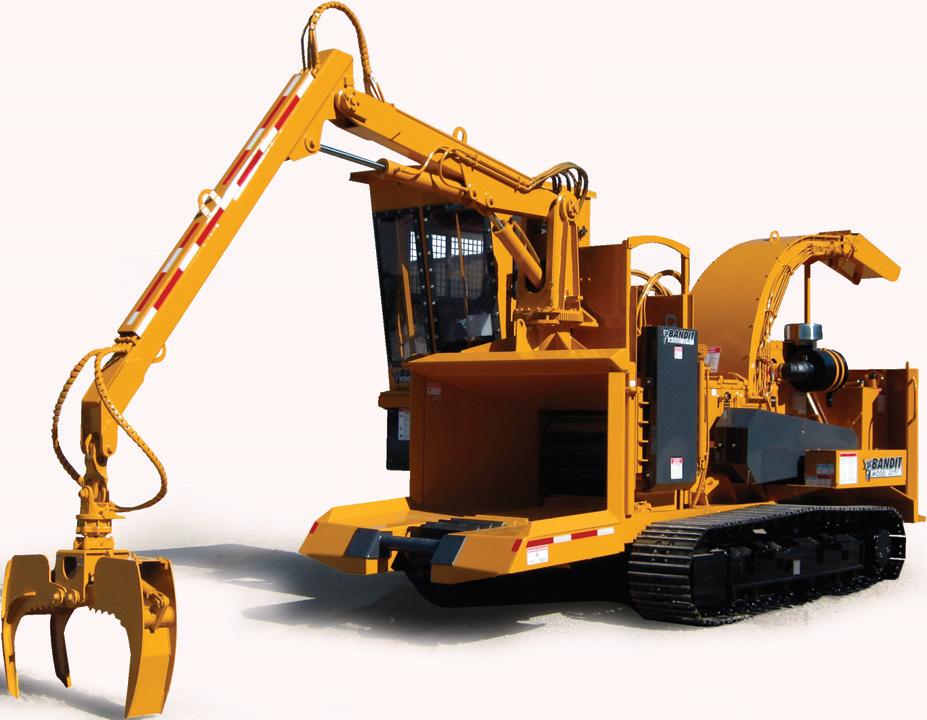
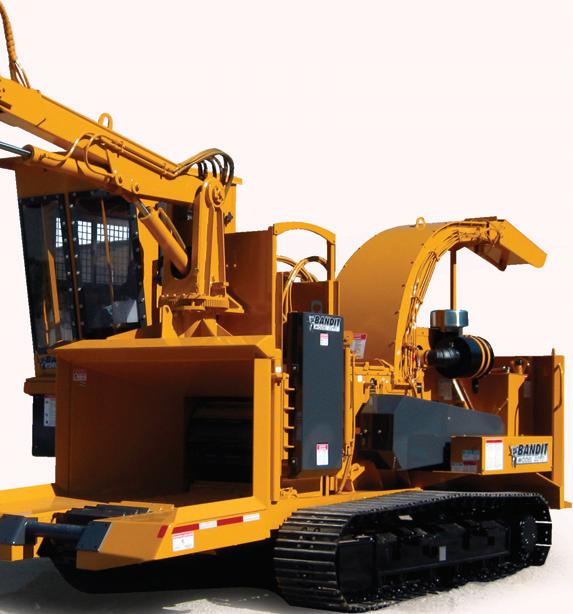
FEATURES OF BEAST® RECYCLERS: PATENTED CUTTERMILL SYSTEM AVAILABLE AS TRACK OR TOWABLE UNIT KNIFE SET-UP FOR CHIP PRODUCTION ALSO AVAILABLE WITH ELECTRIC MOTOR THROWER ATTACHMENT FOR END-LOADING

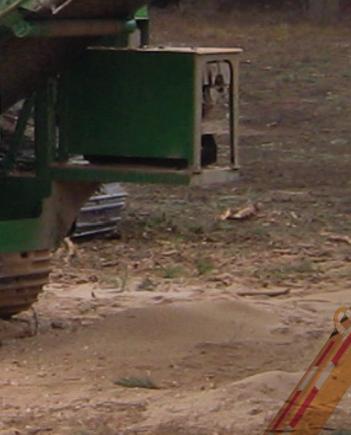











Experience for yourself the economic benefits that the Beast® can bring. No other grinder offers the versatility and range of end products like the Beast! The uniformity of the product is a result of the Beast’s unique patented cuttermill system, which allows you to cut, split, grind or chip material in a single pass. A more uniform product means lower fuel production costs! Drive one of our track Beasts to the material, and drive down your biomass fuel costs. With four models to choose from and engine options up to 1,200-horsepower, you can’t go wrong. When it comes to the grind, don’t get left behind. Find out why Bandit horizontal grinders outperform the competition everytime. Visit us at Booth #9 at the Bioenergy Conference & Exhibition in Prince George, BC!















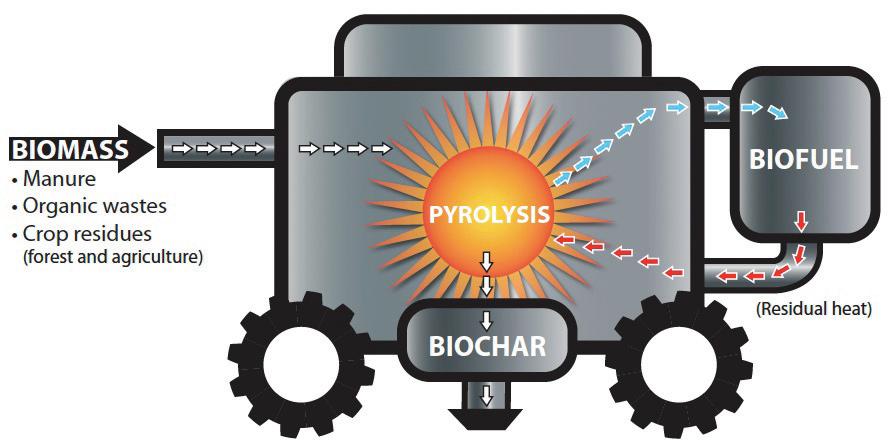
Vermilion, AB – The development of biochar technology received a boost from a collaborative initiative that includes federal funding of $900,000 to Lakeland College to acquire two mobile pyrolysis units to test, evaluate, and demonstrate biochar products for agricultural and environmental markets. Additional support towards this project includes a contribution of $450,000 from Alberta Innovates Technology Futures (AITF).
“Today’s investment will provide the tools needed to test, develop, and commercialize innovative biochar technologies that lead to new products and applications for the global market,” said MP Leon Benoit.
Biochar is the carbon-rich residue produced by pyrolysis, a process of burning organic matter such as agricultural and forestry waste in a low oxygen environment. The substance can be used to improve soil texture and crop productivity, as well as accelerate re-vegetation of uncultivable lands. Further, preliminary studies also indicate that biochar has the potential to clean up wastewater in the petroleum sector.
Saint-Alexis-de-Monclams, QC - The Honourable Christian Paradis, Minister of Industry and Minister of State (Agriculture), announced an investment of up to $126,400 in Biofour Inc., through the Canadian Agricultural Adaptation Program (CAAP), to test an incinerator for agricultural biomass combustion.
“This project offers producers new opportunities and will generate positive economic benefits while reducing both greenhouse gas emissions and the contamination of the water table
and soil,” said Minister Paradis.
Biofour Inc. will use this investment to test a boiler incinerator that burns biomasses other than those derived from forest products. The goal is to verify its effectiveness and its economic value in the sector’s daily applications. This trial will attempt to evaluate the energy potential of various biomasses. The project will supply a poultry house and will allow for use of the incinerator in a heating network supplied by crop residues and poultry litter.
Edmonton, AB - Three companies in Edmonton’s nascent bio-refining sector are receiving a $4-million boost to help take products developed from crop and forest biomass and municipal waste to the marketplace.
Ceapro Inc., Radient Technologies Inc. and TerraVerdae BioWorks beat out about 30 other Alberta companies to receive grants from Alberta Innovates Bio Solutions (AI Bio) according to a report in the Calgary Herald. The provincial gov-
ernment agency funds science and technology in energy, health, environment, agriculture and forestry.
The funding over the next three years will assist commercialization efforts, including production and technological scale up.
“These companies are ones that are using unique kinds of technologies to produce the kinds of products that expand the portfolio of bio-products,” said AI Bio CEO Stan Blade.
n Edmonton, AB
The province of Alberta has committed $444 million over the next three years to encourage Albertans to develop bioenergy alternatives using waste such as manure and wood chips.
n London, UK
Scientists at Imperial College London have demonstrated that a key part of biomass processing could be made 80 percent more energy-efficient by taking advantage of the slippery properties of fluids called ionic solvents.
n CALgAry, AB
Mustus Energy Ltd. will work with Lockheed Martin to build a 41.5 megawatt biomass power plant in La Crete, a forest community in northern Alberta that will provide enough power for over 30,000 homes.
n EngLAnd
Sources say that the biomass power plant at Tilbury in Essex that shut down due to a fire will likely not start up until the end of July.
n VAnCoUVEr, BC
The B.C. Bioenergy Network announced a $1.5 million grant to Fraser Richmond Soil and Fibre to support the development of a waste to energy plant that plans to divert approximately 27,000 metric tons of organic waste from landfills.
n PErPignAn, Fr
German utility Eon will build the largest biomass-fired power plant in France, planned to be online at the end of 2015, after receiving approval for the 150MW facility from the French government.
n rUSSiA
Japanese wood products firm Arkaim is constructing a 250,000 t/yr wood pellet plant in the Khabarovsk region of far east Russia to exclusively serve Asian markets.
CBI



By Gordon Murray
ere are five fun facts about Italy:
• • Rome is farther north than New York City
• The average Italian consumes 26 gallons of wine per year.
• Italy did not become a country until 1861.
• Italy imports over 75% of its energy.
• Italy is the world’s fastest growing market for residential wood pellets.
I was recently in Italy for a Canadian wood pellet trade mission and attended the International Pellet Forum in Verona where I noticed that this country presents a great
thermal and heat pumps providing the rest.
In 2012, Italian wood pellet consumption is expected to reach 1.9 million tonnes and continue to increase at a rate of 400,000 tonnes per year, with only a small fraction produced domestically. From a peak of 750,000 tonnes in 2007, Italy now produces just 550,000 tonnes annually, 29% of its 2011 consumption.
“[Italy’s] imports have escalated from 472,000 tonnes in 2009 to 1.2 million tonnes by 2011.”
opportunity for Canadian wood pellet producers.
To date, Canada has exported pellets primarily to Belgium, the Netherlands and the United Kingdom, which primarily use them in electrical power generators and co-fire with coal. However, Italy is an entirely different kind of market, where they are used almost exclusively for heat in homes, commercial enterprises and institutions. Most pellets are sold in 15-kilogram bags with very little bulk distribution, mainly for commercial enterprises such as hotels and institutions (hospitals and schools). Canada’s first year exporting to Italy had only 10,000 tonnes shipped, which increased to 40,000 by 2011.
Forty-eight percent of Italy’s energy is used for heat and the country aims to have 17% of that from renewable sources by 2020, up from 6.5% in 2010. Solid biomass is expected to make up half, with solar, geo-
Italy would produce more pellets if not for competition for fibre by panel-board industry and other biomass sectors. Italy produces 550,000 tonnes of pellets from just nine million hectares of forest – a rate of 61 tonnes per 1,000 hectares – whereas Canada produces 1.5 million tonnes from 397 million hectares, a rate of just four tonnes per 1,000 hectares. If Canada could reach the same production rate, it would produce 23 million tonnes of pellets per year.
Because Italy produces just a small fraction of its pellet needs, the country’s imports have escalated from 472,000 tonnes in 2009 to 1.2 million tonnes by 2011. Italy imports from:
stoves and 10% boilers, with the rest of Europe split 50/50 at 300,000 units of each sold annually. Therefore, Italy accounts for almost two-thirds of European stove sales.
Here are a few more facts about the Italian pellet market:
• EN Plus certified pellets are gaining market share.
• Italians prefer light coloured pellets.
• Austrian exporters to Northern Italy are delivering bagged product to distributors for 220 euros per tonne in winter and 190 euros per tonne in fall and spring.
• Canadians have exported bags in containers and bulk shipments, whereas Italians only use bagged pellets, a measure that has proven more cost effective for them.
• Canadian exporters have reported success in selling to two companies – Adriacoke and Abellon. Both companies have bagging operations and extensive distribution networks, but there are other interested importers.
• It is likely unwise to export to more than two or three Italian customers, as exporters run the risk of multiple distributors competing to sell the same product to the same end consumers, thus driving prices down.
It is clear that the Italian market presents a very good opportunity for Canadian wood pellet exporters and a means of diversifying the risk of being overexposed in the western European power markets.•
In 2011, an estimated 188,000 stoves and 20,000 pellet boilers were sold in Italy. Its market distribution is about 90%
Gordon Murray is executive director of the Wood Pellet Association of Canada. He encourages all those who want to support and benefit from the growth of the Canadian wood pellet industry to join. Gordon welcomes all comments and can be contacted by telephone at 250-8378821 or by e-mail at gord@pellet.org.














By Catherine Cobden, Senior Vice-President, Forest Products Association of Canada (FPAC)
he Canadian forest industry is a place to grow. It is a place to grow a career, investments and innovative ideas.
In a previous column, I talked about the changing face of the forest sector in Canada. After a difficult decade, there’s a new buzz and a fresh, new face to the forest products industry. It has become more competitive and productive, aggressively cultivating new products and markets, leveraging world-leading environmental credentials in the marketplace and vigorously pursuing ways to extract more value from every tree in the form of bioenergy,
markets and new innovative products from wood biomass.
“In the months ahead, FPAC will be unveiling a new inspirational vision [Challenge 2020].”
biochemicals and biomaterials. The industry is transforming, brimming with opportunity and on the move.
Yet after years of mill closures and lost jobs, the industry realizes that it still suffers from an image problem. We want to increase public and government buy-in and belief in our transformation. And we intend to convince investors, potential partners and future employees that there is indeed a dynamic future.
So under the leadership of the Forest Products Association of Canada (FPAC), the forest sector will be striving to go even further to reinvent itself. In the months ahead, FPAC will be unveiling a new inspirational vision – which includes challenging the forest industry as well as government and other partners to do more to attract workers, to improve our environmental performance and to develop new
A recent report by the Conference Board of Canada on the human resource needs of the forest industry concluded the sector will need a minimum of 40,000 new recruits by 2020 to maintain the status quo. There is already a pressing need for many industry-related skilled trades, but there will also be a need for environmental engineers, biochemists and other innovators to help transform wood biomass into new products. We intend to convince Canadians, including women, Aboriginal Peoples and immigrants, that there are longterm employment opportunities for those with the desire to work and build a career in the forest products sector.
In the area of developing new markets and new products, the industry has become the number 1 Canadian exporter to China and India for lumber, pulp and paper products, and the future potential is staggering. Canada has also made breakthroughs in innovation including being home to the first commercial plant to produce nanocrystalline cellulose in the world.
The forest sector is now gearing up to produce more innovative products, such as airplane wings, food additives and construction systems. The forest industry generates about $57 billion for the Canadian economy, and it will be challenging to grow that by 2020.
Many Canadians do not realize the improvements that have been made in the past decade. The sector has cut 60% of its greenhouse gas emissions. The pulp and paper sector is producing two-thirds of its energy from renewable waste, and some are selling surplus energy to the grid. The industry has also reduced water consumption and seen a 90% or greater reduction in pollutants. In addition, the industry is now working with environmentalists in the Canadian Boreal Forest Agreement.
However, we should do more.
It won’t be easy. Besides the international competition and the race for niche markets, forest companies are struggling with difficult challenges such as a high dollar, a monopoly rail system, a decline in the demand for paper stemming from the computer age and the unsettled global economy. That’s why we intend to work on developing new products, new markets and new relationships, as well as a challenging industry and government to help us realize that dream.
There is no doubt that the vast forests in this country can be considered “Canada’s natural advantage,” a renewable resource that has long provided prosperity.
So stay tuned – later this year you will be hearing more about Challenge 2020. We hope to mobilize Canadians with an inspirational vision that will convince skeptics that our forest products sector is a place to grow. •
Catherine Cobden is the senior vice-president for FPAC. With over 20 years experience, she is responsible for files affecting economic competitiveness in Canada’s pulp, paper and wood products sector. She is also responsible for the bio-pathways project, an innovative look at the opportunities available for the forest products industry in the emerging bioeconomy.
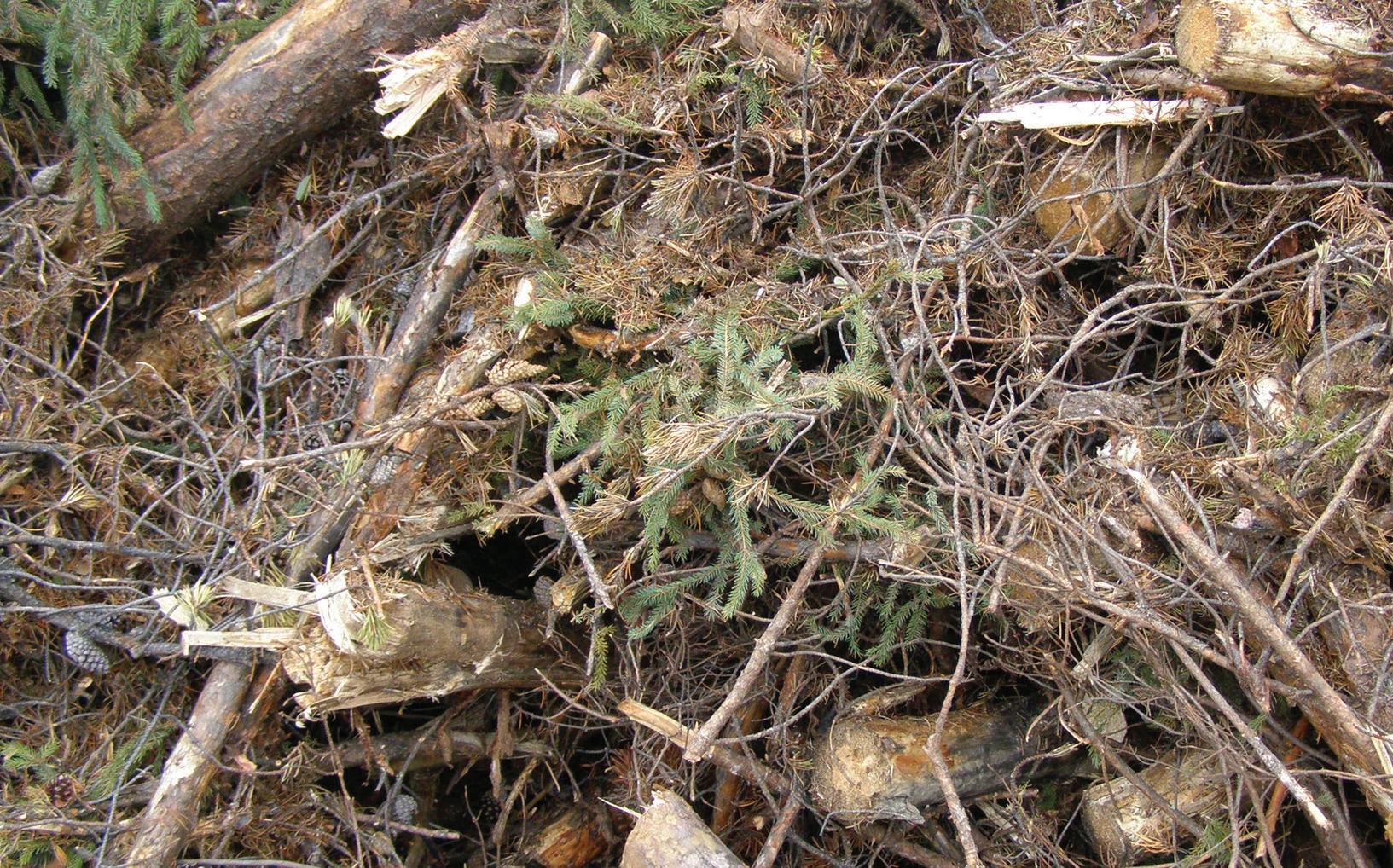
Is biochar production a key to the forestry bio-revolution?
Natural Resources Canada recently funded an innovative project that brought together the expertise of FPInnovations, Airex and Cyclofor. The objective was to find a way to enrich the forest biomass, a low-value raw material normally left behind on Québec’s tree harvest sites.
Jean-Luc Bernier, M.Sc., FPInnovations
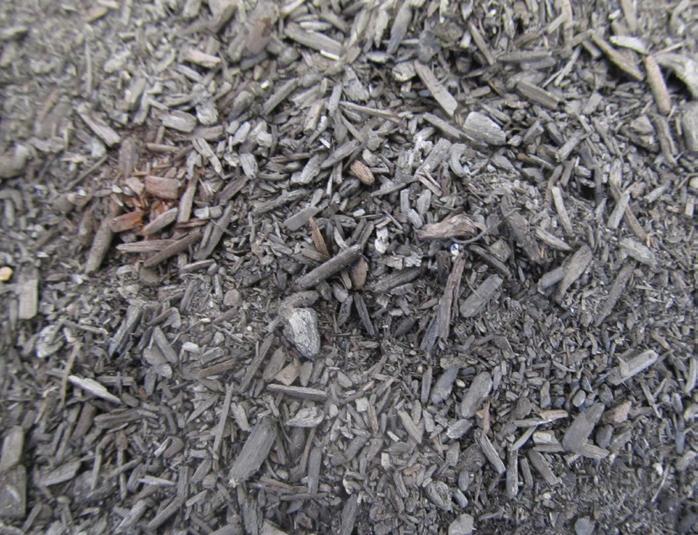
The project headed by Alain Chabot and seconded by Alpha Barry and Brian O’Connor, all from FPInnovations, enabled Airex to develop a pilot-scale torrefaction unit (CarbonFX) with the capacity to produce 250 kg of biochar per hour from wood fibre.
Cyclofor was in charge of providing forest biomass while FPInnovations evaluated the environmental impact, described the biochar output (caloric value and levels of ash, humidity, carbon, etc.), analyzed results and coordinated the project. According to Airex President Guy Prud’homme, the addition of measurement aSmailnd control elements to the biomass processing, coupled with improvements to the CarbonFX design made it possible to produce homogeneous biochar using minimal labour.
Cyclofor VP Alain Brodeur was delighted with the quality of products generated by the new process. Through of the project, 55 to 75% carbon content was quickly attained, thereby producing high calorific value charcoal. Preliminary trials have even produced carbon content as high as 85%. These results could lead to replacing bituminous coal in high-value added applications in areas such as food, textiles, medicines, gas and water treatment, metallurgy, and soil rehabilitation.
Airex’s technology involves two phases. The initial conditioning phase occurs while the biomass is transported to the reactor. This phase increases the biomass temperature and lowers its moisture content. Results show that this step is important for obtaining various grades of charcoal. During the second phase, the material is transferred to a reactor where the biomass is converted into biochar. The conversion occurs at high temperature and lasts only a few seconds. Biogases, which are the gases emitted during the torrefaction, are continually routed to the burner where their combustion helps maintain an optimal process temperature. Airex’s technology is highly energy efficient, yet simple and robust, reducing the cost of producing biochar.
The time is ripe for the research and development of biotechnologies based on forest biomass: energy costs are forecasted to rise, governments continue to want greenhouse gas reductions and the forestry sector is stagnating. Many jobs depend on the forest industry’s competitiveness and its ability to explore new markets and develop new products. These factors are fertile ground for developing technologies related to producing biochar. Both the high cost of harvesting and poor quality of forest biomass coming from harvest areas force research to focus on manufacturing high value commercial products. Gilles Brunette, Manager of the Composite Products department at FPInnovations, firmly believes that producing biochar from forest biomass will reduce fibre harvesting costs while diversifying the forest industry’s product line.
In the province of Québec, forestry operations on public land discharge 6.5 million tons of dry biomass yearly. A very small percentage of this forest biomass is harvested and most of it is transformed into pellets for energy production. According to Statistics Canada, Québec consumes annually some 2.5 billion litres of heavy fuel oil and 541,000 tons of coal. The high calorific value of biochar produced during the project combined with the rising prices of fossil energy allow to consider replacing these two sources of energy, which would reduce Québec’s GHG emissions by about 9 million tons. On another scale, the American industry sector could potentially use an estimated 900,000 tons of activated carbon, a high value-added biochar product, every year. When passed, currently proposed American legislation on GHG emissions would be a tremendous boon for activated carbon producers.

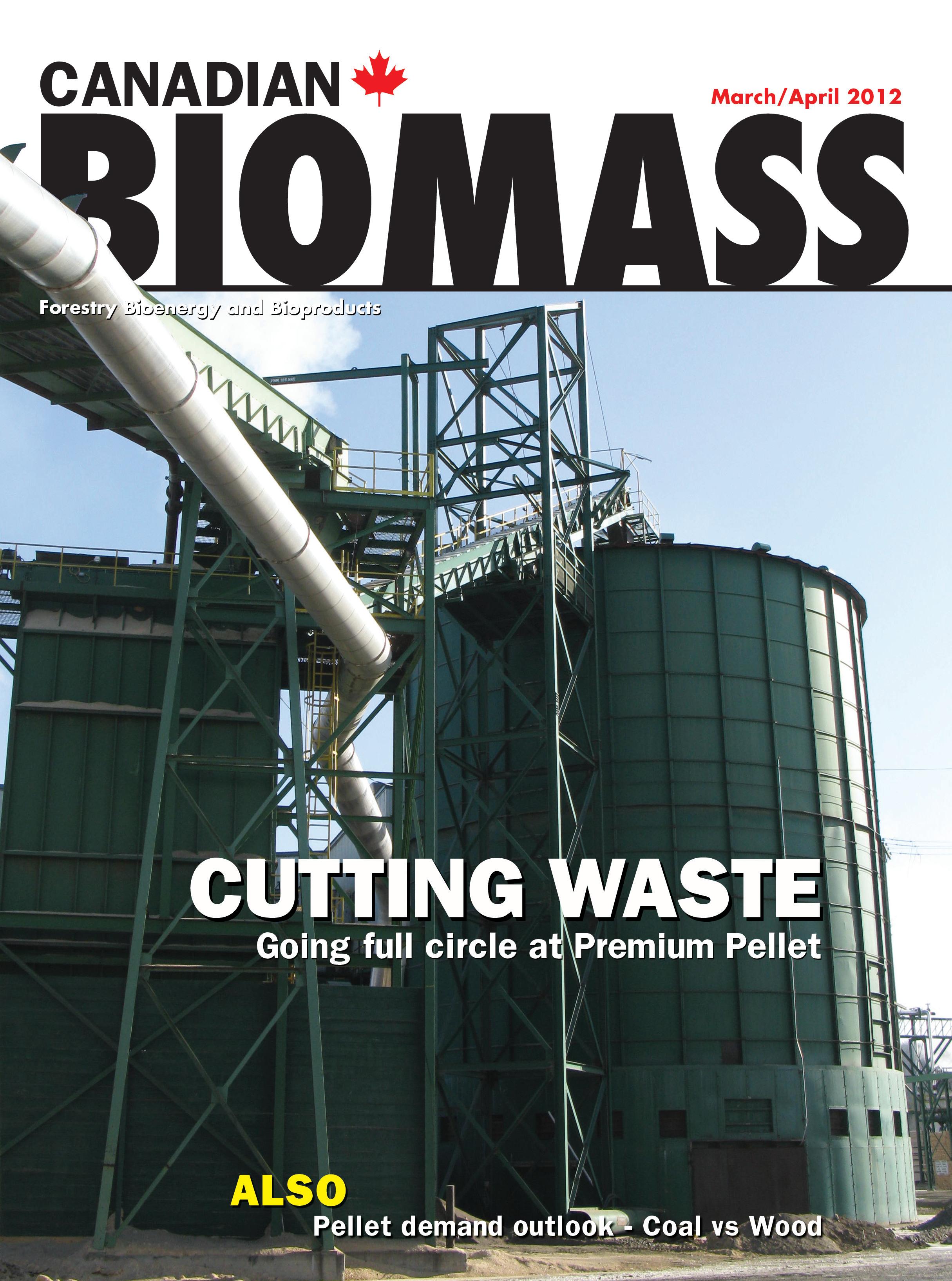
Premium Pellet and the Nechako group of companies are doing something different – using every last scrap of wood available to produce heat, lumber, pellets and power.
By David Manly
deep in the British Columbia forests, about an hour away from Prince George, Vanderhoof is a quiet town located near the geographic centre of the province. And just a few minutes outside of town is Premium Pellet Ltd., which produces high-quality and premium-grade wood pellets for industrial and domestic use.
Premium Pellet, established in 1998, is a subsidiary of L&M Lumber Ltd. (sawmill) and Nechako Lumber Company Ltd. (planer mill), which brings over 40 years of forest industry background to the table. All three companies are part of the Nechako Group, a fifty-fifty partnership between the Sinclar Group and local partners. All reside in the same complex located outside of Vanderhoof, British Columbia, which Canadian Biomass visited in February.
The expansion into pellets came from the group’s need to replace its beehive burner with a more environmentally responsible option. The first step was to add a wood-fired energy system to convert wood waste into heat for thermal oil for its lumber drying operations.
The goal even then was to turn an environmental liability into opportunity, by putting every part of the tree to use, as Alan Fitzpatrick, general manager and director of the Nechako group, explains.
“We were very similar to a conventional sawmill at the beginning – logs came in from the bush, were stored in the yard and were initially processed in the sawmill,” he says. “Then, lumber was sent over to
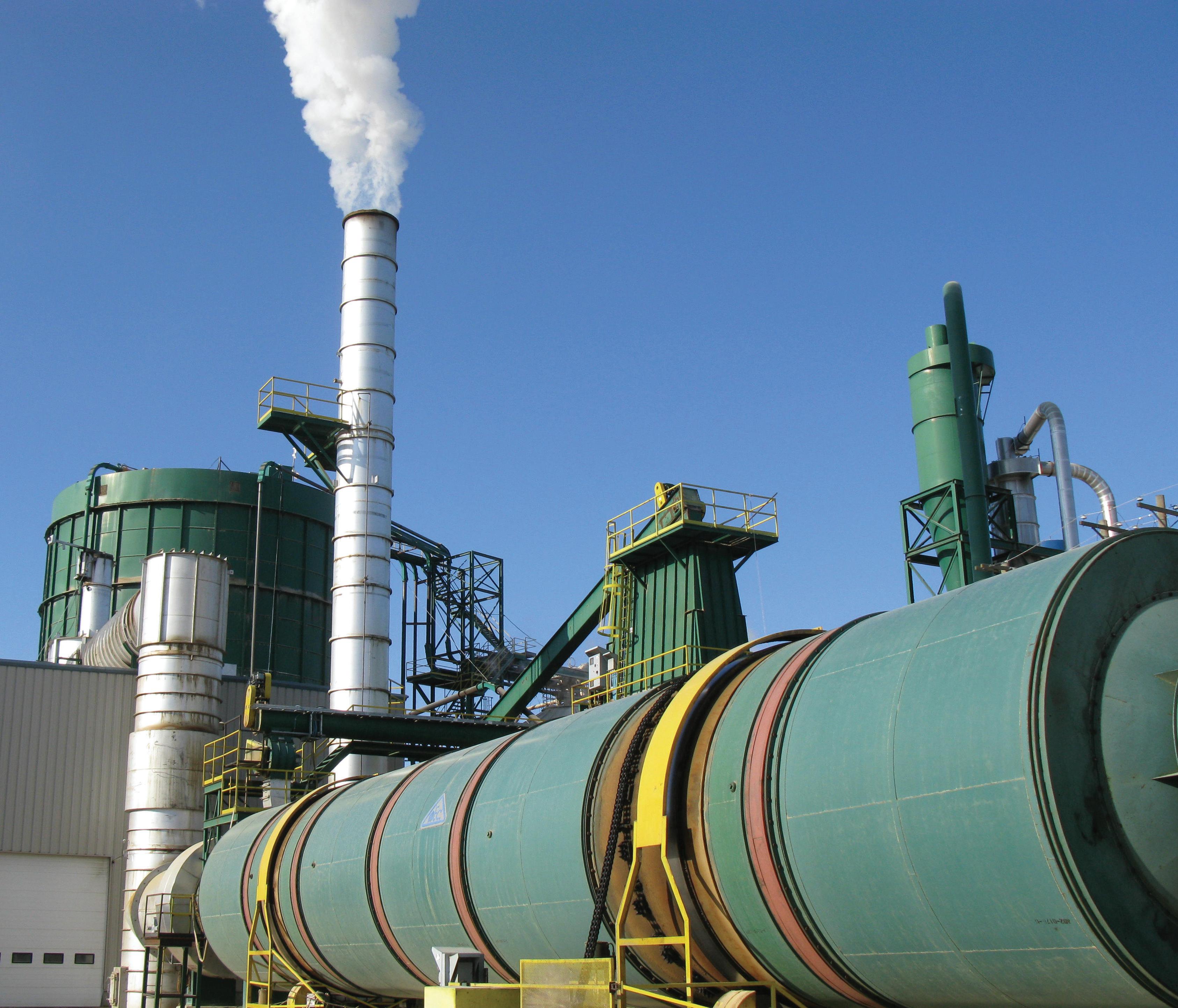
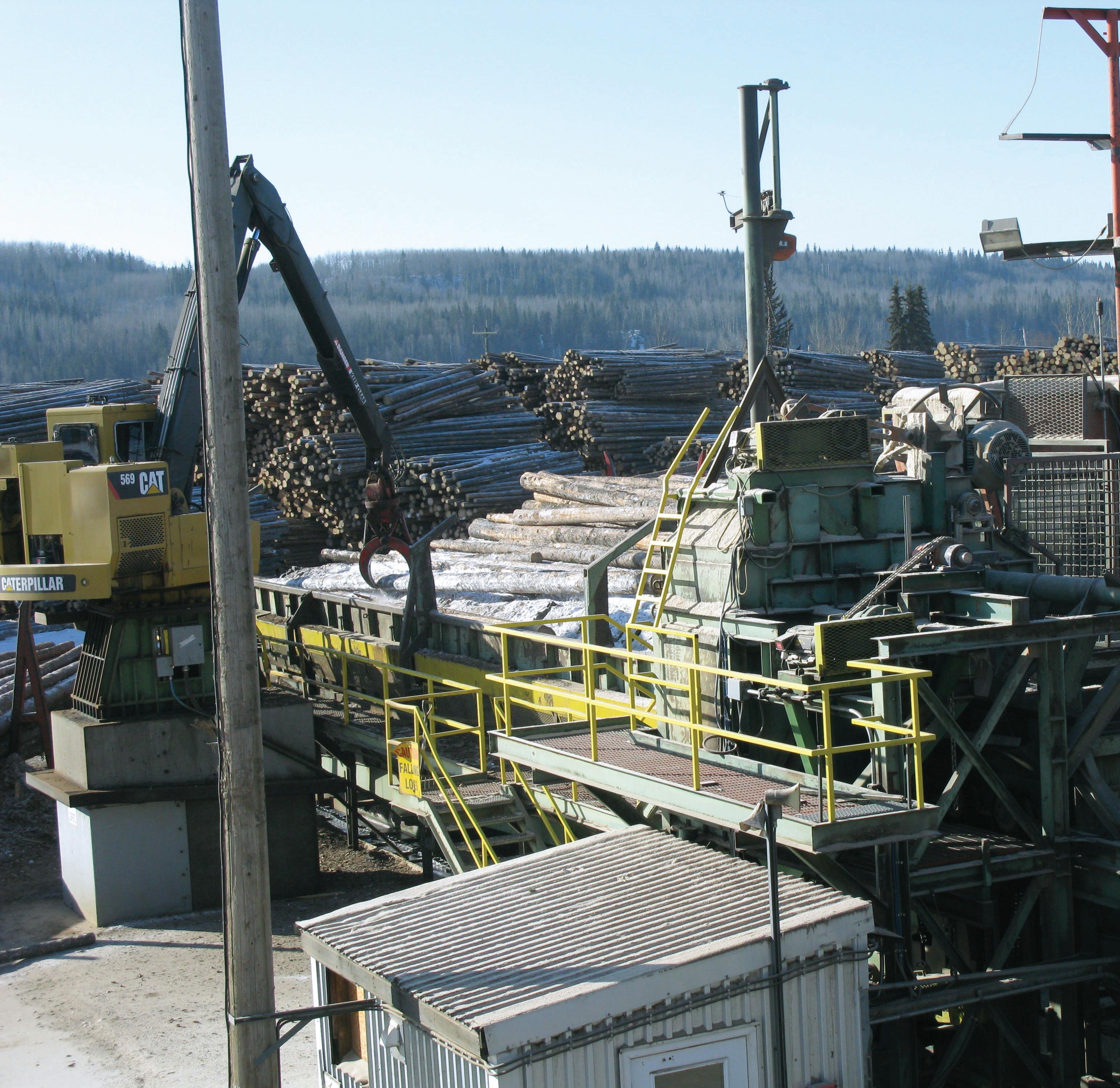
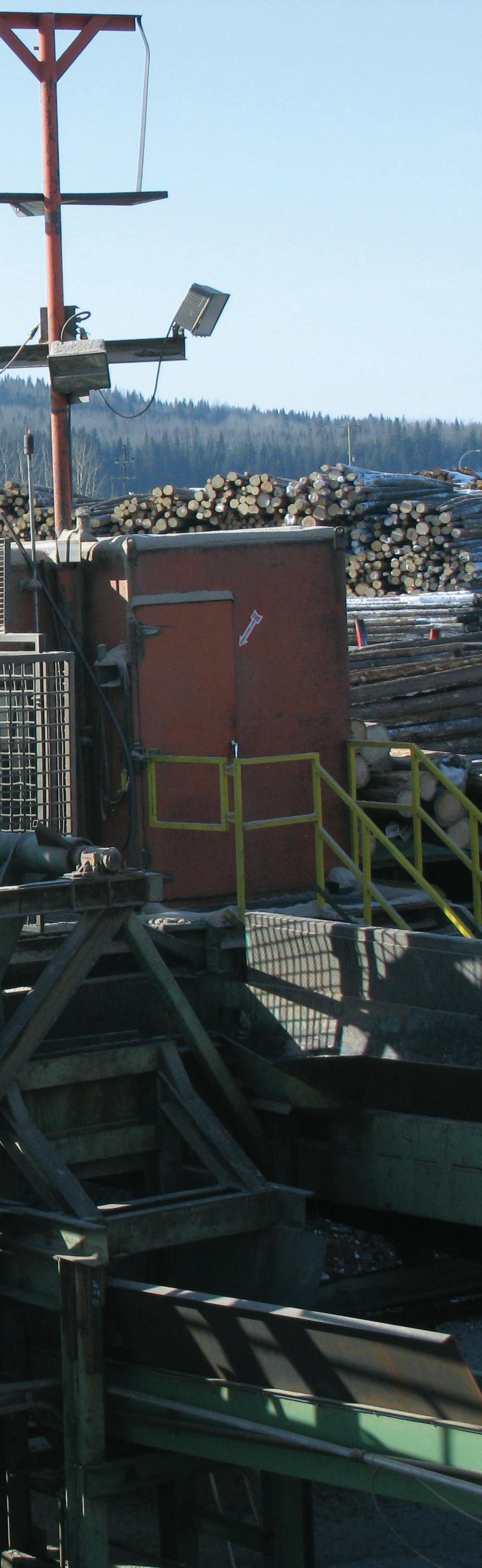
MAIN: Every part of the tree is used to create lumber, pellets or heat through processing from the Nechako group of companies.
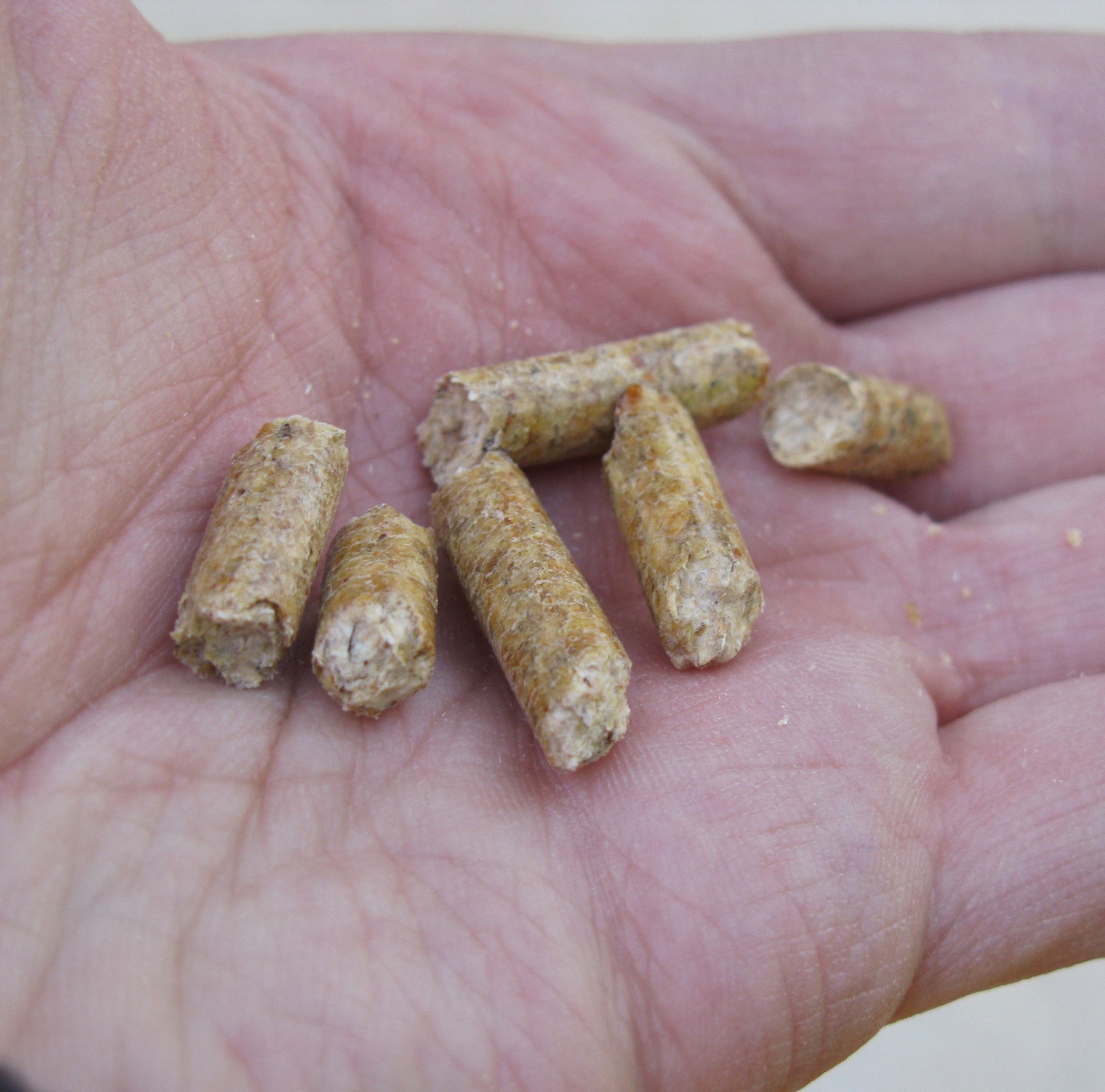
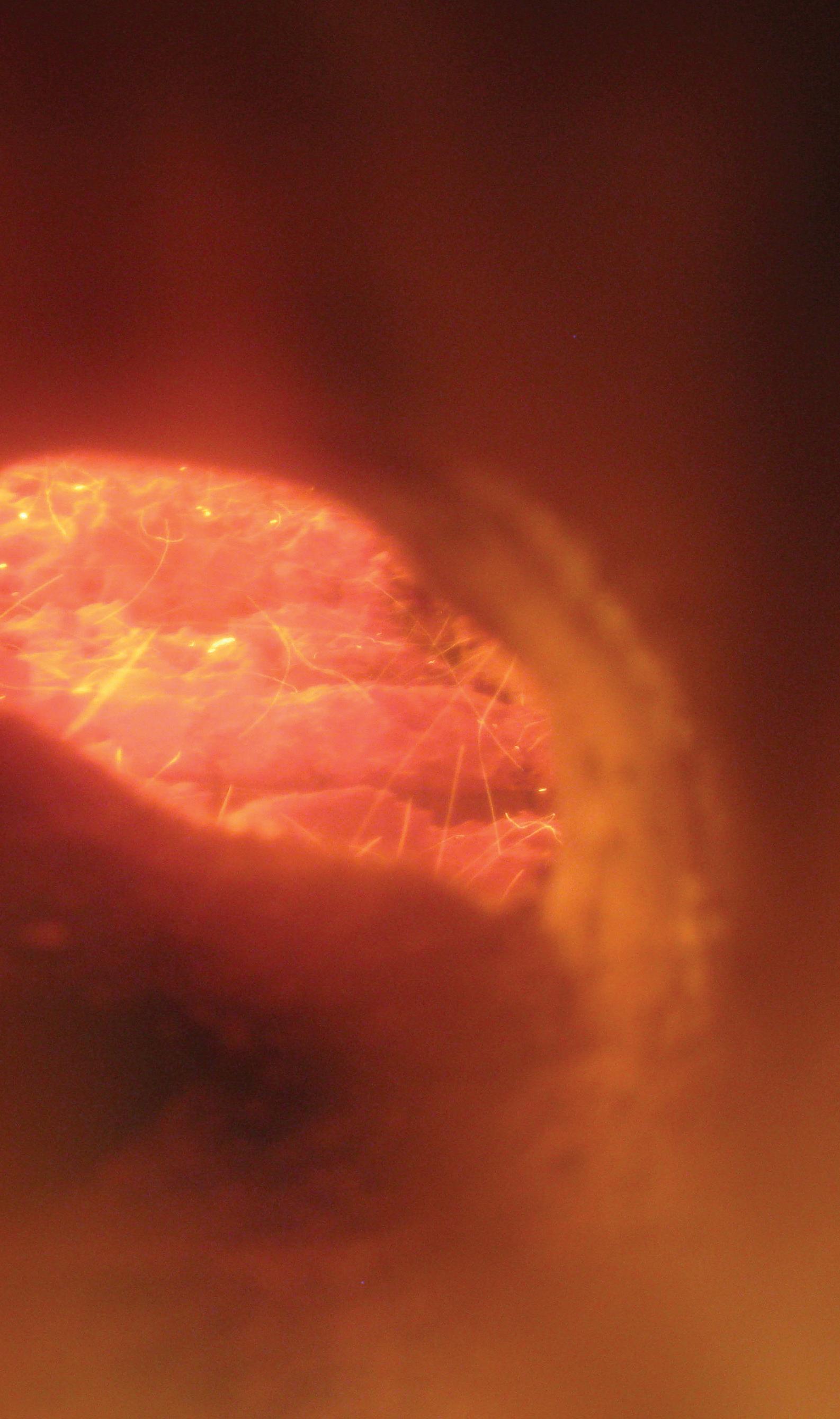
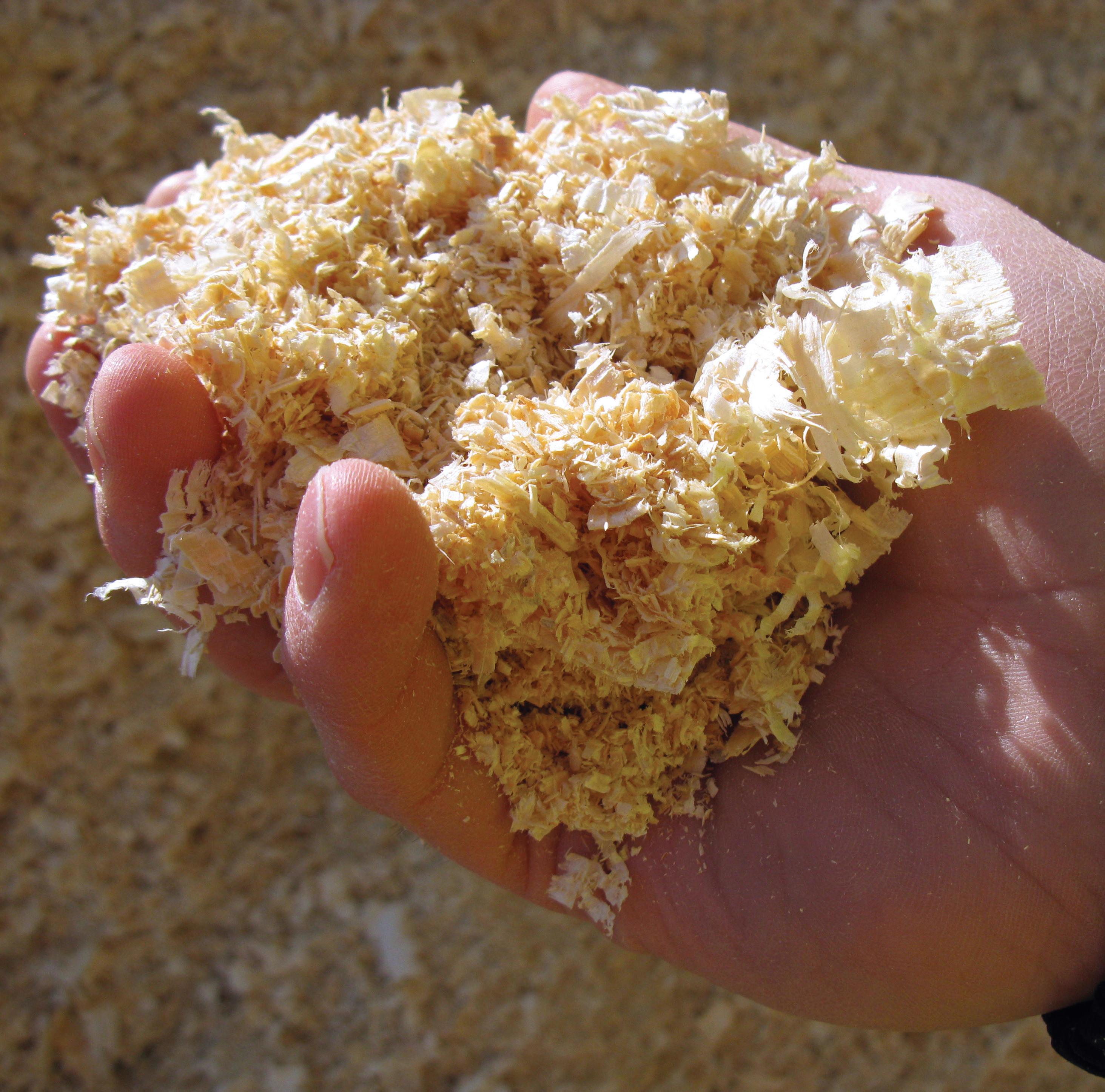
LEFT TO RIGHT: Premium Pellet Ltd., established in 1998, produces high-quality premium-grade pellets from sawdust and shavings produced locally; The pellets, once processed, are easily broken, and require cooling for the lignin to harden.; A small portion of white wood waste is burned to power the dryer, but Fitzpatrick hopes this will soon no longer be necessary, thanks to the use of the ORC.; The sawdust is composed of white wood waste and is used to both power the dryer and create pellets.
the dry kilns, dried through various sources and then the finished lumber was processed through the planer and shipped to customers.”
But, the company decided to change that precise mix by integrating its biomass directly into the sawmill cycle, instead of burning it and creating waste, as many other mills were doing at the time.
“Traditionally, sawdust, shavings and everything else that wasn’t lumber was burned. But 12 years ago, we stopped burning any of the sawdust and shavings and added an energy system, and step one was to use the hog [fuel] to heat the thermal oil to dry the lumber.”
Installed by Del-Tech, the system both monetized a waste stream and reduced the mill’s carbon footprint by drying lumber with wood rather than fossil fuels.
The next step was to put in the pellet plant and totally eliminate the need for burning and potentially releasing harmful substances into the air. The addition of the plant allowed the sawdust and shavings from both the sawmill and planer to be sent down to the pellet plant for processing into a sellable product.
“It began with only two Bliss pellet mills in operation back in 1999, which expanded in 2006 with the addition of two more mills as well as a dryer, and we started bringing in additional sources of sawdust and shavings from outside mills,” says Fitzpatrick.
Then, at the end of 2011, pellet press number five was added.
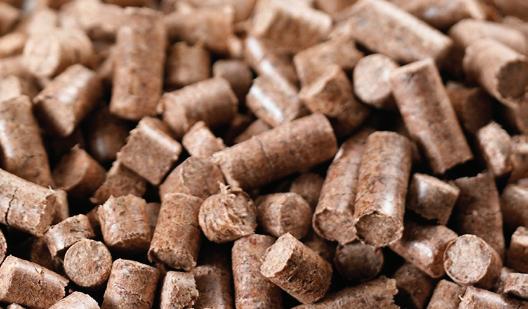
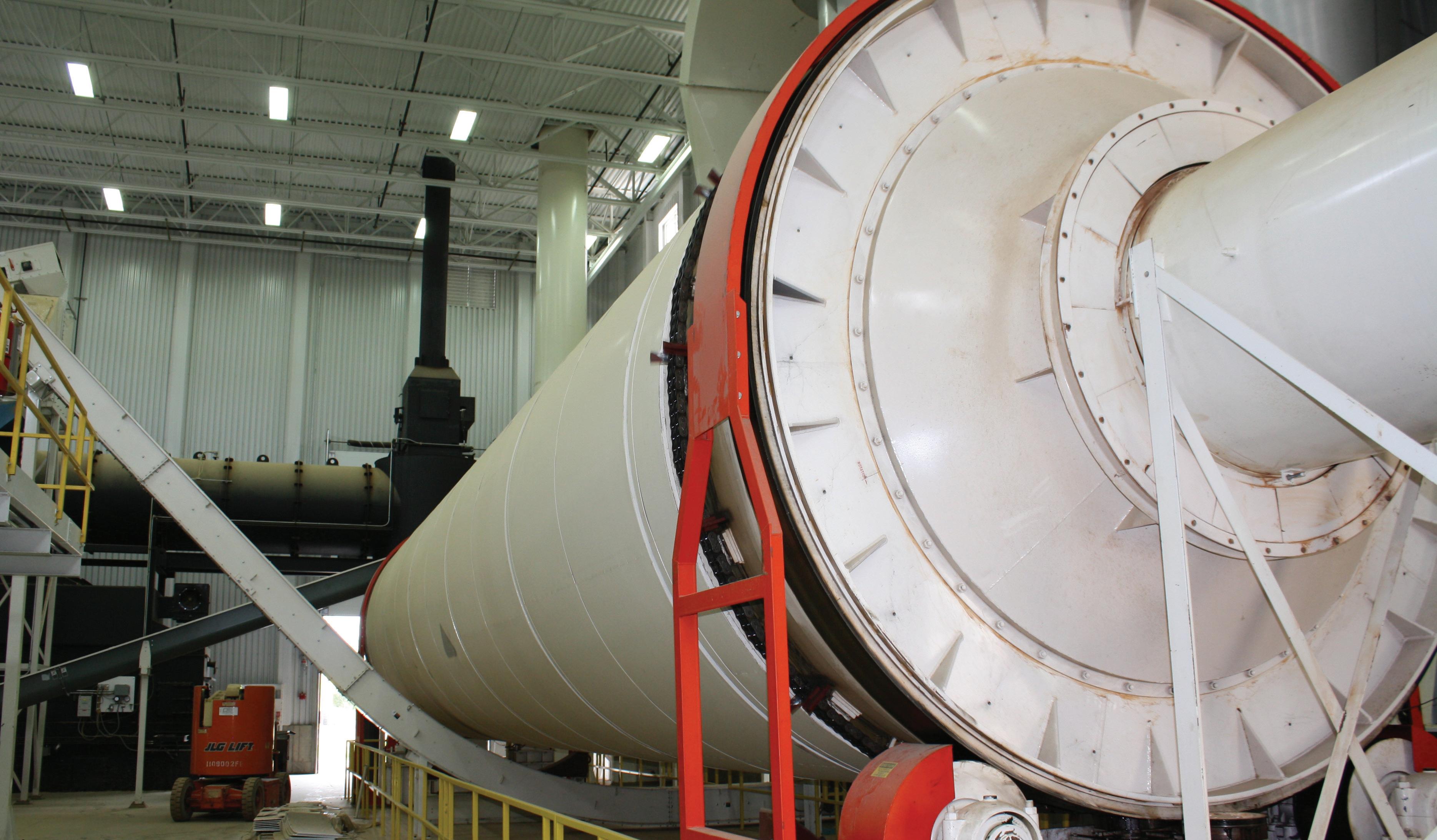
The MEC dryer in the plant is powered by burning a small portion of the white wood waste that is used to make the pellets, to make sure the wood is adequately dried to 6% moisture content, before being screened and hammered into evenly sized particles. Then, steam is added to pre-condition the particles, before extruding them into a soft and shiny pellet.
Robert Tar on, the chairman and president of the Wood Pellet Association of Canada and manager at Premium Pellet, says that the pellets at this stage are not done, and simply fall apart in your hand.
“They must be cooled down first to reset the lignin protein and form a hard and stable pellet that can be packaged, shipped and ultimately burned,” said Tar on.
Safety is paramount at Premium Pellet, and that is never clearer than when discussing fire and spark prevention and containment.
Premium Pellet uses two spark detection
Premium Pellet’s key tenet is making sure nothing is wasted, and this is achieved through computerized scanning and monitoring of all aspects of production through the sawmill, planer and pellet plant.
“We use all the hog, all the logs, there is no beehive burning being done … basically, we use everything of the fibre that comes in with a very low carbon footprint,” says Alan Fitzpatrick, GM and director at the pellet plant and lumber operations.
When logs enter the sawmill and are de-barked, they are scanned using a Comact OLI line with C1/C3 Scanner system. The primary breakdown system scans the logs for shape and a wide range of defects, creates a log breakdown decision, adjusts the cutting tools accordingly, and then re-scans and adjusts the log’s position on the fly, all in real time.
This high-tech emphasis on volume and value recovery continues throughout the rest of L&M Lumber’s operations, and into the Nechako Lumber planer mill, where trimmer optimizers maximize recovery around a host of defects, some specific to processing dry mountain pine beetle-damaged wood. In all of this, processing speed and piece counts are maintained at an extremely high level to remain competitive in today’s soft markets.
The companies have created a low carbon footprint, closed-loop operation where the highest value products are extracted using high-speed, high-recovery technology, and residuals are continually transferred to other value-added operations, from pellets to heat, and soon, power.
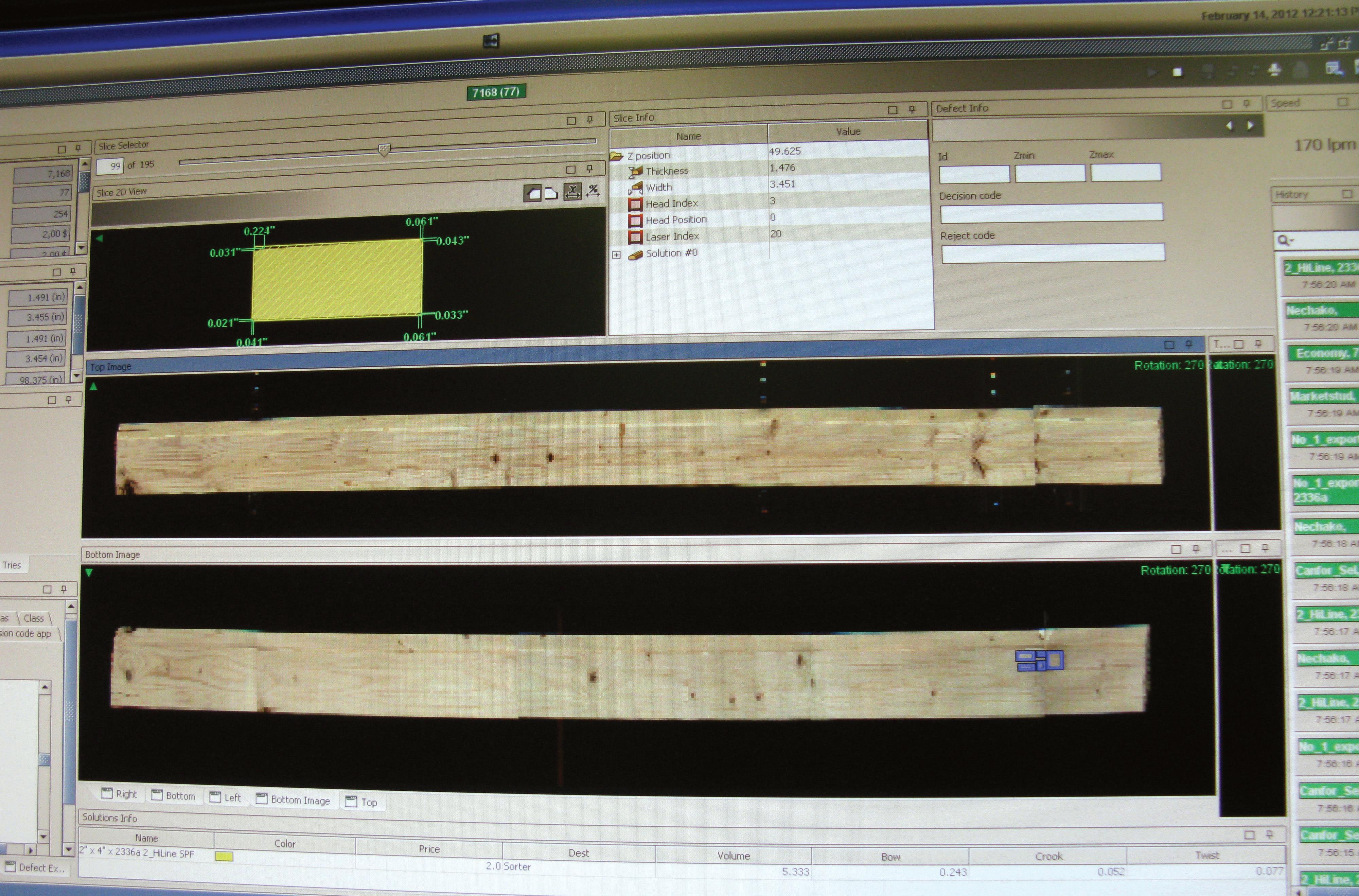
Logs are scanned and broken down using a Comact OLI line C1/C3 system, which scans for log shape, size and defects, creates a sawing solution, re-scans, and adjusts log position on the fly to maximize lumber recovery.
methods in the dryer and hammermills, Grecon and Firefly respectively, to make sure there is as reduced risk as possible.
There are four mill operators that manage the pellet production system, and they are responsible for the entire site operation while on shift. “This includes the management of incoming raw material, process flow, production and maintenance employees,” says Tar on.
“Our pellet mill operates 24/7 and runs four separate crews of four people on each crew, with 20 total employees.”
The pellet plant is also computerized,
with a wide variety of conditions at every stage of production that must be met to maintain the highest level of pellet quality possible.
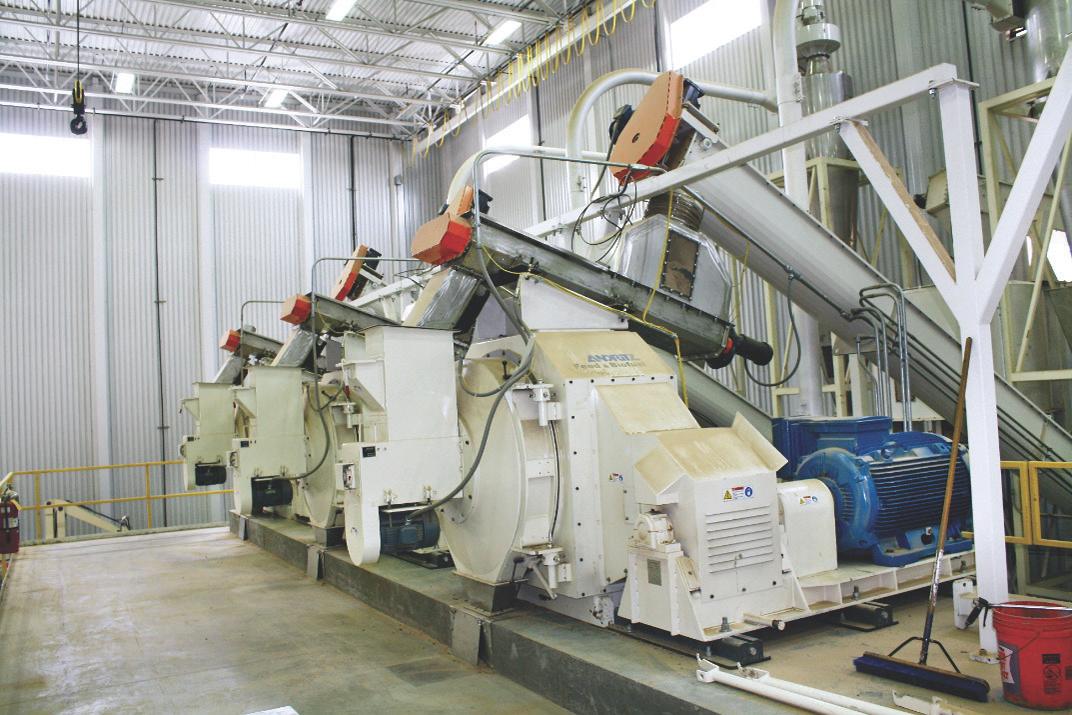
In October 2011, a series of upgrades were installed into the pellet plant to significantly increase production. The improvements included the addition of a fifth pellet press, changing over the variable frequency drives to the in-feed, as well as upgrading various motors to allow for greater throughput of raw material.
“I would like to say we did these upgrades for ambition, but it came down to the fact that we found we had the capacity to use more ma-
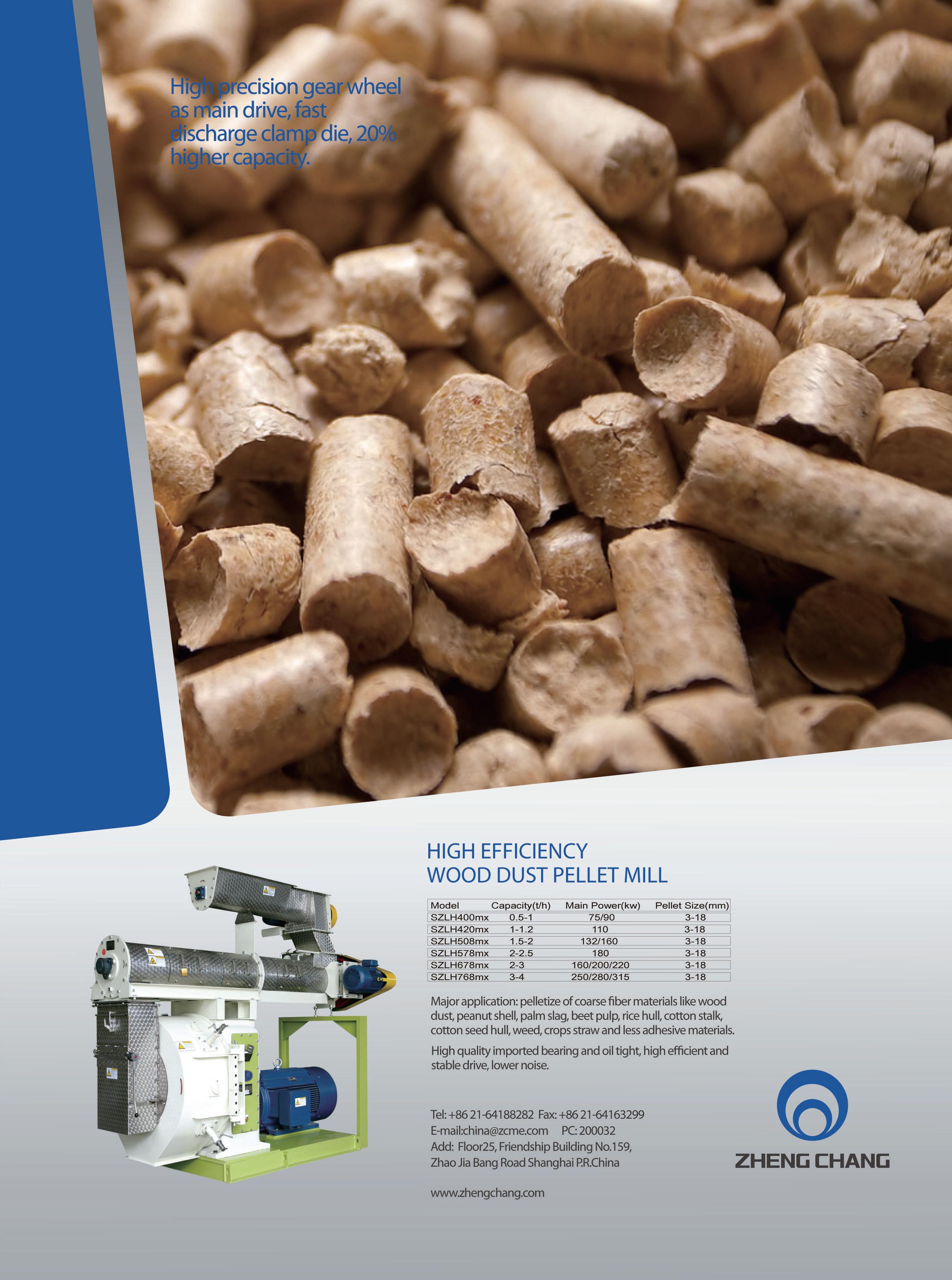
terial and produce more product – in today’s world, we must look to maximize every opportunity,” said Tar on.
However, with the addition of mountain pine beetle-killed wood to the supply, a new problem arose: increased dryness and a lot of excess heat. “We went from, in some cases, 36 hours of drying time in the kilns to as low as four [with an average of 12 hours]. So, we ended up with a huge amount of excess heat,” Fitzpatrick explains.
The problem could be treated one of two ways – cool the system down at a cost to the business, or channel the excess heat to be used somewhere else within the facility, possibly at a profit.
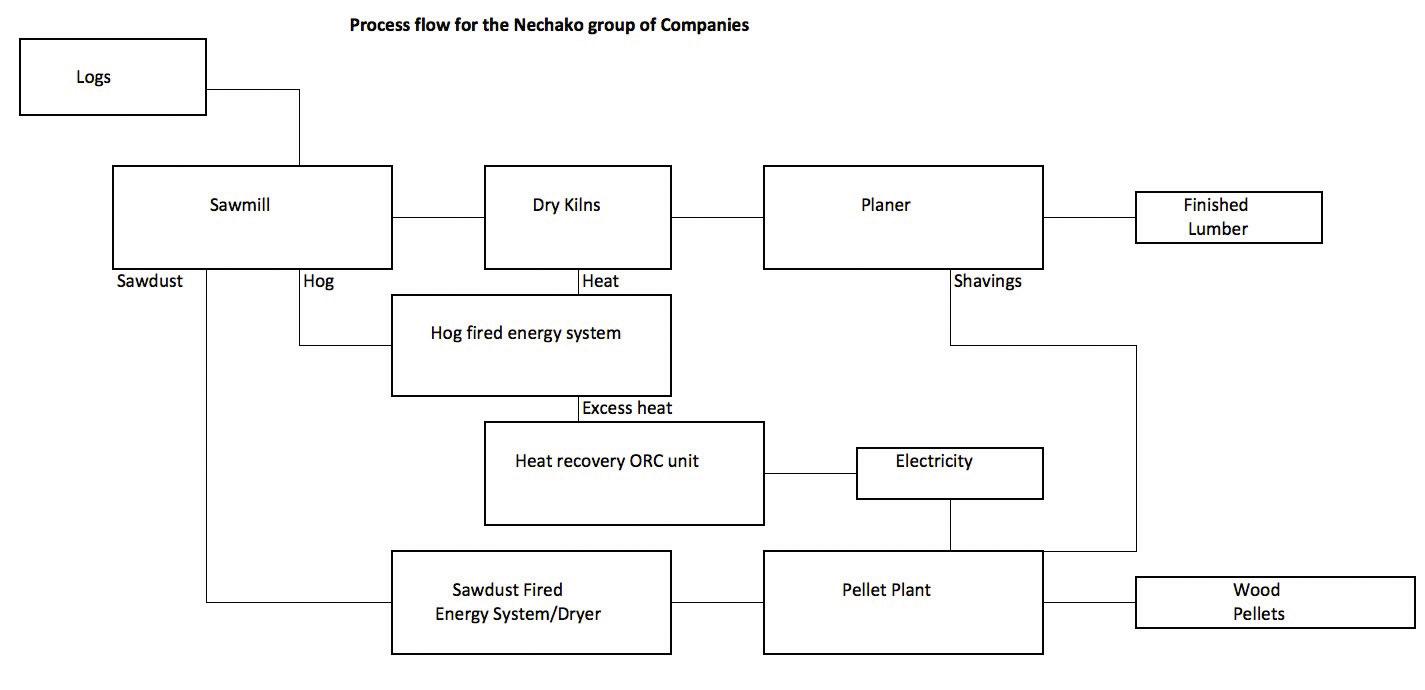
The solution came in the form of a new entity, Nechako Green Energy Ltd., of which Fitzpatrick is president. The $7 million project involves installing an Organic Rankin Cycle (ORC) generator by Turboden (a division of Pratt & Whitney), using its heat recovery capabilities to generate most, if not all, of the electricity needed to run the plant.
The new ORC system will take in the excess heat produced by the existing energy system, instead of having it transferred into the cooling tower to fan the heat and blow it out at cost.
“The ORC is a closed-loop system,” says Fitzpatrick, meaning no fluids are added or removed from the process. It also requires little to no maintenance.
The ORC works by applying waste heat to a dense fluid that vapourizes at a lower temperature than water and is blown through a turbine, generating electricity. The fluid is then cooled and condensed and brought back to the beginning of the cycle to complete the loop.
The implementation of the Turboden ORC at Premium Pellet is the first in Canada, and aims to be completed in fall 2012, according to
Fitzpatrick, with energy generation occurring almost immediately.
The ORC, in addition to providing muchneeded electricity and lightening the power load needed for the facility, can also have other uses within the company. The heat produced by the ORC could be used to heat buildings or even help pre-dry fibre destined for the pellet mill. And by eliminating that consumption at the pellet mill dryer, more sawdust can proceed into the pellet mill, producing more product.
Fitzpatrick adds: “When we’re finished putting all this [the green energy plan] together, every single bit of fibre and dust – dust extraction systems, baghouses, collection points for sawdust, shavings, etc. – that we use will get down to the pellet plant.”
The sawmill will also undergo a major addition, with $24 million to be invested to add a new state-of-the-art breakdown line in late 2012. “Once all the upgrades are complete,” Fitzpatrick continues, “we will harvest 850,000 m3 of logs and will produce 250 million board feet of stud lumber, 190,000 metric tonnes of pellets and generate electricity via the ORC.”
The entire sawmill, planer mill and pellet plant require approximately 5.3 MWh of electricity to function at maximum capacity, with the pellet plant requiring 2.5 MWh. With the addition of the ORC, which will be able to generate a maximum capacity of 2.2 MWh, the cost savings potential is significant.
“However, with some efficiencies we are working on in the pellet plant we can close that gap. We’re looking at changing some screen sizes, hammer sizes, and more efficient ways to run our machinery, which will decrease the capacity of the power load that is required,” says Tar on.
“So, we could actually end up in a balanced situation in which Nechako Green Energy will run Premium Pellet.”
A flow chart showcasing the distribution of power and heat for the green energy system composed of Nechako Green Energy, L&M Lumber, Premium Pellet and Nechako Lumber.
With all the lumber, sawdust and pellets being packaged and delivered to customers every day, sustainability is key, as is evident by Premium Pellet’s slogan –“Completing the cycle.”
The process begins with L&M Lumber, which harvests lodgepole pine and spruce logs from a sustainable forest base, as well as mountain pine beetle-destroyed trees that were otherwise doomed to rot or burn.
He adds that although Premium Pellet currently obtains residuals from existing production sites, such as Canfor and Conifex, nothing is guaranteed in such a volatile market. Therefore, other supply stocks are currently being investigated in preparation for the scenario where they might not have access to those materials anymore.
The pellet market, however, is steadily growing.
“We’ve gradually gone from a 50,000-tonne-per-year operation to a 110,000- and then to a 150,000-tonne-per year operation,” says Tar on. “And now, we expect a capacity of 185-190,000 tonnes per year of pellets produced.”
Only a small portion of the total product is sold domestically, about 15,000 tonnes annually in British Columbia, and approximately 5-7,000 tonnes in the northern United States. The bulk of the pellets are shipped overseas to European markets.
“The balance of our material is split between the U.K. and Northern Europe, and also to Italy – we have industrial pellets that are shipped to the U.K. and Northern Europe markets for power production, and we have a domestic product that goes to Italy that is to be rebagged and sold.”
While the market for biomass amounts to a slow burn instead of an inferno, the use of renewable energy and sustainable processing is what will allow such companies as Premium Pellet to thrive.
The cyclical nature of biomass production is something that Fitzpatrick is immensely proud of.
“Everything from one end of our facility to the other is used to create heat, pellets, electricity or lumber,” he says. “There is hardly any waste.” •
A closer look at the CO2 emissions debate.
By William Strauss and Laurenz Schmidt, FutureMetrics

FutureMetrics has published several papers on the efficacy of the Manomet Study and the methodology for modelling the carbon cycle. Our previous critiques were centred on assumptions regarding carbon debt and the timing of carbon recapture through sustainably managed forests.
In one of our papers we accepted the premise of the Manomet work; that combustion of wood releases more CO2 than coal by 34.6%. And what we have found with further research is that we were wrong for assuming that the Manomet data was correct.
We examined the CO2 emissions per million BTU for a variety of wood species and for four grades of coal. Although wood species densities vary, the output of
CO2 per million BTU (MMBTU) is consistent. On a dry basis, coal and wood yield very similar results in terms of the CO2 produced (in terms of kilograms of CO2 per unit of potential energy).
The results of our analysis show that wood is generally about the same or slightly lower in CO2 emissions on a dry basis, but both wood and coal do not naturally have zero moisture content (MC).
The typical moisture content of coal is:
• Anthracite coal : 2.8% - 16.3% by weight
• Bituminous coal : 2.2% - 15.9% by weight
• Lignite coal : 39% or more by weight
It is the water that causes CO2 emissions to increase over the dry weight. The underlying cause that drives this is “the enthalpy of vapourization.” In simple terms, it takes energy to evaporate the wa-
ter in wood or coal and convert it to vapour, and all of that energy is sent out the chimney and into the atmosphere in the form of water vapour, unless a condensing boiler is used which may claim part of the escaping energy. To get a million BTUs of useful energy from the fuel, a larger mass of wood or coal is necessary to compensate for the losses from vapourizing all that water. And more wood/coal burned means more CO2 produced.
With coal, the higher water content grades also have lower carbon content and higher volatiles. The net effect of this is that, on average, CO2 outputs are rela-
Studies have said that the burning of coal releases less pollutants than the burning of wood, while others say the reverse is true.
tively consistent across grades.
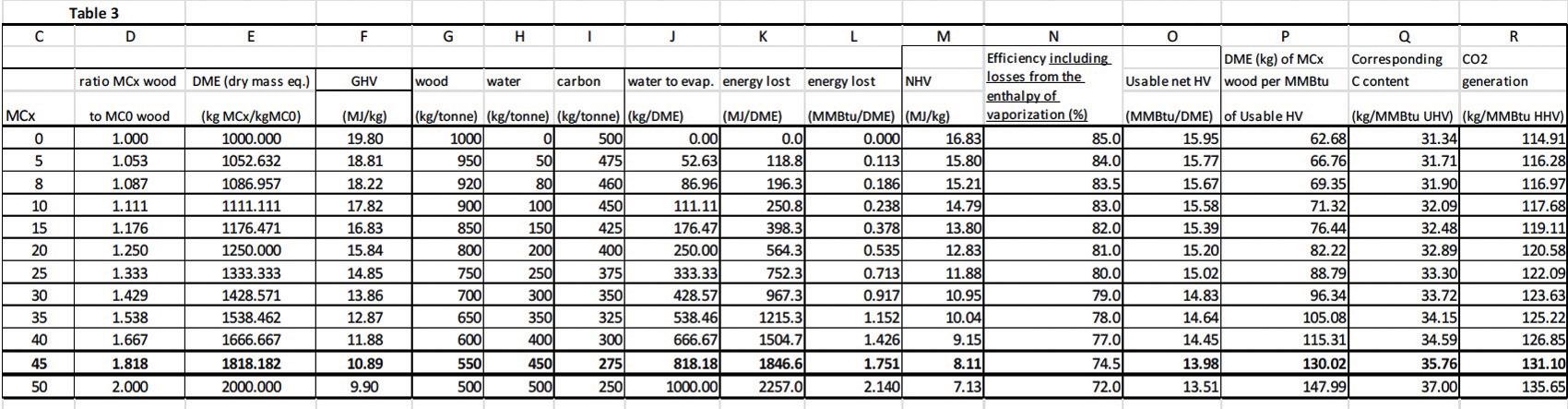
The table shows the CO2 production for wood from 0 to 50% MC. The Manomet study used a figure of 45%.
At 45%, the combustion of wood yields about 9% more CO2 per unit of useful energy than an average of the coal grades’ outputs. While still more than coal, this is significantly less than the 34.6% difference that drives the Manomet “debt-thendividend” model.
This also illustrates how each location will have different outcomes. Coal grades, wood species, moisture contents of both coal and wood, and boiler efficiency, will
all yield unique metrics.
While we stand behind our logic on the carbon neutrality of wood combustion (with the sustainability constraint as the essential foundation of that logic), we also have shown here that dried wood at a moisture content (MC) of below 20% have the same or less CO2 emission per MMBTU as most coal. Wood pellets under 10% MC result in less CO2 emission than any coal under equal circumstances.
Interestingly, it would appear that if a conventional low-efficiency biomass power plant were to use what is otherwise waste heat from the condenser cooling
For the separation of particulate matter, centrifugal separators for pre-separation and dry electrostatic precipitators for final cleaning represent the best available technology. Take advantage of our single source system solutions.
• Single and multi-field ESPs
• Fabric Filters in combination with Dry Sorption Processes
Our extensive industry experience ensures the most reliable design and economical operation.
loop to pre-dry the fuel, it would lower the net CO2 output per unit of useful energy produced. The same technology may also apply to pre-treat lower-grade (wetter) coal.
In conclusion, wood in a low moisture content state has lower instantaneous CO2 emissions per unit of energy produced than coal. As we have clearly shown in our previous papers, with sustainable working forest management, the recycling of carbon from wood combustion is virtually instantaneous and continuous, and therefore the net stock of CO2 in the atmosphere from the combustion of wood is not increased.•
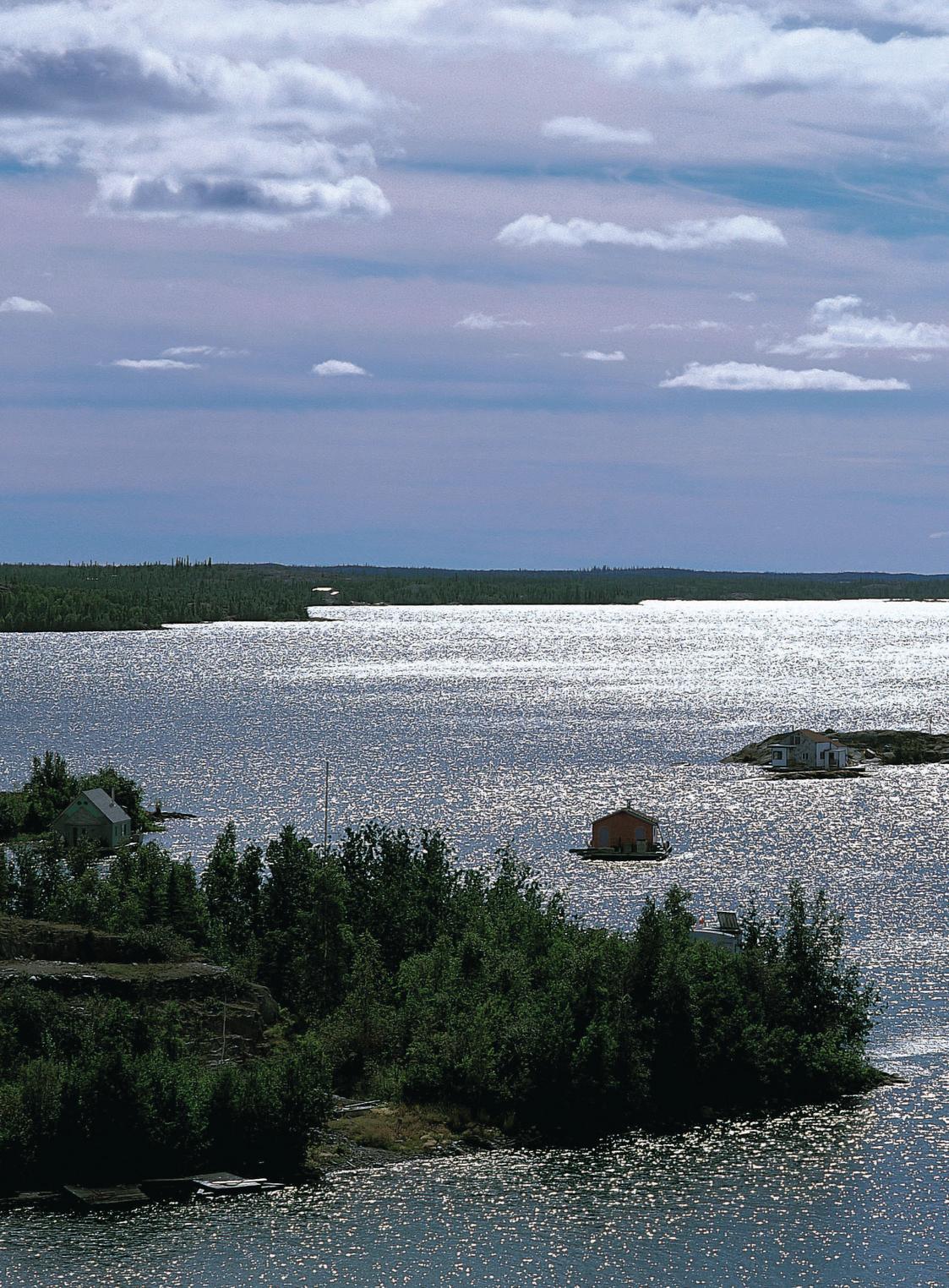
With more than 230 pellet boilers in operation, Yellowknife has become Canada’s unexpected pellet capital.
By Jack Danylchuk
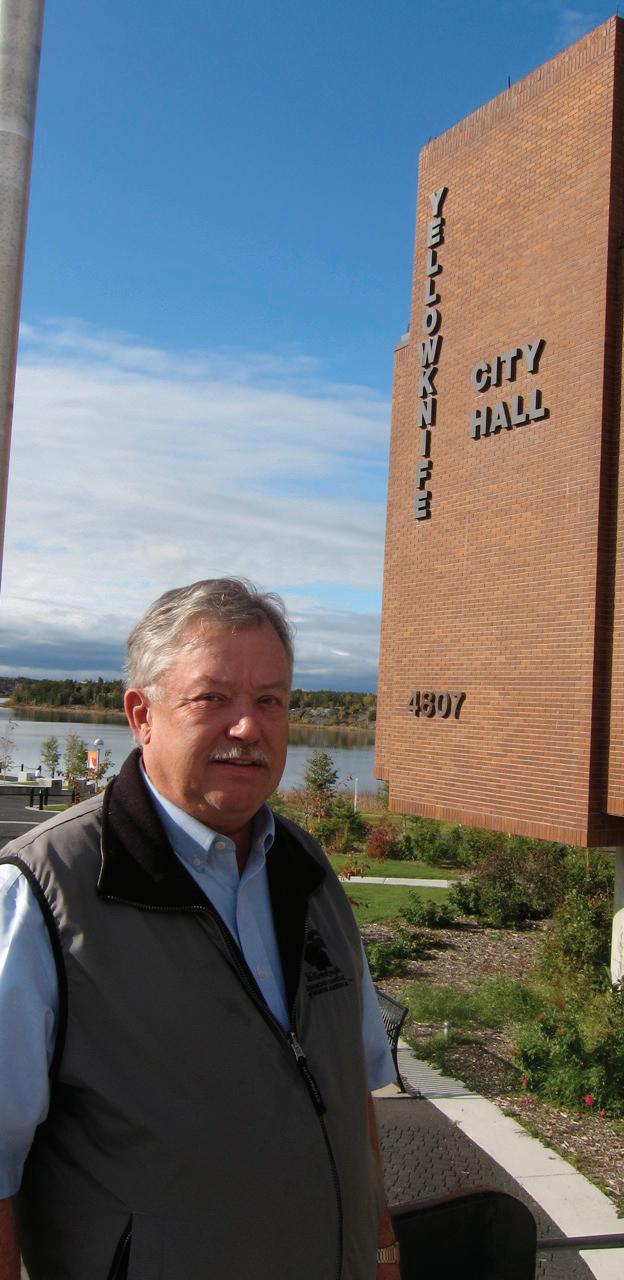
MayorGordon VanTighem delights in the fact that tourists who visit Yellowknife, North America’s diamond capital, are also unintentionally visiting the pellet boiler capital of Canada
Being 1,000 kilometres north of the nearest oil refinery, Yellowknife lives on the front line of volatile fossil fuel prices. A decade ago, a small factory owner thought wood pellets might be the answer to his dilemma of providing a constant flow of air to his shop without breaking the bank.
Bruce Elliott experimented with wood pellets, concluded there was a business in it, and five years ago sold the territorial government on his vision. “It took a bit of convincing, but once we showed them it worked, their response has been good,” said Elliott.
The first project was the North Slave Correctional Facility in Yellowknife, where Elliott installed the boilers and, under a 10-year contract, sells the heat to the government below the current price of fuel oil.
“It has cost them nothing, and they get green energy.”
Prior to the summer of 2008, oil prices were more than $1.20 per litre, resulting in payback periods as low as three to five years for converting to wood pellets. The government moved quickly to take advantage of the savings, converting many of the buildings in the capital, including the Legislative Assembly. With the current high cost of fuel oil in Yellowknife, biomass-heating projects are reducing the cost of heating 40 to 50%.
According to government estimates, by the end of 2011, Yellowknife’s oil consumption will be reduced by more than two million litres annually. But the potential for savings is even greater, says a report by the Arctic Energy Alliance: “If ev-
ery public building within Yellowknife was heated by wood pellets, the demand would be 200,000 tonnes per year. A further 1.5 million litres of heating oil could be displaced in government buildings throughout the NWT.”
John Carr, a spokesman for Arctic Energy Alliance, said the regulatory system is still learning and there have been some questions about building code compliance.
“There has been a learning curve, but everyone is getting familiar with it. They see now that it works, that it’s safe and economical.”
The government has invested $60 million in weaning as many of the Northwest Territories’ 45,000 residents off fuel oil as possible, providing incentives to businesses and homeowners to convert to pellet boilers.
A recent government study found that pellet fuel consumption in the Northwest Territories is approaching 18,000 tonnes/ year – still well short of the estimated 30,000 tonnes needed to support a pellet mill, but Yellowknife’s plan for a district heating system could fill the gap.
The city signed a memorandum of understanding with Corix Utilities last summer for a $60.4-million community energy project that would heat 39 downtown buildings with a mix of wood-pellet boilers and geothermal heat from a defunct gold mine.
The territorial government plans to convert as many of its buildings to pellet heat as is practicable, and Northern Property REIT, the territory’s largest landlord, is taking the same course, boosting demand.
The current need for pellets in the territory is met by mills in La Crete, Alberta, and northern British Columbia, where the forest industry is harvesting trees destroyed by insects.
The NWT Biomass Energy Strategy two years ago released aims to “work with the private sector and Aboriginal development corporations to identify viable business models to produce pellets and/or woodchips in the NWT.”
Producing wood pellets at a competitive price would help stabilize the territory’s supply of pellets, said Jim Sparling, manager of climate change programs with the Northwest Territories department of Environment of Natural Resources.
“If you’re buying in bulk [pellets] from La Crete, you can get them delivered in Yellow-
knife for about the equivalent of 60 cents/ litre for heating oil right now. But there are some concerns about the long-term sustainability of that,” said Sparling.
Environment minister Michael Miltenberger said “as we convert ... more government and commercial buildings, and as the price of oil goes up, it will be more and more attractive. We just have to make sure that it’s done in the right way in the right place where we have sustainability of supply.”
Two Fort Simpson businessmen hope to
create the first made-in-the-Northwest Territories supply of wood pellets. Wayne McKay and Ivan Simons have a $100,000 grant from the government to build a 1,000-tonne-capacity mill.
Elliott’s company, Arctic Green Energy, brings three B-trains of pellets a week to Yellowknife from La Crete, and he has looked at the economics of manufacturing pellets.
“Thirty per cent of round wood is lost to drying, so it’s not really profitable unless it’s run with a sawmill,” said Elliott.
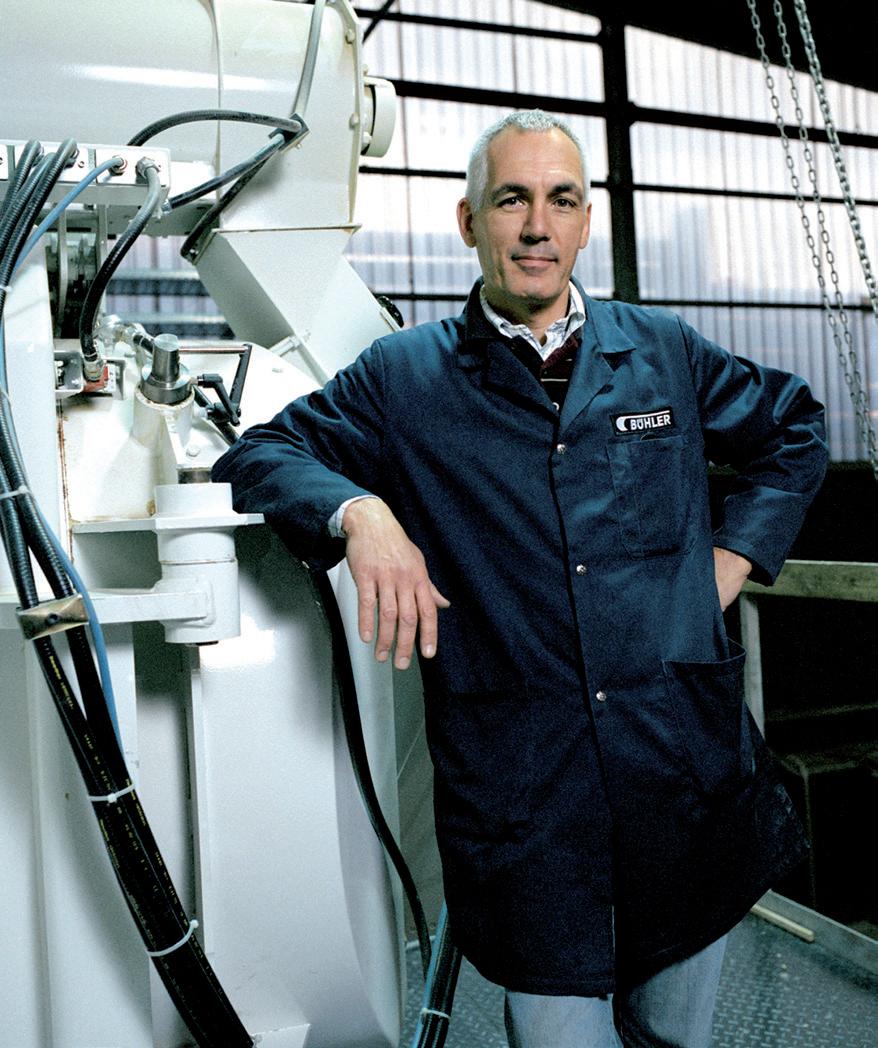
Quality pellets, guaranteed. For perfect pellets the entire production system must work together flawlessly. Bühler enables total process control by providing a complete process design package and key equipment for drying, grinding, pelleting, cooling, bagging and loading. This, combined with Bühler ’s integrated automation system, unrivaled after sales support and training provides a seamless solution, guaranteed.
Vis it us at the International Biomass Conference & Expo - Booth 213 April 16 th - 19 th, 2012; Denver, CO.
Bühler Inc., PO Box 9497, Minneapolis, MN 55440, T 763-847-9900 buhler.minneapolis@buhlergroup.com, www.buhlergroup.com
Innovations for a better world.

LEFT: Bruce Elliott with the pellet boiler Arctic Green Energy uses to heat the North Slave Correctional Facility. The boiler was the first in Yellowknife and opened the eyes of the city and territorial government to the possibilities of biomass fuel.
RIGHT: Gordon Van Tighem is proud to be the mayor of Yellowknife, which possesses the largest number of wood pellet boilers of any community on the continent.
“La Crete is struggling because of its distance from major markets. We’re relatively close to them competing with other southern manufacturers.”
Elliott says he is looking at a cheaper product, but won’t disclose what that is and is also promoting combined heat and power projects for smaller communities that rely on diesel generators.
“We can do that cheaper than oil,” he said. “We’ve done a proposal for the government. The communities can use feedstock they have on hand – fire-burned trees and quick-growing willows to generate sustainable biomass and portable chippers. Boilers will burn chips, not pellets.” •

Withonly a few short months left to go until the International Bioenergy Conference and Exhibition, in Prince George, British Columbia, announcements are coming fast regarding exhibitors, speakers and attendees. The theme for this year’s conference is “Growing the Bioeconomy.”
Sessions at the conference will discuss a wide variety of topics that are important to bioenergy producers and stakeholders. The speakers include:
• Hon. Steve Thomson: Minister of Forests, Lands and Natural Resource Operations, Government of British Columbia
• Christiane Egger; Deputy Manager, Upper Austrian Energy Agency, Austria
• Dave Lovekin: Senior Project Manager,
Pembina Institute, Canada
• Michael Weedon: Executive Director, BC Bioenergy Network, Canada
• Klaus Trattner: Managing Director, Andritz AG, Austria
• Bengt-Erik Lofgren: CEO AFAB, Sweden
• Pernille Overbye: Market Manager, Ramboll, Denmark
• Rob van Adrichem: Vice President External Relations, University of Northern BC, Canada
• John Swaan: Development Manager, Horizon Bioenergy, Netherlands
• Kristin Cofrancesco: Sales and Development Manager, Pratt & Whitney, United States
• Larry Taylor: President and CEO, Altentech Power Inc., Canada
• Graeme Bethell: CEO, Gussing Renew-
able Energy North America, Canada
• Gordon Murray: Executive Director, Wood Pellet Association of Canada
• Jim Girvan: Principle, MDT Ltd., Canada
• Phil Cull: Sourcing Director, Offsetters, Canada
• Robert Gray: Principle, RW Gray Consulting, Canada
• Stephen Bearss: Renewable Energy Representative, Fink Machine, Canada. These are only confirmed speakers for the conference which runs from June 13 to 15, 2012 at the Prince George Civic Centre, with more to be present at the event.
Look for more on the conference in future issues of Canadian Biomass, as well as online at www.canadianbiomassmagazine. com. •
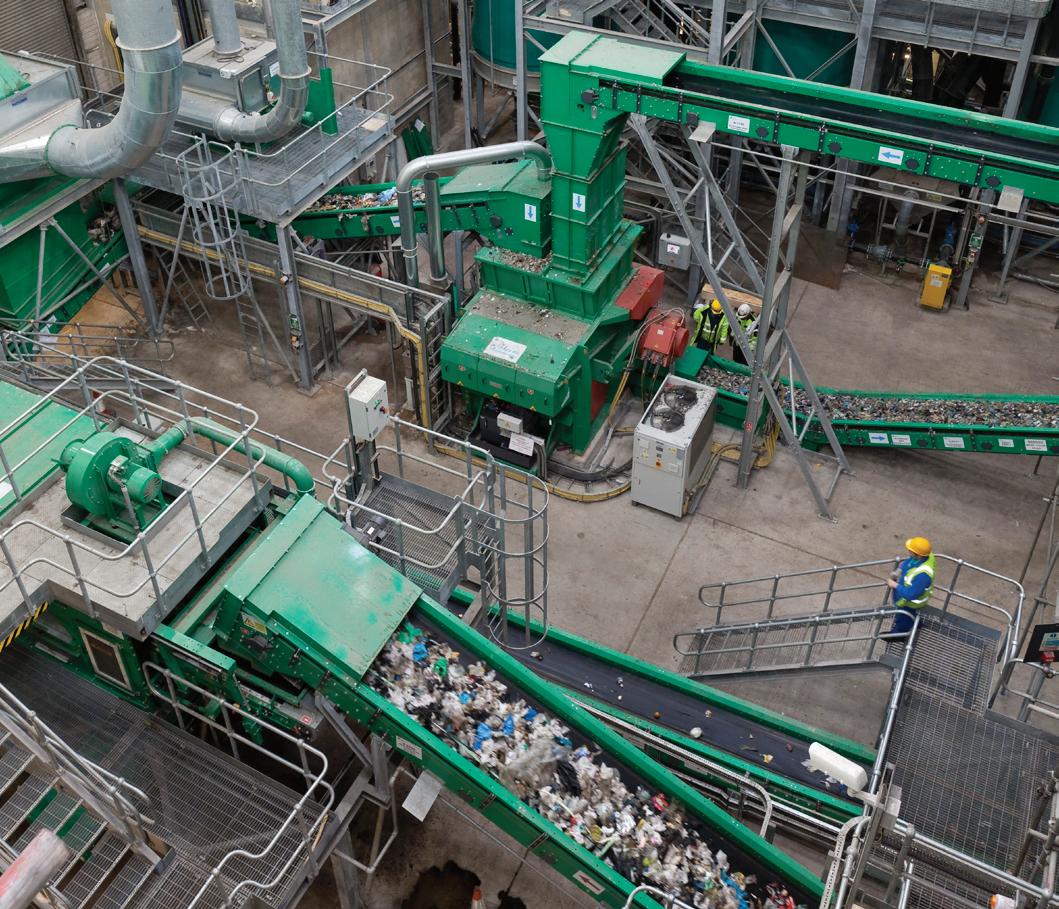


A worldwide leader in size reduction technology, Vecoplan works with individual customers to design, engineer, manufacture and implement technologically advanced, material specific, and application specific shredding, ferrous and nonferrous removal, size and density separation, screening and classification technologies and extremely efficient conveyor and bulk material handling, metering, storage and unloading technologies.
Contact Vecoplan today to learn more about our existing systems or to arrange a visit to one, or several, of our installations.
By David Manly
atthe Bioenergy Conference & Expo held at the end of February in Georgia, a host of industry and business professionals met to discuss the growing interest and potential of biomass.
At the morning keynote session on the first day, a number of individuals presented on issues facing the bioenergy business: international markets, growth potential, manufacturing and job growth.
The first speaker, John Keppler, chairman and CEO of Enviva LP, focused on how best to expand the biomass industry onto the international stage.
According to Keppler, the best way is to focus on the main tenets of any manufacturing business – sustainability, safety, reliability, policy and risk management
“We have a great story to tell,” he said, “but it all starts on the ground, with the guys in the boots planting trees.”
The second session was presented by Jim Imbler, president and CEO of ZeaChem Inc., on the similarities between wood energy and oil.
His company is working on ways to maximize the biomass harvested from trees, as well as decreasing the amount of storage time in silos by harvesting and putting the biomass to use as soon as possible. This is being accomplished, he said, by investigating alternative sources of biomass, such as eucalyptus and poplar, which have a shorter growing cycle than traditional timber.
In the third address, Steven Walker, president and CEO of New England Wood Pellet, discussed the hard realities of pellet manufacturing. He stated that safety is paramount, and should be one of the biggest expenses.
Walker stated that more than 50% of pellet plants in the northeastern United States are gone due to the huge prevalence of bad information. There is always a learning curve associated with a successful business, he said, but the key is to benefit from it and move forward.
The final keynote of that morning addressed the commitment to biomass within the state of Georgia, which has among the highest volumes of biomass in the United States. Jill Stuckey, director of the Georgia Center of Innovation for Energy, said that the state has more than $1 bil-

lion worth of announced projects in the pipeline.
One regular session of note that morning focused on recent research surrounding ways to make torrefied pellets that are as resistant to moisture as possible, while still maintaining their firm structure, energy capacity and price.
Dr. Venkata Penmetsa from the college of forest resources at Mississippi State University spoke about developing a water-repellent binder that will increase the amount of product that can be compressed into a pellet or puck, while still allowing it to maintain its impressive qualities and not increasing the price too drastically.
“What we have found is that the cost of the binder is only four to five dollars per tonne of pellets,” said Penmetsa. “And you can use pretty much anything to make a pellet, such as dust or prairie grass, since the binders are continuously improving.”
Using a 2% solution of binder to wood, the finished product could be compressed up to 764 psi (was torrefied at only 300 degrees), he said. As well, after being submerged for 14 days, it retained its shape and lost only 30% of its compressibility.
Most impressively, by adding the 2% binder solution, the overall BTU released from the torrefied pellets increased by approximately 5% (from 18 to 19 MJ).
The first presenter of the afternoon keynotes, Peter Vyncke, CEO of Vyncke Energietechniek, discussed viewing biomass energy production from a global perspec-
tive. Using his 100-year-old European company’s business plan as an example, he stated that they have plenty to teach those countries that are just starting out.
“You can learn from us,” he said, “ as we’ve been in business for 100 years. So, a successful biomass business can be done!”
The second keynote was by the president of FutureMetrics, Dr. William Strauss, who discussed the continuing emissions debate between burning wood and coal. The problem is that the studies that have stated that wood releases more CO2 emissions than coal possessed a few significant errors, he said.
“The combustion of wood from a sustainably managed forest is carbon neutral,” said Strauss. “You must look at the whole growth cycle, not simply post-harvest.”
He added that not all harvesting processes leave the area barren of carbon, as residuals such as stumps and slash will help recoup some, but not all, of the carbon lost.
The final keynote of the afternoon was a look at the future of biomass in North
America by Seth Walker, the associate bioenergy economist with RISI, which used statistical models to determine the approximate state of the bioenergy and biofuel markets in 2016.
Through looking at announcements from companies, they predicted that over 200,000 pellet stoves could be used in the United States by 2016, with a consumption of 10 million pellets. They also predicted that cellulosic biofuels would be commercialized within the next five years, as, once proven effective, the production will skyrocket.
“The entire industry has the ability to double in size [of products consumed] in the next five years,” concluded Walker.
However, he warned that there are a number of hurdles to get over, such as the NIMBY (Not In My Backyard) movement, as well as the difficulty obtaining financing and power purchase agreements.
During the second day of the conference, there were a series of sessions exploring
the difficulties associated with obtaining, utilizing and optimizing resources in a biomass facility.
Robert Synk, the manager of products with The Parton Group, discussed the complicated nature of how to maximize biopower availability to meet the ever-increasing demand. His solution was to expand the definition of what “biomass” is to include timberwood resources that are left underutilized from the solid wood manufacturing and pulp and paper industries.
“By expanding the biomass definition, there will be four times more biomass available if it includes whole-tree chips and underutilized pulpwood,” said Synk.
Following that, Richard Vlosky discussed a recent survey that he and his colleagues at the Forest Sector Business Development program at Louisiana State University completed to determine the possibility of forest landowners contributing to the biomass industry.
The survey, which contacted small acreage forest landowners, discovered that 90% plan to harvest their trees in the near









future, and that 62% were open to the idea of using biomass for energy. However, the respondents had three prerequisites: that it not upset current markets, that a profit could be made and that it does not harm the environment (soil, water and wildlife).
“The money question,” said Volsky, “was would they be willing to participate in management activities geared towards biomass production? And only 51% said yes.”
“Therefore, further education and outreach is needed to sway public opinion.”
The final presenter of the session was Jonathan Rager from Pöyry Management Consulting on how to determine if a bio-
mass plant is a viable business model and what can be done to optimize it.
According to Rager, with the biomass pellet market poised to triple (or quadruple) within the next 10 years, there are four easy steps that any supplier or consumer can take.
First is to know the entire market value chain, from output to input, and expand into non-traditional product development, for example, soy-based bio-foam, to help foster dynamic growth. The second step is to maximize the supply chain and decrease the costs of transporting your feed streams. Next is to rank the technological innova-
tions that your company/plant has access to using a metric and to determine if those specific improvements are needed.
“The final step, and most important,” said Rager, is to determine “how to foster and utilize winning partnerships and relationships within your business.”
“You need to identify potential and attractive partnerships, evaluate their potential and screen them for the best fit to your business model.”
According to Rager, once all those steps are complete, you will have a suitable base upon which to build, expand and promote your biomass.•


From start to finish, CPM specializes in total solutions for superior production levels of high-quality pellets. The latest technology. The highest-quality pellet mills and dies. Efficient and economical. Built to run 24/7 in the toughest conditions.
For high-capacity wood and biomass pellet production, low energy consumption and superior pellet quality, look to Your Partner in Productivity. Look to CPM
With pellet demand expected to at least triple in the next decade, what next steps are needed?
By Todd Bush, Silvio Mergner and Hannes Lechner
iNthe next eight years, significant growth is predicted in wood fuel pellet markets worldwide. Europe will continue as the largest source of demand, with markets also emerging in Asia. Growth in production will continue in North America, but new production is being established in nearly all wood fibre baskets worldwide. In addition, pellets produced from agricultural products and through innovative processes such as torrefaction may also emerge to some degree. The fact is that no region or technology remains the obvious leader for prudent investment decisions. With growth nearly tripling by 2020, each region and technology has its own unique pros and cons.
As a management-consulting firm, Pöyry has delivered due diligence, pre-feasibility, feasibility and strategy-consulting projects to organizations in every link in the wood bioenergy value chain. In addition, the firm has conducted extensive market research and reviews for the entire pellet industry.
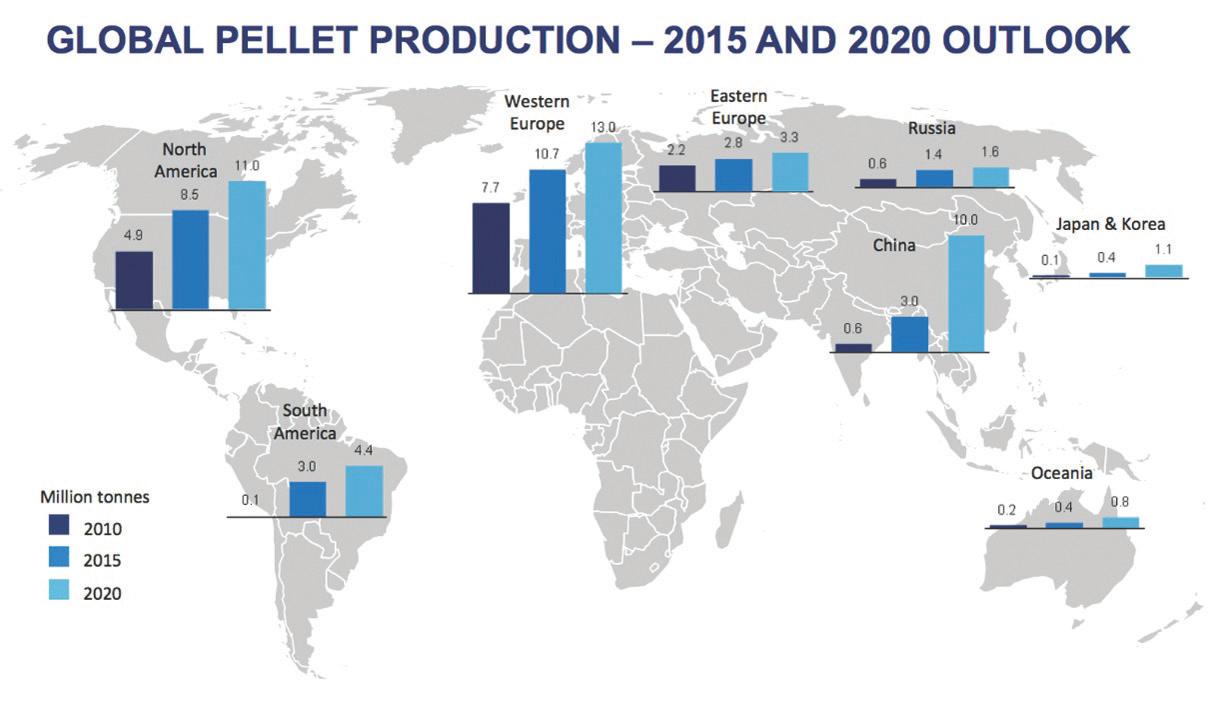
The current global market volume of biomass pellets of around 16 million metric tons annually (mt/a) is projected by Pöyry to increase to 46 million mt/a by 2020, representing a total market value of up to $8 billion U.S. The adoption of biomass fuel pellets is largely driven by policy and financial incentives in much of the world, and this will continue to be the case. However, this reliance on traditionally unpredictable policy incentives adds a level of uncertainty. Increasing influence from fossil fuel prices will also play a larger role in the future.
Western Europe will remain the largest consuming region (13 million mt/a), with much of the growth being driven by the
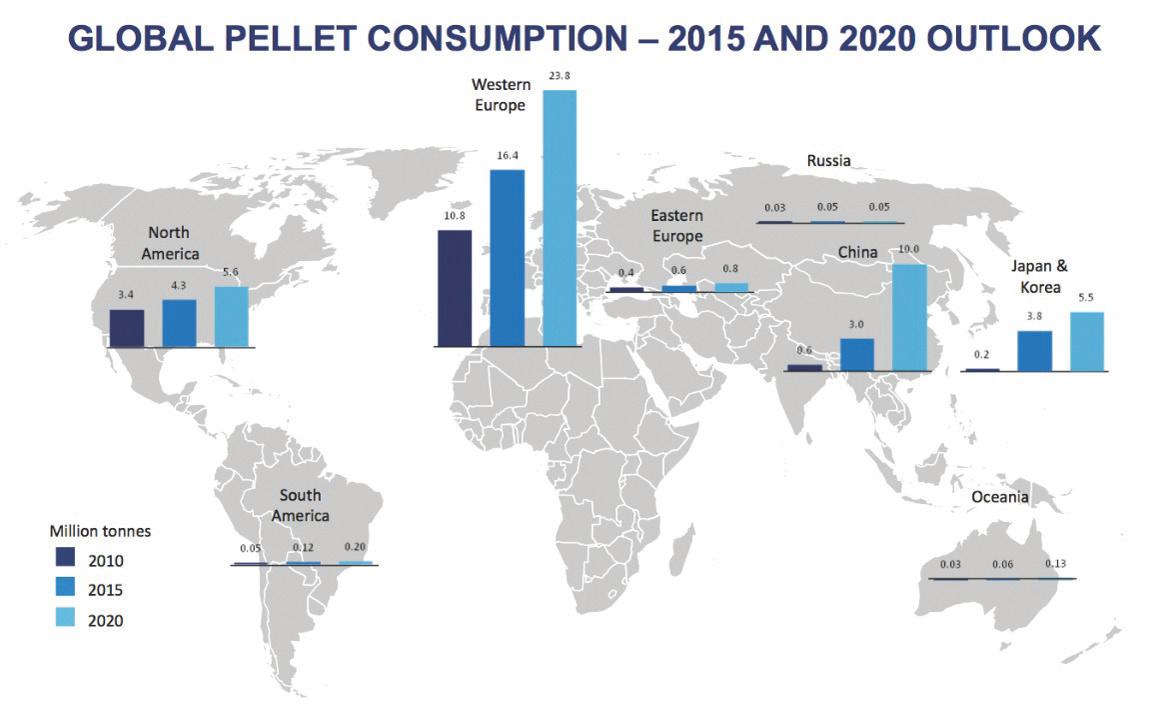
production of electricity in the Benelux countries, Denmark and the U.K. In addition, continued growth is forecast for the residential and commercial heating markets in Scandinavia and other parts of Europe. Further growth is predicated on a large gap between what is currently used for forestry biomass-based energy generation and what is outlined in each country’s National Renewable Energy Action Plan (NREAP) to come from wood-based biomass (340 TWh), and more specifically on each country’s NREAP goals to come from pellets.
In contrast to Europe, North American growth is predicted to come from the residential heating market, largely driven by the in-

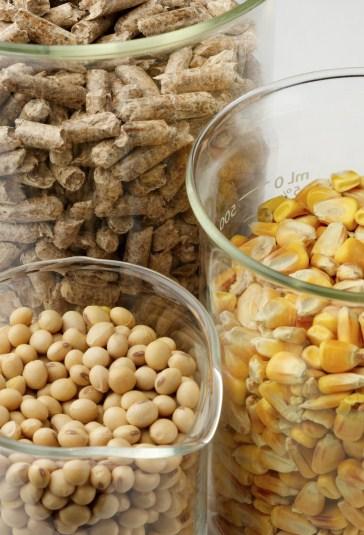
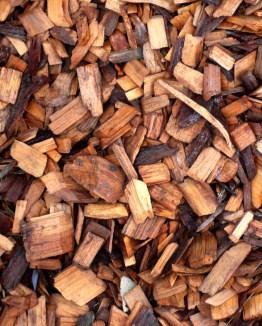
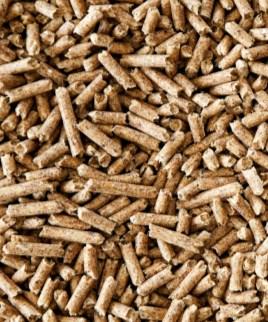

Fossil fuel costs and government policies and incentives will boost consumption within the next decade, with demand skyrocketing in western Europe and China.
creasing cost of heating oil relative to fuel pellets. Moderate growth is also forecast in the industrial energy market, though this assumes an extremely minor role for government incentives that could otherwise greatly increase adoption.
China has appeared on the radar as a significant future pellet consumer and producer, with the addition of a large number of pellet plants into the project pipeline. Most of the feedstock requirement in the country is forecast to be satisfied through production from domestic agricultural and processing residues such as rice husk, and so this growth is not expected to have a large influence on international trade flows. China alone is expected to account for more than 20% of worldwide demand in 2020, compared to a negligible amount currently. This will put China on the map as a wood pellet market, though it does not interact significantly in intercontinental trade.
Transcontinental trade flows of pellets totaled 2 million mt/a in 2010 (including Eastern to Western Europe), with nearly all of this between North America and Western Europe. Relatively minor amounts also moved from North America to Asia, Canada to the U.S., and Eastern Europe to Western Europe. Pöyry expects all of these current trade flows to increase in magnitude, while movements are expected to emerge from South America and Russia to Western Europe, as well as from Oceania to Japan and Korea. Total transcontinental trade flows in 2020 are expected to reach over 18 million mt/a, or about 40% of total production.
In order to supply this international trade in biomass, increasingly large pellet manufacturing facilities have been built in regions with high biomass availability. The first of these plants were built in Western Canada to take advantage of fibre made available by the mountain pine beetle infestations. Next, plants were built in the southeastern U.S. to utilize roundwood and residues, and in Australia to use existing harvesting residues from eucalyptus plantations. Just recently, the largest plant in the world was completed in Russia, and plants are in varying stages of development in eastern Europe and South America. All these plants are designed to feed the growing demands of western Europe, but are more likely to be destined for northeast Asia in the near future.
Low-cost producers in emerging markets are likely to be very competitive against North American producers that are already seeing tight profit margins. Supply push is likely to come from South American mills that have an advantage in fibre costs, while eastern European producers face much lower transportation expenses to off-take markets. Demand will continue to come from western Europe, but Pöyry expects that it will also emerge from Japan and Korea soon. This demand will be fed primarily from the West Coast of North America and Oceania. Africa may begin to play a role in the European market, but major developments are likely beyond the 2020 time horizon of this study.
The other side of the pellet industry is the residential market. This facet is highly fragmented in most regions. These smaller plants vastly outnumber larger industrial ones, since they often utilize sawmill residues from nearby wood products industries or are integrated directly into a sawmill. Because of the various markets to which these residues can be sold, and fluctuations in wood product demand and sawlog supply, many of these facilities often run at low utilization rates. This was very much the case during the economic downturn of the previous two years, where all wood product manufacturing decreased and fewer residues were available to the market. Couple this to the fact that a significant number of pellet manufacturing facilities focusing on the residential markets came online in 2008 and 2009, it becomes clear that currently this can be a difficult market to be in.
Production conditions and end-use markets for the two different pellet classes differ, as do their prices and respective outlooks. Residential pellet markets are usually rather regional and are expected to
remain this way, though prices are expected to increase in Europe (where the greatest number of trades occur). Industrial pellet prices are more reminiscent of commodities, and are therefore less regional. Pöyry predicts that the prices for the latter will remain relatively stable thanks to the large amounts of supply that will come online from new regions, while incentives in Europe will both increase demand and act as a sort of cap on what pellet consumers are able to pay.
The magnitude of growth for this market is heavily dependent on the political will for expanding biomass energy utilization and the associated incentives surrounding it. These incentives are currently especially favourable in countries such as the Netherlands, Denmark, Belgium and the United Kingdom. In addition, demand depends on the cost of alternative energy sources to pellets, which influences the competitiveness of such a fuel. This is especially the case in countries where the bulk of pellet demand is in the residential sector, for example Germany and the United States.
There are some signs that industrial
users of pellets are beginning to integrate upstream by building their own pellet mills in areas with high biomass availability, as is the case with RWE/Georgia Biomass and Vattenfall/Miramichi. This step can assure biomass energy producers better control over supply chains, but not supply security.
In addition, many small pellet producers are starting to either downstream integrate to control their distribution or join with other pellet producers to increase their market share, at least regionally. This shows signs of market maturation, though in most markets, biomass pellets have not reached the point of being a commodity due to differing quality standards and a lack of transparency from relatively few trades per unit of time. Producers may struggle to keep costs low in order to maintain their bottom line. It will remain essential to find ways to improve efficiency and increase productivity in an increasingly competitive market. •
This article was submitted by Pöyry Management Consulting.

This Quebec grinding contractor discusses the need to limit biomass contamination.
By Mariève Paradis
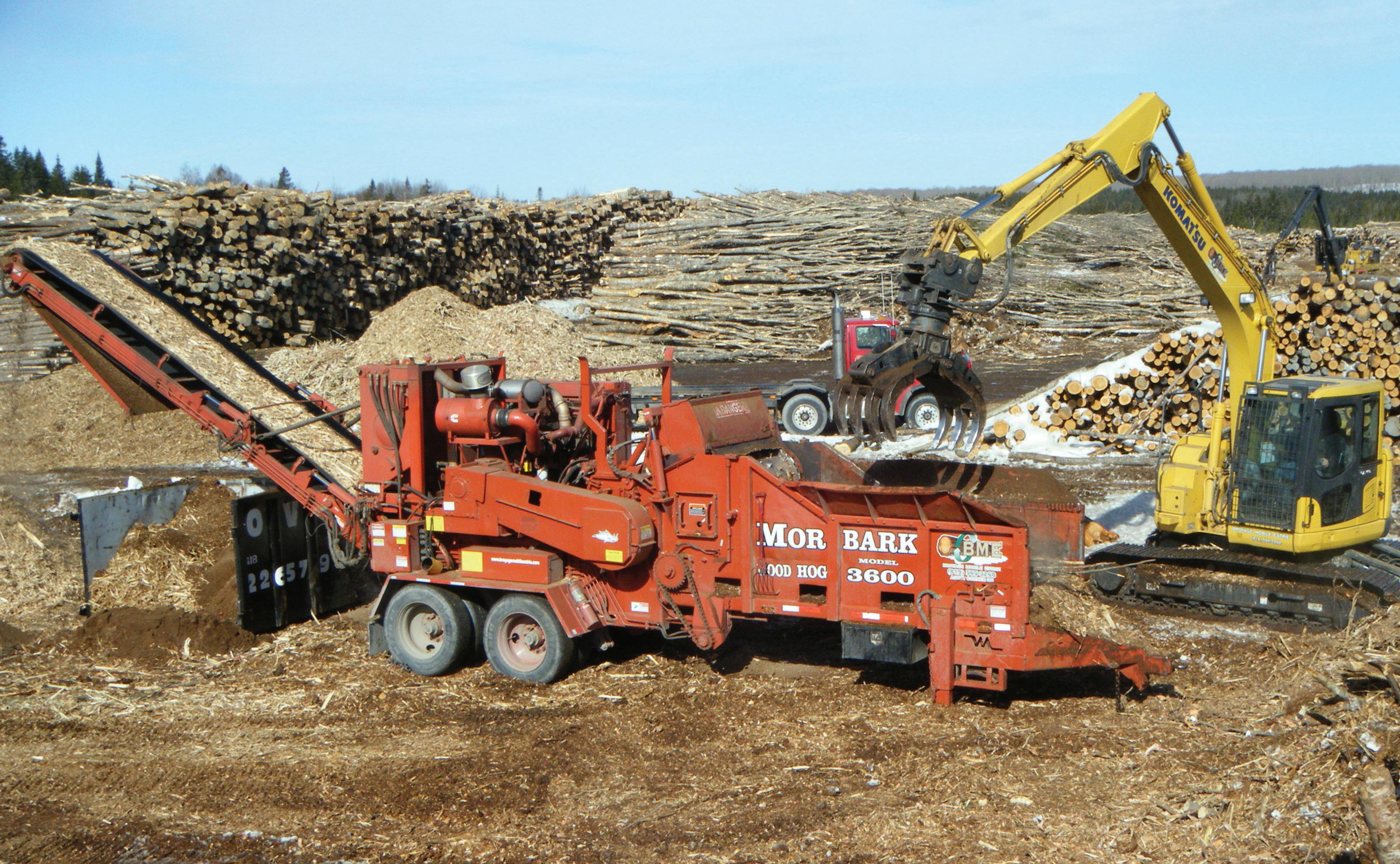
Grenier and his four employees travel the province with two Morbark 3600 grinders in search of forest biomass. Sometimes called by companies who want to get rid of biomass, sometimes called by others who want to get their hands on some, Estrie Mobile Grinding works in both cases as a middleman.
For six years, Alain Grenier has worked in Quebec’s forest biomass sector, an area of the forest industry that he has long believed will eventually explode. It hasn’t been easy, but the contractor is still confident that this nascent industry will take off in the province, so he continues to cut, chip and grind forest operation residual bark and branches, and sawmill yard residues such as stumps, trim blocks and pallets. “I wanted to offer a service to small businesses, those that cannot justify hav-
ing chippers or grinders on site,” Grenier explains.
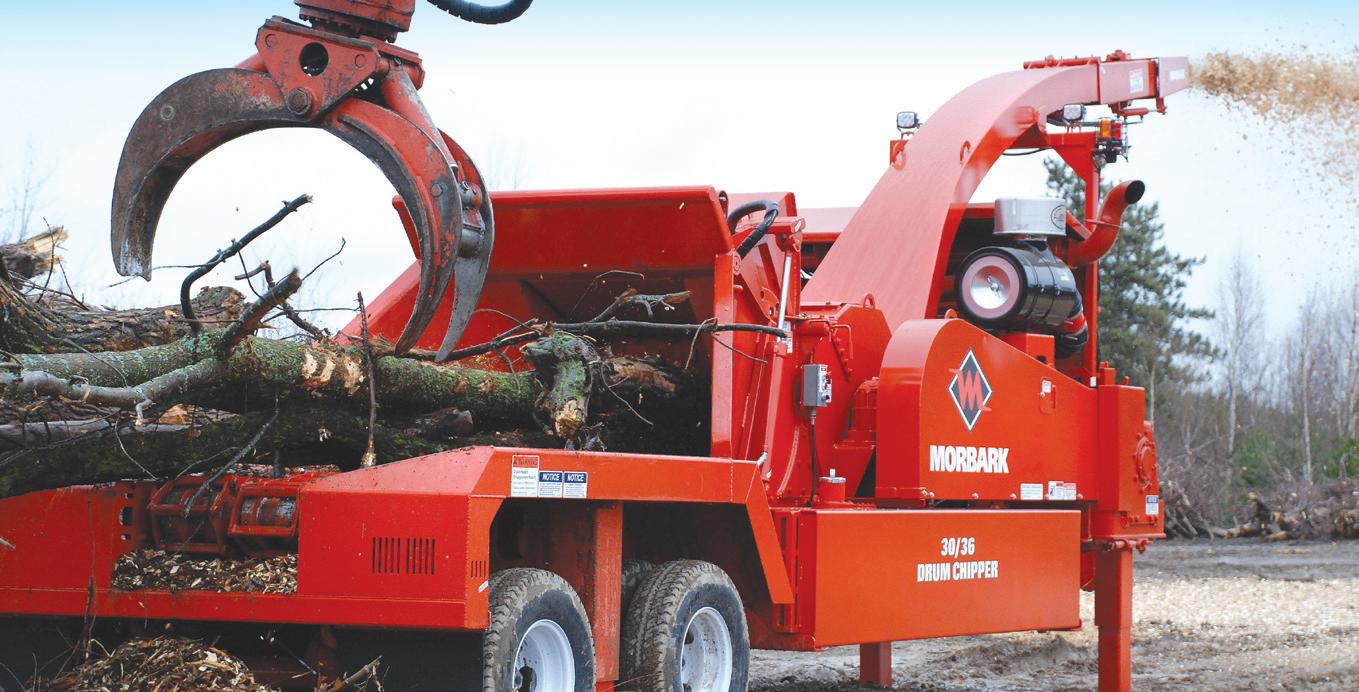
Fed by excavators fitted with Rotobec grapples, the two 500-hp Morbark grinders work non-stop, except for regular service intervals in his garage in East Angus, just behind the Cascades containerboard mill in this small town 100 km east of Montreal. The grinders, sold and serviced by Cardinal Equipment, can be kitted with knives or hammers, as required.
Grenier says that selling residual forest biomass as fuel sometimes means a lot of work, as it needs to be dry and clean for the local combustion clients he serves. “This can be a problem. When there’s dirt, sand or metal in the slash, not only does the biomass lose value to potential buyers, but it may damage my equipment on top of that.”
You’ll hear the same story from An-
toine Lapierre, yard foreman and head scaler at Masonite International Corporation in Lac-Megantic. Canadian Biomass met both men in this forestry and tourist town near the Maine-Quebec border, and both agreed that the high level of impurities in the current biomass supply is hard on equipment and productivity.
Masonite’s plant in Lac-Mégantic makes the surface layer for wooden doors. To heat the presses and dryers, as well as the plant and the ponds used to condition logs for the lathes, the plant uses biomass made up of bark, wood pallets, mill residues (plywood edgings) and other forest residues.
Estrie Mobile Grinding has two 500-hp Morbark grinders working non-stop to cut, chip and grind residuals into biomass.
“With the current technology and improvements in plant efficiency, we no longer produce enough residue to fuel our boilers. We have to buy biomass for heat in winter,” says Lapierre, which is a good problem to have. In total, nearly 3,800 tonnes of biomass are purchased as boiler fuel, with mill residues now accounting for only 50% of the boiler fibre supply.
To create the supplemental supply, Estrie Mobile Grinding brings its equipment to the mill yard two or three times a year. The crew grinds stumps, bark, pallets and other byproducts.
When this mixed bag of biomass contains impurities such as rock and sand, the consequences can be disastrous.
“We need to clean the combustion chamber twice a day to avoid the vitrification of these impurities,” Lapierre explains. Once that happens, the impurities harden and condense to become large blocks of glass. Newer biomass installations have removable floors under the chambers for the regular removal of deposits or “klinkers.”



Dave Lovekin, Pembina
Klaus Trattner, Andritz AG, Austria • Bengt-Erik Lofgren, AFAB, Sweden • Pernille Overbye, Ramboll, Denmark • John Swaan, Horizon Bioenergy, Netherlands • Graeme Bethell, Gussing Renewable Energy Canada • Gordon Murray, Wood Pellet Association of Canada






But at Masonite, the units date back to just after the Second World War, and upgrading is just not in the cards right now. “There is a shortage of biomass at a good price in this region,” Lapierre says. “Still, I cannot afford to take unsuitable forestry residuals. When the log harvests are finished in woods, forestry machinery operators collect the biomass using grapples. If the equipment is not well suited, or the operators not properly trained, or people drive over the residuals first, you’ll get a
significant accumulation of soil and sand. It would be good to be able to use that volume in my boilers were it properly harvested.”
Grenier of Estrie Mobile Grinding explains it this way. “Adding some soil or other contaminants in the residual forest biomass is like putting water in the fuel tank of a car ... even just a bit and the whole load of biomass may not be marketable as fuel,” which results in such loads being sold as compost instead.
The new Morbark ® Advantage 3™ high-performance chipper drum gives you improved biomass fuel chip quality, reduces your costs, and is backed by a limited three-year warranty. It comes standard on most new Morbark drum chippers and can be retrofitted to most Morbark units without modification. Either way, you get three significant advantages:
• Higher-Quality Chips – The Advantage 3 is wider, has higher inertia, and incorporates Babbitt-style counter-knives, so it produces better, more consistent chips.
• Dramatically Lower Costs – The drum’s AR 400 heat-treated steel skin, enhanced knife design, and recessed pockets provide wear-part and maintenance cost savings of more than 70%.
• World-Class Warranty – The Advantage 3 comes with a limited three-year warranty, and is supported by Morbark’s extensive dealer network for unsurpassed peace of mind.
The exceptional Morbark Advantage 3 chipper drum comes standard with most units in our full line of heavy-duty industrial drum chippers. Learn more at www.morbark.com or call 1-800-831-0042.
To obtain consistent energy and heat, the men agree that the key remains managing a good ratio of different kinds of biomass. Every material they use – bark, wood pallets, or roots – have its own good and bad sides. The wood must be clean and dry, but not too dry to make it hard to control the heat in the furnaces. Grenier also mentions another solution.
“A biomass grinding or chipping operation should be considered even before the log harvest takes place. Every forgotten or over-looked detail at that stage can increase the cost and time involved in handling, grinding and burning the biomass. It’s far more efficienct and profitable to incorporate the grinding operation in the early harvest planning.”
Still, in this young industry, education and operator training will likely be part of the answer. •
Mariève Paradis is the editor of Canadian Biomass’ sister publication, Opérations forestières et de scierie.
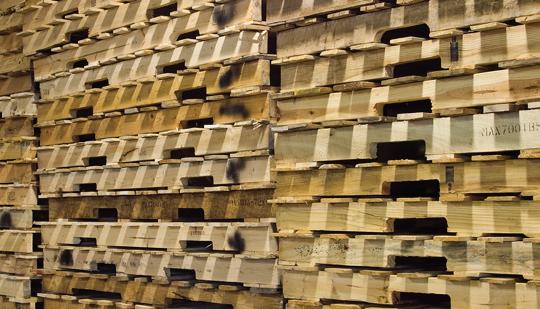
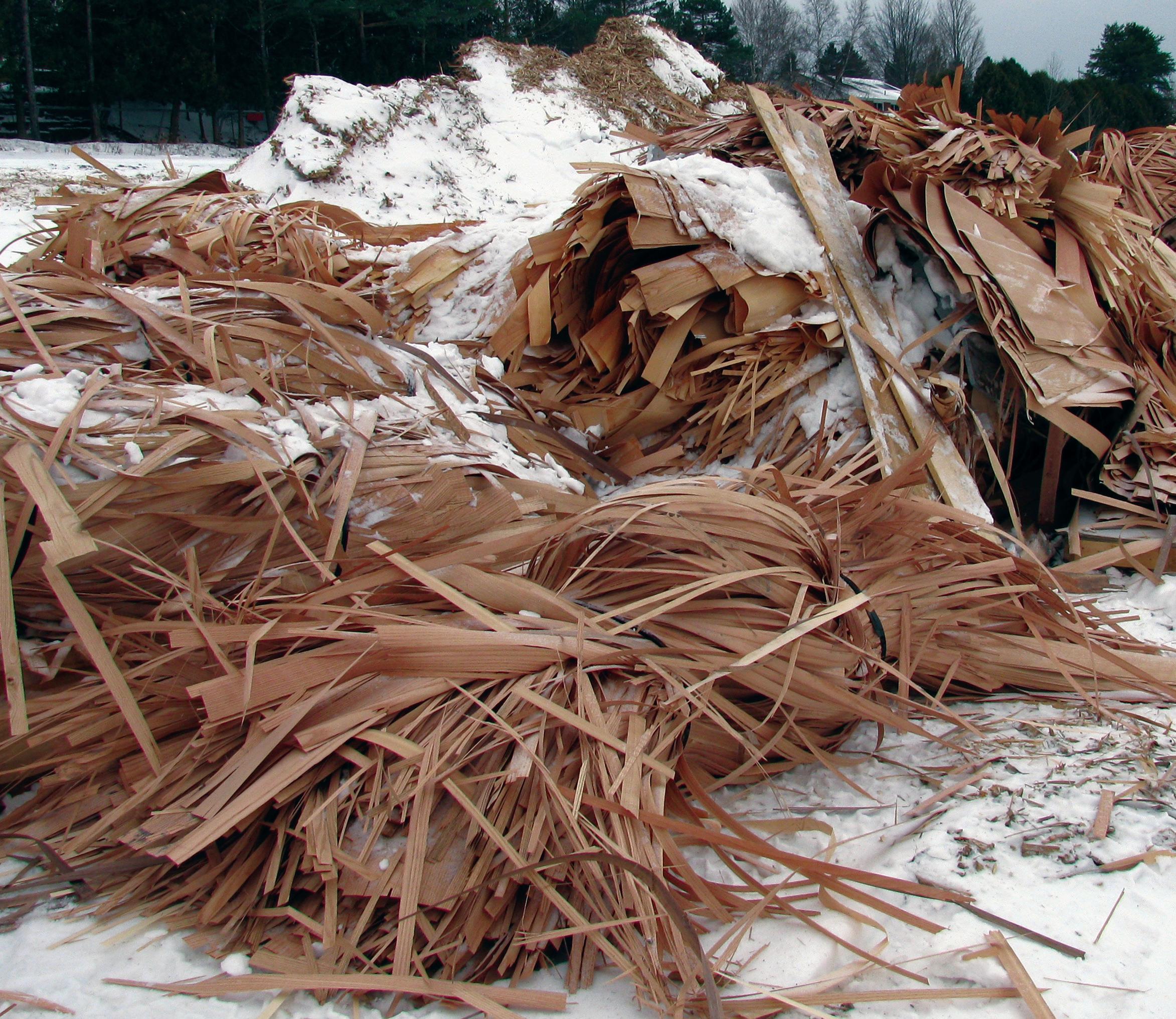
Since the early 2000s, the recovery of construction and demolition wood in Quebec has increased by over 780%. According to RecycQuebec, Quebec recycled 79,000 tonnes of wood in 2000. By 2006, that amount had grown to more than 621,000 tonnes. One of the reasons for this surge is that sorting centres in the province have smelled a bargain. Wood from construction waste and demolition is clean and dry, and local markets are numerous: Cogeneration, particleboard manufacturing, briquettes for households, litter, pellet fuel, composting, etc.
However, these are many of the same markets that use residual forest biomass. Although there is political will to enhance the value of residual forest biomass, the biomass sector across Quebec is still in its infancy. The province currently finds itself with a surplus of biomass products intended for, among other things, energy production.
A highlight of some of the tours taking place May 28-31, 2012, in Sweden.
pre-conference: may 28
ArlAndA – JönköPing
Bioenergy in agriculture
You will visit a combined heat and power plant, small-scale biodiesel production, biogas plant using municipal residues and more!
ENA Energi AB, Enköping
ENA Energi AB is a producer and distributor of district heating and electricity in the city of Enköping. The company has three boilers for heat production, originally using oil or propane gas as fuel. www.enae.se
Brunnsholm Biodiesel, Brunnsholm Brunnsholms Säteri is a large farm south of Enköping and west of Stockholm. The Rinman family have invested in a large straw boiler and they produce RME – rapeseed methyl ester (biodiesel).
Vafab Miljö AB, Västerås
Växtkraft is a biogas plant in which biowaste from households and restaurants is digested, together with ley crops from farms and sludge from grease separators, in largescale kitchens. The biogas that is produced in the process can be utilized as environmentally compatible fuel for motor vehicles. www.vafabmiljo.se
SToCkholM/SkAvSTA –JönköPing
Solid biofuel and trade
Planned visits include a combined heat and power (CHP) plant handling solid biomass and pellet production.
Vattenfall, Idbäcksverket, Nyköping
The plant consists of a CHP unit with a total capacity of 100 MW, and two heat boilers with a total capacity of 80 MW.
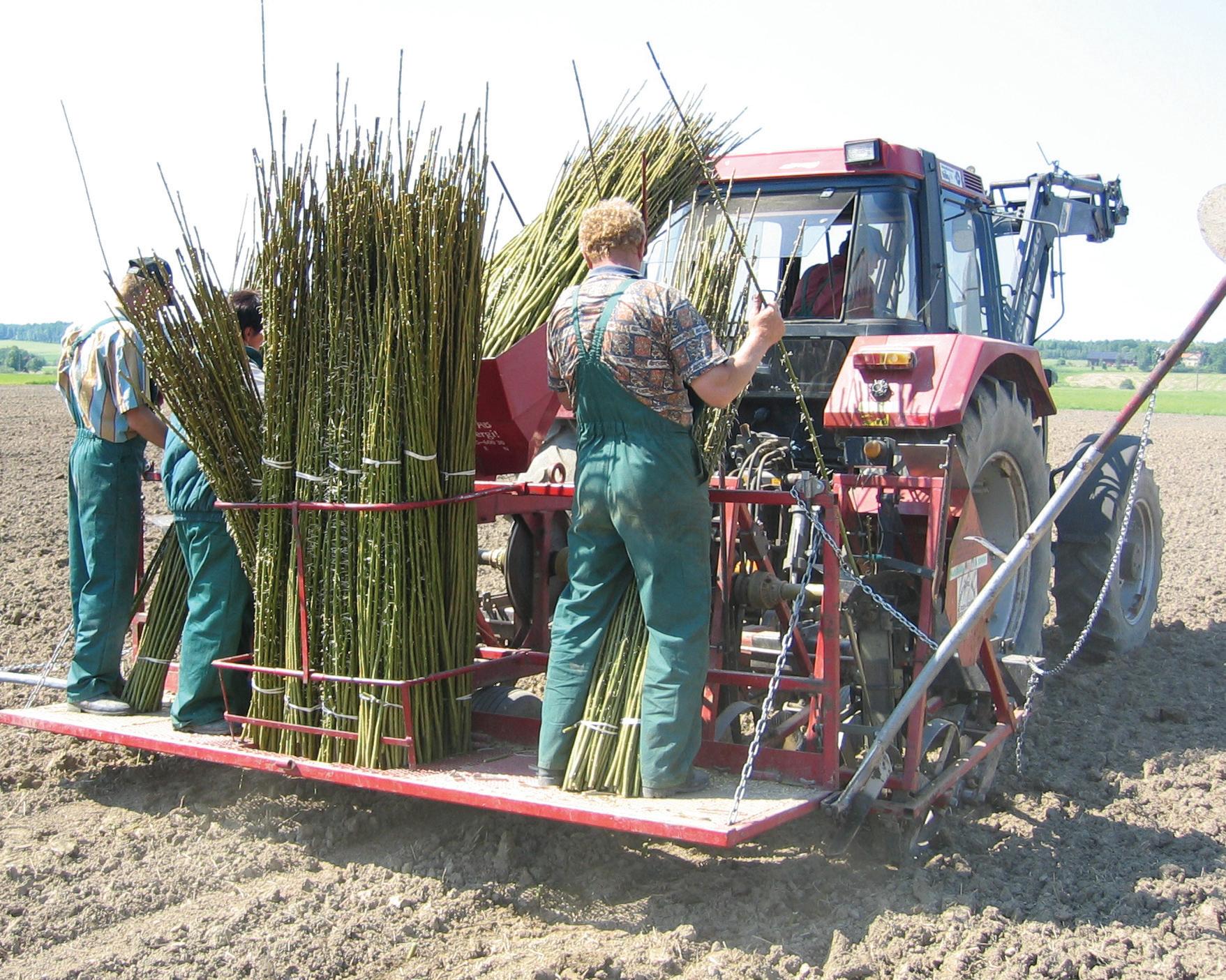
ENA Energi AB is a producer and distributor of district heating and electricity in the city of Enköping and will be available for a tour on May 28, before the start of the conference.
BooForssjö AB, Katrineholm
The pellet plant began operation in 1995 and is integrated with the sawmill in Forssjö, where heat is used for drying timber and sawdust for wood pellet production. The production capacity is about 50,000 tonnes per year. www.booforssjo.se
kASTruP/CoPenhAgen 1 – JönköPing
Solid biofuels
Tours include: Cleantech, combined heat and power using wood fuels and a large pellet factory at a saw mill.
kASTruP/CoPenhAgen 2 – JönköPing
Waste and biogas
Planned tours include waste CHP, biogas production from household and industry/ agriculture waste.
post-conference: June 1
JönköPing – ArlAndA
Biofuels and bioliquids
The first post-conference tour includes visits to a biogas and biofuel (biodiesel) production facility.
Linköping – Swedish Biogas
Svensk Biogas runs a plant in Linköping using waste products from food industry and restaurants. The biogas is upgraded to be used as vehicle fuel (to more than 97%
methane) for local traffic, taxis, buses and private cars.
MBP Group, Norrköping
At the post conference tour on June 1, 2012, visiting MBP Group in Norrköping you will have the opportunity to learn about how the oils are handled, cleaned and processed before they are delivered as feedstock for the biodiesel industry.
JönköPing 2 – ArlAndA
Solid biomass

Tours will include stops at Sweden’s largest CHP plant.
Södertälje – Söderenergi
The Igelsta CHP plant is Sweden’s largest biofuelled cogeneration plant. The plant produces 200 MW of heat and 85 MW of electricity – enough to keep 50,000 private houses warm and power 100,000 homes. The CHP boiler is fired by biofuels and recovered waste fuels. www.soderenergi.se
JönköPing 3 – kASTruP/CoPenhAgen
Biofuels from agriculture
This tour will showcase short rotation crops and locally produced biogas.
daily tours
may 29
Forest tour
Stockarydsterminalen
One of the study tours goes to Stockarydsterminalen, situated along the southern main railway line, which handles transportation of forest products such as timber, pulpwood and biofuel.
may 30
Forest tour
HOTAB, Gränna AB – A medium-scale heat plant, run using solid biomass.
Jönköping Energi, Torsvik – CHP solid biomass and waste to energy
Cars, trucks and buses in three local stations use this renewable fuel, and the remaining material from the digester is bio-manure, which is distributed to regional farmers thus recycling nutrients to agriculture. www. jonkopingenergi.se
WP – Fågelfors hyvleri/UNY Konsult, Fågelfors. A visit to the Fågelfors Hyvleri, a pelletproduction facility, which includes dinner at the Moliljan Spa.
may 31
Forest tour
Lantmännen Energi, Ulricehamn pelletproduction plant
Falköping Energi/OPCON, Falköping – Energy and environmental technology group that develops, produces and markets systems and products for eco-friendly, efficient and low-resource energy usage. •

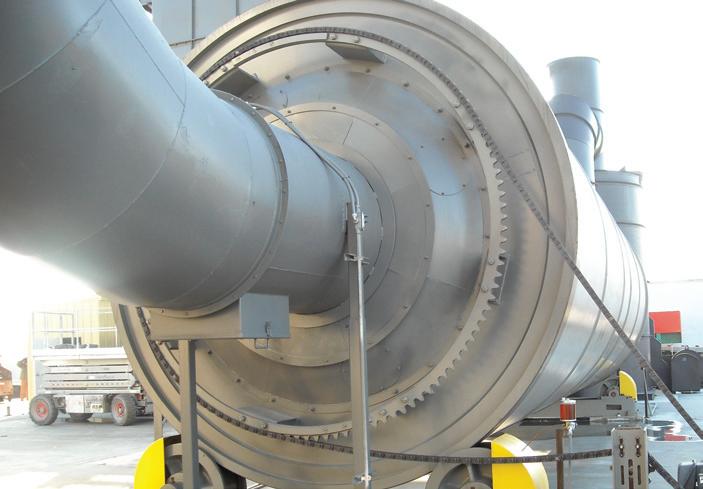
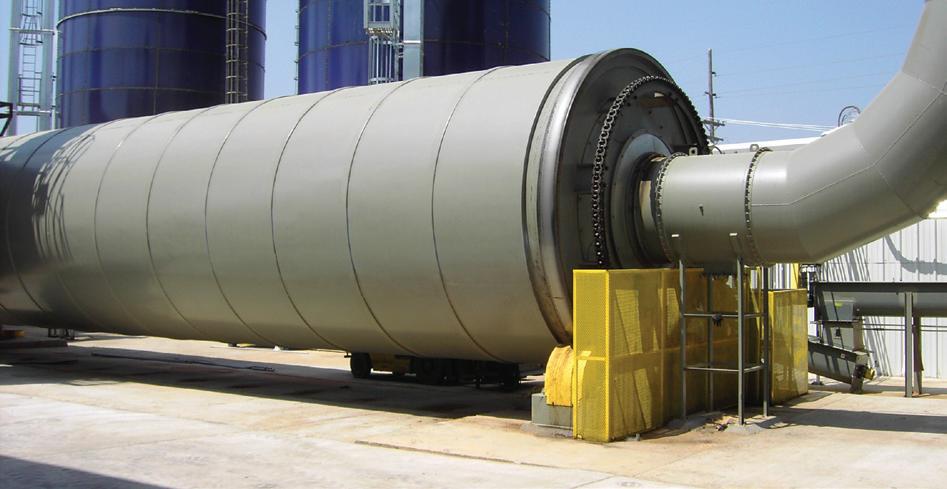
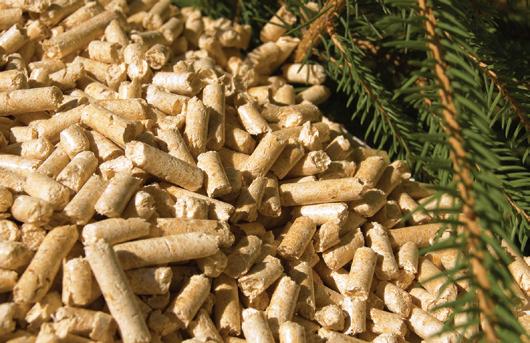

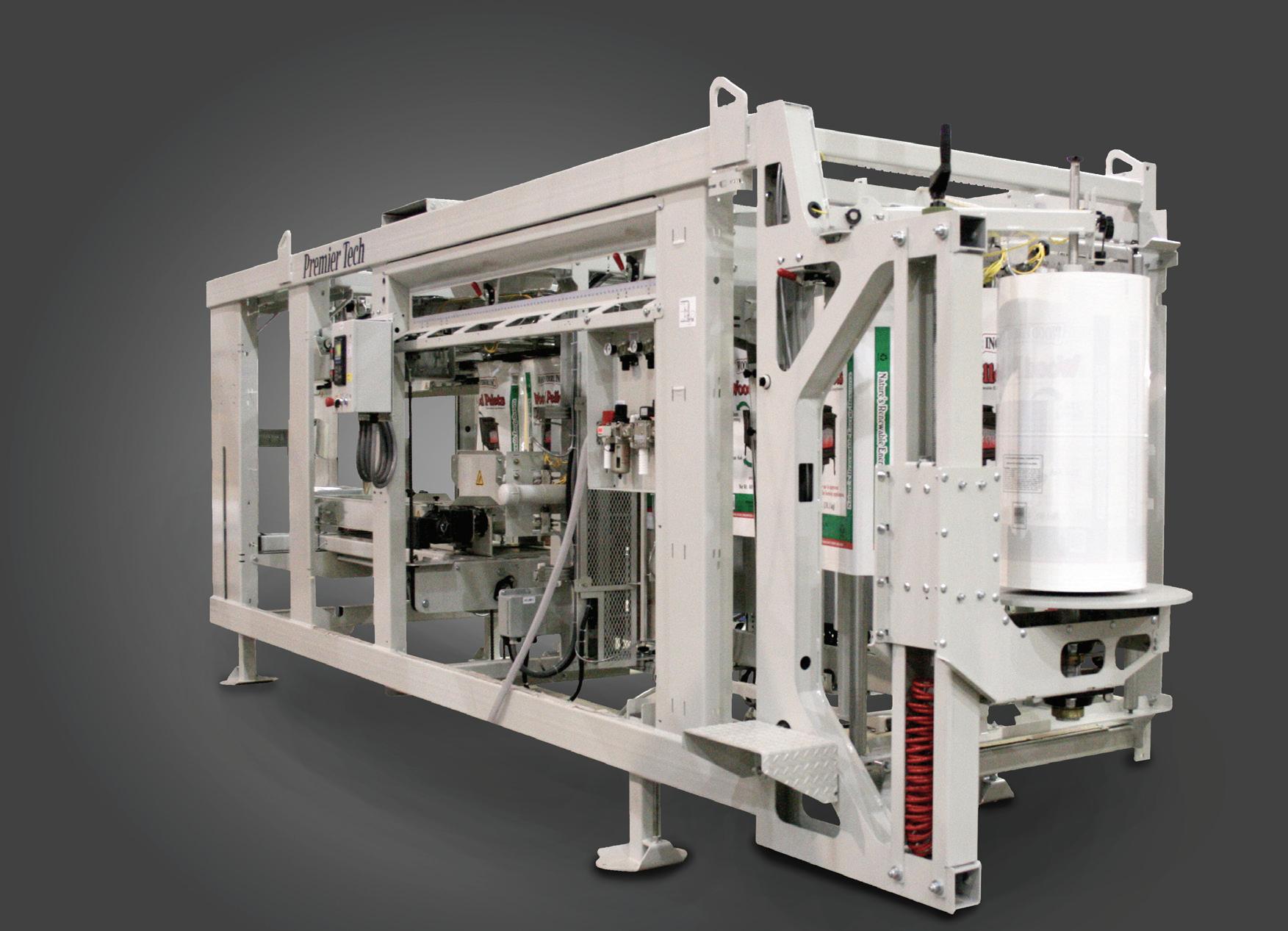
The FFS Series Horizontal Form, Fill and Seal (FFS) bagging machines from Premier Tech Chronos are fully automatic systems which make their own bags from rolls of pre-printed, center-folded polyethylene film (U film). They are intended to package loose fill materials such as wood pellets in bags ranging from 4.5 to 100 quarts (5 to 110 liters). They are equipped with a pneumatic closing mechanism on bag top drive belts providing many operating advantages such as greater safety, easy access to the sealer’s components and an overfilled bag detection system.
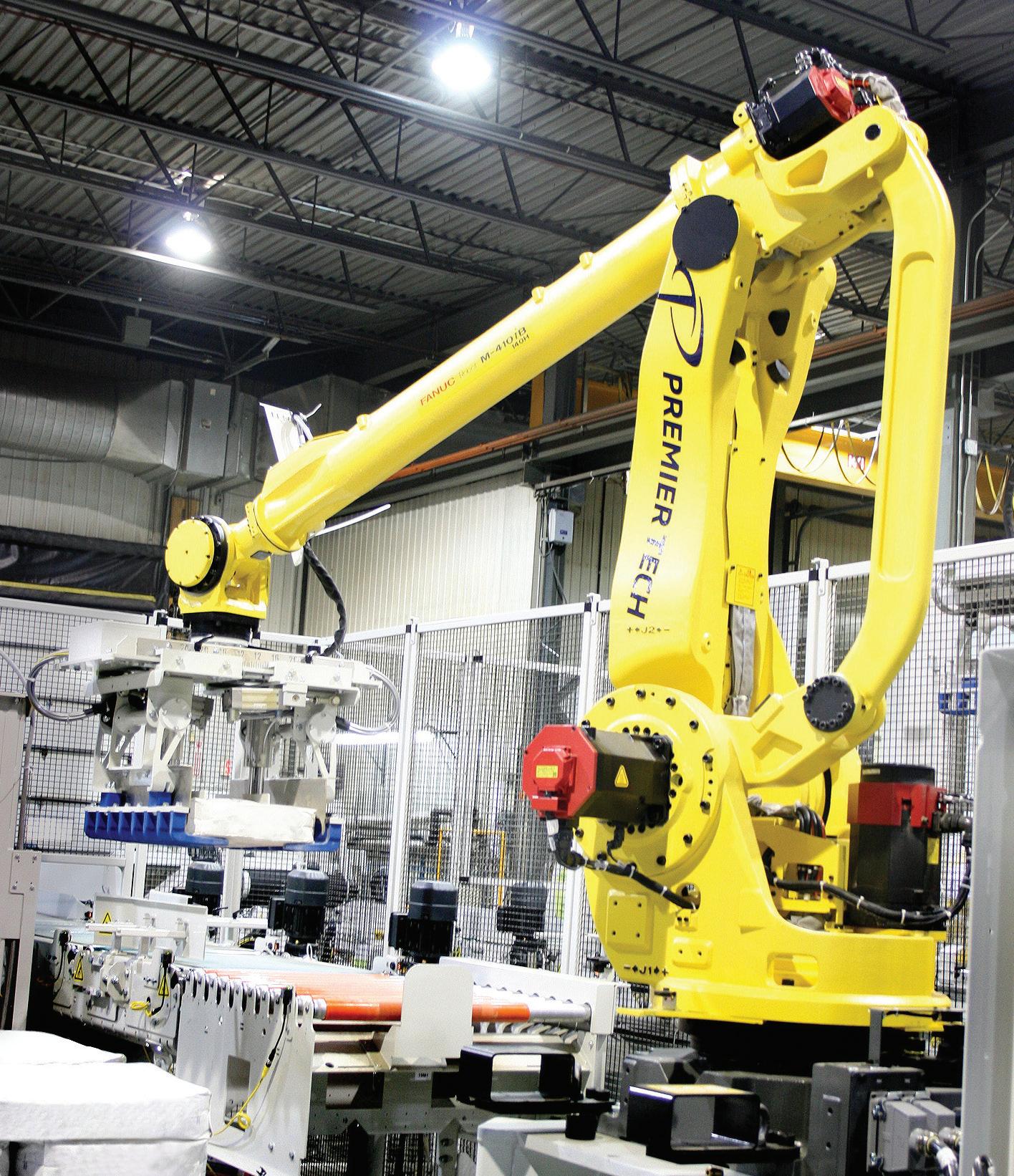
Premier Tech’s Robotic Palletizing Cell is a flexible palletizing system and several grippers are available for palletizing bags, boxes, bundles, cases, cans, pails, drums, trays, totes, etc. This heavy-duty robotic cell can simultaneously gather from up to four different incoming product lines. At speeds of up to 28 units per minute (single robot) and up to 40 units per minute (dual robots in the same space area), they are custom programmed for each unique layout. The robot can also automatically adjust gripper opening when changing bag size in order to make both “intelligent” palletizing and de-palletizing decisions.
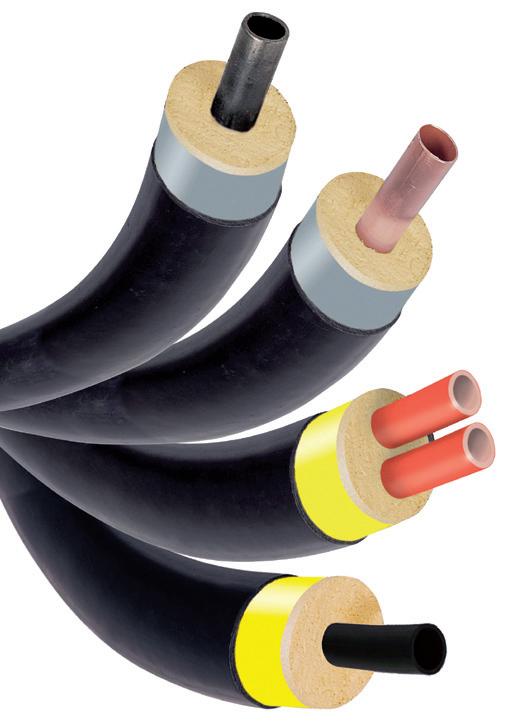


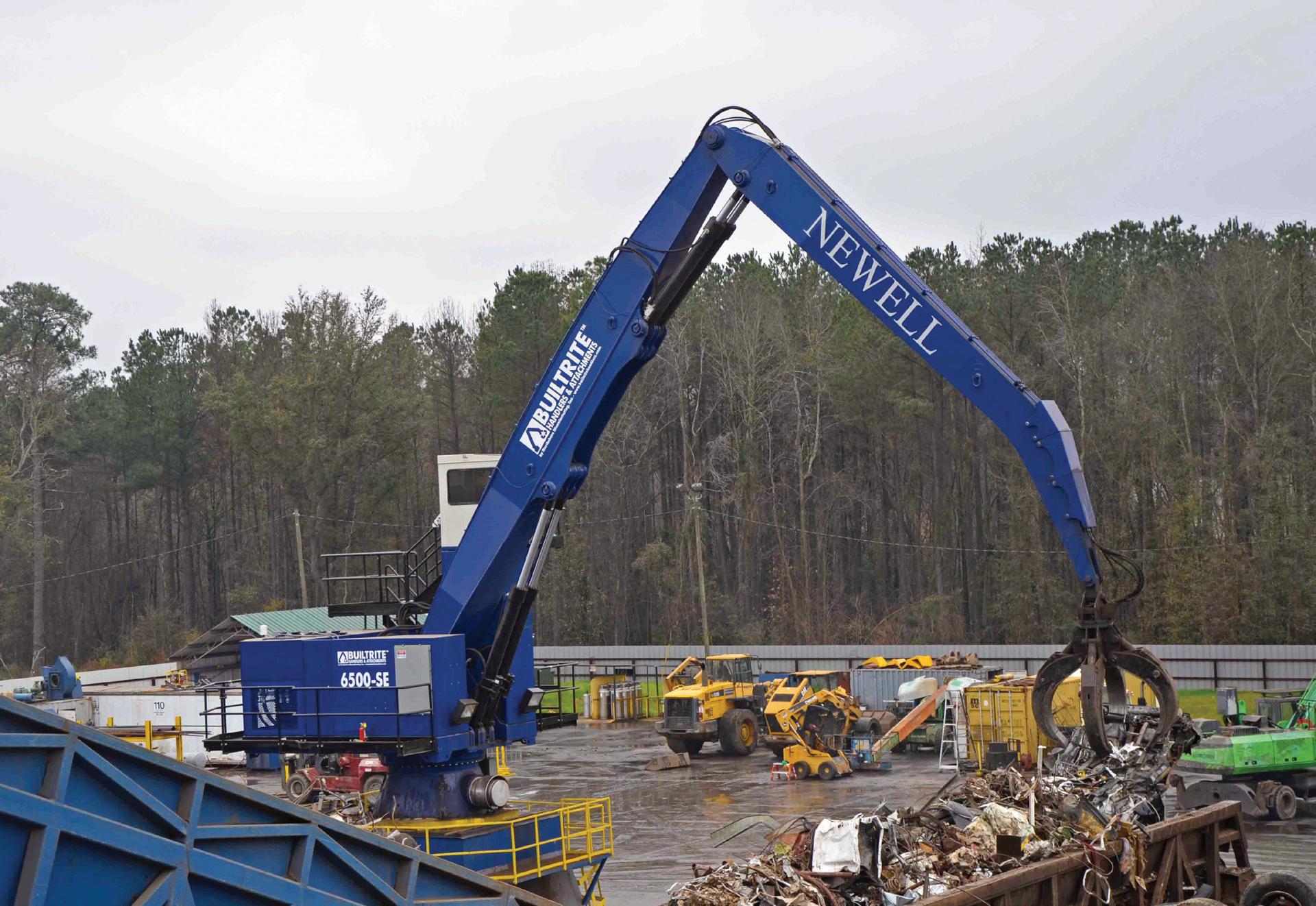
Northshore Manufacturing is pleased to announce the newest and largest member to its line up of stationary electric material handlers, the massive, Builtrite Model 6500-SE. Weighing in at 103,000 pounds, this versatile handler is designed for industrial, heavy duty cycle applications like scrap handling (loading shredders), solid waste handling (loading shredder/balers), dock side handling of coal/grain/aggregate, etc. and high volume pulpwood applications. Stationary Electric Material Handlers have proven to be much more cost effective, over the life of the machine, as compared to diesel powered material handlers.
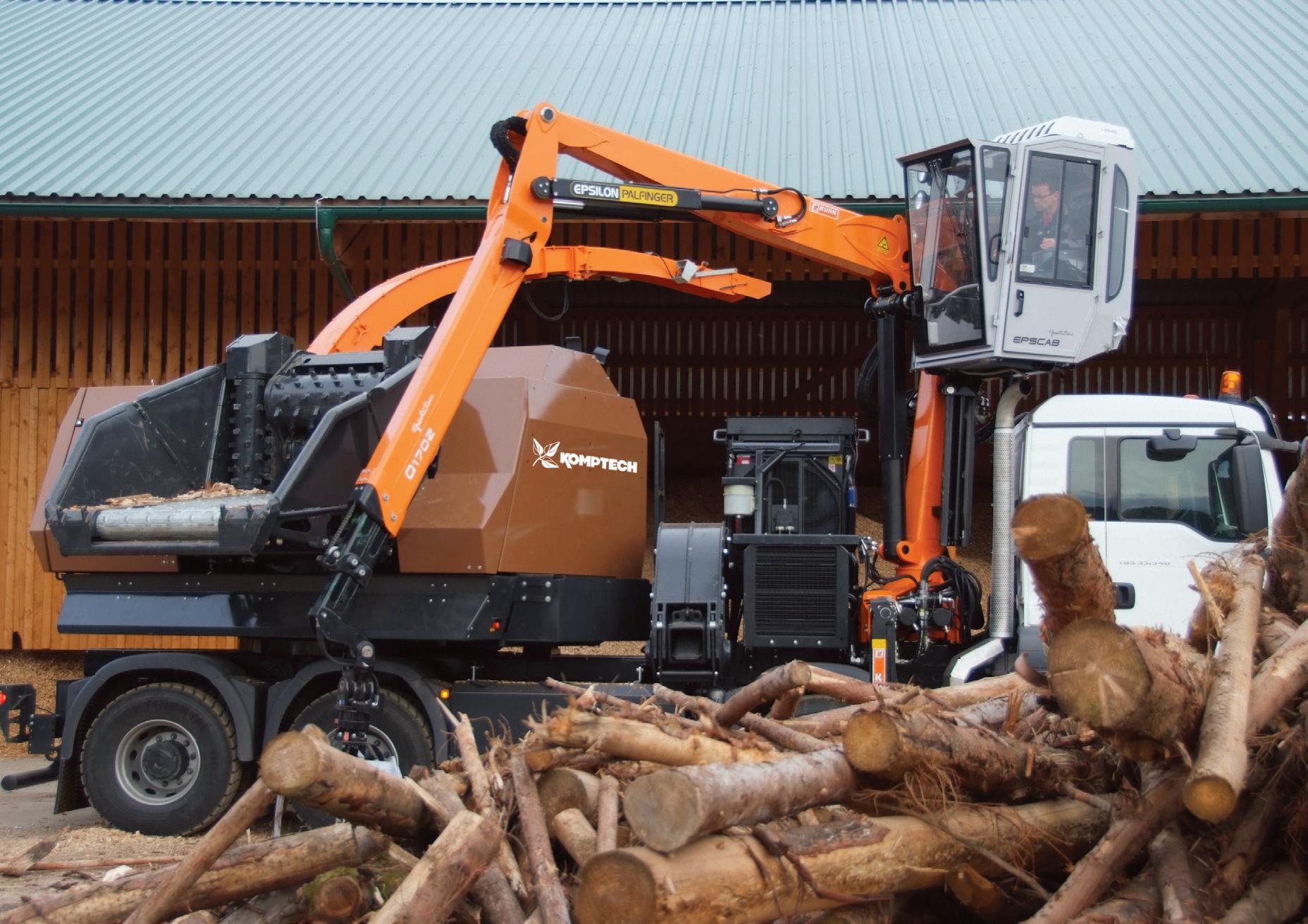
The new Chippo series of chippers are mounted on a sturdy turntable that swivels through 260 degrees, so that the machine is able to work materials on both the left and right sides of the road, without time-consuming and risky turning maneuvers. Unlike with competitors’ swiveling machines, the Chippo 5010 Cdt (t for turnable) is powered by the 540 hp MAN truck engine, not by an additional engine. This keeps the chipping unit compact and makes it possible to swivel anywhere, since it has only minor overhang over the truck contours. The engine power is transferred essentially loss-free to the chipper by a purpose-designed transmission, ensuring that the maximum performance is available where it is needed.

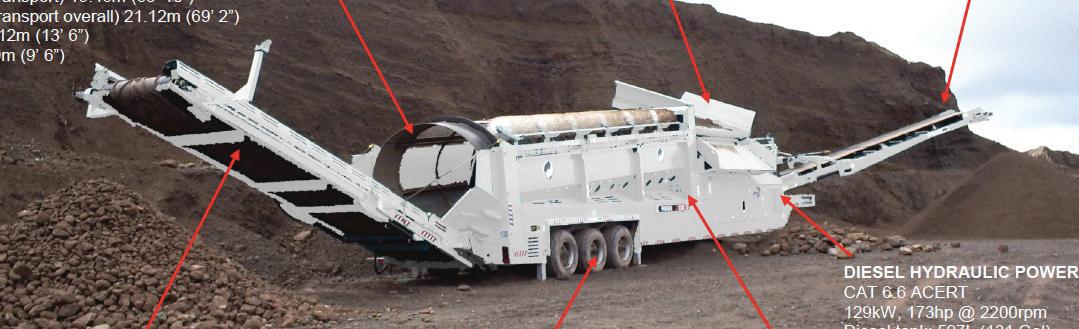
Terex Woodsman has launched two new products, the new Terex Woodsman 810 Trommel and Terex Woodsman 830 Trommel as part of its continuing dynamic product development program.
“The Terex Woodsman 810 and Terex Woodsman 830 builds on and complements our current brush chipper and biomass product range. This represents the next step in the evolution of our dynamic product development program. With these additional products we are firmly setting ourselves to meet the needs of not only our existing customers but new customers as well,” said Barry DeLau, Global Sales and Marketing Director.
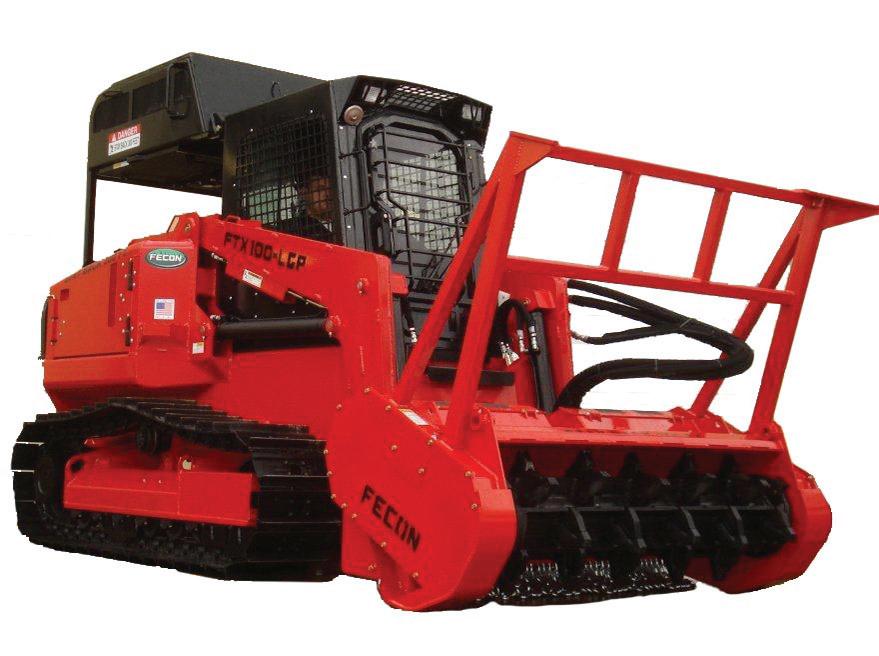
Fecon is proud to introduce the new FTX100 LGP mulching tractor. Equipped with a 99hp Kubota V3800 engine this, tractor provides impressive cutting power and traction capabilities for all job conditions. The FTX100 LGP offers both 16” and 20” track shoe options in single or triple grouser. These options allow the contractor to outfit the machine for rough terrain or soft ground conditions where a light footprint or reduced ground disturbance is important.
The 20” wide track option on the FTX100 LGP provides 4.4 psi ground pressure. Added value features on this purpose built tractor are ground clearance, tractive effort and durability. Compact size and a weight of 14,950 lbs. allow for easy transport with mid-sized trucks.
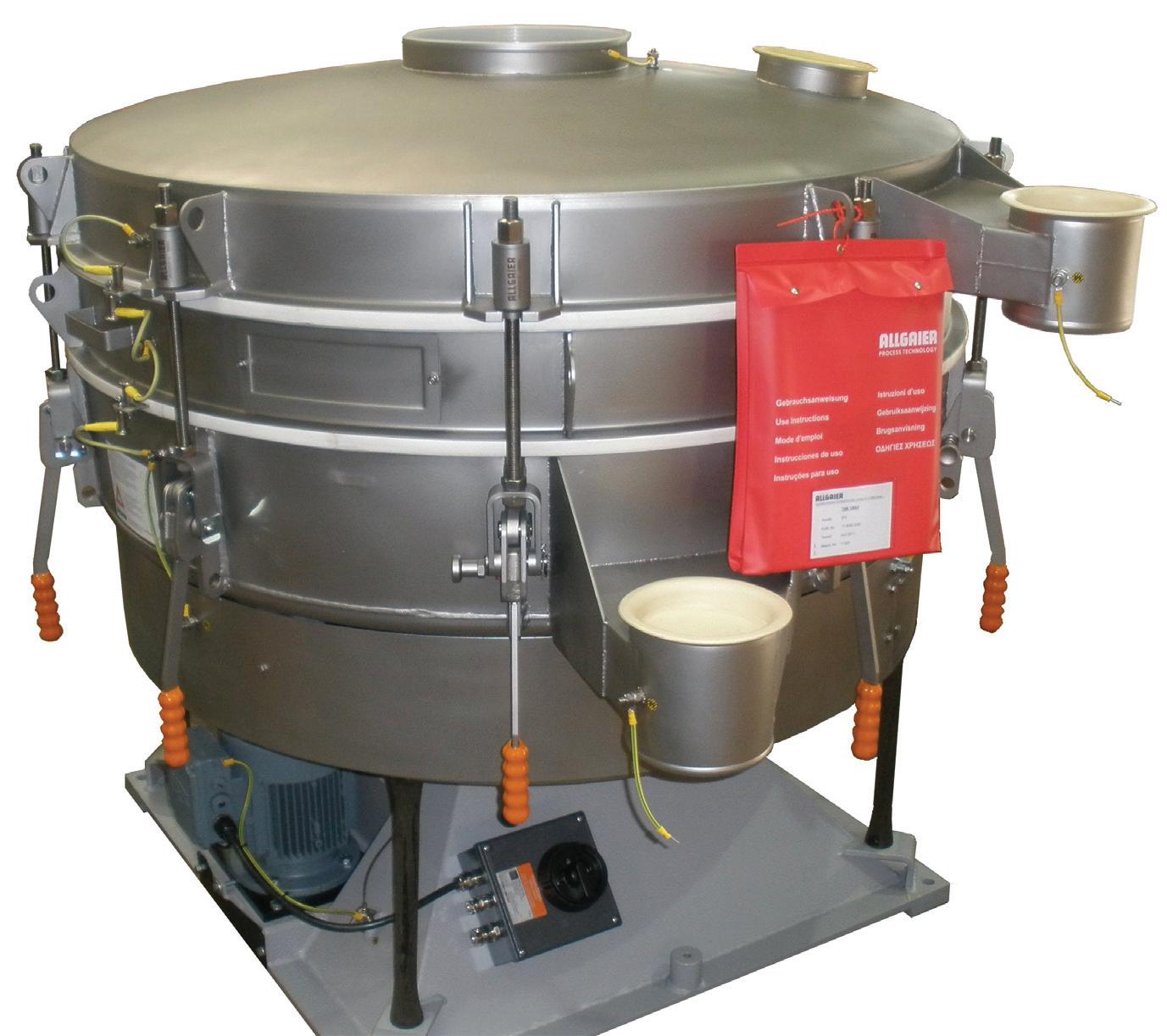
Allgaier Process Technology is the industry originator of the Tumbler Screening Machine (TSM), which relies on a three dimensional action to maximize utilization of each screen surface. This allows for high separation precisions of up to 99%.
Allgaier screening machines are constructed to prevent ignition source as defined by DIN EN 1127-1. Each machine is tested and assessed for electrical and non-electrical ignition sources. This includes insulated parts that could accumulate electrostatic charge, electrostatic charge from the friction of the material, V-belts (in gas hazardous areas), hot surfaces (from rotating weights) and mechanically generated sparks.
BinMaster’s MultiBob inventory management system provides an average bin level from measurements taken by two up to 32 SmartBob2 or SmartBob TS-1 sensors installed on the top of a single bin, tank, silo or flat storage warehouse containing powders, granulars or bulk solid materials. The SmartBob sensors are strategically located in the vessel to monitor critical measuring points and using eBob software, are programmed to measure materials at scheduled time intervals or on demand. The advanced eBob software compiles the measurement data to calculate an average level or headroom and estimated percentage full.
MultiBob can be used to monitor levels in any storage bin or flat storage warehouse where a single measurement is not adequate to estimate inventory. Each SmartBob sensor precisely and reliably measures in the same location every time, detecting level changes as bins and warehouses are emptied or filled using trucks, loaders or conveyors.

MARCH 13-15, 2012 • World Biofuels Markets Rotterdam, The Netherlands www.worldbiofuelsmarkets.com
MARCH 13-14, 2012 • Biopower Generation Rotterndam, The Netherlands www.greenpowerconferences.com/EF/?sSubSystem=Prosp ectus&sEventCode=BP1203NL&sSessionID=6fbbce6a055fd 7f878e
MARCH 29-31, 2012 • CEP Clean Energy & Passivehouse 2012 Stuttgart, Germany www.cep-expo.de/356.html
APRIL 11-13, 2012 • Managing the Woody Biomass Supply Chain – Impact on Your Business Seattle, Washington http://cm.wsu.edu/ehome/index.php?eventid=33245&
APRIL 16-19, 2012 • International Biomass Conference & Expo Denver, Colorado www.biomassconference.com
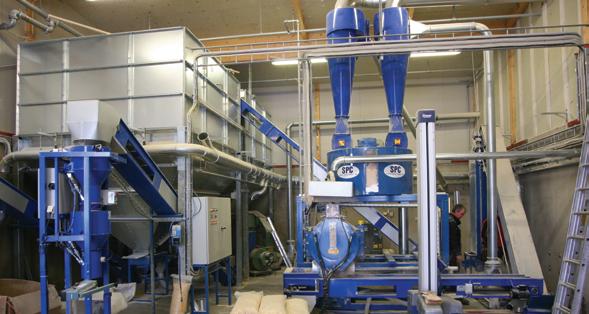
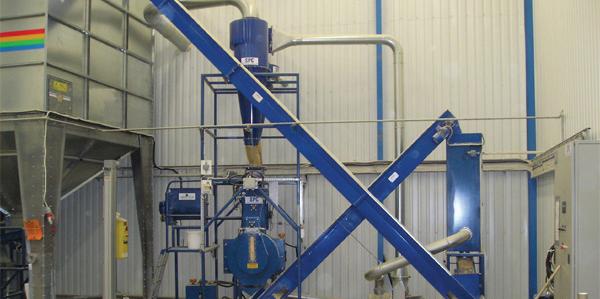
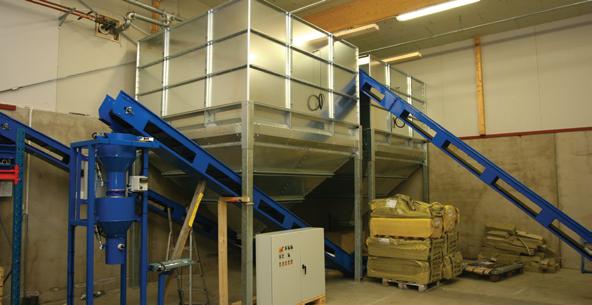
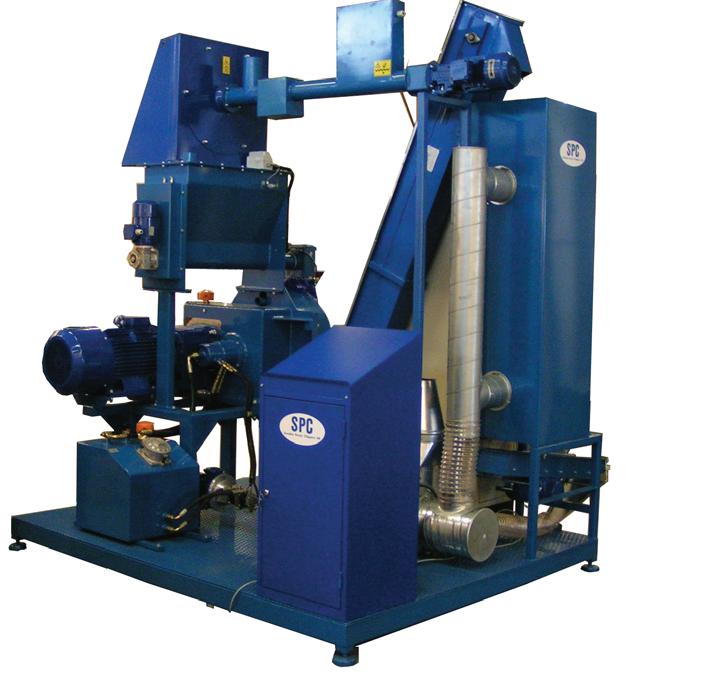
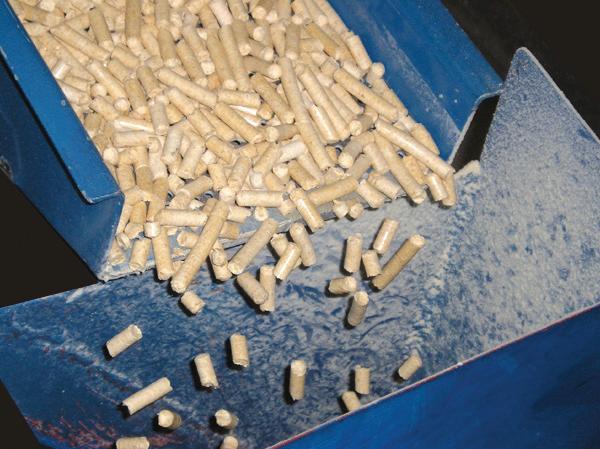

By Christopher Rees
Energy conservation coupled with solar, wind, geothermal and bioenergy can make important contributions to meeting our energy needs and lessening our dependence on fossil fuels.
The transition from a fossil fuel-based economy to a renewable energy-based economy will be neither easy nor rapid. But, everything possible needs to be done to facilitate and speed up the process. That requires agreement and co-operation. Unproductive confrontation between groups with differing viewpoints must be replaced by a wide consensus on how
“We must pursue policies and practices that ensure our forests remain net absorbers of carbon in the future.”
Bioenergy development can move ahead simultaneously with an increase in the quantity and quality of forests. Europe has been widely supported in this effort by the public because forests have continued to grow and traditional forest values have been preserved. After 100 years of being a carbon sink, in recent decades Canada’s forests have been oscillating back and forth between being a carbon sink and being a carbon source. This is partly the result of increased wildfires, massive insect kills and downturns in the forest industry. We must pursue policies and practices that ensure our forests remain net absorbers of carbon in the future, and that our forests continue to grow in both quantity and quality, providing a wide range of societal benefits.
traction.
• In most provinces, environmental guidelines exist or are under development relating to forest biomass harvesting and the restriction of biomass removal from ecologically sensitive areas.
• Wood residues should continue to be the primary source of forest biomass. Standing trees are harvested for biomass only when they do not have a “higher-value” market and where replanting can take place that will add value to the overall forest.
to move forward – including the public, industry, First Nations, environmental interests, academia and government.
The Canadian Bioenergy Association strongly believes that responsible use of forest biomass for the production of energy and chemicals can one day replace products sourced from fossil fuels, as well as provide a net benefit to the environment with enormous societal benefits.
A recent study in the United States, entitled Managing Forests Because Carbon Matters: integrating energy, Product and land Management Policy states that “energy produced from forest biomass merely returns recently absorbed carbon to the atmosphere, and essentially results in no net release of carbon, provided that overall forest inventories are stable or increasing.”
Several key points need to be emphasized with respect to forest biomass and the bioenergy industry in Canada:
• The forest industry is committed to sustainable and responsible forest management within areas designated for allowable harvest by each province.
• Biomass harvesting for bioenergy uses only a fraction of total biomass availability in Canada – no large-scale ex-
Bioenergy is an integral part of the future. The emerging bioeconomy is capable of producing biochemicals and bioproducts that further decrease the dependence on oil. What we need is to foster a consensus on the “best practices” for industry development that provide for environmental, economic and societal benefits for our generation and those following. Canbio will act as a catalyst for building such a consensus and invites all those interested to join in the process. •
Christopher Rees is the chair of the Board of the Canadian Bioenergy Association (Canbio) and managing partner of Suthey Holler Associates – a consulting company specialized in renewable energy and community development. He previously worked with the International Chamber of Commerce in Paris, France. Mr. Rees is an economist with renewable energy experience across Canada and in Europe.
Final Thoughts runs at the back of every issue of Canadian Biomass, and provides a forum where individuals involved in the biomass sector can discuss the topics most important to them. Each column will run a maximum of 650 words.
If you would like to contribute, please e-mail dmanly@annexweb.com.
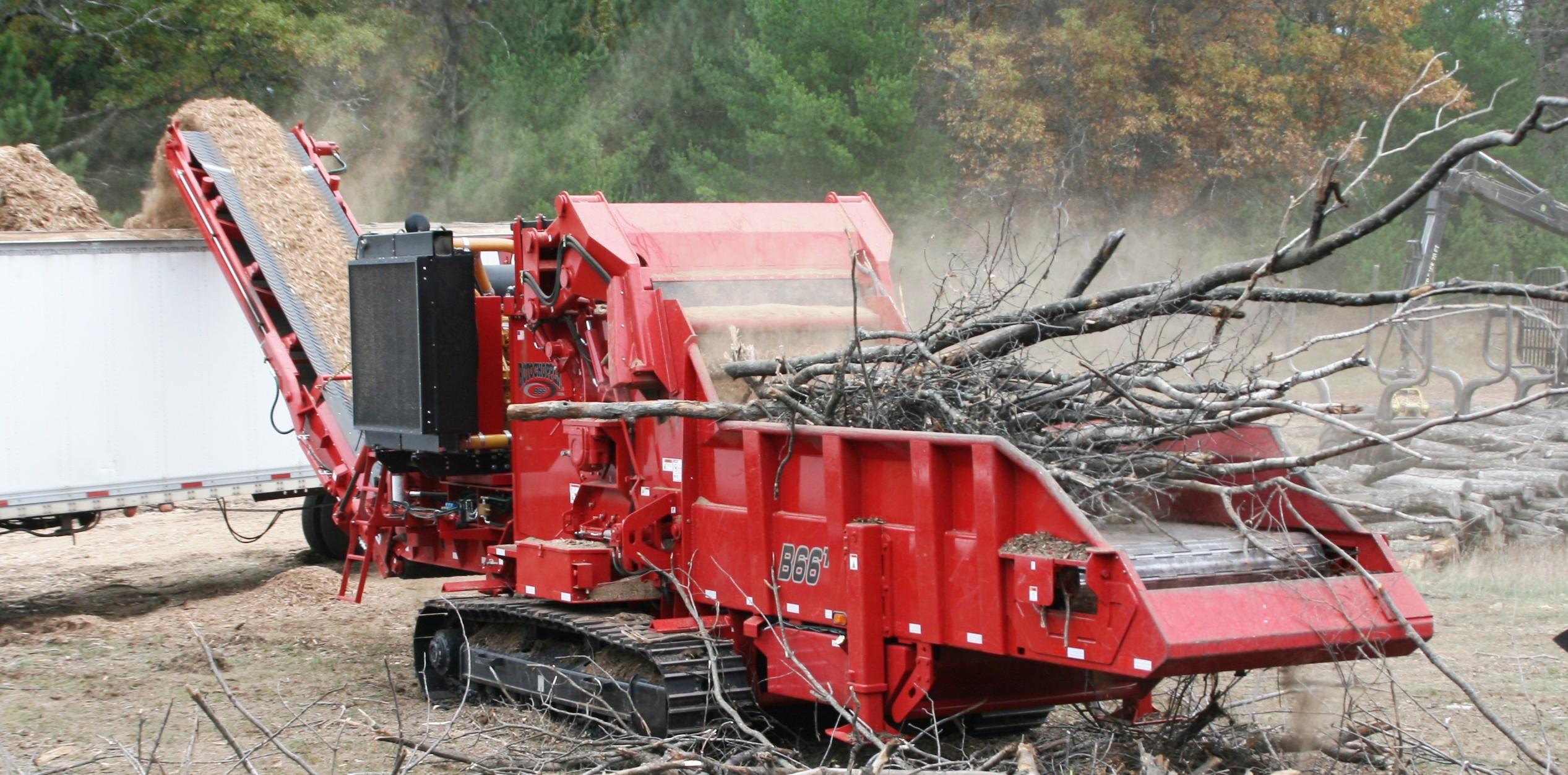
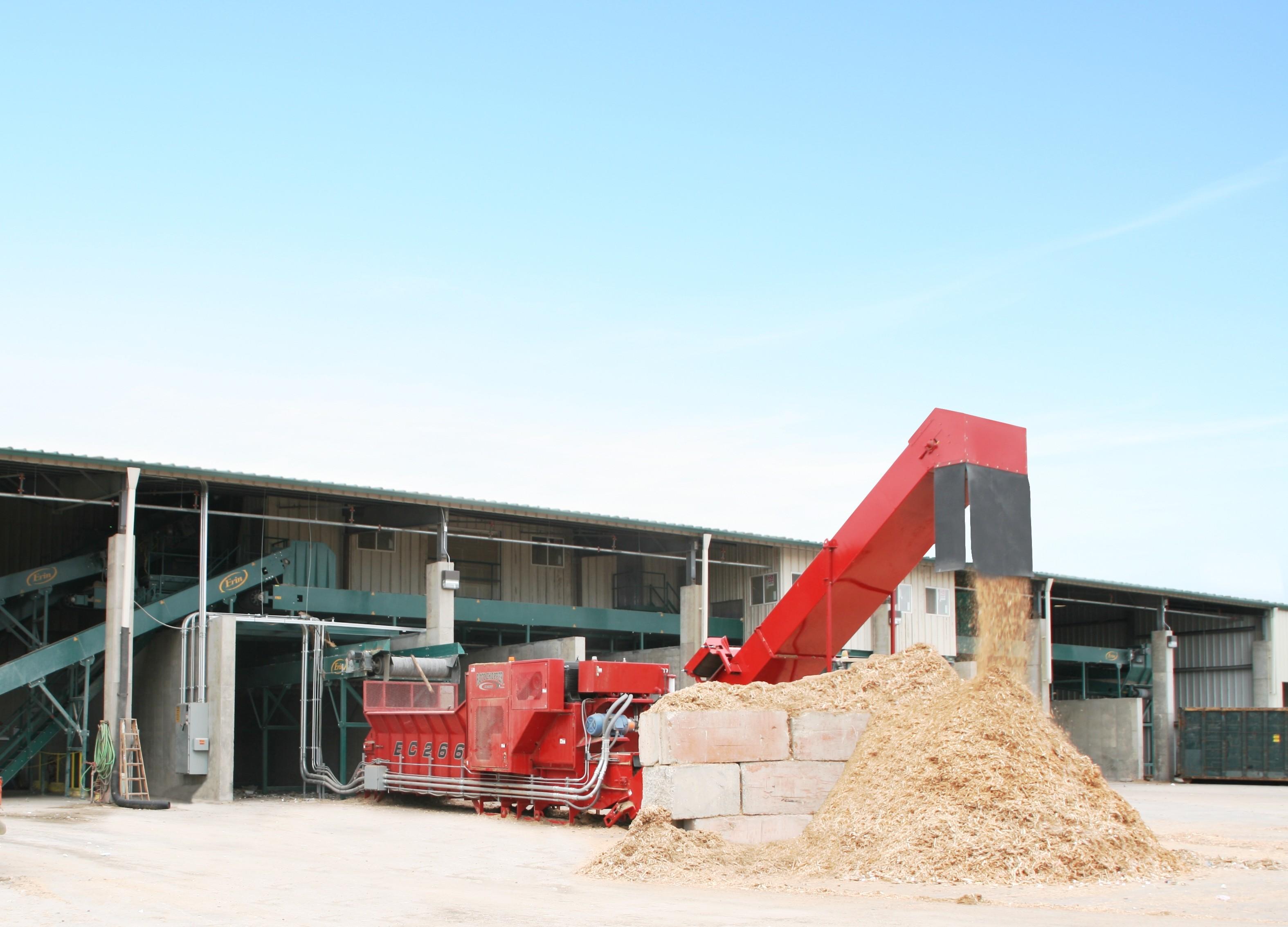

Forestry Slash
Logs
Sorted C & D
Railroad Ties
Slabwood
Wood Chips
Pallets
Maximize the value of your wood waste with the unmatched versatility and superior particle size control you get with Rotochopper.
How can Rotochopper grinding technology simplify your biomass processing operation?
Give us a call today to learn more.