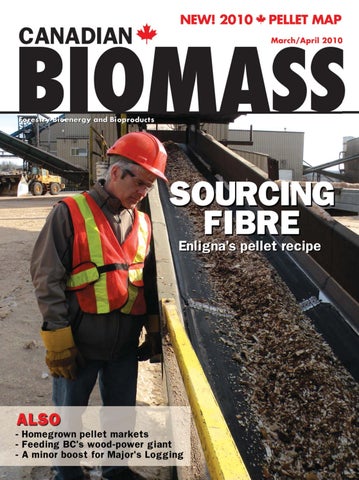
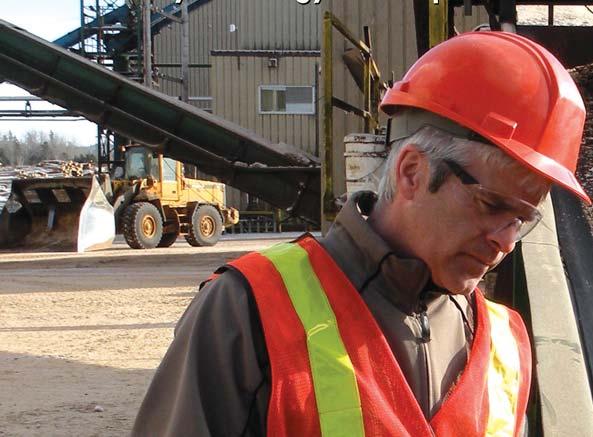
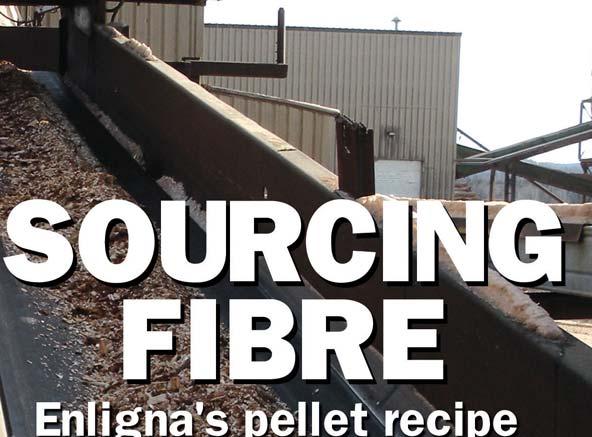
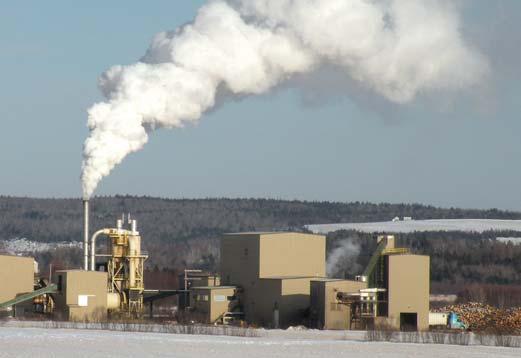
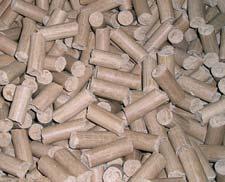
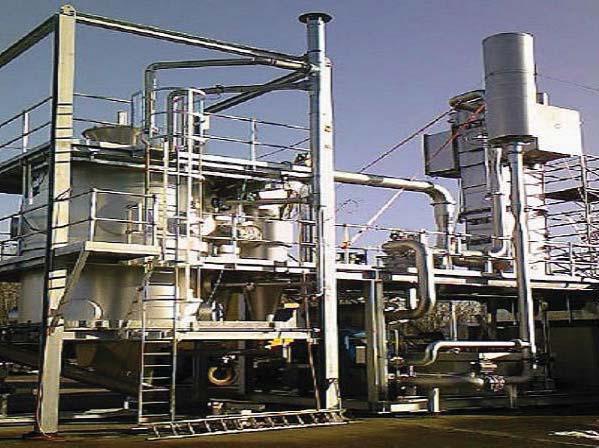
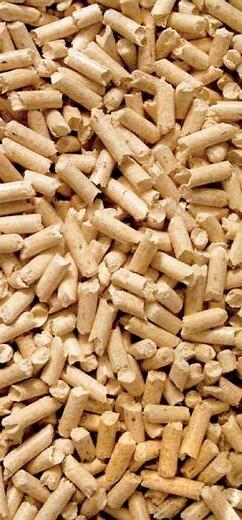
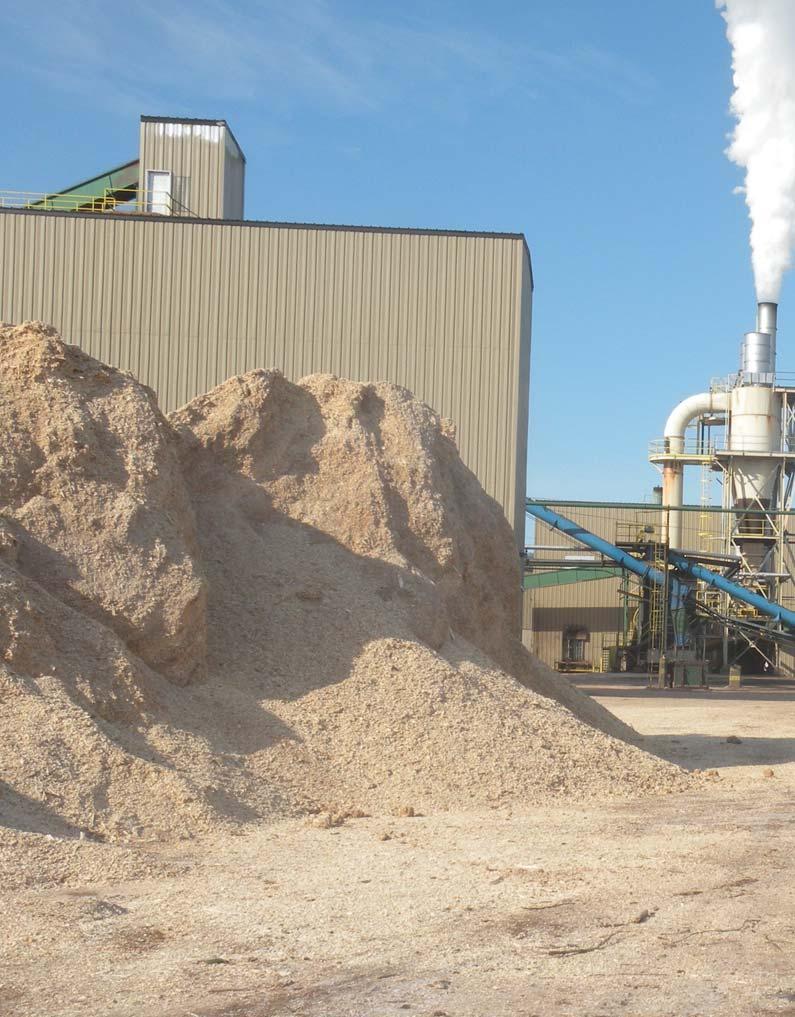
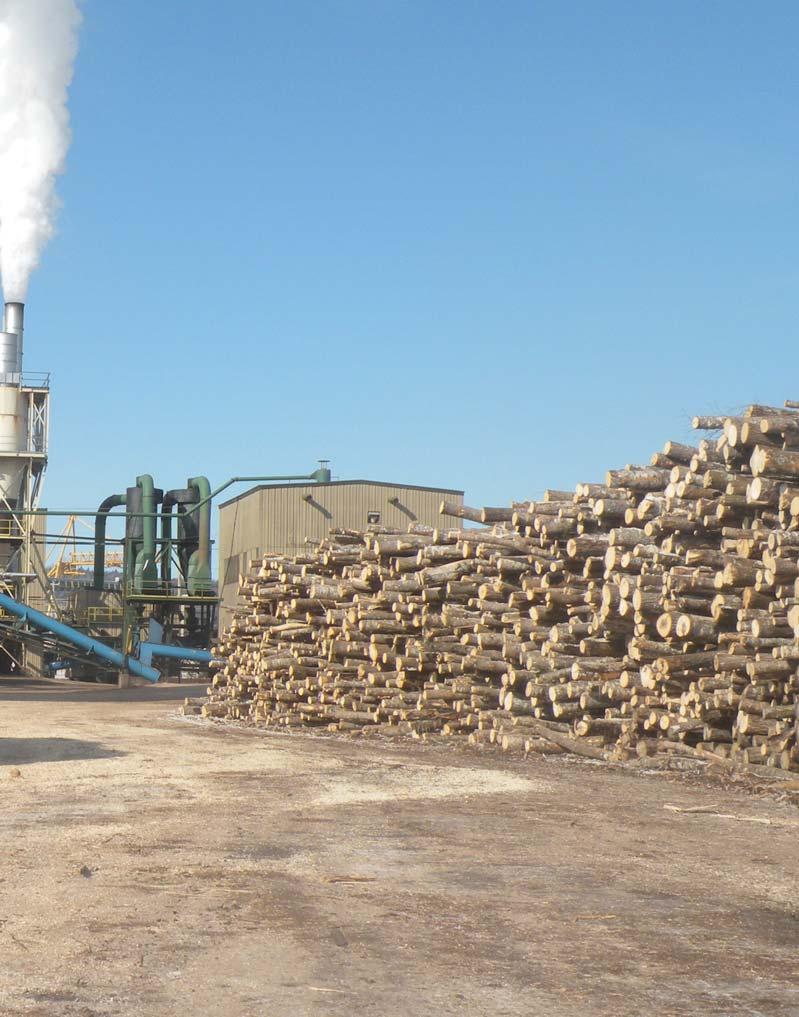
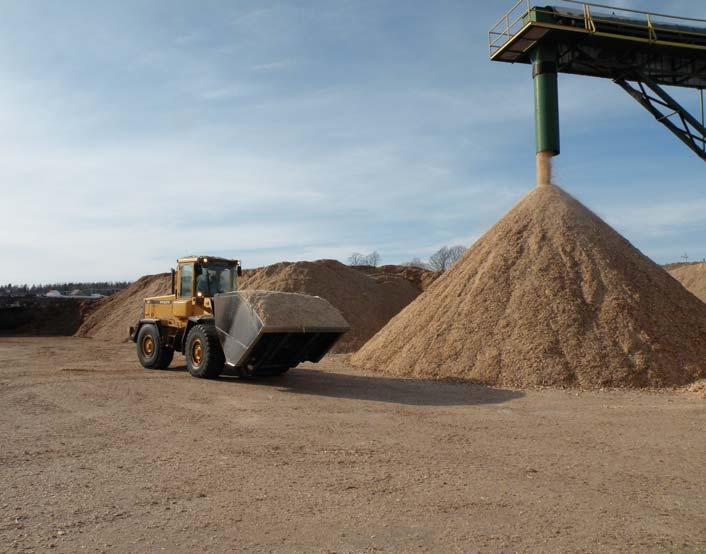
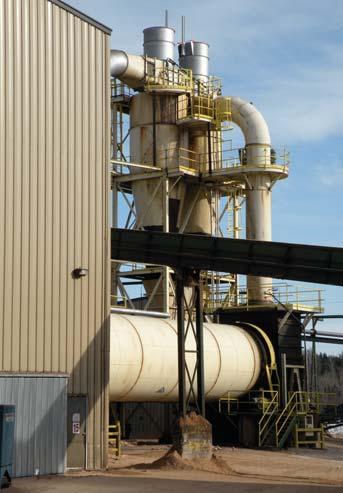
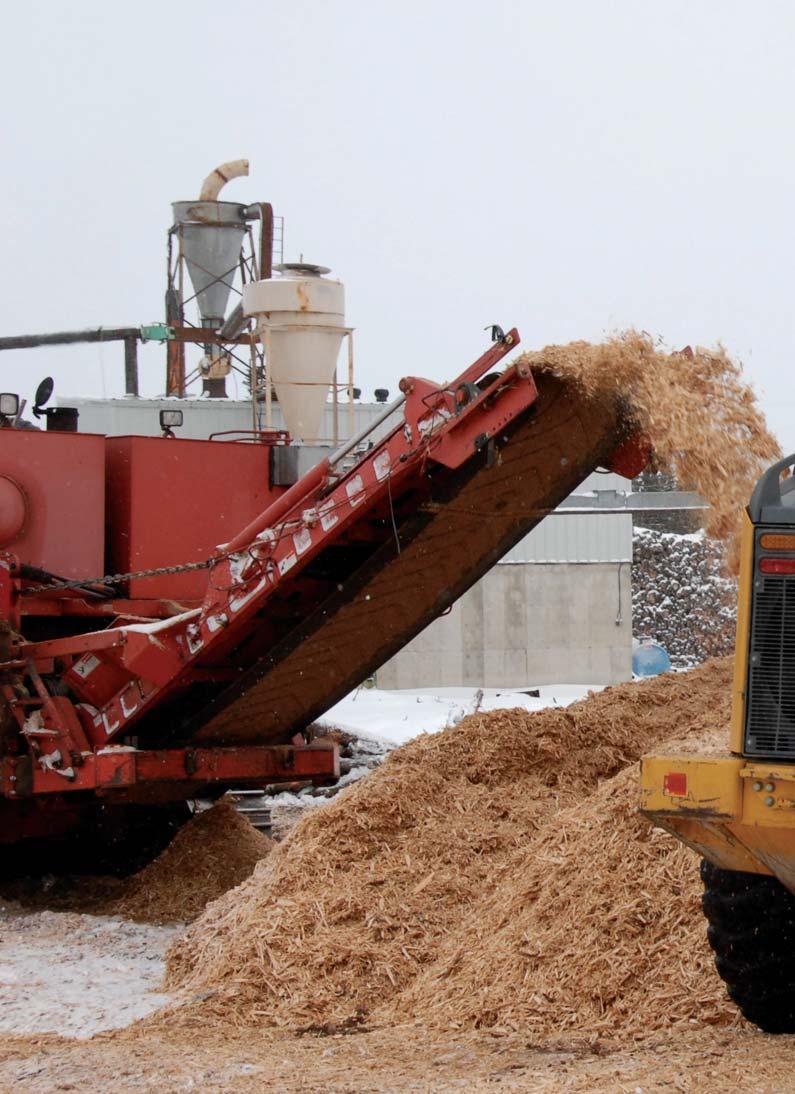
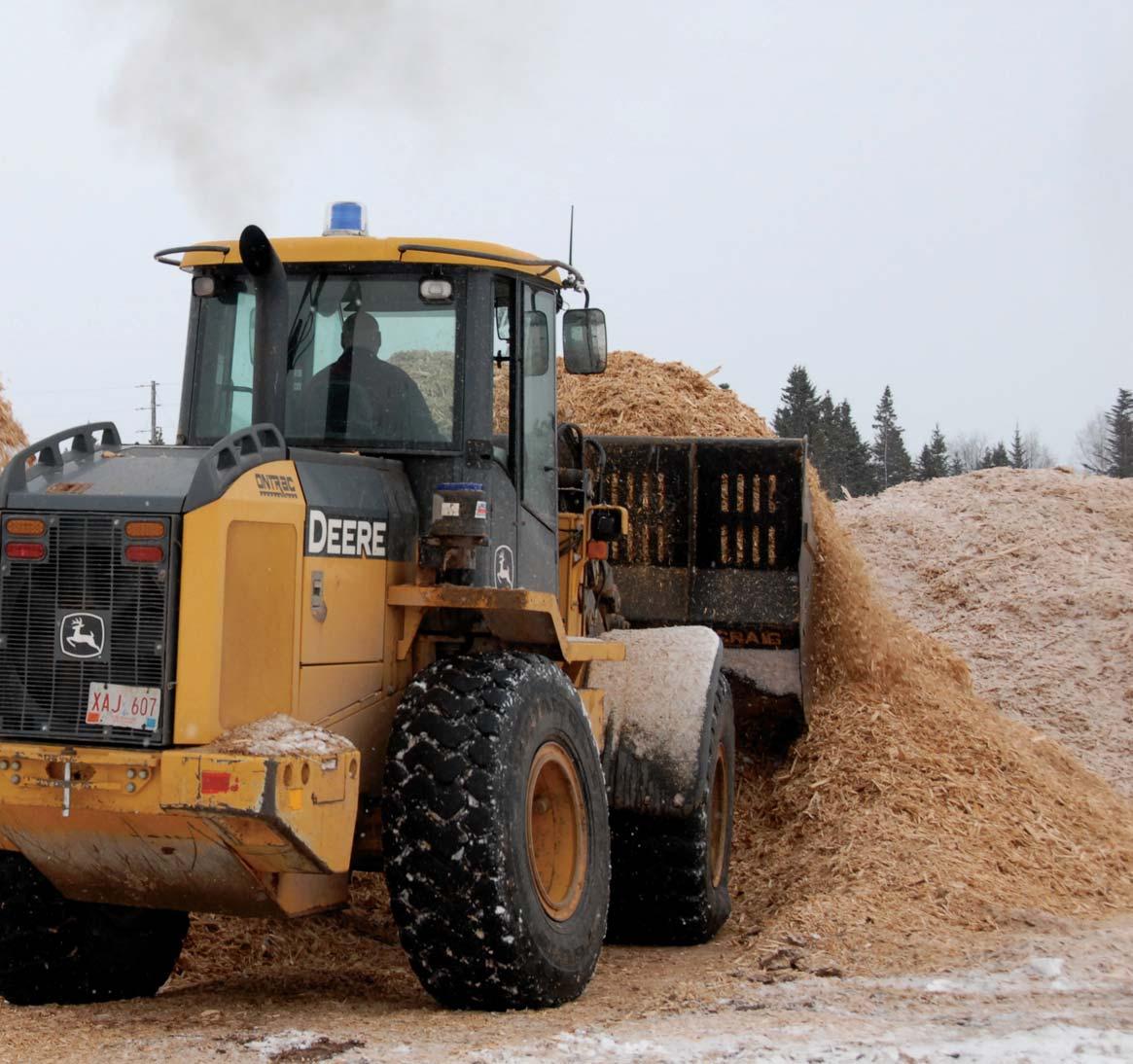
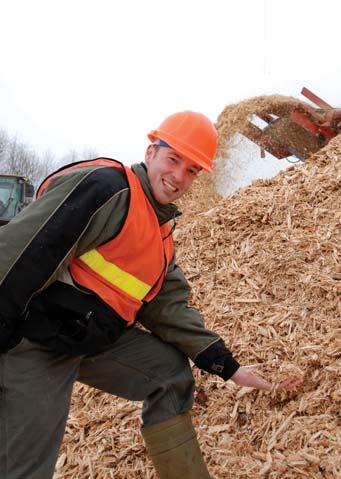
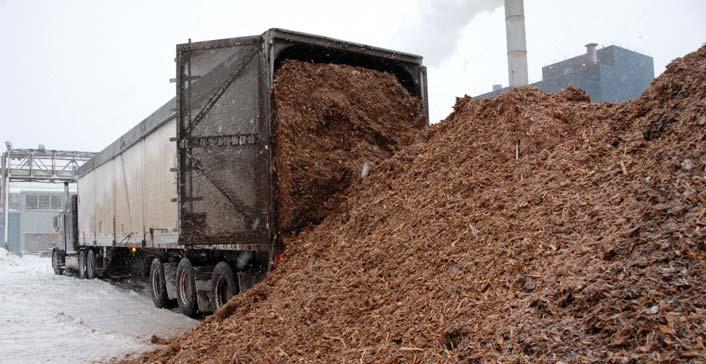
With the downturn in sawmilling, Enligna Canada’s pellet plant has carved a new niche in the supply chain, liberating it from a reliance on sawmill residues.
DEPARTMENTS
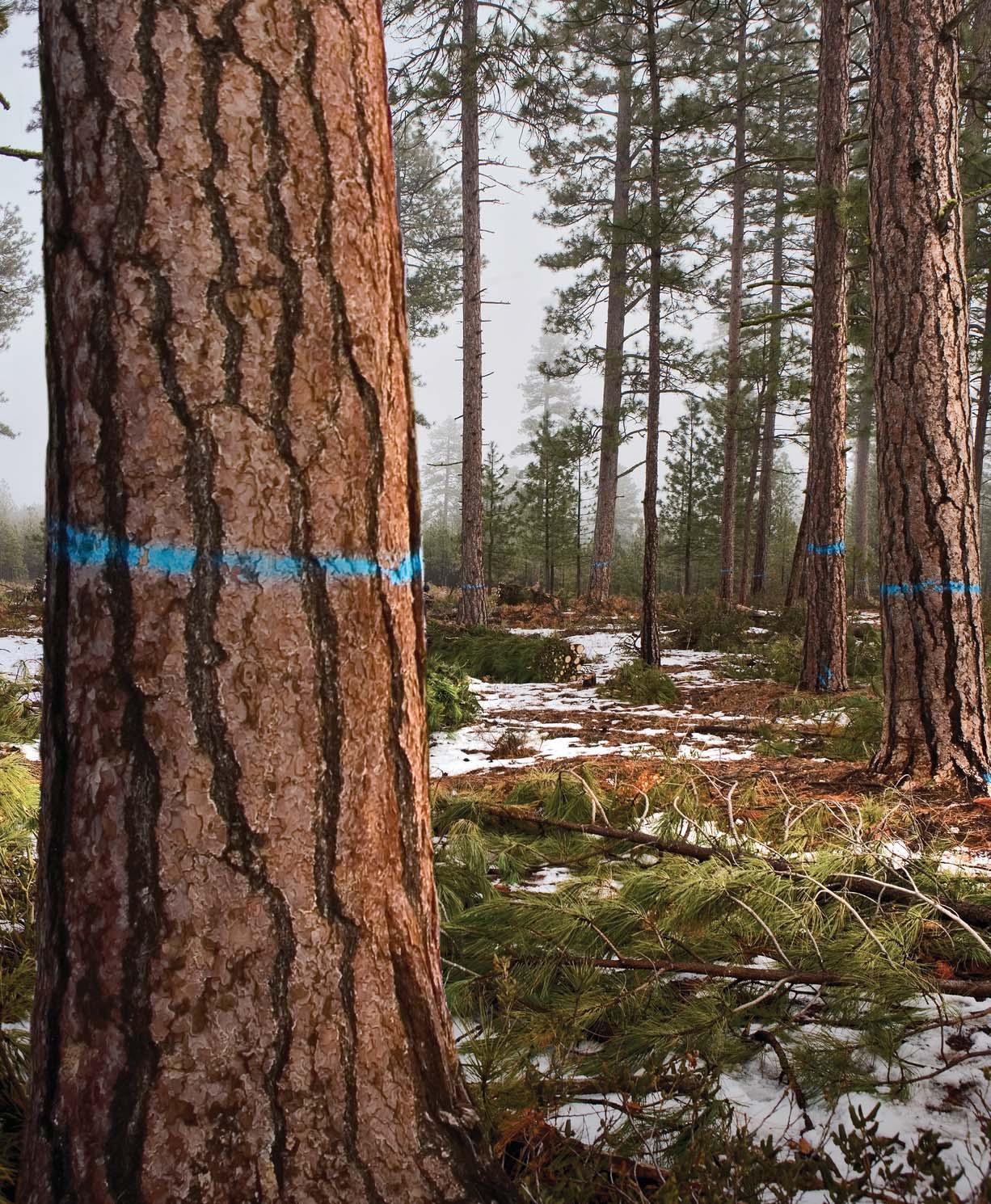
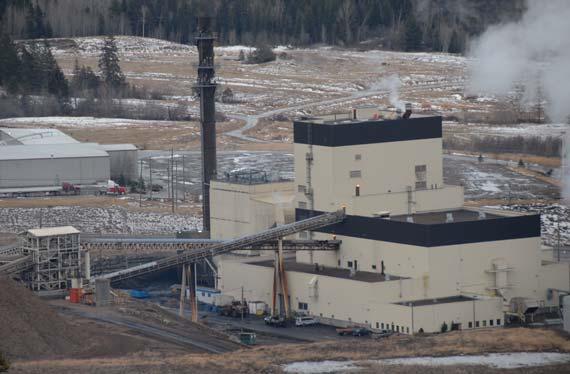
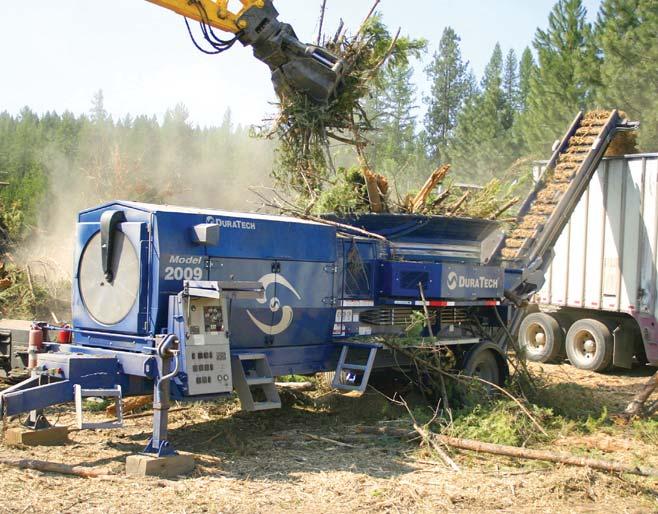
The massive biomass power plant at Williams Lake, British Columbia, was originally built to use mill waste and close local beehive burners. Now, it’s also using roadside logging waste.
Canada’s residential heating market offers pellet makers a way to reduce their dependence on Europe’s politically driven bulk market, but it won’t develop itself.
A Newfoundland logger takes grinding to the next level to supply a local pulp and paper producer’s biomass-hungry boiler.
District heating is a smart way to heat communities, but has yet to catch on in a big way in Canada.
“One solution to Canada’s unhealthy reliance on Europe’s bulk pellet market may lie right under our noses, with domestic demand for Canadian wood pellets.”
the full story on page 22
Expanding pellet markets
Building the team
Keynote address
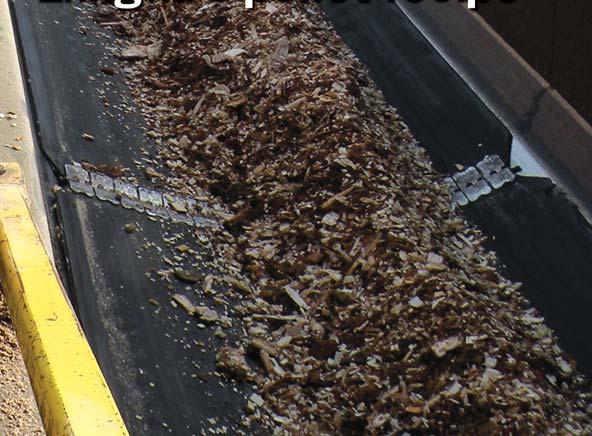
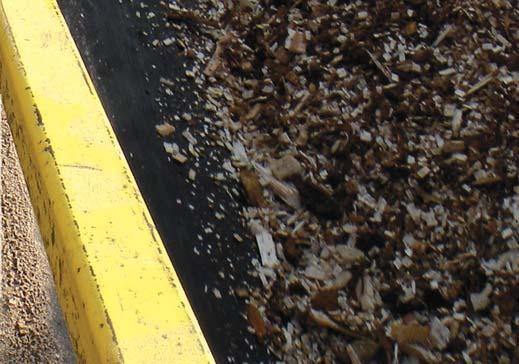
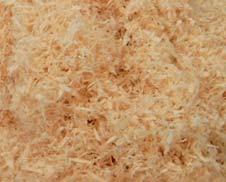
a mixture of bark and chipped white wood obtained from multiple sources that’s on its way to become pellets. Story on page 16. Photo: Heather
Tim Tolton - ttolton@forestcommunications.com 514-237-6614
Guy Fortin - gfortin@forestcommunications.com
90 Morgan Rd, Unit 14 Baie d’Urfé, Que H9X 3A8 Ph: (514) 457-2211 Fax: (514) 457-2558
Western Sales Manager
Tim Shaddick - tootall1@shaw.ca 1660 West 75th Ave Vancouver, B.C. V6P 6G2 Ph: (604) 264-1158 Fax: (604) 264-1367
Production Artist - Kelli Kramer
Canadian Biomass is published six times a year: February, April, June, August, October, and December.
Published and printed by Annex Publishing & Printing Inc.
Printed in Canada ISSN 0318-4277
Circulation
e-mail: cnixon@annexweb.com Tel: (514) 457-2211 Fax: (514) 457-2558 Mail: 90 Morgan Rd, Unit 14 Baie d’Urfé, Que H9X 3A8
Subscription Rates:
Canada - 1 Yr $48; 2 Yr $85; 3 Yr $115 Single Copy - $9.00 (Canadian prices do not include applicable taxes) USA – 1 Yr $44 US; 2 Yr $75 US Foreign – 1 Yr $75 US
From time to time, we at Canadian Biomass make our subscription list available to reputable companies and organizations whose products and services we believe may be of interest to you. If you do not want your name to be made available, contact our circulation department in any of the four ways listed above.
on’t put all your eggs in one basket.” How many times have we each heard and recited this old adage? And yet, this is the situation confronting the Canadian wood pellet industry. The Wood Pellet Association of Canada indicates that we produce about 1.4 million tonnes of pellets. Of this, 1.3 million tonnes is exported, mainly to Europe. That’s a whopping 93% that’s exported, leaving a mere 7% that’s used domestically.
Without a magic crystal ball, we can’t know for sure what the future of wood pellet exports will look like. New pellet plants are springing up almost monthly, and more countries are expanding into the pellet business: Brazil and New Zealand, to name a couple. The majority of these new pellet plants are also aiming to supply Europe’s demand for pellets. Will competitive supply outstrip foreign demand? Will there be a surplus of pellet makers that can get pellets to the buyers cheaper than Canada can by decreasing the transport distance or the material and labour costs? Will coal plants be phased out altogether, making this pellet market obsolete, with energy generated more cheaply from raw biomass? What about losing market share to wind, solar, and geothermal energy, which are becoming ever more popular options?
vert to pellets, even if it’s cheaper energy. In areas where pellets are readily available, there is often little incentive to switch to a pellet appliance because of the high installation cost, particularly if there’s already a functioning system in place.
Expanding the domestic markets for industrial, commercial, and household uses can only benefit our wood pellet industry. But, numerous challenges need addressing for domestic solid biomass markets to grow. Some of the requirements are:
• a strong lobby for policies that create incentives to use renewable pellet energy, including: tax credits and subsidies to install pellet appliances, an equitable share of the incentives that go to other forms of renewable energy, and fossil carbon penalties that make it both environmentally and economically responsible to decrease our reliance on fossil fuels;
• reliable, modern storage and bulk delivery infrastructure to increase the ease and efficiency of energy delivery;
• an established, well-marketed group of domestic and commercial heating professionals to install and service pellet appliances; and
Rather than relying so wholly on exports, the Canadian pellet industry needs to create new market diversity to increase its longterm stability. Our entire domestic pellet consumption is less than the total production from one of our larger plants. In the central Canadian provinces, however, there is little supply of local pellets because there are almost no pellet plants. This breeds reluctance for consumers and business owners to con-
• marketing and public education programs to get the average builder and consumer thinking about pellets. All that’s needed is a strong group of entrepreneurs to step up and get the ball rolling. It only remains to be seen who that will be.•
IndustryEvent
Bioenergy 2010 is a week long chance to see a functioning biomass economy in action, from slash harvesting and biomass crops right through to district heating and transport biofuels. From May 24 to 28, in southern Sweden, World Bioenergy will include pre- and post-conference tours, the main conference, daily excursions to active bioenergy sites, the exhibition with 200+ booths, matchmaking opportunities, and several side events to drive your business.
TOURS
The conference and exhibition are held in the scenic town of Jönköping, but visitors can make their way to the worldrenowned Elmia conference site via a number of full-day pre-conference tours
Wood Pelleting Plants
leaving airports in Stockholm and Copenhagen. Tours will visit combined heat and power (CHP) plants, short-rotation coppice production, pellet plants, ethanol plants, mid-sized heat plants, large power plants, harvesting and forest residual sites, biogas plants, biodiesel plants, small-scale briquette plants, greenhouses, gasification, and more. Tours leave in the morning, allowing for international visitors to join the tours directly from their flights, while return tours will arrive back at these two airports in time for late afternoon flights home. Attendees are also offered daily site visits as part of the conference program.
CONFERENCE
The conference at World Bioenergy 2010 is divided into seven main themes, allowing delegates to focus on their main areas
of interest or to choose a variety of topics for a well-rounded bioenergy education. These include:
• CHP, combustion, heating, and cofiring: A range of technologies and installations will be discussed, from boilers and burners to fuel handling, logistics, flue gas cleaning, and other support systems. Includes a CHP plant tour.
• Forest residues, slash, stumps, small tree harvest: This is a repeat of the popular slash conference from Elmia Wood 2009, focusing on how to recover biomass from felling and thinning operations, environmental effects, and ash recycling. Daily excursions to harvest sites.
• Policy: Delegates will learn how to stimulate increased use of bioenergy.
• Biofuels for transport: Ethanol, biodiesel, and biogas can offer sustainable solutions. The conference looks at first- and second-generation fuels, plus the economics involved. Pre- and post-conference tours plus daily biogas plant visits.
• Pellets: This large and growing energy commodity is looked at from markets and production technology to project and investment trends. Includes pellet factory tours.
• Energy crops: Both agricultural residues and byproducts are examined.
• Waste to energy: Waste is a resource in every society that can be used for heat and power, as well as biogas. Daily and pre- and post-conference tours offered.
EXHIBITION
Tour over 200 booths displaying much of the technology and expertise needed for the above developments, including our very own Canadian Biomass booth staffed by editor Heather Hager.
For more information on the tours, the conference, the expo, and accommodations, visit www.elmia.se/en/worldbioenergy.com. •
The Australian company Plantation Energy is on its way to becoming world market leader. With plants of KAHL.
BIOMASS
$40 MILLION FOR CELGAR RENEWABLE ENERGY
A $40-million federal investment will enable one of Canada’s largest, modern kraft pulp mills to generate renewable energy from forest biomass. The Zellstoff Celgar Pulp Mill in Castlegar, British Columbia, is the first mill to receive funding under the Pulp and Paper Green Transformation Program for a renewable energy project. Across Canada, 38 pulp and paper mills from 24 companies have generated credits under the $1-billion program based on their 2009 production levels of black liquor used to generate heat and power. Qualified companies are required to submit specific project proposals for
LIGNOL PREPARES BIOREFINERY PILOT PLANT update
their facilities and have until 2012 to apply the credits to environmental improvement projects.
The Celgar renewable energy project has three components designed to improve the environmental performance of Celgar Pulp Mill’s existing infrastructure. This investment will allow the mill to take advantage of waste heat, increase the production of steam from wood waste, and increase the capacity to generate bioenergy. The Celgar project will allow the mill to generate enough renewable electricity to meet its own needs and supply some energy to the British Columbia grid by late 2010.
Lignol Energy Corporation recently completed important enhancements to its fully integrated industrial-scale biorefinery pilot plant in Burnaby, British Columbia. Following the successful construction of Lignol’s biorefinery pilot plant and the completion of initial production runs in June 2009, Lignol has developed process improvements and evaluated various equipment configurations that will enhance mechanical operability and process efficiency and increase the value of the related high-purity lignin derivatives. Design and procurement of these enhancements commenced in the summer of 2009, installation was
completed in late fall 2009, and successful commissioning took place in December 2009. Each of the major unit operations of the pilot plant has been independently operated at the facility under a prescribed number of operating conditions using wood chips. Integrated production runs were expected to commence in February 2010. Through planned production campaigns, Lignol intends to operate the pilot plant under a wide range of operating parameters to process various nonfood feedstocks as the company undertakes final designs for commercial-scale projects.
FROM WASTE TO WATTS: THE BELTRAN BIOMASS GASIFICATION SYSTEM
Beltran’s advanced technology converts carbon-based waste into profitable bioenergy, biofuels and co-products your company can use now!
• Biomass feedstock-flexible system can use low-value agricultural, animal, industrial, wood or municipal wastes.
• Advanced gasification reactor, wet electrostatic precipitator and engine-generator are closely integrated for optimum efficiency.
• Scalable, adaptable solution for harvesting safe, renewable energy, reducing pollution and CO2, and turning costly waste into sustainable profit.
BIOMASS update
TK’EMLUPS PROJECT STUDIES FIBRE SUPPLY
Raven Biofuels Ltd and its joint venture partner, the Kamloops Indian Band, have retained a Canadian forestry consulting firm specializing in resource inventory and analysis to complete a comprehensive fibre study in conjunction with the Tk’emlups Biorefinery Project. The project is a proposed 11-million gallon/year integrated biorefinery to be located near Kamloops, British Columbia. The overall objective is to define
the 20-year economic wood fibre feed to the planned Tk’emlups Biorefinery facility. This will involve defining the appropriate fibre attributes, completing a fibre supply overview, determining cost estimates for various fibre sources, identifying various fibre sourcing options, and providing recommendations to secure the required fibre economically.
The study will focus on wood fibre economically accessible to Kamloops. This
MORBARK® GRINDERS
More Versatility. More Opportunity. Normally, high-quality chips and mulch are produced on separate machines, but with the Morbark® Quick Switch, you can produce both products and virtually double your market opportunities with a single Morbark ® grinder. The best horizontal grinders on the market are now the most versatile with the introduction of the Morbark ® Quick Switch Grinder-to-Chipper Conversion Kit.
MORBARK®
Horizontal Grinder-to-Chipper Conversion Kit. Turn grinder downtime into profit by modifying the hammermill of your Morbark ® horizontal grinder in the field – without special tools or heavy equipment. Make the switch and produce high-quality biomass fuel chips in only a few hours!
Go to Morbark.com/QuickSwitch to see a video demonstration or call 800-831-0042 for more information.
overview will include fibre from the Kamloops Timber Supply Area (TSA), along with the Merritt, Okanagan, Lillooet, and 100 Mile TSAs. Fibre from private land, Indian reserves, tree farm licences, community forests, and woodlots will not be included in this study because of a lack of consistent publicly available data for these land tenures, and fibre in the form of mill residuals is not within the scope of this study.
IN BRIEF...
A Kenora, Ontario, lumber mill is exploring the possibility of generating its own power from wood waste. Kenora Forest Products is studying the feasibility of establishing a biomass energy plant and wood pellet production facility at the mill, with funding assistance of $24,218 from the Northern Ontario Heritage Fund Corporation under its Northern Energy Program. The mill annually produces 80 million feet of building studs from spruce, pine, and fir.
Univeristy of Toronto forestry professors Ning Yan and Mohini Sain were awarded $1,750,000 from the Ontario Research Fund Research Excellence Program for the development of a bark biorefining process to produce adhesives and foams. The research could have significant applications in the automotive and chemicals industries. The project has seven private sector partners: FPInnovations, the Woodbrige Group, Huntsman Corporation, Arclin, St. Mary’s Paper, Tembec, and AbitibiBowater.
A proposed pellet plant for the former tobacco-growing region of southern Ontario would initially produce 50,000 tonnes/year of pellets and briquettes from agricultural, forestry, and wood product residues. Construction is pending the finalization of funding, with production expected by late summer 2010.
BIOCHAR FIELD-TEST STARTS IN ONTARIO
The Ontario Ministry of Agriculture, Food, and Rural Affairs (OMAFRA) and Dynamotive Energy Systems Corporation are planning a biochar field trial in Ontario. Although intensive study of biochar-rich dark earths in the Amazon has led to a wider idea of biochar’s properties as a soil enhancer, it is unknown whether there are similar effects on productivity in temperate
PACIFIC BIOENERGY MAKES MORE PELLETS
Pacific Bioenergy Corporation and GDF
Suez are partnering to support a $24-million expansion of Pacific Bioenergy’s wood pellet production facilities in Prince George, British Columbia. Pacific Bioenergy and global energy producer GDF Suez have formed a new joint venture to own and operate the Prince George plant. In addition to its minority interest in the joint venture, GDF Suez has agreed to purchase 2.5 million tonnes of wood pellets for its electrical generating facilities in Belgium over the next 10 years. The expansion project, expected to be complete in the fall of 2010, will see annual wood pellet production at the Prince George plant double to 350,000 tonnes. New state-ofthe-art emission control equipment will be installed, improving the air quality in and around Prince George. The expanded plant will use more mountain pine beetle killed wood and other waste wood from the forests surrounding Prince George.
“Our use of carbon-neutral wood pellets from British Columbia allows us to lower our carbon dioxide emissions at our electrical generating plants and to achieve the goals concerning renewable energy set out by the European Union,” says Dirk Beeuwsaert, executive vice-president in charge of energy Europe & international for GDF Suez. “This new partnership assures that we will receive significant quantities of carbonneutral wood pellets during the next decade and will support our position as a world leader in large-scale biomass generation.”
region soils. As a start to answering this question, a field plot has been established on a farm near Shakespeare, Ontario. The local farmer supplied the test field plot, biochar application support, and GPS mapping. Dynamotive supplies biochar, which is made during its fast pyrolysis process. Staff from OMAFRA will be assisting in the monitoring and interpretation of data
from the plot. Large enough strips to accommodate conventional harvesting equipment have been laid out in the field, alternate strips have received biochar application, and the entire plot will be monitored over the next growing season to determine if there are any differences in the growth or yield of the grain corn crop that will be planted in the field.
Quality pellets, guaranteed. For perfect pellets the entire production system must work together flawlessly. Buhler enables total process control by providing a complete process design package and key equipment for drying, grinding, pelleting, cooling, bagging and loading. This, combined with Buhler’s integrated automation system, unrivaled after sales support and training provides a seamless solution, guaranteed.
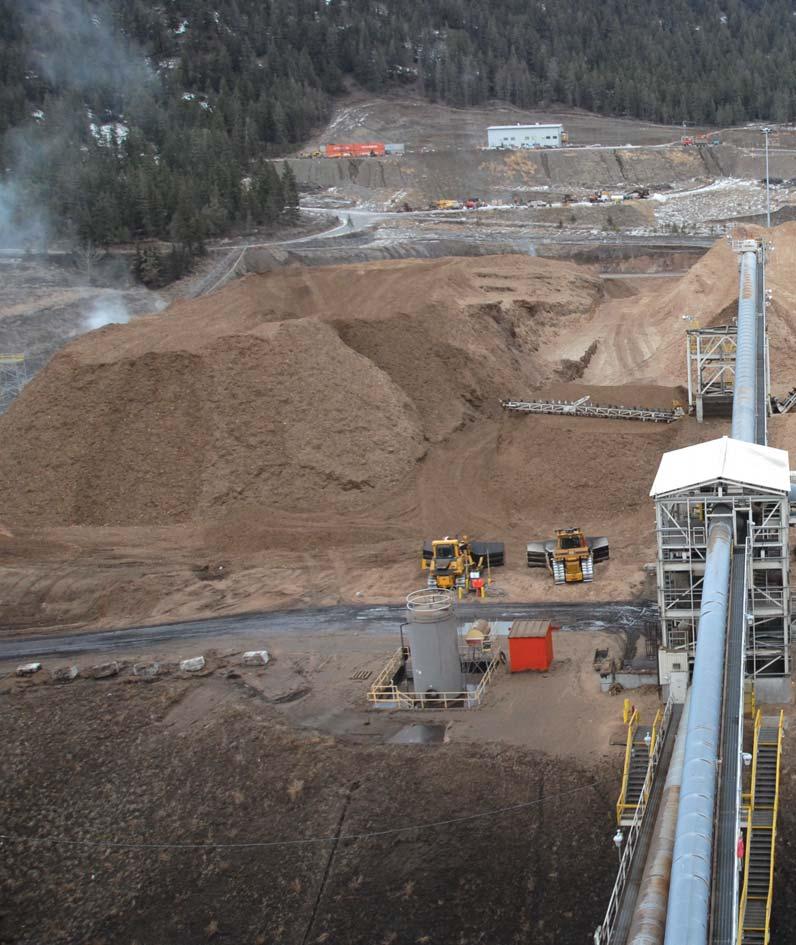
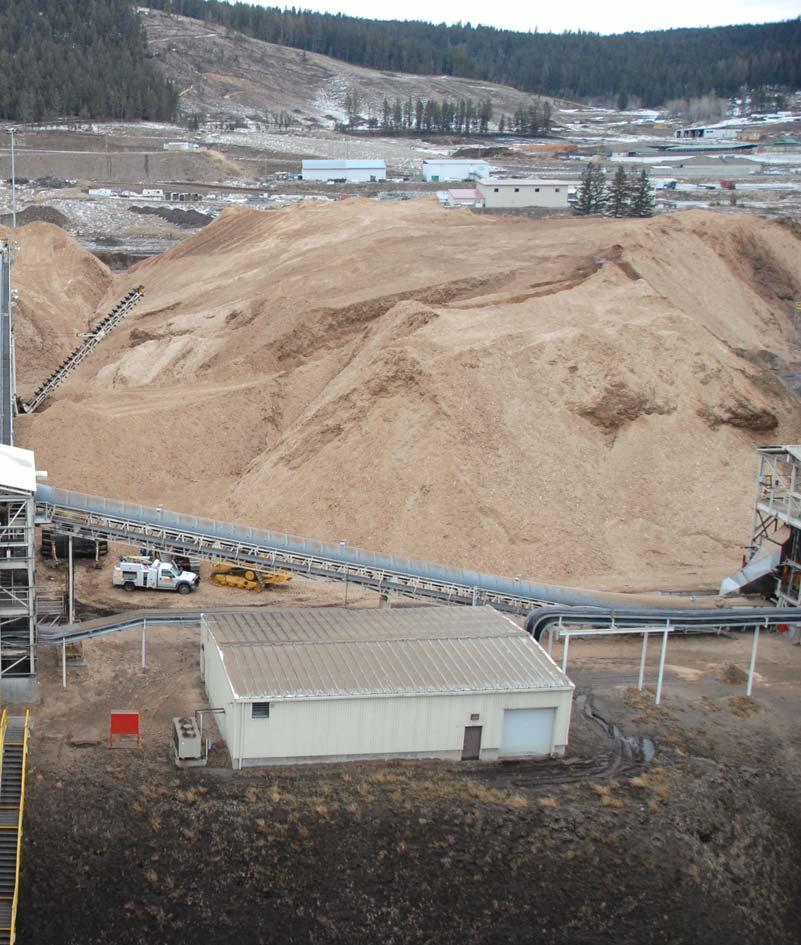
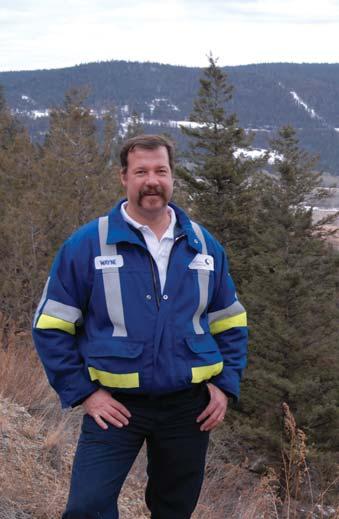
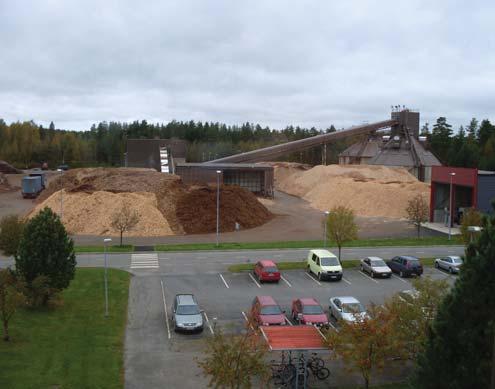
the roof of one of North America’s largest biomass power plants, Wayne Clarke, the facility’s manager, surveys the huge mounds of wood fibre that fill the yard below. These mountains of cellulose are wood waste from sawmills and roadside residuals from logging operations. Just a few years back, these byproducts from the forest industry would have been incinerated in beehive burners or burned as slash in the bush once logging operations had been completed. They were the products nobody wanted and, in some cases, sawmills even paid to have them carted away.
How things have changed in today’s world, where biomass has become a rapidly growing commodity. The Williams Lake, British Columbia, facility, which is owned by Edmonton, Albertabased Capital Power Income LP, typically consumes in excess of 600,000 tonnes of green wood waste during an average year, says Clarke. From his vantage point on the plant’s roof, he points out the numerous sawmills just beyond the power plant’s fences. These wood products producers used to supply most of the fuel
needed to run the plant. But as he lists off the mills that are currently shut down or on limited production schedules due to tough times in the wood products business, he adds that the British Columbia forest industry’s economic woes have created a scenario that has become one of the biggest challenges facing a plant such as this one.
“Two thirds of our fuel mix still comes from our traditional sources, that being the area sawmills, but the other third is now derived from roadside logging waste, and a very small amount from nonstandard sources such as clean and untreated urban wood waste,” Clarke explains. “The slowdown in the wood products business has made it more expensive and difficult to bring wood waste in from the bush than to source it from nearby sawmills.”
ADDED COST
That extra cost comes in the form of transportation, additional processing measures, and variability in the wood, especially when it comes to moisture content, which Clarke says can be much higher in the logging waste, especially in winter. “Overall, the wood coming from the sawmills is just much more consistent and it is a very uniform product.”
When using more logging waste in the mix, Clarke says that they also face challenges with stable delivery schedules because they have to factor in things such as spring break-up and other weather conditions that can impede the logging contractors’ ability to deliver. “We have to make sure we have enough fibre in inventory to cover our needs during these times,” he adds.
For Clarke, the magic number in terms of inventory is 35 to 45 days of
fibre supply in the yard. “We are fortunate in that we have some very proactive logging contractors here in the Williams Lake area that have made sure our fibre supply has stayed intact,” he says. “Although fibre from logging waste is a lower quality than what we get from the sawmills, many of our contractors have come to the forefront and have been able to deliver what we need.”
Clarke joined Capital Power just over a year ago. However, he is no stranger to the business and has extensive experience in working with boilers, energy production, and wood fibre. Prior to taking on his new role, the professional engineer was with lumber giant West Fraser Timber Co. Ltd. at its Cariboo Pulp mill, which is located
about 125 km north of Williams Lake in Quesnel, British Columbia.
THE POWER PLANT
Inland Pacific Energy Corporation and Tondu Energy Systems Inc. built the Williams Lake power plant 17 years ago at a cost of approximately $150 million. The rated capacity for the plant was originally 60 MW and is currently 66 MW. The plant, which employs about 28 people, runs on a continuous basis. BC Hydro, which is the main energy supplier to industrial and residential customers in British Columbia, is the plant’s largest customer, consuming most of the power produced.
In addition to supplying energy, the plant was built as a way to alleviate smoke and ash issues created by area sawmill beehive burners. It was in the late 1980s when the provincial government, the local utility, the sawmill owners, and the public got together to look at ways to improve the region’s air quality, which some residents say was so bad that their home smoke detectors would be triggered on a regular basis and their cars would frequently be covered in ash. Construction on the plant got underway in 1991, with commercial operations starting in April 1993.
“It was the perfect window of opportunity to build a power plant in this area,” Clarke says. “The infrastructure and fuel were here, the need was here, the desire was here, and it was, and still is, economically viable.”
Through amalgamations and mergers, the plant has changed hands several times since it was built. Capital Power Income has operated it since July 2009.
PRODUCTION MATTERS
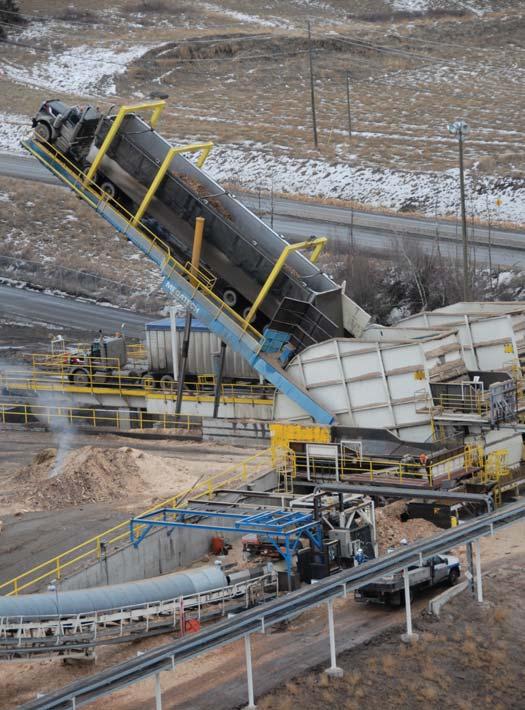
Watching the loaded trucks line up for the mill’s two chip dumpers, it’s clear that despite the slowdown in the forest industry, the power plant is getting the volume of wood fibre it needs right now to operate comfortably. All of the wood fibre is brought in by truck, regardless of whether it is sourced at a local mill, from the woods, or from the landfill. A 65-foot and an 85-foot chip dumper, both manufactured by Megatech Engineering of Surrey, British Columbia, unload regular chip trailers. Trailers with moving floors are emptied into an unloading bin that is equipped with conveyors.
Once in the wood infeed system, the fibre is processed through metal detectors and a Grizzly hogger from Brunette Industries in New Westminster, British Columbia, a process that provides what Clarke calls “a homogeneous mix” of fairly equal amounts of bark, sawdust, and shavings that is debris free and the ideal size for the plant’s requirements. Once processed, the mix is moved to the main storage benches in the yard, where it is aged. When ready for the plant, the fibre is moved by a pair of Caterpillar D9 dozers and a Komatsu D275 dozer to the “reclaim pile” and a pair of Industrial Service Inc. reclaimers. A conveyor system that is equipped with another screen then transports the fibre to the plant.
The wood fibre is gravity-fed into the boiler, which is a Stirling CCZ (controlled combustion zone furnace) two-drum model with a water-cooled vibrating grate stoker. Designed by Babcock
Material Handling for Woody Biomass
& Wilcox Canada, the boiler is rated at 950°F and 1590 PSI. Clarke notes that when the fuel is in the boiler, it has a threesecond retention time in the furnace. Any heavy material drops to the vibrating grate system and out to an ash bunker for delivery to the ash landfill.
Going in the other direction, hot gases that are produced by the boiler go to the economizer, where water going though tubes is turned into “superheated” steam. The steam is then delivered to a General Electric steam turbine, which in turn drives the plant’s General Electric generator, where the electricity is produced before being delivered to the grid. The hot gases are directed through a series of cyclone-type separators to remove dust before being processed through an Environmental Elements Corporation five-field electrostatic precipitator. The clean vapour is then released into the atmosphere through a 200 foot tall stack.
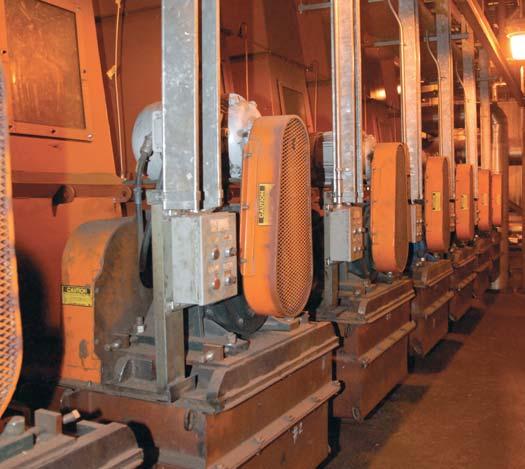
The plant also features sophisticated hybrid Bailey and Delta V digital control systems that provide an integrated means of monitoring, archiving, and logging instrument signals. The digital control systems also alert staff through an alarm system if there are problems with the plant’s equipment, and interface with the turbine and generator controls for load control and shutdown functions.
LOOKING FORWARD
Down the road, Clarke believes the company will continue to look at innovative options – like the current use of roadside residuals – to overcome fuel supply issues and sawmill curtailments. He says that the internal use of biomass for internal power production by a wave of new energy systems being installed in sawmills and other wood processing facilities will take a toll on supply. This, in turn, will likely mean that reliance on logging waste is here to stay. “Looking into the future is a little like looking into a crystal ball,” he admits. “As sawmill production numbers likely won’t return to their previous volumes for some time, the ‘future normal’ appears to be smaller than what it was in the past. Between lower production volumes and sawmills using biomass for their own needs, I expect that logging debris will continue to play a role for this plant.” •
n my last column, I introduced the importance of moisture content for biomass quality, as well as its effect on burning efficiency and the overall efficiency of the supply system. Apart from the fact that some bioenergy plants will not accept biomass if the moisture content is higher than an acceptable limit, another underappreciated and negative effect of moisture content is on the delivered cost. There will always be some water in the delivered product, but the problem with biomass is its low bulk density and low energy density. This problem is exacerbated by long transport distances and volume and weight limitations on trucks that travel on forest roads and highways.
The following is an example developed by my colleague, Denis Cormier of FPIn-
the van is 113 m3. The bulking factor for the chipped birch is 37%.
Two moisture contents are used in the example. These levels represent a realistic range in managing the moisture content of biomass in the field, from little consideration of its importance (55% moisture content) to a supply system where moisture reduction is a goal (35%).
At legal loads (Fig. 1), the biomass at 35% moisture content (MC) fills the van with material; 37% of the volume is actually wood, 11% is water, and 52% is air. However, at the higher 55% MC, the legal load is reached before the van is filled, resulting in biomass filling only 27% of the van volume. The corresponding loads of biomass are 22.6 oven-dry tonnes (ODt) at 35% MC
with the higher moisture content. So the energy value of the load is reduced by 40%.
Now, if we pay on a green-tonne basis (Fig. 3), say $15 per green tonne for transportation only, the transport cost is $9.50/ MWh at 55% MC, but only $5.50/MWh at 35%. Thus, we have paid $4/MWh more for water, and there is a 73% cost increase using the same truck at legal loads when delivering wetter biomass. Again, this is only an example to illustrate the importance of moisture content, but these levels are well within the realm of possibility for forestorigin biomass when we manage for, or don’t care about, moisture content.
We could change the scenario using different truck-van combinations and legal loads as per provincial regulations, moisture
novations, to illustrate the effect of moisture content on costs. The biomass used in the example is white birch, an underused species across Canada and a likely biomass source that could be delivered as a wholetree chip. The effect will be similar for species that have a similar specific gravity, and slightly less for species with a lower specific gravity. The truck and chip van (51-foot, four-axle) have a maximum gross vehicle weight of 57.5 tonnes, and the volume of
and 16.3 ODt at 55% MC. Thus, there is a 28% reduction because of load limitations and the added weight of water.
If we bring in the burning efficiency of the biomass at the two moisture contents (Fig. 2), the calorific content of the two loads is 15.1 and 12.6 GJ/ODt at 35 and 55% MC, respectively. When the total delivered loads are expressed in energy value (MWh), there is an even greater reduction in the “usable” portion of the load, from 95 to 57 MWh,
content, bulking factors, species, and other factors, but the conclusion will be the same: If we continue to pay on a green weight basis, we create inefficiencies in the system. Contractors are not rewarded for delivering the quality of biomass that we want. Put simply, we pay for water, not energy, and the cost implications are dramatic. •
pellet plant in Middle Musquodoboit has an unusual history. The Nova Scotia facility began its life as a late addition to the former MacTara lumber mill, as a valueadded way to dispose of sawdust and bark from the two sawmills. Affected by the lumber downturn and closed due to bankruptcy in 2007, the entire mill assets were purchased in 2008 by Enligna, a Germanybased renewable energy company. The sawmills remain silent, but the pellet plant is producing more than ever, thanks to a major makeover to the wood supply chain and a recent facility expansion.
“The pellet plant did not have enough fibre because the supply chain was dependent on the sawmill,” explains Fraser Gray, president of Enligna Canada. So the Enligna team had to develop an entirely new strategy for obtaining a sufficient supply of raw materials from which to make pellets. Fibre now arrives from a variety of previously untapped sources, giving diversity and stability to the operation.
About half of Enligna’s fibre is obtained on the open market from logging contractors and private landowners. But it’s not high-quality softwood, which is too valuable and thus uneconomical to make into pellets. It’s mostly hardwood, off-species such as poplar and aspen, and deadwood. Because the Maritimes’ Acadian forest comprises a mixture of softwood and hardwood, landowners want to harvest the valuable softwood, but they’re often left with a lot of material that’s not marketable. That’s where pellets fit into the
supply chain, says Gray. “We will work with any low-grade or off-grade forest products.”
Another 30% of the fibre comes from purchased bark and byproducts from local sawmills. This currently comes from six or seven sources, says Gray. For example, Taylor Lumber, which is just a few kilometres down the road, will sell the extra bark or sawdust that it doesn’t use for its own 1-MW cogeneration plant.
Another 10% is bark from Enligna’s softwood debarking and chipping operation, which was also part of the original lumber mill. Enligna has continued the chipping operation because it’s simple and straightforward, explains Gray. The chips supply Northern Pulp, a kraft pulp mill
in nearby Pictou County. The waste bark supplies the pellet plant as both fibre for pellets and hog fuel for the biomass furnace that dries the fibre.
The remaining 10% of the fibre comes from a small Crown licence obtained in late 2008. The softwood from that cut is sold to sawmills or chipped for pulp, and the hardwood, off-grades, off-species, and deadwood are made into pellets. “The only reason it’s economical for us to harvest is because we get to sell the high-grade sawlogs to other mills, which offsets our costs,” says Glenn O’Connor, vice-president timberlands operations, who manages fibre procurement. “We’d be better off buying wood on the open market than cutting our own if we didn’t [do that].”
“It’s quite a mixture of sources, but it should be,” says Gray. “We have to work with what the market will give us.” He says that pellet producers can only afford a certain cost of input materials and that making softwood sawlogs into pellets would disrupt the rest of the forest industry. “But, the economics of it drive a lot of it anyway, which keeps it sensible,” he concludes.
DEMAND DICTATES SUPPLY
With such a diverse supply of fibre, Gray stipulates that the first consideration in making pellets is how to meet consumers’ needs for consistent pellet specifications. For export to Europe, where about 99% of Enligna’s product goes, wood pellets must meet or surpass specific DIN standards that dictate pellet characteristics such as maximum levels of fines and ash. Industrial export markets want less than 3% ash, whereas users of premium pellets, e.g., for home heating, require less than 1% ash. Of the input materials, sawdust and hardwood have very low ash content, at less than 1%. Poplar and aspen are also low in ash, at about 1%, but must be combined with other types of wood to make a pellet that holds together. Bark has the highest ash content, at 3% or more, so it
must be blended with whitewood to reduce the ash content. “We use different recipes or blends of materials, depending on the required production results,” explains O’Connor. But the available supply of materials doesn’t dictate what they produce. “We buy in accordance to our production; whatever the pellet market wants is what we’ll buy for raw material.”
RECIPES FOR SUCCESS
Enligna expanded its production in the fall of 2009, with the help of a $2.5-million loan through Nova Scotia Business Inc.
Several changes and additions were made to increase the production capacity from 80,000 to 105,000 tonnes/year. These included reconfiguring the yard to facilitate material handling, adding a chipper, upgrading and adding pelletizers, adding a new cooling system, and upgrading the computer operating system.
The change from using bark as the main fibre source to using a variety of materials involved a bit of learning on the material handling side, says O’Connor. At first, they tried chipping or grinding the logs into large storage piles as the wood arrived at the mill. Now, the logs are stored whole, segregated by species. This reduces the chance of spontaneous combustion fires starting in chip piles and helps minimize moisture accumulation due to snow, ice, and rain. And keeping the species, and the deadwood, segregated helps in the manufacturing process by allowing better knowledge of the fibre’s moisture content. “You can make pellets out of anything, you’ve just got to know what you’re making them out of,” says O’Connor.
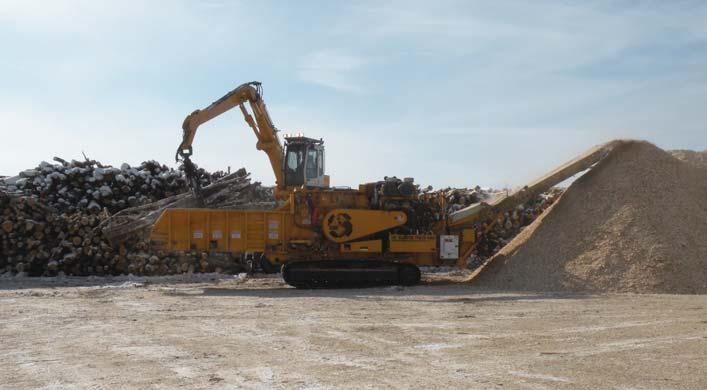
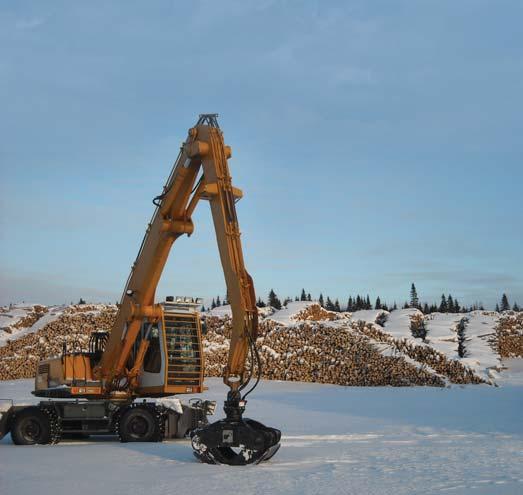
Logs are chipped about a day ahead of the fibre’s use and according to the type of pellets being made. To keep up with production, the company recently purchased a CBI Magnum Force 6400 horizontal grinder with chipper rotor, along with a Liebherr 904 material handler to feed the machine. The chipper rotor has had major benefits, says Andy Wright, vice-president operations, who oversees the day-to-day functioning of the facility. It produces quarter-inch (about 6-mm) pieces that are cut across the grain, facilitating the drying
process, as well as the fibre’s pulverization further down the line.
Bark from the three Valon Kone 550 ring debarkers at the pulp chipping operation arrives by conveyor from across the road, and two Volvo L90D front-end loaders move that and the chipped fibre to two infeed bins. One bin is fed with bark to fuel the 70-million-BTU GTS Energy biomass furnace and high-pressure boiler for drying the pellet material. The other is fed bucket-loads of the various fibre types in specific proportions to make industrial or premium pellets. Here, the loader operators play a key role in maintaining the proper blend to produce consistent pellets, says Wright.
Fibre fed into the pellet production line first passes through a Jeffrey 66WB green hog, which reduces the particle size. The material is then conveyed to an M-E-C triple-pass dryer, where the moisture content is reduced from 35–65% to 6–8%. From there, it passes through an Oliver destoner, which removes heavy knots and rocks, before going to 500-hp Andritz Sprout-Matador hammermills to be pulverized. Because the raw fibre consists of bark, and because of harvesting conditions in the forest, destoning is especially critical, as the crew found out early on. Stones that get into the hammermills can cause sparks during the hammering process, creating a serious fire hazard. “We didn’t install the destoner initially, and we had trouble with sparks in the hammermills due to the stones. We quickly realized that we needed a destoning process and that we had to be more particular in raw material procurement,“ says Wright.
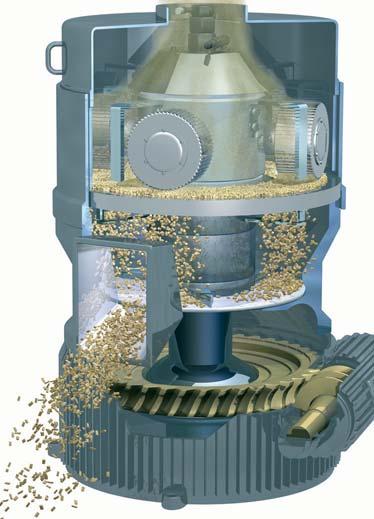
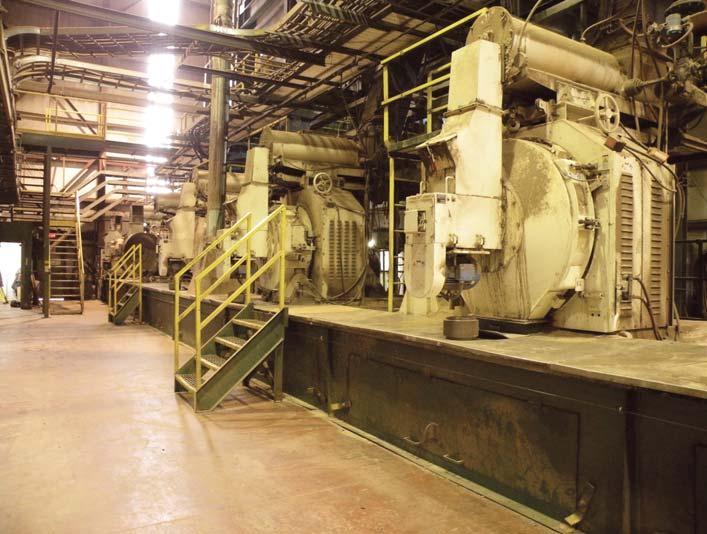
From the hammermills, which are to be upgraded in June 2010, the wood dust goes to Andritz Sprout-Matador pellet mills, where it is extruded through dies to form the pellets. During the plant’s expansion, three of the four original mills were upgraded from 300 to 400 hp, one was replaced entirely, and a fifth 400-hp mill was added to the fleet. The pellets, which are warm from the extrusion pressure, are conveyed to a Law-Marot Milpro pellet cooler, where they are cooled to ambient temperature. A Sprout screener then removes fines. This new, higher capacity cooling and screening equipment was installed during the expansion to relieve a bottleneck in the process, says Gray. The finished pellets then go to a bulk storage bin with 300 tonnes of capacity.
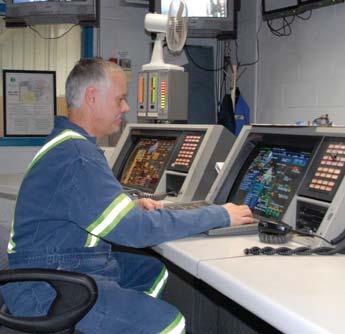
Co-ordinating and monitoring of the whole pelleting process occurs in the central control room, which is essential to maintaining the process flow. The computer systems monitor critical elements such as furnace temperature, dryer temperature, and material flows. This is particularly important to maintain consistency in the fibre exiting the dryer to ensure proper system function and product quality. “You want consistent dryer temperatures,” says Wright. “That changes with variations in the moisture content of the material being dried, as well as the fuel material.” The control room also closely monitors sparks in the process, via a Grecon spark-detection system. If the system detects that a spark threshold is exceeded, automatic fire extinguishing systems are activated, and the fibre in that particular area is diverted to an exterior dump station.
TAPPING THE MARKETS
Depending on the season, the rate of pellet production can fill the on-site storage within 16 to 18 hours. So co-ordinating the trucking of pellets to off-site storage is critical, says Wright. “There is very close communication between us and our trucking firm, Gerald Battist Trucking, who has hauled our pellets for several years,” says Wright. The trucks haul the majority of pellets to the Halifax Grain Elevator at the Port of Halifax, from where the pellets are shipped in bulk to European customers.
The company is also testing the waters of the domestic pellet market. “We just entered the domestic bagged market in 2009,” says Gray. “That market went short last year, which is a little silly con-
sidering we’re here with all these pellets.”
This market was only a small fraction of production, about 1000–1200 tonnes, so the bagging was done at the Agromart facility in Truro. In addition, pellets are sold in bulk to several local greenhouses that have converted from coal and other sources, as well as to some institutions in Prince Edward Island that have begun heating with pellets.
For the future, Enligna is looking at the possibility of having its raw material for pellets certified by a third-party organization such as the Sustainable Forestry Initiative (SFI) or the Programme for the En-
dorsement of Forest Certification (PEFC, formerly the Pan-European Forest Certification Council), says O’Connor. “Most of the material that we buy from the sawmills is SFI material already. We can verify that the wood we’re using is SFI, but our material from private suppliers is not SFI certified.” Some of Enligna’s pellet customers already have their own sustainability criteria that their suppliers must meet, and O’Connor thinks that more customers will be looking for sustainability certification.
“Forest certification is going to be the norm,” O’Connor predicts. “If you don’t have it, you’re not going to be in the market.” •
early 20 years ago, the U.S.-based Pellet Fuels Institute (PFI, www.pelletheat.org) developed an original set of pelletized fuel standards to help bring consistency to pelletized fuels. Since then, the technology to manufacture pellets, as well as the technology of pellet-burning stoves, has advanced. The new burning technology in today’s stoves and inserts requires a very specific quality of pellet. Because of the inconsistencies found in pellet production, the industry has been looking to develop an updated standard that will meet the needs of consumers heating with pellet stoves.
The original standards defined criteria for premium and standard grade pellets and were quickly adopted by industry, PFI members and non-members alike. However, recent technology has made it apparent that the original standards lacked key components. The grades were too broad, test methods were not
defined, and specified quality control or quality assurance practices and means of enforcement were lacking.
To address these issues, the PFI Standards Committee began a standards review process in 2005 and rewrote the standards over a period of four years. The new standards defined in PFI Standard Specifications for Residential/Commercial Densified Fuel (available at http://pelletheat.org/2/StandardSpecification WithCopyright%20.pdf) were approved by membership vote in July 2008, and implementation began in February 2009. Criteria for the four grades of pelletized product are defined in the document, and the standardized methodology for testing each parameter is identified.
The PFI Quality Assurance/Quality Control (QA/QC) Program for Residential and Commercial Densified Fuels (http:// pelletheat.org/2/QA_QCprogramREVISED.pdf) document provides an industry-wide quality management system for demonstrating compliance with the standards. The QA/QC Program includes product grading based on a year’s worth of testing data, quarterly data evaluation to verify continued compliance, a proficiency testing program for third-party testing laboratories, and a registration page on the PFI website to list compliant pellet producers and test laboratories.
Fuel standards awareness has been one of the most discussed, anticipated, and debated topics of the PFI membership for more than four years now. With the standards approved, and following input from its members, PFI has created a label to identify the pellet grade and its practical use. The label will designate a pellet fuel as Super Premium, Premium, Standard, or Utility grade and include maintenance expectations for each fuel. So, for example, if a pellet stove is labelled to burn only Super Premium grade pellets, consumers will be able to find and read the PFI label on a bag of pellets and know that they are purchasing the pellet product that will burn best in their appliance.
The PFI Standards Program is in the early stages of implementation, but many pellet manufacturers are more aware of the quality and consistency of their fuel than ever before. More testing is being done in-house, and changes are being made to improve the finished product. More than 20 manufacturers have made investments in testing equipment, and many others are in the process. For more information about the PFI Standards Program, please see www.pelletheat.org/2/quality.html. •
ood pellet production is a $280 million/year industry in Canada and is continuing to grow as part of our bioeconomy. Canada’s annual wood pellet production is about 1.4 million tonnes – roughly 14% of the 10-milliontonne global market. The global market is predicted to approach 130 million tonnes/ year by 2020. Most Canadian pellets are sold in Europe as a coal substitute for electric power generation.
Traditionally, Canadian sawmills used beehive burners to dispose of sawdust and other wood waste; they contributed significantly to air pollution. Canadian regulators tried to outlaw beehive burners, but were unsuccessful because of threatened sawmill closures and job losses. It took the wood pellet industry to develop a commercial use for sawmill waste and enable widespread shutdown of beehive burners.
Now, many sawmills have closed because of declining lumber prices. Faced with dwindling sawdust supplies, most pellet producers now source a large portion of feedstock directly from the forest, using logging debris and even whole trees.
The Wood Pellet Association of Canada (WPAC) is the voice of the Canadian wood pellet industry. Members are Canadian pellet producers, Canadian and international shipping companies, port operators and terminals, pellet customers/traders, industry suppliers, trade organizations, government agencies, and consultants. A board comprising a representative from each producer member directs association priorities. WPAC’s purpose is to be a strong industry advocate and to advance scientific and technical knowledge to enhance industry competitiveness.
WPAC began in the late 1990s as the British Columbia Pellet Fuel Manufacturers Association (BCPFMA). In 2002, a carbon monoxide poisoning accident occurred in
Europe on a vessel discharging pellets from Canada, killing one person and seriously injuring others. BCPFMA members started developing safety instructions for handling pellets in large bulk, including upgrading shipping regulations under the International Maritime Organization. The complexity of the technical issues and the serious exposure to the industry resulted in the formation of WPAC in January 2006. WPAC initiated and funded a research project at the University of British Columbia (UBC) to understand off-gassing in wood pellets. In early 2007, the UBC research released a comprehensive Material Safety Data Sheet that has been used since then.
SAFETY AND RESEARCH
In addition to offgassing, large-bulk wood pellets present additional hazards, e.g., dust explosions, fire caused by self-heating, and lung injury. WPAC and UBC are studying these issues to develop comprehensive safe engineering and operational practices recommendations. Research is also done within WPAC and with collaborators from overseas research institutes, and other topics include pellet life cycle analysis, international standards for pellets and pellet quality testing, and development of second-generation solid biofuel.
industry in competing for fibre. Using tax dollars to prop up the pulp sector harms the wood pellet industry.
• Advising the Canadian government on a response to the U.S. Biomass Crop Assistance Program: The United States created a $45/ton feedstock subsidy for U.S. pellet producers, giving them an unfair advantage in world markets. WPAC is advising on a potential response that doesn’t involve a pellet producer subsidy.
• Facilitating insurance coverage: Frequent fires and dust explosions in pellet plants are causing some refusal
“It took the wood pellet industry to develop a commercial use for sawmill waste and enable widespread shutdown of beehive burners.”
of insurance for the pellet industry. WPAC is developing best practices, audit procedures, and a certification system to reduce accidents and restore insurer confidence.
Some of WPAC’s current initiatives include:
• Educating government about negative effects of pulp and paper subsidies: The pulp and paper industry received $1.5 billion in 2005 and $1 billion in 2009, which gave it a tax-funded advantage over the pellet
• Negotiating with German/Austrian pellet associations: These associations are discussing a new pan-European pellet certification system, which could impede North American access to European residential markets. WPAC is negotiating with the European associations to ensure that Canadian producers are treated fairly.
comparison to mainstream forestry, Canada’s pellet sector is booming. Sure, maintaining a fibre supply with so many sawmills down can be a challenge, and this winter was not as cold as many had hoped. Yet export markets are reliable and, given Europe’s aggressive renewable energy targets for 2020, should be growing. Shipping costs are under control compared to years past, and Ontario Power Generation (OPG) looms large on the horizon as a potential mega-client. The sector’s growth seems certain, with new plants and expansions announced monthly (see our map of pellet plants and projects distributed with this issue). Don’t worry, be happy, right?
Despite all the signs of a vibrant industry, there are some danger signs. Principal among these is the astounding lack of market diversity. In fact, the market distribution model of Canadian wood pellets bears a striking resemblance to the Canadian lumber business that came crashing down in 2007 and has yet to recover. Like lumber and its obsession with the U.S. market, Canadian pellets are over-exposed to a single large market. Canadian domestic pellet consumption sits at just 5 to 7% of production while, thanks largely to a burgeoning northeastern market, we now send as much as 10% of our production into the United States. The rest – a staggering 85% or so – still goes to Western Europe, a hungry but increasingly problematic market.
Europe’s bulk pellet sector has been a solid market for well over a decade now, helping to establish our pellet industry de-
spite the vast shipping distances. With each passing year, however, this market looks increasingly fragile. It is a market based on the politics of global warming. Should the Europeans back off their commitment and heavy subsidies for reducing carbon emissions, this market would quickly evaporate. Beyond that political uncertainty lies a more traditional and even harsher reality: the threat of growing local competition.
“Presently, the Netherlands, Denmark, and Belgium are the only three European countries consuming more pellets than they produce,” says Gordon Murray, longtime forest industry consultant and financial advisor, and currently the acting
executive director of the Wood Pellet Association of Canada (WPAC). “All of the other European countries are at least neutral or produce more than they consume.”
The bottom line is that the health of our massive and growing pellet industry depends on three coastal countries. As Murray notes, we are not the only producers looking at these markets.
“Norway is building an additional 450,000-tonne plant, and Russia is building a 1-million-tonne plant. Georgia [state] has announced a 750,000-tonne plant, and Green Circle is building another 500,000-tonne plant [in Florida or Georgia]. It looks like the European market is
very fragile; prices are declining, and utilities are reluctant to take on new volumes.”
Much of this new volume may be consumed domestically, but it would be naive to hope that none of it will find its way to Western Europe, further destabilizing what has been a very comfortable market for Canadian pellet makers.
THE HOME FRONT
One solution to Canada’s unhealthy reliance on Europe’s bulk pellet market may lie right under our noses, with domestic demand for Canadian wood pellets. The market is currently restricted to some small industrial users of lower-grade pellets and
mestic pellet consumption grew during the same period from 500,000 tonnes to almost 1.8 million tonnes. The demand for pellets in the residential heating market in Sweden is expected to grow by another 200,000 tonnes to 900,000 tonnes by 2012.
homeowners dragging bags of pellets home from the hardware store, but, given our climate and wood supply, it’s easy to argue that the domestic market for pellets should be much more. Certainly, looking to countries like Austria, Germany, Sweden, and Italy, there is a case to be made that if we offer modern, automated central heating appliances and bulk delivery methods, consumers in many markets in Canada will embrace this carbon-lean option.
Growth in these European countries has been rapid and impressive. In Sweden, domestic delivery of wood pellets climbed from less than 40,000 tonnes in 1997 to almost 700,000 tonnes in 2008. Total do-
Similar trends can be seen elsewhere in Europe, where a combination of government incentives, public education, and investment in appliance and pellet delivery infrastructure has paid off in strong growth trends. In Germany, for example, the market has increased exponentially since 1999, when a grand total of just 800 domestic pellet boilers were installed nationwide. By 2008, that had climbed to over 100,000, a 100-fold increase that was mirrored by the demand for pellets.
So what’s missing from the Canadian scene to make this happen? Looking overseas for inspiration, longtime biomass advocate and current pellet appliance supplier Bruce McCallum feels we are missing only the political will on this side of the Atlantic.
“I have been saying for some time that I can see us using all of our growing pellet production internally, but it will take at least five years to get there, and even that assumes some significant support in all areas – marketing, lobbying, subsidies along
fossil fuels along the proposed OPG model, small industrial or public clients such as greenhouses or schools, and residential heating. Although the OPG model is attractive for the vast sum of pellets it can consume in one fell swoop, it is also a politically charged market that could fall as easily as a provincial government. Creating a residential heating market, on the other hand, will require a greater investment in time and money, but it will also create a more stable, reliable market over the long term. Judging from the European experience, that investment will require a mix of government and industry funding to tackle a long list of priorities (see the full checklist below).
This list may seem daunting to an industry so young and relatively unorganized. Many European nations have proven, however, that the growth curve can be steep once the ball gets rolling. In fact, you needn’t look too far afield for an example of a functioning system. Just over the border in Maine, a group of entrepreneurs have taken matters into their own hands and are building the residential heating market one home at a time.
THE MAINE EXAMPLE
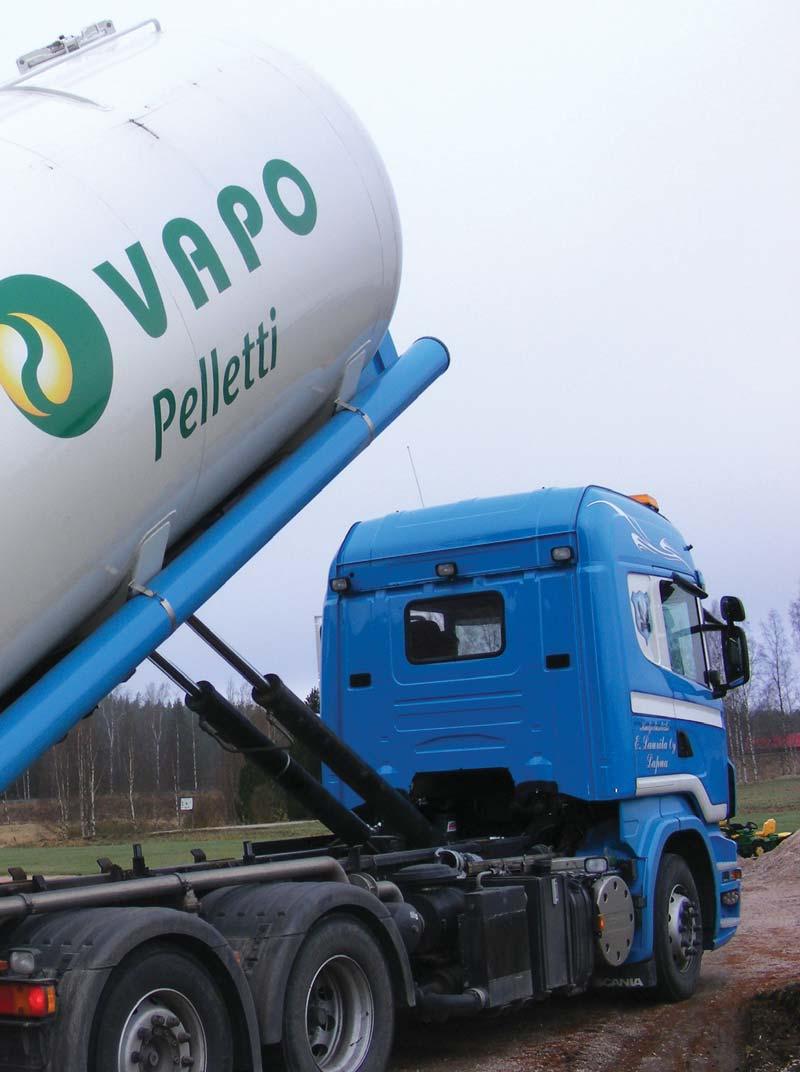
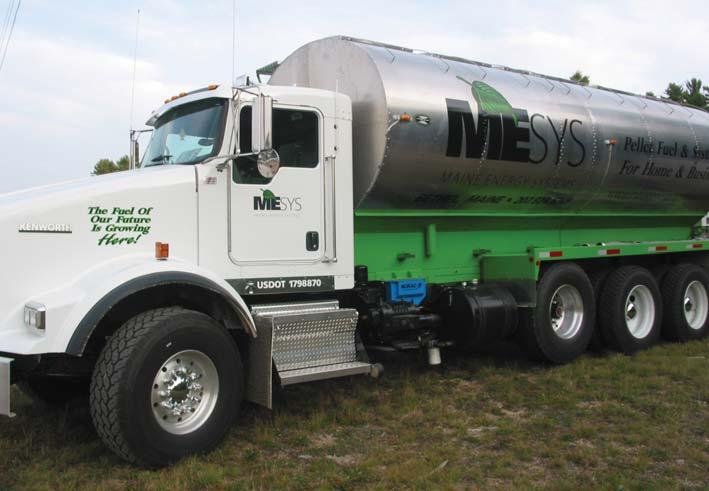
It’s a typically frosty morning in south central Maine as the fuel delivery truck pulls up to an old wood cottage. It’s just like any other house on any other winter day in the rugged state, except this truck is carrying wood
like Austria have done the same for wood pellets. One way to drive this forward is to link government incentives to the use of certified appliances and installers.
Marketing and promotional campaigns: These will be critical to drive the demand for wood pellet heating. As the systems and delivery methods become modernized along European lines, the industry needs to counter the image of rural customers dragging around bags of pellets.
Government support: Government can set the example by converting public buildings from oil to wood pellets. A similar program in Finland saw tremendous success.
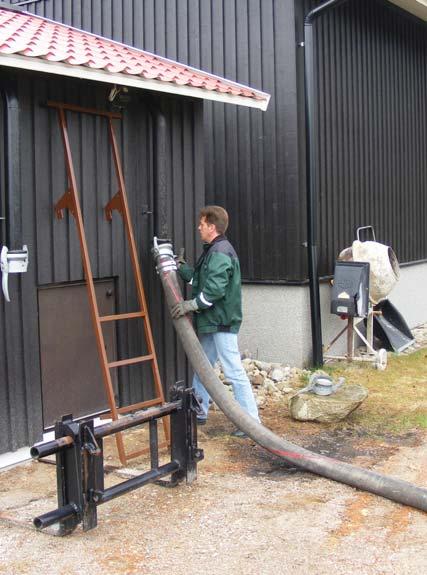
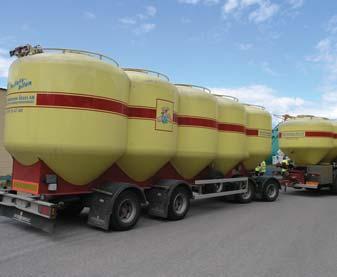
Distribution infrastructure: The creation of a modern storage and bulk delivery infrastructure in potential market areas is a key step. In northern Europe, homeowners heating with pellets face no more work than those heating with oil or gas. A delivery truck rolls up to the curb, attaches a hose to an outlet in the wall, and
pellets, not heating oil. This happy scene is the brainchild of three almost-retired Maine entrepreneurs who came together to help their region’s economy and the environment. They concluded that the northeastern United States’ insane dependence on number two heating oil was both a problem and an opportunity. One of those partners is Harry “Dutch” Dresser.
“We started by looking at all the energy
fills a bulk storage silo in the basement or beside the house. When the thermostat kicks in, an automated infeed system delivers pellets. McCallum has attempted a similar system in Prince Edward Island, albeit with cruder delivery systems tied to local feed delivery contractors. Although
alternatives out there, wind, solar, etc., and felt that there was one area where we could have the largest impact in a short period of time. Almost 80% of the number two oil burned in the United States is in the northeast, and 80% of Maine homes are heated using it. There are a lot better uses for that limited resource than home heating, especially here with all our wood.”
Following exploratory trips to Sweden
better than bags, it was still too inefficient, and pellets were damaged. The answer lies in dedicated suppliers, McCallum says.
“Government could help in establishing bulk storage and delivery infrastructure in areas identified as key potential markets. That would help ease concerns over shortages by creating local buffers and would help get the ball rolling, as small appliance suppliers can’t do that on their own.”
Creating incentives for existing energy companies to enter the sector may also help.
Protection for the homeowner: Industry must create a delivery priority system that favours the homeowner so that, in the event of shortages, families do not go cold at the fault of the wood pellet sector. Last winter’s perceived local shortages are an example of what not to do.
Finance/insurance: Lobbying the finance and insurance sectors to accept the recent generation of wood pellet heating systems will be important. •
and Austria, where residential pellet heating was entrenched, the trio decided that for “both environmental and economic reasons, it made a lot of sense to import some of those systems here,” Dresser recalls. They also decided early on that the solution lay in automated central heating systems and bulk delivery, not in bag-fed pellet stoves. At this point, Maine Energy Systems (MESys) was born. At the same time, the company faced much the same “to do” checklist as discussed above. Rather than wait for more favourable government incentives, however, the investors charged ahead on their own.
“The next step was actually a lot of steps that all have to happen at once. It’s not the chicken or the egg syndrome – it’s the chicken and the egg, as it all has to happen simultaneously or it won’t happen at all,” Dresser says. Using private funds, the company had to source high-quality pellets; develop a storage system using local depots; create a bulk delivery system that could deliver pellets without damaging them; pursue a public education and marketing campaign; establish and educate a network of dealers/ installers; win over regulators and insurance providers to what was a foreign technology in every sense; and pursue all the other mundane realities facing new businesses, like staffing and obtaining financing.
“You’ve got five or six dendrites to handle all at once,” says the former biology professor. “So what you need to make this work is patient investment. You’ve got to put all these aspects in place before you build a client base.”
For pellets, MESys relies on two Maine plants plus Energex, a large supplier just over the border in Quebec. The first step was to prepare these suppliers for the demands of central heating and automated pellet handling systems. MESys worked with all three to improve pellet durability along with other quality parameters. “They’ve responded very well, with improvements from 90–94% durable to well over 98% durable,” Dresser says. “They have also worked well with us to adapt to the particular burning environment of the boilers, which burn hotter than the stoves they had been supplying. They’re working with us to avoid slagging and clinkers. It has been a positive relationship.”
Delivery is done using several strategically placed depots and a fleet of three branded delivery trucks in Lewiston and Bethel, Maine, and over the border in New Hampshire. These are modified versions of
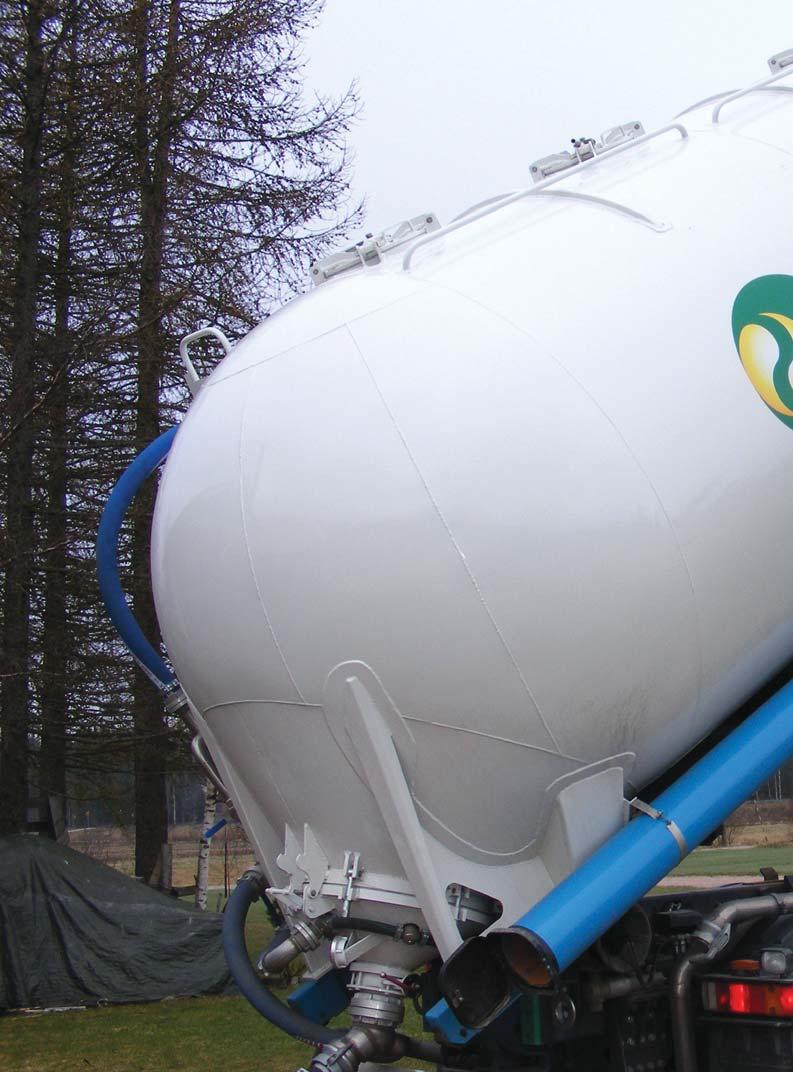
the trucks the partners saw in Europe. “Essentially they look like oil trucks, but are adapted from grain trucks. The pellets are delivered using pneumatics, rather than an auger, which is easier on the pellets. Pellets, even our more durable ones, are fragile, and these trucks handle them accordingly.”
MESys is currently working with a regional tank fabricator and a truck manufacturer to create the next generation of fully pressurized delivery truck, which will deliver pellets more gently and quickly. The truck will more closely resemble European delivery trucks than North American grain trucks.
When it comes to appliance installation and service, MESys relies on established HVAC contractors, but with one caveat. “We train them on biomass heating, as well as on our residential heating systems in particular. It’s different than they’re used to, and we want to ensure quality installations.” MESys has trained 300 local reps to date, so the pipeline is in place to install and service what they sell.
As for the return on all this investment, Dresser admits that it has been slow. The company has what he calls “very few” clients, although that translates to more than 110 heating systems sold and over half of those as delivery clients. He says this pace has as much to do with the general economy as the business model.
“You have the overlay of the general U.S. economy, which does not make a good climate for investment. But if you pull that back, it’s doing OK. It has to do well ultimately if you look at our current heating mix. We’re past peak petroleum at this point by most accounts, so we’ll have to do things differently. We’re like the Saudi Arabia of wood pellets here in Maine, so it’s a natural switch.”
In other words, developing a residential pellet heating market is slow, demanding work best done at the local level. While there are strong roles for governments, wood pellet associations, pellet manufacturers, and appliance makers to play as financial partners, it is possible that this local entrepreneurial approach will be the most efficient in the short term until a critical mass is established.
The main question is whether the Canadian wood pellet sector will react in time to create alternative markets before its unhealthy dependence on a single market comes home to roost. Or, like the lumber industry, will it wait until the ceiling falls in and it lacks both the time and finances to diversify? •
EVENTS BOARD
MAY 25-27, 2010 • World Bioenergy 2010 Jönköping, Sweden www.elmia.se/en/worldbioenergy
JUNE 8-10, 2010 • Bioenergy Conference & Exhibition Prince George, BC www.bioenergyconference.org/ index.php
JUNE 10-11, 2010 • Biomass Boiler Workshop New Orleans, LA www.jansenboiler.com/workshops. html
JUNE 16-17, 2010 • CanBio Bioenergy Policy Workshop Ottawa, ON www.canbio.ca
JULY 18-20, 2010 • Pellet Fuels Institute Annual Conference Asheville, NC www.pelletheat.org/2/index/index. html
JULY 20-21, 2010 • Biomass ’10 Grand Forks, ND www.undeerc.org/biomass10
AUGUST 4-6, 2010 • Northeast Biomass Conference & Expo Boston, MA http://ne.biomassconference.com
AUGUST 24-26, 2010 • BioPro Expo 2010 Atlanta, GA www.bioproexpo.org
AUGUST 31-SEPTEMBER 4, 2010 • Forest Bioenergy 2010 Tampere & Jämsä, Finland http://bioforest.finbioenergy.fi/
SEPTEMBER 8-10, 2010 • InterPellets Stuttgart, Germany
SEPTEMBER 12-16, 2010 • World Energy Congress Montreal, QC www.wecmontreal2010.ca
SEPTEMBER 16-17, 2010 • Biomass Boiler Workshop Minneapolis, MN www.jansenboiler.com/workshops. html
s I stood with thousands of other Canadians in downtown Vancouver, yelling “Go Canada, go!” I couldn’t help but feel the passion and enthusiasm. The determination of the Olympic athletes was awe-inspiring, and the joy of cheering on a winning team can be one of our greatest memories.
Similarly, in your bioenergy project, there is a need to build a championshipcalibre team. Each member is critical to the project’s success and needs to be prepared for the Olympic-like competition.
Let’s consider the Canadian Bobsleigh team. In the four-person team, there is a driver, two pushers, and a brakeman. Each person brings a specific set of skills to the sled and trains hard for a specific role. Each team member is committed and is prepared to jump in and trust his or her life to the driver.
Many bioenergy projects start with a visionary, but is that person the driver or the pusher? The reality is that many visionaries are pushers, working tirelessly at promoting their ideas. But when it comes to sound business decisions, they often need the help of other experienced team members.
I do not make light of the role of a pusher, as each bobsleigh needs two of them, and a fast start is extremely important. One of my clients said, “I’m definitely a pusher, as I push hard enough for two men.” My response was, “Awesome—that is what is needed. But who is driving?”
Make sure your driver/leader is someone who knows how to steer through the twists and turns of a bioenergy project. Do you trust his/her decision-making skills enough to jump into the sled at the top of a very fast track?
When I asked another client if he trusted his driver/leader, he paused briefly and then said, “I definitely trust him. So much
so, that I left my other job and invested my own money in the company.” I immediately knew that this was a team that trusted its leader and was willing to push hard and follow his lead.
One of the most frustrating scenarios to come across is a bioenergy team that has multiple partners and no clear-cut leader. This team is doomed to failure, as each member wants to steer, and when it comes to making a split-second decision, it is in immediate danger as the team members steer in different directions.
Last, but not least, you need to consider the fourth member of a bobsleigh team, the brakeman. He/she is always the last one into the bobsleigh, the one that gives the final push, and also the one that applies the brakes. The brakeman only uses the brakes during training runs and at the end of the race, but never during a competitive run.
team with clearly defined roles can be a key factor in determining whether your project will obtain sufficient financing.
It is also important to round out your team with support staff. No bobsleigh team can compete on the world stage without technicians, advisors, therapists, nutritionists, and sponsors. Make sure that you do not underestimate the need for experienced support staff who have competed at a high level. You have only to watch the winter Olympics for a few minutes to know that it is a team effort.
Remember, the strength of your bioenergy team is not only important in at-
“Many bioenergy projects start with a visionary, but is that person the driver or the pusher?”
Who is your brakeman? Most likely, this is your accountant, but it can also be the naysayer or the realist. Every team needs one, and you need to choose carefully this very important person. Is this person able to release the brakes when it is time to push off? If they are constantly on the brakes, there is no point in competing. It is advisable to take practice runs, but at some time, the team leader needs to ask the team if they are ready, and then the brakeman is going to have to push hard, jump in, and trust the leader.
A successful bioenergy team will have a driver, a brakeman, and pushers. Most potential funders will look carefully at your team’s experience, skill sets, and ability to make timely decisions. A strong, cohesive
tracting the necessary financing, but also in ensuring that you have a high potential for success throughout the project. With the right teammates, you will be able to encourage each other as you make the daily decisions that are required to launch and maintain a successful project. You should now have the starting points of “the dream” and “the team” in place. In my next column, I will discuss the topic of building your credit strength prior to presenting to an investor. Until then... GO BIOENERGY GO!!! •
boiler at Kruger Inc.’s Corner Brook Pulp and Paper (CBPP) mill in western Newfoundland has a big appetite for biomass – 713 tonnes/day to be precise. That’s the amount of fuel it needs to generate the steam required to dry the mill’s production from its two operating paper machines, heat the mill buildings, and feed a power plant that drives a co-generation turbine operating at 7 to 10 MW. The mill generates 363 tonnes/day of biomass fuel on its own, leaving a shortfall of 350 tonnes/day that has to be sourced from outside suppliers.
In most forest products producing regions of Canada, that wouldn’t be an issue, as bark and shavings from local sawmill production could make up for any shortfall in biomass from the pulp and paper mill’s own wood room. But in Newfoundland, the sawmill industry, like the paper producers, has been hit extremely hard by the latest downturn in the economy. Today, the province has only three major sawmills operating, and two of them are a long way from CBPP. Despite the distances – 117, 385, and 502 km from CBPP’s gates – the mill sources pulp chips and small volumes of biomass from all three. But on the biomass front, the long trek
makes for some expensive power.
That’s where Major’s Logging in Deer Lake, Newfoundland, comes into the picture. The long-term family business that has logged for CBPP for over 12 years has its offices, shop, and yard just 45 minutes from the mill. It also had a wood supply that needed to be used up: remnants from a sawmill it recently closed in Cormack, Newfoundland, which is just north of the Deer Lake site. Plus, it stores and grinds a large inventory of CBPP-owned roundwood that is suitable for biomass. What it all adds up to is some extra work to keep the key employees at Major’s Logging on the payroll during
slow times in the regular harvesting cycles, and a steady and secure supply of biomass for CBPP.
“We have 36,000 cubic metres of roundwood at the Major’s Logging yard right now,” explains Bruce Coombs, an operations superintendent at CBPP who is responsible for a number of fibre-related duties, including chip and biomass supply for the mill. “Half of that wood is from our regular harvesting operations. The other half is wood with no home. It was pulp wood and fuel wood that was harvested by sawmills, but with the reduced paper production we are experiencing right now, there was no market for it, so
we bought it for fuel wood.”
Coombs says that some of the wood has been in the logging company’s yard for a year. But he adds that with roundwood being used for fuel, “it can be beneficial” if you can let it dry out, so stockpiling it is not an issue. “The key is to keep it as roundwood until you are ready for it,” Coombs advises. “It will absorb moisture fairly quickly once you grind it, so for the most part, we have Major’s supply us with just-in-time delivery.”
That just-in-time delivery is achieved with a 2004 Morbark 4600 that has well over 8,000 hours on the clock, and several truck and walking floor trailer combinations
owned by Major’s that will make up to 60 trips a week between the yard and CBPP.
“We have had the Morbark here in the yard for over two years now,” says Dean Major, who works at the company with his brother Desmond, sister Laura, and father, Darcy.
“We run it one shift, five days/week, and the main activity for it is grinding up roundwood for Corner Brook Pulp and Paper.”
TAG TEAM
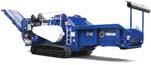
The grinder is teamed up with a Tanguay loader that feeds the roundwood into the Morbark. The pair moves around the 15acre Major’s Logging site as needed. The
resulting fibre from the grinder is then moved to the trailer loading area by a John Deere 544 front-end loader, which also loads the trailers.
Dean says that the biggest challenge they face is volume. “We produce in excess of what the mill needs,” he explains. “That can be a good thing though, as it provides us with a ‘surge pile’ so that we can optimize the product. The Corner Brook mill wants a variety of products, not just 100% of the same thing.
They want a mix that will keep the boiler fed and give them the level of heat they require. So for us, it is key to manage our production in a way that gives us enough of the right mix in the surge pile to provide them with exactly what they need – not too dry or too wet, and the right size. They have been really pleased with the smaller sized product that we have been able to produce because it flows better and that means improved material handling for the mill.”
Grinding Slash Into Cash.
The head mechanic at Major’s, Duane McCarthy, along with Desmond Major, have spent many hours tweaking the Morbark grinder to handle its diet of predominantly roundwood. “The machine was originally designed to process bark and debris wood, so we had to make some modifications, mainly with the inserts on the drum, which we call teeth,” says McCarthy. “The teeth just weren’t aggressive enough, so we tried a few different types before finally going to feller buncher teeth. We originally tried some from one of our own bunchers that was here in the yard. We started out with just bolting the teeth on, but they turned too much, so we went to welding them to a block.”
That worked fine in the winter with green wood and when everything was frozen, but Desmond says that when things heated up in the summer, the steel melted on the buncher teeth. At that point, they saw a magazine ad for Quadco inserts that were made for a horizontal grinder. “We thought we would try them,” adds Desmond. “They were too tall and were hitting the anvil, but we were able to work with Quadco on a customized version that is shorter. They were working well until we tightened up the tolerances on the Morbark during routine maintenance. At that point, they started hitting the anvil again, so we asked Quadco to take another quarter inch off the length.”
Eventually, Major’s went with a combination of 10 customized inserts from Quadco and eight of the original Morbark inserts. It’s a combination that McCarthy says provides the best combination of product quality and cost effectiveness. “This combination works for about 90% of the wood we process, but we will have to change things up for some species or sizes,” he says. “For example, we tried to run some small diameter spruce, and it was getting jammed up and wouldn’t feed right, so it wasn’t very efficient. For this, and wood that is more brittle, we have to go with all Quadco teeth.”
FINDING THE METAL
Another project that Major’s Logging is working on is a wood waste diversion project between CBPP and the City of Corner Brook. The city wanted to divert wood material from the municipal landfill, and CBPP agreed to complete a trial to process the wood waste into hog fuel for the mill. This required another modification on the Morbark, which included adding a magnetic roller and two pans beneath the machine’s output belt. The magnetic roller catches any steel before
2009 Industrial Tub Grinder
it reaches the fibre pile. The steel is then dropped to the trays. “It has worked well for us,” says Dean, adding that the system has removed all kinds of foreign matter, including nails, bolts, doorknobs, and other small metal construction debris. The biggest piece of steel they have had go through the machine was a hammer head. “That did the most damage,” says Dean. “But the machine is designed for easy parts replacement, so we were able to get it up and running again fairly quickly.”
As for the waste diversion project numbers, they already know the Morbark is not as productive when processing urban waste as compared to roundwood. The main issue has been the lack of effective sorting of the waste wood and elimination of large metal contamination. “We have a Multi-dat box on the machine, which is tied into computers at the pulp mill,” says Dean. “It measures the machine’s uptime. We know when working in our yard on roundwood our utilization rate is at about 84%. When working at the landfill, we are generally at a utilization rate that sits just below 50% due to the problems with sorting and the larger pieces of metal.”
CORE BUSINESS
In addition to the grinding work Major’s completes for CBPP, it handles logging for the pulp and paper producer, which Dean says is typically within a 100 km radius of the mill. The wood is all on CBPP Limits, and the logging plans are provided to Major’s Logging by CBPP. Major’s sorts for pulp logs, saw logs, and biomass logs, but Dean says that 85% of what they harvest for CBPP is pulpwood that they deliver to the mill’s wood room as roundwood.
Major’s has a complete fleet of logging gear for cut-to-length operations, including a John Deere 2054 with a LogMax 6000 head,
a Timberjack 608 with a Waratah head, and a pair of Tigercat 845 models – one with a LogMax 5000 head and the other with a Waratah 616 head. It also runs a Tigercat 822 feller buncher, a Tigercat 1065 18 tonne forwarder, and a Valmet 890 forwarder.
Dean says that logging is still the main thrust of the business, but he has no complaints when it comes to processing biomass. “It has been really good for us during this downturn in the economy,” he says, adding that the biomass processing part of the business is probably here to stay as com-
panies start to rely more on biomass to meet their power needs. CBPP’s Coombs couldn’t agree more. He says that with biomass, the pulp and paper mill is now only sourcing 10 to 15% of its thermal energy from fossil fuels. “We have drastically reduced the use of fossil fuel in our production process. For our entire mill operation, we have gone from using 42 million litres of oil annually in 2004 to under 7 million litres today,” he notes. “That has provided us with a dramatic reduction in the litres of oil used per finished tonne of paper.”
Newfoundland Wood Yard
A $1.18-million investment from the Atlantic Canada Opportunities Agency’s Community Adjustment Fund is earmarked for the creation of a wood yard adjacent to Holson Forest Products in Roddickton, Newfoundland.
The January 14, 2010, announcement is another step in a series of projects that will mean greater self-sufficiency for the province’s Northern Peninsula region, hard hit since the closure in fall 2008 of two pulp and paper mills and the idling of a paper machine at the Corner Brook Pulp and Paper mill.
As general manager Todd May explains, Holson, through owner Ted Lewis, developed a business plan to build a pellet mill and expand its existing sawmill. The Northern Peninsula Forest Resource Association approached the Atlantic Canada Opportunities Agency (ACOA) for assistance to develop the Regional Wood Yard as a secure location to inventory spruce and fir energy wood –smaller in diameter than pulpwood – while the pellet mill is under construction. The federal funding secured by the association will help to develop the wood yard and lease a Liebherr log loader for about 12 months.
“The association is building the wood yard so that Holson can create a stockpile in anticipation of the pellet mill, expected to be in operation by October 2010,” says May. “Although Holson didn’t need to begin stockpiling until the summer of 2010, the wood yard has allowed Holson to help sustain the capacity in the forest industry.”
“I am ecstatic we have our forest industry back!” said Lewis in August 2009, upon the announcement of $9 million to back the sawmill and pellet plant projects. The funds comprise $7 million in non-interest term-bearing loans and $2 million in grants from the Forest Industry Diversification Fund of Newfoundland and Labrador’s Department of Natural Resources.
The sawmill will produce 10 million board feet/year, and wood will be kiln-dried on site. Construction of a 50,000-tonne capacity pellet plant began last fall with the pouring of concrete floors. The plant will be ready for equipment installation in the spring. Holson has lined up Finar to construct the building, KMW to provide a bark burner, M-E-C to provide a dryer, and Andritz to supply pelletizers. Van Wall, owner of Projitech in St-Georges, Quebec, has been contracted to serve as engineer and project manager. A supplier for hammermills and hogs had not been chosen as of press time. The wood pellets will be sold in bulk for industrial use and in bags for residential markets.
The inventory yard will maintain direct employment in the local industry for about 130 people. The recent ACOA funding is specifically aimed at sustaining local jobs. Holson currently employs 35 people plus contractors and trucking companies. Sawmill modernization and the establishment of a pellet plant may mean as many as 20 new local jobs.
Colleen Cross
heating is one of those concepts that give warm and fuzzy feelings to people working in the bioenergy field, but few people have much direct experience with it in Canada. District heating systems provide heat to multiple buildings from a central biomass heating plant via insulated, underground, hot water heating and return lines. Entire towns or cities can be heated from a single plant.
Biomass-fired district heating is common in Scandinavia, especially in Sweden, where some 270 of 290 urban communities have district heating systems that use biomass as a principal energy source. They are also common in Finland, Denmark, and Austria, where there are aggressive programs to meet Kyoto targets and policy frameworks to support the development of biomass energy.
In Europe, the principal drivers for biomass-fired district heating are rural job creation; support for domestic forest industries; insurance against wildly fluctuating oil and natural gas prices; and the displacement of fossil fuels such as coal, heavy oil, and natural gas with carbon-lean bioenergy that helps them meet Kyoto targets. The insecurities caused by various oil crises, and ongoing disputes between Russia and the Ukraine that have resulted in the cutting off of gas supplies to European countries on several occasions, have also spurred investments in biomassfired district heating systems across the European Union.
In North America, district heating systems were installed in
various U.S. and Canadian cities in the early 20th century. I lived in an area of Winnipeg in the mid-1960s that had previously had a coal-fired, steam district heating system. The district heating line in my home had been disconnected, and a shiny new, compact natural gas boiler had been installed. Natural gas was seen as the fuel of the future in an era that predated growing environmental concerns and in which no one had heard of global warming. Steam district heating systems also have been common at military bases and universities across North America, where there tend to be many large buildings in close proximity.
EARLY DEVELOPMENTS IN PEI
Prince Edward Island was an early follower of the Swedish bioenergy model. The first district heating plant was constructed in Charlottetown in 1980 to heat a hospital and provincial government buildings. The system was supplied by the Swedish company Ange and Varme, and was fuelled by wood chips from low-grade wood. In ensuing years, the system was expanded to connect other private buildings in the downtown core of the city.
In 1984, a second major district heating network was started at the University of Prince Edward Island. It involved a 3.5-MW wood chip system with a moving step grate, which was new technology at that time. It also used wood chips.
Over the years, these district heating systems were consolidated into one large network as they changed ownership and customers were added as new buildings were constructed in the core area of the city. A large thermal storage tank was added in 2003 to store surplus heat in the late-night hours to meet the typical morning peak when thermostats are turned up and large volumes of hot water are used. Today, the system has some 17 km of high-quality, European, insulated steel piping that provides heat to more than 120 Charlottetown buildings. The current capacity of the plant is maxed out. This is the largest district heating system in Canada.
The Charlottetown district heating system has been a substantial success. It currently displaces over 16 million litres of heating oil annually and about 15,000 tonnes of carbon dioxide. It reduces the number of emissions source points and replaces them with a single larger source that achieves higher energy efficiency with lower total emissions. The company employs 33 people on a regular basis, plus perhaps 6 people who work steadily in wood chip production. The customers save some money relative to oil heating and are assured of relative stability in energy costs. They also avoid capital and maintenance costs for individual building heating systems and oil tanks. Some customers, such as the Charlottetown Hotel, left their oil boilers in place for a while,
A SCANDINAVIAN EXAMPLE
istrict heating has a long tradition in Finland, with the first plants already functioning in the 1950s. Today, district heating has a very strong position on the Finnish energy market, accounting for approximately 50% of total space heating. The success of district heating lies in the fact that it is a very reliable and environmentally friendly heating method, particularly for densely populated areas.
Most of the larger cities in Finland are equipped with a district heating plant. Of the 5.3 million people living in Finland, approximately 2.6 million live in houses that are heated by district heating plants. This means that most public buildings and apartment blocks are heated by district heating networks.
The traditional sources of fuel for district heating plants have been natural gas, coal, peat, and oil, but an increasing number of district heating plants are being converted to wood biomass from local forests. Most of the large-scale operations are combined heat and power plants producing both heat and electricity and reaching very high boiler efficiencies. However, the growth potential of large-scale district heating in Finland is limited because it has already been established in all parts of the country where it is economically feasible.
In contrast, Finland has seen considerable growth of small-scale district heating plants in rural communities over the last ten years. These plants usually range from 500 kW to 10 MW and heat municipal buildings, schools, libraries, and other public buildings using mostly wood from forests within a 30-km radius. In North Karelia, a region in eastern Finland, almost every town has its own small-scale district heating network, and today, approximately 70% of the total energy is produced by these heating plants.
–Dominik Röser, METLA (Finnish Forest Research Institute)
but eventually removed them and allocated the building space to other needs when it became evident that they were not likely to be used again.
DISTRICT HEATING IN OTHER REGIONS
There has been interest in biomass-fired district heating in other parts of Canada, and a few systems have been constructed. The most successful model is the Cree community of Oujé-Bougoumou in north-central Quebec. The Band received a large land claim settlement and elected to build a new town. They installed a community-wide district heating system in 1992. The system has since been expanded incrementally, adding a second biomass boiler. It burns sawdust from the Barrette Chapais sawmill, which had a waste disposal problem.
This is unquestionably Canada’s best example of a communitybased district heating system. The system heats virtually all of the private homes and public buildings in the town. It has saved millions of energy dollars, and the people of Oujé-Bougoumou are very proud of it. A good deal of success can be attributed to the diligent staff that operate the system and to the assistance provided by engineering consultant Duncan Varey of Toronto, who provided technical support over many years. Varey drafted operating manuals with detailed maintenance schedules and
recommended that the plant stock a good assortment of spare parts so that it is never down for very long when pumps or gearmotors fail. This system serves as a model for remote communities. Not all remote communities have access to sawdust, but could produce wood chips, generating additional jobs.
Two communities in British Columbia built biomass-fired district heating systems in the 2000s. After eight years of planning, the town of Revelstoke constructed a small district heating system that was commissioned in 2005. The 1.5-MW KMW biomass boiler burns sawmill residues from local Downie Street Sawmills and provides steam for the sawmill’s operations, as well as hot water for a school, a community centre, an aquatic centre, hotels, and other buildings. The system has a 1.75-MW backup propane boiler and has reduced the community’s reliance on propane and other fossil fuels.
More recent is the Dockside Green harbourfront community under development in Victoria, British Columbia. This innovative community will involve district heating using a 2-MW Nexterra gasifier, fed with locally sourced wood waste. It will provide the 15-acre (6-ha) community with hot water and heat. The system will have backup and peaking supply from natural gas boilers. A similar community with wood biomass district heating is being planned for Quebec, called La Cité Verte.
District heating has also been considered an option for the far north, where costs to bring in fossil fuels can be exorbitant. In 2008, the city of Yellowknife installed a pellet-fed district heating system for its arena, curling rink, and community pool. These facilities previously used almost 300,000 litres/year of fuel oil. Hay
River, Northwest Territories, is installing biomass district heating that will warm four schools. Fink Machines and contractor J&R Mechanical will install the planned 950-kW KOB system in the summer of 2010. This should eliminate the need for about 318,000 litres/year of heating oil.
ADDED CHALLENGES
The Revelstoke district heating project illustrates a key problem faced by developers of biomass-fired district heating systems. Early plans for a combined heat and power plant were scaled down to small-scale heat to avoid costs associated with the requirement for 24-hour on-site monitoring by a boiler engineer. District heating involves accumulating heat loads to achieve economies of scale in the biomass plant. However, provincial boiler staffing regulations typically have very low thresholds for this monitoring requirement. For example, in PEI, the threshold is a combined boiler capacity of 1.5 MW, roughly the size of a modest high school; in the Northwest Territories, it is 950 kW. The added staffing costs outweigh the economic equation necessary to justify building such a system.
Requirements for continuous staffing are a serious problem and are under review in a number of provinces, including Ontario and
British Columbia. It is a big challenge to lobby for changes because of the variety of provincial legislation. The receptivity to constructive changes has been rather poor, but recently, some provinces have begun to show interest in addressing these barriers.
What is the future of biomass-fired district heating in Canada? Despite the great success of district heating in Europe and for several successful pilot projects in Canada, the jury is still out in this country. Many rural community development groups see bioenergy and district heating as a bright spot in a sea of rural economic gloom. However, key barriers still need to be addressed. We need to start thinking with a longer-term perspective. District heating systems do make sense if planners are willing to accept a return on investment of 20 years or more, as with other public infrastructure.
The price of fossil fuels is very important, as is the price of carbon. Government policies at all levels must be aligned to promote district heating. We are going to face serious challenges to heat our towns and villages in the coming decades. District heating using renewable, economical biomass offers a practical solution. The systems are very capital intensive, but relatively cheap to operate. Government funding is needed to assist in building what could be hundreds of communitybased district heating systems across Canada. Think about what that could mean in your community. •
PEI’S EVOLVING DISTRICT HEATING SYSTEM
he Prince Edward Island district heating system has changed a lot over the years since its inception. Initial funding for the PEI district heating systems came largely from the federal government through a federal-provincial agreement. The province implemented these projects through its Crown agent, the PEI Energy Corporation, which installed and operated the district heating plants and the heat distribution systems.
Initially, a single contractor supplied fuel chips for the district heating systems and about 16 smaller wood chip boilers installed in schools and hospitals across PEI. Things went along at a great clip, fuelled by federal agreement dollars, until oil prices softened and we entered the dark ages – a period of low oil prices and rampant government cutbacks in the mid-1990s. The PEI Energy Corporation was subjected to government-wide cutbacks, which left it unable to expand the district heating systems and with difficulty in performing recommended system maintenance. Most of the smaller chip plants were abandoned by the school boards and hospitals, which were happy to burn cheap oil and avoid the maintenance work of the chip systems. One notable exception was the Prince County Hospital in Montague; it installed a chip burning system in 1981 that is still working today and has saved the hospital millions of dollars.
The upshot of that funding dilemma was that the district heating assets of the PEI Energy Corporation were put up for sale and sold to Trigen, a private company, in 1996. Those assets included a garbage burning plant that was heating the Queen Elizabeth Hospital, the district heating system centred at the university, and the original system based at the Prince Edward Home (the former hospital). Trigen refurbished the garbage-burning plant, adding scrubbers, installing a new 11MW KMW biomass boiler, and relocating a smaller boiler of similar design for a combined capacity of 15 MW. The new
system also has a steam turbine and generator that produces up to 1.2 MW of power, which is mainly used within the plant. A larger turbine was considered, but the local utility would not offer a high enough price for power sold to the grid to justify the investment. The company also installed a lot of additional piping, which added more clients and consolidated the three systems into one large network.
The Charlottetown district heating system has changed hands several times and now goes under the name of PEI Energy Systems. It is owned by Fort Chicago, based in Calgary, Alberta, which purchased the system for some $50 million in 2008.
FUEL SUPPLY
Two contractors supply some 45,000 tonnes of wood chips annually to the plant. Because the heating plant wishes to optimize output, it pays a premium for lower moisture content chips, so the contractors will cut wood ahead of time and allow it to dry over the summer months. The contractors provide chips year round, with increased deliveries in the colder winter months. Chips and chipping wood must also be stockpiled to get through the spring break-up period.
The energy supply is currently about 45% wood chips; 35% municipal waste, which is declining because of increased recycling; and 17% heavy oil, which is up from 10% a few years ago. Oil use has risen because the capacity of the biomass and waste systems is maxed out. Fort Chicago is considering installing additional biomass thermal and power generation capacity.
“District heating systems can be good business under the right conditions,” says David Godkin, Fort Chicago plant manager. “You need access to relatively low-cost biomass or municipal waste, and you need to have a substantial number of good-sized buildings concentrated in a core area of a city.” •
capacity crowd of over 600 people filled the Wheeler Pavilion at the Oregon Logging Conference (OLC) in Eugene, Oregon, in late February 2010 to hear Nate Clark deliver the keynote address. Clark, who is director of public affairs for John Deere’s Construction and Forestry Division and John Deere Power Systems, captured the audience’s attention by merging his thoughts on “innovation” with the OLC’s 2010 theme of “Forest biomass – Fuel for the Future?”
The topics were a natural fit. Oregon’s loggers are keen to learn more about how woody biomass can help their logging businesses grow and prosper. And John Deere is promoting its involvement in biomass and biomass harvesting, especially with its newly formed strategic alliance with Adage, a bioenergy joint venture between Areva and Duke Energy.
This alliance between John Deere and Adage was announced in early February 2010 and is expected to bring technology and process innovation to the fuel supply for sustainable wood biomass power projects. The first project on the books as part of the alliance will be a proposed biomass power facility in Mason County, Washington, that will involve collecting, bundling, and transporting woody debris and logging residues from regional logging operations. All of the
equipment used to gather and bundle the wood debris for the Mason County plant is manufactured by Deere.
“The strategic alliance with Adage is an excellent example of how we can work within new and innovative business models,” explained Clark in a post-OLC interview. “This alliance is innovative because it places stakeholders in new roles. For example, John Deere is responsible for biomass harvesting and feedstock transfer services. That’s something we haven’t done before, but we are experts in equipment and in forestry operations, so it just makes a great deal of sense. And similarly, our loggers are placed in a somewhat different and exciting role because they are going to be working with John Deere directly instead of the landowner or the mill. They will still be doing what they know best, which is harvesting, but they will be working with an equipment manufacturer over a long-term sustainable project to harvest and deliver the biomass. What we are seeing is the key stakeholders doing the things they are extraordinarily good at, but doing it in slightly different ways, and that is providing new opportunities.”
Clark says that biomass use is complimentary to the more traditional uses of forest fibre such as by the sawmilling and pulp and paper industries, and he doesn’t foresee any issues with competition for wood fibre.
“In terms of fibre supply, we believe we can help address any possible concerns by developing equipment that improves the utilization of currently harvested forest resources. But even more importantly, we can help expand the universe of economically available forest resources. Our bundler is a perfect example of this because it permits the harvesting and use of previously unutilized materials to generate energy. We will be able to do more in an environmentally friendly and sustainable way.”
For Clark and many people involved in forest harvesting, biomass creates a sense of optimism during what has been a difficult time. “Even in the face of adversity, it is critical for us to act courageously and take a first step for logging customers in support of this opportunity created by biomass, as it can result in many economic, political, social, and environmental benefits,” Clark concludes. •
RETROFIT JEFFREY WOOD & BARK HOGS
esigned to clear plugged chutes safely and quickly and to minimize downtime, the new wood and bark hogs from Jeffrey Rader Corporation have been redesigned with Jeffrey Rader’s exclusive EZ Access technology. This new technology allows safe, fast, and easy access to the hogs’ hammers, rotors, and liners. As a result, maintenance operators can now perform routine maintenance with more safety and ease. In addition, the EZ Access technology lets operators remove the hog’s rotors without removing the feed chutes. Jeffrey Rader has redesigned the machine so that it can be easily retrofitted to Jeffrey Rader WB wood hogs. Because this is a retrofit, many of the existing components can be reused, minimizing the cost of the retrofit while providing all of the technical features of the EZ Access wood and bark hogs. Jeffrey Rader wood and bark hogs are available with a rugged, disc-type standard rotor or with an SS design for difficult applications. Hammers are offered in several designs, including Jeffrey Rader’s exclusive Duratip hammer with replaceable tips for easy maintenance. Additional product features include alloy-steel liners that are drilled and tapped for easy maintenance, rotor disc lugs to assist with the cutting of stringy material, and Slant-Flow screen grates for long life and optimum capacity in high-wear applications. www.jeffreyrader.com, 1-800-615-9296 (tel), 1-864-476-7510 (fax)
BM2 MOISTURE METER
ast, accurate, and easy to use, the new Check-Line BM2 Biomass Moisture Meter measures the moisture content of wood chips, bark, wood, straw, Miscanthus, elephant grass, wood shavings, and sawdust. It allows moisture-related machinery issues to be detected early before serious problems arise. It also helps biomass producers, suppliers, and end users
BRUKS MOBILE CHIPPER EXPANDS INTO NORTH AMERICA
ruks has introduced a market development program for its mobile chippers for North America, says Blase Grady, vice president of Bruks. Bruks kicked off its effort with live demonstrations at the Oregon Logging Conference in late February 2010. The forwarder-mounted 450-hp drum chipper was mounted on a Valmet 890.3 forwarder provided by Modern Machinery, the Bruks dealer for the Pacific Northwest. Modern Machinery has begun marketing the chipper in Oregon, Washington, Idaho, Montana, and Northern California. Power Motive is the dealer for Colorado, and Bruks is working on setting up other dealers across the USA and Canada.
The live demo at the Oregon Logging Conference was the first time that many of the logging contractors, timberland owners, and Forest Service people of the Pacific Northwest have seen this combination of equipment, which is a popular way of harvesting biomass energy chips in Europe. The chipper, with its own bin mounted on a forwarder, can travel off-road to spots where traditional equipment cannot go. After chipping slash or logs up to 20” in diameter, the unit brings the chips back to roadside and dumps into a chip trailer or container. www.mobilechipper.com, sales@bruks.com, 1-877-809-2589
ensure that they are not paying for excessive water content.
To operate, fill the stainless steel measuring chamber with sample material; no prior sample preparation is required. Use the keypad to select the correct material calibration curve. Common curves are included in the software, or use the customer calibration function for special products. In seconds, sample temperature in Fahrenheit or Celsius, and moisture content from 5 to 60%, appear on the large, back-lit, LCD display.
A built-in datalogger stores up to 10,000 entries with suppliers’ data and batch numbers. Measurements can be transferred to a computer or printer. An integrated online function allows stored data to be transferred to other third-party programs.
The BM2 has a resolution of 0.5% water
content and a calibration accuracy of ±1.5%, with automatic temperature compensation and self-calibration. Four AA batteries provide power for 900 readings. Gauge menus are available in English, German, French, and Italian.
The BM2 is supplied with a sample measuring bucket, interface for PC transfer, data link cable, USB/RS-232 adapter, LogMemorizer software, four AA (1.5 V) alkaline batteries, calibration certificate, and operating manual. It can be bundled with an optional digital scale and comes with a two-year warranty.