






Zuccaro, Ascent adds H125, and more
How COVID-19 will influence Canada's oil-and-gas sector
Coronavirus, All the Time
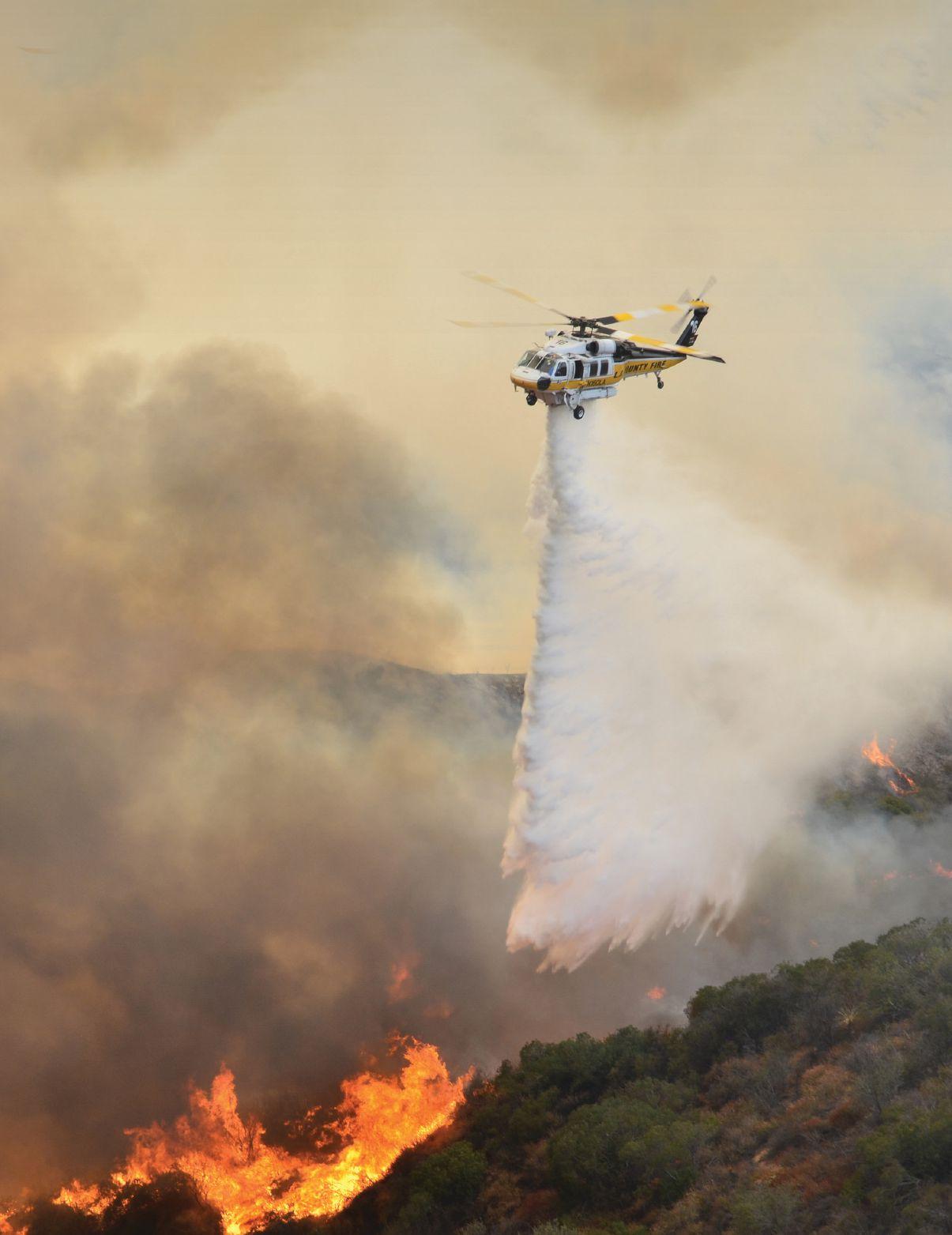
Born a Black Hawk, the Firehawk is an unrivalled multi-mission helicopter even with its external 1,000-gallon tank. pg 16 (Photo: Ryan Ling/ Sikorsky)

JON ROBINSON, editor
s Helicopters magazine went to press in early April, the Government of Canada had introduced few measures of definitive economic support specifically aimed at the country’s essential aviation sector, clearly one of most immediately impacted industries of the COVID-19 pandemic. Presumably, the government initially focused on providing people across the country with much needed financial relief, regardless of their industry or work; and there will be a range of economic programs instituted over the coming months to support the needs of aviation. (See Fred Jones’ column on page 30 for what he sees as key specific needs and concerns affecting the Canadian helicopter industry.)
The commercial fixed-wing, air-taxi sector is the barometer by which the public most easily see the impact of COVID-19, even if helicopter operations are equally affected. The International Air Transport Association is currently estimating a US$252 billion year-on-year loss in passenger revenue worldwide.
The positive news is, that on March 30, Prime Minister Justin Trudeau announced all businesses and non-profit organizations –regardless of size – seeing a drop of at least 30 per cent in revenue due to COVID-19 will qualify for the government's 75 per cent wage subsidy program; and that the number of people a business employs will
ing up to $30 billion in interest-free loans to Canadian businesses. The deferral to June of GST/HST payments, as well as customs duties owing on imports, will generally apply to remittances that become due in March, April and May.
The new Small and Medium-sized Enterprise Loan and Guarantee program will enable up to $40 billion in lending, supported through Export Development Canada and Business Development Bank, for guaranteed loans when small businesses go to their financial institutions to help weather the impacts of COVID-19. Export Development Canada will provide guarantees to financial institutions so that they can issue new operating credit and cash flow term loans of up to $6.25 million to small- and medium-sized businesses. These loans will be 80 per cent guaranteed by Export Development Canada, to be repaid within one year.
These ERP measures will make a positive impact in the lives of Canadian in the short-term. The prospects for long-term relief, however, remain very cloudy. As layoffs were being announced across Canadian aviation, most every executive summed up their early COVID-19 action plans with a range of adjectives that ultimately place this is the worst crisis to have ever hit the aviation industry.
Without pointing to specific layoffs, statistics provided by the Greater Toronto Airports Authority, which operates and maintains Canada’s largest airport, Pearson International, speak to the rapid and devastating economic impact of COVID-19.
For companies experiencing a revenue decrease of at least 30%, the government will cover up to 75% of a salary on the first $58,700. ‘‘ ’’
not determine its eligibility. Under this measure, the government will cover up to 75 per cent of a salary on the first $58,700, which could mean payments of up to $847 a week.
This is one of several key initiatives undertaken by the federal government in an effort to support businesses across the country as part of its COVID-19 Economic Response Plan (ERP). It also allowing businesses, including self-employed individuals, to defer all Goods and Services Tax/Harmonized Sales Tax (GST/HST) payments until June, as well as customs duties owed for imports.
This measure, explains the government, is the equivalent of provid-
In the first week of April, explains GTAA CEO Debra Flint, passenger numbers at Toronto Pearson continued to drop significantly from an average of 130,000 per day to 5,000 per day. The number of flights had dropped from an average of 1,300 per day to approximately 350 per day. The Pearson tarmac would be dominated by cargo activity. Flint also notes only nine passenger airlines were expected to operate at Pearson that week, as compared to 67 airlines that were operating three weeks ago.
Beyond specific short-term measures needed to support airports, Flint continues to explain that aviation needs what she describes as shovel-ready infrastructure projects to accommodate today’s new realities. Infrastructure projects are not as prominent in the helicopter world, but the implementation of shovel-ready support is exactly what the entire Canadian aviation industry needs to rebuild. | H

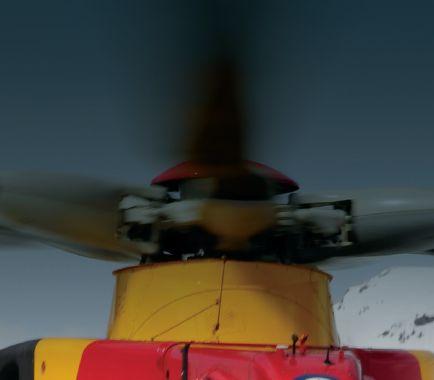
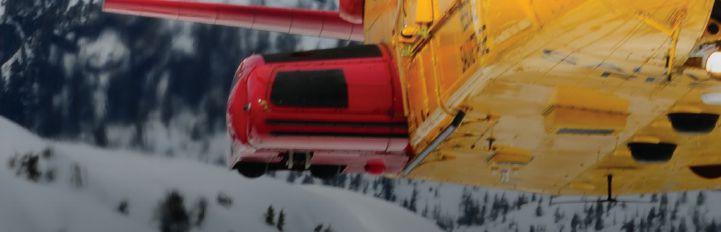
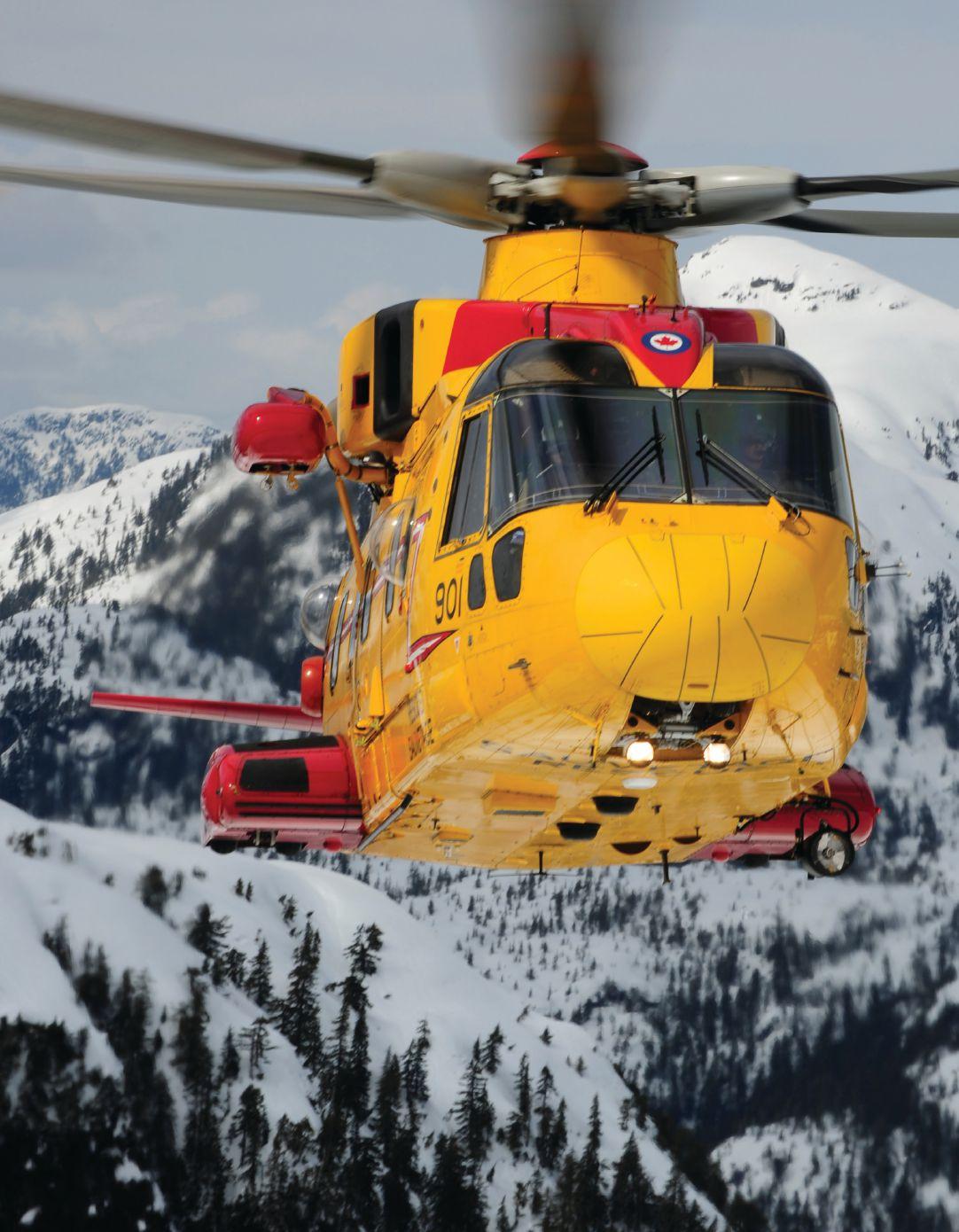
The AW101 Cormorant has served the Royal Canadian Air Force since 2002, saving countless lives in search and rescue operations across Canada.
The Cormorant Mid-Life Upgrade (CMLU), program proposed by Team Cormorant and led by Leonardo and IMP Aerospace and Defence with CAE, GE Canada and Rockwell Collins Canada, will enhance the AW101 and eliminate obsolescence with the latest generation of technology, lower maintenance costs and improved reliability to continue saving Canadian lives for the next 20 years and beyond.
Inspired by the vision, curiosity and creativity of the great master inventorLeonardo is designing the technology of tomorrow.





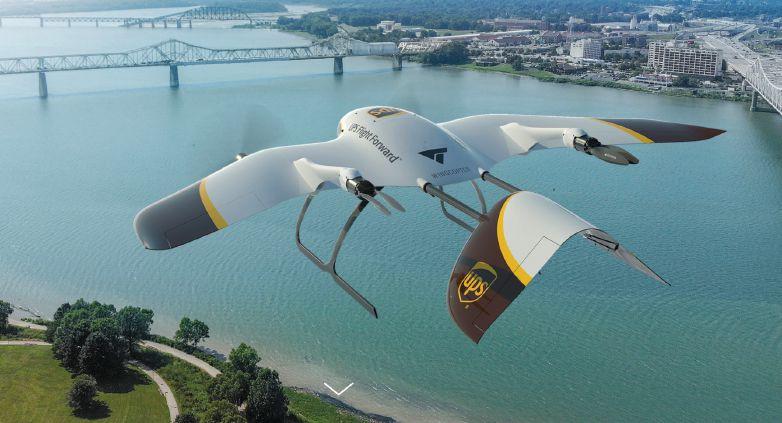
UPS Flight Forward, the drone delivery subsidiary of logistics and delivery giant UPS, unveiled plans to collaborate with German dronemaker Wingcopter to develop what it describes as the next generation of package delivery drones. UPS notes it chose Wingcopter for the project based on its unmanned aircraft technology and its track record in delivering a variety of goods over long distances in multiple international settings. As part of this collaboration, UPS Flight Forward (UPSFF) notes the companies will work toward earning regulatory certification for a Wingcopter unmanned aircraft to make commercial delivery flights in the United States. The collaboration repre-
drones hold capabilities for vertical takeoffs and landings in
before
sents UPSFF’s first new relationship with a drone manufacturer since its formation.
Wingcopter drones hold capabilities for vertical takeoffs and landings in tight spaces, before transitioning to efficient, high-speed horizontal flight. The company explains these capabilities will allow UPSFF to begin developing solutions that, if approved, will go well beyond the healthcare and
to
retail industries to solve longstanding challenges for hightech, industrial manufacturing, hospitality, entertainment and other customers.
UPSFF explains Wingcopter has proven its capabilities in numerous beyond visual line of sight (BVLOS) projects and for diverse customers around the world – from commercial factory-to-factory deliveries to lifesaving humanitarian projects
Ascent Helicopters is expanding its fleet with a new Airbus H125, which will support power line and hydro utility work, as well as forestry and firefighting missions. This will mark the third H125 that Ascent has acquired from Airbus over the past four years. The new H125 is scheduled to be delivered mission-ready from the Airbus facility in Fort Erie, Ontario, in late spring 2020.
Headquartered in Parksville, BC, with operations also in Fernie, Ascent Helicopters provides flight services to a variety of government and industry clients, including utilities, construction, film and television, fire suppression, air ambulance, heliskiing and natural resources. Ascent’s U.S. partner is Heli-1, a Reno-based Part 133 and Part 135 operator. Heli-1 will use the H125 to support its growing operations in the powerline sector.
Ascent Helicopters offers specialized flight services in sectors like utilities, construction, film and television, fire suppression, air ambulance, heli-skiing and natural resources. (Photo: Airbus)
and emergency medical supply. The core innovation behind the company’s electric-verticaltakeoff-and landing drones is the patented tilt-rotor mechanism, which enables a seamless transition between two drone modes: Multicopter for hovering and fixed-wing for lownoise forward flight. The Wingcopter aircraft is also designed to operate in harsh weather conditions.

Matt Zuccaro, the immediate past president and CEO of Helicopter Association International, passed away in late-January. It was only at the start of 2020 that Zuccaro announced he was retiring from his position of leading the world’s largest helicopter association –representing more than 3,000 aviation businesses and individuals who operate more than 4,500 helicopters. James Viola became HAI’s new president and CEO on January 16.

Matthew Zuccaro, president and CEO of the Helicopter Association International
A member of HAI since the early 1980s, Zuccaro was elected to the HAI Board of Directors in 1987 and served as chairman in 1991. He was named president of HAI in 2005. During HAI Heli-Expo 2020 in Anaheim in January, he was honoured with the FAA’s Wright Brothers Master Pilot Award, recognizing his 50 years of professionalism and skill as a pilot.
Viola most recently served as director of General Aviation (GA) Safety Assurance for the Federal Aviation Administration (FAA). His career began with the U.S. Army, with the majority of his flying done as a special operations MH-6 and MH-47 helicopter pilot. His final military assignment was as division chief, Army Aviation for Current Operations, where he determined and recommended the aviation unit station, prioritization, and optimization of 4,200 army aircraft, 100 manned units, and the combat rotation plan to Iraq and Afghanistan. He left the army in 2008 to work for the FAA.
DRONE VOLT, which manufacturers professional civil drones and related artificial intelligence systems, signed a memorandum of understanding with HydroQuébec around the exclusive development and marketing of a drone designed to inspect high-voltage power transmission lines.
Hydro-Québec explains its drone is unique in its ability to
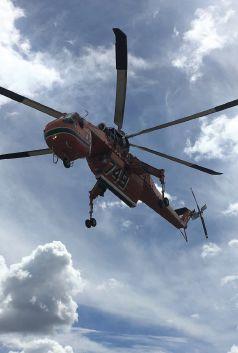
Erickson receives FAA approval for its composite main rotor blades on the S-64. (Photo: Erickson)
take very precise measurements on live lines using sensors developed by the teams at Hydro-Québec’s research centre. With this technology, work can be carried out without interrupting service and workers will face considerably fewer risks. The technology will also reduce the number of traditional helicopter inspections.
Once the industrial and commercial partnership agreement
is finalized, DRONE VOLT will be able to market the drone throughout the world.
With an operation in Laval, Québec, as well as in the countries of Denmark, the United States, Switzerland and Indonesia, in addition to Benelux (representing an economic union between Belgium, the Netherlands and Luxembourg), DRONE VOLT Group was founded in 2011 in Villepinte, France, as part of GICAT – a French land and airland defence and security industrial group.
Erickson Inc. received approval from the Federal Aviation Administration for the application of its next-generation composite main rotor blades on the S-64E Air Crane. Erickson began the process of designing the new blades in 2008, working with the Federal Aviation Administration (FAA) and various industry partners. In 2013, Erickson collaborated with Helicopter Transport Services (HTS), in order for the blades to be utilized on CH-54
HELICOPTERS MAGAZINE
P.O. Box 530
105 Donly Drive South Simcoe ON N3Y 4N5
Tel.: 519-428-3471 Fax: 519-429-3094
Toll Free: 1-888-599-2228
Website: www.helicoptersmagazine.com
EDITOR JON ROBINSON email: jrobinson@annexbusinessmedia.com
MEDIA DESIGNER CURTIS MARTIN
CONTRIBUTING WRITERS
MASSIMO BERGAMINI, DAVID CARR, MARIO CYWINSKI, TRACEY FREDRICKSON, KATHY FOX, FRED JONES, KENDRA KINCADE, CARROLL MCCORMICK
NATIONAL ADVERTISING MANAGER MENA MIU email: mmiu@annexbusinessmedia.com 416-510-6749
ACCOUNT MANAGER KORY PEARN email: kpearn@annexbusinessmediacom 519-902-8574
ACCOUNT COORDINATOR BARB VOWLES email: bvowles@annexbusinessmedia.com 416-510-5103
CIRCULATION MANAGER JAY DOSHI email: jdoshi@annexbusinessmedia.com 416-442-5600 ext. 5124
GROUP PUBLISHER, VP SALES MARTIN MCANULTY email: mmcanulty@annexbusinessmedia.com
COO SCOTT JAMIESON email: sjamieson@annexbusinessmedia.com
RETURN UNDELIVERABLE CANADIAN ADDRESSES TO ANNEX PUBLISHING & PRINTING INC., 111 Gordon Baker Rd., Suite 400, Toronto ON M2H 3R1 email: subscribe@helicoptersmagazine.com
Published four times a year by Annex Publishing & Printing Inc. Printed in Canada ISSN 0227-3161
CIRCULATION
Email: jdoshi@annexbusinessmedia.com
Tel: 416-442-5600 ext. 5124 Fax: 416-510-6875 (main) 416-442-2191
Mail: c/o Circulation, 111 Gordon Baker Rd., Suite 400, Toronto, ON M2H 3R1
SUBSCRIPTION RATES
Canada - 1 year $31.50
USA- 1 year $74.00 CDN funds Foreign - 1 year $82.00 CDN funds plus applicable taxes
www.helicoptersmagzine.com/subscribe
Annex Privacy Officer
Privacy@annexbusinessmedia.com
Tel: 800-668-2384
rotorcraft as well.
FAA certification for the CH-54A is expected to follow quickly in the coming weeks, according to Erickson, and certifications for the S-64F and CH-54B are expected this summer. In 2015, Erickson built a composite manufacturing facility from scratch in order to maintain close control of blade production. The company explains fatigue testing of the new blades continues, which will increase their usage timeline.
Occasionally, Helicopters magazine will mail information on behalf of industry-related groups whose products and services we believe may be of interest to you. If you prefer not to receive this information, please contact our circulation department in any of the four ways listed above. No part of the editorial content of this publication may be reprinted without the publisher’s written permission ©2020 Annex Publishing & Printing Inc. All rights reserved. Opinions expressed in this magazine are not necessarily those of the editor or the publisher. No liability is assumed for errors or omissions. All advertising is subject to the publisher’s approval. Such approval does not imply any endorsement of the products or services advertised. Publisher reserves the right to refuse advertising that does not meet the standards of the publication.

Helicopters Magazine is an associate member of the following Canadian aviation associations:
StandardAero and Robertson Fuel Systems at Heli-Expo in Anaheim, CA, announced the delivery of two crash-resistant fuel tanks to the first operator in Canada to their technology. Zimmer Air Services Inc., with bases in Blenheim, Thunder Bay and St. Thomas, ON, will have the crash-resistant fuel tanks (CRFTs) installed on one AS350 BA helicopter and one AS350 B2 helicopter. Both of these ships have incorporated
HeliLynx FX2 or Soloy SD2 modifications utilizing LTS101 engines.
The StandardAero and Robertson CRFT, according to the companies, is the only Transport Canada Civil Aviation (TCCA) approved Supplemental Type Certificate (STC) solution for virtually all models of the H125/AS350 helicopter. It also holds approvals from the U.S. Federal Aviation Administration (FAA) and European Union
Aviation Safety Agency (EASA).
StandardAero explains customers such as Zimmer Air Services operating B2 and older variants of the AS350 platform can achieve modern standards of fuel system crashresistance and occupant protection comparable to that of new production aircraft only through the StandardAero and Robertson CRFT, as no other solution is available for these legacy models.
The United States Army announced two teams competing to provide it with a new attack helicopter, under the ongoing Future Long-Range Assault Aircraft (FLRAA) competition, are moving into the next stage of the program, called Competitive Demonstration & Risk Reduction. The SikorskyBoeing team won a US$97 million contract to continue to refine their SB>1 Defiant helicopter and Bell Textron won a US$84 million to continue the development its V-280 Valor tiltrotor for the U.S. Army. One of these helicopters will ultimately be chosen to replace the UH-60 Black Hawk for the U.S. Army, which expects to make that decision sometime in 2022, with operational units coming online in 2030.
The earlier JMR TD program initiated by the U.S. Army saw Bell begin a collaboration with 12 companies to form Team Valor to validate
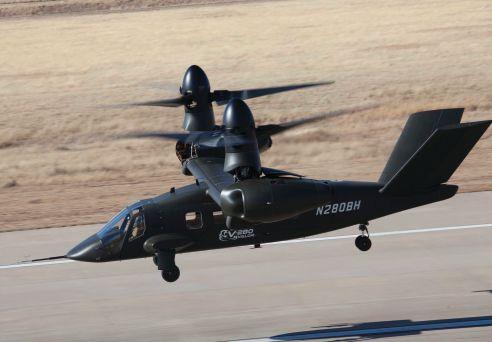
the V-280’s flight capabilities. Bell states the V-280 achieved all JMR TD program goals, demonstrating its speed by flying above 300 knots and also demonstrating low speed agility attitude quickness. The company continues to explain these characteristics are important for FLRAA program requirements, which aims to produce a medium-lift utility rotorcraft replacement with transformational speed, power, and maneuverability,

Dr. Frank Rubio is among NASA’s first class of astronaut candidates to graduate under the Artemis program. A U.S. Army lieutenant colonel, Rubio was born in Los Angeles and now lives in Miami, Florida. He earned a bachelor’s degree in international relations at the U.S. Military Academy at West Point, New York, and a doctorate of medicine from the Uniformed Services University of the Health Sciences, Maryland.
at a sustainable cost, to active duty and reserve aviation units.
The Sikorsky-Boeing SB>1 Defiant helicopter achieved first flight at Sikorsky’s West Palm Beach, Fla., site back in March 2019. The aircraft, being jointly developed by Sikorsky and Boeing, features two coaxial main rotors and a rear-mounted pusher propulsor, making it unlike production rotorcraft available today.
Rubio has accumulated more than 1,100 hours as a Black Hawk helicopter pilot, including 600 hours of combat and imminent danger time. He was serving as a surgeon for the 3rd Battalion of the Army’s 10th Special Forces Group at Fort Carson, Colorado, before coming to NASA. After completing more than two years of basic training, Rubio will become eligible for spaceflight assignments to the International Space Station (ISS), Artemis missions to the Moon, and future missions to Mars.
The class includes 11 NASA candidates, as well as two Canadian Space Agency candidates, Jenni Sidey-Gibbons and Joshua Kutryk. All of these candidates were selected in 2017 from what NASA describes as a record-setting pool of more than 18,000 applicants. All astronaut candidates completed training in spacewalking, robotics, ISS systems, T-38 jet proficiency, and Russian language.
Air Zermatt and AirGlaciers SA, two of the world’s best-known mountain-rescue helicopter operations in Switzerland, announced plans to merge their operations on April 4, 2020, at the general assembly of Air-Glaciers.
Both companies were founded more than 50 years ago, with Air-Glaciers primarily focusing on operations in Lower Valais and Air Zermatt primarily in Upper Valais. A joint statement about the merger from the companies indicates both brands will continue to exist after the merger – “The motto is: Two world-famous names, two strong teams.”
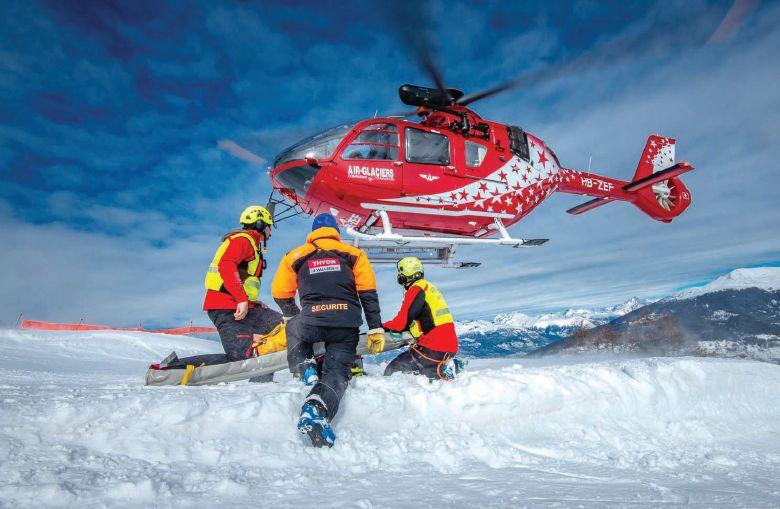
At age 85, Bruno Bagnoud, chairman of the board and CEO for Air-Glaciers, will take on a title within the merged operation as Honorary President. Beat Perren founded Air Zermatt in 1968 with a helicopter, a pilot and a mechanic. Today, Air Zermatt operates 10 helicopters from three heilports and employs around 75 people, including pilots, paramedics, transport paramedics, flight assistants, mechanics, mission leaders and administrative staff.
Heli-One announced at Heli-Expo that it is now working with Leonardo Helicopters to establish AW139 Intermediate and Tail Gear Box (IGB, TGB) MRO capability as a Leonardo Helicopters Authorized Component Repair Centre. This new capability is being established at the Heli-One Canada facility in Delta, BC, and will give operators additional options for IGB & TGB maintenance services from an OEM Authorized Component Repair Centre. Leonardo delivered its 1,000th AW139 helicopter in September 2019, as the versa-
tile aircraft is flown around the world in a variety of missions like EMS, SAR, VIP, Law Enforcement, and Offshore. Heli-One technicians are being trained by Leonardo to perform these complex IGB and TGB maintenance services. “We are excited to work with Leonardo helicopters to establish this new capability at Heli-One Canada,” said Christian Drouin, vice-president of HeliOne. “The technicians at our River Road facility are true professionals who strive to deliver quality products at the highest level. We aim to have this capability avail-
The National Aeronautics and Space Administration placed an order for three H135 helicopters, marking the first-ever partnership between the U.S. space program and Airbus Helicopters.
Airbus explains the H135s will be operated out of the Kennedy Space Center in Florida for a variety of missions like security (including rocket launches), emergency medical services, passenger transport, aerial firefighting, weapons training and overwater operations. Two of the H135s are
scheduled for delivery this summer, with the third planned for early 2021.
NASA is acquiring the H135 aircraft through Davenport Aviation, an SBAcertified woman-owned business, which specializes in the supply of aerospace equipment to government agencies. The H135 light twin-engine helicopter features the Airbus-developed Helionix avionics suite, high-set main rotor and Fenestron shrouded tail rotor in terms of enhancing operational safety. | H
able soon so that operators can have additional options for IGB and TGB maintenance services.”
Heli-One is a Leonardo Authorized AW139 Service Center & Component Repair Centre and offers airframe and component MRO services ranging from major inspections to small component repair. HeliOne also offers Avionics and Rescue Equipment maintenance services to AW139 operators. Custom modifications and repairs developed by Design Engineers are also available to operators.
NASA will use the aircraft for security during rocket launches, emergency medical services and qualified personnel transport.

The coronavirus pandemic is just the latest blow to Canada’s oil producers
Near the end of February, oil prices began to plunge with the base price for West Texas Intermediate (the de facto North American standard) declining from more than $50 a barrel to less than $30 (all dollar amount in U.S. figures). The story is much worse for Canadian oil producers. The price of Western Canadian Select fell from $38 a barrel in February to $16.33 a barrel on March 16, a 43 per cent decline in value. This is a devastating turn of events, particularly for the provinces of Alberta and Newfoundland and Labrador.
World production of oil in 2019 was about 100.6 million barrels per day (bpd), with modest growth to 102.1 bpd expected by the fourth quarter of 2020. Canada is a small player in this market; we produce about 4.55 million bpd, according to 2018 figures, from conventional, offshore and oilsands sources, with oilsands production (2.91 million barrels a day) being the greatest contributor. By comparison, the U.S. produces 17.87 million bpd, Saudi Arabia 12.42 million and Russia 11.4 million, according to 2019 figures. Because Canada is a small player, our ability to influence the market is relatively limited. We don’t really have the capacity to quickly increase production at levels that might influence global prices (something that would require at least 100,000 bpd of extra production). Indeed, Alberta has limited production through 2020 to try to keep prices higher for producers.
The lion’s share of our oil is also marketed exclusively within North America, meaning that we are essentially trading with a single partner,
led to oil prices falling well below $100 a barrel. OPEC tried to reverse the declining trend by proposing production cuts, but the Saudi Arabians did not agree – they felt that keeping production up would squeeze higher-priced oil producers (i.e. American shale producers) out of the marketplace. Lack of agreement among the member nations meant that production levels remained high.
Saudi Arabia’s strategy failed. Prices plummeted into the $40 to $50 per barrel range and stayed there. Shale oil producers did not disappear and global production levels actually increased, in part because countries like Canada affected by falling prices pushed for more output to make up for the shortfalls in revenues. By 2016, Saudi Arabia realized that a different approach might be required and led an effort among OPEC members to once again cut production. An agreement between OPEC and the largest independent producer, Russia, was a key part of this plan – if Russia did not agree to make cuts, then the plan would not work. Russia came to the table – albeit reluctantly – and a pact to keep production in check was born. That pact between OPEC and Russia managed to last about three years, during which global oil prices remained stagnant and production in other non-OPEC nations increased. Inevitably, discussions between OPEC and Russia led to talk of further production cuts, which Russia strongly opposes because it feels such a move would support higher-priced producers like the U.S.
COVID-19 is expected to reduce demand by up to 3.8M barrels a day.
’’
the United States. And the situation in the U.S. has changed dramatically – in 2010, U.S. production was only about five million bpd, while Canadian production was three million per day in the same year. Growth in U.S. oil production since 2010 has dramatically outstripped Canadian production, making our exports far less critical to overall energy security south of the border. This accounts in large part to the significant discount that Canadian oil receives on the U.S. market. Increased pipeline capacity to move product, particularly to tidewater, might in the long term help to achieve better prices for Canada.
The rapid price declines are notable, particularly for Canada, but global oil prices have actually been declining for the last year, and at best have been stagnant since the last big price shocks to the system in 2014. By that year, the increasing production of shale oil in the U.S. had
Russia opposed the most recent OPEC cuts in March. Saudi Arabia responded by actually increasing production, potentially by one million barrels a day – a move guaranteed to drive global prices down. Exacerbating the long-term trends in oil prices is the impact of COVID-19. The coronavirus pandemic is now anticipated to reduce oil demand in the first quarter of 2020 by up to 3.8 million barrels a day compared to last year. Quarantine effects are having a big impact on demand for all kinds of fuel, particularly gasoline, as people stay home, and aviation fuel, as air travel is curtailed.
This dramatic decrease will result in two things: Significantly lower prices and oversupply which could take months or years to clear. Annual oil demand for 2020 is very likely to be lower than what was observed in 2019 – and that means lower oil prices are here to stay. COVID-19 is a huge challenge for the world and Canadian oil producers, already suffering from long-term market trends, will be badly hit. But when COVID-19 passes, the underlying challenges will remain. | H
Dr. Warren Mabee is Director, Queen's Institute for Energy and Environmental Policy. This article was first published by The Conversation.

Thrusting the industry forward with leading-edge technologies
WE DELIVER on what you value most. For over a century, the helicopter industry has relied on StandardAero to provide best-in-class rotary wing support with excellent operational efficiency and custom MRO solutions. Through our innovative, safety driven approach, comprehensive helicopter support capabilities and reliable service provided by our expert technicians, it’s no wonder why we are the trusted service partner.
Engines
• GE T700/CT7
• Pratt & Whitney Canada PT6T
• Rolls-Royce M250 and RR300
• Safran Arriel 1 & 2
Airframes
• Airbus H125/AS350, H130/EC130, H135 and H225/AS332
• Bell 204/205, 206, 212/412, 222, 230, 407, 427 and 430
• Sikorsky S-76, S-92 and S-61
www.standardaero.com helicopters@standardaero.com +1.204.318.7544

Dynamic Components
Fuel Systems
Avionics
STCs
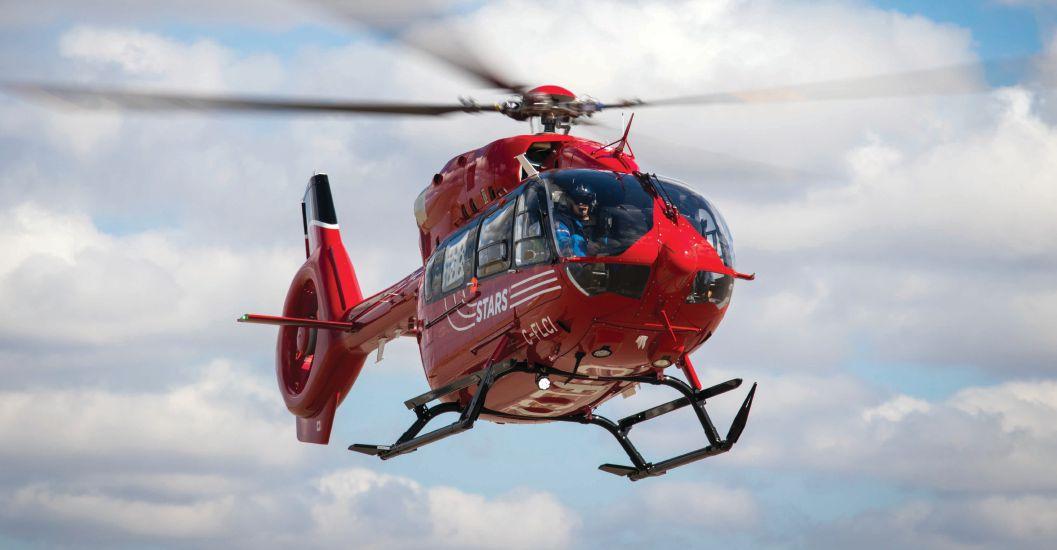
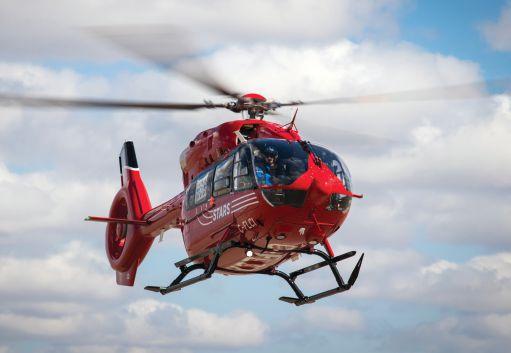
One of STARS’ new Airbus H145 helicopters in May 2019 arrives at the air ambulance’s operational base in Calgary.
(Photo: Lyle Aspinall/ STARS)
BY HEATHER COUTHAUD
STARS Air Ambulance was founded by two physicians whose personal experience showed them the advantage aerial transport brought to saving patients’ lives. With a fleet of 11 helicopters, the non-profit, charitable organization now serves communities in four provinces in Western Canada.
VIPs – the term STARS, which stands for Shock Trauma Air Rescue Service, uses for its patients says it all: To the HEMS critical care provider, those it cares for are not just patients, but Very Important Patients.
“We take the job seriously. The accountability, we think, is massive,” says Andrea Robertson, president and CEO, STARS. “We want to make sure we’re providing the very best care to our patients –essentially we are a flying intensive care unit to them.
“Canada is characterized by vast geographic areas and small populations which might not have access to a hospital, particularly those providing higher-level care,” Robertson continues. “The people of Canada see helicopter EMS as a means of having rapid access to critical care wherever they are.”
With 11 helicopters in its fleet, STARS is able to cover such distances effectively. Six years ago, the organization began looking for an aircraft capable of serving its six bases; and subsequently chose the
H145, for a total of nine to be delivered by 2022. STARS in May 2019 took delivery of its first two Airbus H145s and marked the occasion by flying in its very first patient, Kelly Waldron, with registration C-GKLY – recognizing her first name – adorned on one of the helicopters.
STARS is replacing its current fleet of BK117 and AW139 helicopters with the H145s, with an estimated cost of $13 million each, medically equipped. The global Airbus H145 fleet has achieved more than 100,000 flight hours since entry into service in 2015.
“The decision was made to go to a single platform because it is considered best practice in an organization of our size – from an operations, safety and efficiency perspective it was the best decision,” says Robertson. At the end of 2019, STARS signed the first Airbus HCare support and service contract in Canada for its H145 platform.
With its first mission in 1985, STARS has now operated more than 42,000 missions from bases in Calgary, Edmonton, Grande Prairie, Regina, Saskatoon and Winnipeg. In its 2018/2019 fiscal year, STARS completed 2,878 missions with an average of eight daily missions. The distribution of its missions is comprised of 60 per cent for interfacility and 40 per cent for scene calls, such as roadside, recreational accidents, traumas, industry and avalanche incidents.

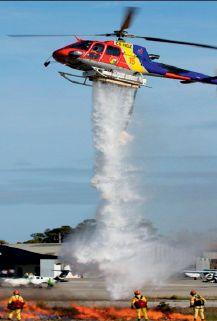
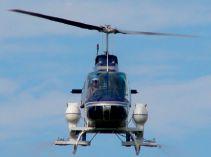
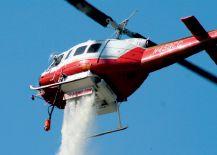
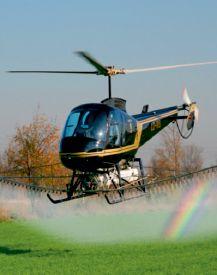
For over 30 years, ISOLAIR has been manufacturing industry leading helicopter systems for the firefighting, forestry and aerial application industries. With a broad line of certified and custom helicopter equipment, ISOLAIR has the system to fit your company’s needs. From agricultural spray systems and bucket spreaders to firefighting systems, forestry grapples and torches, ISOLAIR can and will do it all!
With competitive pricing, quality assurance, easy to install products, and an ongoing commitment to customer service, we welcome you to contact us. Our friendly and knowledgeable staff is ready to answer your questions and help you find the ISOLAIR system that will best meet your operational requirements.
ISOLAIR HELICOPTER SYSTEMS
27600 SE HIGHWAY 212
BORING, OR 97009 U.S.A.
PHONE: +1 (503) 492-2105
FAX: +1 (503) 492-2756
EMAIL: isolairinc@gmail.com


www.isolairinc.com

The robust operation holds a medical staff of more than 100 critical care physicians, paramedics and nurses, as well as more than 80 pilots, and communication specialists staffing STARS’ 24-hour Emergency Link Center.
The organization’s missions take it from the varied topography of the Canadian Prairies in the east to the rugged Rocky Mountains in the west.
“It’s not uncommon for some of our flight profiles to be up to 100 NM one way, a radius of action in which the H145, because of its increased speed, shines,” says STARS pilot John Carson. Based in Calgary, Carson’s work, as part of a four-person crew, which includes two pilots, a critical care nurse and critical care paramedic, takes him into the Rockies and beyond.
“Operating on the eastern slopes of the Canadian Rockies, which are prone to warm Chinook winds, can be quite challenging. And flying into them at night is an added challenge,” says Carson. “The H145 cockpit is fabulous on ight vision goggles, with fantastic visibility. The 4-axis autopilot serves to decrease pilot workload in certain situations. Increasing situational awareness and safety are the HTAWS [helicopter terrain awareness system] as well as the synthetic vision system. These fantastic pieces of kit shine when we go into our mountain environment.”
“One of the H145’s attributes that we hope not to see is the aircraft’s ability to hold a singleengine service ceiling,” says Carson. “From Calgary, operating at night in the mountains, it’s not uncommon for our en route legs to be as high as 10,000 feet. If we lose an engine and the conditions are of an appropriate nature, we can go right over the top in the H145.”
To carry out its work saving lives, STARS has contracts with three provincial governments. The organization provides medical oversight and is accountable for getting patients to the appropriate level of care. It operates its own 24-hour emergency coordination and dispatch centre. And training is done in-house, too, with experienced pilots like Carson handling the flight crew’s transition to the new H145s.
“It’s awe-inspiring when you see the professionalism of our team and how seriously they take safety,” says Robertson. “Bringing on a new aircraft is a lot of work. We feel so fortunate to have this great aircraft, and it takes a strong group.” | H
This article originally appeared in Airbus’ Rotor magazine, with edits included by Helicopters.
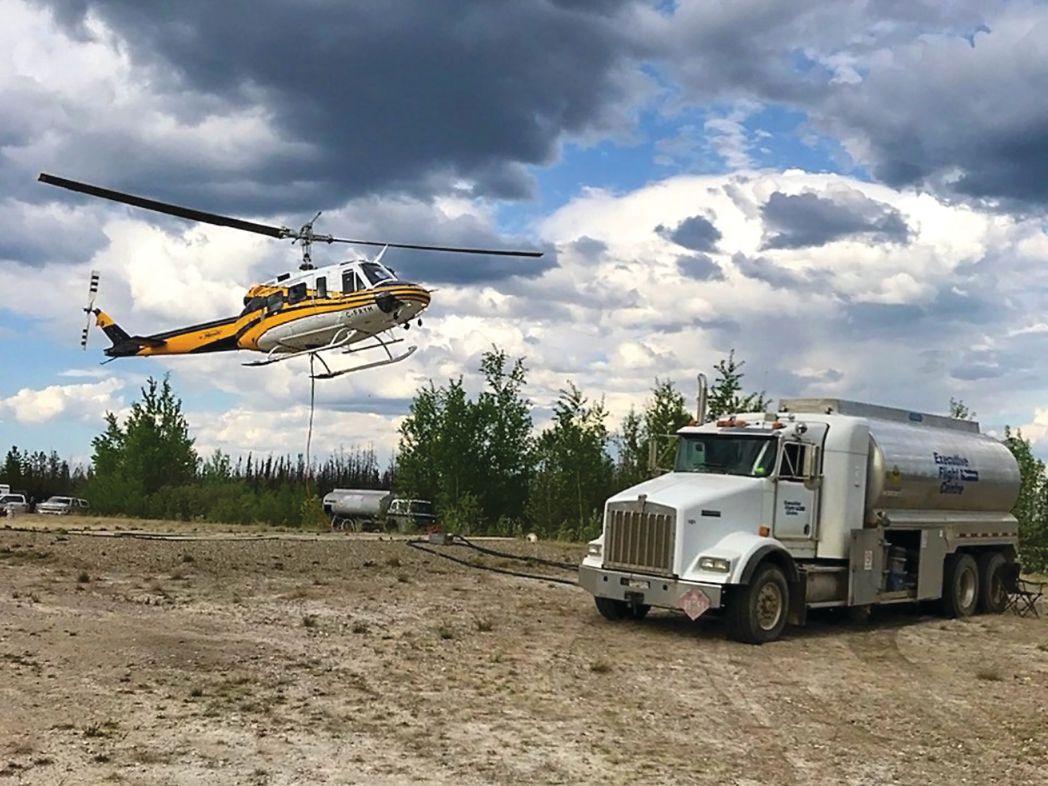
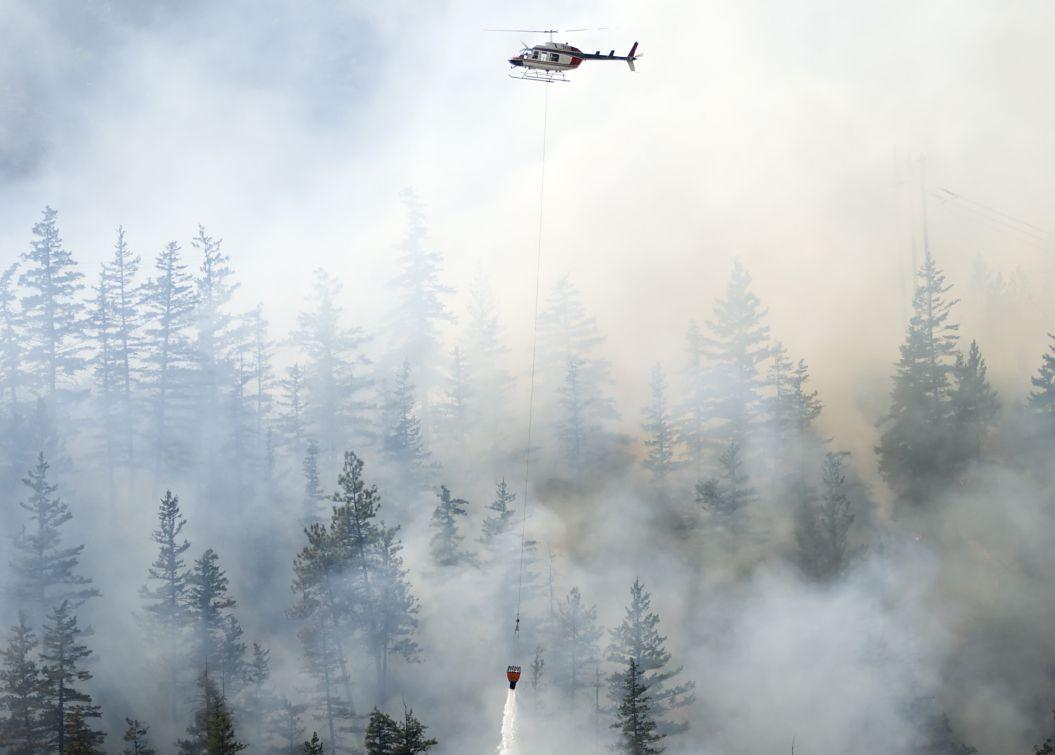

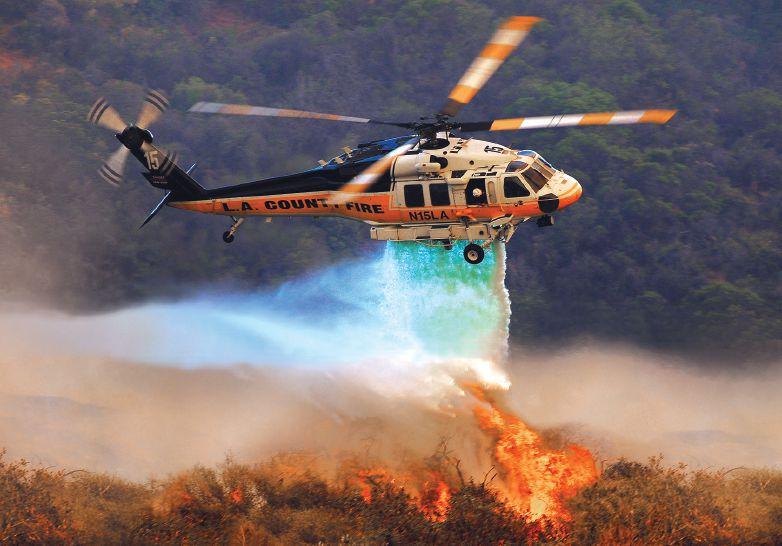
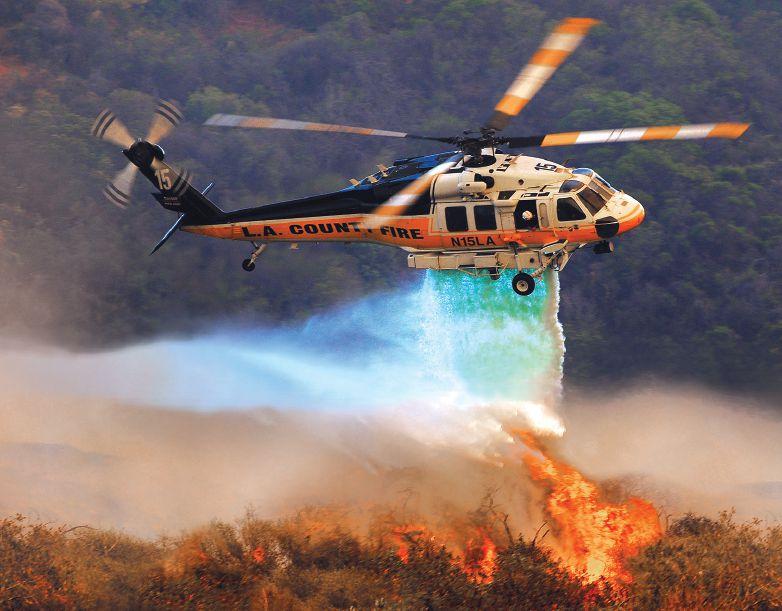
LEFT: A true multi-mission aircraft, the Firehawk can be reconfigured in flight for SAR, hoist rescues and medical transport, even with its 1,000-gallon external water tank attached. (Photo: Ryan Ling, Sikorsky)
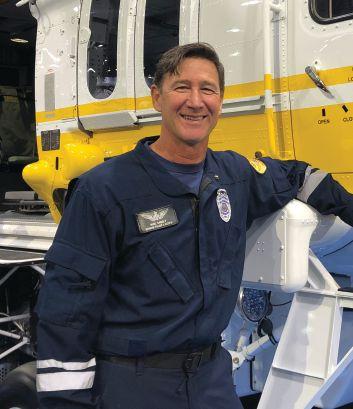
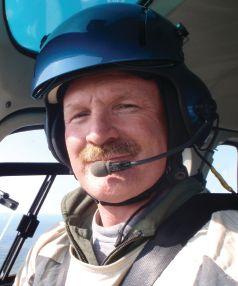
BELOW: Mike Sagely has accumulated more than 10,000 flight hours and is qualified in over 30 aircraft.
BY JON ROBINSON
Three Sikorsky S-70A Firehawk helicopters operated by the Los Angeles County Fire Department virtually flew non-stop during the first 48 hours of the mostdestructive wildfire in the county’s history – each operating for about 40 hours over those first two days, stopping only for maintenance and safety evaluations. Santa Ana winds, sustaining 50 mile per hour force, quickly fueled the Woolsey Fire into a 14-mile fire line and grounded all other aircraft for the majority of those critical first 48 hours.
Woolsey was one of several wildfires to ignite in California on November 8, 2018, including the Hill Fire, which was contained in eight days, and the devastating Camp Fire in Northern California, which killed 86 people, burnt 153,336 acres and destroyed 18,804 structures. The towns of Paradise and Concow each lost about 95 per cent of their structures in the Camp Fire, recorded as the deadliest and most destructive in California history.
After prompting the evacuation of more than 295,000 people, the Woolsey Fire killed three people, burned 96,949 acres and destroyed 1,643 structures. There is no discernible data to account for how the Firehawks suppressed the outbreak of the Woolsey fire, but few would argue their effectiveness in those early hours. Collectively, over the first
seven days, the Firehawks accumulated a total of 120 flight hours and 350 water drops from their 1,000-gallon external water tanks. Born a UH-60 Black Hawk helicopter, the modified Sikorsky Firehawk leverages its proven military design to endure the unrelenting physical stresses demanded of initial attacks in aerial firefighting.
“With the military design of this aircraft, for that tactical mission in a variety of terrain and environments worldwide, an ability to do many things very well, the needs are almost exactly the same if you look at our mission. We’re just not in a combat environment,” says Mike Sagely, senior pilot, Air Operations, Los Angeles County Fire Department (LACoFD), who has been flying the Firehawk since 2009. Sagely began his military career in 1986 flying Black Hawks for the U.S. Army, including a few years with the 160th Special Operations Aviation Regiment. “The aircraft is designed to carry heavy loads, to be maintainable in the field, and it's performance characteristics are very good across that environmental spectrum – in the systems design and on the safety side, which is for the soldiers and the pilots to survive.”
Sagely was one of the first pilots to get airborne and attack the Woolsey Fire at just after 3:00 pm, recalling how well the aircraft performed: “Even with 160th, which probably flies the heaviest of the Hawks, we never did 100 cycles of 23,500 pounds in a six- or
seven-hour period… You might have done 10 or so, but never 100 cycles of max gross weight.” He points to the Firehawk’s unique external water tank – manufactured by Kawak Aviation Technologies and integrated by United Rotorcraft – as a critical component of LACoFD’s firefighting capabilities.
LACoFD has been flying the Firehawk S-70A since 2000 and in late-2019 received its first new-generation Firehawk S-70i – with a second machine scheduled to arrive in 2020. (The State of California’s Department of Forestry and Fire Protection will eventually fly 12 S-70i models. The City of San Diego FireRescue also added an S-70i in late-2019). The S-70i brings more power, greater 4g maneuverability and lift when fully loaded, enhanced flight safety, new snorkel system, wide-chord rotor blades, four-axis flight controls, and an integrated digital cockpit. A true multi-mission aircraft, the S-70i can be reconfigured in flight for search and rescue, hoist rescues and medical transport, even with the water tank still attached. The unique Firehawk tank system required the aircraft to be elevated 20 inches to fit it under the belly with a retractable snorkel system, which allows pilots to maximize the speed of the platform.
“The VH on [the Firehawk] right now, configured, because we have all kinds of drag on this thing, is about 140 knots,” says Sagely, who notes the team will generally cruise to a scene at 130 to 135 knots. This speaks to the importance of Firehawk’s retractable snorkel when compared to an aircraft with a fixed snorkel that might be able to travel at a top speed of 80 to 90 knots. “Our world is about initial attack, getting water on the fire as rapidly as possible, buying precious time for resources to get there. That’s what the helicopter does best, especially when things are remote.” The Firehawk is rated to carry up to 11 firefighters and their gear. “If you can buy 10 or 15 minutes to get people on the ground you’ve done something. If the fire gets too big, you’re not going to stop it. Keeping it small is really the name of the game, tactically.”
A graduate of Embry-Riddle Aeronautical University, with a Bachelor of Science degree in Professional Aeronautics and a minor in Aviation Safety, Sagely spent the latter part of his military career (before retiring in 2007) in a unit focused on aviation R&D, where he flew both helicopters and airplanes. He has accumulated more 10,000 flight hours and is qualified in more than 30 different makes and models of aircraft – experience he leverages to assess the cost-benefit of aviation platforms.
Sagely describes key advantages of the Firehawk S-70i’s subtle V-shaped tank design with centre doors running the length of the system. Whereas most other systems feature
















cobrasys.com ateq-aviation.com
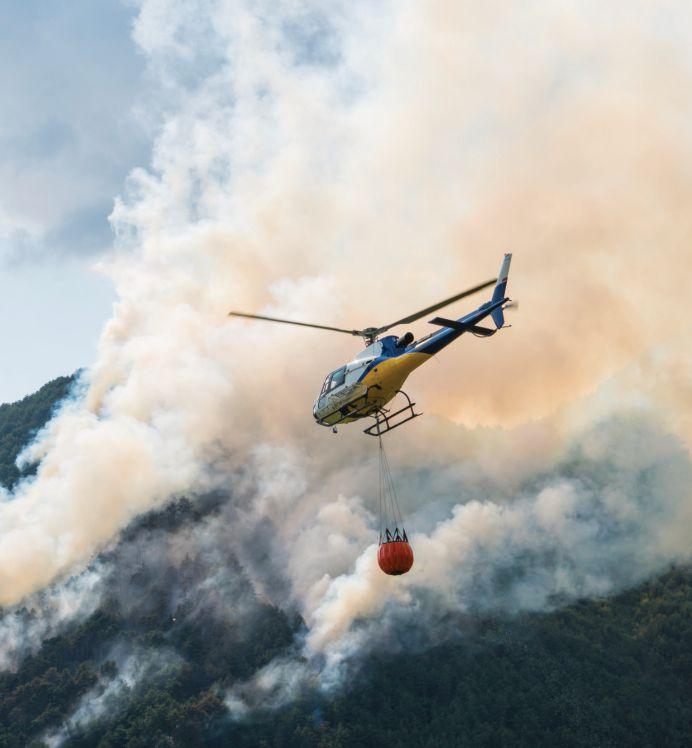
side-by-side doors that open outward without control, the Firehawk’s actuated doors – holding back as much as 8,000 pounds – allow the water or retardant to accelerate out of the system with incredible accuracy; and operators can release specific gallons per foot as needed.
“It allows you to vary the effectiveness of your drop with speed and altitude to a point; and then you can use the door settings based on the [wildfire] fuel that’s under you or based on the length of the fire drop,” explains Sagely. “When you have it on max, we are literally digging a hole in the dirt because it comes out with so much velocity.” Sagely notes there is a lot of heavy brush in southern California and water needs to reach through the fuel to saturate the bed. “This tank is very special.”
1
2020-02-13 8:13 AM
Sagely explains the LACoFD Air Operations team made slight tweaks to the tank for the S-70i aircraft to improve maintenance and the ease of snorkel changes, as well as how water flows into the tank. “It flows faster, so we don’t have to sit there exposed over water,” he says. The team now has a display to show what water load is being taken on, greatly reducing the amount of manual calculations needed based on the environmentals of the mission. “It ensures we are within performance capabilities of the aircraft and within structural limits, because if you’re hovering in 13 knots of wind taking on water, you can overload the helicopter. It allows us to shift what that weight is going to be, so you can do it safely.”
Sagely explains these advances help alleviate pressures of working a fire, when there is a tendency to load as much water as you can, as fast as you can. Advances of the S-70i allow for better performance planning, which adds even greater value to the multi-mission Firehawk platform in constant use by LACoFD. With a price tag of anywhere from US$19 million to US$22 million, depending on configuration, the Firehawk is a major financial commitment for public agencies that must balance benefit with the cost for their taxpayers.
“Yes – it is a big investment and a hard pill to swallow for taxpayers… For the money of a helicopter, they could buy 50 or 60 engines, open stations, any number of investments, but the impact of the Firehawk is amazing,” says Sagely. “The reliability and quality of this machine is really, really special – its manufacturing process, how easy it is to work on for the most part, to maintain, its safety systems, the stability systems. If you were to ride with me in this helicopter and I’m on the run with this thing, you would be blown away with how fast I can decelerate, how fast I can accelerate and how well I can climb up the side of the mountain with a massive load – things that most people never have a chance to understand about a helicopter.” | H
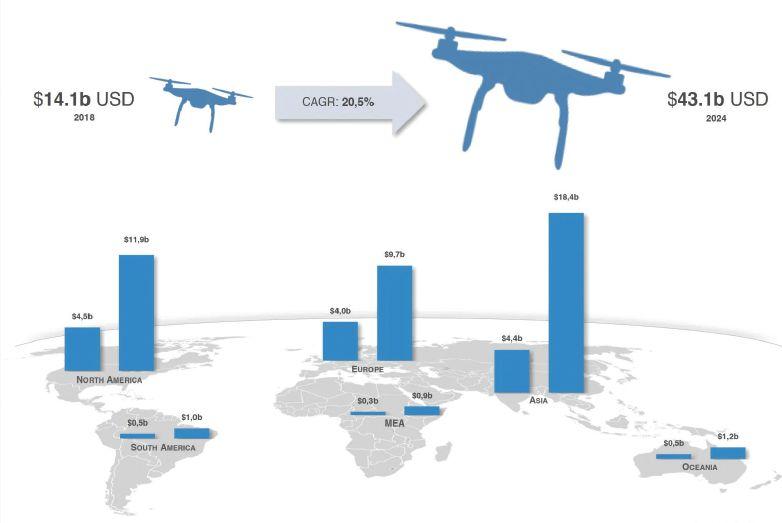
LEFT: Drone Industry Insights projects the drone market will grow to US$43 billion by 2024, with a CAGR of 20.5 per cent. (Source: Droneii. com)
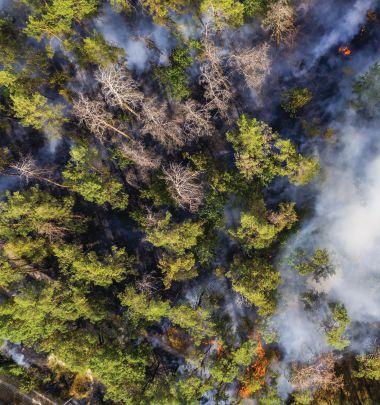
BELOW: Drones can help map forest fires by surveying areas that are too difficult or dangerous to access.
BY
rones are revolutionizing the way scientists observe, measure and monitor the natural environment. From mapping the patterns of wildfires, like those in California, to measuring the size of jellyfish populations, drones have the potential to improve our understanding of the natural environment. Although we use different names to refer to drones – for example, remotely piloted aircraft systems or unmanned aerial systems/vehicles – there is strong consensus among the scientific community about their potential to improve our understanding of the natural world.
Technological advancements and commercial investments into the drone market have been phenomenal over the past 10 years, with estimates that the annual global market could reach over US$40 billion by 2024. These statistics are taken from The Drone Market Report 2019 published in May of last year by Drone Industry Insights (Droneii.com), which projects the commercial drone industry will have sold one million units by 2021 and that unit sales will triple when looking at the period between 2018 and 2024. Drone Industry Insights (DII) research found that the drone market will grow to US$43 billion by 2024 with a Compound Annual Growth Rate of 20.5 per cent relative to having generated US$14.1 billion in 2018.
The Drone Market Report 2019, produced by Lukas Schroth of DII, notes the energy sector was the largest industry in 2018 in terms of drone use and will continue to hold this position in 2024. Schroth explains that while agriculture and construction currently follow energy as the top industries in the drone market, the growth of the transport sector will make it the second largest industry on the market by 2024. (Transport is defined as including industries that provide transportation of passengers and cargo, warehousing and storage for goods, and support activities related to modes of transportation like inspection and maintenance of infrastructure.)
DII was founded in Hamburg, Germany, by Kay Wackwitz, who serves as the company’s CEO, and Hendrik Bödecker, CFO. Wackwitz is an aeronautical engineer with more than 19 years of experience in the manned and unmanned aviation industry. An expert in aviation law and UAV with more than 10 years of experience in the field, Bödecker also worked at Lufthansa Technik, where he was the single point of contact to civil aviation authorities of Germany, Middle East and Asia.
In March 2020, Bödecker released findings from DII’s Drone Investment Report 2020, noting several records were achieved including yearly investment value that not only broke last year’s total but
also surpassed the billion mark, with US$1.2 billion was invested into the drone industry in 2019. Venture capital investments once again made up a large portion of this sum, notes Bödecker, with that sector investing US$830 million in 2019, up from US$679 million in 2018. In the 11 years since DII’s first drone industry investment report, US$4.443 billion has been invested into the drone market. The growth of the commercial drone industry means that investment is helping them to become smaller, faster, smarter, safer and easier to fly.
The Integrated Remote Sensing Studio (IRSS) at the University of British Columbia’s Faculty of Forestry is at the forefront of researching novel applications of drones. The IRSS is demonstrating that its data can be much more than just pretty pictures. Work to date has included characterizing forest regeneration, improving forest inventory methods, mapping fire patterns, estimating jellyfish populations and mapping native plant species.
After learning how to operate a drone safely, users can acquire a variety of scientific data. For example, drones flying above a forest canopy can capture extremely detailed imagery and video that help in studying vegetation, identifying and counting wildlife and improving ecological understanding. The potential to quickly and easily deploy drones in otherwise hard-to-access environments allows researchers to collect information that has previously been too expensive to gather.
The ability for drones to capture data without physically entering areas of interest limits the cost of field campaigns and reduces human impact on (sometimes fragile) ecosystems. This is important, especially when studying rare species of flora and fauna, like those


in Arctic environments. (Transport Canada notes on its Website that drones may be added to its fleet of planes in the National Aerial Surveillance Program, which watches the Canadian Arctic to detect oil spills, survey ice and marine habitats, and monitor activity on the oceans. A company called Arctic UAV in mid-2019 conducted Beyond Visual Line of Sight trials with Transport Canada in Nunavut. The locally owned, indigenous UAV company used a Wingcopter 178 Heavy Lift drone to complete missions designed around aerial surveys of whales in Arctic waters, including a permit to count beluga whales near Pangnirtung and a second permit to monitor the movements of Narwhal populations near Pond Inlet.)
With ongoing concerns about the impacts of climate change, drone data captures a high-resolution snapshot of the state of environments at a specific moment in time. Given that some drones are inexpensive and easily deployed, repeated flights over the same area over time can help illuminate changes that would otherwise go unnoticed. Seeing how environments are changing over time is important for understanding the impacts of climate change. For example, drones can help quantify changes in vegetation composition, whether growth is consistent or if natural disturbances like fire or insect attacks are becoming more prevalent.
Imagery and high-definition video using cameras, like those in a smart phone, are commonly used. The development of digital photogrammetric techniques that convert imagery into 3D data helps describe the physical structure of vegetation. High-tech sensor options – such as near-infrared or thermal – capture what we can’t see with the naked eye, and are becoming more common. Laser sensors that shoot pulses of light help researchers create 3D representations of vegetated areas to inform management decisions. These lasers, commonly referred to as light detection and ranging (LIDAR), are also found on some self-driving cars.
The wide array of sensors that can be mounted on drones means that capturing this useful scientific data is already a reality. Information about forests – their distribution, appearance and health, along with details about their structure – produces cutting edge research and improves forest management practices. Many aspects of drone technology make them increasingly desirable for scientific research. Earlier this year, we published a commentary in the journal Nature that argued that standardization of regulations, improvements in flight control and further battery and software technology developments will help to improve data
quality and make drones more effective.
Continued investment in drone technology is spurring rapid development in lithium-ion battery efficiency and capacity; lightweight hardware materials like carbon fibre, and reductions in component size. These hardware advancements impact the amount of time drones can stay in the sky to capture more data, which means less downtime, more data and increasingly meaningful analyses.
While the rapid advancement of drone technology is great news, it can be difficult to develop laws and regulations at the same pace. The safety and privacy of the general public must always be the top priority. It has therefore been important for legislators, technological developers and end-users to collaborate on how technology is used and how regulations can uphold safety and privacy, while continuing to promote use. An example of current regulatory development is the ability for select users, such as environmental researchers, to apply to operate drones beyond the operator’s line of sight.
Most federal and jurisdictional governments across the world require that operators always have visual contact with their drone. In some situations, like flying a drone over a forest, it can be very difficult for the operator to keep the drone in sight. Operators can apply for a BLOS permit, indicating how they will operate their drone according to specific safety protocols. These types of permits significantly improve how drones can be used in difficult-to-access areas. It also highlights how tasks like forest surveying or animal census projects can be made more cost-efficient and accurate using a drone.






There is no doubt that drones will be sticking around for the foreseeable future, and that novel applications for their use will continue to pop up. The benefits they have had, and continue to offer, in ecological research in such a short period is promising, helping researchers to better understand their environments with extremely high-quality data. Ongoing imagery acquisitions will no doubt help in uncovering important findings and help to develop evidence-based policy. | H
Tristan Goodbody is a Post-Doctoral Fellow, Forestry, UBC, focusing on new strategies for integrating 3D technologies, digital photogrammetry and drones for improving forest inventories. Nicholas Coops is a professor at UBC and a Canada Research Chair in remote sensing. This article was fist published, in part, by The Conversation, with Drone Industry Insights statistics and Transport Canada trial information added as originally referenced by the authors.


Packed
BY KENDRA KINCADE
COVID-19 struck the aviation industry hard. Turmoil and uncertainly have many people worried about their future and the pandemic has created a change for almost everyone in the industry. So many aviation professionals are facing layoffs while others are working from home. Still others are out there fighting on the front line, like the pilots and flight attendants who are risking their health to ensure others make it home safely.
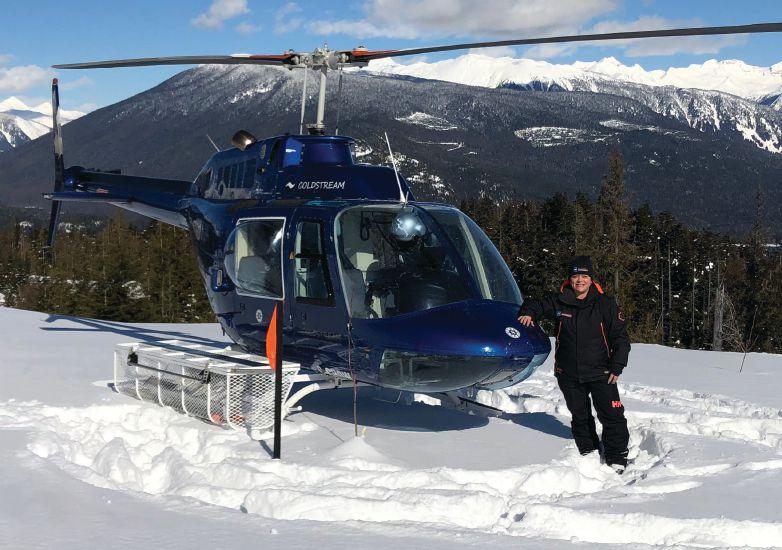
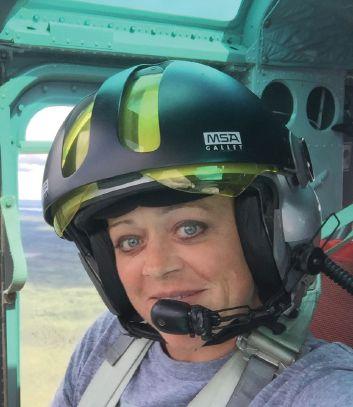
Tara Foss is in a different situation. She is not looking at being laid off or even slowing down. She is just gearing up for the Spring activities of many helicopter pilots. With all the craziness around us, it is important to not lose sight of the essential role that helicopter operations play across the country.
Foss is the chief pilot for Black Swan Helicopters which is based out of Berwyn, a village in northwestern Alberta located approximately 35 kilometres west of the Town of Peace River. The 2016 Census of Population conducted by Statistics Canada pegs Berwyn’s population at 526. Black Swan provides flight services for the oiland-gas industry, wildlife managers and regional firefighters, as well as commercial charter services throughout Western Canada. Led by president Linda Johnson, the company was founded in 2002 and it is
also a Transport Canada approved AMO, providing service for Robinson, Bell and Airbus helicopters.
For half of the year, Foss is helping to fight wildfires while the other half of the year is primarily spent either surveying animals or in the mountains. Every winter, surveys are conducted to count moose, deer, caribou, and sometimes bison (depending on budgets).
Helicopter companies like Black Swan are primarily hired for these services through contracts with the government of Alberta.
Working with biologists, Foss flies grid patterns so that they can look out both sides of the helicopter and literally count the animals they see, while also determining their gender. One way they do this is by looking for a white patch to see if the moose is female. They are doing this to get an accurate count to know the number of animals in the region.
The Bell 206 helicopter flies a couple hundred feet above the ground allowing for viewing out the bubble window – male, female, juvenile, standing, laying down, the biologists have a set list of things to keep track of. The surveying typically runs between January and February depending on the weather and depth of snow. There are
several helicopters up at the same time to ensure they are not recounting the animals and so that it’s done in the same temperature and conditions.
This year Foss also spent much of her winter at Silvertip Lodge where she flew helicopters for a heli-skiing operation. It was her first year in this role and she loved the experience, describing it as the most challenging flying she has ever done. Her job was to fly the Bell 206 support helicopter. In this role, she did weather checks, flew snow safety guides and picked up skiers that were either hurt or too tired to finish their skiing down the mountain. She also flew guides up to the weather station or repeater to check or repair them. It’s important that the weather equipment stays in working order as it transmits information like temperature and conditions back to the lodge. The repeater is used for guides and pilots to relay their position and any problems back to the lodge.

As for her firefighting role, the Spring season typically starts in April when forestry workers can access locations. A typical worker will be flown into a forestry lookout tower mid-April and may stay there all summer, coming out sometime in late August or September. Foss is also one of the many pilots responsible for taking care of the tower people while they are stationed in place. Groceries, water, mail, anything they need is flown in on a regular basis ensuring their comfort and survival.
Foss and her co-workers are often assigned to a Helitack (HAC) crew. This means they are on call with a five-minute time limit to be airborne if a call comes in from dispatch. If no smokes are called in, the crew will usually go out on loaded patrols. The helicopter will often fly with a full load of firefighters – just in case they spot something on patrol. They receive their map from Peace River forestry and patrol for smoke. If smoke is spotted, a crew leader will make the decision if they can contain the fire or if they need to call for more resources.
Foss is the only female pilot with her company and I asked her why she thought more women were not helicopter pilots. “Probably lifestyle – I don’t know if many women want to be in the bush and rolling 45-gallon drums of fuel. You can be sitting in 35-degree weather with the bugs or, in the winter, it can be freezing in -35 degree weather. Not everyone wants to do that,” says Foss. “All that being said, I wouldn’t trade what I am doing for anything in the world. I love it. It’s a feeling of freedom when you are flying. I don’t know how to describe it… I just feel free when I’m in the air. It’s where I belong.” | H
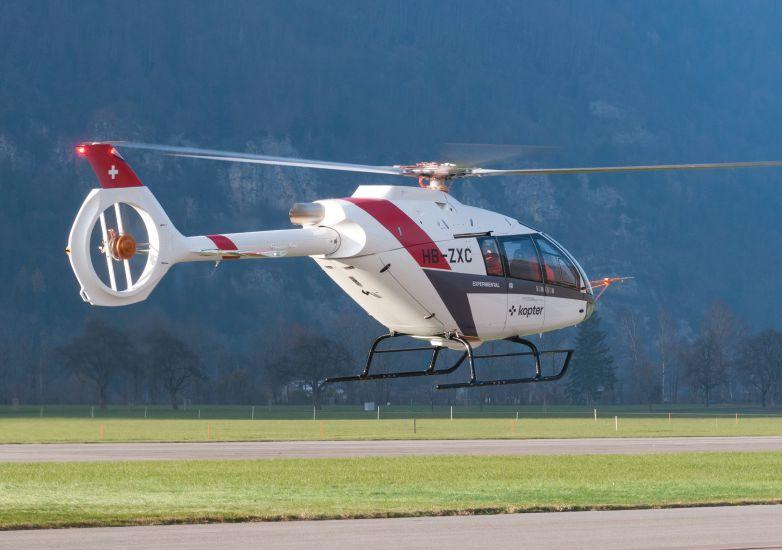
LEFT: Kopter launched its new single-engine SH09 helicopter program in 2017 and by December 2019 was flying a third prototype of the aircraft in a final design.
(Photo: Kopter Group)
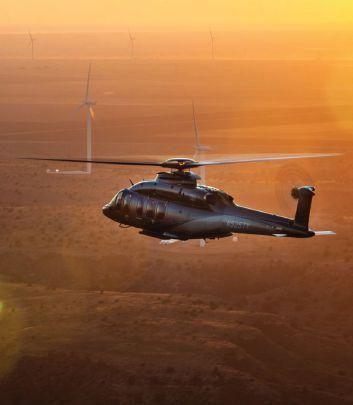
BELOW: The Bell 525, powered by two 1,800-shp GE Aviation CT7-2F1 engines, received FAA type certification in Fall 2019. (Photo: Bell)
Key aircraft OEM technology innovations and business moves from the world’s largest helicopter exhibition
BY JON ROBINSON
When Heli-Expo 2020 began in Anaheim, California, on January 27, news of a novel coronavirus was trickling out of Wuhan, China. It was discussed in the exhibition halls of the Anaheim Convention Center and certainly at the airports feeding the conference with 18,000-plus exhibitors and attendees, but as the show opened most of the conversations centred around the tragic passing of Kobe Bryant and eight others, including pilot Ara Zobayan, who perished in a helicopter accident one day before the world’s largest helicopter exhibition began. Certainly, many attendees would have also shared their respect for Matt Zuccaro, who in early January stepped down as CEO of Helicopter Association International – the organizer of Heli-Expo – after leading the organization – representing more than 3,000 aviation businesses and individuals who operate more than 4,500 helicopters – for the past 15 years. He would pass away less than a month after Heli-Expo ended.
Nobody could have predicted the coming impact of the novel coronavirus, later named as COVID-19 by the World Health Organization, which characterized the disease as a pandemic on March 11. In a few short weeks, COVID-19 would grind most of the aviation world to a halt. Heli-Expo 2020 would serve as North
America’s last major aviation industry exhibition for weeks, potentially months and into the New Year, as the world tries to curb the pandemic. For the 18,000-plus people in attendance, Heli-Expo 2020 shared a range of technological innovations and business strategies that will continue to move the helicopter industry forward when COVID-19 subsides.
Leonardo made the biggest move at the 2020 Heli-Expo on news of a deal with Lynwood (Schweiz) AG to acquire 100 per cent of Kopter Group AG for US$185 million ($243.8 million in Canadian funds).
Established in 2009 as Marenco Swiss Helicopter, the Swiss helicopter manufacturer in 2018 was rebranded as Kopter Group AG in 2018, removing its name association with founder Martin Stucki –principle of Martin Engineering and Consulting – who started the venture in 2007 in his family’s farmhouse.
Kopter in 2017 launched its new single-engine SH09 helicopter program, which made its first flight on November 22, 2018, from the company’s primary facility in Mollis, Switzerland. In December 2019, Kopter announced, as it was flying with the third SH09 prototype in Pozzallo, Sicily, it was freezing the design of the SH09, which would
flow into the Pre-Series 4 (PS4) aircraft scheduled for assembly by mid-2020. “Lynwood is very proud to have strongly supported the development of Kopter and its SH09 program over the past 10 years,” said Marina Groenberg, CEO of Lynwood. “It is now the right time for Leonardo to take over as they are a perfect match for Kopter at this stage of development.”
In announcing its acquisition of Kopter, Leonardo described the single-engine SH09 as a perfect fit its product range and offers opportunities for future technological developments – pointing to hybrid/electrical propulsion solutions. Leonardo states the acquisition will replace its planned investment aimed at developing a new single-engine helicopter. Within the Helicopter Division of Leonardo, Kopter is to operate as an autonomous legal entity and competence centre.
In March 2019, Kopter Group marked its full-scale entry into North America with a ribbon-cutting ceremony at its new 84,700-square-foot facility at Lafayette Airport in Louisiana. At the time, Kopter expected the Lafayette facility to create 120 jobs by 2025 for the annual production of around 100 aircraft, targeting assembly of its SH09 helicopters.
Shortly after Heli-Expo, Leonardo announced Gulf Helicopters of Qatar will serve as its launch customer for the new AW189K variant. Gulf Helicopters, an established AW139 and AW189 operator, is described by Leonardo as a major force in the offshore transport sector. It plans to introduce the super-medium AW189K into service in the second half of 2020. Powered by two 2,500-shp-class Safran Aneto-1K turboshafts, Leonardo explains the AW189K is engineered for efficient long-range, high-endurance, large-capacity operations. Gulf Helicopters was the launch customer of the AW189 in the offshore market back in 2014.
Airbus Helicopters at Heli-Expo announced its global helicopter fleet reached 100 million flight hours. The company ended HeliExpo 2020 with 38 orders, as well as 20 retrofits for the new five-bladed H145. German air rescue provider DRF Luftrettung placed an order for 15 H145s, making it the largest operator of the H145.
One of the highlights for Airbus at the show was increased power for the H125 that will enable operators to lift up to an additional 190 kg (419 lbs), by making full use of the available power of Safran Helicopter Engines’ Arriel 2D. Airbus expects the extra power to be certified this summer and will be
included as a standard feature on all newbuilt H125s at no price increase. A retrofit solution will be available for all VEMDequipped H125s (AS350 B3e) by the end of this year and will only consist of a simple VEMD software upgrade. The aircraft’s external and internal load lifting capabilities will increase by up to +140 kg, explains Airbus, with a large part of it already available at low altitude and low external temperatures, while the hover ceiling OGE will be improved by more than 1,500 ft (up to 12,600 ft).
Airbus continues to explain these figures will be further increased when the H125 is equipped with the BLR Fast Fin tail rotor enhancement and stability system, resulting in a total additional gain of up to +190 kg of external and internal load-lifting capabilities and the hover ceiling OGE being improved by +2,300 ft (up to 13,400 ft) compared to the current H125 performance.
Airbus also highlighted how the H125 will provide what it describes as increased operational simplicity based on new options aiming



to improve visibility and pilot awareness. This includes a more compact and simplified instrument panel that reduces its surface area by 40 per cent and incorporates a Garmin G500H TXI touch screen; a remote FLI solution developed by AKV Inc., which will allow for the display of main VEMD engine parameters on a smartphone or a tablet, while keeping external loads in sight; and two additional upper windows for upward visibility.
Airbus also announced a new Alternate Gross Weight will become available on the latest version of its H135 family of helicopters. H135 helicopters with the new Alternate Gross Weight (AGW) benefit from a 120 kg (265 lb) increased take-off weight and useful load. Airbus explains this increase can also be used to extend the range of the H135 by up to 75 nautical miles or its endurance by up to 40 minutes under standard conditions.
Airbus expects the new AGW to be certified by EASA and FAA in 2020 and can be retrofitted on all H135s with Helionix. The Direct Operational Cost (DOC) and Direct Maintenance Costs (DMC) of the H135 are maintained under the new AGW, explains Airbus, with no reduction of part lifetimes or additional inspections. The new AGW will
apply for visual and instrument flight rules (VFR and IFR).
Bell Textron at Heli-Expo introduced a range of new equipment enhancements across its current in-production commercial aircraft. The Bell 505, described by the company as the most mission-adaptable aircraft in the short light single market (in operation across 50 countries), will now include the Garmin G1000H NXi Flight Deck as standard equipment for 2020 production aircraft. The G1000H NXi is also now available for retrofit on existing Bell 505s.
Following FAA certification for singlepilot Instrument Flight Rules (IFR) and Bell Autopilot/3rd Axis, Bell explains the 407GXi’s new IFR capability allows all-weather operations while continuing to provide multi-mission capabilities reliably and effectively. Bell states the 407GXi offers the lowest direct operating costs of any IFR-capable helicopter on the market. Bell also explains, including the 407GXi, it is the first OEM to certify a Health and Usage Monitoring System (HUMS) for a light single-engine aircraft. Additionally, the Precise Flight Pulselite sys-

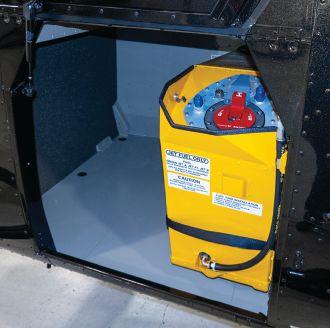
The Slimline Auxiliary Fuel Tank weighs 29 pounds when empty and 189 pounds when full of fuel. (Photos: Robinson Helicopter)
tem will now be included as standard equipment on all new Bell 407GXi aircraft. When enabled, the Pulselite system alternately pulses the landing and taxi lights to enhance the visibility of the aircraft to traffic and birds. Bell explains the Pulselite system has a direct impact on reducing the number of bird strikes.
All Bell Subaru Bell 412EPX and Bell 429 aircraft now feature the second-generation BasilXPro avionic suites produced by Astronautics. The new avionics come with several enhancements, with Bell pointing to features such as being nearly three pounds lighter per display unit, providing lower power consumption, expanded route mapping with five levels of declutter and a twosecond power-up time. Heli-Expo was also the first time the Bell Subaru 412EPX was on display in North America since the aircraft was unveiled at Farnborough Air Show in 2018. Bell explains the Subaru 412 EPX benefits from a more robust main rotor gearbox dry run capability, increased internal Maximum Gross Weight to 12,200 lbs and mast torque output of +11 per cent at speeds below 60 knots.
The first production-representative Bell 525, fitted with an oil-and-gas interior, made its Heli-Expo debut. Bell explains the 525 has made significant strides in flight test activity, completing major development testing requirements. The program is transitioning to certification flight testing. Bell states the 525 delivers a generational leap forward with flyby-wire control. The Bell 525 is powered by two 1,800-shp GE Aviation GE CT7-2F1 engines which received FAA type certification in Fall 2019.
Robinson Helicopter at Heli-Expo highlighted its new Slimline Auxiliary Fuel Tank for the R66 Turbine helicopter, which was
2020-03-30 7:23 AM
FAA-certified at the end of 2019. The tank holds 23.2 gallons (88 liters), which is roughly half the fuel of the company’s larger auxiliary fuel tank, which adds approximately one hour to helicopter endurance, and extends its range by as much as 100 nautical miles (115 statute miles).
Robinson’s Slimline tank mounts on a fiberglass tray that installs in the aircraft’s baggage compartment. The company explains it occupies one-third of the space, and leaves room for up to 200 pounds of baggage. Both tank and tray can be removed when not in use. The Slimline tank weighs 29 pounds when empty and 189 pounds when full of fuel. It includes a crash-resistant fuel bladder that fits in an aluminum and fiberglass enclosure with an internal fuel pump that transfers fuel to the helicopter’s main tank at approximately 40 gallons per hour. Robinson explains controls are conveniently located in the upper instrument console and feature an ON/OFF switch, a NO FLOW annunciator light, and a FUEL QUANTITY button.
Sikorsky at Heli-Expo focused on upgrades to its S-92 platform, which will be placed in the
market as the S-92A+ and S-92B, featuring 20 per cent more payload. The S-92A+ upgrade kit and newly produced S-92B aircraft share a nearly identical configuration. General Electric’s CT7-8A6 engine, capable of producing more power in higher altitudes and hotter temperatures, will be available as an option for the S-92A+ and S-92B.
The S-92A+ kit and new-production S-92B will also feature the Phase IV Main Gear Box which has been validated to exceed CFR 29.927(c) requirements. Sikorsky notes all primary lubrication system oil was removed prior to operating the gearbox for the equivalent of 500+ nautical miles in flight at 80 knots airspeed with no discernable anomalies during post-test examinations.
Fleet updates include the introduction of phase one MATRIX technology, bringing more computing power to the S-92, enabling the adoption of autonomous landing technology such as Rig Approach 2.0 and a new technology from Sikorsky Innovations, SuperSearch, which uses advanced algorithms to locate objects up to 30 per cent faster.
Also at Heli-Expo, Erickson Inc. and Sikorsky announced a development agreement aimed at providing next-generation
technology for helicopter operators involved with aerial firefighting. Specifically, Erickson plans to integrate Sikorsky’s MATRIX technology into its S-64 Air Crane helicopter platform to enable what it describes as a digitally enabled fire management system neverbefore used in night firefighting.
The original equipment manufacturer of the S-64 since 1994, Erickson unveiled plans for bringing a new production line of the legacy Air Crane to the market, as the S-64F+. The company expects to introduce the S-64F+ as a firefighting platform for the future, which will include Sikorsky’s MATRIX technology. The S-64F+ will also include a modern engine to enhance range and fuel efficiency; new composite main rotor blades; improved water cannon; and an enhanced cockpit and flight control system.
Sikorsky’s MATRIX program is focused on developing systems for autonomous or optionally piloted aircraft in flight, targeting large rotorcraft. It is currently integrated on a Black Hawk helicopter flying out of Florida, helping to augment a two-person crew. MATRIX could eventually help operators fly critical single-pilot missions or even unmanned missions. | H

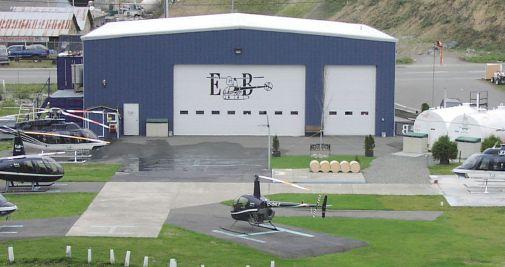
Campbell River Base
e-mail: info@ebhelicopters.com www.ebhelicopters.com
Gold River Base
Tel: 250-283-7616
Fax: 250-283-7555
Port Alberni Base
Tel: 250-720-8915
Fax: 250-720-3641

•
•
• AW 119KE
•
•
R22, R44 and R66
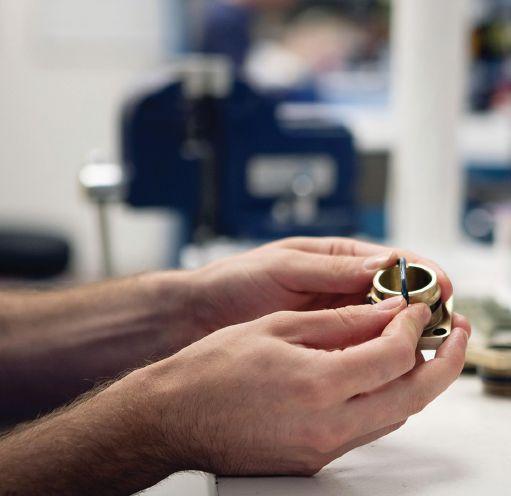
• Helicopter and





















Communicate your needs with HAC to help us ensure business continuity
COVID-19 has affected our industry so profoundly it’s hard to write about anything else. The disease has put our industry to the test in so many ways. Many operators are struggling with a crisis that occurred at the weakest point in their business cycle. Most operators keep many of their operational staff on for the winter months, and everyone was coming off heavy winter maintenance in preparation for a busy operating season.
For many, the initial shock and disbelief turned to layoffs – for some as high as 80 per cent, while operators adopted a wait-and-see approach, but at the same time battened-down-the-hatches. Earlyseason charters ground to a halt, and many contracts were delayed or canceled altogether.
Traditional Spring rituals in our industry suddenly became difficult or impossible to carry out. Training in groups was unwise and travel became very difficult or impossible – particularly for out-of-country training but also for interprovincial travel.
Some provinces were insisting on 14-day self-isolation, for interprovincial travel – even for flight crews. Some provinces refused to recognize the essential nature of helicopter services.
Transport Canada immediately started holding thrice-weekly teleconferences with associations and operators – sometimes with more than 200 participants, as we all came to grips with the problems that most urgently needed to be addressed. Transport Canada has been
April 6, while the government has released details relating to wage subsidies and access to preferential loans for businesses, there has yet to be an announcement of any extraordinary relief for commercial air operators. The Helicopter Association of Canada (HAC) has asked for a 90 per cent wage subsidy for the next three months as we struggle through the early season. Our operators need to survive in order to continue to provide essential services.
As I write this column, there is no end in sight to this crisis, which will certainly continue to impact the financial viability of our industry even after the health crisis itself subsides. Like many others, I watch as the daily new cases in Canada continue to rise, even in the face of mandatory self-isolation, and business closures. This isn’t over, yet – not by a long-shot.
As we enter the ice break-up season, and the fire season, coupled with the very real potential that our provincially funded Medevac services will become overwhelmed by the demand for their services, it is clear that the air-taxi community will be relied upon to provide additional services to northern and remote communities. They will be asked to fly medical crews and supplies to these communities, and may also be asked to fly asymptomatic and symptomatic individuals out of those communities to the south, where they can receive treatment.
I hear operators and pilots concerned about protecting flight crews from the risk of infection. HAC has called upon the federal government to develop and implement even more strict health guidelines and protocols that will help further mitigate the risk of transmission to our flight crews and other employees.
Traditional Spring rituals in our industry suddenly became difficult or impossible to carry out.
remarkably responsive to the concerns of industry in this crisis. It has extended the validity of medicals, PPCs and virtually all elements of annual recurrent training – both ground and flight training.
Working cooperatively with the Public Health Agency of Canada (PHAC), Transport Canada developed guidelines for flight crew to help prevent the spread of COVID-19; and, working cooperatively with the provinces, it developed a shared definition of essential services, that is allowing our crews, now, to move more freely across Canada.
The national and provincial associations are playing a central role as the conduit for information to – and from – Transport Canada. As of
The importance of close communication between our regulator and industry has never been more essential. I would add that the importance of communication with your association has never been more important.
HAC and other associations are communicating with their members and Transport Canada on a daily basis. We need to know from our members what it is that they require to ensure business continuity. Your association can take that message back to the appropriate level of government; and, for the most part, we know that those requests are being positively received. I can be contacted by email at fred.jones@h-a-c.ca or on my cell at 613-884-1422 at any time, for issues relating to coronavirus. Stay healthy, and we will get through this, together. | H
Fred Jones is president and CEO of the Helicopter Association of Canada.
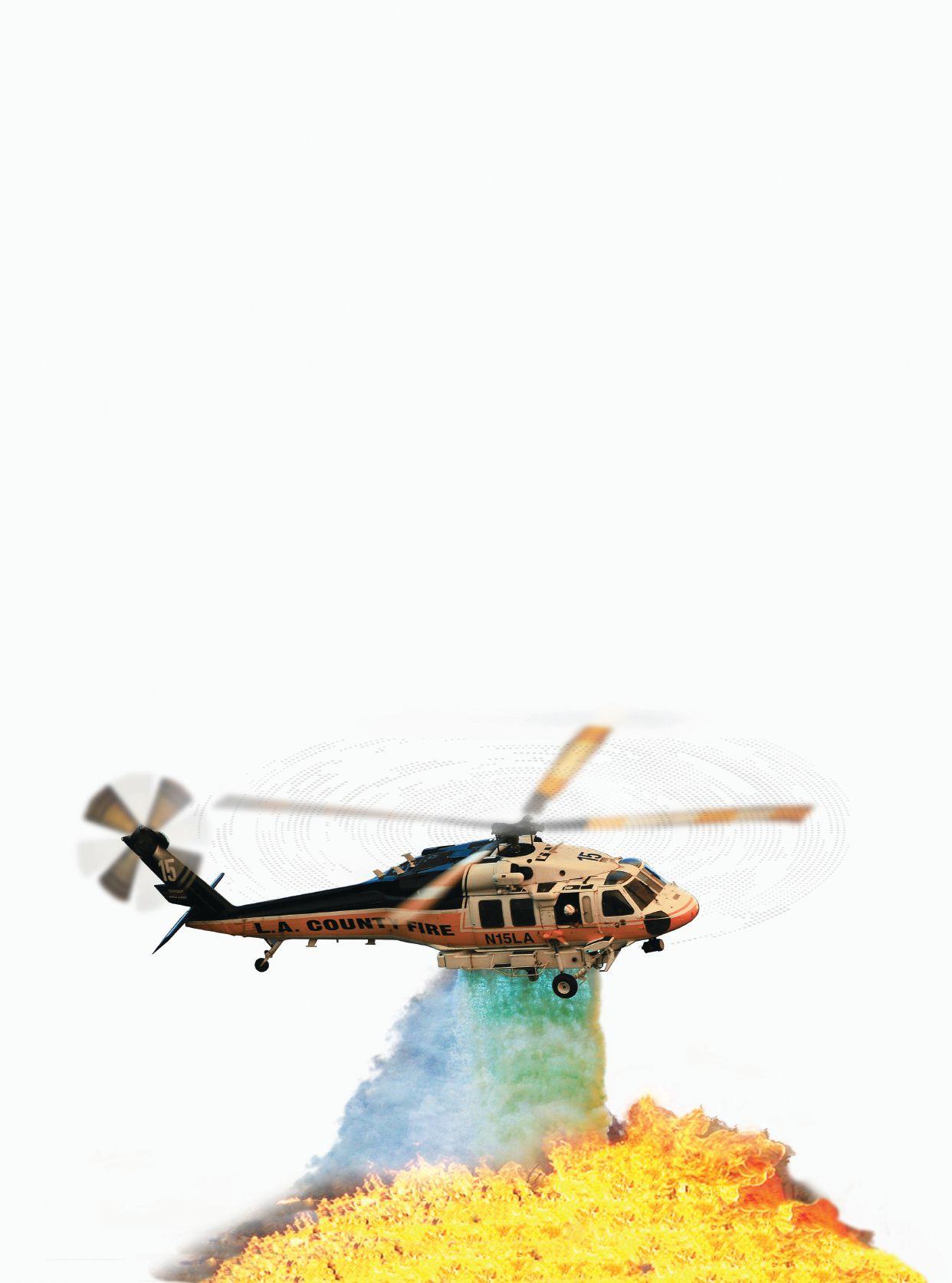
High winds, smoke, night skies. We fly where others can’t. Equipped with the most advanced aerial firefighting systems and equipment, FIREHAWK ® is the most capable and effective initial fire attack aircraft on the market. Visit lockheedmartin.com/firehawk