CHC Helicopters is taking a closer look at all of its safety procedures.
LMATT NICHOLLS is editor of Helicopters
ike many Ontarians, I have followed with keen interest the ongoing challenges Ontario’s aerial medical transport service, ORNGE, has been involved in for the past few years – from the Ontario Provincial Police investigation into financial impropriety by the previous corporate team led by Christopher Mazza to the investigations into a fatal accident in Moosonee on May 31, 2013 that took the lives of two pilots and two medical paramedics.
From an operations standpoint, it has been a painful history at best, one major media outlets have devoured – and rightly so. As a lifelong Ontario resident, I expect accountability at all levels with any essential service and as a taxpayer, frankly, I expect more. Much more.
I have also spent a large portion of my life in the north, having been raised in Thunder Bay, and I realize just how important this service is to those in need in remote communities. This is not the GTA – there are more trees than roads here, and for remote northern communities, ORNGE is the only game in town. Mistakes or flight delays can’t happen or lives will be lost – efficiency is paramount.
As an aviation journalist, I am also privy to much more information, giving me insight into the inner workings of aviation teams, and operational structure and philosophy. It’s an interesting perspective, one which affords me context and appreciation for the task at hand.
Steady as She Goes
Focus and Re-Evaluation Can Bring Positive Results
to change, and has, with his team, worked to implement processes and procedures that have reduced operational costs, patient wait times and relationships with key health care partners and facilitators. Clients working with ORNGE report patients have better, more efficient care today, and it is improving. ORNGE clients are also more positive about working with Ontario’s medical provider in helping to deliver essential patient care services.
“We are looking at the lessons of the past and are forward looking now,” McCallum told Helicopters. “We are trying to move to a different footing and I think we are doing that. We are certainly more focused.”
The implementation of greater efficiencies and safety practices has also been adopted on the aviation side. Under the leadership of COO Rob Giguere, ORNGE has improved safety, training, pilot competencies, maintenance, the imminent addition of NVGs for night flying and approaches at challenging helipads . . . a transformation that will greatly enhance the safety envelope.
When asked what key enhancements have meant to ORNGE, Giguere noted, “It doesn’t seem that remarkable [to us], but it is all a component of how do we get stronger, how do we get better, and how do we get more compliant.
“It is very clear we have a cohesive team at the top and I can say with all certainty that the goals are aligned internally. They are also aligned with our stakeholders and the ministry who fund us. So, we have become very collaborative with them in terms of building solutions.”
It doesn’t seem that remarkable, but it is all a component of how do we get stronger.
ORNGE has plenty of work to do going forward, but following a recent meeting with the new leadership team at ORNGE’s Mississauga, Ont. headquarters, it is apparent to me that progress is being made, not only on the operational level but in the skies as well. (For more on the ORNGE transformation see, “An ORNGE Revival" page 17.)
ORNGE president/CEO Andrew McCallum has created a cohesive, focused management structure, one built on clarity of purpose and policy. He is positive, proactive and inspirational in his approach
The addition of chief medical officer Homer Tien has helped ORNGE reach another level of medical care. ORNGE has improved critical patient-medical provider interaction and is working hard on improving information gathering processes. Implementing telemedicine, for example, will also improve patient care. "We already involved doctors in that process, they are called air transport medical physicians – it’s a way to improve our precision in triaging our patients,” Tien said.
Recovering from a scandal of this magnitude and rebuilding trust will be an ongoing process for the ORNGE corporate team but they are certainly on the right track. Such a transformation was not only necessary, but frankly, required – for both Ontario residents supporting the service and patients in need.
Heneghan on the move
Veteran helicopter pilot and safety expert Walter Heneghan has joined the CHC team.
Heneghan recently assumed a new role with CHC Helicopter in Kazakhstan. He will be touring overseas and working to assist in the development of a fit-for-purpose Safety Management System (SMS) for an Asian operator and business partner to CHC.
Heneghan was most recently the vice-president for health, safety and environmental protection with the Summit Air Group of Companies, Ledcor Resources and Transportation based in Edmonton.
Press wins
top award
Catherine Press of B.C.’s Chinook Helicopters is the 2015 recipient of the prestigious David Charles Abramson Memorial (DCAM) Flight Instructor Safety Award.
Press is the first woman in
Canada to hold a helicopter instructor rating. She holds both a fixed wing and helicopter license, and is the only Canadian helicopter pilot to hold a Chinese license.
“Catherine’s contributions to aviation over the years, especially in the helicopter training sector has been significant in the capacity of instructor, pilot examiner and business leader,”
the DCAM founders said in a statement. Sponsors of the annual award include Air Canada, the Air Transport Association of Canada, the Canadian Association of Aviation Colleges, Essential Turbines, FlightSafety Canada, Hamilton Watches, Seneca College, Sennheiser Canada and, Wings and Helicopters magazines.
Robinson accepting offers for new Cadet
Robinson’s new R44 Cadet is ready to make a splash in the market.
Robinson is officially accepting orders for the aircraft, which is priced at US$339,000. The floatequipped version goes for US$367,000. Delivery dates will not be confirmed until FAA certification is complete.
The R44 Cadet is much like the R44 Raven I. Its airframe, rotor system, and powerplant (Lycoming O-540-F1B5) are all the same, but where it differs,
is the rear seats which have been removed to provide more cargo space. The maximum gross weight of the aircraft has also been reduced to 2,200 pounds. Engine power has been derated to 210 hp at takeoff and 185 hp continuous. The lower weight and derated power enables the Cadet to provide increased performance margins at high altitudes and extend the time between overhaul (TBO) from 2,200 hours to 2,400 hours, reducing operating costs.
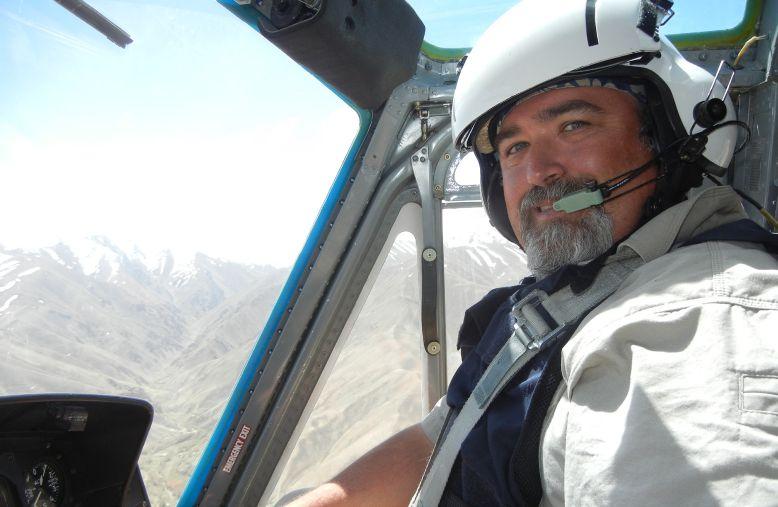
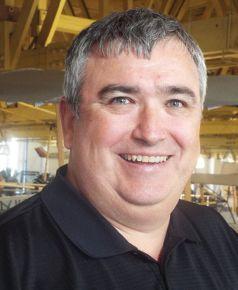
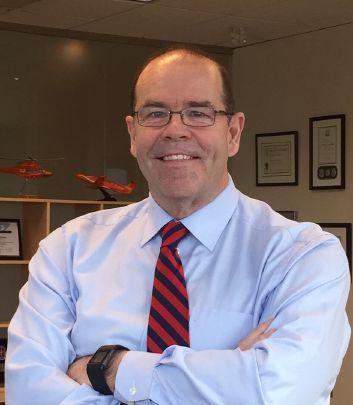
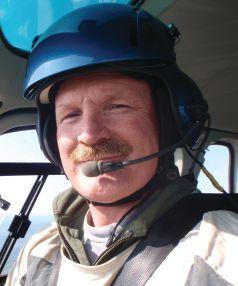
Industry veteran Walter Heneghan is now with CHC Helicopters. (Photo courtesy of Walter Heneghan)
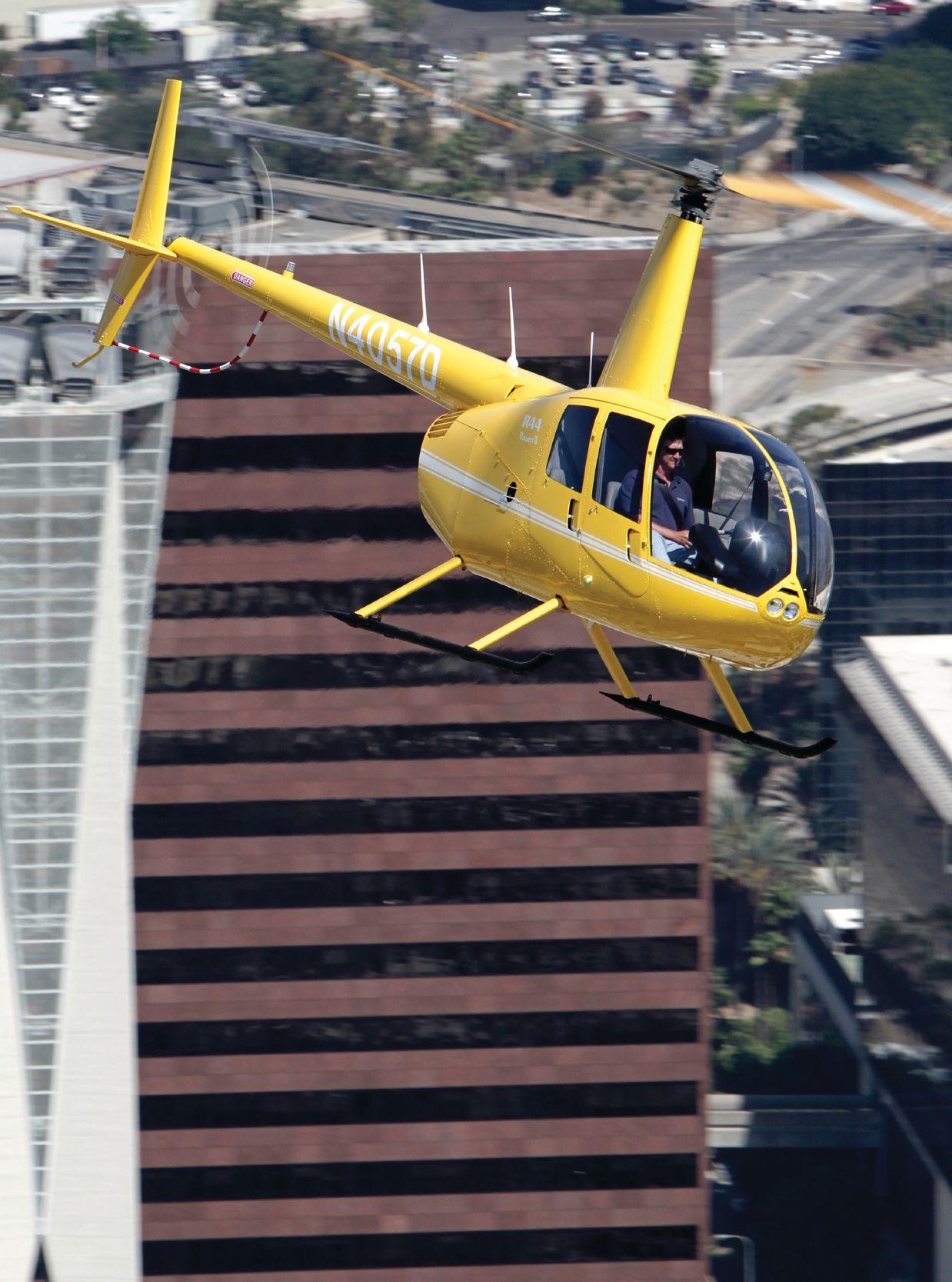
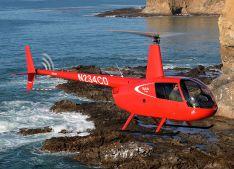
The R44 Cadet has more cargo space than the R44 Raven. (Photo courtesy of Robinson Helicopters)
Catherine Press (Photo by Mike Dorion)
New leader at Bell Helicopter Canada
There have been more changes at the top levels of management at Bell Helicopters Canada.
Raymond Leduc has left his role as president after just 13 months at the helm. Leduc has been replaced by Cynthia Garneau, an 11year veteran of the Mirabel, Que.-based company. Leduc is now the president of the North American unit of a Swedish company, Volvo Bus.
Garneau has been with Bell since 2004, where she has held roles including manager of commercial business contracts, director of corporate affairs, and director of supply chain management. Prior to becoming president, she held the role of director of integrated business planning and production engineering.
The change in leadership coincided with another round of job cuts at Bell's Mirabel plant – some 50 workers were let go in January. In the past 18 months, some 700 jobs have been eliminated at the Mirabel facility.
Cynthia Garneau is the new head of Bell Helicopter Textron (Canada). (Photo courtesy of Bell Helicopter Textron)
Garneau is the third president at the Canadian facility in the past two years. Leduc replaced Barry Kohler, who is now president and CEO of Eagle Copters.
Erickson renews harvesting deal
Erickson Incorporated has renewed a contract with Canadian aerial heavy lift company Helifor Canada, a subsidiary of Columbia Helicopters, to provide aerial timber harvesting in B.C. and Western Canada.
The contract is the fifth renewal with Helifor and provides for year-round services
with one Erickson S64 Aircrane until Dec. 31, 2016. This renewal has an increased scope of work with the customer option to add an additional Aircrane. Erickson will also provide pilots, full field maintenance support crews, parts, and components.
“Erickson has operated in Canada for more than 30
years,” said Andy Mills, Erickson’s vice president of commercial aviation services. “Aerial timber harvesting is where we began as a company, and we are pleased to continue that tradition with Helifor.”
Canada is Erickson’s longest-standing international market.
Yellowhead Helicopters enhances fleet
Yellowhead helicopters has added three helicopters to its fleet. Yellowhead has leased two Eagle 407HPs and an Eagle Single from Calgary’s Eagle Copters. The single is a Honeywell T53 powered single engine version of the Bell 212.
“Yellowhead Helicopters is excited to take delivery of these upgraded aircraft from Eagle Copters Ltd.,” said Jacob Forman, CEO and accountable executive for Yellowhead
Helicopters. “With the engine and airframe upgrades to these proven Bell platforms, these helicopters will be added to the current fleet of 35 helicopters and enhance our ability to provide services to our customers.”
The 407HP provides Yellowhead with extra power and payload options, enhanced safety with the dual channel FADEC, fuel savings and resultant reduction in CO2 emissions.
“We have been looking forward to the Eagle Single for a long time,” Forman said.
Barry Kohler, president and CEO for Eagle Copters noted, “we highly appreciate Yellowhead Helicopters looking to Eagle Copters for their helicopter solutions, especially choosing those that differentiate themselves. We are proud to develop and repurpose these helicopters while at the same time building in competitive benefits our customers demand which is critically important with today’s business climate.”
Kohler also noted that both companies started in 1975 and each has served their respective clients well for more than 40 years. “We are truly two companies that are very dedicated to the success of our customers and the industry.”
HELICOPTERS MAGAZINE P.O. Box 530 105 Donly Drive South Simcoe ON N3Y 4N5 Tel.: 519-428-3471 Fax: 519-429-3094
Toll Free: 1-888-599-2228
Website: www.helicoptersmagazine.com
EDITOR MATT NICHOLLS email: mnicholls@annexweb.com 416-725-5637
MEDIA DESIGNER GERRY WIEBE
CONTRIBUTING WRITERS
RICK ADAMS, DAVID CARR, BRIAN DUNN, PAUL DIXON, WALTER HENEGHAN, FRED JONES, JAMES MARASA, CARROLL MCCORMICK, COREY TAYLOR
Mail: c/o Circulation, 80 Valleybrook Dr. Toronto, ON M3B 2S9
SUBSCRIPTION RATES
Canada - 1 year $29.95 USA- 1 year $54.50 Foreign - 1 year 60.00 plus applicable taxes www.helicoptersmagzine.com/subscribe
Occasionally, Helicopters magazine will mail information on behalf of industry-related groups whose products and services we believe may be of interest to you. If you prefer not to receive this information, please contact our circulation department in any of the four ways listed above.
Helicopters Magazine is an associate member of the following Canadian aviation associations:
Yellowhead Helicopters has added two new 407 HPs to its fleet. (Photo courtesy of Eagle Copters)
COLUMN
The Science of Change
Sticking to Sound Safety Management Principles
n the heels of some personal change I have undergone recently in changing direction professionally, I want to address one of the key elements in successful Safety Management Systems (SMS) – the management of change. In my opinion, the level of commitment from organizations to a process for managing organizational evolution can be a key benchmark of their commitment to safety processes and risk management.
Change – it’s the one constant in life and in aviation operations. Every day is different: new customers, diverse weather, unique taskings. As professional aviators, most of us revel in the daily challenges we face in servicing the Canadian economy. But how many of the organizations we work for follow a discipline regarding change? In my experience, many of the 703/704 companies in Canada spend the majority of their time in “crisis management” when trying to lasso change. While crisis management skills are an integral aspect of successful businesses, those companies that spend most of their time managing crises rather than planning on controlled evolution not only leave money on the table, but increase their employees’ exposure to risk.
Change management principles were first developed in the human behaviour and psychology fields and initially focused on personal transitions including Elizabeth Kubler-Ross’ seminal work On Death and Dying. The end of the 20th century saw this field evolve into the business community as the global economy grew more complex and managing organizational behaviour and change
boils down to being proactive within our companies when it comes to making the big decisions. All too often, I have witnessed change being driven strictly by money or marketing. The marketing guys bid on new work and when they win it, an edict comes down stating, “Hey, we are going to work in the Amazon – make it happen!” This is followed by a challenge to get people, equipment, visas, etc. with little regard to having an objective conversation about the change in risk profile.
The IOGP Aircraft Management Guidelines require that effective SMS systems have a risk management process linked to an operator’s reporting system, quality assurance program and its change management paradigm. This requirement is not onerous. A change management process can simply be a flowchart or algorithm that identifies the need for a management discussion in times of change, with a risk assessment and a review of decisions taken. Or, it can be a series of meetings and risk assessments encompassed by a full Bow Tie risk assessment with written reports, deliverables, timelines, etc. The level of complexity is really determined by the senior managers in the company.
Companies that adhere to an ISO 9001 or similar quality standard also must demonstrate some form of change management discipline. In fact, the recently revised standard ISO 9001:2015 specifically requires that any change to the quality management system must be “carried out in a planned and systemic manner.” The important piece in this entire discussion is quite simple. Effective companies make a commitment to following a pre-determined, fit-for-purpose process to address the additional risk introduced into the company when there are major changes in the business model, personnel complement or operations. They recognize that:
This just boils down to being proactive within our companies when it comes to making the big decisions. ‘‘
became more challenging. Large enterprises such as Royal Dutch Shell and other members of the International Oil and Gas Producers (IOGP) introduced the Bow Tie as a risk management tool within the context of its change management paradigm and have required greater rigour from its suppliers, especially in aviation companies in this area.
So what’s the big deal? Management of change definitions vary but generally mirror something like this: A defined or structured process enacted to manage the risks associated with significant change related to aircraft operations, including key personnel. In practical terms, this just
• the change they are undertaking must be realistic, achievable and measurable
• that the commitment from leadership is unwavering; that all levels within the company are engaged
• that risk is addressed at each step in the process and that the change management thought process becomes an integral part of how the company does business.
To paraphrase Lewis Carroll’s Chesire Cat: “If you don’t know where you’re going, then any road will do.” Manage change and thereby manage risk. And isn’t that the business we are in?
Walter Heneghan is the vice-president for Health, Safety and Environmental Protection with the Summit Air Group of Companies, Ledcor Resources and Transportation, based in Edmonton and throughout Western Canada.
WALTER HENEGHAN
PAUL DIXON
bout 35 years of my adult life has been spent either working shifts or being on call 24/7, so it won’t surprise you to learn that sleep has fascinated me for a very long time.
For many years, I worked a rotating shift schedule – two days, two nights followed by four days off. Over time, I worked out a sleep schedule that worked for me. My problem was that the world around me didn’t necessarily agree with me, so let’s just say it wasn’t easy.
There is no consensus (yet) in the scientific community about why we sleep, but there is agreement on what appear to be the three main reasons – restoration, energy conservation and brain function. Your body clock does not switch to night shift, because it can’t. It is permanently stuck on dayshift. In the 1950s, the average North American adult reported averaging eight hours of sleep a night. Today, that average is down to six-and-a-half hours, a trend throughout our society. The situation is exacerbated by the reality that as we age, the quality of our sleep diminishes. A teenager will average 100 minutes of Stage 3 “deep sleep” a night, but by age 50, we are averaging only around 20 minutes. Shift workers suffering from chronic fatigue are more susceptible to heart disease, intestinal disorders and certain types of cancer. So, now they tell me.
Charmane Eastman, a physiological psychologist at Rush University in Chicago, says that in her studies, a significant factor in chronic fatigue is our unhealthy attitude about the need for
Be Alert, Stay Alive
There Can be Grave Consequences for not Getting Sleep
depression, boredom, disease and yes, lack of sleep. When fatigued, you are more vulnerable to your own emotions and less able to read other people’s emotions. Being overly tired makes it difficult to concentrate, which increases the possibility of making errors on the job, while decreasing your ability to respond appropriately in stressful situations. Fatigue can introduce stress into the most benign situations. Sleep deprived people will panic, make poor decisions or are simply not capable of making any decision(s).
A classic example the role fatigue plays in poor decision making is illustrated in Dr. Scott Shappell’s tale of playing poker in Las Vegas with his father. If you’ve been to the CHC Safety & Quality Summit before, you know Shappell as a leading authority on human factors in aviation. He will tell you that his father is a farmer with a high school education, but taught the PhD’s a serious lesson in human factors in terms of playing poker.
Shappell takes his father to Las Vegas, they have a nice dinner and then settle in at a poker table. After a few hours, Scott is up a few hundred dollars and is just getting going when his father says, “let’s go.” Over his protestations, they go back to their room, set the alarm and go to bed. When the alarm goes off at 5, they’re up and back downstairs to the poker tables. The same players are there, sleep-deprived and affected by the complimentary drinks. After a refreshing nap, father and son clean up at the poker table.
When fatigued, you are more vulnerable to your own emotions and less able to read other people's emotions.
sleep. The awareness of fatigue is one thing, but refusing to acknowledge the negative impact on our minds and bodies makes it next to impossible to take responsibility for making our situation better. Historically, there have been people who have claimed to get by on minimal sleep. Thomas Edison was widely quoted as saying he got by on four or five hours of sleep a night, while Margaret Thatcher, playing the Iron Lady to the hilt, said “sleep is for wimps.”
Fatigue can result from all kinds of work activities – mental stress, over-stimulation, under-stimulation, active recreation,
Losing your shirt at the poker table in Las Vegas because your decision-making capabilities have deserted you might have serious consequences, but the fact is, you’re still alive. But if you take your sleep-deprived brain to an already hazardous working environment, you’re going to be making mistakes in an environment where you can’t afford to be wrong.
There needs to be an acknowledgement by the organization –and the individual – that fatigue has the potential to create serious problems, physically and mentally. At the corporate level, there must be education on fatigue and wellness programs. On a personal level, be proactive in understanding your own sleep needs, the stressors in your life and take responsibility for your overall physical and mental wellbeing.
Paul Dixon is a freelance writer and photojournalist living in Vancouver.
COREY TAYLOR
wrote this column from the back of a Combi Dash 7 with virtually no heat whatsoever (it eventually came on, but it was still very cold).
I was returning from Cambridge Bay, where the wind chill was -50 but a couple hundred people still turned up for the Kitikmeot Trade Show.
Jim Cuddy of Blue Rodeo fame played the venue, which would have had to be much larger to qualify as intimate. We spent several days with some of the nicest people on the planet and anyone that had been to YCB in the ’90s would be astounded at its current level of development.
I never thought I’d say this but the food was fantastic and the prices were quite reasonable – except maybe for the $27 muskox burger, but how many of us can say they’ve had one?
As I shiver here in the back of a smelly (made in Canada) airplane I can’t help but think of the challenges ahead for 2016.
Trade shows on the frontiers of civilization are just one of the measures operators are undertaking as the commodities downturn continues and the price of oil hits lows that the experts said were not even remotely possible just a short time ago.
When the giants like Shell and BP are reporting losses that exceed many countries’ GDPs, where does that leave our little industry bobbing in our sea of red?
The recent statement by OPEC’s secretary general that $10 trillion (yes, with a T) is required in exploration and drilling to meet current
A Guessing Game
Predicting the Future in a Tough Operating Environment
but I wouldn’t be putting too many eggs in that basket.
What we really need is a morale boost in the way of a big discovery or a massive infrastructure project, but those seem like long shots at best.
What is a prudent operator to do while waiting for the ship to make its ponderous turn towards prosperity? It seems to me we need to keep costs low, don’t stick our necks out too far and focus on quality and safety to keep ourselves on those enviable lists that enable us to work for the discerning clients that actually have budgets to spend.
While some operators out there are reducing rates back to 1990s levels, others seem to be managing to hold steady and are keeping those loyal clients who don’t switch in midstream to save a few dollars.
How long those clients can keep that up when faced with 30 per cent lower rates from operators begging for cash flow is anyone’s guess, but some of them will make it a few more years anyway.
One thing I’m glad to see is that UAVs are still not making the big splash many thought they would by now. Someone told me not long ago that the last helicopter pilot has already been born. This is a startling thought and while compelling, I think there will always be things for manned aircraft to do.
I couldn’t guess at a proportion but from what I have seen, cheaply made drones could carry out large chunks of our current business. At least that’s until somebody flies one onto the White House lawn, whether weighed down with an IED or not.
What we really need is a morale boost in the way of a big discovery or a massive infrastructure project.
and forecast growth over the next few years is certainly one ray of hope, but once again, many operators are falling back on that age-old tactic, relying on luck and hoping for a good fire season (or a bad fire season depending on your point of view).
This current El Niño phenomenon is a good thing in most years for Canada, but can also bring rain to the picnic. A study of snowpack and other indices around the country shows that some areas seem primed for a jackrabbit start on fires while other areas are getting the best skiing they’ve ever had.
If I was a betting man I’d say we will have an above-average season,
I am astounded no one has done that yet and feel it’s only a matter of time, with the resulting backlash causing all kinds of issues for those trying to develop that market.
So with no real line of sight on any good news, I am going to fall back on hope that the spring is dry, the rain stays away, the pipelines get built and the prices of all those extracted goods we rely on in Canada make a speedy recovery. It would be nice to have some cheery news to discuss for once.
Corey Taylor is vice-president of Global Business and Product Development for Great Slave Helicopters. Great Slave is a private company with more than 50 helicopters and that 45 pilots operating both in Canada and international locations around the globe.
RICK ADAMS
nxiety is not conducive to positive job performance. It may be especially concerning in high-risk roles – surgery, for example, or landing a helicopter on an oil rig platform on a dark and stormy night.
Most of us have been there at some time in our lives. Worried about losing our job. Perplexed about losing the house for mortgage non-payment. Difficulty sleeping. Hard to concentrate.
The oil and gas industry has been in free-fall the past year as a glut of oil on the world market has driven crude prices down to 12-year lows. Shell is cutting 10,000 jobs. BP is shedding 4,000 people, 600 of them from its North Sea offshore operations. During 2015, Suncor cut its workforce by 1,700. ConocoPhillips is reducing capital spending by 17 per cent. Brazil’s Petrobas by 25 per cent.
Across the industry, an estimated US$400 billion in previously planned investment has been cancelled or delayed. Of the 330 fields in the U.K. North Sea, more than one-third may close in the next five years, according to oil consultancy Wood Mackenzie. The international offshore rig count for January 2016 was 242, down from the 314 counted in January 2015. The Canadian Association of Petroleum Producers estimates 100,000 direct and indirect jobs have gone by the wayside.
Naturally, there’s a ripple effect. Fewer oil rig workers, who must work longer shifts. Which leads to fewer helicopter flights to and from the rigs, requiring fewer pilots. Which leads to a decline in helicopter sales and services.
Fear of Not Flying
The oil and gas slowdown has had significant ramifications
may cancel six of nine Finmeccanica (former AgustaWestland) AW189s on order. Even ORNGE has been affected – the Ontario air ambulance service wants to sell its AW139 fleet, but would lose millions on the transaction because of the drop in used helicopter values.
The cutbacks have exacerbated tensions on the front line and led to safety concerns. Via a survey by the British Airline Pilots’ Association (BALPA) – which includes North Sea helicopter pilots –pilots reported that the threat of job loss is hampering their ability to sleep and focus. One pilot stated: “Pilots’ heads are not in the cockpit.” Another said, “Crews are concerned and distracted and this is reflected in an increase of mistakes and lack of awareness.”
Together with four other trade unions, the BALPA launched the Offshore Coordinating Group (OCG), an alliance which vows to fight job losses, pay cuts, safety and unilateral changes to terms and conditions for workers. The OCG intends to commission research reports, the first of which will consider working hours in safetycritical occupations, to be published this spring.
Jim McAuslan, general secretary of the BALPA, said, “No one wants to compromise safety but it is inconceivable that prices for contractors can be squeezed without an impact on safety.” McAuslan said companies had asked staff to come forward if the situation was affecting their ability to perform, but he said pilots felt an admission could leave them more vulnerable to being cut.
Crews are concerned and distracted and this is reflected in an increase of mistakes.
Textron’s Bell Helicopter in Montreal is shrinking by another 200 employees, which will bring the workforce to about 1,000, or half the level of a few years ago. Airbus Helicopters received only two orders last year for the H225 (previously the EC225), compared with 32 the year before. The oil slump also led to abandonment of the Turbomeca Makila 2B engine. The share price of CHC Group dropped so precipitously it was set to be de-listed from the New York Stock exchange, though profits actually increased in its U.K. segment. Bristow Group, which relies on the oil sector for nearly 60 per cent of its revenues, has also suffered a significant valuation decline. Era
CHC’s regional manager of flight operations in the U.K., Jon Hopkinson, who has 18 years’ flying experience, responded that safety was at the core of CHC’s operations. “We are committed to safety and we will have a fair, open, and transparent conversation with [the] BALPA and all of our pilots.”
A Bristow spokesperson stated: “We remain resolute in our focus on safety throughout this process and have ensured that all pilots who are provisionally selected for redundancy are not permitted to fly. We will continue to work with [the] BALPA on ways to mitigate the proposed redundancies.”
Flying is a challenging job under the best of conditions. Let’s hope the industry players can work out schemes to minimize the angst before it contributes to an accident.
Rick Adams is chief perspectives officer of AeroPerspectives, an aviation communications consultancy in the south of France, and is editor of ICAO Journal.
Maintaining Safety Standards in Challenging Times
BY PAUL DIXON
A Sound Approach Moving Forward S
pringtime in Vancouver means two things – cherry blossoms and the CHC Safety & Quality Summit.
Helicopters had the opportunity to speak with Duncan Trapp, CHC Helicopter’s vice president of safety and quality about this year’s event.
Trapp joined CHC in 2007 after 23 years with the U.K. Royal Air Force. He was named to his current position in 2012, replacing Greg Wyght, the original architect of the Summit, when Wyght moved to head the new CHC Global Operations Centre in Dallas, Texas. Under Wyght’s initial direction, the Summit has grown from an in-house CHC training initiative to include participants from all corners of the rotary world and out into the broader aviation world at large. Every year, the Summit is built around a theme, with speakers and programs focused on that. For 2016 the theme is “Back to Basics: Prioritizing Safety in a Challenging Economy.”
What does prioritizing safety in a challenging economy mean to Trapp and CHC, and what are the basics? The choice of this theme was very deliberate Trapp says, as it’s a reflection of the environment many businesses are facing around the world. Safety covers a very broad spectrum as well.
“We talk about new programs, new ways of looking at things, new thinking and bringing in technology wherever possible, Safety Management Systems (SMS) and increasingly significant programs such as FDM and HUMS,” he says. Going back to basics in training is just that – getting right down to the individual level in the organization.
“It’s basics like robust induction training for personnel so they understand why the safety piece of their work is so important and understand where they fit into the overall picture,” he says. “It can be pretty straightforward if you’re a relatively small operator or it could be quite complex in a large, multi-national organization. They have to understand where they fit in and understand their role as well as what they can expect from the company.”
Trapp is emphatic in saying that CHC is not stepping away from continuing to look at new initiatives or new ways of thinking in continuing to advance safety, but it’s also about “understanding what
it means when you boil it back down to your basics in terms of the safety culture – induction training, hazard awareness training, clear procedures and just culture to back everything up so people feel safe to report and to intervene in unsafe moments.”
Safety protocols exist for a reason, but they don’t amount to much if people don’t buy in. As Trapp notes, it’s conformance versus compliance.
“If we can all put extra effort in with toolbox briefings, safety briefings and additional safety focus messages, etc. to get people to understand and then conform, then you can get that buy-in in terms of why we do what we do and why it’s important to consider either before or during a task if things begin to look not quite right,” he says. “It’s important to understand the difference between compliance and conformance because we want people to do things because it’s the right thing to do, rather than because they’ve been told to do it or to avoid getting in trouble. It’s about understanding priorities and all part of an integrated SMS.”
The challenging economy aspect of the Summit applies to global operators in many different operations, not just oil and gas. Mining in Australia has been hit very hard and the situation in Europe, with Greece and Spain in economic disarray, may signal a new normal, an era of constant economic constraints.
If that is to be the case, Trapp muses, “how do we ensure that safety doesn’t drop down the priority ladder as well – and how can we get smart with doing safety in a different way to improve our prospects when there is less money to go around?” The challenge is looking to do things more effectively or efficiently while cutting costs; maintain operational effectiveness and efficiency and save money at the same time.
Trapp looks to easyJet, the British low-cost airline that operates more than 200 aircraft, as the basis for a sound model. Last year, for example, easyJet, carried 65 million passengers in Europe, second only to Ryanair. “They have a lot of great initiatives,” he says. “They
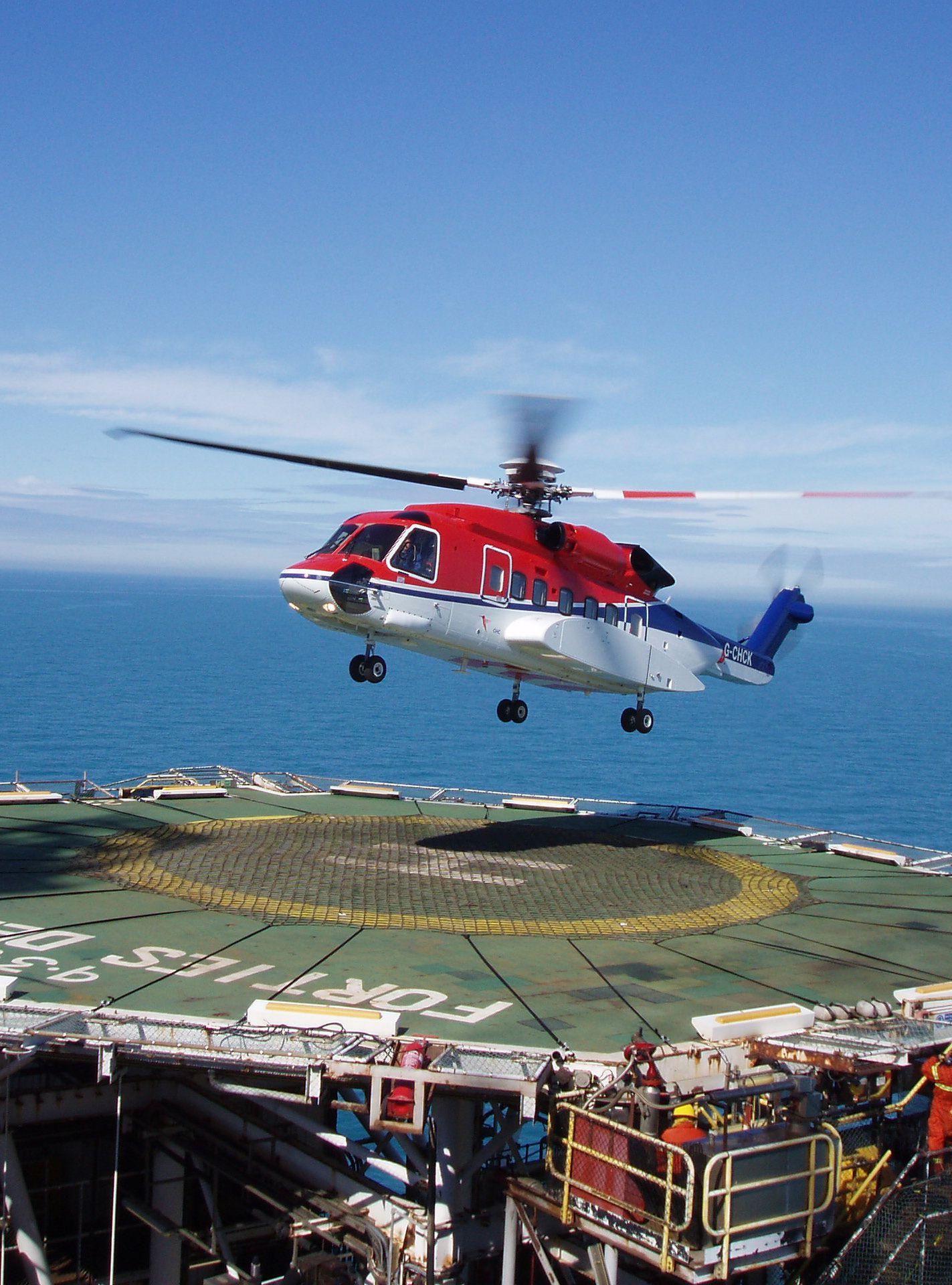
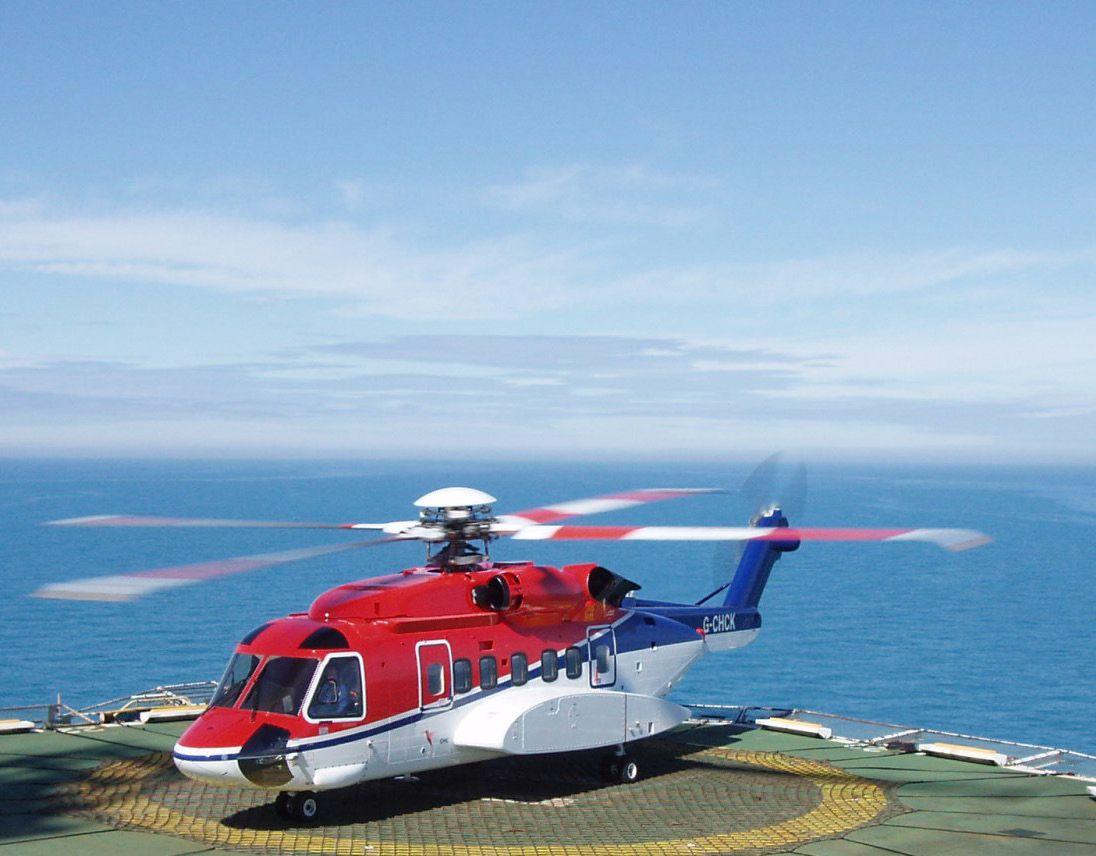
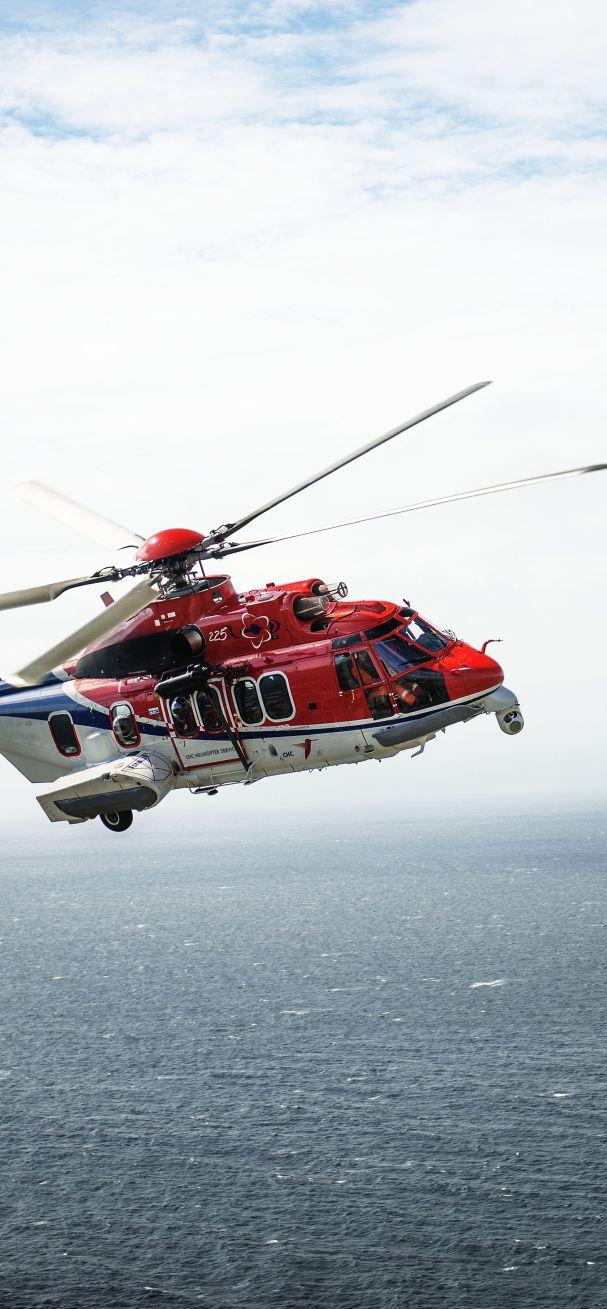
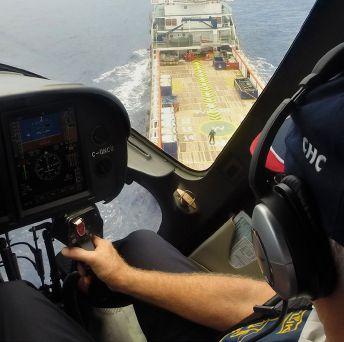
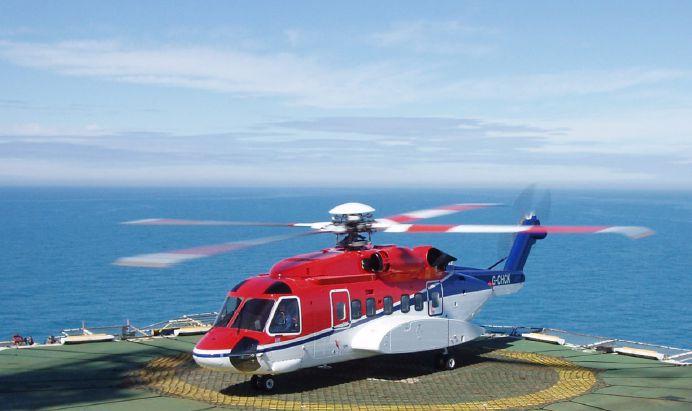
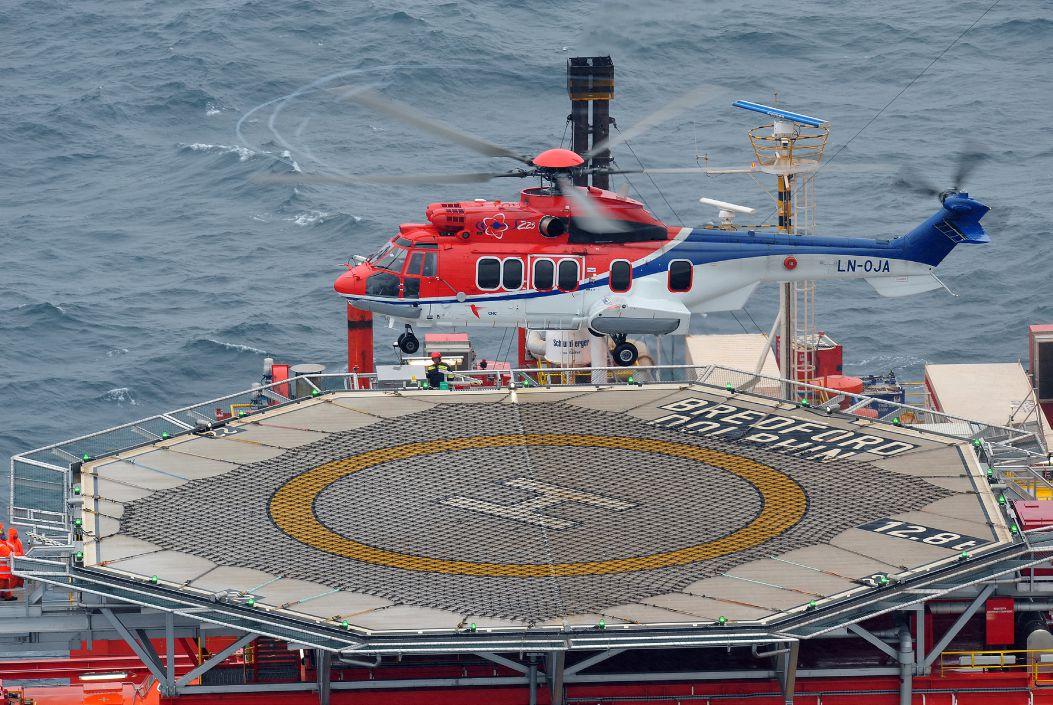
MAIN: Industry leaders are working to simplify communication for oil rig approaches.
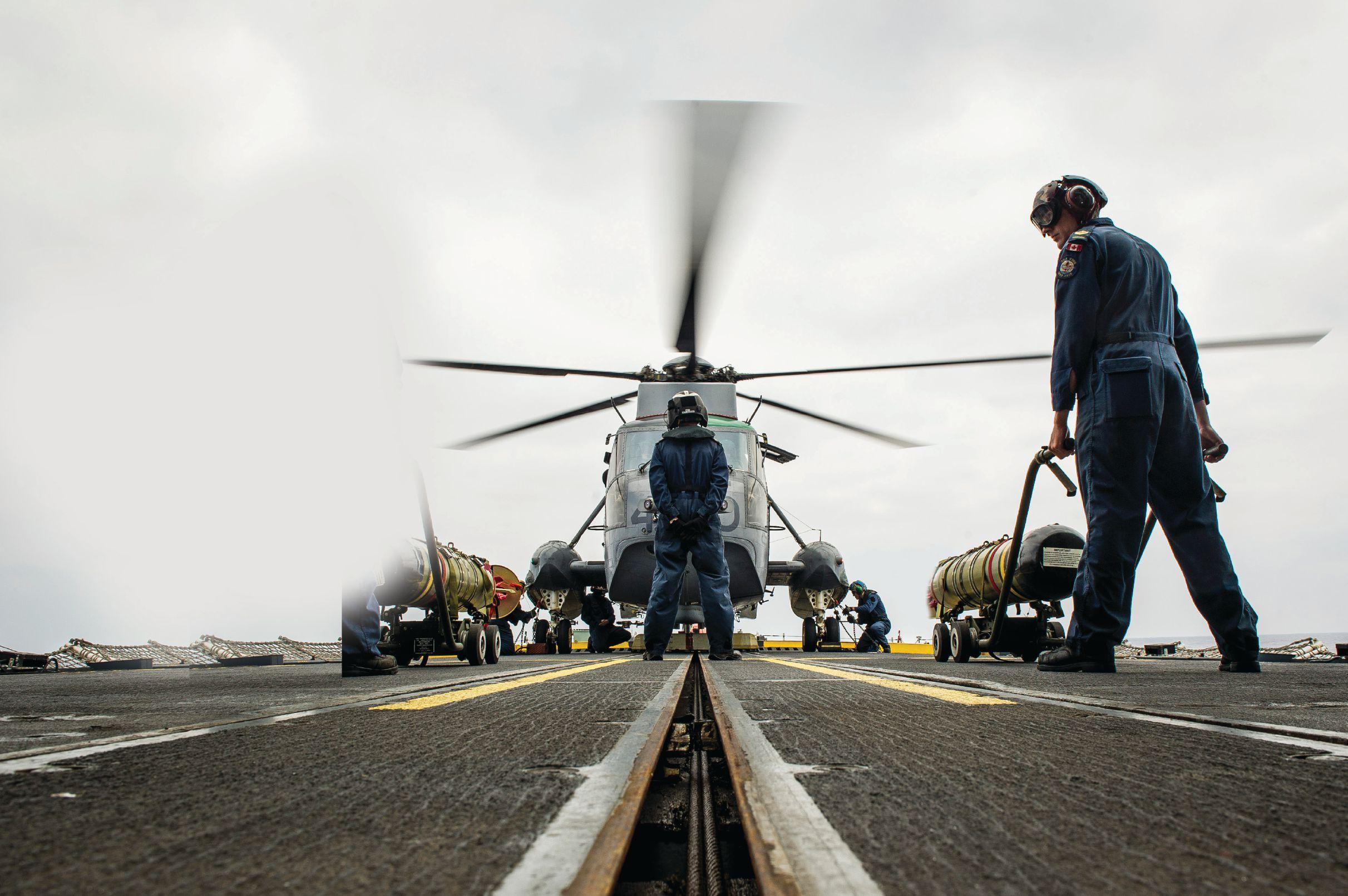
BELOW: Collaboration is helping to improve safety standards in the oil and gas industry.
BELOW LEFT: CHC’s conference theme this year focuses on the basics of safe operations. (Photos courtesy of CHC)
COVER STORY
were really smart initiatives in terms of how they can go green, and how they can save fuel and ultimately save money. They are looking at bio fuel, as well as the amount of fuel they use taxiing in and out, which is significant. Can they use different technology to power their aircraft on the ground?
“They also did some good work when the volcanic ash cloud came and stopped operations across Europe. They didn’t just sit and wait for the ash cloud to clear, they got together with some other clever people and thought about what they could put on their aircraft to assess if they are flying in a safe environment. How do you do something differently, but safely, to guarantee your revenue stream? These are the kind of ideas we’re trying to look at on the other side of the coin.”
Through his time with the Royal Air Force (RAF), Trapp saw an evolution in safety practices, from risk assessment, safety reporting, education and a general overall safety consciousness. Coming into the commercial helicopter world in 2007, he was surprised at the maturity of SMS, from the way the industry looked at safety in terms of education, awareness, reporting, oversight,
review and auditing. In the nine years he has worked in commercial aviation, Trapp notes a quantum shift in how operators cooperate on safety.
Industry collaboration is key to keeping the safety momentum going and he cites the creation of HeliOffshore – five founding partners and other operators in the international offshore oil and gas industry working together to drive change. This is a good example of what can be achieved. One of the key work streams this partnership has collectively developed is a solid information exchange.
“If something happens in the Gulf of Mexico, the details are shared amongst all the members of HeliOffshore so we all know the basics of what happened and the next steps being taken by the operator,” Trapp notes. “Who that operator is [is] not important – so the reports are de-identified – it’s what has happened that is the useful element. Working together on other projects like wrong-deck landings and reviewing the use of automation, all these things have really taken off in the last 18-24 months. I think that’s what will take our safety management systems to the next level, that collaboration.”
Working with clients is another way of integrating operations, streamlining services and strengthening safety practices. Trapp relates CHC’s experience with Royal Dutch Shell as a prime example. “Shell reached out to a number of its service providers and CHC was there in terms of the helicopter world,” Trapp says. “They created a safety leadership forum which has received huge buy-in. Our CEO, Karl Fessenden, is personally involved. We work together on the commercial side in an effort to take out excess cost in a way that doesn’t harm either party. We look to see if we can do it in a smarter way, which would allow us to charge them less without affecting our margin.”
Shell and CHC are also looking at each other’s safety practices in an effort to learn from each other. The two companies recently met in Aberdeen to discuss a safety leadership program. “We visited a Shell gas facility and looked at how they are approaching personal safety, how they got engagement from the workforce who were now leading the safety campaign and driving safety initiatives themselves,” Trapp says. “They are supported by management, but it was really driven by the workforce team themselves.”
There needs to be buy-in from all levels for safety systems to work smoothly. (Photo courtesy of CHC Helicopters)
COVER STORY
Another joint safety campaign involves the types of dangerous goods and hazardous materials that can be brought onboard a helicopter or stored in cargo. Ongoing training ensures that all dangerous goods travelling as cargo have the proper manifest paperwork so crew and passengers are not exposed to unnecessary risk. The proliferation of electronic cigarettes is a good example. Several highly-publicized incidents with e-cigarettes causing fires in stowed baggage on commercial airlines have raised questions about their safe transport.
Wrong deck landings and understanding what the causes are is another HeliOffshore project. Wrong-deck landings are infrequent, but the environment is often remote and unforgiving. One initiative includes working on common names for oil and gas platforms to reduce the opportunities for confusion. Platforms often have multiple names – a marine name and an aviation name as well as the name the oil and gas company uses.
When three sides of the equation referring to the same physical location by three different names in the same conversation, it opens the door for problems. And it’s not always that straightforward, Trapp says, because there may be maritime requirements or other protocols to be considered.
It’s just another example of how all players at the table are working together towards a common goal.
HeliOffshore has commissioned a study on the human factors involved in situations such as wrong-deck landings, with the final report due to be released in May this year. The author of the report, Dr. Steve Jarvis, will be a presenter at this year’s Summit. The results of the study will be the basis for an action plan. The key is to start small, Trapp says, develop a plan and try it in one region. If it works,
then it can be expanded globally.
The CHC Safety & Quality Summit stays ahead of the curve by attracting a wide and more diverse audience. Last year saw more attendees from Asia-Pacific and South America in addition to Europe and North America. The attendees represent a cross-section from the entire aviation industry – rotary-wing, fixed-wing, military, manufacturers, insurers, airport operations and more.
“We spread the word as far as we can,” Trapp says, “and we also
The challenging economy aspect of the Summit applies to operators around the globe in many different operations. ‘‘
get the word out through our insurance partners. Not just because they are sponsors, but because they touch everyone in the business, everywhere there is insurance they spread the word – it’s tremendously important and effective.”
Meeting expectations and satisfying attendees’ needs is paramount to Summit organizers. Being relentless in getting feedback for each presentation is also a key element.
“Over the years, the feedback has been overwhelmingly positive.” Trapp says. “But if people didn’t like a presentation or it wasn’t what they expected, we need to know so we can improve and share that feedback with our presenters or change room dynamics.” Not being content to maintain the status quo means always looking at ways to make things a little different or change the experience
Reflecting the diversity of the audience, the keynote speaker for this year’s opening session will be Mark Skidmore, director of aviation safety for CASA, Australia’s Civil Aviation Safety Authority. Skidmore served 31 years with the Royal Australian Air Force (RAAF).
During his service, he flew F-111s and led RAAF research and development squadrons before retiring in 2012 as Australia’s air commander at the rank of air vice marshal. After several years in private business, he joined CASA in 2015. When asked to speak at the Summit, Trapp describes his response as “very keen” to speak about the regulators role, especially in an economic environment when people are under pressure.
Which brings Trapp back to the basic premise of the CHC Safety & Quality Summit.
“The more people who attend, interact and contribute, the more benefit we will get from a company perspective and an industry perspective. You go back to the theme, there are a lot of good lessons to be learned from others about how they have gone back to basics and enforced the real critical components of safety. There are also some good examples of people who have brought in a different way of doing business that has not only been safe, but has also been commercially advantageous.”
An ORNGE Revival
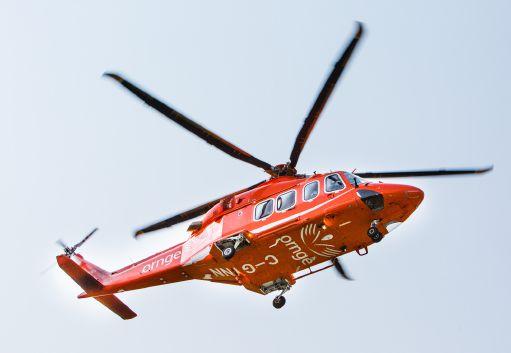
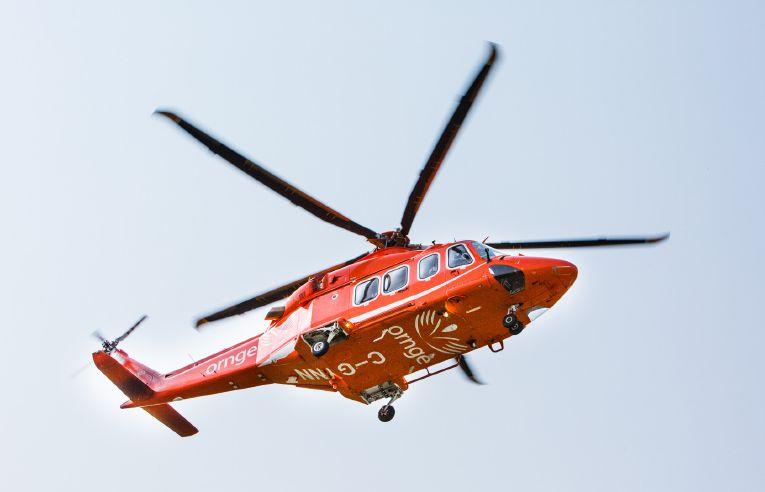
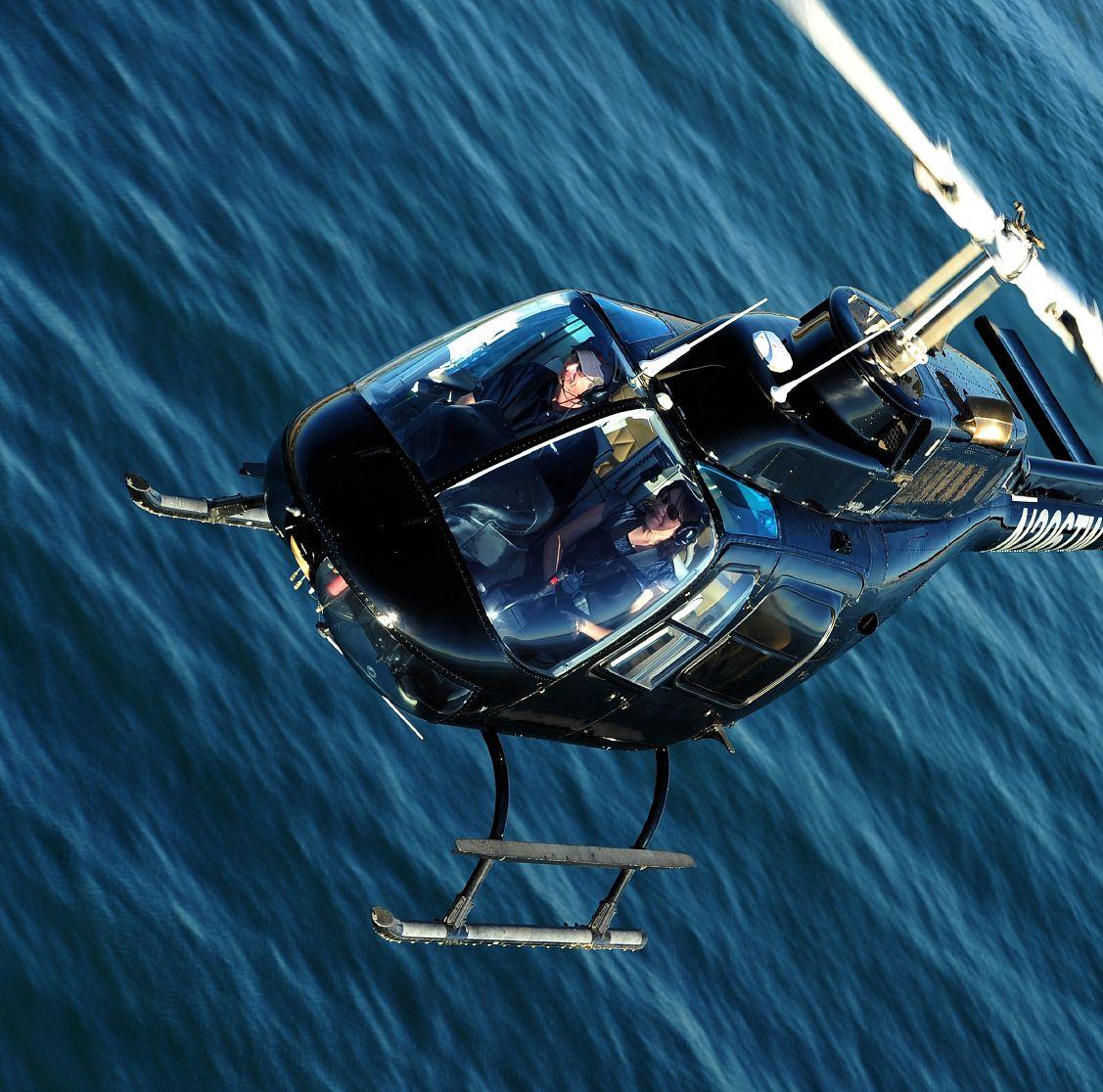
MAIN: The AW139 remains the helicopter of choice for ORNGE.
BELOW: Andrew McCallum is working hard to rejuvenate Ontario’s medical air transport service. (Photos courtesy of ORNGE)
Ontario’s Medical Air Transport Service Works to Reinvent Itself
BY MATT NICHOLLS
Focus, integrity, clarity, leadership. They’re critical attributes in establishing success at any operation and they’re even more necessary when an organization has gone through periods of scrutiny and corporate strife.
For Ontario’s medical transport provider ORNGE, the past four years have seen plenty of difficult times and in many ways, public scrutiny remains. The OPP, for example, is continuing its investigation into the alleged financial irregularities by the former ORNGE corporate regime led by then president/CEO Christopher Mazza.
ORNGE is also continuing to refine its safety procedures following the crash of a S-76A Sikorsky helicopter on May 31, 2013 in Moosonee, Ont., killing Captain Don Filliter, first officer Jacques Dupris and flight paramedics Dustin Dagenais and Chris Snowball. The organization was slapped with 17 allegedly questionable charges from federal investigators for its questionable safety procedures in the accident.
Trying times indeed but as a new year beckons, the rebuilt ORNGE leadership team is soldiering on, working diligently to enhance safety and operational procedures, regain pubic trust and, most importantly, provide timely, efficient care to patients in need
while working more prudently with the facilities that care for them.
“It has been a multi-prong attack to work to put this back together,” Andrew McCallum, president/CEO of ORNGE told Helicopters. “The first thing we did was get a team in place that could actually manage the company properly.”
McCallum joined ORNGE in January 2013, bringing a fresh, energetic and positive attitude that has been a breath of fresh air to both ORNGE employees and clients alike. He boasts an extensive medical and aviation background, having served as both a flight surgeon and medical officer in the Royal Canadian Air Force (RCAF).
The leadership team also includes COO Rob Giguere, who was hired just prior to McCallum’s appointment. Giguere is a distinguished aviation professional with more than four decades in the industry. He previously held senior executive positions with Skyservice Airlines and Air Canada.
Homer Tien, chief medical officer, joined ORNGE last year. Tien came over from Toronto’s Sunnybrook Health Sciences Centre and has had a decorated career in Canadian medical circles. A former colonel in the RCAF, Tien was also a staff general surgeon and medical officer in Afghanistan, Bosnia and Herzegovina, Croatia and Myanmar.
“I give my predecessor credit for hiring Rob,” McCallum says. “He is a consummate aviation professional who knows aviation in and out and he’s brought a different type of leadership style to the aviation side. And of course getting Homer to join us last summer was a major step in reinventing the medical side of the organization. Homer is a top medical surgeon with extensive knowledge
FEATURE
the helm, McCallum worked closely with internal staff, the government and ORNGE stakeholders to redefine and solidify the organization’s purpose: develop an ironclad strategic plan that met the needs of patients and industry partners.
“Let’s just say the direction was not clear [when I came on board]. ORNGE was built to do something else than it does now,”
It has been a multi-prong attack to work to put this back together. ‘‘ ’’
of the military environment, so he has lots of experience with medical evacuation within a combat setting. He understands this side of it, the logistics side of things.”
Re-tooling the leadership team and improving key elements in base organization and operational control was only part of the revival process. Shortly after taking
McCallum says. “Our focus is integrating patient care in Ontario . . . that is what we do. We extend the reach of health care. That’s our vision. And the way we do that, is transporting patients safely to the places that they need. Those are all articulated in our vision mission and values, but they are different than what existed at the time.”
The difference in corporate vision and philosophy, McCallum notes, was not exactly clear. One of the key problems was the organization was trying to establish a medical transport service model that could be transferred and implemented in municipalities around the world – taking its focus away from the direction it needed to follow in Ontario. Patients and other medical facilities ORNGE serves were neglected and being placed in serious jeopardy.
“The planning process was so important for us,” McCallum notes. “For one, it codified the goals and objectives we had. It was also an inclusive process – we brought in several of our partners to discuss things with. And that did two things. It informed the process, and two, it’s fair to say ORNGE had not been very connected to the people it works for. The biggest criticism I had been hearing was ‘you aren’t listening to us.’ This process went some way into re-establishing that connection.”
An improved direction and commitment to getting back to basics – improving patient outcomes, safety, paramedic services, response times, system integration and more – has helped ORNGE win back the respect it
had lost with many of its closest stakeholders and clients. Patient response times have drastically improved, there is better communication and cohesion between bases, and aviation safety and coordination with ground ambulance options has greatly increased. Deploying the correct medical asset – be it helicopter or ambulance – is also coordinated and evaluated more efficiently.
“There’s no question, things have been steadily improving,” McCallum notes. “When you talk to our some of our stakeholders . . . they were requesting the forma-
tion of a working group to deal with the issues at ORNGE. And it actually didn’t get off the ground because they said we don’t need it anymore. We are now part of the system – an important component as an adjunct to what they do, particularly in the north.”
IMPROVEMENTS IN THE SKIES
Corporate and operational changes are not the only areas of improvement at ORNGE. As Giguere notes, much has transpired on the aviation side to help establish a new commitment to safety and excellence.
The new management team at ORNGE has redefined the company’s focus. (Photo courtesy of ORNGE)
“We continue to enhance our operations,” he says. “We have new processes to mentor some of the younger folks. And on the training side, we will be the first operator in Canada to have a PC-12 Level D authorization for SIM training. We are working with FlightSafety International on that. We are also doing both the Finnemaccia AW139 and Sikorsky S-76 SIM training with FlightSafety. These are great tools, great devices and the outcomes have been really strong.”
In the past few months, ORNGE has also been working with NVGs to improve flying at night. ORNGE is training 11 pilots at its Sudbury base with NVGs and has retrofitted one of its AW139s for the trial. The NVGs may help prevent nighttime incidents and help improve situational awareness. ORNGE currently relies on solar lighting to help pilots land at some of its bases and the NVGs will be an essential tool in offering safer operating procedures.
“We did an RFP process to get the aircraft
FEATURE
certified to get an STC on it and we equipped some of our training pilots at the Sudbury base for the trial, mostly because it is in an area where it can be particularly useful, but [also] because of the high frequency of calls,” Giguere says. “It is still very early in the trial, but the feedback has been overwhelmingly positive. The NVGs will really assist at those pads that suffer from black hole illusion where there is no cultural lighting. For en route and night VFR, NVGs are particularly useful for obstacle clearance and options en route.” ORNGE does not intend to change its operating profile, just add a safety enhancement for more capability at night.
ORNGE has also added more solar lights at helipads throughout the province and is changing aspects of its operating procedures, such as implementing proficiency flying exercises. With the proficiency flying exercises, ORNGE pilots can take aircraft out in non-revenue situations to practise certain exercises such as IFR flying; flying to pads that have black hole illusion; perform hover exits; and general night flying VFR.
“Now we allow our crews – and it’s something that has never been authorized before – to give them the ability to practise in these scenarios,” Giguere says. “The incremental cost is just fuel – it’s not a major cost for us to do. These aircraft are not out of service –in fact they can respond faster to calls if we
get them because they are in the air.”
ORNGE has also started to build VFR approach plates for the helipads it goes to throughout Ontario. Giguere says it has 20 built now and the plan is to continue development. “It is just another aid and tool for the pilots to use,” he says. “When the pilots are looking for a pad, you can program it in, and this will give them a more accurate profile into the pad. Combined with the NVGs, this will be significant.”
MAKING THE RIGHT CHOICE
Another critical process ORNGE concluded recently was a reassessment of its helicopter fleet to determine if the AW139 was indeed the right platform for the job. The previous regime had purchased the existing 10-helicopter fleet from AgustaWestland (now Finmeccanica Helicopters) but the new team wanted to ensure the organization had the right aircraft in place.
“Part of our decision to re-evaluate the fleet was to see if we can justify the decisions made by the previous management,” Giguere says. “There was some noise around the AW139 as to whether it was the right way to go. Plus, there are market changes and new aircraft. We went out to an RFI, which was part of our mandate from that strategic session [in 2013], to determine if there was another platform that could do as
good a job at an equal or lessor cost without any change in capital. The conclusion is no, there isn’t. That is not to say there are not great helicopters out there that can do the same job. There are just different sets of circumstances.”
The final decision was also influenced by the fact that ORNGE crews are familiar with the platform already, are trained on it, and it is doing a sufficient job. Changes are in the works for the problematic helicopter interior. The initial design has long been scorned by paramedics for its inefficient configuration – some procedures could not be done well or at all. A new interior has been designed and is currently being evaluated by ORNGE medical teams and engineers.
KEEPING THINGS MOVING FORWARD
Retooling an organization after significant negativity is never an easy thing and it certainly isn’t an instant fix. McCallum however is quite pleased with the progress his organization has made, and continues to make every day. In the course of our interview, he shared many examples of how the public – and frontline ORNGE employees –continuously express their pride for being part of such an important organization, one imperative for the health and safety of so many people, particularly in the north where ORNGE is really the “only game in
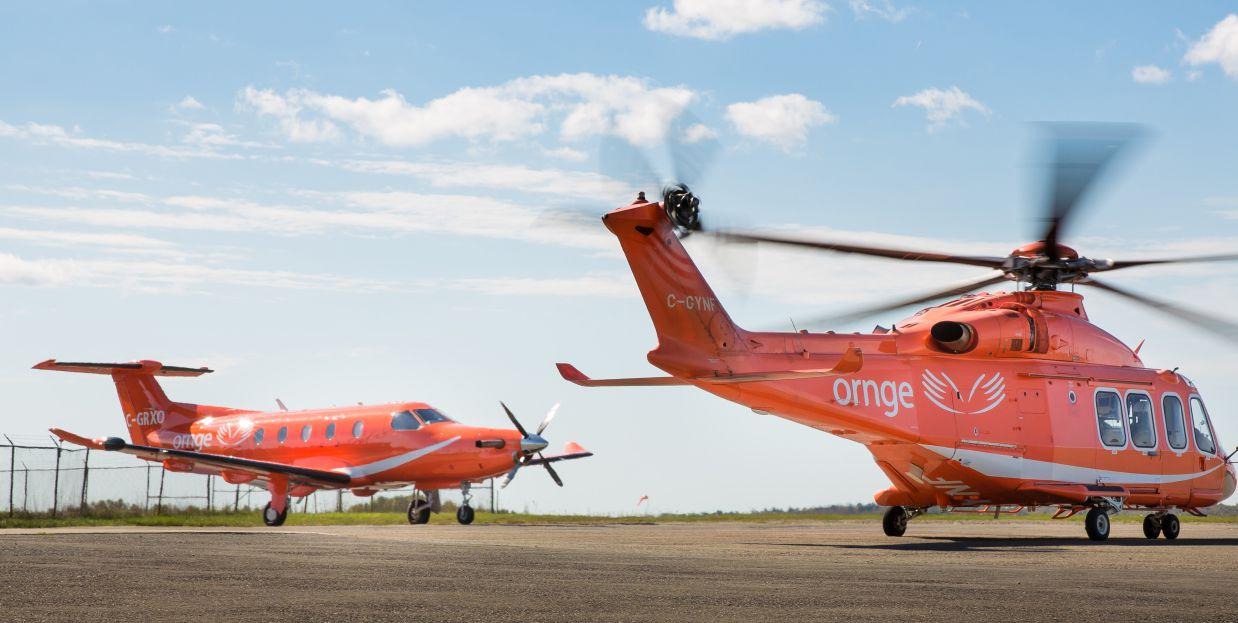
The ORNGE fleet is made up of the Pilatus PC-12 and AW139. (Photo courtesy of ORNGE)
town” when it comes to medical care. He is also not complacent about the challenges that lie ahead for the organization in spite of the progress it has made.
“We have a lot of challenges for sure,” he says. “We are a government organization and you know they are tight for funds, and aviation costs are going up. We are working within these realities. We have a very good working relationship with the government, they see their oversight role as a very important one. Four years ago, it was not good. And it has taken quite a while to rebuild that trust. Now, we have a relationship where, if things go wrong, we communicate. We don’t want them ever to be surprised. And when we have issues, we deal with them.”
Giguere concurs and adds that “the entire organization is proud of what they do and it shows from our front-line people at our community events. We are proud of the accomplishments they make.”
As for Tien, who is rapidly improving ORNGE’s medical reach with technological enhancements and improvements in several key areas, he sums things up with surgical precision. “It is hard to imagine what the organization was like four years ago,” he says. “[There is] definitely a bit of a disconnect with what you read in the newspapers. We are definitely making progress.”
A succinct, essential message from an organization that is highly necessary, needed and valued throughout the province.
THE NEW GENERATION OF FLIGHTSUITS
NORTH CAMPUS
SOUTH CAMPUS
Forging an Ironclad Path
Seizing Opportunities has Helped Teri Northcott Soar
BY PAUL DIXON
There are people out there who simply don’t recognize opportunities until they are rapidly diminishing in their rear-view mirrors. For those that “get it,” a sound definition of opportunity might be as simple as this: it’s a set of circumstances that make it possible for you to “do something” – in other words take a chance to implement change or seek employment.
For Teri Northcott, a career in the Canadian commercial helicopter community has been a series of opportunities – ones she has capitalized on stretching back almost three decades. Early in her career, circumstances found her in Fort Worth, Texas, where she was offered the opportunity for some ab initio training on the AS355 Twin Star at what was then Aérospatiale. “I wasn’t there to get a pilot’s licence,” she recalls, “but I did some training and it wasn’t your normal R22.” Northcott had been involved with fixed-wing aviation before this point in her career, but the experience whetted her appetite for the rotary world.
Northcott’s next opportunity came with Frontier Helicopters, back around 1988. She had a chat with Frontier’s then general manager Terry Dixon and shortly after that, an opening presented itself and she jumped on it.
“It looked like a good idea and there was no turning back after that,” she recalls. “It was an exciting time to get into the business, as Frontier expanded from 18 helicopters to 42 that year. I thought this was fun and would keep me interested for a while.” Northcott laughs as she remembers this time in her career journey was all being accomplished while she was working out of an ATCO trailer that was
pushed up against a chain-link fence in a corner of the parking lot. Northcott stayed with Frontier for the next seven or eight years, then moved on to work with Mike Wiegele Heli-Skiing in Blue River, B.C. Next, and now with B.C.’s Northern Mountain Helicopters (which was eventually purchased by VIH Helicopters), Northcott was off to Yellowknife to help put together a joint venture under the banner of Nunasi Helicopters. After coming back to Prince George with Northern Mountain, she came back to Vancouver where she co-founded Resource Helicopters in 1997. Today, after 16 years with Resource, she is the accountable executive for Skyline Helicopters in Kelowna, B.C.
A NEW FRONTIER
It’s a challenging time in the helicopter business, at home and around the world. Skyline was built on the oil and gas business and the impact of current economic realities is being felt across the industry. The heliskiing segment, in turn, is at the mercy of warmer winters and what that warming trend could bring to summer fire season is largely a matter of “wait and see” for operators that rely on its windfalls.
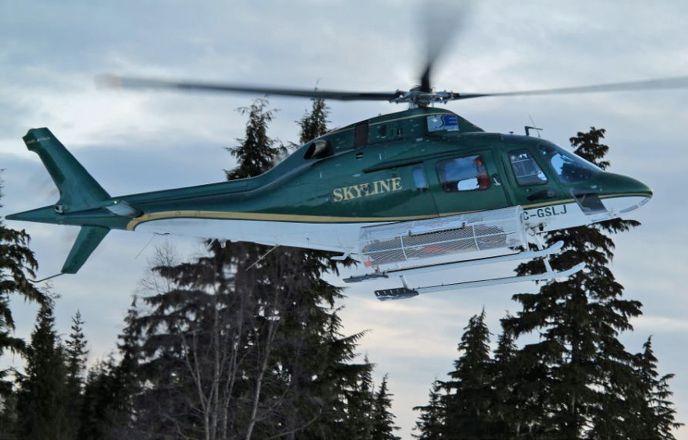
“It’s a completely shifting environment out there,” Northcott admits. “We are facing the same challenges as everyone else.” Skyline is positioning itself for the future with a fleet of four Bell 212HP helicopters and a single Finmeccanica Helicopters AW119 Koala MkII. Northcott says the 212HPs are some of the only HUMSequipped 212s in the world.
In addition to trying to decipher the intricacies of the unpredictable helicopter market, Northcott has been actively involved with the Helicopter Association of Canada (HAC). Her participation dates back to the association’s inception. “When HAC started, I was still at Frontier,” she says. “Terry Dixon and I became very involved with HAC right from the get-go. We gravitated towards the issues of the day with the air taxi group, which spoke to what we were doing at Frontier. This was long before today’s formal committees, there were open forums that we called bull-pit sessions.”
Over the years, there was what she describes as an information evolution – one that saw her elevate to the position of chair of the air taxi committee. Northcott laughs about the process and speculates the role simply fell to her after Terry Churcott (2000-2003) and Terry Jones (2004-2005) were the chairs – it was all about the first name.
When Northcott became a member of the HAC Board of Directors in 2008, Jen Norrie came to the air taxi committee and Northcott served as board liaison to air taxi. As a director, Northcott served as the secretary to the board. The role of vice-chair followed, then the role of chair of the HAC board of directors followed after that. After stepping down as chair, she continued on for two years as immediate past chair, “to segue through the continuity and consistency to the board.”
There have been many issues of note over the years that have come through the air taxi committee. The evolution and introduction of technology such as satellite tracking and other systems was significant, but the development of pilot competencies is the one that has drawn interest from across the spectrum.
“[The issue] came up from the floor of an air taxi meeting in
MAIN: The Skyline team is working hard to stick to what works in a tough economy.
RIGHT: Skyline Helicopters has carved out a niche for itself on the West Coast. (Photos courtesy of Skyline Helicopters)
FEATURE
2007, then in 2008,” she says. “I struck a very diverse group of small, medium and large operators, as well as agencies that used helicopters for wildfire suppression. I put together a panel of 12 people and we crafted the pilot competencies that are in use today and have become an industry norm.”
It wasn’t difficult to achieve because it was driven by the difficulty (at the time) of locating pilots for the forward suppression groups who had the minimum number of hours required – and those requirements weren’t necessarily based on the mission they would be flying. Mountain flying, for example, is a definite requirement in British Columbia, but not in Saskatchewan. Skills are not the same across the country from coast to coast. “We turned it into what the pilot skill sets were and what was actually required,” she says.
The outline for a competency-based training model was forged during a weekend in Edmonton, where the committee, “locked ourselves in meeting rooms for two solid days and brainstormed the ideas together. What were the main things that were similar across the board? How could each of the forestry agencies pick and choose which of the eight competences was applicable to their terrain and their requirements?
“There were some challenging times in those meeting rooms that weekend, but we worked together to develop the eight different groups that were specific to wildfire suppression,” she says. “Air taxi was completely the right venue and medium to bring that all together – and then I got the right people. Sometimes, you have to nudge people out of their chairs a little bit, but once you get their passion ignited, they’re all-in. It was a tremendous undertaking that has made an astronomical difference.”
Today, pilot competency starts with the three modules of the Canadian Inter-Agency Forest Fire Centre (CIFFC) general wildfire operations knowledge best practice: incident command system; basics of fire behaviour; and options and tactics. It involves a basic understanding of language and tactics before stepping into that world.
The development of this HAC best practice and insight has a complete paradigm shift for the industry notes Northcott. Prior to the development of the concept, there was no consideration to a pilot having these skills. Northcott spoke on the subject before an international aerial firefighting conference in Richmond, B.C. in 2010 and the idea has drawn tremendous interest in Europe and Australia.
The pilot competencies were first adopted in 2010 and at their 2015 meetings. Air taxi undertook a five-year review. “[We did so] to see how they are doing,” Northcott says. “We wanted to determine what’s working, what isn’t working and to make it still relevant to the requirements of both the operators and the agencies.” The pilot competencies best practices were the first to be approved by HAC’s board of directors, but have since been joined by mountain flying, heli-skiing and Class D long-line.
OVERCOMING OBSTACLES
Working in a male-dominated industry may have its challenges – an issue for some – but Northcott doesn’t profess to have been influenced by this reality. “I never wanted to be characterized as a woman in the helicopter industry, because I am just a person in the helicopter industry, doing my job,” she says.
In 2011, the Helicopter Association International (HAI) produced a feature video entitled, “Spotlight on Women in
younger women to boldly come into the helicopter industry and not to let them think it’s not accessible to them.”
Northcott is proud to say that as far as she can tell, in 1997, she was only the second non-pilot that Transport Canada (TC) had awarded an Operations Manager certification to – the first being her friend Kathy Lalonde. Something else she is proud of? The safety record at Resource Helicopters over her 16-year tenure; there have been no accidents.
MOVING FORWARD
Northcott came into the business on the high side, the year Frontier went from 18 machines to 42. She remembers thinking at the time, that it was fun and exciting and would keep her interested for a long time. It has been an interesting ride since and it promises to be every bit as interesting in the future.
“The future will be very challenging,” she says. “We’re all out there in the trenches doing what we can, but the Canadian helicopter industry is a lot different today than
Sometimes, you have to nudge people out of their chairs a little bit.
’’
Helicopter Aviation” in conjunction with its annual conference in Orlando, Fla. Of the 13 woman profiled, representing the entire spectrum of the aviation business, the only non-American included was the chair of HAC’s board of directors, Teri Northcott. Talking about it recently, Northcott admitted “it was pretty cool.” The video was introduced by Colonel Sally Murphy, U.S. Army (ret). In 1974, Murphy became the first woman to graduate from the U.S. Army Aviation School. She was the Army’s first female helicopter and fixed-wing pilot. She went on to fly UH-1 and UH-60 helicopters. In the video, Murphy says it wasn’t so much a matter of kicking down doors, as much as the Army at the time was opening doors that had never been opened before.
Northcott admits that after the video came out, people have since come up to talk to her about how she has inspired them in their career development. “It humbles me that I was inspirational to them,” she says. “It’s given me a different perspective on things, to be more engaged in getting
it was when I started. The drop in commodities, drop in oil prices, a bad fire season, the U.S. dollar, and manufacturer price increases – it goes on and on and on. I know there are challenges out there for pilots, especially low-time pilots, it’s the age-old struggle of trying to get time. At least there are lower insurance rates and a drop in fuel prices, but . . . We have to stay focused, stay safe and keep pushing ahead.”
Northcott’s view of the industry also applies to Skyline. It’s a mature company with a solid reputation and she is quick to say the solid reputation goes back long before her involvement with the company. “We don’t have challenges attracting staff and that speaks to the reputation of this company,” she says. “Our staff is unbelievably professional and they are solid going forward. You have to cut your chops somewhere else before you’re ready to be part of the Skyline team.
Knowing the team she has at Skyline, Northcott says she could not be more comfortable and proud.
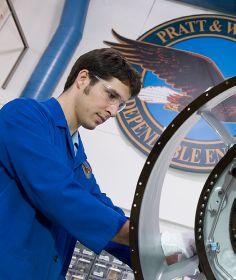
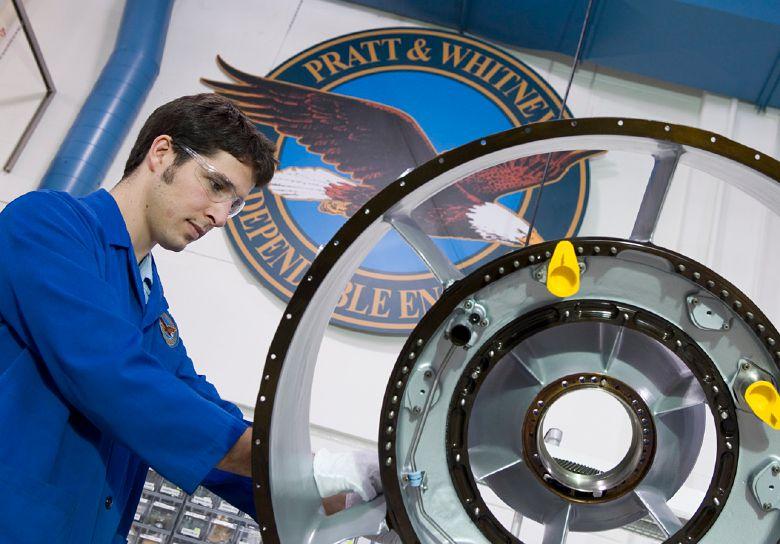
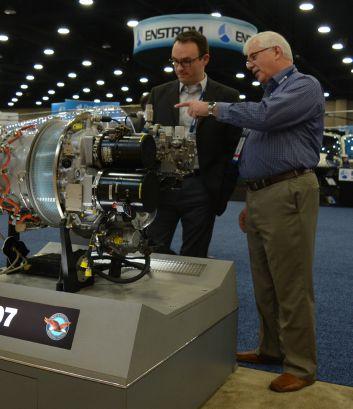
MAIN and BELOW: P&WC continues to develop a wide range of environmentally conscious engines.
Creating a Sustainable Future
Environmental Responsibility in Aviation and Aerospace
BY BRIAN DUNN
With more than 100 fixed wing and rotary engines certified in the last 25 years, Pratt & Whitney (P&W) must be part of the sustainability initiative, according to Robert Cadieux, environmental and sustainable development manager with Pratt & Whitney Canada (P&WC). And he questions P&W’s contribution to increased consumption as the planet continues to consume more and more resources.
“We must be better at anticipating long-term trends. Trends will define the boundaries of our design space. Adapt versus extinction. It’s a question of response time,” Cadieux said at ‘Sustainability 2015,’ an international conference on environmental sustainability in air vehicle design and operations of helicopters and airplanes held in Montreal. The conference was organized by the Montreal-Ottawa Chapter of the American Helicopter Society.
By its 100th anniversary in 2028, P&W wants to go from being the “best aerospace company in the world to being the best aerospace company for the world,” Cadieux said. This will be achieved through initiatives like reducing emissions in the company’s 51,000-plus engines currently in operation through fleet upgrades, designing, manufacturing and servicing products with minimal environmental
impact, promoting zero waste by using by-products that are 100 per cent recyclable and by becoming a force for positive change.
As a major engine manufacturer, economic and environmental issues become intertwined, noted François Brophy, principle engineer with P&WC. In a session entitled “P&WC’s Perspective on Environmental Challenges,” Brophy said as the cost of energy increases and becomes more volatile, it impacts the profitability of the company. And climate change leads to a new regulatory framework, which also has an economic impact.
“The historic focus of NOx emissions has shifted to CO2 emissions and particle matter,” he said. “We need to consider this in future engine designs. The next generation of small gas turbines will reduce the amount of fuel burn.”
The aerospace industry can’t meet its environmental commitments without sustainable alternative jet fuel (SAJF), suggested Steve Csonka, executive director of the Commercial Aviation Alternative Fuel Initiative.
In 2012, aviation produced 689 million tonnes of CO2, or around two per cent of the global total. The industry is expected to grow by five per cent annually, but cleaner fuel initiatives are only improving by about two per cent annually, leaving a three per cent deficit, noted Csonka.
(Photos courtesy of P&W (left), Matt Nicholls (right))
“We need to develop fuel to live up to our low carbon commitments,” Csonka noted. “There is no standard formula for jet fuel. SAJF is indistinguishable from current petroleum jet fuel and SAJF is not pulling carbon molecules out of the ground and putting them into the atmosphere. It decouples us from carbon growth.”
One positive development is that multiple feedstock such as cellulose, triacylglycerols (animal and plant), sugar and starch, waste and synthesis gas, are making progress across the board.
“What can industry do? Share in research costs, development and commercialization, reduce GHG through the reduction of conventional jet fuel and customize flight training,” he said. “We need 300 million gallons of alternative jet fuel (annually) for industry to meet their objectives over the next few years.”
With oil below $40 a barrel, it makes the SAJF industry challenging, Csonka noted. “Some people have not locked in long-term contracts. There is a larger focus on low-cost
“Battery power is going to improve, but I don’t think it will get to the (efficiency) level of gas,” he said. “When I look at road vehicles, I think the brass ring is a fully electric battery powered vehicle. And the reason we have hybrids is because batteries aren’t good enough. Since they’re not weight limited or volume limited, they’re probably going to hit gas in their regime, whereas since we’re weight sensitive that may not happen.
“It may be that we may have smaller fully electric battery powered airplanes up to a certain speed and weight. And beyond that, you may have electric propulsion systems or hybrid propulsion systems that carry us past those speeds. And hybrid can mean a couple of things. It can either be the actual propulsion system or you may have a fully electric motor that can then be extracting electricity from a combination of battery, super capacitor, fuel cell reactor or something to that effect.”
But this technology is a long-term process. Boeing and NASA are both looking at a 2035 timeline for a single-aisle airplane,
IATA is projecting 4.1 per cent annual growth in passenger traffic over the next 20 years.
’’
we were not planning for Chapter 4 (airframe noise reduction), but for Chapter 5 and 6, they were not even introduced yet,” he said.
feedstock in smaller facilities. I also believe the price of oil will continue to rise and there are three new renewable fuel facilities coming on stream within the next three years in the U.S.”
PUTTING A CHARGE IN INDUSTRY
Great strides have been made in battery technology, but their efficiency may peak below the efficiency of fuel said Pat Anderson an engineering professor from Embry-Riddle Aeronautical University in Daytona Beach, Fla. With a maximum speed limited for an electric battery, the industry is now looking at a turbine-electric hybrid engine.
After creating the first parallel-drive hybrid aircraft in the world, Embry-Riddle is creating a fully electric airplane. A Diamond HK-36 aircraft with a 133 horsepower electric motor is being modified to operate completely under electric propulsion. Battery systems, mission profiles and aerodynamics are being optimized to maximize safety and flight time. The project is a key to the future of aviation, where emissions and noise control are two of the most pertinent issues, according to Anderson.
Anderson said. And if battery doesn’t get to the “gravimetric density” of fuel, it won’t be a battery-powered vehicle, but a mixed methodology of some type.
“But that’s the way nearly everybody is heading for the long-term goal, which is to have partially electric propulsion, and then you may end up with fully electric propulsion, but the question is, where does the electricity come from? It may not be done fully with batteries.”
Anderson mentioned the Argonne National Laboratory research centre in Illinois that has earmarked over $760 million to pursue innovative technology in clean energy, including battery technology.
“They think they have a good handle on land vehicles,” Anderson said. “Now they want to turn their capabilities and technologies for basic research towards aerospace applications which are more weight sensitive.”
Noise, more than fuel consumption, is becoming a key factor for phasing out older aircraft, according to Steve Colavincenzo, chief, acoustics and vibration at Bombardier. “When we first designed the CSeries in 2000,
Bombardier is involved in such things as landing gear noise reduction, wing tip/flap noise reduction and slat noise reduction in collaboration with the University of Toronto and McGill University and the Green Aviation Research and Development Network (GARDN). GARDN is an industryled consortium of 40 public and private sector partners, including industry heavyweights like Bombardier, Pratt & Whitney Canada, CMC Electronics and Bell Helicopter. It is targeting what it refers to as the “valley of death” in the innovation supply chain, which includes prototyping, testing and demonstration of early-stage, precompetitive research on next-generation aircraft, engines and avionics systems.
“Low noise can be a competitive advantage as some airports charge noise related fees in 22 countries and some aircraft are not even allowed to operate in some countries,” Colavincenzo said.
In addition to noise limits being a major issue in Europe, people in general are “shocked” the aviation industry is still using leaded fuel and are demanding more environmentally friendly products, said Boyd Rodeman, engineering specialist and compliance lead at Textron Aviation.
In North America, Phase One of a Piston Aviation Fuel Initiative is underway to facilitate the development of unleaded aviation gas or Avgas with the least impact on existing fleets. Phase Two in 2016 will see engine and aircraft testing on two selected fuels supported by the National Research Council and Transport Canada. “Alternative fuel solutions come in many forms, including unleaded Avgas, Jet A and Biofuel blends,” he said.
Cost is the key barrier to the develop ment biofuels as 85 per cent of its cost is in the feedstock, according to the University of Toronto’s Murray Thomson. UofT is part of BioFuelNet Canada along with several other Canadian universities, industry partners and government representatives involved in initiatives to accelerate the development of sustainable advanced biofuels. He estimated the cost of biofuel at $1.23-$1.53 per litre and expects 1.3 billion gallons to be pro duced over the next few years.
Air Canada expects to realize a 1.5 per cent improvement in fuel efficiency and 50 per cent reduction in CO2 emissions by 2020 and have carbon neutral growth after 2020, according to Mena Salib, manager of aircraft noise and emissions.
“Airlines have to charge additional fees to passengers to offset their carbon footprint and the only solution is sustainable fuels,” he said. “Air Canada is continuing its fleet renewal and is one of the most fuel efficient airlines in the world.”
IATA is projecting 4.1 per cent annual growth in passenger traffic over the next 20 years, or double the current traffic to 7.3 bil lion passengers by 2034, Salib noted. “What Air Canada has done is support the advance ment of sustainable fuels and supports a Canadian-made solution. Twenty per cent of a ticket price is for fuel. Adding to that price is not a viable solution. One per cent of Air Canada fuel is 42 million litres, so we need availability and consistency of supply (of biofuels) with no segregation requirements. We’re looking for a partnership similar to many airlines in the United States.”
SAVING YOU MONEY IS OUR BOTTOM LINE
At StandardAero, we’re lowering our customers’ DOCs by implementing preventative practices that reduce unscheduled engine removal and emergency maintenance. As an OEM authorized Rolls-Royce AMROC, our comprehensive support programs are designed specifically to increase M250 MTBR, keeping you in the air with worldwide Service Centers and Mobile Service Teams available 24/7.
AOG and need it now? We have an extensive M250 engine accessory and exchange pool, supported by our fresh M250 rental fleet and quick turn-times.
www.standardaero.com/heli +1.204.318.7544
P&WC's new vice-president of marketing, helicopter engines, Irene Makris. (Photo by Matt Nicholls)
MAIN: David Fraser from law firm McInnes Cooper. Fraser is one of Canada’s foremost legal experts on privacy issues.
BELOW: Student Challenge competition – close, but no cigar. (Photos by Paul Dixon)
Drone Fair 2016 impresses in B.C.
Inaugural Unmanned Systems Event Sheds Some Light
BY PAUL DIXON
A
bright, sunny day couldn’t deter an overflow crowd that descended on the Sportsplex at BCIT’s main campus in Burnaby, B.C., for Drone Fair 2016, Saturday Feb. 20.
The first of its kind in Western Canada, the fair brought together vendors, operators and regulators under one roof to talk about the latest developments in the rapidly expanding drone/UAV industry, as well as the regulations governing how and where drones can be safely operated. Co-organizer Declan Sweeney described the event as educational, an opportunity to highlight the positive side of drones in light of negative media reports.
Safety and the regulatory environment were a major feature in the speakers program. “Drones are aircraft,” Sweeney said, “and they fall under the same rules as ordinary manned aircraft.” Sweeney’s comments were echoed by Eric Edwards of Unmanned Systems Canada, who talked about popular misconceptions about the rules and regulations governing the use of drones.
“The rules are very clear,” Edwards said. “Whatever you are doing, it is still aviation.” The message both presenters conveyed is susinct – get proper instruction in the operation of your machine, understand the regulations you are operating under and get the proper certification if required. The message from Transport Canada
was simple and straightforward – know before you fly, because whether you are flying recreationally or commercially, you are expected to operate your aircraft safely and legally.
Professor David Bird of McGill University gave numerous examples of the utility and versatility of drones in assisting research biologists in wildlife studies around the world. Two examples he noted were tracking caribou across the Arctic tundra or polar bears far out on the everthinning arctic ice flows. Locating radio-beacon equipped song birds in B.C.’s Gulf Islands or puffins in their colonies on the rocky shores of Newfoundland is also being carried out by drone techology.
Drones are also providing an unobtrusive eye in the sky over Africa to gather information on endangered species as well as the poachers that are driving them to the brink of extinction. Increasingly, drones are becoming the tool of choice for wildlife researchers, because they offer a degree of stealth not possible with manned aircraft and are far more cost-effective. Even more importantly, drones are much safer, as Prof. Bird reports. The leading cause of death for wildlife biologists in the field has been aircraft of helicopter crashes.
Justin Hannewyk of HeliVideo Pros gave an overview of the evolution of drones and filmmaking. A decade ago, the use of drones in the movie business was limited to a handful of major Hollywood
productions – as in Bond, James Bond and the Harry Potter movies. Airborne cameras were bulky and the unmanned aircraft were difficult for even the most skilled operators. Today, with the advances in digital cameras and drone technology, anyone can shoot movie-quality HD video with their own small, hobby drone.
The mainstream media has made much of privacy concerns around drones, as discussed by David Fraser of the McInnes Cooper law firm. A self-described technology geek and drone enthusiast, Fraser is described as being
FEATURE
one of Canada’s foremost authorities on privacy law. He used spoke of earlier technologies – the telephone and the Kodak Brownie camera as two examples and the concerns raised about potential invasion of privacy back in the day. There are a number of statutes that deal with privacy and trespass and while none of them specifically address the issue of drones, there are elements of these various pieces of legislation that may apply. As the operator, it is incumbent on you to be aware of what you are doing.
One of the major stumbling blocks at the moment is the common perception of just what a drone is. Most people, when asked to describe a drone will focus on something like the Global Hawk or Predator, when the reality is that the domestic drone market is overwhelmingly comprised of small, hobbysize drones. A problem with creating specific privacy legislation to address drones is that by the time legislation is drafted and adopted by government technology will have moved several steps ahead, creating new issues that were never contemplated.
The semi-main event was the University Challenge – four university teams competing for a $2,500 scholarship donated by DJI/ Flying Camera. The teams had to build their aircraft in the morning and then fly them through a skills course in the afternoon. First up in the skills test was an update to the old coin-operated claw machine, where the operator was required to fly their drone to a table and successfully use a grappling hook suspended from the belly of the drone to pick up an object and successfully fly away with it.
Only one team was able to complete the mission within the time allotted. The second test required the operator to fly their machine back and forth through a hoop as many times as possible in a minute, while battling simulated extreme weather conditions provided by a battery of large fans. Simon Fraser Team Guardian reigned supreme, taking their success in the first segment and zipping back and forth through the hoop to the frustration of the competition to a rousing ovation from an enthusiastic crowd.
The grand finale was the Drone Fair Grand Prix, where eight local pilots competed in a series of heats through a course set up inside a large net on the basketball court of the BCIT Sportsplex, much like the Reno Air Races in miniature. Pilots and their machines paraded across the circuit before the multitudes. Spectators were cautioned not to get too close to the protective netting “just in case” and then with the toot of an air-horn the first heat was up and away.
Like killer bees on the loose, the minimachines snarled around the course, bobbing and weaving like hummingbirds jumped on caffeine. The first heat ended peremptorily when two of the might mites sailed off into a cement wall. Think frog-in-a-blender meets bug-on-a-windshield. Proponents of drone racing are suggesting that in the near future the sport will be as popular as NASCAR, but it appears there is still a long way to go. As they say in Mexico, “manana,” which translates as definitely not today and probably not tomorrow, but maybe one day.
Field Maintenance for Bell 206, 206L, 205, 212, 412 and Robinson R22 and R44.
Dynamic and hydraulic component overhaul and part sales for the Bell 204, 205, 206, 206L, 212, 407 and 412.
Structural Repairs Fixtures for Bell 206, 206L, 407, 205, 212, 412.
Head Office: 18 Terry Fox Dr., Vankleek Hill, ON, K0B 1R0 T: 613.678.3027 F: 613.678.2776 Gerry@helitradesinc.com
Alberta Facility: Site 5, Box 7, RR2, Airdrie, AB, T4B 2A4 T: 403.912.4658 F: 403.948.6475 info@helitradesab.com
Fatal t raps F or Helicopter p ilots
Acquire the life saving skills needed to eliminate or reduce most helicopter accidents.
Fatal Traps for Helicopter Pilots analyzes all aspects of helicopter accidents, including flight basics, engineering, meteorology, flight training, and human factors. This life saving guide shows how proper preparation can help prevent accidents by addressing causes such as aerodynamic problems, mechanical failures, poor loading, mid-air collisions, and more.
Filled with case studies and first-hand accounts of accidents, the book organizes accident types by primary causes, presenting proven methods for eliminating or reducing the possibility of each type. Greg Whyte, an ex-commercial helicopter pilot and professional aviation writer, draws on his own flying experiences and those of other flight veterans to provide a wealth of practical information and safety tips that are essential for everyone who flies, maintains or crews in helicopters.
COLUMN
FRED JONES
With some regularity, I am invited to speak to graduating helicopter pilot classes. I take advantage of the opportunity whenever I am able. It gives me a chance to better understand the psyche of the next generation of pilots in our industry – if the psyche of pilots can ever really be understood.
It has never been easy to break into our industry for low-time pilots. “You need experience, to get experience” is the old adage –and it has never been truer. As long as I can remember, in our industry, there has been a shortage of experienced helicopter pilots.
It used to be, that your first flying job meant that you would work around the hangar until a suitable job came up (one that was inkeeping with your skill and experience levels) – and sometimes we even stretched that principle. Early in my career, I can remember getting instruction from two firefighters on the assembly and use of a drip torch. You had to be patient, but once you started flying, and the fires started to burn, you could find yourself at the end of your first season with a few hundred hours. Now, young pilots could find themselves on the dispatch desk for two or three seasons before they even start to accumulate any significant time. It has become an endurance contest for new commercial pilots.
What’s more, now customers impose their own experience and flight time requirements on operators through their contracts – and operators are more careful about complying with those requirements. It is no longer just about matching the job to the skill level of the
Educating Next Gen
The Value of Sharing Knowledge to New Helicopter Pilots
while you are waiting for the opportunity to fly to arise. That may mean emphasizing your IT skills, or your administrative skills, or your mechanical skills; or your sales experience; or your living and working experience in a remote environment, for example. Ask the operator if they have any structured program for the integration of low-time pilots
• Overhaul your resume to make it stand out from a pile of resumes – what skills can you bring to the company that you are applying to? Were you a firefighter? Were you a driller? Have you worked in a camp environment, before?
• Focus less on what the company can do for you and more on what you can do for the company
• Give yourself up to the fact that you may spend extended periods of time in the Hinterland – embrace the prospect. The commercial helicopters industry does most of its work in some of the most remote locations in Canada
• Give yourself up to the fact that there may be periods of time when you are disconnected from your friends – even today, there are some camps without Internet service
• Visit with the companies that are high prospects. There is still no substitute for meeting with operators face-to-face
• Learn to recognize the most common types and models of helicopters – yes, you may need flash cards . . .
• Attend the HAC convention (we have a student rate) or the HAI convention, and arrange in advance, to meet with Canadian operators
In our industry, there has been a shortage of experienced helicopter pilots. ‘‘ ’’
individual pilot. The discretion of the operator to assign a pilot based on their knowledge of his/her experience has been diminished, in favour of a system where the customer can arbitrarily impose a minimum experience requirement. Operators are compelled to assign a 3,000-hour pilot to a timber cruising contract or a duck survey contract – jobs that were ideally suited to building time for young pilots. No heavy loads, no tight confined areas.
Here is some advice for young pilots:
• Hone your interview skills and highlight the areas of your non-aviation experience, so you can be useful to the operator
• Avoid forming long-term romantic relationships during the early years of your time in the industry (sorry). Following a gypsy is not nearly as romantic as it sounds, I was informed . . .
• Use (in the best possible way) all the contacts you have in the helicopter community
• If you have not already decided to pursue a career in the helicopter industry – and even if you have – this spring attend the Careers in Aviation Expo in Toronto (April 9) or Calgary (May 14) http://www.careersinaviation.ca/expo/ Finally, don’t give up. Being a helicopter pilots is a very challenging and rewarding career for those who are prepared to endure the first few difficult years.
Fred Jones is the president/CEO of the Helicopter Association of Canada and a regular contributor to Helicopters magazine.
THINK LAW ENFORCEMENT
Airbus Helicopters is Canada’s preferred supplier for law enforcement aircraft. Law Enforcement agencies around the world count on the reliability, performance and efficiency of Airbus Helicopters rotorcraft for their critical missions every day. The H145 is always “ready for duty,” capable of being equipped with a modern mission management system for a variety of police operations. It offers unmatched versatility and flexibility for enhancing public safety. Issue an H145.