production artist | Kelli Kramer kkramer@annexweb.com
Group publisher | Martin McAnulty mmcanulty@annexweb.com
president | Mike Fredericks mfredericks@annexweb.com
Publication Mail Agreement #40065710. RETURN UNDELIVERABLE CANADIAN ADDRESS TO CIRCULATION DEPARTMENT, P.O. BOX 530, SIMCOE, ON N3Y 4N5
e-mail: ncuerrier@annexweb.com
Printed in Canada, All rights reserved. Editorial material is copyrighted. Permission to reprint may be granted on request. ISSN 0383-7920
Circulation
e-mail: ncuerrier@annexweb.com
Tel: 866-790-6070 ext. 208
Fax: 877-624-1940
Mail: P.O. Box 530, Simcoe, ON N3Y 4N5
Subscription Rates
Canada - 1 Year $42.00 (plus 5% GST - $44.10)
U.S.A. - 1 Year $60.00
Occasionally, Ground Water Canada will mail information on behalf of industry-related groups whose products and services we believe may be of interest to you. If you prefer not to receive this information, please contact our circulation department in any of the four ways listed above.
Serving the Canadian industry for 37 years.
8 OntariO GeOthermal assO ciatiOn update Read news and views from the Ontario Geothermal Association.
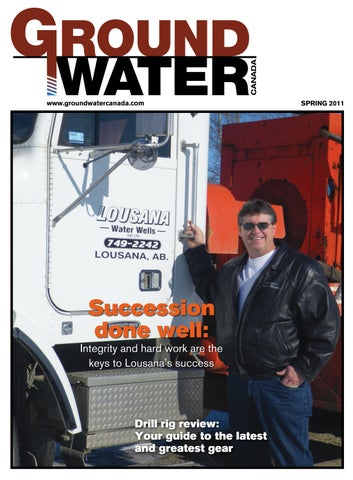
12 s uccessiOn d One well Integrity and hard work are the keys to this family-owned company’s long-term success.
18 e xamininG c Ontaminants
What contaminates ground water drinking supplies?
24 drill riG G uide
Find out what’s available in drill rig technology and capacity.
ON THE WEB:
GeoExchange program 2011 training dates There are still training dates available for the CGC Global Quality GeoExchange program across Canada. Visit www. groundwatercanada.com to find out about training dates in your area, or check out our events calendar on page 21.
Fleming College to offer geothermal program
Fleming College is now offering an 18-course program designed to educate students on the fundamentals of geothermal drilling.
Nice to meet you
From food to drink and the many links
by Laura Aiken
igrew up on a country road in a house built in 1856. The original hand pump over the dug well was still in our backyard. On a sunny day, sprawled under the adjacent crab apple tree, I sometimes pictured being back in time, wearing a bonnet and bobbing that lever up and down to make the water flow. Being on a dug well, the supply wasn’t infinite, and more than once we did too many loads of laundry and found ourselves at the neighbours to brush our teeth while we waited for the water supply to magically replenish itself. This childhood awareness of water supply, and in turn, the mystique of water itself, gave me an ongoing obsession with swimming in anything, be it pool, pond or puddle. I developed a fascination and deep respect for water and the vital role it plays in human life. So, when I was asked to take the reins at Ground Water Canada, it was not without a feeling of irony in accepting – I’ve been called a mermaid more than once.
Lousana is creeping up on its 50th year, and like individuals approaching the crest of the hill, its ownership finds itself in a state of reflection . . .
Becoming the editor of Ground Water Canada is my third post in trade publishing for Annex Publishing & Printing, the parent company of the magazine. I am also the editor of its Canadian Pizza and Bakers Journal publications. While ground water is a departure from food, I found a common thread in the very first article I read in this edition on Lousana Water Wells (1987) Ltd. (see page 12). Family is the backbone of many businesses across all sorts of industries. Lousana is creeping up on its 50th year, and like individuals approaching the crest of the hill, its ownership finds itself in a state of reflection and satisfaction, almost like grandparents watching over all they have created in a lifetime.
Technology is another link. Human ingenuity drives technological innovation, but one can still marvel at the Woodingdean Well – at 1,285 feet deep, it is the world’s deepest hand-dug well in
the world. The digging began in 1858 as a costcutting measure. Roy Grant, local historian of the U.K. well, wrote on the Brighton and Hove website that “the Woodingdean Well’s depth into the earth was greater than the height of the Empire State Building. Imagine climbing that building in darkness on a twice daily basis, using just a series of rickety ladders, let alone in a panic situation with water flooding up beneath you and your colleagues!”
And, like food, water is indispensable. Wells are referred to literally and figuratively in a range of places, from the Bible to nursery rhymes and superstitions. Its necessity begets the great fear of contamination; a safe food and water supply is part of the foundation of every society’s goals, no matter their stage of development.
Our supply of water is an ongoing and pressing discussion, to make an understatement. The Royal Ontario Museum’s latest exhibit is dedicated to water and I’ve been finding supplementary county-produced publications on the water supply and technology in recent Saturday editions of The Globe and Mail. These are obviously just a few of the conversations going on within my home base of Toronto. It’s with great pleasure that I find myself able to serve the ground water industry through my role as editor of Ground Water Canada I look forward to meeting our valued readers and advertisers and listening to the challenges you face, in hope that Ground Water Canada can help you find a solution. Please feel free to reach out with an e-mail (laiken@annexweb.com) or call (416-5221595) if there is particular problem or issue you’d like to read about in these pages.
NEXT ISSUE: We’ll be talking pumps and people in our summer edition. Don’t miss it in June!
INDUSTRY NEWS
D ESChêNES G R oUP RECEIvES PRESTIGI oUS awaRD
Deschênes Group Inc., the largest Canadian-owned, wholesale distributor of plumbing, heating, PVF, waterworks, HVAC-R, electrical and fire protection products, is honoured for a second year to be a recipient of the 50 Best Managed Companies in Canada award.
Initiated in 1993, this prestigious award, currently organized by Deloitte in partnership with CIBC Commercial Banking, the National Post, the newspaper Les Affaires and the Queen’s School of Business, recognizes excellence in 50 companies owned and managed by Canadians whose annual revenue exceeds 10 million dollars. These companies are recognized for their exceptional performance, customer satisfaction and ability to create value through their strategic vision and innovative approach to marketing and management. Deschênes Group was founded in 1940 and has experienced significant growth through the leadership of Jacques Deschênes.
Currently, and for the past 10 years, the Deschênes Group has been lead by Martin Deschênes, president and CEO, who emphasized the importance of the contributions of all individual employees, in all locations, in achieving this award.
Guidelines for Canadian drinkinG Water Quality: 2010 update
Dianne Saxe and Jackie Campbell
In late December, Health Canada released its Guidelines for Canadian Drinking Water Quality, prepared by the federal-provincial-territorial Committee on Drinking Water (CDW). The new guidelines supersede the 1996 edition, as well as more recent updates, with respect to different contaminants or parameters.
Only the summary document is available online, but this provides an excellent overview of developments in drinking water protection over the past 15 years, and acts as a helpful review to remind us how changes to the guidelines are made.
We have briefly reviewed the updated guidelines and have outlined the process and documents used to establish guidelines on a formal and informal.
h ighlights of the 2010 Guidelines
The 2010 summary highlights some parameters for which guidelines have been issued or revised since the 1996 edition. For example, acceptable turbidity values are now provided according to the type of filtration system used (as opposed to a single figure used in the earlier guideline).
More stringent maximum acceptable concentrations (MAC) have been introduced for some parameters, including arsenic, uranium and some radioactive isotopes. The MAC for trichloroethylene, a solvent used mainly in metal degreasing operations and that enters our water supply through industrial effluents, was lowered by a factor of 10 in 2005, based on extensive scientific review of risk of cancer and adverse reproductive effects. As well, where no guideline values existed in 1996 for some parameters, these are now in place, for example, for antimony, bromate, chlorate, chlorite, haloacetic acids.
Following a systematic review of older guidelines,
the updated guideline reaffirms the current guidelines for more than 40 parameters (for example, several chemicals, taste and temperature) and archives older guidelines for parameters that are no longer found in our drinking water at concentrations of concern to human health (for example, certain pesticides that are no longer used in Canada).
The lingo: guidelines, technical documents, guidance papers
The CDW establishes formal guidelines only for contaminants that meet three criteria, namely where:
• exposure to the contaminant could adversely affect health
• the contaminant is likely found in a “large number” of drinking water supplies across the country
• it is or could be expected to be detected at a level that is possibly significant to health.
Where a contaminant does not meet all three criteria, the CDW may elect not to set a formal numerical guideline or develop the Guideline Technical Document (GTD), which sets out supporting scientific and technical documentation for each parameter.
However, the CDW may develop a Guidance Document for contaminants or specific issues that do not meet these criteria, and has done so in several instances. Such documents provide operational or management guidance relating to specific issues (for example, issuing boil water advisories or controlling corrosion in distribution systems) or set out risk assessment information (for example, potassium that enters our water supply from water softeners). These documents are intended to be used by drinking water authorities for information about contaminants, and to provide guidance in case of spills or other
Continued on page 11
What if satisfying the customer was as easy as turning on the water?
Think about ITT.
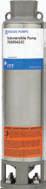
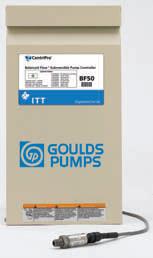
Even when flow requirements vary, Goulds Pumps efficiently delivers constant pressure and reliability thanks to the Balanced Flow Submersible Pump Controller and the GS Submersible Pump. The Balanced Flow provides the right pressure for showers, irrigation systems, washing machines and dishwashers, even when more than one appliance is in use. The GS Submersible Pump with the Guardian® System and CentriPro® motor delivers quiet, efficient and long-lasting performance in some of the world’s toughest submersible applications.
The result is that your customers have all the flow they need at the pressure they want, and you have a system you can feel confident installing nearly anywhere.
Introducing the OGA News and views from the Ontario Geothermal Association
By Earl Morwood, HBA
The Ontario Geothermal Association (OGA) was formed in 2009 to create an environment where the various components of the geothermal industry could flourish. In the area of renewable energy, wind and solar are a long way ahead in the fight for profile –both in the public arena and in the area of government. We have a long way to go, and there is much to do.
The associaTion needs:
• a profile
• funding
• industry partnerships
Geothermal energy needs to be part of the everyday conversation, like natural gas and other renewable energy sources. There are far too many public and consumer misconceptions about geothermal energy in Ontario.
WhaT is happening aT The o nTario g eoThermal a ssociaTion?
• We will stick to Ontario issues (an Ontario lobby).
• We are in the initial stages of becoming a full-service industry association in Ontario. The Canadian Mortgage and Housing Corporation has selected geothermal as the heating and cooling source of choice. The Ontario government chooses geothermal in their buildings. This is a good start.
• The OGA, while formed in June 2009, hired its first executive director, Earl Morwood, in late 2010. Morwood came from the Ontario Ground Water Association, where he took its association from 61 members in 2000 to 380 paid-up members, and another 500 associate and technician members in 2011.
• We have been on a breakneck pace, lobbying several ministries, municipalities, utilities and others to
broaden the profile of geothermal energy in Ontario. We submitted presentations to the legislative pre-budget committee and to the Long-Term Energy Plan.
• We have a new website, so people and governments looking for information on geothermal energy will come to us first.
• We are in the news on a regular basis in weekly and daily papers across Ontario.
• Geothermal energy has, in the past, taken a back seat to wind, solar and bio digesters – but no more. We mean to make geothermal energy the energy of choice when we talk renewable energy.
• And much more…
WhaT do W e need?
• We need all people involved in the geothermal industry to be members of the association.
• The geothermal industry needs a larger public and government profile.
• We need the support of the manufacturers and of the distributors.
• Our industry needs audit and inspection. We want quality work.
• We want to work with the Ontario Ground Water Association and others to make geothermal drilling as safe and efficient as possible.
Board of direc Tors
Brian Beatty, p. eng., president (founding member): Brian is a principal of GeoEnergy Solutions Inc., which specializes in drilling, installation and design of geothermal systems.
Gabriela Grigoriu, M. arch, treasurer and secretary (founding member): Gabriela is the principal of Next Project, a custom homes design/built company since 1988.
roger taliotis, p. eng.: Roger is president of Taliotis Engineering Solutions Limited,
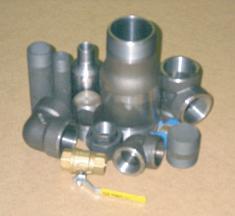
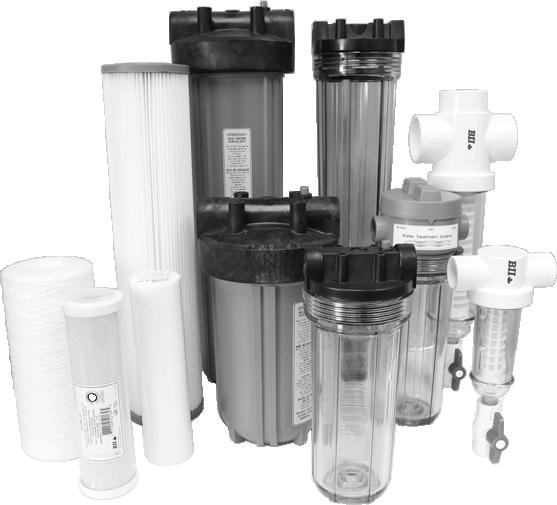
We carry complete lines of plumbing & water well products and accessories. We complete lines of plumbing & water products and accessories.
Filter Housing Packages
Spin Down Packages
designers of energy-efficient mechanical building systems.
ronald schertzer: Ron comes to the OGA board with 30 years of national and international business experience from the electrical, packaging and, most recently, geothermal industries.
p aul Haskins, MB a : Paul is the executive vice-president of Fielding Chemical Technologies, suppliers of sustainable chemical solutions and recycling services.
Henry Hanlon: Henry is the president and owner/operator of Hanlon Well Drilling and Plumbing in Guelph, Ont.
f red Michel, p h. d ., p . Geo.: Fred is an associate professor in the department of earth sciences and is currently the director of the Institute of Environmental Science in the faculty of science at Carleton University in Ottawa.
a dam s mith: Adam is the geothermal sales and marketing manager at Reliance Yanch Geothermal, one of the largest geothermal contractors in Ontario.
d ouglas d ewar: Douglas Dewar is the founder and vice-president of Main Air Systems Inc., a unionized commercial, industrial HVAC and geothermal company, with over 20 years of experience.
r on Wright: Ron Wright joined Enertech Manufacturing, LLC, in December 2009 as Canadian sales representative, serving all of Canada.
s uzanne Wiltshire, MB a : Suzanne Wiltshire has 30 years of experience as a business developer and senior financial executive, with 10 years dedicated to development and operations in the renewable energy sector including commercial, institutional and multi-residential building energy efficiency, system design, engineering and construction, sustainability, carbon offset analysis and valuation, LEED certification, technical and financial analysis.
e arl Morwood, HB a - e xecutive d irector: Earl brings extensive experience to the OGA in organizing a professional association from the ground up.
If you have any questions about our association, or are interested in becoming involved, please do not hesitate to contact me by phone at 519-847-5715, or by e-mail, at ehmor@brktel.on.ca. Visit us online at www. ontariogeothermal.ca.
Earl Morwood is the executive director of the Ontario Geothermal Association.
Tested Toughness.
Continued from page 6
emergencies. The process for Guidance Documents includes public consultations, as is the case for GTDs.
how are guidelines established?
Consultation documents are first published on Health Canada’s website for public comment. At the time of writing, the only current consultation posted is a proposed GTD for certain enteric protozoa Giardia and Cryptosporidium, which are transmitted via feces and may cause severe diarrhea and dehydration, among other symptoms. The document provides a comprehensive review of the health risks associated with exposure to these pathogens, evaluates recent studies and suggests approaches to reducing concentrations of these pathogens in drinking water, and acceptable level of risk. Following a review of comments received during consultation, the CDW will establish a Drinking Water Guideline for these parameters, if required.
Several GTDs that should soon be posted for public comment are listed in the guideline summary. These include ammonia (which currently has no numerical guidelines), as well as other parameters for which MACs were established as far back as 1986,
and require review: carbon tetrachloride, chromium, fluoride, turbidity and vinyl chloride.
Some background
These health-based guidelines have been developed for several chemicals (including byproducts of disinfection), micro-organisms and physical substances found in Canadian drinking water supplies. As well, the guidelines consider esthetic effects (taste, odour and colour) and treatment processes/technologies (water turbidity can interfere with chlorination, whereas pipe corrosion affects drinking water infrastructure).
Provinces and territories may adopt some or all of these guidelines, either as guidance documents or by regulation as enforceable drinking water standards. In Ontario, for example, the drinking water quality standard for arsenic is 0.025 mg/L. In 2007, the province noted that it would review this standard, citing the more stringent Health Canada guidelines, which had in 2006 adopted a standard of 0.01 mg/L. Ontario’s arsenic standard did not change. On the other hand, Nova Scotia adopted the federal guidelines (as these are amended from time to time) as binding standards in 2000.
For more information, visit the Canadian Water Quality Association’s website at www.cwqa.com.
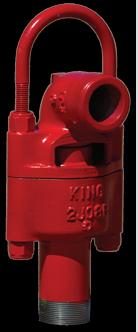
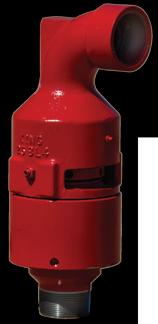
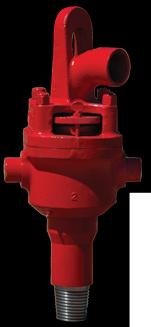
When you’ve been around for over 70 years and invented a lot of the tools that are industry standard worldwide, you tend to develop a certain amount of confidence in your product. We offer over 40 models of swivels, handling tools, and other drilling equipment made with high-quality heat-treated steel alloys and tested in our own 300,000-square-foot facility. It’s a serious business, and no one is more serious about it than we are. Got a tough job ahead? Bring it on.
success ION d ON e well
integrity and hard work key to lousana’s success.
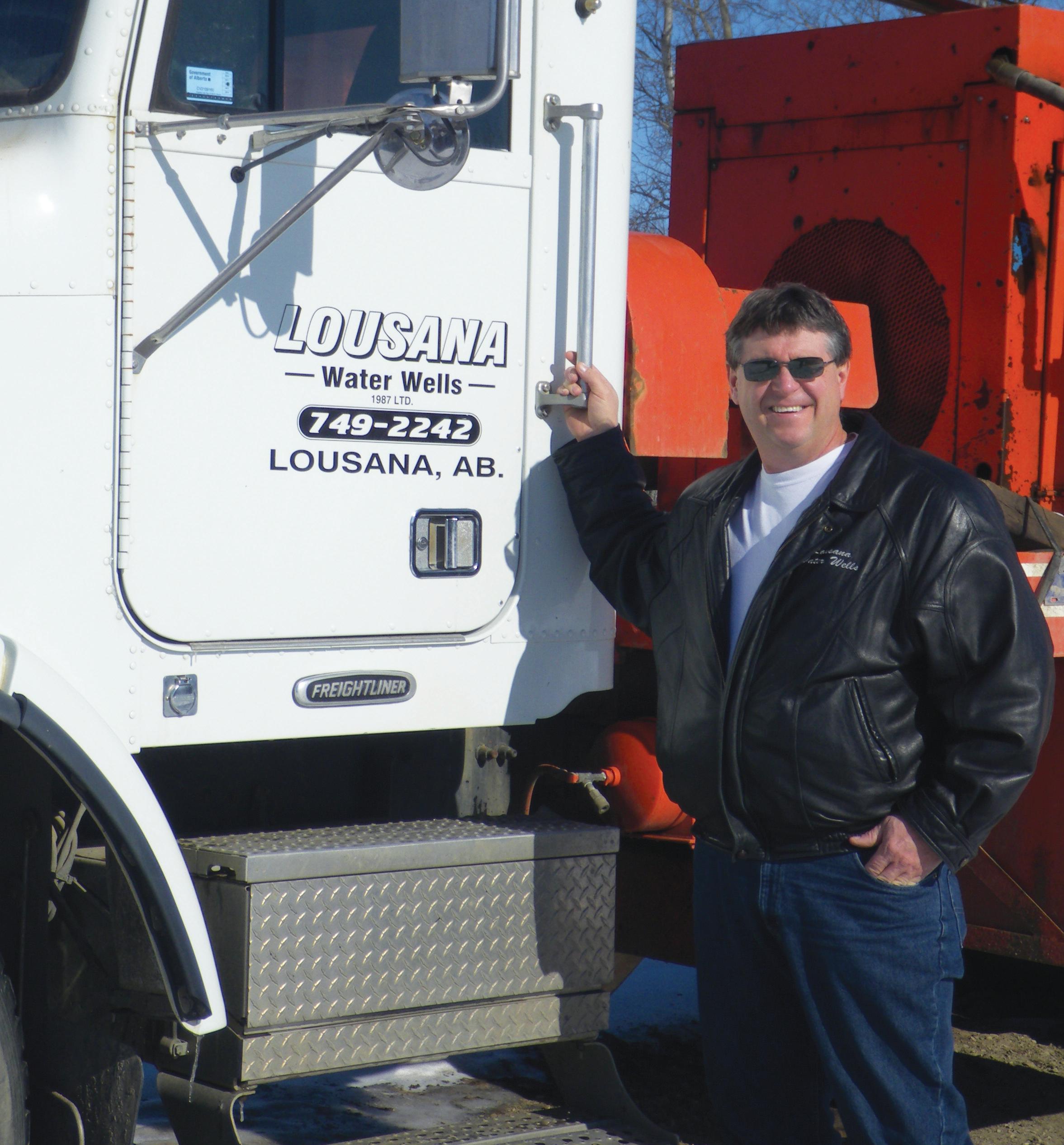
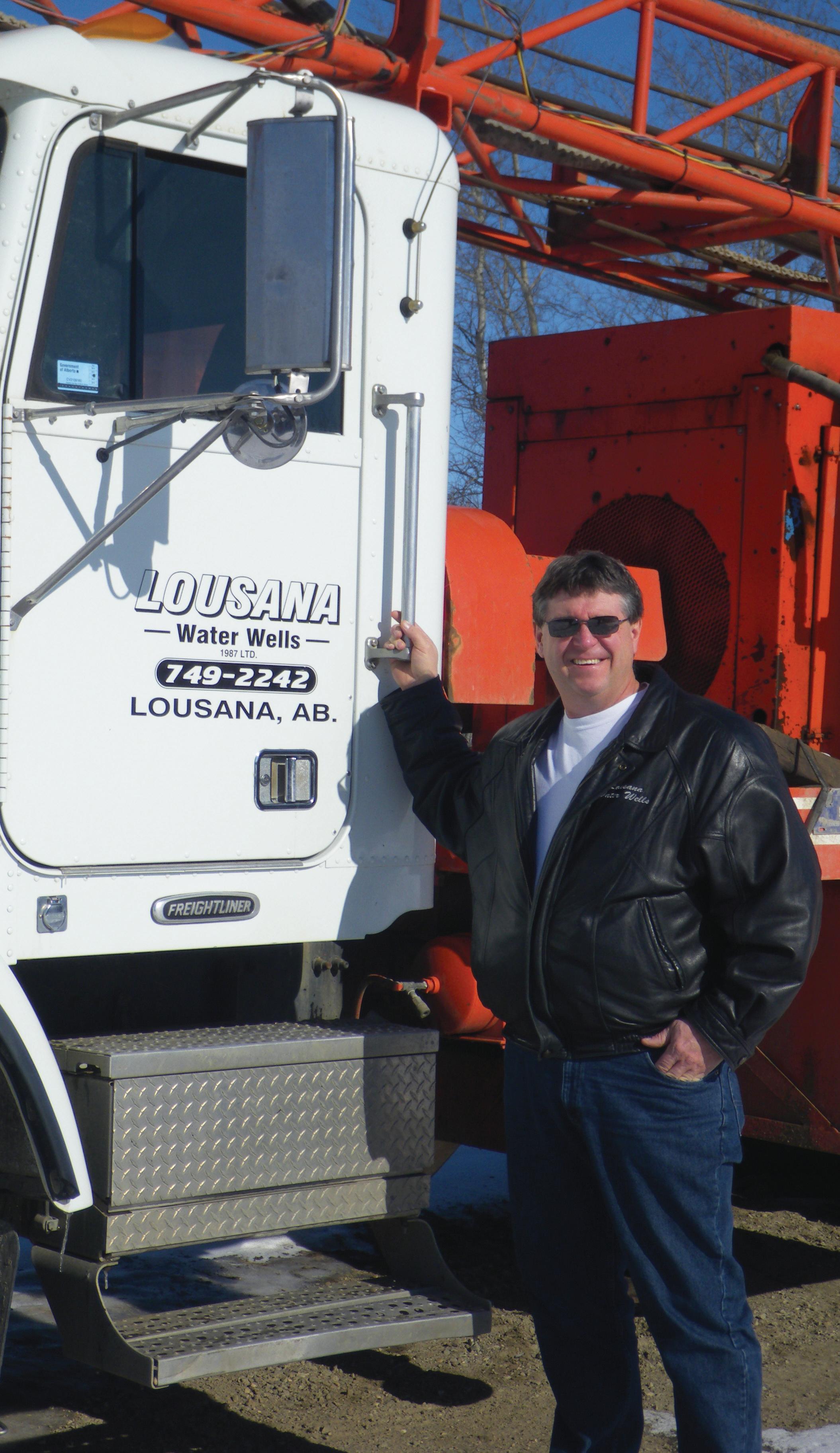
carrying on a tradition of excellence and reliability is what drives the owners of Lousana Water Wells (1987) Ltd., located in small hamlet of Lousana, 55 kilometres southeast of Red Deer, Alta. “There have been water well drillers in Lousana for over 90 years and our family-owned business will be celebrating our 50th anniversary in 2014,” says Miles Lewis, who owns the company with his wife Becky.
Maurice Lewis, Miles’ father, started the company in 1964 with the purchase of his first drilling rig (a cable tool). “A couple of years later, my dad expanded his holdings, leasing some additional equipment from a local well driller named Ted Green,” says Miles. Ted had been operating in Lousana since the early 1920s, drilling wells for farms and residences. After two years of leasing, Maurice purchased the remainder of Ted’s equipment and renamed the company Lousana Water Wells.
During the late 1960s and early 1970s, Maurice and his right-hand man, Ron Craig, did an extensive amount of contract drilling for light industrial, municipal, and government agencies throughout Alberta; from Fort McMurray to Cardston to Cadomin, and numerous places in-between. “They used cable tool rigs for well drilling until 1974, when Dad purchased his first rotary drill rig,” says Miles. “This type of drilling allowed wells to be completed in a shorter time frame.”
In the early ’70s, there was enough local work to allow the company’s focus to shift back to residential and
farm wells, where it has remained right through to today. It was also during this time that Miles started working during summer holidays for his father, and in July 1979, after graduating high school, Miles started full time. Two years later, Miles completed his apprenticeship and became a journeyman water well driller.
Miles and Becky purchased the business from Miles’ parents, Maurice and Diane, then renamed it Lousana
By TREE nA H
Water Wells (1987) Ltd. “The sale of the company marked the start of Dad’s new career in municipal politics,” Miles notes. “He was a councillor for the county of Red Deer for 15 years, and held the position of Reeve for 10 of those years.” Maurice retired in the fall of 2001.
“Although his new career kept him busy, he was always available to offer his well-drilling expertise and advice when needed,” Miles adds.
With the turn of the millennium,
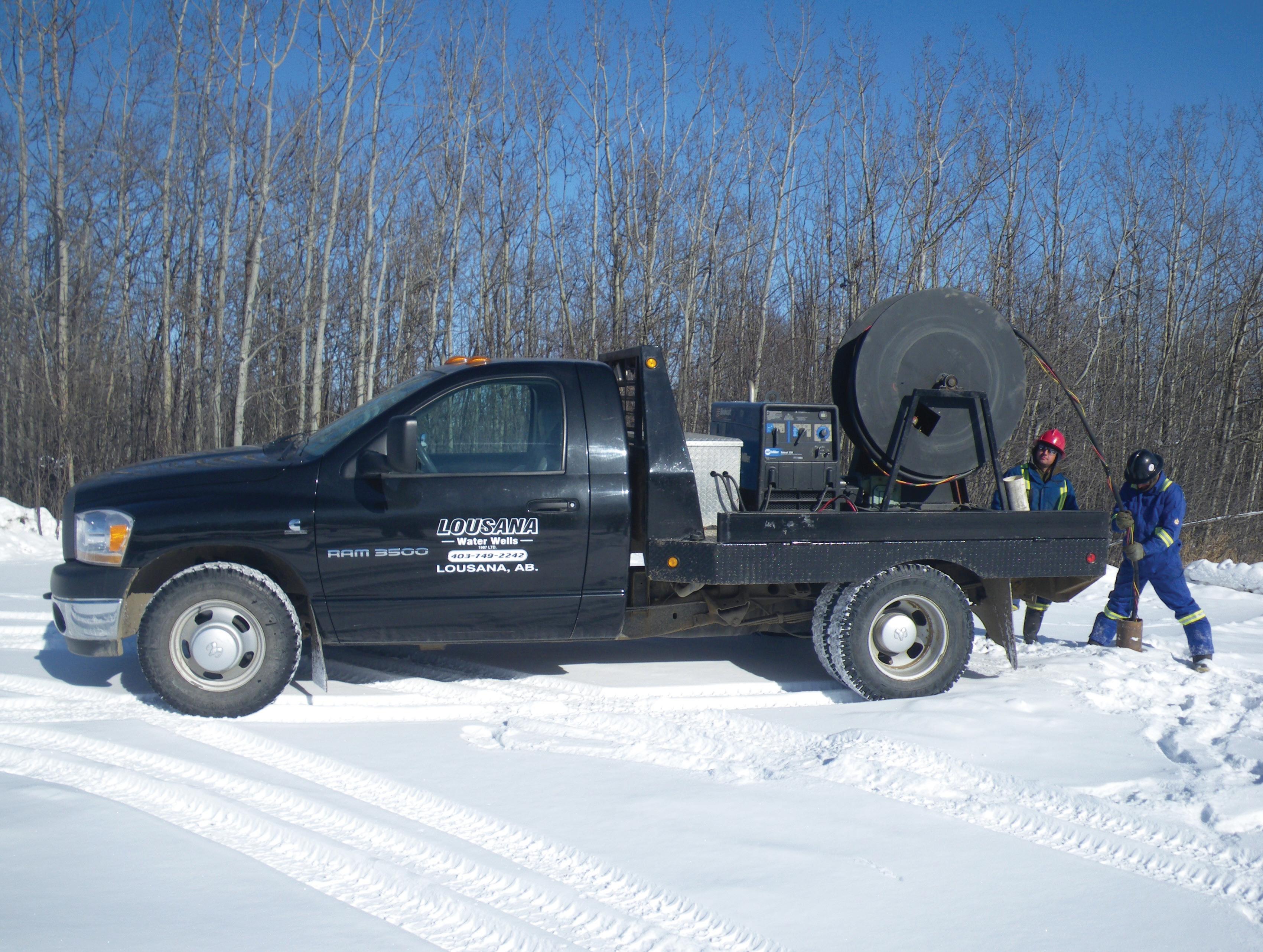
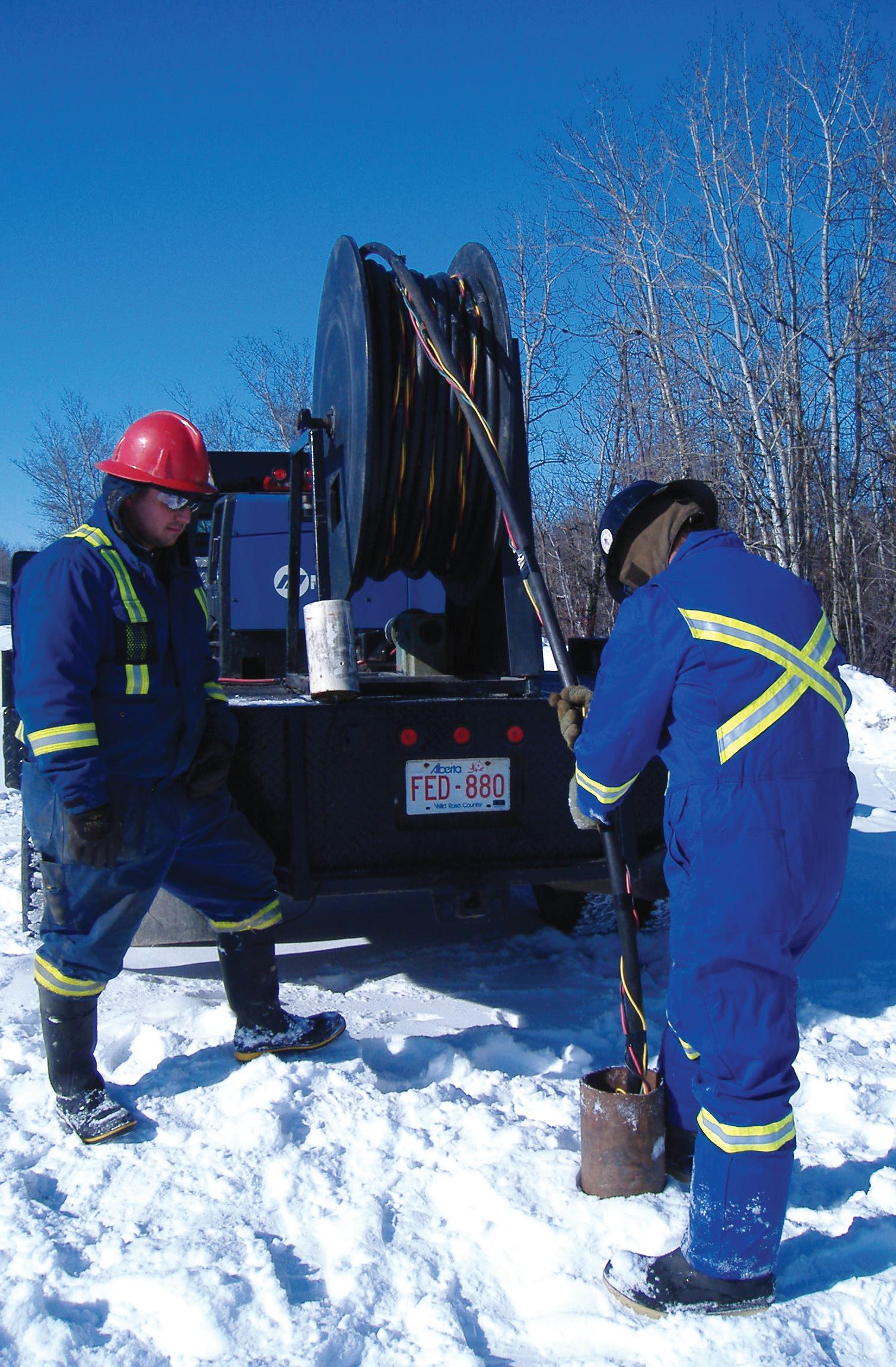
LEFT: Miles Lewis, owner of Lousana Water Wells, has carried on the well-respected name of the family-owned company. aB ovE: Besides drilling and servicing water wells, Lousana Water Wells also does an extensive amount of water well flow testing business, using a service truck equipped with a pump reel and power supply. All photos courtesy of Lousana Water Wells
Lousana Water Wells went through a few difficult years, first with the sudden loss of Maurice in December 2001, and then two and a half years later, with the loss of Ron to ALS. Ron had been with Lousana Water Wells for nearly 35 years. While their mentorship has been missed, Lousana Water Wells has continued to carry on their legacy.
When asked to reflect on Maurice’s involvement in the industry, Miles focuses on his father’s overall enthusiasm. “He took all of his jobs seriously, but he had a passion for the water well industry,” he says. “Dad contributed to the development of the Alberta Water Well Apprenticeship program at Red Deer College in 1978 and continued to contribute through his roles as program co-ordinator and part-time instructor.” Maurice
also served a long time with both the Alberta Water Well Drilling Association and the Canadian Ground Water Association (CGWA), holding every position in both organizations. “In later years, he became executive officer of the CGWA and hired my sister, Gayle Woollard, to help with the secretarial duties,” says Miles. “He held this position at the time of his passing.”
One of Maurice’s other notable contributions to the water well industry was his involvement with the investigation and research of breathing wells and the dangers they present. He was working with several individuals on this phenomenon at the time of his passing. In his memory, the family established the CGWA Ground Water Research Foundation. With the help of Roger Clissold from Hydrogeological
Consultants Ltd., Fact Sheet #5, The Hidden Danger in Water Well Pits, was written, published and distributed throughout Canada by the CGWA.
i nside The B usiness
As is the case with most family businesses, each member of the current Lewis family has had a part in helping with the success of the company. In addition to Miles’ work in the field, he and Becky have worked side by side in the office for 24 years.
“Throughout the years, our daughters Erin (23) and Jena (18) have helped with office duties, inventory, and yard work,” adds Miles.
“The girls are no longer directly involved with the company, as Erin has her own career in mechanical engineering and Jena is working on a degree in neuroscience, but both of
them are still able to offer valuable computer and ‘tech support’ when needed.”
Lousana Water Wells has also been fortunate in being able to hire local, knowledgeable and dedicated staff, which Miles considers a critical aspect in any business’s success. “We currently have three journeymen drillers and one apprentice,” he says. “The entire staff is actively involved in the surrounding community helping organizations such as the local Hall Board, AG Society, rodeo committee, 4-H, and minor hockey.”
Over the years, Miles has observed safety coming to the forefront in all industries, and water well drilling is no exception. “We take it very seriously, he says. “Our staff members have obtained numerous safety certificates including those for confined space,
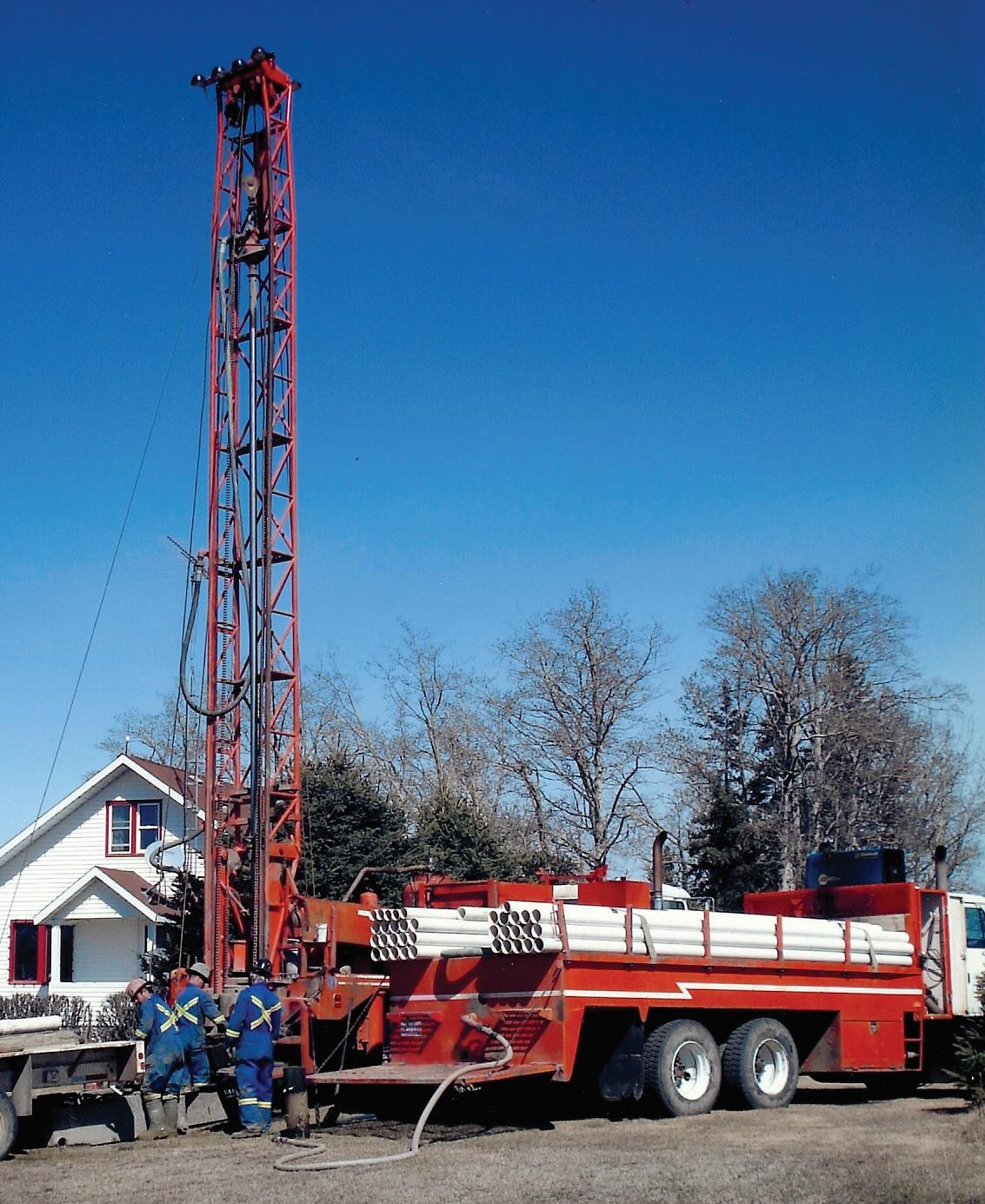
Lousana employees, shown left setting up a Failing 1250 rotary drill rig, and above, running a test pump for a water well, have helped Miles Lewis continue the success of the company. Lewis notes the entire staff, including three journeymen and one apprentice, is actively involved in the community as well as the business.
first aid, H2S Alive, fall arrest, WHMIS and Fire Extinguisher Safety. We’re also fortunate that my sister, Wendy Glover, is a health and safety consultant, and having grown up in the industry, was able to contribute to our safety program.”
In addition to the drilling and servicing of domestic and farm water wells complete with pumps and pressure systems, Lousana Water Wells also does an extensive amount of water well flow testing business for the oil, gas, and seismic industries. For this part of their operations, which takes staff to all corners of Alberta, they have a service truck set up with a pump reel and power supply. “For the drilling side of things, we currently operate with two rotary drill rigs (Failing 1250s) and a cable tool rig (a Bucyrus Erie-22W),” notes Miles. “The cable tool is only used for work where this particular method would be advantageous.” Two pump hoists are available for the servicing and installation of pumps and pressure systems.
One of the biggest challenges the company has faced over the years is keeping business at a manageable level while the economy fluctuates. “We’ve seen three major boom-and-bust cycles in the economy since 1987,” Miles remarks, “and while we strive to maintain our workforce at an adequate level when the economy is booming, we also work to prevent having to let go of anyone when the economy slows.”
Miles feels the greatest issue facing the ground water industry in Alberta today is the sometimes excessive use of rural water pipelines and water co-ops. “These projects have been pushed through, in some cases, with little regard to their overall economics,” he observes. “In some of these areas, the ground water is a viable and adequate resource, but the municipalities are still proceeding with pipelines. I feel all levels of government should be doing more research on the practicality of a project, rather than simply supplying funding. I have no issues with pipelines where ground water is not readily available.”
As Lousana Water Wells moves forward into a new decade, Miles is confident his father’s values will continue to be respected and honoured. “Dad was a very focused man, who believed in doing things
right,” he says. “In combination with his drive for success, he taught me the value of working hard, with integrity and pride. These are values that will help carry Lousana Water Wells forth into the future.”
Although the turn of the millennium brought obstacles to the company, Miles Lewis is confident the future of Lousana Water Wells is a bright one.
Own the Best Geothermal and Water Well Grouting Equipment Available Anywhere!
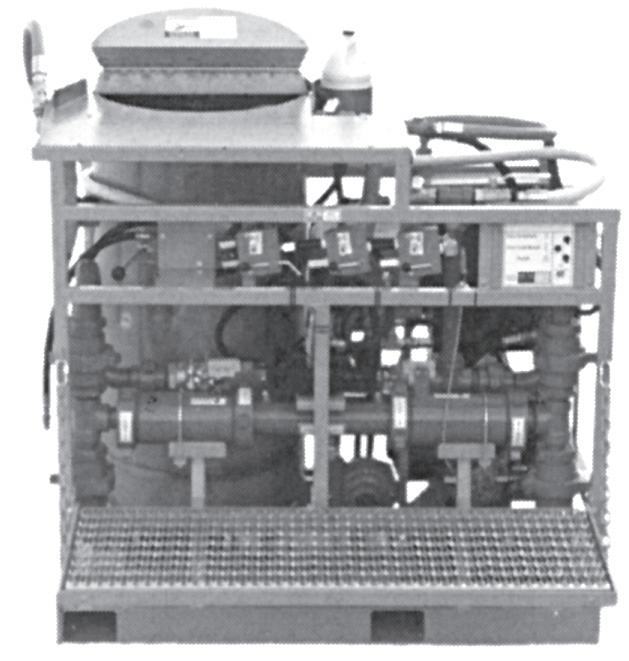
Fill, mix, pump a batch of grout in just 90 seconds with the Geo-Loop 50-500. Call the experts for your grouting needs.
Ultimate Grouter Model 50-500
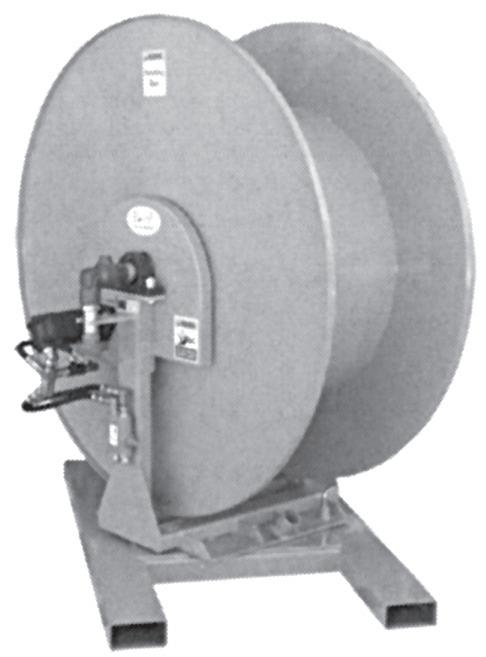
Grout Hose Reels
• 0-35 GPM at pressures up to 500 PSI
• 5x8 piston pump with chrome liners
• 80 gallon SS taper cone bottom mixing tank
• 24 HP Honda
• Powder coat paint
• Spool capacities range 200’-1,000’ grout line
• Hydraulically-driven forward and reverse
• Smooth 360 degree swivel base
• Powder coat paint
• 5 reel models
With over two centuries of combined experience, GeoSmart has earned a
GROUND WATER
e x A m INING
c ONtA m INANts
what contaminates ground water drinking supplies?
after a groundwater supply system is developed and up and running, the ground water is generally pretty safe from contaminants. The ground water has likely been in place for hundreds of years, and if the water is good to start, chances are, it will remain that way.
But things may change, even in an established ground water system. Contaminants may enter the ground, or may be introduced in the well or the plumbing system. Even standards may change – somebody may have a system that provides acceptable water one day, but if the standards change the next day, the water may be considered out of compliance with drinking water standards.
In the United States, community water supplies have to be tested and the results must be sent to the U.S. Environmental Protection Agency (EPA). The EPA has prepared a report summarizing violations within their community water supplies, and it is informative to examine this report and see what is contaminating the ground water.
Of the 155,000 systems that were monitored, 92 per cent of them are always in compliance. The figure rises to 97 per cent when temporary exceedances (i.e., a short-term failure after a storm event) are excluded. The EPA report summarizes the systems that fail as in Figure 1.
Coliforms and other pathogens are the most common contaminant in ground water and of such concern that a recent issue of the National Ground
Water Association’s technical journal ( Ground Water ) spotlighted research on these contaminants. According to this journal, about half of disease outbreaks related to water supply are caused by contaminated ground water: not necessarily from the aquifer, but perhaps introduced in the pumping and distribution system.
Pathogens are not usually found in ground water for several reasons. Bacteria that thrive in humans or animals do not find a very hospitable environment in the ground – it is too cold, not acidic enough and their food sources are not as plentiful. Natural bacteria will consume pathogens.
By K E n Hu GO, Levelton Consultants Ltd.
The pathogens can be caught up in material around pores in the rock. Although ground water is largely free of pathogens, let’s discuss situations that might put ground water at risk:
• p roximity to source – wells close to feedlots, manure storage areas and septic fields are more susceptible to contamination. Many provincial water well regulations require setbacks from septic tanks, septic fields and direct sewage discharge points. Manure storage and collection facilities are also required to be set back from a water well.
Figure 1
• d irection of ground water flow – wells down gradient from the contamination sources are more susceptible to contamination moving along with the natural ground water gradients. As a result, wells should be placed up gradient (usually higher) than sources of contamination. Whether this can be done in a community with many wells and septic fields is open to question. Ground water may not always flow in the direction of the local slope, and ground water pumping may reverse ground water flow directions, so just placing a well uphill from the closest septic field is no guarantee that the well is up gradient from all sources of contamination.
• d epth to the water table – pathogens do not do well in moist, unsaturated soils where they have to compete with other forms of bacteria, which thrive in these environments. This is why septic fields have unsaturated soil below the infiltration point of septic effluent.
• t ype of aquifer – Typically, ground water has to flow around a tortuous path past grains of rock. Pathogens can be caught or trapped by organic material that may be found lining the grains within the aquifers. Aquifers that have a relatively small amount of pore lining material can be very productive. Examples of these are fractured rock and karst aquifers. The Ground Water issue illustrates that many instances of pathogen contamination are found in these aquifers where water
can flow at very high velocities, without making too much contact with rocks. This trapping of pathogens is why septic fields should be placed on finer grained soils (generally silts are about the best), and not directly above bedrock.
• Well design – While not covered in the Ground Water issue, well design can lead to contamination by pathogens. Direct flow of surface water into the well can introduce pathogens. Well pits are no longer allowed to be constructed because these pits allow too many pathogens to enter the water. Cisterns, which are not part of the well, but part of the ground water supply system, can also be a source of contamination if not properly connected or sealed.
Water well drillers generally do not have much say about septic field design or placement, but when drilling a well, they should bear these factors in mind. Make sure appropriate setback requirements are followed and that wells are not directly downhill from any sources of pathogens. If shallow bedrock is found, make sure that adequate surface casing is installed and sealed. Old, unused wells can be contaminant migration pathways to the aquifer, and abandonment of unused wells or wells in pits should be strongly encouraged. Testing of the water for water quality purposes should be carried out as a matter of routine, especially when some concerns are raised as to the quality of water.
Pathogens tend to rest on the pore surfaces and can be
Drill More
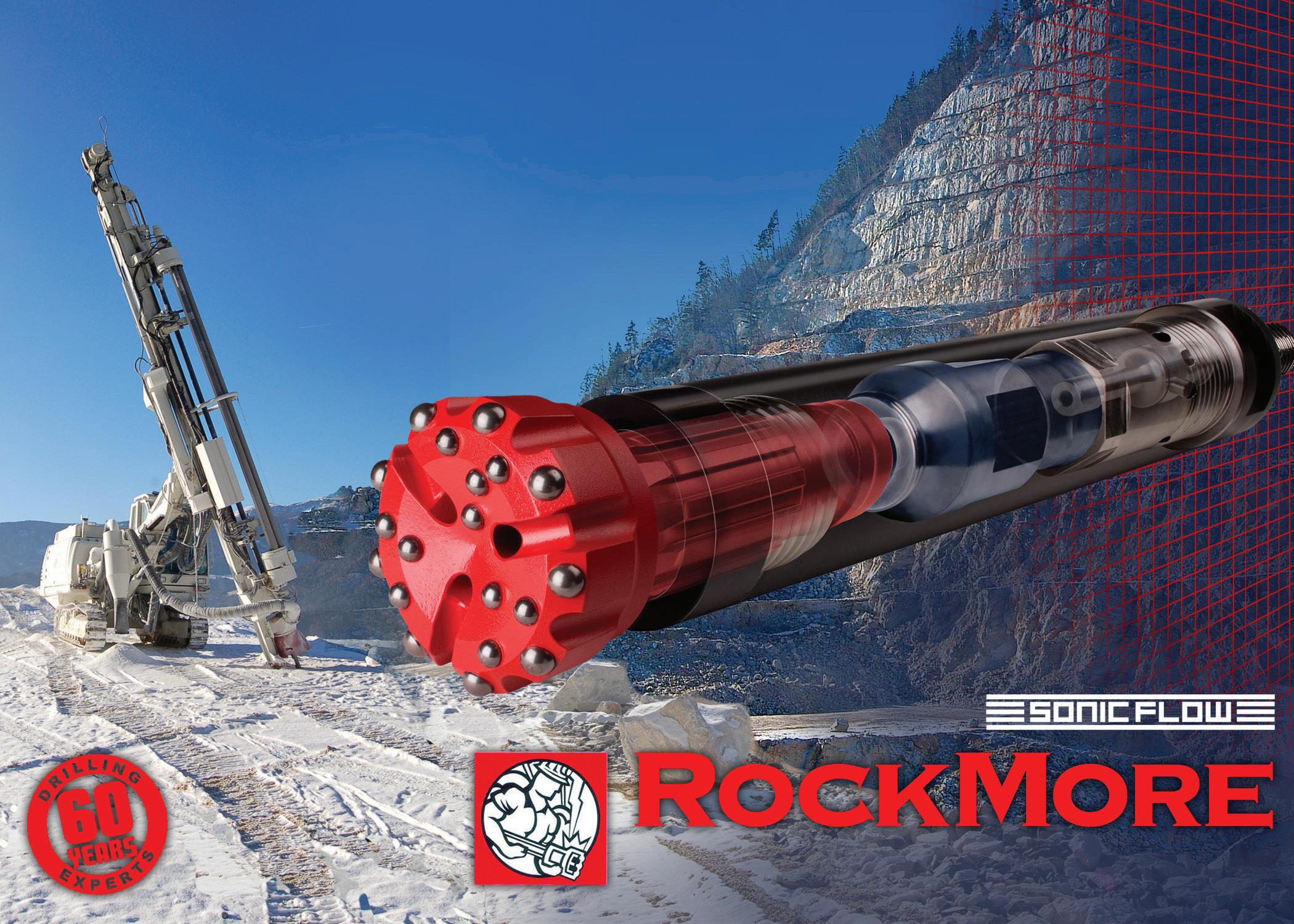
Rockmore’s High-Performance DTH Hammer with SonicFlow Technology - the ROK Series
Optimal energy transfer is essential to DTH drilling efficiency - how much compressed air power is delivered to the bit. That’s why we have revolutionized air flow management in the new ROK series high-performance DTH hammers. Our patent-pending SonicFlow technology minimizes backflow and turbulence, enabling the piston to hit the bit harder and with greater frequency. That means increased efficiency, more power, faster penetration. And the streamlined design means fewer parts and easier maintenance. So for greater productivity, get ready to ROK.
Smart design, fewer parts, easier maintenance
Sub with radial port design reduces turbulence and increases airflow Optimized air channels deliver more energy to the piston New piston geometry for higher impact energy
Top
disturbed when first pumped. One of the articles in the Ground Water issue shows how coliform bacteria can be present when pumping starts, but quickly decline to below detectable limits after one or two well bore volumes are pumped. Typically, in a pump test, water samples are collected towards the end of the pump test to obtain a true ground water sample, but most people do not run the pump for two hours before filling a glass of water, so collecting water samples when the pump is first turned on might be a better practice.
Of the other types of contaminants, no category represents more than one per cent of systems. Contamination by disinfection byproducts is the next highest form of failure and indicates that adjustment to the treatment system is required.
Various forms of metals are the next highest category of failure. Plumbing features themselves may introduce contaminants such as copper and lead. Recently in the United States, the allowable amounts of lead and arsenic in the ground water have been lowered and it is probable that some failures are a result of systems that were acceptable when first installed, but became failures when the standards changed.
Other metal contaminants, such as arsenic, may be present in the aquifer naturally, but sometimes a change in the ground water conditions due to human activities (such as acid rain) may mobilize these metals into the ground water, causing a problem. A strong case can be made that testing for metals should be done as part of a routine water analyses package.
It is interesting to observe that much concern has been raised about contamination of ground water drinking supplies by organics, whether from petroleum fuel products or insecticides and herbicides. The data show that only a very small proportion of the water supplies (about three in 10,000) have been contaminated by these products.
Radionuclides contaminate ground water at a relatively high rate. There is growing awareness of their potential
An Alken Basin Drilling Ltd. rig on the plains of west central Alberta. Drillers may not get much input into septic field design or placement, but it’s still important to keep those factors in mind when drilling.
to contaminate ground water is slowly being realized. Many provinces do not require testing for radionuclides, so it is hard to determine whether they are an issue.
So can a ground water system that initially provided clean water become contaminated? As the incident at Walkerton, Ont., showed, the answer is yes – although Walkerton was a
case of surface water entering the water distribution system. Other contaminants may show up with time – bacteria starting to grow in the well and elevated metals are the two most likely. The chances of this occurring, while slight, are high enough that continual monitoring is required to ensure that the public is protected and continues to enjoy safe water supplies.
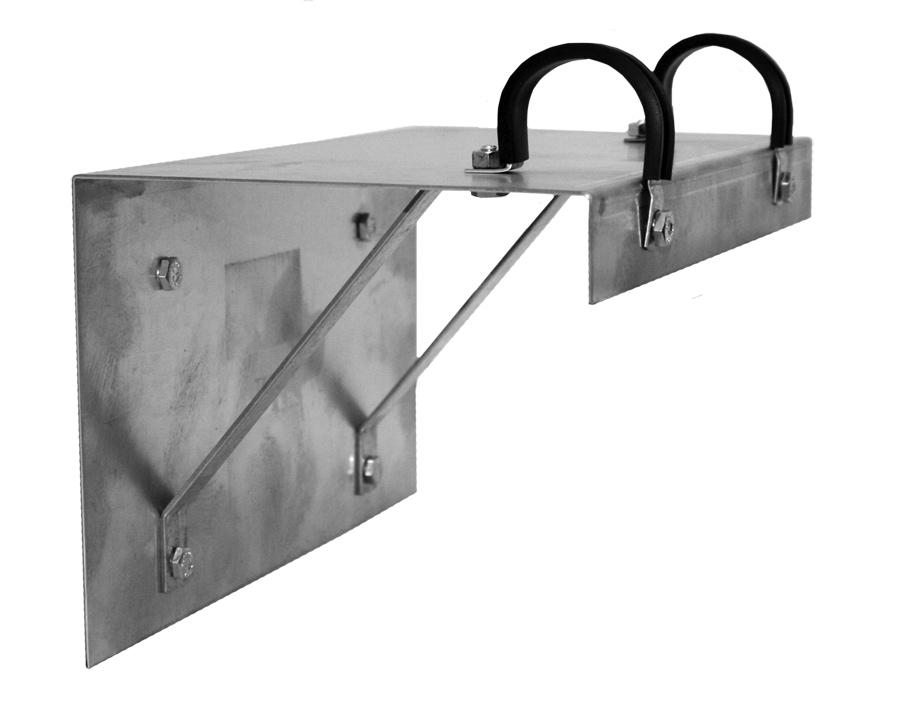
One Piece Bracket With 2 padded clamps Vibration pads and all installation bolts needed
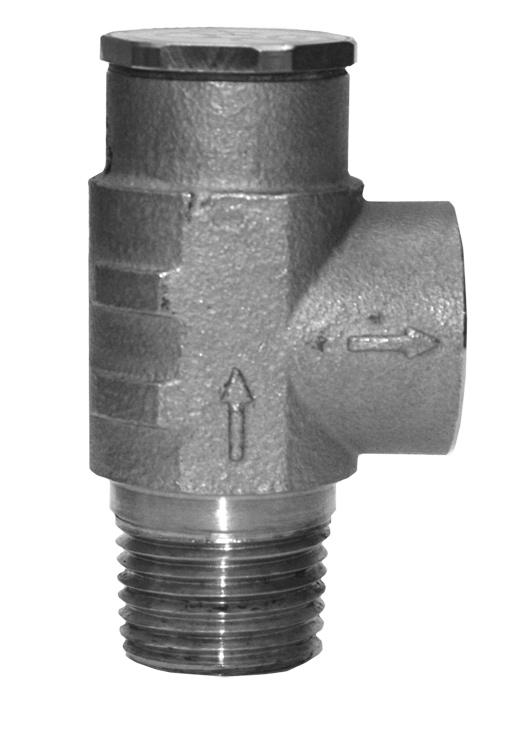
Stainless Steel Pressure Relief Valves
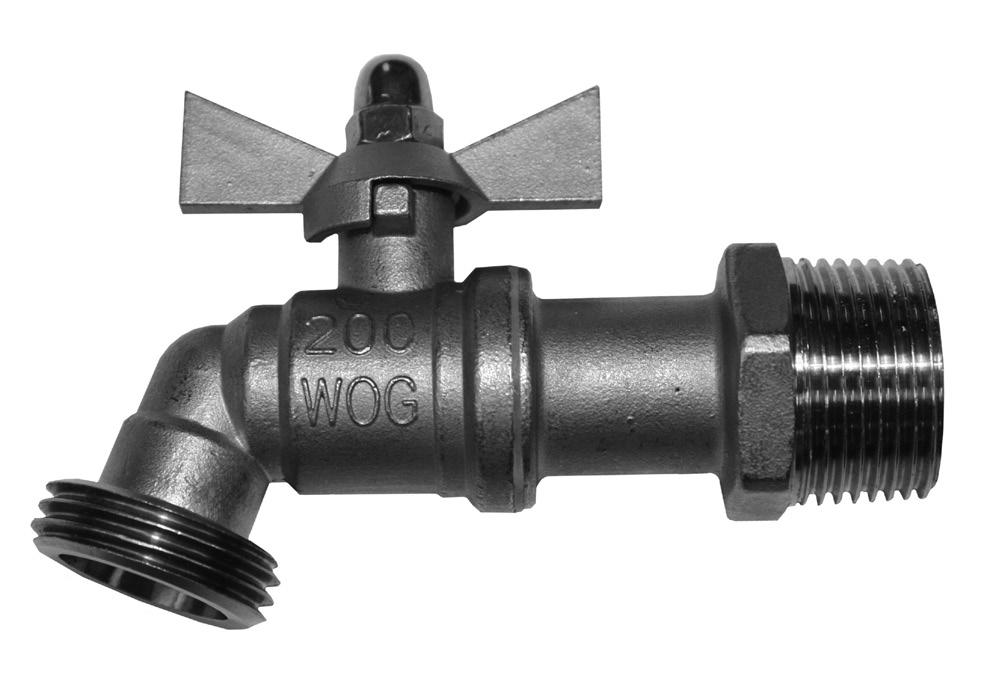
Stainless Steel Boiler Drains MBRCL
SSPRV50 - Inlet 1/2" x Outlet 1/2"
SSPRV75 - Inlet 3/4" x Outlet 1/2" (Preset at 75 PSI)
SSBD50 - 1/2" MIP
SSBD75 - 3/4" MIP (Ball Valve Shut Off)
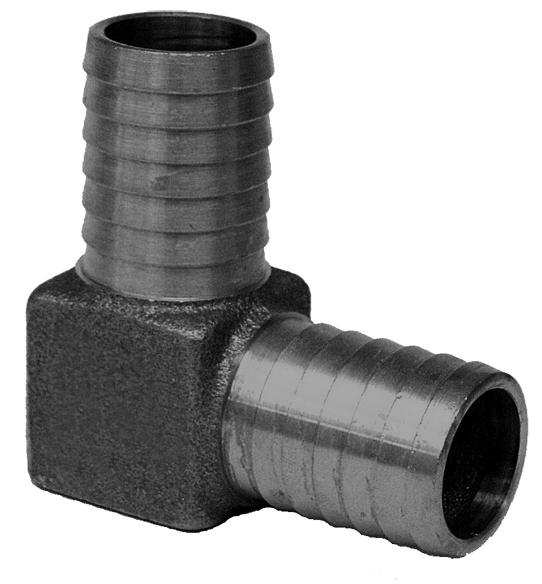
Stainless Steel Elbows
SSDE100
Insert 1" x Insert 1"
SSDE125
Insert 1-1/4" x Insert 1-1/4" (available Spring 2011)
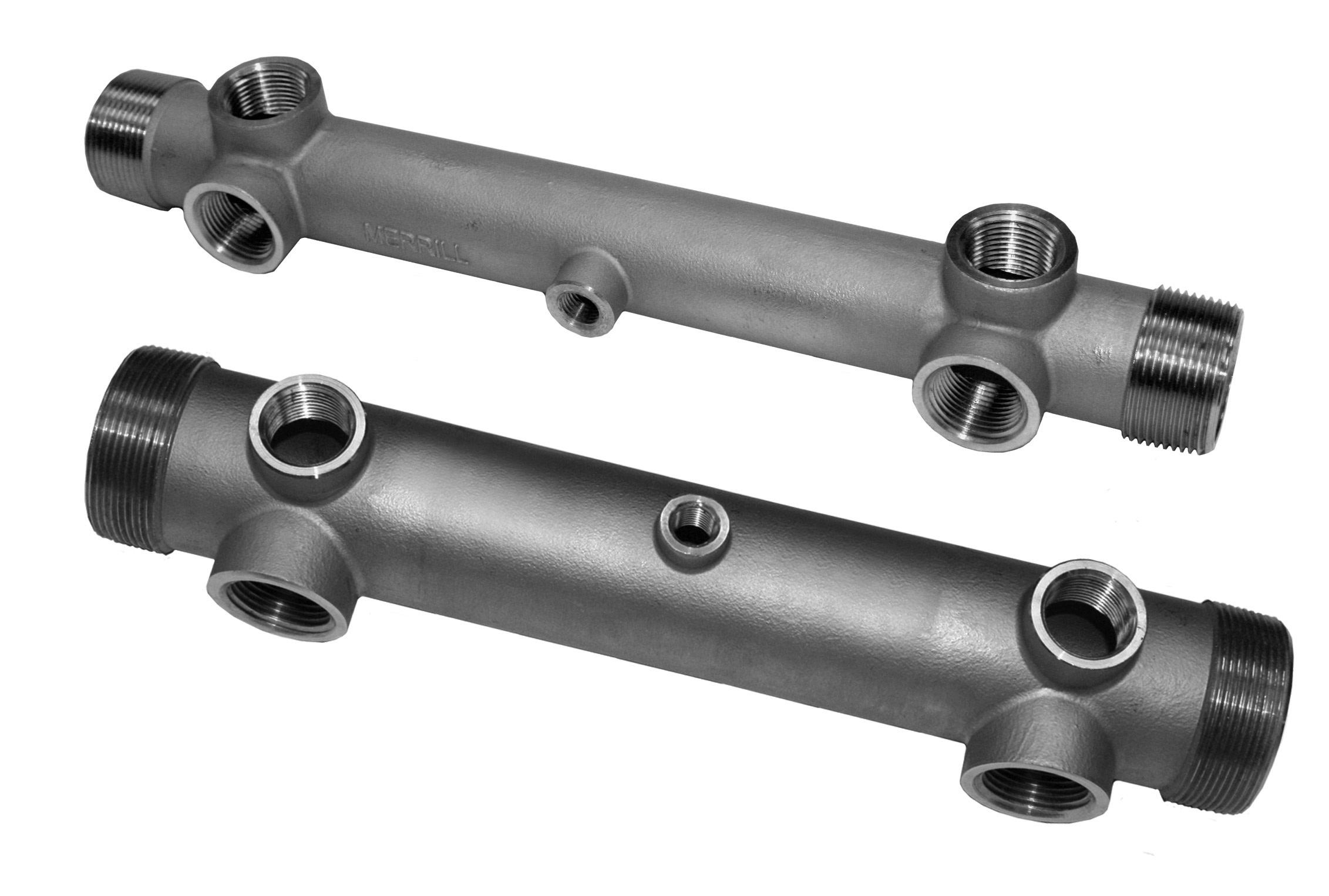
Stainless Steel Manifolds
SSM12510754 -1-1/4"
Top Conn. - (2) 3/4" FIP
Front Tapping - 1/4" FIP
Lateral - 1-1/4" MIP x 1" FIP
Drain Holes (2) 3/4" FIP
SSM20010752 - 2"
Top Conn. - (2) 1" FIP
Front Tapping - 1/4" FIP
Lateral - 2" MIP x 1-1/2" FIP
Drain Holes (2) 3/4" FIP
Models
d r I ll r IG re VI ew
we’re doing something special for the Spring issue of Ground Water Canada.
To make drilling equipment more accessible to our readers, we’re showcasing a few items that will give readers an idea of what’s available in technology and capacity to suit a user’s needs. All information has been supplied by the manufacturers and assembled by Ground Water Canada into one easy-to-read reference guide. Additionally, some companies have provided customer reviews to give you a better idea of what you’ll be working with. Contact the manufacturer or local dealer for more information. –Compiled by Stefanie Wallace.
foremosT dual roTary (dr) drills
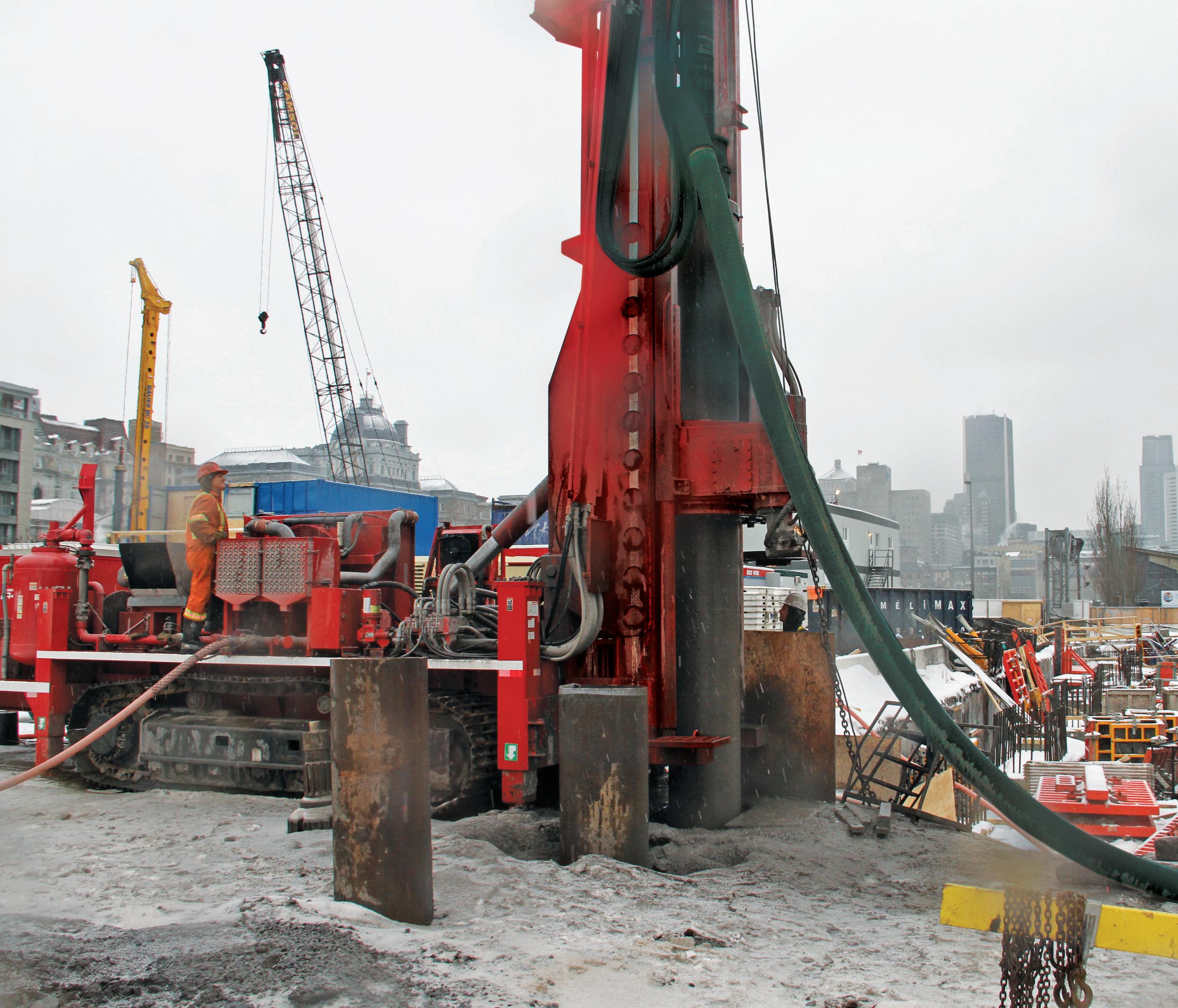
The Foremost DR has earned an enviable reputation for exceptional drilling performance in tough overburden and a variety of open-hole applications. The DR is known for being a versatile, powerful and truly unique machine.
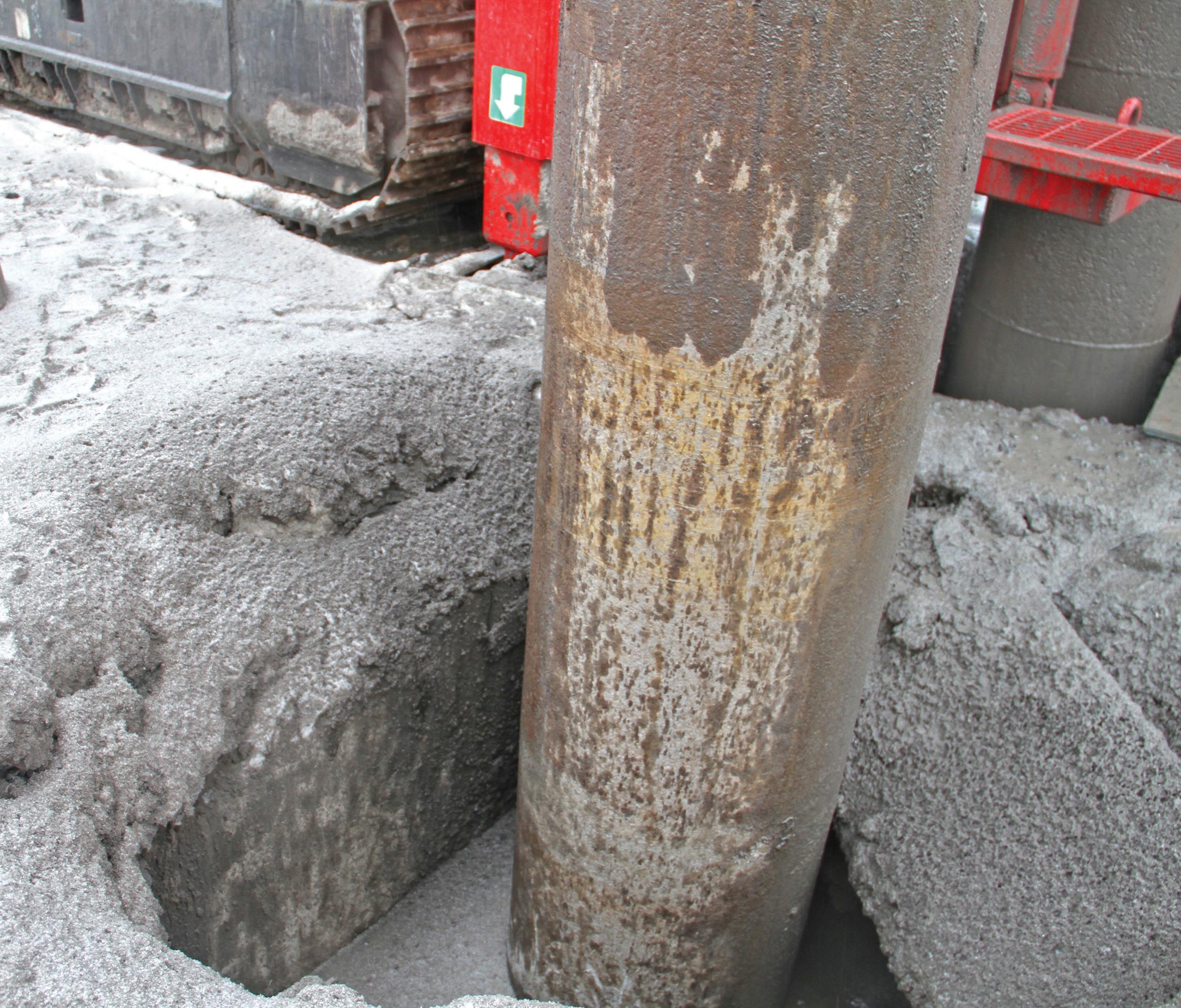
The DR-40 handles casing up to 40 inches in diameter. This drill excels in large-diameter water well applications, or construction applications such as the CHUM Research Centre project in Montreal. Forage Metropolitain recently completed a contract to drill pilings for the structure. The DR-40 offers precise drilling accuracy and the
ability to advance casing without percussion, which was essential for Forage Metropolitain as their pilings were being drilled within 12 inches of an underground subway tunnel.
Visit www.foremost.ca or call us at 1-800-661-9190.
g eopro B e 8040dT
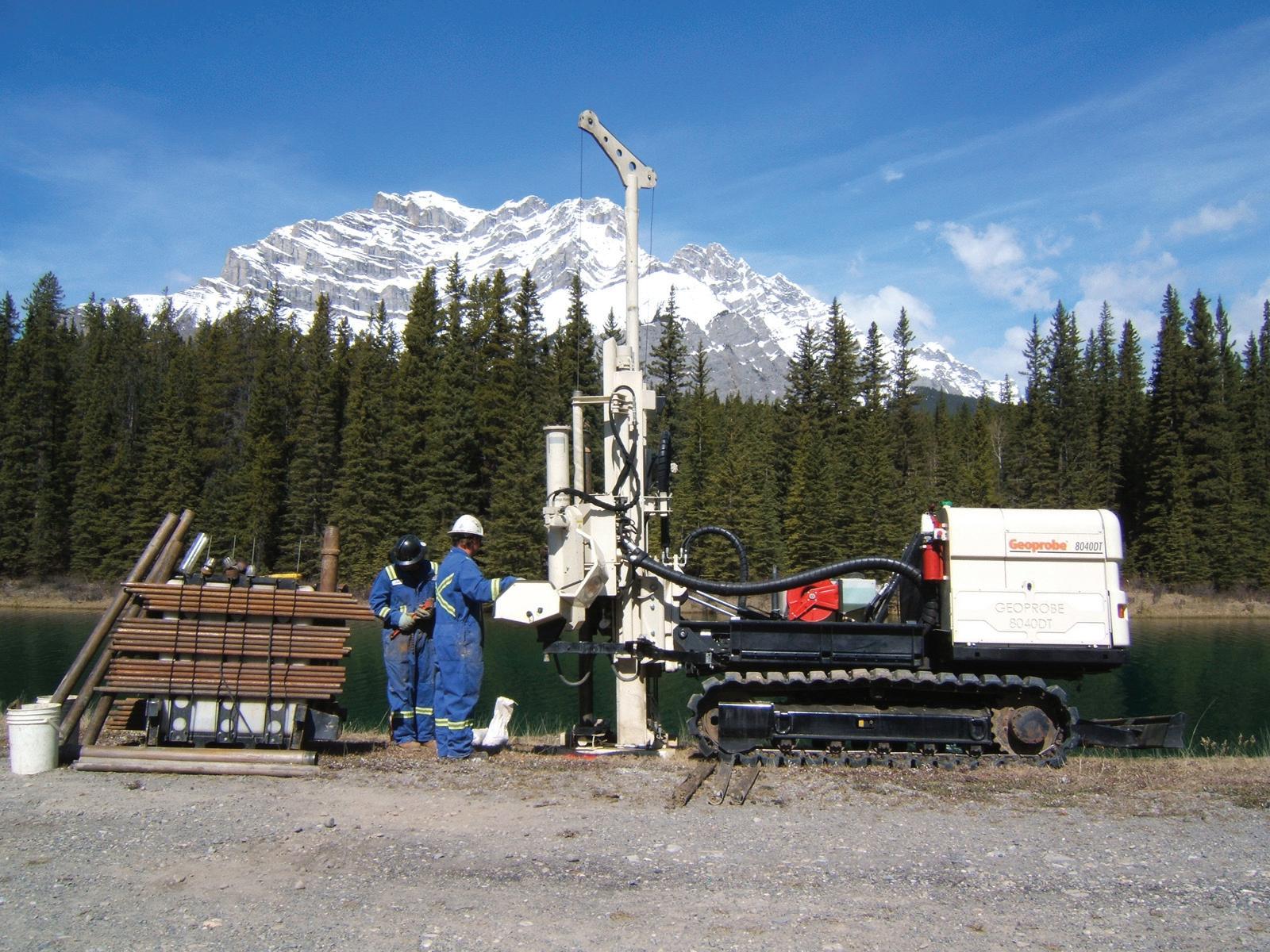
in both wet and dry tailings, soil investigations, monitoring and remediation, and ground water monitoring.
Visit www.geoprobe.com or contact Sven Dean at 1-877-877-1862.
What the customer says . . .
“The 8040DT is a powerhouse in a very compact package. The features on the CB8 Combo Head provide us with drilling options that impress drillers who have been in the industry for over 30 years. One of our suppliers said, ‘This is the best coring rig I’ve ever seen.’ We can direct push for continuous samples, for monitoring
well installation, or for geotechnical testing. We can drill with solid or hollow stem augers. We can core from the surface to any reasonable depth through nearly any material. The 8040DT allows us to regularly advance 45 to 60 feet of 4.5-inch casing per borehole. We install twoinch prepacked well screens and perform standard penetration testing directly through the cutting shoe – all while the borehole remains cased. Installation of prepacked well screens inside the tooling, with no sloughing, allows us to be confident that our installations will exceed specified performance expectations with
The high-capacity 8040DT establishes a new class of innovative, versatile and compact subsurface machines for the environmental, geotechnical and mining/mineral exploration industries. The five-function Combo Head gives this rig its unique versatility. The 8040DT easily drives large-diameter casing for direct push sampling, and has plenty of power for conventional monitoring well installation. Quickly change modes for wet rotary, air rotary, rock/ concrete coring, and high-capacity augering for geotechnical work. Or, use it for a variety of mining or mineral exploration applications, including placer exploration, work
Beauregard_7x3.25 3/21/06 7:45 AM Page 1
accurate and reliable results.”
– Gerald Ernst, manager of operations, ERNCO, Alberta, Canada.
Versa-d rill V-2000ng
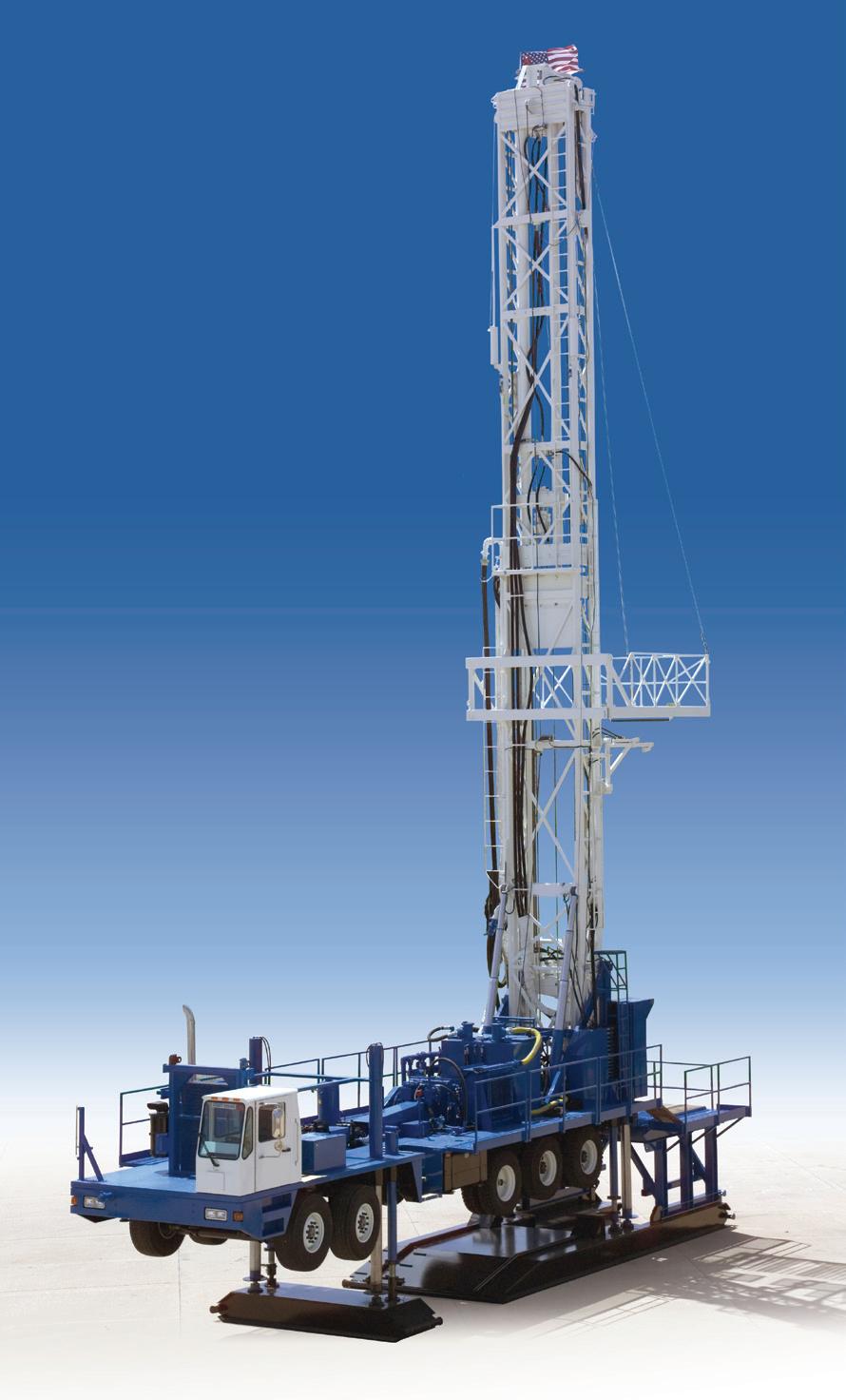
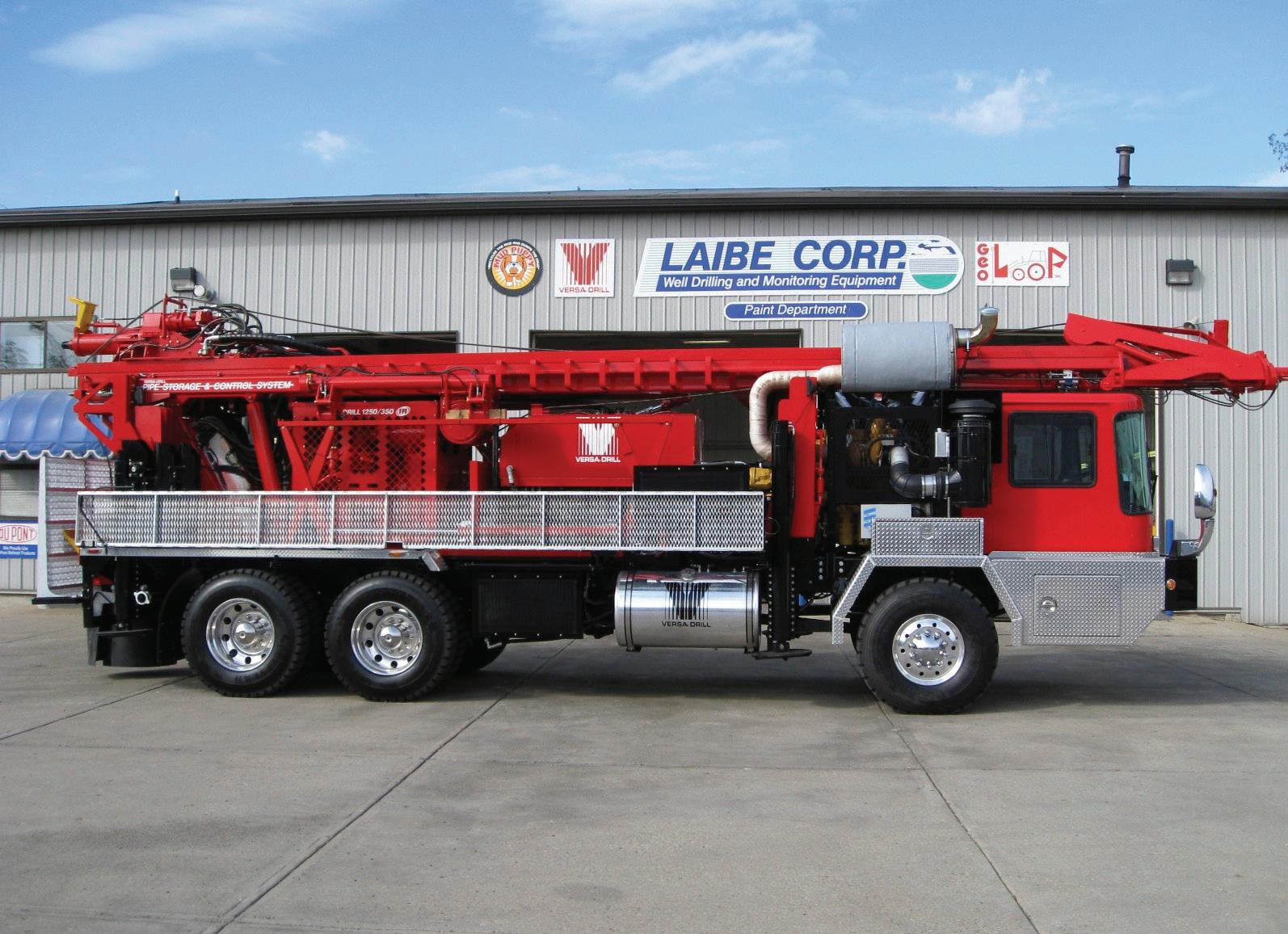
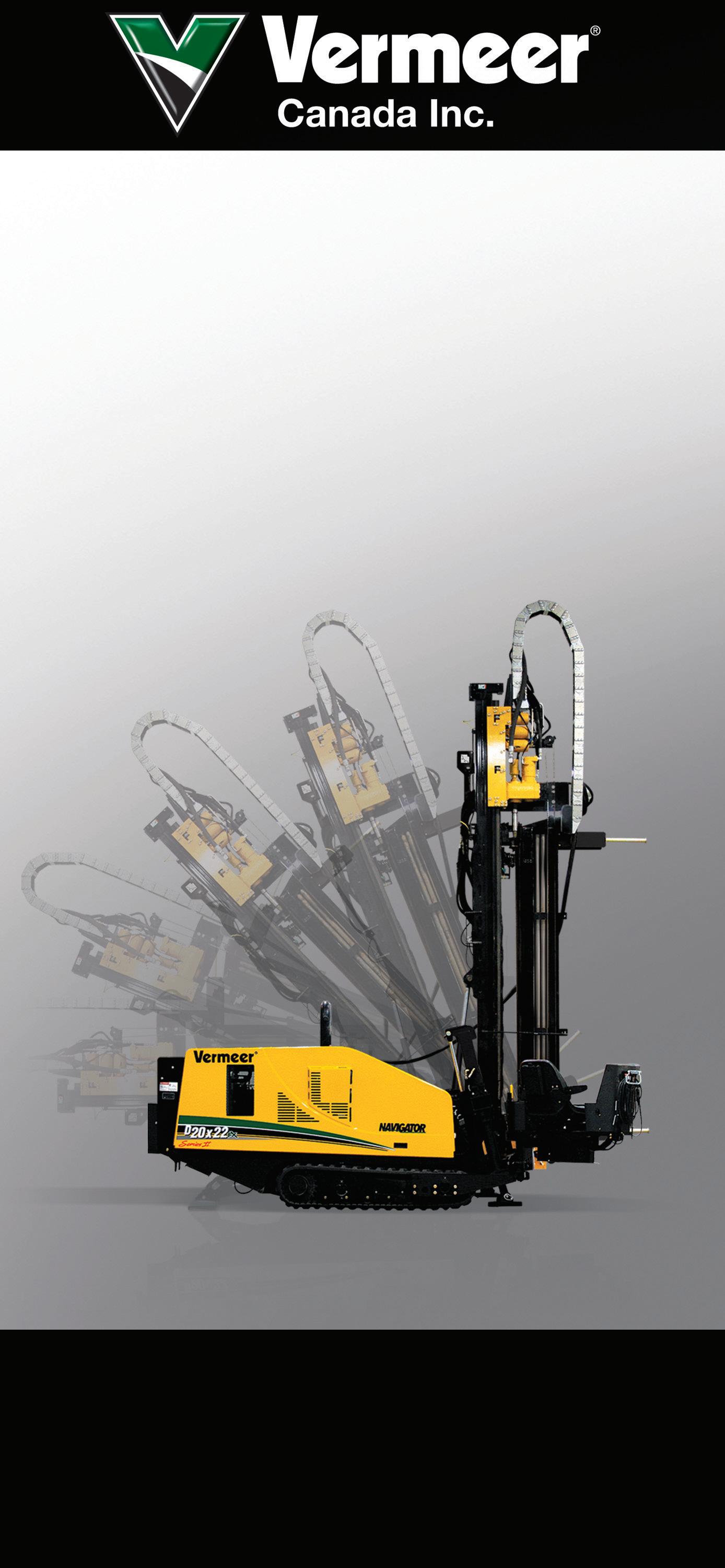
Laibe Corporation is the manufacturer of the Versa-Drill brand and leads the industry with a complete line of innovative state-of-the-art, world-class drilling rigs. The drilling rig shown in the picture is the Versa-Drill V-2000NG. Standard features include 80,000 pounds of pullback, three-speed top head, patented automated rod-handling system (3 1/2 or 4 1/2), custom six-by-six
chassis (all-wheel drive), powered by a CAT C-18 (630 horsepower). Optional features include; six-by-eight chassis, up to 1250/350 air and several mud pump options. Laibe Corporation is also the distributor of MudPuppy, Geo-Loop, equipment parts and drilling tools. Visit www.laibecorp.com, e-mail sales@ laibecorp.com or call 1-800-942-3388.
s imco 2800 hs (hT)
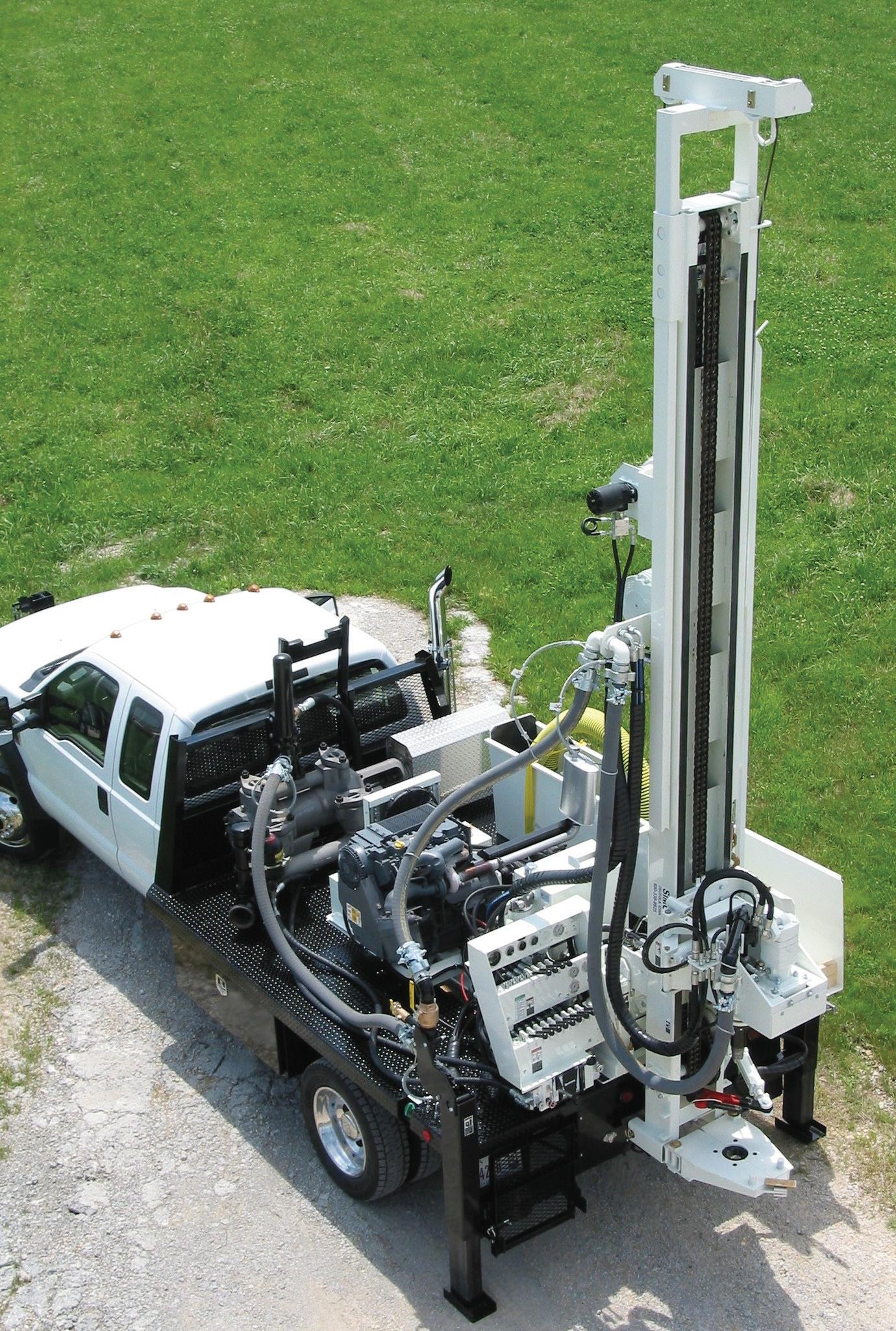
The Simco 2800 HS (HT) is a compact, ruggedly built, easy to use and maintain allhydraulic top head drill rig. Equipped with a high-output mud pump, this rig is ideal
for geothermal and water well drilling. It can also be set up for geotechnical/ environmental drilling. This rig is built with the power and performance of bigger rigs, but in a compact package. With Simco, you are not just buying a drill rig, you are getting unmatched service and support that you won’t find anywhere else. Simco rigs are backed by the best warranty in the industry.
Visit www.simcodrill.com or call 1-855-222-8577.
What the customer says .
. .
“We bought our first Simco 2800 rig
because of our attention to detail business plan. We didn’t want to damage the homeowner’s property any more than we absolutely had to. The first rig brought us customers that had only ever experienced geothermal installations that lasted for weeks and destroyed an area far greater than needed. We now have five Simco 2800 rigs operating all over southern Ontario, one that is outfitted with a hammer. Simco rigs are well thought out, with simple features that are easy to maintain. When needed, Simco’s parts department works hard to ship parts overnight; most of the components needed are easily available. We will continue to operate Simco rigs in our company for years to come to address the residential and smaller commercial markets.”
– Chris Wallace, Geothermal Solutions, Ontario, Canada
s imco 7000
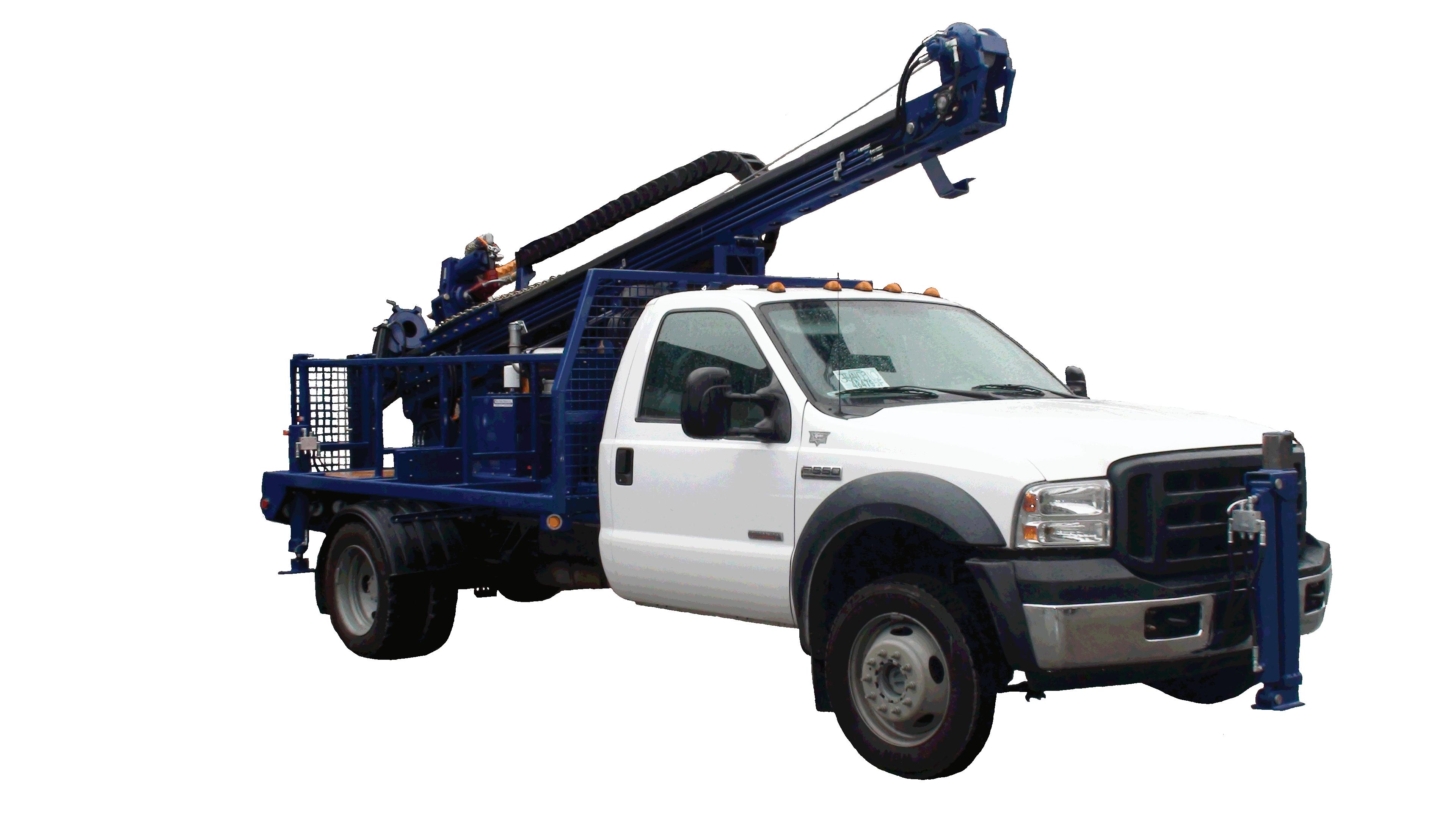
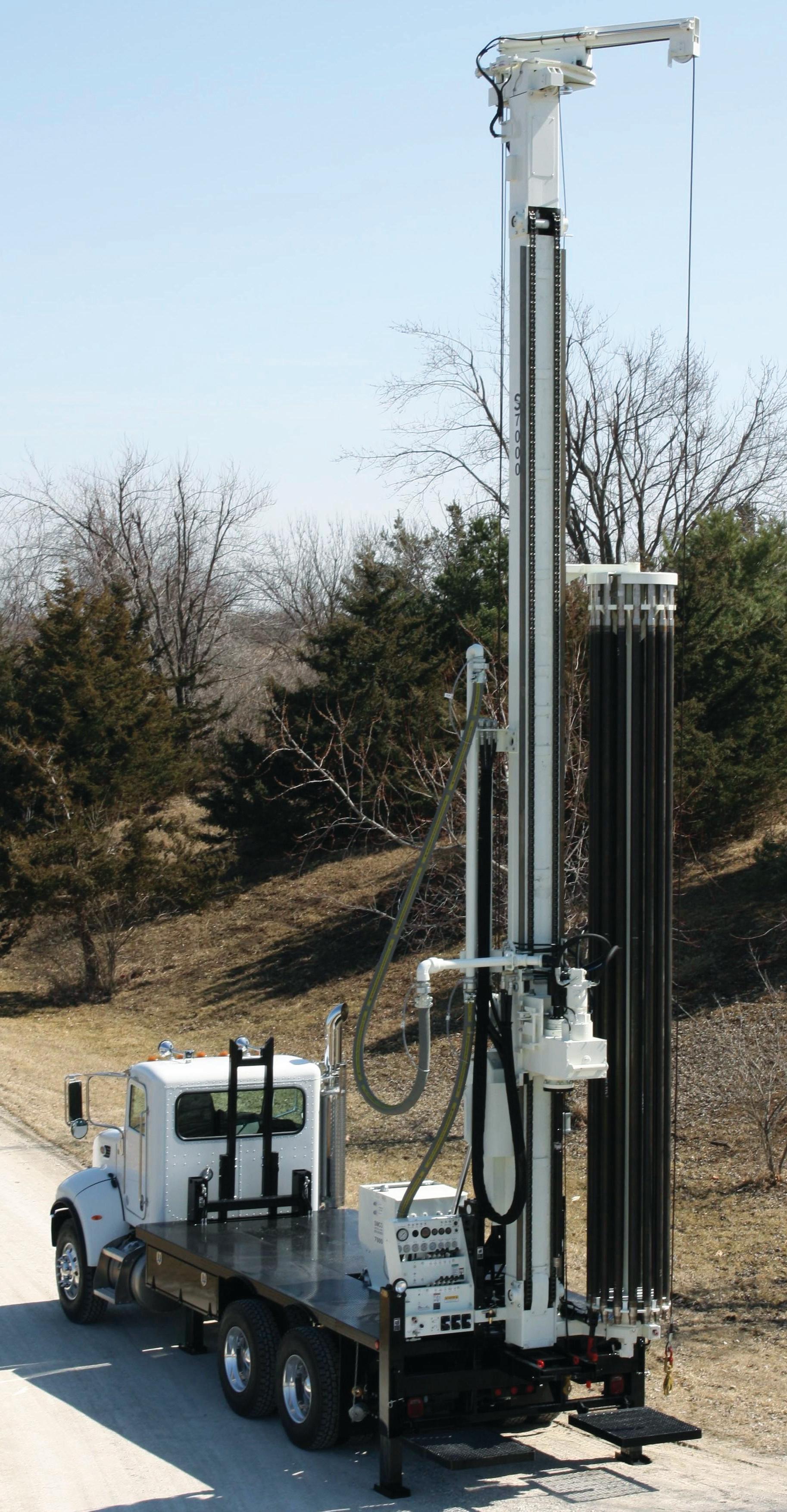
The Simco 7000 drill rig is ideal for water wells and a wide range of geothermal installations. This tandem axle truck mounted rig has a field proven, PTO-driven, allhydraulic system that provides a clean, uncluttered package that is easy to
use and simple to service. An optional all-wheel drive system is available on request. Choose the carousel capacity, the mud pump size and the air package that best matches your work requirements. Backed by an industry best warranty, the Simco 7000 is ready to go to work every day. Visit www.simcodrill.com or call 1-855-222-8577.
s onic sdc-350
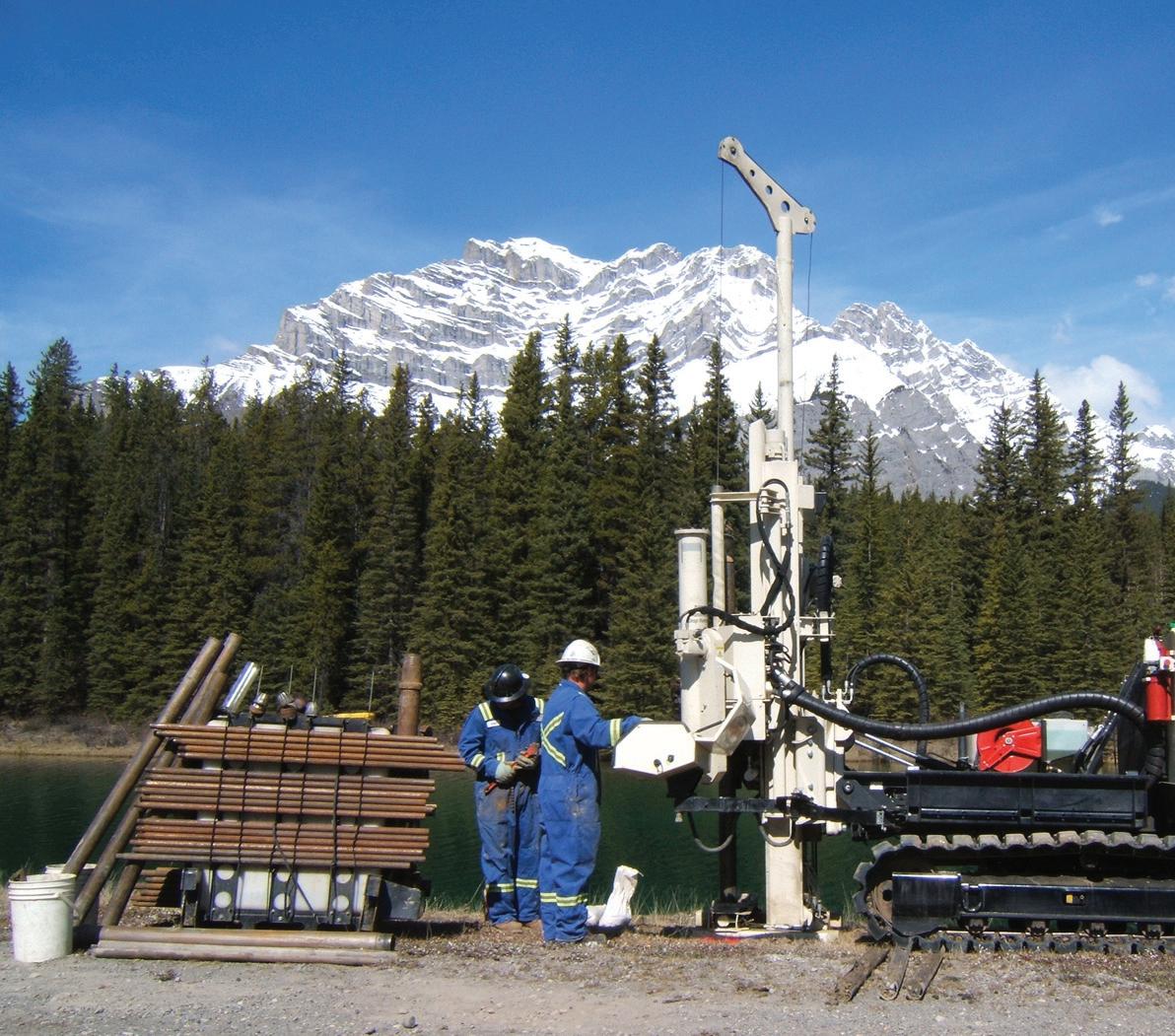
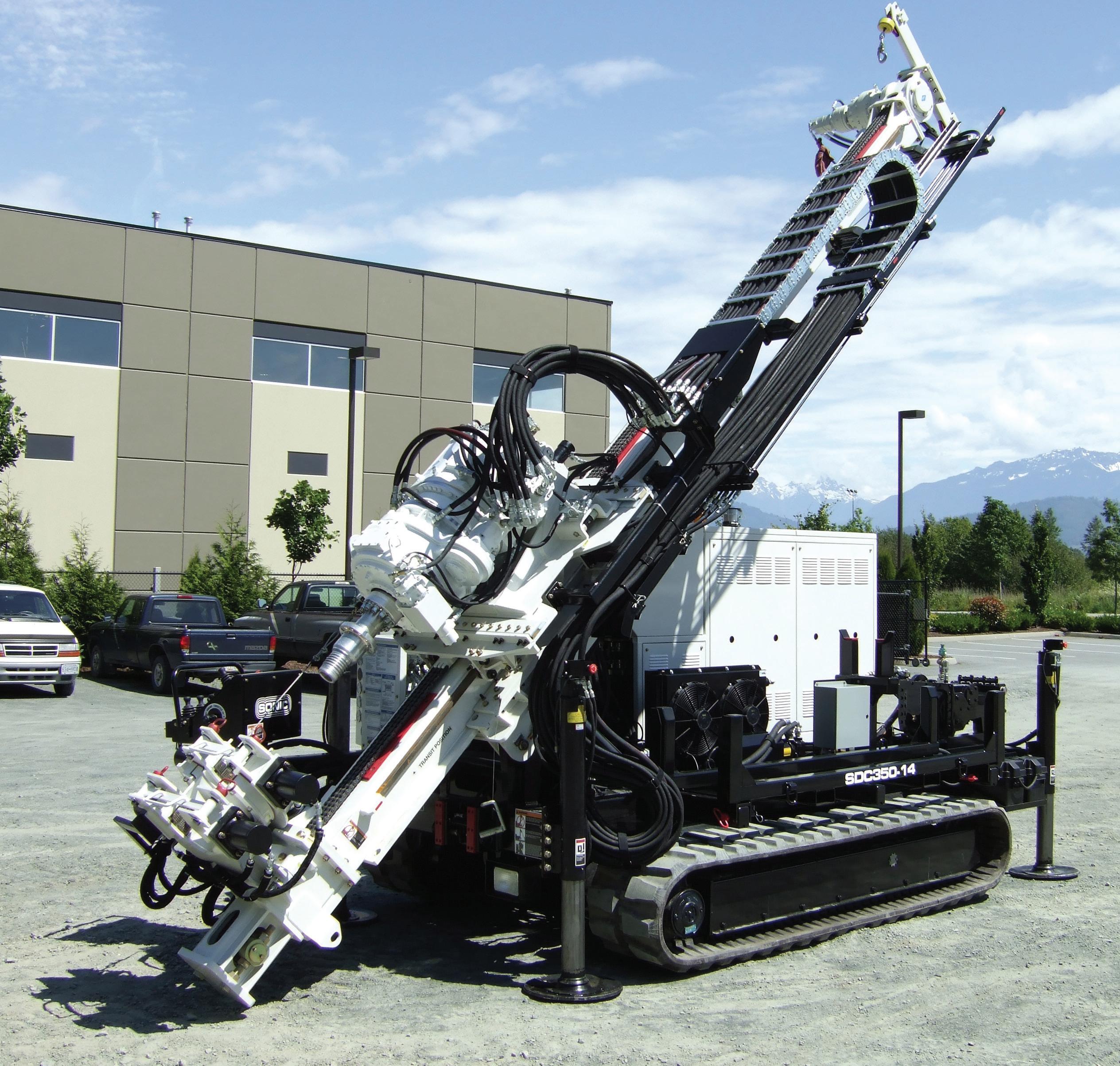
Using award-winning, patented technology developed by the Sonic Drill Corporation (SDC), sonic drilling offers the world’s most advanced drill method and, now, with mounted tracks, you can take it anywhere. Discover how a sonic rig can drill three to five times faster (depending on soil conditions) while coring easily through overburden material to 300 feet and beyond. It’s the ideal choice for geothermal, environmental and mineral applications. Explore the SDC-350 crawler rig, with its powerful drill head but smaller, manoeuvrable size (able to fit inside a 20-foot shipping container), which is great for tight urban projects where space is limited. Visit www.sonic-drill.com, www. sonicdrilling.com or www.sonicgeothermal. com, or call 1-877-854-1383.
What the customers say . . .
“We have been putting our rig to the test, in all sorts of geology and a variety of challenging sites. So far, we’ve drilled in
narrow lane ways in downtown Toronto, small urban lots and wide-open spaces in the rural areas. The drilling performance exceeds our expectations. We’ve drilled through 500 gpm aquifers, dense till with two-foot-diameter granite boulders and limestone/shale (at four feet per minute).
– Brian Beatty, GeoEnergy Solutions Inc., Ontario, Canada.
“I watched a Sonic drill 200 feet in 27 minutes on a site in Burnaby. The only thing slowing the drill down was having to add the drill rods. As a geothermal contractor, I will continue to work with a Sonic drill on every job that I can. In my opinion, Sonic drilling is unmatched.” – Chris Patterson, Paradigm Ground Loop Services Ltd., British Columbia, Canada.
NEW pRODU cTS
s chlum B erger launches d i V er-o ffice p remium V.2011.1
Schlumberger Water Services has released Diver-Office Premium v.2011.1, a comprehensive ground water monitoring software.
Diver-Office Premium is a data management, analysis and reporting tool designed for ground water-monitoring data. Based on SQL server database technology, Diver-Office Premium is ideal for medium-sized monitoring networks and projects that require multiuser collaboration. Monitoring data can be shared securely over a network and accessed by all team members and stakeholders in a project.
The built-in QA/QC dashboard ensures that data are free of errors and meet known quality acceptance standards. Powerful reporting capabilities enable the quick generation of time series plots and reports for effective communication and presentation of your monitoring data.
Diver-Office Premium capabilities include:
• Diver data: The embedded version of Diver-Office allows the programming of diver dataloggers, start/stop divers and download diver data to a database.
• Time series visualization: Plot time series data using the fully flexible plotting module.
• Monitoring well data management: Create, modify, and display X, Y location data, borehole lithology and well construction details.
• Expanded data options: Capture a full range of environmental variables affecting ground water recharge including precipitation, evaporation, and discharge data. Store manual measurements for comparison with diver time series.
• QA/QC and statistics: Apply essential QA/QC checks to raw data, identify and correct data anomalies and gain confidence in your data assessments.
• Reporting automation: Quickly create reports that incorporate logo and company details, site photos, well completion and lithology profiles. Create personalized reports of time series data.
• Data flexibility: Export location profiles to an image file, export time-series data to MS Excel, import location data from MS Excel/Access. Visit www.swstechnology.com/software to download a 30-day trial version.
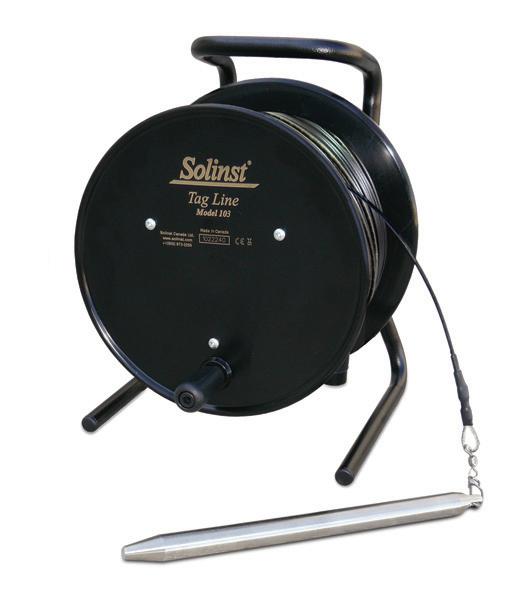
VersaTile Tag line for W ell consTrucTion and suspension sysTem
Now with cable markings accurately laser etched every five centimetres,
the Solinst Tag Line provides a simple method to measure the depth of a backfill sand or bentonite layer during the completion of a well, and to measure depth to the bottom of a well. The Tag Line uses a weight attached to a durable polyethylene-coated stainless steel wireline, in lengths up to 1,000 feet (300 metres) mounted on a sturdy freestanding reel.
The 316 stainless steel tag weight comes in two sizes: standard, threequarter-inch diameter, and narrow, half-inch diameter. The weights can be clipped on and off the cable. This
allows the reel-mounted, marked cable to be used as a support to accurately lower bailers, pumps or other sampling devices to specific depths in a well. Marking accuracy improves sampling efforts and the wireline provides a safe suspension system that is easy to deploy and retrieve.
Visit www.solinst.com for more information.
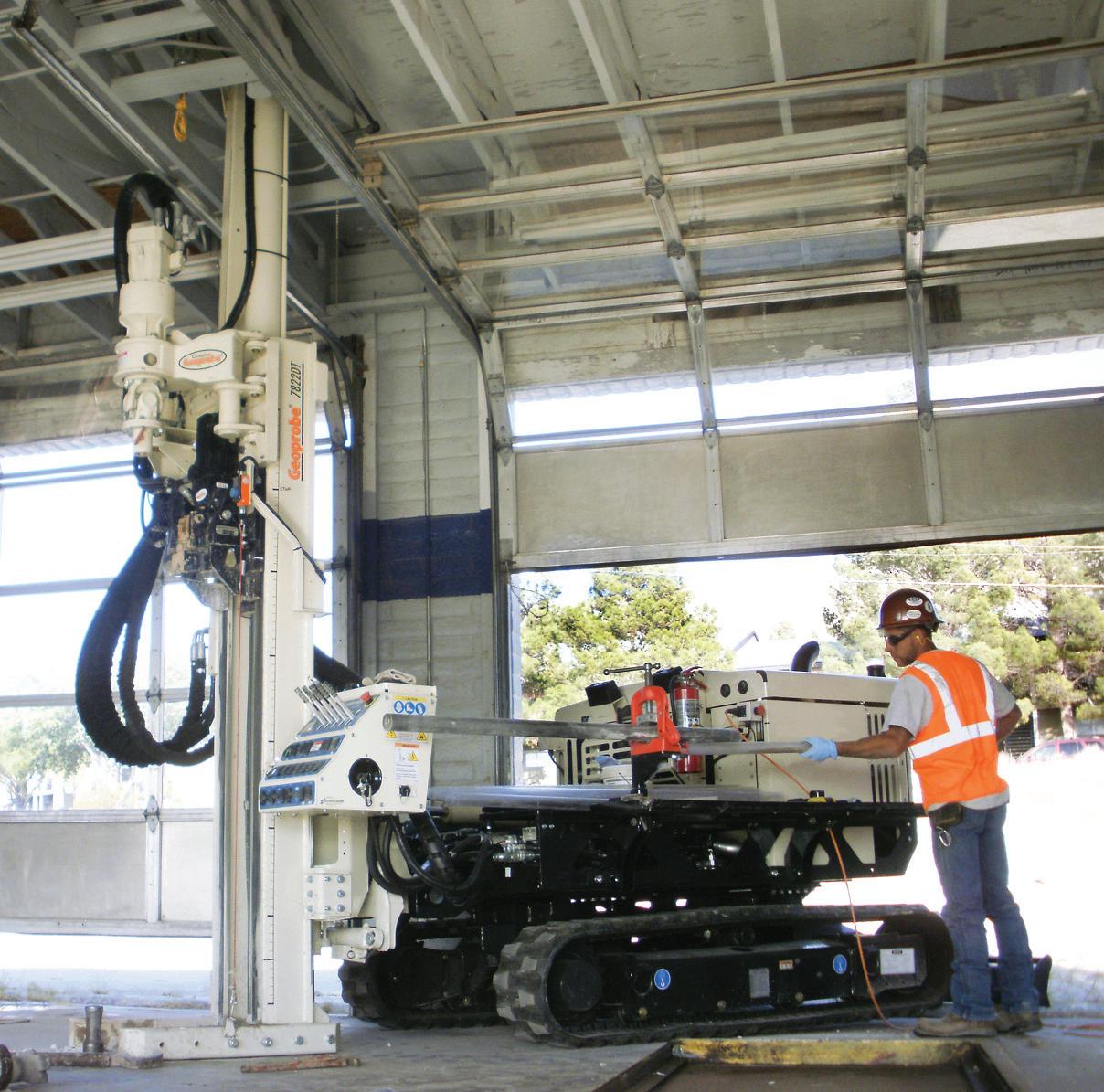
g eopro B e 7822dT
The Geoprobe 7822DT is a powerful rig with a small footprint. With a working height of 184 inches, the 7822DT easily operates inside buildings or under outdoor structures. The 7822DT handily installs four-inch monitoring wells using 6.25-inch ID hollow stem augers. The rig is a great, compact machine, ideal for use with 3.5-inch tooling for soil and ground water sampling. The rig features a new GH64 hammer with modular percussion power cell technology and integrated two-speed, bi-directional rotation for turning augers. Thumb-dial controls for the auxiliary hydraulics on the redesigned control panel allow the operator to easily regulate flow for mud rotary applications. And with 500 rpm at the spindle, a side-feed swivel can be used at geotechnical sites that require coring bedrock. The 7822DT also offers 48,000 pounds of pullback, a rear stabilizer with Geoprobe Drop
Rack System, tier-3 compliant diesel engine, and much more.
Visit www.geoprobe.com for more information.
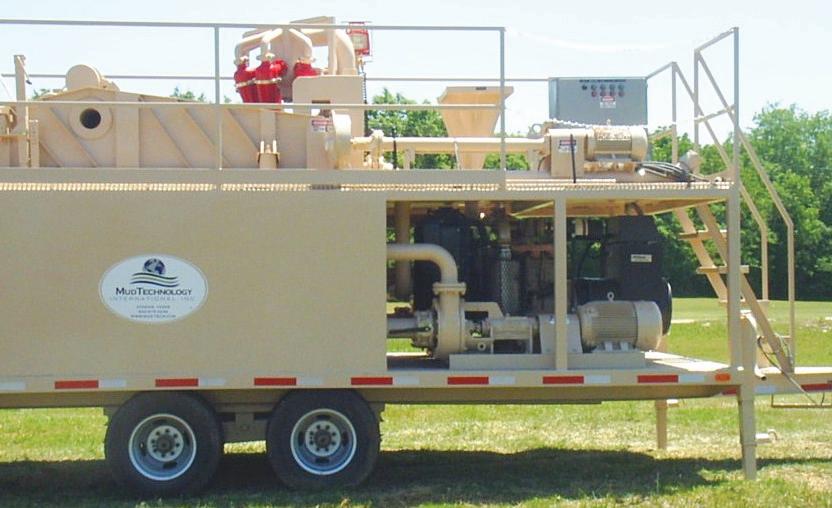
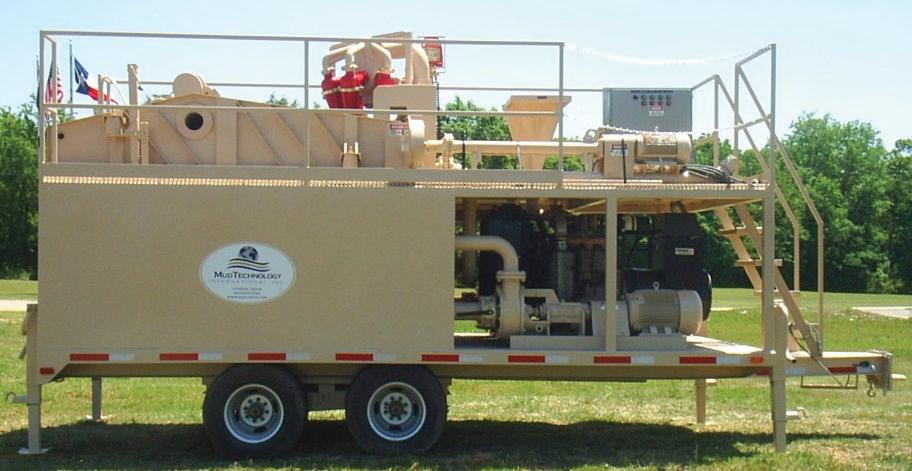
mcT-450 from m ud Technology
The MCT-450, from Mud Technology International Inc., is a fully self-
contained unit with a 2,400-gallon, two section tank that has a cleaning capacity of more than 450 gallons per minute. This environmentally friendly unit is equipped with the lowest emission engines available, two centrifugal pumps, a high G force shaker and high shear submersed jet guns in both tanks
to allow stirring of clean and dirty tanks when needed. Designed to save you time and money, this unit is available in a trailer mount or skid mount.
Sizes from 80 gallons per minute to 2,000 gallons per minute are available for purchase. We can have equipment ready and on its way to your location with just a phone call. For more information visit www.mud-tech.com.
T W o ne W producTs from Baker m anufacTuring
The Monitor Water Tight Well Cap and Snorkel Vent were designed to prevent flood water from contaminating your well.
• Under normal conditions; the
Monitor Snorkel Vent allows air to flow into the well.
• When a flood occurs, the flood
water pushes a precision float ball in a finely machined sealing surface, closing off passageway into the well.
• Installing a Snorkel Vent and Monitor Watertight Well Cap will help protect your family’s drinking water.
Sterilene is a new product designed for the ground water industry. Sterilene provides one-time cleaning of wells for coliform.
Some of the benefits of Sterilene include:
• 200 times more effective than standard chlorine
• priced competitively with chlorine.
• no premixing for pH control
• no chemical residue
• easy mixing, even in cold water
• no off-gassing/no oxidizer label
• no shelf life issues
For more information, contact Baker Manufacturing at 1-800-263-5533, or visit www.bakermfg.ca.
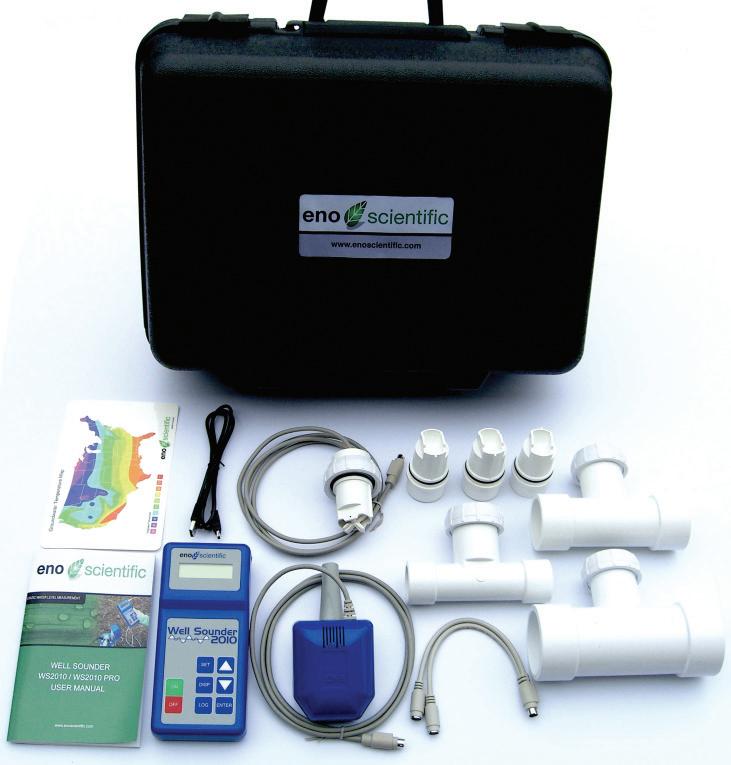
m easure WaTer flo W W iTh e no s cienTific me Ter
The Eno Scientific flow meter is designed to measure water flow for monitoring well drawdown and usage. It uses a modular design consisting of a PVC housing and an electronic sensor module that easily attaches to the housing using a hand-tightened ring nut. With the sensor in place, electrical pulses are generated as water moves past the paddle wheel, which can be interpreted as water volume by an Eno Scientific Well Sounder. When the test is complete, the sensor can be removed and replaced with an inexpensive plug using the same
kind of hand-tightened ring nut. This leaves the sensor port available for future testing. The Flow Meter can be purchased individually or in a kit that comes with a Well Sounder 2010 PRO, flow meter, adapter, three different sized housings and three plugs.
For more information, visit www.enoscientific.com.
T W o ne W produc T s from m errill m anufac T uring
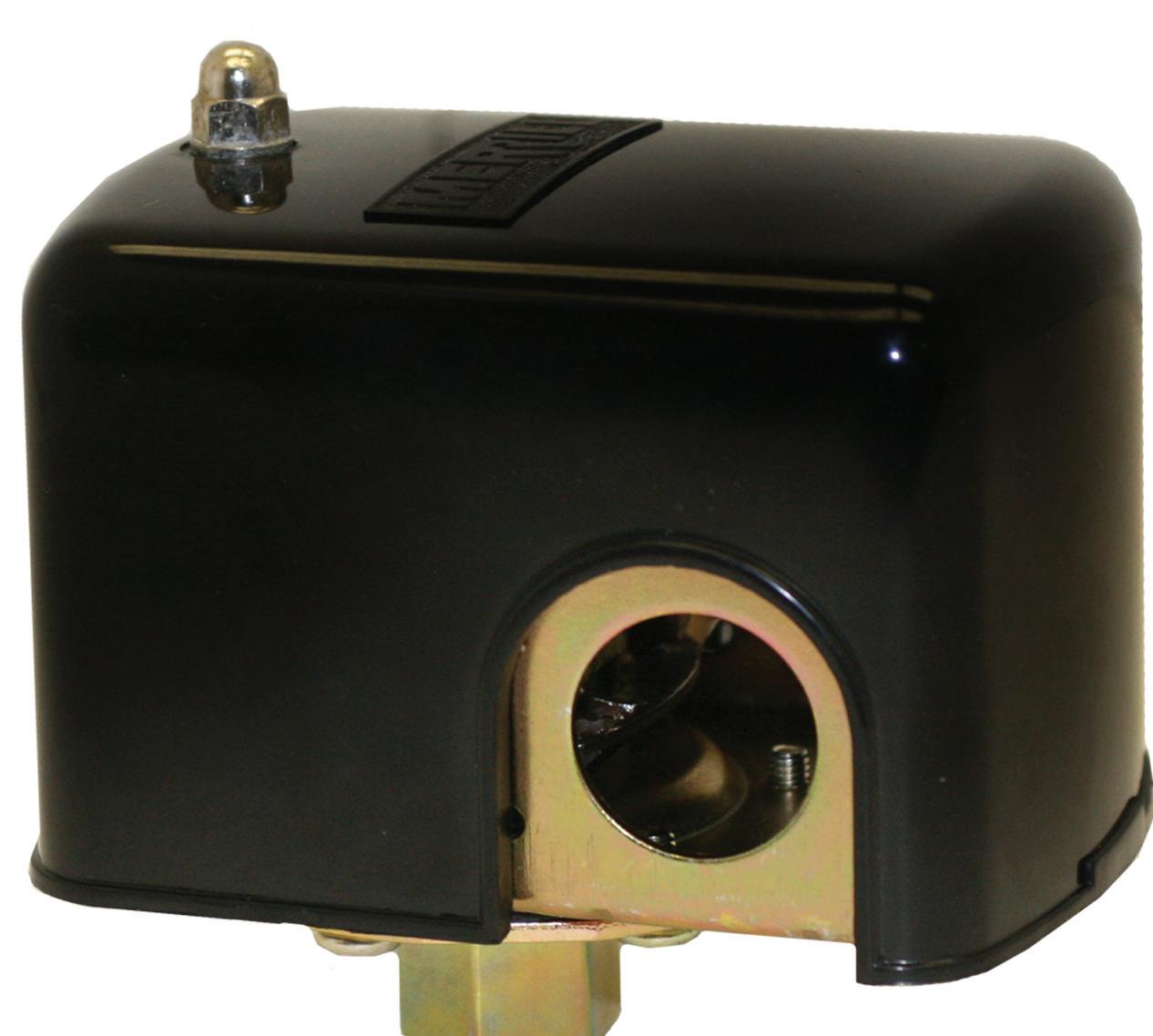
Why take time to re-adjust your pressure setting when you can buy what you want – already done? Merrill Manufacturing has introduced the MPS5070 pressure switch for higher pressure. The switch operates on at 50 PSI and off at 70 PSI, with the trend to higher pressures on water systems.
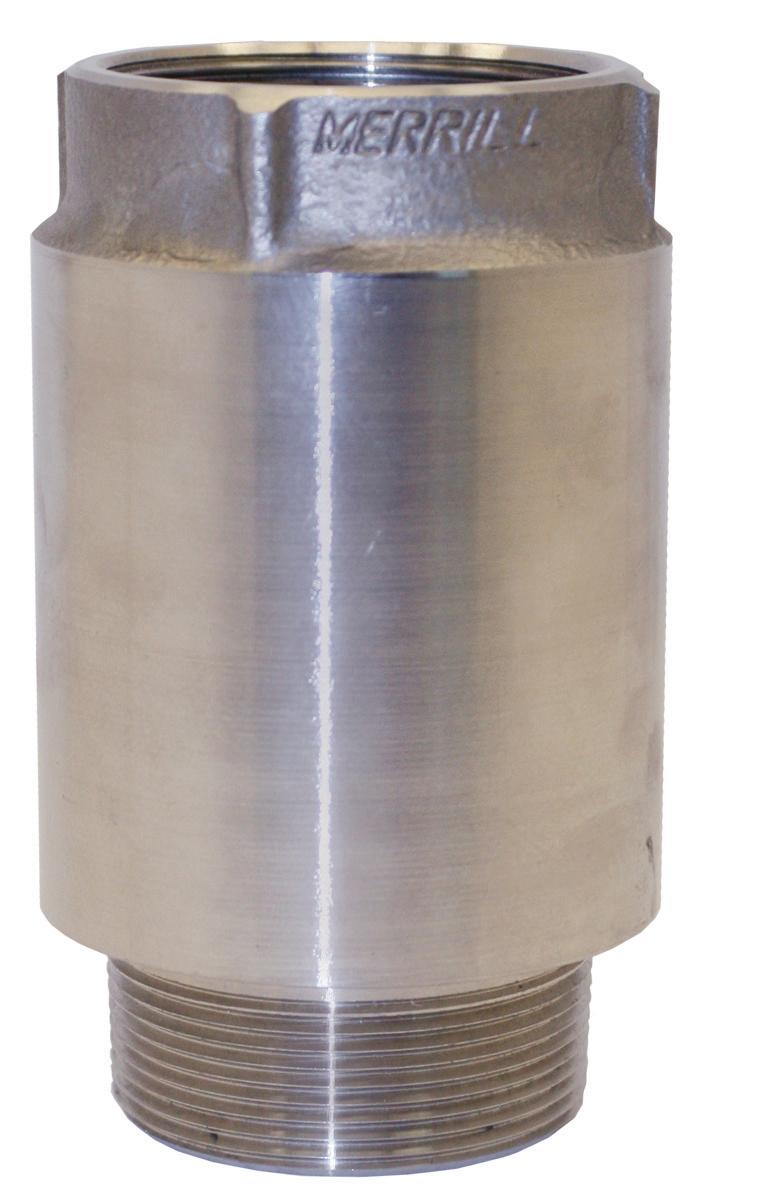
Also exclusive to Merrill Manufacturing is the two-inch, female by male stainless steel CVMS200 check valve.
The pipe size is two-inch FIP by two-inch MIP and features a no-spin poppet for demanding installations directly above the submersible pump. 304 stainless steel check valves are corrosion resistant, strong, and lead free.
For more information, contact Merrill at 800-831-6962, or visit www.merrillmfg.com.
a ccess r ockmore’s caTalogue W iTh i pad app
Rockmore International, a global manufacturer of rock drilling tools, has launched a new iPad application that will make it easier to access Rockmore’s complete catalogue of rock drilling tools and accessories. “We are constantly looking for new and innovative ways to provide service to our customers,” said Pejman Eghdami, executive vice-president of Rockmore International. “This new Rockmore app for iPad provides immediate access to in-depth product information and specifications.”
The new Rockmore app is available as a free download through the App Store, or by simply searching applications for “Rockmore.” It provides immediate access to over 100 pages of detailed information about Rockmore products, including threaded and tapered drill bits, DTH bits and hammers, extension and tunneling rods, integral and tapered rods, shank adapters and other drill tool accessories.
CoRRECTI oN NoTICE
In the association listings of Ground Water Canada’s winter edition, we incorrectly associated the website and contact information for the British Columbia Ground Water Association with the British Columbia Water & Waste Association. The website for the British Columbia Ground Water Association is www.bcgwa.org and Joan Perry is the contact.