
Special

MED ICAL MARIJUANA
COLUMNS
DEPARTMENTS

FEATURES
12
COVER STORY
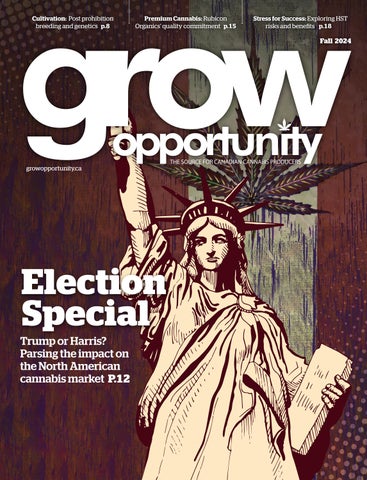
The U.S. Presidential Election Special North American cannabis attorneys weigh in on the ramifications of election day BY HALEY NAGASAKI
15
Rubicon Organics’ uncompromising commitment to quality Exploring IP, scaled production & premium cannabis products in B.C.’s lower mainland BY HALEY NAGASAKI
18
Stress for Success: Weighing the risks & benefits of HST
From topping to knuckling, here’s how growers are unleashing their plants’ full potential BY
DAVID SILVERBERG

From the Editor
By Haley Nagasaki
Between the poles & on the verge of change
Welcome to the Fall issue – a favourite season for its warm hues and the joy of harvest after a busy, fruitful summer. This edition came together with a few standout themes. And if you’re reading this in Edmonton, well, hi!
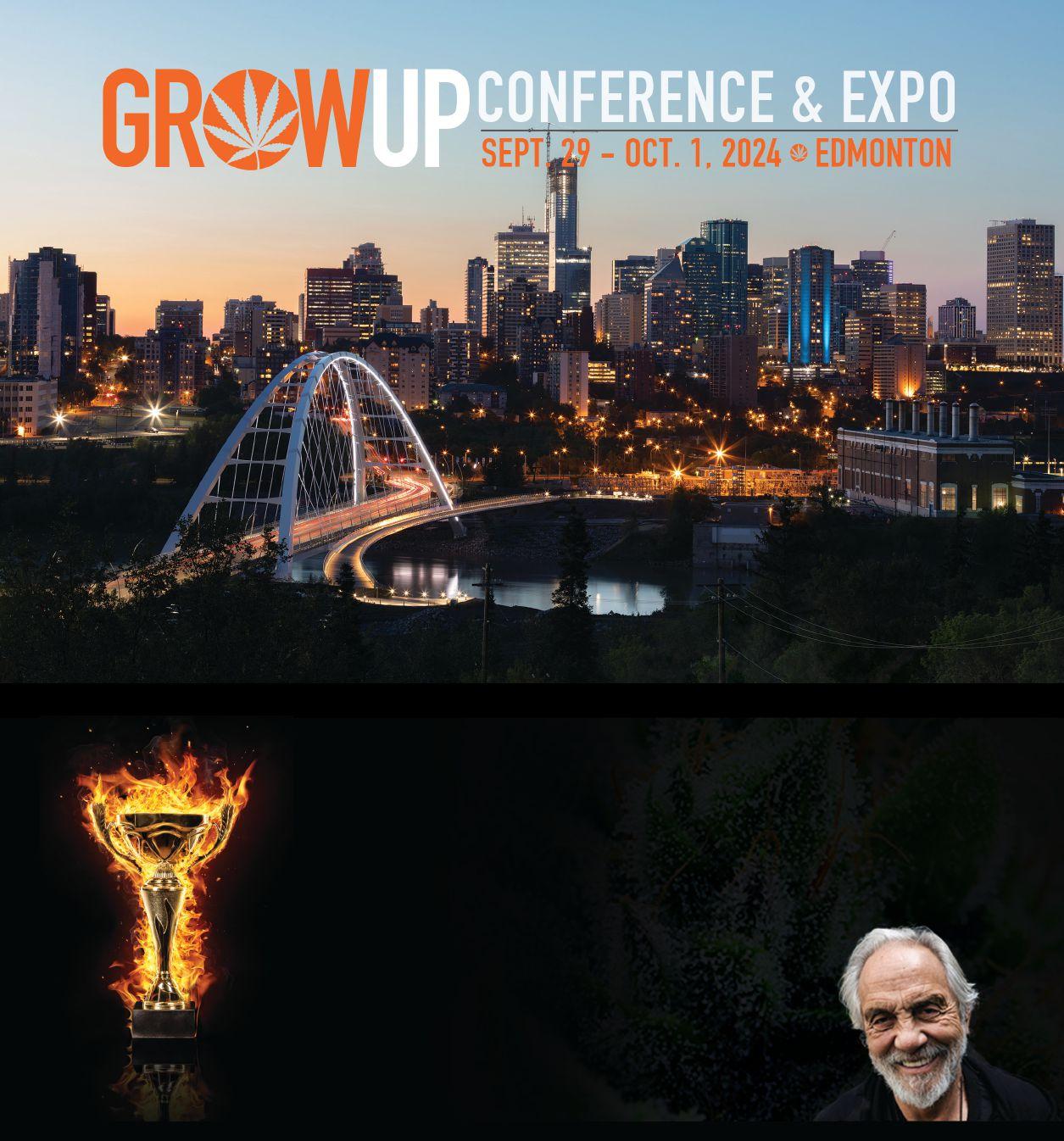
Midway through the Grow Up conference we’ll be closing nominations for our Top Grower Award, so if you haven’t gotten around to submitting your choice Canadian grower, please do so by Sep. 30. We can’t wait to showcase more top talent on the cover of the Winter issue!
But before Winter arrives, there will be a new President to the south (fortunately the harvest also brought lots of corn for popping). Unlike Canada, 2024 was a big year for cannabis in the United States, and lately every other headline is about a nominee taking a stance one way or the other. Will the rescheduling of marijuana and a new leader coming forth shift the way cannabis laws are enacted?
We know the final verdict for Schedule 3 won’t be announced until after the election, so it’s definitely a political issue. But what does it all mean?
Last month I rounded up two lawyers to talk about it, and a summary of that conversation made the cover. Spoiler alert, regardless of drug policy, they suspect it’s a narrow Republican win due to economic pressures.
However, earlier this month, friend and collaborator Mitchell Osak said in his Cannabis Management Review: “Rescheduling is coming, albeit a little late. Weed-friendlier Dems have a better than even odds of winning in November.” Denis Gertler and I then spoke about his column. I told him about the predicted Trump victory, he exhaled, and we chatted about Mitchell’s newsletter, citing positive Florida and Nevada updates.
Before Winter arrives, there will be a new President to the south (fortunately the harvest also brought lots of corn for popping).
Many can see the Democrats odds of winning the election, but when prompted, Clark Hill’s Bob Hoban in the Election Special reminds us of the dual nature of the contentious issue; that we’re mostly operating in echo chambers. What will happen? Who’s to say!
Welcome to our newest writer David Silverberg – journalist and editor among other accolades. Silverberg pitched high-stress training, something we’ve seldom covered and is one of those practices everyone has their own set of rules for.
Dustan McLean wrote the Cultivation column, spoke it rather, during a talk at the Unicorn Music Festival. He, too, advocates for 1:1s and other low
potency products, like the high terpene and heightened taste profiles preferred by his German clients. The low dose market that’s currently MIA in Canada is then queried in the complexity of Gertler’s Vantage Point, and is again mirrored in the hemp and marijuana civil war taking place in the United States you might read about in the cover story.
Moreover, I was fortunate to speak with Margaret Brodie and Mathieu Aubin about Rubicon Organics’ desirable products and practices. Brodie supports budtender knowledge and training, exemplified by returning Budtenders columnist Katie Pringle.
And a Canadian brand that began by leveraging the California and Oregon markets –the top selling vape in Alberta, Papa’s Herb – is our final Q&A. It shows the U.S.-Canada relation in action, about how traveling the west coast helped two cousins brand and expand. I have my own fond memories of driving south along the Oregon Coast, past the bluffs that dot it, on route to a 2018 event in San Jose. Here’s to the friends we’ve made along the way!
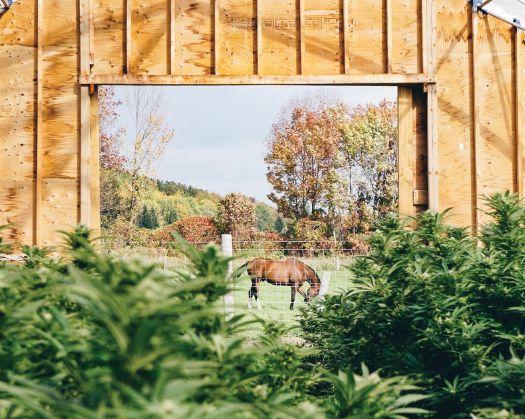
This issue really would not have been complete without the gorgeous equestrian photo at Creemore’s Purple Hills. The changing leaves on the Ontario trees the whole country adores can’t be beat. It is a “portrait of connectivity – an ecosystem that is enriched and supported, not exploited, by its stewards.” That, in a nutsell, is what I would like to vote for.
Fall 2024
Vol. 8, No. 3 growopportunity.ca
Reader Service
Print and digital subscription inquiries or changes, please contact Angelita Potal, Customer Services Administrator Tel: (416) 510-5113
Email: apotal@annexbusinessmedia.com
Mail: 111 Gordon Baker Rd., Suite 400, Toronto, ON M2H 3R1
EDITOR
Haley Nagasaki hnagasaki@annexbusinessmedia.com 519-410-0600
PUBLISHER
Adam Szpakowski aszpakowski@annexbusinessmedia.com 289-221-6605
NATIONAL ADVERTISING MANAGER Nashelle Barsky nbarsky@annexbusinessmedia.com 905-431-8892
ACCOUNT COORDINATOR Kathryn Nyenhuis knyenhuis@annexbusinessmedia.com 416-510-6753
MEDIA DESIGNER
Curtis Martin
AUDIENCE DEVELOPMENT MANAGER Shawn Arul sarul@annexbusinessmedia.com
GROUP PUBLISHER
Paul Grossinger pgrossinger@annexbusinessmedia.com
CEO Scott Jamieson sjamieson@annexbusinessmedia.com
MAILING ADDRESS
P.O. Box 530, 105 Donly Dr. S., Simcoe, ON N3Y 4N5
SUBSCRIPTION RATES 1 year subscription (4 issues: Spring, Summer, Fall, Winter): 1 year offers: Canada $26.01 + Tax USA $47.94 CDN FGN $54.57 CDN GST # 867172652RT0001
ANNEX PRIVACY OFFICE privacy@annexbusinessmedia.com Tel: 800.668.2374
ISSN: 2561-3987 (Print) ISSN: 2561-3995 (Digital) PM 40065710
Occasionally, Grow Opportunity will mail information on behalf of industry-related groups whose products and services we believe may be of interest to you. If you prefer not to receive this information, please contact our circulation department in any of the four ways listed above.
Made possible with the support of


A decision on major policy shift on marijuana won’t come until after the election
A decision on whether to reclassify marijuana as a less dangerous drug in the U.S. won’t come until after the presidential election, a timeline that raises the chances it could be a potent political issue in the closely contested race. The DEA set a hearing date to take comment on the proposed historic change in federal drug policy for Dec. 2.
The hearing date means a final decision could well come in the next administration. While it’s possible it could precede the end of President Joe Biden’s term, issuing it before Inauguration Day “would be pretty expedited,” said cannabis lawyer Brian Vicente.
That could put a new spotlight on the presidential candidates’ positions on marijuana. Vice President Kamala Harris has backed decriminalizing the drug and said it’s “absurd” to have it in the DEA’s Schedule I category alongside heroin and LSD. The Democratic nominee’s position has shifted over the years; she once oversaw the enforcement of cannabis laws and opposed legalized recreational use for adults in California while running for attorney general in 2010.
Former President Donald Trump, the Republican nominee, signaled support for a Florida legalization measure, following earlier comments that he increasingly agrees that people shouldn’t be jailed for the drug now legal in multiple states, “whether that’s a good thing or a bad thing.” During his run for president in 2016, Trump said that he backed medical marijuana and that pot should be left up to the states. But during his first term, then-Attorney General Jeff Sessions lifted a policy that kept federal authorities from cracking down on the pot trade in states where the drug is legal.
- LINDSAY WHITEHURST AND JENNIFER PELTZ, THE ASSOCIATED PRESS
Tilray brands to buy four Molson craft breweries
The Ontario-based cannabis company will buy Hop Valley Brewing Company, Terrapin Beer Co., Revolver Brewing and Atwater Brewery.

Germany's legalization of cannabis appears to be falling short on one of its biggest promises— stamping out the black market
When it was introduced earlier this year, Health Minister Karl Lauterbach claimed the law would "put dealers out of work" and combat gangs selling more dangerous and often laced pot.
– JÜRGEN KLÖCKNER, POLITICO EU


Five Years of Top Grower — 2024 Nominations Close Sep. 30
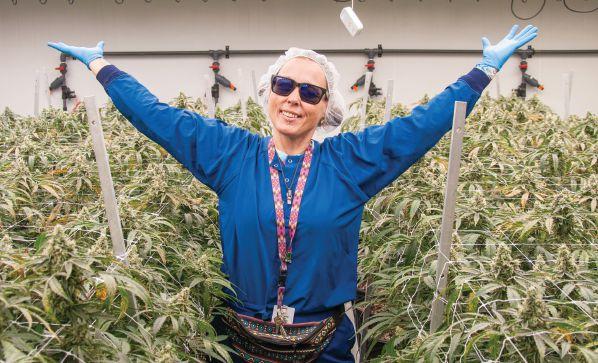
This year, Grow Opportunity welcomes 2022 Top Grower Award winner Alexandre Gauthier, director of cultivation at Origine Nature, to the panel of Top Grower judges alongside Av Singh, Stacie Hollingworth and David Kjolberg. Last year, the 2023 winner Genevieve Newton, sat down to discuss winning the award and achieving her five-year goal in two.
“It’s funny,” she says, recalling the first award winner back in 2019. “[Gregg Wigeland] used to be the master grower at Sundial when I was a lowly grunt,” she says. “He won that award when I was still cleaning up plant piss off the floor; I remember him winning that!” Newton found time to discuss her well-earned
spotlight, eight years in the making: “It means so much to me,” she says. “It was a sign I needed that I’m still needed in this industry.”
Newton is a second-generation farmer, having learned her gardening skills from her dad and grandpa growing up in Saskatchewan. She knew her dad was also growing in his closet, but weed wasn’t her thing at the time. “For four years while I was sober, I was searching for happiness,” says Newton, “something to replace my addictions, my drinking. That is how you stay sober – you replace that with something you love,” she says. “I tried all these things, and it was this thing. That was what it was.”
CANNA SUBSTRA
Precision Nutrition for Inert Substrates
EASY- TO-USE | CONSISTENT QUALITY INPUT
TRACEABILITY OF ALL PRODUCTS | TECHNICAL GROWING SUPPORT
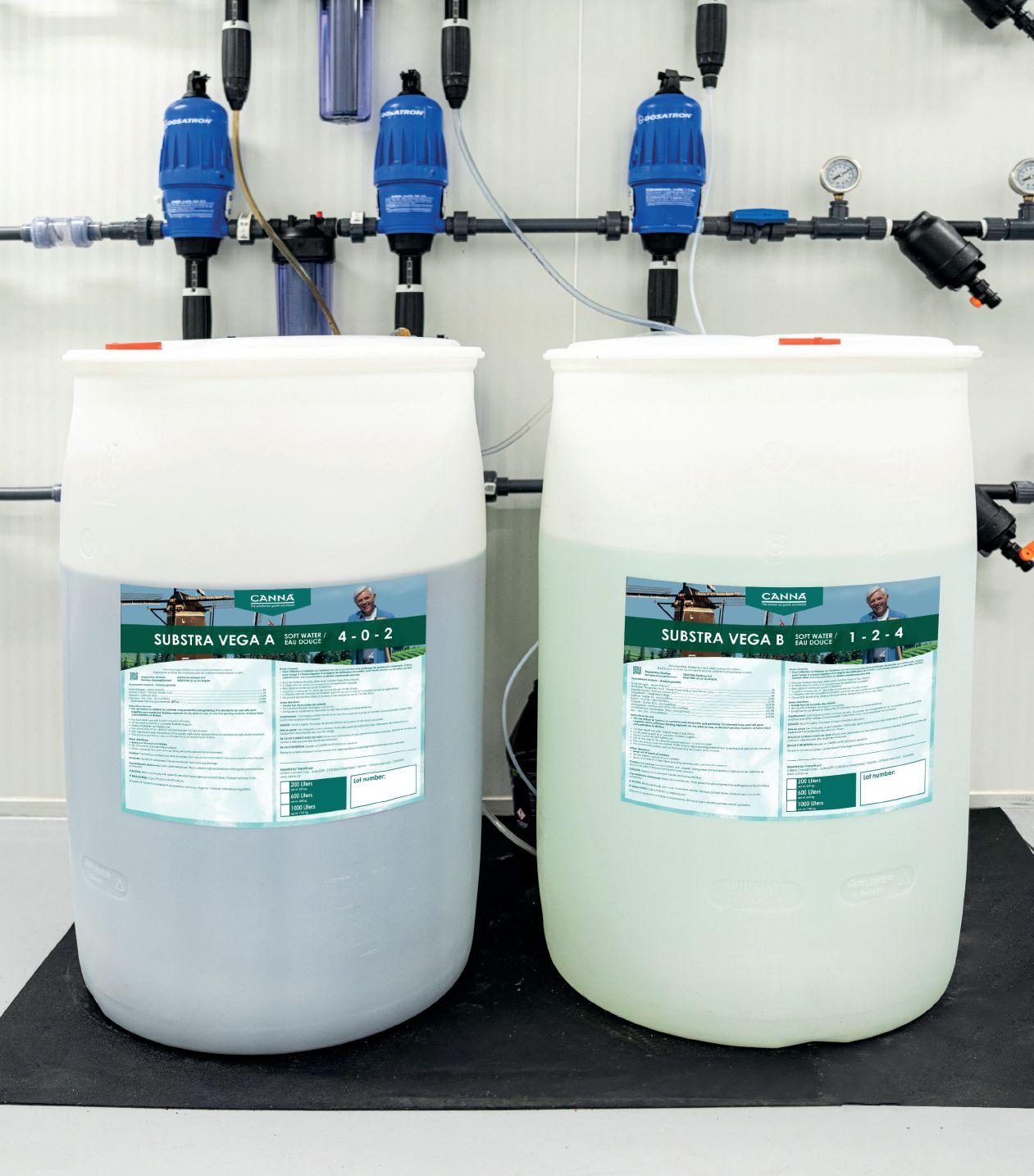
CANNA SUBSTRA is the ultimate, easy-to-use 2-part fertilizer, specifically designed for growing on inert substrates like rockwool in run-to-waste systems. It delivers all the precise elements your plants need for optimal results throughout both the vegetative (CANNA Substra Vega A & B) and flowering stages (CANNA Substra Flores A & B) of your plants. All CANNA nutrients are manufactured from the highest quality materials, as we recognize the vital role of clean and consistent inputs, as well as keeping it simple!
Trust CANNa, a leader in the industry for over 30 years, to deliver on our promise that “Quality proves itself!”


Cultivation
By Dustan McLean
Breeding & genetics in a post prohibition world
I’ve been breeding for just over 20 years now and growing for 30. I’m from Alberta, so we had to do everything very quietly. There was no real set culture in Alberta like there is in in B.C. and in lower Ontario; we’re a very conservative province. We had to be very quiet with what we were doing and it was tough to get genetics, short of driving to Vancouver.
I unfortunately lost my daughter to a fentanyl overdose; she was an opioid addict. I talked to Frenchy Cannoli shortly after that and it was a blessing. We talked for two hours about different terpenes, funny enough, that we were going to look for to help with this opioid crisis. That day I set out to create a cultivar to help battle the opioid crisis, and it’s still something we’re working on. There’s two major compounds we’re looking for: myrcene and caryophyllene.
We’re trying to create a cultivar that can help those people stop the need to use, and it’s something that we’re going to keep working on. And there’s a whole other myriad of things we look for when it comes to breeding structure, like how does it grow in a commercial facility?
Some cultivars are really beautiful at home in a tent, but you want to bring them to the commercial game and you can’t, because they’re just too much plant work and too much
overhead. So how do you get that plant into something that’s commercially viable to grow?
I have also created a cultivar that pulls up 30 per cent less water than any other cultivar studied. It’s great for drought-stricken areas and went 28 days without being watered. I also grow on Galiano Island in B.C., and we have a lot of water restrictions there.
Some guys just want to breed for that high THC. Other guys want to breed for terpenes.
I
breed for flavour. I look for dance partners: who’s going to make a real good dance partner coming from stable parents?
Right now, at Big League Genetics, we sell mainly to Germany and Australia, and in Germany, they’re after terpene content. They don't care about the THC; they want the experience. I think that’s something we need to be driving home
more: the experience of cannabis and not the numbers. There is amazing stuff that’s 1:1 out there, and they make you feel fantastic.
I had a Violator Kush that was lightning in a bottle. When we had it on the legacy market, we couldn’t keep the packs; they were gone as soon as they were ready. We brought it to the legal market, did a proper COA on it, and my business partners said, ‘nobody’s going to want this.’ I said, ‘Get it into a market and just let them try it.’ It went to the OCS and it sold through right away.
I find with high THC, it’s a quick ramp up and I’m back down again. Whereas I find something that’s a little lower THC, higher CBD or even just lower THC and higher terpene content, sometimes I find those highs last longer, or it’s more enjoyable to smoke. Those super high THC for the most part are not the most tasty. I like something that I can sit back and relax with; that’s part of the experience. I can put it out halfway through and come back to it, and it still tastes delicious. At Ganjier, that’s called the ashtray test.
I breed for flavour. I look for dance partners: who’s going to make a real good dance partner coming from stable parents?
Cherry pie is one of them out of California. I grow a lot with cherry pie; it’s a very dominant genetic plant, it’s a very crystally plant, it will pass on a lot of trichome structure to anything
Dustan McLean was a founding partner and head of cultivation for Parkland Flower Inc. He is now the head of cultivation and master grower for Big League Cultivation in Alberta. In 2024, Dustan was named one of Canada’s Top 50 Cannabis Leaders.
Thailand Wedding on harvest day – a cross between Green Thai & Wedding Cake.
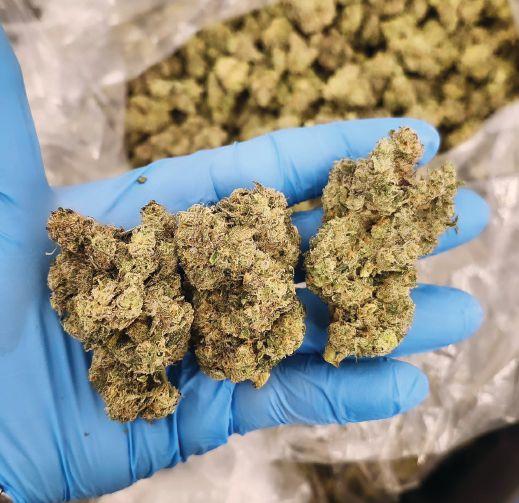

I put to it. It’s also delicious. I’m a cherry and grape fan. I love gas. I do like garlic as well. As a breeder I take the Rick Ross McDonald’s approach to breeding, and I think a lot of LPs need to start this as well. We need to start telling the customer what’s on the menu and not asking them what they need. We need to force the narrative to our side, saying ‘this is what you need to smoke, and it will make you feel amazing. I promise you don’t need to worry about the numbers.’ McDonald’s doesn’t ask you what burger you want. They figure it out. They do research themselves, they’re ahead of the game, and they drop products and then they’ll pull them back if it doesn’t work. They have standards.
For me, White Widow Skunk, all the old standards, we need to bring those back to market. I have those as the
standards and then we have our little exclusives that come in and out. I like to mix old school stuff with some new school stuff, so people get to experience a bit of both as a bit of a bridge; it’s been very successful for me.
My Thailand Wedding was at the Grow Up Conference four years ago, and no one was ready for it. Now I’m getting requests for the genetic constantly because it grows incredibly well in Ontario and Quebec, but it’s the old school flavour with some new school structure. I have some plants that grow the smallest little flowers, they are so bold, but it’s not commercially viable. How do I get that into another plant?
I think about what people like, and I try to be ahead of the game by about two years. I find, you don’t chase today’s trends, you create tomorrow’s. I’m not chasing a trend; I’m creating the next smoke for the people.




Gush Mintz by the team at Big League Cultivation. In Germany, where they export, buyers are seeking terpene content over THC – experience over the numbers.

By Peter Miller
Deep Roots, Green Future: Purple Hills, path to land stewardship
The area surrounding Creemore, Ontario, has long been an agricultural frontier. From the first settlers who carved out an existence on its rocky hills, to the modern farms surviving and thriving through technological and business-model innovations. At Purple Hills, our team and families have contributed to that history, from those first farm settlements to one of the newest legal farm enterprises – cannabis cultivation and processing. Today, our land management and production practices look to the past for inspiration, while leveraging the technologies at our disposal to maximize efficiency and minimize our environmental impact. We have dedicated ourselves to producing high quality products through sustainable, regenerative and transparent practices.
This year, we formed The Purple Hills Centre, a not-forprofit organization that operates our animal sanctuary, manages and promotes our most important environmental initiatives and works to better understand the potential of regenerative agriculture for carbon sequestration and soil health.
The Purple Bin Program
Our most ambitious and impactful project to date has been the widely adopted Purple Bin program – a cannabis packaging waste collection and upcycling initiative. Since start-
ing the program in January of 2024, we have collected almost 4,000,000 grams of packaging and hardware waste from 800 cannabis retailers across the country. As we collect and sort, we’re constantly searching for the best upcycling opportun-
ities for all the materials.
The immediate uptake, enthusiastic participation and positive feedback from retailers and consumers alike has powered the program to heights we only dreamed about; its overall success is in-
credibly humbling. Not only have these bins diverted waste from streets, parks and landfills, they’ve served as a motivational spark for the industry to adopt more sustainable packaging solutions, with numerous industry participants signing our petition to change the rules and regulations that contribute so heavily to the waste issue, in the first place. We believe that a true partnership can exist between producers, retailers, suppliers and the government to tackle this waste issue from the imperfect regulations that contribute to excessive cannabis packaging through to the decisions made across the entire supply chain.
As the hundreds of industry friends and community members who have visited our events and tours know, the Purple Hills Centre sits atop the beautiful Ten Hill. From there you get an incredible view of the whole landscape; a tapestry of rolling green fields, a great lake, big sky, colourful crops, grazing livestock, and of course, our fellow farmers and stewards working the land like so many before them.
This portrait of connectivity is what Purple Hills aspires to – an ecosystem that is enriched and supported, not exploited, by its stewards. We’re proud to call Creemore home and we’re even prouder to bring this pursuit of positive growth far beyond the valley where this dream was born.
Peter Miller, the founder and CEO of Purple Hills, is a lifelong entrepreneur with a focus on businesses and industries with the greatest potential for environmental and economic value creation.
A rescue horse at Purple Hills is but one example of the harmonious relationship with nature encouraged by the Ontario producer, processor and land steward.
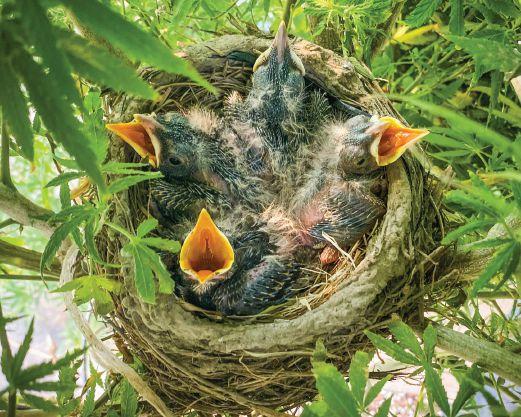
Baby birds and other wildlife can be found nesting in the outdoor cannabis crop.

AD LUCEM LAW CORPORATION is an international legal and consulting practise based in Vancouver, British Columbia. True to its meaning “to or towards light,” AD LUCEM LAW CORP. brings clarity and resolution to legal challenges in emerging and regulated industries.
AD LUCEM LAW CORPORATION has been instrumental in supporting policy reform, constitutional challenges, and business development since its inception in 2013, earning founder Robert W.E. Laurie recognition as a skillful lawyer, valued industry consultant, and requested public speaker.


Cannabis Divided: Parsing the impacts
How the U.S. election could reshape the future of the industry, according to two cannabis attorneys
By Haley Nagasaki
On a federal level in the United States, Cannabis sativa L. occupies two classifications: hemp and marijuana. Hemp is a federally legal substance currently feeding the adult-use market, where consumers 21 years of age may purchase over the counter products below 5mg of hemp THC in formats such as beverages and edibles. “[These products] produce an intoxicating effect,” says Bob Hoban, Clark Hill cannabis attorney, “all day long and twice on Sundays.”
The same plant containing more than 0.3% THC by weight – the stigmatized maddening marijuana – has recently been rescheduled from Schedule I to Schedule III in the Controlled Substances Act beneath the Biden administration, reserved for regulated substances that possess some medicinal value. On a case-by-case basis, some 24-38 states have legalized marijuana for recreational and/or medical purposes via clinics and dispensaries. These products cannot cross borders as they are federally non-compliant.
Therefore hemp (aka “red state weed,” says Hoban) comprises the federal adultuse market for low dose, over the counter intoxicating products, while marijuana is now recognized for its medicinal value.
A polarizing topic for some, the use of

hemp and marijuana by the American people is hot-button issue at the forefront of the presidential election taking place Nov. 5, 2024, between the new leader of the Democratic party, Kamala Harris, and the Republican nominee, former president Donald Trump. Publicly, the candidates’ respective stance on cannabis has oscillated, though it now appears that Harris advocates for legalization.
What is the likelihood of federally descheduled marijuana in the U.S., on either side of the political aisle, and is federal legalization even a good idea?
Denver-based attorney Bob Hoban, with 25 years of experience, and Vancouver’s Rob Laurie, founder of Ad Lucem Law Corporation, joined Grow Opportunity last month to share their views on the U.S. federal election and what it could mean for both Canada and United States on matters of hemp, marijuana and the global cannabis marketplace.
Historic prohibition & recent rescheduling
Regardless of whether Americans view the rescheduling as “an election day ploy,” considering the proximity to the Democratic National Convention and the final results on Schedule III moving forward, this fall the verdict will finalize on the advancement of marijuana on a Schedule III substance. “In other words,” says Hoban, “just a couple of weeks before Election Day, if you care about marijuana, ‘look what we, the Democrats, did for you. We relaxed the restrictions around marijuana.’”
Why did cannabis even end up with opium in the first place, poses Laurie, citing the Asian Exclusion Act and the backdrop of racism: “Cannabis was used as well with hash and opium to go after and prevent the Asian immigration in the last century.” A jump to the 1970s shows the “Nixon administration and the
Podcast: Election Day Special with cannabis attorneys Rob Laurie, Vancouver, and Bob Hoban, Denver.
demonization of cannabis being effectively the poster child of counterculture drugs, along with psychedelics,” he says, “the injustices of which we’re still grappling with today.”
As previously mentioned, despite that Harris may now be coming around to cannabis, “of course she’s had a history of flip flopping on the issue,” recalls Laurie, going back to her days as Attorney General for the state of California.
The U.S. stance on cannabis and marijuana ultimately impacts the global market on an international level and is indeed a step in the right direction. Trump did not greenlight the use of marijuana during his presidency, but he did create a “$23 billion hemp industry in the United States when he signed our Farm Bill into act,” says Hoban; “he’s no stranger to business around cannabis.”
Laurie and Hoban consider the economic allure of a regulated cannabis market, questioning whether the more right leaning party might be the ones to take the bold step creating a framework around cannabis that generates revenue and draws tax dollars.
On the flip side, it’s worth noting that the Democrats, and Joe Biden specifically, implemented the “three strikes rule.” This policy drastically altered the demographics of federal prisons in the U.S., shifting the majority from Caucasians to minority communities. “So Democrats are no

friends of cannabis; don’t make any mistake here,” says Hoban. “However, they have a social justice approach to it, largely, whereas the Republicans have spoken about it more in favour of a business approach.” So it’s anyone’s guess what happens next, but Hoban does not expect to see federally compliant cannabis businesses. “I think you’re going to see this continued patchwork with federal policy that stays Schedule III.”
“Democrats are no friends of cannabis; don’t make any mistake here. However, they have a social justice approach to it, largely, whereas the Republicans have spoken about it more in favour of a business approach.” - Bob Hoban, Clark Hill
The hemp vs. marijuana civil war Hemp has gained traction in red states, largely free from the stigma attached to marijuana. However, the compounding effects of cannabinoids in products like beverages or gummies can still produce an intoxicating effect, even if they’re milder than the higher-dosed items found in dispensaries in states where marijuana is legal. “I would be interested to see how Schedule III effectively eliminates the notion of adult-use cannabis or recreational cannabis,” says Hoban.
He continues, considering that flower in its natural state in accordance with Schedule III will need to be produced for a medical purpose within a medical supply chain. So how do you do adult-use? The over the counter void as it currently stands is being filled by low dose hemp products, inciting a battle between the hemp and marijuana sectors. “You’d have to figure out how a product that could potentially be consumed by inhalation fits within a medical framework,” he says. Whereas descheduling is concerned, that “was never really a real possibility from a government agency,” says Hoban,
“that’s a political move.” However, it also begs the question: is federal legalization in the United States a good thing?
“I’m not so sure it is,” he says.
“Federal legalization could make this purely a pharmaceutical play, purely a go-to-your-doctor-and-get-a-pill play, that continues to foster the illicit market because if I want my cannabis flower, I'll be damned if the law is going to tell me I have to go to a doctor and get a pill for the same effect.”
Furthermore, the specifics of a Schedule III license remain uncertain, particularly regarding whether the DEA will even issue those licenses. Then once a cultivator or manufacturer obtains registration under Schedule III, they will be limited to selling only to other Schedule III license holders, and the international equivalent, in order to engage in commerce.
Seeking reconciliation
Both Laurie and Hoban agree that eventually the systems do merge, and there does need to be an opportunity to reconcile on an international level: meaning hemp and marijuana are called cannabis, regulated by its use.
“If I’m going to put anything in my body, even if it’s for protein or omega 3s versus cannabinoid content, then there’s largely

going to have to be some sort of synergy between the two sectors,” says Hoban. “It should all be cannabis regulated pursuant to its uses… But you just never know. Political leadership comes in weird shapes and sizes and economics and consumer behavior usually drives that discussion.”
Already low dose THC hemp beverages are being sold at professional sporting events, big concert venues, and over 5,000 liquor stores across the U.S. sell low-dose Delta 9 hemp derived beverages.
“It would not surprise me at all, no matter who wins our presidency,” says Hoban, “if they see this clamor towards Schedule III and they see the cons, they really then start to look at the consumer numbers.”
Election Day predictions
Independent, libertarian-minded Hoban suspects the American voters will divide into three groups: one-third reliably votes Democrat, one-third reliably votes Republican and the swing voters, swayed by key issues, often determine election outcomes influenced by hot-button topics like abortion rights and racial divides. He sees economic issues dominating the discussion, with many blaming the Biden administration for the rising cost of living, predicting that voters will “vote with their wallets,” leading to a 51/49 Republican victory.
On a similar note, Laurie sees voters in both the United States and Canada getting fed up with leaders unable to handle rising costs effectively, predicting that this frustration will likely lead to a narrow win for Trump.
“I think both camps can capitalize on exactly what Bob identified, the fact that the cost of living now, it seems almost like our respective leaders are incompetent or impotent with respect to their abilities to deal with the rising cost,” he says.
Laurie points out the role cannabis could play in elections, noting some interesting overlaps with the religious and Indigenous issues, but is ultimately being eclipsed by other pressing problems and perhaps feelings of alienation by the progressive left. He says that cannabis may not even be a factor in the way people vote, because “any of the demographics in the middle that haven’t made up their mind will vote either with their wallet, their faith, or the fact that they want to see a return to white picket fence, apple pie and baseball America.”
“Unfortunately, hemp versus marijuana has become such a politicized issue,” says Hoban, “but the industry is cannibalizing itself as well.” Rather than the marijuana sector partnering with anti-hemp prohibitionists, both sectors need to be aligned, and they need to be patient.
“Because I honestly think that any industry that still has these barriers and these boundaries is going to struggle and flounder,” says Laurie. “Especially when the Canadian cannabis industry can only move as far and as fast as the elephant south of the border, and their international and drug policies,” he concludes. “And I do expect huge things from the legal U.S. industry.”
An uncompromising commitment to quality
Building IP, scaled production and premium product offerings with Rubicon Organics
By Haley Nagasaki
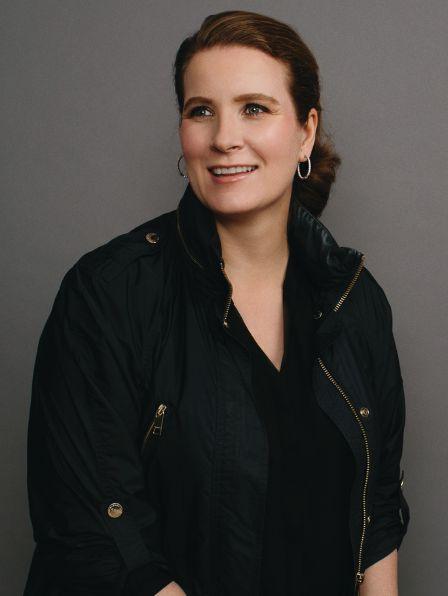
Vancouver-born Margaret Brodie, CEO of Rubicon Organics, recalls scrubbing the farmhouse on site of their Delta, B.C. property, two kilometers from the Pacific Ocean, prior to a Health Canada visit. The property purchased, previously a pepper farm, is now home to a global brand leader in organic cannabis. “I’m a big believer in living where your business is,” says Brodie, noting the nearby wildlife and blueberry farms.
After receiving their license in 2019, Rubicon Organics launched the Simply Bare brand, unaware of the uphill battle that Covid – the stressors and uncertainties – would bring. “It’s been one foot in front of the other,” says Brodie, “do something, do it well, and focus in your lane.”
Their three flagship bands Simply Bare Organic, 1964 Supply Co. and Wildflower helmed by the VP of marketing and new business, Mathieu Aubin, in conjunction with an all-female c-suite, satisfy
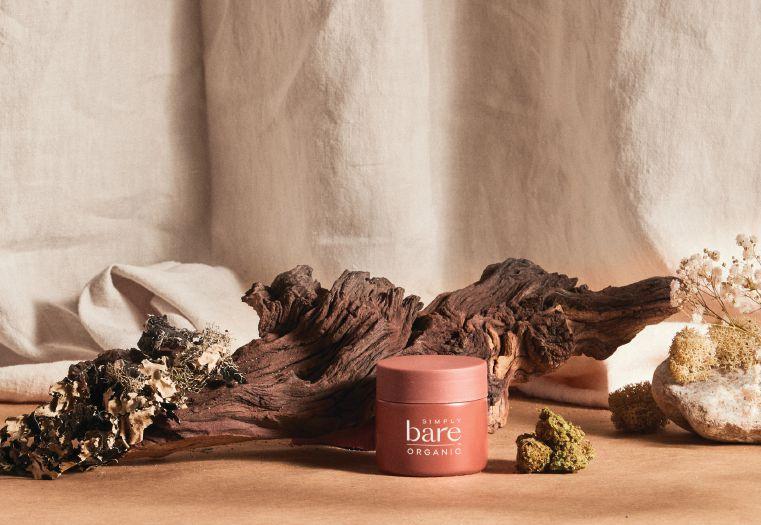
consumer needs by focusing on premium cannabis flower certified by the Fraser Valley Organic Producers Association (FVOPA) along with vapes, edibles and topicals under their brands.
Over the past year, the Rubicon team has invested in building their intellectual property database, with data collection from their scaled living soil operation, ensuring they are global leaders in premium organic cultivator, “using the power of the sun,” says Brodie.
Margaret Brodie describes organic as a feature rather than a benefit. “So the weed has to be great.”
However, the CEO describes organic as a feature rather than a benefit. “So the weed has to be great,” she says. “Our view is that the organic living soil makes the terpenes and flavour experiences better, but is has to be premium cannabis, not just organic, to sell at premium prices.” This speaks to the company’s reputation with consistent quality products. Otherwise, they don’t go to market.
At times, “we’ve had to make really difficult decisions,” says
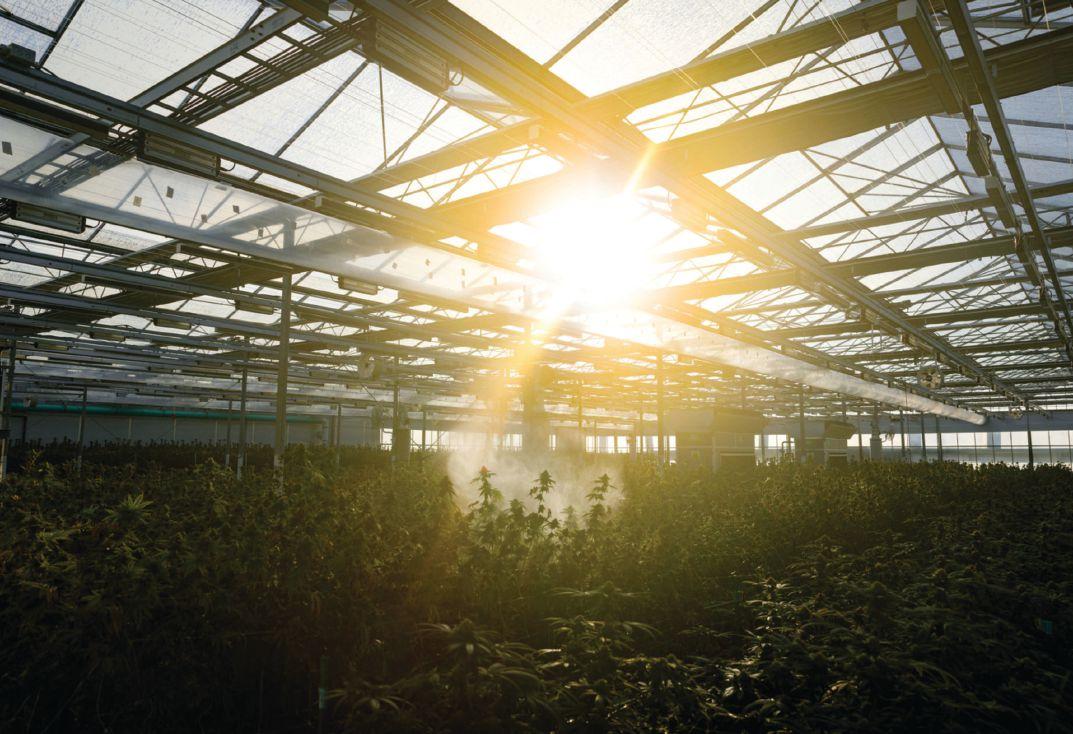
Rubicon Organics is focused on achieving industry leading profitability through a focus on differentiated product innovation and brand portfolio management, including its flagship super premium brand, Simply Bare™ Organic.
Aubin. “We have not put some crops out there; we’ve had to cancel POs. We’ve had moments of taking financial hits in order to never compromise on quality standards and our brand promises.”
What’s most important?
Earlier this year, Rubicon Organics launched a line of full spectrum extract vapes. “That was a big deal for us,” says Brodie. “And we sat around the table and said, ‘what is the most important thing? Is it the lowest cost input or is it putting the best quality product out there to show people how good the product can be from great flower inputs and capture consumer love and loyalty?’ That’s been our approach.”
Having a financially prudent team also lends itself to a stronger company as people have better job security. “I don’t have an executive assistant,” she says. They spend the extra time, do the work themselves, and ensure that their resources stay focused on the business. “We like to say we’re a business that’s in cannabis, not a cannabis business.”
The data-driven CPG company stays true to principles like taking time and being best in market rather than first to market.
Proudly a cannabis company, Brodie explores the marriage of legality and respecting the legacy.
“You know,” she says, “my first day with [founder] Jesse McConnell, I said something about the black market, and he just turned to me and said, ‘let’s be clear on what got us here.’ It was such a powerful thing for me.” To work at Rubicon, employees do not need to consume cannabis, but they do need to love and respect the standard of work being done there.
House of brands
Simply Bare and 1964 Supply (the year Professor Mechoulam discovered the THC molecule, and the Beatles first came to North America) make up their strong flower brands.
Simply Bare, with its delightful new Fruit Loopz flower, focuses on new genetics in a more premium offering, while 1964 is their “legacy
Organics
three flagship brands: Simply Bare Organic, 1964 Supply Co. and Wildflower. They also provide the cannabis market with product offerings such as full spectrum resin vapes, edibles and topicals under their brands.
recruiter,” bringing known legacy genetic into the legal market. “We strongly believe genetics is the way of the future in the cannabis business,” says Aubin. “You need to have strong, consistent genetics. An outstanding genetics library is critical to success.”
Brodie frequents the facility herself, and once a week, the leadership positions and the quality team also take a “crop walk,” evaluating the plants as well as safety hazards or maintenance risks. “We make sure everyone’s on the same page because we’re an agriculture business, and we grow rainbow crops.”
From a risk perspective, the fluctuating elements’ impact on the crop growing multiple strains in a single area requires a keen eye and a cohesive management team. The unusual rainbow cropping greenhouse style, stacked with living soil cultivation, signals highly unique IP in a successfully institutionalized and scaled operation. “It means that we’ve got the strength in business overall, and we’re creating scaled premium and
Rubicon
has
organic IP in Canada that we’re really proud of.”
Growing for people who love cannabis, Rubicon opted for full spectrum extract resin vapes in order to illicit a “true flower experience.” All of their main cultivars ¬ Comatose, Blue Dream, Gelato #41 – are all now available in 510 vape format; “the taste is very similar to the flower experience,” says Aubin.
Growing with CPG portfolio management
Aside from keeping the company in the best possible financial position, by refinancing debt that will prepare the business for the upcoming years, Brodie and her team look to expand their enterprise in conjunction with other excellent operators.
Brand expansion will occur with “great growers, great contract manufacturers, and great partnerships,” she says. “We want to actually help build our partners’ businesses as well so that we’re building a great industry in Canada.” From an investor and company management side, it’s called “the three-legged stool,” including suppliers, customers and then franchises – a concept their board of directors understands well.
Rubicon is close with other producers akin to their mission statement as it is their collective purpose to grow the premium segment of the market. “The more premium growers succeed, the bigger that piece of the pie will become. The industry is still too young for us to be real competitors,” says Aubin, citing the industry’s sustainability and longevity incentive.
Brodie is also a board member of the Cannabis Council of Canada (C3), and works closely with other neighbouring organizations in cannabis, investing again in the cannabis community, and “having impact that is authentic to our values,” without, of course, confusing kindness for weakness.
Having spent nine years in the industry, Brodie knows the struggle, “and some days I think I should have taken the job with the pretty office looking out over the water,” she says. “You know, we started out at my kitchen table, and now we have 185 full-time employees and 75
“The more premium growers succeed, the bigger that piece of the pie will become. The industry is still too young for us to be real competitors.” - Mathieu Aubin
contractors that come through the facility almost daily.” Brodie thrives by returning economic development to the city and the country at large, while helping to grow the global industry.
The international advantage in Canada is not lost. Without limiting Canadian cultivation licenses like they do in Europe, it is, in a sense, fair game – fierce competition. And the result “forces the good businesses to be better much more quickly,” she says, “and that’s one thing Canada hasn’t realized: what a good industry we’re going to end up with.”
Regulatory optimism
While the encouragement felt post-Gazette recommendations was reassuring, the issue of excise tax in Canada continues to be the number one inhibitor for cannabis product businesses. “Even though we pay our excise taxes, if we could drop the price for the consumer, we could actually sell more of our premium flower,” says Brodie. The sale of inventory at low costs as a result of paying over 40 per cent in taxes was apparent last year, to the market’s detriment. And while Canada may be on the rebound, still in this sector, “our biggest competition is the grocery store bill,” she says, not necessarily the other cannabis companies.
On top of excise, the LP is also paying an excessive 2.3 per cent fee to Health Canada on their top line revenue. Another key challenge in the cannabis industry is the disparity in regulations compared to other sectors, where more harmful products are not subject to the same strict oversight.
“And look,” says Brodie, “I’m a chartered accountant; I’m an officer of the company. But we’re playing the long game. We’ll compete in any market, whatever rules are put in front of us, and we’ll play fair.”
Margaret Brodie has worked in the cannabis industry for nine years, having received numerous awards for her talent & leadership skills.
David Silverberg is a freelance journalist and writing coach in Toronto who writes for BBC News, The Toronto Star, Leafly and more. He was also the editor of The Medical Marijuana Review. DavidSilverberg.ca
Stress for Success: Weighing the risks and benefits of HST
From topping to knuckling, cultivation experts recount HST methods. But with limited scientific backing, how do high-stress training methods stack up?
By David Silverberg
Give a grower a few years of cultivating cannabis plants and they’ll likely hear rumblings of stressing out the plants…in a beneficial way, of course.
High-stress training (HST) is a set of several techniques aiming to add stress to plants so they can, say, improve yields or boost the level of cannabinoids.
Think of this approach similar to how humans deal with stress: when plants endure pressure, they shift into survival mode and change growing behaviors.
The research is almost there to help prove HST is beneficial. Some studies have found that underwatering and creating drought conditions for cannabis plants can improve the cannabinoid concentration.
But it’s not a one-size-fits-all application. Which HST techniques are ideal to bring to the operation, and which should be left in the shed? Grow Opportunity spoken to several Canadian cultivators to learn more about
topping, knuckling, temperature management and other strategies they say will improve the growing experience and yield.
Top of the morning to you
Canopy management is critical for any grower dipping their green fingers into HST. Topping, a well-known HST technique, refers to removing of the top part of the plant to encourage more growth in the lower branches.
By removing eight to 12 of the branchers to lower the height of the canopy, growers can find the right balance to how the plants will grow under light and how the branches will fill out the space to contact that light, says Will Fournier, part of Canna Canada’s product development team.
“Cutting the apex allows the plant to grow wider rather than taller, too,” he adds.
Tyson Cramer, chief cultivator at Aurora Cannabis, says topping can be beneficial for growth but don’t jump into it without a trial period. “Certain Cultivars will react to topping differently from one another so perform some runs to pay attention to what happens when, say, the topping happens prior to the flip or four days after the flip.”
Cracking with control
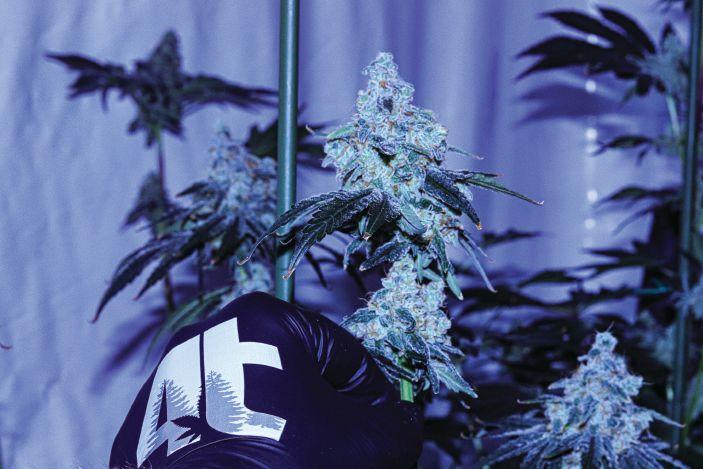
When Daniel Vaillancourt, founder of consulting group 4trees cannabis, looks back at which HST approach he enjoys leveraging, knuckling (also known as supercropping) is top of the list. By squeezing the stalk with the index finger and thumb in order to
Daniel Vaillancourt founded 4trees cannabis, and employs HST methods (such as supercropping) to his plants.
squish in slightly, this technique coaxes the branch to fall over and become horizontal, he says. “Over time it will point back up at the light and develop a large knuckle in that pressure spot, and it really increases cellulose levels and different hormones that promote growth,” says Vaillancourt.
He cautions that knuckling has to be done roughly one to two weeks before flowering, and it’s a sensitive operation: place too much pressure on the branch and it can snap off.
Cramer says Aurora’s operations are too widespread to manually knuckle each plant, but he recommends it for smaller lots, as it’s something he’s seen that allows light to hit the top colas effectively. “Whether it can add THC levels, that’s not something I’ve seen concretely, but there’s potential there,” Cramer says.
Make a bet on netting
To bend branches successfully, another HST approach is attractive to some growers. “I net and trellis aggressively,” says Jawad Skieneh, master grower at Greenway Cannabis.
He explains how the trellis acts as a support system and offers a way to stress out the plant in bending the branches back and allowing sunlight and supplemental light to hit every node and grow more laterally and vertically. “Light can then get at the whole plant. If the plant remains very vertical, the top can shade the bottom and create microclimates, creating an inconsistent grow,” Skieneh adds.
The downside of netting is how overcrowded the grow can become, says Fournier. “Some netting operations will create overlapping of stems and leaves, so it can be messy, and could potentially lead to bud rot and other diseases, and also block airflow,” he says.
Stay cool
Adding stress to cannabis can also include manipulating the temperature in the greenhouse. Skieneh favours cooling down the operation with certain strains, which often “lead to higher terpenes profiles and more beautiful dense flowers,” he says.
Take into consideration the strain at hand, because certain flowers will naturally grow densely, whereas other strains will need that lower temperature near the end of the grow cycle. “You want to match the climate to your genetics,” Skieneh says.
Another HST tactic is depriving plants of water to encourage the roots gobbling up as much oxygen as possible. Vallaincourt says when this sensitive approach is done right, it can increase the THC levels in some strains. But use it smartly, he adds. “When you’re drying out your roots, you can kill rhizomes that are surrounding your roots, that never come back,” he says.
Why darkness matters
An integral HST technique is light management, Vallaincourt suggests. “We create this artificial fall phase for the plants,” he says.
Near the end of the plant’s life, he tends to knock off the lights completely, an HST approach that “brings out a lot of terpenes, boosts the THC levels,” he says. Now that terpenes are gaining wider acclaim for being the essential oils of cannabis, can any HST strategy
work towards boosting their levels? Cramer has seen how adding sugars to soil can manipulate terpene levels in plants, “but it’s a practice difficult to do at scale,” he adds.
But where’s the science?
As anecdotally effective as HST techniques can be for cannabis growers, some experts warn how little concrete evidence backs up their claims. “Where is the academic literature proving that, say, topping works?” asks Mike Dixon, a professor at the University of Guelph’s School of Environmental Sciences. “Without having an actual experimental data set to refer to, I hesitate to pass judgement.” Dixon recognizes the uphill battle researchers face. “Cannabis in Canada was illegal for so long, and it still is in the U.S., so it’s hard to get data to support theories.” Dixon is hopeful that as more studies analyze what stress does to cannabis, the stronger the case will be. Still, no matter the approach taken, ensure data is tracked, “rather than just going by feel or intuition,” says Dixon. Skieneh formalizes the data-gathering process by always keeping a pen and pad on him when he tracks grows cultivated with HST. “You can look at things how much closer are the nodes today, and how can I get that beautiful crop again that I just grew?” he says. “Give yourself the tool to look back on what worked so you can replicate it later.”

Harvesting with Italian pruners from Castellari
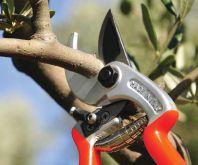


Say goodbye to tired hands and wrists with our range of professional hand pruners designed to prevent kickback Contact us


Vantage Point
By Denis Gertler
Could low potency products become a growth market in Canada?
For some time the outlook for Canada’s cannabis sector has been gloomy. Following the crest in company values post-legalization came a crash from which the cannabis equity market hasn’t yet recovered. Meanwhile, domestic demand for cannabis seems to have flattened and shows few signs of new growth. While overall revenue is projected to reach US$5.63 billion this year, recreational sales have leveled off. With over 3,700 authorized retail stores across the country, and just under a store per 100,000 population the recreational market appears to be saturated.
Looking at low-THC consumer products in the U.S. in my previous article, I was struck by the segment’s triple-digit growth and by its movement into multiple sales channels. While consumer data is still catching up with this new market it seems that low-THC adult use products are reaching new customers who are loath to visit dispensaries. In contrast to the U.S., recreational cannabis offerings here reveal the continuing dominance of high-THC products. Could Canadian and U.S. consumers be so different, I wondered?
I’m betting they are not. Sure, American low-potency markets have taken advantage of the loophole created by the 2018 Farm Bill’s hemp definition. Aside from conversion cannabinoids, natural hemp adult-use products below the 0.3% THC threshold are profitably marketed across the U.S. Could similar products be sold here?
Canada’s Industrial Hemp Regulations suggest it might be a difficult path. Only classified hemp cultivars may be used, although there’s a long list. It’s difficult to say if these have attractive terpene profiles for recreational use. THC levels are typically quite low. The government can be petitioned to add varieties, but that’s another process to engage. A simpler option would be to use

regular cannabis, which low-potency beverages, edibles and other products could be derived from. Products would need to be adopted by provincial distributors, but the OCS has a small low-potency category, and Alberta has cut out the middleman to allow for direct distribution. Advertising and promotion rules are another obstacle.
Cannabis retail here would also need to make some changes. A typical retail store is oriented, through its branding, sales culture and limited floor space, to selling high potency. In the U.S., beverages are the key category for lower THC products where they’re sold by supermarkets and liquor outlets depending on state legislation. Beverages require more floor and shelf space than in dispensaries. As the ‘Dad Grass’ brand I featured exemplifies, the stateside pitch is to regular folks – those who drink lite beer while tending the BBQ.
I can think of two business models that may be useful ways to reach a similar clientele here. The first I’m borrowing from Alberta-based SNDL, a firm that’s been on a tear recently, buying up chains and using the
retail brands they represent to target specific customers. For example, the Value Buds and Firesale brands appeal to bargain hunters, Spiritleaf offers a “premium guest experience,” while Superette is designed to reach shoppers who just want to have fun. Significantly, SNDL has evolved from its core cultivation business, so it’s well situated to customize new products to supply its stores. By rationalizing staffing and internal systems, the firm seems intent on reducing its cost structure to live with the price compression that’s helping to drive some of its competitors out of business. The company is also a major liquor retailer, with transferable expertise for merchandising cannabis beverages.
I previously hinted at a second model in my piece about Ontario’s changing retail markets. Supermarkets are a popular sales channel in states that permit hemp-based THC drinks. By incorporating separate but complementary cannabis outlets beside their stores, grocery chains could also sell low-THC products to their customers. Major grocery players would bring advantages of deep pockets plus business, marketing and logistics capability to evolve the model.
A variation on these approaches is to feature both low-THC recreational and Cannabis Health Products in proximate outlets. The federal government’s slow uptake of its 2022 Scientific Advisory Committee report is blocking this strategy, for now. However, Health Canada says it will clear a regulatory path for Cannabis Health and Wellness products. With its stake in and plans for expanding their pharmacy business, Big Grocery is well-positioned to take advantage. Food shoppers could wheel their carts to the pharmacy for CHPs, then drop into the low-potency cannabis outlet beside the entrance. Some work is required to research, test and implement viable channels for newly branded low-THC products here. But judging from results south of the border, such efforts may well be worth it.
Denis Gertler is a regulatory consultant, board member and former government regulator.

Budtenders
By Katie Pringle
The power of trade marketing
In cannabis, marketing isn’t as straightforward as other industries.
Strict regulations limit direct-to-consumer communication, making it a challenge for brands to connect with those who purchase their products. As a result, the role of trade marketing has become more crucial than ever. At the heart of this approach are Budtenders.
One organization that has recognized and harnessed the power of budtenders is Tether, a Canadian budtender community, that recently celebrated its third anniversary with a landmark sampling event in Ottawa.
While Tether’s focus is on connecting LPs and brands with budtenders and retail decision-makers through events and B2B marketing campaigns, the broader lesson for the industry is clear: industry engagement can be the difference between a brand that merely exists and one that establishes a meaningful presence.
Why trade marketing matters
Brand building isn’t just about flashy ads or catchy slogans, it’s about establishing a unique identity and reputation that an industry and consumers can recognize and trust. This is especially important in cannabis, an industry still battling social stigma and consumer education gaps. Here, engaging with budtenders becomes essential. These front-line professionals are the ones who can bridge
the gap between brands and consumers, and turn a casual customer into a loyal advocate.
By focusing on educating budtenders and retailers, companies navigate the regulatory landscape while building brand recognition, driving sales and contributing to consumer education.
Leveraging Tether for budtender engagement
Tether’s approach offers a blueprint for brands looking to deepen their connection with budtenders in key markets.
In just three years, Tether has partnered with over 80 brands across Canada and evolved into a vibrant community of over 5,000 budtenders and retailers.
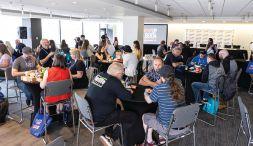
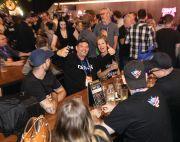
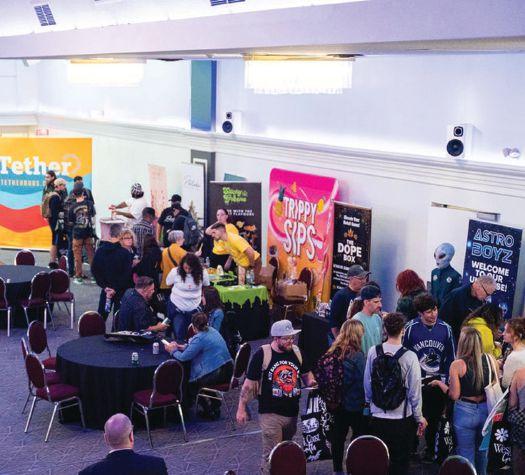
Last month, Tether brought together over 350 people in Ottawa for another large-scale sampling event, providing over 35 brands an opportunity to
Tether’s approach offers a blueprint for brands looking to deepen their connection with budtenders.
connect and educate a B2B audience. Here are some of the event reviews from attendees:
“Not every LP has access to the same resources and funding, so we are extremely grateful for this opportunity. At Kronic, we don’t have a field sales team covering various territories nationwide, so when we had the chance to apply for a grant [sponsored by the OCS] for Tether’s Sampling Event in Ottawa, we jumped at it and hoped for the best,” said Ebby Noor, Kronic Relief. “This event allowed us to connect with retailers and budtenders in Ottawa and the surrounding area, leaving a lasting impression through products and sampling.”
Tether has created such strong bonds with its budtender community, seeing people from across Ontario come out to Ottawa to celebrate its third anniversary. Leslie Pawliw from Inspired Cannabis in Welland, Ontario shared: “With 5,000 SKUs, it’s tough to recommend a product you’ve never tried, but a Tether events, you can sample the latest drops, meet the growers and owners, and get your questions answered on the spot. It’s incredible! They always go all out with the best events and the hottest products. I love how Tether brings the community together.”
Bootsie Sammut, also from Inspired Cannabis, added: “Tether pulls out all the stops. Their events are meeting places for the industry and relationship builders, always providing a wealth of canna-info.”
From curious to confident
Budtender engagement is not just about making a sale – it’s about building lasting relationships that benefit both brands and consumers. Since federal legalization, the industry has been in a constant state of flux, balancing community-building with competition. The abundance of products can also lead to decision paralysis for consumers, making it hard to navigate the emerging market.
Educated budtenders will be better positioned to guide customers toward choices they’ll be satisfied with, ensuring products are not only seen but understood and trusted.
The time to build is now!
Tether’s latest budtender sampling event took place in Ottawa on Aug. 20, 2024.
Katie Pringle is the CEO and co-founder of Marigold PR, an award-winning public relations agency serving North American cannabis brands. In 2021, Katie co-founded Tether, a Canadian Budtender community that provides brands with a cost-effective way to connect, promote, and educate. Since 2017, she has been a leading force in organizing cannabis events.
Q&A with Max Benitah: From boardwalk to brand leader
The creation of North American brand Papa’s Herb began not with external voices and investors, but a foundation rooted in family values drawing from the heritage of Moroccan immigrant, Papa, who came first to Miami in 1965, and later settled in Toronto. Papa used to sell cannabis and hash out of his boardwalk ice cream shop when he needed the extra cash, treating everyone like family and delivering the best possible product at the best price.
From two 20-year-old cousins traversing the west coast – meeting with growers and discussing business development – to growing into the No. 1 vape brand in the Alberta marketplace and capitalizing off exclusive partnerships with events in the province, the brand that started within the four walls of the home is an example of one on its way to becoming a household name.
GO: What was one of the most important business decisions you made early on?
MB: One of the smartest moves we made early on was negotiating favourable terms with suppliers. Financial prudence is the cornerstone of any successful business, and as co-founders, my cousin and I managed to secure inventory on terms that allowed us to sell product first without a massive upfront investment. This approach not only conserved the initial capital coming from familial investments, but also enabled the flexibility for growth.
GO: How did travel within Canada and the United States help get your name out there?

MB: Cannabis is not an industry that stays idle – travel is an expansive necessity in the pursuit of product and business development. Meeting new people and forging strong relationships is at the heart of every successful business, especially in the nascent, culturally driven cannabis industry. The road trips taken early on were not just about the business, they were about understanding the very culture we were trying to break into.
GO: Describe what you love about the cannabis culture.
MB: The cannabis industry is built on a rich culture that values authenticity, so understanding and participating in that is an essential business tactic. Participating in events like the Calgary Stampede’s Badlands EDM show and the Great Outdoor Comedy Festival in Edmonton this summer enabled us to integrate into the community. These events, where we were fortunate to secure exclusive vape partnership rights, provided
exposure and allowed us to engage directly with users where our products were already well received, while meeting new consumers and building brand affinity.
GO: How else are you marketing your products?
MB: When it comes to marketing, there’s a lot of starting and stopping in the industry where social media accounts are at risk of being taken down (like ours were at 60 and 100,000 followers, respectively). That’s why we take any opportunity we get to do more traditional marketing similar to the access provided to beverage alcohol and tobacco companies at festivals.
It’s a fine line between pushing your brand forward and facing punitive consequences. All you can really do is orient yourself towards authenticity, while leveraging activity wherever possible. The difference between the U.S. and Canadian markets is that one comes with overt rules and regulations, however in Canada, bills are being paid, whereas in America, the cannabis industry is still entrenched in a sort of lawlessness. For us, it balances out.
Every market is its own beast; it’s not for the faint of heart. But you’ve got to keep rolling the dice in order to stay in the game. With the plant’s rich culture and our family’s own heritage bolstered with the principles of hard work, integrity and community, we’re very fortunate to have been well received in North America, and we believe these principles have been instrumental in shaping our company’s ethos and success thus far.

When it comes to marketing, it’s a fine line between pushing your brand forward and facing punitive consequences. All you can really do is orient yourself towards authenticity, while leveraging activity wherever possible.
Max Benitah is the COO & co-founder of North American cannabis brand, Papa’s Herb.
PHOTO: DUSTIN / ADOBE STOCK
Early days spent traveling the west coast helped establish the international brand.