


By Mari-Len De Guzman
It’s official. Canada’s legal adult recreational cannabis marketplace is open for business.
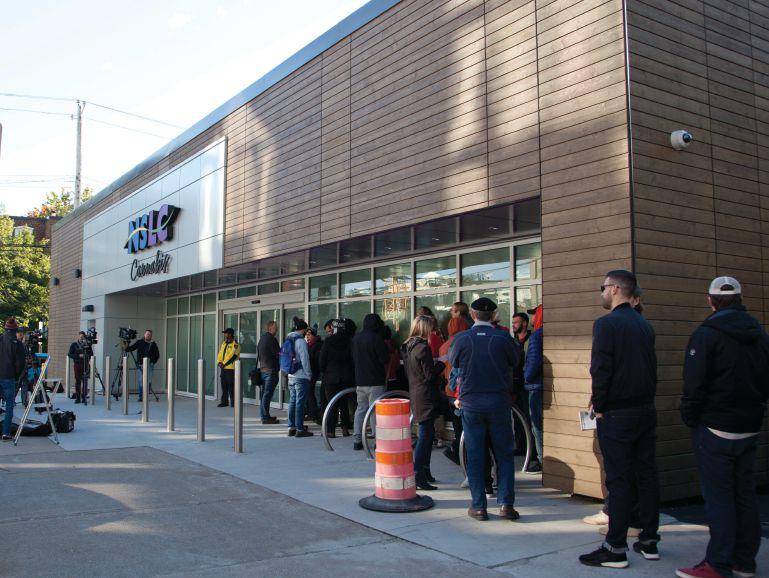
Opening day was marked with symbolic celebrations across the country as people lined up to buy their first legal recreational cannabis. It signalled the end of pr ohibition. Even product shortages – which had been widely reported and was expected to happen – failed to dampen the vibe.
For so many activists, Oct. 17th marked the end of an era of prohibition and black propaganda. The day provided even more cause for celebration as the federal government announced it will pursue a legislative path to pardon those convicted with simple possession of marijuana.
According to data from the Canadian Centre for Justice Statistics, 58 per cent of police-reported Controlled Drugs and Substances Act offences were cannabis-related, and nearly 80 per cent are possession offences. Cannabis-related convictions have also been declining in the last five years. Decriminalizing marijuana possession scores another victory for cannabis activists and civil rights advocates.
So yes, the finale to a decades-long struggle, it seems, has finally arrived.
For a burgeoning industry on the cusp of capturing a billion-dollar-market, however, this is only the beginning. From this point forward, whatever w e do will define and shape the Canadian cannabis industry. Canada has the oppor tunity to show the rest of the world the way forward in creating a safer, more meaning ful alternative to prohibition, with economic benefits.
Canada has the opportunity to show the world the way forward in creating a safer, more meaningful alternative to prohibition, with economic benefits.
The world is watching us and learning from Canada’s experience. Our regulations will continue to evolve and be perfected, and the cannabis industry will also evolve and perfect itself.
In light of developments here in Canada, our neighbour to the south has issued a r eminder to visitors that anyone working or investing in the cannabis industry could be refused entry to the United States. Although more than half of U.S. states have legalized marijuana – either recreationally or for medical
use – the substance remains prohibited under federal laws, which govern border crossings.
The growth of this industry in Canada is happening at lightning speed and it’s easy to forget that almost everything that’s transpiring is unprecedented. Canada is leading the way in this new world paradigm and other markets are closely behind. No other developed country in the world has been where we are right now.
The U.S. no entry policy for travellers with ties to the cannabis industry seems petty in the face of a massively burgeoning legitimate industry this part of the border. Unfortunately, that’s the current reality. It is bound to change – when and wher e will depend on how effectively Canada can demonstrate to the world we are on the right side of history.
Speaking of growing, I am happy to report that beginning in 2019, Grow Opportunity will be published six times a year (from the current four times a year frequency), providing more opportunities to engage our readers.
I am always happy to hear from our readers so for comments or if you’ve got a tip for a gr eat story, send me an email at mdeguzman@ annexbusinessmedia.com.
Fall 2018 Vol. 2, No. 4 growopportunity.ca
EDITOR Mari-Len De Guzman mdeguzman@annexbusinessmedia.com 289-259-1408
ASSOCIATE EDITOR Tamar Atik tatik@annexbusinessmedia.com 416-510-5211
ASSOCIATE PUBLISHER Adam Szpakowski aszpakowski@annexbusinessmedia.com 289-221-6605
NATIONAL ADVERTISING MANAGER Nashelle Barsky nbarsky@annexbusinessmedia.com 905-431-8892
ACCOUNT COORDINATOR Mary Burnie mburnie@annexbusinessmedia.com 519-429-5175 888-599-2228 ext 234
CIRCULATION MANAGER Barbara Adelt badelt@annexbusinessmedia.com 416-442-5600 ext.3546
MEDIA DESIGNER Alison Keba
GROUP PUBLISHER Martin McAnulty mmcanulty@annexbusinessmedia.com
PRESIDENT & CEO Mike Fredericks
MAILING ADDRESS
P.O. Box 530, 105 Donly Dr. S., Simcoe, ON N3Y 4N5
SUBSCRIPTION RATES 1 year subscription (4 issues: Winter, Spring, Summer, Fall): 1 year offers: Canada $25.00 + Tax USA $35.00 USD FGN $40.00 USD GST # 867172652RT0001
SUBSCRIPTIONS
Roshni Thava rthava@annexbusinessmedia.com Tel: 416-442-5600, ext. 3555 Fax 416-510-6875 or 416.442-2191 111 Gordon Baker Rd., Suite 400, Toronto ON M2H 3R1
ANNEX PRIVACY OFFICE
privacy@annexbusinessmedia.com Tel: 800.668.2374
ISSN: 2561-3987 (Print) ISSN: 2561-3995 (Digital) PM 40065710
Occasionally, Grow Opportunity will mail information on behalf of industry-related groups whose products and services we believe may be of interest to you. If you prefer not to receive this information, please contact our circulation department in any of the four ways listed above.

We recognize the support of the Government of Ontario
With its high perlite content, PRO-MIX® HP BIOSTIMULANT + MYCORRHIZAE™ provides a great growing environment to growers looking for a significant drainage capacity, increased air porosity and lower water retention. The added benefit of fibrous peat moss and coarse perlite makes this formulation ideal for growers who require a superior-quality product adapted to their needs for watering flexibility and crop seasonality.

inoculants aiming for professional growers who seek growth enhancement and protection for high-value crops.
Medical marijuana producer CannTrust has appointed Peter Aceto as its new CEO, as former CEO Eric Paul moves to his new role as chairman of the board. Aceto was president and CEO of online bank Tangerine, formerly ING Direct Canada, from 2008 to 2017. Scotiabank acquired ING Direct Canada in 2012, and later changed its name to Tangerine.
“I am incredibly excited to have been chosen to lead CannTrust at such an important point in the company’s evolution. The opportunities that lie ahead are limitless,” Aceto said. “We have a great team in place and I am thrilled to be leading the corporate strategy and vision to drive our business forward.”
Aceto’s appointment as CannTrust CEO came just weeks before Canada legalized marijuana for recreational use on Oct. 17.
- WITH FILES FROM THE CANADIAN PRESS
NANAIMO, B.C. - Dixie Botanicals Canada, is launching its CBD-only product line in partnership with Salvation Botanicals, Ltd.
“Dixie Botanicals Canada products are crafted using expertly cultivated and scientifically extracted cannabis oil, free of herbicides, pesticides and chemical fertilizers,” the company stated in a release. “The all-natural products are tested multiple times to ensure consumers are provided with the purest CBD products.”
Products will be available in a variety of delivery methods including liquids, capsules, and oral sprays.
According to a recent report by Deloitte, the new legislation of recreational cannabis in Canada is expected to see consumers spend up to $7 billion on cannabis related products, exceeding Canadian liquor sales of $5 billion.

Integrated Cannabis Company will be distributing cannabidiol (CBD) formulated gummies.
The Vancouverbased firm has teamed up with its contract manufacturer, Phoenix, Ariz.-based Titration Technologies to begin distributing gummies containing 10mg of CBD.
Canada became the largest country with a legal national marijuana marketplace as sales began early Wednesday on Oct. 17 in Newfoundland. Canada has had legal medical marijuana since 2001 and Prime Minister Justin Trudeau’s government has spent two years working toward expanding that to include recreational marijuana. The goal is to better reflect society’s changing opinion about marijuana and bring black market operators into a regulated system.
In St. John’s, Newfoundland, hundreds of customers were lined up around the block at the private store on Water Street, the main commercial drag in the provincial capital, by the time the clock struck midnight. A festive atmosphere broke out, with some customers lighting up on the sidewalk and motorists honking their horns in support as they drove by the crowd.
“It was extremely emotional,” said Bruce Linton, CEO of Canopy Growth. “Several people who work for us have been working on this for their entire adult life and several of them were in tears.”
Linton said Canada is at the forefront of the industry because it is federally legal in Canada and
federally illegal in the U.S.
“The last time Canada was this far ahead in anything, Alexander Graham Bell made a phone call,” said Linton, whose company recently received an investment of $4 billion from Constellation Brands, whose holdings include Corona beer and Robert Mondavi wines.
Tom Clarke, an illegal pot dealer for three decades, was also among the first to make a legal sale in Canada when his store opened at midnight local time in Portugal Cove, Newfoundland. He made the first sale to his dad. A crowd of 50 to 100 people waited outside and cheered him.
“I am so happy to be living in Canada right now instead of south of the border,” Clarke said.
A patchwork of regulations has spread in Canada as each province takes its own approach within the framework set out by the federal government. Canada’s national approach has allowed for unfettered industry banking, inter-province shipments of cannabis and billions of dollars in investment – a sharp contrast with national prohibition in the U.S. – Rob Gillies And Gene Johnson, The Associated Press
WINNIPEG – A week after marijuana became legal in the country, eight Manitoba communities voted on whether to allow retail stores to open within their boundaries in a plebiscite. Steinbach, Winkler and four other communities – Riding Mountain West, Stanley, Stuartburn and Wallace-Woodworth – voted no to cannabis stores.
The Manitoba government said it hopes that within two years, 90 per cent of people will be able to get legal marijuana within a 30-minute drive or less. Premier Brian Pallister said that’s still the government’s aim.
Pot stores didn’t get completely shut out of Manitoba communities – residents in the Rural Municipality of Lac Du Bonnet and the town of Snow Lake voted to allow retail locations.
The province has said the binding plebiscites allow the municipalities to have a fair say in the impact of legalization on their communities. If the communities voted against retail cannabis stores, licences cannot be issued and any in effect were to be cancelled within six months of the vote.
Since becoming organically certified in October, cannabis producer
Organigram has released its first organic medicinal product, a sativa-dominant whole flower called Tidal Bore (R2), offering patients a new option for their wellness plan.
Tidal Bore (R2) is a legacy sativa strain, a high-quality whole flower highly regarded by patients and said to help increase focus with a distinct aroma profile, Organigram said.
The product’s name was inspired by the tidal bores that happen twice a day along the Petitcodiac River in Moncton, N.B., where Organigram is headquartered.
Tidal Bore was released on Oct. 29.
$1.3 M
Approximate amount of cannabis sales from five Nova Cannabis stores in the province of Alberta during the first week of legalization.
OTTAWA – It will soon be quicker – and less expensive – to obtain a criminal pardon for previous convictions of simple pot possession.
Public Safety Minister Ralph Goodale says coming legislation will waive the waiting period and administrative fee for those seeking a pardon for possession offences.
The Liberals have faced pressure to address the pardon issue, including within their own caucus, due to the effect of marijuana-related convictions on marginalized Canadians.
Until now, simple possession of up to 30 grams of marijuana has been punishable by a fine of up to $1,000 and six months in jail.
Individuals have been eligible to apply for a pardon through the Parole Board of Canada five years after the conviction is handed down.
But the waiting period and the $631 cost of applying for a pardon, known as a record suspension, have proven difficult for some people saddled with records.
Under the new plan, people could apply immediately as long as they have completed their sentence, Goodale told a news conference today. Legislation will be required to implement the new measures.
“Now that the laws on cannabis have changed, individuals who previously acquired criminal records for simple possession of cannabis should be allowed to shed the stigma and the burden of that record.”
Goodale was flanked by other key ministers who have shepherded the cannabis file through a
legislative and bureaucratic maze: Organized Crime Reduction Minister Bill Blair, Justice Minister Jody Wilson-Raybould and Health Minister Ginette Petitpas Taylor.
Blair cautions that legalization is only the first step towards a strictly regulated cannabis regime that achieves the government’s twin objectives of getting pot out of the hands of kids and eliminating the thriving black market run by organized crime.
The Canadian Nurses Association remains concerned about criminal penalties for youth possessing more than five grams of cannabis that “are too onerous” and could jeopardize their future.
Then there’s the patchwork of regulations imposed by provinces and municipalities, with varying rules governing such things as how old a person must be to legally purchase and consume cannabis, how much can be grown at home, if any, and whether it can be consumed in public places.
– The Canadian Press
Canopy Growth Corporation’s Spectrum Cannabis branch is partnering with the Ontario Long Term Care Association (OLTCA) to develop and implement a pilot study aimed at using medical marijuana to treat pain and cognitive function in seniors.
The Smiths Falls, Ont.-based cannabis producer made the announcement in October, adding that the goal is to implement successful results in Ontario’s long-term care homes.
The six-month study will determine whether medical marijuana could potentially displace other, less-desirable treatments and therapies.
Spectrum Cannabis says this will be one of the world’s first and largest medical cannabis pilot programs in the long-term care space and will register as many as 500 residents and follow them over the course of the study at some of Ontario’s 630 long-term care homes.
“There is clearly an interest in the long-term care space to explore medical cannabis as an alternative to traditional medications for pain and degenerative cognitive function,” said Mark Zekulin, president and co-chief executive officer of Canopy Growth. “The pilot study… is the first step in developing an evidence-based, best practice approach to medical cannabis that will result in consistent care for thousands of seniors and ultimately improve quality of life and outcomes in long-term care homes.”

According to a release, the project will utilize a quality-improvement framework similar to that developed for the OMNI Diabetes Protocol. This same approach has been used to develop care pathways for COPD, influenza, stroke prevention and spasticity, the release states.
“Medical cannabis is currently prescribed for residents as appropriate, but it’s still an emerging area,” says Candace Chartier, chief executive officer of the OLTCA. “Through this partnership and pilot study, we hope to provide more clarity to long-term care clinicians and frontline staff about the use of medical cannabis for residents.”
– TAMAR ATIK
10%
Excise duty is charged for each sale of cannabis, or $1 per gram, whichever is higher.
Shoppers Drug Mart has received Health Canada’s approval to be a licensed medical marijuana producer, opening the door for the pharmacy giant to dispense medical cannabis to patients.
“As trusted medication experts, we believe pharmacists have an important role to play in the safe and informed use of medical cannabis, and this is the first step in our journey to provide medical cannabis to our patients,” said Loblaw spokeswoman Catherine Thomas in an emailed statement. “We will share more information about our plans in the coming weeks.”
Under current Health Canada regulations for medical cannabis, the only legal distribution method is by mail order from licensed producers direct to patients. A cannabis sales licence from Health Canada is also required to dispense medical marijuana to patients.
Shoppers has said it has no interest in producing medical cannabis.
The pharmacy retail chain had already signed several supply deals with various licensed medical marijuana producers, including Aurora Cannabis, Aphria Inc., MedReleaf Corp. and Tilray Inc., subject to Health Canada’s approval of its application.
Shoppers’ parent company, Loblaw Companies Ltd., is also looking to sell recreational marijuana in Newfoundland and Labrador. The grocery conglomerate’s applications for several locations were among those on a list of potential licensed cannabis retailers selected by Cannabis NL, the provincial body handling such sales.
It was also announced in July that Shoppers was partnering with Manulife Financial Corp. to offer enhanced medical marijuana insurance coverage.
Under the program, Manulife customers approved for medical marijuana coverage will be able to consult with Shoppers pharmacists at an Ontario-based patient care centre about different strains of medical marijuana and the different ways to take it.
– The Canadian Press
By Matt Maurer
Everyone in the industry had fair warning that promoting cannabis products, ser vices and accessories was going to be exceptionally difficult from a regulatory perspective. When the Cannabis Act was first tabled by the Federal Government on April 13, 2017, section 17 explicitly provided that any form of promotion would be prohibited, unless otherwise authorized under the legislation. Neither section 17 nor the rest of the sections in the legislation pertaining to promotional activities changed in any material way between the first reading on April 13, 2017 and the version of the legislation that was ultimately given Royal Assent on June 21, 2018.
Licensed producers with the appetite to stomach some (in my view minimal) risk, saw not only the writing on the wall, but also an opportunity. The time period between when the Cannabis Act was introduced and when it ultimately came into force on October 17 provided an 18-month window in which companies could push the envelope on promotion and advertising under the existing legislation, namely the Access to Cannabis for Medical Purposes Act (ACMPR) and the Narcotic Control Regulations (NCR) which are made under the Controlled Drugs and Substances Act.
Neither the ACMPR nor the NCR were designed to deal with aggressive promotion and advertising. The NCR only contains one section that re -
lates to advertising and promotion and simply:
(a) requires any advertising respecting a narcotic to display the symbol “N” clearly and conspicuously in the upper-left hand quarter;
(b) prohibits the publishing or furnishing of any advertisement to the general public respecting a narcotic; and
(c) prohibits the advertising of a certain (non-cannabis related) preparation within a pharmacy.
Some producers pounced at the opportunity to build up brand recognition and goodwill in a relatively lax regulatory environment that was going to disappear come October, 2018. What we saw was a series of pop-ups, websites, sponsored music festivals and events throughout the country. Some companies complained at their competitors’ conduct which they felt was illegal. Health Canada took a dim view of the conduct as well, which ultimately resulted in Health Canada issuing a warning on July 13. Health Canada was “concerned by the decision of some federally licensed producers of cannabis for medical purposes to sponsor events, such as music festivals, and engage in other promotional activities.” The problem was that at that time the government was essentially powerless to put a stop to the conduct. The warning pointed out that the conduct was “contrary to the Government’s goal to protect public health and public safety” but the government could only point to section 70 of the NCR and make a vague reference to the Food
In a market where everyone’s packaging is nearly identical, opportunities to stand out cannot be missed.

and Drugs Act, neither of which technically prohibited much of the conduct that was ongoing at that time.
What is most interesting is what has transpired since October 17. The companies who were on the edge pushing the promotional envelope have drastically altered the way they go about their business. Gone are sponsorships of festivals and concerts and in their place are things like messages about responsible consumption and impaired driving. Clearly these companies understood not only the 18 month window that existed, but more importantly that it would close on October 17, and the promotional path forward would have to be a different one. These companies understand that despite the heavy restrictions on promotional activities in the Cannabis Act, exceptions do exist and there are still a number of creative, and legal,
ways to build brand awareness and a following.
Conversely, there are clearly companies who have not invested the time, cost or energy in discerning what promotional activities are and are not permitted under the Cannabis Act. Less than two weeks after legalization, Health Canada announced that it had issued warnings to no less than seven cannabis producers about their promotional activities since the Cannabis Act came into force. Advertisements for sponsored events (one of the most explicitly clear prohibitions in the legislation) continue to surface as do questionable statements and images used in the promotion of cannabis.
From a business perspective what strikes me as most concerning about companies who do not understand the promotional restrictions (and more importantly, the exceptions to the restrictions) is not the penalties that may be levied by the government but rather how far they will continue to fall behind the companies that do understand.
In a market where everyone’s packaging is nearly identical and there are limited ways to differentiate yourself in the eyes of the consumer, opportunities to stand out cannot be missed. Unfortunately for some, fortunately for others, many remain two steps behind those who are taking the time and investing the resources into understanding the regulatory framework and coming up with creative ways to effectively build their brand within it.
22,000+
CANNABIS BUSINESS LEADERS

1,000+
EXHIBITORS READY FOR SERIOUS BUSINESS DISCUSSIONS
150+ INFORMATIVE INDUSTRY LEADING SPEAKERS
Cultivation
By Mohyuddin Mirza

Dr. Mohyuddin Mirza (drmirzaconsultants@gmail.com) is an industry consultant with more than 37 years of experience in crop development, production and marketing. He specializes in the technical aspects of hydroponics and systems for plant production.
In Part I of this series, information was provided on carbon dioxide and its use. Many companies have come up with new technologies to use dissolved carbon dioxide. More research are coming to find new ways of supplying CO2 to cannabis plants with additional yield and quality benefits.
Nitrogen, phosphorus, potassium, calcium, magnesium and sulfur are considered to be “macros,” because they are needed and required in relatively large amounts, compared to micro-elements like iron, manganese, copper, zinc, boron and molybdenum. For example, nitrogen is required anywhere from 125 to 200 mg/L (parts per million) while iron is required between 2 and 3 mg/L.
I am going to use the term “nutrients” because none of the elements is absorbed as an individual element by cannabis. They exist as “partners” with other elements. This is very important to understand when preparing nutrient or fertilizer programs. For example, nitrogen exists as potassium nitrate, calcium nitrate, sodium nitrate, ammonium nitrate and urea. Once dissolved in water, the salts ionize and stay suspended in solution until roots take them up. For example when potassium nitrate is dissolved in water it produces potassium ion ( K+) and NO3-.
Did you notice that K has a positive charge and NO3 has a negative charge? That is where we use the term cations and anions. Cannabis absorbs those cations and anions in the particular form nature has designed them.
Designing a good fertilizer program requires expertise and experience. I will focus on two important aspects where mistakes are made. One is the pH and the other is electrical conductivity (EC).
Damaged leaves cannot manufacture food properly and thus bud size and quality can be affected.
An expert has designed a fertilizer program for veg and for buds but you still find lower leaves turning yellow or upper leaves turning chlorotic. Chlorosis is a term we use when the leaf veins are green and inter-veinal area is yellow. Blame the fertilizer, actually not. I will check the pH first. These two pictures highlight the point I want to make. The cannabis plant on the left shows the start of iron deficiency in younger leaves. The grower wanted to spray the plants with iron chelate but was suggested not to do that at this stage. Buds are getting close to maturity. When I asked for a pH reading, it was done but there was no record of regular pH monitoring. The pH in the leach water was at 6.5, 6.6 and 6.7 in three samples in a coir growing
medium. That pH will cause less uptake of iron and manganese and that is what is happening. Many growers start flushing the root zone in order to get rid of reserve nutrients in the growing medium and don’t adjust the pH of the leach water.
The picture is on right is of other plants in the same location. One can see the leaves are uniformly yellow. That is more likely deficiency of nitrogen due to flushing of nutrients from root zone. My recommendation is not to stop feeding completely so that deficiencies occurs, instead a low nitrogen and high potash formula will be useful. Buds need enough supply of key elements which are involved in carbohydrate synthesis and translocation like potassium.
Monitoring pH on a daily basis is very important for cannabis. By the time symptoms of deficiencies or toxicities occur, it is too late to correct them and the damage is done. Damaged leaves cannot manufacture food properly and thus bud size and quality can be affected. Read the trends in pH and take corrective measures before the symptoms appear. The range we want to maintain is between 5.8 and 6.2.
EC is a simple and valuable tool to manage the growth of cannabis plants. It is measured as mmhos/cm or mS/cm and gives an idea how much osmotic pressure is created by the solutions in root zone. Cannabis prefers lower levels of EC, around 2.0 to 2.5 in the leach. Management of EC can help to control vegetative of generative growth of plants. Below 0.8 mS/cm is close to the starvation point. Measuring EC is not a substitute for an analysis of leach and fertilizer solution.
EC readings should also be taken on a daily basis. I have seen EC values of more than 3.0 mS/cm in mother plants resulting in water stress, woody branches and weak flowers, indicating a bud signal.

Mari-Len De Guzman is the editor of Grow Opportunity magazine. Email her at mdeguzman@annexbusinessmedia.com
By Mari-Len De Guzman
Aurora Cannabis, one of Canada’s largest cannabis producers, is ramping up efforts to become a major player in the emerging global cannabis market, seizing on Canada’s role in leading the world toward a legalized cannabis regime. Grow Opportunity recently sat down with Aurora’s chief corporate officer, Cam Battley, to talk about Aurora’s position in the globalization of the cannabis market.
Grow Opportunity: Now that Canada’s legal recreational cannabis market is now open for business, what is next for the industry?
Cam Battley: The thing about consumer legalization is that it’s happening at the same time as major catalysts in this industry, including the opening of multiple medical cannabis systems in additional countries. It’s like there’s a cascade of new markets opening up for leading companies like Aurora and Canopy, and a few others.
We got essentially three market segments that we are providing for: one is t he existing medical cannabis market with our existing registered patients, which at Aurora will always come first. That is a significant group of people –about 350,000 Canadians.
The second market segment is the consumer segment and that is the market that currently exists. We don’t have to in vent that market as it currently exists. And it’s somewhere in excess of five million Canadians who have been

more or less regularly using cannabis for years, sourcing it from the grey/black market. Now they are going to be sourcing it through legitimate providers.
The third is the biggest of all, which is the global medical cannabis market. We have seen estimates from analysts that this market will be something like 10 or 20 times the size of the Canadian consumer market.
GO: Where does Aurora Cannabis fit into these market segments?
CB: At Aurora, we see that we have to participate in each of those markets in a very big way, that is why we have assembled all those capabilities that we have so quickly. It’s why we made ourselves the
most fully integrated cannabis company in the world – both vertically and horizontally. It’s why we have completed 10 acquisitions in the last two years. At the same time we have an equal number of strategic partnerships in which we have invested in equity in our partners or working in collaboration to develop new technologies and capabilities. So, we feel a sense of urgency to establish all of these capabilities and to establish our footprint in countries around the world very rapidly, while this window of opportunity is open.
By window of opportunity, one of the things I am talking about is that cannabis remains federally illegal in the U.S. It’s a schedule 1 drug. As a result of that, U.S.
producers have not been able to compete with the leading Canadian producers in terms of scale of production, in terms of establishing that international footprint.
But we don’t know how long that window of opportunity will remain open. At some point, I am convinced, the U.S. will wake up and smell the coffee and legalize cannabis on a federal basis. But I think what we’ve done right now is that we have established what I hope to be an insurmountable lead.
GO: Talk about Aurora’s global strategy. Will you be producing locally in countries where you have a presence?
CB: We have operations now in a dozen countries and it’s expanding all the time. What you can assume is that wherever cannabis is sold in whatever form, we are going to be present – whether it’s available medically in the future or consumer basis, whether it’s CBD only, we’re going to be there. We are going to be wherever cannabis is legally sold.
Very specifically, we intend to be domestic producers in countries around the world. At the moment, we are able to use cannabis grown in Canada to serve medical patients in countries around the world. Longer term, one of the nice advantages that Aurora has is our production technology, specifically our Sky Class facilities. These are extremely high-tech, highly automated, closed system with a glass roof that are unique. Nobody has ever built anything like it. We are the only ones that have this.
Everybody else that is doing large-scale production is doing retrofitted greenhouses – and there are some challenges associated with that; they’re open to the air, therefore you have the risk of contamination. In most cases you have to use pestic ides and also gamma radiation when you end up with things like mold and mildew. We don’t have any of that.
We also get more grow cycles per year, at least double the growth cycles that a greenhouse in Canada is capable of.
The best thing about our Sky Class facilities – starting with Aurora Sky and Aurora Sun, which is even 50 per cent bigger in Medicine Hat, and Aurora

Nordic in Denmark – is that these facilities have technology that is replicable and scalable on a global basis. That is part of what has made us so attractive to the big players in other mature industries who have been knocking on our door. You can imagine it’s the same old, same usual suspects of brewers, distillers, tobacco, pharma, consumer products and non-alcoholic beverages.
GO: What do you look for when forging partnerships and exploring acquisitions?
CB: Capabilities that we don’t have. Let me give you an example. We acquired 25 per cent of Alcanna – formerly Liquor Stores North America – they are our cannabis retail partner in Canada. We’re building stores in Alberta and that is our intention in Ontario, should the premier allow for it.
What we like about them is that they’ve got capabilities that we don’t have. They are very good at what they do. They have 25 years of selling a controlled substance – alcohol – in a very safe way, with attractive, comfortable stores that draw consumers in.
They are great at the operation side of things. What we bring is the knowledge about cannabis and about the cannabis consumer and our vision as to what we feel cannabis retail to look like.
That is a very elegant partnership of
two well-managed companies that complement each other. That’s the kind of par tnerships that we are looking for.
On a global basis, we will be looking for a partner, or partners, who have complementary capabilities – whether it be science capabilities, whether it be distribution networks. We certainly want companies with strong reputations and strong networks on a local basis around the world. But it’s got to be global. It’s not going to be local retail. It’s got to be global.
GO: Public perception about cannabis will have an effect on the market’s performance and success. How can cannabis companies, like Aurora, change the stigma around cannabis use?
CB: Four years ago, when I got into the cannabis business for the first time, there was a lot more stigma. I was not particularly enthusiastic about telling people what I did. They call me the squarest guy in the cannabis business. I’ve been a scout leader for 10 years, been a soccer coach for 10 years, and my whole career background is biopharmaceuticals.
Fast forward four years, it’s literally the parents of my scouts and my soccer players who are asking me for updates and what’s the latest. It’s become much more mainstream. The stigma is not all gone, it will take a little bit of time, but it will be based on experience. Experience will do it.
What we’ve seen is that the reason why social attitudes have changed so much with respect to cannabis, in part, is because we’ve had a medical cannabis system that has worked very, very well. And so man y Canadians now – 350,000 –have a friend or family member who has used medical cannabis successfully for the management of symptoms of a health condition. And that tends to change attitudes. I think experience will continue to destigmatize it.
My prediction is in five years’ time, we will look back at this moment of legalization and all the fears that people had, we’ll shrug and go, “Well, it wasn’t such a big deal after all.” The leading feeling at that time will be one of Canadian pride.
By Treena Hein
As it now stands, Canada’s licenced cannabis producers pay federal and provincial corporate income taxes. There are also sales taxes being charged on recreational cannabis at the retail level. In provinces like Saskatchewan that have sales tax levels lower than other provinces, an excise duty will be charged to producers to make the tax rate similar across all provinces and territories. There is also a federal excise duty of $1 per gram or 10 per cent of the price, whichever is higher. Twenty-five per cent of this tax goes to the feds and the remainder to the provinces/territories.
The federal government has also decided that licenced producers (LPs) will pay an additional annual ‘cost recovery’ levy of 2.3 per cent on gross earnings. Over the summer, Health Canada held a 30-day public consultation on the levy, during which it received 108 online submissions, 18 written submissions and 755 form letters. In addition, the agency hosted four online information sessions with industry to explain the proposal and to answer questions. Health Canada says the feedback it received focused primarily on the timing of implementing the proposed fees, the design of the annual regulatory fee and the desire for additional service standards.
What hasn’t changed from the proposed regulations is that Health Canada, to promote a diverse market with both small and large players, “will scale fees according to the size of the business and apply lower fees for micro-scale LPs. In addition, some classes of licences –namely those for research, analytical testing and hemp production – will be exempt from fees.” Those who produce, cultivate and

sell cannabis exclusively for medical purposes are also exempt.
However, due to the feedback it received, Health Canada says it modified the levy to use the previous year’s gross revenue to calculate the fee rather than forecasted gross revenue.
“These measures will help moderate the financial impact on the emerging industry in the early years following coming into force of the Cannabis Act,” states the agency. “In addition, Health Canada is committing to monitoring its administration of the regulatory program closely to ensure it recovers no more than the regulatory costs and with a view to establishing defined service standards in areas such as the processing of licence amendments.”

Health Canada is also committing to create a forum to engage with the cannabis industry on the administration of the fee regime and as it develops additional service standards, “supporting predictability and transparency.”
Allan Rewak, executive director at the Cannabis Council of Canada, reports that while the industry had long anticipated some sort of cost recovery and was part of the consultation process, it didn’t anticipate the gross income aspect and that the levy would be applied in year one of recreational legalization.
“ We believe the application of the levy to gross revenues in year one is a mistake,” he says. “That should wait until the legal marketplace is more robust. The govern-



ment has always said that the point of legalization is to keep cannabis away from youth and to prevent organized crime from benefiting from selling cannabis through the black market. That requires low prices and this cost recovery levy will make legal recreational cannabis more costly to consumers. That being said, the adaptations that have been made from the regulatory proposal to the actual are positive and give us something to work with.”
Matt Ryan, vice-president of marketing for National Access Cannabis (NAC), notes that Health Canada undertakes cost recovery measures in a number of industries, including pharmaceuticals and medical devices in order to cover costs of regulation, licensing, compliance and public education. He believes “the cost-recovery levy won’t stop the growth of the cannabis industry. We also believe the levy will decrease over time as the industry matures.”
The province of Manitoba is not applying provincial sales tax to recreational cannabis sold in the province. The Manitoba retail sales tax of eight per cent does not apply to the sale of non-medical cannabis. Manitoba is the only province to exempt its sales tax from non-medical cannabis with the intention of keeping prices as low as possible for this new market.
Manitoba Liquor and Lotteries (MBLL) will apply a wholesale markup of $0.75 per gram on the wholesale price of non-medicinal cannabis at the distributor level, as a placeholder to the provincial share under the Canada-Manitoba Coordinated Cannabis Tax Agreement. The MBLL will also apply a nine per cent markup on the wholesale price of non-medicinal cannabis, also at the distributor level, consistent with the approach of other provinces imposing markups in addition to the federal cannabis excise tax.
However, a ‘Social Responsibility Fee’ of six per cent of annual revenues on recreational cannabis sold at retail will be applied, effective in 2019 and first payable in June 2020. A provincial media relations spokesperson states that this fee is being
applied because legalization of recreational cannabis will include various public education, safety, enforcement, health and addictions costs that fall almost entirely to the provincial level of government. The fee will ensure all provincially-licensed cannabis retailers share in these costs
“Revenue is difficult to forecast because of a number of variables: the ability of LPs to provide sufficient volumes to meet demand; the level of demand and access to supply influenced by retail outlets and municipal bylaws; the penetration against the illicit market; retailer margins; etc.,” says the spokesperson. “These are the challenges of a new market.”
Public education campaigns have been released and others are being developed about the dangers of impairment (related to vehicle operation, the workplace, etc.), the increased safety of regulated and licensed products versus illicit products, the consequences of consumption and excess consumption, how to identify legal product, how much cannabis can be purchased, what remains illegal, and so on.
Overall, the province of Manitoba believes that not charging the provincial sales tax on recreational cannabis will keep prices low. The spokesperson adds, “the provincial markup and Social Responsibility Fee may be adjusted to ensure that the retail price remains competitive and to support the goals of eliminating the illegal market and protecting vulnerable popula-
tions, in particular youth.”
Rewak thinks it’s positive that the government of Manitoba has exempt recreational cannabis from provincial sales tax in an effort to keep prices as low as possible in the new legal market. However, he believes that similarly to the federal ‘cost recovery’ levy, Manitoba should let the market mature before it imposes its Social Responsibility Fee.
“I think there’s been a rush to do these sorts of things,” he says. “Market capitalization does not equal sales. It will take time to migrate consumers from the illegal market to the legal market, and we need to let the legal market get up and running before we impose tax after tax.”
First Nations in Manitoba won’t be exempt from the Fee and at least some of them are far from happy about it. For example, Chief Christian Sinclair of the Opaskwayak Cree Nation in Manitoba told APTN (Canada’s national Aboriginal media service and TV network) earlier this year that this was “a shameful approach” that “disrespects our nation-to-nation dialogue.” The Opaskwayak Cree and three other Frist Nations have now opened retail cannabis locations in the province in collaboration with NAC’s retail business Meta Cannabis Supply Co.
Of the Fee, NAC’s Ryan says all retailers “have an obligation to share in the costs associated with cannabis, including public education and health and safety. This is simply the cost of doing business.”





As cannabis companies compete for market share in this lucrative industry, women-led companies are harnessing the purchasing power of the female consumer
By Mari-Len De Guzman
Deb Singh is a 39-year-old mom who faces the horrors of trauma every day in her work as a counselor helping survivors of genderbased violence at the Toronto Rape Crisis Centre. She also suffers from sciatica and back pain – and she is a regular cannabis consumer.
“In a staff meeting, I realized that all of us either take some sort of sleeping pill or smoke weed before bed. There’s no balance when you’re doing anti-violence work on the front line,” Singh is quoted in 48North’s Latitude campaign booklet. The Northern Ontario-based licensed producer’s Latitude platform is intended to change the conversation and help eliminate the stigma on cannabis use by women.
Singh is one of several women from all walks of life – artist, entrepreneur, employee, social worker, mom, daughter – who are telling stories about the role cannabis plays in their lives, pushing them out in the open and hoping to put an end to the secrets that have been forced by prohibition and propaganda. It’s how 48North is connecting with the female audience,
t he main focus of the cannabis producer’s branding and product development strategy.
“We believe this storytelling vehicle is really critical to provide information to women,” Alison Gordon, CEO of 48North tells Grow Opportunity. “Our market research has showed us that women want to know more… It’s about how women incorporate cannabis into their lives and that, to us, is a really big way to build our relationship with women cannabis consumers.”
Gordon has had a lot of experience on women’s health and wellness issues and in engaging this audience , having previously co-founded Rethink Breast Cancer – a movement empowering women with breast cancer through education, support and advocacy.
She believes cannabis as a health and wellness product will resonate with women in a huge way, and that’s the journey she wants to take her company on.
Current market research on cannabis use indicates the market is at an almost 50-50 split between female and male consumers. Catering to 50 per cent of an estimated $8 bil-

lion market is a no-brainer.
“We have an opportunity to own a market that hasn’t really been engaged, and that is the female market. As one of the few female CEOs (in the industry) and the only female CEO of a public cannabis company, I knew that we could authentically speak to women and really work and create the products and brands that women will want and love out of this industry.”
The female market is also distinguishing itself from its male counterpart, as they are more likely to see cannabis as a health and wellness plant. They will likely

consume cannabis through less conventional means, like edibles and infused products (skin care, cosmetics).
“They are more interested in products and brands that will (eventually) come out versus smoking the flower,” Gordon says. “ Women really do want options for dosing and consuming, not just smoking.”
This is where female-focused cannabis marketing and product development will likely take place – at least, that’s where 48North will be hugely investing in.
“To me (48North) is really a
health and wellness company,”
Gordon says. “We are very much interested in the cosmetic and skin care space. This is one of the fastest growing aspects of the cannabis business in the U.S. right now –CBD. People now understand that it’s anti-inflammatory, antibacterial, it has all sorts of properties.
“In time, you will see that, just like people take probiotic, CBD will be a big part of people’s overall health regime. From a skin care perspective, it has so many great properties to be able to help women.”
Gordon believes 70 per cent of
her company’s cannabis sale will come from extracted products and brands. Current regulations in Canada do not yet allow for edibles and other cannabis-infused products, but the federal government has pledged this is coming within a year of the official legalization of adult recreational use. In anticipation, licensed producers are investing in equipment and facilities designed to provide them with extraction capabilities.
48North is no exception. In fact, its recent $18 million acquisition deal with Good & Green, a federally licensed organic cannabis produ-
Alison Gordon of 48North and Melinda Rombouts of Eve & Co. are just two in a growing list of women leaders in Canada’s cannabis industry. The usual challenges for a woman in a male-dominated industry are there, but so are the opportunities.
“There is definitely more competition for the financial dollars available. I am not sure that women leaders are supported the way that they should be and I think, partly, it’s the view of women as leaders,” Rombouts says.
Knowledge is power, says Gordon.
Her advice: “Start somewhere. Try and be in as many meetings and conversations as you can in the company… soak up as much information as you can and recognize that because it’s a new industry, there are many people who have the opportunity to work in these roles so start where you can and be willing to grow.”
cer, aims to significantly increase the company’s capability to produce low-cost extracted cannabis products.
Good & Green’s cultivation and production facilities include an approximately 46,000-sq-ft. indoor grow in Brantford, Ont., and a 100-acre farm in southwestern Ontario. Combining this with 48North’s existing DelShen Therapeutics facility in northern Ontario brings the company’s production capacity to at least 45,000 kilograms of dried cannabis per year.
“For us, when you’re talking about extracted products and brands… you’re not taking flower from an indoor facility and extracting from that – it’s too expensive. Outdoor (grow) is really a huge opportunity to be able to have low-cost production on what ultimately be an extracted product. We are looking forward to that,” Gordon explains.
By women, for women
“The future of cannabis is female,” is a tag line on the website of Eve & Co., a licensed cannabis producer in southern Ontario. Located in Strathroy, about half an hour west of London, Ont., Eve & Co. is hoping to break into the lucrative female market.
Eve & Co. was founded by Melinda Rombouts, who is also the company’s CEO. From the get-go, Rombouts knew the female market will take priority in her company’s marketing strategy.
“We have always been very excited about the products that have done really well that are female-focused in the grey market in Canada, as well as Colorado and California,” Rombouts says. Female-focused marketing is how Eve & Co. plans to differentiate itself from what has traditionally b een a male-oriented marketing and branding paradigm in the Canadian cannabis industry.
A proven constructed wetland technology for treatment of greenhouse irrigation leachate water, process wash water and/or sanitary sewage .

Our sub-surface, vertical flow constructed wetland consists of sand & gravel beds planted with moisture tolerant plant species. Water is pumped vertically from cell to cell. There is no open or standing water and the system is designed to operate winter and summer. Treatment of wastewater occurs through physical filtration & biological degradation. Plants shade & insulate the cells, preventing algae growth.
Our wetland systems have received numerous approvals by the Ontario Ministry of Environment and Health Canada for treatment of many types of wastewater, including sanitary sewage combined with cannabis process water generated from washing and irrigation activities.
Also approved in 2012 by the Region of Niagara for pre-treatment of high strength washwater (i.e. < 10,000 litres per day) prior to discharge into a Class 4 septic system.
Recent projects include:
1) treatment (re-use) of green house irrigation leachate / process water, Niagara, Norfolk & Haldimand counties;
2) treatment of sanitary sewage combined with greenhouse process water (cannabis) in Niagara;
3) treatment of sanitary sewage at numerous sites through out Ontario.
We provide turn key systems, including design, permitting & installation or will partner with your chosen consulting/engineering company.

Contact: Lloyd Rozema at 905-327-4571 or lrozema@aqua-tt.com
Aqua Treatment Technologies Inc. 4250 Fly Road, Campden, Ontario, Canada, L0R 1G0 www.aqua-tt.com
“ The big companies that have Snoop Dog and Trailer Park boys, I really feel they are orienting themselves to the male market – not excluding females of course. This is a natural orientation for them, and this (female-focused strategy) is a natural orientation for us,” Rombouts explains.
Eve & Co. wants to “change the story of cannabis” and help women, especially mothers, become more confident and comfortable walking into a cannabis store – and not feel weary or embarrassed about it, Rombouts says.
“Just like they buy a bottle of wine in order to relax at the end of the day – that has always been acceptable. We want women to feel OK when they walk into a cannabis store or use cannabis for the exact same purpose – to look after themselves.”
The stigma associated with cannabis use is bred by decades of propaganda and prohibition, and it’s especially real for



adult women who have found benefits from cannabis but have had to keep that secret in fear of public scrutiny – even face the risk of losing their job or their children because of it.
Rombouts says her company wants to steer the conversation to empower women to take their health and wellness into their own hands and not be bogged down by stigma. The good news is that attitudes toward cannabis are changing. Older people, particularly, are looking at cannabis in a new light, seeing its anti-inflammatory benefits as a remedy for aches and pains.
“We are seeing people who were very against cannabis, and once they actually do the research and see the wellness and the positive effects of cannabis, I think people are much more open-minded,” she says.
Eve & Co.’s current 220,000-sq.-ft. greenhouse facility is undergoing massive expansion to bring its total production size to a million square feet capable of producing 50,000 kilograms of cannabis per year. Rombouts wants her company to be among the top 10 largest producers in terms of square footage in Canada. It has current supply agreements in place with Ontario, British Columbia and Newfoundland and Labrador.
With edibles and other cannabis-infused products on the horizon following legalization, Rombouts is hopeful her company’s female-focused market strategy will differentiate itself in the market.
“ There are companies out there with billion-dollar market caps and they have huge advertising and marketing budgets.
We are not up there where they are, but I am hoping that people will recognize what we are trying to do… We bring an authentic attitude towards our brand. This is where we truly understand women and women’s needs,” Rombouts says.
An Ontario-based online retailer of handmade, high-quality cannabis accessories, is also finding a good niche in the female market. Milkweed is a craft producer of cannabis lifestyle accessories, featuring works by Canadian artists and designers.
Its co-founder Emma Baron, who worked at a rheumatology clinic, felt there was a gap that needed to be filled in the cannabis accessories market.
“I have a background of makers in my family – weavers, carpenters – that madein-Canada lifestyle choices. I didn’t feel like there were a lot of things that represented that in head shops and in cannabis accessories,” she says. “Between that and seeing some of the patients in the clinic who are hesitant to use their medical cannabis because of the way they (tend to) look – like a vaporizer covered in weed leaves, things of that nature.”
This inspired the Dryden, Ont., entrepreneur to launch Milkweed, featuring accessories and collections designed for elegance and durability, and subtlety that’s not usually found in items one might find in traditional cannabis shops.
This is probably why about 75 per cent of Milkweed’s customers are female.
“Female-oriented designs in cannabis products and accessories are really ramp -
ing up right now,” Baron says. “Women make 80 per cent of the household spending choices. Moving forward, as cannabis becomes a retail commodity and slowly eases into the mainstream, I think women are going to be responsible for bringing home the milk – and the cannabis.”
Milkweed’s rolling trays, for instance, has a nice, classic look with very little indication of its intended purpose. “It has beautiful function for a rolling tray, but you can also dress it up as your prosciutto platter. It’s so flexible and fits into the lifestyle in a more holistic way,” Baron explains.
Baron also ensures each product offered on Milkweed’s online store is durable and can stand the test of time – an aluminum mushroom cannister or a leather road trip kit that grandma can pass on to her granddaughter someday.
Baron, too, sees the potential of cannabis for health and wellness and wants to dive into infused products in the future.
“We are keeping our fingers in the pulse of what is happening. It’s interesting right now with medical and rec (on each side of the industry). Ultimately, it’s going to be a Venn diagram with wellness in the middle. We will be able to take a lot of the learning from the medical into recreational as an industry on a whole.
“I am excited to get into the infused market as our second-phase. We are working with someone who has been growing botanicals for skin care in the Niagara escarpment for a number of years now. Working cannabis into that is a beautiful holistic approach.”

















JAMIE SHAW PARTNER, GROUNDWORK

BARINDER RASODE CEO, NICHE

DEEPAK ANAND VP OF GOVERNMENT RELATIONS, CANNABIS COMPLIANCE INC.

GRANT GOTTGETREU FORENSIC CONSULTANT, TRAFFIC OFFENCES, GOTTGETREU CONSULTING


DR. BRIGITTE SIMONS VP OF LABORATORIES MOLECULAR SCIENCE CORP


CHERYL SHUMAN CEO & FOUNDERR, BEVERLY HILLS CANNABIS CLUB

DOOMA WENDSCHUH CO-FOUNDER, PROVINCE BRANDS OF CANADA


CHIEF CHRISTIAN SINCLAIR CHIEF, OPASKWAYAK CREE NATION



DR. DEIDI MEIRI PRINCIPAL INVESTIGATOR, TECHNION ISRAEL INSTITUTE OF TECHNOLOGY

MEHTA STARTEGY & FINANCE CONSULTANT, THE ARCVIEW GROUP




By Jillian Morgan
As the cannabis industry in Canada emerges, production capacities will continue to expand and a high yield of cannabis will be essential –and, like any crop, environmental control is key. Enter the HVAC contractor.
“Their product is this plant,” says Paul Stewart, director of sales, marketing and service at Desert Aire, a commercial dehumidification manufacturer based in Germantown, Wis.
An inability to maintain ideal conditions will affect a producer’s bottom line.
Desert Aire entered the cannabis industry four years ago when it received a service call to a grow operation in Colorado (the state legalized recreational cannabis in 2012).
In Canada, the company is involved in the development of large-scale cannabis facilities in British Columbia, Ontario, Alberta and New Brunswick, which range in size from 200,000 square feet to

800,000 square feet.
“It’s been the fastest-growing market segment that we’ve had,” says Stewart.
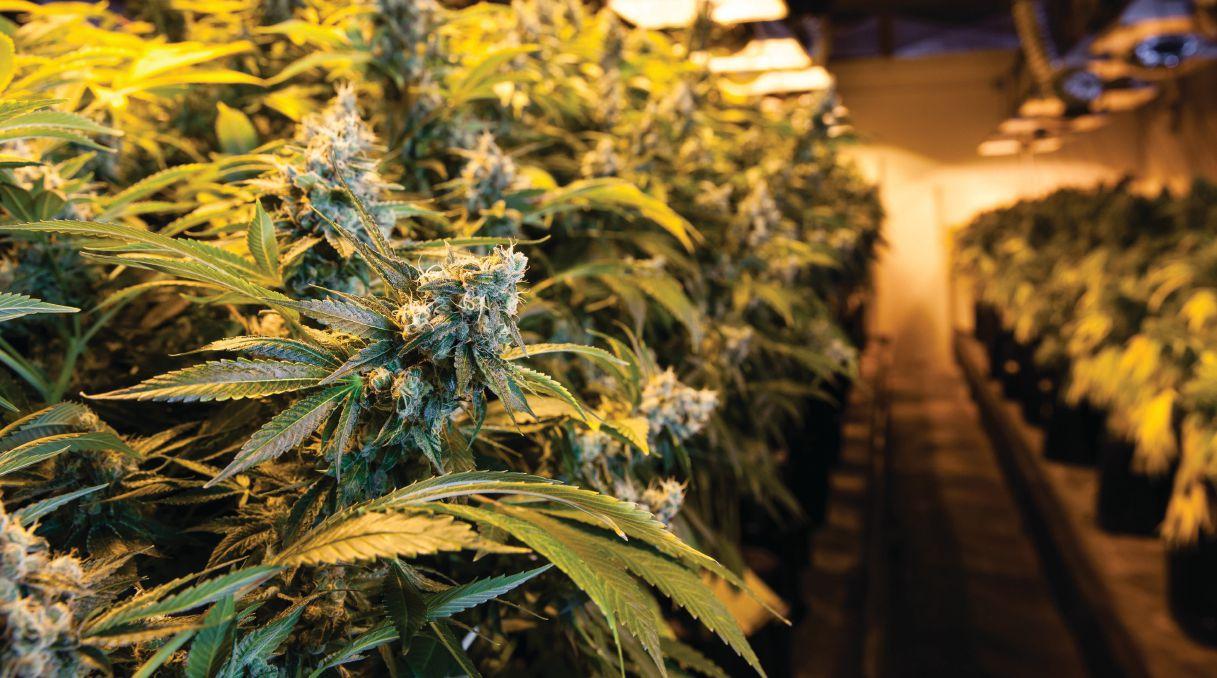
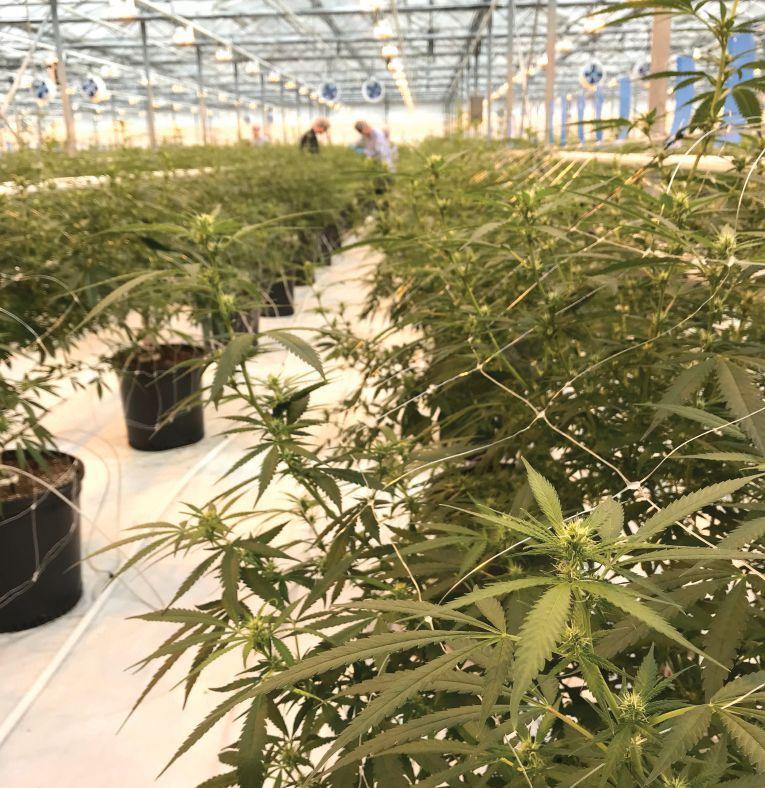
Humidity, temperature, ventilation, cooling and lighting are just a few of many factors at play in a grow room operation, and HVAC needs depend on the growth stage of the plant.
At the beginning of the grow process, the small cannabis plant is not consuming much moisture and the lights are on for 16 to 18 hours a day. Stewart says this is a sensible load as a result of the lighting, and an air conditioner may be sufficient.
At the flowering stage, a cannabis plant can consume one to two litres of water per day. During this time, the lights are on for 12 hours a day.
When the lights are off, heat is reduced. The water – used to move nutrients – is then transpired through the plant’s stomata, resulting in humidity and a latent load.
Most buildings operate at 30 to 35 per cent humidity, says Robert Bean. In marijuana facilities, that can rise up to 65 per cent.
Bean is president of Indoor Climate Consultants in Calgary, and director of Healthy Heating. He is also a registered engineering technologist in building construction and a professional licensee (engineering) in HVAC.
“Running any kind of building at that high humidity level is a recipe for moisture problems within a building,” says Bean.
With high levels of moisture, air distribution and homogenous temperature is critical.
“What you don’t want to have is microclimates inside of your plant, because those microclimates are not allowing that plant to breathe or give off moisture and it’s just making a breeding ground for mould and mildew,” Desert Aire’s Stewart says.
The best way to control the formation of mould is to make sure air flows through









































Visit envirotechcultivation.com/agam to watch Agam VLHC in action. HUMIDITY IS KILLING YOUR CROPS. AND YOUR PROFIT MARGIN.

Humidity. It’s the constant threat that no one wants to talk about. However, with our exclusive Agam VLHC technology, air is continuously dehumidified and filtered, capturing and neutralizing fungal spores on contact. You get healthier, more abundant crops, use less fungicides and cut energy costs by about 60%. Start clearing the air today.










the canopy to absorb moisture off the plant, creating a vapour pressure difference between the air surrounding the plant leaves, he explains.
“Unlike a building that’s occupied by people, these buildings are growing crops and those crops go through a cycle,” Bean says. “Therefore, the heating, ventilation and air conditioning system goes through a cycle. It’s dynamic.”’
The majority of cannabis grow operations are large, indoor production p lants. A number of growers, however, have pushed for greenhouse operations. While more environmentally friendly, the product price point is lower and the process more complex. On the other hand, indoor grow operations are more costly to operate.
“There is nothing sustainable or green about growing green,” says Bean. He says a cannabis facility uses approximately four to five times more kilowatts per square foot of energy per year than a hospital.
Cannabis producers looking for the ideal HVAC contractor will find the number of HVAC companies specializing in cannabis indoor facilities has been increasing. For many HVAC contractors and manufacturers, the transition into the cannabis industr y is a natural progression.
Brad McNamee started out in his family’s plumbing and HVAC business at an early age with a focus on industrial operations.
Now he is the chief infrastructure officer (CIO) at Cannabis Wheaton Income in Toronto, and owner of McNamee Plumbing and Heating in Perth, Ont.
Cannabis Wheaton Income finances cannabis cultivation facilities, with 16 partnerships across Canada. It currently has manufacturing plant and greenhouse projects underway in British Columbia,
Ontario, Prince Edward Island and New Brunswick. McNamee says another 10 projects are pushing past the finish line and ready to undergo development.
The company also provides a range of services in construction management, business growth, brand building, legal and cultivation.
As CIO, McNamee oversees a team of six people, including engineers and project managers. He is involved in the design of a facility from start to finish –materials, construction, cleanliness, HVAC and power, among other aspects.
“If you look back to 2006, 2007 – when manufacturing still existed in this country – we’re kind of heading back towards t hat in some respects because we need people to maintain and keep these facili-
The best way to control the formation of mould is to make sure air flows through the canopy to absorb moisture off the plant.
ties operational,” says McNamee. “It’s ver y critical to being able to produce good quality cannabis.”
A wide variety of systems have been introduced specifically for the marijuana growing application. Trane, Carrier and Johnson Controls are just a few manufacturers offering these products.
Trained local contractors who can operate and troubleshoot equipment when something breaks will be successful in this market, notes Stewart.
The unique environment of a cannabis facility will also require a contractor with the right skills and knowledge of the specific applications. Growers may even need someone on staff, says Stewart. He adds contractors should understand what the grower is trying to accomplish.
Ongoing maintenance contracts will be a significant aspect of the future of cannabis facilities, and job creation will be focused in rural areas, says McNamee.
Contractors with an understanding of refrigeration, explosion-proof industrial facilities, industrial and institutional plumbing, irrigation and, of course, HVAC will have an edge in this field.

John Zhang is the director of the Brooks Greenhouse Section of the Alberta Agriculture and Forestry Department. Email him at john. zhang@gov.ab.ca
By John Zhang
The Canadian Marijuana Index (CMI) tracks the leading cannabis stocks operating in Canada. Stock prices have gone up from $230.41 to $516.07 in a year (July 25, 2017 - July 25, 2018). The peak price climbed up to $1,045.40 in January 9, 2018.



With marijuana for recreational purpose now being legal, many investors, entrepreneurs and greenhouse growers see a number of business opportunities.
Although those opportunities in cannabis businesses are obvious, no investment is risk-free. Overvaluation and hyperactive speculations in financial markets will mislead investors and industries, some financial analysts cautioned. In 2016, two licensed medical marijuana manufacturers in Minnesota – the Minnesota Medical Solutions and LeafLine Labs – posted millions of dollars in losses in their first year of operations, according to financial documents obtained by The Associated Press. Minnesota Medical




Solutions posted a US$3 million loss in 2015, while LeafLine Labs lost an estimated US$2.2 million.
The audit for Minnesota Medical Solutions explains the loss was due to high production costs and discounts offered to first-time patients. Tightly regulated legal structures, lack of clients and high costs of production are also being blamed for the losses.
The high costs of production are typically associated with costs associated with cannabis cultiv ation, processing, marketing, required laboratory testing and other regulatory compliance costs. As a result, cannabis producers are turning to greenhouse experts for help in reducing








the cost of producing cannabis in greenhouses.
Another way to reduce production costs is by growing cannabis in outdoor fields. It is usually where illegal marijuana crops are grown. The Cannabis Act aims to provide for the legal production of cannabis to reduce illegal marijuana production, and keep profits out of the hands of criminals. The regulations would permit both outdoor and indoor cultivation of cannabis (under all four classes of cultivation licence: standard cultivation, micro-cultivation, nursery and industrial hemp.
It is a challenge for the legal greenhouse cannabis producers to compete with the black market that is able to produce at a lower cost and sell products at lower prices. No doubt, outdoor growing of cannabis makes economic sense. It is likely that more licensed producers would consider growing cannabis outdoors. However, to most existing licensed producers who have been heavily investing into their indoor grow facilities, their portfolio for cannabis production remains to be seen.
Similar to other field crops, growing cannabis outdoor is limited by the short-growing season in Canada. Soil fertility and suitability should also be considered when growing cannabis outdoors. It could be more difficult to achieve uniform, stable yield and high quality of cannabis products. Lack of knowledge on many cannabis strains give even more uncertainties to producers.
Another big challenge for both indoor and outdoor cannabis growers is pest management. As of July 30, 2018, only 20 registered pesticides (see Table 1) are approved by the Pest Management Regulatory Agency for use on cannabis grown indoors. Twelve of them are insecticides, and the rest are pesticides.
Among those 20 pesticides approved, their active ingredients (a.i.) are either biological in nature or non-toxic minerals. Clearly, food safety is of top concern by legislators. With limited pesticides available, cannabis growers will face serious challenges in their pest management,
Bio-Ceres G WP Insecticide
Whiteflies, aphids, thrips
Bioprotec CafInsecticide11Bt., Sub. KurstakiCaterpillars, worms, moths, loopers
Bioprotec PlusInsecticide11Bt., Sub. KurstakiCaterpillars, worms, moths, loopers
Botanigard 22 WP Insecticide
Botanigard ESInsecticide
Doktor Doom Formula
420 Professional Use 3-in-1 Insecticide
Vegol Crop OilInsecticide
Kopa Insecticidal Soap Insecticide
Neudosan Commercial Insecticide
Opal Insecticidal SoapInsecticide
Purespray green spray oil 13E Insecticide
Sirocco Fungicide
Prestop Fungicide
Agrotek Ascend Vaporized Sulphur Fungicide
Cyclone Fungicide
Influence LCFungicide
Lacto-SanFungicide
MilStop Foliar Fungicide
Rootshield(R) WP Fungicide
Rootshield HC Fungicide
Beauveria bassiana Whiteflies, aphids, thrips, psyllids, weevils, mealibugs
Beauveria bassiana Whiteflies, aphids, thrips, psyllids, weevils, mealibugs
Canola oilMites, insects, eggs, powdery mildew
Canola oilMites, insects, eggs, powdery mildew
Potassium salts of fatty acids
Potassium salts of fatty acids
Potassium salts of fatty acids
Whiteflies, aphids, earwigs, psyllids, spider mites, mealibugs, scales and slugs
Whiteflies, aphids, earwigs, psyllids, spider mites, mealibugs, scales and slugs
Whiteflies, aphids, earwigs, psyllids, spider mites, mealibugs, scales and slugs
Mineral oilWhiteflies, aphids, earwigs, psyllids, spider mites, mealibugs, scales and slugs
Potassium bicarbonate Powdery mildew
Gliocladium catenulatum
Alternaria, Pythium, Fusarium, Phytophthora, Rhizoctonia, Thielaviopsis, Cylindrocladium
Sulphur Powdery mildew
Citric acid/lactic acidPowdery mildew, downy mildew, Bacterial canker, black spot,
Garlic powderPowdery mildew
Citric acid/lactic acidPowdery mildew, downy mildew, Bacterial canker, black spot,
Potassium bicarbonate Powdery mildew
Trichoderma harzianum T-22
Trichoderma harzianum
Pythium, Fusarium, Rhizoctonia, Thielaviopsis, Cylindrocladium
Pythium, Fusarium, Rhizoctonia, Thielaviopsis, Cylindrocladium TABLE 1: 20 Pesticides
especially for outdoor growth, which does not have the physical barriers that help prevent pest invasion – something that indoor growing facilities have. When it comes to pest management, outdoor growers face more challenges than indoor or greenhouse growers.
A number of diseases commonly occurring on cannabis crops are listed in Table 2. For yellow and brown leaf spots caused by a fungal pathogen, Septoria lycopersici, there is no copper-based fungicide nor






neem oil registered yet. The best available solution is canola oil. It is similar to the olive leaf spot caused by Spilocaea oleaginea on cannabis crops. Other challenges for cannabis growers are managing diseases caused by bacteria, viruses and nematodes. Clearly, cannabis growers require more tools for pest management.
Because cannabis products are used for medicinal use or consumed recreationally, the product quality should be regulated to food grade or higher. Ideally, most of the common pests on cannabis should be managed biologically. Biological pest control means managing pests either by living organisms or products with biological origin, i.e. biological pesticides or bio -pesticides. Bio-pesticides are similar to chemical pesticides. Growers can manage pests by utilizing living organisms, which is can be more challenging for outdoor grows.
Here are few principles for growers on
SEEDLING DISEASES FLOWER & LEAF DISEASES, OUTDOORS FLOWER & LEAF, DISEASES, INDOORS
• Damping- off fungi
• Storage fungi
• Genetic sterility
• Gray mold
• Yellow and Brown leaf spots
• Downy mildew
• Olive leaf spot
• Nutritional diseases
• Brown blight
• Bacterial leaf diseases
cannabis pest management.
• Nutritional diseases
• Pink rot
• Gray mold
• Powdery mildew
• Brown blight
• Virus diseases
1. An indoor/greenhouse growth environment is a relatively closed ecosystem compared to an outdoor, open field.
2. It is easier to reach and maintain an ecological balance within an indoor/ greenhouse environment than an outdoor, open field.

STEM & BRANCH DISEASES ROOT DISEASES
• Gray mold
• Hemp canker
• Fusarium canker
• Fusarium wilt
• Stem nema
• Charcoal rot
• Anthracnose
• Striatura ulcerosa
• Dodder
• Fusarium root rot
• Root knot nematoes
• Broomrape
• Rhizoc root rot
• Sclerotium rot
• Cyst nematoes
3. Both pests and their antagonisms are living organisms. Success of pest management depends on the balance of two antagonisms in a specific ecosystem.
4. It is important for growers to understand both antagonisms and the ecosystem they are living in.



By Jeff Hannah Security
Jeff
As the cannabis industry continues to grow, more and more companies are relying on consultants to support and enhance their businesses. Cannabis is heavily regulated and navigating those requirements without reliable insight can be a real challenge.
I’m proud to say that I’m a cannabis security consultant. My business is focused on helping cannabis businesses build strong and compliant physical security programs to protect their people and property, while achieving and maintaining compliance with the Cannabis Act and Regulations.
The Cannabis Regulations (and its predecessor, the ACMPR) are largely outcome-focused without providing much insi ght into achieving those outcomes. Consultants, who get to work through the application process over and over, accumulate meaning ful insight. They do that by proposing and refining compliance str ategies and engaging in meaningful dialogue with Health Canada. That can provide significant value.
While there’s nobility and a sense of achievement in “going it alone,” an experienced perspective can provide proven and cost-effective strategies. Working without a consultant can be cheaper in the shor t term, but it can end up costing you as the application process drags on. Engaging a consultant allows you to learn from mistakes and missteps that you don’t have to make. Consultants also tend to
present Health Canada with proven solutions they’ve already taken the time to review and approve.
There are several types of consultants in the market and it’s important to be able to recognize the differences between them. While all are in the advice business, for many, that’s not the full extent of what they can offer you. Consulting businesses range from very large firms to small, independent service providers. Some are completely independent while others have varying levels of integration with other busi -
ity program. Independent consultant can also manage a c ompetitive bid process for anything from cameras to transportation services. Independent consultants like myself, as a matter of personal choice and business strategy, don’t collect fees or compensation from anyone but their clients.
The alternative to this approach is the fully or semi-integrated consultant. These businesses offer something that can be much more “turn key.” In some cases, consulting isn’t even the primary business.
them. This can be a good option if the consulting firm has thoroughly vetted the service provider, believes in what they provide, and makes sure that the pricing they offer is fair and competitive. There are also ethical considerations to this type of arrangement. In an ideal world these relationships should be disclosed to the client. Where a client has a great deal of trust and faith in their consultant, this can be a convenient and reliable format. It’s important for clients to ensure that the consultant’s advice is always in their best
Engaging a consultant allows you to learn from mistakes you don’t have to make.
nesses. Which you select will depend on your needs, your budget, and the consultant’s value proposition. Choosing can be hard, so it’s important to understand the large and sometimes subtle differences between service providers.
In the interest of integrity, I intend to provide a balanced explanation of the various type of consultants I’ve encountered in the cannabis market. Again, in the interest of full disclosure, I am an independent consultant. That means that time and advice are the only things I sell. Independent consultants give the best advice with only the clients’ best interests in mind. They can help you make a decision when buying security systems, fencing, or other products to build out your physical secur-
There are a number of excellent security system installers who also offer security consulting services. For them, there’s a financial incentive to help turn applications into functioning production facilities. They sell the security hardware necessary to do so. Many of them have accumulated a great deal of knowledge working in the industr y and want to share that. Obviously, their expectation is that when you get your confirmation of readiness, they get to install your system. For them, the consulting piece is more of a means to an end.
Some consultants will partner with other businesses like s ecurity system installers, transportation services, or security guarding businesses, and direct their clients toward
interest.
The old saying “buyer beware” applies to everything we buy, including the services of a consultant. It’s the responsibility of every potential client to spend the time to really understand what’s being offered to them, and make an informed decision. When considering a consultant, you should always ask the tough questions. How many licenses have they helped their clients secure? How many applications have they worked on? Never discount the value of references but keep in mind that the references you get will be the clients they want you to talk to. Digging deeper and asking around the industry may also help you get the information you need to make the right choice.