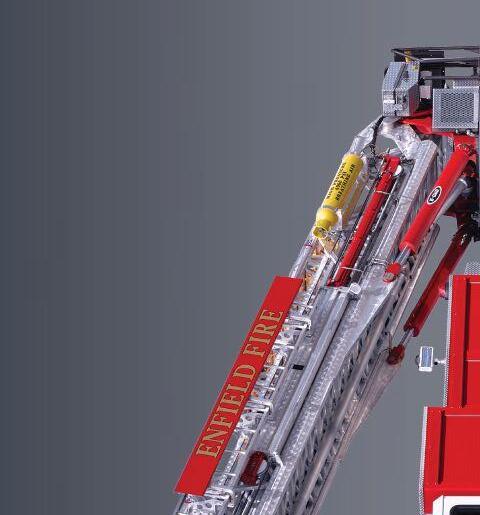
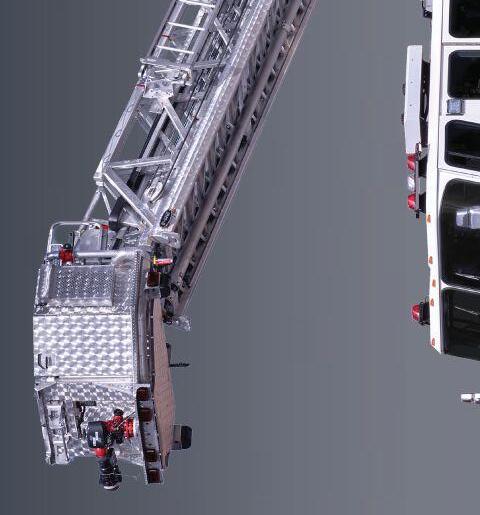
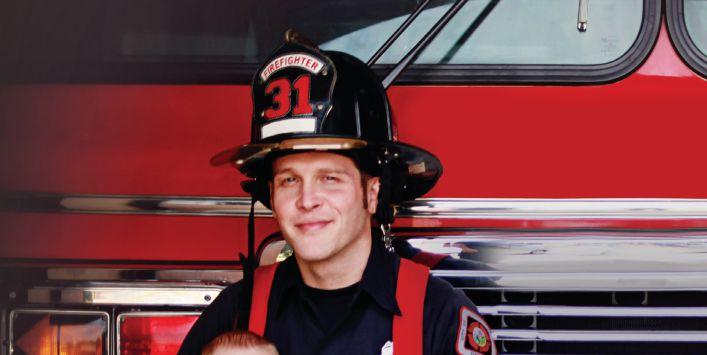
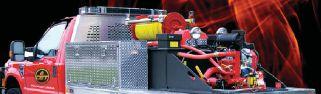
25% INCREASE OVER INDUSTRY STANDARDS. THAT’S E-ONE STANDARDS.
WE INNOVATE EVERY DAY. e-one.com
2.5 TO 1 STRUCTURAL SAFETY FACTOR CRISSCROSS UNDER-SLUNG OUTRIGGERS DEPLOY IN UNDER 45 SECONDS
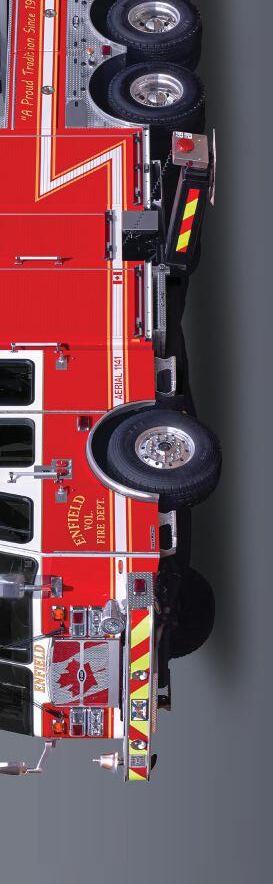
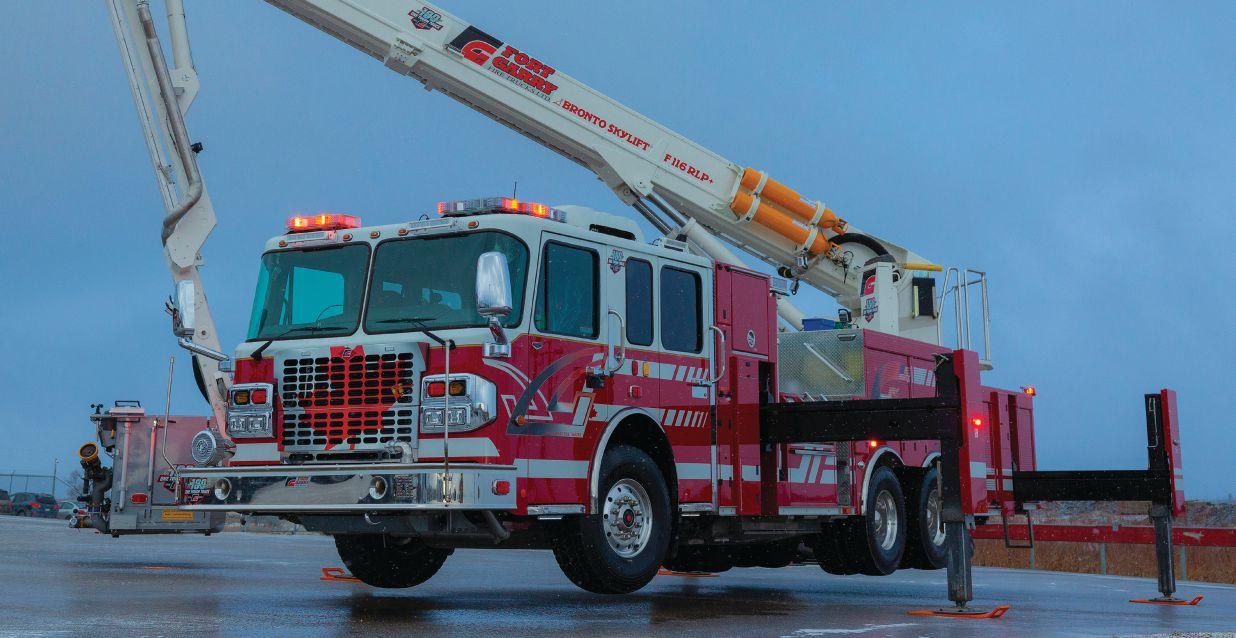
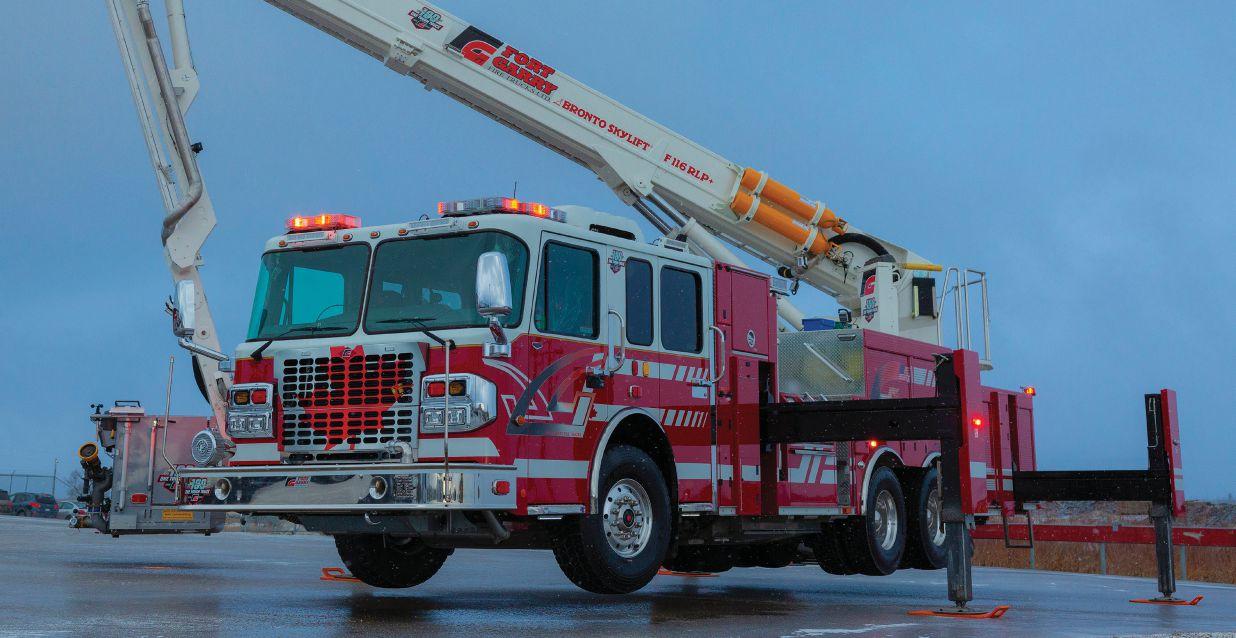
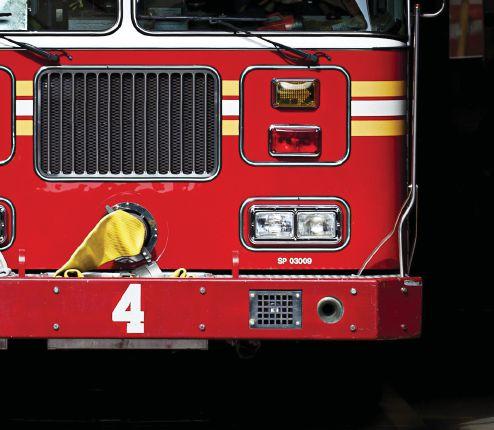
The E-ONE HP 100 Platform looks like a rock solid beast. And it acts like one too. This aerial, with a 2.5 to 1 structural safety factor is 25% stronger than NFPA requires. But the HP 100 Platform isn’t just a powerhouse, it’s also versatile. With crisscross under-slung outriggers that deploy to a tight 15’6” spread, the HP 100 Platform can go where other aerials can’t. Whatever the job calls for, the E-ONE HP 100 Platform is up to the task! For more info, please visit: e-one-aerials.com/hp-100-platform-truck 1305 LB PLATFORM CAPACITY WELDED EXTRUDED ALUMINUM LADDER ANGLED CORNERS AND PERIMETER STEP ROCK SOLID STABILITY EVEN WITH ALL TIRES OFF THE GROUND STRONGEST CAB IN THE INDUSTRY
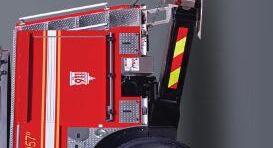
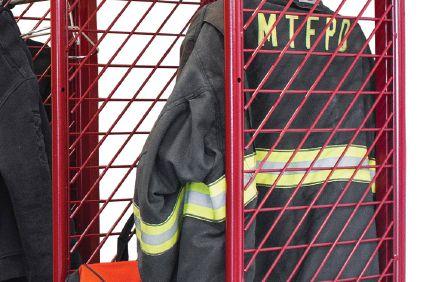
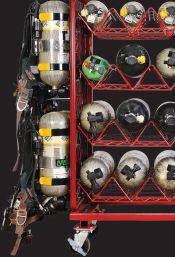
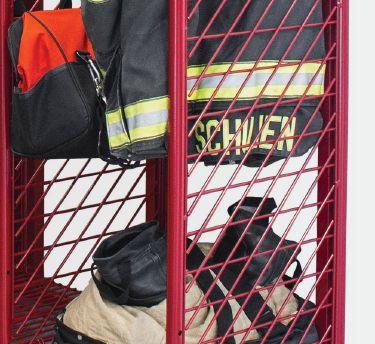
RESCUE STYLE COMPARTMENTS
INTEGRAL TORQUE BOX CHASSIS
A COLLABORATIVE APPROACH
York Region’s emergency services worked out an integrated response model that sees fire, police and paramedics working more collaboratively in a large scale incident.
Blue Line magazine editor Renée Francoeur hosted a Q&A with the key partners.
20 GRIEF IN THE FIRE HALL
Fire and forest officer David Moseley shares his first-hand perspective on the death of a loved one.
28 TRADE SHOW SEASON WRAP-UP
The Canadian fire service trade show season took Fire Fighting in Canada from coast to coast. Jayson Koblun has your wrap-up.
32 WHERE THERE’S SMOKE…
Len Garis reports on a new study showing that smoking materials to continue to be a major cause of fires in Canada.
BY GRANT CAMERON Editor gcameron@annexbusinessmedia.com
COMMENT
Bunker gear must be cleaned
Please note: this is my final column as editor of Fire Fighting in Canada as Laura Aiken has returned from maternity leave and is once again at the helm of the magazine. Thanks to everyone who extended a helping hand to me over the year.
In the old days, firefighters would return from a call, dust themselves off, hang up their gear and wait for the next alarm.
My how things have changed – and for the better, of course.
We now know that contaminates, chemicals and toxins that cling to gear are a danger to the well-being of firefighters and, over time, cross-contamination can cause a host of illnesses and fatal diseases.
bunker gear should be removed, cleaned and transported to the fire station for cleaning.
The importance of this issue cannot be understated. A 2018 study from the University of Fraser Valley found that Canadian firefighters are killed by cancer about three times more often than the general population, and that 86 per cent of fatal claims were cancer-related.
A study by the National Institute for Occupational Safety and Health estimated that firefighter lifetime cancer risk is about 14 per cent greater than the general public.
ON THE COVER
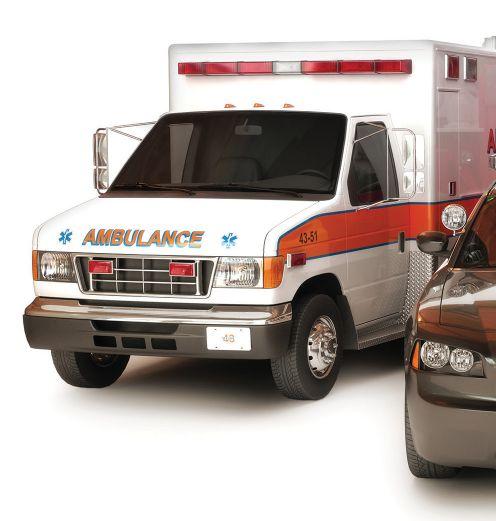
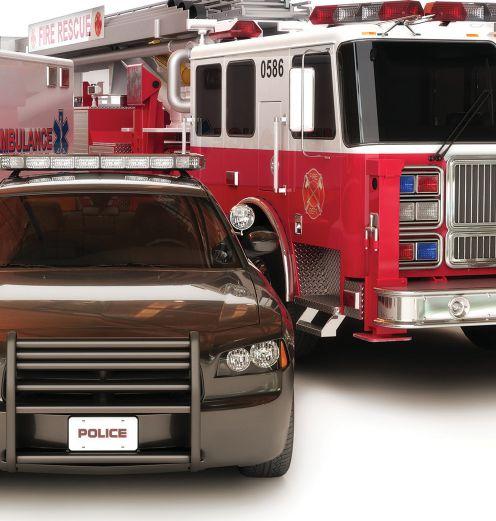
Lives can be saved when fire, police and paramedic improve their collaborative response.
One of our longtime columnists, Ed Brouwer, who pens the Trainer’s Corner articles for Fire Fighting in Canada, has been writing about this concern for years. In our August issue, he wrote a piece that explains how contaminants can make their way from bunker gear to the fire hall, to personal vehicles and, eventually, into the homes of firefighters.
Read how York Region in Ontario developed a model that works on page 10.
Packaged with this issue of the magazine, we have a special supplement on gear and equipment. Kirk Hughes, deputy fire chief of the M.D. of Taber Regional Fire Department in Alberta, has written a thoughtful piece on why it’s important for firefighters to properly clean their gear and truck after a fire. He outlines some of the decontamination procedures that firefighters should follow and offers insight into how
Recently, a fire station in Montréal-Nord in Quebec implemented new decontamination measures to protect firefighters. Firefighters are now hosed off with detergent before leaving a scene – even in the dead of winter – and must take a shower within the first hour of returning to the station.
The statistics don’t lie. Too many active-duty firefighters are dying of cancer and others are dying too soon into retirement.
Departments have a responsibility to do all they can to mitigate a firefighter’s exposure to contaminates. Likewise, firefighters have a duty to protect themselves from contamination transfer by ensuring their gear is properly cleaned. Hopefully, this important issue will continue to get the attention it so rightly deserves.
ESTABLISHED 1957
SEPTEMBER 2019 VOL. 63 NO. 6
EDITOR GRANT CAMERON gcameron@annexbusinessmedia.com 416-522-1595
Occasionally, Fire Fighting in Canada will mail information on behalf of industry-related groups whose products and services we believe may be of interest to you. If you prefer not to receive this information, please contact our circulation department in any of the four ways listed above.
All advertising is subject to the publisher’s approval. Such approval does not imply any endorsement of the products or services advertised. Publisher reserves the right to refuse advertising that does not meet the standards of the publication.
PHOTO BY ADOBE STOCK
STATIONtoSTATION
ACROSS CANADA: Regional news briefs
Canadian Firefighter partners with FSWO
Canadian Firefighter magazine has a new partnership with Fire Service Women Ontario (FSWO).
All FSWO members will now receive a free subscription to Canadian Firefighter magazine, as well as special offers from the Firehall Bookstore. The Firehall Bookstore provides education and training materials, books, texts, videos and other products to the Canadian fire service industry and its professionals.
As part of the partnership, FSWO will no longer publish its own stand-alone magazine. Instead, the organization will
THE BRASS POLE
Promotions & appointments
DAVE MCMAHON is the new fire chief in Osoyoos, B.C. He immigrated to Canada in 2007 from England to continue his career in fire fighting and looks forward to yet another challenge in his new position. McMahon spent the past year as deputy fire chief for the Regional District of Central
Kootenay and spent more than a decade before that in Kamloops. He described professional fire fighting to Osoyoos Today as a “global village” where hard work and solid training equal success.
RYAN MURRELL is the new fire chief of the Township of Muskoka Lakes
take advantage of Canadian Firefighter’s national audience and multiple platforms to reach firefighters across Canada.
Canadian Firefighter (www.cdnfirefighter.com) is published quarterly in January, April, July and October. The FSWO will be publishing their news and updates alongside feature articles bi-annually in Canadian Firefighter magazine. Look to the October issue for their first contribution. The publication is written by firefighters for firefighters, and covers topics such as extrication, training, public education, social media, fitness, health and wellness, and day-to-day fire hall operations.
FSWO is an organization that endeavours to encourage, promote and advance women in the fire service and foster supportive, professional and personal relationships and networks among female firefighters.
The FSWO also hosts an annual symposium. This year’s event will be held October 18-20 in Ottawa. The association was founded upon its flagship camp, Camp FFIT (Female Firefighters in Training). The camp was first developed by Ottawa Fire Services as a recruitment tool and went on to earn the City Manager’s Award of Excellence. Camp FFIT and the FSWO have assisted in setting up similar camps in many other locations.
Louise Hine-Schmidt , a firefighter with Ottawa Fire Services since 1999, is the president of the FSWO. She is currently an acting lieutenant in Ottawa. She is one of the founding members and has seen the organization grow from three people in 2009 to nearly 300 by 2017. Pike Krpan, who has been a career firefighter with the City of Hamilton since 2013, serves as vice-president of the board.
in Ontario. Murrell is also the township’s community emergency management coordinator and has experience teaching, leading and working in fire operations for more than 15 years in Dryden, Ont. The township says the new chief is committed to strong fire prevention and public education programs that reduce injury and loss of life due to fire. He took over in June.
JEFF SLAGER was named fire chief for the Woodstock Fire Department in Ontario. He served as the department’s acting fire chief since 2016 and was unanimously selected by city council for the new role. Slager has been with the Woodstock department for 23 years, starting as a probationary firefighter in 1996. He was promoted to fire prevention officer in 2001 and became
The FSWO will be contributing regularly to Canadian Firefighter magazine.
The 2019 Wildland Urban Interface Wildfire Training Symposium
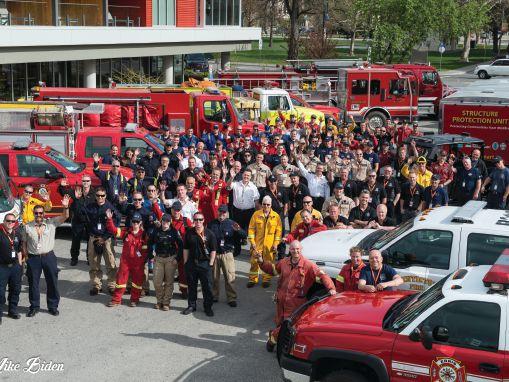
Fire departments from across the British Columbia met in Penticton earlier this year for the second annual Wildland Urban Interface Wildfire Training Symposium.
More than 150 firefighters from 25 departments took part in exercises involving live fire and aircraft in the Campbell Mountain, Sendero Canyon, and West Bench neighbourhoods.
Penticton Fire Department photographer Mike Biden was with crews during the symposium to document the event.
The 2019 WUI Symposium
focused on giving attendees the simulated experience of reporting to a provincial wildfire event and included checking in with the British Columbia Wildfire Service Plans Section, reporting to the structure branch director and receiving division assignments – class information, location, where to assemble and who to report to.
Fire departments from across British Columbia gathered in Penticton for the second annual Wildland Urban Interface Wildfire Training Symposium.
Attendees also learned about the latest wildfire mitigation tactics and methodology; integrating with professionals and municipal firefighters that are active and current in today’s most effective wildfire suppression and protection techniques.
Hero sticker comes to Canada
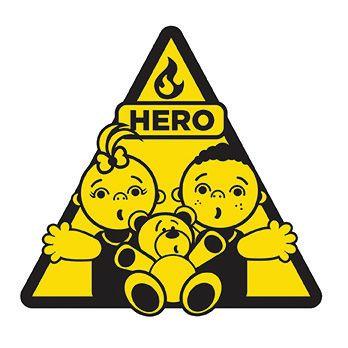
Hero Canada has created a sticker designed to help save the lives of children during a house fire.
Hero Canada owner Susanne Giebels says the Hero sticker is an idea adapted from Germany, where a similar product has been used since the early 2000s. The highly reflective sticker is to be placed on the bottom third of
a child’s bedroom door from the outside so firefighters might be able to locate children faster in the event of a house fire.
Giebels learned that in a house fire, children can hide in their bedrooms, their closet, under their bed, and says it is hard for parents in that situation to give the officials proper directions
The symposium also served as a great opportunity for networking with other firefighters from around the province to share ideas and solutions for future planning and response to WUO events.
on where to search for their children. Each sticker has a name field so that the firefighter can address the child.
The package comes as a combination of an educational flyer for parents and a reflective sticker for the
doors. Hero Canada is hoping to connect with Canadian fire departments, businesses, schools, builders, banks, architects, contractors, municipal governments and more. For more information on the Hero sticker visit www.herosticker.ca.
BY
deputy fire chief and acting fire chief in 2016.
Retirements
Acting Assistant Chief GEORGE PATERSON recently retired from the Moose Jaw Fire Department in Saskatchewan. He was hired as a firefighter in 1984, pro-
moted to lieutenant in 2012 and to captain in 2016. On Dec. 3, 1999, Paterson was given the Governor General’s Award - Medal of Bravery for his actions at a rescue on May 11, 1997. At that time, a man was pinned in a highway tractor that was on fire. Due to his efforts, the man was freed.
Captain DALE NASH recently retired from the Moose
Jaw Fire Department in Saskatchewan. Nash was hired in 1987
as a firefighter, promoted to lieutenant in 2016 and to his latest position as captain in October 2016.
Last alarm
DENNIS BOOTH joined
Trout Creek Volunteer Fire Department in Ontario in February 1979 and continued on with Powassan Fire Department in 2000. Booth was a captain, fire warden and a fire prevention officer. He passed away in June 2019, having surpassed 40 years of service.
PHOTO
MIKE BIDEN
STATIONtoSTATION
BRIGADE NEWS: From departments across Canada
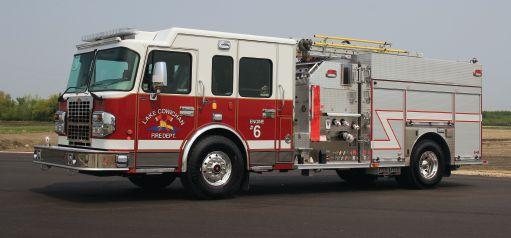
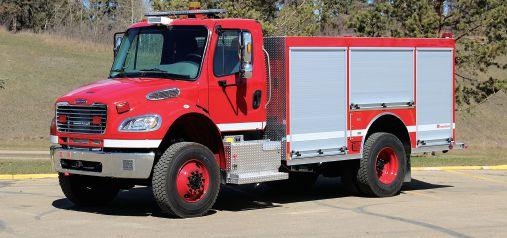
Lake Cowichan Fire Department in B.C. took delivery of a new rescue pumper from Fort Garry Fire Trucks in June. The pumper sits on a Spartan Metro Star 10” RR chassis and has a Cummins L9 450-hp engine and an Allison EVS 3000 transmission. It features a Waterous pump, has a top mount control pump panel and is made of 5083 salt water aluminum.
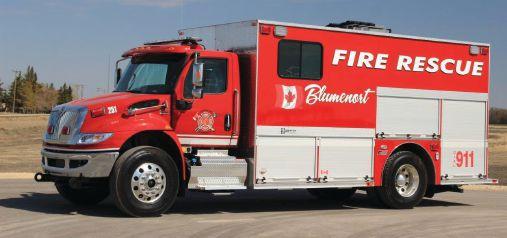
Fort Garry Fire Trucks delivered a new rescue unit to the fire department in Blumenort, Man. The truck sits on an International HV 607 chassis and has a Cummins L9 370-hp engine and an Allison 3000 EVS transmission. It is made of 5083 salt water marine grade aluminum.
Teck Coal – Greenhills Operations Rescue took delivery of a new Rosenbauer rescue from Rocky Mountain Phoenix. The rescue sits on a Freightliner M2 106 chassis and has a Cummins 330-hp L9/1000 lb-ft torque engine with an Allison 3000 EVS automatic transmission with PTO Provision. It has a 12,000 lb front drive axle, 24,000 lb rear axle, flat leaf spring rear suspension, 275-amp alternator and a Rosenbauer extruded and formed aluminum body.
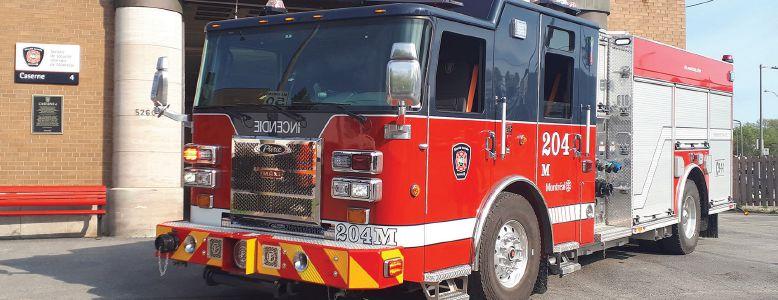
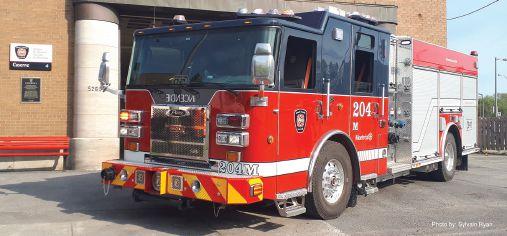
Pierce Manufacturing delivered seven pumpers built on the Pierce Saber custom chassis mounted with Maximetal’s fire fighting body configuration to the City of Montreal Fire Department. The MaxiSaber apparatus represented the first seven of the 35 awarded pumper trucks to be built and delivered to the City of Montreal Fire Department over the next five years.
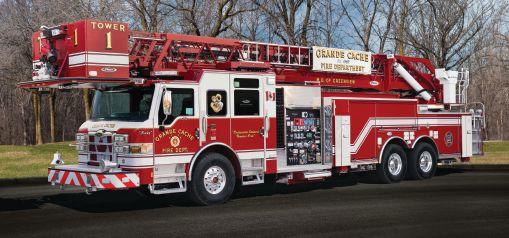
Grande Cache Fire Department in Alberta took delivery of a Pierce Manufacturing 100-foot Platform apparatus from Commercial Truck Equipment. The truck sits on a Velocity chassis and has a Detroit Diesel DD13, 525-hp engine. Its foam system is a Husky 12, single agent, PUC, with multi select feature and has a Waterous 2,000 gpm, single stage pump.
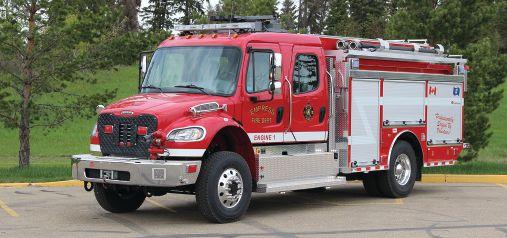
Rocky Mountain Phoenix delivered a new Rosenbauer pumper to the Empress Fire Department in Alberta. The pumper sits on a Freightliner M2 106 4x4 chassis and has a Cummins 350-hp L9/1000 lb-ft torque engine with an Allison 3000 EVS automatic transmission. The truck has a 275-amp alternator, 14,000 lb front axle, 7,000 lb rear axle, Class “A” Foam System: Foam Pro 2001 and also features bumper turret and ground sweeps, 12V LED Command light tower, Whelen LED warning light package and more.
BLUMENORT FIRE DEPARTMENT
LAKE COWICHAN FIRE DEPARTMENT
TECK COAL - GREENHILLS OPERATIONS RESCUE
CITY OF MONTREAL FIRE DEPARTMENT
GRANDE CACHE FIRE DEPARTMENT
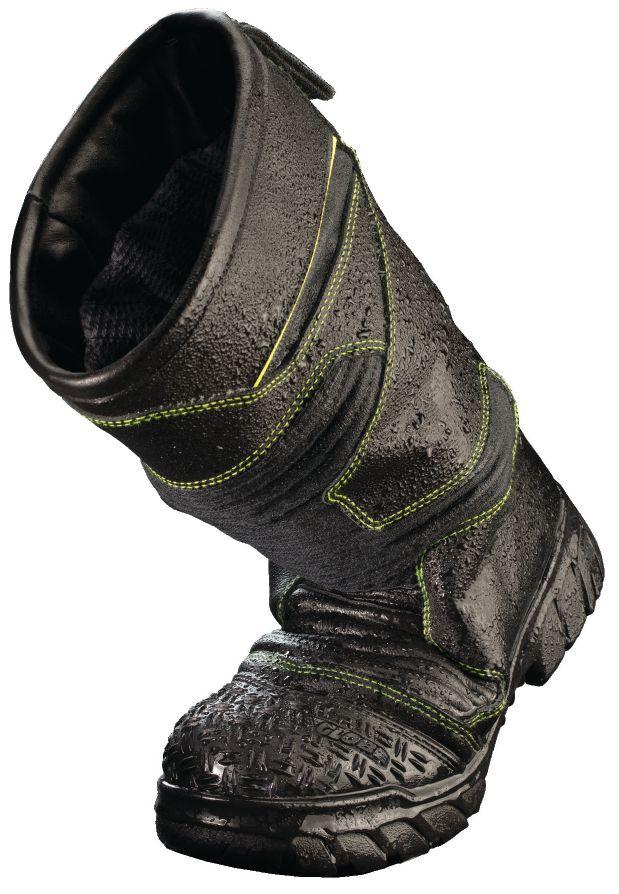
For performance unmatched by any other waterproof, breathable barrier. Lighter weight and more flexible for safety.
GLOBE SUPRAFLEX
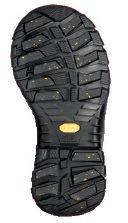
Available with Vibram Arctic Grip Pro sole technology for unprecedented grip on wet ice.
Continuous segmented flex panels.
The collaborative approach
Emergency services in York Region have a new emergency response model
By RENÉE FRANCOEUR
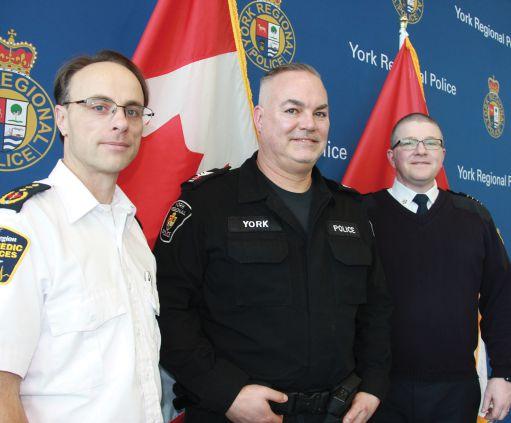
In Ontario, York Region’s emergency services have developed an integrated response model, leveraging a collaborative approach to major incidents. In October 2018, York Regional Police (YRP), York Region Paramedic Services and the eight fire services agreed to introduce enhanced training to promote effective response during mass-casualty criminal incidents. In this Q & A, York Region Paramedic Services Supt. Tait Mitchell, YRP Sgt. Douglas Ritchie and Town of East Gwillimbury Deputy Fire Chief Ryan Jagoe share more about plans for the program and continuing to mould such a unified framework.
Q: Tell us how this integrated approach for tri-services responding to incidents like mass shootings first came about.
Douglas: It started in our own internal exercises — with our eight fire services and one paramedic service. We recognized there was a gap with the response for medical treatment for those who could become victims during a mass casualty incident. We wanted to close that gap. This was a seed that was planted in 2015 and it has become a formalization of integration of inter-agency response. This will be one of the few inter-agency policies that combines all our efforts into one focused force multiplier. In England, there were firefighters who wanted to go help people who needed help at a terrorist event within visual range, and were yelling at them, but they didn’t have the policy permission to go and respond. You can imagine the stress it put on those firefighters. We took a different approach: You’re going to be able to help in a coordinated manner and have the permission to do it.
Q: Was there a particular anecdote that cemented the need for more tri-service collaboration?
Douglas: We conducted a major exercise in the region and we had hostages and people that were injured. This was all a mockup of an active shooter situation and when we requested fire and paramedic services to attend inside the mall where some of the victims were, we were unable to provide enough safety clearance in order for them to operate to their standards. We had four command posts there. Typically – and cutting out all the police terms – we go in and once it’s safe and clear, then we can have fire and paramedics come in to tend to patients. But, during that period of time, sometimes hours can go by and we lose those patients that otherwise would have survived. That golden hour is really key but even a platinum 10 minutes is more important for us to get in. To do that, we have to create a safe environment that is consistent with the standards of fire and paramedic services and we’ve managed to figure out what that looks like. That also
then became supported by the NFPA [National Fire Protection Association] standard that came out last year. The interesting part is the work we were doing was already aligned with that standard. In fact, we’ve exceeded that standard.
Tait: A active shooter event is a patient-centred event where rapid care is needed. In York Region, we are fortunate in that we have a tactical paramedic program but it’s a resource that isn’t prevalent enough. We have a team of 16 special response paramedics, which means four are on duty at all times, working closing with the emergency response unit at YRP. We have a great number of fire services full of skilled people that will also respond throughout the geography to any potential active shooter events. This is about how we tap into all these resources and bring everyone together efficiently because we do need everybody on those calls.
Ryan: We have enough evidence from real-life situations around the world of exactly what we’re trying to prevent from happening — paramedics and firefighters staging a few blocks back of an incident waiting and waiting to be cleared to go in. We’re in this business to save lives and we want to be making the right decision so it was timely in terms of world events and for us to say, “Hey we’re not immune to this in York Region and we’re going to be
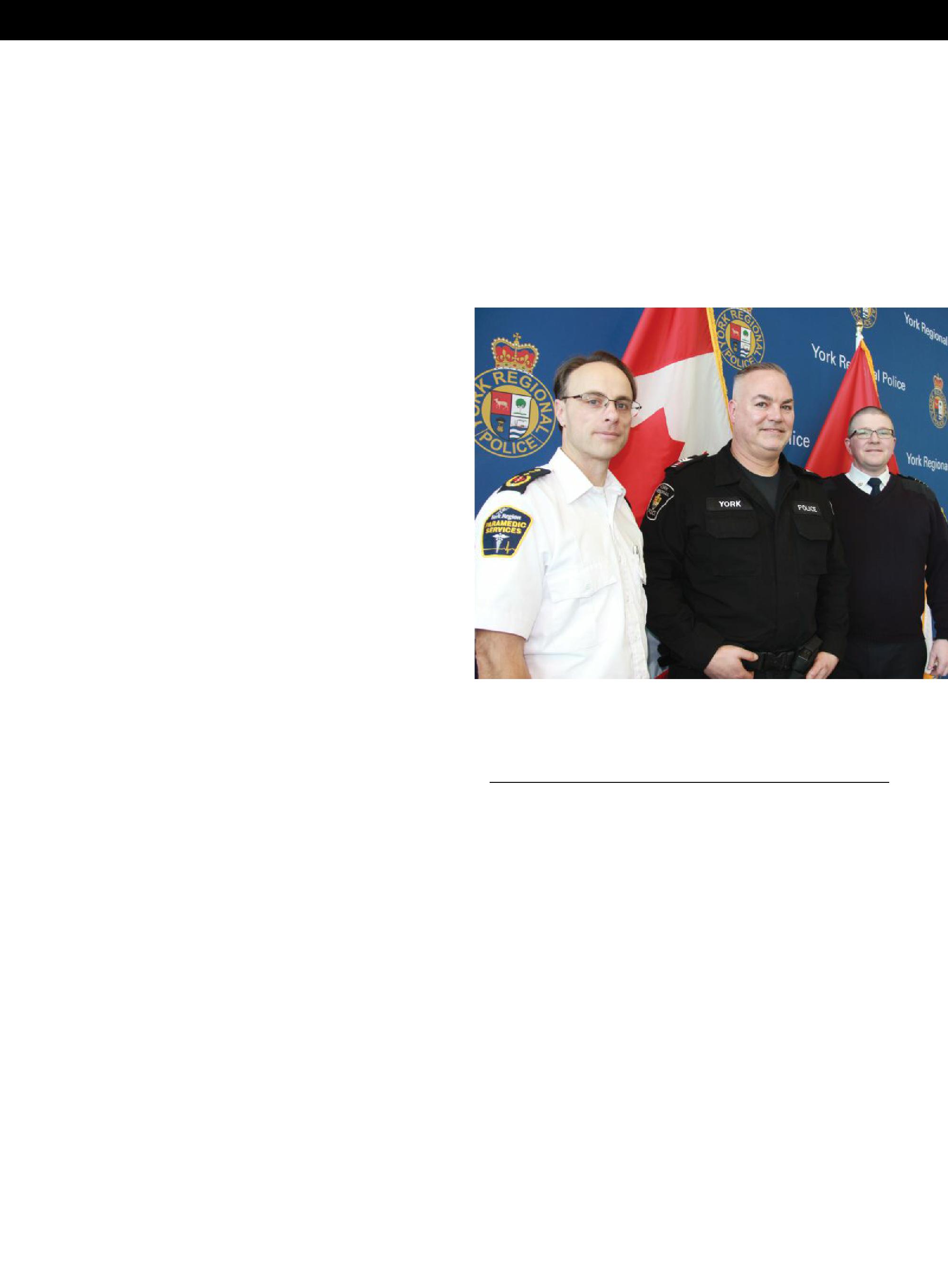
(Left to right) York Region Paramedic Services Supt. Tait Mitchell, York Regional Police Sgt. Douglas Ritchie and Town of East Gwillimbury Deputy Fire Chief Ryan Jagoe who are working together for more integrated response training to major incidents.
PHOTO BY RENÉE
prepared if it happens.” It wasn’t about can we do this; it was about we have to do this.
Q: What happened next?
Douglas: We came together and had a preliminary discussion on how we would work together to form up a committee to create the training and education standards for it. Earlier on in 2018 this working group presented to all services what it would look like going forward.
Tait: The people that came together to help put this program together really deserve the credit. These are frontline, tri-service staff that do these jobs every day. That’s what helped answer some big questions and it lends credibility to the program.
Ryan: This committee isn’t a one-and-done-deal. It will stay active so we have a tri-service communication group to tackle hot topics and a forum. That was an unintended spinoff. We are communicating and we’re communicating well, so let’s keep doing it.
Q: And last fall was a pivotal moment?
Tait: In October 2018 it was ratified that we’d be starting this approach as of January 2019. We had all the tri-services decision makers and senior ranks in the room and presented the program. The result was a full agreement and communication to fully move forward with it.
Douglas:The real achievement here, as Ryan said, is we were able to get all heads of state in one room agreeing on a common mission on something that was brand new because there was an awful lot of grey area that had to be vetted out that was done by our working committee.
Q: How is training happening now?
Douglas: For us, we are now training all our members in their annual training. So, every sworn member will have this training by the end of 2019. As of the end of February, we already had people deployed with this training in hand. A PowerPoint is YRP’s current training platform. By this summer a video will replace that and further enhancement will include practical exercises to tweak the program.
Tait: We’re creating a generic platform that is easily implemented, maintained and shared for this training. We’re set to rollout our training platform in what we’re going to call Program Development Day No. 2 in Q3 of 2019.
Douglas: By the end of 2019, all tri-services will have undergone the first phase of training. We expect this to be a live program that evolves every year depending on the needs of the community and the members. It will go on to include small-scale and larger-scale practical exercises, exercises with different jurisdictions … The key piece is developing and maintaining unified command. It’s a bit of an elusive term in the real world. It sounds good on paper, but what is really good in a practical setting is making sure people are trained and disciplined to stay in that environment. That’s the pivotal part of what we’re trying to do.
Q: What kind of challenges did you have in bringing the same training to fire, police and paramedics?
Ryan: Our challenge was how to make this training adaptable to each of those eight fire services. There was the question of cost and if we were increasing the level of service to our community. How do we roll this out because we have associations to deal with? The great part is the committee has made this program that uses our existing
knowledge and skills and now we hone in on who’s in charge.
Douglas: We have a common vision through the tri-services: a preservation of life and we all bring different skills to the table to make that happen. The problem was we were working independently of each other. For example, if it was a police-led call, we’d be in charge until someone else spoke up and said let’s move these resources over here. If fire is at a call, police and EMS stood back until fire told us what they needed. This is different. This is when we already know we’re going to use a co-operative structure, which is basically a type of unified command structure. The sooner we’re coordinated, the more efficient we are at putting in our assets. More importantly, this program gives all our services permission to work together – permission for me to let fire into the scene. That didn’t exist before. And it doesn’t exist very much in Canada, though we are starting to see some changes, like in Vancouver where they have a program.
Q: Any surprises from seeing this program take shape?
Tait: It has been a remarkable way to build relationships with our counterparts in our fire services and they have really come to the table and embraced it, which is absolutely fantastic to see – that willingness to take on some extra kit, equipment and do some extra training. We have quite a large paramedic service but this model could be a gamechanger for a smaller community or rural area where it takes time to get resources in. Then it becomes even more essential to have a unified response to really any incident — it doesn’t have to be a criminal one.
Q: What is the cost to this program?
Tait: It’s scalable for each region. You can do it for next to nothing, with just staff time for the training and education.
Ryan: And if there’s a product to be bought – like you want to have tourniquets in your fire trucks – buy the same one your police service and paramedics are using. That’s all part of the communication piece.
Douglas: Recognize there’s some policy considerations to be had, understand what risk is and what the risk is to what this looks like, but it’s cost-effective and easy to implement.
Q: How does this program change specific roles in command?
Douglas: They’re doing the same job they normally do. It’s quantifying the risks differently, shifting the risk profile.
Tait: If there’s a medical question, take direction from the paramedic on-scene. If it’s a security question, police will tell us where it’s not secure. If there’s alarms to be silenced, other fire components, we look to the firefighters. Together we have to get to the people who have been hurt.
Ryan: For us, the roles haven’t changed. What has changed is a greater understanding of the importance of being together and relying on each other.
Renée Francoeur is the editor of Blue Line, Canada’s only independent magazine for law enforcement. She is also the host of Blue Line, The Podcast. Find all the details at www.blueline.ca.
Need Better Coverage, Lower Costs and Faster Dispatch?
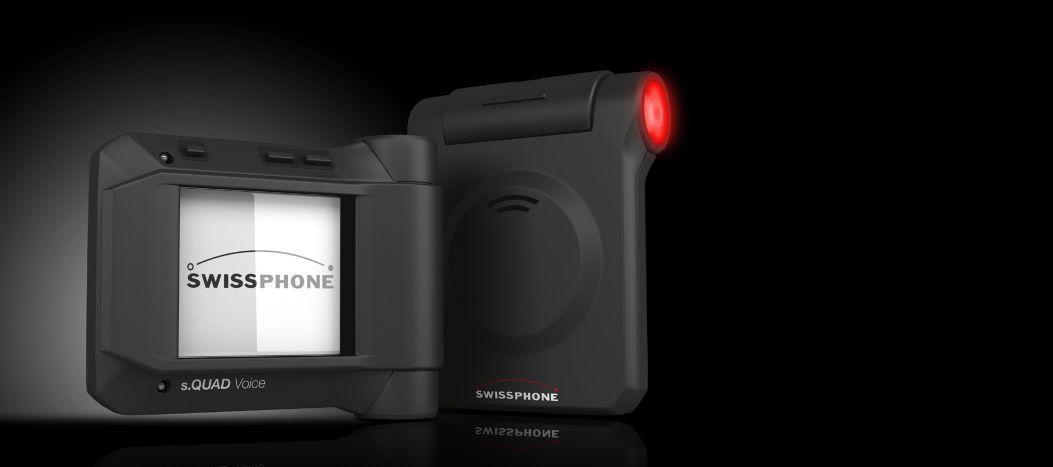
You run an analog alerting network with old pagers that barely receive anymore. You’re tired of your pager repair and replacement budget being spent too fast. You’re frustrated with the long delay of your voice dispatch. If any of these statements apply to you, you should definitely consider the s.QUAD Voice – you will certainly be amazed. Contact us for details of our 50th anniversary Pager-Trade-In Program. www.swissphone.ca
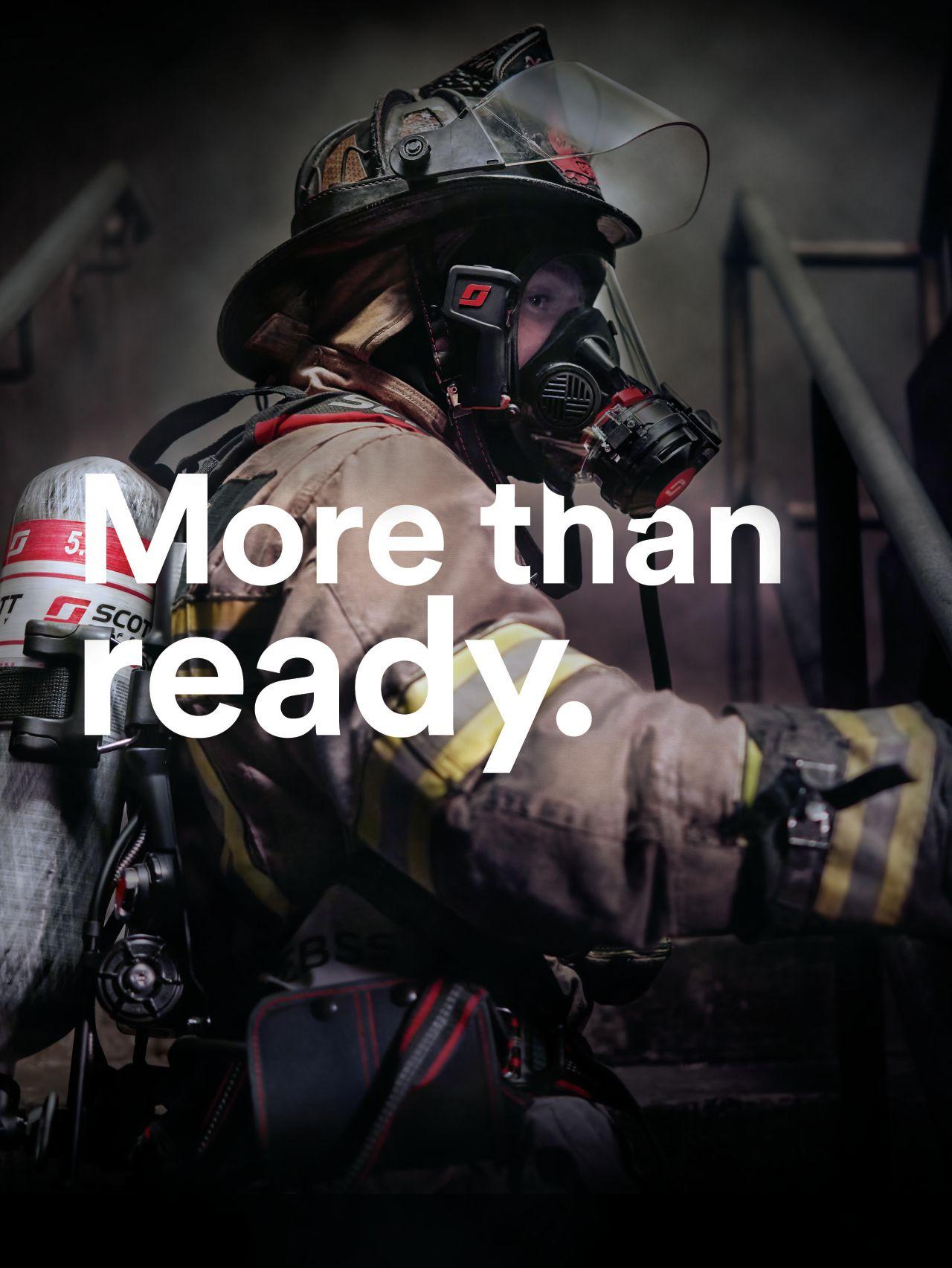
It’s the feeling you have when you can trust your protective equipment to perform day in and day out—and it’s what you can expect from 3M™ Scott™ Fire & Safety Products. We are improving and innovating new ways to help protect you, so you can get the job done and help get everyone home safely.
Be more than ready.
BY CHRIS HARROW Fire Chief Minto, Ont
TLEADERSHIPFORUM
Fire chiefs should have a true open-door policy
he hottest topic in not only fire services but all of emergency services is occupational stress injuries (OSIs), including post-traumatic stress disorders. Many of us in the industry work hard every day to stay on top of this ever-changing topic. We strive every day to do what is best for our teams.
A difficult aspect of being a chief officer is to continue to show leadership when it comes to OSIs. We are constantly questioning what to do to properly handle ourselves and guide our crews through difficult times. Many of us question our abilities every day in this new and rapidly expanding topic.
Maintaining a leadership role in an environment we are uncomfortable in is difficult. Leaders trying to navigate a world they know very little about is also hard and tests a leader’s training and skills. I believe, though, there are a few things good leaders already do that can help any of our crews in difficult times. These skills just need to be done better to handle the new normal we find ourselves in.
One of the first things we can do is be available. The concept seems so easy, but too often is not done well. Officers, from captains through to the chief, need to be available for their team.
Many say they have an open-door policy, but is that really the case? Allowing firefighters to enter your space whenever they need to discuss personal matters is a key part of an open-door policy. A firefighter is not going to wait and make an appointment to be able to see you. They will want to do it immediately, when the feelings they have are imminent.
An open-door policy can be extremely inconvenient for getting a day’s work done. There is no doubt you will be right in the middle of writing an important council report and someone will stop in. That firefighter doesn’t know how important that report is. All they see is you, as their leader, putting aside whatever you are doing and listening to them speak. Immediately you have gained the respect of that firefighter and the three others they will tell. Think of the roles reversed. You, as the chief, go into the CAO/city manager’s office because you have an important issue to discuss. If your superior was to brush you off, you would immediately feel like you have been disrespected. If she was to see you right away, a feeling of mutual respect is probably what you would experience.
Firefighters view the fire station as an outlet. It is a safe place for them to be able to vent, act up or unload their issues. As painful as this may be for some officers and other firefighters in the station, it is an absolute necessity. Every person needs a safe place to vent. Being able to provide this venue is key to showing leadership as an officer, especially in the volunteer setting. Volunteers, for the most part, are at the fire station because they want to be. They have chosen to be there, so they feel comfortable being there.
Firefighters, like many people, have issues occurring in their lives. They may be having problems with their spouse, their children or their full-time position or whatever else may be happening in their life. The fire department is the one place that is normal and they want to feel comfortable at work. It is also the place where they can unload their problems to a willing listener.
Many times, however, they will lash out and vent their frustrations forcibly to whoever gets in their way. As long as the actions do not cross any lines for harassment or bullying or any other existing policies, a good leadership practice is to take it. They are using their only safe place to let off steam in an attempt to get their mind back
Allowing firefighters to enter your space whenever they need to discuss personal matters is a key part of an open-door policy. ‘‘ ’’
to a healthy place.
I have witnessed individuals venting on many occasions. While they vent, the listener can ask themselves what else is going on in the person’s life. Allowing them to have a safe space to pour out their frustrations is an important part of a fire station. Mental health support and services is now a key part of the fire service. Many of us have employee assistance programs to help out our staff. But do you, as their leader, know how to access the programs? A good leader will be able to explain the program and understand some of the procedures involved once it has been accessed.
Chris Harrow is the fire chief in Minto, Ont. He is a graduate from fire programs at Lakeland College and Dalhousie University and holds a graduate certificate in Advanced Care Paramedics from Conestoga College. He can be reached at c.harrow@mintofiredept.on.ca.
Whether it is listening to their rants, giving them a safe space to be in, having a true open-door policy or referring them to proper resources, our people must come first. Their safety and mental health are as important as those we strive to protect every day.
Prepare
BY GORD SCHREINER Fire Chief Comox, B.C.
ISTOPBAD
Present to represent
f you are going to wear the hat, wear it properly. Wearing a fire department hat (or other clothing) shows you are representing the name on it. You are a walking billboard for your organization, so put your best foot forward. It drives me (an old person) crazy to see firefighters wearing their hats sideways or backwards. I also do not like to see firefighters wearing damaged or dirty hats (or other branded clothing).
I was recently presenting some training to a group of about 50 firefighters from several different departments and noticed a few were wearing their hats wrong. As the day progressed, I could tell that in most cases the departments these firefighters came from had problems. Some were minor problems like dirty equipment, but in some cases they were major problems like lack of training or poor leadership.
It always amazes me how much I can tell about a department by seeing and talking to one of their members. A couple of my firefighters just returned from an external training course and noted that one of their instructors had their hat on sideways while instructing. My firefighters know me well and knew that I would not be too happy to hear this.
A professional instructor wearing a hat sideways – are you kidding me? My firefighters went on to tell me that this instructor was also swearing a lot. Regardless of what they are teaching, this is not acceptable. It’s not very good when my firefighters are talking about the instructor’s hat and language and not the program. The program may have been great but when you have a “look at me” instructor presenting it, it loses something. What is a “look at me” instructor (or firefighter)? It is someone that does something to draw attention to themselves rather than to the program or department program. You lose credibility by disrespecting the brand. How you wear, what you wear and how you talk makes a big difference.
but a month later he thanked me for calling him out and noted he feels better about his department and himself. He also noted that he called a couple others out also and they have made positive changes. He noted that in a short period he felt his department had improved and the firefighters had more pride in everything they did.
Sometimes the little things make a big difference. Challenge your fellow firefighters to be better. It might be as simple as wearing the hat straight or it might mean getting in better shape or training more. The result will be a better fire department and a stronger fire service. In my department, if you are going to represent us (on or off duty), you better represent us well, as anything less would be considered a career-limiting move. Walk the walk, do not just talk the talk. Great firefighters represent their departments and the fire service well. They understand that every time they wear the brand or go to work they are representing not only their department but also the entire fire service. We need to hold each other accountable. We need to call the bad actors out.
I know our firefighters are just regular people, but we and the public expect more from us. Real firefighters act appropriately.
You are a walking billboard for your organization, so put your best foot forward. ‘‘ ’’
Our citizens trust and respect us. Please help to represent us well. Reach for a high standard and set the positive example for others to follow. Doing less waters down the system and allows others to also do less. Call others out who do not represent us well. I did just that recently when I noted to a 10-year member that wearing his hat sideways was hurting him as much, if not more, than it hurt the rest of the fire service. He initially thought that it wasn’t a big deal,
Gord Schreiner joined the fire service in 1975 and is a full-time fire chief in Comox, B.C., where he also manages the Comox Fire Training Centre. Contact him at firehall@comox.ca and follow him on Twitter at @comoxfire
When you accept a position as a firefighter, you have an obligation to represent us well. Nothing less is acceptable. If you can not do this, get out now. I know that 99 per cent of firefighters out there are doing the right things right. One of the most important things in your life should be your reputation and the reputation of the organization you represent. Good or bad, the people around you know your reputation. You are accountable for you – no one else is. Do what is right and you should have no worries. Do wrong and you could lose your job and your reputation very quickly. I believe we (the fire service) need to continue being part of the solution by letting others know if their behaviour is unacceptable. It would be nice if they could figure this out themselves but sadly many can’t.
I would like to express a big thank-you to all the great firefighters out there who represent us so well.
Certificate in Fire Service Leadership
Name Position Department
Ryan P. Belair Firefighter
Mathieu-Daniel Blaquière Firefighter
Jordan L. Borgford Firefighter
Jonathan Brnjas Training Officer
Peter Christian Senior Man Firefighter
Viktorija Cirkvencic Firefighter
Mathieu Jean Dorval Firefighter
Chad Durocher Platoon Captain
Jeff Fairbarn Captain/Training Officer
Geoffrey W. Fisher Deputy Chief
Christopher Foster Deputy Chief
Chris Garrett Firefighter
Brad Hamilton Company Officer
Christopher Hanlon Senior Firefighter
Scheherazade Haque Lieutenant
Michael Hole Firefighter/Paramedic
Brian Hunter Chief
Dexter Hupe Firefighter
Ronald D. Kearney Senior Firefitghter
Callise Loos Assistant Chief
Mike Loos Captain
Erin P. Lydon Senior Firefighter
Matthew McCully Senior Firefighter
Todd M. Metzger Firefighter
Andrew Niven First Class Firefighter
Derek G. Ross Senior Firefighter
Katherine Sonnichsen Designate Captain/First Class Firefighter
Certificate in Fire Service Administration, Emergency Management
Jeffrey J. Dean Deputy Fire Chief
Greater Sudbury Fire Services
Dieppe Fire Department
Whitehorse Fire Department
Minto Fire Department
Saint John Fire Department
Saskatoon Fire Department
Moncton Fire Department
Airdrie Fire Department
Richmond Hill Fire Emergency Services
Truro Fire Service
Debec Fire Department
Bathurst Fire Department
Mississauga Fire & Emergency Services
Saint John Fire Department
Vegreville Fire Department
Brandon Fire & Emergency Services
Simonds Fire Rescue
Oliver Paigoonge Fire and Emergency Service
Saint John Fire Department
Minto Fire Department
Bruce Power EPS
Saint John Fire Department
Kennebecasis Valley Fire Department
ArcelorMittal Dofasco and the Township of Woolwich
Pickering Fire Service
Saint John Fire Department
Markham Fire & Emergency Services
Redwood Meadows Emergency Services
Brandon Fire & Emergency Services
Brandon Fire & Emergency Services
Whitby Fire and Emergency Services
Red Deer County Protective Services
Saint John Fire Department
Tulameen & District Fire Department
St. John’s International Airport Authority ES
Calgary Fire Department
St. John’s International Airport Authority ES
Kingsville Fire Department
Certificate in Fire Service Administration, Human Resource Management
Luigi Davoli Platoon Chief
Certificate in Fire Service Administration, Operational Planning
Arjuna George Fire Chief
Patrick O. Neumann Deputy Chief
Advanced Certificate in Fire Service Administration
Luigi Davoli Platoon Chief
Kenneth Hubbard Deputy Chief-Training and Prevention
Fire Officer Certification
Fire Officer III
Patrick Kelly Captain
Craig Kennedy Firefighter
Charles Melanson Fire Chief & CEMC
Fire Officer IV
Dale W. Gartshore Captain
Matthew Slimmon Platoon Chief
Mississauga Fire & Emergency Services
Salt Springs Island Fire Rescue
Pincher Creek Emergency Services
Mississauga Fire & Emergency Services
City of Airdrie Fire Department
Ottawa Fire Service
St. John’s Regional Fire Department
Fort Erie Fire Department
Sarnia Fire Rescue Services
CFB Wainwright
GRIEF IN THE FIRE HALL
A first-hand perspective on handling the death of a loved one
By DAVID MOSELEY
Grief is a big thing. If you’ve been touched by it you know that can be an understatement. It’s universal and will affect us all but also unique.
This article will take a look at one person’s grief –mine — and some ways I’ve coped. It will look at the impacts within a fire setting, realizing it is really much bigger than that, too.
Chris and I had a good marriage; a simple, comfortable life. You could say boring, but what we wouldn’t have done for another 20 years of boring. She’d been feeling not right over the winter, but from the day we found she was seriously ill it was only six weeks before she was dead.
Those six weeks were both awful and wonderful. Cancer wasn’t kind to her. Yet, we had time to talk, cry, plan and grieve our lost future together. She told me she felt nothing went unsaid. She was so grateful for our 28 years, for the eight years since her initial
cancer treatment, and, above all else, for our two boys. I laid in our bed with her and held her hand as she let out her last breath.
I managed the initial weeks, the funeral, and return to work. It was rough but I was functioning. Thought I had a long way to go but was on my way. I was only sleeping four or five hours a night and having constant chest pain. At work, I was just going through the motions, finding no meaning or joy in it, but it was manageable.
Then, about five weeks after Chris died, came the worst two weeks of my life. It was like a barrage or waves of pain hit me. I’d be shocked to be brought lower again and again, not believing this couldn’t be bottom to be brought lower still. Two trips to the emergency room found my chest pain wasn’t a heart attack – just a broken heart.
I felt like I was suffocating, being smothered. I thought I would be better off dead. I might not join Chris, but I’d no longer miss her. One night, convinced I would die, I wrote the boys a note, tidied the house and lay down to die. There were times when giving up was the only way.
We had a great life. Why would I feel guilty? Because I was alive and she was dead. I hated myself for that. My being alive and everything beautiful in the world seemed like an insult to her.
As firefighters, we are used to helping others. Receiving help ourselves, nevermind asking for it, can be difficult. ‘‘ ’’
Then I truly felt I’d hit bottom. I began to feel different and had to admit better. I shifted from agony to feeling lost and desolate. When I say “lost” I mean it. I was confused, disoriented. I was no longer half of “Chris and Dave” so who was I? I felt so empty and lonely living life at about 20-per-cent capacity.
And while I felt better, it persisted. The weeks turned into months and the accumulated weight of grief wore me down. It went on and on. In the fall I stalled. As winter set in, I lost ground. Poor health saw me shed 20 pounds, had my mind screaming cancer. This scare perhaps focused my mind on the living world, and paired with the return of spring, helped propel me forward.
My grief now seems to take two main forms: missing Chris and being lonely. In my mind, the goal is to come to terms with both and accept and settle into this new life. I think I’m getting there.
Grief is both universal and unique to individuals. What has
helped me may not be what somebody else finds useful. Struggling for some sense of control early on, I selected two strategies. One was to not hold back but let it all out. I would talk and write for hours. The other was to study grief and learn all I could about it. I was fortunate to have two or three close friends I could repeatedly come back to, as well as a wide network of others I could rely on for an occasional phone call. While my journal can make grim reading, it does allow me to get things out and look back and see that I actually have made progress. Acknowledging how awful it has been can make still being alive seem like an accomplishment. Studying grief, I developed what I called my grief library. I soon read several things that may seem obvious, but still surprised me, such as how big grief is, how unique it is to each person, and how long it lasts. What else helped? Self-care, eating well, exercising, trying for normal sleep. Professional help from a counsellor. The simplest suggestion I found was that whatever feels good, do that. For me that was time outdoors and what I call my baby therapy. It’s hard not to feel better holding a baby. Helping others and volunteering also helped take me outside myself.
Following are the four things I found most helpful from others:
• Acknowledge the loss: “I’m sorry about your wife” was sufficient.
• Listen: Providing a caring ear in my loneliness and pain meant more than anything else.
• Share your experience but refrain from giving advice: This is hard and I know full well that advice is meant with the best of intentions. But when not asked for, it can feel like you’re not listening and really don’t understand.
• Be patient: It’s shocking how long grief lasts and friends that understand that are priceless.
Everyone handles grief differently and this can bring a major realignment of friends. Some people I expected more from just disappeared while others emerged that I didn’t expect and I’ll be forever grateful to them.
As you can see, grief applies to all aspects of life, but what about fire fighting? Two weeks after the Chris’ death, I turned my radio
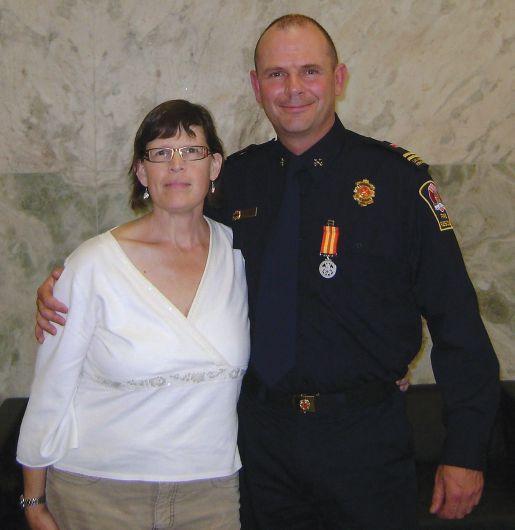
David Moseley with his wife Chris, who died of cancer.
back on and an hour later I was in command of a fully involved trailer fire. As meaningless and hollow as the experience was, I was capable of the mechanics of command, and retained the focus and situational awareness to keep myself and others safe. That same week I led an attack line at another fire and assisted with two overdoses. Fire fighting seemed to be okay. The worst part was coming home to an empty house afterwards.
It wasn’t all business as usual though. Due to not sleeping well, it was a month before I left my radio on at night. There were administrative processes that I pushed aside. The meticulous attention to detail and the need to analyze and organize large volumes of data for a wildfire investigation was just beyond me. The way I was sleeping and feeling, I simply couldn’t face two weeks in a tent and camp food. I was good for short stints. My employer insisted the night I spent putting dozer guard around a high-profile fire was a big contribution, but it didn’t feel like much in a busy fire season.
As with trauma, I wasn’t sure how much grief contributed to irritability and occasional outbursts of anger. This was tolerated as it was followed with the same apologies as usual and not frequent enough to raise alarm or disrupt the team.
Then, five months after Chris died came the worst call of my career. For a week or two it was a serious setback. Yet, in a sense the perspective of my grief may have helped me through it. I told myself we honoured that person with our actions and now it was up to those who loved them to honour them with their grief. I felt able to let that go and get back to grieving Chris.
The support I received from my fire family was huge. There were steadfast firefighters who were constantly there for me. I was disappointed, however, at how many others weren’t. When I raised this sentiment with them, they told me they didn’t realize I was struggling because I hid it so well. That surprised me, but then I realized I cry more in one day than I would before in years, and I’d been doing that for over 200 days, yet I hadn’t let one person witness that. Sometimes all you need do to get help, is ask for it.
A caution or two in closing. My grief feels big, but it’s not complex. Suicide, poor relationships, multiple bereavements and other factors can make grief more complex and harder to manage. If your grief is either big or complex, I really recommend professional help.
The decision to return to active duty two weeks after the death of Chris seems to have been the right choice for me, but might not be for others. None of us are perfect, but we can’t help others without first adequately looking after ourselves.
Finally, the thought of suicide in this situation is normal. Holding on to that thought, nursing it or considering it a viable option is not and requires intervention.
As firefighters, we are used to helping others. Receiving help ourselves, nevermind asking for it, can be difficult. These days, we are doing so much better at acknowledging and addressing the trauma that our work inflicts on us. Despite how common it is, let’s also recognize how much impact grief can have on ourselves and others, and give and receive the support we need to endure that too.
David Moseley is a forest officer with Alberta Agriculture and Forestry, and officer with Lac La Biche County Fire Rescue in Alberta, focused on operations. His other areas of interest include instructing, CISM and wildfire investigation. Contact him at david.moseley@gov.ab.ca
BY SAMANTHA HOFFMANN
Public fire and life-safety officer Barrie, ON
SFIRSTLINE
Firefighters must understand how to deal with dementia
eptember brings the winds of change and for many parents it is a time of celebration. Kids are back in school, no more worrying about how to entertain them or keep them busy.
For the sandwich generation, those of us raising kids and taking care of elderly parents, it can bring on different emotions, especially if you have a parent with Alzheimer’s or dementia. I encourage you to think about our aging population, one of our high-risk groups when it comes to fire safety, an even higher risk when dementia or Alzheimer’s is involved.
The number of Canadians with dementia is rising sharply. There are more than half a million Canadians living with dementia plus about 25,000 new cases diagnosed every year. By 2031 that number is expected to rise to 937,000, an increase of 66 per cent.
At aged 69, my mother was diagnosed with vascular dementia/ Alzheimer’s disease. Dementia is progressive, which means the symptoms will gradually get worse as more brain cells become damaged and eventually die. It was a frightening time for all of us and it required a lot of planning and research to help figure out the day-to-day living and, more importantly, future caregiving and support.
My mom wanted to continue leading an active, meaningful life and we wanted her to be safe. Since she lived with us, it meant telling neighbours about the diagnosis, planning meal deliveries, cold snacks, and lying to her about blown fuses when we turned off the breaker for the stove and microwave oven when the kids were in school and we were at work. It meant hiding the curling iron so that it could only be used when we were at home.
If you take the time to get a better understanding of this disease you will be in a better position to communicate and assist people with dementia in your community. The Alzheimer Society of Canada reports that people with dementia are often able to maintain their usual level of abilities for some time but will eventually experience changes in all aspects of their life. Their mental abilities, emotions and moods, behaviours and physical abilities are all affected. They may not remember something they have just done. They may be uncoordinated and appear to be intoxicated. They may not recognize when their behaviour is wrong or inappropriate.
A person with dementia may experience symptoms, including memory loss that affects day-to-day abilities. This can put them at a greater risk of having a fire, as they lose the insight to realize when they are in danger.
Some of the common fire risks are: not knowing what to do when the smoke alarm sounds, leaving a pot on the stove or forgetting to turn off the oven, mixing up the seconds and the minutes when using a microwave causing items to burn, and hoarding; the individual may excessively accumulate material possessions of dubious value and qual-
There are more than half a million Canadians living with dementia plus about 25,000 new cases diagnosed every year.
With the lying came lots of guilt. This past June at the National Fire Protection Association (NFPA) conference, my guilt was put to rest when I heard the term “therapeutic fiblets”, which is telling a lie for the greater good. Therapeutic fiblets are often used to answer the question “What’s the kindest, most loving thing I can do for my parent/partner in this moment?” These lies allowed us to keep mom safe and allowed her to keep her dignity.
Samantha Hoffmann has been in the fire safety field for more than 25 years. She is the public fire and life-safety officer for Barrie Fire & Emergency Service in Ontario. In 2014, Samantha was named Public Fire and Life Safety Educator of the Year by the National Fire Protection Association – the second Canadian and first Ontario educator to receive the award since its inception. Email Samantha at Samantha.hoffmann@barrie.ca and follow her on Twitter @shoffmannpflso
ity. This hoarding can cause a fire hazard from the accumulation of combustibles, piles toppling onto persons or pathways through home.
In my home we dealt with each of the above. We installed smoke alarms that were connected to our smart phones so we would know if they were activated. We disabled the oven/microwave and hid curling irons. When my mom went to the Alzheimer’s day program we cleaned her room of her “collections” and added fresh flowers and clean bed linen as a distraction. It worked for us, until it didn’t and then she moved to a care facility. We chose her care facility with her fire-safety in mind. It is a fully-sprinklered building with well-trained, caring staff on duty 24 hours a day.
A person with dementia will lose the ability to communicate. The further the disease progresses, the less they will be able to express
R RED RACK
IT’S A WRAP
The Canadian fire service trade show season took us from western Canada to the east coast, officially wrapping up in Moncton with the MFCA Atlantic Fire Leadership Conference.
Trade shows, expos, conferences and education summits held in each province gave an opportunity for the fire service to come together, learn what’s new and relevant in the industry and continue protecting people from and preventing fires.
This last season did not disappoint as Fire Fighting in Canada or Firehall Bookstore made stops in Saskatchewan, Ontario, New Brunswick, Alberta, British Columbia, Manitoba and Nova Scotia; participating in sessions that ranged in topics from leadership, wildland fires, coaching your team, recruiting millennials and more.
A recurring theme of the summer was how beneficial it is for a fire chief to invest time in and show appreciation to their team. And the benefits that a department can inherit through effective coaching from their chief.
“You’re their cheerleader and letting them know you’re on their team and have their back,” said Fire Chief Vince MacKenzie of the Grand Falls-Windsor fire department in Newfoundland during the 2019 Northeastern Fire Education Conference in Huntsville, Ont., in March. “You’re encouraging and you are doing everything you can to build your team’s career and further your department.”
MacKenzie went over various leadership styles that he said are vital in establishing a healthy workplace environment at the firehall. He said chiefs can play a supporting role, delegating, directing, or a coaching role. And each play an important part, but the underlying rule is to let your team know you are there for them.
More than 300 fire chiefs, chief officers, emergency vehicle tech -
Busy trade show season from coast to coast in 2019
By JAYSON KOBLUN
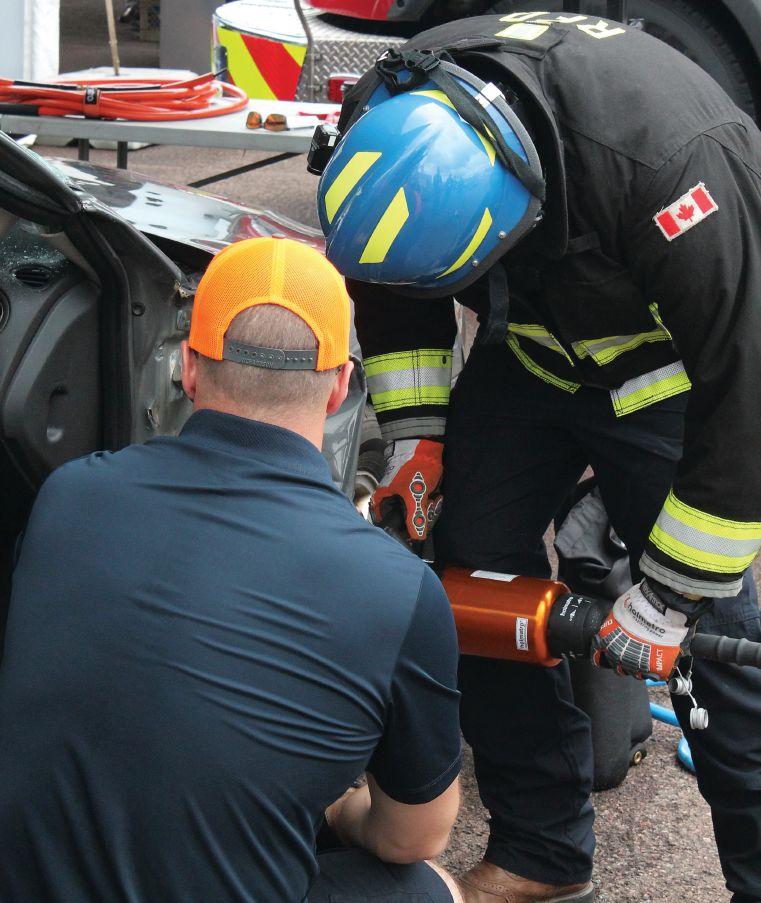
TOP Firefighters learned some auto extrication tips at the trade show during a MFCA demo.
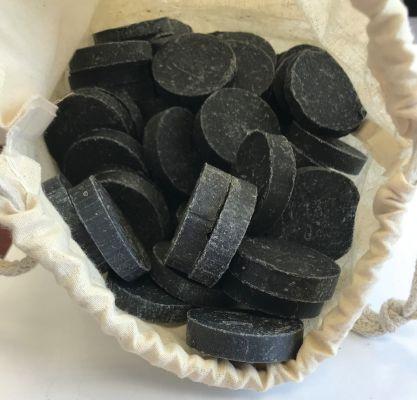
RIGHT SaniGear, a company that cleans and repairs personal protective equipment for first responders, recently launched a new product called Protocol Detox Soap.
The industry discussed topics such as preparing for wildfire season, reading body language, time management and holding yourself accountable.
’’
nicians and firefighters from all over B.C. attended the B.C. Fire Expo in Penticton in June. The industry discussed topics such as preparing for the wildfire season, reading body language, time management and holding yourself accountable.
The keynote speaker in Penticton was Frank Viscuso – an author, speaker and career deputy chief. He spoke on stepping up to lead, sharing the secrets of effective fire-service leadership, introducing the traits and skills essential for successful fire-service leaders, and discussing the importance of customer service.
The latest and last summer conference was the MFCA Atlantic Fire Leadership Conference held in Moncton, N.B., in July. Instead of the trade show spanning the whole weekend as usual, the show started Friday evening and finished up early-evening Saturday. Despite the new schedule the show floor was still buzzing with talk about new truck deliveries, products, the latest tech, a few short auto extrication demos, and a lot of networking and
catching up among chiefs, vendors and other attendees.
The educational portion of the show in Moncton included topics such as: thinking strategically vs. reacting emotionally, public education from the NFPA, firefighter mental health, challenges and opportunities for the modern fire service and more.
One of the latest products shown at the expo came from SaniGear, a company that cleans and repairs personal protective equipment for first responders. The company recently launched a new product called Protocol Detox Soap.
SaniGear president Inge Pudelek said the industry standard for a firefighter is to shower as soon as possible after fighting a fire to remove toxins from the skin before they can be further absorbed.
“We made Protocol Detox Soap to help departments with their Cancer Risk Reduction Plans,” said Pudelek. “The soap contains activated charcoal and bentonite clay to help wash away toxins and harmful substances firefighters can come into contact with at a fire.”
The SaniGear website says activated charcoal and bentonite clay are chelators – meaning they bind to metal ions which may help remove toxins from the body topically. A few of the ingredients in the soap are – organic coconut oil, organic olive oil, aloe vera juice, water, sodium hydroxide, organic shea butter, castor oil, cocoa butter and tea tree oil.
Stay tuned for to Fire Fighting in Canada for all your trade show news.
Where there’s smoke...
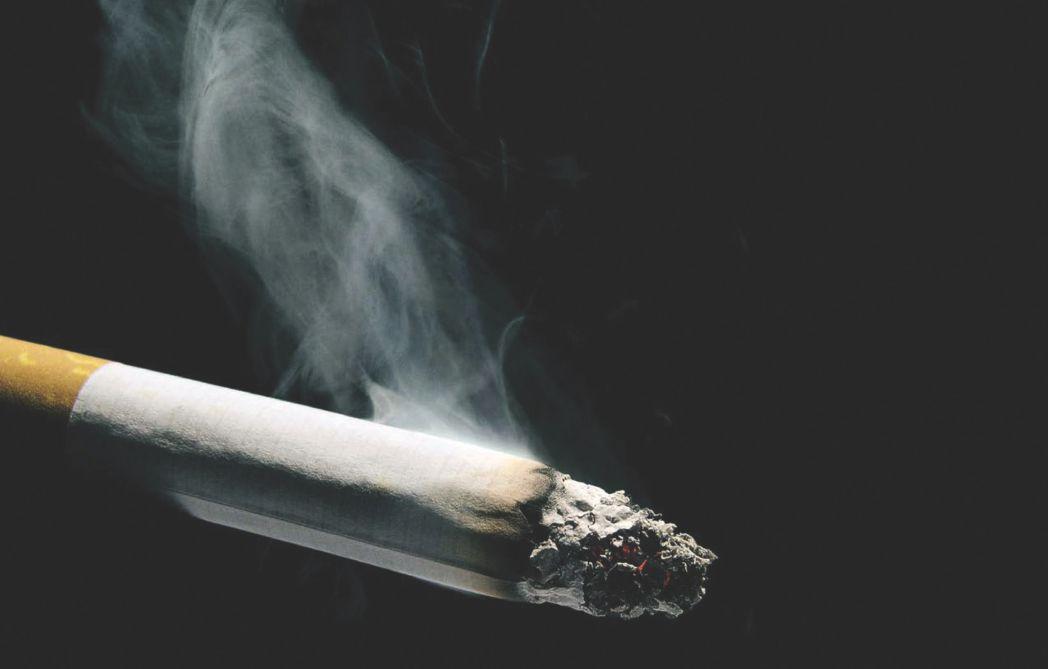
TOP Despite the fact that fewer people smoke now than in the past, cigarettes, pipes, cigars, matches and lighters are still causing dozens of casualties and millions in economic loss every year in Canada.
RIGHT Each year, residential smoking materials fires caused about 85 injuries and 16 deaths across the five jurisdictions of which information was available.
By LEN GARIS
Smoking materials are still a major cause of fires
Anew study showing that smoking materials continue to be a major cause of fires in Canada has also highlighted the need for more up-to-date data reporting by the fire service.
While fewer people smoke now than in years past, a March 2019 study from the University of the Fraser Valley in British Columbia indicates that fires caused by smoking materials such as cigarettes, pipes, cigars, matches and lighters still cause dozens of casualties and millions of dollars in economic losses each year across the country. Fires in Canada Originating from Smoking Materials: Analysis of Canadian Fire Incidents, by Len Garis and Chris Biantoro, was based on a review of 439,256 fire incident records from B.C., Alberta,
Saskatchewan, Manitoba, Ontario and New Brunswick collected over 10 years and reported to Canada’s new National Fire Information Database (NFID) and in provincial annual reports. Of those fires, 205,332 were classified as structure fires. There was also data on 15,326 casualties (injuries and deaths).
The review was limited by the lack of consistent reporting across the country on fires caused by smoking materials. The NFID data on these types of fires came from only five jurisdictions making up about 70 per cent of Canada’s population (Ontario, British Columbia, Alberta, Saskatchewan and Manitoba), with only British Columbia and Alberta providing consistent data on cigarettes alone as a cause. Further, there was no data available for 2016.
PHOTOS BY
“By analyzing and extrapolating the data we created a reasonable picture of smoking materials fires in Canada, but the process also revealed significant gaps in both consistency and types of data being reported by the fire service,” said Chris Biantoro, the study’s co-author and the strategic planning analyst for Surrey Fire Service in B.C. “E-cigarettes are one example. Although there has been a clear increasing trend in their use and related fire incidents for more than five years, departments by and large are still not reliably tracking and reporting them.”
Despite these limitations, there is much to be learned from the available data.
Overall, the actual number of structure fires caused by smoking materials declined from 2012 to 2015, although the proportion of smoking materials as a cause remained generally consistent. In terms of outdoor fires caused by smoking fires, these numbers are also declining across the country, with British Columbia being the notable exception, particularly in 2015.
The decreases could be explained at least in part by the downward trend in smoking,
as shown in a study by the Propel Centre for Population Health Impact at the University of Waterloo as well as several other studies by Statistics Canada. However, this does not negate the fact that smoking materials continue to be a major cause of fires in Canada, causing significant – and preventable – casualties and economic losses.
Of note:
• Smoking materials caused an average of nine per cent of all structure fires and about 11 per cent of all outdoor fires across the five jurisdictions.
• By and large, most structure fires caused by smoking materials occurred in residential buildings, including rowhomes, townhomes, single-family homes, apartments, duplexes and RVs. This was the case for 70 to 90 per cent of the structure fires in most of the jurisdictions, with the notable exception of Ontario, which reported only 30 per cent.
• As can be expected, residential smoking materials fires were more deadly than outdoor smoking materials fires. Each year, residential smoking materials fires caused about 85 injuries and 16 deaths across the five jurisdictions. Casualties resulting from outdoor smoking materials fires were less consistent, ranging from 10 in 2012 to zero in 2014, and totaling 14 (all injuries, no deaths) from 2012-2015. However, no consistent casualty trends were found in either the provincial annual reports or NFID data, except for in Manitoba, which showed a steady decline in the number of injuries.
• Smoking materials fires continue to cause millions of dollars in economic losses each year across Canada. Residential smoking materials fires caused an average of about $47.8 million per year in economic losses across the five jurisdictions, while outdoor smoking materials fires caused an average of about $396,000 per year in economic losses across the five jurisdictions.
• In British Columbia and Alberta – the only two provinces to reliably report on cigarettes as a cause of overall smoking materials fires – cigarettes were the primary cause of outdoor smoking materials fires and accounted for most of the related economic losses, which amounted to $259,454 in British Columbia and $88,217 in Alberta from 2012 to 2015. The two provinces also showed increasing trends of cigarettes as the primary cause of residential smoking materials fires.
• In British Columbia – the only province
to break down the cigarette data to focus specifically on structure fires – cigarette-related structure fires caused $56 million in losses from 2012 to 2016.
A survey of 15 major Canadian fire departments on structural fires caused by e-cigarettes showed there is not enough consistent data being collected on this emerging trend to reliably analyze or report. The overall decrease in actual numbers of structure and outdoor fires, and related smoking fires, is good news and reflects a NFPA study that indicated a consistent trend in smoking materials fires.
However, the high numbers of preventable casualties and losses described in the study show us that there is still work to be done reducing smoking materials as a cause of fires across the country.
The data analysis also points to the need for Canada’s fire service – both individual fire departments and provincial fire marshals and commissioners – to make a greater effort to provide timely and complete data (including specific ignition sources) to the NFID through their annual reports.
The study can be downloaded for free at https://cjr.ufv.ca/.
Len Garis, Fire Chief (Ret), Adjunct Professor in the School of Criminology and Criminal Justice & Associate to the Centre for Social Research at the University of the Fraser Valley (UFV), Associate Scientist Emeritus, BC Injury Research and Prevention Unit , a member of the Affiliated Research Faculty at John Jay College of Criminal Justice in New York, and a faculty member of the Institute of Canadian Urban Research Studies at Simon Fraser University. Contact him at Len.Garis@ufv.ca.
themselves or understand what is being said. Often, when they do communicate, it is driven by emotions. As a first responder, it is important that you know your body language, tone and volume of your voice can be just as important as the words you use.
The Alzheimer Society Canada has fantastic resources. Here are a just a few of the strategies on their website. I found them helpful when approaching and communicating with a person with dementia.
• Identify yourself. As you approach, state your name and why you are there. You may have to repeat this information.
• Establish a calm, caring atmosphere.
• Keep in mind that your uniform may make the person with dementia feel anxious. Your uniform may also trigger a memory from their past, such as experiences of war or trauma.
• Establish and maintain eye contact.
• Speak slowly and clearly. Present one idea at a time.
• Simple questions which can be answered by “yes” or “no” may be more successful than open-ended questions.
• If you need the person to do something, demonstrate it by using non-verbal communication whenever possible.
• Listen actively and carefully to what the person is trying to say.
Respond to the emotional tone of the statement.
• Repeat/rephrase responses.
Fire departments are constantly evolving and taking on new challenges. Our service is about protecting and caring for our residents. We have to step up our understanding of dementia and Alzheimer’s to better care for and protect our most vulnerable.
Loaded with safety, comfort and mobility features for unmatched performance, Flame Fighter® bunker gear offers a variety of custom outer shell fabric, liner system, hardware and pocket options to fit your specific needs. This hard-working gear also includes the following game-changing Starfield LION fire protection technology:
• Patented IsoDri®* moisture management reduces the water absorbtion and helps gear dry faster between runs
• Exclusive Ventilated Trim allows vapor to be released, reducing the risk of scald burns
• Thermashield™ provides an additional layer of liner material in the upper back and shoulders to protect against compression burns
• Move-N-Hance™ crotch gusset increases mobility by reducing bunching, twisting and pulling
• Flex Knee™ for easy, natural movement
• Stay Rite™ sleeve wells integrate the sleeve’s liner into a full-length wristlet so that when you reach, the entire sleeve moves with you
For more information about Flame Fighter bunker gear, contact your Starfield LION sales representative at 1.800.473.5553 or visit us online.
BACKtoBASICS
Pulling the right size of hose line
BY MARK VAN DER FEYST
For the last little while, I have been focusing on SCBA and the handicaps that we find ourselves stuck with – and in – when not well-versed with the equipment. I am going to change gears this month and turn my attention to hose lines and pulling the right size hose line the first time.
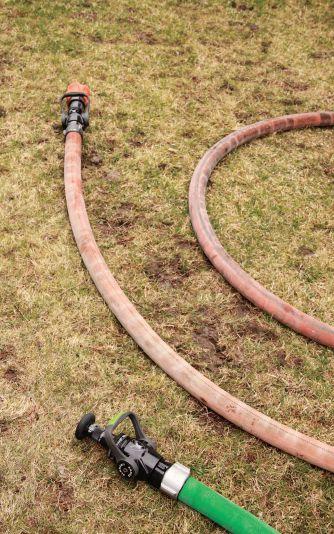
As basic of an operation or task as this is, many times we find ourselves not pulling the right size hand-line and defaulting to our staple hose line for every fire that we fight. The staple hose of the fire service is the one-and-a-half-inch or 38-millimetre-size hose or the one-andthree-quarter-inch or 45-millimetre-hose. This size hose is an easy size for most firefighters to handle based on water flow and nozzle reaction.
Depending upon what type of nozzle is affixed to the end of the hose, the water
Two basic types of nozzles, the smooth bore and combination nozzle.
flow and nozzle reaction will vary. The two basic types of nozzles are the smooth bore and the combination nozzle.
If the smooth bore nozzle has a 15/16-inch-tip on the end it will deliver about 180-gallons-per-minute (GPM) at 50-pounds-per-square-inch (PSI). The nozzle reaction on this type of nozzle is around 69 pounds.
With the combination nozzle, it can be programmed to flow a fixed amount of water at a certain nozzle pressure –165 GPM at 50 PSI or 180 GPM at 75 PSI, for example. The nozzle reaction for these types of nozzles will vary from 69 pounds to about 80 pounds of force.
The automatic combination nozzle can be programmed the same way with a set pressure required at the tip like 75 PSI or 100 PSI and the flow will vary depending upon the amount of water being
provided to it from the pump. It is also very mobile in terms of advancement. A firefighter or two can easily maneuver this size hose line into a structure.
With the amount of water that is inside the hose in terms of gallons, the water weight of the hose is not that heavy and can easily be advanced. The oneand-a-half-inch or 38-millimetre hose is extremely easy to maneuver as compared to the one-and-three-quarter-inch or 45-millimetre hose.
The downside to these two hose sizes is the amount of water flow that is being produced – is it enough to overcome or combat the fire that is being presented to you? Many times, these two size hose lines will be adequate to produce enough water to overcome the heat release rates, the energy production, the thermal pro duction of heat and the unburned prod
A firefighter or two can easily maneuver the hose line on an automatic combination nozzle into a structure.
The traditional two-and-a-half-inch or 65-millimetre-size hose line being pulled off as a first attack line.
ucts of combustion. But there are times when this is not the case. We seem to always pull these two size lines for every fire that we attend.
Why do we do this? It is because of our programming – we pull our pre-connected hose lines as our first hose lines off the truck and they are usually always one-and-a-half-inch or 38-millimetre or one-and-three-quarter-inch or 45-millimetre. It is our default action.
So, what if the fire needs more water? What do we do then? A lot of times we pull off multiple hose lines to help with the demand of more water on the fire. This is an okay plan if we have the manpower to do this and the water supply available to supply all these extra hose lines. But it is not very effective or efficient in our initial actions with limited manpower upon arrival.
A different size of hose is often pulled off as the first attack line. It is the traditional two-and-a-half-inch or 65-millimetre-size hose line. This size hose line has been in existence since the dawn of the fire service and it has performed faithfully and very adequately. Attached to this hose line is a fixed-flow combination nozzle – it was programmed for 250 GPM at 50 PSI. The nozzle reaction for this size hose is going to be between 75 and 85 pounds of force. The water weight of this size hose line is heavier than the smaller sizes because you are almost doubling the size of the hose and the amount of water that it is able to hold, so it is not the most desirable hose line to pull off the truck first.
Many firefighters hesitate to pull off the two-and-a-half-inch or 65-millimetre-size hose line because they are either afraid of it or not used to handling it and think of it as a defensive weapon only and not an offensive weapon. When there is big fire, you will need big water and this size hose line will deliver a massive knockout punch with water delivery.
With first-arriving crews on the scene of a structure with large fire, effectiveness and efficiency will be gained by pulling the right size hose line – which in this case might be the two-and-ahalf-inch or 65-millimetre-size hose line.
There is an old saying that still bears true to this day; small fire = small water, big fire = big water. With a proper size-up, the first-arriving officer can determine that either small water or big water is needed. To overcome the fears or misconceptions of the larger hose lines and pulling them off as an offensive weapon, training will be the answer.
There are a few different techniques that can be used to aid with pulling off the hose line, flaking it out and advancing it into a structure with just two firefighters. It does not take an army of firefighters to move or advance a two-and-a-half-inch or 65-millimetre-size hose line.
By practicing these different techniques, firefighters will become more proficient with this certain skill and, in the long run, become more effective and efficient with their actions.
Mark van der Feyst has been a member of the fire service since 1999 and is a full-time firefighter in Ontario. Mark teaches in Canada, United States and India, and is a FDIC instructor. He is the lead author of the Residential Fire Rescue book.
ContactMark at Mark@FireStarTraining.com.
Sept. 28, 2019
Fire And Emergency Services Training Institute (FESTI) – Greater Toronto Airport Authority
TRAINER’SCORNER Firefighters must learn to think for themselves
By ED BROUWER
Ireally appreciate Firefighting In Canada for giving me the opportunity to write this column. I’m sure I have worn out a few editors over these past two decades. My 30-year career has always been in volunteer/paid-on-call departments, serving as a combination of structural and wildland firefighter. My columns are usually based on discoveries I’ve made while fire fighting in these two roles or from my role as training officer. It is amazing how much one learns when having to prepare lessons for his/her peers. As a training officer, I have discovered one of the best ways to learn is to teach – even if it’s teaching what you yourself have just learnt.
With that in mind, if one of your members shows an interest in teaching, encourage them. Give them opportunities to research and instruct, or let them help you by doing a three-to-five-minute wrap-up of your lesson on practice night. This has proven to be very effective.
One thing I have going for me is that I’m old, and that means I have had more time to make mistakes than most of you. You should take advantage of that fact because we really don’t have enough time to make them all ourselves.
When my grandkids ask how I got so wise, I quote Will Rodgers who said, “Good judgment comes from experience, and a lot of that comes from bad judgment.”
I have always tried to encourage volunteer training officers because I know first-hand how difficult that role can be. Sometimes being a training officer is more than just difficult. It can be downright exasperating at times.
Week after week, month after month, year after year, we bring top-quality lessons to our members and yet it seems many firefighters don’t know how to think for themselves. There seems to be a disturbing (exasperating) disconnect between what they were taught and what they actually “think” about while fighting a fire.
They are great at obeying orders, but they do not truly understand fire behaviour. They can drop a hydrant lay, raise a ladder, set up ventilation fans, etc., with great proficiency. However, ask them why they are doing a particular task and you may be surprised at their inability to give you a reasonable response. There is more to fire fighting than just putting wet stuff on red stuff.
I have placed my hand on the shoulder of a firefighter who was applying a hose stream to a burning building and asked, “What are you doing?” The usual response is a defensive, “Just what you told me to do.” I then ask, “What would happen if you stopped?” They reply sheepishly, “I don’t know? Do you want me to stop?” I say, “No brother, I just want to know if you know what will happen
There are times when a firefighter needs to step back, observe and learn how fire behaves.
if you were to stop applying water to the fire at this point?” Some have no answer at all, and if they have no answer, how do they know that what they are doing is effective?
Most firefighters get flustered in this scenario because in their mind you, their training officer or the IC, is supposed to do the thinking for them. They are to put the wet stuff on the red stuff, but they sadly don’t understand the corresponding results of their actions. The fact that fire is always changing means you cannot be
PHOTO BY ADOBE STOCK
static in your thinking and you should take corresponding actions in your suppression tactics.
For example, if you have been applying water to where you are guessing the fire is long enough that you are now standing in six inches of water, at least see if the water is warm and dirty. If it is cold and clean, it is likely it hasn’t absorbed any heat or reached any fire. And that means you are doing nothing but wasting resources.
If you are applying a hose stream to where you think the fire is but you do not see any change in the smoke, there is a high probability you are missing your target. There is a 36-second video at https://youtu.be/BhtXfaLW-V8 that shows this point very clearly. It has been dubbed Stupid Firefighter. Good thing this individual was wearing a BA mask.
Understanding fire behaviour requires knowledge of physical and chemical processes of fire. Of course, we cover the Fire Triangle: Fuel, Oxygen, Heat, the three basic factors required for combustion. And, we touch on the chemical chain reactions that keeps fire burning. But although this shows what is required for combustion, it does not show how fire behaves.
There are times in your fire attack when you need to stop what you are doing and take a moment to observe what is happening on the fire ground. There are times, especially in wildland fire suppression, when you need to shut down the hose and let the fire breathe.
Every rookie will be taught the physical states of matter in which fuels are found, the methods of heat transfer, flash point,
flame point and ignition temperature as they relate to liquid fuel fires, the relationship of vapour density and flammability limits to gas fuel fires, and Class A, B, C, D and K fires. They will be taught the phases of fire, backdraft, rollover and flashover and the principles of thermal layering.
But these are all just parts of the bigger picture, the goal of our training being the understanding of fire behaviour (the way fire acts). The understanding of fire behaviour is the basis for all fire fighting principles and actions. This is way beyond just following an order to apply water to flame.
I often ask myself: Have I inspired my firefighter students to think for themselves or are they just mimicking others? Do they know why they perform suppression tactics or are they simply following orders? Have I established a healthy rapport with my students that frees them to tell me that they don’t know why they are performing certain suppression tactics? Have I encouraged them to be lifelong students of fire behaviour?
Until next time, stay safe and please remember to train like lives depend on it because they most certainly do.
Ed Brouwer is the chief instructor for Canwest Fire in Osoyoos, B.C., deputy chief training officer for Greenwood Fire and Rescue, a fire warden, wildland urban interface fire-suppression instructor and ordained disaster-response chaplain.
Contact Ed at aka-opa@hotmail.com.
BY TOM DESORCY Fire Chief Hope, B.C.
DVOLUNTEERVISION
True leaders see the abilities in others
oes a leader need recognition? There are those who would say yes, they should receive recognition all the time. Getting recognized for what you do is an important motivator. Just like crossing the finish line in the first place. It really feels good.
When I say recognition, however, I’m referring to recognizing others, not in the form of an award or honour, but in recognizing he or she has the ability to do something he or she might not normally do or be expected to do.
Recognition is one of the biggest attributes any leader can have and that means seeing leadership abilities in others and setting them up for success.
I like to think of the past 35 years of the fire service like a series of horse races. This is not just one long event, but a number of events over time. Think about this. Would you consider a thoroughbred racehorse as a leader? Then again, maybe you wouldn’t, at least not all the time.
You see, an owner has a stable and horses that are bred and trained to do a specific job. Numerous people are employed, all with certain tasks and one common goal. Who is the true leader in this situation?
One would argue the owner of the stable or the horse, and others might say the trainers are in charge. Actually, all would be correct, as for a time each person that has a role is in command and control for that particular moment.
Take race day as a prime example. The reins are turned over to the jockey, the person tasked with taking the investment to the finish line safely and successfully. At that moment, the person riding the horse makes all the decisions. They are not just hanging on. They are not just there for the ride.
In my 19 years in the fire service, and dare I say it’s been longer than that, I always considered myself somewhat of a leader even though I wasn’t necessarily the person in charge. As a chief officer, I’ve seen many colleagues who have the ability to be leaders in their organization, but I didn’t feel confident in their ability to let go of the reins themselves.
Recognizing leaders in your department is the first step, but having the confidence to know they can ride the horse is the mark of a true leader.
When I first began as a chief, I found myself in a position of always being the person in charge and, while that is the job of a fire chief, there is a lot more to it. Yes, you are and always will be, the face of the department but you can’t be overseeing each and every move of your people. That’s why we structure people in lower ranks of the chain. A single horse may be front and centre on race day, but behind the horse is its team.
Over the years, I’ve had the mindset that I should be putting people into a position where they could actually do my job – show them what it takes, all the while putting them in a place to be
Keep them safe, give them the skills they need and, most of all, recognize their hidden abilities.
Sound familiar when it comes to the fire department? How often have you seen those that are ready to step up and take the lead or those that are just along for the ride. Bigger still, are you able to recognize the difference?
Tom DeSorcy became the first paid firefighter in his hometown of Hope, B.C., when he became fire chief in 2000. Originally a radio broadcaster, Tom’s voice could be heard in the early 1990s across Canada as one of the hosts of Country Coast to Coast. Tom is very active with the Fire Chiefs’ Association of B.C as communications director and conference committee chair. Contact Tom at TDeSorcy@hope.ca and follow him on Twitter at @HopeFireDept.
skilled and feel confident in their abilities. No, this is not for everyone and this is where the ability to recognize comes into play. Not every horse in the barn will compete in a stakes race but a good leader can spot the contenders.
Not everyone is cut out to be a fire-service leader. After all, followers are necessary for a department to function properly. At times those followers need to take charge and, when treated as the leaders they could be, they will take you to the finish line every time.
It’s been said the best thing we can teach a new firefighter is how to be an old firefighter.
Keep them safe, give them the skills they need and, most of all, recognize their hidden abilities, and find a way to pull out their strengths.
In an emergency*, an OnStar ® Emergency-Certified Advisor is available to help first responders 24 hours a day. Certified by the International Academies of Emergency Dispatch, these Advisors can provide certain types of critical assistance to OnStar Members until they arrive.