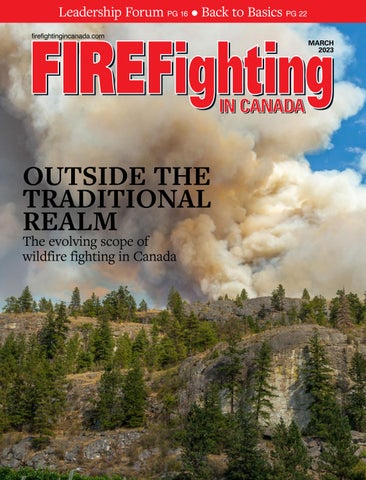
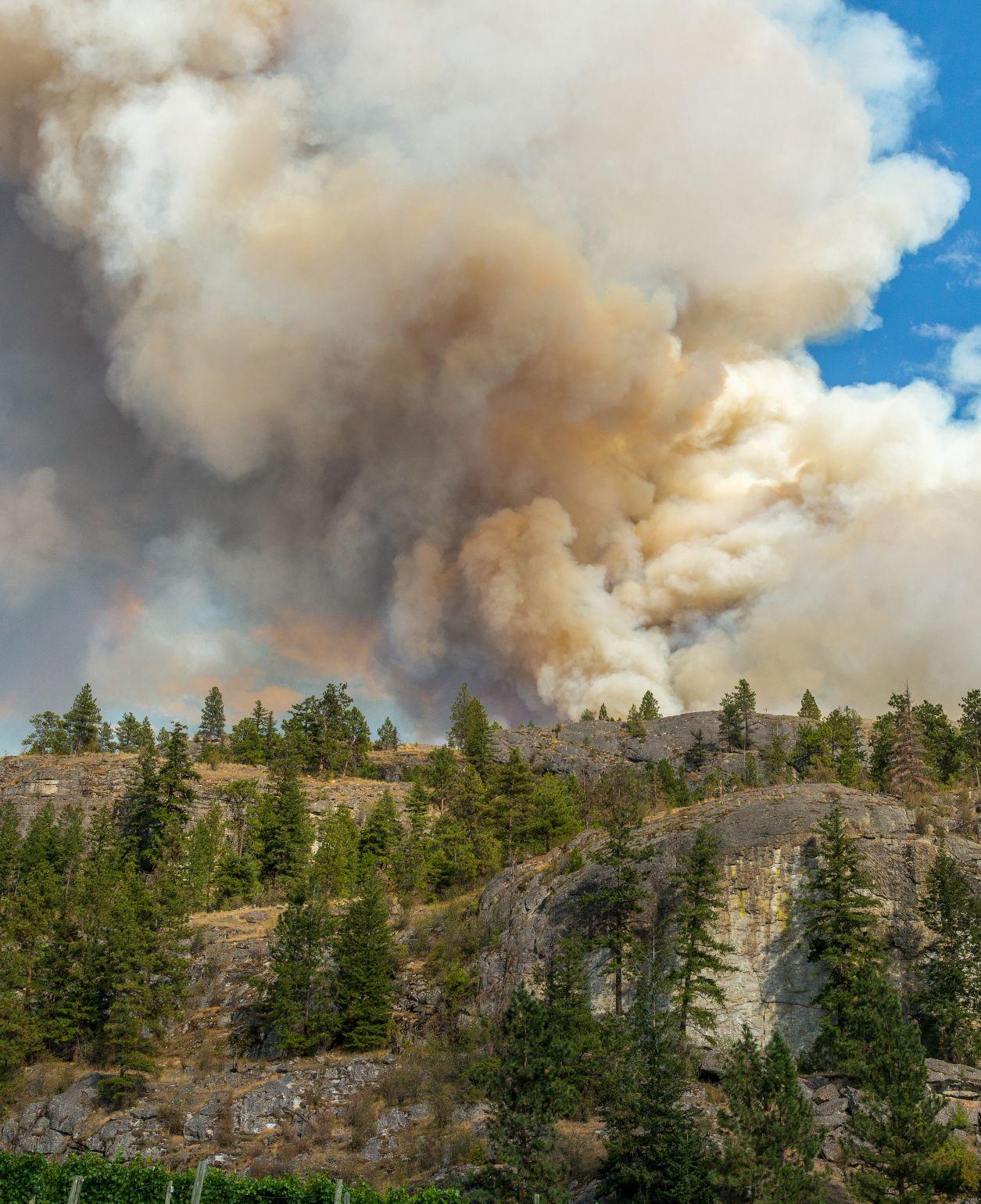
OUTSIDE THE TRADITIONAL REALM
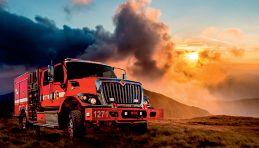
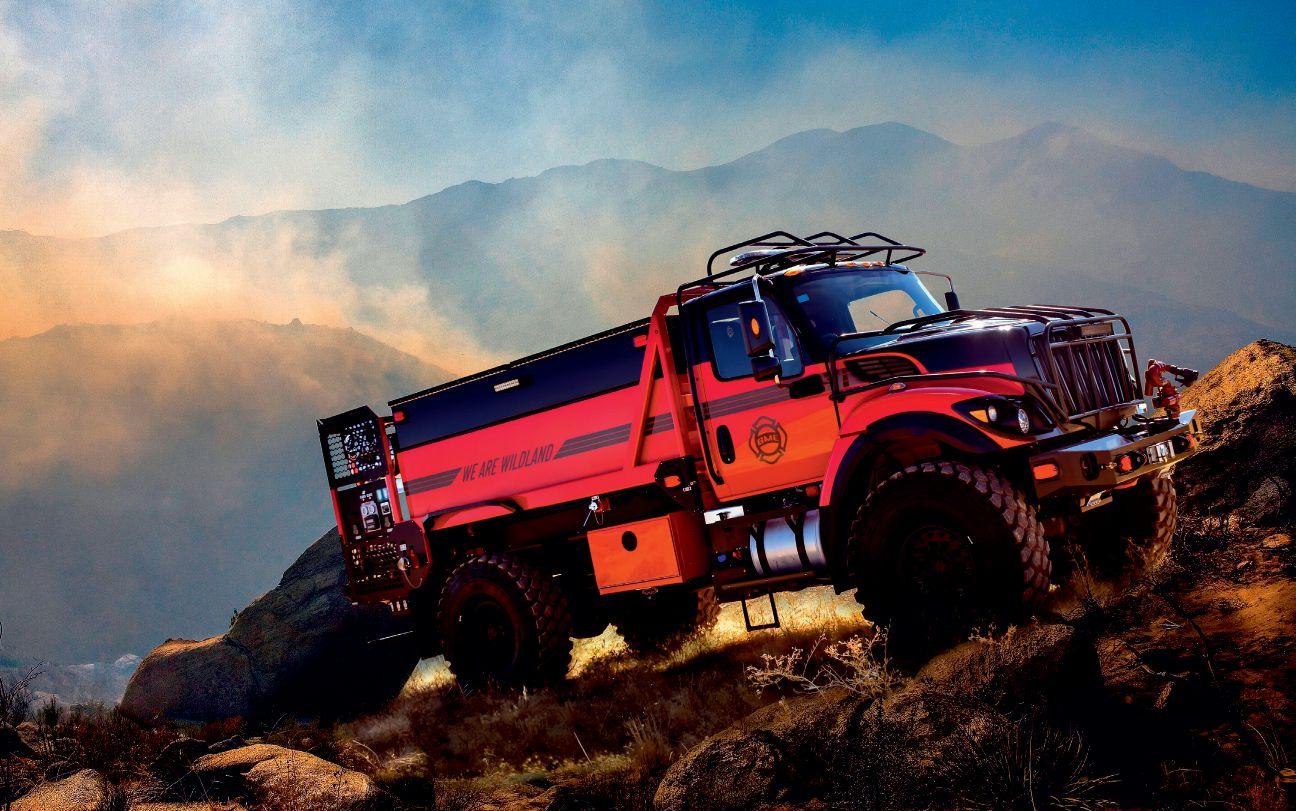
The evolving scope of wildfire fighting in Canada

10
OUTSIDE THE REALM OF TRADITIONAL: THE EVOLVING SCOPE OF WILDFIRE FIGHTING IN CANADA
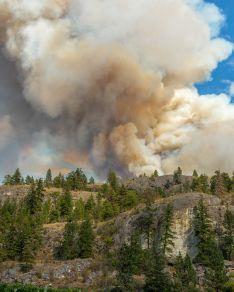
Wildfires are no longer only fought by specialized dedicated fire fighting teams. From training needs to customized equipment, municipal fire departments are a big part of wildfire prepardness and suppression.
By Kirk Hughes
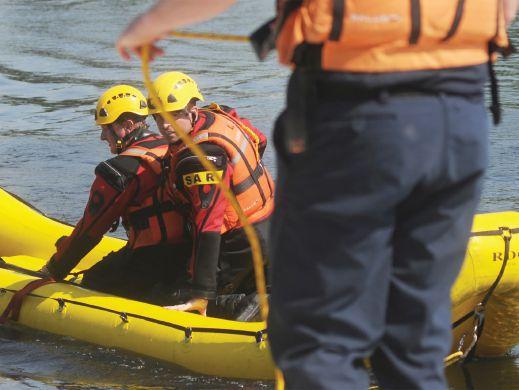
26 RECOVERY MODE: THE UNAVOIDABLE REALITY OF DROWNINGS
It is a difficult decision to move into recovery mode during a drowning response. Here are best practices for tactical fire and rescue operations around a body recovery.
By Dave Gillespie

BY LAURA AIKEN Editor laiken@annexbusinessmedia.com
W
COMMENT
Wildfire season is underway
ildfire season is underway, with Alberta’s official March 1 start commencing with a test emergency alert throughout the province.
Around the world, wildfires are increasing. In the U.S., the Centre for Climate and Energy Solutions reported that changes in climate have contributed to a doubling in the number of large fires between 1984 and 2015 in the western part of the country. Southeastern U.S. modelling anticipates at least a 30 per cent increase in area burned by lightening-ignited wildfires from 2011 to 2060. And once they start, the hotter, crispier conditions wrought by a warming planet make them even harder to put out.
In 2022, The United Nations Environment Programme predicted a 50 per cent increase in the number of wildfires by 2100. The UN noted that even the once immune Arctic is facing wildfire risk. Climate and landuse change are considered the likely the triggers. The World Resources Institute gathered data that showed 2021 to one of the worst years for tree loss globally since the turn of the century, with 9.3 million hectares lost to fire.
THE
wildfire
over the last half of the 20th century, but fires in the southern boreal forest have decreased, possibly due to more precipitation. Climate change is expected to cause more frequent fires in Canada that could potentially double the acreage burned by the end of the century. Importantly, the government summarizes: “There is growing consensus that as wildland fire activity increases, fire agency suppression efforts will be increasingly strained.”
ESTABLISHED 1957 MARCH 2023
VOL. 67 NO. 2
Reader Service
Print and digital subscription inquiries or changes, please contact Angelita Potal, Customer Service Tel: (416) 510-5113 Fax: (416) 510-6875
Email: apotal@annexbusinessmedia.com
Mail: 111 Gordon Baker Rd., Suite 400, Toronto, ON M2H 3R1
EDITOR LAURA AIKEN laiken@annexbusinessmedia.com 416-522-1595
ASSOCIATE EDITOR KAITLIN SECORD ksecord@annexbusinessmedia.com 416-435-1779
PUBLISHER ADAM SZPAKOWSKI aszpakowski@annexbusinessmedia.com 289-221-6605
ACCOUNT COORDINATOR CATHERINE GILES cgiles@annexbusinessmedia.com 416-510-5232
BRAND MANAGER PAULA INGLIS PInglis@annexbusinessmedia.com 437.774.7961
AUDIENCE DEVELOPMENT MANAGER BEATA OLECHNOWICZ bolechnowicz@annexbusinessmedia.com 416-510-5182
in B.C. Turn to page 10 for a look at the evolution of wildfire fighting and the new training needs.
The Canadian government issued a resource updated in 2022 that noted the difficulty in pinpointing whether the changes in wildfire patterns are directly a result of climate change, considering the influence of additional factors such as land use, vegetation composition and suppression efforts. Despite this difficulty in establishing a clear link, the government reported that “pattern changes do appear to be underway.” The northwestern boreal forest has steadily been burning more
Canadian government modelling predicts that most regions can expect at least a 2-fold increase in yearly area burned and 1.5-fold rise in the incidence of significant fires by the end of the 21st century, which would mostly cause a rise in wildfires during June, July and August, in particular during the 2041–2070 and 2071–2100 periods. This would, of course, have significant impacts on the landscape and communities.
The resources needed to adapt to this increasing wildfire burden, and the resilience required to defend against the dangers they pose to communities affected by the wildland urban interface, are amongst the top concerns in wildfire fighting today. This edition’s cover story looks at the evolving nature of fighting these mammoth fires. Continue to look to Fire Fighting in Canada to keep this conversation going through our Wildfire Week sponsored by Waterax running in April. This digital content week focuses on all things wildfire. Stay tuned for this and more throughout the wildfire season.

MEDIA DESIGNER BROOKE SHAW bshaw@annexbusinessmedia.com
GROUP PUBLISHER PAUL GROSSINGER fire@annexbusinessmedia.com
PRESIDENT/COO SCOTT JAMIESON sjamieson@annexbusinessmedia.com
PUBLICATION MAIL AGREEMENT #40065710
RETURN UNDELIVERABLE CANADIAN ADDRESSES TO CIRCULATION DEPT.
P.O. Box 530, SIMCOE, ON N3Y 4N5 e-mail: subscribe@firefightingincanada.com
Printed in Canada ISSN 0015–2595
SUBSCRIPTION RATES
Canada – 1 Year - $25.50 (GST - #867172652RT0001) USA – 1 Year $58.50 (CDN)
Annex Privacy Officer Privacy@annexbusinessmedia.com Tel: 800-668-2374
Occasionally, Fire Fighting in Canada will mail information on behalf of industry-related groups whose products and services we believe may be of interest to you. If you prefer not to receive this information, please contact our circulation department in any of the four ways listed above.
No part of the editorial content of this publication may be reprinted without the publisher’s written permission ©2023 Annex Business Media. All rights reserved. Opinions expressed in this magazine are not necessarily those of the editor or the publisher. No liability is assumed for errors or omissions.
All advertising is subject to the publisher’s approval. Such approval does not imply any endorsement of the products or services advertised. Publisher reserves the right to refuse advertising that does not meet the standards of the publication.
COVER A
burns
PHOTO BY MIKE BIDEN



STATIONtoSTATION
ACROSS CANADA: Regional news briefs
Research studies how wildfires impact glacier melt

Climate change is accelerating natural disasters, including an increase in forest fires and glacial melt.
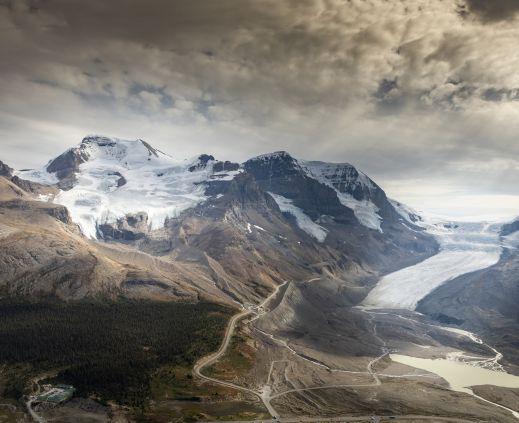
On the Athabasca Glacier, in the Canadian Rockies, the impacts of wildfire smoke on glacier melt were investigated using weather measurements from the 2015–2020 melt seasons.
The research article, titled “Fire and Ice: The Impact of WildfireAffected Albedo and Irradiance on Glacier Melt”, was published in the American Geophysical Union (AGU) journal Earth’s Future in April 2022. Climate change is accelerating natural disasters, including an increase in forest fires and glacial melt, noted the report.
Over the observed period from 2015 to 2020, two automated weather stations operated in Athabasca Glacier Research Basin, that includes an outlet glacier of the Columbia Icefield and its landscape. The stations observed air temperature and relative humidity, wind speed, incoming and outgoing short and longwave radiation, snow depth and ice elevation.
THE FIRE HALL BULLETIN
Promotions and Appointments
DEAN DIGUER is the new deputy fire chief for the Swift Current Fire Department in Saskatchewan. Diguer is coming from his previous position with the Office of the Fire Marshal in Yellowknife, where he held the role of assistant fire marshal/ emergency management officer. He has been a firefighter for 12 years and
has prior experience working in Swift Current as an auxiliary and full-time firefighter.

The municipality of Clarington, Ont., has announced DAVID SPEED as their new fire chief and director of emergency and fire services. Speed began his career in emergency services in 1995 with Markham Fire and Emergency Services before
Precipitation was observed using a tipping bucket rain gauge and a weighing precipitation gauge.
The study reported that the precipitation gauge malfunctioned during the 2019 melt season and was infilled with three other stations.
A time-lapse camera was mounted and pointed towards the Athabasca Glacier. This provided visibility, smoke, precipitation type and cloud observations. The time-lapse camera recorded pictures at 8:00, 13:00 and 16:00 local time.
The seasonal period analyzed ran from July 1 to Sept. 15, referred to as the melt season, and included the “co-occurrence of the primary glacier melt period and the regional wildfire season.”
The research stated “the range of years from 2015 to 2020 included both high and low wildfire occurrence and cool, wet and warm, dry years.”
During heavy fire years, wildfire smoke deposited on the glacier surface gradually darkened the ice. The glacier surface stayed dark in the following years, even when no-fire activity was detected.
The research found that “soot from fires darkened the ice surface and caused ice melt to increase by up to 10 per cent.” It also found that in years when there was a lot of smoke in the air, “the ice melted less than it would have without the smoke because less solar energy reached the ice surface.” Smoky days were found to be warmer, drier and with lower incoming solar energy than days without smoke.
The study concluded that “at the Athabasca Glacier, upwind forest fire activity influenced surface glacier melt in two ways; firstly, through decreasing the glacier albedo from soot deposition following smoke drifting over the glacier and secondly, through the direct impact of the atmospheric conditions above the glacier on reducing shortwave irradiance, increasing longwave irradiance and reducing net radiation.”
moving to Whitby as their chief fire prevention office in 2006.
Prior to his new position in Clarington, Speed served as deputy fire chief in Oshawa, Ont., from 2012 to 2014 and fire chief and head of operations for Whitby Fire and Emergency Services since 2014.
In Saskatchewan, Buckland Fire and Rescue has announced PAUL SEE as their new fire chief. See is a veteran firefight-
er and was the former chief for Melfort Fire Department. He started his career in his hometown in New Brunswick. He attended fire school in California and from there, went to Lake Louise, Alta., and Australia. See has also worked in Kamsack, Waskesiu and Regina, before moving to the Prince Albert region in 2010.
RYAN KELLY has been named the new deputy fire chief for
PHOTO: © TTOENNESMANN / ADOBE STOCK
B.C. adds $180
million to
help communities prepare for natural disasters
The Canadian Press, by Dirk Meissner: Feb. 21
Premier David Eby says he’s introducing more supports to better prepare British Columbia communities for natural disasters related to climate change before they happen.
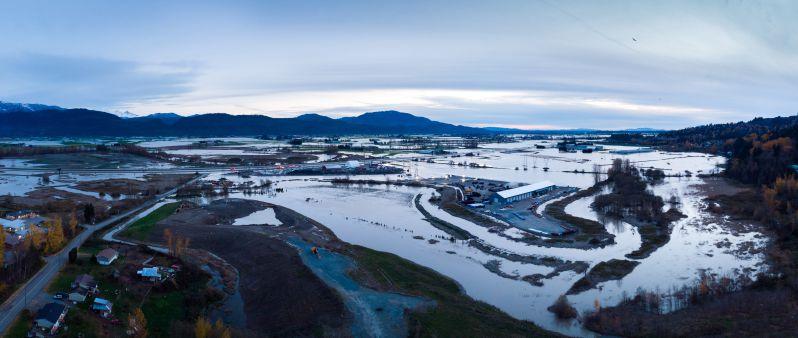
“The last few years have taught us a hard lesson about the impacts of climate change,” Eby said, citing Interior wildfires, Fraser Valley floods, highway slides, bridge collapses, and a heat wave that resulted in more than 600 deaths. The New Democrat government will almost double the current funding of its Community Emergency Preparedness Fund, adding $180 million to support projects that help communities and First Nations prepare for and mitigate the effects of natural disasters, he said.
“For too long governments did not place sufficient importance on protecting B.C. from the impacts of climate change,” said Eby, adding the province previously presented itself with the “false choice” of growing the economy or protecting the environment. "We have to grow the economy and act on climate
change," he said. Eby said he experienced the devastating threat of climate change about three years ago while staying at a family cabin in B.C.’s wildfire zone.
“There was a forest fire across the water and at night we could literally watch the trees burn and explode, literally explode, because of the heat from the fire,” he said.
The threat of losing a treasured family home left a deep imprint on him where the importance of limiting and fighting the destructive power of climate change must be addressed, Eby said.
Bowinn Ma, the minister
the Englehart and Area Fire Department in Ontario. Kelly joined the department in March 2020. Prior to that, he served with the Larder Lake Fire Department for six years.
Retirements

After 45 years of service, Ontario’s Bracebridge Fire Chief MURRAY MEDLEY is set to
retire on June 30. Chief Medley began his career as a volunteer firefighter with Bracebridge Fire in 1978. In 1995, he became captain and continued rising through the ranks, becoming assistant deputy chief in 1999, part-time fire chief in 2000 and full-time chief in 2007.
Fire Chief TOM DESORCY of B.C.’s District of Hope Volunteer Fire Department has retired. He started as a volunteer firefight-
of emergency management and climate readiness, said the ministry’s preparedness fund has previously supported projects that include a dike in Merritt, public cooling infrastructure in Victoria and tsunami evacuation planning in Tofino. The new fund will also provide a one-stop online platform for communities and First Nations to review flood, wildfires, weather and other hazardous events data that had previously been spread over various government websites, said Ma. The program also includes supports for communities to prepare for the effects of extreme cold and heat, she said.
er with the district in 1983, where he became the first paid firefighter in Hope when he became fire chief in 2000. In 2013, he was presented with a 25-year service award and medal from B.C. DeSorcy also serves as the communications director and conference committee chair with the Fire Chiefs’ Association of British Columbia.
Since 2017, local governments and First Nations have received funds for more than 1,300 projects to prepare for natural disasters and climate-related emergencies, the Emergency Preparedness Ministry said.
Jen Ford, Union of B.C. Municipalities president, said in a press release that accurate data is critical for communities planning climate change mitigation and response strategies.
“People need to be able to understand what it means for them when they hear atmospheric river, when they hear wildfires are coming.”
Last Alarm

Ret. District Chief KEN HAIGHT passed away on Jan. 27, 2023 at the age of 77. Haight was a member of the Hillier Township Fire Department in Ontario. He began his career as a volunteer firefighter in 1979, moving up the ranks to captain and then district chief before retiring in 2012, having served his community of 33 years.
The importance of fighting the destructive power of climate change must be addressed. PHOTO:
STATIONtoSTATION
BRIGADE NEWS: From departments across Canada
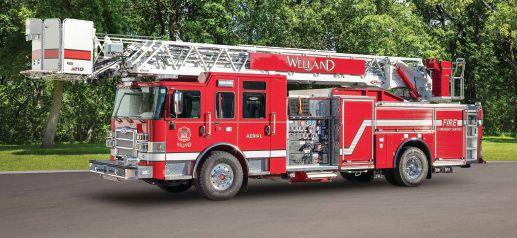
Welland Fire & Emergency Services in Ontario has taken delivery of a Pierce 110’ heavy-duty aerial platform via Commerical Emergency Equipment. Built on an Enforcer chassis with a Cummins L9 450 HP engine, this aerial also features a Command Zone electrical system, Husky 3 foam system, a 2000 GPM Waterous midship pump and a 500 G foam/
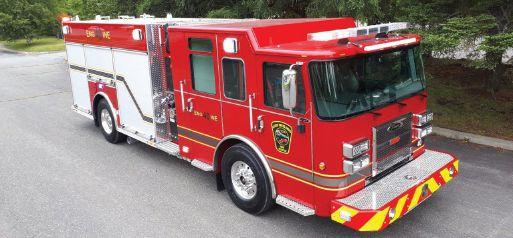
In Ontario, the Leeds and the Thousand Islands Fire Service has taken delivery of a pumper from Commercial Emergency Equipment. Assembled on a Pierce Saber FR 7010 chassis with a Cummins L9 engine, this pumper also features a Waterous midship side-mount pump, Whelen warning light package, Firetech by HiViz scene light package, Paragone optimized pumphouse configuration and a Federal Signal Q-siren.
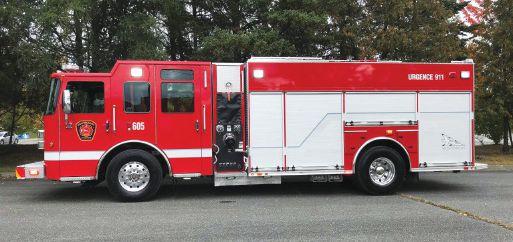
In Quebec, SSI de Montmagny has taken delivery of a custom pumper from MAXIMETAL. This pumper is manufactured on a Pierce Saber FR 6010 chassis with a Cummins L9 450 HP engine and Allison EVS 3000 transmission. Additional features include a Hale midship side-mount pump with 1500 US GPM capacity, Foam Pro 2001 foam system, Whelen warning light package, Fire Research scene light package and Zico hydraulic equipment storage.
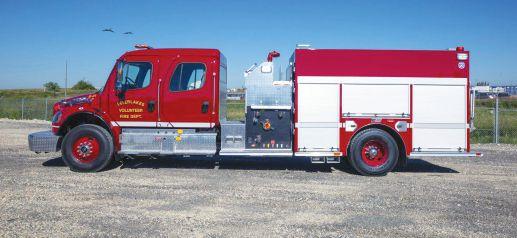
Interlakes Volunteer Fire Department in Bridge Lake, B.C., has taken delivery of a crusader from Fort Garry Fire Trucks. This apparatus features a Freightliner M2 106 chassis with a Hale PTO – RS1250 pump and a CoPoly 1000 IG tank. It also includes a Whelen light package and a Foam Pro 2001 system.
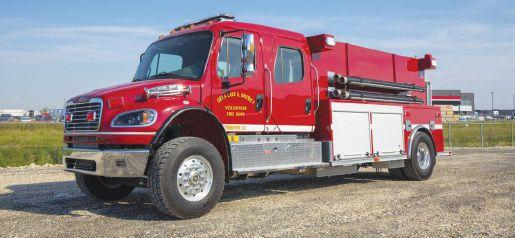
Located in Lone Butte, B.C., the Deka Lake Volunteer Fire Department has taken delivery of a crusader tanker from Fort Garry Fire Trucks. The tanker is built on a Freightliner M2-106 chassis with a 5052 marine grade aluminum body. It also features a Co-Poly 2000 IG tank, a 2080 IG Husky portable tank, Zico hydraulic porta-tank holder, a Newton manual telescoping dump chute, Whelen warning and scene light packages and a Hale MBP PTO-driven pump rated at 750 USGPM.
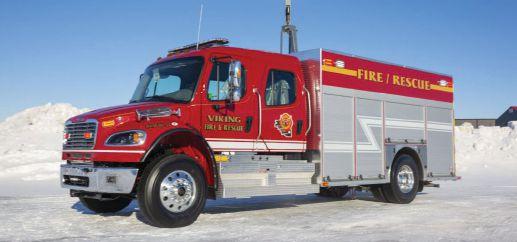
Located in Viking, Alta., the B.E.S.C. Viking Fire Department has taken delivery of a 16’ walk-around rescue from Fort Garry Fire Trucks. The rescue is built on a Freightliner M2-106 4-door chassis with a Alum 5083H-321 saltwater marine-grade aluminum body. It also features a Honda 6500 W generator, Amdor roll-up doors, Fort Garry Fire Truck slide-out trays and stainless steel ladder plus a SCBA bottle holder, Whelen emergency light and scene light package, and Hannay Holmatro twin cord reels.

LEEDS AND THE THOUSAND ISLANDS FIRE SERVICE WELLAND FIRE & EMERGENCY SERVICES
SSI DE MONTMAGNY
VOLUNTEER FIRE DEPARTMENT
DEKA LAKE VOLUNTEER FIRE DEPARTMENT













OUTSIDE THE REALM OF TRADITIONAL
The evolving scope of wildfire fighting in Canada
By KIRK HUGHES
The Floor is Lava! is a fun, non-sensical game that has little rules and only one main goal: when the time is up, you can’t have any part of your body touching the floor. An odd euphemism, but an accurate one to describe the changing roles of the fire service in the first quarter of the new millennium.
Looking back at the growth, expansion, and changes of firefighter roles since the end of World War II, it is remarkable how the job description and expectations placed on firefighters has been altered, and it is no surprise that significant events around the globe are placing additional tasks on the plates of our first responders.
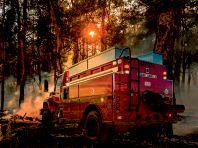
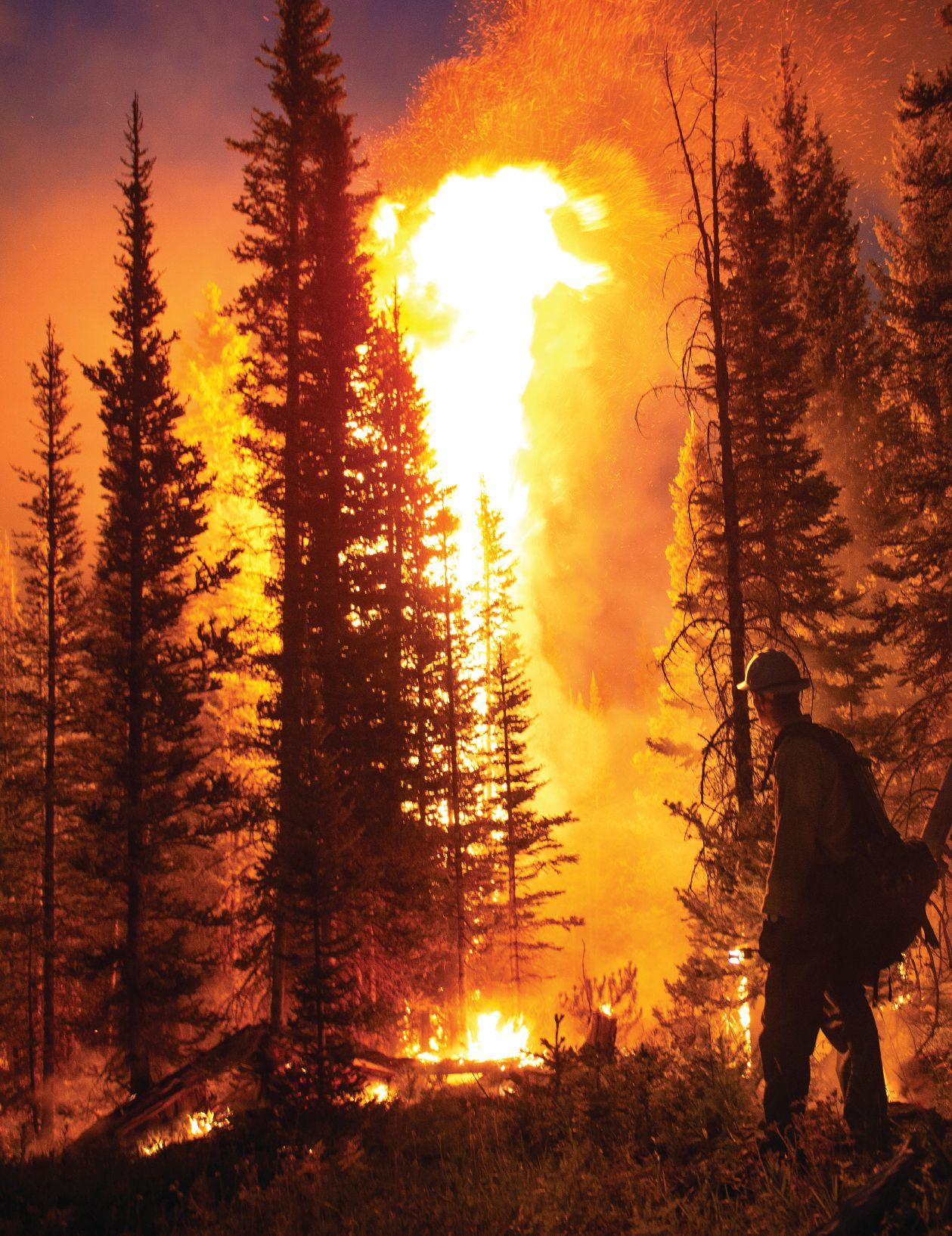
Just like the scramble to get feet off the floor, the fire service is increasingly being asked to take on more (often to fill gaps) and prepare for and respond to a multitide of hazards facing our society. Recent fires like Fort McMurray, Slave Lake and Lytton have shown us that the threat of wildland-urban interface fires is yet another wave of lava that the fire service is being asked to stem the flow of by going outside of the accustomed traditional models and adapting a new philosophy of modern integration between equipment, training, and tactics.
There once was a time where a clear separation existed between the roles of wildland firefighter and municipal departments. Other than the odd brush or stubble fire, forest fires were the domain of speciality crews, often funded by the provincial government.
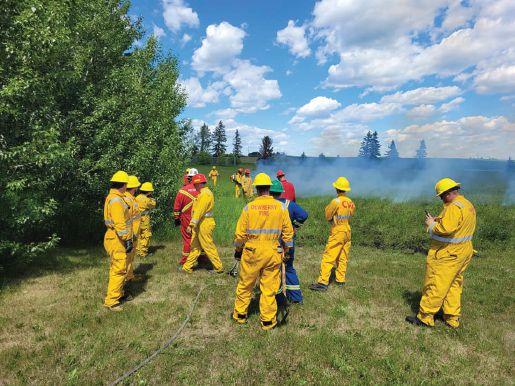

As the years past, and funding dwindled, the task was partitioned out, and often pieces placed at the feet of firefighters who, other than a brief blurb in their training, had minimal experience dealing with the chaotic challenges associated with wildfires. Those days have long since passed, and now the municipal firefighter, once only worried about structural attacks and vehicle fires, is part and parcel of a larger response to the growing threat of community wildfires.
Addressing the transition includes an assessment of current and future equipment. Most urban and rural fire departments have some capacity to tackle wildfires, seeing as even the most urbanized stations have some green spaces that require protection, but few have any advance capacity.

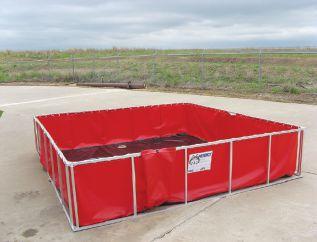

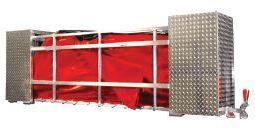
Standard Folding Frame Tanks are easy to set up, store, and transport, especially with our “Easy lift handles” and “Quick Release Drain Tube” options (US Patent no. 8,746,478 and US Patent 10,518,967).


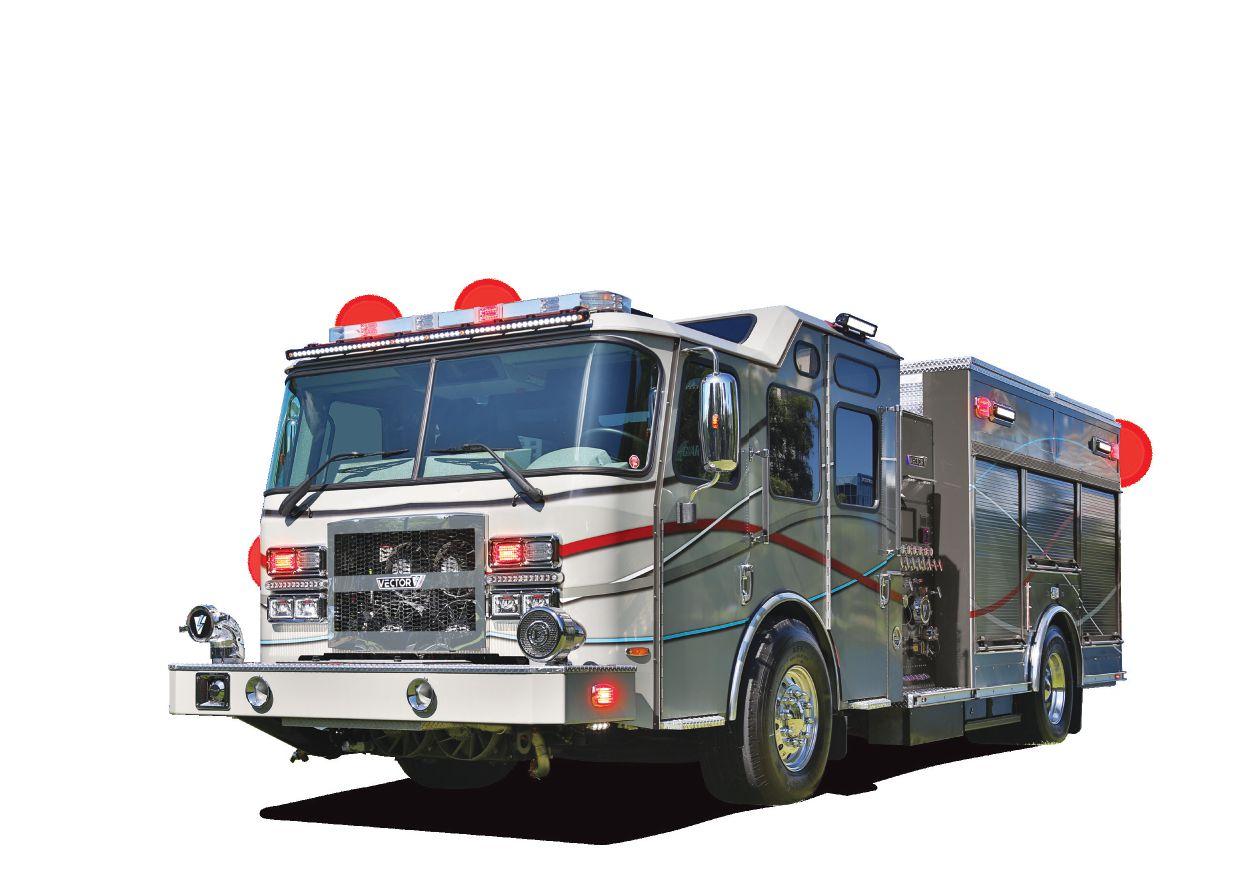
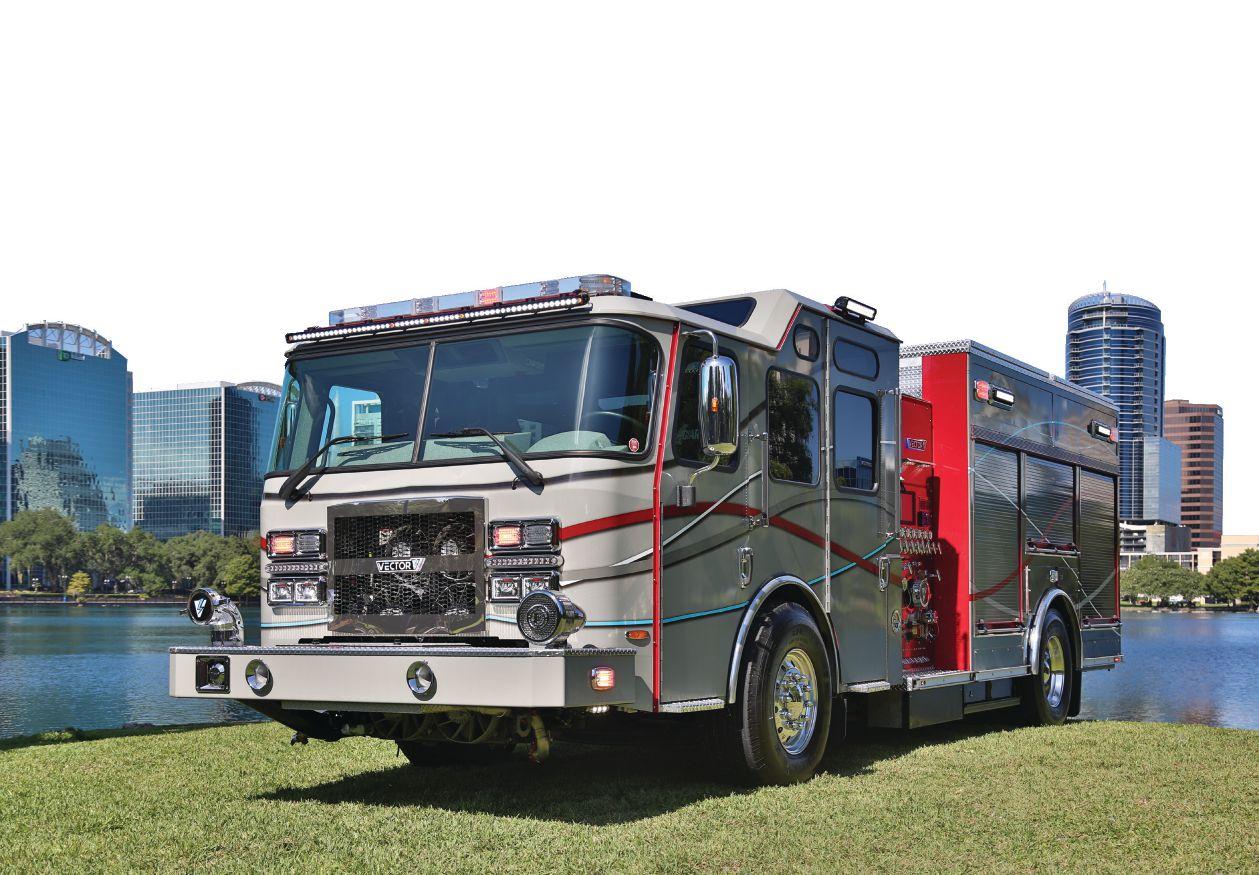
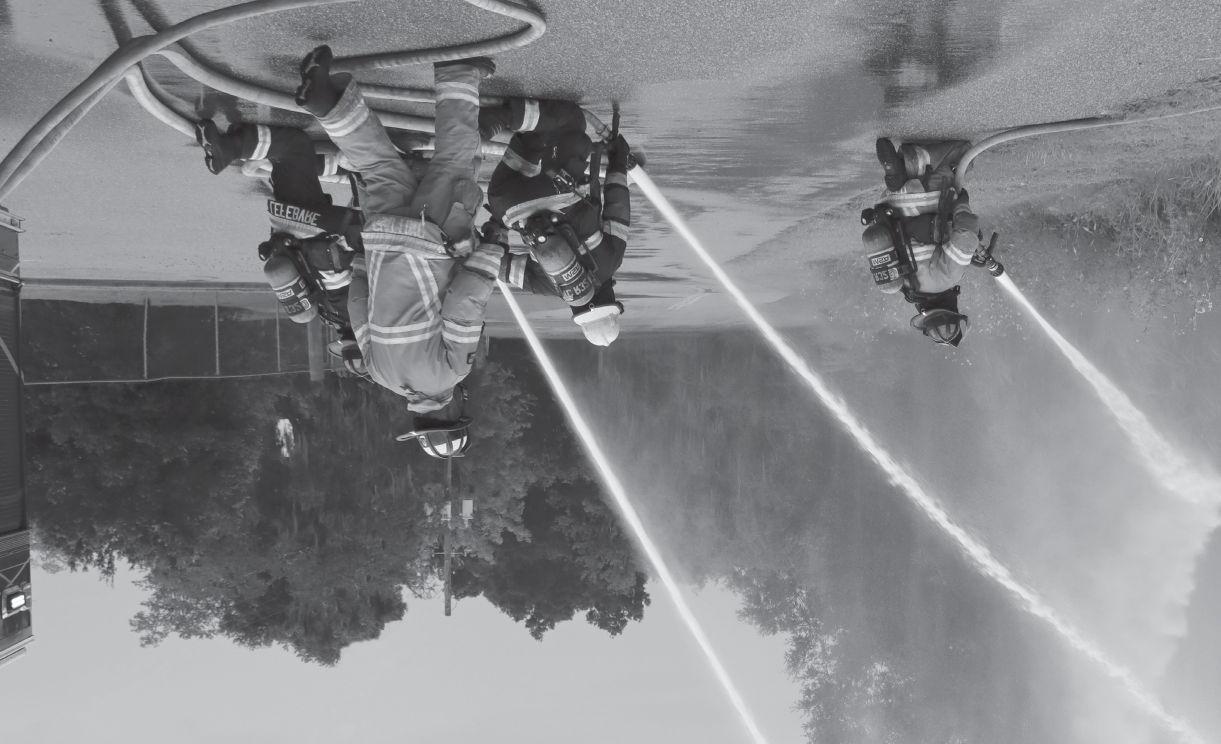
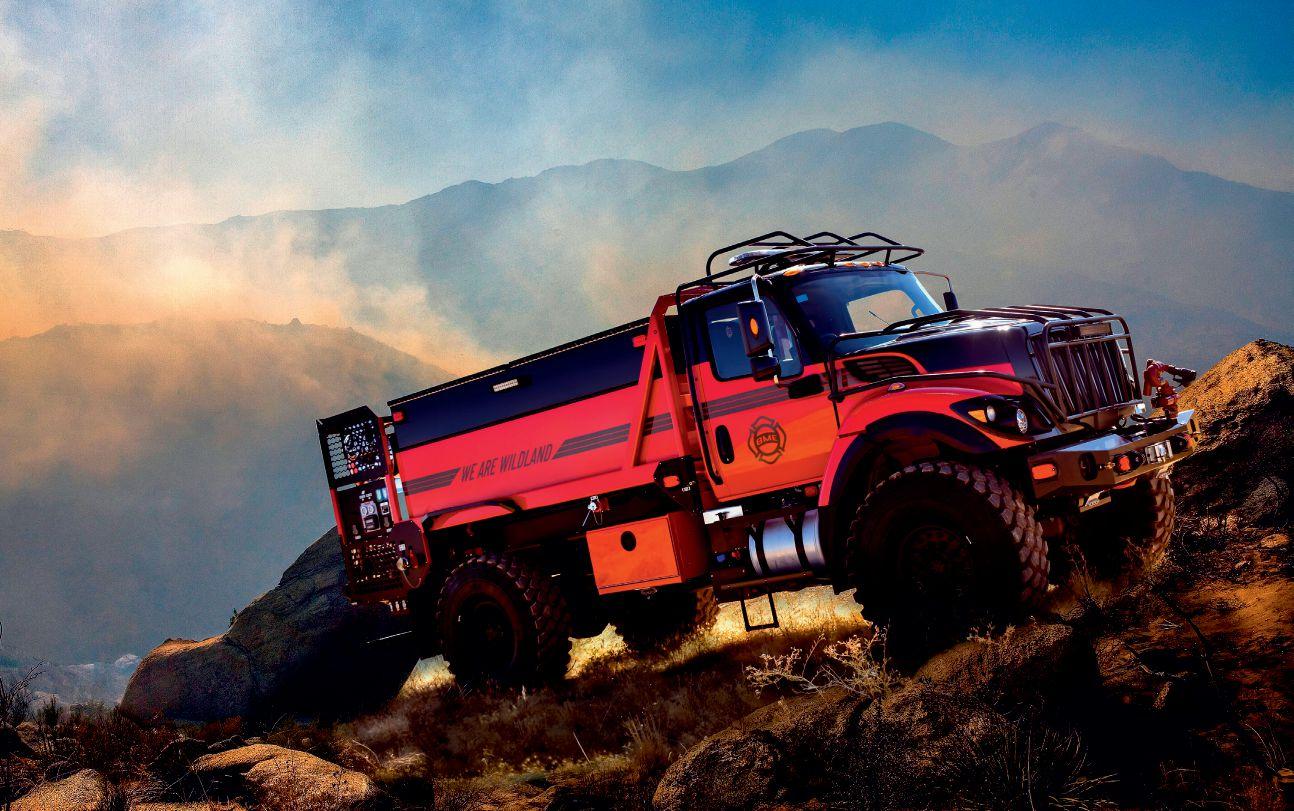
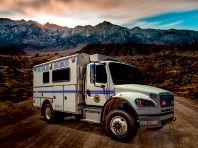
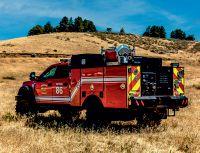
Brush trucks provide more reach than traditional fire apparatus, with offroad capacity and grit needed in remote terrain
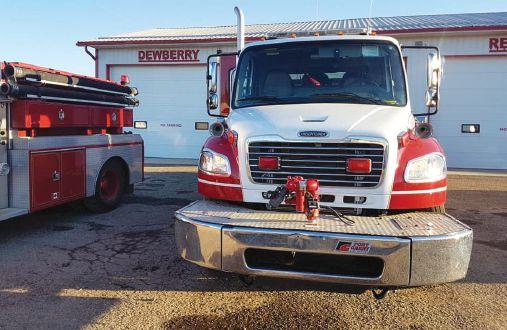
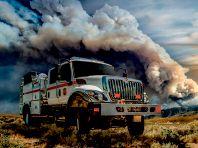
Front-mounted nozzle turret adaption added on to traditional Type 1 engines and provide additional power when battling wildfires.
A prime candidate for improving wildfire capability lays with the development of select features in apparatus. Newer trucks coming into service, some customized to specifically address the wildfire threat, include some interesting features that are a direct result of innovation and lessons learned. The booster reel, once a staple in the past, has made a come-back as crews have seen the value of utilizing lightweight and flexible lines during brush fires.
A more recent adaption has been the remote operated front bumper turret, a combination nozzle that allows the driver to operate a line from the safety, and comfort, of the interior cab. This not only aids in a mobile approach to fighting fires, but it also reduces the number of firefighters needed to operate it, which makes a significant impact during long duration fires, especially while short staffed.
Even the configuration of some fire apparatuses are being considered when determining the purpose of newer fleet additions, particularly if the department is moving towards a hybrid fleet of structural and wildfire.
The introduction of “brush trucks”, or mini pumpers, for example, has altered the response capabilities of departments that once relied solely on the use of larger engines and tenders. These smaller, more robust trucks, allow for more freedom of movement, off-road capabilities, while still packing a deadly enough punch to subdue stubborn fires in hard to reach locations.
A department that is proficient in bringing those trucks to bear on outside fires will see a savings on the wear and tear of the larger trucks, not to mention their firefighters who can now be carried further into the fight in the cab of a “brush truck” then they ever could have been in a larger structural engine. As the response landscape alters, so too should the apparatus fleet grow and alter to meet the shifting changes.
As much as equipment makes a major impact on how any fire is confronted, nothing can prepare firefighters for new realities better than training. Firefighters who are tasked to fight wildfires can now expand their skill sets beyond the training initially taught in the NFPA 1001 Level 1 program.
Advanced courses in Wildland Firefighting (NFPA 1051), specialized urban interface training and even disciplines dealing with weather, fire behaviour and aerial operations are key. The amount of information and knowledge available in the field is incredible, and generally easy to access.
Even training at the station level has greatly improved and is aimed at
the hybrid role most fire departments experience between structural and brush calls. Local training can expand on the basics, which can cross over between the skills needed for many types of calls, or, since most provinces have links additional training related to forest fires, incorporating those curriculums into regular training nights can really enhance the abilities of firefighters working the fire lines.
Making time to address the unique skills required for battling wildfires, such as fire breaks and chainsaw work, is the best method to better prepare for wildland season.
Even with modified equipment and better training, the average fire officer needs to have a strong understanding of tactics and strategy when working wildfires. Although a lot of the same processes exist in municipal firefighting, the demanding nature of wildfires differs and presents exclusive problems that an incident commander has to be prepared to deal with.
Ideally, a community has done its part and completed a series of fire smarting activities, such as removing dead trees or long dry grass. There are programs that exist within Canada to aid homeowners in preparing their homes from this growing threat.
Even with a preparation mindset, fires happen, and that is when any proactive planning pays off. A recommendation from the “lessons learned” category of wildfires is the research and adoption of a wildland urban interface plan. Not unlike a tactical plan, this document is a rough guideline designed to provide front-line leaders with initial reflex tasking ideas to enable them to better assess, handle, extinguish and ultimately defeat wildfires.
Certainly, no plan survives first-contact, but having an idea of how to assess the fire’s behaviour, coupled with factors such as topography and
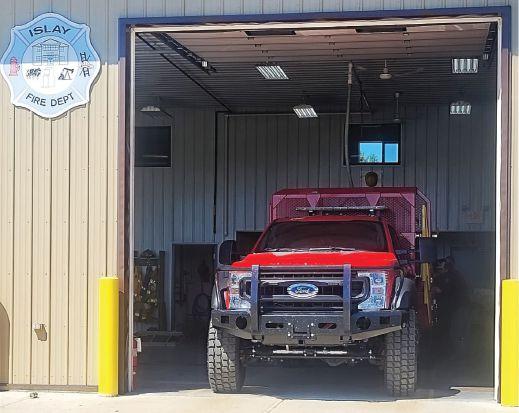
Training doesn’t have to be elaborate, and can incorporate routines used in structural firefighting. The goal is to be familiar with the tools in preparation for the next wildfire call.
weather, provide sound tactical advice in order to better deploy and manage assets during an incident.
Again, the goal isn’t to have step by step directions, but rather provide insights that may assist the incident commander in making solid fire ground decisions during the initial stages of a conflagration. The creation of this plan doesn’t have to be overly complicated. It can boil down to a simple checklist or be as intricate as any other standing operating procedure. Again, the goal is to incorporate the unique mindset required when fighting wildfires with the existing skill sets of municipally trained firefighters.

As our climate adapts, so too must the fire service, and nowhere is this more evident than when dealing with wildfires.
High profile events aside, the amount of wildland calls is increasing, and with drier conditions being reported across the country, and fire behaviour showing more and more aggression than past years, being ready to handle these types of incidents is becoming a critical component for firefighters.
Making alterations to equipment specific to fighting wildfires or purchasing apparatus specific for the task are keen investments, and when tethered to regular and advanced training, can really make a difference on the fire ground.
Add in an ounce of prevention through fire smarting and pre-planning, and the tools available to the department to battle against wildfires increase the odds of success. Afterall, the key term here is readiness, to anticipate, and respond to, any wildfire situation. This may seem like a very vague mission statement, and it is purposely designed that way, thus allowing a fire department the ability to bend in the direction that needs to be taken without breaking from this additional pressure.


It all boils down to one key phrase when dealing with the wildfires: be prepared, because you’ve got about three seconds before the floor becomes lava and rumour has it, there are dinosaurs on the chairs.
Kirk Hughes is the Director of Protective Services for the County of Vermilion River (Alberta) and a recent panelist for the Fire Fighting in Canada 2022 Virtual Summit on Climate Change. During the summer of 2017, Chief Hughes was assigned as a Task Force Commander to protect the Waterton Townsite during the Kenow Fire. He can be reached at khughes@county24.com.

BY CHRIS HARROW Director of Fire Services
Town
of Minto and Township of Wellington North, Ontario
ILEADERSHIPFORUM
Leadership, football style
have just finished watching another Super Bowl and eating way too much junk food (and maybe a few too many Super Bowl beverages). The part of football I really enjoy is the hundreds of hours of analysis, highlighting the in-depth look at various players and coaches’ leadership qualities exhibited before and during the game. There are many learning opportunities available from one of the biggest sporting events in North America.
One item that really struck home for me was the post-game press conference from the Philadelphia Eagles. There was a ton of leadership exhibited from a bunch of their players and the head coach when addressing a certain part of the game. It gave tremendous insight into how their team operated and the philosophies surrounding the entire team that obviously a large majority of the team had bought into.
For those of you who didn’t see the game or are not football fans, the play in question occurred near the end of the game. A defensive player was called for a penalty that kept the ball in Kansas City’s possession and lead to their final score that won the game for them. The penalty was a large part of the broadcast on television with the one commentator dwelling on how he disagreed with the call and it cost the Eagles the game. The reaction of the Eagles after the game was both refreshing and a fantastic learning opportunity for all of us.
The press immediately went to this play with the head coach and a bunch of the higher profile players trying to get them to comment on how this incident had cost them the game. None of them would blame that incident or someone else for the loss they had just suffered. In fact, a couple of them took the route of praising the officials and the difficult job they had in calling the game. The head coach spoke on how there are many plays throughout that can affect the outcome of a game. Another player talked about how he would reflect on all the things he could have done better to cause a different result in the game.
had to pay the price for the infraction. What an unbelievable action from this young man to admit his wrongdoing on the biggest stage in sports!
In this day and age when so many people are so quick to immediately blame others for their inabilities to be successful, this group of highly paid athletes quickly put to rest controversary or storylines that could have been established and placed all the blame on themselves. The Eagles spoke about how they need to continue to improve their team and would endeavour to work harder so they could avoid the same result from happening again.
It was a valuable learning experience for my son and I, who watched the highlights together. He has just finished a leadership class in high school and this example was able to drive home so many points he had recently learned. The highlights gave an opportunity for us to have a discussion on what a great example of an athlete and a team is in sports today. All of the team had obviously bought into the leadership example being set by their head coach and his staff. The players proved their team philosophies by their united responses and actions. Now take this lesson back to your place of work and think about how much you could benefit from it there. Having the entire team buy into the same philosophies and
By having the entire team buy into the same philosophies and outlooks, it will only add to the success of the entire team. ‘‘ ’’

The best response was from the actual player himself who was called for the penalty. With so many outside people saying it was a bad call and it wrecked the entire game, this individual stood in front of the microphones of the press and admitted he committed a penalty and said the referees got it right. He was hoping they didn’t see it, but they did, and he
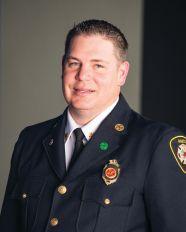
Chris Harrow is the director of fire services for the Town of Minto and Township of Wellington North in Ontario. He is a graduate from fire programs at Lakeland College and Dalhousie University and holds a graduate certificate in Advanced Care Paramedics from Conestoga College. He can be reached at c.harrow@mintofiredept.on.ca.
outlooks will only add to the success of the entire team.
Having each team member willing to accept responsibility for their actions and strive to get better so they don’t happen again is an unbelievable concept to have. Being able to use a sports game as an example to start the conversation can really help to give people a real-life example.
In a current time when we face so much negativity in a day and deal with people who are so quick to blame someone else for their misgivings, this was a much-needed breath of fresh air.
I gained a whole new respect for the Philadelphia Eagles team and their personnel. The exhibition of leadership they put forward is an example we can all model ourselves and teams after. Although I will still be focusing on my 49’ers each year, I may be having to quietly cheer on a team who has definitely gained my respect.








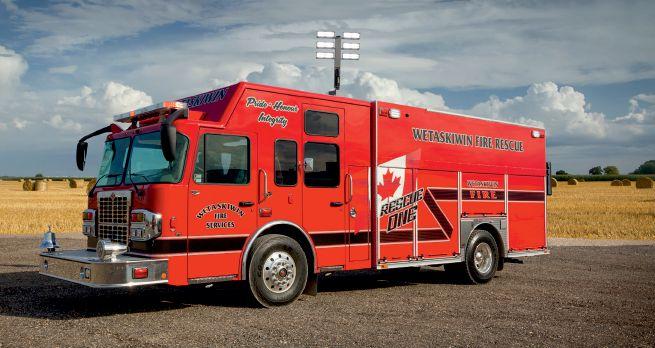
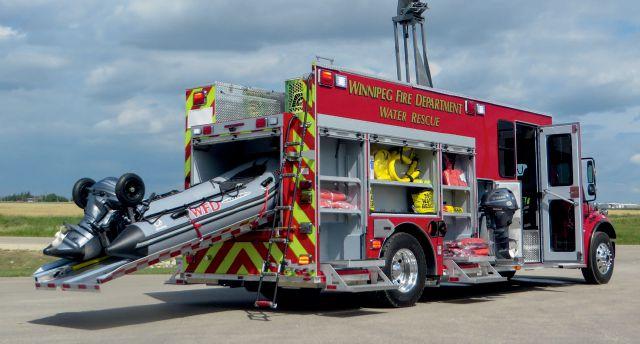
DESIGNED BY YOU, BUILT WITH CONFIDENCE
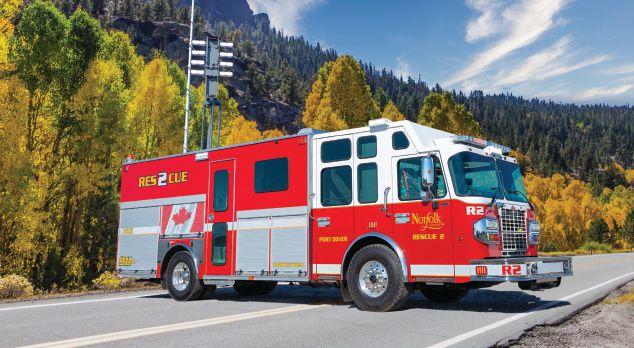
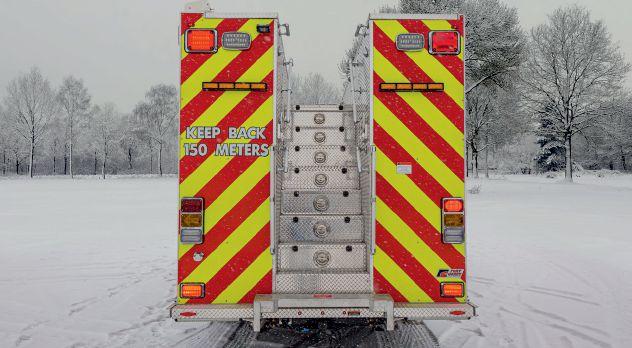
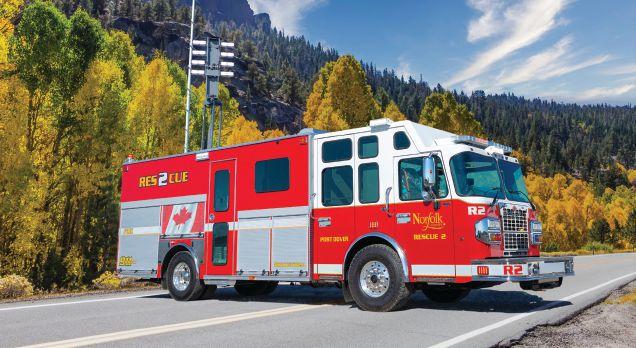
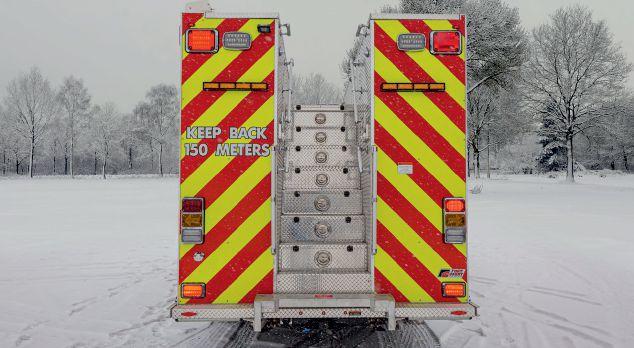
Our walk-in rescues, command rescues, and walk-around rescues are engineered for the harshest road conditions and environments in the 5083 saltwater marine-grade aluminum compartments. We also boast the department amongst our Canadian





TRAINER’SCORNER Rookie training
By ED BROUWER
March already? I’m sure by now you all have your 2023 training calendars put together and posted. I am more of a “fly by the seat of my pants” type and I found planning out the year’s training schedule was tough.
Our practice nights were usually one and a half to two hours. And with the average year allowing for 42 practice nights, that is only 63 to 84 hours annually to cover the basic firefighter training requirements, which should include a live fire exercise and a driver training drill. It becomes a real juggling act if you include MVIs (extrication), first response medical, first response hazmat and wildland urban interface training.
And did you notice I have not yet mentioned rookie training? I found the only way to make all this work for me was to have rookie training during a set time. Our department’s rookie training took place through the first three months of the year.
All of our members were required to attend these training sessions. Yes, veterans and officers alike. Reviewing the basics is never a waste of time for any firefighter. As a benefit to this group training, the rookies got to see how we all work as a team and the incident commanders were able to see the strengths and weaknesses of the newbies.
In my opinion, when departments compartmentalize their rookies there are missed opportunities for team building. Sometimes I would assign a veteran to a rookie – like a big brother program.
Rookie training is between 10 to 13 weeks and covers:
1. Department history, the mission of the fire service, role in the community, fire department organization and firefighter job descriptions
2. Incident Management and command structure
3. PPE: bunker gear
4. SCBA: respiratory hazards, effects of toxic gases, limitations of SCBA and emergency procedures
5. Communications: proper use of radio, Arrival Reports
6. Fire Behaviour: chemistry and physics of fire, BLEVE, stages of fire, states of matter and classes of fire
7. Fire Hose and Appliances: care and maintenance, hose tools, hose appliances, coupling and hose lays
8. Nozzles, Fire Streams and Foam: operations, stream application, hydraulics, friction loss and hose streams
9. Fire Suppression: flammable gas, flammable liquids, fire extinguishment and fire extinguishers
10. Ventilation: fire control
11. Forcible Entry: tools, safety, maintenance, doors and breaching walls
12. Cold Weather Firefighting: frostbite, hypothermia, hydrants and chimney fires
13. ICS 100: application, primary functions and command I designed a PowerPoint presentation, averaging 30 slides for each
of these topics. Most topics have a written exam (20 multiple choice questions) specifically designed to the topic and our department. A passing grade is 75 per cent. We review each exam with the students so they know which questions they got wrong. I’ve shared this before, but just telling a student they got a passing grade, without showing them what they got wrong, does not help them understand the topic. And isn’t that the main objective of fire service training?
If I noticed a large number of firefighters got the same question wrong, I took that as a sign to readdress that segment of the topic.
I also designed in house certificates so each topic completed gets a seal – there are no “participation” awards. You either pass or you don’t. There have to be practical evaluations. Sometimes it is a simple demonstration such as having firefighters donn and doff their PPE. I remind you this was not just for our rookies; our officers and veterans were expected to participate. Each were given two attempts to successfully complete the training objective.
Each member should be able to safely demonstrate the ability to perform the following. These are just a few examples.
• The proper procedure for entering a fire building
• Proper ladder handling techniques, including laddering the side of a building and safely securing the lanyard, climbing the ladder and demonstrating leg lock, demonstrating sounding the roof, and how to lower and stow the ladder
• Demonstrate the starting and safety procedures of a chain saw or reciprocating saw and PPV fan
• Demonstrate the steps to rescue a downed firefighter wearing SCBA.
• Demonstrate the deployment of a pre-connect and participate in loading a pre-connect
• Demonstrate knowledge of SCBA use, the donning and doffing of SCBA, and troubleshooting of the SCBA
• Demonstrate the following hose rolls: straight roll, single donut roll, double donut roll, locking donut roll
• Demonstrate hose appliance knowledge by extending a hose line using a hose clamp and replacing a broken hose section
• Describe and or demonstrate the proper use of gated wye and hose clamps
• Demonstrate the knowledge of the following hose lays: forward lay, reverse lay, split lay and hydrant lay
I also had great success using evolutions and scenarios to tie together individual core skills.
Once we completed the rookie training portion, our practice nights went back to our regular training. There is a lot of ground to cover seeing as rookie training only covers the basics.
Further considerations:
• Think through each practice objective

TRAINER’SCORNER
• Follow your department’s SOGs
• Always use the incident command system so it becomes automatic in your response operations
• Have a “STOP” procedure (usually a blown whistle)
• Assign a safety officer for any hands-on drills or evolutions Now and again, I’d throw in a “fun” night where I would bring in snacks and we would play Firefighter Family Feud on PowerPoint. You can customize these questions to fit the review objectives. I divided the members into two teams, being sure to spread the rookies evenly among the teams. You can keep score or just let it play out. One of our members made an electronic “buzzer” box, and with all the bells and whistles that come with the download it makes for a memorable event. You can download your free template at Youth Downloads.com. It’s now called Top 10 Answer Battle. Any time you can get your members to have fun learning, you as the trainer win!
If you run out of training topics here are a few to consider:
• Cold weather emergencies, pumping
• Ropes and knots
• CPR and AED
• Pre-plans
• Area familiarization
• Advancing hose lines and hose testing
• Drafting
• Hazmat operations
• Vehicle extrication and fires
• Below grade fires
• R.I.T.
• LPG emergencies
• Wildland fires
• Interface fires
• Down firefighter rescue
• Arrival reports
• Size-up
• Water supply
• Building construction
• BLEVE
• Salvage & overhaul
• Firefighter survival
• Mayday, disaster, and large incident response
I encourage you to build yourself a soap-box priority list. Throughout the past three decades my “soapbox” hasn’t changed much: Train right! Exercise! Stop smoking! Seatbelts! Drink water! Don’t breathe smoke! But in recent years due to the recognition of an increase in PTSD incidents, I added, communicate!
Thank you for all you are doing in the Canadian fire services. If I can be of any help to you, please feel free to contact me. And as always, continue to train as if lives depend on it, because they do.
Ed Brouwer is the chief instructor for Canwest Fire in Osoyoos, B.C., retired deputy chief training officer for Greenwood Fire and Rescue, a fire warden, wildland urban interface fire-suppression instructor and ordained disaster-response chaplain. Contact aka-opa@hotmail.com.
BACKtoBASICS
Garage fires: Part 2
By MARK VAN DER FEYST
In our continued look at garage fires, we are progressing to examine the fire dangers that are commonly found within garages. This danger starts with the growth of the fire within a garage.
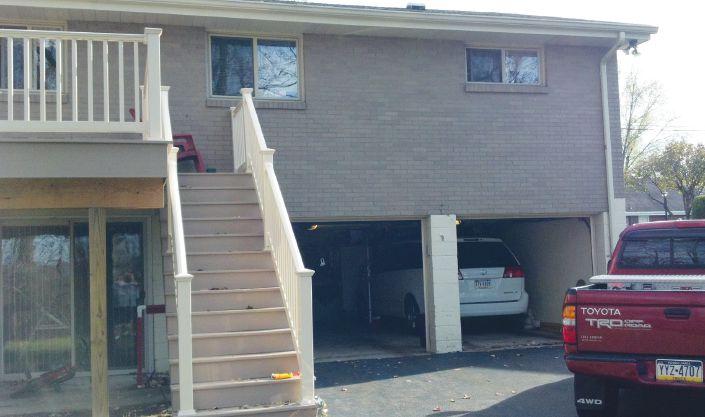
A garage is not just dangerous based upon the contents; it's also dangerous based upon the location of the garage in contrast to the residential structure. If you recall from our previous article in February, we highlighted different locations of where a garage can be located within a structure.
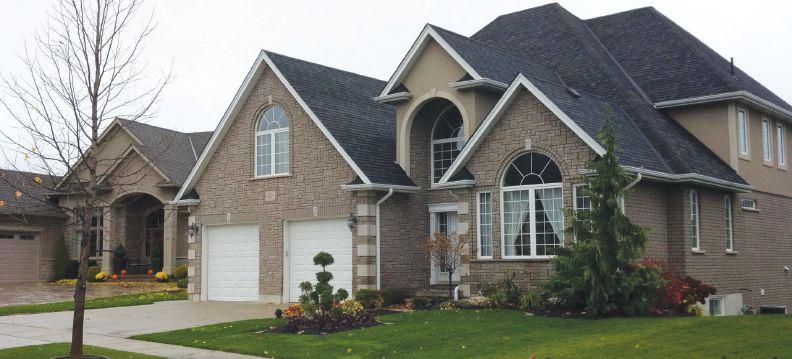
In the case of Photo 1, you can see the garage located in the lower part of the house –it actually forms a part of the basement. With the garage located in bottom of the structure, a garage fire will spread very quickly upward towards where the occupants are located.
As in the case of a garage located on the main level of a residential structure with sleeping quarters located above it, the same case applies.
With the garage located on the side of the residence such as with a ranch or bungalow type of house, the spread of the fire will be quick, but not as quick as when the garage is right below the area where occupants are located. The main area of fire will be above in the attic of the structure with horizontal spread into the living areas.
Another factor to consider is the height of the garage. As with the interior compartments of a residential structure, fire spread is dictated by the height or size of the room. In the case of a garage like in Photo 1, the height is very low compared to a garage that may house a recreational vehicle. With a low celling garage, the fire spread will be very quick. In our same photo, we can also see how this particular garage will present auto exposures to the windows above the garage doors as well cut off escape routes out the back with the deck stairs.
With fire growth dangers, we must also include the construction properties of the garage. In Photo 2, you will see an example
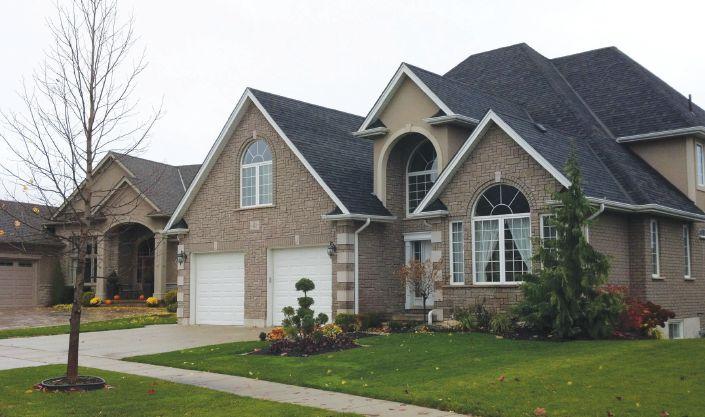
of a garage that will include certain construction properties that will lend into quick fire spread due to items such as lightweight trusses. Notice the window above the garage door and the slope and height of the roof line.
Designed to allow for a bonus room above the garage or a large area for storage. To accommodate this, lightweight trusses will be used to meet the large span and the height. Along with lightweight trusses, we can also find laminated
Photo 1: The garage located is in the lower part of the house, forming a part of the basement
Photo 2: This garage features certain construction properties that lend into quick fire spread.
PHOTOS BY MARK VAN DER FEYST
BACKtoBASICS
I-beams being used. These also allow for large spans and heights to be accomplished. Just as mentioned in the previous paragraphs, with a living space located right above the garage, the danger of quick fire spread will impose a threat to escape routes and auto exposure.
What may assist with the slowing spread of fire lies within our building codes. Fire stops are supposed to be installed within the garage
at the ceiling and walls leading into the living side of the residence. This is supposed to be a one-hour fire stop using 5/8 inch drywall or two sheets of ½ inch drywall. The drywall is to be tapped and mudded to prevent any breaks for fire spread as well as carbon monoxide leaking in from the garage.
A brand-new house being constructed will have this as it will be inspected by the local
building inspector before getting the permit issued. Where we may find a danger with this is when there are renovations done inside the garage and there are holes made in the ceiling or wall that are not patched up as required.
With older homes, where the building code was not the same as it is currently, the separation between the garage and living spaces may not be the same leading to a easily penetrable barrier for the fire to grow and spread.
In contrast to what dangers are with the construction properties and location of the garage, we also must consider what is outside and around the garage that may also present a danger. The obvious danger will be poor housekeeping around the outside. This can include junk piles of garbage, compressed cylinders, heavy objects, high piles of junk around the outside preventing access to the garage or access around the garage. The piles of junk will also contribute to the external fire load of the garage.
On top of the garage, we may find solar panels affixed to the roof. While this may be a great way to produce energy for the homeowner or a way to heat the water for a pool, it adds more weight to the structure’s roof. The roofs of garages are not designed to be affixed with the right type of trusses to support both the roofing material and the extra weight of solar panels.
On the outside of the garage is also the garage doors – they to are a danger to the fire service. As mentioned in the previous paragraph regarding solar panels, we are now seeing these being installed on the garage door panels –forming the panel itself for the garage. Trying to gain entry through the door will not be possible with these items forming the panel.
What has been detailed here is just a simple approach to what can be present at any garage fire that you may respond to. A good size-up will assist with identifying these outside hazards. In our next issue, we will examine the dangers inside the garage.
Mark van der Feyst has been in the fire service since 1999 and is currently a firefighter with the FGFD. Mark is an international instructor teaching in Canada, U.S. FDIC and India. He is the lead author of Fire Engineering’s Residential Fire Rescue & Tactical Firefighter books. Contact him at Mark@FireStarTraining.com.





YOUR HEADQUARTERS FOR TRAINING & PUBLIC EDUCATION MATERIALS
Burnt Around the Edges
$ 21.99 | Item #: 1039142480
From George Arjuna, retired Fire Chief in B.C. and Firefighting in Canada and Canadian Firefighter contributor. An easy-to-read book that highlights decades of real-life experiences and how occupational and life stress can dramatically affect wellbeing. This guide includes strategies and tactics to master stress and recovery from ocupational burnout.

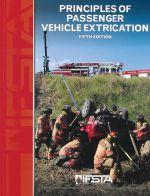


Principles of Passenger Vehicle Extrication, Fifth Edition

$109.35 | Item #: 36504
Now as a stand-alone book without heavy vehicle extrication, this 5th Edition, provides rescue personnel with an understanding of the current challenges, techniques, skills and equipment available for the safe and effective extrication of victims trapped in passenger vehicles.

Fire Investigator: Principles and Practice, Sixth Edition

$139.00 | Item #: 1284247053
The next evolution in fire investigator training: Covering the entire spectrum of the 2020 NFPA 921 and 2021 NFPA 1033, this sixth Edition offers a comprehensive introduction to the knowledge and skills needed to be an effective fire investigator. Includes Navigate 2 Access.






RECOVERY MODE: the unavoidable reality of drownings
Tactical fire/rescue operations around a body recovery
By DAVE GILLESPIE
Faced with that tough moment in a water rescue, you cannot always find the victim. You are doing everything possible, but sometimes it is an unavoidable reality. You couldn’t rescue them in 10 minutes, so after 60 minutes of searching, the incident commander makes the call. There will be a shift from rescue mode to recovery mode.
Gordon Graham, international risk management consultant, states incidents like water rescue and drownings fall into the category of high risk - low frequency. They are rare occurrences and present a host of risks and consequences.
Making the decision to move from rescue mode to recovery mode is tough. It is that time that an IC must go by best-guess and accept the challenges ahead on scene, or take command of the terms of recovery and manage the operation with foresight, tact and professionalism.
WHAT IS A RECOVERY?
Recovery is the coordinated efforts of trained personnel to search and recover a fatal drowning victim.
Fire rescue services are very often first on scene. Sometimes it is because of fire station locations and their proximity to residential areas possibly with pools, or areas with ponds, lakes, creeks, or other waterways. Police patrol officers may be first on scene due to their mobility and flexibility. However, it is rare, but a single officer might initiate a rescue before backup arrives.
Whether you are certified to NFPA 1670 Surface, Swift, Ice, Boat, or Dive Operations, or your internal procedures keep you limited to shore, attending a water rescue can result in a recovery operation. It is all based on your
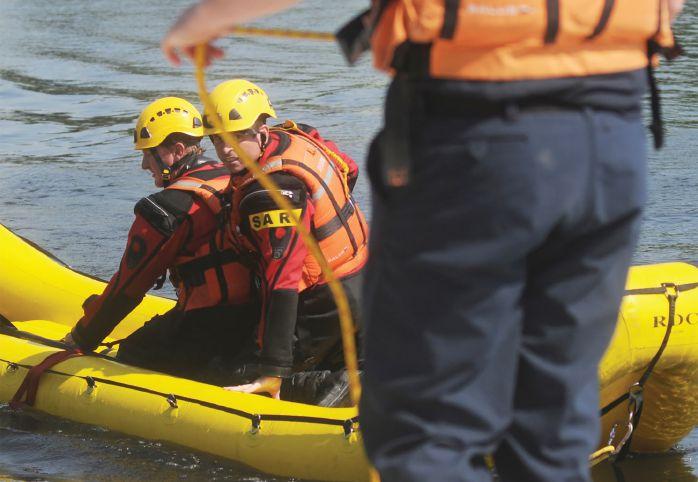
Hazard Identification and Risk Analysis.
According to the Canadian Drowning Prevention Plan, of the 450 fatal drownings per year, there one in four who have a non-fatal drowning experience. The report always shares some disturbing trends in Canada
Of the average 10 fatal drowning victims:
1. Eight are male
2. Two are female
3. Two are between ages of 20-34
4. Five are over age of 50 plus
5. Six of them happened when in recreational waterway.
6. Ninety per cent of children who drowned were under five and not adequately supervised.
7. The cost breakdown for each incident by type was: $623,226 per fatal drowning death, $27,981 per hospitalization,
$4,019 per emergency room visit cost, and $115,825 for each non-fatal drowning-related disability.
This makes most people sit up, take notice, and think of how your fire department responds. What are your community’s hazards and statistics?
HOW DO WE SUPPORT THE FAMILY IN THIS CRISIS?
I have witnessed drowning incidents and the range of human responses that can accompany them, including crying, collapsing, aggression, screaming, shock, desperation and everything in between.
The point is you have to be prepared to encounter a range of behaviour. Establish zones, secure or isolate the area, take steps
We are there to stabilize a situation and prevent it from getting worse.
PHOTO: LANCE ANDERSON, METROLAND
to ensure your team and civilian's safety, then focus on the rescue and coordinating efforts.
CHOOSE A FAMILY LIAISON
Appoint one person to be the family liaison to collect and record information and be available to answer questions. It is highly recommended this is not the IC. It should be someone who is not part of the rescue operation directly and can build a rapport quickly with the family, friends or witnesses.
If not automatically tiered, request police to attend, and request they have their victim services representative attend. If required, consider access to translation services, or familiarity with apps such as Google Translate, to facilitate incident details in the language of those involved. Communications should be established with any on scene partner agency to ensure all are on the same page and informed of each other’s movements, and additional resources can be considered.
COLLECTING INFORMATION
Fire services can have a unique ability to receive information that those on scene may not communicate with police. We are focused on the victim and their situation or condition, not pursuing criminal charges. We are seen as impartial and focused on one thing – rescue. Identify as much victim information as possible, including the person’s name, age, height, size, clothing worn, and if they were with anyone else or whether anyone else has attempted rescue. Were they injured before, or during, their entry into the hazard?
Determine the point last seen. Put a boat in water with direction from shore using a civil-
ian witness, who is standing in the same spot from which they saw the victim last. Direct the boat on top of PLS and drop a marker buoy. If on shore only, triangulate on shore by having two people stand at points and try to set a visual line. If available, set a waypoint on GPS.
After initiating the rescue operation consistent with your Establishing and Regulating Bylaw, and in accordance with the level of NFPA Surface, Swift, or Ice rescue training, there comes a time where all the people in water, and all the boats are not making a difference.
Unfortunately, the time may come when it is time for a team huddle to discuss changing the strategy from rescue, and the need to maintain the optics of doing 110 per cent but with lower risk.
If on flatwater, this means getting surface rescuers out of the water. Reduce the boats involved. Structures around water are difficult since there are pressure differentials from what’s upstream versus downstream of the dam, boat lock, generating station, trash racks, and intakes, so it results in staff moving to observing roles only.
Incoming recovery divers required the lake bottom to not be disturbed by raking, dredging, or blind hooking because it often leads to moving the body away from its highly probably location – in still-water usually in an area equal to 1.5 times the waters depth.
The risks of raking, hooking, or dredging can cause damage to the body’s tissues, and could complicate the post-mortem autopsy. The coroner will now be trying to determine if the injuries were part of the accident, inten-
tional injury caused by another suspect, or by the well-intentioned rescuer.
AERIAL SUPPORT
Working with aviation support during a live rescue, or possible fatal drowning means contacting external agencies which can include your regional police. The most direct method is to communicate with the on-scene police officer in charge who will make their request through their dispatch and see what is possible for helicopter flyover. Perhaps a drone can be considered for an overhead view. They will need a GPS waypoint, or major intersection or park area.
The visual from air will be dependant on time of day, clarity of water, and depth of the body itself, and if the clothing or skin colour will contrast with the underwater surroundings (weeds, sand, rock, etc.)
As we know from use during overhaul, when thermal cameras are deployed, the profile is only good when the heat signature is at the surface, not three inches under.
UNDERWATER SEARCH AND RECOVERY TEAMS
The dive and recovery unit will utilize all your information on the patient and PLS, then they will initiate their protocol.
In Ontario, the Ottawa Police Service, Toronto, Niagara, York and Peel Region have underwater search and recovery teams. In British Columbia, Alberta, the territories and prairie provinces - it is RCMP. In Quebec it is the Sûreté du Québec, and for the Atlantic provinces - it is the RCMP.
In the Ontario example, OPP will deploy a


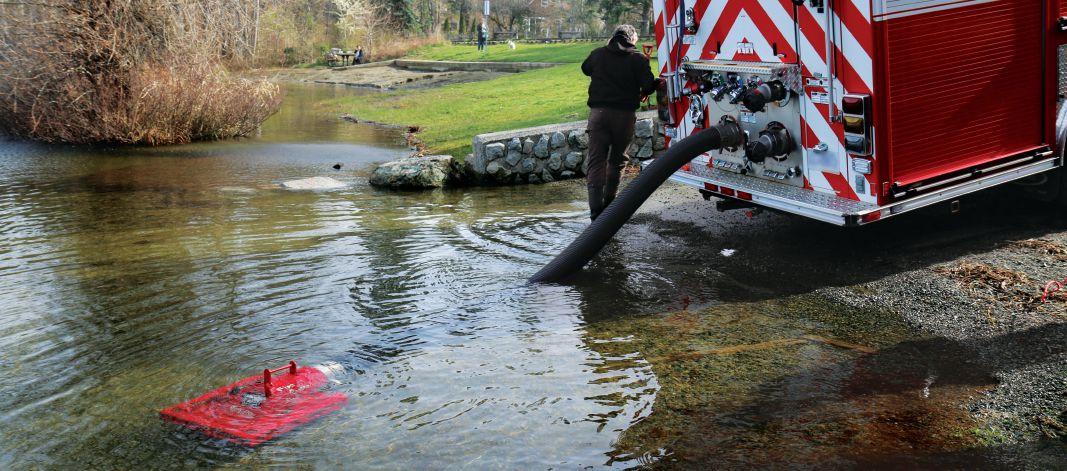

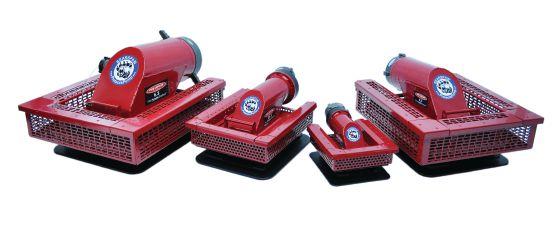


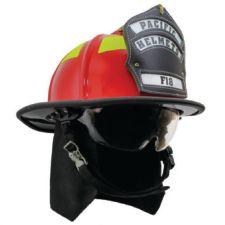
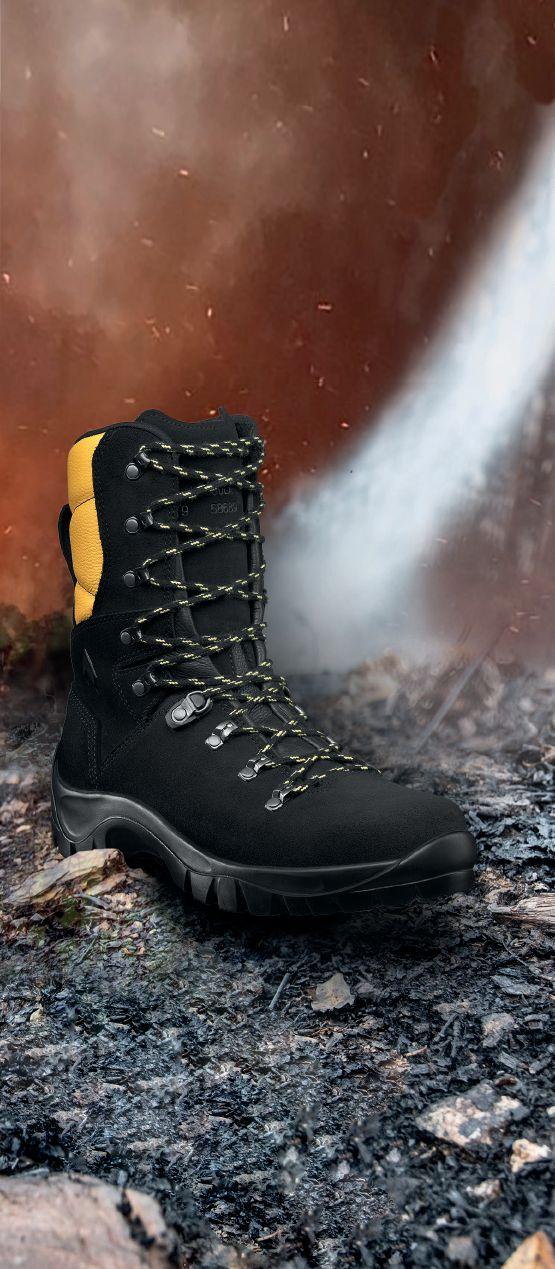
CERTIFIED FOR WILDLAND FIREFIGHTING MISSOULA
dive team from Gravenhurst, unless on another call. Their response time is usually within one hour plus drive time and there is no financial charge back to have them respond to a body search and recovery. The municipal IC must formally request the OPP dive team attendance through OPP Communications Centre. They will respond province wide, from Cornwall, to Windsor, to Kenora.
Municipal police, provincial police, and RCMP underwater teams advise that can call anytime for a phone consultation. When an IC calls for advice during an incident, this puts the team on notice, familiarizes them with the incident details and it also helps them prepare for a probable request and operational response.
RECOVERY STEPS
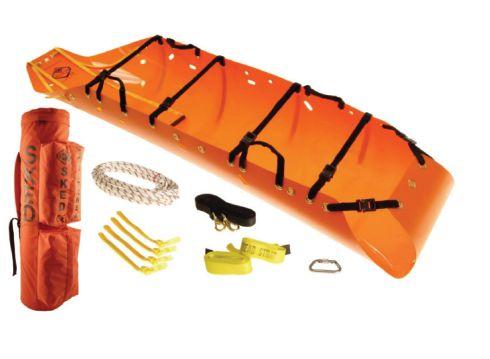
Have you marked the area? Do you carry a stokes basket? Do you have a body bag, or heavy tarp to give the victim dignity, and protect the family and bystanders from the harsh visual of a water-absorbed body?
When a body is recovered, whether free floating or from a vehicle, the physiological process of rigor mortis may have begun. That means the body may not lay flat on a stokes basket, and arm or leg may be in unusual position. Their eyelids may be open, and can be closed if you are bringing them to shore.
Depending on the duration underwater, their skin will be cold, and the body may have absorbed water. The decomposing process has started, with gases expanding within the body giving it an inflated look. If the body was underwater for days, the tissue may decompose and skin or tissue will be loose to the touch. When the body is transported to shore, it is critical to have enough personnel to adequately and safely lift and carry the body without tripping or letting the load fall.
Years ago, it was common to toughen up the rookie and look under the tarp. Considering the mental health impact of witnessing death - there is no value to this practice for fatal drownings. Where is the benefit in creating visuals for flashbacks? Instead, prepare the team for the supporting the family and in supporting each other.
As we saw in the Kobe Bryant helicopter accident, taking private photographs of someone’s death is callous, unprofessional, can easily spiral out of control. Ask bystanders to put their smartphones away and clear the area. Let the investigators and coroner be the only ones to take the photographs.
We are there to stabilize a situation and prevent it from getting worse. Unfortunately, death is a reality and those experiencing extreme grief and offering closure with your agency’s body recovery methods will be paramount, supporting your team afterward then becomes your next priority.
In Gordon Graham’s words, “if you can predict the emergency, you can prepare for it.”
Pre-plan how you are going to handle your next drowning and the family in crisis. Brief your crew on your expectations, requests for assistance, recovery procedures, and implement some of these points. Depending on the significance of this high-risk-low-frequency event, and its impact consider checking in on the mental health of your staff after the call.
Prepared with information from Staff Sgt. Kevin Gorman of OPP Underwater Search & Recovery Unit.
Dave Gillespie is a captain and has been a fire rescue technician for over 27 years. He is an instructor of Surface, Swiftwater and Ice Rescue. He has authored a book with Fire Engineering titled “Developing Firefighter Resiliency”. Dave has contributed to program development in Canada and USA, and and has participated in a variety of roles on water rescue teams in Ontario.







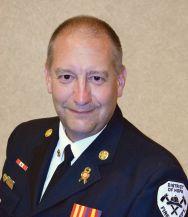
BY TOM DESORCY (Ret.) Fire Chief Hope, B.C.
OVOLUNTEER VISION
The importance of the interview
n more than one occasion I’ve spoken about recruitment when it comes to the volunteer fire service. While I’d be interested to know more about how some fire departments go about it, I’m quite sure it’s changed a lot over the years.
Are we actively going out and selling the service to bring in new people? What’s really missing when it comes to the recruitment issue? Is the actual process bringing people into the fire department?
On a recent Fire Fighting in Canada podcast, I had a great conversation on the interview process when it comes to the career side, and it made me think about the onboarding or recruitment of firefighters when it comes to them actually signing up and wanting to be part of the team. The recruitment is done, now we need to ensure they are right for the position. So, how do you conduct an interview for a volunteer firefighter? Is it still the same from the old days when you just took their phone number and said show up at the fire hall? I would like to think that today there is that process that takes place. It’s important if you don’t know the individual to find out more about them. You really need to ensure that the individual you are bringing on board is the right fit for the organization.
When it comes to the interview for a volunteer firefighter, are you actually treating it like a job interview?
Obviously there are certain regulatory issues that need to be dealt with but I’d be curious to know how those interviews go. Are the applicants surprised? Are they comfortable doing them? If not, then that’s too bad.
I’ve personally heard the criticism about turning some people away but for good reason. What other position, volunteer or otherwise, will you change a person’s life or their perception in the community instantly? When you are accepted, you automatically take on a certain responsibility and are recognized as a leader and a hero. That is a huge level of expectation that most aren’t ready for.
equipment, and they assume that you are there to help them in their time of need. Is this brought forward in the interview?
Whenever I interview a person, that wants to join and be a member, I always make the comment that their life is about to change.
It’s about full disclosure and ensuring that every person who applies and wants to be a member of the volunteer fire service knows exactly what they’re getting themselves into. During the hiring process for career firefighters, a lot of the fire departments employ psychological assessments or methods to ensure they’re bringing on the right people. A volunteer fire department may not be able to due to financial constraints, however, we have to be very diligent in the way we prepare people.
Gone is the day that the person who could simply “fog up a mirror” and be welcomed into the fire department just like that. Making sure they are aware of the real world of fire fighting is our responsibility.
They need to know about the family that they’re joining. They need to know how their own family could be impacted and they need to know the steps that we’re going to take to protect them and make sure they go home after every call.
Hopefully that during this process a firefighter applicant not only feels welcome to join the department but has a better understanding of just what it is they are getting involved with. ‘‘ ’’
Today, we take great lengths to limit a recruit’s exposure at calls. There is a certain time span that they must be identified as a rookie. The public, however, doesn’t see that. They don’t see the fact that the experience may not be there. They see the fire truck, the firefighters, the gear and the
Tom DeSorcy joined the fire service in 1983 and became the first paid firefighter in his hometown of Hope, B.C., when he became fire chief in 2000, retiring in 2023. DeSorcy is married with children and grandchildren. He is equally at home at a bonspiel, on the golf course, or in the kitchen, and continues to enjoy his connections to the fire service. E-mail Tom at tdesorcy@telus.net and watch for him on social media.
Hopefully during this process, a firefighter applicant not only feels welcome to join the department but has a better understanding of just what it is they are getting involved with. This is proper preparation and making sure that you don’t spend valuable time and budget dollars to bring a person into the organization that really is not suited for what they’re getting into.
This goes back to a previous column where I spoke of the sales pitch that we have to do in the fire service. That’s the recruitment part. Now we have to take it a step further.
As many more volunteer departments understand their “entry level” role into the fire service, today’s interview of new members might well be setting them on their way to a full-time career and we owe it to them to make sure they’re not disappointed or set up for failure.
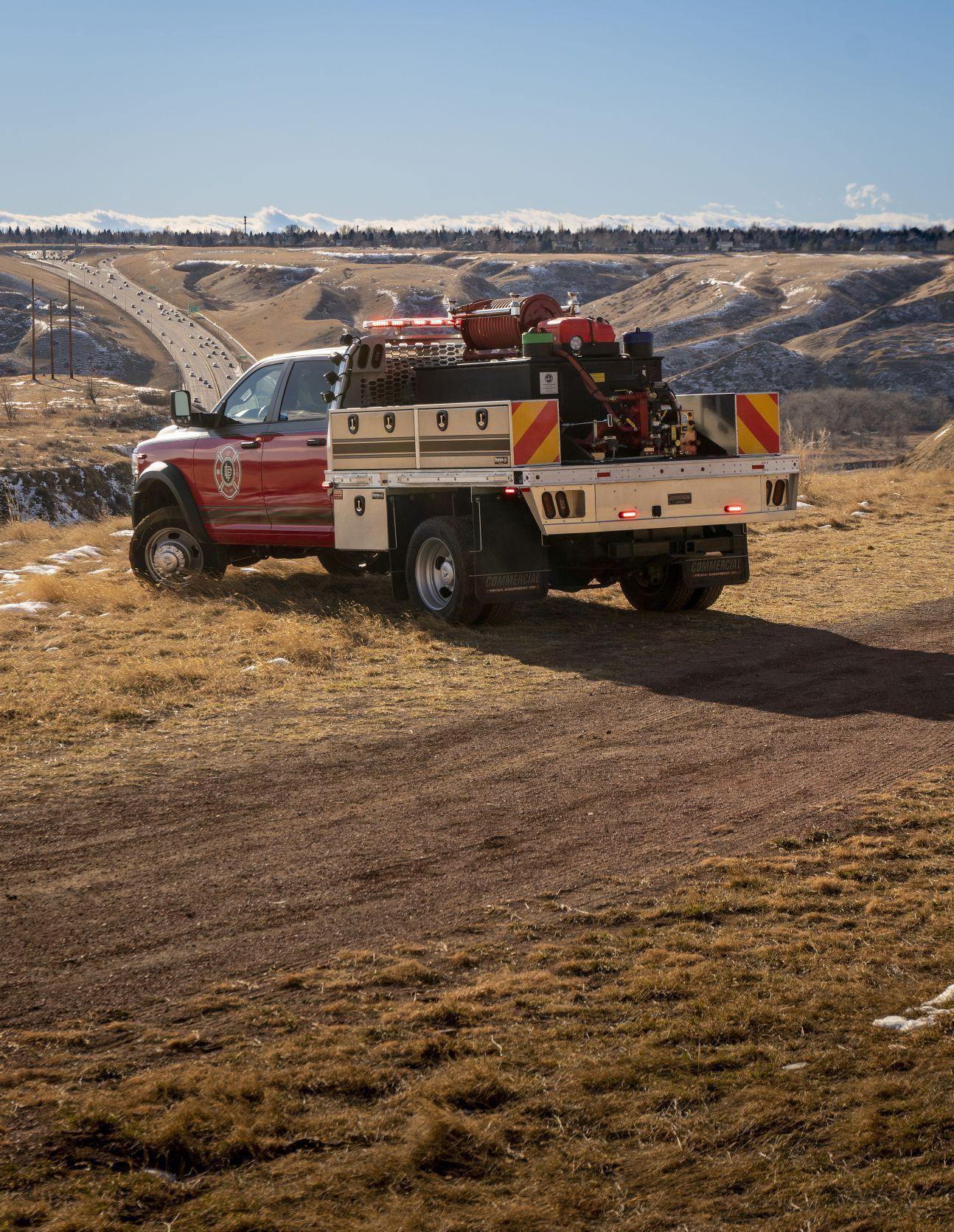
Ram 4500/F-450, 300gal Water, 10gal Integral Foam, 150’ Booster Reel, Whelen Light Package. Shockingly Low Cost.
Commercial Emergency Equipment’s custom Wildland-Urban Interface and light-attack brush truck is Canada’s most affordable solution in the Type 6/7 category. A turnkey configuration built to NFPA 1906, this truck meets the real-world needs and budgets of departments of all size with WUI and grassland areas in their response area.