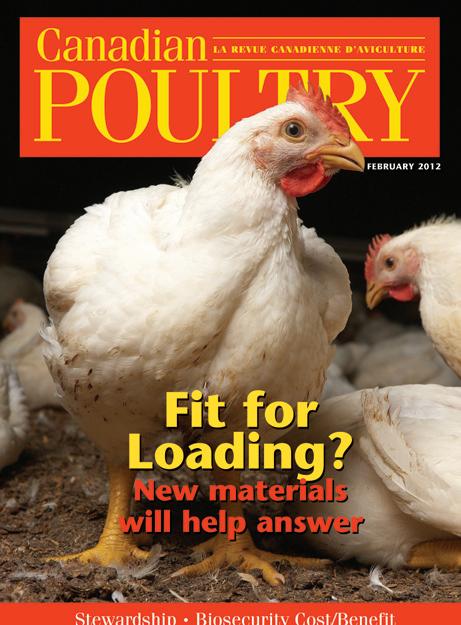
New educational materials will help answer this question by Sarah Thomson, Education Programs Manager, Poultry Industry Council
PIC UPDATE: Cost/Benefit of Biosecurity by Kimberly Sheppard, Research Co-ordinator and Tim Nelson, Executive Director
ECONOMIC OUTLOOK: Long-term Forecast
The economy is starting to resemble Saskatchewan’s weather by Jim Knisley
INDUSTRY: Feeding the World by Treena Hein
GLOBAL: All By Themselves
The Chinese want to raise their own poultry and livestock, and they’re saying ‘no thanks’ to offers of U.S. chicken by Treena Hein
HEALTH: Time Is Now for Stewardship
Exceptional management will be increasingly important for the responsible use of antibiotics in food-producing animals by Jim Knisley
COVER: By David Barr,
FROM THE EDITOR
BY KRISTY NUDDS
Breaking the Law?
Although animal rights groups are increasingly using “peaceful” tactics to influence animal welfare, law-breaking, non-peaceful tactics such as having members break into facilities and videotape the operation to “expose” rearing practices are still being employed.
But do these tactics break the law? In recent months, questions have been raised as to whether or not existing federal laws in the U.S., and laws being proposed in some states, enfringe upon the First-Amendent rights of animal rights activists.
A Jan. 13 article entitled “Where’s the legal line drawn in animal-rights activism?” in the Sacramento Bee, a California-based newspaper, reported that a new lawsuit filed by Minnesota activist Sarahjane Blum (the founder of Gourmetcruelty.com) and four other (unnamed) activists is challenging the Animal Enterprise Terrorism Act, passed by the U.S. Congress in 2006. The activists’ lawyer says in the article that the “law reaches too broadly” and that it “violates the first amendment rights of those who want to protest how animals are treated.”
The Act states that animal rights advocates may be prosecuted if their actions cause the loss of real or personal property of an animal enterprise, or if they travel across state lines for the “purpose of damaging or interfering with the operations of an animal enterprise.” It was created in part to respond to “the greater scope of terrorist activity,” according to Sen. Dianne Feinstein, who championed the bill in the House. She said stricter penalties were needed to stop activism evolving into violence, for example, bombings of laboratories that use animals for research.
The lawsuit spearheaded by Blum contends passive tactics such as picketing could now be targeted for prosecution because companies could lose business or have to pay for things such as extra security. Blum
says in the article that she is “stunned” that the important ethical work she has achieved (her website helped to persuade the California legislature to ban foie gras production in 2004) would be seen under the Act’s definition as an act of “terrorism.”
Although picketing companies or persuading consumers and government via web and ballot initiatives are clearly less invasive than direct acts of violence – such as the recent arson case at Harris Ranch, a large feedlot in California where activists torched 14 tractors and cattle-hauling trailers – it still affects the animal agriculture industry negatively. It also provides those who wish to see animal agriculture abolished a voice that is getting louder all the time.
And lawyers are listening. It is not only the Animal Enterprise Terrorism Act being challenged. A bill in Iowa that is awaiting Senate approval, and that will see those who are hired under false pretences at animal operations in order to film “gotcha” videos punished, has been challenged by Drake University law professors. In an opinion piece in the Des Moines Register last summer, it is argued that these videos “shoot the messenger” and that state lawmakers must realize First-Amendment rights prevent the government from banning video depictions even if it doesn’t like their message. The authors question what the animal agriculture industry is hiding, and argue people have a right to know what goes on inside the facilities where their food is raised.
It’s not only about welfare; food safety is also at issue. In November, McDonalds dropped Sparboe Farms as an egg supplier in the U.S. after a video depicting abuse and unsanitary conditions was released.
It will be interesting to see how promoting the animal rights message plays out under U.S. law. But who really benefits? I suspect it will be the lawyers.
Sales Assistant Mary Burnie – mburnie@annexweb.com
Production Artist
Gerry Wiebe
Group Publisher
Diane Kleer – dkleer@annexweb.com
President
Mailing Address
P.O. Box 530, 105 Donly Dr. S., Simcoe, ON N3Y 4N5
Publication Mail Agreement #40065710
RETURN UNDELIVERABLE CANADIAN ADDRESSES TO CIRCULATION DEPT., P.O. BOX 530, SIMCOE, ON N3Y 4N5.
Printed in Canada ISSN 1703-2911
Circulation
Subscription Rates
Canada – 1 Year $ 24.00 (with GST $25.20, with HST/QST $27.12)
GST – #867172652RT0001
USA – 1 Year $ 60.00 USD
Nothing says like Lubing's is designed to work in today's challenging broiler environment. Because the nipple has been optimized for growth, you will be amazed by the first-week performance and explosive bird growth. offers:
Large body and pin
Acid resistant design
Easy triggering for day-old birds
Low mortality
Increased side-action flow
Larger flow range for jumbo birds
Increased weight gains
Improved feed conversions
To find out more about and it’s outstanding performance, please contact your local Lubing Representative.
Glass-Pac Canada
St. Jacobs, Ontario
Tel: (519) 664.3811
Fax: (519) 664.3003
Carstairs, Alberta
Tel: (403) 337-3767
Fax: (403) 337-3590
J. Dean Williamson Ltd.
London, Ontario
Tel: (519) 657.5231
Fax: (519) 657.4092
Les Equipments Avipor
Cowansville, Quebec
Tel: (450) 263.6222
Fax: (450) 263.9021
Specht-Canada Inc.
Stony Plain, Alberta
Tel: (780) 963.4795
Fax: (780) 963.5034
Nadeau Denied Final Appeal WHAT’S HATCHING HATCHING
The Supreme Court of Canada has denied Nadeau Ferme Avicole Limitée’s (Nadeau Poultry Farm Ltd.) right to appeal a decision from a lower court ruling that favoured its rival, Groupe Westco, effectively ending a nearly four-year battle over the processing of New Brunswick chickens.
Nadeau (owned by Ontariobased Maple Lodge) began its fight with Groupe Westco in 2008, when nearly 80 per cent of its chicken supply was redirected to a plant in Quebec. Groupe Westco, which is made up of several poultry farmers in New Brunswick, was Nadeau’s biggest supplier and decided to ship its chickens to a processing plant owned by Olymel l.p. in Quebec instead of to the Nadeau plant, located in St. Francois de Madawaska.
Groupe Westco subsequently
formed a partnership with Olymel l.p. and is currently building a new processing plant in Clair, N.B., not far from Nadeau’s plant. Birds from the partnership are marketed under the brand name Sunnymel.
Nadeau argued that under the supply-management system in Canada, the chickens should remain in New Brunswick for processing. The N.B. government agreed, and tried to amend the Natural Products Act in that province with Bill 81, which would have prevented the shipment of birds out of the province. However, N.B. Justice Lucie LaVigne of the Court of Queen’s Bench dismissed the bill, saying the province didn’t have jurisdiction.
Nadeau then applied to a federal Competition Tribunal to prevent Groupe Westco from shipping its birds to Quebec. This application was rejected.
Nadeau took its complaint to the New Brunswick Court of Appeal, which ruled that
Groupe Westo had the right to have its birds processed in Quebec.
The Supreme Court of Canada appeal was Nadeau’s final option against Groupe Westco in court. However, Nadeau says it will continue to “compel the New Brunswick government to bring about a fair solution to the instability that exists in the New Brunswick chicken industry.”
In mid-December, Nadeau announced that it was cutting 25 per cent of its workforce (approximately 60 jobs). In September 2009, the company laid off 175 workers, which was nearly half of its workforce at the time.
Nadeau has been processing some chickens from Nova Scotia; however, this supply will end when a new processing plant opens near Kentville in June 2012. This new plant is a joint venture between N.S. poultry farmers and Maple Lodge, Nadeau’s parent company.
COMING EVENTS
Centre for Public Health and Zoonoses
The University of Guelph has opened a new research facility to help prevent and control emerging animalrelated diseases that threaten public health.
Based at the Ontario Veterinary College (OVC), the new laboratories will support investigations by researchers
Vets Urged to Halt Use of Antibiotic
The Public Health Agency of Canada warned B.C. poultry farmers and veterinarians to stop using a bovine antibiotic on chickens in late November. The use of the fluoroquinolone-based antibiotic in chicken is believed to be the cause of a significant spike in drug-resistant Campylobacter bacteria found
In mid-December, the Senate passed the federal government’s legislation to strip the Canadian Wheat Board of its monopoly over western wheat and barley sales.
Bill C-18 was given formal royal assent December 15. The Conservative majority in
in U of G’s Centre for Public Health and Zoonoses (CPHAZ). Scientists will use state-ofthe-art equipment to address new or re-emerging zoonotic diseases (those that can jump between animals and humans) such as the H1N1 flu virus, bird flu, E. coli O157:H7 and West Nile virus.
Newly created laboratories and equipment in the
in chicken tested from grocery stores.
This antibiotic is commonly used to treat respiratory infections in cattle, and in humans.
The increase was first noticed during routine sampling of B.C. chicken in 2009 by the Canadian Integrated Program for Antimicrobial Resistance Surveillance (CIPARS), and the level has remained high since then. Positive tests for the resistant strain of Campylobacter have ranged as high as 40 per cent.
The B.C. Centre for Disease Control says that the rate of
the Senate approved the bill by a vote of 51-33 after the government side invoked closure to speed the process.
The legislation, which ends a seven-decade monopoly by the Canadian Wheat Board, passed despite the fact it is being challenged in the courts.
The marketing agency’s board of directors wants the Manitoba Court of Queen’s Bench to declare the law invalid.
The directors say the
facility were funded in part by a $1-million grant from the Canada Foundation for Innovation and the Ontario Research Fund.
The Centre for Public Health and Zoonoses involves more than 40 U of G scientists, as well as government and industry collaborators. They investigate a variety of infectious diseases, including food-borne diseases and diseases affecting companion animals, food animals and wildlife.
human Campylobacter poisoning in British Columbia has been about 30 per cent above the national average during the past 10 years.
CIPARS is comparing Campylobacter cases in British Columbia and Saskatchewan (which also has above-average positive samples) with the bacteria from retail poultry to determine whether the same pathogen is infecting people who eat poultry.
CIPARS says the antibiotic in question is being used “offlabel” to prevent salmonella in chicken in breeder flocks.
Source: Vancouver Sun
government can’t alter the board’s mandate without a plebiscite among grain farmers.
A Federal Court judge ruled earlier this month that the bill violates the existing Canadian Wheat Board Act, which requires the plebiscite. Justice Douglas Campbell made it clear, however, that his ruling was simply a statement on the government’s actions. He did not order the government to stop the bill and said he wouldn’t interfere in the legislative process.
FEBRUARY
February 27, 2012
PECK!, an interactive education event for Alberta poultry producers focusing on biosecurity and emergency preparedness, The Capri Hotel and Conference Centre, Red Deer, Alta. For more information, contact your board office, or Christina Robinson tel: 403250-1197 ext. 125
MARCH
March 13-15, 2012 Midwest Poultry Federation Convention Saint Paul River Centre, Saint Paul, Minn. For more information, visit: www. midwestpoultry.com.
APRIL
April 11-12, 2012
The London Poultry Show Progress Building, Western Fair Entertainment Centre, London, Ont. For more information, visit: www. poultryindustrycouncil.ca
MAY
May 8, 2012
PIC Research Day Victoria East Golf Club, Guelph, Ont. For more information, visit: www. poultryindustrycouncil.ca
JUNE
June 10-12, 2012
CPEPC Convention
Fairmont le Manoir Richelieu, La Malbaie, Charlevoix, Que. For more information, visit: www. cpepc.ca
HATCHING HATCHING
U.S. Industry Consolidation
Rabobank Group analysts say that the U.S. chicken industry will require significant changes following a “disastrous” expansion phase.
Rabobank analysts David Nelson and Adriaan Weststrate said in a Dec. 12 report that although chicken companies reduced production in the latter half of 2011, the industry needs to “consider plant closures more intently.”
“Without plant closures,” they said, “excess capacity will likely continue and U.S. own-
ership of the industry could become undermined.”
They said that the most recent slump is rooted in the decision of the industry to expand production in a “mature” market during a slow economy.
Eventually, the U.S. chicken industry “is likely to evolve so that it comes into stronger and fewer hands,” said the Rabobank analysts.
Netherlands-based Rabobank is a large U.S. agricultural lender.
U.S. Restricts
Antibiotic Use
The U.S. Food and Drug Administration (FDA) announced in early January that they will restrict the use of certain antibiotics in livestock and fowl to prevent humans from developing resistance to the drugs.
The FDA issued an order that bars the unapproved veterinary use(s) of cephalosporins in cattle, swine, chicken and turkeys as of April 5, 2012.
This class of antibiotics can only be used to treat animal illnesses “under specific conditions,” and can’t be used for disease prevention. Injections
of the drugs into unhatched chicken eggs are also prohibited by the order.
Cephalosporins are used to treat pneumonia, skin infections, pelvic inflammatory disease, diabetic foot infections and urinary tract infections in humans, according to the FDA.
The restrictions don’t apply to “minor species” of food animals such as rabbits and ducks, and veterinarians can treat all livestock with an older type of cephalosporin called cephapirin that the FDA said is unlikely to fuel antibiotic resistance.
JULY
July 9-12, 2012 Poultry Science Association Annual Meeting
Georgia Center, Athens, Ga. For more information, visit: www.poultryscience.org
AUGUST
August 5-9, 2012 XXIV World’s Poultry Congress Salvador, Bahia, Brazil. For more information, visit: www.wpc2012.com
SEPTEMBER
September 11-13, 2012
Canada’s Outdoor Farm Show
Canada’s Outdoor Park, Woodstock, Ont. For more information, visit: www. outdoorfarmshow.com
We welcome additions to our Coming Events section. To ensure publication at least one month prior to the event, please send your event information at least eight to 12 weeks in advance to: Canadian Poultry, Annex Business Media, P.O. Box 530, 105 Donly Dr. S., Simcoe, ON N3Y 4N5; e-mail knudds@ annexweb.com; or fax 519429-3094.
Transport
Fit for Loading? New educational materials will help you answer this question
by Sarah Thomson, Education Programs Manager, Poultry Industry Council
The welfare of poultry in commercial livestock systems has been identified as a hot topic across North America and Europe in agriculture. From new poultry housing legislation in California to the banning of cages in the EU, increased consumer interest is driving change within our industry.
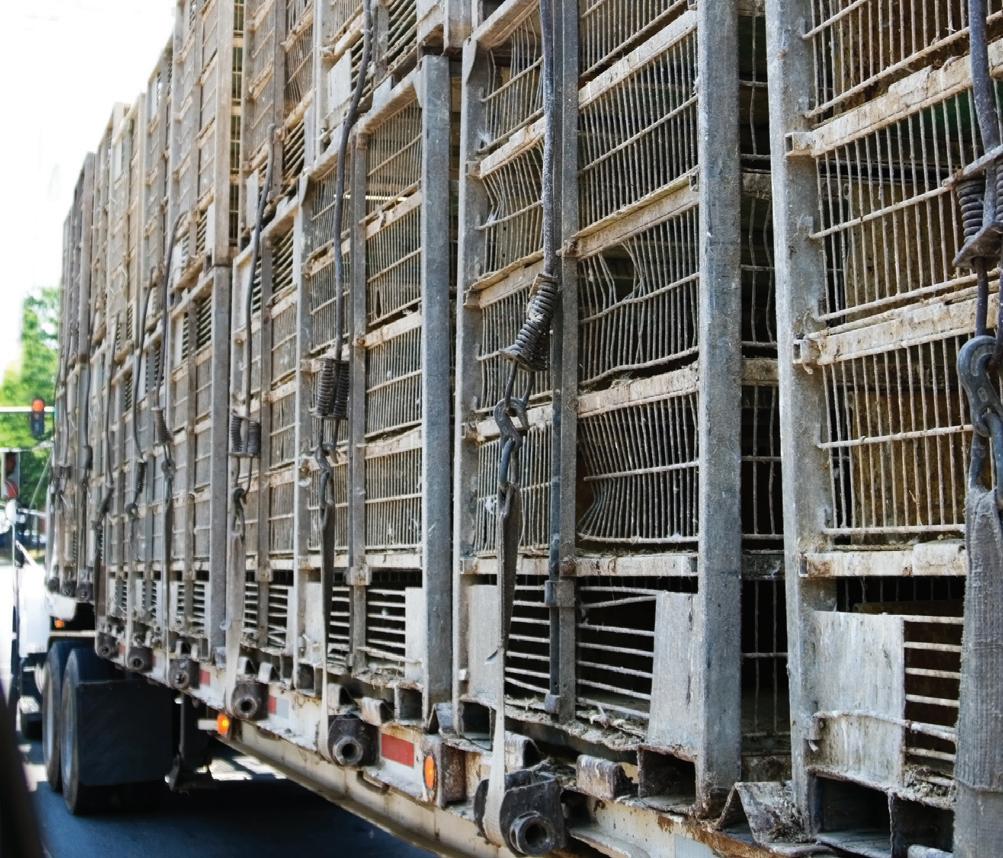
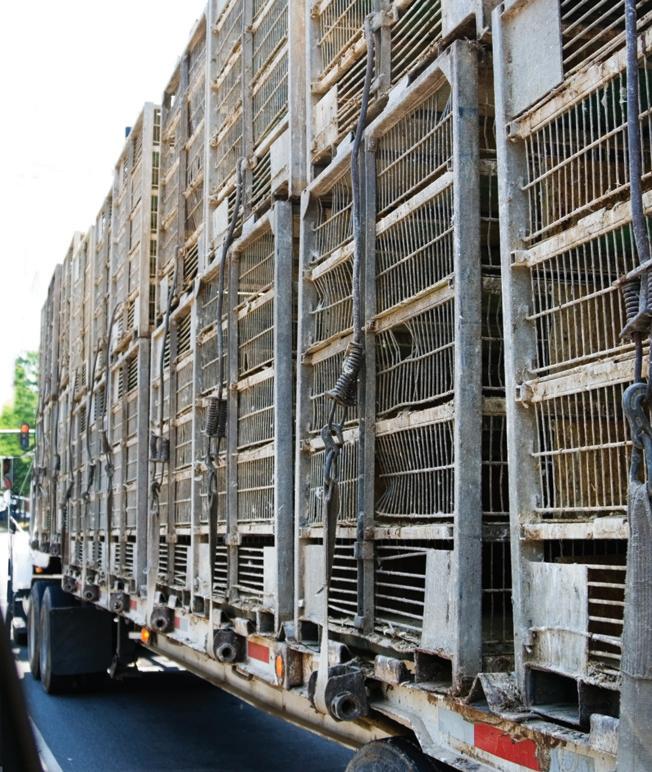
In Canada, a major welfare concern gaining momentum is the transportation of birds to slaughter. Our tremendous variation in climate — sub-zero temperatures, extreme windchills and snowfall in winter, cool and wet weather in spring and fall, and hot, humid summers — presents numerous transport challenges. These transport challenges add additional stressors for the birds who are also trying to adapt to being mixed with unknown birds in a new environment without access to food or water. Loading compromised birds into a stressful environment makes transportation more difficult and increases the incidence of having a high number of “dead on arrivals” (DOAs) at the plant.
EYE ON TRANSPORT
In Canada, a major welfare concern gaining momentum is the transportation of birds to slaughter. However, our tremendous variation in climate presents numerous transport challenges.
Unlike other livestock sectors, the poultry industry is behind with respect to providing educational materials to those involved in the handling and transport of birds. The cattle, swine, sheep and goat industries have led the way by creating and utilizing transport decision trees that assist farm managers and transport crews with making decisions about which animals are fit for transport. Such decision trees have been in use for the past 20 years, and are updated as new regulations and results from research are implemented.
Representatives from the Agri-Food and Rural Link Program, Ontario Ministry of Agriculture, Food and Rural Affairs (OMAFRA), Poultry Industry Council (PIC), University of Guelph (U of G), Ontario Farm Animal Council (OFAC),
and the Ontario Provincial Marketing Boards (Chicken Farmers of Ontario (CFO), Egg Farmers of Ontario (EFO), Turkey Farmers of Ontario (TFO), and the Ontario Broiler Hatching Egg and Chick Commission (OBHECC)) partnered and funded the development of poultry-specific educational materials for the poultry industry in Ontario.
This project has developed a set of resources entitled “Should this bird be loaded?” that will help catching crews, transporters and farmers decide whether or not a bird is fit for transport. By identifying visual symptoms associated with DOAs and common condemnable conditions and by providing reminders regarding transport conditions, these resources should help to reduce loading of birds that are unfit for transport.
DEFINITIONS AND CODES
The materials found within the “Should this bird be loaded?” documents were based on other livestock transport decision trees and were reviewed by transporters, catchers, processors, marketing boards, government, academia and poultry farmers from each of the sectors. The material was also guided by the following definitions and codes:
The U.K. Farm Animal Welfare Council defines animal welfare generally by stating, “The welfare of an animal includes its physical and mental state. Any animal kept by man, must at least, be protected from unnecessary suffering.”
The Canadian Health of Animals Act (138 (2)(a)) states, “No person shall load... or transport... an animal that by reason of infirmity, illness, injury, fatigue or any other cause cannot be transported without undue suffering during the expected journey.”
THE
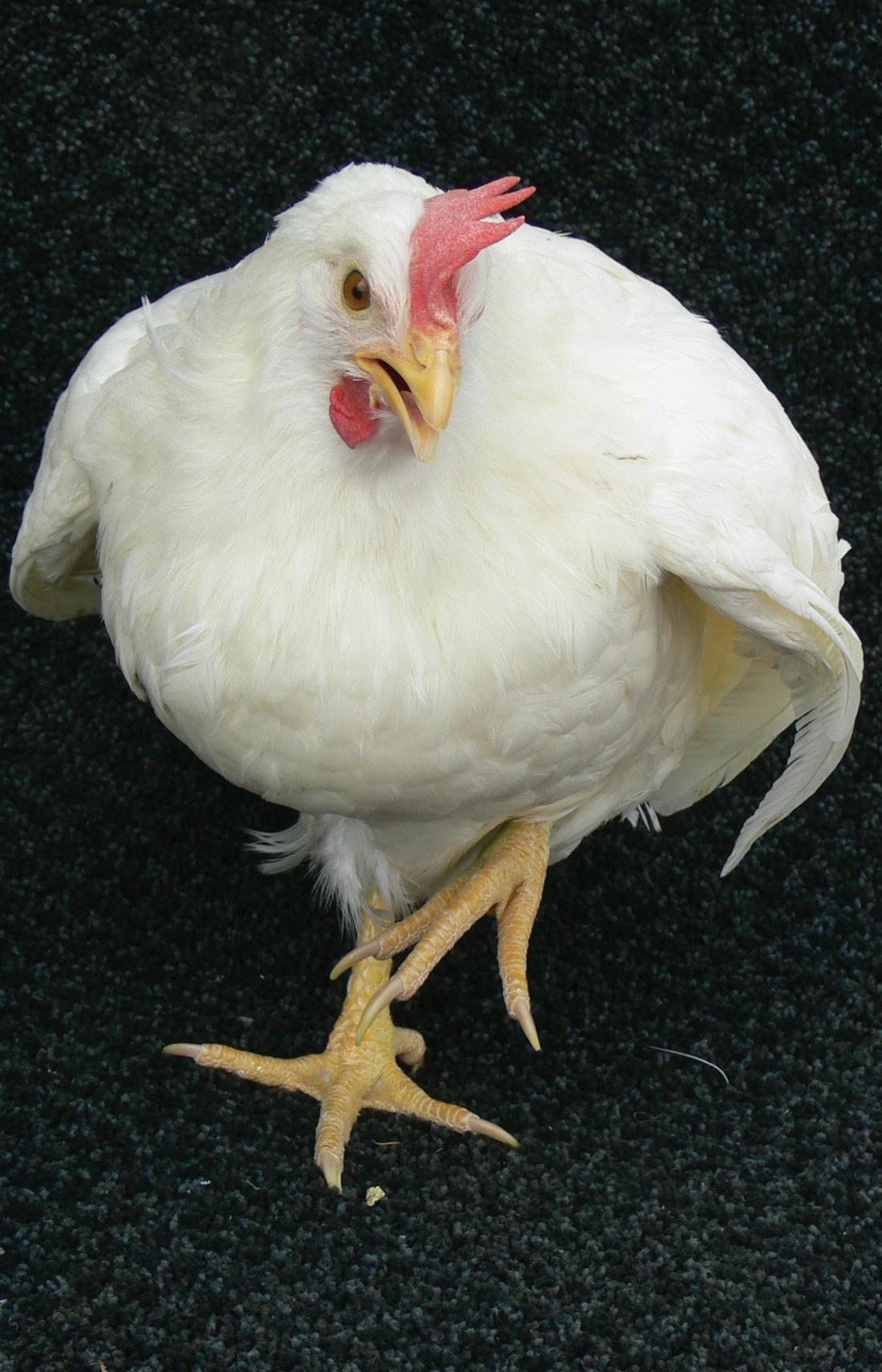
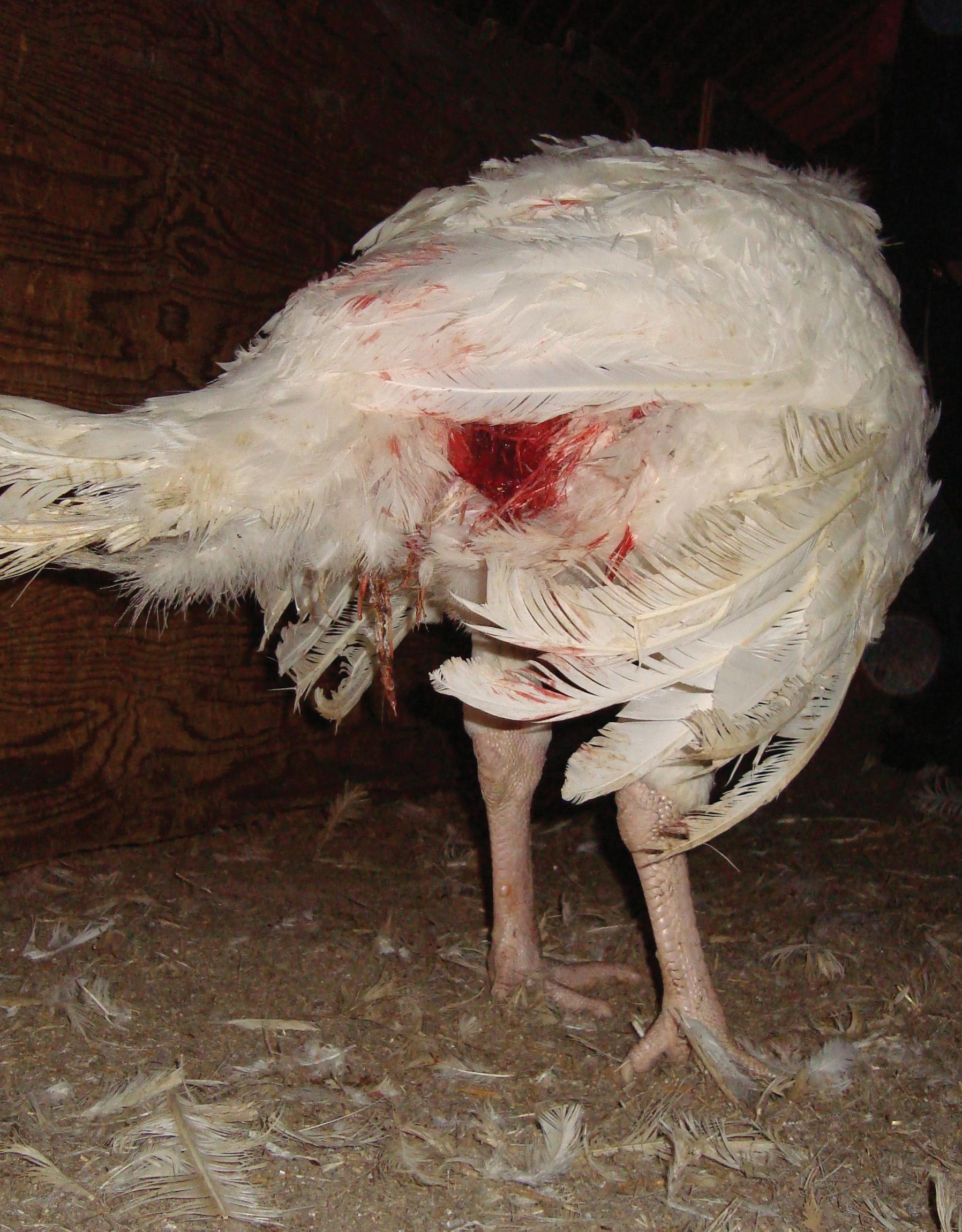
“SHOULD THIS BIRD BE LOADED?” EDUCATIONAL MATERIALS HELP PRODUCERS IDENTIFY WHICH BIRDS ARE NOT FIT FOR TRANSPORT, SUCH AS THE LAME AND INJURED BIRDS ABOVE.
The Canadian Agri-Food Research Council (CARC) states within its Codes of Practice (7.1.18) that: “Loading of compromised birds such as visibly sick, injured, disabled, or wet birds (in cold weather) or birds with any other condition that further compromises them must be avoided.”
STATISTICS
Table 1 (below) provides a brief overview of the percentage and number of birds that are dead on arrival or condemned at the processing plant.
Table 2 (page 12) lists the top four reasons broiler and turkey carcasses are condemned. The challenge lies with identifying the visual symptoms associated with these condemnable conditions and preventing the birds that are most likely to be DOA or condemned from being loaded onto the truck. The “Should this bird be loaded?” materials will provide individuals (those in charge of making loading decisions) with industryaccepted information and guidance to make the right decision to help reduce the number of birds which are condemned at
TABLE 1
the slaughter plant. The decision tree materials will in no way eliminate all of the condemns, as some conditions do not provide external visual cues; however, it should reduce the number of unfit birds being transported.
FEDERAL LEGISLATION AND FINES
The need for a poultry loading decision tree is compounded by a number of factors. Of primary importance is the welfare of the birds – to ensure birds are handled and transported in a manner that protects bird welfare, the Canadian Food Inspection Agency (CFIA) has increased its Administrative Monetary Penalties (AMPs) to those who violate the Health of Animals Act.
Previously, minimum fines were set at $500, and maximum fines at $4,000; now minimum fines are set at $1,300 and maximum fines at $10,000. Not only have initial fines increased, but also the CFIA can now issue up to a $15,000 fine for repeat offenders and can reference the previous five years (instead of three) for earlier offences. Repeat offenders will also be posted on their publicly available website.
*Note Layer and Broiler Breeder Statistics are not collected through the CFIA and information was only available from Eastern Canada
DECISION TREE MATERIALS
This project has resulted in the development of three resources that can be referenced when loading poultry. The resources are a double-sided laminated Decision Tree document; an Anteroom Poster (containing the same information as the Decision Tree); and a handbook that provides more detail on the components within the Decision Tree.
Transport
Decision Tree
(Double-sided 8.5" x 11" laminated document)
The front of the “Should this bird be loaded?” decision tree has three main sections: Do Not Load Conditions, Caution Conditions and Regulations and Fines.
The “Do Not Load Conditions” include physically injured, weak, thin and emaciated birds and signs that a bird is sick, such as a discolored comb or wattle.
All of the conditions in the “Caution” category should be assessed by the farm manager before transport and catching crews arrive. This section includes cautions with respect to the environment, the entire flock and individual birds.
The “Regulations and Fines” section presents information contained in the Health of Animal Regulations and information regarding fines and actions that will be taken against violators of the act.
The back of the decision tree provides visual representations of birds that should not be loaded, such as birds with broken wings, and birds that appear weak and emaciated. It also provides a reminder regarding the “Identify – Cull – Dispose” concept, which promotes proactive attention for farm crews to cull unfit birds prior to loading. Good husbandry will lead to good welfare for the birds and it is the responsibility of the farm staff to decide whether a bird is in condition to endure transport. This should not be the responsibility of the catching crews. Environmental factors and loading density recommendations are also provided.
Anteroom Poster
A poster has been created that can be hung in barn anterooms. The poster contains the same information as the decision tree, but the information has been captured on a single side of a 11" x 17" laminated poster.
Decision Tree Handbook
(4" x 5" 30-page laminated handbook)
The handbook provides an easy-toread, in-depth description of each of the points contained within the decision tree document.
Welfare Definitions
Federal Regulations
“Do Not Load” Conditions
Identify – Cull – Dispose
Information and Guidelines
Handling Guidelines for Catching Crews
Caution Conditions
Definitions
Contacts
These materials will be released through the Ontario Marketing Boards (CFO, EFO, TFO, OBHECC), the Association of Ontario Chicken Processors and the Poultry Service Association. Materials can also be ordered through the Poultry Industry Council or the Farm & Food Care Foundation. Materials will be distributed to marketing boards across Canada.
These materials are intended to assist poultry handlers and producers in making ethical and responsible decisions regarding poultry transportation. For more information on the Decision Tree and the “Should This Bird Be Loaded?” materials, see the PIC Pick’s section on page 16.
Whether a pullet or a mature hen, peak lay performance requires a well developed skeletal frame built with only the strongest bones. Research indicates that bones with the best strength come from diets supplemented with ROVIMIX® HY-D®. Science suggests that ROVIMIX® HY·D® provides birds with all the 25-hydroxyvitamin D3 they need to develop and maintain bones that can withstand the stresses of egg production. In young pullets, stronger bones are necessary for optimal lay persistence which can translate into more eggs. As the hen ages, ROVIMIX® HY-D® will help promote better egg shell quality.
To learn more about how ROVIMIX® HY-D® can strengthen your flock, contact your DSM Nutritional Products Account Manager or go to www.unlimitednutrition-na.dsm.com or call 1 800 526 0189.
Cost/Benefit of Biosecurity
Tips on how to prevent the introduction and spread of disease on your farm
BY KIMBERLY SHEPPARD, RESEARCH CO-ORDINATOR
Once contaminated, poultry facilities are difficult and expensive to clean, sanitize and disinfect. Visible signs of disease are only the tip of the iceberg, beneath which there may be less obvious subclinical disease, which can be devastating economically, over a long period of time. Bird-to-bird transmission of diseases may result from direct contact with an infected bird or from indirect contact with fomites such as feathers, feed, unclean footwear and clothing and fecal material from birds or bird mortalities.
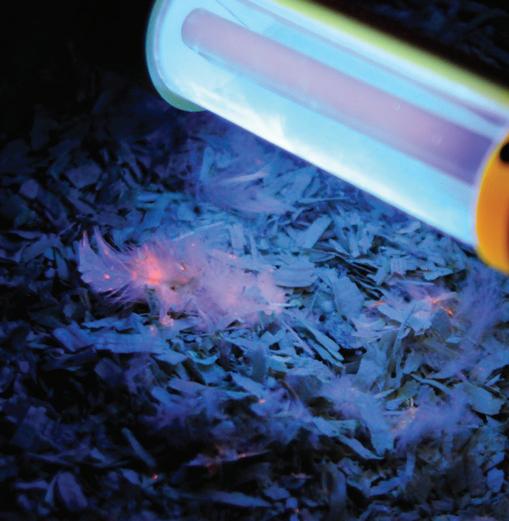
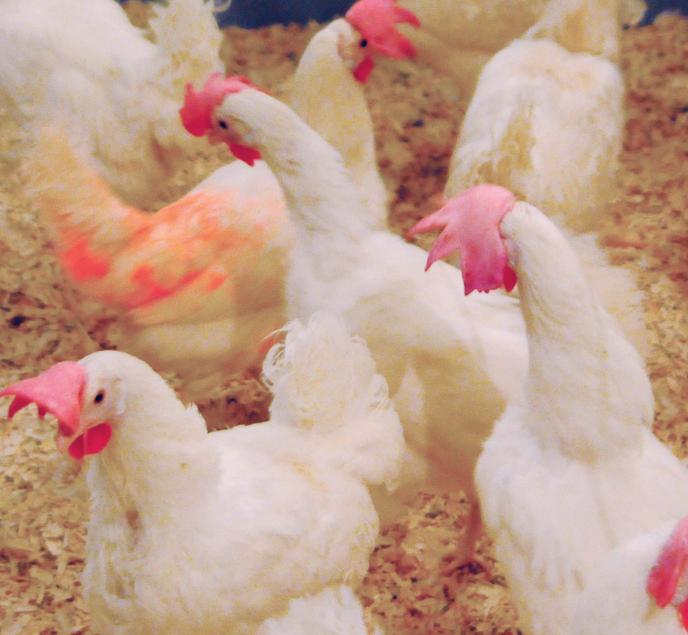
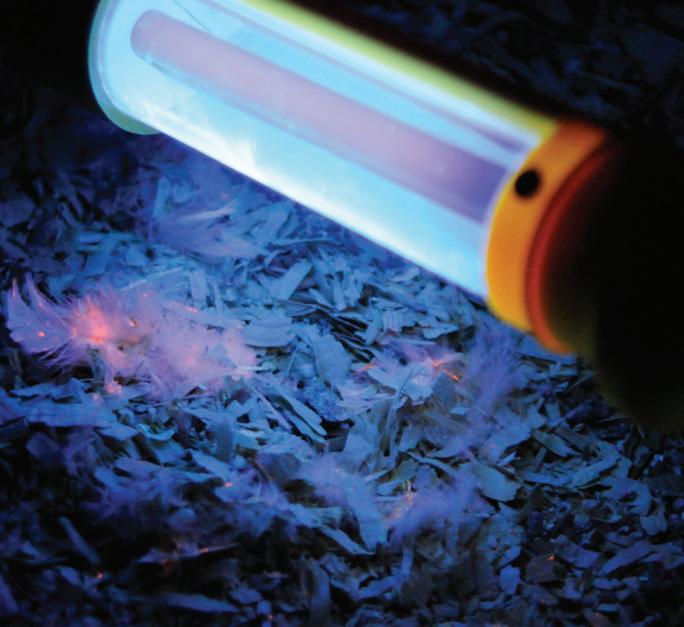
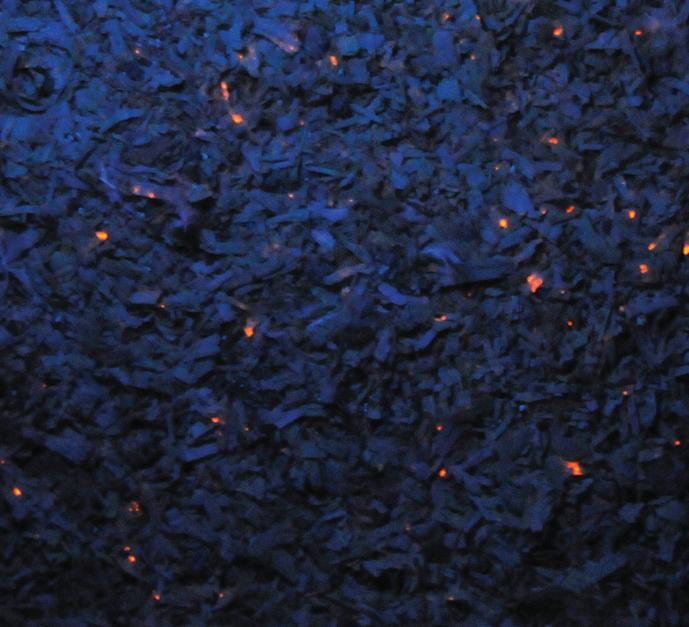
For demonstration purposes, we have “infected” one bird* (see photo 1) with Glogerm – an orange dust that luminesces under UV light. The pictures demonstrate that in less than half an hour, half of the birds in the pen become “infected” through direct contact with the first bird or through indirect contact with “infected” dust (photo 2) that has been shed onto the bedding and through loose feathers (photo 3).
QUARANTINE YOUR FLOCK AND MANAGE DEADSTOCK
Quarantining Birds
1. Record histories of any diseases and vaccinations for all new birds
2. Keep show birds or new birds away
from the rest of the flock for at least two to four weeks and monitor them for signs of illness.
3. Always care for the birds in quarantine last; equipment in the quarantine area should never leave the area; clean the quarantine area last in the daily routine.
4. Do not allow people who keep poultry, or who have recently been in contact with other birds near your birds.
Managing Deadstock
1. Have a designated area and sealable bin for deadstock that is well away from live poultry.
2. Remove mortalities daily. Store or dispose of them by freezing, composting or rendering.
3. After mortalities have been cleared
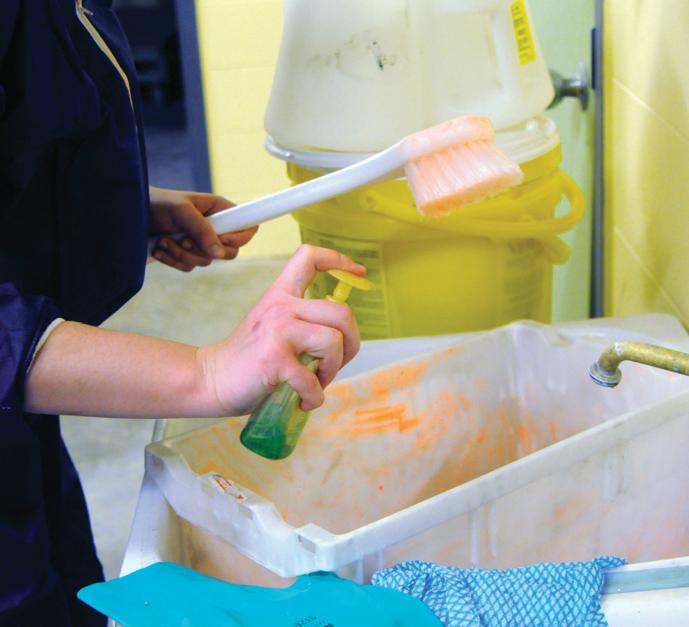
from the facility, clean and disinfect the collection bins thoroughly with disinfectant (photos 4 and 5). If you have questions about options for deadstock disposal or the new regulations, please contact the Agricultural Information Contact Centre at 1-877-424-1300.
PERSONAL PROTECTION
To prevent the spread of bacteria and viruses between barns and to protect workers and their communities, rigorous attention to biosecurity and occupational health measures, such as wearing personal protective equipment (PPE) is important during everyday barn management activities. Objects such as contaminated boots, coveralls, and transport vehicles, can be
PIC Update
SHOWN HERE IS CONTAMINATION FROM OUTSIDE SOURCES. THIS CAN BE PREVENTED BY ENSURING THAT PPE IS PLACED OVER BOOTS AND OUTER CLOTHING BEFORE GOING TO THE AREA WHERE
risk factors for pathogen transmission. It is therefore not only important to “suit up” prior to going into your barn, but also to pay attention to how coveralls and such items are removed, disinfected and/ or disposed of.
PPE kits comprise coveralls, rubber/ plastic cover-over boots, gloves, hair caps and masks and can ordered in Ontario free of cost.**
Recommendations For PPE
1. Ensure that your barn is equipped with PPE. Types of coveralls available include washable coveralls that can be easily cleaned and disinfected, and disposable coveralls.
2. Provide a designated area such as an anteroom or clearly marked area where PPE is kept and can be put on and taken off (“donned” or “doffed”).
Ensure that PPE is placed over boots and outer clothing before going to the area where the birds are kept to ensure there is not any contamination from outside sources. Discard or wash all PPE after leaving the birds and before leaving the property.
Pay attention when “donning and doffing” coveralls – the aim is to minimize the risk of transfer of any organic materials from your coveralls to your street clothes
Have designated bins to dispose of “dirty” PPE. If coveralls are washable, have specific washing machines and appropriate disinfectant.
REFERENCES
BIRDS ARE KEPT.
Poultry Facility Biosecurity, John B. Carey, http://repository.tamu.edu/bitstream/handle/1969.1/87791/pdf_823.pdf?sequence=1
Biosecurity Recommendations for Small Flock Poultry Owners, http://www.omafra.gov.on.ca/english/livestock/poultry/ facts/05-079.htm
Biosecurity for Poultry at Community Farms. Brigid A. McCrea, Francine A. Bradley, http://books.google.ca/books?id= 47PgLms6LXoC&lpg=PA8&ots=adisahGU
PIC’s Picks
In the last issue of Canadian Poultry magazine, we said that the Poultry Industry Council (PIC) would be looking at some cool, clever stuff for using the new technologies (such as those for Smartphones).
We’re pleased to be able to give you a taste of this using the Poultry Loading Decision Tree Tool (see article on page 10 for details on the decision tree), which you can upload onto your cell simply by using the QR code – the funny looking square pattern – you see on page 19. You’ll find the resolution of the photographs on your tiny screen very clear. However, if you’re over 50 you’ll probably need to zoom in on the words, and it’s a pdf document so you will need to scroll through it. Later in the year we’ll be updating your ease of
Transmission of porcine reproductive and respiratory syndrome virus by fomites (boots and coveralls), http://www.aasv.org/ shap/issues/v8n4/v8n4p169.html
For examples of types of anterooms and how to construct them, see The Design, Development and Construction of Anterooms on Poultry Farms in B.C. and Ontario at http://www.agbiosecurity.ca Protective measures and human antibody response during an avian influenza H7N3 outbreak in poultry in British Columbia, Canada, Danuta M. Skowronski., et al., http://www.ncbi.nlm.nih.gov/pmc/articles/PMC1764568/
*Glogerm is a completely safe, non-toxic product, and birds were not harmed during this experiment.
** Funding for PPE kits provided by OMAFRA. To order visit: http://www.omafra.gov.on.ca/english/livestock/poultry/ smallflock.html
BY TIM NELSON
access by developing an easy-to-navigate Loading Decision Tree App. But for now, give this a try.
The Poultry Loading Decision Tree is a very useful educational, instructional and important decision support tool for use in the barn, and being able to view it on your Smartphone is just one of the ways in which the information is being made available to you.
All you’ll need to upload this terrific tool is a smartphone capable of reading QR codes (most can) and here’s what you do:
Step 1. Go to the Apps store supported by your platform
Step 2. Download a QR Code Reader. RedLaser (all one word) is good for Androids and izphones and QR Code
Scanner Pro is good for BlackBerry devices. They’re all free! Here’s where you can find them online: Androids go to: https://market.android. com/details?id=com.ebay.redlaser BlackBerry go to: http://appworld.blackberry.com/webstore/content/13962 Mac iOS go to: http://itunes.apple. com/us/app/id474902001?ls=1&mt=8
If you’ve downloaded apps before, this will be easy. If you haven’t, simply follow the instructions on the websites (above). If you’re still struggling, give the phone to someone between ages 10 and 22 and they’ll have it loaded in less than a minute! I do this all the time with new technology.
Step 3. Once you have loaded the QR Code reader, enable the application and follow the instructions on how to read a QR code.
Step 4. Read the QR code on this page and your phone will automatically upload the Decision Tree Handbook onto your phone. It’s incredibly quick and it will look like the photograph on this page. You’ll then be able to access the Decision Tree Handbook as a PDF wherever you are and whenever you need it. Having a backlit phone screen will make it much easier to see in poultry barns than a book and once you’ve looked up whatever you want to find you simply slip it back into your pocket!
Now, I hear some of you saying – “why would I want that?” You may not – but remember this was a trial run to get you into the swing of downloading the type of useful tools we’ll be developing for you later in the year. We aim to bring you stuff you will want – stuff designed by farmers
PIC Update
for use by farmers. Have fun playing around with this and familiarizing yourself with these technologies.
If you haven’t understood a word on this page or you’re not sure why we’re printing this, ask your teenage son, daughter, niece or nephew what it is all about. They understand this stuff and it is, without
doubt, the future of information transfer.
If you still don’t get it, you can always phone your marketing board field officer for the hard copies.
For more information on the above or if you would like to be involved in our apps development work, please contact us at 519-837-0284.
ANIMAL HEALTH STARTS ON THE FARM
How prepared is your farm?
Reduce the risk of animal diseases such as foot-and-mouth disease (FMD) by practising sound biosecurity on your farm.
• Have a biosecurity plan in place and review it regularly.
• Observe your animals for signs of disease.
• Call your veterinarian if you think one or more of your animals might be sick.
Talk to your veterinarian about biosecurity measures and how they can be applied to your farm. They’re the best investment you can make to help keep your animals and your business healthy.
For more information call 1-800-442-2342 visit www.inspection.gc.ca/biosecurity follow us on Twitter: @CFIA_Animals
Economic Outlook Long-term Forecast
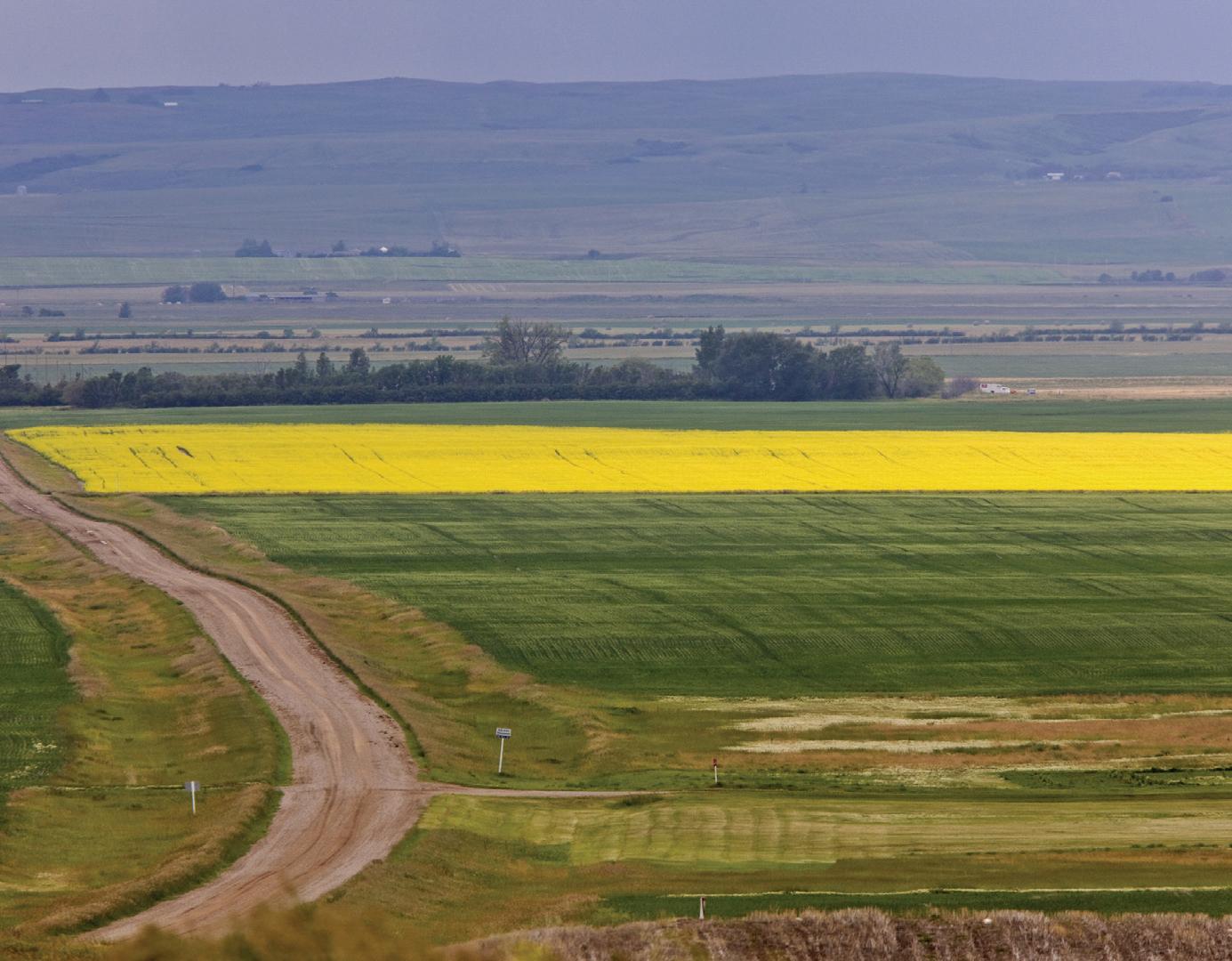
The economy is starting to resemble Saskatchewan’s
weather
BY JIM KNISLEY
There’s a saying in Saskatchewan that goes, “If you don’t like the weather, wait an hour.”
The implication and the reality is that in the summer, Saskatchewan’s skies can go from rain, to sun, to hail, to calm, to gale force winds — and that’s all within the same day. But the long-term forecast is generally pretty good, calling for lots of sunshine.
The TD Bank’s economic forecast for agriculture reads something like that. It says farmers’ long-term prospects are bright, with unprecedented opportunities, but the near term is likely to be unpredictable and volatile.
The unpredictability and volatility are coming from all directions. Among the factors are the global economy, unsettled weather patterns, investor interest in commodities and insecure consumers.
Farmers can cope with the uncertainty but it will take planning, TD says. This can include a number of smart strategies such as hedging, ensuring credit is in place before it is needed, and using reasonable interest rate assumptions when assessing investments.
In its annual agriculture forecast, TD says that “Canada’s agriculture sector has been enjoying a revival since 2006, underpinned by booming emerging market growth, strong overall global food demand and relatively high prices. With many of these positive longer-term factors expected to remain in place, this period of unprecedented opportunity for the nation’s crop and livestock farmers is likely to stretch out over the foreseeable future.”
However, challenges remain. Chief
Economic uncertainty has spilled over into farming, resulting in “an era of elevated shorter-term volatility in virtually all aspects of farming,” says a TD report.
among the challenges is unpredictability.
Speaking at an agriculture outlook meeting in Delhi, Ont., in December Dina Cover, a TD economist. said TD is continuously assessing its forecasts and as 2011 came to a close the volatility and unpredictability was growing.
Europe was searching for solutions to severe debt problems plaguing Greece, Italy, Spain, Portugal and Cyprus. These problems were spilling over into France and threatening to undermine the Euro. There is the possibility of a European recession, particularly if austerity measures designed to rein in government debt undercut overall growth. If Europe falls into recession the impacts will spread.
The United Kingdom, while not a member of the European Union (EU), was struggling to deal with a stalling economy and
debt, and even Germany faced the prospect of slower growth.
Meanwhile, economic growth in China (which was still growing strongly, compared with other nations) was slowing.
The United States “is very, very fragile” struggling with slow growth, high unemployment, high personal and public debts and a political stalemate, she said. There are also persistent calls for cuts in government spending at municipal, state and federal levels. If such cuts occur, they “could tip the economy further down. It would be better to delay spending cuts beyond 2013,” she said.
Canada came out of the recession stronger than most other developed nations but the economy is now slowing and job growth is stalling. If the situation deteriorates it may require action by the Bank
BEST AND WORST OF TIMES
Every farm is unique and requires tailored financing solutions backed by experts who understand Agriculture. Find out more by contacting one of our Regional Agriculture Specialists. We understand your
® / The TD logo and other trade-marks are the property of The Toronto-Dominion Bank or a wholly-owned subsidiary, in Canada and /or other countries.
Economic Outlook
of Canada and the federal and provincial governments.
All the uncertainty has spilled over into farming, resulting in “an era of elevated shorter-term volatility in virtually all aspects of farming,” the TD report said. “Such volatility is characterized by largerthan-historical swings in market prices for agricultural products, as well as most other commodities, foreign exchange rates and input prices.”
When this is accompanied by increased investor participation in commodity markets and unpredictable weather patterns the result is “the best of times and the worst of times for Canadian agriculture producers.”
For the next two or three years, grain prices will likely remain elevated because of tight supplies and strong demand, the report said.
“Looking further out, there are several factors that will help to keep prices on this higher plateau. Population and income growth in emerging markets is expected to remain strong, leading to ongoing consumption growth for agricultural commodities – animal products in particular,” the report said.
“While demand continues to grow, supply may not be able to keep pace. According to the OECD, yield growth has decelerated over the past 10 years and is expected to slow even further in the upcoming decade. In all likelihood, Mother Nature will continue to limit supply growth, not just through adverse weather conditions, but through water shortages, as already experienced by some countries, among them Australia. As a result, the global stocks-to-use ratio for several agricultural commodities is likely to decline.”
Limited growth in supplies coupled with rising demand, should underpin higher prices. But higher prices may not mean higher farm incomes. “We are not predicting an income boom in the overall farm sector,” the TD report said. “Input costs are likely to grow in line with farm prices, limiting growth in net incomes. In particular, energy prices are also expected to remain elevated, driving up both costs on farm as well as transportation costs.”
A strong Canadian dollar appears here to stay, limiting demand and prices for Canadian-grown products. This makes it “crucial for Canadian producers to expand their export markets beyond the U.S. as well as into niche markets that offer opportunities to charge premium prices.”
In addition to the squeeze from rising variable input costs, farmers will continue to face higher land costs. A positive factor is low interest rates, which are expected to continue for some time. The Bank of Canada is expected to keep its overnight target rate at 1% until early 2013, keeping a lid on retail and commercial borrowing rates. This provides Canadian farmers with the opportunity to invest in productivityenhancing machinery and equipment.
WATCH THE WEATHER
As every farmer knows, even the best-laid plans can be savaged by extreme weather.
“Weather conditions have become more variable, while the number of natural disasters globally has been on the rise,” the report said.
Extreme weather can have a dramatic impact on prices. Commodity markets tend to react to severe weather by initially fearing the worst, then recover some stability when a clearer picture of the extent of the damage is seen.
But a clear picture can be hard to find. Huge swings have become common for USDA estimates, resulting in equally large swings in prices and farmer seeding intentions.
These swings can be intensified global investors. It is estimated that as much as US$300 billion is currently invested in commodities through vehicles such as exchange traded funds.
These “non-commercial net long positions on the Chicago Board of Trade remain quite elevated for crops, and the picture in the livestock sector is similar.” A case can be made that this financial-market speculation can lead to more violent short-term price movements. For example, “when investors get nervous, they pull out of investments that they perceive to be riskier, including commodities.”
All of this volatility also affects sup-
ply-managed commodities because of the swings in input prices and exchange rates. “While supply-managed businesses in Canada enjoy protection on output prices, they get affected by changes in both input prices and exchange rates,” the report said.
COPING WITH VOLATILITY
With the volatile environment likely to persist over the next few years, smart strategies can be put in place to help protect against these swings, TD says.
These include:
Have a plan for the future – perhaps a surprise to some, but many farmers don’t have a plan in place that paints a vision for where they want to take their operation over the next two, five and 10 years. It’s not only important to design a plan, but communicating this plan with lenders can be helpful for successful implementation. Lenders can suggest appropriate ways to approach certain strategies based on their past experience.
Have credit in place before it is actually required – it is human nature to leave things to the last minute. However, given the significant volatility seen in financial markets and the risk of another global credit crisis, it is critical to have a credit facility in place before it is actually needed, since credit conditions can suddenly take a turn for the worse. This proactive approach is good for both borrowers and lenders. Implement a sound hedging strategy – in addition to the system of crop insurance in place in this country, there are many ways that Canadian farmers can take actions to manage their risk. Diversifying into new businesses is one example. Another relatively new area for lowering risk due to market volatility is engaging in futures contracts on commodities or foreign exchange. Keep in mind, however, that speculating in futures markets can be extremely risky. Producers should ensure they have a sound hedging strategy in place, and take profits where appropriate.
Well-managed risk can pay off – at the
same time, taking on some risk that is prudent and fits the risk profile of the farming operation can pay off handsomely for farmers. In such a volatile and fast-paced environment, there are bound to be some buying and selling opportunities that open up. Knowing when to take advantage of them can separate successful farms from those that muddle along.
Know your costs – many producers have a good sense of how their top line is performing. But it is just as important to have a good understanding of the cost side of the equation. Input costs can gyrate as much as output prices, offering the potential to “lock in” costs and, hence, book profits. This doesn’t necessarily mean jumping at the first sign of an attractive deal, but waiting around for a more favourable contract to rear its head could result in missed opportunities.
Maintain adequate liquidity and reasonable leverage – in order to mitigate the risks associated with increasing asset prices, it would be prudent for farmers to ensure that they have sufficient liquidity and manageable leverage if they are expanding. This will also enable them to withstand tighter profit margins, should revenue-generating commodities begin to slide while input costs remain flat or perhaps even increase.
Use reasonable interest rate assumptions in assessing investment opportunities – even though borrowing costs are unusually low, farmers must be mindful of the fact that this lowrate environment won’t last forever. Certain financing deals may be affordable and make sense currently, but that may not be the case once interest rates rise. We would advise calculating the cost of borrowing applying rates of five to seven per cent, which is where interest rates are likely to gravitate toward over the medium term.
AGRICULTURAL PROSPECTS BRIGHTEN
In 2012, the Canadian agricultural sector is projected to expand at a rate near two
Economic Outlook
per cent, with livestock taking the lead as producers respond to still-favourable prices, according to a forecast from BMO.
Much of the lift for livestock will come from continued strong demand from Asia. In particular, the planned reopening of the South Korean market to Canadian beef will stimulate sales, and pork exports
to Asia should continue at a brisk clip. Meanwhile crop production should grow by about 1.5 per cent if planted acreage and yields “regain a semblance of normalcy and prices remain attractive.”
Further out, agricultural production should expand at annual rates between two per cent and three per cent, above its trend
of the past several years. Continued price strength should support further increases in crop production. The prices of major grains and oilseeds are expected to remain above historical norms and to trend higher amid robust demand from developing countries, continuing expansion of biofuel production globally and increasingly scarce resources (for example, arable land, water). Meat demand is also projected to grow briskly, as expanding populations in fastgrowth developing countries broaden their diets, which would be positive for both livestock and crop producers. Agricultural production should also be promoted by the growing demand by advanced-country consumers for products embodying a range of attributes – related, for instance, to health, environmental sustainability and food safety – that offer scope for increased value-added, as well as by the development of niche markets (for example, greenhouse vegetables, organics and specialty crops).
CHALLENGES
In order to capitalize on favourable demand and price prospects, farm operators will have to deal with a number of challenges. Input prices (for example, for energy, fertilizer, and feed) rose sharply over the past year and are likely to remain high and variable by historical standards, the BMO report said.
Farmland values have also risen on the prospect of longer-term farm commodity price strength and low interest rates. High and volatile input prices would keep upward pressure on costs, squeeze margins, challenge the risk management capabilities of farmers and potentially limit production.
The loonie’s strength will continue to constrain exports, production and profitability, especially in those segments that are heavily reliant on foreign markets. Canadian farmers may also have to contend with trade restrictions related to plant and animal diseases, allegations of unfair trade, and food safety concerns amid increasingly global markets, which all raise border closure risk. These challenges compound the inherent variability of agricultural production.
Economic Outlook
KEYS TO SUCCESS
To adequately address these challenges, Canadian farmers must continue to reduce costs through increasing scale, technological advances and better organization. They also have to boost value-added by catering to shifting customer preferences. Scope to add value exists, for instance, in organic production and supplying local markets. With regard to the latter, advanced country consumers are increasingly interested in knowing, and being able to relate to, the sources of their food. Moreover, farmers must continue to diversify their markets and, especially, to boost sales to fast-growth markets, where income gains are lifting demand, BMO said. Agriculture has shown remarkable adaptability, evident in superior productivity growth, rising export orientation, a shift in output mix toward value-added products, and the launch of new enterprises (for example, greenhouse vegetable production, specialty crops). Specifically, with respect to new enterprises, greenhouse vegetable production has expanded rapidly – in Ontario, Quebec and British Columbia – and specialty crops (for example, pulses) are altering the Prairie agricultural landscape. These trends must hold for the sector to enhance its competitiveness. Specifically, it is critical for farmers to further boost productivity. Competition is intensifying as “non-traditional” producers (for example, Brazil, Argentina and Russia) make inroads into global markets. In addition, sophisticated risk management strategies will be needed to address volatility in input and output prices, production and profits. Given the need for ongoing cost reduction, innovation, market diversification and risk management capacity, consolidation is likely to continue, leading to larger, more capitalintensive and more complex operations, according to the BMO report.
THE BOTTOM LINE
The agricultural sector struggled to make headway in 2011, even with a favourable demand and pricing environment. An expected decline in crop production will largely offset a robust gain in livestock.
Next year, activity should strengthen as growing conditions improve and crop yields return to more normal levels. The sector should continue to expand over the medium term at annual rates above the trend of the past several years. Factors supporting the sector’s growth include brisk population and income gains in emerging
markets, rising global biofuel production, and consumer concerns about health, the environment and food safety, which are promoting value-added activity throughout the supply chain. However, in order to benefit, Canadian farmers must further enhance their competitiveness and riskmanagement processes.
Non-toxic, environmentally friendly and safe Does not stain Fully biodegradable Non-corrosive on surfaces (pH neutral) Detergent action and foaming agent Effective with hard water Pleasant thyme fragrance Made in Canada
Industry Feeding the World
Increasing population – and a growing global middle class – means more opportunities for Canada’s poultry farmers, but accessing these markets will be complex
BY TREENA HEIN
As humanity tips over the seven billion mark and continues to grow, how are the world’s farmers and food producers going to amp up livestock and crop production in order to feed everyone?
This was the key question posed at the “Feeding a Hungry World: A Summit for Animal Agriculture,” held in October in Ottawa by Canada’s new Farm Care Foundation (FCF). The FCF funds educational and charitable programs that enhance public trust and confidence in Canadian food and farming.
Of course, this question is complicated, and leads to many other questions, so let’s first go over some background stats and insights. Summit presenter Charlie Arnot, who is the CEO at the Center for Food Integrity in Gladstone, Missouri, said that while agricultural productivity has obviously come a long way, its current annual 1.4 per cent increase is not enough. He said that globally, we must achieve higher yields and cropping densities, and bring more land into agricultural use. “We will have to produce more food by the end of this century,” he stated, “than we have in the last 10,000 years of food production combined.”
Maple Leaf Foods’ chief marketing officer Stephen Graham noted that in Canada, we face a strategic choice: to sell our land or to sell our food (which includes value-added food products). Several other
As pointed out at the recent “Feeding a Hungry World” summit, Canada is a strategic global food production pivot point: compared to all other countries on Earth, Canada has a relatively large amount of all three of the pillars of food production — arable land, fresh water and energy.
speakers pointed out that Canada is a strategic global food production pivot point: compared to all other countries on Earth, Canada has a relatively large amount of all three of the pillars of food production — arable land, fresh water and energy.
In order to feed the billions who will be born in coming decades, all globally available arable land will need to be farmed. But, as Chicken Farmers of Canada executive director Mike Dungate points out, some of this land has already been lost to agriculture. “When farmers can sell their land for a very high price, which is the case now in some parts of the world, they often choose to sell,” he says. “We have to therefore ensure that farming
remains profitable. Once land is developed for other purposes, it’s generally never used for agriculture again.”
Dungate also observes that there’s a concentration of production of certain foods in certain parts of the world, and while this is understandable in terms of the comparative advantages of specific locations for specific crops, it’s a dangerous development. “Things like disease, natural disasters and armed conflict in one country or region can put the food security of the entire planet at risk,” he says. “So, we need all our agricultural land capacity in place not just in terms of volume, but also in terms of food production diversity.”
PIVOT POINT
Poultry industry perspective
The question of how Canadian poultry producers within or potentially outside the supply-managed system could produce more food for export must be answered separately for eggs and poultry meat. Eggs are perishable, whereas meat can easily be frozen and shipped. However, Egg Farmers of Ontario general manager Harry Pelissero notes that advances in genetics and egg production efficiencies are going to continue to contribute to increased domestic food production and that can impact the rest of the world. “We’re producing the same number of eggs with a much lower number of hens than we did decades ago,” he says. “This frees up more land and resources for food production, and potentially for food export.”
In terms of how exports of poultry meat could be boosted, Dungate first observes that dark meat is already exported. “There is a white meat preference market here and in Europe and the U.S., whereas in Latin America, Asia and Africa, they prefer dark meat,” he explains. “We export dark meat to Asia and Africa right now, and we take the price that’s available.” Canadian processors export a small amount of white meat to the U.S., getting a similar price to that offered in the domestic market. In terms of poultry meat imports, Dungate says it is a littleknown fact that Canada is the 14th largest importer of chicken in the world. “We import a minimum of 7.5 per cent of our market, tariff-free, from countries that meet our health and safety requirements,” he explains. “On top of that, we also import a large amount of value-added prepared-food products with less than 20 per cent meat content, such as frozen dinners, tariff-free.”
Could we produce more chicken? Yes, says Dungate. “We could definitely up our capacity, but the demand has to be there. We would need to get a lot higher price for white meat than could be presently offered to become a white-meat exporter.” There is no “world price” for chicken, he says. Prices are negotiated between Canadian exporters and their foreign buyers, and they are different for white meat, dark meat, and all the other value-added products that are now available on the world market.
Al Mussell, senior research associate at
the George Morris Centre (an agricultural think-tank in Guelph, Ont.), points out that there would be constraints to increasing poultry meat export volumes. “Canada ran into subsidization issues with dairy, and that could happen with chicken,” he notes. “It was concluded that Canada’s dairy supply management boards existed by virtue of government intervention and maintained domestic prices higher than world markets, and our dairy exports were subjected to price and volume limits under the 1994 World Trade Organization ‘Agreement on Agriculture.’” He says the same could happen with poultry.
He agrees that for Canada to increase poultry export volumes, there would have to be a much greater demand and also an increase in price offered, but adds that Canadian farmers don’t just compete on price around the world. “It’s about quality, and our food quality and safety are as good as or better than anywhere,” he says. “So things like meat can go from being a commodity to a specialty product, and prices are applied accordingly.”
This leads to another important point, a point raised at the Summit. At the same time world population grows, poverty and scarcity in some areas are sure to worsen, and many people around the world are not going to be able to afford to buy meat. Indeed, many can’t now. There are protein isolate products such as Clarisoy (made from soybeans) about to be produced on a large scale, and the potential to create protein products from other crops is being actively investigated. At the same time, however, there is a growing middle class in India and many Asian countries – people with the spending power and desire to buy meat. To feed its growing middle class, China is raising more livestock (mostly pigs and poultry) than ever and importing more grain, forcing world grain prices upward (see article on China in this issue, page 28). There is also the question of whether farmers in the developed world should attempt to produce more food for the world, or whether firstworld governments should be teaching the world to feed itself, as was done for China decades ago.
These questions, and others, will not be answered for a long time to come.
Global All By Themselves
The Chinese want to raise their own poultry and livestock, and although they currently import some pork and milk, they’re saying ‘no thanks’ to offers of U.S. chicken
BY
TREENA
HEIN
It’s well known that many countries of the world are struggling with severe debt right now – but China is definitely not one of them. Indeed, many sources confirm that China is several trillion in the black, and is using that economic clout to do things like enhance its food security.
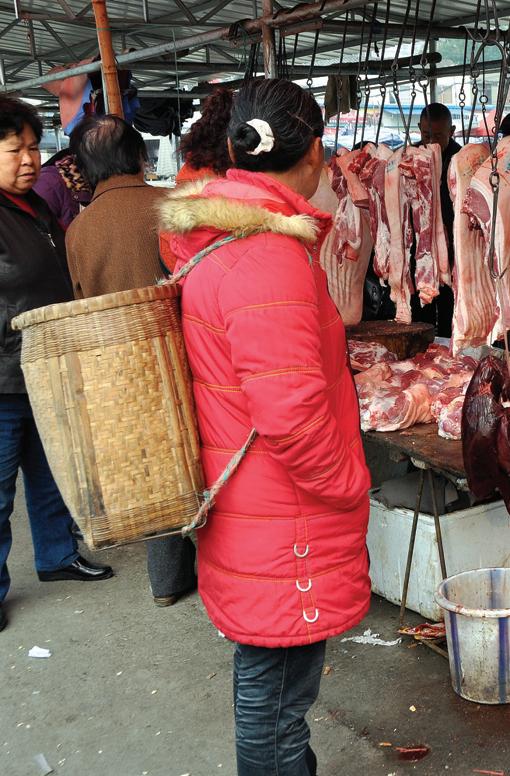
Food security simply refers to a country’s (or a family’s or an individual’s) ability to secure a steady and adequate food supply for itself. In these times of political instability, impending fossil fuel scarcity and increasing global population, it’s more of a concern than ever. There are different ways food security can be handled, but chief among them is to have a majority of food produced within your own country, with some imported from nearby countries and stable allies. China has made it clear that in particular, it does not want to import meat. “China has a strong preference to produce its own livestock and control food animal production,” observes Dr. Mark Lyons, vice president of corporate affairs at Alltech. “Their preference will be to import grains.” (Headquartered in Nicholasville, Kentucky, Alltech is a global animal health company focused on natural scientific solutions to agriculture and food industry challenges). Lyons adds, however, that the Chinese are also looking to buy or lease land in places such as Africa for crop production, and possibly also for livestock production. “They have bought
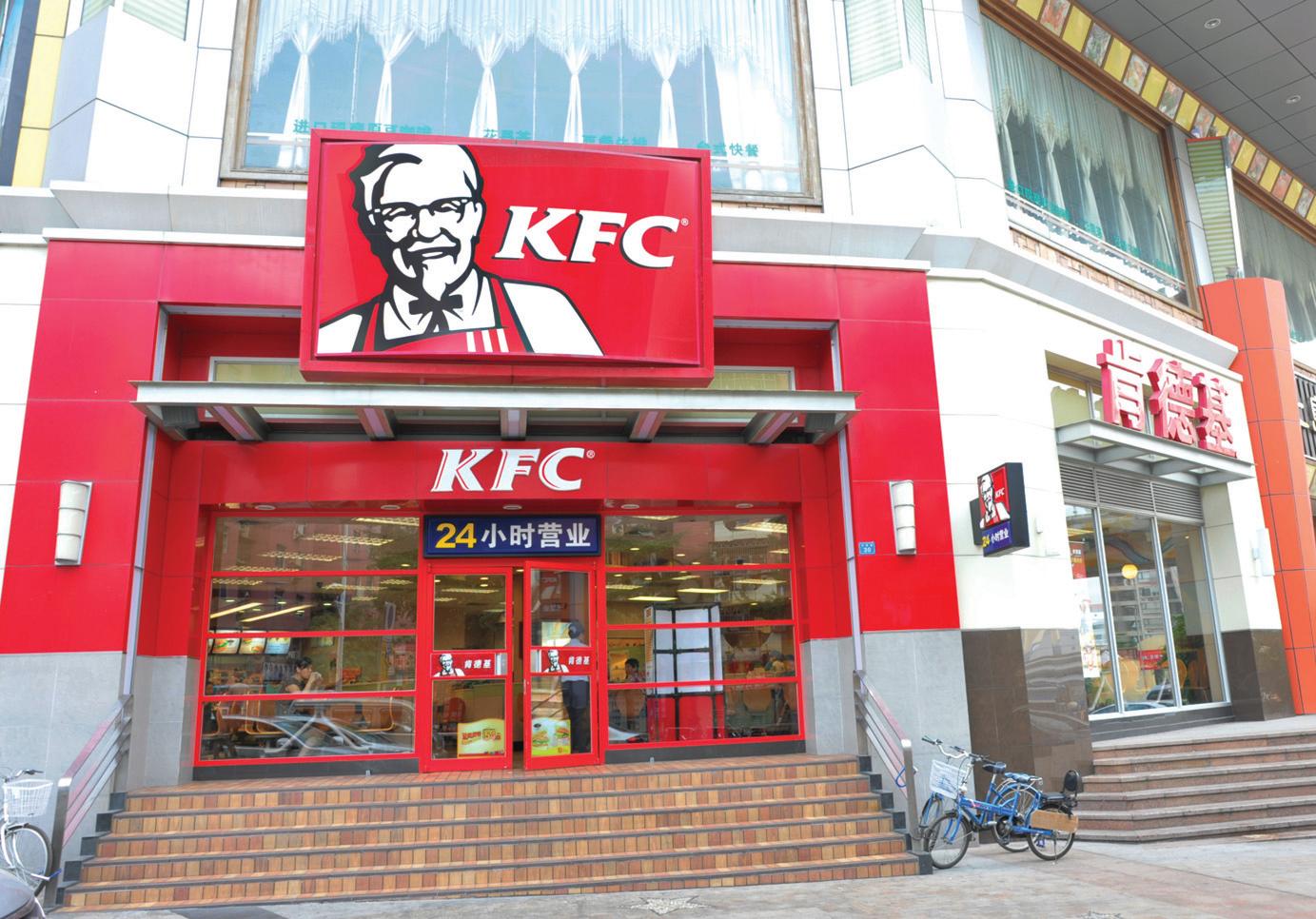
China has a strong preference for controlling its own meat production, and Kentucky Fried Chicken, which is growing in popularity there, is sourcing its product locally.
into some genome companies overseas as well, to look at improving genetics,” he says.
Pork is still the preferred meat by far in China, with about 50 million tonnes of pork consumed per year. “This is compared to 16 million tonnes of poultry and six million tonnes of beef,” notes Lyons. “The only other protein source that rivals this would be [various products from] aquaculture, and eggs, both around 50 million tonnes. There are also 16 million tonnes of fish caught per year and 30 million tonnes of milk produced.” This year, China had a deficit in pork production due to some disease outbreaks, and has been importing some U.S. pork. It also imports some chicken, but groups such as the National Chicken Council (NCC) would like to see more of this occurring. The roadblock relates to trade issues, says NCC director of communications Tom Super. China has imposed tariffs on a
number of imported food products including poultry, and poultry imports from China have not been permitted to enter the U.S. since 2007. The NCC has voiced concerns over the situation and its support for freer trade.
At the same time that almost all meat consumed in China is produced domestically, however, domestic grain production is comparatively quite low. Lyons says annual meat, milk, and eggs production totals 158 million tonnes, while corn production only reaches 162 million tonnes, wheat 115 million tonnes, rice 134 million tonnes and soybeans 15 million tonnes. “Another very interesting factor is where these animals are actually produced,” he notes. “They are very close to [highly populated areas], which is a stark contrast to most the other parts of the world, where animal agriculture has migrated to areas that are less inhabited.” Lyons thinks China will “go to all
CHINA GROWING
efforts” to avoid importing meat – and food security concerns aside, he believes food safety is one big reason for this. China has had a number of disease outbreaks, as well as food safety crises such as the melamine contamination in milk, that have led them to value food safety much more than ever before. Lyons says imported milk from countries such as New Zealand fetches premium prices. But Lyons concludes that above all, the Chinese “will certainly make whatever decisions are necessary to keep food prices low and food available, as this is critical for social stability in China.”
Indeed, Lyons believes the bigger world food question going forward will be what happens with India. “Relatively small changes in Indian meat consumption could drastically change the dynamics of meat globally,” Lyons says. “Also, both China and India have very high labour force connected to agriculture and, as both countries become more modernized, this may come under more pressure.”
KENTUCKY FRIED CHICKEN IN CHINA
While pork is China’s preferred protein, fast food giant Kentucky Fried Chicken (KFC) is boosting consumption of chicken. To date, KFC has opened more than 1,200 restaurant locations in every region except Tibet, dominating even McDonald’s. Yum Brands Inc. (the Louisville, Kentucky-based parent company of KFC) has itself predicted that its total number of outlets in China will someday surpass that of the United States. “KFC has done an excellent job, not only building their infra-structure system and logistics system in order to get food to all their restaurants, but they’ve also utilized this as a marketing and brand-building exercise,” notes Lyons. “In that respect, they are very well thought of as a corporate citizen and also as a safe place for food. They are sourcing most of their products locally and so they have been very important for the entire Chinese food industry in terms of improving food safety standards.”
Lyons says some of their products are very similar to things that can be bought on the street, but are traded at a much higher premium. “This is widely believed because of the brand being so closely
linked to food safety,” he notes. “They focus on having great-tasting and safe food that is very high quality and served in a very speedy manner.” He says that instead of marketing food in North America, in China, “they want to offer a balance in nutrition and a healthy lifestyle. They branched out far beyond regular chicken
offerings and provided other options and are continually innovating new food products, with roughly 70 coming out each year . . . all uniquely suited to Chinese taste.” Menu items include seasonal vegetables such as bamboo shoots and lotus roots, and in colder months, things like rice porridge and soup.
Health Time Is Now for Stewardship
Exceptional management will be increasingly important for the responsible use of antibiotics in foodproducing animals
BY JIM KNISLEY
The watchword for the poultry industry going forward is “stewardship,” Dr. Lloyd Weber said at the Poultry Industry Council’s (PIC) Poultry Innovations Conference, held recently in London, Ont. Stewardship implies responsibility, Weber said, and that now includes the responsible use of and responsibility for using antibiotics.
This responsibility has emerged and grown because of consumer concerns. These concerns may result in a quandary for farmers, but the choice facing them is stark. “What are we going to do about it — tell them they are crazy or provide what they want?”
It’s not just the consumers who want antibiotic-free (ABF) birds; quick-serve restaurants don’t want anything to do with the words “growth promoters” and the processors also want them because they see ABF as a way to gain market share.
Quebec has identified these concerns, and all antibiotics have to be prescribed. This includes over-the-counter-type antibiotics.
This is a long way from the situation in the late 1970s and early 1980s when the standard was what Weber called “shotgun therapy.” Standard practice was to blast away with an array of antibiotics. Typical of the era was the antibiotic cocktail that
MANAGEMENT WILL BE KEY
A greater emphasis on management, or stewardship, is necessary to limit the use of antibiotics in poultry production.
all turkeys received at the hatchery .
Also in the 1970s, virtually every bird was treated for necrotic enteritis as a way to prevent a devastating disease. “Back in those days we had drug companies offering free diagnostic services in return for drug sales,” he said.
But times have changed. Vaccines were developed that made the shotgun unnecessary and barns, equipment and management practices have greatly improved, further reducing the toll of disease.
But antibiotic use remains a public concern. One way of addressing that may be to follow Quebec’s lead and require that all treatments be preceded by a diagnosis. This would ensure that the birds are being treated for the disease they actually have rather than being treated for something they might have.
“That would be a real good thing but I admit I have a vested interest in that,” Weber said.
Veterinarians operate under strict and straightforward guidelines, which
include keeping the birds healthy and avoiding the unnecessary or inappropriate use of antibiotics.
These guidelines are putting a greater emphasis on management, or stewardship, and that includes the need to advise our clients about culling of poor birds. Culling poor birds makes sense from a flock health perspective, because the poor birds are more susceptible to infections than good birds, and economically. Sometimes the cost of treating poor birds is high and the payoff is low. “I know in the future as a veterinarian I must emphasize this,” he said.
If antimicrobials are to be used he said it is generally better to use a higher dose for a shorter period of time. “That results in better efficacy in your drugs,” he said.
Farmers must also continue to focus on prevention or “doing what needs to be done before it needs to be done.”
This requires excellent record keeping to ensure that what needs to be done is done. It also means taking advantage of one of the benefits of supply management, which is time. In the United States the optimal economic downtime for a poultry barn is five days. That limited time frame restricts what can be done. In Canada, the downtime can be 10 days, two weeks, or three weeks. That additional time can be a great benefit for good management and controlling disease.
In the future, exceptional management – or stewardship – will be increasingly important. There are no new antibiotics in the pipeline so the effectiveness of the existing ones must be preserved and consumer demand for antibiotic-free poultry isn’t going away, he said.
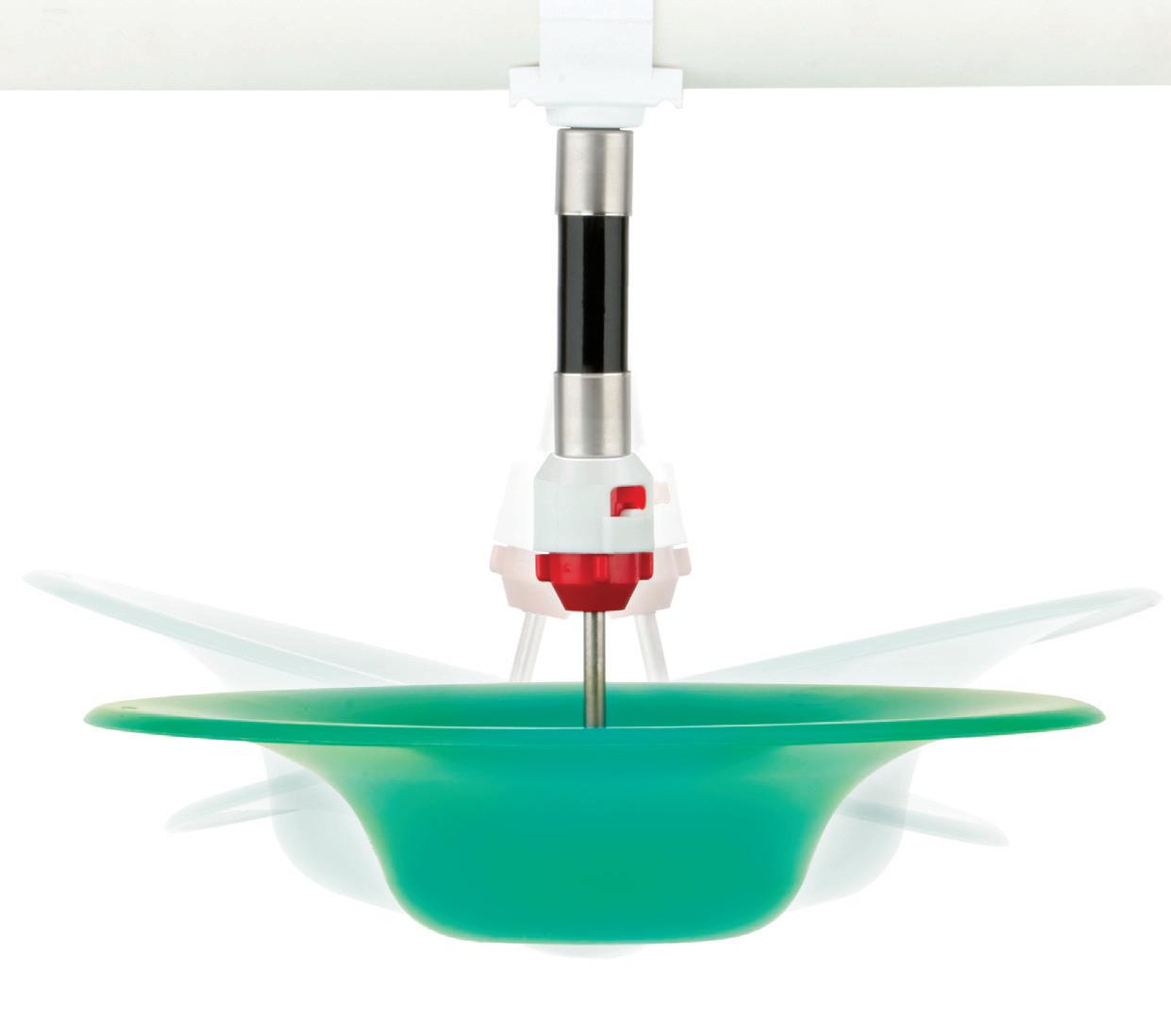
THE CONCEPT THAT MADE ZIGGITY #1
IN POULT WATERING, NOW REENGINEERED FOR ADULT TURKEYS!
BUILT TO SURVIVE
Flexible, shock-absorbing stem prevents breakage.
Bird drinking action tilts and rotates drinker, releasing water that swishes it clean.
300 Series stainless steel is corrosion resistant.
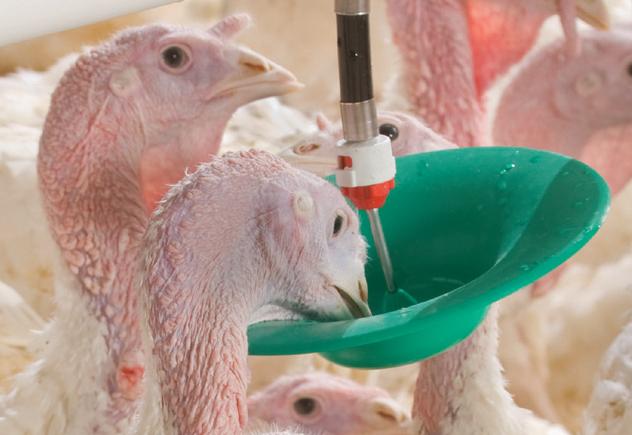
After years of field research and fine tuning Ziggity has created the robust T-Max turkey drinker using the same proven principles as our poult drinkers. Finishing turkeys requires birds to get ample hygienic water. Turkeys have poor eye-beak coordination, so we created a large target that they can’t miss. With each drinking action T-Max dispenses a small amount of fresh water, while minimizing spillage. Birds grow big. Litter stays dryer, reducing ammonia release for healthier flocks.
Big, healthy male and female turkeys. Self-cleaning. Built-to-survive. T-Max drinkers from Ziggity, the most trusted name in poultry watering.
Visit www.ziggity.com/turkey for a demonstration.
Tel: + 1 574.825.5849
www.ziggity.com
Made from long lasting, heavy duty materials and designed to prevent spillage.
SELF CLEANING
CPRC Update Giving Birds a Boost
Poultry disease prevention draws on a broad range of tools. Management, biosecurity, genetic selection, vaccination and antimicrobials all play important parts. While often used to great effect, these tools are not without their shortcomings. For example, vaccines are not available for certain diseases and are not effective when an immediate protective effect is required, such as in a disease outbreak. Furthermore, the use of antimicrobials is under increasing scrutiny and pressure is mounting to find alternatives to these compounds. The Canadian Poultry Research Council (CPRC) has therefore supported several research projects designed to investigate the possibility of stimulating natural immunity in poultry to complement existing disease mitigation strategies.
NATURE’S DEFENCE
The avian immune system is the product of a remarkable evolution that defends the body against a range of pathogens. Immune response can be broadly divided into two categories: “adaptive” and ‘innate.” Adaptive immunity involves recognition of specific components of an invading organism called an “antigen.”These antigens are recognized as foreign by cells in the body and, through a complex cascade of events involving many molecules and cell types, are attacked and eliminated from the body. The adaptive arm of the immune system is the one that “remembers” an invader and is primed to launch a robust attack if the corresponding antigen is encountered again.
The innate component of the immune system can clear an infection even before an antigen-specific immune response is developed. Years of immune system research has led to the devel-
opment of the “danger” hypothesis, wherein the immune system can rapidly respond to characteristic features, or patterns, of invading pathogens. The innate or “natural” immune response is the first line of defence against a broad range of pathogens, including bacteria, viruses, parasites and fungi.
ENHANCING NATURAL IMMUNITY
Researchers are attempting to enhance the innate immune system by presenting it with elements typical of various pathogens, in essence fooling it into thinking a pathogen is present. For example, Dr. Susantha Gomis at the University of Saskatchewan is studying a pattern characteristic of bacterial DNA, known as CpG motifs. When these motifs are encountered, the innate immune system’s danger alarm is sounded and it is primed to respond to a bacterial infection. Small pieces of DNA containing these motifs can be synthesized in the lab and administered to the animal. Dr. Gomis’ previous work demonstrated that the molecules, when injected in the egg, protected chicks against Escherichia coli and Salmonella Typhimurium infections and helped improve the response to E. coli infections in adult chickens. Dr. Gomis is currently working on improving the utility of the molecules and exploring better delivery methods via egg, oral and nasal routes of the embryo and chick.
Dr. Moussa Sory Diarra at Agriculture and Agri-Food Canada’s research station in Agassiz, B.C., is building on research that showed another molecule, known as c-di-GMP, can be used to protect mice from bacterial challenge. Human immune cells in culture have also shown responses to the molecule. Based on this information, Dr. Diarra looked at the effect of c-di-GMP on
immune responses in broiler chickens. His results showed that orally administering c-di-GMP increased concentrations of Immunoglobulin A (one of the major classes of antibodies) in blood serum. Dr. Diarra is now determining if c-di-GMP could be used to improve the performance of various vaccines.
Dr. Mohamed Faizal Abdul Careem at the University of Calgary is working on a similar project to determine if certain candidate compounds can stimulate innate immunity in chickens. This enhanced immune function will be tested by viral challenge. The project will also investigate the anti-viral mechanism as well as any effect immunomodulation may have on subsequent performance of the bird. These latter components of the project are important to understand the effects of the intervention and ultimately decide if it is applicable in an industry setting.
While there remains much to be learned, research results thus far suggest that enhancing natural immunity may soon be another tool in the poultry industry’s chest to help prevent poultry diseases.
For more details on any CPRC activities, please contact The Canadian Poultry Research Council, 350 Sparks Street, Suite 1007, Ottawa, Ontario K1R 7S8, phone: 613-566-5916, fax: 613-2415999, e-mail: info@cp-rc.ca, or visit us at www.cp-rc.ca.
The membership of the CPRC consists of the Chicken Farmers of Canada, the Canadian Hatching Egg Producers, the Turkey Farmers of Canada, the Egg Farmers of Canada and the Canadian Poultry and Egg Processors’ Council. CPRC’s mission is to address its members’ needs through dynamic leadership in the creation and implementation of programs for poultry research in Canada, which may also include societal concerns.
BY JIM KNISLEY
ALL THINGS CONSIDERED If I Had a Time Machine
Listening to the conversation around the table at a farm meeting in Delhi, Ont., a few weeks ago I started flashing back to other conversations I had heard while living in Swift Current, Sask., and Petrolia, Ont.
The talk in Delhi had turned to farmland prices and how they are surging. It was the same conversation as those I heard in Swift Current and Petrolia more than 30 years ago, except with bigger numbers attached.
This time good corn and soybean land in Southwestern Ontario is said to be selling for $10,000 an acre and rising. Thirty years ago, the dollar amounts were lower but the momentum and the motivations were the same.
Grain prices were high and rising (I even attended a meeting where a guy slapped a ruler on the end of a price chart and said wheat was headed for $20 a bushel and argued that land was grossly undervalued).
Interest rates were low, borrowing against equity was easy and there was a hungry world to feed. Nothing could possibly go wrong – until it did.
Grain prices fell off a cliff, interest rates rose and international markets collapsed. Farm equity melted away, debts that a year earlier looked easily manageable became unsustainable and farmers learned that while much of the world was still hungry, it was also broke and couldn’t pay.
Land prices collapsed and the rock solid equity many had borrowed against turned out to be more chalk than granite.
By the mid-1980s the federal and provincial governments, which had been dismantling farm programs as fast as they could during the good years, were cobbling together billions in ad hoc farm payments. But it was never enough.
and children who don’t want to farm, are retiring and selling out. There are also likely some who figure this is a good time to take the money and run, but it is hardly a land rush. This lack of supply likely pushes the value of the land that comes on the market up.
But that is small comfort to the worrywarts.
A year ago, Sheila Bair, chair of the U.S. Federal Deposit Insurance Corporation warned: “Over the past dozen years or so, the United States has experienced classic asset price bubbles in the stock market and the housing market.”
“Where might asset bubbles be forming today?”
“One candidate is U.S. farmland values,” she said.
In Iowa, for example, a new record high price – more than $15,000 an acre – was recently paid for a quarter section (160 acres) of corn land. This was almost a third higher than prices paid for similar land earlier in 2011.
In Canada, land prices are on a similar track and farm debt loads are higher than in the United States. This increases the risk. In investment circles the advice is to buy low and sell high. But many, many people do the opposite. They get caught in the euphoria of the moment and buy high, and then when things don’t continue as hoped, in desperation, they sell low.
If they borrowed to buy, the situation becomes very bad. The debt and the payments persist, but the asset is gone.
But I worry that, while history may not repeat, sometimes it does rhyme.
So what are farmland values in Canada doing? Farm Credit Canada (FCC) reports that Ontario farmland values increased more than seven per cent in 2010 and rose again in 2011. Saskatchewan farmland is rising at an even quicker clip.
Farm activism took centre stage. There were farm blockades to prevent equipment seizures and foreclosures. There were forced auctions where activists dominated the crowd and the bidding for everything topped out at a penny. The euphoria of the late 1970s and early 1980s had been replaced by loud desperation.
Maybe it’s different this time. Crop prices are up and look like they’ll stay up for a while. Interest rates are low and look like they’ll stay down for at least the next year or two. Farm cash flows are in better shape than they’ve been in decades.
And there doesn’t appear to be all that much land changing hands. Some farmers with small, by today’s standards, holdings
On some good vegetable land in Southwestern Ontario price increases of four per cent per month have been reported and some poorer land has risen by 50 per cent in three years.
Under current circumstances these prices may make sense. But circumstances change and sometimes can change very quickly. If I had a time machine and could go back to the early 1980s and revisit the conversations in Swift Current and Petrolia I would ask: “What happens if interest rates double or triple? What happens if grain prices fall by half? What happens if next year looks bleak and the future bleaker?”
Maybe it is different this time. Maybe history doesn’t repeat itself. Maybe I’m trapped in a far too painful past. But I worry that, while history may not repeat, sometimes it does rhyme.