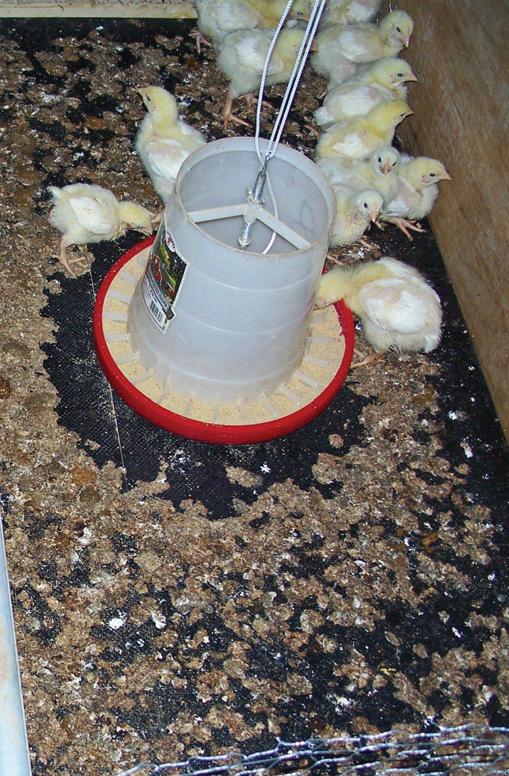
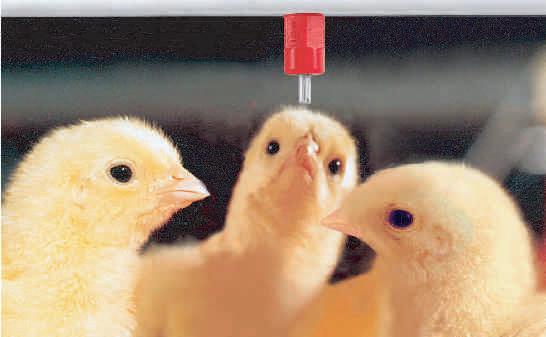
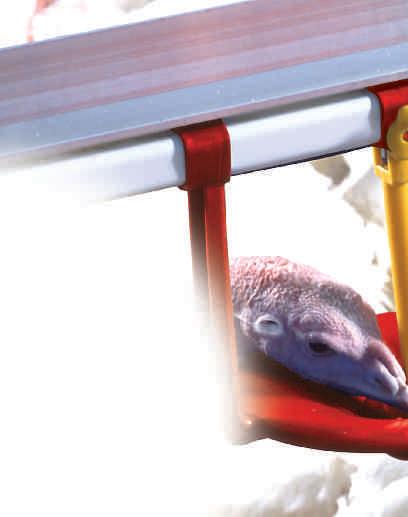
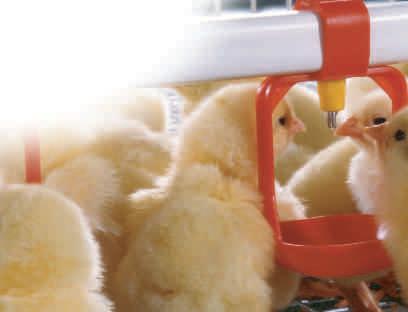
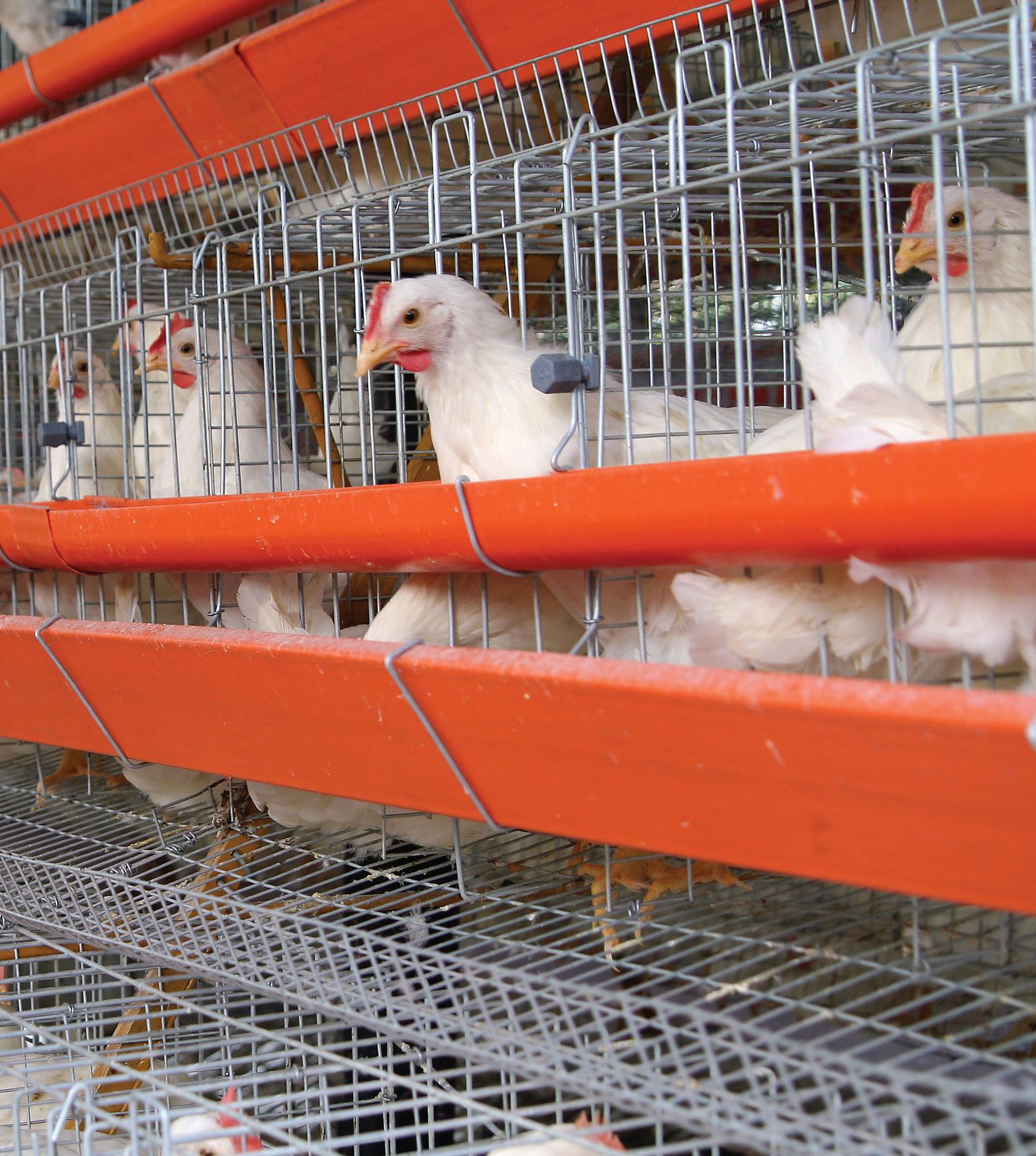
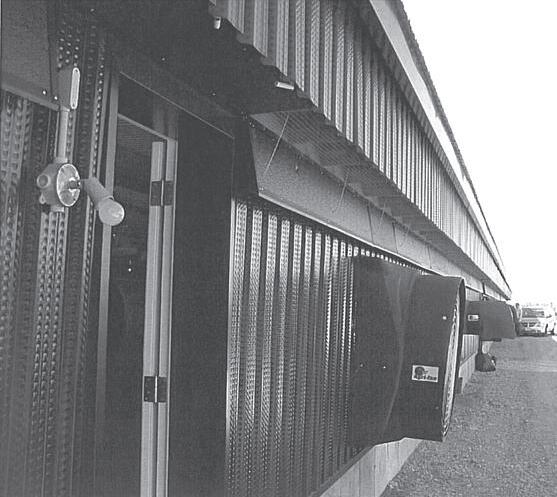
While sand can be removed, with difficulty, from a watering system, the best solution is to stop it at the source
By The Technical Team, Ziggity Systems, Inc.
18
HEALTH: Poultry Vaccines: a 15-year perspective
Our knowledge is increasing rapidly, bringing great optimism
By Ian Tarpey, Intervet/Schering-Plough Animal Health 20
PIC UPDATE: Yeast Beta Glucan and Osteoporosis
The influence of this complex carbohydrate on cage layer fatigue is being studied By Tim Nelson, Executive Director and Kimberly Sheppard, Research Co-ordinator
RESEARCH: Return of the Good Egg
People are beginning to realize the negative effects that reducing egg consumption has produced
By Dr. Peter Hunton
DISEASE: Emerging and Evolving Diseases
These present fresh challenges for diagnosis,
understanding
By Richard C. Jones, University of Liverpool
FROM THE EDITOR
BY KRISTY NUDDS
Politics of Food
Just before Christmas, two cities in Ontario became the first to announce that they would become “cage-free.”
Members of the Pickering and Orillia (both located on the outskirts of Toronto) city councils have recommended that all city-run facilities stop using eggs from hens reared in traditional cages. These councils are also encouraging residents, including restaurants, caterers, retailers and wholesalers, to switch to certified organic, free-range eggs instead.
Another Ontario city, Port Colborne (located near Niagara Falls), made a similar announcement in mid-January. As expected, the Humane Society of Canada has applauded these recommendations.
It’s a definite win (but at this point only on paper) for welfare groups but is it for farmers and consumers? I don’t think so.
Interestingly, the day Port Colborne announced its recommendation to go cagefree, a study from the National Veterinary Institute in Sweden was released. This study compared the health of laying hens reared in free-range and/or litter-based systems versus cage systems, noting mortality with the type of housing system used.
Results of this study show that mortality amongst caged hens was significantly lower. However, the researchers did note that many farmers lack the management knowledge necessary to combat the increased pressure of disease that exists in free-range systems.
But the researchers make an important point – that birds are more prone to disease in cage-free systems. This is backed by numerous other studies in Europe since Sweden and other EU countries mandated that laying hens be reared in free-range and/or alternative (enriched) cage systems.
Without doubt there is niche market opportunity for eggs from alternative
and/or free-range systems but to force this niche market onto entire cities is just bad politics. It’s likely a ploy to secure votes by appearing to do the “right thing,” even though the perception of what is right is skewed.
It’s becoming obvious that esthetics is driving the politics behind food production, forcing the industry to take a step backwards in some respects. Laying hens were originally taken off the floor and put into cage systems to reduce animal disease, improve food safety and increase production to feed a growing urban public.
It’s the last two points that I think are paramount. While producers and the marketing boards in Canada are willing to make necessary changes to support niche markets, if this “niche” grows into the “norm” too quickly by irresponsible city and university councils, what is the cost?
I don’t think enough attention has been paid to the economics of such decisions, primarily for the consumer. Eggs are one of nature’s most perfect proteins, and advancements in bird health, genetics and productivity have allowed for consumers to meet their dietary needs without breaking the bank.
The increased costs of producing freerange will ultimately fall on the consumer. How can three cities, all of them located in economically depressed areas due to the massive closure of manufacturing industries located within, make such a decision?
While I support the moral right of anyone to choose what they want to eat and how they would like it to be produced, it is nonsense to force such a decision on the masses before the science and infrastructure is able to support it. ■
February 2009 Vol. 96, No. 2
Editor
Kristy Nudds – knudds@annexweb.com
888-599-2228 ext. 266
Contributing Editor
Jim Knisley – jknisley@kwic.com
Publisher/Sales Manager
Marilyn White – mwhite@annexweb.com 888-599-2228 ext 237 • fax: 888-404-1129
Sales Assistant
Mary Burnie – mburnie@annexweb.com 888-599-2228 ext 234
Production Artist
Krista Misener
Editorial Director
Drew McCarthy – dmccarthy@annexweb.com
VP/Group Publisher
Diane Kleer – dkleer@annexweb.com
President Mike Fredericks – mfredericks@annexweb.com
Mailing Address
P.O. Box 530, 105 Donly Dr. S., Simcoe, ON N3Y 4N5
Publication Mail Agreement #40065710
PAP Registration #9850
RETURN UNDELIVERABLE CANADIAN ADDRESSES TO CIRCULATION DEPT., P.O. BOX 530, SIMCOE, ON N3Y 4N5.
e-mail: cnowe@annexweb.com.
Periodicals postage paid at Buffalo NY. USPS 009-324, ISSN 1703-2911. Published monthly by Annex Publishing and Printing Inc. US Office of publication c/of DDM Direct.com, 1223 William St. Buffalo NY 14240. US Postmaster send address change to PO Box 611 Niagara Falls NY 14304.
When Ludwig Bening founded his mechanical engineering company in 1949 he probably never imagined it would grow to become such a significant company in the livestock production markets.
Over the course of 60 years LUBING has established itself as one of the leading companies developing innovative products for poultry watering and egg conveying systems. It's our Tradition of Innovation that has contributed to our success and will continue for years to come.
We hope you will join us this year in celebrating our 60 years of innovation. We take this opportunity to express our gratitude to all of our customers who have helped in our success.
Final COOL Rule WHAT’S HATCHING HATCHING
The United States Department of Agriculture announced the details of the final regulation for the mandatory country of origin labelling (COOL) program required by the 2002 and 2008 farm bills on Jan.12.
The full text of the final rule is published in the Jan. 15, 2009, Federal Register (U.S.). The rule becomes effective on March 16, 2009, 60 days after the date of publication.
The rule covers muscle cuts and ground beef, lamb, chicken, goat and pork; wild and farm-raised fish and shellfish; perishable agricultural commodities; macadamia nuts; pecans; ginseng and peanuts.
Commodities covered under COOL must be labelled at retail to indicate its country of origin. Commodities are excluded from mandatory COOL if the commodity is an ingredient in a processed food item.
The definition of a processed food item remains unchanged from the Aug. 1, 2008, interim final rule. Excluded from COOL labelling are items derived from a covered commodity that has undergone a physical or chemical change – such as cooking, curing, or smoking – or that has been combined with other covered commodities or other substantive food components such as chocolate, breading and tomato sauce.
Also exempt are food service establishments, such as restaurants, lunchrooms, cafeterias, food stands, bars, lounges and similar enterprises.
The rule prescribes specific criteria that must be met for a covered commodity to bear a “United States country of origin” declaration. In addition, the rule also contains provisions for labelling covered commodities of foreign origin, meat products from multiple origins, ground meat products, as well as commingled
covered commodities.
There is still a 60-day grace period for changing ground meat labels after a raw material from a specific origin is no longer in a processor’s inventory. The USDA also eased restrictions on the order in which multiple countries of origin are listed on muscle meat cuts.
Canadian Agriculture Minister Gerry Ritz said Canada will continue to monitor trade in the sector and ensure that no unfair practices continue. At press time, Canada planned to shelve its complaint regarding COOL at the WTO, but not withdraw it completely. Ritz said that export levels and prices for pork and beef should soon return to normal, but did not indicate how much money these industries had lost in the interim.
Copies of the final rule and additional information can be found at http://www.ams. usda.gov/COOL.
New Animal Health Lab
Anew lab that will provide quick and secure testing for diseases such as avian influenza, BSE and West Nile virus will soon open in B.C. Agriculture Minister Stan Hagen says it’s the only such facility in Canada that’s associated with a provincial
New Small Flock Regulations
Chicken Farmers of Ontario (CFO) has passed a new small flock regulation in support of interested parties looking to raise a limited number of chickens. Main elements of the regulation include the ability to grow up to 300 chickens per premises, per year; ability to market these chickens at the farm gate and; online application, registration and administration of the program. The new policy came into effect on Jan. 1, 2009.
The small flock regulation was developed following industry-wide consultations and a pilot program in 2008. More than 8,000 people registered to participate in the pilot program. In 2006 exempt growers went from being allowed to raise 102 chickens per year without purchasing quota to being allowed to raise up to 300 chickens. Prior to the introduction of the pilot program none of the chicken
veterinary lab to diagnose diseases that can transfer from animals to humans.
The lab’s advanced testing means fewer samples will need to be sent to the Canadian Food Inspection Agency’s lab in Winnipeg. The lab, which will open early this year, is an addition to the existing Animal Health Centre
in Abbotsford, B.C., the hub of the Fraser Valley agricultural area.
The new $14-million testing facility will provide more protection for lab workers from diseases that may infect people as well as animals. It will feature unbreakable glass and other measures to prevent disease-causing agents from being reintroduced into the environment.
could be marketed.
Additional information about the small flock regulation, including the
online registration, will be available through CFO, www.cfo.on.ca and from broker dealers and hatcheries.
First ‘Cage-Free’
Cities in Ontario
The cities of Orillia and Pickering in Ontario have requested that all city-run facilities stop using eggs from hens reared in traditional cages. Councils also encouraged residents, including restaurants, caterers, retailers and wholesalers to switch to certified organic free-range eggs instead.
In British Columbia, more
than a dozen cities have passed resolutions requesting the removal of eggs from caged hens from city menus, and the Union of B.C. Municipalities is currently considering a similar province-wide motion.
Across North America, more than 350 universities and colleges have reduced or eliminated their use of eggs from caged hens in campus food services.
PEOPLE IN THE NEWS
Bard Haddrell has been appointed as the new general manager of the Alberta Chicken Producers. Bard has acquired a good understanding of the agriculture industry during his career with Alberta Agriculture and Rural Development, and brings with him solid relationships within the department and government.
Mary Ferguson has joined eBiz Professionals Inc. as a consultant in their Agriculture and Food unit. Mary previously spent ten years at Agricorp, where she worked in a number of key areas within that organization and on many projects and special assignments.
David O’Rourke is the Ontario Farm Animal Council’s (OFAC) Livestock Transportation Specialist, a newly created position. Over the next three years, O’Rourke will be tasked with providing specialized training to livestock transporters in Ontario through both the Truckers’ Quality Assurance (TQA) training program for hogs and the Certified Livestock Transportation (CLT) program for all species of livestock.
BARD HADDRELL
DAVID O’ROURKE
MARY FERGUSON
HATCHING
Centurion Acquires Pureline Stock
Effective Jan. 1, 2009
Centurion Poultry, Inc. has purchased all the Connecticutbased assets, genetic stock and trade names of Pureline Genetics LLC.
This purchase will mark a return to the broiler breeding business of Centurion Poultry. In 1991 Centurion briefly entered the broiler breeding business when it took over the
assets of Hypeco USA Inc. and continued to market broiler genetics under the Avico trade name until the company decided to concentrate on the further development of its market for layer breeding stock and exited the broiler business in 1993.
There will be very few operational changes at Pureline Genetics as a result of this acquisition.
Scholarship Winner
eronique Gulde is the 2008 recipient of the Deborah Whale-Poultry Industry Council (PIC) Graduate Scholarship. She is currently pursuing a Msc. in Animal and Poultry Science at the University of Guelph. Her research focuses on the use of dietary thyroxine as an alternate moulting procedure in turkey breeder hens to improve hen welfare.
Thyroxine, a thyroid hormone, is present in the blood of breeder hens in high concentrations at the beginning of a natural moult. Traditionally, moulting has been induced using feed
MARCH 2009
March 5-7, 2009
Atlantic Farm Mechanization Show, Moncton Coliseum Complex, Moncton, N.B. For more information, e-mail: info@farm mechshow.com; tel: (506) 856-9898; or visit: www.farmmechshow.com
March 17-19, 2009
Midwest Poultry Federation (MPF) Conference, Saint Paul RiverCentre, Saint Paul, Minn. For more information, e-mail: lara@midwestpoultry.com; tel: (763) 682-2171; or visit: www.midwestpoultry.com
APRIL 2009
April 8-9, 2009
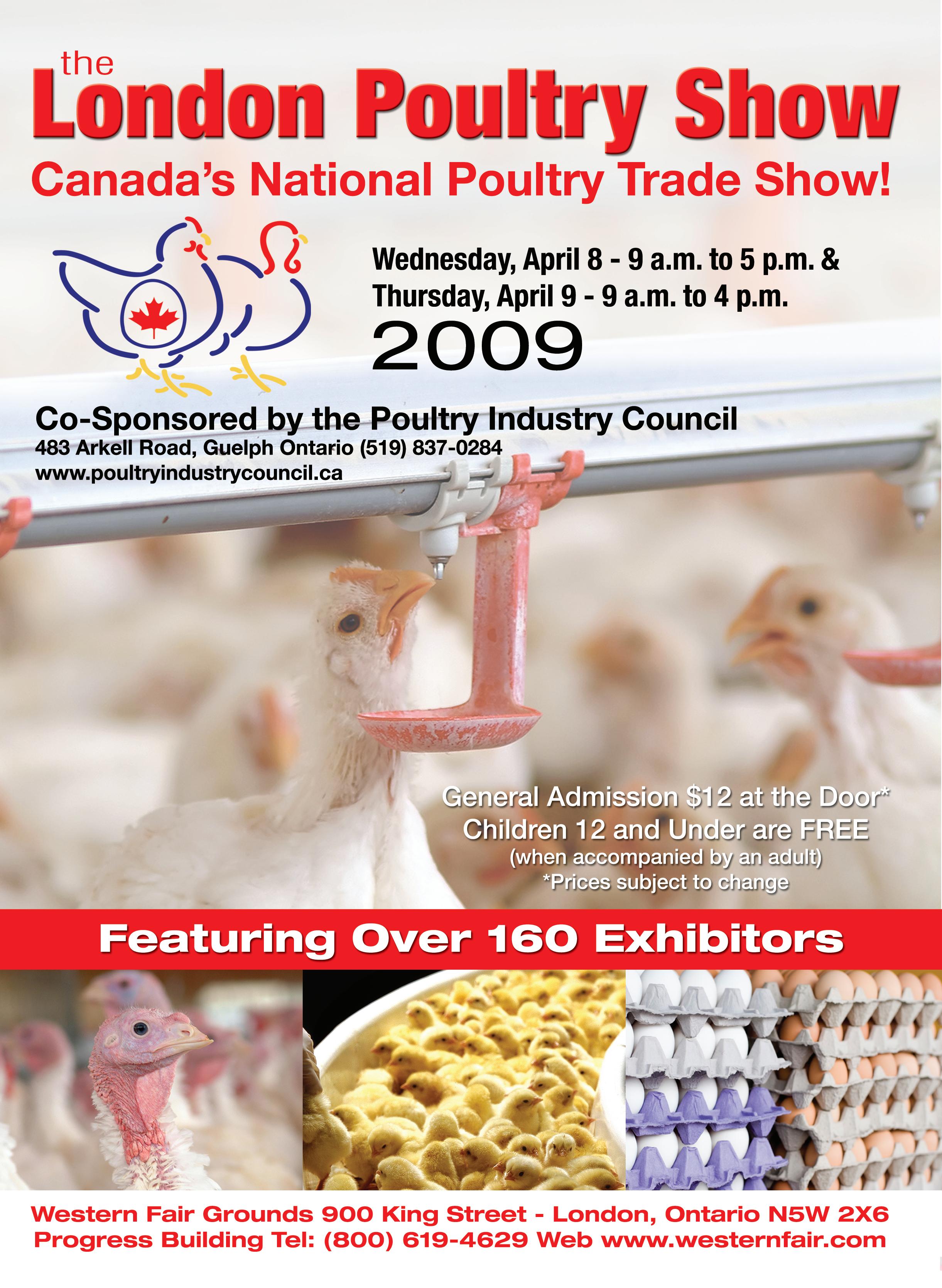
Poultry Industry Conference and Exhibition (the London Show), Progress Building, Western Fairgrounds, London, Ont.
restriction for a period of up to two weeks. Veronique’s research focuses on minimizing the impact on hen welfare by allowing them to eat a diet containing thryoxine to induce moulting rather than restricting feed.
The Deborah WhalePoultry Industry Council Graduate Scholarship is awarded to a candidate who is an M.Sc. student, has demonstrated promise of research ability or to a PhD student who has demonstrated research aptitude, academic standing and the benefits and outcomes of his/ her planned research.
For exhibitor information, contact Sharon Pook (ext. 222) or Lena Lindberg (ext. 228), tel: (519) 438-7203. Registration information will be closer to the show date.
We welcome additions to our Coming Events section. To ensure publication at least one month prior to the event, please send your event information at least eight to 12 weeks in advance to: Canadian Poultry, Annex Publishing, P.O. Box 530, 105 Donly Dr. S., Simcoe, Ont. N3Y 4N5; e-mail knudds@annexweb.com; or fax 519-429-3094.
Laser Loader System NEW PRODUCTS PRODUCTS
The new automated Laser Loader System (patents pending) from Easy Automation Inc. allows for automatic, 24-hour-per-day loading of feed trucks with limited human assistance required. The system is designed for those high-volume feed mills desiring to increase speed, improve safety and accuracy, and also reduce errors and expenses from the process of loading feed trucks.
Utilizing RFID tags mounted on the feed trucks, the system automatically identifies each feed truck as it enters the loadout driveway. The system will then pull from the predefined
Vassoyo Tray Erector
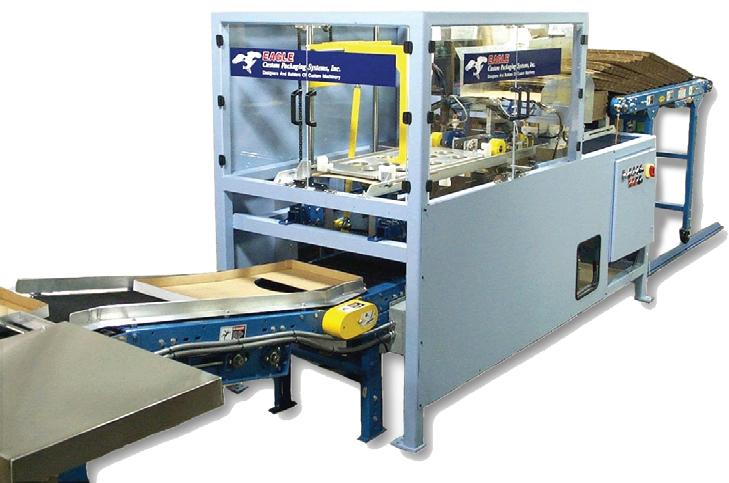
Eagle Packaging introduces the Vassoyo Tray Erector for corrugated one-piece solid bottom trays, with or without a lid. Widely used in food, drink and other industries, this machine is armed with quick change-over features and can handle a wide range of tray sizes at speeds up to 50 trays per minute. Its oversized mechanical drive allows for long durability, low maintenance and low cost
load-out delivery schedule the feed order corresponding to that truck.
Utilizing lasers and other electronic devices, the system will automatically load each type of truck exactly as required while also verifying the position of the truck, that the cover is open, and that no feed is already in any truck compartment that should be empty.
Without an operator required to actively control the system, the system will then operate either a moveable lorry or a shuttle conveyor to pull the correct feed from a series of overhead bins and deliver and weigh the desired amount of feed into each desired compart-
ment of the truck — all the time behind the scenes capturing required weight values for each compartment. When the loading of the truck is complete, the system will print delivery tickets, sample tickets, and send all weights for all compartments for the entire load to the feed mill’s information and accounting system for invoicing. This system can be easily installed on most existing lorry or shuttle conveyor load-out systems. For more information contact the sales department at Easy Automation Inc. Form more information, e-mail: MN — sales@easy-automation.com or telephone 1- 800-397-9736.
of ownership.
The Vassoyo’s heavy-duty construction encompasses sealed ball bearings and self cleaning tracks for blank transfer, Nordson Pro Glue technology, timing belts on drive that allow for clean, quiet, maintenance-free operation. It’s PLC control (Allen Bradley or Omron available) offers easy adjustment of glue patterns, troubleshooting and full access to all
operational functions.
The Vassoyo is easily interfaced with almost any packaging equipment and accommodates many different discharge heights.
This compact and mobile tray erector comes with many options including high-capacity blank hoppers, lid ejector
system, and many more.
For more information, visit: www.eaglecustompackaging.com
Housing
Plastic Underfoot
New flooring system curbs ammonia
BY TONY KRYZANOWSKI
Industry, government and researchers in the United States are cooperating on a project to design “the poultry house of the future,” and two outcomes could be virtual elimination of ammonia emissions from poultry barns and a whole new and more effective manure management situation for poultry producers.
American producers are strongly motivated to develop workable and affordable solutions because of imminent Environmental Protection Agency (EPA) regulations they expect will require a large reduction of ammonia emissions from poultry barns. Ammonia emission control is also problematic for Canadian poultry producers and some jurisdictions are already taking action to improve air quality in confined feeding operations (CFOs).
For example, the Clean Air Strategic Alliance (CASA) has announced a 10point plan to address air emissions from CFOs in Alberta. Members of CASA’s confined feeding operations project team have committed to support and implement recommendations on monitoring, research and managing emissions between 2008 and 2011. Ammonia is on CASA’s list of priority substances requiring better control.
DESIGNING THE ‘BARN OF THE FUTURE’
American research on the poultry barn of the future project is being conducted at the University of Maryland Eastern
Industry, government and researchers in the U. S. are co-operating on a project to design the poultry barn of the future that could virtually eliminate ammonia emissions and result in more effective manure management.
Shore (UMES) campus, which seems appropriate considering the high percentage of poultry operations located in that area of the northeastern United States. That area of the US, taking in east Maryland, Delaware, and eastern Virginia, produces about 600 million
broiler chickens annually, or about nine per cent of American production.
The objective of the UMES project is to provide industry with poultry barn design improvements that address a variety of challenges, taking particular aim at flooring, heating, managing relative
ELIMINATING AMMONIA
humidity, and growing birds with multiple ages on the same farm.
A key aspect to the research is a new plastic flooring and ventilation system designed by an engineering firm, AviHome LLC, located in Salisbury, Md., and results so far are better than expected.
THE FLOORING SYSTEM
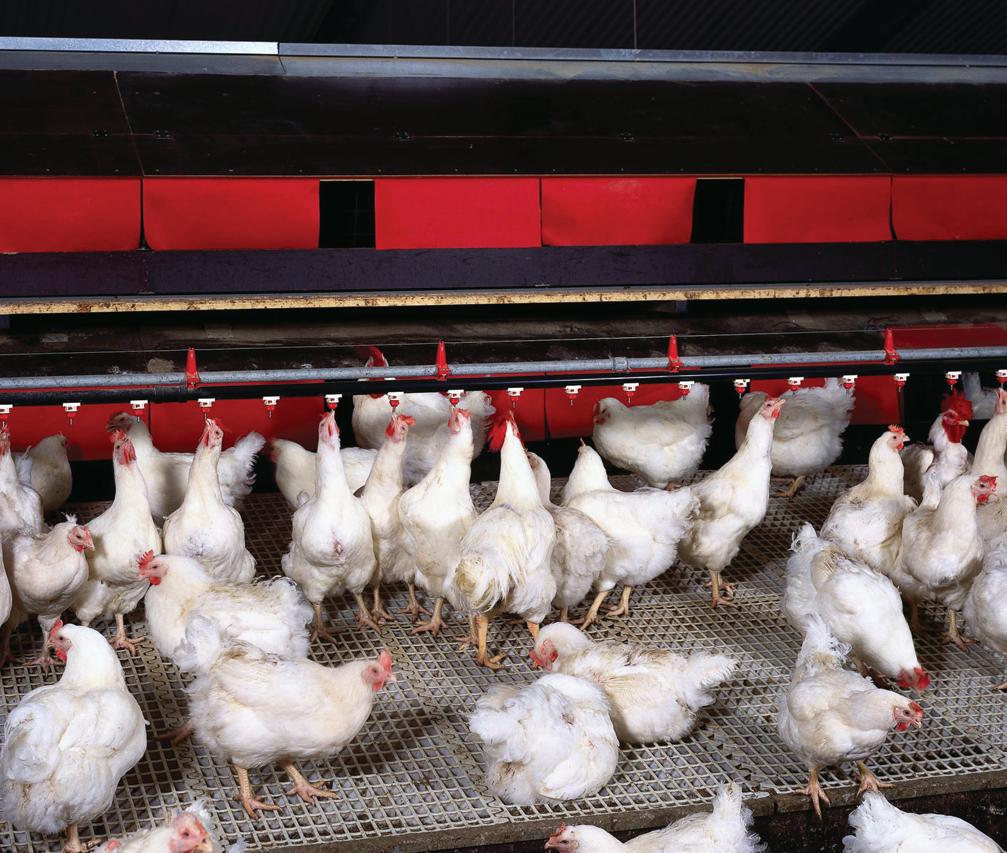
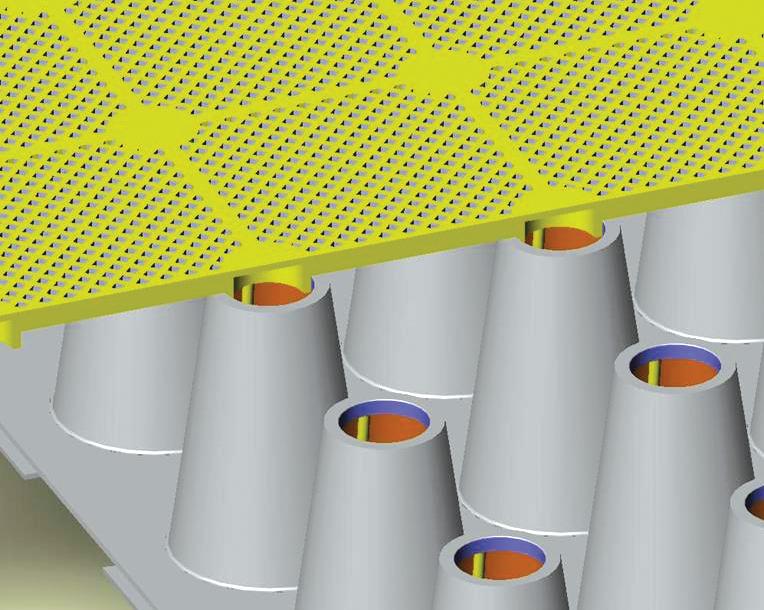
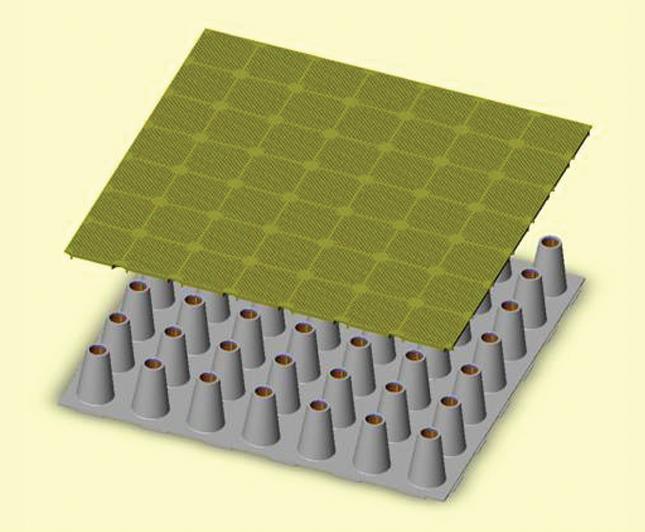
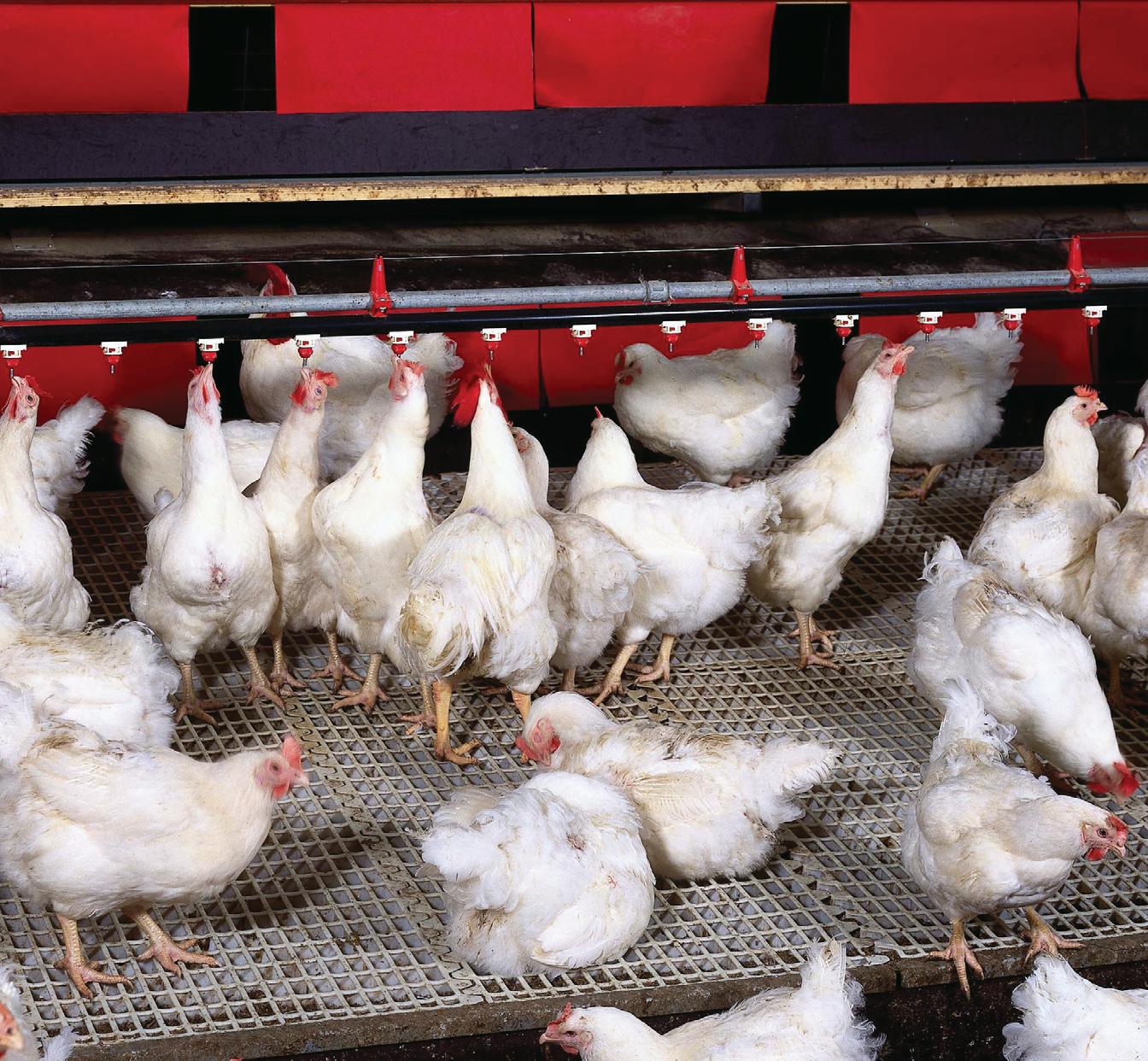
The flooring system consists of plastic interlocking squares, measuring about 18 inches by 18 inches. It sits about three inches off the ground, and is supported by peg legs located on the corners of each plastic section. There are tiny holes in each section. Coupled with a ventilation system, air funneling through the holes results in drying of the chicken fecal matter.
“Because of the ventilation and the wicking ability of the water through the fecal material, the newer material on top of the old continues to dry,” says UMES researcher and project leader, Dr. Jeannine Harter-Dennis. A major focus of the UMES research is how to ventilate a poultry barn correctly when using this flooring system to achieved lower moisture content.
Few likely thought of using plastic for the floor of their poultry barn, but U.S. studies indicate it may be worthy of serious consideration.
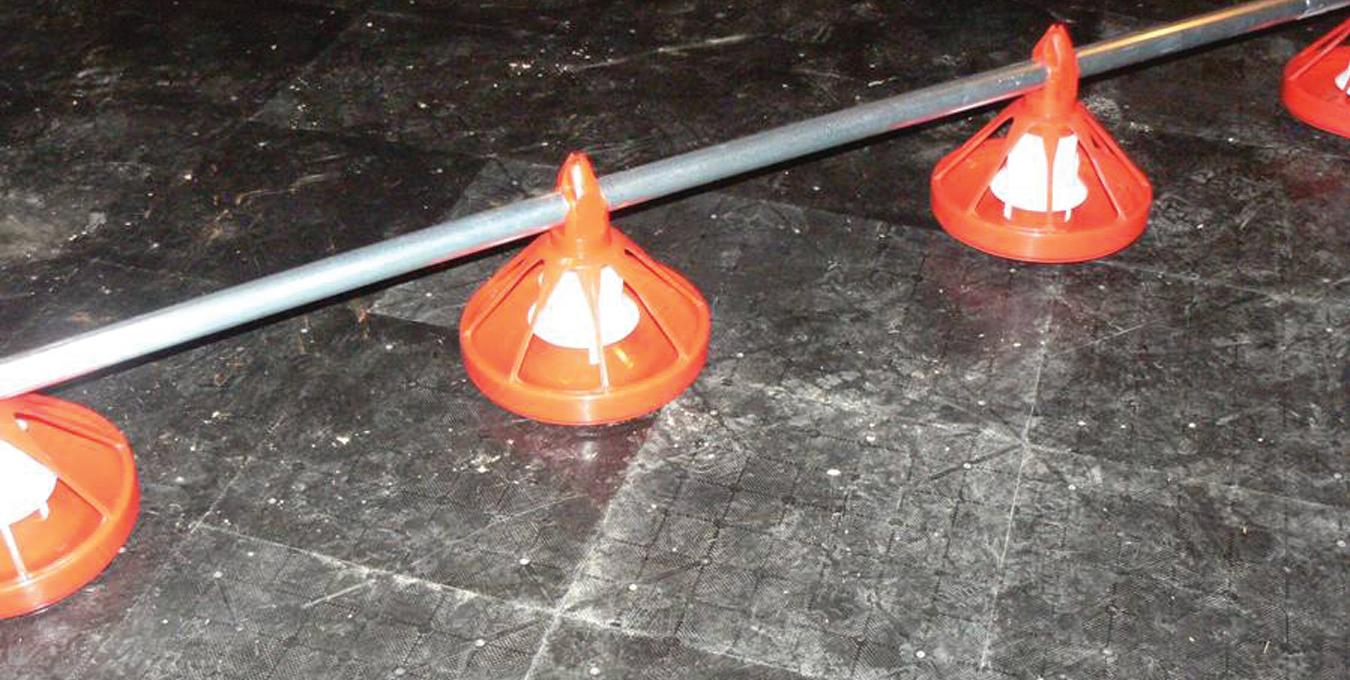
The plastic flooring system is sturdy enough to allow equipment to be driven on it so the manure can be scraped away between growing cycles.
No litter is required with this flooring system, and moisture content in the
Housing
chicken excrement was reduced to as low as 20 per cent in some cases, versus the normal 35 to 40 per cent. Moisture is a key ingredient in the production of ammonia gas, and moist, nitrogen-rich, poultry barn litter is ideal for growing the bacteria that are critical in the production of ammonia.
LESS MOISTURE, FEWER BACTERIA
Reduce the moisture and bacterial growth is greatly reduced, resulting in less ammonia production. Less ammonia also solves the perpetual problem of odour emissions from conventional poultry barns. Right
Housing
The flooring system consists of interlocking plastic squares, that sit about three inches off the ground, and are supported by peg legs located on the corners of each plastic section. A ventilation system funnels air through holes in the squares, drying off the chicken fecal matter.
now, the U.S. poultry industry handles the ammonia problem by applying an acidic product to the litter between production cycles to lower the pH in the litter, as this acts as an inhibitor.
“When chickens were grown in an environment with the new flooring and ventilation system, our preliminary results show that the ammonia was totally eliminated,” says Harter-Dennis. “I’m very pleased about that because when the fecal material hits the ground, it dries very rapidly and the lack of litter keeps the pH down below seven most times.” They’ve also witnessed between a 5 to 15 per cent growth improvement in the chickens.
Lower moisture content and pH also results in better disease control, as optimum bacterial growth is in the 8 to 8.5 pH range. This has huge implications for improving the bottom lines of U.S. producers with very little additional capital investment required.
MULTIPLE AGE FLOCKS?
Right now, Harter-Dennis says poultry production in the U.S. is an “all in, all out” process.
“The reason we do this is for disease control,” she says. “It’s to make sure you don’t have older birds on the same farm as younger birds that could actually transfer diseases.”
Because there is less potential for disease transfer with the new flooring
and ventilation system, producers will be able to establish nursery units on the same production land base, as opposed to the current practice of only allowing birds of the same age in the poultry barn.
“If our system works, we will at least and hopefully be successful at growing multiple age birds on the same farm,” she says, “because our disease load is so much lower. Doing the calculations, it almost will allow us to raise twice as many birds on the same land as what we had before.”
However, she acknowledged that there are some design challenges related to material falling through the holes in the plastic flooring onto the floor below. AviHome is aware of the problem and is working on a solution, looking at a new hole design, or a water permeable layer that could be placed over the flooring.
NO NEED FOR LITTER
Currently, U.S. producers use a four to six inch thick layer of wood shavings and sawdust called litter as an absorbent floor material in poultry barns, adopting this practice because these materials were readily available as byproducts of the timber industry. However, that situation has changed.
“Now we cut down trees just to make litter,” says Harter-Dennis. “It’s become a product, it’s expensive, and sometimes hard to get if not impossible. So if we
can grow chickens without litter, we save a resource, plus we don’t have the volume of a waste product that we would have if we were still using the wood chips and sawdust.”
The current method to manage the ammonia gas is to exhaust it from the poultry barn. Research has shown that vented ammonia contributes to the formation of particulate matter that through a cascade of events leads to the development of smog. This is why the EPA is looking at air quality and aiming to limit the exhausting of ammonia from intensive farm operations in particular.
A STEP AHEAD OF GOVERNMENT
“If we don’t self-regulate, we’re going to get governmentally regulated for the ammonia emissions,” says HarterDennis. “We’ve got people in Washington that don’t know very much about agriculture or animal production in general, making laws for us and we as producers want to be pro-active rather than reactive and present them with something that is reasonable and feasible that won’t destroy the industry.”
The concept is to develop a poultry barn floor and ventilation system that will control emissions that will be acceptable to the EPA, and can be retrofitted into existing poultry barns.
‘ENVIRONMENTAL HOUSE’
The reduction in ammonia production using the new flooring and ventilation system was observed after raising chickens on the plastic flooring on a six-week cycle in what Harter-Dennis described as an “environmental house,” where researchers were able to raise a flock of about 500 chickens in environmentally controlled chambers. They measured such critical items as air input, air output and air quality insofar as the functioning of the flooring and ventilation system was concerned. Their plan is to escalate research to the point where the flooring is actually tested within the next year in an actual, commercial poultry barn. ■
READ THESE STORIES AND MORE AT
U.S. Poultry Outlook
In their latest report (December 2008) the USDA Economic Research Service gives some predictions on broiler meat, turkey meat and table egg production for 2009 and the last quarter of 2008.
New Tool Fertilizes Fields and Reduces Run-off Nutrients
new field tool developed by Agricultural Research Service (ARS) scientists applies poultry litter to fields in shallow bands, reducing run-off of excess nutrients like phosphorus and nitrogen.
READ FULL STORIES ONLINE AT WWW.CANADIANPOULTRYMAG.COM
Our 2009 Buyers Guide is now available online under digital editions. Our Buyers Guide is the only reference tool to bring the entire Canadian poultry industry together in one directory.
To sign up for our bimonthly e-newsletter, visit www.canadianpoultrymag.com. It’s free!
CPRC Update
Previous issues of this update have outlined the priority areas that categorize most research supported by the Canadian Poultry Research Council (CPRC).
Topics such as Food Safety, Poultry Health, Avian Gut Microbiology, Poultry Welfare and the Environment top the list. These priorities are agreed upon at regularly scheduled meetings (next one in 2010) among industry, government and academic representatives. Research in these priority areas is clearly important, but the CPRC recognizes that the Canadian poultry industry is constantly facing new challenges. To be sustainable, the industry must adapt to emerging issues.
As has been described in earlier issues of this update, the CPRC solicits each year from the research community applications pertaining to one or more research priority areas. Prior to making a call for applications, however, CPRC directors meet to decide if topics outside the priority list warrant attention. Each director, representing his/her membership agency and commodity group (chicken, turkey, egg, hatching egg, and processing) brings emerging issues to the table. This process ensures that multiple facets of our industry are represented.
Issues of concern to one or more commodity groups are considered and, when appropriate, included in the call for proposals. For example, the CPRC recently made a call for research into novel feedstuffs in response to the emerging need for feedstuffs alternative to current grains (especially corn), which are increasing in price due to demands from the energy sector.
Several projects have received CPRC support (in principle) that will explore alternative feed ingredients that meet the nutritional needs of commercial poultry. As with all CPRC-supported research, these projects must attract matching funds before CPRC funds are released.
SEIZING NOVEL OPPORTUNITIES
Another mechanism by which CPRC supports research outside its priority areas is through an ad hoc program. Under special circumstances, the CPRC will consider a proposal anytime throughout the year provided it meets certain criteria: 1) it must provide a rationale for funding a project that is outside of CPRC’s priorities; 2) it must demonstrate that the proposed research is cutting edge and has the potential to address an acute issue, relate to a significant scientific opportunity and benefit the Canadian poultry sector; and 3) it must provide evidence of matching funding.
An example of research that received CPRC support under its ad hoc program pertains to cryopreservation of Canada’s remaining avian germplasm . The following is a brief description of the project, details of which can be found on the CPRC website under “Research Programs”:
In 1946 there were 300 breeders of poultry in Canada. Today, 90 per cent of the broiler chickens in North America and 90 per cent of layers worldwide come from two breeder companies each; none of these companies is Canadian owned. Many genetic lines at institutions and research facilities across the country have also been dropped. A 2005 survey of Agriculture and Agri-Food Canada (AAFC) and Faculties of Agriculture in Canada found that five institutions kept 33 lines of chickens representing 23 different populations. These stocks of live birds are at continual risk from disease and budget cuts. The narrow genetic base on which current genetic lines are built leaves the poultry industry in a precarious position. If a commercial line “crashes” and/or there is a need to breed in new traits, access to stocks with sufficient genetic diversity is essential.
Freezing and storing semen, as has been used to preserve genetic stocks in other agricultural species, does not work well with poultry. Furthermore, the large size and fragility of the avian egg precludes freezing its genetic material. Although freezing and storing cells from undifferentiated embryos has met with some success, the procedure to reconstitute flocks is technically difficult.
AAFC scientist Dr. Fred Silversides and his team suggest an alternative procedure. They have demonstrated that ovarian tissue can be collected from day-old chicks and transferred to recipient chicks. They have also shown that testicular tissue can be transplanted from one chick to another resulting in live offspring once the recipient reaches sexual maturity.
The implication of these results is that these tissues can be collected from chicks of genetic interest and frozen for long-term storage. When there is a need to regenerate flocks, the tissues can then be thawed and transplanted to recipient chicks that, upon reaching sexual maturity, can be bred to produce offspring with the genetic makeup of the transplanted tissue.
This research was funded by CPRC and AAFC. Preliminary work was also supported by the Poultry Industry Council (PIC) and was highlighted in the April 2008 PIC Update in Canadian Poultry magazine.
For more details on any CPRC activities, please contact Gord Speksnijder at The Canadian Poultry Research Council, 483 Arkell Road, R.R. 2, Guelph, Ontario, N1H 6H8, phone: 289-251-2990, fax: 519-837-3584, email: info@cp-rc.ca, or visit us at www.cp-rc.ca. ■
The membership of the CPRC consists of the Chicken Farmers of Canada, Canadian Hatching Egg Producers, Canadian Turkey Marketing Agency, Egg Farmers of Canada and the Canadian Poultry and Egg Processors’ Council. CPRC’s mission is to address its members’ needs through dynamic leadership in the creation and implementation of programs for poultry research in Canada, which may also include societal concerns.
Water Dealing With Sand in Your Water System
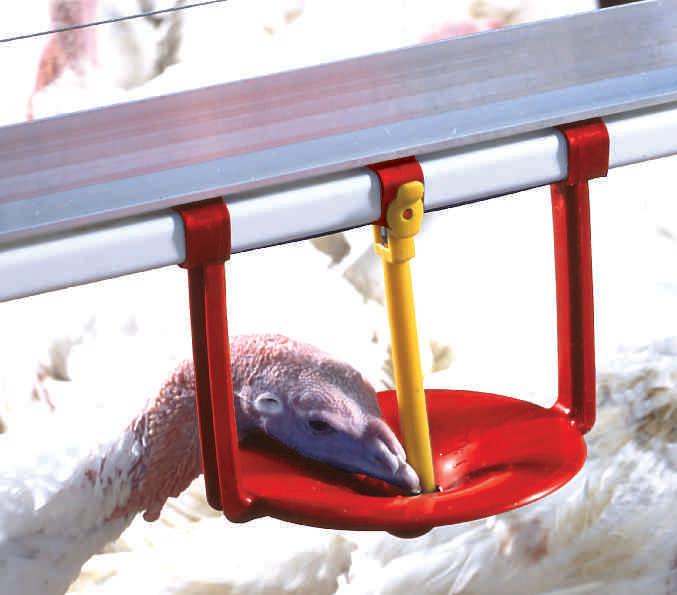
While sand can be removed, with difficulty, from a watering system, the best solution is to stop it at the source
BY THE TECHNICAL TEAM, ZIGGITY SYSTEMS, INC.
Sand in a poultry watering system can be particularly irksome. The sand can cause drinkers to leak, damage the well pump and inhibit the effectiveness of the regulator. And, getting rid of the sand is not a simple process. High-pressure flushing is the usual remedy for removing foreign substances from the water lines. However, while high-pressure flushing can remove a majority of the sand, it also can force sand granules into the drinkers throughout the line, causing them to leak.
Sand enters the system from the well. There are a variety of reasons a well begins to pump sand. Among them is incomplete well development, especially for a new or rehabilitated well. (Well development is the act of cleaning the silt and debris created in the well and surrounding aquifer during the drilling process.) Having the wrong size screen at the aquifer level can result in sand. Or, there might be localized large openings in the screen as a result of corrosion or abrasion.
There is no single solution to remedying a sand-pumping well. In most cases, you will need to call in a well professional for help. Among the corrective measures are replacing the screen with one having smaller openings; using one or more of the methods available to redevelop the
well; and drilling the well deeper.
One concern is that you do not over-pump your well. If you keep the permanent pumping rate lower than the discharge rate used during final development, the well most likely will remain sand free.
Filtration will keep a majority of sand out of the watering system, but you should not use a filter as a substitute for good well design and proper well development. If the well is pumping a large amount of sand, the filter will quickly become clogged and fail.
Also, changing the filter on each house can become a labour-intensive procedure. This past year, Parker-Hannifin Corp. developed a filter especially for poultry applications. This filter is large enough to handle the filtering duties for
system so the best way to deal with it is to not let it get in.
several houses, thereby saving time and effort for poultry farmers.
After the well is no longer pumping sand, it is time to work on the sand already in the water lines. We cannot emphasize enough the problems that even a small amount of sand can cause. Drinkers are designed to operate with very fine tolerances. One or two grains of sand lodged between the ball and its seat or trigger pin will cause a soggy mess below that drinker.
To remedy this situation, there is a protocol for cleaning sand from a
Sand can really mess up a watering
TRUE GRIT
Water
watering system. This procedure should be done between flocks.
•
Disconnect the hoses at every regulator at the end of the hose drop from the ceiling, and run a connecting hose outside well away from the house. Turn on the valve at the ceiling and let the water run for at least 10 minutes for the first regulator. Then place the hose in the bottom of a large bucket and let the water run over the top of the bucket. (Use a white bucket if your sand is dark and a dark bucket if your sand is white.) Do this until you no longer see any sand accumulating in the bottom of the bucket.
•
•
•
Repeat this procedure for each of the remaining regulators.
Disconnect the regulator from each line and spray clean the inside of the regulator. Take off the white h valve and spray into all openings to make sure all sand is removed. Do this for each regulator in each house. Remove at least the first six sections of drinker pipe on each line and spray and flush each 10-foot section. If you see sand in section seven, continue this procedure until you no longer see sand.
•
•
•
Next remove the drinkers in each section and either replace the entire drinker or the capsule in each drinker. (The capsule is made up of the cap, the metering pin, the stainless steel ball and the stainless steel seat.) You must do this on each section of drinker line.
Once you are sure the lines are sand free, complete a standard high-pressure flush for the entire system. If your residence is served by the same well that provides your poultry barns, you will have to take remedial steps there, too. These steps will include draining the water heater, clearing faucet bubblers and cleaning showerheads.
As you can see, removing sand from a watering system is complicated and time consuming. The best solution is to make sure your well is not pumping sand and to filter the water before it enters the poultry house. ■
Canadian Poultry Magazine and Intervet/Schering-Plough Animal Health present the
Great
Canadian
“FLY THE COOP” Get Away Contest
Congratulations, you have found Brewster!
Record the page number and issue date where this ad is located on the contest ballot located at the Intervet insert in the centre fold of this magazine. Complete the remainder of the information on the ballot, attach a first class stamp and mail to: Great Canadian “Fly the Coop” Get Away Contest, c/o Canadian Poultry Magazine, Annex Printing and Publishing Inc., P.O. Box 530, 105 Donly Drive South, Simcoe, Ontario, Canada N3Y 4N5. Good Luck!
SEPTEMBER 2008
Mike B. Hofer – Hodgeville, Saskatchewan
OCTOBER 2008
John Beischlag – Jarvis, Ontario
NOVEMBER 2008
Hardy G. Wipf – Warner, Alberta
DECEMBER 2008
Cathy Green eld – Hagersville, Ontario
Poultry Vaccines: a 15-year perspective
Our knowledge is increasing rapidly, bringing great optimism
BY IAN TARPEY, INTERVET/ SCHERING-PLOUGH ANIMAL HEALTH, PRESENTED
AT THE XXIII WORLD’S POULTRY CONGRESS
Given the considerable increase in our understanding of the avian immune system and the pathogenesis of avian micro-organisms over the last few decades, plus the technological advances in molecular biology, genomics, proteomics, bioinformatics and vaccine delivery systems, there is rightly a high expectation for new generations of poultry vaccines. However, our expectations should be moderated to some extent, as the pace of change is likely to be slower than hoped for.
There are many reasons for this. Poultry vaccines have more complex requirements in comparison to vaccines for other species. Of course new poultry vaccines should be safe and efficacious, but they should also be quick and easy to apply, be in the correct combinations plus, whenever possible, be broad spectrum to reduce the number of vaccinations and/or handling of the birds. All of this should be achieved within the constraints of a strict economic framework whilst the regulatory, political, environmental and disease pressures are constantly shifting. In addition to this, the fact that most of the current vaccines work extremely well compounds the problem. For these reasons we should
adopt a balanced, cautious optimism for future advances.
So what have we learned that can assist us in the next 15 years? Of particular note is the advance in our knowledge of avian immunology including the innate immune response, the role of chemokines/cytokines, antigen processing and presentation, cell mediated and mucosal immunity. From studies of the innate immune response we now better understand the way in which immune responses are initiated, the manner in which pathogens are recognized being crucially important.
This knowledge has to some extent shifted the emphasis on adjuvant research to target the innate immune response. By developing adjuvants that initiate the
HIGH EXPECTATIONS
With greater understanding of avian immune systems and the pathogens afflicting the birds there is a high expectation for new generations of poultry vaccines.
immune response more optimally we may be able to lower antigen doses, to give fewer doses, to obtain faster onset of immunity whilst maintaining a long duration of immunity. From the chemokines/cytokines field we have learned that chickens express many of the regulatory proteins that mammals do. Much effort is
These two really know farming. But only one of them works at the bank.
TD Canada Trust Agriculture Specialists understand farming. In fact, we have years of experience in agriculture and understand the factors that affect the industry in Canada. So whether you’re looking to expand your operation, finance equipment, quota, or livestock, or improve your cash flow, we’re always ready to provide insightful, one-on-one advice and innovative financial solutions tailored to your specific needs. Our specialists work to build a long-term relationship with you, your business, and the next generation of proud Canadian farmers. Because we know you have goals for your farm, and we want to help you achieve them. Contact one of our Agriculture Specialists today.
Yeast Beta Glucan and Osteoporosis
The influence of this complex carbohydrate on cage layer fatigue is being studied
BY TIM NELSON, EXECUTIVE DIRECTOR, AND KIMBERLY SHEPPARD, RESEARCH CO-ORDINATOR
Advances in the genetic selection of commercial laying hens have reduced the age at onset of lay, improved feed conversion, increased egg mass, and increased the total number of eggs produced over the production cycle. With this increase in overall egg production, more calcium is needed to produce eggshell. However, as a hen ages, calcium mobilization from the hens bones decreases and less calcium carbonate is produced, creating a calcium deficiency. This deficiency adversely affects egg production and eggshell quality.
Furthermore, laying hens are commonly diagnosed with a disease referred to as “cage layer fatigue,” which is a form of osteoporosis that leads to thoracic vertebrae collapse and paralysis. Osteoporosis results when bone resorbtion (mineral release from bone fluid to blood) exceeds bone formation, leading to bone weakness. Hens with weakened bones result in economic losses for producers, and associated bone breakage raises welfare concerns. For these reasons the industry needs an effective strategy for managing this disease.
Dr. Bruce Rathgeber and his research team at the Nova Scotia Agricultural
College have been investigating the use of yeast beta glucan (a complex carbohydrate) to improve bone strength in laying hens. In lab studies, partially purified beta glucan has been shown to be a potent inhibitor of bone resorbtion. The researchers fed varying levels of yeast beta glucan to laying hens via their feed, and measured both egg and bone parameters.
Their findings? Overall, the yeast beta glucan did have an effect on bone metabolism, but the effect was not great enough to influence bone strength, egg production or shell quality. The amount
Researchers are studying the effect of the yeast beta glucan on bone strength and egg production to determine if it can increase calcium in laying hens.
of yeast beta glucan included in the diet seemed to be a very important factor, and perhaps feeding higher levels than those evaluated in this study would have a greater effect on bone condition and egg quality. To read more, please visit www.poultryindustrycouncil.ca.
BUILDING BONES
PIC Update
FEATURED RESEARCHERS
Dr. Marie Archambault, DMV, MSc, PhD, Dipl ACVM, is currently an assistant professor in the Department of Veterinary Pathology and Microbiology at the Faculty of Veterinary Medicine of the University of Montreal. She received her Doctor of Veterinary Medicine degree from the University of Montreal in 1993. Later, she held various university teaching assistant positions while pursuing her post-graduate education. She obtained an M.Sc. in Veterinary Pathology and
TMicrobiology in 1995, a PhD in Microbiology and Immunology in 2000, and Board Certification from the American College of Veterinary Microbiologists, with a subspeciality in Bacteriology and Mycology, in 2002. From 1999 to 2004, she was the head bacteriologist at the Animal Health Laboratory of the University of Guelph where she was also an adjunct faculty member. In 2006, Dr. Archambault received the best teaching award from the student committee of the Canadian Veterinary Medical Association of the University of Montreal. Her areas of research include antimicrobial resistance and alternatives to antibiotics. Her Natural Sciences and Engineering Research Council of Canada (NSERC) research program is on the investigations into the association between antimicrobial resistance and virulence factors of Clostridium perfringens.
Bacteriophages as an alternative to antibiotics for the control of necrotizing enteritis
oday’s consumer is becoming more aware of potential drug residues in the products they purchase, and the risk of establishment of antibiotic resistant bacteria in animal and human populations. Developing alternatives to the use of antibiotics in poultry production will help to meet consumer expectations and enhance confidence.
One challenge that has been identified in moving away from the use of antibiotics in poultry production is a rise in the incidence of necrotic enteritis. In countries that are no longer using antibiotics as growth promoters, the incidence of necrotic enteritis has increased markedly. The disease is caused by the bacteria Clostridium perfringens. Infection results in sudden mortality within the flock, with losses of typically around 10 per cent and ranging from about five per cent to 40 per cent.
The use of prebiotics and probiotics has been suggested to help control C. perfringens, but these are not available for practical use in the field at the present time. Therefore, in order to manage this important disease, new methods of prevention must be investigated.
Dr. Marie Archambault and her research team at the University of Montreal have been studying the use of bacteriophages to control C. perfringens. Bacteriophages (phages) are viruses that infect bacteria. If a phage encounters a bacterial cell that is sensitive to it, it will enter the cell and produce more phages, thereby killing the cell and moving to surrounding cells. Because of the mechanism by which phages kill bacterial cells, it is important to identify phages that are as disease specific as possible.
Their findings? The researchers discovered two new phages in poultry litter and poultry digestive tracts. In order to test the effectiveness of the phages on C. perfringens, this bacteria was isolated from the digestive tract of chickens and turkeys at processing plants. Lab testing showed that the newly discovered phages had the ability to destroy a proportion of C. perfringens isolates. The researchers combined these two phages with a third, previously identified phage, creating the first bacteriophage “cocktail” against C. perfringens. Lab work is continuing to optimize the cocktail before testing its effectiveness in live birds.
takes time and it is not one-dimensional.
It has been relatively quiet at PIC since the conference so I thought I’d tell you a bit about what we’re up to in 2009.
This year we’re looking to see what we can do about ensuring that the research we’re managing on your behalf gets results out in a format that you can utilize more quickly to enable higher productivity. We’ll report on this as the year goes on but first up it’s important to remember that research
Productivity is part of the research story, and as a result industry-funded research must seek to improve productivity. But at the same time, the less well-expressed research need of producers (industry) is to be prepared for whatever the climate, disease agents, the community and others throw at us.
To this end PIC has two portfolios of current research, both of which have been derived from the expressed needs of industry through our Strategy. The first is the research that
MARIE ARCHAMBAULT, UNIVERSITY OF MONTREAL
PIC PICKS
is generated from our annual call for proposals (reported in the November 2008 edition of Canadian Poultry magazine). This is research designed by researchers to address issues we’ve raised in the Strategy.
At first glance, it can seem as though research doesn’t have any relevance
PIC Update
to you (like research heavy on scientific exploration such as microbiology, genomics, pathobiology, etc.). However, in time it can lead to a breakthrough in disease resistance or food safety, and we all benefit.
Then there are the projects that have immediate resonance with producers,
SolarWall
• SolarWall has been installed on hundreds of agricultural and live-stock buildings, reducing heating costs by up to 30%. The system, which uses the sun to pre-heat incoming fresh air, also dramatically improves air quality and decreases humidity. There are many reasons to consider SolarWall for your new or existing buildings:
• SolarWall provides thirty years or more of free heat.
• SolarWall means more fresh air can be brought into the building improving air quality without increasing heating costs.
• SolarWall is maintenance free and has no moving parts.
• SolarWall is cost effective - As of September 1, 2008 there is a federal contribution of $70.00/m2 of solar panel area and a matching $70.00/m2 contribution from the Ontario provincial government.
• SolarWall also contributes to cooling a building in the summer by shading the existing outside wall from the sun.
Call Exacon or an authorized SolarWall dealer near you for additional information and to obtain a free quote.
projects designed or commissioned by industry. This is a relatively new area for PIC but one that is growing quickly. You may have heard of the work: we’re responsible for looking at the use of GPS to service track vehicular movement on and off properties to reduce the risk of disease transfer in the case of an outbreak (if you want more information – call us). We’ve also commissioned the writing of several service sector biosecurity protocols and we are heavily involved in the procurement and management of personal protective equipment for use in a disease outbreak as part of a cross-industry initiative.
We’ve also just completed three short projects for the Egg Farmers of Ontario looking at the impact in other provinces of their introduction of an animal health act, the upcoming organic regulations and the cleaning and disinfection procedures required in other countries. We’re currently developing three larger projects; one looking at the relative energy values of different poultry manures with a view to recycling for energy production; one looking at poultry barn emissions and how they compare with other livestock and a project that will allow us to scan the literature around the globe on a regular basis to bring the latest innovations from around the world to our industry more efficiently.
Finally we’ve also just completed a review of our local and national research facilities and human resources in readiness to meet with Ontario Ministry of Agriculture, Food, and Rural Affairs and the University of Guelph’s plan for the proposed research facilities at Elora. This year we are going to rework and reissue some of our factsheets on practical management in the barn.
So we have a big year ahead and we look forward to your continuing support and as always if you want more information about what we’re up to at PIC just give us a call or send us an email.
Don’t forget the London Poultry show is taking place at the Western Fairgrounds on April 8-9 our Research Day takes place on May 12. ■
2009 Annual General Meeting
Fresh Ideas,Growing
Monday,March 23,2009
Featuring David Foot
Best-selling author David Foot,Professor of Economics at the University of Toronto,will share valuable insights on the Ontario chicken industry based on his understanding of change – demographic and social.
David Foot is the author of Boom,Bust & Echo:How to Profit from the Coming Demographic Shift and the updated paperback, Boom,Bust & Echo:Profiting from the Demographic Shift in the 21st Century
Additional featured speakers include:
Linda Strachan,Senior Account Manager with NPD Group shares the Five Mega Trends in the Foodservice sector that are driving growing chicken consumption.As the industry’s leading market research information,NPD’s Consumer Reports on Eating Share Trends (CREST® ) offers insight on consumer purchases of commercially prepared meals and snacks.
Research Return of the Good Egg
People are beginning to realize the negative effects that reducing consumption of eggs has produced
BY DR. PETER HUNTON*
In late November 2008, more than 100 scientists gathered in Istanbul, Turkey, for the symposium, “The Return of the Good Egg.” Keynote speaker Don McNamara, from the U.S. Egg Nutrition Center in Washington, D.C., reviewed the sad history of what he called a failed hypothesis, vis the alleged relationship between cholesterol in our diet and cholesterol in our bloodstream, and consequentially, our risk of heart disease.
Although the original statements about cholesterol’s bad effects on human health were made more than 25 years ago, it is only now that people are beginning to realize the negative effects that reducing consumption of eggs has produced.
Dr. McNamara quoted the well-known American philosopher and humorist, H.L. Mencken, who once said that “for every problem, there is a solution that is simple, neat and wrong.” So for many medical doctors, faced with a patient who was overweight, under-exercised and with a high blood cholesterol level, it became easy to recommend that they reduce or cease egg consumption. Although unlikely to resolve the patients’ problems, it still more or less met the physicians’ pledge to “do no harm.”
There is now more than enough evidence, from animal studies, clinical trials and epidemiological studies, to convince
anyone that there is no statistical relationship between egg consumption and risk of heart disease.
The difficulties and shortcomings of animal models were described. Herbivores such as rabbits (used in the original work quoted to demonstrate the effect of dietary cholesterol on blood cholesterol) are of little value, because in their natural diet, they do not encounter cholesterol. Work using dogs or rats, while of potentially greater value, is often invalidated because of the very high levels of cholesterol used. These are often so high as to overwhelm the animals’ natural control mechanism.
Epidemiological studies have perhaps provided the best data confirming the lack of association between consumption of eggs (or other cholesterol-con-
McNamara, from the U.S. Egg Nutrition Center in Washington, D.C., reviewed the sad history of the alleged relationship between cholesterol in our diet and cholesterol in our bloodstream, and consequentially, our risk of heart disease.
taining foods) and the risk of heart or artery disease. Once data are corrected for patient age, and other variables, it is clear that there is no connection; however, demonstrating this is only the first step. Informing the public and, more importantly, the medical and nutrition communities is more difficult, time-consuming and expensive.
Don
GETTING IT RIGHT
Photo by Dr.
Peter Hunton
CUSTOMER SATISFACTION ACROSS CANADA
...“The strength and durability of the system told me that this was going to last more years than I had left in the business. ... As we got into the reality of using the system, I knew we had made the right decision.”
Al Dyck, Harman Poultry Farm, Prince Albert SK
...“My Hellmann Cage System is awesome. An excellent system to work with on a daily basis.”
Doug Pauls, Highplain Farms, Niverville MB
...“With the Hellmann Cages I am getting results I cannot believe. Uniformity in the mid 90’s...Feed conversion also improved dramatically (5.9 kilos/bird). The Hellmann troughs keep the feed in the troughs and not on the floor.”
Gerard Hoftyzer, Londesboro, ON
... “With 94% uniformity, excellent feed conversion, very good air quality; all accomplished with minimal labour inputs; I am extremely pleased with my decision to purchase Hellmann Pullet Cages.”
The Turkish organizers played an important part locally by holding a press conference prior to the main symposium, and hoped to achieve wide media coverage. This included presentations by Don McNamara and a local physician, respected in the Turkish medical profession. The press conference was attended by almost 100 people including television, radio, magazine and newspaper personnel.
McNamara and his U.S. colleagues work tirelessly to promote the message in their own media.
The next phase of the promotion of the “New Good Egg” is the emphasis on the aspects of egg nutrition that consumers deny themselves by restricting egg intake. These include the benefits of choline, lutein, folic acid and omega-3 fatty acids, all contained in normal eggs, and in greater quantities in some of the enriched eggs now on the market.
Dr. Peter Surai is a world traveller on behalf of Alltech, manufacturers of Sel-Ple, which, when added to the diet of laying hens, increases their selenium content three- to five-fold. Enriched eggs provide 20 to 30 per cent of the supposed requirement of many people, although recommended levels vary in different countries. According to Dr. Surai, inhabitants of many European and Asian countries are generally deficient in selenium because of local soil conditions. North Americans are less likely to be deficient.
There were several papers reporting original research on supplementing eggs with omega-3 fatty acids, along with other nutrients that might prevent oxidation of these relatively unstable compounds. Customizing eggs for different functional and nutritional needs was discussed by Dr. Niva Shapira, from Tel Aviv University in Israel. Dr. Shapira also discussed the ration of omega-6 and omega-3 fatty acids, which has become much wider in contemporary western diets than in, for example, the diets of our hunter-gatherer ancestors. This factor has been exploited by the producers of Columbus Eggs, developed in Belgium, but now widely available around the world.
Another interesting paper was presented by Dr. Gilbert Weber of DSM, not directly dealing with eggs, but with the nutrition of hens producing them. Dr. Weber showed that many of the recommendations for vitamin nutrition of layers are based on research conducted at least 30 years ago. Since then, layers have become much more productive, and have reduced their feed consumption by 10 to –20 per cent. All of the
vitamins were discussed with respect to their function, and symptoms of deficiency. Recommendations from the NRC (1994) were compared with current usage by DSM and other vitamin suppliers. Compared with the 1994 recommendations, vitamin A levels are now increased three-fold, vitamin D3, 10-fold, and other essential vitamins by multiples varying from double to 10-fold.
Other research reported included feeding hens a yeast autolysate, which increased egg weight by about 0.7g/egg and altered the fatty acid and cholesterol composition.
French researchers described exciting new research to identify new egg proteins. This work is in its infancy but promises to yield new outlets for egg components of value in the medical and pharmaceutical fields.
All told, this symposium was an excellent advertisement for eggs, and an exciting look into the future of what many believe is already “nature’s perfect food.” ■
* Dr. Hunton’s attendance at the symposium in Istanbul was funded by ISA, a Hendrix Genetics Company.
Dr. Peter Surai of Alltech said inhabitants of many European and Asian countries are generally deficient in selenium because of local soil conditions.
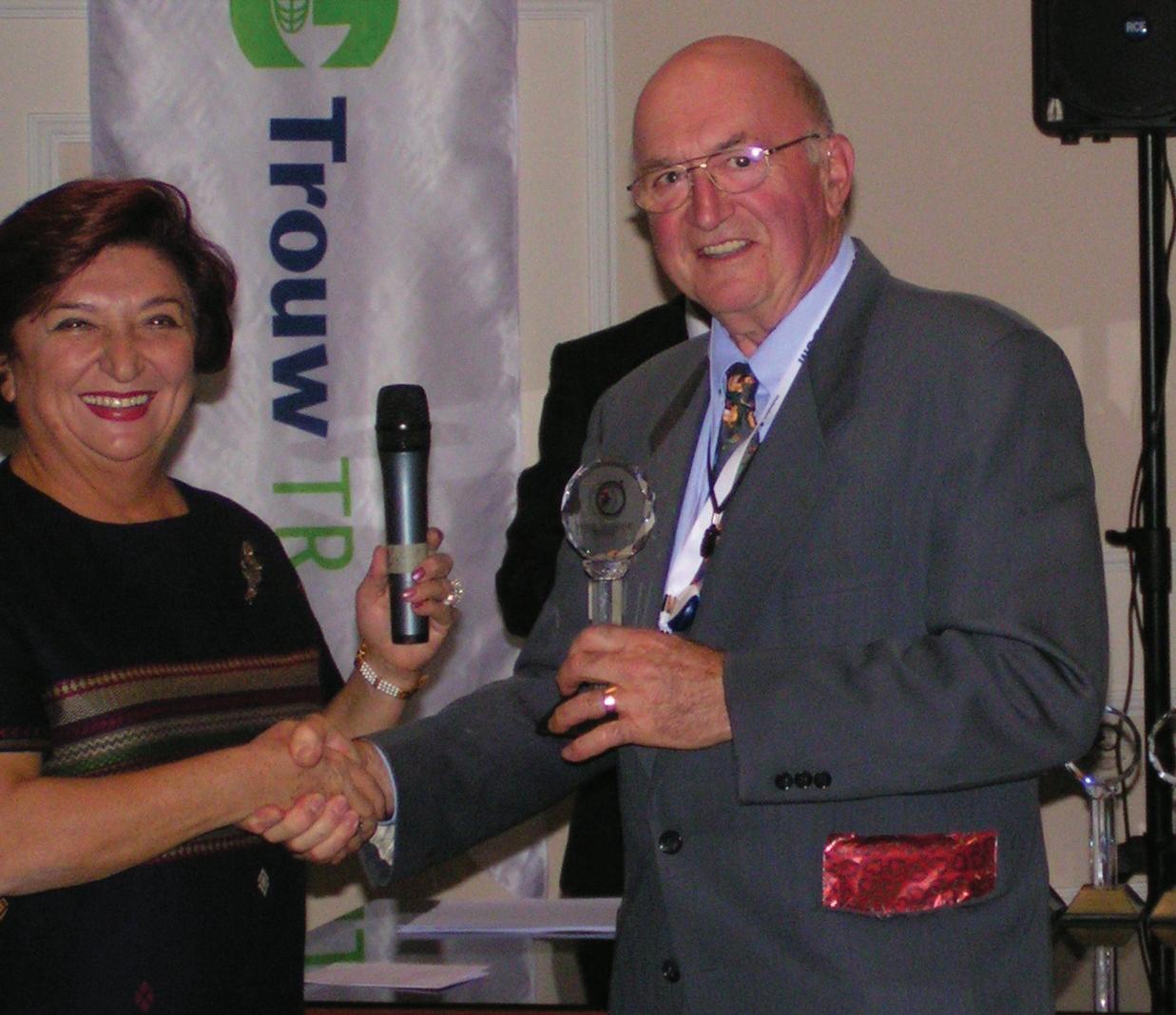
Prof. Ruveyde Akbay, president of the Turkish Branch, World Poultry Science Association, presents a memento of attendance to Dr. Peter Hunton.
Photo by Dr. Peter Hunton
Photo by Dr. Peter Hunton
Disease
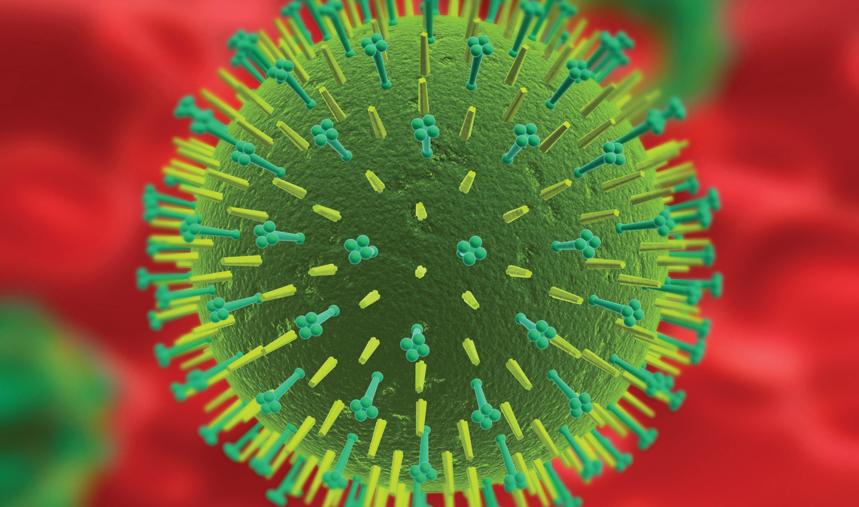
Emerging and Evolving Diseases
These present fresh challenges for diagnosis, control and understanding
BY RICHARD C. JONES, UNIVERSITY OF LIVERPOOL, UNITED KINGDOM
PRESENTED AT THE XXIII WORLD’S POULTRY
CONGRESS
Most of the important infectious diseases of poultry have been known for many years and are controlled variously by medication, vaccination, eradication and biosecurity. Examples of such diseases that were known before the intensive commercial poultry industry developed are infectious bronchitis (IB), Newcastle disease (ND), lymphoid leucosis. From time to time, new diseases emerge to provide fresh challenges for diagnosis, control and understanding of their epidemiology.
In addition, other well-established diseases evolve in different ways and can also present problems for diagnosis and control. In the wider sphere, it is recognized that emerging viral infections in both humans and animals have been reported with increased frequency in recent years. Examples are SARS, avian influenza, West Nile virus and the Nipah virus. This paper presents a review confined to some of the more recent diseases of viral origin, others that have re-emerged and some experiences from previous emerging diseases. In addition, IB is discussed as an example of a disease in which the causal virus is showing constant evolution. Finally, the impact of infections caused by the avian metapneumovirus (aMPV) are briefly
Emerging viral infections in both humans and animals have been reported with increased frequency in recent years.
discussed as an example of a still relatively recently emerged viral agent, with some lessons learned.
DEFINITIONS
For the purposes of this paper, I have used the World Health Organization (WHO) definition of an emerging disease. This is
defined as a disease that has appeared in a population for the first time, or that may have existed previously but is rapidly increasing in incidence or geographic range. Diseases that reappear after a period of absence can be considered as re-emerging. Some of these include runting/stunting syndrome and inclusion body hepatitis. I have used the term evolving, since I
NEW BUGS
consider that it accurately describes the constant emergence of novel genotypes of IB virus and we have monitored this phenomenon in Western Europe in the last few years. Arguably, all viruses should be described as evolving, but there are some viral diseases of poultry such as infectious avian encephalomyelitis and fowlpox which appear to be relatively stable. Of course in some instances, virus evolution is a way of producing an emerging disease, so the definitions can overlap.
HOW DO EMERGING VIRAL DISEASES ORIGINATE?
New viral diseases can appear in domestic poultry in a number of ways. The causative virus may originate from another avian species, such as the Egg Drop Syndrome virus, which was found to be a duck virus. Another example may be avian metapneumovirus, where evidence of infection has been shown in ostriches in Africa.
Others have emerged following mutations of familiar viruses, such as the highly virulent strains of Marek’s disease. Various possibilities that can occur through viral recombinations have been discussed by researchers.1 It has been described that recombinations can occur between Marek’s disease virus (an oncogenic herpesvirus), fowlpox virus and various oncogenic retroviruses. These researchers point out that it is now recognized that chicken anaemia virus (CAV) was created by several inter-family recombination events occurring between animal and plant viruses. The modern poultry industry with its intensive husbandry and the multiple opportunities for viral replication is eminently conducive to the spread of new diseases resulting from mutations and recombinations. Some of these mechanisms may have zoonotic implications.
DIAGNOSTIC AND CONTROL PROBLEMS
The emergence of a new disease may present considerable problems of diagnosis, surveillance and control. When
Disease
As new viruses emerge it will be necessary to use all available diagnostic methods to determine the viral cause.
an emerging disease is considered to be of viral origin, the traditional method of agent identification had been to attempt virus culture in cell monolayers, fertile eggs or organ cultures. However, the shortcomings of our existing culture systems are self-evident.
Cultivation was easily achievable with EDS adenoviruses, and rotaviruses were first cultured with the help of trypsin and centrifugation. However, CAV has not been cultivable in conventional cell types, but needs transformed cells in suspension. Turkey coronaviruses, considered to be an important player in poult enteritis mortality syndrome (PEMS), can so far only be cultivated in the intestine of turkey embryos and hepatitis E virus has so far resisted attempts to grow it.
It seems likely that intestinal viruses are involved in the multifactorial syndromes like PEMS and runting/stunting and are proving especially difficult to cultivate. Perhaps intestinal organ cultures, though notoriously self-destructive, should be reconsidered. The inability to cultivate the causal virus can also delay the development of serological tests for surveillance or studying immune responses. In some instances
this has been obviated using particular recombinant proteins but only where the important viral protein genes can be identified and expressed.
Where cultivation has proven difficult, and before the advent of molecular methods, immunofluorescence staining of tissue sections using convalescent serum has helped to show the likely tissue and cellular targets of viruses such as aMPV. Electron microscopy of intestinal and tissue suspensions or embedded sections has indicated morphology and size of viruses present.
More recently, molecular methods and in particular, the polymerase chain reaction has been used to identify characteristic virus sequences in clinical material. This technology is rapid and can, when followed by sequencing or random fragment length polymorphism, give precise identity to a genotype.
It is also possible to trace the geographic movement of viruses by means of molecular epidemiology more conveniently than any cultural system could. However, although much more rapid than virus isolation, where a virus is uncultivable, PCR does not provide live virus for further study, for example for
pathogenesis elucidation or vaccine development. In these cases, infectivity has to be determined in live birds using filtered virus-rich tissue or gut material. In future, it seems likely that the development of microarray technology will enable the rapid screening of emerging disease material for a wide range of possible agents.
EMERGING AND RE-EMERGING DISEASES
The two most prominent viral emerging diseases to affect poultry in recent years are PEMS and hepatitis E virus infection, associated with hepatospelenomegaly or big liver and spleen disease (BLS).
PEMS is a highly infectious disease of young turkeys defined by spiking mortality, diarrhea, growth depression, stunting and immunosuppression. It was first described in young turkeys in the southwestern U.S., but is now know to be in the U.K. and elsewhere. It appears to be multifactorial in nature and can be transmitted using gut extracts and also with bacteria-free extracts of thymus.2
Turkey coronaviruses (TCV) and turkey astroviruses have been implicated, together with reoviruses and entropathogenic E.coli. However, the role of these viruses is uncertain, since they cannot replicate the disease when given alone but they can be detected in PEMSfree flocks. Because of the uncertainty of the aetiology, and particularly the role of viruses, control is best achieved by basic disease prevention principles such as all-in all-out and thorough cleansing and disinfection.
BLS was first described in Australia in the 1980s and later in the U.K. and U.S. Affecting broiler breeders and layer breeders, it is characterized by reduced egg production, increased mortality and enlarged livers and spleens. The putative causal virus is a 30-35 nm diameter non-enveloped RNA herpesvirus referred to as avian hepatitis virus (HEV) which shares 50-60 per cent nucleotide identity with pig and human types of the virus and 80 per cent identity with the Australian strains of BLS virus.3 Attempts
Disease
to propagate the virus in cell cultures or eggs were unsuccessful. Gross liver lesions have been produced in specific pathogen-free (SPF) adults using virus in bile extract.4
Although due to the inability to cultivate this virus a traditional vaccine cannot be made, successful immunization of chicks against hepatitis E virus using a recombinant HEV capsid has been reported.5 Diagnosis depends on clinical and post mortem signs and RTPCR methods, which are now being used for virus identification. The origins of this virus are unknown but it may have represented a mutation of a pig or human type.
Other diseases described as being emerging are infectious laryngotracheitis in Australia, runting/stunting syndrome in the U.S. and inclusion body hepatitis in Canada. All these conditions have been present in the UK and there would be described as reemerging.
PREVIOUS EXPERIENCES OF EMERGING DISEASES
Experiences in investigating some earlier emerging diseases have been varied. For example, EDS was caused by a virus that could easily be grown in the laboratory and, in addition, it hemagglutinated erythrocytes, immediately providing a convenient serological test. Further work on the virus showed that it was of duck origin. Diarrhea due to rotaviruses could easily be identified by electron microscopy of gut contents but the viruses resisted cultivation unless trypsin was added to the medium and cells were centrifuged.
The runting/stunting syndrome is a complex multi-factorial problem whose aetiology has not been fully resolved. Although some reoviruses have been implicated and indeed some vaccine manufacturers include anti-stunting reovirus components in their products, such vaccines would have been expected to solve the problem had reoviruses been that important. One factor, which has caused reoviruses to be implicated as a cause of many conditions is that they
are so simple to grow in cell culture. A recent report described the detection of reoviruses in corvids, which were dying in New York State. Whether they were the cause remains to be investigated.
The chicken anaemia virus had been present in poultry populations but proved difficult to work with because it will only grow in the laboratory in transformed cells. aMPV infection was first described in South Africa where it had a devastating effect on the turkey industry. After spreading to Europe, the virus was characterized as the first avian pneumovirus but proved difficult to grow until it was found to cause deciliation in tracheal organ cultures. It could then be adapted to cell cultures. However, both APV and IB virus would be much simpler to work with in the laboratory if primary isolation could be made in a convenient cell culture.
EVOLVING DISEASES
A disease in which evolution can be followed by constant surveillance is IB. The coronavirus constantly generates variants because of the instability of a hypervariable region in the S1 spike gene. The S1 spike is biologically very important, with roles in cell attachment, virus immunity and induction of immunity. Variants occurring due to mutations or recombinants can arise against which existing vaccines are poorly protective.
We have conducted an RT-PCR survey of IBV types associated with IB-like conditions in commercial chicken flocks in Western Europe between 2002 and 2006.6 Positive samples were sequences over a 340 nucleotide region of the S1 gene. From more than 500 flocks tested, 60 per cent were positive and most genotypes were, as expected, of the kind employed as vaccines, such as Massachusetts, 793B (major variant), D274 and Arkansas. About 50 per cent of viruses comprised vaccines. However, two major variants were monitored, Italy02 and QX. Italy02, of unknown origin, was the most prevalent wild type, but the use of dual vaccination with different available vaccines can control it
Disease
and a homologous vaccine does not appear necessary.
QX genotype, first encountered in 2004, is identical in S1 sequence to a virus isolated in China in 1996. This virus appears to have travelled from the Far East to western Europe in only slightly longer than it took HPAI H5N1 to cover the same distance. However, while migratory waterfowl are considered to have played a major part in H5N1 transcontinental spread, there is no evidence that IBVs are transmitted in the same way. The means of long distance spread of IBV remains unclear.
Avian metapneumoviruses were first encountered as a cause of turkey rhinotracheitis in the late 1970s. They are recognized as a major cause of loss to the turkey industry and a player of uncertain importance in chronic respiratory disease in chickens. Two subtypes, A and B, were recognized on the basis of G glycoprotein sequences, in most parts of the world except U.S. and Australia, until subtype C was identified in turkeys in Colorado, then Minnesota in the mid-1990s. Since then, a subtype D in turkeys and a C-like virus in ducks were described in France. Surprisingly, a C-type virus has been reported in pheasants in Korea. Thus the possible evolution and global spread of this virus are puzzling.
American workers have reported evidence of infection with aMPVs in some wild birds species but whether they are instrumental in transmitting disease has still to be fully investigated.
CONCLUSIONS
It can be expected that new viral diseases will continue to emerge from time to time in the poultry industry, in the various ways listed above. Indeed it may be that some of these are already present in domestic poultry. Perhaps new diseases will emerge caused by viruses in genera not yet recognized as pathogens in domestic poultry such as pestiviruses, toroviruses or lentiviruses.
Like Changing a Light Bulb.
It will be necessary to use all available diagnostic methods to determine the viral cause. Although frequently overlooked in the rush to use modern methodologies, full characterization of the gross and microscopic pathology of a new disease is imperative, to obviate confusion when similar outbreaks are described in different parts of the world.7
New technologies such as microarrays are likely to be valuable in speedy recognition of likely causes although from experience we know that some conditions are multifactorial. Perhaps a vain hope is that there could be more collaboration between laboratories in investigating such diseases, although commercial considerations are often not conducive to this.
With regard to evolving viruses such as IB virus, continuous monitoring of genotypes is essential for determining what viruses are prevalent and high-
lighting the emergence of new types which are likely to require modification of vaccine strategies. ■
REFERENCES
1. Davidson, I., and de Silva, R.F. (2007) Creation of diversity in the animal virus world by interspecies and intraspecies recombinations: lessons learned from poultry viruses. Virus Genes, 36, 1-9
2. Schultz-Cherry, S., Kapczynski, D.R., Simmons, V.M., Koci, M.D., Brown, C., and Barnes , H.J. (2000) Identifying agent(s) associated with poult enteritis mortality syndrome: importance of the thymus. Avian Diseases. 44, 256-65.
3. Haqshenas, G., Shivaprasad, H.L., Woolcock, P.R., Read, D.H. and Meng, X.J. (2001) Genetic identification and characterization of a novel virus related to human hepatitis E virus from chickens with hepatitis-splenomegaly syndrome in the United
AGRO-DESIGN CONSTRUCTION
States. Journal of General Microbiology. 82, 2449-2464.
4. Billam, P., Huang, F.F., Sun, Z.F., Pierson, F.W., Duncan, R.B., Elvinger, F., Guenette, D.K., Toth, T.E. and Meng, X.J. (2006) Systematic pathogenesis and replication of avian hepatitis E virus in specific pathogenfree adult chickens. Journal of Virology. 2005, 79, 3429 -37.
5. Guo, H., Zhou, E.M., Sun, Z.F. and Meng, X-J. (2007) Protection of chickens against avian hepatitis E virus (avian HEV) infection by immunization with recombinant avian HEV capsid protein. Vaccine. 25, 2892-9.
6. Worthington, K.J., Currie, R.E. and Jones R.C. (2008) An RT-PCR survey of infectious bronchitis virus genotypes in Western Europe from 2002 to 2006. Avian Pathology (in press).
7. McNulty, M.S. (1997) Chicken anaemia virus – a glimpse of the future? British Poultry Science. 38, 7-13.
Continued from page 18
ongoing to augment immune responses or even alter a bird’s capacity to respond to vaccines by delivering these proteins as vaccine constituents. Avian dendritic cells are now being characterized and this research suggests that these cells, like their mammalian counterparts, are the key antigen-presenting cells in the initiation of a robust immune response. Targeting dendritic cells with vaccines is now a realistic target for many research groups.
Finally increasing knowledge of the cell-mediated and mucosal immune responses may help us analyze and target these vital components in order to optimize vaccine efficacy. No technology has promised more for a new generation of poultry vaccines than molecular biology and finally we are beginning to see the fruits of this work.
Fowlpox and turkey herpesvirus recombinant vaccines targeting five dif-
ferent diseases plus Salmonella and E. coli deletion mutants have regulatory approval in the United States. In the future we can expect different types of vectors to become available, especially now that we can manipulate RNA viruses as readily as DNA viruses. Increased knowledge should allow more marker vaccines and the commercial optimization of various antigen expression systems should help improve vaccine design plus play a role in manufacturing logistics, reducing our reliance on the use of egg-based production systems.
Significant advances have also been made in our knowledge of avian microorganisms. It is not surprising to find that many of these have evolved mechanisms to either avoid or regulate the host immune response. This knowledge should enable us to counter the strategies of such organisms and novel antigen discovery technologies such as reverse vaccinology
will assist this field. However, here we should acknowledge that our information is far from complete and, of course, the organisms are constantly evolving.
Although the poultry industry already has the most varied application routes of all species, there remains scope for further changes and refinements. Vaccine delivery devices are still being improved and there are plenty of opportunities for more vaccines to be delivered via in-ovo vaccination. Advances in vaccine and drug delivery technologies may also filter into the poultry vaccine field, broadening our opportunities.
In summary, our knowledge of science and technology that can influence poultry vaccines is increasing rapidly. This brings great optimism for the future although the complex requirements of a successful poultry vaccine suggests that only a fraction of research ideas will make it through to the market. ■
CLASSIFIEDS
• Phone (519) 428-3471 • Fax (519) 429-3094
BARN WASHING
Kirwin Custom Spraying Ltd.
• High pressure hot water washing
• Spraying for mite control
• Painting agricultural buildings
• Serving SW Ontario and vicinity 1-800-923-4488 519-475-4868
REAL ESTATE
K. MILLER REALTY, BROKERAGE
Each office is Independantly Owned And Operated 220 BROAD ST EAST, DUNNVILLE, ONTARIO N1A 1G2 Phone 905-774-7624 or Toll Free 1-888-718-8445 Fax 905-774-5960
Thinking of Selling?
Would you like your farm advertised at the London Poultry Show. Give us a call, we will be in attendance at the show. April 8-9, 2009.
52 ACRE BROILER FARM: 1 Barn – 20,000 sq ft. 3 Bdrm home. Driveshed. 16,500 quota. Auto generator. For more details call Jack.
BROILER BREEDER FARM WITH 19010 H.E.M.S.: 1 Barn operation. Vencomatic nests. Plasson & Cumberland Nipple Drinkers. Chain feeders for Hens. Pans for Roosters. Bird scales. Plastic slats. Auto Ventilation from cross to tunnel. Birds out Fall 2008. Back in Feb. 2009. 75 KW Generator. 5 Bdrm brick home. 2nd home on property. Call Jack.
50 ACRE BROILER FARM - 2 BARN OPERATION: Barns have new steel, insulation checked and replaced where necessary. All equipment set for broilers. Barns have new vents and controls. Generator building. 3 bdrm brick bungalow completely updated. Large pond for water. Call Jack.
GRIMSBY AREA: 10 Acres on paved road. 32,000 sq ft of barns with auto generator. 40 x 60 x 2 driveshed used as retail outlet. 3 bdrm century brick home, pool. Call Jack
Visit our web site: www.culliganrealty.com “WORKING AS A TEAM TO MAKE YOUR TRANSACTION BETTER.” Specialized services for poultry farms, corporations and poultry related businesses. !"#$%&'()**+,$-.' /%"01%'"2'314"%& 5+%1467'89:;<=<;8>9? /)@7'89:;?>A;>=BC D$E7'89:;?>A;>9?B F"#$%&G4)**+,$-%1$*6HI4"J
Broiler Breeder Production Commercial Poultry Nutrition - 3rd Edition
This new book provides an up to date look at all aspects of broiler breeder production and management, starting with specialized genetic programs as developed by the primary breeders and ending with two chapters on very practical, hands-on aspects of breeder management. There is extensive coverage of health management, feeding systems, environmental control, lighting programs and all aspects of male and female reproduction. Together with extensive tabular material and line diagrams, there are numerous photographs that fully depict critical aspects of breeder management.
Item #: 0969560036
Commercial Poultry Nutrition has become the standard text for all involved in the various poultry industries. This new 3rd edition is a major revision with virtually all sections being updated to accommodate the ever-changing genetic potential of broilers, layers, turkeys and waterfowl. The new edition emphasizes nutritional programs that allow for genetic potential to be realized in both meat and egg birds. However, it is realized that achieving maximum growth rate, for example, may not always be the most economic way to feed birds in certain situations, and so there is emphasis on alternative strategies for feeding and nutrition. Item #: 0969560052 $73.13 $74.19
ALL THINGS CONSIDERED
BY JIM KNISLEY
Our System Works
Isuspect this is the year when poultry envy will come roaring out of the closet.
It’s not that every Canadian, or even every Canadian livestock producer wants to produce poultry. There are a lot of cattlemen, especially ranchers, who would rather do anything but spend days in a barn.
But I believe poultry will remain resolutely profitable in the coming year while everything else struggles.
The reasons for this are many and complicated, but can be boiled down to one simple fact: poultry has a system that works and others don’t.
Supply management may not be perfect, which can be seen in the periodic inter-provincial wars over quota, the wrangling over prices, the consolidation of production and the constant attacks by those economists who remain embedded in the 19th century, but this year it is the only place to be.
If you doubt that, look around. The worldwide economy is, at best, stalled. International trade has plummeted, stock markets have tanked, housing markets are falling, international banks are tottering, massive corporations are on life support and millions of jobs are either disappearing or at risk.
Here in Canada, the hog industry is on its knees and the cattle industry is struggling mightily. In both cases, those industries placed one-way bets that many economists and industry experts told them were sure things. They bet big on the U.S. market.
The U.S., they were told and they believed, was a sure thing. It was big, it was rich, it was close and it was open.
What has happened is that U.S. meat packers have concluded that Americans are going to want meat that is certified American and have cut back or stopped importing animals or meat from Canada. When more than half of your production has been headed south that is a problem for Canadian producers.
There are three obvious options. The first is to try and break back into the U.S. market. While that may succeed it will take time and money. The second is to develop other international markets and, perhaps, replace U.S. beef and pork. Canadian producers and companies have tried that over the years and met with limited success. To succeed now, given the state of the world economy, would be a major accomplishment, but maybe this time will be different. The third option is to contract and wage a war for Canadian dinner plates.
As this is written, the livestock industry seems poised to pursue the first two options. It is a brave decision fraught with risk.
Eventually the bet may pay off, but how long can they afford to stay at the gambling table?
A safer bet would be to build the home base and once it is fully secure carefully and prudently expand into profitable overseas markets.
As to the U.S. it remains the most logical export destination, but it is also very politically sensitive and no matter what we think, we can’t cram Canadian meat down their throats.
The U.S. remains the most logical export destination, but it is also very politically sensitive
There is no question that it is big, that it is rich and that it is close. The problem is that an open U.S. market tends to be a fleeting thing. Over the years, U.S. hog and cattle producers have tried a variety of ways to close the door including tariffs of dubious legality, boycotts, border blockades and a few other methods. In every case they have found more than a few very powerful senators to support their efforts.
The latest of these is COOL (Country of Origin Labeling). The legality of this under international trade rules is questionable, but it is popular with consumers.
Consumers want to know where their food is coming from. Even I want to know where my food is coming from. I want to know if the apple juice is made from Chinese or Canadian apples. I want to know if the beef was raised in Canada. It’s hard to begrudge Americans the knowledge that I want.
As for the Canadian grain sector just about anything is possible. World grain supplies are up, especially for wheat, after last year’s huge crop and prices have dropped dramatically from spring peaks. However, they remain above levels of three years ago.
Also up are many production costs. While fuel has dropped, fertilizer prices remain high. Although it is early days, it is starting to look a bit like the cost-price squeeze of the late 1970s and early 1980s when grain prices fell but input costs didn’t and realized net farm incomes collapsed.
Given all of that, it looks, as I said earlier, to be a good year to be in poultry. Markets should be OK, returns should be OK and there seems to be only a slight risk that the WTO will get together on a deal that would sink supply management.
Given what 2009 could hold for everyone else, OK is great and the slight risk of a WTO deal isn’t all that much to fret about. ■