








by Brett Ruffell
by Brett Ruffell
During the time we were searching for producers who’ve diversified their businesses in interesting ways to feature in last year’s Who’s Who issue, numerous people told us about Fraser Valley Specialty Poultry (FVP). Profiling these innovators was a no-brainer. Led by president Ken Falk, its offerings are amongst the most diverse I’ve seen. FVSP’s product line ranges from French-heritage duck and local squab, to freerun goose and organic chicken prepared in different ways. It also uses innovative sales and distribution avenues.
More recently, FSVP made headlines for a different reason. It was the victim of a costly struggle with red tape. The poultry producer was fined $42,000 by the Canadian Food Inspection Agency (CFIA) because its customers purchased product in B.C. and then sent it to Alberta.
Falk was penalized despite the fact that there’s no rule saying a business has to track its product beyond its immediate customer. With FVSP filling numerous orders to buyers across B.C., tracking what they then do with their product is impractical.
A tribunal agreed, exonerating Falk. However, the legal battle cost him $130,000 –not to mention the personal stress it caused Falk and his family. “On the one hand I am
happy to be exonerated of this wrongful charge,” Falk says.
“On the other, I am very angry that a government agency can do this and have little or no apparent consequence.”
The situation earned CFIA a Paperweight Award from the Canadian Federation of Independent Business (CFIB), an association for business owners like Falk.
The award highlights what CFIB deems to be the worst instances of excessive regulations. “This is a real-life example of how interactions with government agencies can weigh down an agri-business owner and drown them
“I am very angry that a government agency can do this and have little or no apparent consequence.”
in red tape, taking up time, money and resources that could be better spent growing and expanding their business or contributing to their community,” explains Virginia Labbie, CFIB’s senior policy analyst for agri-business.
The vast majority of farmers share Falk’s frustration with red tape, according to new CFIB research. A survey reveals 95 per cent of farmers agree reducing things like paper burden and over-regulation for small businesses would help Canada become more competitive.
The association has been communicating these frustrations to agriculture minis ters across the country. CFIB’s also been advocating for other changes that it feels would help make poultry farmers more competitive.
The first matter is around the federal carbon tax. Cur rently, the Federal Carbon Pollution Pricing System in cludes a carbon tax on pro pane or natural gas used to heat poultry facilities. CFIB wants farmers to be exempt from the carbon tax for pro pane and natural gas used to dry grain or heat dairy or poultry facilities.
The association’s second concern relates to the inter generational farm transfer. The current federal Income Tax Act makes it harder for farmers and small businesses to transfer or sell their busi ness to a family member.
Forty-one per cent of CFIB’s farm members plan on exiting their business within the next 10 years. Of those, 62 per cent plan to sell or transfer their business to a family member. CFIB be lieves this is an issue that needs attention to ensure the next generation of farmers are able to take over the family farm business.
While producers face a few barriers to competitiveness, there’s still groundbreaking work happening in the Canadian poultry industry. In the pages ahead, we highlight examples of farmers staying on the forefront of innovation, researchers exploring new avenues and more.
canadianpoultrymag.com
Editor Brett Ruffell bruffell@annexbusinessmedia.com 226-971-2133
Associate Publisher Catherine McDonald
cmcdonald@annexbusinessmedia.com 888-599-2228 ext 231

editor or the publisher. No liability is assumed for errors or omissions. All advertising is subject to the publisher’s approval. Such approval does not imply any endorsement of the products or services advertised. Publisher reserves the right to refuse advertising that does not meet the standards of the publication.





Glass-Pac Canada
St. Jacobs, Ontario
Tel: (519) 664.3811
Fax: (519) 664.3003
Carstairs, Alberta
Tel: (403) 337-3767
Fax: (403) 337-3590
Quebec
Tel: (450) 263.6222
Fax: (450) 263.9021 Specht-Canada Inc.
Stony Plain, Alberta
Tel: (780) 963.4795
Fax: (780) 963.5034


The governments of Canada and Ontario are helping farmers and other businesses in the province’s broiler chicken egg and hatcheries sector enhance traceability of its products. With cost-share funding of up to $141,450 through the Canadian Agricultural Partnership, the Ontario Broiler Hatching Egg and Chick Commission will upgrade its systems that track egg and chick production.
France has pledged to outlaw the practice of culling unwanted male chicks by the end of 2021, as part of animal welfare reforms. About seven billion male chicks – not wanted for meat or eggs – are killed around the world each year, usually in shredding machines or by gas. The government said new methods were emerging that would make it possible to test the sex of embryos inside the egg.
University of Alberta Ph.D. student Jeffrey Friend has become the second recipient of the Aviagen Poultry Genetics Scholarship. He was chosen from a pool of strong candidates due to his extensive research that could potentially lead to innovative improvements in bird health and welfare. Aviagen offers the funding through the Canadian Poultry Research Council Post-Graduate Scholarship program. Friend was chosen for the award based on his research and interest in poultry health and welfare.

The project seeks to understand how livestock and food production systems contribute to antimicrobial resistance.


Using software recently developed by federal scientists, the research team is analyzing DNA sequences of resistant bacteria.
Antibiotics play a crucial role in animal and human health, but their frequent use is linked to antimicrobial resistance, which severely hinders the effectiveness of these drugs in combating disease.
To understand how livestock and food production systems contribute to antimicrobial resistance, Agriculture and Agri-Food Canada (AAFC) research scientist Dr. Ed Topp is coordinating a research collaboration involving scientists from across the government.
This collaboration, through the federal Genomics Research and Development Initiative, is already making significant progress after only three years. The team is using the Integrated Rapid Infectious Disease Analysis software recently developed by federal scientists to analyze large amounts of DNA sequences of resistant bacteria.
Using this new software
enhances Canada’s ability to detect and monitor resistant bacteria throughout the entire food chain.
It also helps scientists to better understand which antibiotic resistant bacteria found in poultry, swine, beef, and the environment can affect humans.
Scientists have identified a specific plasmid, a small DNA molecule within bacteria, that makes Salmonella Heidelberg resistant to antimicrobes found in chicken and retail poultry. This specific strain of salmonella bacteria has been known to make humans sick.
“Bacteria are found in people, in animals, as well as in the environment, and they circulate easily from one to the other,” says Topp. “That is why we need the one health approach to understand whether and how antibiotic use in food production is contributing to AMR in humans.
In December, Ashley Honsberger became the new executive director of the Poultry Industry Council (PIC). Before starting that role, she worked extensively in the agriculture sector with experience in delivering training and learning events for Ontario farm and agri-food processing businesses. We asked her five questions.
Tell us about your career
My first position in agriculture was at an agri-tourism farm that now resides underneath the 407 highway. Since then I’ve worked in other agri-tourism venues, greenhouses, as a relief milker and, after university, for a crop inputs company. It wasn’t long before I landed in the non-profit sector working at the Agri-food Management Institute, where I was for the previous seven years.
How did you get into the ag industry?
My career in agriculture took off because I met a few open-minded people who didn’t have an expectation that to be able to work in agri-food I had to have grown up on a farm. I also had a genuine interest in the sector and to learn and broaden my knowledge. I spent a lot of time in my previous roles learning about the complexity of managing a modern-day agricultural operation.
What are your goals in your new position?
PIC plays a vital role in connecting poultry producers to ongoing information and training that helps the sector keep skills and knowledge up-to-date, so it’s my role to facilitate the connec-
tion between the needs of members and the programming, projects and resources we deliver. My goal is to ensure we are keeping our fingers on the industry’s pulse and really mobilize resources effectively.
What are your views on collaboration?
I took time off from my previous role to pursue master’s studies in capacity development and extension at the University of Guelph. The biggest takeaways for me are that collaboration is best, and that facilitating sustainable change requires dialogue and understanding. At the end of the day, everyone working in agri-food is rooting for the same thing: A sustainable sector that produces safe, high-quality agri-food products. The agricultural field is too complex and interconnected to go it alone on any one issue, so the more aligned we are as organizations, the more resilient the sector will be.
What do you think are the biggest challenges for the poultry industry right now?
We are seeing a lot of tensions between perceived consumer demands and production practices that put downward pressure towards the farm. The distance along the value chain has also decreased, meaning change management throughout this system has to increasingly be more organized and collaborative. By supporting organizations like PIC that work in the capacity-building space, the sector will continue to have access to ongoing information in a timely manner.

MARCH
MAR. 1-3
Restaurants Canada Show Toronto, Ont. rcshow.com
MAR. 4-6
B.C. Poultry Conference Vancouver, B.C. bcpoultryconference.ca
MAR. 17-19
Midwest Poultry Federation Convention Minneapolis, Minn. midwestpoultry.com
MAR. 21
PIC Raising Backyard Chickens Guelph, Ont. poultryindustrycouncil.ca
MAR. 23-24
AWC WEST 2020 Calgary, Alta. advancingwomenconference. ca/2020west
APRIL
APR. 5-7
IEC Business Conference The Hague internationalegg.com
APR. 8-9
National Poultry Show London, Ont. poultryindustrycouncil.ca
APR. 14-15
Egg Industry Issues Forum 2020 Des Moines, Iowa eggindustrycenter.org/egg-forum/ savedat
MAY
MAY 5
WestVet Abbotsford, B.C. westvet.com

By Lilian Schaer, Livestock Research Innovation Corporation
Livestock Research Innovation Corporation (LRIC) fosters research collaboration and drives innovation in the livestock and poultry industry. Visit livestockresearch.ca or follow @LivestockInnov on Twitter.
Following good biosecurity protocols at all times is the best way to reduce the risk of false layer syndrome (FLS) to poultry flocks. If the disease is transmitted, early detection is key to reducing its economic impact.
Those were two of the takeaways from a recent meeting hosted by Livestock Research Innovation Corporation (LRIC) at the request of Egg Farmers of Ontario (EFO) about FLS, a disease caused by the Delmarva strain of infectious bronchitis virus (IBV).
FLS is a permanent condition that prevents hens from producing eggs. In Canada, 24 infected flocks in 2017 and two infected flocks in 2018 caused supply chain disruption, economic losses and approximately $2 million in producer compensation.
A rise in U.S. cases last year has caused concern about increased occurrences in Canada, prompting EFO to bring representatives from across the egg supply chain together for an update on the issue.
“False layer syndrome is a disease of economic concern to the egg sector, so together with EFO, we wanted to be proactive and bring everyone together to look at the most current research, what’s being done and what producers can do in the short term to protect their flocks,” says LRIC CEO Mike McMorris.
IBV is highly contagious with a short incubation period. It can spread throughout a barn in one to two days
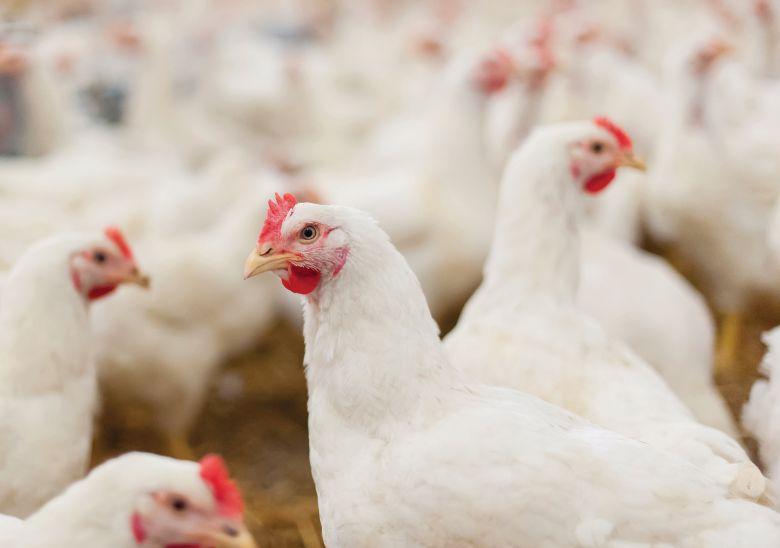
through aerosol transmission (sneezing), and contaminated organic matter, drinking water and equipment.
White egg laying strains are more affected than brown and the younger the birds when infected with the Delmarva strain, the more severe the FLS will be.
Prof. Brian Jordan, University of Georgia College of Veterinary Medicine, has two FLS projects currently underway. One is looking to prove that FLS is determined less by the strain of IBV than the age and immune status of the bird at time of infection.
The second is a sentinel bird field study to determine whether other factors cause FLS and how well current IBV vaccines work.
Canadian isolates have been provided by Dr. Davor Ojkic from the Animal Health Lab -
oratory. The Ontario sector has been using a day-of-hatch vaccine longer than anyone in the U.S., so this will help determine how vaccination is controlling or affecting virus circulation.
The University of Calgary’s Dr. Faizal Careem is assessing the impact of Canadian IBV variants on egg production and fertility. Ojkic is a co-investigator on the five-year project, which is funded by the Canadian Poultry Research Council, Egg Farmers of Canada and Poultry Health Services in Alberta.
“Coordinating Ontario efforts with those of Dr. Jordan and Dr. Careem is important,” McMorris says.
“LRIC is maintaining contact with both researchers and will provide updates to the Ontario industry in collaboration with EFO.”
False layer syndrome is a disease of economic concern to the egg sector.
An effective vaccine is the ultimate solution, but it’s challenging as new strains are always emerging. As well, vaccination timing is critical as birds vaccinated too early don’t develop strong immunity.
Good biosecurity is effective at reducing transmission risk, especially when barns are close to other poultry flocks, and early detection of pullets with FLS or IBV diseases is vital to reducing economic impact.
“Every segment of the industry, from hatcheries and producers to feed suppliers, veterinarians, catchers, transporters and processors, needs to do a better job of following



• Exacon’s brand name since 1987
• Available in sizes 12” to 60”
• White or Black polyethylene flush mount housings
• Designed to meet the rigorous demands of farm/agricultural ventilation
• Energy efficient Multifan, MFlex or North American motors
• Fiberglass housings available in 50” and 60” diameter
• TPI is a well known manufacturer of high quality polyurethane inlets
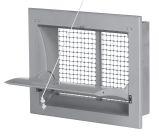
• High quality and high insulation value results in precise manufacturing delivering high tolerance for better ventilation control
• Wall inlets, ceiling inlets and tunnel inlets
• TPI wind hoods and wind hoods with built-in light trap also available

• High quality L7 Pathogen barrier filter with prefilter significantly reduces the chance of air transmitted diseases. (ie bird flu and other influenza viruses)
• Clarcor provides a complete system such as filter housing frame designed for eaves and side air inlets
• This system makes installation of filters easy and practical plus reduces the risk of non-filtered air from entering the building
• Designed for more air flow and consistent pattern
• Precise guard spacing reduces air restriction
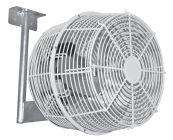
• Easy to open front guard allows easy cleaning
• Includes hanging bracket to allow direction adjustment
• Variable speed, efficient motor 115/230v

The well known and proven Genius control line is now available as a Touchscreen interface Navigates like an I-Pad by simply touching, swiping or dragging on a 7” or 10” touch screen Available with up to 8 variable stages and between 15 to 30 on/off relays
• A slave is available to expand to 50 on/off relays
• Many options including light control, bird scales, perch scales and bin scales Built-in wifi allows easy access to the internet for managing, viewing and recording history on FarmQuest website
• High light reduction
• Low resistance to air flow
• Simple Installation
• Easy to clean
• Uses P.v.c. snap release spacers


strict biosecurity protocols,” says EFO chair Scott Graham.
“We can’t emphasize enough the importance of education and awareness regarding biosecurity.”
In Ontario, the Feather Board Command Centre acts in cases of reportable diseases, but FLS is not part of its mandate. A surveillance system for non-reportable diseases could be a solution, similar to the approach followed by Ontario’s pork sector that sends out alerts when economically significant but non-reportable diseases are found.
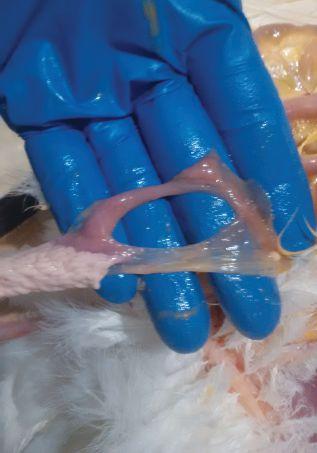
This picture shows a lack of oviduct development as a result of false layer syndrome.
An FLS insurance program is in the works. According to David Bethune of the Poultry Insurance Exchange, an expert veterinarian and insurance consultants are currently determining disease frequency and the potential magnitude of claims in order to ultimately establish a cost for coverage. The goal is to have a policy in place for the end of the year.
This article is provided by Livestock Research Innovation Corporation as part of LRIC’s ongoing efforts to drive innovation in livestock production and report on Canadian livestock research developments and outcomes.
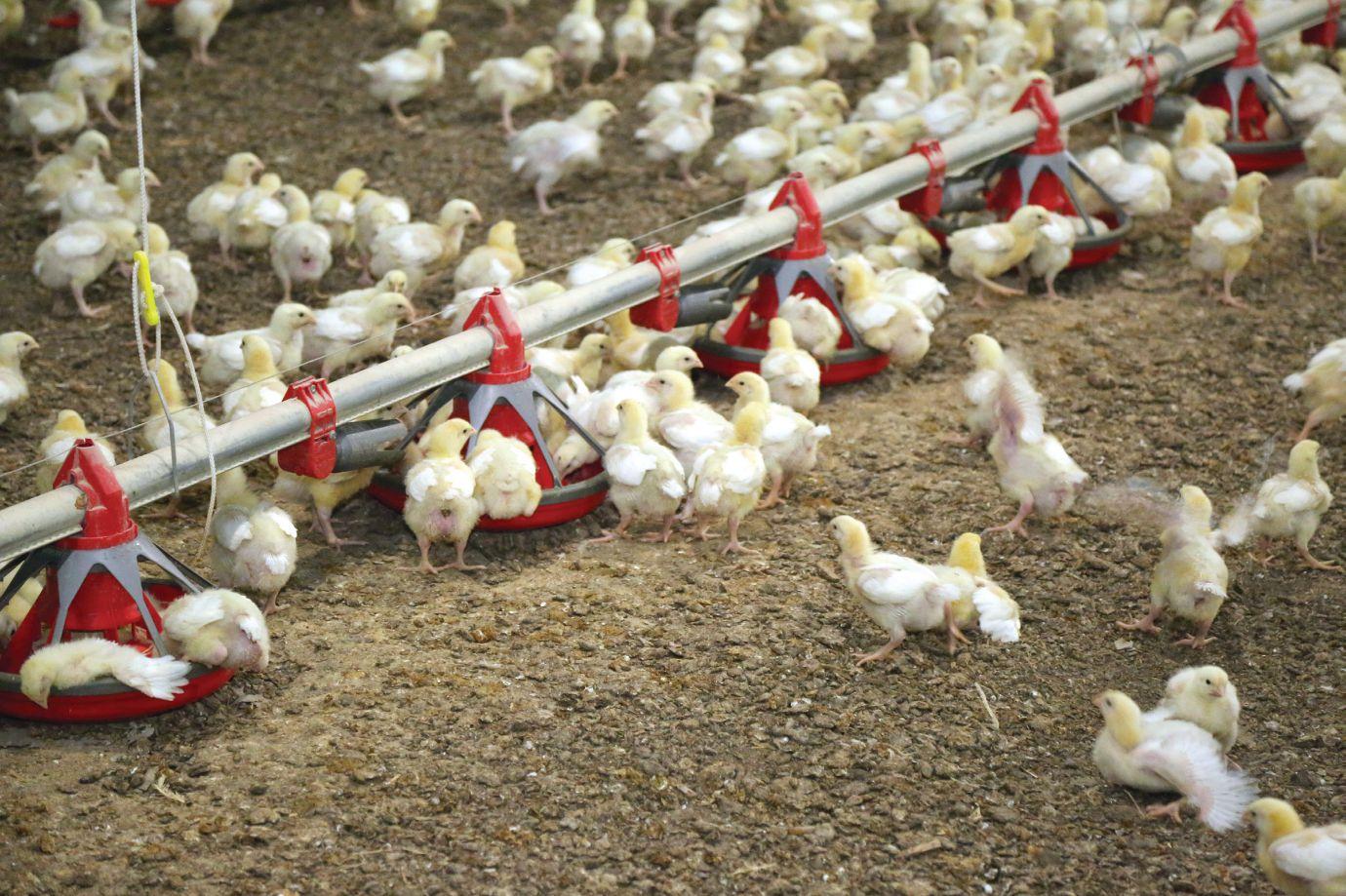
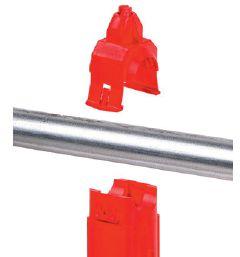
Optional two piece cone for installation on existing feed pipes.


Optional 8 or 14 spoke grill.
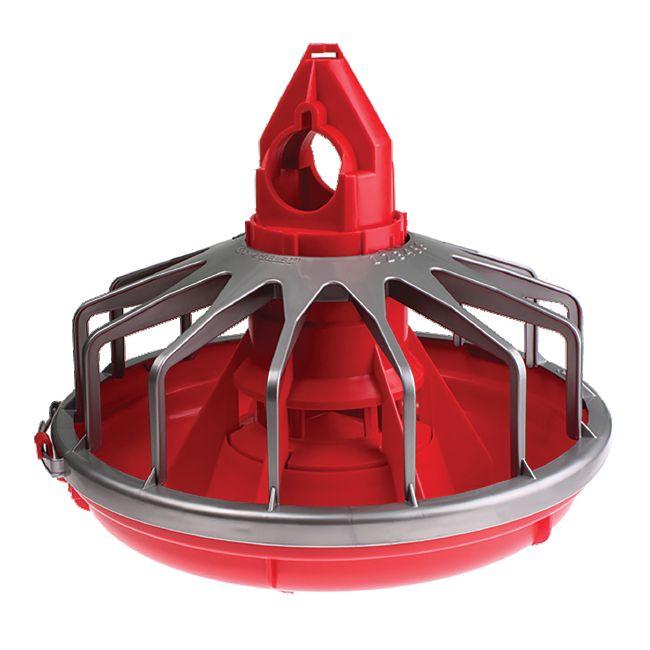

Reinforced wear areas in the pan add strength, leading to a longer lifespan.

Easy to read Feed Level Indicator ensures each pan is set exactly the same and allows for adjustments as chicks grow.
Specially designed flood windows increase available feed in the pan to attract chicks starting on feed.
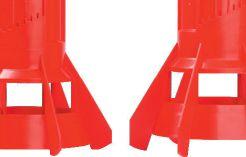
Standard or 1/2” longer extended fin. Extended fins keep the cone off the pan bottom maintaining feed flow.
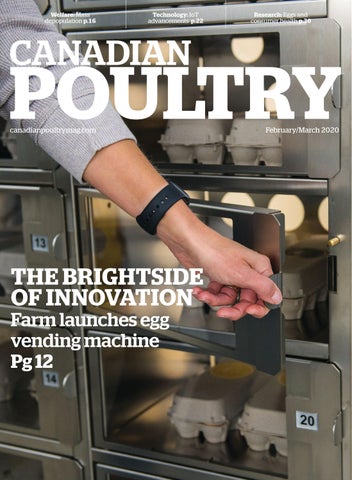
B.C farm first in North America to roll out innovative new egg vending machine. By Lilian Schaer
Most people stop in at Brightside Poultry, an egg farm on a busy B.C. highway, to buy eggs.
And while they might marvel at being able to buy those eggs from a fully automated vending machine using their credit card, they’re likely unaware of the many other innovations that are also part of Richard and Jacqueline Boer’s layer farm.
The Chilliwack-based producers call their entry into the egg business a happy accident. Jacqueline is the third generation on her family’s dairy farm, where both she and Richard are still actively involved. In 2013, they won the new entrant broiler quota lottery, which was their start into the poultry industry – and when some layer quota came available in 2016, they jumped at the chance to expand their business yet again.
“When we won the new entrant lottery, we didn’t know anything about chicken farming – when they dropped our first


flock, I had never held a chicken before,” says Richard, whose main responsibility is day to day management of the dairy and poultry farms. “But it was a way to diversify into another supply managed commodity and, since we know the basics of supply management, it seemed a pretty safe investment.”
“We are raising generation four – we have four kids and my brothers have kids, so this was a good business for another income stream,” adds Jacqueline, who handles business development, corporate finance and marketing. “Broilers weren’t a primary income source, so when some layer quota came for sale, we jumped at the chance. Animal care and husbandry is a passion of ours as a family so another business with livestock seemed like a good fit.”
The Boers started with 4,000 free-range laying hens in 2017 and have rapidly doubled their flock to around 8,000 birds
since then, transitioning into organic production in the process. They built new layer and pullet barns in 2019, giving them room for up to 16,000 birds, and added the egg vending machine so they could manage the whole process from chick to table egg.
“From an animal health standpoint, it was important to start the birds and see them through their entire life cycle – being in animal agriculture for a long time, we know that proper nutrition and husbandry is so important,” Jacqueline says.
Before building their state-of-the-art new barns, the Boers went to Europe in the fall of 2018, taking in the large Eurotier trade show in Germany and visiting farms there and in the Netherlands with equipment supplier Big Dutchman to see their systems in action. Their goal was to ensure long-term profitability and the highest animal care standards.
“We spent a lot of time researching equipment and making sure we are confident in what we bought,” she adds.

Their first layer barn was a free-run facility that they had to renovate to meet the increased space requirements demanded by their transition to organic production; that original barn has since been converted for broiler production.
“We wanted equipment that was easy to maintain and keep clean, and a barn where our birds would have the best climate available,” Richard says. “Everything we did was first and foremost about the birds and how they would act.”
The Boers installed a Big Dutchman aviary system to accommodate the needs of their cage-free organic production, one that distributor Tyler deBoer (no relation) of AgPro West Supply Ltd. says is designed for both bird and people comfort.
“It’s one of the lowest systems, with steps and perches that are easy to get up
on to see the birds and manage them,” he says. “The Boers adopted things they saw in Europe – they really wanted to be ahead of the curve.”
AgPro West Supply is also a distributor for Danish climate system company Skov and Dutch ventilation provider Scan-Air. Brightside’s barns include a Skov venti-

lation system that was designed by engineers in Denmark based on local B.C. weather patterns and climate data. In the summer, the barn’s air is completely exchanged every 30 seconds.
The windows and doors are by ScanAir, built specifically for livestock use; the windows have their own built-in dark-out features that make it possible to control interior light directly with the windows.
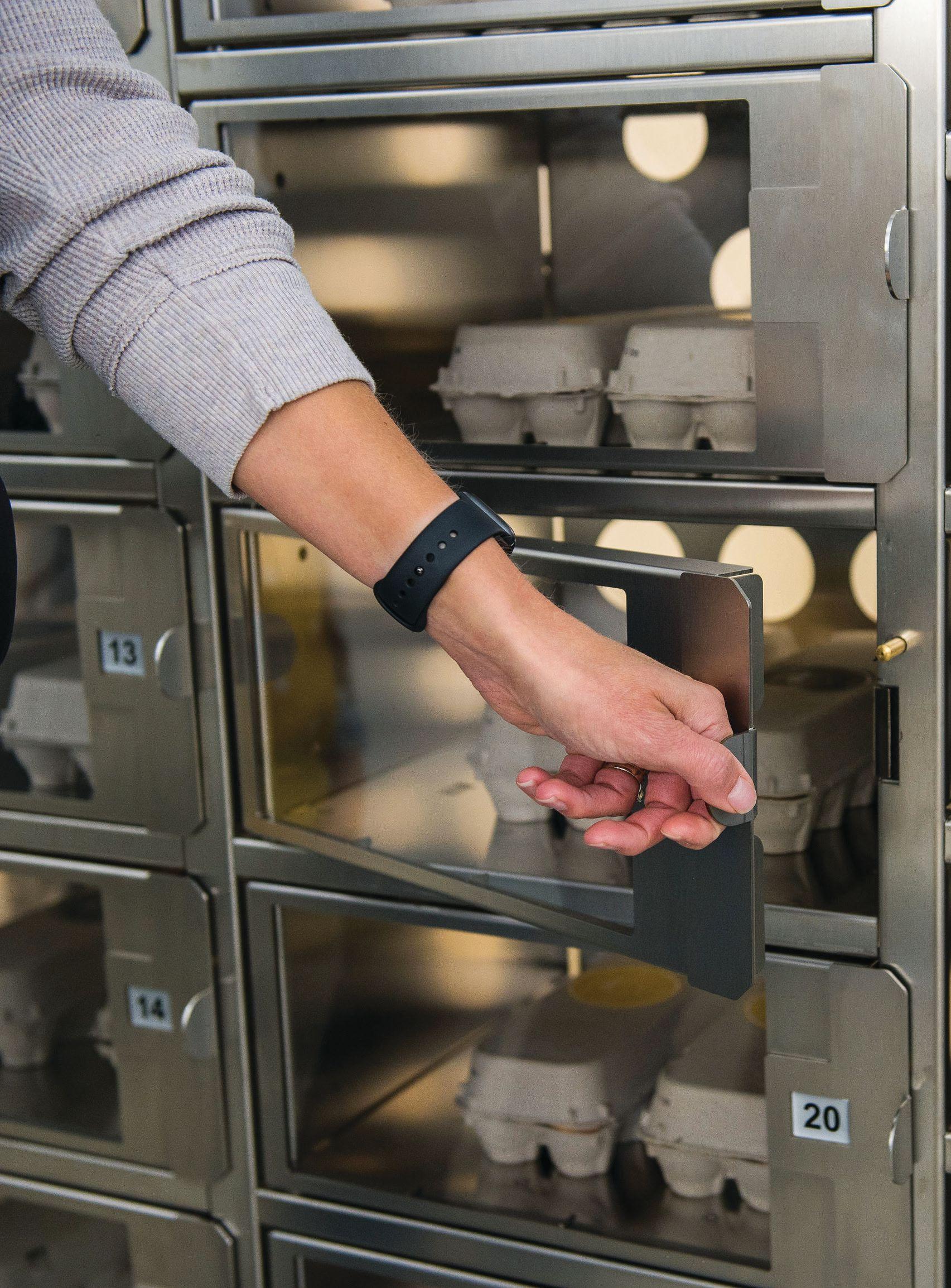
AgPro West Supply also set Brightside up with North America’s first Roesler egg vending machine, made by Roesler Vending in Germany.
“We live on a road that has 33,000 cars pass by the farm a day, so we are always looking for a way to capitalize on that traffic and make use of our location to get product to consumers,” says Jacqueline, adding dairy wasn’t an option because of the level of processing required.
Their on-farm vending machine is located inside a temperature-controlled building they call the Egg Shack. Customers walk in, select what they want, tap a card to pay and take the product out of the machine. Eggs sell for $7.00 a dozen, which is competitive with other freerange organic egg prices in the area, and are restocked in the machine once or twice a day.
According to deBoer, the unit itself ranges in price from $15,000 to $30,000 depending on size, and is fully configurable with modules that can be added to expand capacity.
It can also accommodate other products like fruit, vegetables, honey or pre -
serves, but at the moment, Brightside is sticking solely to egg sales.
“Feedback from customers as been great; they’re used to self-checkout technology and are happy to have something so fresh, so we are excited about the potential this has,” Jacqueline says.
It also takes advantage of a growing trend towards direct sales to consumers who are interested in knowing where their food comes from and how livestock is raised. According to the Boers, it’s an ideal technology for farmers in highly populated areas to get product directly to consumers without needing a traditional retail set up.
The producers’ next goal is to ramp up layer production to fill their barn’s capacity; after that, they say, the sky’s the limit.
“If you had asked us four years ago if we would be layer farmers, we would have said no,” he says.
Every year, Egg Farmers of Canada (EFC) brings a cohort of young egg farmers with an interest in the future of the industry together as part of its national young farmer program. The goal is to teach them about the egg industry provincially, nationally and internationally while fostering their leadership skills and letting them build networks in the industry.
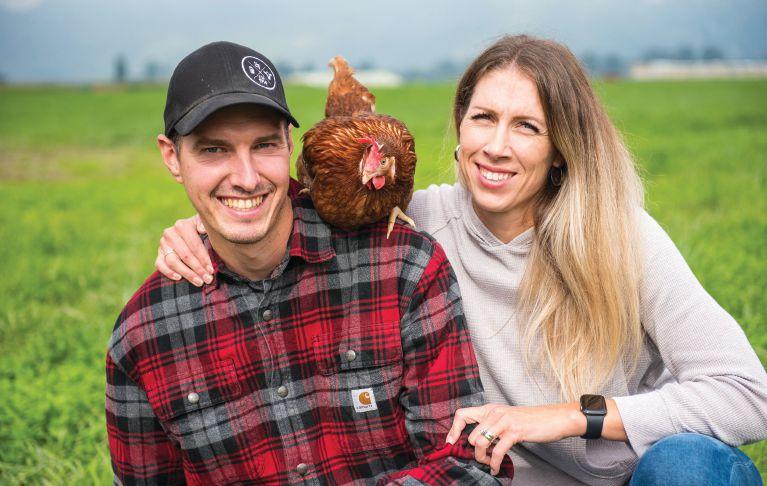
As someone who doesn’t come from an egg farming background, Richard found the program a great way to learn about the sector as he and Jacqueline started building their free-range organic egg farm.
His experience included trips to EFC’s annual meeting in Ottawa, the National Young Farmers’ Forum in Toronto and the EFC summer meeting in Yellowknife.
“It
able to go into the community there and deliver eggs.”
“It was a great program. You end up forming a network of friends across the country while learning how EFC works at the national and international level, how they protect our supply managed system and how quota is allocated,” he says.
An unexpected added bonus was meeting a couple having trouble finding an organic aviary pullet grower in their home province of Saskatchewan; Boer now grows their pullets for them in B.C.
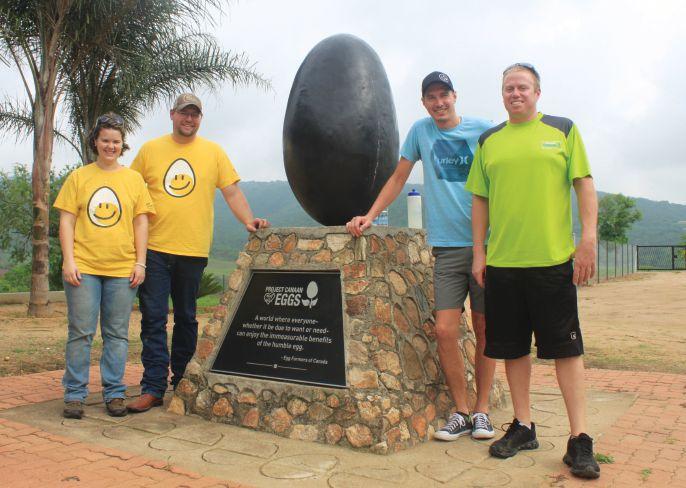
As part of the program’s fifth anniversary, Boer was also one of four grads to travel to Africa to visit EFC’s Project Caanan in eSwatini (formerly Swaziland).
“It was a pretty awesome experience to be able to go into the community there and deliver eggs,” he says.
By Dr. Mike Petrik
Poultry industries are in the middle of a maelstrom of change that has revolutionized poultry management, housing, transport and slaughter. The driving force behind many of these transformations is animal welfare.
The poultry industry has been a leader in identifying and addressing animal welfare issues. An area where animal welfare is a potential issue is during endof-lay depopulation.
Laying hens are the only poultry commodity that lack an obvious strategy for birds at the end of production. There are few options for laying hen slaughter, and with new transportation regulations, some areas may no longer have slaughter as a viable option. There are also occasions where broilers or turkeys are unable to be slaughtered, yet need to be taken out of the barns for humane or management reasons. This results in large numbers of birds that producers must remove safely and humanely.
There are several strategies for mass depopulation. All of them are based on the use of carbon dioxide (CO2) to euthanize birds, either in their barn or in containers.
CO2 is a nearly ideal gas to use for the purpose of mass destruction. That’s because it is relatively easy and inexpensive to produce, is non-flammable, non-corrosive and leaves no residue when it disperses (although swarms of mosquitos are often attracted to high concentrations of
CO2, which could be considered an annoying residue, albeit short term).
Exposing birds to increasing levels of CO2 results in biochemical changes in the blood, sedation of the birds and eventually death.
The biochemical changes effectively make CO2 act as a sedative drug. At moderate levels (around 40 per cent CO2), death occurs after approximately three minutes. Unconsciousness occurs well before this.
When concentrations of CO2 are grad-
ually increased, the birds feel little aversion. There is evidence that chickens will feel breathless, yet the aversion was insufficient to keep the birds from entering a CO2 enriched environment to get to companions when the concentrations were raised up to 60 per cent. 1 CO2 has been approved as a humane method of euthanasia by the American Veterinary Medical Association.
It is important to note that exposure to CO2 does not affect the birds the same way as suffocation, and it also doesn’t
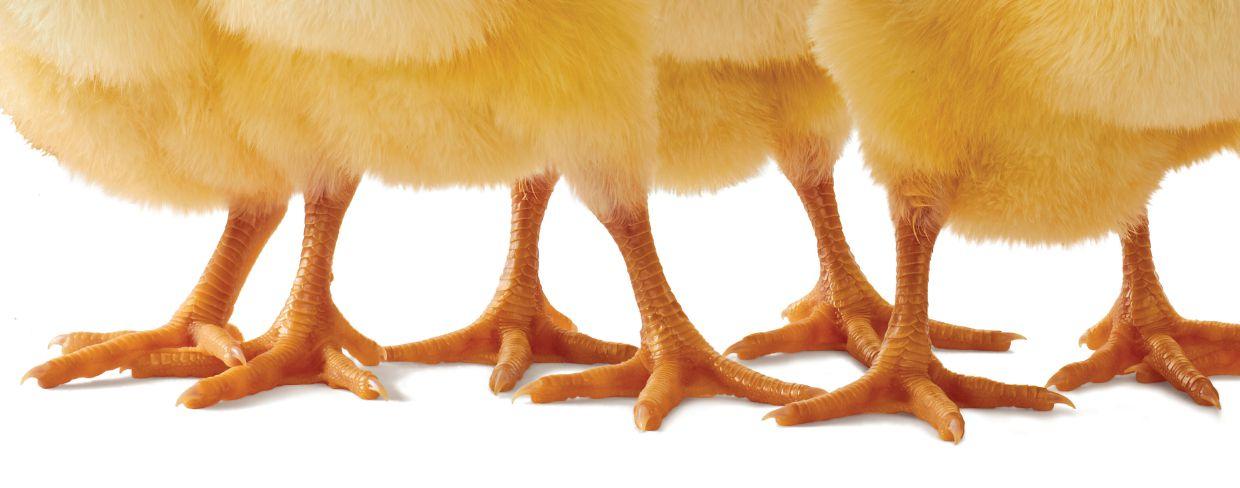
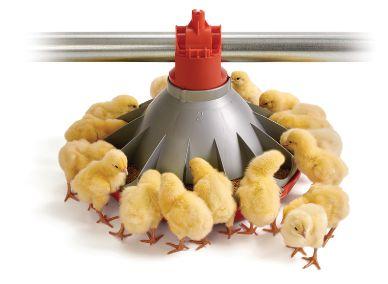
The Konavi® Feeding System is a breakthrough in global broiler feeding. It features an angled cone with anti-rake fins that helps keep birds out of the feeder to maintain fresh, clean feed. With its low pan height and patented scalloped edge, the Konavi Feeder invites chicks to eat from the pan from day one and gives birds
comfortable, easy access to feed throughout their growth cycle. Plus, the streamlined design permits more complete cleaning between flocks for better bird health. The Konavi Feeder lets beaks in, and helps keep feet out. Learn more about clean, open-style feeding at choretime.com/KONAVI-Broiler-Feeder
need to be in high enough concentrations to cause the birds to become deficient of oxygen. Gasses like nitrogen and argon need to be raised to 98 to 99 per cent to be effective because they work by displacing oxygen. This high concentration is
nearly impossible to achieve in the field. The three methods of exposing groups of birds differ in the number of birds done in one exposure, the amount of gas needed and the speed of destruction. Adding gas to the entire barn (whole
Bird welfare and bird performance go hand in hand. Potable drinking water and dry friable litter promotes healthy birds and improve production results. Ziggity continually innovates with products and management tools to deliver on these critical needs.
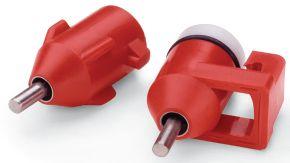

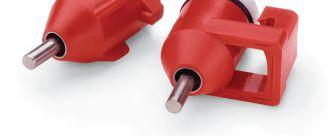
Pipe interiors have virtually no obstruction for effective flushing and a smooth inner wall that inhibits biofilm formation.

And visit Ziggity.com/installation-videos/ for videos to help optimize your system installation.

Watering Specialists
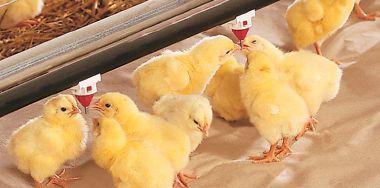
Drinkers engineered for the way birds drink. We focus on making drinkers that discharge the right amount of water thereby eliminating or minimizing spillage for friable litter and improved bird welfare.
Solenoid Regulator affords unattended high pressure drinker line flushing, an effective tool for preventing biofilm and removing sediment.

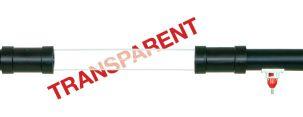
Transparent Pipe Kit
A great monitoring tool for producers allowing them to see what is going on inside the drinker line so that adjustments can be made to prevent or remove biofilm.
barn gassing) requires the most gas. However, it has the benefits of not requiring crews to catch and move live birds, and administering CO2 to all the birds in the flock at once.
This results in a significant improvement in animal welfare, and a reduction in labour costs, as loading bird carcasses is much quicker and easier than catching live birds to remove from the barn.
Placing birds in a modified atmosphere killing (MAK) cart uses far less gas, but requires the birds to be caught and transported to the cart.
What’s more, the number of birds done in one exposure is much less (usually around 50 birds at a time).
Using larger containers such as sea containers meet somewhere in the middle – moderate gas use and can handle more birds per exposure. That said, they still require birds to be caught and transported. What follows is a closer look at each method.
Whole barn gassing has the distinct advantage of not requiring the birds to be caught. But it has the highest potential for humane injury. Safety must be the first priority of any gassing event, and protocols must be in place to guarantee that no person is exposed to gas. In people exposed to high CO2 concentrations, unconsciousness occurs almost instantaneously and respiratory movement ceases in one minute.2
It is important to make sure that appropriate concentrations can be reached and maintained to ensure that each event is humane and effective. To do this, the barn must be prepared by sealing the fans and doorways so that CO2 cannot escape the barn at any level lower than the highest point at which the birds might be (top cages in a cage barn, or top tier in and aviary).
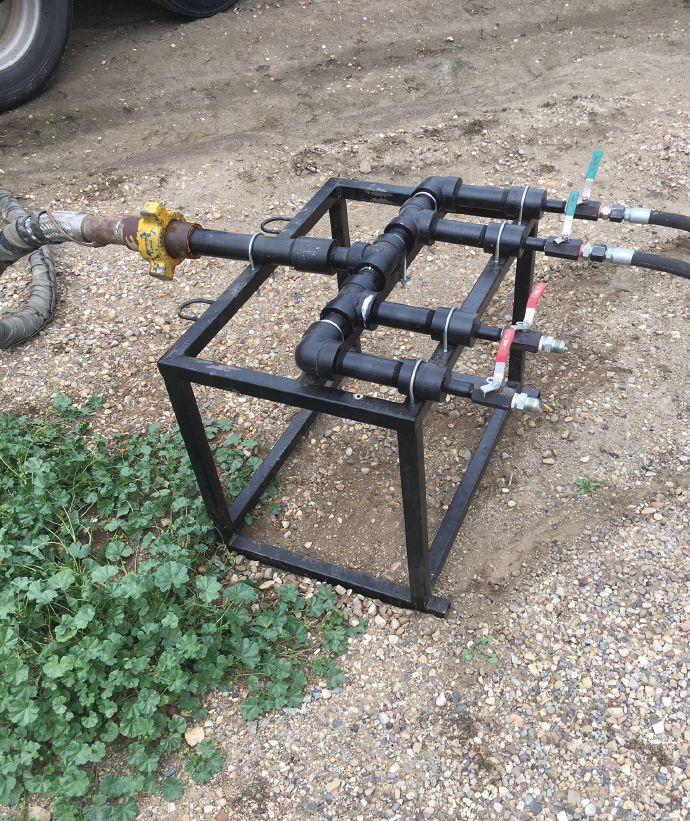
Then, a large amount of gas must be pumped into the barn in a relatively short period of time. This is done by way of a specially designed manifold that resists freezing.
Equipment is used to ensure that appropriate concentrations of gas are reached at a level above the birds. Once this has been accomplished, monitoring is done to ensure that the concentrations stay high for the required amount of time.
Once the appropriate amount of time has elapsed and there are no signs of any movement in the barn, fan covers are removed and the CO2 is vented until levels are low enough to ensure that anyone entering the barn will be safe. The birds can then be removed for disposal, compost or other uses.
MAK carts or sea containers are useful for smaller numbers of birds or in certain cases where whole barn gassing is inappropriate.
In MAK carts, the CO2 concentration is maintained between 40 and 60 per cent, which has been shown to be minimally aversive and reliably causes sedation and unconsciousness in hens.
Birds are placed in the cart until the floor is covered in birds. Standard operating procedures have been developed to calculate the number of birds that are appropriate for a container.
Once the birds have been exposed to the gas for long enough time to ensure they are unconscious, another level of birds can be placed on top of the original birds.
This can be repeated until the cart is nearly full of birds. The CO2 concentra-

tion is then increased and held to ensure death has occurred. At this time, birds can be unloaded to be disposed of.
Sea containers can be used in conjunction with carts to humanely destroy moderate numbers of birds. The process is very similar to whole barn gassing when you consider the sea container to be a small barn that the birds are moved into.
Lower amounts of gas are used and can be delivered without using a manifold.
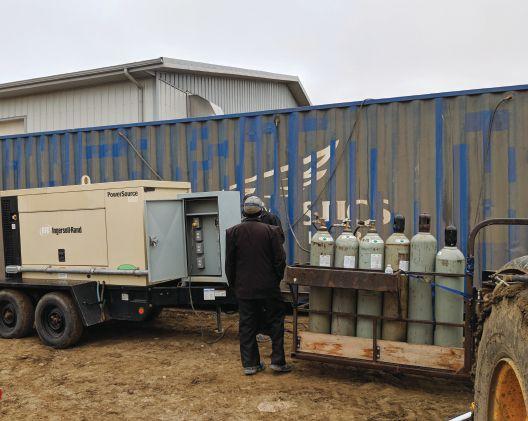
Concentrations of gas are closely monitored and maintained for an appropriate length of time until birds are killed, at which time the CO2 is vented and the birds can be unloaded and disposed of.
The co-operation between farmers, welfare experts, and poultry boards has resulted in the development of protocols that give farmers options for end of lay depopulation that is humane, approved and safe.
This is another example of how the poultry industry is identifying and solving potential animal welfare issues.
1. Gerritzen, Marien & Lambooij, E & Hillebrand, S. & Lankhaar, J. & Pieterse, Cor. (2000). Behavioral Responses of Broilers to Different Gaseous Atmospheres. Poultry science. 79. 928-33. 10.1093/ps/79.6.928.
2. Permentier K, Vercammen S, Soetaert S, Schellemans C. Carbon dioxide poisoning: a literature review of an often forgotten cause of intoxication in the emergency department. Int J Emerg Med. 2017;10(1):14. doi:10.1186/s12245-017-0142-y.



The Internet of Things (IoT) is often touted as the next big thing in agriculture. But what exactly is it, and how can it help farmers?
First-generation producers Dan and Lisa Jones run a fairly new 50,000-unit broiler operation north of Fergus, Ont. While they come from farming backgrounds, both work off-farm. Dan is an expert in biogas production and works for 2G Energy Inc. Lisa works as a nurse. They put their first birds in the barn in 2018 with the aim to provide opportunity for their two teenaged sons in the years ahead.
While the boys help on the farm, they’re teenagers and are still learning the ropes. And Dan and Lisa’s full-time jobs make managing the farm efficiently challenging at times.
Finding a way to get a consistently high-quality product is vital to their success, so they decided to employ the Maximus solution, which brings together IoT
technology that monitors ventilation, heating, humidity, air quality and lighting. Dan says this has allowed them to better understand what they need to change to get a repeatable, reliable product.
A controlled environment is critical to the success of the end product, Jones says. The less you have human emotion interfacing with controls the more repeatable the environment. That’s where IoT solutions come in.
The “Internet of Things” is best described as a system of interconnected computing devices – everything from mechanical and digital machines to sensors and applications – that transfer data without human intervention. The collected data is sent to a central location, typically the cloud, through a wireless network. In agriculture, the use of IoT technology is often referred to as smart farming.
The first IoT device came in the form of a Coca-Cola vending machine that was rigged to report inventory and drink temperature
via the Internet. It has since evolved to include a whole slew of technology, including applications that collect data related to temperature, humidity, air quality, soil parameters and even disease outbreaks.
More and more, companies are introducing new sensor technology with real-time connectivity to the poultry sector. Brazil’s S4A IT Solutions, for instance, recently set up shop in Calgary, Alta., where they are actively looking for new customers who are interested in partnering with the company. The company offers full end-to-end IoT solutions that consist of physical sensors and big data cloud platform options, coupled with analytical tools to help drive insights that support decision-making.
Technologies include remote sensors that capture critical environmental elements such as CO2 levels, water, energy and feed consumption, luminosity and mortality rates in real time. The company has also


designed sensors that monitor equipment conditions and growth rate using weigh scales, as well as environmental conditions such as precipitation, temperature, humidity, wind direction and speed.
“What we’re trying to capture with this IoT technology is having environmental inputs and then being able to draw correlations and trends via analytics to become a very data-driven decision making poultry operation,” explains Ken Choi, VP – business development, S4A IT Solutions. “We understand feed conversion is a critical performance indicator – our IoT technology enables this key performance indicator” IoT solutions offer advantages for young and new poultry farmers as well, Choi says. “In the old days, success was based on experience. But now with IoT technology, your success and decision making can be enhanced, driven by data,” he says.
IoT sensors are available for the rapid detection of disease as well, says Jake Astill from the Poultry Health Research Network at the University of Guelph. Using audio, imaging and other sensors in combination allows producers to continuously survey flocks for symptoms of disease.
“The technologies all function by detecting altered phenotypes as a result of infectious disease, whether it be the production of rales in the case of respiratory illness, decreased activity resulting in altered movement patterns or changes in body temperature,” Astill explains.
While the devices that capture data are integral to the ability to detect disease quickly, it is the advent of IoT that has greatly enhanced the ability for these devices to work efficiently. IoT allows for

real-time data transfers, enabling farmers to swiftly detect and respond to potential outbreaks, which could lead to lowered antibiotic use in future, too.
“Potentially, this could include changes in barn environment or ventilation, or some other process that inhibits the ability for infectious agents to leave a poultry house where infected birds are present,” Astill says.
IoT solutions don’t just come in the form of sensors, but also software.
MTech Systems, a subsidiary of Munters, which offers hardware solutions for measuring performance indicators, also offers an end-to-end software solution called Protein. Based in Atlanta, Ga., right in the heart of U.S. poultry production, the company offers software solu-




tions that help broiler, turkey and layer producers manage production, predict and improve performance and, ultimately, increase yield.
“Our solution is basically intended to be the hub that connects all the parts of the supply chain from the farming side into hatcheries in the broiler and turkey market, feed mills in terms of managing nutrition, all the way into processing plants, be it egg processing or meat processing,” says Chris Blosfeld, global sales and marketing director at MTech Systems.
It is designed to capture costs, trends and key performance indicators throughout the supply chain in order to help optimize the operation from start to finish rather than putting focus on one ‘island’ at a time, Blosfeld explains.
Ultimately, the idea is to increase yield while using fewer raw materials and establishing more sustainable production practices, he says. In order to do so, we have to look at the whole supply chain and not just one individual component, Blosfeld adds.
Tech-enthusiastic producers are often put off of adopting new solutions by poor Internet connectivity in rural areas. But not all IoT solutions require an Internet connection. Many use radio frequencies for low data transmission.
Low-frequency applications include meter readers, temperature monitors and tracking devices for things like the opening and closing of gates. Higher bandwidth applications are used for real-time GPS tracking or transferring video, for example.
Around the world, free radio frequency – called ISM band – is set aside for low-data transmission, explains Kent Rawlings, CEO and president of Sigfox Canada. “Because there is no cost to access the spectrum, there’s a limit to the amount of data you can process over that channel,” he says. “We’re able to communicate 12 bytes of information.”
Sigfox doesn’t manufacture sensors; the company provides a communications standard device that enables manufacturers’ devices to communicate through



- Randy Martin Whispering Meadows Farm

the Sigfox network. At the moment, some 800 devices use the Sigfox chip to transfer data. In agriculture, these include everything from devices that measure temperature, air quality and gate access to feed levels in silos and soil moisture levels.
Currently, each chip costs $4.00 per device, but Rawlings says the company aims to drop that price down to $1.00 per chip. This is really important, as the costs to measure and communicate information are really high at the moment. As the price drops, though, Rawlings says IoT will be much more attractive to producers.












In the meantime, Dr. Tyler Whale, president of Ontario Agri-Food Technologies (OAFT), and Dr. Karen Hand, founder and president of Precision Strategic Solutions, have been advancing an idea to enable farmers to control and leverage the digital information that they gather.
AgBox is a cooperative, farmer-owned data repository for the mountains of information generated on farms, including that from IoT devices. Essentially, the farm-based cloud would be provided to poultry stakeholders, for example, who need or require a secure data collection, storage and enablement service.
The idea, Whale says, is to ensure that data is controlled by and generates an increasing return for those who are creating it. Hand and Whale are co-leads on the project supported by OAFT, a non-profit organization that focuses on the commercialization of new agri-tech innovation.



The platform is ideal for farmers using multiple tools that don’t necessarily sync well. “Or, for example, lacking trust in public institutions who are susceptible to freedom of information rules, so farmers are unlikely to put their business data on an academic institutions or a government platform in its entirety,” Whale says. “They want to be able to control their private business data, but at the same time realize the value from it in the collective or the aggregate of that data.”


While the platform is not yet ready – it requires funding and needs to be further developed – the vision is being developed.
It is likely that IoT devices will become more commonplace on farms in the very near future, especially as farm size and pressure to produce more food more efficiently increases.
IoT solution will enable farmers to make better decisions in terms of feed conversion and disease control, as well as monitor key performance indicators that improve production. The future is connected.



The body of research on the impacts of egg consumption continues to grow. By
Mark Cardwell
Health scientist Jonathan Little says that when it comes to nourishing breakfast foods, eggs are hard to beat. Now, he’s hoping to shed new light on other health benefits of eating eggs in a new study at the University of British Columbia (UBC).
“Eggs are one of the most nutritionally complete foods people can eat,” says Little, an associate professor at UBC’s School of Health and Exercise Sciences on the Okanagan campus. “The focus now is on learning about the other positive impacts that egg consumption has on human health.”
His new project is a follow up to a recent one-day continuous glucose monitoring study he led involving 25 diabetic people. Participants ate either low-carbohydrate breakfasts (omelettes with cheese and spinach) or conventional high-carb ones (oatmeal and berries).
The results, which were published in
the peer-reviewed American Journal of Clinical Nutrition in April, suggest eggs help to both lower and control glucose levels throughout the day. “That’s important because the clinical treatment goal for diabetes is to lower glucose levels,” Little says. Egg eaters also reported feeling less hungry later in the day and had less cravings for junk food.
Little will delve deeper into subject in the new three-month study, which will involve 80 people with type-2 diabetes who are currently being recruited. Forty will eat omelettes for breakfast and forty will eat nutrition guideline-based foods. All 80 participants will eat the same foods for lunch and supper.
“This time we’ll look not just at glucose spikes but overall glucose control, weight loss and body composition and blood and lipid profile and cholesterol levels,” Little says about the study, which is being co-funded to the tune of $220,000 by Egg Farmers of Canada (EFC) and the Egg
Nutrition Center (ENC), the science and nutrition education division of the American Egg Board.
He expects to publish his findings in two years’ time.
Little’s study is the latest step in a global scientific journey aimed at identifying and understanding the many impacts –good and bad – of regularly consuming nutrient-packed eggs. Researchers have looked at their impact on everything from human brain development and function to heart and eye health, weight management and muscle strength at various stages in people’s lives.
In recent years, a growing body of scientific evidence points to the overwhelming benefits of eating eggs on human health. That said, the road to discovery remains a long and winding one, especially in regards to the decades-old debate over the impact of cholesterol-laden eggs and
cardiovascular disease, with many well-designed, evidence-based studies reaching differing results and conclusions.
The latest piece in the egg/cholesterol puzzle appeared in late January. A study by Ontario researchers at McMaster University and Hamilton Health Sciences concluded that eating an egg daily does not increase the risk of developing cardiovascular disease.
The study results, which were also published in the American Journal of Clinical Nutrition, were based on an analysis of egg consumption by nearly 150,000 healthy people and 32,000 with cardiovascular diseases in some 50 countries.
In December, the American Heart Association issued a similar recommendation in a scientific advisory to physicians following a review of several recent studies on cholesterol. “Given the relatively high content of cholesterol in egg yolks, it remains advisable to limit intake to current levels,” read the AHA missive. “Healthy individuals can (eat) up to a whole egg or equivalent daily.”
That recommendation was in stark contrast to the findings of a recent study by researchers with the Department of Preventive Medicine at Chicago’s Northwestern University.
That study analyzed a variety of data – including cardiovascular events, fatal and nonfatal strokes and heart failure, dietary information, physical activity levels and known risk factors like obesity and smoking – from six long-term study groups in the U.S. with nearly 30,000 people participating.
The findings, which were published in the Journal of the American Medical Association in March, received widespread media coverage. They suggested that people who ingest an additional 300 milligrams of dietary cholesterol per day – the equivalent of an added three or four eggs a week or double current nutritional guidelines – are at higher risk of both heart disease (3.2 per cent increase) and early death (4.4 per cent).
The study also calculated that each additional half egg per day resulted in a higher risk of both cardiovascular disease (1.1 per cent) and early death (1.9 per cent) from any cause.
“The importance of limiting intake of cholesterol-rich foods should not be dismissed,” wrote lead study author Victor Zhong. “These results should be considered in the development of dietary guidelines and updates.”
An editorial published alongside the study by Dr. Robert Eckel of the University of Colorado’s school of medicine called the study “far more comprehensive” than past research efforts.
It added that it contained enough data “to make a strong statement that eggs and overall dietary cholesterol intake remain important in affecting the risk of (cardiovascular
disease) and more so the risk of all-cause mortality.”
For Kim Kesseler, nutrition manager at EFC, the confusing mishmash of studies and recommendations over eggs and cholesterol both distracts from and overshadows other largely positive scientific truths that are being revealed about egg consumption.
“It’s important not to look at these cholesterol studies as one-offs,” Kesseler says. “Research from the past 10 or 15 years overwhelmingly show that cholesterol from eggs is not a problem and that the many nutritional and health benefits from egg consumption far outweigh any potential risk.”
Kesseler says many other nutrition research projects – some 15 to 20 of which are supported by EFC and ENC each year in addition to in-house research on topics like animal welfare and egg farming sustainability – are being carried out in several fields.
“Diabetes is a huge and emerging one that we’re watching closely,” Kesseler says. Another is choline, an essential nutrient that is naturally present in eggs, fish, liver, red meat and milk and which is vital for healthy liver function, brain development, muscle movement, the nervous system and metabolism.
“Eggs are a real good source of choline,” Kesseler says. “Two eggs a day supplies 75 per cent of an adult’s daily needs. It’s especially important for pre-natal and early childhood development, as well as for the elderly.”
Emerging research, she adds, also supports the benefits of introducing allergen-carrying eggs into the diets of young children.
She points to an update on infant feeding and food allergies issued by the Canadian Pediatric Society in January, recommending the introduction of allergen foods like eggs at only four months instead of the current 12 months.
Many quality studies on the impact of cholesterol in eggs have reached different conclusions.

EFC nutrition manager Kim Kesseler says to be skeptical of one-off studies and, instead, consider the growing body of evidence showing the health benefits of egg consumption.

For his part, Sanjoy Ghosh, a biologist at UBC’s Okanagan campus who has conducted studies on the health impacts of both eggs and egg whites, thinks the specific amino acids contained in egg whites could prove beneficial to older people.
“Egg consumption has not been tested extensively in geriatric populations due to the fact that cholesterol consumption in most clinical guidelines is still considered detrimental,” says Ghosh, who led a recent study in which 110-week-old mice were fed egg whites for eight weeks.
According to an abstract of the study on the U.S. National Library of Medicine’s website, the results suggest egg whites may help to relieve the oxidative stress that leads to cell and tissue damage and chronic conditions in ageing hearts.
“Given the fact that egg whites do not have cholesterol and can still promote such boosting of antioxidants, egg whites might be a safe, high protein alternative in geriatric populations and confer cardiovascular benefits,” Ghosh says.

looking for six women making a difference to Canada’s agriculture industry. Whether actively farming, providing agronomy or animal health services to farm operations, or leading research, marketing or sales teams, we want to honour women who are driving the future of Canadian agriculture.

By Kayla Price
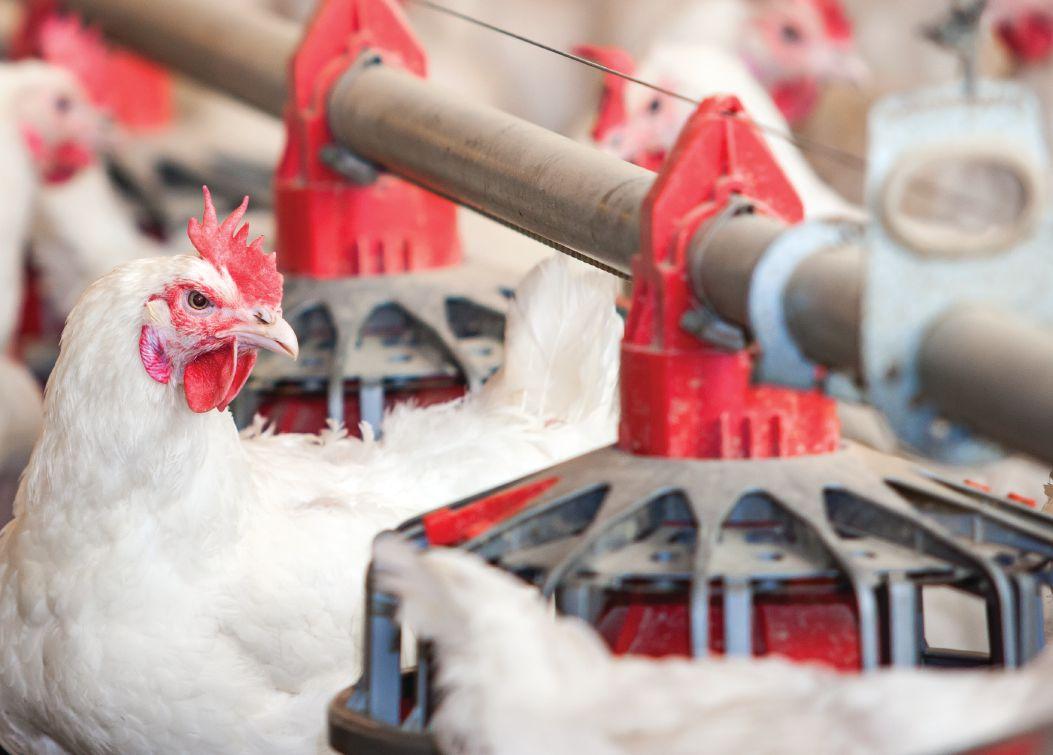
Over the years, improving genetics have allowed poultry to become more efficient at growth and development in the egg and on the farm. Additionally, producers are becoming more efficient at managing production of the breeders and the offspring.
As a result, the brooding phase is increasingly important to set the bird up for success. The incubation period is 21 days for chicks, 28 days for turkeys and can be 28 to 35 days for ducks, depending on the breed. Due to the efficiencies of poultry, it has become critical to focus on early nutrition of the bird when their systems are developing so they can mature faster.
Focusing on early nutrition is not a new concept, as nutritionists have been using pre-starter and starter feeds for a long time in different
types poultry production. Additionally, producers have used and improved on ways to give young birds as early access to feed and water as possible.
Recently, in broilers, different companies around the world and in Canada have started to feed chicks in the hatchery just as they are pipping out of their shells. This type of feeding requires specialized equipment at the hatchery that allows for feeder space on the hatchery box and allows the box to fit in the hatcher.
The theory behind this type of feeding is the chicks will have access to feed as soon as they hatch without waiting for the starter feed when they reach the farm. Ideally, this type of early feeding would allow the chick to transition from using their yolk, which is high in fat, to using feed, which is high in carbohydrates, to allow for earlier in-
Due to the efficiencies of poultry, it has become critical to focus on early nutrition.
testinal maturation.
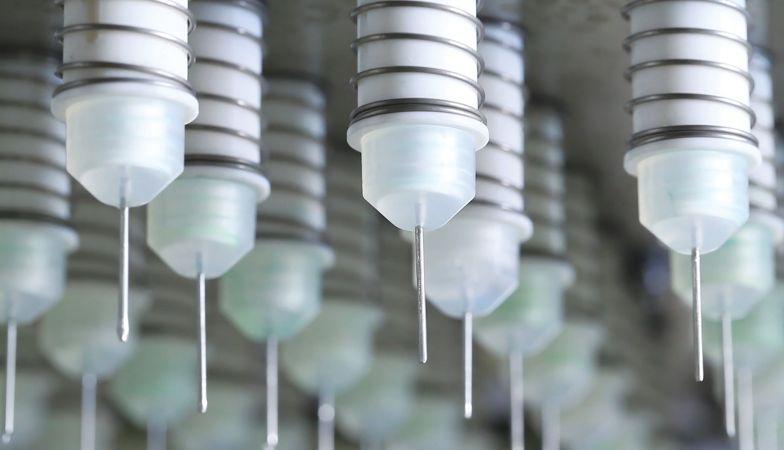
Around 28 years ago, in ovo technology – piercing the developing egg to inject a solution – first became available for vaccine delivery in the broiler hatchery. This technology proved to be advantageous for the hatchery and the farmer. The hatchery had a safe, efficient and effective way to vaccinate chick without too much handling and the flock on the farm experienced good protection without the need to handle or stress the birds.
Normally, in ovo vaccination occurs between 17 and 19 days of incubation when the egg is transferred from the setter to the hatcher. This technology has been proven to be safe and efficacious.
In ovo injection in the hatchery is not a new technology, but the concept of using this method for early feeding of the embryo is. Researchers have studied in ovo feeding in an academic setting for several years. Normally, the developing egg and resulting young bird get their nutrients, immune protection and a significant portion of their microbiota from their mother hen. However, with the rapid growth of the embryo and if there is a stress to the mother or the egg these essential components may be impacted and be limited.
In ovo feeding was developed as a strategy to introduce different components, such as nutrients, probiotics, prebiotics and plant extracts, to overcome these limitations as well as to jump-start the growth of the embryo. The developing embryo in the fertilized egg begins to “eat” the amnion, the egg white, around the 13th and 15th day in the developing egg and this continues until the day the bird pips from the egg.
Usually, injection with in ovo feed has been tested around the 17th to 19th day of embryo growth to pair with when the egg is given in ovo vaccination and when the egg moves from the setter to the hatcher. The amnion material often gets ingested into the lungs and intestine. As a result, in ovo feeding has most often been used to enhance intestinal health and injection into the amnion has been one of the most tested methods.
Depending on the components used in in ovo feeding solution, some researchers have suggested that in ovo
feeding between the 17th and 18th day in the developing egg creates an intestinal tract that is functionally equivalent to a two-day-old bird compared to regularly fed birds based on the intestinal development as well as the increased ability to digest and absorb nutrients.
Some studies have found these benefits begin several days after injection, are maintained to day of hatch and several days after hatch. Some studies with broilers have noted changes maintained to market age, especially if related to skeletal development.
Often a limitation of the studies is how long after placement the birds are watched to see changes and whether the feed contains products in them to continue to encourage this growth. Nevertheless, in ovo feeding should be followed up with early feed and water to the young bird to encourage the transition to complete feed and help maintain this development throughout the flock.
Many different components have been tested either alone or in combination for in ovo feeding, including probiotics, prebiotics, egg white proteins, amino acids, carbohydrates, mannanoligosaccharide based polymers, nucleotides, electrolytes,
What may work best for in ovo vaccination may not work best for in ovo
minerals, vitamins, plant extracts and creatine. Often, these products are familiar as they have also been used in other early feeding programs either at the hatchery or at the farm.
Probiotics and prebiotics have been used to start the development of a mature intestinal microflora. The selection of the probiotic, beneficial bacteria, to use is important. The strain of the bacteria and what it releases can play an important role in how that bacteria colonizes the developing gut, functions and what it can do.


Egg white protein and amino acids (e.g., L-arginine, L-lysine, threonine) have been found to support embryo development and post-hatch performance. Nucleotides, vitamins C and E, plant extracts (e.g., from thyme), zinc and selenium have been found to enhance immunity. The type of plant and extract used has an impact on the function and must be tailored to what is needed in the feeding program.
Carbohydrates and creatine have been shown to support muscle growth either indirectly or directly.
Trace minerals (e.g., selenium, zinc, manganese, copper) and vitamin D have been shown to support bone strength. Several studies that have used minerals in in ovo feeding programs have used minerals in forms that are highly bioavailable to support consumption by the embryo. In all these cases, the dose of the product was critical, as too little may have no effect and too much may cause a decrease in hatchability.
Various factors influence how well in ovo application works and supports good hatchability. These factors include: The volume of solution given; the concentration of the product; preparation of the solution; sanitation; site of injection; injection depth; and equipment. Additionally, different species have different critical times for embryo development and when injection can happen.
What may work best for in ovo vaccination may not work best for in ovo feeding and both may not work well when given together. One of the keys for developing an in ovo feeding program that will work commercially is being able to apply it during the time of in ovo vaccination, so the egg is not handled or pierced more than once. Consequently, an in ovo feeding program has been well tested in an academic setting and is beginning to be tested commercially but has not yet been commercialized for access.
Various early feeding programs are becoming integral to poultry production and in ovo feeding is an innovative strategy that is on the horizon.










Barn Spotlight highlights new and renovated barns and hatcheries. Do you know of a good candidate to be featured? Let us know at poultry@annexweb.com.
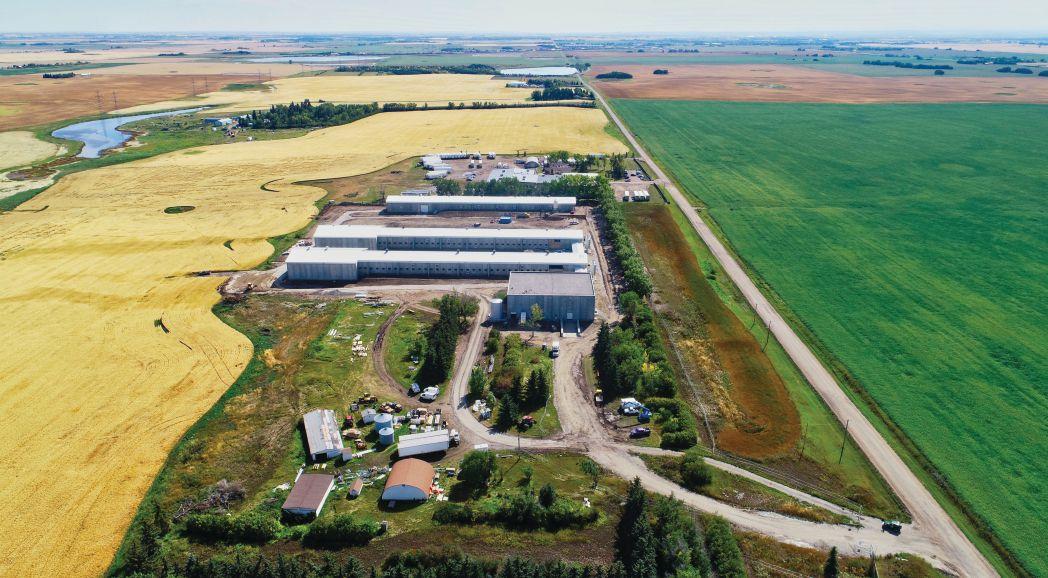
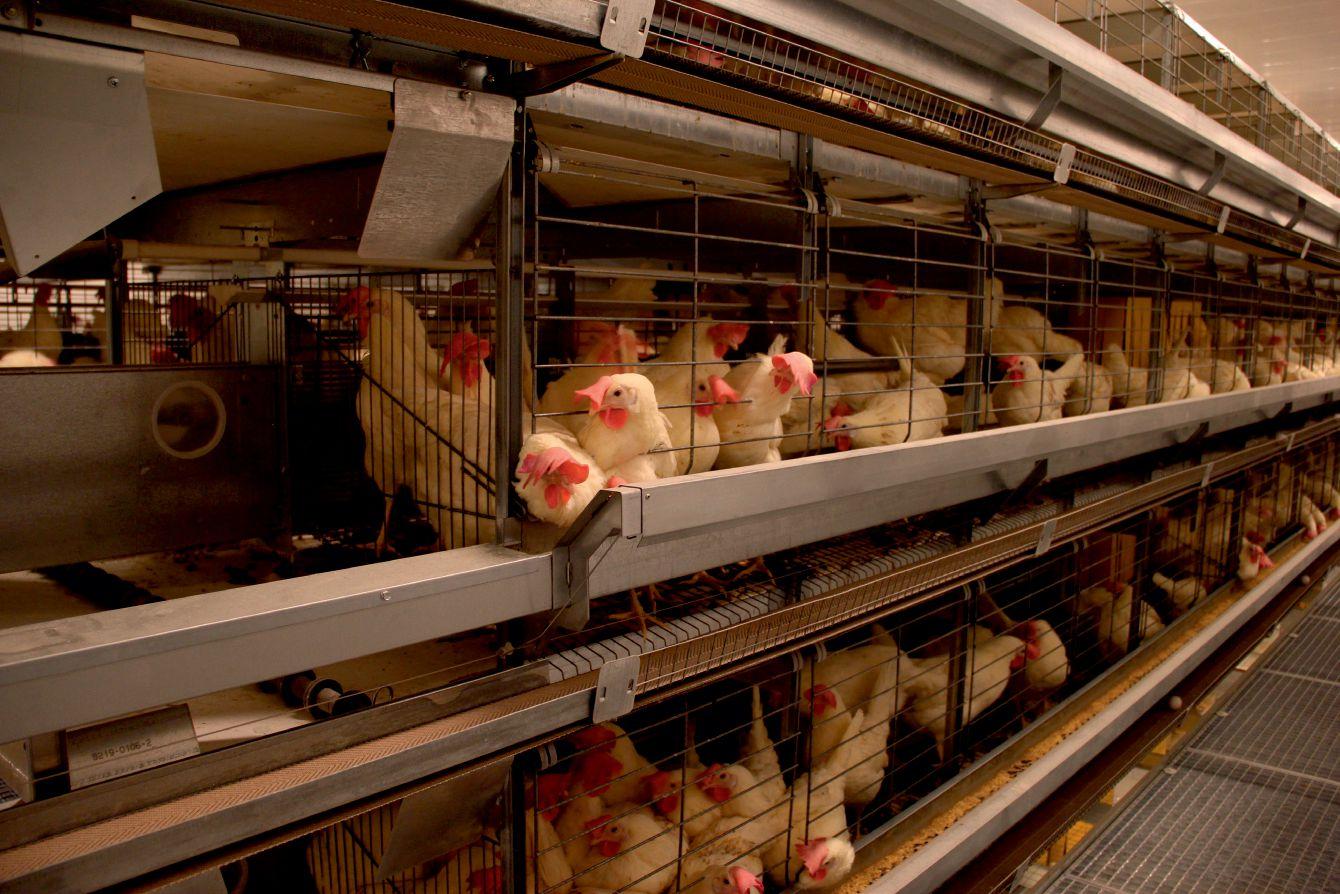
The Gilani family has farmed for 43 years and owns a diversified agri-business, including Westlock Eggs. Its newest project is several enriched barns at its Country Hills Egg Farm, where a devasting fire occurred a couple of years ago. When at full capacity, it will house 100,000 layers and associated pullets, with eggs marketed through Sparks Eggs to local retailers and wholesalers throughout the region.
SECTOR
The Gilanis had three main goals with these barns. “We wanted to expand to accommodate the growing demand for eggs in Alberta,” managing director Muneer Gilani says. “We also wanted to employ world-class technology in animal welfare, staff safety, odor mitigation and egg handling and ensure we better manage our carbon footprint, in part by locating close to markets to minimize trucking.”
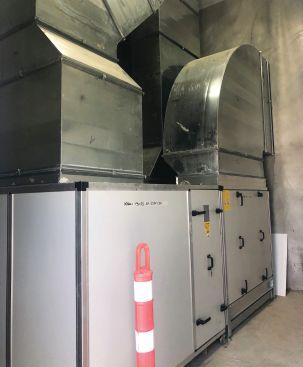
The enriched barns (each 25,000 square feet with two-tiers) are constructed with only cement and steel to prevent future fires and pest harbourage. Egg gathering and palletizing is fully automated. Each barn can store manure for over nine months as needed, and has dual manure driers to reduce ammonia (and odour) on manure belts. The barns are heated with high-efficiency low-cost hot water boilers. “LED tube lights provide even lighting at every level,” Gilani says, “and can blend the red/white spectrum to optimize hen comfort.”

• Leading FCR
• Impressive Daily Gain
• Strong Livability
ROSS 708
• Highest Yield
• Excellent Breeder
Performance
• Exceptional Livability