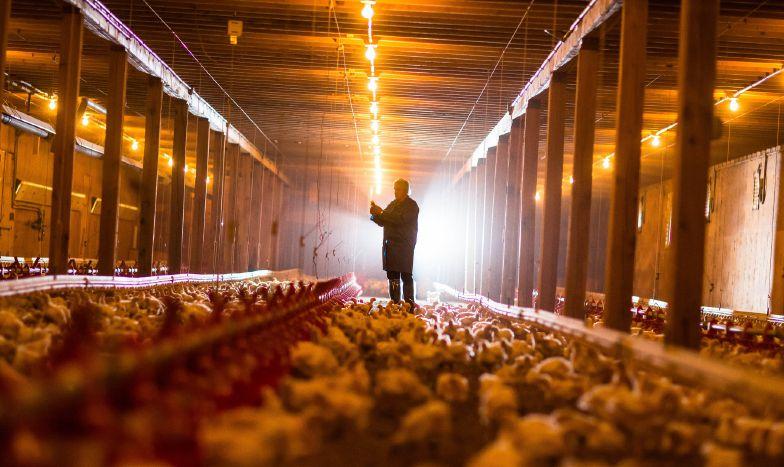
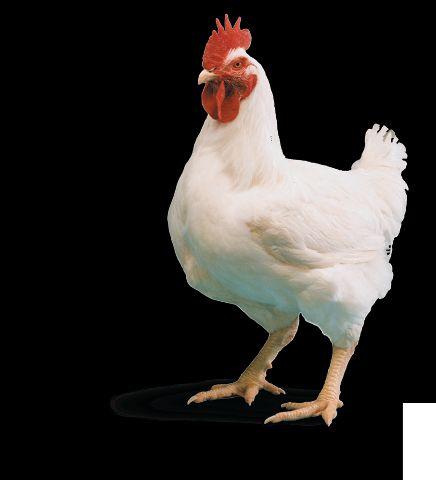
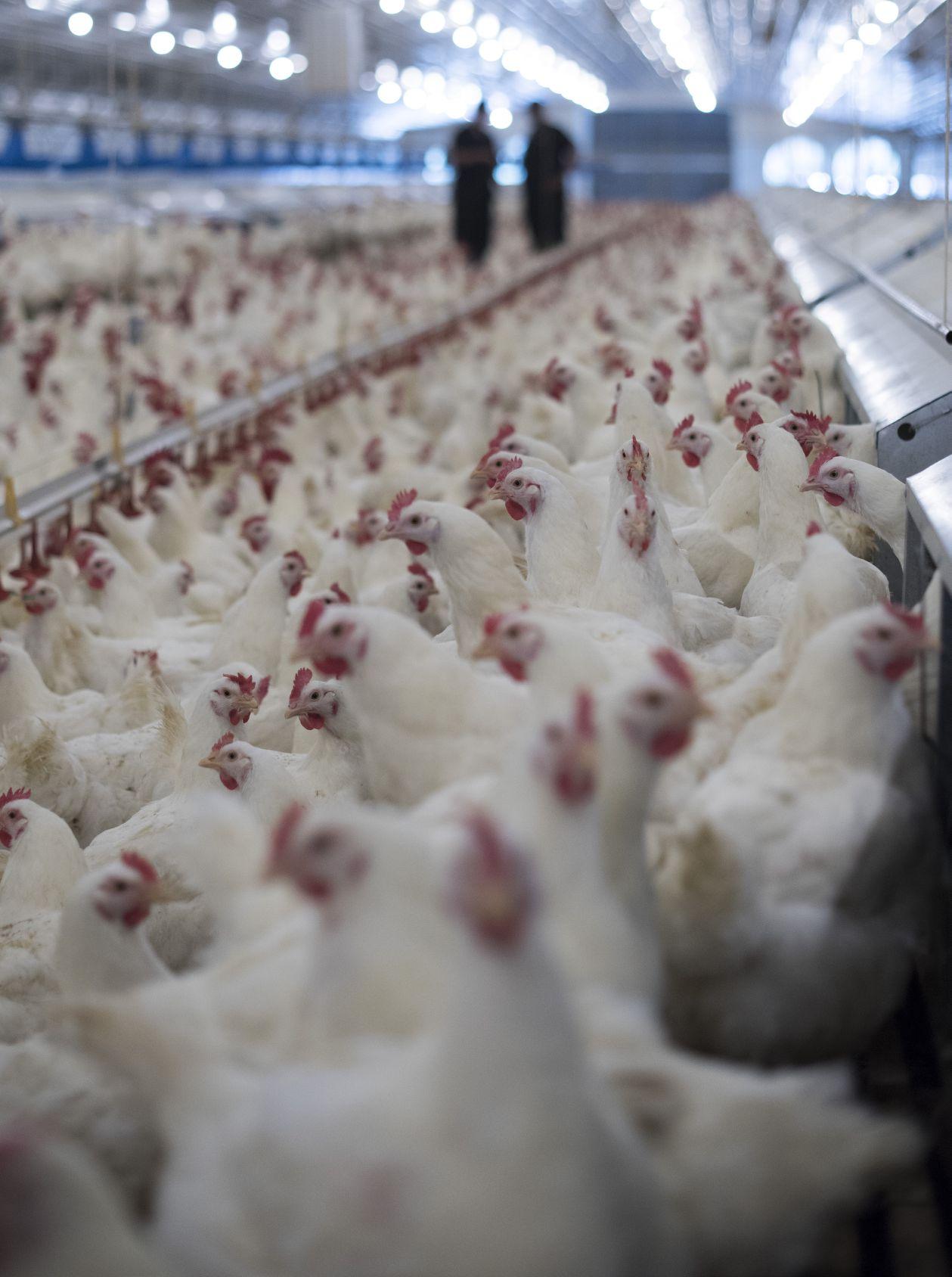
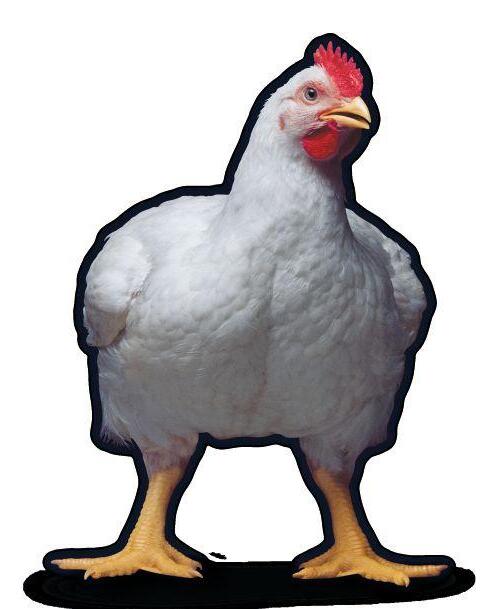
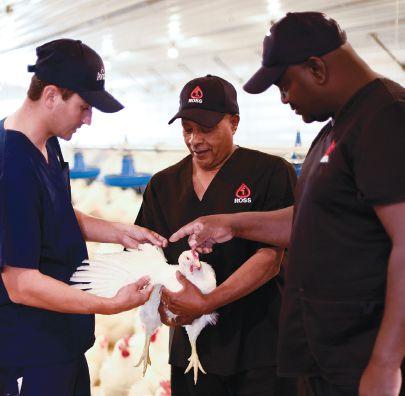
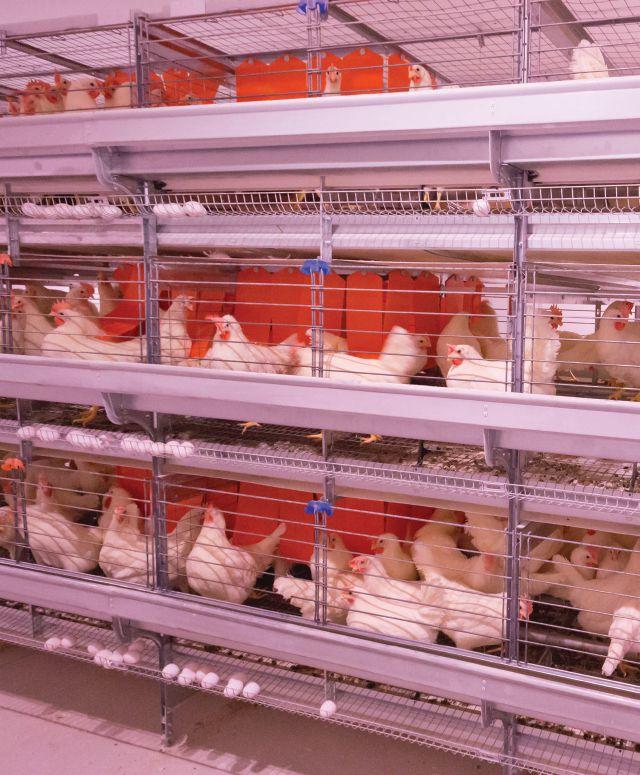
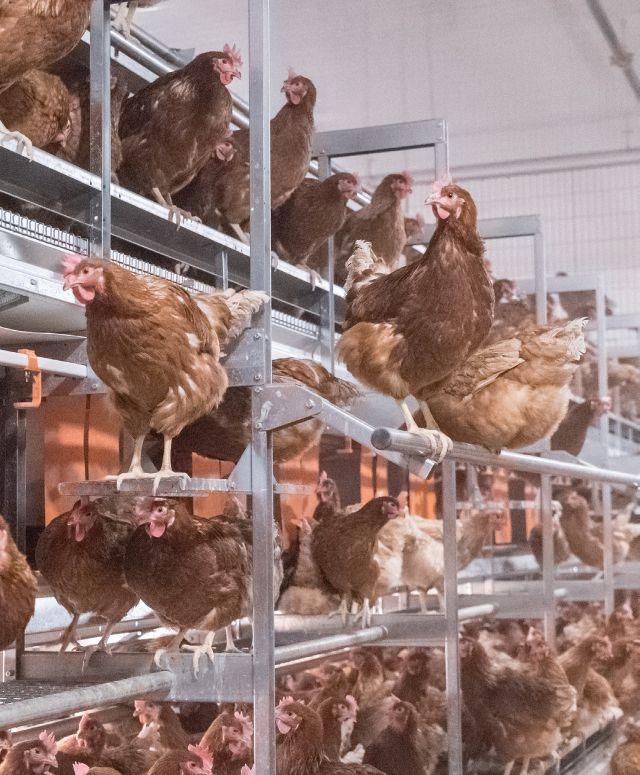
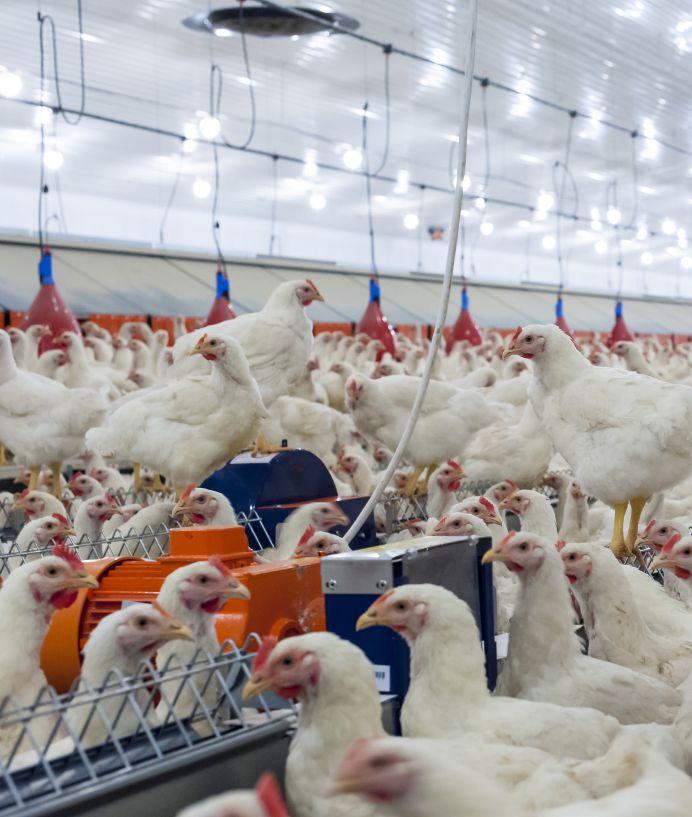
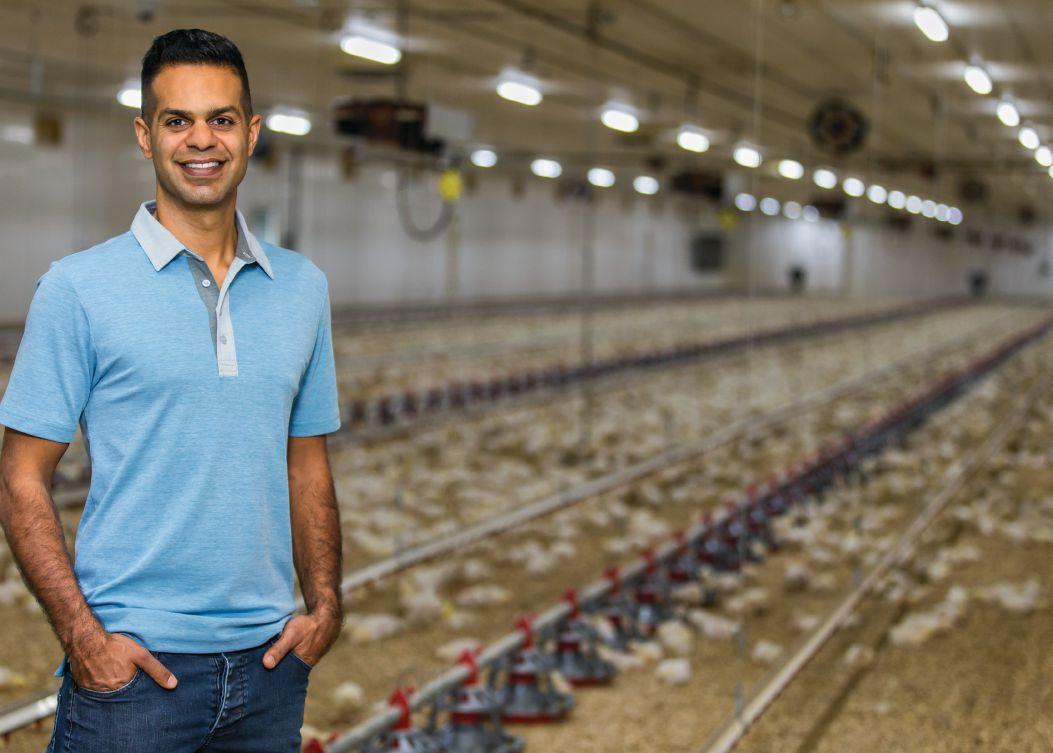
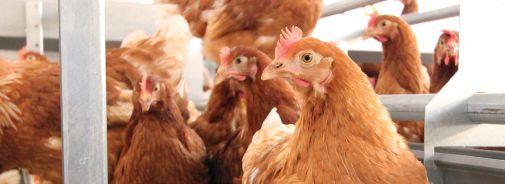
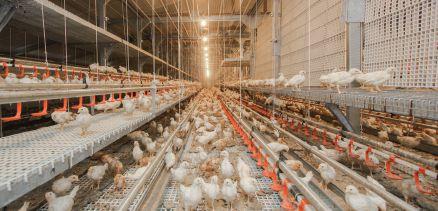
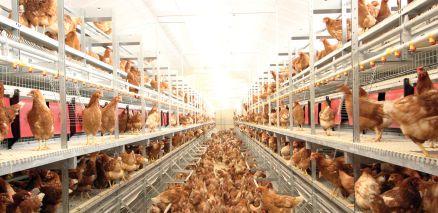
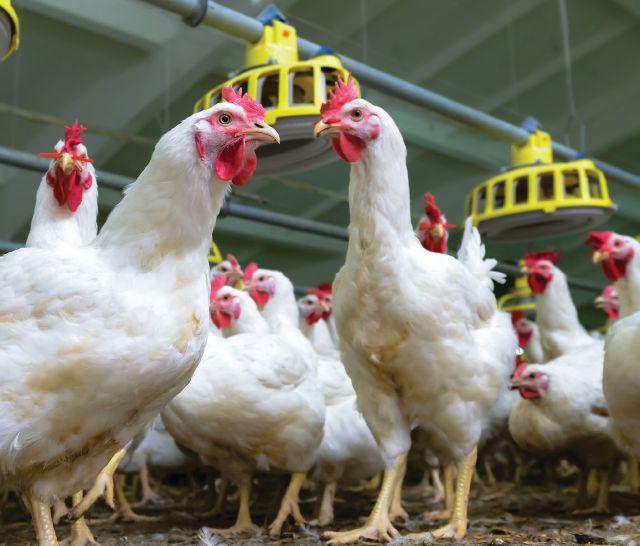
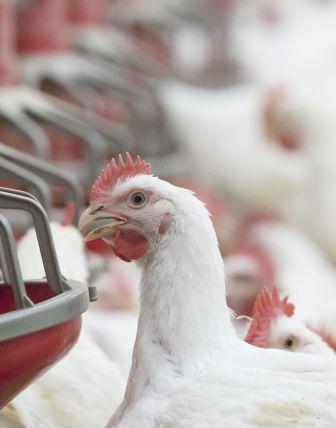
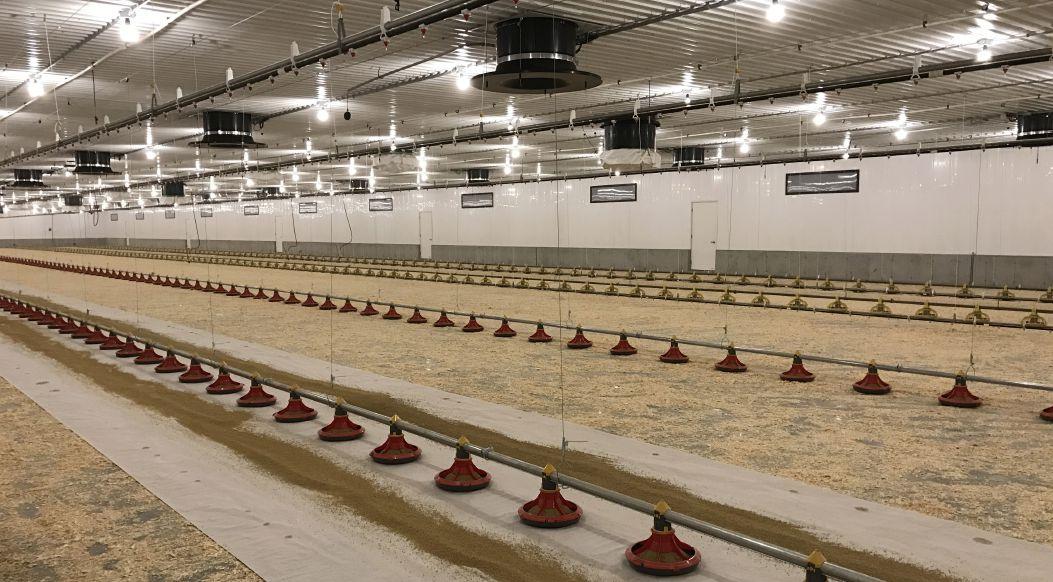
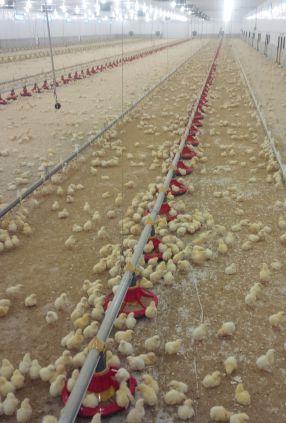
ON THE COVER Contrary to traditional thinking, adding lengthier periods of darkness to broiler lighting regimes actually improves health and production parameters. See story on page 14.
by Brett Ruffell
CFC seeks to empower brands to resist activists
Last year the industry saw an irksome trend endure.
Global food companies, in response to pressure from deceptive activist groups, continued to roll out different poultry welfare policies.
In my last conversation with outgoing Chicken Farmers of Canada (CFC) executive director Mike Dungate before he moved on, I asked him to weigh in on these developments. “Mercy for Animals (MFA) is going around threatening to destroy their brands,” he said.
Dungate took issue with the Golden Arches’ recently unveiled chicken policies. “It’s not that McDonald’s statement is closer to what Mercy for Animals wants than to what we want,” he explained. “It’s that they’re being forced to go down this road.”
Dungate also disagrees with companies making commitments on behalf of producers. “We’ve told restaurants you’re making decisions that have no impact on your own business but that have every impact on a farmer’s business.”
In the end, MFA dismissed McDonald’s plans anyhow, Dungate pointed out. Its issues: the company wouldn’t cave to their demands for slower growing broilers and more floor space. He cited this as further proof that activists
aren’t interested in farm animal welfare. Instead, their agenda is to make livestock farming uneconomical.
“If you believe in animal welfare and want better treatment of birds on farms then you’d support the only program that can make it happen on every farm in this country, and that’s ours,” he said. Dungate touted CFC’s support for the National Farm Animal Care Council’s approach to developing codes of practice where multiple stakeholders get a say in the process. What’s
We’ve told restaurants you’re making decisions that have no impact on your own business but that have every impact on a farmer’s business
more, he noted, CFC’s program is third-party audited.
Dungate added that these one-size-fits-all approaches to welfare that food giants develop for often very different global markets are unfair to farmers. To emphasize how frustrating it can be, he said a producer might supply one processor who has severalcontracts with different restaurant companies, each of which has slightly unique standards that the farmer has to adhere to.
One international food company even wanted its Canadian suppliers audited based on the U.S.-based National Chicken Council’s animal welfare program. CFC pushed back on that. “Why would they want that?” Dungate asked. “We have a better program and you’re confusing the farmer.”
What’s missing, he believes, is official recognition from the Canadian Food Inspection Agency (CFIA). NSF conducts third-party audits of both on-farm food safety and animal welfare for CFC. It sends the food safety report to CFIA to determine compliance. CFC wants the same process in place for its Animal Care Program.
CFIA accreditation would give restaurants and food service companies something official to anchor on to when activists pressure them. It would also make the issue precompetitive, the organization believes. CFC executives have been talking to government about implementing this accreditation for some time. “We’d like to be closer to getting this but we’re putting pressure on where we can,” Dungate said. “We’ve written, appeared before senate agriculture committees and raised it at meetings with agriculture ministers.”
He issued a challenge to activists. “If MFA truly cared about welfare on farms they’d come talk to us. They won’t do that because they’re not interested in the welfare of birds on the farm. They don’t want birds on the farm.”
Mail: 111 Gordon Baker Rd., Suite 400, Toronto, ON M2H 3R1
Subscription Rates Canada – 1 Year $32.00 (plus applicable taxes) USA – 1 Year $69.00 USD Foreign – 1 Year $78.00 USD GST - #867172652RT0001
Occasionally, Canadian Poultry Magazine will mail information on behalf of industry-related groups whose products and services we believe may be of interest to you. If you prefer not to receive this information, please contact our circulation department in any of the four ways listed above.
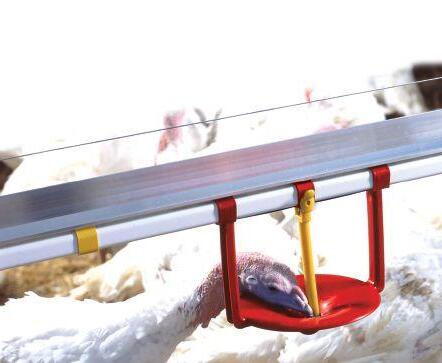
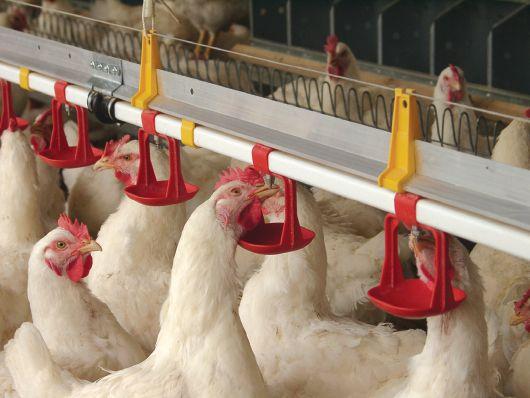
With nearly 70 years of experience and more than 3 billion birds around the world drinking from a Lubing system on a daily basis, Lubing has established a rock solid position as a global leader developing innovative products for poultry production.
Our Tradition of Innovation keeps us at the forefront of the industry by continually offering cutting-edge technology that helps producers gain every possible advantage in production to maximize profits.
Got Lubing? You can’t afford not to. Contact us to find out how we can help improve your bottom line.
Another global retail giant has come out with new chicken policies. IKEA unveiled the Better Chicken Program in January, which identifies the company’s minimum sourcing standards for all broiler chicken products in its global supply chain. The company will soon begin piloting the criteria, which covers animal welfare, antibiotics use and sustainability, with its suppliers to work through practical considerations. By 2025, IKEA says all chicken products it sources will be consistent with Better Chicken principles.
Alltech opens applications for new training program
The recently announced Alltech North American Career Development Program (CDP) is a one-year salaried, entry-level program providing up to 12 recent university graduates the opportunity to train alongside experienced professionals. After an induction period at Alltech’s international headquarters in Kentucky, trainees will be assigned to specific locations in the U.S. or Canada to prepare for sales positions.
Ending supply management would mean huge job losses
According to a new study, using supply management as a bargaining chip for the renewal of NAFTA could have serious economic and social impacts. The PwC Canada report indicates that between 58,000 and 80,000 Canadian jobs would be threatened if supply management disappeared. Associated market share losses would translate into a decrease in Canadian GDP ranging from $4.6 to $6.3 billion.
2025
is the year by which IKEA says all of the chicken products it sources will be consistent with its Better Chicken principles.
Egg sustainability expert wins prestigious award
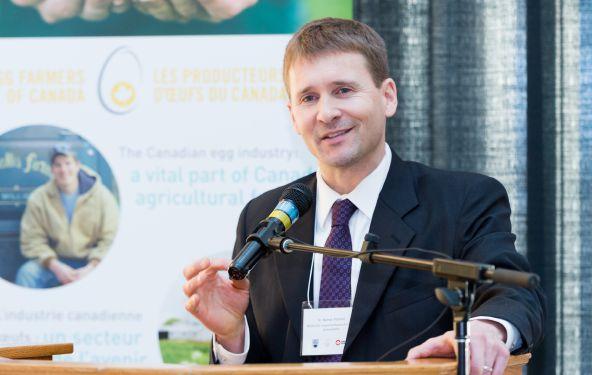
Thank you to Hendrix Genetics for two great cover photos. December’s featured one of the company’s Shaver birds, while January’s was a Dekalb White.
As a leading sustainability expert, Dr. Nathan Pelletier has been awarded an Industrial Research Chair by the Natural Sciences and Engineering Research Council of Canada (NSERC).
The award will advance Pelletier’s research activities focused on sustainability measurement and management, lifecycle thinking and resource efficiency, with a focus on the Canadian egg industry.
Pelletier has collaborated with Egg Farmers of Canada (EFC) since 2016 as their Research Chair in Sustainability, exploring opportunities to improve resource efficiencies and reduce the environmental impact of egg supply chains.
“Food systems sustainability is a subject of increasing importance. Egg Farmers of Canada strives to promote innovation and the continuous improvement of egg
production through the latest scientific research,” EFC’s CEO Tim Lambert said in a press release. “Dr. Pelletier’s work helps us understand the link between environmental sustainability and egg production, while developing processes and technologies with environmental and social impacts in mind.”
Only a handful of researchers are awarded an Industrial Research Chair from NSERC each year. NSERC’s support will allow for Pelletier to grow his research program as the first-ever NSERC/ Egg Farmers of Canada Industrial Research Chair in Sustainability. He has spent roughly a decade researching the science of sustainability.
“I am passionate about the development of food systems that are environmentally sustainable, economically viable and that contribute to our health and well-being,” Pelletier said.
5 QUESTIONS FOR MARYN MCKENNA
Big Chicken was published in 2017. The critically acclaimed book is described as an “eye-opening exposé”. In it, celebrated health journalist Maryn McKenna documents “how antibiotics transformed chicken from local delicacy to industrial commodity – and human health threat – uncovering the ways we can make America’s favorite meat safer again.” We asked her five questions.
What is your book about, in a nutshell?
Big Chicken is an investigation of the rise of routine subtherapeutic antibiotic use in livestock raising – how it emerged amongst post-World War II concerns about feeding the world, how different countries have evaluated and regulated it differently and how it contributes to the international epidemic of antibiotic resistance – wrapped in the story of the rise of modern poultry production. Chickens were the first animals to get growth-promoter antibiotics experimentally, and in the U.S. they are the first livestock sector to renounce antibiotics, so they are crucial to the story.
What inspired you to write it?
A few years ago, I was working on another book about antibiotic resistance (Superbug, in 2010) and stumbled across a statistic that, in the United States, four times as many antibiotics are sold for use in livestock as in humans. That surprised me, and surprised me even more when I learned that most of those antibiotics are not given to cure infections – which, in human medicine, would be considered inappropriate use, leading to resistance. I wanted to know more.
What is the most surprising or important thing you learned?
It’s fascinating to me that almost everyone involved in this practice, at the start, had good intentions: feeding the world; making protein inexpensive; saving the infrastructure of meat agriculture from the damage of World War II. They didn’t anticipate the unintended consequences.
How have chicken farmers and those outside agriculture reacted to the book?
To be clear, there are chicken farmers in the book, including conventional large-scale farmers who have gone antibiotic-free because their integrators did – and there are more than a dozen conventional farmers whom I visited who did not appear in the book. This book is the product of four years of on-the-ground reporting, as well as deep dives into archives. Farmers have said they were represented fairly. I have received no industry criticism. And the book has gotten a lot of media coverage, and everyday readers have reacted with a lot of enthusiasm. This is a change people have been waiting for.
What would you like to see the industry change?
The success of big producers such as Perdue, which led the U.S. industry in going antibiotic-free in 2014, makes it clear that even very large-scale poultry production can succeed without routine antibiotic use. Given that evidence, there is no excuse for poultry production, or any protein production really, to continue to misuse antibiotics.
National Poultry Show (Formerly London Poultry Show) London, Ont. westernfairdistrict.com poultryindustrycouncil.ca
APR. 8 - 10, 2018
IEC Business Conference London, England internationalegg.com
Apr. 12, 2018
PIC Ag Lenders Day, Guelph, Ont. poultryindustrycouncil.ca
Apr. 16 - 18, 2018
Western Poultry Disease Conference, Salt Lake City, Utah cevs.ucdavis.edu/confreg
MAY 2018
May 2, 2018
PIC Research Day, Stratford, Ont. poultryindustrycouncil.ca
May 15, 2018
WestVet, Abbotsford, B.C. westvet.com
The book explores how antibiotics shaped modern farming.
Maryn McKenna is author of the book Big Chicken.
Perspectives
By Michael Laliberté
Combating the vegan activist agenda
The chicken industry, along with foodservice and retail, has been in the sights of vegan activists. Their mission, it seems, is to misinform and manipulate Canadians about how we do our work.
We’re competing with a very connected world. Most of Gen Z, the next generation of consumer, own smartphones, have an attention span of less than eight seconds and spend 10 hours or more online every day. And, worryingly, they’re starting to listen to what’s being said about us. When activist videos hit these channels, our ability to tell the truth –the real truth – about our industry gets hampered.
Sure, these activists claim to be advocating for change to help industry practices improve – but that’s not the real agenda. Their real agenda (and they’ll tell you so if you
press) is to eliminate meat from the Canadian diet. The objective is to make it more difficult, more frustrating and more expensive for chicken farmers to do their jobs and, ultimately, make it too expensive for consumers.
The reality is that they are not honestly seeking science-based evolution in the best interests of animal welfare. Instead, they are making attempt after attempt to destroy the livelihoods of Canada’s farmers, preach rhetoric filled with misinformation and dictate what Canadians can and can’t eat.
It’s maddening and frustrating for all players in Canadian chicken to be constantly inundated with malicious misinformation and sweeping generalizations that undercut some of the hardest working people in the country.
Chicken Farmers of Canada has been working tirelessly to
Farmers need to make it clear that there is one standard for animal care in Canadian chicken.
dispel these myths at the source. We’re also working to ensure that our partners throughout the value chain know that they don’t need to reinvent the wheel when it comes to animal care.
We have a program – it’s a solid program, and it’s the only one that can be administered on every chicken farm in Canada. No other program can achieve this reach.
Having multiple animal care standards across the value chain diminishes them all. Farmers need to make it clear that there is one standard for animal care in Canadian chicken.
We believe in our program. Farmers need to believe in it, too. It’s never easy to have to
account for what we do all the time – but that accountability comes with security of knowing that you are being supported, defended and promoted by your provincial and national chicken boards.
More importantly, it means that you’re doing the right thing. It also shows you’re willing to say, in the middle of the accusations and mistruths being fired from all sides: “Not on my farm.”
Those are four powerful words. However, those four powerful words get countered with two more: “Prove it.”
The Chicken Farmers of Canada Animal Care Program lets you prove it. The program helps you stand up and demonstrate (to your customers, your end consumers, to government, to everyone) that you are doing the right thing. We need farmers to back, support and endorse their Animal Care Program.
We all buy food for our own reasons – cost, value, nutrition, convenience, etc. We have a great deal of choice in the meat we buy. Whether you choose organic, free-range, vegetarian-grain-fed, specialty breeds or conventionally raised, consumers have solid choices. They shouldn’t be choosing based on one animal care program or another.
It comes down to this: Farmers are already adapting to the changing Canadian palate. However, we refuse to follow vegan activists masquerading as consumers, who ultimately want to tell Canadians what not to eat and to destroy the livelihoods of farmers in the process. Especially when we have an excellent program to prove it.
Michael Laliberté is the recently appointed executive director of Chicken Farmers of Canada (CFC). Prior to replacing Mike Dungate, who had held the position for over 20 years, Laliberté had been with CFC for 26 years in various roles.
PHOTO: CHICKEN FARMERS OF CANADA
Increasingly, vegan activists are targeting family farms.
COUNT ON QUALITY
Cobb 700 Advantage in Meat Quality
Based on third party specialist evaluation* of meat quality, the Cobb 700 outperformed its major competitor. Evaluations included Woody Breast, Blood Spots, Spaghetti Breast, and Green Tenders. In every category the Cobb 700 outperformed the major competitor in its class.
*All comparisons were made on the same day in the same processing plant on 500 fillets of each breed.
Cobb Sets the Standard
LRIC update
By Lilian Schaer
Quick and easy on-farm test for avian influenza in the works
When it comes to disease diagnostics, time is of the essence. And yet there is currently no commercial, on-farm detection technique for poultry diseases like avian influenza (AI).
University of Guelph engineering professor and Bionano Laboratory director Suresh Neethirajan is working on a solution that he estimates is about 18 months away from commercialization: an onfarm diagnostic tool that can quickly and easily identify the presence of AI using only a droplet of blood or small litter sample.
“Currently, we have to take oral swabs, or litter or blood samples and send to labs for testing and then wait for several days to get results,” Neethirajan explains. “With this new tool, farmers can do the test themselves and the wait time for results is down to just a few minutes.”
Once a test result is in, it is electronically stamped by the handheld diagnostic tool with date, time and collection location, and can be sent in real-time to veterinarians or other designated recipients. In an outbreak situation, quarantine can be implemented almost immediately.
The tool can differentiate between various AI strains. “It can be very challenging to differentiate between high pathogenic and low pathogenic avian influenza, but the developed biosensor lets farmers make that call,” Neethirajan says. “Low pathogenic happens frequently, but high pathogenic is very rare and we have to be prepared in terms of enhancing surveillance and biosecurity in the barn.”
Neethirajan has completed a variety of tests to ensure his diagnostic solution can be used at a low cost in what he calls low resource settings, like farms in remote locations.
50 cents is the estimated cost per paperbased test.
$1.00 is the estimated cost per test completed with the handheld device.
He’s developed a paper-based biosensor where a small strip of paper is dipped in the blood or litter sample. It changes colour in only seconds based on the presence or absence of disease and with the help of a smartphone the user can detect what’s on the paper.
His technology is currently in the validation stage, including determining whether it can be integrated with other technologies in development, such as a vocalization project he’s also working on.
According to Neethirajan, poultry make different sounds at different frequencies depending on whether they’re cold, hot, thirsty, hungry, mating or not feeling well. Thus, he’s looking to see if the disease-diagnosing biosensor can read their signals to detect disease from
the sounds instead of having to sample litter or blood.
Although many details surrounding the diagnostic technology are yet to be finalized, Neethirajan estimates the cost per paper-based test to be less than 50 cents each, and around $1.00 per test completed with the handheld device.
The testing module he’s developed for AI has also been adapted for Fowl Adrenal Virus and Coronavirus.
The Ontario Ministry of Agriculture, Food and Rural Affairs – University of Guelph Partnership, Poultry Industry Council, Canadian Poultry Research Council, Egg Farmers of Canada, Livestock Research Innovation Corporation, Natural Sciences and Engineering Research Council of Canada and Mitacs all support the project.
This article is provided by Livestock Research Innovation Corporation as part of its efforts to monitor and report on Canadian livestock research developments and outcomes.
Lilian Schaer is a freelance writer and editor and communications specialist with Agri-Food Project Services Ltd. in Guelph, Ont.
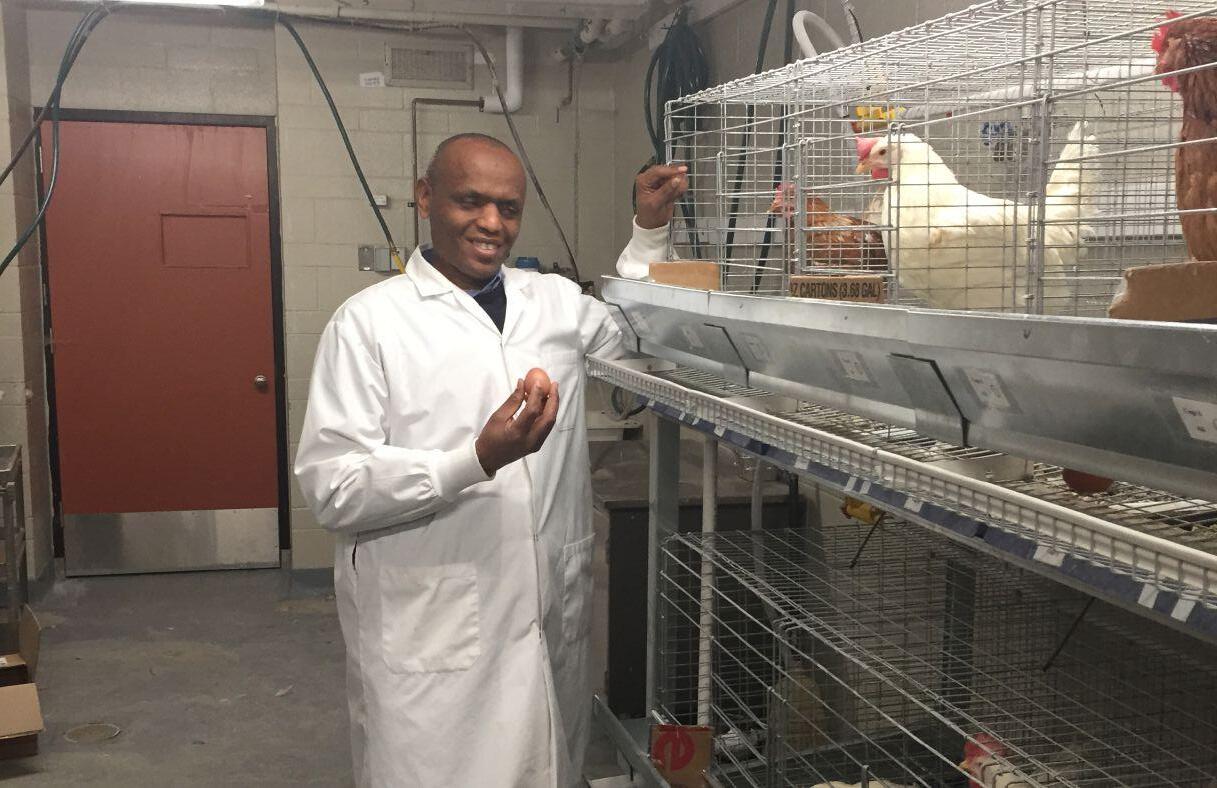
Suresh Neethirajan in his lab at the University of Guelph.
Ask the Vet
By Tom Inglis
Tom Inglis is managing partner and founder of Poultry Health Services, which provides diagnostic and flock health consulting for producers and allied industry. Please send questions for the Ask the Vet column to poultry@annexweb.com.
The Veterinary-Client-Patient Relationship
What is it and why is it important?
Some perceive the term Veterinary-ClientPatient Relationship (VCPR) as formal and rarely used or understood. It does not have to be that way. Simply stated, a VCPR involves a veterinarian and poultry producer developing and maintaining a working relationship.
Together, they promote bird health, prudent use of antimicrobials and bird welfare. It is a relationship built on trust, mutual respect and both parties sharing information and knowledge for mutual benefit. A valid VCPR is similar to the rapport we have with our family doctor. (One difference is that the flock owner/manager intercedes on behalf of the birds.) Any discussions with your physician as well as your records are strictly confidential. Your doctor commits to providing you with health care based on your needs. Similar to veterinary medicine, the emphasis is on disease prevention but, when needed, diagnosis and appropriate treatment as well.
WHAT DETERMINES A LEGITIMATE VCPR?
Each veterinary body has its own definition of VCPR. The Antimicrobial Prudent Use Guidelines (2008) of the Canadian Veterinary Medical Association states that VCPR exists when these three conditions have been met:
• Laboratory reports
• Analysis of production records; commentary
• Post-mortem reports; surveillance data
Having a valid VCPR will be critical going forward. That’s because in December 2018 Health Canada is introducing changes that will require veterinary stewardship (veterinary prescriptions) in the use of medically important antimicrobials (MIAs) in feed and water for livestock and poultry.
WHAT DOES IT MEAN FOR VETERINARIANS?
1. The veterinarian has assumed responsibility for making clinical judgements concerning the health of the birds. The client has agreed to follow the veterinarian’s instructions.
2. The veterinarian has sufficient knowledge of the specific flock of birds to initiate at least a preliminary diagnosis of the medical condition of the birds. This means the veterinarian has recently seen and is personally acquainted with the keeping and care of the birds.
3. The veterinarian is readily available for follow-up evaluation or has arranged emergency coverage in the event of adverse reactions or failure of the treatment regimen.
A legitimate VCPR is considered to exist only if medical records of the veterinary practice contain sufficient evidence of relevant and timely interactions between the veterinarian, animal owner and animal patients (e.g., specific flocks of birds). Accordingly, when the provincial or territorial regulatory body audits a practice, prescribing and/or dispensing of a medication must be supported by evidence of a VCPR.
A valid VCPR must exist before a veterinarian can prescribe or dispense a medication. Interactions that support the existence of a valid VCPR include:
• Farm visits
• Consultations (in-person, telephone, social media)
The pending increase in veterinary oversight of MIAs will have an immediate impact. More prescriptions will be required and in a timely manner, especially for use of MIAs in feed. Professional ethics dictate that a veterinarian cannot write a veterinary prescription for a flock of birds without a valid VCPR.
Aside from veterinary prescriptions, a valid VCPR provides the interaction with a client that permits veterinary medicine to be practiced as it should. A valid VCPR makes the veterinarian a valued participant in problem solving, improving bird health (which, in turn, reduces undue bird suffering from disease) and food safety.
Veterinarians can contribute fully when they are familiar with the production units, history, performance goals and current challenges. All of this can only be achieved by working closely with clients in a valid VCPR.
A Veterinary-Client-Patient Relationship is simply a veterinarian and poultry producer interacting on a continuous basis to achieve common goals of bird health and welfare.
WHAT DOES IT MEAN FOR PRODUCERS?
Outcomes vary with any collaboration based on a number of factors. The same is true for the veterinary-producer interaction. Logistics for farm visits is a challenge in a country as big as Canada! Nevertheless, these are examples of realistic outcomes of a valid VCPR as compared to not having one:
1. Support in problem solving
An example could be a problem of reoccurring outbreaks of coccidiosis at a certain time-point in the grow-out. By reviewing barn data together, the farm manager and veterinarian conducted post-mortems
and serology. They came up with these findings:
• Outbreaks occur in bottom but not top floors, suggesting heating and ventilation to be a factor.
• Serology revealed sub-clinical infectious bursal disease virus (IBDV) infection had occurred with subsequent immune-suppression. The coccidiosis outbreaks were secondary to IBDV.
• The species of coccidia present was not sensitive to the anticoccidial used in rotation.
With the above-mentioned findings the poultry producer and veterinarian could develop strategies to solve the
problem. This would not happen with each working alone, hence the value of the VCPR.
2. Information transfer Licensure of a veterinarian requires that they complete a minimum number of hours of continuing education each year. Most fulfill this by giving presentations and attending meetings of peers. Thus, in the interaction between producer and veterinarian, discussions may address these examples:
It is a relationship built on trust, mutual respect and both parties sharing information and knowledge for mutual benefit.
• What is the latest in infectious bronchitis virus (IBV) findings (i.e., what has been found for my area, new vaccines, etc.)? A similar discussion could occur around recent challen ges with reovirus.
• Should pullets be vaccinated against infectious larngotracheitis (ILT) and, if so, what is the program? Note: This discussion would only apply to provinces that have the disease. This discussion would require knowledge of the history of the farm, production cycle, etc. – information only available within a VCPR.
3. Bird welfare and euthanasia training
Provincial marketing boards require that management of each production unit have personnel trained to know when euthanasia of a bird is necessary to prevent undue bird suffering. They must also use approved techniques to perform the task. Changes in
personnel require on-going training for assessment of bird welfare and validation of procedures for euthanasia. Management and veterinarians working together to ensure trained employees deliver bird welfare is a very important outcome of a valid VCPR.
4. Compliance with increased veterinary oversight of MIAs
This year will mark the implementation of Health Canada regulatory and policy initiatives pertaining to antimicrobial use and resistance. Growth promotion claims will be removed from feed premixes that contain MIAs. Certain drugs that were available over-the-counter will now require a prescription. As a result, point of purchase may change according to provincial and territorial regulations.
Use of all medications containing MIAs will require a veterinary prescription as of December 1, 2018, regardless of whether they are administered via feed or water. Thus, most medicated feeds that presently do not require a veterinary prescription will require one.
This is a major change for poultry producers, the feed industry and veterinarians.
As noted previously, a valid VCPR must exist before a veterinarian can prescribe or dispense a medication.
Therefore, it is crucial that veterinarians and poultry producers establish a valid VCPR that will meet the requirements of a third-party audit as soon as possible.
Going forward, things will be difficult if not impossible without a valid VCPR.
Lighting and the broiler code
Contrary to traditional thinking, broilers actually benefit from longer periods of darkness.
By Melanie Epp
The recently updated Canadian code of practice for the care and handling of broilers includes new requirements regarding lighting. The code takes into consideration expertise from a committee of researchers and specialists, and also considers several studies out the University of Saskatchewan, conducted by poultry researchers Karen Schwean-Lardner and Henry Classen in collaboration with Aviagen. Schwean-Lardner presented her findings at a recent Poultry Industry Council broiler meeting.
The studies were conducted in order to better understand the relationship between day length, welfare and productivity. Their findings, as well as conclusions from other studies, led to the new code. It states that chicks and poults must be provided with a minimum of one hour of darkness in each 24-hour period after 24 hours of placement.
Following that, the dark period must be gradually increased to a minimum of four hours in each 24hour period by day five of placement. This differs from traditional thought on lighting programs for broilers, which was that constant
or near-constant light maximizes growth rate.
The study looked at a number of parameters under one, four, seven and 10 hours of darkness, Schwean-Lardner explained. During the photophase period, the researchers used a light intensity of 10 lux. Parameters the researchers evaluated included body weight gain, feed conversion, health and mortality and overall bird welfare. To ensure accuracy, Schwean-Lardner replicated the trials five times over with nearly 40,000 birds.
The results
According to her research, overall, six hours of darkness gives the strongest circadian/diurnal rhythms. Circadian rhythms are physiological, mental and behavioural changes that follow a daily cycle. In humans, that cycle is more or less 24 hours.
Sleeping at night and being awake during the day is an example of a light-related circadian rhythm. Circadian rhythms are important as they impact everything from melatonin production and immune function to sleep patterns and growth hormones.
When comparing different durations of darkness, Schwean-Lardner’s research showed that six hours gave the stronger rhythm, lowering levels of metabolic and skeletal disorders. So why then does the code require just four hours?
Despite the fact that Schwean-Lardner’s research showed six hours as being the optimal number of hours of darkness needed, four hours also gives a significant circadian rhythm. “We still get a diurnal rhythm, and it still
gives all of the positive things we found with six hours, just maybe not to the same extent,” she said.
Under four hours of darkness, however, the broilers’ activity patterns weren’t quite as high as they might be under six hours. Nevertheless, four hours is a significant improvement over no darkness, she said. “We came to an agreement that four hours as a requirement would be fantastic for both sides,” she said. Regarding feed efficiency (kg of weight gain per kg of feed consumed), the most efficiency was always achieved in systems with 10 hours of darkness.
Mortality
Concerning mortality and culls, overall, the lowest values came up under 17 hours of light and seven hours of darkness. “Certainly, adding darkness reduces mortality,” she said. “We’re often told that big birds have a higher mortality rate, so that mortality is strictly related to bird size, but you can see very clearly that that is not the case. Because birds under 17 and 20 hours of light were exactly the same size.”
The researchers also looked closely at mortality and culls related to skeletal defects, which they found to be much improved under more hours of darkness. “Just by giving darkness you can reduce things like Valgus-Varus and other skeletal deformities,” Schwean-Lardner said.
In this case, the researchers observed great improvement at seven and four hours of darkness, but beyond that very little improvement was seen, she said. It’s important to note that these defects are not just
6 hours of darkness gives the strongest circadian/diurnal rhythms, according to Karen Schwean-Lardner’s research.
production concerns – they also impact overall bird welfare.
Mobility
During the course of her study, Schwean-Lardner also looked at mobility. This meant going into the different systems and scoring how the birds walked. Birds were given a score between zero and five, five being immobile. Research out of Europe shows that birds that score between three and five are actually in pain, making it a welfare issue. For the purposes of this research, Schwean-Lardner calculated the percentage of birds that fell into that three to five range and evaluated them at a number of ages within the flock. “We have the most birds in those high gait scores under 23 hours of light,” she said. “Twenty hours tends to be intermediate, and
then 17 lower. “In general, the more darkness, the better mobility,” she said. They also found a slight improvement in footpad lesions with more darkness.
Behavioural changes
Under the different lighting systems, the researchers also analyzed behaviour: time spent walking, feeding and resting. Under 23 hours of light and one hour of darkness, they saw a reduction in exercise, exploratory behaviour, nutritive behavior, comfort and play. “When we started this work, producers told us that giving birds 23 hours of access to light allowed them to walk around the barn more and to feed more, and it made sense,” Schwean-Lardner said. “But that is not what we saw at all.”
What they did notice was that
birds lay on litter significantly more under the system with 23 hours of light. However, when they switched to 20 hours of light, they saw an improvement. They observed even more progress in the systems with 17 hours of light. “Giving them darkness means they spend less time laying on the litter,” Schwean-Lardner said. “They’re very inactive on those long day lengths.”
Affect on diurnal rhythms
Perhaps most interesting, though, is how darkness regulates diurnal rhythms. Something has to signal that rhythm, Schwean-Lardner said, and usually it’s light and dark. This, in turn, signals the production of melatonin, immune hormones and coordinates when activities occur, such as feeding and dust bathing. Diurnal rhythms prompt the entire
Code requirements
The Code of Practice for the Care and Handling of Hatching Eggs, Breeders, Chickens and Turkeys includes the following lighting requirements.
Chicks and poults must be provided with a minimum of one hour of darkness in each 24-hour period after 24 hours of placement.
The dark period must be gradually increased to a minimum of four hours in each 24-hour period by day five.
From day five of placement through to no sooner than seven days prior to catching, birds kept in barns must have a dark period of at least four straight hours in each 24-hour period.
Dark periods must be no more than 20 per cent of the light intensity of the light period.
Light intensity must be adequate during the light period to allow birds to navigate their surroundings and for daily inspections (e.g., 5 to 10 lux). Light intensity may only be reduced temporarily to correct abnormal behaviour.
Light control systems must be inspected regularly and maintained in working order.
While, traditionally, producers thought that constant or near-constant light maximizes growth, research results show that is not the case.
flock to do these activities around the same time. To explore this further, the researchers decided to look closer at melatonin data. High levels of melatonin should be produced at night, while low amounts should be produced during the day. In order to see how much melatonin the birds produced, samples were collected throughout the day. They saw clear rhythms at 14 and 17 hours of light.
“Twenty hours still provided a rhythm, although it wasn’t quite as strong,” she said. “But at 23 hours, we actually had the highest amount produced outside of the dark period, so it tells us that individual birds are cycling and they’re all cycling on their different rhythms – so there’s no flock rhythm in melatonin production at all.”
Evidence points to the fact that birds may even suffer from sleep deprivation under systems with 23 hours of light.
While birds do sleep during the day, it’s possible that the quality of their sleep is poor, and that they are continually being woken (sleep fragmentation). Behaviorally speaking, Schwean-Lardner said they noticed specific flock rhythms under the systems with 14 and 17 hours of light, but none under the system with 23 hours of light. Under the 20-hour system, a very weak rhythm appeared.
A useful tool
In the appendix of the new code, Schwean-Lardner said there are recommendations for how to make lighting programs work better. “We suggest they do it in a gradual format by making light changes maybe an hour a day, for example,” she said. “The birds seem to not be as stressed when you make changes gradually.” The best solution, she said, is a dawn-to-dusk lighting
system, which slowly increases light and allows the birds to wake up more gradually. While, traditionally speaking, producers thought that constant or near-constant light maximizes growth, all of Schwean-Lardner’s results show that this is wrong. In fact, the only downside she saw from switching to a longer period of darkness is that it shifts where muscle is deposited in the body. What this means is that the birds actually produce slightly less breast meat and more dark meat.
But this shouldn’t be a problem for Canadian producers because they are paid on bodyweight. Increasing dark periods in the barn not only improves overall health and welfare, but also may increase crowding at the feeder. This is where dawn-todusk lighting systems are most beneficial, as birds wake up gradually, reducing pressure at the feeders.
Whether you invest in an enriched or cage-free system is not the only question you need to consider. You also need to determine whether to RETROFIT OR REPLACE YOUR CURRENT BUILDING WITH 80 YEARS BEHIND US, we offer the MOST OPTIONS AND EXPERIENCE IN THE INDUSTRY, backed by a team of highly-qualified, experienced experts, who are eager to help you configure the system that meets your farm’s unique requirements!
The language of LEDs
What you need to know to get the best out of your lighting system.
By Nora Wolske
While on a recent farm visit, a poultry producer said something that really resonated with me. We were talking about lighting and he referred to the use of incandescent bulbs as “the good old days.”
This made me think about how technology rules our lives today. As consumers, we are inundated with the “newest this” or the “fastest that”, but often end up frustrated because these so-called “new and improved” products don’t always work as promised.
Perhaps part of the problem is that we don’t have a full understanding of how the technology works. Lighting technology in poultry barns has come a very long way in the last 10 years. I have helped many producers navigate this new world of lighting and I would like to share some important tips. Although not as energy efficient as their successors, incandescent bulbs did their job well. They dimmed when we asked them to, were readily available for purchase and most of the dimmer switches available could control these bulbs. When compact fluorescents (CFLs) became available, this technology promised to be cheaper to operate and more effective. Over time, the poultry industry learned the dos and donts as well as the tricks to make these bulbs work.
But the transition to the latest lighting
It’s important to ask LED suppliers the right questions to ensure you make an informed decision.
technology, the Light Emitting Diode (LED) bulb, has not been as smooth. LEDs promised to save more energy than CFLs, provide a cleaner light and be more robust. Initially quite expensive, payback came in significantly reduced electrical consumption. However, this phase in the evolution of barn lighting has had many growing pains.
LEDs are different
First, remember that the incandescent was simple. It was a bulb that turned on when you applied power to it. It dimmed without flickering when voltage was applied using simple triac technology. Today we have LED bulbs that rely on electronics inside the globe to produce light. The quality, tolerances and specifications of
Nora Wolske is ventilation products and controls manager for Canarm AgSystems. She has over 18 years of experience working with livestock equipment and ventilation systems.
these internal components vary greatly from bulb to bulb.
The controls that are used to run a lighting program need to communicate with these new LED bulbs. The fluctuations in the power supply on the farm and in the grid add yet another new but major influence on these sensitive components. The goal is to provide consistent, reliable lighting for the birds. Unless your lighting package is chosen carefully, this goal can prove to be quite elusive.
Every LED bulb is different. Two bulbs from two separate companies can vary greatly. What this means is that each bulb will react differently to what voltage is put to them. One bulb may light up at a certain voltage and one may need slightly more power to reach the same intensity.
So with multiple brands on a line, set at 50 per cent on your control, the results can be all over the place. You may have some bulbs off, flickering, strobing or light levels can vary anywhere between 20 to 80 per cent. In short, you cannot have two bulbs from two different companies on one output of a control. They don’t speak the same language and the result will not be a good one.
What to ask your supplier
In order to ensure you are making an informed decision when upgrading or changing your lighting system, there are several questions you should ask of your supplier:
Is the control that you are using meant for dimming LED bulbs? If it was built to dim either of its predecessors then it may not dim the LED bulbs effectively. We don’t expect to play our modern digital movies on our old VCR, so we can’t expect to dim our LED with a control built to dim incandescent bulbs. Dimmer manufacturers are catching up rapidly, but there are many older dimmers currently in the field that may need upgrading to properly dim LED bulbs. Therefore, it is extremely important that you verify that your dimmer can handle LED bulbs before making the switch.
“Every LED bulb is different. Two bulbs from two separate companies can vary greatly.”
Are the bulbs that you are using supplied by a trusted agricultural supplier and built for the agricultural environment? Are they warrantied for such use? Something what causes a great deal of frustration for farmers is inconsistent supply. Perhaps they got a great deal on LEDs at a Big Box store only to discover that when they go back to get more, the store is either out of bulbs or the ones available work differently. Avoid bulbs that are unproven in a chicken barn. Dust, humidity, moisture and ammonia cause a chicken barn environment to be much harsher than a residential or commercial setting. Most bulbs are not designed or warrantied to perform in this type of environment and will not be able to withstand these conditions.
Are your bulbs built to dim as low as you expect them to? To be Energy Star certified, the bulb only needs to dim to 10 per cent. The fact is most poultry barns want to dim lower than this. Thus, if you use a bulb that was built to dim to only 10 per cent you will never get that bulb to dim lower than that successfully, no matter what control you use.
What happens on your site when using generator power? When the main grid fails we need to rely on this power and our equipment must work in these conditions as well. Because of the sensitivity of LEDs, your electrical system and control need to be able to manage this power in a way that works for the LED bulb. All LEDs are quite sensitive to fluctuating power levels and often the perfect day-to-day system ends up with strobing or flickering once you flip over to generator power. There are technologies available that can help, so be sure to discuss this with your supplier.
Another thing to note is the rated wattage on the outputs of your lighting control. It isn’t always as simple as multiplying the bulb wattage by the number of bulbs in the circuit. Often the system, once installed, may use more wattage than expected so be sure to leave a 10 per cent buffer between your expected wattage and the control maximum. The control manufacturer may also have a recommendation on this to follow.
A well-controlled lighting program is known to have a positive effect on bird health and growth. As lighting products change, you need to be sure that you are using a system that will keep your operation productive and profitable.
Complete housing solutions for layer production
system Take pullet training to the next level
Comfort 2 aviary system
Designed for farmers, inspired by layers www.jpe.org
NivoVaria® rearing
Nesting in enriched cages
While multiple studies have uncovered some of what affects nesting and pre-nesting behaviour, much remains to be learned. By Treena Hein
Nesting behaviour in laying hens is complex, and according to poultry scientists such as Dr. Michelle Hunniford of the department of animal biosciences at the University of Guelph in Ontario, there’s a lot left to discover.
Hunniford has been studying nesting behaviour in enriched colony housing for many years and has found that hens’ nesting preferences are affected by many factors. At this point, it is unclear what percentage of farmers will switch to enriched cages, aviary or free-run production, but under the updated layer code of practice, all hens must be provided with nests and other furnishings intended to promote animal welfare.
Hunniford says it is important to understand the process hens go through in choosing a spot to lay and how they get themselves comfortable in preparation
for laying is important. If hens are able to find a nest site that they like, they will show settled nesting behaviour, which she says means they are not very aggressive and are able to sit at the nest site, undisturbed by other hens. Sometimes, hens may choose a place to lay their eggs that’s outside of the designated nest area. According to Hunniford, this may mean that there isn’t enough nest space, or that the nest doesn’t appeal to those hens.
Hunniford believes more data on settling behaviour and choice of egg laying location should drive the design of enriched cages going forward, where design includes cage size to number of bird ratios, nest size, floor and nest space allowances, curtain characteristics and other aspects.
At this point in her research, she has found that some hens prefer different laying conditions over others. Strain and lighting can also affect nesting behaviour,
and nest size alone may affect its attractiveness to hens. Hunniford adds that “it’s not a simple case of how much nest space is provided per bird, but how the hen perceives space in a nest, and that perception is influenced by many factors, including how many hens are motivated to nest at a particular time.”
Since not all hens necessarily prefer the same characteristics in a nest or its surroundings, Hunniford thinks there are some potential benefits from a bird welfare perspective to providing hens in enriched cage housing with more than one nest. She says hens that have satisfactory nest resources would spend less energy searching and competing for nests.
What’s more, speaking from a production and economic perspective, having more than one nest area in each cage would spread out the eggs laid in any one area. It would also lessen the possibility of shell damage.
Michelle Hunniford (left), pictured with University of Guelph colleague Tina Widowski, has studied nesting behaviour in enriched housing for years.
Curtained nests
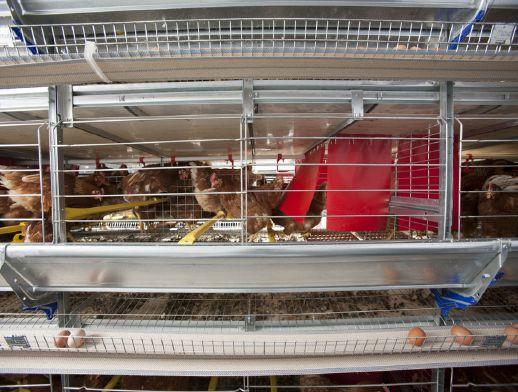
The research on the benefits of providing a nest with curtains is clear, and curtains are mandated for nests in all housing systems in the layer code of practice. There must be adequate space in curtained nests, however, as Hunniford’s research has shown that when there isn’t enough, hens may choose to lay on the floor in the scratch area. “More research also needs to be done on the design of nest curtains,” she notes. “Currently, the colour and design are arbitrary and determined by the housing manufacturer. For example, Farmer Automatic uses red curtains, Salmet uses yellow, and so on.” In addition, Hunniford notes that while giving hens the ability to enter and exit the nest from several directions through the curtains is an important factor for encouraging nest use, some hens will even seek out the most enclosed spaces within the nest. This is because they are quietest and provide the best chance of laying without being disturbed by other hens.
Hunniford is currently publishing data on how hens respond to either having only enclosed nests or only
open nests with two different types of plastic nest surfaces: mesh and smooth. “To summarize the main results, hens preferred different surfaces depending on whether they were enclosed or not,” she explains. “Furthermore, hens would change their preference for a particular surface if the enclosure changed, moving from open to enclosed nests, showing that enclosure is a more important characteristic than surface.” Mesh mats are a more typical nest surface in Canada’s existing enriched cage housing systems, while smooth mats and other types of plastic surfaces have been traditionally used in the scratch area.
As to how the design of the enriched cage scratch area affects nesting behaviour, this comes down to the wire partition that is sometimes placed in the middle. “A bisecting partition keeps the area cleaner, and if there is no partition, a dirty scratch area may lead to poor feather quality of the hens,” Hunniford notes. “However, the partition can be perceived by some hens as another nest.” In furnished cage systems, the consequences of hens laying eggs outside of the nest are
Ruby360 offers high-grade products and services supported by our in-house technical team and strategic partnerships. Allow us to seamlessly bring together your equipment, climate/ventilation, renewable energy and controls systems for your operation. formerly Ontario Equipment Sales Inc. (OES)
and cage free systems including the HR3 Aviary and Pedigrow 2 Cage Free Chick School
controls and weighing solutions for your birds and feed
If hens are able to find a nest site that they like, they will show settled nesting behaviour.
settled
critical from both an economic and welfare perspective: floor laying may lead to broken eggs, egg eating and potentially cloacal cannibalism. In enriched cages, encouraging nest use is often associated with preventing eggs from becoming soiled or cracked and not with improving welfare. Hunniford says that mislaid eggs are not inherently a welfare issue, but may indicate that hens are identifying other areas of the cage as having the features of a nest, or that hens are being influenced by some design issue in the nest itself.
Pullet rearing and nesting
In Hunniford’s view, the effect of the pullet rearing environment on egg-laying preferences of hens should also be further investigated. She’s found that aviary-reared pullets adapted quicker to enriched cages than standard cage-reared
pullets, showing more settled pre-laying activity such as less searching for a nest and fewer entries into the nest during the first weeks of lay.
“Other studies have shown that cognitive development and spatial awareness are positively affected by more complex
rearing environments,” she says. “This may be the reason why hens from an aviary used the nest less – they perceived the furnished cages differently than hens reared in conventional pullet cages.” In agreement with the code, she believes matching the pullet-rearing environment to the adult environment is important, and that from the research results of Teresa Casey-Trott, there are bone health benefits when pullets are reared hens in an aviary regardless of the type of housing they will have as adult hens.
Future directions
Hunniford notes that there is still research to be done before the next update of the layer Code. “In terms of nesting, we don’t know what colour nest curtains hens prefer or what specifics of curtain design, for example longer or shorter, many small curtains or a few larger curtains,” she notes. “More research should also be done on the strength of hen preference for different characteristics like nest size, degree of enclosure within a nest, corners and more.” Hunniford says there is still a prevailing assumption in housing design that one type of nest will suit all hens, but her research and that of others has shown that this is not the case. “I would anticipate that future Codes will require that more than one type of nest be provided in all housing systems,” she says. “To this end, further research should examine why some hens seem to prefer the crowded curtained nest area to lay their eggs, and others prefer the less-crowded open scratch area.”
While the updated layer code of practice mandates curtains for nests, Michelle Hunniford says more research needs to be done. She notes that, currently, the colour and design are arbitrary and determined by the housing manufacturer.
Maximizing eggshell quality
Success requires a clear understanding of several interrelated factors.
By Treena Hein
Although it has improved over the years due to the availability of better genetics and better diets, eggshell quality remains a concern. “When you look at the Canadian market information tables for Canadian egg production in 2017 (from Egg Farmers of Canada), approximately seven per cent of all eggs were down-graded as either grade B, C, nest run or other reject eggs,” notes Dr. Kayla Price, Canadian poultry technical manager at Alltech Canada. “Eggs with cracks would make up a portion of these down-graded eggs.”
Of course, egg handling from farm to plate, nutrition and overall bird health are critical factors. That said, she adds there are other important interrelated issues affecting eggshell quality, including flock management, bird age, size of egg and gut health.
Price, who in her role with Alltech provides technical and sales support with additional research responsibilities, recently outlined these elements in a webinar titled “Egg-cellent shell quality: Learn the basics”. Canadian Poultry spoke with her for a closer look at each key success factor.
FLOCK MANAGEMENT
Price notes that providing good quality water and access to such water are important to egg and shell quality simply
because they support good layer health – and healthy birds lay good quality eggs. “Additionally, water can have different mineral or biological contents,” she explains, “that could also impact how well water lines can be cleaned, the flow of water, how well birds are vaccinated (if water line vaccination is used) and so on.”
Good air quality in the barn – mainly reduced environmental ammonia – is another important eggshell quality factor, as is ongoing enforcement of proper biosecurity measures.
“The producer ultimately wants to reduce stresses and possible disease challenges that the layer hen might face,”
Dr. Kayla Price, Canadian poultry technical manager at Alltech Canada, says several interrelated issues affect eggshell quality.
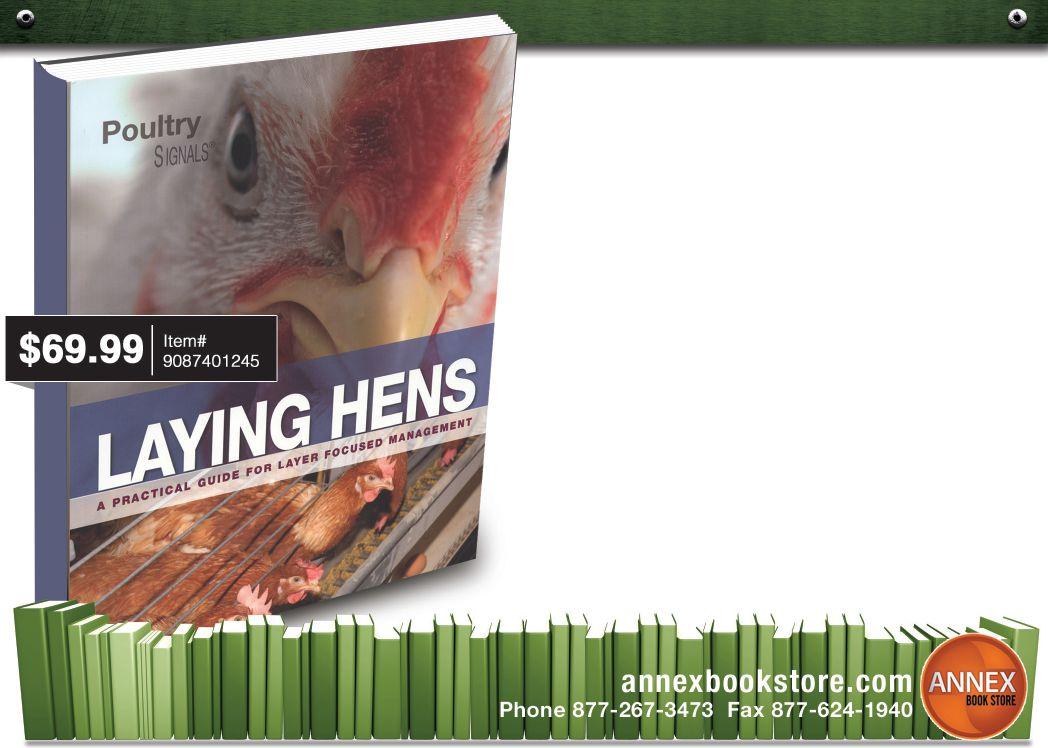
Laying Hens: a Practica L g uide for Layer f ocused Manage M ent
Not all poultry farmers maximise the full potential of their birds. Both kept in cage or floor systems, for a good performance during the production period, the management should be correct and efficient. But how do you know that what you are doing is right? Your chickens continuously send out signals: about their health, how well they know their way around their surroundings and whether they feel happy and comfortable.
Do you recognise the signals your chickens are giving? Do you know the difference between abnormal, runny droppings and healthy caecal droppings? Are you able to identify abnormalities of the egg and trace this back to the cause? And do something about it?
If you recognise the signs that point to potential problems, then make sure you are armed with information to take the appropriate steps to get your flock back on track. But to do so, you must know all the ins and outs of your own farm and be able to assess the impact these changes will have on your animals.
Price explains, “so that she can put her energy towards body maintenance and egg production.”
BIRD AGE/EGG SIZE
We know that egg size is related to eggshell quality and the age of the hen. Price explains that once a hen reaches peak production, she produces a relatively consistent amount of eggshell material per egg and, thus, the amount of shell the hen can produce does not necessarily increase at the same rate as the egg size increases. As a result, at peak production onwards, if the hen produces a larger egg, the shell will be thinner compared to a smaller egg from the same hen.
“If she gets more nutrients her egg size can increase beyond the desired size and more cracks can arise.”
calories to calcium, phosphorus, vitamins and minerals.
• Gut health (keeping the intestinal tract intact and the microflora population balanced)
• Diet/nutrition
• Overall bird health
Therefore, as hens age and production parameters change, Price notes that many dietary components change. This ranges from protein, amino acids and
POULTRY CLEANING AND DISINFECTION PROGRAM
In general, once the hen reaches her mature size (optimum egg size and peak egg production), she only needs enough nutrients to maintain this production. “If she gets more nutrients – especially certain amino acids – her egg size can increase beyond the desired size,” Price points out, “and more cracks can arise.”
However, calcium is the exception. Price says there is a need to provide increased levels of calcium as the hen ages so that the bird can provide calcium for her eggs in addition to her own body maintenance.
With regard to when smaller or larger particles of calcium should be provided, Price says that while poultry genetic companies will have different recommendations for the ratio to give during various phases of production, smaller particles are generally given during the initial phases.
In addition, she points out that, as described in Commercial Poultry Nutrition by Leeson and Summers, larger-particle calcium is thought to take longer to break down.
Therefore, it may be able to stay in the gizzard for a longer period of time and act as a store of calcium overnight. “As the bird ages, this extra store of calcium can help not only with the calcium in the egg, taking some of the onus from the medullary bone,” she says, “but also to help the quantity and activity of medullary bone.”
Price adds that hens can do a certain amount of selecting large-particle calcium according to their own needs, if given the opportunity to choose.
In addition to watching nutrient intake and grain particle size, Price says a well-planned diet program created in Shell quality is affected by:
High performance. Energy efficient.
Intelligent design. Long durability.
BlueFan is designed specifically for the harsh livestock house environment. It does not corrode and shuts tightly when not in use. BlueFan saves energy and money and ensures the animals in the livestock house optimum climate and well-being. BlueFan is the best fan on the market.
Read more at www.skov.com or contact your authorized SKOV distributor:
County Line Equipment Ltd. 8582 Hwy 23 N., Listowel ON PH: 800-463-7622 www.county-line.ca
partnership with a nutritionist must also focus on avoiding grain mycotoxins and making sure bioavailability of minerals is high enough (e.g. using proteinated trace minerals). “Additionally, it is important to pay attention to the timing of when fresh feed is being added to encourage uniform consumption of the diet,” she notes.
“Good communication between producers and their nutritionists and suppliers can help to understand this complex process.”
GUT HEALTH
The intestinal tract of the chicken features villi (and microvilli) – tiny bumps that increase its surface area and, therefore, boost chemical breakdown and absorption of nutrients. So, anything that damages the intestinal tract, even slightly, presents a potential negative impact on bird performance – including eggshell quality.
However, Price explains that a balanced and diverse microflora is also needed for good gut health.
“We must remember that the intestinal tract contains more than just intestinal cells,” the researcher notes.
“It is also an ecosystem in which microbes and the intestinal environment should be in balance. The microbes can consist of different organisms but are mostly made up of bacteria and these can be beneficial or opportunistic (that is, they will become bad if the environment allows for it).”
Price notes that managing the gut health of the hen is a matter of
employing a detailed and holistic approach to barn and bird management. This includes preventative management with effective biosecurity and consistent health measurements.
“This program would ideally be started in the pullet phase and used throughout production,” Price explains.
“This program would help to ensure the pullets and the layers are off to the right start and are getting the most from their feed while building immunity. The Seed Feed Weed program, as pioneered by Dr. Steve Collett (University of Georgia), is a critical part of this program,” she adds. (Read all
“Producers need to have open communication with their nutritionists.”
about that program in the December 2017 issue of Canadian Poultry magazine.)
CONCLUSIONS
At the end of the day, Price encourages producers to continue their good work to provide the best management possible for their hens and pay attention to details related to eggshell quality. Additionally, she stresses the need for good communication between the egg producer, nutritionist and veterinarian.
“Producers need to have open communication with their nutritionists to frequently make note of egg size as well as keep a close eye on the hens for body weight before and during production,” Price says. “Producers also need to communicate well with their veterinarians to ensure a proper vaccination and health management program for prevention of other factors that could contribute to fragile eggs.”
6 key takeaways:
1.
Once a hen reaches maturity, if she receives more nutrients than she needs to maintain optimum egg production – especially certain amino acids – her egg size can increase beyond the desired size. Larger eggs have thinner shells and are therefore more prone to cracking.
2. Calcium must be increased as the hen ages.
3. Calcium particle size can be increased as the flock ages.
4. A well-planned ration program created in partnership with a nutritionist must also focus on avoiding grain mycotoxins, making sure mineral bioavailability is high and that provision of any fresh feed is timed properly.
5. Price recommends the Seed Feed Weed gut health program, as pioneered by Dr. Steve Collett at the University of Georgia.
6. Good communication between the producer, nutritionist and veterinarian is critical to minimize fragile eggs.
Producers should make note of egg size and keep a close eye on the hens’ body weight before and during production.
Jean-François Bourbeau
C: 450-779-9203
jfbourbeau@blrsolutions.ca
Guy Lavoie
C: 450-779-9206
glavoie@blrsolutions.ca
Stéphane Ravenelle
Maître Électricien
Vencomatic Offre des Solutions Complètes
Pour l’Industrie Avicole
Nous mettons une emphase dans le perfectionnement des détails de logement des oiseaux et de la manutention des œufs, afin de permettre le maintien de leur qualité, l’amélioration du bien-être animal, la maximisation de l’efficacité et le profit pour le producteur. Nous appelons ce processus “The Egg Way”.
Nos spécialistes évaluent et optimisent chacun des détails techniques et de production et nous croyons fermement que l’utilisation de “The Egg Way” est la meilleure option pour les producteurs avicoles.
Optimizing gut health
The latest research on nutritional strategies for broilers, layers and
turkeys. By Treena Hein
With the use of antibiotics for growth and performance promotion phased out in Canadian poultry production, boosting support for overall health is critical. Indeed, overall health is closely related to gut health in chickens and turkeys – the better the gut health, the better the chances of avoiding necrotic enteritis and other diseases that can lead to poor performance and mortality.
In egg production, health of the layer gut matters more than ever. That’s because new housing systems are presenting new health risks, notes Dr. Elijah Kiarie, assistant professor and McIntosh Family Professorship in Poultry Nutrition in the department of Animal Biosciences at the University of Guelph in Guelph, Ont.. In short, contact with more litter makes chickens more prone to the proliferation of gut pathogens.
Layers still housed in conventional
Key findings
Kiarie and his colleagues believe three concepts are vital for poultry gut health: optimal gut function; microbial balance; and gut development and integrity. Specifically, they have found:
• Better feed efficiency can be achieved indirectly through providing higher amounts of fibre
• Feed enzymes could play a larger role in decreasing undigested nutrients; they also result in the production of prebiotic materials that good bacteria feed on.
• Research is needed into how low crude protein diets can be supplemented with synthetic amino acids.
• Insect meal may replace soybean meal and amino acids in layer diets someday, but more research is needed.
• Numerous substances known to enhance gut development could be strategically applied in starter diets.
• Feed additives should be evaluated in a more complex and synergistic way.
cages (and all commercial layers in Canada were housed in these cages until recently) are separated from litter, and therefore do not generally require the use of antibiotics to promote health and growth. Nowadays, hens are being transitioned into new housing systems (mostly free-run or enriched colony cage) where they can scratch and dust bathe, exposing them to higher excreta dust levels and higher ammonia levels as well. Hens in free-run housing are at particular risk as they are direct contact with litter all the time on the barn floor. While manure belts are used in some free-run barns, their effectiveness can vary.
Regarding health issues in layers that require treatment with antibiotics, it’s very important to prevent these, as the withdrawal period for antibiotics in layers is very long. This is due to the length of time involved in egg formation and the fact that egg yolks are very efficient at accumulating antibiotics.
Dr. Elijah Kiarie and his team’s research revolves around a set of themes they believe are vital for maintaining a functional and healthy gut in poultry.
I
– MerelV., Salmon Arm, British Columbia
Indeed, if a disease issue occurs in a large percentage of a particular flock, it is often best economically to cull the entire flock. For their part, since meat birds raised in antibiotic-free programs inherently experience more disease challenge, it’s important to investigate strategies for suppressing pathogens and maintaining intestinal integrity, such as feeding probiotics, immune-nutrients (yeast) and organic acids.
Kiarie is currently leading a group of scientists and graduate students studying various aspects of poultry gut health in two areas: layers/pullets (Ilona Parenteau, Zipporah Mwaniki, Alisha Wornath-Van Humbeck, and Neijat Mohamed) and broilers/turkeys (Haley Leung, Emily Kim, Aizwarya Thanabalan and Mohsen Mohammadigheisar).
Kiarie notes that whether it’s layers or
“Good gut health requires an intact gut, strong immunity and balanced microbe populations.”
broilers/turkeys, gut health is a matter of a long-term generational view. Because developmental events related to immune system competence start during chick embryo development and continue after hatching for several weeks, a focus on maternal, embryonic and early posthatch nutrition strategies is needed.
“Our research revolves around three concepts/themes that we believe are vital for maintaining a functional and healthy gut in poultry,” Kiarie explains. “Specific products and ideas may slightly differ for meat (broilers/turkey) and layers, but the
approach is similar.” Here is a round up of their progress within these three themes.
Optimal gut function
Poultry require a certain amount of diet structure for the gut to properly develop and function. However, the composition and processing of modern low-fibre commercial poultry diets is focused on improving feed intake and efficiency, not on gut health, Kiarie notes.
Ironically, however, better feed efficiency can be achieved indirectly through providing diets with moderate amount of
UPGRADE PERFORMANCE IN A SNAP!
Ziggity makes upgrading your watering system fast, easy and affordable with its lineup of drinkers and saddle adapter products, designed to easily replace the nipples of most watering system brands with our own advanced technology drinkers. So if your watering system nipples show signs of wear, leaking and poor performance, just upgrade to Ziggity drinkers to start enjoying improved results! See how easy it is and request a quote at www.ziggity.com/upgrade.
Aktive Drinker Max3 Drinker Big Z Drinker
fibre. “With some fibre, you get a longer retention time in the gizzard, leading to more exposure of feed particles to gastric juices,” Kiarie explains. “This improves digestion and nutrient absorption and, therefore, better feed efficiency. We have found that today’s laying hens could adjust their gut physiology to handle more fibrous feed.”
Research is now focused on characterizing the impact of introducing higher-fibre diets to pullets and the subsequent effect of that layer productivity, longevity and more.
In addition, Kiarie’s team is studying how feed enzymes are best used to decrease the amount of undigested nutrients (such as protein and phosphorous) in the gut. Undigested nutrients can lead to higher numbers of pathogens in the gut and other negative health impacts. Kiarie notes the most common feed ingredients in the modern poultry diet (corn, wheat and soybean meal) can vary in nutritional value, and that diets with lower nutritional value result in more undigested nutrients.
Microbial balance
Feed enzymes are one factor affecting the balance of good and bad microbes in the gut. Enzymes increase nutrient digestibility, but also result in the production of prebiotic materials in the gut that good bacteria can feed on. “The peculiarity with prebiotics is that they promote production of short chain fatty acids, which are known to have a microbiota stabilizing effect and one of these fatty acids, butyrate, has been shown to stimulate bird gut defenses against Clostridia species, Salmonella and E. coli,” Kiarie notes.
“It is time for the industry to embrace the role of feed enzymes not only in increasing feed digestibility but in how they transform feed metabolism. Our future research will systematically investigate combinations of enzymes with probiotics, as we believe they have both distinct and complimentary mode of action.”
High protein diets are another area of
• Exacon’s brand name since 1987
• Available in sizes 12” to 60”
• White or Black polyethylene flush mount housings
• Designed to meet the rigorous demands of farm/agricultural ventilation
• Energy efficient Multifan, MFlex or North American motors
• Fiberglass housings available in 50” and 60” diameter
TPI WALL AND CEILING INLETS
• TPI is a well known manufacturer of high quality polyurethane inlets
• High quality and high insulation value results in precise manufacturing delivering high tolerance for better ventilation control
• Wall inlets, ceiling inlets and tunnel inlets
• TPI wind hoods and wind hoods with built-in light trap also available
PUR AG AIR FILTRATION SYSTEM
• High quality L7 Pathogen barrier filter with pre-filter significantly reduces the chance of air transmitted diseases. (ie bird flu and other influenza viruses)
• Clarcor provides a complete system such as filter housing frame designed for eaves and side air inlets
• This system makes installation of filters easy and practical plus reduces the risk of nonfiltered air from entering the building
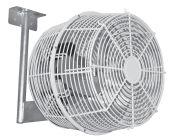
GREENBREEZE BASKET FAN
• Designed for more air flow and consistent pattern
• Precise guard spacing reduces air restriction
• Easy to open front guard allows easy cleaning
• Includes hanging bracket to allow direction adjustment
• Variable speed, efficient motor 115/230v
GENIUS I-TOUCH VENTILATION CONTROL
• The well known and proven Genius control line is now available as a Touchscreen interface
• Navigates like an I-Pad by simply touching, swiping or dragging on a 7” or 10” touch screen
• Available with up to 8 variable stages and between 15 to 30 on/off relays
• A slave is available to expand to 50 on/off relays
• Many options including light control, bird scales, perch scales and bin scales
• Built-in wifi allows easy access to the internet for managing, viewing and recording history on FarmQuest website
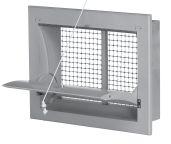
LIGHT TRAP/DARK OUT
• High light reduction
• Low resistance to air flow
• Simple Installation
• Easy to clean
• Uses P.V.C. snap release spacers
concern relating to microbial population balance. Birds eating these diets have increased concentration of bacteria such as Clostridia in the gut, and their excretions give off more ammonia as well. There is controversy over how low crude protein in layer diets can go, Kiarie notes, and “because their use can reduce egg production, size and so on, we are investigating supplementing these diets with various synthetic amino acids on hen performance and gut health.”
Kiarie and his colleagues are also currently investigating the potential of insect meal (Black soldier fly larvae meal) to replace soybean meal and amino acids in layer diets. A least cost formulation indicates that 20 per cent insect meal in an 18 per cent crude protein layer diet could replace all soybean meal, but the nutritive and functional value of insect meal must be fully characterized.
Gut development and integrity
Kiarie notes that there are numerous substances known to enhance gut development that could be strategically applied in starter diets. Epidermal growth factors (EGF) are one example. They are a critical component of mammalian colostrum and milk.
Kiarie’s team recently provided EGF to broiler chicks challenged with Eimeria (which causes coccidiosis) to assess its ability to stimulate chick gut growth and function and how this affects growth performance. They observed that an increasing dose of EGF improved weight gain five days after hatching, and also improved the expression of genes related to gut health.
Nucleotides, the building blocks of DNA/RNA molecules involved in many functions at the cellular level, are another example. Chickens are capable of synthesizing adequate nucleotides, but production in young chicks and birds with gut health challenges can be impaired. The scientists did a similar trial to EGF and found birds fed nucleotides had higher intestinal villi height (the bumps that add more surface area to the intestine, and therefore better nutrient absorption), higher body weight gain and a trend for improved feed conversion.
Conclusions, implications and further research
Kiarie concludes that proper nutrition is unachievable without a healthy and functional gut. “Good gut health requires an intact gut, strong immunity and balanced microbe populations,” he notes. “Nutrition can no longer be considered to be just a calculation of nutrients but a synthesis of all elements provided by the feeds, nutrients, anti-nutrients, functional factors and implications on gut health and function. We believe the ability to find and evolve the next generation of feed additives will be driven by, among other factors, understanding the mechanisms of action and the implications on animal health and performance.”
“These approaches will lead to a more consistent and profitable outcome in the use of additives.”
Furthermore, Kiarie says the way most feed additives are evaluated is too simplistic and focuses on their individual effects, but poultry often receive diets containing a mix of additives where some can influence the effects of others. His team is, therefore, investigating possible combined effects and potential synergies.
“We also have to factor in differences in the physiological maturity of the gastrointestinal tract and determine if there is value in providing additives early in life for long-term health and performance,” Kiarie says. “These approaches will lead to a more consistent and profitable outcome in the use of additives.”
Dr. Elijah Kiarie of the University of Guelph is currently leading a group of scientists and graduate students studying various aspects of poultry gut health.
Development of an enzyme/yeastbased prebiotic supplement
The approach
Currently, more than 90 per cent of broiler chicken feeds contain enzyme supplements, which have a direct positive effect on animal performance. However, new generation enzyme supplements have been developed for specific use in the feed industry.
Yeast products are rich sources of mannan polysaccharides, ß1,3- and ß1,6glucans and nucleotides, which can function as prebiotics and have been shown to stimulate the immune system and gastrointestinal tract development. This provides favorable conditions for beneficial intestinal bacteria and results in decreased attachment of pathogens such as Salmonella
Dr. Bogdan Slominski from the Department of Animal Sciences at the University of Manitoba aimed to develop a product that would contain a combination of a multi-carbohydrase preparation fortified with a yeast cell wall lytic activity with the yeast-derived product(s) as an effective and inexpensive alternative to antibiotic growth promoters.
The experiments
Slominski and his research team conducted a series of experiments to first optimize the depolymerisation of yeast cell wall polysaccharides using varying enzyme activities to explore the potential for the release of bioactive components from various yeast products.
They demonstrated that the use of a specific yeast cell lytic enzyme could significantly depolymerize yeast cell wall polysaccharides so they become water-soluble and, thus, more bioactive. Additionally, yeast cell lysis resulted in the release of a variety of nutrients, including nucleotides, known to play a role in immune system development.
In addition to investigating the effects of enzyme/yeast-based prebiotic supplements on growth performance of broiler
Dr. Slominski and his associates have clearly demonstrated the benefits of enzyme/yeastbased prebiotics supplements
chickens and turkeys under commercial field conditions, the researchers also produced different enzyme-pretreated yeast products as dietary enzyme/yeast-based prebiotic supplements. They performed feeding trials with Salmonella and Clostridium perfringens challenged poultry as well.
The findings
The enzyme/yeast-based prebiotic supplements the team developed significantly decreased the incidence of Salmonella shedding and reduced Salmonella cecal counts in broiler chickens and laying hens. In the laying hen, the enzyme/yeastbased prebiotic supplements also reduced Salmonella colonization/numbers in different internal organs.
The Clostridium perfringens challenge study with broiler chickens demonstrated that enzyme/yeast-based prebiotic supplements were as effective as antibiotics in birds post challenge recovery. Other findings of the feeding trials show that enzyme/ yeast-based prebiotic supplements fed to
broiler chickens suggests a shift in microbial population of the lower gut towards beneficial microbes and a more diversified microbial community, resulting in less susceptibility to pathogenic invasion.
In the broiler chicken study performed under field conditions, researchers observed improvements in body weight gain and feed conversion ratio for diets containing the enzyme/yeast-based prebiotic supplements. In addition, the team observed a significant effect of the enzyme/ yeast-based prebiotic supplements on body weight gain and feed conversion ratio in turkeys. Dr. Slominski and his associates have clearly demonstrated the benefits of enzyme/yeast-based prebiotics supplements, which may serve as alternatives to antibiotic growth promoters.
The next steps
The researchers plan to develop yeast products with further enhanced biological activity. Additionally, they aim to investigate the configuration of yeast products required for the bioactive components to exert their activity in protecting the gut from pathogens.
This research is funded by CPRC/AAFC under the Poultry Science Cluster Program. This is in addition to funding from Canola Council of Canada and Canadian Bio-Systems.
CPRC, its board of directors and member organizations are committed to supporting and enhancing Canada’s poultry sector through research and related activities. For more details on these or any other CPRC activities, please contact The Canadian Poultry Research Council, 350 Sparks Street, Suite 1007, Ottawa, Ontario, K1R 7S8, phone: (613) 566-5916, fax: (613) 241-5999, email: info@ cp-rc.ca or visit us at www.cp-rc.ca.
CPRC membership consists of Chicken Farmers of Canada, Canadian Hatching Egg Producers, Turkey Farmers of Canada, Egg Farmers of Canada and the Canadian Poultry and Egg Processors’ Council.
EQUIPMENT FOR SALE
Yamasa 100cs per hr Egg Grader 9 yrs old, all Stainless Steel construction, includes Modern Matic Egg washer ,pre accumulator for inline use, Egg loader,4 automatic packers with Denesters. Domino A200+ inkjet system (for egg coding). Runs perfect, we are upsizing. Available early 2018. Please contact Marcel at 613-806-2847 for viewing or any questions. Can be seen in operation on appointment. Call for pricing
Dalaine Farm
Production
A family farm producing chicken for over 50 years (currently Ross 708s and Cobb) is expanding into organic production (same breeds) in the fall of 2018.
Equipment specs
Two new barns of 21,000 ft2 each were built in 2017. To prepare for the unique ventilation challenges of organic production, Glass PAC assisted in designing a Fancom system with the capability of neutralizing static pressure when required. An in-floor heating system, provided by Schultz Plumbing, produces consistent heat. This system includes six 250,000 btu ACV Triangle Tube condensing boilers that are shared by the barns via an adjoining hallway. In terms of monitoring systems, Fancom’s F-Central FarmManager provides access to environmental controls while Eyeonet PTZ cameras allow for visual monitoring.
Innovation factor
When the doors are open (allowing birds access to the outdoors required by organic production), the inlets provide even airflow throughout the production space. “In the winter, the in-floor heat assists in keeping the litter dry, reducing ammonia and disease pressure,” farm owner Greg Leis says.
SECTOR Broilers
The barn’s Fancom system can neutralize static pressure when required.
An in-floor heating system produces consistent heat.
Supporting the Ag System
New initiatives are ensuring Ontario agriculture is supported now and in the future
Ensuring Ontarians have access to a diverse supply of local food is about more than just protecting high quality farmland. It also requires protecting and enhancing an agricultural system providing the critical services, goods and infrastructure that farmers need to get their products to market.
The Greenbelt Fund, a non-profit supported by the Government of Ontario to bolster the province’s local food sector, is investing in projects that help sustain agriculture and help ensure farmers have access to the full roster of goods and services needed to stay in production.
Community Leadership in the Ag System
In North Augusta, a group of private citizens headed by Barbara Schaefer worried that lack of access to abattoirs in the community was jeopardizing the future for local hog farmers. The group came together to create a new, not-forprofit community-owned abattoir to meet the needs of the farmers in Leeds and Grenville, Frontenac, Lanark and Ottawa-Carleton.
Farmersville Community Abattoir (FCA) received $30,141 from the Greenbelt Fund last year for new equipment to refurbish the decommissioned slaughterhouse now run by the group. FCA estimates that this abattoir will help secure the futures of 1,300 area farmers and increase local food sales by $240,000 a year.
Schaefer (who owns her own farm Upper Canada Heritage Meat) says that there is a shortage of local abattoirs that have facilities for pork, so she decided to take action to help secure her own future as a pork producer and that of other pork farmers. “We started with this fairly run-down slaughterhouse,” she recalls. “The equipment was out-of-date and we needed to upgrade.”
With help from the Greenbelt Fund, Schaefer and her team were able to make the abattoir functional by October 2016, and she notes that Greenbelt Fund staff have been very helpful and
Paul
Bernicky, Manager/Lead Butcher, Farmersville Community Abbatoir, and Barbara Schaefer, owner of Upper Canada Heritage Meat
accommodating. “With a start-up project like this, steady cash flow is very important in the beginning and the Greenbelt Fund made this possible,” she explains. “They were there for us from the very beginning when we needed the cash. It worked out very well for us and gave us a great start.”
Regional Support
Supporting not only farmers but the agricultural system is an idea that’s gaining traction at all levels of government. Halton Region is one municipality that is investing in this area.
The Region created an “Agricultural Liaison Officer” position, hiring Anna DeMarchi-Meyers for the role. DeMarchiMeyers works with staff from the Land Use Planning and Economic Development divisions as part of the Region’s rural ag strategy to support
farming. An analysis on the following initiatives is underway:
• Rural broadband internet gaps;
• A local food procurement pilot project involving regional long-term care facilities (also supported by the Greenbelt Fund); and
• Mapping of existing ag-related assets
Kathy Macpherson, Vice President of Strategy and Programs at the Greenbelt Fund, says support for the entire farming system is key to long term agricultural viability. “It’s now more clear than ever that we must go beyond protection of the agricultural land base and ensure there are sufficient services for farm businesses,” she notes. “These include everything from farm equipment repair to crop storage, processing and marketing services, and slaughter capacity.”
The Greenbelt Fund changes the way we eat by investing in projects that bring more Ontario food to Ontarians’ plates, with financial support from the Government of Ontario.
Photo: Leeds Grenville Economic Development Office