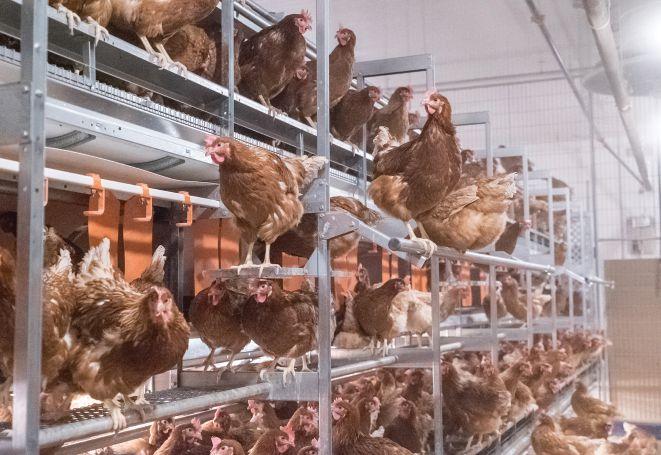
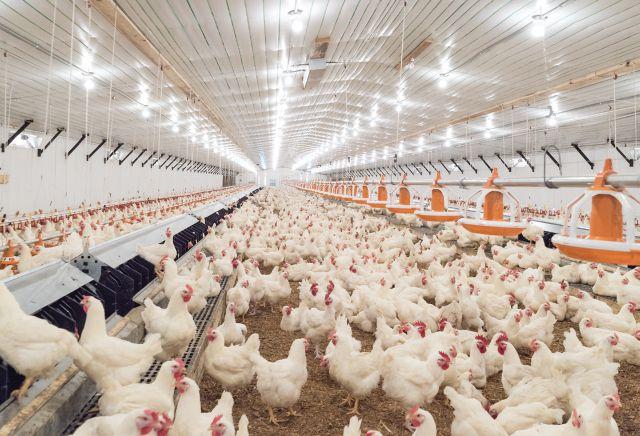
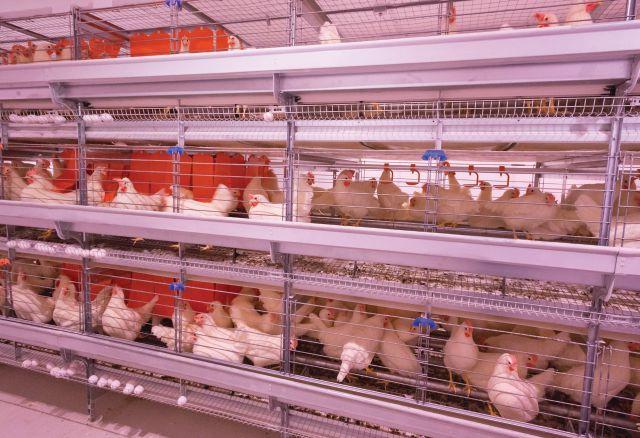
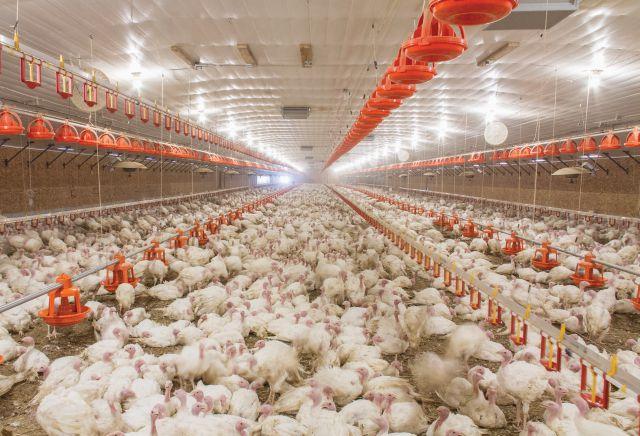
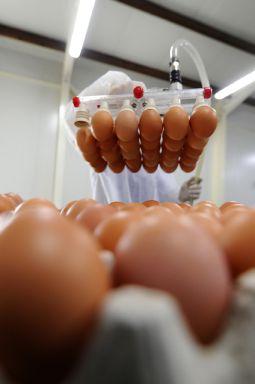
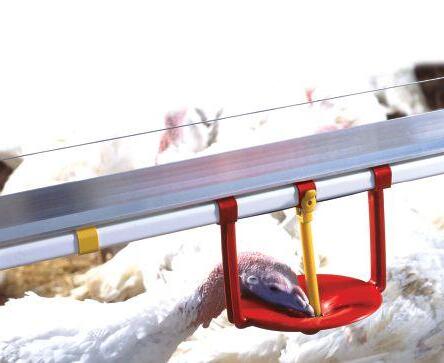
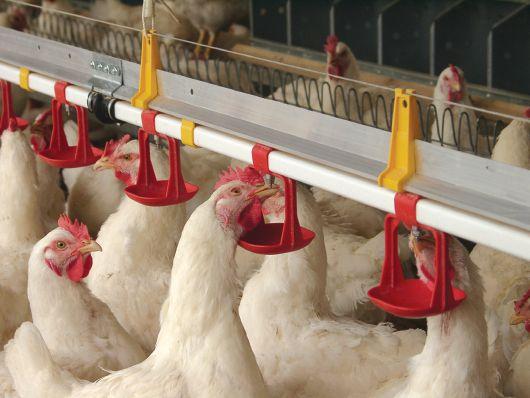
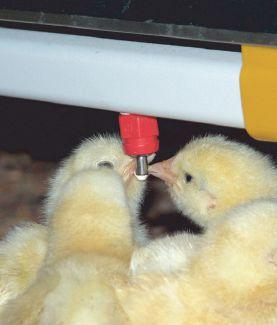
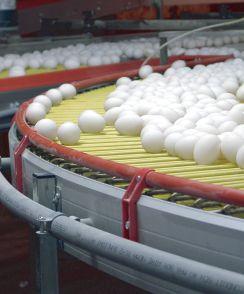
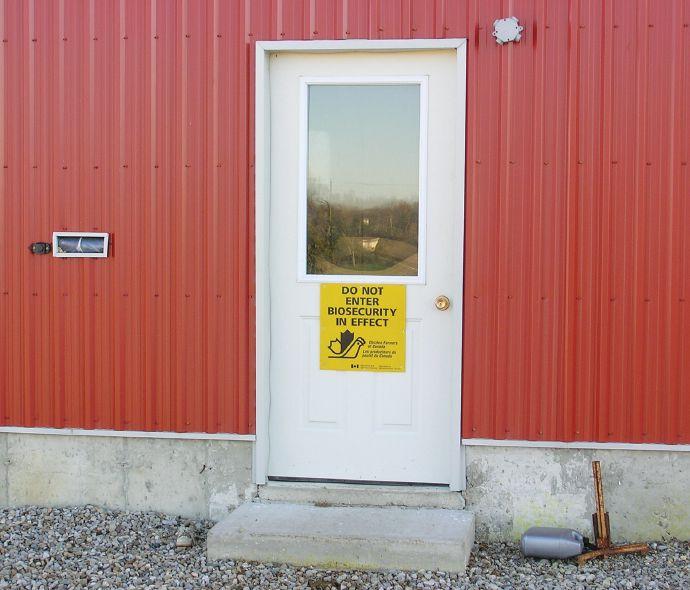
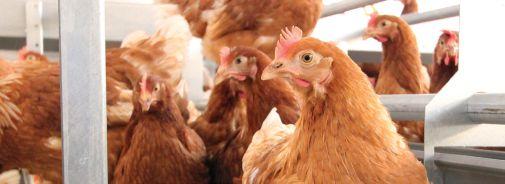
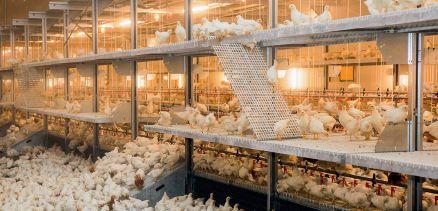
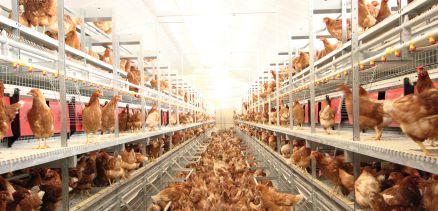
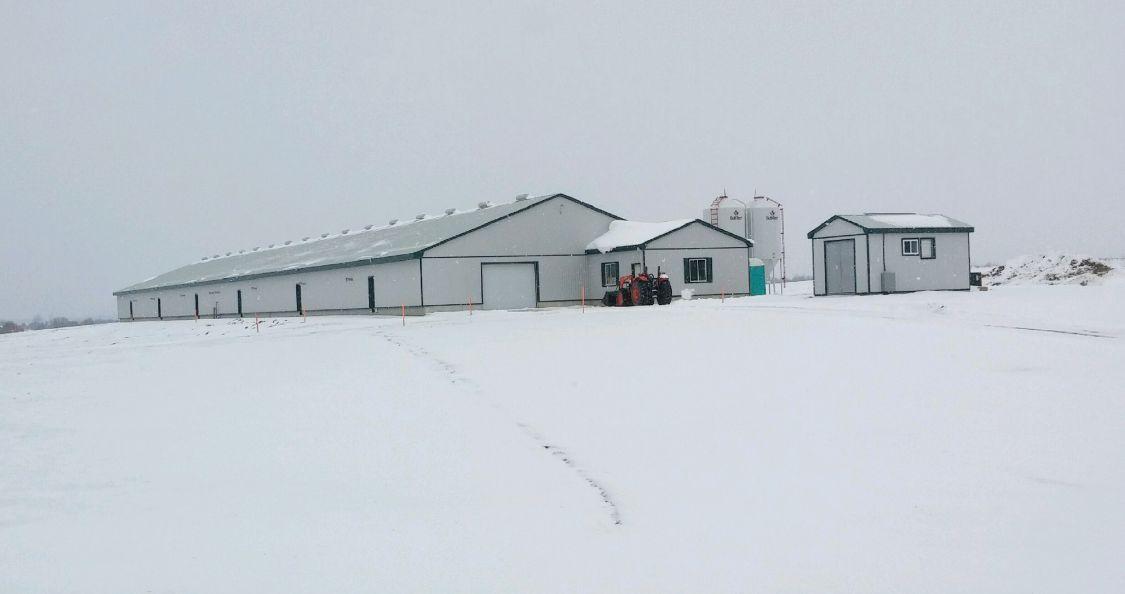
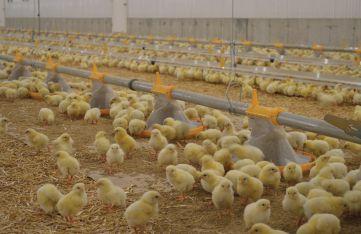
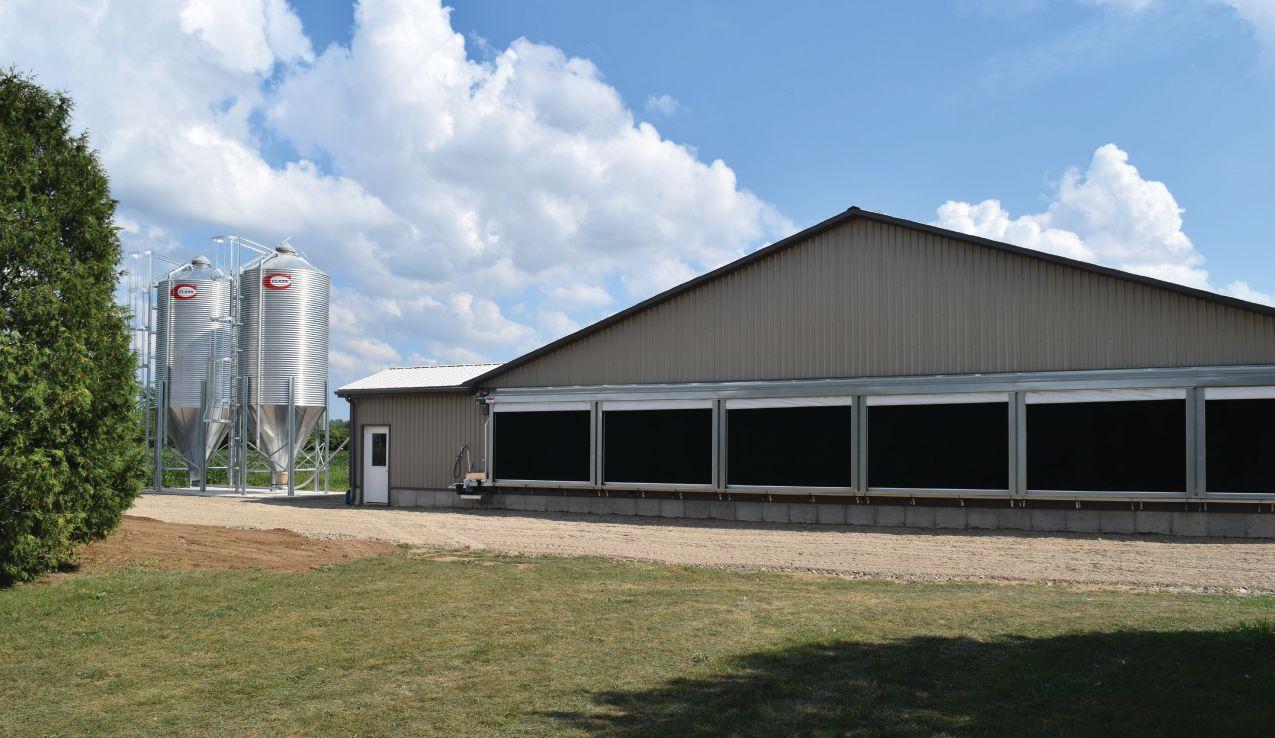
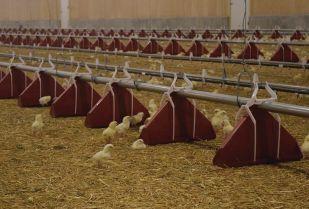
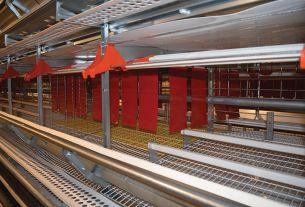
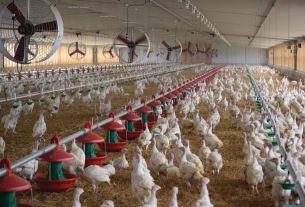
Come into our booth at the LONDON POULTRY SHOW to get a complete 360º tour of different poultry and egg production houses, talk to our knowledgeable team, and gain a unique perspective of everything involved in running a profitable business.
From the changes in the egg industry to being ABF compliant in the poultry industry, you can benefit from stopping by our booth and exploring our new technology and innovations designed to help you run a more efficient operation.
EMERGENCY MANAGEMENT: After an Al disease outbreak. The Ontario poultry industry is positioning itself to better recover from disease outbreaks.
By Treena Hein
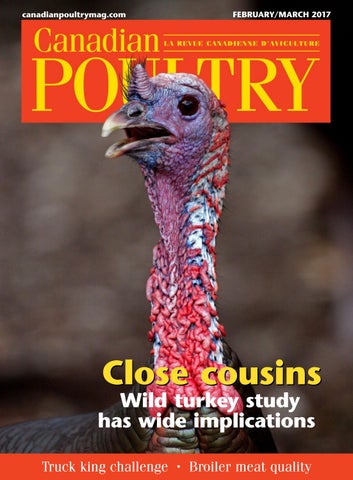
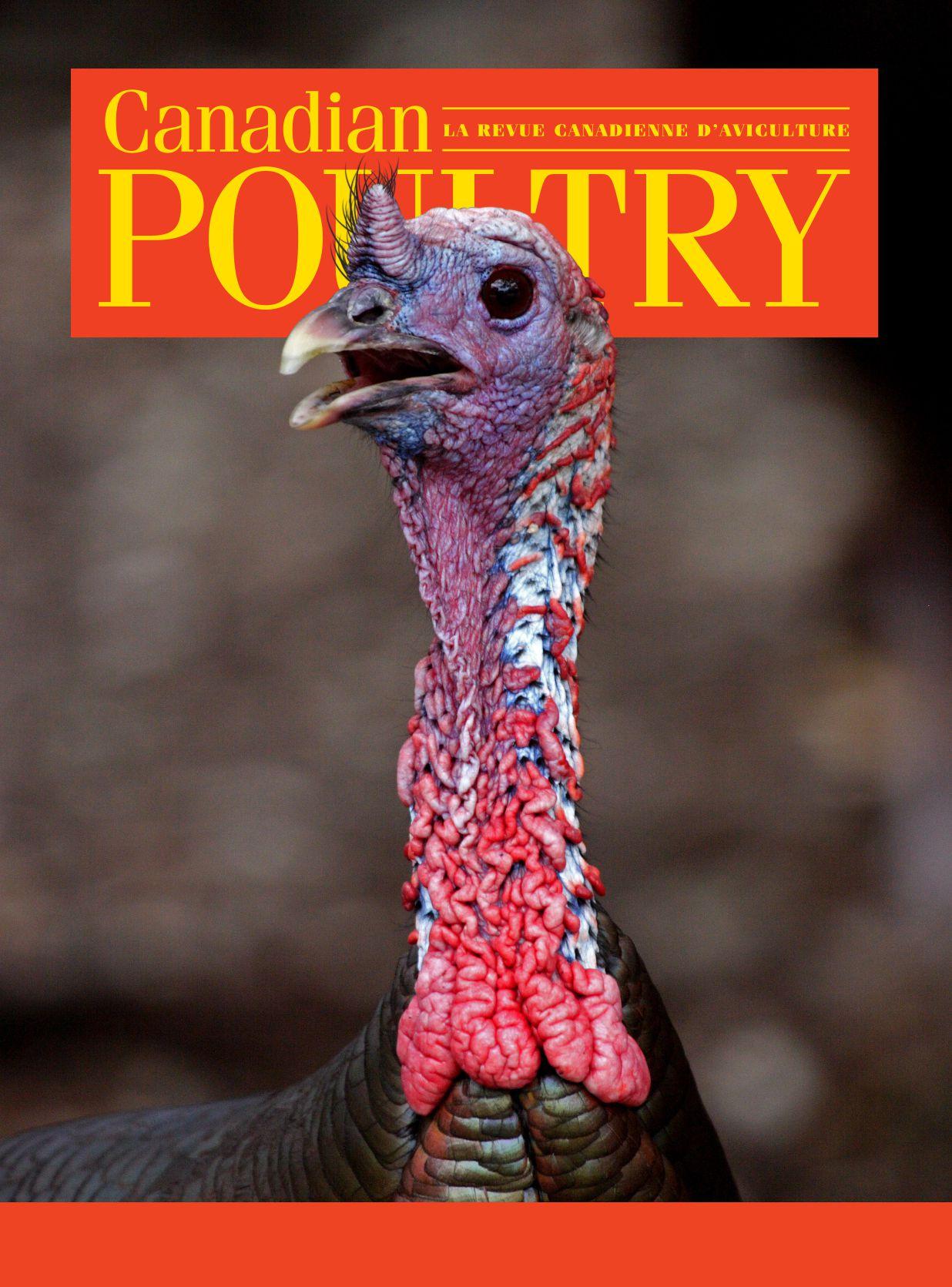
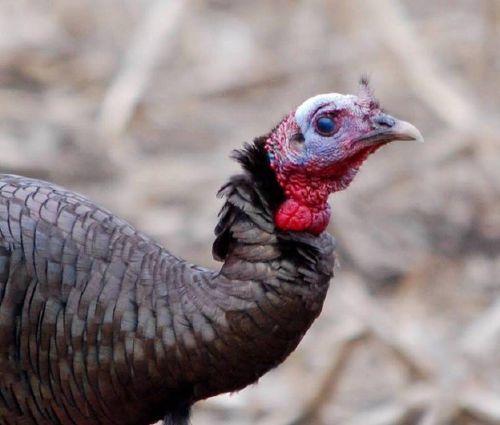
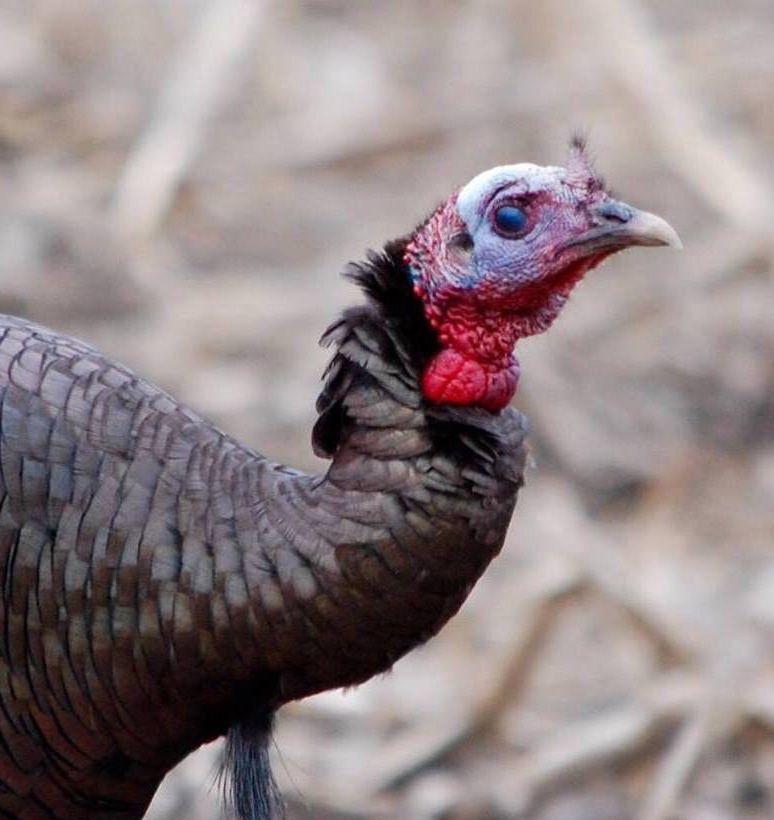
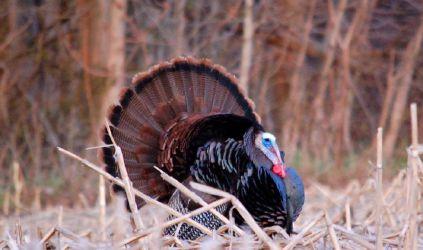
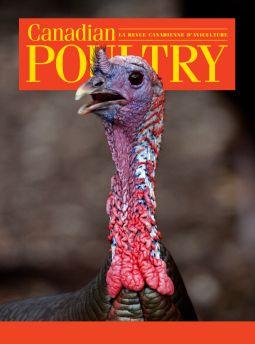
COVER STORY: Common ground. Wild and domestic turkeys share the same genes and pathogens.
By Karen Dallimore
16
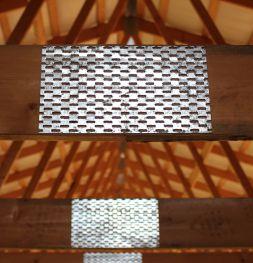
MAINTENANCE: Preventing truss plate corrosion. Experts say that despite modern design solutions, poultry farmers should still be aware of truss plate issues.
By Karen Dallimore
32
RESEARCH: Turning the tables. Table eggshell protection against invading pathogens.
By Nerine T. Joseph
FROM THE EDITOR
BY LIANNE APPLEBY
The local paradox
Unless you’ve had your head in the sand for the last 30 years, you know producers of food now have to pay a lot more attention to what the end consumer wants than perhaps they did in the past. The fact that it may cost more to produce a commodity if the animal is housed differently is of little concern to Joe Shopper. What he or she wants to do is make a “feel-good” purchase.
But animal welfare isn’t the only consideration in the sale of agricultural goods. Presentation and packaging, brand, familiarity – they all play a role in decision making. Even things like colour (as we know from the choice of brown or white eggs) can affect a purchase.
In a 2004 book written by American psychologist Barry Schwartz, the author speaks about the welfare of not animals, but human beings. Of being free to choose what we think will maximize our own welfare.
The Paradox of Choice (funnily enough, one printing of it has a carton of eggs on the cover) offers the suggestion that the more choices consumers face, the more anxious they become and thus, welfare suffers. Schwartz says that eliminating consumer choices can greatly reduce unease for shoppers.
“Autonomy and freedom of choice are critical to our well being, and choice is critical to freedom and autonomy,” says Schwartz in chapter five. “Nonetheless, though modern [we] have more choice than any group of people ever has before, and thus, presumably, more freedom and autonomy, we don’t seem to be benefiting from it psychologically.”
Simply put – choice stresses people out. In Schwartz’s estimation, choice has not made us more free, but more paralyzed, not happier but more dissatisfied.
Switching gears for a moment, on Feb. 8, the Canadian Federation of Agriculture marked Food Freedom Day - the day the average Canadian had earned enough income to pay for his/her grocery bill for the entire year. The fanfare around Food Freedom Day serves as an opportunity for Canadians to consider their individual role in the Canadian food system and as another cue to buy local at every opportunity.
“There are plenty of reasons why we encourage consumers to buy Canadian,” says CFA President Ron Bonnett on the CFA website. “Domestically produced food does not face the same exchange rate increase we have been seeing with imported products. By understanding what is available each season in Canada, consumers can contribute to Canadian food security while also keeping their family’s food bill down.
“Choosing Canadian products at the grocery store is an incredibly important role that Canadian consumers have in supporting farmers and our food system here at home. The grocery store purchases of consumers provide market data for retailers, who then determine what they will stock their shelves with. This produces a ripple effect that is felt right down to the farm level,” Bonnett adds.
So let’s think. According to Schwartz, being faced with a choice causes angst. Buying Canadian makes consumers feel good and is great for the economy. So - bearing in mind human welfare - my questions are such: Should it even be an option to have non-Canadian choices at the grocery store? Would it be possible to feel good about buying Canadian if the option to actively choose Canadian no longer existed? n
Canada - 1 Year $ 30.95 (plus applicable taxes) U.S.A. - 1 Year $ 66.95 USD Foreign - 1 Year $ 70.95 USD
GST - #867172652RT0001
M Y Y
Occasionally, Canadian Poultry Magazine will mail information on behalf of industry-related groups whose products and services we believe may be of interest to you. If you prefer not to receive this information, please contact our circulation department in any of the four ways listed above.
With nearly 70 years of experience and more than 3 billion birds around the world drinking from a Lubing system on a daily basis, Lubing has established a rock solid position as a global leader developing innovative products for poultry production.
Our Tradition of Innovation keeps us at the forefront of the industry by continually offering cutting-edge technology that helps producers gain every possible advantage in production to maximize profits.
Got Lubing? You can’t afford not to. Contact us to find out how we can help improve your bottom line.
TUBC has named Nathan Pelletier as egg industry chair in sustainability/ endowed chair in bio-economy sustainability management.
he University of British Columbia (UBC) Okanagan campus has a new national research chair.
In collaboration with Egg Farmers of Canada (EFC), UBC has named Nathan Pelletier as egg industry chair in sustainability/endowed chair in bio-economy sustainability management. Pelletier is cross-appointed to both UBC’s Irving K. Barber School of Arts and Sciences and the campus’ faculty of management, to support interdisciplinary research at the Okanagan campus.
“Food system sustainability is a subject of increasing importance in Canada and beyond and I look forward to collaborating with UBC colleagues and others in this research
area,” says Pelletier. “I would like to thank Egg Farmers of Canada for their participation and support of this crucial area of study.”
As part of his role, Pelletier will be responsible for directing and managing research programs to support sustainability measurement and management for the Canadian egg industry and food sector more broadly. His work will include exploring sustainability measurement and management, lifecycle thinking and resource efficiency.
“We are proud to be working with Dr. Pelletier,” says Tim Lambert, chief executive officer of Egg Farmers of Canada. “Egg farming is already one of the most environmentally sustainable forms of animal agriculture. Building on this reality, our strong commitment to sustainability
and our investment in Dr. Pelletier’s innovative research will ensure that the Canadian egg industry continues to improve its environmental footprint.”
Pelletier holds a B.Sc. from the University of Victoria, a master’s in environmental studies from Dalhousie University and an interdisciplinary Research PhD in ecological economics, also from Dalhousie. He also conducted post-doctoral research for Environment Canada and, most recently, for the European Commission Joint Research Centre’s Institute for Environment and Sustainability.
EFC will be providing funding for the new chair in connection with research activities, including the areas of sustainability measurement and management, lifecycle thinking and resource efficiency.
FarmFood360° now online
CANADA
Canadians looking for the real story about their food can get it directly from the source online with virtual visits to farms and processing plants. Farm & Food Care is proud to present its latest national outreach initiative –FarmFood360°.
Using 360 cameras and
virtual reality technology, the new FarmFood360° website gives Canadians the chance to tour real, working farms and food processing plants, all without putting on boots. It’s the latest version of the highly successful Virtual Farm Tours initiative, which was first launched in 2007.
“Canadians want to know more about their food, but they
are also increasingly removed from its production,” says Ian McKillop, chair of Farm & Food Care Canada. “Changing technology also means they are looking for and finding information in different ways.
“FarmFood360° keeps pace with both these factors; it uses modern technology to immerse them right in the process and address their questions in the most compelling way possible.”
Pattison Agriculture consolidates with prairie companies
SASKATCHEWAN
Pattison Agriculture Limited has announced the merger of JayDee AgTech and Maple Farm Equipment and the rebranding of the newly combined entity.
“This merger is a significant milestone for our staff and management team,” says Darrin Didychuk,
president of Pattison Agriculture. “Pattison Agriculture will serve more than 18 million acres of agricultural production, with 17 equipment dealership locations. This merger creates one of the largest agriculture-focused equipment companies in Canada. We are proud that we serve such a large portion of western Canadian agriculture, and
as a company, honoured to be named after an icon and Canadian business magnate, Jim Pattison and his namesake The Jim Pattison Group.”
Pattison Agriculture will continue to operate under the model of relationship-based service. The new company will continue to employ more than 440 people and operate 17 locations in Saskatchewan and Manitoba.
Rise of NGPs opens new doors for livestock industries
There is growing consensus among livestock industries in the U.S. and Canada that greatly restricted use of antimicrobials is critical to the future.
As new rules such as the Veterinary Feed Directive (VFD) in the U.S. and similar changes anticipated for Canada are poised to take effect during 2017, a silver lining for productivity advantages is emerging.
While the new rules will cement essentially a ban on antimicrobial use for purely production benefits, advances in alternative technologies have risen dramatically.
“The good news is that changes such as the VFD are coming at a time when livestock production has other tools and approaches it can rely on,” says Owen Jones, president of Canadian Bio-Systems Inc., which has pioneered the science, development and manufacturing of biobased feed supplements.
“Antimicrobials have their place when they are needed to treat specific disease issues. But we have other ways to support optimal health, performance and productivity as part of a normal production cycle.”
New science is transforming the ‘ABCs of NGPs’ (natural growth promoters), expanding the toolbox of options and driving new opportunities. CBS Inc. manufactures several NGP options and is partnering with other NGP champions such as Nuscience Group to bring more options to the marketplace.
COMING EVENTS
MARCH 2017
March 7, 2017
Manitoba Turkey Producers’ Annual General Meeting, The Victoria Inn, Winnipeg. For more information, email mbturkey@turkey.mb.ca
March 14-16, 2017
Midwest Poultry Federation Convention, Saint Paul River Centre, Saint Paul, Minn. For more information, visit: midwestpoultry.com
March 20-22, 2017
Western Poultry Disease Conference,Holiday Inn Capitol Plaza, Sacramento, Calif. For more information, visit: cevs.ucdavis.edu/confreg
APRIL 2017
April 5-6, 2017
London Poultry Show,Metroland Media Complex, Western Fairgrounds, London, Ont. For more information, visit: westernfairdistrict.com/ london-poultry-show
April 12, 2017
Canada’s Food Loss and Waste Forum, Mississauga Convention Centre, Mississauga, Ont. For more information, visit provisioncoalition.com/newsevents/ foodlosswasteforum
MAY 2017
May 17, 2017
Western Meeting of Poultry Clinicians and Pathologists (WestVet), Quality Hotel and Conference Centre, Abbotsford, B.C. For more information, visit: westvet.com
ALBERTA
WHAT’S
HATCHING HATCHING
New approach offers insights for food and ag to earn trust A
new research approach from The Center for Food Integrity (CFI) identifies influential consumer groups and the motivations that not only dictate food trends, but drive conversations that impact the decisions of others as they make choices at the grocery store or form opinions about the products, processes, people and brands that define today’s food system.
For the past 10 years, CFI has conducted annual consumer trust research to better understand public opinion and how to engage with consumers to earn trust. In the firstof-its-kind consumer research, the 2016 survey used an innovative research methodology called digital ethnography. It can help those in food and agriculture more effectively engage and balance the conversation as it provides much deeper
Poultry Industry Council: CELEBRATING 20 YEARS OF SERVICE TO THE INDUSTRY
insights into influencers, including unspoken motivations, values, topof-mind issues, emotional triggers, preferred social channels and sources, behaviours and trusted brands. The research goes beyond surveying what people say they do to demonstrating what they are actually doing.
“We’re currently in the midst of a shift in the marketplace where the culture and conversation around conventional food, particularly online, is changing as consumers navigate which foods to adopt, moderate or abandon,” says Charlie Arnot, CFI CEO. “Digital ethnography identifies influencers who shape those trends.”
Digital ethnography pinpoints why consumers form beliefs and develop behaviours around food, and the why speaks to what they value.
To download a summary of the research, visit foodintegrity.org.
What are the most significant changes you have seen in the industry during the past 20 years?
“Genetics and nutrition. We’ve gone from 290 to 350 eggs per hen per year in laying hens, and achieved incredible increased growth rate in broilers through increased feed efficiencies.
“Over the last 20 years, disease management has improved a great deal. Genetics has played a big part in that, and genomics is the new thing. We’re now getting a handle on how we can find the genes that can be switched on and off to give better disease protection and we’ve had a plethora of new drugs to help in disease management and productivity as well.
“In the last five years, there have been incredible advances in technology in the way we handle and grade eggs, just leaps and bounds, and in lighting and ventilation and housing. We’re learning much more about the interaction between birds and their environment and technology is allowing us to meet birds’ needs.”
What do you see ahead for the poultry industry?
“Biosecurity is still very difficult due to the nature of farming. You have to have interactions between people and birds, but we continue to learn how diseases move around and we’ll get even quicker at being on top of them. On-farm biosecurity must improve. We’re getting better but we could do more. The management of the AI outbreak in Ontario deserves a pat on the back, and the current relationship between industry and government played a big role in that; it didn’t exist 10 years ago.
“I think there can be further improvements in genetics and related technology in disease management, and we’ll also see some very innovative stuff in hatchery management, especially for broilers.
“I don’t see any end to the huge demand for eggs and chicken, eggs in particular.”
Tim Nelson, former PIC executive director (2007 to 2013)
Emergency management After an AI disease outbreak
The Ontario poultry industry is positioning itself to better recover from disease outbreaks.
BY TREENA HEIN
In several parts of Ontario, poultry production is quite concentrated, which doesn’t bode well for preventing spread of disease in the event of an outbreak. Because of that, Tom Baker, project manager and incident commander at the Feather Board Command Centre (FBCC,) is coordinating a special project. Along with the efforts of the four Ontario feather boards (Chicken Farmers of Ontario, Egg Farmers of Ontario, the Ontario Broiler Hatching Egg and Chick Commission and Turkey Farmers of Ontario), as well as the Canadian Food Inspection Agency (CFIA) and other stakeholder organizations, the initiative aims to strengthen recovery efforts related to post-outbreak situations, with partial funding for the project provided by Agriculture and AgriFood Canada.
“In some instances, there are more than 60 poultry farms within a 10-kilometre zone, which involves a large amount of service provider movement,” notes Baker. “When farms are quarantined in the face of an avian influenza (AI) situation, the movement of all product and things is suspended. Establishing the conditions for restoring the movement to and from farms has to take place effectively and immediately. It’s not only about business disruption and potential profit losses, but about food safety and security, ensuring that Ontarians have a steady supply of high-quality food at the prices they are accustomed to paying.”
BIOSECURITY REVIEWS
The permit application process is being streamlined in two ways, but the first is to make sure industry is able to qualify for application approval by reviewing biosecurity plans.
One component of the project, relating to movement after declaration of an AI outbreak, has the goal of streamlining the application process for ‘movement permits’ so that movement can begin again as soon as safely possible.
But let’s back up. A potential outbreak situation begins when a farmer notes a serious health issue on the farm and calls a veterinarian, who may in turn alert the CFIA. Samples are taken for laboratory analysis and the producer selfquarantines. The related poultry board and FBCC are alerted (with the FBCC,
started in 2011, already having educated all producers and run simulations on this chain of events). If the mortality rate is high and infectious disease is suspected, FBCC releases a ‘heightened biosecurity advisory’ with a zone map and directions to reinforce biosecurity protocols. If an infectious disease diagnosis is confirmed, the CFIA declares the farm officially infected and quarantines all poultry premises within a defined control zone, often within a 10-km radius of the farm.
The CFIA is given data as soon as possible on type of farms, farm sizes,
Photo courtesy of the International Symposium on Avian Endocrinology.
If you could protect your farm this way, you wouldn’t need any cleaners or disinfectants.
These are some of the products eligible for the Vetoquinol Club points program. Sign up today at vetoquinolclub.ca and reap the benefits. club
Vetoquinol would like to remind you of the importance of a good biosecurity protocol and its implementation on a daily basis.
NEED MORE INFORMATION? CONSULT YOUR BIOSECURITY SPECIALIST.
Emergency management
schedules relating to chick delivery or bird pick-up and so on (the Chicken Farmers of Ontario already has an informationsharing agreement with the CFIA, and other boards are pursuing similar agreements). In the control zone, there is no movement of birds, products, manure, equipment or anything else related to the industry without government approval. The CFIA conducts a great deal of further testing and works with the FBCC to determine the health of relevant flocks and the extent of the disease outbreak.
“When sufficient surveillance has occurred, the CFIA will begin accepting applications for movement permits, but it could be a week or more until that occurs,” Baker explains. “It takes time to get a complete picture of where the disease exists and quite often a disease can pop up 20 km away from the first farm. Each situation is potentially different. But once the CFIA is ready to accept
applications for movement permits, we want to be sure that the application process is as smooth as possible and that industry receives permits as soon as it can.”
The application process is being streamlined in two ways: making sure industry is able to qualify for application approval and working with CFIA to achieve a smoother process for approval.
“On the first point, we are doing a review of the biosecurity plans of producers and service providers to identify best practices and work to change any nonalignments,” says Baker. “Basically, we want everyone on the same biosecurity ‘page,’ and for everyone to know what is expected by other parties.”
On the second point, CFIA is already working at streamlining the permitting process, and in addition, the FBCC is offering the agency insight into things like movement priorities (which products
should move first on or off farms) and so on.
A LOOK AT LOSSES
The second component of the project looks at how farmers might choose to deal with losses incurred by an outbreak. The economic impact of an outbreak can be huge, from placing birds outside of the quarantine zone and veterinary fees, to disinfection and additional biosecurity measures. Baker notes that the CFIA only covers about 25 per cent of losses for infected farms and none for quarantined farms.
He suggests that in the past, the insurance industry may have inadvertently overestimated the risk of devastating economic losses from an AI outbreak, as a result of a lack of ‘real world’ data. Baker says different insurance products are being contemplated in provinces such as British Columbia and Quebec and that in Ontario, there was some examination of the issue about ten years ago.
“Now, we have a much-improved industry early response system, stronger industry biosecurity protocols and a more risk-based approach from CFIA, so a lot has changed,” he explains. “Measuring the risk associated with infectious disease and its control is complex. Consequently, there are challenges and obstacles with determining appropriate premiums for an insurance policy. That’s the focus of the project, to gather information and analyze data so that appropriately-designed insurance instruments can be developed.”
Data including the production type, location and number of birds on a farm at any particular time is collected. This information plus a wide range of biological, disease contact and control parameters drives an ‘animal disease spread model,’ generating thousands of iterations of hundreds of scenarios. The outputs of this exercise will quantify the risk of AI exposure for Ontario poultry farmers. Modelling will also be conducted to determine the individual farmer’s actual losses for various bird types depopulated at any point in the production cycle. n
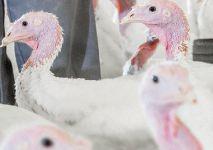
Cover Story Common ground
Wild and domestic turkeys share the same genes and pathogens.
BY KAREN DALLIMORE
Over one hundred years ago the wild turkey was a familiar sight in North America.
Unregulated hunting and habitat loss decimated their population in Ontario but that has since changed. In 1986, approximately 4,400 wild turkeys were re-introduced, and according to Ontario Ministry of Agriculture, Food and Rural Affairs figures from 2007, that population has reached over 70,000 and continues to grow.
What does this mean to their domestic counterparts, the 8,857,000 members of the same species that comprise the commercial production in Ontario?
The turkeys are genetically identical –Meleagris gallopavo silvestris – but how do they relate with regard to disease and mortality?
As a PhD candidate at the department of pathobiology at the Ontario Veterinary College - under the supervision of Nicole Nemeth - Amanda MacDonald has been investigating the wild turkey population. Her goal is to establish a baseline of the current health status of the wild turkey population in Ontario.
There is keen interest from many groups in the province – from hunters and conservationists to farmers - since many shared pathogens affect both wild and domestic birds.
Preliminary work involved a retrospective review of postmortem diagnostic data gathered between 1992 and 2014 for carcasses submitted. This initial
There is keen interest in the study of wild turkeys from conservationists and farmers alike - since many pathogens can affect both wild and domestic birds.
study was an important step towards ongoing disease surveillance among all bird populations, especially in the face of ongoing climate and habitat changes. MacDonald and her research team found that of the 56 wild turkeys examined over a 20-year period in Ontario by the Canadian Wildlife Health Cooperative, 40 birds died from
non-infectious causes, mostly emaciation and trauma, with a smaller number succumbing to zinc phosphide toxicosis; with one bird drowning, another dying of frostbite and another dying of unknown causes.
Given the harsh nature of Ontario weather, often with ice encrusted snow conditions that prevent foraging,
SHARED PATHOGENS
MacDonald and her co-authors were not surprised by the increased end-of-winter malnutrition. Trauma was mostly attributed to shotgun pellets or collisions, while toxicosis was observed in locations near orchards where the turkeys would have access to rodenticides.
Sixteen (28.6 per cent) of the birds were diagnosed with infectious diseases, mostly viral, with seven of those (12.5 per cent) dying due to avian poxvirus, followed by bacterial infections (five birds, 8.9 per cent) manifested as septicemia related to Pasteurella multocida. Parasites accounted for mortality in three birds (5.4 per cent), mostly Histomonas meleagridis; and one bird died of a fungal infection.
The problem with this retroactive data is the inherent sampling bias, with sick or injured birds most likely to be submitted that may not provide a reflection of the flock in general. In an effort to reach more representative results, for the next stage of her research MacDonald reached out to turkey hunters.
The first legal turkey hunt in Ontario was in the spring of 1987; the hunt has now expanded to include both spring and fall hunts in an effort to sustainably manage wild turkey populations while providing important recreational opportunities. The Ontario Federation of Anglers and Hunters enthusiastically received her request for submission of turkey carcasses in the spring of 2015, quickly providing well over the 150 birds needed for the study.
This research is providing more disease-related information through laboratory testing for potential pathogens as well as GIS mapping and spatial analysis of locations of the tested birds, helping to identify potential hotspots of pathogens in Ontario.
Full analysis of the results will be available later in 2017, but preliminary data shows a 98.7 per cent prevalence of Mycoplasma spp., and 76 per cent prevalence of Eimeria spp., while 69.1 per cent tested positive for E. coli and 66.4 per cent were positive for lymphoproliferative disease virus (LPDV). There was also a small prevalence (5.9 per cent) of reticuloendotheliosis virus (REV) and avian poxvirus (1.3 per cent) but no avian influenza virus or Salmonella were found.
MacDonald hopes that the data will provide baseline disease prevalence information upon which to monitor future disease emergence, contributing to conservation and management strategies that will protect both domestic and wild turkey populations in Ontario.
This research is funded by the OMAFRA-University of Guelph Research Program partnership with additional support through a student scholarship from the Ontario Federation of Anglers and Hunters. n
Maintenance
Preventing truss plate corrosion
Experts say that despite modern design solutions, poultry farmers should still be aware of truss plate issues.
BY KAREN DALLIMORE
Truss plate corrosion can be an issue in barns - but it doesn’t have to be.
The life span of truss plates, hangers, screws and nails in the truss system depends on the materials used, barn design and maintenance.
While poultry barns are typically designed with a ceiling to separate the attic space from moisture and ammonialaden air, there can still be a few areas of concern.
Robert Baynit is the director of engineering with MiTek Canada Inc., a supplier of truss plates, software and machinery to the building market. Baynit was joined by MiTek’s software product manager, Alan Tran, at an information session for building officials of the City of Hamilton, hosted by the Canadian Farm Builders’ Association (CFBA), to explain the causes and prevention of truss component deterioration in farm buildings.
Baynit pointed to research conducted in 1994, where 28 of 66 barns had severe corrosion of truss plates while 21 had no corrosion at all. But why?
“A lot depends on the use of the barn,” said Baynit, defining three categories of barns in terms of susceptibility to corrosion. Low-risk barns include drive sheds or equipment storage; high-
Robert Baynit says that truss plate corrosion in barns depends on what they’re used for – and what they were designed for.
risk barns include swine or cattle barns, especially those with manure pits or silage storage; and medium-risk barns were somewhere in between.
In some cases the barn may have been designed for other purposes, with the new use adding extra stress to the
truss system. If a drive shed now houses livestock, for example, or solar panels are installed without adequate design consideration, the truss components will need to be corrosion-free to handle the new stresses and adequate ventilation will also need to be considered.
There are different causes of corrosion. As Tran explained, oxidation is a natural process in which iron reacts with oxygen in the presence of water to produce rust. In a farm building, the rate of corrosion can increase dramatically due to excessive moisture released by animals. This humidity can create a ‘wet service’ condition, where the wood can also become a source of moisture, allowing the oxidation reaction to attack metal truss plates from both sides.
Galvanic corrosion can occur when dissimilar metals are used in construction and the components are physically touching each other. If a stainless steel screw is used with a galvanized steel washer, for example, the metals will actually react to each other, causing corrosion on the galvanized washer. This underlies the importance of using connectors of the same composition.
The effect of chemical corrosion can be very diverse. Some chemicals, such as hydrochloric acid, react directly with the metal and rapidly consume it while others speed up the oxidation process. Chemicals such as ammonia and hydrogen sulfide aren’t as aggressive but they will cause problems over time. Wood preservative agents such as alkaline copper quaternary (ACQ) and copper azole (CA) are also known to accelerate the corrosion process.
PREVENTION
Baynit says there is no ‘magic bullet’, but offers several mitigation strategies, beginning with installing a vapour barrier and separate ventilation. A four to six millimetre polyethylene barrier with the seams taped will prevent corrosive agents from entering the attic
space, while ventilation systems for the interior and attic spaces need to be kept separate for the same reason. Typically, insulation is also required inside the attic space to prevent condensation.
Avoiding the use of dissimilar metals can help to prevent galvanic corrosion: be sure to use galvanized nails with galvanized hangers, or stainless steel nails with stainless steel hangers.
Baynit also suggests using corrosion resistant steel products. Cost is a factor though: while stainless steel truss plates will solve any corrosion problem, those trusses can cost roughly 2.3 times as much at retail as trusses made with a standard truss plate. Truss plates are available with a thicker zinc coating at a more reasonable price: the MiTek line of G185 plates has twice the amount of zinc but can still increase the cost of a truss by roughly 1.3 times over a truss
Maintenance
made with standard plates. A ‘duplex system’, where the clean, galvanized surfaces of the embedded truss plates are painted or powder coated during or after truss installation, can also be a good deterrent to corrosion. The coatings act synergistically, with the paint protecting the zinc and the zinc
helping to keep the paint from peeling. Baynit strongly recommends regular preventative maintenance inspections. Any early signs of corrosion require action to reduce or remove corrosive agents or provide additional protection. Many farmers have already taken steps to extend the life span of their
buildings, said CFBA president Dan Reymer, telling the building officials that the typical hog barns he has been involved with building in the last 10 years would have a ceiling, insulation and vapour barrier.
He cautioned though that the operation of any barn would bear on the effectiveness of the system: for example if the ventilation system were running too slowly the stale air would simply re-enter through the soffits. Prevailing winds could also create a ventilation clearance issue.
Agricultural engineer Harry Huffman from London, Ont., has not seen many issues with the typical fan-ventilated poultry barns either but he has had some problems with naturally ventilated turkey grow-out barns. As he describes, moistureladen exhaust air from the turkey room environment exits the small ventilation opening at the top of one sidewall curtain during cold weather and then enters the attic space along the underside of the soffit through air intake ventilation screening or perforated soffit openings. This air has high humidity and contains ammonia vapour, which can accelerate metal corrosion within the attic space of both metal roofing and truss plates.
As project manager with John Ernewein Ltd, an agricultural-industrialcommercial construction (and grain handling) company in Walkerton, Ont., Trevor Reading said he’d have to go back 50 years in time to find poultry barns that had not been built with a ceiling, which effectively addresses the issue of truss plate corrosion by separating the air space.
Typically, they design poultry barns with ventilation directed out the side, not into the attic space around the trusses. But, on poultry farms, it’s a good idea to keep an eye on truss plates in outbuildings, drive sheds and other livestock barns. n
Meat Quality Broiler production and meat quality
Controlling the growth rate of broilers is a successful method of improving meat quality.
BY BLAKE WANG, SENIOR POULTRY NUTRITIONIST, WALLENSTEIN FEED & SUPPLY
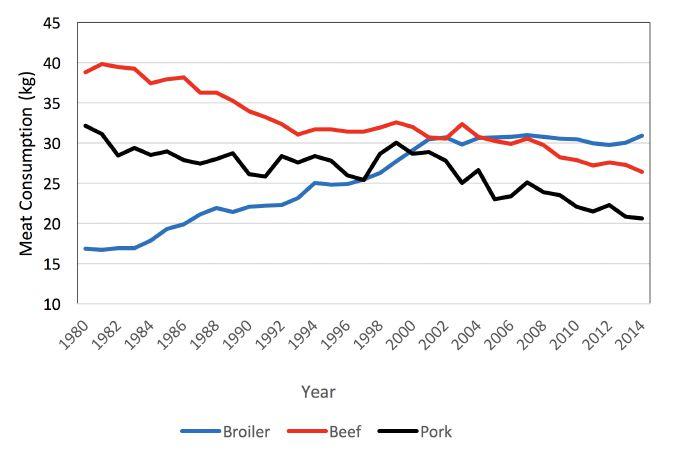
According to Statistics Canada (StatsCan), over the last several decades, the per capita consumption of animal protein in Canada has changed dramatically. Figure 1 shows the consumption of three different meats from 1980 to 2014. The per capita consumption of beef products peaked in the 1980s and steadily declined from 39.9 kilograms to 26.5 kilograms in recent years. Similar to the downward trend in beef consumption, pork consumption declined from 32 kilograms to 20.6 kilograms between 1980 and 2014. Meanwhile, during this same time period, the per capita consumption of chicken meat has been steadily increasing from 16.9 kilograms to 30.9 kilograms.
The declining trend in beef consumption can be explained by a few factors. Beef production needs a long time to get to market, with a relatively larger carbon footprint. As well, beef products are more expensive. Furthermore, over the last few decades, there have been a few cases of Bovine Spongiform Encephalopathy (BSE) in Canada.
Broiler meat, known for its high protein and low fat content, is viewed as a healthier alternative to red meat. With a shorter production time and a smaller
AFFECTING CONSUMER PERCEPTION
carbon footprint, it has increased its market share over the past few decades. The increase is also due to the fact that broiler meat can be made into value added, convenient products with lower costs at the grocery store level. With its ever-improving performance, the market age of the modern broiler has kept decreasing, whereas the feed conversion
ratio (FCR) is continually getting better.
IMPROVEMENT IN BROILER GENETICS
There are many factors that contribute to the low cost of broiler production, such as the prevention and control of poultry diseases, flock management and nutrition, and most importantly,
White striping in breast meat found in a grocery store.
Meat Quality
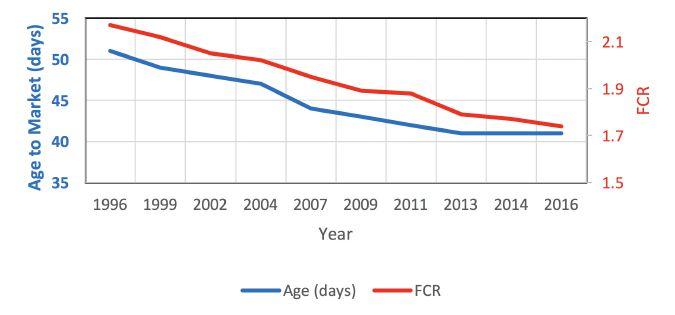
broiler genetic improvement. Figure 2 illustrates broiler performance over the last 20 years, based on 2.9 kilograms cockerel flocks fed by Wallenstein Feed & Supply. The feeding program is a popular feeding program of lower nutritional density. The pre-2013 flock results are based on the Ross 308 breed, and the post-2015 data are mainly from Ross 708 breed.
For these 2.9 kilograms cockerel flocks, it took 51 days to market in 1996, and only 41 days in 2015; so, in about 20 years, the market age has been shortened by 10 days. On average, daysto-market has been shortened by 0.5 days per year. At the same time, the FCR has decreased from 2.17 to 1.74, which represents an improvement of 20 per cent. Average daily gain increased from 57 grams/day to 71 grams/day.
This genetic improvement has not only greatly affected the growth rate and FCR, but has also significantly altered the birds’ carcass characteristics and physical configuration.
Tables 1 and 2 provide data from different years for cockerels close to three kilograms in weight and their percentage of eviscerated weight, percentage of breast weight and age to market.
For both the Ross 308 and Ross 708, the percentage of eviscerated carcass weight and breast yield has kept increasing over the last 12 years. Breast meat yield for Ross 308 increased from 18.81 per cent to 22.73 per cent, whereas, yield increased from 20.26 per cent to 24.57 per cent for Ross 708. In 2003, the majority of flocks in Ontario were Ross 308. Currently, most of the Ross flocks are Ross 708. So, the breast meat yield has increased by 30 per cent for today’s cockerel flocks compared to the cockerel flocks from 12 years ago, whereas, the eviscerated weight has increased by 4.6 per cent during this same time period. The FCR improvement referred to earlier did not include the progress in carcass yield; furthermore, the FCR improvement would be much bigger in terms of breast meat yield.
The market age for 3 kilograms cockerels has decreased over the years, except
in 2015. The body weight of cockerels in 2015 decreased by 30 g for both the Ross 308 and Ross 708 compared to the body weight of cockerels of the same age in 2014.
As yield increases and FCR improves, market age keeps decreasing for broilers of the same weight. While the broiler industry is enjoying the progress, there seem to be side effects due to such rapid development. The carcass quality of these fast growing birds has gradually caught the attention of the industry.
BREAST MEAT QUALITY
Over the past few decades, there have been sporadic incidences of two condi-
tions that affect the meat quality of broilers: deep pectoral myopathy and pale, soft, exudative poultry meat. Deep pectoral myopathy (DPM) is a degenerative muscle disease. It originates from sudden, vigorous and excessive wing-flapping, which leads to a restriction or stopping of the blood supply to the minor pectoral muscle. This creates an oxygen deficiency and causes necrosis or the death of cells and tissues. Depending on the stage of the disease, the lesions vary in colour, progressing from pinkish to grey-greenish. This disease is also known as green muscle disease (GMD).
Pale, soft, exudative (PSE) broiler meat is a problem for the industry of further processed poultry meat. A low
Figure 2. Performance of 2.9 kg Cockerels from 1996 to 2015
Figure 1. Canadian per capita meat consumption
Meat Quality
1.
Data from Ross Performance Objectives.
*Eviscerated per cent: eviscerated carcass, without neck, abdominal fat and internal organs, as a percentage of live weight.
**Breast per cent: breast meat without skin and bone removed, as a percentage of live weight.
Data from Ross Performance Objectives.
*Eviscerated per cent: eviscerated carcass, without neck, abdominal fat and internal organs, as a percentage of live weight.
**Breast percent: breast meat without skin and bone removed, as a percentage of live weight.
pH condition due to rapid glycolysis while the body temperature is still high leads to a pale colour, soft texture and reduced water-holding capacity in the meat.
Both GMD and PSE result in huge economic losses for processing plants. Currently, the most effective way of minimizing the effects of these diseases is through management. To prevent GMD, sudden and excessive activities and loud
noises should be avoided during daily practices and when loading the flock to be marketed. To reduce PSE-like meat, preventing and limiting stressful factors such as heat stress before and during preslaughter, during transportation should be the main goal of producers. Also, postslaughter rapid chilling of the carcasses is important to prevent the development of the PSE-like meat.
In the past few years, breast meat
abnormalities have been emerging in the industry. It was reported that the occurrence of white stripe (WS) breast and woody breast (WB) have been increasing, as shown in Table 3 (Owens and Alvarado, 2015).
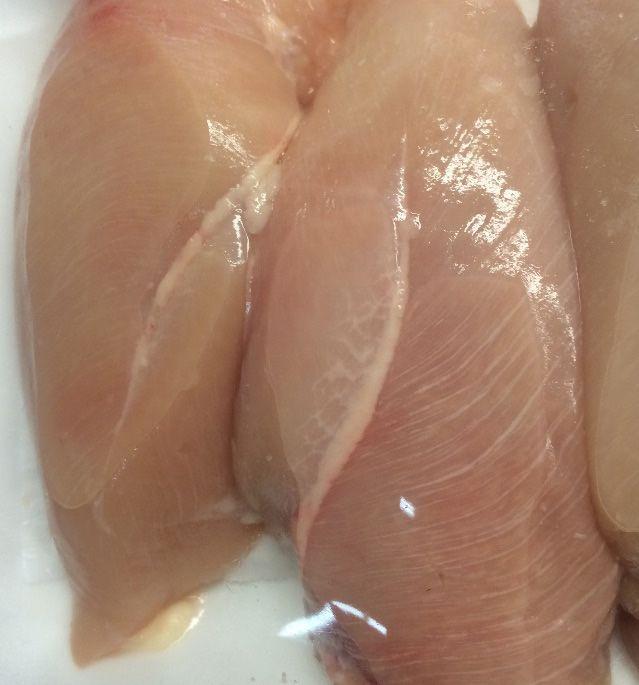
White striping is characterized by the occurrence of varying degrees of white striations parallel to muscle fibers, commonly seen on broiler breast fillets and thighs. Woody breast is characterized by hard to the touch, rigid, bulging, and pale areas in the broiler fillets, often observed with white striping.
In histology it is observed that the lesions are associated with muscle tissue degeneration, fiber necrosis, and increased connective tissues.
White striping and woody breast abnormalities negatively affect the visual appearance of the breast meat, and thus have an adverse effect on the consumer perception. These muscles tend to decrease marinate uptake and increase cooking loss as a result of increased connective tissues due to fibrosis. This results in increased hardness, gumminess and chewiness in defect fillets, and acceptability to consumers is further lessened. The meat with these defects is downgraded in the processing plant and there is a huge economic loss to the poultry industry.
FACTORS AFFECTING BREAST MEAT QUALITY
Due to high growth rate, the breast muscle yield increases mainly with changes in muscle fibre size, because the number of muscle fibres after hatching is fixed. This increased fibre size will lead to a lower capillarization, which may result in an inadequate supply of oxygen and nutrients to muscle cells. In addition, it may also be associated with an inadequate elimination of metabolic intermediate products that can compromise fibre functionality and result in homeostatic dysregulation (Petracci et al., 2015).
In a recent study, Soglia, et. al. (2016) observed that the levels of sodium and calcium in the breast meat with WS abnormalities were higher than those
Table
Ross 308 performance
Table 2. Ross 708 performance
Table 3. White striping incidence (per cent)
Casey M. Owens and Christine Z. Alvarado (Arkansas Nutrition meeting, 2015)
LONDON POULTRY SHOW
5 & 6, 2017
Meat Quality
in normal breast meat. Thus, the authors hypothesized that cations can play a role in WS or WB myopathies, due to membrane interruption, which leads to enzyme malfunction. Many factors have been investigated to explore their relationship to these breast meat abnormalities, yet the exact etiology for WS and WB is unknown.
The WS condition appears in all major commercial broiler strains, with higher incidences in high breast yield strains than in low breast yield stains. Flocks with higher growth rates have more incidences than those with lower growth rates. There are higher incidences in cockerels than in pullets. The incidences are increased when the flocks are fed on high energy rations resulting in birds with heavier body weight compared to birds from flocks on low energy diets with lower body weight.
Vitamin E levels in the diets are known to affect the breast meat quality for PSE syndrome, yet recent research has indicated that the WS or WB are not reduced by increasing vitamin E levels in the rations. Also, methionine or total sulphur amino acid levels are not related to these abnormalities. Arginine, an amino acid known as a vasculator that improves blood circulation, had no effect on white striping when added to broiler rations.
SUMMARY
Controlling the growth rate of broilers is a successful method of improving meat quality. Short term measures, including lowering the nutritional density for broiler diets, and marketing birds at a smaller body weight, should be encouraged to optimize broiler production.
As genetics has made progress each year in the past several decades, the growth rate may be close to its biological limit. At the very least, the breast abnormalities should be addressed before any improvements can be made for the growth rate. Thus, as a long-term goal, broiler breeding should be focused on developing high quality carcasses with greater disease resistance, and should keep emphasizing improvements in the feed conversion. More research is necessary to elucidate the muscle defects and improve broiler meat quality. n
REFERENCES
• Owens, C. M., and C. Z. Alvarado. 2015. Market trends & challenges associated with poultry meat quality. Proc. Arkansas Nutrition Conference, 2015.
• Petracci, M., S. Mudalal, F. Soglia, and C. Cavani. 2015. Meat quality in fast-growing chicken broilers. World Poult. Sci. J. 71:363–374.
• Soglia, F., S. Mudalal, E. Babini, M. Di Nunzio, M. Mazzoni, F. Sirri, C. Cavani and M. Petracci. 2016. Histology, composition, and quality traits of chicken Pectoralis major muscle affected by wooden breast abnormality. Poult. Sci. 95:651-659.
Technology Big data’s big poultry opportunities
BY LILIAN SCHAER
Growing volumes of data are being collected throughout the food production chain. But although this data could present big opportunity for agriculture, it’s not being used to its full potential, according to the international sales director of a software company that specializes in the protein industry.
“There’s a “Big Data” opportunity in poultry. Data is being collected everywhere, but it’s not being leveraged and integrated,” says Chris Blosfeld of MTech-Systems, who gave a presentation on the topic at the Poultry Service Industry Workshop in Banff, Alta., last fall.
“Big Data is not about just one piece of equipment; it’s a new approach to how we can bring together everything that goes into producing the finished product,” he explains.
Data of all kinds is being collected both manually and automatically by breeders, hatcheries, farmers, and processors, but overall, those data sets aren’t linked together or being used to extract information that could help improve the poultry industry.
Big Data includes mobile apps that enable simple and real-time data collection of bird performance, such as mortality, vaccine and medication usage, visual bird review and health status, and allowing that information to be aggregated with environmental data.
Automated devices on-farm can track temperature, humidity, ammonia, carbon dioxide and light levels, as well as monitoring animal behaviour, feed and
UNTAPPED OPPORTUNITIES
Better use of collected data could help the poultry industry do a better job of meeting the needs of the marketplace.
water consumption, and bird weight. At the feed mill, software records the origins of feed ingredients, formulation details and delivery tracking.
According to Blosfeld, better use of all of that collected data could help the poultry industry do a better job of meeting the needs of the marketplace. Consumers, for example, are increasingly seeking sustainable, healthy, and humanely-raised food products, leading to new demands from retailers and restaurants.
Processors want predictability, quality and uniformity in the birds they receive, and farmers are keen to lower costs, maximize profits and maintain their reputation of producing a premium product. And for government and industry, traceability and disaster prevention are important.
“There’s a significant amount of data already happening that would qualify and would make a difference if it was leveraged, to show how something in a barn correlates to something in processing
Technology
plant, for example,” Blosfeld says.
There’s the potential, for example, to take data from in-barn cameras tracking bird behaviour and movement, correlate it to possible bird health issues, and then tracing that through to the final product to look for possible impacts on meat quality.
Finding better ways to keep birds healthy through different ways of managing ventilation systems or using different feed additives could lead to reduced antibiotic use, for example.
“This data allows producers and processors to still end up with a profitable product in the end but doing the raising in a way consumers are comfortable with,” Blosfeld explains.
Big data could also facilitate efficiency analysis to ensure freight and other resources in the supply chain are optimized, identify and manage trends that might be developing regionally as opposed to nationally, and allow for better performance trending and benchmarking.
In markets like Brazil or the United States, where integration runs from genetics through to the final product, it’s the integrators that are driving efforts to capture advantages from Big Data.
“A lot of the companies, co-ops or processors have started trying to change the problem. If ultimately by co-operating with farmers or producers, processors can get a better product or a more consistent product, their profitability might increase,” Blosfeld explains. “So they’re sharing incentives with growers to supply that data, like daily bird weights or daily mortality.”
There’s no similar champion in Canada, so although big data could also be better leveraged in this country, it can only be done by bringing change to the national poultry industry, he says.
“There is less of an interest in sharing data in Canada, where every player is interested in maximizing their own part of the supply chain, but they’re only looking at what they’re collecting and not also at what other partners are doing,” he believes.
Data collection in Canada is as
Chris Blosfeld of MTech-Systems says the concept of Big Data is a new approach to how farmers or companies can bring together everything that goes into creating a finished product.
along as most places in the world and although the capability for data sharing exists as well, there’s less willingness to do so as a result of how the industry is structured, he adds.
The key lies with someone being willing to step up and lead a consolidated, protected, and anonymous system to gather and analyze data and make recommendations for the industry, he suggests.
“It’s obvious that everybody wants to get more information about what happened before and after they received a product, and in a typical integrator model, it’s the processor [that] does this,” he says.
The answer is less clear in Canada, where it’s a question of who will step forward to bring parties together in a way that everyone can be comfortable with while sharing enough information for the system to be useful.
“To remain competitive, everybody has to be more efficient and adaptable, and the model may become untenable if we don’t adapt,” he believes. “The key takeaway is everybody has the same goal ultimately in Canada of improving, making sure we remain competitive and increasing production, and producing more with less. The constant question is how we get there.” n
• Exacon’s brand name since 1987
• Available in sizes 12” to 60”
• White or Black polyethylene flush mount housings
• Designed to meet the rigorous demands of farm/agricultural ventilation
• Energy efficient Multifan, MFlex or North American motors
• Fiberglass housings available in 50” and 60” diameter
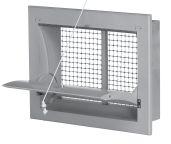
TPI WALL AND CEILING INLETS
• TPI is a well known manufacturer of high quality polyurethane inlets
• High quality and high insulation value results in precise manufacturing delivering high tolerance for better ventilation control
• Wall inlets, ceiling inlets and tunnel inlets
• TPI wind hoods and wind hoods with built-in light trap also available
PUR AG AIR FILTRATION SYSTEM
• High quality L7 Pathogen barrier filter with pre-filter significantly reduces the chance of air transmitted diseases. (ie bird flu and other influenza viruses)
• Clarcor provides a complete system such as filter housing frame designed for eaves and side air inlets
• This system makes installation of filters easy and practical plus reduces the risk of nonfiltered air from entering the building
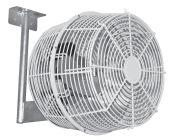
GREENBREEZE BASKET FAN
• Designed for more air flow and consistent pattern
• Precise guard spacing reduces air restriction
• Easy to open front guard allows easy cleaning
• Includes hanging bracket to allow direction adjustment
• Variable speed, efficient motor 115/230v
GENIUS I-TOUCH VENTILATION CONTROL
• The well known and proven Genius control line is now available as a Touchscreen interface
• Navigates like an I-Pad by simply touching, swiping or dragging on a 7” or 10” touch screen
• Available with up to 8 variable stages and between 15 to 30 on/off relays
• A slave is available to expand to 50 on/off relays
• Many options including light control, bird scales, perch scales and bin scales
• Built-in wifi allows easy access to the internet for managing, viewing and recording history on FarmQuest website
LIGHT TRAP/DARK OUT
• High light reduction
• Low resistance to air flow
• Simple Installation
• Easy to clean
• Uses P.V.C. snap release spacers
Research Turning the tables
Table eggshell protection against invading pathogens.
BY NERINE T. JOSEPH
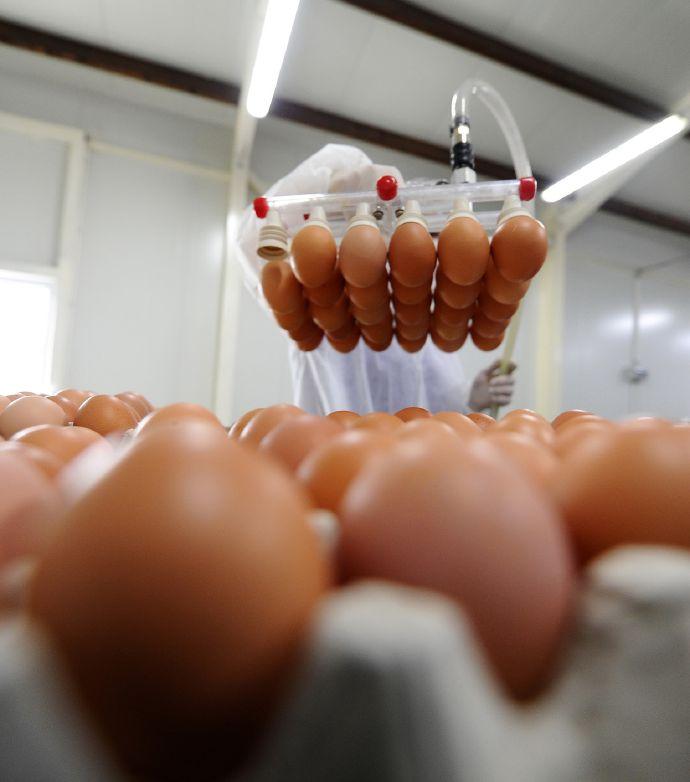
Although the table egg industry is significant in Canada, it remains vulnerable to shifts in consumer attitudes and perceptions. Eggs are washed prior to retail sale, to remove potential pathogens from the eggshell surface. However, cases of Salmonella poisoning do occur.
According to the Public Health Agency of Canada, approximately 10,000 annual cases of Salmonella poisoning are due to the contamination of eggs that find their way into the food chain in Canada. Salmonella is the second leading foodborne illness pathogen behind Campylobacter in Canada, so it is essential that table eggs remain free of contaminants.
Eggshells are covered by thousands of pores; which can provide a route for bacterial entry. The protein-rich cuticle covers the outer surface of the eggshell and extends into these pores as an essential plug to restrict bacterial access. The washing of table eggs can remove or damage the surface cuticle layer, which is the first line of defence to restrict pathogen entry into the egg. Additionally, chicken egg cuticle coverage is uneven and its thickness variable. However, recent studies found that cuticle thickness and completeness of coverage are heritable traits in chicken that are strongly associated with egg resistance to bacterial penetration.
Professor Maxwell Hincke, from the University of Ottawa and his research team; Garima Kulshreshtha, a postdoctoral fellow, and M.Sc. candidate Nahom
Recent studies have found that cuticle thickness and completeness of cuticle coverage are heritable traits in chicken that are strongly associated with egg resistance to bacterial penetration.
Berhane, have recently embarked upon a research study entitled “Eggshell cuticle plug protection against invading pathogens in the table egg.” The foundation of this study derives from preliminary studies performed within Hincke’s laboratory. He explains, “Our preliminary trials reveal that the plug formed by
the cuticle layer within the eggshell pore remains firmly lodged throughout the washing process and remains present in washed commercial table eggs. However, we have previously identified several antimicrobial proteins in the chicken intact cuticle, inclusive of the major eggshell cuticle protein termed
PORE DEFENCE
ovocalyxin-32. Interestingly, recent genetic studies identified sequence variation in the ovocalyxin-32 protein in commercial layer lines, which may affect its bioactivity. However, we don’t know whether ovocalyxin-32 variants have enhanced or different levels of cuticle resistance to microbial contamination. The composition of the cuticle is an ideal target for genetic selection programs to enhance its antimicrobial potential.”
These researchers aim to initially characterize the chemical composition and antimicrobial proteins in the cuticle plugs from table eggs. The antimicrobial properties of the cuticle plugs will then be characterized. Several mutated variants of ovocalyxin-32 will then be assessed for antimicrobial activity. The results from this study will identify the ovocalyxin-32 variant(s)
Research
with the strongest antimicrobial activity. Antimicrobial mechanisms of the eggshell that are essential to restrict pathogen entry such as Salmonella will be determined. Selective breeding to increase cuticle deposition and associated antimicrobial protection is possible.
Hincke concludes, “Selective breeding which targets the ovocalyxin-32 gene to increase a poultry line’s egg resistance to trans-shell penetration by pathogens to enhance food safety would be possible. This study will retain consumer confidence and maintain the competitive edge of the Canadian egg producing industry to ensure its continued profitability.”
Outcomes of this research study will be completed towards the end of 2017. The Poultry Industry Council and Burnbrae Farms are funding this research. n
In growout after growout, results prove that Ziggity Systems with Max3 drinkers consistently produce not just great but exceptional performance in every category. That’s because Max3 delivers all the hygienic water birds need to thrive and stay healthy without oversupply that causes wet litter and all of its related problems.
More ways to improve performance
Visit www.ziggity.com www.ziggity.com/pressurepro
Reduce management time and make correct pressure adjustment easy with PressurePro.
Upgrade J-Lock drinkers The affordable way to upgrade your existing system to Ziggity performance.
• 141.73” x 24.61”
• Easy bird management
• Two perch heights
• Available with Salmet’s WHISK manure drying system
PEDIGROW 2 Cage Free Rearing System
• Excellent chick management
• Quick close to open transition due to multipurpose elements
• Unique design promotes excellent uniform development of the birds
• Easy access to feed, water & perches
HIGH RISE 3 Cage Free Laying System
• Unique design allows easy bird & system management
• System eggs are removed automatically
• Hens have short distance to feed, water & nests
• Touch screen control
• PC access
• Remote access via smart phone & tablet
Weighing & Egg Counting
• Bird scales
• Load cells
• Batch weighers
• Egg counting & full egg flow control
OES integrate your entire facility into one high quality, pre-designed, preengineered control system for maximum ease of use and profitability
• Soft Start eliminating energy spikes
• Qualifies for most all regional energy rebates
• Significant energy reduction over standard AC motors
• Maintenance FREE NO bearing maintenance NO belts to replace
Equipment
The 2017 Canadian Truck King Challenge
Choosing the right truck for the job is becoming more and more difficult
BY HOWARD J. ELMER
The Canadian pickup truck market is huge. It caters to the multiple needs of work, institutional and personal trucks - sometimes all of them in one package. In fact, pickups that serve the workplace and family are becoming the norm – this fact alone makes choosing the right one simply that much more complex. Trying to offer buyers an unbiased perspective is one of the reasons that I started the Canadian Truck King Challenge 10 years ago. Since then, each year, my group of journalist judges continues to fulfill that original mandate: testing pickup trucks and vans the same way that owners use them.
This “real world” competition includes empty evaluations but more importantly testing while loaded and while towing. The judges are members of the Automobile Journalist Association of Canada. Collectively they brought over 200 years of trucking experience to this year’s testing while driving a combined total of almost 4,000 km, over three long days. The event takes place at a private 70-acre site in the Kawartha Lakes region of Ontario.
WHAT WE TESTED
Each year the market offers up different trucks; often depending on what’s new. However there are rarely more than two new trucks in a given year, so we also
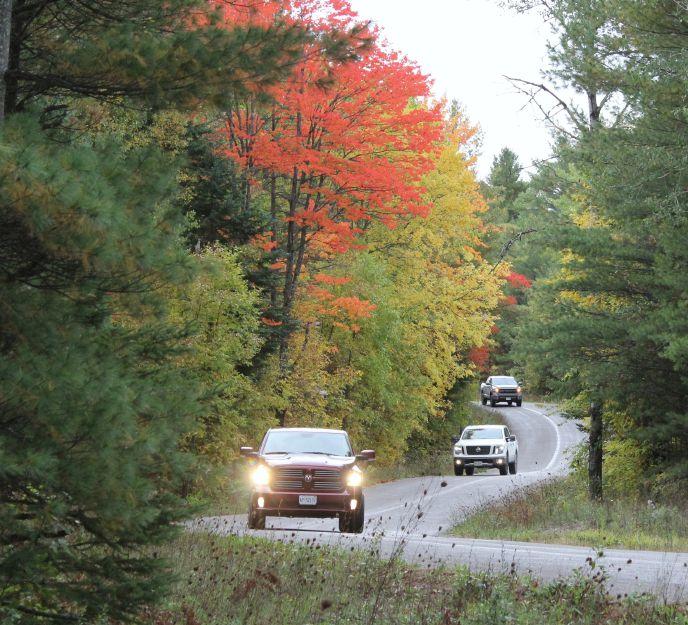
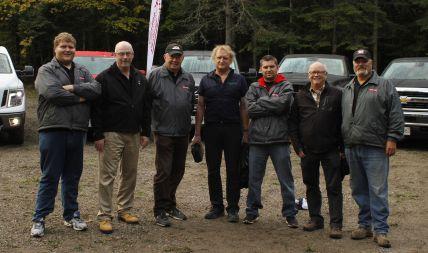
Truck King Challenge judges put the competitors through their paces in Kawartha Lakes and London, Ont.
look to fill out each group to offer a decent sized comparison. This year we had a field of eleven 2017 pickup trucks, falling into four classes. Mid-size, fullsize half-ton and full-size three-quarterton were tested in the Kawarthas. The full-size one-ton trucks were tested in London, Ont. a few days later.
THE TESTING METHOD
Each judge drives each truck empty, then with payload on board and finally towing a trailer over this same route, one after the other, back to back. Yes, it gets repetitive, but this is the best way to feel the differences between the trucks. Trucks are
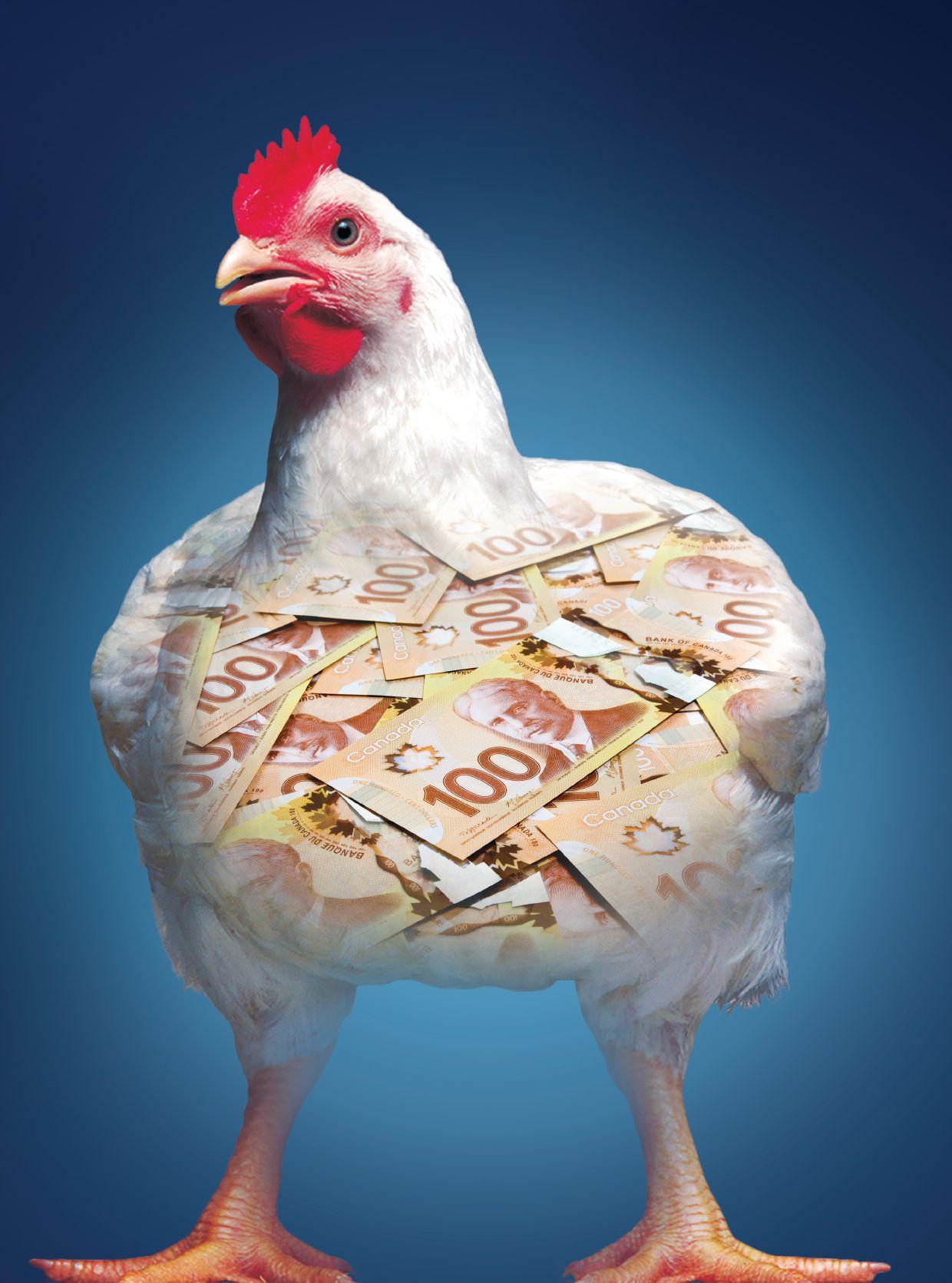
CHICKEN ABOUT STARTING A BUSINESS PLAN?
#pledgetoplan
Establishing a clear business plan pays. It provides a strong sense of direction and a platform for communication with your team, not to mention much better financial returns.
Get started at www.pledgetoplan.
Equipment
scored in 20 different categories; these scores are then averaged across the field of judges and converted to a percentage out of 100. Finally the “as tested” price of each vehicle is also weighted against the average price of the group (which adds or subtracts points) for the final outcome.
The route we use is called “The Head River Test Loop.” It’s a combination of public roads spread over 17 kilometres. It starts on gravel, moves to a secondary paved road and finally highway. Speed limits vary from 50 to 80 km/h and the road climbs and drops off an escarpment several times giving good elevation changes.
Finally, four-wheel-drive (4WD) equipped trucks (which all our entries were) are driven on an internal offroad course built for that purpose at the IronWood test site.
This year the mid-size trucks carried a payload of 500 lb and towed 4,000 lb. The full-size half-tons hauled payload of 1,000 lb and towed 6,000 lb; while the three-quarter-tons towed 10,000 lb and also used 1,000 lb for payload. We choose these loads by taking into consideration the lowest manufacturer set limits among each group of entries. The weights we use never exceed those published limits.
For the one-ton trucks we changed locations to London, Ont. Here we have access to two partners who loan us the weight and trailers necessary to test the big pickups. Patene Building Supply and IKO let us use 4,000 lbs of singles for payload, while CanAm RV centre lets us tow 15,000 lb fifth-wheel travel trailers.
• Chevrolet Colorado - 2.8L Duramax turbo-diesel, 6-speed auto, 4WD, crew cab, Z71 trim. Price as tested: $44, 695.
last year. However, it wasn’t just the new factor that pushed the Ridgeline’s score past that of the Colorado. The prior generation of Ridgeline was a niche, quirky truck that appealed to a select buyer – this time the Ridgeline has moved closer to the mainstream while retaining some of its unique characteristics. It did most everything (payload, towing, even offroad) well and still offered the most “carlike” ride. The judges rewarded Honda for a significant generational update. Toyota opted not to give us a Tacoma (which we did test last year) and the Nissan Frontier was also not offered - no doubt because it’s in the last year of its current cycle before a major upgrade.
• Honda Ridgeline - final score of 75.5 per cent.
• Chevrolet Colorado - final score of 72.2 per cent.
FULL-SIZE HALF-TON GROUP
• Dodge Ram 1500 – 5.7L Hemi V8 gas, 8-speed auto, 4WD, crew cab, sport trim. Price as tested: $58,110.
• Chevrolet Silverado 1500 – 5.3L V8 gas, 6-speed auto, 4WD, Crew cab, Z71 trim. Price as tested: $59,890.
• Toyota Tundra – 5.7L V8 gas, 6-speed auto, 4WD, crew cab, TRD Pro trim. Price as tested: $60,025.
The full-size half-ton category is the meat of the market. In Canada it makes up just under 80 per cent of total pickup sales. As such it is one of the most competitively fought over among the builders and for us at the challenge it’s a segment that we annually consider carefully - as in what to test.
The Agri-food Management Institute is funded through Growing Forward 2 (GF2), a federal-provincial-territorial initiative.
Between the two mid-size trucks the Honda impressed the judges. As with anything new, it had an edge – the Colorado diesel was a big splash when it debuted
This year we came up with an idea that should appeal to this large group of buyers. We asked each of the manufacturers to give us one half-ton – the one that was its best seller – as in the most popular combination of body style, trim and powertrain. This way we would test the trucks that Canadians buy most often.
Equipment
Some, like the Nissan Titan, are all new. Others like the Chevrolet Silverado and Dodge Ram are midway through their current lifecycle. Toyota chose to give us an off-road version of its Tundra – the TRD Pro. This is the newest truck they had; not really the most often purchased. But that was their choice to enter it. As you’d expect it did really well off-road. The other entries were exactly what we asked for. The Dodge Ram emerged as the judges’ choice for best all-round half-ton. However all the scores were close and the Chevrolet Silverado also did well.
Of course, I have to mention what is missing from the list: Ford. The leader in half-ton Canadian truck sales chose not to compete. Despite having entered trucks in every other Truck King Challenge competition since 2006, this year they declined.
• Dodge Ram 1500 - final score of 79.4 per cent.
• Chevrolet Silverado 1500 - final score of 76.7 per cent.
• Chevrolet Silverado 2500 – 6.6L Duramax V8 turbodiesel, 6-speed auto, 4WD, crew cab, LTZ trim. Price as tested: $82,560.
In the three-quarter-ton category, note that each of the trucks was diesel-powered. As these are the most common big haulers being bought by Canadians, we stressed them by towing 10,000 lb of concrete. The judges made a point of saying that under load was when they really felt how the trucks behaved. The scoring here was close as each truck did well, however the Dodge Ram 2500 with the Cummins 6.7L diesel did come out slightly ahead. What was more interesting was the Nissan HD tied with the HD Chevrolet Silverado.
The Nissan Titan XD is the lightest (GVWR) of the three trucks and has the lowest tow and payload limits – that is also reflected in its price, which elevated it overall score. These lower limits are not a disadvantage though – if anything it means that the segment is growing and offering up more choices for consumers.
This was the first time we tested the all new 5L Cummins diesel V8. It’s also worth noting that Chevrolet’s veteran 6.6L Duramax diesel will be generationally updated next year.
• Dodge Ram 2500 - final score 77.0 per cent.
• Nissan Titan XD - final score 74.9 per cent.
• Chevrolet Silverado 2500 - final score 74.9 per cent.
FULL-SIZE ONE-TON GROUP
• Chevrolet Silverado 3500 – 6.6L Duramax V8 turbodiesel, 6-speed auto, 4WD, DRW, crew cab, High Country trim. Price as tested: $83,390.
For the one-ton trucks we had a field of two – again we missed having Ford, particularly because its 2017 Super Duty trucks are all new. However, we still performed a full field of tests on the Dodge Ram 3500 and Chevrolet Silverado 3500. After a full day of driving both trucks back to back, the judges awarded the win to the Chevrolet Silverado 3500. Both trucks worked well; the key difference judges noted was ride quality when towing – they preferred the Chevrolet.
• Chevrolet Silverado 3500 - final score 75.1 per cent.
• Ram 3500 - final score 71.8 per cent.
The overall winner of the 10th annual Canadian Truck King Challenge with the highest collective score of 79.4 per cent is the 2017 Hemi-powered Dodge Ram 1500. n
EMPLOYMENT EMPLOYMENT
Sales & Service Professional Required
An international organization based in Europe is seeking a sales and technical service professional to service its customers in Canada and Latin America. The successful candidate will possess the following:
• Technical experience with egg layer chicken
• Background in animal science/ husbandry/veterinarian science
• Willing to travel extensively across Canada and eventually Latin America
• Legally status to live and work in Canada
• Intermediate to advanced Spanish language skills is a definite asset
• Strong verbal and written communication skills Salary based on experience. Group Benefits & Company match RSP program is offered. Interested persons may submit their resume with reference: careersltzca@gmail.com
PERSPECTIVES
THE CENTER FOR FOOD INTEGRITY
UN on antibiotics
Huge implications for food
Health leaders around the world are using words like “historical” and “possible turning point” to describe a declaration passed by the UN General Assembly aiming to slow down the spread of bacteria that have become resistant to antibiotics. The declaration requires countries to come up with a two-year plan to protect the potency of antibiotics. Countries also need to create ways to monitor the use of antibiotics in medicine and agriculture, start curbing that use and begin developing new antibiotics that work.
The World Health Organization’s Kenji Fukada, assistant director general for health, security and environment, said antibiotic resistance has immense economic consequences and implications for food. Asked about antibiotics used in food animal production, he said, “If we lose that ability, we perhaps begin to lose the ability to have adequate food supplies in the world.”
The UN’s action is yet another indicator of rising pressure on the food system regarding the use of antibiotics in food animals. Antibiotic resistance is a serious issue and one farms and food companies are taking seriously, but some groups are quick to lay blame or over-emphasize agriculture’s contribution to the problem.
The connection between antibiotics used in animals and the risk of human antibiotic failure is a complex issue not easily distilled for widespread understanding. There’s also the perception among some consumers that antibiotic resistance results from eating meat containing antibiotic residue, but there are strict federal laws in place to prevent unsafe residues in meat.
There are unanswered questions on the link between animal antibiotic use and human resistance and the issue is still being studied. Until those questions are conclusively answered, the best source of information is sound science in the form of peer-reviewed and published studies. Peter Davies, professor of animal science at the University of Minnesota, says, “There are almost no documented clinical cases where antibiotic resistance was unequivocally tied to animal antibiotic use. So while the risk is not zero, in my opinion, it is extremely low.”
Animal antibiotics must be used responsibly to minimize agriculture’s contribution to antibiotic resistance. But much of the current discussion about antibiotic use is highly polarized, pitting commercial interests against public health interests. It’s important to remember that preventing disease and treating sick animals through the responsible use of antibiotics is the ethical thing to do.
ABOUT THE CENTER FOR FOOD INTEGRITY
Consumers have questions about food - where it comes from, who’s producing it and how. Their healthy curiosity and skepticism is why we exist.
Some groups are quick to lay blame or over-emphasize agriculture’s contribution to the problem.
Drug companies have acknowledged the seriousness of the issue and are making antibiotics available only for treatment and prevention of disease, not growth promotion. Beginning next year, antibiotics important to human medicine will only be available under a Veterinary Feed Directive, essentially a prescription from a veterinarian.
It’s not about supporting a certain outcome. We don’t lobby or advocate on behalf of any brand or company or food production method.
We simply want to make sure that consumers - in an environment where they are bombarded with contradictions - have the balanced information they need about food to make informed choices that are right for them and their families.
We’re a not-for-profit organization whose members and project partners represent the diversity of today’s food system - from farmers, ranchers and food companies to universities, non-governmental organizations, restaurants, retailers and food processors.
Visit foodintegrity.org for more information. n
CAN’T TOUCH THIS
World’s Number One Selling Breeder
• Consistent Annual Genetic Progress
• Regional Technical Service Expertise
• Supported by World Technical Support (Hatchery to Processing)
• More Saleable Yield
• WOG Yield Advantage
• Best Uniformity
Clark Ag Systems is your local expert, offering a full range of Farmer Automatic housing systems, as well as a complete line of quality products for broiler, turkey and egg production.
VISIT US AT THE LONDON POULTRY SHOW APRIL 5 & 6 BOOTH #721S
Learn about the innovative Famer Automatic alternative housing systems on display as well as many Broiler & Turkey products. Interact with industry experts at our two day symposium highlighting the latest changes & issues facing the poultry industry and have your layer production questions ready for our producer panel. Visit the biggest poultry show in Canada!