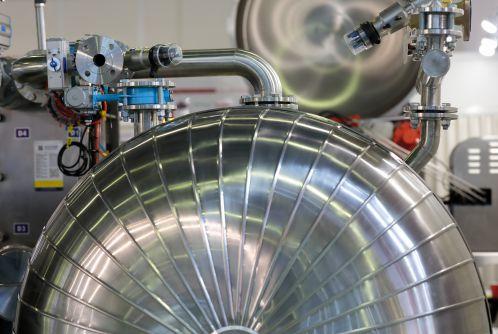
Well-designed actuators can offer reliable performance with minimal maintenance or repair.
WHAT ARE THE BENEFITS OF STEAM STERILIZATION IN FOOD PROCESSING?
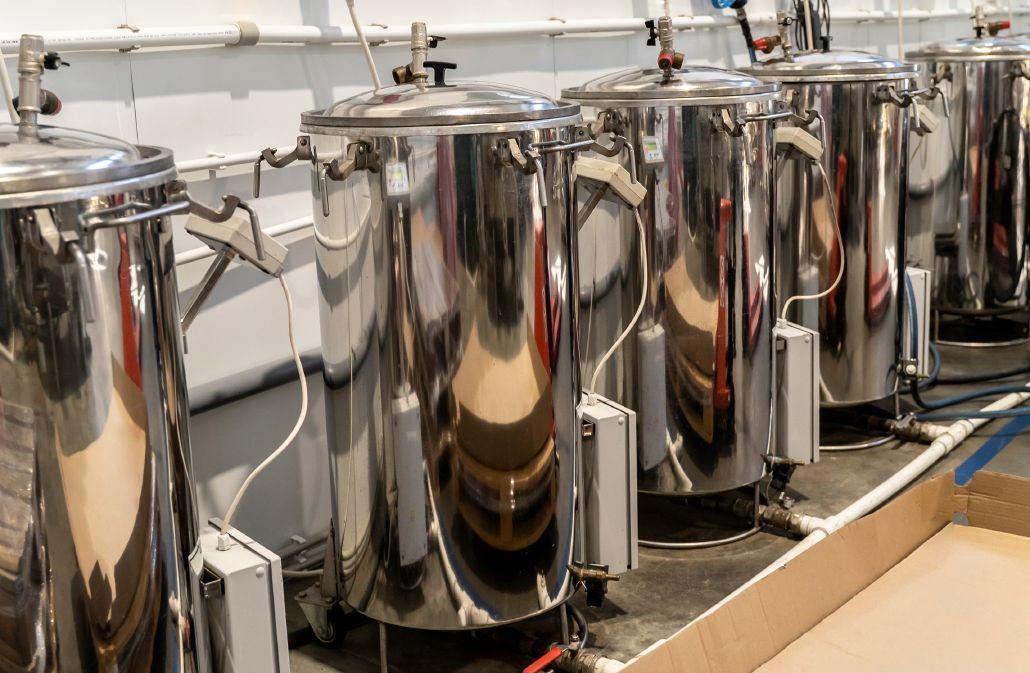
Steam-based cleaning is flexible, eco-friendly, cost-efficient, safe and accommodates new technologies. 14 THE DRIVING FORCE BEHIND CANADA’S MANUFACTURING FUTURE
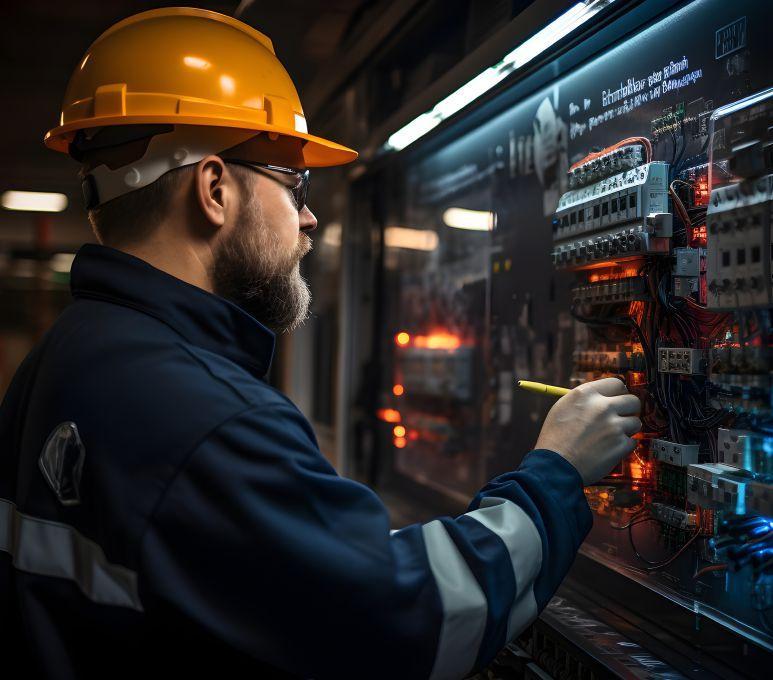
Youth are the catalysts to propel the industry into Industry 4.0 and sustainable practices.
PROMOTING OR HIRING NEW PEOPLE?
The food and beverage industry is undergoing a transformation
The New Year is notoriously known as a time for fresh starts and change. Canada’s food and beverage sector is ever evolving and could benefit from the consideration of a transformation rather than abrupt change. Canada’s food and beverage manufacturing industry is a major part of Canada’s economy contributing two per cent of the GDP and employing 1.7 per cent of the workforce, despite being only 0.3 per cent of all business establishments nationwide. Last year, the value of Canadian food and beverage exports was estimated at $54.3 billion accounting for seven per cent of Canada’s total exports.
The labour shortage has a substantial economic impact. Previous research conducted by Food Processing Skills Canada in 2020, showed that a single unfilled position in the F&B manufacturing industry costs businesses as much as $190 per day in lost net revenue. It is no surprise that there is a labour shortage across all industries. While Canada’s F&B manufacturing industry is poised to face a significant shortage. From 2023 to 2030, there will be a total demand of 66,800 new workers to replace the industry’s aging workforce, according to a recent report by Food Processing Skills Canada. To this end — the industry will be employing 325,000 people by 2030,
up from the roughly 300,000 employed in 2022, finds Food Processing Skills Canada. That marks an increase of nine per cent.
There is an inclination to embrace new technologies and adopt sustainable practices — who else, other than Canadian youth, are better suited to drive the industry through this transformation.
Head to page 14 to dive deeper into this topic. The team from EMC highlights how Canada’s food and beverage processing industry can benefit from a prosperous future by empowering youth through education, embracing technology and focusing on sustainability.
Both challenges and opportunities exist in Canada’s F&B industry, the challenge being the labour shortage and the opportunity to mentor and invest in youth to be the leaders in the transformation.
ODD BURGER SECURES SECOND LINE OF CREDIT
Odd Burger Corporation has entered into a credit agreement with GGC Holdings Ltd. in the amount of CAD$250,000. This is the company’s second credit agreement announced in the past month and the company now has access to a total of CAD$500,000 in credit facilities.
The second credit facility has an initial drawdown fee of $1,500 and will bear interest at a rate of 15 per cent per annum, maturing one year from issuance on December 15, 2024. The loan will be paid off in full in the event of a Nasdaq up-listing and associated capital raise. The lender is an arm’s length party to the company.
The company will use the second credit facility to accelerate the growth of its consumer-packaged goods line which launched in September 2023, support the company’s franchise
NEWS
expansion in Canada, the U.S. and abroad and for general working capital purposes.
J.M. SMUCKER COMPLETES THE SALE OF FERMENTED CONDIMENT BRANDS IN CANADA TO TREEHOUSE FOODS
The J.M. Smucker Co. announced the closing of the transaction to sell its Bick’s pickles, Habitant pickled beets, Woodman’s horseradish and McLarens pickled onions brands to TreeHouse Foods, Inc. The all-cash transaction is valued at approximately $20 million USD, subject to a working capital adjustment.
The company previously announced the signing of a definitive agreement for the transaction on October 17, 2023.
The company expects the impact of the divestiture to be immaterial to its adjusted earnings per share on a full-year basis. The company will provide additional information
about the transaction’s impact on its fiscal year 2024 outlook during the next quarterly earnings call.
NEW STUDY FINDS MICROPLASTICS IN SEVERAL PROTEIN FOODS
A new study led by researchers at Ocean Conservancy and the University of Toronto found microplastic particles in 88 per cent of protein food samples tested. The samples were drawn from 16 different protein types destined for U.S. consumers. Protein types included store-purchased breaded shrimp, minced pol-
lock, fish sticks, white Gulf shrimp (headless/shell-on), Key West pink shrimp (headless/shell-on), Alaska Pollock fillets (skinless), chicken nuggets, top sirloin steaks, pork loin chops, chicken breasts, plant-based nuggets, plant-based fish sticks, plant-based ground beef, and tofu blocks.
While scientists have long documented the presence of microplastics in the digestive tracts of commercial fish and shellfish like salmon, halibut and oysters, there has been little research into whether these microplastics are entering the filets of the fish – the parts that are actually eaten by people; and little research into terrestrial protein sources like beef and chicken that make up a large part of the American diet. In this study, microplastics were found in all 16 protein types tested, suggesting humans are likely eating microplastics no matter the source of protein they choose. Further, there were no statistical differences in microplastic concentrations between land- and ocean-sourced proteins.
PETER SELDERS SUCCEEDS
MATTHIAS ALTENDORF AS ENDRESS+HAUSER CEO (CREDIT: ENDRESS+HAUSER)
Dr. Peter Selders takes over as CEO of Endress+Hauser. The 54-year-old Selders holds a doctorate in physics, has been with the company since 2004 and was previously managing director of the competence centre for level and pressure measurement technology in Maulburg, Germany. He is only the fourth CEO in the family-owned company’s 70-year history. His predecessor, Matthias Altendorf (56), is moving to the supervisory board after 10 years at the helm. In 2014, he became the first non-family CEO, succeeding Dr Klaus Endress. He is now replacing the 75-year-old Endress as president of the supervisory board. In future, two members of the third generation will represent the interests of the shareholder family. They
are Sandra Genge and Steven Endress, a grandson of the company founder, who joined the board on January 1.
Peter Selders has been succeeded at Endress+Hauser Level+Pressure by Dr Dirk Mörmann (50), who was previously head of technology and a member of the management board.
ST-MÉTHODE BAKERY
CHANGES OWNERSHIP
Quebec-based St-Méthode Bakery (BSM) has seen a reshuffle in its ownership.
Swander Pace Capital has partnered with equity partners CDPQ and Roynat to acquire a majority stake of the of valueadd fresh bread supplier.
Located in the Chaudière-Appalaches region of Québec, BSM will continue to supply customers throughout Québec and other markets from its flagship bakery in Adstock.
BANI ACQUIRES LA COLOMBE
Chobani acquires La Colombe for $900 million. It financed the acquisition through the combination of a newly issued $550 million term loan, cash on hand and the exchange of Keurig Dr Pepper’s (KDP) minority equity stake in La Colombe into Chobani equity.
La Colombe, a ready-to-drink coffee company, currently serves consumers across multiple channels, including retail, cafes, foodservice, and direct-to-consumer.
As part of Chobani, La Colombe will continue to operate as an independent brand. This approach allows for collaboration and knowledge
sharing between the two companies while preserving the La Colombe’s brand identity.
NATURAL PRODUCTS CANADA
BOOSTS BIOECONOMY WITH LATEST INVESTMENT
Natural Products Canada (NPC) invests $1.1 million in 11 products through its strategic Commercialization Programs.
The recipients represent a diverse range of sustainable, natural product innovations from industrial dyes and asphal to bioplastics and poultry feed. NPC’s contributions will enable a total of $3.1 million in strategic initiatives designed to help each client
tackle the critical next step in their commercialization journey. The latest announcement includes start-ups and research institutes from across the country, including F&B-related companies such as AltaGreen, Climicals, Enhanced Medical Nutrition, Infusd Nutrition, New Protein International, and Opalia.
B.C. INVESTS $2M TO FUEL GROWTH IN F&B MANUFACTURING
The government of B.C. is contributing as much as $2.07 million through the BC Manufacturing Jobs Fund, supporting three capital projects and one planning project, to help food and beverage manufacturers grow by upgrading equipment and facilities, while creating more than 125 new jobs.
In Surrey, Dr. Ma’s Laboratories, which manufactures more than 800 natural health products, will receive as much as $1.25 million to establish a second processing facility and complete facility upgrades. Upgrades will accommodate scaling up and automation of production to meet in-
creasing demand. The food, supplement and vitamin manufacturer will also bring raw-ingredient processing in house as part of a capital project, which will triple production, enable it to prioritize local suppliers and create 75 new jobs.
In Pitt Meadows, When We Eat
Manufacturing, which produces frozen snack foods for grocery store chains and is working to become a net-zero processing facility, is receiving as much as $623,000 to expand production, build and install new equipment. This project will create 50 jobs.
NESTLE MOVES TO LOWER CARBON ALTERNATIVES FOR SHIPPING
Working with three of the world’s largest shipping companies, Nestle will move the equivalent of half of its global shipping needs to alternative, lower-emission fuels with immediate effect.
By switching to cargo ships that use fuels made from waste, such as used cooking oil, the company aims to reduce its annual green-
house gas emissions from shipping by around 200,000 metric tons of CO2 equivalent.
REDPATH SUGAR INCREASES
PRODUCTION CAPACITY TO MEET
GROWING DEMAND
Redpath Sugar will expand its Toronto cane sugar refinery as a response to the growth in demand in Canada’s thriving food manufacturing sector.
Redpath Sugar’s investment in the initiative will increase the Toronto Refinery’s capacity by approximately 65,000 metric tonnes. The project was planned and executed by Redpath Sugar’s team of engineers. The expansion project improved process efficiencies and sustainable practices.
This is the first phase of multiple projects that Redpath is considering to address the growing Canadian market. Continuous improvement projects implemented alongside the refinery expansion project are also yielding increases in daily output while conserving water and energy.
VALVE ACTUATORS
BUILT FOR LONGEVITY
BY JEFF ELLIOTT
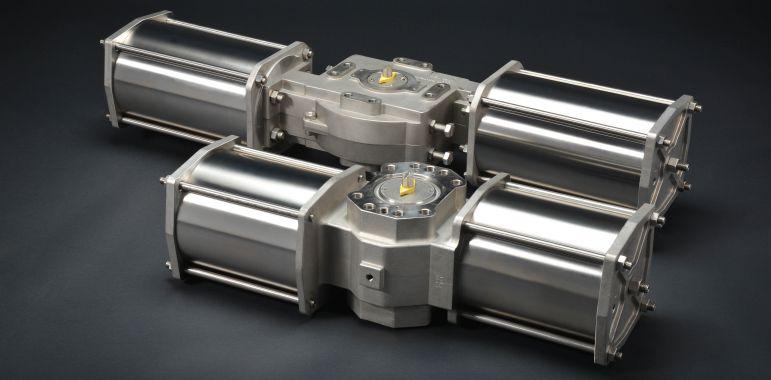
High cycle actuators are often seen as having a short lifespan, with costly installation and maintenance requirements. However, many leading processors are realizing that well-designed actuators can offer reliable performance for years with minimal maintenance or repair.
In food, pulp and paper, pharmaceutical, and chemical plants, processors often operate around the clock to produce chemicals, paints, resins, lubricants, ingredients, and other raw materials. To manufacture these products, high-speed, high cycle actuators open, close, or throttle valves to regulate, direct, or control the flow of gases, liquids, fluidized solids, or slurries.
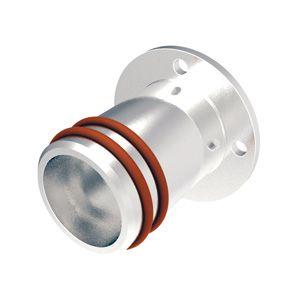
Many processors have become accustomed to the idea that high cycle actuators have a short lifespan and necessitate regular maintenance to replace parts prone to wear, such as O-Rings, springs, cylinders, and others. In some facilities, this task can consume a technician’s entire work schedule.
However, many leading processors are beginning to reassess this expectation, given the high costs for installation and maintenance.
A well-designed actuator should be able to provide reliable performance for many years beyond the warranty period. If maintenance or repair is needed, it should be infrequent and simple enough for a single technician to
handle, using common tools. For maintenance or repair purposes, the actuator should be easily accessible without the need to remove it from the valve. This is a crucial factor, as valve manufacturers will invalidate warranties if the actuator is detached from its mount.
HIGH DEMANDS ON ACTUATORS
Actuator usage and stress are often linked to the frequency of valve opening and closing cycles. The cycle count often varies based on the environment or application. Some actuators are seldom used, while others operate regularly. High cycle, high-speed valve actuators – often found in processor operations – can fire rapidly and repeatedly many times per hour, non-stop throughout the year.
The core issue lies in the high utilization and demand placed on the actuator. Actuators come in different styles based on the mechanical action required, such as linear or rotary, but all involve moving parts that experience considerable force, wear, and stress. In processing plants, actuators are also in
stalled in highly corrosive industrial settings. Many designs fail to account for these factors and are poorly engineered, leading to excessive side loading, wear on non-wearing parts, and various other issues.
High reliability is another crucial factor that holds significance for Scott Howard of NewGen Products, a specialist in valve automation. Many of his customers are in the aerospace industry, where valves with actuators regulate the flow of cryogenic gases for fueling and storage operations.
For critical applications like these, Howard often recommends a top-ofthe-line actuator, purpose built for the application. Although there may be a higher initial cost, these actuators are designed to perform reliably in challenging and harsh environments. Even within this category, however, many actuators are not expected to last. “Many of the higher end actuators are rebuilt every three to four years,” says Howard.
FREQUENT REPLACEMENT
With an actuator specifically designed for reliable and long-lasting performance, processors can save on costs associated with more frequent replacements.
In one processing plant he visited, Howard says the actuator fired twice a minute throughout the entire year, adding up to over a million cycles per year. Given the usage, the plant would replace the actuator annually during planned outages.
According to Howard, the replacement of an actuator typically requires an entire day for a single technician, often with the help of at least two additional individuals. If the actuator is large enough, a crane is required. Considering the potential costs for hourly labor rates and rentals, a plant could save thousands of dollars every time it eliminates the need to replace an actuator.
“If a plant doesn’t have to change the actuator every year, they just saved a fortune,” says Howard.
When preventative maintenance or repair is required, it should be easily conducted using common tools and without removing the actuator from the valve. With large, metal-seated ball valves, it is critical to mount the actuator with extreme precision. A slight misalignment during mounting can result in severe damage to a valve that carries a hefty price tag of hundreds of thousands of dollars. The connection is so crucial that most major valve manufacturers will void warranties if the actuator is removed.
Innovate today for a new tomorrow
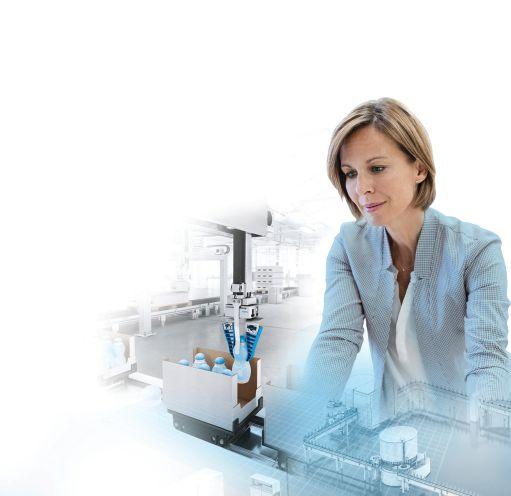
Realize your vision with Festo‘s approach to smart automation for food processing and packaging. Partner with Festo today.
Leadership
SAFETY
According to Ross Evans, also with NewGen Products, safety is another concern during preventative maintenance and repair. Actuators of considerable size may require two people for lifting and moving.
“Imagine being in a plant environment and climbing six flights of stairs to a catwalk to service an actuator. With that kind of weight, what does it take to get your cranes and rigging in place to safely take off the actuator? You have to remove all the pneumatic airlines, disconnect the electrical, and you need a couple hands. There’s a lot of cost and time and risk involved,” explains Evans.
“The alternative is, I can do maintenance on the valve while it is in place, I shut down the unit, tag it out, take off the end cap, inspect the cylinder, remove an O-ring, grease it, and put it back in place. In about 10 minutes per cylinder, we are back and running.”
COST-EFFECTIVE SOLUTION FOR PROCESSORS
Installing actuators that are built to last and require minimal maintenance or repair not only brings significant benefits, but also proves to be more cost-effective in the long run, even if the initial cost of ownership is higher. When multiple actuators are installed in a processing plant, the savings can add up.
“If you put a well designed actuator in one of these demanding applications and rarely have to do any maintenance or replace it very quickly, the total cost of ownership is far less,” says Evans.
“If you can get an extra three or four years of run time on an actuator, you just made up whatever cost difference you had on the initial price,” notes Evans, adding that does not even take into consideration the number one thing that costs the plant money: downtime.
Today, design advancements in high speed, high cycle actuators
make it easier for food, pulp and paper, pharmaceutical, and chemical processors to create high-quality products.
With an actuator specifically designed for reliable and long-lasting performance, processors can reduce costs associated with a labour-intensive manufacturing component that today too often requires frequent maintenance, repairs, and replacement.
Jeff Elliott is a Torrance, Calif.-based technical writer. He has researched and written about industrial technologies and issues for the past 20 years.
WHAT ARE THE BENEFITS OF STEAM STERILIZATION IN
FOOD PROCESSING?
BY EMILY NEWTON
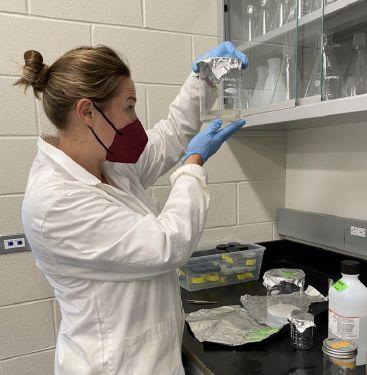
Failing to clean products and equipment properly could endanger consumers and result in costly fines for food manufacturers. Consequently, choosing the right sanitation method is a weighty and often difficult decision. While it may not be the most obvious choice, steam sterilization deserves consideration.
As the name suggests, steam sterilization uses bursts of hot steam to kill bacteria and other contaminants. As straightforward as the concept is, it has many advantages food and beverage companies can’t afford to overlook.
MINIMAL CROSS-CONTAMINATION RISKS
One of steam sterilization’s biggest benefits is that it’s a non-contact cleaning method. Other solutions may involve physically wiping surfaces, but this could transfer contaminants from one surface
to another if the system fails to kill all pathogens. These methods can also transfer allergens from the cleaning products themselves.
Steam sterilization doesn’t involve physical contact with food or food-touching surfaces. Consequently, it cannot transfer contaminants between
food or equipment, ensuring a higher sanitation standard.
The Canadian Food Inspection Agency (CFIA) requires cross-contamination prevention as part of the preventive control plan many food businesses must have and follow by law. In light of this regulation, non-contact cleaning methods like steam sterilization have become far more attractive.
NO HARSH CHEMICALS
Similarly, steam sterilization lets food and beverage companies kill pathogens without chemical cleaners. The temperature of the steam alone is sufficient. This has several positive implications for worker health and ongoing costs.
Removing chemical cleaners from the equation eliminates the risk of workers inhaling hazardous vapours. Similarly, employees don’t have to worry about skin or eye irritation hazards. Even if other cleaners aren’t toxic, they may contain allergens that could affect some workers or customers, but steam cleaning doesn’t carry this risk.
Nonchemical cleaning has the added benefit of reducing the unique materials needed to sanitize products and equipment. Consequently, food manufacturers can lower their ongoing expenses. Even if steam sterilization systems cost more upfront, these savings may make up for those expenses over time.
WHOLE-SURFACE COVERAGE
Steam sterilization also ensures even coverage across the entire cleaning surface. Contact or liquid-based sanitation methods may not be able to reach some corners or seams in equipment or food packages. Steam doesn’t have this problem, as vapours fill the shape of any container. Ensuring even coverage can be challenging in food manufacturing, as cans, bottles and other containers have hard-to-reach edges, curves and corners. Reaching these with a physical cleaning product requires high precision and, likely, slower processing. Even spraying with liquid isn’t ideal, as the spray may splash off surfaces and fail to reach some areas.
Steam doesn’t have any of these restraints. In addition to ensuring more reliable sanitation, this lets manufacturers safely use uniquely shaped food containers without additional cleaning concerns. Custom packaging boosts brand recognition and publicity, offering a competitive advantage.
POTENTIAL FOR AUTOMATION AND CONNECTIVITY
Another advantage of steam sterilization is that it’s easily automated. Handheld, manual steamers are an option, but using a large stationary steam cleaner is typically more efficient and can operate autonomously.
Steam sterilization systems are also fairly straightforward, making them ideal candidates for Internet of Things (IoT) connectivity. IoT sensors can easily monitor these machines’ performance without adding much complexity. This
connectivity minimizes manual data entry for more effective maintenance and efficient cleanliness standard audits.
Automation and connectivity are becoming increasingly crucial to competing amid rising
output demands and declining workforce availability. An easily automatable and connected system like steam sterilization helps manufacturers capitalize on this shift.
ENERGY EFFICIENCY
Steam sterilization doesn’t require much energy. Steam doesn’t leave as much moisture as liquidbased cleaning, minimizing drying requirements. It also works in short bursts, so food producers don’t have to run their cleaning equipment for extended periods.
While it does take energy to create steam hot enough to kill bacteria, there are many ways to supply this power. It’s easily electrified, opening the door to renewable energy or IoT-driven efficiency improvements. The lack of supporting cleanup or finishing processes also reduces overall energy use within the facility.
This efficiency has two primary benefits. First, it reduces utility expenses. Secondly, it makes the factory and the food it produces more sustainable, helping appeal to an increasingly ecoconscious market.
WATER EFFICIENCY
Even as a water-based sanitation method, steam sterilization is water-efficient. It uses up to 95 per cent less water than wet cleaning techniques.
“Steam sterilization’s flexibility helps food and beverage companies stay agile in a quickly shifting market.”
Much of this water efficiency stems from thefact that, as a vapour, steam is much less dense than liquid. Consequently, it takes less water to fill the same amount of space and clean as many surfaces. Steam sanitization also doesn’t require any rinsing, further reducing water consumption.
As with steam sterilization’s energy consumpton, this efficiency has environmental and economic benefits. It also minimizes risks from waterborne contaminants that may be present in wet cleaning methods.
FLEXIBILITY
Steam sterilization is flexible. Manufacturers can produce high-temperature steam with various equipment, power sources and form factors. As a result, it’s easy to tailor steam cleaning to specific facilities’ needs and adapt it as necessary from there.
High-throughput food processors can use con-
tinuously operating steam sterilization equipment over a conveyor belt. Smaller workflows that switch between different products often can use adjustable tabletop sterilizers or handheld steam cleaners for added flexibility. This variety also accommodates varying physical space restrictions and budgets.
Steam sterilization’s flexibility helps food and beverage companies stay agile in a quickly shifting market. As consumer demands change, these systems’ relative simplicity makes it easy to adjust workflows to accommodate production changes.
STEAM STERILIZATION HAS MAY BENEFITS FOR FOOD PROCESSORS
Choosing the best sanitation method involves many complex factors, including health regulations, facility sizes, budgets, and the types of food or containers a company uses. Consequently, the optimal solution varies among businesses, but steam sterilization is an ideal choice for many.
In light of these advantages and rising industry standards, food processors looking for a new sanitation solution should start their search with steam.
Emily Newton covers the need to know information about food processing trends and topics that directly impact Canadian businesses. She enjoys exploring the impact technology has on different industries.
THE DRIVING FORCE
BEHIND CANADA’S
MANUFACTURING FUTURE
Youth
in food and beverage manufacturing
BROUGHT TO YOU BY EMC
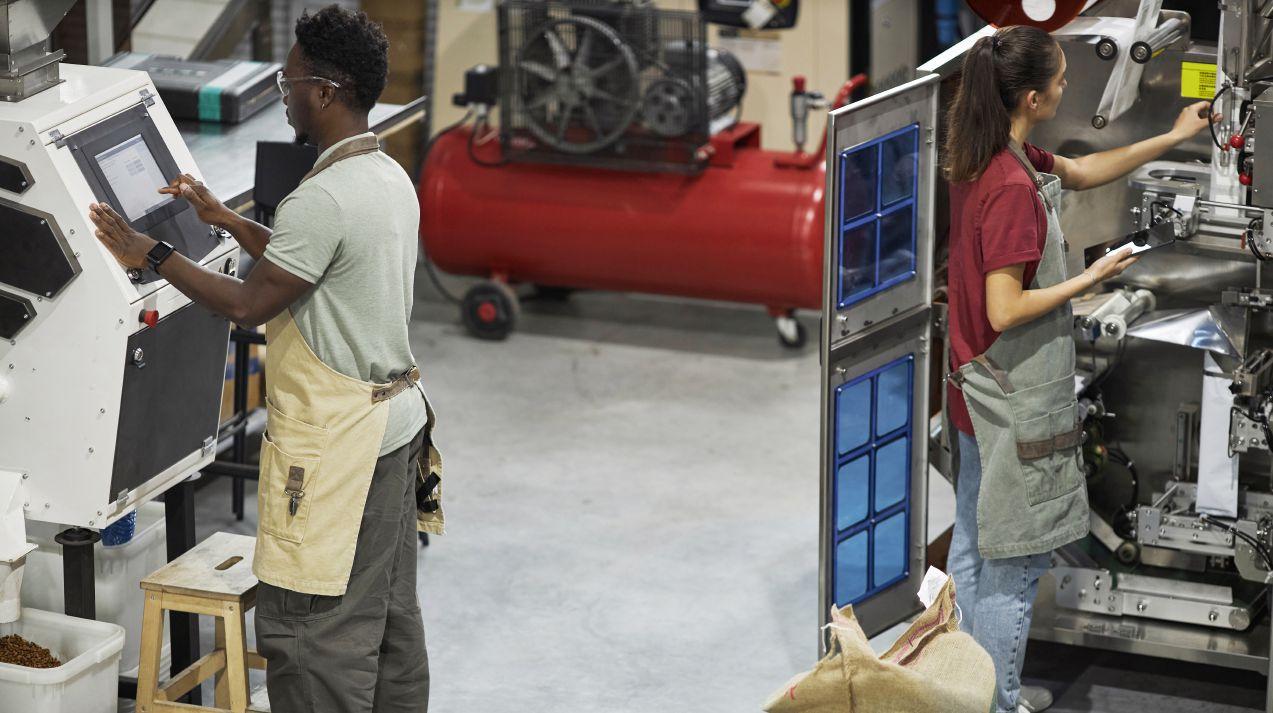
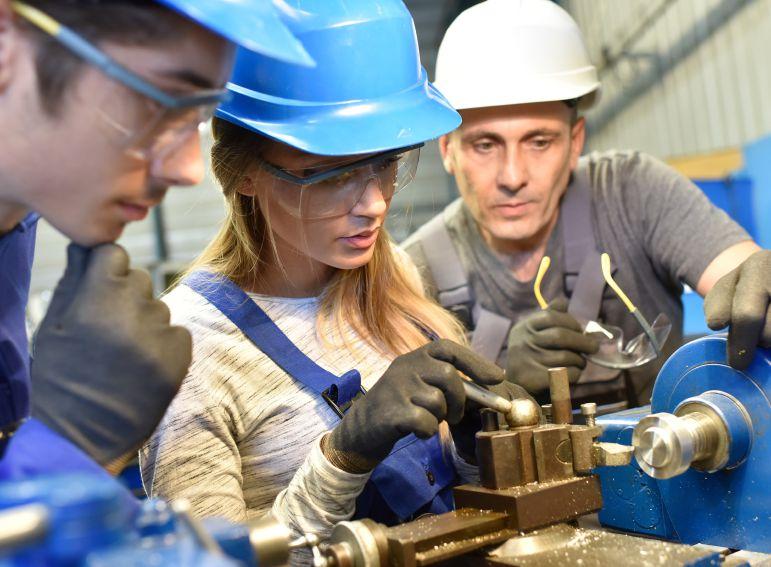
Canada’s food and beverage processing industry, like many other industries in the sector, is going through a transformation. A new wave of energy, innovation and creativity is crucial to driving this change. The force that can help drive this change is our youth - the next generation of thinkers, innovators and leaders. Youth are the catalysts to propel the industry into the newly charted territories of Industry 4.0 and sustainable practices,
especially in the food and beverage processing industry
With food and beverage being one of Canada’s largest manufacturing industries, it is critical that food and beverage manufacturers align with future industry needs by embracing new technologies, fostering and mentoring young talents pursuing careers in food and beverage processing. This will not only help fill employment shortages today but also help propel progress in key areas.
INVESTING IN THE FUTURE OF FOOD & BEVERAGE MANUFACTURING
Both federal and provincial governments are investing in programs to
develop manufacturing skills to ensure a robust workforce for the food and beverage processing industry in the future. For example, with funding from the Government of Cana-
da, Food Processing Skills Canada (FPSC) has offered a program called Achieving Our Workforce Destination: Qualified People, Successful Careers & Competitive Business. The program was designed to enhance the skills and employability of people, as well as improving employers’ capabilities to recruit, onboard, and retain talent. At the provincial level, an example is Food and Beverage Ontario’s CareersNOW! workforce development initiative, which aims to connect jobseekers and students with employers for career opportunities and advancement. In complement, funded programs like EMC’s suite of Work Integrated Learning programs, are targeted to youth and aim to support the next generation of workers with foundational skills training in areas of communication, managing conflict and difficult interactions, effective problem solving and more. These skills are developed at manufacturing facilities alongside work-integrated / on-the-job training for youth. Work integrated learning programs are
designed to introduce today’s youth to viable career options within the sector.
EMC is currently offering two national work integrated learning programs, WILWorks Post Secondary and WILWorks Skilled Trades in Advanced Manufacturing. Recently, EMC launched BC Youth In Manufacturing, for manufacturers in British Columbia, and WILWorks Youth in Manufacturing, for Atlantic Canadian manufacturers. These programs create pathways for youth to enter the manufacturing sector.
By providing students and young professionals with access to work experiences and education in the fundamentals of manufacturing, these initiatives can support a wellrounded workforce of industry professionals capable of driving innovation in today’s global market, both now and in the future. Succession planning in the industry is critical, as retirement is imminent among many of the workers in food and beverage processing. According to research by FPSC, the food
and beverage industry is estimated to require almost 50 per cent of the current workforce between 2023 and 2030.
EMBRACING THE DIGITAL AGE IN FOOD & BEVERAGE MANUFACTURING
In Plant Magazine’s 2023 Advanced
Manufacturing Outlook Report, sponsored by EMC, 89 per cent of companies cite a lack of skilled workforce as a reason for not investing in technology. With their digital savvy, youth can help implement cutting-edge technologies and streamline operations.
Today’s youth are digital natives.
EMPLOYMENT
Digital skills like data analytics, coding, machine learning and cybersecurity are becoming increasingly important in food and beverage processing. Through the Sustainable Canadian Agricultural Partnership (Sustainable CAP), eligible farm and food processing businesses will get help in investing in cutting-edge technologies like IoT, 3D printing, and robotics in manufacturing processes to help streamline operations, increase efficiency and reduce environmental impact. Youth can help spearhead the implementation of these technologies, bringing fresh perspectives and innovative approaches to problem-solving within the food and beverage processing industry.
Encouraging a culture of digital literacy and continuous learning includes:
• Providing opportunities for upskilling and reskilling.
• Fostering a collaborative environment where ideas can be freely shared.
• Encouraging the exploration of new technologies.
In this scenario, youth are uniquely positioned to assist the current workforce in adopting new technologies, helping food and beverage manufacturers overcome the skills gaps that, if left unchecked, will inevitably widen as this transition progresses.
FOSTERING FUTURE LEADERS THROUGH MENTORSHIP
Establishing robust mentorship programs within the food and beverage processing industry can facilitate the transfer of knowledge from seasoned professionals to the leaders of tomorrow. This strategy promotes a culture of continuous learning and growth, ensuring that invaluable industry insights are passed on to the next generation.
I n the rapidly evolving manufacturing world, where technology and innovation are at the forefront, mentorship programs are more vital than ever. These programs bridge skills gaps, foster innovation and enhance employee retention.
EMC recognizes mentorship’s critical role in shaping the manufacturing sector’s future. EMC is actively investing in the next generation of manufacturing leaders by offering mentorship training for employers, helping upskill current employees so organizations can see success in fostering youth’s careers in the broad manufacturing sector. As part of the CareersNOW! workforce development initiative, Food and Beverage Ontario also creates and facilitates mentorship training, specifically for employers in the food and beverage processing industry.
I n summary, the role of young people in shaping the future of food and beverage manufacturing in Canada cannot be underestimated. By empowering them through education, embracing technology, focusing on sustainability and fostering leadership through mentorship, the food and beverage processing industry can ensure a prosperous and innovative future.
EMPOWER THE NEXT GENERATION OF MANUFACTURING LEADERS WITH EMC
• Shape the Future: Collaborate with young talents, infusing your operations with fresh ideas and perspectives.
• Build a Skilled Workforce: Develop the skills and expertise needed for tomorrow’s manufacturing landscape.
• Strengthen Community Ties: Play a pivotal role in creating opportunities for economically disadvantaged individuals, women, and Indigenous youth.
EMC is Canada’s largest manufacturing consortium, connecting manufacturers through community relationships, production, benchmarking and best practice sharing.