PRESIDENT & CEO Scott Jamieson sjamieson@ annexbusinessmedia.com
WWW.MROMAGAZINE.COM/INDUSTRY/FOOD-BEVERAGE/
PRESIDENT
JP Giroux • jp.giroux@emccanada.org
VICE PRESIDENT AND GENERAL MANAGER
Amanda Doman • adoman@emccanada.org
VICE PRESIDENT, MANUFACTURING SECTOR PERFORMANCE
Scott McNeil-Smith • smcneilsmith@emccanada.org
MARKETING & COMMUNICATIONS MANAGER
Tiffany Robbins • trobbins@emccanada.org
HAVING A DIFFICULT TIME WITH YOUR HEALTH & SAFETY PLAN?
5 FOOD AND BEVERAGE NEWS
9 A CLOSER LOOK: 3D-PRINTED SENSORS VS. FOODBORNE PATHOGENS
Researchers in China have developed a 3D-printed microfluidic chip that uses light to detect multiple types of pathogens simultaneously.
12 TO ORILLIA AND BEYOND Known for manufacturing products with 100 per cent recycled materials, film maker EcoPoly Solutions is making a major investment to expand into new markets.
15 HEAT STRESS AFFECTS MANUFACTURING WORKERS
Ensuring that everyone is aware of the danger and seriousness of heat stress is essential to provide a safe workplace.
How to win the war on heat stress
With the warmer weather comes longer sun-filled days full of the simple joys of summer: swimming, barbequing, a vacation (hopefully), and the kids being out of school. But there’s also a potential downside or two (the kids being out of school, perhaps), especially for those working in manufacturing plants. Heat hazards in the workplace may seem like a minor issue, but they can lead to dangerous, even fatal, consequences, because working when it’s hot puts stress on your body’s cooling system. Workers who are exposed to extreme heat for long periods of time are at risk of suffering from heat illnesses like stroke, exhaustion, and dehydration. There’s nothing new, of course, in workers toiling away in hot and onerous conditions but the bad news is, it’s a trend that seems to be accelerating –as companies, food and beverage suppliers among them, increasingly move towards 24-hour operations to hit their production targets, the number of people working in hot environments at odd hours, including night, has increased. In short, this harmful trend won’t be disappearing anytime soon. Which is why it’s well worth your time to head to pg. 15, where EMC takes a deeper dive into the
problems caused by heat stress in the manufacturing world, and offers some solutions. Without spoiling it for you here, suffice it to say that, ultimately, by being proactive in following all the relevant safety guidelines and taking early action with prevention, employers can mitigate the risk of employees suffering from heat-related illnesses and improve productivity overall. And who doesn’t want that?
And speaking of preventing problems, this issue also features an article, beginning on pg. 9, on a new cutting-edge technology that aims to stop the spread of foodborne pathogens by using 3Dprinted microfluidic chips that use light to detect multiple types of pathogens simultaneously. The researchers behind the development of this technology hope to improve screening processes and keep contaminated food out of the hands of consumers, making food-product recalls – which often come too late to prevent a certain percentage of consumers from getting sick – a thing of the past. And, again – especially given the estimated 600 million annual cases of unsafe food poisoning worldwide and the 420,000 annual deaths – who doesn’t want that?
So, on behalf of the MRO team, a happy (and safe) summer to all.
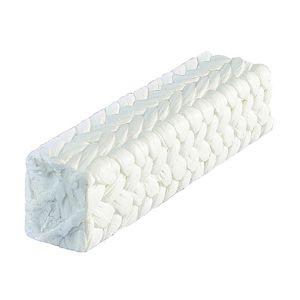
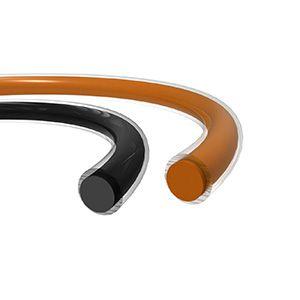
Daemar’s Food & Beverage Seals provide design engineers with toptier performance and compliance. Our wide range of seal styles and elastomers meet and surpass industry standards and stringent government regulations for processing operations. Metal Detectable Seals
CPMA AND WG PARTNERING TO CREATE SUSTAINABLE PRODUCEPACKAGING GUIDELINES
Western Growers (WG) and the Canadian Produce Marketing Association (CPMA) have launched a working group that aims to address the “evolving landscape of packaging requirements” imposed by both governments and retailers throughout North America.
In a CPMA statement, the association noted that dozens of grower associations from across North America convened to discuss the current state of produce packaging and outline goals for the Sustainable Produce Packaging Alignment for North America (SPPA). SPPA will develop unified guidelines for use across the North American fresh produce supply chain, with a target completion date of December 2025.
“Packaging is key to ensuring the quality, affordability, and safety of
NEWS
fresh produce,” said Western Growers president and CEO Dave Puglia.
“Consumers are requesting highquality fresh produce from our growers and changes in packaging. As such, the industry is facing new and aggressive demands from both the public and private sector – demands that are often in conflict with each other, and don’t fully recognize industry realities and progress. The intersection of sustainability with packaging must be addressed for the continued trade with our most important partners and continued availability of nutritious foods for consumers.”
Among the challenges being confronted, WG and the CPMA are engaged on the Environment and Climate Change Canada’s (ECCC) pre-proposal to constrain allowable fresh-produce packaging in Canadian grocery stores. The ECCC is currently advocating for a significant reduction in produce plastic packag-
ing, demanding that 75 per cent of all produce be sold in bulk or non-plastic packaging by 2026, increasing to 95 per cent by 2028.
The SPPA project plans to develop industry-focused analysis, white papers, and web tools on fresh produce packaging technology for U.S. specialty-crop growers; host workshops to educate and align stakeholders; organize technical working group meetings to leverage industry expertise to craft the tools above; and launch a public-facing resource to inform stakeholders on how to use the guide once it becomes available.
INOVATA FOODS PARTNERS WITH SWANDER PACE CAPITAL
Private equity firm Swander Pace Capital (SPC) has made an investment in Inovata Foods, a manufacturer of private label frozen entrées.
Founded by Steve and Lisa Parsons in 1989, Inovata manufactures a diverse range of frozen meals across two facilities in Canada and services customers in both the U.S. and Canada.
“As the demand for premium pri-
vate label meal solutions continues to grow, we see Inovata as the ideal platform to capitalize on these trends,” said Tyler Matlock, SPC’s managing director. “With extensive experience in private label and food manufacturing throughout North America, we believe we are uniquely positioned to help foster Inovata’s growth and leadership position in the industry.”
“I am confident that partnering with SPC will accelerate our capacity expansion plans, enabling us to provide even more quality products to our valued customers,” Steve Parsons said.
Headquartered in Edmonton, Inovata operates manufacturing plants in Kelowna, B.C., and Tillsonburg, Ont.
Inovata represents SPC’s 10th platform investment in Canada. Previous investments include Voortman Cookies, Recochem, Kicking Horse Coffee, Lavo, Pineridge Bakery, and Liberté.
In addition to Inovata, SPC currently partners with Vancouver-based Fine Choice Foods, a manufacturer of Asian-inspired foods, selling under the Summ brand across North Ameri-
ca; and St-Méthode Bakery, a Quebecbased bakery platform.
CANADIAN PROCESSOR LASSONDE
ACQUIRES SPECIALTY FOOD
MANUFACTURER SUMMER GARDEN
Canadian processor Lassonde Industries Inc. has acquired specialty food manufacturer Zidian Group, operators of Boardman, Ohio-based Summer Garden Food Manufacturing. The acquisition is valued at US$235 million, payable at closing. An additional amount of up to US$45 million may be payable over the next three years if certain financial targets and conditions are met.
Summer Garden currently employs approximately 200 people. It develops, manufactures, and markets a range of sauces and condiments, such as tomato and cream-based pasta sauces, BBQ sauces, dipping sauces, and salad dressings. Its product portfolio includes around 250 products sold at more than 20,000 locations under the Gia Russa, Little Italy in the Bronx, and G Hughes brands. Summer Garden also acts as a co-packer
for other brands.
“The acquisition of Summer Garden supports our ambition to become a more diversified North American food and beverage company,” said Nathalie Lassonde, the company’s CEO and board vice-chair. “Growing our specialty food activities is one of Lassonde’s key strategic objectives and we are happy to have found the right company to help us achieve this.”
RESTAURANTS CANADA CALLS FOR REDUCTION IN EI PREMIUMS
The Restaurants Canada ad vocacy organization, along with the Canadian Federation of Independent Business and the Tourism Industry Associa tion of Canada, is urging Can ada’s federal government to lower the employment insur ance (EI) premium rate to 1.58 per cent, for small businesses and their employees, from the current rate of 1.66 per cent.
The call is in response to the
report, “On the Precipice – Help is Needed,” by Ian Lee, PhD, associate professor at Carleton University, which delves into the profound impacts of EI premiums on small businesses.
As restaurants and small business owners navigate an affordability crisis, Restaurants Canada said, the report details the challenges posed by
higher EI premiums amidst unprecedented cost pressures. Bankruptcies among restaurants and accommodations, construction and retail doubled from 2019 to 2024.
“Restaurant operators, representing a $114 billion industry, as the fourth largest private employer, affirmed their commitment to reinvesting gov-
ernment-provided payroll tax relief into their businesses and workforce. This reinvestment would immediately take the form of improved wages, investments in training and development, or expanded hiring efforts,” said Kelly Higginson, president and CEO of Restaurants Canada. “The foodservice industry is a powerhouse employer for Canadian communities and has demonstrated remarkable resilience. The livelihoods of countless employees, especially youth and newcomers, depend on the success of these establishments.”
In 2020, the government necessitated a two-year freeze to EI premiums so that Canadian businesses would not face increased costs while also dealing with additional expenses caused by the COVID-19 pandemic.
“Lower EI premiums will channel more funds into the hands of the significant number of young workers, particularly in accommodation and foodservice roles, who make up a large portion of this industry, and rely on this income to fund their education,” Lee said.
CLEANTECH STARTUP SECURES
$5.8
MILLION
INVESTMENT TO DECARBONIZE FOOD SUPPLY CHAINS
Quebec-based startup Relocalize closed its $5.8 million seed funding round for the second time, raising $1 million more in capital than originally anticipated.
The company deploys microfactories at grocery distribution centres to
produce food and beverages hyperlocally, eliminating 100 per cent of middle-mile transportation and decreasing supply chain risk, they said in a press release.
The investment, spearheaded by Desjardins Capital, will be used to accelerate the development and deployment of Relocalize’s technology platform and deploy full-scale micro-
factories in Canada and the United States, they said.
“Bringing on a capital partner like Desjardins Capital at the seed stage gives our vision for a truck-free future for manufactured foods a huge boost,” said D. Wayne McIntyre, CEO of Relocalize, in a media release. “We’ll be moving quickly to scale up deployments of our first-to-world microfactories with grocery retailers.”
PROTEIN INDUSTRIES CANADA AIMING TO EXPAND USAGE OF CANADIAN LUPIN
Protein Industries Canada is partnering with Lupin Platform, PURIS Holdings, and YOSO Canada to expand the Canadian lupin ecosystem by increasing opportunities for farmers and ingredient processors and bringing new plant-based protein products to market.
The project will see $6.2 million coinvested into the expansion of the lupin value chain to establish the crop as a viable and economically sound choice for Canadian farmers, the organization said in a press release.
Protein Industries Canada will invest $2.6 million, with the partners investing the remainder, to help improve ingredient processors’ access to alternative feedstocks in order to supply consumers and manufacturers with new plant-based protein sources, they said.
Lupin Platform and PURIS will build off their work from a previous Protein Industries Canadasupported project, incorporating YOSO to develop, scale up, and improve new and existing CPG products and ingredients. These include plant-based egg and dairy products, flour and flour-based bakery mixes, and a B2B ready-to-mix powder.
B.C. FOOD AND BEVERAGE SAY
FOOD MANUFACTURERS INCURRING
9.4 PER CENT NET LOSS
Food manufacturers incur a $6.38 loss in net income on a $100 basket of food, said a report and infographic released by B.C. Food and Beverage.
The industry association cit-
ed Statistics Canada data points to show that despite being paid $68.24 by grocery retailers for each $100 basket, expenses including $29.35 in input and supply chain costs, $21.99 in labour, and $23.28 for other costs like utilities, equipment repair, and more, led to this loss of income.
Grocery retailers, meanwhile, are making $4.29 in profit, accounting for additional costs and the markup of products, the infographic said. The report said rising costs associated with operating, skilled labour, and finding appropriate buildings and land represented additional challenges for manufacturers.
The B.C. Food and Beverage report follows on the heels of a December 2023 report from the Centre for Future Work, a Canadian research institute, which found that Canadian grocers were making record profits predicted to be more than $6 billion, up eight per cent year-over-year.
A CLOSER LOOK
3D-printed sensors vs. foodborne pathogens
BY MARK STEPHEN
There’s no way to put a good spin on it: Food-product recalls are a very bad thing. Often caused because of some sort of contamination, a recall has the domino effect of triggering doubts in the minds of consumers about the safety, and then the reliability, of what they eat and drink. And it’s actually worse than that: In many cases, a recall will come too late to keep some people from having already gotten ill, perhaps even fatally so. According to the World Health Organization, “unsafe” food causes 600 million cases and 420,000 deaths annually, with at least a third occurring in children under 5
years of age. Pregnant women and older adults, in particular, are extremely susceptible to serious consequences. And there’s an economic cost, too.
For example, the Economic Research Service, which is a part of the United
States Department of Agriculture, estimates that foodborne illnesses caused by pathogens such as salmonella, toxoplasma gondii, listeria monocytogenes, norovirus, and campylobacter cost the American economy alone ap-
proximately US$15.5 billion annually. This enormous economic burden is associated with medical expenses and the loss of production from workers being unable to work due to the effects of food poisoning.
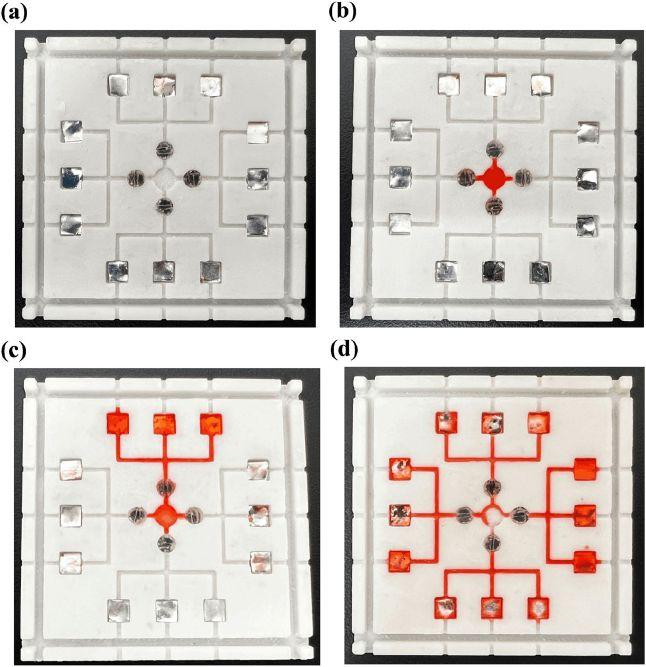
Researchers have created a chip with four distinct regions, capable of rapidly testing for the presence of multiple pathogens simultaneously. (a)
Initial picture of the detection platform with the detection chip placed in the sensing area. (b) All four shut-valves are in operation, adding liquid to the liquid addition port. (c) Close one of the shut-valves and the liquid flows toward the sensing area. (d) Close all shut-valves and fluid flows to the perimeter sensing area.
EXISTING TECHNOLOGIES FALL SHORT
Finding contaminating pathogens is no easy task, and much of the problem stems from the tools available to screen for harmful pathogens – even the best detection methods of the modern era are often not effective enough at protecting the public. But now, researchers from Guangdong University of Technology,
QR CODE
in Guangdong, China, and Pudong New District People’s Hospital have developed a new method for detecting foodborne pathogens that’s said to be faster, cheaper, and more effective than existing methods. The researchers hope their technique can improve screening processes and keep contaminated food out of the hands of consumers. Try it!
“Detecting these pathogens is challenging due to their diverse nature and the various environments in which they can thrive,” said research team member Silu Feng. “Additionally, low concentrations of pathogens in large food samples, the presence of similar non-pathogenic organisms, and the complex nature of different food types make accurate and rapid detection difficult.”
Existing detection methods – such as cell culture and DNA sequencing – do exist but are challenging to employ at large scales; not every batch of food can be thoroughly tested, so some contaminants inevitably slip through. “Overall, these methods face limitations such as lengthy result times, the need for specialized equipment and trained personnel, and challenges in detecting multiple pathogens simultaneously,” Feng said.
{ Foodborne illnesses caused by pathogens such as salmonella, toxoplasma gondii, listeria monocytogenes, norovirus, and campylobacter cost the American economy alone approximately US$15.5 billion annually.
A NEW APPROACH
The Guangdong University researchers took a new approach: they designed a microfluidic chip that uses light to detect multiple types of pathogens simultaneously. The added benefit is that the chip is created using 3D printing, which makes it easy and cost-effective to fabricate in large amounts and modify to target specific pathogens. The chip is split into four sections, each of which has three sensors, with each sensor having a layer of a nanopore thin film as the sensing element. The detection is based on observing optical signal shifts corresponding to the concentrations of the different foodborne pathogens
– if that pathogen is present in the sample, it will bind to a detection surface and change its optical properties. This arrangement lets the researchers detect several common bacteria – such as E. coli., salmonella, listeria, and S. aureus – quickly and at concentrations that are significantly lower than the concentration that can cause illness. “This method can quickly and effectively detect multiple different pathogens, and the detection results are easy to interpret, significantly improving detection efficiency,” Feng said.
The team plans to continue developing their device to make it even more applicable for food screening.
Innovate today for a new tomorrow
Realize your vision with Festo‘s approach to smart automation for food processing and packaging. Partner with Festo today.
Industry Leadership
Superior Quality Products
Global Training & Support
www.festo.ca
TO ORILLIA AND BEYOND
BY MARK STEPHEN
In the latest chapter in what’s becoming a genuine Canadian success story, EcoPoly Solutions Inc., an Orillia, Ont.-based film maker known for its 100 per cent recycled raw material products, is investing $32 million to enhance its manufacturing plant and create almost 90 new jobs.
Said to be the first full-service plastics laboratory and manufacturing facility in the world, EcoPoly Solutions uses an in-house plastics recycling system to produce biodegradable plastic products, from bread bags to poly tubes, for a range of industries.
It produces agricultural film, can liners, and food and industrial packaging products.
Demand for its products has been growing in recent years and, according to Kristan Rynard, the company’s chief sales officer, EcoPoly Solutions will use the investment to acquire new equipment and automation with a goal of increasing production capacity and competitiveness in the North American market. “We’ve already implemented enhancement with new research, new equipment, new employees, new products, and product relaunches,” she said.
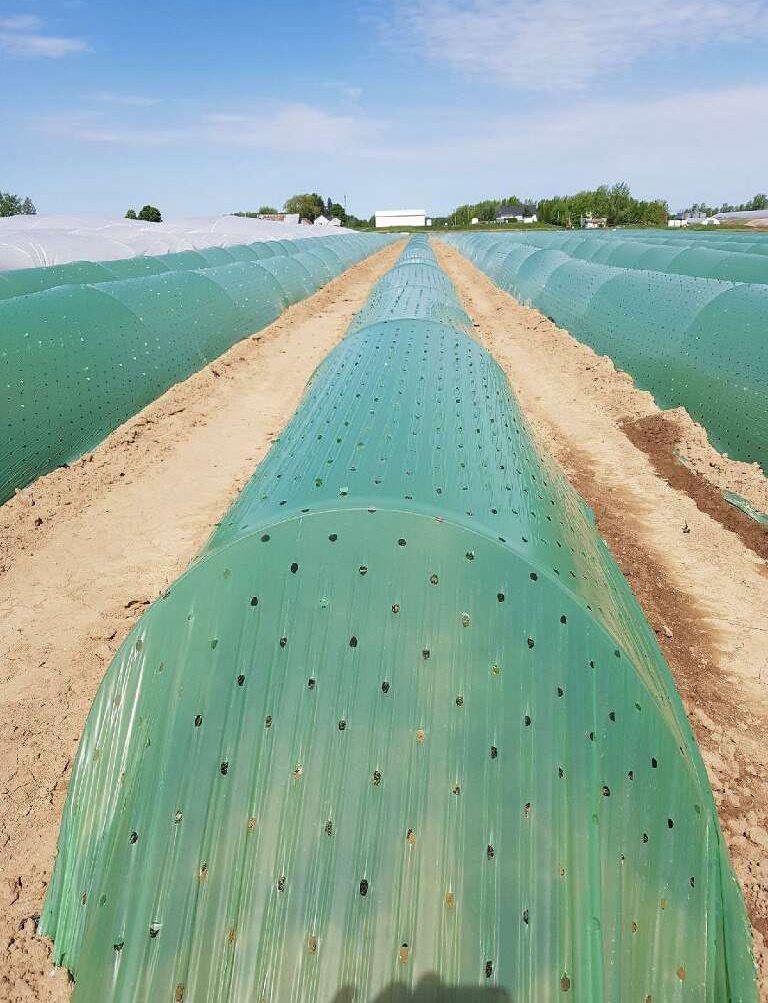
Right: EcoPoly Solutions’s co-extruded polyethylene low tunnel films protect crops against aggressive climate change and insects, maintain high plant and root temperatures, and minimize day and night temperature fluctuation.
In support of this most recent investment, the province of Ontario is providing more than $3.5 million in funding through the Southwestern Ontario Development Fund (SWODF) of the Regional Development Program, which is meant to help manufacturers in Ontario grow. And the SWODF funding comes on the heels of a $5 million investment in EcoPoly Solutions made by the federal government in September 2023, to help add 50 new jobs and boost its production capabilities.
Add it all up and it’s no wonder the innovative firm feels ready to conquer new markets.
ENVIRONMENTALLY FRIENDLY ROOTS
EcoPoly Solutions – which operates out of four plants, with several hundred employees – has roots that go back to 1991, with the founding of Polyethics Industries, which specialized in manufacturing polyethylene (PE) film and bags from 100 per cent recycled materials for the consumer and industrial markets. “Polyethics was started with a singular objective: to utilize 100 per cent recycled material to produce high-quality garbage bags,” Kristan Rynard said. This is the norm for the industry today, she noted, but Polyethics was the first manufacturer to do this – and took it several steps further. “We are the first manufacturer to use 100 per cent recycled material to create 100
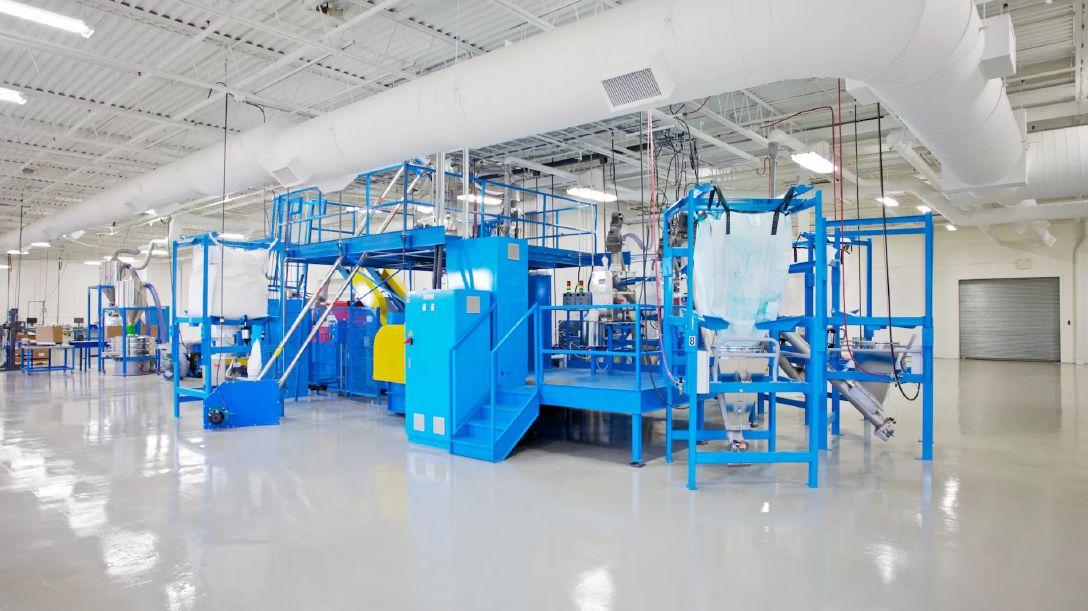
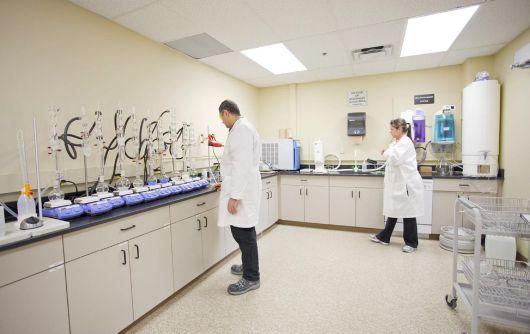
On the EcoPoly Solutions shop floor (above) and inside the testing facility (right).
per cent degradable products, and we did it while keeping our prices competitive and without sacrificing performance,” she said. “Starting from scratch, here in Orillia, we have become competitive globally.”
In 2001, the founder of Polyethics, Tony Gulmen, sold his company to Derek Rynard. “Tony looked for three things in a buyer: to maintain the vision of sustainable manufacturing, to keep jobs in Orillia, and a big heart,” Kristan Rynard said. Fast-forward to 2008 and the EcoPoly Solutions subsidiary was created, dedicated to research and development and with a laboratory in Newmarket, Ont. “Under EcoPoly Solutions, we specialize in manufacturing and developing environmentally friendly PE film and bags,” Kristan Rynard said. “Our products offer a sustainable solution without compromising on quality, enabling us to contribute to the sustainability of our planet.” EcoPoly Solutions’s offerings include industrial garbage bags for the hospitality and waste management industries; retail garbage bags, including private labels and multiple brands of their own; food packaging, including produce rolls and pound bags; additives, including the proprietary OxoElite degradable plastic additives and the EcoElite line of compostable resins; and agricultural plastics, including a wide range of biodegradable agricultural mulch films long coveted by farmers around the world.
EcoPoly Solutions has long-standing relationships with multiple universities across Canada and the U.S. In 2013, the firm partnered with Orillia’s Lakehead University, through a research col-
laboration made possible by the Ontario Centres of Excellence, with Lakehead students working in EcoPoly Solutions’s lab and the university creating a 100-foot by 100-foot trial farm at the campus to test agricultural products. “We wanted our community to be included in our journey to sustainable farming,” Kristan Rynard said. “In total, we’ve developed thousands of formulations for agricultural mulch film and have expanded
{“We are the first manufacturer to use 100 per cent recycled material to create 100 per cent degradable products, and we did it while keeping our prices competitive and without sacrificing performance.”
our reach globally, giving growers sustainable alternatives to conventional plastic. We offer everything from degradable mulch films to conventional mulch films that control weed growth and improve root development for organic farms; to low tunnel films, made from co-extruded PE, that protect crops against aggressive climate change and insects, maintain high plant and root temperatures, and minimize day and night temperature fluctuation.”
THE ROAD AHEAD
Now, armed with new funding and its own investment resources, EcoPoly Solutions has set some targets to achieve in the short- and longterm. “First, we’re continuously investing in R&D to stay at the forefront of innovation,” Kristan Rynard said. “We’re also actively pursuing opportunities to expand our market presence both domestically and internationally, including entering new markets where our sustainable solutions can have a significant impact; exploring strategic partnerships and collaborations that can help us expand our reach and bring our products to new customers; and optimizing our supply chain, production, and distribution, so we can increase efficiency, reduce costs, and enhance the overall customer experience.”
Overall, she said, the plan is to ensure sustainable growth and profitability while maintaining what she calls EcoPoly Solutions’s core values of ethical and responsible practices. “We prioritize ethical practices in material sourcing and manufacturing, recognizing the paramount importance of environmental consciousness in today’s market,” she said. “In an era where environmental concerns resonate deeply with consumers, retailers, distributors, and manufacturers alike, our commitment to sustainability stands as a cornerstone of our ethos.”
HEAT STRESS AFFECTS MANUFACTURING WORKERS
When temperatures rise, we think of workers on rooftops or black asphalt as being most vulnerable to heat stress problems, but indoor workers are not immune. Manufacturing companies that have workers inside buildings and/or outdoors need to be aware of the factors that contribute to heat stress, how to recognize heat-related physical symptoms, and how to prevent heat stress from escalating.
According to a Statistics Canada Health Report, “short- and long-term heat exposure can lead to a variety of heat-related illnesses and outcomes, including heatstroke, exhaustion, dehydration and hospitalization resulting from respiratory and cardiovascular diseases.”
MULTIPLE FACTORS CONTRIBUTE TO INDOOR HEAT STRESS
Heat stress isn’t only a concern for people who are exposed to direct sunlight. Several contributors present at indoor manufacturing facilities can increase the risk of heat stress:
• Heat-generating machinery. A machine doesn’t have to be a blast furnace to generate heat. Everything from computers to conveyors gives off radiant heat which can affect nearby workers.
• Heavy or non-breathable extra clothing or protective equipment. The advice
to prevent overheating often includes wearing loose, light, breathable clothing. However, in many industrial environments, safety regulations require that workers wear heavy clothing or protective gear like overalls, certain types of respirators, and hard hats. This additional clothing and equipment must be factored in when determining the risk of heat stress in a manufacturing environment.
• Movement/exertion. Whether a person is sitting or standing, taking a few steps or moving quickly, carrying nothing or hauling heavy items all make a difference. Activity adds up to increase the effects of heat stress.
• Lack of adequate ventilation and cooling. One problem with extreme temperatures is that they can stress a building’s HVAC (heating, ventilation and air conditioning) system to the point where it can’t keep up and maintain a comfortable indoor temperature. In some cases, the indoor environment
must be temperature-controlled to suit a product, leaving worker comfort as a lower priority. In these instances, additional measures need to be taken to prevent heat stress and ensure worker safety.
• Acclimatization to heat. The human body is capable of adapting to heat to a certain extent, so the first week or two of hot conditions may result in more heat stress than after acclimatization has occurred. Ideally, exposure to the hot environment would be gradual. Acclimatization is especially important for new workers who may not have experience adjusting to heat stress.
• General health and recent illnesses. People who have underlying risk factors will be more susceptible to heat stress than other workers. Previous heat stress issues and illnesses may also leave a person less resilient to heat stress conditions.
TEAMWORK IS NEEDED TO RECOGNIZE SIGNS AND PREVENT HEAT STRESS ESCALATION
One of the dangerous aspects of heat stress is that people can’t always recognize their own symptoms. Co-workers and managers need to be trained to look for and recognize signs and symptoms in order to keep everyone safe. Identifying heat stress early, before it escalates to heat exhaustion or heat stroke, is imperative.
Signs to look for include the following:
• Sweating is an effective way for the body to cool itself, but excessive sweating can cause dehydration. Resting in a cooler environment, along with fluid and electrolyte replacement can help prevent heat stress symptoms from escalating.
• Dizziness, headaches, and weakness are more serious signs that can signal heat exhaustion. Any signs of heat exhaustion must be taken very seriously, and treated immediately to prevent heat stroke.
• Lack of sweating, confusion and irrational behavior are serious signs of heat stroke that require urgent medical attention.
TRAINING, MONITORING, AND PREVENTION ARE ESSENTIAL TO AVOID HEAT ISSUES
Occupational Health and Safety agencies in the different jurisdictions in Canada have legislation that covers the duty of employers to ensure that the health and safety of their workers is protected while they are working. Monitoring the actual temperature in areas where people will be working is an important step in preventing heat stress issues. To help reduce heat in the physical environment, the following tactics can be deployed where applicable:
• Increasing ventilation
• Using cooling fans
• Implementing misting fans
• Installing local exhaust ventilation at high heat points
• Placing reflective shields to redirect radiant heat
Ensuring that everyone is aware of the danger and seriousness of heat stress is also essential to provide a safe workplace. Providing daily reminders to workers about preventing heat stress issues, and the importance of health and safety during a heat wave, is good practice.
Administrative controls recommended by the CCOHS include:
• Allowing a sufficient acclimatization period; shortening exposure time and increasing the frequency of rest breaks as the risk of heat stress escalates
• Providing cool (air-conditioned) rest areas and cool drinking water
• Shifting work schedules and allowing workers to set their own pace where practical
Providing training and implementing heat stress safety measures are necessary for a safe working environment. For more information about heat stress training, see the Heat Stress Awareness options offered by EMC.
EMC is Canada’s largest manufacturing consortium, connecting manufacturers through community relationships, production, benchmarking, and best practice sharing.