FOOD BEVERAGE
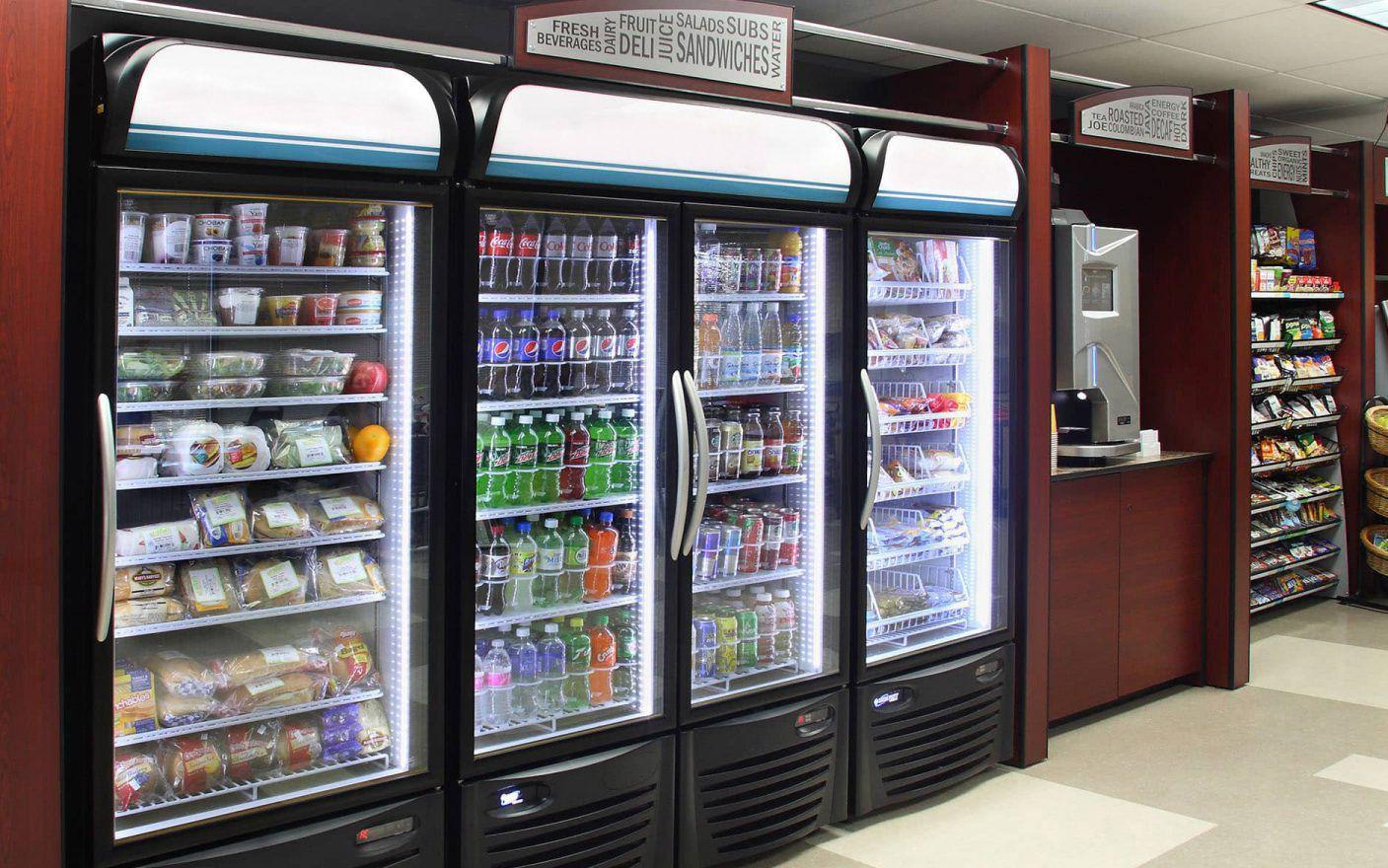




The food and beverage industry is all around us. From going to the grocery store, to the local coffee shop, restaurant or bar, down to getting a bottle of water at the gas station.
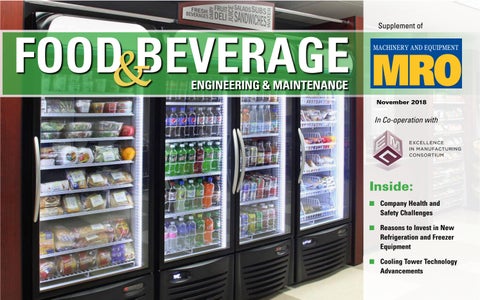
As such, in this issue, we also cover health and safety as well as reasons to get new refrigeration and freezer equipment, to make sure that companies are as safe as possible. Cooling tower advancements and events recently hosted by EMC are also covered.
First, we look at the challenges that companies face in terms of health and safety. Jennifer Elliott points out that every job has its hazards even if it seems to have a safe environment. Company Health and Safety Challenges can be seen on page 4.
We also look at how a soy sauce producer optimized its operational efficiencies by using engineered plastic cooling technology. Cooling Tower Advancements can be seen on page 7.
The retail food industry is very reliant on refrigerating and freezing food to make sure it is safe to consume, and stays as fresh as possible. To that end, investing in refrigeration and freezer equipment is of utmost importance. Five Reasons to Invest in New Refrigeration or Freezer equipment is on page 12.
Finally, EMC takes a look at its Strategic Interest Group events that took place recently, as well as its ManufacturingGPS Labour Market Information initiative.


To find out more information about EMC, go to page 14. As always, those who have any questions, comments, or suggestions, please do not hesitate to contact me at mcywinski@annexbusinessmedia.com.
Good day.
Mario Cywinski, Editor
Every job has its hazards no matter how safe the environment may appear.
BY JENNIFER ELLIOTT
In Canada, one of the primary purposes of the Occupational Health and Safety Act (OHSA) is to facilitate a strong internal responsibility system (IRS) where everyone in an organization, from employer to employee, has a role in identifying workplace hazards and engaging in processes that help minimize and manage risks. Since employers have the most authority in an organization, they have the greatest responsibility, so the focus of any organization’s leaders and managers needs to be on how they integrate health and safety into their everyday practices. This is accomplished by communicating clearly the organization’s commitment to workplace health and safety, by being good role models (and practicing
what they preach, engaging industry best practices on a day-to-day basis) and by working diligently to create conditions that foster a safe and healthy workplace and a supportive work environment.
That said, in the high-paced pressurized culture that is the food-and-beverage industry, there is a fair share of challenges. In my experience as a multi-unit quickservice restaurant (QSR) operator and leader of restaurant operations, the biggest of these is educating and empowering new and young workers (who studies show are four times more likely to get hurt in their first month on the job than at any other time). Having these impressionable workers participate in general health and safety awareness training is key to helping them understand their rights and responsibilities around workplace hazards. As is strongly encouraging them to put what they learn into practice on the job, even in the early days.
Ensuring these workers have received adequate training to
operate any equipment they’ll be using, from knives to coffee brewers to ovens and fryers, and instilling in them their legal responsibility to report any hazards to supervisors right away is essential. New and young workers should be encouraged to exercise their right to participate in health and safety in the workplace, by asking questions when they are not sure and by volunteering to become a worker health and safety representative. In addition to their rights, reinforcing awareness among new employees of their legal responsibilities around health and safety is another great way to reduce risk. Taking time to ensure new and young workers know where to find ladders, firstaid kits and the emergency plan, as well as information on hazardous materials and the company health and safety policy also helps mitigate the challenges around them being new to the organization and the work.
Perhaps the second biggest challenge around the implementation

of health and safety inspections in the workplace is being able to provide the appropriate amount of time to complete the before, during and after duties related to monthly inspections. Making sure the health and safety representatives have resources they need to do a good and thorough job with inspections is essential to the success of these
programs, and ensuring a safe and healthy workplace. Therefore, budgeting not only the time but also the funds to support them being scheduled to prepare, attend and follow-up on meetings and to perform proper walkthroughs of the facility (to observe, ask questions, to examine and communicate findings) is vital.
While inspection checklists help us standardize the walkthrough process, sticking to these checklists may present a challenge to the success of health and safety inspections and programs if such lists prevent us from seeing new hazards. Regular inspections should allow health and safety representatives time for thoughtful discussions around their observations, during the inspection itself but also outside of the walkthrough. It’s important for organizations to work diligently

to create an environment where both workers and company leaders feel comfortable expressing their concerns, especially around less obvious workplace hazards (workplace violence, sexual harassment, workload demands, intensity and pace, respect and flexibility). The key is to use checklists as guides, not as the only format to follow for the inspection, and to keep minds (and ears) open and alert for less obvious hazards and to watch for new items that are not on the checklist and add as needed.
While new and young workers make the top of this list of challenges around workplace health and safety, it’s important not to turn a blind eye to the more seasoned workers in your midst. Some of my longest serving employees have been found out of compliance
especially when it comes to the day-to-day elements of health and safety programs like using proper company-issued personal protective equipment (PPE), like cut-resistant gloves, or putting up a wet floor sign immediately after a spill. While some of these health and safety issues may seem trivial, they are not, and leaders must work tirelessly to remind long-time workers to follow proper protocol in managing
workplace hazards, big and small.
Jennifer Elliott is a writer and parttime Professor with the School of Hospitality, Tourism and Culinary Arts at Centennial College in Toronto. Elliott blends her teaching and writing with her full-time work in QSR operations with Tim Hortons. She may be reached at jenniferelliottcropper@gmail.com.

Soy sauce producer optimizes operational efficiencies with engineered plastic cooling tower technology.
BY ED SULLIVAN
If you can’t stand the heat, than an industrial food-processing kitchen is not the place for you. For most food manufacturers, heat is not only essential to the operation, but also ensures consistent product quality and safety. However, in order to keep the process steaming along, it is just as important to control the heat with proper cooling techniques.
Whether applied to heat exchangers or other chilling and cooling systems, dependable and efficient cooling towers are essential to the
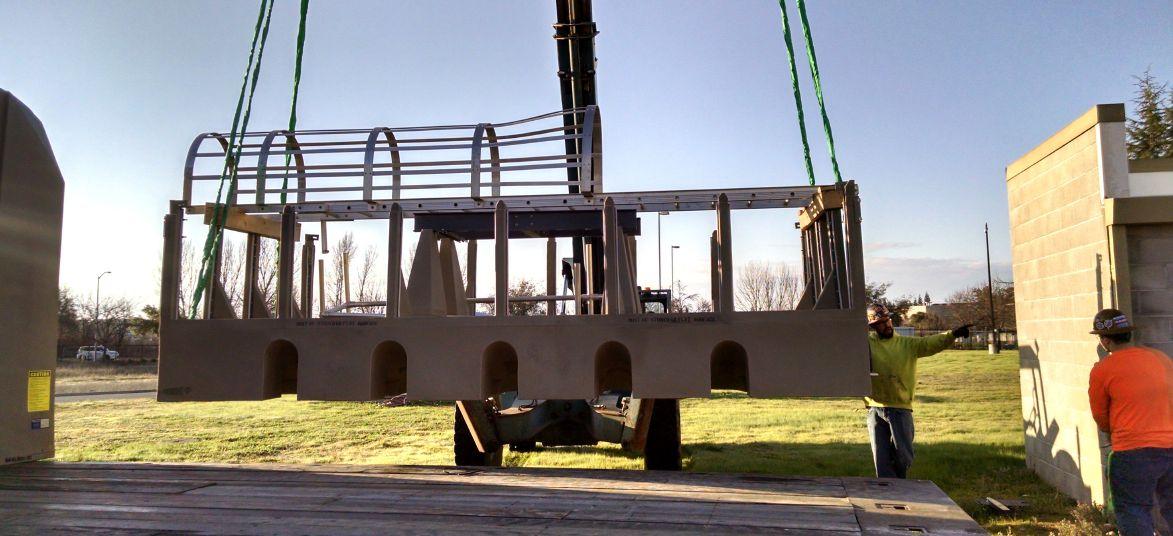
cooling process. If these systems are not operating effectively, the entire operation can be interrupted by unscheduled downtime resulting in costly production losses and delayed shipments. When it comes to dependable performance and minimized maintenance, factory-assembled cooling towers made with
engineered plastics, continue to gain favour over the galvanized models that are predominant in food processing today.
Just as plastics have overtaken metal in industries ranging from automotive to aerospace, plastic cooling towers have become increasingly popular for food processing applications.
These models are impervious to problems such as corrosion that plague metal cooling towers and require untimely repair or replacement.
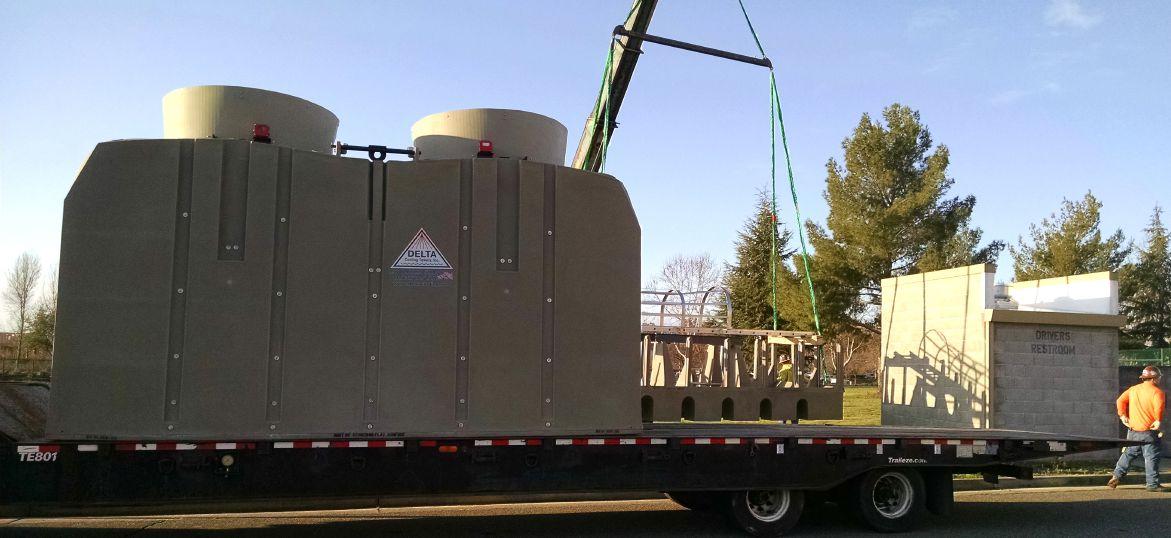
This was a concern of maintenance engineers at a California processing facility for a soy sauce producer, where a cooling tower is used to cool the process water that runs through
heat exchangers to cool the soy sauce after brewing is completed.
Due to the leaks and excessive scaling that were occurring on the tower’s metal-clad basin, the plant decided recently that it was overdue for a cooling tower replacement.
“This was a traditional galvanized sheet metal-lined tower that was on its last legs,” says Jonathan Reimer, millwright and general foreman, HMI Industrial Contractors. “The tower was at the end of its practical service life due to rusted-out perforations surrounding the basin.”
In the past when considering a replacement cooling tower many users simply swapped-out the old model with an identical new one. Reimer says that today it is more likely that users will consider an array of cooling tower options that use advanced technologies or design features that can extend the service life of replacement units considerably.
“They wanted a replacement
cooling tower that would be more efficient and durable,” said Reimer. “So, when HMI proposed an HDPE (high-density polyethylene) model, it became obvious that this technology could provide a longer service life and operate more efficiently.”
design would allow capacity to increase at the plant by simply adding another unit into the formation. The design is also available in single unit capacities from 250 to 2,500 cooling
will survive the test of time.
“Looking at the warranty alone is very compelling,” said Reimer. “Most galvanized metal-clad towers won’t last much longer than five years without extensive maintenance, and accompanying downtime.”
industrial gasses or even salty sea air.
“Most galvanized metal-clad towers won’t last much longer than five years without extensive maintenance, and accompanying downtime.”
Reimer summarized the benefits resulting from the HDPE cooling tower design as “ease of everything,” meaning not just ease of operation, but also ease of upkeep, ease of maintaining chemical balance, and even ease of tower installation, which took just one day. Of significant importance to the food processor was that the specific cooling towers used are designed to be modular, which enables the isolation of cells for operational flexibility.
In addition, with configurations from one to six units, the modular
tons. The new replacement towers selected by the food processing facility have a cooling capacity of up to 820 tons in an induced draft, counter flow design.
When users upgrade their cooling towers from galvanized metal designs, some may consider the much more costly stainless steel models. However, even stainless steel does not stand up to the elements like HDPE. In fact, some manufacturers offer a 20year warranty on the engineered plastic shell as proof the design
The underlying advantage of HDPE plastic is that it’s impervious to corrosive and caustic elements, necessary water treatment chemicals, and harsh environments containing
Among the other features of the HDPE cooling tower solution that were important to the food processor were the direct drive fan system (no drive belts that require additional maintenance) and totally enclosed motors with variable frequency drives (VFD).
“Many cooling towers have fans
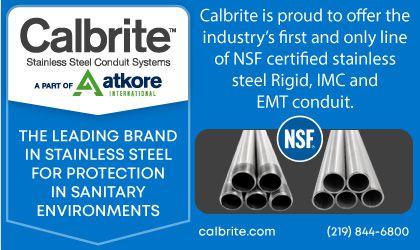
that run all the time at one speed, consuming a lot of energy,” said Reimer. “But the new towers have automated controls on the VFD. So on cooler days, when the outside temperature is 60 degrees or less, the fans don’t operate at all – they basically go into a sleep mode. At other times the speed of the fans vary according to conditions. This provides the opportunity for a huge reduction in energy use. This is of great importance to virtually any user.”
The new HDPE cooling tower installation met the soy sauce manufacturer’s original objectives, and they expect the new reliable and economic performance of the towers to pay dividends far into the future.
Article and photos provided by Delta Cooling Towers, Inc. Written by Ed Sullivan, freelance writer with over 30 years of expertise in the mechanical engineering, HVAC, and process cooling industries.
» SKF EasyPull mechanical puller TMMA series
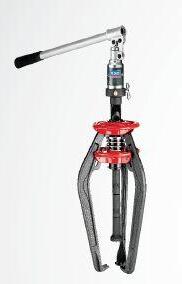
The patented SKF EasyPull is one of the most user-friendly and safe tools on the market. The series is equipped with spring-operated arms and a solid design.
Avoid damaging the shaft with improper removal techniques, the TMMA series will assist you in the secure way to remove your bearings.
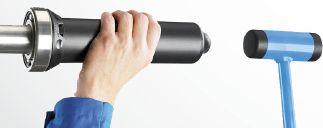
» Bearing fitting kits TMFT Series
Poor fitting, usually using brute force, accounts for 16% of premature bearing failures. SKF’s TMFT Bearing Fitting Tool Kits are designed for quick and precise mounting of bearings, while minimising the risk of bearing damage.
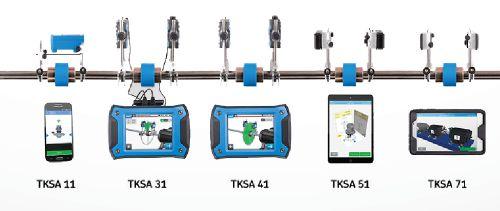
» Shaft Alignment Tool TKSA Series
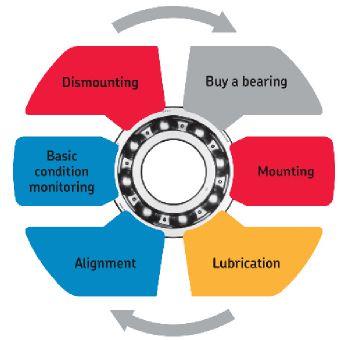
By applying the right maintenance practices and using the correct tools in all stages of the bearing life cycle, you can considerably extend your bearing’s service life and thereby increase plant productivity and efficiency. More
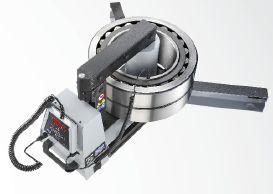
» SKF Portable Induction Heater TIH series
The TIH series combines high heating capacity with portability. Heat is used to expand the bearings inner ring before placing on the shaft, as the bearing cools a stronger interference fit is the result.
goo.gl/TOSupQ
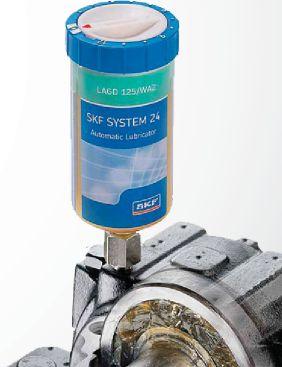
» SKF SYSTEM 24 Single Point Automatic Lubrication
The TKSA Series are easy to use laser alignment solutions for achieving accurate shaft alignments. With two wireless measurement units, large sized detectors and powerful lasers, the instrument performs in even the most challenging conditions.
Continuously delivers precisely measured amounts of lubricant to desired points via a gas-driven pump.
It is ideal for lubrication points difficult or unsafe to reach manually, or where there are a large number of lubrication points where manual greasing would be less effective.
goo.gl/1gpzZZ
BY RANDY SKYBA
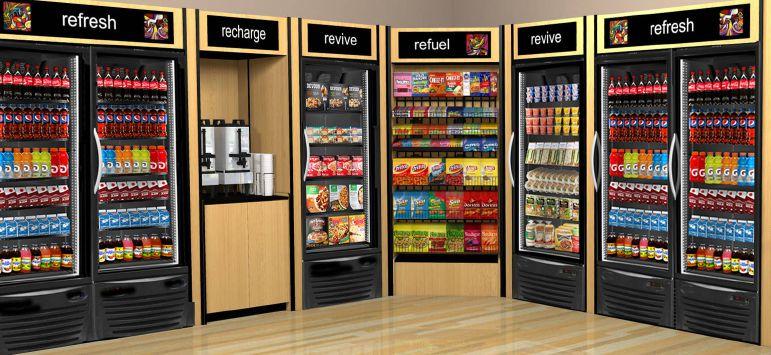
Refrigerated or freezer merchandisers are a central part of any retail food business and given the cost of replacement it’s tempting to keep them operating for as long as possible. A reliable system of monitoring, maintaining and repairing units will mitigate largescale breakdowns, particularly if older units are replaced on a regular basis. Ten years is a good lifespan for a high-quality commercial refrigerator
or freezer, but a high traffic operation that runs 18 hours a day with doors opening and closing many times puts high recovery demands on compressors. The physical cabinets and interiors can take a beating as well. Planning to replace in year eight or nine is prudent as you don’t want a total system failure , which can be expensive (with lost product sales in a busy retail operation).
While proactive maintenance can go a long way to protecting your
investment, there are other important reasons to consider upgrading. A key aspect is the lifetime cost of ownership (LCO), which captures the notion that upgrading depends on several factors, not simply comparing the cost of repairing versus replacing. To fully grasp what new equipment will
mean to your business look beyond at marketing, reliability, food safety and industry trends, all of which affect the bottom line.
Food waste is a huge issue today for producers, consumers and the
restaurant industry. An estimated 40 per cent of all food produced thrown out. For retailers, a single catastrophic failure can cause thousands of dollars in product loss. Preventing spoilage depends on being able to monitor and maintain stable temperatures, helped by technologies such as fully-integrated smart monitors that automatically lock doors and prevent sales when a high temperature threshold is reached. Considering the cost of malfunctioning equipment in lost sales, repairs, labour and downtime, not to mention the reputation damage that a food emergency causes, investing in high quality freezers and refrigerators is of critical importance to any retail operation.
ENERGY EFFICIENCY
IMPROVEMENTS
Freezers are among the top energy-
consuming appliances with new efficiency standards being introduced on a regular basis. Environmental standards enacted in 2017 reduced energy consumption by 50 per cent and the banning of greenhouse gas emitting refrigerants like R404A and CFCs has brought the industry into a new greener era. Investing in state-of-the-art equipment can be offset by energy cost savings, particularly when purchasing from a reputable company with a proven track record of exceeding efficiency requirements.
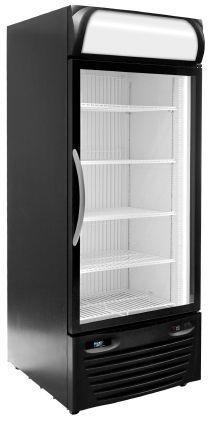
of assets has reached a point where more than 10 per cent of the total units require high dollar repairs within a 12-month period, it might be time to consider retiring older merchandisers within the fleet. This rotation cycle will ensure that your newest units never exceed the 10-year mark in service, a reasonable life span for this equipment.
Like cars, as commercial freezers age their repair costs rise. If your fleet
This rotation cycle will ensure that your newest units never exceed the 10-year mark in service, which is a reasonable life span for this equipment.
Bright, modern merchandisers help to sell your product, and older, tired-looking or damaged units can negatively impact sales. In addition, graphic design options offer ways to improve brand visibility and communicate special offers to customers to boost sales.
The introduction of LED lighting, which can be up to 85 per cent more efficient than incandescent or fluorescent bulbs, helps showcase
products while reducing costs. LEDs operate better in cold temperatures, last longer, and give off less heat.
The food industry changes at a rapid pace, and new product lines, along with entirely new product categories emerge on a regular basis. Many frozen brands are capitalizing on on-the-go meals that are easy on the wallet, convenient, produce less food waste and are available in many smart healthy eating options. Staying on top of food trends, whether they’re driven by health concerns, immigration, changing demographics or celebrity endorsements, means that investing in new freezer technologies and visually striking merchandisers can help promote new product offerings and be a key driver for success.
Article and photos provided by Minus Forty. It is attributed to Randy Skyba, who is the Vice-President of Sales and Marketing for Minus Forty.

The best part about sitting down with your peers is recognizing that the challenges you face are not necessarily unique to your company. Others are facing the same hurdles and are constantly looking at means in which to improve or enhance the systems they currently have in place. The strength of peer networking should never be underestimated; together we become a much stronger force than standing alone. Excellence In Manufacturing Consortium (EMC), a not-for-profit association of manufacturers of all sizes and sectors from across Canada, focusing on enabling competitiveness in industry, was founded on that same principle over 25 years ago. It first brought manufacturers together to solve common issues that were costly and challenging to do on our own, such as

attracting key trainers to the region.
Over the years throughout over 60 consortiums, we have embraced a breadth of sector and non-sector specific topics and built knowledge in key function areas: maintenance, human resources, health and safety, and senior management. We share best practices, benchmark with each
other, learn from peer challenges, discuss potential resolutions, applaud continuous improvement, process and business growth initiatives and actively participate in plant tours. Of course, by participating in these interactive opportunities, we all grow through this experience!
Recently, we welcomed manufacturers to the monthly Strategic Interest Group (SIG) events in eastern Ontario. The events provided insight from the Ministry of Labour on current legislative matters, industry attraction and retention objectives, and information on EMC ManufacturingGPS Labour Market Information initiative.
These highly informative sessions rendered a great deal of discussion and questions from participants for peers and speakers. These were excellent examples demonstrating that our businesses often are not alone in
their challenges and others may have solutions to share; so companies can avoid some of the hurdles others have previously faced.
At these events, we reviewed some of the top challenges in manufacturing for 2018, which included the rising cost of manufacturing, skills and labour shortages, increased competition and finding new markets. We took note of the fact that the challenge of finding talent and retaining those people is a huge and growing issue and will stay at the forefront of key industry challenges particularly as we seek to replace our aging workforce.
Peers in attendance had the chance to share short-term and long-term thoughts regarding current labour needs. Many companies mentioned they see escalating labour costs and skill shortages and there is a need
to be more competitive with wages and businesses may need to “think outside of the box” when it comes to hiring people for positions. The urgent need for those in trades was mentioned by many companies, and talent in that regard is very much in demand. Thoughts on how to differentiate yourself were discussed and the need to consider flexibility of working hours.
Looking ahead, many companies are diligently working on succession planning to ensure that knowledge is transferred successfully between everyone including managers and supervisors.
It became clear in our sessions that by working together, an area could organize a talent strategy that helps attract, develop and retain the labour we require today and in years to come.
We need to work together diligently with schools and school boards, colleges and universities and supporting organizations to attract individuals into a manufacturing-related career. We also need to share our stories and instill the breadth of learning opportunities available to potential candidates. There is so much we can do to raise the profile of potential jobs in the manufacturing sector.
These peer networking sessions not only provided an opportunity to discuss the challenges at hand, but also afforded participants with the opportunity to gain insight on ManufacturingGPS.
ManufacturingGPS is a comprehensive Labour Market Intelligence tool, which is available to all manufacturers across Canada at no cost after completing a survey. It was formulated almost three years ago with assistance
from the Federal Government and rolled out to many thousands of companies coast to coast.
The employer and educator surveys continue to gather data on an ongoing basis making it a relevant source for up-to-date information for manufacturers and stakeholders throughout Canada. Those interested can access reports on wages, vacancies, and skill development and gather insight on the current workforce profiles. This allows an employer to track key trends, develop customized LMI reports, discern current occupational skills needs and benchmark accordingly. There are over 80 occupations and 14 different sub-sectors profiled, allowing companies to drill down to their specific requirements whether for region, sector, size and occupation. It can also provide
insight insofar as enrollment and graduate information and workplace training programs among many other aspects.
Taking part is easy, simply log on to www.ManufacturingGPS.ca, create an account and complete the online survey.
If you are interested in learning more about involvement in EMC’s
SIG or our special food and beverage sector networking sessions, please feel free to reach out and we would be happy to share information on what is coming up in your region.
How do you get involved?
If you are interested in learning more about EMC and the food sector initiative, please feel free to touch base with Bren de Leeuw, Director - Field Operations Canada and EMC Food, Beverage and Bio Sector Program at bdeleeuw@emccanada.org anytime.