Taking Stock in Your Storeroom: The Impact to Manufacturing Performance
The impact MRO can have on a plant’s performance is often misinterpreted or undervalued by food and beverage manufacturing organizations. Too many companies think MRO means waiting for an asset to go down and then fixing or replacing it. By taking this approach, companies miss the opportunity to improve production capacity while reducing their inventory investment.
Best-in-class companies have started to shift away from this reactive approach and are implementing strategic MRO solutions, like ATS DRIVETM, to:
· Reduce equipment downtime
· Improve operational productivity
· Ensure overall equipment effectiveness
See how ATS can impact your bottom line $20B The Annual Cost of Downtime for Food & Beverage Manufacturers
Add another layour of safety by retrofitting devices on equipment.
Subject matter experts share insights on oil and lubrication trends.
Jim Petsis
jpetsis@mromagazine.com (416) 510-6842
Jay Armstrong jarmstrong@ mromagazine.com (416) 510-6803
Tim Dimopoulos tdimopoulos@ canadianmanufacturing.com
Food & Beverage sector stakeholders will get together in Ottawa (June 22 - 23, 2017) for A Food Policy for Canada Summit, where they will learn about interim findings of a national survey that aims to improve the food system.
The gathering is part of the Government of Canada’s plan to formulate a long-term blueprint for health, environmental, social and economic goals related to food, while pinpointing the short-term actions needed to spur effective production, processing, distribution, and consumption change within the system. (Separately, the federal government has also committed investments of $100 million in agri-food in Budget 2017 with a view to boost innovation, competitiveness and sustainability.)
Among the stated intentions is the work of developing the resources that will help farmers and food processors adapt to changing conditions that enhance safe and healthy practices around four areas – increasing access to affordable food; improving health and food safety; conserving our soil, water, and air; and growing more high-quality food.
The work is sorely needed because the agriculture and agri-food sector supplies one in eight jobs to the economy. And while governments can provide
guidelines and authority, they are not experts in food processing. Acting responsibly, avoiding hazards and meeting the intended goals are the responsibility of the industry.
The call for accountability is made clear in a recent scorecard, “Canada’s Food Report Card: Provincial Performance,” prepared for The Conference Board of Canada’s Canadian Food Observatory, which monitors progress on improving food performance and makes recommendations for change. Using 63 food performance metrics to evaluate the overall food performance, the Province of Ontario proved to be a middle-of-the-pack performer. Ontario scored the lowest grade (“D”) amongst provinces on environmental sustainability; scored a solid “A” for food safety
and healthy food and diets; and scored a “C” grade for industry prosperity. This lagging grade can be blamed on the fact that the province fell short on the size of its farms, as well as the number of farms with revenues of at least $500,000. The province also scored lower than peer provinces on its per capita food manufacturing exports score.
Rather than wait for the approval of a proposed food policy, why not forge ahead and ensure product quality at every step of the supply chain? The time is ripe for learning how to exploit new solutions that result in lower costs and reduced downtime. From regular wash downs of the equipment to ensuring that lubricant leaks and maintenance are performed in pumps, mixers, tanks, hoses, chain drives and conveyor belts, no part of the facility should ever be vulnerable.
How leading manufacturers keep their employees safe on the job
BY MARY DEL CIANCIO
Today’s safest manufacturers are those that make safety an integral part of what they do every day; those that engage employees in their safety goals, get leadership commitment, and manage and measure their risks regularly. Together, these factors are the keys to a successful safety strategy, according to health and safety professionals. We spoke to four safety professionals from two leading manufacturers in Canada – PepsiCo and Molson Coors – about their strategies for keeping their employees safe on the plant floor. The safety experts also shared their tips on improving safety within an organization.
THE PLANT FLOOR AT PEPSI
The safety, health and well-being of its employees is a core value for global food and beverage giant PepsiCo.
“At PepsiCo Canada, we believe that all accidents are preventable, and we strive to eliminate all such occurrences,” says Cassandra Coldwell, the director of Health and Safety at PepsiCo Foods Canada. “We believe that health and safety improvement starts by having the highest concern for employee health and safety, and that it is both an individual and a corporate responsibility, with full alignment and ownership across the organization. We strive to create a world-class safety culture to achieve
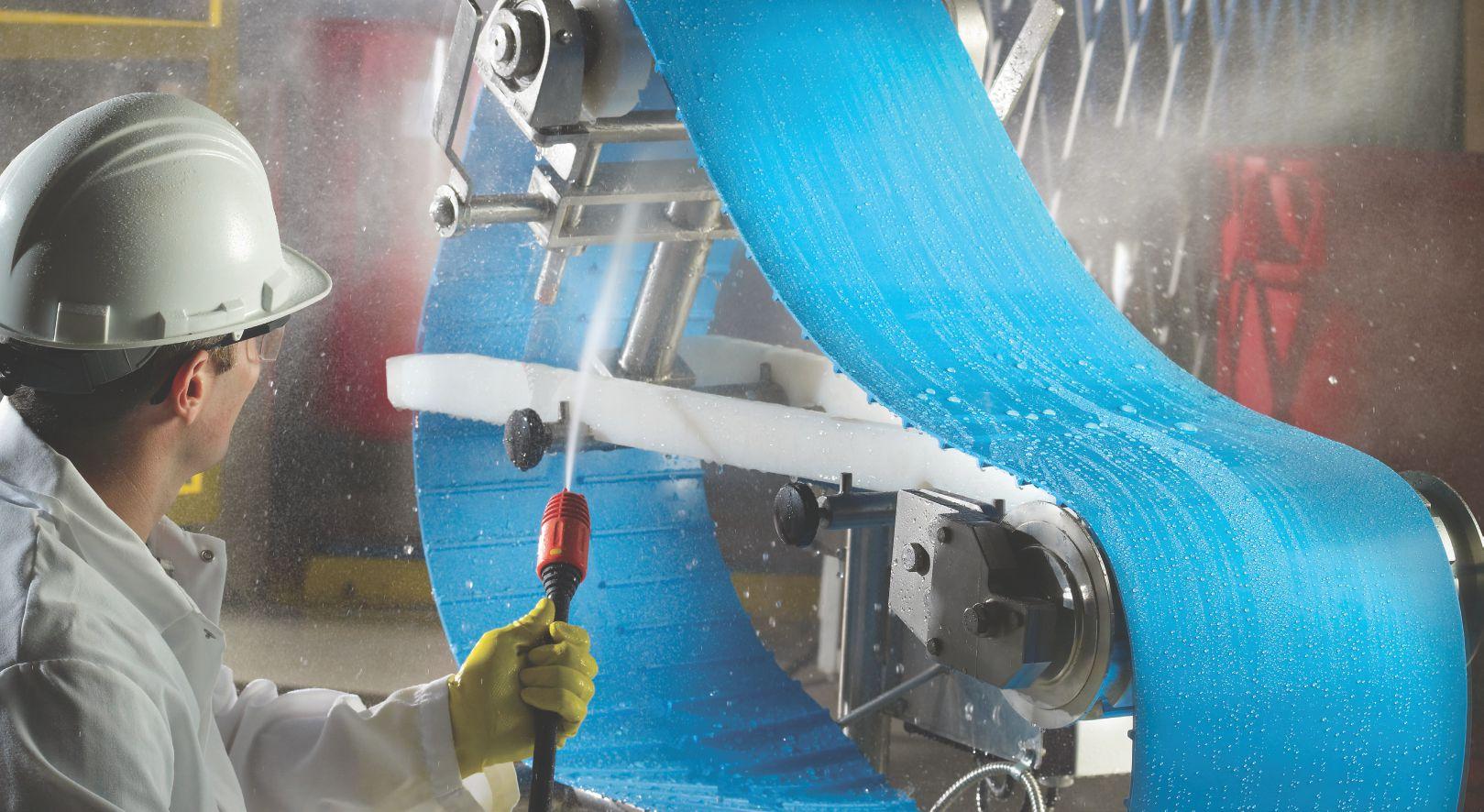
WASH AWAY YOUR PROBLEMS
SMOOTH
TOP
SURFACE
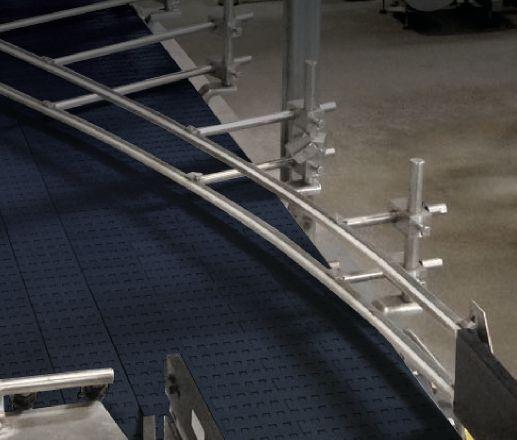
POSICLEAN® IS THE BEST solution to minimize the risk of food contamination from pathogenic bacteria.
is easy to clean with 43% LESS surface area than plastic modular belt.
LEAVE IT TO CLEAN IT
Not having to remove the belt for cleaning saves time and costs - 54% LESS labour required.
DON’T WASTE WATER
cleaning a plastic modular belt! PosiClean is easy to clean using 35% LESS cleaning water.
an accident-free, incident-free, and a regulatory-compliant work environment.”
And while the team at PepsiCo knows they can’t fix everything at once, they focus on continuous improvement, and target a five to 10 per cent improvement each year.
To achieve these commitments, the company has a global environmental health and safety management system, which focuses on five key pillars: lead and commit; manage risk; build capability; perform and measure; and engage.
PepsiCo has Global EHS Standards – including Machine Equipment Safety Standards (MESS) – which the company follows to ensure that they are consistent within all of their sites.
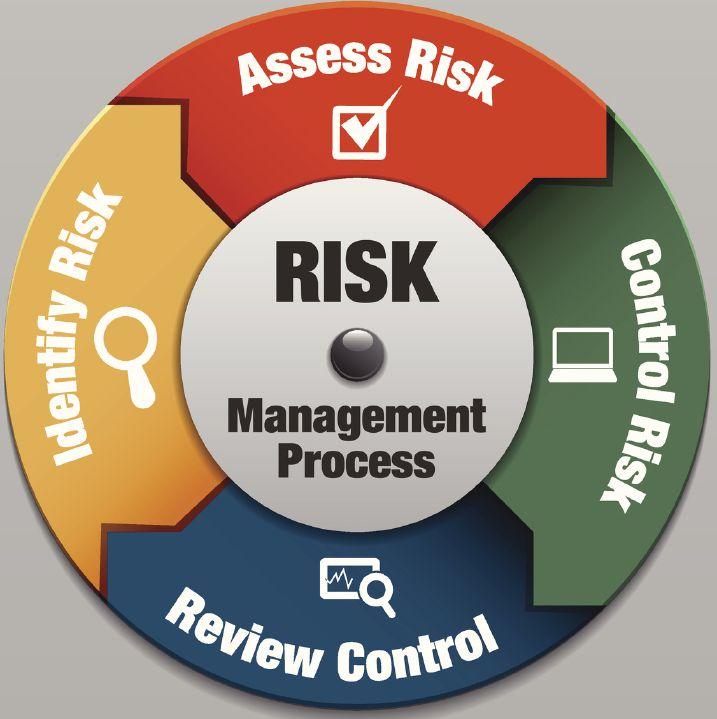
“At PepsiCo Canada, we use a risk management approach for all our key management system elements, including machine safety,” explains Bryan Farley, regional HSE senior manager with PepsiCo Beverages Canada. “This cyclical process of risk identification, risk evaluation/
prioritization and risk control is designed to reduce the risk of this potential hazard for our workers.”
The keys to this risk management technique are leadership, competence and proper documentation, says Farley.
“Program leadership defines the resources, roles and responsibilities and formal support needed for our locations that have equipment and processes that require machine
safety. Once the machine safety program element leader and team have been identified, we ensure that they have the right support and capabilities to execute machine safety risk assessments for all their equipment. This support is a combination of internal HSE resources or external technical experts so that we complete the assessments, identify controls and develop a corrective action plan to close any gaps,”
Farley explains.
He adds that the risk assessment methodology used at PepsiCo Canada takes into consideration ANSI, ISO and CSA standards for machine safety. It also looks at the tasks, hazards and affected persons, and determines risk using a scoring system that factors in the potential severity of harm and probability of occurrence of that harm.
“To control the risk in new, existing and transferred equipment, a hierarchy of controls is considered to determine the most appropriate risk reduction measure,” says Farley.
Typical solutions or controls that the manufacturer uses to reduce risk and close any identified gaps include the installation of fixed or movable guarding, emergency stops, and presence sensing devices (such as light curtains and safety interlocking and control systems). The company also employs a lockout, tag-out (LOTO) process as the primary method of control to protect employees from potential hazards
when access to the machine is required and where an alternate method to LOTO (that is, safetyrelated control systems) is not in place.
“To continuously improve, we require periodic review of our risk assessment to ensure we’re reducing risk and identifying any additions or modifications that may require additional controls,” says Farley. “We also react quickly when a risk is identified. Rapid response serves to quickly eliminate the risk, while demonstrating our overall commitment to employee safety.”
can be effective if only owned by a safety manager,” says Coldwell.
responsibility to its employees very seriously.
20 distribution centres and all of the sales offices across the country.
“We also react quickly when a risk is identified. Rapid response serves to quickly eliminate the risk, while demonstrating our overall commitment to employee safety.”
“Everyone needs to believe in it and own it every day. Having a vision that has OHS as a core value, and ensuring that everyone is aligned to that is a critical part to this success. Another key to success is the development and implementation of a health and safety management system, which addresses all areas of safety and is applicable across the total business, is verified through both internal and external audits, and embedded within the organization.”
“At Molson Coors, we value every human life, and we believe in the journey to zero harm,” says Paul Lay, director of Environment, Health and Safety for Molson Coors Canada.
The company has a comprehensive health and safety and environmental program, and Lay is responsible for the execution of the program across Canada – including six breweries,
How does he accomplish such a massive undertaking? Each brewery has a technical governance team, and then there is a centralized team that Lay manages, all with the responsibility of ensuring safe behaviours and working conditions.
This year, the company rolled out what it calls “Safety the Molson Coors Way” – an approach designed
Coldwell says that the key to OHS success at PepsiCo Canada is leadership commitment and employee engagement.
“Safety is not something that
SAFETY THE MOLSON COORS WAY
Molson Coors, North America’s oldest brewer, takes its
to simplify safety, and ensure safe working conditions and behaviours. This approach has been utilized in the company’s U.K. operations for the last two and a half years, where they have seen a 60 per cent reduction in lost time. And now Molson Coors wants to mirror the results they’ve seen in the U.K. in their other operations globally.
The program has four elements: STEP, SPEAK, CARE and SEARCH. STEP focuses on ensuring safe working conditions and behaviours. To ensure safe working conditions, all levels of management – from the GM to the supervisor – complete regular workplace inspections. To ensure safe working behaviours, employees are asked to volunteer and are trained using a simplified behavioural safety model to conduct peer observations. What is unique about this element is that 90 per cent of those employee observations are positive – acknowledging when employees are doing something right.
“This drives a positive safety
culture,” explains Lay. “If an employee observation identifies an improvement opportunity, the employee is provided with feedback to correct the behaviour and an agreement to change is made. Safety observations are not tied to discipline, as this would not support the behavioural and cultural change aspects.”
The next element of the program, SPEAK, focuses on professional,
two-way communication. It is about speaking to employees on a regular basis about relevant topics and getting feedback, as well. Sessions are conducted in front of a professionally designed SPEAK board and can incorporate learnings from STEP observations and incidents, says Lay.
The third component, CARE, is about ensuring the correct incident response for early and safe return to
work following an injury.
The final piece of the program, SEARCH, focuses on conducting effective root cause investigations into loss events to ensure that they understand the underlying direct and root cause of an event.
The program was first launched at the company’s breweries in Moncton, N.B., St. John’s, Nfld., and Creemore Springs, Ont., and was later launched in Montreal, Que., Toronto and Vancouver, before being rolled out at the company’s sales offices and distribution centres across the country.
Part of Molson Coors’ approach to safety is an annual audit program to review things like equipment and machinery to make sure that they meet the company’s world-class global standards. This includes conducting GAP assessments, risk assessments and job hazard analysis. Following the annual audit, the safety team develops a three-year plan, and guarding is something that would be included in this plan to ensure that the machines are in
the right category and can be operated safely.
The idea is to simplify safety, make it easy to understand, engage employees, and build a critical mass to ensure that managers and employees alike are being safe every day.
“Everyone has a role to play,” says Lay. “Safety is not just the safety team’s job. It’s the whole facility.”
With his previous employers, Shorthouse has been able to reduce lost-time accidents by 90 per cent, and decrease the number of total incidents by 50 to 60 per cent.
“The employees have to be involved in what we’re doing and help come up with the ideas and the solutions,” he says. “There’s lots of different ways to guard machines…Go to the one that
“Safety just needs to be an integral part of our process, just like quality and everything else,”
“Safety isn’t a one-person show,” agrees Jeremy Shorthouse, the member of Lay’s central team who is leading the roll out of “Safety the Molson Coors Way” in Canada. “It’s a team buying into the program and ultimately wanting to be better.”
Shorthouse says that employee engagement is the key to any safety program’s success. And he knows a little bit about success.
they think is going to best let them operate moving forward.”
TIPS FROM THE TEAM
How are these safety leaders able to balance safety and productivity to ensure that employees on the plant floor are both safe and productive? It doesn’t have to be one or the other, the experts say.
“We believe safety improves productivity, and that a
world-class safety culture can be a competitive advantage,” says PepsiCo’s Farley. “We focus on developing a safety mindset in our leaders and front-line employees where it’s not about safety first and then we move on with our work, but rather that whatever we do, we do it safely. We also educate all of our employees that the cost of an accident can be much greater than the cost of working safely.”
Molson Coors has a similar
philosophy.
“When you do safety, quality and environment really well, it actually is a benefit to your overall organization, and your production will therefore increase as a result of it,” says Lay. “We don’t really see them as competing. We see it as the fabric of what we do – embed strong EH&S principles into your approach of everything that you do every day.”
Shorthouse has seen firsthand that
safety can actually improve productivity.
“Ninety-five per cent of the time, productivity has improved in the [companies] I’ve been involved with, and five per cent [it] has stayed the same. So never once have I seen it where we’ve actually slowed the production down,” says Shorthouse.
“Safety just needs to be an integral part of our process, just like quality and everything else,” he adds. Having a successful health and safety program is not without its challenges. For PepsiCo Canada, the biggest challenge is competing priorities.
“We run a complex business, and our leaders must balance their focus across a number of different areas such as people, quality, service and productivity,” says Coldwell. “This is why we focus on safety being a core value versus a priority. We want to instill in all our managers that safety is not prioritized, because priorities change. Instead, it needs to be with us no matter what we do, so that we do it safely.”
For Molson Coors’ Lay, the biggest
Food for thought
When Scott Ellinor began his career as an industrial mechanic back in the seventies, workplace safety was not what it is today.
“If a guard bothered us, well it disappeared. If we thought it didn’t fit, we cut it to fit,” recalls the retired health and safety manager.
But the rules on guarding have drastically changed since then, and so has the manufacturing industry.
Before his retirement earlier this year, Ellinor was a health and safety manager at a large food manufacturer in Ontario.
For the last 11 years of his career, he was responsible for setting the health and safety direction and goals in the plant.
The key to plant floor safety these days, he says, is worker involvement.
“We always got workers involved in any changes we were making, so when we upgraded some of our older equipment…we got them heavily involved because we needed to know how they interacted with the equipment so that we didn’t guard it to the point where they couldn’t do their job,” he says.
Ellinor also worked diligently with the company’s engineering department.
“I had the engineers trained in ergonomic design so that they could engineer hazards out of the machines where possible. I had worker representatives trained in risk assessments and involved in all new machinery installations before
the machine was purchased.”
And, he adds, he worked with the engineering manager to purchase CSA guidelines for guarding and worked with the engineering department to put that level of guarding into the spec sheets for purchasing new equipment.
His key to success was communication.
“Many safety professionals and senior managers get confused with what is happening on the plant floor. I made it my responsibility to be on the plant floor in every department every day I was at work and occasionally going into the plant on weekends,” Ellinor explains. “The worker on the floor believes and will follow a manager who is there when they are…If the worker knows that he can go to the supervisor with a concern and it will be looked at, the workers are happier as a group, and happier workers are more productive.”
challenge is shortcuts and complacency.
“If you’re rushing or you’re fatigued, you might take shortcuts. Or if you’ve been doing the same role for a long time you become complacent, you don’t see the hazards. So part of our ‘Safety the Molson Coors Way’ program is to understand exactly what are the assumptions and the norms behind the behaviours, and what are our people thinking, and how do we counteract and understand that.” What tips do they have for other manufacturers who are trying to improve safety within their organization?
also the importance of leadership when it comes to safety,” says Coldwell. “Many serious accidents that occur can be attributed to a leadership decision that was made at some point.”
It is also important to “ensure your organizational structure is designed to support a world-class health and safety culture through adequate staffing of health and safety leadership,” Coldwell adds.
“Invest in safety leadership training for senior leaders to highlight the employer’s legal expectations and obligations, but also the importance of leadership when it comes to safety.”
what will work and what won’t work. Talk to them, engage them and involve them. They’ve been running that machine for 10, 20, 30 years. They’ve seen it before and they know what will work and what won’t work.”
Still, it’s not going to happen right away. “Safety culture doesn’t change over night,” says Shorthouse.
“Invest in safety leadership training for senior leaders to highlight the employer’s legal expectations and obligations, but
“Safety needs to be owned by all employees,” says Farley. “Demonstrate leadership commitment, build the capability of your employees…prioritize your risks and implement the controls, and measure both leading and lagging metrics.”
“Involve your employees,” says Lay. “They are probably aware of
“Safety is something that everybody wants at the end of the day, whether it’s at work or at home.”
A version of this article originally appeared in Machinery and Equipment MRO’s sister publication, Manufacturing AUTOMATION.
But when a company has a safety program that engages employees, and has committed leadership that manages and measures risks regularly, everybody wins. Because ultimately, says Shorthouse, everyone wants the same thing.
PROTECTING EMPLOYEES
The cost of functional safety for food processing.
BY JORGEN SAXERYD
Two recent incidents make it clear that non-compliant food manufacturers pay hefty fines when safety protocols and processes are inadequate. In May, a food processing company in Waterloo, Ont., was fined $55,000 after a worker was injured after reaching into the hopper of a “former” machine, and in April, a Toronto-based food processer was fined $70,000 after a worker’s hand made contact with the blades of a yogurt filling machine as he tried to free an obstruction on the line.
These incidents not only show that self-policing is not enough to deter incidents but also emphasize the need for external inspections by regulatory agencies. They suggest that when it comes to protecting employees, broader risk mitigation is needed and that seeking guidance from thirdparty safety experts is warranted.
Here in Canada, food safety regulations and inspections are enforced through the Canadian Food Inspection Agency (CFIA) via the Safe Food for Canadians Act (SFCA). The proposed regulations require food businesses to have preventive controls in place well before products are sold to consumers.
Across the globe, there are a variety of regulations for food processing plants. But the need for safety regulations remains consistent. In the case-study below, we turn to the United Kingdom, where Jorgen Saxeryd, safety products and functional safety advisor to ABB’s food and beverage program, discusses how safety procedures should be developed.
HAZARDOUS ENVIRONMENT
In 2014 in the United Kingdom, a large food manufacturer had to pay a £800,000 ($1,4 million) fine after a serious industrial accident. An engineer was trapped by the machinery while examining a conveyor belt and suffered major injury and ongoing nerve damage. An investigation revealed that this dangerous accident could have been prevented if a guard was in place on the machine.
In particular, North America and Europe have strict regulations for safety in these potentially dangerous environments. This also applies to the safety of employees in the processing plants, and employers who fail to make adequate safety considerations can face large fines. Not only can these authorities enforce these regulations in the case of accidents, they can also be enforced during regular inspections.
In Europe, the Machinery Directive 2006/42/EC requires machinery to be designed and built so it can be used safely. In food processing plants, there are many dangerous machines for which plant managers should follow safety regulations, or the plants may face closure or high fines. Machines such as decanters operate at high centrifugal forces and it is not unknown for the machine’s g-forces to reach more than 2,000 times gravitational force. This is clearly a dangerous environment for employees to work in, however as these machines are essential for use, the key concept is the management of risk.
RISK MITIGATION
In the 1970s, the increase in heavy machinery such as the creation of the
steel press led to increased safety guards. Since then, many safety conscious companies undertake a risk analysis in the initial stages of machine development. In the case of decanters, it is not possible to remove the risk, but it is possible to mitigate the risk to an acceptable level by putting safety guards such as enclosures or emergency stops into place. Often, companies find it too difficult to manage the complex world of safety regula tions alone. In this case, it is always better to consult professional services rather than to not comply with the regulations, as this will work out to be a costly mistake. ABB’s experts can provide specific advice on regulations, which also takes into account the needs of food processing plants.
As companies become more knowledgeable about regulations and regulations become more stringent, the need for retrofitting old equipment with additional safety measures may arise. Although it may seem instinctive, where there is a dangerous moving machine, the safest answer is not always to shut it away behind an enclosure or barrier.
ASK FOR HELP
In the food processing industry, companies should consult functional safety experts who have experience in the sector. The experts will
for example suggest equipment such as a light grid, which perform an emergency stop on a machine when a light grid is broken by an object. These devices are more appropriate for the food-processing sector than using physical guards or barriers as they allow easier access for maintenance and washdown, which is essential for hygiene in food processing plants.
Managers of food processing plants in all countries, regardless of the country’s regulations, should consider safety as a priority in their plant. From the safety of single pieces of equipment to line safety and then plant safety, plant managers need to be aware of what they can do to mitigate risks. Plant managers not only have a responsibility to put in place an accurate safety strategy to protect their employees, but they also need to protect their businesses from costly infringements of worldwide safety regulations, as proven in the many cases gone by.
Jorgen Saxeryd is safety products and functional safety advisor to ABB’s food and beverage program. ABB (ABBN: SIX Swiss Ex) is a pioneering technology leader in electrification products, robotics and motion, industrial automation and power grids, serving customers in utilities, industry and transport and infrastructure globally. For more information, visit www.abb.com.
TAKE 3
Three outlooks on what’s trending and what’s important in industrial lubrication and oil analysis.
BY REHANA BEGG
MMike Deckert, vicepresident, FLO Components
MRO: What do you see as some of the more important trends in lubrication and oil analysis?
Deckert: Among the biggest trends right now is on-board oil analysis, where they are trying to get samples as the machines are running,
achinery and Equipment MRO spoke with three oil and lubrication specialists – Mike Deckert, vice-president, FLO Components, Mark Barnes, vice-president, Des-Case Lubrication Transformation Services, and Bill Watson, director of Marketing and Engineering, Klüber Lubrication NA LP – to help us uncover industry trends that are important to suppliers and users alike. We asked them to consider factors that significantly influence decisionmaking on protecting equipment more easily, and to share insights on what’s new, what holds value and provides improvements, as well as what helps solve common problems.
rather than when they are not in production. The other trend is data acquisition. There is so much talk about and programming of wireless communication. If there is a problem with a lube system, then somebody gets an email or text.
The technology can also tie into the GPS so that employees can view the system on their mobile equipment.
MRO: Are there any innovations that plant managers should look for in the coming years?
Deckert: Everybody is asking for data and information. But what they’re doing with it, I have no idea. The issue is the information that is being asked for. Take for example oil samples. People have been doing oil samples for years. Then they get a very long, very detailed report about one single oil sample, where the average technician doesn’t even understand the wording because it’s done by chemists and physicists. Instead, what we need is two or three specific parameters to tell us what we want to know. Keep it
practical – red light, green light, yellow light. Maintenance needs readable and knowledgeable dashboards. And in getting staff to use the information, training is going to be key.
MRO: What are some of the issues customers come to you with, and what are some of the solutions you recommend?
Deckert: Low-level lube failure, which is the capacity of lubricant in the reservoir, and lube failure indicators, which looks at whether the system is functioning properly. These are the two main ones that people are looking for now. You can also get into quantity dispensed. They want to know that a measured amount was actually dispensed. The payback period rule of thumb is usually 12 to 16 month on a lube system. The unfortunate reality is that unless they have felt the pain of the reactive maintenance cost of a broken-down bearing, many traditionalists still see lube systems as an “it would be nice to have” tool, but not as a “must have.” A classic
example is a paver machine on the highway. If that machine breaks down while they’re paving, it could cost the company $2,500 – $2,700 per minute. A company that has had that experience is a lot more eager to investigate potential solutions for “how do we stop breakdowns?”
MRO: Flo offers a comprehensive list of specialty lubricant solutions for fleet fluid maintenance systems, automated greasing systems and maintenance plans. Can you discuss innovative lubricant trends in each of the following industries (a) food & beverage (b) mining and oil&gas (c) industrial plants (e.g. steel, paper and metalworking)
Deckert: Food & Beverage has a lot to do with minimum lubricant delivery, monitoring and washdowns. When they’re cleaning machines, they’re washing lubricant out of the bearings. Food-grade lubricants have to be able to take the heat of the ovens. Also, chain lubrication is becoming more and more relevant, because of the heat.
At industrial plants it’s all about uptime. Efficiency. The machines are being asked to run longer, with less maintenance, and maintenance budgets are being cut. So how do you compensate? Automatic lube systems can help that aspect.
Oil & gas and mining has a lot has to do with uptime and using proactive maintenance, rather than reactive. But in this context we’re also talking about the environment with onboard oil-change systems. It is no longer accepted practice that one can just change oil filters. There is a huge environmental impact that needs to be considered.
MRO: What have been some of the biggest project successes in which you’ve played a part?
Deckert: Some of the big projects we’ve worked on, as a company, are in the rail industry, where we applied gauge-face lubrication and top-of-rail lubrication. A lot of that is for reduction of noise, wear and for longevity and it’s where we deployed our first in-the-cloud
monitoring system. The rail industry is basically hosted in the cloud and operators use dashboards to monitor five key things. (Snow sensor, noise sensor, reservoir level capacity, solar panel charging power, and the amount of power available for the system because it’s all 24V, and the rain). If one indicator falls outside of the parameters, an email is sent to a few key people.
Another success is with on-board oil changes. In spite of all the technological advancements over the years, people are still doing oil changes on their equipment the way they did back in the 1950’s. Traditional oil change methods are labour intensive and time consuming and technicians risk injury removing hot oil filters. There is also the problem of oil spills causing environmental contamination. The On-board Oil Change system offers a simple solution for all of that. The system is revolutionary as you’re purging the system of the oil first so that when you take the filter off there is no more than 10 per cent of oil left in the filter. It’s easier, safer, cleaner.
So purge, evacuate and filter from one place and it’s a whole lot quicker.
MRO: Customers are becoming sophisticated in selecting brands. Presumably for specialists, such as Flo Components, the emphasis is less on cost and performance and more on the range of lubrication services and support. How can plants use these capabilities beyond mere maintenance functions?
Deckert: The relationship becomes a partnership, where the customer relies on Flo to provide a service, but also to provide knowledge and training, as well as working with their people. For Flo, it builds customer loyalty, and makes us stronger. And for the customer, they are working with a company that becomes an additional arm in their plant. That is a good thing. Our goal is to eliminate their pain.
Mark Barnes, vicepresident, Des-Case Lubrication Transformation Services
MRO: What do you
see as some of the more important trends in lubrication and oil analysis?
Barnes: Not really a trend, but the degree to which maintenance and reliability professional are starting to realize that precision lubrication is an important foundational element for overall reliability is something I’ve witnessed over the past five to 10 years. Whereas 10 years ago, lubrication was seen as the cost of doing business, today more and more people are understanding that it’s a way to systematically engineer our maintenance costs.
MRO: Are there any innovations that plant managers should look for in the coming years?
Barnes: Like most areas of maintenance and reliability, the Industrial Internet of Things (IIoT) is really starting to take hold very rapidly. There are already simple devices that provide lubricationtype information almost in real time and we’ll likely see many more such tools coming to the forefront in the
next few years.
MRO: What are some of the issues customers come to you with, and what are some of the solutions you recommend?
Barnes: As I mentioned, maintenance professionals are starting to understand how valuable a proper lubrication program can be. But most simply don’t know where to start or are unable to sell the value proposition to senior managers who write the purchase orders.
I’m always being asked to help customers develop both project implementation plans and the business case to help them implement a sustainable precision lubrication program.
MRO: Des-Case offers a comprehensive list of specialty solutions. Can you discuss an innovative aspect that’s relevant to the food & beverage but also industrial plants (such as steel and pulp & paper)?
Barnes: The one thing that all these industries have in common is the
impact that contamination – both particles and moisture – has on equipment reliability. A quick Google search will yield dozens of filter companies that all have products that control particles and moisture, but few have the experience or practical expertise to help customers execute an effective contamination control strategy. Our approach is to have reliability consultants that have worked with customers in these and other major industries’ verticals for many years to build solutions, rather than just sell filters or filtration product from a catalogue. At the end of the day, if you aren’t working to solve a real problem, and just sell a product, a knowledgeable customer will correctly take their business elsewhere. More than anything else, we pride ourselves on being solution providers who happen to sell products and services.
MRO: What have been some of the biggest project successes in which you’ve played a part?
Barnes: Do we have space for a whole article! For me, I get the biggest satisfaction from seeing companies execute a new strategy and realize the gains they set out to achieve, but if you force me to point to just one example, I would have to say the auto manufacturer that reduced downtime by 54 per cent on their stamping press and realized millions of dollars of documented cost savings across all areas of their business simply by getting the right oil in the right place and making sure the oil remained clean, dry and cool!
MRO: Customers are becoming sophisticated in selecting brands. Presumably, for lubrication specialists the emphasis is less on cost and performance and more on the range of lubrication services and support. How can plants use these capabilities beyond mere maintenance functions?
Barnes: Perhaps 10 or 15 years ago a lot of lubricant consumers were focused strictly on price. Nowadays
maintenance professionals are starting to realize it’s not all about price. But while using more expensive, high-performance lubricants can certainly solve some issues, the reality is that it’s the basic act of applying correctly and managing lubricant health and cleanliness that’s at the route of most lubrication-related issues. Those vendors that can bring more than just a good product are those that are succeeding in the industry and providing the most value to end-users. The best advice I can offer is tap into the expertise of vendors that provide solutions beyond simply a product specification or technical datasheet.
Bill Watson, director of Marketing and Engineering, Klüber Lubrication NA LP
MRO: What do you see as some of the more important trends in lubrication and oil analysis?
Watson: In lubrication, as an example, the advent of the electric
vehicles in the automotive industry is bringing new applications, challenges and opportunities to the industry. And oil analysis is becoming even more “digitalized” with online monitoring and immediate feedback – which can be very helpful on a critical piece of equipment.
MRO: Are there any innovations that plant managers should look for in the coming years?
Watson: There are always new, improved chemistries and advances in the additives market that bring on innovations in lubricants. Truly biodegradable lubricants are becoming more prevalent, and spreading to more industries. In marine, for instance, legislation is driving that demand.
MRO: What are some of the issues customers come to you with, and what are some of the solutions you recommend?
Watson: We recently developed a chain oil for extremely high temperatures used in pizza and tortilla
ovens. The issue was that previously used lubricants would not last, nor perform very well and it was difficult to re-lubricate during operation, plus the product had to be food grade (H1).
MRO: Can you comment on a trend in the food & beverage industry?
Watson: One issue in the food and beverage industry is not only offering H1 lubricants but also producing lubricants in a facility that is ISO 21469 certified.
MRO: What have been some of the biggest project successes in which you’ve played a part?
Watson: There is an application in tire production plants, on the tire moulding equipment that see temperatures upwards of 200-degrees C. There are different concepts of how to lubricate the segmented molds. Kluber’s solution is a PFPE grease.
Rehana Begg is the editor of Machinery and Equipment MRO . Reach her at rbegg@annexweb.com.
NO FRICTION
A comprehensive reference guide for lube-related questions.
BY REHANA BEGG
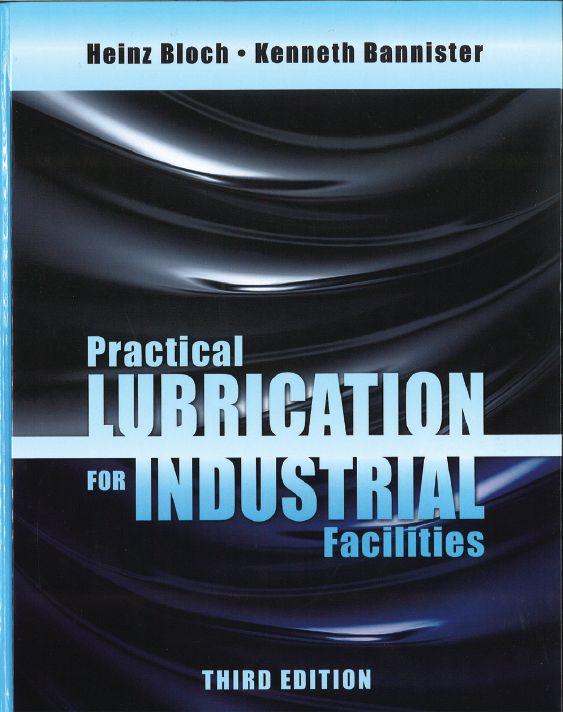
Authors Heinz P. Bloch and Ken Bannister have produced a definitive lubricant applications reference for industrial facilities. Practical Lubrication for Industrial Facilities, Third Edition (Third Edition, 2016, Fairmont Press), delivers a plain language, unified approach to lube-related problems, including selection, substitution, application, analysis, replacement, handling and storage. While the use of examples is not exhaustive, the combination of lubrication theory with practical knowledge is universally applicable for anyone solving problems related to effective lubrication.
Concerted effort is taken to organize the scope of information (570 pages) into a format that
appeals to maintenance folk with varying backgrounds and disciplines, from apprentice mechanics to maintenance professionals, lubricant formulators and engineers.
The chapter dedicated to food-grade lubricants (Chapter 6, Food Grade and “Environmentally Friendly” Lubricants) gives an overview of the performance characteristics required in food processing machinery in relation to antiwear, oxidation stability, extreme-pressure protection, rust protection, hydraulic fuels, gear oils, can seamer oils, refrigeration oils and greases. The authors are diligent about clarifying commonly used terms and industry jargon throughout the text, and in this chapter turn their attention to squelching the troubling effects of “greenwashing” and advocate instead for the
responsible and feasible use of the term “environmentally friendly.”
Bloch and Bannister commend lubricant manufacturers for setting goals to produce products that have a neutral impact on the environment and take umbrage with those that make unsubstantiated claims, especially when used as marketing hype. The word “natural,” for instance, when used in the term “natural base oils,” may appear to be prudent from an environment perspective. The authors caution that the term is misleading and follow through with an erudite explanation. While rapid biodegradability of, say, vegetable oils, is desirable in the event of accidental, routine or excessive environmental exposure, a number of other factors should be considered, including product performance.
Bloch and Bannister provide this rejoinder: “Vegetable oils have poor hydrolytic and oxidative stability; this may necessitate more frequent oil changes and result in significant disposal problems that may outweigh any environmental advantages. They also have relatively high pour points, which can impair low-temperature performance. Additives such as pour depressants and antioxidants may help for these drawbacks, but they tend to reduce biodegradability and may increase the toxicity of the overall product to humans and the environment. Additionally,
vegetable oil-based lubricants are more susceptible to microbial action, which can both limit their storage life and rapidly degrade their performance in use. As for the recyclability of ‘natural’ oils, there is a practical problem here as well. Because these oils are not compatible with mineral oils, it may be difficult to find a recycler that will accept ‘natural’ oils.”
Readers are informed that in the United States, the Federal Trade Commission discourages the use of the term “environmentally friendly” in product marketing, since it is not legally defined and can likely be misused or misunderstood. In the absence of standardized tests or guidelines on what constitutes “environmentally friendly,” Bloch and Bannister recommend that consumers ask three questions:
• Are the environmental claims made for the product valid and well documented?
• What performance debits or other trade-offs are associated with the product?
• Do these trade-offs outweigh the environmental advantages of using the product?
“environmentally friendly,” “ecological,” “eco,” and “green” should be reserved for products and services whose lifecycles have been verified and are in compliance with guidelines set by Canada’s Competition Bureau, as published in 2008 in Environmental Claims: A Guide for Industry and Advertisers.
The section on Implementing a Quality Lubrication Management Program (Chapter 22) should be required reading for lubrication practitioners and maintenance personnel who consider lubrication to be fundamental to the ROI of a holistic asset management program – as opposed to a low-priority maintenance task – and for facilities planning to become compliant with the ISO 55001 Asset Management Standard. Bannister bills himself as the first asset management consultant in North America to successfully take a client through the ISO 55001 audit process.
Practical Lubrication for Industrial Facilities provides invaluable guidance on how and when to perform oil analyses, effective lubricant delivery systems, critical maintenance practices, setting up lubrication programs, and on reliability in general. Together, the authors provide a wellbalanced treatment of a complex topic.
But their rationale and practical guidance are applicable in Canada, too, where claims, such as
Rehana Begg is the editor of Machinery and Equipment MRO. Reach her at rbegg@annexweb.com.
MainTrain 2017: Connect, Learn, Contribute
The Plant Engineering & Maintenance Association of Canada invites you to its national conference - MainTrain
PEMAC’s MainTrain conference is a source for professional development for maintenance, reliability and asset management professionals in every industry, and in both public and private sector businesses that invest capital in equipment & facilities.
• Learn from leading experts, practitioners and professionals from across Canada and around the world
• Over 40 workshops, sessions and tours to select from over a four day conference
PEMAC is excited to be hosting meetings of the Global Forum on Maintenance and Asset Management in conjunction with MainTrain 2017. Join us to Connect Learn and Contribute as you gather the insights and tools to build effective strategies and develop new solutions for your asset management, maintenance and reliability programs.
Visit www.MainTrain.ca for more information, email events@pemac.org or call 1-877-523-7255 x4
SPONSORSHIP OPPORTUNITIES STILL AVAILABLE
Maintrain offers companies exposure to hundreds of professionals and key decision makers. Sponsorship opportunities are available to suit all budget levels and offer multiple branding options.
Visit www.MainTrain.ca for more details and to download our sponsorship package.
Freshly back from the North American Food Safety Summit, SIAL, our EMC GF2 Productivity Workshops, Food Sector Networking Events and other fabulous Community Partner Forums, and it’s apparent that there are many aspects in the world of manufacturing we can be certain about – rising costs, new legislative requirements, taxes of course, the need to attract and retain good employees... We can add to that inventory the inevitability of change in people, process, products and markets. So if we are seeking improvements and better ways to reach customers, change becomes an integral part our continuous improvement journey – one more element of manufacturing that we can be certain about. Along with my colleagues at EMC (Excellence In Manufacturing Consortium), I am fortunate to have the opportunity to visit plants, tour trade shows and regularly participate in a variety of forums across Canada. It exposes us to a myriad of products, including food and beverage goods, packaging and equipment. Discussion and facility tours cast light on fundamental methods of production and provide companies a chance to share best practices. And while we are connecting with peers at networking sessions, we gain invaluable improvement insights. As I reflect on EMC’s past, when a small group of manufacturers first met in rural Ontario (almost 30 years ago), I recognize how much change has crossed our path (and in manufacturing in general) and how it has been embraced across
our non-profit organization and has helped enable growth provincially and nationally. EMC is now Canada’s largest manufacturing consortium dedicated to helping companies grow and become more competitive. Through valued input from our members, providers and team, we continue to provide a variety of programs and services for manufacturers of all sizes and sectors in more than 450 communities. We work with manufacturers and community partners to ensure that our continuous improvement journey is successful.
Whether within our own organization or in a manufacturing setting, I believe that a continuous improvement journey can propel us forward to new opportunities, collaboration and enhanced efficiencies! But it does imply some change and steers us from the course of always doing something exactly the same way (because history dictates those actions) and toward thinking outside the proverbial box. Our door is always open for the next big thing and the only limit is our ideas.
Exposure to summits, forums, networking events and workshops can only add value to our tool chest of opportunities. Our members can attest that touring facilities have allowed their teams to gain firsthand knowledge whey they have the chance to look at what implementing those change and continuous improvement steps might mean to their companies while mitigating barriers to success.
The importance of embracing change and engaging our teams in innovative
solutions became even more relevant this month as we reflect on EMC’s GF2 (Growing Forward 2) Productivity Workshops. Funding through GF2 (a Federal, Territorial and Provincial governments initiative) has provided food, beverage, bio and ag processors and anyone directly supporting the sector, to participate in no-cost events, which began with introductory courses on Lean Productivity (Lean 101), Lean Management Systems, Value Stream Mapping and Leadership and Culture for Productivity Improvement. To date, we are delighted to have had 515 people from 113 different companies participate in these activities.
In May, over the course of a week, EMC hosted six backto-back GF2 Productivity Workshops, this time examining the concepts of Leadership, Change and Problem Solving. As before, participants came from companies across the province representing any number of products from chocolate to meat to beverages. They were eager to learn, share experiences and connect with peers.
We started in Ottawa, then journeyed to Brampton and Guelph, and wrapped up the week with a Productivity Action Plan Development Webinar (a chance for participants to glean insight from our trainer on topics related to our workshops). Three courses were offered this Spring and will follow again in the Fall: Root Cause Problem Solving, Leadership and Management of Change, and an Introduction to the Kaizen Process for Implementing Change.
Throughout these sessions, participants examined the concept of change and how we manage that process, including our role and the barriers encountered. We also explored organizational culture and its impact and the importance of inspiring our teams.
From a problem-solving standpoint, we tackled the concept of problems versus opportunities, explored the fundamental skills of the PDCA approach, reviewed process and value stream mapping, and considered other means to reach solutions, such as brainstorming, cause and effect, Pareto charts, 5 Whys, scatter plots, worksheets and cost-benefit analysis, team problem solving and Kaizen events. For companies interested in exploring the concept of Kaizen in detail, we introduced them to the fundamentals and referenced examples from industry.
With problem solving in mind, it seems a perfect opportunity to highlight our EMC GF2 Productivity Self-Diagnostic Tool. This online resource allows users to consider where they might be on the continuous improvement continuum and to benchmark within your company and sector. Essentially, it is meant to help identify where opportunities lie. It takes about 20-25 minutes to complete and looks at 16 specific key areas. Answers are all confidential. Click here to register.
Our team at EMC is very pleased that so many manufacturers have been able to take part in these Special GF2 Productivity Workshops as well as our
GF2 Food and Beverage Sector Networking Events. Our next training round is scheduled to begin the week of September 25 in Kitchener, followed by sessions in Mississauga, Belleville and Barrie. Challenge yourself to join in on the continuous improvement discussion and learn from our trainer, peers and colleagues. And yes, the world of manufacturing is filled with countless certainties and we hope participants in our Spring workshops and all of our proceeding sessions have an opportunity to practise some of the lessons learned, embrace change and engage others, regardless of role or responsibility, to seek better ways to do things.
With the spirit of sharing learning opportunities and best practice experiences with peers, we welcome you to consider joining in on our upcoming EMC Food & Beverage Sector Peer Networking Events.
How do you get involved? If you are interested in learning more about EMC (Excellence in Manufacturing Consortium) and the Food Sector Initiative, please feel free to touch base with Bren de Leeuw, Director - Field Operations Canada and EMC Food, Beverage and Bio Sector Program (bdeleeuw@emccanada.org) anytime!
Follow us on LinkedIn, Twitter (@EMCCanadaMFG) and Facebook!
25-Sep-17
26-Sep-17
EMC GF2 Food, Beverage & Bio Sector Productivity Workshop Kitchener, ON Root Cause Problem Solving & Introduction to the Kaizen Process for Implementing Change
EMC GF2 Food, Beverage & Bio Sector Productivity Workshop
Mississauga, ON Leadership and Management of Change & Introduction to the Kaizen Process for Implementing Change
EMC GF2 Food, Beverage & Bio Sector Productivity Workshop
27-Sep-17
28-Sep-17
Belleville, ON Root Cause Problem Solving & Introduction to the Kaizen Process for Implementing Change
EMC GF2 Food, Beverage & Bio Sector Productivity Workshop Barrie, ON Root Cause Problem Solving & Leadership and Management of Change
29-Sep-17
18-Oct-17 To 19-Oct-17
EMC GF2 Food, Beverage & Bio Sector Productivity Webinar Productivity Action Plan Development
8th Annual North American Food Regulatory & Quality Assurance Summit - Toronto, ON www.FoodRegulationCanada.com
An interactive Summit hosted by the Strategy Institute that provides insight from CFIA, FDA and Industry Leaders on Government Regulations, Legislation and Compliances