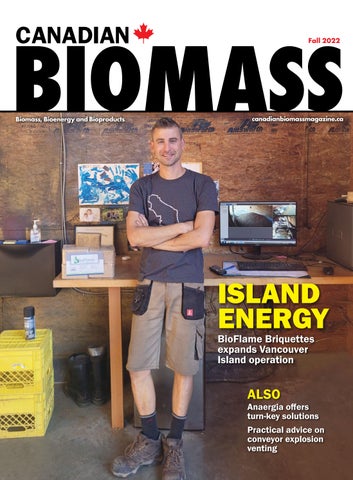
BioFlame Briquettes expands Vancouver Island operation
10 ISLAND ENERGY
After years of growing in the residential heating market on the Island, Vancouver Island resident Marcus Woernle’s company BioFlame Briquettes just landed one of its largest supply contracts to date – a recreation centre in Saanich.
12 Reconnecting, refocussing
Canadian Biomass’ highlights from the 2022 Wood Pellet Association of Canada conference, held in-person in Vancouver Sept. 20-21.
16 At your disposal
Canadian-headquartered biogas heavyweight Anaergia has been quietly amassing a global portfolio of projects and has turned its attention to full integration.
18
Manure to biochar
Researchers at Iowa State University are using treated biochar to absorb nutrients from liquid manure, repackaging them as slow-release fertilizer pellets.
20 Need to vent?
Practical advice on conveyor explosion venting to ensure the best system is chosen for each wood processing facility.
TLocal buy-in
Biomass is often by the community, for the community
he community and company succeed or fail together.”
This is a quote from Roger Keery, owner of Skeena Bioenergy and Skeena Sawmills – a pellet plant and sawmill in Terrace, B.C. He was speaking about the importance of communities at the 2022 Wood Pellet Association of Canada conference, held in Vancouver in September. (Read our coverage on page 12.)
Keery noted candidly that sometimes business decisions are made for the
and not the bottom line. And every business decision requires a balance.
That rings true across much of the Canadian bioeconomy. Smaller biomass projects are often driven by concerned community members looking for a more environmentally friendly solution. Larger projects and companies are staffed by invested community members and, as in Skeena’s case, owned by community members too.
which includes companies that partner with Skeena and other forest industry players.
Collins made it clear that Indigenous values like those of the Kitsumkalum that focus on full use of the resource, should be embraced by the wider forest industry. The Nation has developed a logistic park that Collins said merges
the best example of which is in their partnership with Skeena. “That’s the space where reconciliation really begins,” she said.
This form of reconciliation seems to go unnoticed by urban dwellers (and voters) in our provinces.
CANADIAN BIOMASS
Volume 22 No. 4
Reader Service
Print and digital subscription inquiries or changes, please contact Serina Dingeldein, Audience Development Manager Tel: 416-510-5124 Fax: 416-510-6875 email: sdingeldein@annexbusinessmedia.com
Mail: 111 Gordon Baker Rd., Suite 400 Toronto, ON M2H 3R1
Managing Editor - Maria Church (226) 931-1396 mchurch@annexbusinessmedia.com
Contributors - Gordon Murray, J.P. Antonacci, Joel E. Dulin and Ian Thomson
Group Publisher - Anne Beswick abeswick@annexbusinessmedia.com Ph: (416) 410-5248 Mobile: 416-277-8428
Western Sales Manager - Tim Shaddick twshaddick@gmail.com Ph: (604) 264-1158 Fax: (604) 264-1367
Media Designer - Emily Sun
COO - Scott Jamieson
Canadian Biomass is published four times a year: Winter, Spring, Summer and Fall. Published and printed by Annex Business Media.
Publication Mail Agreement # 40065710
Without buy-in from community, these projects would never get off the ground. And when they do get off the ground, they’re helping lower energy costs and greenhouse gas emissions, or developing new, bio-based alternatives to plastics. And they’re all contributing, in their own way, to a healthier climate.
But the bottom line can’t be ignored.
exist and wouldn’t be contributing in their small way. The balance is essential.
Keery spoke on a panel dedicated to talk of strong communities and local economic develop. He was joined by Diane Collins, general manager of Kitsumkalum Economic Development Group,
The term social license was brought up more than a few times at the pellet conference. Large, well-funded environmental groups have long taken issue with what they see as the purposeful harvesting of old-growth forests in B.C. for bioenergy. Despite the inherent economic contradiction in that, the industry struggles to have their message heard in a way that would set the record straight.
But, as communications consultant Karen Brandt advised the WPAC audience, “don’t get stuck on the hamster wheel” of correcting misinformation for a larger audience – one that is rarely prepared to listen. Instead, she said, focus on doing the right things for your community and business.•
Printed in Canada ISSN 2290-3097
Subscription Rates: Canada - 1 Yr $57.00; 2 Yr $102.00 Single Copy - $9.00 (Canadian prices do not include applicable taxes) USA – 1 Yr $121.50 CDN; Foreign – 1 Yr $138.00 CDN
NEW STUDY CONFIRMS B.C. WOOD PELLETS ARE RESPONSIBLY SOURCED
A new study confirms that wood pellets in British Columbia are sourced entirely from sawmill and harvest residuals or from low-quality logs and bush grind rejected by other industries.
The study was commissioned by the Wood Pellet Association of Canada. Respected forest experts and registered professional foresters Gary Bull, Jeremy Williams, Jim Thrower, and Brad Bennett, analyzed government and industry databases, confidential commercial data, and audit reports and conducted personal interviews with individual pellet plant operators and local communities.
“We reviewed the data for virtually every truckload of fibre for each pellet mill in the province and were able to source forest-based residuals down to the forest harvesting block for each mill,” Bull said. “The findings were clear: 85 per cent of the fibre for pellets comes from the by-products of the sawmills and allied industries, and the remaining 15 per cent comes from bush grind and low-quality logs where the only other option is to burn the low-grade logs and brush piles on site in order to reduce fire risk.”
In addition, almost all the pellets pro-
ANNEX FORESTRY GROUP WELCOMES NEW PUBLISHER
duced in B.C. are certified under the international recognized Sustainable Biomass Program and the fibre is from sustainably managed forests in B.C. certified under the Canadian Standards Association, the Forest Stewardship Council or the Sustainable Forestry Initiative.
Annex Business Media’s Forestry Group of media brands has welcomed a new group publisher, Anne Beswick. Canadian Biomass, Canadian Forest Industries, Pulp & Paper Canada, and Opérations forestières et de scierie are among the nine brands Beswick will lead as the newest member of Annex’s senior management team.
Beswick has 30 years of experience in media sales and leadership roles, more than 20 of which were at Torstar Corporation, most recently as their regional general manager for Eastern Ontario.
“I couldn’t be more excited to join the incredibly talented and dedicated team at Annex,” Beswick said. “I feel fortunate and proud to be able to bring my leadership and media experience to Annex, as they continue to innovate and lead the B2B industry, developing incredible brands and relationships.”
“The notion of harvesting whole stands of timber or displacing higher value forest products for the purpose of producing wood pellets is counter to the overall economic and environmental objectives of using wood pellets,” added Thrower. – Wood Pellet Association of Canada
FEDS INVEST OVER $1.4M IN SIXRING’S BIOFUELS AND BIOPRODUCTS TECHNOLOGY
The federal government is helping fund the scale-up of SixRing’s low-energy biomass conversion process that converts agricultural waste into renewable fuels and bioproducts.
Agriculture and Agri-Food Canada announced a $1.4-million investment in the Calgary biofuel company under the Agricultural Clean Technology program.
The funding will allow SixRing to significantly scale up production through research and development activities, as well as support testing of underused feedstock and technology optimization.
“This funding contribution will greatly assist in accelerating our SixRing crop-based feedstock research and process optimization,” Clay Purdy, CEO and chairman of SixRing Inc., said in a government news release. “We look forward to supporting our agricultural industry by generating new avenues of revenue from these crop waste products while allowing for greater access to low carbon-intensity, non-food-based sustainable fuels including SAF, diesel and gasoline.”
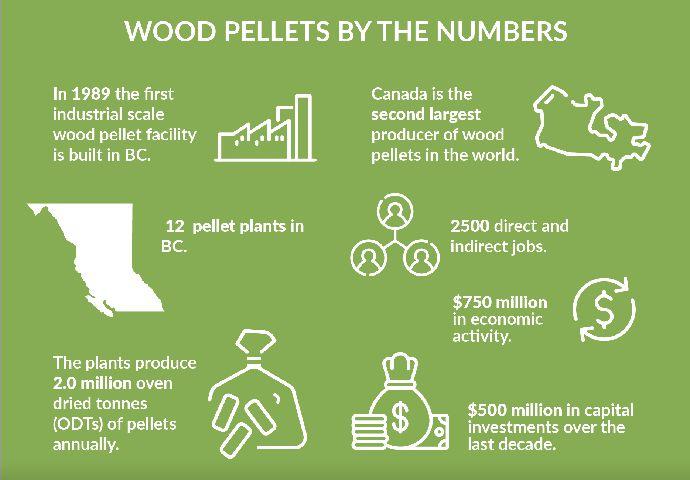
Graphic courtesy WPAC.
ATLI CHIP EXPANDS WOOD CHIPPING FACILITY OPERATIONS IN B.C.
Atli Chip LP, a wood chipping facility in Beaver Cove, B.C., majority owned by the ‘Namgis First Nation, is celebrating an expansion of the facility thanks in part to federal government support.
Natural Resources Canada provided Atli Chip with $1.4 million in funding through the Indigenous Forestry Initiative.
The facility debarks and chips larger logs and wood chunks with the goal of providing pulp chips to mills on Vancouver Island and B.C.’s Lower Mainland, as well as biomass from wood harvested in the ‘Namgis traditional territory and adjacent forest licenses.
Atli Resources LP – a forest company 100 per cent owned by the ‘Namgis First Nation – owns the majority of Atli Chip, with Wahkash Contracting and Paper Excellence owning minority stakes in the chipping company.
“The acquisition of Atli Chip Plant is a huge win for Atli Resources Limited Partnership and the North Island as a whole,” Doug Mosher, CEO of Atli Resources LP. “It will generate revenue to support other initiatives of Atli Resources LP and ultimately its owner, the ‘Namgis Nation, increase the utilization of waste wood fibre, provide jobs in the community and the
chip plant, and create training opportunities to build capacity in forest operations and wood processing on Northern Vancouver Island.”
The chipping company is undergoing a study with FPInnovations to improve the facility’s capacity and efficiencies, including their ability to process forest harvest residue feedstocks.
Utility and pellet producer Drax has agreed a memorandum of understanding (MOU) with Respira, which could see the largest volume of carbon dioxide removals (CDRs) traded so far, globally.
Respira, which is an impact-driven carbon finance business, will be able to purchase up to two million metric tonnes of CDRs from Drax over a five-year period, under the terms of the MOU.
The creation of the CDRs would be linked to the future deployment of bioenergy carbon capture and sequestration (BECCS) by Drax in North America.
Drax said in a news release it already aims to invest over £2 billion in its U.K. BECCS project and its global supply chain by 2030 to remove eight million metric tonnes of CO2 from the atmosphere each year. In addition to this, it is developing investment plans for BECCS projects outside the U.K., including in North America, which could remove a further four million metric tonnes of carbon dioxide from the atmosphere each year.
“The clear demand that we are seeing for engineered carbon removals, alongside the policies being developed by progressive governments in the U.S. and UK to support BECCS, will enable the investment needed to kickstart a vital new sector of the economy, creating tens of thousands of jobs, often in communities which need them the most,” said Drax Group CEO Will Gardiner. .
NORTHERN COLLEGE LAUNCHES ONTARIO’S FIRST BIOMASS HEATING SYSTEMS OPERATOR PROGRAM
Northern College, in partnership with James Bay Aski Ishkotaykan Bio Utility and Commercial Bioenergy Inc., has announced the new Mechanical Operator: Biomass Heating Systems program at the Moosonee Campus in Ontario.
Participants will learn the fundamental understandings of biomass heating technologies while receiving hands-on experience operating and maintaining equipment.
“Northern College is proud to be the first post-secondary institution in the province to deliver a program like this one,” said Audrey J. Penner, Northern College president and CEO. “Like most remote northern communities, Moosonee requires unique energy solutions that overcome many challenges, from cost to accessibility to sustainability and reliability.”
Northern College, with support from James Bay Aski Ishkotaykan Bio Utility, has installed a working biomass heating boiler system which will be used as part of a state-of-the-art training facility, giving students a realistic and practical hands-on approach to their learning so they are jobready upon program completion.
“We are proud in taking this first step towards providing energy security for our community,” said Stan Kapashesit, director of economic development for Moose Cree First Nation. “The idea of providing biomass training and skills is the first step in building a lasting industry that provides for a sustainable energy future.”
Taking place over 14-weeks, the program will deliver micro-credentials for students, including trade readiness, health and safety, technical communications and calculations, biomass fuel manufacturing, and biomass operation and management.
Working together
Community partnerships are essential to a healthy wood pellet sector
By Gordon Murray
Today, our planet faces challenges that are both overwhelming and confusing. From the energy crisis in Europe, to war in the Ukraine to the catastrophic impacts of climate change. The news is overpoweringly negative.
Despite these challenges, global efforts to tackle climate change, alleviate energy poverty and strengthen community resiliency persist. There’s no denying the truth, the advancement of new renewable energy alternatives to replace fossil fuel generated power is key in our fight against climate change.
WPAC’s sustainability commitment to a better world recognizes that the fight
against climate change requires immediate and urgent action. Typically, WPAC members are small players in the forest sector turning wood “waste” into bioenergy, providing an outlet for the sawmill sector, reducing slash burning, displacing fossil fuels and helping customers around the world meet their climate targets. What’s not to love?
But there are challengers out there and the media are quick to pick up on conflict – maybe it’s more interesting than collaboration. As many communications experts say, ‘If it bleeds, it leads.’
It’s against this backdrop, that more than 200 participants joined thought
leaders from all corners of the world to converge in Vancouver, B.C. at WPAC’s annual conference to discuss sustainable solutions that harness the indisputable and galvanizing power of partnerships. On September 20 to 21, these champions of the bioeconomy came together from Indigenous communities, European nations, government and industry, and leading think tanks to share their experiences and insights for a better world.
The fact is together we can make real change. From reducing energy poverty in Atlantic Canada and remote and Indigenous communities to supporting global efforts in Europe and Asia to displace fossil
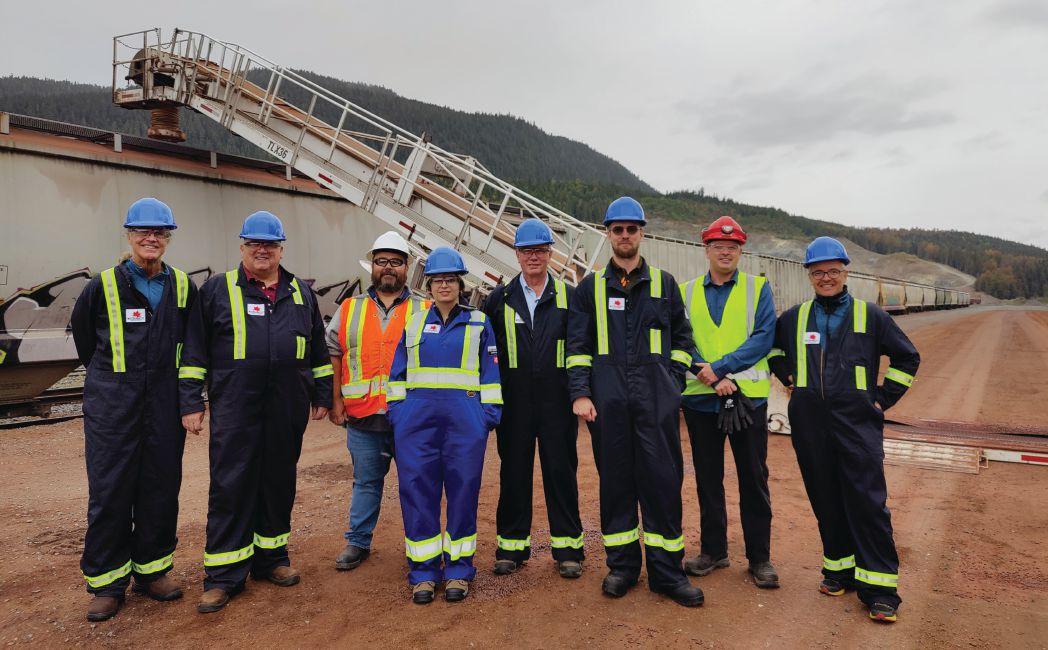
The Skeena Bioenergy-Kitsumkalum First Nation partnership is vital to the success of the wood pellet plant in Terrace, B.C. Skeena handles production while Kitsumkalum handles logistics. WPAC members pose with Skeena and Kitsumkalum representatives at their Terrace logistics park. Photo courtesy WPAC.
fuels with fibre from Canada that would otherwise be burned.
We are prepared to tackle challenges head on. We are also prepared to address concerns and answer questions about our commitment to sustainability.
individual pellet plant operators and local communities.
We are also prepared to address concerns and answer questions about our commitment to sustainability.
This was one reason WPAC launched a new study that confirms wood pellets in British Columbia are sourced entirely from sawmill and harvest residuals or from low-quality logs and bush grind rejected by other industries.
Respected forest experts and Registered Professional Foresters, Professor Gary Bull, Dr. Jeremy Williams, Dr. Jim Thrower and Mr. Brad Bennett analyzed government and industry databases, confi
“We reviewed the data for virtually every truckload of fibre for each pellet mill in the province and were able to source forest-based residuals down to the forest harvesting block for each mill,” said Bull. “The findings were clear: 85 per cent of the fibre for pellets comes from the by-products of the sawmills and allied industries, and the remaining 15 per cent comes from bush grind and low-quality logs where the only other option is to burn the low-grade logs and brush piles on site in order to reduce fire risk.”
In addition, almost all pellets produced in B.C. are certified under the international recognized Sustainable Biomass Program and the fibre is from sustainably managed forests in B.C. certified under the Canadi
ry Initiative.
The conference brought us together to address challenges like these and to explore opportunities, triumphantly evidenced in the power of the partnerships between Indigenous nations, industry and all levels of government in communities from coast to coast that benefit not just the region, but Canada and the world.
Today, the internet has opened a whole new world of opportunities to reach an audience, but as the saying goes, ‘A lie is halfway round the world before the truth has got its boots on.’
Senior industry communications consultant Karen Brandt urged us at the conference “To spend 90 per cent of our time doing the good work; living up to our commitment to a better world and 10 per cent responding to the critics.”
We’ve done a lot of good work; let’s keep the focus up. An entire planet and future generations are depending on us. •
Island Energy
BioFlame Briquettes expands Vancouver Island operation
By Maria Church
It was more than 10 years ago now that Vancouver Island resident Marcus Woernle was at a wood processing trade show in Europe and first saw a biomass briquetting system. Impressed by the ease of the process and sustainability of the product, he took a leap of faith and purchased a system. Thus, BioFlame Briquettes was born in Chemainus, B.C.
Woernle, a power engineer by trade, has for years been tweaking his process, adding in new equipment, and slowly growing the residential biomass briquette heating market on the Island.
“Here, with the Gulf Islands, there’s not very much natural gas, so there is a really big market for firewood – lots of people use it. This is a direct replacement for that,” Woernle says.
This year, BioFlame landed a game-changing supply contract. The Saanich Commonwealth Place – a recreation centre in nearby Saanich, B.C. – is upgrading its existing natural-gas boilers to use biomass and has chosen BioFlame as its feedstock provider. The expansion into the municipal heating world is a big one for the small briquette company, and Woernle hopes it’s the beginning of a new chapter for them.
At their current production volume of 3,500 tonnes per year, BioFlame employs three operators and runs 14-hour shifts, six days a week.
BEHIND THE BRIQUETTING
As the sole owner of his company, Woernle says he chose the briquette route over wood pellets because briquette machinery is much smaller scale, making capital costs within reach. All of his equipment purchases have been from overseas suppliers.
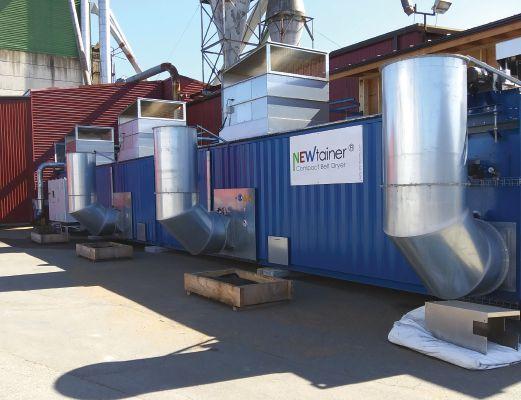
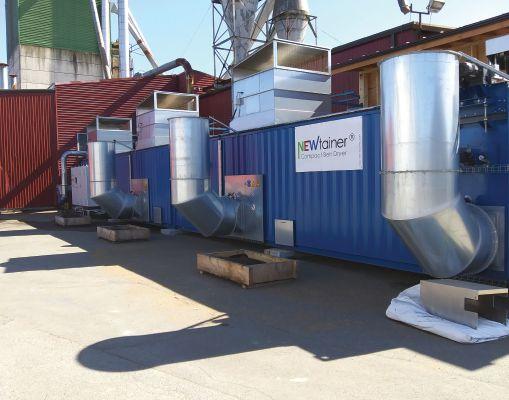
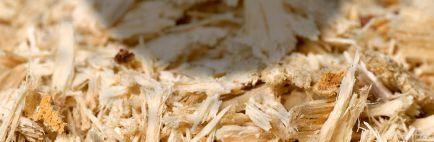
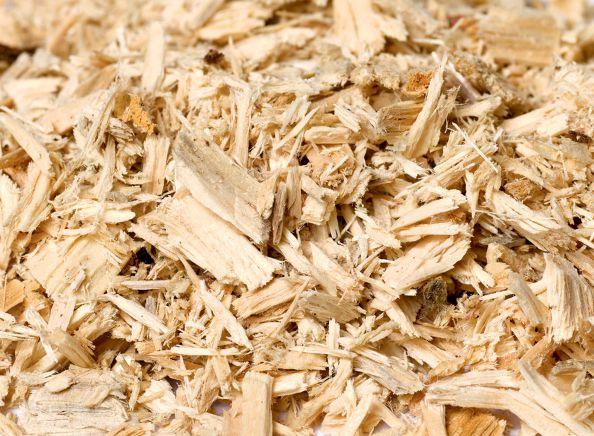
BioFlame’s briquetting process begins with a sawdust delivery by a walking floor truck into storage tents. The large tent buildings on site keep the chip material as dry as possible before processing. A Case front loader then moves that material onto walking floor that feeds into the dryer. A German-designed NEWeco-tec belt dryer, housed in two 40-foot shipping containers, dries the material before it is conveyed to a large silo, ready for the briquetting process.
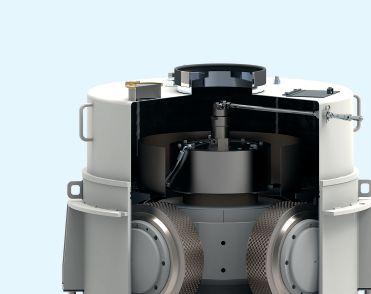
The four briquetting machines are fully automated RUF Briquetting Systems RB440 hydraulic presses, also out of Germany. Loaded wood material moves by screw conveyor into a pre-charging chamber where it’s pressed into the main pressing chamber. The main pressing ram then compresses material into the mold, forming the square briquette, which is then pushed out of the machine and into an automated packaging machine. Each machine produces about half a tonne an hour.
“They’re very reliable,” Woernle says of the RUF machines. “They run twenty-four-seven. You program how many briquettes
you want produced overnight, they run into a bin, and an employee feeds them into the packaging machine in the morning. This is in addition to the briquettes being produced during the working day, that are automatically fed to be packaged.”
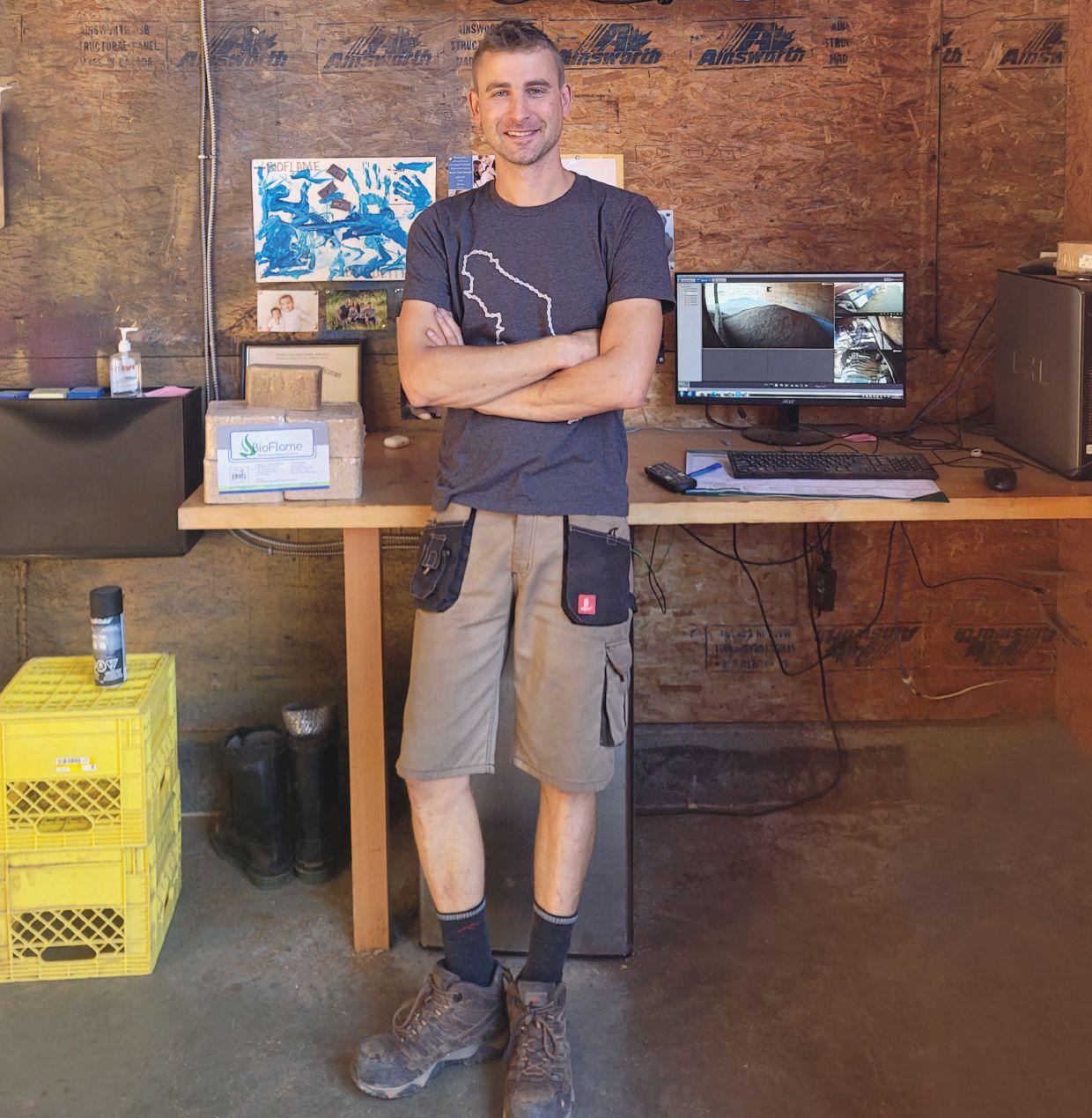
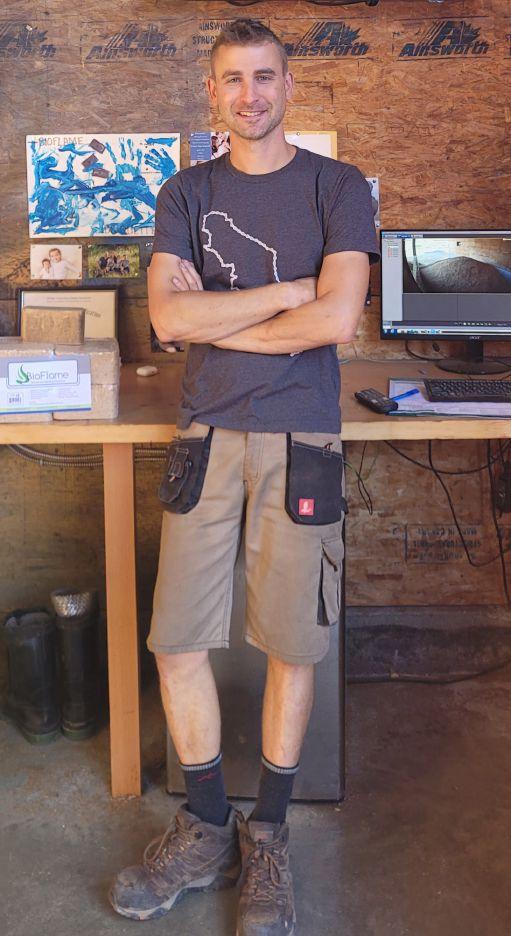
Marcus Woernle owns and operates BioFlame Briquettes in Chemainus, B.C., which produces around 3,500 tonnes per year of briquettes for the residential heat market on Vancouver Island.
Photos courtesy BioFlame Briquettes.
The briquettes are grouped in 12 and wrapped in recyclable plastic by a Strojplast machine out of Slovenia. Those packages are then manually palletized in roughly the equivalent amount to a cord of wood. Bulk bags are also made available to save on packaging.
An Austrian 3.5MW Mawera boiler, running off low quality feedstock, provides the heat for the dryer. This provides extensive savings over burning fossil fuels.
The dryer was a pivotal equipment purchase three years ago as it allowed them to process wet sawdust, Woernle says. “I oversized the dryer because that’s usually the bottleneck, I find. So, our capacity is 20,000 tonnes. Right now, we’re doing around 3,500 and we will expand from there and see how things go,” Woernle says.
“As big of a lumber industry that we have on the Island, there’s not that much KD [kiln-dried sawdust] – we export a lot of logs, or have green and send it out,” he says.
The limited fibre supply meant his product was selling out by October every year. With the dryer in the mix, they were able to add in more briquette machines, significantly upping production to its current numbers.
FEEDSTOCK
With no hammermill in the manufacturing process at the moment, BioFlame’s feedstock needs to be a reliable size and good quality.
A good portion of his supply currently comes from Long Hoh Enterprises – a 100 per cent Douglas fir value-added mill in Qualicum, B.C. Other fibre comes from nearby chipping mills (Harmac Pacific) where chips are screened before processing at pulp mills, as well as a few other small value-added facilities (Canadian Bavarian Millwork).
BioFlame’s biggest fibre supply limitation is related to salt water. Much of the log supply moving around the Island is stored at some point in log sorts in the ocean. The log absorbs salt from the ocean and if burned creates dioxins. Dioxin if not properly mitigated are harmful to the environment and the wood burning stove.
Despite this, fibre supply has not yet been a challenge, Woernle says. “Going forward, there’s lots out there, we just have to get a little creative.”
SUPPLY AND DEMAND
BioFlame supplies about 30 to 40 retailers, all within Vancouver Island and the surrounding Gulf Islands. The largest customers are local grocery and hardware stores. They also work with some distributors that deliver briquettes directly to customers’ homes as an alternative to cord wood.
“That’s really taken off now in the last year. It’s just a lot easier for people – they get it delivered to their door; they know what they’re getting. One pallet is equivalent to a cord of wood, they don’t have to worry about the moisture content, it’s neatly packaged, and easy to handle.”
“I think people do realize that it’s adding value to a resource. I pay for the sawdust so a sawmill can make more money, they can pay more for their logs, etc.,” Woernle says.
LANDING SAANICH
This summer, the District of Saanich in the greater Victoria area shared news of their plan to upgrade the Saanich Commonwealth Place’s natural gas boilers to biomass alternatives. Their goal is to reduce the recreation facility’s greenhouse gas emissions by 90 per cent.
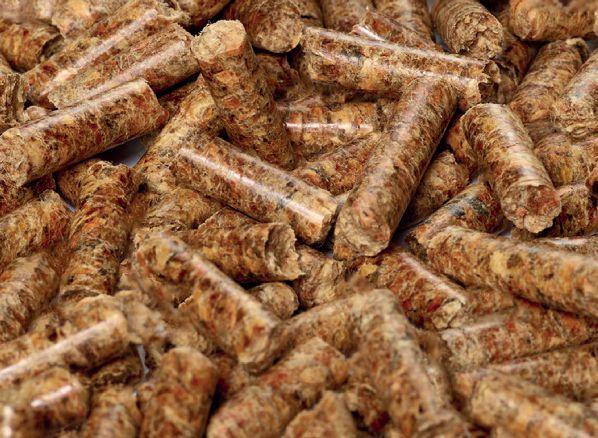
The new system is expected to take its first shipment by the end of 2022 and will run off BioFlame’s biomass pucks.
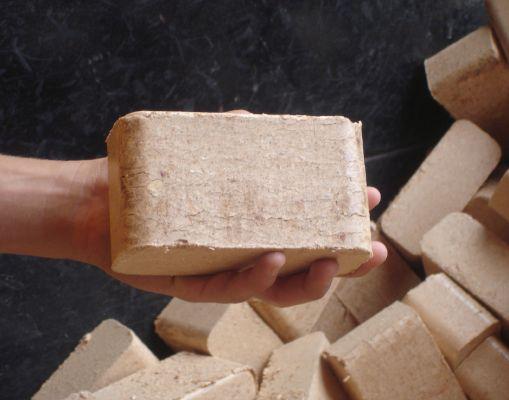
“The district took a tour of my facility. They were wondering what different fuel options are available,” Woernle says. Briquettes are too large for industrial use – they don’t fit into augers that feed most biomass boilers. Wood chips are the ideal size, but they have a low bulk density, which would require a steady stream of trucks feeding the boiler. They settled on biomass pucks as a compromise.
“This way, at the height of use, they’ll need a truck about every 10 days. Way less traffic for them and less maintenance for the boiler – less ash,” Woernle says.
In order to fulfill the contract, Bioflame has purchased a C.F. Nielsen mechanical briquetting machine that can produce both a round log and a small puck. The Saanich facility will require about 1,100 tonnes a year.
“It’s really exciting. They’re a world-class facility and it will be a great show piece for expanding interest,” Woernle says. •
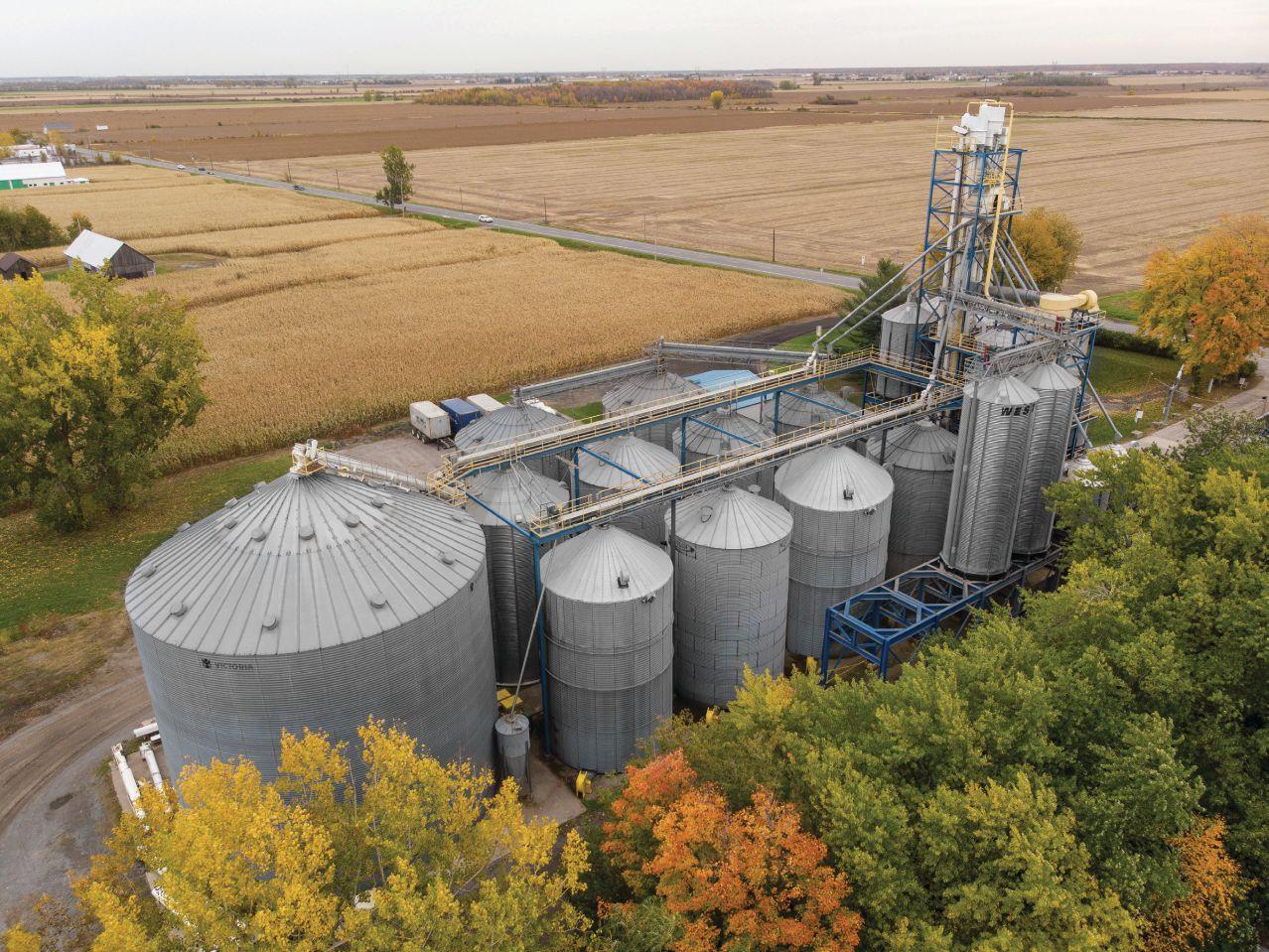
BioFlame runs four fully automated briquetting machines.
BioFlame added a NEWeco-tec belt dryer three years ago, allowing them to boost capacity and process wet sawdust.
Reconnecting, refocussing
WPAC conference sheds light on pellet industry’s triumphs, challenges
By Maria Church
Canada’s wood pellet industry had a lot of ground to cover as they returned in person for the first time in years to discuss the state of bioenergy and its future potential.
Around 200 industry insiders gathered for the Wood Pellet Association of Canada (WPAC) conference in Vancouver last week. Speakers from coast to coast assembled to tackle questions surrounding fibre supply security, local economic development, public perceptions, climate change mitigation, and plant safety.
WPAC president Vaughan Bassett, a senior vice-president for Drax, welcomed attendees with a summary of the association’s activities over the pandemic years. Membership grew despite the supply chain disruptions and communication challenges. The association’s leadership, led by executive director Gordon Murray, made strides in the government relations and policy fronts, safety, domestic outreach, and marketing.
“We are constantly working to live up to our motto of enabling responsible, renewable, clean energy,” Bassett said.
POLICY PRIORITIES
Both federal and B.C. provincial governments took the stage to address the industry and layout their policy priorities.
Monique Frison, the director general of Trade, Economics and Industry branch of the Canadian Forest Service, summarized the federal outlook on Canada’s forest landscape and the role of bioenergy. “Biomass and pellet companies play a very clear role using the material that 20 to 30 years ago was a waste product,” she said.
Frison highlighted that competition for fibre residuals is a clear challenge for the industry, but that opportunities abound in terms of the global energy transition, Indigenous partnerships, and sustainable solutions for remote communities.
The Canadian Forest Service conducts an internal pellet mill survey, she said, encouraging producers to reach out for a link to participate.
Julie MacDougall, B.C. Ministry of Forests’ executive director of strategic initiatives, outlined pathways to advancing the province’s bioeconomy in the context of declining annual allowable cut (AAC) – a growing challenge for the entire B.C. forest industry. As we’ve heard from government before, the solution they see is in shifting the forest sector from high volume to high value.
MacDougall said their figures estimate four to six million megatons of greenhouse gas (GHG) emissions are lost to slash pile burning in the province. Pellets are among the opportunities to further utilize slash pile residuals, especially in Indigenous communities where they can convert to wood energy, she said.
Bioproducts are another area of focus for the province, she said, highlighting project examples including FPInnova-
tions’ testing of lignin-containing asphalt and the University of British Columbia’s research on bio-fabric made from softwood kraft pulp. Pellets can address challenges with the transportation and processing of harvest residuals, and the creation of a standardized feedstock, to make these projects sustainable, MacDougall said.
“Now is the time for B.C. to lead in the bioproducts sector,” she said.
COMMUNITY CENTRAL
A panel formed to discuss wood pellets’ role in communities and local economic develop took the stage next, with speakers representing a pellet producer, Indigenous development corp., supplier and policy planner.
Diane Collins, general manager with the Kitsumkalum Economic Development Group, spoke first and outlined the Indigenous values that centre their development in the forest industry:
• Only take what can be used
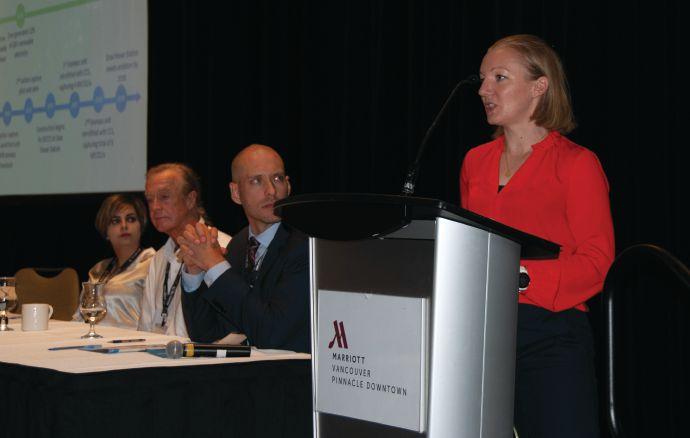
Ann Burton, Drax’s new build BECCS projects international lead, speaks on a panel addressing climate change mitigation from biomass on Day 1 of the Wood Pellet Association of Canada conference, held in Vancouver in September.
• Use everything taken
• All things are connected in the chain of life
• We must support the ability for all living things to thrive
The Kitsumkalum community is a small First Nations village just west of Terrace, B.C. The Nation works closely with Skeena Sawmills and Skeena Bioenergy.
The Nation developed a logistic park as a space to merge the Nation’s values with efficiency, Collins said, the best example of which is in their partnership with Skeena. “That’s the space where reconciliation really begins,” she said.
Skeena president Roger Keery said they work with more than 20 First Nations, most of which have active forestry operations. “Each group is different and has different objectives and are at different stages of their negotiations with government,” he said.
Their sawmill and pellet plant are located within the town limits of Terrace, B.C. Community support is a critical cog in their business wheel. “The community and company succeed or fail together,” he
said. Every business decision they make must balance their financial success with the priorities of the community.
Focus turned next to Atlantic Canada communities with presentations from Jonathan Levesque from Biomass Solutions Biomasse (BSB) – a division of Groupe Savoie in New Brunswick that supplies biomass boilers – and Paula Cook, a senior energy engineer with the Government of Nova Scotia.
Both addressed provincial policy developments to support bioenergy in their provinces. Cook outlined a study she led in Nova Scotia to understand the emission reductions and cost comparisons of various heating options for replacing oil boilers in public buildings.
Based on the study’s conclusions, Cook said, “wood heat is an excellent scenario, especially when we have aging assets.”
ADDRESSING SOCIAL LICENSE
The next three presentations fell under the session title of “Setting the record straight.”
Senior communications consultant Karen Brandt, who has been working
closely with WPAC to share key messages for the wood pellet industry, outlined ways companies can help share their brand message. One tip: “Don’t get stuck on the hamster wheel,” Brandt said. In other words, don’t spend the majority of your effort correcting misinformation. Instead, she said, focus on doing the right things and “walking the talk.”
Brandt took the opportunity to officially introduce the audience to a study WPAC commissioned and released on feedstocks used by the pellet industry in B.C. The study authors found 100 per cent of wood pellets made in B.C. come from mill residuals, bush grind and low-quality roundwood.
The next presenter, Phillippe Theriault with Tsi Del Del Enterprises, spoke directly to feedstock harvesting on the Tsideldel First Nation forest licenses, west of Williams Lake, B.C. Tsi Del Del Biomass formed in 2018 to focus on biomass and hog fuel recovery from their logging operations in order to use all of the fibre they were harvesting for solid wood products.
Nearly one million cubic metres of fibre have been recovered for biomass purposes since the company formed – diverting what would have been burned in slash piles to products such as pellets or hog fuel for Atlantic Power.
Theriault made the point that without favourable biomass policy in B.C., larger forest product companies may choose to invest in other areas of North America, but First Nations cannot. They need support for their activities that enable the full use of their resources.
Tsi Del Del partners frequently with the Forest Enhancement Society of B.C. (FESBC) to move biomass projects forward. Executive director Steve Kozuki spoke next to explain how their organization’s early focus on social license meant that they’re an active advocate and storyteller for the biomass industry.
Since being formed in 2016, FESBC has funded 263 projects to the tune of $238 million. Many of these projects supported First Nations companies like
Tsi Del Del.
“It can be quite transformational when they become the leader in a project,” Kozuki said. He shared an example of a wildfire reduction project in which the community’s priority was to thin a section of forest that would allow for reintroduction of native berry plants for berry picking.
CLIMATE CHANGE CHALLENGES
The final three presenters of Day 1 addressed climate change mitigation from biomass, beginning with FutureMetrics president William Strauss.
Strauss focussed on carbon accounting in the biomass power sector, noting that if sourced from harvest residuals of sustainably managed forests and mill residuals, wood pellets are carbon neutral in combustion, minus the carbon emitted during production/transportation, as with any fuel. A necessary condition of this is that the annual harvest rate across the managed forest landscape must be less than or equal to the annual growth rate.
Ann Burton, Drax’s new build BECCS projects international lead, outlined an even more optimistic future for the pellet industry’s carbon footprint: bioenergy carbon capture and sequestration, or BECCS. The technology would see Drax capture and store underground the CO2 produced from the generation of electricity from biomass. The result would be the removal of carbon from the atmosphere.
Drax is pioneering the technology and aims to be commissioning their first plant in 2028, to create the world’s first carbon removal power station by 2030. The international potential of the technology could see the decarbonization of local energy grids.
Continuing the look at decarbonization, Fahimeh Yazdan Panah, WPAC’s director of research and technical development, updated the audience on developments to marine biofuels and wind assist to reduce ocean shipping emissions.
Yazdan Pannah noted there is no silver bullet to reduce emissions, but that liquid
and gaseous biofuel pathways are shortto mid-term solutions to bring the marine sector closer to its targets.
SAFER BY DESIGN
Day 2 of WPAC was all about safety, with five speakers taking to the stage to outline best practices and ongoing projects to enhance the safety of pellet operations across Canada.
WPAC members take part in monthly safety meetings to check in on research developments and lessons learned. Bill Laturnus, a senior safety advisor with the BC Forest Safety Council, said members should consider themselves lucky to have access to these meetings.
“I really don’t think another industry has anything like that,” he said. Referring to his work with the pellet industry to implement a safety process called bowtie analysis and critical control management, he said the safety meetings, “set the stage to have the commitment and support from industry before we started the process.”
Fike Canada’s Jeff Mycroft summarized the findings from WPAC’s Belt
Dryer Working Group, urging producers who operate or are considering purchasing a belt dryer to read their document to help inform their decisions. The study tackles safety issues and hazards related to direct heated dryers, Mycroft said, but the takeaways are applicable to most dryers used in the wood processing industry.
Kayleigh Rayner-Brown, principal with Obex Risk, shared her work advancing process safety management (PSM) in pellet plants in partnership with WPAC, Dalhousie University, the BC Forest Safety Council and Dust Safety Science. Her conclusions found that “explicit and effective” integration of PSM in wood pellet plants can help in prevention and mitigation of loss of control incidents.
Mike Tasker, occupational safety officer with WorkSafeBC, outlined the role his organization took on to implement bowtie analysis in the pellet industry with partners like the BC Forest Safety Council. Initial momentum was slow, he said, but companies have since made significant capital investments to improve processes and lower risk.
A JOURNALIST’S VIEW
The conference wrapped up with a much-anticipated keynote from B.C. political columnist Vaughn Palmer. The seasoned journalist shared his ballot predictions following B.C. Premier John Horgan’s planned exit, and the likely result on forest policy.
Responding to questions from the audience about facing down well-funded and organized ENGOs, Palmer said the fibre study is a significant stand to address a major point in their criticisms. “Your industry, though small, is not alone,” Palmer said, referring to the strides made across the forest industry to address social license.
Stay tuned for news of WPAC’s 2023 conference dates on www.pellet.org. •
For more wood pellet conference coverage and daily biomass news, visit www.canadianbiomassmagazine.ca
At your disposal
Anaergia offers the world turn-key solutions for converting waste to renewable fuel
By Maria Church
Canadian-headquartered biogas company Anaergia has been quietly amassing a global portfolio of projects and has turned its attention to full integration of the process. The company has announced a slew of new build-own-operate projects across the world in a bid to offer a real climate change solution.
CEO Andrew Benedek says controlling and manufacturing every element in the process is a deliberate decision to integrate and optimize efficiently, and, ultimately, have the largest effect on the climate.
“I founded the company because I really wanted to have major solution to the overall climate crisis,” Benedek says. “I structured the company to provide a completely integrated technical solutions as I felt that we need an integrated set of solutions to continuously advance the know-how, reduce the price, improve the quantity of gas made, and improve the residue value. And if you only do one part of the equation, you’re not able to effect the change that I was after.”
Anaergia’s solutions offer a way for communities to capture methane – one of the most potent greenhouse gasses in terms of warming potential – from waste
before it enters a landfill and to convert it to a replacement for fossil fuels.
Drop-in biofuels, Benedek says, are the most immediate, realistic solution to reducing greenhouse gas emissions, with waste specifically the most carbon-negative fuel.
“The world is so dependent on fossil fuels, it’s an enormous challenge to get off them. Unless we create drop-in renewable fuels at scale, we will not get off fossil fuels. Our hope is that government gets this, and we work like we did for vaccines, and really roll out a program to save your generation, and my grandchildren.”
IDEAS TO EXECUTION
Benedek, who holds a Ph.D. in chemical engineering, founded Anaergia in 2007 after selling his first Canadian wastewater treatment company, ZENON, to General Electric. During the sale, ZENON employed more than 1,500 people and specialized in building membrane technologies for wastewater recycling; it was a Canadian success story.
During a short tenure between companies at the Scripps Institute of Technology in California, Benedek says he became interested in climate change.
“What I realized is that we need solutions, and they are not going to be easy to come by. One of the best things I thought we could do is to reduce methane emissions. That’s what I started to build a company focused on,” Benedek says.
The founder says he was fortunate for a cleantech start-up because he came into the project with significant capital from the sale of his previous company. That money allowed him to invest “systematically, and properly” to build an international company.
“We created a global powerhouse in turning any kind of organic waste –whether it is agricultural or municipal solid waste or municipal liquid waste – into renewable natural gas (RNG),” Benedek says. “We acquired some companies, we created some technologies out of our Canadian research base, and we progressed to become the world’s leading platform for converting waste to gas and fertilizer.”
Last year the company went public on the Toronto Stock Exchange, gaining access to even more capital to build out its global portfolio.
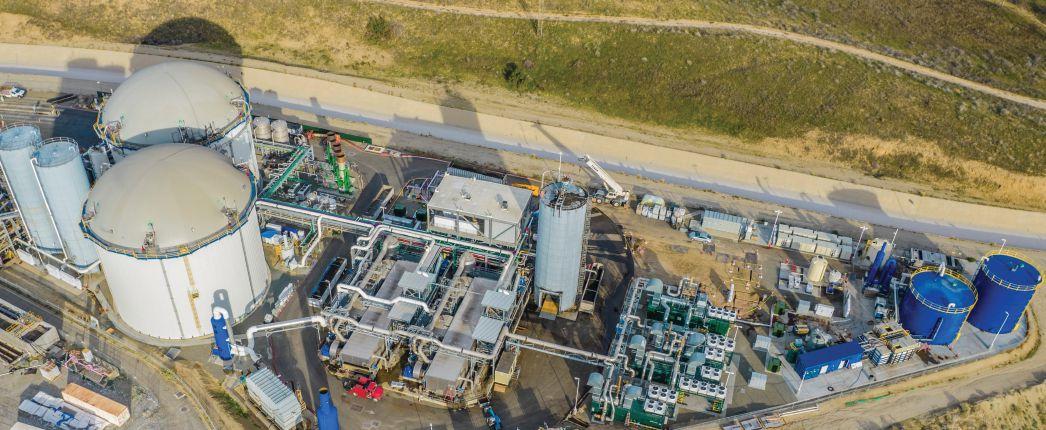
Anaergia’s Rialto Bioenergy in southern California is the largest food waste organics digestion facility in North America. Photo courtesy Anaergia.
BOOS – BUILD-OWN-OPERATE PROJECTS
While Anaergia offers a suite of standalone technologies for every step of the process of converting waste to clean fuel, its build-own-operate (BOO) projects are growing in number. As of print, 13 BOOs are in operation or soon-to-be operating –seven in Europe and six in North America.
The company’s first large BOO, Rialto Bioenergy, is currently operational and is the largest food waste organics digestion facility in North America. The facility turns food waste and sewage into RNG and fertilizer Organics are first isolated from household trash at Los Angeles-area materials recovery facilities using Anaergia’s OREX technology and then brought to Rialto. The organic material is stored in silos and then processed using their Organics Polishing System to remove plastic film and grit contamination and dilute the mixture before it’s sent to the digesters.
Anaergia’s Omnivore digester system then produces raw biogas, which is about 60 per cent methane and 40 per cent carbon dioxide along with some trace contaminants, such as siloxanes, ammonia, hydrogen sulfide, VOCs and water vapour. The upgrading stage sees carbon dioxide removed from the biogas to produce pipeline-quality methane, which is then compressed and injected into the partnering utility’s pipeline.
The residue solid organic material is sold as soil amendment while the liquid is recirculated in the system. Biosolids from the municipal wastewater treatment plants are not used in the digestor, but rather dried to produce biochar using waste heat from the Rialto facility.
The facility runs off an on-site 4.6-MW combined heat and power plant fuelled by methane, and a 2-MWh flow battery system.
The company estimates Rialto can produce up to 985,000 MMBTU of RNG per year, 4.6 MW of electricity, 30 tonnes per day of biochar, and 85 tonnes per day of digestate fertilizer, offsetting up to 220,200 tons per year of carbon dioxide equivalent.
Anaergia’s strength is in its ability to handle mixed waste, bypassing the need for a separate garbage and organics collection. Organics collection, while common in Canada, is at a significant cost and only collects around 25 per cent of
all food waste, Benedek says. Most U.S. cities do not have separate collections.
Anaergia can also upgrade existing wastewater treatment infrastructure to handle food waste and produce renewable energy without having to create new infrastructure. The company recently announced its first of such projects in Canada. The Petawawa Water Pollution Control Plant in Ontario will have its anaerobic digesters upgraded to process municipal waste organics along with the usual biosolids. Biogas will then be collected and used to fuel a combined head and power plant.
OPPORTUNITIES AND HURDLES
When it comes to scaling up the company and taking on even more projects, financing remains a hurdle, Benedek says.
“Financing is a bit rougher right now than it was just because share prices of renewable companies have gone down in Canada very substantially. As far as I can see almost everybody has rolled back. So this means that we have to be more innovative in how we finance our projects. That’s our company’s limitation,” he says.
Unsurprisingly, Benedek says, the biggest challenge to all companies in the clean fuels space is government.
“We start companies because we want to achieve what we hear government say: get more renewable fuels. Then government makes declarations and rules, but they take much longer than anyone thinks. And just when you think you got it right, they change the rules. So, I’m paranoid about government not doing its
job,” Benedek says.
With Canada releasing its final Clean Fuel Regulations this year that outlines policy to incentivize low-carbon fuels, and the U.S. passing its massive Inflation Reduction Act that includes large tax breaks to incentivize climate-friendly solutions such as biofuels, there is reason for optimism. But Benedek says he remains skeptical.
“One of the reasons we’re so international is that we want to make sure we balance. If one government is screwing up, we can regroup and put our resources into another part of the world,” he says. “We go where the government regulations make sense.”
While Anaergia will continue to fulfil technology contracts for customers around the world, they’re shifting focus to more and more build-own-operate plants, especially in Europe where nations are facing significant environmental and security concerns.
“We see a really significant increase in [BOO] opportunities in Europe. But now, with these changes and government incentives, we see north America increasing as well. We see mostly capital equipment opportunities in Asia, but a lot of them so that’s also growing,” Benedek says.
Anaergia just announced two new contracts in Asia: a food-waste treatment system in Singapore and a cow manure biogas plant in Japan.
“I think things are moving in the right direction, almost simultaneously,” he says. “It’s been slow, but it seems like we’re getting there.” •
Anaergia has 13 build-own-operate projects in various phases of operation in Europe and North America.
Manure to biochar
Absorbing nutrients from swine manure promises to reduce runoff
By J.P. Antonacci
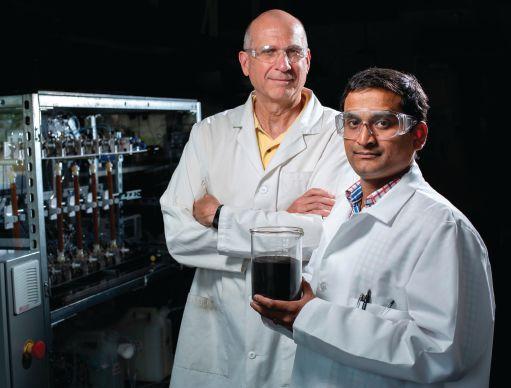
Researchers at Iowa State University are using treated biochar to absorb nutrients from liquid manure and repackage them as slow-release fertilizer pellets.
“Our concept starts from there – can we capture nitrogen and phosphorus and transfer these in a solid form so farmers can easily apply it?” says Santanu Bakshi, an environmental research scientist and biochar expert at the ISU Bioeconomy Institute.
Researchers have long understood that the use of biochar –obtained from burning biomass in a process called pyrolysis –replenishes soil carbon. That has the added benefit of increasing crop yields while decreasing needed fertilizer volume, along with reducing greenhouse gas emissions by sequestering carbon dioxide in the ground.
The ISU team discovered that pretreating biomass consisting of corn stover, wood chips and crop residue with very small amounts of iron sulfate – an inexpensive, nontoxic byproduct of steel production – made the resultant biochar able to trap phosphorus from swine manure. “And not only trap it,” says Bakshi. “When we tried to release the phosphorus from the system, we noticed that this is a very slow process.”
The team had hit upon a potentially novel use for biochar as a slow-release crop fertilizer. “We’ve been looking at biochar as a byproduct [of pyrolysis] for many years, but we didn’t get a lot of interest from the U.S. Department of Energy,” says Robert C. Brown, director of Iowa State’s Bioeconomy Institute and principal investigator of the biochar research project.
Pyrolysis is traditionally an oxygen-free process. Brown’s innovation was to add a tiny amount of air to encourage combustion of the biomass and generate heat in the reactor, which speeds up the conversion of biomass to bio-oil and biochar while also producing sugars.
Brown says there was already governmental and corporate interest in bio-oil as a diesel substitute and a greener component of asphalt. Using iron-rich biochar to extract nutrients from raw manure adds even more value to the pyrolysis process, since where once biochar was almost an afterthought to the bio-oils, the carbon-rich powder now has added value in its own right.
THINKING GREEN
Iowa State’s research into biochar could have many benefits for farmers and the environment alike.
Better nutrient management improves water quality by reducing runoff and the need to ship and store large quantities of manure. That lowers gaseous emissions from manure pits and air pollution from transport vehicles.
It can appear counter-intuitive, says Brown, that a process in-
volving heat is a net gain for the environment, but the charcoal produced through pyrolysis sequesters the carbon dioxide in the biomass and keeps it from entering the atmosphere had the organic material been open-air burned or left to decompose.
Farmers are not financially compensated for having greener operations, and Brown notes there are currently no regulations in the United States preventing farmers from “draining nitrate and phosphate into the rivers and lakes.”
“But [farmers] have an economic incentive to keep those nutrients on the field as a productive unit,” he says. “If they can be retained as a slow-release fertilizer, that’s very attractive to them.”
Along with being more environmentally friendly than raw manure, the fertilizer pellets are easier for farmers to apply. They would be plowed into the topsoil, allowing for a slow, uniform release of the nutrients they contain. Better still for farmers, switching from liquid manure to pellets will save money and improve nutrient efficiency, as they can use less fertilizer without seeing any reduction in their crop yields.
“You are reducing the amount of nitrogen and phosphorus and you are getting the same yield, or even more,” Bakshi says, adding that over the long term, restoring carbon levels makes for healthier and more productive soil.
Getting buy-in across the industry might take time, but Bakshi says farmers are getting wise to the potential benefits of biochar.
“Farmers are showing interest. They have started thinking
Iowa State University’s Robert C. Brown and Santanu Bakshi display a beaker of biochar, which they say could help protect farmlands from extreme weather events. Photo courtesy Christopher Gannon.
[about how] to reduce tons and tons of inorganic fertilizer,” he says. “We’re improving water quality, we’re reducing greenhouse gases, we are reducing transportation problems of voluminous manure, and we are improving the economics [of manure].”
BIOCHAR, EH?
Biochar is also getting attention north of the border. In a March 2022 report for Agriculture and Agri-Food Canada, soil scientist Vicky Lévesque says adding carbon compounds to soil “can have a positive effect on Canadian soil health and productivity and help to reduce greenhouse gas emissions.”
Biochar, Lévesque pointed out, is not a new concept. People living in the Amazonian rainforest thousands of years ago added carbon – in the form of charcoal from cooking fires mixed with manure, animal bones and broken pottery – to produce “exceptionally fertile soil.”
Turning maple bark, pine chips and other organic residue into a carbon-rich soil additive has helped regenerate soil and boost productivity in warmer climates, and Lévesque’s research is focused on applying that same technique in higher latitudes. She used biochar while growing sweet peppers and greenhouse tomatoes in soils typical of northern farms. The results were impressive, with biochar increasing the size and volume of the vegetables and adding beneficial bacteria to the soil, while also cutting fertilizer use by up to half the recommended application and reducing nutrient runoff.
“All of that is good news for farmers and the environment,” the report read. “Significantly, the use of biochar could also provide an opportunity to help agriculture lands better recover from extreme weather events linked to climate change, and support food security.”
WORKING OUT THE DETAILS
Brown hopes having a practical use for biochar in agriculture will make farmers more enthusiastic about pyrolysis as a whole, thus expanding the use of the green technology.
Logistical questions remain. While Brown says it would not be practical for each farm to house its own pyrolysis system since there is no economy of scale, neither does he think it makes much sense to ship biomass over long distances to centralized biorefineries. He advocates for a solution where farmers or subcontractors would only have to move biomass “a very short distance” to regional hubs where “small, modular reactors” have been assembled on site.
“We think the answer is not an on-farm system, not one gigantic centralized system, but a system that’s just right,” says Brown. “Instead of trying to pull biomass from hundreds of miles, let’s look at something that’s more on the scale of a county. That notion is it doesn’t sit on a single farm. It’s actually more like a co-operative enterprise, like you see in some of the grain elevators.”
Farmers could be paid in cash for the biomass they provide or receive biochar for their later use on the farm, he mused.
Down the road, Bakshi envisions an automated bioreactor system that would move manure through biochar and zeolite chambers where nutrients are separated, captured and processed. “I’m very confident that we will be successful,” he says. “If it works on a small scale, we can obviously increase the scale.”
THE BOTTOM LINE
Another challenge researchers must confront is the cost of biochar, which at present is highly prized by home gardeners. “You can sell it on eBay for $1,000 a ton, and that’s because consumers get a little bucket of it to put in all their pots or their plants in the house,” says Brown. But at that price, he added, “it’s not going to work scaling it to conventional agriculture.”
Brown suspects farmers could be swayed by biochar’s ability to build soil carbon and reduce nutrient runoff if it sold in the $100-per-ton range. “It may be significantly less than that,” he says. “We still need to have a business model that is not based solely on selling biochar.”
Lévesque also identified cost as a potential limitation for biochar’s wider agricultural use. “The current high cost for farmers to purchase biochar might make it more suited for high-cost value crops, such as orchards and vineyards,” she says.
However, Agriculture and Agri-Food Canada predicts Canada is poised to expand well beyond the 50 or so biochar producers currently active in the country, and it is hoped the added volume could lower costs. “It might take some time before we see the profound effect that biochar could have for Canadian farmers and the environment, but the future is burning bright,” the AAFC report says.
Armed with a $1-million USDA grant, the next step for Brown’s team is to scale up biochar production and take the research into a small-scale industrial biochar system during a three-year pyrolysis demonstration project. •
Need to vent?
Practical advice on conveyor explosion venting in wood processing facilities
By Joel E. Dulin
While many wood processors have complied with the standards outlined in the National Fire Protection Association’s updated version of NFPA 664, others are still navigating the codes on their journey toward compliance. And navigate they must because the standards for conveyors alone are extensive and can be expensive to implement, especially where mitigation devices are involved. Plus, as any non-expert who has delved into the subject knows, the forest of technical information about it isn’t easy to navigate. Neither does the information usually help with practical issues, such as whether to choose active or passive mitigation methods or whether you can mitigate explosion risks without expert assistance.
This article will thus address these issues and more as they relate to explosion venting in conveyors.
PASSIVE OR ACTIVE MITIGATION?
Where an explosion hazard exists, the facility owner has the choice to address it with active or passive mitigation devices. Active systems are more complex. These rely on a sensor to trigger a suppressant-containing device and are set up with electrical controls that can include fault modes to prevent unwanted release of the suppressant.
However, the complexity of these systems is a downside, as more can go wrong. Also, technicians may need to clean their conveyors after the suppressant has been released – a chore that can lengthen the downtime of an already disruptive event.
Passive mitigation is simpler and arguably safer than active systems. Jason Krbec, engineering manager at CV Technology, advocates for passive devices for this reason. In an interview with Dr. Chris Cloney on the Dust Safety Science podcast, Krbec insisted passive systems are “readily available” and “failsafe,” which gives them an advantage over tuned, active systems. Passive devices, he said, are “designed to open at a pre-set pressure. … And once that pressure is exceeded, they open, whether it’s for a deflagration event, explosion event, or a process reason.” In other words, there is no off mode for a passive system. The system is always ready to perform. Its simplicity makes it reliable.
Cloney followed up on Krbec’s point by comparing passive and active systems. “A passive system doesn’t need a controller,” he said. “No wiring. No redundant sensors. If it’s failsafe, it’s even better. It has less chance of things going wrong.”
But simplicity is also the downside of these systems. Because passive systems are designed to open whenever the pressure reaches a certain threshold, process changes that affect airflow may cause the vents to open when a deflagration has not occurred. Vents are getting better in this regard, however. Krbec
said vents are configured to higher tolerances nowadays to avoid them opening when they shouldn’t, though expert engineering is required to make a passive system a “set it and forget it” solution.
But those tolerances are only as good as the data a conveyor manufacturer provides about the pressure capabilities of their system. Getting that data takes effort, and not all conveyor manufacturers go through the rigorous testing required to obtain it, which can include computer analysis, field testing, and third-party evaluation.
Engineers who design blast vents for conveyors need accurate information because the pressure characteristics affect the mitigation system’s design. A conveyor with a strong frame, for example, needs fewer and smaller vents than a conveyor with a weaker frame. So, if a conveyor manufacturer provides inaccurate information, such as overestimating the strength of their equipment, the vents designed for it may fail to prevent an explosion.
CAN YOU DIY A MITIGATION SYSTEM?
These concerns underscore the fact that mitigation is too specialized to attempt without consulting an expert. Yet we know that wood-industry professionals prefer to do things themselves. If they can strap a solution together, it’s what they do. Large companies are no exception. Plus, they have engineers on staff to handle complex issues.
But the knowledge required to design a reliable mitigation system that conforms to NFPA standards is highly specialized. NFPA 68 alone has some 84 pages of codes, tables, calculations,
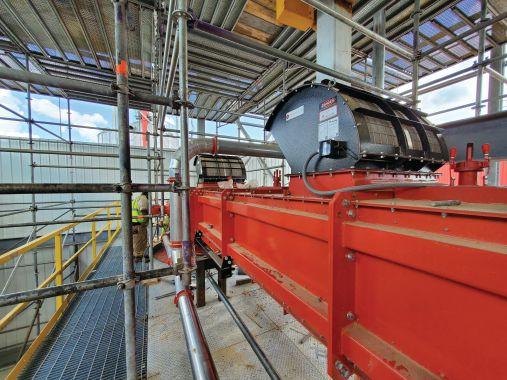
Plant personnel must maintain blast vents to ensure they remain functional. Photo courtesy Biomass Engineering & Equipment.
and exceptions for explosion mitigation devices, and missing one detail can put a facility out of compliance. Worse, it may nullify the system’s effectiveness.
Bernardo Sanson, a sales engineer with CV Tech, spoke to this point on a recent call, saying, “Ventilation requires expertise in the sense you’re required to know and be able to determine the burst pressure of the explosion panels. In the past, they were manufactured without much control for bust pressure. So, without knowing that, you don’t know the side effect a deflagration would have on your conveyor or the atmosphere. That’s only determined with testing. Plus, you have to be compliant with ATEC’s approvals in quality and protocol [as they relate to testing and manufacturing controls].”
Army Test and Evaluation Command approval isn’t likely something a wood processor will get from a panel designed by a staff engineer and manufactured in a company fab shop. Manufacturing intricacies are yet another reason to rely on professionals for this service and not attempt a do-it-yourself solution.
POST-INSTALLATION CARE
DIY efforts do come into play post instalment, of course. While passive systems require less care than active systems, they still need attention. As with other systems, plant personnel must know how post-instalment work may affect them and how they wear over time.
According to Krbec, it’s not uncommon for technicians to add insulation to blast panels on their equipment. This is a problem, as insulation adds inertia to the panel and affects how it will perform in the event of a deflagration. The same idea holds for changes to the conveyor the vents protect. For example, replacing a top or bottom panel with material thinner than original equipment manufacturer specifications makes the conveyor weaker. Because the system’s parameters have changed, the vents may no longer adequately protect it.
Adding components around a blast panel likewise can affect how the system performs. Objects placed to the side of a panel may deflect energy up and increase the distance the fireball travels. Changes to the material inside the vessel may also
affect the system, as can process changes that add vibrations or alter the air pressure. Due to the complexities associated with mitigation it’s best to consult the blast panel’s manufacturer before making changes.
Plant personnel must also maintain blast vents to ensure they remain functional. Panels must be kept free of debris, snow, ice, and large amounts of dust. They may also need protection from pests and precipitation. Furthermore, panels are not rust-proof, and vibrations will weaken them over time. A panels manufacturer can provide the best estimate for a panel’s expected lifespan.
Because mitigation systems are so nuanced, it’s best to talk to an expert before altering anything that may affect them. Professionals understand the ins and outs of these systems – what’s required, what to avoid, and how to manufacture devices to code. The forest of information on mitigation and dust safety may be thick, but such experts can help you navigate it. •
Joel E. Dulin is the director of marketing for Biomass Engineering & Equipment.
TSI BUILDS MACHINERY FOR THE BIOMASS INDUSTRY
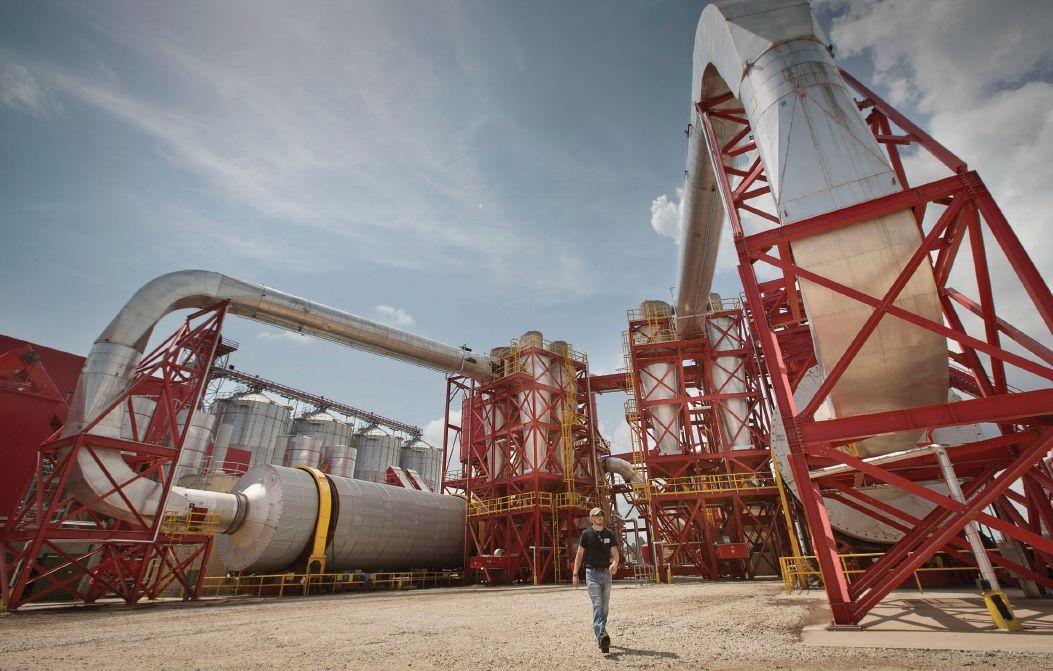
This includes Rotary Drum Dryers coupled with Heat Energy systems; TSI also builds Wet Electrostatic Precipitators when required to meet Client’s emission goals. TSI also offers technology for Torrefaction. TSI machinery is custom designed and ranges from 50,000 tons/year to 450,000 tons/year.
OGrowth potential
Biofuels outlook grows under Canadian Clean Fuel Regulations
By Ian Thomson, President, Advanced Biofuels Canada
n July 1, 2023, Canadian’s access to low carbon fuels will get a boost when the Clean Fuel Regulations (CFR) come into force. The regulation will require fossil fuel suppliers to gradually reduce the carbon content of the gasoline and diesel they market. To generate “compliance credits”, they can supply electricity, renewable natural gas, and hydrogen to alternative fuel vehicles, and they can employ technologies such as carbon capture at fossil fuel production facilities. The option expected to see the largest near-term response to the regulation is the blending of biofuels and renewable synthetic fuels into gasoline and diesel.
sources beyond traditional starches, fats, and oils.
Advanced Biofuels Canada’s annual capital projects survey (November 2021) portrays the scale and pace at which the sector could grow by 2030 under provincial and federal mandates. Annual economic impact from domestic biofuel production could almost triple to $5.3 billion by 2030, and Canada’s production capacity could move from 2.5 billion litres in 2020, to 10 billion litres by 2025, and over 12 billion litres by 2030.
Annual economic impact from domestic biofuel production could almost triple to $5.3 billion by 2030…
The potential impact of the CFR on the biofuels sector can be seen in other markets with similar regulations, such as British Columbia and California. Biofuels create more than 80 per cent of credits in those markets; and, in B.C., the last half decade of the Low Carbon Fuel Standard (LCFS) has seen biofuel blending grow faster than anywhere else in Canada. The B.C. LCFS is expected to represent over 30 per cent of the total reductions under the CleanBC Roadmap to 2030. In the California LCFS, renewable content in the diesel pool is approaching 30 per cent.
The B.C. LCFS has directly incented over a billion dollars of investment in new advanced biofuel and feedstock production, including investments by the forestry sector and utilization of new cellulosic feedstocks that are diversifying
The extent to which the CFR will incent additional biofuel production and consumption will be impacted by electric vehicle charging and renewable natural gas crediting. For example, ZEV mandates are expected to bring significant new crediting into the CFR as B.C., Quebec, and federal mandates put more EVs on the road.
The diesel and gasoline pools have different drivers with respect to prospects for higher biofuel blending.
Canada’s overall ethanol blending rate of 7.3 per cent (2021, est.) is considerably below the U.S. rate of just above 10 per cent. The compatibility of 15 per cent blends (E15) with every light-duty vehicle produced since 2001, and credit values under the U.S. RFS, has seen rapid growth of E15 retail availability in the U.S. By contrast, Canada has no retail E15 availability, despite an identical fleet profile. These data make clear that ethanol consumption can increase substantially in Canada; this outlook is supported by multiple technologies entering the market that will substantially lower ethanol’s carbon intensity (CI) and maintain ethanol’s relevance to reducing emissions. Over time,
EV adoption will reduce gasoline pool demand, but that impact will remain modest through to 2030.
Biodiesel and renewable diesel fuels also have significant growth potential under the dual influence of the CFR and provincial mandates. Canadian blending rates for the broad class of biomass-based diesel fuels is at 3.7 per cent (2021, est.), which is closer to the U.S. rate of 4.5 per cent. Given widespread use in some U.S. regions of mid-level biodiesel blends (B6 to 20, and R100 (pure renewable diesel), biomass-based diesel fuels can expand significantly in Canada, especially in sectors with dependence on energy dense liquid fuels such as aviation, rail, marine, and long-haul road transport.
In addition, Canada’s carbon price on fuels can substantially improve the economics of biofuel blending. The current price of $50/tonne adds $0.11/L and $0.13/L respectively to gasoline and diesel pump prices. Biofuel blends above 10 per cent in gasoline and five per cent in diesel are exempted from the carbon tax; as the carbon tax increases to $170/tonne by 2030, biofuels will get a boost on cost competitiveness.
Over the past decade, biofuels in Canada have had to overcome significant hurdles to wider adoption, with well-established supply, fuel quality, and sustainability standards now in place. Advanced biofuels have an indispensable role in a net-zero future – see netzerocleanfuels.ca – which bodes well for the sector in the decade ahead and beyond. •