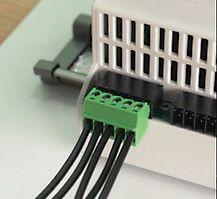
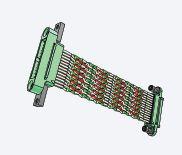
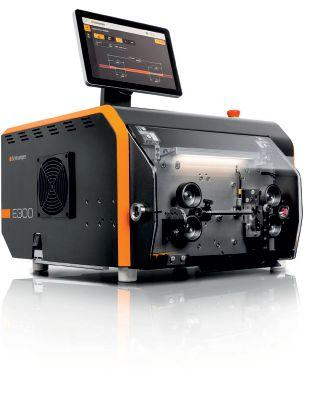
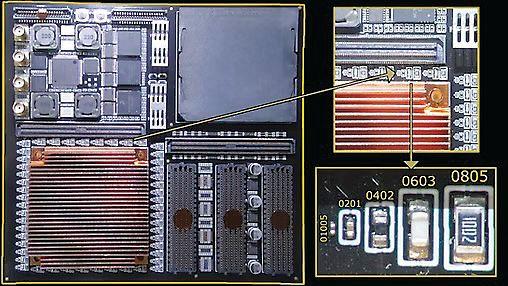
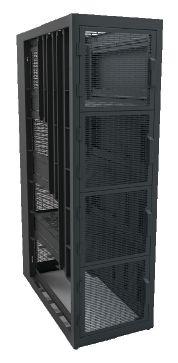
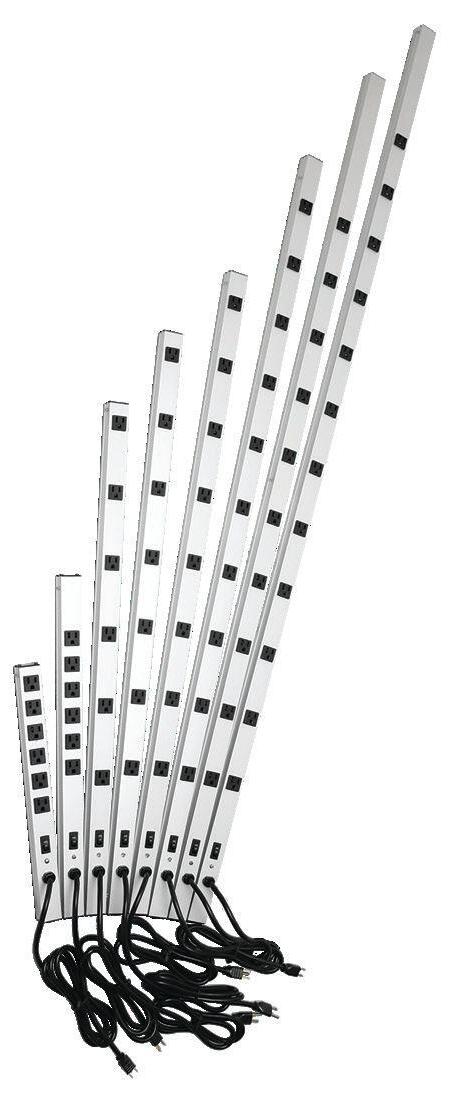
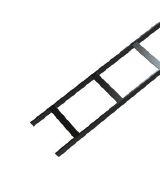
The Data Cable Co. remains steady at the helm when it comes to customizing wire & cable designs.
14 MINIMIZING E-WASTE
Recycling electronic components stands to significantly impact global E-waste streams.
16 TRY TO BE FLEXIBLE
Adoption of flexible manufacturing leads to a sustainable future.
Reimagining electronics
Burden of electronic waste continues to surge
The electronics industry finds itself at a pivotal crossroads. As global demand for connected, intelligent devices continues to surge, so too does the burden of electronic waste. The same components that power innovation—the silicon chips, printed circuit board (pcb), connectors and plastic enclosures—are contributing to an escalating environmental crisis.
In this issue of EP&T, we put particular focus on environmental sustainability. You will find multiple articles that spotlight companies, voices and technologies that are challenging this status quo.
What emerges is a compelling portrait of an industry waking up to the urgent need for change— not simply through greener operations, but by rethinking electronics from the substrate up. Few companies embody this more radically than UK-based Jiva Materials, featured in this month’s cover story. Their development of a fully biodegradable pcb substrate is more than just a product breakthrough—it’s a philosophical one. Instead of assuming electronics are destined for landfills or energy-intensive recycling processes, Jiva asks: What if electronics could leave no trace at all?
It’s a question the Canadian design community must begin asking more seriously. For decades, we’ve celebrated miniaturization, speed and performance. But now, sustainability must become a fourth pillar of electronic design—starting at the
earliest design stage and carrying through to sourcing, prototyping, manufacturing, and end-of-life planning.
As Component Sense points out in their contributed article, the distinction between recycling and true circularity is critical. Recycling, while important, is reactive. Circularity is proactive. It requires rethinking component sourcing, repairability, reusability and modularity. It means designing electronics not just for performance, but for disassembly. It’s a system-wide mindset shift that, frankly, many manufacturers are still unprepared to implement.
Change is coming
But, change is coming. This month, DigiKey Electronics details its efforts in embracing flexible manufacturing strategies that support more agile and environmentally responsible production.
Flexibility means more than meeting supply chain disruptions—it means reducing material waste, conserving energy, and allowing for on-demand production that cuts down on obsolete inventory.
Industry leadership is also catching up to this movement. Dr. John W. Mitchell, president & CEO of the Global Electronics Association (formally IPC), contributes a visionary article on the policies and practices needed to chart a more sustainable path forward. His message is clear: The industry can no longer treat environmental stewardship as a marketing add-on. It must be embedded into our standards, our certifications, our design methodologies, and our business incentives.
From the U.K. to the U.S., and here in Canada, we are witnessing a renaissance in how sustainability is defined within our field. Not as a constraint, but as a creative opportunity. Engineers and designers have the power to innovate solutions that are not only smarter, faster, and smaller—but also cleaner, safer, and more enduring.
Canada has a chance to lead in green space
With our strengths in cleantech R&D, materials science, and advanced manufacturing, Canadian firms are well-positioned to pilot closed-loop design systems, experiment with alternative substrates like those developed by Vita, and explore new business models around repair and reuse.
It would appear that the next wave of electronics innovation will be judged not just by its function, but by its footprint. And as the stories in this issue clearly show, the ideas, technologies, and leadership to support that shift are already taking root.
It’s time for every stakeholder in Canada’s electronics ecosystem—OEMs, CEMs, distributors, engineers, researchers, and policymakers—to move beyond incremental change and embrace whole-system transformation.
I must also mention that results from EP&T’s annual readership survey indicates that no one want to pay for the increased costs associated with implementing ‘green’ inititaives. But, we’ll get there – eventually. In the meantime- we’ll continue to tell those stories. We hope you’ll continue to read them.
STEPHEN LAW Editor slaw@ept.ca
Canada’s information leader for electronic engineers and designers
SEPTEMBER 2025
Volume 47, Number 5
READER SERVICE
Print and digital subscription inquiries or changes, please contact Angelita Potal Tel: (416) 510-5113 Fax: (416) 510-6875
Email: apotal@annexbusinessmedia.com
Mail: 111 Gordon Baker Rd., Suite 400 Toronto, ON M2H 3R1
EDITOR Stephen Law slaw@ept.ca · (416) 510-5208
WEST COAST CORRESPONDENT Mike Straus · mike@brandgesture.ca
MEDIA DESIGNER Graham Jeffrey gjeffrey@annexbusinessmedia.com
AUDIENCE DEVELOPMENT MANAGER Anita Madden amadden@annexbusinessmedia.com (416) 510-5183
GROUP PUBLISHER Paul Grossinger pgrossinger@annexbusinessmedia.com
CEO Scott Jamieson sjamieson@annesbusinessmedia.com
EP&T is published eight times per year by ANNEX BUSINESS MEDIA 111 Gordon Baker Road, Suite 400 Toronto, ON M2H 3R1 Tel (416) 442-5600 Fax (416) 510-5134 annexbusinessmedia.com
SUBSCRIPTION RATES
Canada – $59.67 one year; $95.88 two years USA – $136.68 (CAD) per year International – $187.17 (CAD) per year Single copy – Canada $15.00
ISSN 0708-4366 (print) ISSN 1923-3701 (digital)
PUB. MAIL AGREEMENT NO. 40065710 Return undeliverable Canadian addresses to: EP&T Circulation Department, 111 Gordon Baker Rd. Suite 400, Toronto, ON M2H 3R1
Quebec City-based medtech firm Zilia has received Health Canada’s approval of its flagship product, the Zilia Ocular, now authorized to measure oxygen saturation in the eye, a breakthrough that will redefine eye care.
The retinal camera features patented optical technology that non-invasively assesses the eye’s oxygenation. This metabolic biomarker provides eye care professionals a unique window into the physiological state of the eye, with the goal of detecting problems long before structural damage becomes apparent.
“This is a true paradigm shift,” says Dr. Patrick Sauvageau, optometrist, CEO, and co-founder of Zilia. “By measuring retinal oxygenation in real time, we aim to help eye care professionals better detect and manage eye diseases such as glaucoma, diabetic retinopathy, and age-related macular degeneration.”
AI
ZENATECH CREATES QUANTUM COMPUTING PROTOTYPE
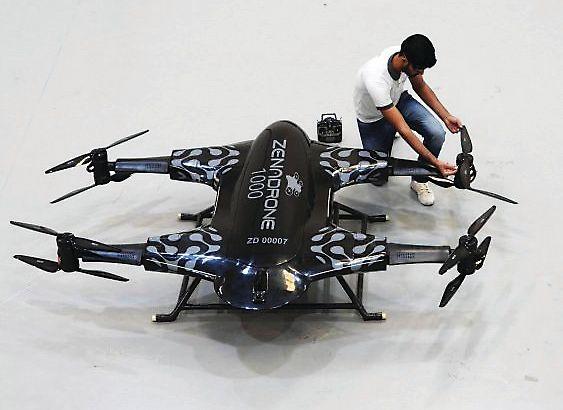
ZenaTech Inc. , Vancouver-based specialists in AI drones and solutions, has developed its first quantum computing prototype consisting of a framework for the rapid analysis and processing of large datasets for its AI drone solutions. Using weather forecasting algorithms as part of its Clear Sky project as a test case, the company has created a precedent framework for real time analysis of massive amounts of data that can be captured through AI drone sensors while in the air.
The firm envisions commercial applications ranging from highly efficient precision agriculture to predictive energy infrastructure inspections. Defense applications include enhancing real-time battlefield decision-making with faster and more precise threat detection, reconnaissance, and advance electronic warfare capabilities.
“We’re not just building smarter drones, we’re building a quantum-intelligent edge where data becomes decisions in an instant, whether it’s a battlefield or a farm field,” said Shaun Passley, Ph.D., ZenaTech CEO. “We
believe this quantum framework we are creating is just the beginning as we’ve now demonstrated it can use it for large datasets. We plan to keep expanding R&D capabilities, with the goal of growing our team of 6 to 25 over the coming months. The end goal is clear: accelerate time to market, reduce operational costs, and lead the industry as a true innovator,” added Dr. Passley.
SEMICONDUCTORS
RESEARCHERS ACHIEVE BREAKTHROUGH IN SEMICONDUCTOR NANOLASERS
Vancouver-based Zenatech recently unveiled its first prototype of a quantum computing
An IEEE study reveals that semiconductor nanolasers are emerging as key components for next-generation optical systems requiring ultra-low power and compact design.Traditional lasers face limitations at the nanoscale, prompting researchers to explore innovative nanolaser architectures. The IEEE study outlines breakthroughs in photonic crystal nanolasers, deep subwavelength cavities, and Fano lasers. These technologies enable
enhanced light confinement and energy efficiency, making them ideal for applications in on-chip communication, neuromorphic computing, and hybrid optical-electronic systems. The nanolaser designs enable ultra-low power operation and compact integration for next-generation optical systems. These advances are essential for future applications such as on-chip optical communication and neuromorphic computing, which require compact, energy-efficient light sources.
SMARTPHONES
APPLE REPORTEDLY TO DEBUT FOLDABLE IN 2026: TRENDFORCE
As Samsung and Apple lead the push into foldable smartphones, South Korean component suppliers are reportedly increasing their facility investments, according to ZDNet. The report indicates that the market is expected to grow substantially from 2026 onward, prompting these suppliers to scale up capacity in preparation for rising demand.
As noted in the report, the foldable smartphone market has so far been driven primarily by Samsung’s Galaxy Z Fold and Z Flip series, along with emerging Chinese competitors. Although growth is expected to slow in 2025 due to macroeconomic challenges and weak demand, a rebound is anticipated in 2026, with Apple expected to enter the market in the second half of the year.
In response, Fine Technix has announced a KRW $17.4 billion (about USD $13.3 million) investment in new facilities, according to sources cited in the report.
Zilia Ocular seeks to propel eye care into a new era.
(CNW Group/ Zilia)
operated drone.
NEWSWATCH
TEST
EMERSON EXPANDS CENTRALIZED TEST FOR ENGINEERING TEAMS
Emerson has launched a new edition of its NI SystemLink software platform, which empowers teams of engineers to collaborate more effectively by remotely configuring and monitoring test systems comprised of NI PXI, NI CompactRIO, and data acquisition devices connected to PCs.
NI SystemLink connects test facilities to improve the quality, uptime and reliability of critical test programs by allowing engineers to track software revisions, device calibration and system utilization across various environments. This new version simplifies set-up and installation while maintaining a feature-rich environment tuned to the needs of most labs and test facilities, eliminating the long setup times and heavy IT involvement typically required by similar solutions.
Using built-in remote software deployment capabilities, device calibration reports, live data dashboards and more, NI SystemLink helps engineers working in validation labs and production facilities to save time and resources without the usual overhead.
TECHNOLOGY
REPORT HIGHLIGHTS CANADA’S GROWING TECH BIZ
Technology-related employment in Canada is expected to increase in 2025, continuing a recent trend of steady job growth across the county, according to new research from CompTIA, the leading global provider of vendor-neutral information technology (IT) training and certifications.
The report estimates that net tech employment reached an estimated 1,445,188 workers in 2024, an increase of 1.9% over the previous year, or approximately 27,500 more workers. In 2025 net tech employment is forecast to grow 1.4% to 1.46 million workers. Since 2019, net tech employment has increased by an estimated 290,500 new jobs. Net tech employment accounts for 6.8% of Canada’s total workforce.
“Job growth is anticipated in
The NI SystemLink software platform empowers engineering teams to collaborate.
several occupation categories; from the bedrocks of tech support, cybersecurity, infrastructure and software to rapidly emerging fields such as artificial intelligence and advanced data analytics,” said Gary Mofford, account director, Canada, CompTIA. “Hiring intent reflects the critical importance of technology, tech workers and digitally fluent employees for organisations of all sizes, in all industries and in every locale.”
In the next 10 years tech occupation employment is expected to grow 1.77 times as fast as overall employment across the Canadian economy.
SPACE TECH
CCC SIGNS MOU TO BRING CANADIAN SPACE TECH AND EXPERTISE TO CYPRUS
CCC, a government to government contracting agency in Canada, has signed a Memorandum of Understanding (MoU) with the Eratosthenes Centre of Excellence (ECoE), a leading Cypriot space innovation and research organization affiliated with the Cyprus University of Technology. This MoU marks a strategic bilateral partnership that will promote collaboration between Canada and Cyprus in the growing space technology and Earth observation sectors.
“This agreement aligns with Canada’s commitment to strengthening global collaboration in the space sector. By leveraging CCC’s government-to-government contracting expertise and ECoE’s scientific excellence, we aim to accelerate innovative solutions and expand commercial opportunities for Canadian and Cypriot
businesses,” said Bobby Kwon, President and CEO of CCC.
This partnership builds on CCC’s mission of promoting Canada’s export diversification by linking Canadian expertise with global innovation centres. It opens new opportunities for collaboration for Canadian exporters in satellite technology, Earth observation services, space-based training solutions, and related fields. Together, CCC and ECoE will work to produce lasting benefits for communities in Canada and Cyprus.
SEMICONDUCTORS
SEMI AND ARIZONA STATE U PARTNER ON CUTTING-EDGE CHIP DESIGN
Industry association SEMI has partnered with Arizona State University (ASU) to expand access to high-impact, on-demand training for the global semiconductor workforce. The newly launched courses, available through the SEMI University (SEMI U) learning platform, span emerging and foundational topics critical to today’s semiconductor professionals, including AI, packaging, process characterization, and operational excellence.The courses offer a certificate from ASU upon successful completion of each module.
“Our partnership with ASU marks a significant step forward in delivering world-class semiconductor and AI education at scale,” said Shari Liss, Vice President of Global Workforce Development and Initiatives at SEMI. “Together, we’re equipping current and future professionals with the critical, in-demand skills.”
Photo: Emerson
Touchless tech changes medical imaging, industrial manufacturing
NZ Technologies invents screen based on AI-powered electric-field sensing
BY MIKE STRAUS, WEST COAST CORRESPONDENT
Touch is an important sense and an integral way that medical professionals and industrial workers interact with technology. However, as NZ Technologies Inc. founder Dr. Nima Ziraknejad discovered, screens that rely on touch often simply don’t work well in those particular fields.
During his Ph.D. studies, Dr. Ziraknejad was working on an autonomous vehicle headrest positioning system for the automotive industry. The autonomous application was capable of adjusting the headrest based on the head position and orientation of driver and other occupants.
However, in 2012 a team of doctors from Vancouver General Hospital visited Dr. Ziraknejad and explained the problem related to using imaging technology in operating rooms. They indicated that using touchscreens or mice/keyboards often requires doctors to take their gloves off, which causes problems in a sterile environment.
Dissecting the design
Newly motivated, the team at NZ Tech created a proof-of-concept medical device that resulted in government funding, enabling the company to eventually create a touch + touchless medical tablet for doctors.
“We spent about four years doing iterative development,” says NZ Technologies chief technology officer Pranav Saxena. “We were using 3D cameras and developing capacitive-based sensors, getting deep into the problem. At the time, there were some companies using Microsoft Kinect and other dev kits to try to fit them into the medical environment, but they ran into a lot of issues - because doctors don’t want to be making large,
Saxena, CTO of NZ Technologies, developers of HMI tech.
expansive hand gestures. Touchless is a nice buzzword, but if you’re forcing doctors to shift how they operate, they’re not going to like it.”
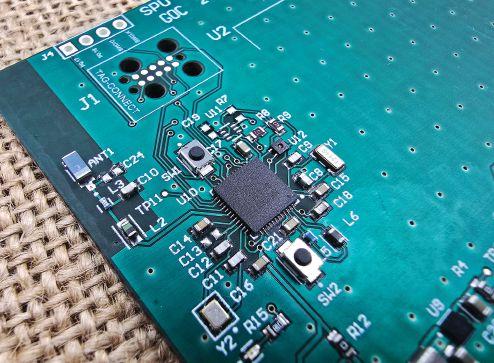
The HoverTap sensor is equipped with a small printed circuit board (pcb) with proprietary firmware called HoverCore that runs AI-powered machine learning algorithms to understand what the user wants to do.
The sensor and pcb have a USB connection like conventional touchscreens, so it’s built to work immediately as soon as it’s plugged in.
Saxena says the company took a user-focused approach to developing touch-free medical interfaces. The result of their efforts was the TIPSO AirPad, a hand-held wireless device with capacitive sensing, and HoverTap, a touch + touchless screen technology, that provides doctors fine motor control. In 2019, the company began early sales of TIPSO AirPad to distributors in North America and Asia, with an eye on entering the European market. That’s when COVID-19
changed everything.
“(Suddenly) doctors were too busy dealing with patients to explore new technologies,” Saxena explains. “So, we thought, ‘can we take what we’ve built and adopt it or screens and buttons where it was most needed during the pandemic.’ The first thing we worked on was elevators, as we had the channels to deploy and test the technology within the elevator industry. We work with West Coast Elevator, a local company, as well as Dupar Controls in Ontario.”
Can’t touch this
The firm went on to develop a touchless elevator panel, allowing users to call an elevator by swiping a hand over the sensor. After another year of maturing the technology, the company began working with Belgian-based medical display manufacturer Barco, creating several prototypes including a bedside tablet for doctors.
“Anything in an operating room has to be draped, and once you drape something, it loses a lot of tactile response,” Saxena
notes. “That’s where HoverTap comes in. You can drag your finger without touching, or swipe your hand to change pages without touching. The technology works with gloves, with liquid involved, and even with glass or plastic over the surface.”
Demonstrating market value
While medical is a core industry for NZ Technologies, the company also makes touchscreen technology for military, industrial and commercial applications. A customer of NZ Tech is currently building a vending machine that sits outdoors, which exposes it to rain and bugs that die on the screens.
There are several other hazards that aren’t common in an indoor environment. As such, the touchscreen for an outdoor vending machine needs to be rugged enough to withstand the elements.
With HoverTap, vending machine operators can place glass or plastic to protect the surface of the interface while still enabling touchscreen usability. Equally important is protection against vandalism. HoverTap technology allows for a thick protective barrier, such as an inch of glass, to be installed in front of the sensor without affecting its touch or touchless functionality.
“We’re identifying and working with a lot of clients in industrial spaces,” Saxena says. “Outdoors, military, medical manufacturing, and retail (are our main niches).”
NZ Technologies is a Vancouver-based manufacturer of HMI technology for the medical, military, elevator and kiosk sectors.
https://www.nztech.ca.
Mike Straus is EP&T’s West Coast correspondent. mike@brandgesture.ca
Pranav
Banned chemicals?
What are those two new elements that I keep hearing about?
BY CLAIGAN ENVIRONMENTAL
Why do your customers keep asking you about Dechlorane Plus and UV-328?
Well - they are being banned. Everywhere. Sort of.
These chemicals are on the same ‘random walk’ to restriction that PFOA and related chemicals have been through over the last few years. Almost every country in the world is committed to banning them, but each of these countries is taking their own approach to meeting that commitment.
First off - what are Dechlorane Plus and UV-328?
Dechlorane Plus is the original brand name for a very long-named chlorinated gas phase flame retardant. A gas phase flame retardant is a flame retardant that acts like an ‘energy sink’ during the combustion of plastic. Dechlorane Plus’s scientific name involves listing all twelve chlorines that make up the chemical and is 128 characters long, so everyone calls it by the original branded name - Dechlorane Plus.
Like most halogenated (i.e. chlorinated or brominated) gas phase flame retardants, Dechlorane Plus works in combination with antimony trioxide to ‘damp down’ the energy of combustion produced during the burning of thin plastics. Some of the chlorine molecules that make up Dechlorane Plus are released during the burning of plastic. These molecules then bind with the hydrogen radicals that are also produced by the burning of plastic. This binding absorbs some of the energy of the excited post-combustion hydrogen radicals, preventing them from returning to the plastic and creating more combustion. The newly formed hydrogen chloride (HCl) then binds with the antimony from the antimony trioxide in the same plastic (the ‘synergist’), using the much larger antimony atom to further absorb the energy of combustion.
Flame retardancy levels
Dechlorane Plus’ main application is in the thin plastics found in electronics that require high levels of flame retardancy. The most common materials that contain Dechlorane Plus are heat
The arbitrary nature of the country-tocountry regulation of POP substances will cause confusion for companies in the electroics field.
shrinks and the (often yellow) polyester tape wound around transformers. The EU SCIP database lists Dechlorane Plus in over 1.2M products, however most of this data is outdated and Dechlorane Plus is rarely found in modern products. More recent global data indicates Dechlorane Plus is mostly found in the polyester tape application.
UV-328 is a UV stabilizer. UV stabilizers absorb a portion of the UV light from sunlight, reducing the UV energy that creates other chemical reactions in plastics such as ‘sun fade’ or embrittlement. In the case of UV-328, the absorption is primarily around the 328nm UV wavelength.
UV-328 is almost exclusively found in the triacetyl acetate polarizer films used on the front and back of LCD screens. Suppliers have reported uses in other types of products, but testing has frequently demonstrated that to be in error where the UV stabilizer actually used is UV-328’s ‘sister’ stabilizer - the less restricted UV-326.
The global push for the restriction of Dechlorane Plus and UV-328 stem from the Eighteenth meeting of the
Persistent Organic Pollutants Review Committee of the UN Stockholm Convention on Persistent Organic Pollutants. Note - the UN Stockholm Convention has no direct power over the regulation of substances, such as Dechlorane Plus and UV-328. The countries party to the Convention are required to implement the agreed upon restrictions into their own national regulation. Companies and products are subject to the specific interpretations in these national implementations.
The agreement to restrict a substance under the Stockholm Convention is the start of a ‘random walk’ towards global regulation - with each signatory country (which does not include the US) slowly pushing the restriction through their own legislation with their own regulatory instruments. The Stockholm Convention includes deadlines for each signatory, but the deadlines are mostly guidelines since the regulatory process in each country is different, with its own process, instruments, timelines, and stakeholders.
The first region to regulate
Dechlorane Plus and UV-328, was the European Union. The EU added UV-328 to the REACH Substances of Very High Concern (REACH SVHC) list in December of 2014 and Dechlorane Plus in January of 2018. Products with components containing Dechlorane Plus and UV-328 above 1,000 ppm are required to declare their presence, and include product and substance details in the EU SCIP database. This first step toward regulation was not a restriction, but it was the first regulation of these substances in articles (physical products).
Lack of data on risk
More recently, the EU has added UV-328 to the EU Persistent Organic Pollutant (POP) regulation restriction list (Regulation 2025/843/EU). Banning UV328 (with some exemptions) in physical products at 100 ppm by August 4th, 2025. The restriction
will drop to 10 ppm on August 4th, 2027, and 1 ppm by August 4th, 2029. Based on testing results from the EU waste management industry, potential UV-328 in the recycling stream should not create non-compliance - as long as the UV-328 limit is 100 ppm. However, there is a significant lack of data on the risk for the future 10 ppm and 1 ppm limits. Without further investigation and regulatory activity, there is a strong risk of unintentionally banning recycled material in the EU.
Fortunately, UV-328’s only significant known modern use is in polarizers for LCD screens (and similar products) which are exempt from EU POP until 2030. The EU is also in the process of restricting Dechlorane Plus, with the first restrictions likely taking effectas early as September 2025. Dechlorane Plus will likely be regulated in the EU at 1,000 ppm in 2025, with a view of restricting it to 1 ppm by 2027. However,
the EU waste industry has clearly identified, through testing, that the presence of Dechlorane Plus is commonly above 1 ppm in recycled material. Unless the EU re-thinks the limits for Dechlorane Plus, the new restriction would be a ban on using recycled plastic.
Australia has restricted UV328 and Dechlorane Plus as of July 1st, 2026. UV-328 used in LCD screens is exempt until 2031. Neither substance has a specific level of restriction other than at “a trace contamination at which the chemical cannot be meaningfully used”. That would normally be 1,000 ppm, but there will likely be differences of opinions over time. The bureaucratic nature of the UN Stockholm Convention (and its implementation in individual countries) may mean that recommended levels are based on old data rather than reflecting the modern state of knowledge on these substances.
Additional signatories to the
UN Stockholm Convention have banned Dechlorane Plus and UV328. However, these restrictions are normally narrower in scope (such as only applying to chemicals, not articles) or exempt uses of these substances in plastics or rubbers (such as in Singapore). The haphazard nature of the country-to-country regulation of POP substances will cause confusion for companies. In the near term, manufacturers/brands? are encouraged to investigate any polyester tape (for dechlorane plus) and LCD screen (for UV328) products in order to plan an effective path forward in the face of these new restrictions.
This article was written and submitted by Claigan Environmental, a Kanata Ontario-based provider in restricted materials compliance. Claigan has tested thousands of products for PFAS, REACH, POP, TSCA, Prop 65, and related global compliance.
https://www.claigan.com
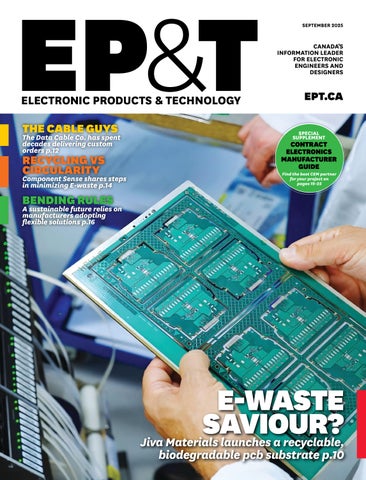
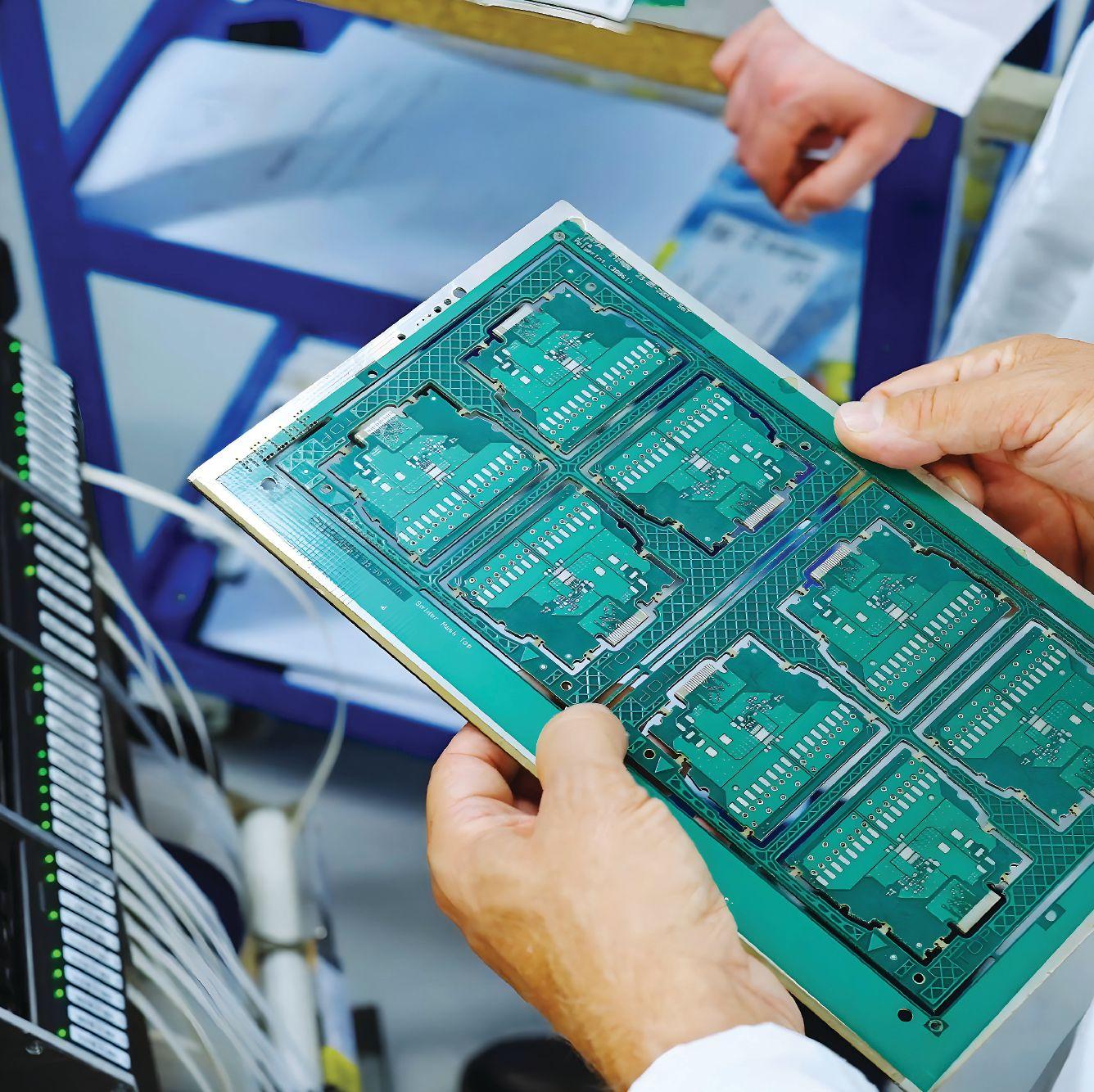
Recyclable pcb – an E-Waste saviour?
UK-based Jiva Materials launches Soluboard - a fully biodegradable substrate
BY STEPHEN LAW, EDITOR EP&T
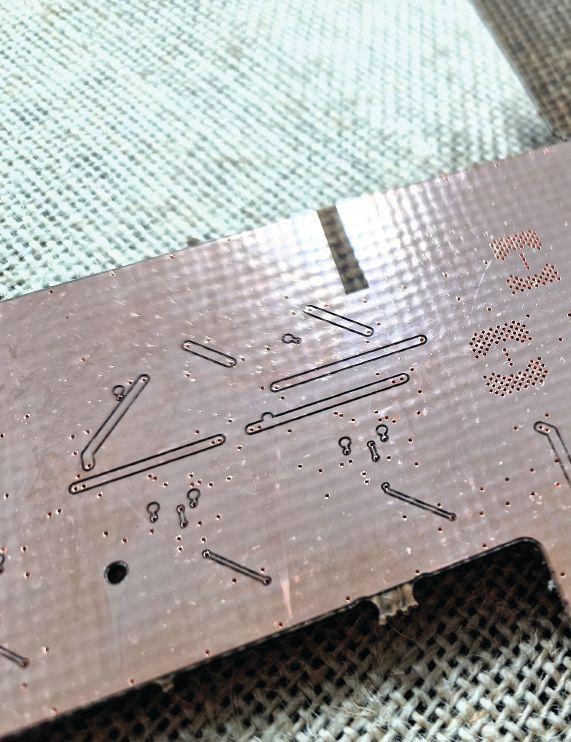
In an industry where performance and reliability often trump sustainability, one UK-based startup is flipping the script — and the substrate. Jiva Materials Ltd., founded by Jack Herring, is shaking up the global electronics sector with his invention – Soluboard, a fully recyclable and biodegradable printed circuit board (pcb) substrate. Developed as an eco-conscious alternative to traditional fiberglass-based pcbs, Soluboard dissolves in hot water, leaving behind only compostable natural fibers and recyclable metal components. In this exclusive interview, Herring shares the journey behind this materials innovation, the environmental cost of e-waste, and how Soluboard could redefine the way engineers and manufacturers think about electronics from the ground up.
What started out as a research brief issued by his design tutor in university, Herring was tasked to select a waste stream and try to optimize it effectively. He took on the hardest challenge possible - e-waste, which happens to be the fastest growing waste stream in the world. His early investigation left him “very shocked.”
“After delving into the supply chain a bit, I selected the pcb, which I was familiar with having built my own desktop PC. As I did my research, I was able to find out that they are made of epoxy, resin, fiberglass, with a flame retardant as well,” states Herring. “But in the green world that we’re living in now, I was very surprised to find that there were not any solutions available - in terms of a reduced carbon or optimized for
recycling alternative.”
Following his research, he found that pcbs were the obvious blind spots in the supply chain for electronics. Soon afterward Herring was able to file some IP and launch Jiva Materials. The company raised some pre-seed funding and began its journey - taking that original concept of recyclability at end-of-life and reducing carbon footprint, while maintaining the ability to actually process the material through industry standard pcb fabrication shops. Consumers of this ‘green’ design solution will be glad to know that Soluboard’s production costs will be priced similarly to FR-4, the most commonly used material for standard pcbs.
Economies of scale
“This will be all dependent on economies of scale. Obviously, we are still on our commercialization journey. But, as we’ve discussed with our numerous partners across the globe, it’s quite clear that people aren’t willing to pay a premium, even if you have an environmental improvement,”
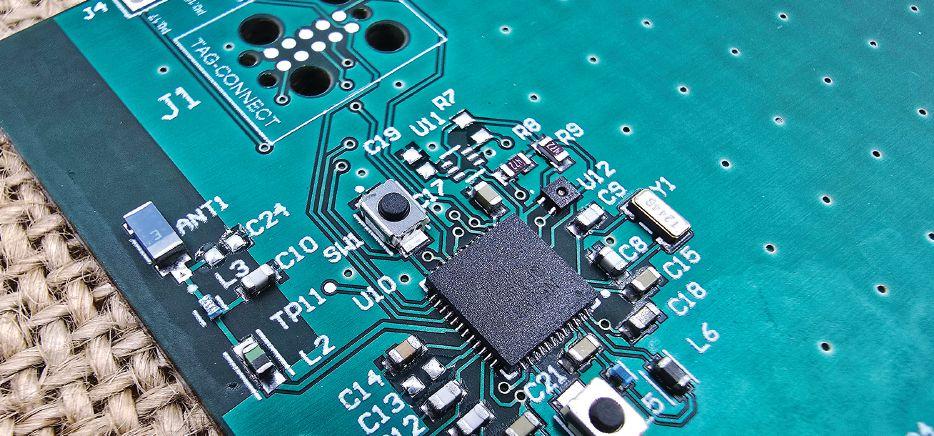
Soluboard has the potential to significantly reduce the global E-waste crisis.
said Herring. “So, we want to make sure that there is a minimal impact in on the BOM (bill of material) costs.”
Herring identifies consumer electronics as the most logical design destination for Soluboard, particularly domestic appliances, and/or IoT devices. Jiva Materials is also looking at LED lighting, because of emerging regulation that is driving changes with reduced carbon approaches in Europe.
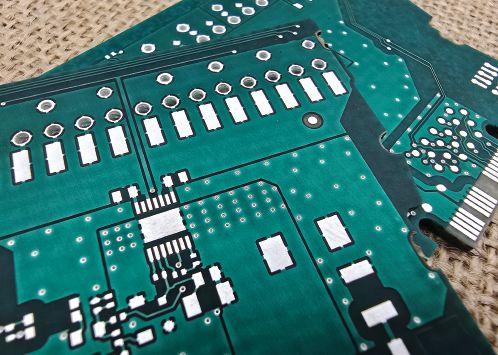
The biodegradable printed circuit board substrate is also recyclable.
“The reason we’re targeting these markets is because of the lifespan of the products within those market segments. They’re ideal for us to have the optimal impact in terms of the reduction of the carbon footprints. But they’re also very high volume, lower complexity pcbs - typically between two to four layers,” Herring stated.
When it comes to E-waste, the carbon footprint of these electronics are actually ‘baked in’ at the point of materials sourcing and the main manufacturing stages, according to Herring. “So, if we want to have some real impact, we need to start looking upstream in terms of raw materials and sourcing,” said Herring.
Carbon reduction
Soluboard has been able to demonstrate a 70% carbon reduction overall, primarily with its material, which has been optimized via the manufacturing process.
“The biggest driver for most of
Photos: Jiva Materials
our customers right now is carbon footprints, particularly with the pledges they’ve made to reduce those emissions. But, for certain applications the recycling is still valid. This means that the components can be recovered with minimal mechanical disruption,” Herring added.
Pcbs are typically recycled using shredding and incineration. So, if Jiva Materials can avoid that step, it permits an improved raw material waste stream at the end of life - as the firm uses biodegradable natural fibers. As a result, any residuals left over from that recycling process are not a persistent waste source.
“So, we have a carbon reduction at the beginning of our journey, and a recovery-friendly alternative end-oflife,” said Herring.
With rising global awareness to environmental issues, large corporations are often having their hands forced into making larger commitments in terms of E-waste reduction. These reporting requirements are becoming mandatory in a lot of regions. The European market has been the initial driver in providing traction and acceptance for Soluboard, which has been mostly due to government regulations.
“Soluboard’s impact of 70% carbon reduction is resonating with the sustainability teams - that didn’t really exist five or 10 years ago. We have also been able to leverage this
as a key decision maker, which ends up introducing our product into the business. We then work with the design and engineering teams, and we believe that our material can make a big difference to their scope of carbon emissions,” Herring enthused.
North American players in the electronics arena are paying closer attention to green laws, according to Herring. Asia is also catching-on and influencing decisions made in the western world, seeing as most pcb production hails from that continent.
Sustainability teams
“Once you get past the sustainability and engineering teams, you reach the buyers – which in this business are tough nuts to crack,” Herring mused. “They want to see that our technology is scalable. We’re moving from proof of concepts through to proof of business now, which is proving the scalability, but also the technology in terms of its functionality and durability at scale.”
In the early days, Herring and his team’s goal was to develop a material that delivered good thermal, mechanical and electrical properties,
End-users and customers of Soluboard are keen to learn that high production volumes of the pcb are scalable.
while serving as a reduced carbon material with an alternative end-oflife solution. Since then, the firm has gone through a lot of development, including thousands of iterations of the material.
“We’re at a point now where we’re happy with a material that can be scaled up working with our commercial partners as well. I think it’s always a balance of wanting to get to market. But, making sure the technology is right and not going to impact the usage patterns and the customer requirements of our dayto-day lives,” observed Herring.
As for what lies ahead in terms of product development, Herring says fulfilling the laminates business represents enough to keep his team busy, but they continue to explore a whole range of different applications for the product portfolio.
Sustainable pcbs
Jiva Materials’ design team is now looking at adding fillers into the pcb material, to improve signal integrity.
“We’re looking at introducing fillers into our material to improve certain properties like the signal integrity. Thermal is another application, particularly within the LED lighting market, which may require a bespoke material for that market segment. We would really like to become the ‘goto’ name in terms of sustainable pcb substrates,” explained Herring, who is aiming to take the technology from a two-layer plated through-hole pcb to multi-layer. This involves developing thinner core materials, while improving the dimensional stability of the technology
“We’re not trying to replace FR- 4, as it’s always going to have its uses, as with any other pcb substrate materials – such as flexible ceramic or aluminum-based boards,” said Herring.
“Our goal is to offer OEMs a viable lower carbon option where it makes sense in their product offering.”
As designers continue to pay closer attention to their carbon footprints, more advancements are made on the materials and manufacturing sideimpacting product lifecycle.
“I think it’s a chance to design without any compromise on performance by using our material. We think that our 70% carbon reduction would have a drastic impact on the portfolio offerings of all market segments that we’re targeting right now,” Herring concluded.
https://www.jivamaterials.com
Wired for success
The Data Cable Co. hits its stride after four decades of custom cable delivery
BY STEPHEN LAW, EDITOR
For more than four decades, The Data Cable Co. Inc. has been a trusted name in custom cable assemblies and wire harness manufacturing. Based in Orangeville, Ontario, the company has built a reputation for precision, reliability, and customer-focused solutions across industries ranging from medical and defense to telecom and transportation.
In this exclusive Q&A, EP&T Magazine speaks with CEO Chelliah Purushothaman about the company’s evolution since its founding in 1980, the challenges of maintaining quality in a competitive global market, and how Data Cable continues to adapt its operations to meet the demands of today’s increasingly connected world.
Q: Provide some company background history.
Data Cable is a custom cable assembly and wire harness manufacturer. We have been in the industry for several decades since it was started in 1980 in Orangeville, Ontario. We started with building products for a handful of customers and over the years we have grown our customer base across various industries, primarily through word-of-mouth.
Q: What industries and markets do you serve?
Data Cable serves a variety of industries, which include defense, satellite communications, medical equipment, agriculture, mining, oil and gas, and drone manufacturing, and many more. Every manufactured product, big or small, that needs a power source to function needs wires and cables, which provides us a wide scope of opportunities. Our expansion has been in industries that serve up-andcoming technologies that simplify the day-to-day operations of businesses and consumers, such as the UAV’s, Automation, and Robotics industries.
Q: What sets your firm apart from other wire harness & cable assemblers?
The first thing that comes to mind
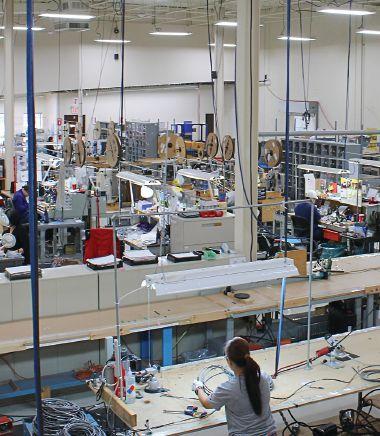
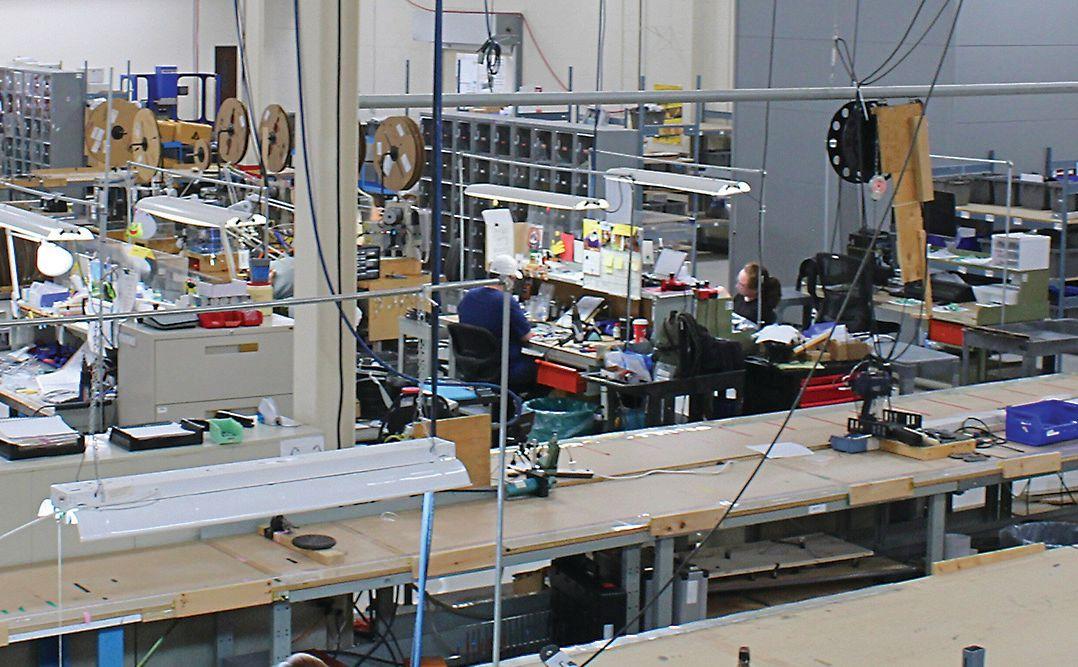
The Data Cable Co. has specialized in custom wire and cable orders from its Orangeville Ontario facility, serving a broad range of design applications.
is the longevity of the business. The experience we have in what we do is second to none. Secondly, we place a strong emphasis on the quality of our products and inspect 100% of everything we build.
Q: Can you walk us through your design and manufacturing process?
Since we are a custom manufacturer, in majority of the cases, the customer provides us with their design. Our engineering team works with the
customer to ensure the design is correct, and if there are any modifications required, we make suggestions. The final approval will come from the customer, so we build exactly to their specifications. Our engineering team will then build the first article, and it is sent to the customer for approval. Once the design is finalized, our engineering team provides step-by-step instructions to our production team. Products will be built and sent to the testing team for inspection. Once every item passes inspection, it will be sent to our warehouse for shipping the final product to the customer. We ensure quality and compliance throughout the entire process by first purchasing only high-quality components from authorized distributors, or directly from the manufacturers in some cases. We have a dedicated QA Specialist who checks in-process quality while the products are being built. Any necessary corrections are made before the products are sent to the testing team.
Q: How are you leveraging automation, digital tools, or smart manufacturing?
The company has embraced automation where possible. We have
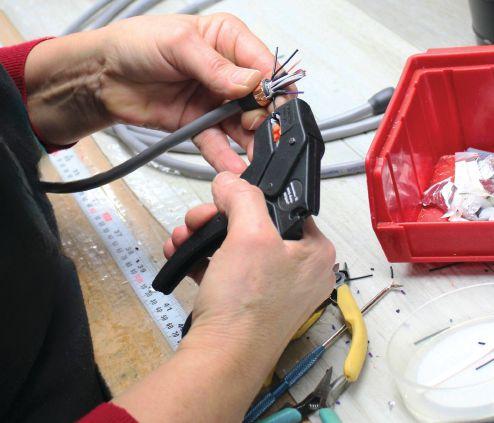
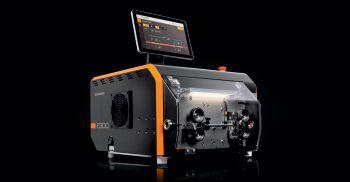
automated wire processing units that takes material from the spool to crimp stage. We have added automated storage solutions, reclaiming valuable space on the production floor to support our expansion objectives. We continue to introduce semi-automated solutions for repetitive tasks such as wire preparation and crimping. Additionally, we are transitioning from paper documentation to tablet-based work instructions. This move ensures consistency and prevents information loss. Instead of handwritten notes that may not be understood by the next operator, everything is stored digitally and can be accessed in real-time. These automated tools help us meet our customer demands and make our production associates more efficient.
Q: Highlight some recent innovations or engineering challenges.
We usually don’t develop products from ground up, but we have reverse engineered legacy items that customers cannot find and assisted them with the design process. We have some unique builds, which most custom manufacturers are unable to do. A great example
quality, customer satisfaction, and our growth plans. With these goals in mind, collaboration naturally occurs because we are all working to achieve the same objectives. Everyone is encouraged to present ideas that will improve our work processes and increase efficiency. At all levels of the organization, we maintain an open-door policy that fosters an uninhibited flow of communication.
Q: How are you navigating today’s supply chain realities?
manufacturers want to focus on their core strengths in building their product and are more and more leaning toward outsourcing the labour-intensive repetitive tasks to companies like us.
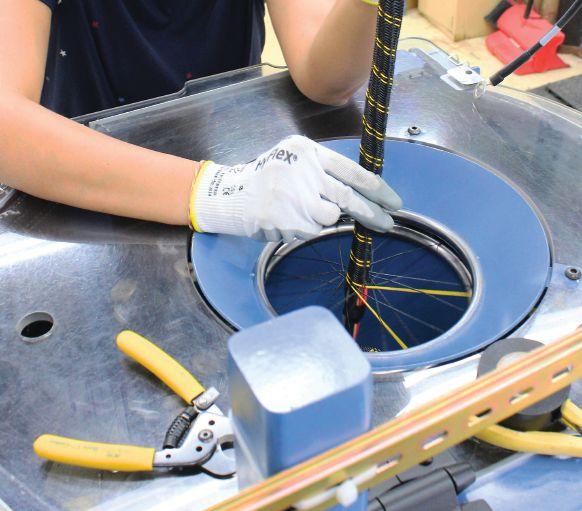
is building assemblies that use extremely thin wires (28 – 36 gauge).
Q: What can you tell us about your workforce?
We have a workforce of 65+ associates. More than 50% of our associates have been with Data Cable for over 10 years, with a few having over 25 years of service and some over 30 years. This high-tenured workforce is an indication of our talent pool and the experience that comes with that. In addition, we operate in a clean, air-conditioned facility that is often praised by customers who visit us. We also offer a certain degree of flexibility in work hours to accommodate our associates’ non-work responsibilities, such as caring for children or elderly parents. These small but important considerations help attract and retain talent.
Q: How does your firm foster a culture of continuous improvement?
Collaboration can be a delicate balance when multiple personalities are involved in an organization. However, at Data Cable we consistently remind all associates of our shared objectives like uncompromised
Supply chain is undoubtedly a key element of the manufacturing industry, and we are no exception to that. Data Cable successfully navigated the challenges during the COVID-19 pandemic, but we are currently facing new obstacles due to the recent trade discussions. While it is difficult to incorporate unpredictability into long term pricing models, we have quickly adapted by buying smarter and sourcing beyond our usual comfort zones. This has helped us maintain our delivery commitments, providing the same reliability that our customers expect from us.
Q: Is sustainability a factor in your operations or sourcing practices?
Sustainability is important to us and our customers. We recycle all excess material and practice responsible sourcing by ensuring the materials and suppliers we purchase from meet compliance requirements such as RoHS, REACH, Conflict Minerals regulations.
Q: What are some of the biggest opportunities and challenges you see ahead?
Our biggest opportunities arise from the ongoing technological transformation the world is currently experiencing. Electric vehicles (EVs) artificial intelligence (AI), space exploration, unmanned military operations, commercial drones, robotsboth at work and home - will all require cable assemblies and wire harnesses. Many of these
I don’t see any unique challenges to the wire harness industry except for some countries with lower labour costs taking some market share away from North America. Other challenges, like trade or military conflicts disrupting the supply chain, aging workforce in North America, etc., will be common across all industries.
Data Cable is positioning itself by expanding our customer and vendor base. We constantly work with colleges and universities and look to hire fresh graduates. We are focusing on the controllable factors of the opportunities and challenges that may present themselves, so we are ready to handle them.
Q: Are there any strategic goals, expansions, or investments planned?
We have ventured into the US market by hiring a US-based representative and are working on various opportunities. Companies that manufacture medical equipment and other mission-critical products prefer to source products and sub-assemblies built in North America, especially the USA & Canada. This is expected to bring increased business, leading to introduction of more semi-automation such as cobots (collaborative robots) and other tools to support our production team.
Data Cable is actively pursuing the AS9100 certification to enter the aerospace market. Already ISO 9001-2015 certified, there are only a few process additions and improvements remain before achieving this certification, which is expected to be completed by the end of the year. Overmolding solutions have recently been added by investing in a machine that uses plant-based resin. Customers can now rely on Data Cable as their one-stop solution. www.datacable.ca
The cable industry has experienced growth from EV and robotic markets.
Recycling vs circularity
Minimizing E-waste in electronics manufacturing
BY LIAM KILMISTER, COMPONENT SENSE
Electronic waste is increasing globally at a fast pace. In fact, we are on track to produce 82 million tonnes of e-waste annually by 2030. But what is behind this number? More importantly, how can electronic manufacturers prevent unnecessary contributions to the problem?
For many companies, assessing inventory management practices is a great place to start to reduce their waste in the form of discarded excess and obsolete (E&O) electronic components. Rapid technological advancements, shorter product lifecycles, and supply chain disruptions mean a lot of manufacturers are seeing bloated inventory due to cautious forecasting. Unfortunately, much of this inventory ends up as e-waste as parts become surplus to requirements.
So, what can be done about this stock? This article analyzes recycling and common circular practices to evaluate what electronic manufacturers should do to prevent their E&O inventory from reaching landfills.
Recycling to reduce electronic waste
Electronic components contain many rare earth elements (REEs), which are present for their unique electrochemical, magnetic, or luminescent properties. The problem is that these REEs are a finite resource, extracted from the earth. Not to mention, global supply is fragile, given that few nations account for the majority of REEs. For example, China accounts for 70% of global REE ore extraction. Unlike fossil fuels, REEs are critical to emerging green technologies that support a more sustainable future. Yet, large quantities are lost daily in the form of discarded components. Recycling is growing in importance to reduce e-waste and recapture valuable metals (not just REEs). Current common practices include:
• Bioleaching: Utilising microorganisms to extract metals
• Hydrometallurgy: Using chemical leaching to recover metals
• Pyrometallurgy (smelting): Heating up e-waste to high temperatures to extract metals
Here are some often overlooked aspects of common e-waste recycling methods.
Pros of recycling
One major challenge in e-waste recycling is the small size of components, which makes isolating and extracting specific materials difficult. Not to mention, the size of modern electronics, like smartphones, sees PCBs (printed circuit boards) packed into tight and sometimes difficult-to-access spaces.
In an ideal world, all elements present in an electronic component would be recycled, but current practices are very good at isolating and saving just one or several elements. Take, for example, the Royal Mint in the UK, where they seem to have honed the art of hydrometallurgy to extract gold and turn it into jewellery and commemorative coins. They say four thousand tonnes of e-waste should generate up to 450kg of gold.
Recycling is currently one of the best ways to isolate specific REEs from e-waste, recouping value and preventing the need for virgin resource extraction. Common practices like hydrometallurgy do not require high amounts of energy to pull off in most cases.
The financial benefits of recycling should also not be overlooked. The collection and processing of e-waste create jobs and can positively contribute to the economy. At the same time, electronics are kept out of landfills, where they pollute the environment.
Cons of recycling
While recycling is certainly more sustainable than disposing of e-waste, it is not without its flaws compared to other e-waste solutions. Each e-waste recycling technique is unique with its own positives and downsides. Although pyrometallurgy effectively extracts certain metals, it usually requires extreme temperatures and may release greenhouse gases, metal vapours, and other toxic dioxins and furans during the process depending on the method. Hydrometallurgy may not need as much energy, but common practices generate hazardous
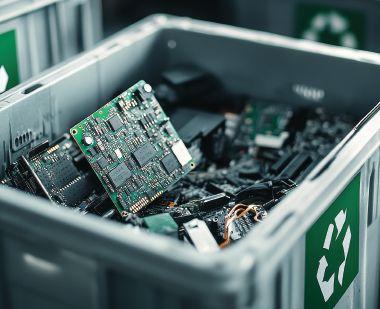
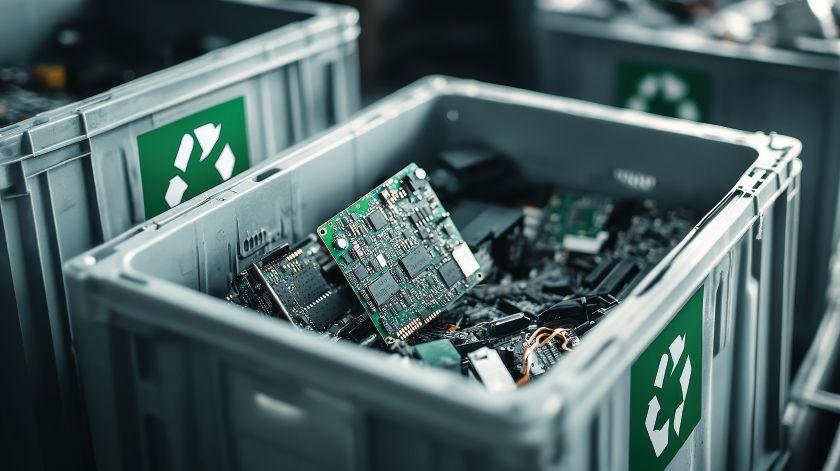
Recycling is one of the best ways to isolate specific REEs from the e-waste stream.
chemical waste. Bioleaching is a very promising alternative; however, as it stands, this approach may be slower and less scalable.
Ultimately, recycling is a reactive approach to managing e-waste. A more effective strategy for prevention is reducing waste at the source through redistribution and designing products with circularity in mind.
Circular practices to reduce electronic waste
E-waste contains hazardous materials that pose risks to human health and the environment. Some of these toxins include mercury, lead, and brominated flame retardants (BFRs). A circular supply chain is a key strategy for keeping these materials from being dumped.
A circular economy closes resource loops and maximises the lifetime value of materials. To achieve this, electronic manufacturers follow a take, make, use, repair, repurpose, redistribute, and then recycle model, whereas a linear economy follows a take, make, and dispose methodology. Yes, recycling is part of circularity; however, the goal is to ensure that devices are utilised by another manufacturer, preventing this need for as long as possible.
The secondary market is where companies like Component Sense take the E&O components of one electronic manufacturer and redistribute them to another company to ensure they go to use as originally intended.
While the secondary market may sometimes get a negative reputation due to fly-by-night sellers and the presence of counterfeit components, reputable redistributors who only partner with tier-one manufacturers with high levels of safety built into their supply chain and only deal with fully traceable components, alleviate any concerns.
Another factor in a circular supply chain is designing products that are easier and financially viable to repair and upgrade. Modular product design is a crucial aspect of promoting circularity. Here are the key positives and potential drawbacks of circularity in electronics.
Pros of circular practices
Beyond reducing waste, a circular electronics sector also limits the need for virgin resource extraction, including copper and other critical REEs. This also reduces carbon emissions, conserves water and minimizes the
energy-intensive refining processes required to extract raw materials. Procurement professionals can also source identical, brand-new components on the secondary market often at a lower cost. This reduces the demand for new chip production.
A chip fabrication plant may use millions of gallons of water daily and require a large volume of energy to operate. As an example, it is projected that TSMC will consume 12.5% of Taiwan’s total electricity in 2025. However, TSMC aims for 60% of its energy to come from renewables by 2030 and 100% by 2040.
Circularity prevents waste beyond just reducing discarded components. Many legacy components (parts older than 10 years) may not be available via franchised distribution. Sometimes, one legacy chip may prevent the scrapping of a large, old industrial piece of machinery, instead enabling a successful and cost-effective repair.
Designing products that are easy to repair and encouraging buy-back schemes also empower end consumers to make more sustainable choices with their electronics. Being able to repair devices easily encourages people to fix what they own instead of replacing them without thought.
Cons of circular practices
While turning to a circular supply chain makes financial and sustainable sense for electronic manufacturers and procurement professionals, there are some barriers for those looking to pivot their operations. Circularity is most effective when all supply chain partners collaborate toward a
common sustainability goal. It can be difficult to encourage partners to share the same focus as you.
Companies looking to operate more sustainably may be required to invest time and money at the start of their circularity journey. Analysing your supply chain and flow of stock can require an investment up front. Designing products that are easy to repair and recycle may also involve a more expensive design process and expert input.
Another factor in a circular supply chain is designing products that are easier and financially viable to repair and upgrade.
Specifically, regarding the utilization of the secondary market to redistribute E&O components, some electronic manufacturers and procurement professionals are put off due to the presence of counterfeit components and fly-by-night sellers looking to capitalise on component shortages. While stories of this behaviour are true, companies can protect their brand and operations by dealing with businesses that offer fully traceable components and only source stock from companies with high levels of security already built into their supply chain.
Choose the best of both worlds
The most effective approach to minimizing e-waste is to combine both recycling and circularity. However, it should be noted that recycling is a reactive strategy for minimizing e-waste, whereas circularity is closer to addressing e-waste generation at the source.
If possible, procurement professionals should look to source from more sustainable channels. Following this, manufacturers should responsibly redistribute their surplus inventory on the secondary market. This strategy makes sense both financially and environmentally.
However, redistributing components and designing for disassembly are only part of the picture and are not always viable options for all situations. Recycling e-waste and surplus components is always more sustainable than landfill disposal. There are many recycling options available in the market, and exciting new technological and process developments are announced regularly.
Component Sense is a UK-based electronic parts supplier, specializing in sustainable E&O solutions for electronic manufacturers. www.componentsense.com/
A sustainable future relies on adoption of flexible manufacturing
BY HERMANN REITER, SENIOR DIRECTOR, SUPPLIER BUSINESS DEVELOPMENT, DIGIKEY
As technological advancement rapidly propels us forward, the pressure to build a more sustainable future has never been greater. The road to a greener tomorrow is filled with environmental and logistical challenges that require a unified approach across manufacturers, distributors and supply chains to create effective new approaches and systems.
Traditional manufacturing models are known for prioritizing efficiency over sustainability – and being resource-intensive. A truly sustainable future demands a paradigm shift. Flexible manufacturing systems offer a promising path forward. By embracing adaptability and agility, manufacturers can reduce waste, optimize resource utilization and start adopting principles of circularity where resources are continuously recycled and reused.
While there is still much work to be done, many leaders and companies in the manufacturing industry are already collaborating and using their innovative technologies to leverage data, analytics and automation to help customers make more informed decisions, choose smarter products, implement sustainable practices, reduce greenhouse emissions and more.
As a leading global electronic components distributor, along with several of our supplier partners, DigiKey has firsthand insight into the positive impact of the digitalization movement and how it’s helping reduce
everything from energy use to water consumption, inefficient labor hours and excessive costs in manufacturing facilities across sectors.
The European imperative
While the global manufacturing industry is gaining significant momentum on sustainability goals, European leaders and government officials are leading the charge. The European Union aims to be an economy with net-zero greenhouse gas emissions. Parliament adopted the EU Climate Law in June 2021 to reduce emissions by 55% by 2030 and climate neutrality by 2050. These ambitious targets necessitate a fundamental shift across all sectors of the economy, with manufacturing playing a pivotal role.
While the pressure to decarbonize has been high, the European Union is on the road to streamlining and simplifying its sustainability rules, such as reporting requirements and compliance deadlines, for corporations through a new proposed omnibus regulation. If approved, the goal is to reduce administrative and reporting burdens on companies and unlock more business investment in sustainability efforts,
We know meeting sustainability targets requires a holistic approach, meaning “everybody is in scope” – calling for every individual, department and process within an organization to contribute to the sustainability journey.
According to the 2023 IDC
Global Sustainability Readiness Survey, 45% of EMEA manufacturers noted sustainability-related requirements from business partners were a top driver for operationalizing sustainability, followed by mitigating risks associated with non-sustainable operations and improving brand reputation.
A call for flexibility
With important drivers in place, the shift to flexible manufacturing is positively impacting sustainability and efficiency efforts. One DigiKey supplier – Analog Devices Inc. (ADI), a global semiconductor leader in security, AV and low-voltage products – is seeing this impact. ADI customers are investing in adaptable manufacturing within their own plants. This enables production lines to be changed quickly when necessary, building capabilities to react faster to
different regional requirements. Flexible manufacturing is a production method that allows manufacturers to quickly pivot with changes in product demand. It uses automation to manage production processes and can enable the following outcomes:
• Reduce waste: By responding quickly to changing market demands and minimizing overproduction, manufacturers can reduce material waste and lower environmental impact. For example, if battery longevity in the electronics market can be improved, products like mobile phones can last longer or be more readily recycled.
• Optimize resource utilization: Updating production lines to incorporate renewable energy sources, optimizing material usage, and minimizing energy consumption can have strong
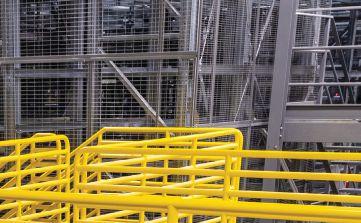
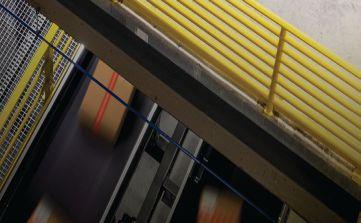
Industrial vision and automated robotics systems are just a few key solution that are helping optimize distribution operations.
benefits. I recently visited Schneider Electric, which is treating its wastewater to produce hydrogen and cut CO2 emissions. They are also using solar panels to generate electricity – all of which are impressive efforts to drive change.
Connecting digital signals
Digital technologies are crucial to sustainable manufacturing. Digital signals are data points generated by sensors and machines in a factory. These signals are then converted into a digital format to be analyzed and used to monitor, control and optimize production processes, provide real-time insights and improve efficiency levels.
Reports generated by connected solutions can indicate machine status, product quality, material levels and other measures in real-time through embedded vision systems. This allows for better quality control, predictive maintenance scheduling and overall process efficiency.
By connecting digital signals and data across the value chain, manufacturers can gain valuable insights into their environmental footprint. An example is a smart dust collector in a manufacturing facility that provides real-time updates on airflow quality, differential pressure and production runs from a single dashboard.
Logistics as a lever
When considering how to optimize operations, it’s fundamental to begin by looking at material flow, industrial vision and automated robotic systems – key areas that are helping move the industry toward a more sustainable future.
Optimizing material flow within and between facilities minimizes transportation distances, reduces fuel consumption and lowers emissions. For example, ADI is implementing a net-zero warehouse to equalize energy from renewable sources as it consumes them. In our warehouses, DigiKey uses automation to increase productivity, utilize space better and maintain inventory accuracy in our distribution center. We also bundle orders to save on packaging, space and freight costs when shipping products. Every sustainable action or practice put into action adds up from an environmental perspective.
Another area driving sustainable manufacturing innovation is automated robotic systems that improve warehouse efficiency, reduce labor costs, lower the risk of errors and minimize the environmental impact of transportation. Vision systems are also optimizing warehouse operations and improving inventory management.
Managing logistics can be complex, but
using them to support your company’s sustainability plan can result in significant ROI and increase long-term profitability.
A call to action
The path to a more sustainable future is challenging, but by taking key steps, it is within reach. By embracing innovation, fostering collaboration and recognizing the responsibility of “everybody in scope,” European organizations have taken steps to lead and
inspire a global movement toward a more sustainable and prosperous future. However, it takes a collective effort. Governments, businesses and individuals must work together to drive innovation and accelerate the transition to a low-carbon economy.
Hermann Reiter is senior director, supplier business development for DigiKey, a recognized global leader in the distribution of electronic components and automation products worldwide.
Charting a sustainable path forward for making electronics
BY DR. JOHN W. MITCHELL, PRESIDENT & CEO, GLOBAL ELECTRONICS ASSOCIATION
The electronics industry has always been an innovator and a driver of innovation. Today, electronics manufacturers navigate a complex landscape shaped by rising costs, supply chain pressures, and shifting trade policies. For many companies, these dynamics are prompting a re-evaluation of long-term strategies.
Increasingly, sustainability is emerging not just as an environmental priority, but as a practical solution that can stabilize business operations, reduce risk, and unlock new opportunities for growth. But what’s still missing is a clear, coordinated path forward.
According to a recent report from Global Electronics Association (formerly IPC), the industry faces both optimism, and the friction, as companies continuously reevaluate their manufacturing processes and products.
Meeting sustainability targets
The survey captured overwhelming aspirations for sustainability from key players across the electronics industry. Among the report’s most encouraging findings is that nearly 60% of electronics industry professionals surveyed expect their sustainability efforts to increase over the next year. Nearly 80% of respondents expressed confidence in their ability to meet sustainability targets, with printed circuit board (pcb) and contract manufacturers reporting the highest levels of optimism.
Even more significantly, the data shows that these efforts are not reactionary or politically driven. Companies are treating sustainability as a long-term investment and an essential business strategy that aligns with evolving global priorities, market expectations, and the demands of a competitive workforce.
Opportunities for sustainable innovation are already emerging across the electronics value chain. Printed circuit board (pcb) manufacturers, in particular, anticipate the most growth in sustainability initiatives. Earlier this year, Jiva Materials introduced the world’s first fully recyclable, compostable pcb substrate (see article on page 10 of this issue).
As companies explore tactics to reclaim and repurpose valuable resources like iron, copper, and gold, there have been significant breakthroughs in circularity. Every year, electronic waste leads to at least $57 billion in losses:
Circular practices will enable companies to reduce spend.
Even cutting-edge technologies like AI chips present new sustainability frontiers: reclaiming components from discarded chips could reduce energy use by up to 200 kWh per unit.These examples point to the practical and scalable solutions already beginning to take shape.
Wired for Change is useful in defining several critical roadblocks that need to be addressed. Regulatory uncertainty, the complexity of implementation, and limited budgets remain key challenges – especially for smaller companies that are eager to lead on sustainability but lack the resources for sweeping manufacturing operational changes.
Fragmented approach hinders
These aren’t just logistical hurdles; they point to a broader issue across the industry with a lack of coordination. Sustainability efforts are often siloed, with companies innovating in isolation and without a shared framework for success. This fragmented approach runs counter to the electronics industry’s foundational strength and its ability to operate as a tightly connected ecosystem, where companies see one another as key partners and collaborators.
In order for the industry’s sustainability shift to take root, it must happen collectively. Historically, we’ve seen large manufacturers with the resources – and industry sway – lead the charge on sustainability. I am pleased to see a
new wave of smaller players stepping up. But many of these companies lack the resources to invest in major operational shifts.
That’s why the Global Electronics Association launched Evolve, to provide the tools, guidance, and shared space companies need to move from ambition to action together. Our goal is to accelerate progress by addressing shared pain points and lowering barriers to entry, while encouraging innovation that’s tailored to the realities of this sector.
Association launches Evolve
Evolve brings together our group’s most relevant tools and resources into one platform, including guidance for double materiality assessments and a new summary to support Scope 3 greenhouse gas reporting, helping companies respond to shifting expectations from investors, regulators, and customers. Evolve is built from global industry feedback and shaped through collaboration across companies, regions, and specialties. By supporting collective learning and shared solutions.
The electronics industry’s sustainability transformation will not happen overnight. But what we have seen in our research is that companies are not just ready for change, they are wired for it. By providing the tools, data, and leadership to guide the next evolution, Global Electronics Association helps electronics designers and manufacturers thrive in a sustainable future.
https://www.electronics.org/evolve
SOURCING CEM PARTNERS CONTRACT
A list of CEMs and EMS providers across Canada
Electronic Manufacturing Services Guide 2025
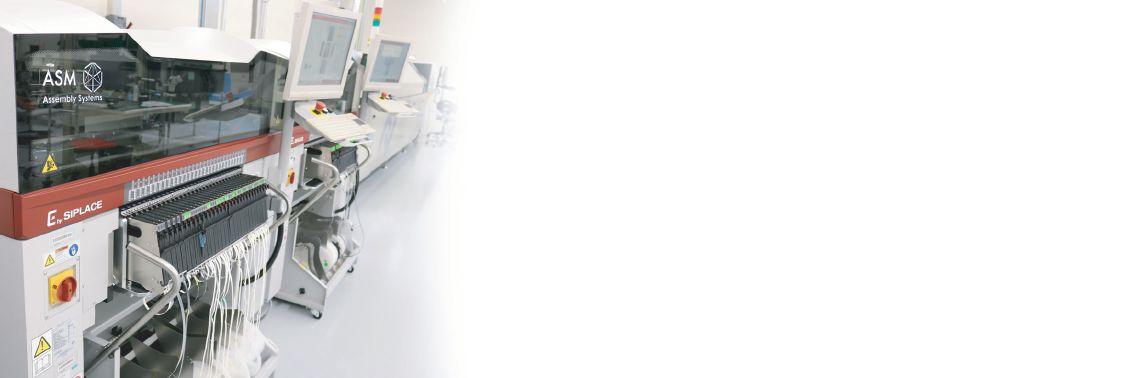
Contract Electronics Manufacturers (CEMs) — also known as Electronic Manufacturing Services (EMS) providers — remain an indispensable link in Canada’s electronics industry value chain. They bridge the gap between concept and market-ready product, enabling engineers and designers to transform ideas into reality with speed, precision and reliability.
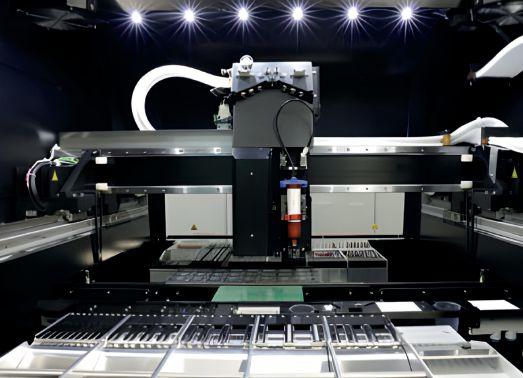
In today’s competitive and fast-moving electronics sector, CEMs deliver far more than assembly. They provide a complete suite of capabilities — from design assistance, rapid prototyping and precision pcb assembly, to advanced testing, supply chain management and final product integration. By leveraging state-of-the-art equipment, proven manufacturing processes, and specialized expertise, CEMs
WESTERN CANADA
BRITISH COLUMBIA
Active Electronic Manufacturing PCB assembly line includes high-speed pick and place machines.
Sales and technical support centre for North American clients of BRIO Technology, an EMS provider in Northern China. 223 – 8678 Greenall Avenue, Burnaby, BC, V5J 3M6
Quick-turn pcb board shop. #12 – 13140 88th Avenue, Surrey, British Columbia
Tel: 604.599.8600
Toll-Free: 1-888-590-6464
sales@canadiancircuits.com
http://www.canadiancircuits.com
CIMtech Mfg. Inc.
AS9100D Certified Machining; 20 years’ experience in aerospace assembly tooling and aerospace parts: prototyping, production and complete sub-assemblies.
BC-based designer and assembler of high performing pcba. 102A 3430 Brighton Ave, Burnaby, BC V5A 2H5
Tel: 604-765-0880
https://denatechnologies.com/
Dorigo Systems Ltd.
Full turnkey CEM.
5085 North Fraser Way, Burnaby, BC V5J 0J2
Tel: (604) 294-4600
Fax: 604-294-4609
Sales@dorigo.com
https://www.dorigo.com/
allow OEMs and design houses to focus on innovation while ensuring their products meet the highest standards for quality, scalability and cost-effectiveness.
CEMs in Canada serve a remarkably diverse range of industries, adapting to projects of varying complexity and scale — from high-volume consumer electronics production to small-batch builds for aerospace, medical, industrial and IoT applications.
This annual EP&T guide is designed as a practical resource for OEMs, engineers, and procurement professionals looking to connect with Canadian CEMs. Whether you require a long-term production partner or a short-run prototyping specialist, the following listings can help you locate a manufacturing ally to support your next breakthrough.
EMS2020 Technologies Ltd.
Electronic manufacturing company.
570 Ebury Pl, Delta, BC V3M 6M8
Tel: (604) 525-3133
sales@ems2020tech.com http://ems2020tech.com/
Enigma Interconnect Corp.
Manufacturer of quality bare pcbs.
8070 Winston St, Burnaby, BC V5A 2H5
Tel: 604-420-3313
https://www.enigmacorp.com/
Euro Solutions
Makes flexible, customized electronics manufacturing solutions.
Unit E104 - 19720 94a Ave, Langley City, BC V1M 3B7
Tel: (604) 513-8584 https://www.eurobc.com/
ForeSeeson
Electronic manufacturing services provider.
101-4460 Jacombs Rd., Richmond, BC, V7A 0A4
Tel: (604) 233-0247
Fax: 604-233-0248
Email: info@foreseeson.com www.foreseeson.com
Hansen Indusries Ltd.
Metal fabricator.
2871 Olafsen Ave, Richmond, BC V6X 2R4
Tel: 604-278-2223
info@hanind.com
http://www.hansenindustries.com/
Humble Manufacturing Co. Ltd.
Precision-made custom sheet metal components, subassemblies.
3331 Ardingley Ave, Burnaby, BC V5B 4A5
Tel: 604-294-3331
https://humblemfg.com/
Innovative Manufacturing Source Inc.
Partner and provider of Electronic Manufacturing Services for all sector requirements.
3855 64 Ave SE, Calgary, AB T2C 2V5
Tel: 587-401-3121
https://imsmfg.ca/
Leach Pcba Inc.
EMS services provided for industrial and medical clients all over the world.
Specializes in the assembly of pcbs, connector cables, motor controllers, electrical control panels.
13018 84th Ave, Unit 4
Surrey, BC V3W 1L2
Tel: 604-590-2235
info@surtek.net https://www.surtek.net/
U Choice Manufacturing Inc.
Quick turn pcb assembly.
17665 66A Ave., Unit 505, Surrey, BC V3S 2A7
Tel: 778-574-2570
https://www.uchoice.ca/
ALBERTA
August Electronics (A Kaynes Company)
End-to-end electronic manufacturing services from prototyping to production. 1810 Centre Ave NE Calgary, AB T2E 0A6 Tel: 403-273-3131 info@eeicm.com https://aeicm.com/
BCS
Core competencies ranging from contract electronic manufacturing to product development and deployment.
777 64 Ave SE Unit 31 Calgary, AB, T2H 2C3 Tel: 403-216-3760 contactus@bcsinc.ca https://bcsinc.ca
Commutron Industries Ltd.
Calgary based pcb board shop. 302 Stanley St, Elbow, SK S0H 1J0 Tel: 306-854-2265 https://commutron.ca/
Dynamic Source Manufacturing
Full suite of EMS services including quick-turn- prototyping, volume manufacturing, testing, component sourcing and box build assembly.
Electronic Coating Technologies has been helping manufacturers protect their electronics against extreme environments for over 20 years. We are experts in protective materials and application services and work with leading suppliers to offer the highest quality products and state-of-the art equipment required by a broad range of electronics industries. We engage with customers by partnering with them through every step of their manufacturing process. Whether we show the viability of the design and application through our subcontract service offering and/or prove the concept through demonstration at our own facilities working with our distribution partners, with ECT you can expect unmatched expertise, customized solutions, and exceptional service.
7425 Tranmere Drive Unit 1A Mississauga, ON L5S 1L4
Single source supplier of customer specific engineered components and assemblies to OEMs. 1249 Clarence Ave., Unit 6 Winnipeg, MB R3T 1T4
Tel: 204.489.7237
https://smartrendmfg.com/
EASTERN CANADA
ONTARIO
Alta Electronics
Supplier of quality interconnect products and custom services. 59 Sinclair Ave., Georgetown, ON L7G 4S3
Phone: 905-702-9588
Fax: 905-702-7501
Toll Free: 1-800-257-2927
https://www.alta-electronics.com
Artaflex Inc.
Multinational and integrated EMS firm serving high-mix and high reliability OEMs, with multiple facilities in USA and Canada. 181 Whitehall Drive, Markham ON L3R 9T1
R&D, software and hardware design, and pcb manufacturing. 141 Dearborn Place, Waterloo, ON N2J 4N5
Tel: 519-725-9090
E: support@accuauto.com http://www.accuauto.com
BHC
Specializing in custom electronic assembly solutions including cable harness, fiber optic, box builds and electro-mechanical assemblies.
3291 Mainway, Unit #9, Burlington, ON L7M 1A6
Tel: 905- 634-1415
Toll Free: 877-755-5242
mail@bhccable.com
http://www.bhccable.com/
Bittele Electronics Inc.
Full turn-key pcb manufacturer. 2680 14th Ave, Unit 1&2, Markham, ON L3R 5B2
Tel: 416-800-7540
Toll free: 1-888-812-1949
sales@7cpb.com https://www.7pcb.com/
Celestica
Canadian multinational electronics
manufacturing services company. 1900-5140 Yonge Street PO Box 42 Toronto, ON M2N 6L7
Tel: 416-448-5800
Toll Free: 1 888-889-9998
https://www.celestica.com
Creation Technologies
Global EMS solutions partner from design, prototyping, to logistics for OEM products.
6820 Creditview Rd, Mississauga, ON L5N 0A9
Tel: 905.814.6323
Toll Free: +1 877-734-7456
https://www.creationtech.com/
Crest Circuits Inc.
Markham pcb board shop. 2701 John St, Markham, ON L3R 2W5 Tel: 905-479-9515 sales@crestcircuit.com http://www.crestcircuit.com
Custom Rapid Solutions Inc.
Provides analog and digital component design and prototype development, and pcb assembly.
377 Canarctic Dr, North York, ON M3J 2P9 Tel: 416-663-1277
https://customrapidsolutions.com/
Data Cable Company
Custom cable assembly & connectivity solutions provider for a diverse group of industries. 31 Robb Boulevard, Orangeville, ON L9W 3L1 Tel: 1-877-395-5133 information@datacable.ca https://www.datacable.ca
ECI Technology Group Inc.
A full turn-key partner for OEMs through a responsive and responsible approach.
815 Middlefield Rd., Units #1-3, Scarborough, ON M1V 2P9 Tel: (416) 291-2220 sales@ecitech.com https://ecitech.com/
Electronic Coating Technologies
Providers of expertise in protective materials and application services within electronic technology sectors.
7425 Tranmere Dr Unit 1A, Mississauga, ON L5S 1L4 Tel: 905 866-6795
https://electroniccoating.com
Elrex Manufacturing Inc.
Provider of quality custom fabrications and reliable solutions for manufacturing challenges. 2413 Stevenage Drive, Unit 8, Ottawa ON K1G 3W1 Tel: 613-247-0404 info@elrexmfg.com https://elrexmfg.com
Fidus Systems
Specializes in leading-edge electronic product development with offices in Ottawa & Waterloo. 555 Legget Drive, Suite 800 Ottawa, ON K2K 2X3
Tel: +1 (613) 595-0507 https://fidus.com/
Invotek Group Inc. (Mara Tech) CEM provides reliable product design, engineering services & EMS services.
11 Allstate Pkwy., suite 100 Markham, ON L3R 9T8 Tel: 905-201-1787 sales@invotekinc.com https://invotekgroup.com
At Microart Services, we deliver full-service electronic manufacturing solutions — from rapid prototyping to full box-build production.
Our end-to-end capabilities include iterative engineering, 3D printing, complete PCB and mechanical assembly, vertically integrated with conformal coating, and encapsulation. Leveraging smart technologies, a scalable infrastructure, and an innovative team, we provide seamless and flexible solutions tailored to your business.
In a complex global trade environment, we help clients navigate tariff uncertainty to minimize risk and protect margins.
Microart is committed to delivering state-of-the-art, cost-effective manufacturing with a superior EMS customer experience, built on quality, reliability, and partnership.
Jabil
Total solutions partner for the optical networking and data center infrastructure industry.
Firm manages electronic products across a wide range of industries including environmental, healthcare, automotive and defense.
4056 Blakie Road, London, ON N6L 1P7 Tel: 877-652-5833 https://www.oes-ems.com/
PCBIEX Electronics
One stop shop for pcb and pcba solutions.
380 Alliance Ave Toronto, ON M6N 2H8
Tel: 416-731-2455
Info@pcbiex.ca https://pcbiex.ca
RMF Design and Manufacturing Inc.
Electronic design and manufacturing services. 5675 Timberlea Blvd., Mississauga, ON L4W 2S4 905-602-6777 mdenicola@rmfdesign.com http://www.rmfdesign.com
Sanmina
Facility partners with some of the world’s most advanced technology leaders to create complex optical and RF/Microwave products. 500 March Road, Kanata, ON K2K 0J9 Tel: 613-886-6000 http://www.sanmina.com
SMTC Corporation
Facility operates as centre of excellence to support global manufacturing locations. 19-13085 Yonge Street, Suite 419 Richmond Hill, ON L4E 0K2 Tel: 905.479.1810
Fundamental link between applied research and the rapid commercialization of microelectronic products.
45 Boulevard de l’Aéroport, Bromont, QC J2L 1S8
Tel: (450) 534-8000 https://www.c2mi.ca/en/
Cancino Technologies
Comprehensive electronics manufacturing services including in-house pcb assembly, electronics design and layout services, supporting the entire lifecycle from prototype to volume production.
Manufacturer of high reliability electronics solutions for harsh environments – including automotive, aerospace, industrial & medical electronics assemblies.. 3000 Industrial Boulevard, Sherbrooke, QC J1L 1V8 Tel: 819-821-4524
https://cmac.com/
Circuits Imprimés De La Capitale
Comprehensive range of services, including quick prototype production, CAD design, pcb assembly, conformal coating, technical validation and pcb system integration.
131Albert Trudel Quebec City QC, G2A 2S3 Tel: 418-877-9047
info@pcbcic.com https://www.pcbcic.com/en
DB Lectro Inc.
Provides a wide range of standard and customized electronic & electromechanical components. 3755 Place de Java, Unit #140, Brossard, QC J4Y 0E4 Tel: 450-444-1424
1-888-394-1424
https://dblectro.com/en
Digico
Specialists in complex electronic material, including printed circuits, cables and harness, conformal coating, performing client test and electromechanical integration.
WESTON MODULAR, with more than 35 years of experience, specializes in creating superior custom cable assemblies and harnesses. We have the capabilities to customize cables to your unique needs and specifications, and we can meet your tightest deadlines. All products we develop are quality tested to industry standards – you can rest assured that your cable assemblies and harnesses will be of the highest quality and your complete satisfaction is always guaranteed. We understand that all of our customers have distinct and varied needs but we are committed to delivering excellence to our customers. We employ leading-edge technology and machinery, quality parts and experienced in-house staff, with expertise using the latest equipment and processes. Our goal is to meet and exceed your expectations by doing your job right, doing it on time, and saving you money. Outsourcing your cable and harness assemblies to Weston Modular lets our team do what we do best, leaving you more time to focus on what you do best, your core business.
EMI TEST RECEIVER DELIVERS REAL-TIME, GAPLESS 1GHZ MEASUREMENT
KEYSIGHT TECHNOLOGIES
N9048B PXE EMI Test Receiver delivers 1Hz to 44GHz fast and accurate EMI standards compliance test. Unit has been enhanced by extending the wideband Time Domain Scan (TDS) with a real-time, gapless measurement capability up to 1GHz measurement bandwidth.
PXE Receiver enables engineers to measure from 30MHz to 1GHz in just one step versus the previous three-step version. https://www. keysight.com/us/en/product/ N9048B/pxe-emi-receiver-1-hz-44ghz.html
TEST SPRING PIN
SOCKET SERVES BGA153
IRONWOOD ELECTRONICS
Test your BGA153 device using high performance 31GHz spring pin
socket and low 14g force per pin. Small footprint (only 2.5mm larger than device per side) allows capacitors and resistors be placed very close to device. Swivel lid provides easy open/close operation for device swapping. https://www.ironwoodelectronics.com/wp-content/uploads/2025/07/C24398_highres.jpg
EMI FILTERS REDUCE DIFFERENTIAL MODE EMISSIONS
TDK-LAMBDA
RGF board-mount 20 and 40A EMI filters are suitable for power supplies with high input current requirements, as they provide improved differential mode filtering. Modules streamline system-level compliance to CISPR as well as other compliance standards. Devices are encapsulated for protection in harsh environments.
POWER MANAGEMENT IC SUPPORTS SMALL SIZE BATTERY PRODUCTS
NORDIC SEMICONDUCTOR
nPM1304 Power Management IC (PMIC) is suitable for spaceconstrained applications that require small batteries. Device delivers improved system management features and accurate fuel gauging for low-power and size-constrained applications. The algorithm-based fuel gauge
method uses voltage, current, and temperature monitoring, together with a mathematical battery model, to estimate battery state of charge. Device charges single-cell Li-ion, Li-poly, and LiFePO4 batteries with a linear charging module.
Push-X tool-free conductor connection can accommodate all types of conductors and terminal blocks with direct wiring tool-free and without significant force. A pretensioned contact spring lies at the heart of this new technology. This enables the connection of rigid and flexible conductors with or without ferrules.
MASS INTERCONNECT SOLUTION INTERFACES TEST FIXTURES
ODU-USA
ODU-MAC Black-Line mass
interconnect solution serves as the interface between the test fixture or device under test and the test equipment. This is commonly used when testing printed circuit boards or assembled electronic devices. It can accommodate all user requirements by using a combination of different modules that allow for a high degree of customization. Solution can be equipped with 12 floating ODU-MAC Blue-Line connector frames.
https://odu-interconnect.com/
IP66-RATED DC-DC CONVERTERS FOR HARSH INDUSTRIAL ENVIRONMENTS
ABSOPULSE ELECTRONICS
BAP 65-D3 series of IP66-rated industrial quality dc-dc converters deliver up to 300W output power. Installed in die cast aluminum
IP66-rated packages, converters are protected from the ingress of water from powerful jets, metallic dust, dust, fog, sand, oil, salt, insects and other environmental contaminants. Nominal input voltages and ranges include 24Vdc (21-29V), 48Vdc (42-56V), 125Vdc (105-145V) or custom. Single outputs include 12Vdc, 24Vdc, 48Vdc, 125Vdc or custom.
https://absopulse.com/
IP67-RATED TACTILE SWITCHES ARE RATED FOR 1 MILLION CYCLES
LITTELFUSE
KSC PF Series sealed tactile switches for surfacemount technology (SMT) are compact and IP67-rated. The momentary action switches deliver enhanced environmental protection through an extended cage design that simplifies the potting process and improves long-term durability in harsh environments. Engineered to support rugged applications across industrial, transportation, medical, aerospace and high-end consumer markets, products series stands out for its compact 6.2 x 6.2 x 5.2mm footprint, a soft actuator with positive tactile feedback.
Online cable configuration tool is designed to reduce the time engineers spend designing cable assemblies and enable ‘right-first-time’ configurations. The easy-to-navigate tool now covers the Gecko, Kona and M300 ranges of Harwin HRi high-reliability products. Platform upgrades introduce several new features, including the ability to specify assemblies for must-not-fail applications, a wider range of 3D model formats, and instant generation of 2D drawings in PDF format.
REAL-TIME DIGITAL
OSCILLOSCOPE DELIVERS UP TO 13GHZ BANDWIDTH
RIGOL TECHNOLOGIES
DS80000 Series Real-Time Digital Oscilloscopes. Featuring up to 13?GHz analog bandwidth and a 40GSa/s sampling rate, this latest addition to RIGOL’s portfolio delivers powerful high-speed signal capture and analysis capabilities, providing engineers worldwide with a
reliable tool for fault isolation and validation in high-speed designs. Engineered with an ‘all-channel high performance’ architecture, product delivers an upgrade to key performance metrics.
https://www.rigolna.com
https://www.harwin.com/cable-configurator
To Be Reliable
Cut & Strip Family E300
Transform Your Cable Processing
Experience unparalleled reliability and ease of use with the high-performance E300. Designed to handle a variety of wires, cables, and insulation materials with precision, the E300 ensures top-quality results. Seamlessly integrate the E300 with a wide range of peripherals to create an automatic processing line, boosting efficiency and performance.
Processes conductor cross sections from 0.05 to 10 mm² (36 to 8 AWG)
Intuitive interface simplifies job creation and setup
Quick software-assisted troubleshooting
Programmable clamping axis for greater accuracy
Two-in-one quick-change feeding unit, including a short piece kit for processing short cables
Wire Solutions for a Connected World schleuniger.com 905-827-1166
Visit ept.ca for the latest new products, news and industry events.
TRILOGY-NET EXPANDS CAPABILITIES
Calgary-based EMS providerTrilogy-NET Inc. has added a second vapor phase to its manufacturing capabilities. The added reflow process addresses manufacturing challenges when it comes to heavy copper, smaller component size (of 001005 or less), IC of pitch of .25 mm. An alternative to 10 + zone convention reflows with costly nitrogen added process, vapor phase reflow is done in an oxygen free environment, is completely inert, provides even heat distribution, and eliminates extended high temperature exposure in the manufacturing process.
“Many clients have approached us over the years to assist in competitive design of their products, which require smaller component size, unique substrates including flex circuit, and higher quality solder for critical environments,” said Jose Pineda, production manager. “After much research, we know vapor phase is a very cost-effective alternative.”
MICROART COMBINES MANUFACTURING FACILITIES
Microart Services Inc. has announced plans to consolidate its two Markham-based manufacturing operations into a single, expanded facility. The contract electronics manufacturer (CEM) will relocate to 1490 Denison Street, just one block south of its current location on 14th Avenue.
As part of the move, Microart is expanding its footprint from
80,000 to 100,000 square feet, a strategic step to support its ongoing growth and streamline operations.
Internal construction at the new site is expected to take approximately six months. The company plans to provide customers with updates as the
transition progresses.
“Everyone is looking forward to being under one roof again,” said Mark Wood, president and CEO of Microart.
SEMICONDUCTORS
STMICRO TO ACQUIRE NXP’S MEMS SENSORS
STMicroelectronics is strengthening its global sensors capabilities with the planned acquisition of NXP Semiconductors’ MEMS sensors business, focused on automotive safety products as well as sensors for industrial applications. The transaction will complement and expand ST’s leading MEMS sensors technology and product portfolio, unlocking new opportunities for development across automotive, industrial and consumer applications.
“The acquisition is a great strategic fit for ST,” says Marco Cassis, president, Analog, Power
& Discrete, MEMS and Sensors Group of STMicroelectronics.
“Together with ST’s existing MEMS portfolio, these highly complementary technologies and customer relationships, focused on automotive safety and industrial technologies, will strengthen our position in sensors across key segments in automotive, industrial and consumer applications. By leveraging our IDM model, with technology R&D, product design and advanced manufacturing, we will better serve all our customers worldwide.”
“NXP is a leading supplier of automotive MEMS based motion and pressure sensors, with a long history of strong customer adoption,” said Jens Hinrichsen, executive vice president and general manager, analog and automotive embedded systems of NXP.
“However, after careful portfolio review the company has decided the business does not fit into its long-term strategic direction.”
INFINEON PARTNERS WITH UL SOLUTIONS
Infineon Technologies AG has partnered with UL Solutions to accelerate the implementation of ISO 26262 functional safety compliance for its automotive customers. ISO 26262, an international standard for functional safety, provides a process for managing and reducing safety risks associated with the integration of electrical and electronic systems for automotive safety applications, essential for dependable connectivity, electromobility and higher levels of automated driving.
In this partnership, the UL Solutions Software Intensive Systems group will provide Infineon customers customized trainings, advisory services, and independent confirmation measures to help achieve ISO 26262 compliance with the accurate use of Infineon chipsets in ASILx applications, enhancing vehicle safety while reducing product development costs and the average time to market for new vehicles.
“With the rise of electrification,
vehicle automation and driver assistance functions, along with functional safety, continue to be critical elements for OEMs and customers,” said Bill Stewart, Infineon VP of marketing. “Through this partnership, customers will have access to additional tools to aid in keeping their functional safety systems up to date for the life cycle of their vehicle.”
DISTRIBUTION
DIGIKEY EXPANDS INVENTORY
DigiKey has expanded its in-stock products available for same-day shipment by adding more than 32,000 innovative new product introductions (NPIs) in the second quarter of 2025. In total, the distributor added over 236,000 new products and 127 new suppliers across its core business, Marketplace and Fulfilled by DigiKey programs in Q2. This recent inventory expansion brings DigiKey’s overall portfolio to more than 16.5 million products.
added 127 new suppliers and more than 32,000 NPIs to its line card.
“DigiKey continues to deliver an unmatched selection of instock products and new product introductions across the industry, including wireless, power, interconnect, industrial automation and more,” said Mike Slater, vice president of global business development for DigiKey. “The expansion of our breadth of inventory in Q2 coincides with our steady customer growth, and we are optimistic about the market momentum we have seen in the first half of 2025.”
DigiKey’s in-stock, same-day shipment allows customers to order prototype quantities, shipped immediately without having to place a special order.
DigiKey
EDGEWATER WIRELESS COPS GRANT FOR WI-FI CHIP COMMERCIALIZATION
Edgewater Wireless Systems Inc., Kanata ON, developers of Wi-Fi Spectrum Slicing technology, has been awarded $921,000 in non-dilutive funding from FABrIC, the Government of Canada’s flagship initiative to commercialize advanced semiconductor and sensor solutions. The strategic investment serves as a powerful catalyst for Edgewater’s $2.4 million development project, accelerating the time to market for its next-generation multilink Wi-Fi silicon platform. This technology is poised to transform high-density, interference-sensitive wireless environments across residential, enterprise, and
industrial IoT sectors.
“The Canadian semiconductor ecosystem is energized. Semiconductors are embedded in almost every aspect of daily life, and the sectors that power our economy depend on them. From sensors that detect subtle but significant health changes to complex hardware accelerators and optimized chips
PRODUCT SOURCE GUIDE
that run increasingly complex AI algorithms, semiconductor technology is crucial,” stated Lynn McNeil, vice president of FABrIC.
ONSEMI AND NVIDIA COLLABORATE ON NEXT-GEN AI DATA CENTRES
onsemi is working with NVIDIA to support the transition to 800 Volts Direct Current (Vdc) power architectures, a transformative solution that is driving significant gains in efficiency, density, and sustainability for next-generation AI data centres. At the core of this shift is new power distribution system, which must distribute a massive amount of power with minimal losses during each voltage conversion. onsemi’s intelligent power portfolio plays a
critical role in enabling the next generation of AI data centres by delivering high-efficiency, high-density power conversion across every stage of the power journey—from high-voltage acdc conversion at the substation to precise voltage regulation at the processor level.
Leveraging decades of innovation in both silicon and silicon carbide (SiC) technologies, onsemi provides industry-leading solutions for solid state transformers, power supply units, 800Vdc distribution, and core power delivery, all integrated with intelligent monitoring and control. This breadth and depth of capability make onsemi one of the few companies able to meet the demanding power requirements of modern AI infrastructure with scalable, physically realizable designs.
DEVELOPMENT BOARDS
Red Pitaya & TI launch next-gen STEMlab boards for data acquisition
Red Pitaya, providers of compact, open-source, high-speed signal acquisition and processing boards, has introduced a board co-developed with global semiconductor firm Texas Instruments. The new STEMlab TI board is designed for advanced signal processing applications across photonics, sensing, and lab automation. It leverages key components from Texas Instruments to deliver high precision, low power consumption, and ultra-low jitter performance in a compact form factor.
Two versions of the board will be available:
STEMlab 125-14 TI, featuring the TI ADC3664 (14-bit, 125 MSps) with high SNR (signal-to-noise ratio), low power, low latency, and on-chip digital filtering and digital downconversion (DDC).
STEMlab 65-16 TI, built around the Texas Instruments ADC3663 dual-channel 16-bit, 65 MSps ADC (analog-to-digital converter), optimized for low-noise and ultra-low-power operation.
• Both models also include:
TI DAC2904Y, a 14-bit, 125 MSps dual-channel digital-toanalog converter
TI LMK03318, a programmable ultra-low jitter clock generator
• 2 RF inputs (125 MSps 14-bit or 62.5 MSps 16-bit with DC coupling)
• 2 RF outputs (125 MSps 14-bit)
• Xilinx Z7020 FPGA with CPU and Ethernet connectivity
Whether in photonics, aerospace, or industrial sensing, end-users increasingly need modular, ultra-low-latency tools that can be tailored to demanding environments. Red Pitaya’s hardware has been used by Texas Instruments in various development contexts and this co-developed board represents a natural next step, combining trusted open hardware with tighter integration and enhanced performance options for end users.
The ADC3664 family of high-speed SAR ADCs bridge the gap between high-speed and precision performance to ease the design of digital control loops with high dynamic range and low latency while reducing power consumption. The board showcases how these benefits can be implemented in a software-defined instrument that can be adapted to many high-speed control applications in research, education, and industrial.
Designed with customization in mind, the STEMlab TI platform offers engineers a reliable and flexible foundation for building and scaling high-speed applications. Scan