







Building a Strong Ontario
Hon.
Peter Bethlenfalvy, Minister of

The way assets are managed continues to evolve. That’s why we continuously leverage technology to deliver best-in-class infrastructure and energy services. It’s how we ensure that your assets deliver optimal performance while keeping communities safe and connected.
From concept and design to engineering, construction and comprehensive field services, our integrated solution has you covered. With a simplified approach and the right data in hand, you can make the right decisions to support your organization’s bright future.
Visit OECORP.CA to find out more or email us at info@oecorp.ca to get started.



It is my pleasure to welcome you to the Fall edition of The Distributor magazine, our quarterly publication that celebrates the extraordinary efforts of Ontario’s local distribution companies (LDCs) and their profound effect on the communities they serve. As we delve into this issue’s theme, “The Value of Local Hydro,” I am thrilled to highlight how local hydro utilities go above and beyond to power – and empower – their communities, helping to drive Ontario forward.
At the core of their mandate, LDCs are the lifeblood that keeps our communities thriving. With an unwavering commitment to the reliability and resilience of our grid, your local hydro utility works to ensure the lights stay on, powering homes, businesses, and essential services. This fundamental function, often taken for granted, is a testament to the dedication and expertise of the individuals working behind the scenes.
But their contributions do not end there. Local hydro utilities are firmly rooted in their communities, cultivating meaningful connections and giving back in impactful ways. Through charitable initiatives, community engagement programs, and corporate social responsibility efforts, LDCs act as catalysts for positive change, uplifting those around them and fostering a sense of togetherness.
Furthermore, as recognized on page 6 by Ontario’s Finance Minister, the Honourable Peter Bethlenfalvy, LDCs are champions of sustainable growth, actively participating in shaping Ontario’s future as a cleaner and more economically viable province. Embracing the vision of a greener tomorrow, your hydro utility plays a crucial role in advancing energy efficiency and embracing innovative and environmentally conscious practices. By doing so, they contribute significantly to the province’s attractiveness as a prime location for business and investment.
As we navigate the evolving energy landscape, the value of local hydro shines more brightly than ever. In this edition, we share inspiring stories that show how LDCs are lighting the way for Ontario’s future. From the numerous investments in their communities to showcasing their pivotal role in advancing clean energy solutions, this issue pays tribute to the many facets and value of local hydro.
In closing, I extend my heartfelt gratitude to all those who collaborate and contribute to making this magazine a source of inspiration and enlightenment. Together, let us continue to champion the power of local hydro and the value it brings to our communities.


Sincerely,
Tim Wilson President & CEO, SYNERGY NORTH
The Electricity Distributors Association (EDA) publishes The Distributor for its members and stakeholders. All rights to editorial content are reserved by the EDA. No article can be reproduced in whole or in part without the permission of the EDA.
PUBLISHED SUMMER 2023 FOR:
Electricity Distributors Association
3700 Steeles Avenue West, Suite 1100 Vaughan, ON L4L 8K8 www.eda-on.ca
EDA STAFF CEO’S OFFICE
Teresa Sarkesian, President and CEO
Natasha Galati, Executive & Administrative Assistant
POLICY, GOVERNMENT AND CORPORATE AFFAIRS
Ted Wigdor, VP, Policy, Government & Corporate Affairs
Derek Nardone, Director, Corporate, Government & Public Affairs
Brittany Ashby, Senior Regulatory Affairs Advisor
Tina Wong, Senior Policy Advisor
Antonio Brieva, Advisor, Government & Stakeholder Relations
MARKETING, COMMUNICATIONS AND MEMBER RELATIONS
Mike Chopowick, VP, Marketing, Communication & Member Relations
Marica Macura, Director, Member Relations
Gibb McGugan, Senior Manager, Communications & Marketing
Lesia Kostecki, Member Marketing Specialist
Sari Maritzer, Communications Specialist
FINANCE AND ADMINISTRATION
Tamara Orlova, Chief Financial Officer
Arlene Klemmer, Accounting Clerk
Matthews Joseph, Senior IT Analyst
Chrissan Pascal, Office Services Assistant
PUBLISHED AND PRINTED BY ANNEX BUSINESS MEDIA, 111 Gordon Baker Road, Suite 400, Toronto, ON M2H 3R1 (416) 442-5600
annexbusinessmedia.com
Agreement #: 43526108
ADVERTISING SALES titus/one mediasales@eda-on.ca
InnPower has made advancements within the industry becoming the first utility in Canada to implement a Geographical Information System Utility Network Model. Read more on how the local hydro utility is leading innovation in the community it serves.
Alectra Inc. has appointed Vinay Mehta as the new Executive Vice President, Legal, Strategy, and Corporate Secretary. This move comes following the retirement of Dennis Nolan, who served the company for 21 years.
FortisOntario APPOINTS GLEN KING
PRESIDENT AND CEO

Glen King, with over 25 years of experience at Fortis, has been appointed as President and CEO of FortisOntario, effective July 1. He brings financial expertise and utility knowledge to build on FortisOntario’s operational excellence in delivering safe and reliable energy to communities.
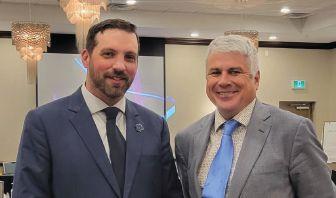
Luke Charbonneau, Mayor of Saugeen Shores, has been elected as the new Board Chair of Westario Power. Luke brings a wealth of knowledge and a proven track record of leadership to the role. Chris Peabody has been elected as the new Vice Chair of the Board. He has been an instrumental part of Westario Power’s strategy, having served on the board for several years.

Christopher Hopper, President and CEO of Complete Electrical Services Inc. and KLQ Mechanical Ltd., has been elected as the new Board Chair of the Electrical Safety Authority (ESA). Christopher brings many years of experience in the sector and has been on the ESA board since 2015.
GrandBridge Energy presented Academic Excellence Awards to outstanding Conestoga College students in energy technology programs. The awards, accompanied by a $1,000 contribution, recognize academic achievement and innovation in the field.

Greig Cameron, formerly Vice President of Innovation and Business Transformation, was appointed President and CEO of Enova Power, effective July 17. With a strong background in the electricity industry and crossfunctional leadership skills, Greig is well-suited to lead Enova as a strong community partner and deliver reliable energy solutions.
Hydro One is celebrating International Women in Engineering Day by awarding scholarships to 10 talented women studying engineering. The recipients will each receive a $5,000 scholarship and the chance to work at Hydro One during a paid work term. These scholarships are part of Hydro One’s ongoing efforts to increase female representation in the engineering sector and foster a diverse and inclusive workforce.
Alectra has contributed $50,000 to the Ukraine World Congress’ “Energize Ukraine Fund” to assist in the restoration of Ukraine’s energy infrastructure. Alectra’s contribution aims to address the severe damage caused by missile attacks, providing hope for a more resilient energy grid in Ukraine.
Our government is firing on all cylinders to build a strong Ontario for people and businesses today and for future generations.
Ontario, along with the rest of the world, continues to face rising geopolitical tensions and economic uncertainty.
To navigate this uncertainty our government is focused on continuing to deliver on our plan to build.
Through our plan, we are getting shovels in the ground to build highways, roads, schools, and long-term care homes for our growing communities.
We are making Ontario a top choice for businesses to invest, bringing new jobs and attracting large investments.
As our plan builds the economy and infrastructure, we are also investing in training and recruiting skilled workers so we can reach our full potential.
And our plan is working.
Ontario’s population is growing, jobs are being created and we are attracting manufacturing investments.
More and more people are looking to call Ontario home and choosing this province to work and raise their families. Ontario has over 275,000 more people a year moving to the province.
Since 2018, our government has attracted billions of dollars’ worth of investment in automotive and clean steel manufacturing. In fact, in just two and half years, electric vehicle and battery manufacturers from around the world have chosen to invest over $25 billion in Ontario.
We are also investing more than $184 billion over 10 years in public infrastructure - the most ambitious capital plan in Ontario’s history.
As Ontario grows, so will our demand for electricity. This is why our government is investing in our clean energy advantage.
Ontario’s clean energy grid gives this province a competitive advantage over many competing jurisdictions around the world. About 90 per cent of the electricity generation in Ontario last year was emission-free.
Our government is continuing to leverage our nuclear advantage with continued support for small modular reactor development and deployment, affirming our position as Canada’s nuclear leader. In fact, we have already broken ground to prepare for a small modular reactor at Darlington.
We are proud to support the continued, safe operation of the Pickering Nuclear Generating Station and the refurbishments of the Darlington and Bruce Power Nuclear Generating Stations.
As manufacturers transition away from energy sources of the past, our clean energy advantage will have them looking to Ontario as a place to do business.
As our government delivers on our plan to build, electrical distributors will continue to have an important role. You are the ones who connect manufacturers, storefronts, and homes to clean electricity. Dependable and reliable distributors give Ontario an edge over other provinces and states.
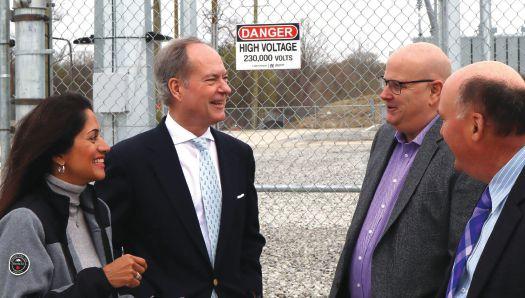
(L to R): Elexicon President and CEO, Indrani ButanyDeSouza, was joined by the the Honourable Peter Bethlenfalvy, MPP for PickeringUxbridge and Minister of Finance, City of Pickering Mayor, Kevin Ashe, and Elexicon Board Chair, Paul Murphy, to mark the completion of the Seaton Municipal Transformer Station Number 1.


The Honourable Peter Bethlenfalvy, Ontario’s Minister of Finance
I’ve seen firsthand how important strong local distribution companies are to our communities and economy. When Durham Region experienced outages in May 2022 as a result of the spring derecho, Elexicon was hard at work restoring power as quickly and safely as possible. Across the province, staff and crews are always there to keep the people and businesses of Ontario safe and powered even when times are tough.
It is not only during storms or emergencies that we depend on local distributors. Local distributors are stepping up to answer growing demand through new infrastructure while also taking this opportunity to innovate and provide better, more affordable services.
In April, I was pleased to join Elexicon to celebrate the completion of the Seaton Municipal Transformer Station Number 1, a new transformer to service Pickering and Ajax. The new transformer will not only improve the reliability of their communities’ energy supply but also will lower costs by having one asset for both electricity transmission and distribution.
The future for Ontario is bright. We are building a strong future for Ontario and continuing to make this the best place in the world to live, work and thrive. But success is neither automatic nor guaranteed. We will need to work for it together. That means supporting local distributors and continuing to invest and innovate.
Powering our economy is a Team Ontario effort and we will continue working together to Build a Strong Ontario.


Every year, May is powerline safety month. Local distribution companies (LDCs) have always been key partners in keeping Ontarians safe. Other key partners include first responders – police, fire and paramedics. Recognizing this, the Electrical Safety Authority (ESA) launched a new campaign to educate first responders in Ontario about the risks of downed powerlines and how to prevent harm. The campaign, a first of its kind in the province, focuses particularly on communicating how to safely handle a situation when arriving on the scene of a motor vehicle collision where a powerline has been knocked down.
“As a partner in community safety, the ESA is focused on ensuring that first responders are aware that if they arrive on the scene of a motor vehicle collision and a powerline has fallen on a vehicle or the ground, there is no way of knowing if it is energized and deadly,” said Patience Cathcart, Public Safety Officer,
ESA has updated information for first responders to provide simple steps to keep emergency personnel and the public safe in the event of a downed powerline.
ESA. She added, “Members of fire, police and paramedic services put their lives on the line every day, and we want them to remember that just because a powerline isn’t arcing, doesn’t mean it isn’t live. They need to call the local power utility and keep everyone, including themselves, at least 10 metres away.”
Contact with a powerline is a leading cause of electrical-related death in Ontario, and first responders can make a real difference by helping to prevent some of these fatalities. As part of the campaign, the ESA is working with industry organizations and associations to better understand first responders’ awareness of powerline safety. These insights will be used to develop future training and educational materials to help keep first responders safe when responding to a call of this nature. Educational materials are aimed at reminding first responders to always assume downed powerlines are energized and deadly.
ESA recently surveyed first responders and research indicated five key takeaways that helped inform the development of the educational materials:
Police and paramedics are far less concerned about safety related to powerlines compared to their fire peers. Even though fire first responders are the most likely to be extremely concerned about electrical safety related to overhead powerlines, all three first responder groups believe that touching an overhead powerline would result in a serious injury, likely death.

LDCs continue to be key partners in safety. This new campaign is expanding the audience and reaching fire, police and paramedic personnel to bridge education gaps and build awareness of the critical actions to take if encountering downed powerlines.

Most first responders believe that you should stay at least 10 metres away from a downed powerline. Nearly half of fire and paramedics can correctly identify 10 metres as the optimal distance to stay away from a downed powerline. Police respondents are much more likely to say that you should maintain at least 15 metres – erring on the side of caution.
Police and paramedics generally lack confidence when dealing with powerlines. Most police/paramedics are not confident that they can tell the different between a powerline and a telecommunications wire. Likewise, compared to their fire peers, police/ paramedics are less confident in knowing what to do at a scene that involves a downed powerline or where to look for information should it be required.
Most first responders are not receiving regular training related to powerline safety. About a third of fire first responders say that they receive training related to powerline safety at least once a year. Most police/ paramedics say that they have never received any training. This could be, in part, a function of police/paramedics being much less likely to say that they regularly respond to calls that involve a downed powerline. Many just do not see powerline safety as being relevant to their day-to-day work.
Police and paramedics, who know the least about powerline safety, aren’t sure where to turn for information. When asked where they would turn for information, most police and paramedics say they either do not know where

they would look or would just do a general internet search. Almost no police or paramedics have heard of the Electrical Safety Handbook for Emergency Responders.
The ESA created a powerline safety video and developed a new website landing page which provides step-by-step instructions on how to safely handle the situation. In addition, pocket-size safety cards are available free of charge to all first responders and includes a QR code that will direct them to these online resources.
In addition to these new resources, the ESA offers the Electrical Safety Handbook for Emergency Responders. The handbook is produced in a joint effort with Hydro One, the Office of the Fire Marshal and Emergency Management and Public Services Health & Safety Association. An updated edition is due to be released later in 2023.
ESA would encourage our LDC community to share this information with the first responders in their communities and be reminded of communications materials available for LDCs to promote powerline safety. Together, we can continue to help keep Ontarians safe from electrical harm. For more information about the campaign and about first responder safety, please visit ESASafe.com/firstresponders.
ENWIN Utilities Ltd. (ENWIN) recognizes that a strong contribution and involvement in its local community is an integral part of its corporate social responsibility.
ENWIN’s Community Support Program is an initiative that supports local charitable and non-profit organizations. Every year, ENWIN initiates a call for applications from local community groups. These applications are then reviewed by an internal committee composed of team members representing different departments within the organization. The committee reviews all applications and allocates funding based on a predetermined set of criteria. Through this program, ENWIN has assisted key local organizations with over $50,000 in donations every year.
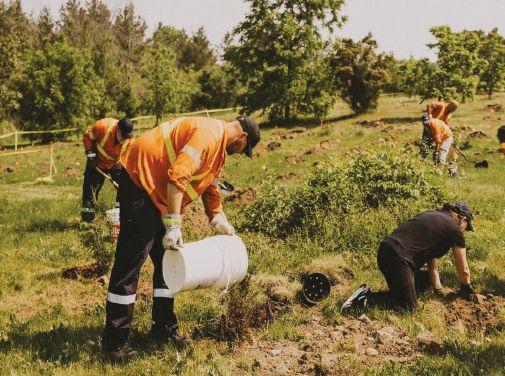
In tandem with the Community Support Program, ENWIN is proactive with numerous initiatives within its local community. In 2022, ENWIN collaborated with the Victorian Order of Nurses (VON) WindsorEssex to provide 700 hot meals to Windsor residents in need. It also supported the Can-Am Indian Friendship Centre, a local group that supports the Indigenous community of Windsor and Essex County by providing funding for cultural and educational programs. Additionally, ENWIN contributed to the planting of over 2,000 trees with Essex Region Conservation
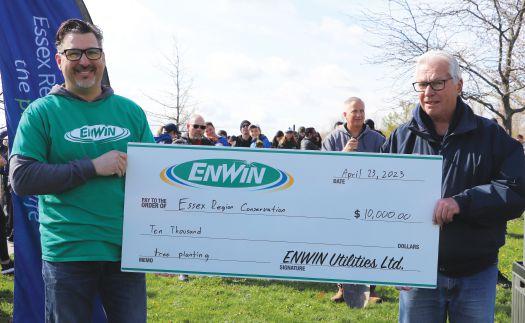
Authority (ERCA). This tree planting initiative was the result of a successful e-billing campaign that promoted paperless billing and culminated in ENWIN receiving ERCA’s 2022 Conservation Award.
ENWIN encourages its employees to engage in local charities and non-profit organizations through its Grassroots Initiatives Program. Through this program, employees may receive matching contributions to the funds they raise for local organizations. Recent recipients have included Hiatus House, Habitat for Humanity Windsor-Essex, Enactus Windsor, Ronald McDonald House Windsor, and the Windsor-Essex Children’s Aid Society.
ENWIN’s customer service department also created the
Grassroots funded “Elf Committee,” an employee-driven initiative that raises money, and helps provide gifts to local families in need during the holiday season.
“We have many examples of employees who are enthusiastic about helping their community, and with our Grassroots Initiative, we are able to assist them in their efforts,” states Garry Rossi, President and CEO, ENWIN Utilities Ltd.
Employee volunteering is a major component of the success of ENWIN’s community involvement. Front-line team members have keenly participated in family-oriented events where they provided children bucket truck rides. At the City of Windsor Children’s Services’ annual Meet-A-Machine event, which boasted over 10,000 attendees,
participants were lifted 60 feet into the air to enjoy a bird’s-eye view of the city. The event was inclusive of children with disabilities and our volunteer team ensured that every child had a chance for a ride and continued to conduct them well after the event had ended, until all who had waited in line were able to experience the thrilling opportunity. The event was repeated on a smaller scale at the John McGivney Children’s Centre as part of their Superhero Fun Day.
ENWIN team members offered their services to the local Royal Canadian Legion by assisting them in hanging memorial banners in honour of local Veterans of Windsor’s Riverside region.
ENWIN also participates in many ongoing safety-oriented events, partnering with the local safety village and Windsor Fire and Rescue Services in the education on powerline, transformer, and fire hydrant safety.
“ENWIN is always looking for opportunities to become more involved in our community. We have a very passionate team that cares deeply, and their efforts and participation are the key piece to our local success.” Rossi continues, “There are many organizations in Windsor Essex County that require assistance, and this goes beyond monetary funding. Our goal is to help as many as possible and to give back to our customers. Especially those in need.”









The company distributes grants to community-boosting initiatives across Ontario
After Brenda W. overcame her diagnosis of stage 3 breast cancer in 2008, she focused on finding a way to heal her body as well as her soul. In 2020, she found the Enliven Cancer Care organization in Muskoka, a place of tranquility that prioritizes self-care and peace for people going through the turmoil of cancer through yoga and dance.
“After my cancer diagnosis, Nia dance was one of the first physical movements I started,” said Brenda, speaking of one of Enliven’s classes that blends yoga and tai chi with dance movements. “[There’s] such a range of emotion you can feel when you dance. Not only do you start to smile, but the tears start as well.”
While organizations like Enliven Cancer Care work tirelessly to
provide support and a sense of community for their members, underfunding combined with the effects of the pandemic, have made it difficult to support these types of critical programs in the community. That’s where Hydro One’s Energizing Life Community Fund comes in.
The Energizing Life Community Fund supports organizations, Indigenous communities, and municipalities across Ontario that continue to serve their residents.
Now in its third year, the Energizing Life

Community Fund has supported local communities through initiatives such as service dog training for children with autism, revitalization of Indigenous language and culture through hosted medicine walks, and a life-saving command unit for a fire station.
“At Hydro One, we are committed to being present and giving back to the communities where we live and work. Charitable organizations and municipalities are powerful agents of local change, and we are proud to support them as they build a better and brighter future for residents,” said Teri French, Executive Vice President, Operations and Customer Experience, Hydro One. “Organizations like Enliven Cancer Care work hard to energize life in their communities, and we want to thank them for all that they do.”
This year, 25 recipients were chosen for their community-led programs that promote physical, emotional, and psychological well-being for Ontarians. The grant recipients provide mental health services to families of first responders, rural and Indigenous communities, and seniors; foster environmental sustainability through art and recreation; and provide critical health services to local communities.
With funding from Hydro One, Enliven Cancer Care created more than 250 program spaces in its dance and yoga classes aimed at supporting cancer patients, survivors, caregivers and the bereaved to live well with and beyond a diagnosis.
“The impact of this Hydro One grant cannot be overstated, and came at a critical time when our organization, like many others, was very vulnerable due to the prolonged effects of the pandemic,” said Carrie Campbell, Board Chair, Enliven Cancer Care. “This grant will enable us to deliver much-needed programs within our community. In fact, several of the program classes are already over-subscribed due to the tremendous demand.”
Through the Energizing Life Community Fund, Hydro One continues to lead the way and demonstrate that a company’s dedication to safety and well-being can go well beyond meeting the electricity needs of customers across the province.
“We’re all human, we’re all vulnerable,” said Brenda, who now tells her story at wellness fairs across the region. “Ultimately, we all want to heal. I found my purpose, but also my place.”


Available On Premise and in the JOMAR Cloud
Proven Ontario Regulatory Compliant
Scalable LDC Groups Acquisitions Mergers
Multiple Entities Commodities Services
Modern Open Architecture APIs for Third Party Software
Settlement Sub-Metering Services Community Net Metering Integration with AMI MDM/R GIS SCADA OMS MDM



By Emmanuelle Chang, Alectra Utilities
The role of local hydro utilities is rapidly evolving. Although its primary responsibility is to provide reliable service, expressing genuine care for people and the environment helps to build trust among customers in the service territory.
Commitment to communities takes many forms – including partnerships with local organizations, investments in green technology and sustainable corporate initiatives. Through extensive social involvement, Alectra puts the act of caring at the heart of its operations.
The AlectraCARES sustainability framework aims to meet the environmental and social needs across the service territory. Under this umbrella program, Alectra promotes employee volunteerism and supports grassroots organizations, strengthening valuable bonds with employees and customers.
The AlectraCARES Community Support Program forges relationships with local social agencies and allows employees to support charitable causes. By collaborating with existing initiatives, these sponsorships help support food security efforts, provide access to health care, promote diversity and protect the environment.
“The spirit of giving has always been at the heart of our company,” said Brian Bentz,
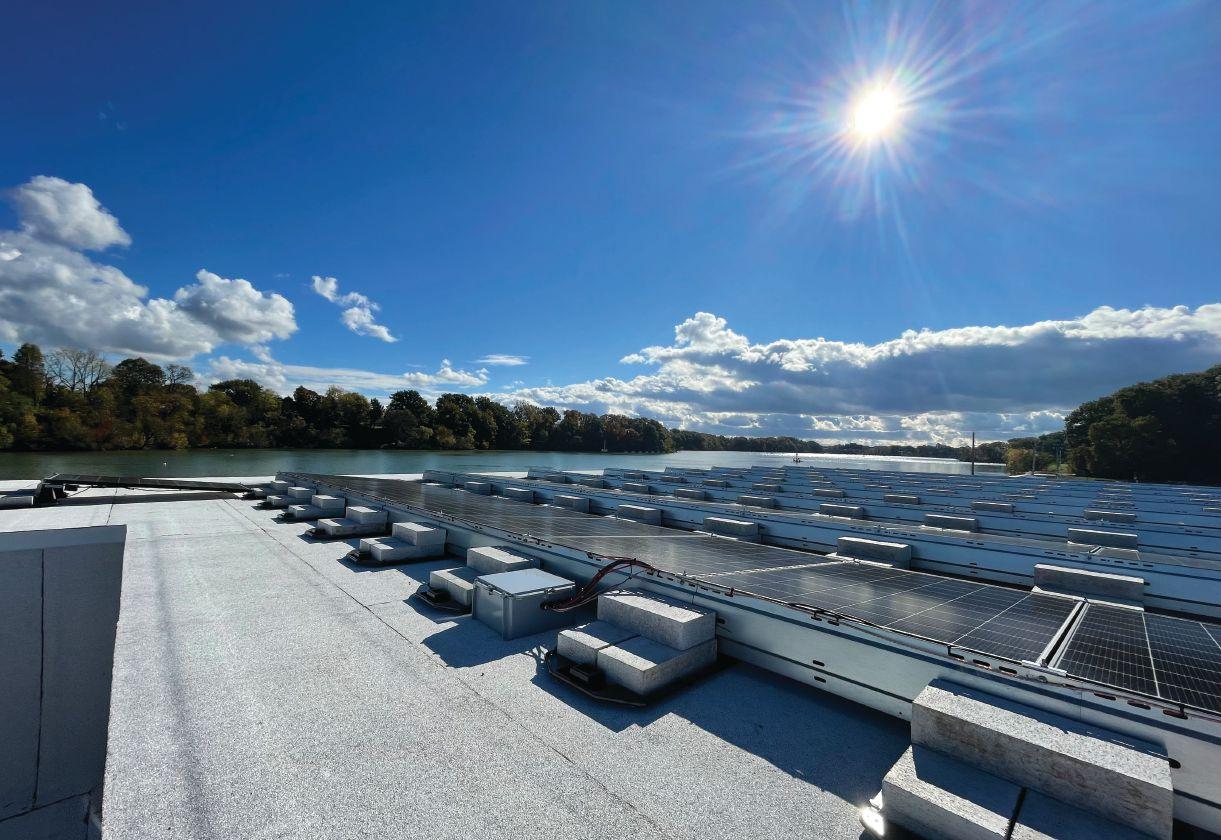
Alectra provided the rooftop solar panels on the
President and CEO of Alectra Inc. “We’re committed to giving back to our local communities and supporting them in meaningful ways.”
In 2022, Alectra celebrated its fifth anniversary with its “5 Years of Caring” campaign, and announced more support for local health care and clinical research through Trillium Health Partners, Royal Victoria Hospital and Guelph General Hospital partnerships.
Through the Community Support Program, Alectra annually invests over $1 million in public health and well-being. In 2023, this included approximately $1.3 million to support initiatives that align with its three sustainability pillars – people, planet and performance.
Learn more about AlectraCARES at: Alectra.com/Community-Support
In the summer of 2022, Alectra undertook a unique sponsorship with the Niagara 2022 Canada Summer Games. As the Official Energy Supplier, Alectra supported the legacy of the Games and the opportunity it brought to the region, as well as the construction of the Neil Campbell Rowing Centre, formerly the Henley Rowing Centre, a new state-of-the-art training facility.
The Neil Campbell Rowing Centre features cutting-edge solar technology on its roof and electric vehicle chargers in its parking lot, both installed by Alectra. The solar-powered system allows the Centre to operate at net-zero and lower its energy consumption. Recently, the Centre was awarded a 2022 Niagara Biennial Design Award.
For years to come, people in and around St. Catharines can enjoy the Neil Campbell Rowing Centre, which stands as a symbol of Alectra’s commitment to sustainable energy and local communities.
Visit the webpage at: Alectra.com/Niagara2022
To complement the numerous sponsorships across its service territory, Alectra strongly enforces sustainability within the company, taking on a leadership role in clean energy solutions and the sustainability sector.
For its 2022 Annual ESG Report, Alectra surveyed more than 2,100 individuals to guide and prioritize the most significant environmental, social and governance (ESG) issues. Following this materiality assessment, the report highlights Alectra’s investments in improving energy efficiency, climate change resiliency and reducing greenhouse gas emissions.
Alectra remains committed to reducing its environmental footprint and reaching net-zero carbon emissions by 2050. In 2022, Alectra reduced its corporate carbon emissions by approximately 23 per cent from the 2016 baseline and generated over 25 GWh of solar energy, enough to power 2,800 homes for one year.
“I am very proud of the progress we’ve made in reaching our greenhouse gas emission targets. Electrification and decarbonization are closely linked, and we will remain focused on giving the homes and businesses we serve excellent value, price and reliability,” Bentz said.
In addition, Alectra has been named a Caring Company by Imagine Canada and one of the Best 50 Corporate Citizens in Canada by Corporate Knights. The company is also recognized as one of the Top Employers in the Greater Toronto Area. These distinctions confirm Alectra’s position as a corporate leader in social and environmental efforts, setting an impressive standard for community investment in Canada.
Read the new ESG report at: Alectra.com/ SustainabilityReport
Local hydro has the power to create profound impacts across the province. By actively investing in the development and well-being of the communities it serves, Alectra is committed to caring for people and the planet.



By Andrew Ktytor, SYNERGY NORTH
The SYNERGY NORTH Connections Committee was created in 2022 to encourage staff involvement and transparency of corporate donations, community sponsorships, and corporate volunteerism.
The Connections Committee embodies a genuine commitment to community engagement and transparency. By encouraging staff involvement and fostering an open dialogue with the community, SYNERGY NORTH has transformed its corporate donations, community sponsorships, and volunteerism into a more accessible platform. Local non-profit organizations now have the means to connect with the committee through SYNERGY NORTH’s community support page. This initiative has led to a deeper understanding of community needs and provided a voice for individuals within the corporation.
At the heart of the Connections Committee’s mission lie four essential pillars that guide its decision-making process on donation approvals. These pillars, designed by its members, reflect the values of the utility and the values of the employees within:
1. Safety: SYNERGY NORTH
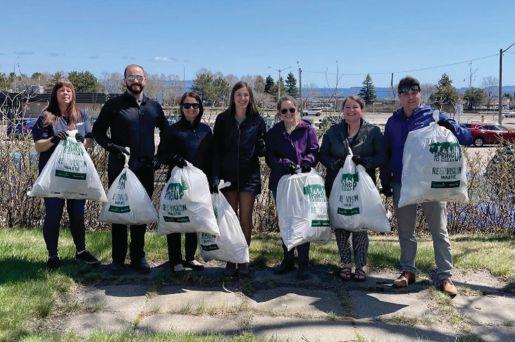
strong sense of belonging, social cohesion and economic growth. The committee got off to a great start in 2022, assisting with $43,353 in donations to various non-profit organizations and initiatives throughout Thunder Bay and Kenora. In 2023, SYNERGY NORTH’s Connections Committee has already surpassed last year’s support, allocating over $45,000 in donations and local event sponsorships.
recognizes the importance of a safe and secure community. Funding initiatives that promote safety measures, emergency preparedness, and public awareness not only protect residents but also foster a sense of security that underpins community growth.
2. Energy Education: A well-informed community is an empowered community. By investing in energy education initiatives, the committee aims to promote responsible energy consumption and creates a more energy-conscious
populace of all ages.
3. Environment: Preserving and safeguarding the environment is a shared responsibility. The committee actively seeks opportunities to support projects focused on conservation, renewable energy, and eco-friendly practices to leave a lasting positive impact on the Thunder Bay and Kenora region’s natural beauty.
4. Local Initiative to Benefit the Community: By supporting local grassroots initiatives, programs, festivals and events, the committee helps foster a
In 2023 the Connections Committee allocated donation funds to support initiatives such as:
• Breast cancer research and improvement for the Thunder Bay Regional Health Sciences Foundation
• The Festival of Colours by the Festival of India
• Community housing for the Kenora District Services Board
• March of Dimes
• Children’s Aid Foundation in Thunder Bay
• Regional Food Distribution Association
• Lakehead Regional Conservation Authority
• Threads of Life
• Camp Quality

By Sari Maritzer, Electricity Distributors Association
In the heart of Ontario’s electricity distribution sector, an annual event takes place that not only showcases the province’s love for hockey but also embodies the principles of diversity, equity, and inclusion (DEI). The Ontario Electric Utility Hockey Tournament (OEUHT) brings together local distribution companies (LDCs) in a spirited display of teamwork and solidarity. Beyond the thrill of the game, this tournament serves as a symbol of progress and unity in an industry undergoing its own major transformation. Let’s lace up our skates and power into how this tournament nets a trio of goals for DEI.
Traditionally, the tournament was dominated by male players. But in recent years, we’ve seen a remarkable change with more female players stepping onto the ice. Stacey Blokzyl, a Customer Service Representative and hockey player at Entegrus, experienced this firsthand. She reflects on her journey: “I hadn’t played hockey in at least 12 years, but when I dusted off my gear and hit the ice, it felt like home.” Stacey’s return to the game highlights the inclusive atmosphere that now characterizes the tournament.
DEI isn’t just a series of buzzwords in Ontario’s electricity distribution sector—it’s the driving force behind success. Stacey emphasizes the impact of embracing diversity, saying, “Despite the years since I last played, my co-workers, both male and female, were more than welcoming. We went out there with different skills and abilities and had a blast!” Inclusion makes the industry thrive, benefiting from diverse perspectives and experiences. The Electricity Distributors Association (EDA), a signatory member of the Electricity Human Resources Canada Leadership Accord on DEI, is leading the charge in advocating for DEI and fostering collaboration among member organizations.
As the province transitions to cleaner and more sustainable energy sources, it’s crucial to have an inclusive and equitable sector that reflects the communities it serves. Stacey recognizes the broader significance: “Ontarians have a passion for hockey, and having a tournament that

Too Many Men on the Ice - (L to R): Melissa Hurteau, Stacey Blokzyl, Kelly Ladd, and Michelle Gillies are helping Ontario utilities avoid the DEI penalty box.
supports gender participation reflects the sense of community within the electricity sector.” Embracing DEI is the right move for a dynamic and resilient energy future.
Beyond the excitement of the game, the tournament creates a sense of community, teamwork, and collaboration among employees. Stacey adds, “This experience has given me fun memories and stronger relationships with my co-workers. I can’t wait to play in the tournament again next year!”
Initiatives like the OEUHT foster inclusion, attracting and retaining diverse talent that strengthens the electricity sector. The EDA and member companies are vital in championing DEI within their organizations and across the industry, driving progress and shaping an inclusive and sustainable future.
The tournament shows how DEI principles can transform an industry. As the tournament continues to evolve, embracing all players and fostering an inclusive environment, it sets an example for progress in the electricity sector. Jim Hogan, President and CEO of Entegrus, reflects on the importance of employee inclusivity: “Entegrus is proud to encourage all of its employees to participate in friendly competition and interact with one another outside of the office for a great cause.” Jim also highlights the value of DEI in the sector, “We believe our team should represent the diversity of our company and providing equal opportunities is what it takes to be inclusive. We look forward to registering another team in 2024.” Together, let’s celebrate the victory for DEI achieved on the icy battlegrounds of
Team Entegrus is a regular participant at the annual Ontario Electric Utility Hockey Tournament.

the Ontario Electric Utility Hockey Tournament.
Visit the EDA’s website for more information.
Mark your calendars for November 2, 2023, as the EDA hosts its annual DEI Conference at the Toronto Region Board of Trade. For over a decade, the Association has provided members and energy partners a forum to share learnings aimed at influencing corporate social responsibility, broadening cross-cultural learning, increasing employee satisfaction, and improving corporate financial performance.
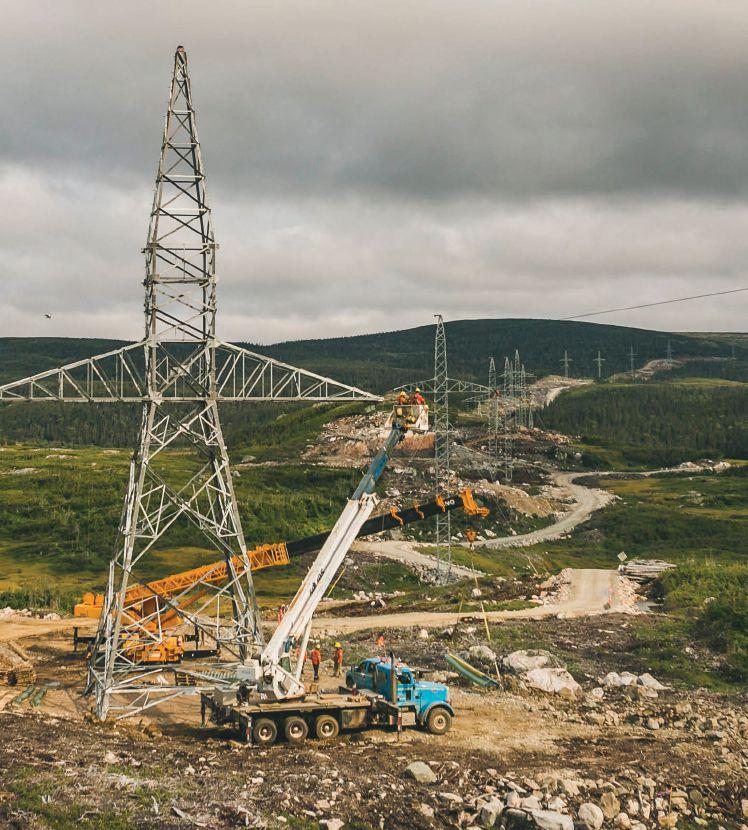

Electricity distributors now have access to EV registration data at full postal code level
By Teresa Sarkesian, President and CEO, Electricity Distributors Association, and Susanna Zagar, CEO, Ontario Energy Board
Ontario’s electricity system will face unprecedented demand in the years ahead, spurred partly by the rising adoption of electric vehicles (EVs). In response, the Ontario Energy Board (OEB) and the Electricity Distributors Association (EDA) are working together to ensure the efficient integration of EVs with the grid and clarify expectations as the sector strives to meet the energy needs of the future.
Through engagement efforts with the EDA membership, the OEB clearly heard about the need for greater insight into where EV adoption occurs within their service territories. Specifically, a working group within the OEB’s Distributed Energy Resources (DER) Connections Review – which includes numerous EDA members – identified it as one of the primary challenges in connecting a DER. The group developed several suggestions to

address the issue, including accessing data from the Ministry of Transportation, in a report to the OEB in August 2022.
Knowing where EVs are registered helps inform distribution planning and investment and further assists local distribution companies (LDCs) to understand where increased loading is happening now – and where it’s expected in the future. This information will become more critical in the years ahead as EV adoption grows, placing additional pressure on distribution and transmission systems. Data from the Ministry of Transportation on the number of EVs is available by “forward sortation area” (i.e., based on the first three characters of a postal code). However, to better understand the impact of EVs on their systems, the EDA sought this information at a more granular level so that the number of EVs could be tracked by the six-digit postal code or street level,


Teresa Sarkesian, President and CEO, EDA
It is incredibly refreshing to have a regulator willing to meaningfully engage with the sector, hear our concerns, and act as an ally on issues critical to the members of the Association and the communities they serve.
allowing LDCs to better understand the impact of EVs on their systems and communities.
What happened next was a prime example of the value of cooperation among the regulator, government ministries and the sector to solve a problem in the interests of those we serve: the people and businesses of Ontario.
Together, the OEB and the EDA relayed what they heard to the Ministry of Energy to devise a plan that balances the need for distributors to access this data with the need to protect the privacy of EV owners. In the continued spirit of cooperation, the ministries of Energy and Transportation worked in tandem to find a solution. As a result, the Ministry of Energy now makes six-digit postal codes available to distributors wherever five or more EVs are registered. This data has been provided at no cost since April 2023. This is in addition to providing the number of EVs registered across Ontario by three-digit postal codes.


Susanna Zagar, CEO, OEB
At the end of the day, collaboration – between the regulator, government and the sector – is the only path forward to successfully navigate the energy transition. The opportunities are many and the time is now.
For distributors, having access to this type of data without the burden of additional costs is key to facilitating the adoption of EVs across the province. Strategic investments supported by data will ultimately benefit customers, a goal we all share as we strive towards building the grid we need for the future. Making EV registration information available is a great step to ensure EVs are integrated efficiently. Still, it’s only one piece of the larger energy transition puzzle.
As Ontario charts the path toward net-zero, the work done to address the need for EV registration data illustrates the collective spirit we are all embracing, one which is integral to solving the array of complex challenges ahead of us. As we turn to meet the challenges associated with the energy transition, it is important that we maintain an open, constructive dialogue and work hand-in-hand to ensure that Ontario’s electricity distribution sector is considered an imperative player. Let this salient example of effective collaboration act as a guide for future initiatives. As the primary interface with the customer, LDCs have a key role as the province navigates the energy transition.
For more information about EV-enabling projects underway at the OEB, visit engagewithus.oeb.ca.
The landscape is changing for Canadian utility companies, creating not only challenges but also new opportunities to fundamentally rethink their strategies, business models and operations as several disruptive forces reshape the industry.
In a regulated electricity sector like Ontario’s, it can be challenging for local distribution companies (LDCs) to achieve their strategic objectives by focusing on energy distribution alone. Not only do Ontario Energy Board requirements limit LDCs’ returns, they also constrain growth—leaving much of LDCs’ resources underutilized.
To resolve these issues, many municipalities are looking beyond regulated forms of revenue generation toward non-regulated investment opportunities. These opportunities—which can include anything from the distribution of fibre and broadband to renewable energy storage— make sense on a number of different levels.
Firstly, LDCs already have the foundational resources, infrastructure and expertise to explore other business-to-consumer opportunities. So, in addition to earning a 10 per cent return on regulated business revenue streams, LDCs are well positioned to earn an additional 12 to 15 per cent simply by leveraging their energy and power distribution expertise. Secondly, with the Ontario government paying closer attention to the services provided by various municipalities—particularly in terms of the duplication of efforts—expanding the role of LDCs is one way to maximize the resources at hand and streamline existing services. For this to happen, however, municipalities must create a clear roadmap forward and identify the non-regulated opportunities that make the most sense for them.

Same Fish, New Pond – Many municipalities are looking at new opportunities beyond regulated forms of revenue generation.
Non-regulated investment can help LDCs mitigate industry disruption through new products and services; better use excess resources; protect, maintain or grow their dividend streams; diversify their investment portfolios; and even make their communities stronger, either through additional services or by creating new jobs. To realize these benefits, however, a robust non-regulated investment strategy is critical.
Because no two municipalities are alike, to craft such a strategy, municipalities must first establish their strategic rationale for exploring non-regulated LDC opportunities—and clearly outline their most pressing goals. These will depend largely on a municipality’s geography, core competencies, shareholders’ risk tolerance and access to capital. The point of this preliminary phase is to develop a common understanding of the municipality’s desired approach to non-regulated growth, prepare the organization accordingly and pave the way toward a seamless execution.




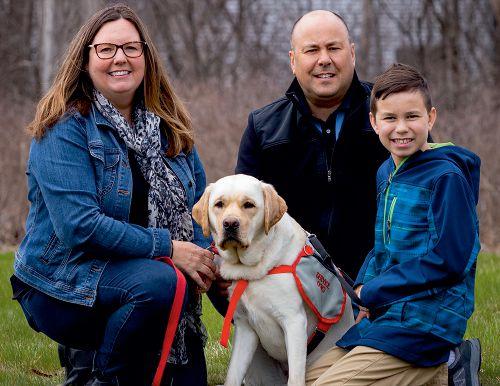

We’re committed to partnering with organizations and communities by funding projects that focus on the physical, psychological and emotional safety of Ontarians. By supporting organizations who energize life for so many, we’re building a safer and more resilient Ontario.
Learn more about the 2023 Energizing Life grant recipients at HydroOne.com/EnergizingLife

A non-regulated growth strategy isn’t a short-term endeavour. If an LDC is to be agile enough to seize opportunities as they become available, it must take the time to research every area of non-regulated investment and incorporate its findings into its strategy. In this context, you may want to consider:
Non-regulated investments often require capital, so it’s important to develop a clear and realistic financial plan for your non-regulated growth endeavours.
In all likelihood, once you start looking at non-regulated investment opportunities, you’ll encounter more than you know what to do with. That’s why it’s important to confirm how opportunities will be evaluated from a financial, risk and qualitative perspective ahead of time.
In many cases, non-regulated investment opportunities will hinge on your existing financial and human resources. Taking the time upfront to assess what types of resources you have—and what you may need—can help narrow your strategic focus.
Non-regulated financial results don’t materialize overnight. In some cases, it can take months and potentially even years. As such, you want everyone—including boards, shareholders and constituents—to have a realistic view of timelines before the process begins.
With a clear plan in place, the next step is to research the non-regulated opportunities available in your specific geographic region and assess your options based on your predetermined criteria. Depending on your municipality’s goals and objectives, you may decide to pursue new


Brent Jackson Managing Director, Transactions at Grant Thornton LLP
opportunities in the areas of power generation (e.g., hydro, solar or biogas); engineering, procurement and construction contracting; water cycle management; conservation demand management; energy storage; fibre/ broadband; or something else entirely. To this end, you may choose to acquire an existing company—or launch a new one.
Understandably, this journey will be anything but straightforward—which is why it’s important to regularly refer to your strategic plan, and only seize opportunities that align with it. For instance, if you’ve decided that one of your top priorities is to leverage existing LDC resources to address other utility needs, your first step is to determine which utilities could benefit most from such an arrangement.
Non-regulated investment offers plenty of opportunities for municipalities across Ontario. Yet, making them work requires both a shift in thinking and considerable forethought. By clearly defining your goals and objectives, conducting the necessary research to create sound non-regulated investment strategies and systematically seizing the opportunities that best align with regional needs, municipalities can dramatically increase the likelihood of a successful outcome—and deliver greater value for all stakeholders, both today and well into the future.

EDIST 2023
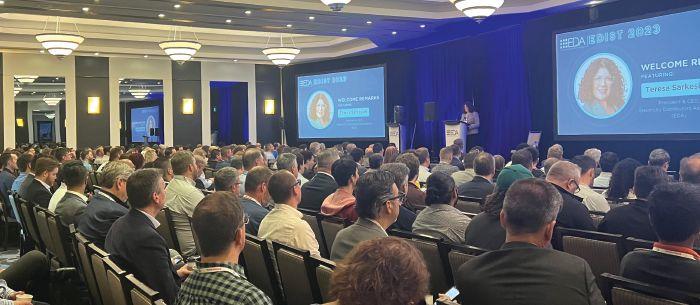
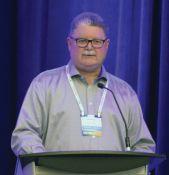
On June 1, the EDA wrapped up another successful EDIST (Electricity, Distribution, Information Systems and Technology) Conference & Exhibition. The event overflowed with rich content, a bustling exhibition, and a wealth of opportunities to connect meaningfully with members of the sector. With more than 1,000 individuals in attendance over the three days, the event truly was a success and a fantastic way to kick off the summer season! While the weather was a highlight of EDIST 2023, it is important to note that next year’s EDIST will return to its classic annual timing on January 16-18, 2024.


EDIST connects industry professionals, researchers, technology experts, and other stakeholders to discuss the critical challenges and opportunities of our industry.
Ed
Wilf

Throughout the year the EDA hosts a full calendar of learning and networking opportunities to connect with and learn from thought leaders and professional and industry colleagues.
FEBRUARY 22 | LDC Only Webinar: Ontario One Call – Locates and New Administrative Penalties
MARCH 27 | 2023 EDA Annual General Meeting, Annual Conference and Awards Gala
APRIL 16 | Western District Meeting
APRIL 18 | Small Constituency Meeting
APRIL 25 | Medium Constituency Meeting
MAY 3 | Directors Summit
MAY 9 | Niagara Grand District –Spring Technical Meeting
MAY 30-JUNE 1 | EDIST Conference & Exhibition
JUNE 6 | LDC Only Webinar: The TDSO Model
JUNE 20 | LDC Only Webinar: Advanced Customer Solutions for a Clean Energy Future
SEPTEMBER 5-7 | Northwestern and Northeastern Districts Joint AGM
SEPTEMBER 14 | Western District AGM
SEPTEMBER 19-20 | Niagara Grand District AGM
SEPTEMBER 27-29 | Upper Canada and Georgian Bay Districts Joint AGM
NOVEMBER 2 | DEI: Diversity, Equity & Inclusion Conference
2024
JANUARY 16-18 | EDIST Conference & Exhibition
MARCH 24-25 | EDA Annual Conference
MARCH 25 | EDA Annual General Meeting
MARCH 25 | EDA Awards Gala
OCTOBER 7-9 | CUEE (Canadian Utility Engineering and Equipment) Trade Show and Marketplace

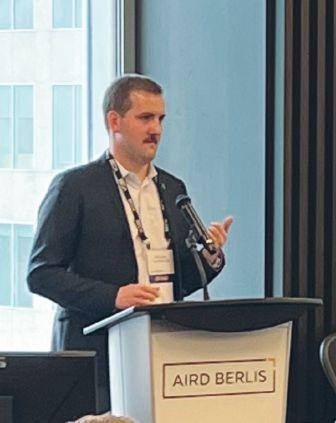
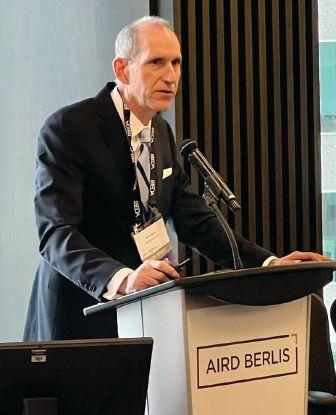
On May 3, the EDA held its Directors Summit. The event returned with gusto, offering key governance insights and principles for Ontario’s distribution sector and the province at large as we consider the elements required to support the energy transition and net-zero imperatives. The Summit provided valuable insights and networking opportunities for those looking to stay up to date on the latest trends and governance best practices in the industry. Special thanks to Aird & Berlis LLP for generously hosting the event.




The Electricity Distributors Association (EDA) represents Ontario’s local hydro utilities, the part of our electricity system closest to customers. Publicly and privately owned utilities, otherwise known as local distribution companies (LDCs), deliver electricity to residential, commercial, industrial, and institutional customers—powering every community in the province. The sector owns more than $30 billion in electricity system infrastructure and invests more than $2.5 billion annually in the electricity grid—that is the Power of Local Hydro.
We applaud the Government of Ontario for establishing the Electrification and Energy Transition Panel (EETP) to provide essential expertise and advice to the Minister on how to coordinate long-term energy planning, considering growing energy demand, emerging technologies, environmental considerations, and affordability. We greatly appreciate the opportunity to provide our comments on this timely matter.
The EDA believes that there are five key pillars that will enable Ontario’s LDCs to contribute fulsomely to Ontario’s long-term energy planning and execution.
1. Total Distribution System Operator (TDSO) model,
2. Distributed Energy Resources (DERs, which can be aggregated into DER(A)s),
3. Two-Way Power Flows,
4. The OEB’s Mandate and Objectives, and
5. Addressing Constrained Areas.
Ontario’s electricity grid is currently 91% clean, thanks to transmission-connected non-emitting generation sources including nuclear (58 per cent), hydro (24 per cent), wind (8 per cent), biofuel (<1 per cent) and solar (<1 per cent). The Government of Ontario and the IESO have studied the phase-out of natural gas generation with a non-emitting resource, to achieve a completely clean electricity grid. The virtues of clean energy extend beyond the immediate environmental and health benefits for Ontarians; they provide the province a clear competitive advantage globally, when multinational corporations consider where to locate their operations and invest capital.
The future of electricity is increasingly customer-driven and consequently increasingly decentralized. Technological advances have led to the proliferation of DERs such as behind-the-meter renewable generation, electric vehicles (EVs), and battery energy storage systems (BESS), in addition to technologies for load control and demand
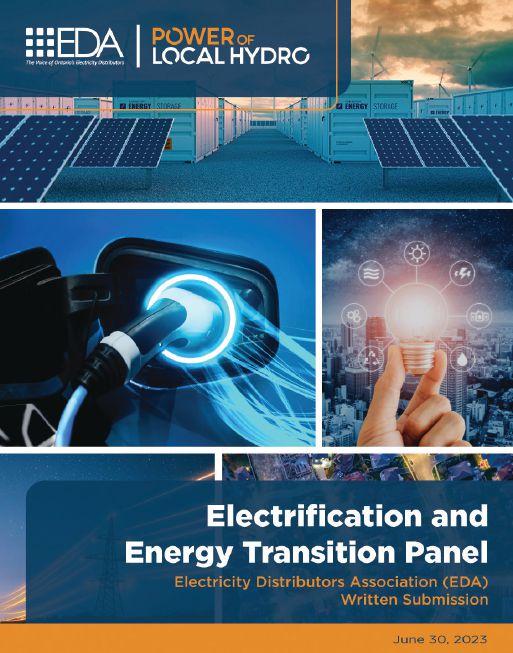
The EDA submitted its formal recommendations (above) to the EETP on June 30, 2023.
response. The IESO’s September 2022 DER Potential Study (DERPS) identified up to 4,300 MW of cost-effective DER potential by 2032. These decentralized resources may be the answer to the “last mile” in achieving a fully non-emitting provincial electricity system—and Ontario’s LDCs have a central role in its actualization.
1. THE TOTAL DISTRIBUTION SYSTEM OPERATOR (TDSO) MODEL
The TDSO model is key to unlocking
Ontario’s significant DER potential. This approach positions LDCs as facilitators of local energy markets within their service areas and evolving into distribution system operators (DSOs). DSOs optimize the dispatch of behind-the-meter (BTM) energy resources and local electricity demand loads and consequently mitigate, defer, or avoid upstream capital expenditures (capex) on transmission and generation infrastructure.
The TDSO model is the optimal structure for an increasingly customer-centric and decentralized energy future because it streamlines the communication and coordination protocols required (i.e., the IESO could communicate with 58 DSOs, compared to hundreds and even thousands of DERs).
Simultaneously, it ensures the reliability of Ontario’s distribution system infrastructure by keeping LDCs informed of how their poles and wires will be used to dispatch energy from BTM DERs to the bulk system. For Ontario’s electricity system to adopt the TDSO model, the IESO needs to continue to partner with LDCs to develop and implement operational coordination protocols, detailing the actions to be taken and information to be shared by the IESO, LDCs (which would evolve into DSOs), and DERs/DER(A)s.
The IESO has funded several DSO pilot projects, including:
• PowerShare, a first-in-North America project that will allow Essex Powerlines to implement a near real-time, local electricity market in its service territory of Leamington.
• Electric Vehicles (EV) Everywhere, which uses artificial intelligence (AI) to manage EV charging, is being undertaken by Hydro Ottawa.
• York Region Non-Wires Alternatives (NWA) Demonstration Project, which concluded in October 2022, was conducted by Alectra.
DERs and DER(A)s are the cornerstones of this decentralized energy future. Besides optimizing local resources with local loads, they serve as an NWA to traditional poles-and-wires investments by deferring or avoiding capex investments at the distribution level, in addition to the bulk system (i.e., transmission and generation). Changes to the regulatory framework are required to ensure that LDC ownership of DERs, revenues and incentives are appropriately aligned with the treatment of capital and non-capital investments. Currently, in Ontario, LDCs are limited in the types of DERs they may own (e.g., an energy storage facility, or a renewable energy generation facility that does not exceed 10 megawatts). Removing this size threshold of 10 MW would enable DERs to be scaled up to distribution system NWAs.
For example, BESS, including EVs, can be coupled with solar panels at a residence or a business property, allowing the customer to draw less electricity from the grid. This concept has been demonstrated by Power. House Hybrid, a pilot study undertaken by Alectra, Enbridge, the City of Markham, Toronto Metropolitan University, and partially funded by Natural Resources Canada. DERs and DER(A)s would help to accommodate the rapid electrification and energy transition while providing a way to smooth the intermittent generation profiles of renewables such as wind and solar.
Two-way power flows, also called bi-directional power flows, are required to integrate and enable DERs with characteristics of load and supply. Ontario’s electricity system was built to accommodate one-way (uni-

directional) power flows: to convey bulk system electricity generation via transmission lines to LDCs, which subsequently deliver that energy to end-use customers such as homes and businesses. Although some transmission stations in Ontario can accommodate the limited two-way power flows that exist today, more is needed to accommodate BESS and vehicle-to-building and vehicle-to-grid (V2B/G) applications by EVs, at the scale envisioned in the IESO’s DERPS. Specifically, the OEB needs to update its policies, guidance, and rules on two-way power flows to send a clear market signal. Secondly, the short-circuit capacity of transmission station equipment and connected devices needs to be updated to accommodate larger two-way power flows.
The OEB’s mandate and objectives are flexible enough to prioritize the energy transition and environmental considerations—and to secure the associated economic benefits of both, in the interest of Ontario’s electricity customers. As the economic regulator, the OEB maintains a financially viable electricity industry and facilitates innovation. Its mission as stated in its 2023/24 to 2025/26 Business Plan includes contributing to Ontario’s environmental development through prudent regulation and independent adjudicative decision-making. LDCs require a higher degree of certainty from the regulator in the form of support for the economic expansions of distribution systems to facilitate the energy transition as described above.
An area is considered constrained when it does not have sufficient access to bulk system resources. Large loads would be unable to connect to the grid or will consequently choose locations that have greater electricity reliability for future investment. LDCs do not have control over the investment decisions and timelines regarding transmission infrastructure. Suppose a business with a heavy-industry process wants to locate in a constrained area. In that case, there may not be enough capacity to support this load—thus resulting in missed economic opportunities. Constrained areas can be addressed with thoughtful alignment between economic and energy planning to ensure that Ontario remains an attractive place for investment.
In summary, the EDA’s full submission to the EETP outlines five critical areas of change that can empower Ontario’s local hydro utilities and drive the province’s long-term energy planning and execution. By embracing these recommendations, the path to a customer-centric and decentralized energy future becomes clearer. Emphasizing the role of local hydro utilities in more and increasingly decentralized clean energy resources, the EDA envisions a sustainable and competitive energy landscape that will benefit both Ontarians and the global community.
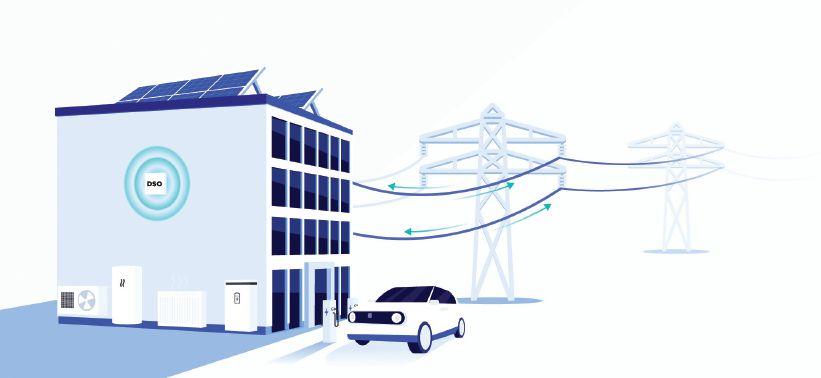
On June 6, the EDA assembled nearly 80 per cent of its local distribution company (LDC) membership to discuss the various iterations of a Distribution System Operator (DSO) model currently being considered by the government. This gathering not only enhanced comprehension but also offered diverse perspectives on the prospects and challenges related to the different models in play. Subsequently, through written commentary directed towards the IESO and the Electrification and Energy Transition Panel (EETP), alongside active participation in the IESO’s Transmission and Distribution Working Group, the EDA ensured that the DSO model remains a pivotal consideration on the government’s radar concerning the energy transition.
Positioning the EDA and our members in the future energy system of Ontario is principal to the mandate of the EDA, and inextricably linked to the energy transition underway. As such, the EDA works to provide members with information and opportunities to explore the best path for their organizations moving forward. On June 20, following the DSO discussion and in partnership with Hydro One and Alectra Utilities, the EDA hosted a collaborative, cost-saving opportunity on Advanced Metering Infrastructure (AMI) 2.0, which detailed how the new hardware allows real-time data and more control over energy usage, empowers consumers, and helps LDCs build a resilient grid with a reduced carbon footprint.
On July 10, the Province released its report, Powering Ontario’s Growth (POG), which confirmed the fundamental role that electricity plays in the economic development of our province now and in the future. The report is the Ontario government’s formal response to the IESO’s Pathways to Decarbonization (P2D) study released in December 2022. It focuses on Ontario’s actions to build the electricity system to support new investments related to electrification and the energy transition. In addition to consideration of the DSO model mentioned above, EDA advocacy was instrumental in moving the needle on the conservation and demand management (CDM) file. Since publishing our CDM Position Paper in October 2022, the EDA has been working closely with the IESO’s CDM Working Group to provide recommendations to government on LDC participation and remuneration in province-wide and local/regional CDM programming post-2024.
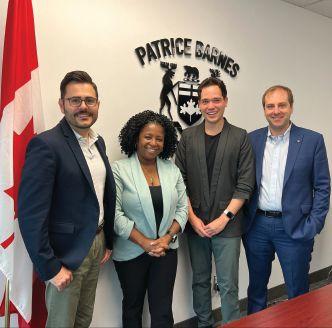
In addition to the EDA’s extensive and ongoing work on long-term planning, the Association has been productive throughout the summer, submitting comments and meeting with critical stakeholders on several files, including touchpoints with:
• Patrice Barnes, MPP for Ajax and PA to the Minister of Education
• Rick Byers, MPP for Bruce-GreyOwen Sound
• Anthony Leardi, MPP for Essex
• Todd McCarthy, MPP for Durham
• Marit Stiles, MPP for Davenport and Leader of the Ontario NDP
• Jennifer French, MPP for Oshawa and NDP Transportation Critic
• Kevin Lynch, Director of Policy, Office of the Premier
• David Donovan, Chief of Staff, Minister’s Office (Energy)
• Jason Fitzsimmons, Deputy Minister, Ministry of Energy
• Jordan Adair, Senior Policy Advisor, Minister’s Office (Public and Business Service Delivery)
• Harneet Panesar, Chief Operating Officer, Ontario Energy Board










Bill Print and Mail
CIS Application Management, Implementation, Support and Quality Assurance Testing
Cloud Hosting
Utility Billing and Back-Office Services
Robotic Process Automation








Accredited Meter Verification (AMV)
Meter Service Provider (MSP)
Metering Field Services
Pole Line Construction, Maintenance and Storm Damage Repair
High Voltage Substation Construction, Maintenance, Inspection and Repair
Through collaboration, innovation, and industry expertise, ERTH is helping local distribution companies across Ontario, including our own, to reduce operating costs, mitigate risk, and improve efficiency to meet the needs of today’s energy consumer.
When you need connections you can count on, you can count on ERTH to be your trusted partner, adviser, and solution provider.