

• Easy integration of all stages of design and manufacturing
• Consistent product quality
• Rapid turn-around times that get your order to market as fast as possible


• Easy integration of all stages of design and manufacturing
• Consistent product quality
• Rapid turn-around times that get your order to market as fast as possible
Dark Clouds Descended and the Sector Stepped Up
For this issue of The Distributor, I’m stepping into the role of contributor – detailing the extraordinary whole-of-company and whole-of-city response here at Hydro Ottawa, following the massive destruction wreaked by the May long weekend derecho storm. The support of our entire team, suppliers and mutual assistance partners, and the patience and understanding of our customers were outstanding.
Elexicon Energy – another heavily impacted EDA member – also details how the storm played out in its service territory and the equally extraordinary response of its team members and partners.
I would be remiss if I did not salute similar restoration efforts on the part of utilities, utility workers and contractors across the wide swath of our province (and indeed beyond) impacted by this event. Moreover, these events highlight one of the most amazing aspects of our industry – namely mutual aid and the willingness of a large number of utilities to lend a hand when others need it most.
The derecho response was no different in that utilities from across Ontario and the Maritimes came in to provide crews and support. I am incredibly proud of and grateful for the breadth and effectiveness of the response to this crisis.
No one wants to live through days and weeks like those we experienced in the wake of this most recent extreme weather event. But they certainly showcase the readiness and resilience that characterize our sector, along with its unwavering willingness to step up when called, even in the face of the most daunting challenges.

Sincerely,
Bryce Conrad President & CEO, Hydro Ottawa Chair, Electricity Distributors Association

The Electricity Distributors Association (EDA) publishes The Distributor for its members and stakeholders. All rights to editorial content are reserved by the EDA. No article can be reproduced in whole or in part without the permission of the EDA.
PUBLISHED FALL 2022 FOR:
Electricity Distributors Association
3700 Steeles Avenue West, Suite 1100 Vaughan, ON L4L 8K8 www.eda-on.ca
EDA STAFF CEO’S OFFICE
Teresa Sarkesian, President and CEO
Natasha Galati, Executive & Administrative Assistant
POLICY, GOVERNMENT AND CORPORATE AFFAIRS
Ted Wigdor, VP, Policy, Government & Corporate Affairs
Derek Nardone, Director, Corporate, Government & Public Affairs
Kathi Farmer, Senior Regulatory Affairs Advisor
Brittany Ashby, Senior Regulatory Affairs Advisor
Tina Wong, Senior Policy Advisor
MARKETING, COMMUNICATIONS AND MEMBER RELATIONS
Marica Macura, Director, Member Relations
Gibb McGugan, Senior Manager, Communications & Marketing
Lesia Kostecki, Member Marketing Specialist
Sari Maritzer, Communications Specialist
FINANCE AND ADMINISTRATION
Tamara Orlova, Chief Financial Officer
Arlene Klemmer, Accounting Clerk
Matthews Joseph, Senior IT Analyst
Chrissan Pascal, Office Services Assistant
PUBLISHED AND PRINTED BY ANNEX BUSINESS MEDIA,
111 Gordon Baker Road, Suite 400, Toronto, ON M2H 3R1 (416) 442-5600
annexbusinessmedia.com
Agreement #: 43526108
ADVERTISING SALES titus/one mediasales@eda-on.ca
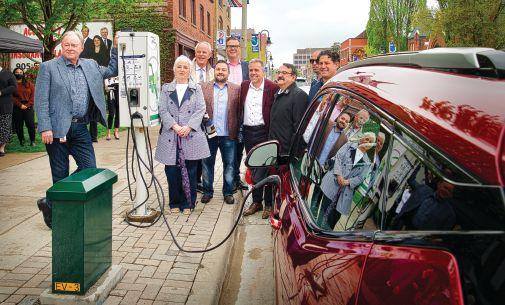
Power Charges up the Downtown Core Oshawa Power officially launched its new on-street electric vehicle (EV) charging stations in downtown Oshawa. Access to charging has been a barrier to consumer adoption, and now, through a collaborative partnership with the City and the Region of Durham –and partially funded by Natural Resources Canada –driving range and charging access is less of a concern. This investment in level 2 chargers will make EV charging more accessible to all visiting Oshawa.

William Sheffield, a member of the company’s board of directors since 2018, has been appointed Interim President and CEO of Hydro One.
Sheffield is a highly regarded leader with experience in the electricity industry in Ontario, and the EDA congratulates him on his appointment.
London Hydro Appoints Elizabeth Carswell VP HR and Strategic Planning

Elizabeth Carswell has been appointed VP Human Resources and Strategic Planning at London Hydro.
Carswell has been with the organization for several years and will help manage ever-increasing responsibilities to ensure London Hydro continues to recruit highly skilled industry leaders to help enable it to provide customers with safe and reliable electricity.
GrandBridge now Serves Brantford Power and Energy+ customers
Brantford Energy Corporation and Cambridge & North Dumfries Energy Plus Inc. have completed their merger transaction and the formation of GrandBridge Corporation. GrandBridge Energy Inc. is the seventh-largest municipally owned electricity distributor in Ontario, serving 109,000 customers in Brantford, Cambridge, Brant County and North Dumfries.

Alectra Fund for Health and Social Innovation Launched
Alectra Inc., together with the Royal Victoria Regional Health Centre (RVH) Foundation, have established a fund to improve health outcomes for people who are facing barriers across their community. Alectra is providing $500,000, over five years, to sponsor several studies through the RVH Research Institute that focus on the interaction between health and social issues
London Hydro First to Satisfy Ontario’s Green Button Regulation

London Hydro is the first Canadian utility to complete the Green Button Alliance’s Connect My Data (CMD) Version 3.3 Testing and Certification process, which is the requirement of Ontario Regulation 633/21. The Ontario Government has mandated that nearly all regulated electricity and natural gas utilities need to provide Green Button to their customers by November 2023.
Westario Power and Bruce Power Partner with Brockton to Lead the EV Charge
Westario Power and Bruce Power Net Zero have announced that the first electric vehicle (EV) charging stations of their “Lead the Charge” initiative are on track to be installed in the Municipality of Brockton this summer.
The installation of the first of a potential three stations will get underway at the community centre, which serves as a local hub in its centralized location in downtown Walkerton.
This Westario Power and Bruce Power partnership offers hands-on support and funding to municipalities in Bruce, Grey and Huron Counties to increase the availability of EV chargers to address growing needs.
ENWIN E-billing Sign-ups Support Greener Spaces
This summer ENWIN Utilities is planting a tree for every customer who switches to paperless billing. From July 1 to August 31, for every ENWIN customer who opts into the utility’s e-billing program, a tree will be donated to the Essex Region Conservation Authority to be planted in one of Windsor’s green spaces on Earth Day 2023.
By Bryce Conrad, Hydro Ottawa President and CEO
While the May long weekend was designated to celebrate the birthday of an iconic monarch, most Canadians know it as an annual ritual to welcome summer. May two-four is traditionally the weekend when camps and cottages are opened, gardens are planted, blackflies swarm, and golden days are signalled.
For Hydro Ottawa, however, it is currently known as the most destructive time in our history.
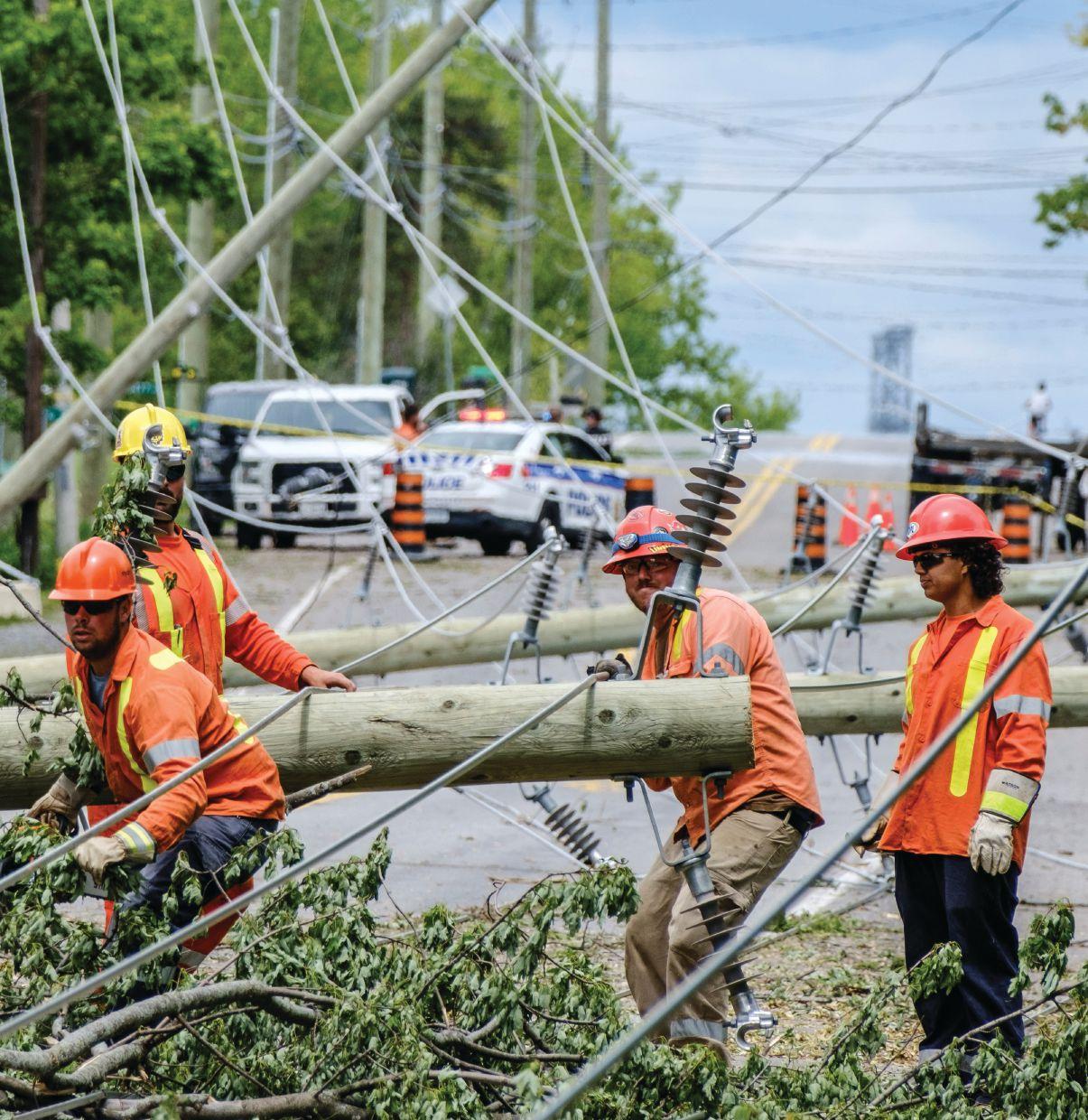
Around mid-day on May 21, dark clouds descended into Ontario skies as a ferocious storm pummeled the province. Wind gusts as strong as 190km/hr felled trees, snapped hydro poles and transmission towers, and caused widespread power outages. As the devastating weather system known as a “derecho” hammered Ontario, Hydro Ottawa teams prepared for the worst.
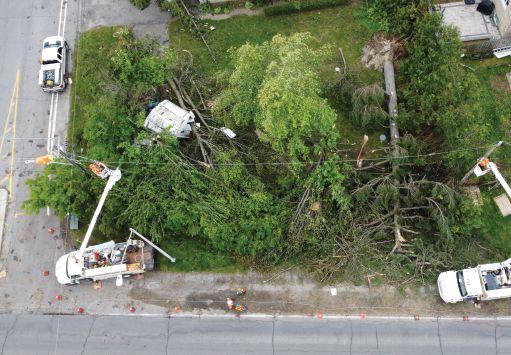
A trail of destruction was left like nothing Ottawa has ever experienced before. Unlike previous storms in which we could focus on restoring a particular neighbourhood, responding to this storm required us to deploy our resources across the entire city.
Transmission towers were toppled, more than 400 hydro poles damaged, and kilometres of powerlines downed. In total, we had more than 1,000 simultaneous power outages across the city and 180,000 customers with no lights.
There was no illusion that restoration was going to be quick. Our grid was ravaged. Bringing more than half of our customers back online would take a whole-of-company effort and then some.
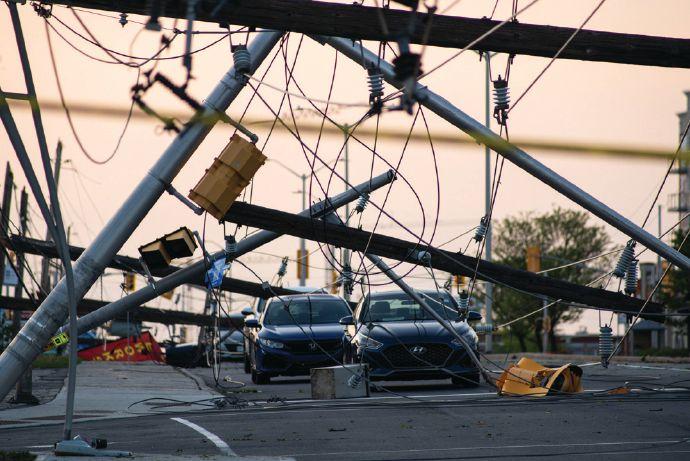
The damage to both the distribution and transmission equipment across Hydro Ottawa’s service territory was extensive.
We moved swiftly to bring additional resources into the area given the widespread and significant damage. Crews’ efforts were bolstered by 335 additional workers from Toronto Hydro, London Hydro, Kingston Utilities, Cornwall Electric, and numerous contractor companies. Everyone worked harmoniously so they themselves could return home to their families at the end of the day.
Our crews in the field were on the frontlines day in and day out, with support from every Hydro Ottawa division and group. While we had 350 or so poles on hand, our procurement department sourced more than 450 specific size and class poles to match those in affected areas for a like-for-like replacement, or to install stronger ones to help strengthen the system. Our customer contact centre handled 255,000+ calls and our website tracked 3.8 million visits. Team members who did not have specific storm-related roles helped feed 650+ field workers three meals per day at their work sites.
It was truly an all-of-company experience.
With the storm wiping out power to more than half of our customers, we had to resurrect our grid. Restoration efforts were managed from a whole-of-city perspective given that no single area of Ottawa was unaffected in some manner.
For many young Ontarians, the return of fall means a return to school. But apprentices in the electrical trades never stop learning. Whether they’re climbing poles or installing inline switches, each task is an opportunity to refine a young worker’s knowledge and skills—to help them get the job done more efficiently, effectively, and above all, safely.
Away from the jobsite, there’s no better way to learn than through the Powerline Technician (PLTN) apprenticeship program offered by the Infrastructure Health and Safety Association (IHSA).
IHSA is one of a select few organizations designated by the Ministry of Labour, Immigration, Training and Skills Development (MLITSD) to provide the skills-based training for all four levels of the Powerline Technician apprenticeship. It’s also one of the only training agents to limit its class sizes to just eight participants, ensuring deeper learning and fairer assessment of skills.
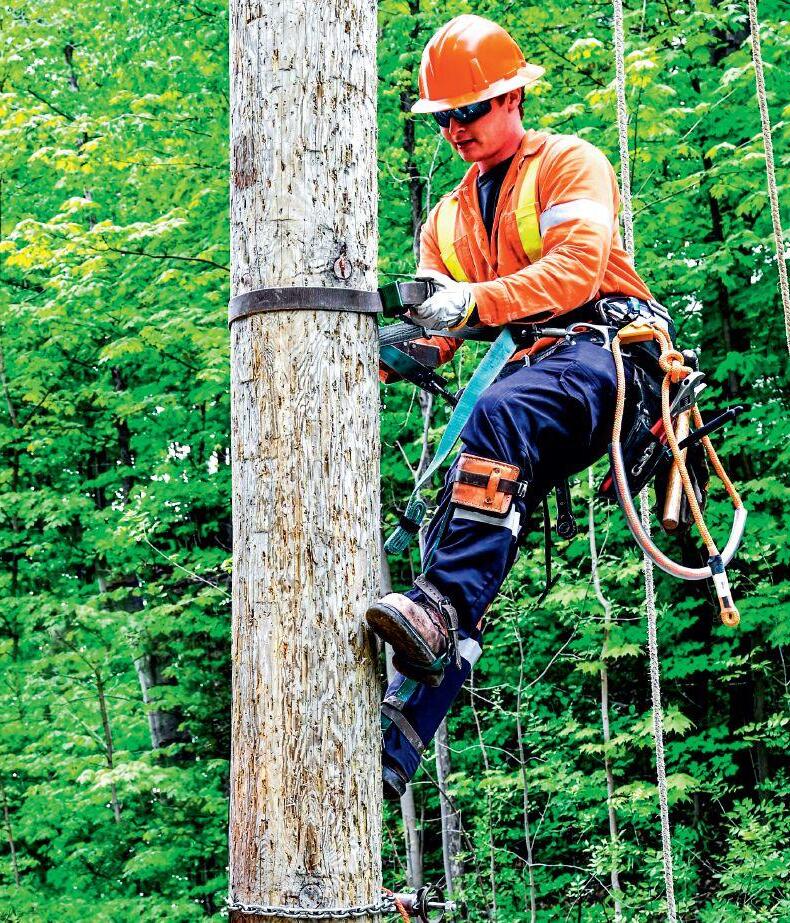
“At every level, IHSA’s instructors were able to give each of us a lot of one-on-one attention,” says Arnold Young, who completed his training with IHSA in 2020. “They gave extra help if you were struggling with a particular skill or concept, without sacrificing the experience of the other students.”
Now a journeyman Powerline Technician with Synergy North, Young credits IHSA’s instructors with helping to reinforce his on-the-job skills, making him a better, safer worker.
“Their expertise came through even for the simple things—like workflow, for example. They’d offer their perspective about the most efficient way to safely complete a task, because in the field it’s not always just about what a book tells you. Those little tips and tricks are what I carry with me today,” he says.
All IHSA PLTN instructors have at least 15 years experience in the electrical utilities industry. Tim Francis has more than twice that amount—and estimates he’s taught close to 200 aspiring powerline technicians in his five years as a full-time PLTN Training and Apprenticeship Consultant.
“Full time being the keyword,” he says. “Powerline Technician training involves a lot of math and science, a lot of theory. Because all IHSA trainers are full-time employees, we’re always thinking about that stuff, and how to teach it in the most accessible way possible.”
Of course, PLTN apprentices must take what they’ve learned in the classroom and put it into practice. At IHSA’s Skills Development Centre in Mississauga, students hone their skills in a confined space simulator, an energized three-phase underground yard, and on energized overhead lines.
“Being able to learn proper techniques for working with energized lines—on actual energized lines—was such an important part of my training,” Young says.
And because that training takes place under the guidance of IHSA experts, safety is always top-of-mind. Francis notes: “We make sure apprentices understand how important their jobs are, but also how important it is to get home safe at the end of the day.”
As part of Ontario’s health and safety system, IHSA provides skills-based training, resources, auditing, and evaluation to the construction, transportation, and electrical utility sectors. Its four-level Powerline Technician apprenticeship program helps workers gain the theoretical knowledge and practical skills to construct and maintain electrical transmission and distribution lines—emphasizing the most up-to-date tools and techniques for working safely, every day.
To find out more about IHSA’s PLTN apprenticeship, contact Lyndsy Miceli at 416-452-5184 or lmiceli@ihsa.ca.

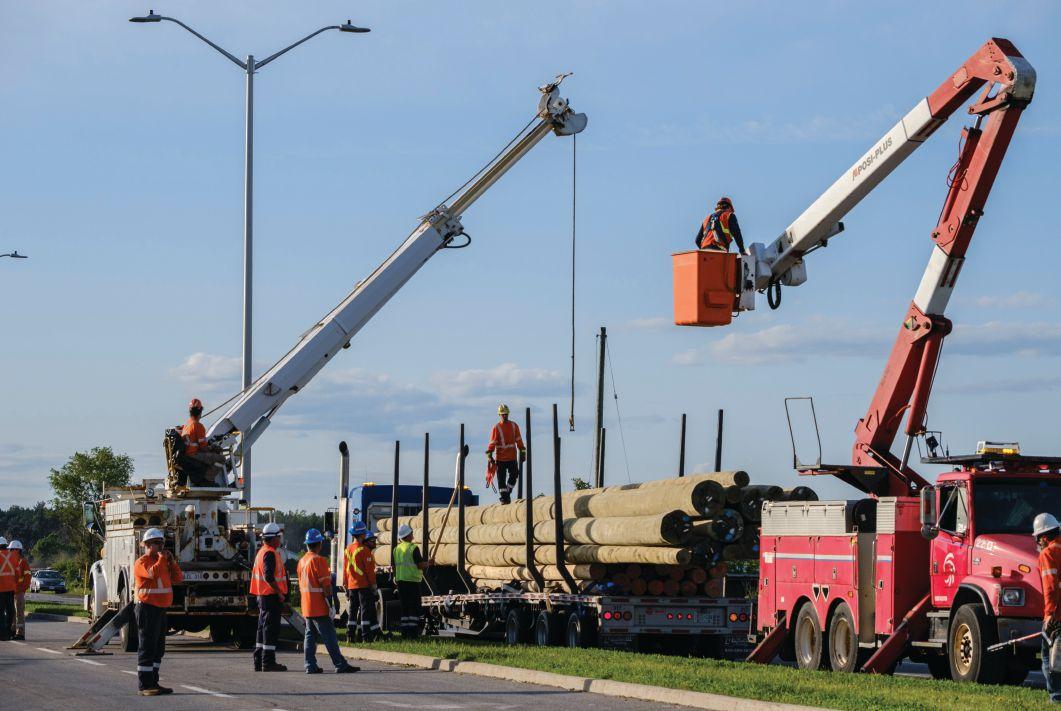
While we were able to restore power to 50 per cent of customers within 48 hours, many remained out for days, and a few dozen customers were out for nearly two weeks because of damage to their home electrical systems. The restoration effort was so massive an undertaking that it was the equivalent of doing four years of construction work and emergency repairs in 14 days.
Like many utilities’ approach to storm responses, our top priority was to restore power to first responders and essential services. Water treatment facilities and sewage treatment plants were also a priority. Power restoration work was then prioritized by trying to do the greatest good for the greatest number of customers.
Unfortunately, it often meant a longer wait for customers in more remote locations or outages impacting single customers, which was understandably frustrating.
Hydro Ottawa team members worked meticulously to help restore the reliability, comfort, safety, and convenience of the electricity that we have all come to rely on.
More than 400 hydro poles were damaged and replaced in 14 days across the city of Ottawa.
Impacts of recent extreme weather events expose the vulnerability of communities and critical infrastructure to climate change. Our grid is considered an essential commodity and vital to the economy, public health and safety. Because of their interconnectedness, it is essential that utilities and municipalities work together to scale up solutions to maintain the resilience of a community.
Hydro Ottawa was once again called upon to bury our powerlines underground in order to avoid such outages in the future. Undergrounding could reduce the number of some weather-related outages, but these buried lines bring with them their own unique challenges – and a price tag. It’s expensive to bury powerlines in the nation’s capital.
Crews’ efforts were bolstered by 335 additional workers sent by other Ontario utilities and by numerous contractor companies.
Complete underground servicing would cost roughly 11 times more than overhead infrastructure does. Per square kilometre, switching to underground lines costs anywhere between $2 million and $4 million. For a full scope look, burying the lines for our entire territory would cost approximately $10 billion and take about 90 years to complete.
And who is on the hook for the bill? In established communities, the customer. The City of Ottawa policy for the burial of overhead powerlines remains as directed by City Council on April 13, 2011: “that the undergrounding of overhead wires on City right-of-ways be undertaken only when the full cost of burial is paid for by the requesting party, or as otherwise approved by Council on a case-by-case basis.”
Collaboration is but just one strategy to harden our infrastructure while maintaining cost-effectiveness for our customers and
accelerating the transition to a cleaner and more efficient grid.
The grid faces two challenges: it must become more resilient and more clean. Alone, they are both daunting. Today’s power systems need to be more flexible, more redundant and more configurable to accommodate changes, increase efficiency and become sustainable.
Avoiding another prolonged outage such as the one experienced in May will also require the rethinking of the electrical system to protect equipment against extreme weather and ensure reliability and sustainability. The challenge here comes in defining the “right” infrastructure options. A more robust electricity distribution system will need to incorporate much more redundancy. We recognize that a combination of different approaches is what is best for our customers when hardening our infrastructure. All this while keeping in mind what regulators deem is an acceptable price for electricity.
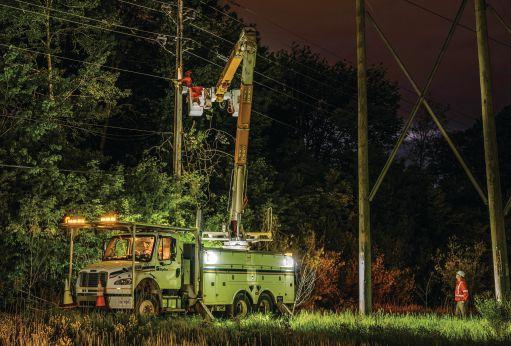
Crews, contractors, and utility partners worked round the clock to restore power to customers.
Wind gusts as strong as 190km/hr felled trees on properties in every corner of the city.
Heat domes, atmospheric rivers, and now “derecho”. For many Canadians, the May long weekend saw another new meteorological term added to their vocabulary – this time the descriptor for a line of intense, widespread and fast-moving windstorms that swept the Quebec City to Windsor corridor. At least 11 deaths are attributed to the event, mostly from falling trees, and it encompassed several tornadoes. Transmission and distribution infrastructure were among the essential assets that suffered heavy damage and more than a million customers are estimated to have experienced outages.
Regardless, the time is now to challenge long-accepted design practices in lockstep with our city counterparts, our customers and our regulators.
Our biggest takeaway, however, is that no matter how much you learn from past events and plan for the next emergency, vulnerabilities exist at every point across the electricity system value chain. Even the most modern tools and technologies that our teams rely on can experience blind spots. If utilities knew how to defend against every threat, no one would ever lose power. To that end, we are working to boost the resilience of our grid through our goal of net-zero operations by 2030. That is a part of our commitment to our customers to keep the lights on.
I could not be more proud of our team, mutual assistance partners, contractors, and suppliers for their dedication, innovation and unwavering focus on getting power back to our customers. The support for our region is helping us build back stronger.
Impacts for Ontario utilities extended across the full pathway of the storm, from the east to the southwest. While the severity varied considerably from utility to utility, for some, the required restoration effort was massive – although often expedited by support available through utility mutual-assistance arrangements.
This was the first time Environment Canada deemed a thunderstorm severe enough to use its broadcast-interrupting weather alert system. The Insurance Bureau of Canada has since ranked the derecho as the sixth largest insured loss event in Canadian history, with more than $720 million in damage in Ontario.
Craig Smith was heading to Barrie on May 21 for the Victoria Day long weekend when he received the call. Smith is the Manager, Stations and System Control, Automation, and Stations for Elexicon Energy, and a colleague in Brampton told him there was a large thunderstorm coming in fast and moving east.
Lindsay Neelands, Elexicon Energy’s District Supervisor Brock - Gravenhurst, Field Operations was enjoying a sunny day at home when he received a similar call from Mississauga. Both men had seen the storm alerts and started to notify their teams to be on standby.
At that point, no one knew just how severe the storm would be. Within minutes it swept through Uxbridge, with widespread destruction and power outages. It was later confirmed an F2 tornado hit the area. Ajax and Whitby also sustained extensive damage, as did other Elexicon Energy service areas.
Elexicon Energy immediately activated its comprehensive emergency restoration plan. Despite it being the holiday weekend, personnel across all departments responded to the crisis call. Everyone’s top priority was to restore power to customers as quickly as possible, and they were committed to working around the clock.
The control room runs 24 hours a day, and additional staff came in to help. The customer care and communications teams worked together to relay information from customers to the control room so they could assess the power outages and damage to deploy field staff.
“The control room collaborates with field staff, helping to prioritize the work and determine where to go first,” said Smith. “We quickly got to the highest level of response with 64,000 customers out across the hardest hit areas.”
To meet the widespread power restoration demand, Elexicon Energy mobilized crews from its districts not impacted by the storm, as well as contractors and municipal partners to expedite power restoration.
Some areas required tree debris removal, powerline repairs and

Craig Smith in the control room, where the team manages and maps out the outages in Elexicon Energy service territories.
new transformers, and teams replaced 130 broken and downed poles. Neelands’s team worked 16-hour shifts, stopping only to eat and sleep before returning to work.
As a result, power was restored to over half of Elexicon Energy customers within 24 hours and to 90 per cent in 72 hours.
Neelands was among the first field staff to arrive in Uxbridge. “My first thought seeing the extent of the damage was it would be two weeks before we could get everyone up and running again,” he recalled.
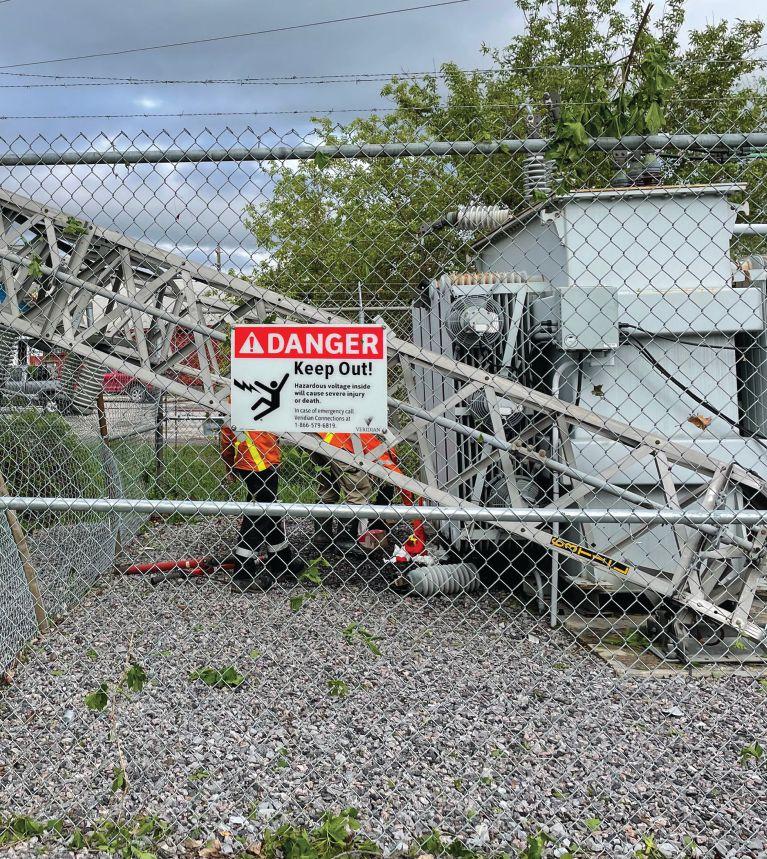

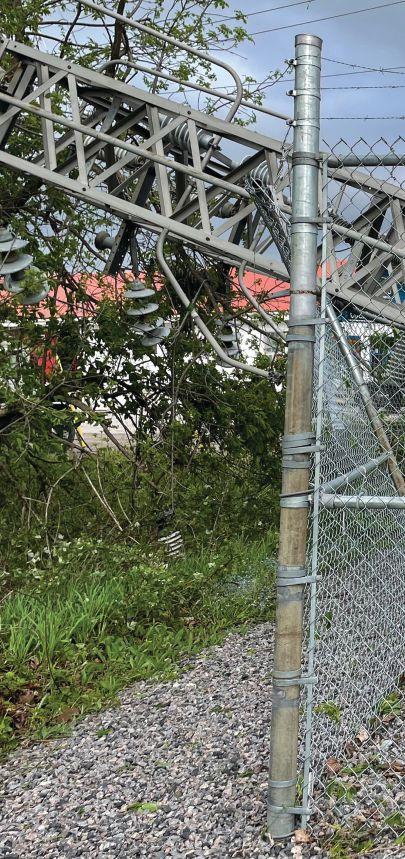
The storm partially destroyed an Elexicon Energy substation responsible for supplying power to half the town, and it was leaking oil. A member of Neelands’s team was able to plug the hole, and the underground lining contained the spill, preventing oil from seeping into a nearby creek.
The Uxbridge hospital was without power and was running a backup generator. “We first focused on restoring power to key infrastructures like the hospital and water treatment plants,” said Smith. The hospital had power back by day five.
Hydro One was also onsite, repairing damage to its infrastructure that transmits power to Elexicon Energy equipment. In some cases, the Elexicon Energy team had to wait for Hydro One to complete repairs before re-energizing equipment.
With the substation out of service, there was no way to feed the entire west end of town. The east substation was still operational, and the plan was to reroute power to customers in the west. Power
The Elexicon Uxbridge team working to repair the west substation, which was back up and running within eight days after the devastating storm.
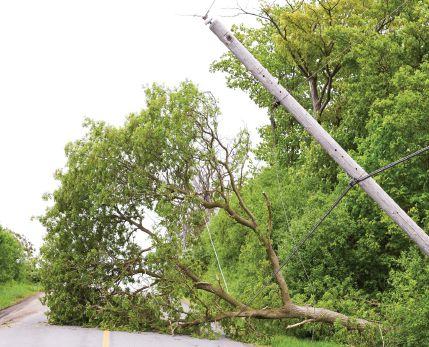
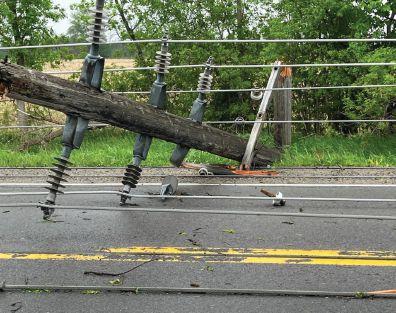
Downed pole and tree damage that was sustained within Elexicon’s communities.
The day the EF2
Uxbridge, politicians and Elexicon
onsite to see the
firsthand.
Mayor Dave Barton, Premier Doug Ford, Elexicon Energy President and CEO Indrani Butany-DeSouza, Minister of Finance and MPP Pickering-Uxbridge, Peter Bethlenfalvy and Elexicon Energy District Supervisor Lindsay Neelands

was restored to these customers by day nine. During a power outage, all people want is for their electricity to come back on, but this is dangerous work and safety is key. “When there is an emergency situation, it’s important to stay calm, work consistently and do everything safely,” said Neelands. “It’s a high-risk job working with high voltages and at heights, and nobody got hurt.”
He added, “The May 21 storm demonstrated the hard work and dedication of the Elexicon Energy team. Everyone had long weekend plans with their families and kids. They all dropped what they were doing and gave their lives to the people of Uxbridge for 10 days.”
Collaboration between local hydro utilities and local government is essential when undertaking civil work and infrastructure projects. London Hydro has a close working relationship with the City of London and supports it with planning, engineering and consultation when completing work around the city.
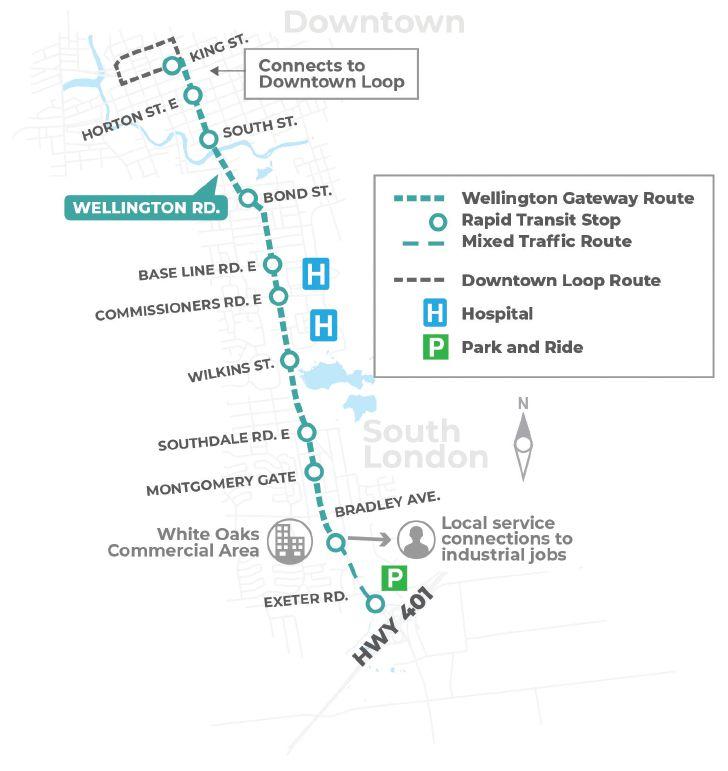
In 2016, the City of London began exploring the development of a new transit system and engaged London Hydro to understand and coordinate utility works, confirm where relocations may be required, and create an implementation strategy that works for all involved.
Now referred to as Rapid Transit, the City of London received $227.3M in federal and provincial funding through the Investing in Canada Infrastructure Program (ICIP) for 10 transit-related projects in London, while the municipality is also contributing an additional $167M. The majority of the funding is for major corridors linking east and south London through downtown via continuous transit-only bus lanes and enhanced transit stops.
Construction started in 2021 on the Downtown Loop, and all three transit corridors will wrap up in 2026, which is the timeframe to complete all projects to qualify for funding. These three projects constitute nearly 16 km of road re-builds, requiring London Hydro to relocate our plant and complete any planned capital renewal or system enhancement projects. The City of London is also undergoing various sewer, storm and watermain
London Hydro must undergo tighter design cycles and constantly review approved designs to accommodate any changes and ensure the project stays on schedule.
Map of the South Rapid Transit line being planned for London, Ontario, which will connect Downtown and Highway 401.
upgrades simultaneously, while other utilities with plants in the area must also complete their work.
The timeline has meant that London Hydro must not only undergo tighter design cycles but also constantly review approved designs to accommodate any changes and ensure the project stays on schedule. Internally, this has meant onboarding a number of design consultants and a project manager to help coordinate London Hydro’s work on this project with our partners. London Hydro is constantly collaborating with our partners to make sure the project design continues to meet everyone’s needs and expectations.
To help meet the timelines, the City, London Hydro and other partners have begun releasing joint tenders for the necessary work. By working together, tenders that incorporate the scope of work for all involved can be released, creating one coordinated project rather than multiple independent projects with conflicting schedules.
“This has proven to be a positive project management innovation,” said Jennie Dann, Director of Construction and Infrastructure Services for the City of London. “The City appreciates London Hydro’s efforts to help evolve this new coordinated approach.”
Previously, work would be carried out over two or more construction seasons as London Hydro relocated its plant ahead of the City’s work, but now this process can often be condensed into one year. An additional benefit is decreased customer impact as these joint tenders minimize the duration of road construction. With each tender, London Hydro has improved its internal processes to align with the City’s; for example, adopting and fine-tuning per-unit itemized tender rather than the traditional lump-sum tender.
London Hydro is leveraging internal design resources along with five other consultants to meet the City of London’s schedule. This has added another layer of collaboration as the work from the different consultants must be coordinated to ensure it is ready for joint tenders, and the consultants can accommodate any changes as they arise.

“London’s Rapid Transit project is a commendable example of how collaboration between different utility services and the City keeps timelines on track and efforts focused,” said Allan Van Damme, Vice-President of Engineering and Construction. “London Hydro is proud to be a part of this ground-breaking undertaking that will see Londoners benefit from an increase in transit reliability and frequency, a reduction in congestion and additional support in mobility for our community.”
The Rapid Transit project is on track to be delivered on time to qualify for funding, and London Hydro is committed to being a valuable partner as work progresses.

By Emma Chang, External Communications & Media, Alectra
When you imagine the future, what do you see? Do you envision a sprawling silver metropolis with flying cars and holograms on every corner? Or maybe you see a nearer future that uses renewable energy to power electric cars that take us where we need to go without compromising the health of our planet?
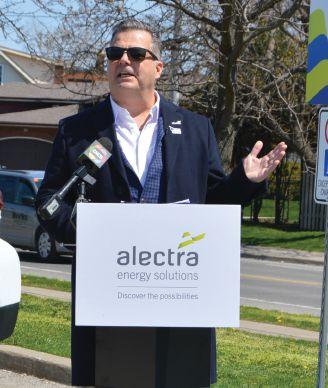
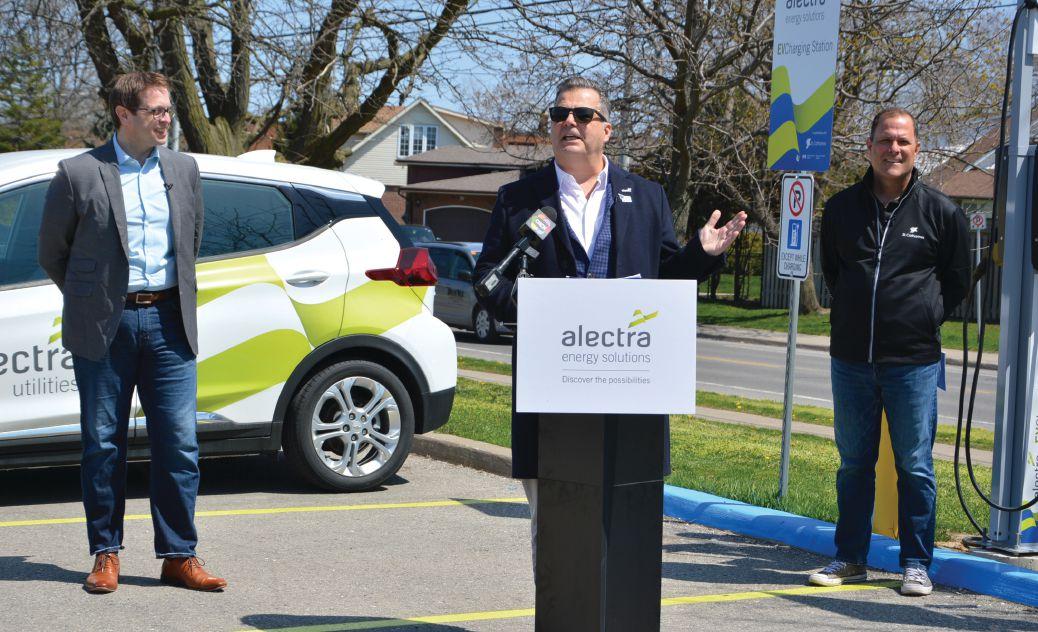
Alectra is driving Ontario’s energy sector toward that future. Through a partnership with National Resources Canada (NRCan), Alectra is making electric vehicle (EV) charging more accessible in public spaces. Empowering
Chris Bittle, Parliamentary Secretary to the Minister of Canadian Heritage and Member of Parliament for St. Catharines; Brian Bentz, President and CEO, Alectra Inc.; and Walter Sendzik, Mayor of St. Catharines.
consumers and communities to make sustainable choices is just one way Alectra plans to achieve net-zero emissions by 2050.
NRCan’s five-year Zero Emission Vehicle Infrastructure Program (ZEVIP) aims to address the lack of electric vehicle charging infrastructure, which is one of the main barriers to EV adoption in Canada. By increasing the availability of charging stations, the program encourages the use of electric vehicles across the country.
As part of ZEVIP, Alectra installed 50 public level 2 electric vehicle chargers across 18 sites in St. Catharines, Barrie and Markham. NRCan supported this initiative with an investment of $250,000, while Alectra contributed over $600,000.
“We are proud to partner with Alectra Energy Solutions and
Proud to help our communities thrive

We’re dedicated to making life in communities better by continuing to invest in local programs and organizations that foster well-being, promote diversity, provide access to health care, and protect the environment.
5 years of community support
$5 million invested
Hundreds of local organizations

As inflation soars, supply chain issues continue, and concerns grow over a looming recession, utilities like so many other industries must find ways to do more with less. Coupled with the increasing pressure to improve operational efficiency, utilities face a growing labour crisis. Recruiting new talent to replace retirees who hold decades of knowledge, or to fill short-term vacancies, is becoming an increasing challenge.
Shared service arrangements are a model that many utilities are now turning to in order to improve operational efficiency, control costs, mitigate risks and bridge skills gaps. Under a shared service arrangement, two or more entities agree to deliver or
“Having access to resourcing via a shared services agreement helps us manage risk and control costs.
Sharing a billing clerk with ERTH helps us with coverage. It is a win win.”
– Wayne Dyce, President, Centre Wellington Hydro
share the costs of certain goods, services, resources or procurements, which they individually require. The key here is the idea of sharing services or resources amongst utilities to fill resource gaps, achieve savings or, more commonly, both.
By leveraging shared service arrangements, smaller utilities can achieve economies of scale, operational efficiencies and cost savings.
A shared service model also addresses succession concerns and skills gaps that many utilities face. From a risk management perspective, shared services and resources spread the capital investment burden and risk among multiple parties. The shared services model also aligns with the Ontario Energy Board’s goals and expectations for smaller utilities to collaborate to achieve operational efficiencies.
A great example of a successful shared service arrangement is one between ERTH and Centre Wellington Hydro. ERTH expanded its pre-existing relationship with Centre Wellington Hydro by executing
a formal shared services agreement in May 2022. ERTH is providing a Green Button solution and associated project management for Centre Wellington, and Centre Wellington is providing 50 per cent of a customer service representative to ERTH. The mutually beneficial partnership ensures that both utilities have the necessary resources and subject matter expertise to meet both customer and operational needs.
The GridSmartCity Cooperative (GSCC) is another example of utilities, which includes ERTH Power, working collaboratively to achieve cost savings and efficiencies through various forms of shared services. With 14 LDC members and eight working committees, the GSCC works collectively where its members anticipate the highest net-savings opportunities and efficiency gains.
During the pandemic, the GSCC helped source personal protective equipment, such as hand sanitizer and masks, that some LDC members had difficulty procuring. Bulk ordering of these supplies helped to meet minimum order quantities, provided volume discounting and gave the GSCC preferred status.
Additionally, the GSCC has realized $2.7 million in amortized savings through group procurement of transformers, pole-line equipment and switches. These initiatives, and many others, have revealed further opportunities to leverage shared service arrangements in the areas of IT, human resources, communications

“We were able to shore up our billing with an experienced biller in a matter of weeks. This helped take the pressure off of our team during our merger.”
–
Brennan Crellin, Manager Billing, GrandBridge Energy
and supply chain. Learn more at gridsmartcity.com.
ERTH has developed an experienced team of billing resources and has supported various utilities in fulfilling permanent, short-term and/or part-time leave(s) on a shared-cost basis. As an example, GrandBridge Energy Inc. (formerly Energy+ and Brantford Power) recently had an integral resource retire, leaving a vacancy to fill. With the ongoing merger, this would have put additional strain on the team to hire and train a new resource in the midst of integration.
GrandBridge reached out to ERTH, and ERTH was able to provide a part-time billing resource to quickly address GrandBridge’s needs. The transition with ERTH was relatively seamless as both companies use the same platforms. Having access to qualified resources on a part-time basis can be very helpful and can minimize costs for all parties in providing the ability to share staff.
















By Claude Sharma, Greater Sudbury Hydro; Jairus Patterson, PUC Distribution/SSM; and Neil Russell, North Bay Hydro
The days are long. The job is labour intensive, and the work can be dangerous. But for 60-year-old arborist, Tim Burbadge, he is still having fun. He has spent more than half of his life dedicated to his skyscraping craft. And there are no signs of slowing down.
“It is a physical job, but I stay pretty active,” said Burbadge with laughter.
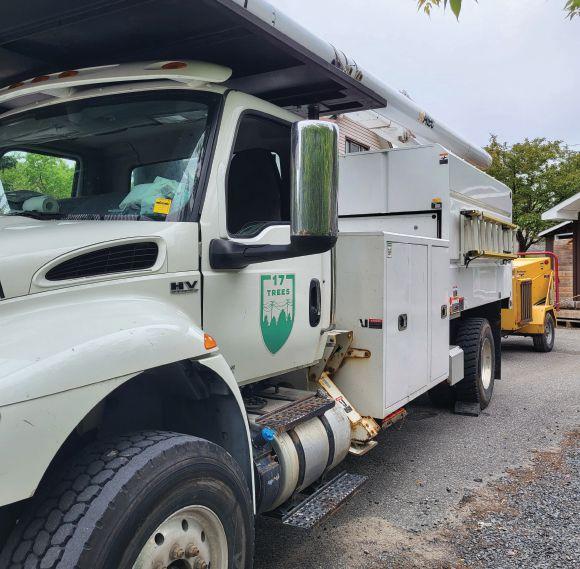
In 2019, he became the project manager of a newly established utility vegetation management company called 17 Trees, created by three Northern Ontario utilities: PUC Distribution Inc. in Sault Ste. Marie, North Bay Hydro Distribution Limited (NBHDL), and Greater Sudbury Hydro (GSH). The aerial landscaping company prevents contact of trees with high voltage wires in those three cities and their service areas, keeping customers safe and providing them with dependable electrical service by limiting unscheduled

From west to east, Sault Ste. Marie to Sudbury to North Bay, the arborists travel an important route that connects the three cities –Highway 17 – hence the name “17 Trees”.
power interruptions.
In a profession that is usually contract and seasonal, Burbadge and his tight-knit co-workers embrace the regional, full-time work. “I was excited to join because it’s year-round, and we weren’t going to be moving across the country. Typically, every winter I would have to go to Alberta or the east coast,” said Burbadge. “None of this would happen without the team. They are the ones climbing every day. It’s a tough trade and I’m very appreciative of the guys.”
Aside from climbing and trimming,



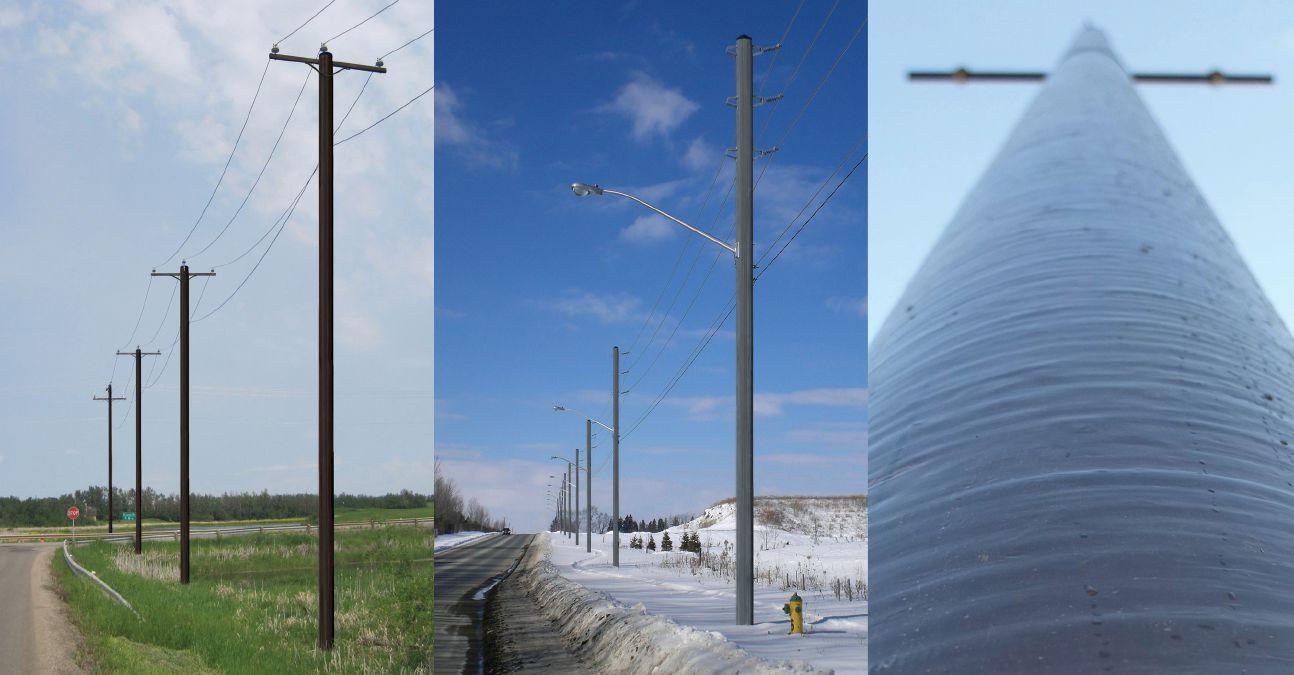
Setting the standard in single-piece pole resilience and convenience, no assembly required .
The definitive choice engineered to deliver consistent and predictable performance in the face of today’s intensifying weather events. Designed for overhead distribution lines, one-piece, lightweight RS PowerON TM Singular Poles are safe, non-conductive and sustainable - because the highest priority is maintaining power and safely keeping your communities connected .

The EDA was pleased to congratulate the Hon. Todd Smith in June upon his post-election re-appointment as Minister of Energy. First elected in 2011, Smith served as the PC critic on several files while in opposition, including energy. Since the PCs won their first mandate in 2018, Smith has served in several cabinet portfolios.
“The EDA and its members are the driving force behind Ontario’s reliable electricity system,” Minister Smith told the EDA’s annual gala in March. “And as the closest point of contact for Ontario’s electricity customers, you are an essential partner and a crucial source of information and helpful advice for our government.”
The EDA foresees strong continued alignment with the minister’s focus on the four key features of reliability, affordability, sustainability and customer choice.
In its congratulatory communication to re-appointed Energy Minister Todd Smith, the EDA noted our sector’s focus on economic recovery and growth, and the potential of electrification as a new form of competitive advantage for Ontario. The association also reiterated the importance of continued modernization at the Ontario Energy Board, to enable both innovation and enhanced customer value.
Similar outreach to Economic Development Minister Vic Fedeli and Municipal Affairs Minister Steve Clark – and to a number of other members of the new cabinet – noted points of intersection between distribution sector issues and outcomes, and their specific portfolios and anticipated priorities.
With legislators scheduled to be back in session at Queen’s Park in August, the EDA is monitoring senior political and civil-service staff changes during these early days of the PCs’ second term and beginning to arrange a series of meetings at which it will further raise the distribution sector’s profile and lay out its key priorities.
EDA advocacy in the weeks and months ahead will build on the foundational messaging of our Power of Local Hydro awareness campaign, designed in part to promote the sector as a credible partner to government as it develops and implements energy policy. Pre-election public opinion polling conducted by the EDA also confirmed the resonance of key campaign messages.
Our pre-election targeted ad buy to promote these messages proved highly effective in terms of engagement. With close to three million impressions on social media, more than 1.1 million views of the Power of Local Hydro video, and an extensive reach in communities large and small, the pre-election campaign was a significant success.
As the post-campaign assessment concluded: “The EDA has found a public who are willing to promote and engage with content that highlights the work and importance of distribution utilities.”
The storm and resulting power outages had potentially significant implications for Elections Ontario’s advance polling stations across the province.
Readiness to respond to climate-related impacts is an increasingly important element of risk management, especially in sectors like electricity distribution. The EDA, in partnership with Hydro One, demonstrated one element of such readiness during the May long weekend storm when they partnered to liaise with Elections Ontario on behalf of the sector.
The storm and resulting power outages had potentially significant implications for Elections Ontario’s advance polling stations across the province. The EDA and Hydro One were able to activate a previously developed plan, through which they provided coordinated points of contact for Elections Ontario, better enabling it to manage storm impacts on its operations.
Net zero is as ambitious a goal as it is urgent. While the route may be challenging, our destination is clear. We need to reduce our carbon emissions before it’s too late.
Learn how we’re helping Ontario electricity companies and the communities they serve.

Electric

The CUEE (Canadian Utility Engineering and Equipment) Trade Show and Marketplace is as large in scale as the challenges faced by the industry it serves, and as dynamic as the innovation that’s being deployed to meet them.
CUEE 2022 will be back across its usual 100,000+ square feet of indoor and outdoor exhibit space and demonstration stages at Mississauga’s International Centre September 13-14.
Act quickly to secure a remaining exhibit spot, and be sure your operational teams attend and take advantage of this exceptional opportunity for one-stop-shop insights on sector-relevant innovations.

The EDIST (Electricity, Distribution, Information Systems & Technology) Conference and Exhibition attracted more than 700 people to Markham at the beginning of June for exceptional educational, networking and socializing opportunities.
EDIST will be back next year May 30-June 1 – a scheduling adjustment to better accommodate our transition back to an in-person events program – before returning to its usual January timing in 2024.

Our ENERCOM series launched recently with excellent insights on Environmental, Social and Governance leadership. Further virtual ENERCOM sessions will be held October 6 and December 2. Watch the EDA website for topic and speaker confirmations.
Also ahead, on November 25, will be our annual exploration of Diversity, Equity and Inclusion in our connected workplaces, electricity sector and world – taking place in person at The Carlu in Toronto.
To register for upcoming events and for more information on the EDA’s Networking and Professional Development program, please visit www.eda-on.ca/EVENTS or contact Marica Macura at mmacura@eda-on.ca.



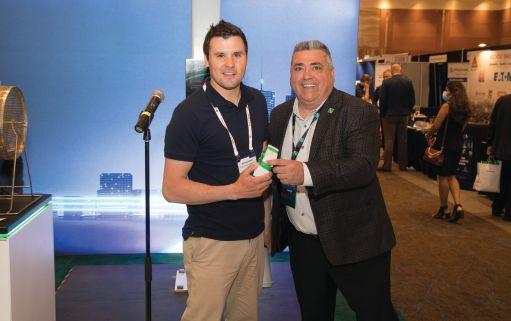



Westario Power President and CEO Jenny Alfandary attended her first EDIST in June, and provided The Distributor with her reflections on its unique value.
EDIST 2022 was an outstanding opportunity for stakeholders, innovators and leaders in the industry to gather together, share bold ideas and offer forward-thinking solutions.
I was privileged to have had the opportunity to attend on Westario Power’s behalf, taking part in enriching discussions, engaging with suppliers, and learning about the unique and


progressive proposals being offered to address various challenges that we face across our industry.
From the sessions to the plenaries and conversations at the meet and greet, the conference offered a glimpse of the future of electricity, distribution, information systems and technology –and it is bold, exciting, innovative and most notably, crucial for our province and its people.
I am confident I speak for all participants in saying that EDIST provided a vast wealth of knowledge and value. Thank you to EDA for ensuring that this event was a success for all, and I look forward to participating even more actively in future EDIST conferences.
I can say with confidence that EDIST not only benefitted me as a leader of an electricity company, but furthermore it gave me inspiration to collaborate with my dynamic team at Westario Power to implement the spirit of EDIST 2022, by leading a bold new narrative within our own organization.
























Advocacy is a core EDA activity, and we strive to provide clear, candid and constructive input to government and its agencies. EDA policy development is very much member-driven and largely happens within seven standing councils. Members are board-approved and representative of the association membership, and they commit considerable time and effort to council business.
Council priorities for 2022/23 are summarized below. The Distributor also invited this year’s chairs to comment on a key theme relevant to all council mandates: how customers benefit from flexibility and efficiency in local hydro. Scan the QR code for a sample of those responses on the EDA blog.

Spencer Gill, Hydro One Moranne McDonnel, Elexicon

Dan Séguin, Hydro Ottawa Wendy Watson, Greater Sudbury Utilities

Jeffrey Floyd, London Hydro
Andrea Nuesser, Hydro One

Read council chair perspectives on flexibility and efficiency in local hydro
A newly formed council, it is in the early stages of setting its priorities, but anticipates they will include:
• Investments LDCs will need to make to accommodate increased electrification of personal, commercial and public transportation, as well as of buildings
• Means of targeting these investments geographically
• Planning for EV charging infrastructure development
• Impacts of the provincial election
• Outage communications
• Storm or other crisis public relations
• Automated customer communications/AI
• Customer engagement and education
• Role of communications in net zero/electrification
• Internal culture, employee engagement, DEI
• Efficiency Theme: Customers look to LDCs as trusted advisors on energy use. With potential supply shortfalls, the council is exploring ways for LDCs to be actively involved with conservation and demand-management program amplification and delivery. We have a proven track record and our customers expect us to play a role.
• Sustainability Theme: Climate change in particular is inspiring customers to think more about their own energy resilience and how to enhance it through storage and small-scale generation. The council is investigating the role LDCs can play in supporting sustainability in the context of the many ways in which customers will approach it.
• Review COVID-19 financial impacts – ROE, customer revenue and consumption changes, receivable balances, CEAP/LEAP funds, bad debt write offs
• Cash flow challenges – Supply chain impacts, labour resourcing, rising inflation and interest rates, cost of capital impacts
• Ministry of Finance audits – Mainly review of shareholder loan interest rates (disallowance of portion of rate), smart meter rate class, etc.
• Monitoring LDC liquidity, longer term ROE/financial health
• Consideration/confirmation of expense efficiencies arising from such things as group pricing/discounts and regulatory efficiencies
Human Resources
Operations & Engineering

Nancy Brandon, Oshawa PUC
Wendy O’Keefe, Kingston Hydro

Shanon Wilson, Niagara Peninsula Energy Inc.
Karla Bailey, SYNERGY NORTH
• Legislative changes, such as the Right to Disconnect
• Labour market challenges and recruitment and retention impacts
• Ongoing management of COVID-19 impacts, including the effect on engagement and productivity of hybrid workplaces
• Labour relations and collective bargaining trends
• Diversity, equity and inclusion
• Multi-generational workforces
• Continued interface with the ESA, OEB and ministries to promote electrical safety and consumer protection
• Engagement with Province ranging from facilitating broadband expansion, to energy innovation and customer choice
• More specific topics for active engagement include: Framework for Energy Innovation Working Group; Green Button for greater transparency in customer energy data; Net Metering Code amendments; distribution transformer energy efficiency standards; utilizing DERs as non-wires alternatives; and planning for the increase in EV charging
• Framework for Energy Innovation: Distributed resources and utility incentives (OEB consultation)
Regulatory

Steve Zebrowski, Elexicon
Mike Lister, Alectra Utilities
• OEB/IESO joint engagement on DER integration
• DER connections review
• Refinement of OEB activity and program-based benchmarking and its use in rate applications
• Framework for the review of intervenor processes and costs awards
• OEB reliability and power quality review
For more information on the mandate of each council, and full membership lists, please visit: www.eda-on.ca/About-US/Councils Participation in council meetings is always open to the full LDC membership. Council information listed above accurate as of print date
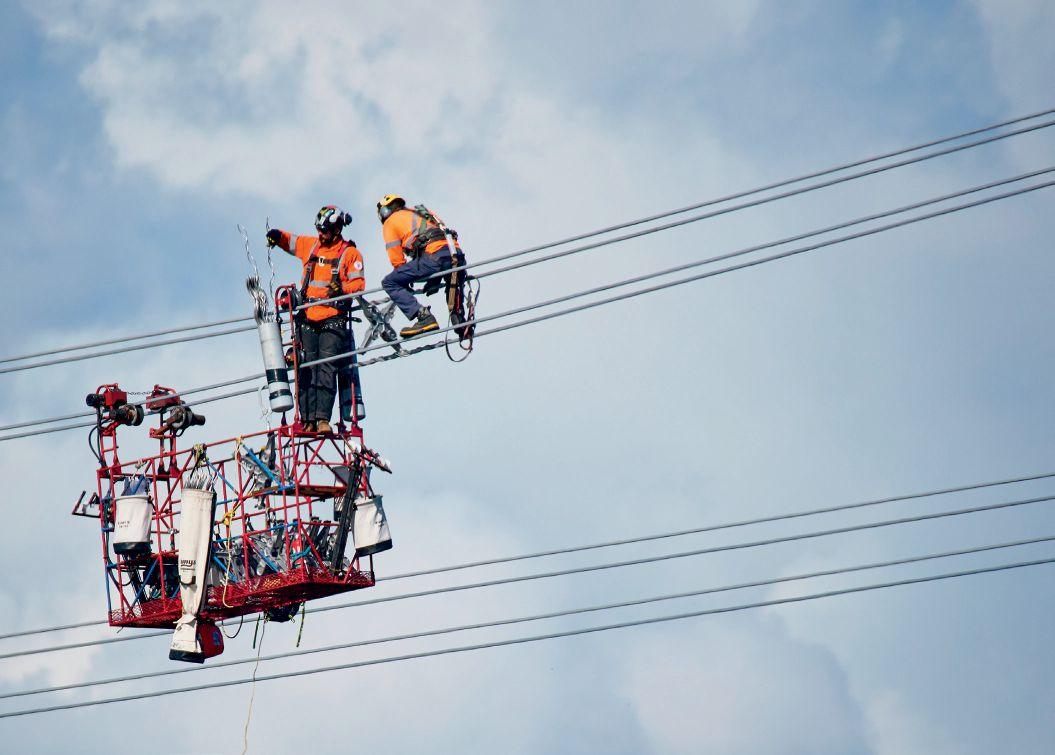


By Lauren Bonnett, Senior Manager, ESG & Sustainability Services, Grant Thornton
Local distribution companies (LDCs) are critical enablers of the energy transition in Ontario. Their expertise and leadership will be crucial as governments, institutions, businesses and residents increasingly seek opportunities to meaningfully decarbonize. LDCs are already preparing for widespread electrification by making sure the grid is ready to meet increased demand and enabling access to renewable energy sources.
But the energy transition isn’t the only challenge facing LDCs:
• Demand for talent is surging while workforce demographics are shifting. Employers are being asked to rethink their approach to traditional in-office work arrangements and compensation schemes.
• Smart grid, predictive maintenance solutions, and other technologies offer opportunities to enhance efficiencies and create capacity but may also increase vulnerability to cybersecurity threats.
• Customers are asking for more transparency and flexibility from their utility, but meeting these needs is challenging with constraints on financial and human resources.
With so much uncertainty, broadening perspectives and staying focused on long-term value creation may be the principles that help LDCs navigate the bumpy road ahead.
There has been much dialogue about the “ESG” (environmental, social and governance) movement, and not all of it has been glowing. However, ESG (or interchangeably, “sustainability”) is simply a framework to help leaders broaden their lens when thinking through business decisions, such as strategic planning, risk management assessments, and capital allocation decisions.
It’s now widely accepted1 that businesses with sustainability embedded in their purpose, values and strategy have better financial performance, better employee engagement and retention rates and, when disruption does occur, can more successfully manage and mitigate downside impacts and losses. Although ESG matters are seldom reported on the balance sheet (for now), business leaders recognize their potential to influence the bottom line.
How can LDCs start embedding sustainable thinking in their decision-making? Three considerations are key.
A clear, concise and enduring purpose can be both the guiding light for an organization and help others to quickly understand its values. LDCs are continuing to expand upon the long-standing “poles and wires” model. Distributors recognize they have the skills and
capabilities to seize new opportunities and create economic growth for themselves, their shareholders and others. LDCs also have the expertise and relationships to help solve urgent environmental challenges, including the trusted customer connections to improve the lives and wellbeing of people in their communities.
As an LDC diversifies and evolves its business model, a clearly stated purpose can help customers, employees, business partners, and others understand what it values as most important.
In defining or revisiting purpose, LDC leaders may consider:
• What problems do we solve?
• What value do we create?
• How will we serve the sustainable society of the future?
LDCs should be wary of approaching ESG matters as a to-do list to be ticked off. Instead, prioritize those few issues that are i) most critical for business success, and ii) most impactful for stakeholders.
Given the central role of LDCs in the communities they serve, this group of stakeholders is broad. It may be necessary to prioritize input from key stakeholders, such as customers, shareholders and employees, in determining material sustainability topics.
Once the priority areas are identified, the next step is to take stock of the current state. There are likely several initiatives already underway to address these key issues. This is a good opportunity to stand back and consider:
• Are the programs and initiatives of the organization cohesive? For example, are they integrated or ad-hoc?
• How closely do the activities in these areas align with the organization’s purpose?
• How well do they address stakeholder concerns?
If you don’t know where you’re going, any road will take you there. This is where an organization’s words meet its actions. LDCs should focus on developing clear, purpose-aligned and measurable goals for ESG priority areas. It may be tempting to go after the low-hanging fruit and focus on highly achievable goals in the near-term. Those organizations that stretch and take on challenging goals, however, receive the payoff when it comes to expedited value creation. Further, as with personal goals, setting targets that are precise and challenging can serve as an excellent motivator and foster employee engagement to get the job done.
Setting clear goals and measuring progress towards achieving them is key to building stakeholder trust and confidence in the organization’s commitment to its purpose.
For over a century, LDCs have demonstrated leadership, innovation, and resilience. Embracing sustainability offers another opportunity for LDCs to create value and shine the light on the road ahead for their customers, shareholders, employees and communities.
1 https://www.tandfonline.com/doi/full/10.1080/20430795.2015.1118917
CONTINUED FROM PAGE 14
Natural Resources Canada to build this vital infrastructure. These investments, and the increase of electric vehicles in our community, will help us become a national leader in sustainable transportation,” said Walter Sendzik, Mayor of St. Catharines.
As part of another ZEVIP partnership, Alectra provided businesses, municipalities and multi-unit residential buildings with incentives for the installation of new EV charging stations. As a delivery partner, Alectra provided incentives up to 50 per cent of eligible project costs, up to a maximum of $100,000 per project, to install level 2 EV chargers in public places, on-street, at workplaces and for light-duty vehicle fleets.
“Alectra now has over 200 public EV charging stations in operation or in development across our service territory. We’re proud to partner with municipalities to install chargers in places our customers work, play and gather, as we strive to be part of the solution in fighting climate change,” said Brian Bentz, President and CEO, Alectra Inc.
Alectra further supported the adoption of electric vehicles by piloting an ultra-low overnight electricity rate that would make charging EVs at night more affordable. Project participants opted into a higher on-peak electricity price in exchange for a new
Through a partnership with National Resources Canada, Alectra is making electric vehicle charging more accessible in public spaces.
ultra-low overnight price. The project’s success led to the announcement of a new provincial rate plan which could be offered across Ontario as soon as next year.
“I am extremely pleased that Alectra’s pilot project has helped create an opportunity for another electricity rate plan option for Ontarians. This new rate will attract and reward electric vehicle users, incent consumption behaviours that help us better manage the electricity grid, and provide our customers with the choice that they value,” said Bentz.
Alectra’s delivery of EV charging stations across Ontario will make eco-friendly transportation a more viable option for the average consumer. Supporting the switch to zero-emission vehicles and a carbon-free economy is how Alectra is leading the charge toward a cleaner, greener world. At Alectra, investing in the development of clean energy technology is investing in the future.
In the past two years, businesses have been faced with truly unprecedented times. As the world returns to somewhat normal, the economy has seen high inflation, and with it, is expected to enter a period of increasing interest rates. Here, experts from Grant Thornton LLP’s Power & Utilities Sector team discuss how rising interest rates may impact local distribution companies (LDCs) and some of the transactions they could consider.
Q: What will the impact of higher interest rates be on future rate applications?
Michael Ruta: Typically, Ontario Energy Board (OEB) prescribed rates are updated and published annually and reflect changes in the broader economic environment. It is expected that as prevailing interest rates rise, so too will the OEB prescribed interest rates. The most recent cost of capital parameters,

considering
published in October 2021, include a deemed long-term debt rate of 3.49 per cent, and a deemed short-term debt rate of 1.17 per cent. An LDC which applied for rates effective Jan. 1, 2022, would be compensated through distribution rates using these interest figures. LDCs applying for rates in 2023 and beyond will be compensated using rates to be published later this year.
LDCs filing for rates in the coming years are likely to see rate increases to offset additional borrowing costs they might face. It is important to note that the OEB will often assess actual debt rates applicable to an LDC, so those that have entered long-term facilities at lower


interest rates will likely be compensated based on their actual debt costs.
Ultimately, the exact impact of interest rate hikes to an individual LDC’s rate filing will depend on a multitude of factors, including the timing of the next filing, the existing capital structure and debt facilities, and the company’s appetite for borrowing. To prepare for a filing, LDCs should spend some time evaluating their capital structures, and consider options such as using a fixed rate hedge to combat any uncertainty in the macroeconomic environment.
Q: How do interest rates factor into potential LDC mergers?
Troy MacDonald: After merging, the newly formed entity typically enters a 10-year sit-out period in which distribution rates are increased annually using an inflationary factor. For customers, this means 10 years of relative rate stability and for the LDC, this means 10 years of rates set based on today’s market conditions and expectations.
With uncertainty around interest rates, LDCs considering a merger should carefully consider capital structures and borrowing requirements post-merger. The 10-year sit-out provides shareholders the benefit of being able to capitalize on transactional synergies; however, it could complicate capital structuring depending on the timing of borrowing, filing for rates, merging and future capital requirements.
Q: LDCs are more frequently exploring making investments in non-regulated entities. What opportunities and challenges might increased interest rates create with respect to non-regulated investments?
Brent Jackson: We’ve been living in a low interest rate environment for several years now, and many LDCs have been able to use lucrative borrowing rates to capitalize on
investments in non-regulated entities. While interest rates have increased, and may continue to increase, lenders have shown a willingness to continue to provide capital for these types of investments. Shareholders won’t be
able to achieve quite the same level of returns as interest rates climb; however, at current market rates we fully expect LDCs to be able to make successful investments in non-regulated entities.

Supports Utilities Cities Municipalities
Scalable for LDC Groups Acquisitions Mergers
Regulatory Compliant Proven in the Ontario Market Multiple Entities Commodities Services
Open Common Architecture Configurable Built-in APIs
Connect to Third Party Software Integration with AMI MDM/R GIS SCADA OMS MDM Advanced Software Development New Releases
Settlement Sub-Metering Services Community Net Metering

Green Button API Connectivity
Available On Premise and in the JOMAR Cloud
Call for a WebEx Demonstration

The Ontario Energy Board (OEB), the province’s independent regulator of electricity and natural gas sectors, is in the midst of a modernization journey that is laser-focused on ensuring transparency and independent decision-making are at the heart of its adjudication process. As Chief Commissioner, Lynne Anderson oversees adjudication at the OEB and, as one of four leaders who make up the Executive Leadership Committee, is a champion of the OEB’s modernization effort. We sat down with Lynne to discuss this effort and to get to know a little bit more about her as well.
Q: What was your professional background before you became Chief Commissioner at the OEB?
Lynne Anderson: I’ve been working in the energy sector for over 30 years, in many different roles. I have a Bachelor of Science in electrical engineering and an MBA.
Like so many others in our sector, I worked at Ontario Hydro for several years. I also worked at Hydro Ottawa and a predecessor company (Nepean Hydro), where I had a series of different roles in both the customer service and engineering departments, before becoming its Chief Regulatory Officer.
I came to the OEB in 2010 to fill the role that’s now called Vice President of Applications. Five years ago, I was appointed as an adjudicator and, in 2020, as part of the OEB’s transition to a new governance structure, was appointed Chief Commissioner following a competitive process.
As chief commissioner, I am first and foremost an adjudicator who works with my fellow commissioners to make decisions. But, I also have certain administrative roles for oversight. Most importantly, I assign commissioners to panels to hear and make determinations on a variety of matters – mostly applications that are filed by regulated utilities. Once assigned to a panel, the commissioners are always completely independent in their decision-making, even from my oversight.
Q: Can you highlight a few initiatives from the OEB’s Business Plan 2021-2024 that fall under your purview, the adjudicative process, and the progress that’s been made on them?
LA: There are a number of adjudication-related initiatives in our most recent business plan, which we consider touchstones for our
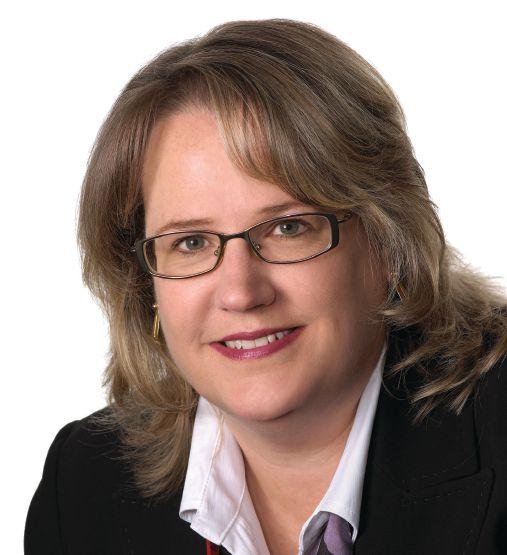
Lynne
Anderson, Chief
Commissioner
of the Ontario Energy Board.
modernization journey.
For instance, having established a Framework for the Review of Intervenor Processes and Cost Awards, we’re now developing the workplan, focusing on improving both the efficiency and effectiveness of our adjudicative processes.
Building on our successful stakeholder consultation on filing requirements for rate applications for smaller distributors, we’ve now engaged a new working group for the remaining distributors to focus on customer engagement, benchmarking, innovation and grid optimization.
We are using our new Adjudicative Reporting Dashboard to report on our adjudicative activity twice a year. The idea
here is to provide full transparency to our stakeholders about how long it takes us to release decisions. Trying to address comments from the past that our adjudicative processes were a “black box” and timing uncertain, we’re striving hard to be open, transparent and accountable to our stakeholders.
Finally, we’ve embraced our new statutory objective to facilitate innovation in the electricity sector. The pandemic prompted us to complete our transition to a fully digital adjudicative process, and to begin live-streaming our hearings. We’ve also created an online cost awards portal that streamlines the payment process while allowing intervenors to track the status of their claims.
Distributors are now also being asked to describe, in their cost-based rate applications, how innovation has shaped the filing. They might tell us about the role innovation plays in their business in general or how it relates to specific projects or technologies, with the understanding that more innovative projects and programs that benefit customers may be given special consideration.
Q: What changes are happening at the OEB over the next year that might have an impact on you and the other commissioners?
LA: I’m happy to say that having completed the transitional work to implement our new governance structure, we’re looking forward to a period of stability during which we can continue our vital work for the sector.
As Chief Commissioner, Lynne Anderson oversees adjudication at the OEB and, as one of four leaders who make up the Executive Leadership Committee, is a champion of the OEB’s modernization effort.
Having said that, beginning Oct. 1, the responsibility for appointing commissioners will transfer from the Province to the OEB’s Board of Directors. We’re anticipating continuity with existing commissioners and we’re recruiting a part-time commissioner to join our ranks. With that addition, we will have 10 commissioners, which will enable us to be active adjudicators and continue to issue decisions in a timely manner.
Q: What do you love about working at the OEB?
LA: What I love about this place is that the relationship between the commissioners and the staff is symbiotic, respectful and collegial. We work together with a common goal of protecting energy customers in Ontario while facilitating a healthy industry. I also love that we are at the centre of Ontario’s energy transition. We touch most aspects of it, so there’s never a dull moment.
CONTINUED FROM PAGE 18
Burbadge handles payroll, customer service and other administrative duties.
If you’ve ever been to an EDIST (Electricity, Distribution, Information Systems & Technology) conference put on by the EDA, you know about the packed multi-day schedule of engaging presentations, high-tech exhibitor booths, and of course –networking opportunities, especially in the famed hospitality suites.
Interactions in those suites are a highlight to many and serve as a social sounding board of “shop talk” where professionals share what’s working at their utility, what’s not, and... what’s next?
At EDIST 2019, it was both “what’s not” and “what’s next” that cultivated an idea – eventually turning it into a collaborative reality – addressing a major need for three Northern Ontario LDCs: How to maintain a reliable and sustainable vegetation management program. With labour shortages affecting all sectors in Northern Ontario, including professionally trained arborists, the state of vegetation control for the three utilities lacked stability.
“Considering the nature of the industry, it is really difficult to attract and retain an arborist who also has a background in utilities,” said Mark Van de Rydt, Supervisor of Engineering at Greater Sudbury Hydro. “Arborists often relocate, and those who work for mom-and-pop shops, some of those companies have closed,
making it even more challenging to find consistency.”
Joining Van de Rydt at the impromptu think tank at EDIST were Rob Brewer and Matt Payne, CEOs of PUC and North Bay Hydro, respectively. During after-hours discussions, they laid the groundwork for 17 Trees. Living in Northern Ontario means dealing with severe weather throughout the year, and having a shortage of trained arborists can put an LDC and its customers at significant risk.
“Creating 17 Trees was an innovative idea; however, delivering on that idea was the challenging part,” said Robert Brewer. “Having three LDCs work together shows the cooperative nature of our industry. We all have the same goals of providing safe and reliable power to our customers, and we are proud to do so in a unique northern way.”
From west to east, Sault Ste. Marie to Sudbury to North Bay, the arborists travel an important route that connects the three cities – Highway 17 – hence the name “17 Trees”. With three years and counting in operation, the program has been a success.
“17 Trees has solved a major problem. It has allowed us to complete vegetation management commitments made to our customers in rate filings consistently, affordably and safely, with an emphasis on strong customer relations,” said Matt Payne. “In addition, it highlights the strength of collaboration and the outcomes that can be achieved when utilities work together.”

This recently released white paper encompasses policy recommendations and a review of opportunities for local hydro utilities arising out of the accelerating momentum towards net-zero carbonemissions.
The paper is premised on the reality that distribution utilities will play a critical role in enabling customers, companies, communities, and governments to achieve their net-zero goals. Utilities will need to both drive and navigate through the transition to a cleaner electricity mix, and to increased supply as more and more energy uses are electrified.
As the paper notes, climate change is the largest single threat facing our planet today, with crucially important environmental, social and economic implications. Yet even as realization of the urgency grows, it’s unclear if we’ll be able to constrain rising global average temperatures within what the science suggests are safe bounds.
The pressure for more decisive action therefore continues to mount. The Net-Zero Emissions Accountability Act, for example, commits the federal government to achieve net-zero carbon emissions across the
Canadian economy by 2050. And a 100 per cent net-zero electricity grid is targeted by 2035.
THE
Deployment and leveraging of renewable generation, storage capacity and other types of distributed energy resources (DERs) will be at the core of the LDC contribution. DERs are a key means of increasing the proportion of clean and renewable electricity in our energy mix.
Equally crucially, DERs can often help address capacity and resilience constraints on the existing grid, without having to resort to traditional and expensive “poles and wires” investments. DERs of necessity will commonly be directly connected to the distribution grid, and system planning will need to adapt to accommodate this very different reality.
LDCs are already doing a lot to help Ontario and Canada advance towards a net-zero future, including leading by example with respect to their own operations and carbon footprints. But five key recommendations, if acted upon, will enable the sector to do even more:
1. The distribution sector is ready and able to provide a broader range of climate friendly services to customers, including EV infrastructure and renewable supply options.
2. We need additional regulatory guidance and flexibility from the OEB to enable implementation of non-wires alternatives either as procured services or as LDC-owned assets.
3. Climate-related progress to which we contribute should inform our revenues, with metrics and incentives for things such as successful energy efficiency programs.
4. We want to partner with the communities we serve as we collectively work towards net zero, and should have appropriate regulatory incentives to do so.
5. Local hydro utilities must be part of planning and decision-making to ensure customers can successfully transition to clean energy options. Download the full Power of Sustainability white paper.



























If you’re involved with your utility’s carbon-reduction efforts, or even just follow coverage of this dynamic field in the media, you’re probably familiar with the concept of different “scopes” of greenhouse gas emissions.
You have Scope 1 emissions, generated directly from the operations of a given company or other entity (the buildings it heats, vehicles it fuels, etc.). You have Scope 2 emissions, which are generated during the
“Scope 4” is an emerging but potentially contentious emissions category.
production of electricity or other forms of energy that the company purchases.
Then there are the more amorphous Scope 3 emissions, which are generated either further up or down the supply chain. Examples are emissions embedded in raw materials a company uses, or that are generated when the company’s products are used. A lot of current debate over climaterelated disclosure standards focuses on how much responsibility a company should take for Scope 3 emissions.
But “Scope 4” emissions?
That’s a new one, and if it catches on, it will be due in part to its adoption by U.S. utility PG&E in its recent Climate Strategy Report. PG&E describes Scope 4 as “an emerging term for categorizing emission reductions enabled by a company”, including through such actions as support for energy
efficiency and electrification.
Gaining wide acceptance for the concept won’t be easy – akin maybe to trying to make the case for an eighth deadly sin – and PG&E has attracted criticism. A Bloomberg commentator, for example, described being “stopped in her tracks” when she encountered the term, and suggested it could be tantamount to “greenwashing” (speaking of deadly sins).
However this particular terminology debate plays out, it is indicative of the vital role that electricity suppliers and distributors will play in enabling a net-zero future. PG&E, for example, is projecting “Scope 4” emissions reductions of nearly 110 million metric tons (C02 equivalency) by 2030. So label that with whatever words you want, but it would be an achievement of a very big scope indeed.

Are you looking to gain more value from your assets? Our turnkey asset management solution enables you to do just that.
Our teams support the entire asset lifecycle from concept to implementation. From planning, engineering design, construction, GIS application services, asset inspection and field services, we provide the data you need to make the right decisions.
If you’re looking to achieve long-term asset value, we want to hear from you!
Contact us at info@oecorp.ca.