JOMAR has extensive experience to scale up our software for Internal Growth, Aquisitions and Mergers
39 years 10 countries 4 continents sales@jomarsoftcorp.com
FROM THE CHAIR
Great customer experience is embedded in our DNA as electricity distributors.
Customer experience is a centrally important focal point for local distribution companies, and we routinely dedicate an issue of The Distributor to showcasing the compelling ways in which EDA members deliver on it. But it’s an especially timely topic this year.
During the pandemic, we needed to put customer needs first to an even greater degree than usual. And we rose to that challenge.
We provided pricing and billing accommodations and helped deliver support programs to those whose incomes were impacted by the lockdown. We heightened our focus on reliability across our service territories – as residential customers counted on electricity not just for the comforts of home but also to do their jobs and educate their children, and as security of supply for health-care facilities became even more vital. And we did all this under our own dramatically different working conditions, including adjustments in crew management designed to minimize potential viral spread within our workforces and communities.
This is noteworthy, to be sure, and likely added to our sector’s store of goodwill. At the same time, nothing we’ve done in recent months has been revolutionary or by any means entirely new. It represents instead a sharpening of our long-standing focus on the customer experience.
The rationale behind our customer focus is multi-faceted, and reflected throughout the member submissions and other articles in this issue. It includes a determination of meeting continuously rising customer expectations, the growing opportunities to engage customers in grid management, and the competitive pressures that are already emerging at least around the edges of our core businesses.
More than anything, I believe – and I think readers will agree – that providing a great customer experience is simply the right thing to do, and a crucial part of the responsibilities entrusted to us as regulated utilities. It’s also a gratifying thing to do, perhaps most particularly for those in positions involving direct customer contact, but really for everyone within the locally based and community-oriented companies that make up Ontario’s distribution sector.
We know our customers rely on us for one of life’s most essential services. And the commitment to bundle that service with a great customer experience is embedded in our DNA as electricity distributors. Our success has long been demonstrated by what are typically strong customer experience rankings in surveys. I expect that as we gauge customer views in the months ahead, we may well see a further bump up – as some members in fact already are – reflecting appreciation for our heightened efforts to deliver reliable electricity and so much more throughout the pandemic.
Sincerely,
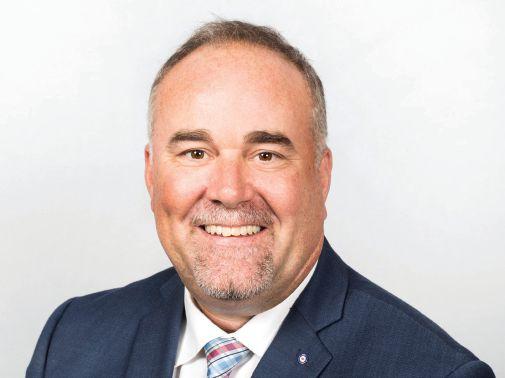
Chris White President & CEO, ERTH Corporation Chair, Electricity Distributors Association
The Electricity Distributors Association (EDA) publishes The Distributor for its members and stakeholders. All rights to editorial content are reserved by the EDA. No article can be reproduced in whole or in part without the permission of the EDA.
PUBLISHED FALL 2021 FOR:
Electricity Distributors Association
3700 Steeles Avenue West, Suite 1100 Vaughan, ON L4L 8K8 www.eda-on.ca
111 Gordon Baker Road, Suite 400, Toronto, ON M2H 3R1 (416) 442-5600
annexbusinessmedia.com
Agreement #: 43526108
ADVERTISING SALES
titus/one mediasales@eda-on.ca
SECTOR SCAN
EDA Members Are Keeping Customers First
Ontario’s local hydro utilities – the part of our electricity system closest to customers – showcase the Power of Local Hydro by making sure their customers are receiving greater value, efficiency and choice.
HYDRO ONE
ELEXICON ENERGY
is helping to create a “living smart grid” pilot community in Pickering, Ontario. Canada’s first planned nested microgrid installation.
INNPOWER
staff came together in May and helped raise $1,000 to support the Innisfil Food Bank that needed supplies with many families facing challenges during the pandemic.
supported the Town of Orillia’s Lighthouse Building Hope campaign with a $10,000 grant to help this organization expand its services and support the upkeep of the lighthouse.
ESSEX POWER CORPORATION,
through its Powering Future Leaders Award, has awarded 12 students each with a $500 bursary towards their post-secondary education that supports and enables the electricity distribution sector.
SIOUX LOOKOUT HYDRO, SYNERGY NORTH AND HYDRO ONE
A state of emergency was declared June 25 after a major storm hit parts of northwestern Ontario, impacting thousands of customers. Crews from Sioux Lookout Hydro, Synergy North and Hydro One, worked tirelessly to restore power for their customers.
ALECTRA UTILITIES
launched a paperless e-billing campaign ‘Go online for our frontline’ with a commitment to donate $50,000 to support Ontario’s frontline healthcare workers. Visit alectrautilities.com/ paperless-billing to learn more.
PUC SERVICES
launched a new mobile app “MyPUC” for customers, giving them the option to receive outage and alert updates while having the ability to track and conserve energy consumption from the convenience of their smart device.
TERESA SARKESIAN, PRESIDENT AND CEO, SIGNS LEADERSHIP ACCORD ON DIVERSITY, EQUITY AND INCLUSION
On June 25 Teresa Sarkesian, the EDA’s President and CEO, signed the Electricity Human Resources Canada (EHRC) Leadership Accord on Diversity, Equity and Inclusion (DEI) – a public commitment to promote diversity, equity and inclusion in our organization. Signatories are committed to improving opportunities for under-represented groups through changes in governance and organizational policies, training and development, and recruitment and retention. Over the next two years, the EDA will identify, implement and track progress of organizational initiatives supporting a number of commitments as outlined in the Accord.
We look forward to doing our part in making meaningful change within our organization, and to promoting the accord throughout the electricity distribution sector. The EDA encourages others to join the Accord to help demonstrate their own commitment to working towards supporting an inclusive workplace for all.
Watch the video for the full statement and visit the EHRC website to learn more.
THE EDA WINS HERMES CREATIVE AWARDS
The EDA received two Hermes Creative Awards for outstanding creativity and interactive experience: a platinum award for its spring edition of The Distributor and a gold award for its 2020 Year in Review guide. Visit www.eda-on.ca to read both publications.
INDY BUTANY-DESOUZA APPOINTED AS NEW ELEXICON ENERGY PRESIDENT AND CEO
The EDA would like to extend congratulations to Indy ButanyDeSouza on her new appointment as President and CEO at Elexicon Energy, effective September 20. She comes from Alectra Utilities where she serves as VP, Regulatory Affairs and Privacy Officer, and she is also chair of the EDA’s regulatory council. She brings extensive experience in strategic leadership and regulatory management to this new role.
TIM WILSON APPOINTED AS SYNERGY NORTH’S NEW PRESIDENT AND CEO & EDA BOARD DIRECTOR
The EDA would like to congratulate Tim Wilson on behalf of our members and staff on his new appointment at Synergy North. He has also been appointed as the new Northwestern District Director on the EDA Board of Directors. The EDA looks forward to working alongside Tim and looks forward to his contributions.
TERRY YOUNG, PRESIDENT AND CEO OF THE IESO RETIRES AFTER 19 YEARS OF SERVICE
Terry Young, a leader in the electricity sector, has retired after serving almost 20 years at the IESO. Terry has been a strong supporter of the EDA and we wish him well in his future endeavours and all the best on his retirement.
The Distributor Striking the Right Balance
2020 Year in Review
Indy Butany-DeSouza
Tim Wilson
CUSTOMER EXPERIENCE: BUILDING ON OUR MOMENTUM
Unless you’ve been in the industry for quite some time, you missed out on the days when it was sound business strategy to focus on the operational requirements of delivering electricity, without much thought for how you otherwise engaged with customers or for their overall experience.
Today, it’s long-accepted wisdom that electricity utilities – despite being monopolies – very much are and need to deliver not just electricity but also excellent customer service.
Perhaps most fundamentally, this is because our customers expect us to, and consistently measure their local distribution company’s service quality against what they receive from their bank, telcom supplier, and the many e-commerce entities they likely deal with.
But the reasons go deeper still.
A growing number of customers have behind-the-meter generation, energy storage and energy management capacities, and leveraging all of that must be founded on good communication and service, and on a trusted relationship and active partnering.
Additionally, customers are gaining more options as to how and where they access both their electricity, and the other services they may want to bundle with it. Commercial customers in particular represent a growing “grid defection” risk, as many of them look at innovative means of more directly controlling the costs and environmental
impacts of the electricity they use.
The security of being a monopoly commodity provider, in short, isn’t what it used to be.
“The emergence of customer experience as a key success driver in utility sectors has been transformative – ranking up there in importance with some of the big technological advances of recent years,” says Andrew Temes, Vice President Marketing, Communications and Member Relations at the EDA.
“We’re pleased to facilitate important discussions on this topic at our communicators and other councils, and to support member marketing and outreach efforts with our own social media channels, Power of Local Hydro campaign, and other communications efforts,” he adds.
The central importance of customer experience is, of course, widely understood and being effectively acted on by Ontario electricity utilities. And the sector likely has a reservoir of goodwill right now, based on its extensive customer outreach and accommodations during the pandemic.
So we’re starting from a good place, and we have momentum to build on. But we still have ground to make up.
McKinsey Journey Pulse survey data, for example, suggests that U.S. utilities lag other sectors in exceeding customer expectations – with only 33 per cent of customers experiencing such “wow” moments over the past year when dealing with a utility, compared to 58 per cent when dealing with an airline.
With all that in mind, the following surveys highlight some current key issues and best practices with respect to customer service – and the resulting customer experience – specifically relating to electricity utilities.
ENGAGING WITH THE CRUCIAL MIDDLE BAND
While customer expectations are high and rising, customer interest in actually engaging with an electricity utility starts out at least at a very low level. Research suggests that customers typically spend a meagre eight to 12 minutes per year
engaged with their electricity utility.
There are, of course, customers on either end of the spectrum – some of whom are likely never going to engage with their utilities, and others of whom do so a lot.
But the most fruitful place to focus is likely on the larger segment of customers who sit in the middle of that spectrum. They probably are reaching out occasionally and are at least selectively willing to engage further – if a utility is offering information and services that align with their interests, values and needs.
To create that alignment, you of course must have as full an understanding of a
“The emergence of customer experience as a key success driver in utility sectors has been transformative – ranking up there in importance with some of the big technological advances of recent years.”
– Andrew Temes, Vice President Marketing, Communications and Member Relations at the EDA
particular customer’s circumstances as possible. And you then need to offer that customer a seamless journey from need identification through to fulfillment.
CONNECTING MORE CLOSELY WITH CUSTOMERS
Utilities are already working to better leverage the extensive customer insights they possess, and to make them accessible in the context of call centre and other interactions. A robust strategy could involve crossreferencing various data sources to tailor information and offers with respect to characteristics such as age cohort,
rural vs. urban, income levels and homeowner vs. renter status.
Increasingly prevalent smart devices –thermostats more notably – are also a crucial “engagement gateway” with customers. They provide a highly detailed and actionable window of insight on energy use within an individual home or other property, not to mention the potential for automated demand response capabilities.
For many utilities, this has already justified extensive investments in promoting adoption of these devices and in leveraging the resulting energy-management potential. This includes “Bring Your Own Thermostat”
programs through which one U.S. utility accommodated its customers’ use of nearly 20 different models.
As the “Internet of Things” increasingly takes shape, a great many more in-home devices will be connected and smart, potentially providing yet further insights on individual customer circumstances. Properly leveraged, this could turn selective willingness into active engagement with a lot more of that middle segment of customers.
This also underscores the importance of effective partnerships with technology companies who can provide the data disaggregation and other specialized expertise needed to fully tease out customer insights, while also building the apps and other specific engagement platforms.
CUSTOMER CONTROL AND E-COMMERCE
Ultimately, what customers may really be looking for is control: over electricity use and costs, but also over how and when they can access information from and engage with their LDC.
One excellent means of providing both control and choice is through enhanced availability of always-on self-serve options for customers – which over time can also deliver very significant efficiencies and costs savings for the utilities providing them.
This is part of the broader growth in electricity providers’ engagement channels. More customers can or soon will be able to connect with their LDCs across a wide range of web, social, email, text and app-based channels, in addition of course to the continued option of call centre conversations.
Utilities are also working to proactively deliver key information – such as notices of planned and even unplanned outages – and to tailor channel selection to the specific content being delivered. For example, by using texts rather than apps for time-sensitive content.
Offers also need to be accompanied by effective educational and contextual information that will better enable customers to recognize the value, and better incline them to seize it. One
The central importance of customer experience is, of course, widely understood and being effectively acted on by Ontario electricity utilities. And the sector likely has a reservoir of goodwill right now, based on its extensive customer outreach and accommodations during the pandemic.
Utilities are already working to better leverage the extensive customer insights they possess, and to make them accessible in the context of call centre and other interactions.
interesting approach is utility-hosted e-commerce sites, via which customers can access a range of energy-saving information, devices and services, including ones from third-party partners. ComEd’s Marketplace, for example, offers residential customers an aggregated package of products and services encompassing lighting, advanced power strips and more.
Well-executed customer engagement and standout customer experience is many things in the context of today’s electricity sector. Table stakes, for sure, but also a means of better managing grids, a pathway to enhanced brand loyalty and reputation, and a vital response to growing competitive pressures.
Wrap all that up together and what you really have is what’s been termed a potential “passionate partnership” – a partnership with customers who may well be willing to give you much more than just a few minutes of attention in any given year.
CELEBRATING THE BEST IN THE SECTOR
Local Hydro Utilities Earn Top Honours at the EDA Awards Gala
This year’s EDA Awards Gala was another exceptional evening of celebration as the EDA honoured top-performing LDC members in May. The evening opened with over 200 guests on hand for the virtual networking session, where attendees had the opportunity to interact with peers, friends and colleagues. This was followed by the highly anticipated awards ceremony at which the EDA’s Board Chair Chris White, President & CEO of ERTH Corporation, announced the winners.
“In a year unlike any other, excellence abounded throughout the electricity distribution sector in Ontario,” added White. “After last March’s pandemic declaration, all EDA members have had to find new ways of ensuring safety in the face of a health risk like nothing we’ve confronted before – and their efforts have been exceptional.”
Ontario’s electricity utilities are proactive, innovative and consistently working hard for their customers. The EDA Awards Gala was an evening to recognize and celebrate LDCs for their
extraordinary and inspiring achievements.
“Ontario’s local hydro utilities work hard each day to deliver safe and reliable electricity, along with enhanced and innovative services,” said Teresa Sarkesian, President & CEO, the EDA. “We are pleased to highlight this year’s most remarkable and inspiring achievements that our members are delivering on for the benefit of their customers.”
This annual program acknowledges an array of key accomplishments, outstanding customer service and environmental programs, innovations and best practices on the part of the companies that deliver the Power of Local Hydro across Ontario.
This year, awards were presented in both individual and corporate categories.
Two Chair’s Citations for individual achievement and service were presented to Max Cananzi, formerly of Alectra Utilities, and Dr. George Shaparew of InnPower Corporation. And two Honorary Memberships for individual service to the industry and the EDA with distinction over a long period of time were also presented to Bart Burman of Burman Energy Consultants and Pierre Carriere formerly of Coopérative Hydro Embrun Inc.
The LDC Performance Excellence Award recognizes outstanding performance in occupational health and safety, operations, finance, conservation, and contributions to the community. This year it was awarded to Entegrus Powerlines for accomplishments that included a
Max Cananzi
Dr. George Shaparew
Bart Burman
Pierre Carriere
comprehensive health and safety management system worthy of IHSA CORTM 2 certification and strong community investments with approximately $425,000 charitable donations in 2020.
The Public Relations Excellence Award was presented to Burlington Hydro for its balanced approach to celebrating its 75th anniversary in the midst of a global pandemic to build trust and showcase its long-standing history in the community.
The Communications Excellence Award was presented to Alectra Utilities for successfully engaging employees from the outset in its internal communications strategy in response to the COVID-19 pandemic.
STATEMENT FROM THE MINISTER OF ENERGY
The Customer Service Excellence Award was presented to London Hydro for undertaking an extensive website refresh to improve customer self-service options, including a Price Plan Calculator for residential and small business customers.
The Environmental Excellence Award was presented to Hydro One for supporting Ontario’s biodiversity through its one-of-a-kind Pollinator Habitat Program, including mechanical vegetation management activities and rights-of-way revitalization with the addition of pollinator species.
The Innovation Excellence Award was presented to Waterloo North Hydro for introducing a Fault Location, Isolation & Service Restoration project to its distribution system, helping to decrease the severity and duration of power interruptions for customers through system automation and technological advancement.
The Minister of Energy provided the following statement which was shared during the event:
On behalf of the Ontario government, I want to extend our congratulations to today’s award winners. Recognition of your service to Ontarians is well deserved. I’d like to thank the Electricity Distributors Association and its members for your commitment, dedication and remarkable flexibility during the COVID-19 pandemic. This has been an extraordinary year for Ontario’s electricity sector. The EDA’s members have remained nimble, resilient and committed to managing this evolving and complex environment.
As the closest point of contact for Ontario’s electricity customers, your efforts helped to ensure that supply continued uninterrupted and supported those staying at home to learn and work, as well as critical health services, essential businesses, farms and other infrastructure. At the same time, within your own organizations, you worked to provide safe workplaces.
I also want to take this opportunity to recognize the EDA for the important role you play as the strong and trusted voice of Ontario’s electricity distribution community. Your membership’s work to implement our government’s COVID-19 electricity rate relief and customer choice initiative greatly improved the lives of Ontario’s electricity consumers during this challenging year. Congratulations once again to today’s winners.
The MC for the gala was Chris White, Chair of EDA and President & CEO of ERTH Corporation
The Public Electrical Safety Excellence Award, sponsored by the Electrical Safety Authority (ESA), was presented by its President & CEO, David Collie. The award, for the first time ever, was granted to All LDC Members of the EDA for their extraordinary efforts to continue the delivery of safe and reliable electricity to Ontarians in 2020.
The celebration continued with more opportunities for networking and concluded with an astounding and entertaining performance by The Sentimentalists, the world’s greatest mentalists. The EDA proudly congratulates all award winners and nominees.
THE AWARDS PROGRAM
Since its inception in 2001, the annual EDA Awards Gala has remained the premier
recognition of excellence in Ontario’s electricity distribution sector. Recognizing high-performing local hydro utilities for innovative achievements and business success helps to advance the public profile of all LDCs. It also serves to inspire and elevate the entire industry. Recognition by peers — those who know and understand the unique business challenges and opportunities within a given sector — can be especially meaningful to an organization’s key stakeholders, customers and even employees.
Each year, LDC members are invited to submit nominations outlining their awardworthy programs in a range of categories. Winners remain confidential until announced at the annual EDA Awards Gala. The highly anticipated event is where EDA members get together to celebrate the success of their peers and inspire each other by example. Watch out for the opening of nominations in the EDA’s upcoming communications.
Ontario’s electricity utilities are proactive, innovative and consistently working hard for their customers.
The EDA Awards Gala was an evening to recognize and celebrate the outstanding achievements of LDCs for their extraordinary and inspiring achievements.
ADVOCACY IN ACTION
THE EDA CONGRATULATES THE HON. TODD SMITH ON HIS APPOINTMENT AS NEW MINISTER OF ENERGY
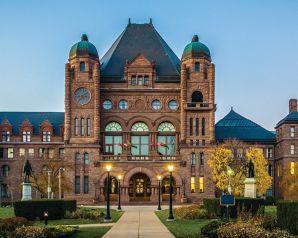
The EDA and Ontario’s local hydro utilities welcome and congratulate the Hon. Todd Smith as the new Minister of Energy. Minister Smith left his previous portfolio as Minister of Children, Community and Social Services, following a cabinet shuffle in June, to become Minister of Energy.
Minister Smith brings a wealth of experience, and the EDA has a productive and longstanding relationship with him. In meetings with the EDA following his appointment, Minister Smith expressed a keen interest in the electricity distribution sector and shared his thanks for the tireless efforts of all LDC members in supporting customers during the pandemic. We look forward to more dialogue with him over the months and to identify opportunities for the sector to connect with him, too.
Elected in 2011, while in opposition, Smith served as the PC critic on several files, including energy, small business, and red tape reduction, Pan and Parapan American Games, and natural resources. Since the PC Party formed government in 2018, Smith has served as Government House Leader, Minister of Government and Consumer Services, and Minister of Economic Development, Job Creation, and Trade. He has always had an open ear for the interests of business and a willingness to find common-sense solutions that reduce red tape and barriers to success.
MINISTRY SIGNALS HEIGHTENED INTEREST IN CYBERSECURITY
Officials with the Ministry of Energy signaled a focus on cybersecurity and cyber resilience, and concerns about a lack of sightlines into the IT systems of utilities and the electricity sector more broadly. Recent incidents such as the breach at Colonial Pipeline continue to highlight the importance of cybersecurity with respect to critical infrastructure. With the IESO’s Project Lighthouse now fee-free, the EDA encourages all LDC members to participate. This initiative is designed to raise awareness of cyber threats to Ontario electricity sector companies through information sharing. LDC participation will help underscore for government the seriousness with which our sector approaches this issue.
CABINET SHUFFLE BRINGS STANDALONE MINISTRY OF ENERGY
The cabinet shuffle in June resulted in a significant reset for key ministries that the EDA regularly engages with on behalf of LDC members – most notably with the establishment of a standalone Ministry of Energy and the appointment of Todd Smith to head this portfolio. The shuffle also removed five veteran ministers while promoting seven backbenchers. Additional changes of note include:
• Dave Piccini (NorthumberlandPeterborough South) as Minister of Environment
• Ross Romano (Sault Ste. Marie) as Minister of Government and Consumer Services
• Kinga Surma (Etobicoke Centre) as Minister of Infrastructure
• Stan Cho (Willowdale) as Associate Minister of Transportation
• Nina Tangri (Mississauga Streetsville) as Associate Minister of Small Business and Red Tape
In a concurrent announcement, David Lindsay was appointed the new Chair of Infrastructure Ontario. The EDA has met with most new cabinet ministers as part of the Power of Local Hydro campaign and continues to engage with the ministers whose portfolios impact the priority issues of the LDC sector.
Minister of Energy
Todd Smith
EDA CONTINUES ENGAGEMENT WITH MPPS TO PROMOTE SECTOR’S PRIORITIES
The EDA continued its advocacy with several Members of Provincial Parliament (MPPs) of all parties into summer 2021. These meetings continue to be a great way to engage MPPs on how Ontario’s local hydro utilities are on the frontlines and to showcase the Power of Local Hydro. MPPs met with over the spring and summer include:
• Bob Bailey (Sarnia-Lambton)
• Lorne Coe (Whitby)
• Rudy Cuzzetto (Mississauga-Lakeshore)
• Robin Martin (Eglinton-Lawrence)
• Jim McDonell (Stormont-Dundas-South Glengarry)
• Dave Smith (Peterborough-Kawartha)
THE EDA REMAINS ACTIVE ON
THE BROADBAND EXPANSION
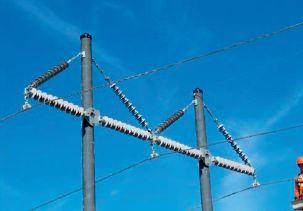
The EDA remains actively engaged on the broadband file and the two working groups that have been established to support the implementation of the Building Broadband Faster Act, 2021. The EDA has two staff on the working group set up by the Ministry of Energy that focuses on rates for pole attachment, and on replacement management and capital planning. The technical working group with the Ministry of Infrastructure and Infrastructure Ontario has LDC member participation and is tasked with guideline development to support broadband expansion.
The EDA also provided comments regarding the Ontario government’s consultation on proposed regulatory amendments related to the legislation. Our submission focused on LDC member expectations that their role, mandate and responsibilities will be respected in the course of broadband expansion, and that this process will be conducted transparently. The submission also noted that any contemplated regulatory changes must address safety and consider the impact on the reliability and affordability of electricity for Ontarians.
NO FURTHER FUNDING TO BE MADE AVAILABLE FOR COVID-19 ENERGY ASSISTANCE PROGRAM (CEAP)
The Ministry of Energy informed utilities that they have asked the OEB to manage CEAP to its conclusion and confirmed that no additional funding would be allocated to the program. The OEB has since communicated with all licensed electricity distributors, licensed unit sub-meter providers, and natural gas distributors to begin this process.
In March 2020, the EDA raised the alarm with government that vulnerable customers were struggling with electricity costs as a result of the pandemic. The EDA and its members then worked closely with the Ministry for several months to develop and implement the guidelines for CEAP, and later CEAP-Small Business, with the government providing $17 million in funding through the first phase of the pandemic. After a subsequent advocacy push from the EDA earlier this spring, an additional $23 million was approved for CEAP.
While CEAP initial uptake was low, the EDA and LDCs provided recommendations to adjust eligibility and ensure funding reached the customers most in need. To date, CEAP has assisted more than 62,000 Ontario households and more than 13,000 small businesses. As the CEAP program comes to its end, the EDA would like to thank all LDCs for their work on this important file. The CEAP program was a great example of how utilities put customers first and demonstrated the Power of Local Hydro
MPPs (L-R): Bob Bailey, Lorne Coe, Rudy Cuzzetto, Robin Martin, Jim McDonell and Dave Smith.
Read the full submission which can be found on the EDA website.
LEVERAGING CUSTOMER ENGAGEMENT FOR AN ENHANCED EXPERIENCE
by LAURIE PALMER, Chief Operating Officer, Business & Infrastructure Services, ERTH Corporation
Bill design plays an important role in the overall customer experience. The statement is the single most important, recurring monthly touchpoint that a utility has with their customers.
While customers rarely get excited about receiving their monthly bill, it is a great opportunity for organizations to build trust, transparency and relationships with their customers.
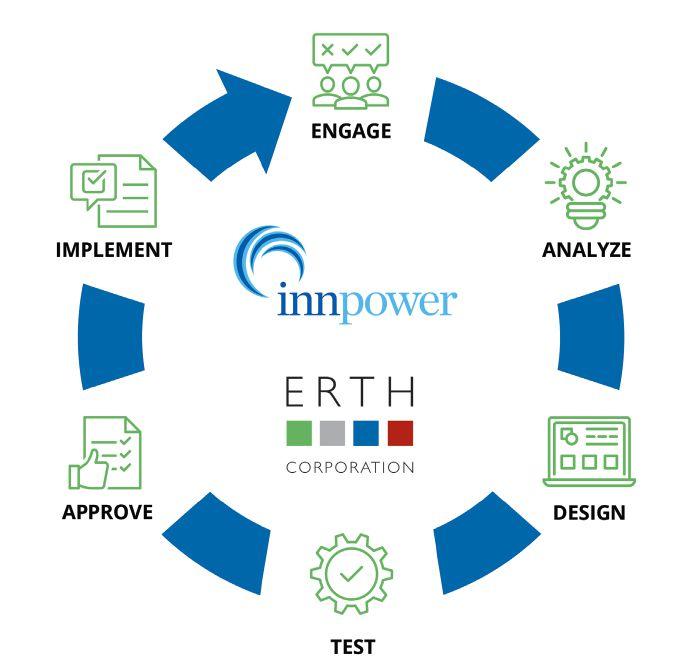
InnPower wanted to update their customer statements and engaged with ERTH Corporation to redesign their utility bill based on industry best practices and customer input. In the early stages of the redesign, InnPower worked with the Town of Innisfil to launch a customer engagement initiative using Get Involved Innisfil, the Town’s customer engagement platform. Customers were able to share their ideas within this platform, as well as on social media. The customer engagement initiative ran for one month.
Upon completion of the customer engagement initiative, InnPower reviewed the results to identify common feedback and opportunities for design improvements.
“It is very important to engage with our customers to both better understand what is important to them and also to give them a voice.”
- Shannon Brown, Vice President of Corporate Services, InnPower Corporation
ERTH Corporation and InnPower partner in delivering an Improved Bill Design
With the expertise of ERTH’s technical and creative team and InnPower’s redesign team, InnPower was able to make the following changes to improve their bill design:
• Updated font style and increased font size
• Restructured the bill to help customers easily identify specific sections
• Added more visuals to reduce text
• Added coloured charts that display electric and water consumption in comparison to the previous month and year
• Added a “Current Charges” section which visually breaks down the different service charges (electric, water/wastewater, thermal, gas)
• Increased character limit on the “Important Information” message box to allow for helpful messaging such as energy savings tips
• Added QR codes to allow for quick and easy access to InnPower and InnServices websites, customer portal and social media
• Added a demand chart for large volume customers
With the support of ERTH Corporation’s design and technical expertise, InnPower was able to develop a highly accessible, user-friendly design that allows customers to clearly understand their bill and make informed decisions for their household or business.
ABOUT ERTH CORPORATION:
ERTH Corporation is a diverse group of companies providing a wide range of products and services to Utilities and Municipalities. Owned by nine municipal shareholders, ERTH distributes electricity to 15 communities in southwestern Ontario and has grown to be a leading solutions provider in the areas of technology, metering, construction and substation maintenance. ERTH’s technology division specializes in bill design, document fulfillment, billing, CIS application management, cloud computing and EBT hub services. @ERTHCorporation
ABOUT INNPOWER
As one of the fastest growing electrical utilities in Ontario, InnPower maintains a service territory of 292 square kilometres (the same size as Mississauga). This includes over 10,000 poles, close to 1,000 kilometres of power lines and 10 distribution stations each with an incoming voltage of 44,000 volts. Their knowledgeable, hardworking front-line staff continue to safely construct and maintain their power system, weathering any storm, to keep the lights on. @InnPower_
PUTTING CUSTOMERS FIRST
The last two years put a spotlight on the collective responsibility that governments, companies and individuals share in building a better and brighter future for all. Corporations will be evaluated during this historic moment on their contributions to helping communities and their customers adapt to life during the COVID-19 pandemic.
As life slowly begins to return to normal, it’s important to reflect on what went right and how we can do it better.
When the pandemic began, there were several steps that Hydro One immediately took operationally to support essential services in communities which included proactively patrolling the lines that power hospitals and other critical infrastructure, and performing inspections at the stations that serve large customers. But as the pandemic continued, it became clear that individuals, families and communities also needed as much support as possible.
“Our people, towers, poles and wires bring the light, heat, refrigeration and technology that is essential to life,” said Spencer Gill, Vice President, Customer Service, Hydro One. “We have a deep responsibility to do everything we can to support our customers with financial assistance, flexibility and choice during this difficult time.”
For businesses across the province, focusing on the needs of customers and communities was integral. For Hydro One, a new corporate strategy helped the company adapt, problem solve and quickly provide support at a time when it was needed most.
As the pandemic wore on and Hydro One adapted to a new way of working, it remained critical to keep focused on its most important priority: the people of Ontario.
ACTING FAST
Hydro One was one of the first utilities in Ontario to launch a Pandemic Relief Program, supporting customers experiencing hardship with financial assistance and increased payment flexibility options.
A Hydro One employee packs critical aid kits of food and safety supplies.
Over 13,500 kits were delivered to Indigenous communities across the province.
Through this initiative, Hydro One was able to help customers avoid the stress of falling behind by connecting them to the right programs to meet their unique needs.
Shortly thereafter, the company launched Connected for Life, a promise to help customers stay connected to safe and reliable power; suspended late fees for all customers; and returned security deposits to businesses across the province.
“Connected for Life is a reflection of who we are and our transformation as a company to put people first,” said Gill.
It was important for Hydro One to understand the unique needs of the communities it serves. The company partnered with GlobalMedic, a registered Canadian charity specializing in disaster relief, and delivered over 13,500 critical aid kits of food and safety supplies –including food staples, reusable face masks and soap – to Indigenous communities across the province. As well, Hydro One donated $300,000 worth of food to Feed Ontario’s COVID-19 Emergency Food Box Program.
These measures provided quick and meaningful support to those that needed it most. Thousands of Ontarians received support from Hydro One’s Pandemic Relief Program. Approximately $5 million in security deposits was returned to more than 4,000 businesses across the province.
WORKING TOGETHER
In moments of crisis, it’s vital for government and business to work in tandem to make sure everyone has the support they need.
Hydro One heard from its customers that they wanted more choice and flexibility – especially with the changes to daily life.
Not only does the company now offer a suite of customization offers, from choosing billing due dates to monitoring electricity consumption by signing up for early high usage notifications, but also, for the first time ever, the Ontario government offered electricity customers a choice between Time-of-Use (TOU) and tiered electricity pricing – something Hydro One had been advocating for.
“As a customer-driven organization, we believe we have an important responsibility to offer our customers relief, flexibility and choice,” said Gill.
In addition to Hydro One’s financial supports, the Ontario government’s enhanced COVID-19 Energy Assistance Program (CEAP) for residential and small business customers, which offers one-time credits on their bill, provided multiple avenues of help to Ontario’s electricity customers. The last year has been challenging, which is why it’s important for Hydro One and businesses across the province to work with customers on a case-by-case basis to find the solution that’s right for them.
Hydro One also supported Ontario’s Ministry of Health by helping contact travellers entering Ontario to ensure they followed quarantine measures and providing guidance to help contain the spread of COVID-19.
This was an all-hands-on-deck approach to dealing with this crisis, connecting with our customers and working with the province to be there for communities.
A LASTING DIFFERENCE
Nearly two years later, it’s clear that putting customers first and providing a variety of support measures resulted in real change.
Focusing on customers and customer advocacy helped the company achieve high customer satisfaction scores, with residential and small business customer satisfaction increasing to 87 per cent from 86 per cent, and Hydro One Telecom customer satisfaction increasing to 91 per cent from 90 per cent.
“With our new strategy in place, we are focused on our mission of energizing life for people and communities through a network built for the possibilities of tomorrow,” said Gill.
While it’s clear the prioritization of customers prepared Hydro One for the moment at hand and led to meaningful change in customer satisfaction, there is more work to be done and more to learn.
Hydro One will continue to put the needs of its customers above all else and find ways to build a better and brighter future, and energize life right here in Ontario.
ABOUT HYDRO ONE
Hydro One is Ontario’s largest electricity transmission and distribution service provider. They distribute electricity across Ontario to nearly 1.4 million predominantly rural customers, or approximately 26 per cent of the total number of customers in Ontario. In November 2015, Hydro One became a publicly traded company on the Toronto Stock Exchange (H). @HydroOne
GETTING SELFSERVICE RESULTS WITH CUSTOMER ENGAGEMENT
As customers continue to move online to interact with their local distribution companies (LDCs), London Hydro has been creating a collection of self-service features that provide customers with 24/7 access to their data. Easily accessible information allows customers to make informed decisions about their energy usage at their convenience. In 2020, London Hydro invested in two significant self-service tools that were built with the needs and wants of their customers driving the focus, leading to successful customer engagement once launched.
UPDATED WEBSITE
With level AA AODA compliance mandated for 2021, London Hydro took the opportunity to increase the flexibility needed from their website to create and manage engaging digital content and communications for their customers and key audiences. With over 35,000 visitors each week and 45 per cent of visitors now using mobile devices and tablets to access the site, there was room to improve the findability of content and further drive customers to self-serve.
Early customer involvement was the key to success for the project. It was achieved by conducting surveys, focus groups and tree testing sessions for customers to provide feedback on London Hydro’s former site and the direction of the new site. Customer feedback influenced the site map, menu structure and menu verbiage, making self-service features and information easier to find.
London Hydro decided to use Drupal for its new website as its open-source model and content management system solved the company’s upgrading and updating obstacles. The flexibility and support offered through
Drupal will keep London Hydro’s website well designed, properly maintained and accessible for many years. Content administrators can publish content and make design changes instantly using the new platform. Surveys and timely communications are easily managed and launched from the website’s landing page for improved customer engagement.
Traffic to the website increased by 50 per cent once it went live in September of 2020, while bounce rates decreased by 18 per cent, and the use of self-service features grew by an average of 30 per cent.
Customers surveyed on the new website throughout 2020 gave it an average rating of four out of five.
London Hydro was honoured to receive the Electricity Distributors Association’s Customer Service Excellence Award for their new site.
AUTOMATIC PRICE PLAN CALCULATOR
In April 2020, the Ontario Energy Board announced that, as of November 1, 2020, they would require LDCs to provide their residential and small business customers with a choice between two regulated price plans, the long-established Time-of-Use (TOU) and the new Tiered option.
Through customer surveys, London Hydro knew that 32 per cent of their customers wanted more tools and calculators to help them manage their electricity usage, and 73 per cent wanted more information that would help them reduce their costs. After researching the
Since its launch, the Price Plan Calculator has been viewed over 45,000 times, and 78 per cent of customers who requested to switch plans did so using this self-service feature. According to a customer survey:
92% of customers found the calculator easy to use 92% of customers will use the calculator again 93% of customers will recommend the calculator to friends and family
potential customer journey to explore the rates and switch plans if needed, London Hydro decided an option that didn’t require manual input would best meet their customers’ wants and needs.
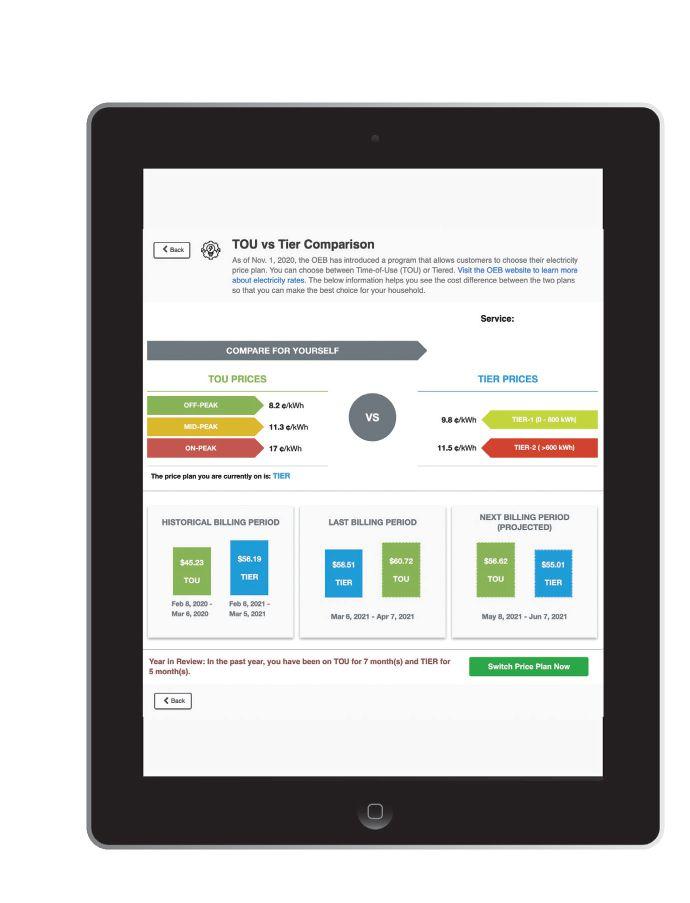
London Hydro developed a single-click calculator to automatically present customers with a comparison between the price plans based on their personalized usage and provide end-toend customer support through a self-service rate switch.
Once logged in, customers remain on the London Hydro website and get all the information they need to make an informed choice about their rate plan. The Price Plan Calculator provides customers with a comparison between their last bill and projected next bill based on their actual usage to help them understand the different plans’ impact on their electricity costs.
“Here at London Hydro, we are continuously striving to provide our customers with innovative solutions that put their feedback into action,” said Vinay Sharma, Chief Executive Officer. “Both of these projects were built with our customers in mind, which resulted in their success once publicly launched.”
ABOUT LONDON HYDRO INC.
London Hydro delivers safe and reliable electricity to over 159,000 customers. They are committed to being a trusted energy source provider through innovation, customer focus and operational excellence. @LondonHydro
CUSTOMER VALUE MAP PUTS CUSTOMER NEEDS FIRST
During a global pandemic, it pays to know what your customers want and need. So, when COVID-19 hit Windsor, Robert Spagnuolo was glad that ENWIN had done its homework and was prepared. As ENWIN’s Director of Customer Service, it was his job to ensure that customer concerns were heard, understood and acted upon.
“It has never been more vital that we put our customers first,” Spagnuolo explains. “Every customer deserves and needs our best possible attention and service – no matter what the circumstances or the challenges – but particularly during trying times.”
Robert’s solution to that challenge came in the form of a Customer Value Map that he and his team put in place in late 2019. It would serve them well during the pandemic and beyond.
“We needed to better understand our customers in order to serve them well,” Rob continued. “We needed to take into consideration their specific circumstances and their individual needs.”
That meant putting in place an engagement and assessment tool to guide the company’s thinking around the customers’ perceptions of value and needs. The Customer Value Map is a marketing device originally created to help competitive companies assess how they are doing in comparison to their competitors, by listening to the customers. It is not generally the tool of choice for a utility.
“We don’t really have competitors,” explains Robert. “So it may seem a little odd that we chose this tool to help us understand our customers, but it has really helped to focus us on what our customers truly value. It has given us the tools to build our services to match their actual wants and needs.”
Robert Spagnuolo, ENWIN’s
Director of Customer Service and Amy Lesperance, Supervisor, Customer Care and Billing
For an entity that has no direct competitors, why is this important? Amy Lesperance, a former customer care representative who now manages many of the utility’s customer service staff, gave one explanation.
“Just because we are the only option, doesn’t mean we can afford to ignore our customers,” Lesperance explained. “In fact, the opposite is true: ENWIN has a far greater responsibility to fulfil our customers’ needs, specifically because those customers cannot go elsewhere for service.”
This fact is also recognized by the Ontario Energy Board, which has made customer service one of the cornerstones of its regulatory framework for distribution companies.
“The question isn’t should we engage with our customers but how?” said Robert. “How can we simplify the process of determining what they need and then deliver it? We needed to think outside the box, so we borrowed a little from the competitive marketplace.”
What they borrowed was a system for assessing and mapping customer “pains” and “gains” to provide a visual and highly functional picture of the benefits of a job well done (gains) set against anything that annoys the customer or prevents them from completing their job (pains).
“Used well, the tool allows us to define ‘gain creators’ that can
be used to maximize the outcomes customers expect, and ‘pain relievers’ to reduce friction and make the customers’ lives easier,” added Robert.
Adapted to the utility environment, the Value Map is ENWIN’s way to promote the customer service focus that is part of its strategic plan, give customers what they really want and need, and comply fully with the OEB’s framework. Ironically, it also provided a road map to financial efficiency.
“At first we were hesitant to ask the questions,” Rob admitted. “What if the answers led us down a pathway we couldn’t afford? It would have been hard to hear that the best we could afford was not enough for our customers.”
Interestingly, in many cases the outcome proved to be just the opposite. By focusing on the customer voice, instead of the product
“Every customer deserves and needs our best possible attention and service – no matter what the circumstances or the challenges – but particularly during trying times.”
– Robert Spagnuolo Director, Customer Service
pitches of proponents focused on making a sale, Robert’s team was able to come up with solutions that gave the customers exactly what they wanted, and cost less to implement. Armed with solid data about actual customer preferences, the company was sometimes able to take the savings a step further. Robert gives the example of a mobile app undertaken by ENWIN with this data in mind.
“That would have been very costly, implemented as suggested in the proposals we received from suppliers,” Rob explained. “When we looked at what our customers said they really needed, we realized we could satisfy their needs without all the expensive bells and whistles.”
With the non-essentials off the table, costs were already lower, but Robert’s team found a way to reduce them even more.
“Essentially, we asked our creative engineers to come up with a home-grown product that would both fulfil our customers’ wish list and save a lot of money,” Robert said. “The money saved could be funneled into services our customers told us they needed more.”
The ENWIN app launched in 2020, featuring only what the customers said they wanted. It was created internally at great savings, and those savings were invested in other services of importance to the customer.
“That was a revelation. It was a relief to know for sure that our solutions were going to please both customers and the company. Thinking about the world from the perspective of our customers can help us better understand and provide what our customer values most,” he concluded.
ABOUT ENWIN UTILITIES LTD.
ENWIN is the licensed electricity distribution company serving customers in the City of Windsor, and is responsible for the local distribution of electricity, and the service and maintenance of the local electricity distribution infrastructure. ENWIN also maintains a contract of service with Windsor Utilities Commission (WUC) to operate and maintain the WUC owned water system that serves customers in Windsor, Tecumseh and LaSalle. @ENWINUtilities
GRID INNOVATION IN LOCAL ENERGY MARKETS
Simulating a Market Platform for Energy Services
by BLAINE OSMOND, Communications Coordinator, NT Power
Climate change combined with aging infrastructure and the need for new supply is driving innovation across the sector. One such example is a collaboration involving Newmarket-Tay Power Distribution Ltd. (NT Power), Elexicon Energy, Powerconsumer and Norway-based NODES initiative. The partners are working together to estimate the potential for local energy markets to deliver more affordable, reliable, resilient and environmentally sustainable electricity systems in local communities.
“Jurisdictions around the world are looking at how to integrate distributed energy resources to create stronger, more sustainable electricity systems,” said Falguni Shah, Vice President Technology and Innovation, Elexicon Energy. “Elexicon Energy is looking forward to working with our partners to identify exactly how local distribution companies (LDCs) and these energy resources can support this evolution and unlock the value these technologies can potentially provide to all stakeholders.”
With financial support from the Ontario Independent Electricity System Operator (IESO) Grid Innovation Fund, the project will simulate how distribution system operators of the future can integrate local energy resources to reduce costs to customers, improve the reliability and resilience of the distribution system, and lead to more sustainable outcomes in the communities they serve.
“Our forecasts show that electricity demand is expected to increase this decade across the province, resulting in a need for new supply,” said Katherine Sparkes, Director, Innovation, Research and
Development, IESO. “This local electricity market simulation will show how we can tap into the existing capabilities of businesses and communities to help keep our electricity grid reliable this decade, while also providing them with revenue opportunities.”
Climate change, combined with aging infrastructure and the need for new supply, is driving innovation across the sector.
The initiative builds on work that Newmarket began in 2018 to integrate customers’ requirements into the distribution system plan. At that time, NT Power was exploring alternative business models to co-invest and transact with its customers’ behind-the-meter energy resources as a cost-effective alternative to overhead wires and poles.
The initial context for the 2018 work was a study NT Power commissioned on the Future Climate from 2040 to 2049 to get some key risk and resilience recommendations. That report highlighted the increasing risks to overhead pole lines, and the communities they serve in Ontario, because of the effects of climate change:
• 22 per cent less snow – 86 per cent more rain
• 13 per cent more precipitation overall
• One-day maximum rainfall up 52 per cent
• 35 per cent increase in intense rainstorms (>50 mm)
• 39 per cent increase in winter storms
• More shoulder days per year – spring/fall – transitions between winter and summer
Increased periods of temperatures between -2°C and +2°C will prolong and extend conditions for freezing rain and ice storms. It is not just the electrical system that is at risk. From a planning perspective, this project aims to bring focus to what needs to be done in the 2025-to-2040 timeframe – to deal with upcoming issues.
The work completed in Newmarket achieved the goodwill and engagement needed to work directly with customers to design, test, and develop a business model and software platform to operate, clear and settle a local energy market in real time.
“NT Power is looking forward to working with our partners to understand how to evolve the distributed energy grid. We believe that LDCs will play an integral role in establishing viable local energy markets. This project will be a first step in understanding what that future may look like,” said Ysni Semsedini, President and CEO, NT Power.
The current Local Energy Market Grid Innovation Fund project (“LEM project”) builds on what was learned in Newmarket and extends the concept to the idea of a local energy market operating within a distribution system at the level of the whole town or city, but at voltage
levels below the transmission grid, and transparent to the bulk energy system and the operations of the markets administered by the IESO.
An advantage of working from the customer meter up, instead of the other way around, is that efficiencies and cost-effective opportunities for investment are greatest at the point of delivery. A kilowatt saved there; saves all the upstream infrastructure which would otherwise be needed to serve it. Avoided fuel costs, carbon emissions and losses during peak energy periods alone offer reduced costs and improved outcomes for customers.
Initially, the project will focus on data collection and modelling, and specifying the use cases for simulation. Subsequent phases will address simulation design, grid services specification, market models and rules. It will also integrate software platforms developed by Powerconsumer and NODES to model how electricity customers and LDCs can work together to plan and invest for more connected, coordinated and sustainable local energy systems.
ABOUT NEWMARKET-TAY POWER
NT Power is jointly owned by the Municipalities of Newmarket (93 per cent) and Tay (seven per cent) serving 50,000 customers in the areas of Newmarket, Tay and Midland. With a focus on safe and reliable service to our customers, NT Power’s strategic direction is to foster innovation and ultimately enable the communities it serves to become leading Electric Cities, achieving or exceeding net zero carbon emissions targets and climate change goals. @NTPowerNews
Electrical Utility Consulting & Engineering
We provide modern, secure, enhanced and reliable engineering solutions for High Voltage Substations and Renewable Energy Projects for Transmission, Generation and Distribution sectors.
Specific Engineering Services are:
– Electrical Arrangement
– Protection, Control, Metering and SCADA
– Civil, Mechanical and Structural
– Power System Studies
– Renewable Projects
– Field and Factory Testing
– Project Management and Owners Engineering
MAKING A COMMITMENT TO DIVERSITY, EQUITY AND INCLUSION
In early May, Elexicon Energy had the honour of being the first organization to sign the expanded Electricity Human Resources Canada (EHRC) Leadership Accord. The Accord focuses on gender equality, diversity, equity and inclusion (DEI) in the electricity sector.
Signing the Leadership Accord was an important decision for Elexicon Energy given the vibrant and diverse population of its service territory. According to the latest Statistics Canada Census data, five out of seven new residents into the Durham Region in the last five years were immigrants.
It was also a personal decision for Elexicon Energy’s current Interim CEO and President, Norm Fraser, who has been at the forefront of enabling the Accord changes to support a broader range of groups who are underrepresented in the electricity industry, including Indigenous people, racialized people, people with disabilities, LGBTQ+, gender diverse people and newcomers to Canada.
“It was important to me personally because I am a founding member of the EHRC, I was the chair and I’ve been on the board of directors for 17 years,” shared Fraser. “I just happen to believe in it and it became a no-brainer to actually promote this and the fact that I had the opportunity to sign this first, I was like, okay, give me the pen!”
Fraser goes on to mention that the EHRC has developed and implemented many programs that the entire board of directors is very passionate about including youth employment and succession planning. One of the organization’s flagship projects is conducting an employment market assessment every three or four years.
“It was pretty obvious from the last few that our population of employees is underrepresented compared to the society that it serves,” said Fraser. This is one of the reasons it was so important to him that the Elexicon Energy leadership team sign the accord.
Based on the data from the 2016 census, just over 31 per cent of the residents in Durham Region are racialized and Elexicon Energy wanted to make a public commitment to show it is dedicated to working collaboratively with its customers, employees and community partners to increase inclusivity and diversity while looking through an equitable lens.
Elexicon Energy’s Interim CEO and President, Norm Fraser
MAKING A POSITIVE IMPACT
The utility has already made significant strides in DEI. Earlier this year it started to provide introductory DEI training for current and new employees, and the leadership team will have additional sessions. From the sessions, employees also have the opportunity to join a company-wide DEI committee that will start to implement programs this year. Additionally, Elexicon Energy also recognized and celebrated PRIDE month and proudly flew its PRIDE flag at all five of the utility’s properties.
“We reached out to the community and we’re hiring with an open mind,” Fraser shares. “If you look at our recent hires, we are actually making some progress. What was gratifying to me, is that we hired the best candidates regardless of their background.”
Creating a diverse and inclusive environment is not only the right thing to do, but it is also increases the likelihood of enhanced job performance. Recent studies by McKinsley & Company found that companies with more than 30 per cent women executives were more likely to outperform and, in the case of ethnic and cultural
Elexicon Energy also recognized and celebrated PRIDE month and proudly flew its PRIDE flag at all five of the utility’s properties.
diversity in 2019, top-quartile companies outperformed others by 36 per cent in profitability.
“I want to inject some new thinking into the company,” Fraser explained. “We need people of diverse backgrounds to help strategize and help us to serve our customer base.”
Fraser said that he was very pleased and grateful to have received full endorsement from the board of directors for the Leadership Accord. Political stakeholders in the region were also supportive of Elexicon Energy’s commitment. It’s important to note that this is just the beginning: the utility plans to undertake further market segmentation research to better communicate with customers based on what their needs are and how they want to connect with the organization.
Elexicon Energy’s goal is to increase inclusivity among employees and customers and continue to build long-lasting and trusted relationships with customers and the community at large.
Fraser believes that, “the DNA of the company was ready for this. The timing was perfect.”
ABOUT ELEXICON ENERGY
Elexicon Energy is the fourth largest municipally owned electricity distributor in Ontario. Our vision is to empower the communities we serve and help customers seize opportunities to ignite a better future. We provide over 171,000 residential and business customers with reliable and affordable energy services. Elexicon Energy is owned by five municipalities: the City of Pickering, the Town of Ajax, the Town of Whitby, the City of Belleville, and the Municipality of Clarington. @ElexiconEnergy
Our Energy Group is invested in your success
CONSIDERATIONS IN PRICING NON-REGULATED TRANSACTIONS
WHAT ARE THE MOST COMMON METHODS OF ESTABLISHING PRICE FOR NON-REGULATED ASSETS IN THE POWER AND UTILITY SECTOR?
There are a variety of different ways to set price when completing an acquisition. For a typical acquisition of a profitable, healthy company, a forward-looking analysis, based on reasonable assumptions from a review of historical financial information, would typically be the best method to set a price. In cases where there is a robust ability to forecast future business performance, a discounted cashflow approach (DCF) is usually more useful. The DCF approach determines the value of a business today based on future earnings projections and works well for two reasons. Firstly, it provides a good understanding of both the near-term financial prospects of the target and the free cash flow for your combined company. Secondly, it considers a transaction after the target is acquired and any transaction debt is taken into consideration. In addition to the DCF, a sensitivity analysis on key assumptions such as revenue growth, gross margins, key customers, capital expenditures, and specific operating events, should be done to stress test the forecast and pricing results.
The next step in the process is taking the results of your preliminary analysis and comparing them to market information about public companies and recent transactions in similar industries. In this comparison, you calculate the implied transaction multiples (usually an Enterprise Value / EBITDA multiple and/or sometimes an Enterprise Value / Trailing-twelve months revenue multiple) associated with a list of comparable public companies and/or transaction multiples for publicly available transactions in similar spaces. Essentially, you compare your theoretical transaction value to a list of actual transactions that have taken place in the past. This process includes considering the relative
size, diversity, profit margins, and financial liquidity of public companies and their associated transactions. It also requires you to consider the unknown negotiating aspects of a transaction in your specific circumstances to determine the comparability of the public data. Regardless of how the data compares, understanding recent industry transactions can provide a deeper, more meaningful analysis.
Furthermore, qualitative aspects of the acquisition target can be important in settling on a negotiated price. Key pricing considerations include:
1. Growth prospects
2. Strength of the management team
3. Personal goodwill related to the owner(s)
(once they leave)
4. Intellectual property
5. Key customer and supplier relationships
6. Dependence on any one customer or customer type
It’s important to understand these aspects to help you narrow in on a starting price for negotiation.
HOW DO NEGOTIATED DEAL PARAMETERS IMPACT PRICING, IF AT ALL?
When looking to establish a price for a target business, you want to base it on the merits of the business alone. It should neither be based on what you, together with
the business, bring to the table, nor the impact of the negotiated deal terms. Once the price has been communicated to the target and negotiations are underway, potential deal parameters will impact the final agreed upon price.
There are various terms in any deal that could impact overall price. However, the key terms that typically impact price are (1) the amount of cash paid up front vs. held back (either in a vendor take-back, earn-out or combination of both) and; (2) the targets established in the earn-out. For example, a buyer may be willing to pay an overall higher price if there is less money up front and more at risk, while a seller may be willing to take a lower overall price if the earn-out targets are easier to achieve. In my experience, this price-setting exercise will be impacted by negotiations, deal terms and the overall aspects of the deal process (i.e., whether the target is speaking with only you (the buyer), or several interested buyers).
HOW HAS THE GLOBAL PANDEMIC IMPACTED TRANSACTIONS IN THE POWER AND UTILITY MARKET?
When Canada first entered lockdown in early 2020, transactions across all industries came to a halt. The uncertainty across markets put deals already in progress on hold, and doubt in the minds of potential buyers/financiers, calling into question the potential pricing in the minds of the sellers. However, we have seen a significant rebound in market acquisition activity since the initial pause. Government stimulus money and the continuation of all-time low interest rates have helped maintain and even lift multiples, while sellers, having seen how fast something like an unforeseen global pandemic can impact their business, have decided to seek liquidity/retirement options earlier than they may have otherwise done.
This has led to increased activity across many of the sectors Grant Thornton advises on, including in our power and utility markets. With a significant number of sellers in the market with good businesses to sell and a significant number of financial partners, financiers and buyers looking to make smart acquisitions.
To learn more, reach out to Brent Jackson, Director, Transactions, Grant Thornton LLP (Canada) at Brent.Jackson@ca.gt.com.
SAVE THE DATE & CALL FOR PAPERS
January 19-21, 2022
Hilton Toronto/Markham Suites Conference Centre
We’re thrilled to announce that the EDA will be back in-person for our EDIST (Electricity Distribution, Information Systems and Technology) Conference & Exhibition at the Hilton Markham Suites on January 19-21, 2022.
Call for Papers: LDCs and their partners are invited to submit an abstract for a technical presentation on innovative solutions that empower consumers, improve reliability, advance technology and increase community value.
EDIST is the sector’s premier technical education event, addressing critical engineering, operational, IT and management issues faced by Ontario’s local electricity distribution companies. It promises highvalue insights on unique solutions that have delivered value for customers and shareholders. Plus, there will be unparalleled opportunities to network with your peers and for participant-exhibitor interaction.
Visit www.edist.ca
CONNECTING YOU TO NETWORKING, INSIGHTS AND EXPERTISE
The EDA’s networking and professional development offerings continue to provide members with valuable opportunities to connect with each other and to relevant learnings. While we look forward to in-person events again, the EDA has proven its ability to pivot and to deliver compelling virtual events with creative ways to network and come together. Get the most up-to-date event information and registration details by visiting www.eda-on.ca/EVENTS.
TRY OUR 30-DAY FREE TRIAL MEMBERSHIP NOW. Access our member exclusive eNewsletters and take advantage of networking opportunities.
VALUABLE LEARNINGS AT THE DIRECTORS’ SUMMIT AND CYBERSECURITY WEBINAR
The EDA recently held two successful and topical events this summer. There was the half-day Directors’ Summit where board members and governance staff gained new perspectives on how to effectively manage the current challenges of board leadership. And a member-exclusive Cybersecurity Webinar, in partnership with Grant Thornton, which explored cybersecurity risk from an operational lens, highlighting the steps that LDCs can employ to protect their assets and customers. Thank you to all our members who continue to participate in these educational sessions.
DIVERSITY, EQUITY & INCLUSION POWERED BY WOMEN CONNECTED - NOVEMBER 25
Join us virtually at the at the EDA’s Diversity Equity and Inclusion powered by Women Connected virtual event on November 25. This premier event offers opportunities for everyone in the energy sector - from senior management to those just entering the workforce – a chance to strengthen their commitment to diversity and equality, and to support the growth and changing demographics of the sector. Register today at www.eda-on.ca/EVENTS.
A RETURN TO IN-PERSON EVENTS IN 2022
We can’t wait to see you again! Save the dates because the following confirmed 2022 events will provide members with access to relevant learning and engagement opportunities, live and in-person:
EDIST 2022 – JANUARY 19-21
EDIST (Electricity, Distribution, Information Systems & Technology Conference & Exhibition) will take place in-person on January 19-21, 2022 at the Hilton Toronto/Markham Suites Conference Centre. It promises high-value insights on unique and innovative solutions that have delivered value for customers and shareholders. Plus, there will be lots of engagement with your peers and participant-exhibitor interaction. The Call for Paper is now open at www.eda-on.ca/EVENTS/EDIST and submissions are due on September 10, 2021. Check back for registration and agenda details.
CUEE 2022 – SEPTEMBER 13-14
The CUEE (Canadian Utility Engineering and Equipment) Trade Show and Marketplace is set to return in-person September 13-14, 2022. We plan to offer this signature event in an in-person format across more than 100,000 square feet of indoor and outdoor exhibit space at Mississauga’s International Centre. In the meantime, check out the online CUEE Digital Buyer’s Marketplace – your one-stop-shop for everything equipment and more. Visit CUEE.ca today!
For more information on our networking and professional development opportunities, please contact Marica Macura, the EDA’s Director, Member Relations, at mmacura@eda-on.ca.
Utility Asset Management, Network Communications, and Data Services
Olameter is a leading provider of outsourced utility asset management, network communications, and over 350 clients across North America.
Olameter provides communications and network monitoring needs for the electric, water, gas and telecommunication utilities, as well as energ y retailers and energ y management entities. Our specialty is personnel across multiple clients.
Olameter’s portfolio of ser vices includes:
Meter & Field Services:
Installation | Site Ser vices
Damage and Prevention Services: Underground Utility Locating | Pole Testing/Audits | Leak Detection (Water/Gas) | Utility Asset Inspection & Mapping | System Route Patrol | Maintenance
IT/OT Services: IOT Communications Ser vices | Network Operations | Spatial Data Infrastructure | System Hosting | Workforce Management | AI Development Ser vices
Meter Data Management (MDM):
C&I Data Collection | Web Presentment | Aggregation | Data Exporting | Operational Data Store
Utility IT & Administrative Solutions
AMI Network Management | Utility Field Ser vices Technolog y
GREEN CITIES
An established “green” strategy for municipalities and their utilities has become part of overall municipal strategy. Municipalities, utilities and their shareholders are more interested than ever to operate in an environmentally responsible manner. There is an acknowledgment amongst municipalities and utilities that they need to play a leadership role to combat the effects of climate change. Specifically, municipalities are increasingly establishing targets to reduce greenhouse gas (“GHG”) emissions within their communities over time. Often local utilities are supporting these goals by reviewing their fleet, facilities, line losses, releases of sulphur hexafluoride (SF6) gases, electric vehicle (“EV”) charging initiatives, LED lighting conversions, etc. There are several emerging tactics being used by municipal utilities that are growing in popularity. Some examples include: 1) electricity source management, 2) EV
The City of Toronto has recently stated that approximately one-third of the GHG emissions in Toronto are from vehicles.
charging implementations, 3) LED lighting conversions, 4) building code/retrofit programs, 5) programs/services supporting efficient and sustainable commuter options, amongst others. We will explore the first three of these in detail in this article.
1) ELECTRICITY SOURCE MANAGEMENT
A utility’s ability to support the “green” measures of municipalities relies on its ability to reduce the amount of GHG emitted by/in the municipality. This is dependent on the overall reduction in electricity use in the municipality as well as the sources of electricity that the utilities use. One of the effective ways for a utility to support “green” initiatives is to adjust its electricity sources to shift towards energy from renewable sources, and purchasing non-regulated renewable assets (i.e., solar, wind, run-of-river, tidal, etc.). For example, EPCOR, the City of Edmonton’s wholly owned utility, has introduced a “Green Power Initiative” for all water cycle utilities it owns and operates on behalf of the City of Edmonton. This initiative is part of EPCOR’s commitment to reduce and offset 100 per cent of GHGs from its Edmonton water utility operations.
2) EV CHARGING
The City of Toronto has recently stated that approximately one-third of the GHG emissions in Toronto are from vehicles. The transition to electric vehicles is one of the primary actions the City’s plan outlines
to achieve the goal of reducing emissions to net zero by 2050.
Today, the majority of EV charging is done on public chargers “at home.” Utilities can support the transition to EV by increasing the availability of charging stations as well as promoting the use of EV in their own fleet and among their employees.
As jurisdictions roll out various “net-zero” plans, they use a variety of strategies to implement them including GHG regulations, subsidies for EV purchases and EV chargers, bans on the future production or sale of ICE vehicles (i.e., California), and working with utilities to build out electrification infrastructure.
Another highly adopted strategy is implementing “EV-ready” building codes, necessitating that 20-100 per cent of parking spaces in new-builds are ready to install EV chargers.
In order to support reductions in GHG emissions related to state and provincial plans, utilities have been implementing strategies relating to electric vehicle adoption: electrifying their light and heavy-duty vehicle fleets in conjunction with charging infrastructure to support the increased needs of the electric fleets. These plans typically span a number of years. Certain cities (Austin, New York, Mississauga) are prioritizing fleet electrification and fleet charging over public charging. In conjunction with electrification, cities tend to continue their efforts to reduce the number of vehicles and optimize their use. Benefits of this strategy include:
• Direct measurement of GHG reductions (you know how many kilometres each vehicle has driven knowing that the infrastructure will be used (and that the fleet will utilize the chargers heavily)
• Testing out the strategy and working out the kinks in the technology before full public adoption
• Building public charging infrastructure on public land, and supporting public programs to incentivize private landowners to build EV charging infrastructure in high-traffic areas
In addition to the obvious benefits of getting combustion engine cars off the road, chargers allow utilities to manage demand by incentivizing EV owners to charge at night.
3) LED LIGHTING
Street lighting alone could account for 25 per cent or more of a municipality’s electricity usage. There are over 326 million street lights globally, 73 per cent of those will be LEDs by 2029. Cities over 100,000 in population throughout the U.S. are currently in the process of converting to LEDs. Additionally, using smart street lighting can sometimes decrease energy costs, reduce carbon dioxide emissions, and improve safety on the roadways and in communities. Beyond lighting, LEDs provide the foundation for municipalities to expand services, become “smarter” and introduce new revenue opportunities.
Smart street lighting can sometimes decrease energy costs, reduce carbon dioxide emissions and improve safety on the roadways and in communities.
In general, we have observed three main strategies relating to LED conversions:
• Converting traditional bulbs to LED bulbs with no other conversions
• Converting traditional bulbs to LEDs as well as installing “smart controllers” that allow the lights to be automatically controlled on a schedule, further reducing energy consumption. These networked street lights emphasize the savings benefits of LEDs, while also improving public safety and putting in place the communications and software infrastructure that can be utilized for further smart applications
• Piloting experimental strategies of installing “smart poles” that have everything from weather sensors, Wi-Fi connectivity, EV chargers and electronic advertising displays
Overall, utilities have an integral role to support, lead and contribute to municipal green strategies. The above are just a few examples of how utilities have contributed over the past several years. As the momentum and social acceptance of green strategies increases, utilities will continue to be relied upon as a key participant to support the implementation of such strategies.
To learn more, reach out to Angie Brown, Director, Transactions, Grant Thornton LLP (Canada) at Angie.Brown@ca.gt.com.
ENVIRONMENTAL, SOCIAL AND GOVERNANCE
by KEVIN HANSON
The ever-rising tide of interest in Environmental, Social and Governance (ESG) performance is a continuation and elevation of what might once have been referred to as “corporate social responsibility,” “the triple bottom-line” or even just “good corporate citizenship.” ESG involves evaluating companies on more than quarterly profits – consistent with indications that effective management of climate and other environmental risks, and leadership on diversity and other social metrics, correlates with better long-term financial performance.
REPORTING AND TRANSPARENCY
ESG reporting has been widely adopted in recent years, particularly in energy-related sectors. With many standards and guidelines, the alphabet-soup of options can be daunting (GRI, SDGs, CDP). There’s a lot of momentum today behind the Sustainability Accounting Standards Board (see its “Electric Utilities & Power Generators” sector standard), and the Task Force on Climate-Related Financial Disclosures. Standards harmonization efforts are also underway, in part in response to investor pressure.
REPUTATION AND RECOGNITION
FINANCING
What can ESG mean more specifically for Ontario electricity distribution utilities?
Global investment in assets driven by ESG criteria is now estimated in the tens of trillions and growing. Hydro Ottawa, for example, has established a Green Bond Framework. And new and innovative forms of “sustainable finance” continue to emerge. Pipeline company Enbridge Inc. this spring issued a Sustainability-Linked Bond Framework. This tool ties borrowing costs directly to specific ESGperformance metrics. Capital markets are also likely to increasingly shun weak ESG performers.
ESG
ESG disclosures and performance are closely tracked by institutional investors, regulators and a growing range of other stakeholders. Third-party analysts and rankings have also proliferated. Strong performance can provide a reputational uplift — potentially making approval of that next major project a little easier — as the four EDA members on this year’s Corporate Knights list of Canada’s 50 Best Corporate Citizens likely already know.
ABOUT KEVIN HANSON
TRENDS TO WATCH
While the E in ESG has tended to get top billing, expect to hear more about “The S Factors” – driven by heightened post-pandemic awareness of our shared vulnerabilities, and sharp reminders of past and ongoing racial injustices. Meanwhile, credible commitments to achieve “net zero” carbon are an increasingly widely adhered-to benchmark for responsible corporate climate actors.
Kevin Hanson is an EDA commercial member and a communications consultant and ESG reporting specialist. @Kev_Hanson
And Alectra is honoured to be considered one.
Partnering with many not-for-profit health and social agencies within our communities, we support their tireless efforts through funding, volunteerism, and community outreach initiatives.
Together, we foster good health, equity, diversity, and inclusion wherever we can. alectraCARES
Learn more about our commitment at Alectra.com/AlectraCARES
Innovating Inspections
The way assets are inspected and managed has changed. Project tracking, image capture, GPS coordinates and GIS integration are all in the palm of your hand. Look to OEC’s companies to take your organization’s asset data into the future.
Integrated infrastructure solutions from damage prevention, asset management, engineering design, GIS system management, construction, metering and more