


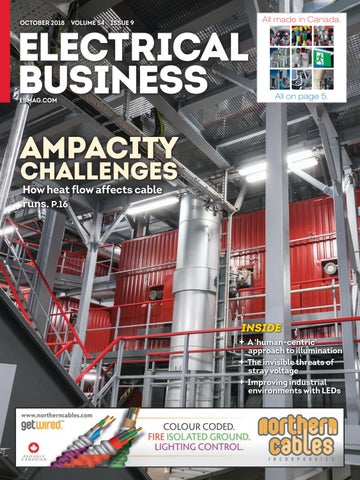
How heat flow affects cable runs. P.16




+ A ‘human-centric’ approach to illumination
+ The invisible threats of stray voltage
+ Improving industrial environments with LEDs



SAUNDERS
Earlier this year, Bruce G. Matthews was named CEO of the Consulting Engineers of Ontario (CEO). He joined the non-profit association, which represents some 175 engineering firms that employ nearly 19,000 people, in the middle of its current four-year strategic plan, with a mandate both to ‘stay the course’ and to apply his own perspective.
“I’m fortunate we have no huge crises or fires to put out,” he laughs.
Originally an engineering practitioner and consultant, his diverse experience with industry associations includes stints with Professional Engineers Ontario (PEO), the Real Estate Council of Ontario (RECO) and the Ontario College of Trades (OCOT).
“I became familiar with CEO when I was with PEO, as they helped connect us with their member firms, from which we retained dozens of consultants,” he explains. “As such, I’ve known people who’ve held this role. There is a comfort level to it for me.”
CEO’s strategic plan focuses on promoting a sustainable business environment for its members, ensuring contract terms are fair and reasonable, advocating for long-term government funding for infrastructure projects and providing feedback on procurement processes and regulations, including those enforced by Ontario’s Electrical Safety Authority (ESA).
“One-third of our members provide electrical services,” Bruce says, “and they have to deal with the most layers of regulation. We facilitate relationship-building between our stakeholders, including electrical contractors, and we know how important it is to make it clear where the regulatory lines are drawn. Otherwise, those issues are not always well-understood and they pose a challenge to firms whose designs must comply with them.”
While CEO’s mandate is tied to the provincial level at which engineering is regulated, Bruce notes the underlying issues facing the industry are common across the country.
“There’s an infrastructure deficit that crosses all fields of engineering,” he says. “Due to a failure in the past to maintain existing infrastructure, there is a huge need for both new and retrofit electrical designs.”
We at Electrical Business wish Bruce well in his new role and look forward to a productive future of connecting electrical contractors with engineering firms.
A


It is time to discuss lighting quality in terms of human comfort, particularly as advances in LEDs enable a more pleasant rendering of colours.
Stray contact voltage is becoming a greater threat as aging wiring suffers corrosion. Monitoring and testing are key in preventing fatalities.
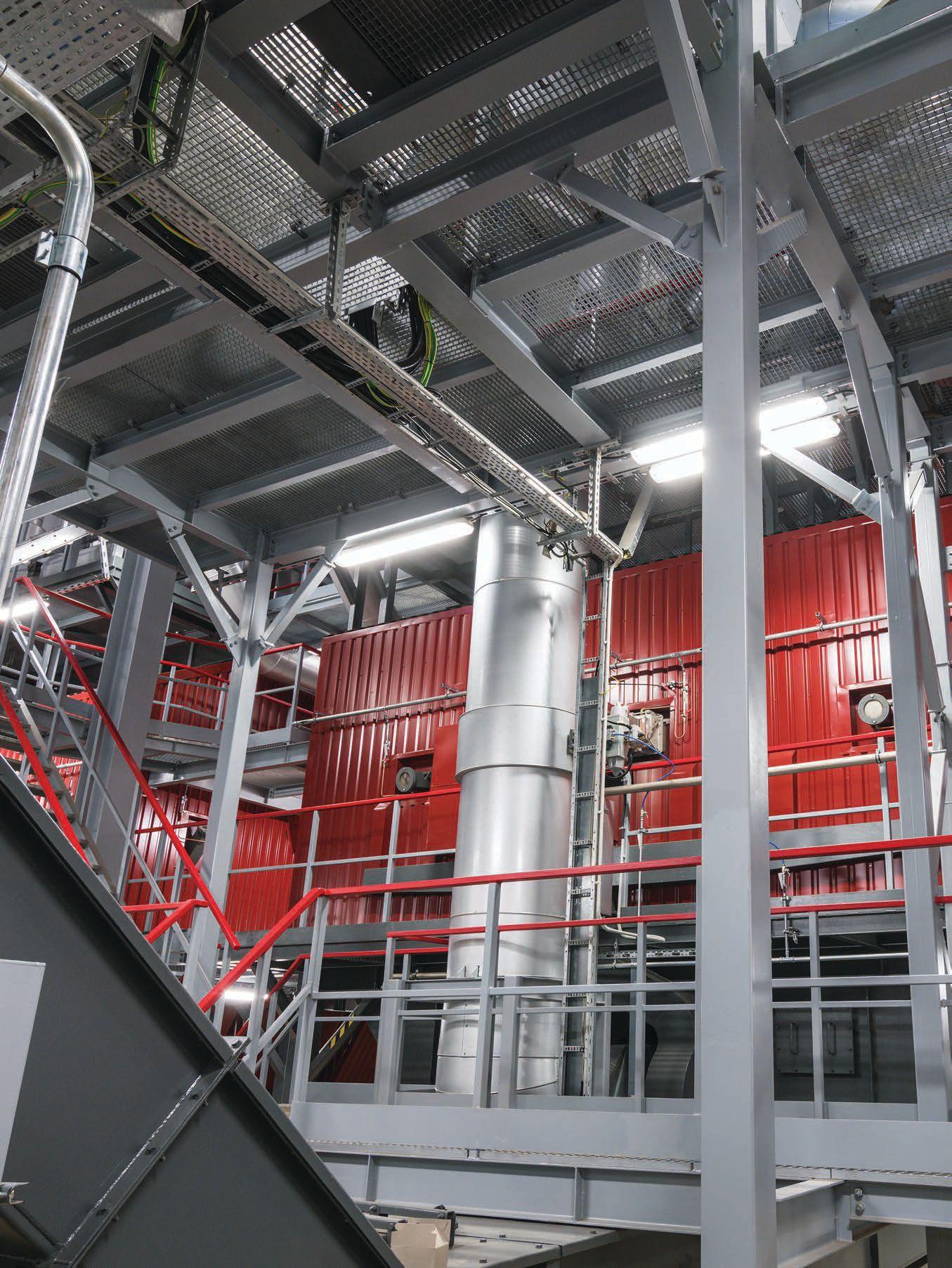
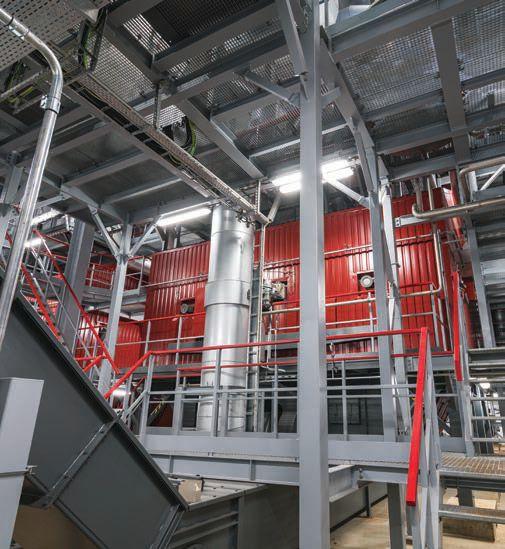
While LEDs are increasingly installed in industrial settings to help reduce energy consumption, data suggests there are also benefits for workplace safety and efficiency.
The current-carrying capacity of a cable is based on dynamics of temperature, rather than the cable’s size or other properties.
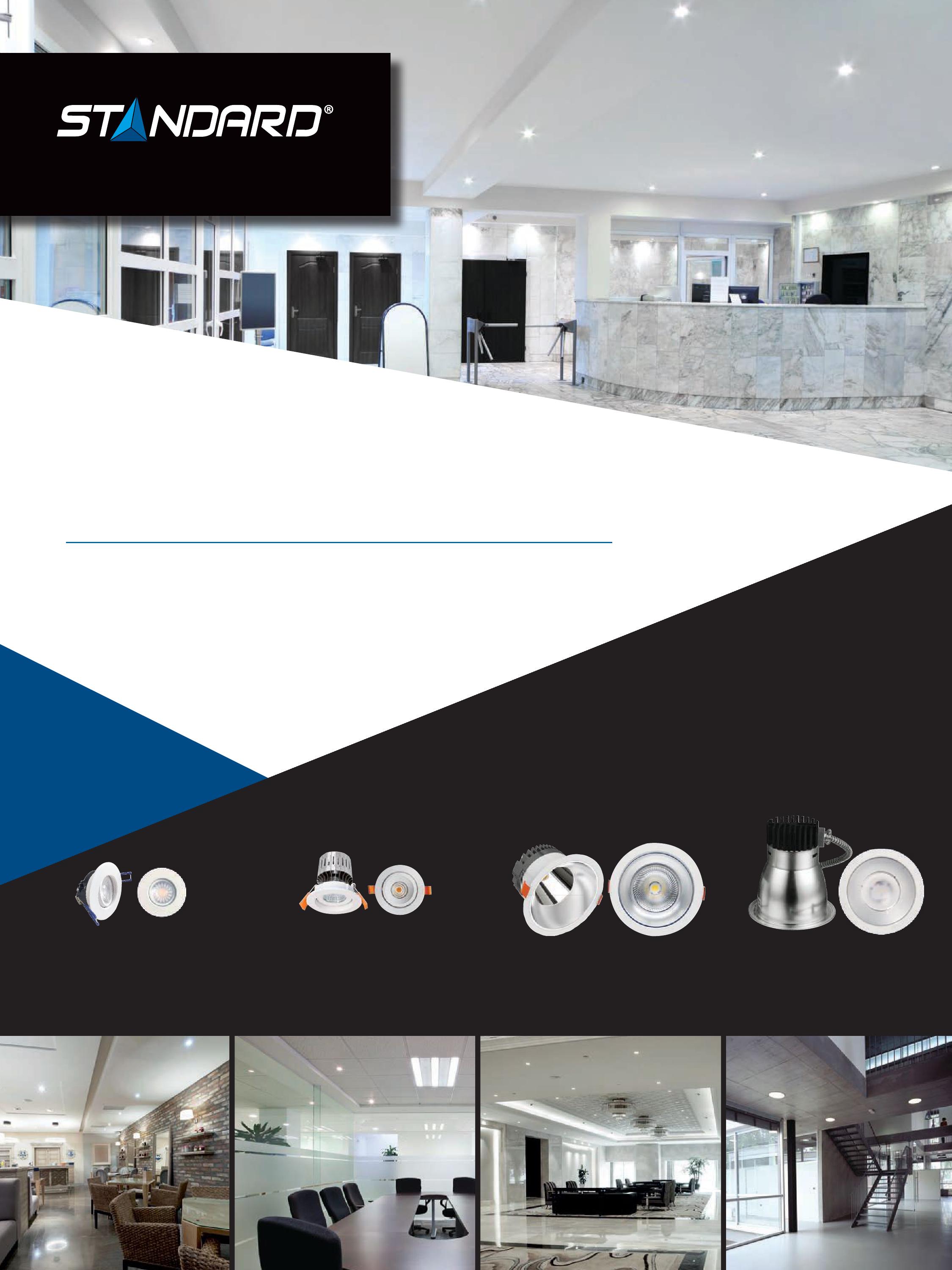
The smart choice for the replacement of existing recessed downlights or for new construction • Cost and energy savings • Quick and easy installation • Reduced maintenance going forward •Superior quality of light • Energy savings up to 88% when converting from a traditional light source • Solutions replacing downlight fixtures up to 150 W

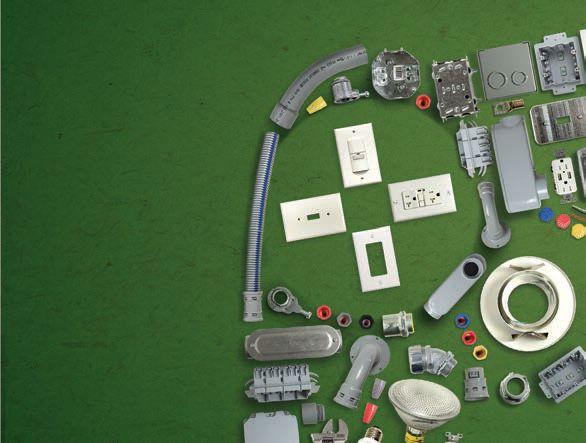





With AD Rewards, customers are rewarded for purchasing participating suppliers’ products from an AD Canada Distributor. You earn one point for every dollar spent(1) at any AD Rewards Distributor(2) across Canada. You may already have points from purchases and not even know it. It’s the best rewards program in the industry. Isn’t it time you started rewarding yourself today? (1)