Account Coordinator | Mary Burnie mburnie@annexbusinessmedia.com
Audience Development Manager | Anita Madden amadden@annexbusinessmedia.com 416.510.5183
Media Designer | Alison Keba akeba@annexbusinessmedia.com
Group Publisher | Michelle Bertholet mbertholet@annexbusinessmedia.com
CEO | Scott Jamieson sjamieson@annexbusinessmedia.com
Printed in Canada ISSN 1488-4305
Publications Mail Agreement #40065710
Subscription rates:
Canada – 1 yr $17.85 CDN
Canada – 2 yrs $25.50 CDN
USA – 1 yr $35.19 CDN
Foreign – 1 yr $47.43 CDN
From time to time, we at Drainage Contractor make our subscription list available to reputable companies and organizations whose products and services we believe may be of interest to you. If you do not want your name to be made available, contact our circulation department in any of the four ways listed above.
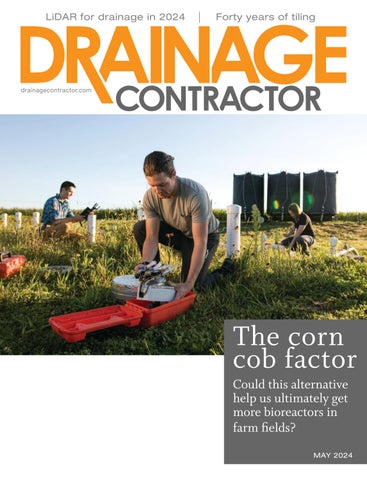
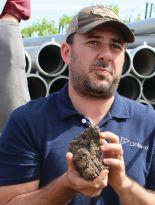
Could corn cobs serve as an alternative to woodchips – and therefore increase the appetite for bioreactors?
17 CONTRACTOR AT WORK
Wayne Bollin and family reflect on forty years of commitment to contracting and conservation.
20 ENVIRONMENT
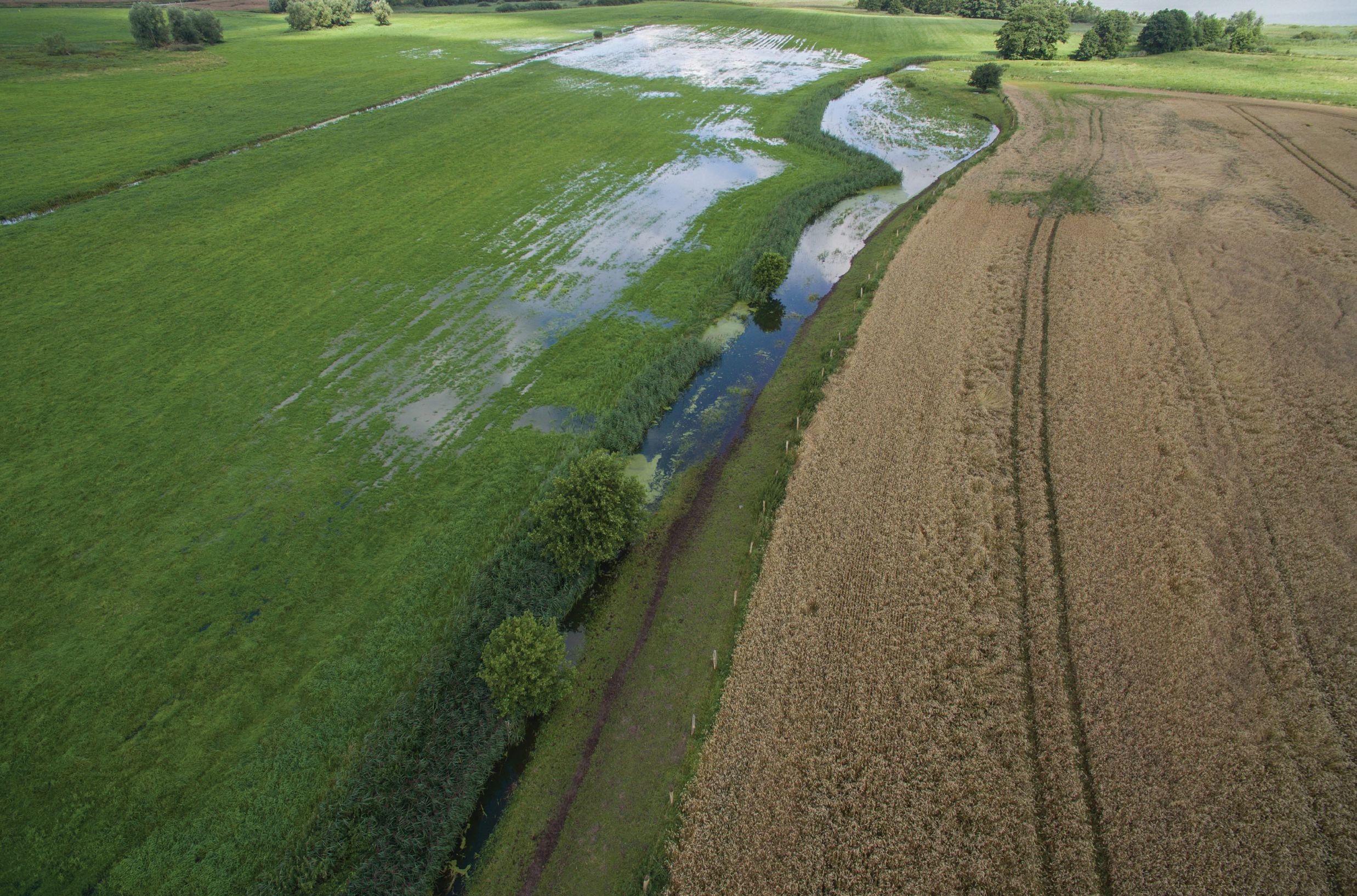
Edge-of-field practices bring real benefit to the environment. How can the industry increase adoption?
26 DRAINAGE MANAGEMENT SYSTEMS
LiDAR capabilities are growing. How long until the technology proves its worth in subsurface drainage?
ON THE WEB:
Replay the North American Drainage Conference
If you registered for the North American Drainage Conference this past March, you
–
much more.
Let’s get together
Getting together virtually, and in-person, helps us challenge ourselves and grow.
by Bree Rody
Remember when you were a kid, and you would take long car trips with your family? Surely, you had one or two little rituals in which you’d engage – for my siblings and I, we used to hold our breaths every time we passed over a bridge, or lift our feet off the floor of the car every time we went over rail tracks. Sometimes, we'd yell things when we saw certain animals on the side of the road. I didn't grow up on a farm (or even near any farms), so naturally, we'd excitedly yell, "cow!" every time we saw some standing in a field.
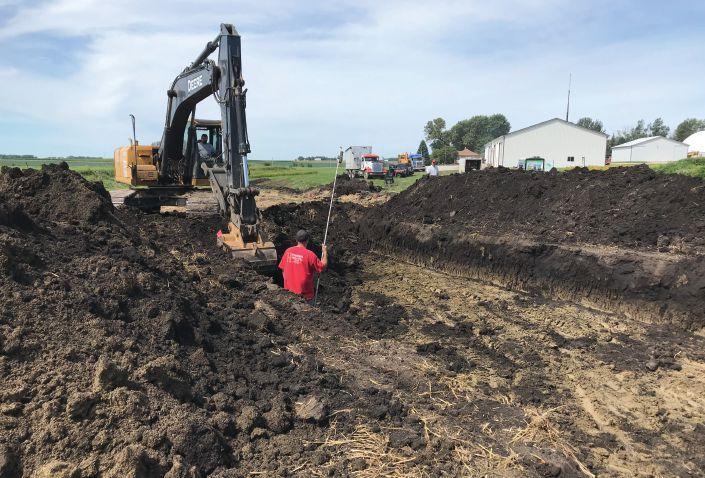
Okay – admittedly, I still get quite excited about certain farming activity. It just happens to be more niche than seeing cows in a field. For example, since the start of spring, I’ve had more than a few instances of yelling, “Hey! They’re spreading manure!” On a recent road trip with my mother, I got so excited to see a team digging trenches for drain tile that I had her pull over so I could chat to the team and take a few pictures.
When a group gathers, the excitement is palpable, and valuable ideas are exchanged.
But because I didn’t have that experience with farming growing up, and none of my family or friends have connections to agriculture, I often must explain my job to my lifelong friends and family. I also have to explain why certain things make me excited. While they just see trenches in the ground, I (and contractors!) see a particularly ambitious or complicated project.
As such, it’s nice to be in environments where other people understand just why a new tile installation project is worth getting out of the car for. My work travel mainly consists of excursions to the heartland of Canada and the U.S. – Ohio, Pennsylvania, Wisconsin, Saskatchewan and every little town in between.
This past February, I was lucky enough to travel to the LICA Annual Winter Convention in Virginia. LICA are always tremendous hosts, so I knew that the event would be filled with great
food and drink, lively discussions and hospitality one would never find in the likes of New York or Los Angeles.
It was incredibly valuable to be in the presence of LICA members and chapter leaders and learn what is important to them right now, in 2024 – engaging current membership, continuing to foster positive relationships with all stakeholders and ensuring that farmland is well-drained for strong yields. But what was even more refreshing than the ocean air was being surrounded by other people who get that glint of excitement in their eyes when talking tile.
The industry is not always fun and games – red tape, regulations and divisive issues mean that sometimes, things will get heated.
But overall, when a group gathers in an environment and setting where farming and tiling are understood and appreciated, the excitement for the craft becomes palpable, and valuable ideas are exchanged with wild abandon.
It’s important that the industry can gather frequently and encourage the exchange of ideas. We’re not just talking pats on the back and empty platitudes; we want to challenge each other as much as we celebrate each other. We need to ask the hard questions – like how can we encourage the adoption of edge-of-field practices (especially if they someday become mandatory)? How can we make new innovations, like bioreactors, more obtainable and accessible? And how can we utilize new technology like LiDAR to dream bigger and tile smarter?
Nothing brings these discussions to life quite like a meeting of the minds. Snacks, drinks, comfy chairs and good company are all it takes for the ideas to start flowing. DC
NEXT ISSUE: The next issue of Drainage Contractor will hit mailboxes in November, 2024 and will contain features on business, drainage management systems and more. @DrainageContMag
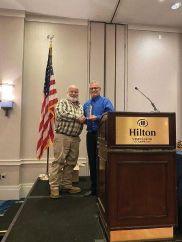
GERTEN NAMED LICA CONTRACTOR OF THE YEAR
Steve Gerten was named Contractor of the Year at this year’s LICA National Winter Convention, which took place this past February in Virginia Beach, VA.
Gerten, who owns and operates Inbody Drainage in Leipsic, OH, has been in the business for 50 years, since the age of 16. After working for Inbody for nearly a decade, the purchased the business in 1981 and keeps the enterprise a family business with his brother, sons and nephew handling operations with him.
Gerten has been an active member of LICA at a state and national level for the bulk of his career, having served multiple terms as president of OLICA, and as both president and board chair of National LICA. A farmer of corn, soybeans and wheat, Gerten is affiliated with numerous aspects of the farming and drainage industry including the Overholt Drainage School, Farm Science Review and the Ohio Farm Bureau, and has assisted in field days and studies with a goal of improving drainage practices.
STUDY
SHOWS SURPRISING
TREND IN MIDWEST TILING
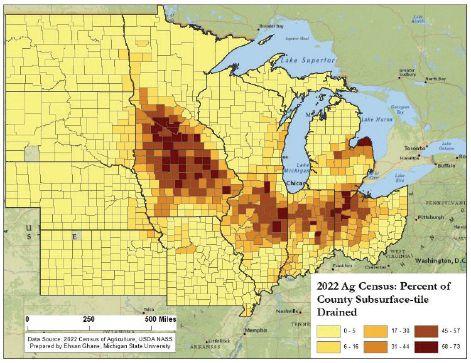
The 2022 Ag Census Data was released earlier this year and found some Midwest states reported a reduction in tile acres. The question asked, “During 2022, considering the total acres on this operation, how many acres were drained by tile?” The same question was asked in 2017.
Some findings from the study were unsurprising – like that in 2022, Iowa had the largest acreage of subsurface tile drainage, reflecting a longtime trend. The top 10 states for acreage of tile drainage did not change between the two censuses. However, six Midwest states showed a reduction in reported tiled acreage between 2017 and 2022: Iowa, Missouri, Illinois, Indiana, Ohio and Michigan. Other Midwestern states – North and South Dakota, Nebraska, Kansas, Minnesota and Wisconsin, reported an increase in tile-drained acres between the two censuses, but the increase was not as large compared to the increase between 2012 and 2017.
According to the census a total of 48.1 million acres were reported to be tiledrained in the Midwest, compared to 50.4 million acres in 2017. Overall, this represents a reduction of four percent, versus the 14 percent increase observed between 2012 and 2017.
However, according to Michigan State University, these findings might not accurately reflect the state of the drainage industry as it currently stands, as many contractors and farmers report being busier than ever. The response rate was more than 10 percentage points lower than the last census, at 61 percent down from 71.8 percent. MSU reports that the coefficient of variation (CV) for the census was an average of 4.9 percent for acreage of tile-drained land, meaning there is a higher level of uncertainty than in 2017, when the average CV sat at 7 percent. Michigan had the highest CV (86 percent) for the 2022 tile acreage data. Overall, MSU concluded that despite the surprising result, the census does not necessarily indicate a slowdown of the drainage industry.
REPORT: NORTHERN ONTARIO FARN VALUES ON THE RISE
Farm Credit Canada has released its annual farmland values report for all of Canada’s provinces.
Besides British Columbia, farmland values have generally risen across Canada; in B.C., values fell an average of 3.1 percent year-over-year. That was driven largely by a 19.1 percent drop in dollars-per-acre in the southcoast region.
The largest rise came from Saskatchewan, where farm values rose by more than 15 percent. All Saskatchewans’ regions rose, with the east central and northeastern regions’ values rising by around 20 percent each. The northeastern region is the most valuable farm region in Saskatchewan, at an average of $3,600 per acre, and topping out at $5,100.
Saskatchewan, Manitoba, Ontario and Quebec all posted increases in the two-digit percentages. Ontario’s northern region, famous for long winters and tough-to-drain, clay soils, saw a rise in value of 8.9 percent, at an average of $4,800 per acre and topping out at $9,500 per acre. However, the southern part of the province is generally far more lucrative, with the southwest region boasting the highest per-acre value in the province, topping out at $41,700 and an average of $32,700.
Water management for reducing phosphorus loss
Examining water management practices that target drainage discharge.
By Ehsan Ghane, Michigan State University
Of the various sources of phosphorus (P) entering Lake Erie, agriculture is a dominant one. While drainage is critical for crop production, it can transport P to downstream water bodies. In subsurface-drained farms, P is mainly lost from two pathways – surface runoff and drainage discharge. Surface runoff mainly moves particulate P (soil-attached P) and drainage discharge mainly moves soluble P. Out of the two P loss pathways, drainage discharge has been shown to be the major pathway, according to King et al. 2015. The Ohio edge-of-field sites showed that overall, 69 percent of Total P was lost via drainage discharge and only 31 percent was lost via surface runoff annually (Pease et al. 2018). We need to focus on the major P loss pathway of drainage discharge as well as the secondary P loss pathway of surface runoff to achieve our water quality goal.
SOIL HEALTH PRACTICES IMPROVE WATER QUALITY OF SURFACE RUNOFF
Certain practices may pose trade-offs when it comes to water quality of drainage discharge. No-till practices have been shown to increase the risk of P loss in drainage discharge in finetextured clay soils when fertilizer is surface broadcasted, according to Jarvie et al. 2017 and King et al. 2015. No-till and cover crops alone will not achieve our water quality goal due to their increased risk of P loss in drainage discharge when fertilizer is surface broadcasted, according to Macrae et al. 2023. While we encourage the adoption of soil health practices for their many other benefits, they alone will not achieve our water quality goal in all subsurface-drained farms.
WATER MANAGEMENT IS NEEDED TO ACHIEVE OUR WATER QUALITY GOAL
Controlled drainage and saturated buffers
are water management practices that reduce drainage discharge by managing the outlet pipe of the drainage system. When water removal is needed for spring planting and fall harvest, these two practices allow for temporary free drainage to provide field trafficability. Saturated buffers are already equipped with a buffer strip, and similarly, controlled drainage should incorporate this feature. We should integrate controlled drainage with a buffer strip to reduce the risk of surface runoff.
Drainage water recycling (DWR) is another practice that reduces discharge. This practice is a climate-smart system of capturing, storing and reusing drainage water for supplemental irrigation. DWR requires farms that are already equipped with subsurface drainage. This practice can improve water quality by retaining nutrients in the reservoir and build crop yield resiliency with supplemental irrigation during drought periods (Hay et al. 2021). Two-stage ditches help lessen the erosive power of water, which, in turn, decreases erosion along the streambanks. This reduction in streambank erosion also leads to less P coming from eroding banks.
TAKE-HOME MESSAGES
While we encourage the adoption of soil health practices for their many benefits, they alone will not achieve our water quality goal. Nutrient management is a good start, but by itself may not be enough to achieve our water quality goal of reducing P loss in all subsurface-drained farms. By stacking soil health, nutrient management and water management practices, you can improve nutrient retention, boost crop production and concurrently improve water quality. DC
This article was originally published by Michigan State University Extension.
CORN IN THE USA
A potential alternative carbon source for bioreactors.
Bioreactors are seen as an increasingly important tool in agricultural water management. A new Iowa-based research project hopes to provide landowners with more options, flexibility and resources to implement those bioreactors.
by BREE RODY
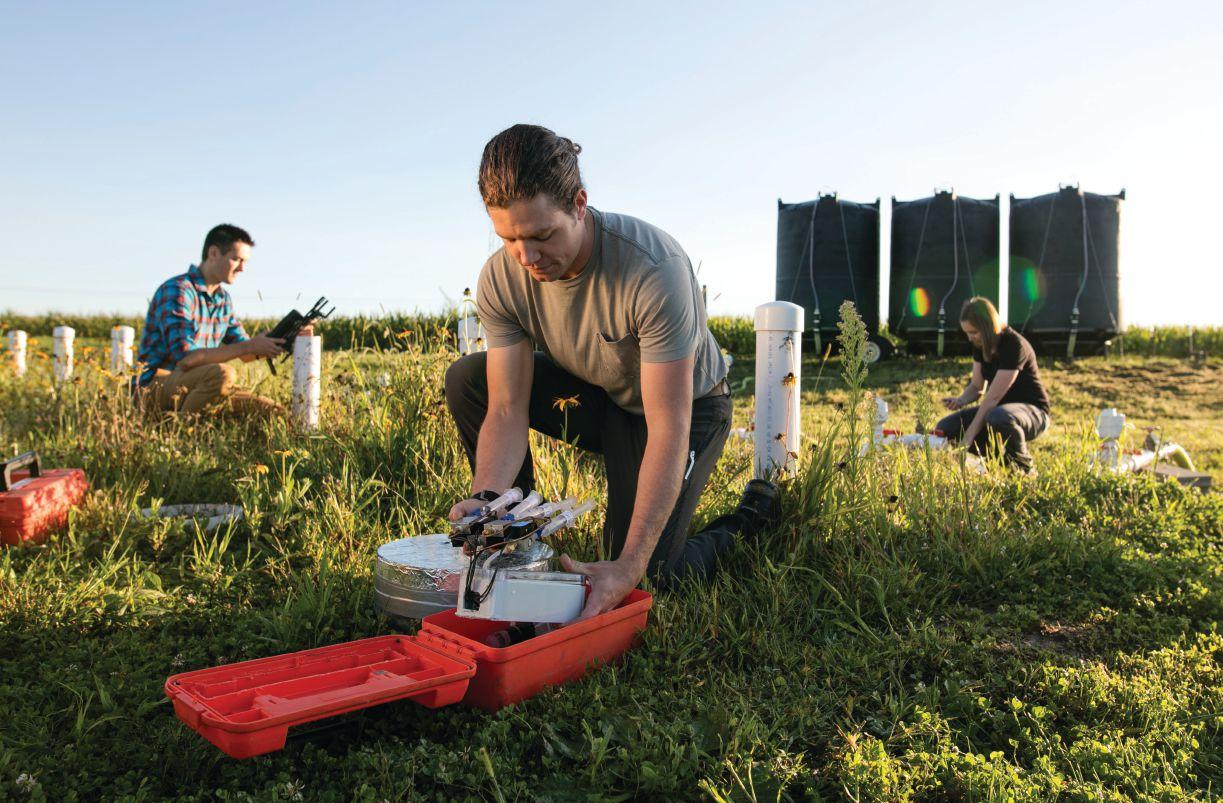
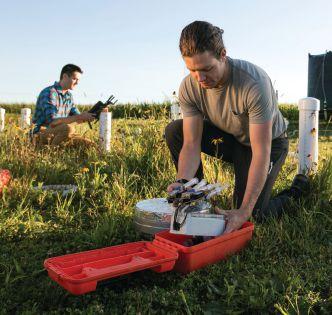
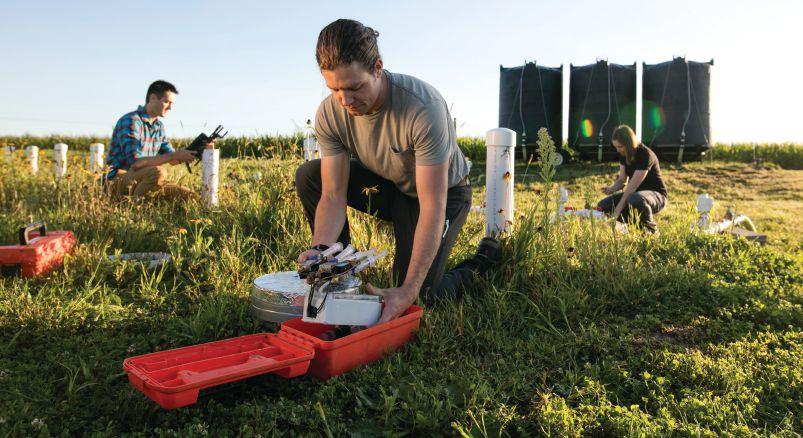
LEFT: A research team from Iowa State University examines a site of mini-bioreactors near Ames, where different woodchip-corncob mixes are being studied.
As subsurface drainage – in particular, nutrient transport from subsurface drainage –is subject to increasing scrutiny for its role in downstream water quality issues, farmers have been in a tough spot. For all its potential links to adverse water quality, subsurface drainage also has an undeniably positive relationship with crop yield and quality. Fortunately, scientific research has been on the cutting edge to shed light on, and further improve, edge-offield practices that ensure that waters leaving the fields are not taking with them excess nutrients such as nitrogen and phosphorus.
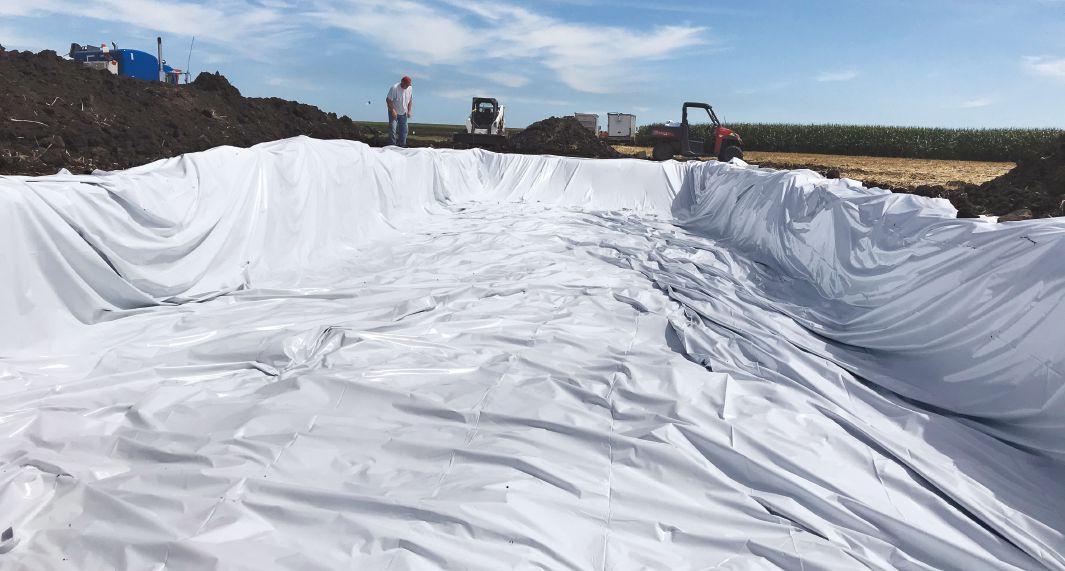
Edge-of-field practices come in a number of different forms (for more on various edgeof-field practices and how close they are to widespread adoption, see Jack Kazmierski’s feature on page 20). One of those practices is denitrifying bioreactors. In the simplest of terms, bioreactors are underground water troughs where tile water interacts with a
carbon source in a low-oxygen environment. The carbon source nourishes microbes, transforming nitrates in the water primarily into harmless nitrogen gas, which then flows out of the reactor and into waterways. That high-carbon material used in bioreactors is, most commonly, woodchips. But the Iowa project looks at a potential alternative to woodchips. And, in the Midwest, what better material than corn?
Well, corn cobs, to be exact.
Michelle Soupir, professor of agricultural and biosystems engineering at Iowa State University, explained that the primary purpose of this project was to explore corn cobs as an alternative to woodchips, for a few different reasons.
According to Soupir, lab studies showed that corn cobs are more biologically active than woodchips, which could increase nitrogen removal. But corn cobs could also be a viable
alternative because of the cost and demand for bioreactor woodchips.
A HIGHLY SPECIALIZED CARBON SOURCE
Soupir explained to Drainage Contractor that the woodchips found in bioreactors must fit very particular specifications. These aren’t just any woodchips – they’re highly specialized.
“The woodchips need to be at least one inch, and most chippers do not produce a chip size that meets that requirement,” she explains. “There’s [only] two facilities that produce woodchips that are the appropriate size to meet NRCS specifications.”
These chippers will chip up the logs, and the chips then enter into a separate screening process with a screen that is between three-quarters and one inch, in order to screen out the too-small pieces. This is not the most efficient process, says Soupir. “Because they have to screen out all of the smaller pieces, by our estimate, [they lose] about 40 percent –almost half of the wood product.”
Then, she says, there’s the logistics piece: adding on the cost of transportation, and the timing of getting woodchips where they are needed, when they are needed. “It does get complicated, because there are so few places where the woodchips can be sourced from in the state.”
In short, even though these woodchips literally grow on trees, they don’t exactly “grow on trees” when it comes to immediate and easy availability.
“You would think… if there’s a clearing, we might say, ‘Oh, here’s all this wood, let’s just put it into some bioreactors!’ But the equipment required to get the chips to the size that we need, is not easily available. So that’s a big barrier, to get us from where the wood is available to where it’s needed.”
As such, the Iowa project began in 2018.
THE STUDY
With the base knowledge that corn cobs are valuable because of their biological activity, as well as their similar size properties to the woodchips, Soupir’s research team set up an experiment at Iowa State’s pilot-scale, mini-bioreactor research site near Ames. The bioreactor
cells were fitted with: 75 percent woodchips and 25 percent corn cobs by volume; 25 percent woodchips and 75 percent corn cobs; and 100 percent woodchips. Each set of the three carbon treatments had a bioreactor operated at two-, eight- and 16-hour hydraulic residence times.
Monitoring the systems, which took place over four years, revealed that the bioreactors with corn cobs present had higher nitrate removal rates than the bioreactors whose carbon sources were made of entirely of woodchips. The 75 percent corn cob/25 percent woodchip mix performed best. That mix also showed the best hydraulic efficiencies, and clogging has not been a concern so far.
On the topic of efficiencies, the 75 percent corn cob mix also showed relative costs per amount of nitrogen was lower than the 100 percent woodchip mix, with costs ranging from 22 to 60 percent lower. Soupir says it’s better to look at costs in terms of a “per removal basis.” “It could cost the same to build two bioreactors, but you may get a better investment for your money if you remove more nitrates.”
For lifespan, woodchip bioreactors are predicted to have a lifespan of about 10 years before they require a new carbon supply. Initially, the team thought that because corn cobs are a different kind of carbon source, they would break down more quickly than the woodchips. Now in their sixth year, Soupir says they did not see the drop-off in the ability to remove nitrates.
BIGGER PICTURE: BIOREACTOR ADOPTION
The importance of bioreactors in the broader picture of water quality can’t be overstated, with their ability to reduce nitrates at an average of 15 to 60 percent. However, bioreactors aren’t free. They have an estimated cost of $10,000 to $15,000 – around $10.23 per treated acre.
The goal of the corn cob study, says Soupir, is to provide landowners with more options to reduce nitrates in their water, ultimately resulting in the adoption of more bioreactors.
But it’s not as though corn cobs are regarded as a waste product; Soupir says that getting the corn cobs gathered and
available for bioreactors has been “harder than expected” and that feed corn facilities have been the more common source of corn cobs. “There’s not a ton of corn cobs just sitting around; we had to work rather hard to source the corn cobs, almost as hard as gathering the woodchips.”
But Soupir is hopeful that because of the biological activity of corn cobs and their many benefits in the broader agricultural sphere, they can not only become more readily available but also help provide producers with another revenue source.
As for further adoption of bioreactors, Soupir acknowledges that efforts from various agencies such as the Iowa Department of Agriculture and Land Stewardship (IDALS) and the Department of Natural Resources have helped increase not only adoption, but also awareness.
“There have been a lot of efforts to get more practices on the ground, and to streamline some of the processes so that they can be a little more efficient for the contractors, for the engineers and for the farmers.” She credit’s the state’s batch-and-build approach to getting more bioreactors built and in the ground.
“It’s allowed contractors to do the ‘batch’ part, where all the things that are needed for a bioreactor can be delivered; [contractors have built] multiple bioreactors within a relatively close area, and so that makes installation go much more quickly, which makes a more profitable operation.”
In 2012, an assessment as part of Iowa’s Nutrient Reduction Strategy suggested that the state needed anywhere from 76,000 to 133,000 bioreactors, in combination with other practices, to meet the nutrient reduction goals. The state is still far from those numbers, but more research and incentives can play a part in adoption.
As for the Iowa research team, this year, the team will study a bioreactor comprised of 100 percent corn cobs as a carbon source, with funding from a Conservation Innovation Grant through the NRCS. They are also looking at other carbon sources, including different types of woodchips, and other ways to increase bioreactors’ effectiveness. DC
UNEARTH THE POWER
The latest with LICA
Our "busy season" is just getting started!
By David Gallahan
I hope to find everyone busy with the new year.
Here in Virginia, we basically had no winter and thus got a great start on the year. Unfortunately, Mother Nature has reminded us that the rain comes in the spring, and now we all wait impatiently to get back to moving dirt.
For National LICA, this is a very important time as we look to open our first drainage school at St. Joseph’s College in Rensselaer, IN. This school will be a place to help train veterans to become heavy equipment operators, and how to learn the operating skills required to be successful in a trade once out of the service.
This is such great opportunity – not only for the service members, but also for the industry itself. Contractors all over the country are short of operators, and to think they could hire one directly from our school would be a major hit for both sides.
These service people have given us so much, and when they get out, most people turn their backs on them. St. Joesph’s College has so much to offer for this school. There’s a 10-acre training field that could house a ton of equipment. Inside there’s a lecture hall and classrooms – not to mention campus housing. The campus itself is well-maintained and looks like a golf course, with beautiful trees and walk paths all around.
This event will be part of our broader event taking place June 13-14, and we will bring together water management professionals, contractors, farmers, government officials and educators. We thank executive director Jerry Biuso for his dream to organize a comprehensive drainage conference. We also thank new National LICA president Tony Cain for finding this great school to become the LICA Water Management Forum, and ADS for being our forum sponsor.
EVENT HIGHLIGHTS
This two-day forum offers a comprehensive lineup including seminars, equipment demonstrations, indoor and outdoor door exhibits. There will be an OSHA two-day, 10-hour construction course
presented by ElectrriCom. ($150.00 per person). Construction first aid courses remain vital for construction workers, as these employees are the first ones at the job when an emergency happens and give care to their fellow workers
A heavy equipment mobile simulator has also been donated by ElectriCom at $65 per person. And, of course, there will be long-awaited heavy construction equipment course for veterans, as well as a course for high school students. Did I mention there would be a golf outing?
This event is tailored to the interest and needs of current and future water management professionals, ensuring exploration of the latest advancements and cutting-edge technologies. This is the opportunity of a lifetime for our veterans getting out of the service to learn about the world of construction and learn the necessary skills to be successful in the construction field, and perhaps get their own businesses started upon their graduation of our school. They will be taught by the best of the best from all over the country.
LEND A HAND
Like any new adventure, there’s a cost factor that has to be addressed. We are working diligently on grants to help our cause, but without doubt we have some of the most giving associates in our LICA family and we hope you to will show your heart for the men and women who gave so much for us. We have indoor and outdoor booth space for anyone to showcase your support through sponsorship, highlighting your contributions to industry.
So, be a team player and make this a new start for our veterans while helping add to the backlog of qualified professionals to fill our needs in the construction world.
For more information about this amazing program please contact Allison Hack at anational.lica@gmail.com. Your donation could help a veteran become so much more after all the sacrifices they have made to keep our families safe. DC
FORTY YEARS OF EVOLUTION
A decades-long passion for contracting and conservation
1984: The year that saw the launch of the Apple Macintosh computer, parachute pants and Bollin Tiling and Earth Moving in Nauvoo, IL.
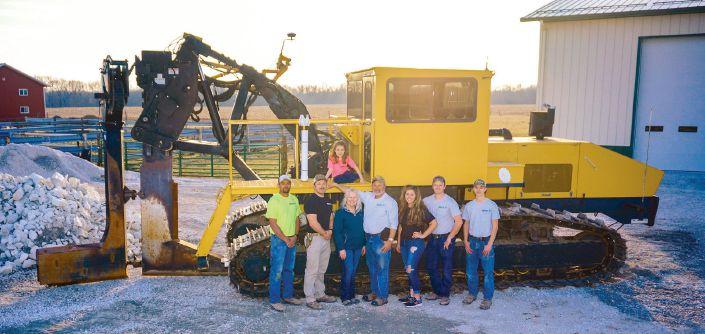
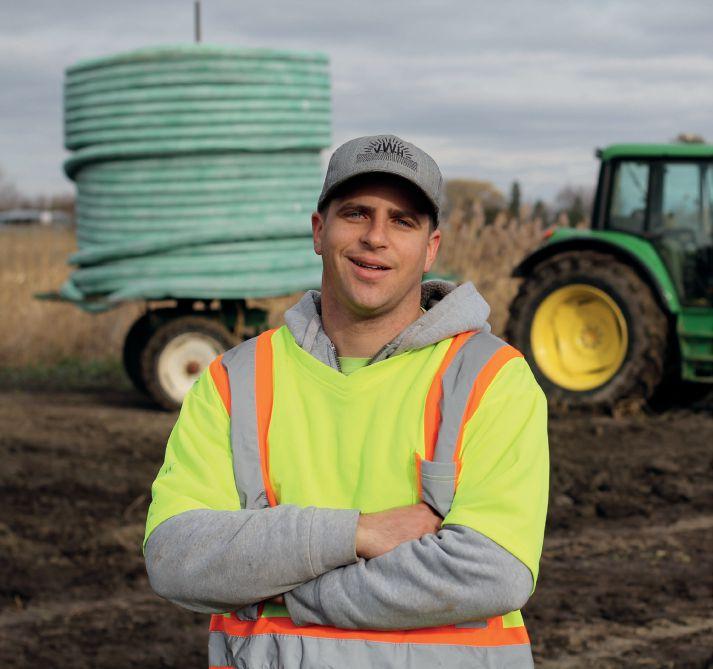
Four decades later, the first two are long gone. But Bollin Tiling and Earth Moving is still thriving. Today, the company is owned by Wayne Bollin and his wife Lori (retired from NRCS with 36 years’ service), who operate it together along with their two grown children Adam (24) and Elizabeth (29).
Wayne's interest in conservation and farming started early. In grade school, he entered a poster contest sponsored by the local soil and water conservation district. He made a poster with all of the conservation practices that save soil on the farm and won first place.
In 1984, he became interested in tiling and earthwork, starting on the Bollin’s family farming operation outside of Nauvoo. “We have a lot of rolling ground, so we purchased a small John Deere 450B crawler loader with a 9300 backhoe attachment on it,” says Bollin. “And we just started doing a little bit of our own conservation work, tree clearing and building some dry dams. In 1989 we bought a Speicher 7060 tiling wheel machine, and most of our emphasis was putting in conservation tile for dry dams and terraces; not a lot of pattern tiling at that point. But then, in 2001, we bought the conservation and construction company from the family farming operation and made improvements in our line of equipment and the services we could offer.”
by JAMES CARELESS
Today, Bollin Tiling and Earth Moving is staffed by the Bollin family, plus two full-time employees and some part-timers. Wayne, Adam and Elizabeth are machine operators and laborers in the field. Lori does a lot of the survey and design work for the conservation systems, and takes care of the business side of the operation. They do all kinds of work: tile drainage installation, toe wall construction, terraces, waterways – “anything to do with conservation systems” – site development; tree clearing; farm building demolition and cleanup work; “and a lot of tile repairs,” says Bollin. “A lot of the older systems around here are still clay, so we still do a lot of tile repairs on those.”
Recently, their work included a clay tile drainage system on the original Bollin farmstead. It was originally installed in the 1920s by Wayne’s grandfather (Carl) and great-great uncle (Mark), who “handdug an eight-foot main three quarters of a mile to, and through this farm,” he says. “The quality of the materials and their workmanship has stood the test of time. Almost 100 years later, we were able to utilize their mains and sub-mains to pattern tile the remainder of the field on 40-inch centers.”
TILING MORE COMMON TODAY
As anyone who has a pair of parachute pants buried in their closet can tell you, a
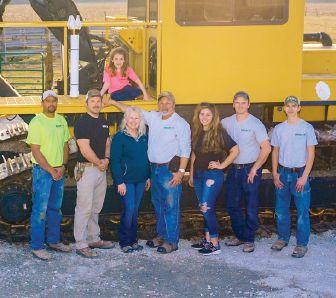
The Bollin family makes up the majority of Bollin Tiling and Earth Moving, plus two full-time employees and some part-timers.
CONTRACTOR AT WORK
lot has changed over the past 40 years. As far as Wayne Bollin is concerned, what’s changed most is not the systems used to tile farms, but rather farmers’ attitudes to tiling in general.
“The trend we’re seeing is that people are taking better care of their land and conservation systems, and farm drainage is a big part of that,” he says. “When a farm is traded or bought, it seems like the new owners go right in and fully tile the whole thing.
“Over the last 30 years, yield monitors have proven that drainage is a really big component in profitability and crop production. And I also think that, as land prices have increased, farmers are more sensitive to conservation practices that help to save their soils and protect their investment in the land.”
A DEERE DEVOTEE
Bollin started out using John Deere equipment, and he has remained loyal to the brand ever since. “Today, our
equipment lineup is mostly John Deere, and we have a dealer, Martin Equipment, about 60 miles away in Palmyra, MO, that we've relied on for all 40 years,” says Bollin. “We also have Hydromaxx drainage machinery – a plow and a trencher – built and serviced in the same town as Martin Equipment, and we’ve worked with the same mechanics and salesmen there for 40 years too.”
But Bollin Tiling and Earth Moving does move with the times. “One thing that we have gotten into the last few years is a lot of the smaller equipment – the skid steers, a compact track loader and a John Deere compact excavator,” he says. “These are invaluable in smaller work: This compact equipment is really a labor saver in a lot of ways.” The company has also adopted GPS- and LIDAR-guided systems to design and install more precise systems.
“We use Trimble Farmworks software and Trimble LIDAR systems in our tiling plow and trencher,” says Bollin. “LIDAR has helped us to do a lot more of our
work at the desk rather than having to survey each farm with a machine. And then there’s drones: When we get a project completed, we can take a fullscale picture of what we've done, and I think that puts everything in perspective. Photos say a lot to our customers.”
SUCCESS COMES FROM ADAPTATION
Moving with the times isn’t just about keeping up with equipment innovations. It also means keeping up with changing customer needs and meeting them.
"We started as a conservation practices installer, so we learned how to do that well and then adapted our know-how to dual wall pipe and larger systems with more acres of drainage,” says Bollin. “We’ve learned to adjust a few things as well because there's some soil that doesn't do well with large perforations, dual wall pipe and that kind of thing.”
Another element of adaptation comes from the Bollins applying new methods to their own farms first, to deliver the highest yields. “We maintain our own farms in the best condition that we possibly can,” explains Bollin. “And I think just demonstrating how things work on our own farms helps to sell our product to others. We believe in setting an example for the types of things we advise others to do. (Worth noting: Wayne and Lori were named “Conservationists of the Year” by the local Quail Forever Chapter.)
FOUR DECADES OF CHALLENGES
Four decades of success means four decades of challenges – and Bollin has confronted lots of them during that time.
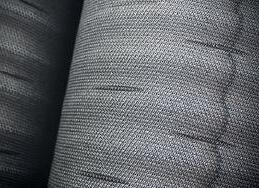
250 MICRONS THE FILTER FOR THE PROS
“The weather is a big challenge: you obviously have different weather extremes throughout the year,” he says. “You've got your basic window from fall when the crops are out until spring when the crops are in, and it seems like that this window is shrinking.”
Extreme weather takes things up a few more notches. Their region was hammered by a derecho on June 29, 2023, which caused massive damage throughout the area. “We had just finished our spring work, and so we helped people rebuild and
clean up,” says Bollin. “We did dozens of grain bins and tore down buildings piece by piece so that they could rebuild on the same foundations. We also suffered huge losses. Our largest machinery storage shed was completely demolished with equipment inside. Adam’s house was damaged, and Elizabeth’s new Morton building had the roof torn off. The greenhouse operation was demolished. Our family farm lost several barns, grain silos, and had damage to many other buildings. Our landscape is forever changed in this area. I think that whole event will stick in our memories for a long time. It certainly changed the course of our business for probably a year or more.”
Finding people to do the work is another major challenge. “We're in a rural area that has a declining population, so there's a lot of demand for labor and we struggle to find people. We are fortunate to have recently found an excellent employee from Iowa who is learning the business and we are hoping he will want to stay with us”.
Bollin is proudest of the quality of his company’s work from job to job, rather
than any specific projects. “I guess there's really not one specific project that comes to mind,” he says. “We focus on excellence and doing the very best job on every project we do. It’s the projects that we do on our own farms that stand out, because they show what can be done to our customers’ farms. We try to do things that work well and are an asset to our client’s farms because farmland is expensive. It's hard to acquire more land."
As for life in general? “We have raised two very intelligent, kind, and hardworking kids,” he replies. “We could not do what we do without them. That is what really matters in life!”
LOOKING TO THE FUTURE
With 40 years under his belt, Bollin is looking toward the future of his company, and his family’s farms. His thoughts?
“We hope to stay in the business and pass it on to my kids,” says Bollin. “And we have some younger employees who are about my son's age (24), which should help keep the business going. But our main emphasis is on farming, and I think it's important. We live on a piece of land
that my grandfather bought in the 1940s, so we hope to carry on both traditions. Some of the land has passed to the fifth generation of Bollins. When I graduated high school, my parents farmed about five hundred acres of corn, soybeans, wheat, hay, cattle and hogs. Our operation is now over 1400 acres with a cow-calf and cattle feeding operation.
“My brother’s family is involved, as well as my Dad at 82 years old, who still does a lot of the work on the farm. Last year, our family received the Kiwanis Farm Family of the Year Award.”
Bollin is in no rush to retire, and still enjoys contracting and farming. “We work with a lot of good people, many of those families we have served for two or three generations,” he says.
“It's a very rewarding business when you can go out and put things in place that make it better. We try to be very detail oriented and learn as we go. And yes, the technology is always rapidly changing, so for us older people, it's a little bit of a hurdle to adapt to some of that. But then again, it makes things a lot easier to do –and all in all, it's been a good life.” DC
ENVIRONMENT
LIVING ON THE EDGE
Increasing the adoption of edge-of-field practices
With growing concerns about climate change and water quality, edge-of-field practices are coming into sharper focus since they’re designed to slow, filter, and process both surface and subsurface runoff from farm fields.
by JACK KAZMIERSKI
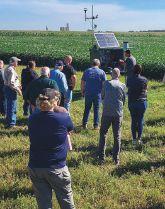
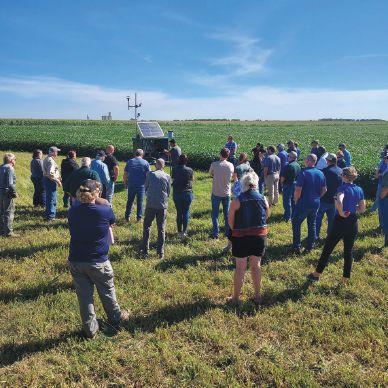
PICTURED: An open house at Farmamerica, an agriculture outreach facility near Waseca, MN, observing a controlled drainage system.
“Leading at the Edge,” a report published in collaboration with The Nature Conservancy, the Meridian Institute and the Soil and Water Conservation Society, outlines some of the benefits of edge-of-field practices:
“In agricultural watersheds with extensive subsurface drainage networks, tile drains are a significant pathway for nitrate and dissolved phosphorus loss. Conservation drainage practices such as bioreactors, saturated buffers, and constructed wetlands are designed to intercept tile flow and provide the conditions needed for nutrient assimilation and retention.”
The report explains that once these practices are put into place, they require little handson management. “In addition to their water
quality benefits,” the report explains, “many edge-of-field practices can provide additional ecosystem service benefits including carbon storage, pollinator and wildlife habitat, flood water storage, and streambank stabilization.”
WIDESPREAD ADOPTION
Although the benefits of edge-of-field practices are clear, North American farmers aren’t jumping on the bandwagon in large numbers just yet – at least not in numbers large enough for us to see the desired impact on our environment.
Putting these practices in place on a larger scale will take time, and most experts agree that we need more awareness, more incentives and more financial resources.
“I think we need more education about the importance of these practices, and the need for these practices,” says Matt Helmers, professor in ag and biosystems engineering at Iowa State University, and director of the Iowa Nutrient Research Center. “We also need to create a sense of urgency, and we need to make people aware that there is a problem with water quality, and that we need to do something about it.”
Raising awareness is the first step in a long process. “There’s still the hurdle of how to implement these practices most efficiently,” adds Helmers. “If someone says they want a bioreactor, saturated buffer, wetland or controlled drainage, then how do we make it
Image courtesy of Stu Fraseur
easy for them to do that? I think that's a barrier to adoption in many cases.”
The challenge, argues Helmers, is that paperwork and bureaucracy can get in the way. “They don't want to wait a year or 18 months to get this in place,” he explains. ‘They want to see it happen quickly, and in certain cases, there's just too much red tape.”
Another hurdle, says Helmers, is money. “In some cases, the finances aren't there for the cost share,” he adds. “We are very fortunate in Iowa, because we have a state agency that understands the importance of these practices, and has put a lot of resources in place. But I wouldn't say that's the case across the board as we look at the whole Upper Midwest. So, I do think that in many cases, there's a need for greater investment in these practices.”
STICK VERSUS CARROT
The question about widespread adoption of edge-of-field practices often boils down to the need for incentives vs. the need for more laws. In other words, which approach will convince more individuals to pay attention to the need for these practices?
“Our current framework is a voluntary approach, and I foresee that it will stay that way for quite some time,” says Helmers. “I think under our current framework, we need more incentives and more opportunities to make this as efficient as possible.”
Stu Frazeur, board chairman for the Minnesota Land Improvement Contractors of America (MNLICA) says that while education is a must, there are times when appealing to benefits can be even more compelling.
“What I find is that there are some farmers who are looking at the situation and they see bioreactors and the saturated buffers, which fall in a different category because they really don't see results from those with the naked eye,” explains Frazeur. “It’s an easy sell for tile, because people look and say, ‘Man, you put that in, now my crops are growing great!’ The desaturated buffers and the bioreactors are more of a hard sell.”
As far as education goes, Frazeur believes that there’s a need to educate everyone involved, not just the farmers.
"Batch and build" initiatives have helped jumpstart the installation of more complex projects.
“We held a big field day back in 2014,” he recalls, “And it was attended by quite a few NRCS people, which is good, because they’re the ones who need to see how this works.”
The better informed everyone is, the more likely we can move ahead collectively towards the greater implementation of edge-of-field practices, argues Frazeur, offering the following scenario as an example: “My thinking is that when people go to get a permit, the local government unit can say, ‘Have you thought about a saturated buffer? Have you thought about this or that option?’ And then we can start talking about some of those structures and some of those edge-of-field treatments.”
Frazeur believes that there’s more than one way to spread the word about best practices. “We need to piggyback on events farmers are already attending,” he explains. “When we have seed meetings, we can take 10 or 15 minutes and talk about how to control drainage, for example. And we really need more farmer-to-farmer discussions, where the early adopters explain the benefits to others.”
STRENGTH IN NUMBERS
While educating individual farmers is key to promoting edge-of-field best practices, more ground can be covered with a collaborative approach. Keegan Kult,
executive director of the Agricultural Drainage Management Coalition (ADMC) is part of a “batch and build” initiative in Polk County, IA.
“Instead of working with one individual landowner at a time,” explains Kult, “We looked at the whole watershed, found all the suitable outlets, and packaged them together. We also had a fiscal agent who had agreements with all the landowners. They assigned all their payment programs over to the fiscal agent, and that agent then managed the project and hired the contractors to do the actual installs.”
By assigning one individual fiscal agent to represent all the landowners and their properties, “the contractor was able to go up and down the stream and do all the installations, without having to deal with multiple decision makers,” explains Kult.
One of the other stakeholders in this project was the NRCS. “They were great partners,” adds Kult, “And they actually did a lot of the technical assistance, the design work, and updating conservation plans within Polk County.”
INNOVATIVE STRATEGIES
During the planning phase for the batch and build initiative, Kult, along with some of the key stakeholders, decided to adopt a proactive strategy. “We decided on a direct outreach campaign, instead of waiting passively for farmers to come
ENVIRONMENT
to us and sign up for these practices,” he explains. “Farmers have a million things going on, and it's not that they don't want to focus on conservation, but they’re busy, and they're not going to come to us.”
Rather than sit by and wait, Kult and his team sent out mailers to farmers they thought might have a suitable site. “We had a model to show where the suitable sites might be in the watershed, and in our letter we explained that one of our project managers would be contacting the farmer within the next two weeks to discuss details. And that’s exactly what happened.”
The mailer strategy worked, opening the door for the team to survey over 300 outlets, 120 of which resulted in installations. “Taking on projects like this in batches makes the process more efficient,” adds Kult. “The design engineers can go out and survey 10 sites in a day instead of only two, for example, so the cost of engineering goes down because they’re able to visit so many more sites per day. It also benefits the
contractor, because it probably isn’t worth their time to take themselves off a different project to work on two sites, but it does make sense when they have 20 sites to do.”
COUNTING THE COSTS
While the batch and build project didn’t cost farmers anything to implement, they did have to agree to maintenance contract. “We had 100 percent cost share on this project because the benefits are downstream,” explains Kult. “So although the producers weren’t paying for the installations, they are responsible for managing them. They have to sign up for a 10-year maintenance agreement, so they do have skin in the game on that front.”
Although the success of the batch and build program in Polk Country can serve as a template for other parts of the country, Kult says that some details still have to be ironed out. “We’re looking at how we can use the approach in other areas,” he says. “So, part of the process is evaluating the infrastructure. How many
people have job approval authority in that state? And what kind of state and federal financing is available?”
Kult and his team have put together a handbook that can take interested parties through the process with less mistakes and hiccups along the way. “Through a project funded by the Iowa Department of Ag and Land Stewardship, we put together a toolkit that we can share with other potential project coordinators showing the framework of this batch and build program,” he says.
The key to success, Kult adds, is finding a “local champion,” which is someone who would be willing to spearhead the effort in each county or region. “To get things started, you need a local leader who can bring all the potential partners into a room to start the discussion,” he says. “For anyone who would be willing to do so, we have the toolkit, and we’d be more than willing to partner with them and offer guidance. We might not be able to have boots on the ground, but we definitely would help them get their project off the ground.”
Projects such as bioreactors and saturated buffers are large projects – literally – and advocates agree that they can be a tough sell, because the benefits aren't readily visible to the naked eye.
Image courtesy of Matt Helmers
A VIRTUAL SUCCESS
Highlights from the first North American Drainage Conference
Drainage Contractor held its first-ever industry conference on March 5.
The North American Drainage Conference (NADC), a half-day, virtual conference, brought forth discussions related to tech, tools and the future of drainage. Initially conceived as an in-person event in Michigan, the team pivoted in order to reach more contractors.
The result was a virtual conference attended by more than 100 contractors, educators, researchers, business managers, industry advocates and more. With attendees from the U.S., Canada and the U.K., the drainage conference saw high engagement from start to finish. Speakers were: Eileen Kladivko (Purdue University), Matt Helmers (Iowa State University), Jacob Handsaker (Iowa-based contractor), Ehsan Ghane (Michigan State University), Ruijie Zeng (Arizona State University) and Kaiyu Guan (University of Illinois UrbanaChampagne).
ENGAGED AUDIENCES
– due to poorly drained soils because of the increased time it takes for water to move through the soil?”
Helmers offered nuance: “You’d have to look at how your laterals are spaced – the depth and space of those laterals – and calculate what that drainage intensity is. If it’s only going to get to the drain at .25 inches per day, then you can design your outlet to take that.
“But we have to remember, if we’re taking .25 inches per day out of the field, rather than, say, a half an inch per day… it may take two days [instead of one]. Depending on the tolerance of your crop, that .25 inches per day may not be enough to get all the benefits you want from that drainage system.”
Guan spoke on the issue of quantifying drainage’s impact on crop yield, water quality and biochemistry.
by DRAINAGE CONTRACTOR STAFF
Through the Zoom Webinar platform, audience members were able to partake in Q&A sessions.
Helmers, who spoke on the impacts of drain tile outlet redesign, was met with questions that brought allowed him to dive even further into the design discussion.
One contractor asked: “Can the drainage coefficient be lower – say 0.25 versus 3.75 for closely spaced laterals
“What do you think are the biggest challenges in modelling in a regional scale, and what new challenges will be brought about by combining field scale and regional scale?” one viewer asked.
“A lot of the simulations that we are doing at the regional scale is based on assumptions – there’s only a guess,” says Guan.
“What’s really important is when you look at regional scale research, you get a variability of climate. A farm in North Dakota versus southern Illinois is going to have a different climate, and different
soil conditions… Having these types of studies would help better understand how to build a tile drainage system.”
DIVERSE SPEAKERS
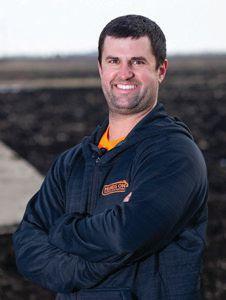
Drainage Contractor sought to offer multiple perspectives at the NADC –from the lab to the field and everything in between. Handsaker, owner of Hands On Tiling and Excavating and 2023 GroundBreaker, closed out the show with his presentation on working with multiple stakeholders, offering a contractor’s perspective on water quality management.
Handsaker highlighted how, through key partnerships with counties and agencies such as the Iowa Department of Agriculture and Land Stewardship, the Iowa Department of Natural Resources and Iowa State University, Hands On has been able to “really move the needle” on water quality projects and advance to completing “50 to 100 per year, versus the two or three per year that used to be done.”
Handsaker says he and his farming family realized that some water quality measures, like bioreactors, could someday become mandatory, and “the mandatory comes with all kinds of regulations and a whole lot more restrictions than working alongside partners.”
The batch-and-build process that ensued, says Handsaker, “really opened the door" for opportunities to take initiative and engage in meaningful installations.
The North American Drainage Conference will return to a screen near you on March 4, 2025. DC
Eileen Kladivko
Jacob Handsaker
PROVING ITS WORTH
How LiDAR is evolving and changing the drainage industry
Light Detection and Ranging (LiDAR) technology is a valuable tool in the planning and design of tile drainage projects.
by RICHARD KAMCHEN
Daniel Saurette, land resource specialist with OMAFRA, has been studying the application of LiDAR technology and data for field drainage systems.
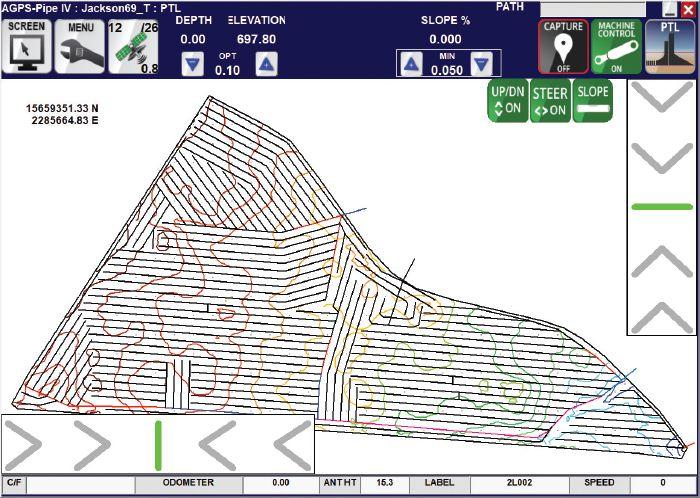
Contractors can use LiDAR to generate topography maps to give them an idea about the shape of the land to plan a drainage system without physically driving to a field to collect data, explains Nate Cook, Cook’s AGPS LLC. This allows them to create an estimate of the drainage layout and its cost.
“LiDAR is a great tool to provide a quick, low expense, topography for the drainage planning stage,” says Cook says.
Daniel Saurette, a land resource specialist with the Ontario Ministry of Food, Agriculture and Rural Affairs (OMAFRA), adds that the raw LiDAR data, known as a point cloud, can be converted into a detailed model of the earth’s surface and topography. Known as a digital elevation model (DEM), it can be used to create detailed elevation contours, he says.
“These data provide field-scale information about the topography and the slope gradients,
which can be used for planning a tile drainage system,” says Saurette.
BENEFITS
Cook says numerous benefits exist by using LiDAR instead of a driven survey, including:
• Speed: Data can be downloaded and processed in an office, in an hour to as little as 15 minutes.
• Cost/time: To physically drive to a field requires Real-Time Kinematic (RTK) GPS equipment and a vehicle like an ATV, UTV, or truck. There’s wear and tear on the vehicle to consider, as well as wages for someone to drive, with the amount of time they work being variable and dependent on the number of acres they cover.
• Availability: LiDAR data is available 24/7 (unless servers are down), while physical access to a field can be limited, such as when crops have been planted or the surface is water saturated.
ACCURACY
Ruijie Zeng, an assistant professor with Arizona State’s School of Sustainable Engineering and the Built Environment, says LiDAR provides very accurate information about terrain surface elevation – or the height of land surface.
Common products derived from LiDAR include digital surface model (DSM), the highest point of land surface, and digital terrain model (DTM), the elevation of ground after removing the above ground structure of DSM.
DRAINAGE MANAGEMENT SYSTEMS
“LiDAR point cloud and derived products, DTM and DSM, are very accurate for application in agriculture and hydrology,” says Zeng.
He also notes that LiDAR provides centimetre accuracy of terrain elevation at the sub-metre spatial resolution, compared to the traditional DEM of 10 metres. Zeng points out that open ditches are very small, which only LiDAR can capture.
Cook says newer datasets have been getting more accurate with better technology.
“There is a noticeable improvement comparing the same field from 2010 data to 2017,” says Cook. “Every year that new soil and LiDAR data is collected and published, the data is usually more accurate, thanks to evolution of the technology.”
For Ontario’s agricultural regions, LiDAR data is collected following the guidelines outlined in the Federal Airborne Lidar Data Acquisition
Guideline, and additional guidelines specific to Ontario, Saurette says. LiDAR can be acquired at different levels of quality, but the accuracy of LiDAR to be acquired is determined on a project-byproject basis.
“Recent projects completed in Ontario are either at the five- or 10-centimetre vertical accuracy classes,” says Saurette.
The LiDAR data is collected at a pulse spacing of eight to 10 pulses per square metre. Saurette explains that pulse spacing refers to the number of light pulses hitting the ground from the LiDAR sensor.
“Aircraft equipped with LiDAR sensors are often used to acquire LiDAR data over broad regions.”
IMPROVED MAPPING
LiDAR has helped improve soil and drainage mapping.
“LiDAR can detect the open ditch network, which is critical since the open ditch connects subsurface drainage
pipes at field scale to natural rivers at watershed scale,” says Zeng. “The current stream network database only has natural rivers, and LiDAR can help to fill the gap of missing man-made ditches.”
Saurette says Ontario has been acquiring LiDAR data over the past few years and now has high-resolution data for large portions of the province’s agricultural regions.
OMAFRA has funded several recent LiDAR acquisition projects to support provincial efforts, he notes. The resultant data and products are made available to the public, thereby making the same base elevation data available to all users.
“Using the LiDAR data for planning and design can help offset in-field elevation surveys and costs for acquiring LiDAR data by individual tile drainage contractors and consultants,” says Saurette.
DATA AVAILABILITY
Ontario currently has LiDAR data available for more than 227,624 square kilometres, and additional LiDAR acquisition is currently underway for the province, says Saurette.
There are many ways to access Ontario’s LiDAR data. There’s a central repository for the LiDAR data, which outlines the technical specifications, data inventory, and ways to access the data available at the Ontario Elevation Mapping Program site on the Ontario Geohub (https://geohub.lio.gov.on.ca/ pages/ontario-elevation-mappingprogram).
Besides making LiDAR data available, OMAFRA has recently added a tool to the Agricultural Information Atlas (AgMaps) (https:// www.lioapplications.lrc.gov.on.ca/ AgMaps/Index.html?viewer=AgMaps. AgMaps&locale=en-CA), which allows users to generate a 50 centimetre contour map after creating a box around their property or area of interest. This map is generated on-the-fly and pulls directly from the LiDAR data housed on the Ontario GeoHub, says Saurette.
In the U.S., Cook finds that downloading and processing introduces
a lot of variables. He explains that the United States Geological Survey (USGS) site has data for many states, but that some states may have newer data available on their own websites.
From there, to process, thin down,
and visualize the data is a multiple step process, depending on what software is being used, Cook says.
Zeng points to state-wide LiDAR data coming available, such as in Illinois (https://clearinghouse.isgs.illinois.
edu/data/elevation/illinois-heightmodernization-ilhmp), and Indiana (https://igic.memberclicks.net/indiana-snew-3dep-lidar-data-and-informationalresources).
Higher accuracy can be achieved with an additional LiDAR scan at site by drone, Zeng says. The average contractor can know field height at an unprecedented accuracy, such as for leveling the ground.
“Post-processing is needed to derive the needed information or detected the objectives,” says Zeng. “For example, we developed methods to detect drainage open ditch -- the layout, the channel cross section geometry -- from LiDAR. It significantly reduces the time and effort of field survey.” DC
The pipe is filling
Making connections and unifying the drainage industry to meet common goals.
by Keegan Kult
Although not foreign to the audience of Drainage Contractor, there is a crucial yet overlooked component to production and sustainability: drainage systems.
These systems are essential for managing water levels and optimizing soil conditions. They get recognized for increasing yields and profitability but misunderstood about their potential to improve nitrogen fertilizer management, reduce N2O emissions, pesticide transport, and surface runoff. By optimizing managed drainage systems, water management can contribute to the long-term viability and resilience of agricultural systems.
The Agricultural Drainage Management
Coalition (ADMC) has a small fraction of industry representatives as members yet plays a crucial role in uniting the voices of the industry by advocacy, providing a platform for stakeholders to collaborate, facilitating information sharing, building partnerships, and by magnifying the technical expertise and guidance of its members.
As the ADMC’s executive director, I was able to attend a series of recent meetings including National LICA Winter Meeting, the Foundation for Food and Agricultural Research Sustainable Water Management Summit and the Conservation Drainage Network Annual Meeting. It was clear from this series that the
A restored wetland, an example of an effective edge-of-field practice, in Iowa, where numerous drainage industry members have worked together.
drainage industry would benefit from a more unified voice.
The drainage industry has historically operated in a fragmented and siloed fashion. Now more than ever, the time is ripe for stakeholders to come together and amplify the voice as there is unprecedented levels of public and private investments in agricultural conservation while looking to improve the environmental footprint.
Agricultural Drain Systems
ADMC is focusing on a new strategic plan to foster collaboration, drive innovation and sustainability within the industry.
The absence of a more unified platform hampers collective progress. Fragmentation leads to inefficiencies in communication, educational events, and the leveraging of collective expertise. ADMC members recognize the opportunity and need to be able to promote sustainable practices, engage with policy makers, and improve our agricultural systems through water management to face shifting weather practices and the need to produce more with less.
To do this, ADMC is focusing its efforts on working even more with industry members by looking at impactful policies, expanding outreach, and bringing more drainage industry members on board to generate the momentum needed. To interact with ADMC, it is encouraged to join as a member, engage with the coalition, and be and advocate for the importance of drainage practices.
To join and learn how to engage with the coalition, please contact Keegan at kkult@ admcoalition.com or by visiting the website https://admcoalition.com/. DC
Neighboring landowner BMPs
Keeping things above board and positive with neighboring property owners is good for business (and getting along).
by Ryan Arch, executive director, ILLICA
All contractors have been there: you’re working for a landowner or tenant on a project that is “land locked” between neighboring properties. It could be standing crop, limited equipment loading/unloading access, or inadequate bridge crossings. Or maybe you have access to your project site, but your project area includes work at or near the property line of a neighbor’s.
Regardless of the situation, and whether or not the landowner you are working for is a “Hatfield” or a “McCoy,” we have
compiled some best management practices (BMPs) to help keep
Most landowners and tenants wouldn’t purposely lead a contractor into litigious situations, but it is critical to identify your customer’s ties to the property upfront. This can be accomplished during project discussions where you directly ask who the decision maker is, who owns this ground, who owns any of the infrastructure in the project area, and what’s the contact information for them.
As you document any project details, jot down the information your customer is providing regarding property ownership, contact info, neighbors, etc. for future reference, and don’t forget to date stamp and file these notes for further safe keeping should you need them.
KNOW THY PROJECT SCOPE
Proper pre-planning increases efficiency, reduces costs and enhances safety. Applying these skills to evaluate a project’s scope, or area of impact, to help better identify any project specific considerations but also to help identify situations that may impact a neighboring landowner’s property.
For example, compare equipment operation and space requirements to design sets. Is the last lateral of your drainage system installation far enough back from the neighbor’s property line, or would your equipment have to be “nosed out” across the property line to complete the run? Does your designed waterway grade logically blend with the neighbor’s receiving waterway downstream, or will some grading be required at or beyond the property line to ensure the new waterway’s function after construction? Are you able to clear your customer’s fence row entirely from their side of the property, or is it likely you may need drop trees onto the neighbor’s side for safer removal? Every project has an area of impact that should be closely reviewed, especially when there is neighboring property not owned by your customer.
KNOW THY NEIGHBOR
Everybody has a neighbor. Whether or not they are on speaking terms with their neighbor is a different story. Luckily, as a contractor, you just must be cognizant and respectful of the neighboring landowners and their property. If your project area of impact is solely on the property of your customer’s and there are no foreseen impacts (direct or indirect) beyond the field border, you are likely in good shape to proceed with your project without further ado. If, however, your project may be crossing the property line or contributing more concentrated surface or subsurface drainage flow, for example, you will need to work with your customer to identify their neighbor. What are their names, how are their existing relationships with their neighbors, what’s the best way for you to contact them, etc.?
Most contractors are pros at navigating personalities, finding solutions and getting the job done. That said, working across property lines on projects, intended or unintended, can have real consequences without prior planning and clear communication; even the seasoned pros have a story or two to share about that. Do yourself a favor and “love thy neighbor as thyself” …or at least treat their property as you would want yours to be treated. You never know: that neighbor could just be your next big customer. DC
ADS PARTERS WITH RAINWAYER MANAGEMENT SOLUTIONS
U.S. drainage giant Advanced Drainage Systems (ADS) has furthered its growth in the storm and rainwater management industry through a partnership with Rainwayer Management Solutions (RMS), a provider of water harvesting and reuse systems.
The new strategic relationship will allow both companies to advance their sustainable stormwater solutions throughout the U.S. in Canada.
ADS will bring to the table its expertise in managing the lifecycle of rainwater, while RMS will offer its water harvesting solutions in order to further enhance their respective product lines.
“Rainwater Management Solutions is known for its wide range of high-quality water harvesting systems, and ADS is excited about this newly formed relationship,” said ADS president and CEO Scott Barbour in a statement.
“It enables us to provide even more comprehensive products and solutions to customers while staying steadfast in our commitment to manage and protect the world’s most precious natural resource – water.
"This is just one of many ways ADS is creating a foundation for future innovation and greater sustainability to address the ever-growing challenges of water management.”
Both ADS and RMS will leverage each other’s existing products, and will also leverage each each other's technological capabilities when designing right-fit,
specialized solutions for customers across commercial, residential, agricultural and infrastructure markets.
JCB EXPANDS PRODUCTION
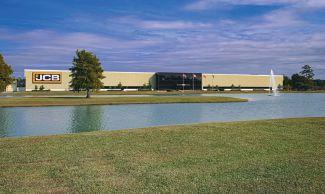
Diesel engine manufacturer JCB will build a new North American factory in San Antonio, TX. The 720,000 square-foot factory will create an estimated 1,500 jobs over the next five years, morethan-doubling JCB’s U.S. employment.
The new facility, JCB’s second in North America, will manufacture machines largely for customers in North America. JCB’s North American presence began in 2001 with the establishment of its Savannah, GA plant.
Grame Macdonald, JCB CEO, said in a statement that the North American market is “integral to the growth and success of JCB’s business in the future… Texas is a vibrant and growing economy, and the State offers great advantages in terms of a central location, as well as good highway and port access.”
MacDonald added that the location of the plant will allow JCB to attract key manufacturing talent.
Last year, JCB formally unveiled to the market its new hydrogen combustion engine, part of its zeroemission solution for both the construction and agriculture markets.
NOKIAN UNVEILS NEW SIZES FOR TRACTOR KING, HAKKAPELIITTA
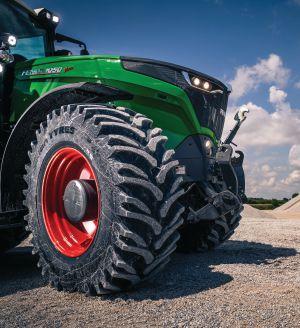
The Nokian Tyres Tractor King line of products has made a number of expansions in terms of available sizes and modells.
First, the line expanded to include three new sizes: 600/65R28 for the front axle, 710/70R38 for the rear axle and 800/70R38 for rear
The largest of the new options is the 800/70R38,
which the company says raises the load-bearing capacity to a greater level. It carries a load index of 183.
Being a wider rear tire offers increased traction and durability, according to Nokian.
Nokian has also more recently added two new sizes for its Hakkapeliitta TRI M+S all-season tires. The range now includes sizes commonly fitted to HHP tractors, 710/70R42 and 600/70R30.
Marketed as an allseason contracting tire, the line aims to lower noise level and vibrations compared to typical lug-patterned tires.
And, most recently, Nokian presented two VF tire models utilizing its new FlexForce technology: the Soil King VF tractor tire and Float King VF
flotation and tanker tire, the latter of which boasts four new sizes.
MASTENBROEK’S SECOND BULLDOG LEAVES THE KENNEL
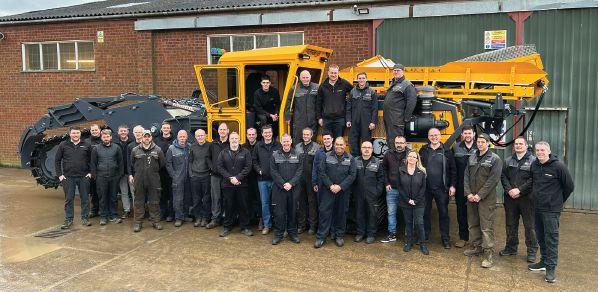
European trencher manufacturer Mastenbroek has seen the culmination of a massive team effort, bidding adieu to its second Bulldog utility trencher.
The Bulldog, Mastenbroek’s newest trencher, was first introduce at the 2023 ConExpo-Con/
Ag event.
The Bulldog is designed with a small footprint in mind; at 38’7” long, its forward discharge conveyor system retracts to give an 8’2” width, making it easy to transport. It also features a new, Volvo eight-litre engine and enhanced digging mechanism.
Mastenbroek is working with U.S. partner Port Industries to promote the machine, which is specifically designed for utility cable and pipeline installation projects. DC
Ensuring longevity and standing behind quality
LICO officially recommends certification for Ontario drainage pipe
by Mel Luymes, LICO executive director
Ontario drainage contractors stand behind their work ¬ their customers can expect quality installation of the right pipe sizes, depth and grade. In Ontario, contractors often say there is a lifetime guarantee on drainage systems. But as they’ve seen some evidence of pipe cracking and deterioration over the years, they have come to wonder if they can stand behind the quality of drainage pipe as confidently. For years, LICO hummed and hawed over certification for drainage pipe, and finally bit the bullet.
In 2006, LICO convened a group of pipe manufacturers, engineers and contractors who developed the LICO Standard Specification for Corrugated Plastic Drainage Tubing, and this spec was referenced within Publication 29, the Drainage Guide for Ontario. While it served the industry for a time, it was a voluntary self-certification. With recent mergers and new suppliers in the market, the industry wondered if the status quo was going to cut it.
In 2023, a motion by the membership at LICO’s AGM in London, ON spurred the board of directors to create a Pipe Standards subcommittee. The committee included contractors, an engineer from the Land Drainage Committee and representatives from four pipe manufacturers in Ontario: Armtec, ADS, Bluewater Pipe and Listowel Agri-Pipe.
The committee determined self-certification wasn’t enough to maintain confidence in the quality of drainage pipe and that LICO didn’t have the resources to update and certify its own 2006 standard. Many of the factors that ensure pipe longevity are difficult to see, test and verify. With Ontario’s proximity to both Quebec and U.S. markets, each standard had pros and cons for different suppliers. In the end, the committee opted for both, recommending Ontario suppliers chose either standard, to be certified by the Bureau de normalisation du Québec (BNQ), Canadian
Standards Association (CSA) or Intertek.
This would be a first in Ontario for their singlewall corrugated drainage products and there are certainly additional costs associated with third-party certification. Suppliers may need to increase their record-keeping or purchase in-house laboratory testing equipment. Regardless, they would need to cover the costs of semi-annual audits. While there was concern this would increase costs, the contractors on the committee agreed a marginal price increase would be worth the assurance of quality.
Four recommendations were made: 1) to advise Ontario’s suppliers to make certified pipe by the end of 2024; 2) to then encourage contractors and farmers to buy only certified pipe, 3) to request that the Ontario Ministry of Agriculture, Food and Rural Affairs require licenced contractors to use certified pipe and 4) to research conditions in which stronger pipe may be required. These recommendations were approved by the LICO board and brought to the January 2024 AGM, where they were ratified unanimously by members.
The first step is to make certified pipe options available for Ontario’s contractors; already there is one manufacturer certified to the BNQ standard and as for the rest, some are closer than others. LICO is connecting with Ontario’s pipe suppliers and third-party agencies to support a smooth transition to pipe certification in 2024, including an upcoming webinar outlining the options for suppliers. Next, LICO will encourage contractors and farmers (and perhaps financial lenders or insurance providers) to use only certified pipe as a best practice to reduce liability concerns.
While the Ontario drainage industry may be one of the first to make such a move, we’d be interested to connect with other jurisdictions that have made or wish to make similar recommendations. Please connect with us at www.drainage.org. DC
COVER PHOTO contest 2024
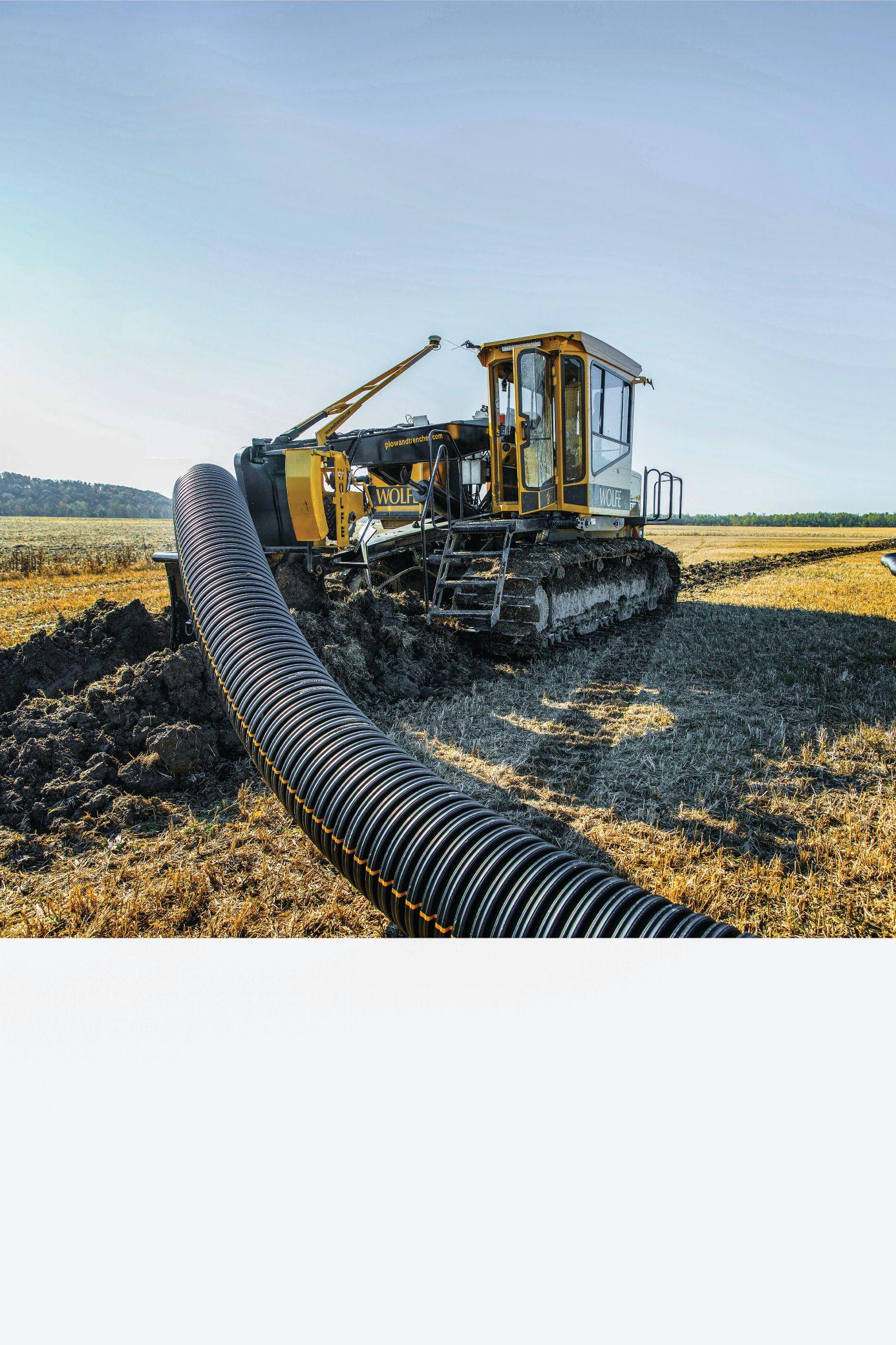
DRAINAGE CONTRACTOR BRINGS BACK THE COVER PHOTO CONTEST FOR 2024!
Show off what you’re up to this spring and summer – whether that’s digging trenches, laying tile, creating intriguing new systems or gazing upon the finished product. Your drainage inspired photo could be featured on the cover of DrainageContractor’s November issue.
DEADLINE TO SUBMIT: SEPTEMBER 15, 2024
Presented by
Durability meets sustainability.
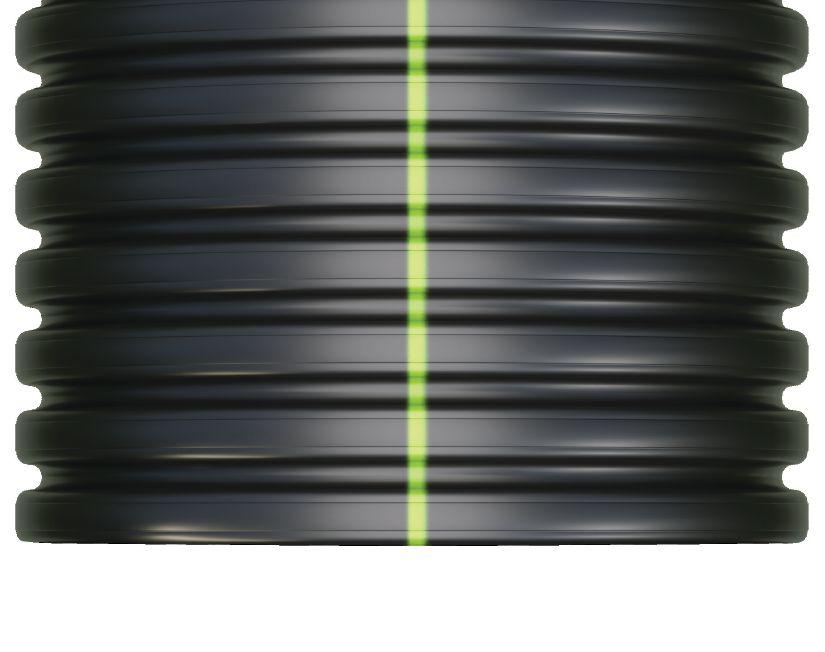
Forget the sustainability stereotypes others tell you. ADS recycled material performs equal to virgin and undergoes the same rigorous ASTM testing. As one of North America’s largest plastic recycling companies, ADS is proud to provide proof of our sustainable impact.
PIPE FLEXIBILITY +261%
Twice as strong as the industry standard to resist dimpling and deflection.
TENSILE STRENGTH +32%
32% stronger than the industry standard to be tough enough for your install.
PIPE STIFFNESS
+39%
The proof is in the performance. The numbers don’t lie. Scan the code to learn more.
39% tougher than the industry standard to withstand those heavy loads.