DIMAYA, LASCANO, LIM, QUINTO, SEÑA SAGISAGCOLLECTION INNOVATING FILIPINO HERITAGE FURNITURE DECEMBER 2022
CONTENTS:
Written by: Dimaya & Lim
Designed by: Ravanette Seña
Designed by: Jan Quinto PERLAS
Designed by: Janna Lim NIPARADOR
Designed by: Elyzabeth Dimaya MARIFISH
Designed by: Timothy Lascano
Designed by: Janna Lim SAGISAG COLLECTION




The national symbols (known locally as “ mga pambansang sagisag”) embody the cultural traditions of the Philippines that have been shaped by historical events leading to the current Filipino identity we now uphold. Being a melting point of different influences, the country has strived to create its own name, way of living, and way of thinking apart from fellow southeast asian countries. These emblems remind us of our battles for freedom and independence as we believe that what we have in our culture is unique and worth fighting for, hence they remain significant and are being taught in our early ages.

The concept of this furniture collection attempts to blend the emblems of our nation into the daily lives of people signifying their importance and impact to our society. Taking cues from selected Filipino heritage furniture, the designers have chosen six (6) among the other national symbols in order to bring forth fresh designs while sustaining the functionality of the said furniture pieces. In choosing the symbols for each furniture piece, the designers took careful considerations based on what the pieces looked like as well as its purposes in order to connect these to the selected symbols. Looking beyond design, this collection aims to revitalize the national symbols that represent our identity in hopes to be more recognized and appreciated by the world and above all, its very own people.

Filipino heritage pieces have transported us into the past way of living. Through these, we see how people valued certain pieces for specific needs. Its silhouettes mostly show influences in European and Chinese styles, however with the innovated version of the furniture, it will focus on the application of more modern silhouettes and ergonomic needs for improved comfortability. Due to the different influences we have in today’s time, its distinct differences from the past furniture are mostly through its shapes, materials, and inspirations. To amplify the Filipino identity, the redesigned furniture pieces utilized local and indigenous materials. The five (5) designers have selected six distinct heritage pieces for this collection and are represented by six of the national symbols.
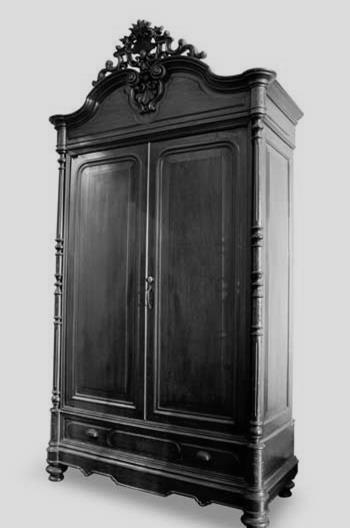
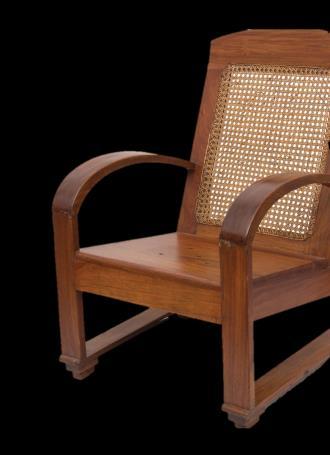
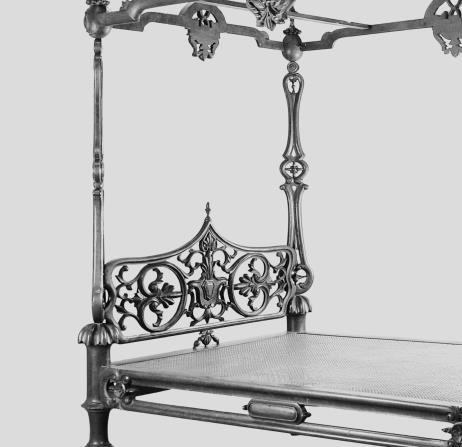
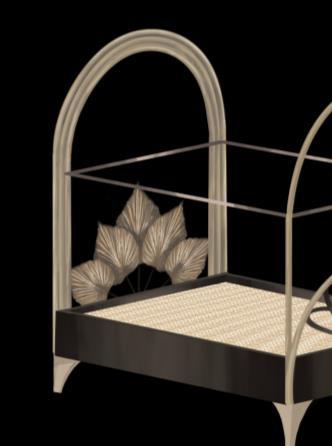
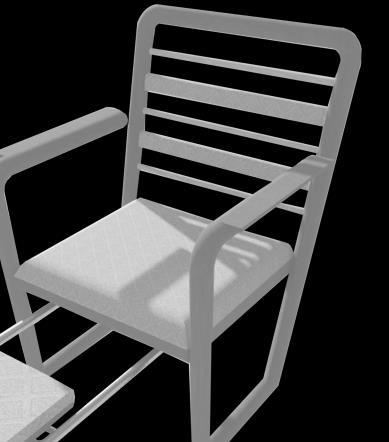
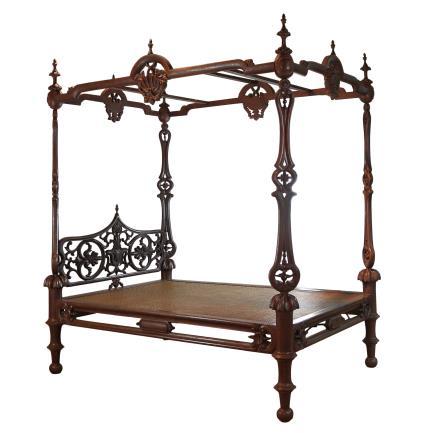
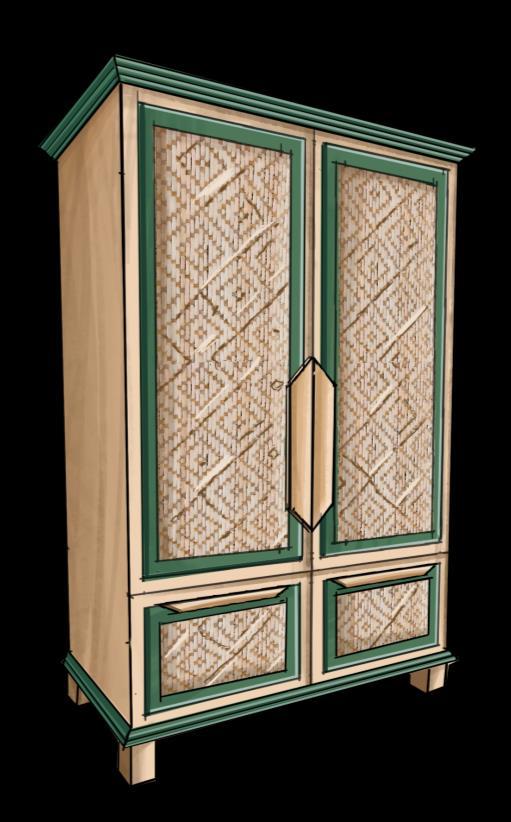
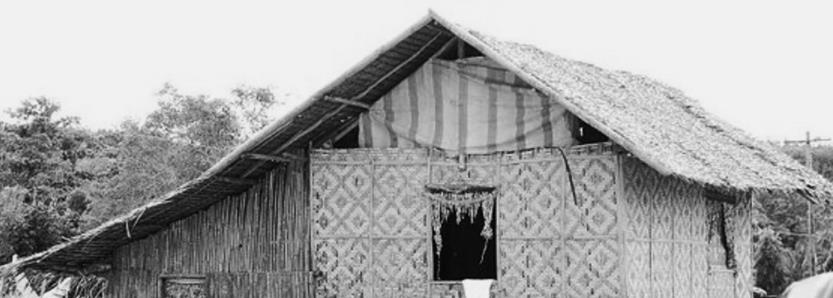
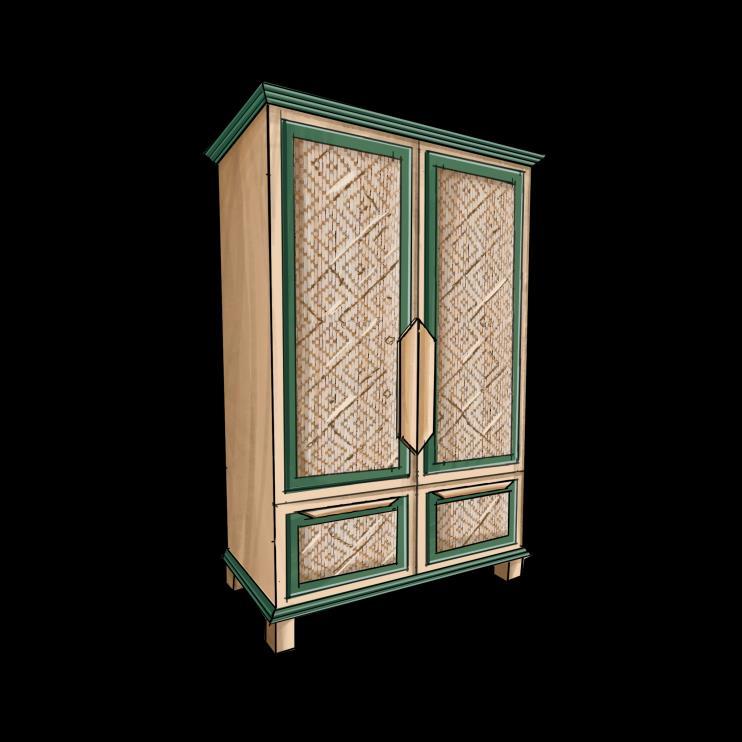
First, we have the Ah Tay bed inspired by the national leaf; the “anahaw” . Then we have the Ambassador Lounge Chair which is inspired by the national martial art of the Philippines known as the “arnis” . The Almario serves as a storage for pillows usually placed near the bed. The designer aimed to project textures and tones of the pearl, which is the national gem, into this piece. The Aprador is a piece used for storing clothes and was considered a valuable heirloom. With this, the designer reflected some design elements of the bahay kubo (national house) into this furniture by applying principles of ventilation through
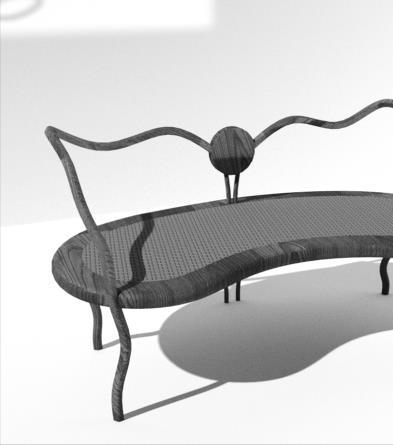
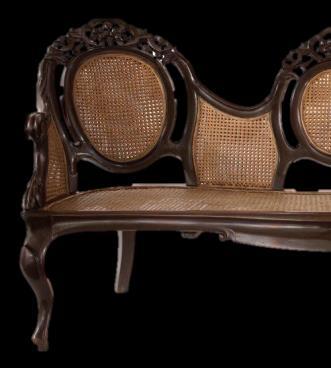
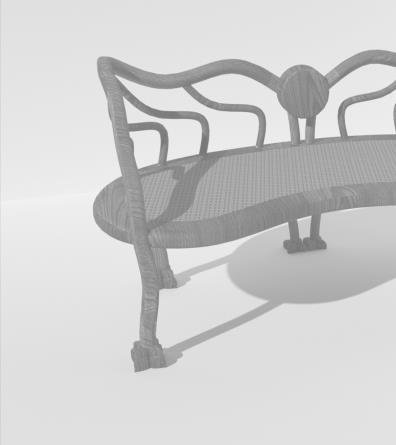
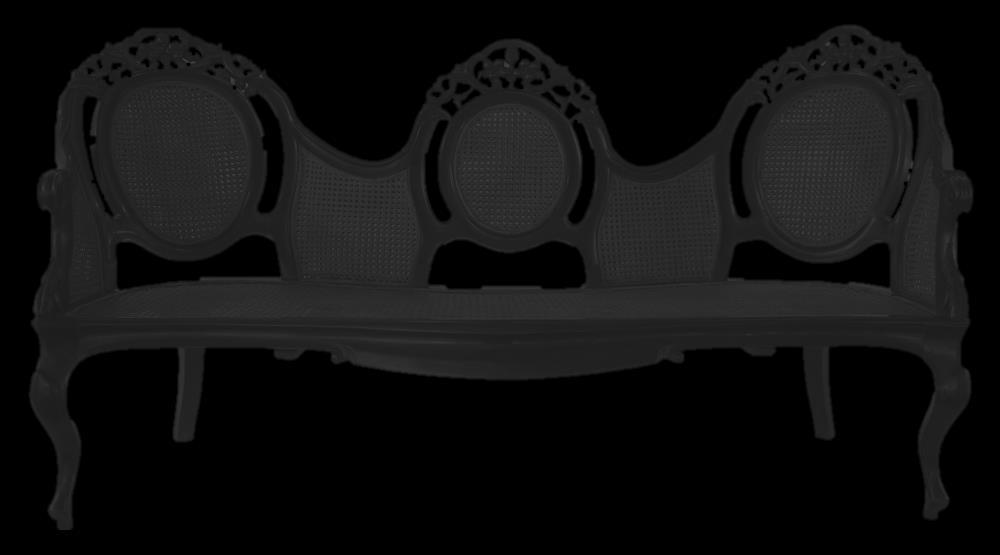
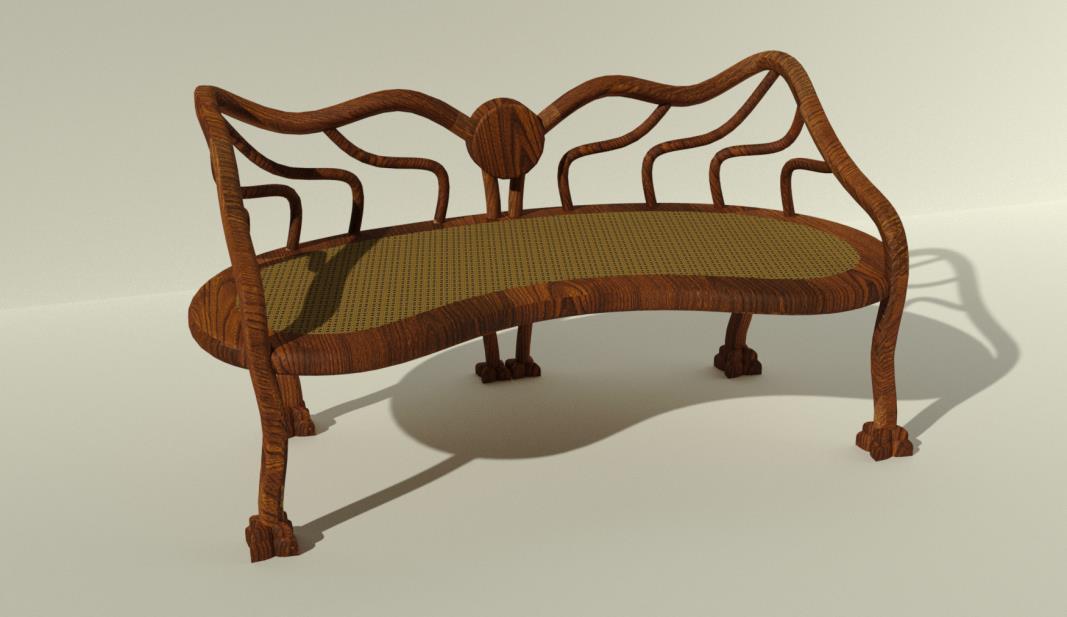
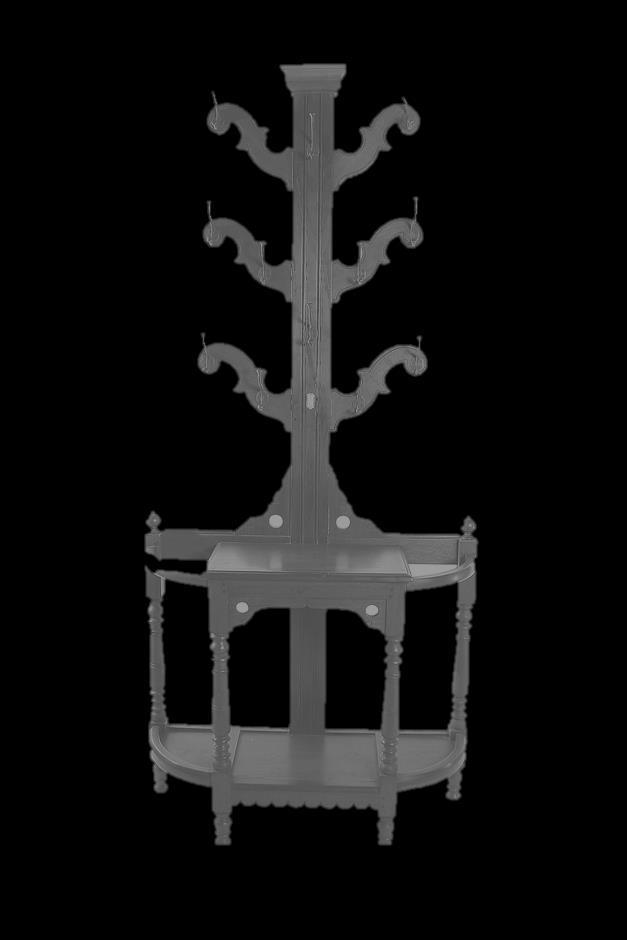
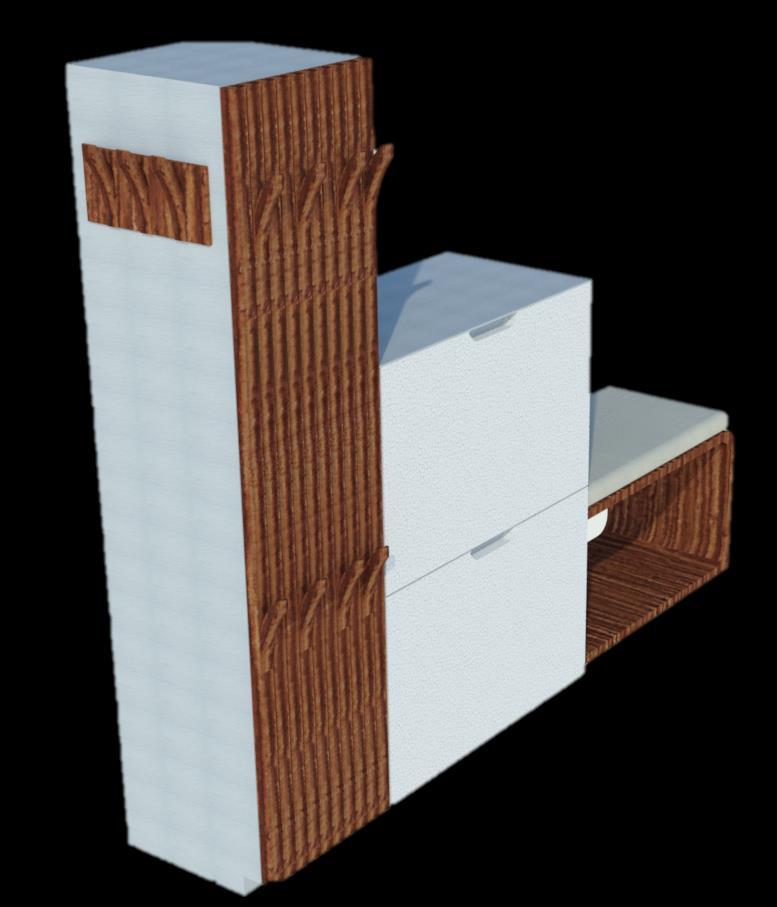
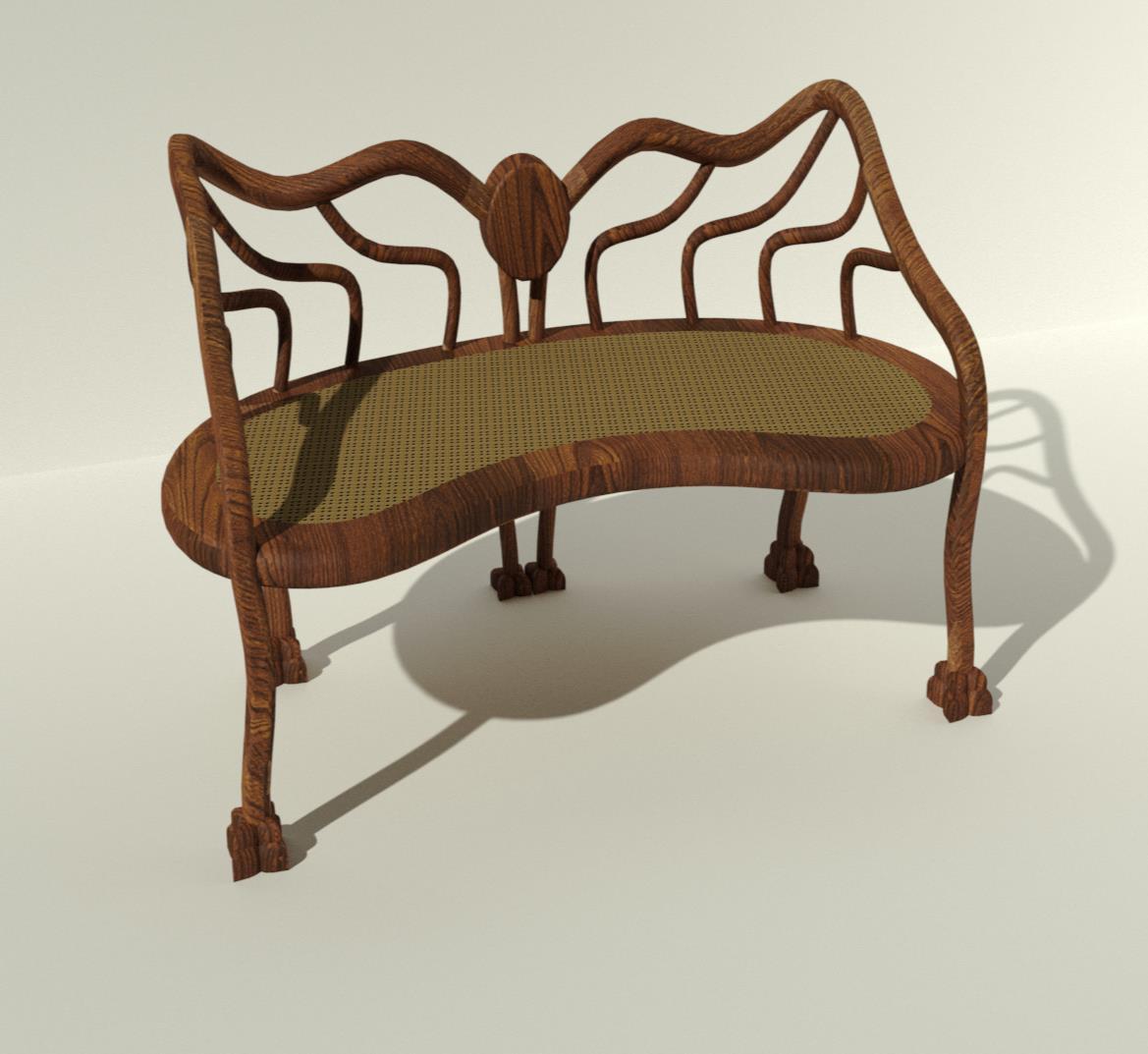
bamboo weavings which is useful in preventing mildew for clothing items. Succeeding this is the mariposa settee which mimics the silhouette of a butterfly. The integration of the national fish (bangus) is used as the inspiration for the main frame of the innovated mariposa. Finally, the Bastonero, which serves as a hat rack, incorporates accents of the narra wood (national tree) while improving its aesthetics with a modern design.
Through innovation, we are able to bring back to life Philippine heritage furniture pieces that were, if not forgotten, being given up on by the recent generations. In order for these pieces to be passed down with its significance and impact it has made, there is a need to innovate these to keep up with the trend yet still have its essence within the pieces. Time may not be on our side, but furniture and design has shaped the lives of each individual in connection to various cultures and traditions around the country, even around the world.

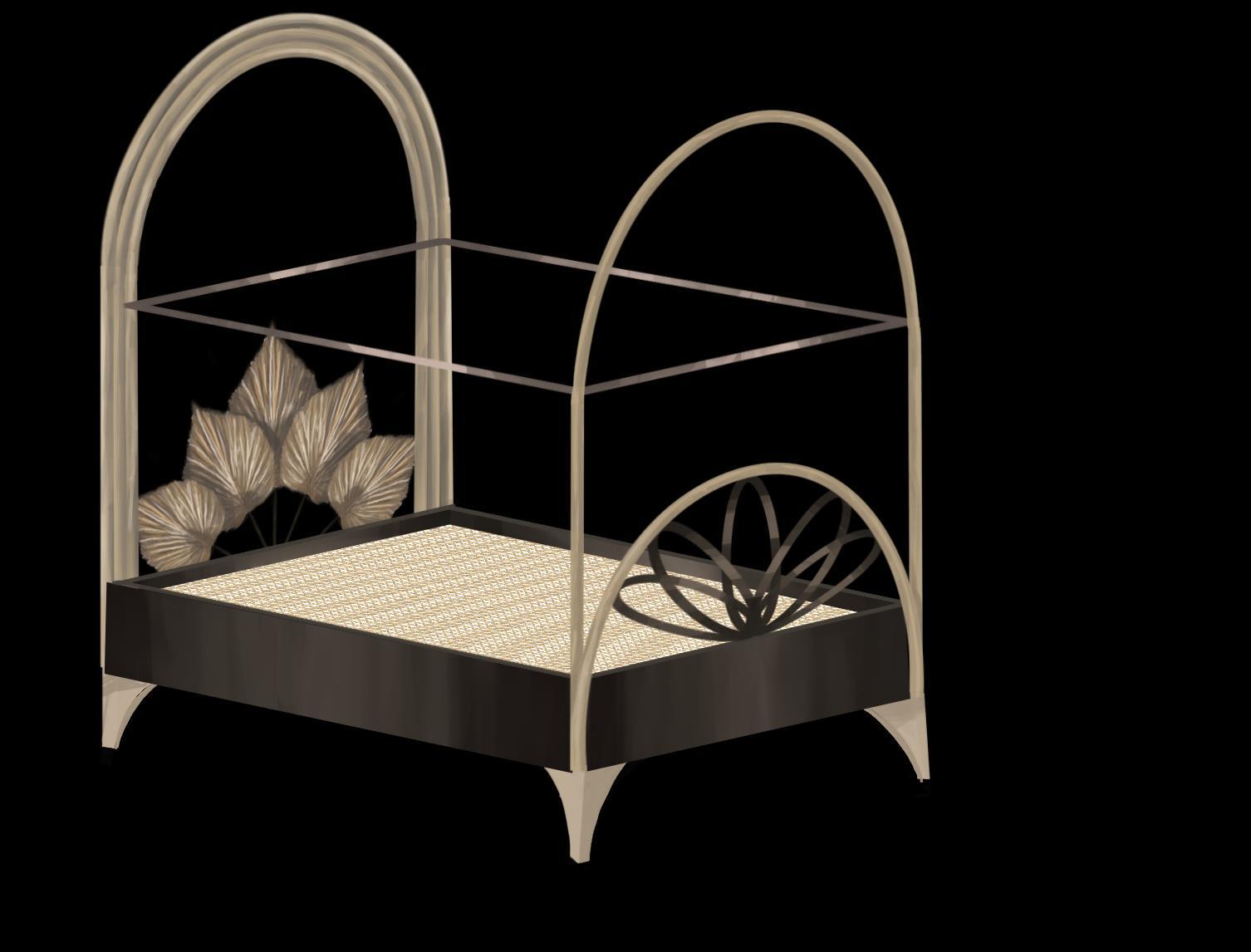
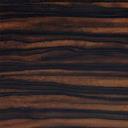
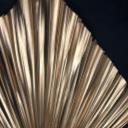
The innovatedAh Tay bed emphasizes its accents on the anahaw leaf. Its canopy features were retained, giving it that nostalgic and distinct feature of the heritage piece. Local materials were used to amplify the Filipino character of the furniture.


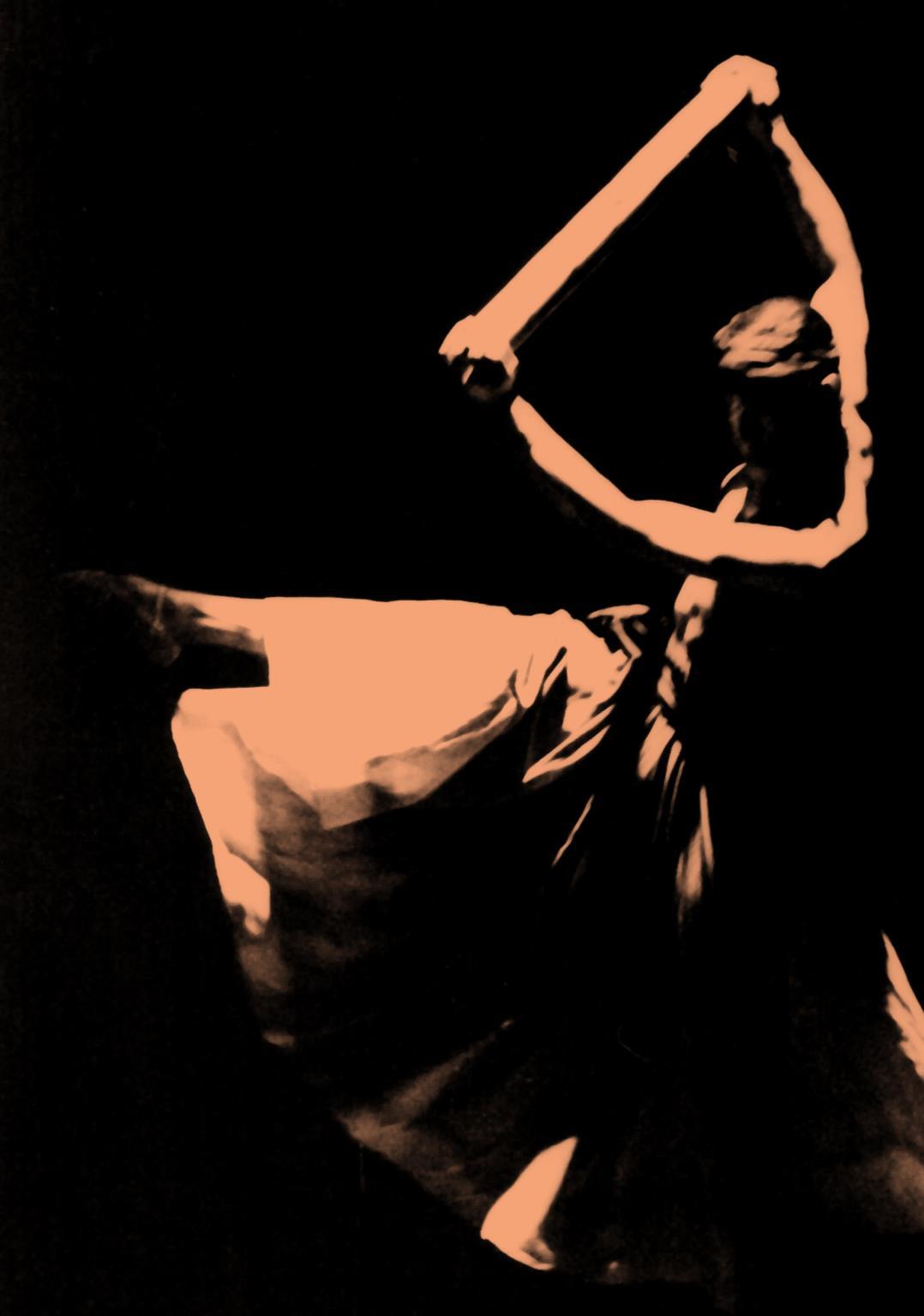
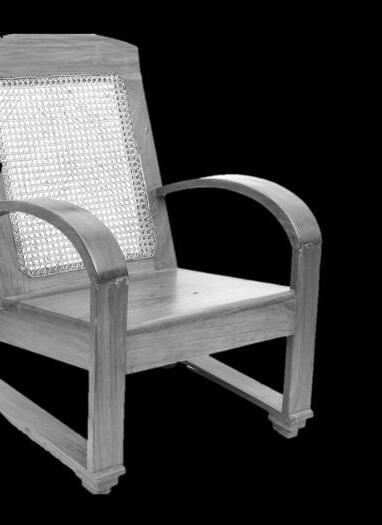
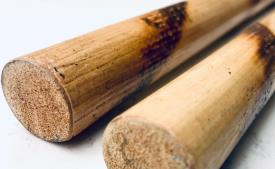
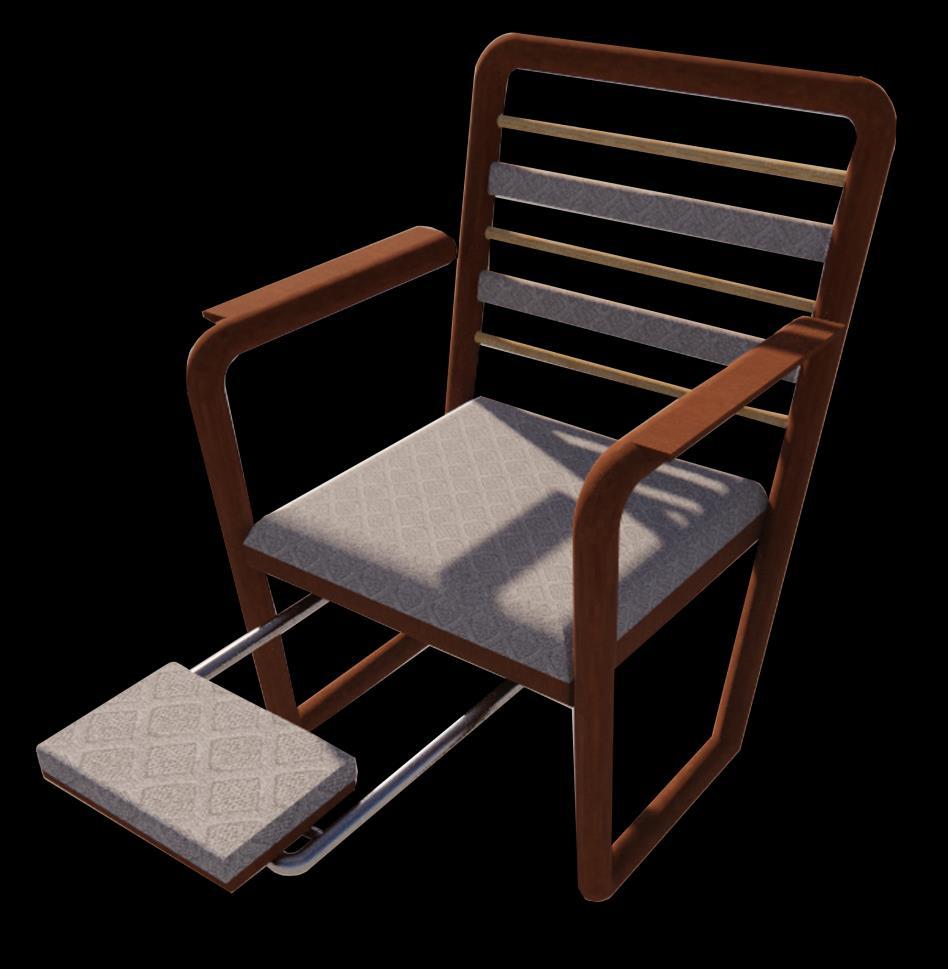
The innovated ambassador lounge chair is inspired by the national martial art of the Philippines. The chair’s rounded wooden frame and the backrest of the chair is inspired by the round arnis stick. The mixture of flowy and sharp corners are inspired by the movements in the martial art itself.
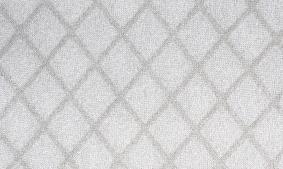

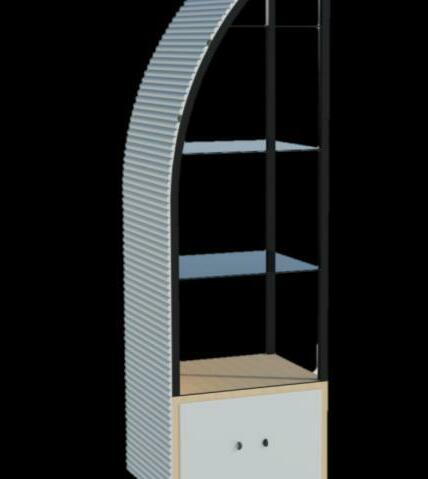
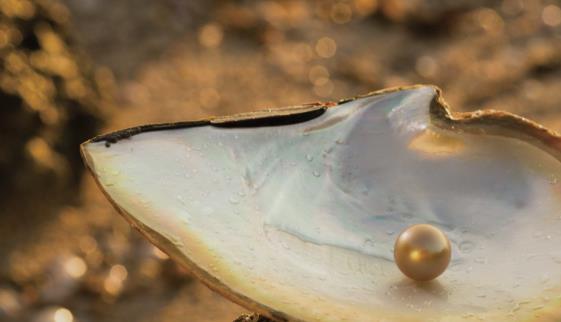
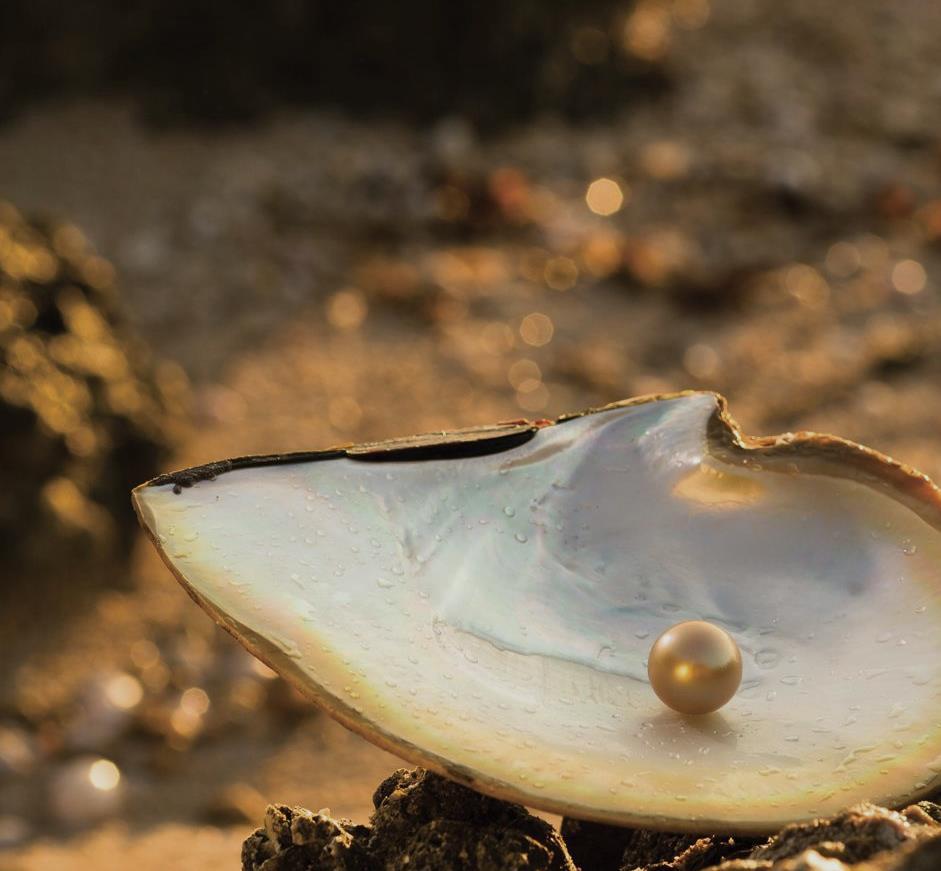
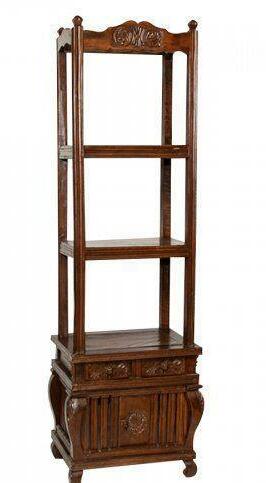
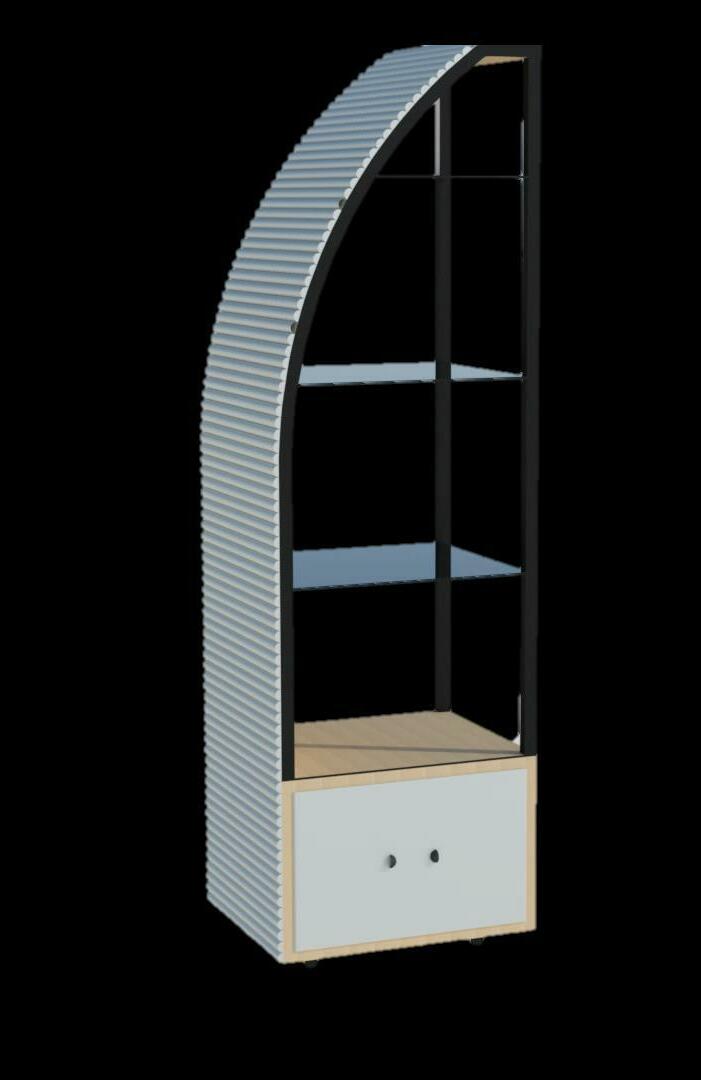
TheAlmario was inspired by the one and only Philippine Pearl Shell, also known as the Pinctada Maxima. The texture and exterior of the pearl shells were mostly used as a basis for the almarios side exterior with the metal framing and glass shelves to show innovation and modernization of style.



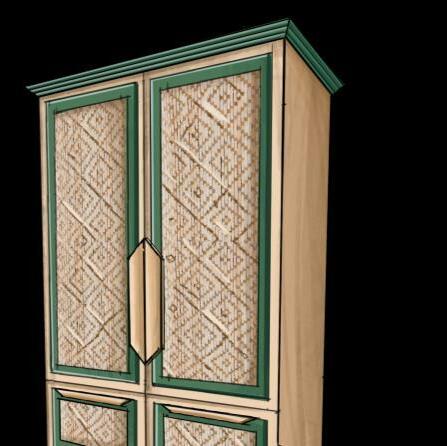
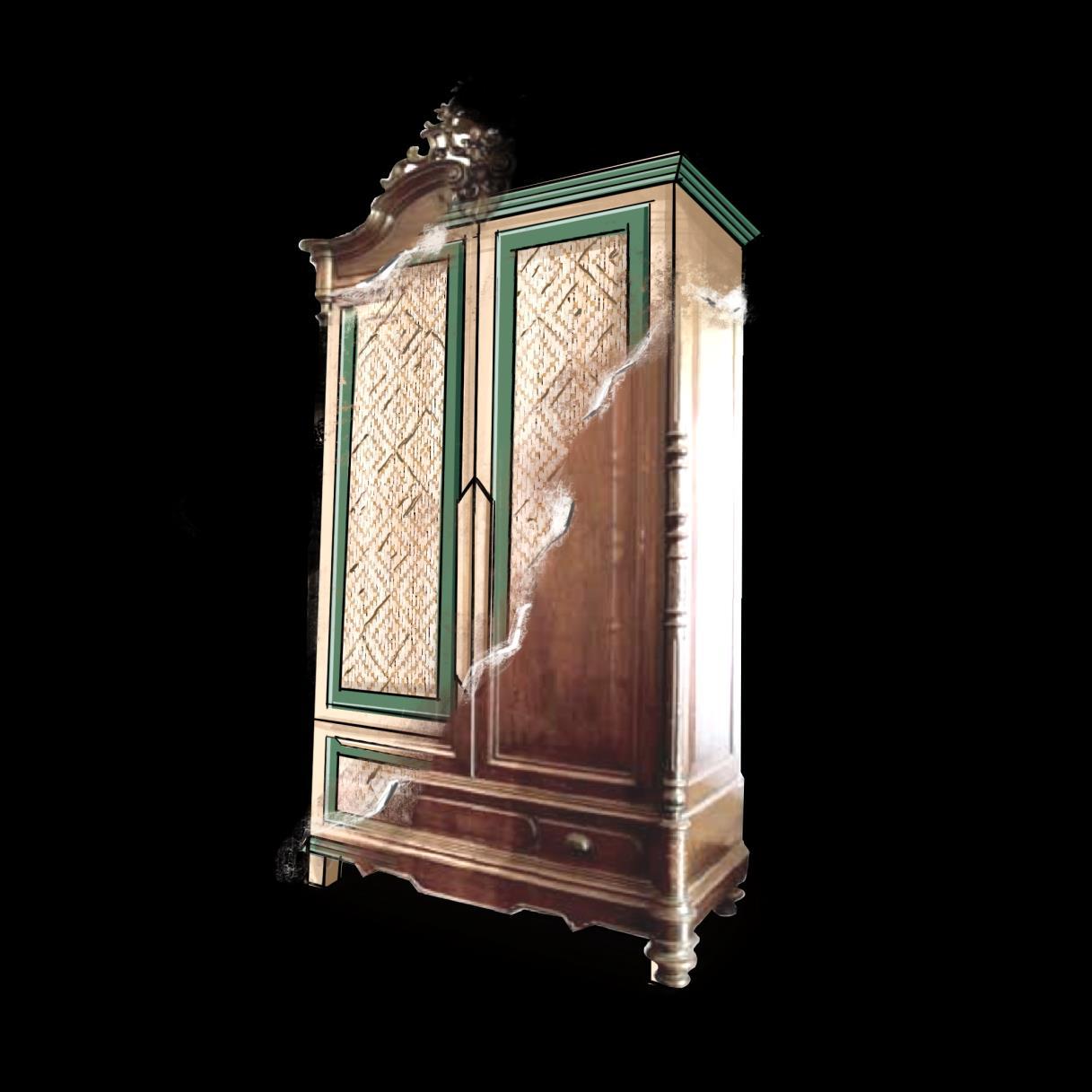
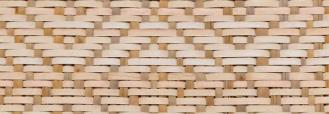
From the words “nipa’and “aparador” combined, it is a fresh take on the aparador with integrations of bahay kubo design elements. The herringbone weave pattern known as “sawali” is used for the cabinet doors and drawers to provide ventilation (keeping the contents of the cabinet away from possible mildew). The elevated feature of the bahay kubo (aka the silong) The color palette is mainly inspired by the nature landscapes in which the indigenous house is usually situated.







 PAMBANSANG ISDA
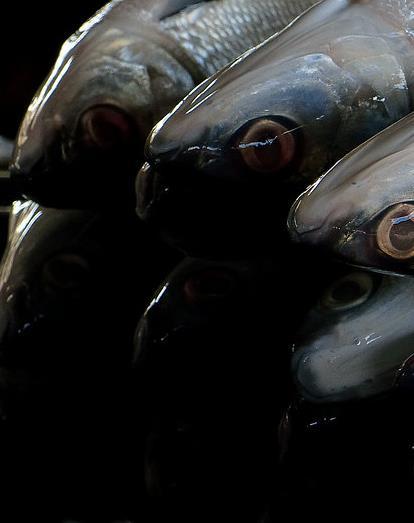
One of the most discarded parts of the bangus is its bones. The designer aims to use this as inspiration for the innovated version of the mariposa settee by applying it to the skeletal frame of the furniture. The distinct feature of the fish is its eye and was therefore the central point of the bench.


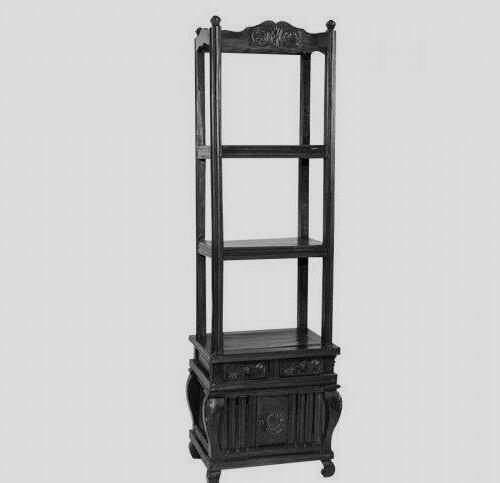
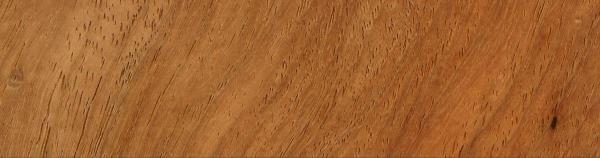
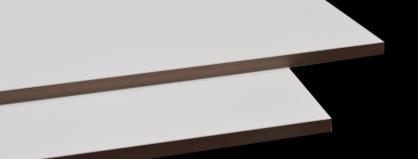
The Narra tree symbolizes strength, endurance, persistence, and durability resembling the Filipino spirit especially when fighting for Filipino independence. It can be seen through the trees' hardwood and height. Like the Bastonero’s use and silhouette, we find them typically near the entrance of the house and as such as one enters the home we find comfort when putting up the coats or hats we have used. It shows how even after a long day we are able to go home yet still have that Filipino spirit within us. Its materials showcasing the same wood it was inspired from, narra as well as other white painted wood materials.


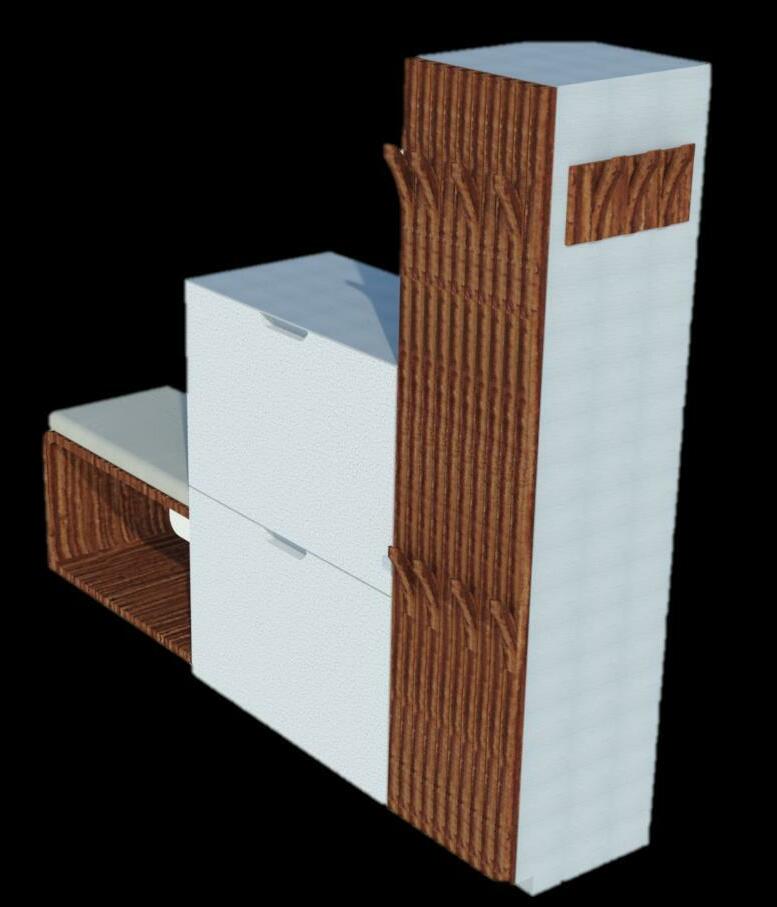 Designed by: Elyzabeth Dimaya
 Designed by: Janna Lim BASTONARRA
Ballet Manila Archives. (n.d.). Filipino inspired: Arnis. https://balletmanilaarchives.com/home/2021/5/28/filipino inspired arnis
Capiz Walling. (n.d.). Capiz Shell. https://www.capizwalling.com/tiles_capiz01.html
Cloma, L. (2006, January 20). Hat Rack / Hall Tree / Bastonero. Flickr. https://www.flickr.com/photos/28098727@N00/5056479206
Cloma, L. (2016, October 26). Ambassador Chair. Flickr. https://www.flickr.com/photos/28098727@N00/30907733901
Halimbawa. (2022, June 12). 5 Native Values Of Bahay Kubo. https://www.pogames.org/5-native-values-of-bahay-kubo/
Live Auctioneers. (n.d.). Mariposa Sofa. https://www.liveauctioneers.com/item/50949609_mariposa sofa
On Antique Row. (n.d.). Antique Philippine Pillow Rack. OnAntiqueRow. http://www.onantiquerow.com/products/antique-philippine-pillow-rack/818
Philippine Morning Post. (2022, September 8). Narra tree. https://philippinemorningpost.com/narra can fight cancer/ Pinterest. (n.d.). Untitled. https://www.pinterest.ph/pin/52002570681297700/
Salcedo Auctions. (n.d.). Lot 451. https://salcedoauctions.com/item/15098
Santos, M. A. (2021, July 13). ANAHAW LEAVES. YouPic. https://youpic.com/image/19322320/anahaw-leaves-by-mark-anthony-santos
Spragg, B. (2014, November 29). Milkfish. (Bangus). Flickr. https://www.flickr.com/photos/volvob12b/18418215776
Tatler Asia. (2021, June 21). A Brilliant Voyage. Tatler. https://www.google.com/url?q=https://www.tatlerasia.com/culture/travel/abrilliant-voyagejewelmer&sa=D&source=docs&ust=1669709674597445&usg=AOvVaw349n5 U8guxp97Bgv6i_iBf