



Mentally healthy communities through quality behavioral health services accessible to all.
Building brighter futures through exceptional behavioral health services, especially for those with the greatest need.
ACCESSIBILITY: We aim to provide access to quality behavioral health care to all, including underserved populations.
INTEGRITY: We are ethical, respectful, and accountable to all we serve, including internal and external customers.
INCLUSIVITY: We commit to creating a sense of belonging by welcoming, recognizing, and honoring all people at all times.


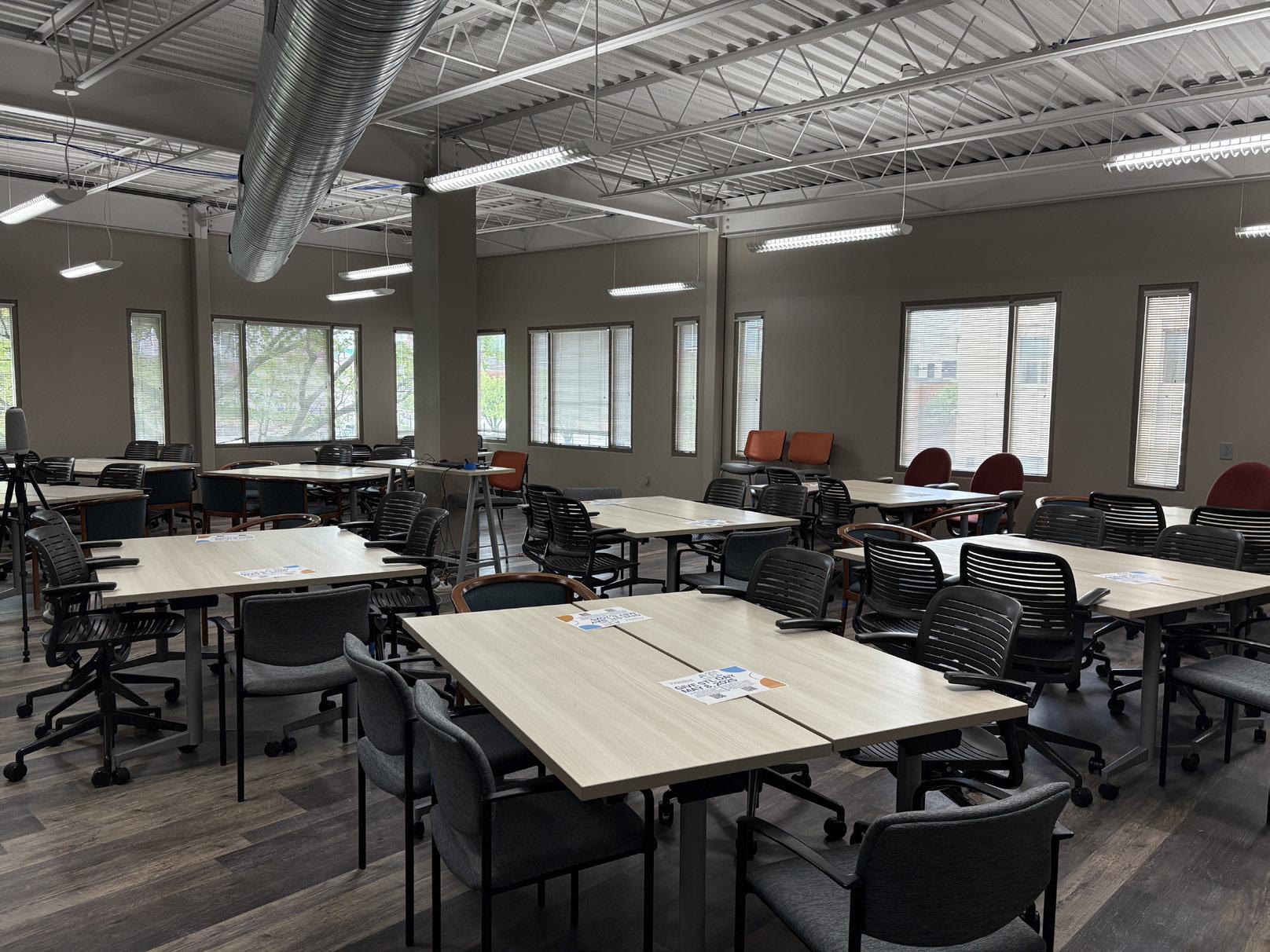
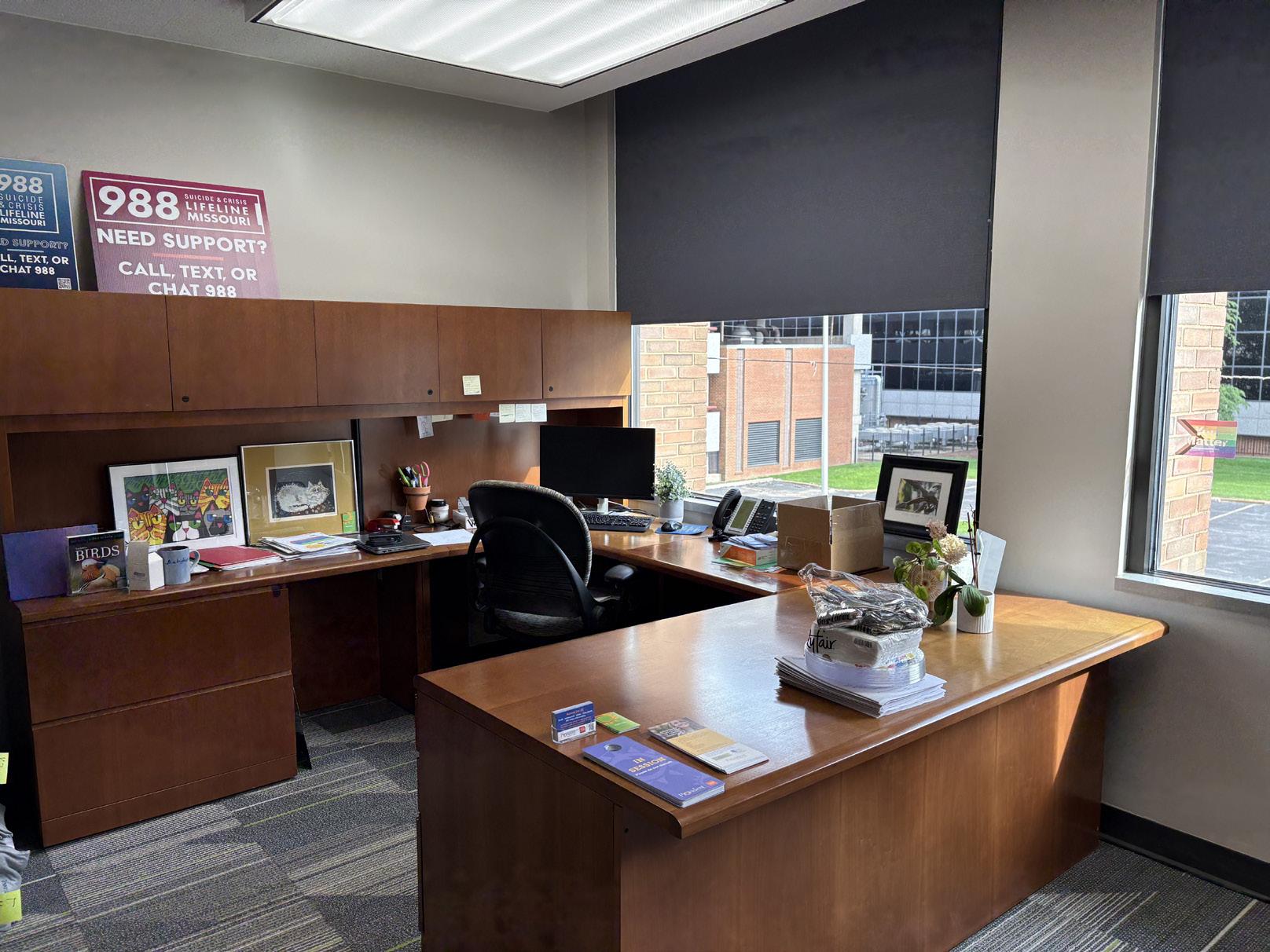
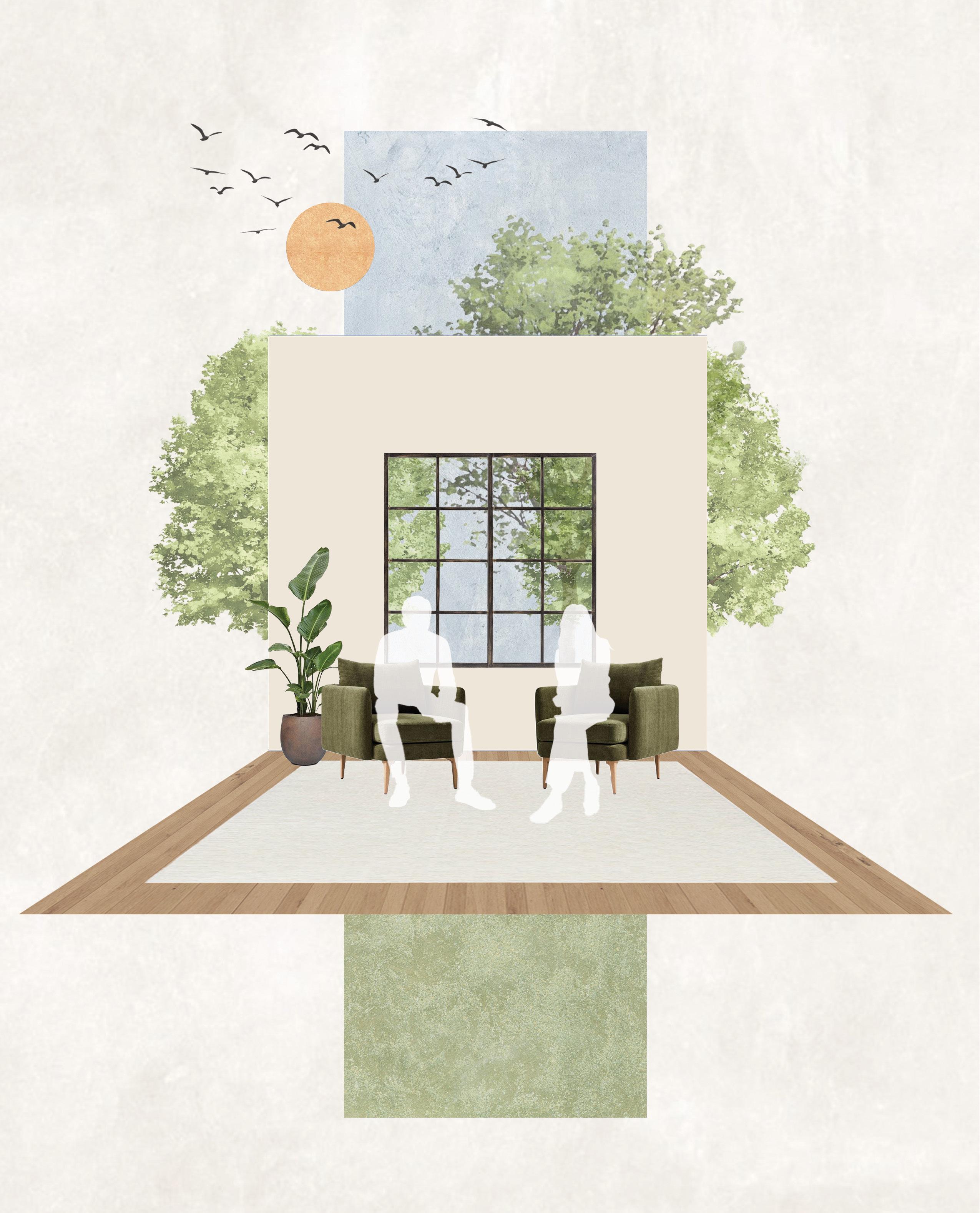

The field of mental health care is undergoing a profound transformation, with architectural design playing a pivotal role in shaping more effective, compassionate, and community-integrated care environments. This shift is driven by increased demand for mental health services, regulatory changes, and a growing recognition of the need for holistic, patient-centered treatment facilities.1
Designers and healthcare professionals are prioritizing environments that support both mental and physical wellbeing. Architects such as Pierce McVey and Carl Hampson emphasize moving away from outdated institutional models toward spaces that promote healing, dignity, and connection.2 This approach aligns with evolving healthcare policies, including provisions under the Affordable Care Act that incentivize patient-centered care.
The traditional sterile, isolated mental health facility is being replaced with warm, inviting spaces that integrate natural light, outdoor access, and therapeutic amenities. International influences, particularly from European models, highlight the importance of creating environments that feel more like community spaces than institutional settings.3 Facilities such as the Behavioral Health Teaching Facility at the University of Washington aim to set new standards by fostering interdisciplinary collaboration and enhancing patient experiences.
A growing emphasis on crisis intervention and age-specific care has led to the development of diverse facility types, from inpatient hospitals to pediatric mental health centers. Additionally, the expansion of community-based crisis care solutions aims to reduce reliance on emergency departments, improving treatment accessibility.
As the stigma around mental health continues to decline, facilities are becoming more visible and integrated within communities. The demand for mental health services is expected to rise due to societal challenges such as the opioid crisis and youth mental health concerns. Innovations in telehealth and early intervention strategies will further shape the future of behavioral health design, reinforcing the critical role of environment in mental health treatment and recovery.4
1 Designing for wellness: Key trends in Behavioral Health Environments. SmithGroup.
2 DiNardo, A. (2020, June 9). Trend report: Transformation in mental health design. HCD Magazine.
3 DiNardo, A. (2020, June 9). Trend report: Transformation in mental health design. HCD Magazine.
4 Designing for wellness: Key trends in Behavioral Health Environments. SmithGroup.


The relationship between color, wayfinding, and its effects on human perception, mood, and mental wellness is essential in the design of healthcare environments. Understanding the biological process of color detection is crucial, as the human eye contains photoreceptors that allow for the perception of different colors. However, individuals with monochromatism color blindness are unable to perceive differences between some or all colors. Research indicates that about 10 percent of the male population sees color differently than the dominant population, which has implications for accessible design.1
Psychological effects of color play an important role in mental wellness. Color carries meaning and impacts cognition and behavior. Warmer colors tend to evoke excitement and energy, while cooler tones promote calmness and relaxation.2 These principles are particularly relevant in behavioral facilities because thoughtful color choices can reduce stress and create a sense of security. Additionally, color combinations can directly affect legibility and accessibility, which reinforces the need for inclusive design. Designers must ensure that way finding signage is clear and readable for all individuals.
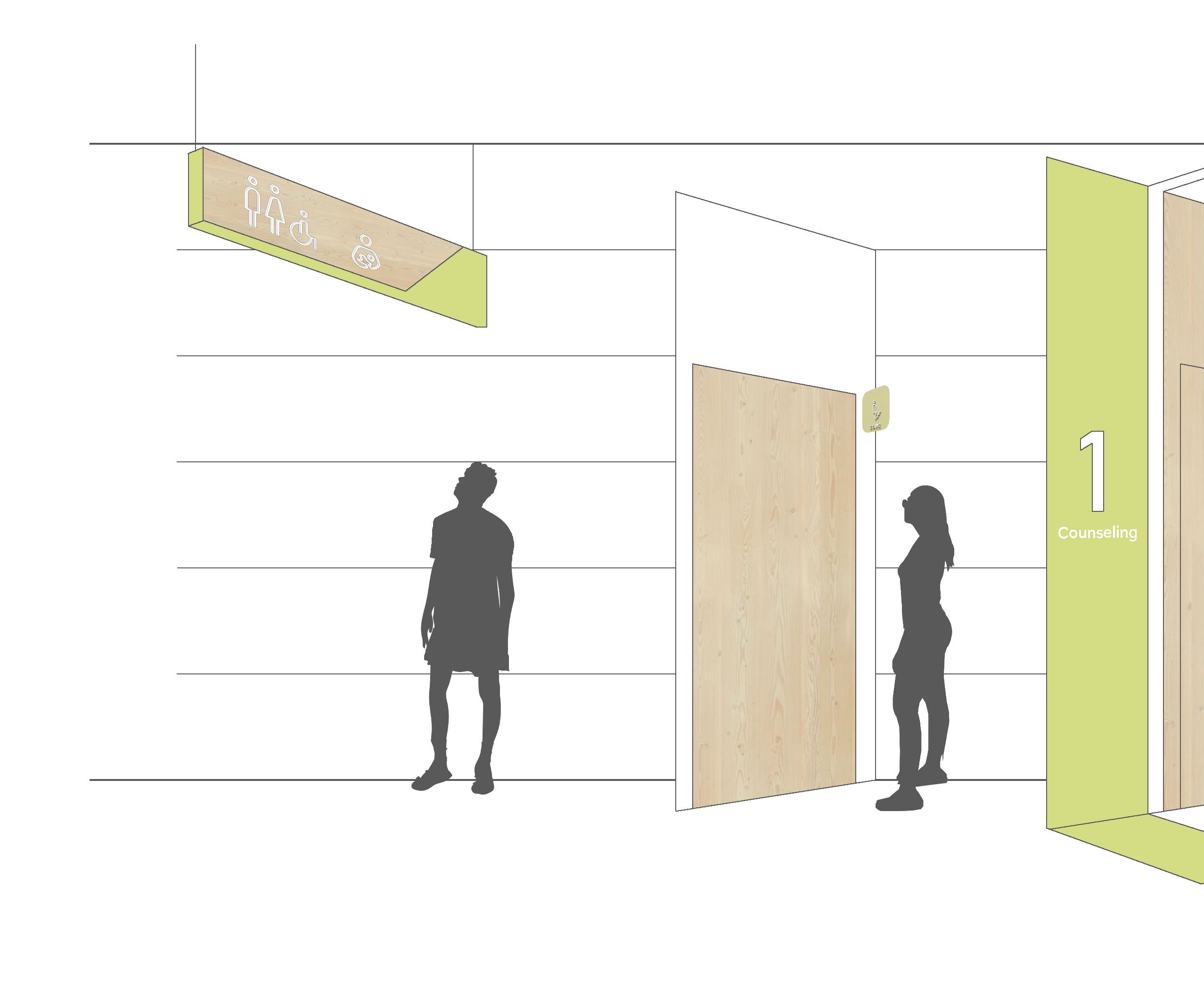
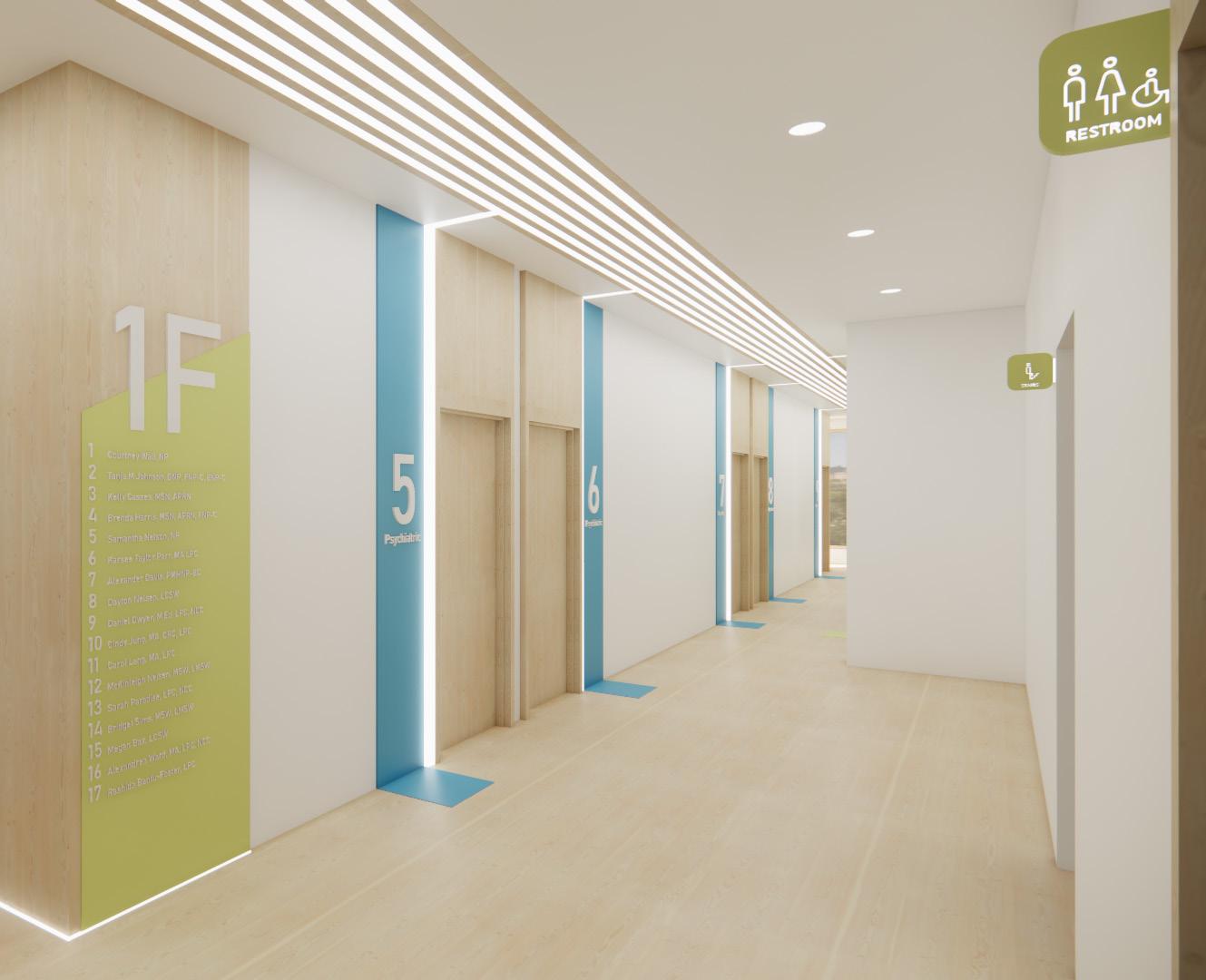
Wayfinding is critical in healthcare environments because it helps people navigate spaces efficiently. Color contributes to cognitive mapping, allowing people to form mental images of their surroundings. The strategic use of color coded signage not only aids in location identification, but it also reduces anxiety and confusion for visitors. This is especially important in wellness centers, where clear navigation supports a sense of ease and comfort. Research emphasizes that wayfinding is made easier through signs, colors, and other directive devices that enhance spatial understanding and promote overall mental wellness.3
In designing a mental and behavioral health and wellness center, the application of color psychology extends beyond aesthetics—it becomes a functional tool for creating a healing, accessible, and navigable environment. By integrating evidence-based color strategies, designers can enhance emotional wellbeing, support cognitive processes, and foster an inclusive space that meets the needs of all users.
1 Taylor, G. H. (1924). Color Testing and the Psychology of Color.
2 Kopec, D. (2018). Environmental Psychology for Design.
3 Kopec, D. (2018). Environmental Psychology for Design.

Biophilic design, which integrates natural elements into built spaces, has been show to have a significant impact on mental and behavioral health. The idea is rooted in the Biophilia hypothesis, which is the belief that humans have an innate connection with the natural world and that exposure to the natural world is therefore important for human wellbeing.1 Studies have found that when people are exposed to nature, whether through direct contact with plants and water or simply being in spaces with natural light and materials, it can reduce stress, improve focus, and create a more restorative environment.2
A review of psychological research on biophilic design highlights its benefits, particularly in healthcare and wellness settings. Stephen Kellert and Elizabeth Calabrese categorize biophilic design into three areas: direct experiences of nature (like plants, water, and fresh air), indirect experiences of nature (such as artwork or patterns that mimic natural forms), and spatial experiences (which focus on how a space fosters comfort and attachment).3 While there is strong evidence supporting the benefits of natural light, greenery, and water, there’s still more to explore regarding how materials like wood and stone impact wellbeing.
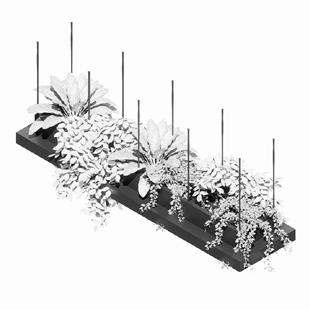
Bringing biophilic design into Provident’s Behavioral Health will help create a space that feels calming and supportive. Adding plants can improve air quality and introduce greenery that enhances mood and concentration. Maximizing natural light—whether through large windows or skylights—can help regulate sleep cycles, which is essential for mental health. Water features, like fountains, can create a peaceful atmosphere by softening background noise and promoting relaxation. While research on natural materials is still evolving, incorporating wood and stone can make the space feel more inviting and less clinical.
There’s also a growing focus on multisensory experiences in biophilic design, which means it’s not just about what people see but also what they hear, touch, and even smell.4 By carefully integrating these elements, Provident Behavioral Health can create an environment that supports both clients and staff.
1 Gillis, K., & Gatersleben, B. (2015). A Review of Psychological Literature on the Health and Wellbeing Benefits of Biophilic Design.
2 Martin, R., & Choi, S. (2018). Biophilic design: an introduction for designers.
3 Gillis, K., & Gatersleben, B. (2015). A Review of Psychological Literature on the Health and Wellbeing Benefits of Biophilic Design.
4 Martin, R., & Choi, S. (2018). Biophilic design: an introduction for designers.
2650 OLIVE STREET
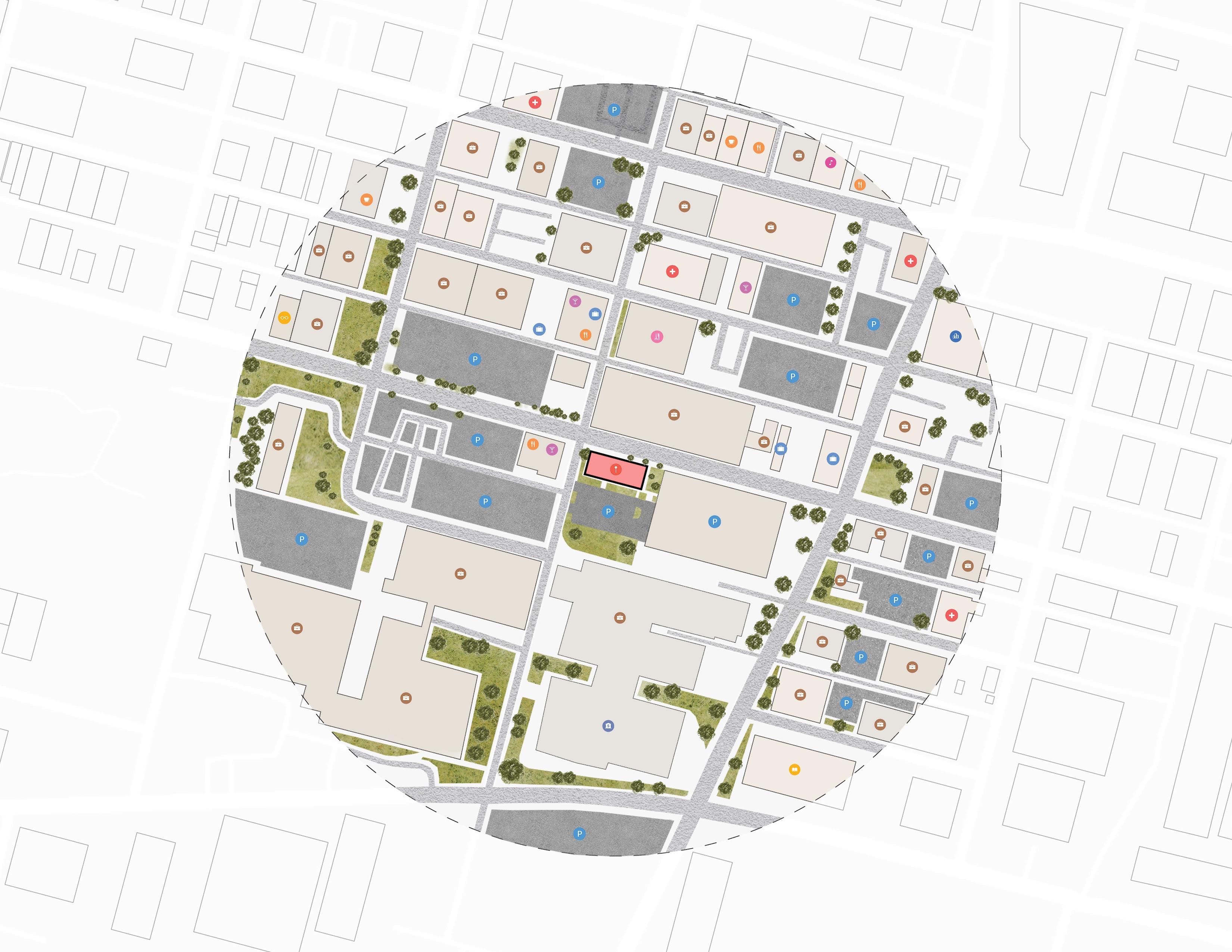
TYPICAL FLOOR PLAN SECTION A
The existing column grid system in the building is consistent across all floors, providing a uniform, structural foundation that informs the design approach. This repetition establishes a sense of order, which will be used to create regulating lines that will guide space planning and circulation. By aligning walls, pathways, and other design elements with the grid, the design will maintain a cohesive spatial organization that enhances functionality and flow.
TYPICAL FLOOR PLAN
0’ 5’ 10’ 15’
ICON LEGEND
COLUMN GRID
MAIN ACCESS POINTS
MAIN POINTS OF VERTICAL TRANSPORTATION
WINDOW APERTURE/LIGHT THRESHOLD

Luca is a young boy who loves drawing, storytelling, and being in fun, welcoming spaces. He does best in environments that feel playful and relaxed, where he can express himself through art, movement, or play, especially when therapy feels a little intimidating.

Affton, MO 63123 6
Latino Caucasian
HOMETOWN:
Affton, MO 63123
USER GROUP:
Maria is a creative high school student juggling school, work, and personal life while dealing with anxiety and selfdoubt. She’s looking for mental health support that feels calm, welcoming, and respectful, somewhere she can be herself without judgment.
HOMETOWN:
USER GROUP: Elementary Student High School Student

Grant is navigating a major life transition and working to rebuild his life after being mandated to attend therapy. He needs a structured, judgmentfree space that feels supportive and respectful, with access to resources that help him move forward.

African American African American USER GROUP: USER GROUP: Court Mandated Client Counselor
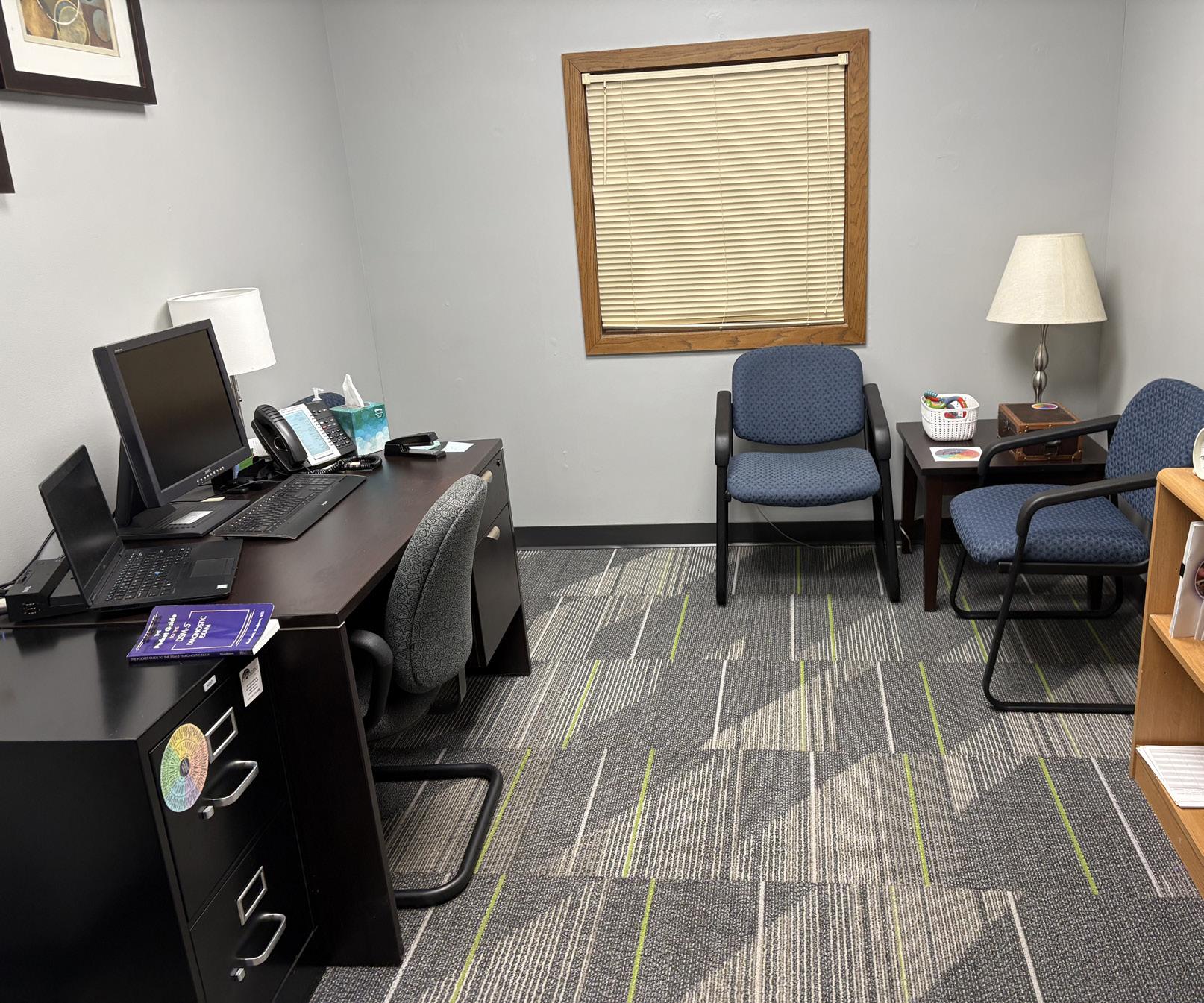
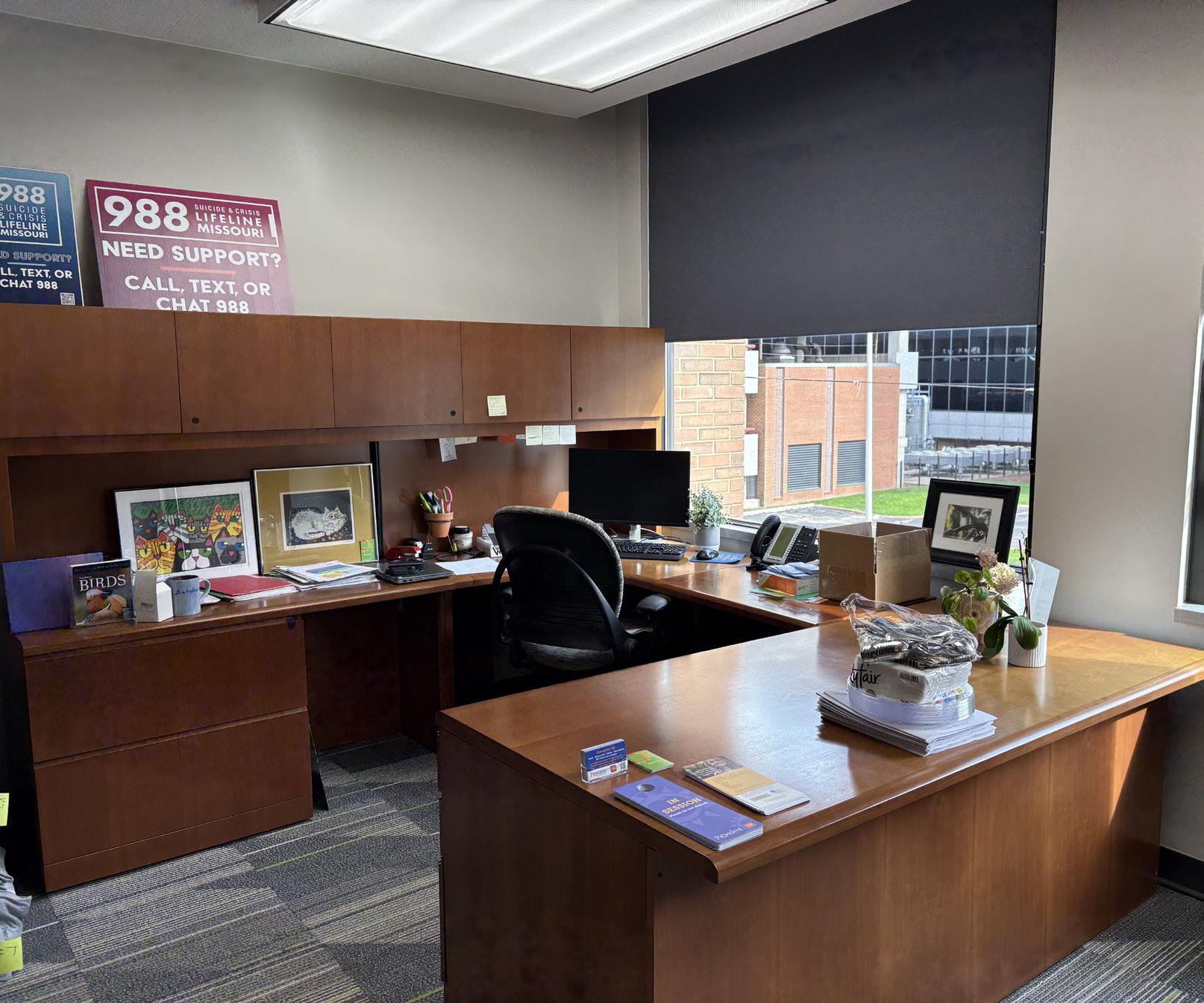
Jolene is a counselor who values calm, organized spaces where she can focus and recharge. Between individual sessions and crisis work, she needs a quiet, private environment that supports both her clients and her own well-being.
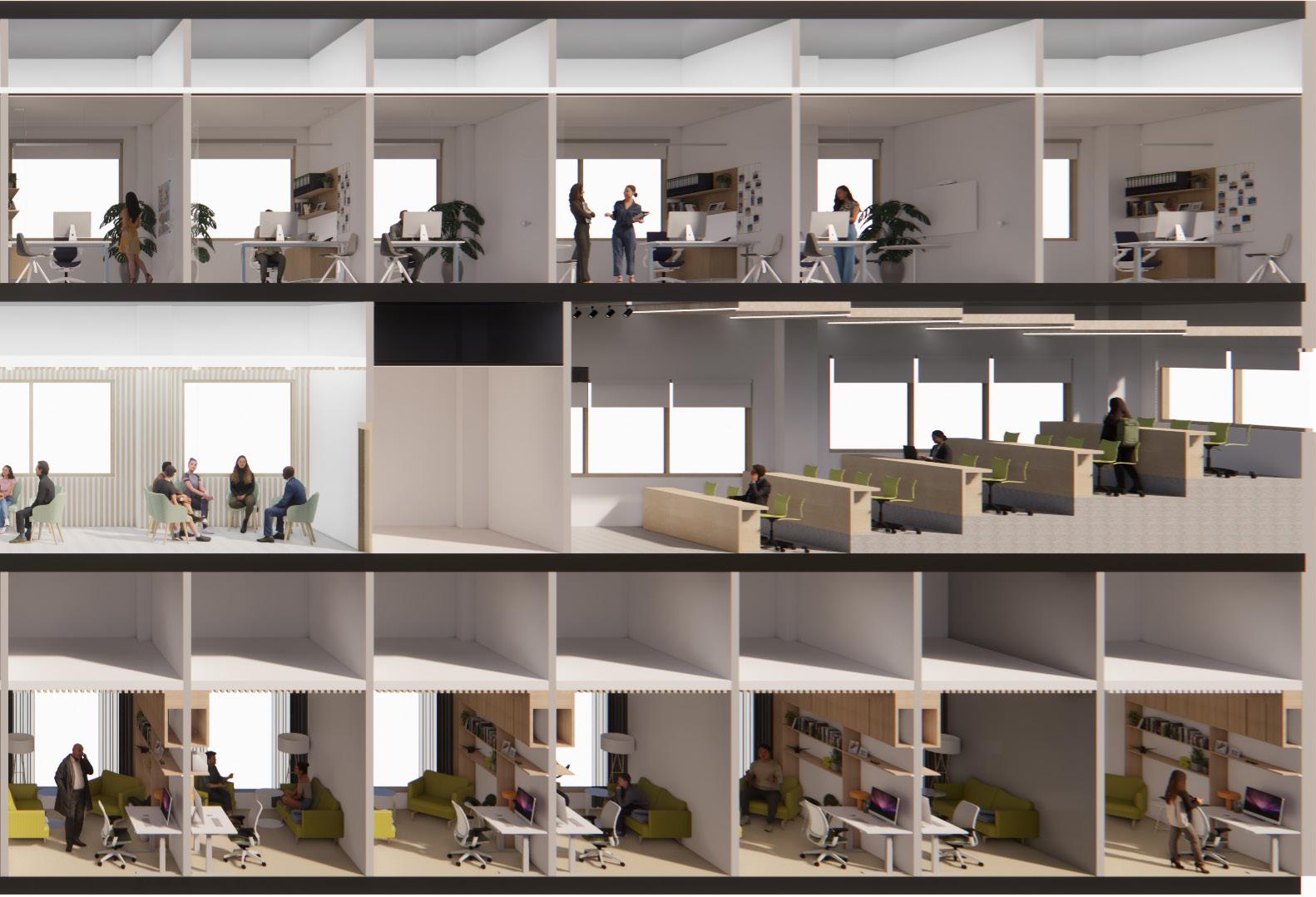
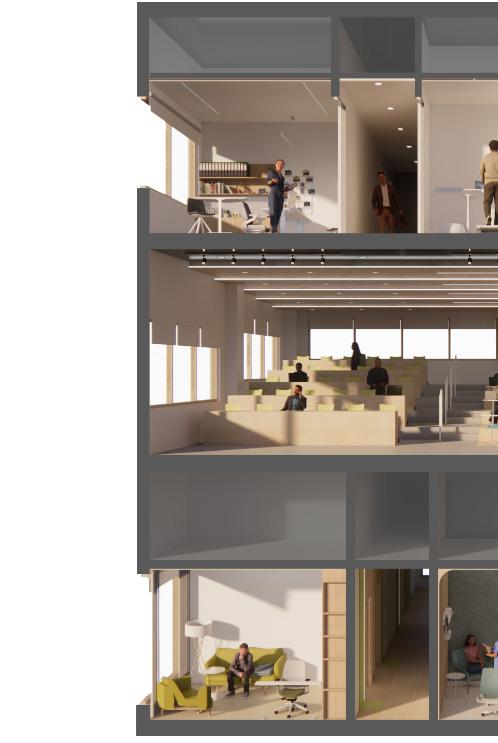
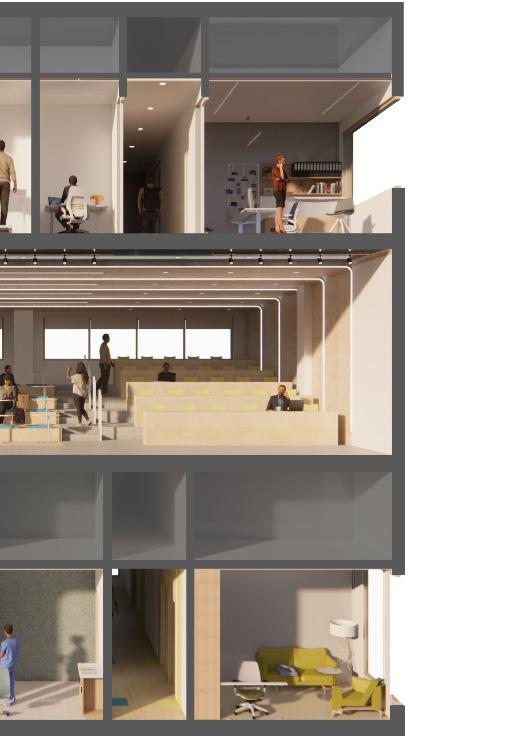
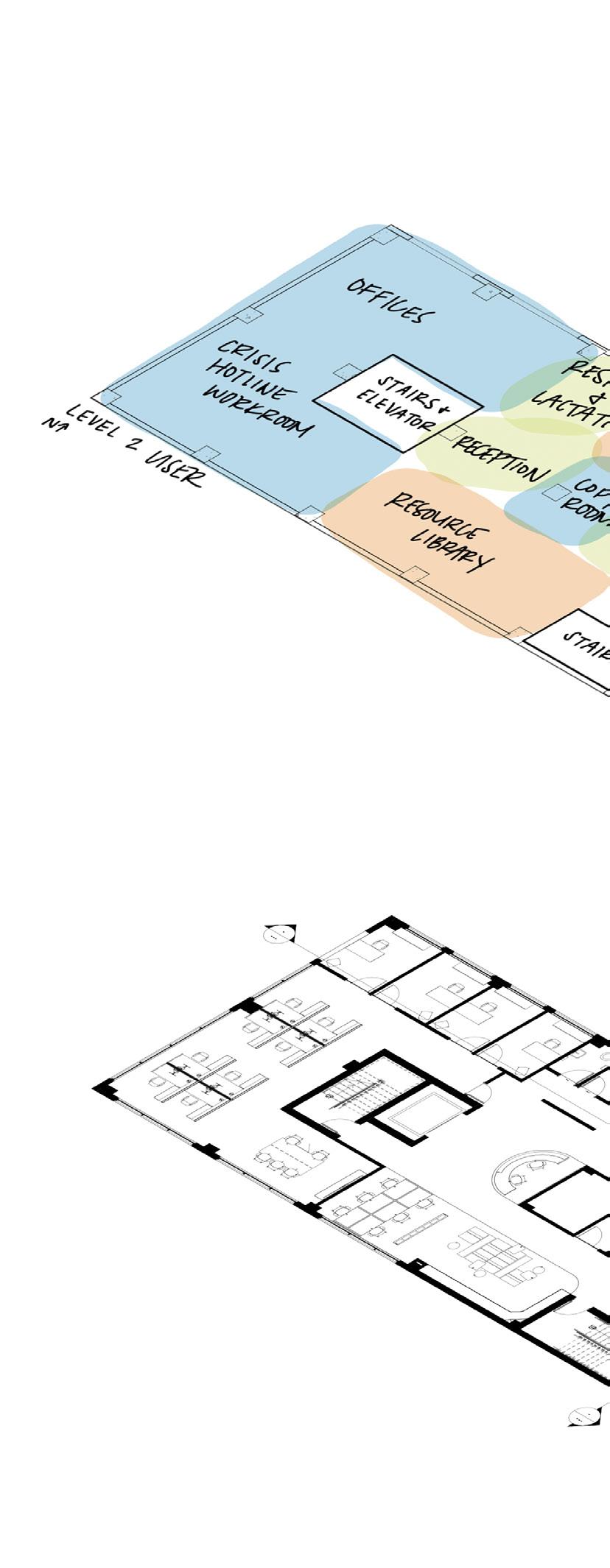
This ritual journey map illustrates the experience a user might have when coming to Provident, guiding them through a thoughtfully designed space that fosters healing, restoration, and inspiration. The three levels are intentionally divided between client and staff-facing functions, with Level 1: Heal dedicated to clients, Level 2: Restore serving both clients and staff, and Level 3: Inspire reserved for staff. Biophilic design is a key element throughout, integrating natural elements to promote harmony and enhance both mental and physical well-being. Colors and materials are carefully chosen to create a calming atmosphere while reinforcing Provident Behavioral Health’s brand and mission. The goal is to redefine what a behavioral health nonprofit can be—transforming the experience into one that feels welcoming, dignified, and supportive at every step of the journey.

Luca starts his day at home, eating breakfast and packing his backpack before heading to school. After class, his parent picks him up and drives him to Provident. He’s a little nervous but feels better when he sees the books and toys in the waiting area. After checking in, he goes into his session, where he gets to draw and tell stories instead of just talking. By the time it’s over, he feels a little lighter. On the drive home, he thinks about what he might want to talk about next time.


Maya wakes up already thinking about her packed schedule. She goes to school, then straight to work, grabbing a quick snack between shifts. By the time she heads to Provident for therapy, she’s drained. She checks in, sits down, and takes a deep breath, having a moment to pause from her busy day. In her session, she talks about stress and self-doubt, her therapist helping her sort through it all. On the drive home, she puts on her favorite playlist and thinks about what stuck with her from today’s session.



Grant starts his morning knowing he has to check in at the courthouse before therapy. He drives there, sits through the meeting, then heads to Provident. He’s not thrilled about it, but at least the check-in is quick. His session is structured and straight to the point, which he actually appreciates. Before leaving, he stops by the wellness resource library and skims the job postings. On the way home, he doesn’t know if therapy will really help, but at least he’s showing up.

Jolene starts her morning with some yoga, then grabs coffee from her favorite spot on the way to work. At Provident, she reviews notes and jumps into back-to-back sessions. Between clients, she decompresses in the wellness pods, just for a few minutes of quiet. After finishing up paperwork, she heads to the lounge to chat with coworkers and shake off the stress of the day. On the drive home, she’s tired but proud—she knows she made a difference today.
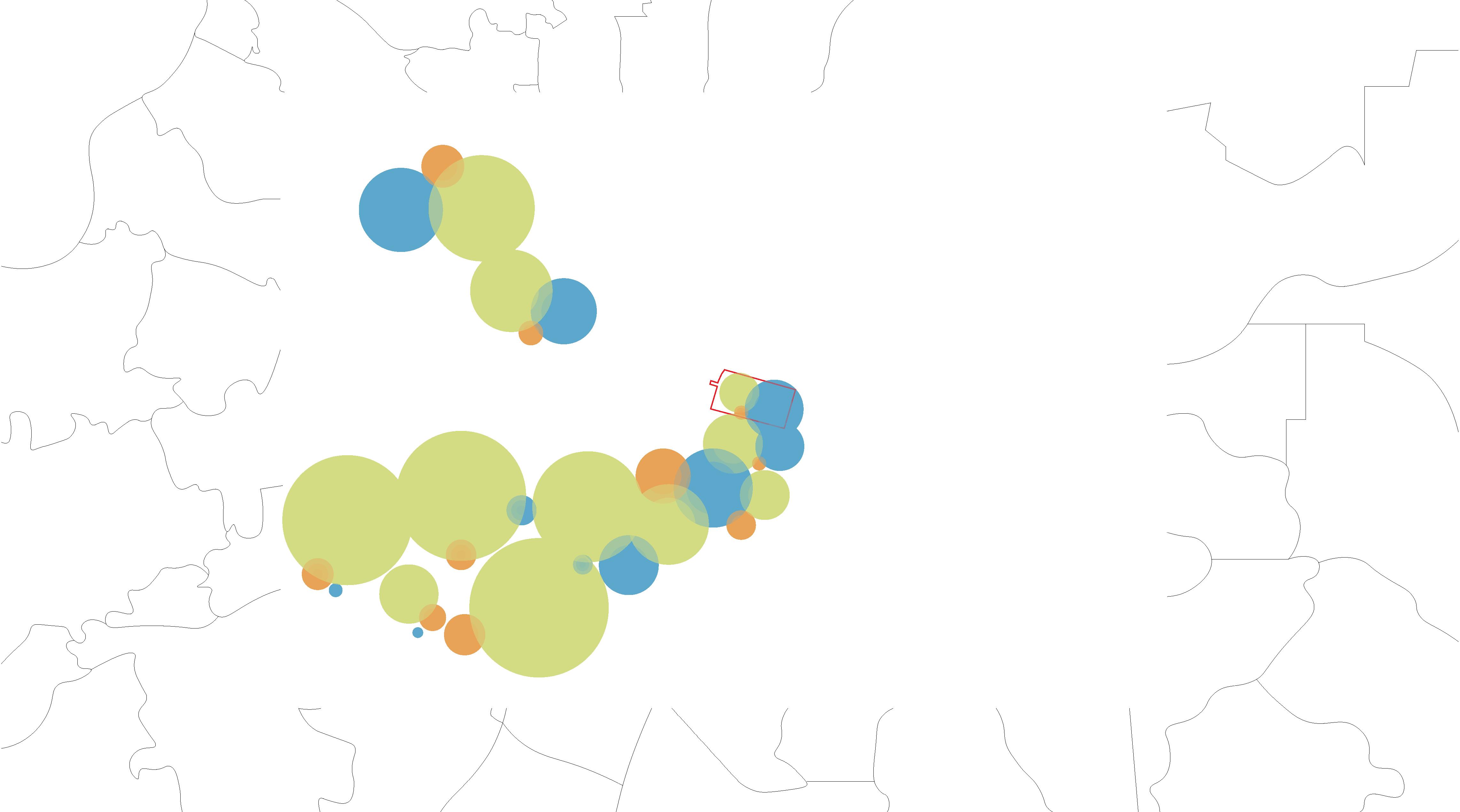
The goal of Provident Behavioral Health’s new headquarters is to redefine what a nonprofit mental health facility can be. This space will be transformed into a welcoming environment that embodies healing, inclusivity, and community, while supporting Provident’s mission of providing accessible mental health services to individuals of all socioeconomic backgrounds. The design layers themes of sensory comfort, spatial clarity, and human connection to create a dignified and supportive atmosphere where everyone feels respected and cared for.




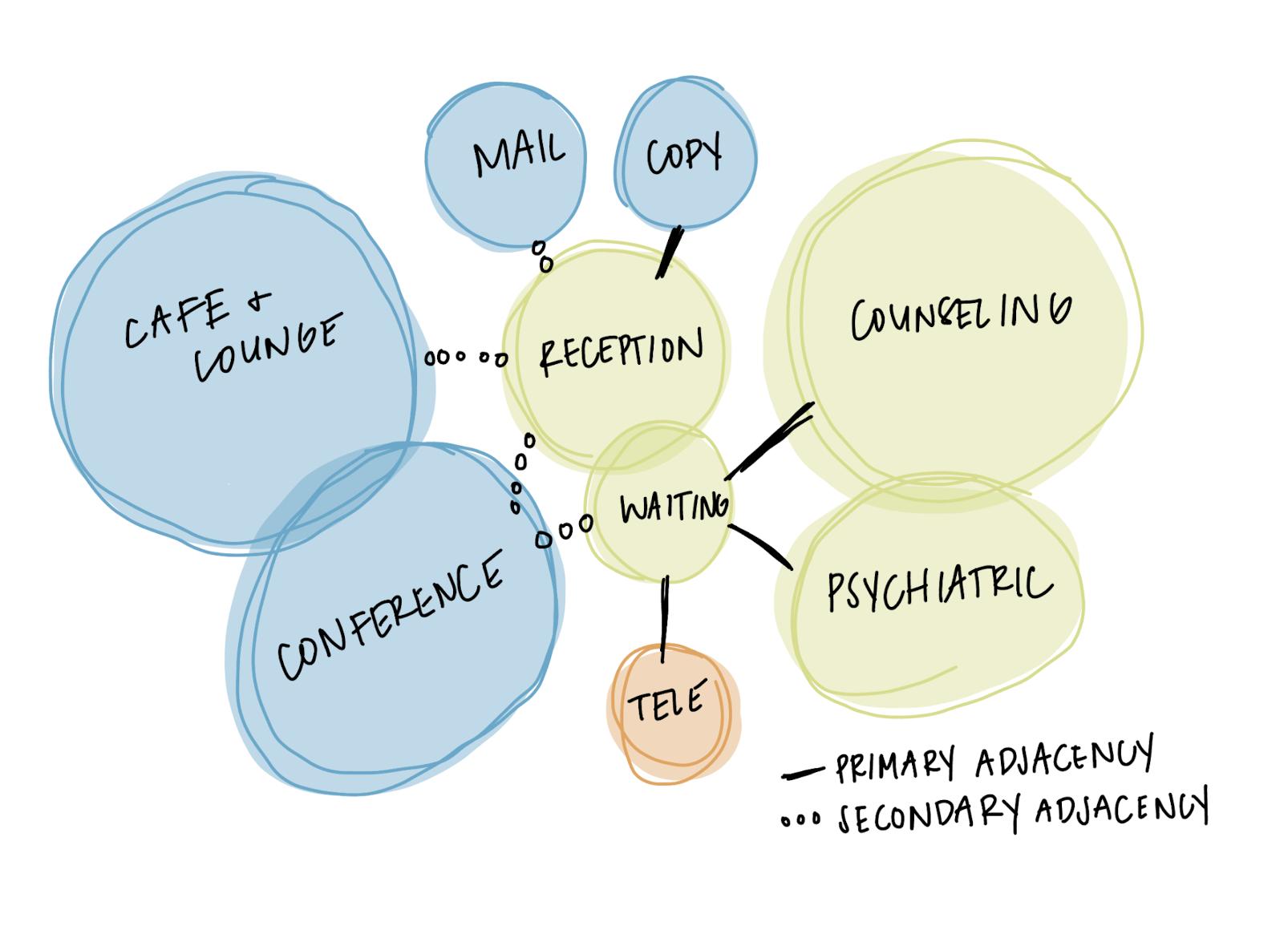
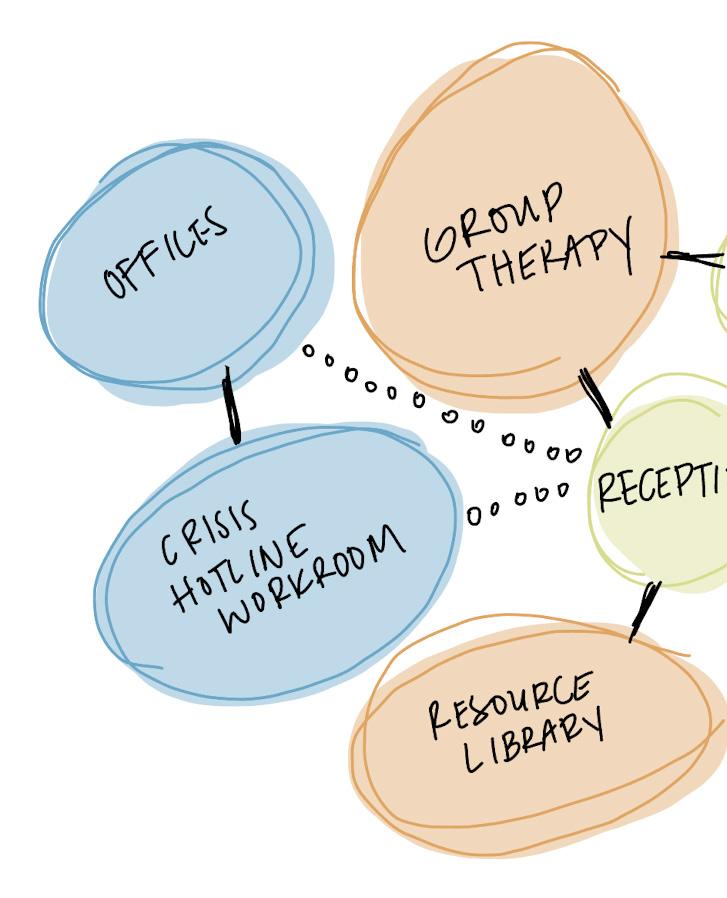
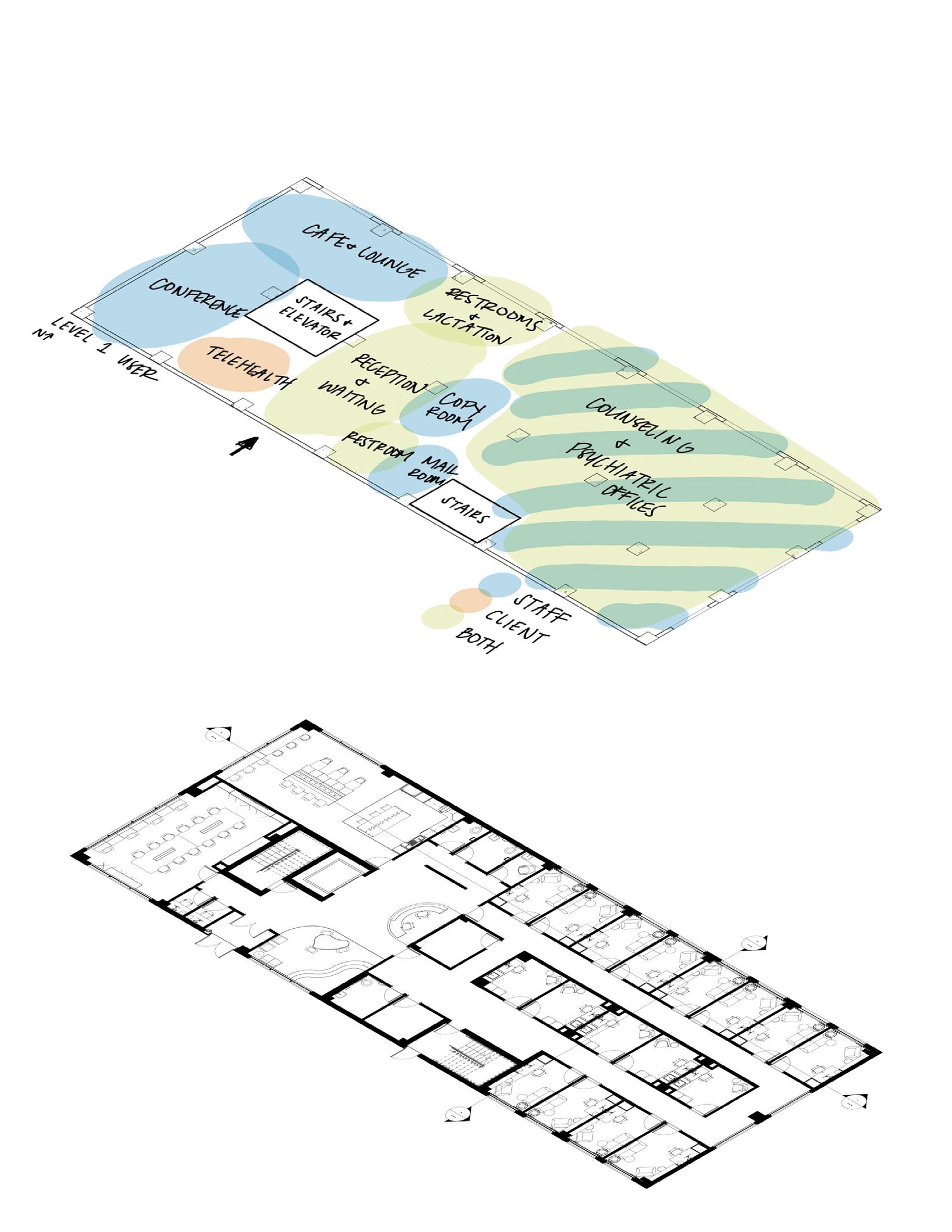
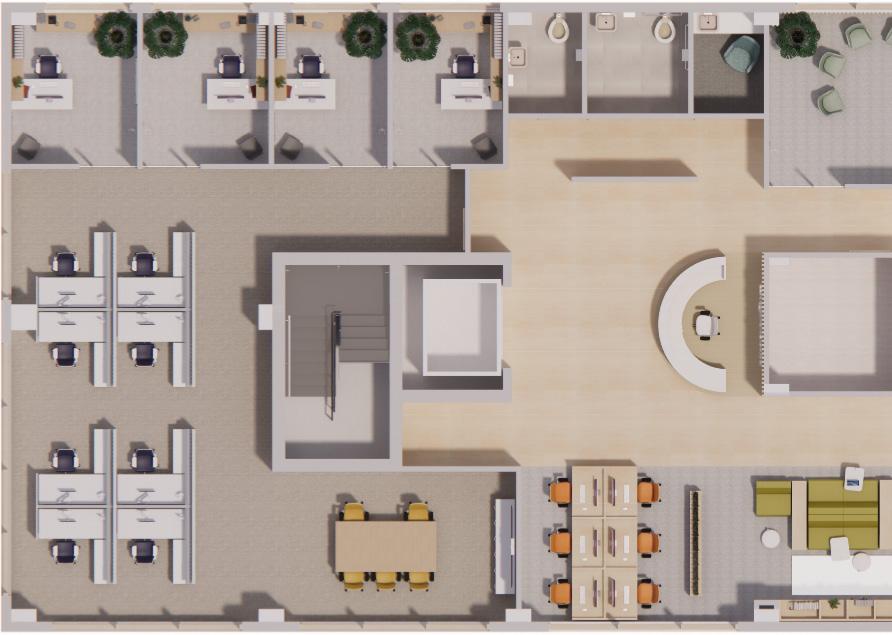
LEVEL 1 | PRIMARY CLIENT FLOOR COUNSELING, PSYCHIATRIC, WAYFINDING
2
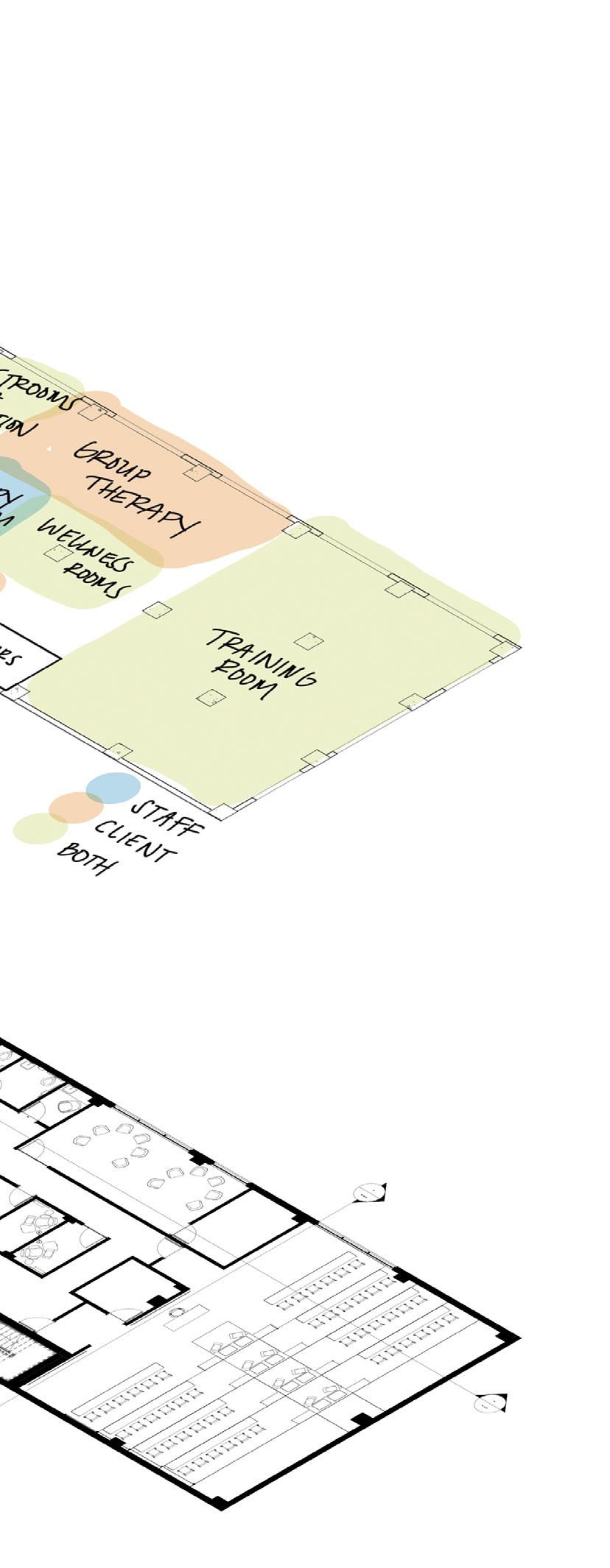
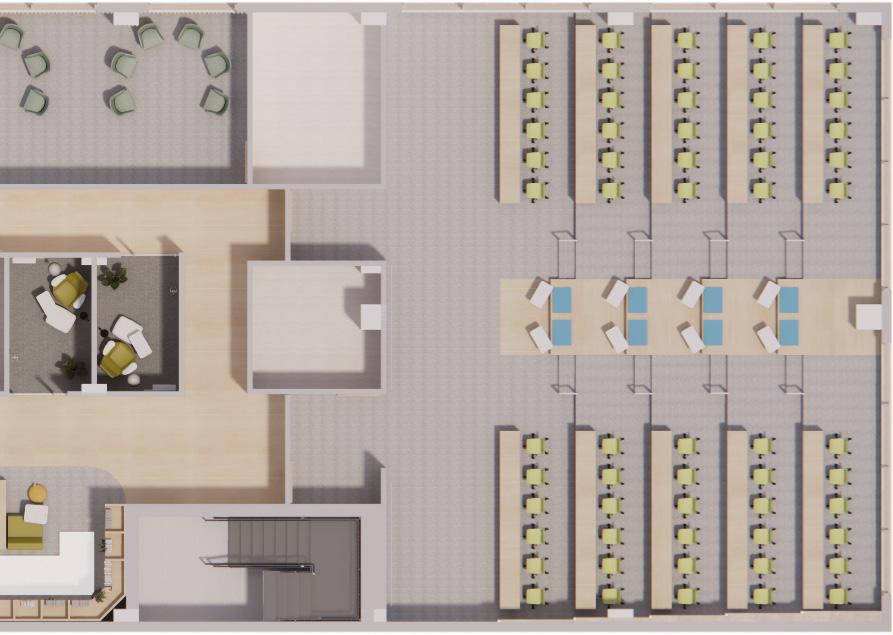
LEARNING SPACES, WORKSTATIONS
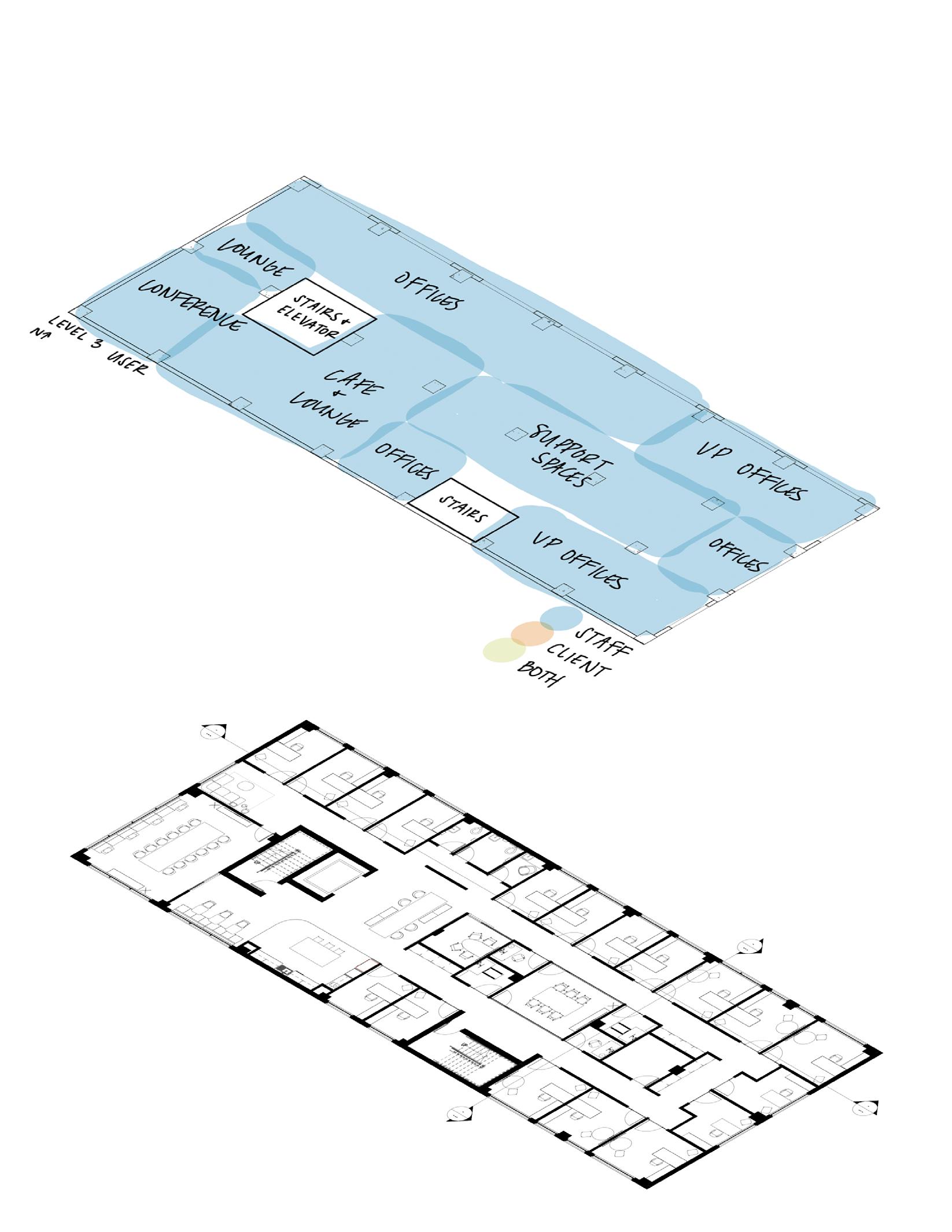
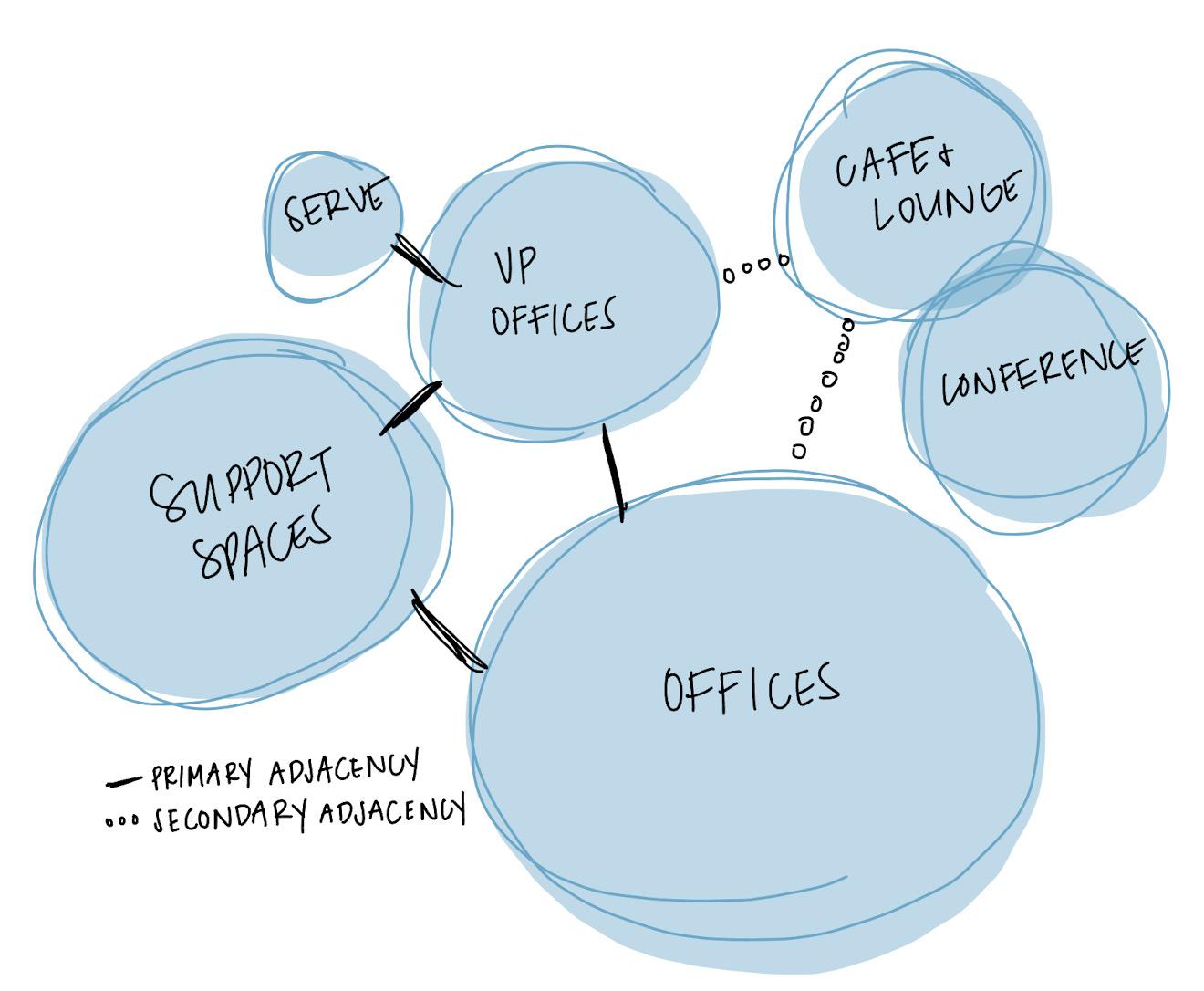
ADMIN OFFICES WITH SUPPORT SPACES, GATHER SPACE










1
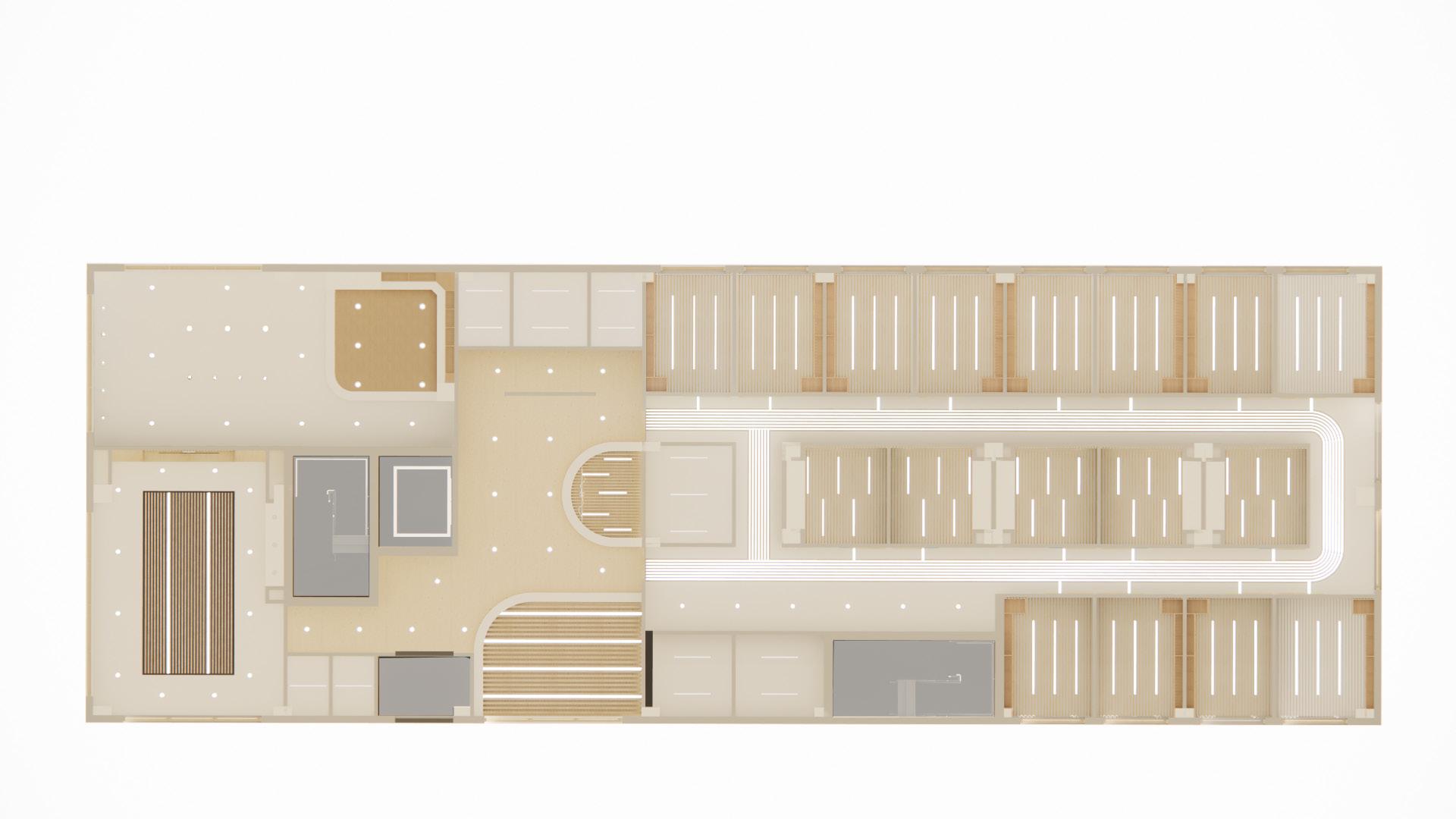



Floor Architectural Ceiling Plan
= 1'-0"
Floor Architectural Ceiling Plan 1'-0"

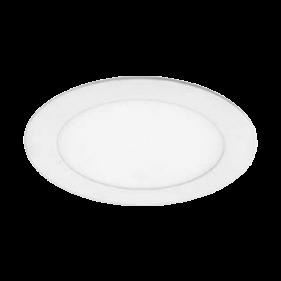
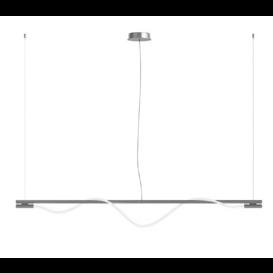

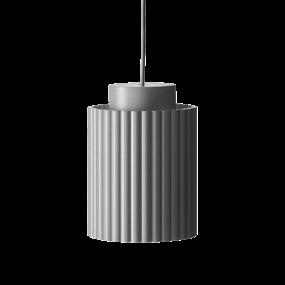

RESEARCH DESIGN PRINCIPLES USER










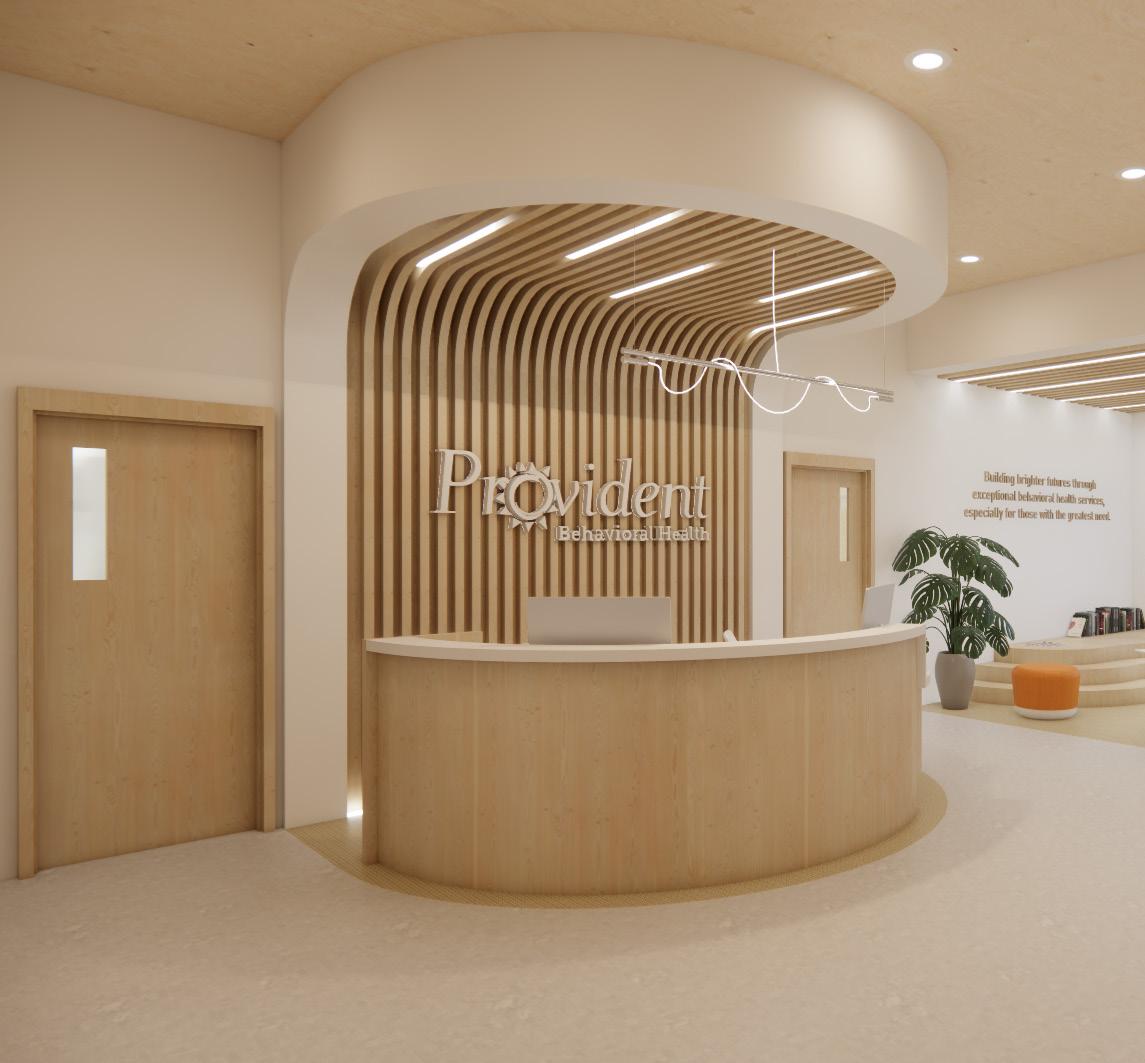

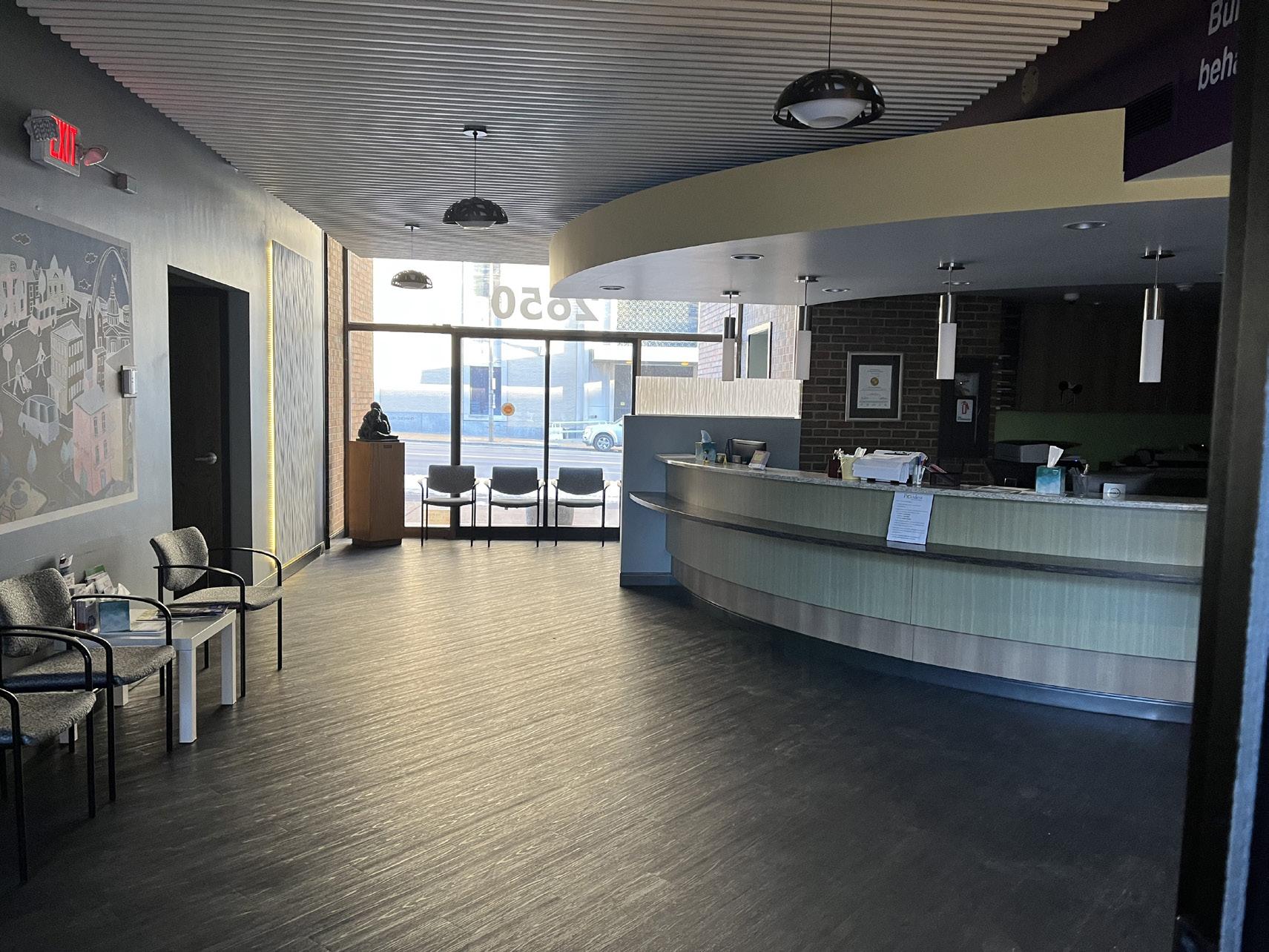
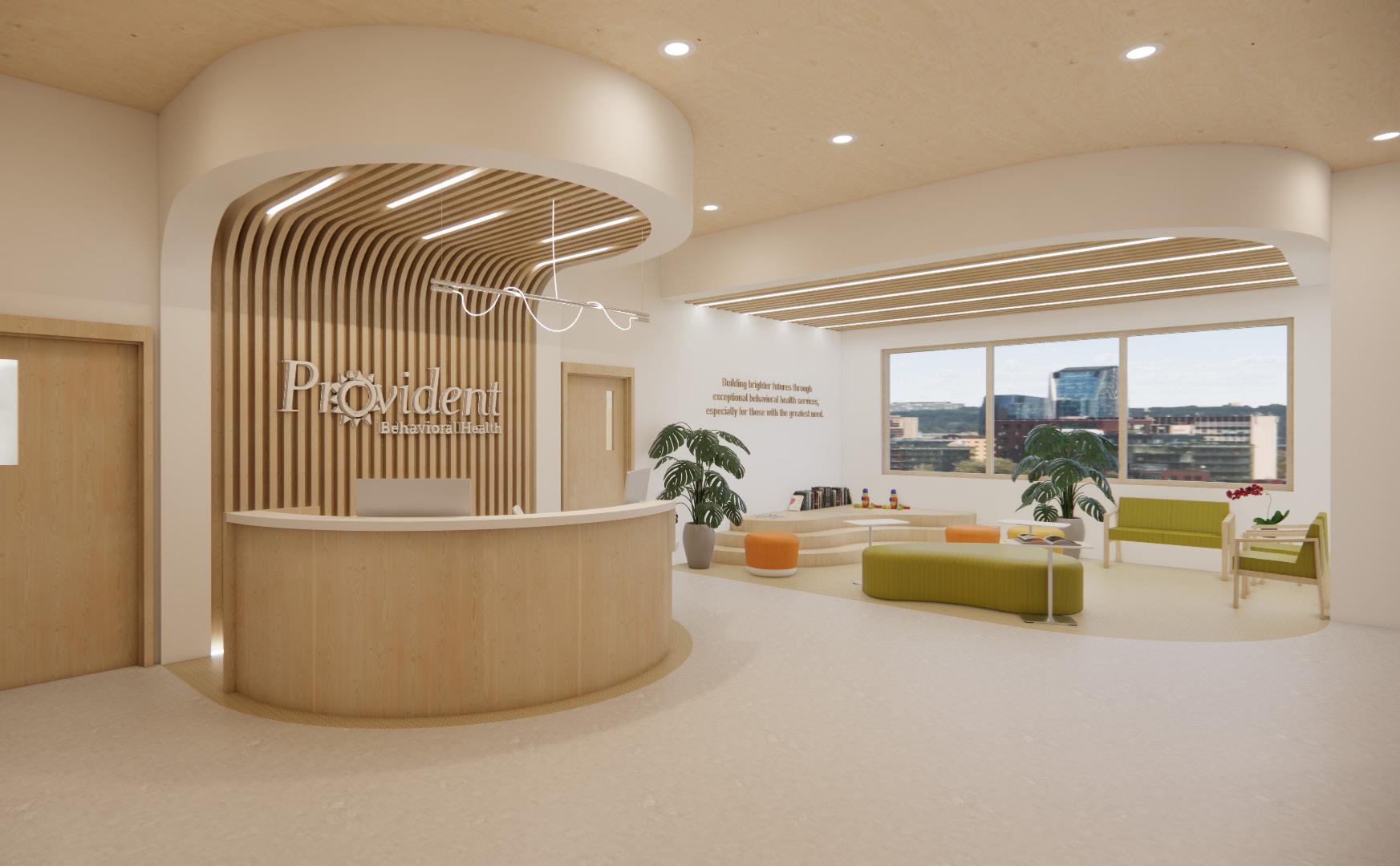
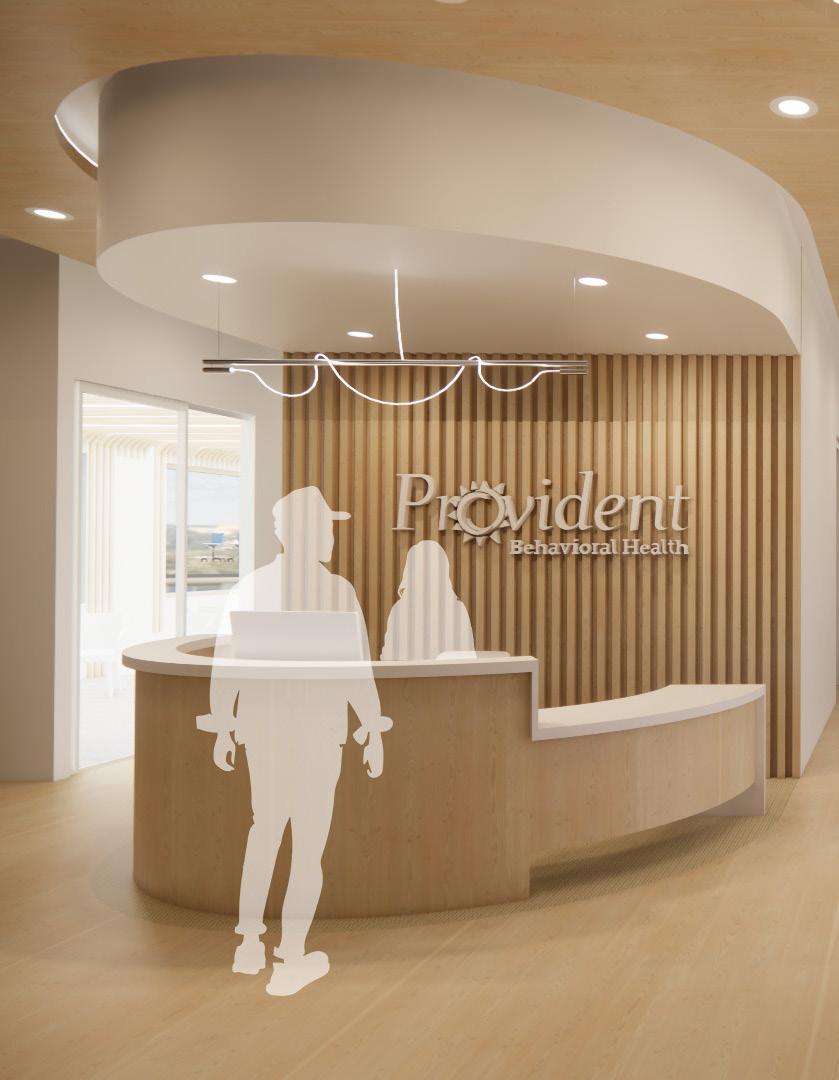
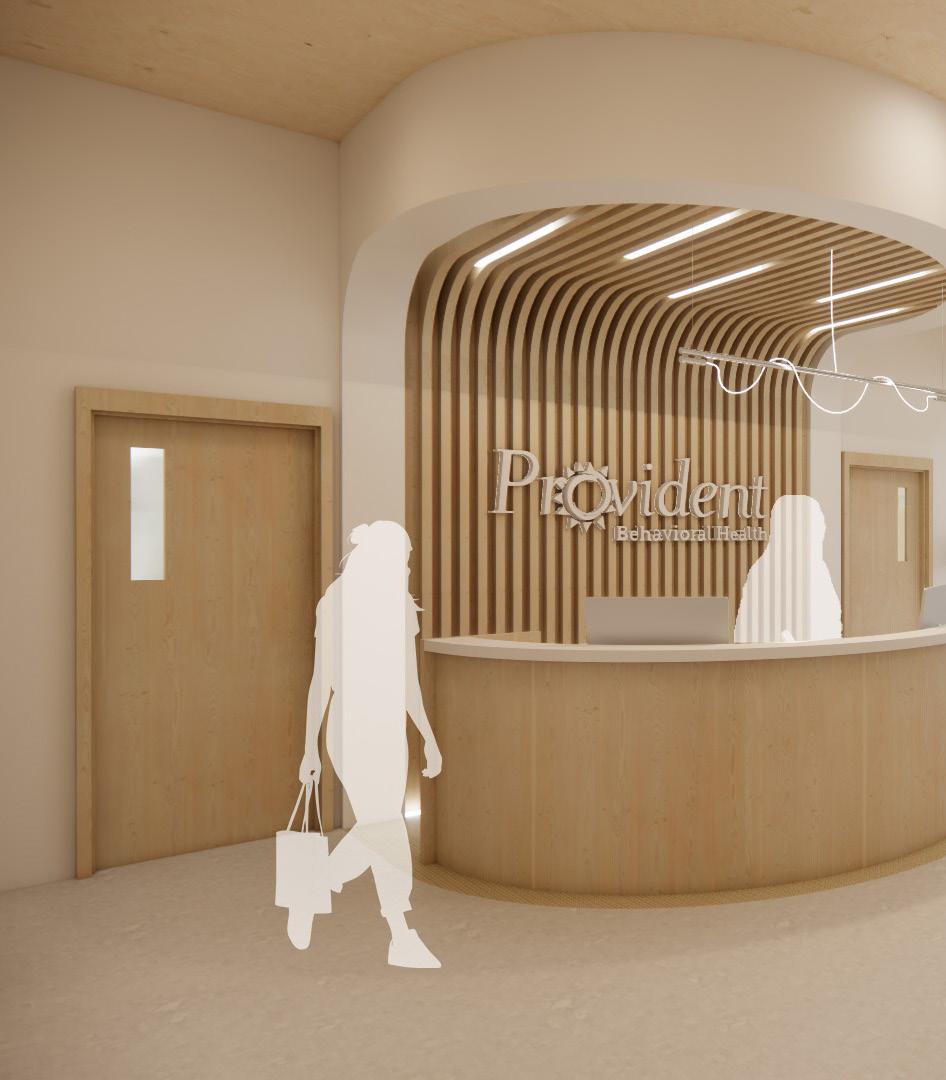
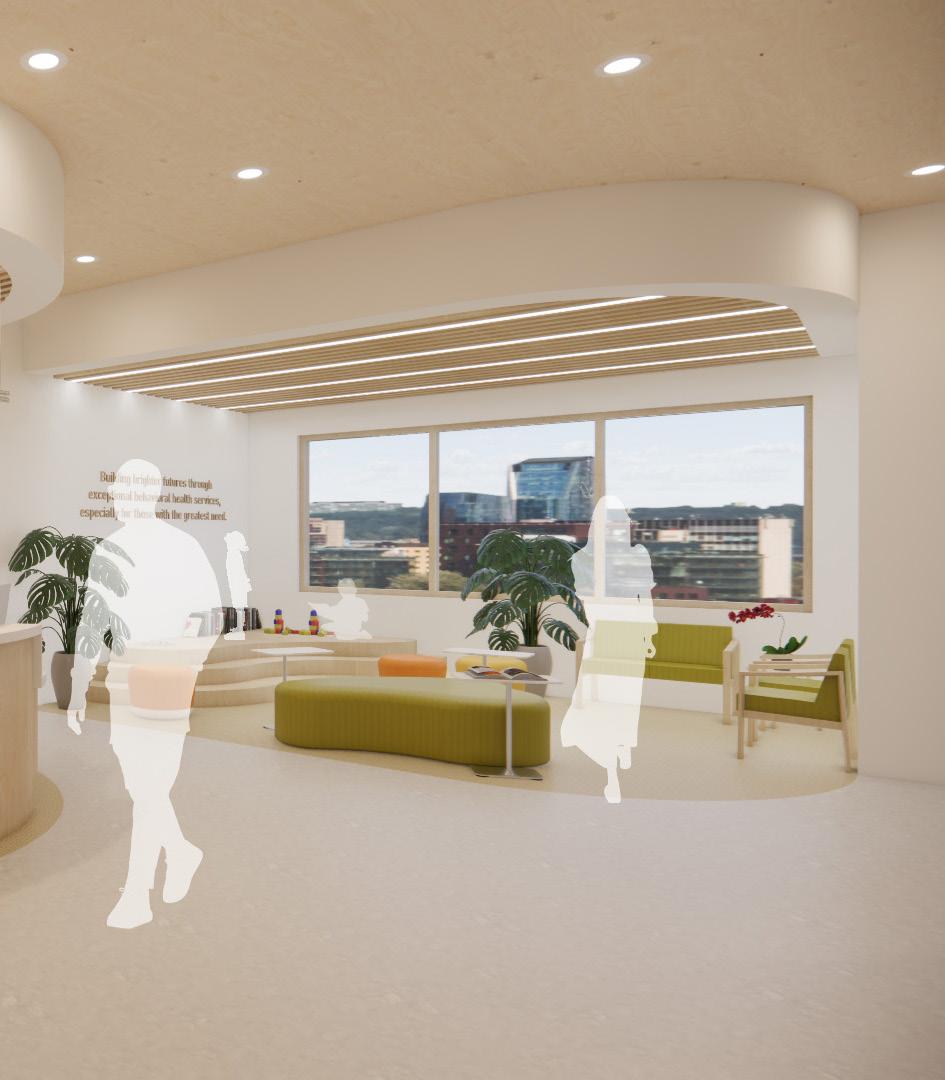
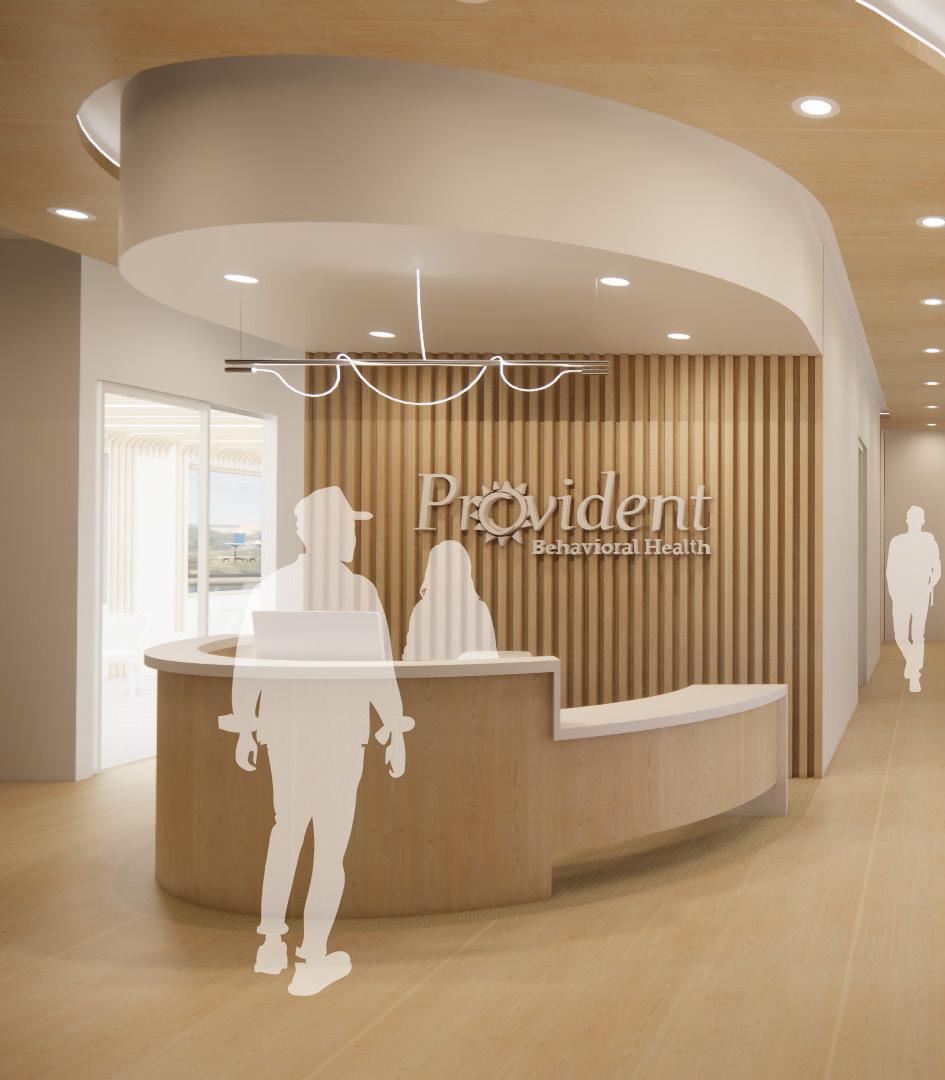
The reception area is designed to feel calm and welcoming, with warm ease anxiety and create a sense of comfort. Soffits and floor changes creating a natural flow and sense of connection throughout the entry biophilic design, supports wellbeing and reflects the goals to heal, restore,
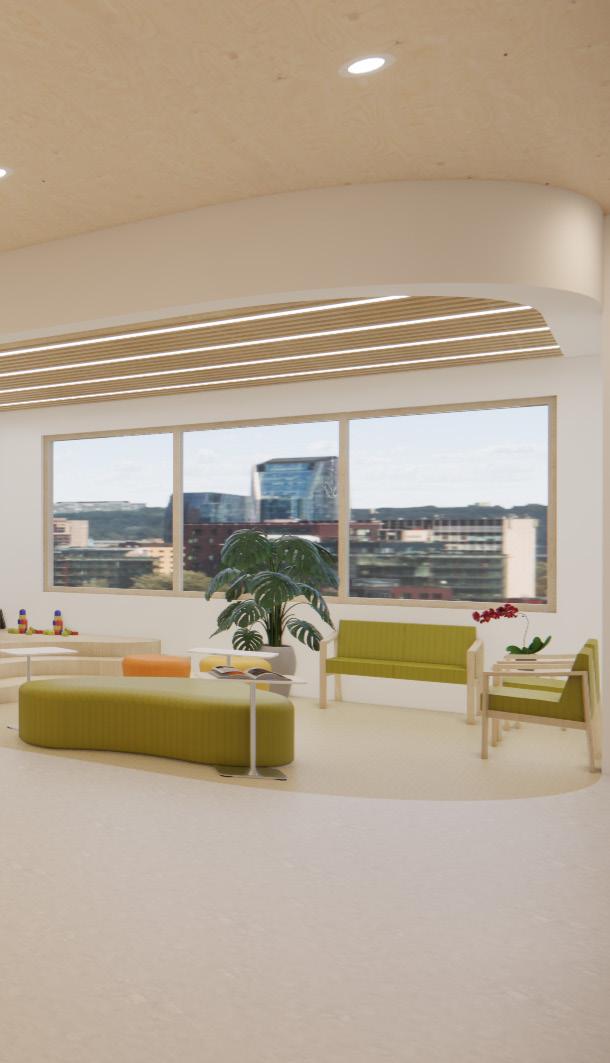






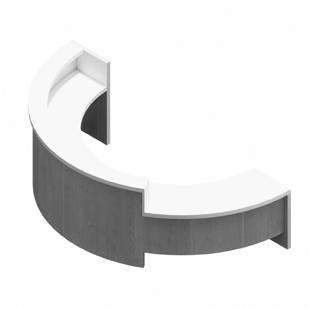

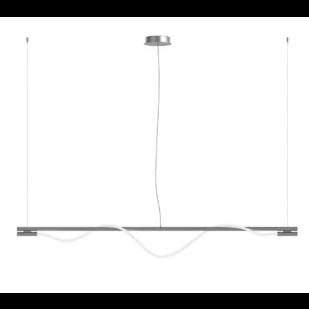
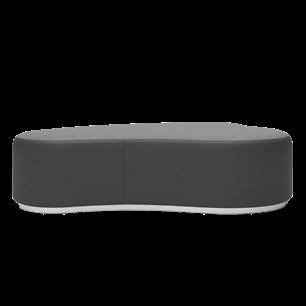
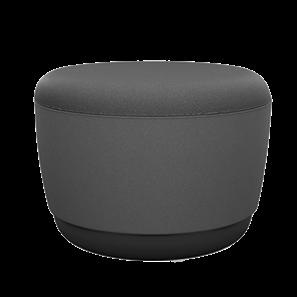
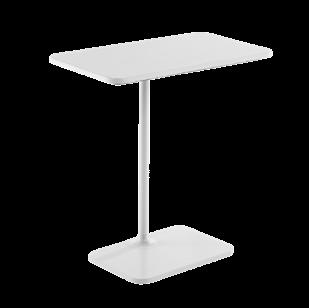
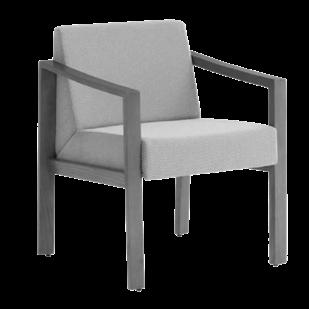

wood tones and natural textures that help define the space without closing it off, experience. The use of wood, inspired by restore, and connect in a thoughtful way.
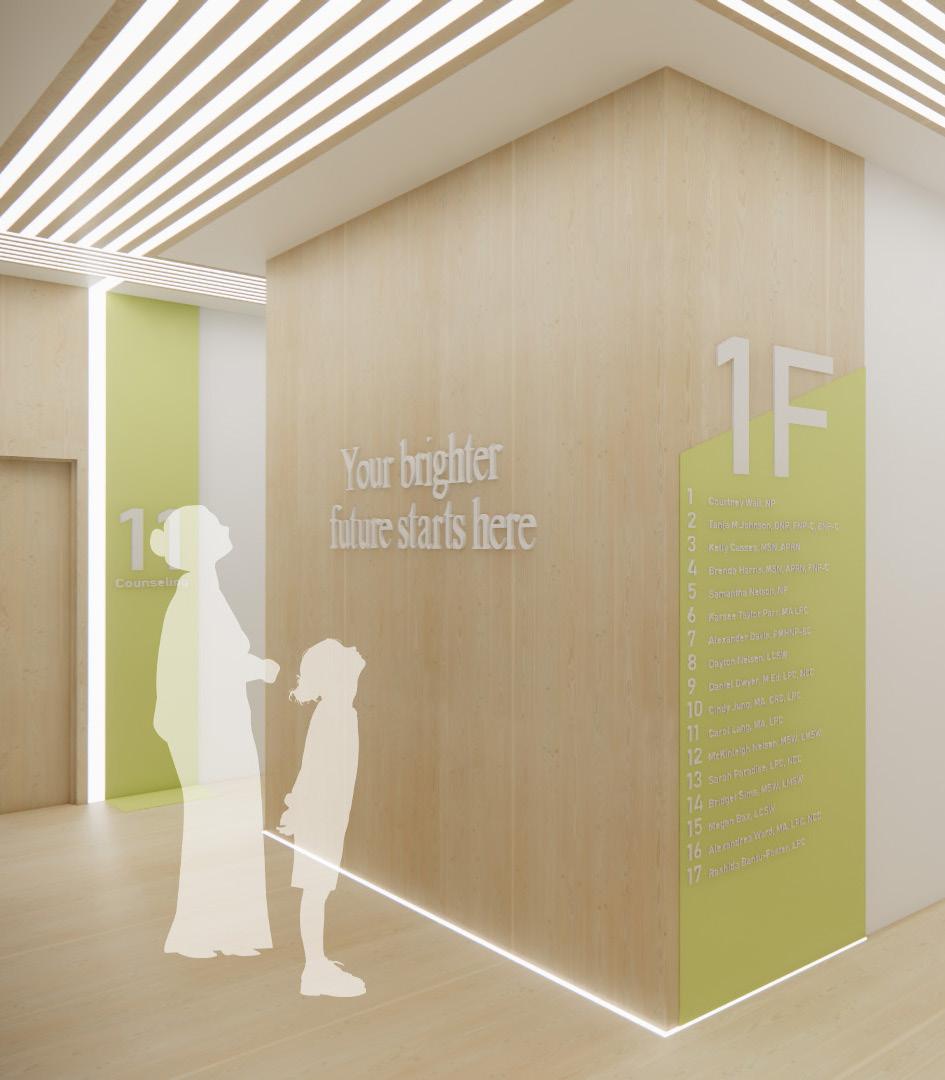
RESEARCH DESIGN PRINCIPLES USER
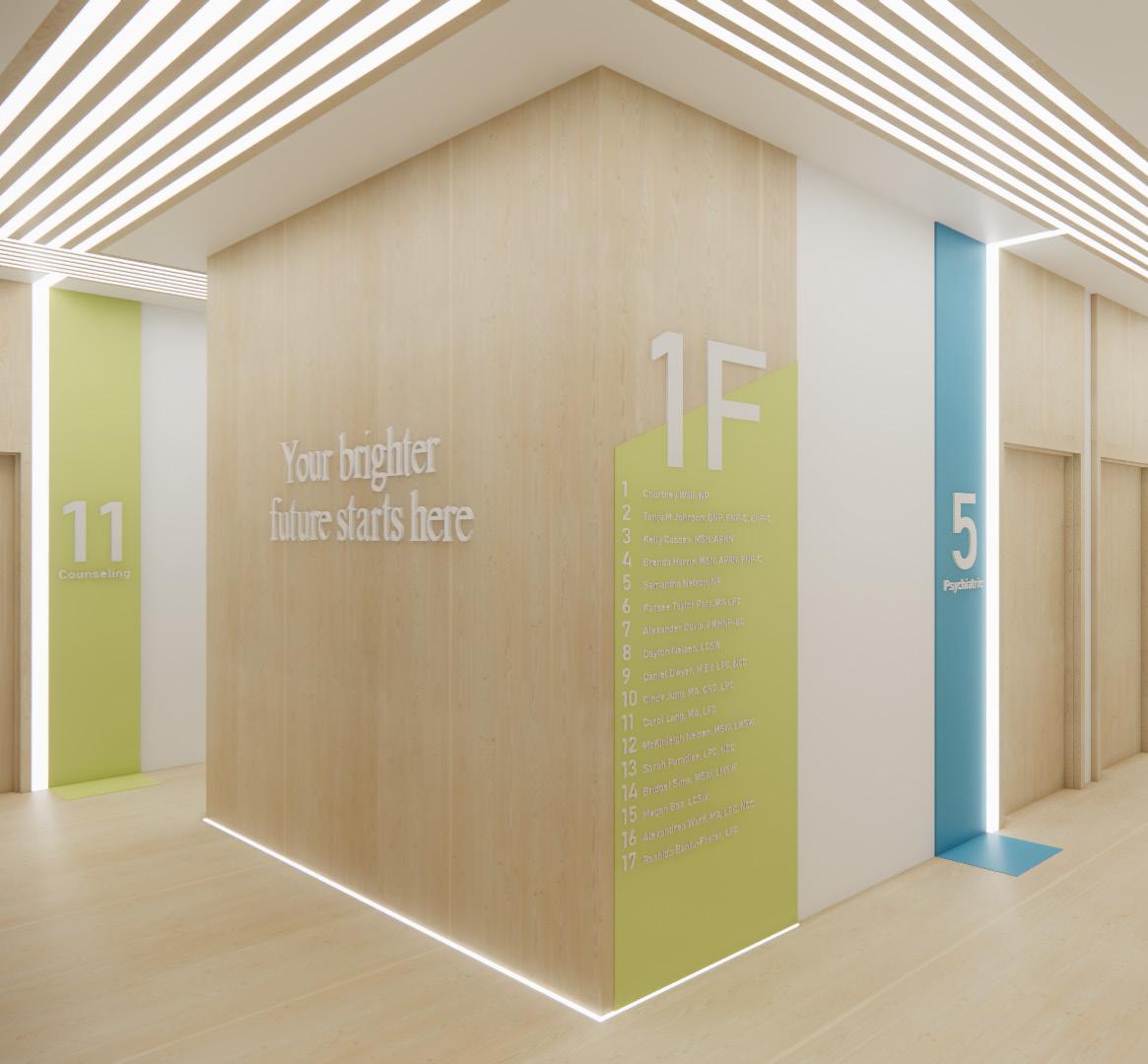
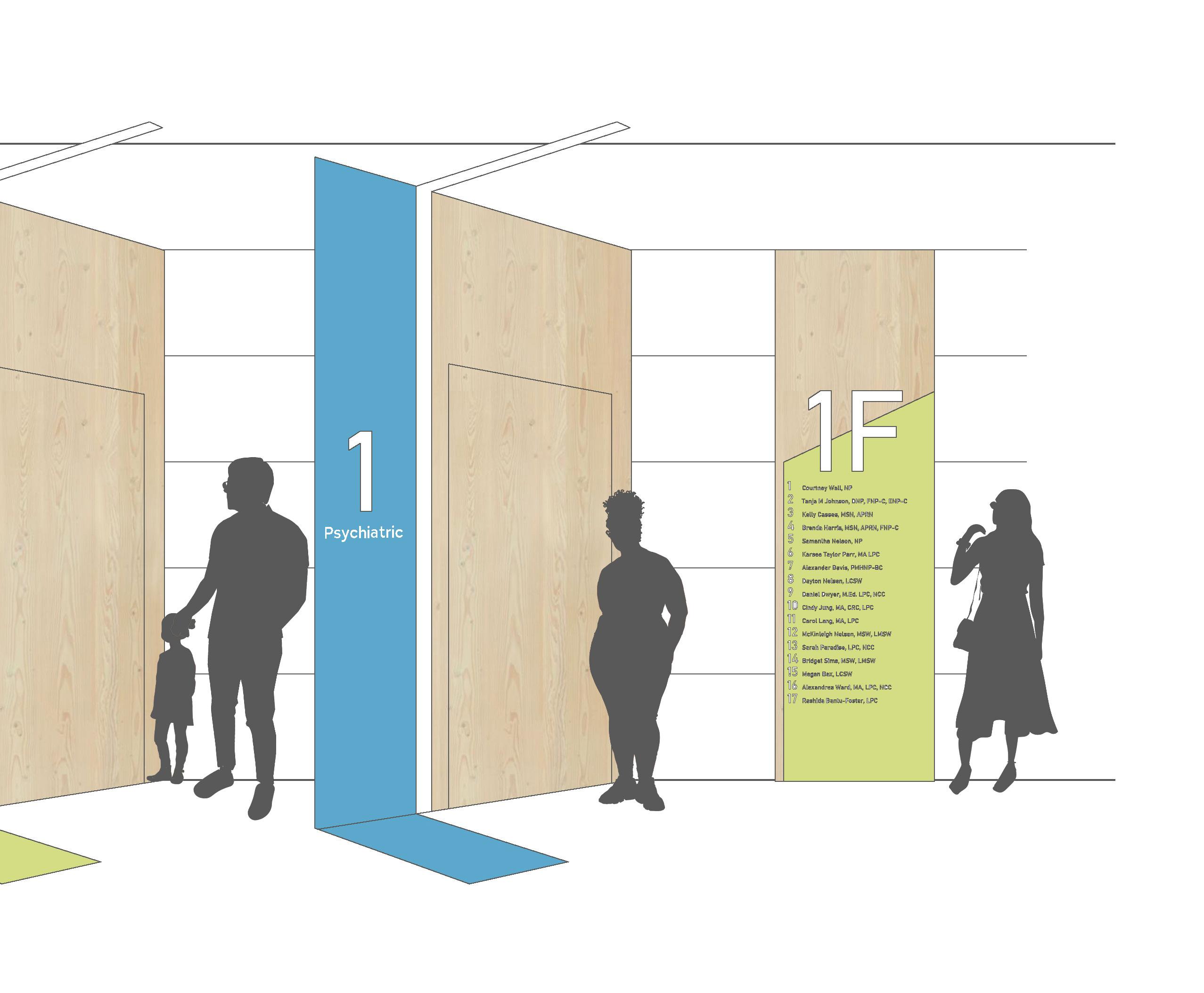
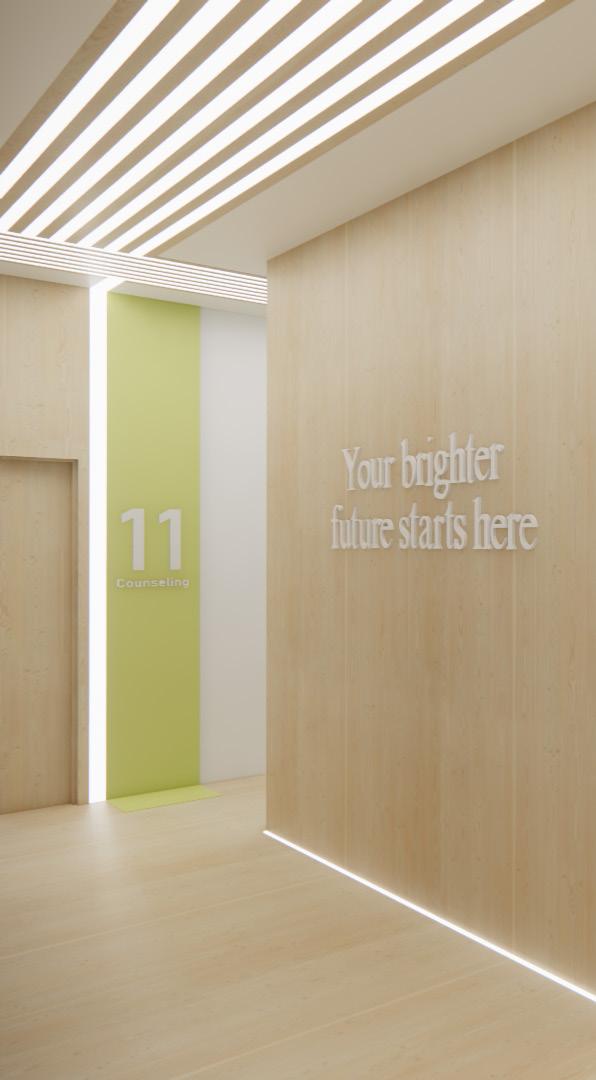
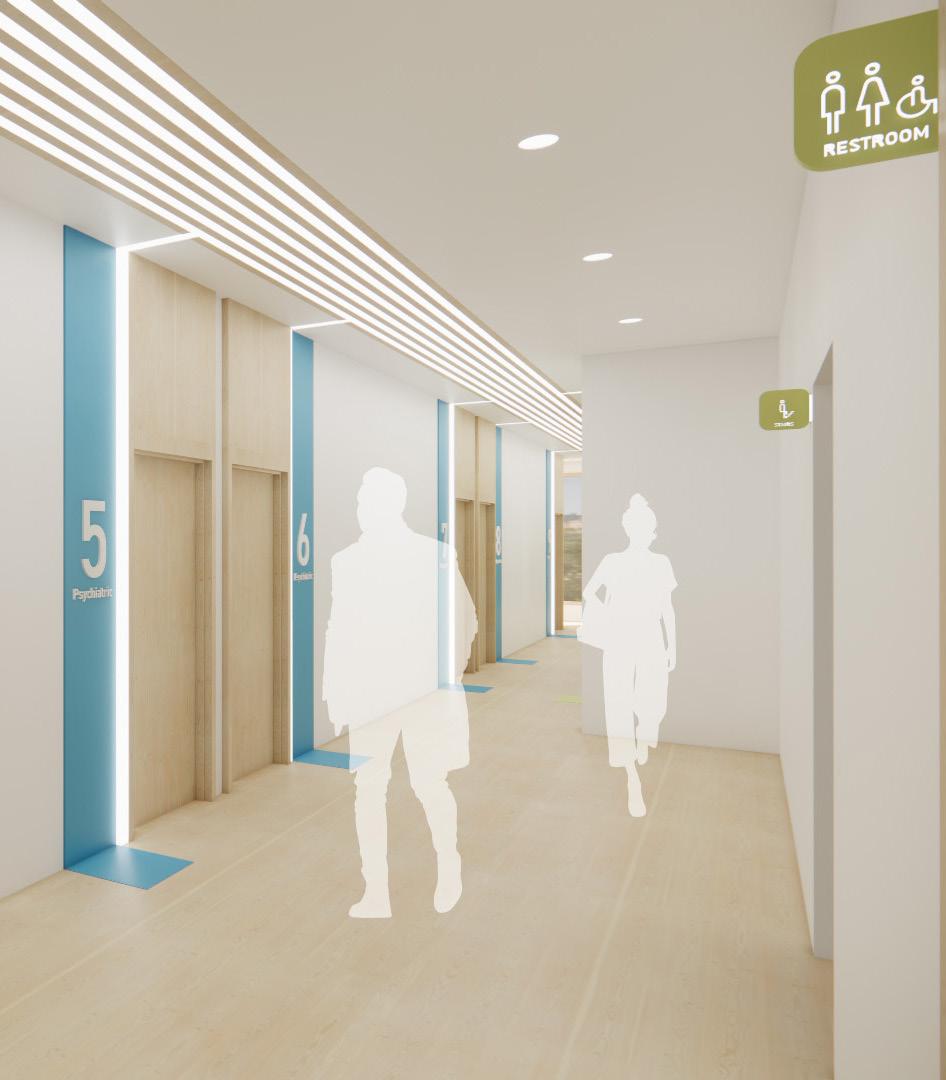
The hallway features wayfinding elements to guide users, with a continuous corridor and clear vertical, door, and wall signage. Color is used to distinguish and green for counseling rooms, helping users easily navigate. These design and emotional comfort, reflecting the goals to restore and connect while
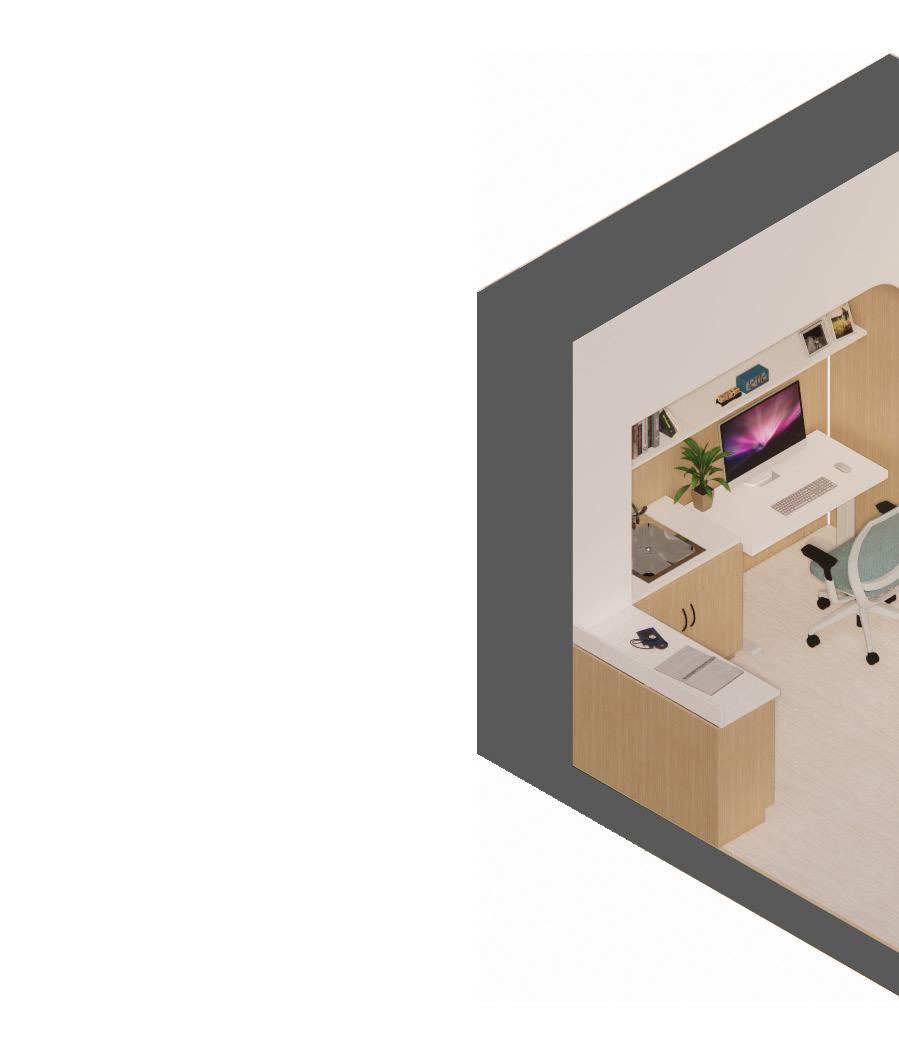
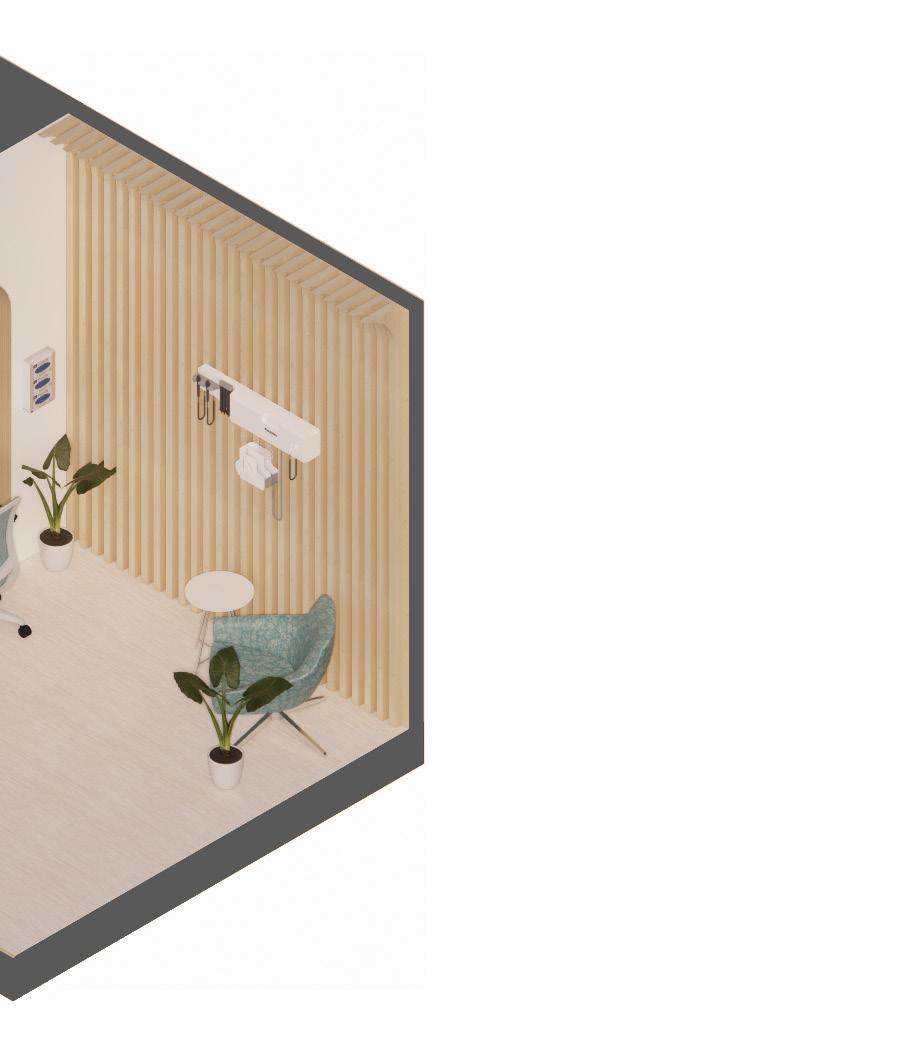
The psychiatric room is designed to move away from a clinical, sterile feel, reflecting current trends in healthcare spaces that prioritize comfort and emotional well-being. Light tones with blue accents are used throughout, as blue is known for its calming and serene qualities. It has been shown to lower blood pressure and reduce rapid heart rates, helping to relax both the mind and body. These design choices align with the goals to heal and restore.
DESIGN PRINCIPLES
USER
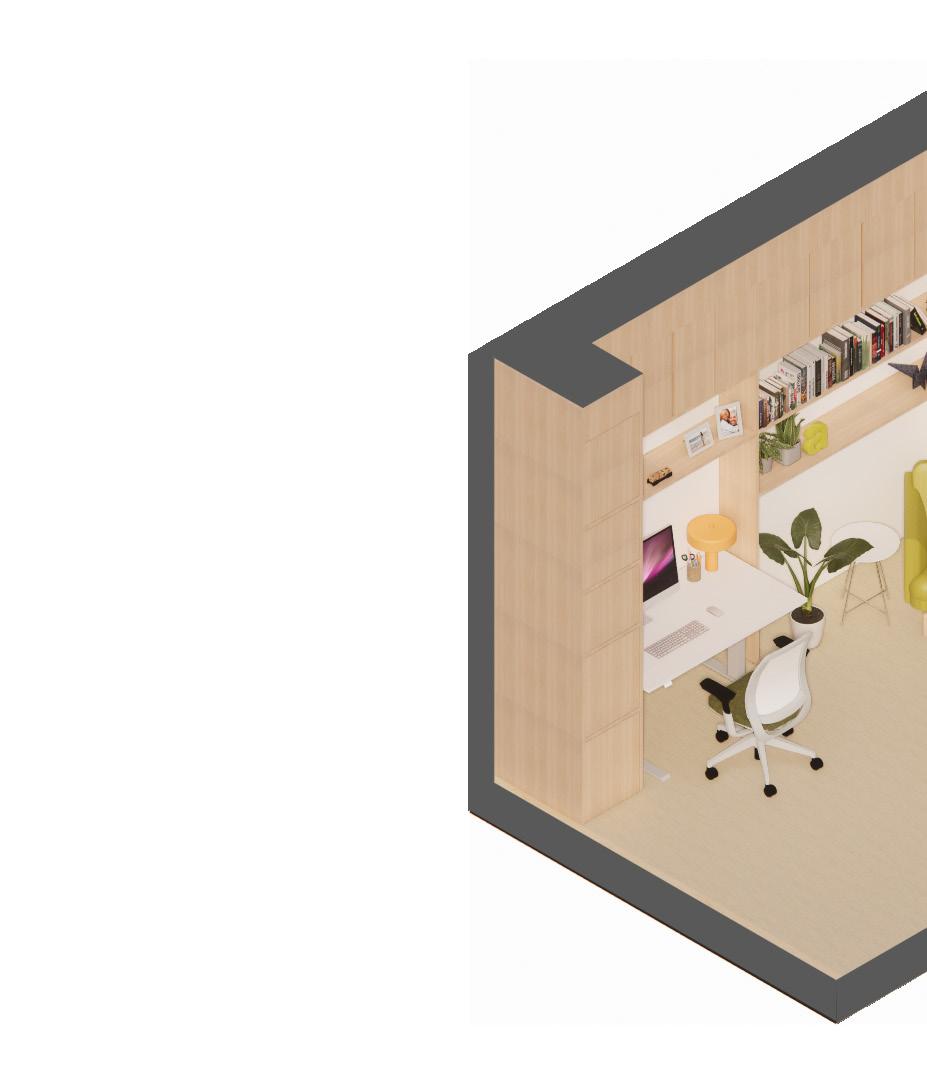
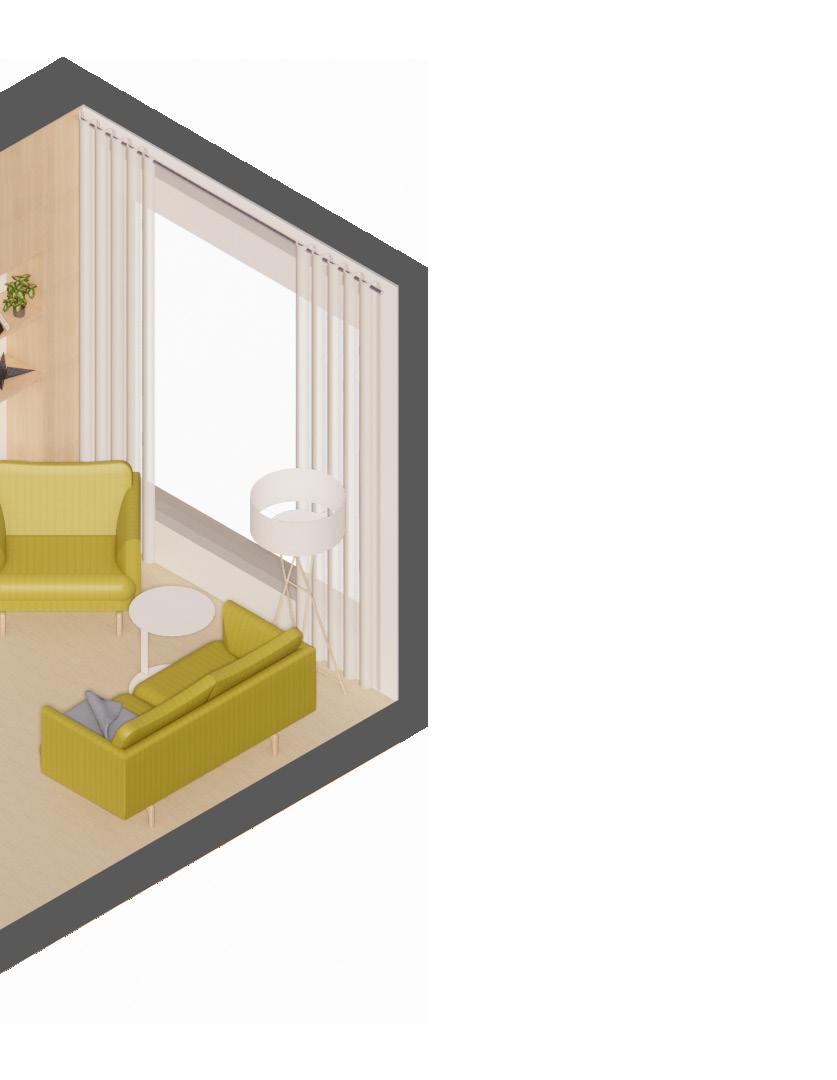
The counseling room is designed to foster a sense of balance and healing, incorporating large windows to bring in natural light, in line with biophilic design principles. This connection to nature helps create a calming environment, enhancing emotional well-being. The use of green, the color most associated with nature, reinforces this theme. Green symbolizes balance and is often linked to healing, supporting the room’s role in promoting mental and emotional recovery. These elements align with the goals to heal and restore.
DESIGN PRINCIPLES
USER
LEVEL 1
RESEARCH DESIGN PRINCIPLES USER

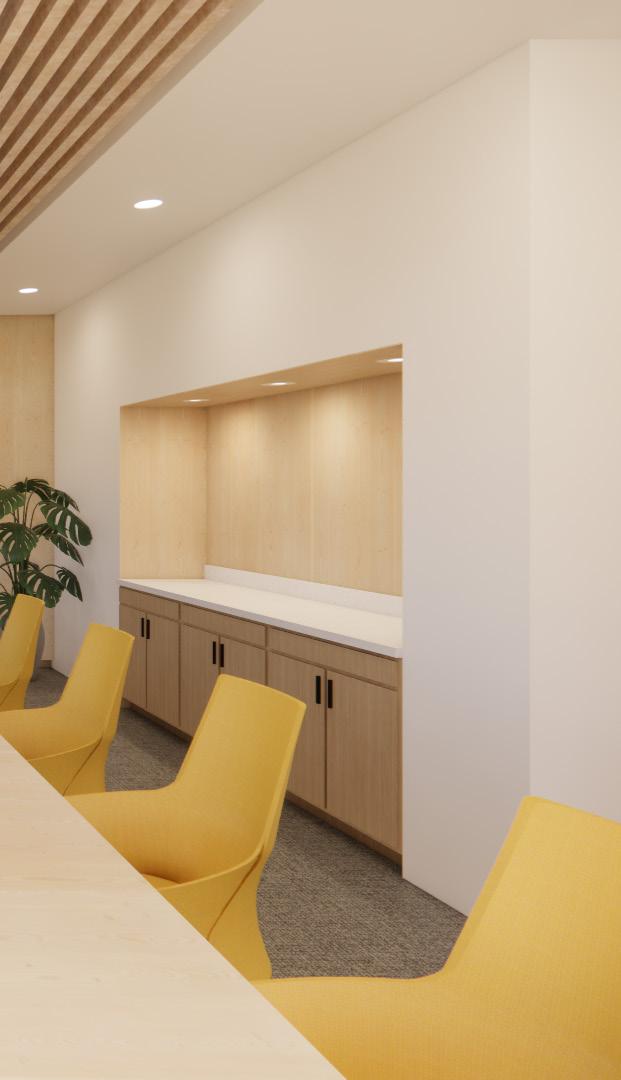



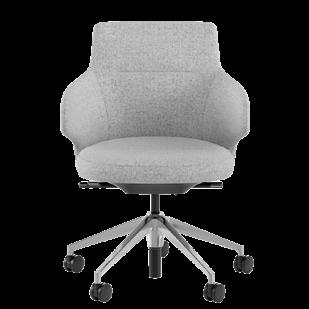
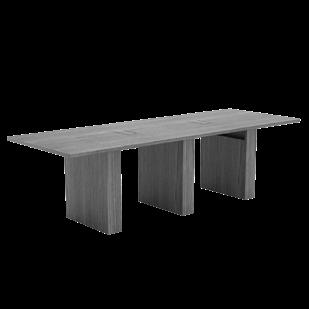

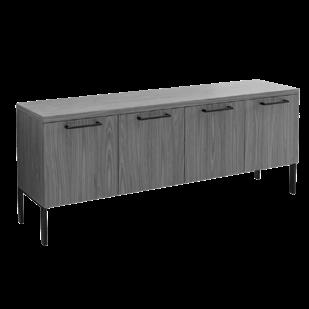
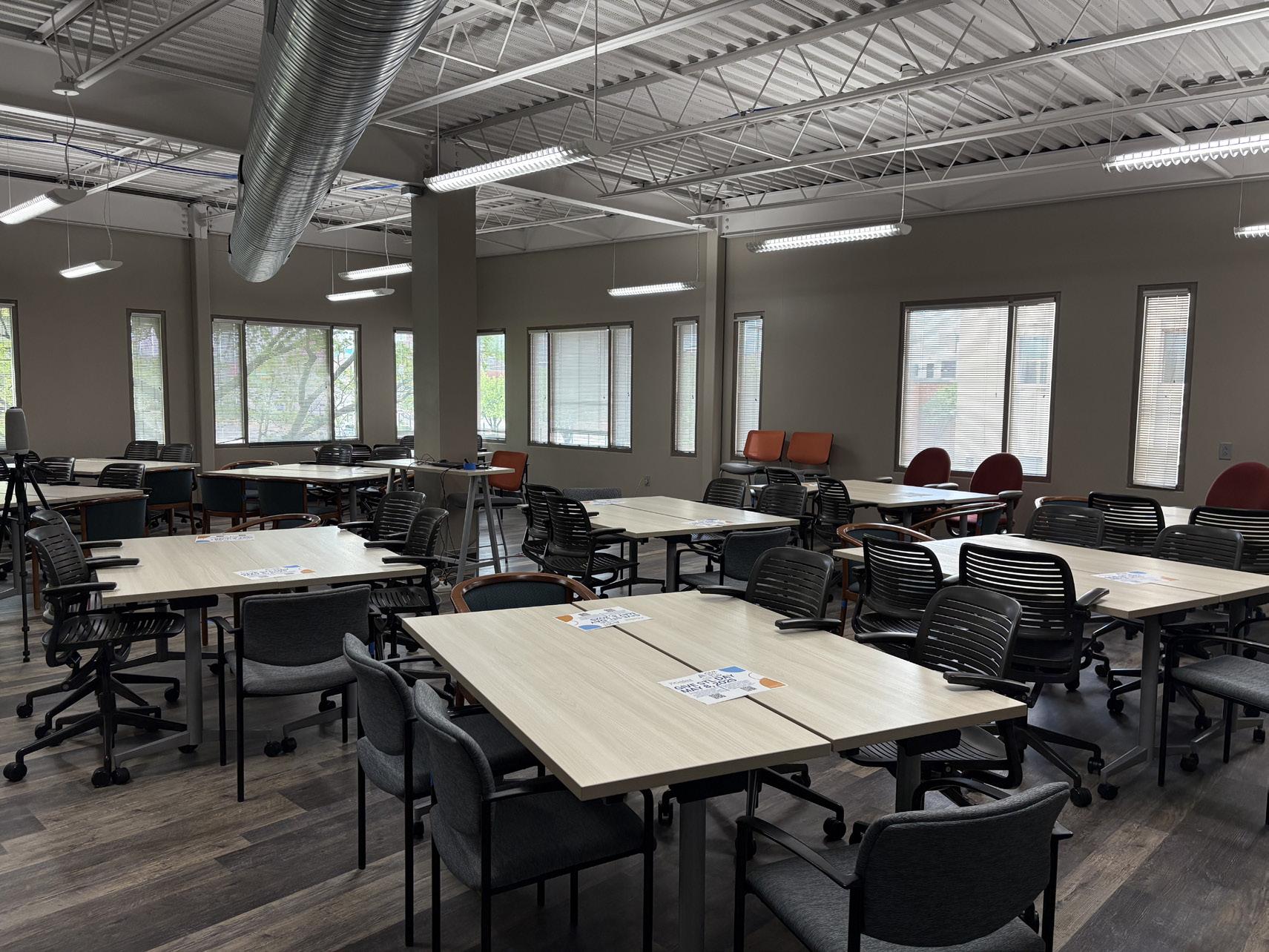
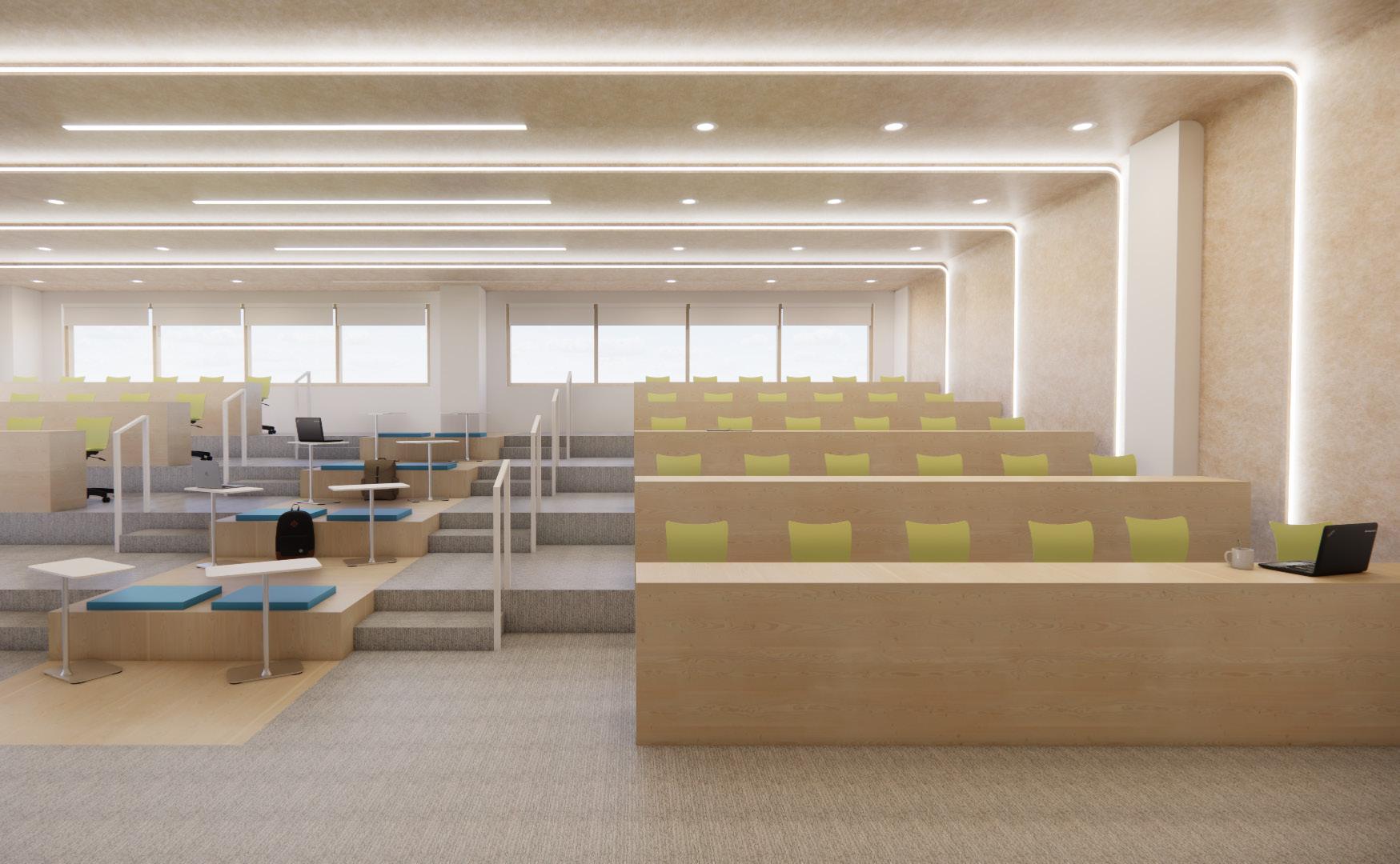
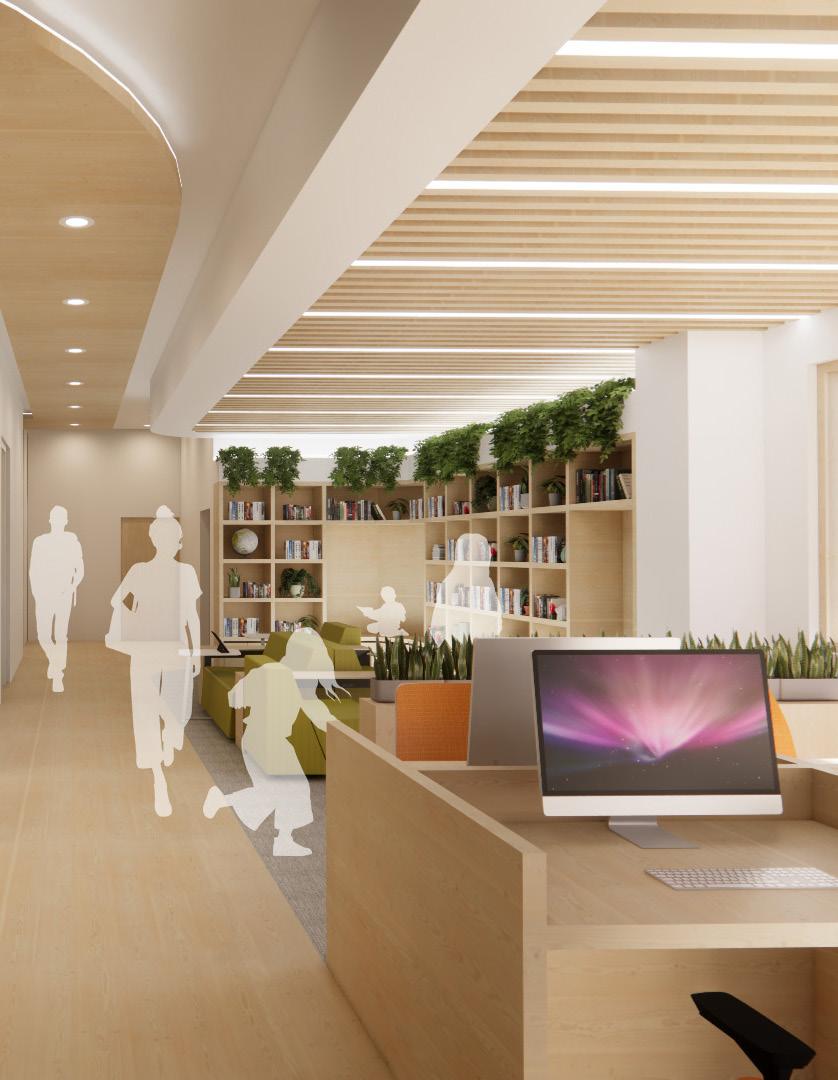
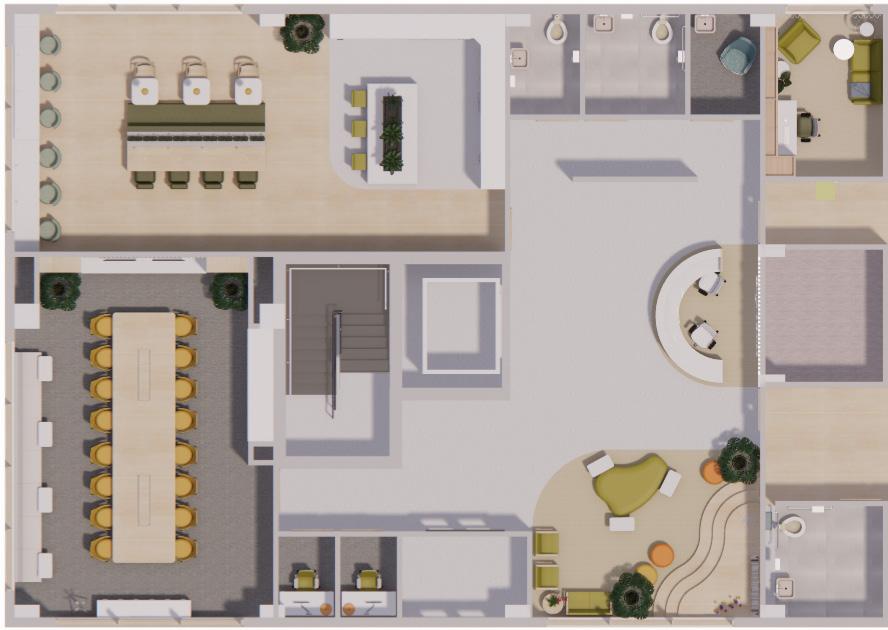
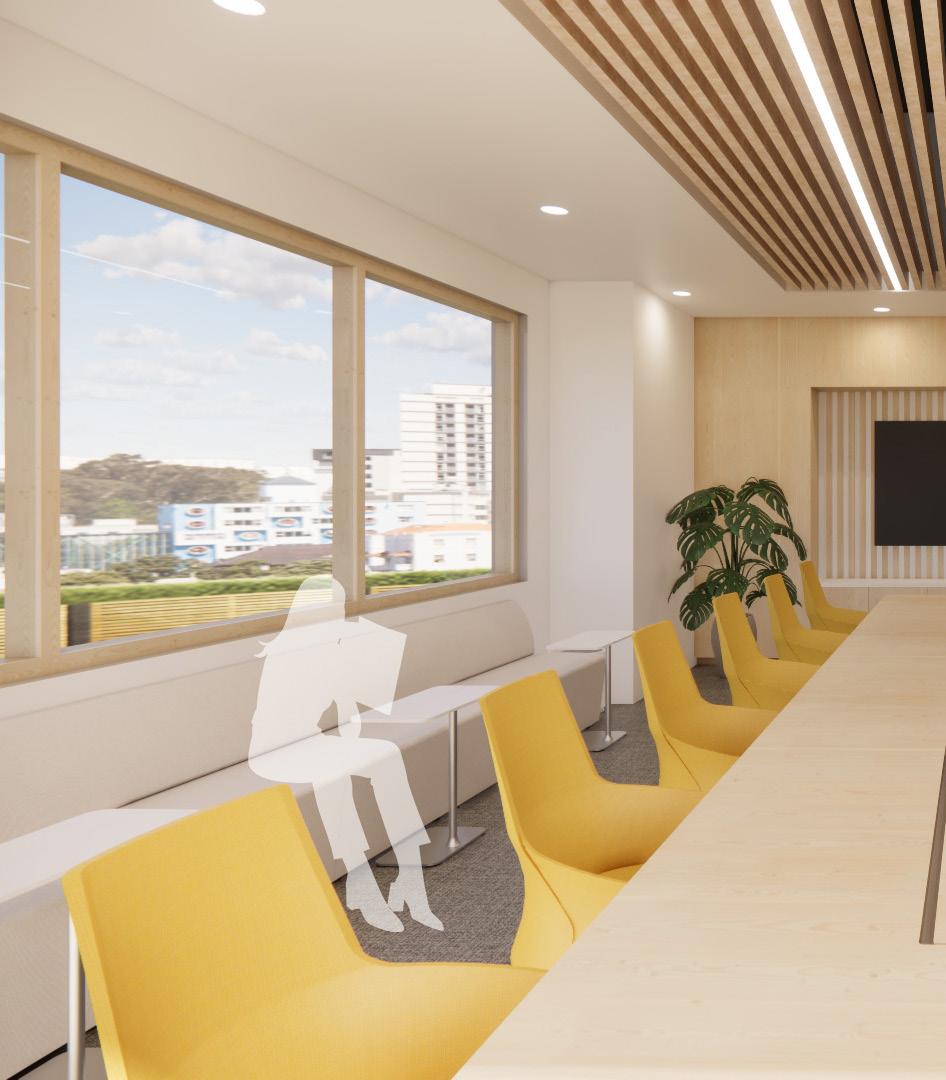
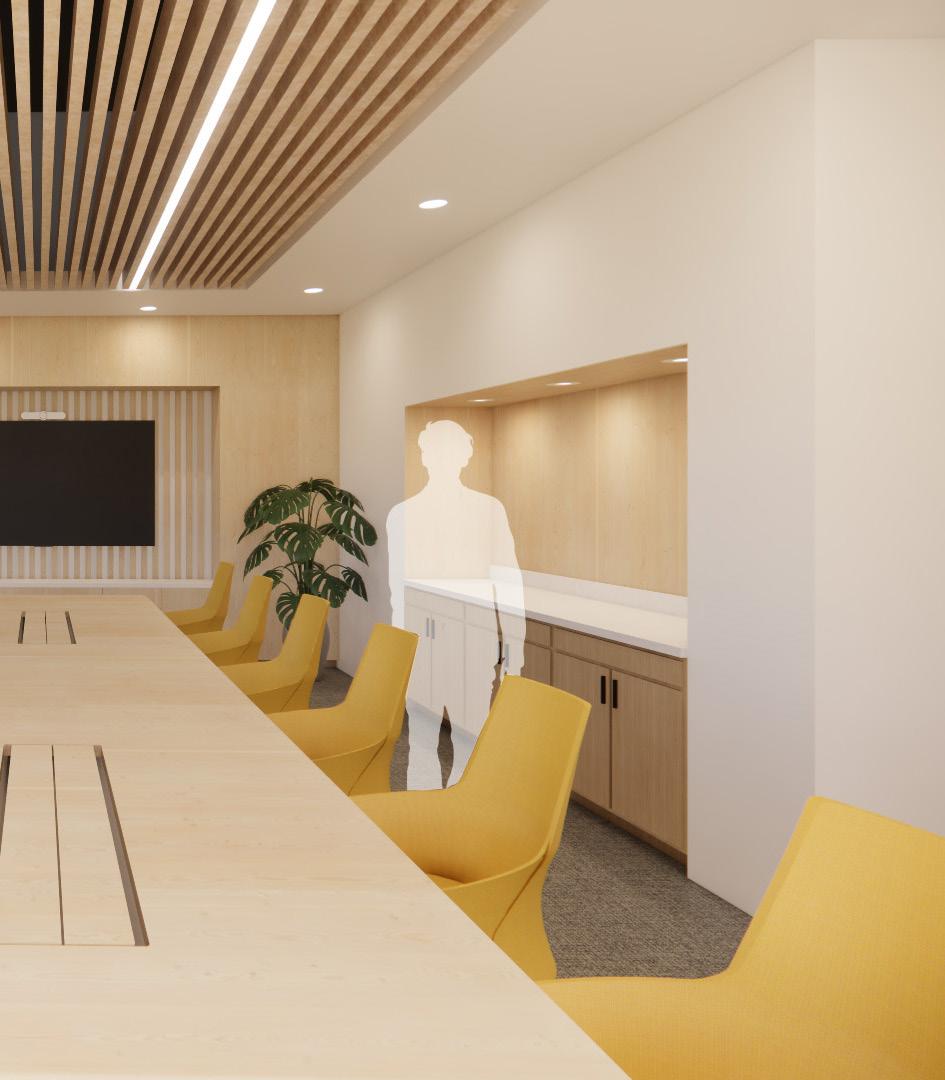
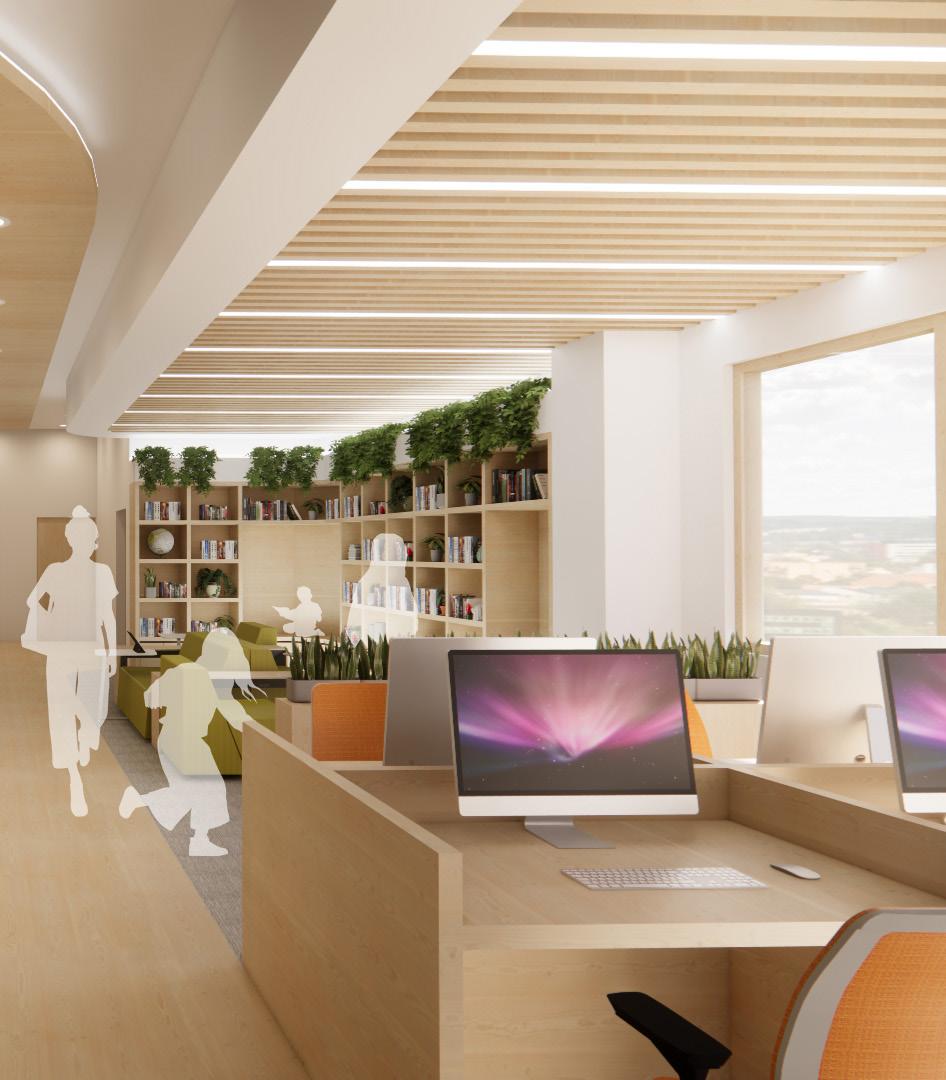
space, encouraging productivity and focused stimulating creativity and energy. In support atmosphere, making it ideal for group meetings and inspire and connect.
LEVEL 1









PRINCIPLES USER
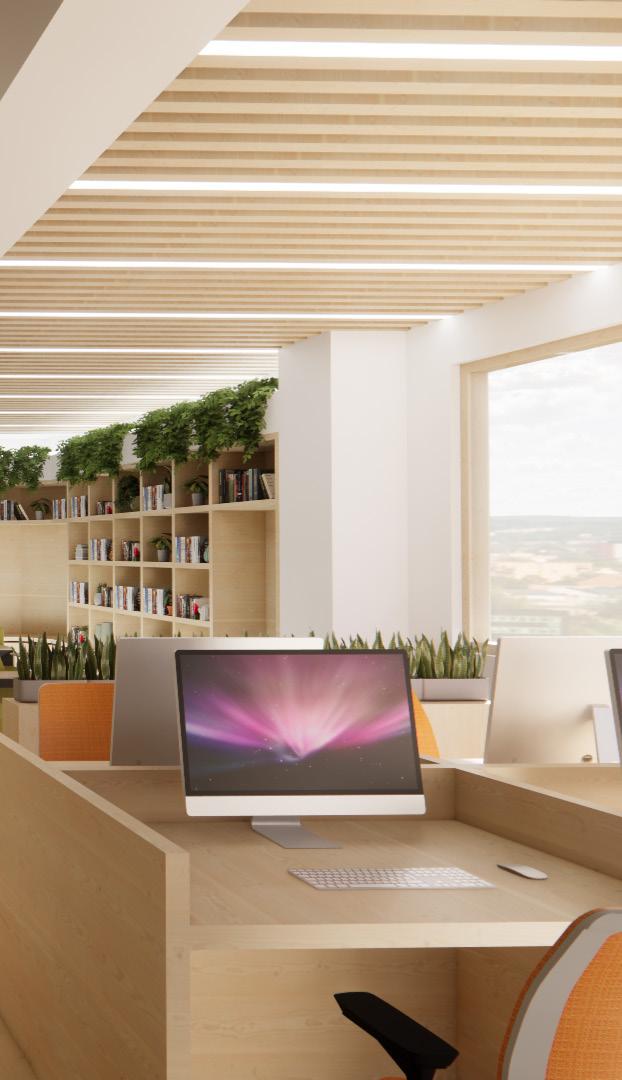



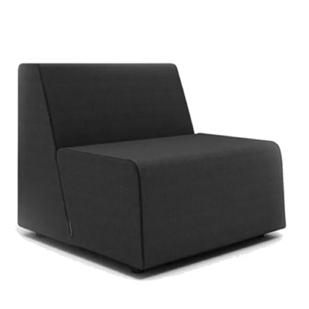

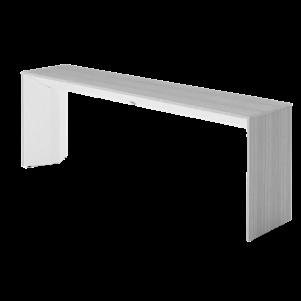
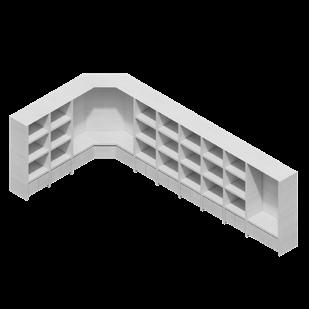
and floor changes that define the space throughout, creating a welcoming atmosphere. research, and community resources for space to nature, fostering a calming, restorative
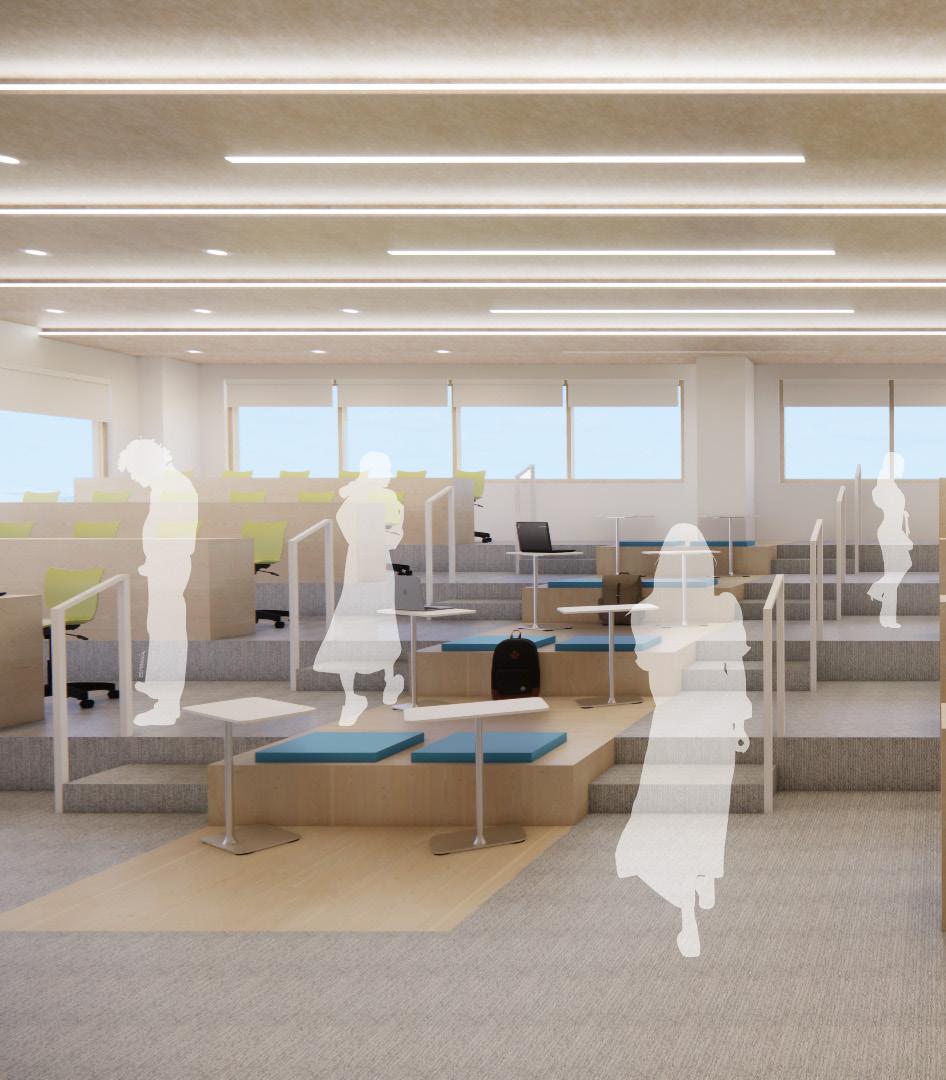
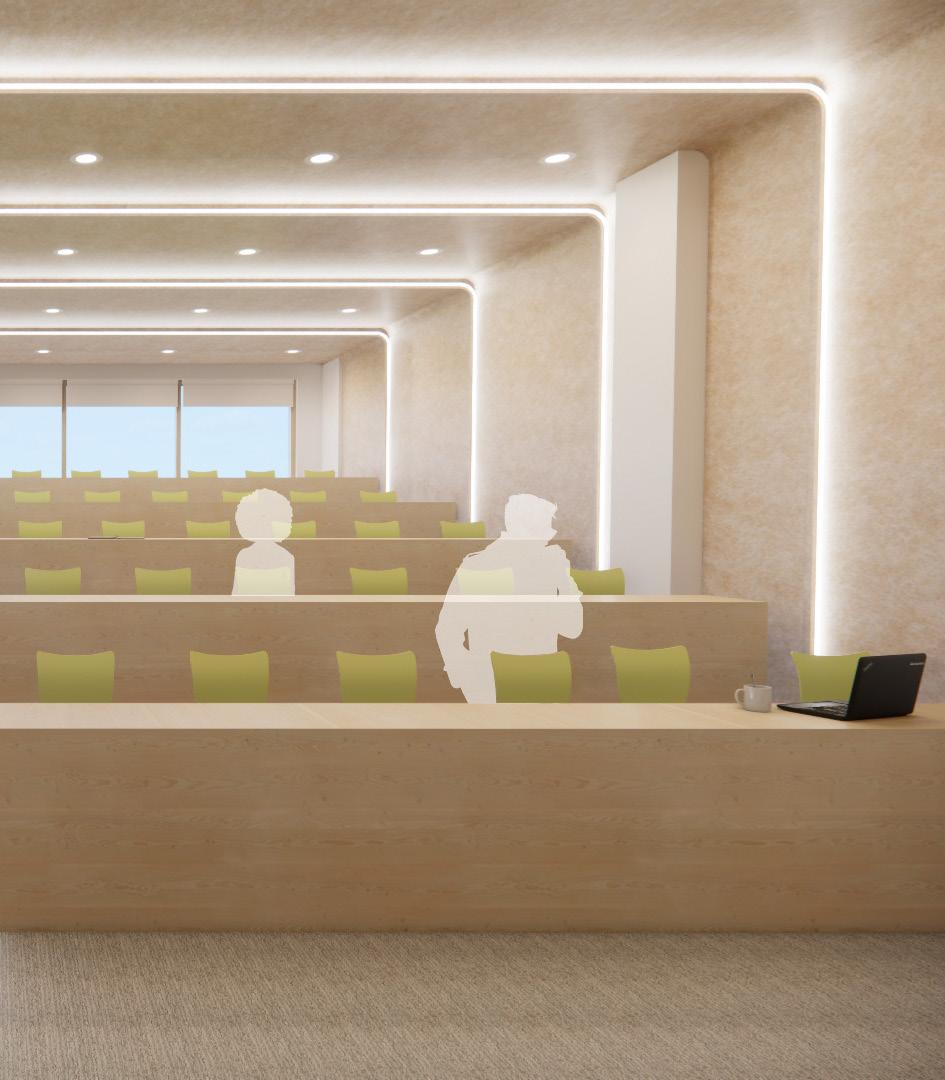
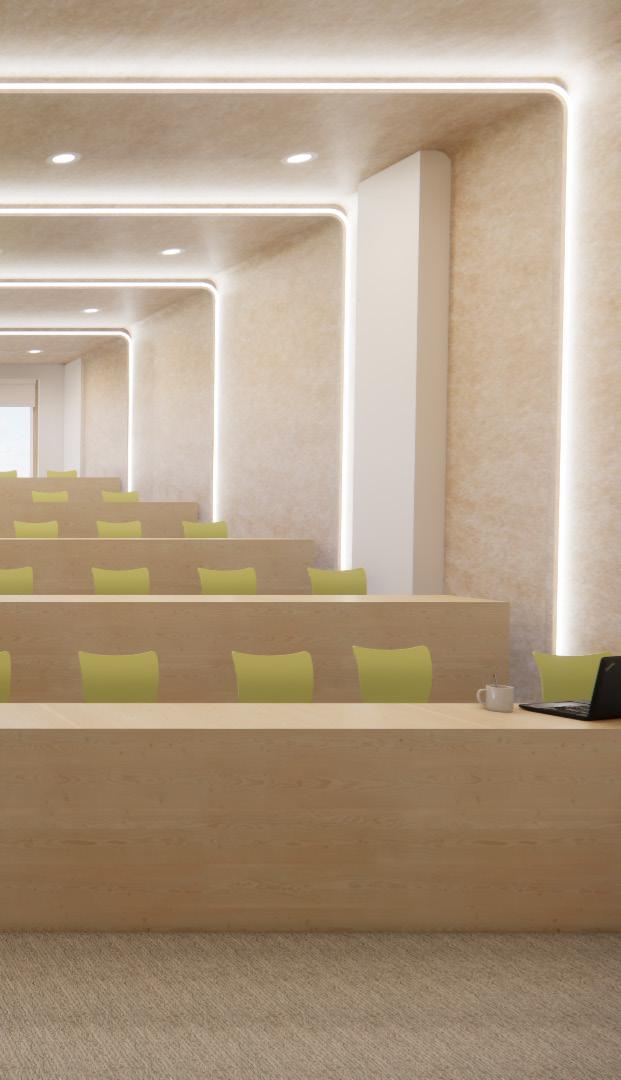




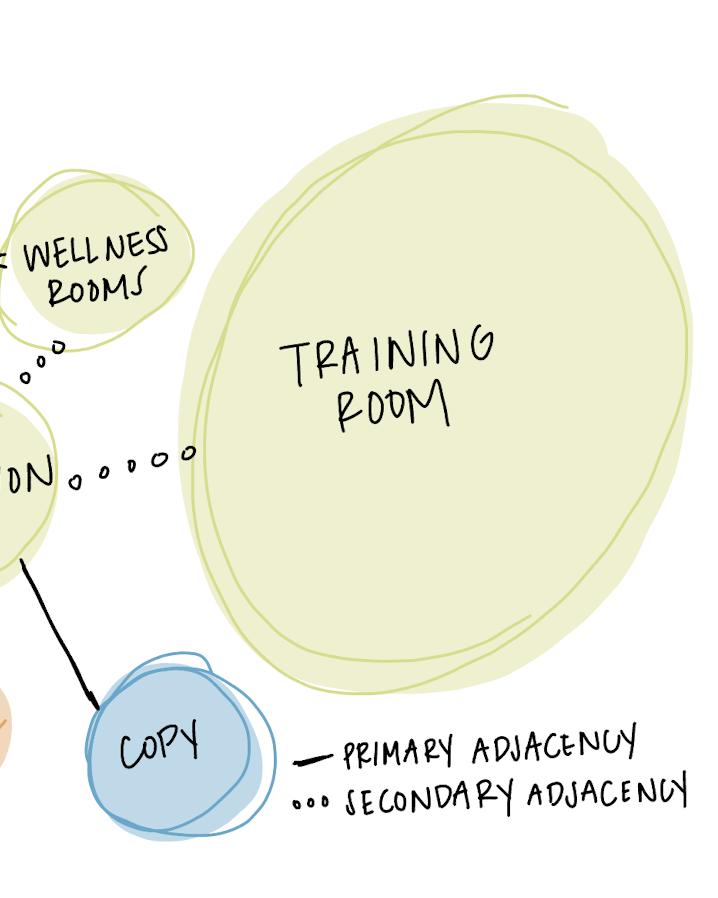
space into two distinct areas. The learning individual study or instruction. The central discussions. This division creates a clear flow, the principle of connect.
LEVEL 2
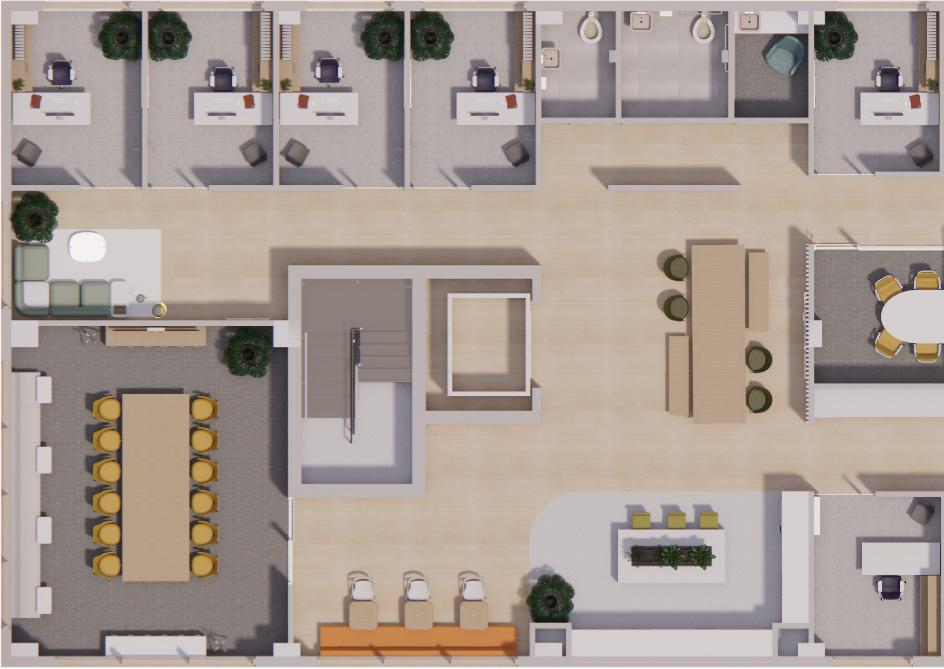



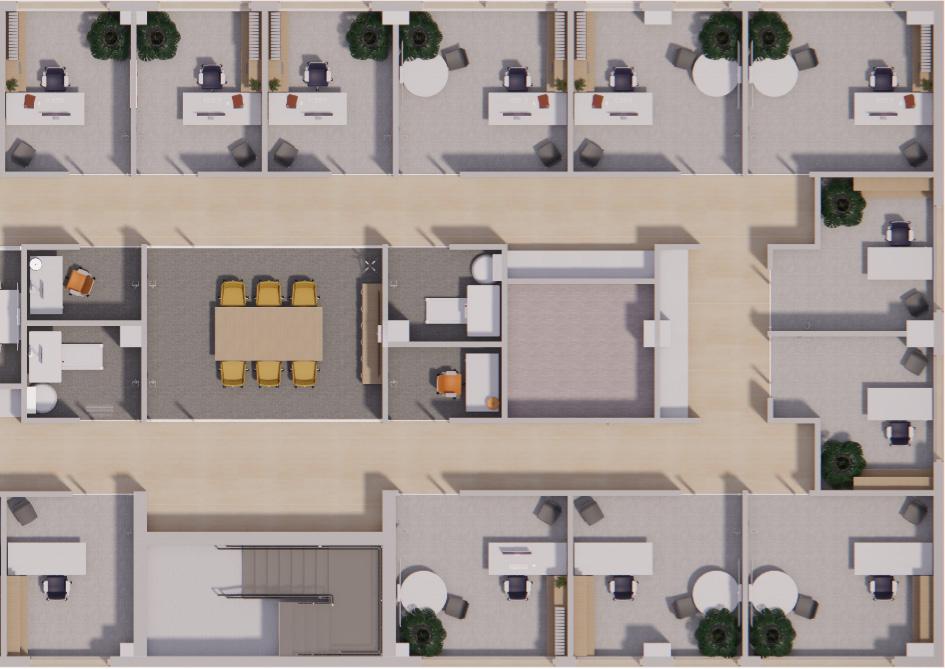

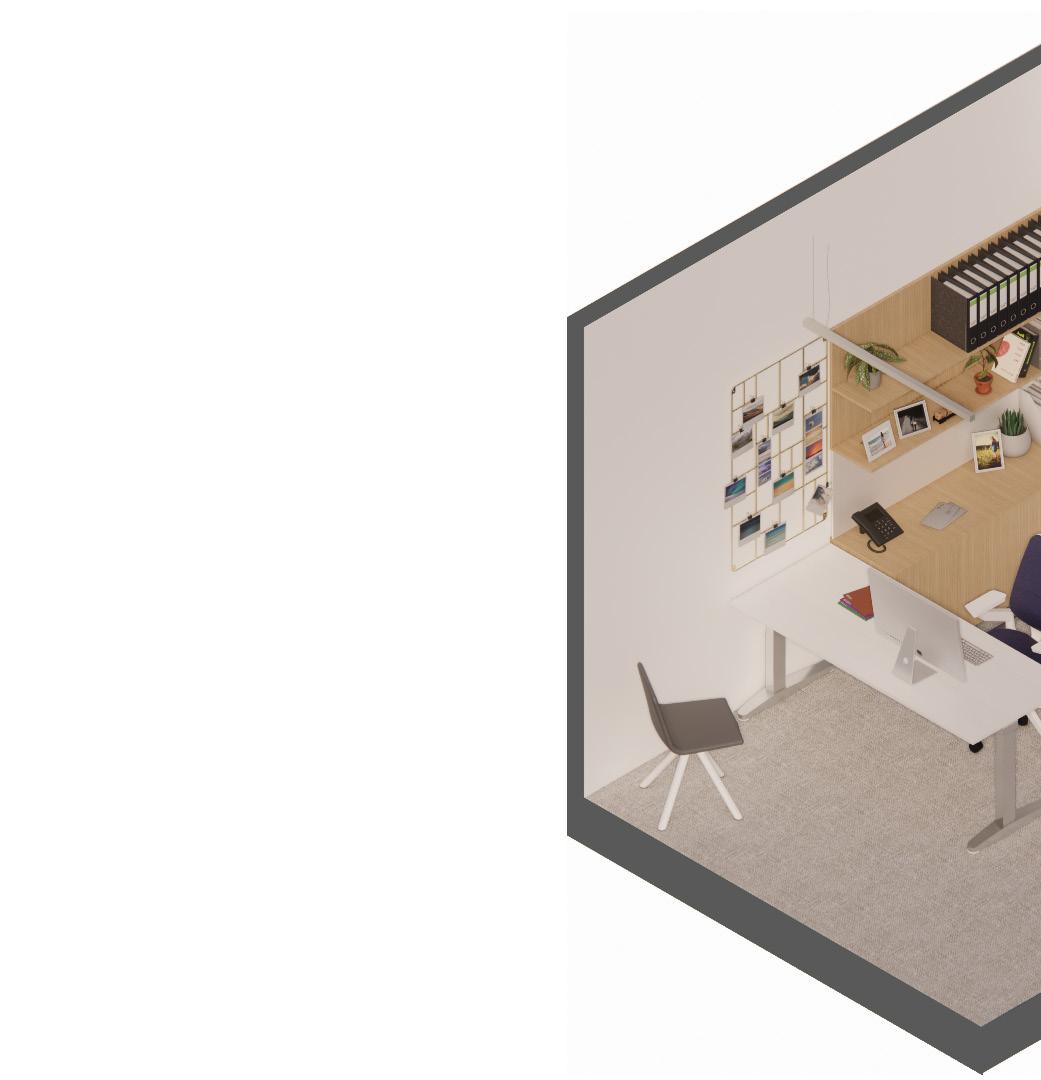
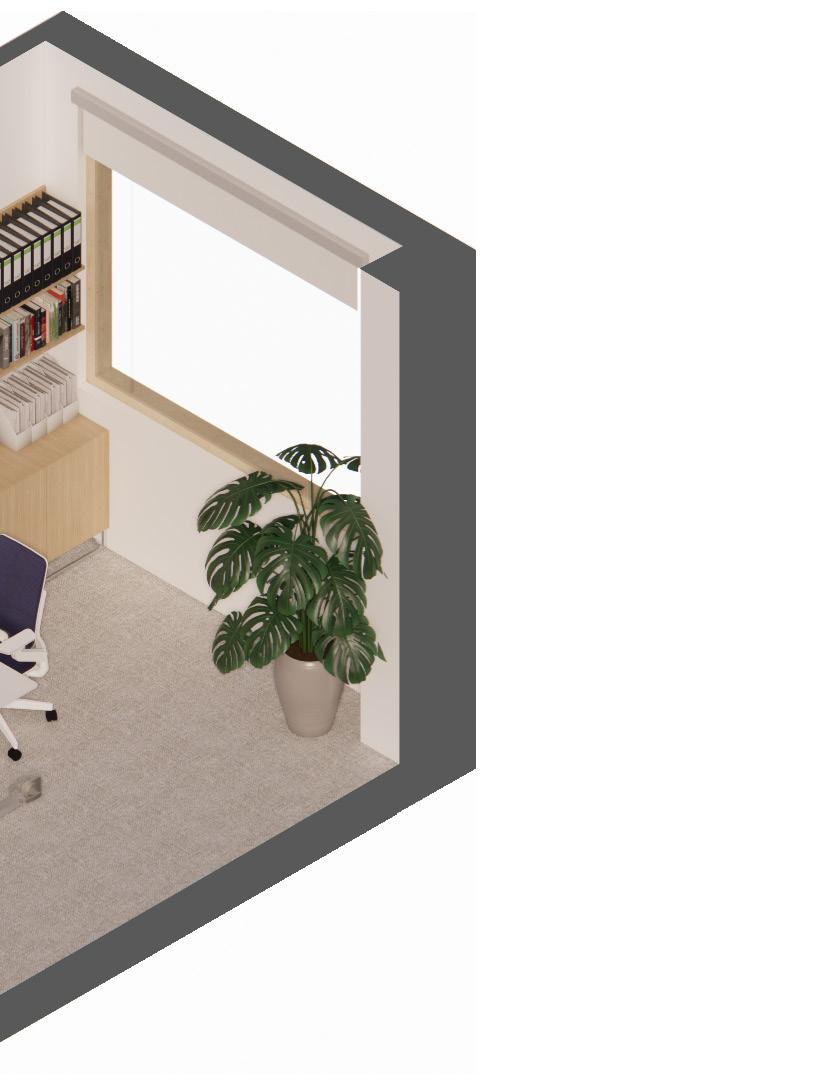
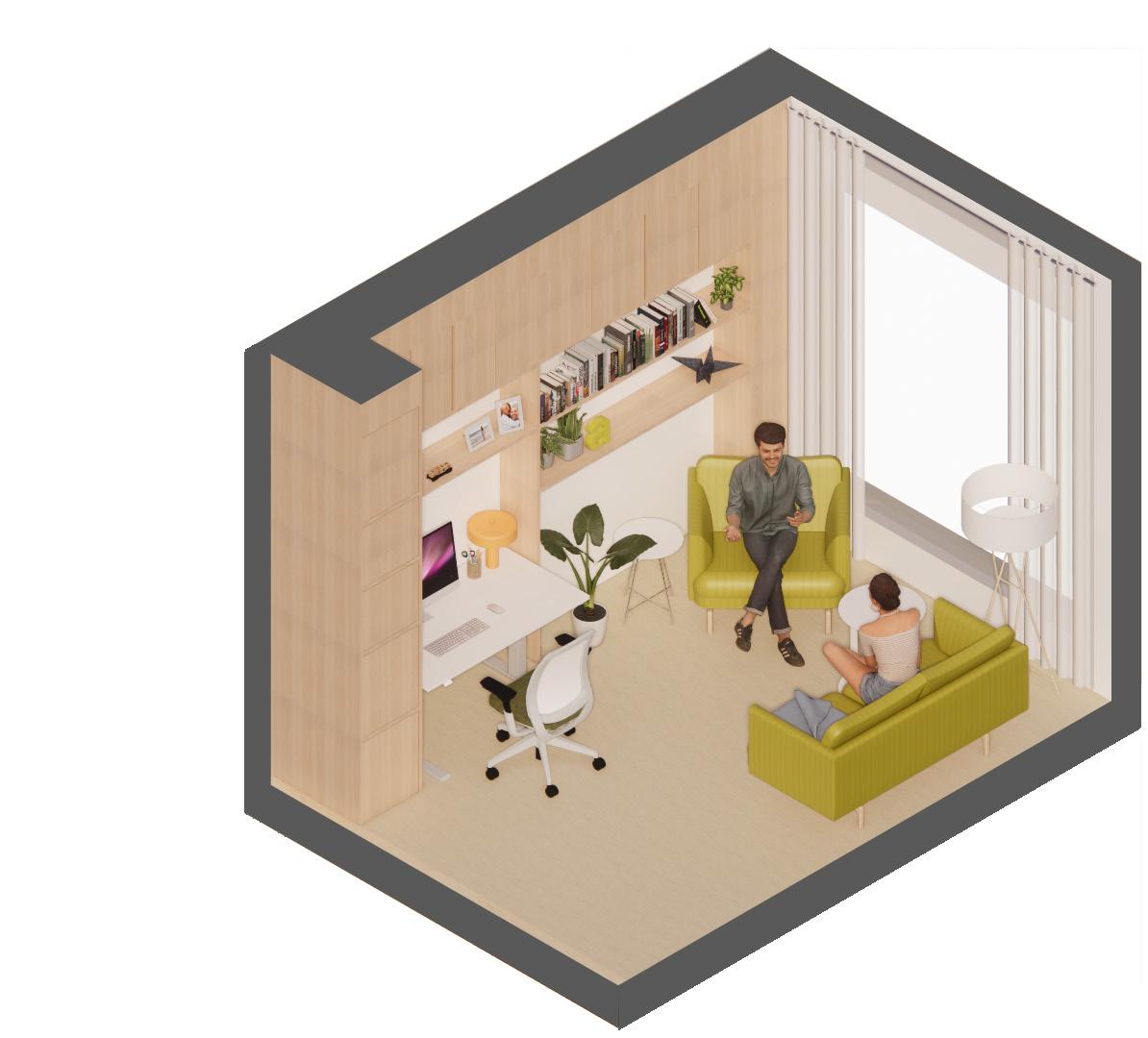
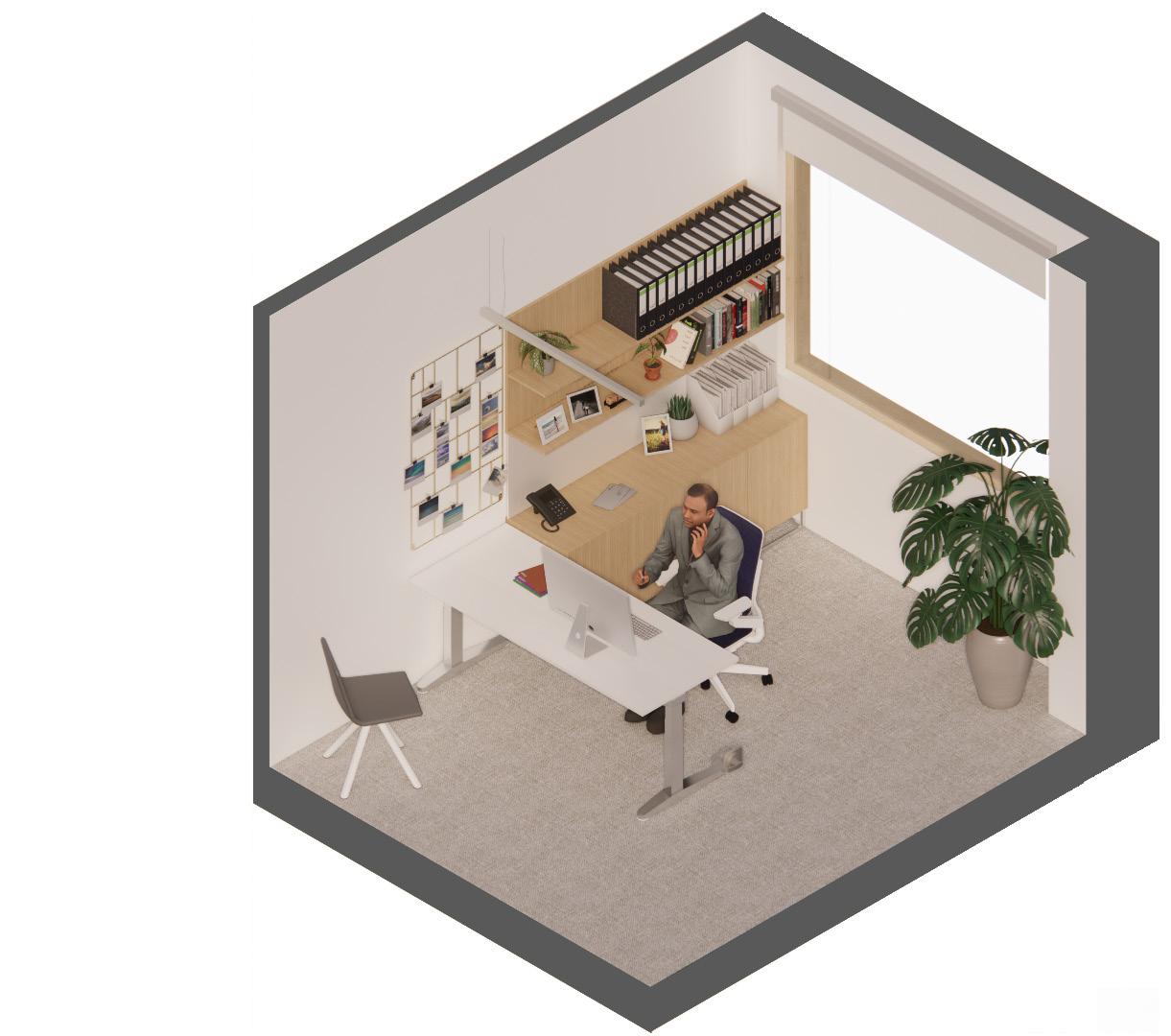
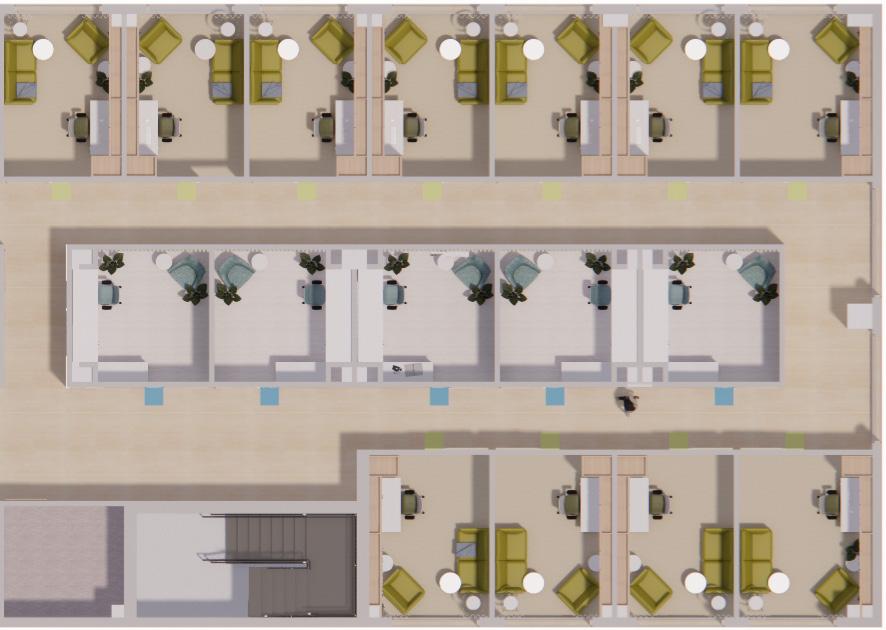
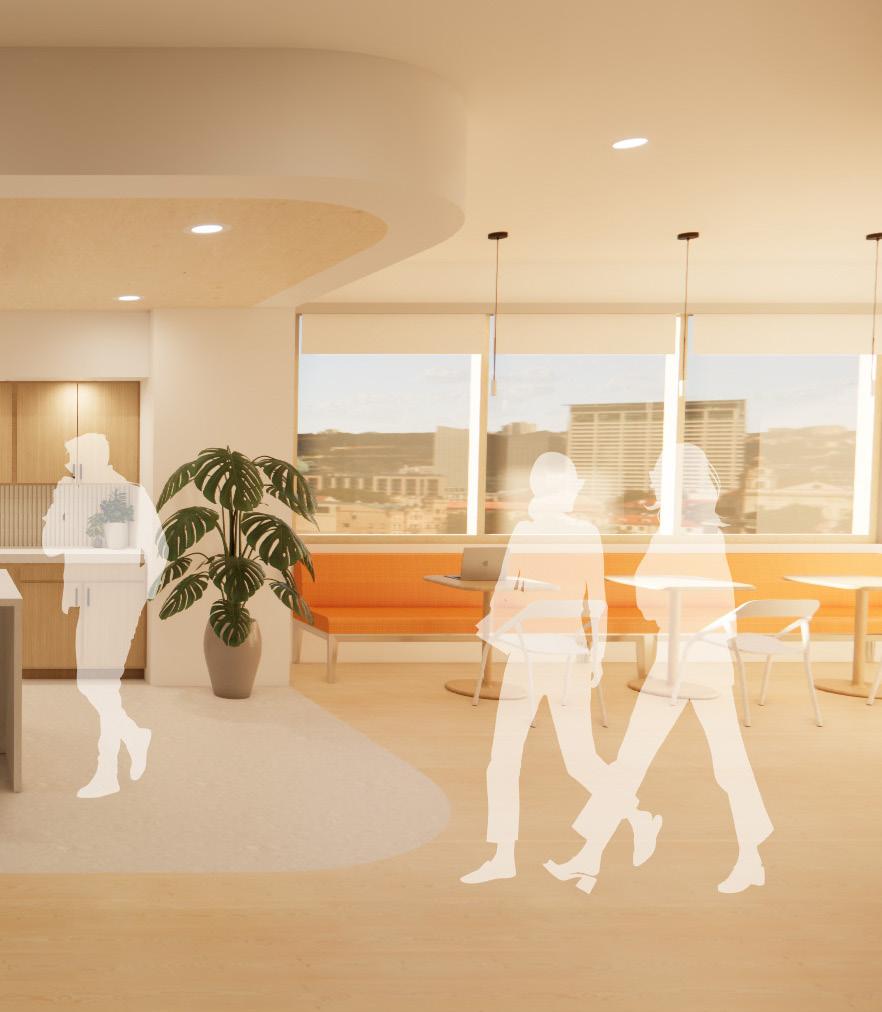
The office is designed to promote productivity and comfort, featuring large windows that allow natural light to fill the space, in line with biophilic design principles. Heightadjustable desks are provided, allowing for flexibility and ergonomic support, catering to diverse working preferences. Blue tones are used throughout, reinforcing a calming atmosphere while promoting focus and mental clarity. These design elements work together to create a balanced and comfortable environment, supporting the goals of heal and restore
DESIGN PRINCIPLES
USER
LEVEL 3
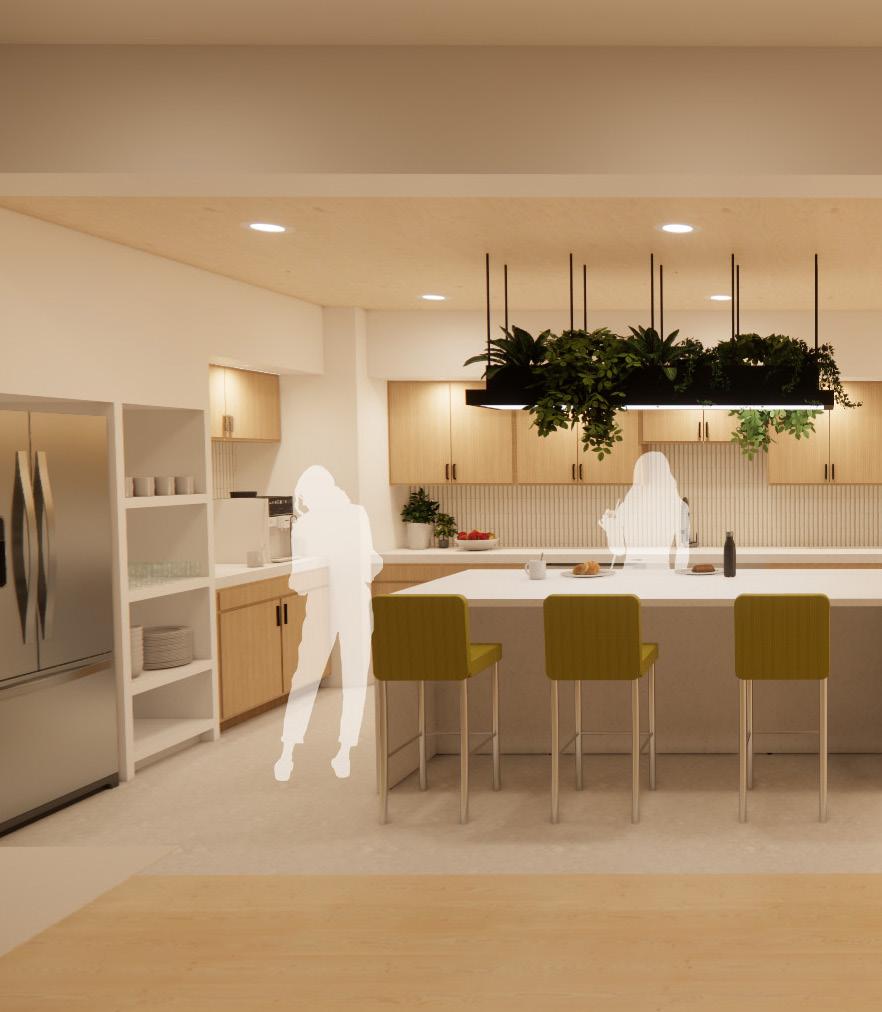
RESEARCH DESIGN PRINCIPLES USER
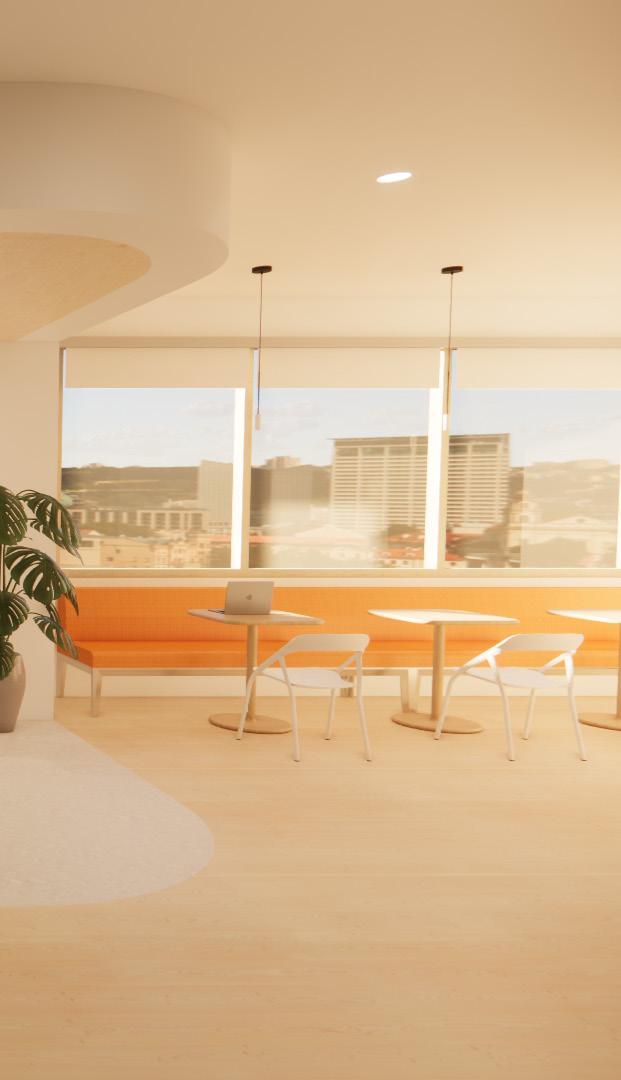

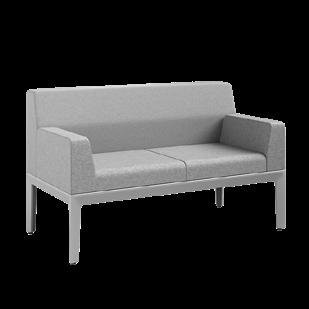
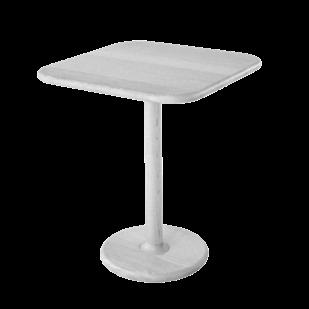

collaboration. Spatial clarity is achieved areas while maintaining an open and cohesive incorporating biophilic design principles that calming and inviting atmosphere, supporting the
LEVEL 3