HEATHER HIGHLAND
PICCI GASTRONOMY CENTER
LABOR IN THE LOOM
TYPOLOGY FIREHOUSE/COMMUNITY CENTER
LOCATION RICHMOND, CA
CA
INSTRUCTOR ELIZABETH BISHOP
COLLABORATOR SAUMYA GOGTE
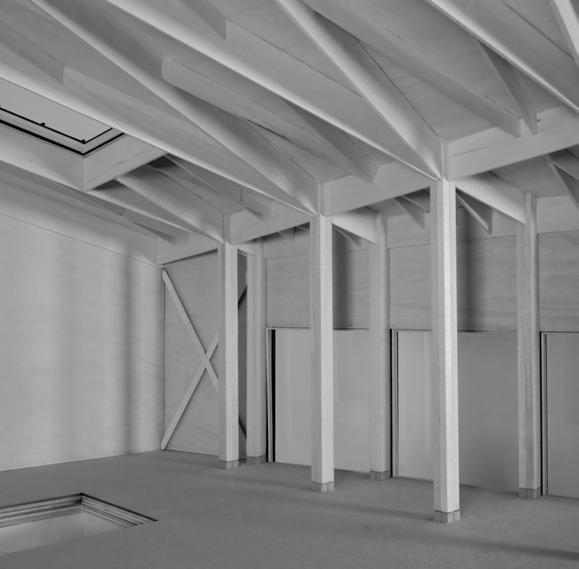
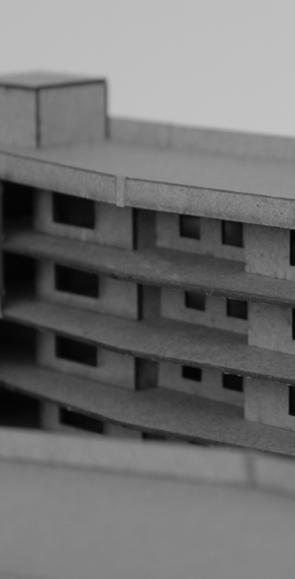
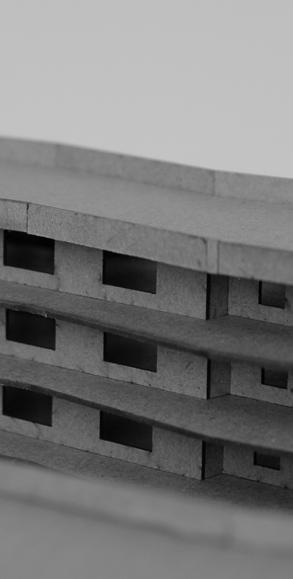
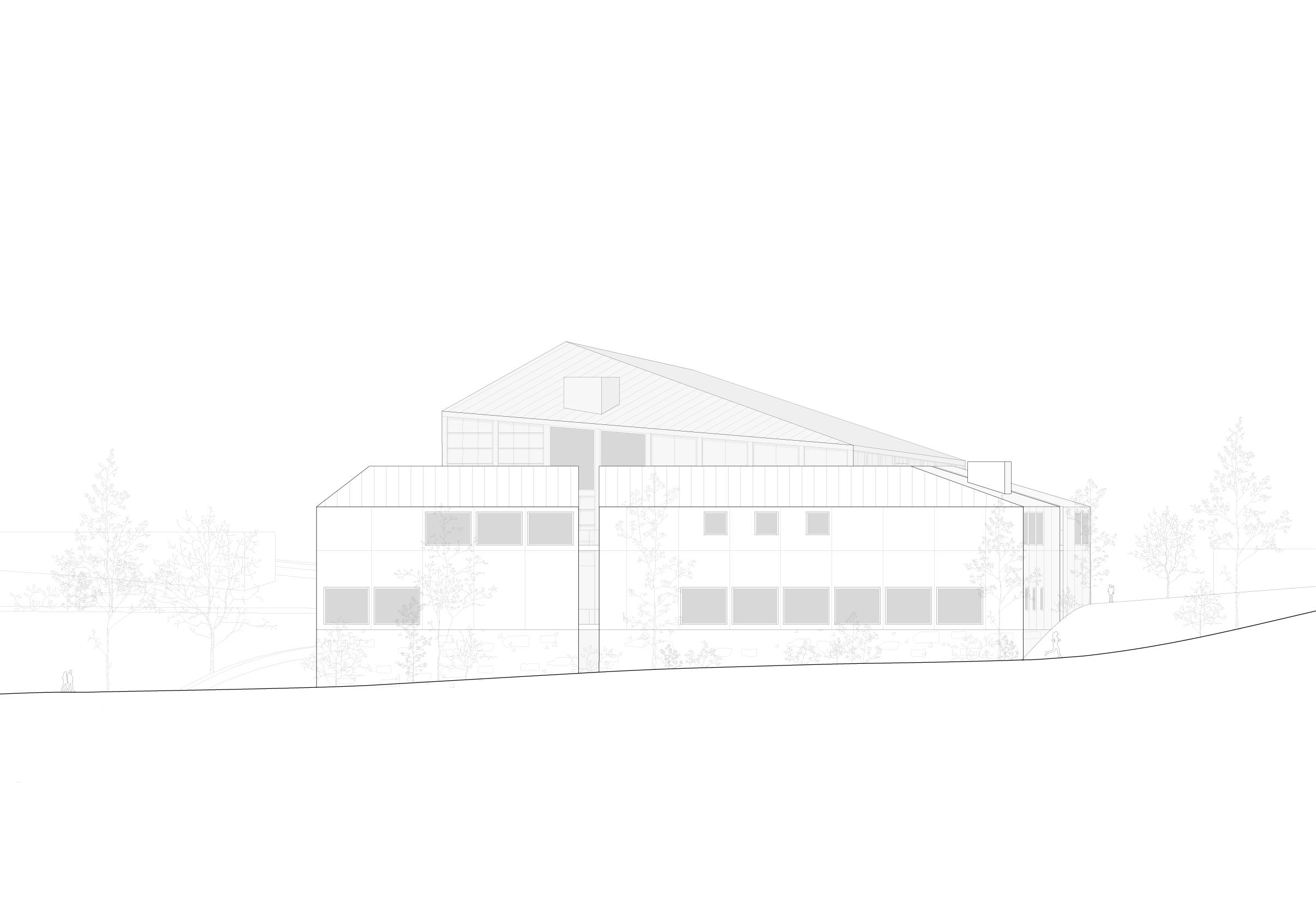
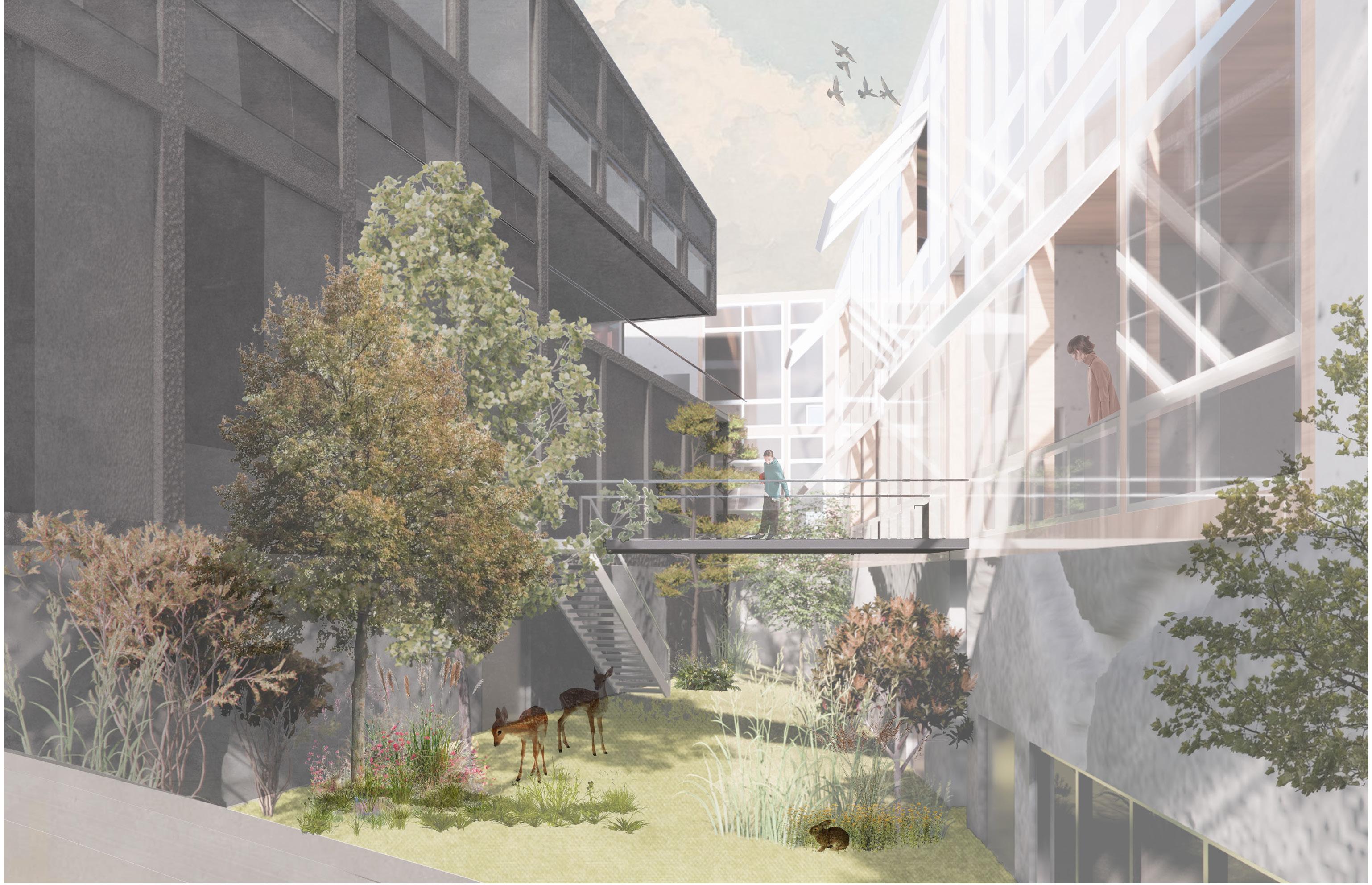
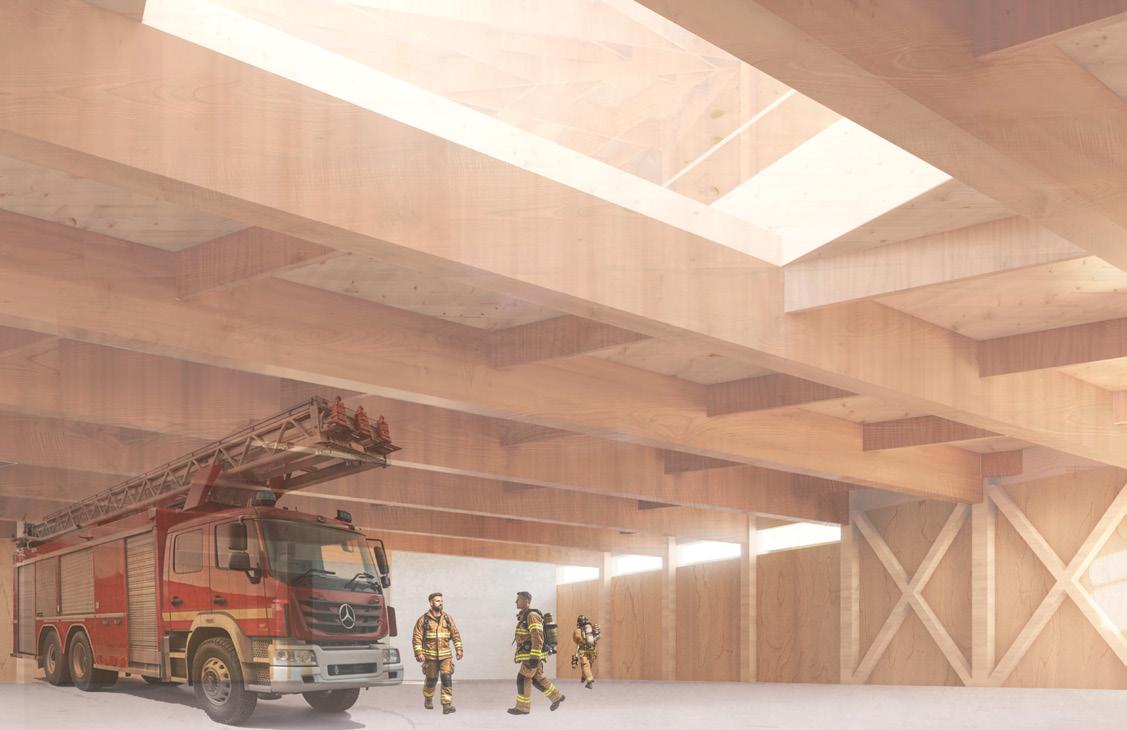
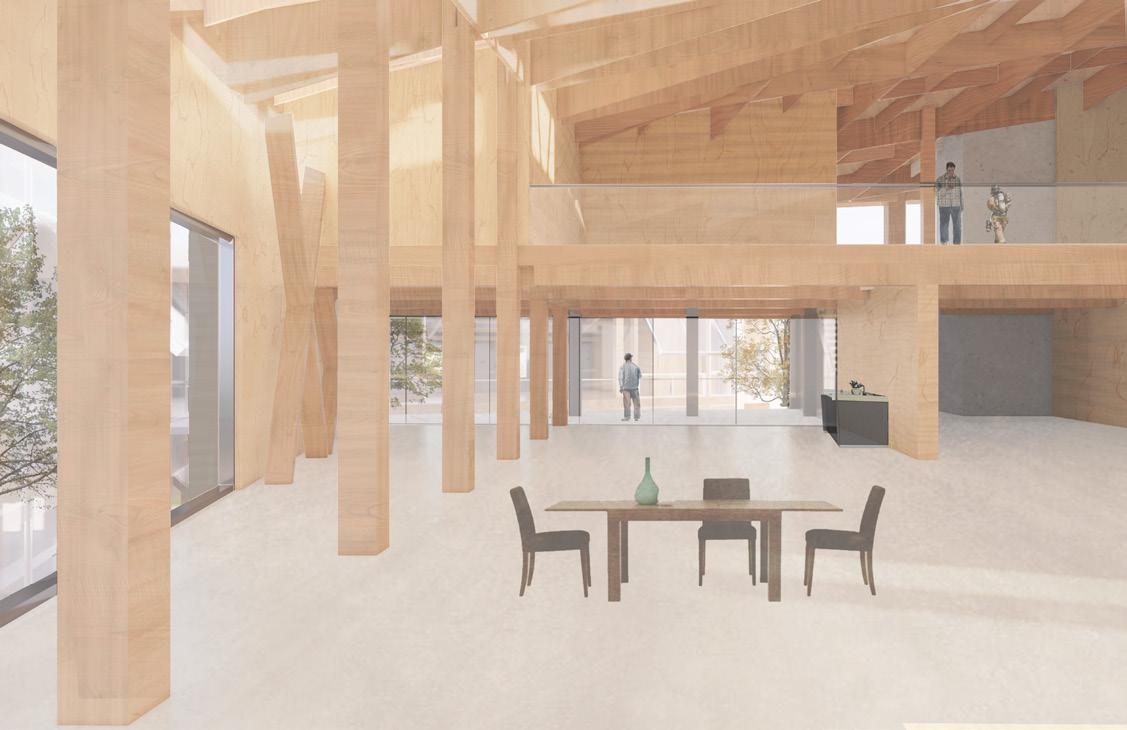
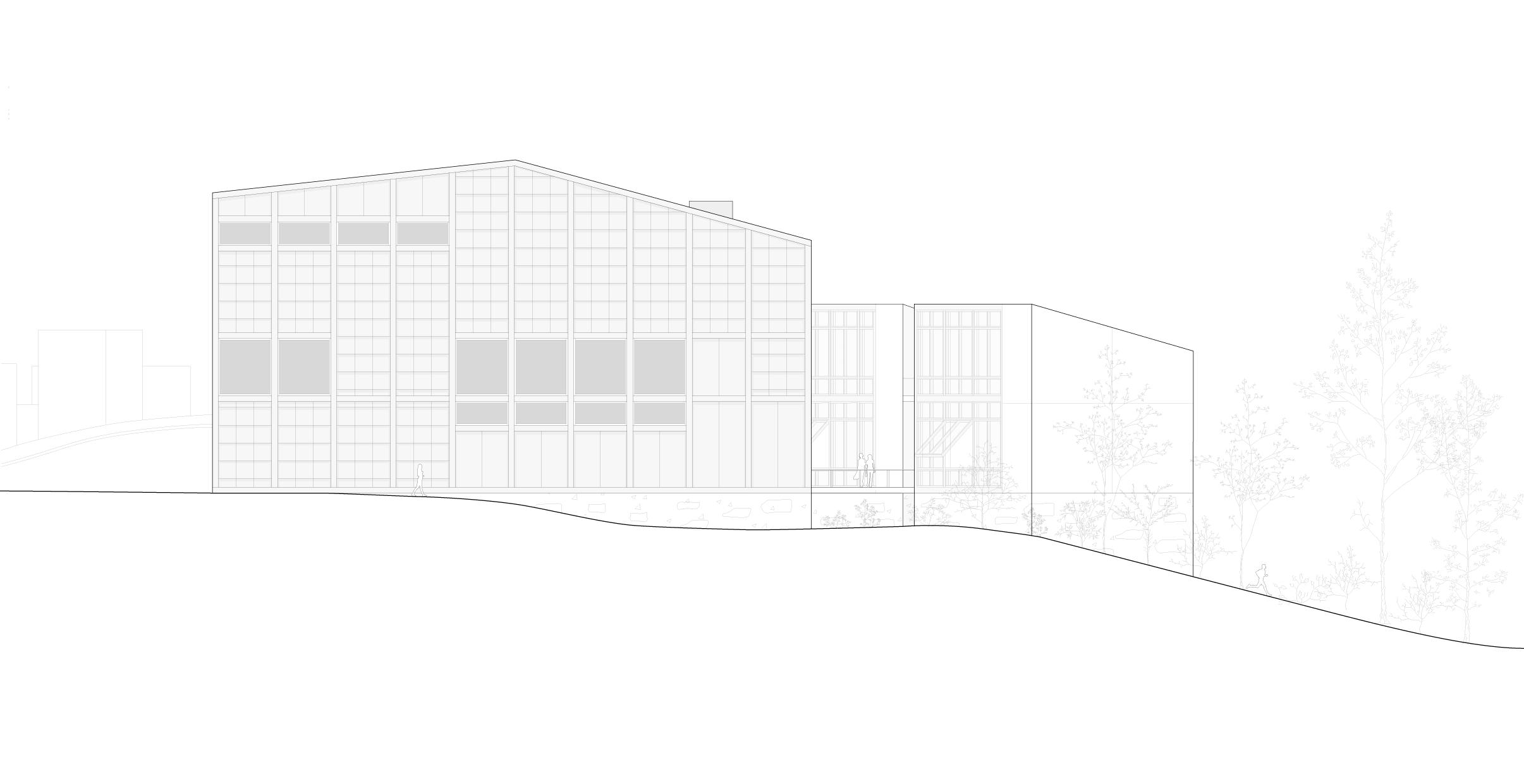
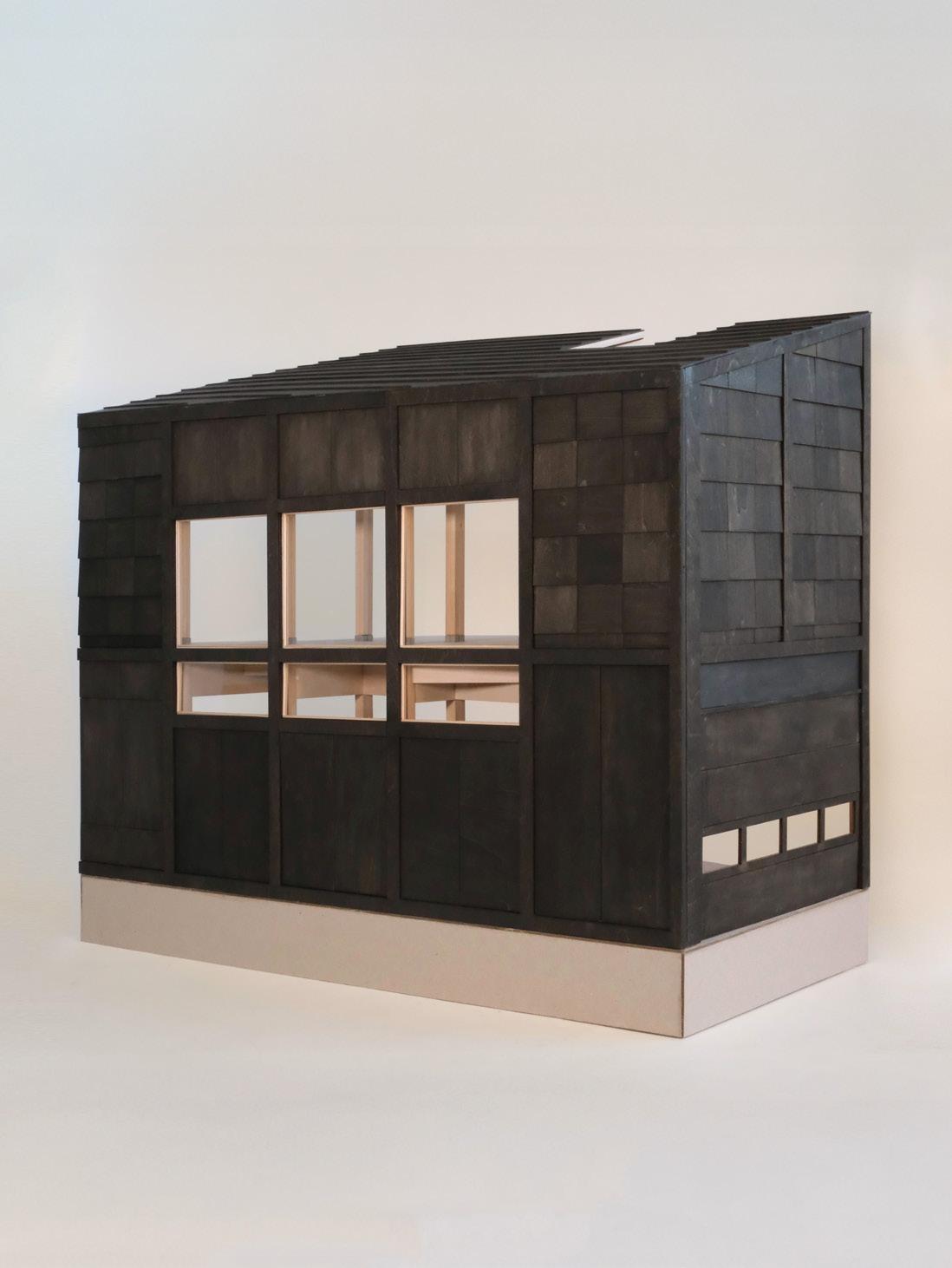
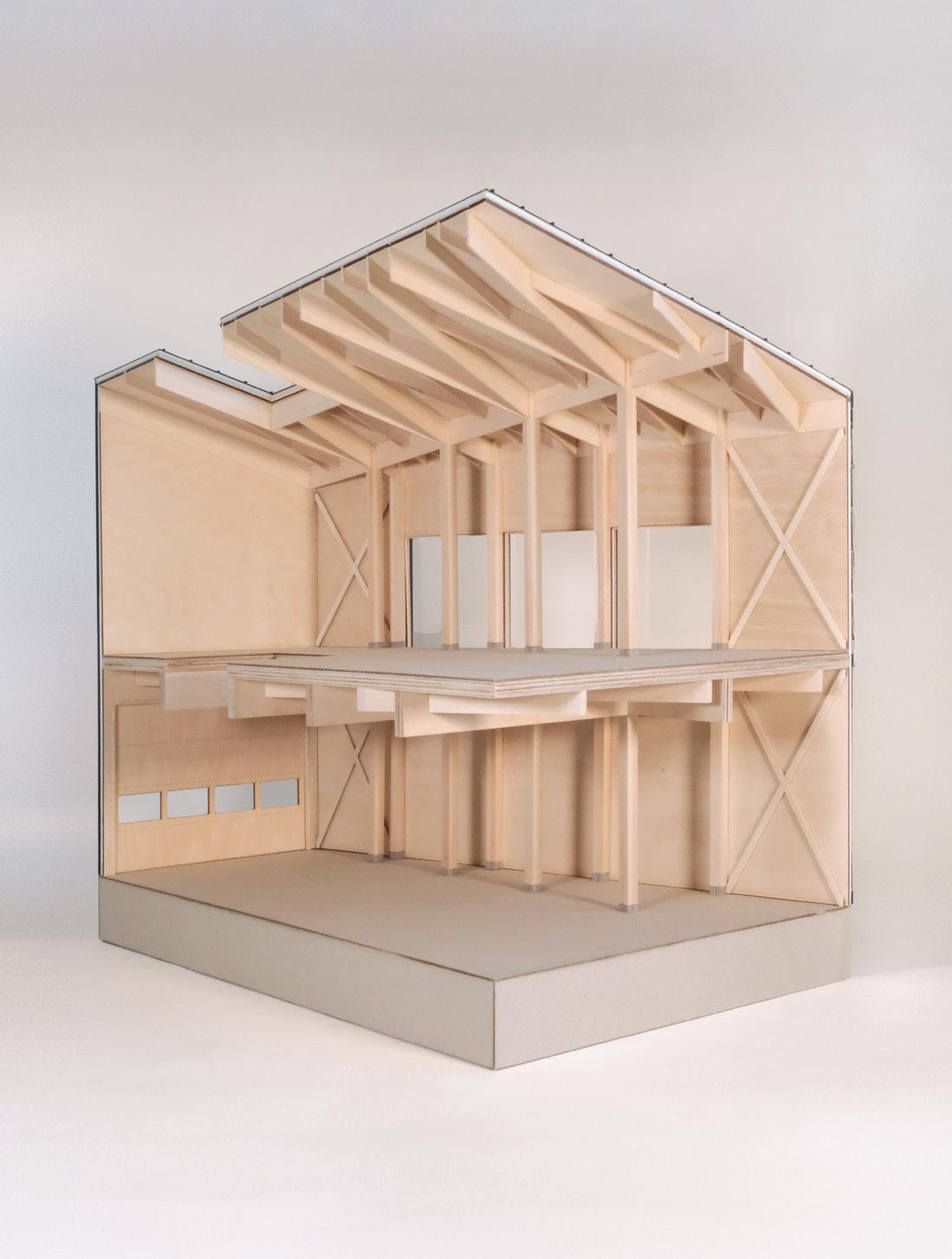
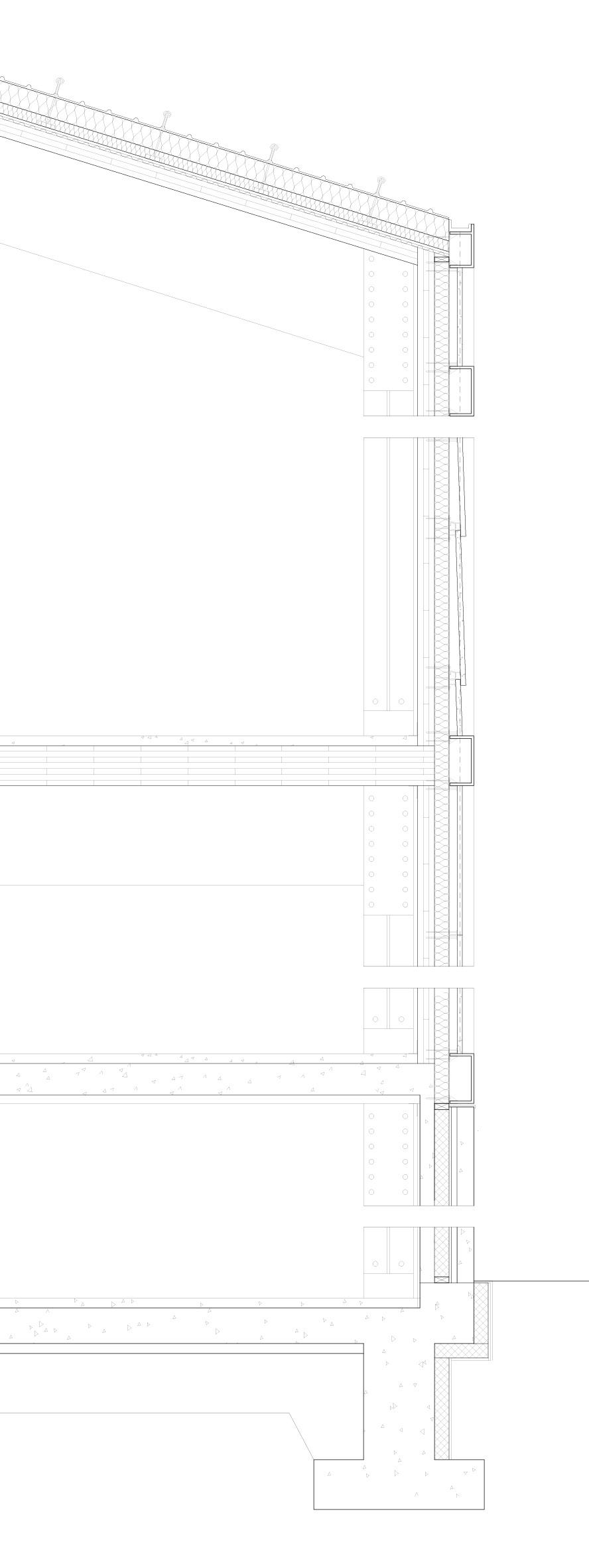
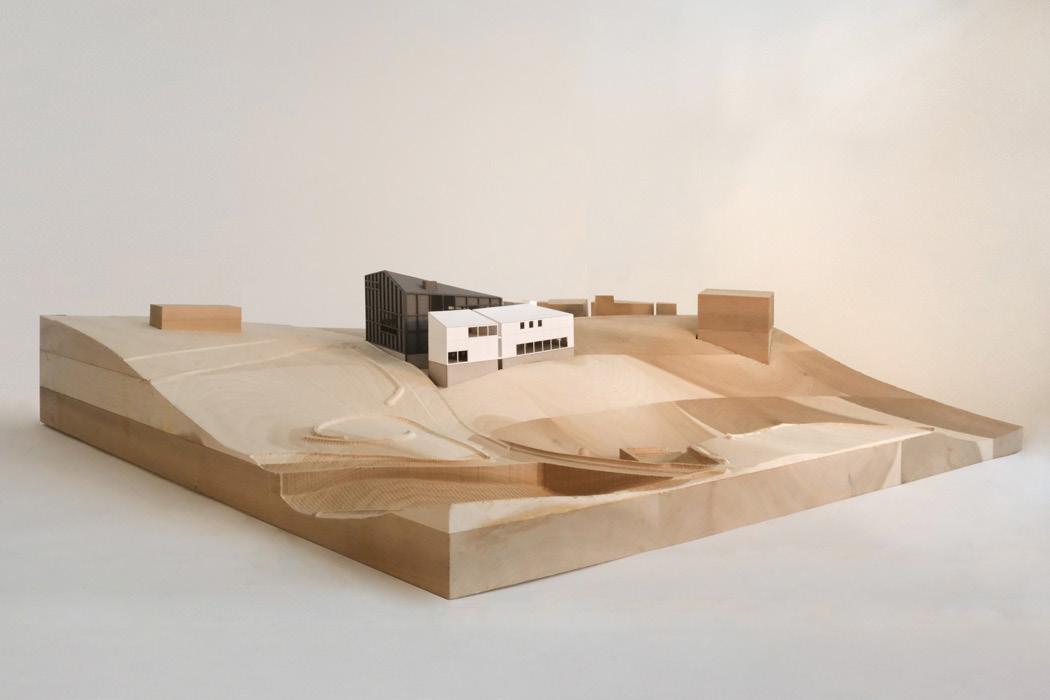
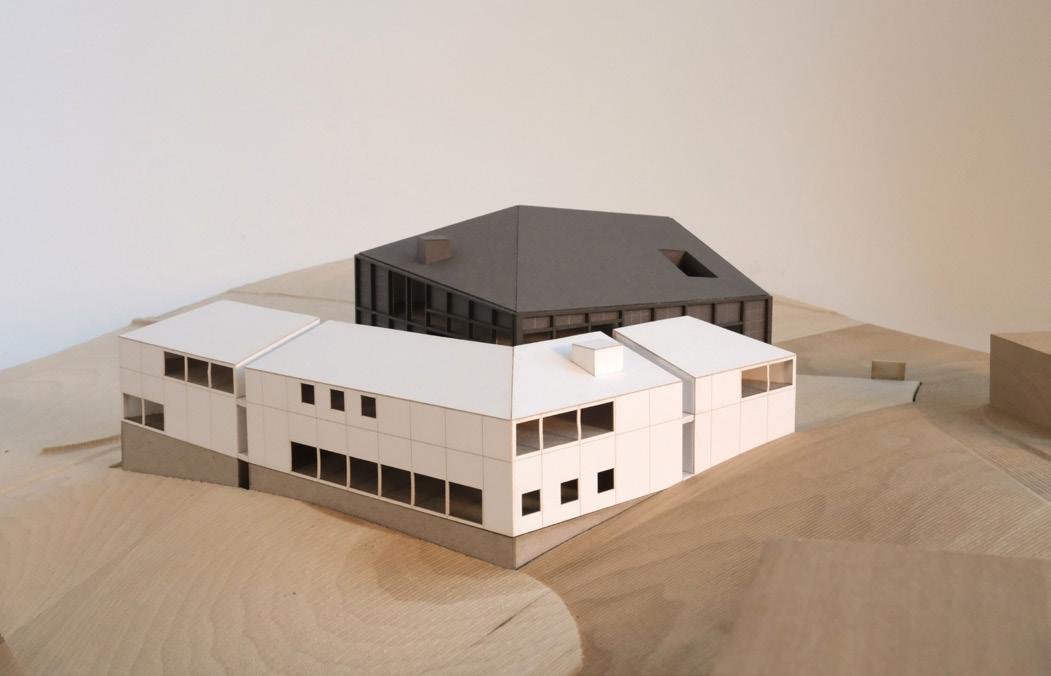
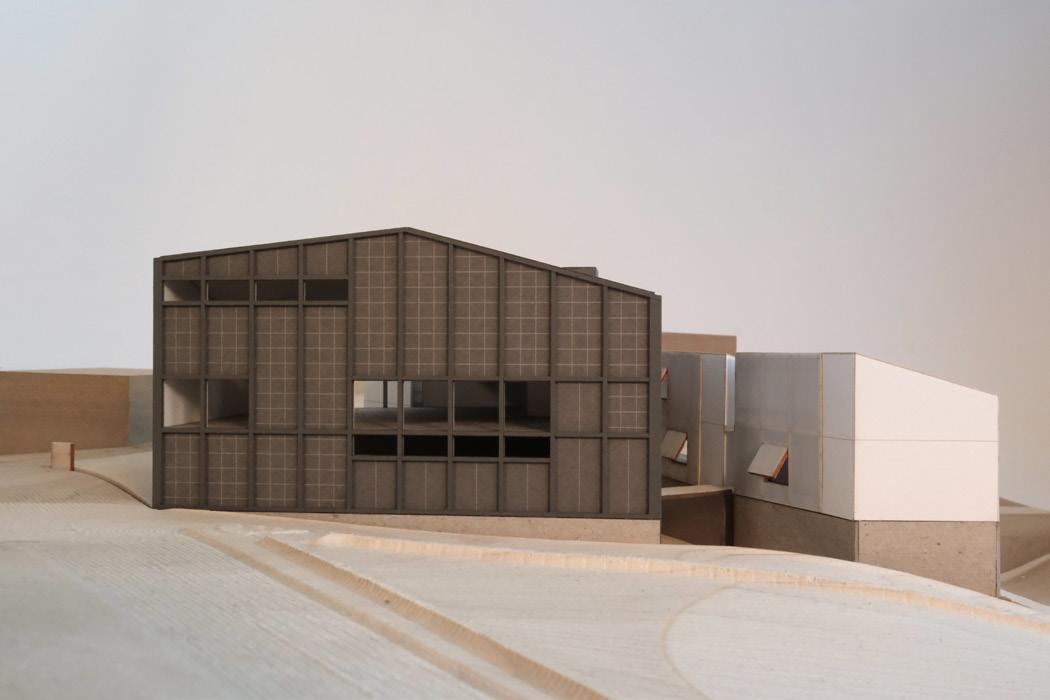
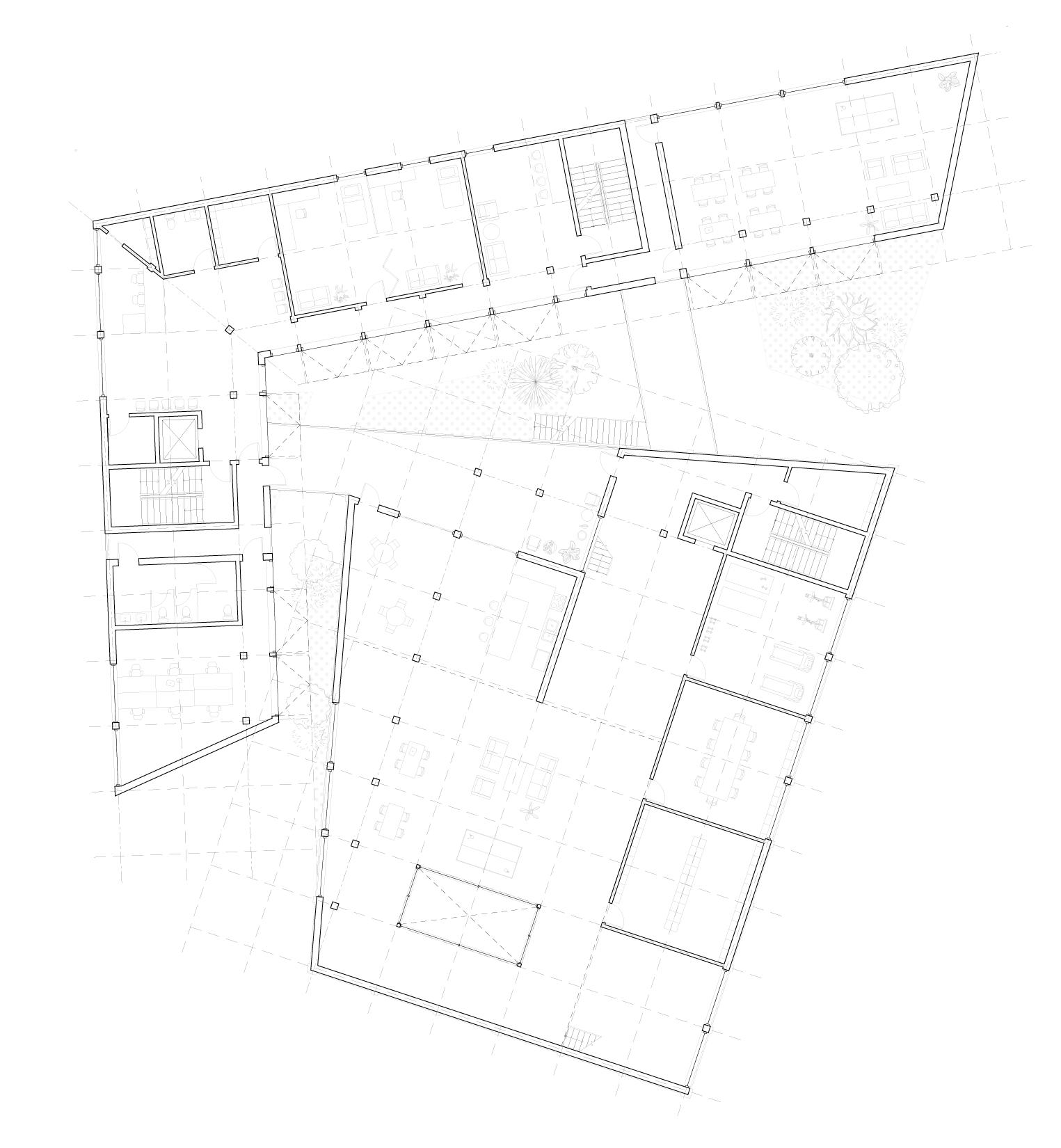
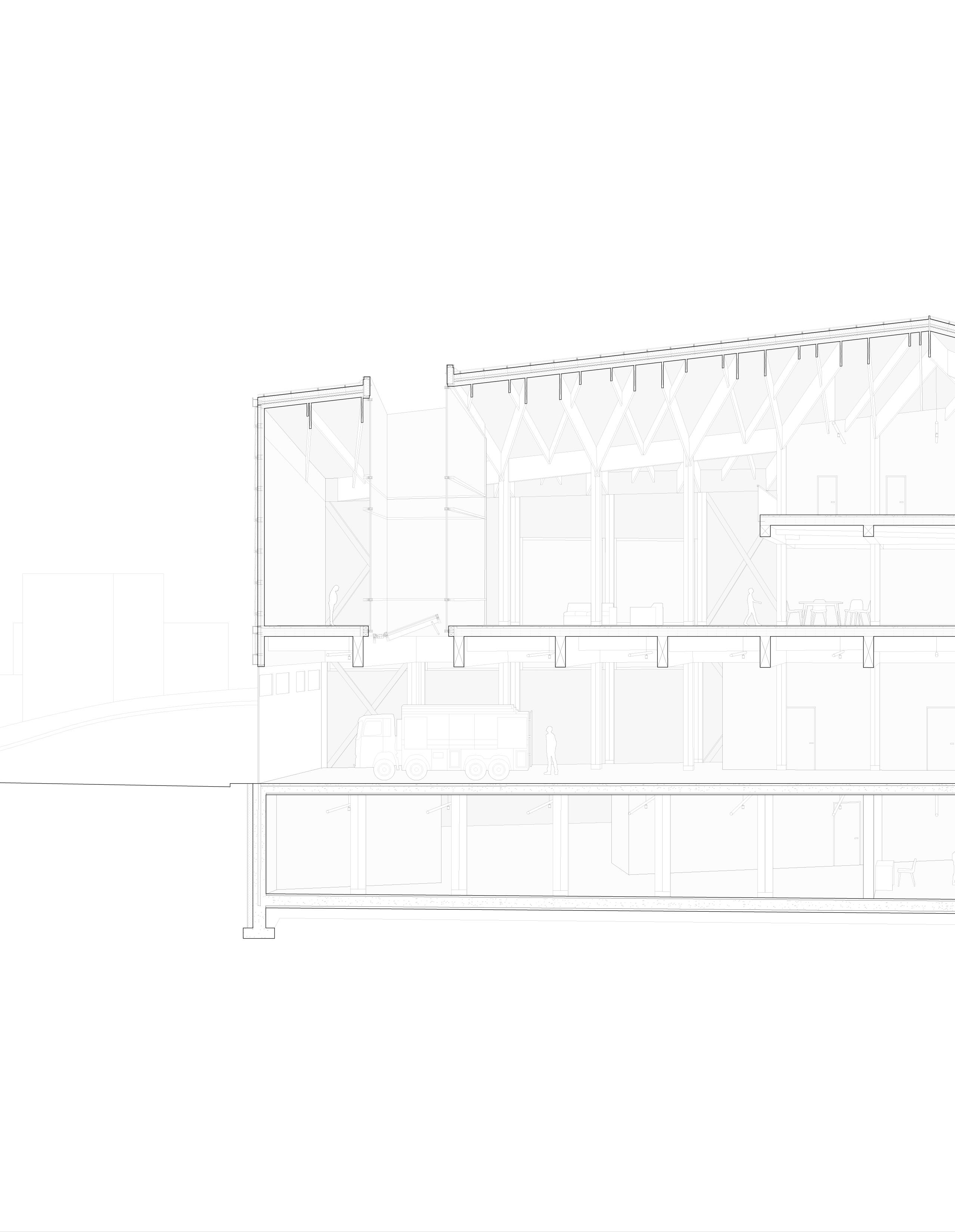
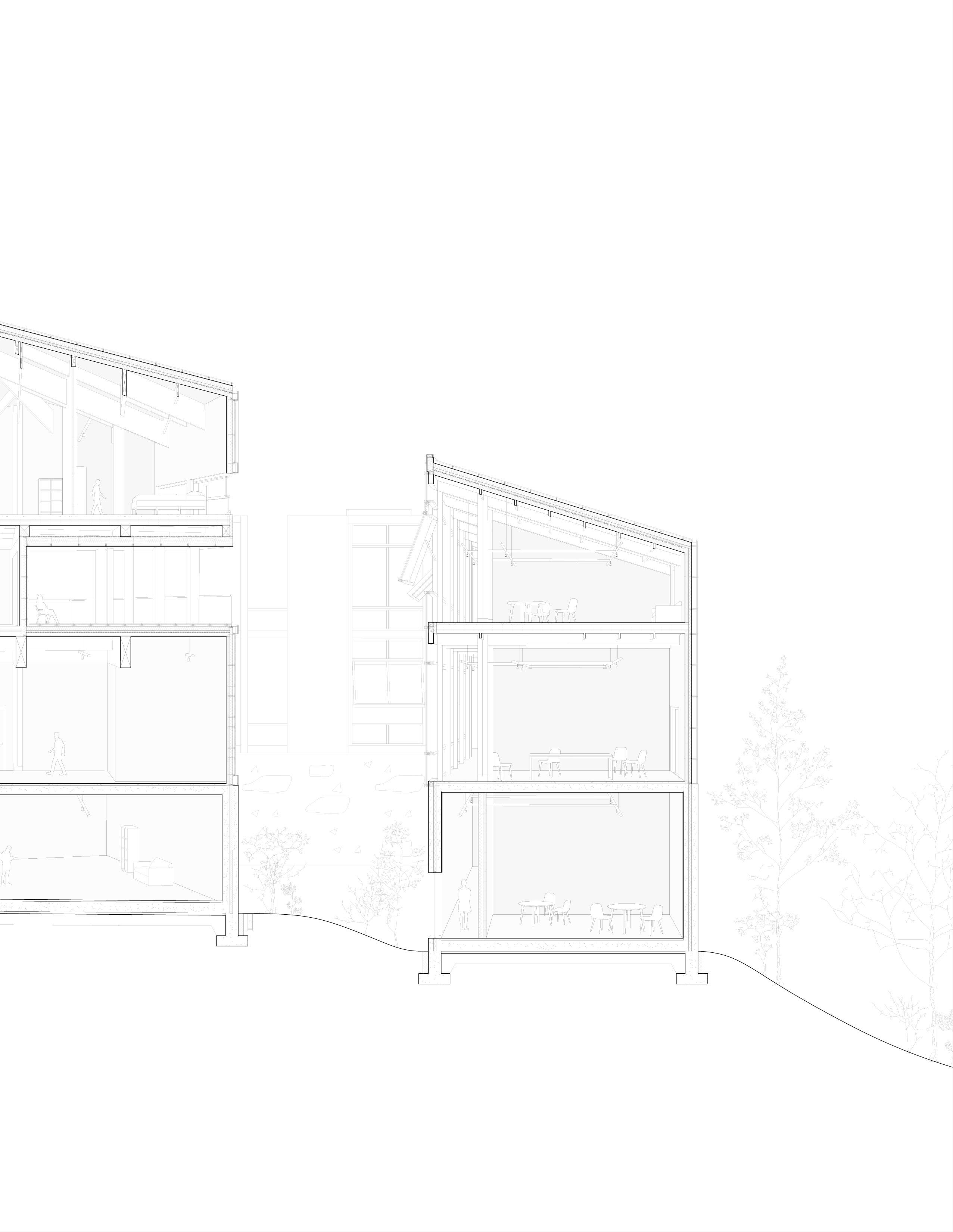
The concept of “the in between” establishes the foundation of the design. Initially informed by the need for distinct separation between the two programs (firehouse & community center), the project develops into an exploration of what happens between these different functions, and how the two halves of the building intersect and communicate without defying the programmatic boundaries. The negative space between the buildings as well as the linear voids creates a system of exterior circulation, and opportunities for unique outdoor conditions where users exist within the “in between.” Although distinct, the forms are unified through a continuous gabled roof as well as a system of projected structural grids that collide on the interior to reflect the consistent communication between the two buildings.
TYPOLOGY
MUSEUM
LOCATION OAKLAND, CA
INSTRUCTOR WONNE ICKX
COLLABORATOR EUNICE ROCHA
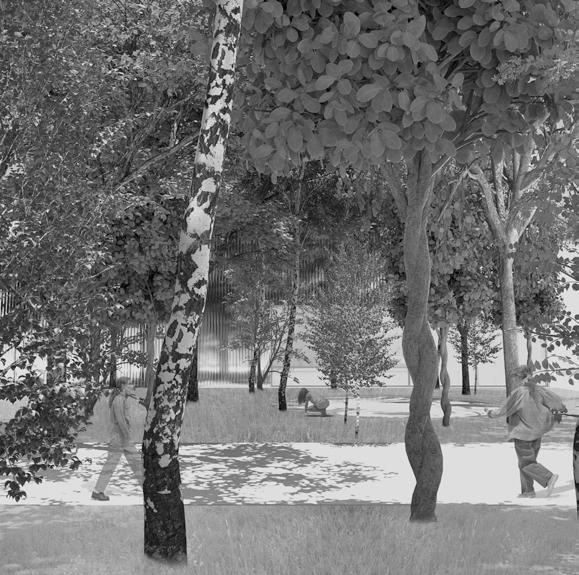
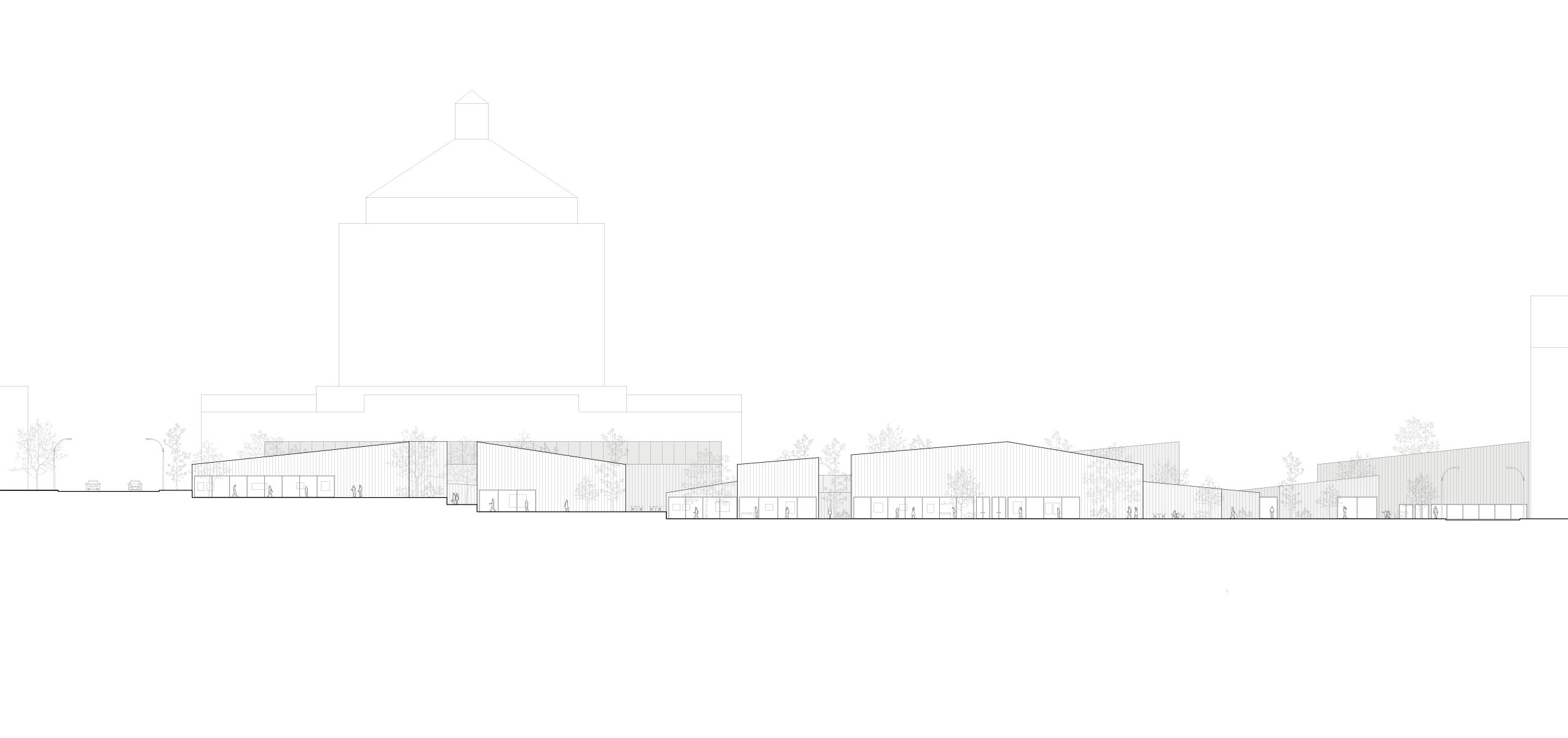
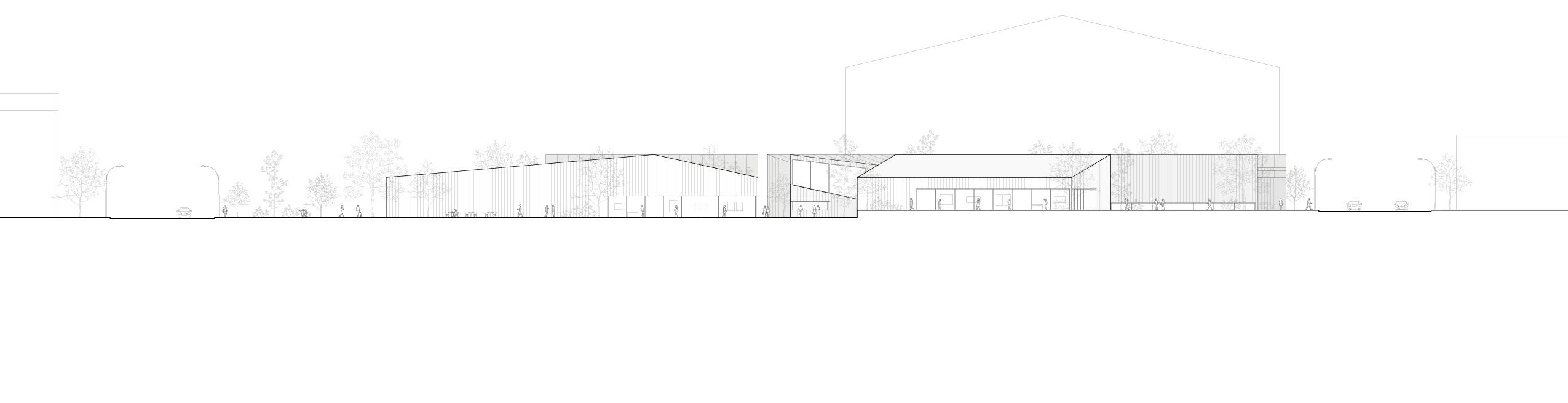
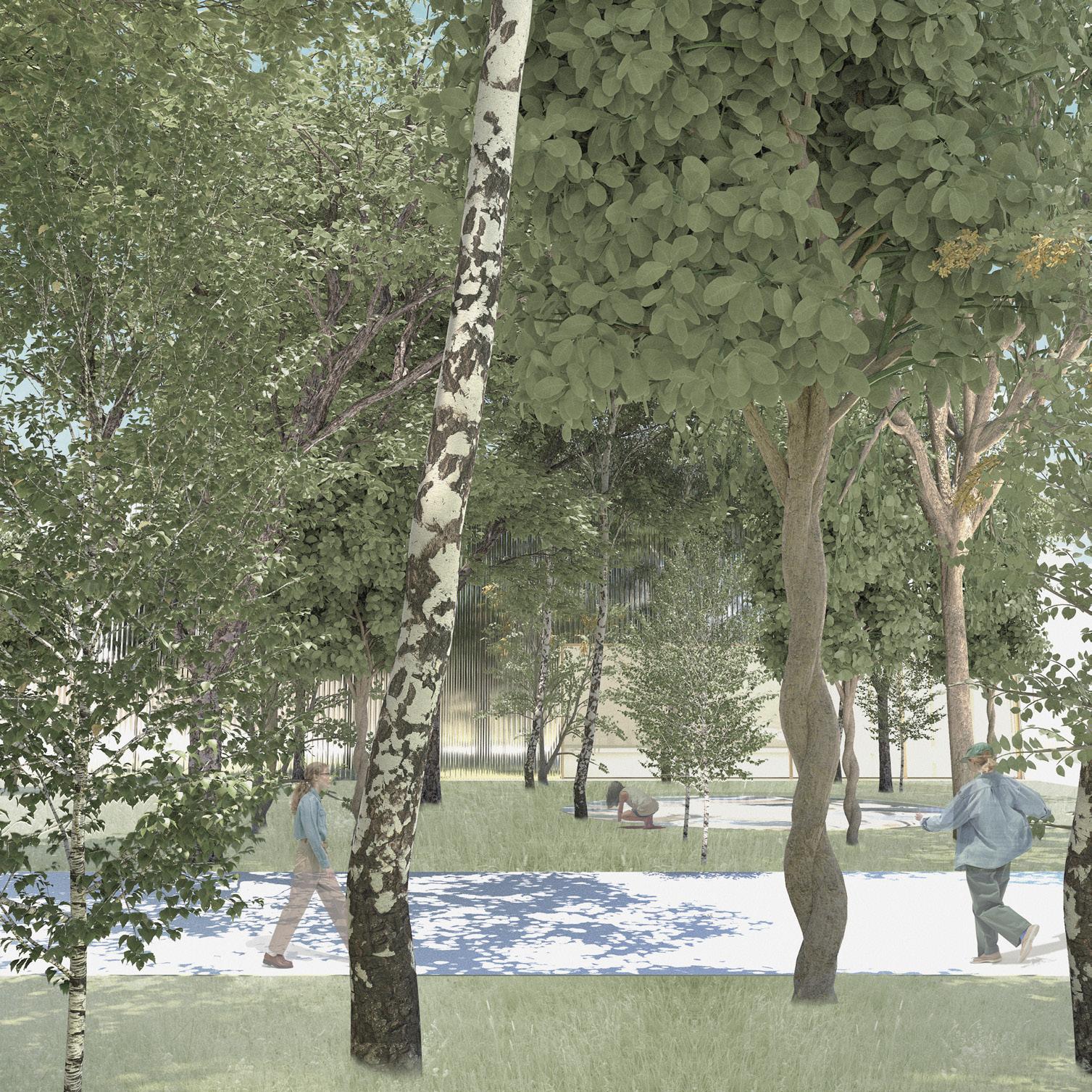
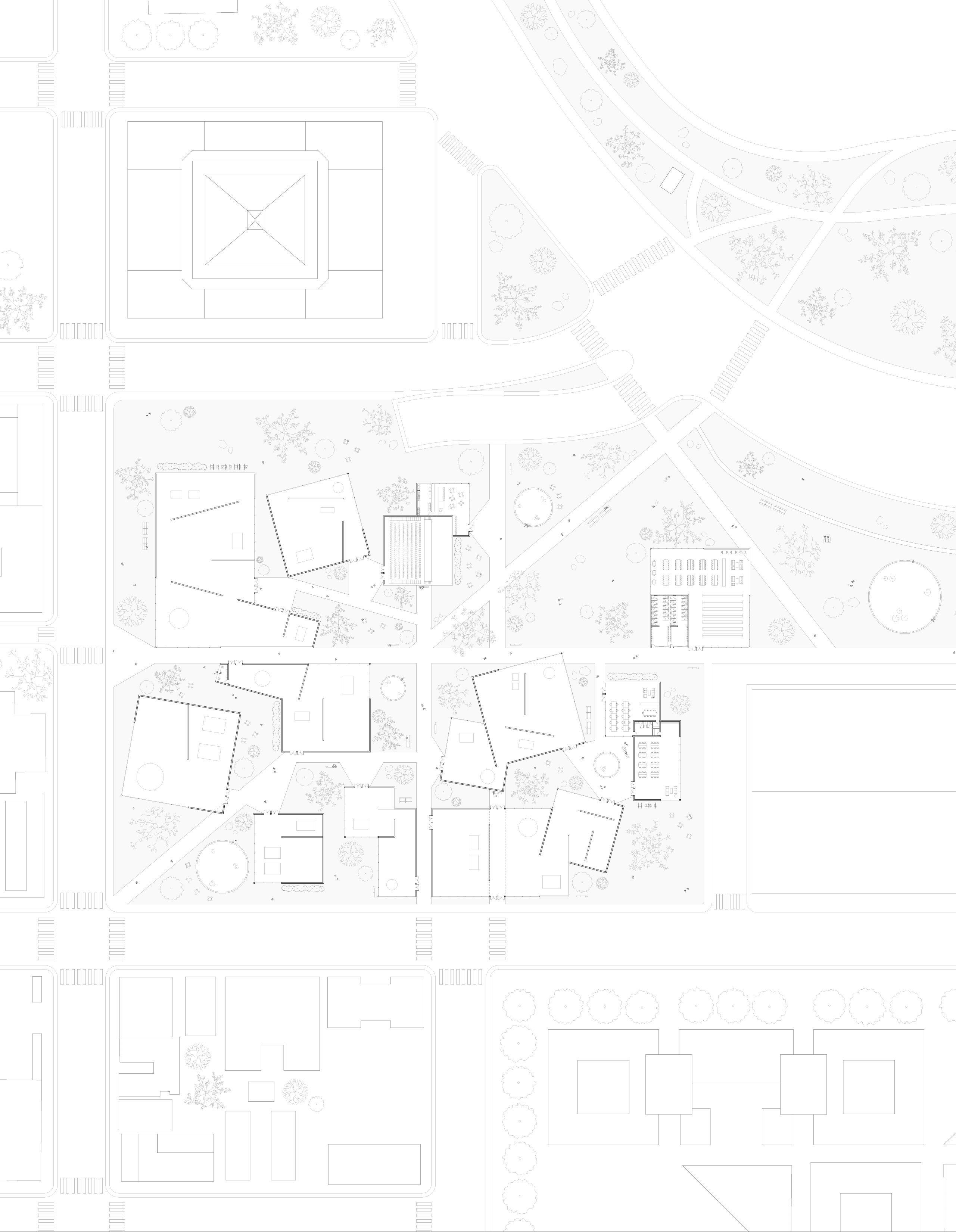
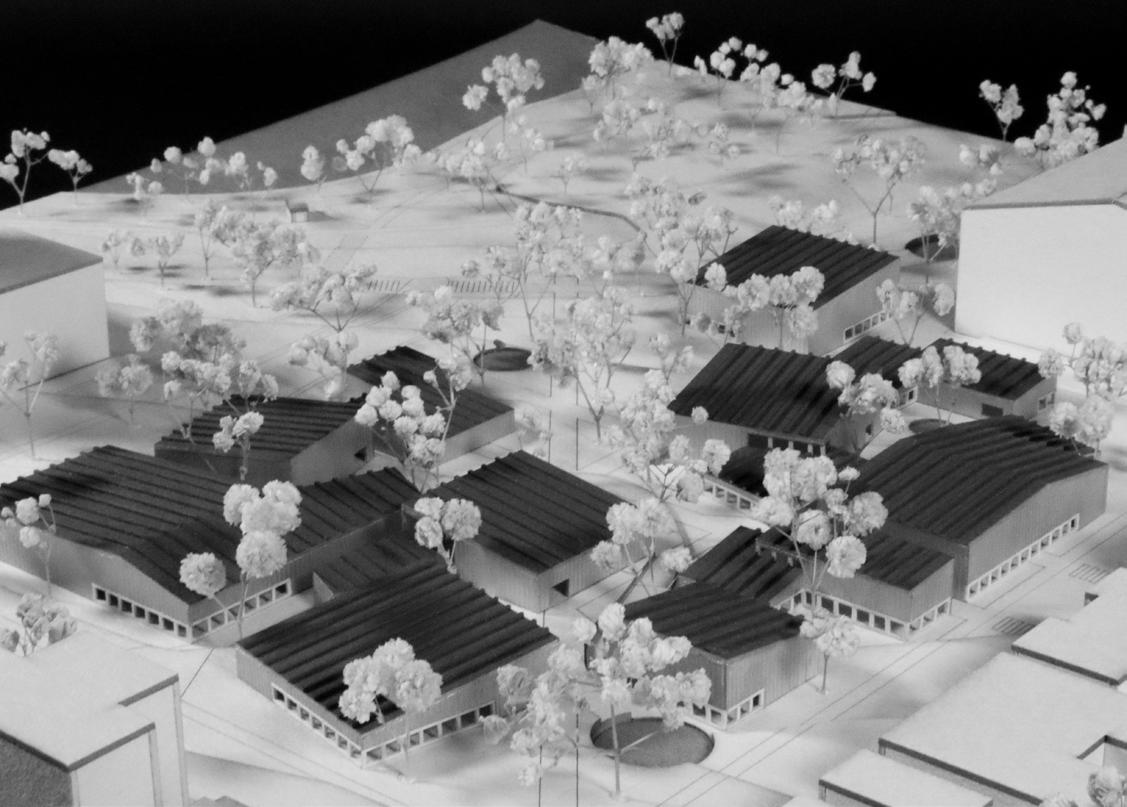
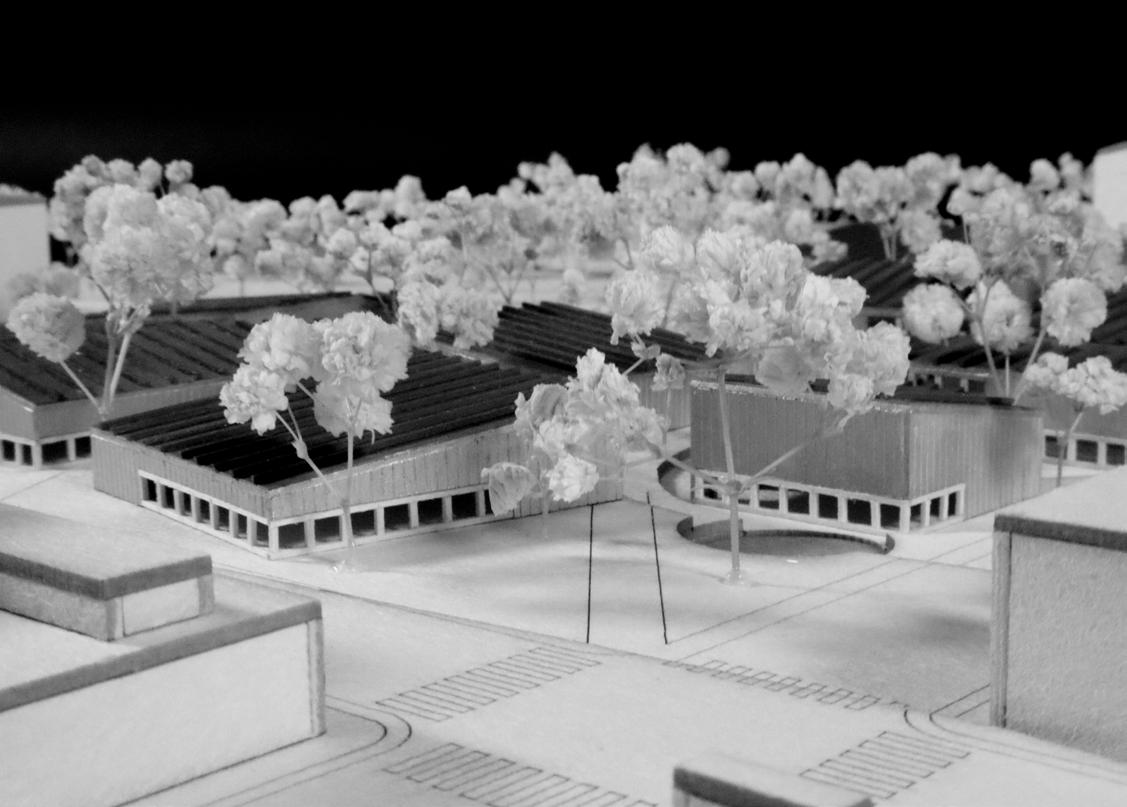
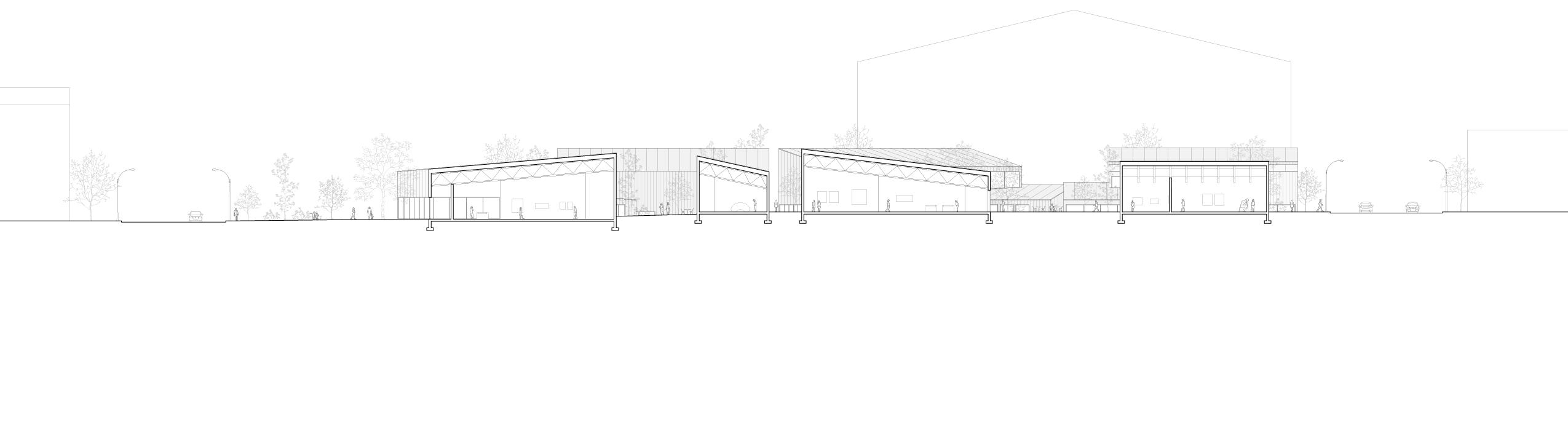
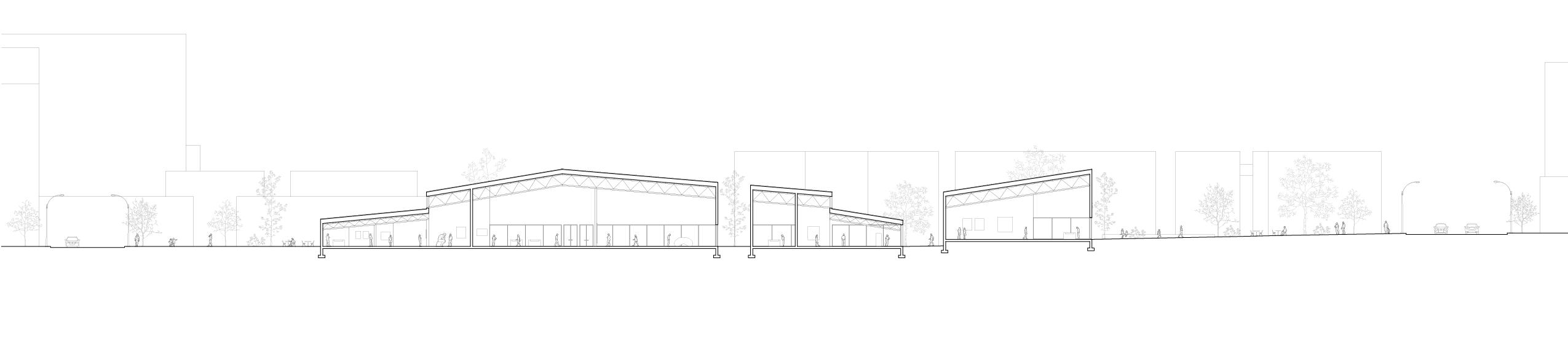
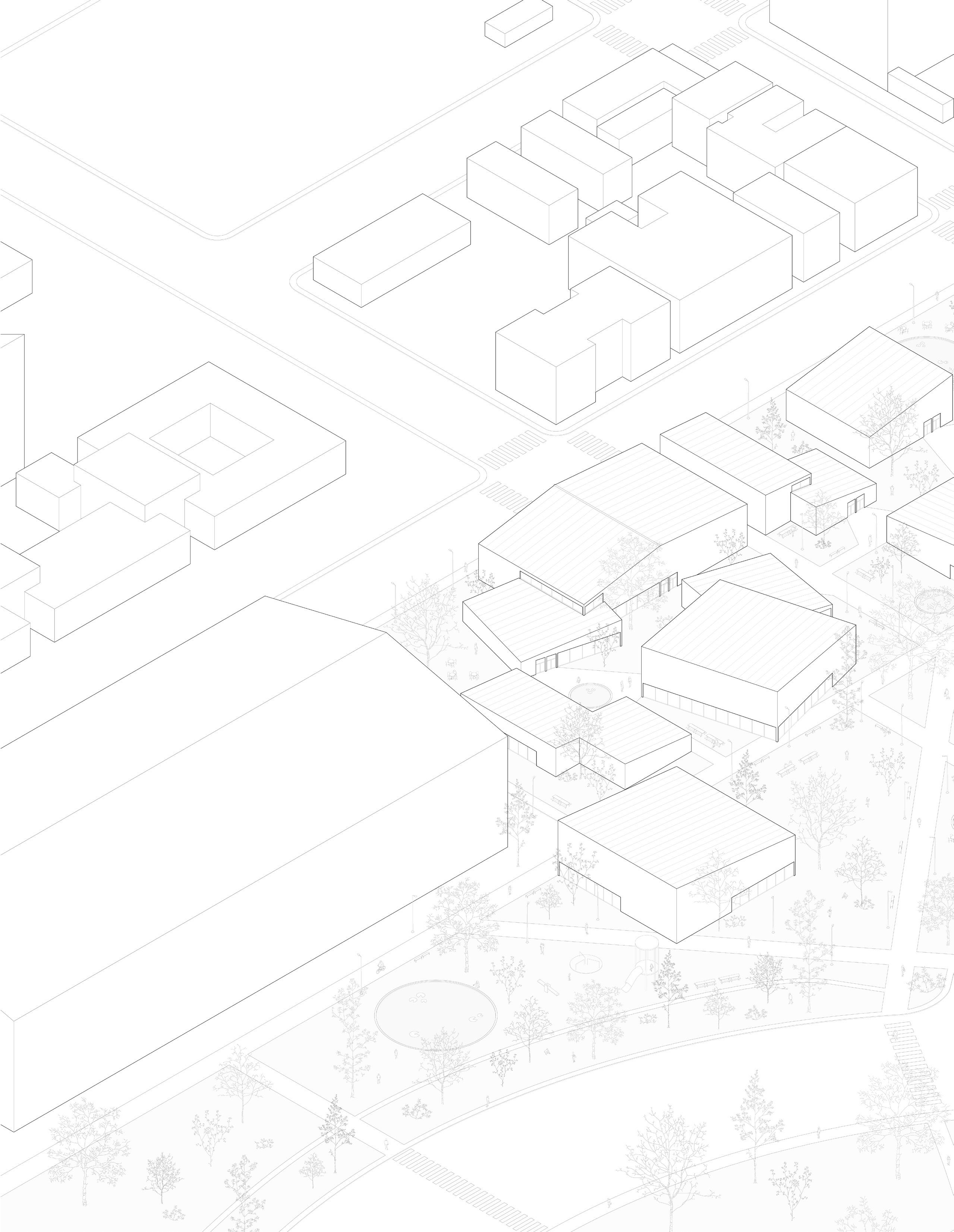
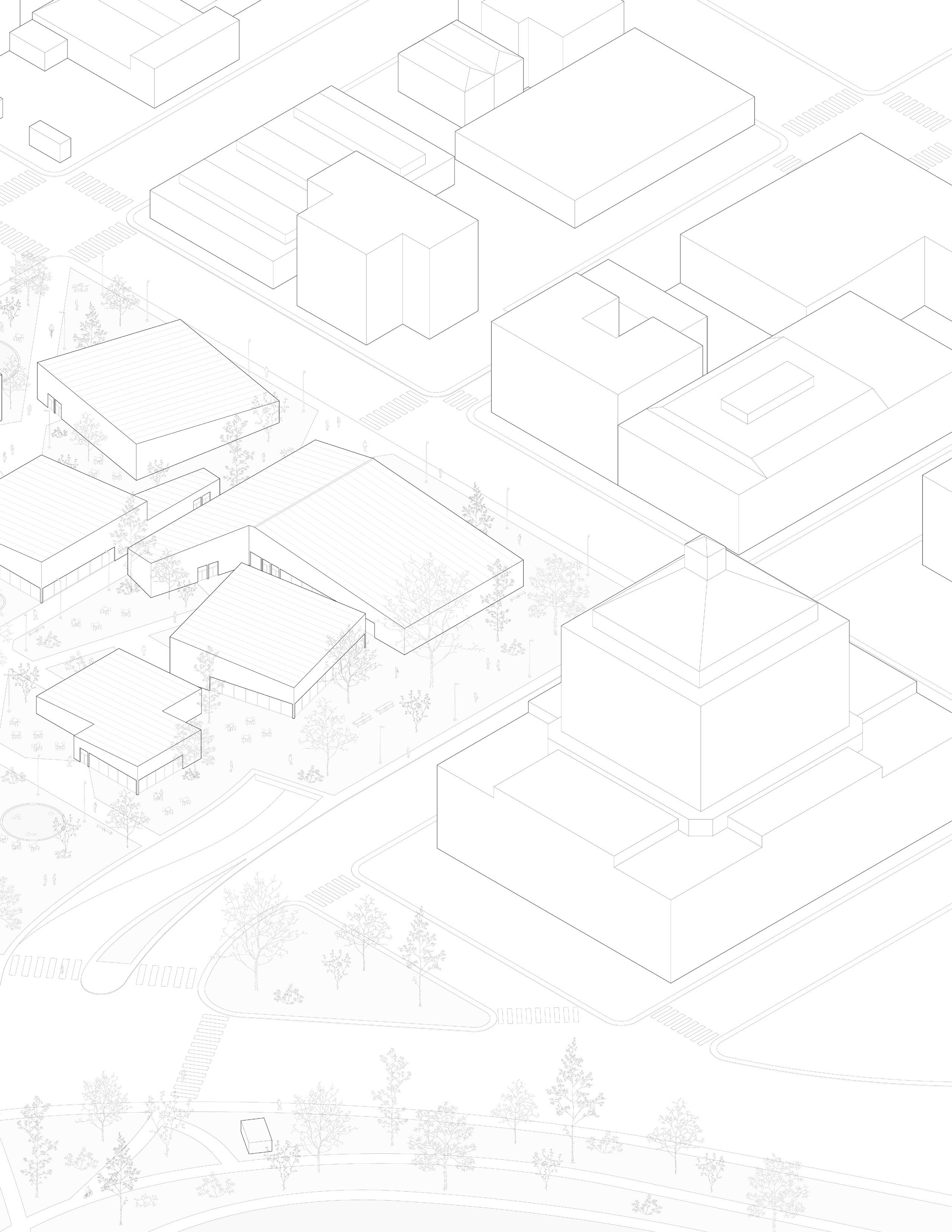
The Oakland Museum proposal rethinks the relationship between museum, park and city through the congruent ideas of the “museum in the park” and the “park in the museum.” Rather than treating landscape and architecture as distinct entities, the project proposes a museum where neither building or park take priority. Instead, the two become integrated so that they may be experienced interchangeably. Urban paths, which connect major points within the surrounding context, are projected through the site, creating moments where existing urban/landscape conditions intersect with new architectural interventions. The museum is organized as a single-story field of overlapping volumes embedded within the park, positioning itself as an extension of Lake Merritt’s urban fabric rather than an isolated object. The overlapping volumes paired with the intensive naturalistic landscaping creates visual and spatial conditions where views of the lake are hidden and revealed as one circulates the project.
TYPOLOGY STUDENT
HOUSING
LOCATION BERKELEY, CA
INSTRUCTOR
THOMAS MEDEK
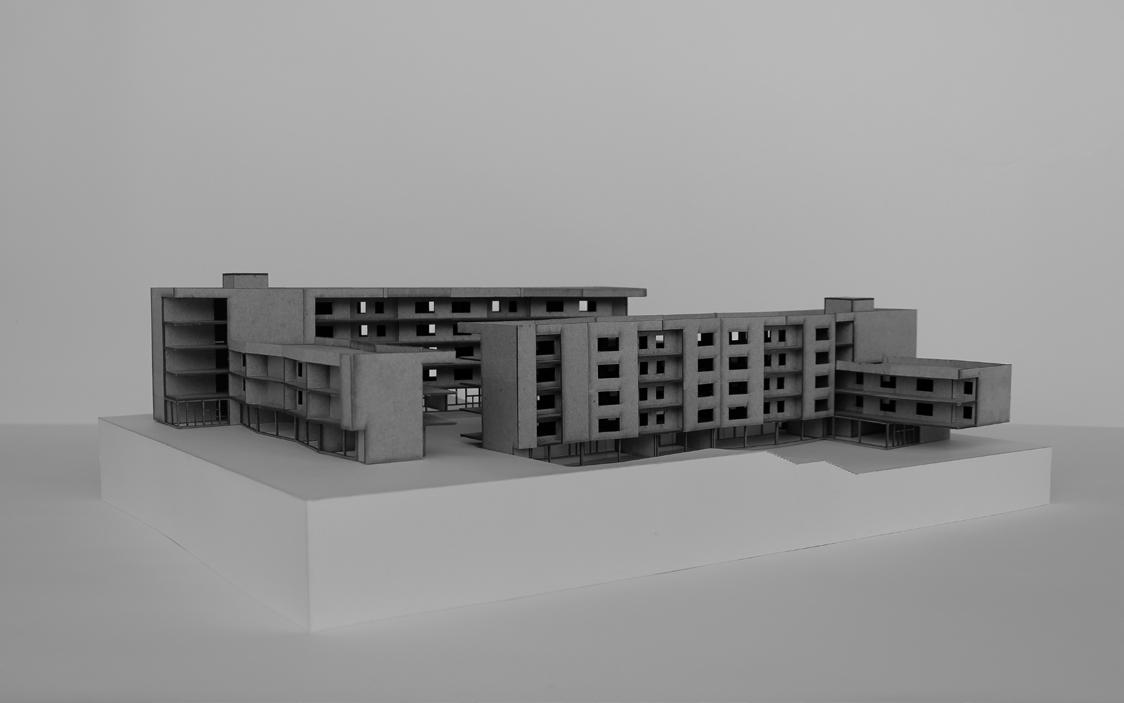
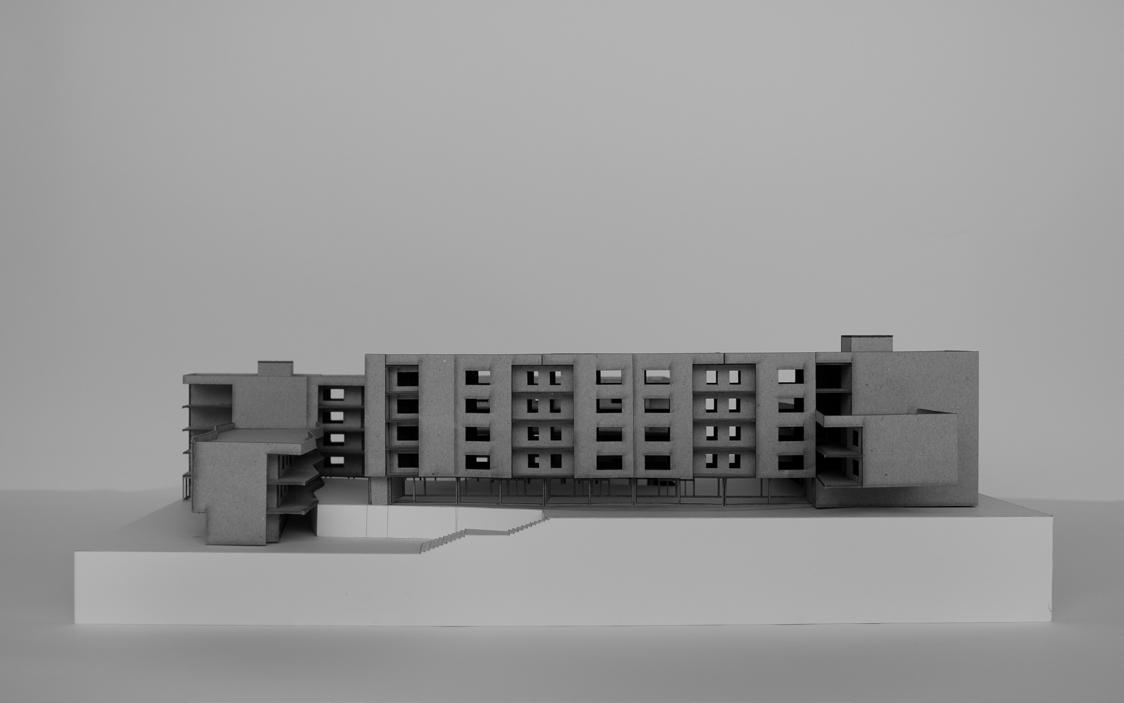
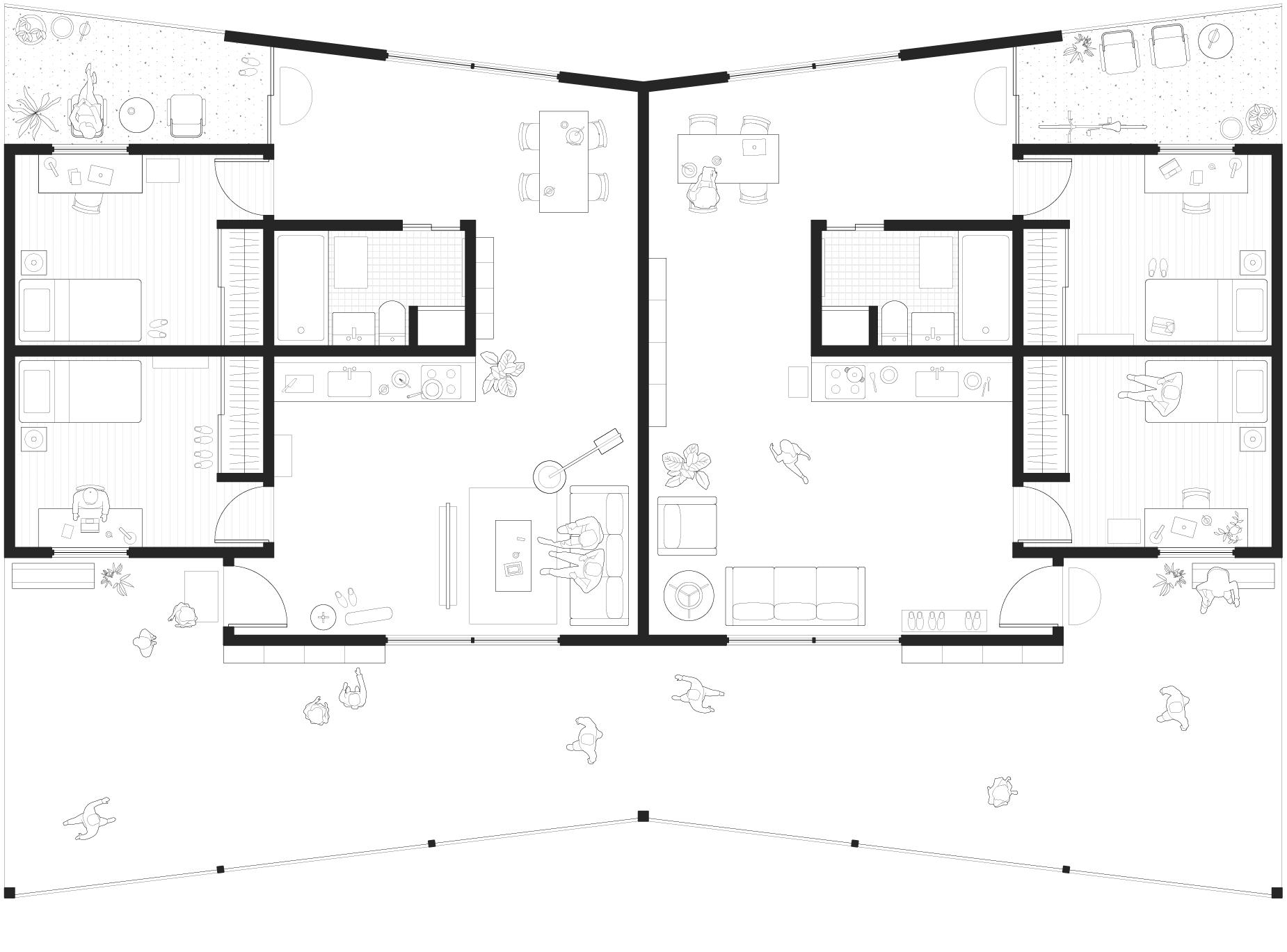
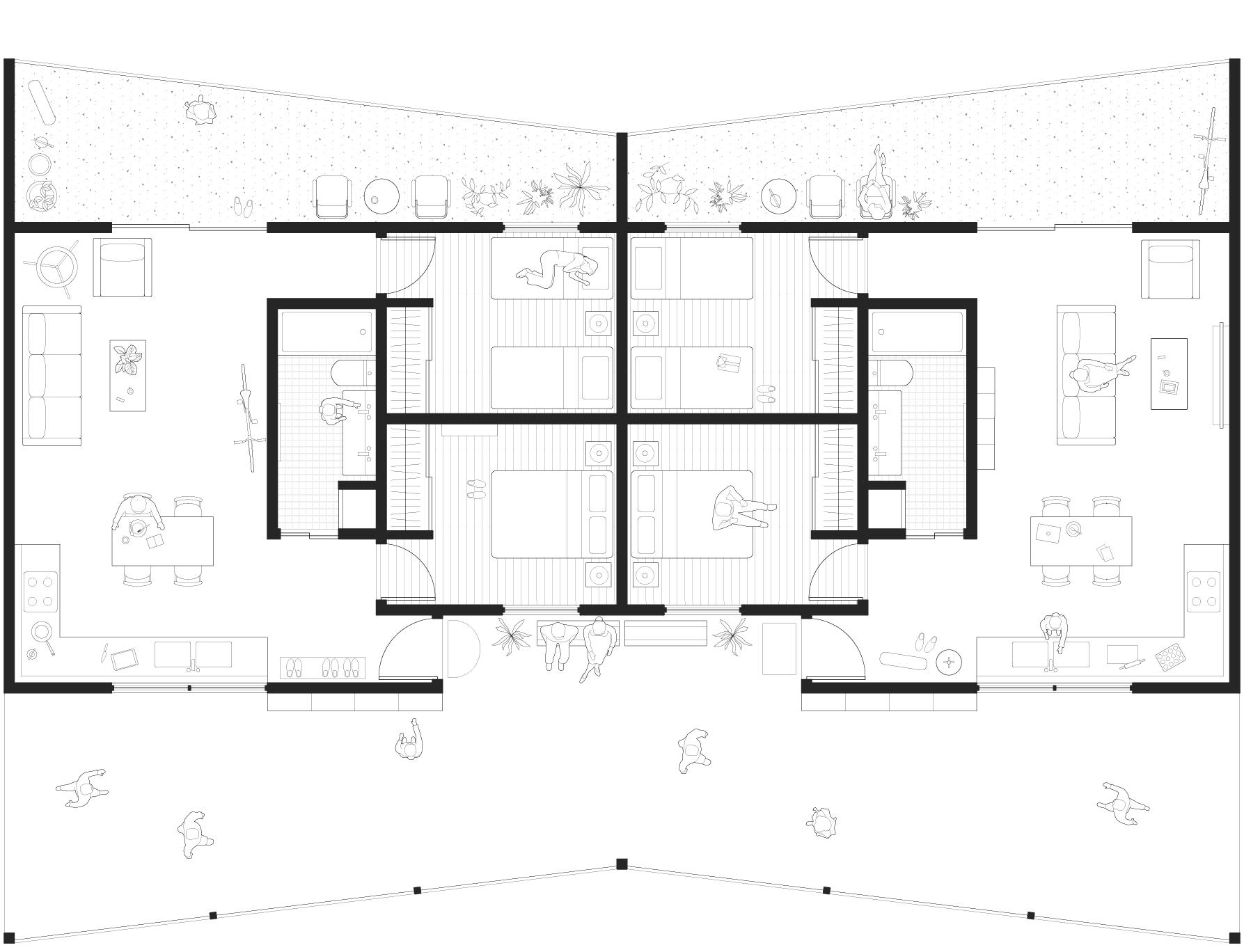
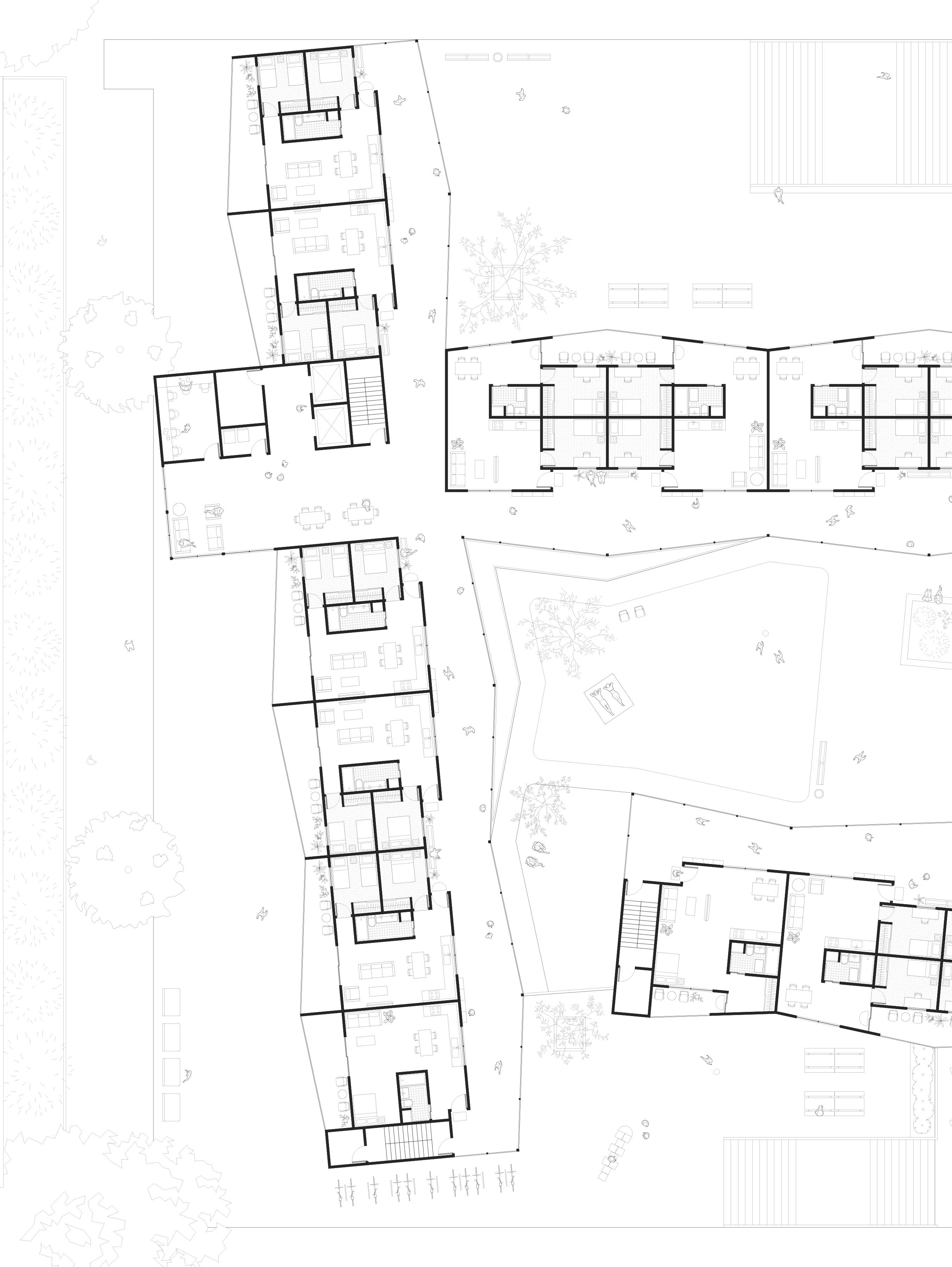
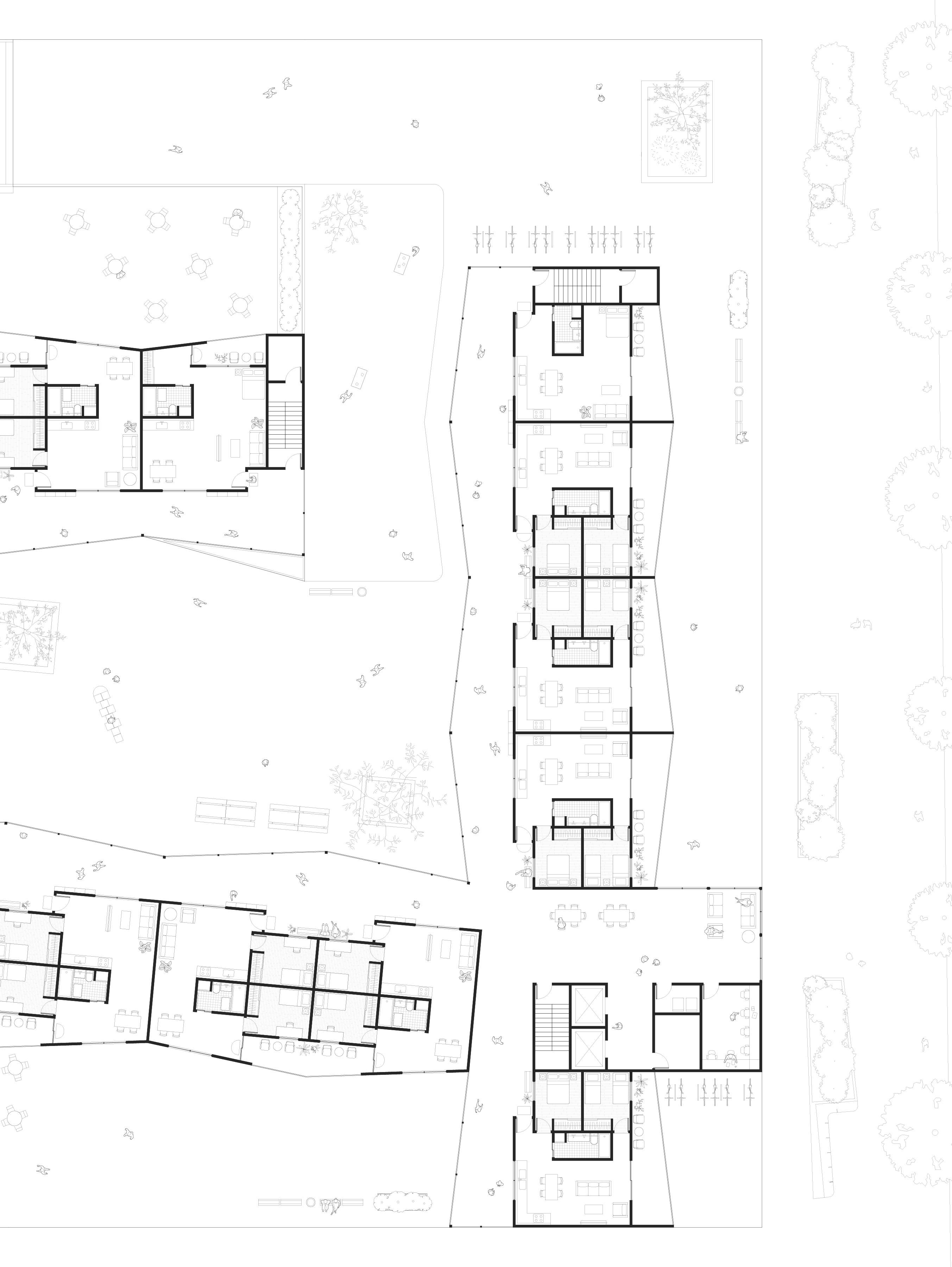
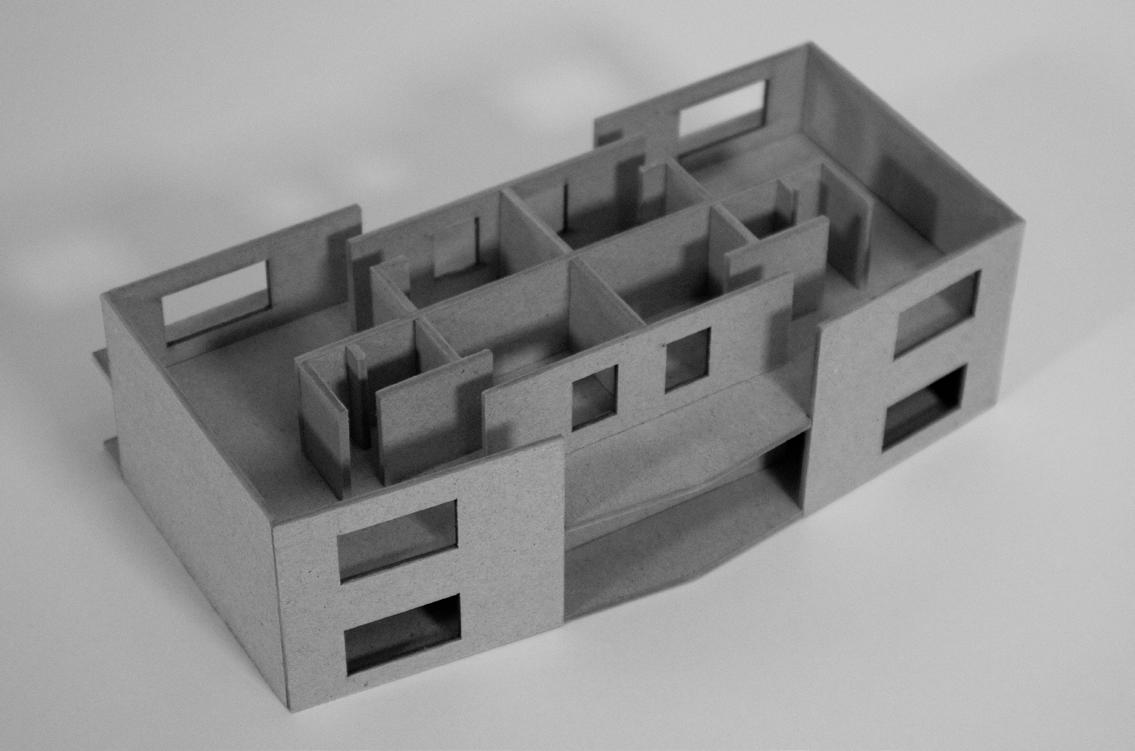
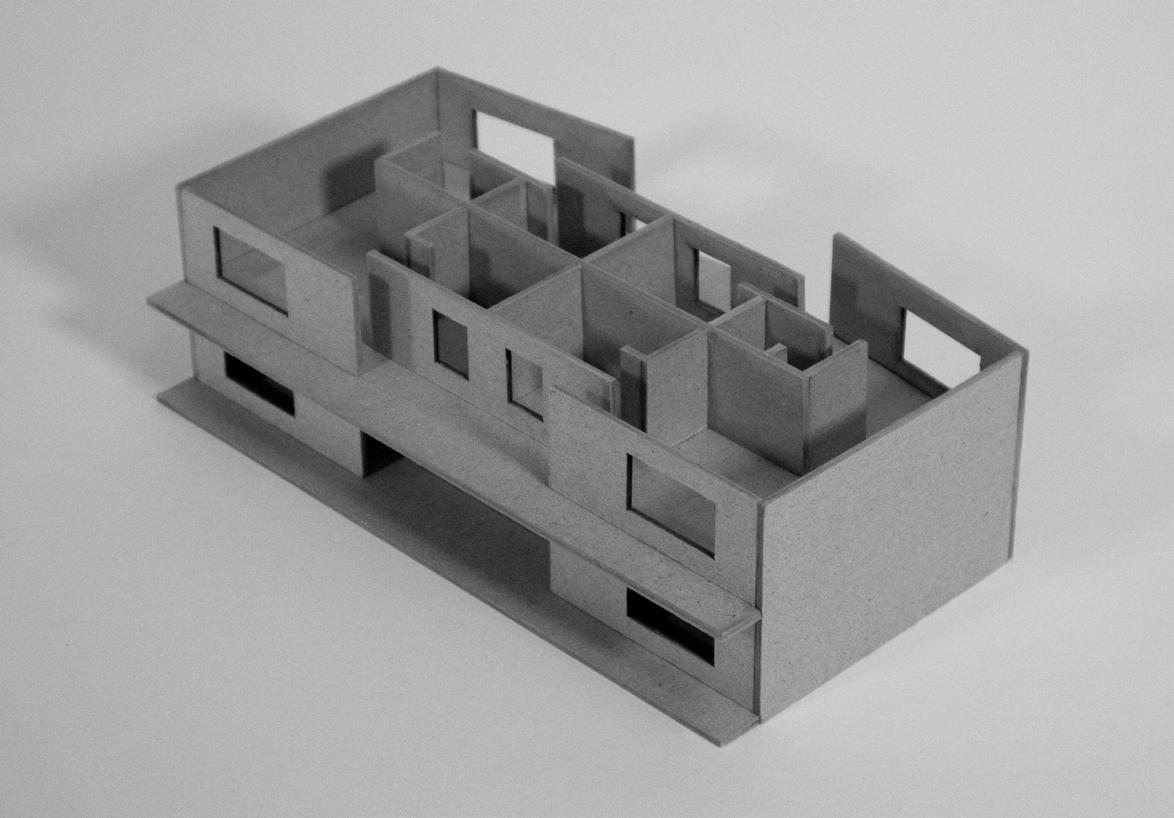
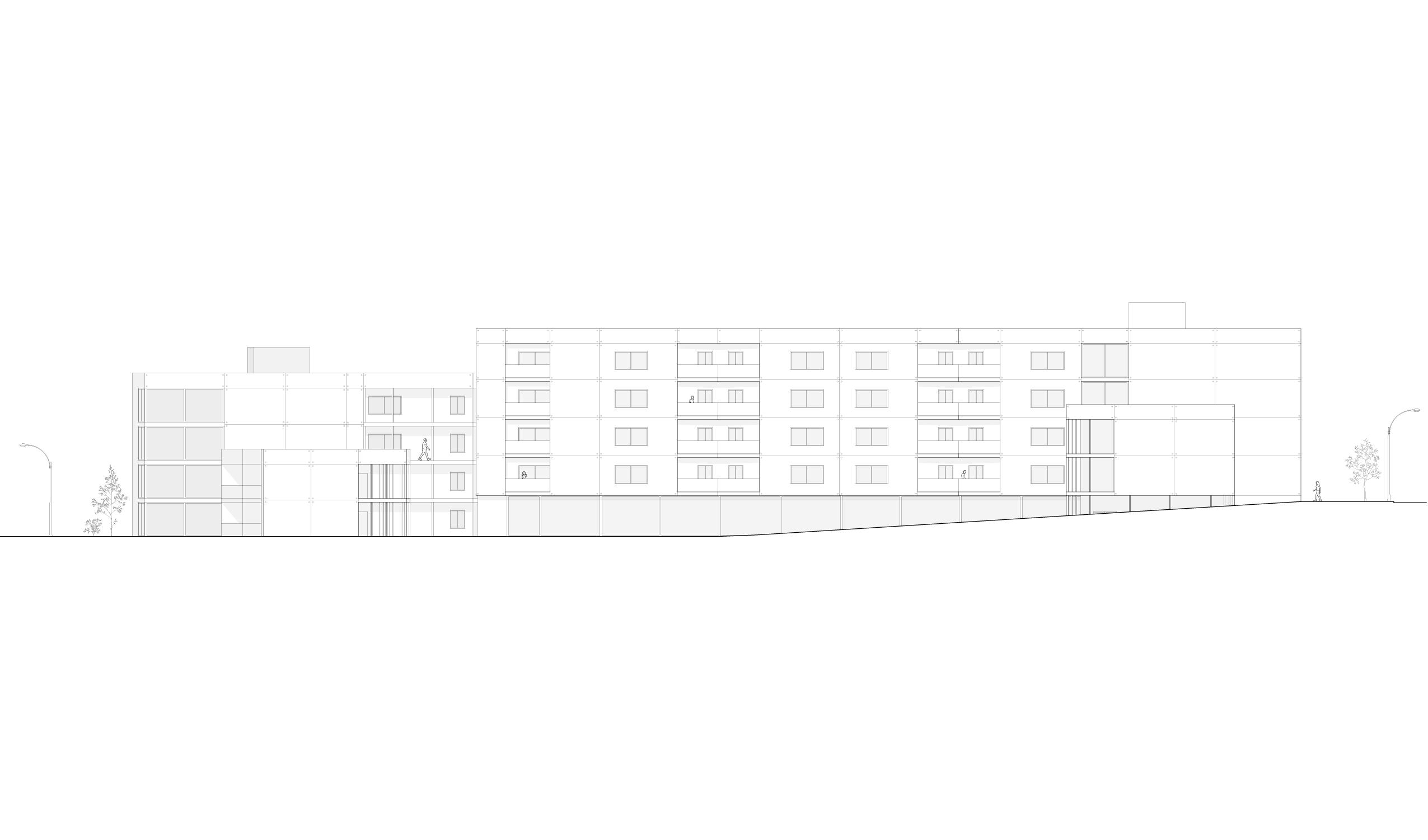
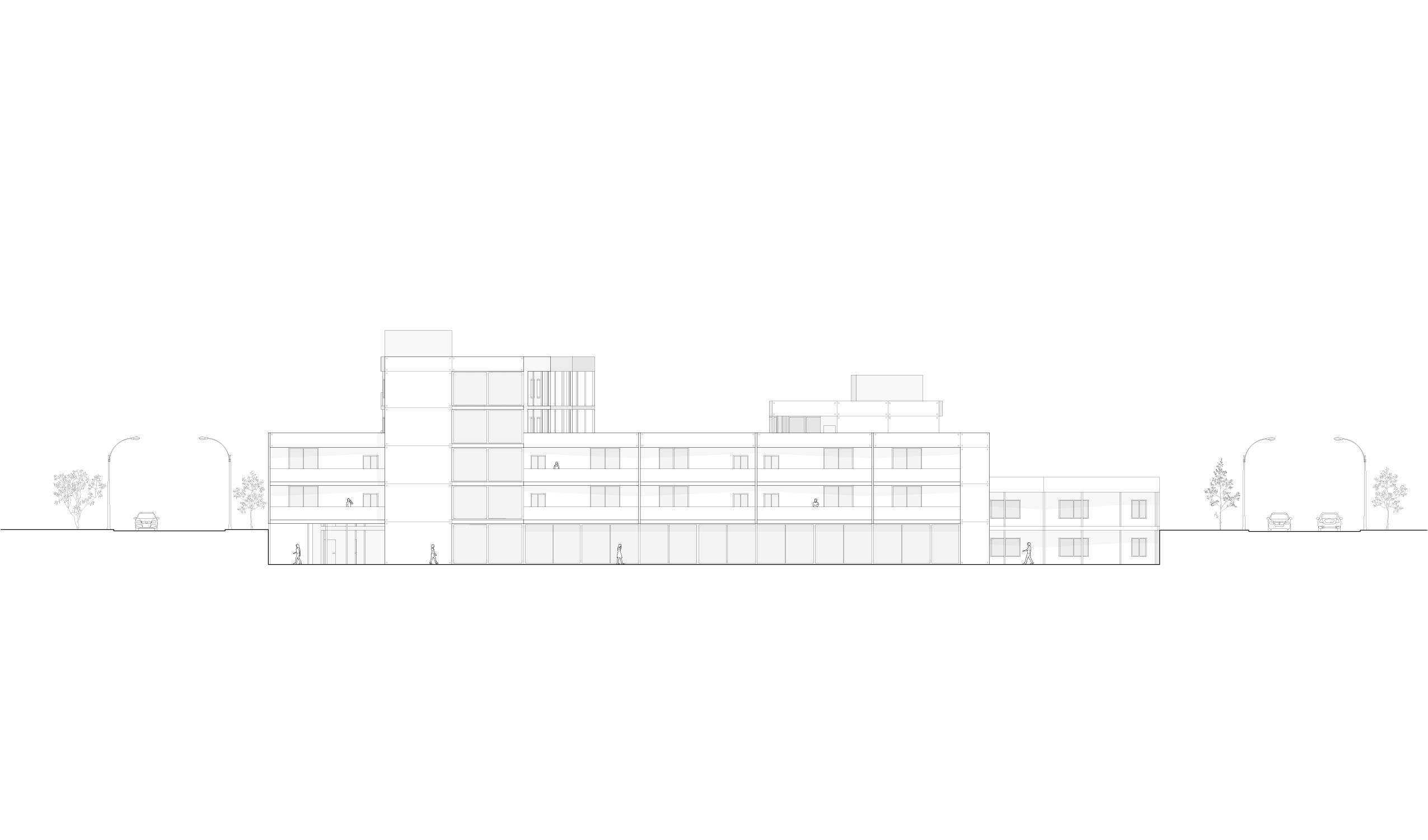
Contemporary urban life is shaped by a tension between physical proximity and social distance. This simple, but elusive concept is the guiding principle for this student/ faculty housing project. Exterior space is integrated into the circulation, creating conditions where users may interact and develop relationships with neighboring residents. The circulation is anchored by a central block of common, and otherwise domestic spaces. Furthering connectivity to the scale of the home, the entries are paired to double as generous shared thresholds. Exterior terraces do the same. These strategies not only increase the size of one’s “home,” but also amplifies the chance for encounter at the architectural condition where domestic space is divided.
TYPOLOGY CULTURAL CENTER
LOCATION FLORENCE, ITALY
DESIGN UNLIMITED COMPETITION THIRD PRIZE
COLLABORATOR OCEANE IGNATOV
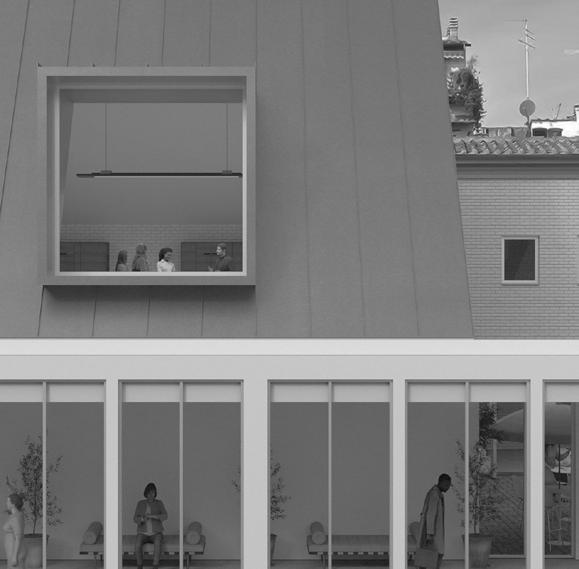
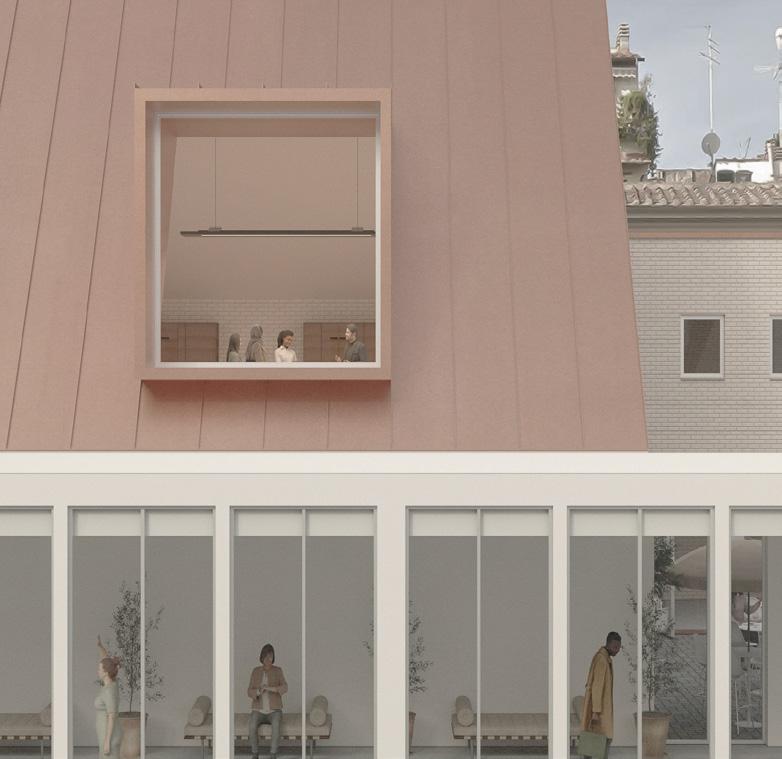
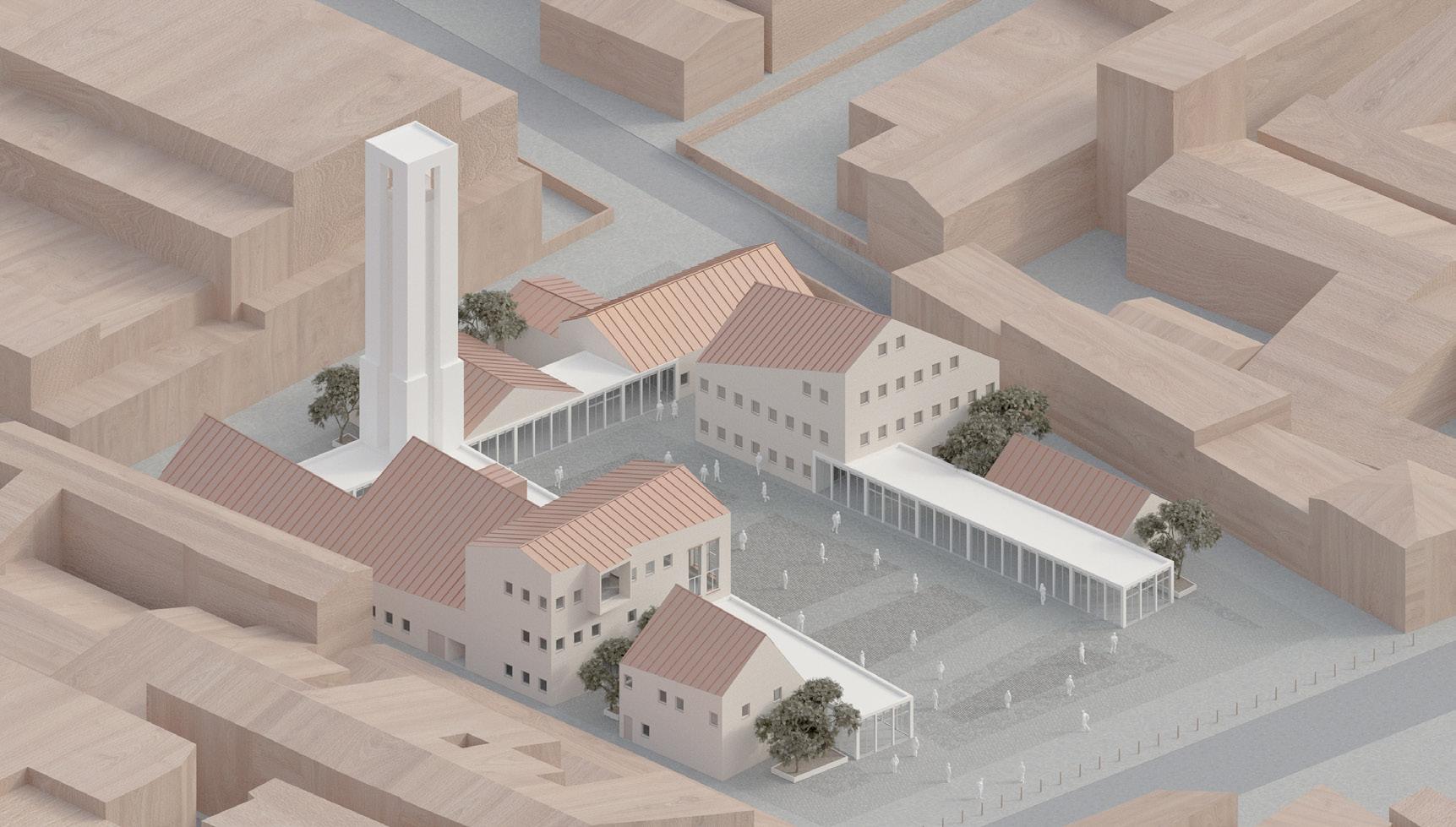
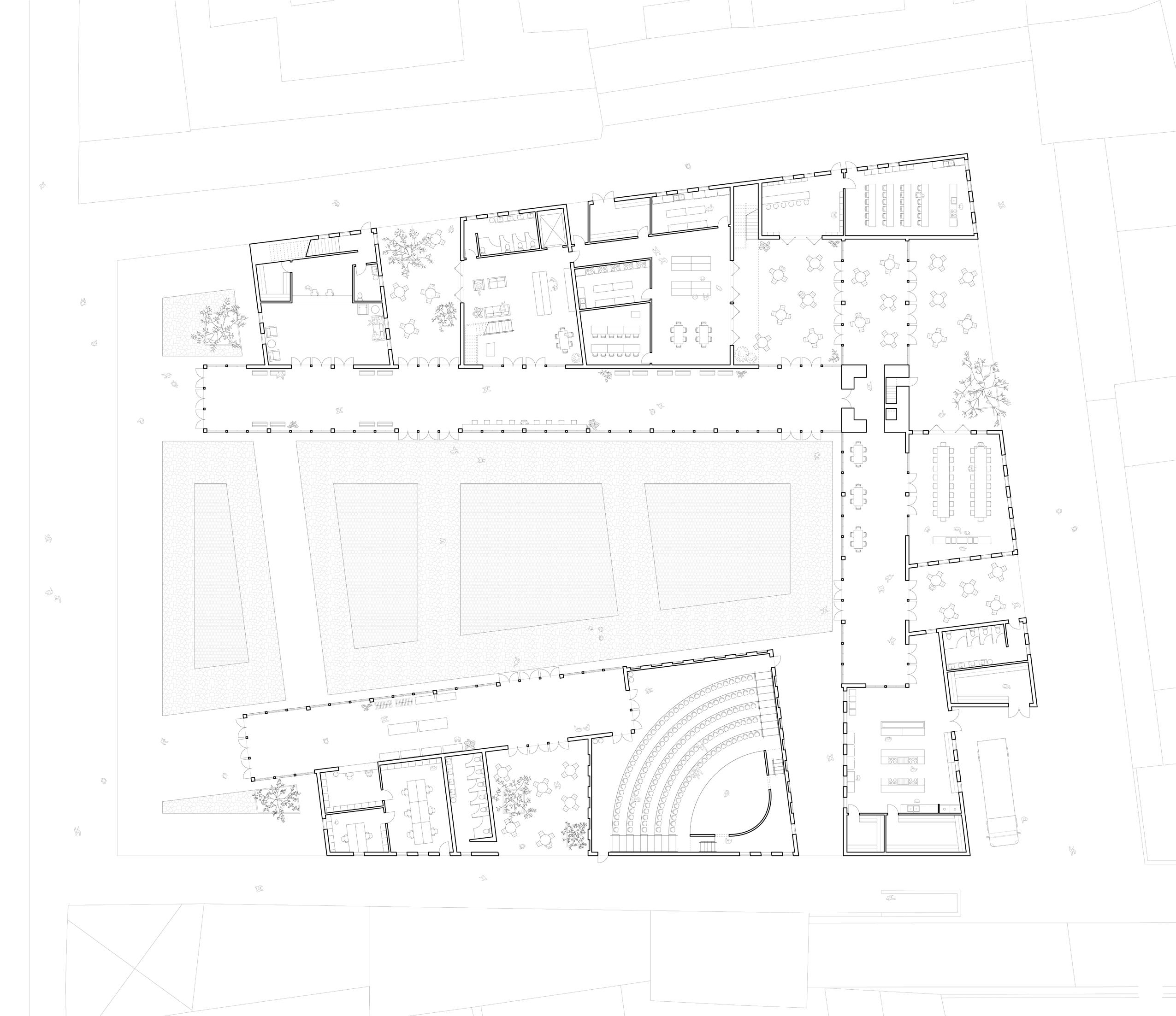
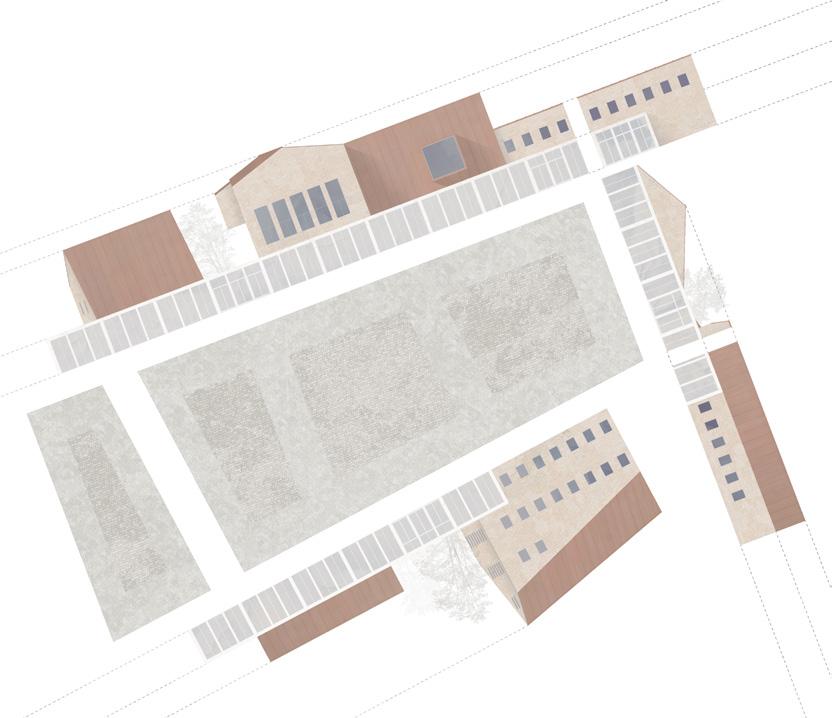
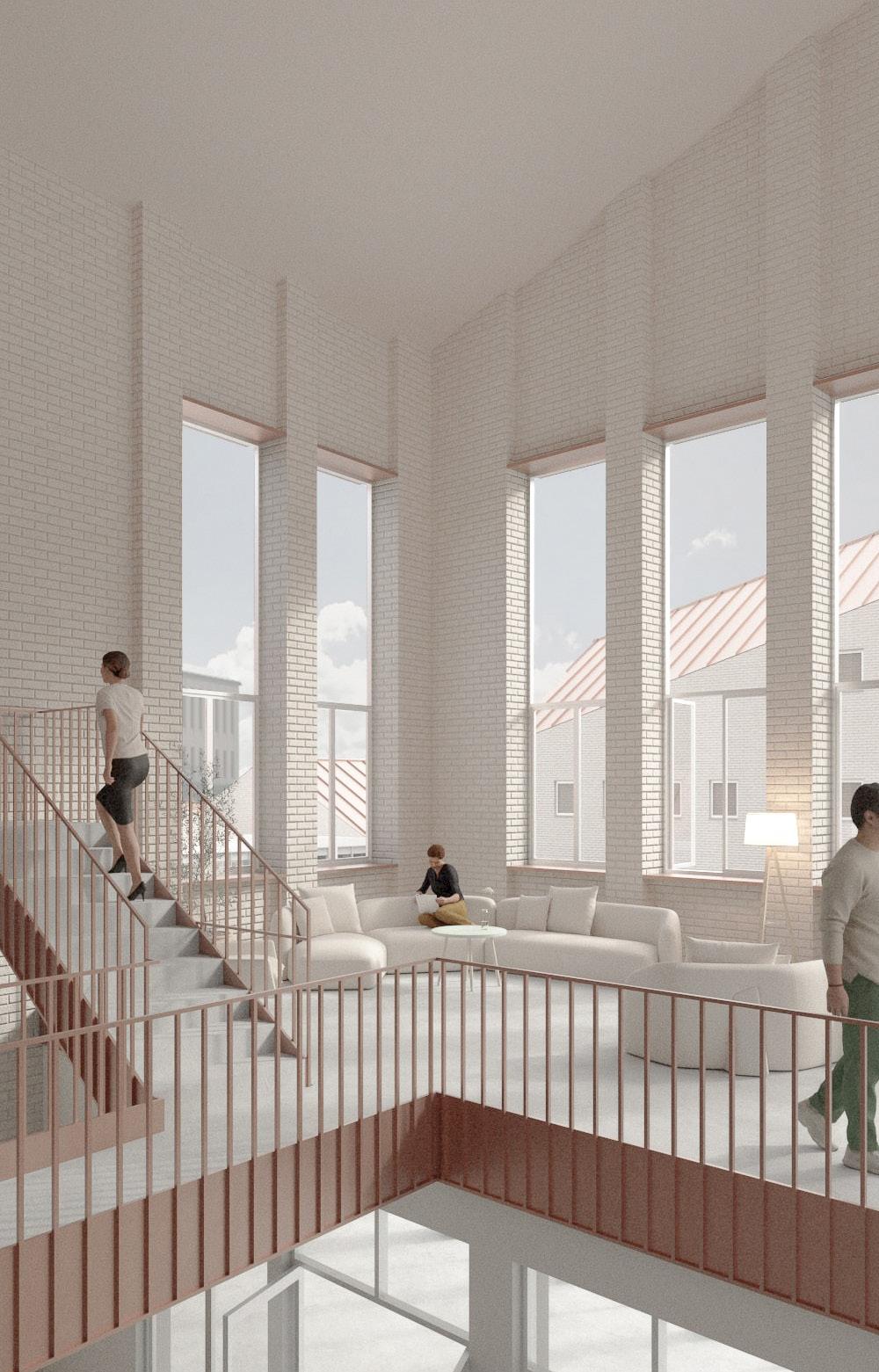
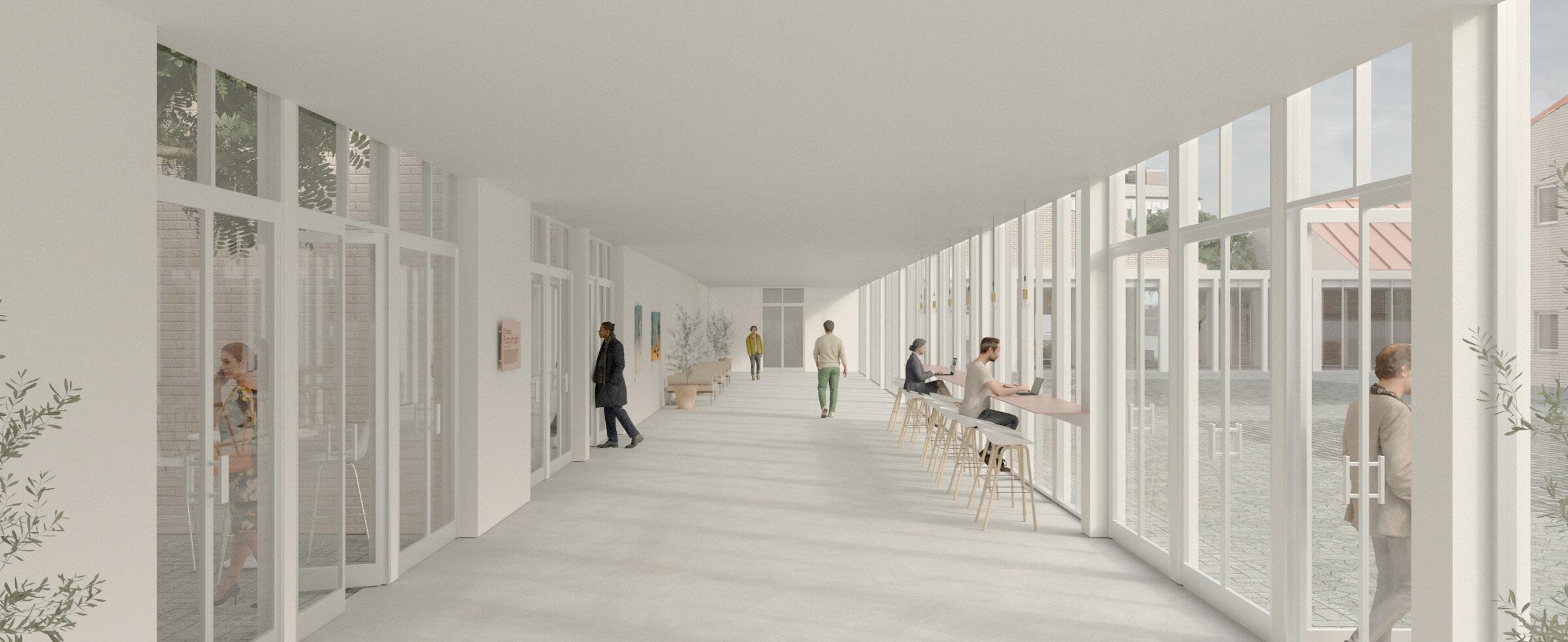
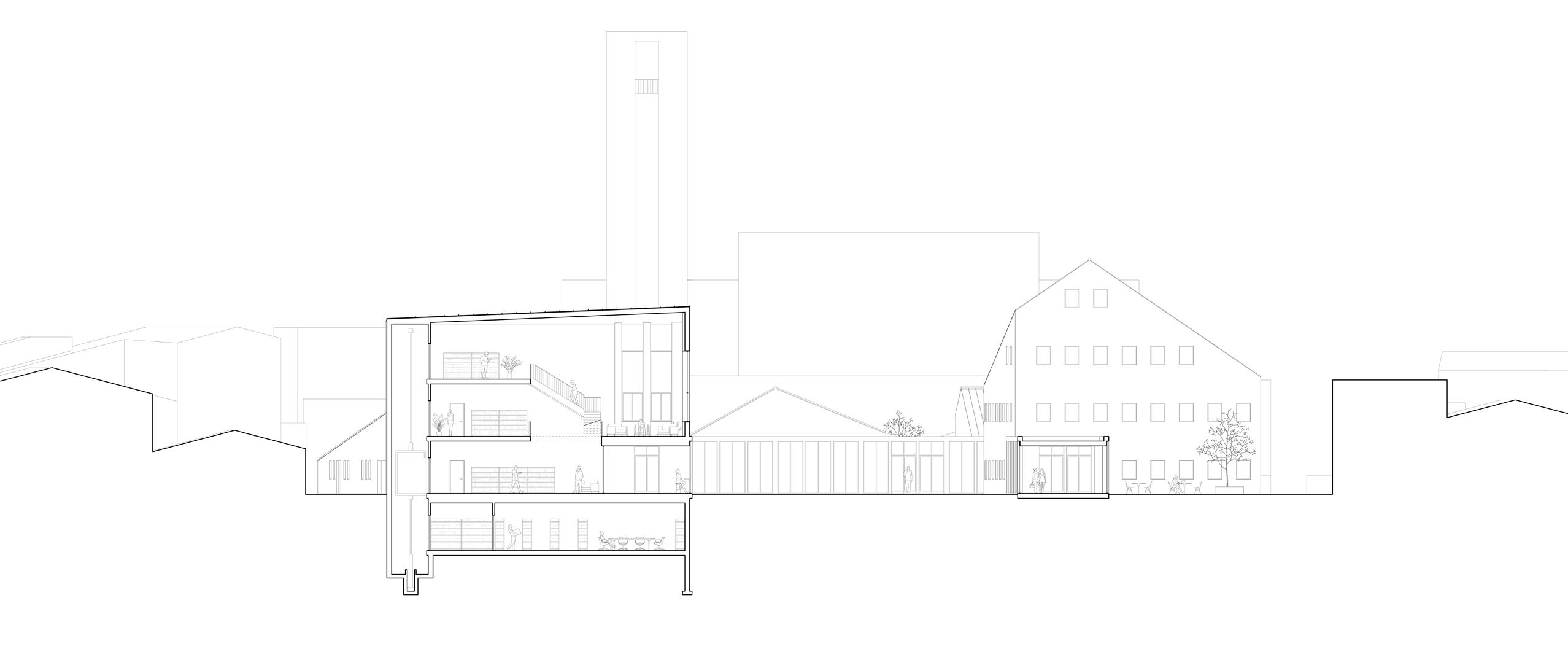
Named after the late Fabio Picchi, a Florentine chef who embodied both innovation and tradition in the culinary world, the Picchi Gastronomy Center in Florence blends tradition and modernity, reflecting the city’s rich cultural heritage while incorporating contemporary architectural elements. Two intersecting grids emerge from the site, creating the foundation for dynamic architectural forms. A new, central piazza is created, with buildings populating the perimeter. These structures use tan tones, brick facades, and gable roofs inspired by the surrounding Florentine architecture, updated with contemporary materials like standing seam roofs and copper accents. The design philosophy reflects Florentine cuisine in its simplicity and timelessness. This approach ensures that the center harmonizes with its surroundings, celebrating the cultural, social, and historical aspects of gastronomy.
TYPOLOGY ONGOING M.ARCH THESIS
LOCATION UC BERKELEY CED
INSTRUCTOR MARIA PAZ GUTIERREZ
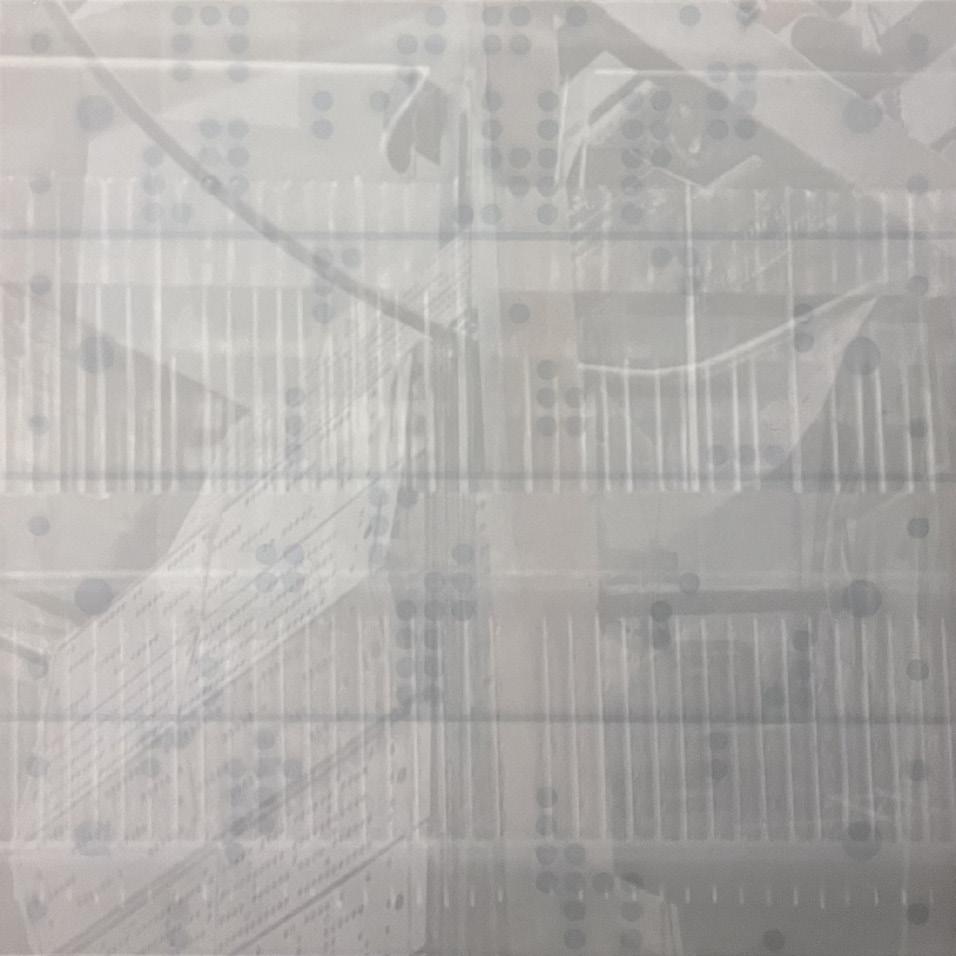
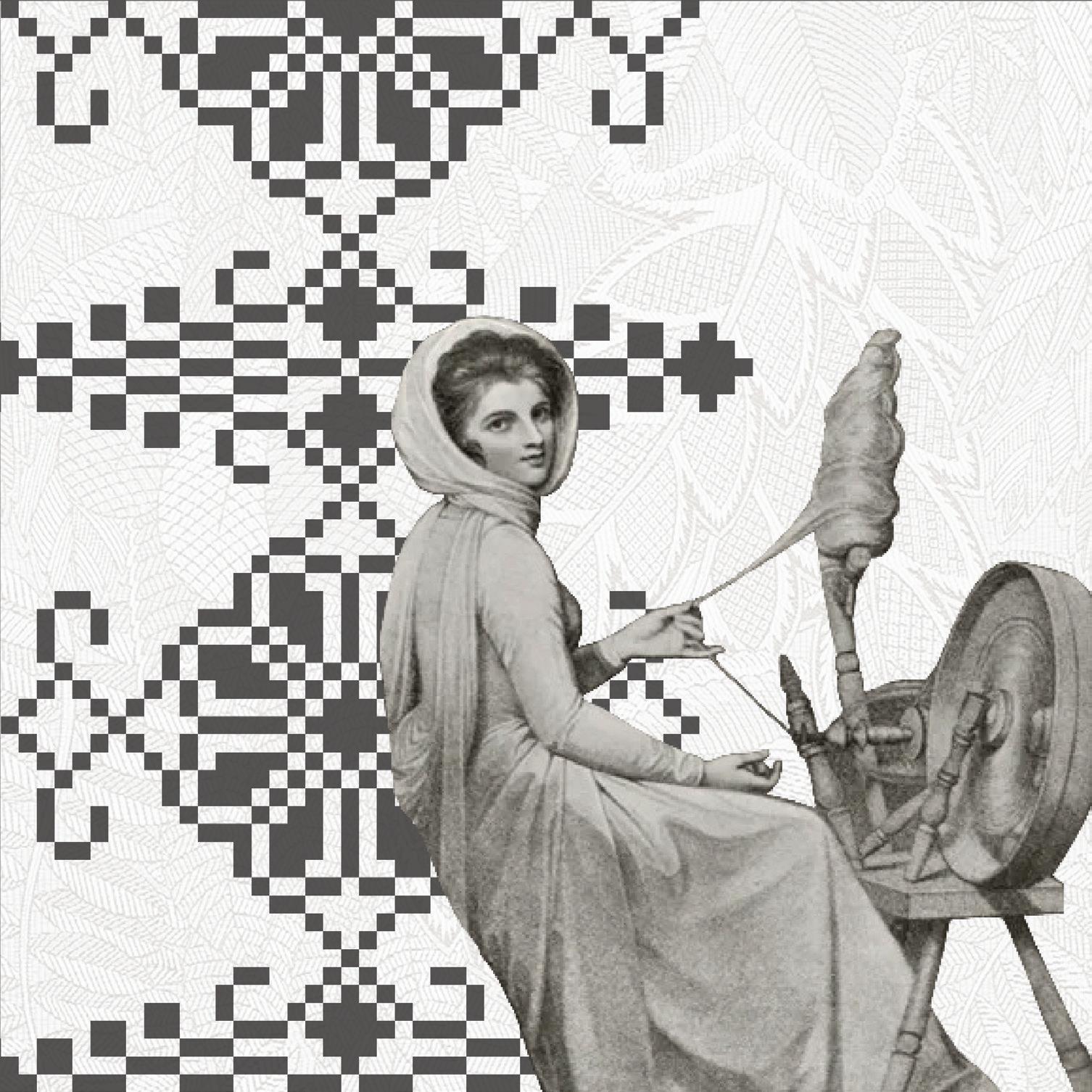
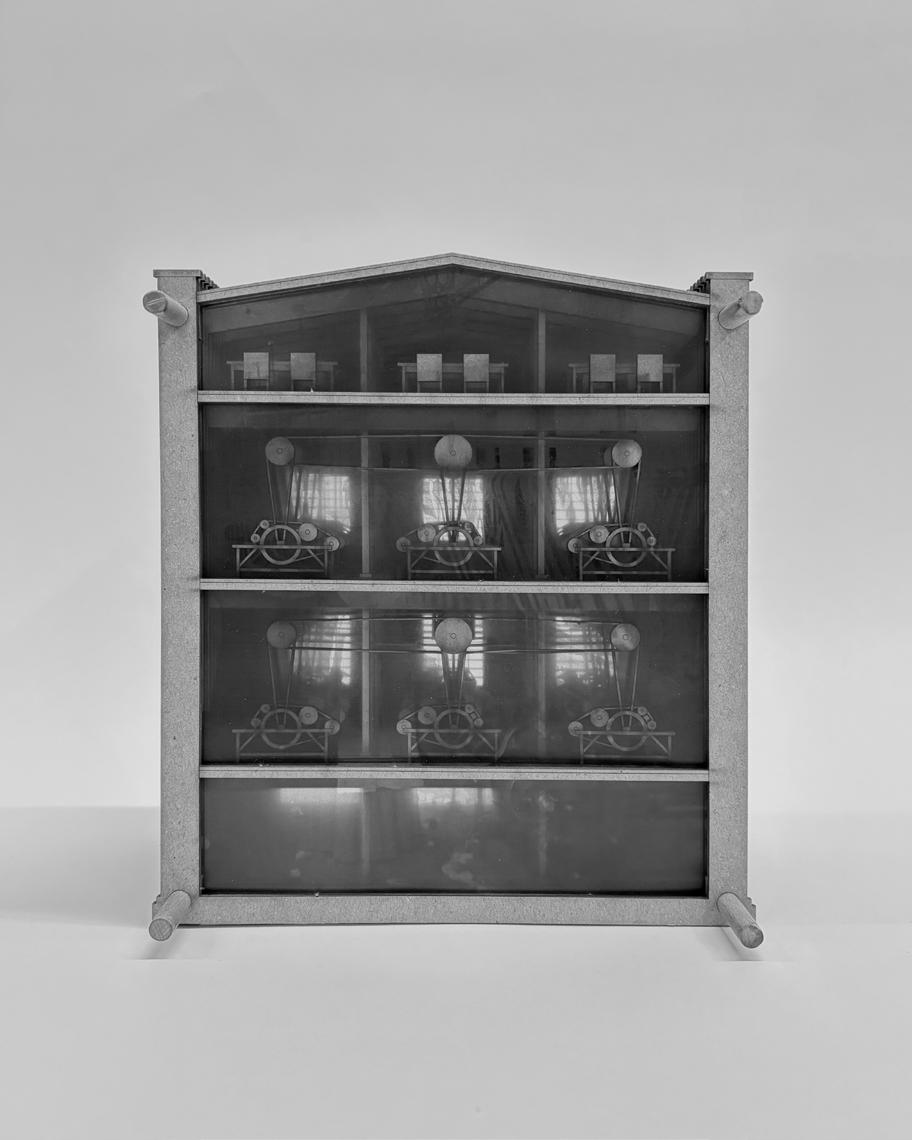
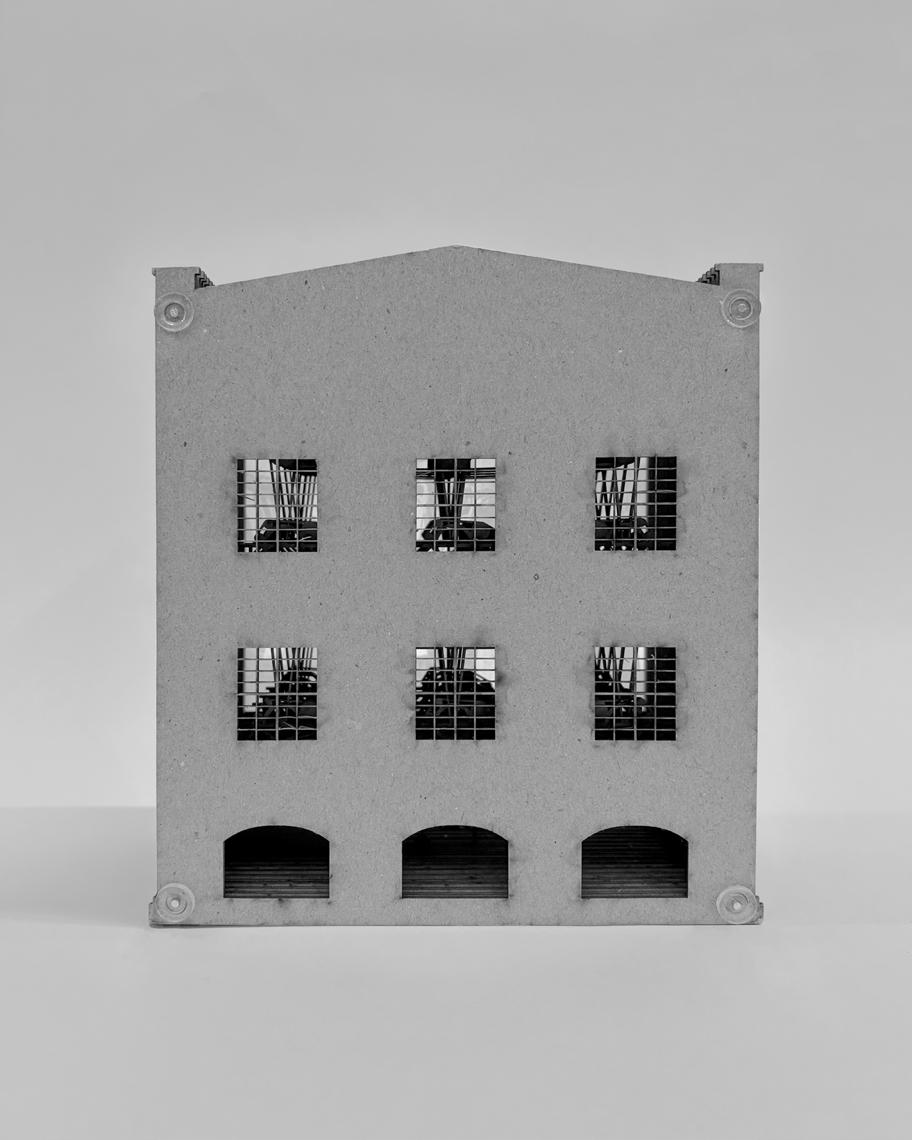
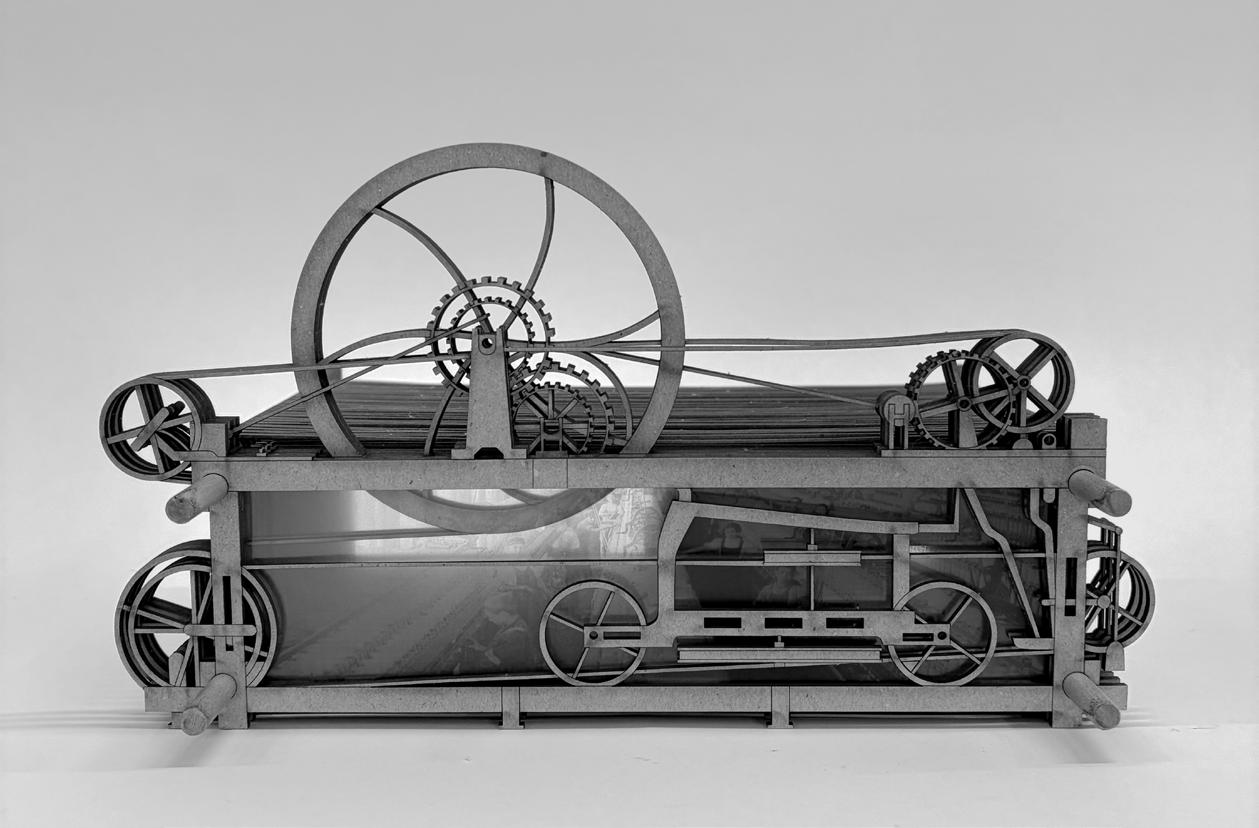
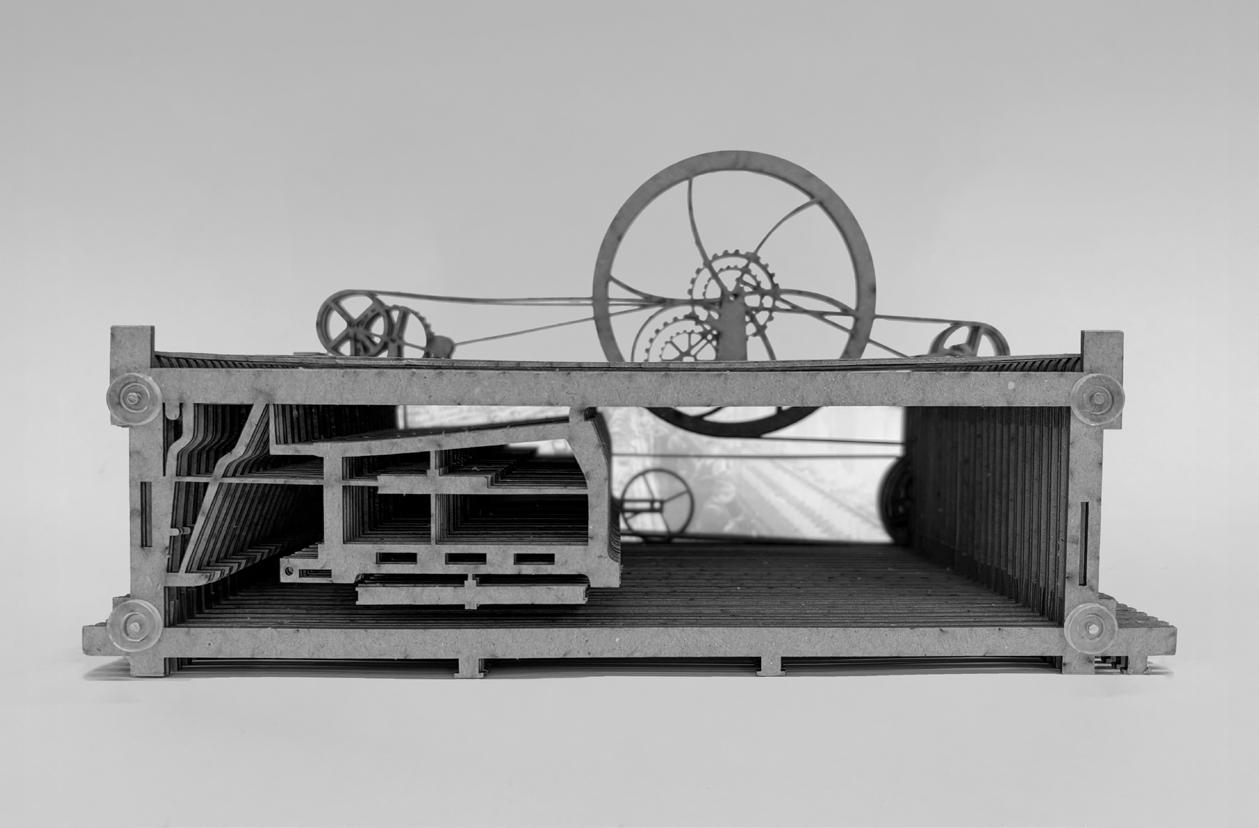
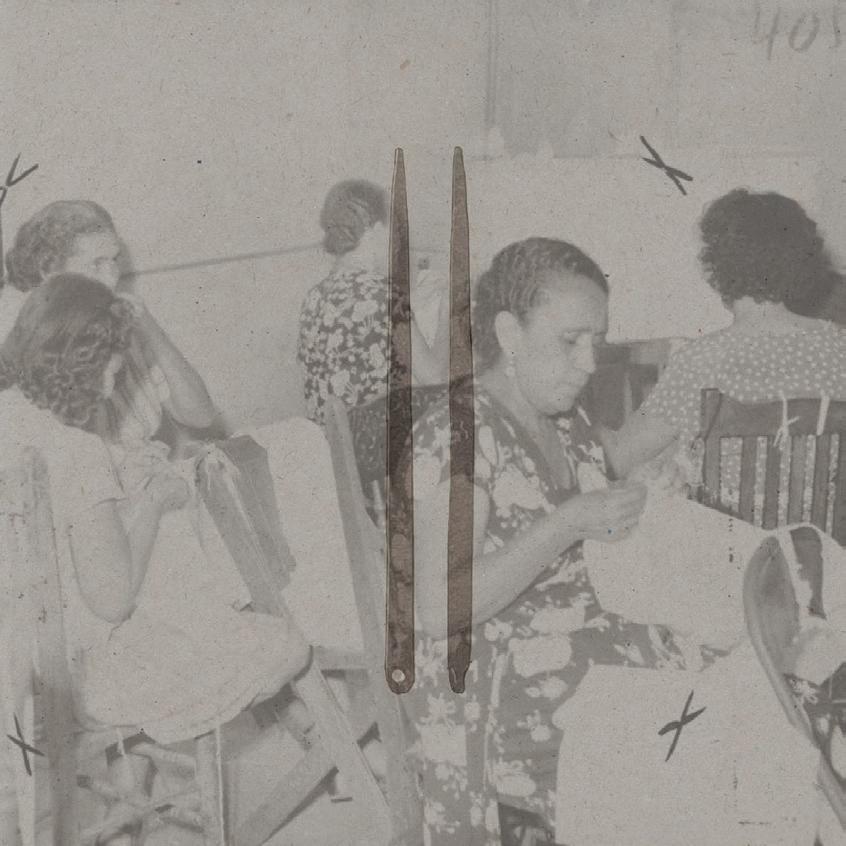
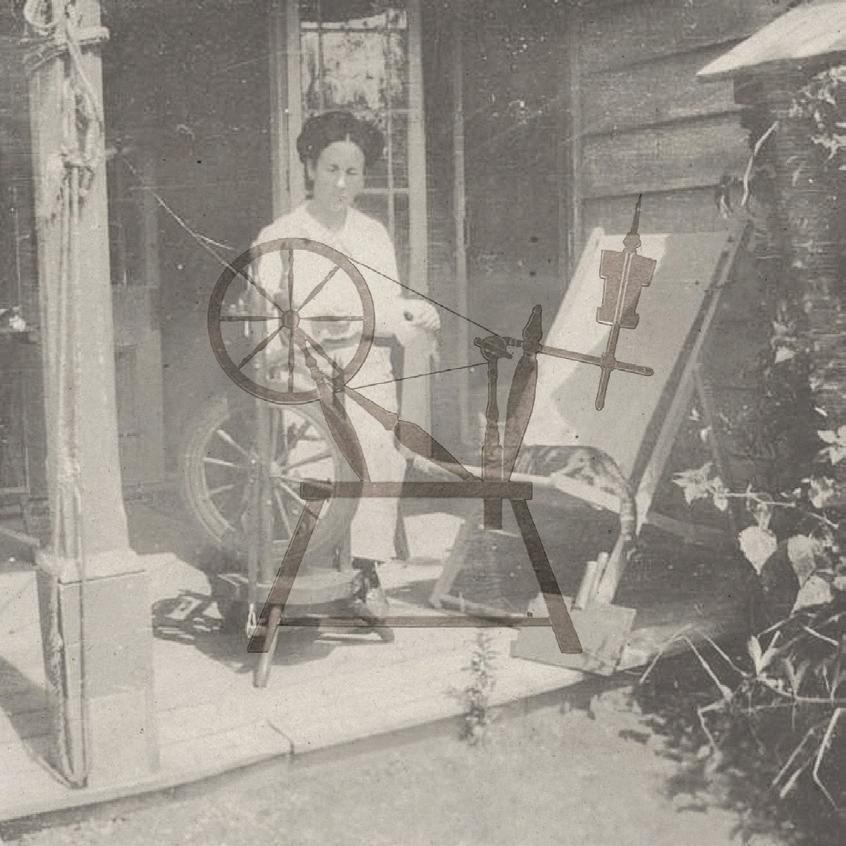
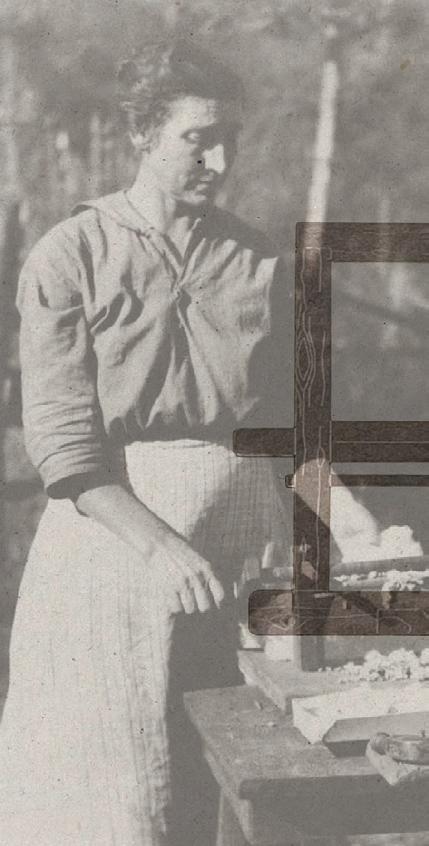
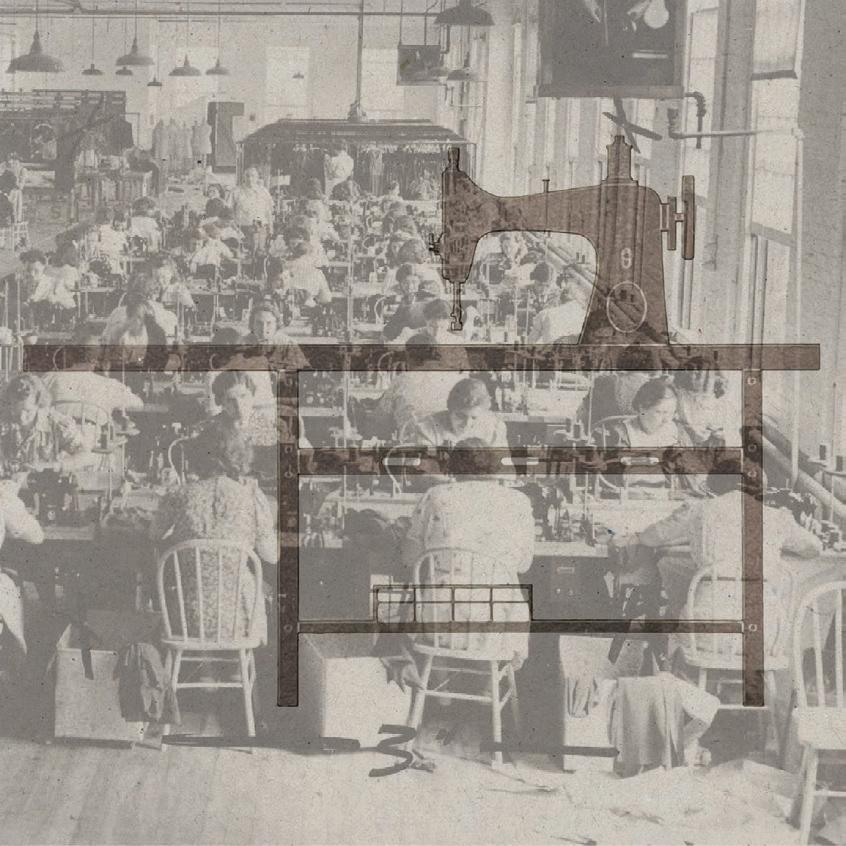
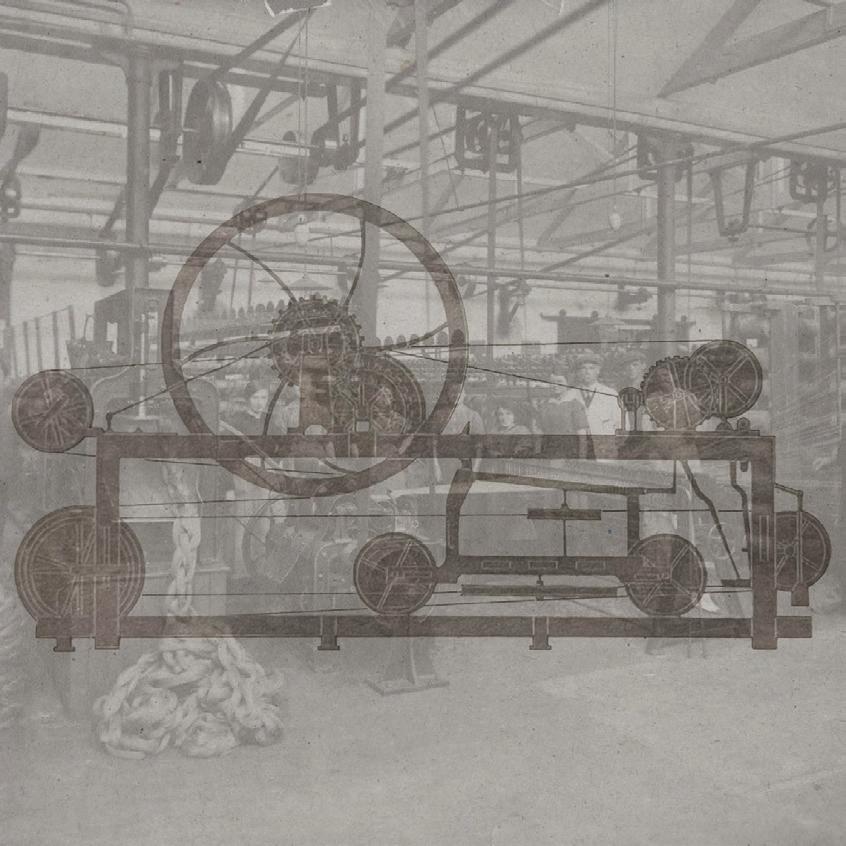
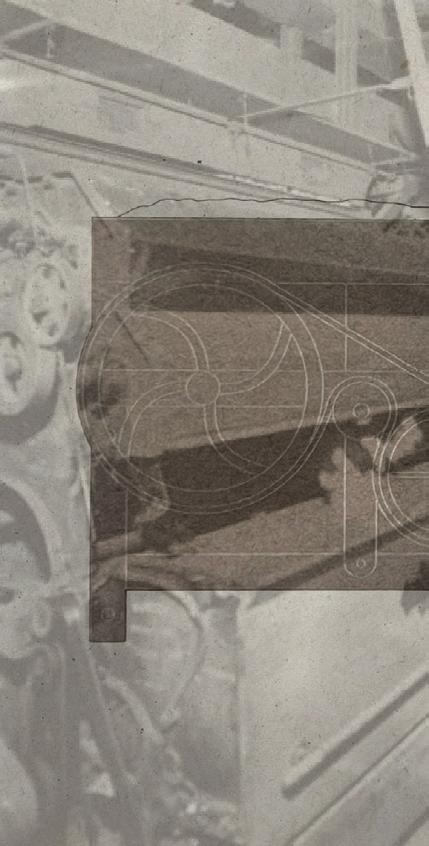
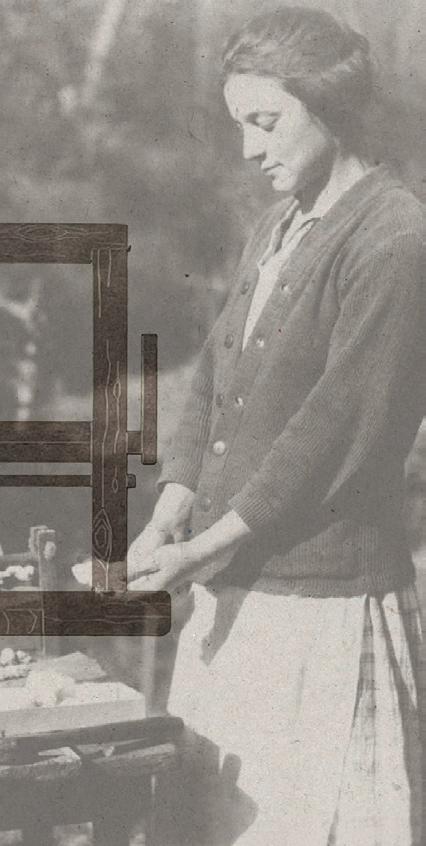
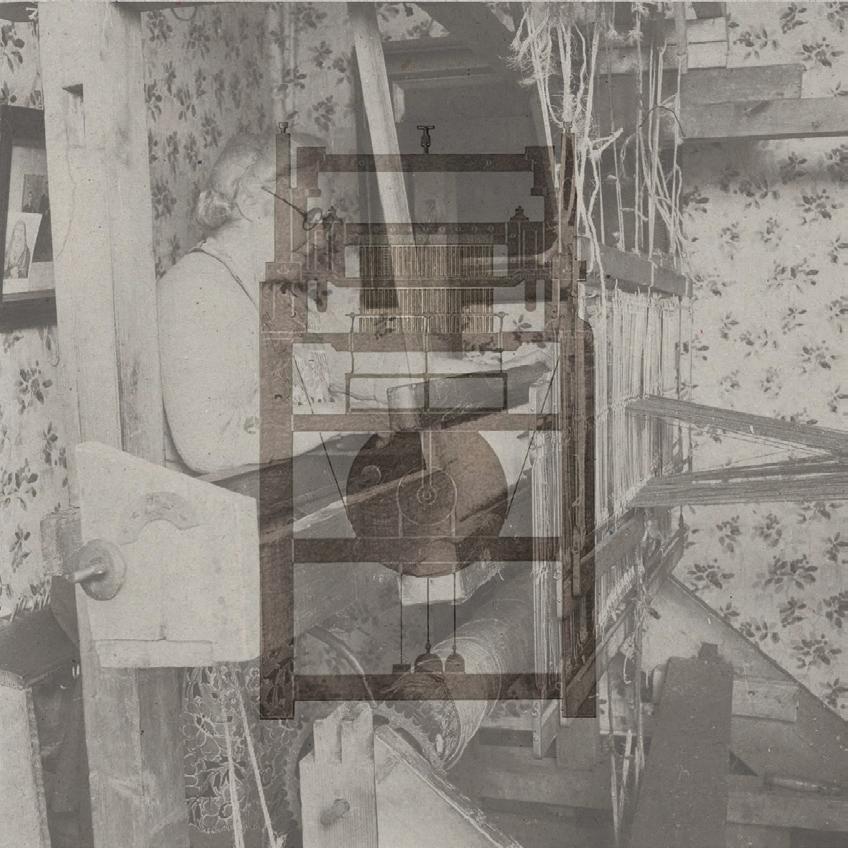
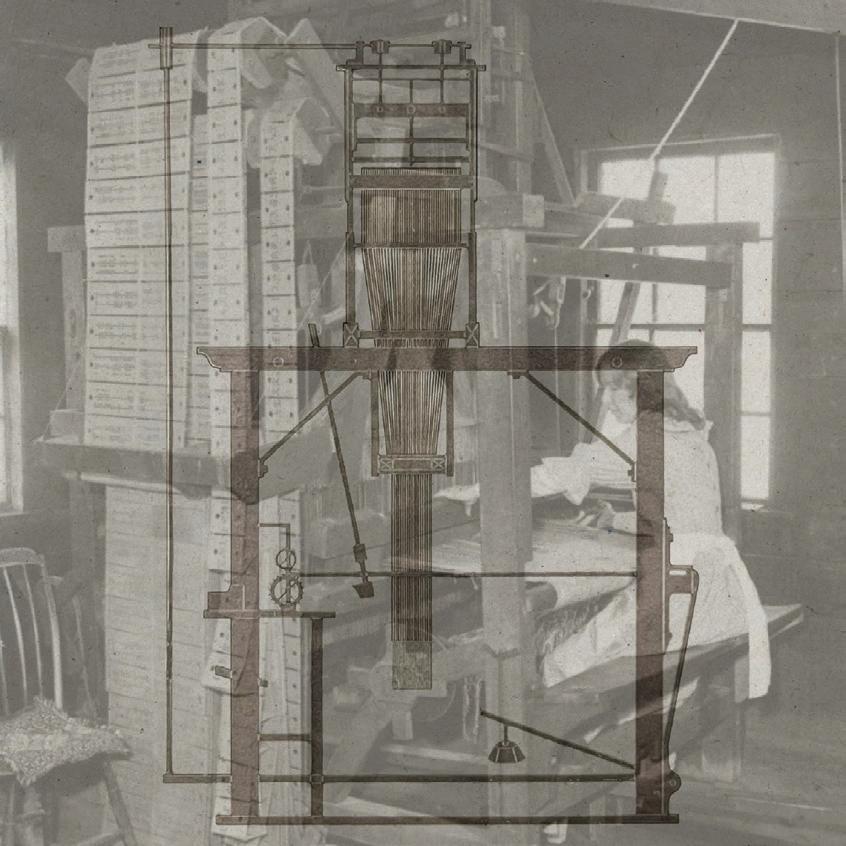
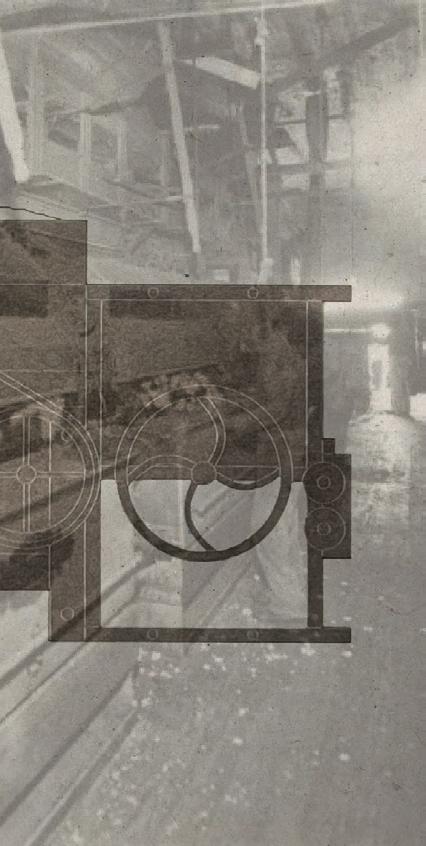
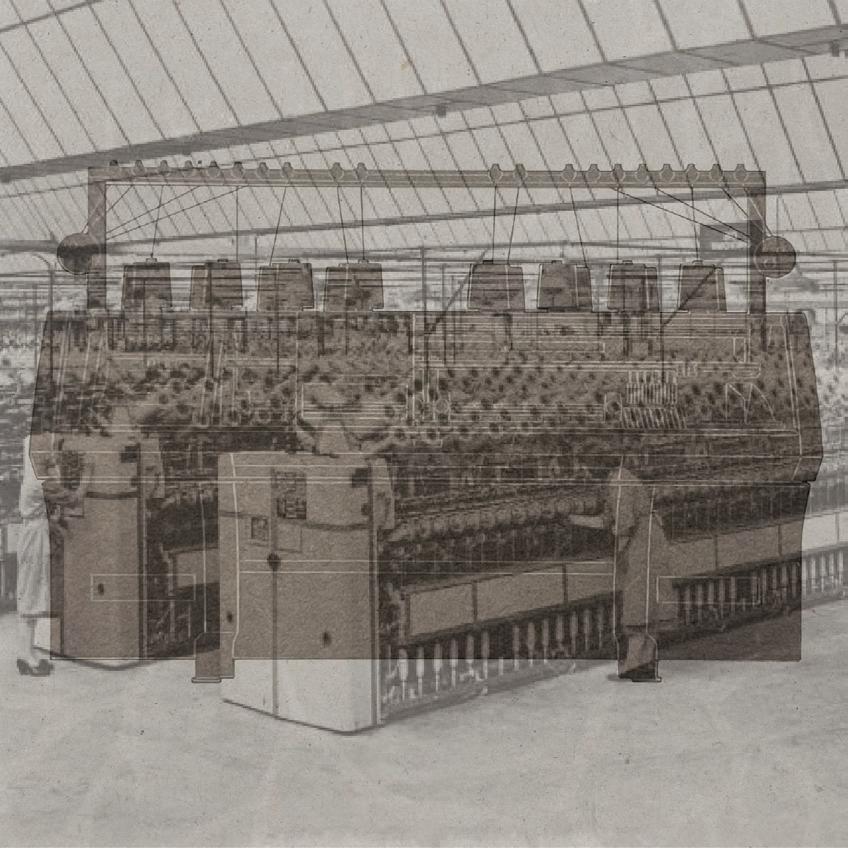
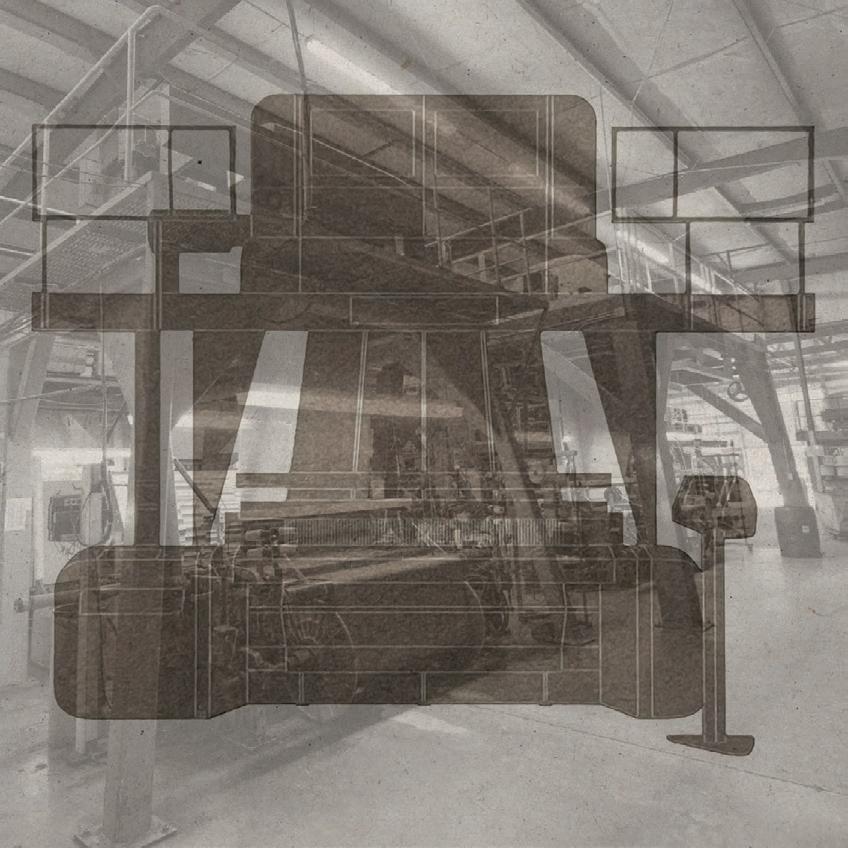
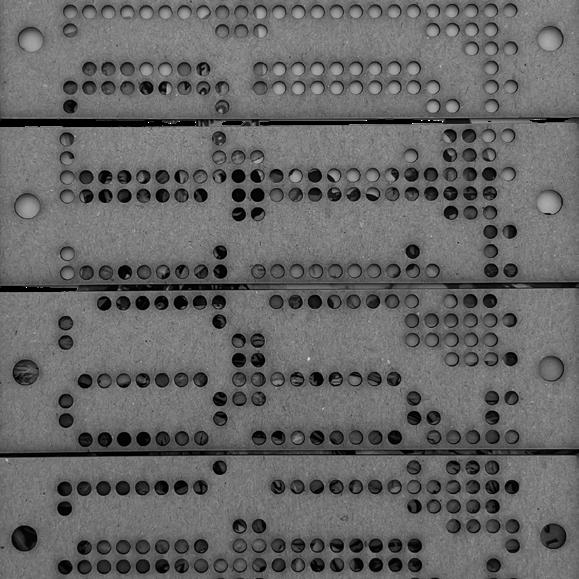
The technologies of production in the textile industry spatialize gendered labor.
Throughout history, women have been essential to the development of the textile industry. Spinsters, women who were often unmarried and found independence through their occupation, are the basis of the research, representing an instance where women existed outside of gender norms through her identity as a laborer. This context is the backdrop for the thesis’s exploration of technology and gendered labor within the textile industry. Starting with an investigation of how technology obscures and projects itself onto labor, the question of the role of the human hand within textile production, specifically alongside machinery and automation, arises. As industrialization and larger scales of production develop, the tools of production become increasingly spatial. Machinery starts to fill entire rooms, and the technology becomes occupiable, with laborers sitting within the machine itself. This proposes many guiding questions that the thesis aims to explore. How does the laborer exist within these larger spatial machines, and how may their work either be obscured or revealed by these conditions? How may the intersections between body and machine develop into program? What happens when we start to view these machines at different scales? If the human occupies the machine does the machine become the architecture? When synthesized with the inherent gendered history of textile production, these questions suggest the potential for an architecture which spatializes gendered labor.