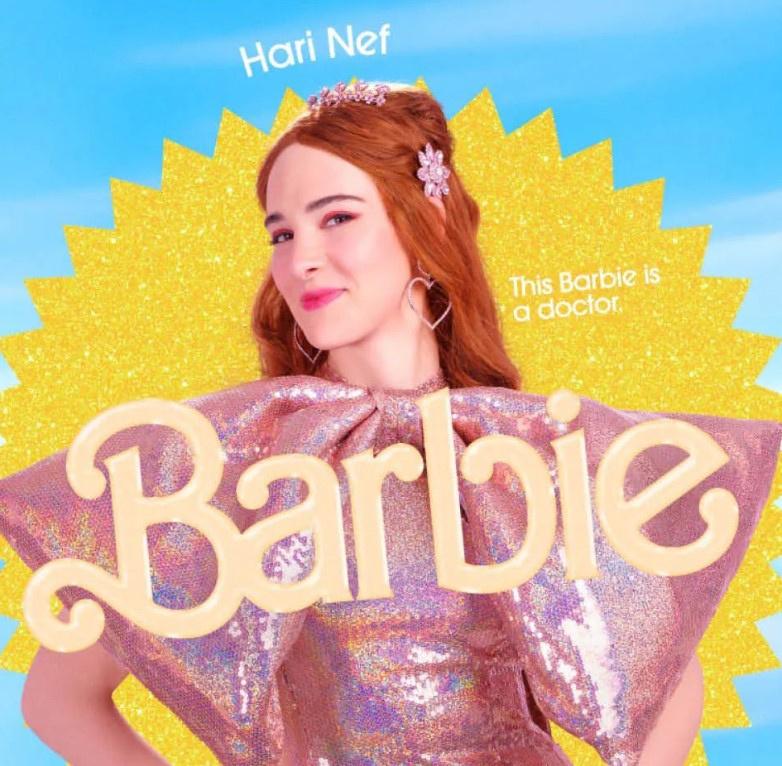

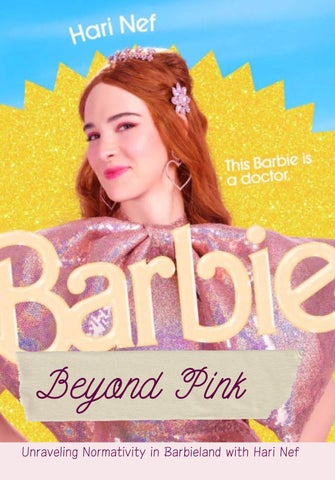

This zine focuses on the casting of Hari Nef, a trans actress,in the Barbie movie.Doing so offers a significant opportunityto analyse the film from atheoretical perspective, particularly throughthe lens of representation and visibility for trans people in mainstream media.
Her inclusion in the Barbie movie - particularly as a member of an explicitlyfeminine female group of characters - signifies a pivotal step towarddiversityin casting practices and, more importantly,toward a societywhere trans women are seen as women.
This aspect of the movie directly engages with discussions around trans visibility, identity, and the politics of representation, themes central to queer theory.
Critically evaluating the Barbie movie, focusing on Hari Nef’s casting from a theoretical perspective, involves considering how it navigates issues of representation, authenticity, and the potential for stereotype reinforcement versus meaningful inclusion.
While the casting of a trans actress marks progress in visibility and normalisation, it is crucial to examine the depth of this representation: does the film offer a multidimensional portrayal of Nef’s character that transcends tokenism? How does her casting contribute to or challenge prevailing narratives about trans people?

Engaging with these questions allows us to assess the Barbie movie’s contributions to advancing transgender visibility and acceptance within the broader cultural landscape, providing an opportunity to reflect on how popular media can influence societal attitudes toward gender diversity and move the discussion of trans people beyond the culture war, as Faye (2021, p.15) advocates for.
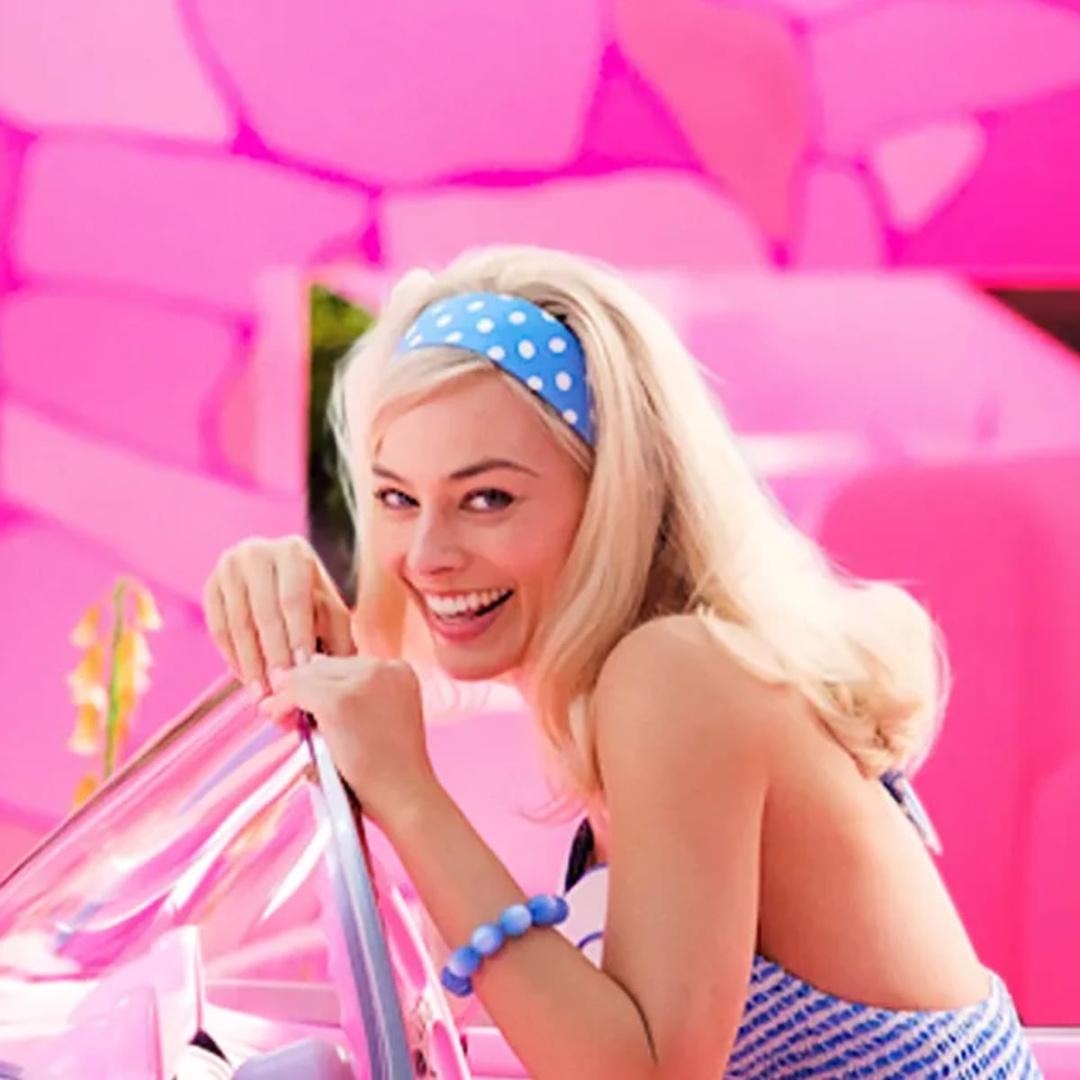
The decision to cast Hari Nef for this role is groundbreaking for multiple reasons.

. Her being cast as a character who isn’t explicitly trans allows her to avoid the harmful stereotypes that trans actors are often typecast into; her being cast as just another Barbie, especially with her unquestioned inclusion in the film’s ‘girl’s night’ reinforces her nature as just another woman; and, finally, the in-universe idea that Barbies and Kens don’t have genitals at all circumvents entirely the common transphobic refrain that ‘ your genitals define gender’.
Altogether, where many trans roles in mainstream movies are sensationalised, Nef’s was normalised, in much the same way that Faye describes how Meadows’ coming out was initially dealt with by her school; in so doing, Barbie pushes for a world in which the very presence of trans people is normalised and normal, helping people like Meadows live their lives in peace.
.
McCann and Monaghan’s 2019 “Queer Theory Now: From Foundations to Futures" stands as a strong framework for analysing the Barbie movie’s casting of Hari Nef, which embodies the theory’s call for destabilising and subverting (p.1) fixed ideas about normative identity.
Her presence as a character whose femininity is unquestioned serves to queer the curriculum (McCann and Monaghan, 2019, p. 188-189), acting as a critical intervention into mainstream gender representations and exemplifying the transformative potential of queer visibility in media, as McCann and Monaghan discuss being the goal for Queer Screen in particular.
Particularly, her casting as Dr Barbie further reinforces the idea that her being a doctor is a more defining character trait than being trans - simultaneously challenging heteronormative expectations and gender roles of a woman’s career.

Butler’s Gender Trouble (1999) provides another avenue for critical analysis; her theory on gender performativity, which suggests that gender identity is created through repeated performance, invites us to delve into the performative portrayal of all Barbies in the movie: by participating in a narrative centred around Barbie - a symbol historically associated with a particular and narrow model of femininity - Nef’s trans performance of gender is subversive by the very nature of being the same as that of the other, cis, Barbies.


However, an argument can be made that, rather than actively disrupting traditional gender roles, the movie instead simply reinforces a commodified version of diversity, especially within the matriarchal context of Barbieland. This relates to McCann and Monaghan’s focus on the neoliberalification of queer theory (p.155157); Nef’s casting can definitely be seen as a depoliticisation of her queerness, allowing her to blend into the rest of the cast without having the responsibility of confronting what her transness means for Barbieland.
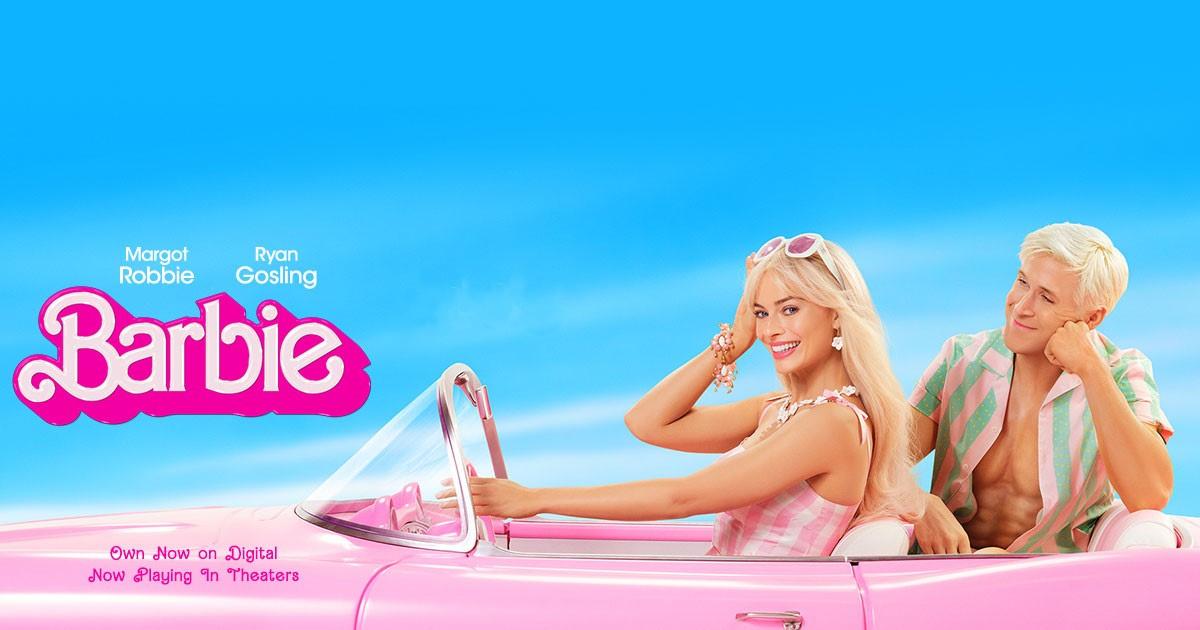
However, this is somewhat critiqued by the film’s emphasis on imagination, transformation, and the performative aspects of identity, expanding and outgrowing the limitations placed on individuals by societal norms and the neoliberal agenda that define and constrain identity.


In summary, while "Barbie" and Hari Nef's casting therein present a progressive step towards inclusivity and representation, a critical evaluation through a queer lens reveals the complexities and potential contradictions in its execution.
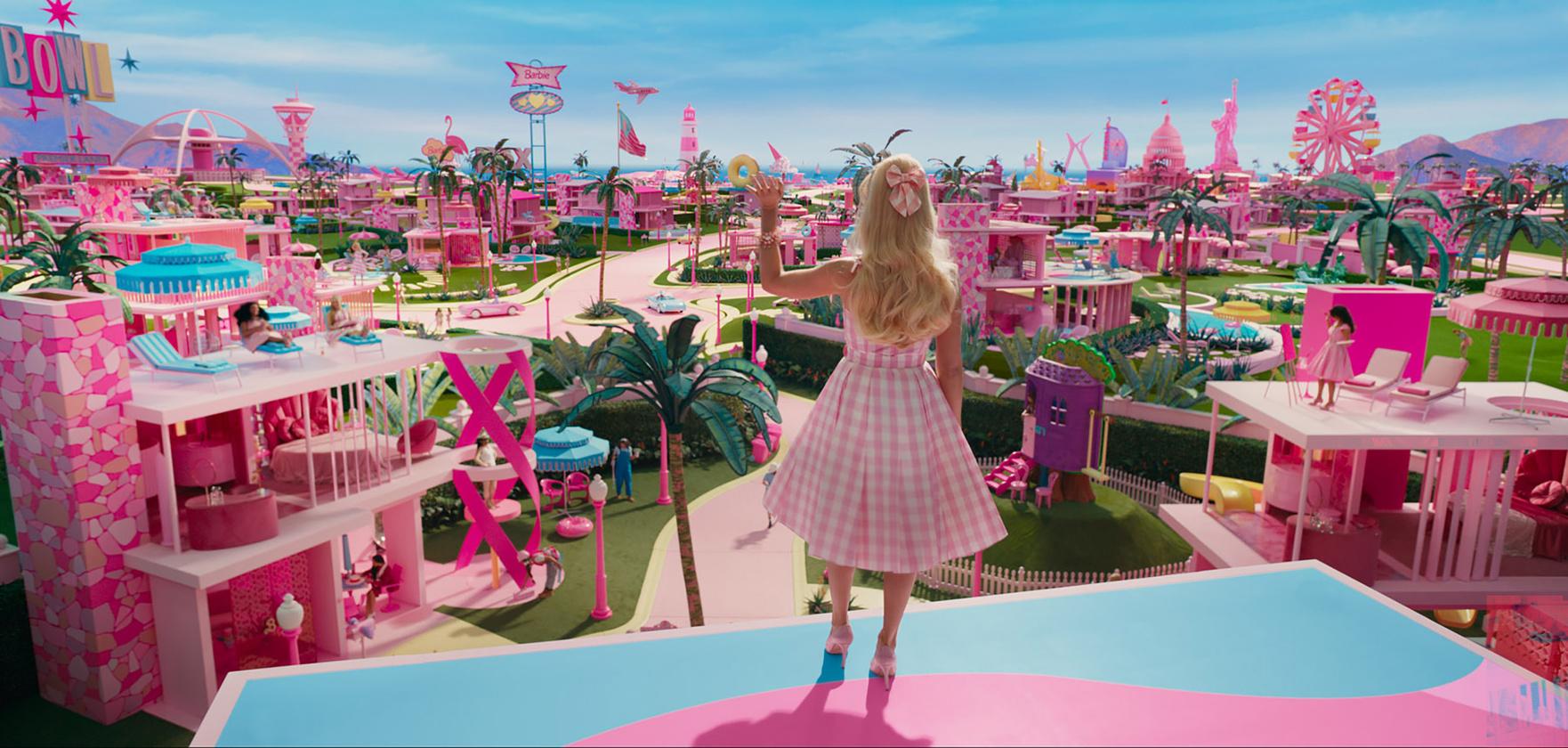
The movie's engagement with queer themes, mainly through its setting and Nef's role, invites a deeper analysis of how mainstream films contribute to, challenge, or reinforce the ongoing discourse around gender, sexuality, and identity.
Butler, J. (1999) Gender trouble. doi:10.4324/9780203824979.
Duggan, L. (2002) ‘The new homonormativity’, Materializing Democracy, pp. 175–194. doi:10.1215/9780822383901-007.

Faye, S. (2022) The transgender issue: An argument for justice. Dublin: Penguin Books.
McCann, H. and Monaghan, W. (2019) Queer theory now: From foundations to futures. MacMillan.