
THE CHICAGO STUDIO COLLABORATION
INTERDISCIPLINARY VISIONS FOR THE CENTRAL MANUFACTURING DISTRICT
University of Illinois at Urbana-Champaign
School of Architecture
Department of Landscape Architecture
Department of Urban and Regional Planning
Copyright
The Chicago Studio Collaboration: Interdisciplinary Visions For The Central Manufacturing District
Copyright © 2018 Faculty and students of the following studios:
ARCH 574: The Urban Studio - Kevin Hinders
LA 537: The Chicago Studio Conor O’Shea UP 494: Chicago Planning Studio - Robert Olshansky
Published by the Illinois School of Architecture University of Illinois at Urbana-Champaign 611 Lorado Taft Drive, Champaign, IL 61820
Printed in the United States of America
All rights reserved.
ISBN: ###-#-###-#####-#
Library of Congress Control Number: ##########
Graphic Design: Andreé Sahakian
Acknowledgments
The Chicago Studio would like to thank the City of Chicago, Stantec, the professional design and planning firms, and other organizations who supported our academic investigations throughout the course of the studio. In addition, we are grateful for our fruitful collaboration with Professor Kheir Al-Kodmany and his students.
Adrian Smith + Gordon Gill Architecture
Alderman Patrick D. Thompson, 11th Ward
Booth Hansen
CA Ventures
CannonDesign
Chicago Metropolitan Agency for Planning
Design Workshop
Farr Associates
Gensler
Goettsch Partners
Hammersley Architecture
Hoerr Schaudt Landscape Architects
Houseal Lavigne Associates
llinois Institute of Technology
The City of Chicago Department of Planning and Development
The University of Illinois College of Fine and Applied Arts
Klein and Hoffman
LISC Chicago
Magnusson Klemencic Associates
Metropolitan Planning Council
OKW Architects
Perkins + Will
RATIO
Rivetna Architects
SCB and Associates
Sheehan, Nagle Hartray Architects
SmithGroupJJR
SOM
The John Buck Company
Woodhouse Tinucci Architects
About
What is the future of Chicago’s Central Manufacturing District?
During the fall 2017 academic semester, the University of Illinois at Urbana-Champaign School of Architecture, Department of Landscape Architecture, and Department of Urban and Regional Planning worked in five interdisciplinary teams to produce speculative visions of Chicago’s Central Manufacturing District. A team of graduate students from UIC’s Department of Urban Planning and Policy led by Prof. Kheir Al-Kodmany worked alongside the University of Illinois at Urbana-Champaign teams.
Illinois School of Architecture students, led by Prof. Kevin Hinders, were based in Chicago, and took theory and professional practice coursework alongside studio. Department of Landscape Architecture and Department of Urban and Regional Planning students, taught by Prof. Conor O’Shea and Prof. Rob Olshansky, respectively, made five trips to Chicago over the course of the semester. Collaboration occurred in face-to-face meetings, charrettes, and also relied heavily on the use of virtual communication platforms.
Trips to Chicago included a kickoff meeting with representatives from the City of Chicago, the Metropolitan Planning Council, and LISC Chicago on September 1, 2017. Subsequent trips included a group charrette, midterm review, final review, and open house, all attended by Chicago-area practitioners and City officials. This book collects final student proposals from the Chicago Studio Open House Gallery, which took place on December 15, 2017 in the Chicago Studio space housed within Stantec’s offices in the Railway Exchange Building in downtown Chicago.

Proposals


Carol Brobeck
David Huang
Yun Huang
Erika Johannessen
Patricia McKissack
Himangshu Kedia

Xiangyun Cao
Yuting Gao
Huaixuan Li
Andreé Sahakian
Manman Shao
Richa Singh
Osiel Guzman
Zhengge Jiang
Sebastian Koth
Claudlène Saint Vil
Lei Wang
Sijia Yang
Kalyani Agnihotri
Yizhen Ding
Eva Temporal Durán
Ying ‘Yoda’ Li
Marc Ponce
Litong Zeng
Saloni Chawla
Dijia Chen
David O’Donoghue
Sara Hadavi
Shuyu Yin
Ye Yuan
Timeline
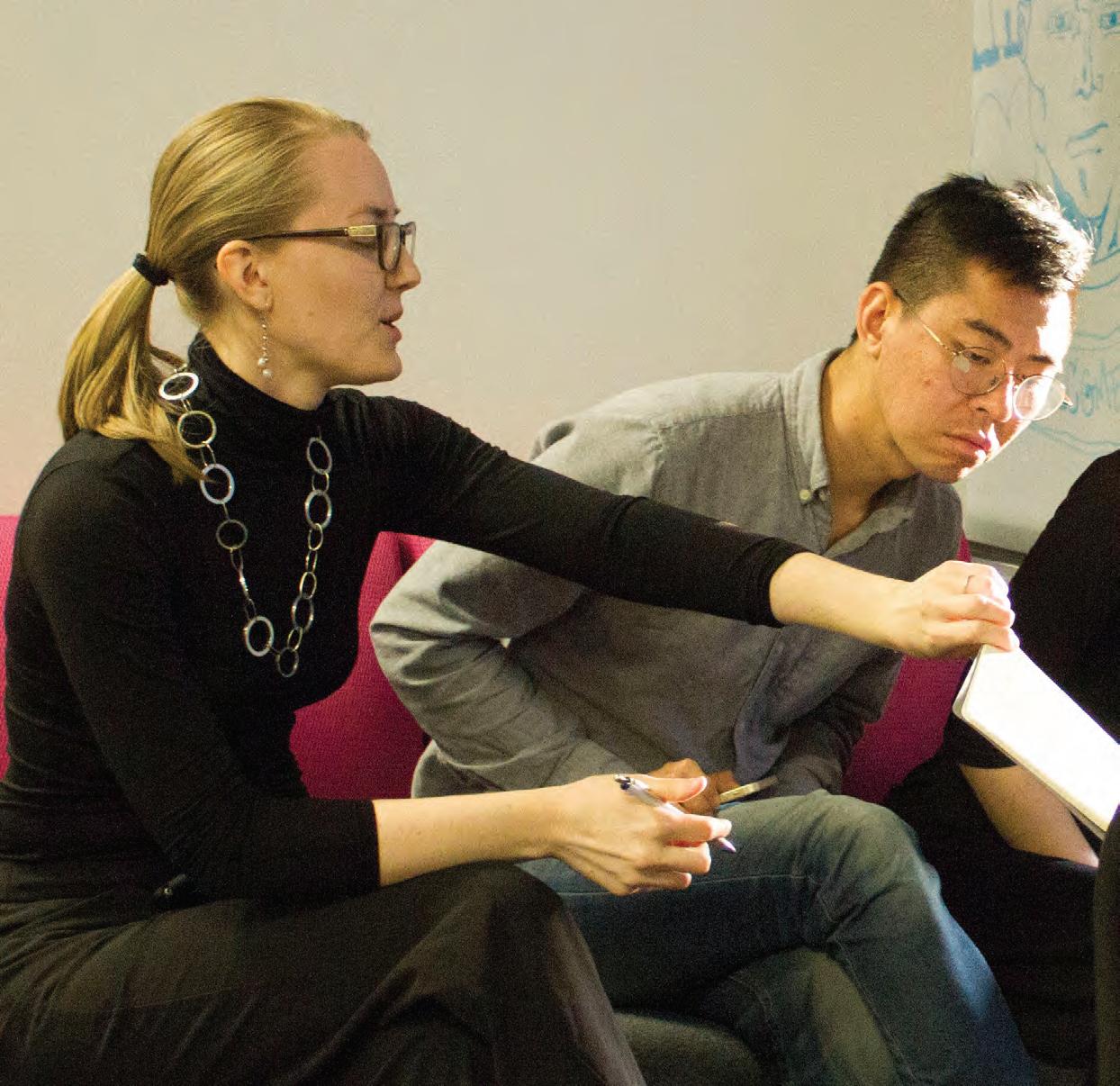
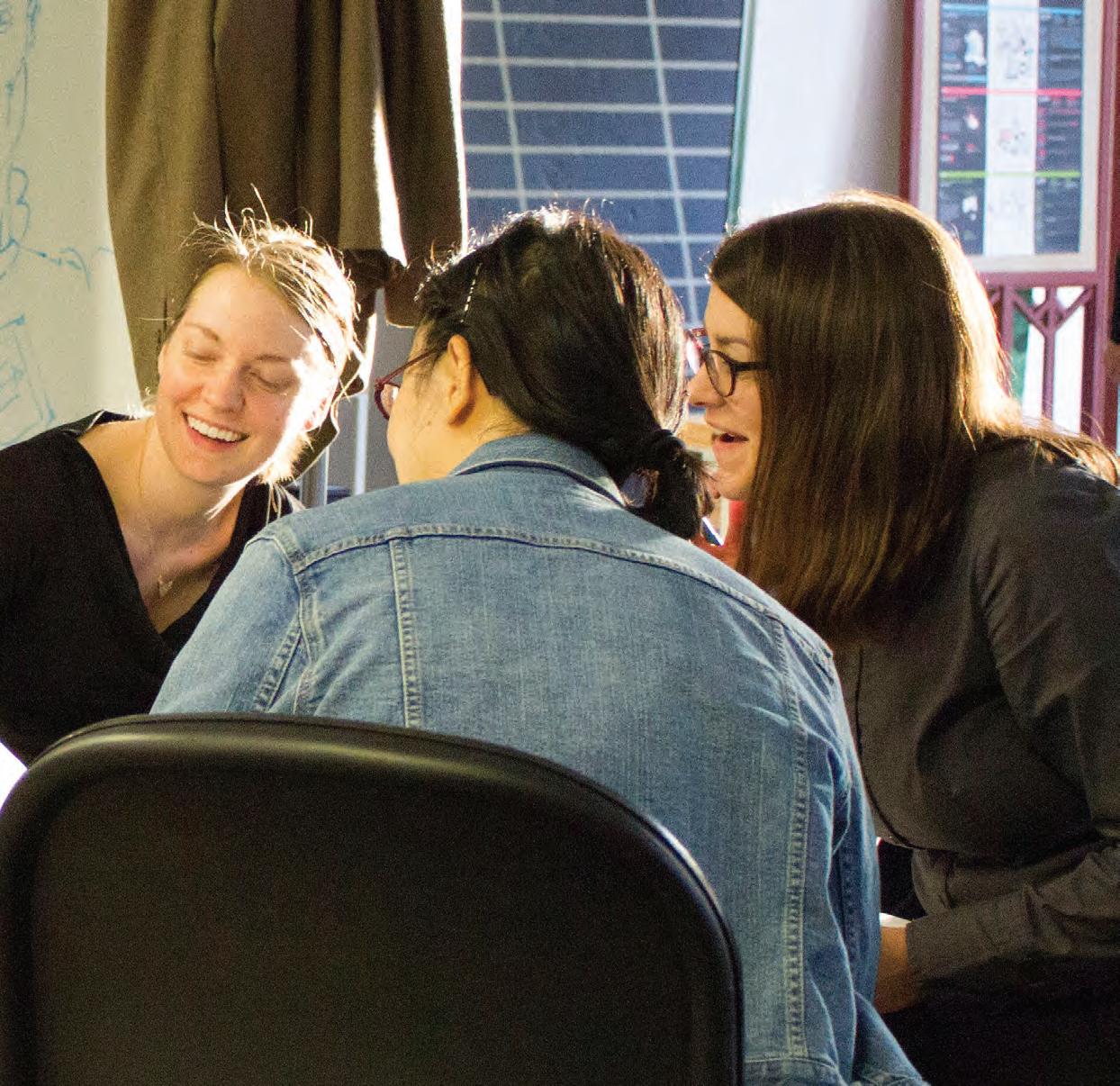
Design Charette
Landscape Architecture and Urban Planning students generate preliminary ideas during the design charrette.
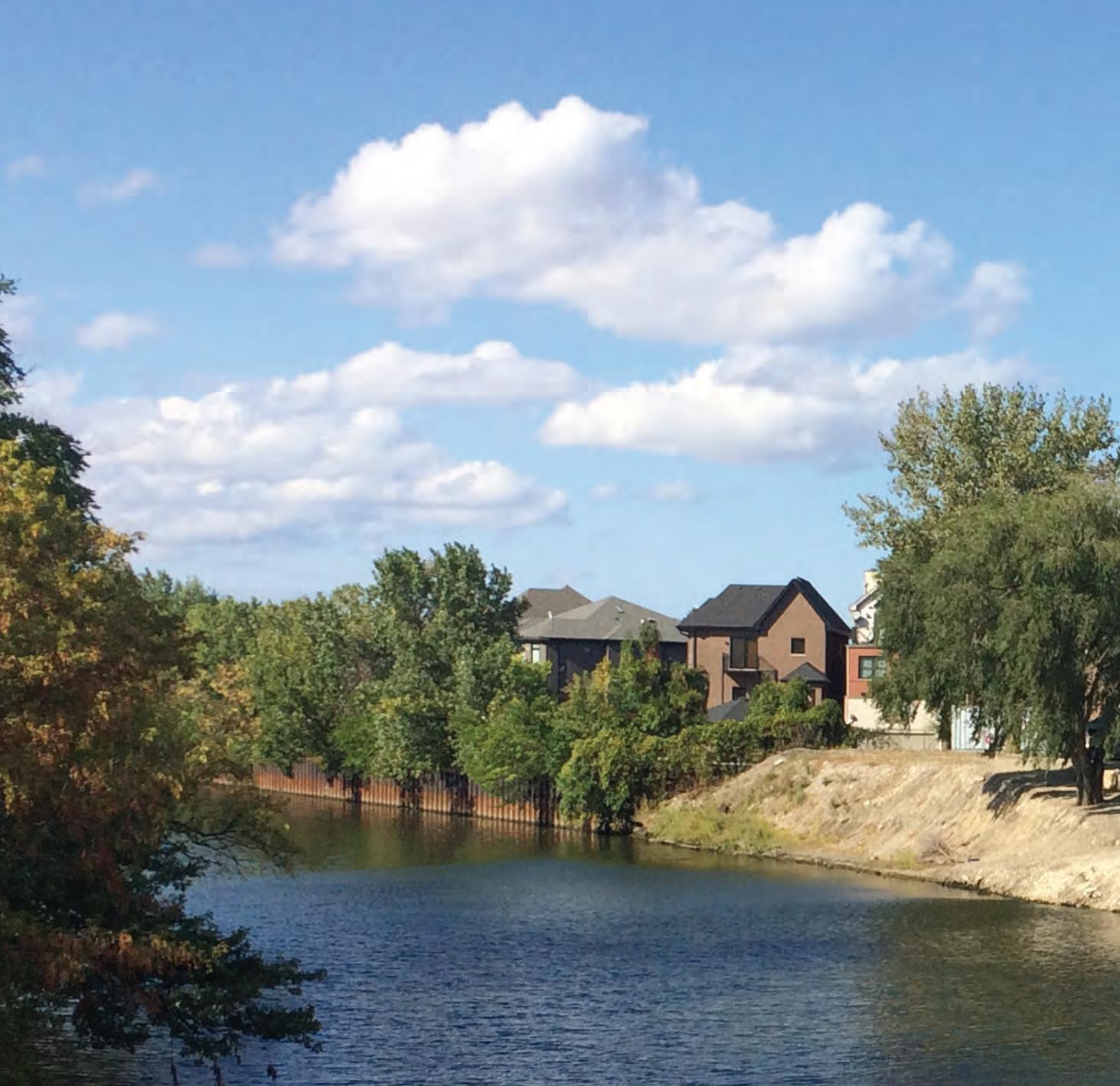
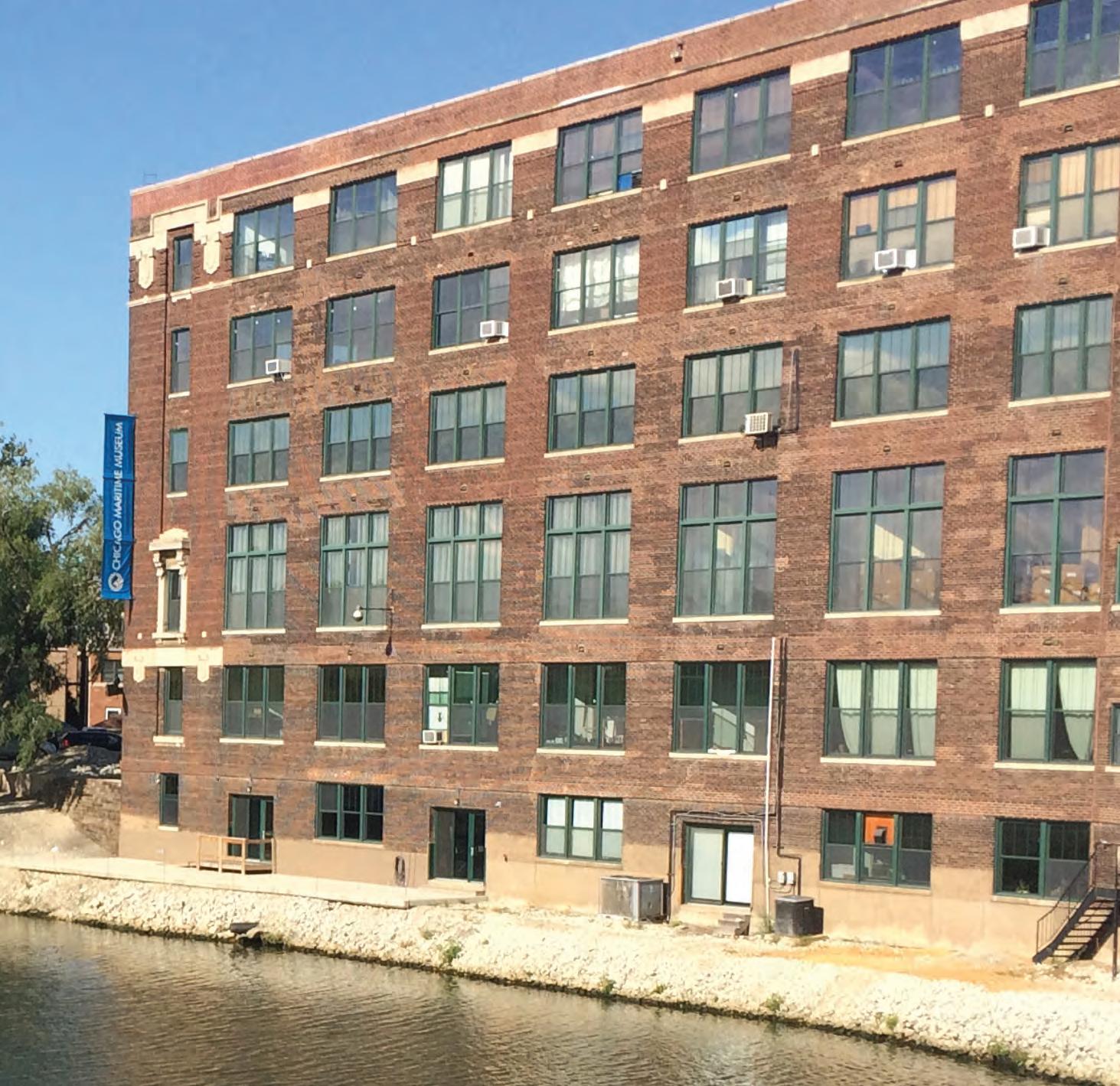
Site Visit
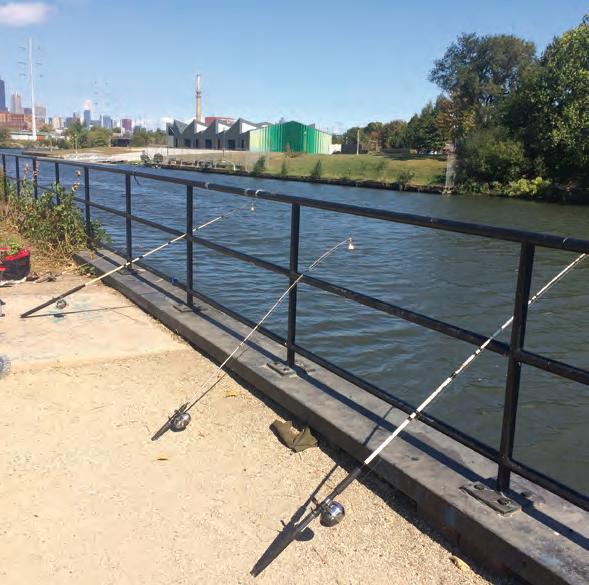
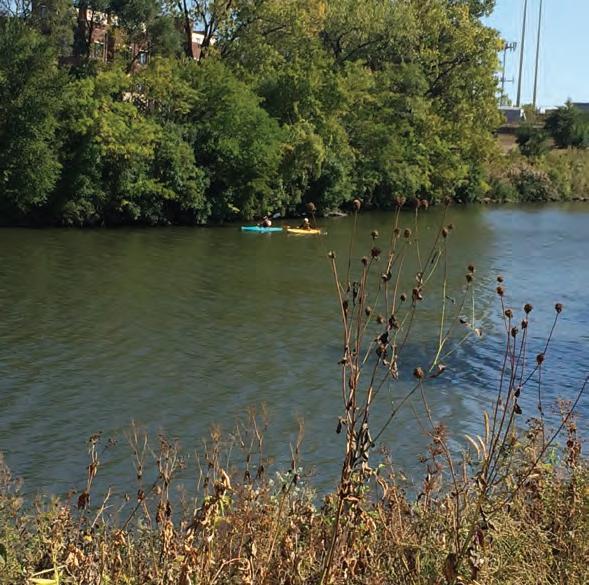
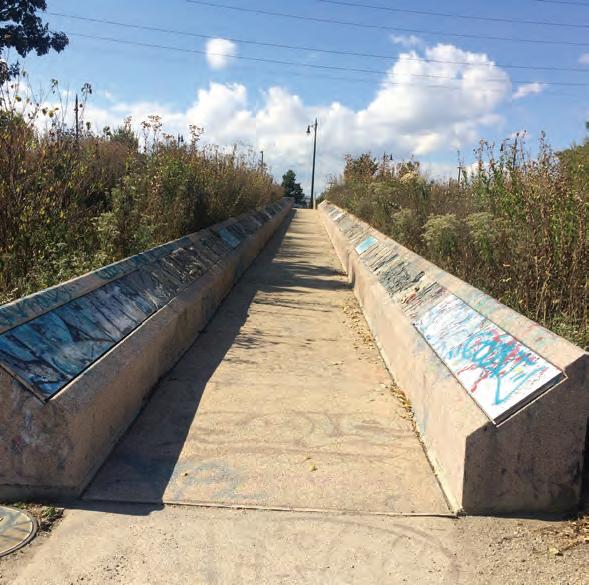
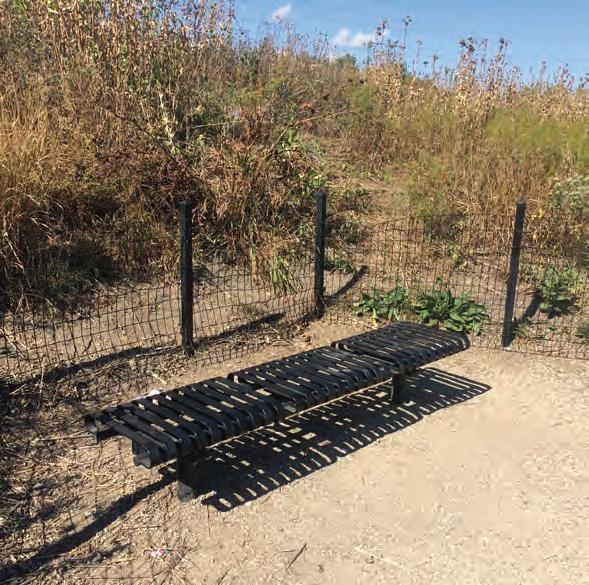
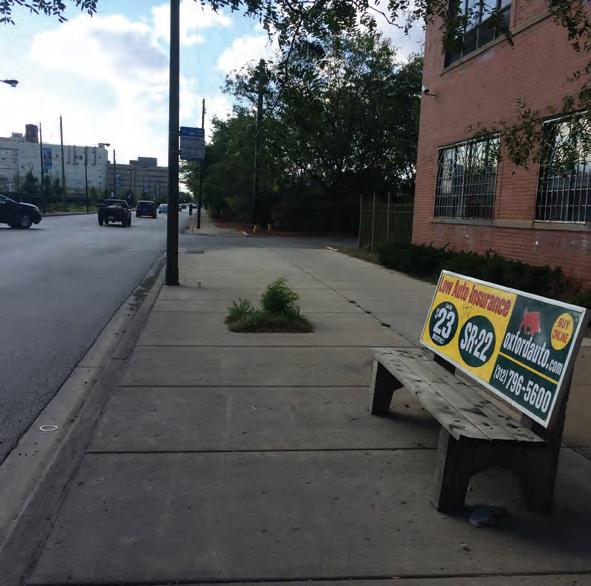
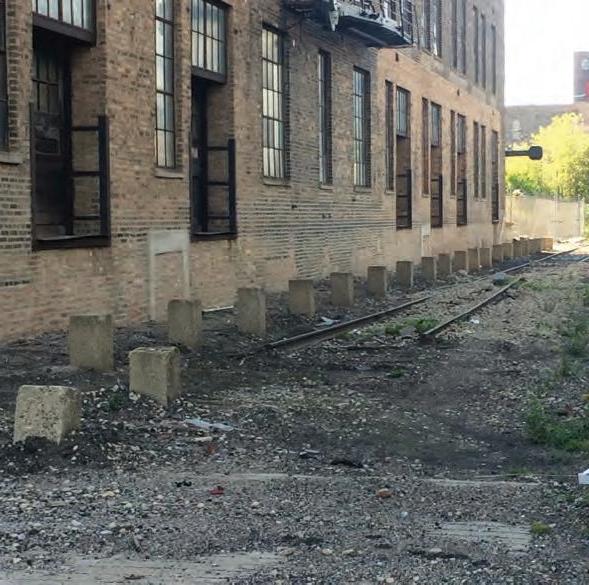
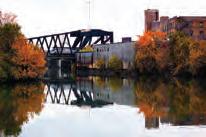
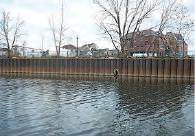
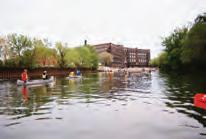
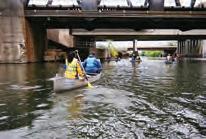
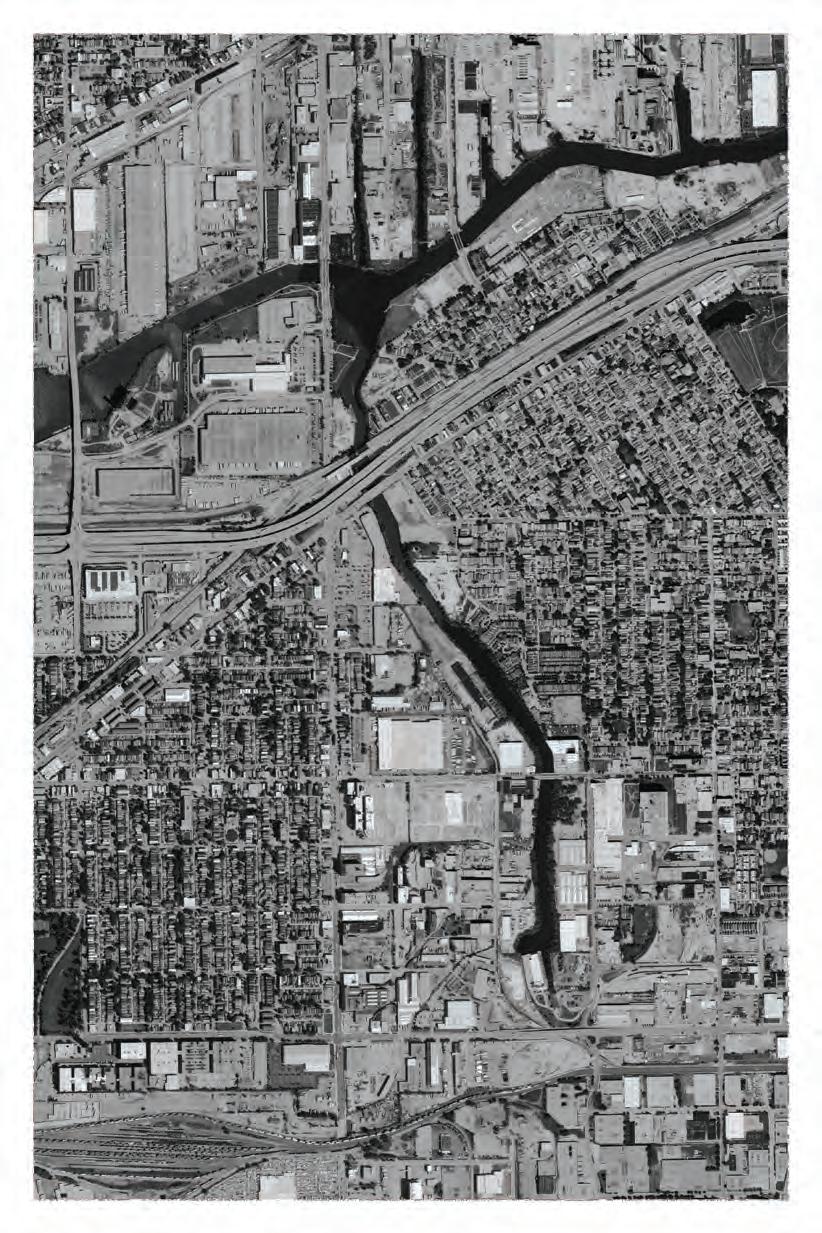
Bridgeport Art Center is a new art hub built from an old warehouse building. It is adjacent to the South Fork of the South Branch of the Chicago River, nicknamed ‘Bubbly Creek.’
Design Charrette
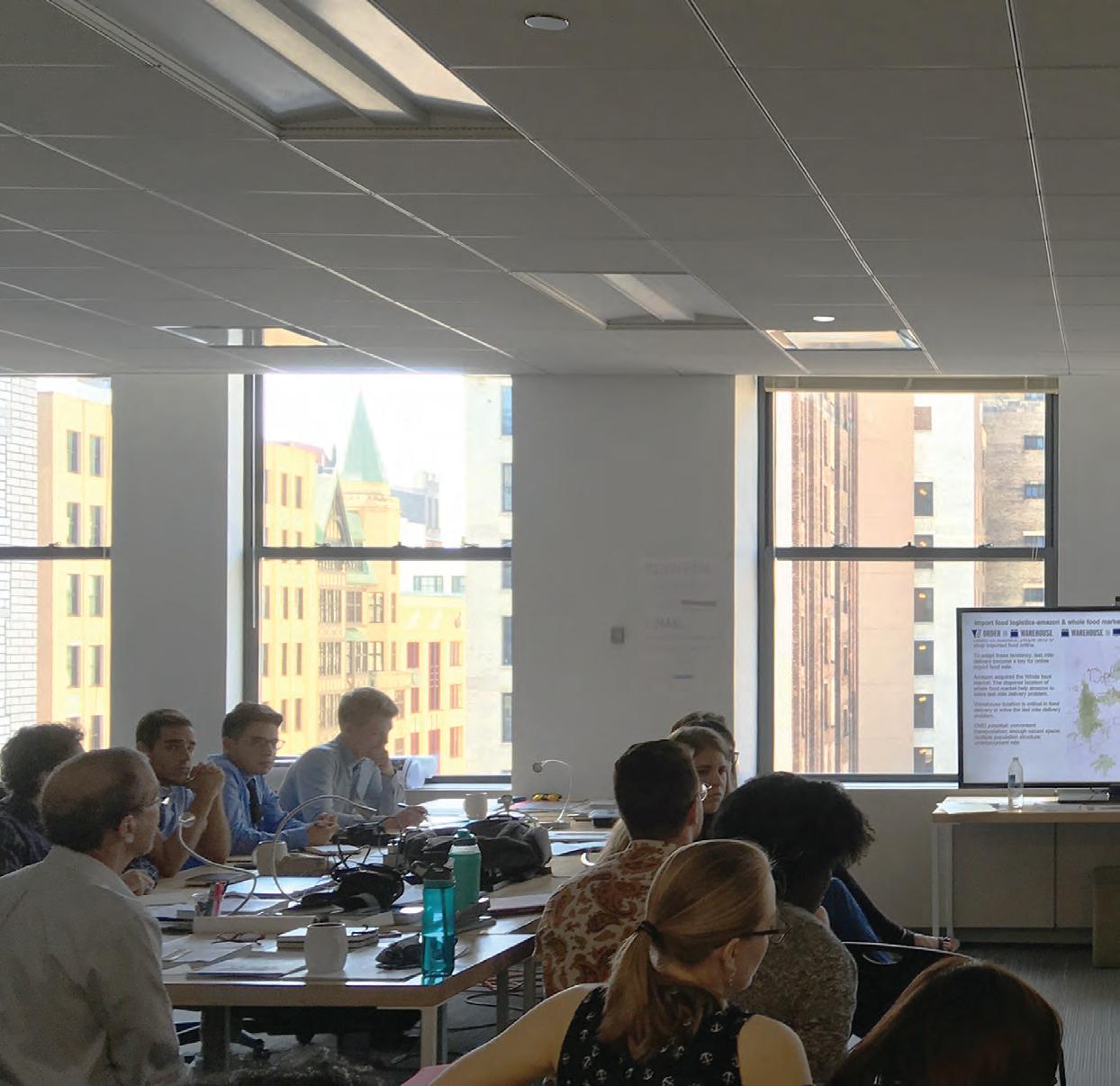
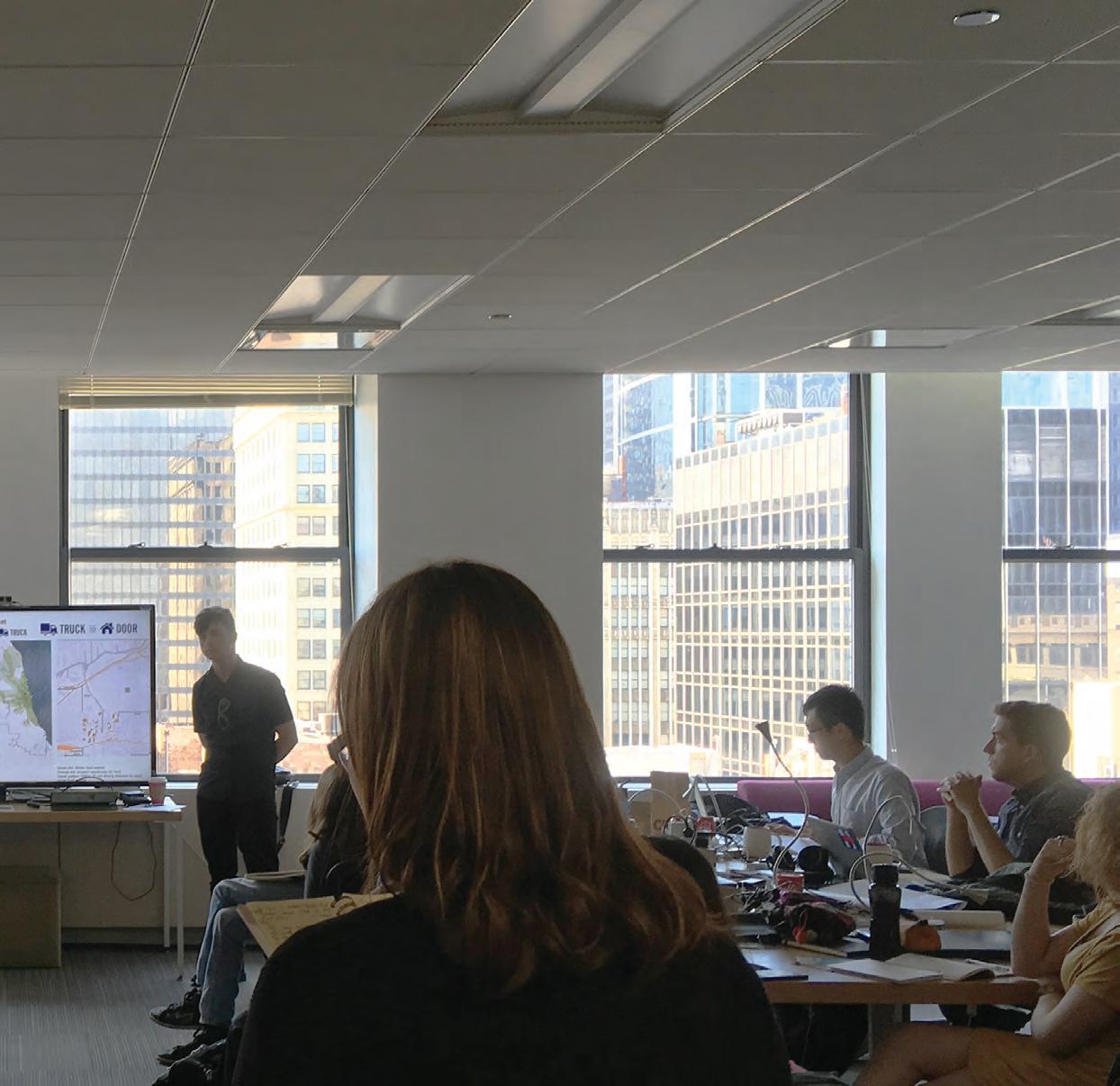
Students and faculty from all four studios meet to brainstorm and form teams.
Midterm Review
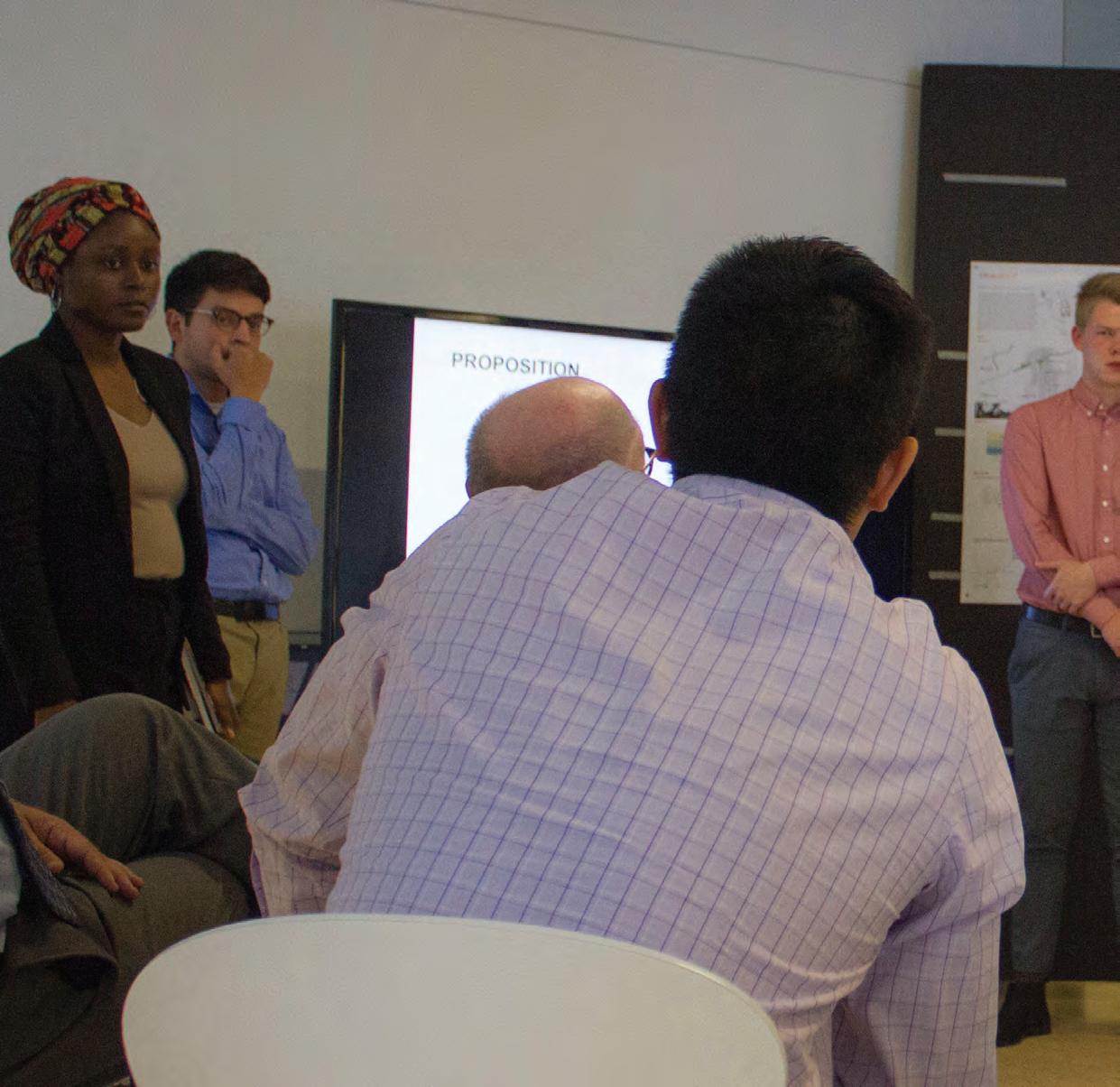
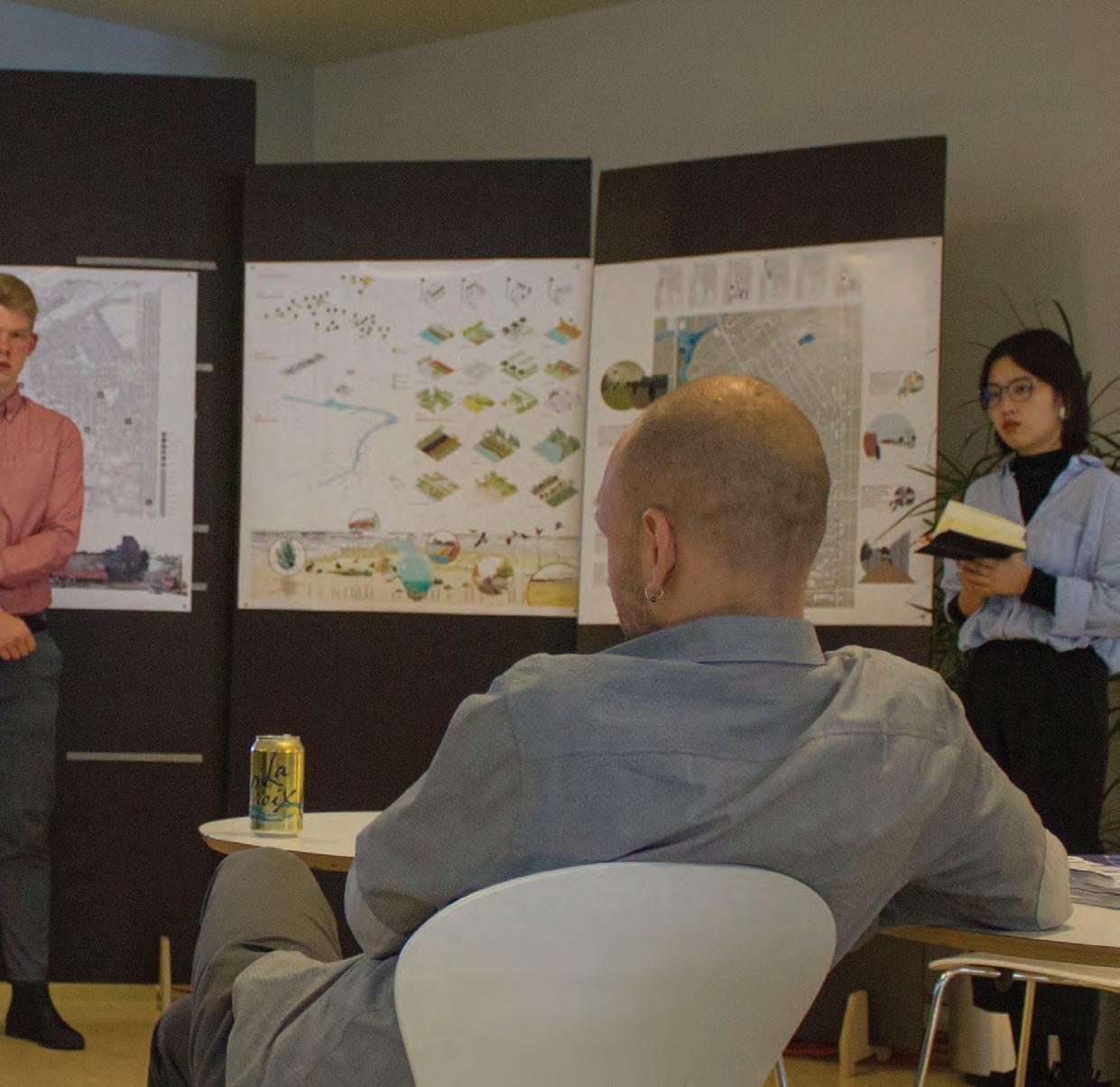
Teams present to multiple groups of professionals and academics from Chicago and Champaign-Urbana.
Final Review
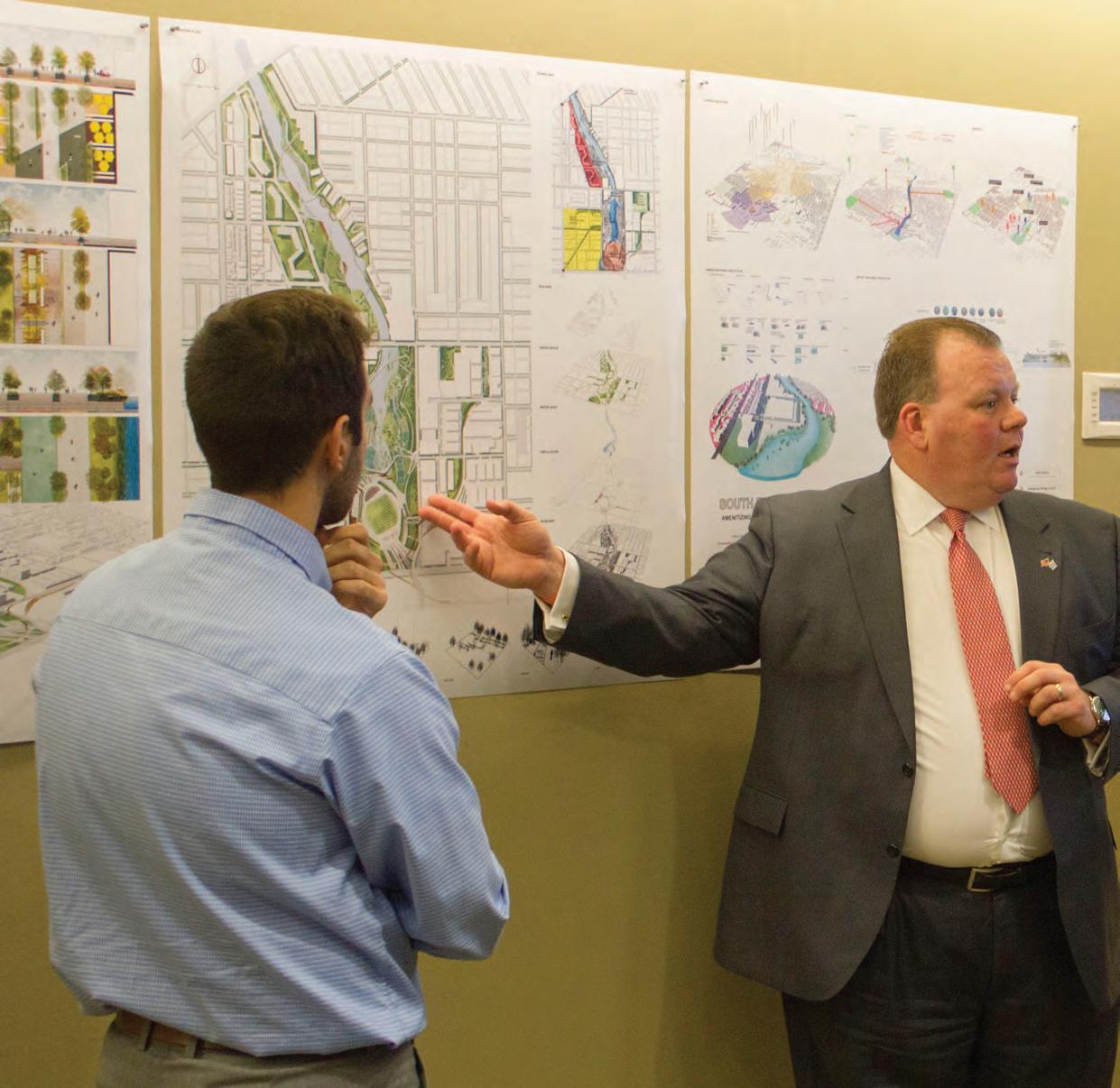
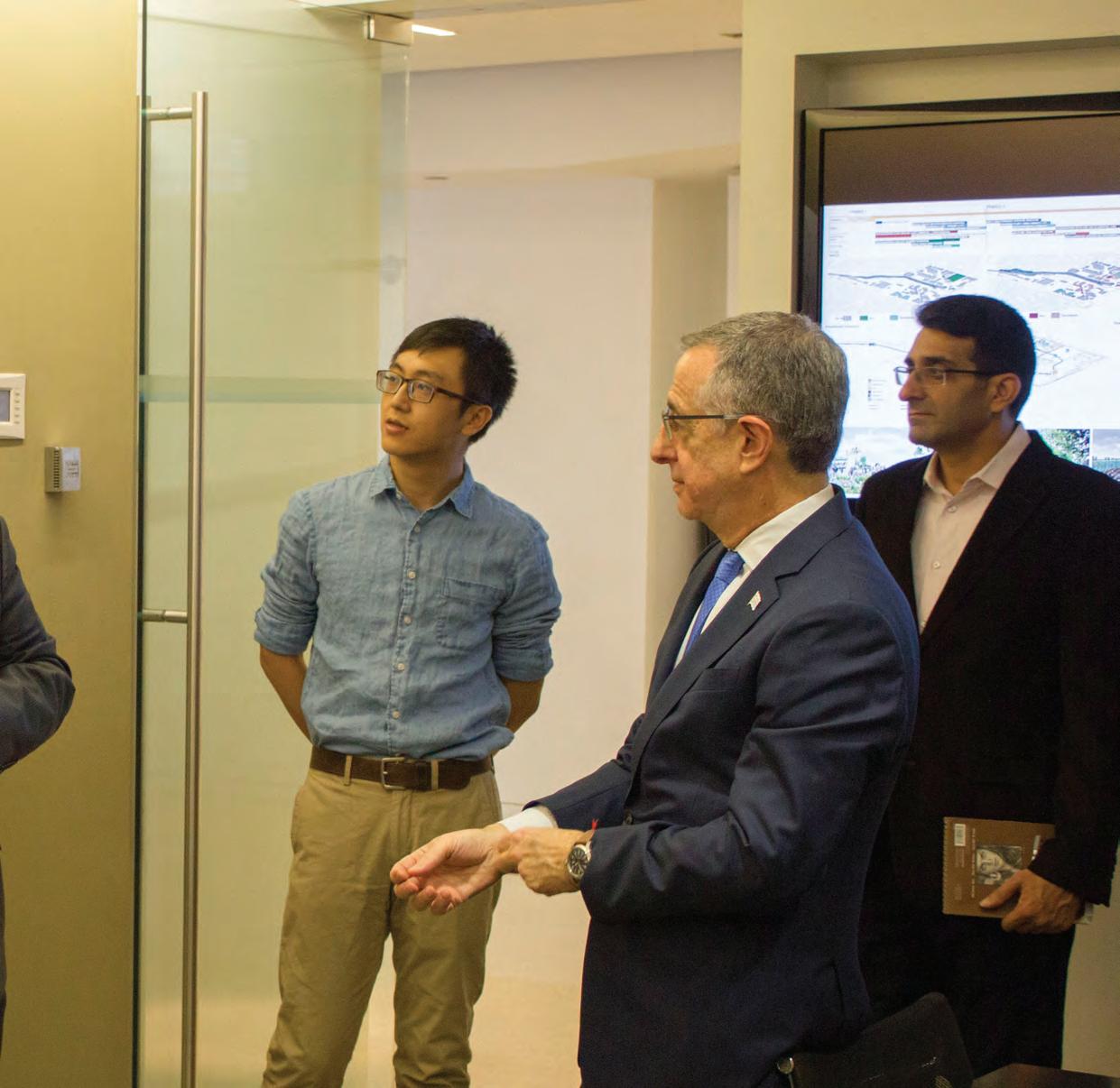
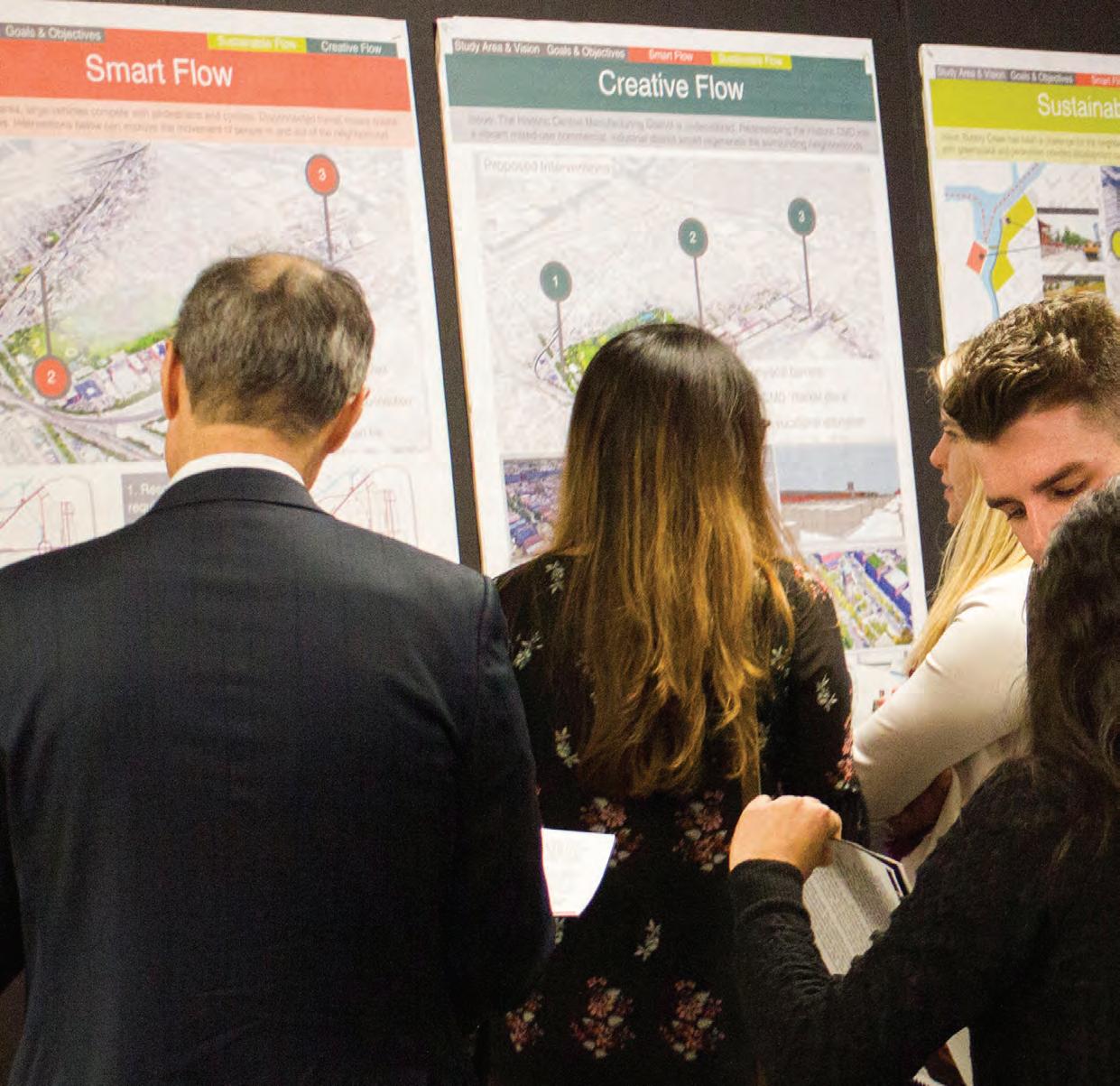
11th Ward Alderman Patrick D. Thompson and City of Chicago Department of Planning and Development Commissioner David Reifman discuss proposals.
Open House
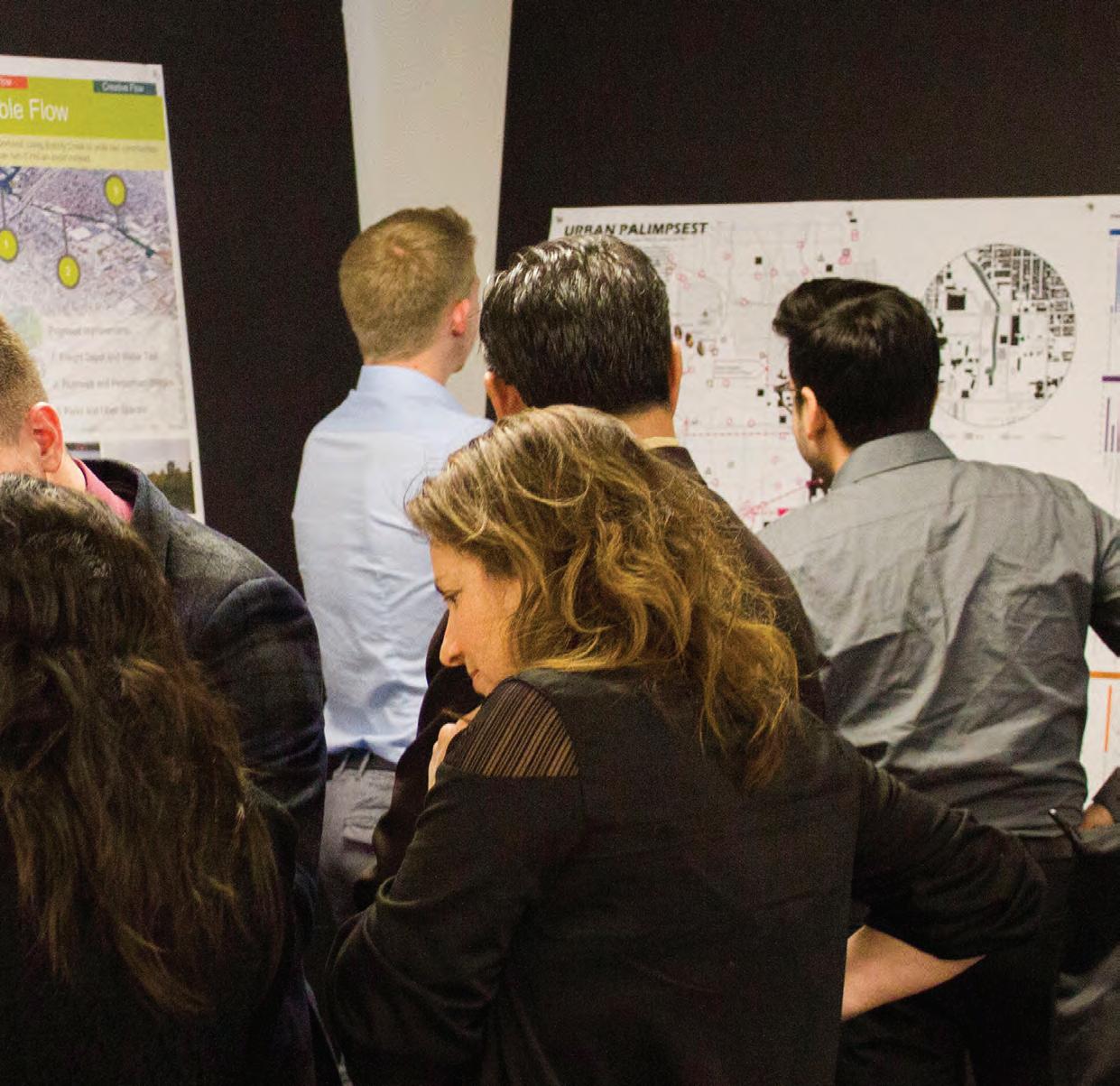
Work presented at the November final review was refined and presented in gallery format during.
Research
Plan Overlay: 2017 | 1912
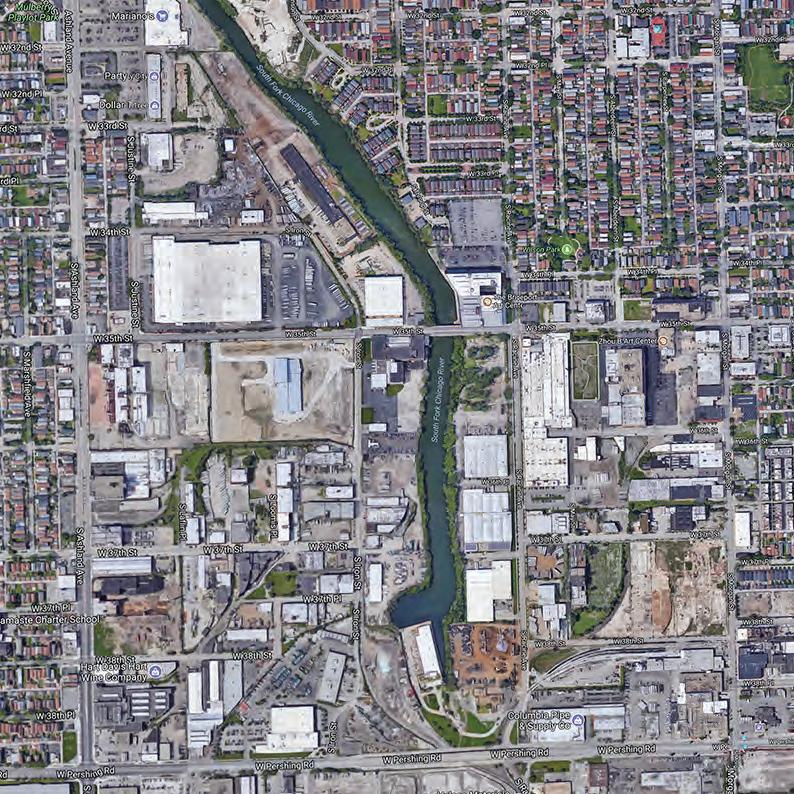
2017 Google Maps Satellite
Total Area Owned & Average Value Per Acre
- $345,294
- $693,673
- $1,788,504 Property Value Per Acre
$0 < $49,603
$141,422 - $345,294
$345,294 - $693,673 PERSHING RD

匀椀琀攀ⴀ爀攀氀愀琀攀搀 c漀渀渀攀c琀椀漀渀猀 w椀琀栀 最爀攀攀渀 瀀愀琀c栀攀猀 琀栀爀漀u最栀 b椀k攀w愀y猀
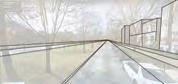
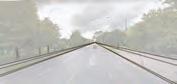
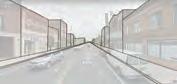
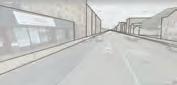
Ty瀀漀氀漀最y 漀f b椀k攀w愀y猀
最爀攀攀渀渀攀猀猀⸀ T栀漀猀攀 w椀琀栀 栀椀最栀 qu愀氀椀琀y c愀渀 b攀 c漀渀猀椀搀攀爀攀搀 愀猀 愀瀀瀀氀椀ⴀ c愀b氀攀 攀x愀m瀀氀攀猀 琀漀 椀m瀀爀漀瘀攀 琀栀攀 氀漀wⴀqu愀氀椀琀y 漀渀攀猀⸀ N漀爀琀栀 B爀愀渀c栀

CONNECTIVITY, LIVABILITY
G爀攀攀渀 渀攀琀w漀爀k猀 椀渀 u爀b愀渀 愀爀攀愀猀 猀攀爀瘀攀 愀猀 猀椀最渀椀f椀c愀渀琀 猀漀u爀c攀猀 漀f 攀c漀猀y猀琀攀m 猀攀爀瘀椀c攀猀 琀栀愀琀 栀攀氀瀀 琀栀攀 c椀琀椀攀猀 琀栀爀椀瘀攀⸀ T栀攀猀攀 椀渀c氀u搀攀 b漀琀栀 攀c漀氀漀最椀c 愀渀搀 爀攀c爀攀愀琀椀漀渀愀氀 猀攀爀瘀椀c攀猀⸀ F爀漀m b漀琀栀 瀀攀爀猀瀀攀c琀椀瘀攀猀, w攀 渀攀攀搀 琀漀 m愀k攀 c漀渀渀攀c琀椀漀渀猀 b攀琀w攀攀渀 最爀攀攀渀 瀀愀琀c栀攀猀 愀渀搀 c漀爀爀椀搀漀爀猀, w栀椀c栀 椀渀猀椀搀攀 c椀琀椀攀猀 愀瀀瀀攀愀爀 椀渀 琀栀攀 f漀爀m 漀f 瀀愀爀k猀 愀渀搀 瀀愀琀栀w愀y猀⸀ T栀攀 m漀爀攀 椀渀琀攀爀c漀渀渀攀c琀攀搀 琀栀攀猀攀 渀攀琀 w漀爀k猀 愀爀攀, 琀栀攀 m漀爀攀 猀u猀琀愀椀渀愀b氀y 琀栀攀 w栀漀氀攀 猀y猀琀攀m w漀u氀搀 fu渀c琀椀漀渀⸀
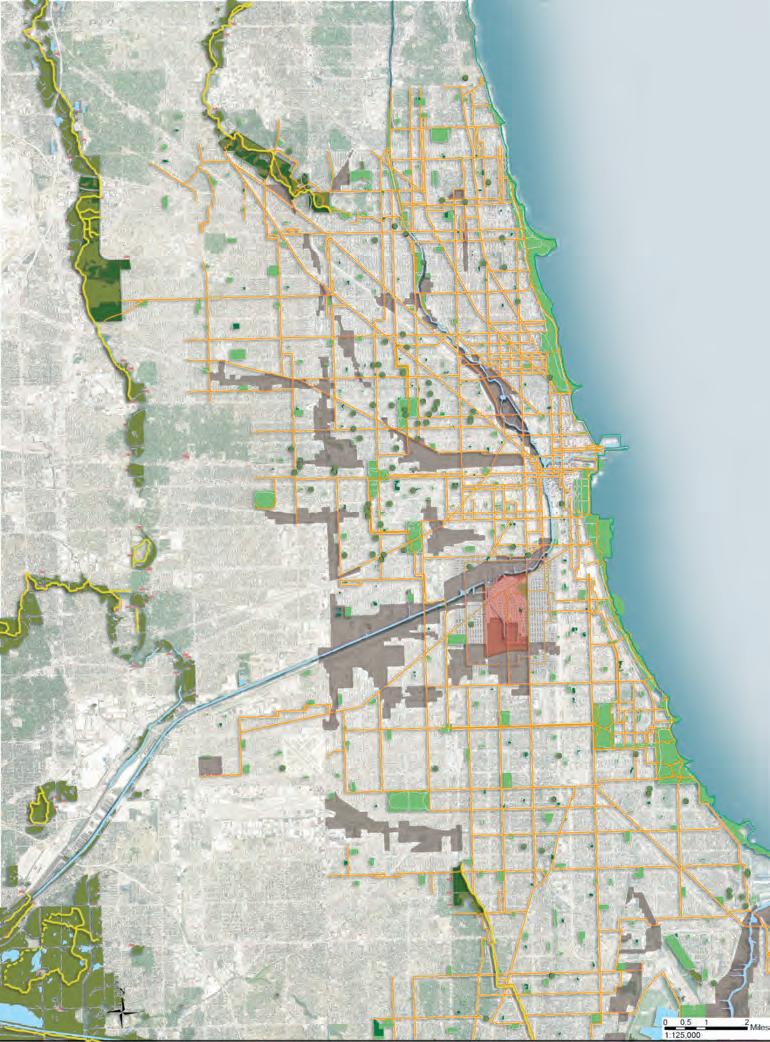
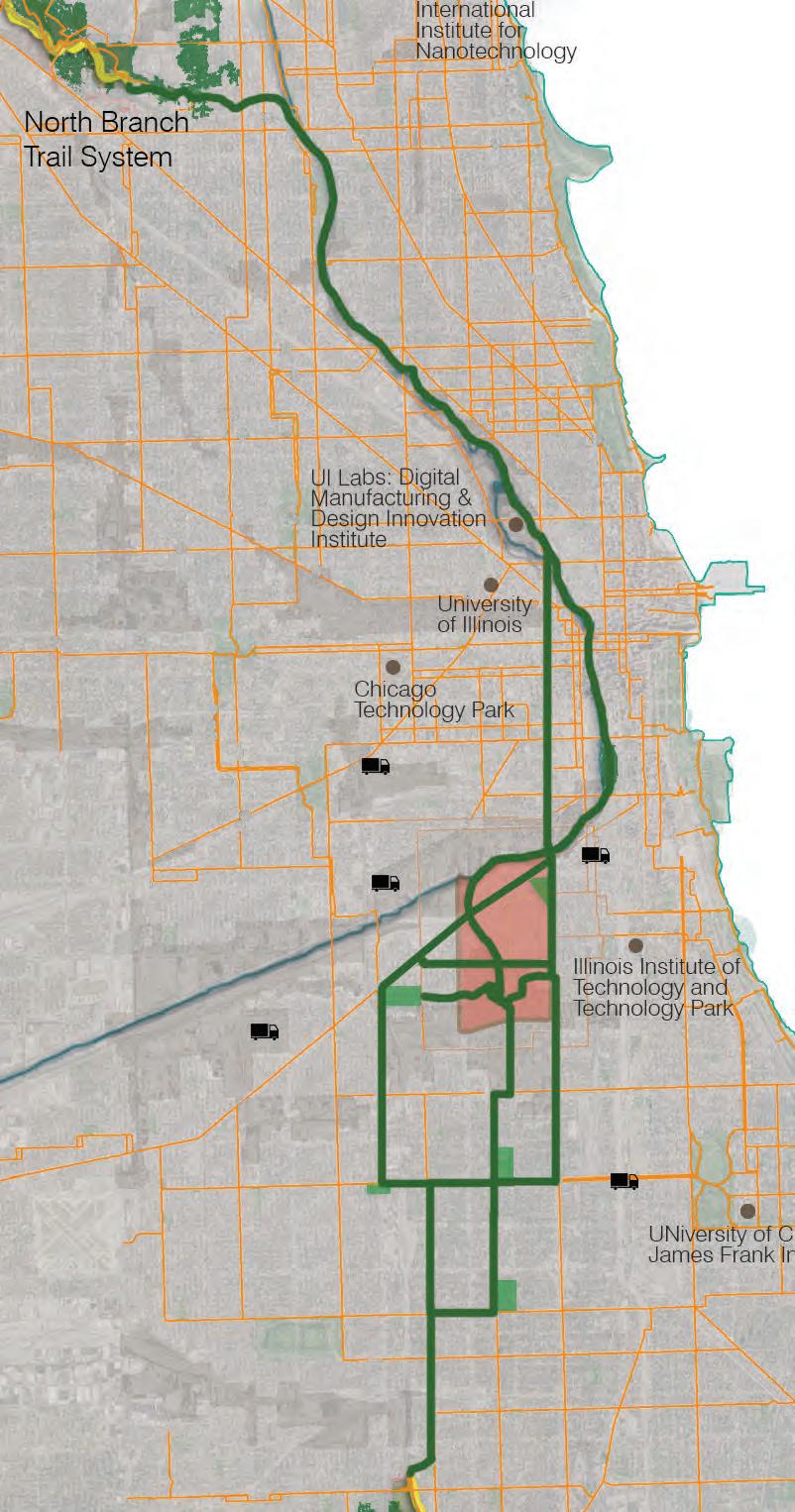
䤀渀 琀栀椀猀 瀀爀漀j攀c琀 w攀 椀渀瘀攀猀琀椀最愀琀攀 最爀攀攀渀 渀攀琀w漀爀k猀 愀琀 爀攀最椀漀渀愀氀 猀c愀氀攀 愀渀搀 攀x愀m椀渀攀 琀栀攀 爀漀氀攀 漀f 琀栀攀 C攀渀琀爀愀氀 M愀渀uf愀c琀u爀椀渀最 D椀猀琀爀椀c琀 w椀琀栀椀渀 琀栀攀 b爀漀愀搀攀爀 c漀渀琀攀x琀 椀渀 漀爀搀攀爀 琀漀 f椀渀搀 漀u琀 c漀渀猀琀爀愀椀渀琀猀 愀渀搀 瀀漀琀攀渀琀椀愀氀猀 f漀爀 椀m瀀爀漀瘀攀m攀渀琀猀 椀渀 最爀攀攀渀 渀攀琀w漀爀k猀 椀渀 琀栀攀 渀攀x琀 瀀栀愀猀攀⸀ 圀攀 f椀爀猀琀 猀琀u搀y 琀栀攀 搀y 渀愀m椀c猀 漀f c栀愀渀最攀 漀f 氀愀渀搀 c漀瘀攀爀 椀渀 琀栀攀 爀攀最椀漀渀 漀瘀攀爀 琀椀m攀 愀猀 琀栀攀 f椀爀猀琀 猀琀攀瀀 琀漀 u渀搀攀爀猀琀愀渀搀 琀栀攀 b愀ck最爀漀u渀搀 漀f 琀栀攀 最爀攀攀渀 渀攀琀w漀爀k猀⸀ T栀攀渀, C漀漀k C漀u渀琀y f漀爀攀猀琀 瀀爀攀猀攀爀瘀攀猀 愀渀搀 渀愀琀u爀愀氀 愀爀攀愀猀, C栀椀c愀最漀 瀀愀爀k猀, 氀愀k攀f爀漀渀琀 最爀攀攀渀 猀瀀愀c攀猀, 最爀攀攀渀 b漀u氀攀瘀愀爀搀 猀y猀琀攀m猀 愀渀搀 c漀mmu渀椀琀y 最愀爀搀攀渀猀 栀愀瘀攀 b攀攀渀 椀渀瘀攀猀琀椀最愀琀攀搀⸀ 刀攀最椀漀渀愀氀 愀渀搀 氀漀c愀氀 琀爀愀椀氀猀 愀渀搀 b椀k攀 瀀愀琀栀猀 栀愀瘀攀 b攀攀渀 攀x愀m椀渀攀搀 愀猀 c漀渀渀攀c琀漀爀猀 漀f 瀀愀琀c栀攀猀 椀渀 琀栀攀 渀攀琀w漀爀k⸀ 䄀猀 猀栀漀w渀 椀渀 琀栀攀 爀攀最椀漀渀愀氀 m愀瀀, 琀栀攀爀攀 愀爀攀 猀漀m攀 氀椀m椀琀攀搀 c漀渀渀攀c琀椀漀渀猀 b攀琀w攀攀渀 爀攀最椀漀渀愀氀 琀爀愀椀氀猀 愀渀搀 b椀k攀w愀y猀 w椀琀栀椀渀 琀栀攀 u爀b愀渀 愀爀攀愀, w栀椀氀攀 w攀 栀愀瘀攀 愀 爀攀氀愀琀椀瘀攀氀y 搀攀渀猀攀 渀攀琀w漀爀k 漀f b椀k攀w愀y猀 愀氀椀最渀攀搀 w椀琀栀 琀栀攀 最爀椀搀猀 琀栀愀琀 m愀k攀 c漀渀渀攀c琀椀漀渀猀 b攀琀w攀攀渀 C栀椀c愀最漀 瀀愀爀k猀⸀ H漀w攀瘀攀爀, 愀 c氀漀猀攀爀
氀漀漀k 愀琀 琀栀攀 渀攀琀w漀爀k 爀攀瘀攀愀氀猀 琀栀愀琀 栀愀瘀椀渀最 琀栀攀 瀀愀琀栀猀 氀愀b攀氀攀搀 愀猀 b椀k攀w愀y猀 搀漀攀猀 渀漀琀 渀攀c攀猀猀愀爀椀氀y m攀愀渀 琀栀愀琀 琀栀攀y 愀爀攀 栀椀最栀 qu愀氀椀琀y 瀀氀攀愀猀愀渀琀 b椀k攀w愀y猀⸀ By c漀渀琀爀愀猀琀, m愀渀y 漀f 琀栀攀m 愀爀攀 m攀爀攀氀y b椀k愀b氀攀, w椀琀栀 氀椀琀琀氀攀 最爀攀攀渀 愀氀漀渀最 琀栀攀m⸀ 䄀搀搀椀琀椀漀渀愀氀氀y,
瘀搀爀猀/最椀猀/猀瘀c猀/m愀瀀猀ⴀⴀⴀ最椀猀ⴀ搀愀琀愀⸀栀琀m氀 ⴀ 䤀m愀最攀猀: G漀漀最氀攀 M愀瀀
Sauganash Trail
Sara Hadavi
The Chicago Studio Collaboration
David Huang
匀漀u爀c攀: www⸀cm愀瀀⸀椀氀氀椀渀漀椀猀⸀最漀瘀/搀愀琀愀/氀愀渀搀ⴀu猀攀/椀渀瘀攀渀琀漀爀y

䤀渀搀u猀琀爀椀愀氀
刀攀猀椀搀攀渀琀椀愀氀
C漀mm攀爀c椀愀氀
䤀渀猀琀椀琀u琀椀漀渀愀氀
倀愀爀k猀 愀渀搀 F愀c椀氀椀琀椀攀猀

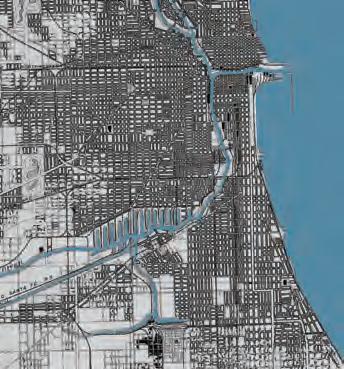
C栀椀c愀最漀 匀漀u琀栀 刀椀瘀攀爀 H椀猀琀漀爀椀c愀氀 M愀瀀, 㠀㠀㤀
匀漀u爀c攀: www⸀氀椀b⸀uc栀椀c愀最漀⸀攀搀u/攀/c漀氀氀攀c琀椀漀渀猀/m愀瀀猀/c栀椀最漀瘀
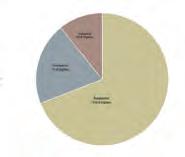
C椀琀y C漀渀猀um瀀琀椀漀渀 漀f 圀愀琀攀爀 匀椀琀攀 C漀渀猀um瀀琀椀漀渀 漀f 圀愀琀攀爀
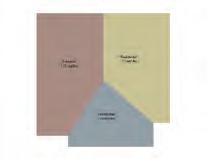
WATER: FUNCTIONS AND CHALLENGES
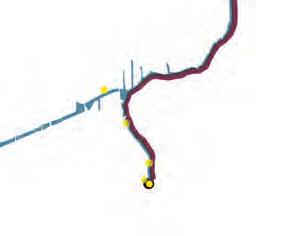
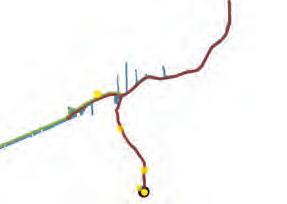
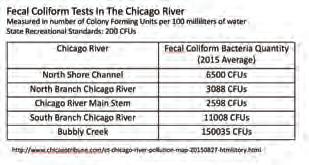
圀愀琀攀爀 漀渀 琀栀攀 猀椀琀攀 f漀爀m猀 愀 c漀m瀀氀攀x 漀f 椀渀琀攀最爀愀琀攀搀 猀y猀琀攀m 愀渀搀 fu渀c琀椀漀渀猀⸀ 圀愀琀攀爀 椀猀 u猀攀搀 by 爀攀猀椀搀攀渀琀椀愀氀, 椀渀搀u猀琀爀椀愀氀, c漀mm攀爀c椀愀氀, 椀渀猀琀椀琀u琀椀漀渀愀氀 愀渀搀 爀攀c爀攀愀琀椀漀渀愀氀 f愀c椀氀椀琀椀攀猀 攀x琀攀渀猀椀瘀攀氀y⸀ 圀愀琀攀爀 m漀瘀攀m攀渀琀 愀渀搀 qu愀氀椀琀y 栀愀猀 愀ff攀c琀攀搀 琀栀攀 氀愀渀搀 u猀攀 瀀愀琀琀攀爀渀 渀攀愀爀 琀栀攀 c爀攀攀k 愀渀搀 椀渀 C栀椀 c愀最漀, 椀渀 最攀渀攀爀愀氀⸀ Bubb氀y C爀攀攀k, b攀椀渀最 愀 猀椀琀攀 f漀爀 搀um瀀椀渀最 椀渀搀u猀琀爀椀愀氀 w愀猀琀攀 搀u爀椀渀最 椀渀搀u猀琀爀椀愀氀 椀z愀琀椀漀渀,搀攀愀搀 愀渀椀m愀氀 c愀爀c愀猀猀攀猀 愀渀搀 f漀爀 猀琀漀爀mw愀琀攀爀 愀渀搀 w愀猀琀攀w愀琀攀爀 搀爀愀椀渀愀最攀 渀漀琀漀爀椀漀u猀氀y 最愀椀渀攀搀 椀琀猀 渀愀m攀 愀猀 “Bubb氀y” 搀u攀 琀漀 琀栀攀 bubb氀攀猀 爀椀猀椀渀最 愀琀 琀栀攀 w愀琀攀爀 猀u爀f愀c攀 b攀c愀u猀攀 漀f 琀栀攀 w愀猀琀攀⸀ 圀愀琀攀爀 愀c琀猀 愀猀 愀 猀漀u爀c攀 f漀爀 u猀愀最攀 椀渀 椀渀搀u猀琀爀椀攀猀, 爀攀猀椀搀攀渀琀椀愀氀 愀爀攀愀猀 愀渀搀 c漀mm攀爀c椀愀氀 愀c琀椀瘀椀琀椀攀猀⸀ 䤀琀 椀猀 愀氀猀漀 u猀攀搀 f漀爀 爀攀c爀攀愀琀椀漀渀愀氀 愀c琀椀瘀椀琀椀攀猀 猀uc栀 愀猀 w愀琀攀爀 猀瀀漀爀琀猀 渀攀愀爀 琀栀攀 m漀u琀栀 漀f Bubb氀y C爀攀攀k 愀渀搀 愀氀猀漀 by 愀渀 漀爀最愀渀椀z愀琀椀漀渀 c愀氀氀攀搀 刀O圀 琀栀愀琀 漀爀最愀渀椀z攀猀 攀瘀攀渀琀猀 攀猀瀀攀c椀愀氀氀y f漀爀 C愀渀c攀爀 瀀愀琀椀攀渀琀猀⸀ 倀漀猀琀 椀渀搀u猀琀爀椀愀氀椀z愀琀椀漀渀, w愀琀攀爀 qu愀氀椀琀y 漀渀 琀栀攀 猀椀琀攀 猀琀愀爀琀攀搀 椀m瀀爀漀瘀椀渀最 琀栀愀琀 氀攀搀 琀漀 琀栀攀 搀攀瘀攀氀漀瀀m攀渀琀 漀f 爀攀猀椀搀攀渀琀椀愀氀 愀爀攀愀猀, 爀攀猀琀愀u爀愀渀琀猀 渀攀愀爀 琀栀攀 c爀攀攀k 愀渀搀 瀀攀漀瀀氀攀 椀渀搀u氀最椀渀最 椀渀 w愀琀攀爀 猀瀀漀爀琀猀⸀ E瘀攀渀 搀uck猀 愀渀搀 最攀攀猀攀 c愀渀 b攀 猀攀攀渀 漀cc愀猀椀漀渀愀氀氀y 椀渀 琀栀攀 c爀攀攀k⸀ C栀愀氀氀攀渀最攀猀 瀀漀猀攀搀 by w愀琀攀爀 漀渀 琀栀攀 猀椀琀攀 椀猀 瀀爀椀m愀爀椀氀y 琀栀攀 搀爀愀椀渀愀最攀 漀瘀攀爀f氀漀w 琀栀愀琀 c愀u猀攀猀 愀 氀漀琀 漀f 瀀爀漀b氀攀m猀⸀ T栀攀 猀漀u琀栀 攀渀搀 漀f C爀攀攀k 栀愀猀 攀猀瀀攀c椀愀氀氀y 栀椀最栀 漀瘀攀爀f氀漀w 搀椀猀c栀愀爀最攀⸀ T栀椀猀 c爀攀愀琀攀猀 f氀漀漀搀椀渀最 椀渀 琀栀攀 渀攀愀爀by 愀爀攀愀猀 愀ff攀c琀椀渀最 猀琀爀攀攀琀猀 愀渀搀 氀愀渀搀⸀ T栀椀猀 漀瘀攀爀f氀漀w 愀氀猀漀 c愀u猀攀猀 c漀渀琀愀m椀 渀愀琀椀漀渀 椀渀 琀栀攀 猀漀u琀栀 爀椀瘀攀爀 w椀琀栀 b愀c琀攀爀椀愀 愀ff攀c琀椀渀最 m愀j漀爀氀y 琀栀攀 w愀琀攀爀 qu愀氀椀琀y 椀渀 琀栀攀 c爀攀攀k 愀猀 w攀氀氀
愀猀 渀椀琀爀漀最攀渀 愀渀搀 瀀栀漀猀瀀栀漀爀u猀 椀渀 琀栀攀 漀琀栀攀爀 瀀愀爀琀猀⸀ T栀攀 c栀愀氀氀攀渀最攀猀 爀攀qu椀爀攀 琀漀 愀搀搀爀攀猀猀 琀栀攀 瀀爀漀b氀攀m 漀f 漀瘀攀爀f氀漀w 愀渀搀 c漀渀琀愀m椀渀愀琀椀漀渀 愀猀 w攀氀氀 愀猀 搀攀瘀攀氀漀瀀m攀渀琀 漀f 愀 栀攀愀氀琀栀y b椀漀搀椀瘀攀爀猀椀琀y c爀攀愀琀椀渀最 愀 栀攀愀氀琀栀y 愀渀搀 c漀mf漀爀琀愀b氀攀
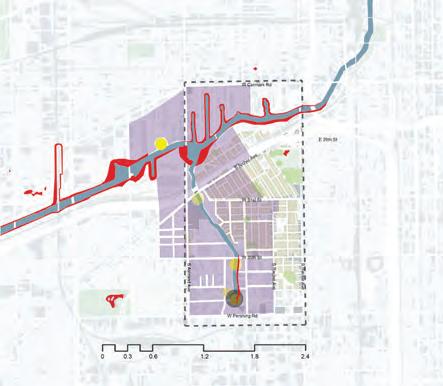

m椀氀氀椀漀渀 ⴀ m椀氀氀椀漀渀 最愀氀氀漀渀 漀瘀攀爀f氀漀w/y爀
m椀氀氀椀漀渀 ⴀ b椀氀氀椀漀渀 最愀氀氀漀渀 漀瘀攀爀f氀漀w/y爀
b椀氀氀椀漀渀 最愀氀氀漀渀 漀爀 m漀爀攀 漀瘀攀爀f氀漀w/y爀
圀攀琀氀愀渀搀猀
C栀椀c愀最漀 匀漀u琀栀 刀椀瘀攀爀 M愀瀀 w椀琀栀 L愀渀搀 U猀攀, ㈀ ㌀ B愀c琀攀爀椀愀 N椀琀爀漀最攀渀/倀栀漀猀瀀栀漀爀u猀 圀愀猀琀攀圀愀琀攀爀 匀琀漀爀m圀愀琀攀爀
刀愀c椀渀攀 倀um瀀椀渀最 匀琀愀琀椀漀渀
F氀漀漀搀 䄀ff攀c琀攀搀 䄀爀攀愀猀
Saloni Chawla, Aaron (Zhengge) Jiang, Manman Shao
WATER: MOVEMENT AND ISSUES
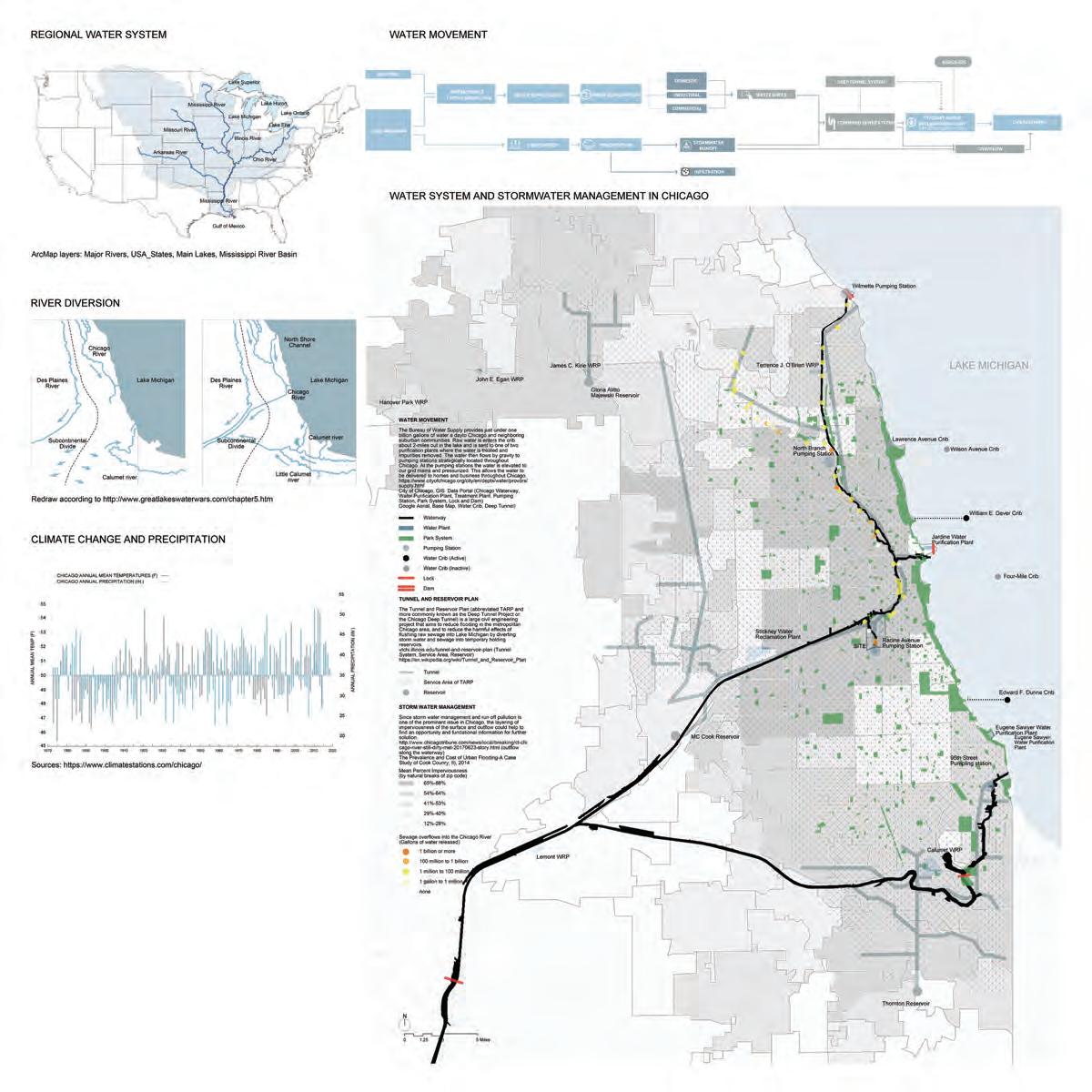
The board focused on the water system and water movement. In Chicago, fresh water comes from the Lake Michigan, and after usage, it will be discharged to the Mississippi river system. But the river diversion was different from what it looks like today before 1900. At that time, Chicago’s sewage was discharged into Chicago river and thence into Lake Michigan—the source of Chicago’s drinking water. In 1885, 90,000 people died in Chicago from cholera as a result of this situation.
The Bureau of Water Supply provides just under one billion gallons of water a day to Chicago and neighboring suburban communities. And most of them are surface water, from lake Michigan. Like most cities in this area, Chicago built one underground system that combines both wastewater and stormwater and moves them away from people toward treatment plants. And to deal with combined sewer overflow, Tunnel and Reservoir Plan was put into construction.
As a result of global climate change, rainfall will occur in more intense storms, and today, 60% of Chicago’s land area is paved with hard covers, the rainwater is not allowed for infiltration as most are designed to drained as fast as possible. And water flow is the main source of water pollution. Apart from digging deeply, green stormwater infrastructures are more and more strengthened. Like green roof, permeable pavement, parks and open spaces.
Saloni Chawla, Aaron (Zhengge) Jiang, Manman Shao
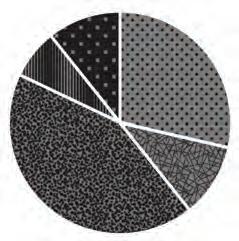
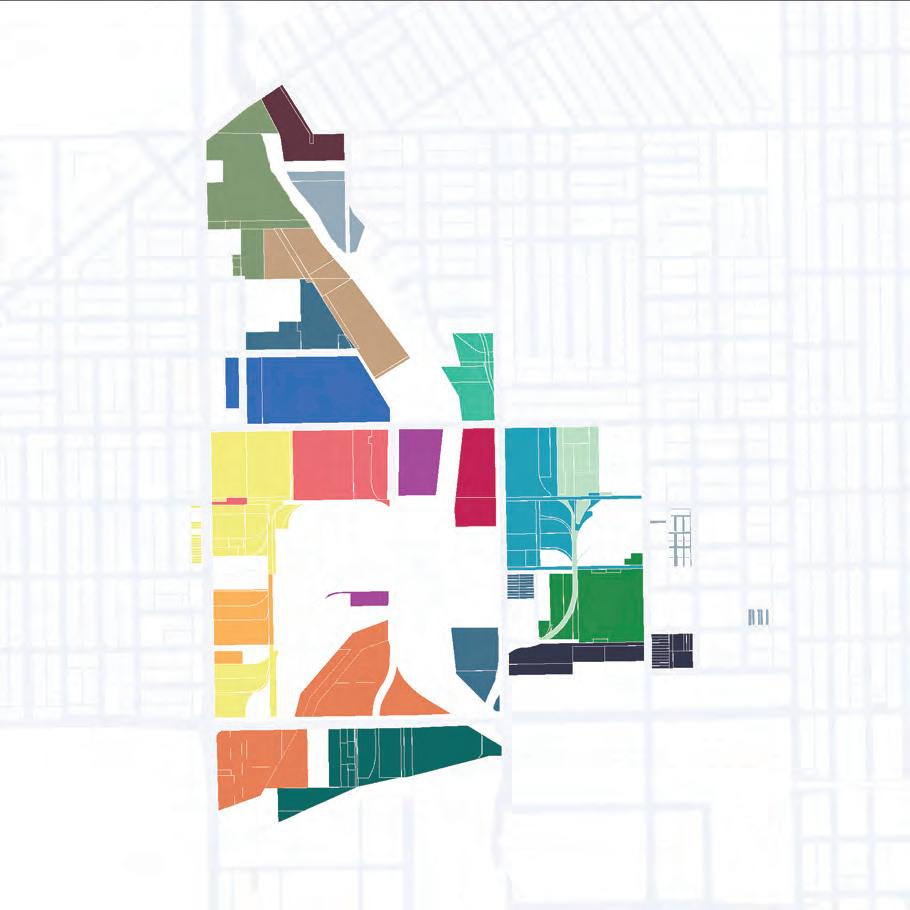
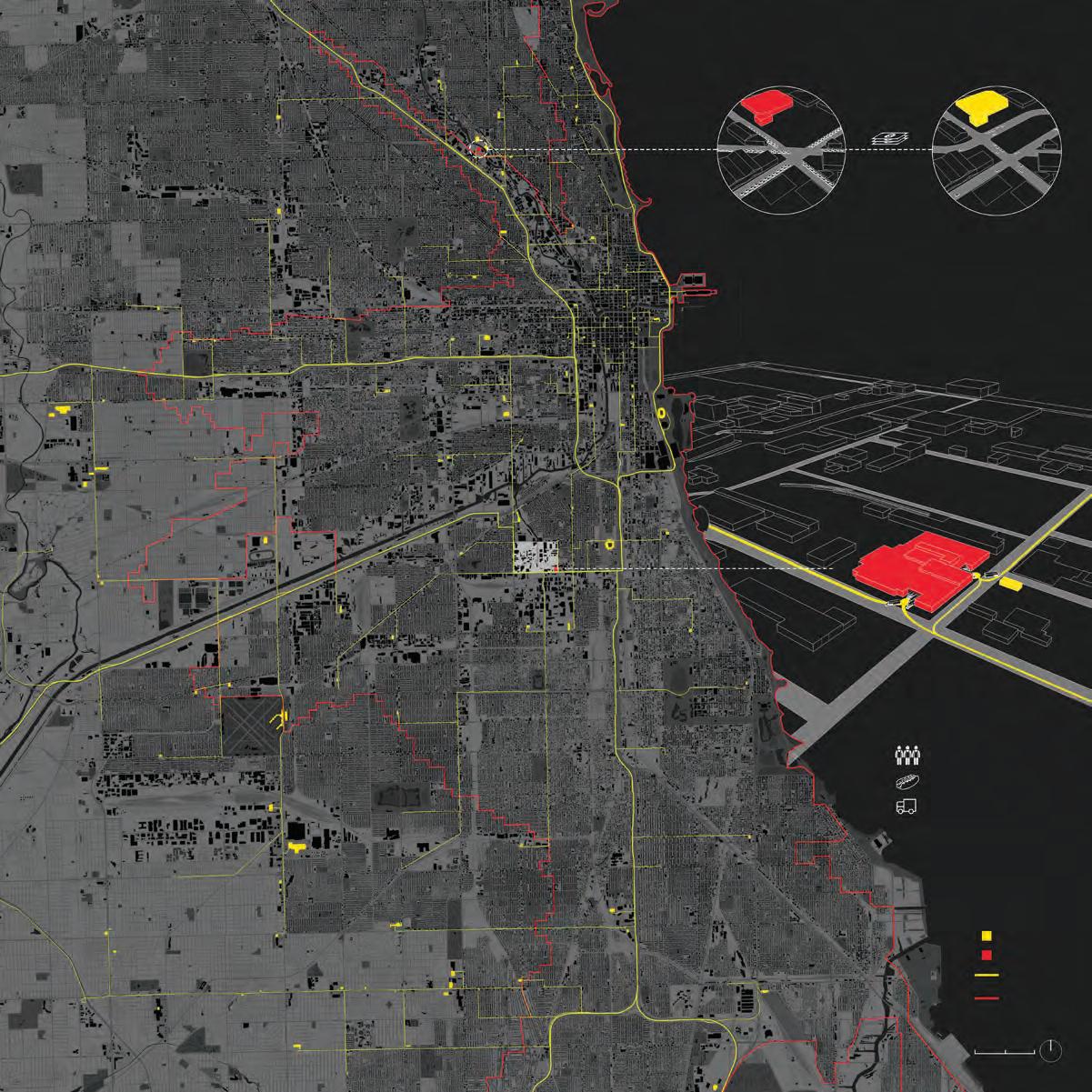
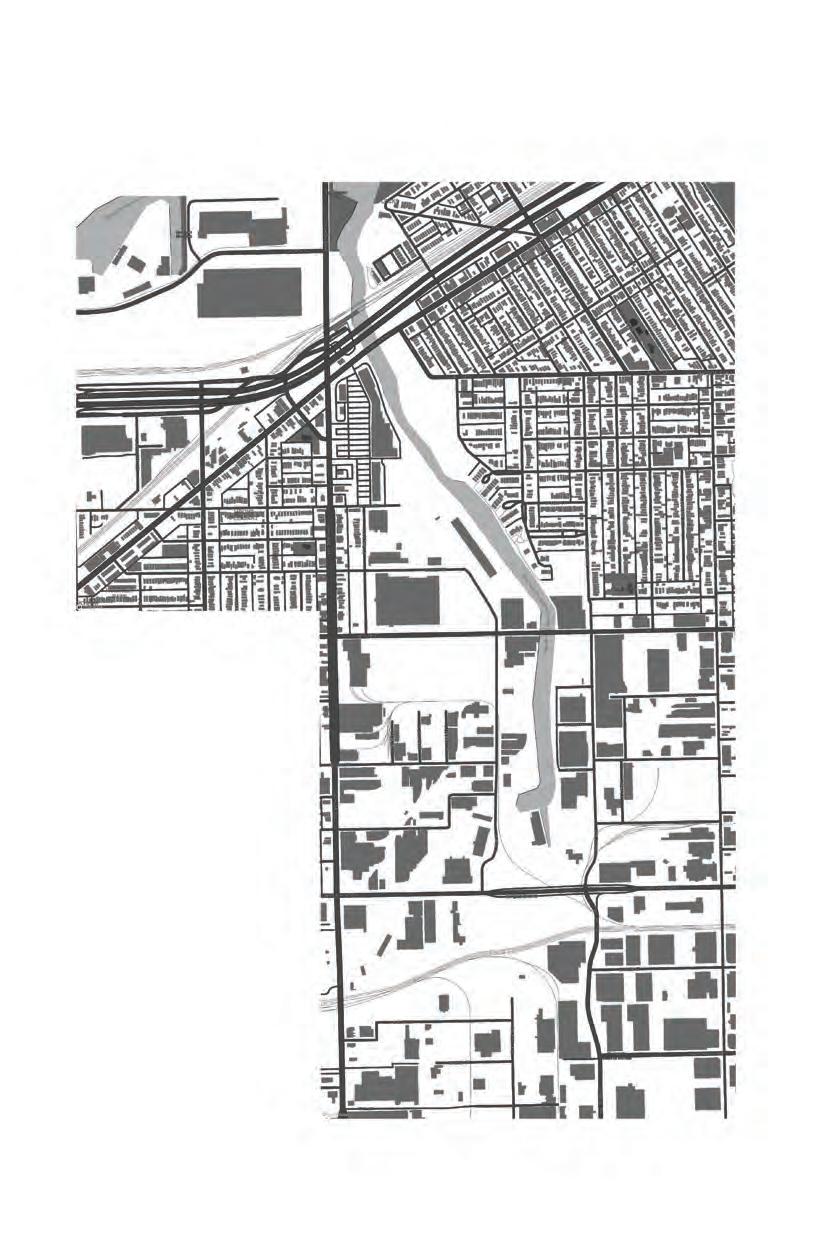
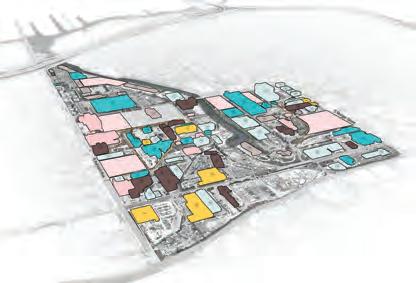
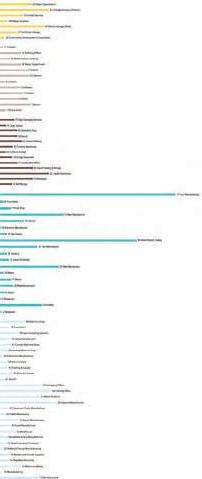
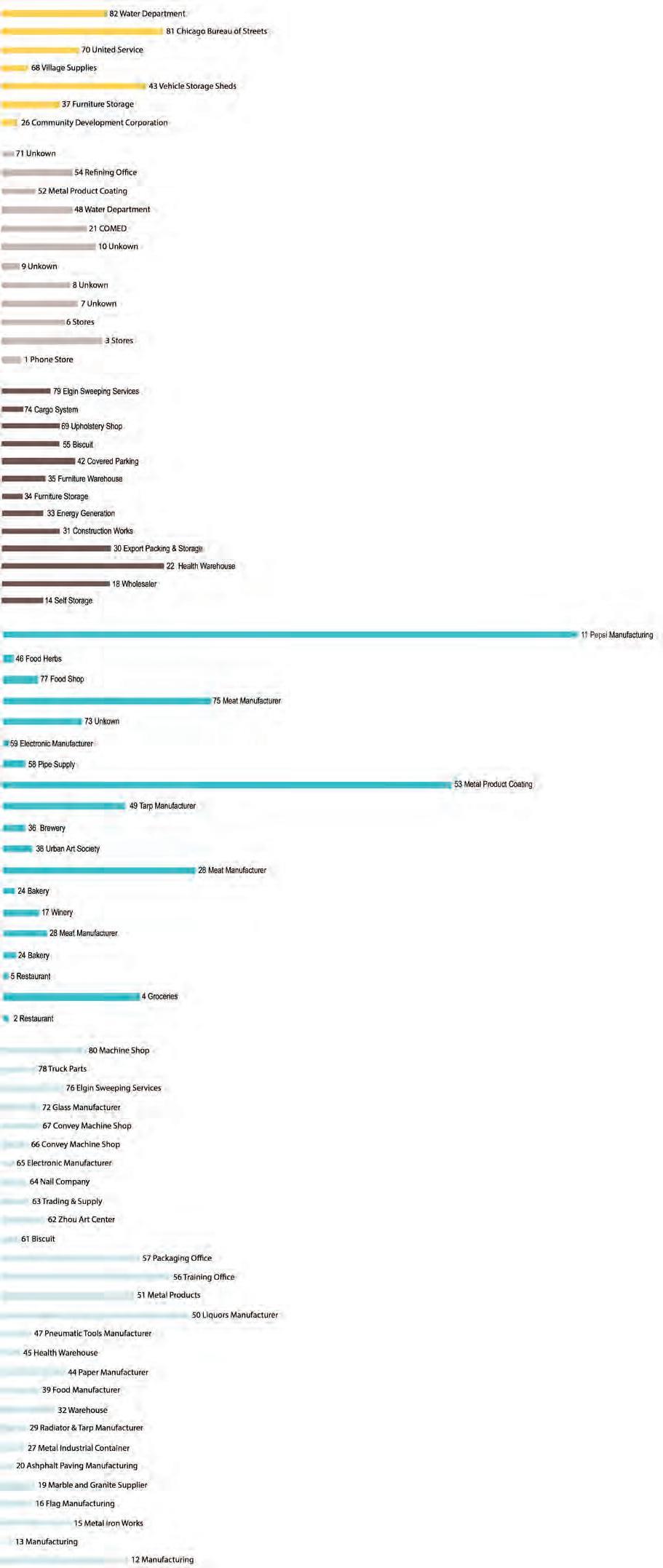
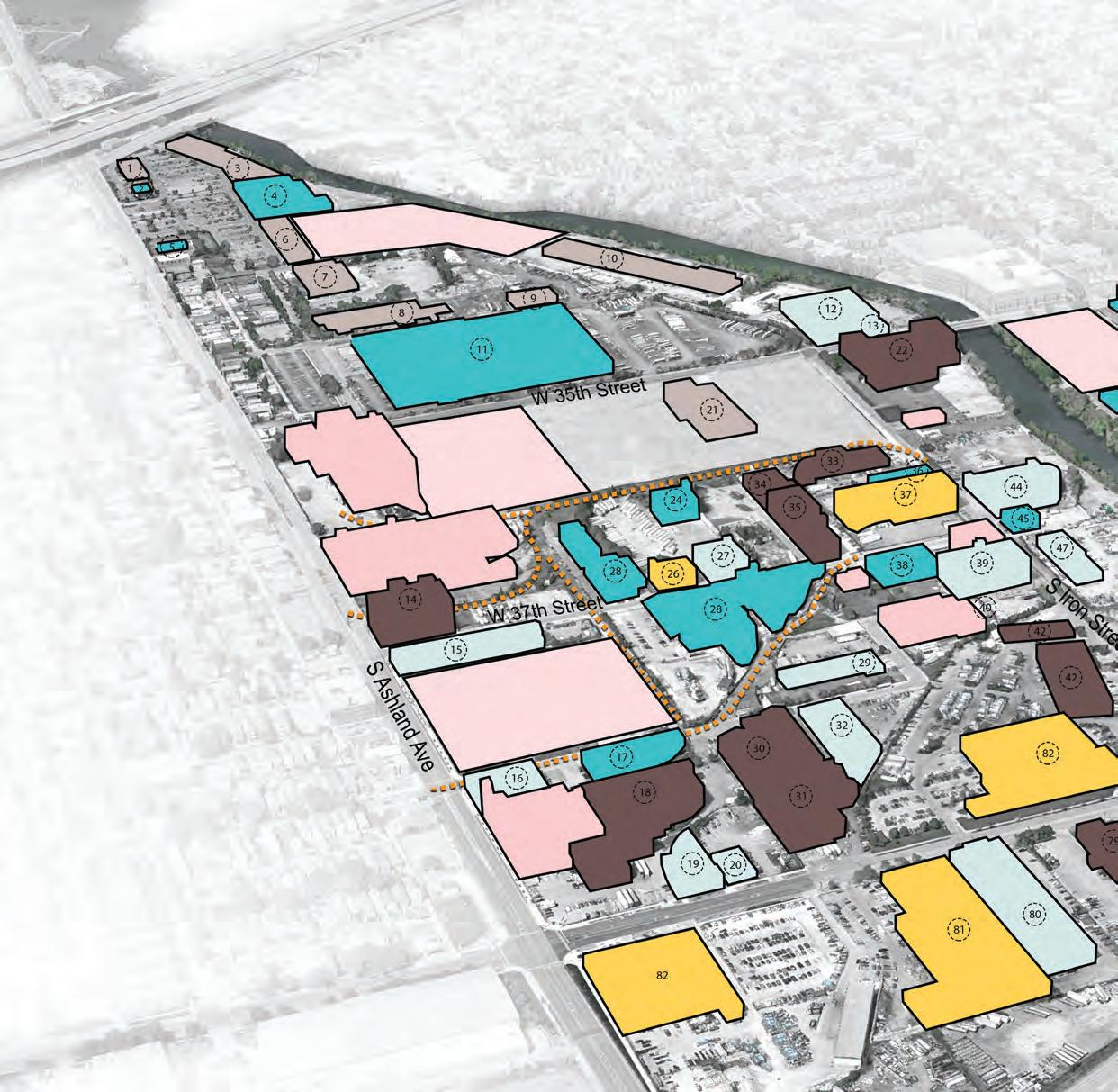
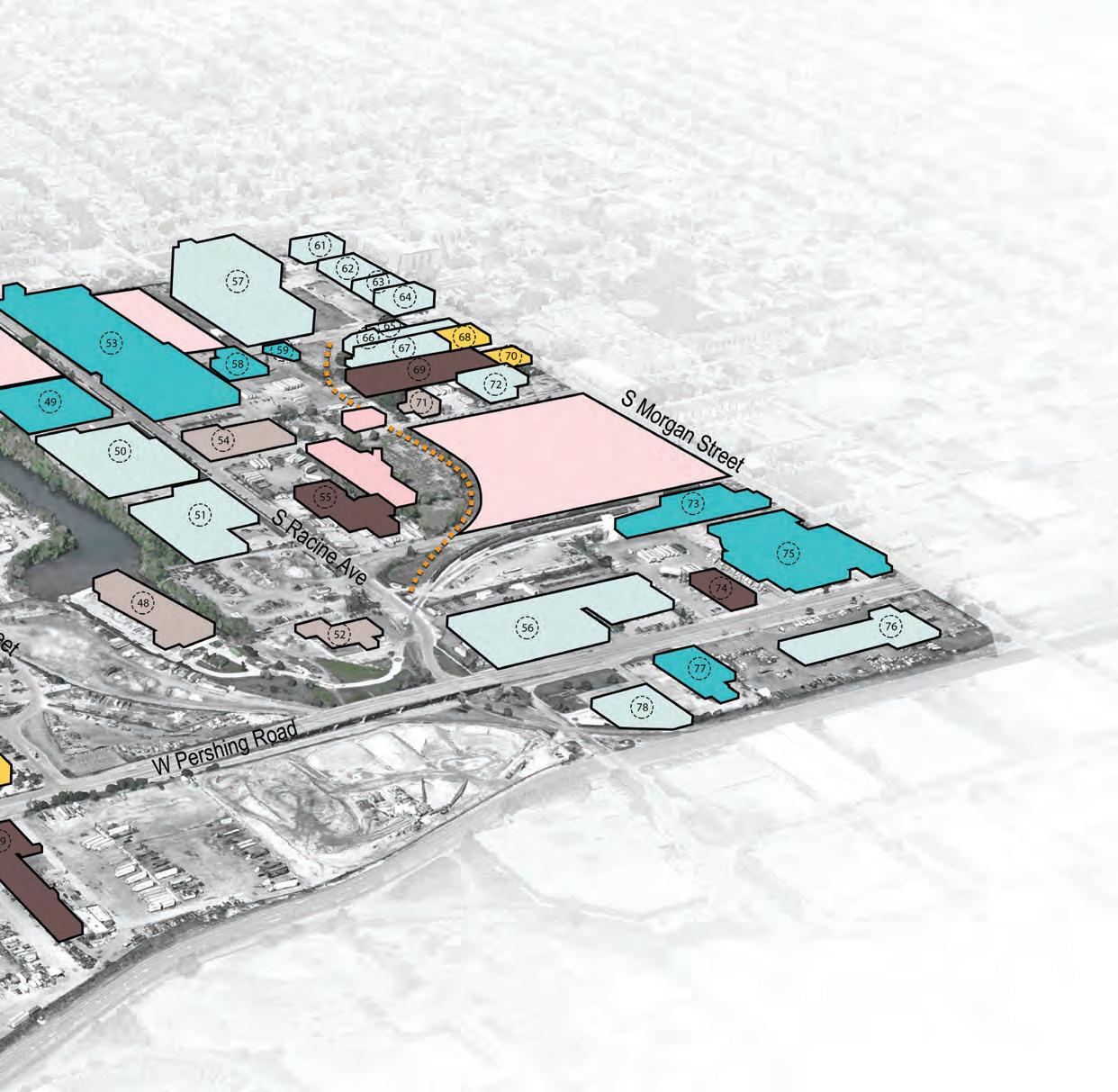
The Merriam-Webster definition of Manufacture is “something made from raw materials by hand or by machine.” From this definition, links to businesses within the Central Manufacturing District that work with raw materials were sought out to better understand how raw materials are used within the site. These companies were divided into five material categories: Food (not including restaurants), Lumber, Metal, Aggregates, and Other (See Fig 2). The biggest use of raw materials on site go into the production and wholesale of foods, with metal being a close second. Of the 28 companies identified, only 9 are manufacturing businesses, the rest use raw materials in pre-processed forms (See Fig. 1).
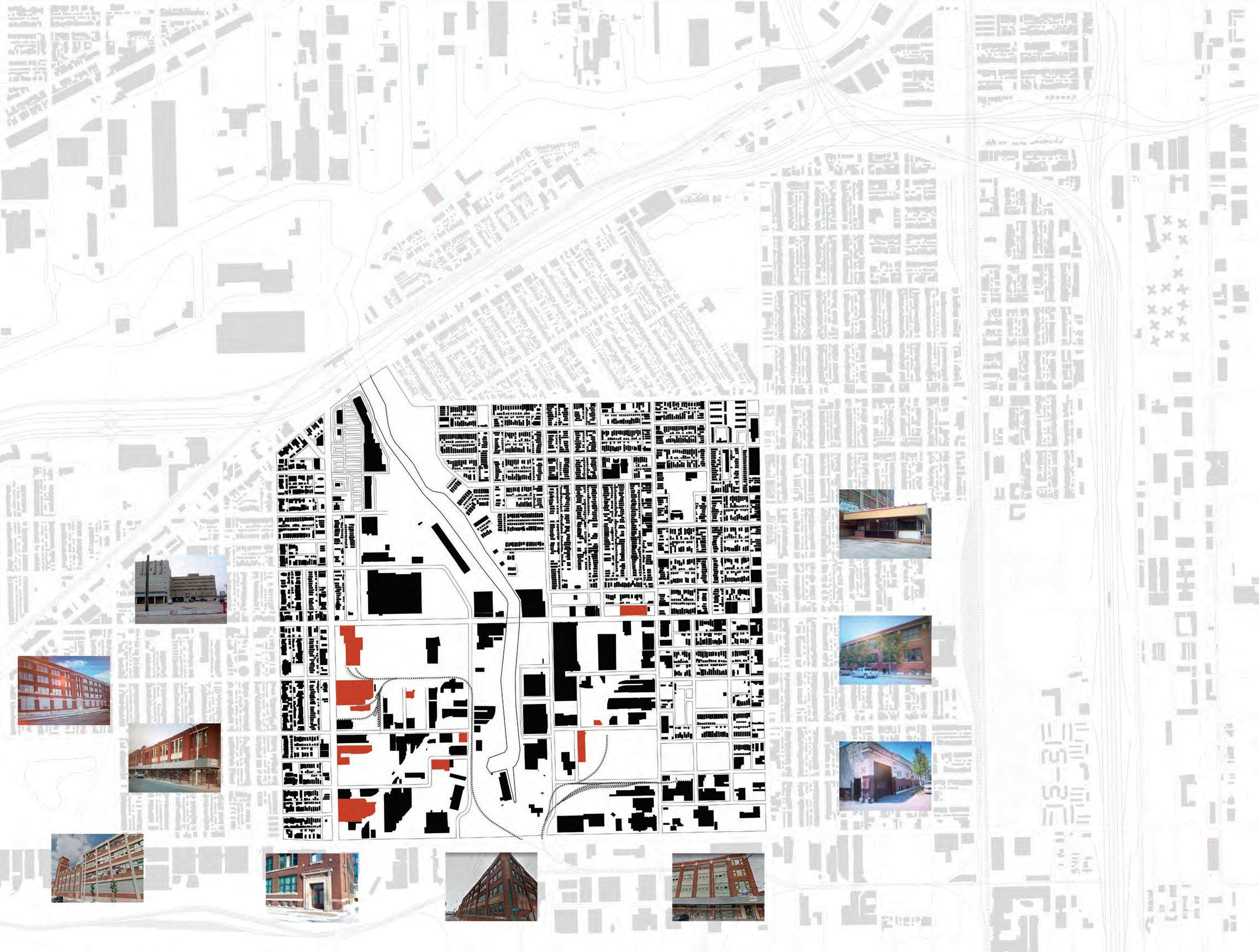
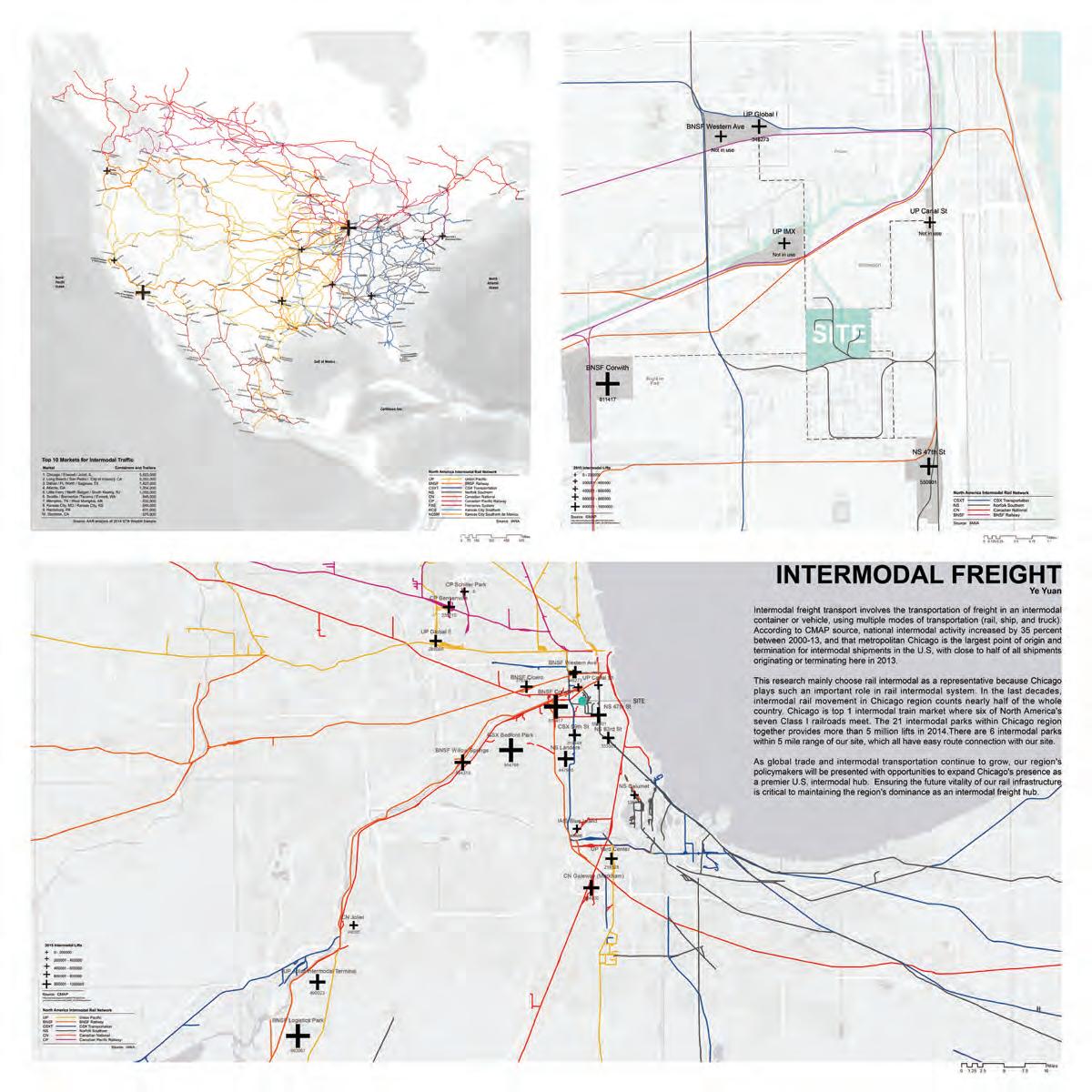
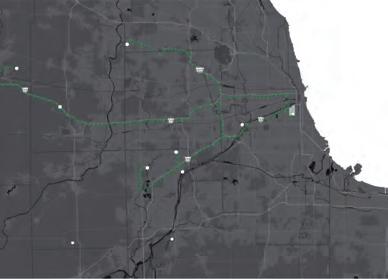
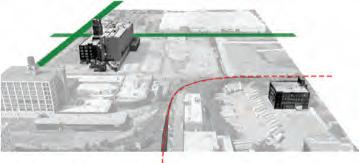
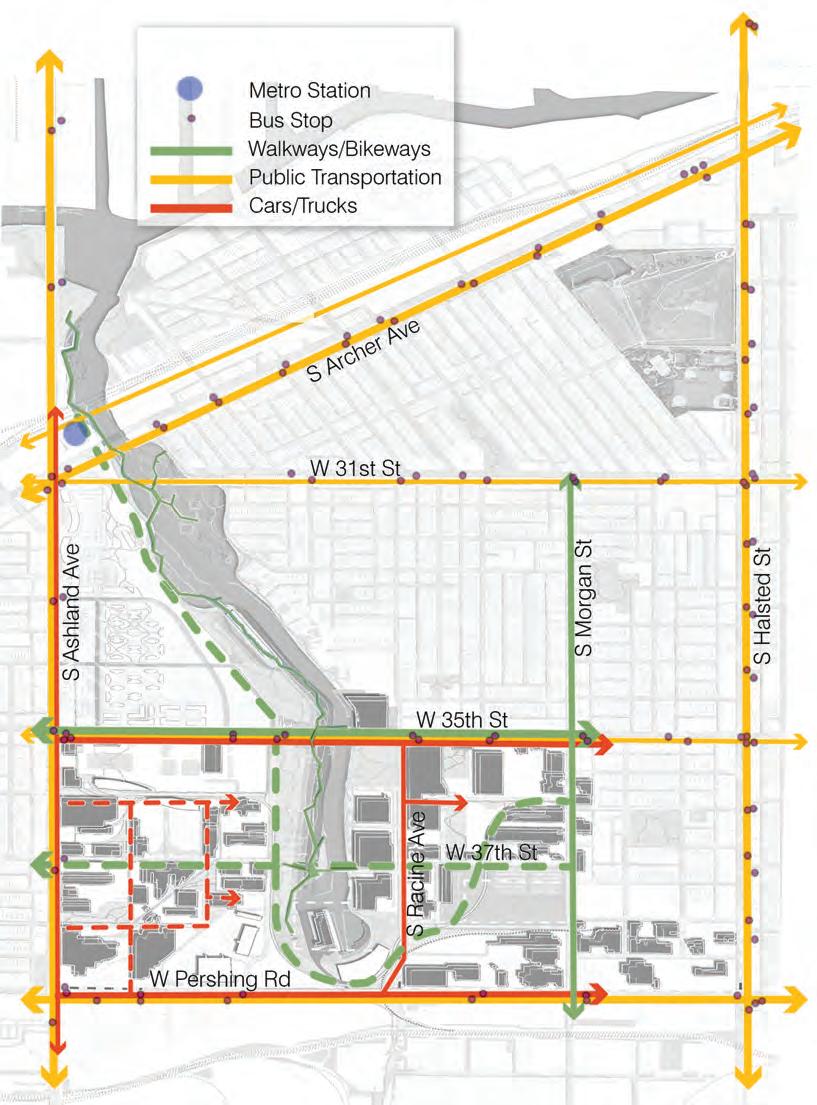
An important aspect in dealing with raw materials is the transportation of them; heavier products may require train transport, whereas others benefit from the speed and convenience of truck delivery. Using Chicago Freight System Planning maps, truck access was determined on site, allowing a look into the importance of these truck routes and the design limitations these cause (noise, traffic, smell). From Ashland Ave, arterial routes were determined outlining the likely truck routes from the Stevenson Expressway to each company (See Fig. 1). The status of active and inactive rail lines are also determined; inactive lines may have design potential for walking or biking trails, as many of these forgotten lines are dismantled or simply forgotten. Other potential on this site lies in the form of two historic manufacturing plants: the former Wrigley Gum Factory, and the former White Stokes Company. Current owners of the Wrigley Gum Factory plan to one day add a grocery store to the building in order to anchor what is to become a lively new shopping center. The White Stokes
Erika Johannesen
Proposals
Loop It In
Carol Brobeck
David Huang
Yun Huang
Erika Johannessen
Patricia McKissack
Himangshu Kedia
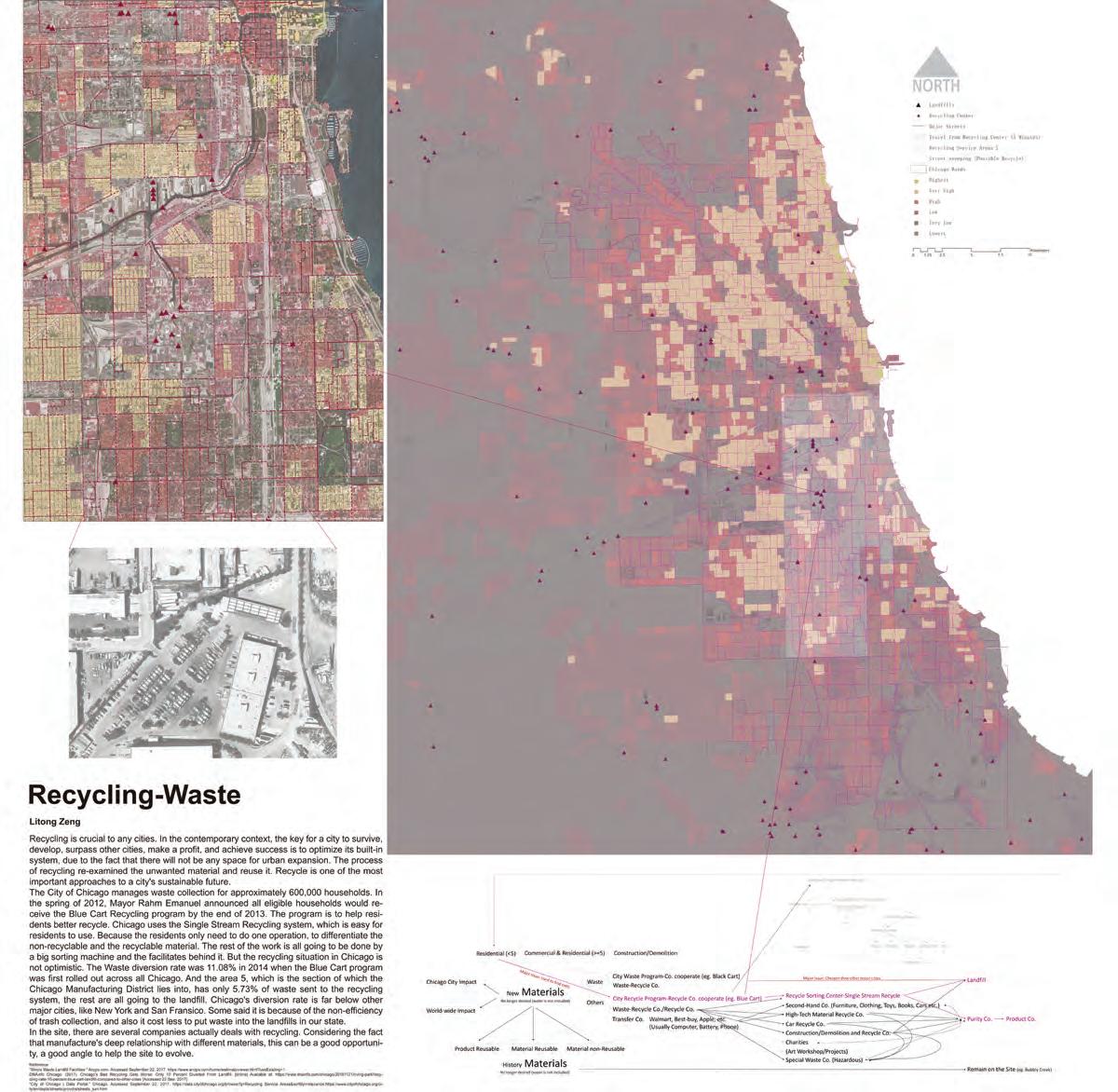
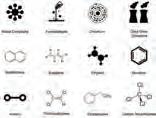
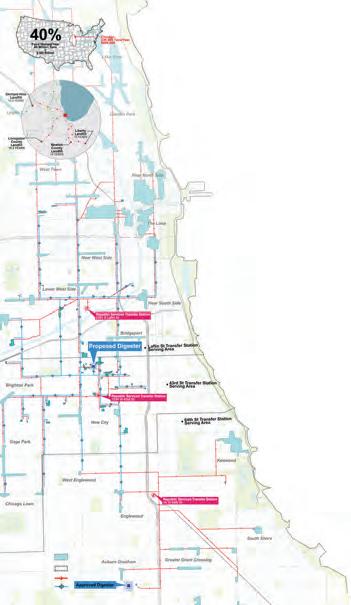
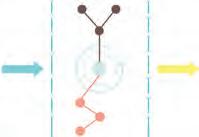
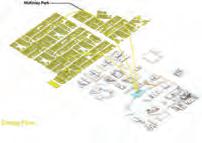
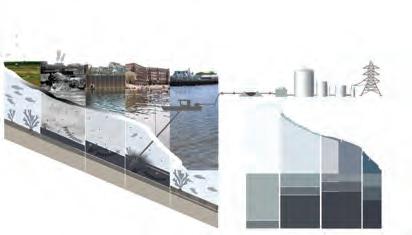
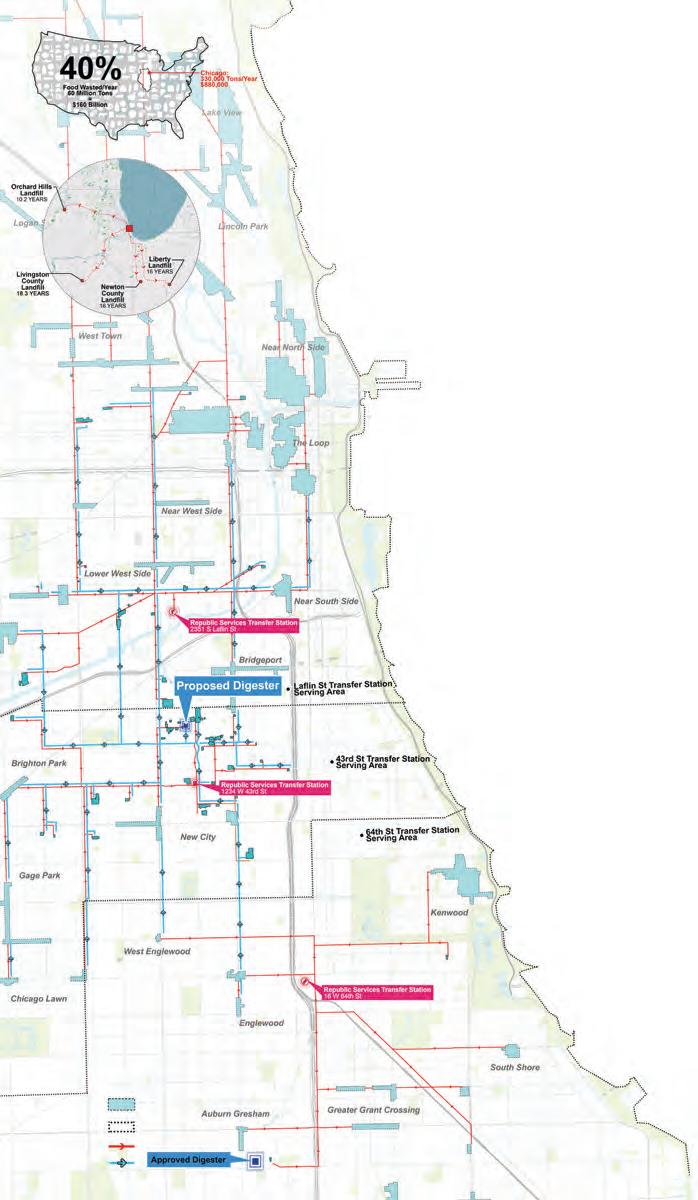
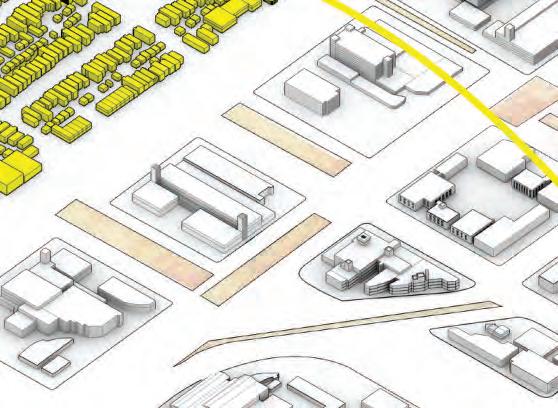
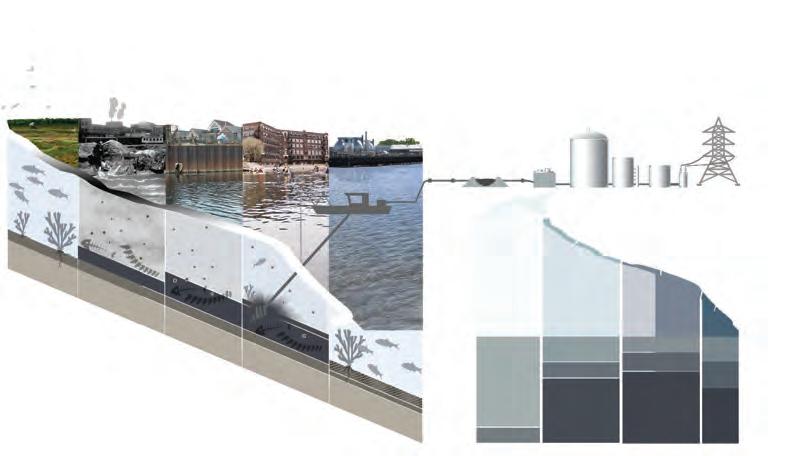
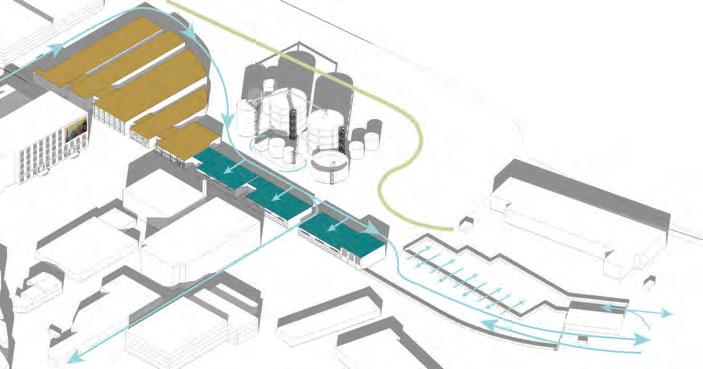
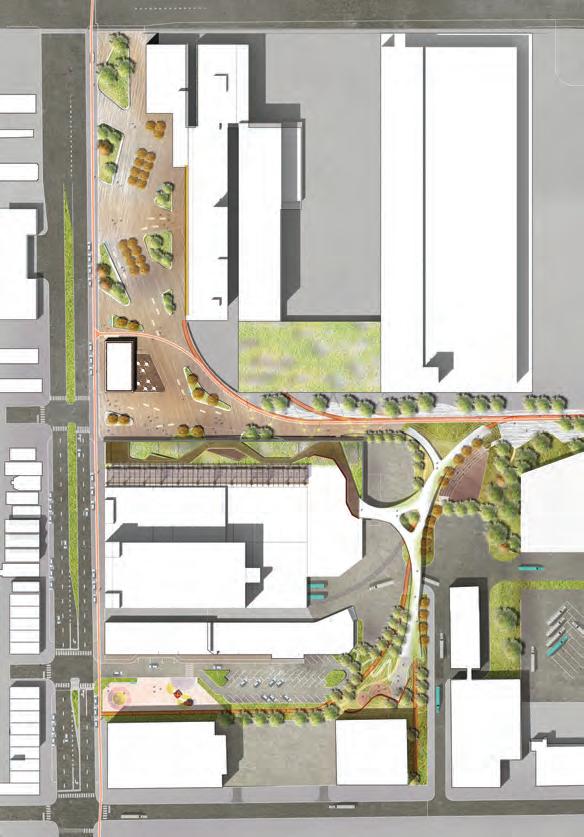
This proposal serves is aa urban redevelopment plan that uses and redirects existing regional and local wastes to enhance and reinvigorate the Central Manufacturing District (CMD). This waste includes food from grocers and manufacturers, outdated and underutilized infrastructure, and contaminated sludge from the bottom of Bubbly Creek. The strategy begins with the construction of an anaerobic digester on site. The digester processes food and contaminated sludge wastes, turning them into energy and heat. Next, roads and walkways are reconfigured, creating efficient and accessible waste loops to improve waste transportation. Following this, we recommend revitalizing buildings through renovation, adaptive reuse, and infill construction. Reallocating land uses across the site through zoning recommendations will strengthen existing industries and establish clusters for new businesses and research facilities. In order to enhance walkability, new walking trails run along abandoned railways, inviting the public into the site to explore this historic place. New businesses have the opportunity to engage with these processes, leading to the creation of new jobs and neighborhood amenities. A rehabilitated historic Old Wrigley Gum Factory one the corner of Ashland Avenue and 35th Street supports a new mixed-use commercial and research corridor, provides a constant source of food waste, and connects to the rest of the site through railway walking trails. Looking ahead to the next 40 years, this intervention will leave the CMD with a clean and accessible Bubbly Creek, a reduction in the dependence on landfills, and a revitalized economy designed for sustainable commercial, manufacturing, and recreational use.










[LOOP] IT IN
an opportunity to re-use waste || organic + spatial

Number of structuresSpatial usage per type

Opportunities (Connections)
SPATIAL USAGE PER BUILDING BY TYPE




BRIDGEPORT
MCKINLEY
STOCKYARDS


Mckinley Park
Palmisano Park
Canal Origins Park
+ Old & new manufacturing businesses operating on site
+ Bridgeport Arts Center & Zhou B Gallery provide a draw to the site for visitors & residents
+ Adjacent complimentary businesses to site
+ Significant organic waste generation on site/nearby; can be used to create renewable energy
+ Circulation is poor on site; Pedestrian/Bike Infrastructure on and around site are poor
+ The CMD site extends farther west, straining cohesion
+ Soil contamination on site
+ Multi-modal safety & accessibility needs improvement
+ Old rail lines no longer in use; vacant land & buildings
+ Site is nestled between residential areas
+ Variety of uses on site provides potential for semi-closed loop system of production/re-use
+ PMD-8 Zoning encourages light manufacturing & research/ training facilities
+ Many landowners own significant clusters of parcels, especially at key locations
+ Bubbly Creek is contaminated, inhibiting incorporation of recreational opportunities
+ Trucking routes along major arterials, bordering the site disincentive walkability
WEIGHT OF WASTE DIVERTED TO LANDFILLS
80,000 TONS = 8 EIFFEL TOWERS



STEVENSON
Redevelopment Boundary
Tunnel and Reservoir Project (TARP)
Projected completion in 2030, will take excess stormwater and sewer overflow from Bubbly Creek
35th/Halsted TIF District, expires 2021
Extend TIF, expires 2033
PMD-8 Zoning Changes
PMD-8 to be split into three areas to denote focus on research, light manufacturing, and general manufacturing
Digester--Stage 1
Begin dredging Bubbly Creek, Prepare to dry sludge, Begin Digestor Construction, Begin Marketing for Digestor = JOBS
PMD Marketing Plan
Focus on 8B & 8C Zones
Digester--Stage 2
Open Digestor and begin digesting creek wastes, Biofuel Plantings begin to remediate soil and fuel Digester = JOBS
Adaptive Re-Use--Wrigley Gum Factory
Begin rehabilitation of factory, including commercial uses and significant landscape improvements= JOBS
Cultural Center Construction
Begin construction of new cultural/education center to focus on Bubbly Creek Remediation = JOBS
Rail to Trail Construction
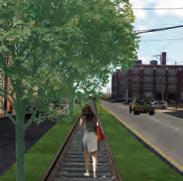
Begin rehabilitation of abandoned rail lines as multi-modal trails = JOBS
Adaptive Re-Use/New Construction
Resulting from marketing of CMD, focused in 8B & 8C = JOBS
Assess current facilities/buildings targeted intervention of built environment
Assess brown elds/vacant lot area/acreage targeted intervention of environment relationships
Assess property ownership and policies targeted intervention of feasible revitalization
Identify:
prime locations for (re)development, expansion, or adaptive (re)use ideal industry, likely partners among property owners, nancial assistance & incentives
Expansion of R&D, Artisan Manufacturing, Job Training on Site
Resulting from marketing of CMD, focused in 8B & 8C = JOBS
Digester - Stage 3
Digester fueled with food waste & Biofuel Plants; Habitat Plantings replace Biofuel Plantings once soil/creek amended
IMPROVED SIGNAGE
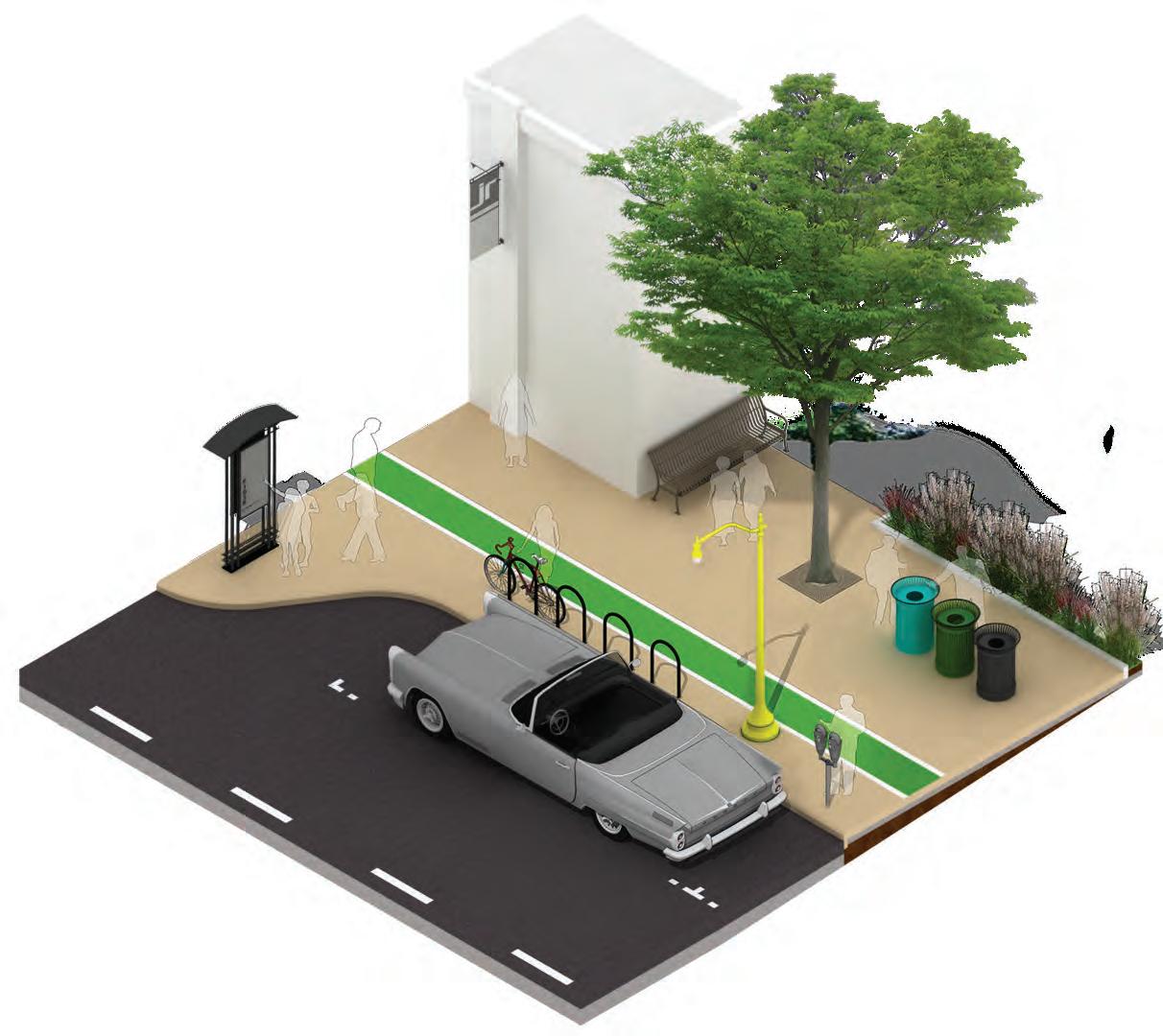
PHYTOREMEDIATION
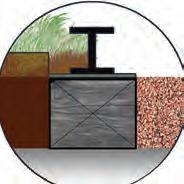
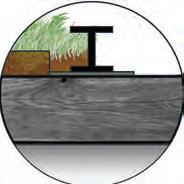
HEAVY DUTY TRUCK PAVING
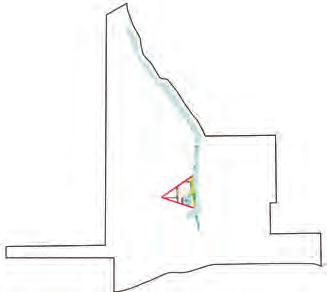
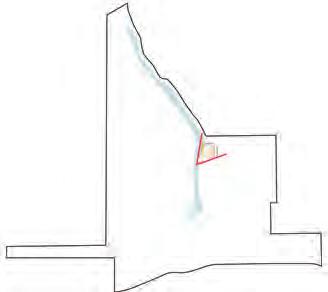
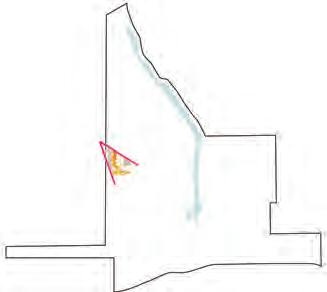
Land Acquisition & Preparation
Dredge Creek
Build & Market Digester
Adaptive Re-Use--Wrigley Gum Factory
Land Acquisition & Preparation
Rail to Trail Construction
Cultural Center Construction
Environmental Education-Bubbly Creek Remediation
Adaptive Re-Use/New Construction
Adaptive Re-Use--Wrigley Gum Factory
Rail to Trail Construction
Adaptive Re-Use/New Construction
Land Acquisition & Preparation
Dredge Creek
Build & Market Digester
Land Acquisition & Preparation
Cultural Center Construction
Environmental Education-Bubbly Creek Remediation
Adaptive Re-Use--Wrigley Gum Factory
Rail to Trail Construction
Adaptive Re-Use/New Construction
Land Acquisition & Preparation
Dredge Creek
Land Acquisition & Preparation
Build & Market Digester
Dredge Creek
Land Acquisition & Preparation
Cultural Center Construction
Build & Market Digester
Land Acquisition & Preparation
Environmental Education-Bubbly Creek Remediation
Digester--Food Waste & Biofuel Plants
Biofuel Planting Remediation Begins Digester--Creek Wastes Habitat Plantings Along Creek
Dredge Creek
Build & Market Digester
Land Acquisition & Preparation
Adaptive Re-Use--Wrigley Gum Factory
Environmental Education-Bubbly Creek Remediation
Cultural Center Construction
Rail to Trail Construction
Adaptive Re-Use/New Construction
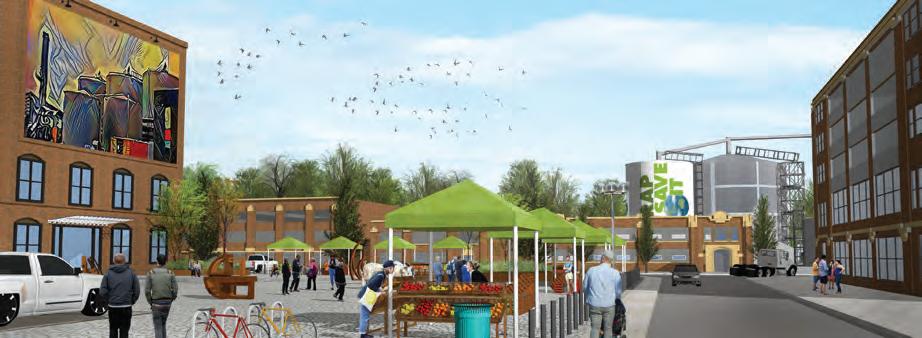
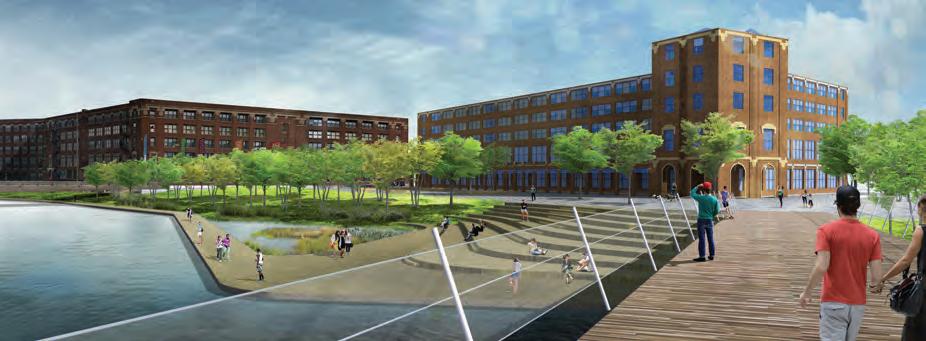
CULTURAL CENTER
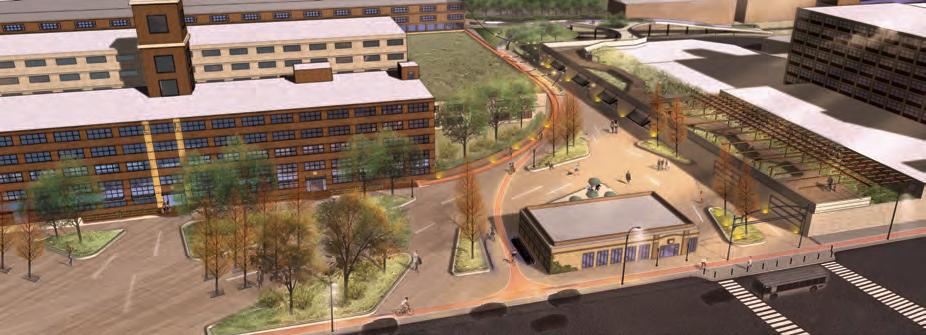
DIGESTER PLAZA
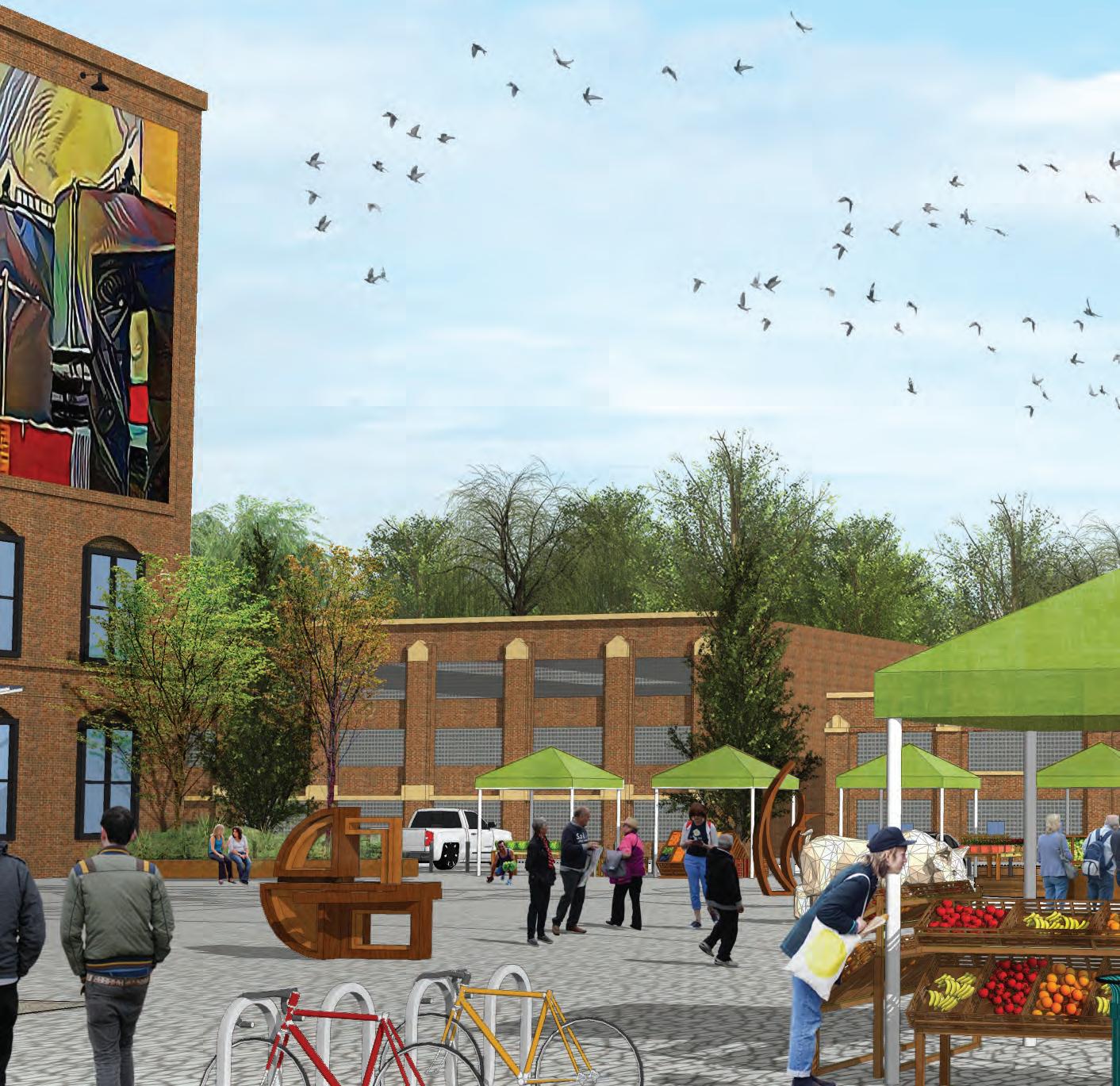
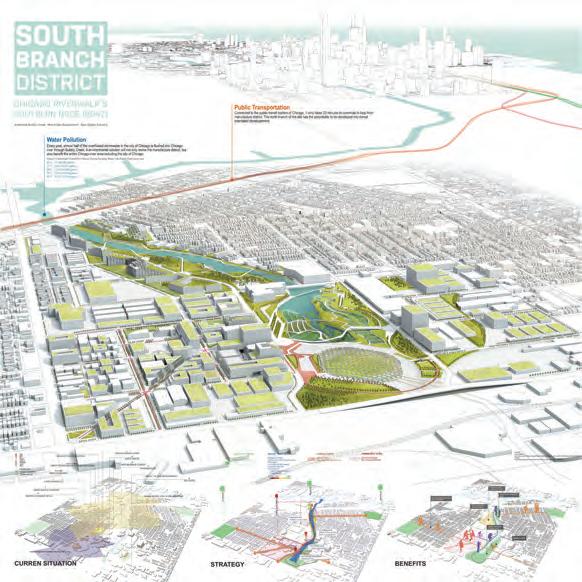
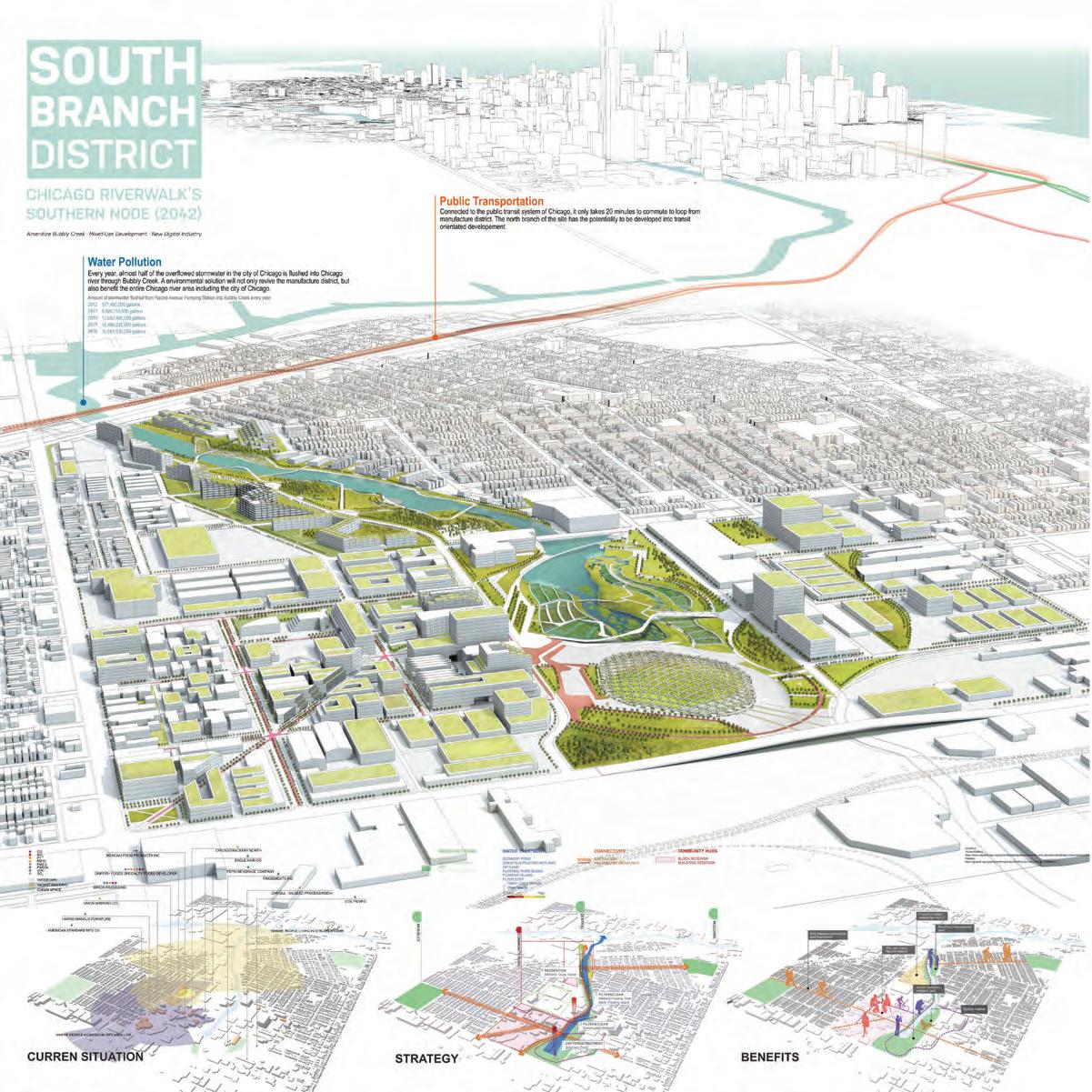
South Branch District
Amenitizing Bubbly Creek and Reviving the CMD
Xiangyun Cao
Yuting Gao
Huaixuan Li
Andreé Sahakian
Manman Shao
Richa Singh
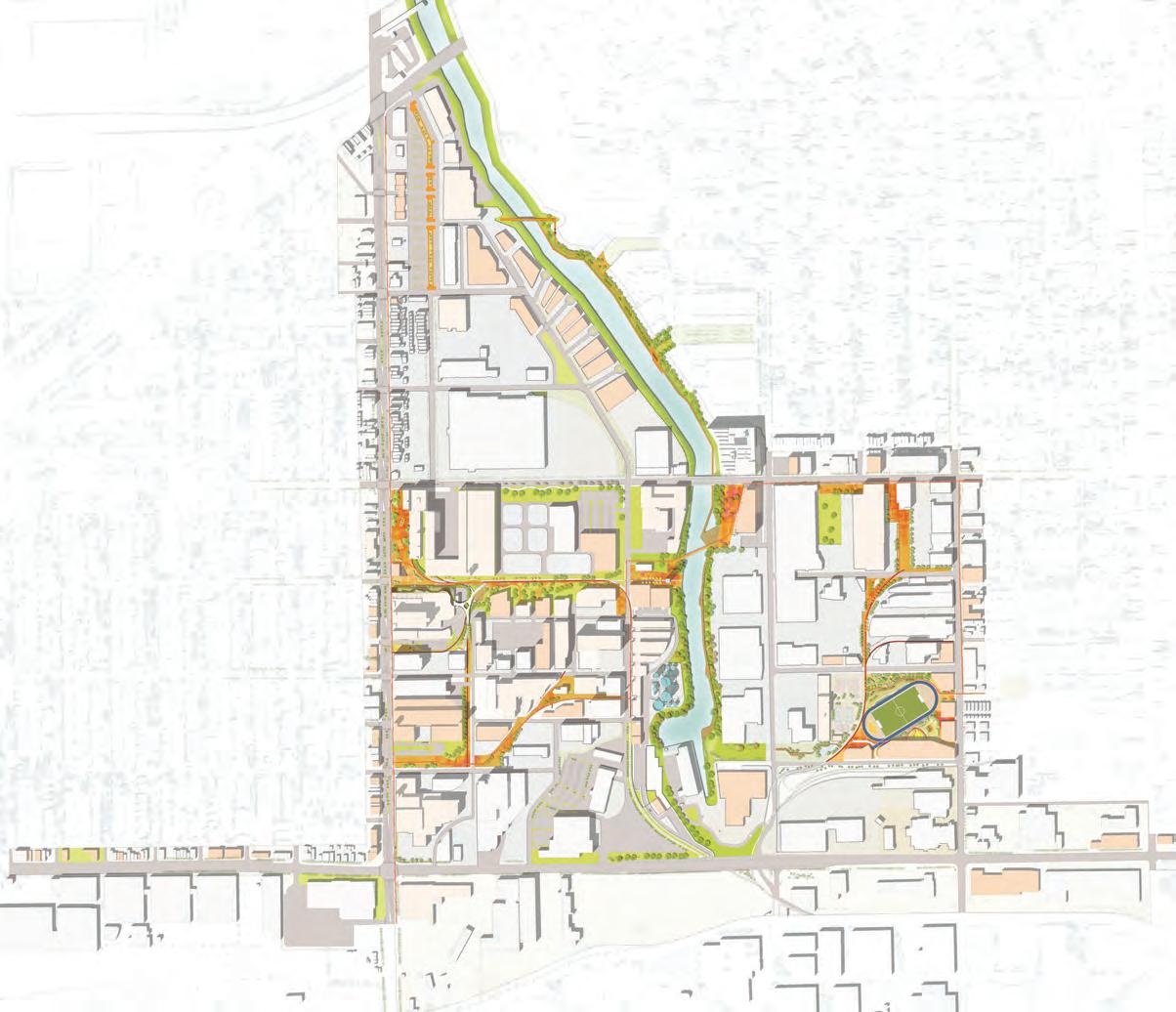
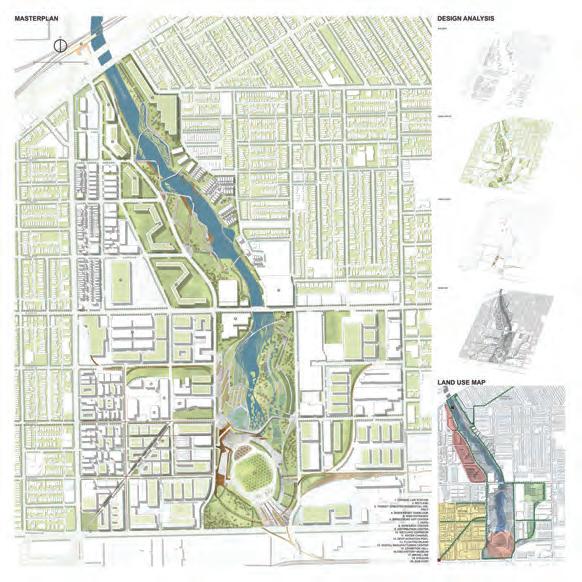
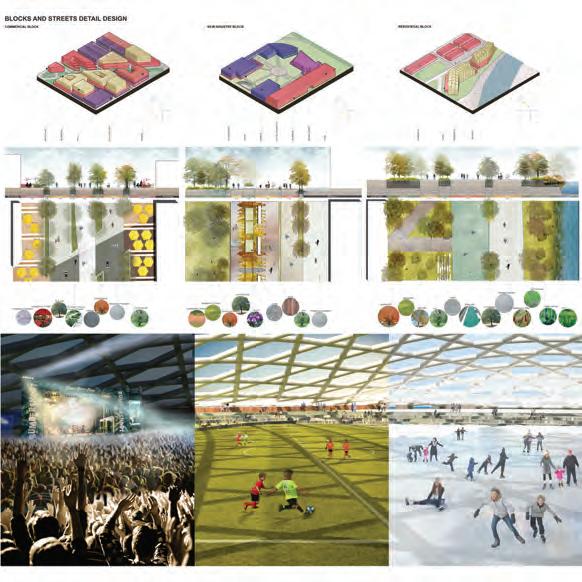
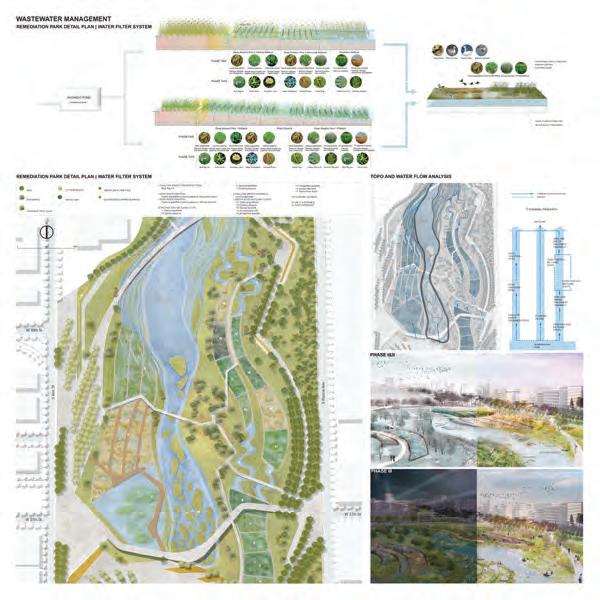
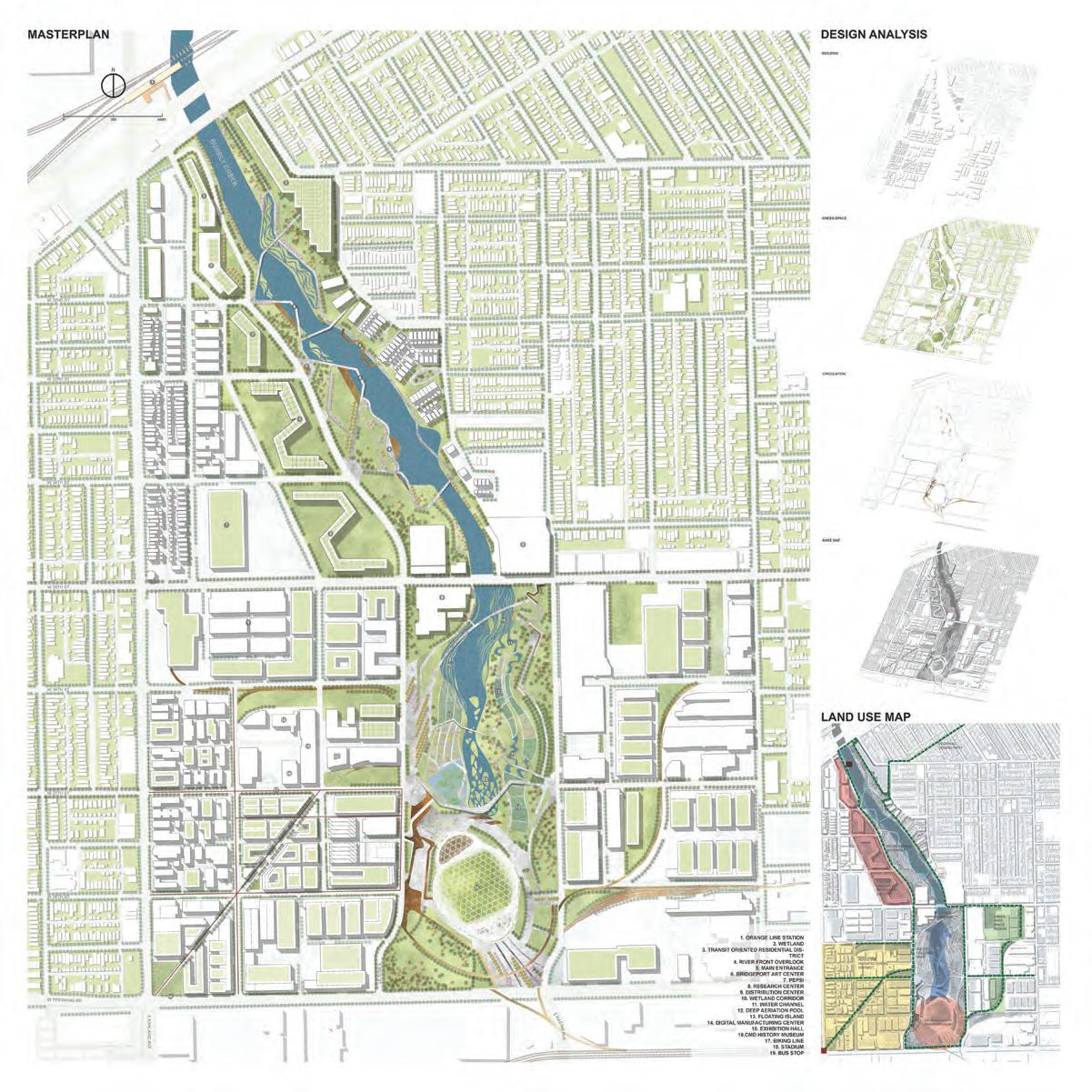
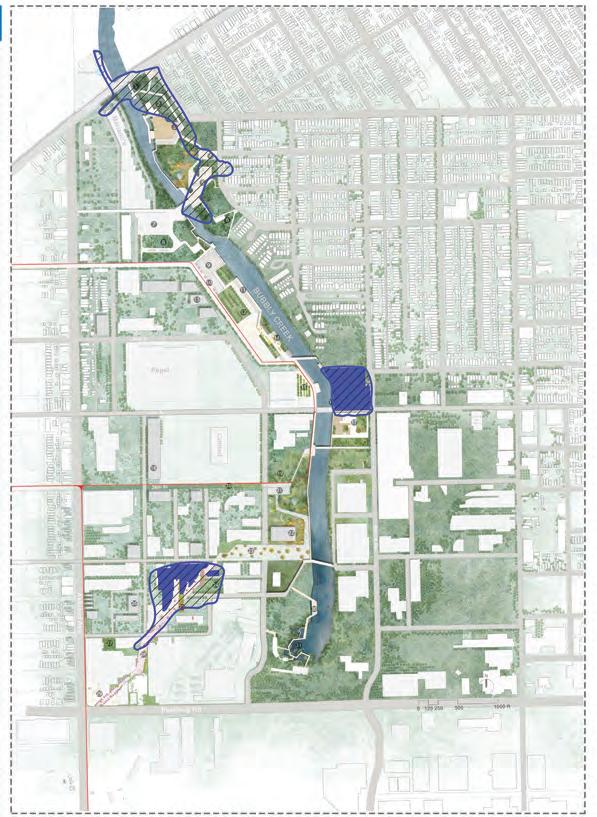
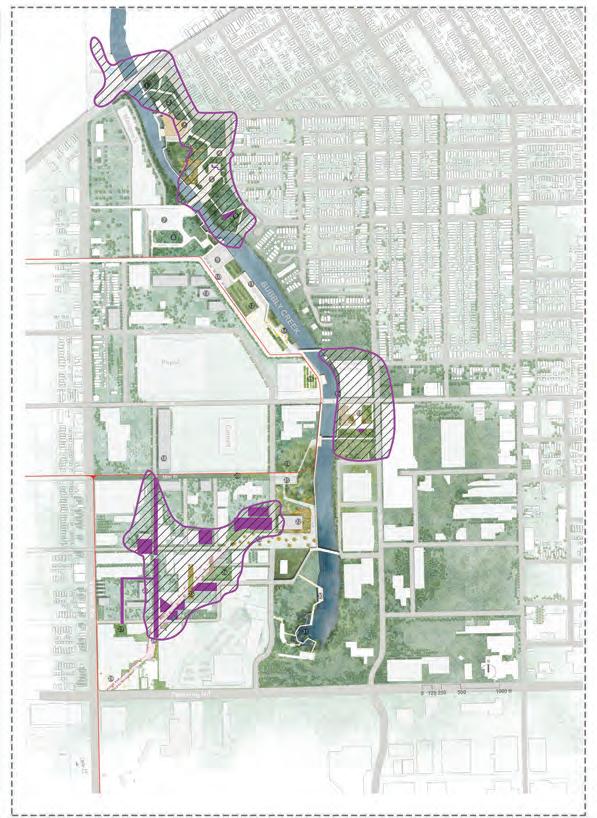
This project combines green networks, the water treatment process, and connective circulation into one system to contribute to a beneficial environment across different land uses. The four strategies address serious pollution and fragmentary block issues. The project provides educational and recreational experiences for residents, laborers and tourists, which attracts more investment and increases job opportunities within the area.
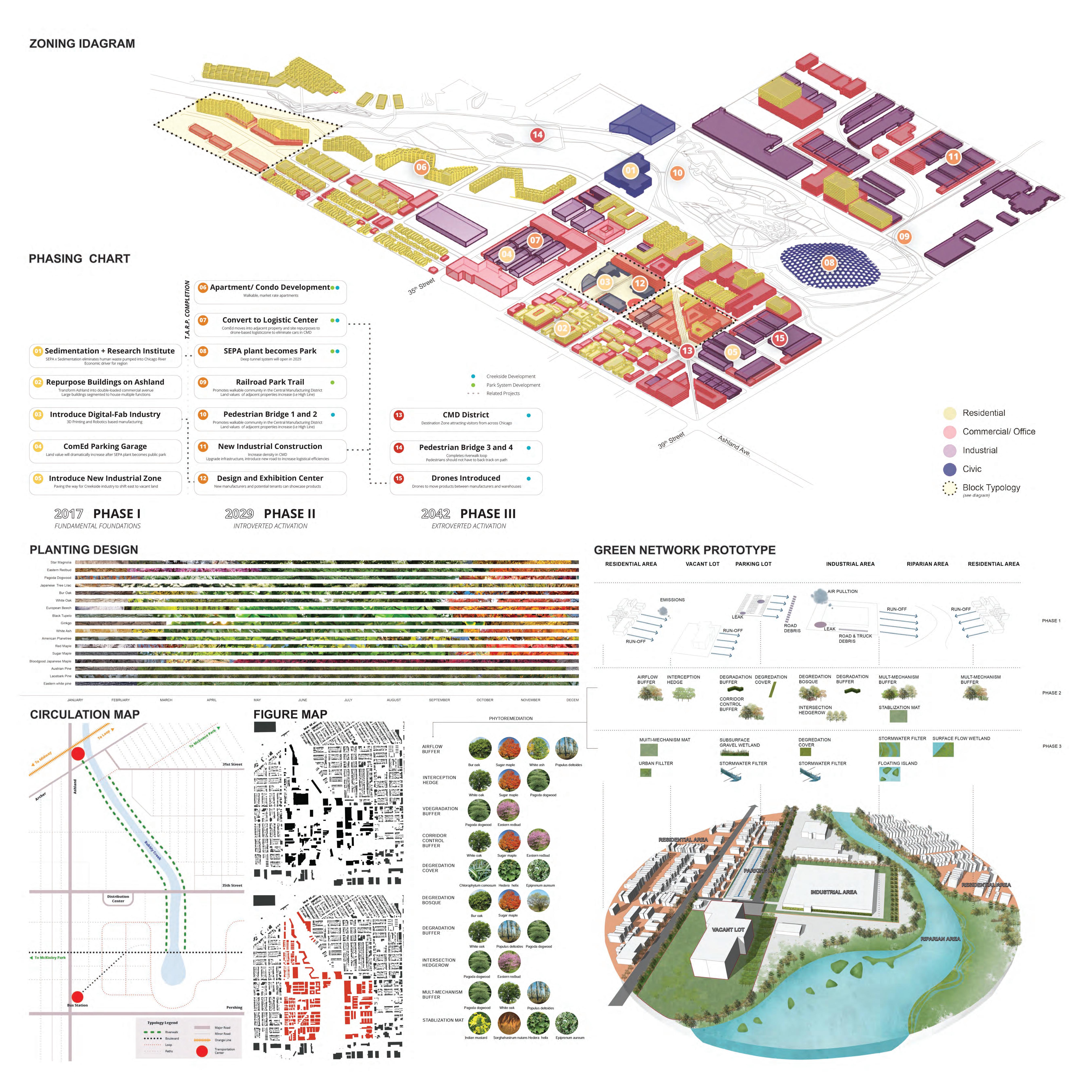
The green networks consist of different types of buffers. This project uses buffers to address the possible air and runoff contamination issues and protects the Bubbly Creek from external pollution to improve surrounding environments. The water treatment strategies can be divided into two phases, to address contamination from combined sewage overflows and then purify water runoff. After remediation, the water can be used for recreational activities. To increase the connectivity between east and west portions of the Central Manufacturing Distruct, the project provides a pedestrian path system for walking and biking to provide special journey experiences.
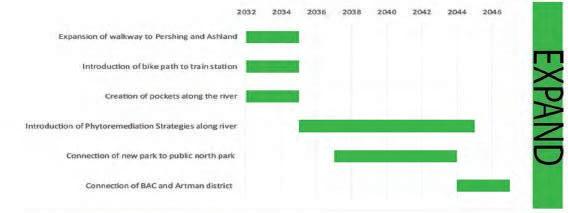
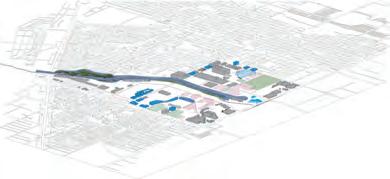
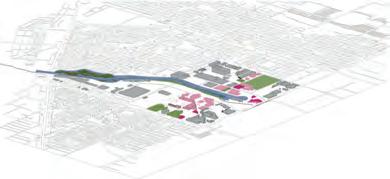
The proposal is divided into three phases of 5, 15, and 25 years. The phases in sequence will provide river remediation, tour experiences, and building foundations. The first phase focuses on water remediation and the treatment process will be exposed to the public. The second phase is defined by the completion of the deep tunnel system. At this point, the river will be a much cleaner environment and the filtration system can turn into a working public park. The third phase will also focus on residential construction north of 35th Street. Green corridors will be introduced to connect the new construction with the newly opened park.
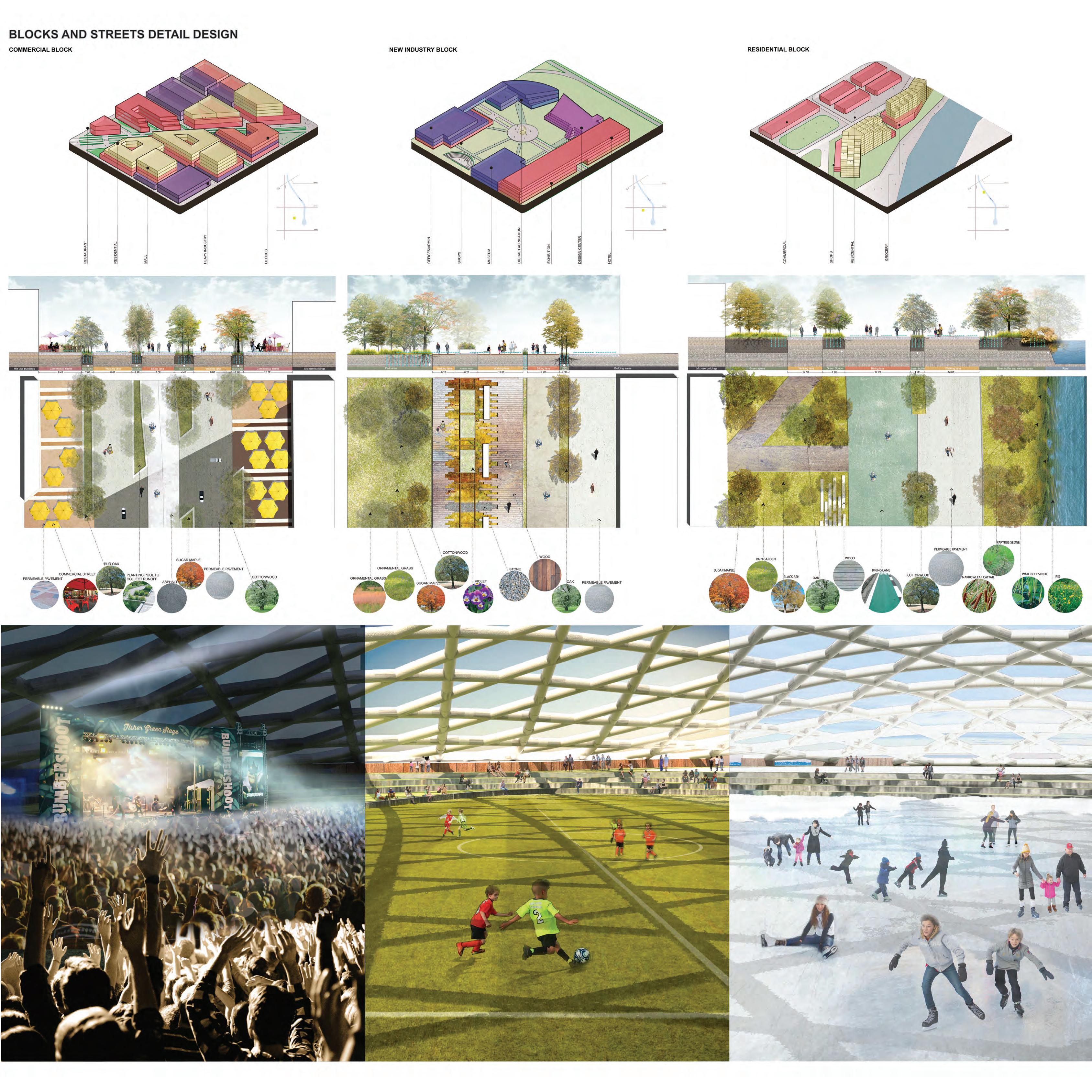
COMMERCIAL BLOCK
INDUSTRY BLOCK
ORIGINAL FIGURE-GROUND
PROPOSED FIGURE-GROUND
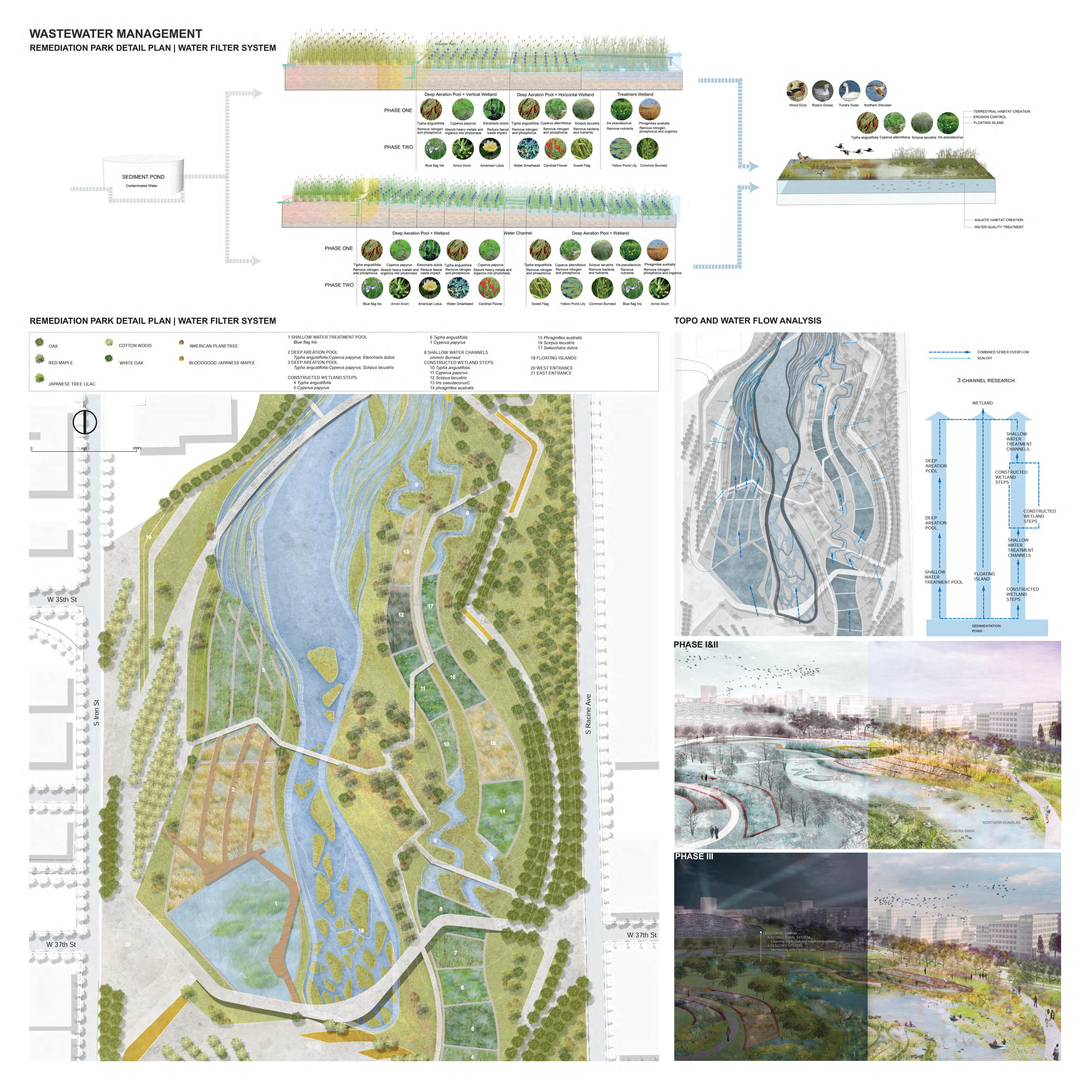
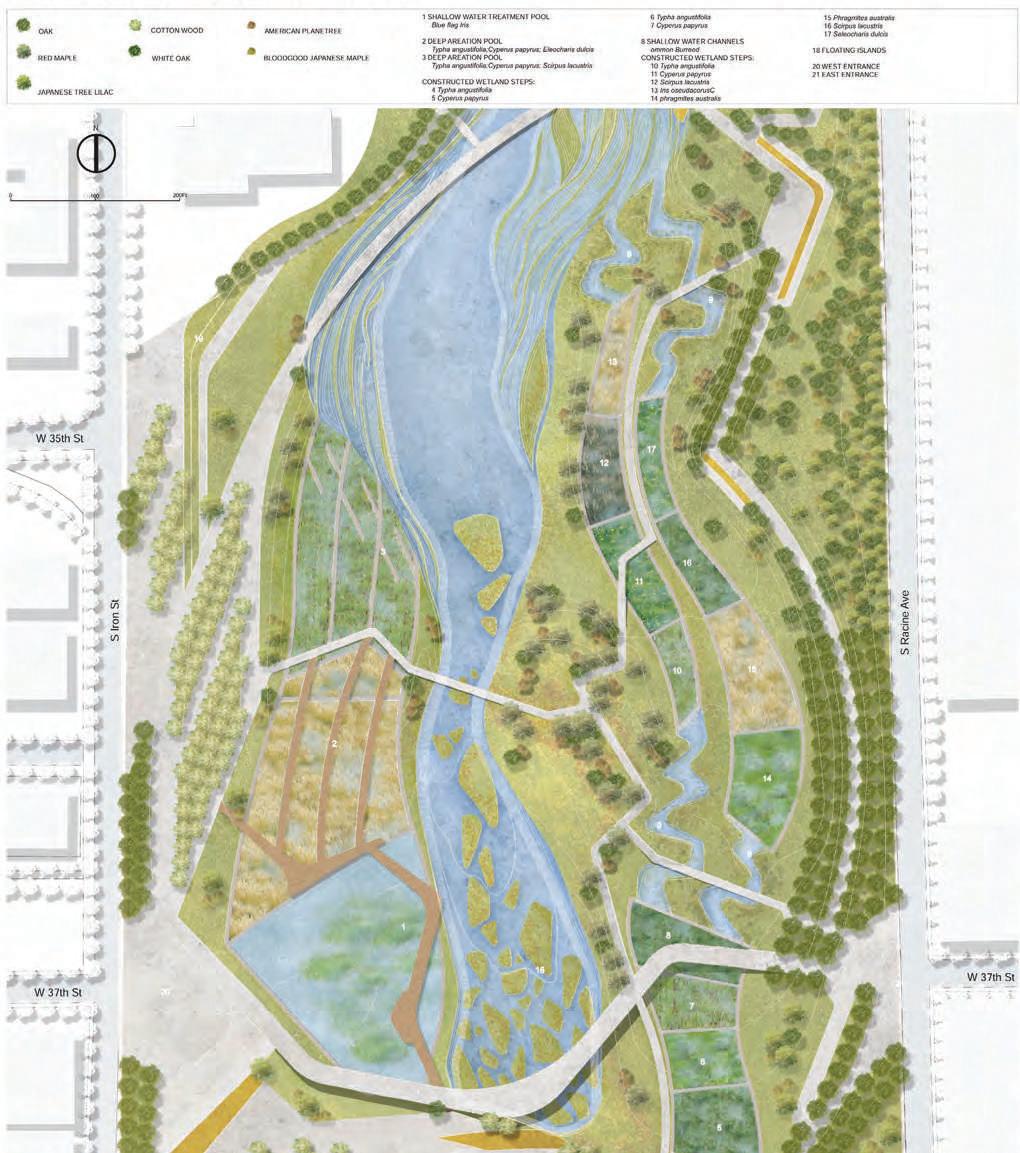
TOPOGRAPHY AND WATER FLOW ANALYSIS
Urban Palimpsest
Introducing the Art Manufacturing District
Osiel Guzman
Zhengge Jiang
Sebastian Koth
Claudlène Saint Vil
Lei Wang
Sijia Yang
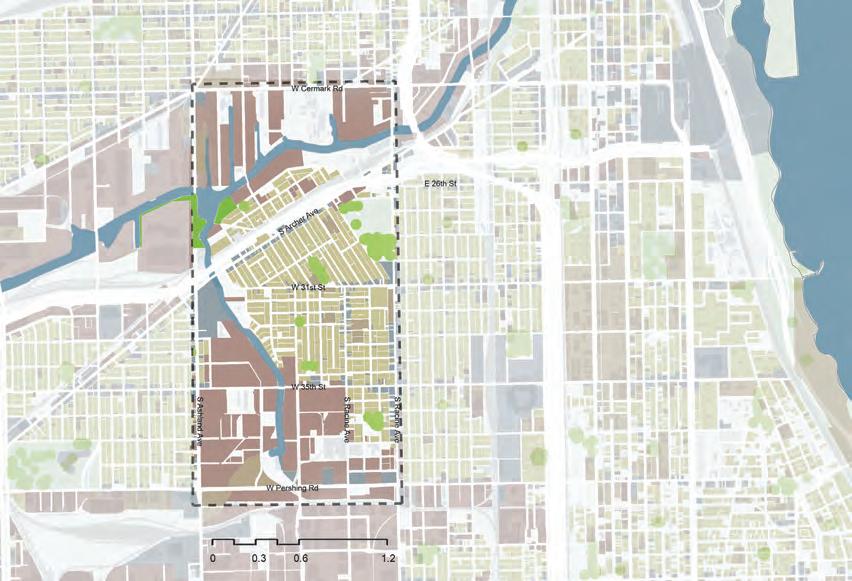
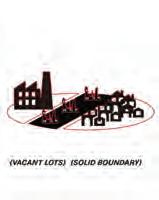
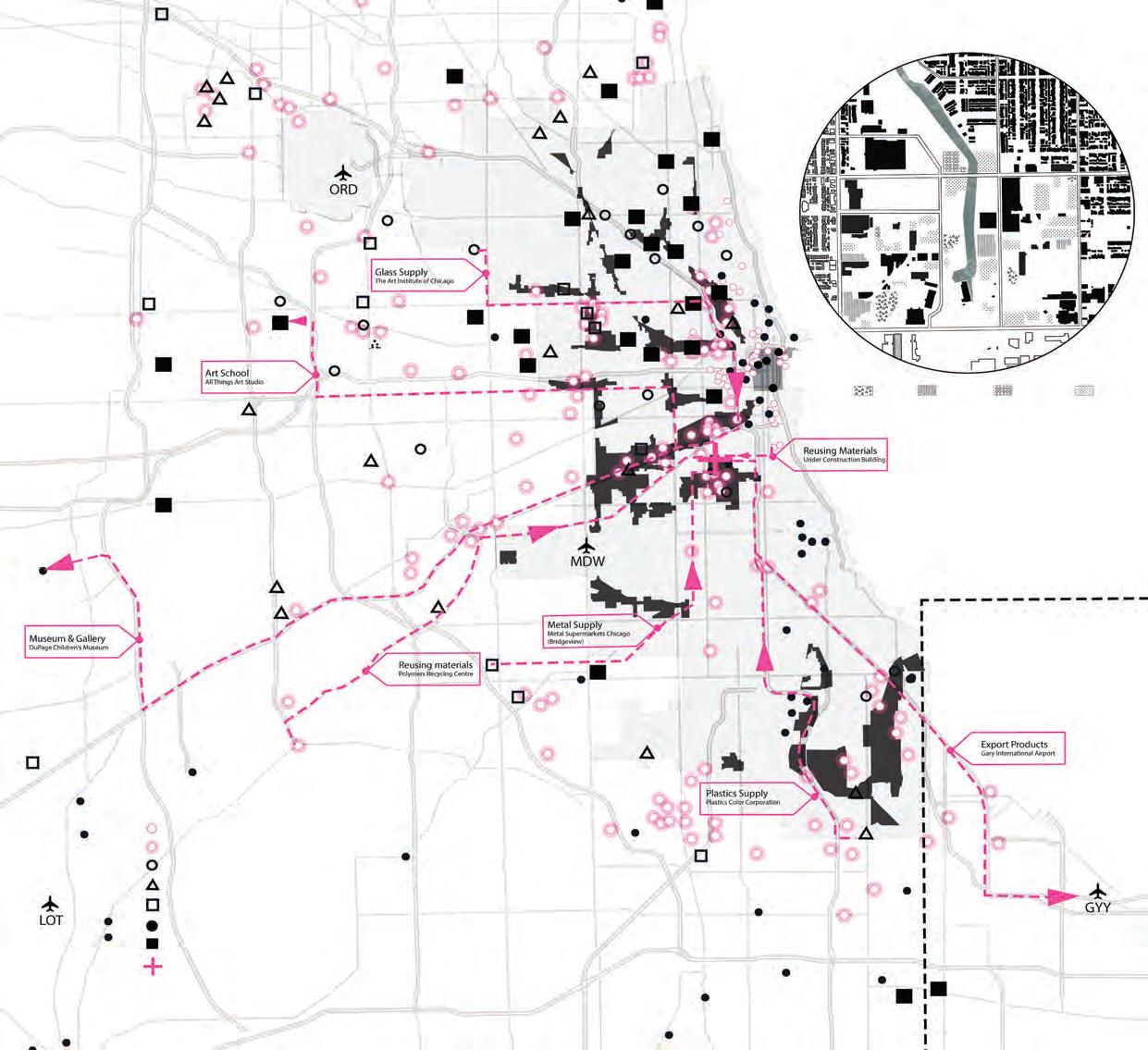
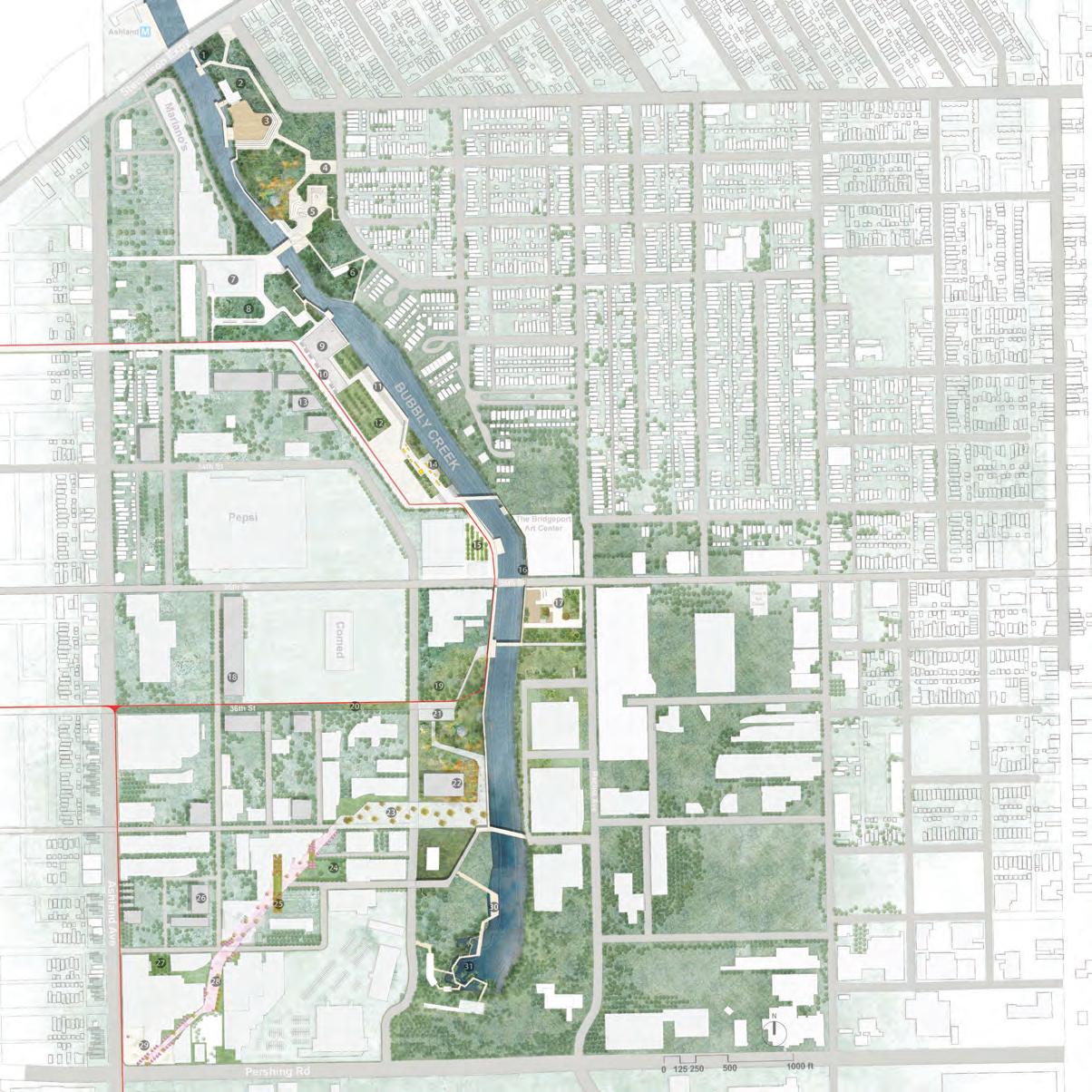
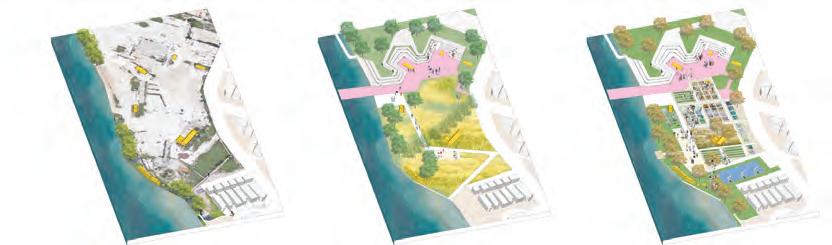
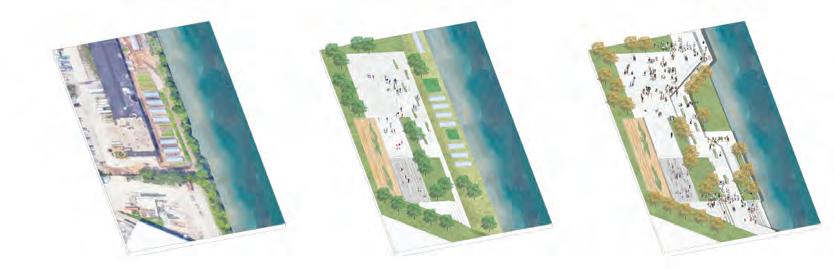
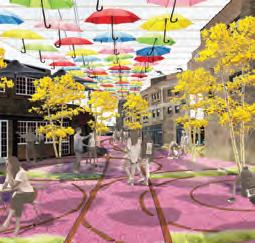
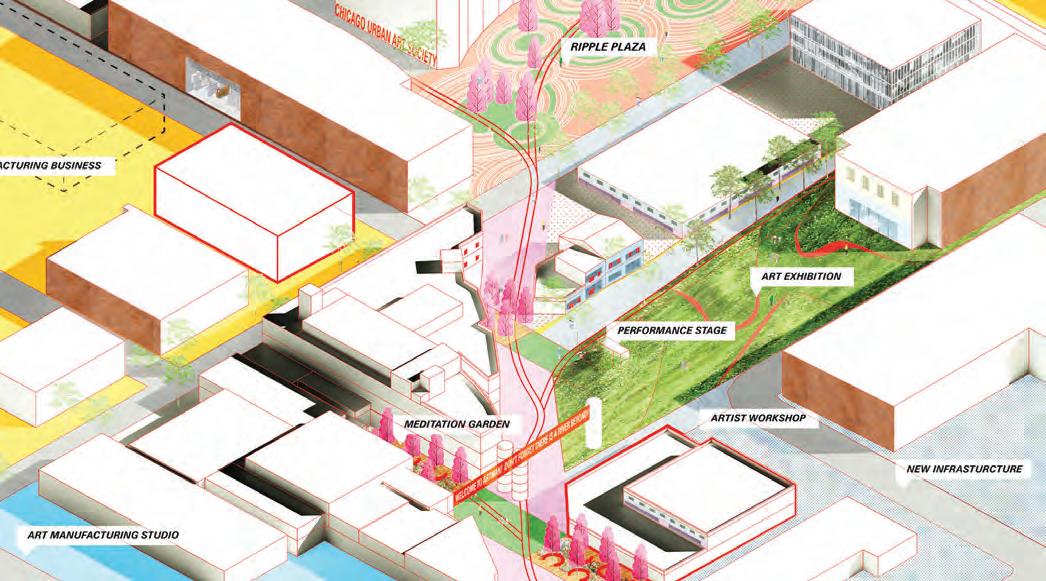
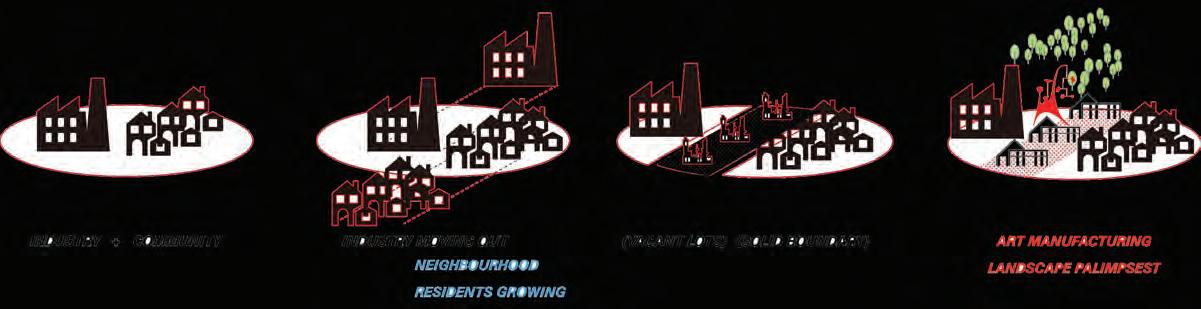
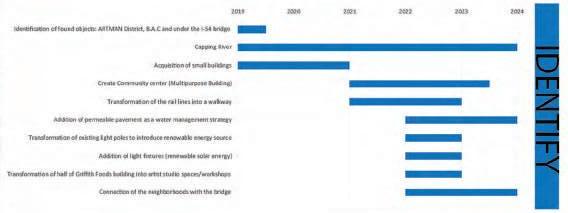
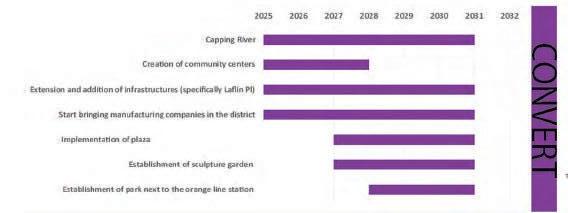
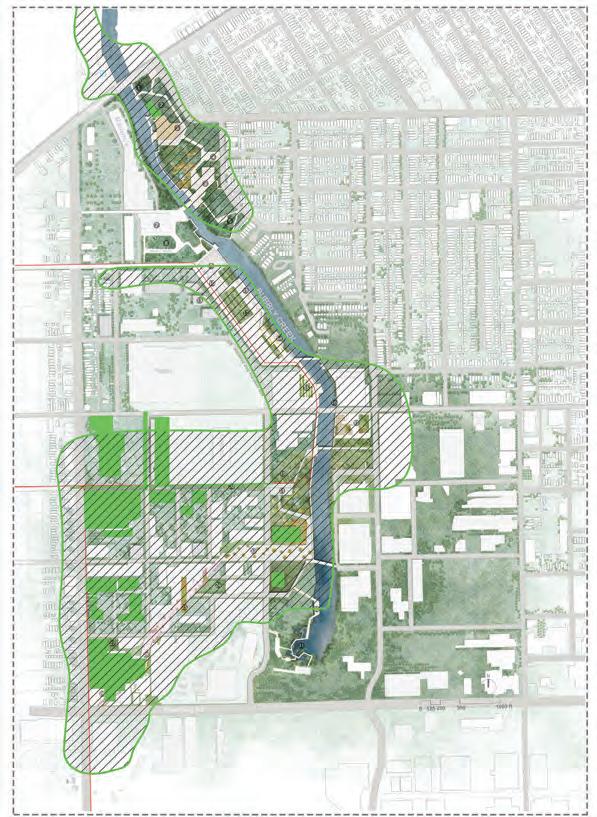
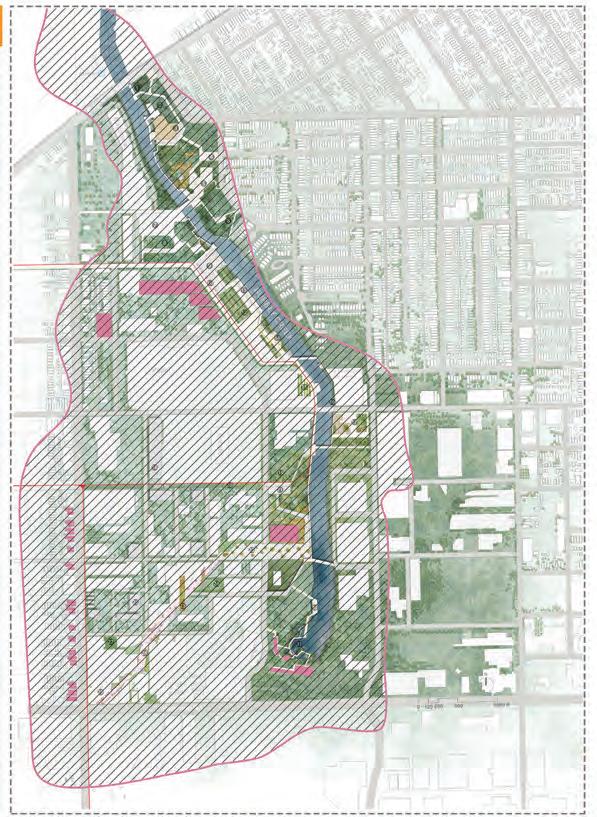
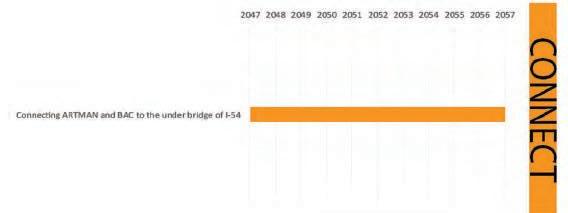
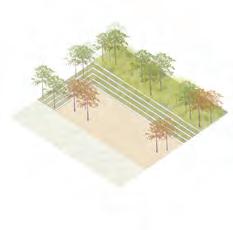
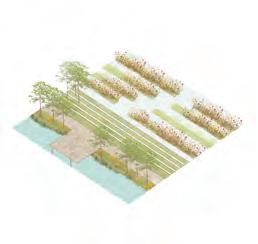
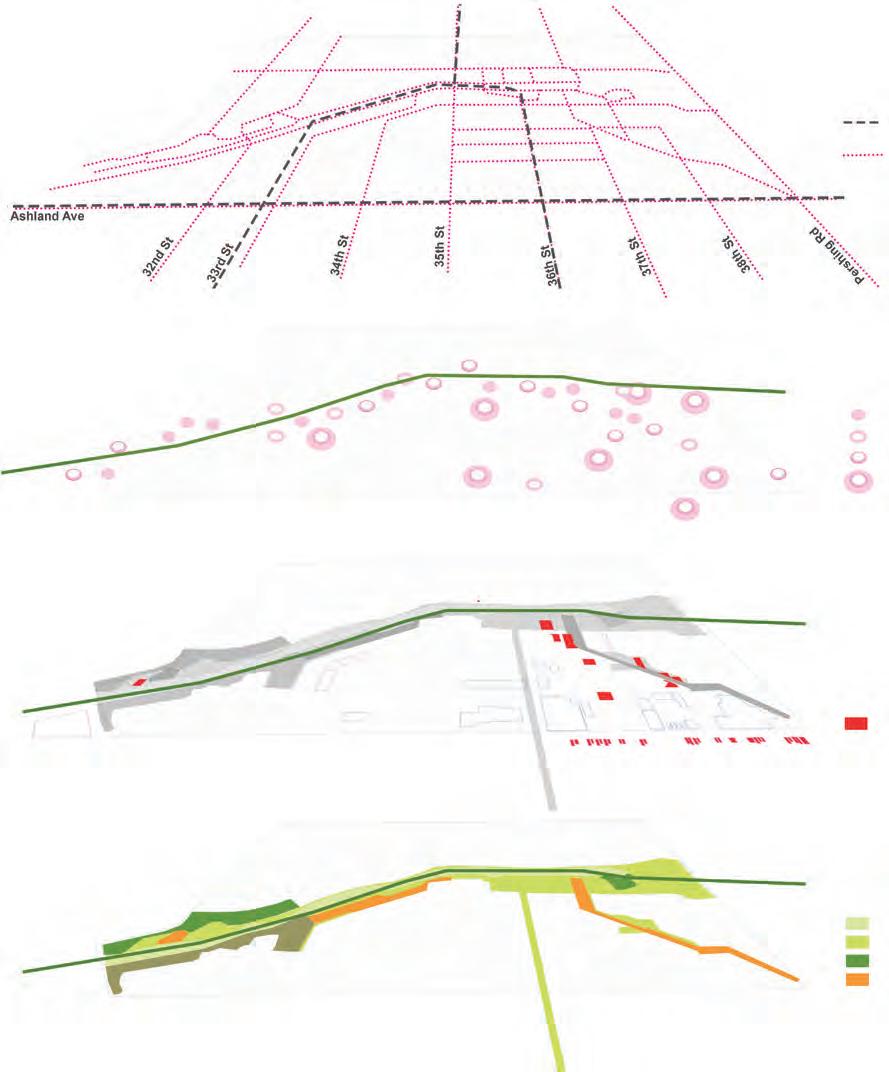
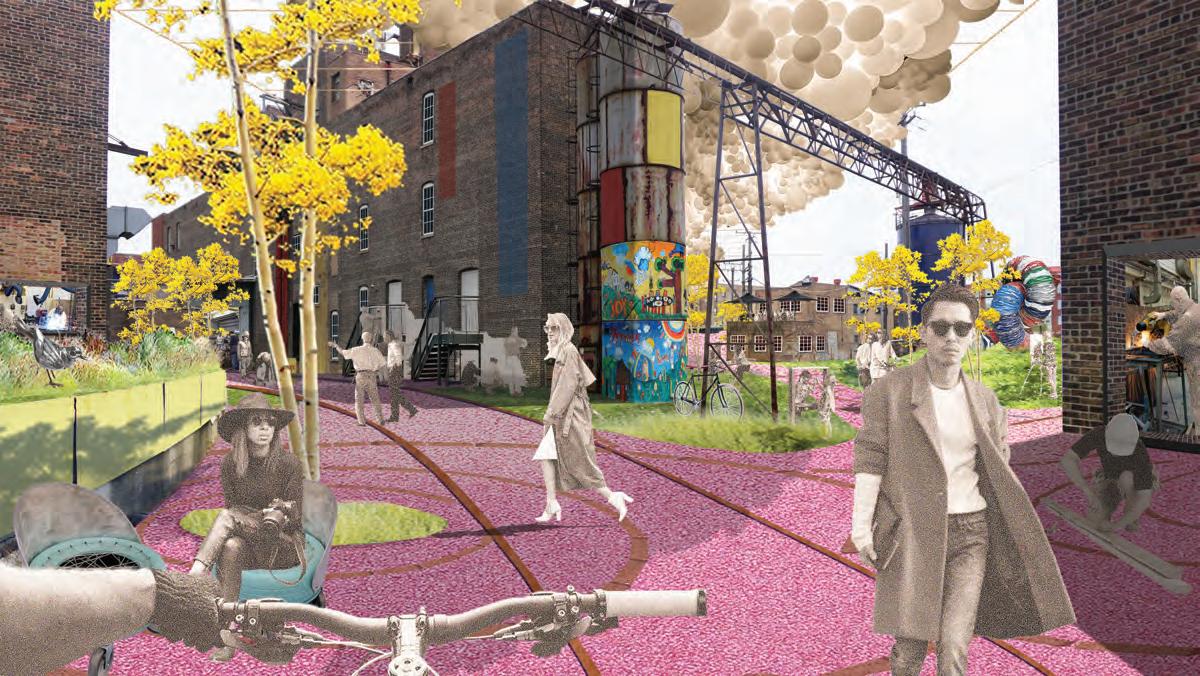
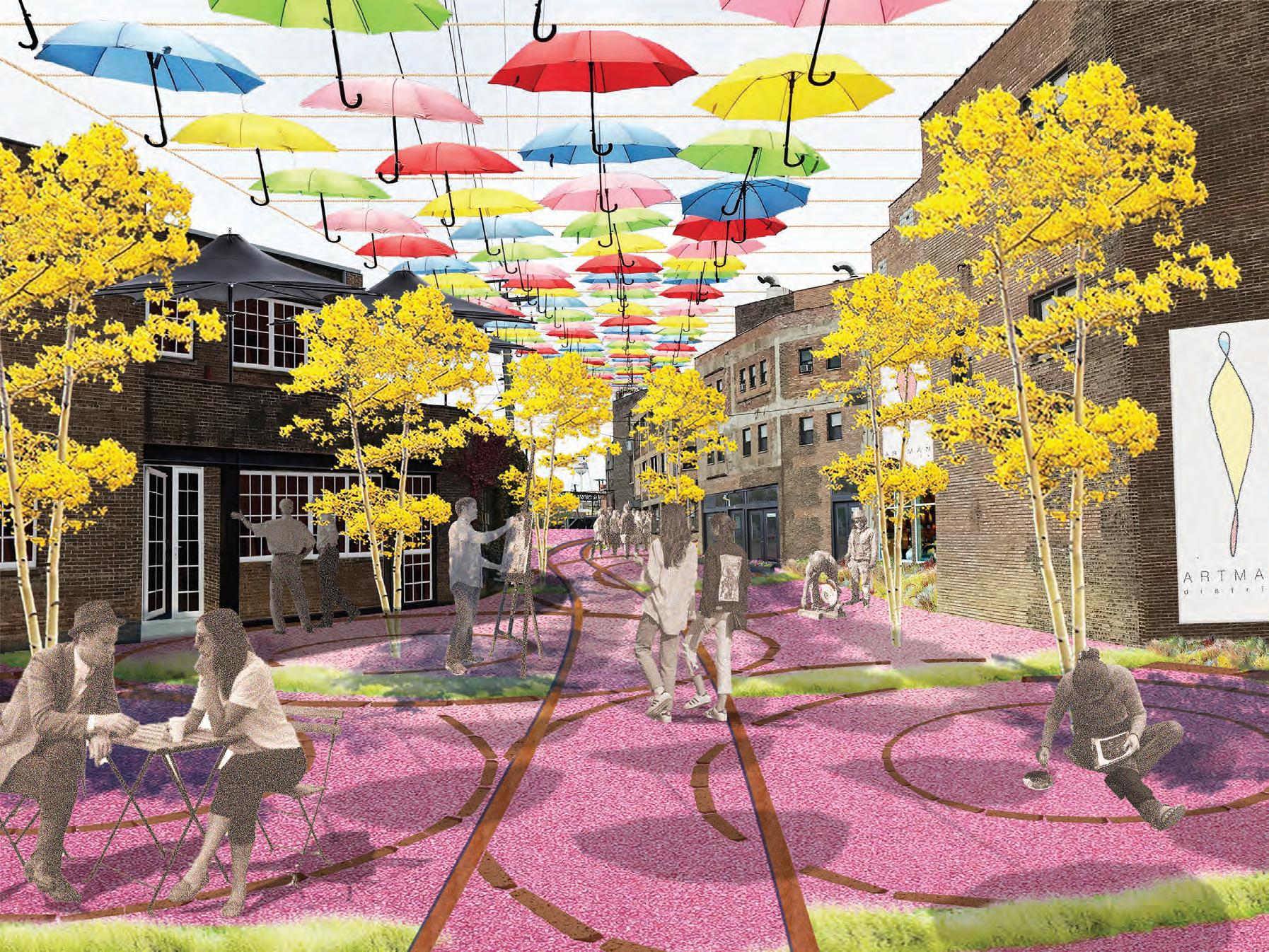
Recognized as the first planned manufacturing district in the United States, the Central Manufacturing District (CMD) was home to small and large-scale manufacturing businesses. Currently, within a landscape of underutilized industrial corridors, the south and west forks of the South Branch of the Chicago River, which runs through the center of the district, is underappreciated and environmentally mismanaged. Moreover, the few functioning industries in the districts are surrounded by vacant lots and vacant buildings. Business owners and users of the CMD revealed that it is unappealing to developers. This confirms that the culture of CMD is slowly degrading. Therefore, an intervention is needed to revitalize it before it is too late. Hence, upon getting to know the CMD and the surrounding neighborhood, one element that stood out the most to us was the Bridgeport Art Center (BAC). BAC has grown to become an important asset in the neighborhood. This inspired us to use the same strategy of adaptively reusing this type of development, while also implementing something new to the area by creating a missing identity and an amenity. We aimed at reusing ‘found objects’ to combine with art and manufacturing. The strategy is to start our development in between the district and let the ripple effect of the growth towards the main streets. With an end goal of creating an attractive place filled with amenities not only for entrepreneurs of small and medium sized companies but also for the inhabitants of the surrounding areas, the project will be completed in 4 phases which includes creating a pedestrian-friendly district, developing the ARTMAN, a sub-district where artists and manufacturers can cohabitate, retrofitting the vacant buildings which are going to be converted into incubators, and cleaning the river.

URBAN PALIMPSEST
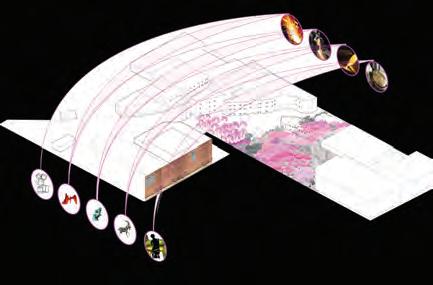



CONCEPT: ART+MANUFACTURING
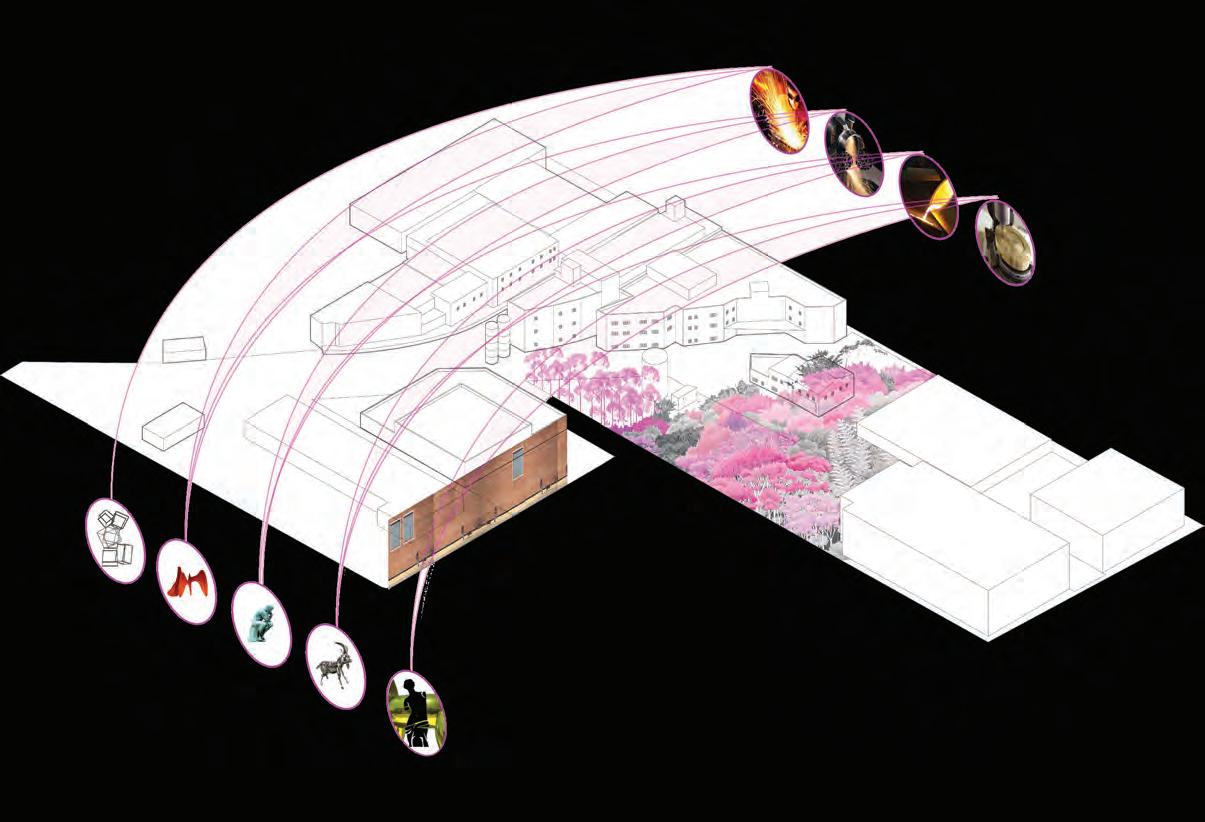
INPUT
OUTPUT
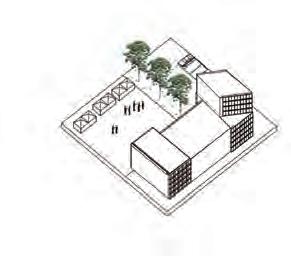
ADAPTIVE ARCHITECTURE AND LANDSCAPE ARCHITECTURE TYPOLOGIES
TECHNOLOGY CENTER
Technologycenter Researchlab/museum Incubatorofce
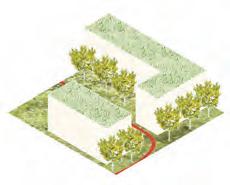
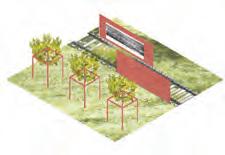
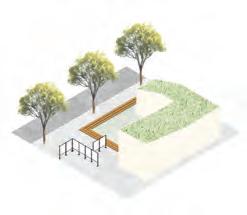
ADAPTIVE REUSE
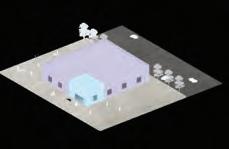
MANUFACTURING COMMERCIAL
INCUBATOR OFFICE
INCUBATOR OFFICE
COMMUNITY GARDEN
COMMUNITY GARDEN
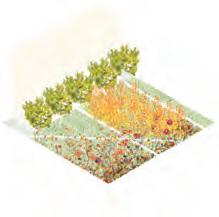
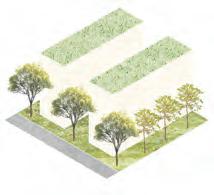
CULTURAL LANDSCAPE
RESEARCH LAB/MUSEUM
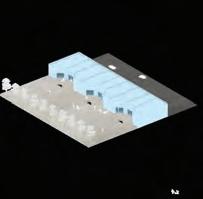
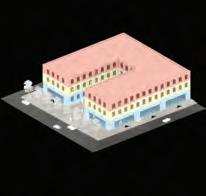
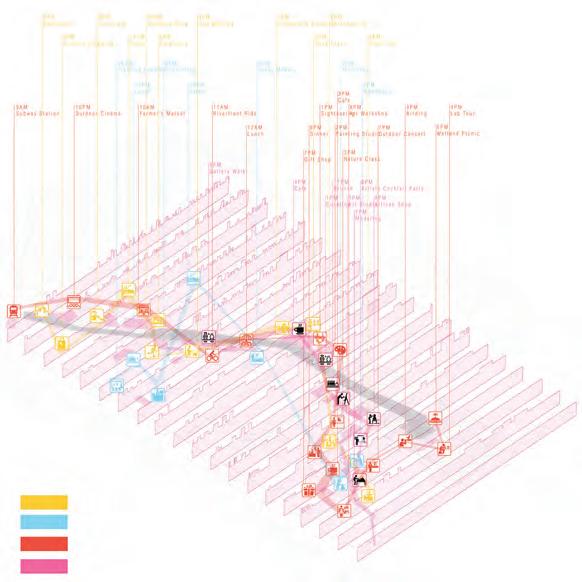
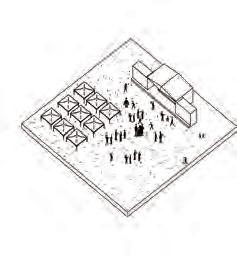
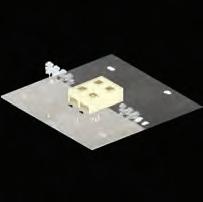
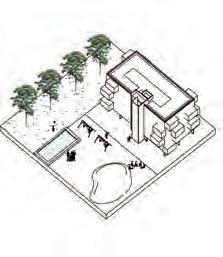
Communitygarden Farmer’smarket/localproducts
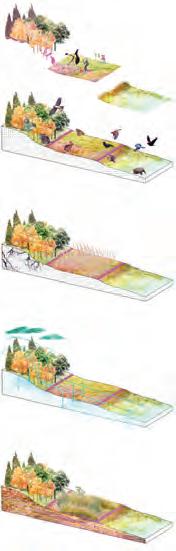
LANDSCAPE INSPIRATION
Artwork Material Collecting
Plants Reuse Crafting
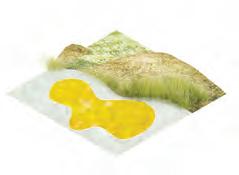
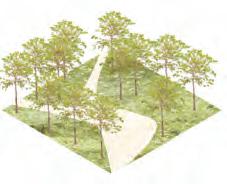
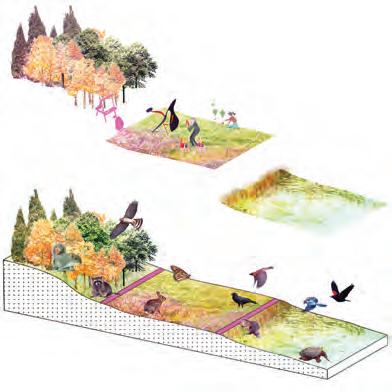
cottontail rabbit
red-winged blackbird
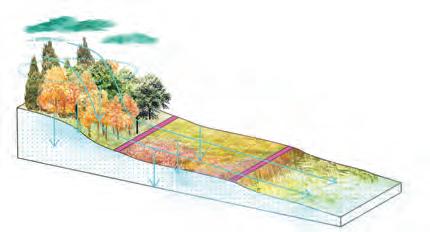
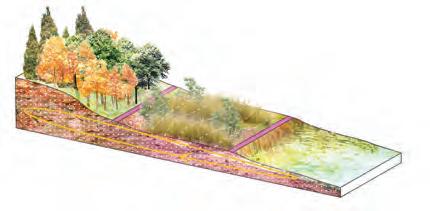
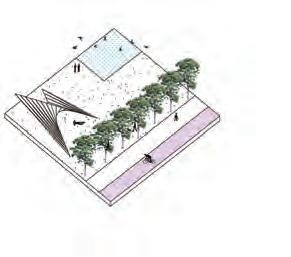
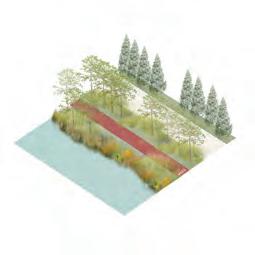
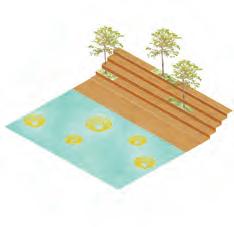
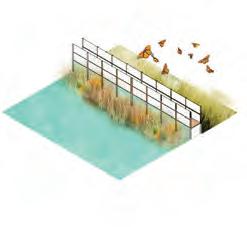
TRANSPORTATION
PROGRAMING
BUILDING
SOFTSCAPE
INTERACTIVE PROGRAM
COMMUNITY LANDSCAPE
PRODUCTION SPACE
ECOLOGICAL LANDSCAPE NEW DEVELOPMENT
RESTORATION
URBAN LANDSCAPE
NATURAL ECOSYSTEM
INTERATIVE LANDSCAPE
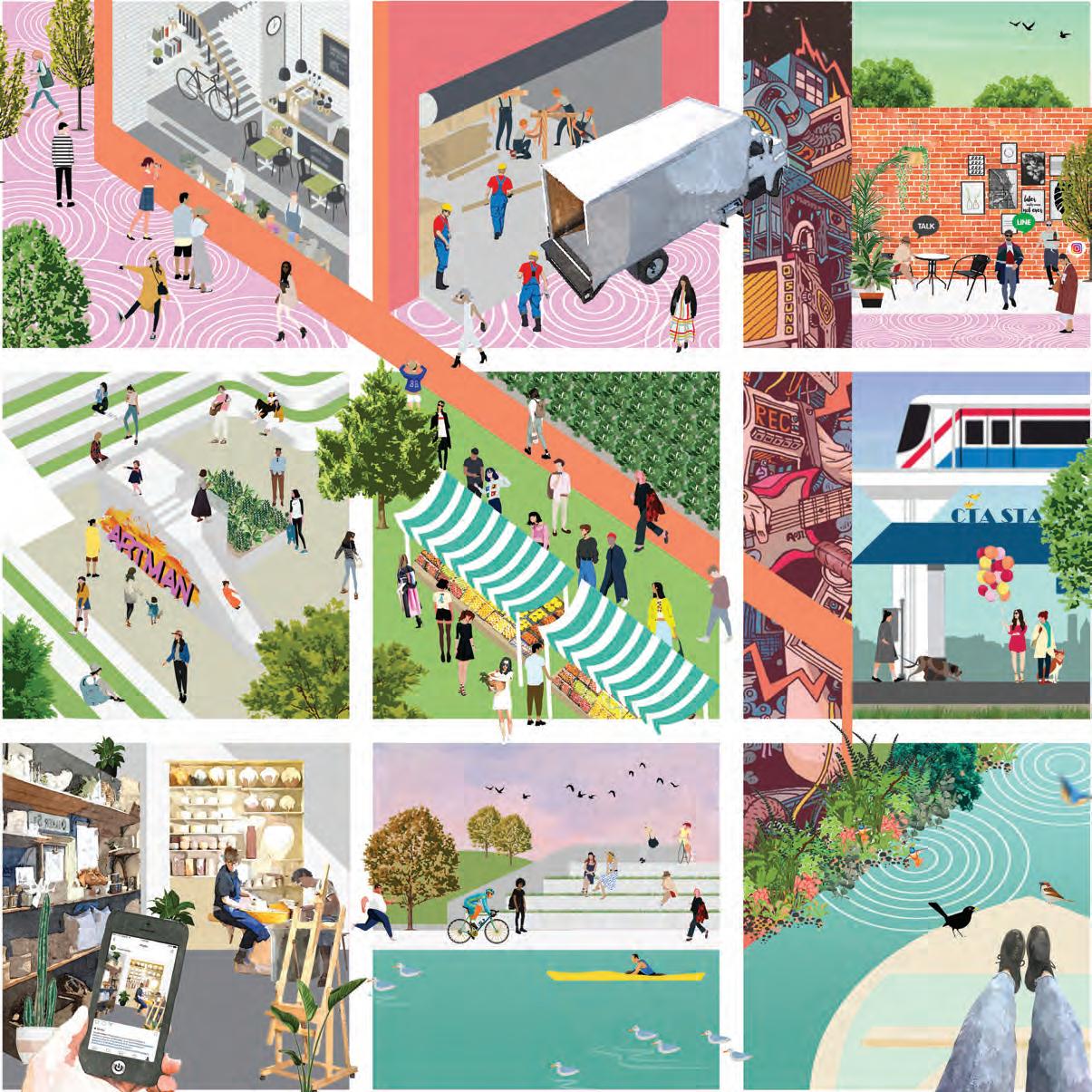

Artist would have a space to create and they would be able to buy their materials in the ARTMAN district.
IEPA thinks it is brilliant to have training programs in green cleaning, waste management and building operation and maintenance.
Residents who live near the CMD, would have the opportunity to find a jod in the district, which will reduce their commute time.
School teachers are happy to see the city invest in green infrastructure and its effort to clean the river to make the neighborhood more appealing.
Business owners in the Food Processing sector will now have the resources necessary to expand their investment in the Food Processing sector in the CMD.

The incubators in the district would serve aspiring small and medium business ownwers to start their businesses.
The new development would attract tourists who would have the opportunity tosee the work of the artists and more.
Kayakers would be able to move across and joggers would have the opportunity to jog along the south and west forks of the South Branch of the Chicago River.
The district environment would be inviting to birds whichcould come and enjoy what it has to offer.
Algae-ing the Future
An Urban Energy Lab
Kalyani Agnihotri
Yizhen Ding
Eva Temporal Durán
Ying ‘Yoda’ Li
Marc Ponce
Litong Zeng
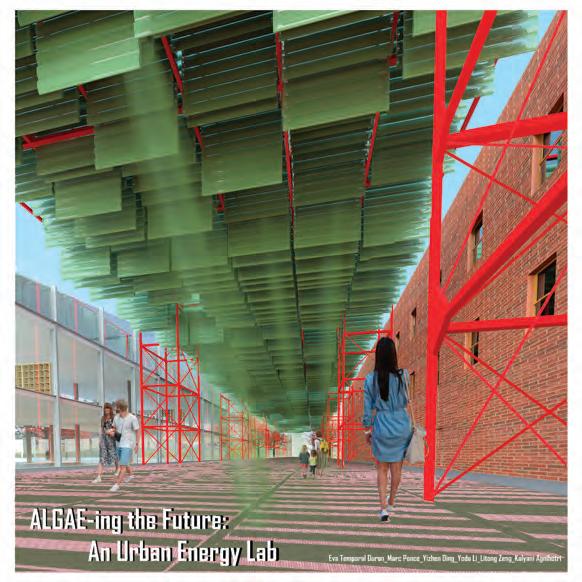
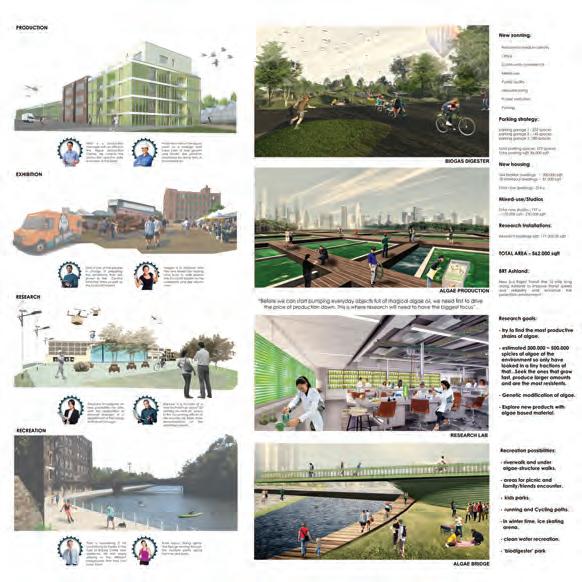
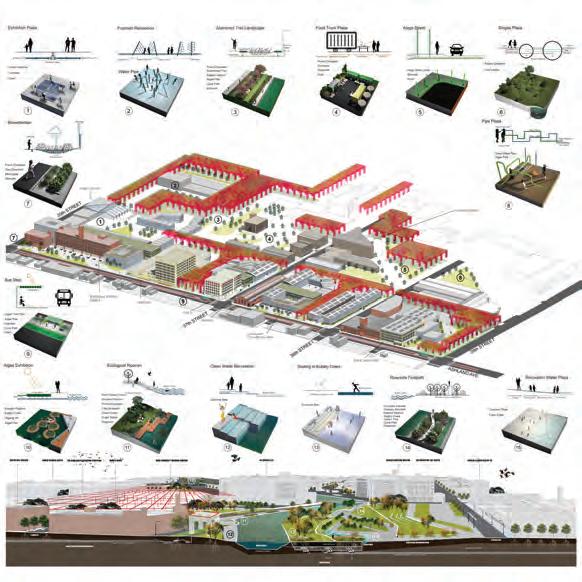
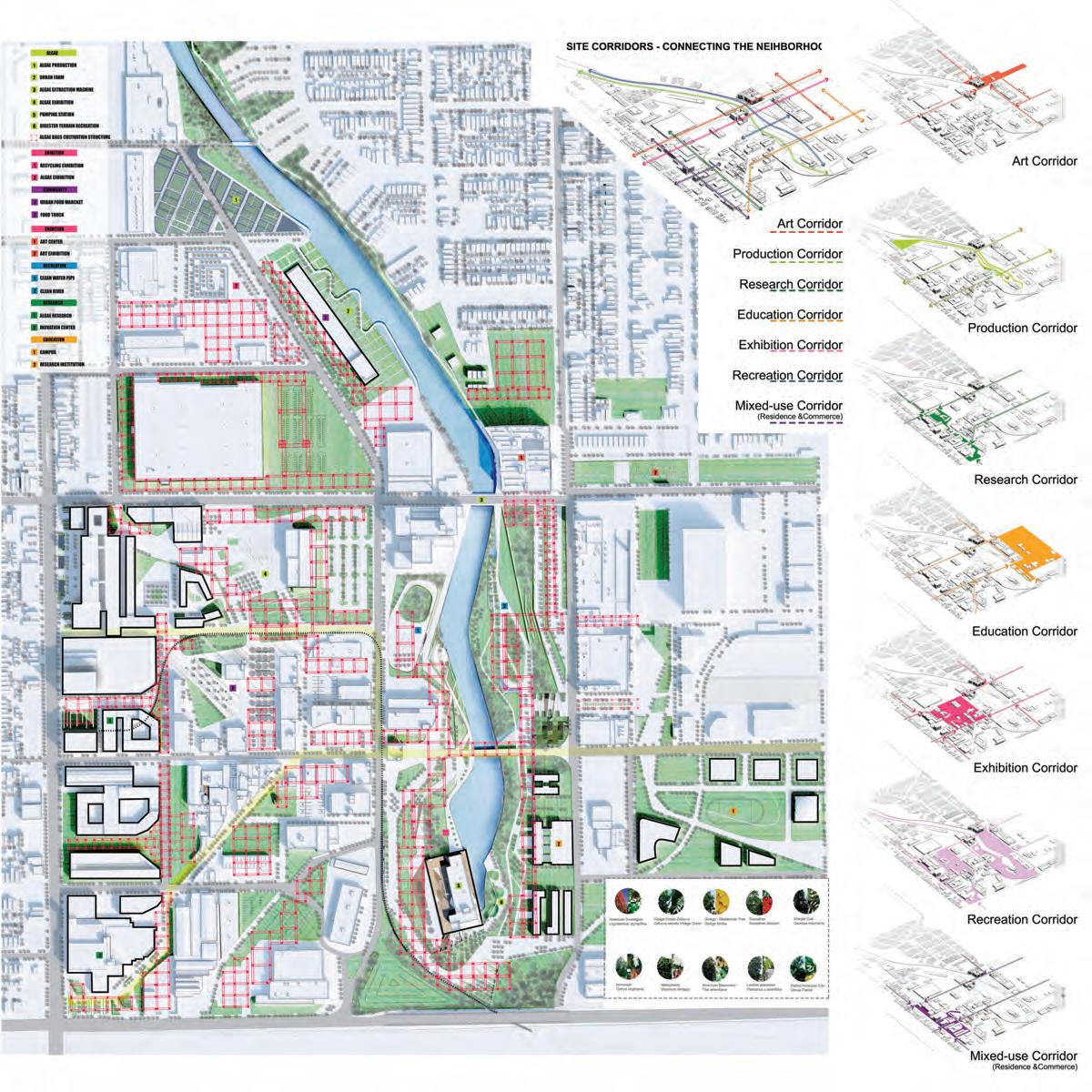
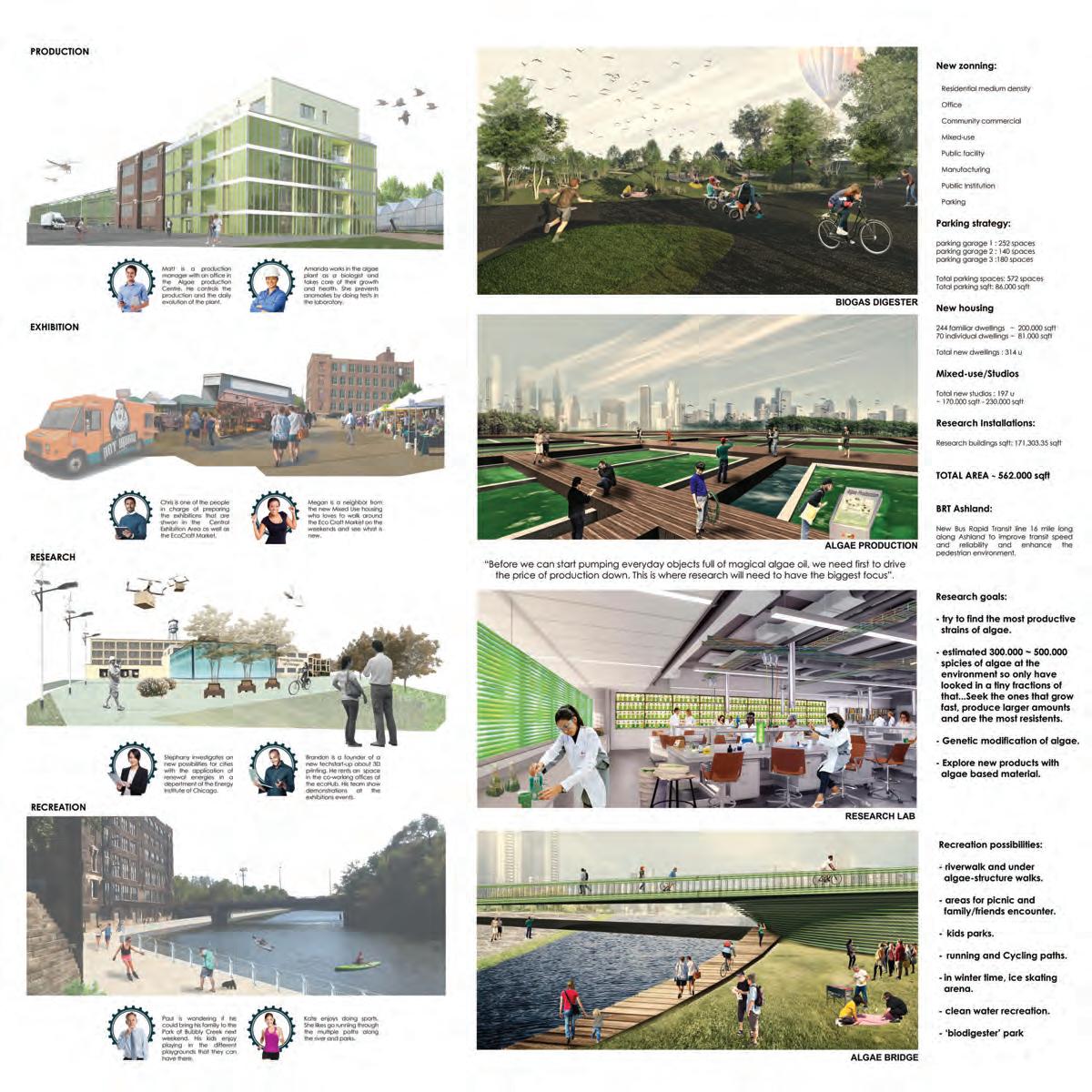
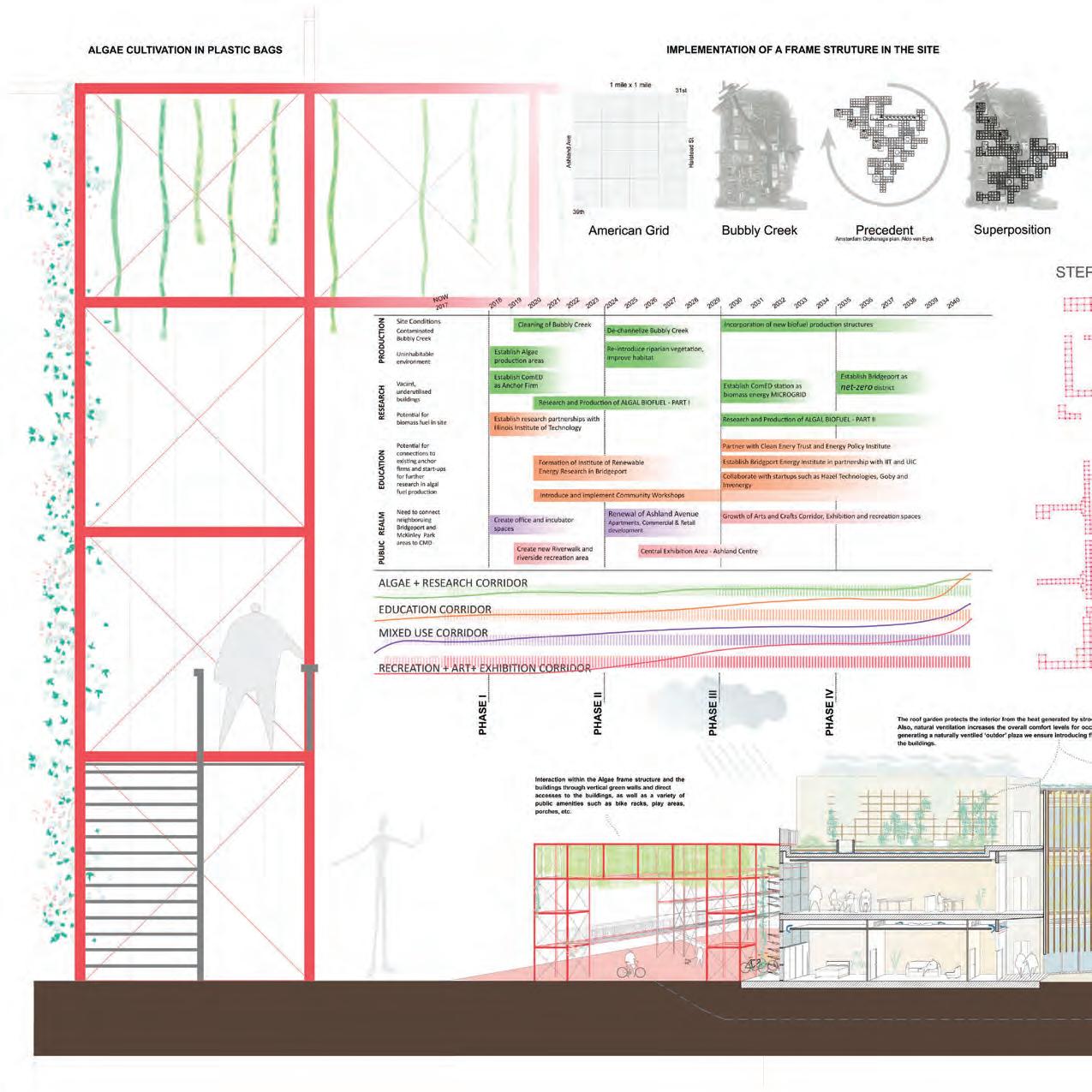
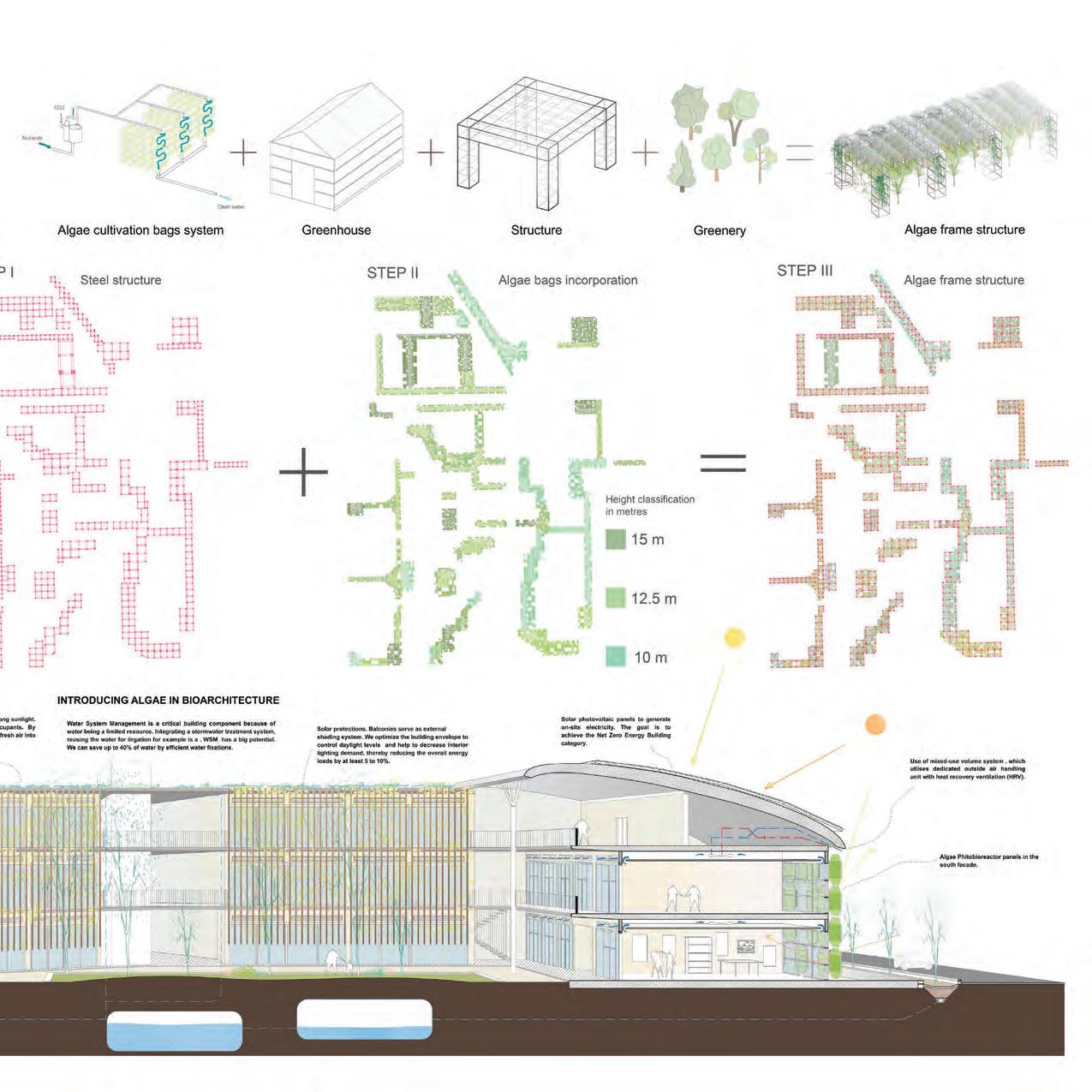
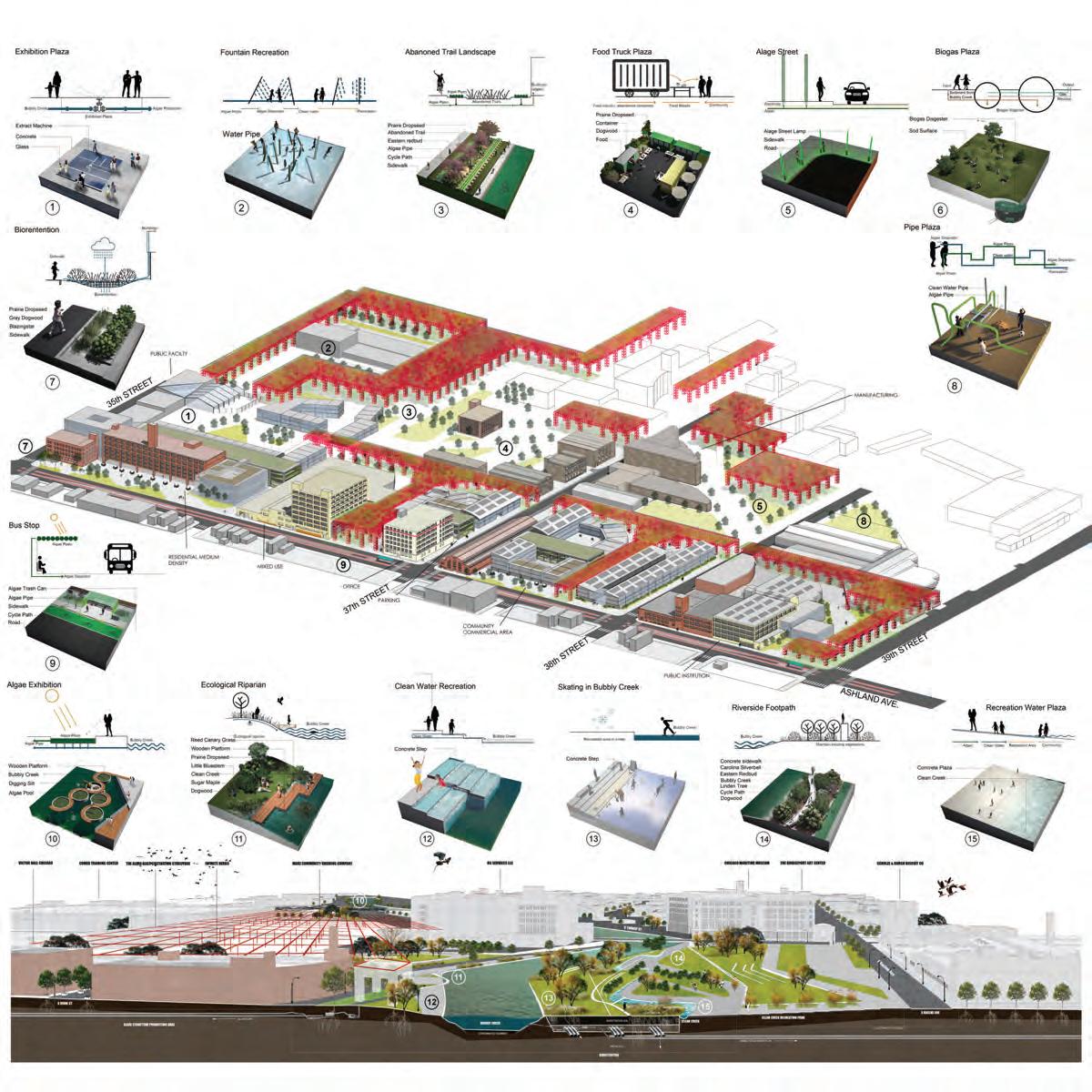
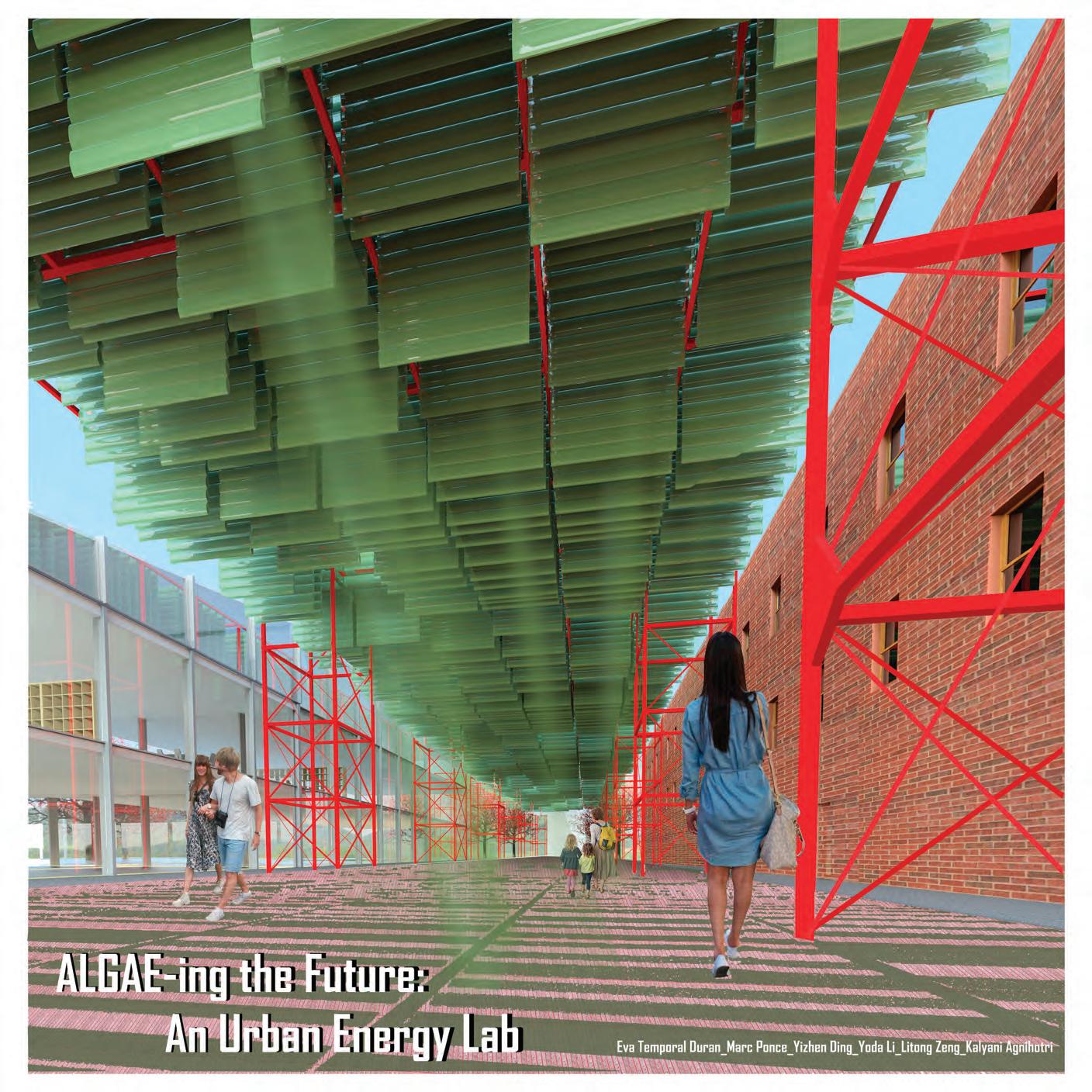
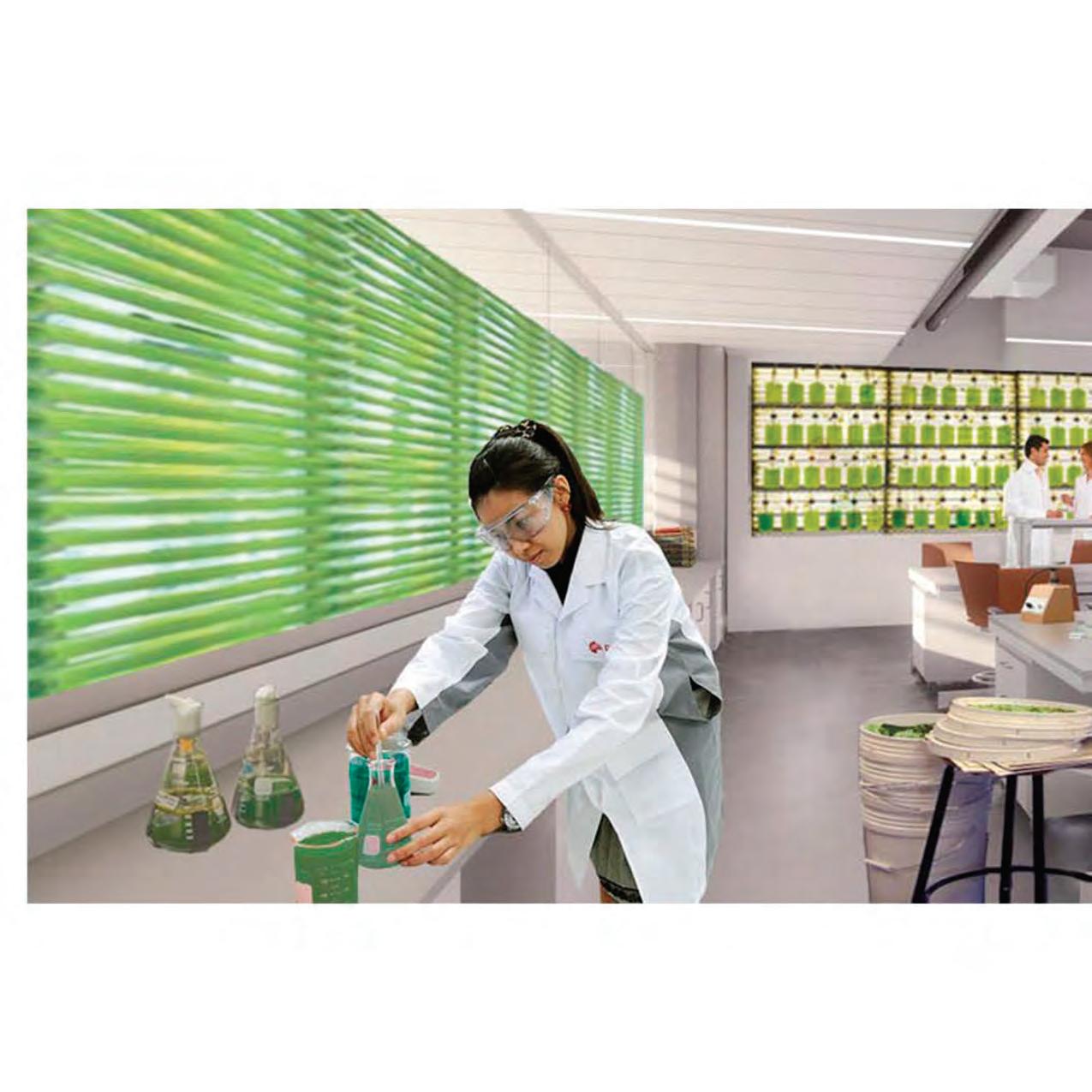
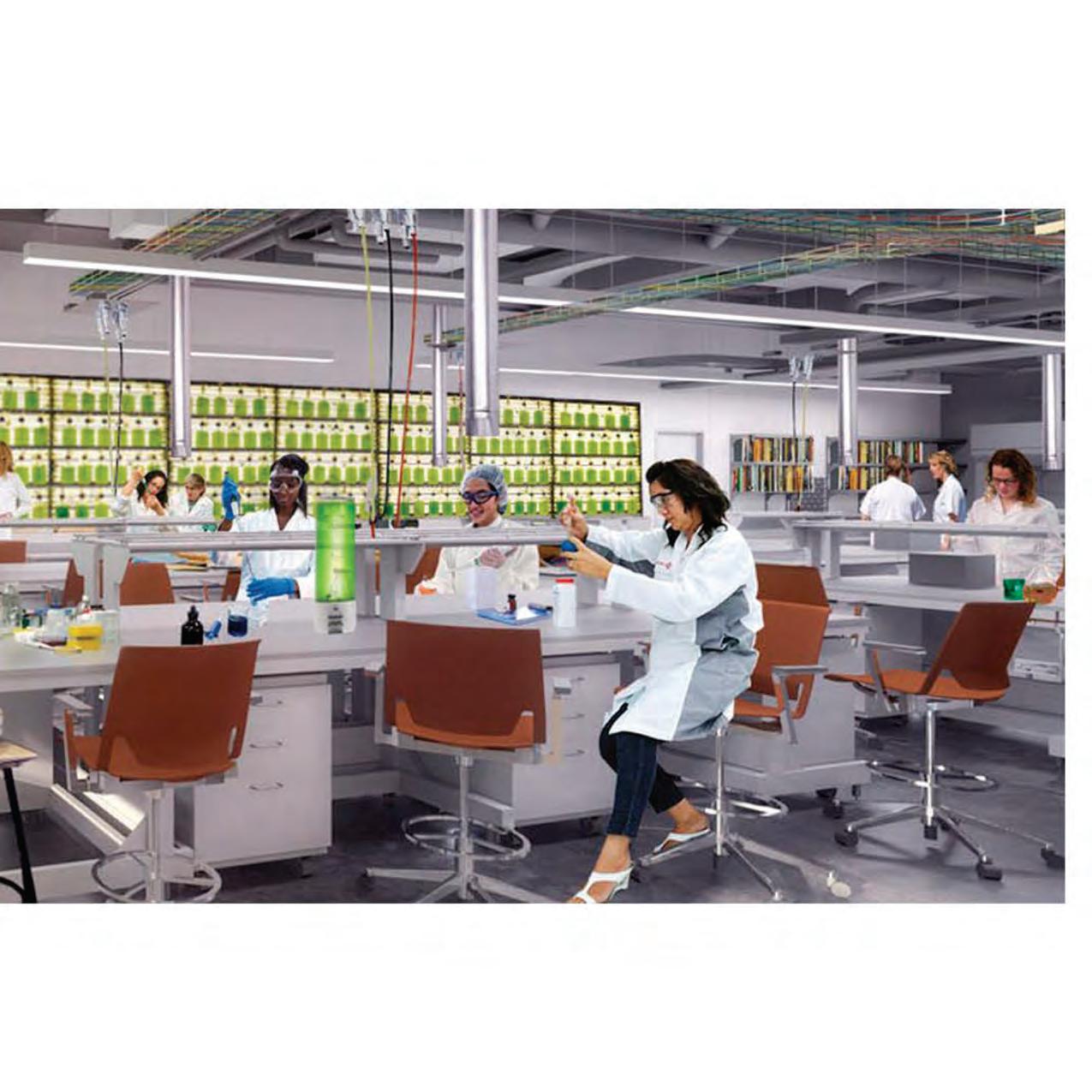
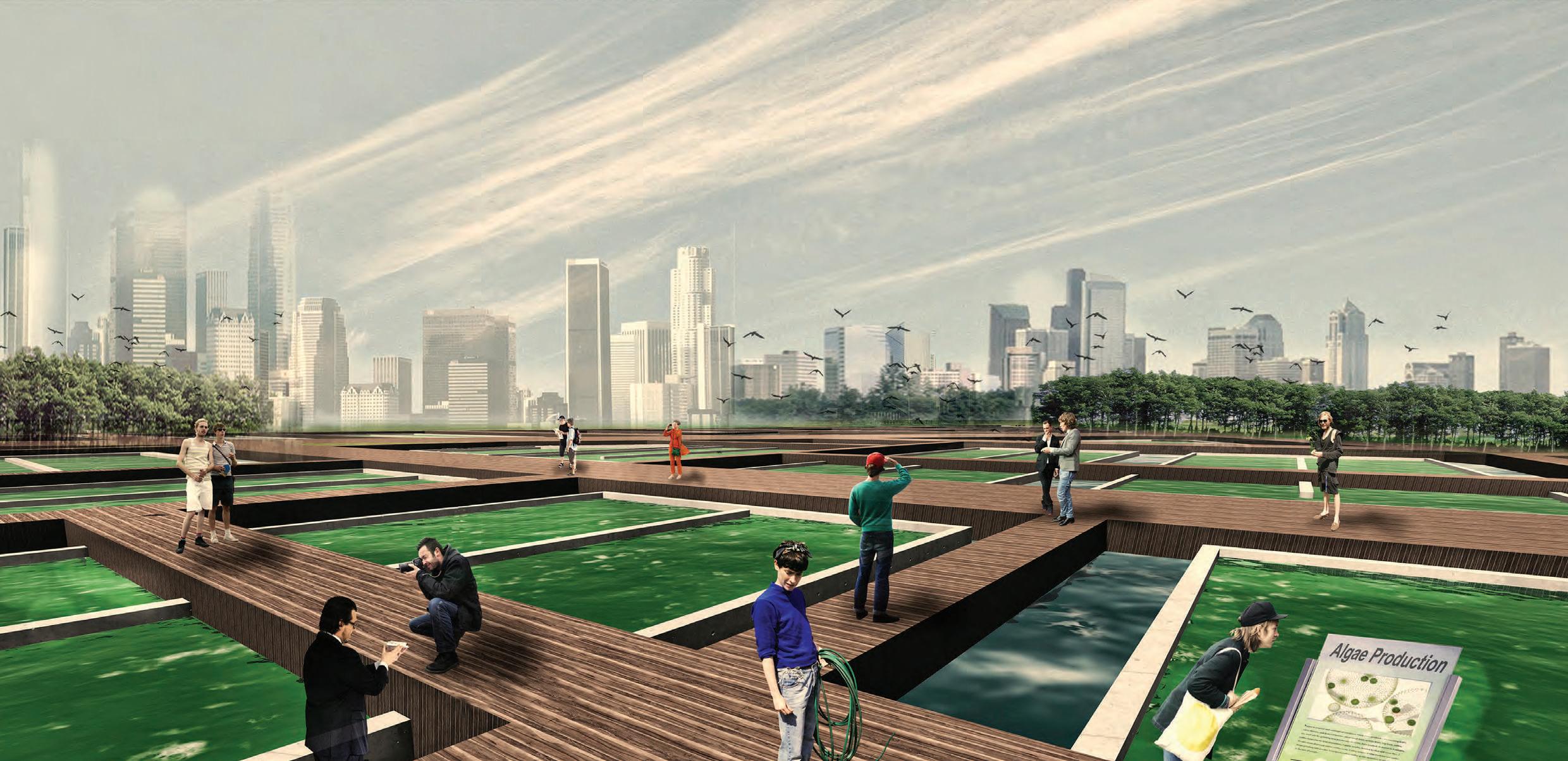
Our proposal uses algae as the key factor to boost development in the Central Manufacturing District (CMD). In addition, it helps the broader civic goal of meeting Chicago’s plan to use 100% renewable energy in its public buildings by 2025. Algae is currently gaining attention from researchers for its high efficiency in generating energy and clean wastewater. We see the potential for algae production facilities to be installed in the CMD. Thus, we intend to make the site into a laboratory and a field experiment site. Testing the combination of algae production plants with the environmental remediation process will help reveal how to integrate energy production into healthy urban environments elsewhere.
We propose three main functions for the site. The first one is investigation and research, through which research activities help transform local brownfield conditions. Policies and infrastructure to support research institutions conducting renewable energy and phytoremediation will also be explored. The second function is energy generation. Although this is not emphasized as much when the project is first launched, its importance will increase over time. The third one focuses on social engagement, cultural production, public education, and recreation. We will combine renewable energy production with public landscapes the make the process visible and interactive, providing spaces for events like exhibitions and markets. We aim to help the community foster a new culture of renewable energy production.




Edu-Walk Bridging Work, Community, and Environment
Saloni Chawla
Dijia Chen
David O’Donoghue
Sara Hadavi
Shuyu Yin
Ye Yuan
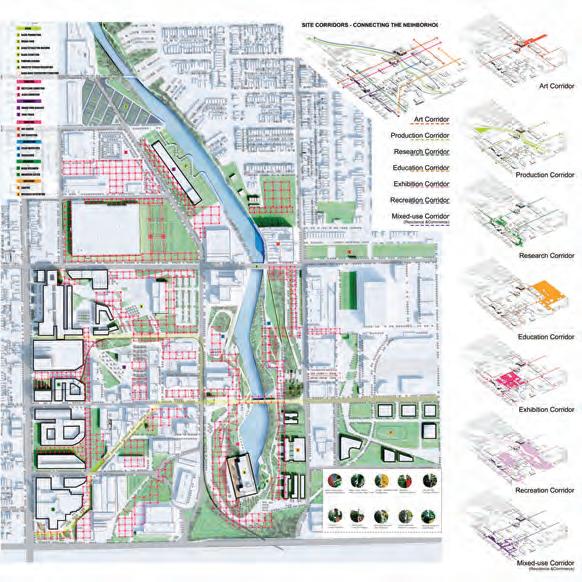
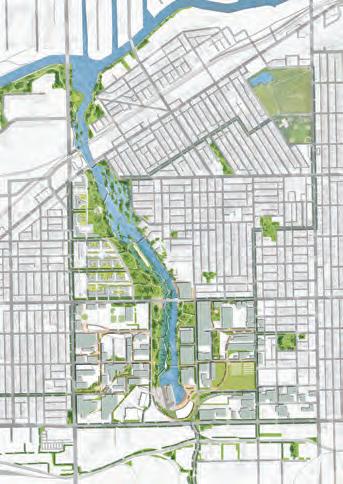
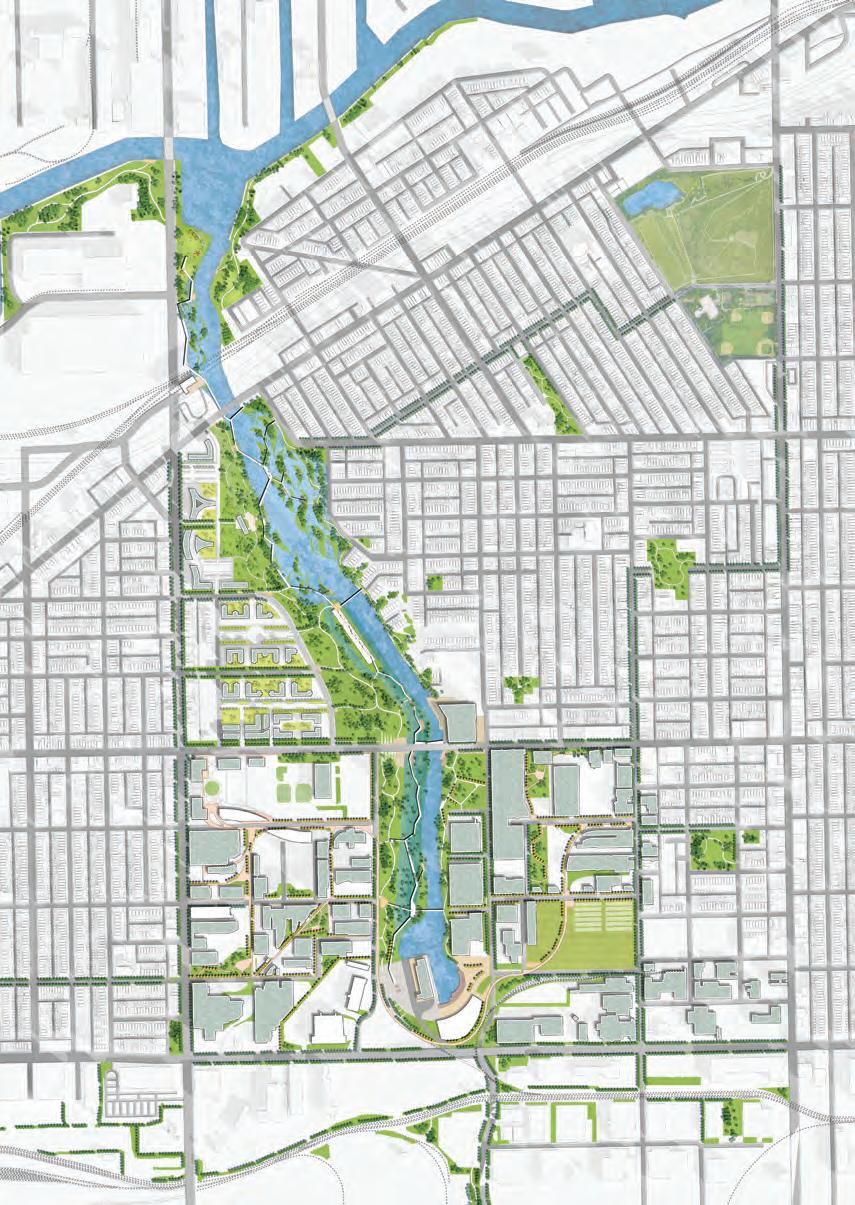
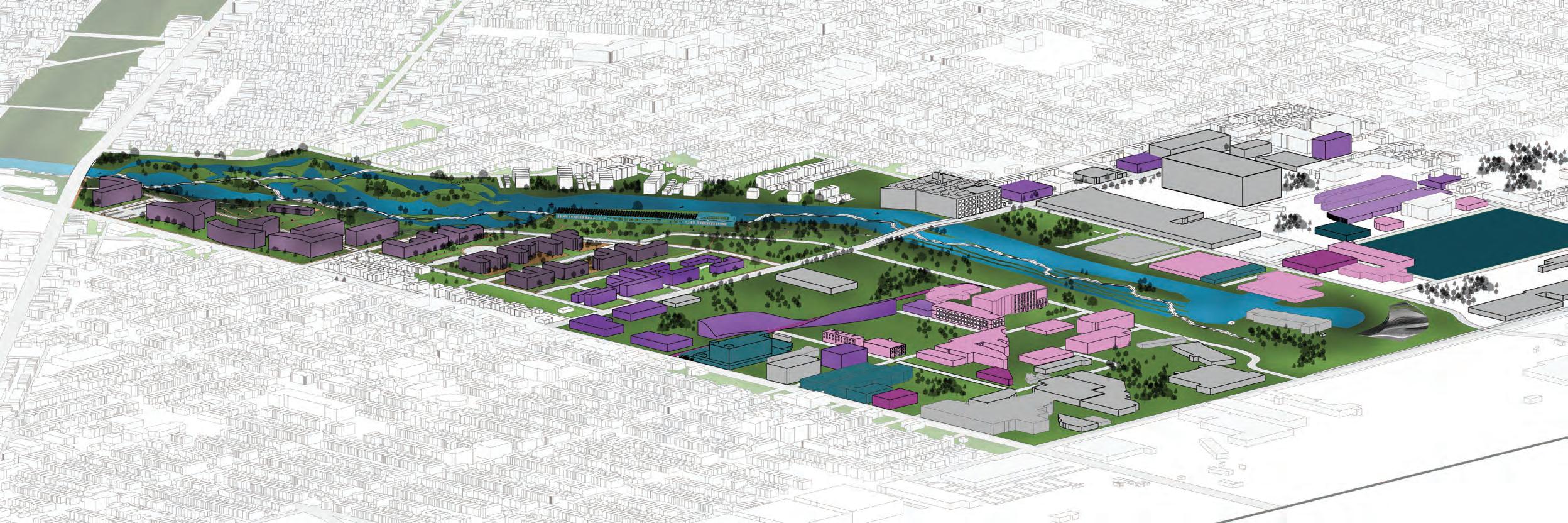
The Central Manufacturing District is an industrial site full of opportunities, while suffering from issues including seclusion, vacant buildings, water pollution, storm water overflow, and aesthetically unpleasant environment. Taking a people-oriented approach, we address these issues to revitalize this industrial site ecologically, economically, and socially. We propose learning as a tool to strengthen the bond between people and the site, which results in community engagement and job creation.
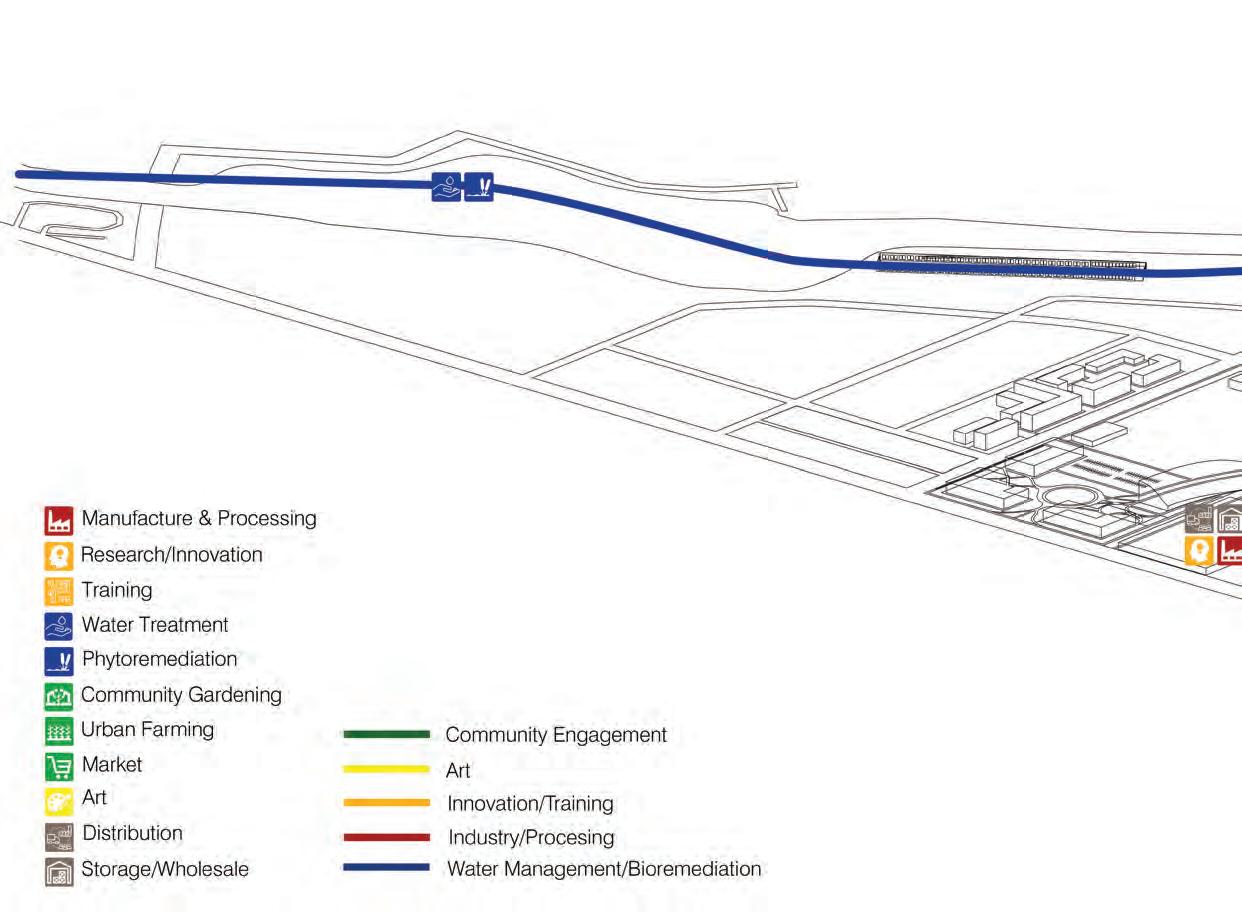
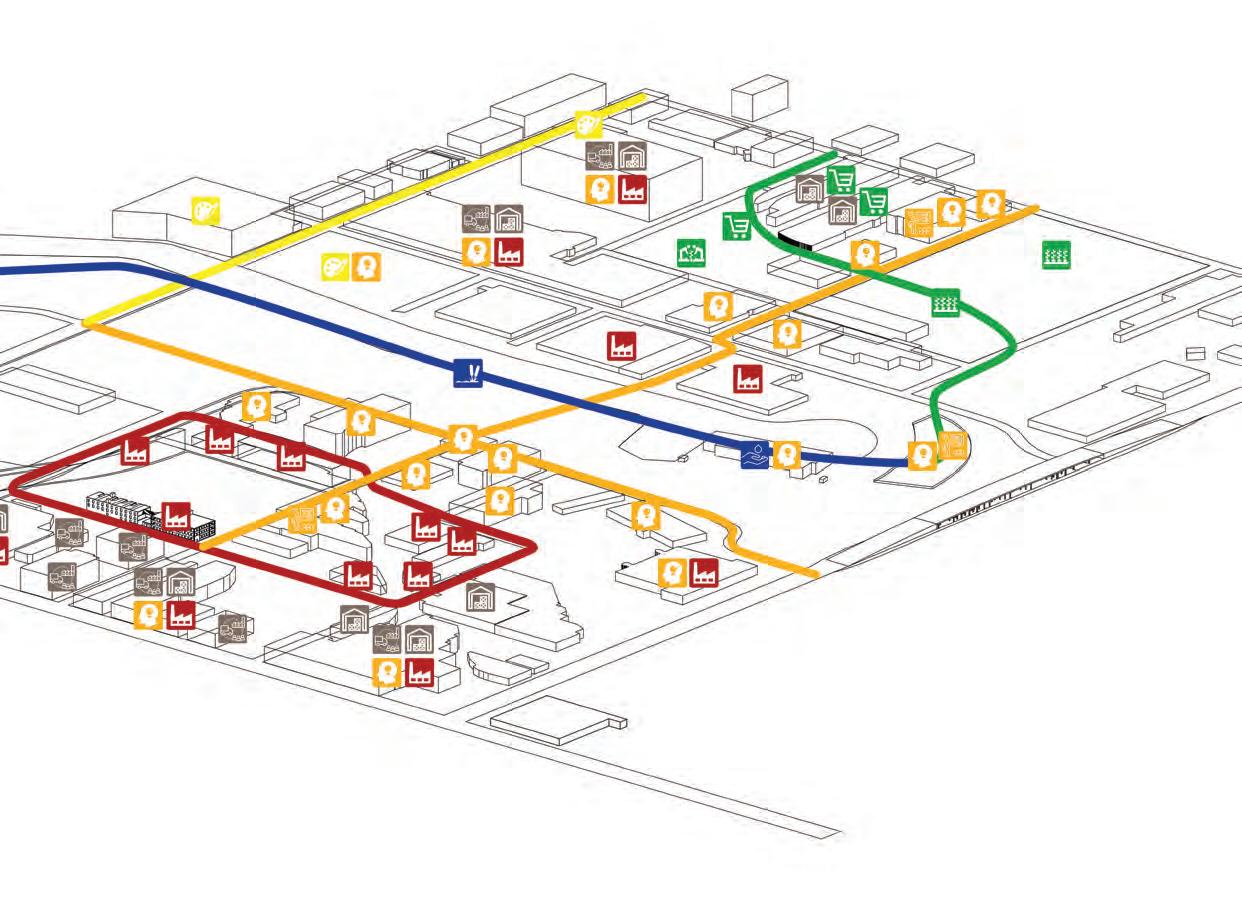
The learning process includes both formal education (indoor/outdoor classrooms) to support innovation and training for industries, as well as a broader dynamic experience of learning that comes with site exploration and engagement with the surroundings.
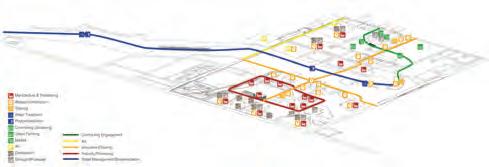
We have three zones of intervention: eco-industrial zone, mixed-use zone, and eco-recreational corridor. They are functionally interconnected through symbiosis of materials, energy, and ideas, leading to a cohesive coexistence of work, community and environment.
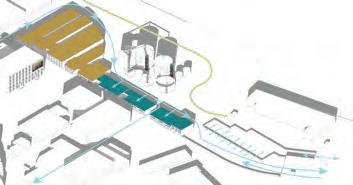
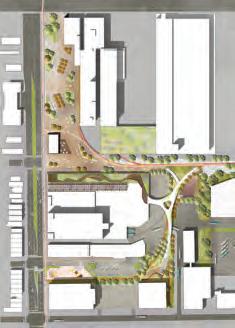
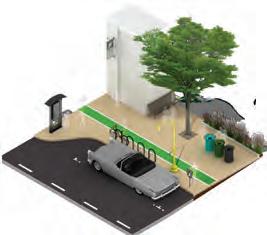
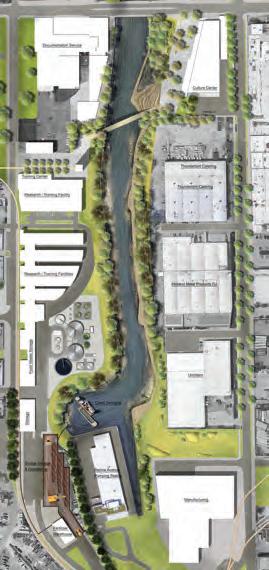
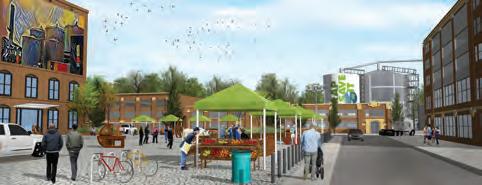
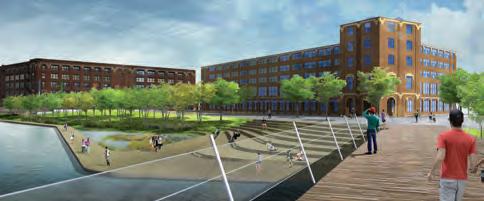
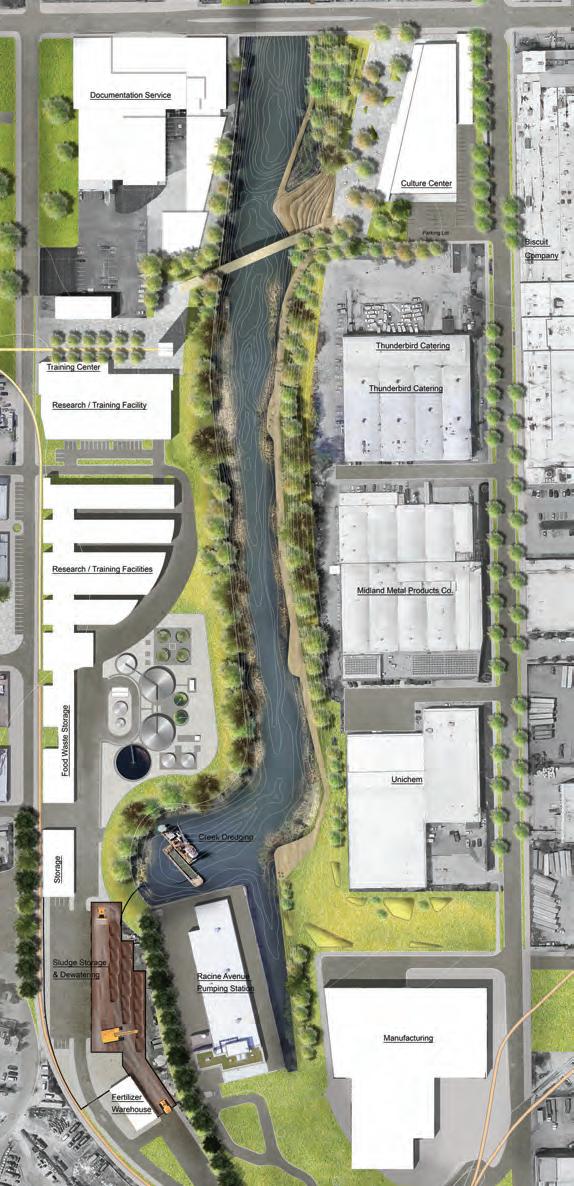
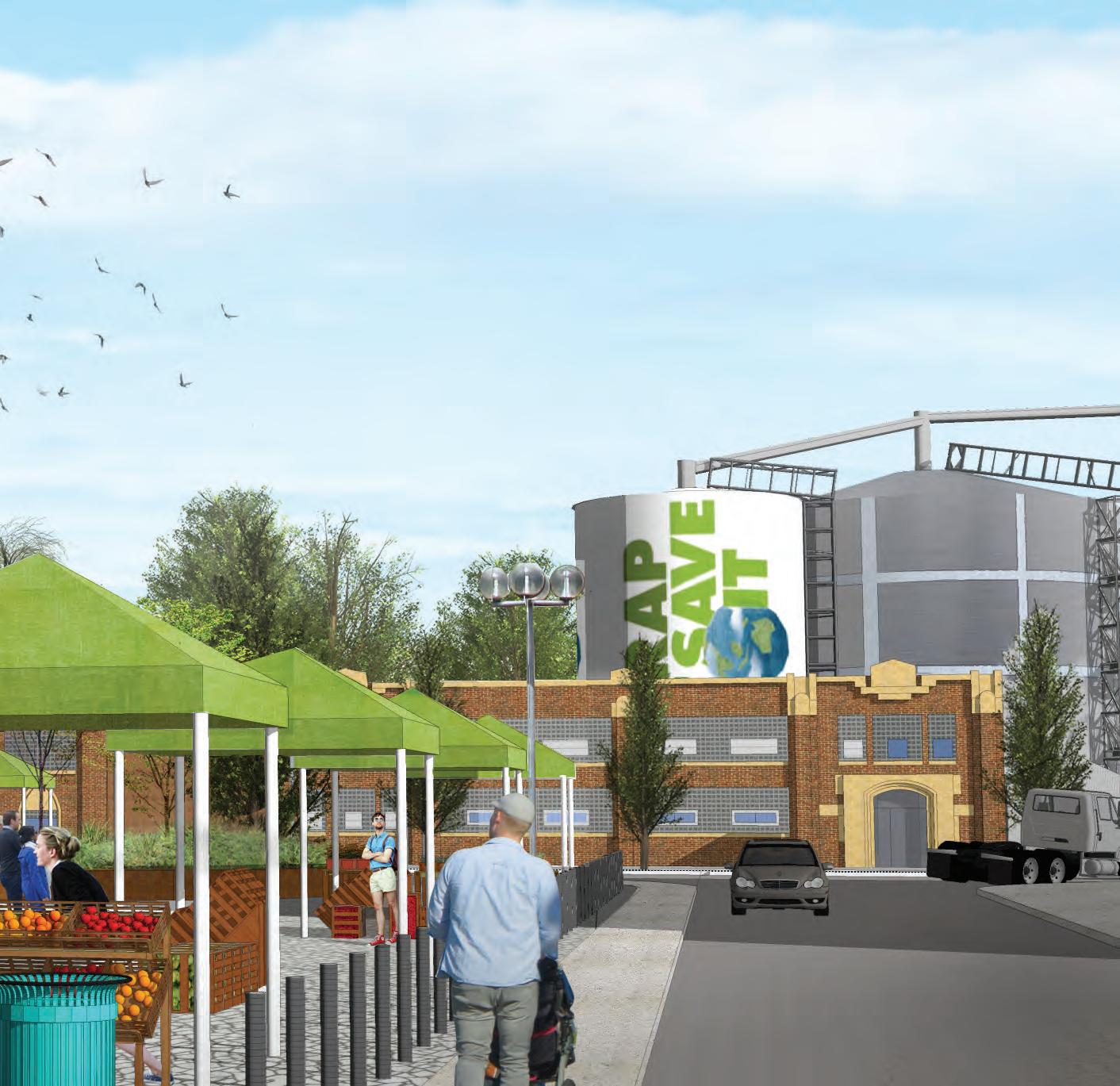
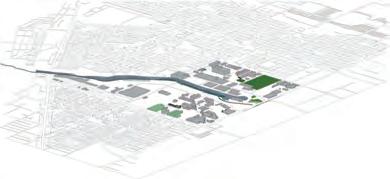
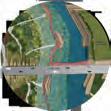
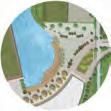
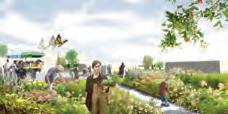
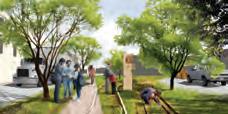
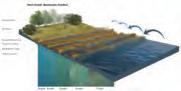
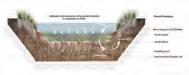
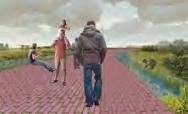
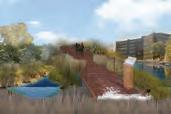
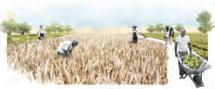
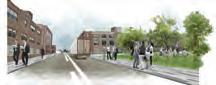
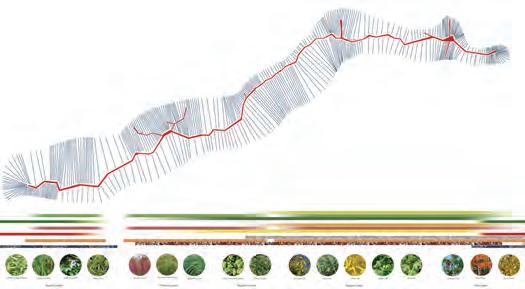
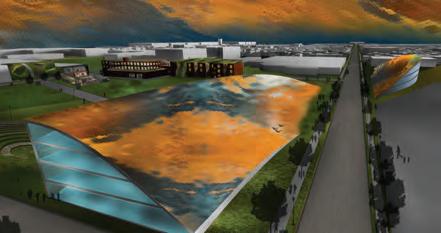
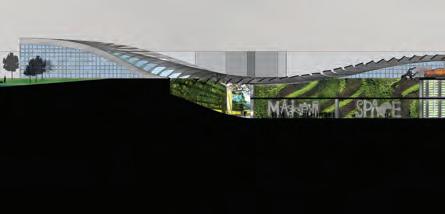
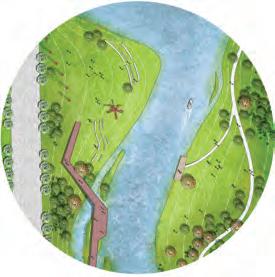
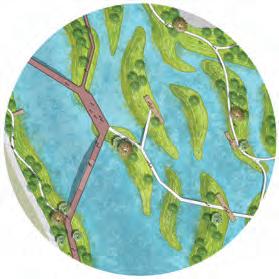
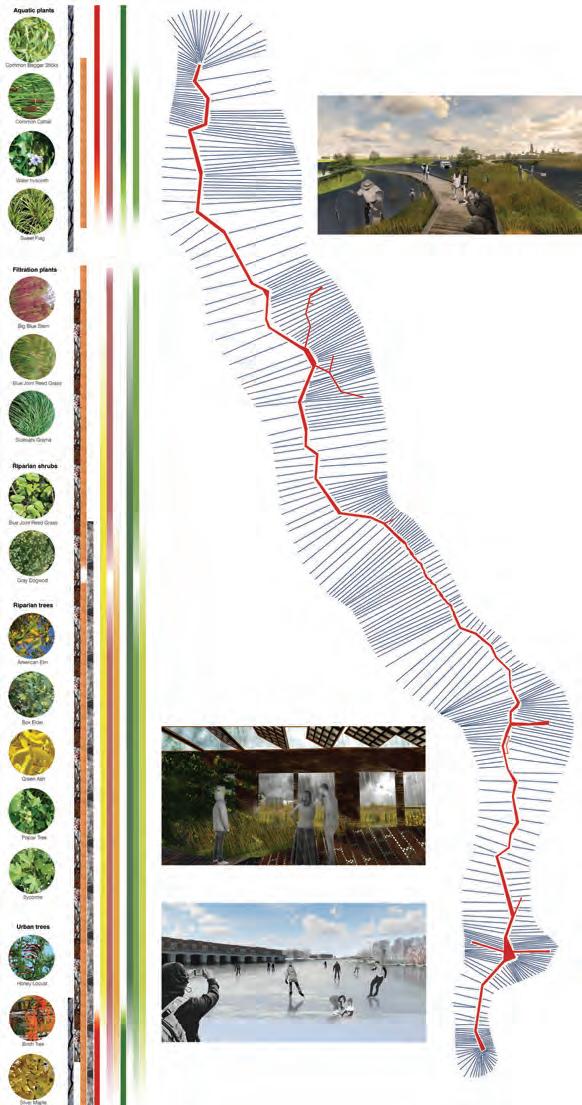
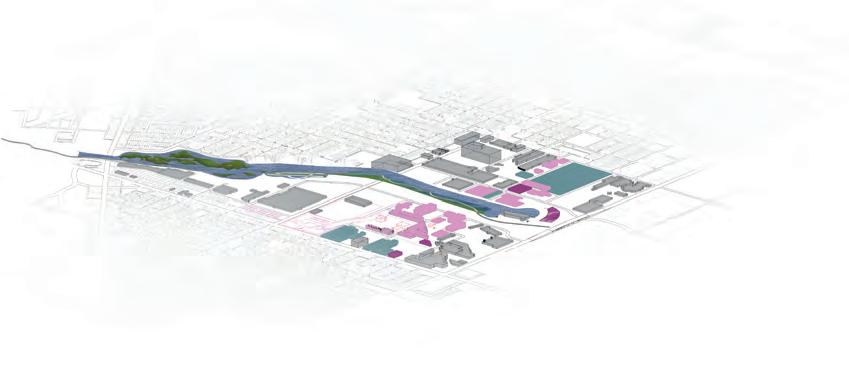
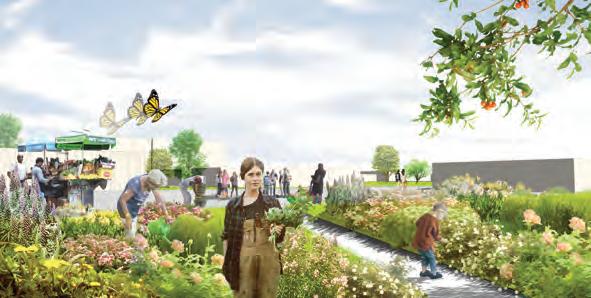
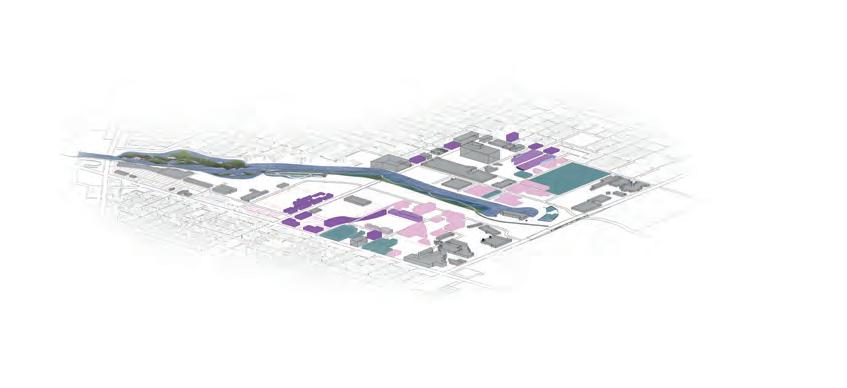
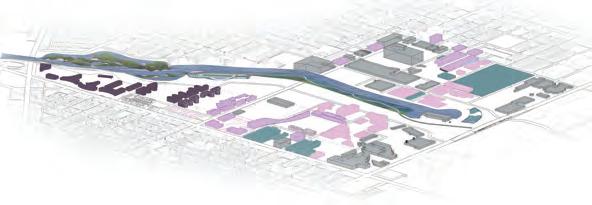
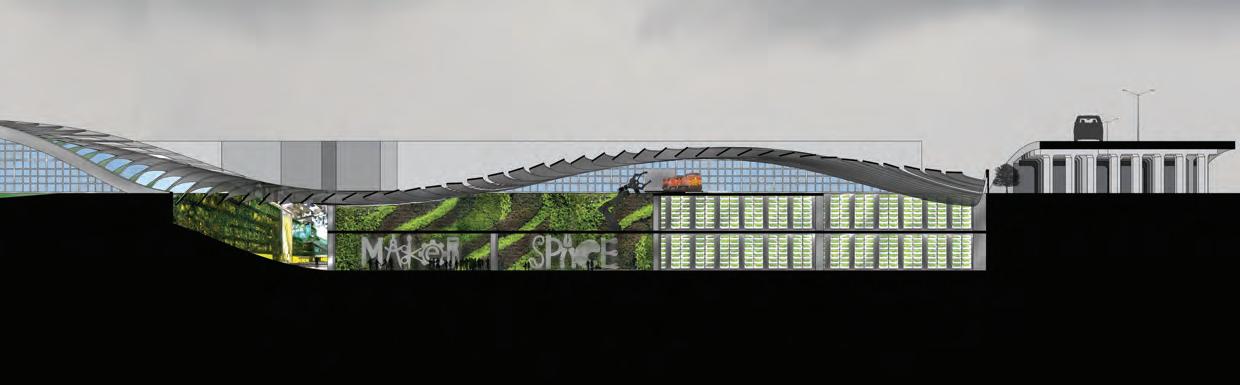
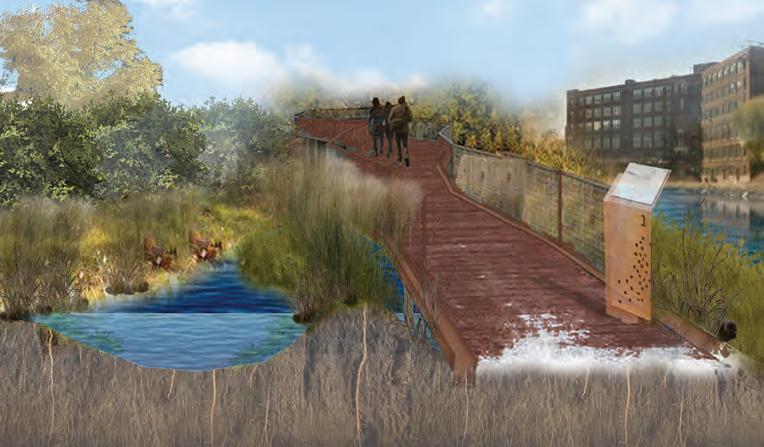
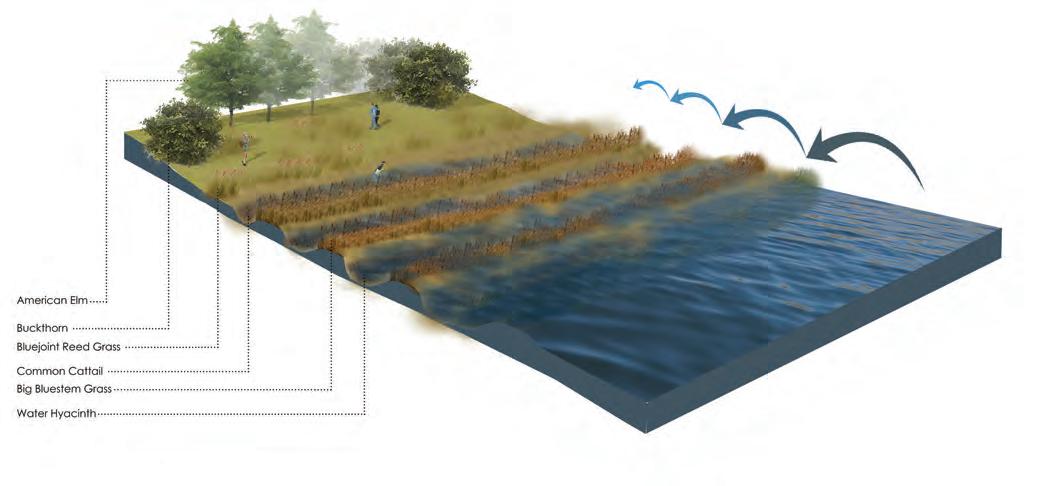
The eco-industrial zone is an orderly system of manufacturing, research, and workforce training. The mixeduse zone celebrates the community’s diversity and creativity through a food hub, urban farming, local food markets, and incubators. The eco-recreational corridor is the central attraction of our site along the bubbly creek making physical and functional connections between the other two zones. It incorporates a water treatment system that adds ecological and educational values to the site. The featured boardwalk connects the south and north ends of the site while adding multiple east-west connections, engaging people with the river and the environment. Through these connections established by the boardwalk, the site is transformed from a monotonous industry-dominated workplace to a dynamic urban eco-system with a lively social character, diminishing the barriers between industries and people through knowledge, engagement and recreation.






CTA Rail Station
Filteration Zone
Eco/Recreational Corridor
Art/Recreational Zone
Light Industries + Office, Creative Space
High Tech + Heaby Industries
Research & Design
Distribution + Warehouses
Industrial Core
Processing + Distribution
Environmental Education & Community Center
Markets Incubators
Urban Farm +Green House
Mixed-used Zone

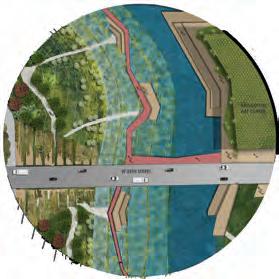
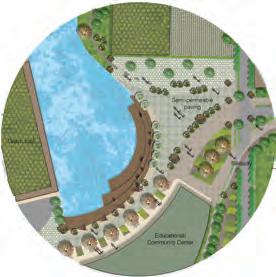
Summer Boardwalk Viewshed Experience and Seasonal Activities
Rainfall
Winter

Urban Farming Community Gardening
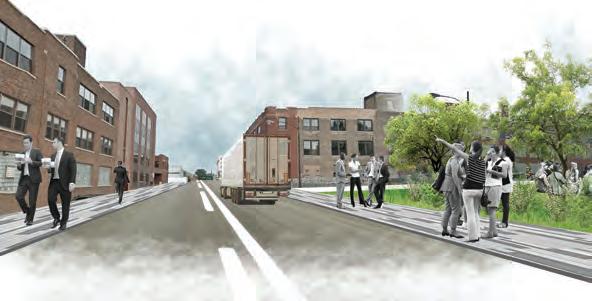
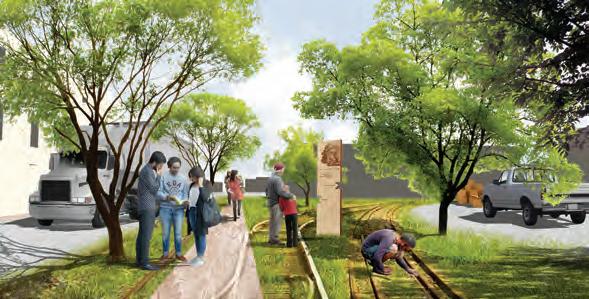
Industrial Core
Industrial Core
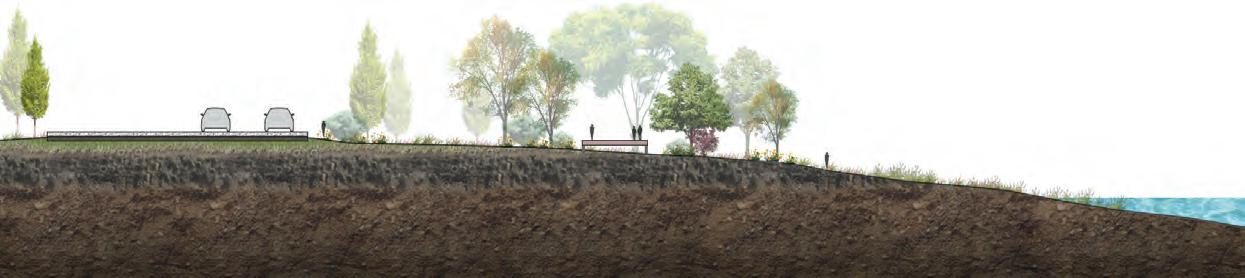
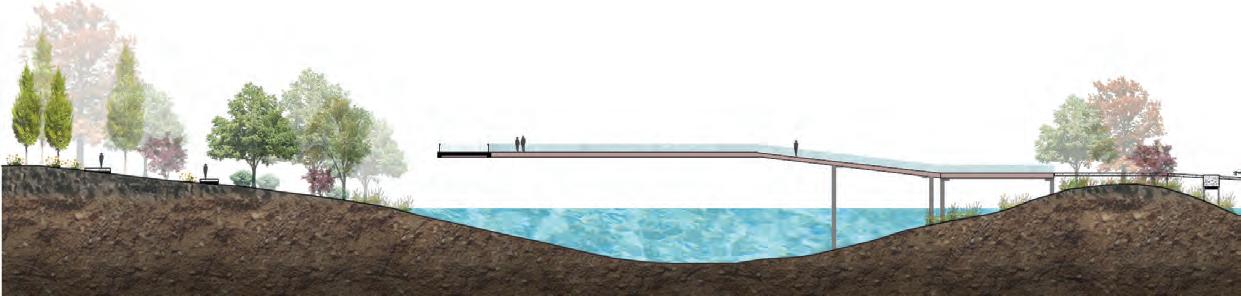
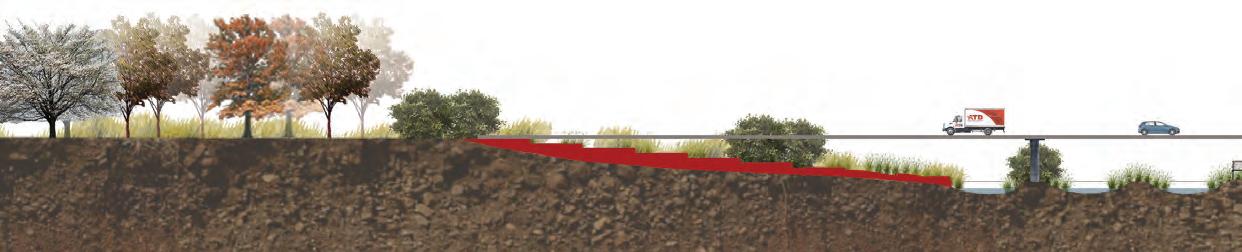
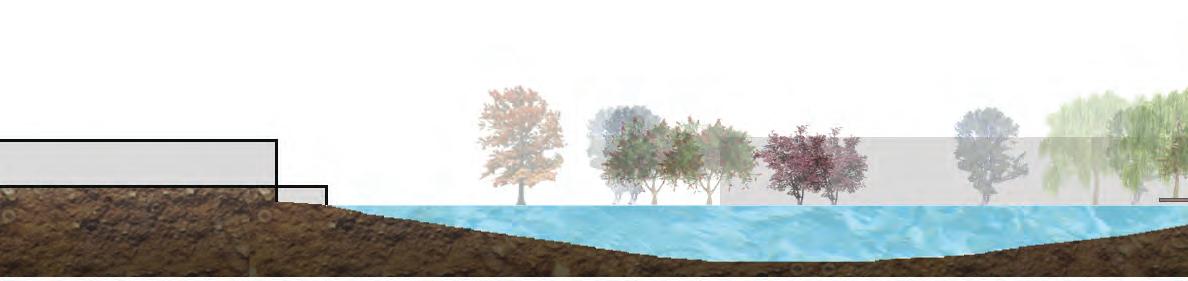
North Entrance
Filtration Zone
Art Center
South Entrance
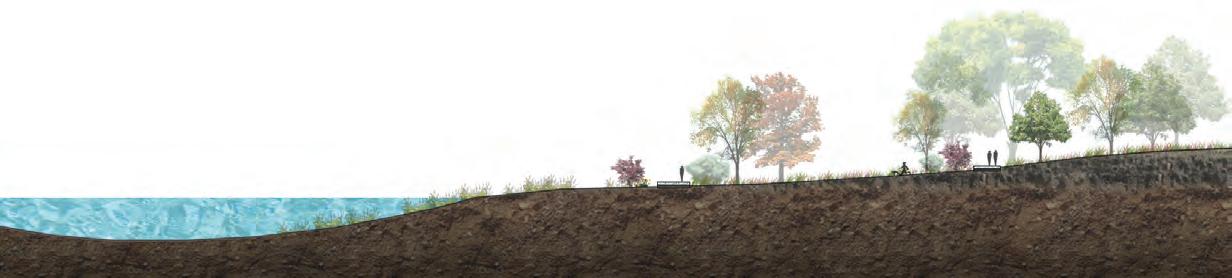
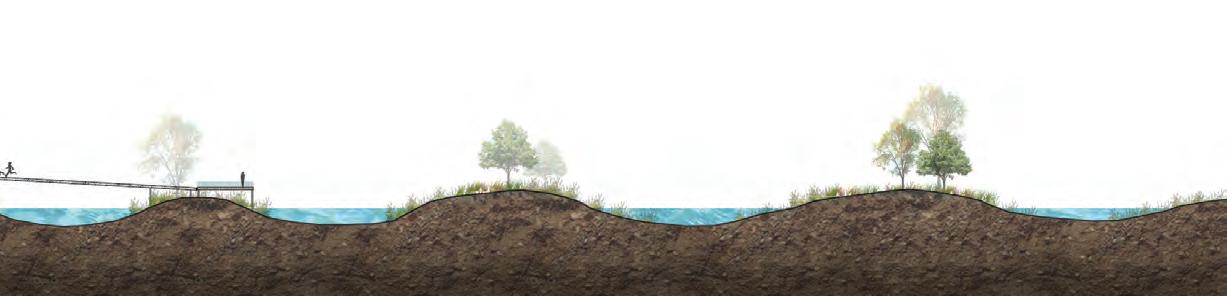
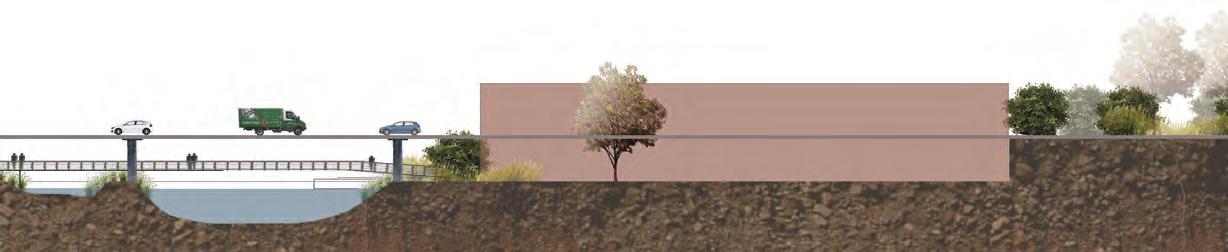
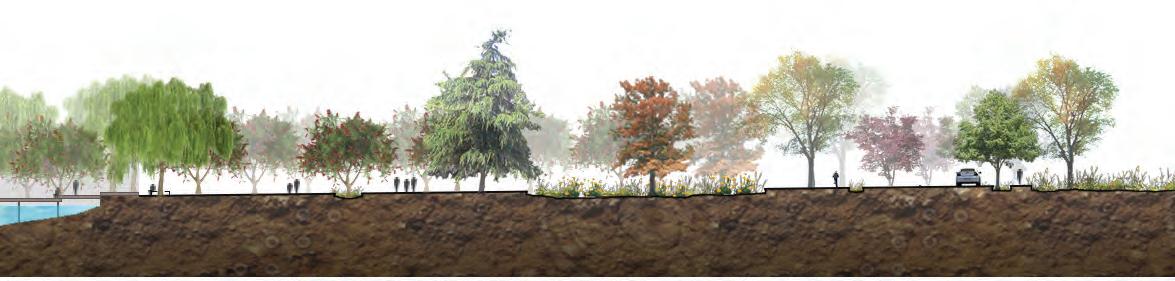
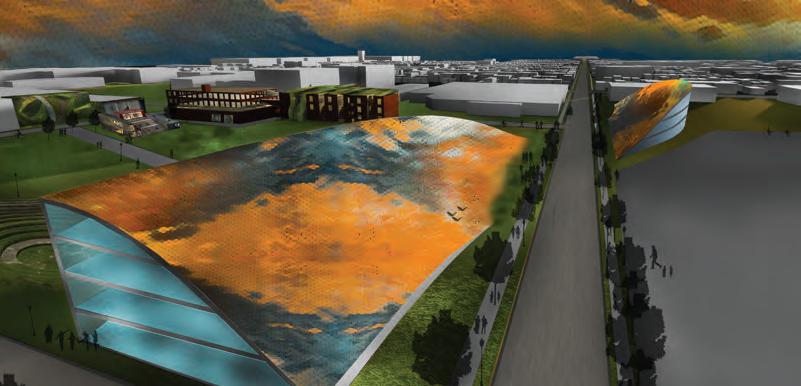
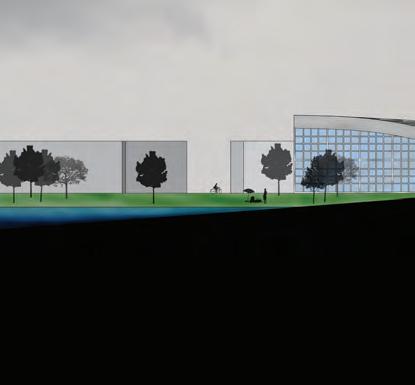

Boardwalk Experience: Openness
Boardwalk Experience: Enclosure
Water Remediation System
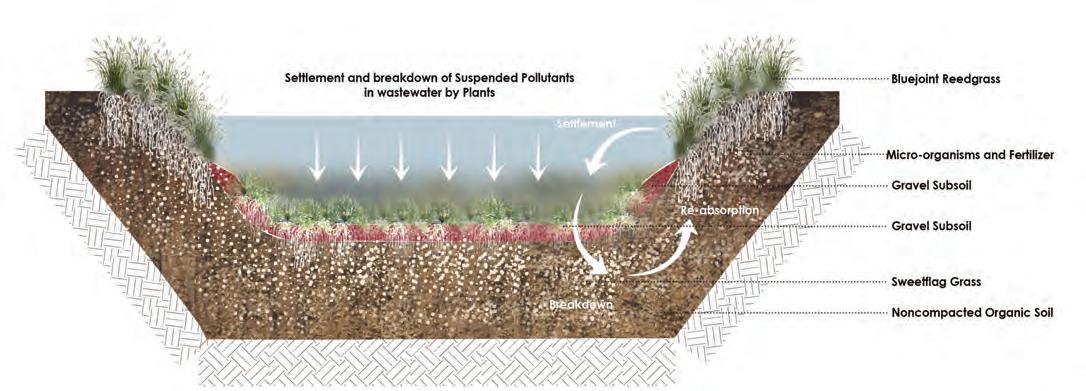
Vegetation Detail
Contributors
University of Illinois at Chicago
Department of Urban Planning and Policy
UPP 556 Urban Planning and Policy
Prof. Kheir Al-Kodmany
Merav Argov
Don Lee
Nivedha Jawahar
Lukas Kucinski
Meaghan O’Connor
Kalindi Parikh
Michael Podgers
Saadia Shah
Yunlong Shan
Pratichha Wagle
University of Illinois at Urbana-Champaign
School of Architecture
ARCH 574 The Urban Studio
Prof. Kevin Hinders
Eva Temporal Durán
Osiel Guzman
Himangshu Kedia
Sebastian Koth
Huaixuan Li
Patricia McKissack
David L. O’Donoghue
Marc Ponce
Andree Sahakian
Department of Landscape Architecture
LA 537 Studio V – The Chicago Studio
Prof. Conor O’Shea
TA: Kyung-Kuhn Lee
Xiangyun Cao
Saloni Chawla
Yizhen Ding
Yuting Gao
Sara Hadavi
David Huang
Yun Huang
Zhengge Jiang
Erika Johannesen
Ying “Yoda” Li
Manman Shao
Lei Wang
Sijia Yang
Shuyu Yin
Ye Yuan
Litong Zeng
Department of Urban and Regional Planning UP 494 Chicago Planning Studio
Prof. Robert Olshansky
Kalyani Agnihotri
Carol Brobeck
Dijia Chen
Claudlène Saint Vil
Richa Singh
College of Fine and Applied Arts, University of Illinois at Urbana-Champaign
Peter Mortenson, Interim Dean faa.illinois.edu
Illinois School of Architecture
Jeffrey S. Poss, Interim Director arch.illinois.edu
Department of Landscape Architecture
William Sullivan, Head landarch.illinois.edu
Department of Urban and Regional Planning
Daniel W. Schneider, Interim Head urban.illinois.edu
College of Urban Planning and Urban Affairs, University of Illinois at Chicago
Michael A. Pagano, Dean cuppa.uic.edu
Department of Urban Planning and Policy
Zorica Nedović-Budić, Head cuppa.uic.edu/academics/upp/
A strategic alliance between Academia and Practice has been established in downtown Chicago. This collaborative ‘intersection’ has yielded The Chicago Studio of the Illinois School of Architecture at the University of Illinois Urbana Champaign. This collaborative alliance has resulted in the unique projects and experiences illustrated in this book.