
Portfolio and CV EN

Page 1


Architect
Andrea Rivas Rodríguez

Architect

+49 176 7788 9505

Koppenstraße 25, 10243 Berlin rivas.rodriguez@campus.tu-berlin.de

linkedin.com/in/andrearvrz

Andrea Rivas Rodríguez

Professional experience

Latin America's project member

Urban Electric Mobility Initiative UEMI

Berlin, Germany

August 2024 - July 2025

• Research on electromobility in Latin America with a focus on gender mainstreaming

• Writing news articles and documents about the project E-Moviliza development

• Supporting on-site and online workshops on the Living Labs methodology and electromobility in Germany and Ecuador

Architect/Urban planner

Direction of Public Works and Infrastructure Government of Zapopan

Zapopan, Jalisco, Mexico

August 2022 - June 2023

• Conceptualization and participatory design of parks, sports facilities, and school renovation projects. Responsibility for approximately a dozen projects in collaborative processes with residents and user groups

• Visualization and presentation of design proposals for neighborhood meetings, making complex content understandable for diverse target groups

• Participation in the city's improvement plan, including the "Children's City" program (Ciudad de las niñas y los niños)

Ro! Architects Architecture intern

Tepic, Nayarit, Mexico

February 2021 - May 2021

• Production of building permit drawings for residential projects, including structural, hydraulic and electric details

• Developed design proposals, 3D models and space visualizations

• Visited construction sites, keeping reports

Volunteer experience

SauBer x WIR.DE

• Participation cleaning waste from public spaces

Rain gardens "Jardines de Lluvia"

Berlin, Germany

April 2026

Colima, Mexico

July 2020 - November 2020

• Participation in the design and implementation of the first urban rain garden in Colima

Student initiative for social engagement

Guanajuato, Mexico

December 2018

• Architectural design as part of the team for the main square of the municipality of Jalpa, Guanajuato

Software

• MS-Office - very good

• Adobe Creative Suite - very good

• Affinity - very good

• AutoCAD - very good

• SketchUp - very good

• Revit - good

• Enscape - good

• Lumion - good

Master of Architecture Typology

Technichal University of Berlin

Berlin, Germany

October 2023 - April 2026

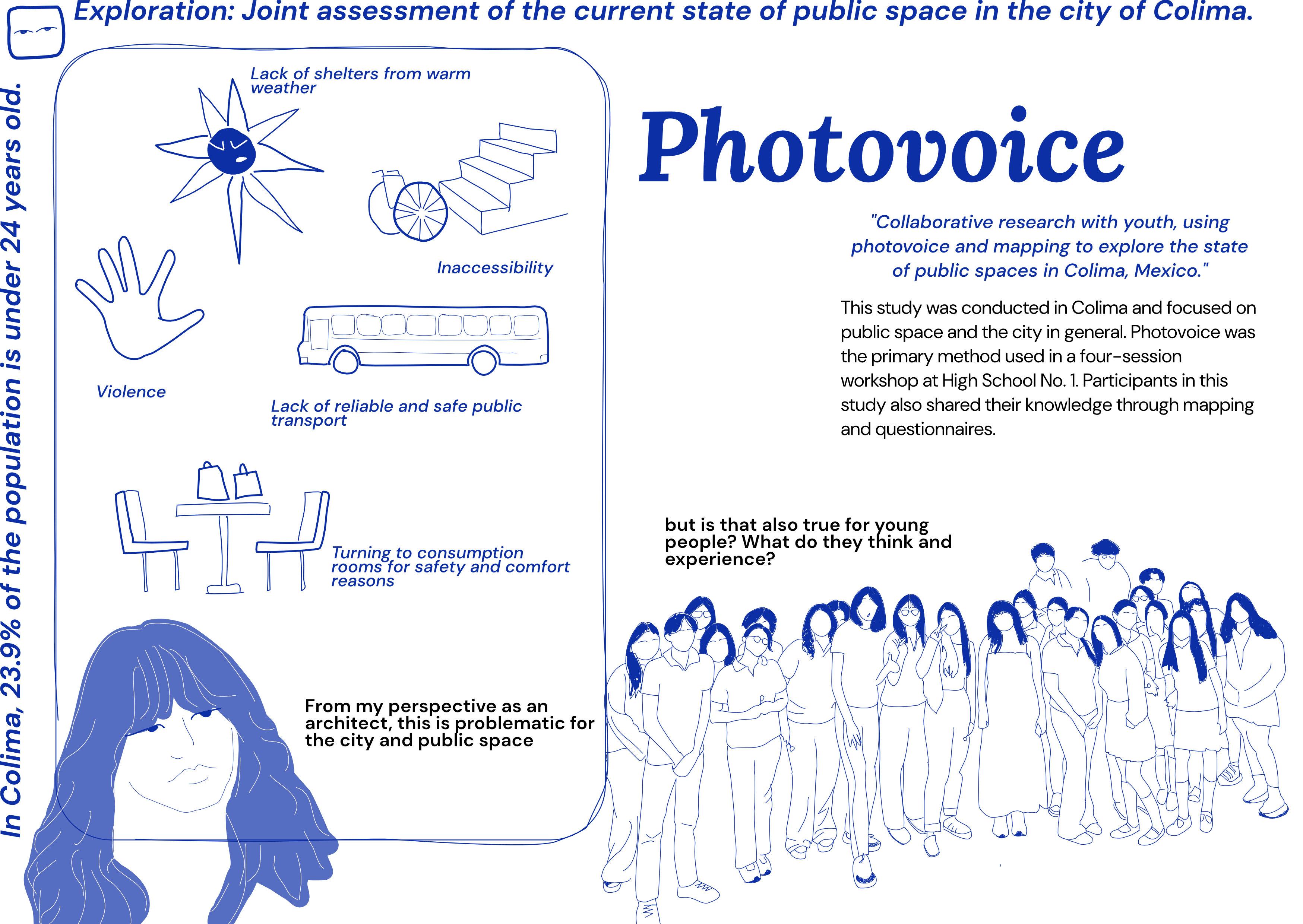
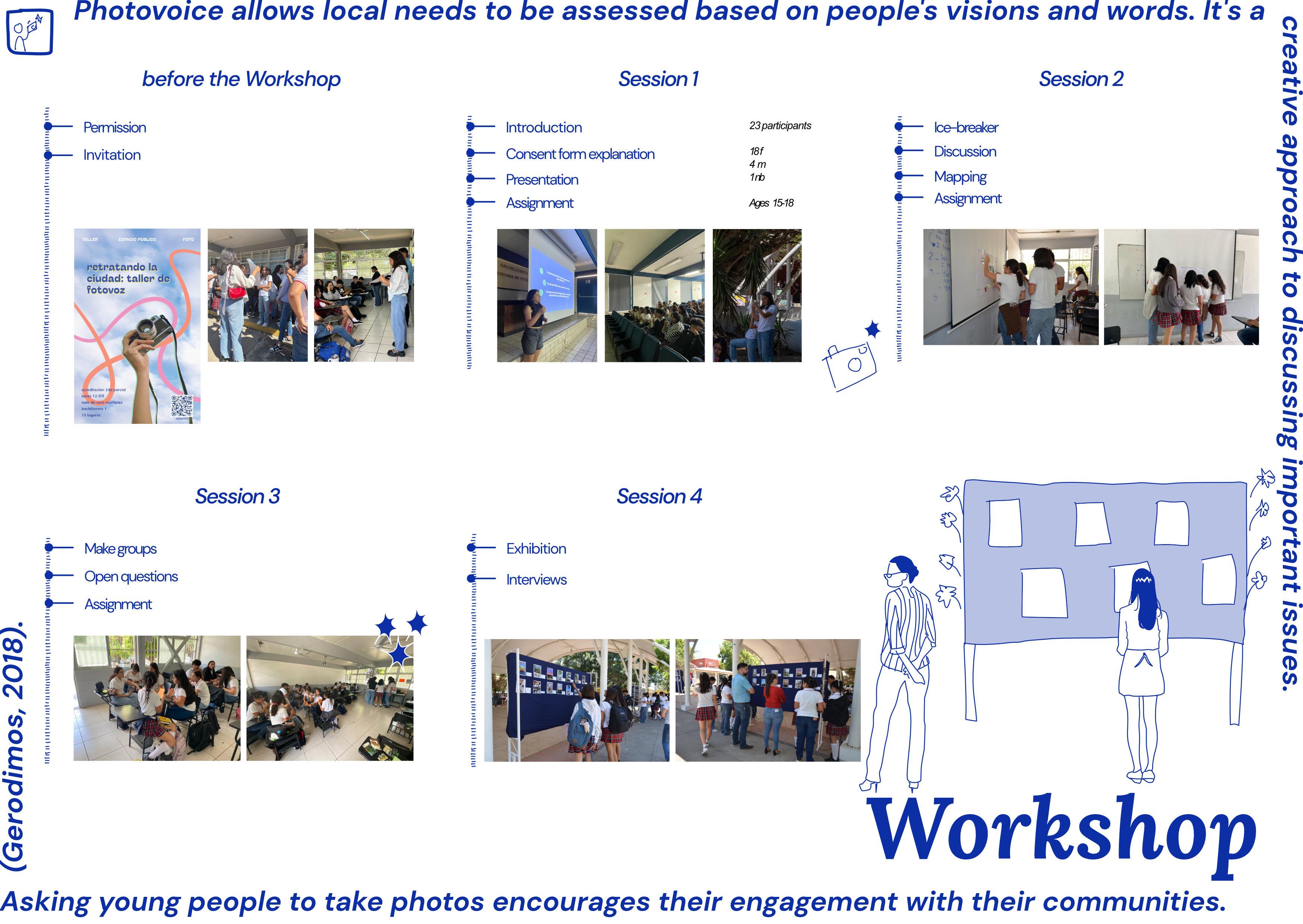
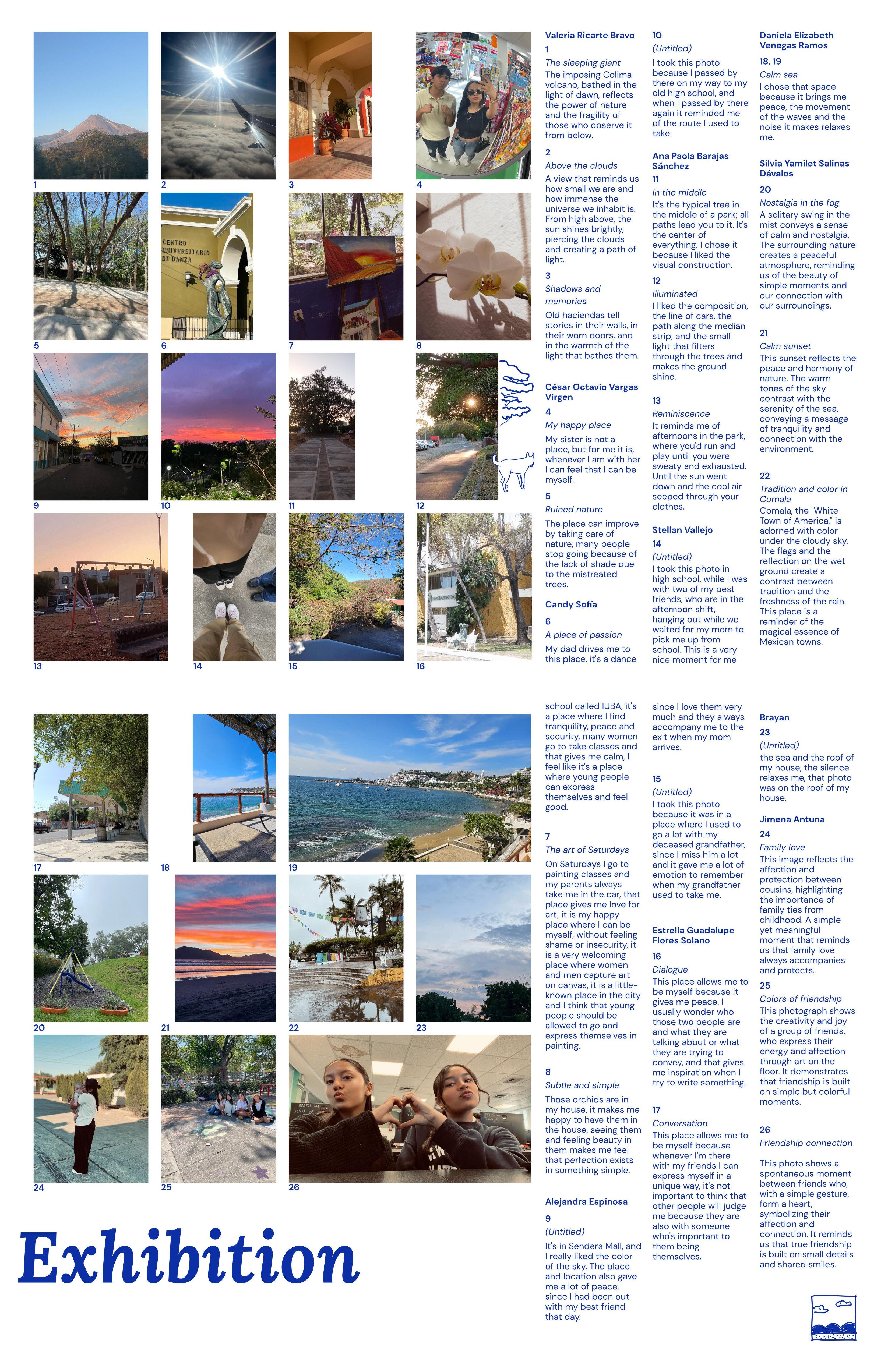
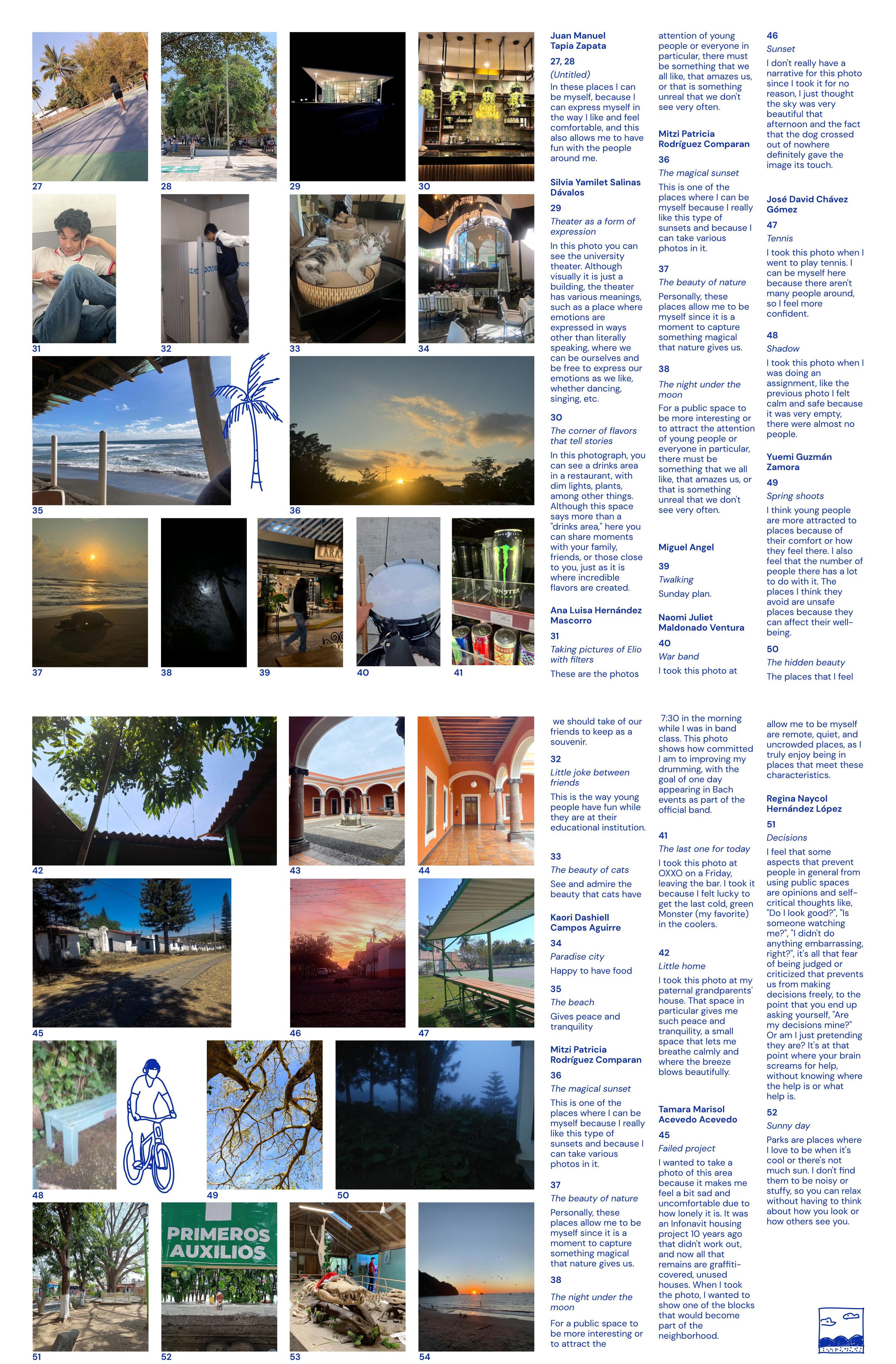
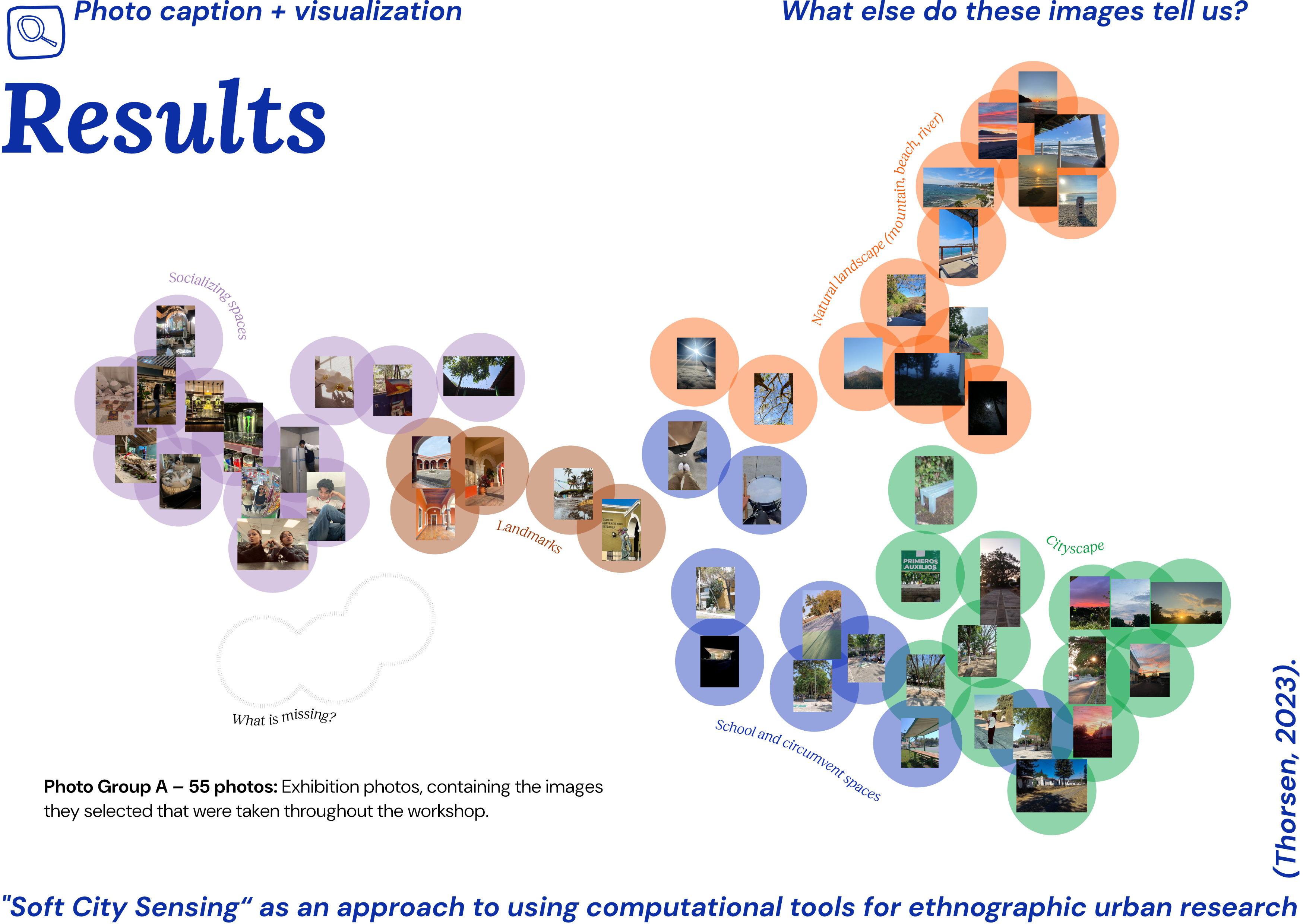
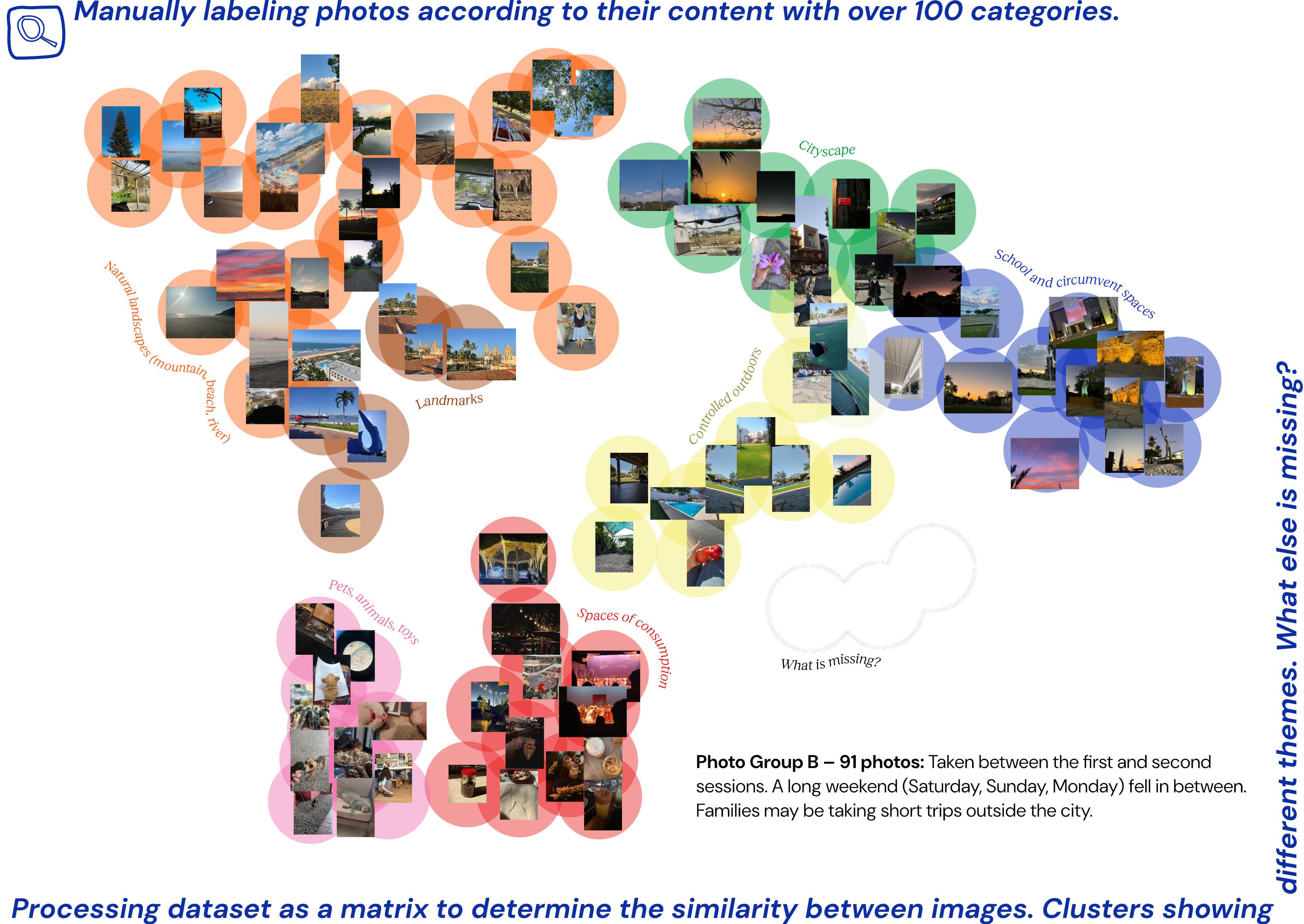
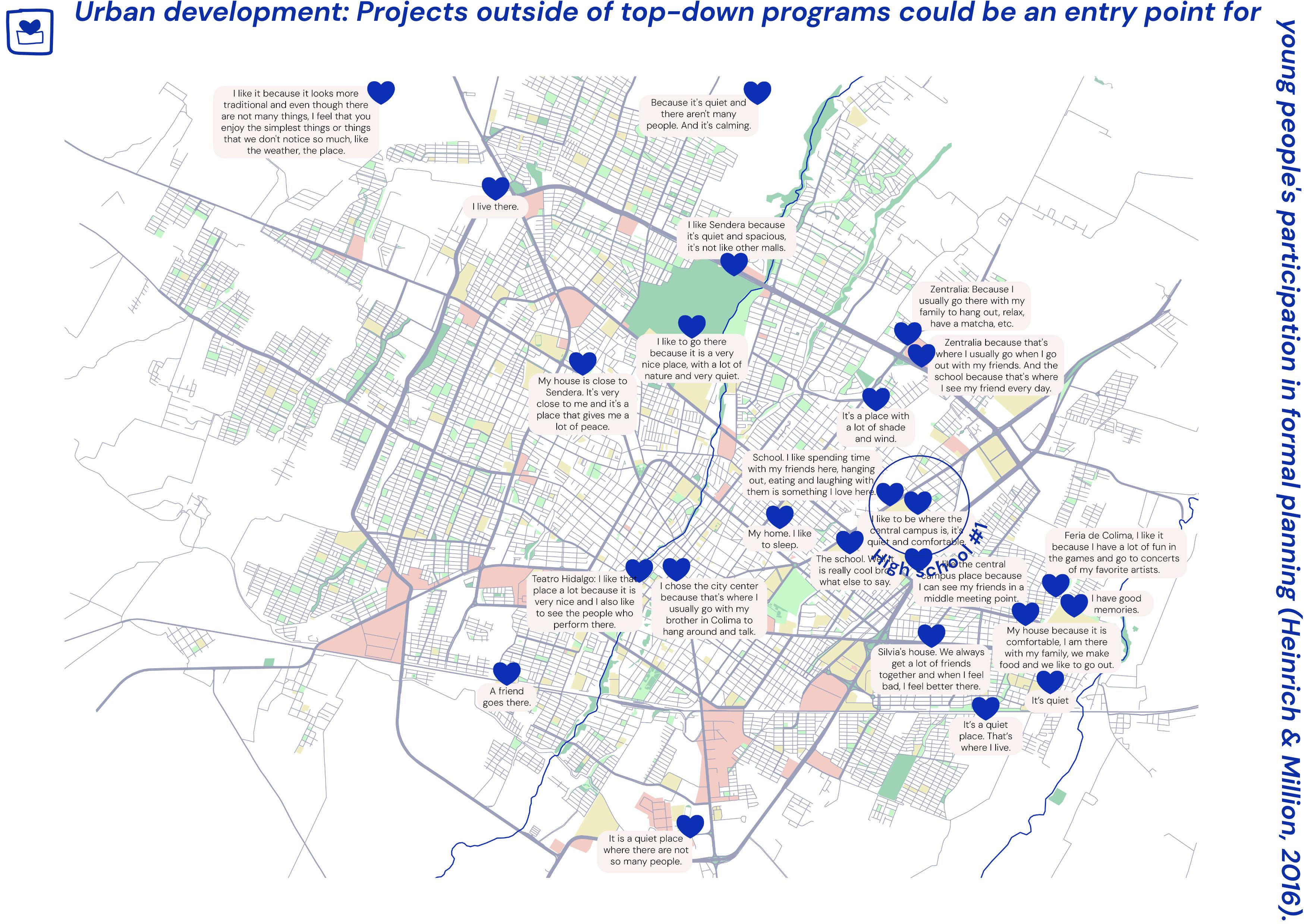
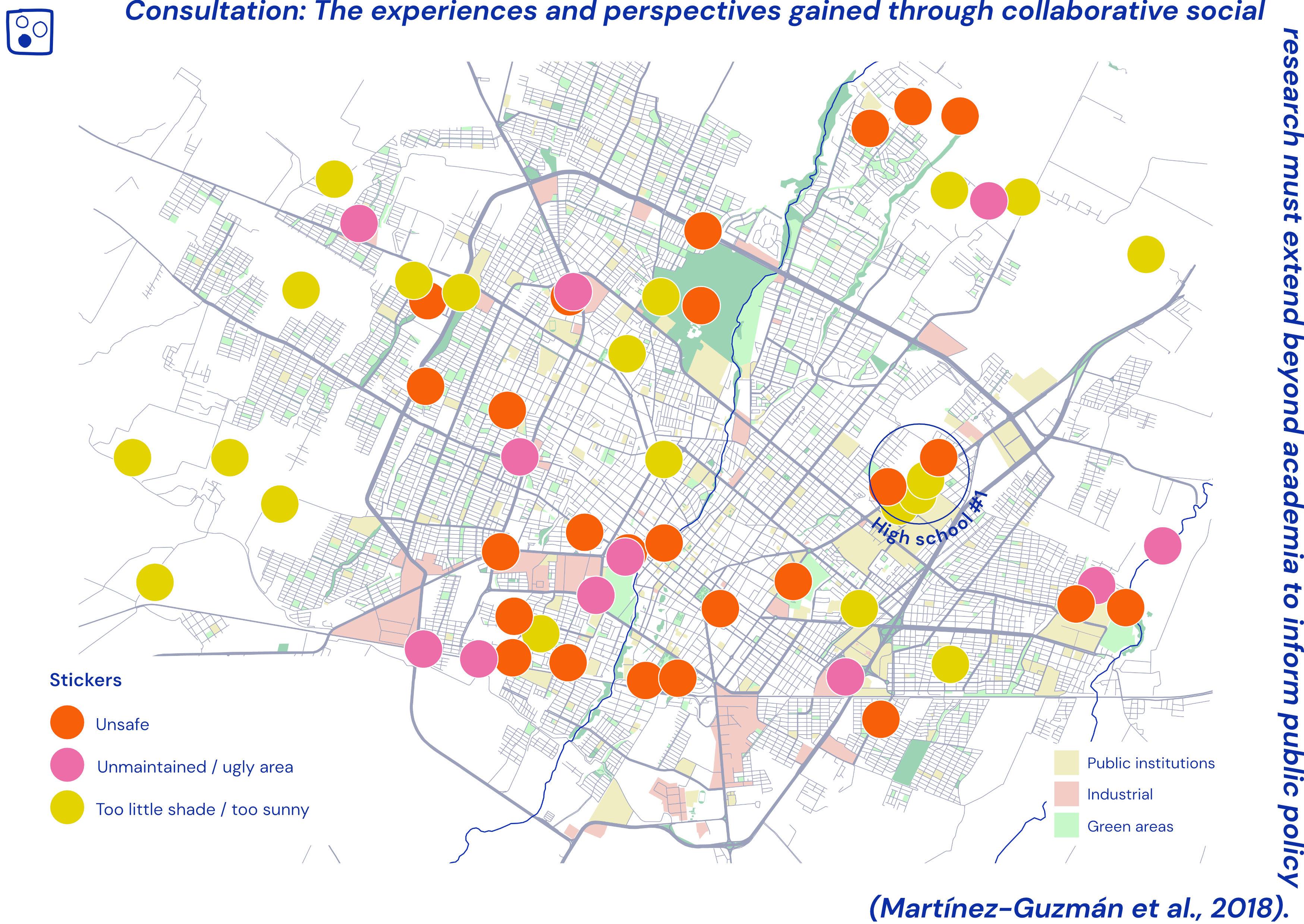
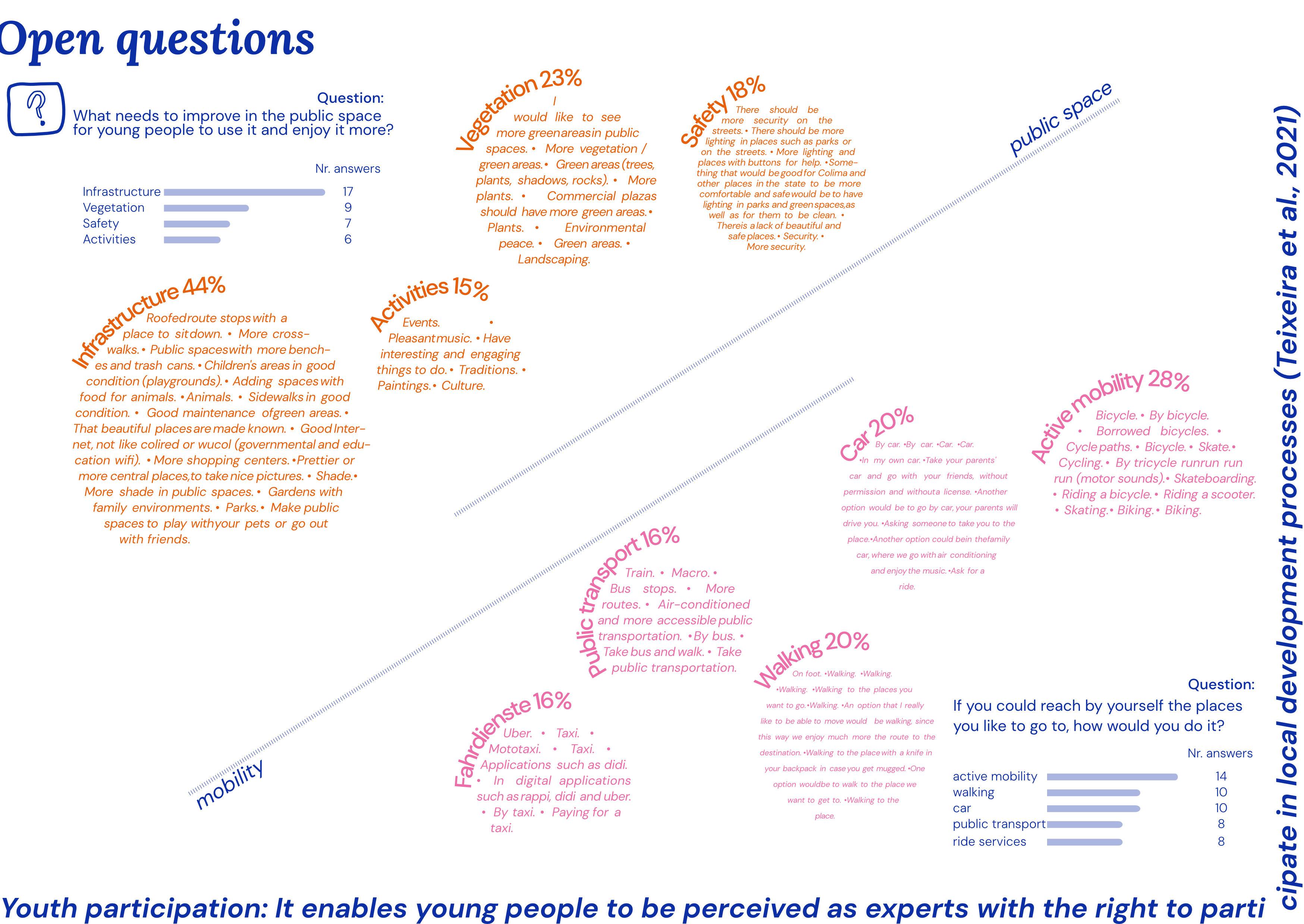
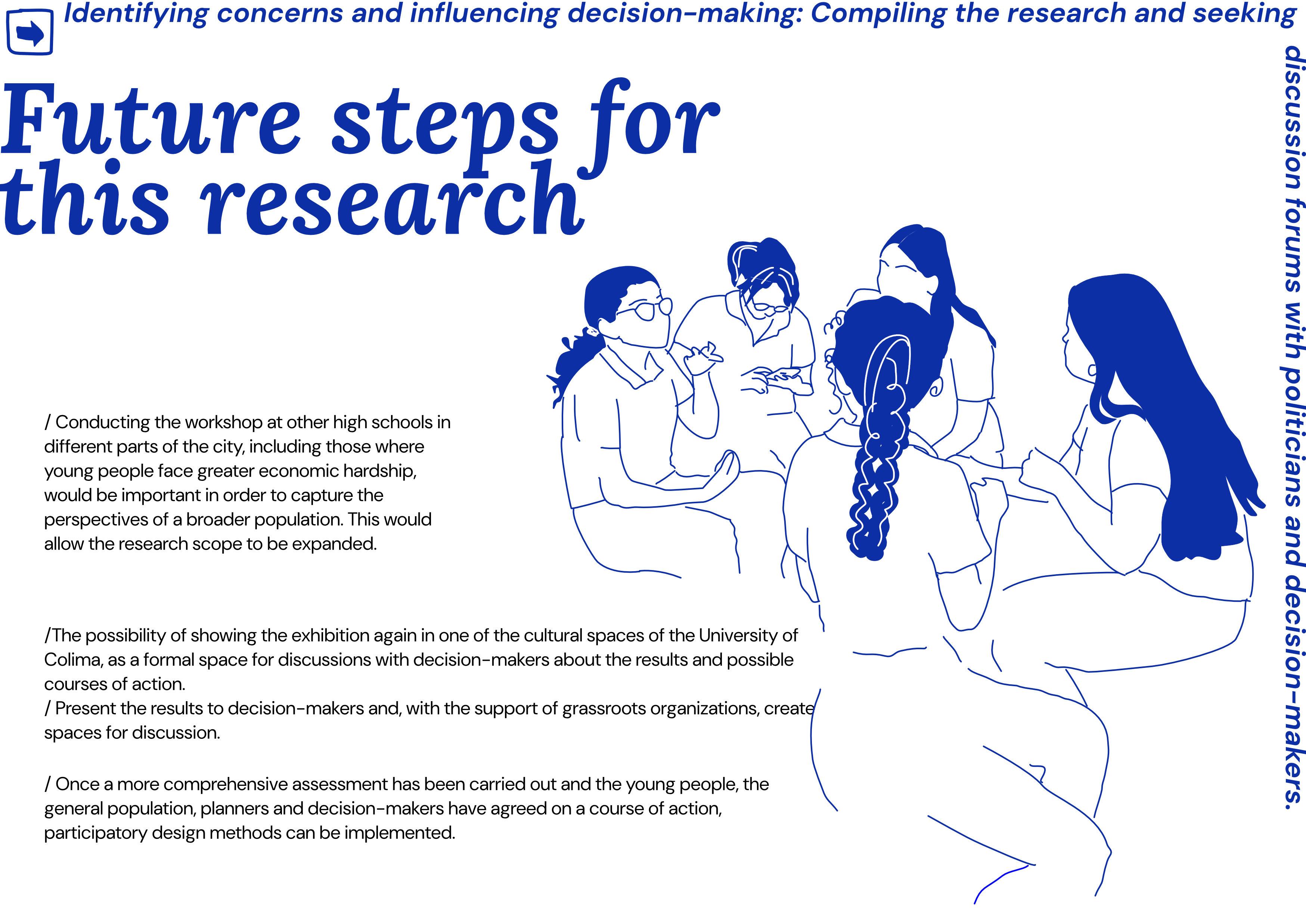
• Thesis "Collaborative research with youth, using photovoice and mapping to explore the state of public spaces in Colima, Mexico", with the aim of institutional cooperation for urban development, especially of public space

• Expected final grade: 1,3. Relevant coursework: Kiosk of Solidarity, Redesigning Potsdamer Platz, SectorCoupling Living Labs

• MITx course: "Transformative Living Labs in Urban Climate Action and Transportation Planning"

Bachelor of Architecture

University of Colima

Colima, Mexico

August 2016 - October 2021

• Thesis „Rain gardens design as a stormwater management practice in a warm sub-humid climate city"

• Final grade: 1,4. Relevant coursework: Bioclimatic architecture, creating charts and studies for various climates

Semester abroad

Ewha Womans University

Seoul, South Korea

August 2019 - December 2019

• Courses: Urban Design Studio, Introduction to Urban Infrastructure Systems, Modern Landscape Painting.

Research summer at Benemérita Universidad Autónoma de Puebla

DELFÍN Research summer XXIII

Puebla, Mexico

July 2018 - August 2018

• Research topic “Heritage Accessibility for the Visually Impaired and Blind in the Historic Center of Puebla”

• Presented the team’s work at the National Convention of the XXIII Summer for Scientific and Technological Research from the Pacific, DELFÍN 2018

• Testing the models with visually impaired and blind people to present and explain a haptic model recovering qualitative data

Scholarships and awards

Postgraduate scholarship for Master's and doctoral studies in the natural sciences and humanities abroad 2024 from the Mexican Secretariat for Science, Humanities, Technology and Innovation

Honorable mention for the thesis: „Rain gardens design as a stormwater management practice in a warm sub-humid climate city”

Peña Colorada Prize 2021 for the best grades

Languages
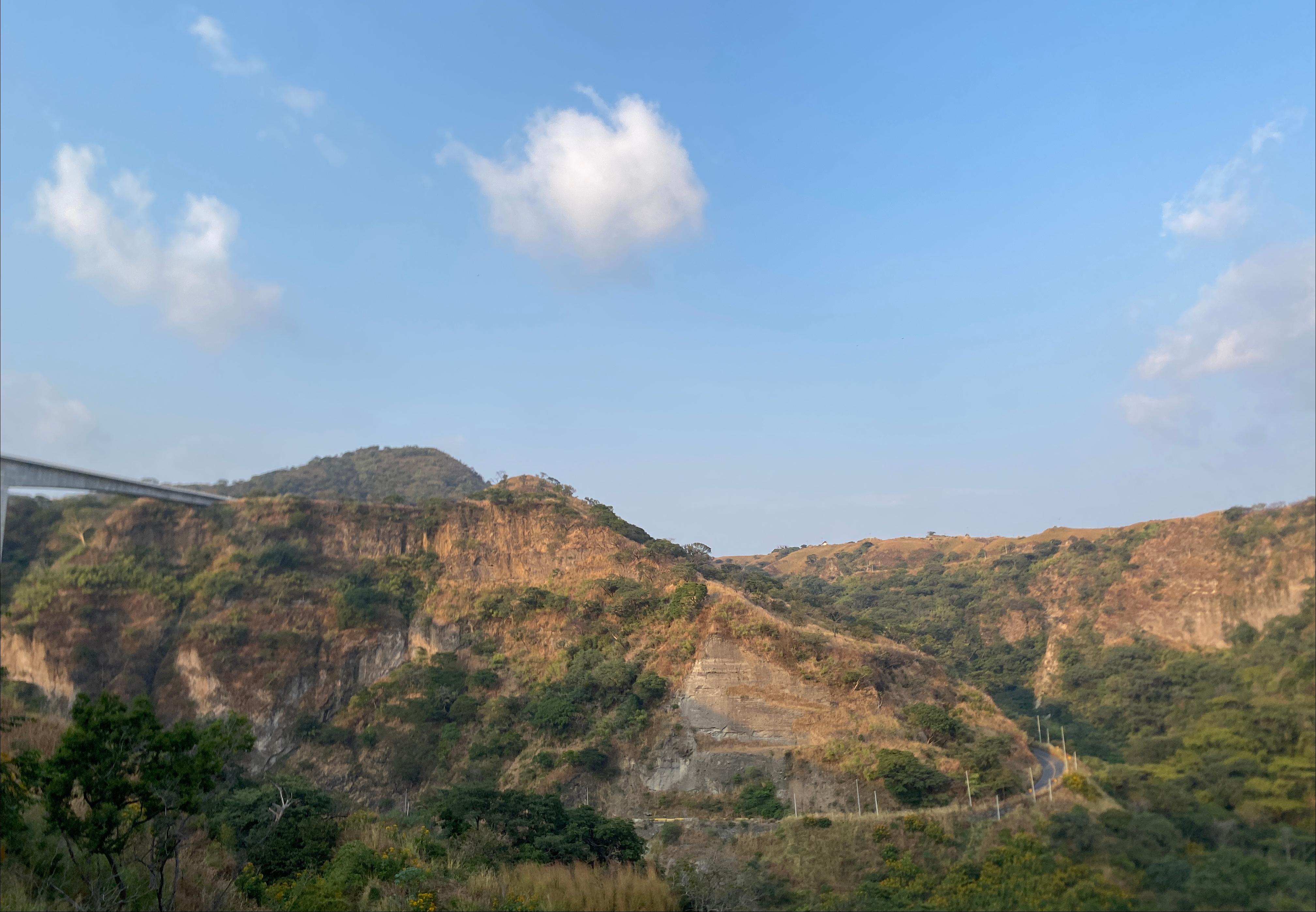
our city

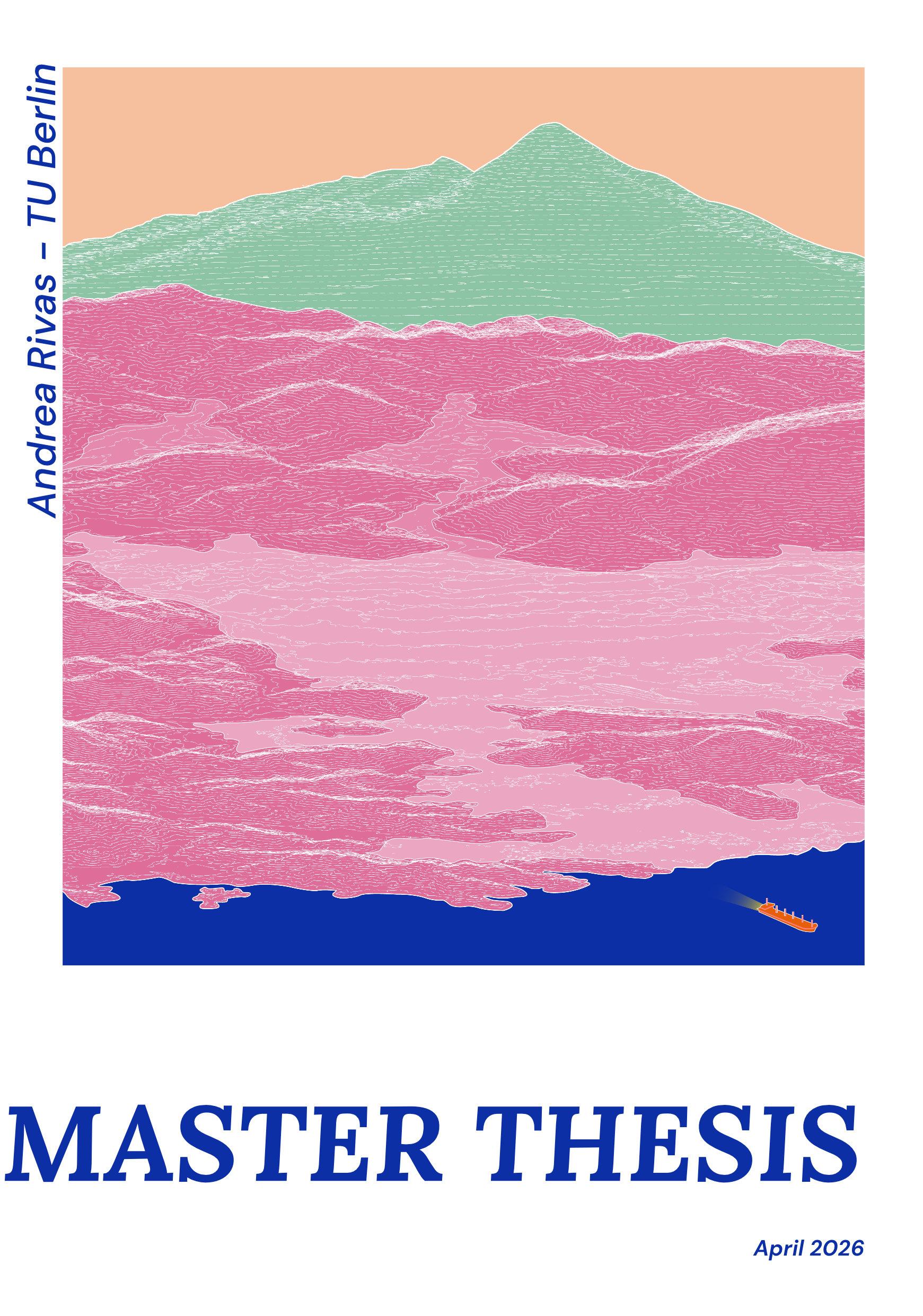
"Collaborative research with youth, using photovoice and mapping to explore the state of public spaces in Colima, Mexico"

1. Supervisor

Prof. Dr. Anke Hagemann

Master thesis

2. Supervisor

Dr. Juliane Heinrich Mentor

Dr. Juliana Canedo

Submission - April 2026
Picturing

Redesigning Potsdamer Platz

Studio WiSe 24/25

Professor Silvan Linden

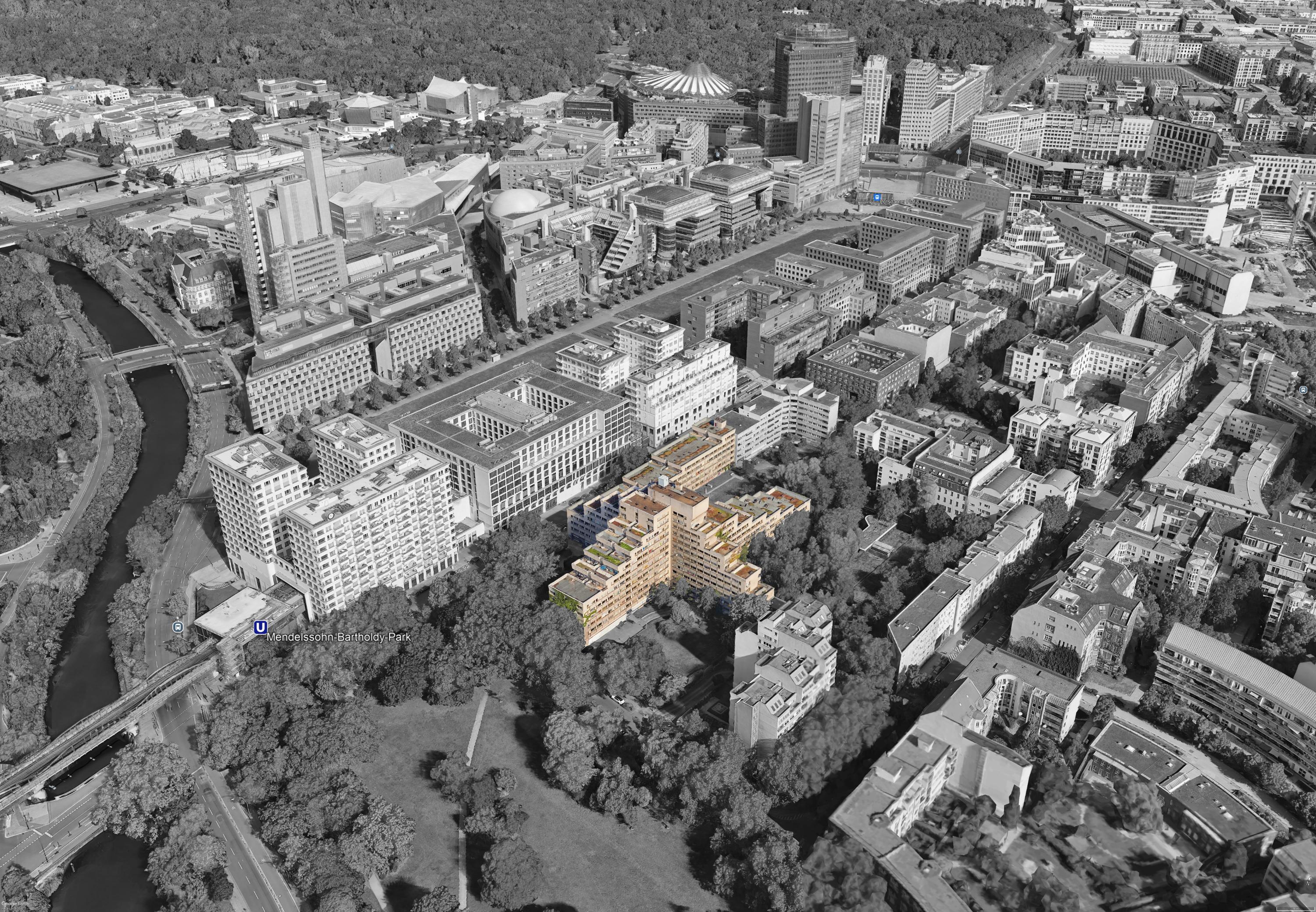
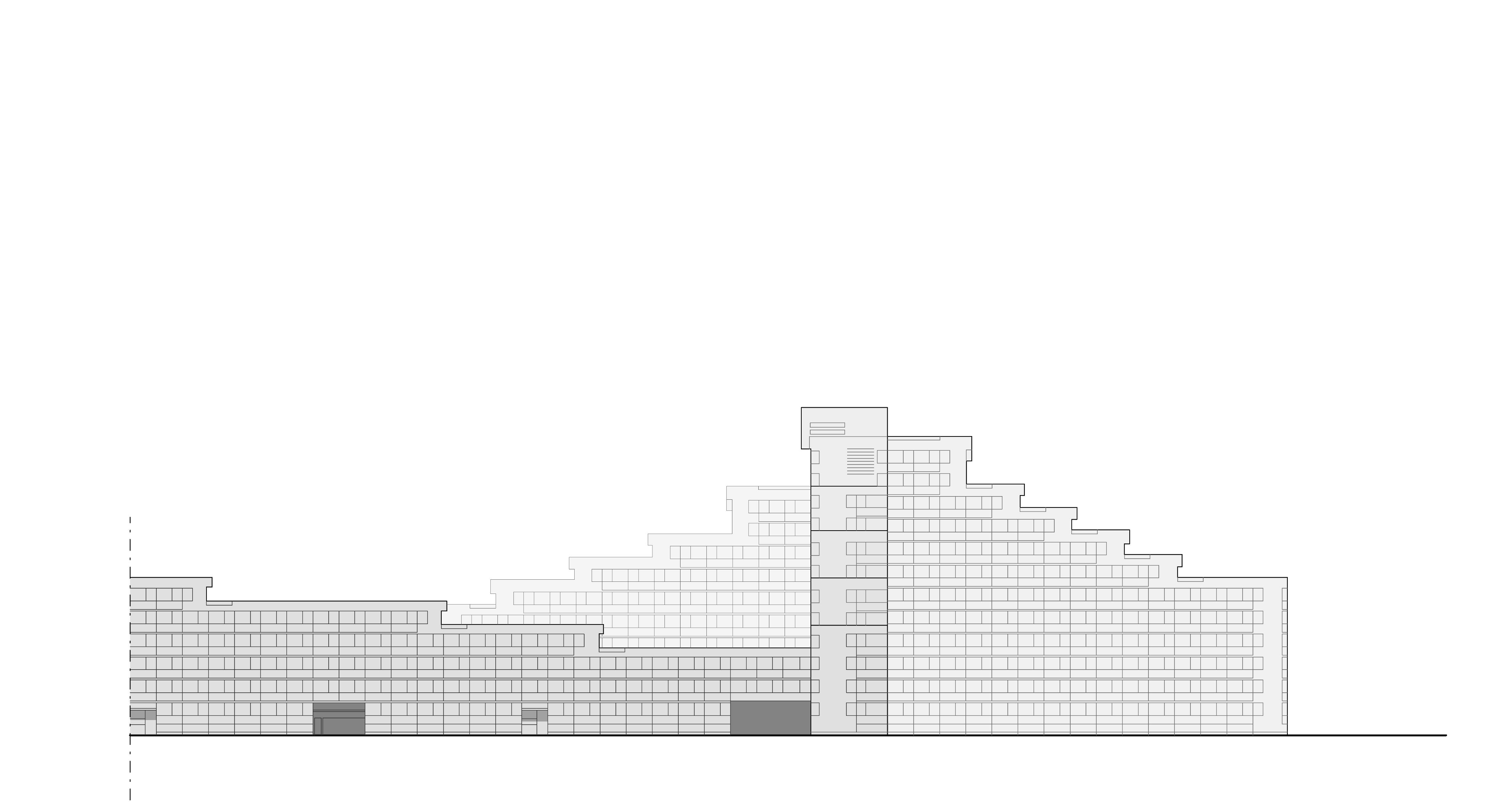
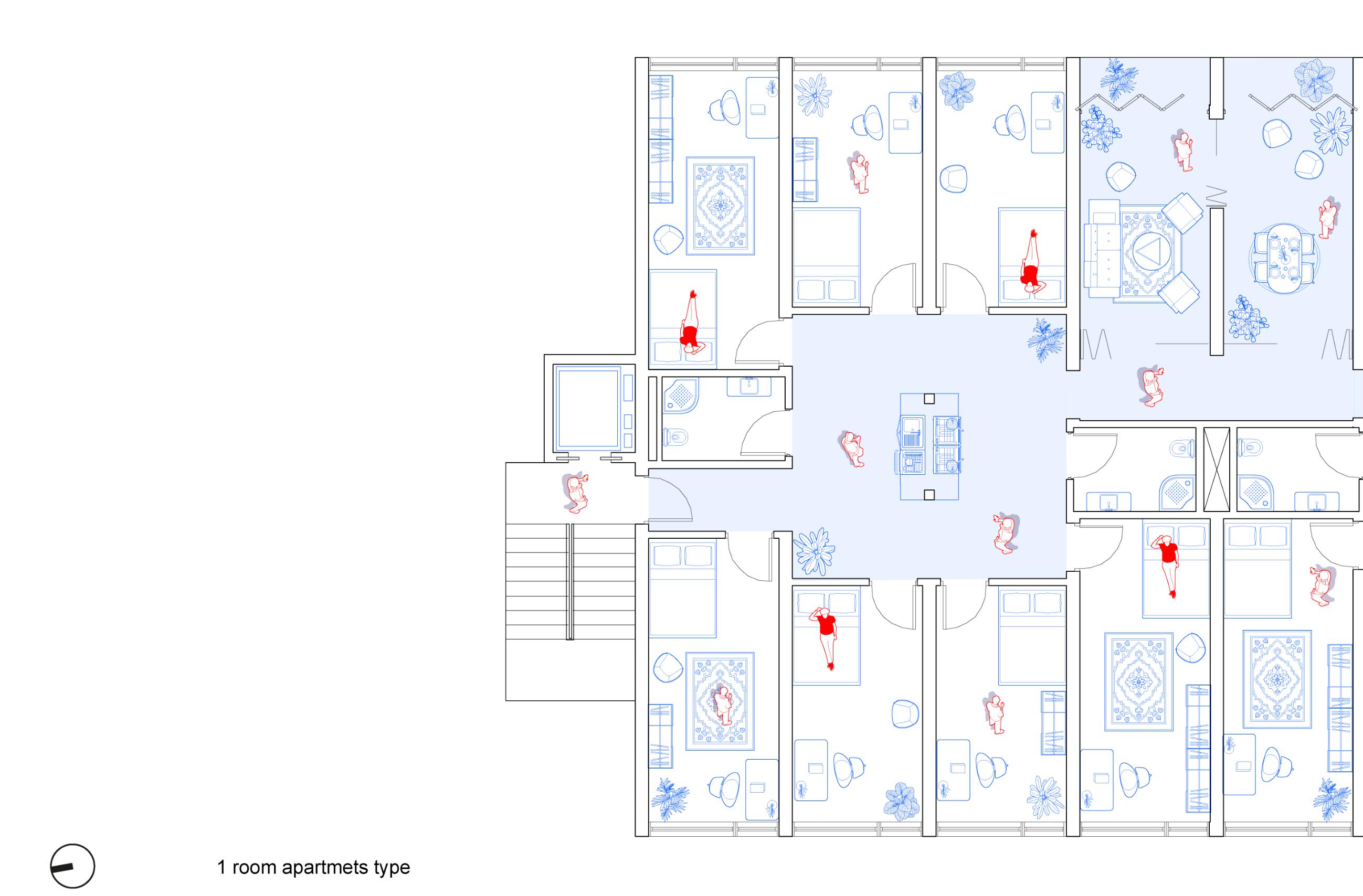
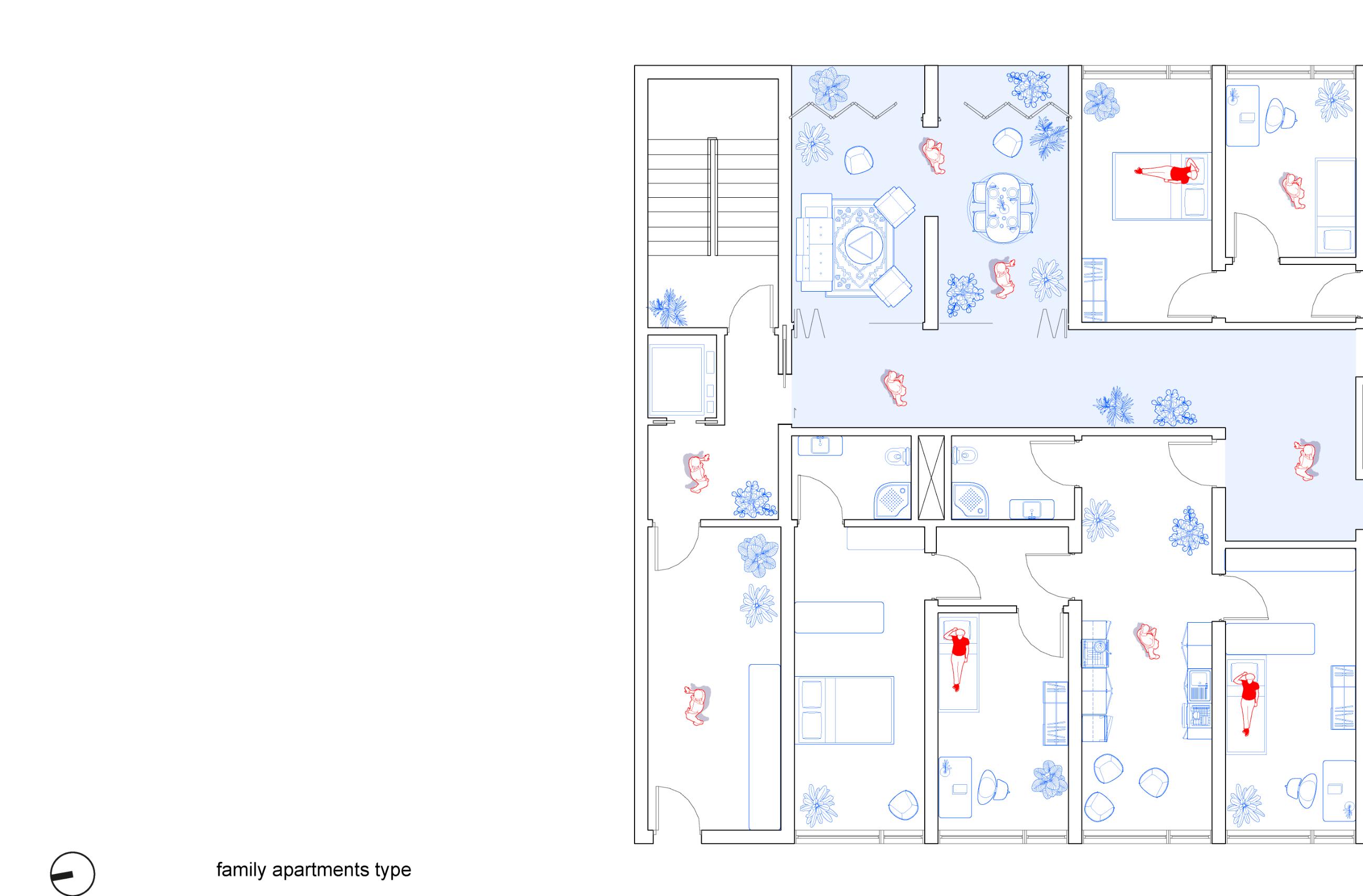
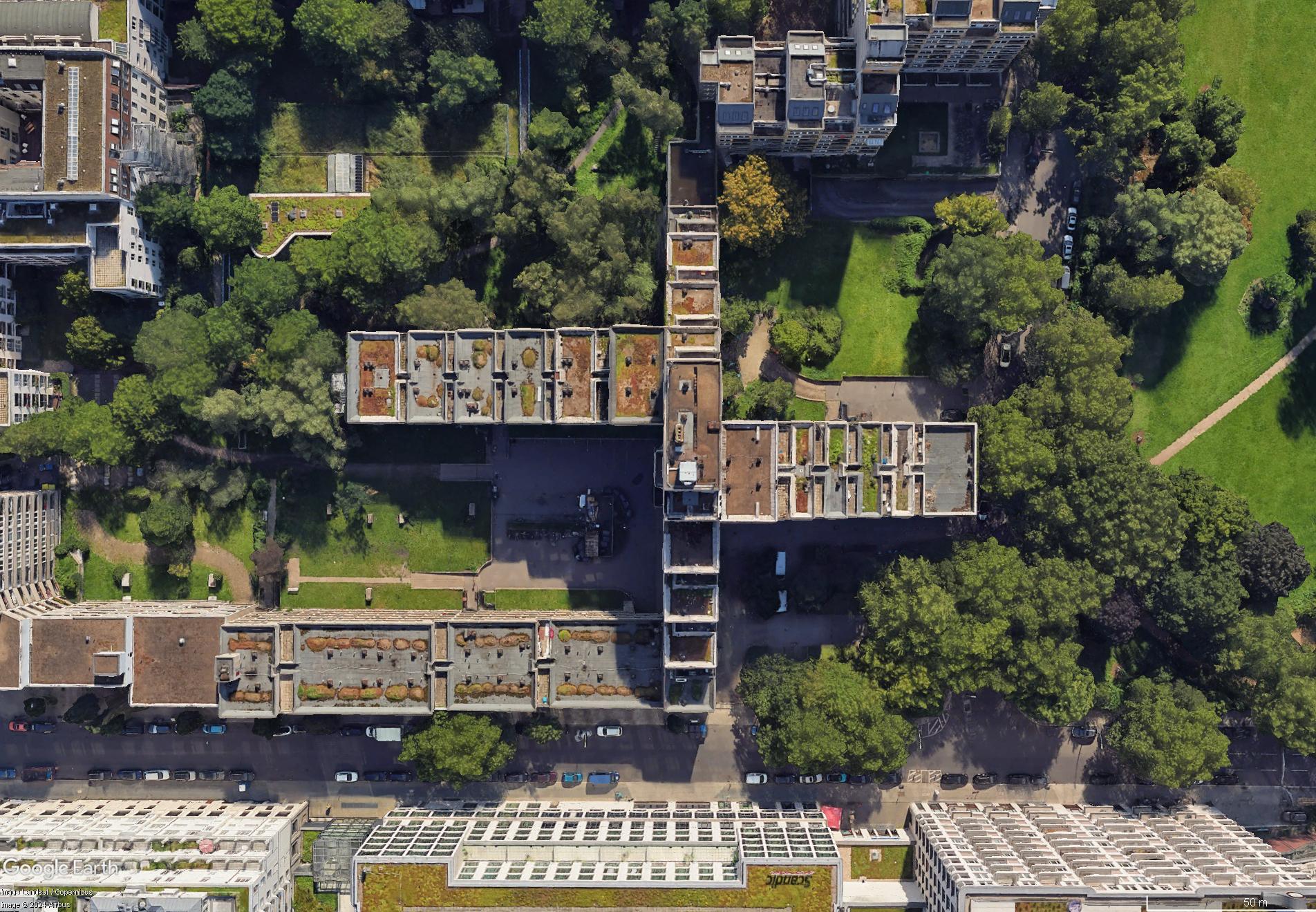
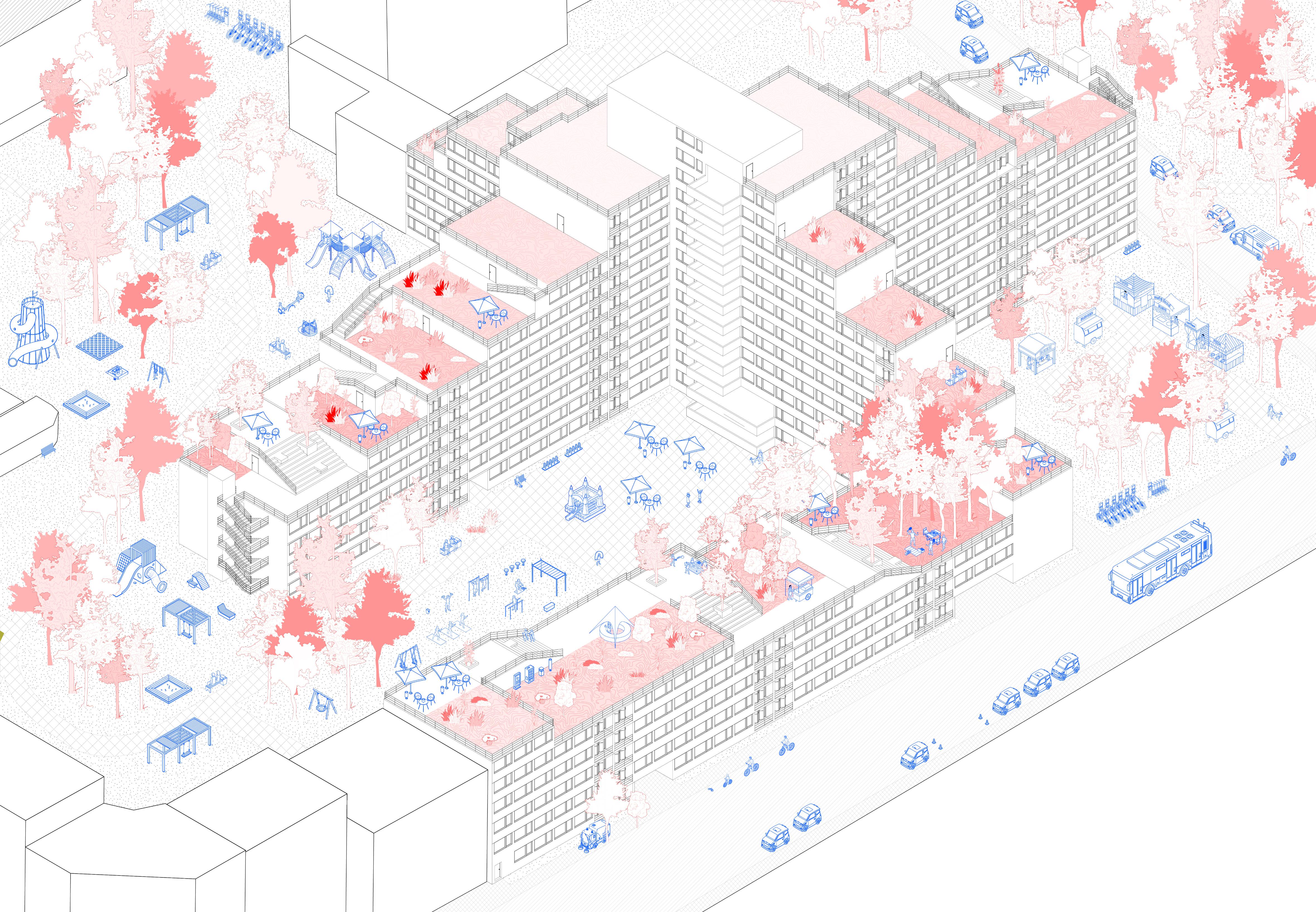
The student residence at Hafenplatz has long been the focus of public debate in Berlin. The question repeatedly arises whether densification and reorganization of the neighborhood are sensible, whether complete demolition should be considered, or whether further development is possible without displacing the current residents. Development plans already exist for the block, examining various strategies. Nevertheless, many tenants fear losing their homes and being permanently displaced.

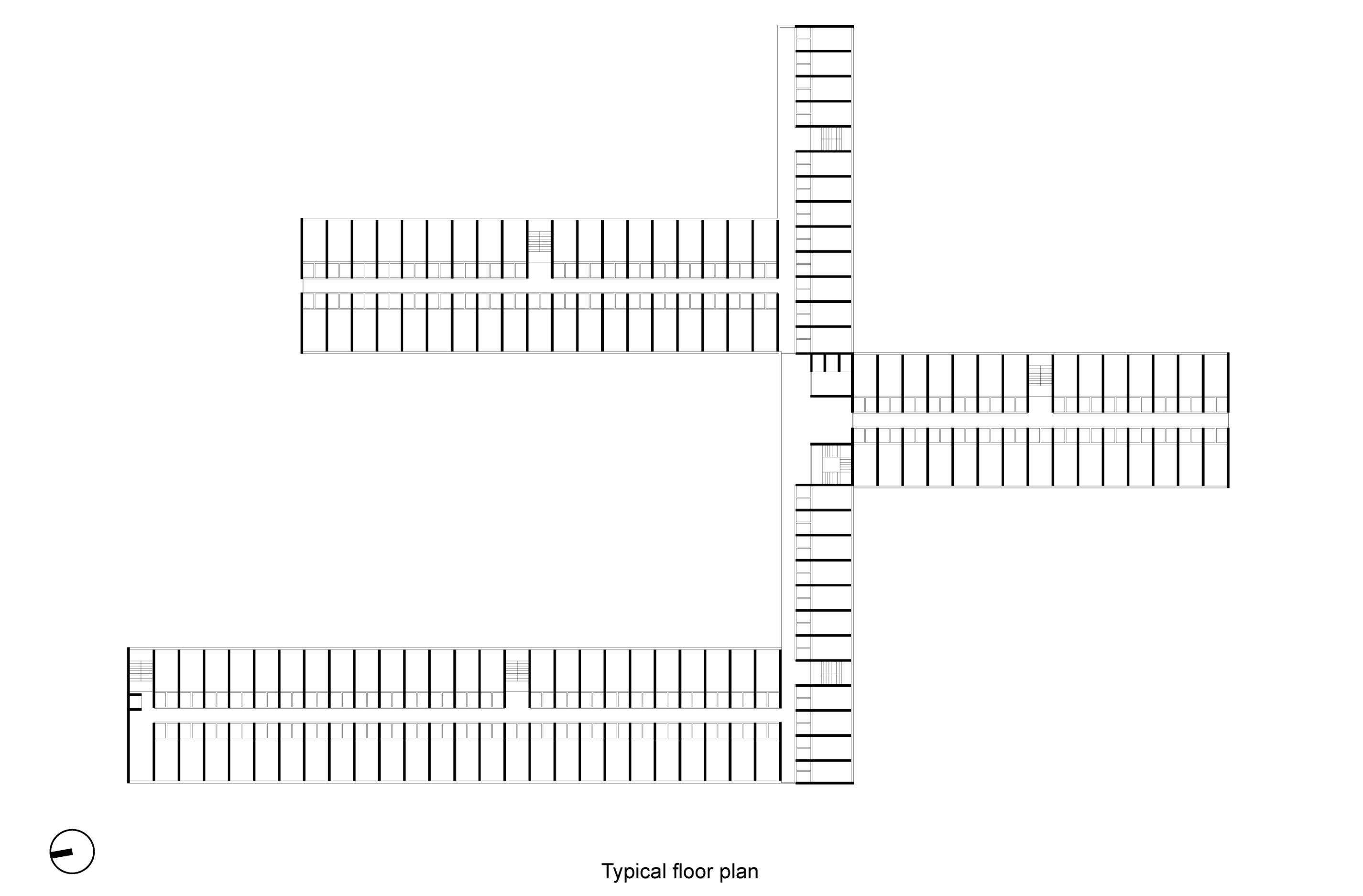
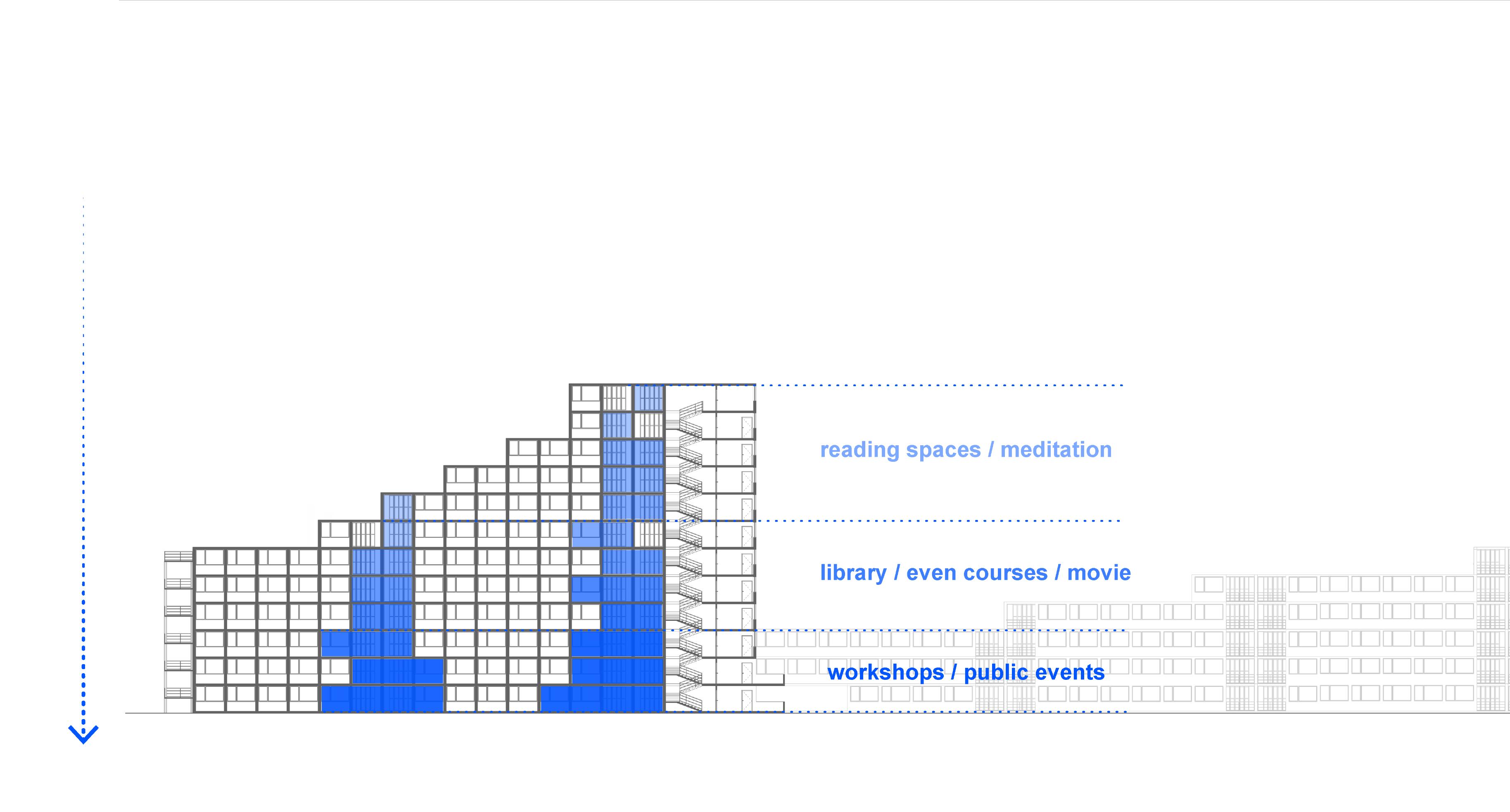
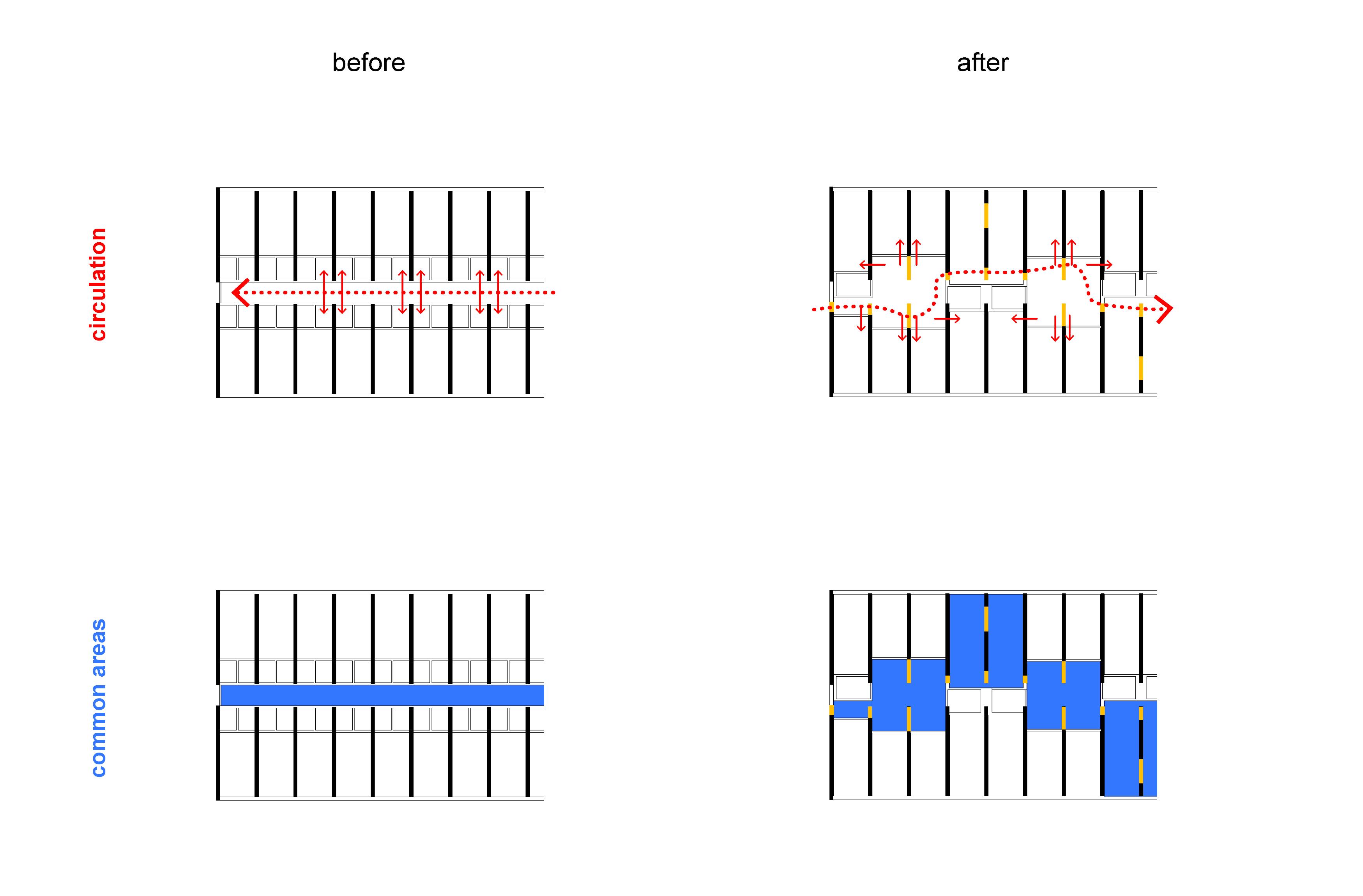
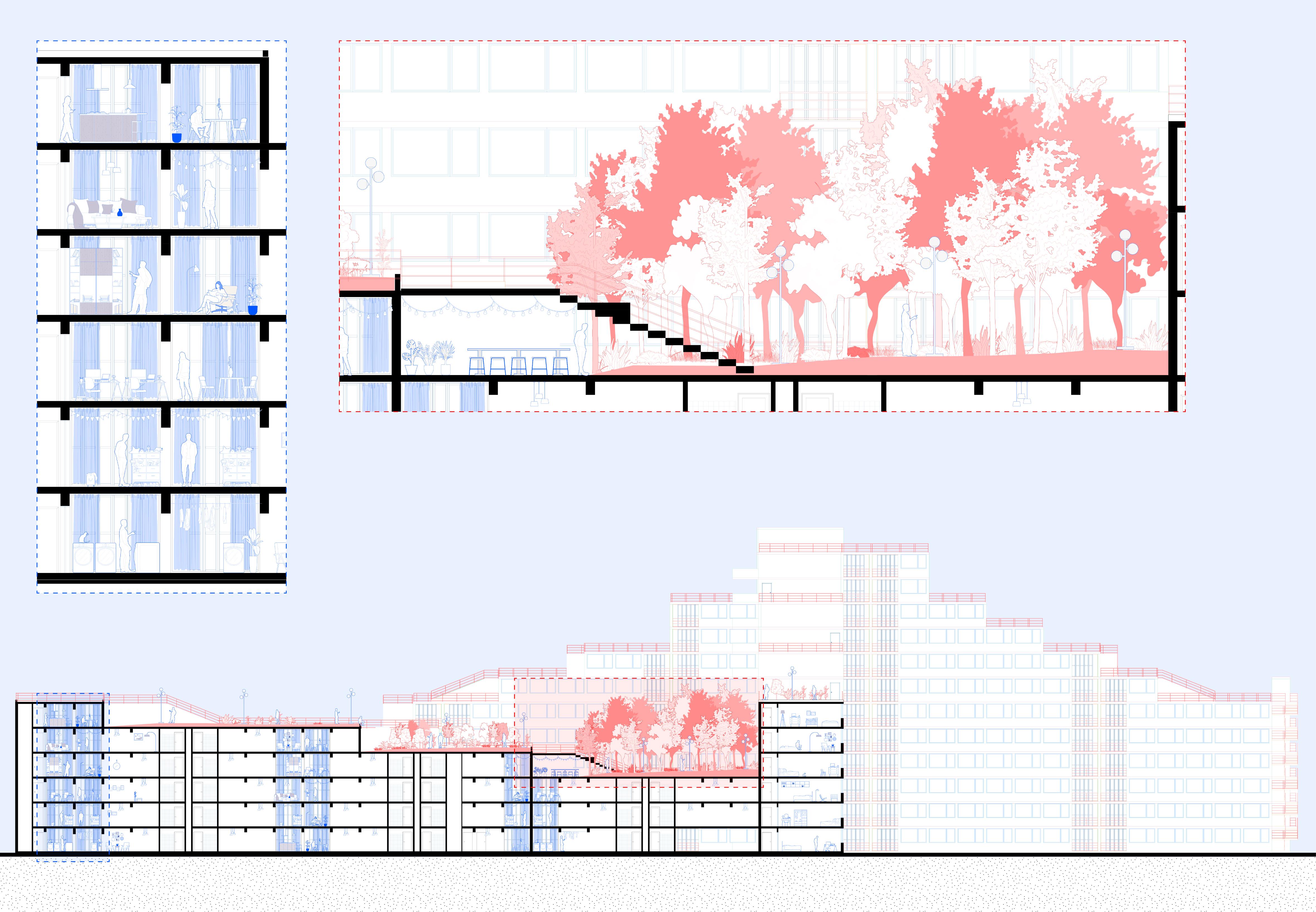
This project explores approaches that would improve the quality of living within the building without damaging its structure. The outdoor spaces are to be designed in a way that creates added value for the city and its residents. What other ways exist to prioritize the right to affordable housing and participation in the city?

Sirawit Potichantachinda, Pietro Mellano, Andrea Rivas

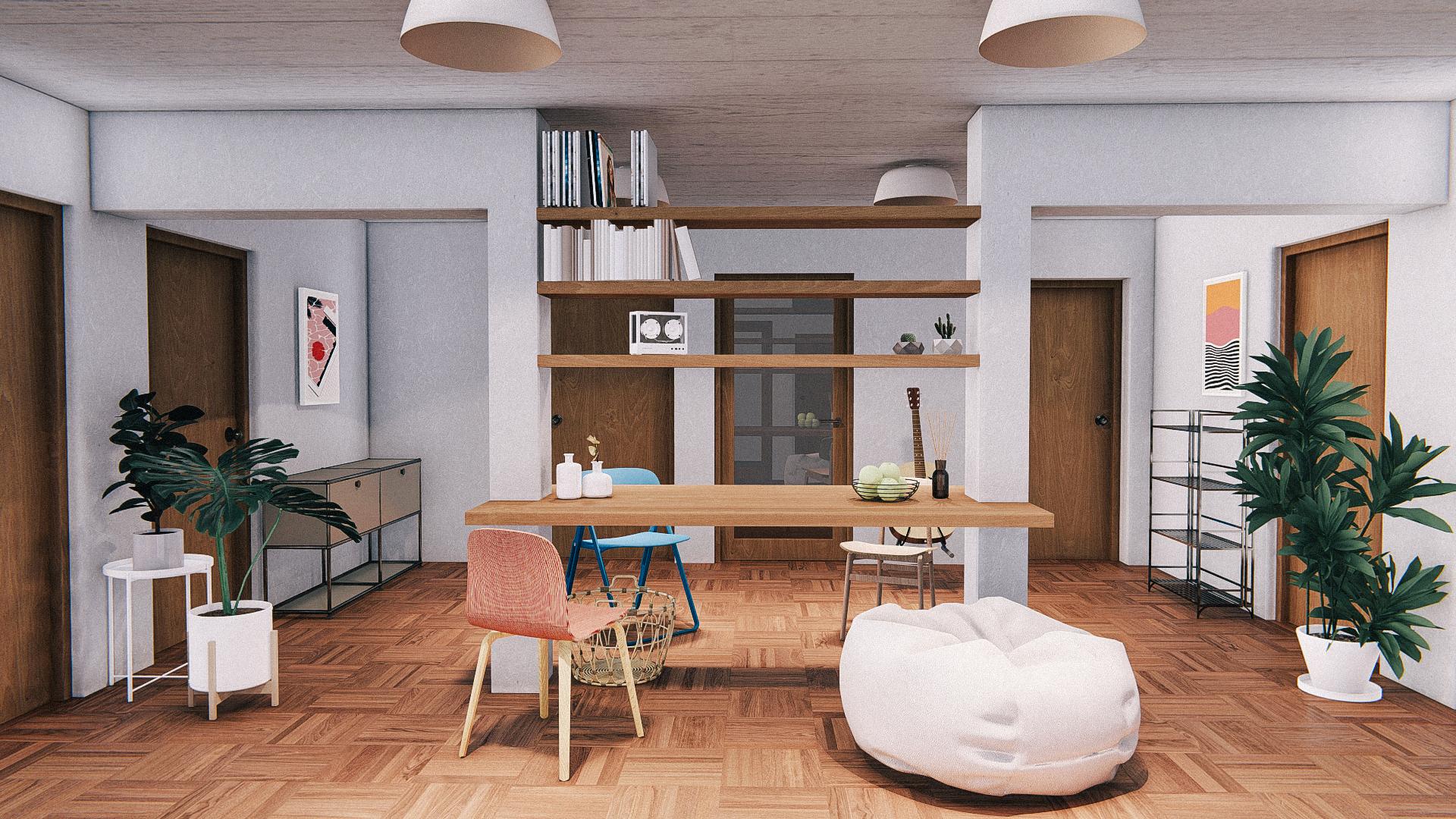
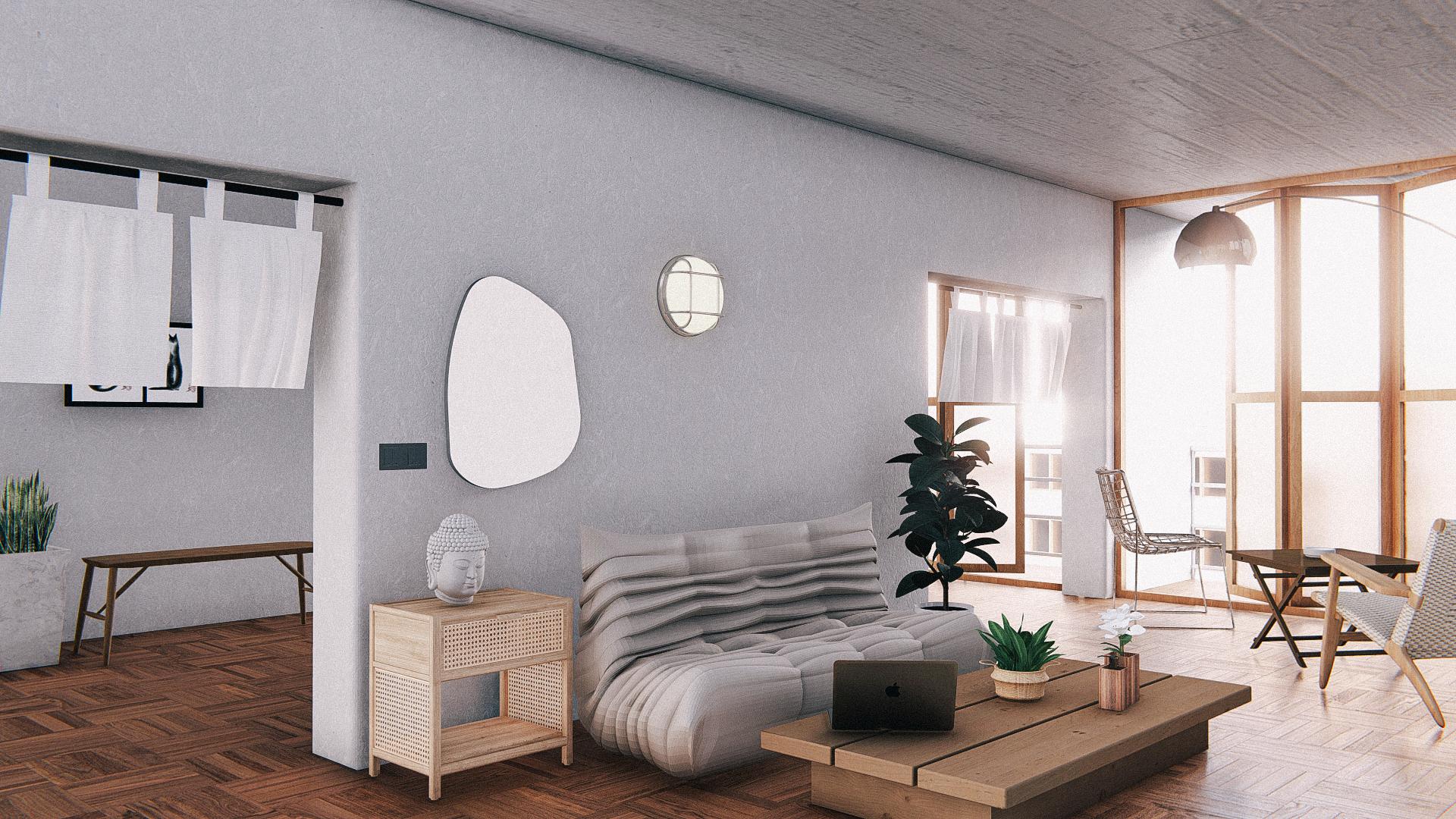
INTERIORS

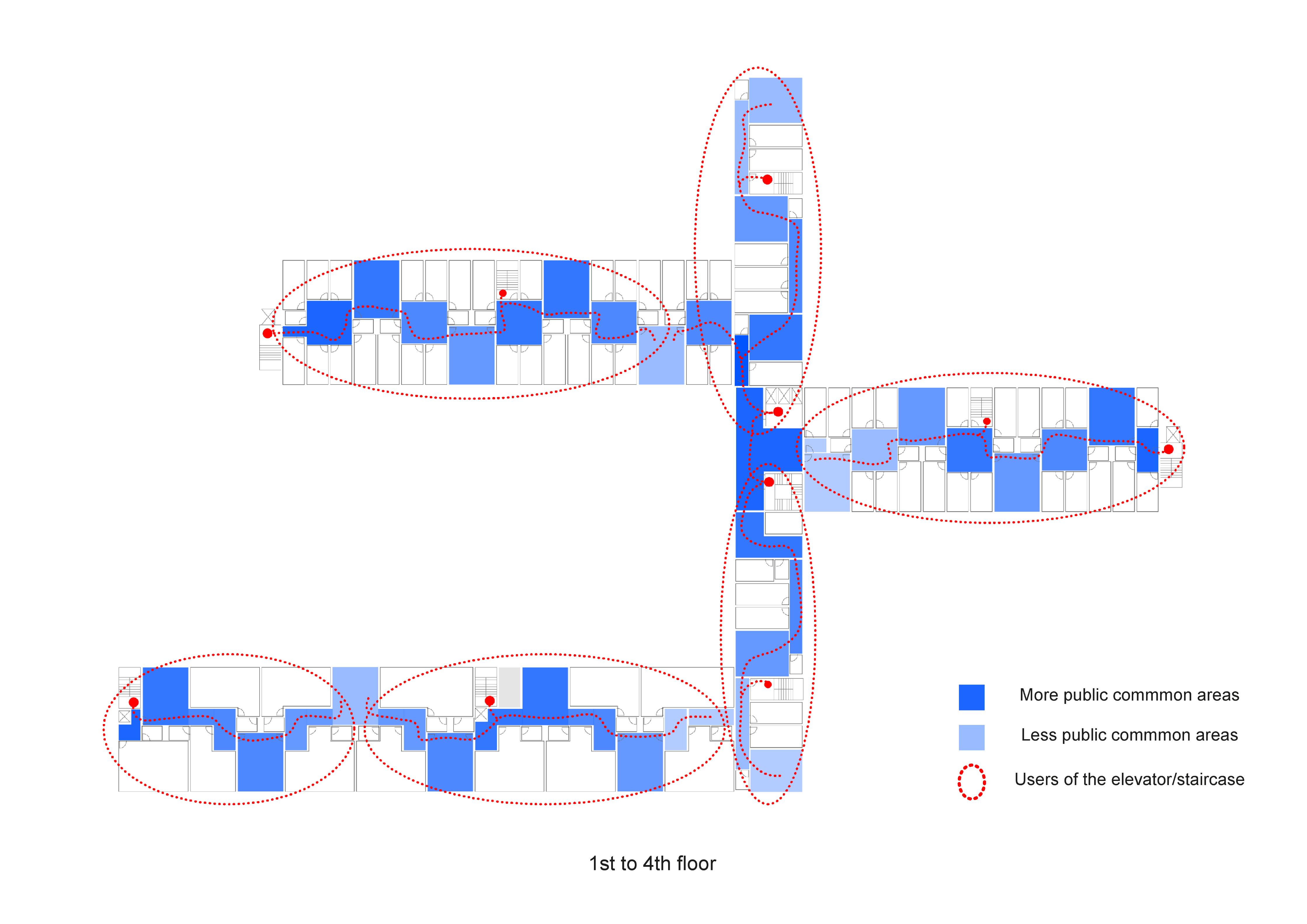
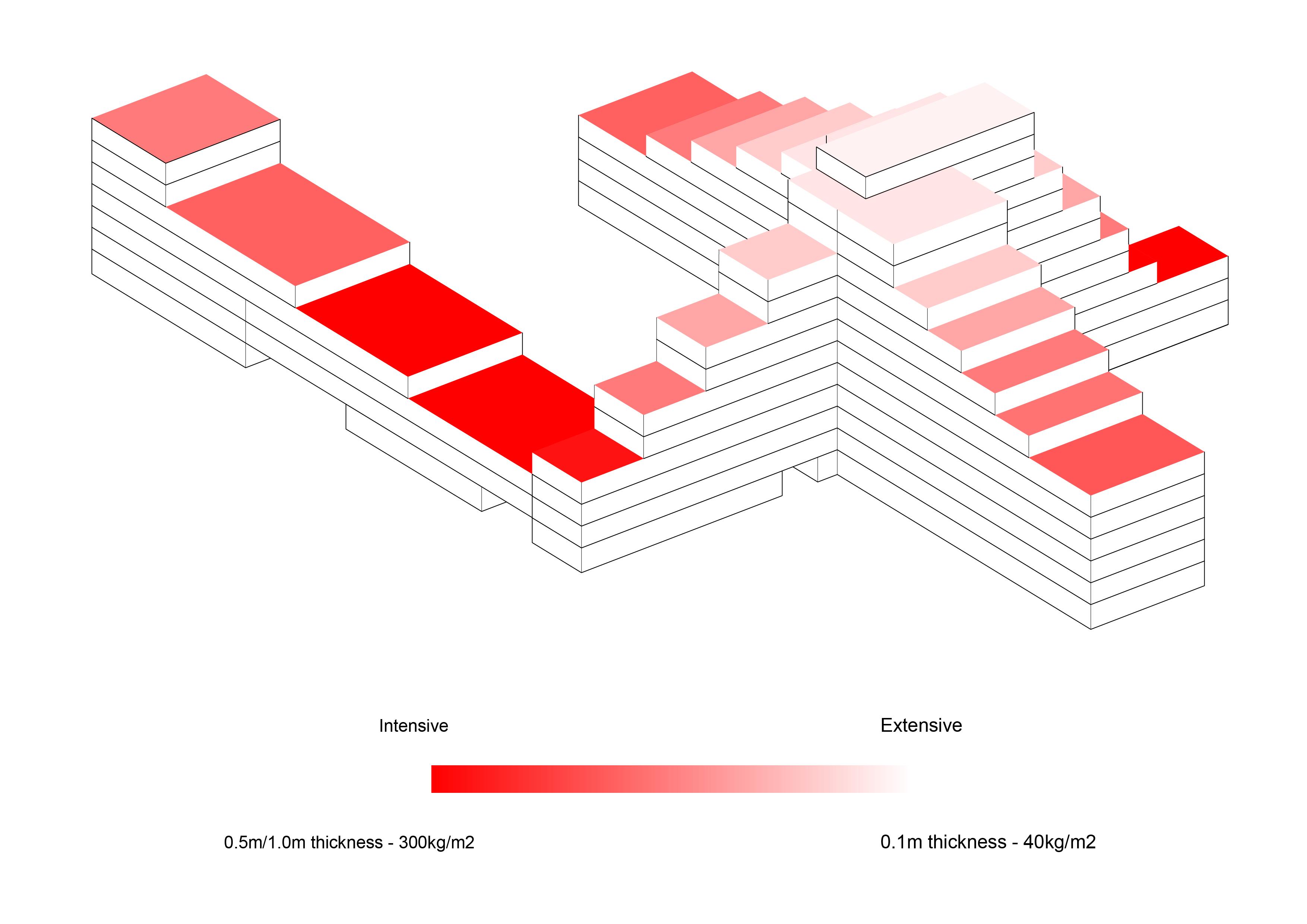
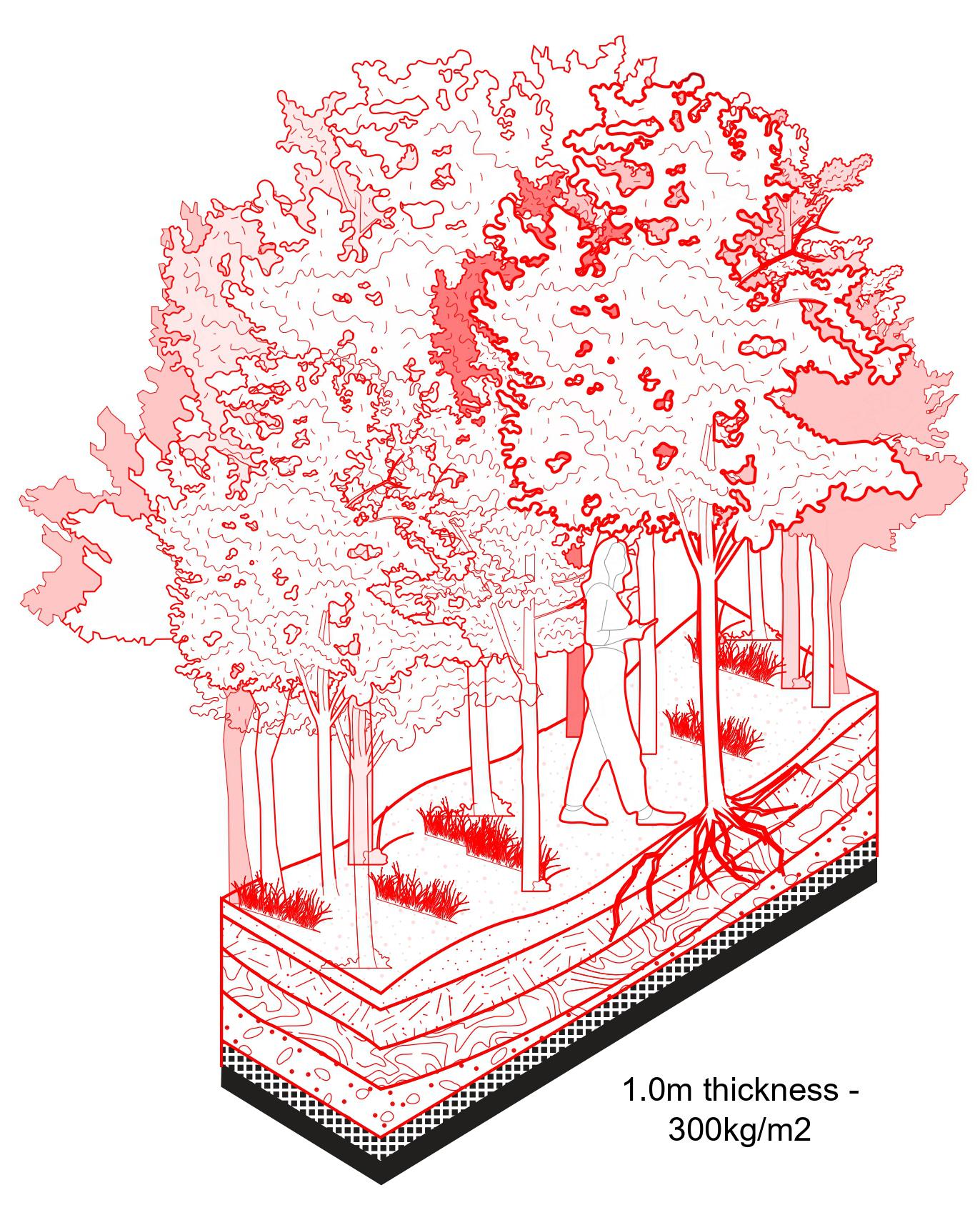
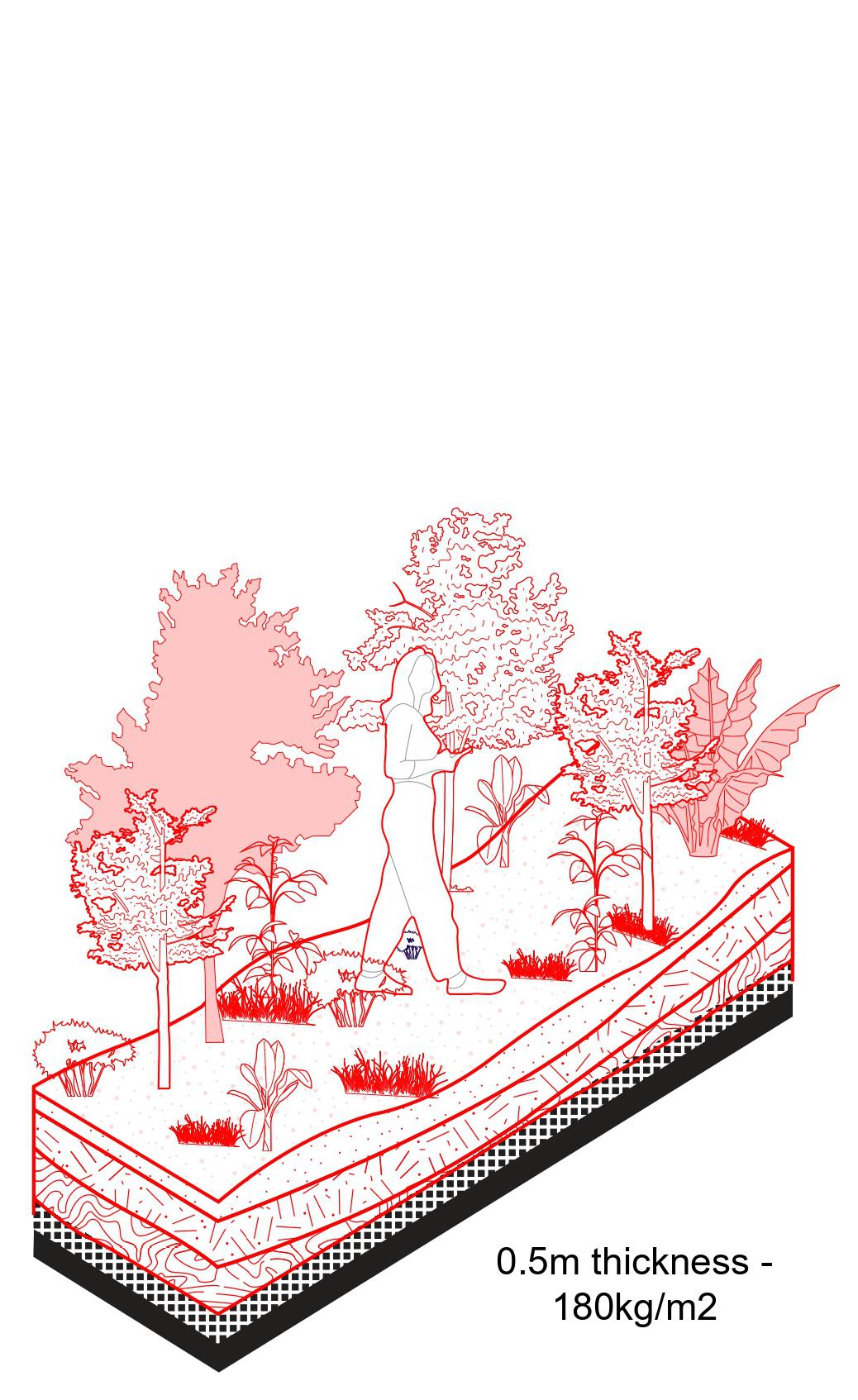
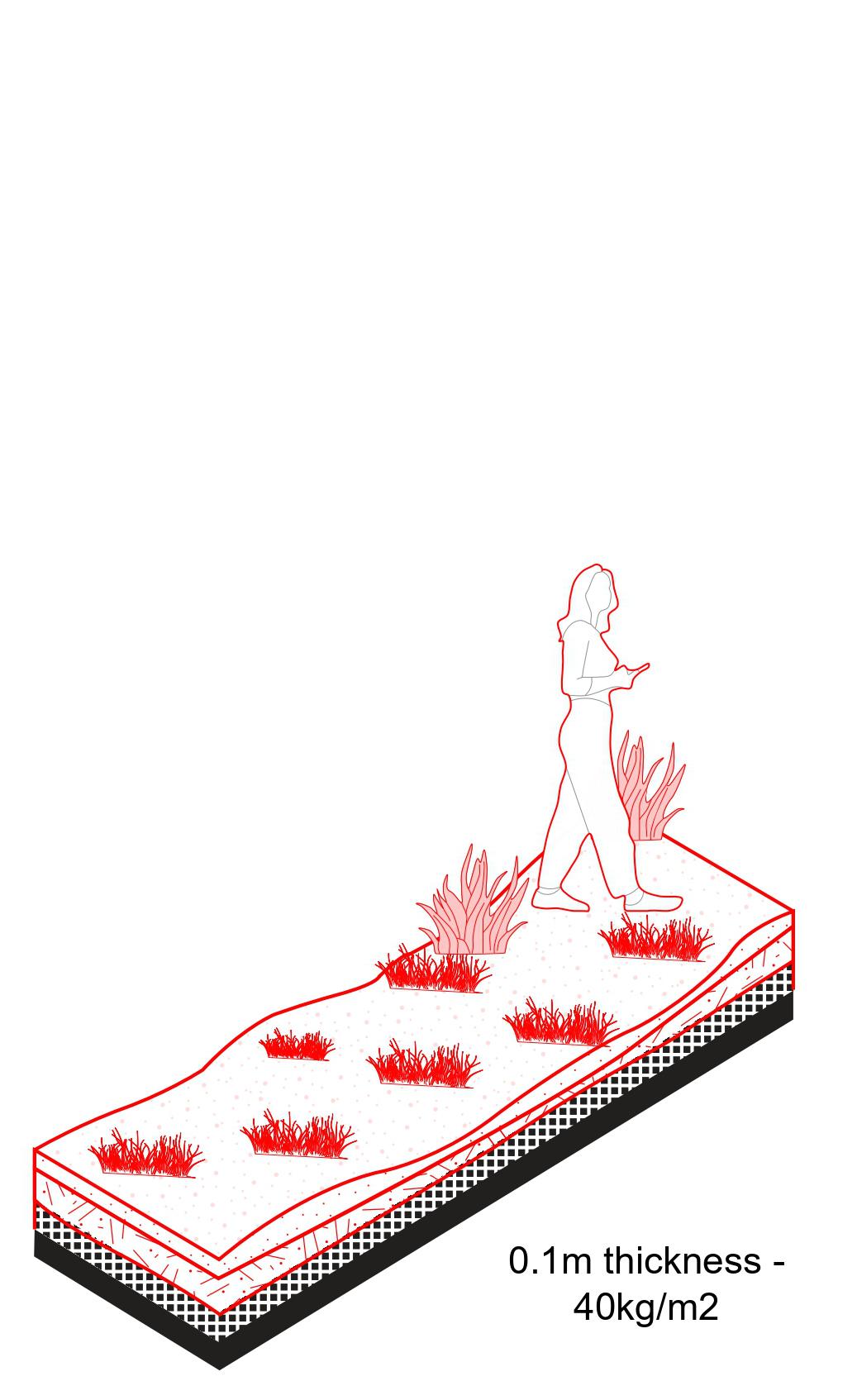
The terraces are planned as open green spaces for the tenants of the building and, on the lower levels, more public terraces open for the city on agreed dates or special events. The gradient represents the level of publicness as well as the intensity of greenery and water gardening that each terrace will hold, where the darker color means more public and intensive gardening, and the lighter color means less public and extensive greenery.

Sector-Coupling Living Lab Quito

Studio SoSe 24

Professor Oliver Lah

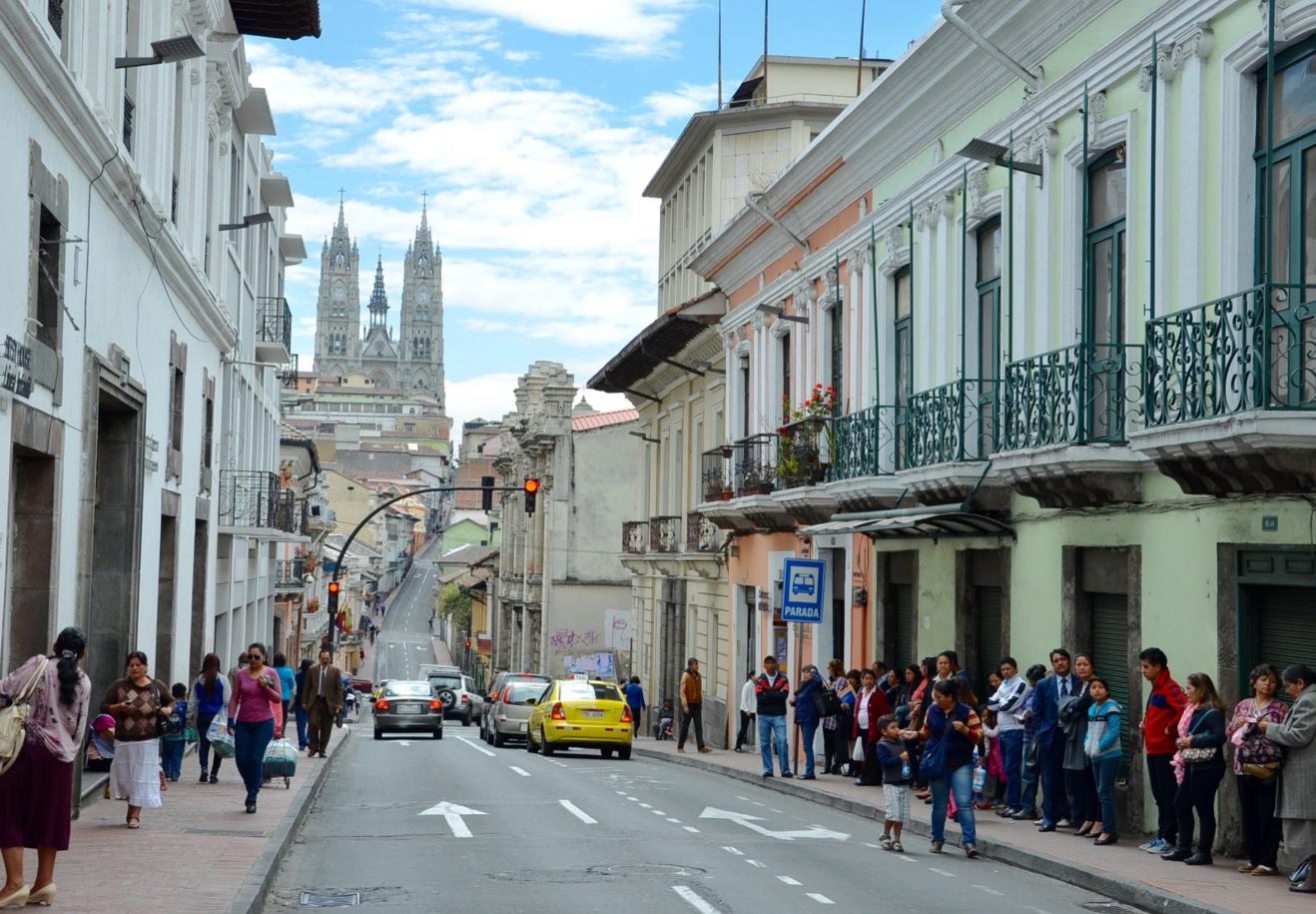
Although the historic center of Quito, the capital of Ecuador, is a UNESCO World Heritage Site, it continues to suffer from an unsafe and heavily congested road network dominated by private car traffic. A lack of cultural offerings and the resulting limited employment opportunities, combined with inadequate infrastructure and restricted accessibility, underpin the problematic situation of the city center. This leads to the area being largely deserted outside of working hours.

The newly opened metro station at the central Plaza San Francisco represents a promising first opportunity to revitalize Quito's city center and attract its residents.

Arturo López, Rébecca Noel, Sophia Raucci, Darlyn Richter, Annika Wagner, Andrea Rivas

PROBLEM TREE

car oriented streets

lack of alternative mobility

Restructure street grid and use-schedule

NEW STREET GRID

Intercept car traffic and switch to e-mobility

poor infrastructure patterns

Safety through numbers

existing programm not accessible

Accessable program

Street program to give city back to people

no markets

Efficient delivery system

Emission reduction

Car-free city center

Sustainable waste collection

CULTURAL & MOBILITY HUBS

Higher sales for local businesses

Job opportunities

ACTIVATED PUBLIC SPACES

Adaptable city space

CONCEPT

URBAN DEVELOPMENT GOALS

The sustainability plan in Quito aims to transform the city center into a zero-emission zone. In order to achieve that, the city works with the UN project "E-Moviliza" which is set to introduce new electric vehicles such as e-delivery trucks, e-bikes, e-taxis and e-cargos. From three main mobility hubs located on the edges of the city center, people will be able to switch vehicles and access the center. Smaller hubs all around the city will allow them to leave their vehicles and charge them.

MOBILITY HUBS

articulation of private space & mobility with public space implementation of shipping transport

ACTIVATED PUBLIC SPACES

strengthening of cultural spaces increase local identity

reduce transit accidents while expanding active mobility investments from alternative financing

NEW STREET GRID

Job opportunities Community

New social program

Gardening on the top Community Teaching and child care

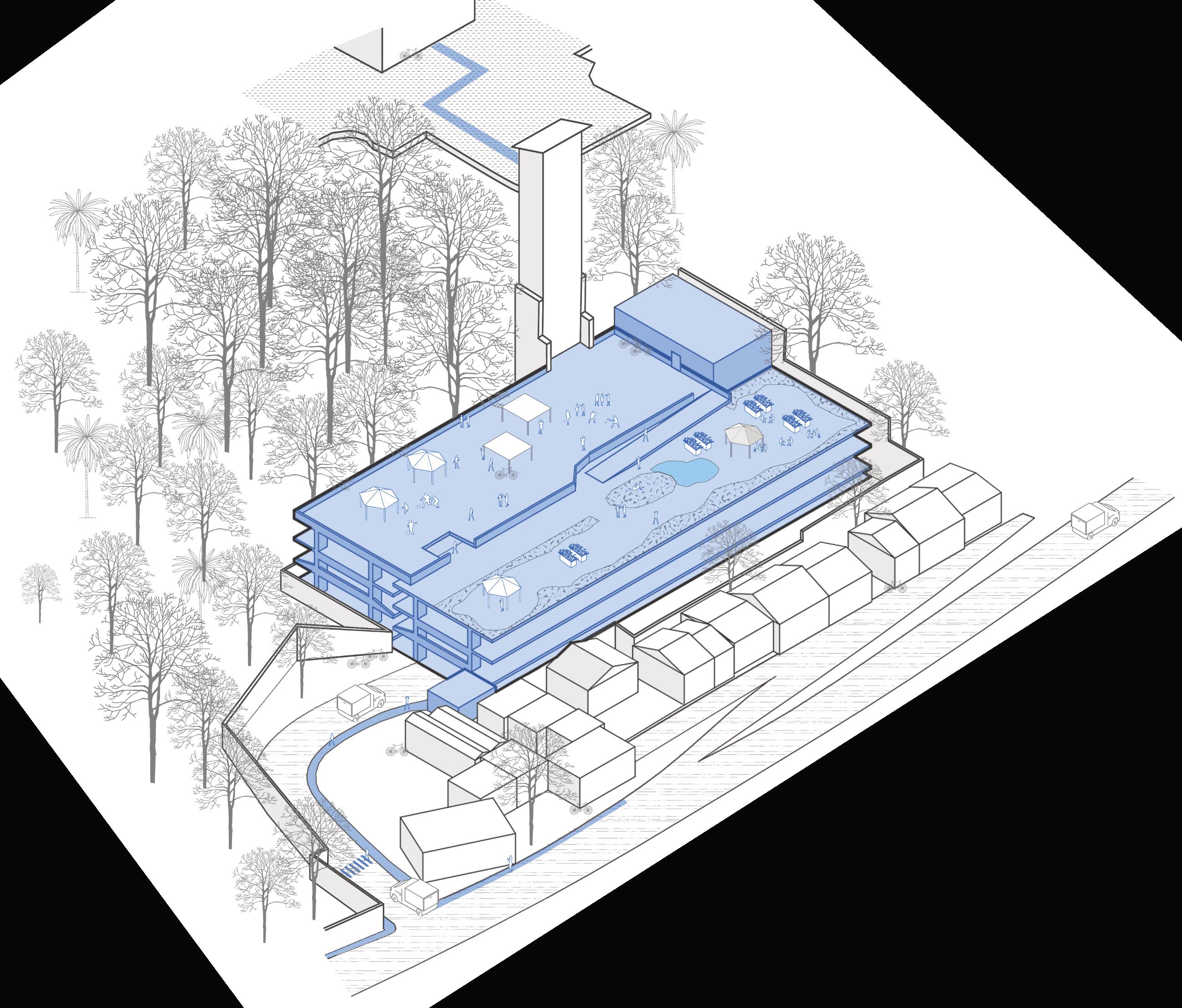
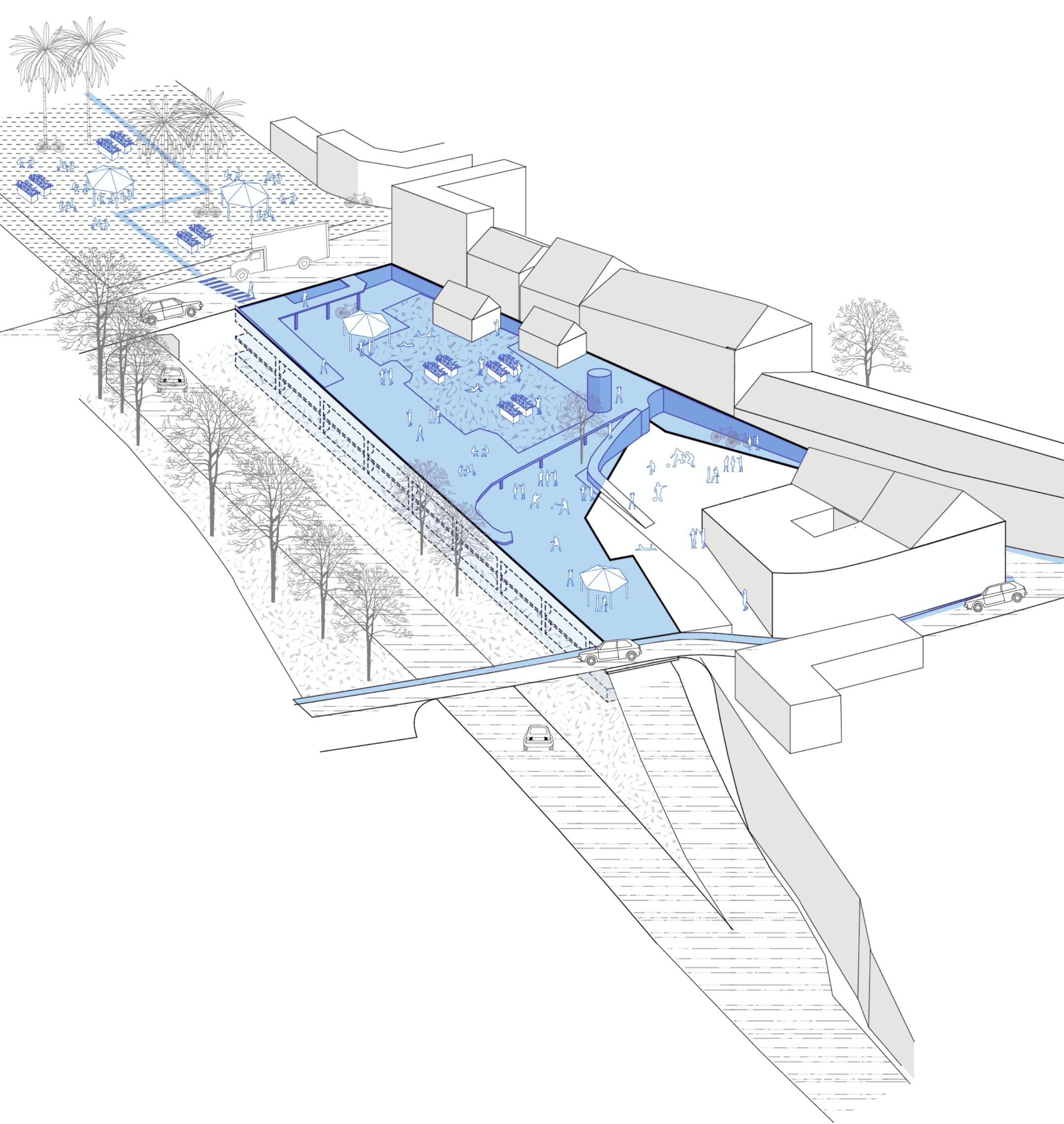
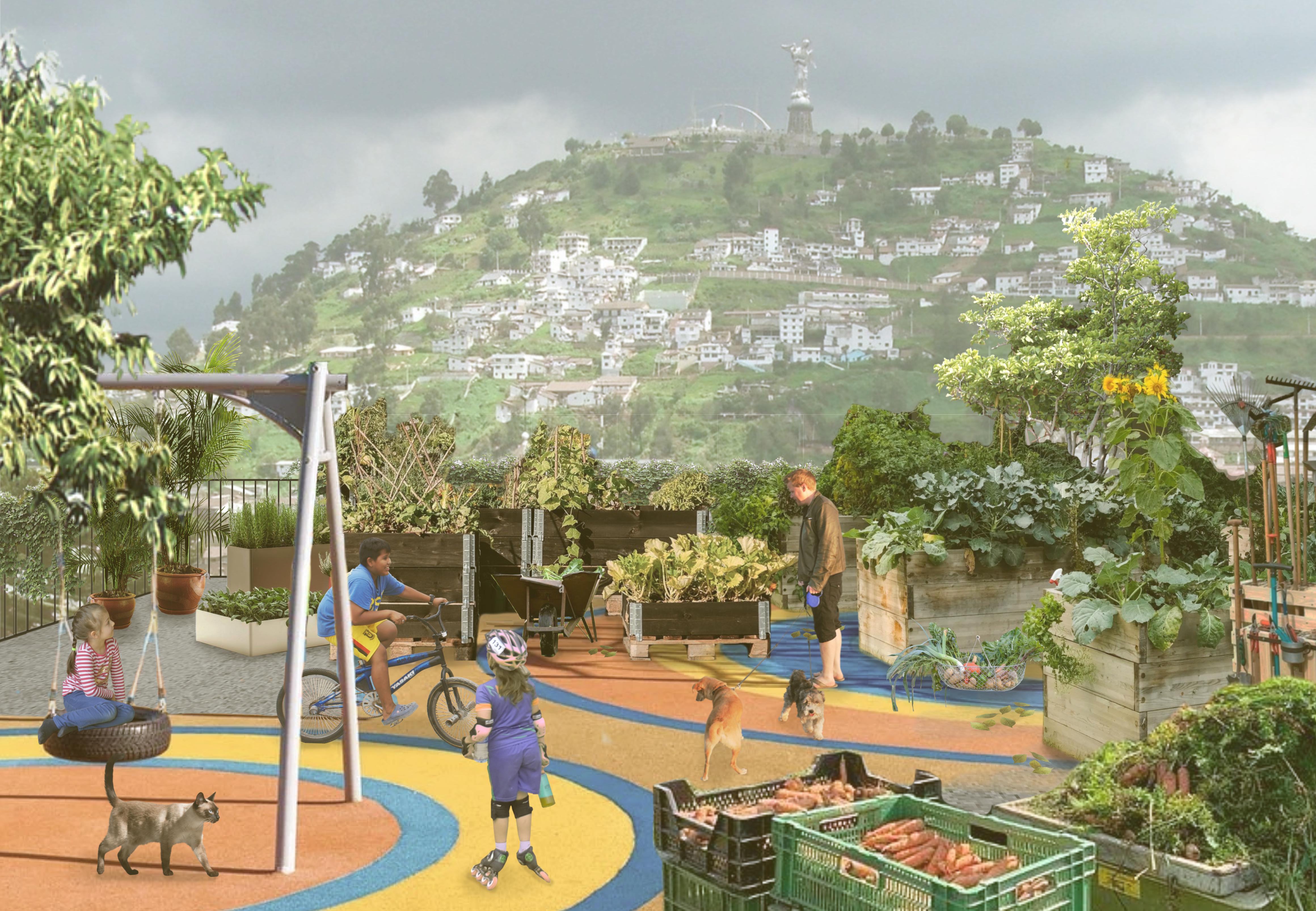
Yaku parking lot adds to the concept of mobility hubs. It is strategically placed next to a motorway allowing easy access by car. La Ronda has a similar situation at its disposal regarding access from the motorway. In both cases the system follows similar rules: private vehicles enter the parking lot and are able to use a designated space; the added electric vehicles completing the delivery system of the new city grid are parked in another space next to the entrances, ready to be used. Activities for the community are held outside on upper floors attracting inhabitants of all kinds.

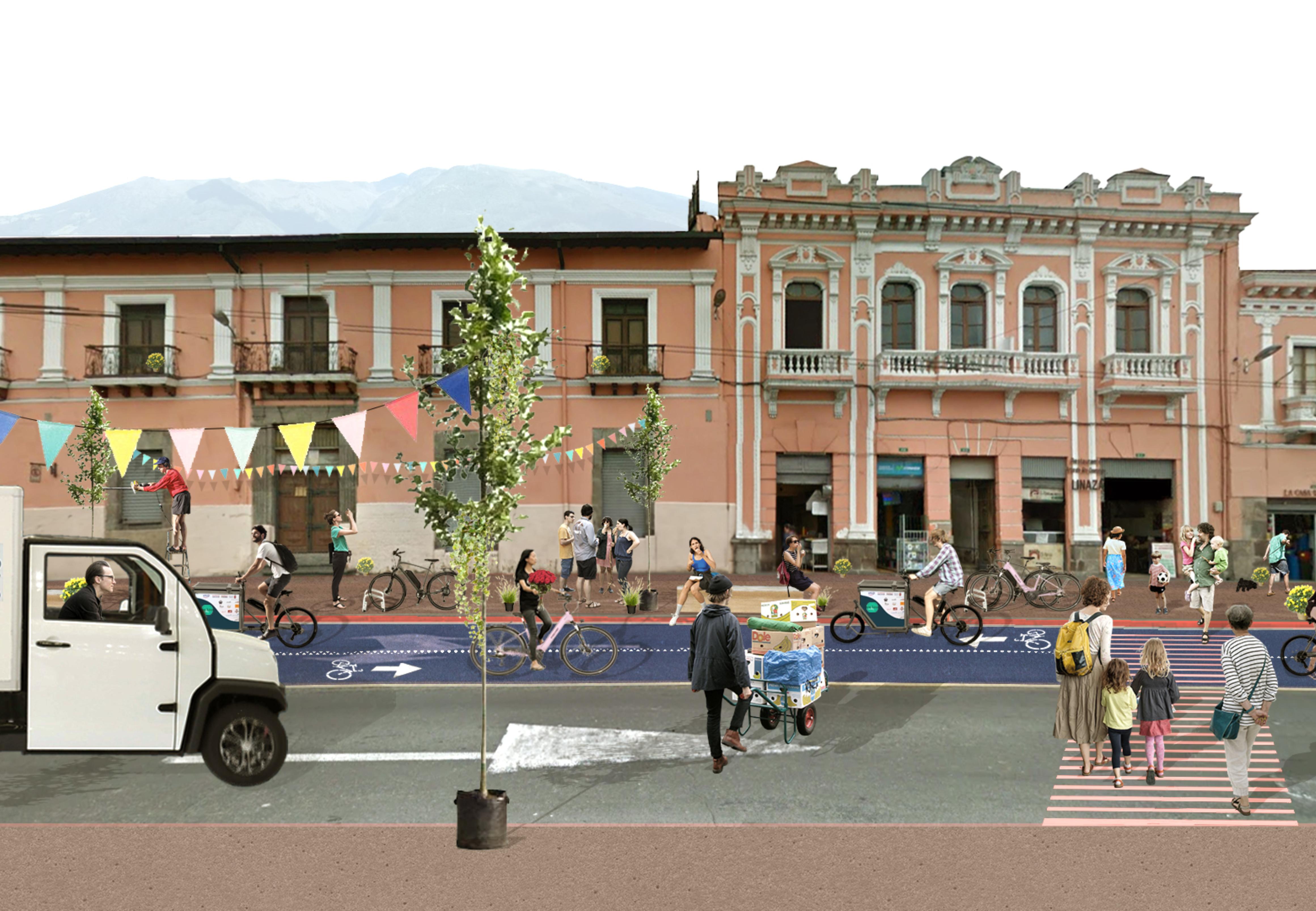
To improve the current mobility situation in the historic center of Quito, we propose a gradual intervention of the streets, as they are the main paths that connect plazas and represent the majority of public space. By widening sidewalks, confining a lane for light vehicles (bikes and cargo-bikes) and adding more light into the streets, there is more space for seating, vegetation and bike parking which helps to reduce emissions, have safer streets and in general a more lively city landscape. The long-term goal is to have a zero-emission historic center.

Lively city landscape
Safer streets
center
Pedestrian adapted streets

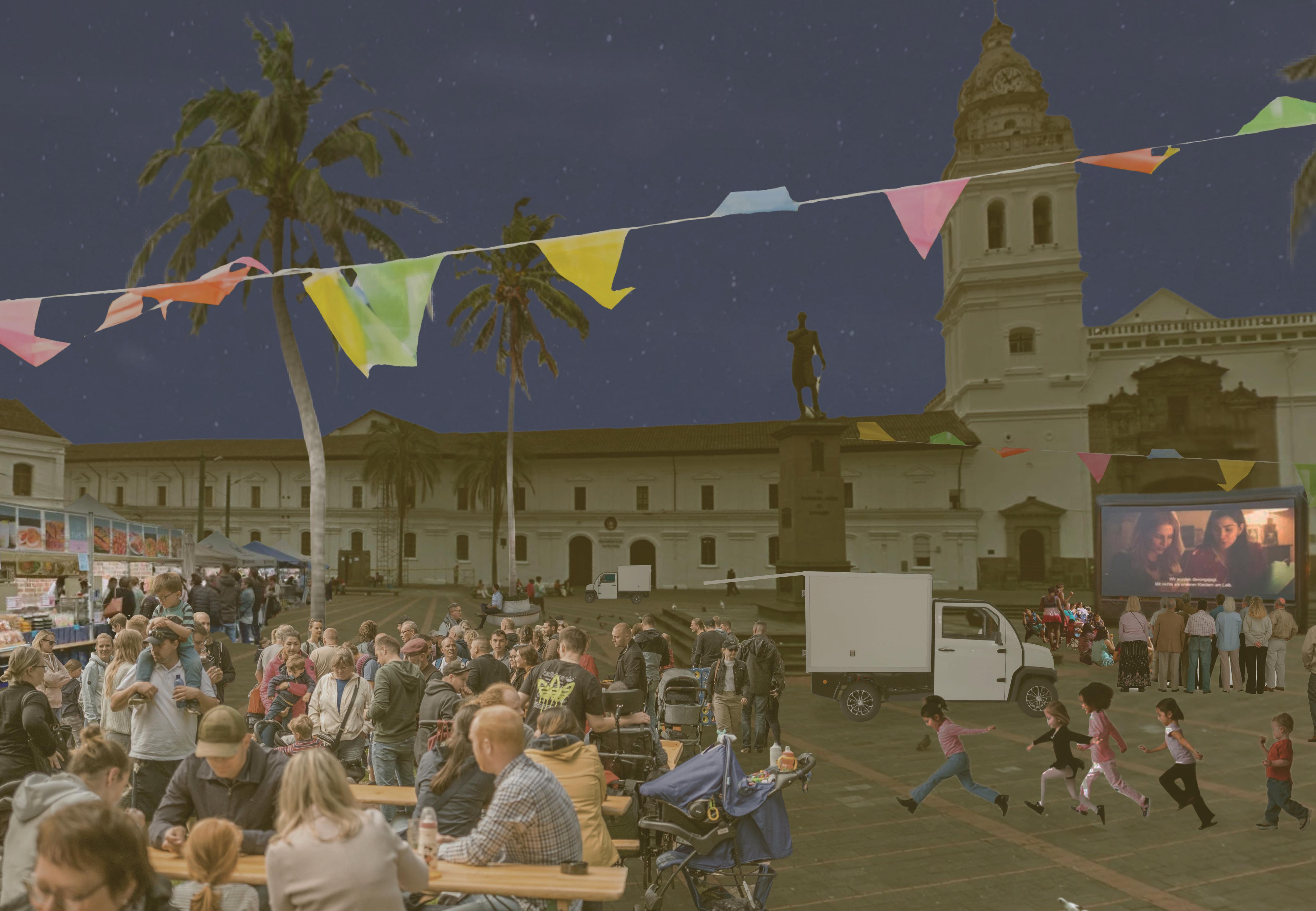
Plaza Santo Domingo in the South can be reached through one of the ‘safe streets’ that have been adapted to strengthen pedestrian use. The plaza gets activated due to activities being held there like local food markets, film festivals or workshops that work around a planned-out time schedule. The program is easily accessible for inhabitants and generates new impacts like job opportunities and the creation of an adaptable city space. Electric vehicle trucks support the concept of a new social program by being used to set up and transport the functional equipment which can be brought from plaza to plaza within Quito’s city centre.

Thank you!

Turn static files into dynamic content formats.

Create a flipbook
Portfolio and CV EN by Andrea Rivas - Issuu