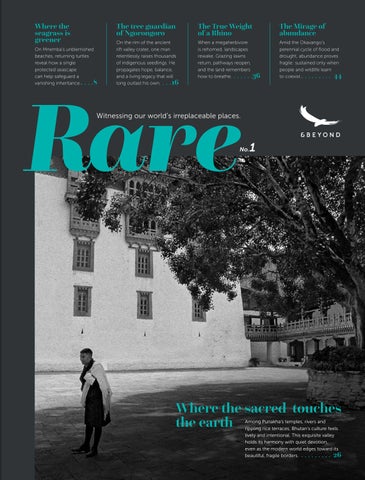
On Mnemba’s unblemished beaches, returning turtles reveal how a single protected seascape can help safeguard a vanishing inheritance. . . . . 8
The tree guardian of Ngorongoro
On the rim of the ancient rift valley crater, one man relentlessly raises thousands of indigenous seedlings. He propagates hope, balance, and a living legacy that will long outlast his own. . . . 16
The True Weight of a Rhino
When a megaherbivore is rehomed, landscapes rewake. Grazing lawns return, pathways reopen, and the land remembers how to breathe. . . . . . .36
Amid the Okavango’s perennial cycle of flood and drought, abundance proves fragile: sustained only when people and wildlife learn to coexist. . . . . . . . . . 44
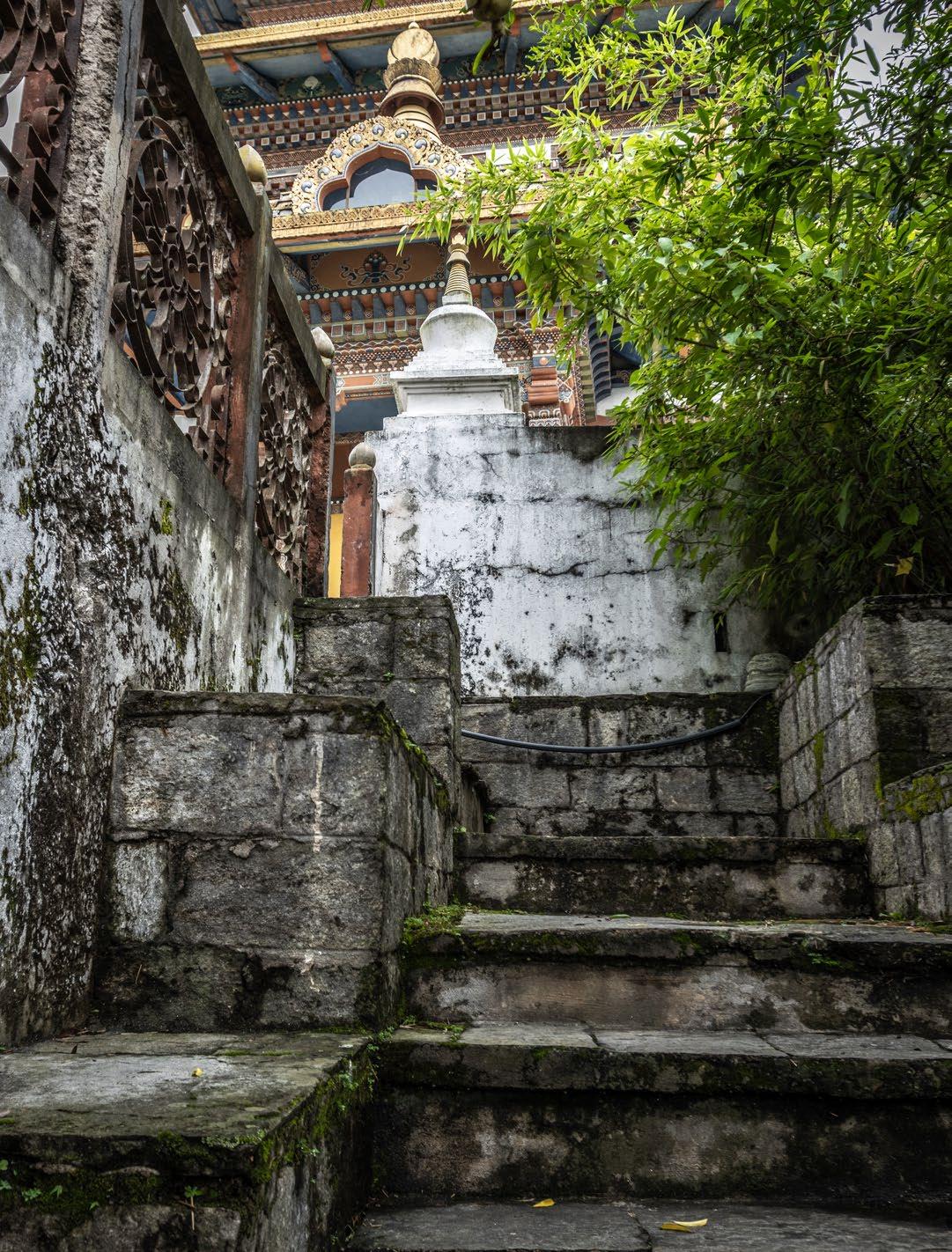
Among Punakha’s temples, rivers and rippling rice terraces, Bhutan’s culture feels lively and intentional. This exquisite valley holds its harmony with quiet devotion, even as the modern world edges toward its beautiful, fragile borders. 26
FROM THE CHIEF OPERATING OFFICER
PLACES TOO RARE TO LOSE
At &Beyond, we believe some places are truly irreplaceable. They are wild landscapes, fragile ecosystems and vibrant communities that hold both our hearts and our future. We love them because they are rare, and because they remind us what our world stands to lose.
As head of operations, I see every day how care becomes action: the planning behind each journey, the work of rangers and guides, the partnerships with communities and conservationists. Our trips are designed not only to immerse our guests in beauty and elegant adventure, but to ensure that every experience gives back generously. Travel should be distinctive and deeply rewarding; for the traveller and for the places we touch.
Through Rare, we share the practical stories behind that promise. Thank you for joining us on this journey, and for helping us leave our world a better place.
Niall Anderson Chief Operating Officer
OUR WORLD
Some places shape us simply because they exist.
They hold entire worlds of life: floodplains that breathe in seasons, deserts that bloom from a single storm, coral kingdoms built grain by grain. These landscapes are rare not because they are hidden, but because they are fragile. And they’re becoming ever more scarce each year.
To leave our world a better place is to stand with the places that cannot be replaced. To recognise that their survival depends on the choices we make, and on the care we carry into them. This is where our journey begins.
LEAVING
A BETTER PLACE
TRAVEL THAT GIVES MORE THAN IT TAKES
Rare is a celebration of the irreplaceable. At &Beyond, we believe some places are so rare, so beautifully balanced, they shape us simply by being experienced. These are landscapes where the survival of wildlife, the resilience of communities, and the joy of travel are inseparably linked.
This digest shares the stories of how travel, when carefully and consciously designed, can do more than reveal beauty. It can protect it. Each journey you take helps safeguard ecosystems, enable wildlife to thrive, and uplift the people who call these landscapes home.
Across three continents, &Beyond’s 29 lodges, camps and expedition vessels anchor us in 16 distinct, irreplaceable destinations. From African savannas to the forests of South America and the reefs of the Indian Ocean, each is a living part of a greater whole.
Spanning Africa, Asia and South America, 16 distinct landscapes anchor &Beyond’s 2030 vision: safeguarding 40 million acres of wilderness, from deserts and deltas to coral reefs and cloud forests.
Lake Manyara National Park: Lake Manyara Tree Lodge
Zanzibar: Mnemba Island
Masai Mara National Reserve: Bateleur Camp
Kichwa Tembo Tented Camp
Laikipia Plateau
Conservancy Lands: Suyian Lodge
ASIA
Punakha Valley, Bhutanese Himalayas: Punakha River Lodge
SOUTH AMERICA
Amazon Basin: Amazon Explorer
Araucanía region, Chile’s Lake District: Vira Vira
Galápagos Marine Reserve & National Park: Galapagos Explorer
Today’s status quo, after 35 years of impact
2025
30 million acres* of protected and community-supported wild land
More than 30 million acres* of wild land across Africa, Asia and South America are now supported through shared conservation efforts. Across continents, ecosystems are strengthened, wildlife recovers and communities thrive in places where protection and partnership work hand in hand.
*12.14 million hectares
Our vision for 2030
40 million acres* of land held in long-term conservation.
Our ambition for 2030 is to grow our impact to 40 million acres*. That’s more than double our historic rate of expansion. Achieving this will rely on deeper partnerships, strengthened community support and long-term protection that helps land, wildlife and people endure together.
*16.19 million hectares
This
is our origin story
32 311 acres* of exhausted farmland restored and rewilded 1990
Four exhausted farms were combined and restored after nearly a century of unsustainable use. Land degraded by pineapple farming and cattle grazing became the birthplace of Phinda Private Game Reserve and the starting point for one of Africa’s most ambitious rewilding efforts. Restoring wildlife was not simple. Neighbouring farmers and communities were wary of its return, and careful consultation and inclusion were essential to move the vision forward.
*13 075 hectares
Each and every act of protection leaves its mark.
What began, decades ago with one protected reserve of 32 311 acres has grown, season by season, into a widening circle of impact. Today that circle touches more than 30 million acres of wild land. Within these places, wildlife survives because the land still holds. Communities thrive because the land continues to provide. Each acre is a reminder that people, animals and ecosystems rise or fall together.
The next phase of growth will demand even more.
By 2030 we aim to support the long-term conservation of 40 million acres of wild places. Reaching that milestone will call for deeper partnerships, greater investment and the shared resolve to keep going even as the world’s irreplaceable landscapes face growing pressure.
Progress
is possible when people refuse to give up on the places that matter.
Every journey with &Beyond strengthens the land. Every stay supports the communities who live alongside it and the wildlife who depend upon it. Every guest helps shape the next circle.
See how your journey helps shape the next chapter
A HAVEN FOR THE OCEAN’S GARDENERS
How one tiny island helps preserve an ancient journey and why that matters now more than ever.
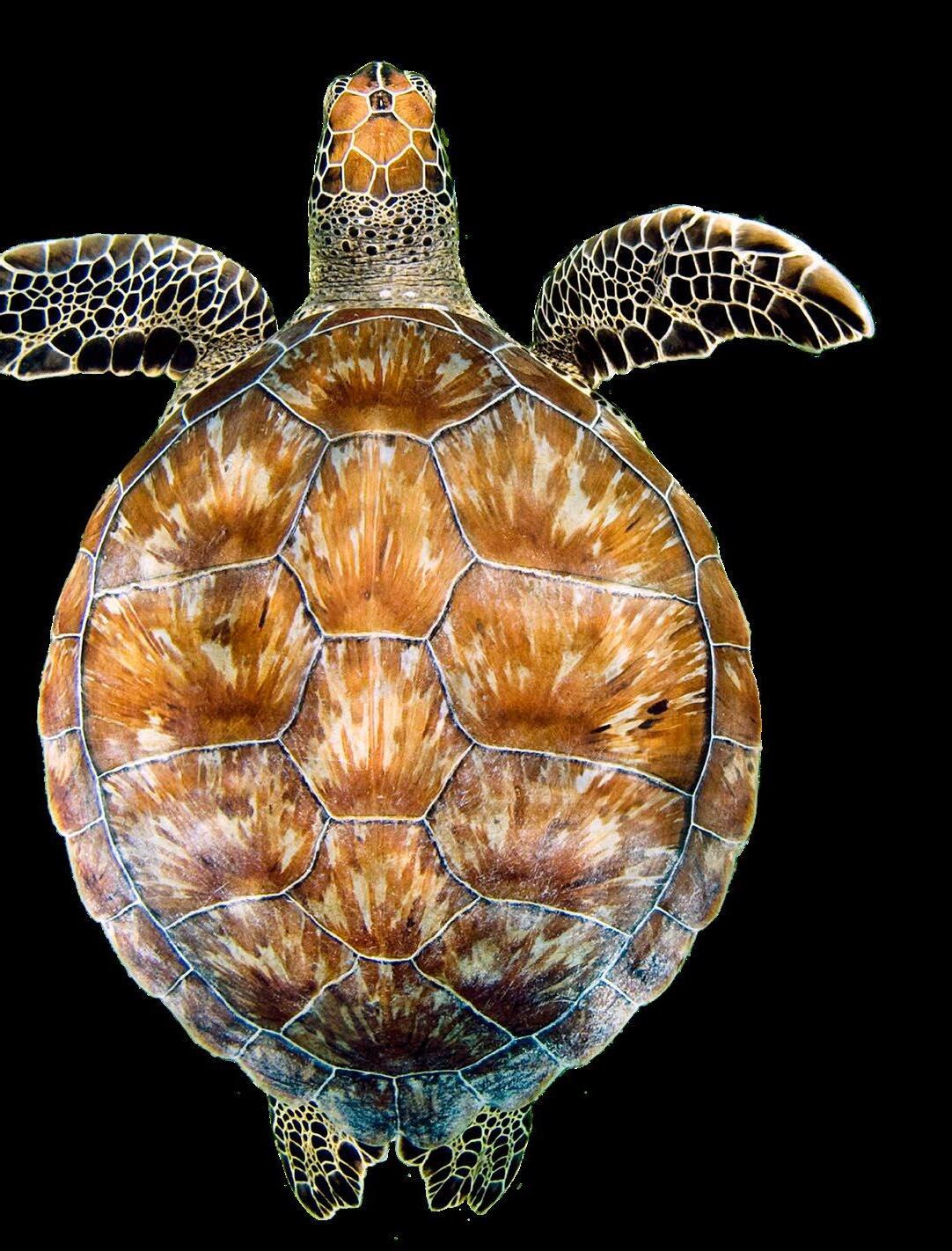
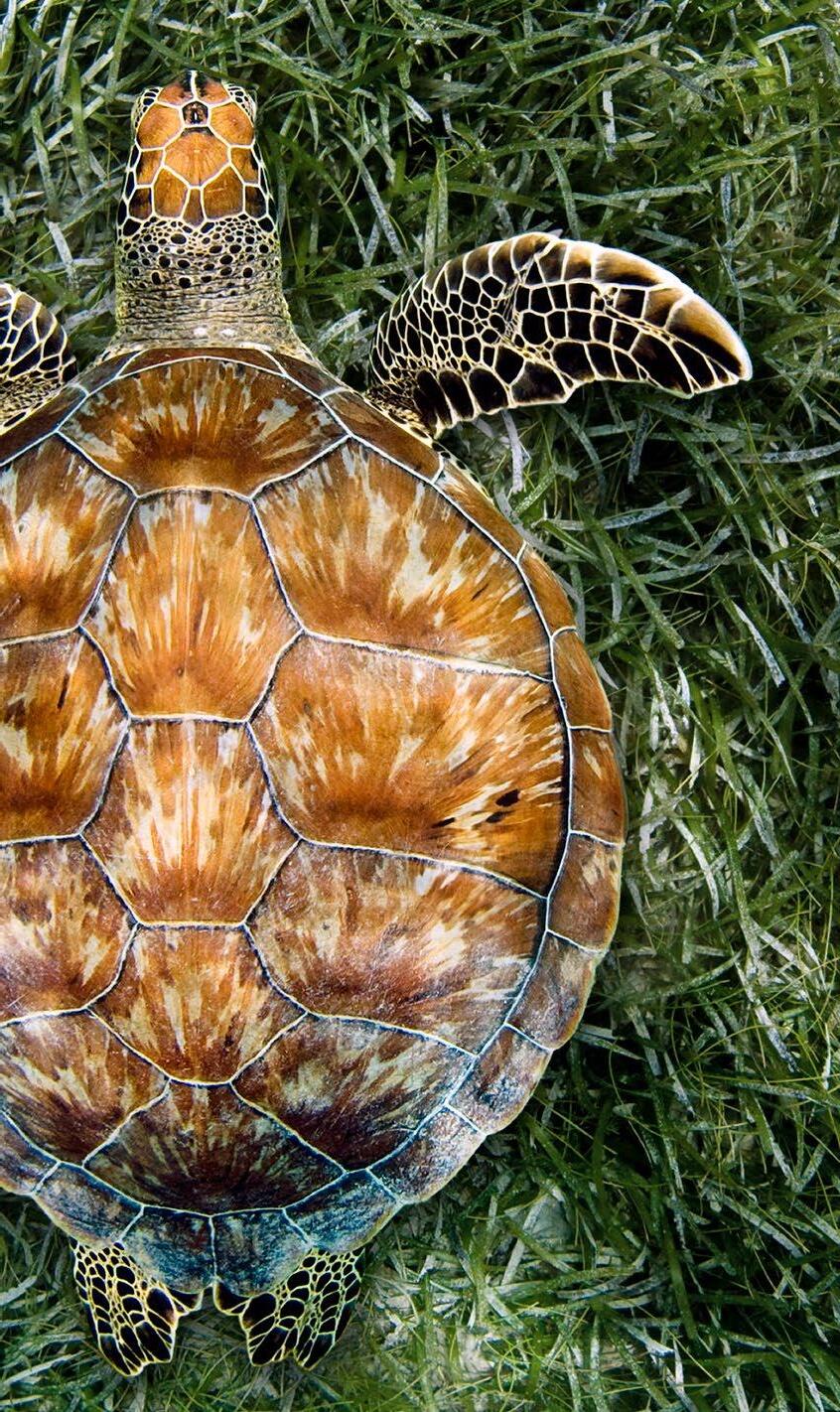
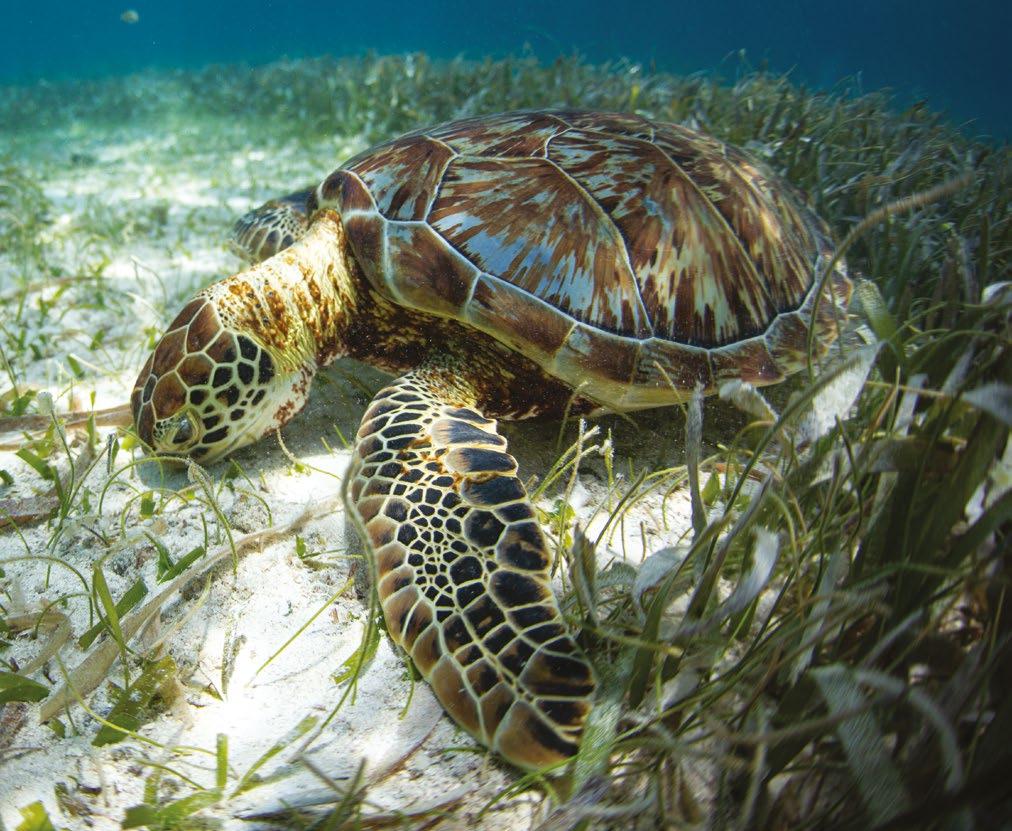
very year, as the tides shift and the moonlight brightens the beaches of Mnemba Island, something extraordinary unfolds in the stillness. Green turtles, ancient mariners in a hard shell, rise from the ocean depths to nest. Some of them have travelled more than 2 600 kilometres (1 616 miles), navigating across vast stretches of pelagic waters with astonishing precision. Many return to the very beach where they once hatched.
MIMCA
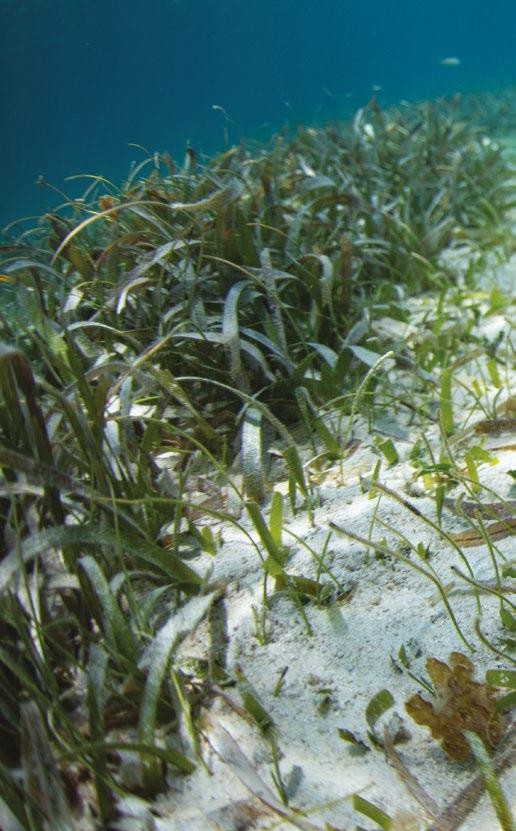
These reclusive reptiles, sometimes called gardeners of the sea, play a vital role in the health of our oceans. By grazing on seagrass, they help sustain one of the ocean’s most important balancing forces: the shallow coastal ecosystems where countless species feed, shelter, and spawn.
Seagrass meadows, in turn, perform a quiet miracle. They release oxygen into the water while sequestering carbon in their roots and sediments: fuelling life above the surface and buffering the impacts of climate change below it.
Here on Mnemba, green turtles find what is becoming ever rarer: a safe place to come ashore.
MNEMBA ISLAND MARINE CONSERVATION AREA
A FRAGILE SANCTUARY
Mnemba Island is one of only a few secure nesting sites for green turtles in Zanzibar. Its clean, quiet beaches and protected waters offer ideal conditions for these endangered reptiles. The surrounding reef and seagrass beds not only nourish them, they also shield them from predators and coastal storms. But even a sanctuary like this is not immune to pressure.
Historically, green turtles were hunted for their meat, eggs, and the green fat that gave them their name. While laws and conservation efforts have slowed much of the global trade, threats remain: from fishing bycatch, marine traffic, habitat loss, and ceremonial poaching.
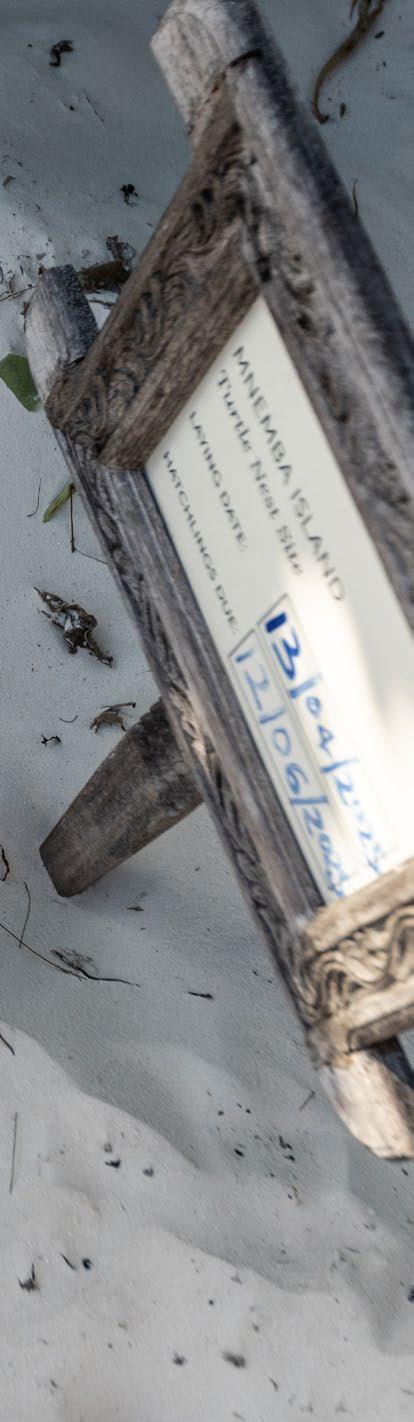
Here, conservation isn’t just about protection. It calls for patience, cultural sensitivity, and long-term commitment. On Mnemba, that commitment has taken the form of a quiet vigil. The nest monitoring programme begun in 2001 is still going strong.
Every clutch, every hatching, every tiny turtle that scuttles to the sea is recorded by a team of local monitors. Over time, they’ve built one of the longest unbroken turtle datasets in the region and, more importantly, a story of resilience.
That turtles continue to return in high numbers is not just a triumph of instinct. It’s a sign that this island remains, against the odds, a place of refuge.
Mnemba Island’s level of environmental protection has increased dramatically with the welcome establishment of MIMSA.
MIMSA
MNEMBA ISLAND MARINE SPECIAL AREA
UNGUJA
MNEMBA ISLAND MARINE CONSERVATION AREA
THE POWER OF PROTECTION
In 2002, the waters around Mnemba Island were formally designated as the Mnemba Island Marine Conservation Area (MIMCA). The goal was simple: to safeguard one of Zanzibar’s most biodiverse reef complexes while allowing for the sustainable use of its fisheries. It was a milestone; not just for the island, but for marine conservation across the archipelago.
In 2023, protection efforts were deepened further with the declaration of a Marine Special Area, co-managed by MIMCA, the Ministry of Blue Economy and Fisheries, &Beyond and Wild Impact. This restricted zone reinforces the buffer around the island, helping preserve the
ecological integrity of the coral reefs and ensuring the continued return of the turtles. And all the life that depends on their presence.
But these boundaries on a map tell only part of the story.
ZANZIBAR
MNEMBA ISLAND
MIMCA
The green turtle gets its name not from the colour of its shell, but from the green fat stored behind its neck: tinted by the seagrass and algae in its diet. It’s a detail that reminds us how often nature’s beauty is viewed through the lens of utility. While many regard these creatures as sea angels, others still see them as meat. Changing cultural perceptions is one of conservation’s toughest battles.
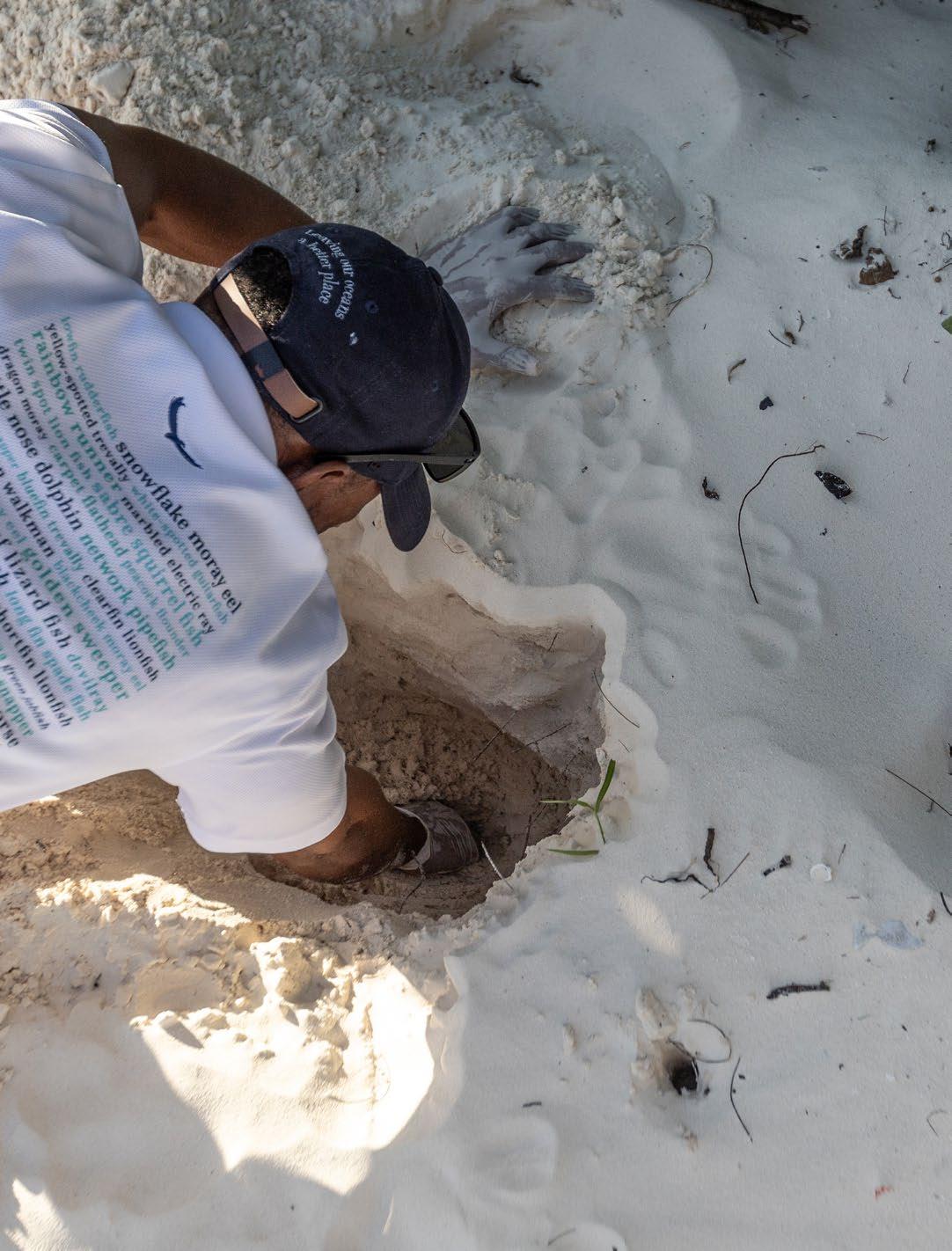
Left: With gloved hands and practiced care, a member of the conservation team gently opens a turtle nest. Not to interfere, but to protect. Two weeks before the expected hatching date, each nest is checked for signs of damage or predation. If all is well, the eggs are reburied, undisturbed. It’s a quiet act of guardianship: part science, part devotion, ensuring that each fragile beginning has the best possible chance at life.
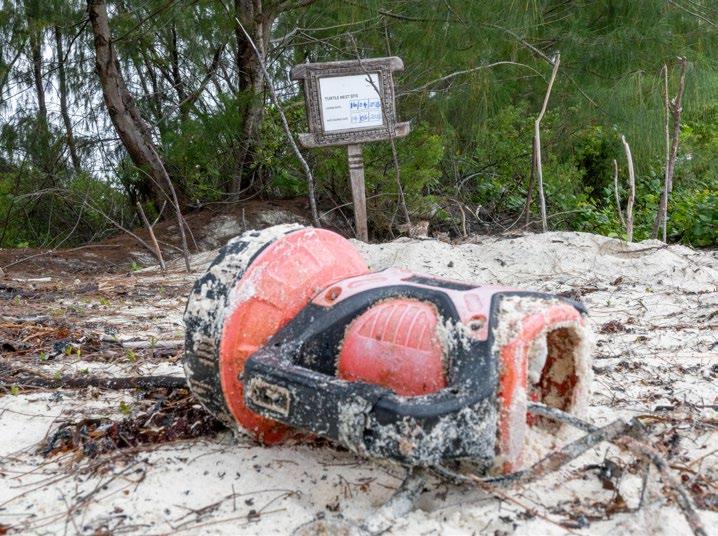
Above: A plastic torch, washed ashore and lying just metres from a turtle nest serves as a jarring reminder that even on a protected island, the ocean carries with it the traces of human neglect. Every day, &Beyond and the Oceans Without Borders team work to keep these beaches clean and safe, but the tide brings more than water. It brings a global problem to the doorstep of a fragile sanctuary.
WHEN CONSERVATION COLLIDES WITH CULTURE
Conservation on Mnemba isn’t simply about keeping people out, it’s about welcoming those who help the seascape endure. Mnemba lies within the wider reach of MIMCA, where neighbouring villages are partners in safeguarding the sea. Closer to the island, MIMSA forms a quiet sanctuary where the reef is given space to renew itself.
From these protections and from our work with Wild Impact, support returns to the surrounding communities; strengthening livelihoods through healthcare, education,
enterprise and the future of their coastal waters.
Fishermen who once viewed turtles only as meat now act as informal protectors. Their knowledge of tides, seasonal movements, and reef dynamics is a vital part of the effort. But the work is not without challenge. In some traditions, turtle meat plays a ceremonial role: a deeply rooted cultural practice that can’t be unlearned overnight. Here, conservation means more than awareness campaigns. It requires dialogue, empathy, and generational change.
This is why &Beyond’s impact work is grounded in partnership, not just with government bodies and NGOs, but with people whose lives are tied to the tides and whose choices will shape this fragile ecosystem’s future.
Crystal clear waters and soft, clean sand are not just attractive to Mnemba’s visitors, they are essential. For green turtles, these beaches offer a rare place to nest. Before commercial fishing and coastal development drove their numbers into decline, nesting season would bring thousands of turtles ashore, their hatchlings flooding the beach in waves and feeding an entire web of hungry crabs, fish, and seabirds. Today, each nest is a precious miracle.
WHY THE WORLD NEEDS MNEMBA
A single turtle hatchling faces overwhelming odds in the open ocean. Perhaps one in a thousand will survive to adulthood. And yet, they return. Generation after generation, guided by a magnetic memory science still doesn’t fully understand. Their persistence is humbling, and deeply instructive.
Without this island, Zanzibar’s green turtle population would almost certainly decline. But with it, something more is preserved: a living system where protection,
partnership, and patience work together. A place where a seahorse in the seagrass or a cruising reef predator signals that balance still holds.
It’s easy to think of conservation as vast and abstract. But often, it’s a small island, a handful of people, and a clutch of eggs buried quietly in the sand.
That’s the story of Mnemba. A story of guardianship; for the turtles, the reef, and a way of living with nature that just might guide us all.
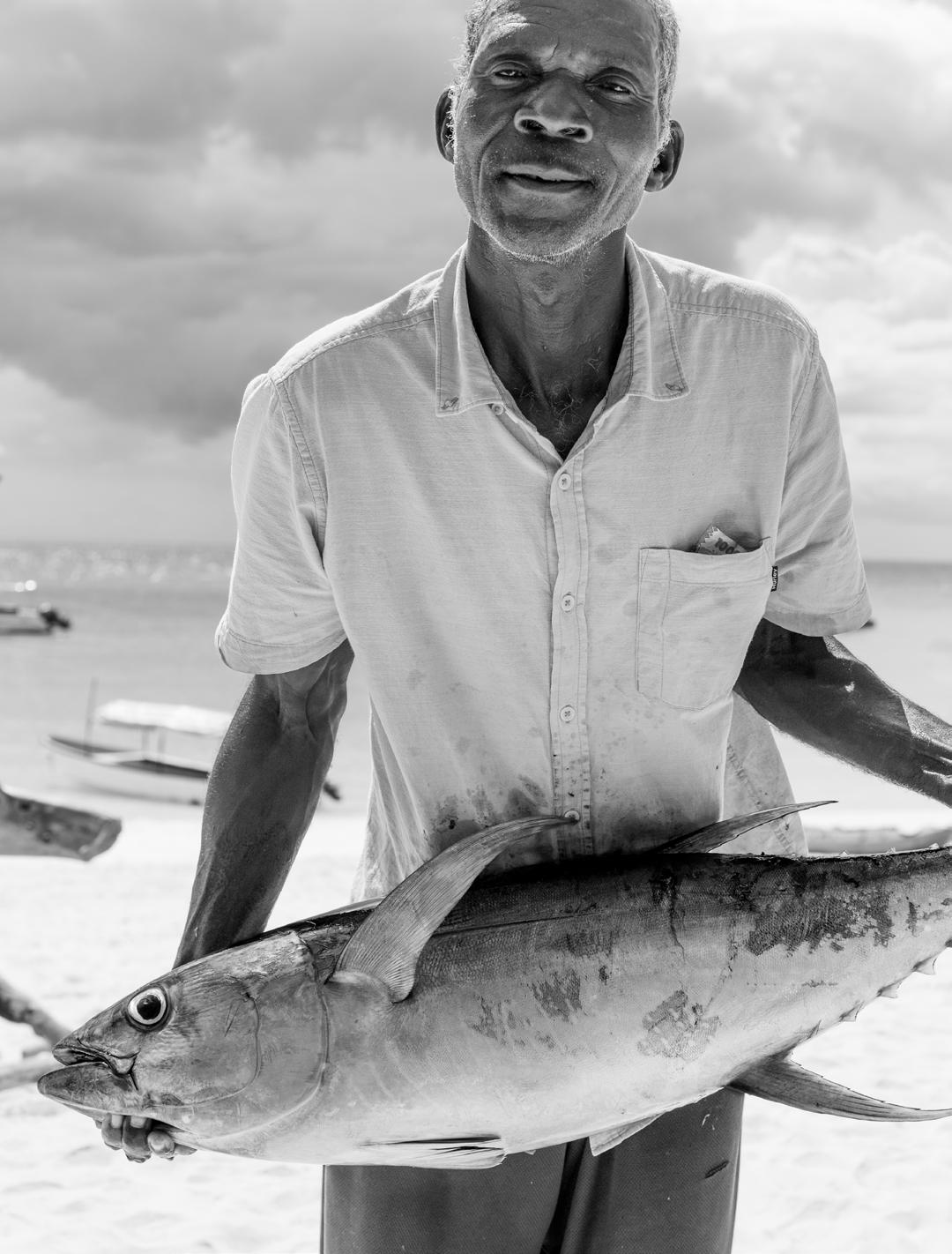
Right: A yellowfin tuna, caught with care and sold at a premium: proof that sustainable fishing pays. One fish at a time, this partnership is teaching more than technique. It’s building trust, value, and a future for Mnemba’s reefs.
The tree of Ngorongoro guardian
In the world’s largest intact caldera, where ancient forests cling to volcanic slopes and wildlife moves in timeless cycles, one man tends to the future, one seedling at a time.
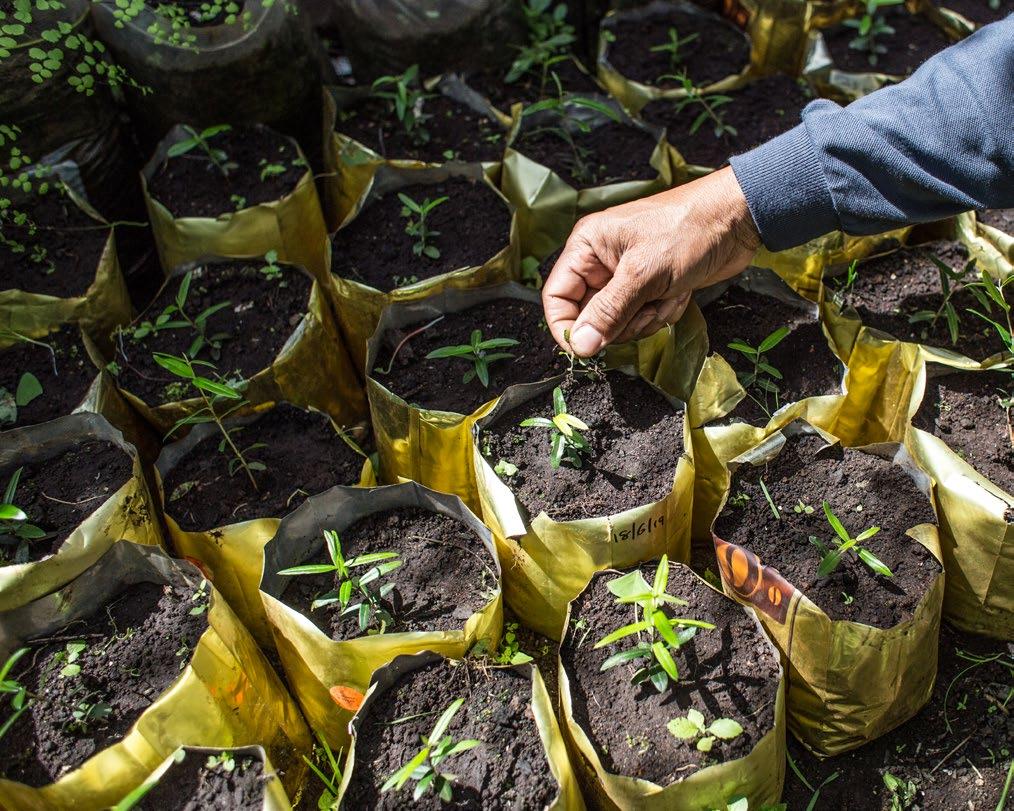
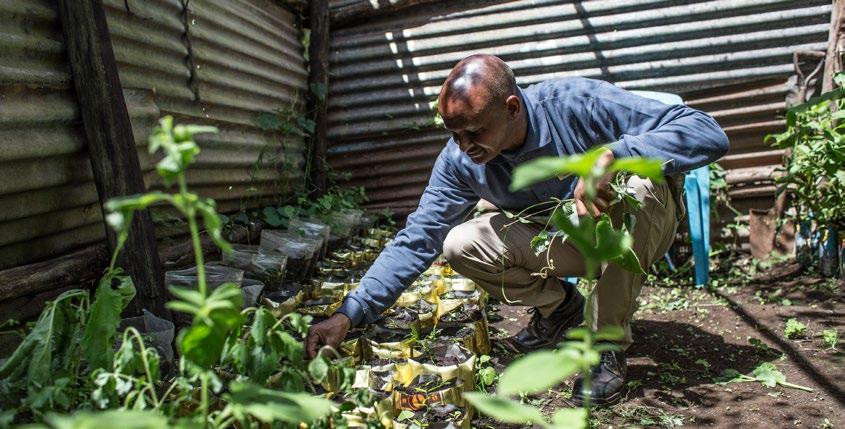
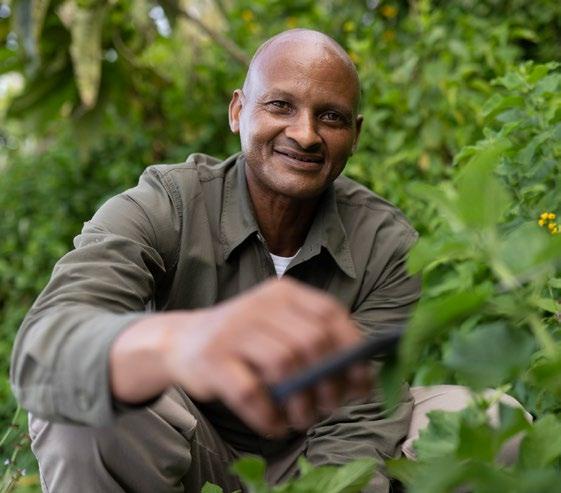
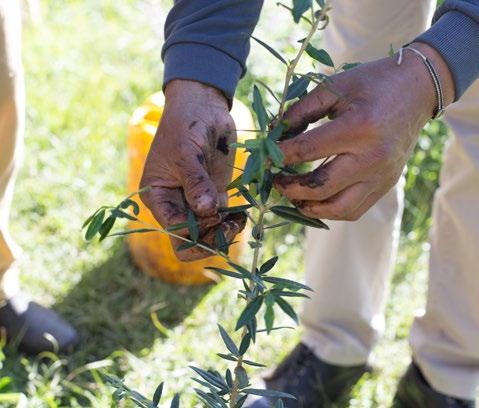
quiet morning on the crater rim. Mist curls up from the caldera, drifting across ancient fig trees and yellow-barked fever trees. In a modest nursery beside Ngorongoro Crater Lodge, Joachim Joseph Hhawu bends over a row of seedlings, fingertips brushing their new leaves as if checking the pulse of something fragile and alive. He calls each of them “children”. Hundreds of green lives he has raised from seed, watered through dry seasons, shaded from fierce sun, and shielded from grazing animals.
His roles have shifted over time, from butler to manager. Beneath every title beats a quieter vocation: Tree Guardian.
FROM GRASS CUTTER TO GUARDIAN
When Joachim first arrived at Ngorongoro, his work seemed far removed from conservation. He was asked to gather grasses for thatched rooms and collect firewood for lodge fireplaces. But he found himself noticing the smaller things that others overlooked: the flame lilies with their curling red petals, the delicate tubers he unearthed by chance. Instead of discarding them, he replanted them where guests could marvel at their seasonal bloom.
“That was my impact moment,” he says softly. “It felt like laying a stone on my path into conservation.” It was the beginning of an outlook that would transform not only his own life, but the living landscape around him.
Seeds of the future
Joachim’s work begins in the soil. Propagating indigenous trees from seed is a slow, patient process, each sprout coaxed into life with care. Alongside his saplings, he helps the &Beyond team grow vegetables for staff and guests, tending both the future forest and the food that sustains the lodge.
THE ROOTS OF A LASTING LEGACY
Over time, Joachim began collecting seeds, experimenting with soil mixes, and coaxing life from the hard kernels and husks that others would pass by. He helped establish the lodge’s first tree nursery, tucking away his saplings between shifts as bush banquet manager. The nursery became his quiet refuge: a place of patience, where growth could not be rushed, only encouraged.
Today, that patch of earth has given rise to more than 60 000 trees. Wild olives, fever trees, and Cape chestnuts stretch across the property and beyond, each with Joachim’s invisible signature written into its bark. For him, the satisfaction lies not in the number, but in the
knowledge that each sapling will stand long after his own footsteps have faded from the crater rim.
BEYOND THE LODGE
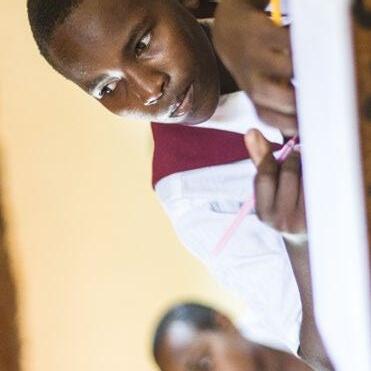
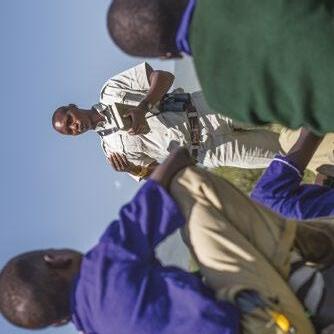
Joachim’s work does not stop at the lodge gates. He has carried saplings into neighbouring villages and local schools, where he shows children how to plant, water, and care for them. Here, trees become more than biology lessons. They are teaching aids, living blackboards, shadegivers in playgrounds, rain-bird attractors, and protectors against the heavy downpours of the wet season. In community hands, the saplings thrive, carefully guarded like members of the family.
To Joachim, these moments are as important as any guest interaction. “When a child plants a tree,” he says, “they plant a memory in themselves. One day, when they see its branches tall above them, they will remember they had a hand in shaping it.”
FROM BUTLER TO ASSISTANT MANAGER
Over the years, Joachim has carried his nursery wisdom into every role he has held. He became a butler, but his saplings never left his side. Guests began to linger with him in the nursery, hearing his stories of seed and soil as part of their safari. His lessons reached far beyond natural
history. They were about patience, guardianship, and respect for the unseen.
Today, Joachim is Assistant Manager at Klein’s Camp. Yet the seedlings still accompany him. He is buzzing with ideas about expanding tree-growing expertise into new places. For him, titles change, but the role of guardian endures.
“If no one writes down my story,” he says, “it would end just like that.” By telling it here, the roots of his work reach deeper. And his quiet guardianship becomes part of Ngorongoro’s greater story.
OLDUVAI GORGE TO THE NORTH WEST LIES OLDUVAI GORGE. ITS DISCOVERY OF EARLY HUMAN FOSSILS HELPED SECURE NGORONGORO’S UNESCO WORLD HERITAGE STATUS.
OPEN GRASSLANDS
RICH GRAZING FOR WILDEBEEST, ZEBRA, AND GAZELLE: PREY FOR THE CRATER’S LIONS AND HYENAS.
MTI MMOJA (ONE TREE ISLAND) A TINY FORTRESS OF LIFE ISOLATED BY THE LAKE’S ALKALINE WATERS.
LAKE MAGADI (SODA LAKE) A SALINE LAKE THAT GLOWS PINK WITH FLAMINGOS.
FED
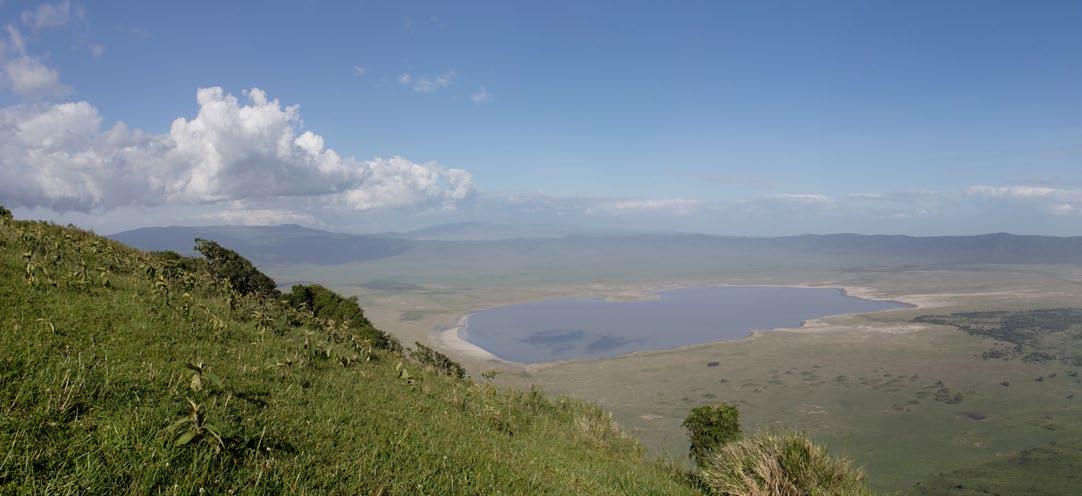
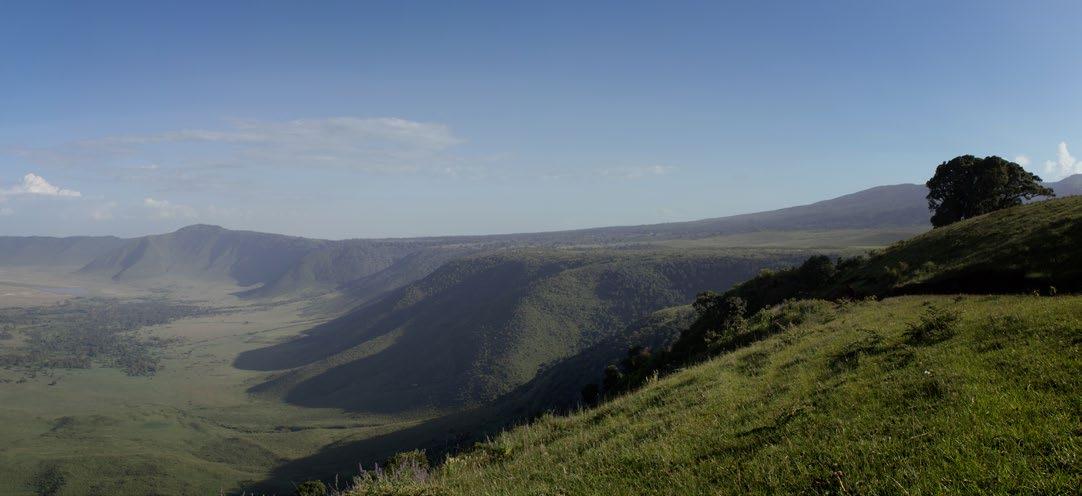
AT 19 KM (12 MILES) ACROSS, NGORONGORO IS THE WORLD’S LARGEST INTACT VOLCANIC CALDERA. ITS UNBROKEN RIM FORMS A NATURAL AMPHITHEATRE OF LIFE.
WHY TREES MATTER
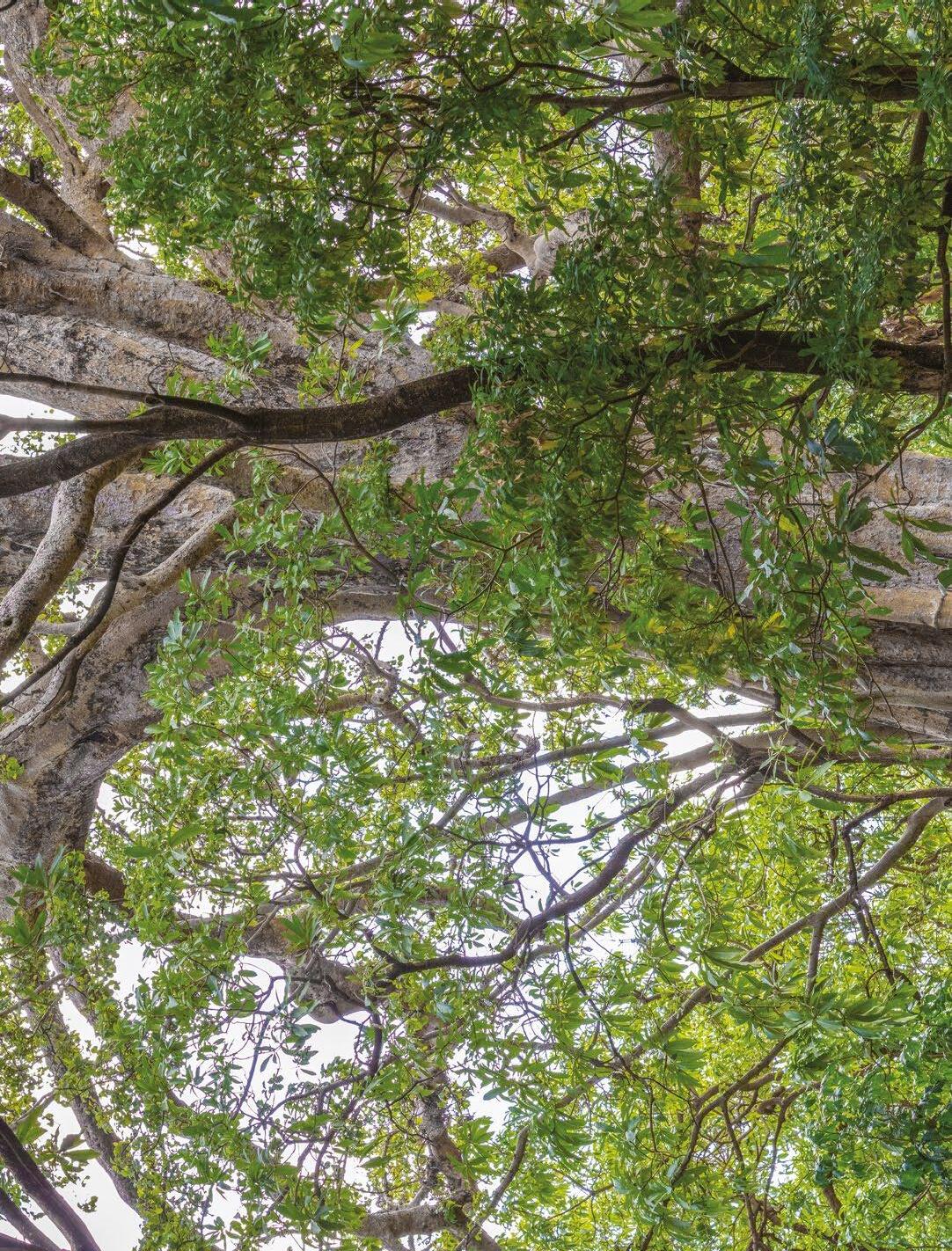
In Ngorongoro, trees are more than part of the scenery. They are guardians of balance. They hold the slopes against erosion, draw water into the soil, and provide shelter and food for countless species.
For Joachim, caring for a sapling is an act of stewardship. Each one he plants becomes shade for children, nesting for birds, memory for the land itself, and a living thread of culture: used in medicines, stories, and ceremonies that connect people to place. His hands remind us that protecting a single tree is, in truth, protecting the whole crater.
MANDUSI SWAMP
BY HIDDEN AQUIFERS, SUSTAINING HIPPOS AND BUFFALO EVEN IN DROUGHT.
LERAI FOREST
FEVER TREES GLOWING GOLD IN THE SUN, WHERE ELEPHANTS AND BABOONS FIND SHELTER.
LERAI GORGE A NARROW PASSAGE WHERE LIONS, ELEPHANTS, AND WILDEBEEST PASS BETWEEN WORLDS.
CRATER RIM
MONTANE FOREST FORMING THE NATURAL BARRIER THAT PROTECTS THIS WORLD WITHIN A WORLD.
&BEYOND NGORONGORO CRATER LODGE
PERCHED ON SOUTH WESTERN RIM FOR DECADES, GUEST VISITS HAVE HELPED PROTECT WILDLIFE AND SUPPORT SURROUNDING COMMUNITIES AT ONE OF OUR WORLD”S MOST REMARKABLE WILD PLACES.
THE CRATER RIM TOWERS 600 M (2 000 FT) ABOVE THE FLOOR: A NATURAL WALL ENCLOSING THIS WORLD WITHIN A WORLD.
NGORONGORO: An irreplaceable world
The Ngorongoro Conservation Area was inscribed as a UNESCO World Heritage Site in 1979, recognised for the extraordinary richness of its wildlife and the natural wonder of the crater itself. Within these volcanic walls lie grasslands, forests, swamps, and lakes: a compressed mosaic of habitats that sustains one of the highest densities of animals on Earth.
Among its many treasures is Mti Mmoja (“One Tree” island) rising like a green outpost from the soda lake. Isolated by alkaline waters, it has developed a kind of fortress ecology where birds can nest in safety and hardy plants cling to life.
For champions like Joachim, the Tree Guardian, this diversity is the heart of the crater’s magic. Every seedling he nurtures is part of that greater story: a living thread in a tapestry of habitats that is truly irreplaceable.
A GUARDIAN’S PROMISE
In a place defined by vast herds and sweeping views, it is easy to overlook the quiet work of trees; and the man who tends them. Yet every sapling Joachim plants is a promise: that Ngorongoro’s forests will continue to whisper their stories long after the dust of the crater has settled.
Joachim, the Tree Guardian, knows better than most that the future of this irreplaceable place begins in the palm of a hand.
Trees of knowledge
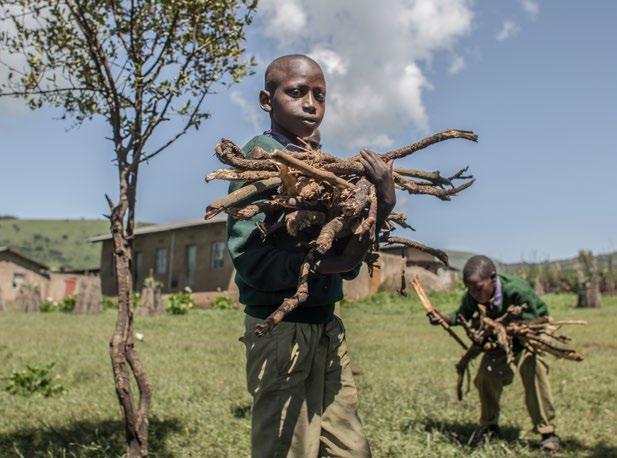
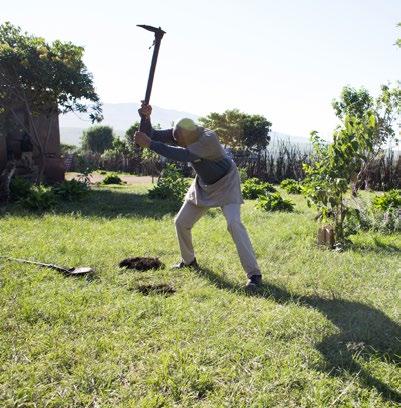
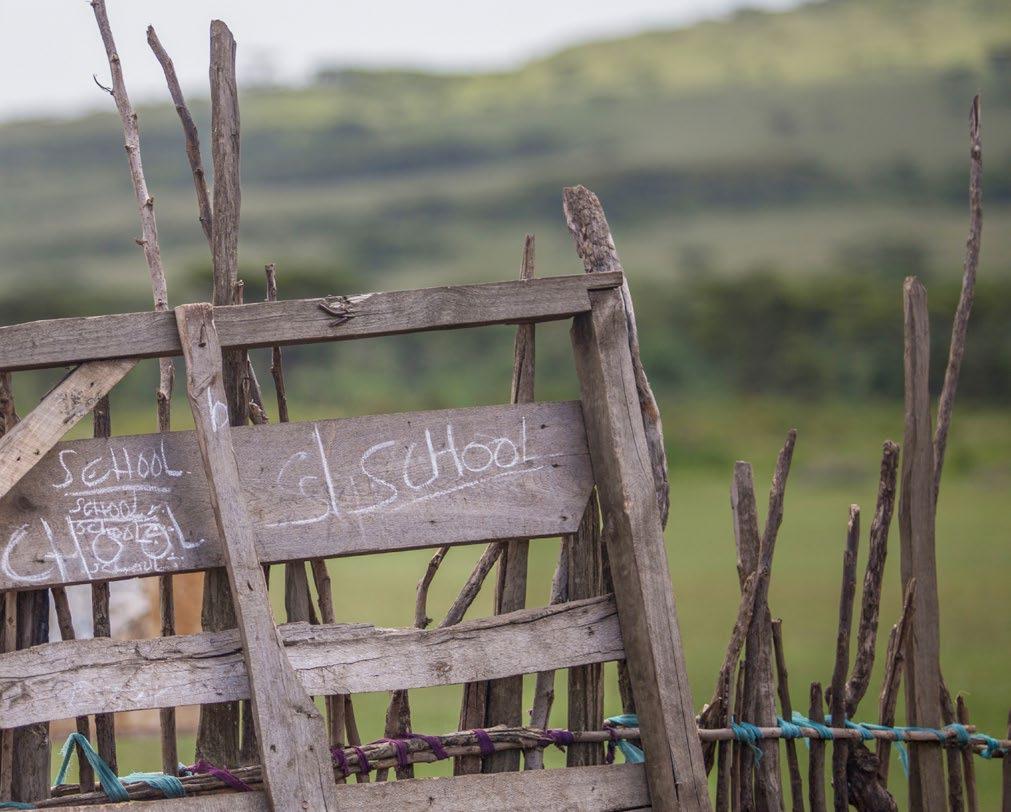
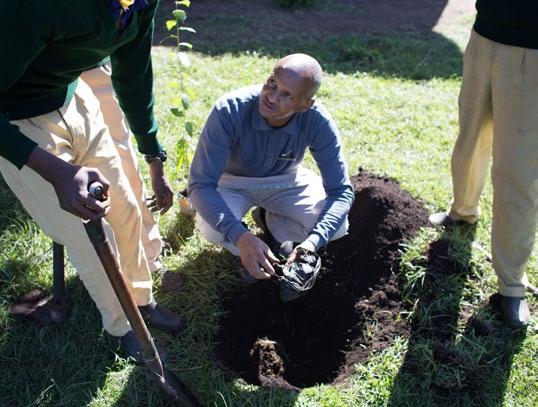
In this community, the path between learning and land is direct. Children gather wood for cooking and fences, often unaware that it may come from vulnerable indigenous trees. Joachim, the Tree Guardian, teaches them which species must be protected, and plants new saplings that will provide shade and resources in the future. His work restores what has been taken, helping the next generation understand that the future of this landscape lies in careful hands.
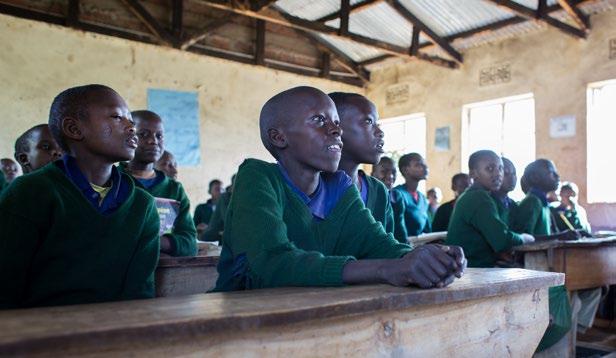
600 SCHOLARS LEARNERS REACHED THROUGH &BEYOND AND WILD IMPACT’S ECHO ENVIRONMENTAL EDUCATION PROGRAMME.
68
745 LESSONS & ACTIVITIES ENVIRONMENTAL LESSONS, PRACTICAL CONSERVATION, CREATIVE LEARNING AND FIELD EXPERIENCES INSPIRING TOMORROW’S STEWARDS.
52
Across 10 landscapes, the Echo Environmental Education Programme reaches thousands of children with lessons that branch far into the future. Through the combined efforts of &Beyond and Wild Impact, the programme builds environmental knowledge, practical skills, and long-term commitment to conservation in the communities that neighbour our irreplaceable places. 287
SCHOOLS PRE-PRIMARY, PRIMARY AND SECONDARY SCHOOLS ACROSS 10 IMPACT LANDSCAPES.
PLANTING THE SEEDS OF future guardians
“When a child plants a tree, they plant a memory in themselves. One day, when they see its branches tall above them, they will remember they had a hand in shaping it.”
JOACHIM JOSEPH HHAWU
NGORONGORO CONSERVATION AREA
BAZARUTO ARCHIPELAGO
MNEMBA ISLAND
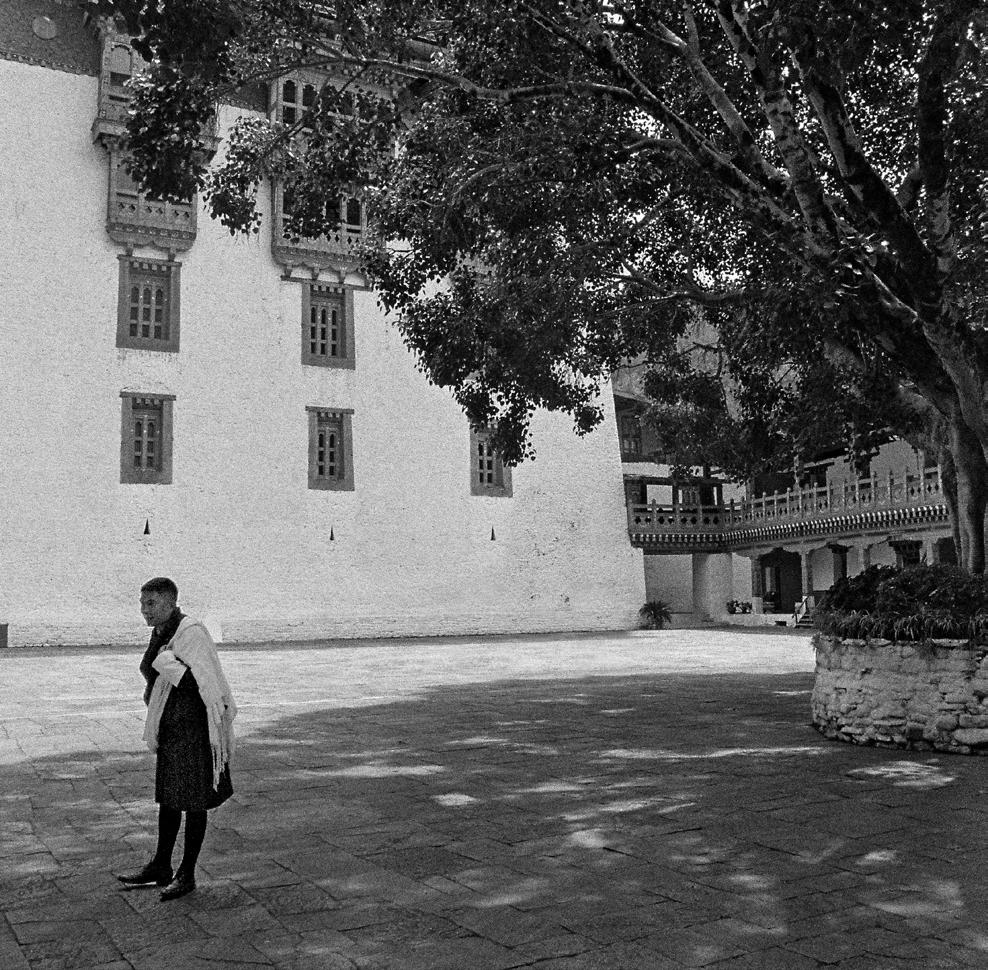
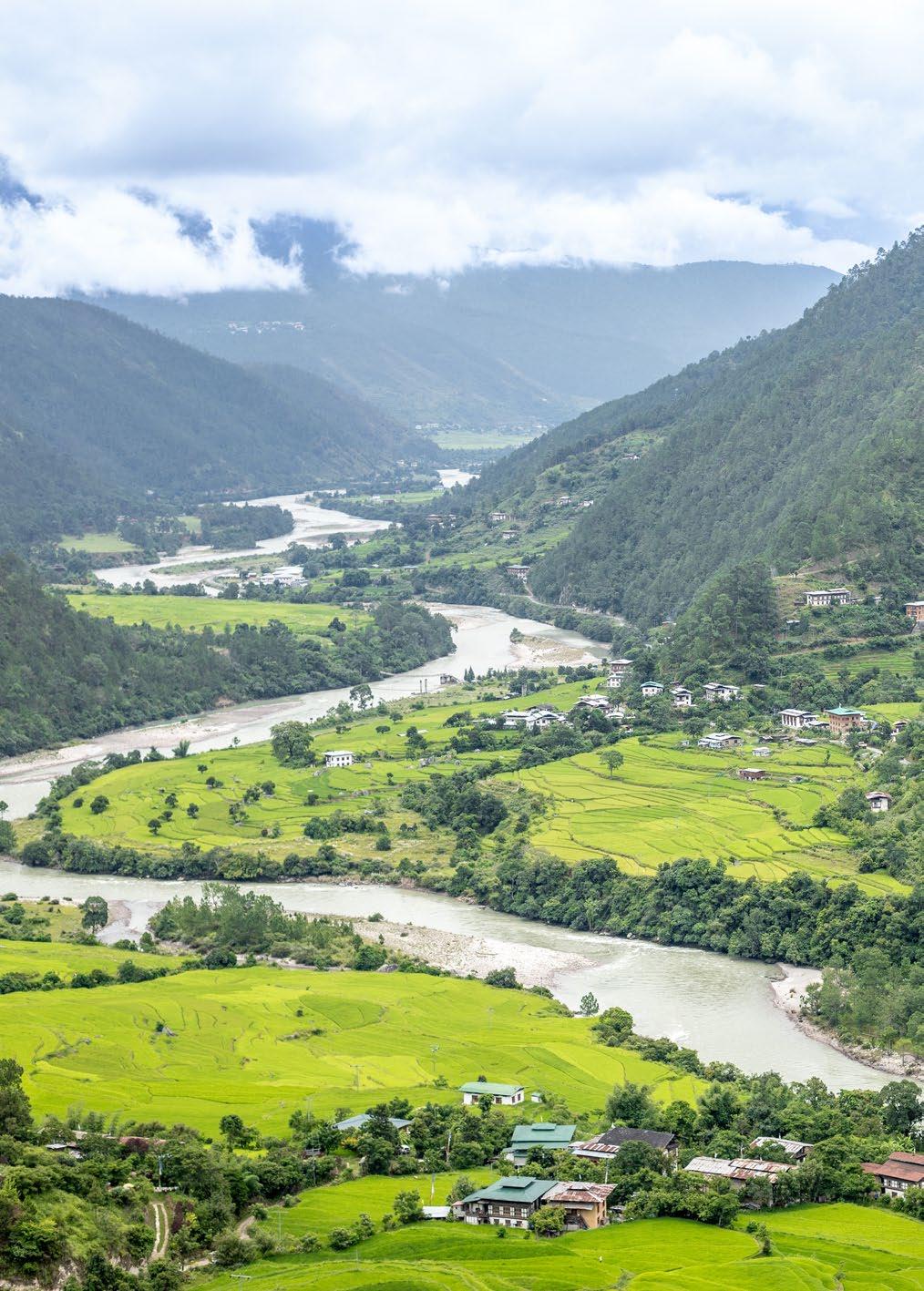
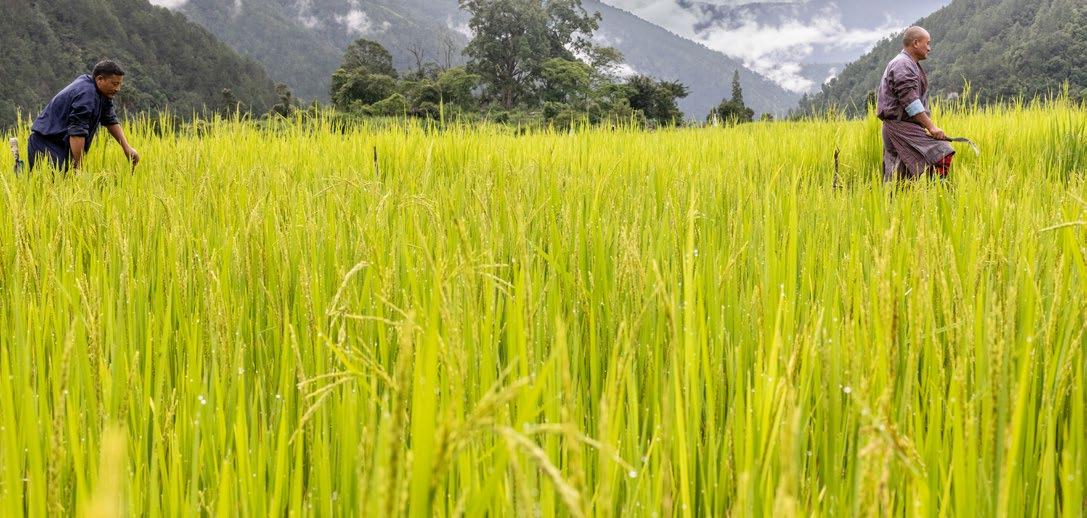
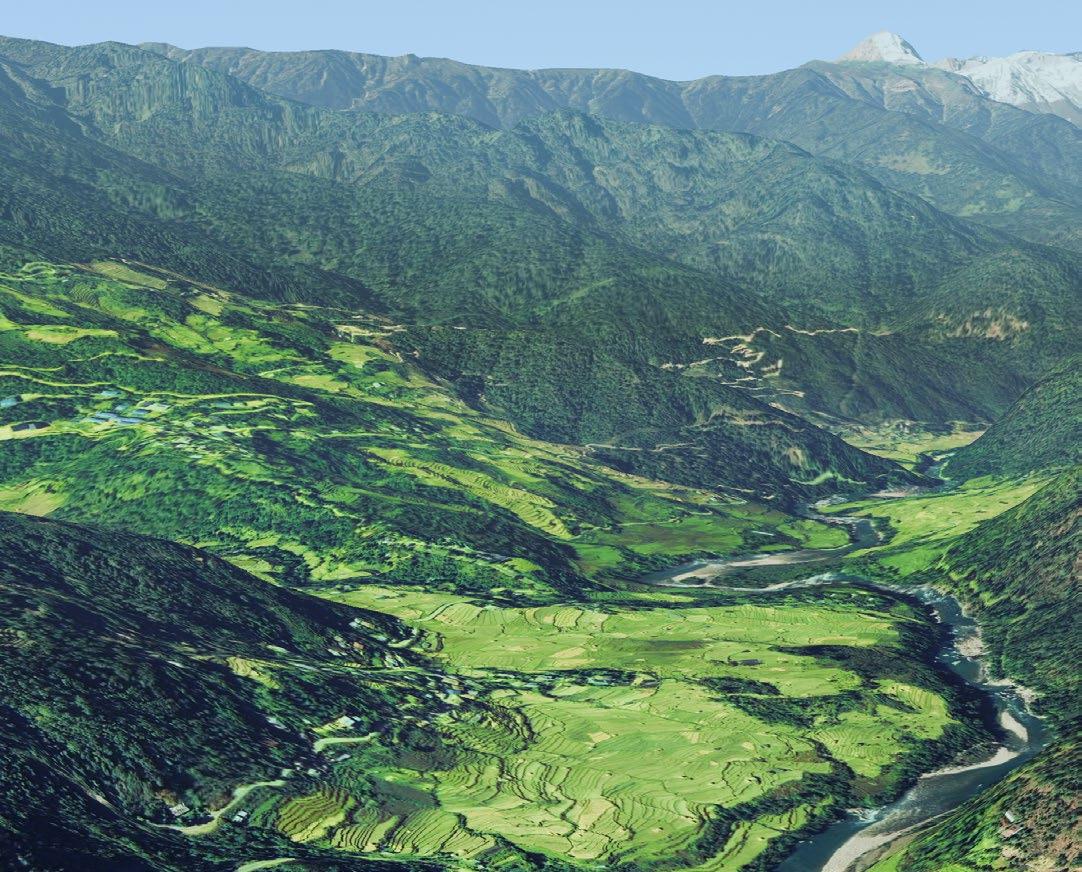
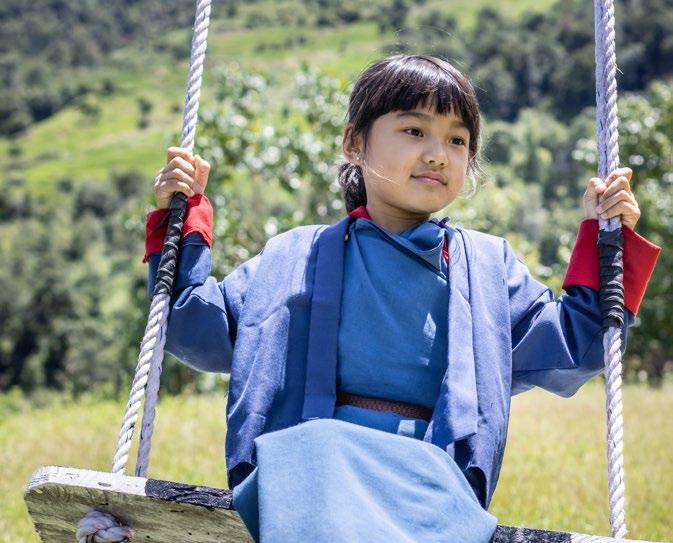
Left: The Punakha Valley provides a glimpse into the last Himalayan kingdom, where river, culture and mountain still move in ancient harmony.
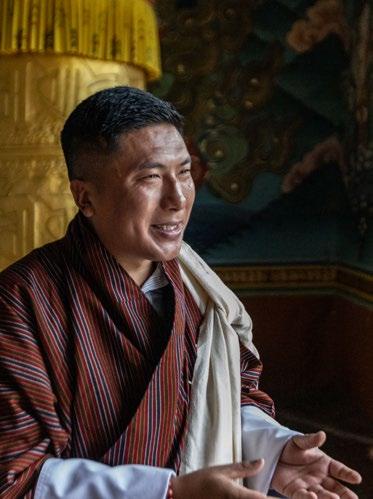
Right: Jamyang Tashi, &Beyond guide and lifelong resident of Punakha, shares the valley’s stories and spiritual traditions.
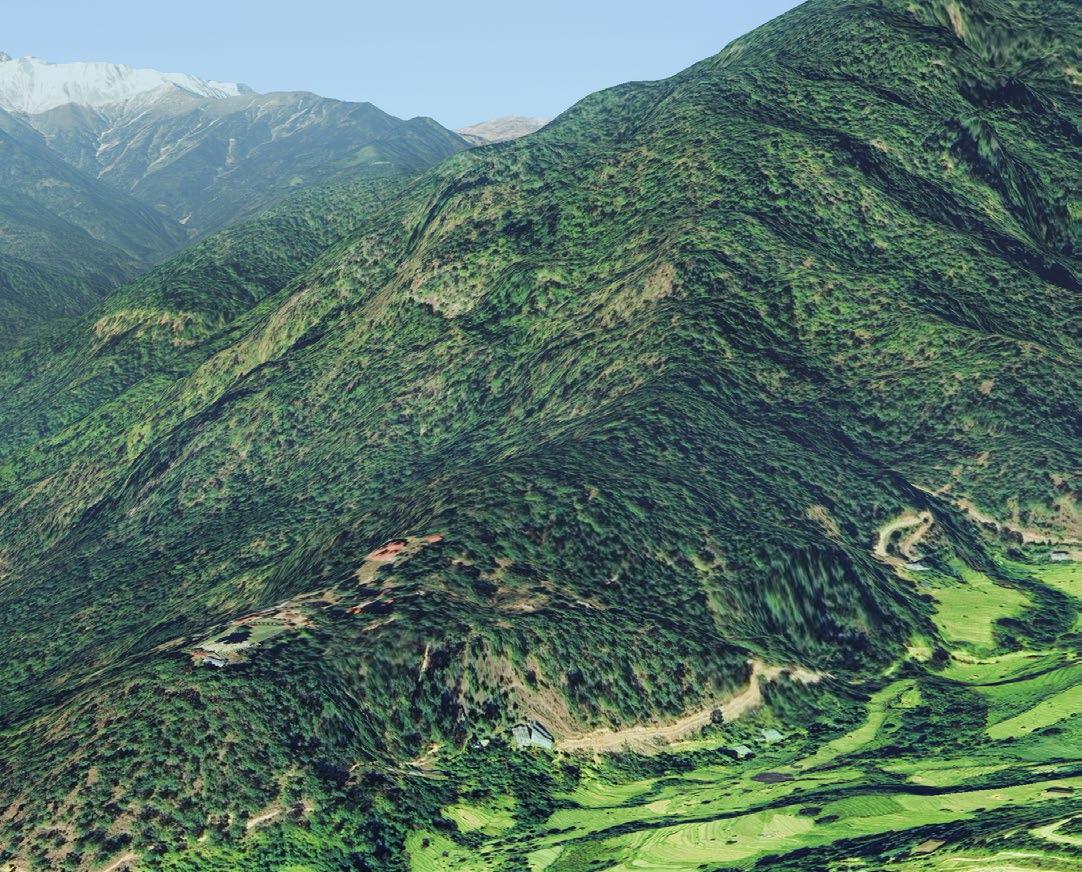
Punakha Valley looks, at first, like a place where nothing has changed for centuries. Rice paddies ripple in the wind, prayer flags thread the ridgelines, and the river loops calmly through villages built on the same slopes their ancestors farmed. But what makes Punakha extraordinary is not its beauty; it is the invisible harmony that holds these elements together.
s Jamyang Tashi, a guide at &Beyond Punakha River Lodge, explains it, “This is where the sacred and the earthly meet without conflict.” To him, Punakha is not simply a valley; it is an integrated way of being. The temple anchors spiritual life, the paddy fields sustain families, the suspension bridge connects scattered hamlets, and the river ties everything to the land’s long memory. Each part is distinct, yet none stands alone.
Bhutan’s concept of Gross National Happiness becomes tangible here. The balancing of ecological health, cultural integrity, good governance, and community vitality reveals itself in the daily rhythms of the valley. Life unfolds at a human pace. Rituals follow the seasons.
Where the sacred touches the earth
Children cross the bridge to school under mountains considered guardians, not scenery.
But this balance is not static. It is a delicate interplay, maintained with conscious effort. The world presses in: younger generations see opportunities beyond the valley, global culture arrives through phones faster than it does through visitors, and economic ambitions increasingly tug at tradition. Punakha remains intact not because it is isolated, but because it is held together by choices; communal, cultural, and spiritual; that have been made again and again across generations.
This is the heart of the valley: not a place preserved in time, but a place continually choosing what is worth preserving.
PUNAKHA VALLEY A
microcosm
of happiness
WOKUNA PRE-PRIMARY SCHOOL EDUCATION AND FUTURE
CHILDREN LEARNING WITH NEW TOOLS, SUPPORTED BY LODGE-SUPPLIED KITCHEN EQUIPMENT AND COMPUTERS.
MO CHHU RIVER ECOLOGICAL RESILIENCE
SACRED WATERS THAT SUSTAIN RICE PADDIES AND LIVELIHOODS, LATER JOINING THE FATHER RIVER AT PUNAKHA DZONG IN A SYMBOLIC UNION OF BALANCE.
CULTURAL RESILIENCE
PARTNER COMMUNITY TO THE
Punakha River Lodge sits within a valley where every element; from the sacred temple and the suspension bridge to the rice paddies, river, and school; reflects Bhutan’s radical measure of progress: Gross National Happiness.
THE RHYTHM OF LIFE AND SUSTENANCE, CENTRAL TO MEALS AND RITUALS, LINKING THE COMMUNITY TO BOTH LAND AND TRADITION.
LIFELINE
&BEYOND PUNAKHA RIVER LODGE TIME USE & LIVELIHOODS
A PLACE OF DIGNIFIED WORK FOR LOCAL PEOPLE AND MEANINGFUL IMMERSION FOR GUESTS.
Bhutan is often described through the lens of Gross National Happiness (GNH). This is a radical idea that progress is not measured in wealth, but in well-being. It may sound abstract until you step into a place like Punakha Valley, where the philosophy becomes tangible.
Here, within a single bend of the river, you find the elements of an entire kingdom in miniature. The temple watches over the valley, the bridge carries villagers to their fields and school, the rice paddies ripple with seasonal rhythms, the river flows toward its confluence and the sacred mountains rise beyond: guardians of a fragile sovereignty.
It’s a system that contains itself, a microcosm of Bhutan’s way of life. Each element sustains the next and the whole is stronger because the parts remain intact.
ZHOSHI VILLAGE
LODGE, PRESERVING A LIVING CULTURE.
BALIP BRIDGE COMMUNITY VITALITY
A
CONNECTING ZHOSHI VILLAGERS TO FIELDS, MARKETS AND SCHOOLS.
RICE PADDY FIELDS LIVING STANDARDS
GREAT HIMALAYAN MOUNTAIN RANGE PROTECTION
SACRED, UNCLIMBED PEAKS THAT MARK THE BORDER WITH CHINA, REMINDERS OF BHUTAN’S FRAGILE SOVEREIGNTY.
A TEMPLE BUILT TO BRING HARMONY TO THE WORLD, STANDING AS A GUARDIAN OF THE VALLEY.
At Punakha River Lodge, &Beyond is not just a respectful outsider but a participant in this living system. By sustaining livelihoods, supporting the nearby school, and welcoming travellers into the rhythms of the valley, the lodge strengthens what already exists. In Bhutan, conservation is not only about wilderness; it is about protecting the integrity of culture, community, and land together.
This valley is just one fold in the Himalayan landscape, but it holds the pattern of the whole. That is the genius of Gross National Happiness: not a distant policy, but a living balance, replicated across valleys and villages, each one an irreplaceable place in the last Himalayan kingdom.
PUNAKHA DZONG GOOD GOVERNANCE
THE GREAT FORTRESS AT THE CONFLUENCE OF THE RIVERS, LONG A SEAT OF RELIGIOUS AND CIVIL AUTHORITY, SYMBOLISING THE BALANCE OF STATE AND SPIRIT.
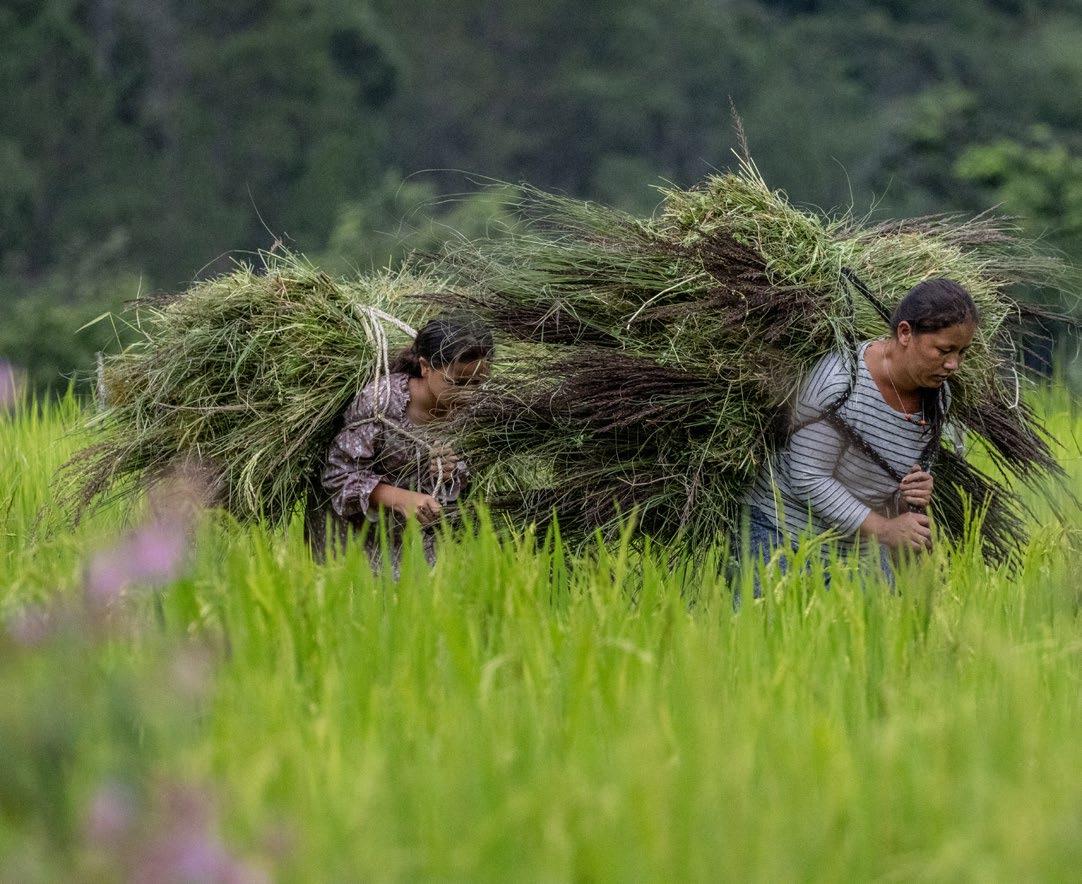
Above: Manual labour remains the rhythm of life in Punakha. Grass is cleared by hand to keep irrigation channels open and to make way for the rice that anchors the valley’s livelihood.
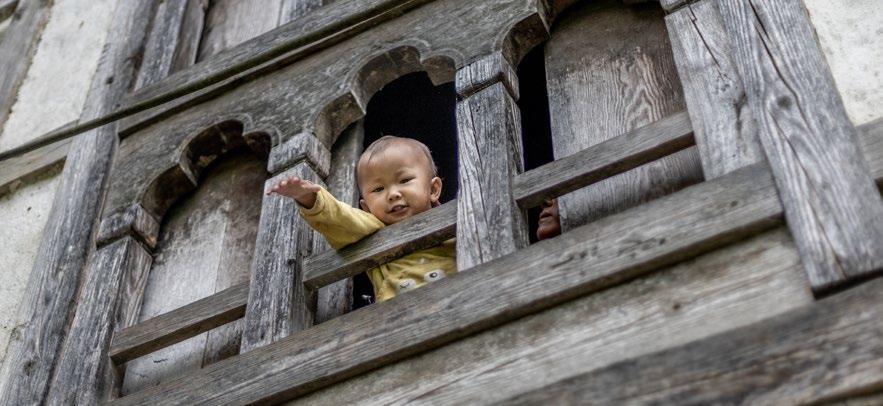
Below left: Even the humblest homes in the valley are crafted in the traditional Bhutanese style. A child peers out from hand-carved windows that echo centuries of craftsmanship.
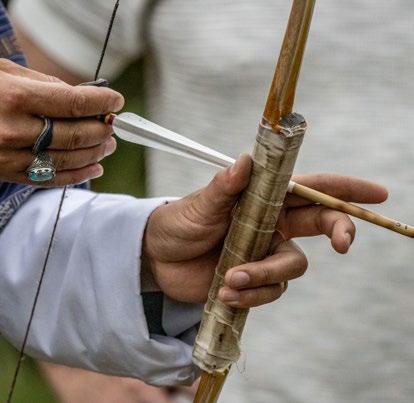
Below centre: Archery is Bhutan’s national sport, practised with the same passion other countries reserve for football. Its rituals and precision are part of daily life.
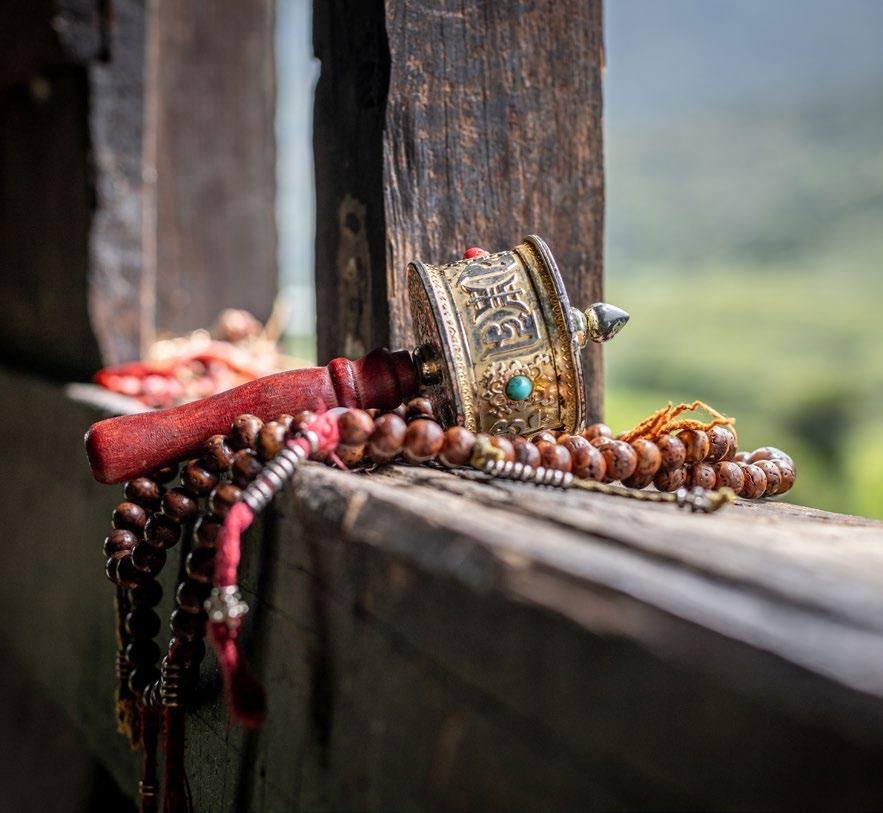
Above: A well-worn prayer wheel rests on a windowsill. A reminder that spiritual practice is woven into everyday routines, turned again and again with quiet devotion.
Below right: A young student from Wokuna pre-primary enjoys a moment of play. Childhood here unfolds within a landscape steeped in tradition and community.
CULTURE PROTECTED, CULTURE UNDER PRESSURE
Bhutan is one of the few nations in the world that attempts to protect its culture deliberately. Not as heritage preserved behind glass, but as a living system woven into daily life. Policies safeguard rice paddies because they anchor food security and identity. Traditional dress is required in schools and public offices, not as performance but as a reminder of shared belonging. Architecture is regulated so villages evolve without losing themselves. Even the laws governing tourism are designed to protect the cultural and ecological fabric from erosion.
Blessings on the wind
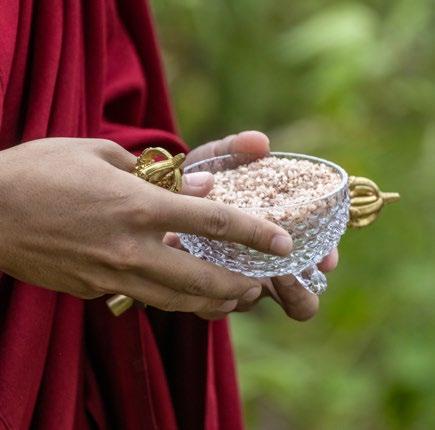
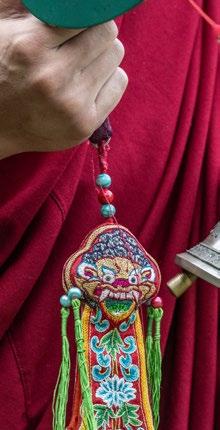
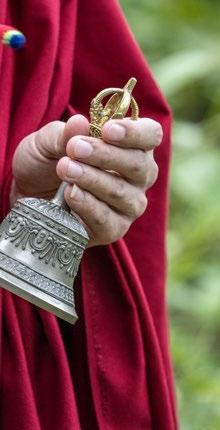
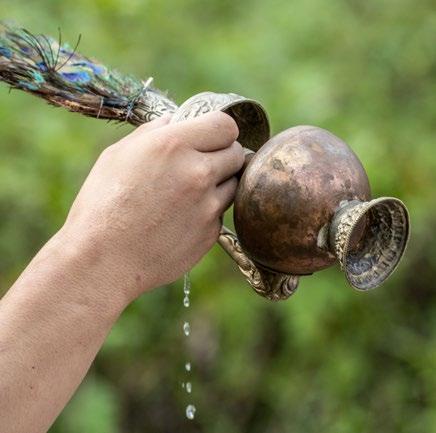
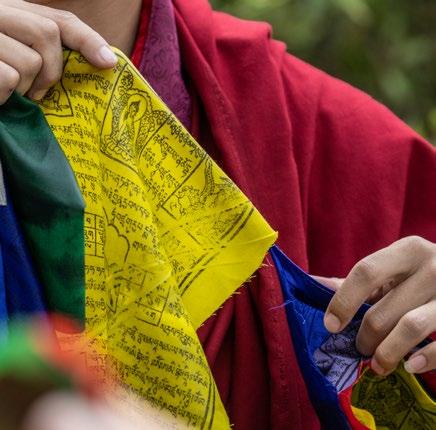
A blessing ceremony accompanies the hanging of prayer flags in Bhutan. Rice is offered as a symbol of nourishment and abundance, the bell calls the mind to clarity, and the vase pours consecrated water to purify the intention. Only once these elements are brought together are the prayer flags unfurled and raised; carrying good wishes on the wind for all who pass beneath them, and for the valley that holds them.
These measures have real benefits. They create continuity across generations and ensure that rapid development does not dissolve the country’s sense of self. They foster stability, community cohesion, and cultural confidence. These qualities, visitors often describe as palpable the moment they arrive.
And yet, as Jamyang puts it, “There is enthusiasm about new opportunities, and also fear of cultural deterioration.” Preserving culture is not the same as freezing it. Young Bhutanese navigate a world where education, technology, and global influence offer possibility but also challenge tradition. The same policies that protect identity can feel restrictive, especially when livelihoods are changing faster than cultural expectations.
Technology amplifies this tension. On one hand, Bhutan is experimenting with modern tools to protect ancient knowledge. From digital archives that record oral histories to experimental “heritage hackathons” where technologists use blockchain tokenisation to preserve sacred art. On the other, global culture arrives on every screen, reshaping aspirations faster than tradition can absorb. The rice terraces remain protected by law, but fewer young people wish to farm them. Traditional skills survive, yet modern jobs increasingly define success.
Punakha sits at the centre of this delicate equation. Its valleys show what is possible when culture is honoured and lived. But they also reveal how fragile that equilibrium becomes when the world accelerates around it.
TOURISM’S PARADOX
Tourism in Bhutan is both a guardian and a pressure. It brings income that sustains rural livelihoods, funds conservation, and supports community development. It allows travellers to understand (even briefly inhabit) a worldview shaped by balance rather than accumulation. And yet it also brings the very global influences Bhutan works to manage. Culture can quickly shift from being lived to being performed, and the presence of outsiders can unintentionally reshape the expectations of those who host them.
This is the paradox Bhutan must navigate: to share its culture with the world without letting the world overwhelm its culture.
The High Value, Low Volume tourism model is one answer. By limiting numbers and prioritising meaningful engagement over mass visitation, Bhutan gives itself the space to set the terms of exchange. Visitors don’t come to consume the landscape, but to participate; briefly, respectfully; in a place where life is arranged around spiritual practice, land stewardship, and communal responsibility.
For &Beyond, this means being a participant rather than an observer. Punakha River Lodge works directly with neighbouring communities, supporting livelihoods and celebrating local knowledge. The intention is not to create a curated experience of Bhutanese culture, but to learn from it. Guides like Jamyang are central to this approach: their knowledge shapes every journey, not as performance but as relationship: between visitor and valley, between curiosity and reverence.
In Punakha, hospitality extends far beyond service. It is a cultural ethic, rooted in respect, reciprocity, and awareness of interdependence. A guest enters the valley not as a spectator but as someone who must tread lightly in a heritage that is still alive.
If Punakha is an irreplaceable place; a cultural ecosystem shaped over centuries; then its preservation depends not only on the Bhutanese who call it home, but also on the visitors who pass through. To enter such a place is to accept responsibility: to leave the valley unchanged, except for what it changes in you.
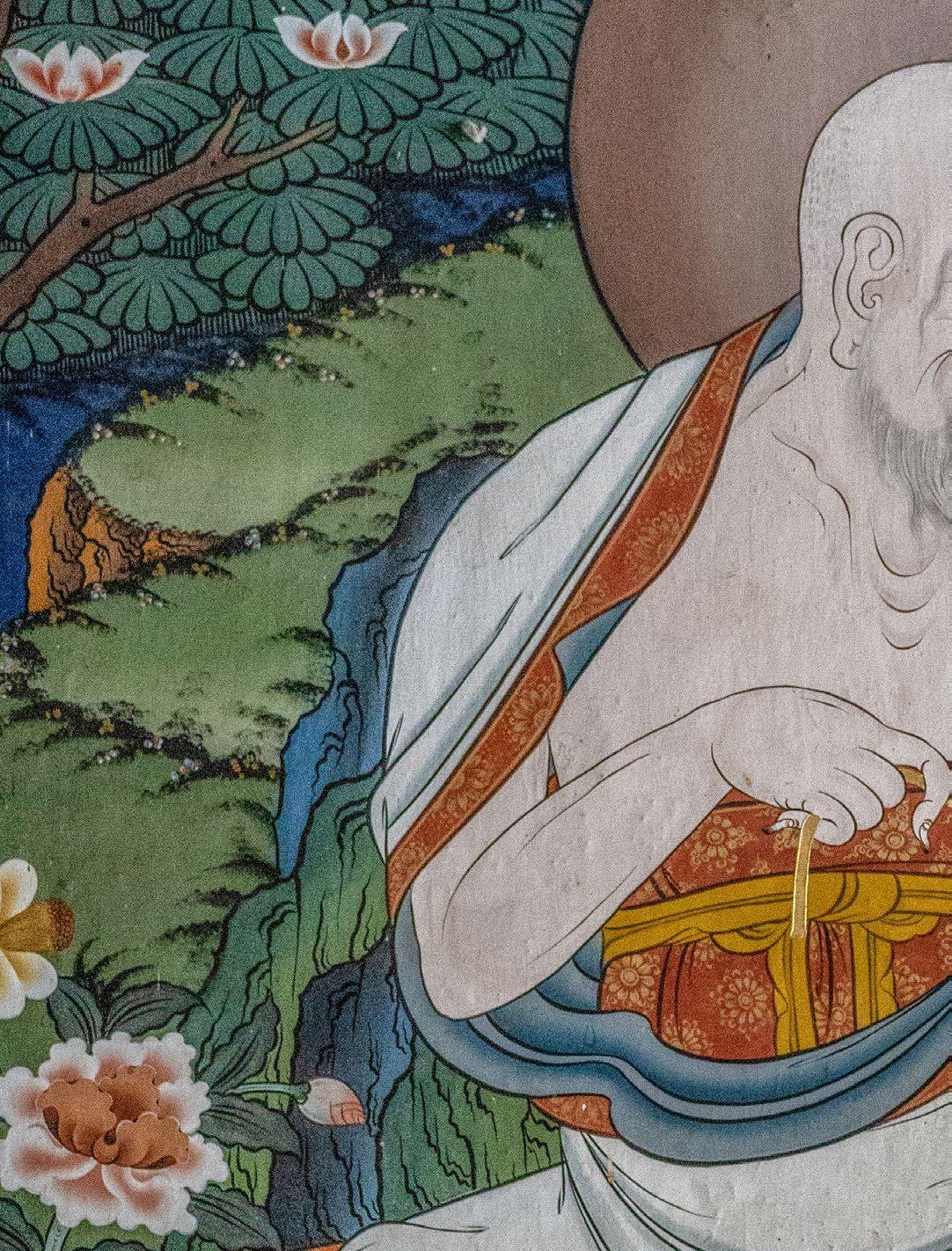
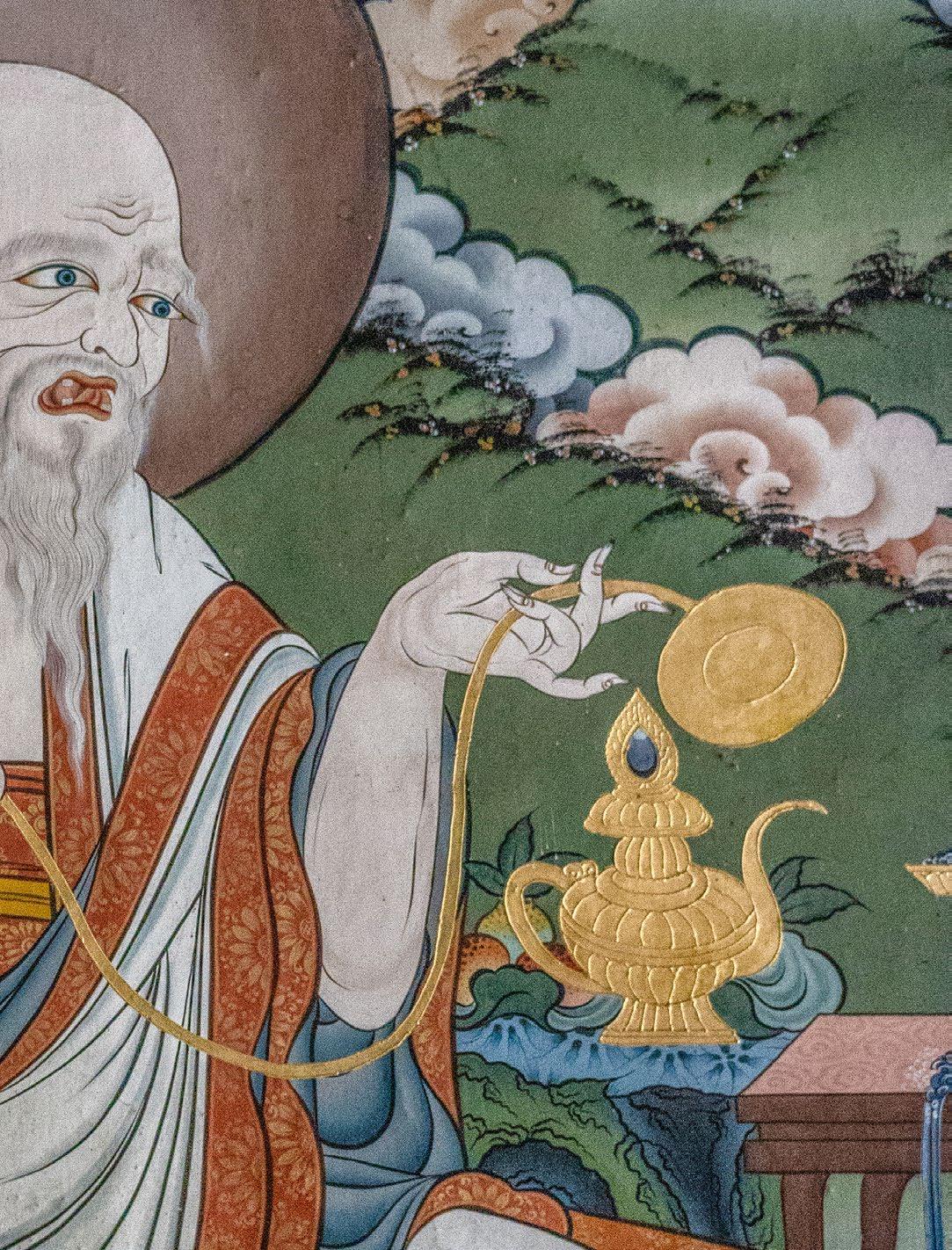
Me Tshering appears at the entrance of Punakha Dzong. Revered as one of the Buddha’s earliest disciples and known as the Arhat of Long Life, he represents both longevity and the enduring life of the Dharma. He stands as a guardian of Bhutan’s spiritual lineage and a reminder of wisdom preserved through the ages. In his hand he holds a long-life vase filled with amrita, the nectar of immortality: a symbol of vitality, protection, and the unbroken continuity of the teachings. The cord that loops from the vessel evokes the thread of lineage passed from master to student across centuries, echoing Bhutan’s own devotion to preserving its spiritual heritage.
The true weight of a
What it takes to move a megaherbivore. And what wild places gain when it returns.
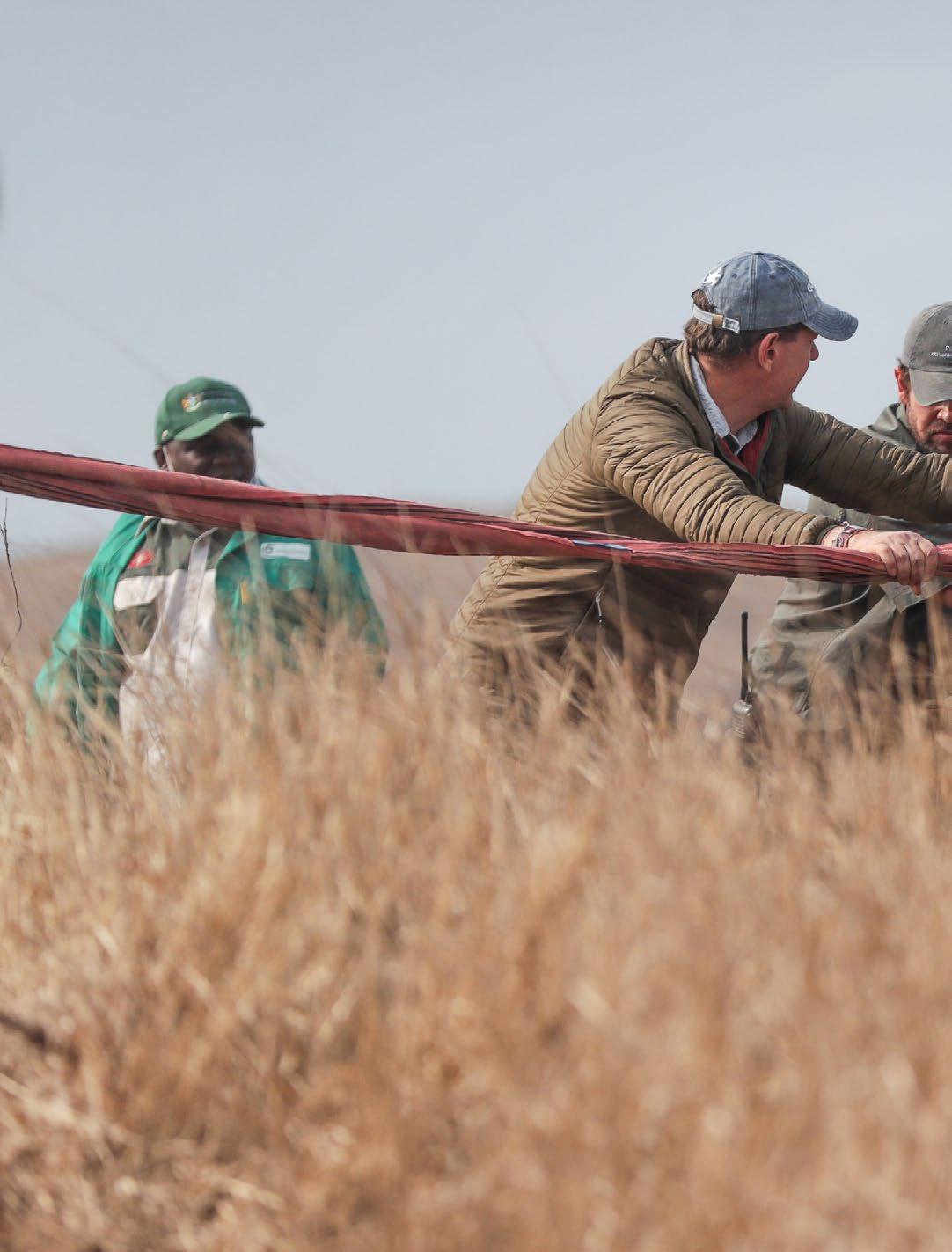
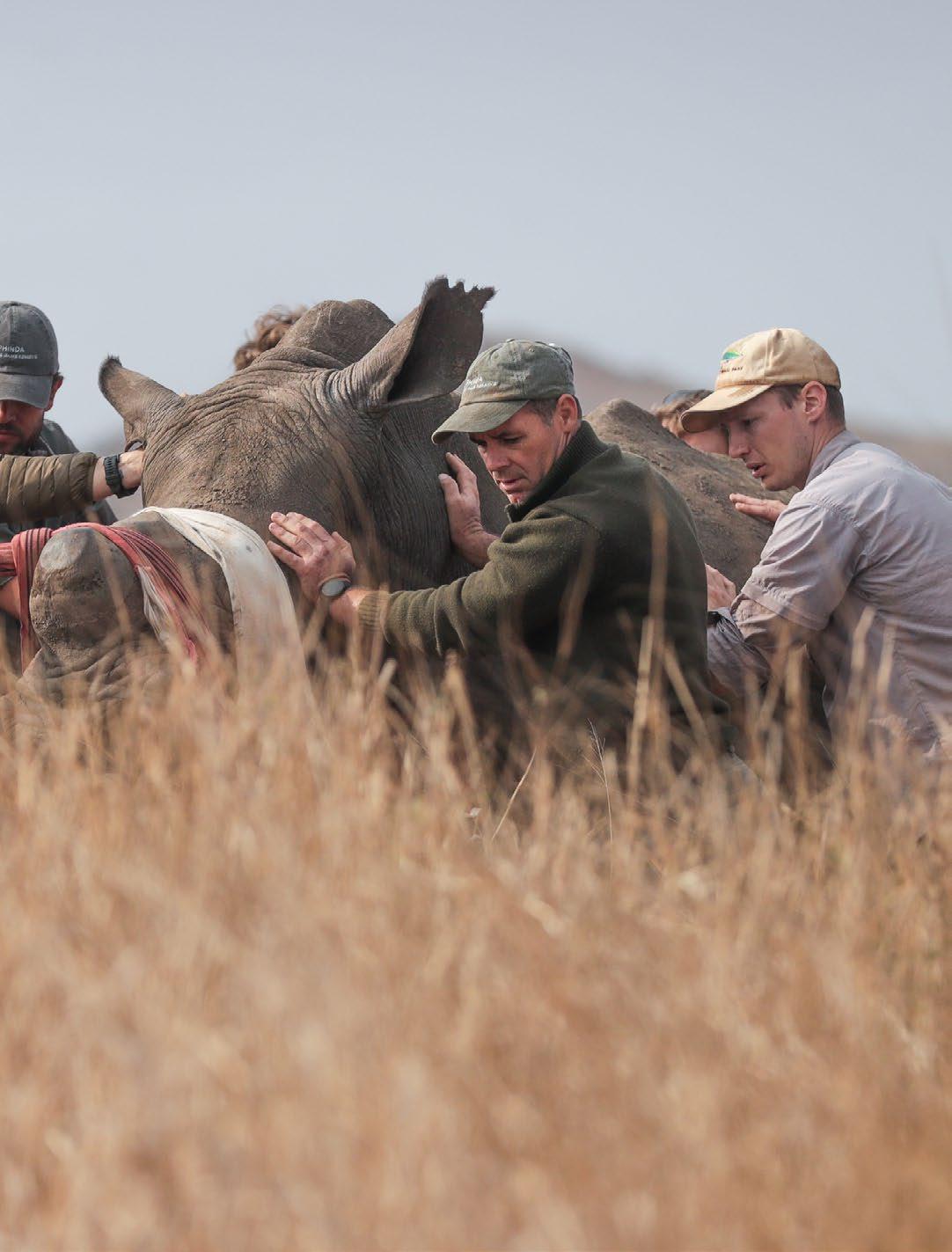
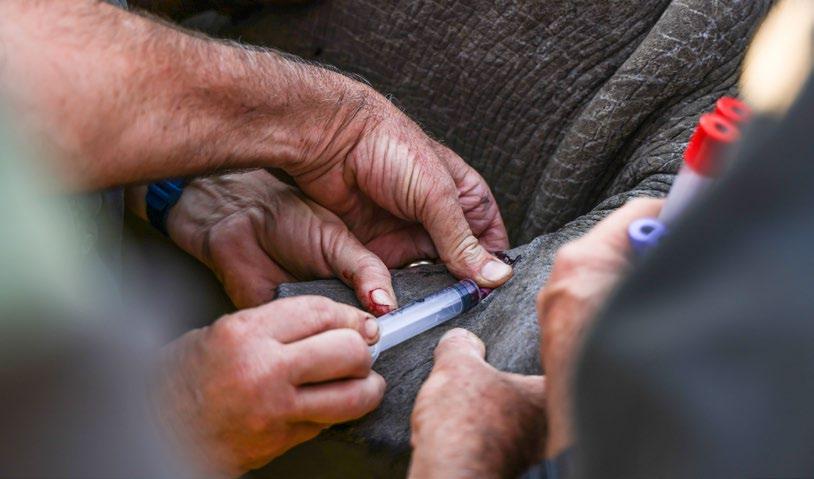
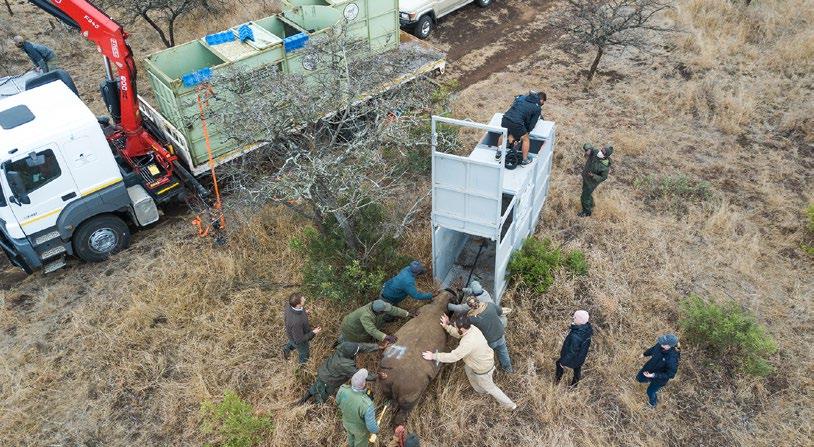
t first light the world holds its breath. Straps are checked, syringes are counted back in, and the convoy ticks quietly in the dust. A door lifts. One by one, tonnes of muscle and memory step from a crate into a holding boma. And a long, slow story begins that no human can write alone.
On paper this is pure logistics: sedation windows and flight plans, permits threaded through ministries, cranes and care teams in hard hats. That is the weight we lift. But the true weight of a rhino is what happens afterwards, when the animal finds its feet and the place remembers how to breathe.
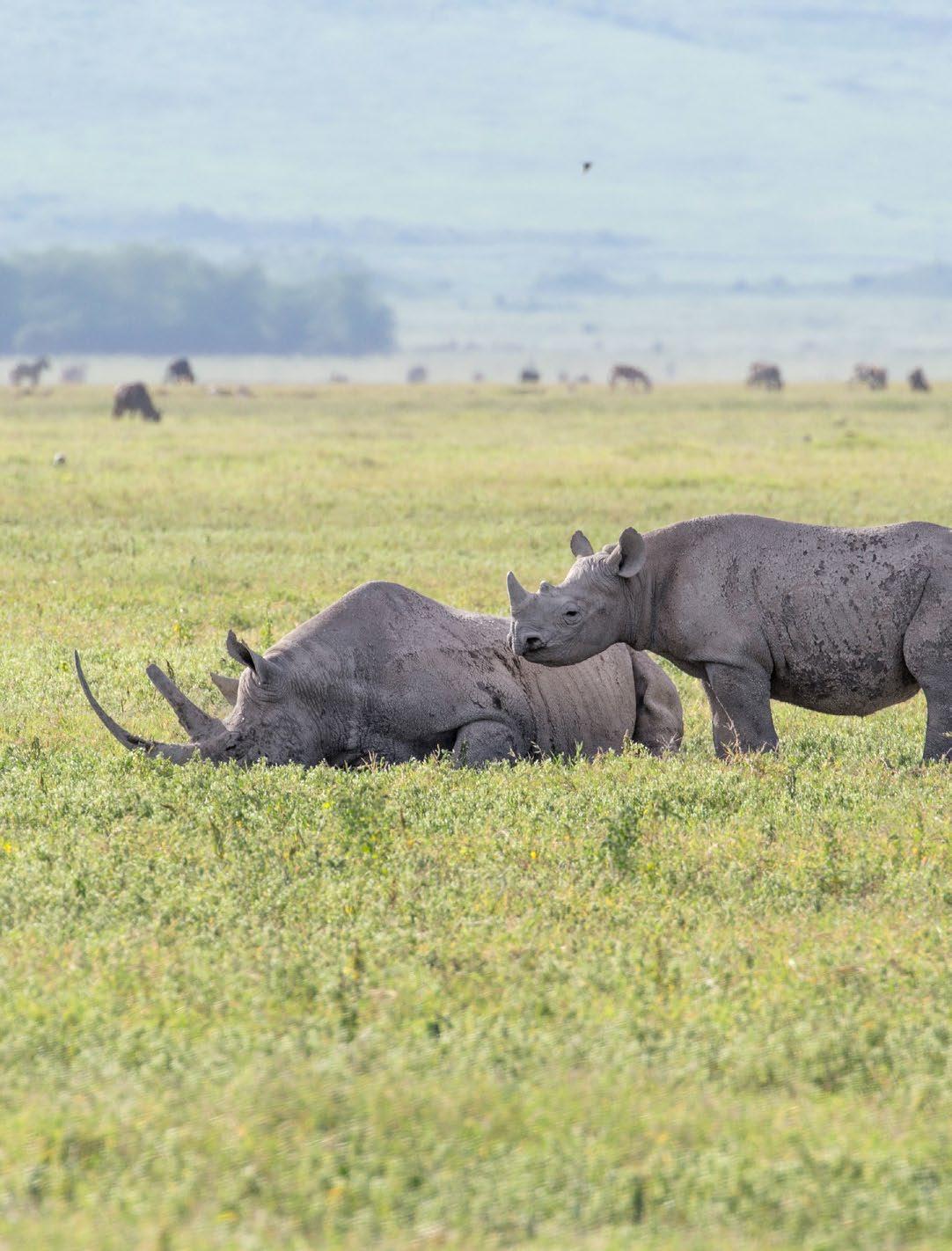
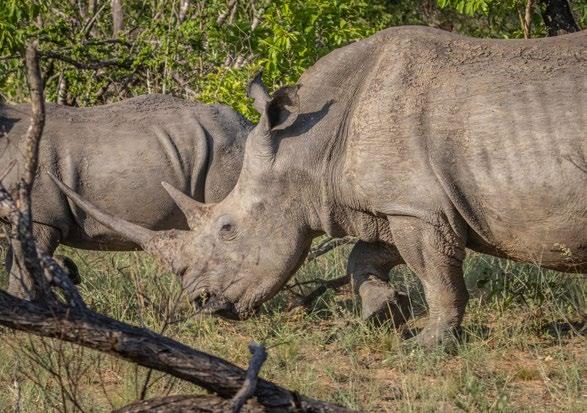
Rhinos are not ornaments of the savanna; they are workers. Their heavy, habitual grazing keeps pockets of grass cropped short, providing natural “grazing lawns” rich in new growth and easy to
feed on. Those lawns draw in other herbivores, from zebra to wildebeest, who in turn attract predators and distribute nutrients further afield. Middens (the dignified name for communal latrines) become busy crossroads of beetles, seeds and scent. Dust paths stitch between lawns and water. Even fire behaves differently where fuels are kept low. Move a rhino, and you restart a thousand small engines of recovery.
None of it happens overnight. For days the newly moved animals pace and test fences, learning the shape of safety. Weeks pass, and the first tracks appear where they prefer to walk. Months, and the lawns are visible at ankle height, bright with fresh blades. Then, always the quiet miracle, a calf makes its mark on the soft margin of a pan and the herd’s language changes. What began on a flatbed becomes something only time can polish: a place shifting from survival back towards abundance.
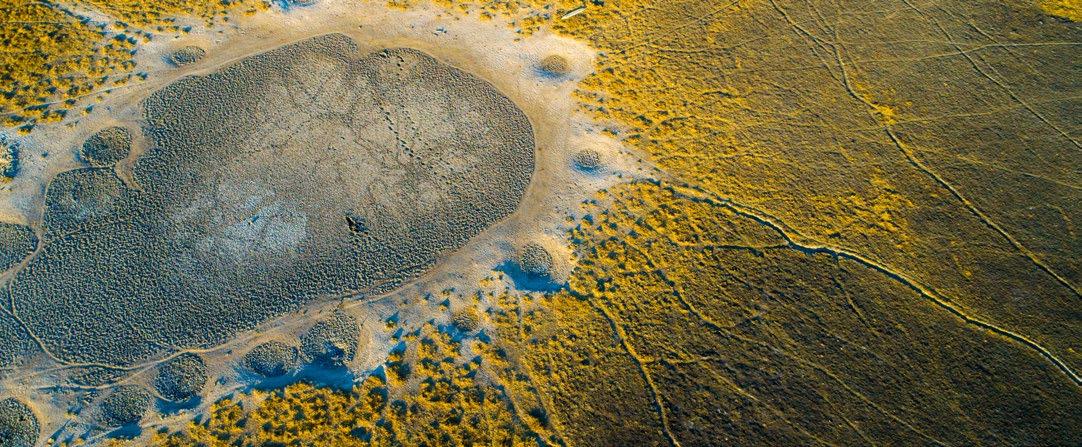
Grazing lawns
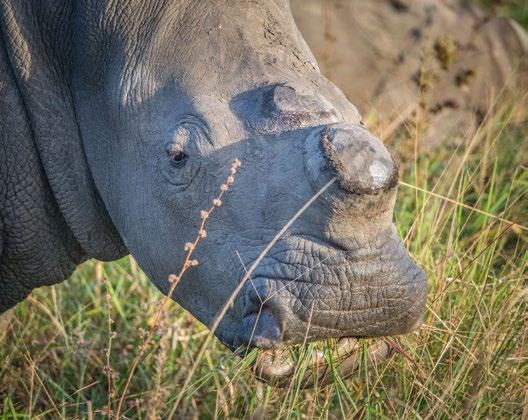
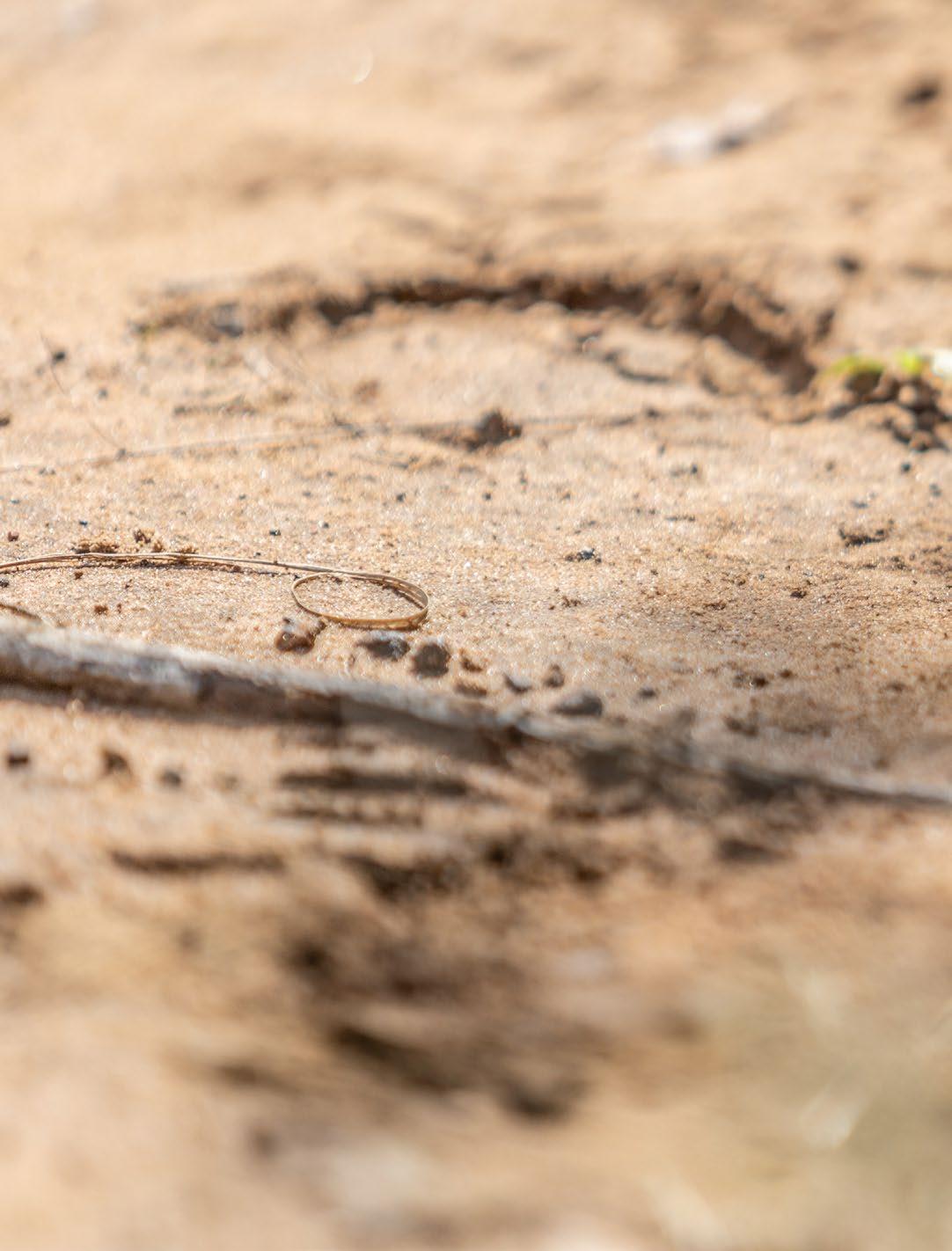
That square lip is a gardening tool: a mower for wild grasslands. White rhinos crop repeatedly in preferred patches, and their dung and urine fertilise the same ground. The result is a natural “grazing lawn”: short, protein-rich sward that’s easy to feed on. Zebra, wildebeest and impala follow these open patches, then spread nutrients further afield. Paths connect lawn to water and shade, and, with fuels kept low, fires can run cooler and patchier. These lawns don’t replace the wider savanna; they texture it, creating variety in height, species and use. These small clearings help a whole landscape breathe.
The magic of middens
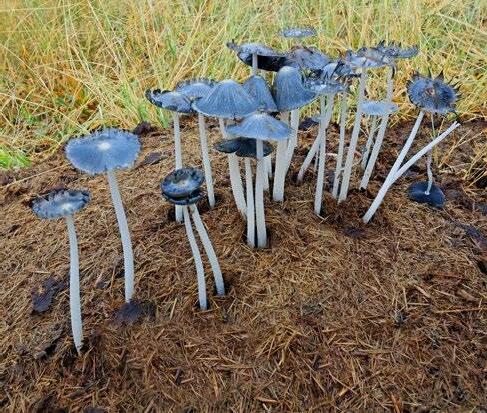
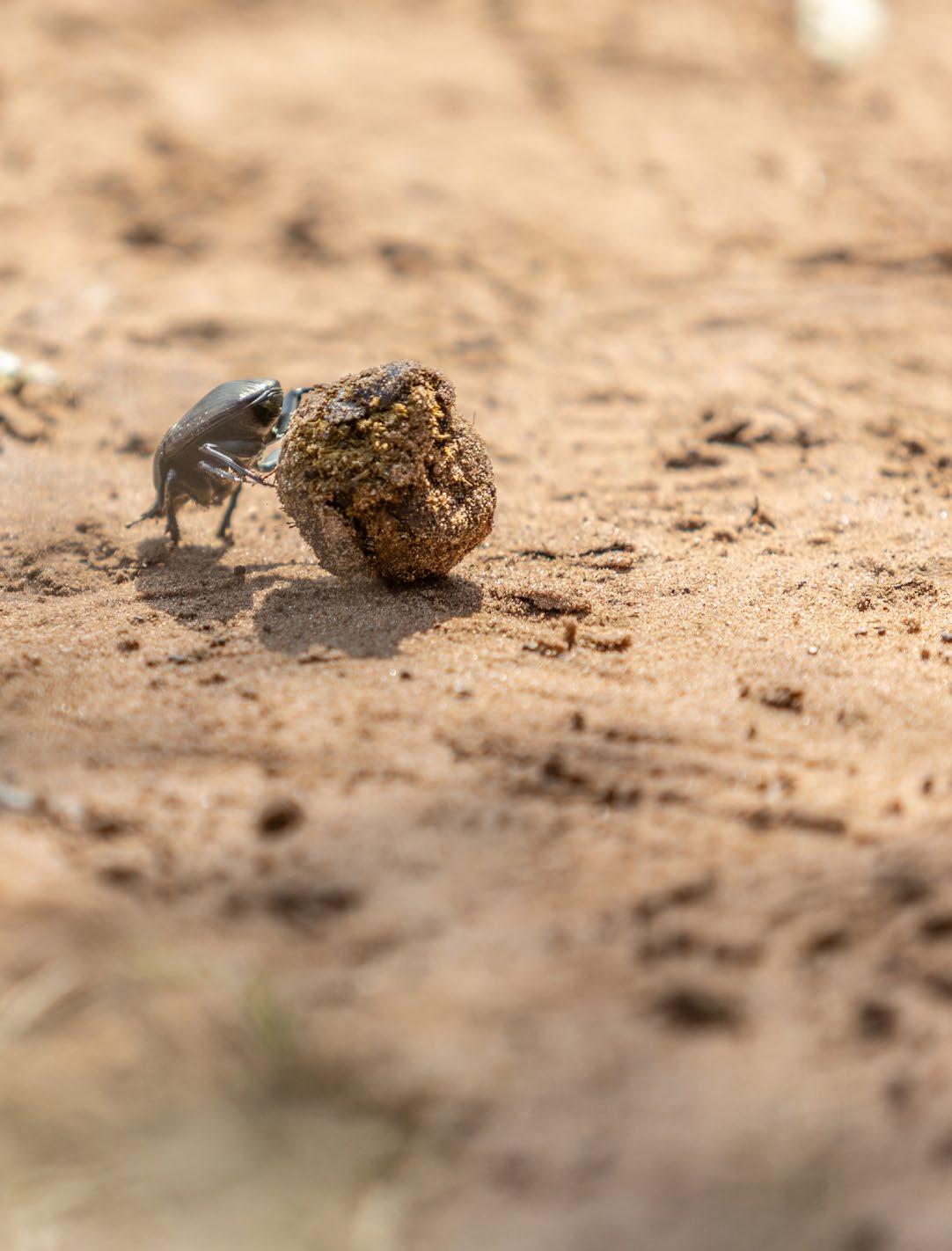
A midden is a social noticeboard disguised as a latrine. Rhinos return to favourite spots to deposit dung, layering scent that signals who’s here, who’s ready to mate and where boundaries lie. Each heap becomes a nutrient hotspot: dung beetles roll and bury, fungi fruit, invertebrates flourish, birds and small mammals glean, and seeds are ferried and planted in rich soil. Scale matters: a handful of middens in a concession can feel like a curiosity. But imagine a wilder age, where thousands of rhinos laid down tonnes of dung, year on year, building soil, banking nutrients and deepening the fabric of the land. Bring rhinos back, and that slow wealth begins to grow again.
Unicorns of the veld
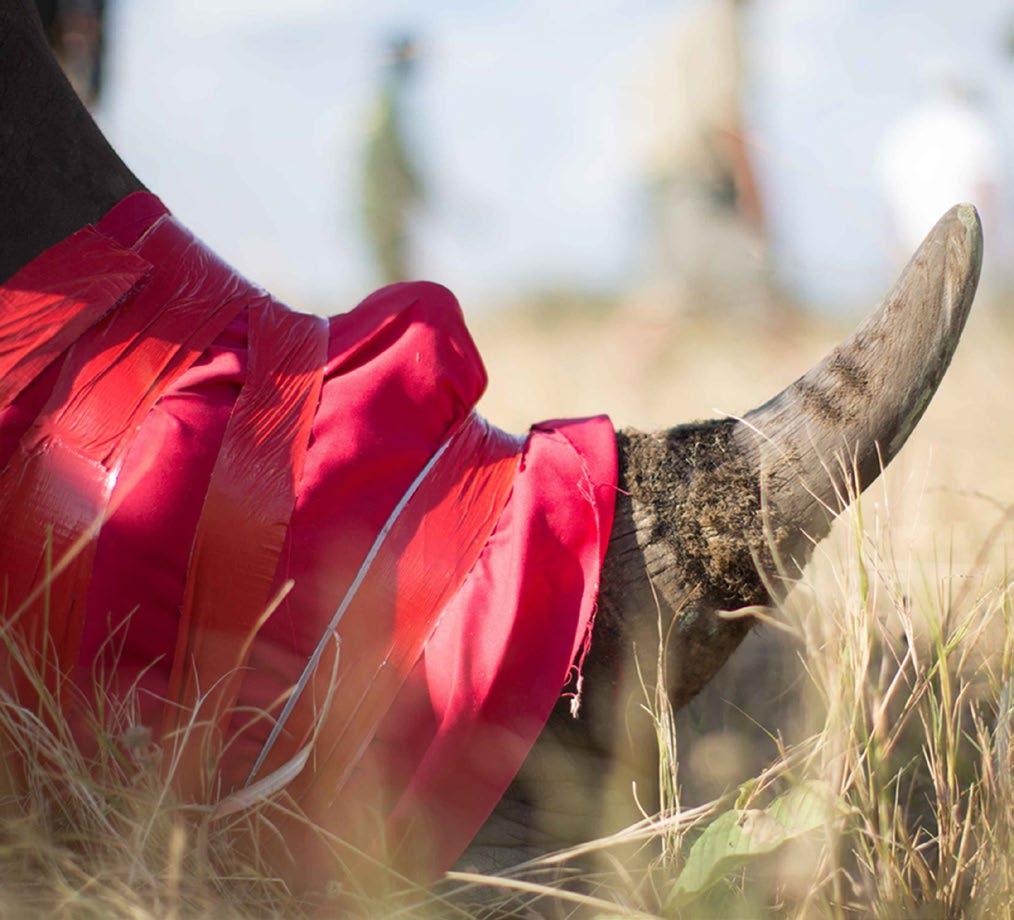
In many places rhinos are dehorned for their own safety, so an uncut horn feels almost mythic. It isn’t ivory or bone, it’s keratin, grown, worn and renewed. It’s a living crown, rather than a trophy. In the field it works hard: part battering-ram, part brush-clearing lever, part social signal. Yet its greatest value is quiet: the authority with which a rhino moves and the way that movement shapes grass and soil. This animal is not the prize at the end of a rifle, but a jewel of the African savannah. Strength with restraint, beauty with purpose.
ROUTES OF RENEWAL
It began at Phinda in the Munywana Conservancy, where rewilding sparked a model that rippled outward for decades. A 35-year legacy of translocations across three continents, has moved animals, forged partnerships and revived landscapes.
From cranes and crates to cargo jets, these routes chart &Beyond’s translocation legacy. Since 1991, 202 white rhinos and 18 black rhinos moved (roughly 357 tonnes of living cargo) with records such as 21 in one day at Phinda, the largest single move of 30 to Rwanda, and 87 to Botswana under Rhinos Without Borders, plus returns to Garamba and founders bound for Ngorongoro. The map also nods to our wider reach: consulting on India’s programmes that reintroduced 50 gaur to Bandhavgarh and supported flows of tiger, barasingha, blackbuck, cheetah and nilgai; and partnership-led work in Argentina’s Iberá, where jaguars have returned to the wild after seventy years. Together, these arcs show a decadeslong, multi-country effort powered by coalitions, logistics and patience.
Iberá rewilding: The homecoming of the jaguar
After 70 years locally extinct,
Iberá Wetlands National Park
Phinda Private Game Reserve, Munywana Conservancy
Crater
Park
Iberá now holds a growing wild population of 35+
White rhino translocated
Black rhino translocated
Phinda rewilding, 1991-2004: The blueprint for renewal
A 21 White rhino to Phinda
B 37 Elephant to Phinda
C 12 Cheetah to Phinda
D 13 Lion to Phinda
E 4 Elephant to Phinda
F 14 Elephant to Phinda
G 18 Black rhino to Phinda
Africa translocations: Phinda’s 35-year living legacy
6
I 87 White rhino to Okavango Delta
India translocations: African expertise exported
50
12
48
K 30
White rhino to Akagera National Park, Rwanda
L 16
White rhino to Garamba National Park, DRC
17
50
27
M
White rhino to Ngorongoro Crater, Tanzania
J 5 Lion to Akagera National Park, Rwanda
R 20 Cheetah to Kunho National Park
O
Tigers to Panna, Satpura and Sanjay National Parks
P
Barasingha to Satpura National Park
S
Nilgai to Gandhi Sagar Sanctuary
N
Gaur to Bandhavgarh National Park
Q
Blackbuck to Kanha National Park
H
White rhino to Okavango Delta
Why move them at all?
Translocations answer a simple problem: rhinos cannot wait for perfect conditions to appear. We move founder groups into well-protected, wellchosen landscapes to spread risk, restore historical range and reconnect genes between isolated pockets. Shifting animals out of poaching hotspots eases pressure where protection is hardest, while establishing new nuclei where protection and community partnerships are strong. Done well, the lorries and permits are a short, purposeful disruption that buys time for nature: calves are born, grazing patterns return, and ecological work restarts. In other words, we move rhinos so that one day they don’t have to move at all.
This is why the work stretches across borders. From Phinda’s rewilding roots to founder herds flown and trucked to Botswana, Rwanda and the DRC and onwards to Tanzania. Each route is drawn by the same intention: create the conditions, then stand back. Partners, rangers, vets, pilots, neighbours, funders: a moving, human lattice that exists so that wildlife can stop moving and start living.
It is tempting to measure success in tallies alone. They matter (each animal a win wrestled from risk) but they are not the whole story. The deeper return is textural. It’s the meeting point at dusk where grazers bunch on cropped ground; the cooling of the wind as it skims the short grass; the way a valley sounds when hooves outnumber tyres again. Landscapes don’t recover with fanfare. They recover in small adjustments that add up, season by season, until somebody says, half-surprised, “It feels right here.”
We like to say: give nature a chance. A chance is not an argument or a slogan. It is a series of practical decisions made with patience: the hard part we shoulder so the easy part can begin. Move the animals safely. Protect them fiercely. Leave enough space for behaviour to do the rest. Then let the weight we lift turn into the weight they carry for the land: cropping, seeding, stirring the soil with every step.
Years from now, no one will remember the convoy’s registration plates or the colour of the straps. They will notice the lawns, the paths, the beetles, the birds; they will follow a child’s footprints beside a calf’s and feel, for a moment, the quiet confidence of a place that is learning itself again. That is the promise hidden inside a crate at dawn. Not spectacle, but continuity. Not rescue, but renewal. And all it asks of us is the courage to begin, and the discipline to give nature the time it needs.
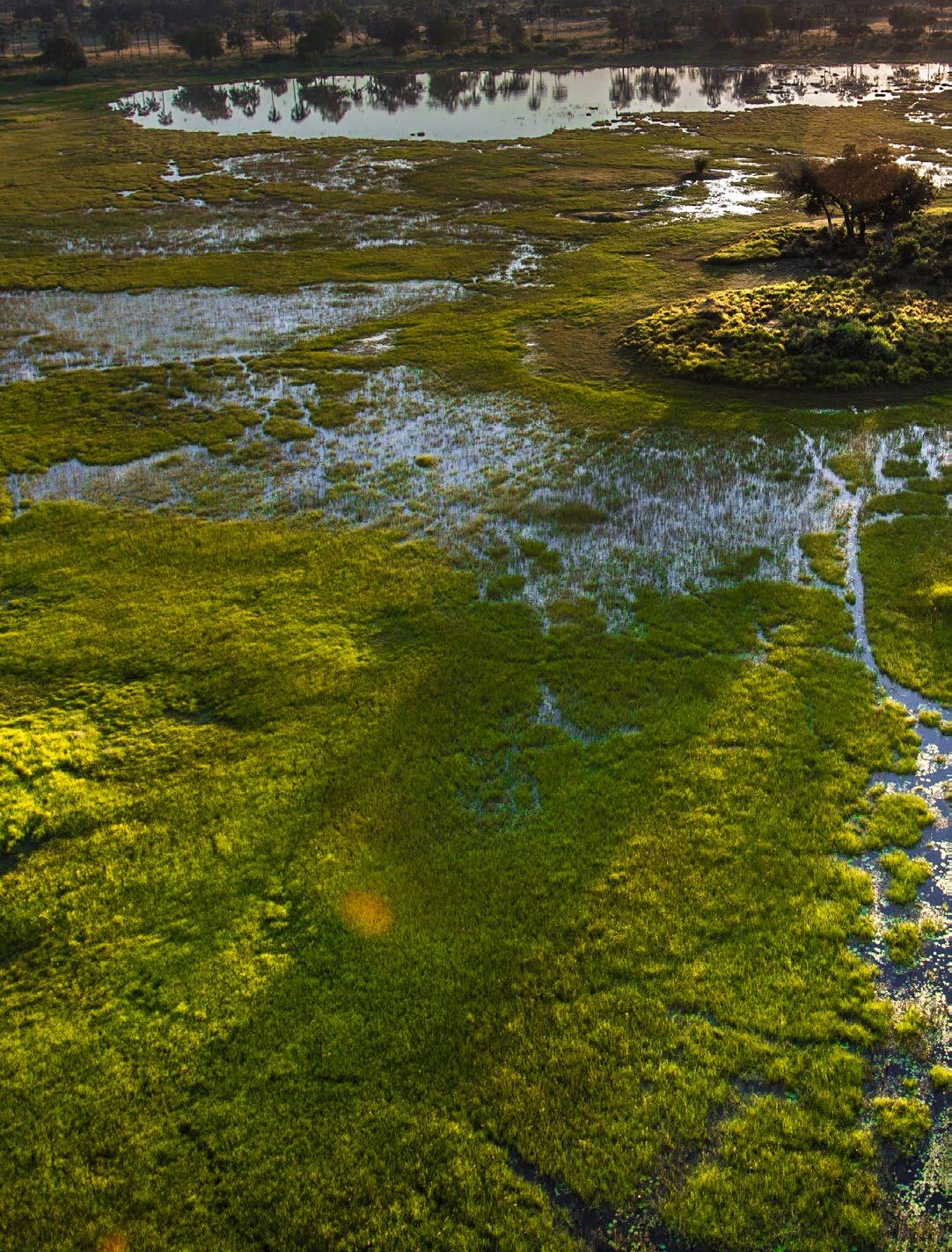
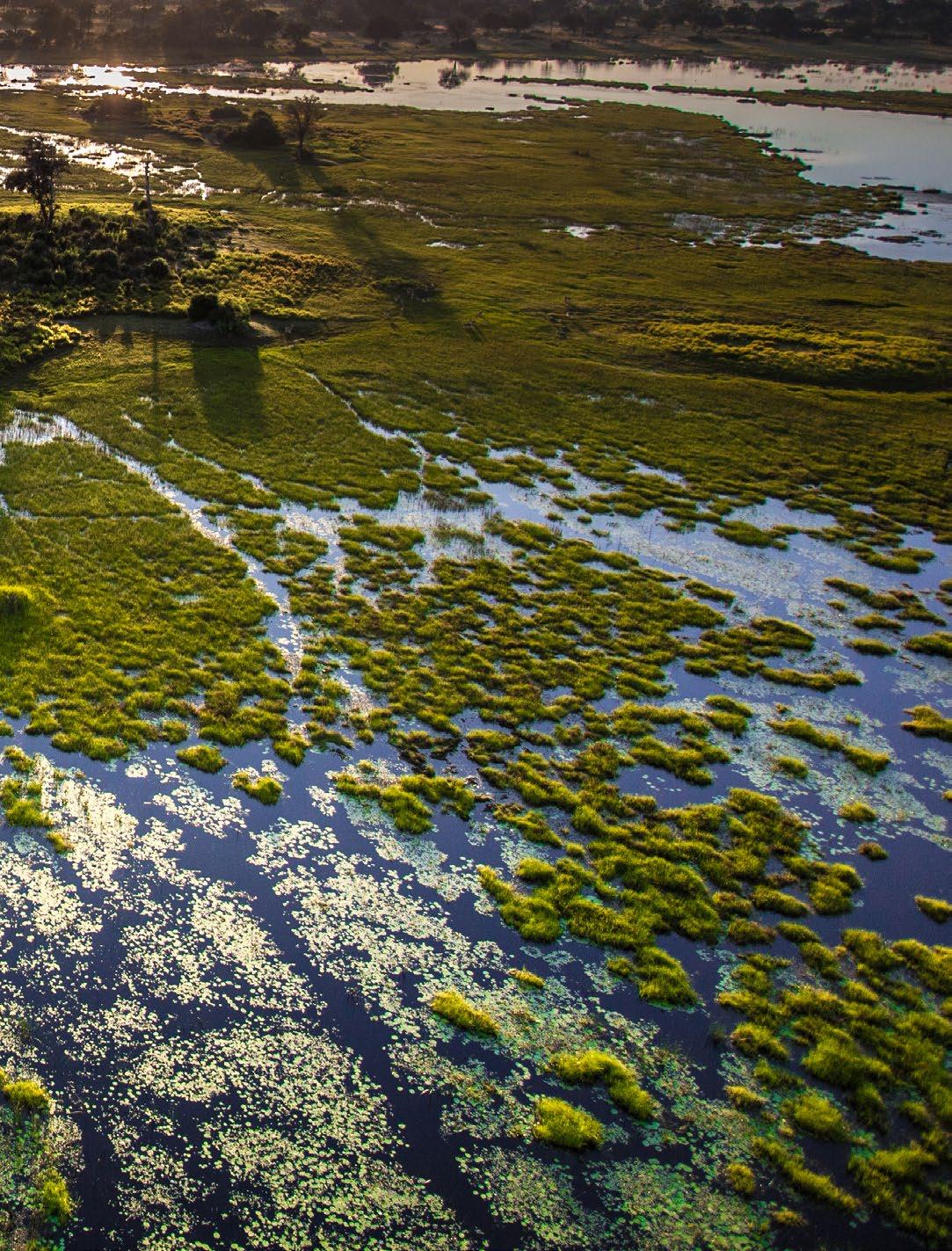
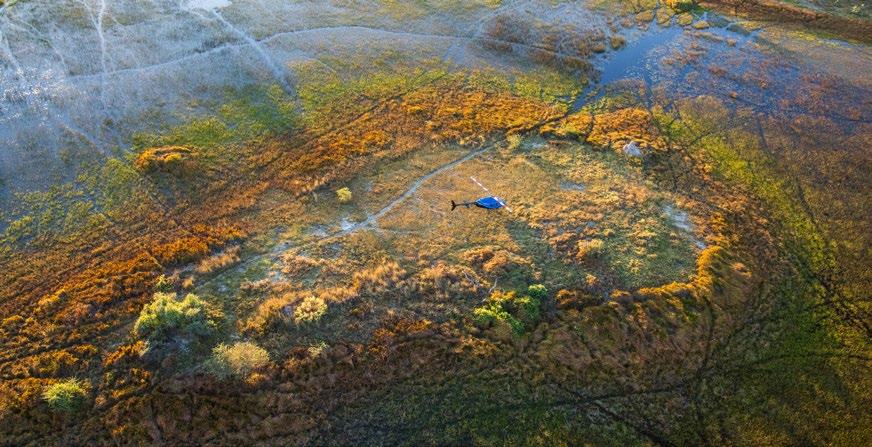
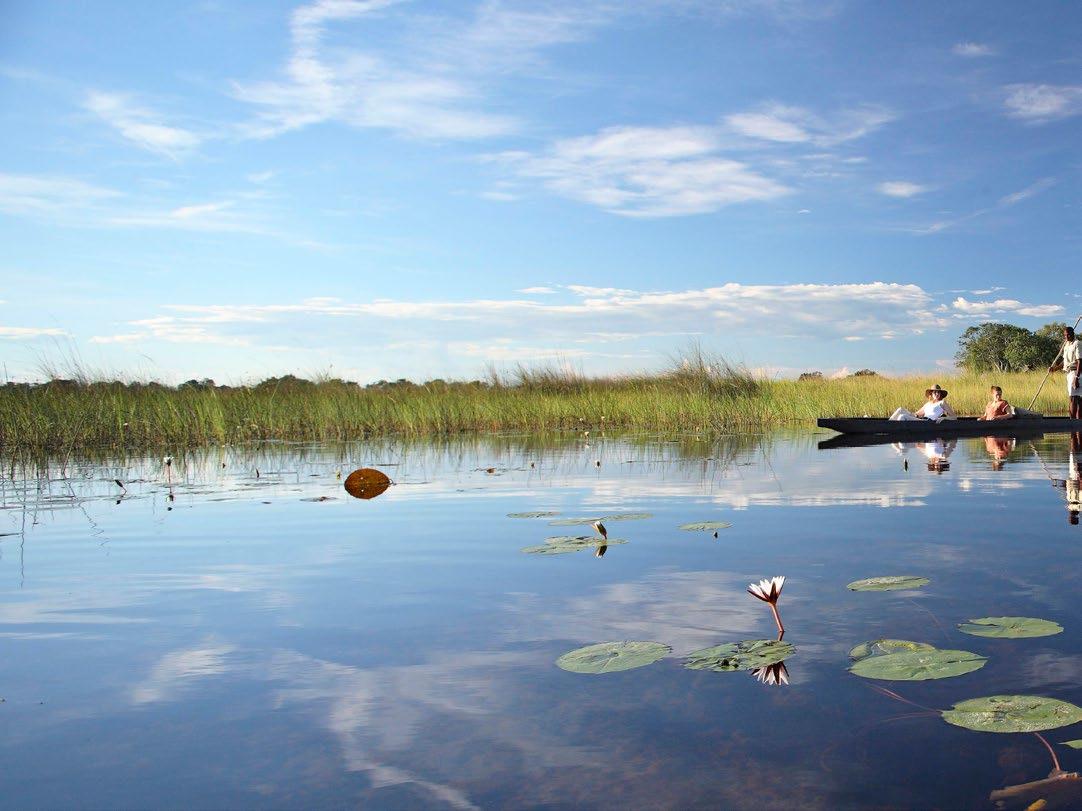
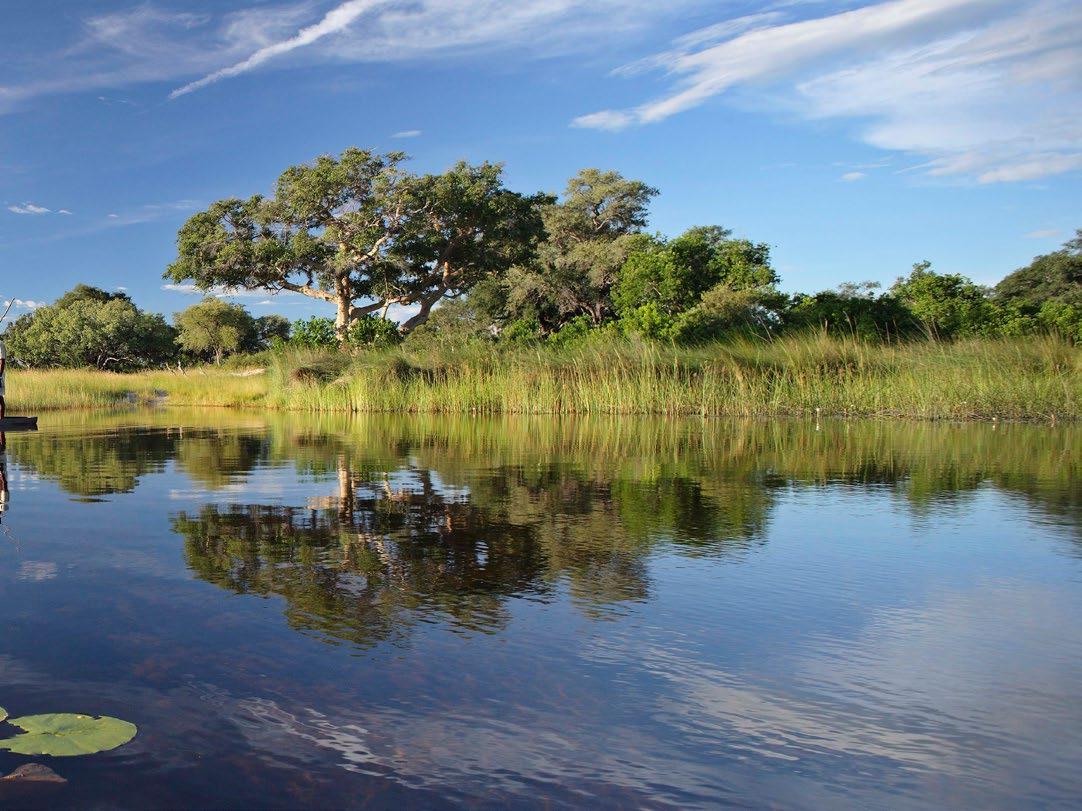
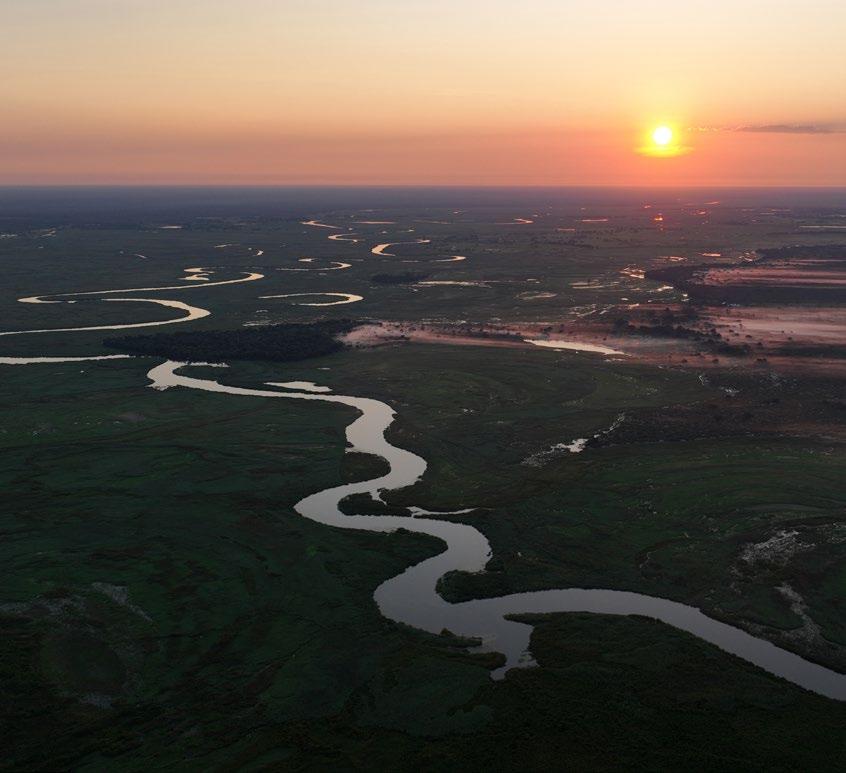
The Okavango is a living tapestry of contrasts. Islands and floodplains one season, cracked earth and dust the next. Fed by distant rains in Angola, its waters arrive in Botswana’s dry season. As the flood retreats, herds wander the widening emptiness in search of what remains, too often finding people doing the same. Here, abundance and scarcity exist side by side. And survival depends on learning to share the land and the water.
The mirage of abundance
A FLOOD WITH NO RAIN
he Delta lies in the heart of a semi-arid country, most of which is defined not by wetlands but by dust and drought. The Kalahari Basin, which covers nearly four fifths of Botswana, receives an average of less than 500 millimetres of rain a year. Droughts are not exceptions here, they are guaranteed.
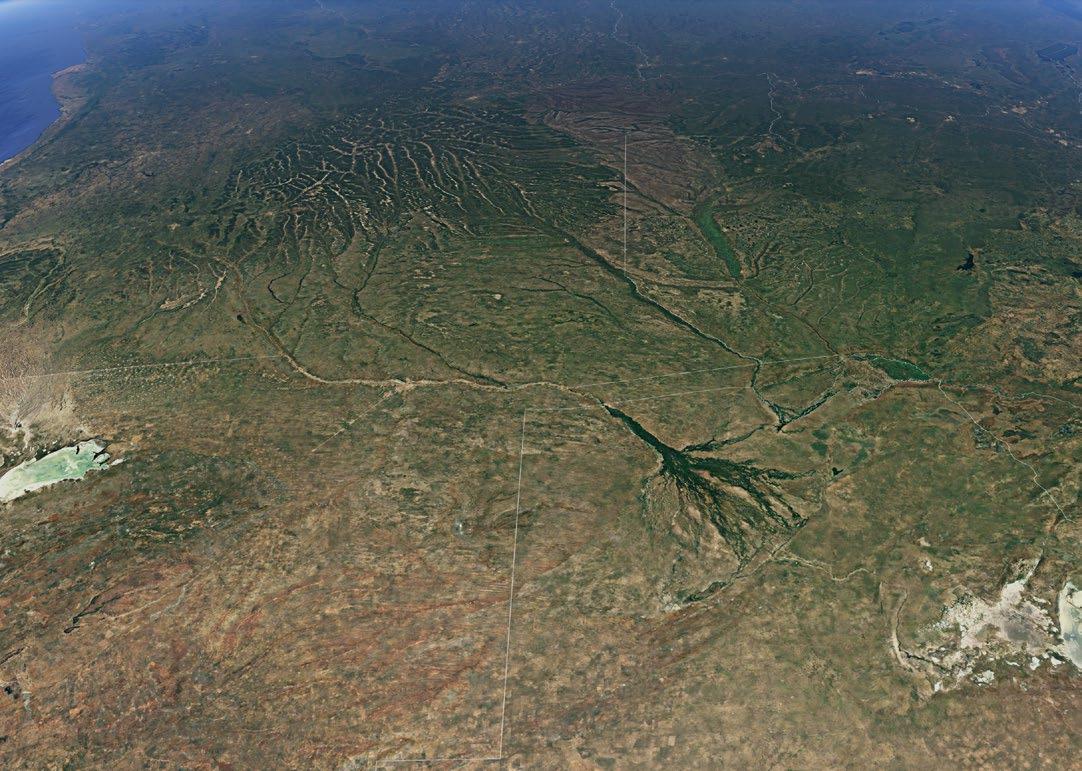
The Okavango’s abundance is not born of local rain at all. It begins more than a thousand kilometres away in the Angolan highlands, where summer downpours send floodwaters southward through the Cubango-Okavango River system. Months later, when Botswana’s skies are dry and its sands are cracked, those distant rains finally
arrive; spreading slowly across the floodplains, bringing abundance to the Delta even as the surrounding land lies parched.
It is this paradox; a wetland in a desert, a flood in a drought; that defines the Okavango as one of the world’s truly irreplaceable landscapes.
LIFE AT THE FRINGE
As the waters rise and fall, they leave behind something invisible yet precious: groundwater. The fading flood seeps into the earth, recharging aquifers that sustain the people who live along the Delta’s fringe.
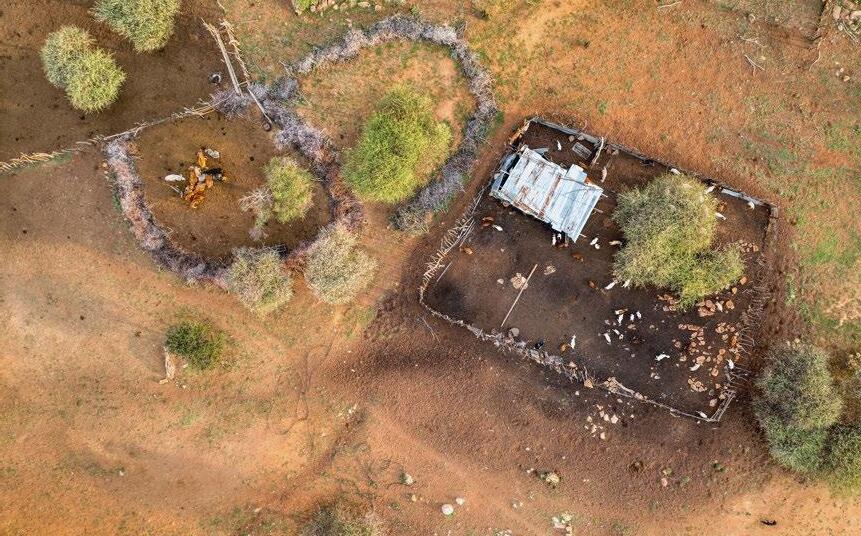
Here, in the small Gogomoga and Tsutsubega settlements, life is shaped by this rhythm of scarcity and relief. These communities, each with fewer than 200 households, are too small and remote to qualify for government water infrastructure. For years, families relied on shallow, muddy pools shared with wildlife: a daily risk to health and safety.
In times of prolonged drought, people and animals alike are drawn closer to the Delta. Farmers seeking water for their crops and livestock find themselves sharing space with elephants and other wildlife, also desperate for a drink. What begins as coexistence can easily become conflict.
ANGOLAN HIGHLANDS
CUANDO-CUBANGO BASIN
CUNENE RIVER ZAMBEZI RIVER
ANGOLA ZAMBIA
CUANDO RIVER
CUBANGO RIVER
CUITO RIVER KAVANGO RIVER
CAPRIVI STRIP
ETOSHA PAN
NAMIBIA
OKAVANGO RIVER
OKAVANGO DELTA
BOTSWANA
ANGOLAN HIGHLANDS
WHERE THE STORY BEGINS
Seasonal rains fall across the Angolan highlands; the wellspring that feeds much of southern Africa. From these ridges flow three great rivers: the Cunene, which once filled Etosha’s ancient lake; the Cubango (Okavango); and the Zambezi, whose long journey east ends in Lake Kariba and the Indian Ocean.
OKAVANGO RIVER
THE GREAT RIVER THAT NEVER MEETS THE SEA
Rising as the Cubango in Angola and winding through the Caprivi as the Kavango, this river becomes the Okavango as it enters Botswana, carrying with it the distant rains of Angola. Each year it spills its pulse of water into the heart of the Kalahari, transforming desert into abundance.
OKAVANGO DELTA
A LIVING MIRACLE IN A DRY LAND
Here the Okavango fans out across the Kalahari sands, forming one of the world’s largest inland deltas: a self-contained ecosystem sustained by faraway rain. Its flood peaks when Botswana’s skies are driest, sustaining both wildlife and people in a delicate balance of dependence.
CHOBE RIVER
MAKGADIKGADI PANS
MAKGADIKGADI PANS
ECHOES OF AN ANCIENT SEA
Long before these pans turned to salt, they formed a vast inland lake: a fertile wetland where early humans gathered, thrived, and began to shape the story of our species. Today they lie silent and glimmering, a reminder of how impermanent water is in this arid heart of Botswana.
ZIMBABWE
TOURISM AS A FORCE FOR GOOD
This land of contrasts is where the &Beyond philosophy takes shape: not as a theory, but a practice. Every guest who journeys into the Delta helps sustain the water-security and food-security projects co-created with local communities.
&Beyond’s lodges buy produce from their farms, employ local residents, and help fund the conservation partnerships that keep people and wildlife in balance.
The result is a living expression of our purpose: leaving our world a better place. In the Delta, that means ensuring the abundance travellers come to witness is not a fleeting illusion, but a future shared by all who call this landscape home.
LAKE KARIBA
Survival at the water’s edge
Perennial drought makes reluctant neighbours of humans and wildlife, forcing them into competition for the same precious resource.
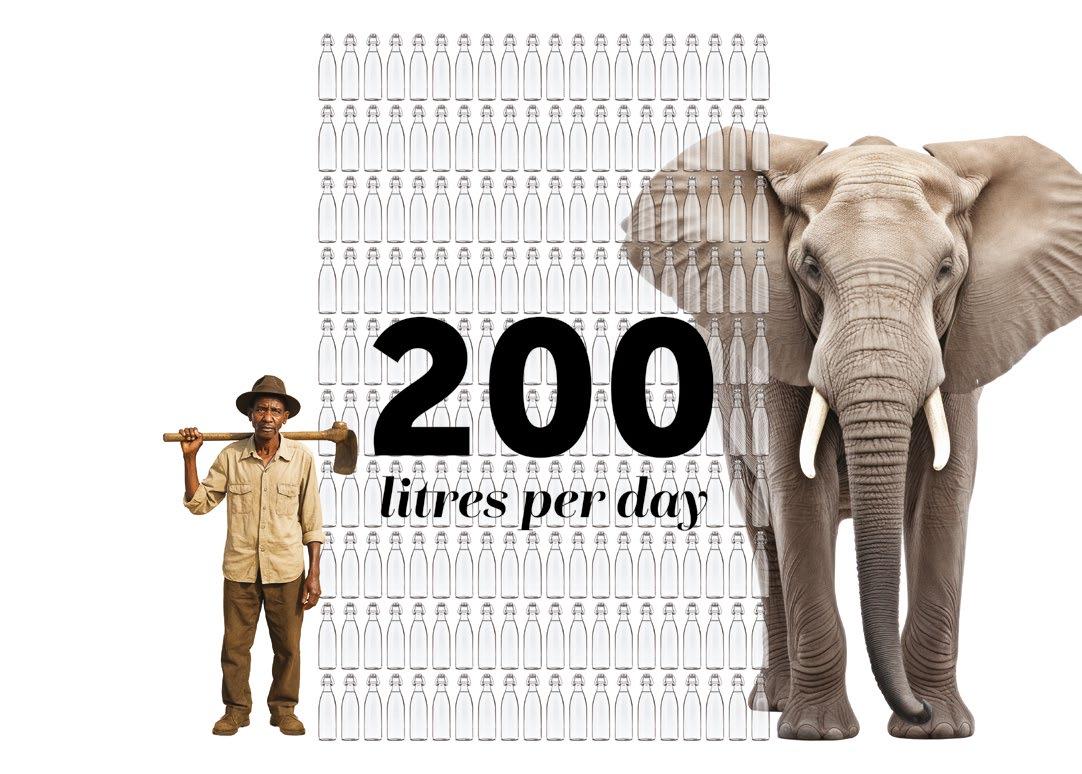
Elephants, the Delta’s thirstiest inhabitants, can consume up to 200 litres a day. This is the same amount an average farming household needs for drinking, cooking, washing and keeping their crops alive. When natural pans dry up, herds follow the last traces of water into fields and homesteads, trampling crops and breaking fences as they search for relief. For farmers, this can erase an entire season’s work overnight. For elephants, straying into farmland is often their only chance of survival. In these moments, the Delta’s life-giving water becomes the line where coexistence is tested to its limits.
WATER AS A BRIDGE
Recognising this interdependence, Wild Impact, &Beyond’s community and conservation development partner, has worked with Gogomoga and Tsutsubega to shift water from a source of conflict to a foundation for coexistence.
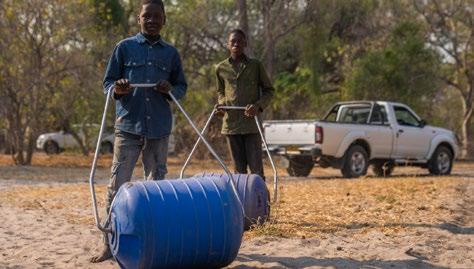
Through sustained collaboration, the teams have drilled and installed solar-powered boreholes equipped with storage tanks, livestock irrigation points, and electric fencing to keep both people and animals safe. To extend access even further, 90-litre Hippo Water Rollers are
Life-giving water
New solar and hand-pumped boreholes now bring clean water to over 400 residents in Tsutsubega and Gogomoga. Supported by tourism revenue and Wild Impact’s community partnerships, these boreholes; together with 113 Hippo Water Rollers and two community farms; increase food security and reduce conflict between people and wildlife.
distributed to households, allowing families to collect water quickly and with far less risk.
“The human-wildlife conflict is the biggest challenge,” says Skipper Mareja, Wild Impact’s Southern Africa Regional Manager. “All that we do is to promote coexistence; to shift the mindset so elephants are seen as a resource, not a threat.”
FARMING FOR THE FUTURE
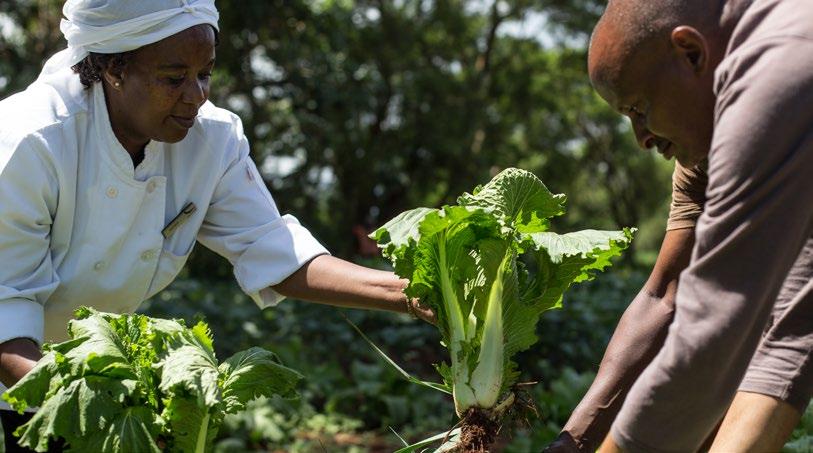
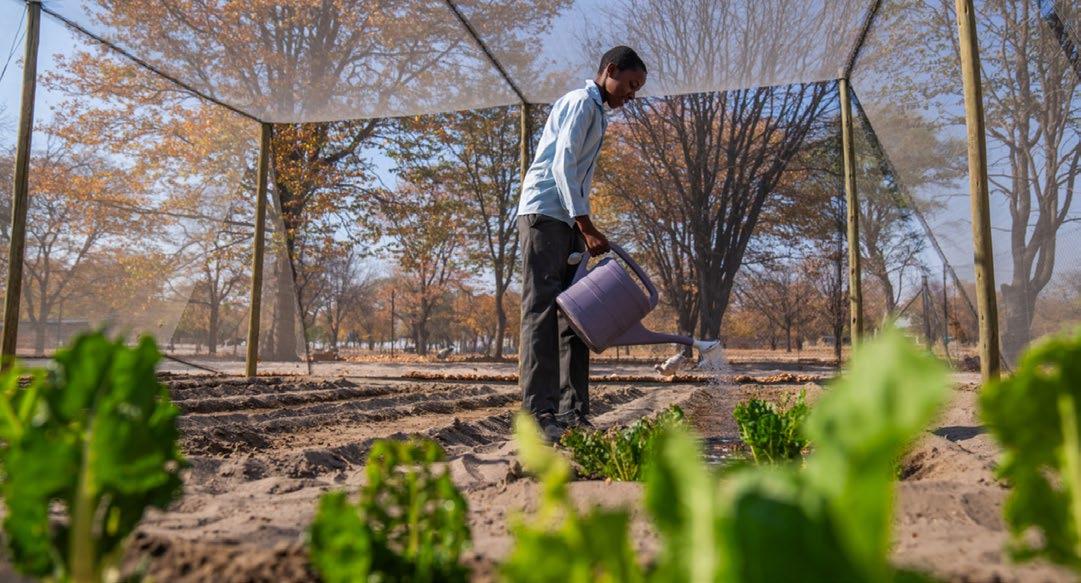
Access to reliable water has enabled the growth of communal food-security projects in both settlements: four-hectare fenced farms irrigated directly from the boreholes. These plots now produce spinach, tomatoes, rapeseed, and eggplant, sold to &Beyond’s Delta lodges and local markets in Maun.
The farms are managed by voluntary committees trained in sustainable practices, from seedling production to business planning. “We are learning new things every day,” says Tumelo Hetiso, a local facilitator and alumni of Wild Impact’s Community Leaders Education Fund. “Before, I didn’t know how to plant this way. Now we grow food to sell, not just to survive.”
When water is scarce, even ancient giants are not spared.
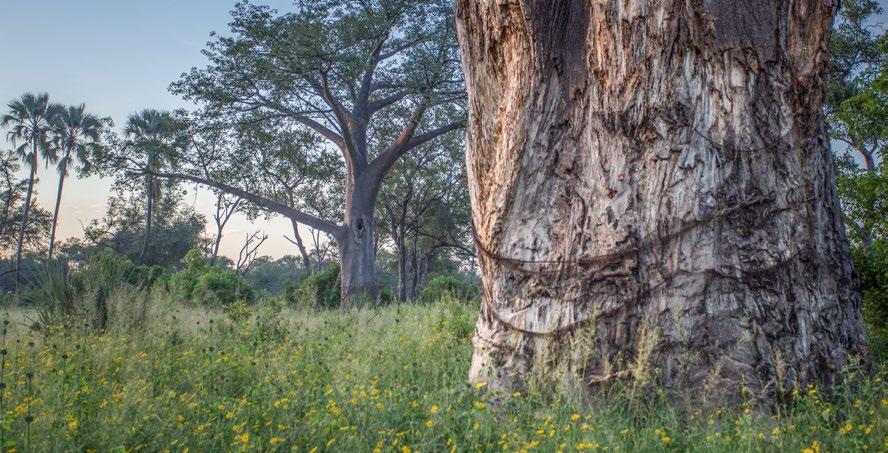
In drought, elephants strip baobab bark in search of moisture, leaving these centuries-old trees vulnerable to wounds they may never recover from: a stark reminder of how scarcity reshapes every life in the Delta.
THE IRREPLACEABLE DELTA
As the floodwaters return each year, they renew not only the land but the intricate web of relationships that depend on it. For elephants, it is survival. For farmers, it is hope. For travellers, it is revelation; a glimpse of how fleeting abundance can be, and how powerful connection becomes when nurtured with care.
The Okavango Delta is not just a marvel of nature. It is a reminder that even in a desert, life finds a way. And that what appears abundant today must be protected tomorrow. In that sense, its abundance is not a mirage at all, but a mirror, reflecting the delicate balance between nature, humanity, and hope.
Water is life.
Around the world, shifting climates are reshaping rainfall patterns, intensifying drought and placing both wildlife and rural communities under growing strain. Water scarcity is no longer occasional hardship. Increasingly, it threatens the resilience of landscapes and the wellbeing of the people who depend on them.
For communities living alongside wild areas, access to clean, reliable water is the foundation of stability and opportunity. Strengthening this access is essential to the long-term protection of the landscapes we support.
That’s why &Beyond and Wild Impact are deepening our commitment over the next decade. By 2030, we aim to support 40 million acres (16.19 million hectares) of directly protected and connected conservation areas. These irreplaceable places endure when the communities around them are resilient and supported.
We are raising funds and facilitating the provision of boreholes, water rollers and other essential water solutions in the regions where we work. Your donation could help a farmer, a family or an entire community secure a more reliable future.