CONSTRUC TION
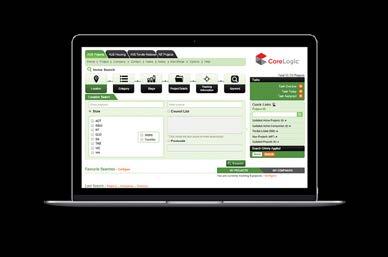
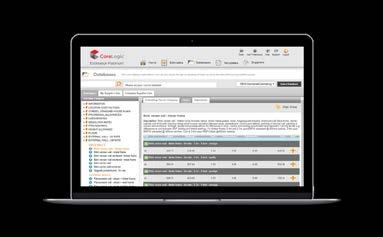
Find out more about how Cordell Connect and Cordell Estimator Platinum can help your business grow

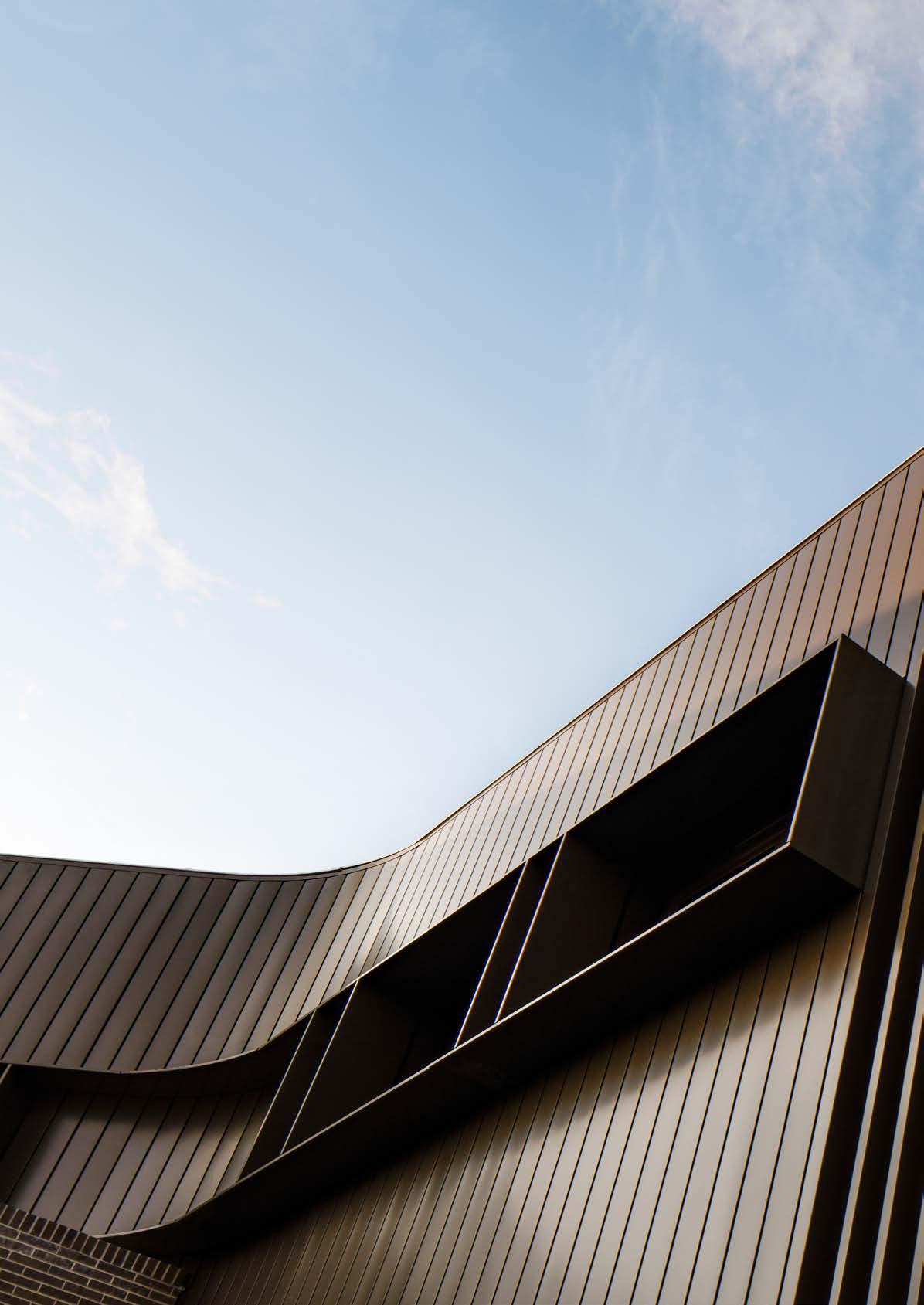
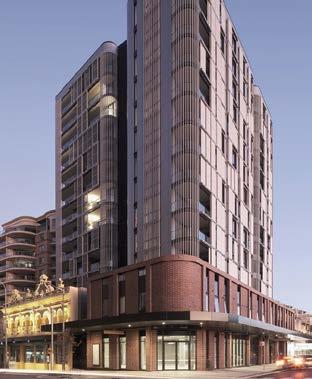
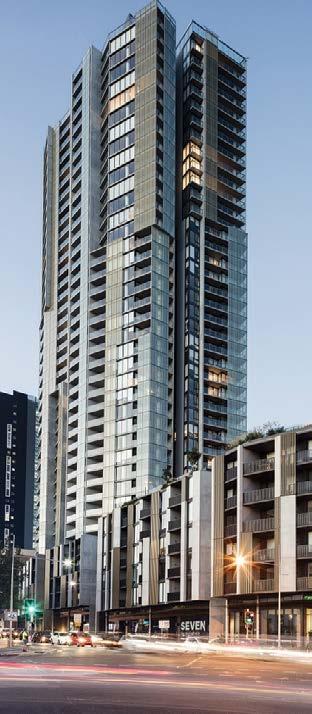
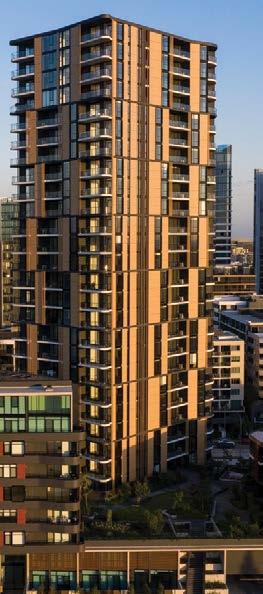
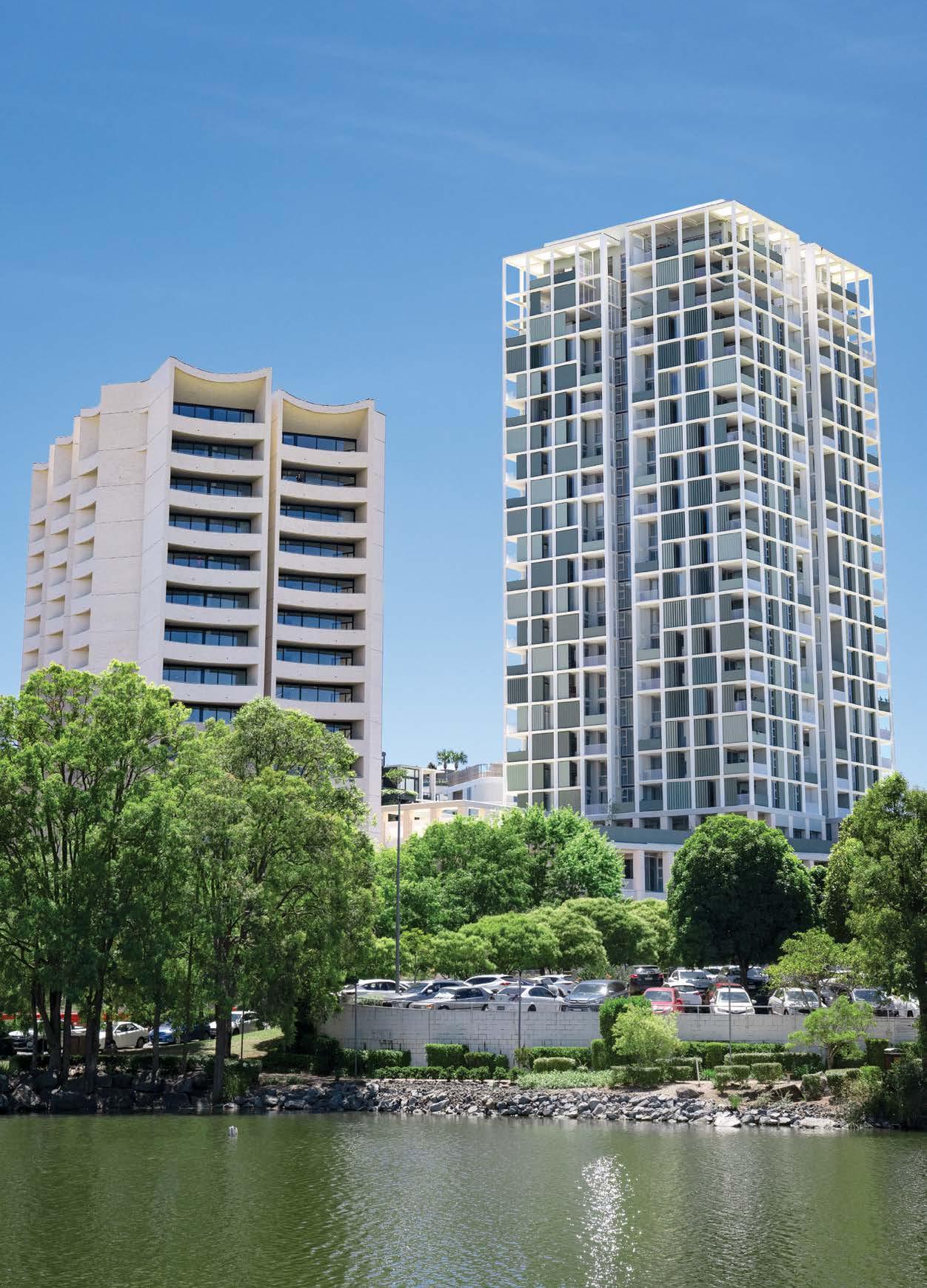
QUEENSLAND LIV ALBERT – Mirvac
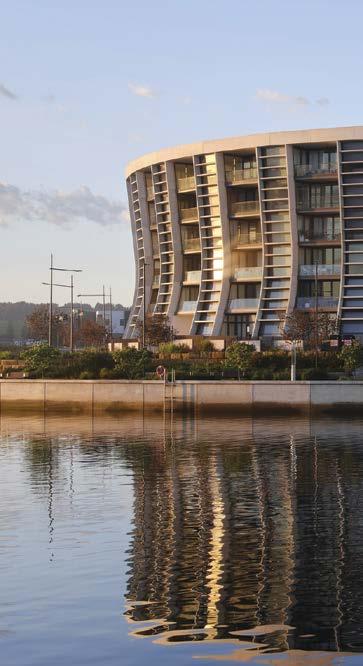
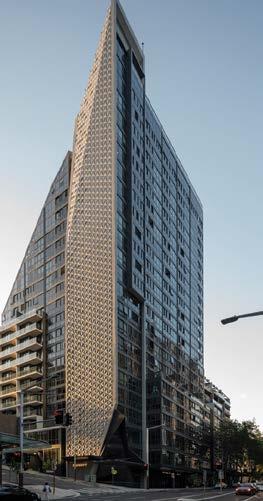
WOOL STORE – Perri Group
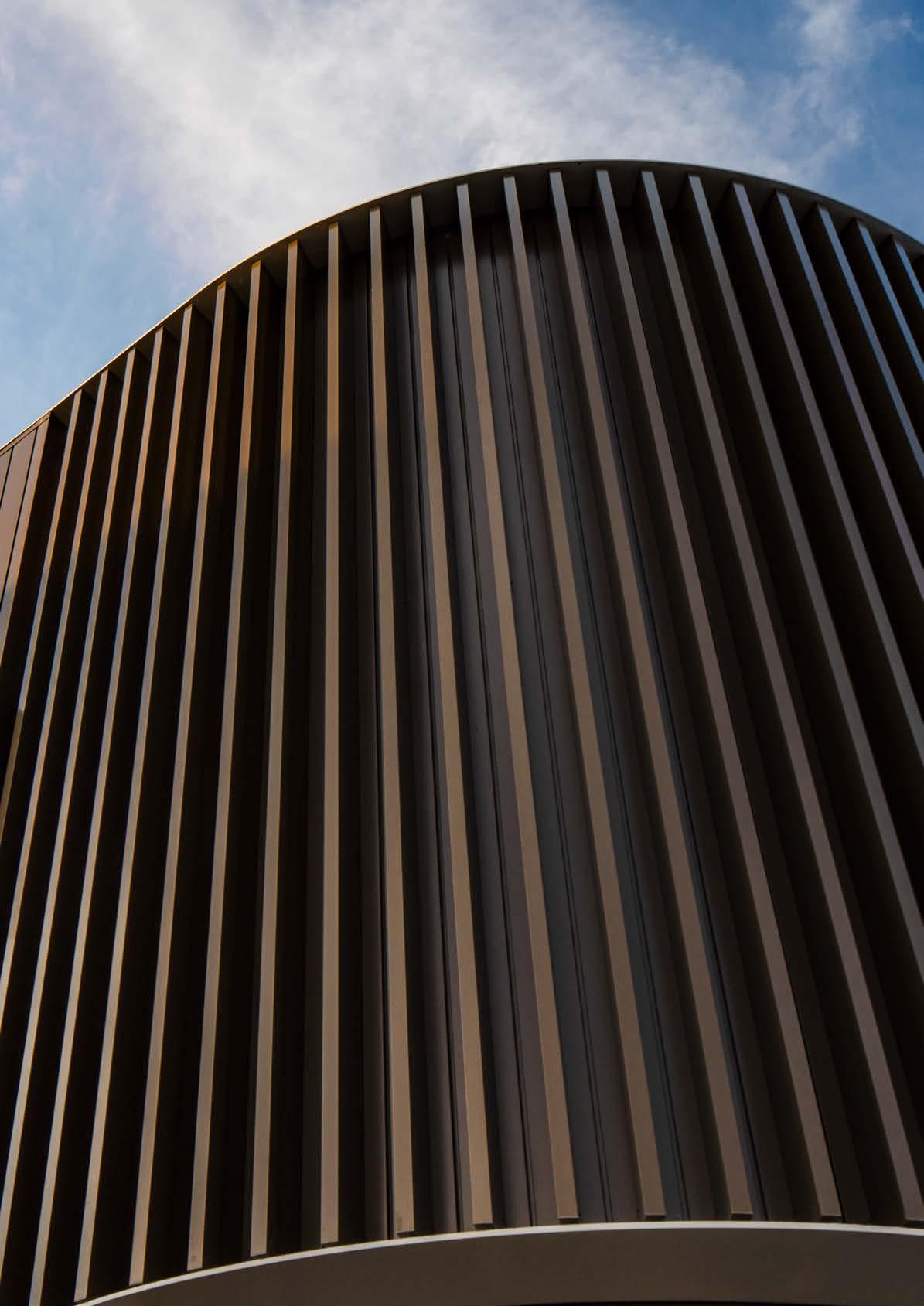
GLASSKOTE FLOAT GLASS INDUSTRIES ANNOUNCES OVER AUD
1.2 BILLION IN SECURED CAPITAL COMMITMENTS FOR TWO NEXT-GENERATION GLASS MANUFACTURING PLANTS
In a game-changing leap for the global glass industry, GlassKote FGI Pty Ltd (GK) has confirmed funding exceeding AUD1.2 billion to build two of the most advanced low-iron float glass plants in the world — the first commencing in Queensland, Australia in early 2026, with the second in the United Arab Emirates to follow in the ensuing months. These plants will not only restore sovereign glass production where it’s needed most — they will set new global benchmarks for innovation, sustainability, and AI-driven performance in the built environment, renewable energy, defence, and consumer technology sectors.
Project One — 700 Tpd Low-Iron Float Glass + 400 Ton Per Day Wte Mega-Plant In Queensland, Australia
Launching in early 2026, GK’s Queensland project will feature:
• 700 tonnes per day of low-iron glass for architectural, solar, and specialty applications.
• 400 tonnes per day Waste-to-Energy facility using proprietary Cyrion technology to generate green hydrogen and renewable electricity with zero emissions.
• Integrated strengthened glass production for domestic and export markets.
• Silicon nanotube integration and DNA AI ‘Living Glass’ technology — enabling

self-healing, seismic-resilient, and energyoptimising glass products.
• Integrated solar glass manufacturing for building-integrated photovoltaics (BIPV) and smart glazing.
• Advanced coating and value-add lines for laminated, toughened, ballistic, Low-E, and solar-control glass.
This facility will close Australia’s glass supply gap, generate its own renewable energy, and export surplus power — making it one of the most sustainable glass plants ever built. The year following the Queensland megaplant launch, GK will commence construction of a second 700 TPD standard float glass plant in Australia.
The Queensland facility proudly delivers 100% Australian-made glass, produced entirely from locally sourced materials and components. This commitment supports Australian jobs, strengthens national manufacturing sovereignty, and drives a truly circular, homegrown economy.
Groundbreaking Refractory Innovation
In a parallel development, SDH Australia and Cyrion Technologies have introduced a world-first refractory material engineered to last the full operational life of a float glass plant. This breakthrough eliminates the need for costly shutdowns and tank rebuilds
— a game-changing advancement that transforms plant economics, uptime, and environmental performance. It represents a decisive leap forward in industrial sustainability and reliability.
Coupled with near-zero energy costs, the collaboration has achieved what many in the industry thought impossible — the most energy-efficient and costeffective glass manufacturing facility on Earth. This nextgeneration platform combines advanced materials science, AI-driven optimisation, and clean-energy integration to deliver unparalleled output with minimal operating costs.
The result is not just a better plant — it’s a new benchmark for global glass production and a model for the future of sustainable manufacturing.
Economic Impact & Global Reach
Together, the projects represent:
• AUD $1.2+ billion total investment
• Projected AU$1B combined annual EBITDA by Year 4
• Creation of a thousand + skilled jobs across manufacturing, R&D, and hightech engineering


SEA-ING IS BELIEVING: CONSTRUCTION COMPLETE AT THE NEW SYDNEY FISH MARKET
One of the most complex and ambitious projects ever undertaken on Sydney Harbour has reached a major milestone, with construction of the new Sydney Fish Market now complete and the keys officially handed over to Sydney Fish Market Pty Ltd for completion of fit-outs.
The Sydney Fish Market is the latest iconic addition to Sydney Harbour. Reaching out over water it follows in the footsteps of the Sydney Harbour Bridge and the Opera House as one of Sydney’s most technically complex projects, showcasing world-class engineering and innovation. The new Sydney Fish Market
is anticipated to attract more than 6 million domestic and international visitors, with the new glass façade giving visitors a front-row seat to the energy of live fish auctions.
The new structure stands proudly on 481 marine piles, 6,000 tonnes of steel reinforcement, with over 400 roof cassettes and 594 glulam timber beams delivered by barge from Glebe Island, it also sets a new benchmark for sustainability removing over 5,650 truck movements on local roads.
The roof’s design allows sunlight during the day to illuminate upper levels, collect
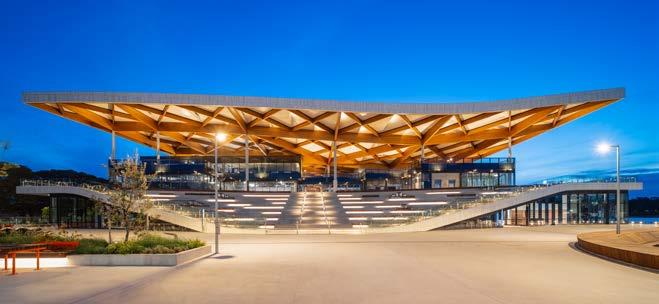
rainwater for recycling, and generate energy via solar panels to offset the building’s energy consumption. The roof can also be lit up with multi-coloured LED lights for special events.
Additionally, there will be over 6,000m2 of accessible public domain and the site’s cultural and historical storytelling is integrated throughout the Civic Plaza with five creative installations that honour the area’s First Nations heritage and its industrial past.
Underneath the building, the project installed seawall tiles, coral panels and hanging fish habitats to support marine life in Blackwattle Bay into the future.
Construction of the new Sydney Fish Market created more than 700 jobs, and the new facility will sustain 700 ongoing roles. In addition, approximately $670 million in contracts were awarded to Australian businesses. Retail space will double compared to the current fish market, and the new building will offer a mix of local seafood traders, specialty food retailers, and diverse dining options, from casual takeaway to premium waterfront restaurants, for all to enjoy.
EQUAL GENDER WINS A TENDER – WOMEN IN CONSTRUCTION TO BUILD NEW WATERFRONT PARK AT BLACKWATTLE BAY
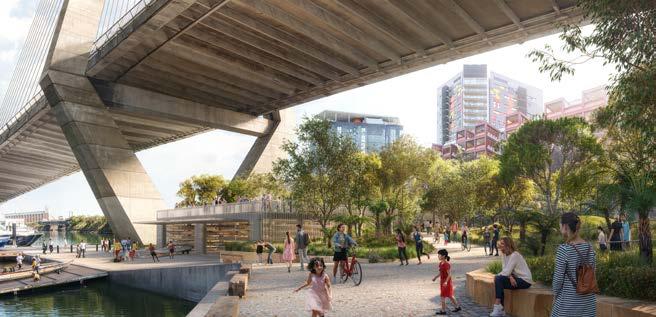
The Minns Labor Government will aim to achieve a first for the State, with a stretch target of 50% women contracted to deliver the new Bank Street Park in Pyrmont.
The new 1.1-hectare waterfront park on Bank Street will surround the southern pylon of the iconic Anzac Bridge and is the first project in NSW to proactively target a goal of 50% women in construction, light-years ahead of the 12% average.
The Women in Construction pilot project aims to address the underrepresentation of women in the NSW construction industry, challenge perceptions and support a long-term increase in women’s participation across the sector - an imbalance that limits diversity, reduces the available talent pool, and makes it harder to meet the state’s infrastructure needs.
Infrastructure NSW is working closely with head contractor BESIX Watpac to achieve a
minimum target of 40% and a stretch target of 50% women working on the project.
The public park will be the first green space delivered in the revitalisation of Blackwattle Bay, an exciting urban renewal opportunity that will transform over 10 hectares of industrial land into a sustainable a world-class
harbourfront destination.
The new waterfront park will be a key connecting piece along the soon-to-be 15-kilometre continuous harbourfront walk from Woolloomooloo to Rozelle Bay and is positioned on the doorstep of the new Sydney Fish Market.
Photo credit - Artist impression - Bank Street Park
Photo credit - Sydney fish Market © Simon Anders
THREE YEARS OF
PROGRESS:
WOMEN IN CONSTRUCTION INDUSTRY SURVEY TRACKS POSITIVE TRENDS AND ONGOING CHALLENGES
The NSW Government has today released the Year 3 Women in Construction Industry Survey Report, marking the third year of survey results across the NSW construction sector.
The report provides a comprehensive view of workforce trends, gender equity progress and the lived experiences of women and men in the construction industry.
The findings from the survey, together with results from previous years, offer a robust evidence base and valuable long-term view of trends and sentiment across the construction industry.
Insights from the survey will inform strategic decision-making and help shape future initiatives aimed at supporting and retaining women in the sector.
Key findings from the survey and detailed in the report include:
• Female workforce growth continues with a 3% increase in women in construction roles over the past year, however, this growth has slowed compared to previous years (+12.5% in 2024 and +13.8% in 2023).
• Introduction of gender-inclusive policies by businesses are on the rise, yet workers reported little change in how these policies are felt or implemented— highlighting a gap between policy adoption and real-world impact.
• Workforce retention is driven by respect and opportunity. Women are more likely to stay in construction roles when they experience career progression, job flexibility, and a respectful workplace culture.
• Discrimination and harassment remain widespread with 32% of workers
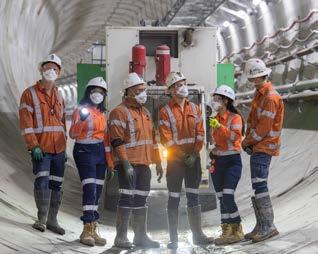
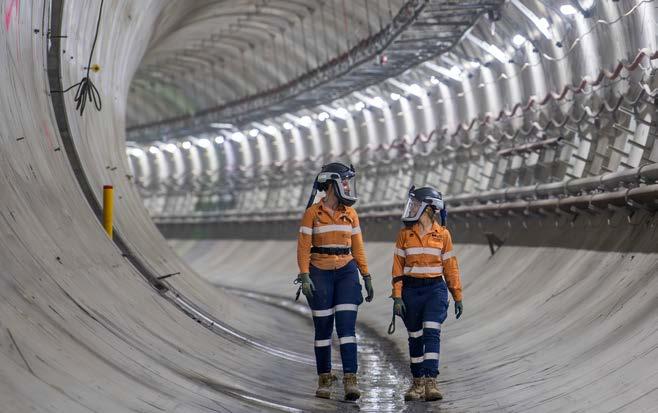
experiencing gender-based discrimination or sexual harassment in the past year. Among women, this figure rises to 70%, with site-based female workers reporting even higher rates at 76%.
• Perception gap among potential entrants. Women interested in joining the industry anticipate significantly more challenges than current workers report facing—suggesting that perception may be deterring new talent from entering the sector.
Other trends included alignment between men and women in terms of the key challenges facing the sector: a lack of work/ life balance (59%), lack of flexible working hours (48%), unequal pay for similar roles (44%) and a lack of mentoring and leadership training (43%).
Top challenges identified by businesses included project uncertainty (60%), attracting and retaining appropriately skilled staff (50%), and financial concerns (47%).
Overall satisfaction in the sector remained positive with 72% of women and 76% of men likely to remain in the industry over the next five years.
Evidence in this report indicates that issues surrounding attraction, retention, work-life balance, and gender-based discrimination are complex and require ongoing, coordinated efforts from both government and industry.
This year the NSW Government Women in Construction Program has officially reached the initial three-year program timeline. While significant progress has been made, the program has received an extension to continue delivering key initiatives designed to build a diverse and sustainable workforce.
Key achievements delivered through the Program in the past 12-months have included:
• Completion of the Industry Innovation Program. Over 2 years, the program awarded $5.9 million in grant funding across 34 industry initiatives to encourage the participation and retention of women.
• Completion of the Pilot Program, which embedded 19 Project Officers across 23 NSW Government major infrastructure projects to drive increased targets for women in trades and non-traditional roles.
• Roll out of the ‘Hard Work Knows No Gender’ campaign across the state to promote awareness around gender diversity and inclusivity in the sector.
• Sponsorship of the $30,000 National Association of Women in Construction (NAWIC) NSW 2025 Executive Leadership scholarship to support executive-level further education.

Photo credit - NSW Government Women in Construction Program
Photo credit - NSW Government Women in Construction Program
Construction delays often start at the last mile. In tightly scheduled projects, materials need to arrive just in time – if bricklayers are starting at 8am, deliveries must hit the site by 6am. Late arrivals create idle crews, eating into razor-thin margins in an industry where insolvencies surged nearly 21% last financial year. These hidden inefficiencies drain finances and erode customer trust.
Many construction companies still rely on static schedules and limited visibility, leading to idle trucks, wasted fuel, and site managers scrambling to adjust timelines.
AI-powered delivery orchestration can change this. NowGo by Shippit is a powerful new last-mile delivery orchestration solution that dynamically re-optimises deliveries in real-time, accounting for unplanned disruptions and delivery priorities. This cuts downtime and keeps projects on schedule.
Trade suppliers using this advanced solution, including Mitre 10, have improved fleet utilisation by up to 15% and reduced fuel consumption and driver downtime.
These gains provide a competitive edge. By offering Uber-like tracking and robust delivered-on-time adherence, NowGo reduces inbound queries and redeliveries, directly impacting profitability.
As Julian Yule from Mitre 10 noted, with NowGo powering their Truck Tracker, they “know exactly when materials will hit the siteno more downtime waiting around and fewer contacts to our busy store customer service teams.” This ensures on-site teams can work productively and projects stay on track, which is paramount to building consumer trust.
If the sector wants to lift productivity, it must recognise that the last mile is the starting

point for on-site efficiency. Effective delivery management is a lever for boosting efficiency across construction projects.
WHY REPAIRING CONCRETE SHOULD COME BEFORE RECYCLING
As Australia prepares for National Recycling Week (10–16 November), Building Chemical Supplies says the path to sustainability starts with repair, not replacement.
Australia’s construction and demolition sector has made great progress in recycling concrete waste, but Building Chemical Supplies (BCS) says it’s time to take the conversation a step further. Before concrete reaches a recycling facility, many structures could be repaired and restored — saving materials, energy and emissions along the way.
With construction and demolition waste making up around 26.8 million tonnes of material every year, repair is a major opportunity to keep concrete in use for longer and reduce the need for new materials altogether.
In Queensland, it was reported about 83.3% of construction and demolition waste was diverted from landfill in 2023–24, already exceeding the state’s 2025 recovery target of 75%. Around 1.6 million tonnes of concrete were recycled that year, a strong sign that the industry is heading in the right direction.
But recycling still happens at the end of a structure’s life. Repairing concrete gives it another decade, or several, before it ever becomes waste. Every tonne of concrete repaired means less raw material mined, less energy used in production and fewer emissions from cement manufacturing, one of the most carbon-intensive industries on the planet.
Repairing concrete isn’t a quick fix. It’s a trusted and effective way to restore strength, safety and performance. Techniques like crack injection, spalling repair, waterproofing and carbon-fibre strengthening are proven to bring ageing structures back to life across commercial and civil projects.
Demolition and rebuilds use huge amounts of energy and materials. Repair focuses on restoring what’s already there, using a fraction of the resources. It’s a practical, lower-impact way to maintain Australia’s built environment and reduce embodied carbon, which currently accounts for around 10% of national emissions.
A call to rethink during National Recycling Week
“This National Recycling Week, we want the industry to think one step earlier,” said Blair Edmonds, Director at Building Chemical Supplies. “Recycling is valuable, but before concrete becomes waste, there’s an opportunity to repair and reuse what already exists. That’s the real foundation of sustainable construction.”
Repairing before replacing helps builders, engineers and asset managers reduce waste, extend the life of their structures and take pressure off recycling facilities. It’s a practical shift that cuts costs, saves time and delivers real environmental impact.
Australia’s recycling efforts show great progress, but true circular construction starts well before the skip bin. Repairing what already stands keeps materials in use for longer, reduces landfill and moves the industry closer to a lower-carbon, more sustainable future.

ROB HANGO-ZADA
Co-Founder and Joint CEO Shippit
HOW
CAPRAL BACKS AUSSIE SMELTERS AND CONFIRMS SUPPLY CHAIN STRENGTH
Recent reports about the future of the Tomago Aluminium Smelter have drawn national attention to the challenges facing Australia’s aluminium industry. Capral recognises the significance of this facility to the nation’s aluminium manufacturing strength and reaffirms its support for the continuation of local smelting operations.
“As a business that proudly sources Australian aluminium for our local extrusion operations, we understand the importance of maintaining a strong domestic smelting capability,” said Tony Dragicevich, Capral CEO. “While our billet supply chain remains secure and diverse, sustaining local production is essential to preserving Australia’s industrial capability and manufacturing independence.”
Australia’s aluminium industry is one of the nation’s most strategically significant sectors, operating as a vertically integrated value chain, from bauxite mining and alumina refining through to aluminium smelting,
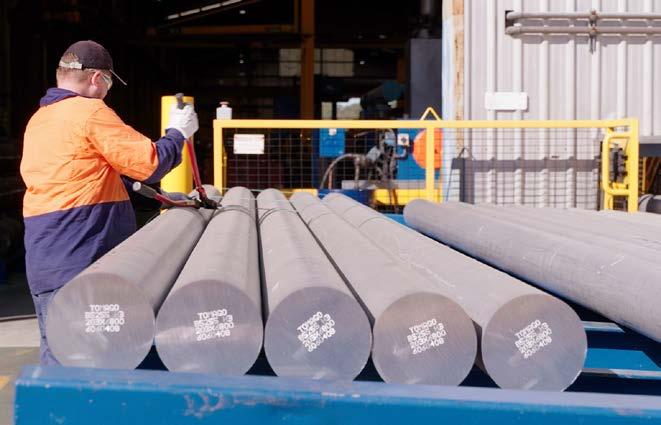
extrusion and downstream manufacturing. This integrated system generates around $18 billion in annual economic value, supports more than 75,000 Australian jobs, and underpins regional economies across the country
Capral believes coordinated action between government, industry, and energy providers will be critical to ensuring the long-term viability of Australia’s aluminium sector and the thousands of local jobs it supports
ADELAIDE AND PARAFIELD FIRST AUSTRALIAN AIRPORTS TO REACH HIGHEST LEVEL OF AIRPORT
Adelaide and Parafield Airports have become the first airports in Australia to be recognised by the global Airport Carbon Accreditation program for reaching the highest level of accreditation on the path to Net Zero.
Both airports are now certified as Airport Carbon Accredited at Level 5, which requires maintaining a Net Zero carbon balance on Scopes 1 and 2, and actively addressing Scope 3 emissions sources that it can significantly influence on the pathway to Net Zero. Only four other airports in the AsiaPacific and Middle East regions have reached this level.
Airport Carbon Accreditation is the only institutionally endorsed global carbon management certification programme that independently assesses and recognises airports for their efforts to measure, manage, and reduce carbon emissions.
Adelaide Airport Managing Director, Brenton Cox, said Adelaide and Parafield Airports had reinforced their credentials as the benchmark for environmentally friendly
CARBON ACCREDITATION
airports in Australia. In December 2024, Adelaide Airport became the first major airport in Australia to reach carbon neutrality.
“Our participation in this programme is recognition of the importance of long term sustainability to aviation sector and the value of collaboration to achieve our industry goals,” Mr Cox said.
“Achievement of Level 5 accreditation validates that we have transitioned from carbon management to decarbonisation, with credible evidence of emissions reduction and long-term planning.
“Our sustainability and decarbonisation efforts aim to create long-term value for our shareholders and our customers who represent the broader community.
Stefano Baronci, Director General of ACI Asia-Pacific & Middle East, said Adelaide and Parafield Airports have demonstrated strong leadership in advancing environmental sustainability. “Achieving Level 5 of the Airport Carbon Accreditation
Programme reflects their sustained effort and collaboration with stakeholders to reduce emissions and this accomplishment aligns perfectly with airport industry’s shared vision of achieving net zero goals by 2050,” Mr Baronci said.
Recent achievements across Adelaide and Parafield Airports include:
• Generating more than 15% of the domestic and international terminal’s electricity needs via onsite solar installations;
• Reducing electricity consumption through a major LED lighting upgrade and by choosing energy efficient options for major equipment upgrades;
• Purchasing all remaining electricity consumption through a renewable purchase power agreement via a South Australian wind farm; and
• Offsetting residual emissions by purchasing carbon credits from a land regeneration project in South Australia.

DESIGN, ADVISORY
AND ENGINEERING CONSULTING BUSINESSES SHOW RESILIENCE THROUGH UNCERTAINTY
Project uncertainty, business risk and cost pressures continue to weigh on Australia’s consulting and engineering sector – but signs of optimism are emerging, according to Consult Australia’s 2025 Market conditions report.
The 2025 report, based on a survey completed by 41 member businesses representing 29,000-plus employees, shows a continuation of last year’s subdued market conditions. Almost all respondents (97%) report current or near-term capacity.
Consult Australia Chief Executive Officer
Jonathan Cartledge said the results underline the need for pipeline clarity and government coordination.
“Our members continue to face the pressures of uncertain project pipelines, escalating business costs and heightened risk,” Mr Cartledge says. “But they’re also
demonstrating remarkable resilience. The fact that 49% of respondents are optimistic about the year ahead suggests the market is stabilising and confidence is returning.”
Among the key findings from respondent member businesses:
• 97% report current or near-term capacity, with ‘not enough work’ the dominant response across most sectors.
• 51% have redeployed staff to other projects; 43% have made additional resource cuts due to delayed or cancelled projects.
• 43% say they are operating in a higher-risk environment than a year ago.
• Salaries are the fastest-rising business cost, outpacing insurance and compliance costs.
• 57% continue to face rising professional indemnity insurance premiums despite marginally improved availability.
• 62% cite digital, data and AI as critical skill gaps for the next three years.
SUBSCRIBE NOW

Get the ANCR Construction Insights e-newsletter, featuring Case Studies, Product Information and Commentary from within the industry, straight to your inbox every month. Scan the QR code to Subscribe
The release of the market conditions report coincides with the launch of Consult Australia’s 2025-2028 Strategic Plan, unveiled at the Annual General Meeting, Thursday 30 October 2025.
“Our new strategy is built on three clear commitments to maintain, enhance and innovate. It reflects the breadth of our membership, from micro-firms to multinationals, and sets a confident course for how we represent, support and elevate every part of our industry,” Mr Cartledge concludes.
Scan to access Consults 2025 Market Conditions Report
Scan to access the 2025-2028 Strategic Plan



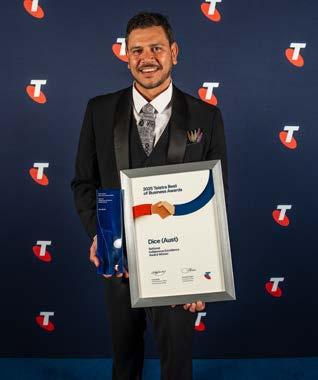
DICE (AUST) WINS 2025 TELSTRA BEST OF BUSINESS AWARD FOR
INDIGENOUS EXCELLENCE
DICE (Aust), an NT-based construction enterprise, has been announced as the Indigenous Excellence National Winner at the 2025 Telstra Best of Business Awards.
DICE (Aust) provides commercial building, electrical and smart energy solutions across the country. Through these infrastructure services, it empowers First Nations employees and communities, becoming a successful enterprise.
The judging panel was unanimous in their praise of DICE (Aust)’s entrepreneurial spirit, leadership, and commitment to research and innovation. opperating in one of Australia’s toughest logistical environments in the NT.
After years of advocacy, Master Builders welcomes the state government’s decision to scrap Best Practice Industry Conditions (BPIC) – a move that will help restore productivity and reduce costs across Queensland’s construction industry.
With a once-in-a-generation pipeline of housing and community projects ahead, Master Builders CEO Paul Bidwell said the policy had long hindered progress.

Photo credit - DICE Founder Ray Pratt
RICHARD CROOKES CONSTRUCTIONS & ESR COLLABORATES WITH MORSL TO DELIVER FIRST MOBILE MICRO-MARKET SOLUTION FOR CONSTRUCTION TEAMS
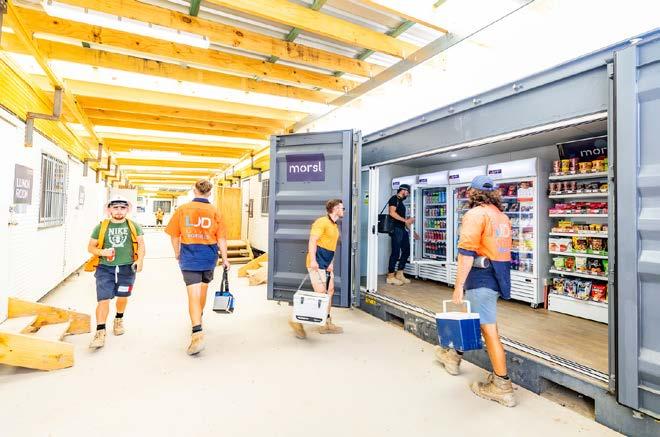
ESR Australia & NZ has partnered with Morsl, Australia’s leading provider of unattended micro-markets, to launch the country’s first mobile micro-market solution on a Richard Crookes Constructions’ (RCC) site at Moorebank Intermodal Precinct.
This pioneering initiative replaces traditional vending machines with a fresh, nutritious, and better-for-you food solution designed to support the health and wellbeing of construction teams throughout the project.
A Healthier Alternative for Construction Workers
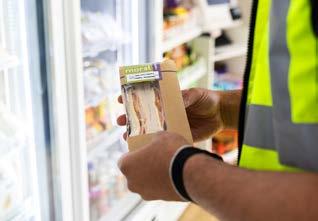
Construction workers often face long shifts and limited access to healthy food, with vending machines typically offering only high-sugar, high-salt options. Morsl’s mobile micro-market provides round-the-clock access to fresh meals, snacks, and drinks — from protein-rich salads and wraps to low-sugar beverages and wholesome snacks — ensuring workers have convenient access to fuel that sustains energy and focus on the job.
Mitchell Kay, Senior Project Manager at RCC said, “Morsl’s healthy food options have been a gamechanger for our team. Fresh and nutritious food plays a pivotal role in overall wellbeing – we’ve noticed an increase in energy and focus since consuming these healthier alternatives.”
Collaboration Driving Innovation
By joining forces, ESR Australia & NZ and Morsl are delivering more than food: they’re introducing an industry-first innovation in workplace wellbeing.
The mobile micro-market is designed to be flexible, fully self-service, and tailored to the unique demands of a construction site environment, as seen on the RCC site
Simon Sayers, Head of Development, ESR Australia & New Zealand said: “At ESR, we’re always looking for practical ways to support the wellbeing of the people who bring our projects to life. Partnering with Morsl to deliver healthier food choices on site is a simple but powerful initiative to help
construction teams stay energised, focused, and safe throughout the day.”
Why It Matters
• Health & Wellbeing – Better food choices help reduce fatigue, improve focus, and support long-term health.
• Productivity & Safety – Access to quality nutrition reduces the risk of accidents linked to fatigue or poor diet.
• Innovation in Industry – This collaboration sets a new benchmark for how the construction sector can support frontline teams.
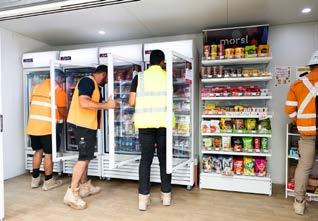
“Construction workers deserve the same level of nutritious choice and convenience as those working in offices or hospitals. By bringing our micro-market technology into a mobile solution, we’re closing that gap and supporting a healthier, safer, and more productive workforce,” said Karla Borland, Morsl CEO
Looking Ahead
The launch is the first step in exploring how mobile micro-markets can be deployed across construction, infrastructure, and industrial projects nationwide, where worker wellbeing is essential and food options are often limited.
Do you have a project, media release, product or news item you would like to feature with the Australian National Construction Review?
Get in touch with our submissions team by scanning the code or at submissions@ancr.com.au to find out more.

PRECISION REFURBISHMENT RESTORES FORM AND FUNCTION
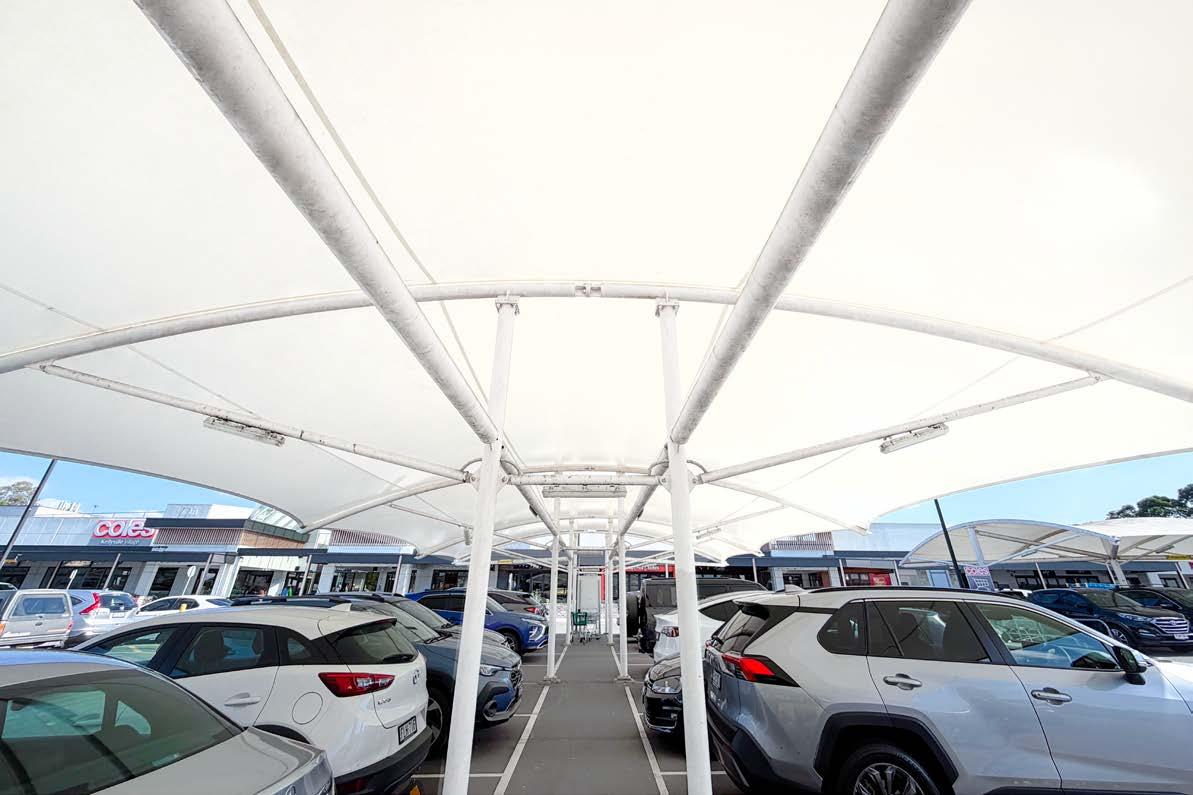
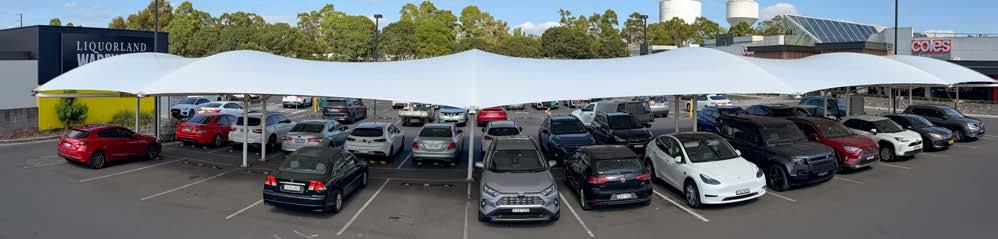
When a delivery vehicle damaged one of the major car park shade sails at Kellyville Shopping Centre, Sydney Shade Sails was called in to take on the complex refurbishment, after another contractor was unable to complete the job.
“The structure had been left half-finished,” explained Leonard Collins, Managing Director of Sydney Shade Sails. “We came in, surveyed, patterned, and fabricated a completely new sail to restore both function and appearance.”
Measuring 36m by 12m, the replacement shade required precision design, custom fabrication, and meticulous installation. With the site located in the busiest part of the shopping centre, right outside major supermarkets, and multiple fast-food outlets, the Sydney Shade Sails team worked exclusively overnight between 10 pm and 8 am, ensuring minimal disruption to the public.
“It was a tough job,” Leonard said. “The sail weighed around 250kg and had to be lifted and tensioned 3m off the ground using scissor lifts, winches, and a ute for leverage. It took several nights to remove,
position, and tension the fabric perfectly, but when it was finished, it fit like a glove.”
The project also marked one of the first Australian applications of Fluo²Max, a next-generation architectural fabric supplied by Ricky Richards. “It’s a premium European product with an advanced titanium dioxide and PVDF coating that helps it self-clean reflect UV rays, and resist dirt,” Leonard explained. “It’s stronger, stays cleaner longer, and carries an extended warranty compared to traditional membranes.”
Beyond restoring the structure, the project demonstrates Sydney Shade Sails’ capability in asset renewal and lifecycle management, critical for facilities and project managers maintaining high-traffic commercial environments. The company’s ability to integrate seamlessly with live operations, deliver durable solutions, and minimise downtime sets it apart in the maintenance and refurbishment market.
For more information contact Sydney Shade Sails (NSW) Pty Ltd, 10/8 Jindalee Place, Riverwood NSW 2210, phone 02 9592 0401, email enquiries@shadesailsydney.net.au, website shadesailsydney.net.au
REVOLUTIONISING SUSTAINABLE CLIMATE CONTROL
THE KXZ3 VRF SYSTEM BY MHIAA
As sustainability, efficiency and design integration become increasingly critical in commercial projects, mechanical solutions must go beyond temperature control — they must enhance building performance, help achieve environmental ratings, and fit seamlessly into architectural intent.
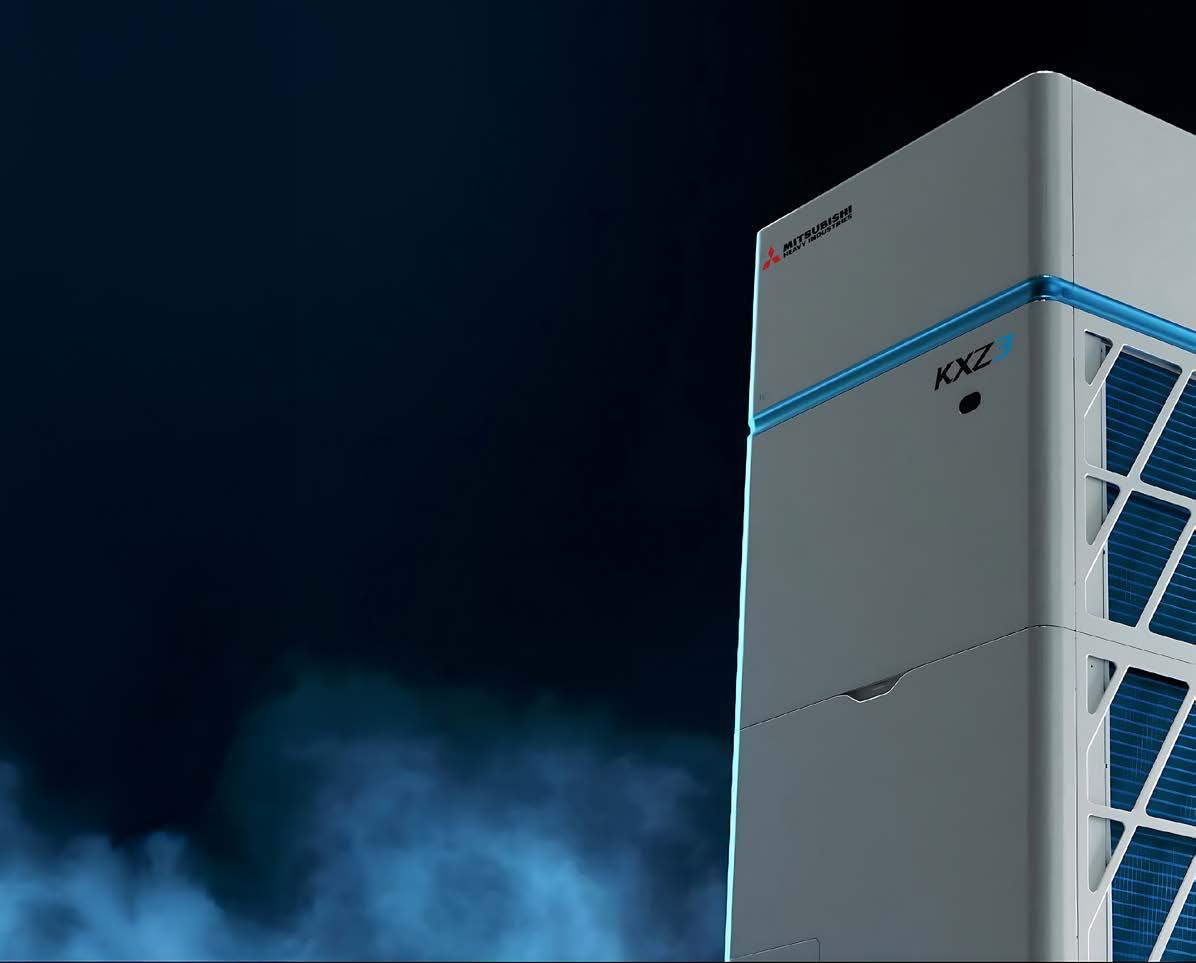
Mitsubishi Heavy Industries AirConditioners Australia (MHIAA) has achieved exactly that with the KXZ3 series of R32 VRF system — a next-generation air conditioning solution designed for future-focused developments.
What is the KXZ3 VRF System?
The KXZ3 series VRF (Variable Refrigerant Flow) Systems is Mitsubishi Heavy Industries’ most advanced commercial air conditioning platform solution to date. Built on cuttingedge engineering, it utilises R32 refrigerant, making it one of the first large-scale VRF systems in Australia to adopt this more sustainable refrigerant alternative.
The system is designed to serve diverse commercial applications—from mid to highrise offices to multi-residential developments, healthcare, retail and education projects— offering high performance with minimal environmental impact.
Key Features and Benefits
Low GWP R32 Refrigerant R32 refrigerant offers a Global Warming Potential (GWP) of 675, which is approximately two-thirds lower than R410A, positioning it as a future-proof choice ahead of evolving refrigerant regulations.
Optimised Coefficient of Performance (COP)
The KXZ3 series delivers outstanding COP values across a wide operating range, contributing to lower energy consumption.
Wider Operating Range
Suitable for any climate, it delivers reliable performance in temperatures from -25°C up to 52°C.
Energy-Saving Inverter Technology
Advanced inverter compressor technology dynamically adjusts performance to match demand, reducing operational costs.
Quiet and Compact
Ideal for urban developments with acoustic limitations, the KXZ3 series is engineered for quiet operation and optimised space efficiency.
Understanding NABERS – Why Ratings Matter
The NABERS (National Australian Built Environment Rating System) is a government-backed initiative that measures the environmental impact of buildings based on energy, water, waste and indoor environment quality.
As mandatory energy performance disclosure (CBD program) is expanding to more buildings, NABERS is becoming an increasingly important benchmark for developers, asset owners, and tenants, supporting compliance frameworks and informing lease negotiations.
Higher NABERS ratings not only improve a building’s marketability but also support ESG reporting and green financing opportunities.
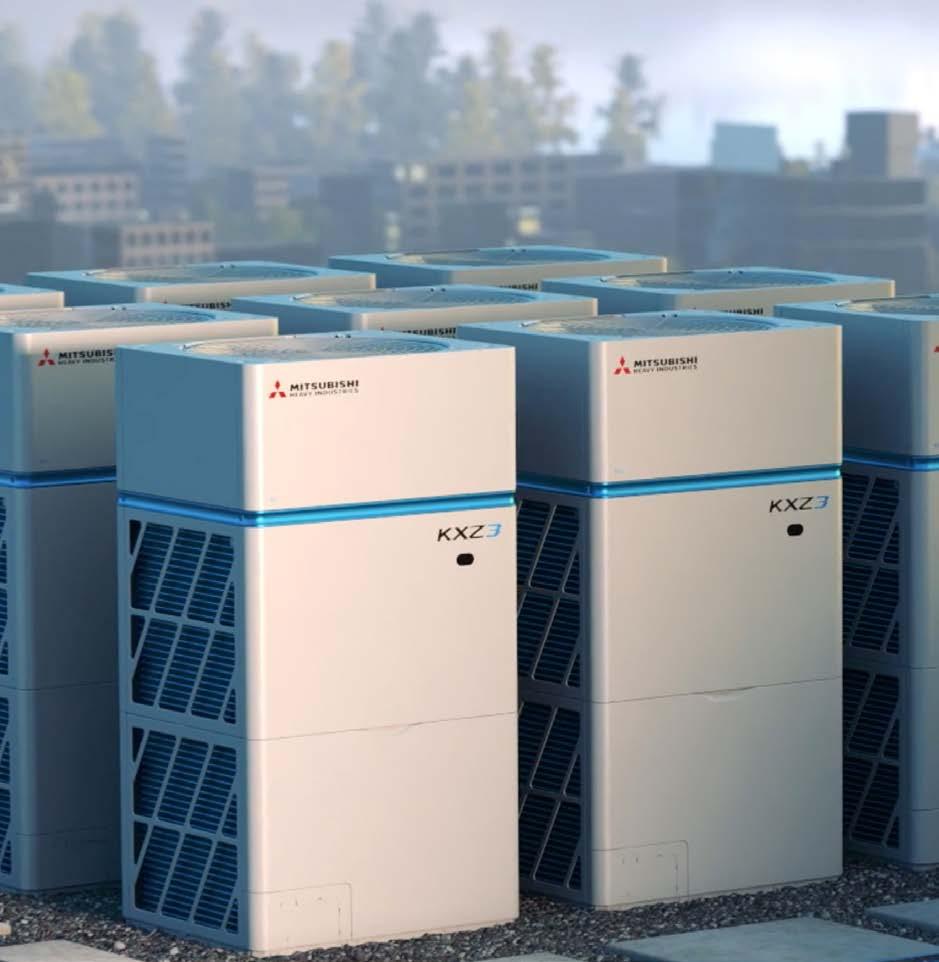
How KXZ3 Helps Improve NABERS Performance
By combining R32 refrigerant, new compressor technology and high COP outputs, the KXZ3 series helps reduce total building energy consumption — a key driver for achieving higher NABERS ratings.
KXZ3 supports NABERS-driven outcomes through:
• Lower emissions from high-efficiency operation.
• Improved part-load performance, better aligning with real-world usage.
• VTCC+ : A precise capacity control system that optimises the system output based on indoor load and pre-selected eco level (Low, Medium, High, U-high).
• Integration with centralised building management systems for optimisation.
In short, the KXZ3 sereis is not just cooling air — it’s directly contributing to measurable sustainability outcomes.
Compact, Modern Design
Modern developments demand mechanical solutions that support the architectural narrative rather than disrupt it.
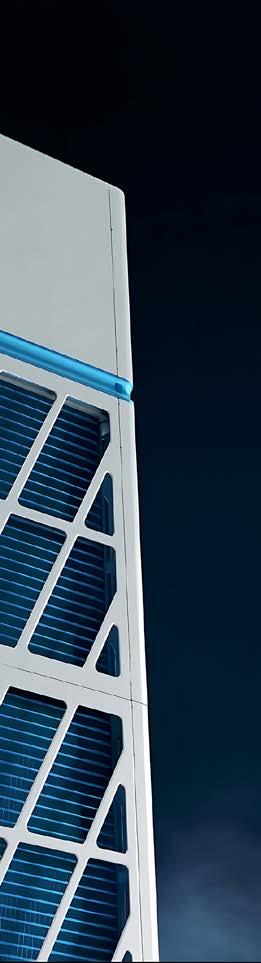
The KXZ3 series features a sleek, compact unit profile designed to blend seamlessly into rooftops and plant areas without visual bulk. Its space-saving footprint enables more creative freedom for designers and reduces construction complexity.
Award-Winning Engineering Excellence
Only months after its Australian launch, the KXZ3 series was honoured with the Australian Good Design Award for Engineering Design, recognising its innovation across sustainability, performance and technical refinement.
This accolade reinforces the system’s industry leadership and builds confidence for specifiers seeking proven, future-ready solutions.
A VRF System Built for the Future of Construction
With the KXZ3 series, MHIAA has set a new benchmark for climate control in commercial developments, combining sustainability credentials, engineering intelligence and architectural versatility.
Whether the goal is compliance, carbon reduction or premium building performance, the KXZ3 series is designed to take projects further — from the design stage to operational excellence.


To learn more or explore how the KXZ3 can help future projects meet performance and NABERS targets, visit: www.mhiaa.com.au
NEXT GENERATION OF VRF AIR-CONDITIONING SYSTEMS
Improved Energy Efficiency
Advanced compressor technology, optimised airflow and utilisation of R32 refrigerant deliver superior energy efficiency and performance.
Compact Design
Compact single-fan, vertical discharge design simplifies installation, saves space and integrates seamlessly into tight layouts without compromising performance or efficiency.
Wider Operation Range
Wide operating range delivers reliable year-round comfort, with efficient heating down to -25°C and cooling up to 52°C, ideal for diverse climates and demanding conditions*.
The KXZ3 series of VRF air-conditioning systems combines high performance, exceptional energy efficiency, and an expanded operating range to meet the demands of modern commercial projects.
The KXZ3 delivers around 70% lower CO2-equivalent emissions than R410A systems, In addition, the superior energy efficiency of KXZ3 systems combined with its precise capacity control system and its new saving mode, make it the perfect choice for developments aiming to achieve high NABERS and Green Star ratings.. Its compact footprint, flexible design, and superior efficiency provide precise comfort, reliable year-round performance, and strong environmental credentials offering a sustainable, future-ready solution without compromising performance or control.
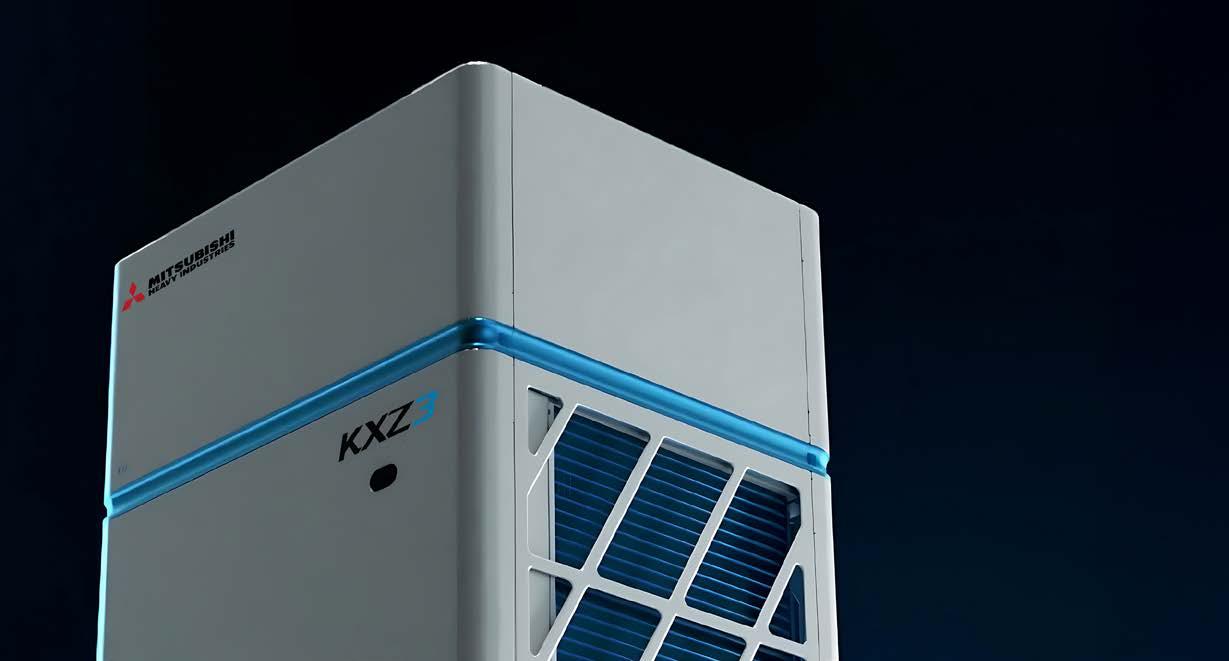

Easier Serviceability
Engineered for easy access and smart diagnostics, enabling faster maintenance, reduced downtime, and reliable peak performance.
Blue Fin Corrosion Protection
A specially formulated, multilayered coating protects the heat exchanger from salt, moisture and harsh elements, extending lifespan, preserving efficiency and ensuring reliable performance in demanding environments.
Variable Temperature Capacity Control
Advanced variable temperature and capacity control precisely adjusts output to match demand, enhancing comfort, improving efficiency, and ensuring year-round performance.
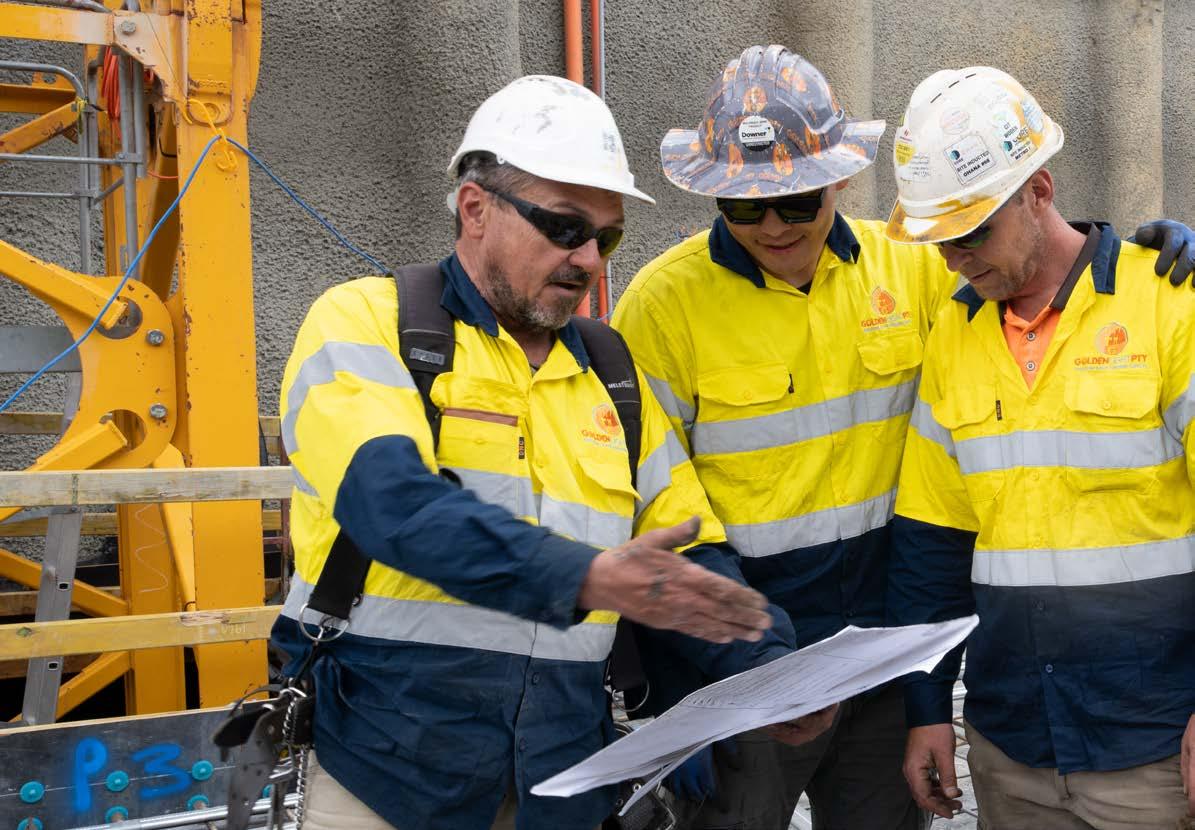
DRIVING CONSTRUCTION PERFORMANCE THROUGH INTEGRATED REINFORCEMENT AND POST-TENSIONING
Goldenlight REO Fix & PT is redefining structural delivery in Australia through its fully integrated reinforcement and post-tensioning model. By managing every stage, from planning and installation to precision tensioning, the company delivers stronger, lighter, and more sustainable concrete structures while simplifying coordination across trades. Their work on projects such as Raya Gungahlin demonstrates how smarter integration is driving the next generation of construction performance.
Building upon their proven success in delivering integrated reinforcement (REO) and post-tensioning (PT) systems, Goldenlight REO Fix & PT continues to advance how reinforced concrete structures are designed and delivered.
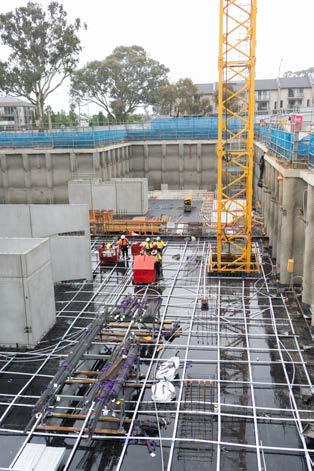
At Raya Gungahlin, a landmark collaboration with Core Development Group, Goldenlight showcased how this integrated approach translates to measurable results on site.
“We manage the entire process, from reinforcement planning through to post-tensioning, ensuring everything is perfectly aligned. It means less downtime between trades, better structural consistency, and a safer, more efficient work environment,” Del explained.
Goldenlight’s comprehensive REO packaging services have already become an industry benchmark in Canberra, delivering streamlined scheduling, reduced material waste, and simplified project management.
The addition of in-house post-tensioning extends these benefits even further. “Post-tensioning lets us create lighter, stronger slabs and beams while using less concrete and steel,” said Del. “It’s about smarter design that improves strength, durability, and sustainability.”
The Raya Gungahlin project exemplifies these advantages in realworld application. “By managing both the reinforcement and tensioning, we’ve reduced duplication, simplified communication, and accelerated delivery. Our integrated system ensures that the structure performs at the highest level, it’s strong, flexible, and built to last,” Del added.
Goldenlight’s team approach has also been key to their success. “Every project is a collaboration,” Del noted. “At Raya Gungahlin, our coordination with Core Development Group and other trades ensured that every pour, every cable, and every tensioning sequence ran smoothly. That’s the standard we set, excellence through teamwork.”
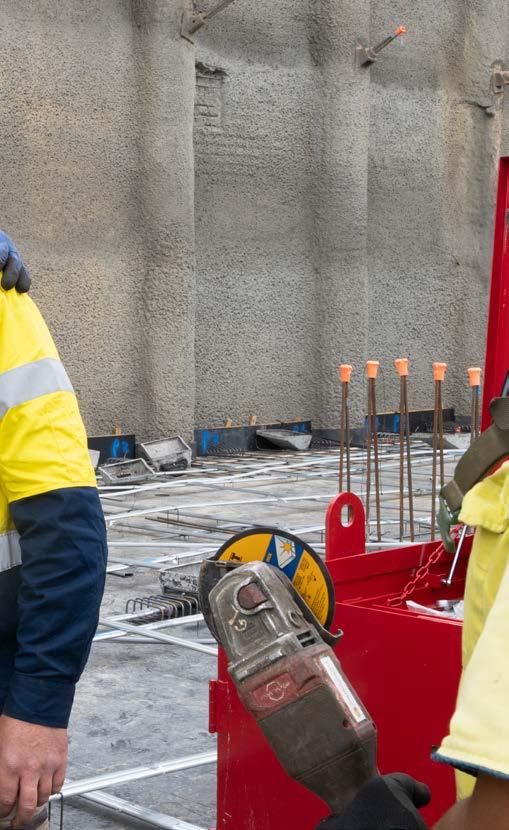
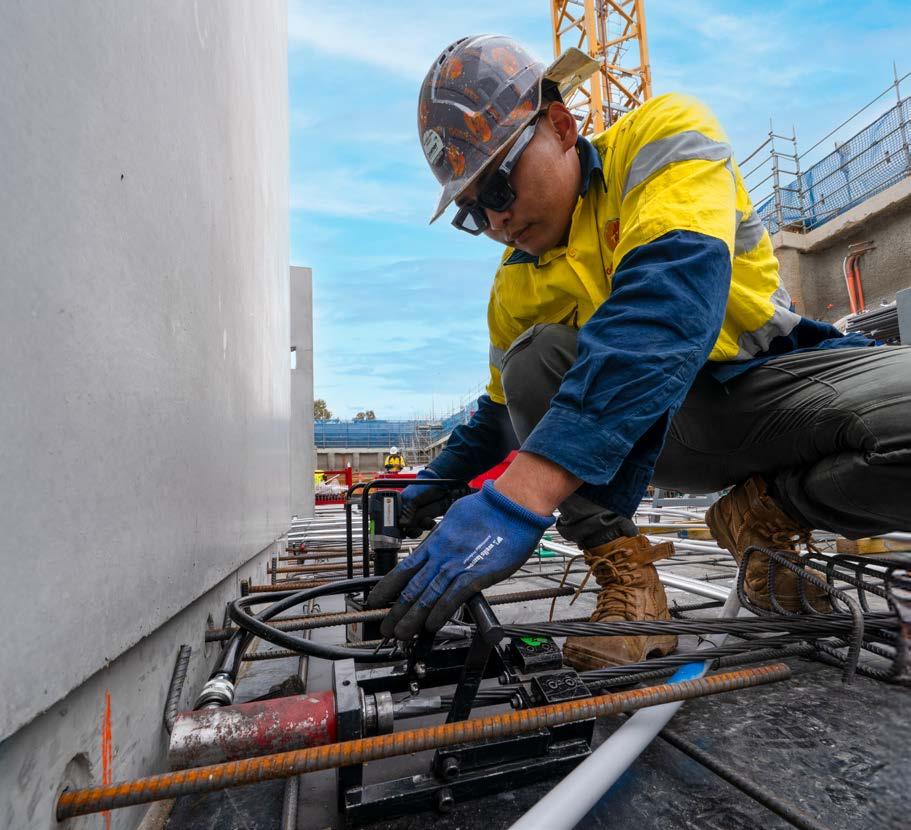

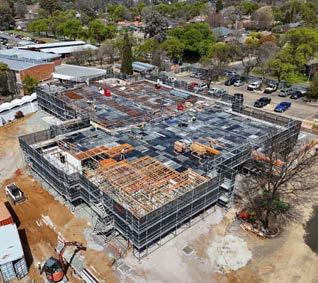
Their commitment to innovation extends beyond Canberra. Following the successful completion of projects such as Narrabundah High School, Goldenlight has expanded operations into Queensland and New South Wales, positioning the company as a national leader in integrated REO and PT systems.
“We’re proud to bring our expertise to more builders and developers across Australia,” Del said. “Our goal is to deliver the same quality and reliability we’re known for in the ACT to every project we undertake.”
The company’s approach is guided by five core benefits for contractors;
• Simplified coordination
• Consistent quality
• Faster delivery
• Improved site safety
• Clear communication
“When you have one subcontractor managing both trades, there’s no disconnect, everyone’s on the same page from design to completion,” Del explained.
As the construction landscape continues to evolve, Goldenlight remains focused on performance, precision, and partnership. “We’re not just installing steel and cables, we’re building confidence,” Del
concluded. “Whether it’s a school, a commercial tower, or a major residential development like Raya Gungahlin, we ensure that every structure we touch is stronger, smarter, and safer.”
As construction projects increase in scale and complexity, integration and collaboration are becoming central to improving efficiency and sustainability. Goldenlight’s combined reinforcement and posttensioning delivery model reflects this shift, consolidating design coordination and structural execution to support quality control, site safety, and reduced environmental impact.
For more information contact Goldenlight Pty Ltd, 490 Northbourne Avenue, Dickson ACT 2602, phone 0421 548 469, email alex@goldenlightcivil.com.au, website www.goldenlightstructure.com.au
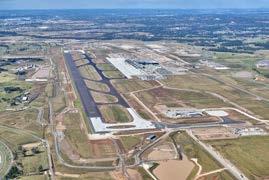
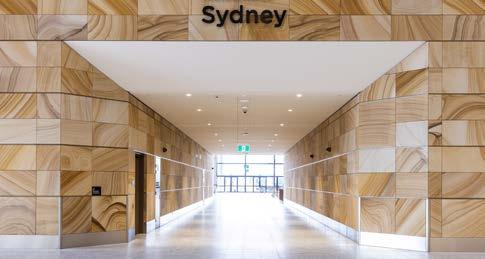
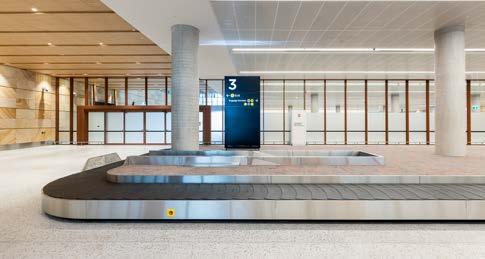
MULTIPLEX COMPLETES SYDNEY’S FIRST MAJOR AIRPORT TERMINAL BUILD IN MORE THAN 50 YEARS
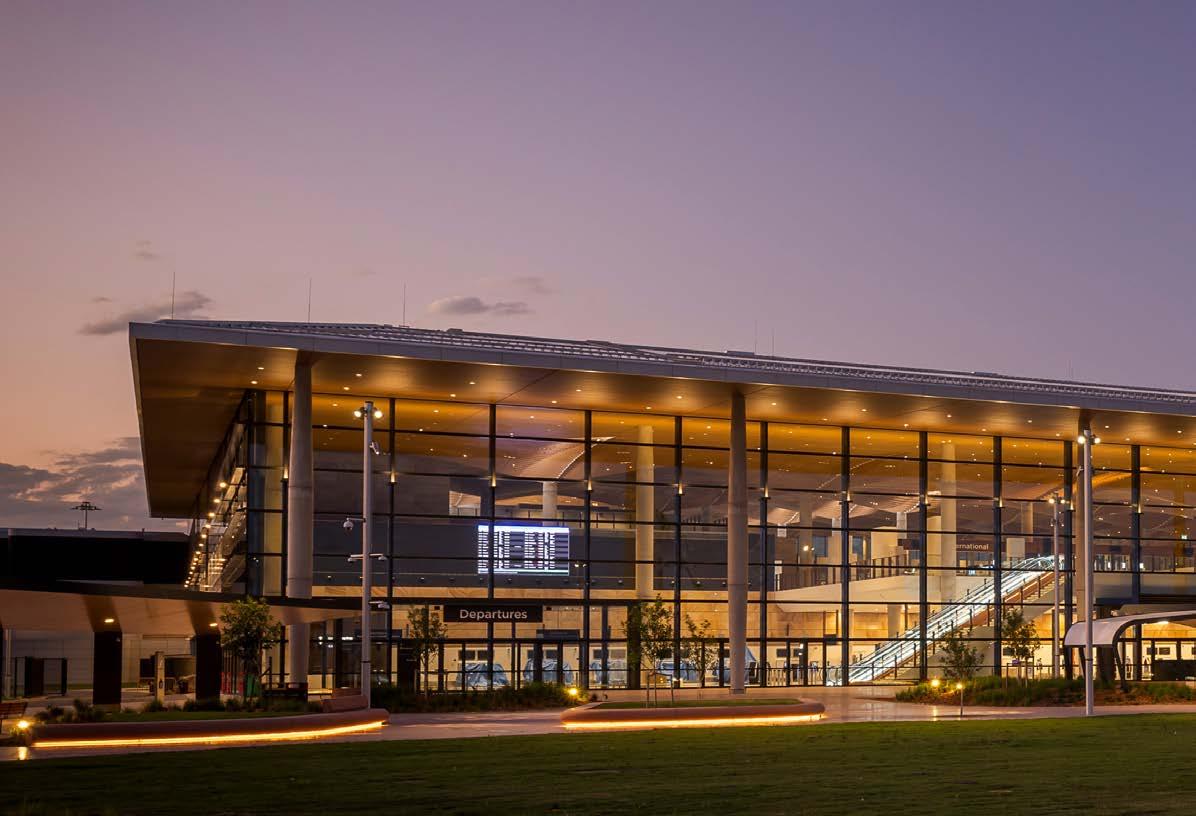
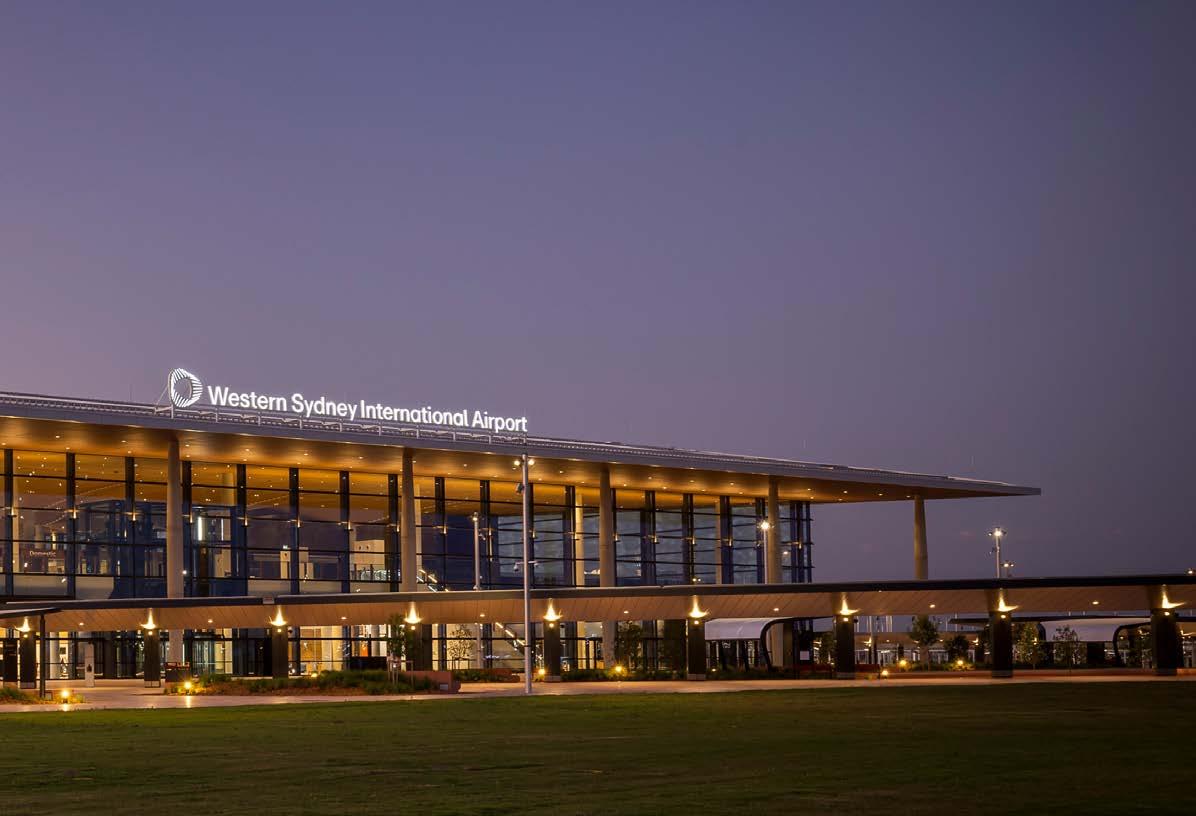
Premier global contractor Multiplex has completed construction of the Western Sydney International (Nancy-Bird Walton) Airport (WSI) terminal in Badgerys Creek. It represents the first major airport to be built in Sydney in more than 50 years, and will be the city’s only 24-hour airport.
Premier global contractor Multiplex has completed construction of the Western Sydney International (Nancy-Bird Walton) Airport (WSI) terminal in Badgerys Creek. It represents the first major airport to be built in Sydney in over 100 years, and will be the city’s only 24-hour airport.
Built on behalf of the Western Sydney Airport Corporation (WSA Co), the concept design of WSI’s state-of-the-art terminal was created by renowned architects Zaha Hadid and COX Architecture. Spanning four levels, it has capacity to service 10 million annual passengers.
Building on this, Multiplex delivered an optimised design for WSI’s terminal and surrounding infrastructure, working in collaboration with leading consultants including Airbiz and architects, Woods Bagot. This optimised blueprint enhanced the project’s performance within a refined, more efficient space – supporting the passenger experience that WSI envisaged.
Multiplex initiated construction planning in tandem with site works, working to a strict programme that ensured the new airport terminal was delivered on time and within budget.
“Western Sydney International Airport is a once-in-a-lifetime project. It has created a new world-class gateway to Sydney for domestic and international travellers. The completion of this highly technical build is also a significant milestone for Multiplex, as the largest project we have delivered in NSW in Multiplex’s 60-plus-year history,” said Multiplex’s NSW Regional Managing Director, David Ghannoum.
“The delivery of this complex project is testament to our diverse capabilities and ability to collaborate, unlocking insights from other sectors to achieve outstanding outcomes. WSI is a highly impactful piece of infrastructure that will leave a legacy for years to come,” he added.
“We are on the precipice of launching a seamless and stress-free airport experience unlike any other in Australia,” said Western Sydney International Airport’s CEO Simon Hickey. “WSI will give our global city a 24-hour international gateway that will continue to create significant economic opportunities for all of Greater Sydney.”
WSI’s terminal construction spanned almost four years and delivered a major employment boost to Western Sydney, generating thousands of construction jobs as well as permanent roles within the airport itself. Over 2,000 workers were on site at the terminal project’s peak, and importantly, over 50% were local Western Sydney residents.
According to Multiplex, the highly technical WSI build presented challenges that were overcome using innovative construction methodologies.
“Significant challenges were presented by the scale of the terminal building and the volume of conventional concrete and specialised labour required to build it,” said Mr. Ghannoum.
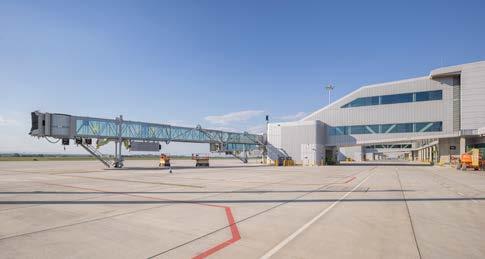
To maintain the project’s delivery schedule, Multiplex opted to construct Levels 2 and 3 of the terminal using a ‘Slimdek 210’ flooring solution – a locally-made composite steel frame developed by BlueScope Steel.
This reduced the amount of labour and concrete required to build the terminal and enabled the fit-out of WSI’s baggage handling system to commence several months ahead of schedule.
Another innovation in Multiplex’s methodology was a prefabricated service riser system, used within the main terminal building and allowing each core to be installed in a single day.
Beyond completing the iconic new WSI terminal, Multiplex has delivered tangible social and economic impacts for the broader community. More than 60 local subcontractors, consultants, and suppliers from Western Sydney, whose combined contract value exceeded $400 million, worked on the project.
Multiplex also launched the Western Sydney Airport Connectivity Centre in partnership with Penrith TAFE, aimed at generating sustainable, long-term employment opportunities for local jobseekers.
A variety of initiatives were rolled out, including Construction Pathways to Certificate II and vocational training for trade and flight-related careers, particularly for First Nations women. Since its inception, the Connectivity Centre has facilitated 381 work placements for First Nations people.
The project also saw Multiplex roll out its Jump Start, Jump Start Trades and Jump Start Juniors programs, which promote construction careers amongst female high school students and primary school students, respectively. Over 550 students from 21 Western Sydney high schools and 11 primary schools participated in Jump Start programs over the course of the project.
Media information: The PR Partnership
Images - Multiplex & Aran Anderson Photography
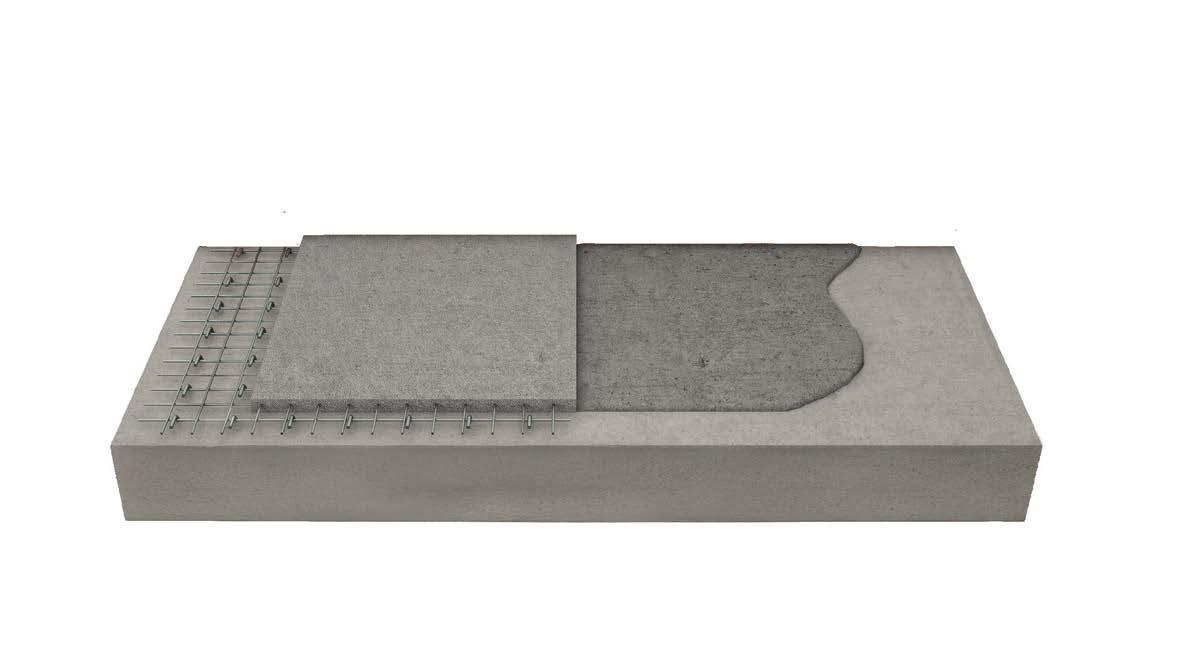
Experimental studies have demonstrated HPC’s capability to enhance structural capacity with minimal additional thickness. For example, tests on fullscale reinforced concrete columns jacketed with thin layers of HPC have shown significant increases in axial load capacity and ductility. Likewise, overlaying deteriorated floor systems with lowthickness HPC screeds has led to notable improvements in flexural stiffness and cracking resistance, even without the use of shear connectors.
ADVANTAGES
Very high flexural and compressive strength
Excellent adhesion
Fibre reinforced
High resistance to abrasion and impact
High resistance to cyclical loads
Impermeable to water

STANDING TALL ON SUSTAINABLE DESIGN
DEVELOPER : Mulpha
MAIN CONSTRUCTION COMPANY : Parkview
ARCHITECTS : Bates Smart Architects (Banksia), Smart Design Studios (Lacebark), and Aspect Studios (Wild Greens)
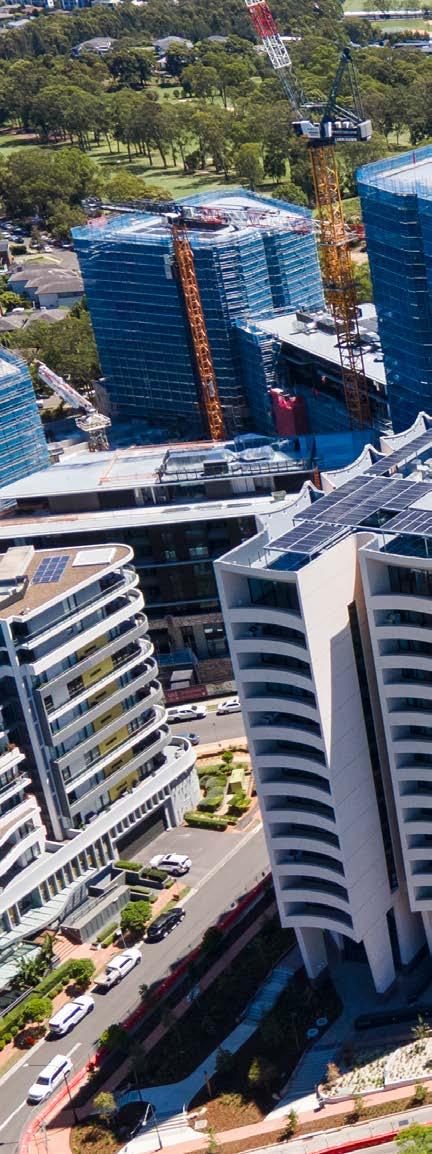
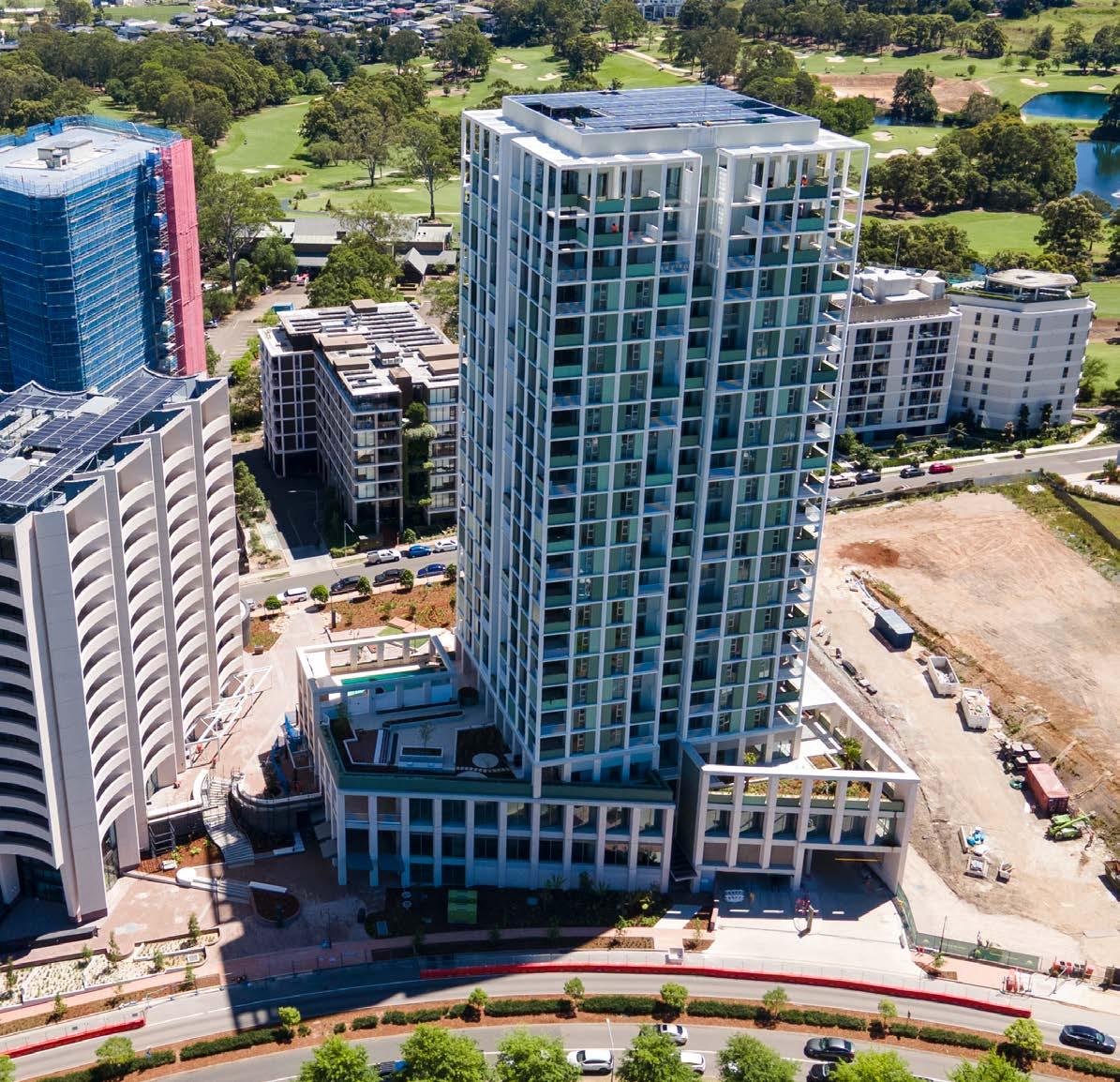
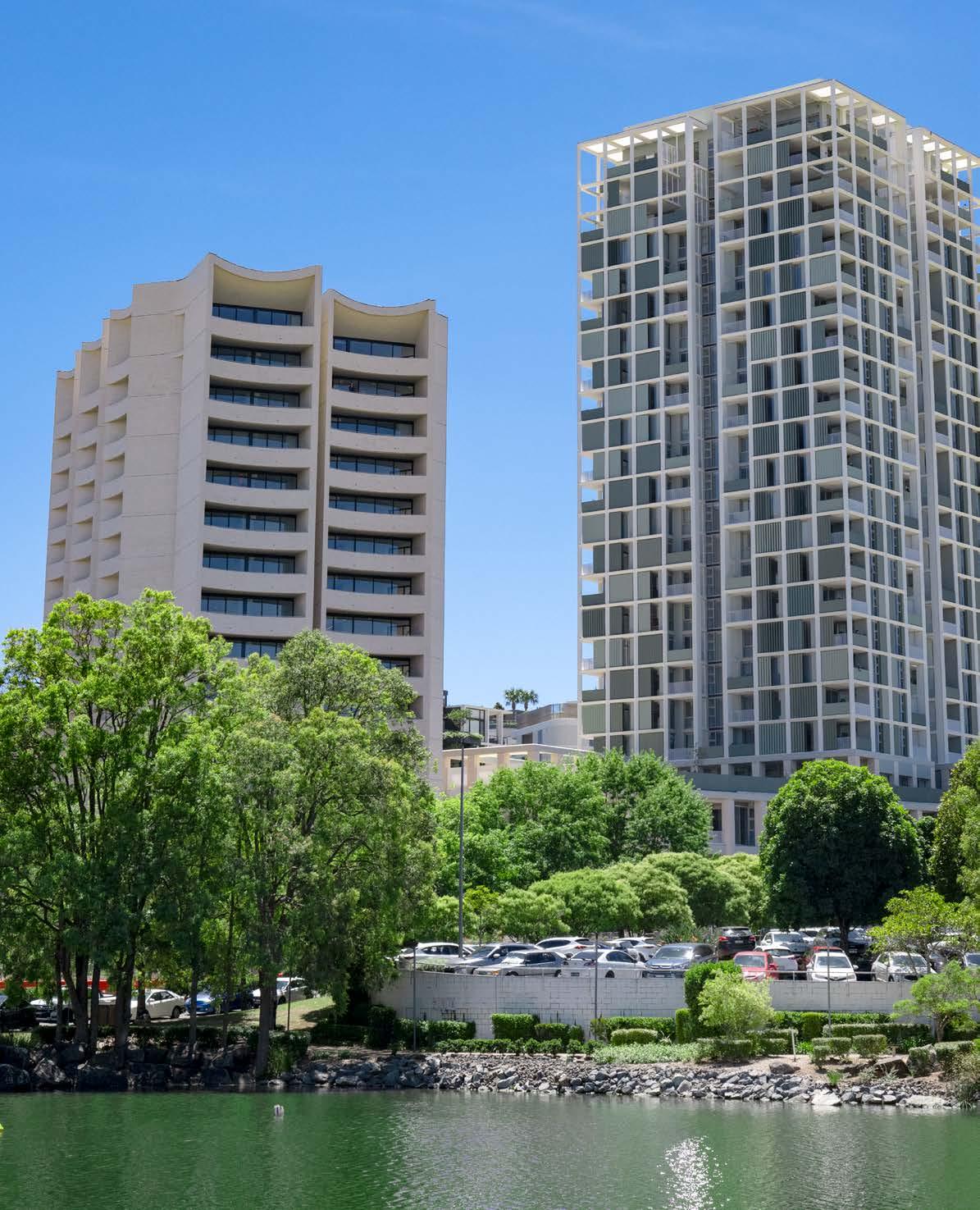
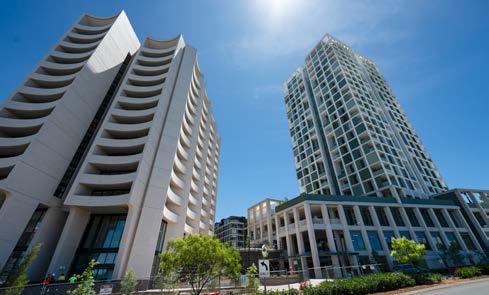
A commitment to sustainability and style have been the guiding principles for construction delivered on of the first stage of Mulpha’s Norwest Quarter precinct in Sydney’s Hills District.
Stage 1 of Mulpha’s $1 billion master planned community is realised in Banksia and Lacebark.
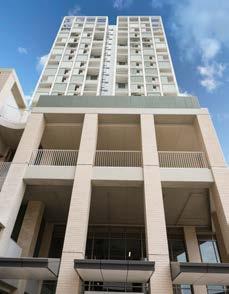
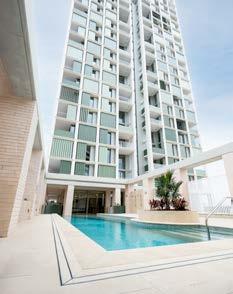
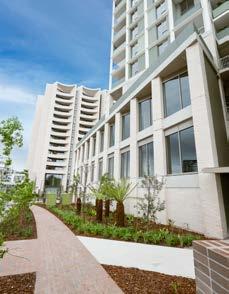
Stage 1 of the precinct combines residential, community and retail amenity overlooking the landscaped public domain and interactive communal area known as the Wild Greens. Banksia and Lacebark have been architecturally designed with distinctive but complementary identities by Bates Smart Architects, Smart Design Studios, and Aspect Studios.
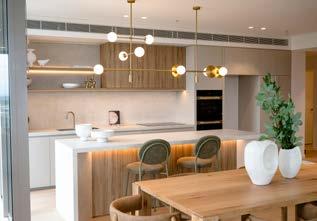
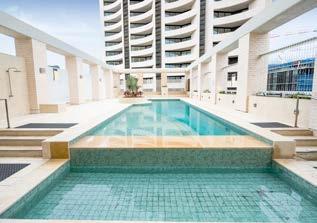
The carefully considered modernist designs feature premium materials, optimise light, and create integrated, shared amenity spaces with residents set to enjoy access to dining rooms, a pool, community gardens, workshops and playgrounds. Importantly, the buildings are also entirely powered by renewable energy.
For builders, Parkview Constructions – who have delivered the first stage – the opportunity to demonstrate a commitment to innovation, sustainability, high-quality communityfocused design at this scale has been second to none. The construction contract exceeded $200 million and has resulted in 184 muchneeded homes in a thriving area of Sydney.
“Parkview undertook an early contractor involvement (ECI) process to help Mulpha develop the design at all stages, from DA approval through to a fixed lump-sum design and construct contract,” explained Glenn Moran, Head of Construction at Parkview. “Being engaged with our client from inception to delivery has allowed us to plan carefully and collaboratively from the start with the assembly of the right, experienced team including our most-trusted subcontractors and suppliers.
What was incredibly beneficial was the crystal-clear brief and vision from Mulpha,” said Moran. “Our client’s philosophy around sustainability, community and nature shaped every decision we made.
“We understood from the outset that the delivery of the first two towers of the precinct was a defining moment for Mulpha, for the design team, and for the community,” Moran said.
“It was critical that our construction delivered the level of quality, materials and workmanship to set a new benchmark for integrated, sustainable design and I believe we’ve achieved that. It’s one of the finest mixed-use apartment developments in New South Wales, and we are proud to be a part of the team behind Banksia and Lacebark.”
How green
does your development grow
The sustainability ambitions for Norwest Quarter were to ensure the buildings were powered on 100% renewable energy, built with zero waste to landfill, and water resilience.
To contribute to the achievement of these goals, Parkview Constructions implemented a suite of measures including:
• Water-efficient fixtures and fittings.
• Apartment layouts designed for zerowaste living.
• 100% electric residences, with induction cooking and no gas connections.
• Electrical Vehicle (EV)-ready parking with fast-charge infrastructure.
• Rooftop solar power providing renewable energy.
• Double-glazed windows for superior thermal and acoustic efficiency.
• Urban heat-reduction landscaping, with layered canopies and native species planting.
“These integration of sustainable design features and energy efficiency are part of the building’s DNA, they’re not bolt ons,” said Moran. “The goal was to create a community where residents and businesses can live and work in a carbon-neutral environment without sacrificing comfort or quality.”
Partnerships that Build Excellence
Parkview Constructions drove productivity and consistency by strategically splitting key trade packages between the two towers, including brickwork, stone benchtops, and tiling. The approach meant there was a balance of resource allocation, while ensuring uncompromised attention to detail.
“The biggest challenge wasn’t the site itself – It was the defining design elements and commitment to quality finish at a large scale, and to achieve that, consistency, communication and care was needed at every step,” Moran said. “When you’re building something of this quality, every junction,
every line, every material has to be perfect and we committed to meeting that challenge.
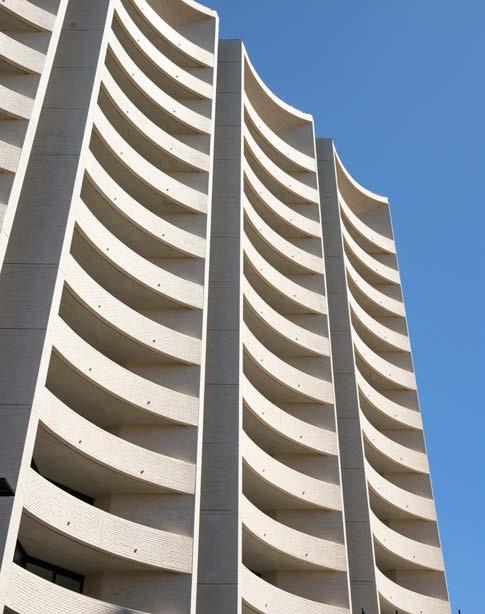
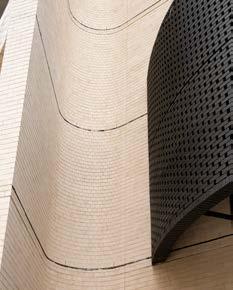
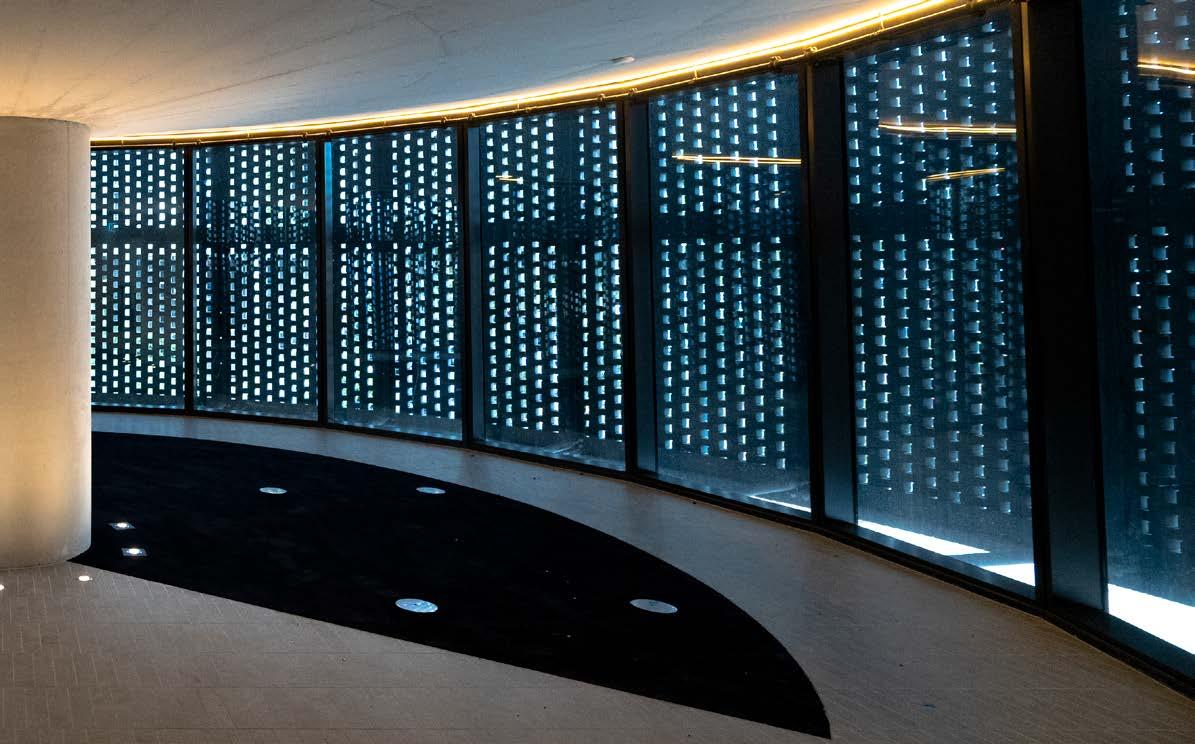
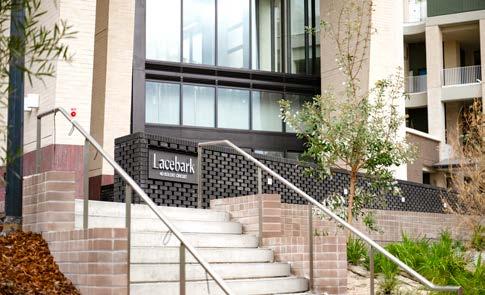
“There are so many standout features including the Banksia façade with its precast form and GRC planter boxes, while the Lacebark façade uses custom-made Lohas Spanish bricks with curved balconies, blades and soffits. There are also the hit-and-miss black brick drums that house a communal dining room and future restaurant.”
The Parkview Construction team were equally invested in the internal spaces, including the Banksia lobby featuring a library and greenery, and the Lacebark entry, which both set the tone for luxury living.
“Although the project was complicated, the commitment to collaboration, attention to detail and quality across the client team, architects and contractors never wavered,” Moran explained.
“We believe this project is one of the highestquality apartment buildings ever constructed in the state and it proves that when developers, designers, and builders share a vision, they can create something truly extraordinary.”
For more information contact Parkview, 02 9506 1500, enquiries@parkview.com.au, website www.parkview.com.au

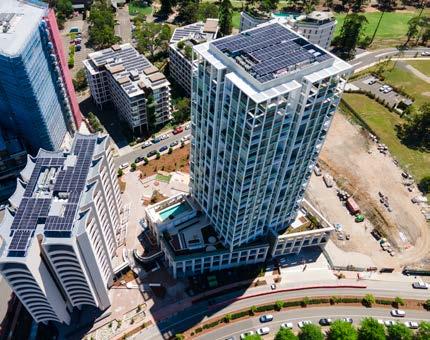
Below Renyi guided Norwest Quarter’s sustainability, ensuring energy efficiency, regulatory compliance, and practical, high-performance building outcomes.
SUSTAINABLE BY DESIGN: BALANCING AMBITION, BUDGET, AND COMPLIANCE
Renyi, a building performance and energy efficiency consultancy, played a key role in the Norwest Quarter development, one of Sydney’s most ambitious sustainable mixed-use precincts.
Engaged early in the pre-construction phase, Renyi provided technical guidance to ensure the project met and exceeded Australia’s minimum compliance standards, aligning sustainability targets with practical construction constraints.
“We got involved before construction began,” explained Allan Ang, Director at Renyi. “Our scope included providing NatHERS/BASIX certification, NCC Section J and ESD design implementation advice for 181 dwellings over two buildings within the precinct at construction stage, all mandatory energy efficiency requirements under the National Construction Code. We set the performance criteria for the building envelope and service equipment to ensure compliance and efficiency.”
This involved detailed technical calculations to establish benchmarks for everything from air-conditioning systems to tapware efficiency.
“This project had ambitious sustainability targets that went beyond minimum national requirements,” said Allan. “Our job was to align those aspirations with the builder’s practical and financial constraints, helping to achieve the best possible outcomes within budget.”
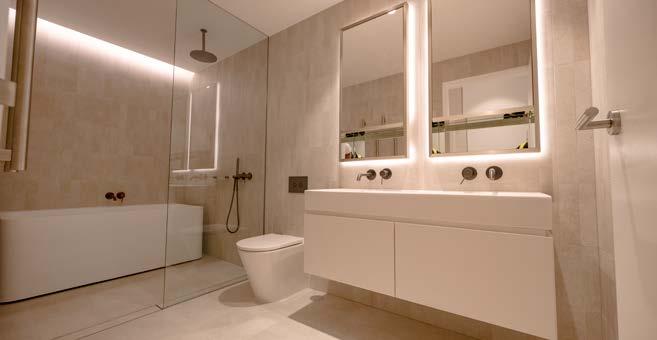
Striking that balance required careful co-ordination between the developer, builder, and Renyi’s team. “It was a juggling act,” Allan admitted. “There were some areas where we couldn’t compromise, like the building fabric’s thermal performance, but in others, we found smart substitutions, sourcing more cost-effective, water-efficient fixtures that still met high sustainability ratings.”
Renyi’s involvement continued throughout construction, ensuring every trade aligned with the project’s sustainability matrix. “Once the performance parameters were established, our role was to follow through with the builder to make sure all subcontractor works complied,” Allan said. “When unexpected challenges arose, such as availability of materials or system conflicts, we worked closely with the design and construction teams to find compliant, efficient alternatives that didn’t compromise on quality or aesthetics.”
The result is a benchmark in sustainable mixed-use development, demonstrating how collaboration, technical precision, and adaptability can translate lofty sustainability goals into real-world outcomes. “We’re proud of how we managed to balance the expectations of both developer and builder,” said Allan. “Norwest Quarter showcases our ability to go above and beyond minimum standards to help deliver a building that’s genuinely sustainable.”
With Renyi’s guidance, the project not only achieved compliance, it helped redefined it.
“It wasn’t a straightforward process,” Allan reflected. “But through true expertise and teamwork, we helped the builder resolve complex service issues and ensure the project met its high-performance aspirations.”
The outcome resulted in 7.8 Star NatHERS/ BASIX certification for the project with cost-effective advice to revise the glazing thermal targets.
Renyi partners with clients to achieve Green Star accreditation through the Green Building Council of Australia, as well as NABERS and BASIX certification with NSW Planning—further reinforcing each project’s commitment to sustainability and energy efficiency.
With a focus on collaboration and transparency, Renyi supports clients at every stage of development, helping them achieve superior environmental performance without compromising on quality or functionality. The dedicated Renyi team takes pride in providing personalised service, technical excellence, and ongoing guidance—building strong, lasting partnerships that deliver smarter, greener outcomes.
For Renyi, Norwest Quarter stands as a testament to their philosophy: building smarter, greener, and better.
For more information contact Renyi, Level 23, 520 Oxford Street, Bondi Junction NSW 2022, phone 02 9316 8882, email info@renyi. com.au, website www.renyi.com.au
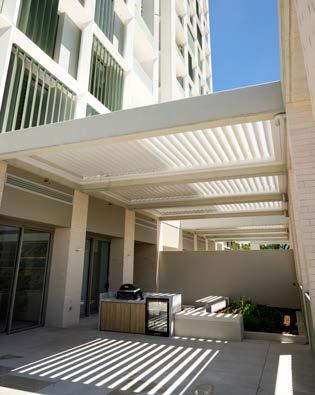
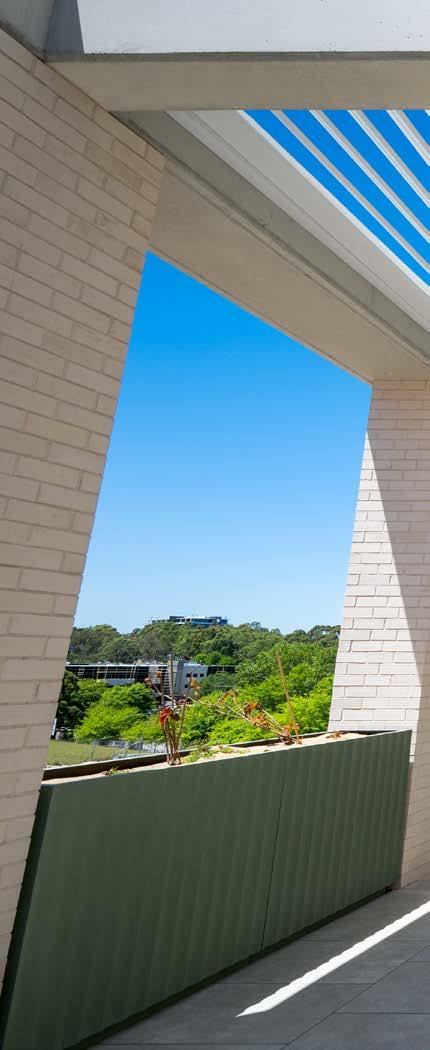
Below Vergola® delivered over 30 bespoke louvre systems at Norwest Quarter, enhancing sustainability, comfort, and architectural integration across diverse spaces.
ADAPTIVE DESIGN MEETS SUSTAINABLE LIVING AT NORWEST QUARTER
At Sydney’s Norwest Quarter, Vergola® transformed architectural vision into climate-responsive living. Delivering over 50 bespoke opening-and-closing louvre roof systems, the company showcased how intelligent, adaptable design enhances both building performance and everyday resident comfort.
Bespoke Louvre Roof Systems Across Four Distinct Settings
The project spanned four unique environments: penthouse apartments, mid-level residences, retail dining areas, and a technically complex trapezium-shaped structure. Each posed its own challenges, but all were united by Vergola’s trademark ability to combine functionality with architectural harmony.
On Building C’s crown level, two luxury penthouses required a seamless integration of 12 panels each, forming a continuous roofline over expansive wraparound balconies. Initially, alternative shading options had been considered, but only Vergola® could deliver the year-round usability demanded of these premium residences.
Finished in custom colour Hamptons White, the installations give residents fingertip control of light and shade, whether for a sunlit breakfast or a shaded evening gathering.
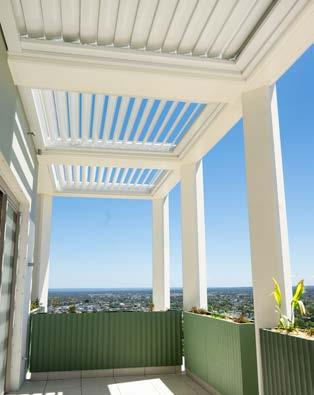
Level 4 presented a different challenge: six adjoining systems had to be installed within existing concrete beams and piers, yet function and appear as one continuous structure. Through precise engineering and meticulous planning, Vergola® achieved a solution that preserved architectural integrity while providing consistent aesthetic and functional outcomes.
Vergola’s role extended beyond residential spaces to the retail heart of Norwest Quarter, where six restaurant tenancies were fitted with systems set within steel frames clad in timber.
Finished in COLORBOND® Paperbark, these louvres enhance outdoor dining by enabling operators to adapt their spaces to any weather condition. The result is vibrant, all-weather hospitality venues that strengthen the precinct’s community appeal and offer residents and visitors a lively, connected place to gather.
Perhaps the most innovative aspect was the trapezium-shaped structure in Building B, featuring a glass roof framed by two COLORBOND® Monument-coloured louvre roof systems. This bespoke design required customisation to accommodate the geometry while maintaining weatherproofing and operational performance, exemplifying Vergola’s capacity for engineering excellence.
Collaborative Delivery, Lasting Results
Delivering across such varied applications demanded seamless teamwork. Vergola’s design consultant, operations team, and installers worked closely with architects, builders, and multiple trades, including lighting, plumbing, glazing, and fire systems.
This collaborative approach ensured each system integrated smoothly with surrounding structures and services. It was this alignment of expertise and vision that enabled Vergola® to transform ambitious design concepts into fully realised lifestyle features, all while meeting strict programme requirements.
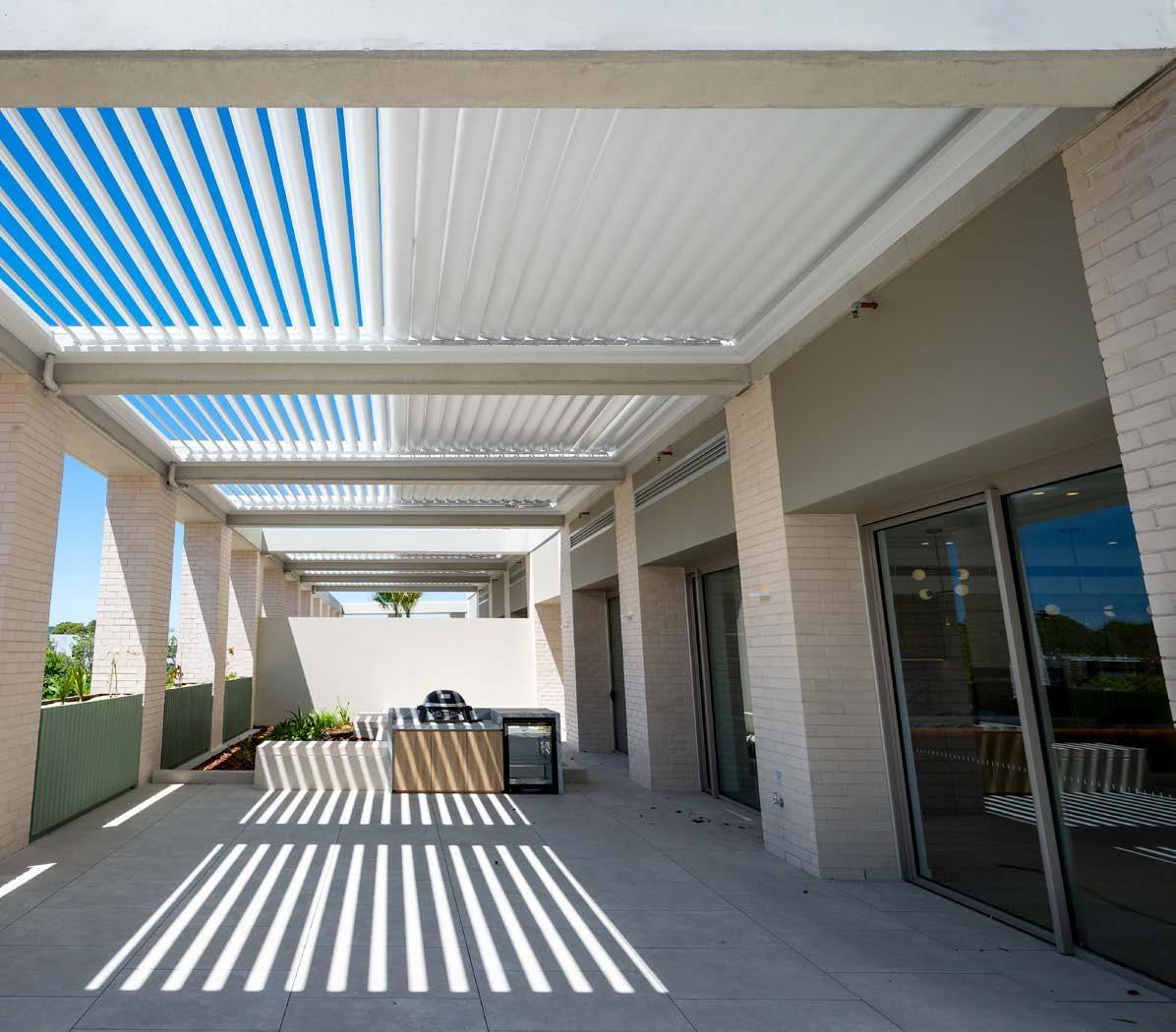
Since its invention in 1984, Vergola® has remained the benchmark for opening and closing louvre roof systems. The Norwest Quarter installation demonstrates why. Their systems offer 99% weatherproofing with tight louvre closure, 89% light transmission when fully open, outperforming competitors, and automated rain sensors that provide immediate responses to weather changes. They also contribute to energy-efficient regulation by reducing HVAC demand and enhance property values by creating premium outdoor living spaces.
For Norwest Quarter, Vergola® didn’t just provide shade structures, they created spaces
that enrich everyday life. From penthouse balconies to buzzing restaurant terraces, the installations elevate both design and usability. The project demonstrates how functional innovation can support long-term sustainability while enhancing the human experience.
By delivering solutions that respond to climate, maximise comfort, and contribute to architectural identity, Vergola® has reinforced its reputation as a trusted partner on landmark developments.
As a multi-building project with diverse challenges, Norwest Quarter stands as a
showcase of Vergola’s unmatched ability to blend innovation, durability, and beauty. The end result is not only an architectural success but also a community enriched by thoughtful, adaptable outdoor spaces that will be enjoyed for generations.
Vergola® continues to prove why it is the original and still the best in the market, transforming challenging architectural spaces into premium lifestyle experiences.
For more information contact Vergola, 7 Tepko Road, Terrey Hills NSW 2084, phone 02 9160 0338, website www.vergolansw.com.au
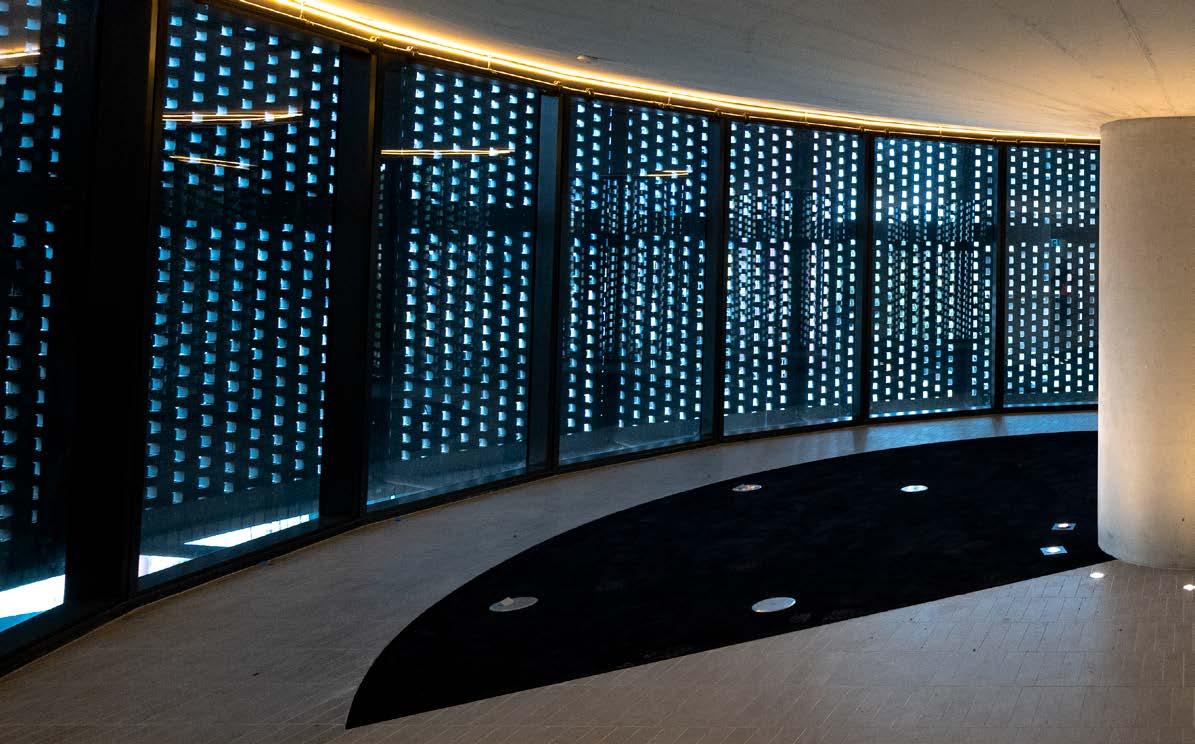
Below Radiant North provided façade structural support for Norwest Quarter’s façades, ensuring stability, adaptability, and on-time delivery.
HOLDING IT TOGETHER: THE HIDDEN ENGINEERING BEHIND EVERY FAÇADE
As one of the most ambitious mixed-use developments in NSW, Norwest Quarter demanded engineering partners who could adapt swiftly, communicate clearly and solve complex challenges with confidence. Radiant North Engineers stepped into this role as the project’s structural façade engineering consultant, applying deep expertise to ensure structural adequacy across key components of the development.
“We were engaged specifically to ensure the structural adequacy of the façade components,” explains Principal Engineer and Director, Zebei Jiang. “That included facade lightweight steel wall and opening framing and cladding sub-framing, supporting systems for sliding doors, cladding elements like CFC panels, brick slip systems, and the structural steel columns for the commercial areas in Buildings B and C.”
Working across lower levels, ground and Level 1, the team was responsible for designing the structural ‘skeleton’ that supported multiple façade systems. As construction progressed, scope changes and onsite realities required rapid reassessment and redesign.
“The timeframe was definitely the biggest challenge,” says Zebei. “It was a really fast-paced programme with evolving site conditions.
In some cases, designs had to be revised multiple times after surveys revealed discrepancies from the original drawings.”A notable example was the transition from brick slip cladding to conventional brickwork due to logistical constraints. “We had to redesign shelf angles and support systems very quickly to keep the project moving,” he explains.
For Radiant North, responsiveness wasn’t just about speed—it was about understanding the client’s needs immediately and delivering practical, buildable solutions. “When the client called with a problem, we understood what they needed right away,” Zebei says. “That’s where our experience really stood out. We were transparent, direct, and able to meet tight turnaround requirements—even when our work was on the critical path.”
Meticulous documentation, clear communication, and a problem-solving mindset contributed to the firm’s success. “We’re proud that our work speaks for itself,” says Zebei. “Most of our business comes from repeat clients and word of mouth—and projects like this are the reason why.”
For more information contact Radiant North Engineers & Constructors, 22 Ross Street, Windsor NSW 2756, phone 0403 564 772, email zebei@rneng.com.au
Below Ozbrick Masonry showcased precision, innovation, and collaboration, delivering bespoke masonry that elevated Norwest Quarter’s architectural excellence.
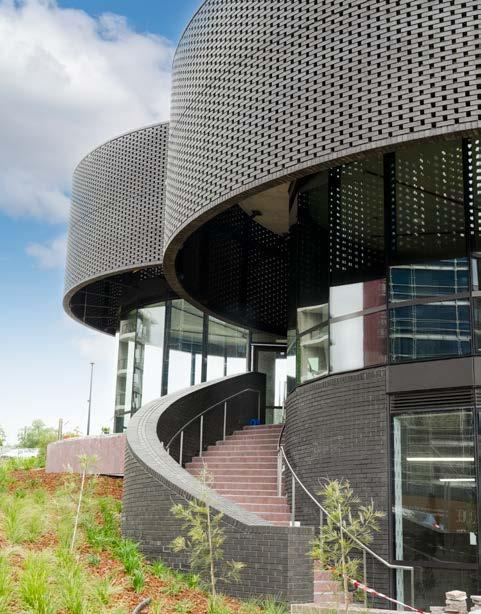
FROM VISION TO STRUCTURE: THE ART OF MASONRY AT NORWEST QUARTER
The Norwest Quarter development represents a new benchmark in sustainable, design-led living, and for Ozbrick Masonry, it was an opportunity to demonstrate how expert craftsmanship and innovative problem-solving can elevate complex architectural visions into enduring structures.
Combining technical precision with aesthetic sensitivity, Ozbrick delivered a comprehensice masonry package including bricklaying, stonework, and blockwork that were integral to both the structural framework and also enhanced the projects visual identity and longterm performance.
The project’s use of distinctive LOHAS bricks introduced an exciting technical challenge, as their unique shapes and dimensions required careful planning and precise workmanship. “Additionally, the incorporation of a railing slip brick system required precise integration with conventional brickwork, ensuring a seamless blend of styles and functionality,” said Louay Ahmed, Managing Director.
Among the most distinctive design features were the ‘drums’, a striking hit-and-miss brick element created with smoked LOHAS bricks. “The integration of this feature required precise coordination with
the structural steel that supported the brickwork,” Louay noted. “Thanks to the skill and expertise of the Ozbrick team, these challenges were successfully overcome, ensuring a seamless and visually appealing result.”
“Our team collaborated closely with architects and engineers throughout the design and construction phases,” Louay said. “We employed high-quality materials and skilled tradespeople to achieve superior alignment and finishes. Regular quality checks and adherence to best practices ensured that both the structural integrity and the aesthetic vision were realised.”
The use of durable materials and expert craftsmanship contributes significantly to the long-term resilience and weatherproofing of the Norwest Quarter complex. “The success of the masonry work is a testament to the strong collaboration between all parties. The Norwest Quarter stands out as a benchmark for future developments in the region,” said Louay.
For more information contact Ozbrick Masonry, 3 Holbeche Road, Arndell Park, NSW 2148 Australia, phone 0425 807 705, email admin@ozbrick.com.au, website www.ozbrick.com.au
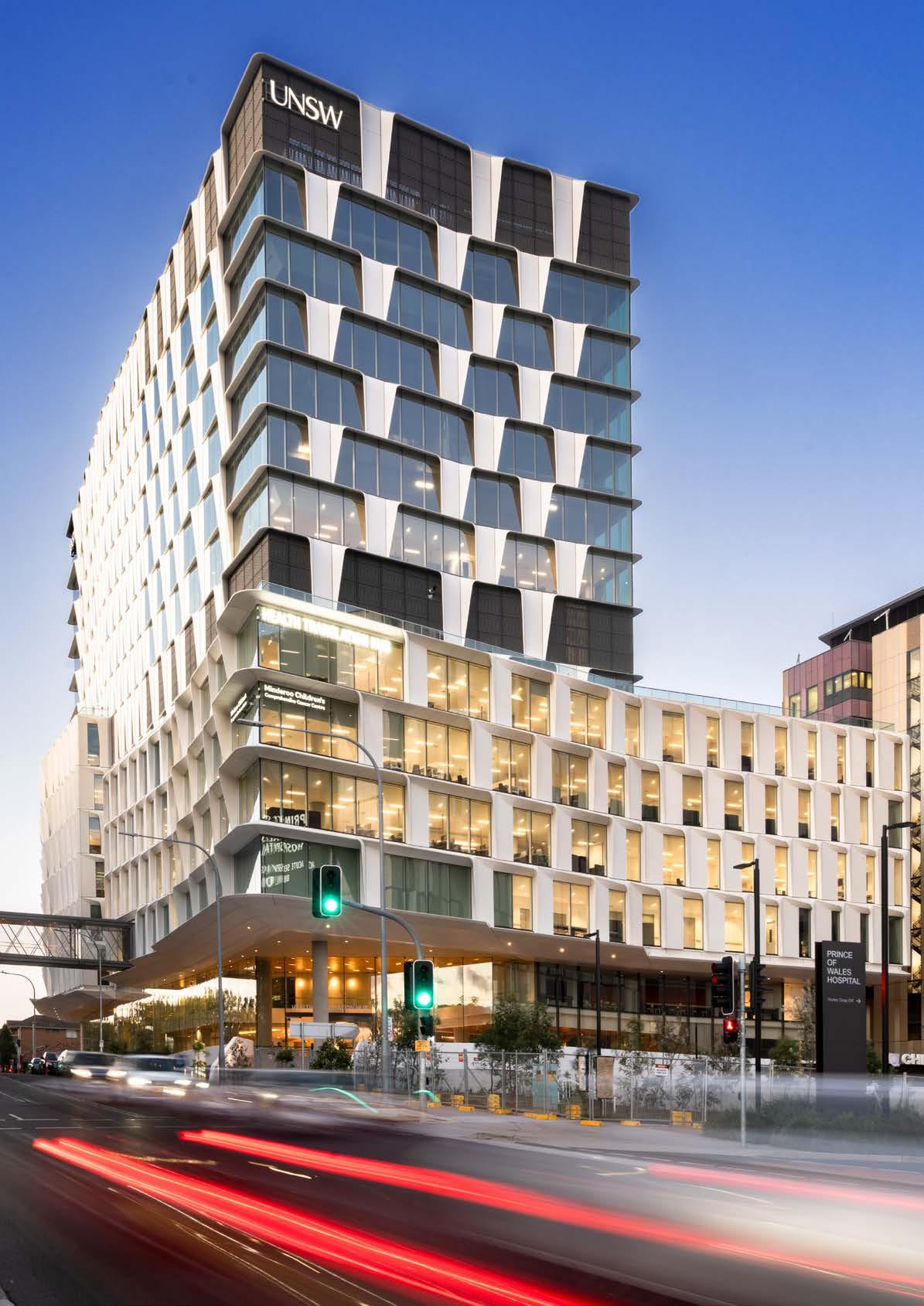
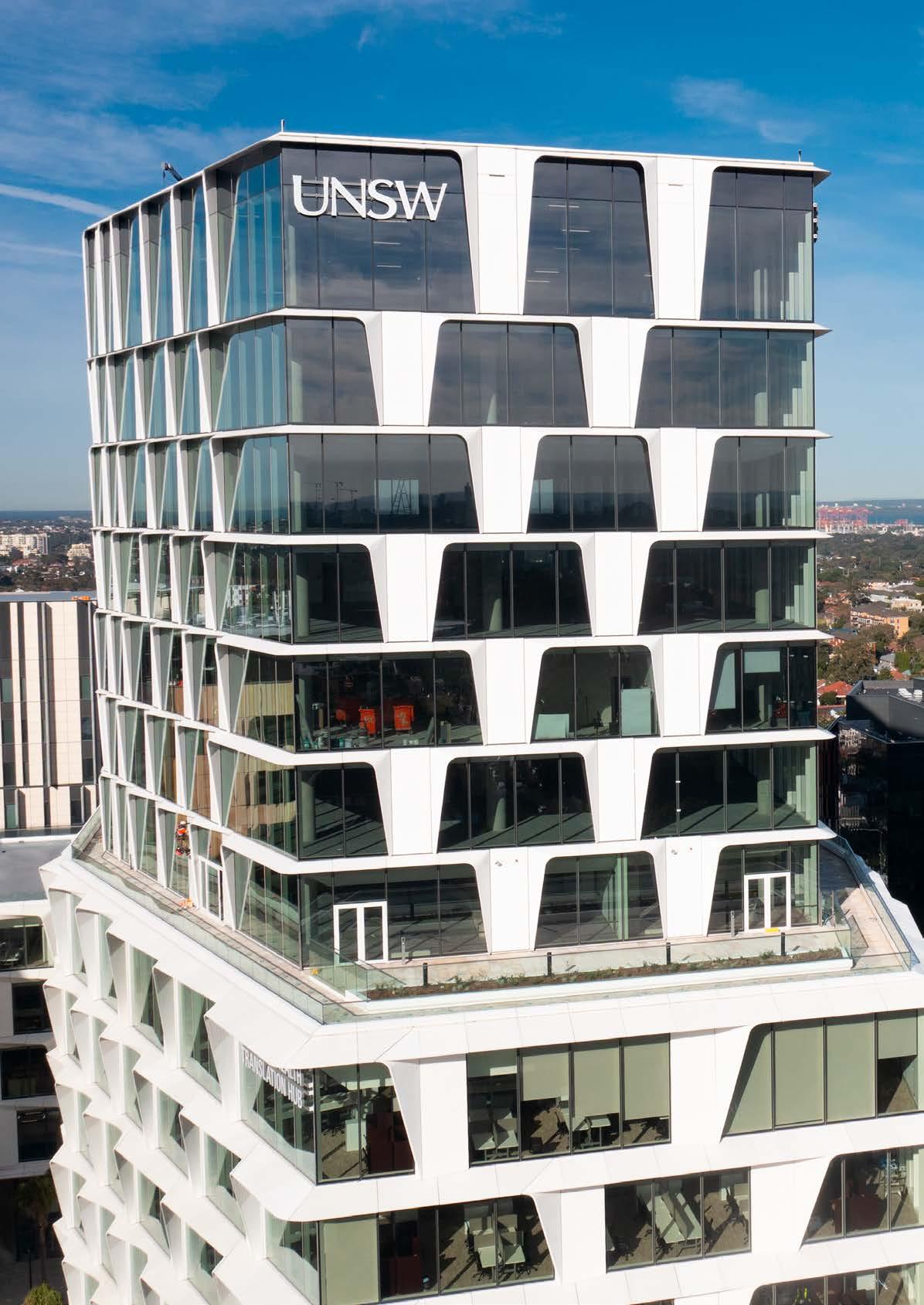
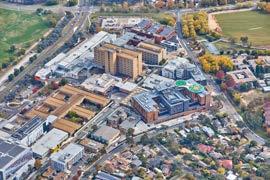
TRANSFORMING HEALTH INFRASTRUCTURE: UNSW HEALTH TRANSLATION HUB
DEVELOPER : Plenary
MAIN CONSTRUCTION COMPANY : Hansen Yuncken
ARCHITECT : Architectus
ESD : Flux
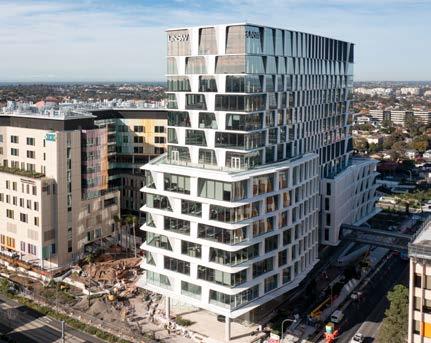
The UNSW Health Translation Hub (HTH) delivers world-leading research, innovation, and education spaces, supporting rapid healthcare translation, sustainable design, and community wellbeing. Featuring 6-Star Green Star buildings, 100% renewable power, 10,900m2 total area with flexible floor plates, and 3,000m2 of public space, the HTH integrates accessibility, purpose-built facilities, and environmental leadership.
The University of New South Wales Health Translation Hub (HTH) represents a new benchmark for integrated health, research, and education facilities. Located in the heart of the Randwick Health & Innovation Precinct, this landmark development combines clinical, academic, and public spaces within a single vertical structure, requiring exceptional planning, innovation, and collaboration.
For Hansen Yuncken, the project was as complex as it was rewarding. “The HTH is one of the most high-value, high-profile projects we’ve delivered,” said Justin Sut, Project Manager. “It brought together diverse stakeholders, ambitious design elements, and highly technical requirements, all while building in the middle of a live hospital and university precinct.”
Building within the operational Randwick health precinct required meticulous logistics and stakeholder coordination. Hansen Yuncken managed interfaces with the Sydney Children’s Hospital main contractor, co-ordinated crane strategies and shared access arrangements, and implemented a robust programme of regular interface meetings to mitigate potential conflicts.
“The site posed unique challenges,” Justin explained. “We had to plan around aviation constraints under PANS-OPS, which affected our building height and crane operations for a three-month period. At the same time, we needed to maintain safe access for the hospital, UNSW, and the light rail corridor, supported by dedicated traffic control and logistics management.”
The team also handled complex façade design and installation, the prefabricated Wallace Wurth Link Bridge, and an atrium sequence that required innovative planning to resolve buildability challenges. “Early procurement and close collaboration with specialist subcontractors were key to keeping the programme on track,” Justin said.
With a 6-Star Green Star rating and net-zero carbon target, sustainability was embedded into every decision. Hansen Yuncken engaged a specialist Green Star consultant from the outset and trained its project team to align daily operations with strict sustainability goals.
“Collaboration was critical,” Justin noted. “We worked closely with our subcontractors to ensure material selections, waste reduction initiatives, and energy-efficient construction methods were delivered as planned. Sustainability wasn’t just a checkbox, it drove our approach from design through to handover.”
Digital tools and real-time reporting platforms also supported efficient monitoring, incident management, and project visibility, enhancing both safety and environmental performance.
Given the building’s mix of clinical, simulation, education, and public-use spaces, early stakeholder engagement was essential. Hansen Yuncken coordinated regular design and user group workshops with UNSW, consultants, and end users to ensure
operational flow and spatial relationships were optimised.
The collaboration extended to the project’s architectural partners. “We workshopped the design with Architectus and presented updates to the client throughout each stage,” Justin said. “This process ensured every requirement was captured, feedback was addressed, and the design remained true to the project vision.”
For Hansen Yuncken, the HTH is more than a construction achievement, it is a legacy project for the health and education sectors in New South Wales. “In terms of complexity, innovation, and impact, the HTH raised the bar across all fronts,” Justin explained. “It’s a flagship example of how collaborative delivery, sustainable construction, and technical excellence can come together to transform a precinct and a community.”
With its completion, the UNSW Health Translation Hub not only strengthens the Randwick Health & Innovation Precinct but also sets a new standard for integrated health and research infrastructure.
Beyond its architectural and technical significance, the project delivers a tangible benefit to the community, bringing worldclass research, clinical innovation, and learning spaces into closer connection than ever before.
Hansen Yuncken’s involvement ensures that this state-of-the-art hub will support the next generation of healthcare advancements and educational excellence, leaving a lasting mark on the precinct and the people it serves.
For more information contact Hansen Yuncken, phone 02 9770 7600, email sydney@hansenyuncken.com.au, website www.hansenyuncken.com.au
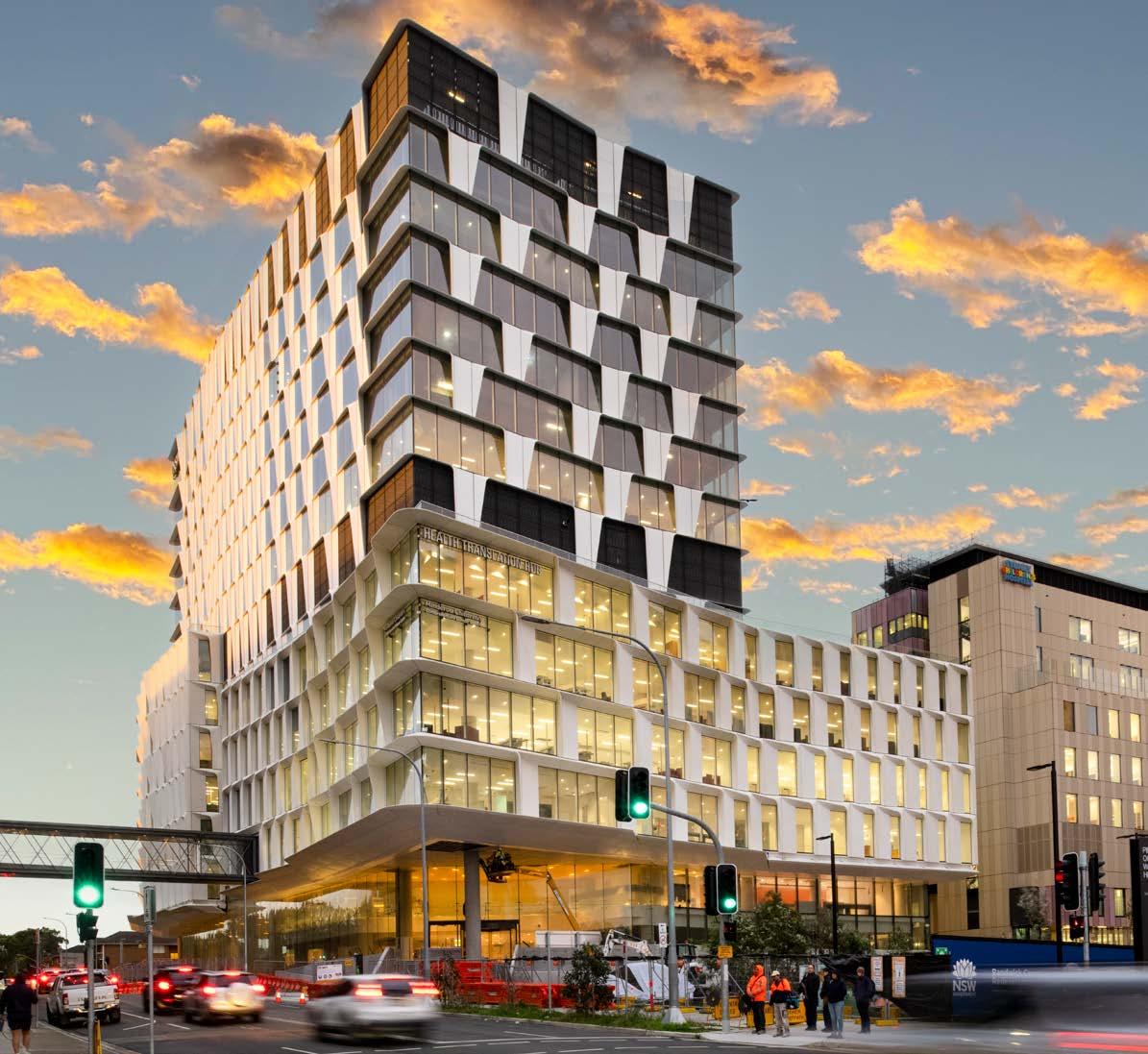
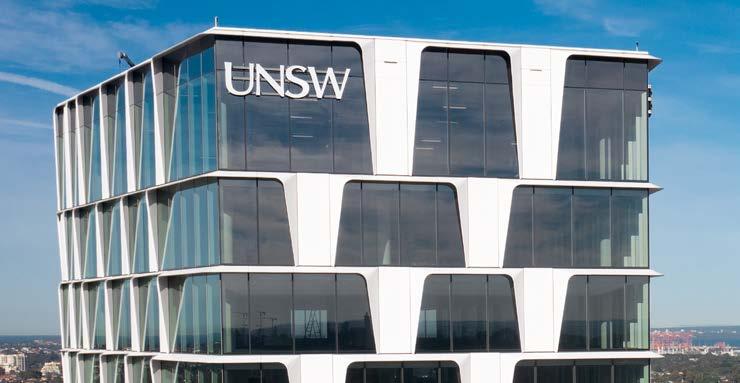
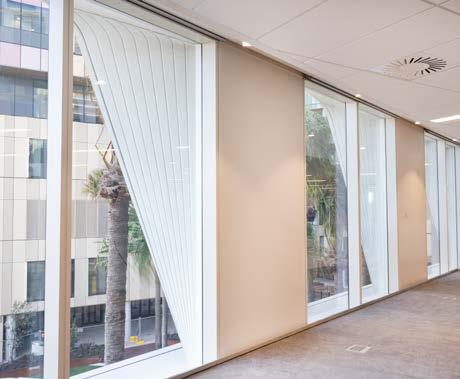
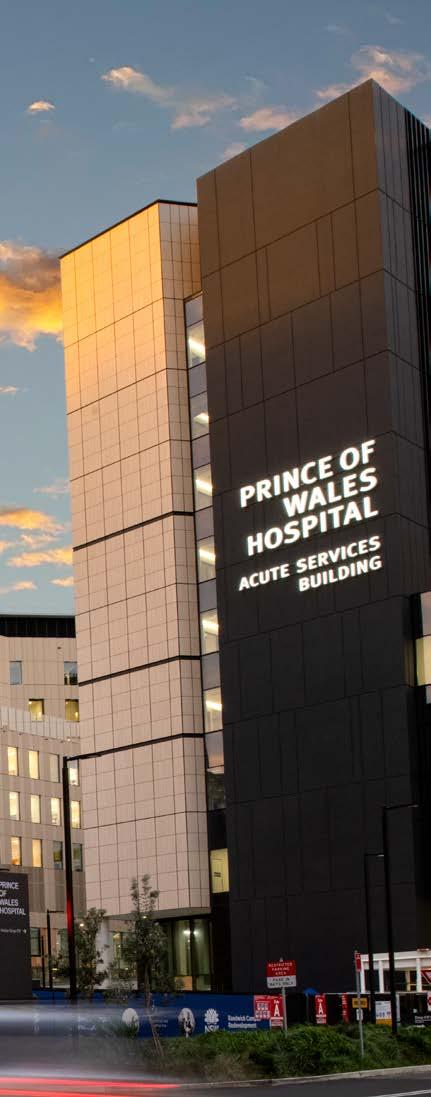
Below Ausrise Façades delivers precision-engineered, curtain walls and architectural façades, combining innovation, and technical excellence.

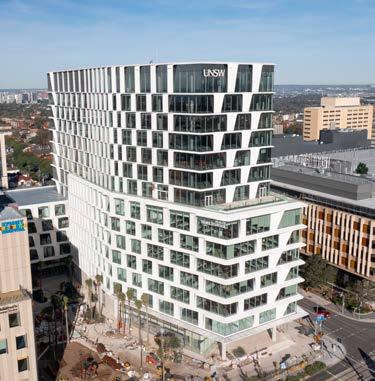
PIONEERING COMPLEX CURTAINWALL AND FAÇADE ENGINEERING
For over two decades, Ausrise Façades has been at the forefront of façade innovation and precision, specialising in complex curtainwall systems, highperformance glazing, and architectural cladding solutions across Australia.
With 23 years of experience and a skilled team of 50 professionals, the company has become synonymous with quality, craftsmanship, and collaborative delivery, which were on display in their recent work on the UNSW Health Translation Hub (HTH) project.
Located within the Randwick Health and Innovation Precinct, the HTH project posed a unique opportunity and significant technical challenge: to create a world-class façade system for a facility that brings together education, research, and clinical care under one roof.
“Our scope of work included all external curtain wall façades—glass, GRC (glass reinforced concrete), aluminium feature elements, fixed louvres, and frameless glazing at the podium,” said Kevin Hartin, Director at Ausrise Façades. “Every one of our 50 staff members was involved in this project in some capacity. It was truly an allhands on effort.”
From the outset, the HTH’s architectural ambition was clear, with striking geometric forms and curved aluminium and GRC features shaping the building’s exterior. Ausrise was brought on for their ability to deliver complex façade systems with high technical accuracy and aesthetic precision.
“What made this project really stand out were the scale and shape of the GRC projections,” Kevin explained. “They involved largeformat panels with very tight tolerances and complex curvature that pushed the limits of conventional fabrication and installation.”
Overcoming the engineering challenges of both these curved aluminium and GRC elements required early engagement with structural consultants, iterative 3D modelling, and customised mounting systems. The Ausrise team worked closely with the
builder, architect, and façade engineers to ensure every panel aligned with the architectural vision while maintaining longterm durability and thermal performance.
The podium-level frameless glazing system also presented logistical and sequencing complexities. These were resolved through meticulous staging and real-time coordination with other trades. Despite the scale and technical difficulty, Ausrise delivered their scope on time and to specification.
“The HTH project exemplified what Ausrise does best, bringing engineering, fabrication, and site installation together seamlessly to meet architectural intent,” said Kevin. “We’re proud to have been part of such an important project for UNSW and the broader research community.”
Beyond the HTH, Ausrise continues to push the boundaries of architectural façade delivery. The company is currently working on the Macquarie University Engineering and Astronomy Building, another architecturally ambitious project that showcases their deep capability in technical façade solutions.
With a growing portfolio of major university, commercial, and public infrastructure projects, Ausrise remains committed to its founding values of quality, innovation, and collaboration. Their vertically integrated model (combining in-house design, manufacturing, and installation,) enables them to tackle increasingly complex façades with confidence and precision.
“Over the past 23 years, we’ve built our reputation on consistency and problemsolving,” Kevin noted. “Every project is different, and we pride ourselves on adapting our systems and processes to suit. At the end of the day, it’s about delivering value, performance, and design excellence to our clients.”
For more information contact Ausrise Façades, 6/5 Clerke Place, Kurnell NSW 2231 Kevin Hartin – phone 0422 803 933, email kevin@ausrise.com.au, Paul White – phone 0422 803 932, email paul@ausrise.com.au, website www.ausrise.com.au
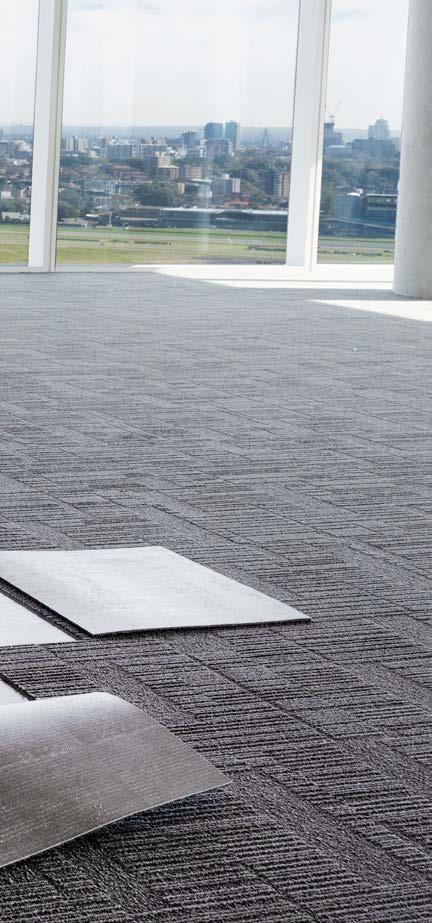
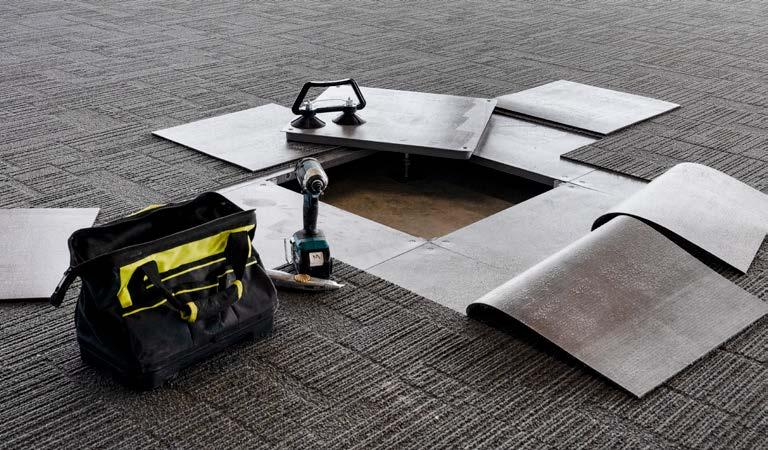
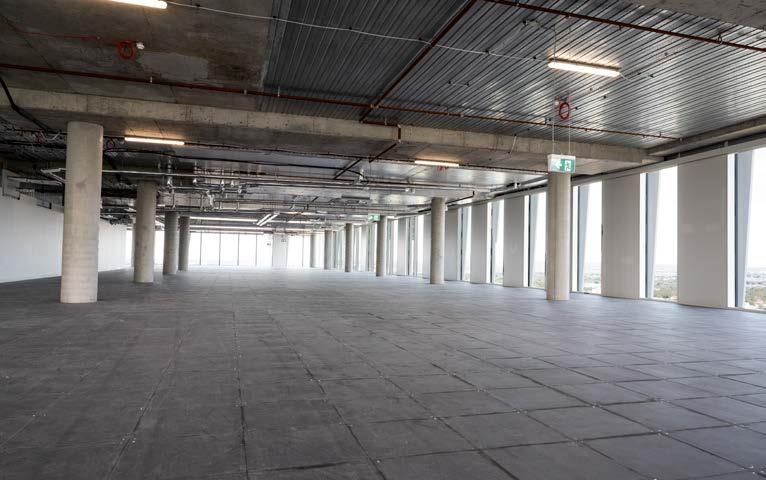
Below ASP Access Floors delivered carbonneutral ICON X flooring at UNSW HTH, combining sustainability, precision, and high-performance.
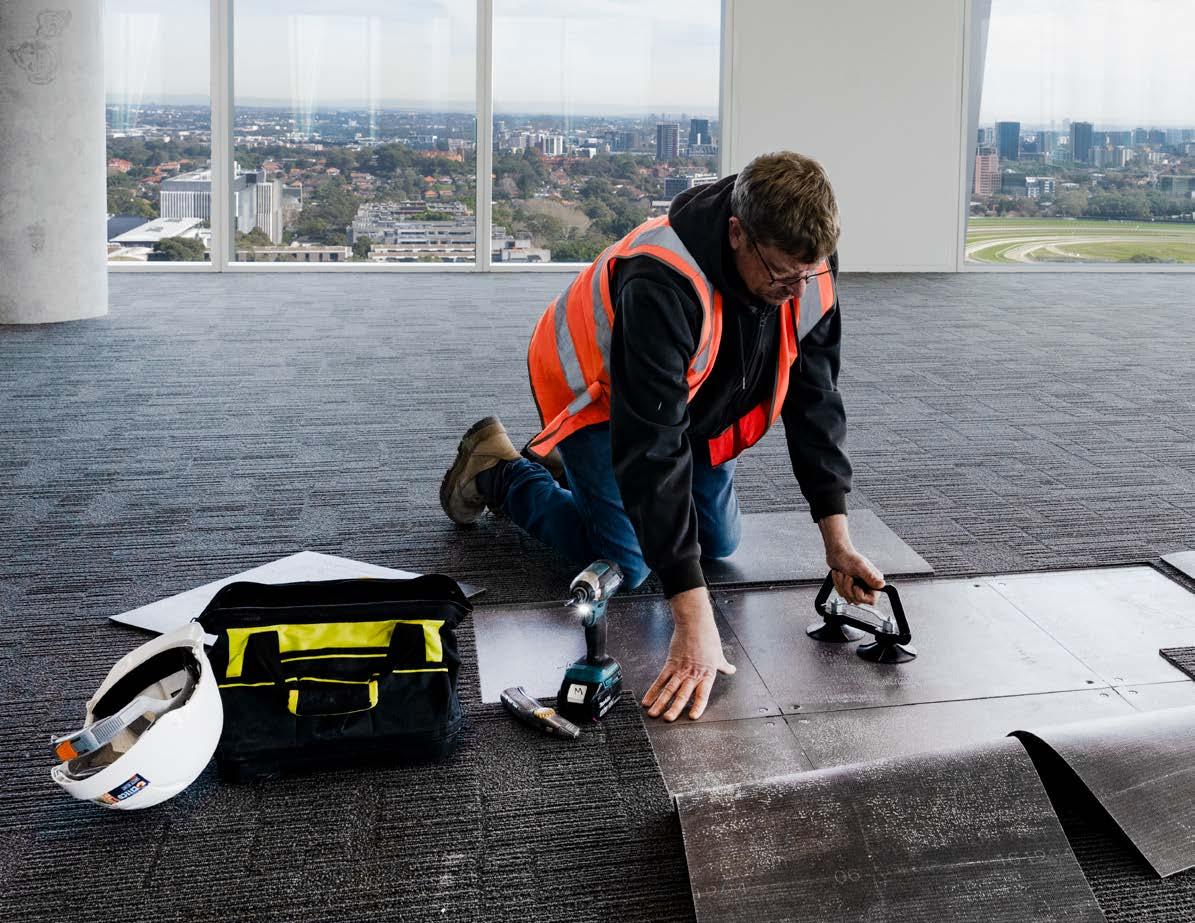
CARBON-NEUTRAL ACCESS FLOORS
As the UNSW Health Translation Hub (HTH) set out to integrate research, education, and healthcare in one cuttingedge precinct, ensuring the building’s infrastructure supported its multi-use demands was key. For the flooring, ASP Access Floors delivered more than just a foundation, they brought performance, precision, and powerful sustainability.
“Our scope involved the installation of over 11,000m² of our ICON X access flooring system across six office levels,” said Angela Zlatar, Marketing & Sustainability at ASP Access Floors. “Given the HTH’s design constraints, we worked with a low-height configuration to meet the spatial requirements without compromising functionality.”
But this project wasn’t just about fit-for-purpose performance. The flooring was also a statement in environmental leadership. “Hansen Yuncken and UNSW opted for a carbon-neutral solution,” Angela said. “100% of the flooring installed through our Walk Carbon Neutral programme was fully offset, making it a ZeroCarbon certified installation.”
The facility’s diverse mix of clinical, research, and teaching spaces demanded a flooring system capable of handling significant load variations and traffic.
“We used the ICON X 3.0kN load-bearing system,” Angela explained. “It’s designed for high-use environments, perfect for supporting not just foot traffic, but also heavy equipment and furniture typical of a health and research precinct.”
ASP’s meticulous attention to detail was critical when it came to integration with mechanical, electrical, and data systems. “Our estimating team conducted comprehensive drawing reviews and services overlays before installation,” said Angela. “This meant we could proactively resolve clashes and ensure seamless coordination with other services.”
That forward-planning was supported by close collaboration. “We worked with architects, consultants, and contractors from the earliest design phase,” Teah said. “We weren’t just there to install, we offered technical guidance, adjusted plans to match service layouts, and helped ensure the project ran smoothly.”
Innovation and sustainability went hand-in-hand throughout the delivery. “With our own logistics team and trucks, we had full control of delivery schedules,” Angela added. “This agility allowed us to align with the construction timeline, often helping accelerate the programme rather than hold it up.”
What truly set this project apart was ASP’s ability to balance innovation, environmental responsibility, and client outcomes without compromise.
“The feedback we’ve received from stakeholders has been overwhelmingly positive,” Angela noted. “There’s a real sense of pride in contributing to such a meaningful development. One that will benefit students, researchers, and the community for years to come.”
With 25 years of experience, ASP Access Floors continues to lead in projects where sustainability, design integration, and durability are key.
“We’re proud to see our Walk Carbon Neutral programme gaining traction,” said Angela. “Seeing it applied in essential community projects like the UNSW Health Translation Hub shows the industry is moving in the right direction.”
In addition to their work on the UNSW HTH, ASP Access Floors is actively contributing to several high-profile developments across Australia.
These include the landmark 435 Bourke Street project in Victoria, where ASP is delivering premium access flooring solutions to support one of Melbourne’s most sustainable office towers.
In New South Wales, ASP is engaged at Gosford University, enhancing education infrastructure with durable and adaptable flooring systems.
Further north, they are working with James Cook University, supplying systems tailored to tropical conditions and high-traffic environments.
ASP is also playing a key role in the redevelopment of 55 Pitt Street in Sydney’s CBD, bringing their expertise in scalable, future-ready access flooring to one of the city’s most anticipated commercial projects.
From delivering low-profile, high-performance flooring to making carbon neutrality a standard rather than an exception, ASP’s work at UNSW HTH proves that sustainable building solutions are both practical and powerful.
For more information contact ASP Access Floors, Suite 4.08, The Bond, 8 Elizabeth Macarthur Drive, Bella Vista NSW 2153, phone 02 9620 9915, email sales@aspfloors.com.au, website www.aspfloors.com.au
Below JCR Cubicle installed hygienic, sustainable end-of-trip fitouts at UNSW HTH, blending craftsmanship and social inclusion.

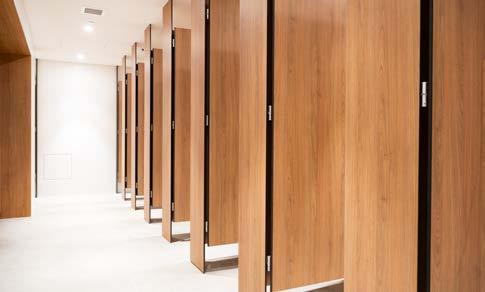
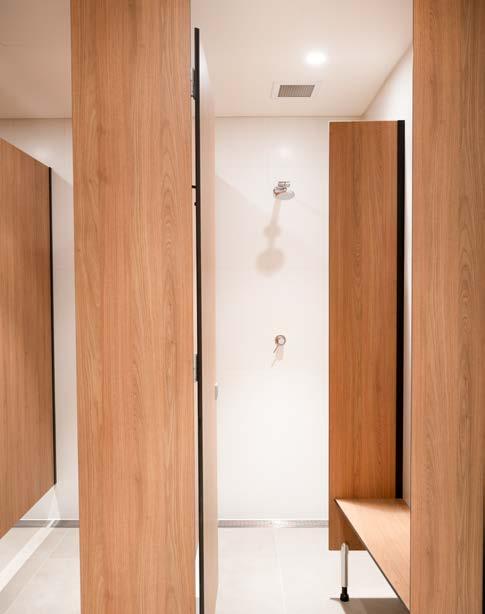
BUILDING INCLUSIVE, HIGH-QUALITY INTERIORS FOR THE UNSW HEALTH TRANSLATION HUB
With nearly 25 years of industry experience, JCR Cubicle brought their commercial interior expertise to the UNSW Health Translation Hub (HTH), a landmark facility combining clinical, research, academic, and public-use spaces.
Led by Director James Rixon, the JCR team was responsible for the complete installation of end-of-trip partitions, including all shower and toilet cubicles from ground floor to level 14. “It was a standard job in the joinery sense,” said James, “but what made it stand out was the multidisciplinary nature of the building—it’s not every day you’re working across such a mix of clinical and academic environments.”
To meet the facility’s strict hygiene requirements, JCR Cubicle used 13mm Polytec compact laminate in Tasmanian Oak, featuring anti-microbial properties. “Hygiene and cleanliness were a huge focus,” James noted. “This product was ideal for that.”
Though the bathrooms were the focus, the materials and design choices had to align with broader project goals for sustainability and wellness. “The whole job was really well-managed by the Hansen Yuncken crew. They’re fantastic communicators,” said James. “Any issues were quickly resolved, which allowed us to keep everything on track.”
The result is a sleek, functional interior solution that reflects the evolving priorities of institutions like UNSW, blending hygiene, sustainability, and cultural inclusivity with high-quality craftsmanship.
JCR Cubicle’s commitment to social impact also played a role on site, with Indigenous apprentices engaged in the project. “This is our second Indigenous apprentice. Our first is now mentoring Aboriginal students in schools,” James proudly shared. “It’s important to open pathways for young people into the industry.”
For JCR Cubicle, the HTH project was another opportunity to showcase their adaptability in delivering well-executed, future-focused commercial interior solutions across sectors.
For more information contact JCR Cubicle, phone 0410 488 668, email estimating@jcrinteriors.com.au, website www.jcrinteriors.com.au
Below NCC and Access compliance for UNSW HTH through a proactive and collaborative certification process.
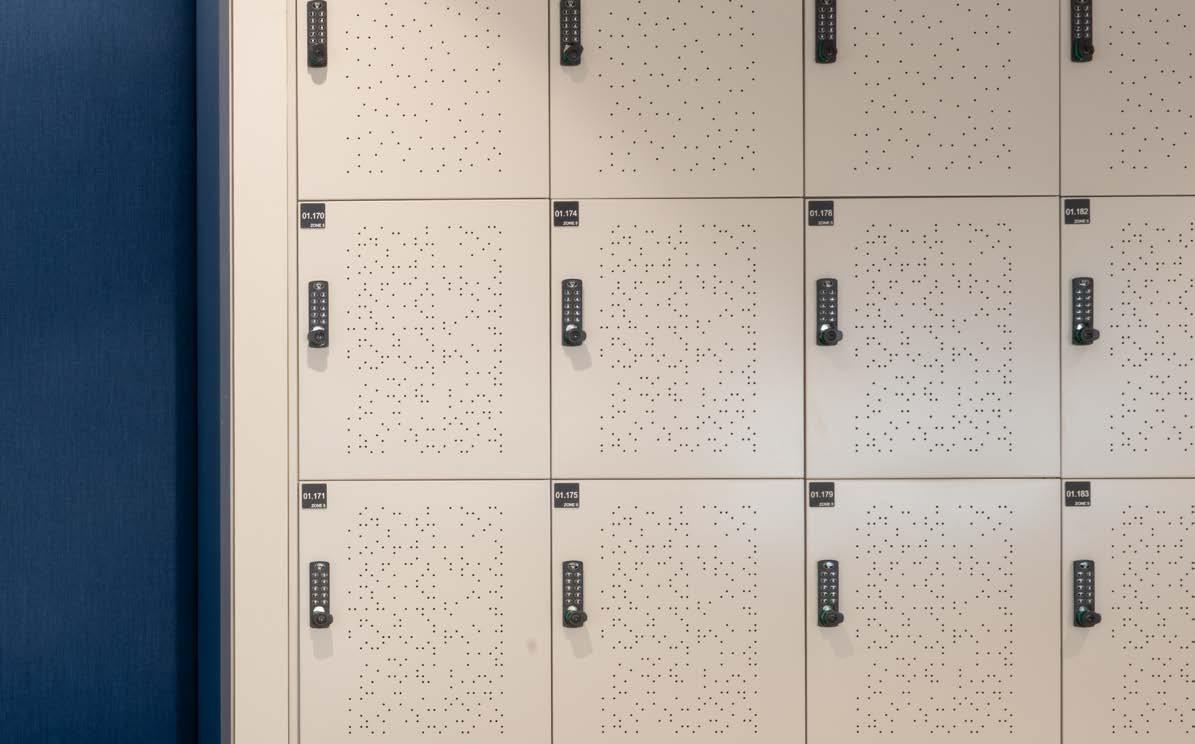
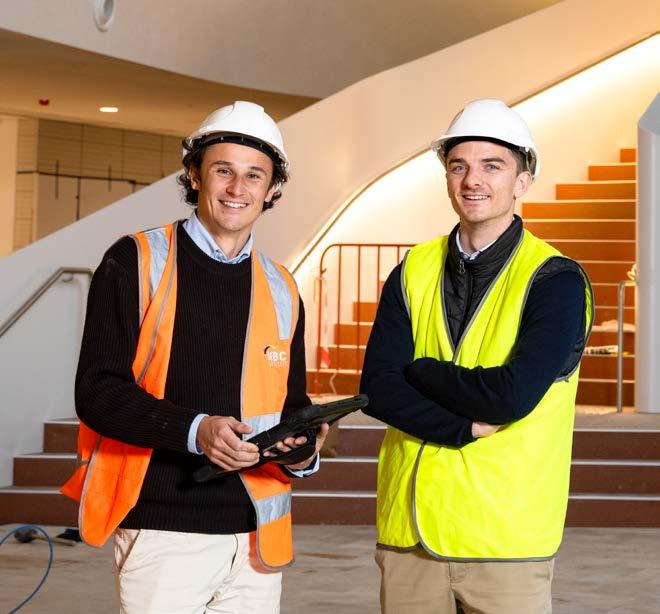
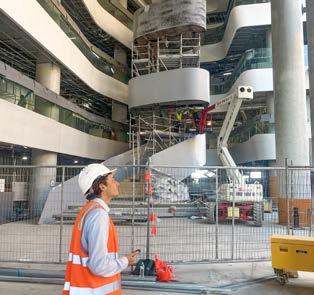
COMBINING RISK MITIGATION AND ACCESSIBILITY
MBC Group played a critical compliance role in the delivery of the UNSW Health Translation Hub (HTH). Engaged by Hansen Yuncken, MBC Group acted as Crown Certifier and consultant for both NCC and Accessibility compliance.
“Our responsibilities spanned the entire compliance lifecycle, from early design reviews through to construction certification and occupancy,” said Joel Lewis, Project Director MBC Group. “Given the complexity of HTH, we applied a proactive and collaborative model focused on risk prevention and early intervention.”
“We participated in regular compliance workshops and issue resolution forums, bringing a practical and solutions-focused mindset to resolving regulatory challenges. Our trusted relationships and clear communication channels with Health Infrastructure NSW and UNSW helped us secure early support of alternative compliance pathways, ultimately de-risking approval and ensuring program success”
MBC Group also maintained a live compliance risk register and worked closely with key stakeholders, UNSW, Health Infrastructure NSW, Plenary Health, Architectus, and Hansen Yuncken, to align code interpretation with the project’s innovative vision.
“As a conduit between all parties, we helped bridge the gap between innovation and regulation,” Joel said. “Our collaborative workshops and issue resolution forums ensured performance solutions received early buy-in.”
MBC Group’s ISO-certified quality systems underpinned document control, audit trails, and certification throughout construction. The team also led site inspections and advised on post-occupancy fire safety and accessibility protocols.
“HTH reflects our commitment to future-ready, high-functioning spaces,” said Joel. “We’re proud to have supported UNSW and Hansen Yuncken in delivering a world-class translational health hub.”
For more information contact MBC Group, Suite 3/18 Sydney Road, Manly, NSW 2095, phone 02 9939 1530, website www.mbc-group.com.au
Images: Angus Peters (Senior Building Surveyor) and Adam French (Building Surveyor) taking part in a team site inspection led by Joel Lewis (Project Director)
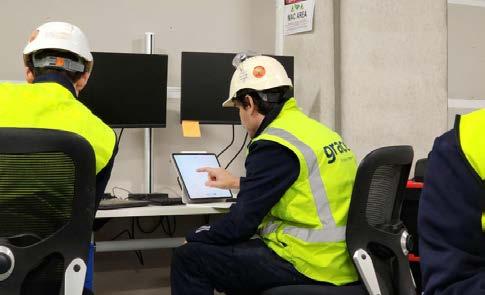
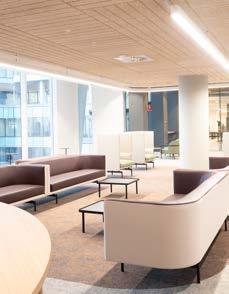
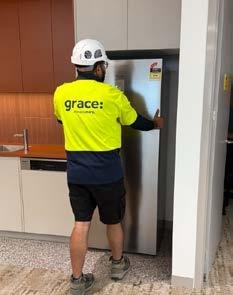
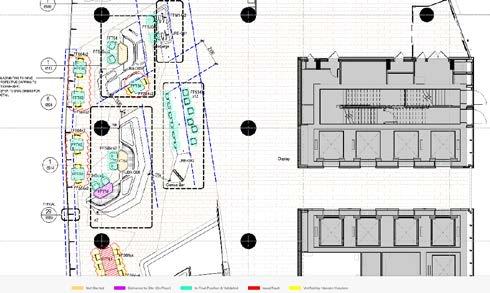
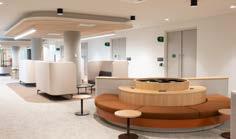
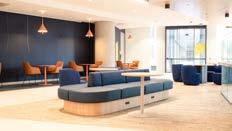
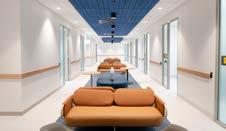
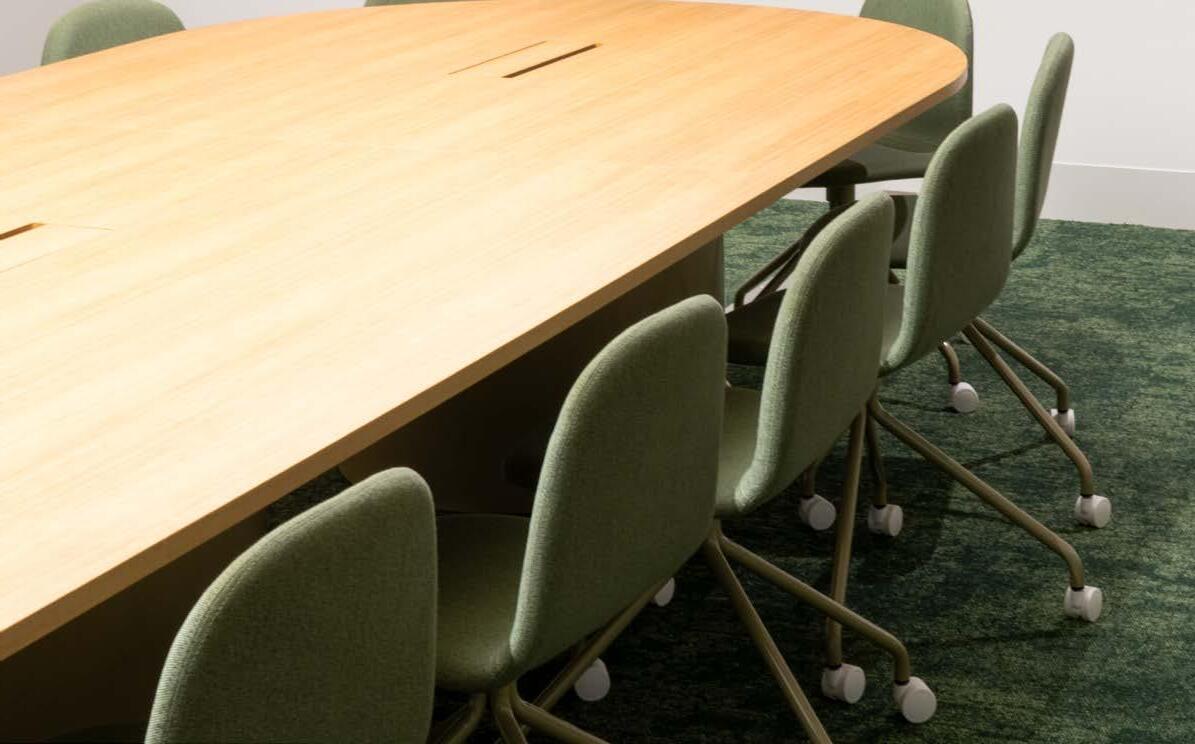
DIGITAL ASSET TRACKING DRIVES PRECISION FF&E INSTALLATION
Grace Workplace Solutions, a specialist division of the Grace Removals Group, played a pivotal role in the successful delivery of the UNSW Health Translation Hub (HTH), providing end-to-end FF&E (Furniture, Fittings & Equipment) and a fully integrated services solution for the complex, multi-use development.
Engaged by head contractor Hansen Yuncken and UNSW, Grace’s scope covered project management, procurement, vendor engagement, warehousing, QR-based asset tracking, delivery, assembly, commissioning, and warranty compliance.
“This was a fully integrated logistics and FF&E package,” explained Hamish Dahya, Director FF&E/Commercial. “Using digital dashboards and live site drawings, stakeholders could track assets in real time, from procurement through to installation and commissioning. It ensured minimal double handling and precise delivery sequencing.”
Given the HTH’s integration of healthcare, education, and research spaces, Grace tailored strategies to meet each sector’s distinct needs.
“We worked closely with stakeholders to meet functional, compliance, and risk-based requirements,” Hamish said. Coordinating FF&E
deliveries in a near-complete construction site presented challenges. “We had to manage restricted access, out-of-hours deliveries, and protect finished surfaces while navigating concurrent trades,” Hamish explained. Grace’s solution included detailed delivery schedules, realtime asset tracking, and deploying experienced site project managers, supervisors and installation specialists.
“Operating in high-spec environments like this means safety and precision are everything. We used trained, security-cleared personnel and worked closely with Hansen Yuncken to ensure minimal disruption to ongoing works,” he added.
Grace Workplace Solutions’ performance on the HTH project reinforces its reputation as a trusted provider of seamless FF&E services across complex infrastructure projects. Their combination of digital innovation, strategic planning, and practical expertise ensured a smooth, efficient installation that supported the building’s broader vision for innovation and excellence.
For more information contact Grace Removals (Australia) Pty Ltd, 4 Tucks Road, Seven Hills, NSW 2147, phone 1300 209 028, website www.grace.com.au/workplace/
Below Asentis engineered and installed a complex cantilevered staircase at UNSW HTH, showcasing precision and architectural innovation.
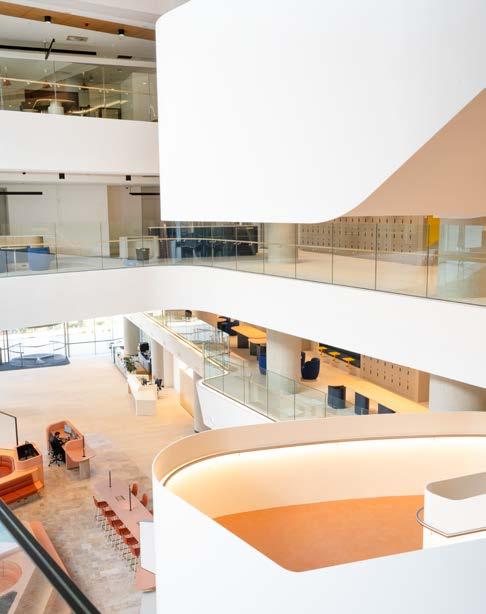
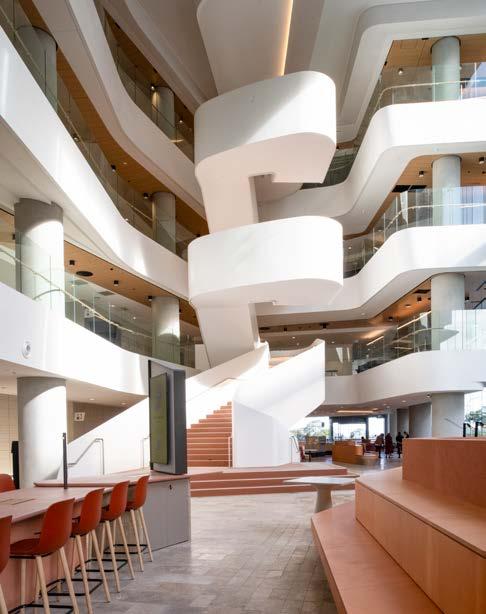
CANTILEVERED STAIRCASE RAISES THE BAR FOR STRUCTURAL AND ARCHITECTURAL INTEGRATION
Asentis, a leader in integrated turnkey stair solutions, has added another standout project to its portfolio with the completion of the feature staircase for the UNSW Health Translation Hub (HTH).
Spanning from the ground floor to Level 3, this striking centrepiece is as much an architectural statement as it is a feat of complex engineering.
Early involvement under a Design & Construct contract was critical, enabling Asentis to de-risk the stair design and achieve seamless integration with the base-build and installation process.
The project involved the delivery of full cantilever staircases weighing approximately 11 tonnes per level. “The stairs were fixed to the slab edge at one location only, which required us to use extremely large and heavy steel members,” explained Sian Brighten, Head of Client Relations & Business Development. “This wasn’t just a staircase, it was an intricate structure requiring surgical precision.”
The complexity extended beyond weight and scale. To facilitate the installation, the Asentis team developed an advanced temporary engineering methodology.
“We had to use more than 200 props to back-prop the ground floor slab and support our 60-tonne crane during the lift,” said Sian. “It was one of the most intense setups we’ve executed, but absolutely critical to the success of the install.”
Accuracy was paramount. The stair connection to the main structure used cast-in slab connection plates and cleats, all set out and installed to achieve pin-point precision. Balustrades made from solid steel plate were painted and installed completely free of defects, offering the seamless finish the architects envisioned.
One of the project’s innovations came from within. “Our construction team developed a curved nosing detail that wasn’t available off-the-shelf. It allowed us to meet the exacting architectural brief with elegance and durability,” said Sian.
This landmark project reaffirms Asentis’ commitment to engineering excellence, design innovation, and the seamless integration of form and function in modern civic spaces.
For more information contact Asentis, phone 1300 685 000, email sales@asentis.com.au, website www.asentis.com.au
BUILDING COMMUNITY THROUGH INCLUSIVE SPACES
MAIN CONSTRUCTION COMPANY : North Construction and Building
ARCHITECT : Lahznimmo Architects
PROJECT VALUE : $30 million
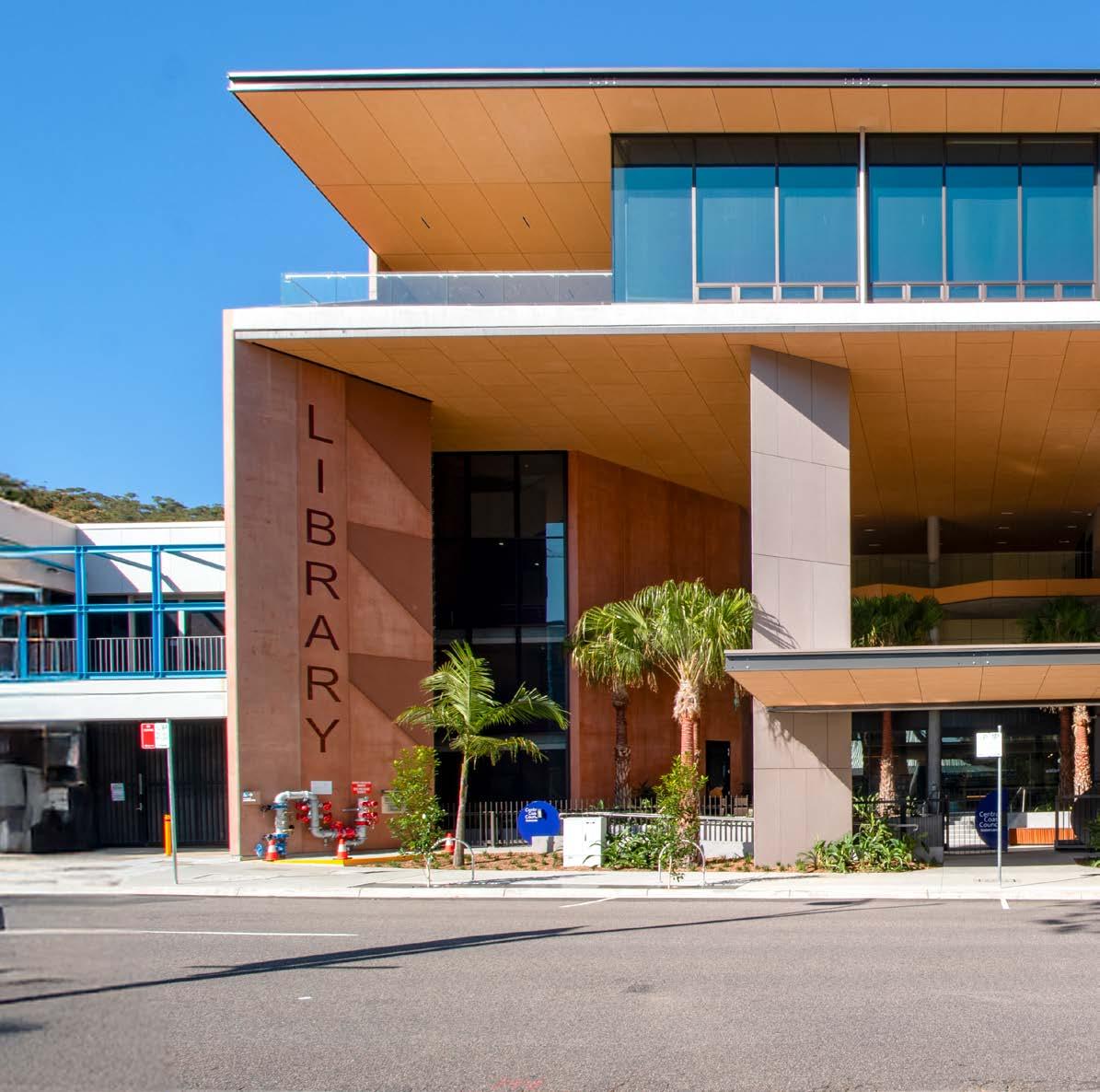
North was engaged to deliver under a Design & Construct contract a new community centrepiece for Central Coast Council. More than just a place for books, the Gosford Regional Library incorporates a variety of spaces to connect and serve the community including a multipurpose hall with retractable seating, flexible function areas, work hubs, recording studio, exhibition spaces, maker spaces, meeting rooms, and offices.
Set on Donnison Street in the heart of Gosford’s CBD, the four-level facility is the Central Coast’s first official regional library and promises to become a vibrant hub for knowledge, connection, and community.
As the head contractor in August 2023, North Construction has worked alongside Lahznimmo Architects, Central Coast Council, and the Australian Government to bring this landmark civic project to life. More than just a place for books, the Gosford Regional Library offers flexible co-working areas, reading rooms, public meeting spaces,
Makerspaces and event designed to meet the evolving needs of the community.
North approached the project with a sharp focus on safety, sustainability, and precision. Early works began in October 2023, with demolition and asbestos removal under stringent safety protocols.
The topping out of the third floor slab in December 2024 marked a key turning point, transitioning the build from structure to fit-out. Through complex logistics, including operating in a densely populated CBD and
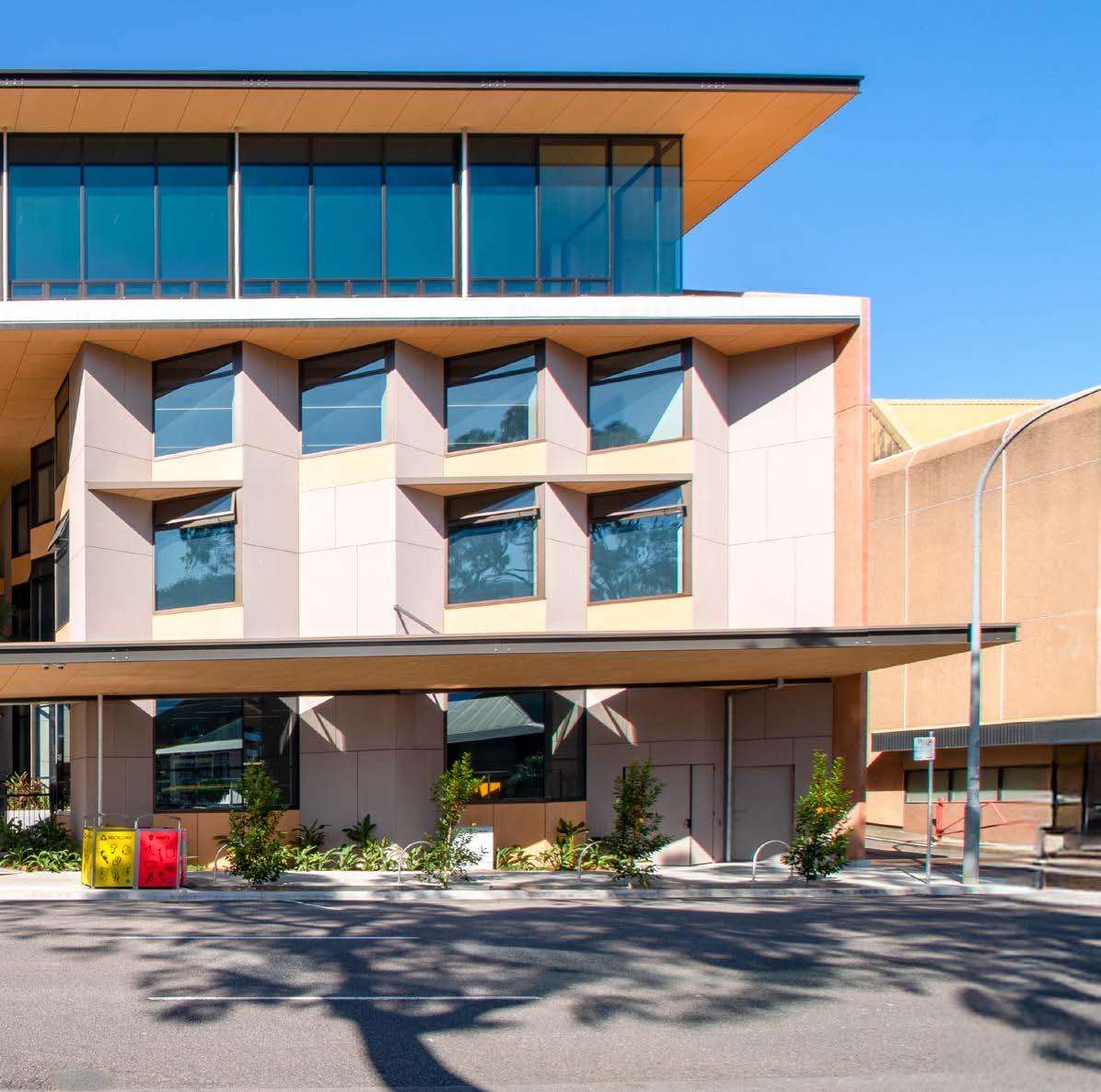
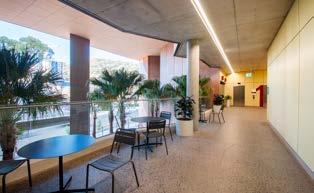
maintaining site security and access, North Construction maintained programme momentum to meet the August 2025 completion deadline.
“Delivering civic infrastructure of this scale and importance demands more than construction expertise. It requires collaboration, adaptability, and an appreciation of the long-term community benefit,” said Executive Chairman, Matthew Cook.
The $32.7 million project was proudly co-funded by Council ($25.7 million) and the Australian Government ($7 million). It supports education, digital equity, employment pathways, and cultural enrichment.
The building also features environmentally sustainable design elements, including energy-efficient lighting, water-saving fixtures, and passive cooling strategies to minimise its environmental impact.
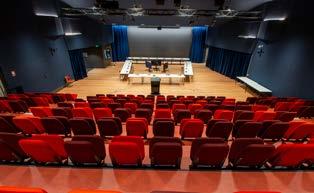
Fully accessible and technology-forward, the library will host a wide range of services and programmes catering to diverse demographics, from students and jobseekers to creatives and seniors.
For North Construction & Building, the completion of the Gosford Regional Library is not just the end of a project, it’s the creation of a legacy: a welcoming, functional, and inclusive space that serves current and future generations.
For more information contact North Construction & Building, Level 5, Suite 501, 1 Bryant Drive, Tuggerah NSW 2259, phone 1300 667 840, website www.north.com.au
Below Crossmuller delivered advanced, sustainable and smart building electrical and automation systems, to power Gosford Library.
ADVANCED ELECTRICAL SYSTEMS AND SMART BUILDING INTEGRATION
As Gosford CBD continues its transformation into a cultural and civic destination, Crossmuller has played a critical role in delivering the advanced electrical and automation systems that will power the newly constructed Gosford Regional Library—a landmark civic development by the Central Coast Council.
Based just up the road in Somersby, Crossmuller brought both technical expertise and community pride to the project. Their electrical team, led by Electrical Manager Luke Fletcher, was entrusted with a wide-ranging scope of work to ensure the library meets the highest standards in functionality, sustainability, and accessibility.
“We carried out the power and distribution board install, lighting and emergency lighting, and the Dynalite smart lighting system,” Luke explained. “We also installed a Power Factor Correction unit, PV solar system, fibre and CAT 6A communications, security and access control—including the Council’s ‘Bookable’ system—CCTV cameras, and automated louvre windows and blinds.”
This comprehensive electrical package not only provides reliable infrastructure but also supports the library’s smart building ambitions. Integration of automated systems and dynamic lighting controls were crucial to meet the council’s requirements for energy efficiency and user experience.
Although the project was designed by electrical engineers at Northrop, Crossmuller
was responsible for bringing the plans to life onsite, which often required creativity and on-the-spot problem-solving.
“A lot of items were drawn by the architect, but we had to use our knowledge and experience to make it work,” Luke said. “We regularly liaised with other contractors during site meetings to co-ordinate systems and resolve conflicts.”
One significant challenge involved the main switchboard installation, where space constraints within the electrical room clashed with regulatory requirements.
“The switchboard was too large to achieve the clearances required by electrical standards,” Luke recalled. “So, we worked with the team to modify the construction of the board and cupboard. In the end, we created a solution that is both compliant and practical.”
Crossmuller’s focus on user experience was especially evident in their approach to accessibility and building functionality.
“With the Dynalite lighting system, we could program light behaviour exactly to the brief we received from Council,” Luke noted. “For accessibility, we ensured switches, power points, and swipe card readers were installed at accessible heights so everyone can use the library facilities comfortably.”
The solar power system and Power Factor Correction unit further align the project with environmental best practices, reducing
energy consumption and improving electrical efficiency. Combined with smart lighting and automation, the result is a future-ready building that reflects the evolving needs of the Gosford community.
For Crossmuller, the opportunity to contribute to such a high-profile civic project in their own backyard was especially meaningful.
“It’s been great for us as a company to work on such a major development—especially one with close ties to the local community,” Luke shared. “Many of our staff live nearby, and they’ll get to use the library with their families. It’s nice to be able to say, ‘We helped build that.’”
The Gosford Library project is just one example of how Crossmuller blends technical excellence in electrical and automation systems with community-minded values. With a reputation for delivering complex industrial, commercial, and civic projects, the company continues to shape the future of the Central Coast—one innovation at a time.
Looking ahead, Crossmuller sees this project as a significant contribution to the region and catalyst for further public sector partnerships, particularly those prioritising sustainability, user-centric technology, and long-term community impact.
For more information contact Crossmuller, phone 1300 300 540, email sales@crossmuller. com.au, website www.crossmuller.com.au
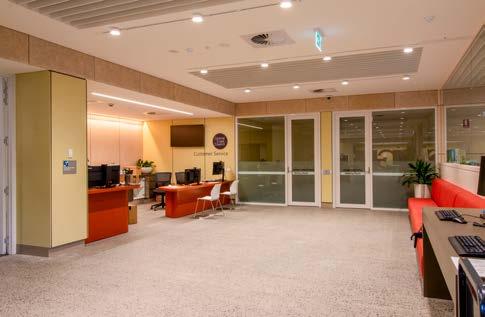
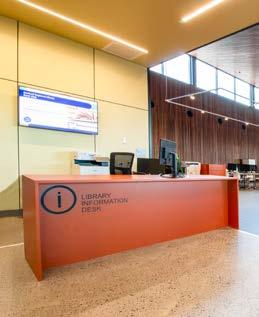
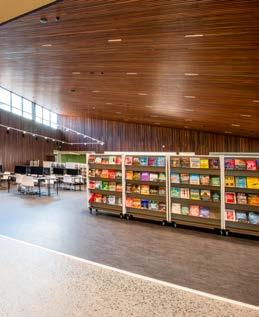
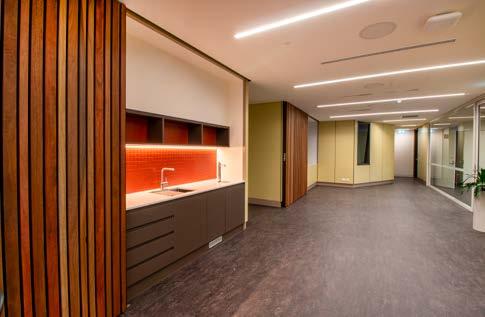
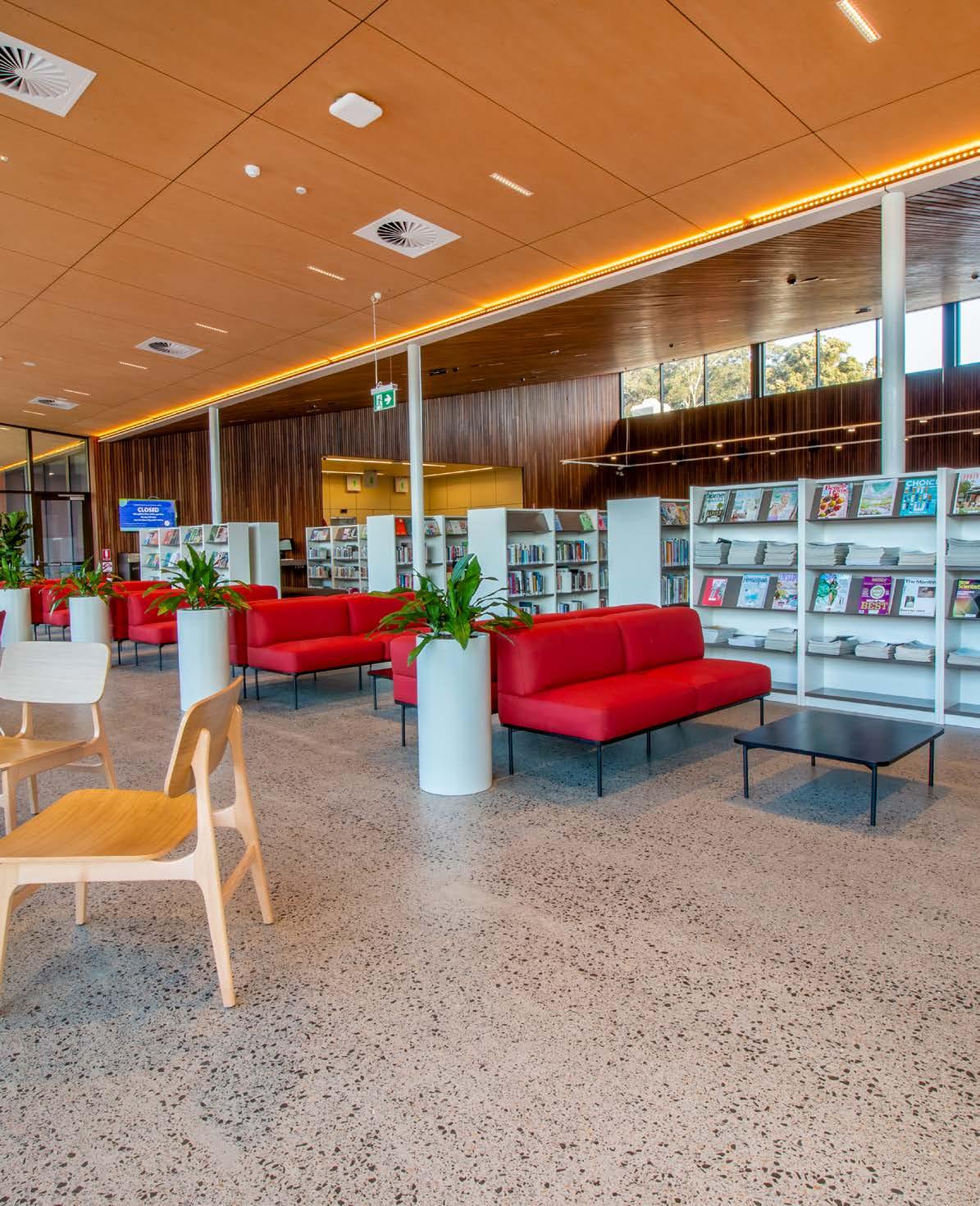
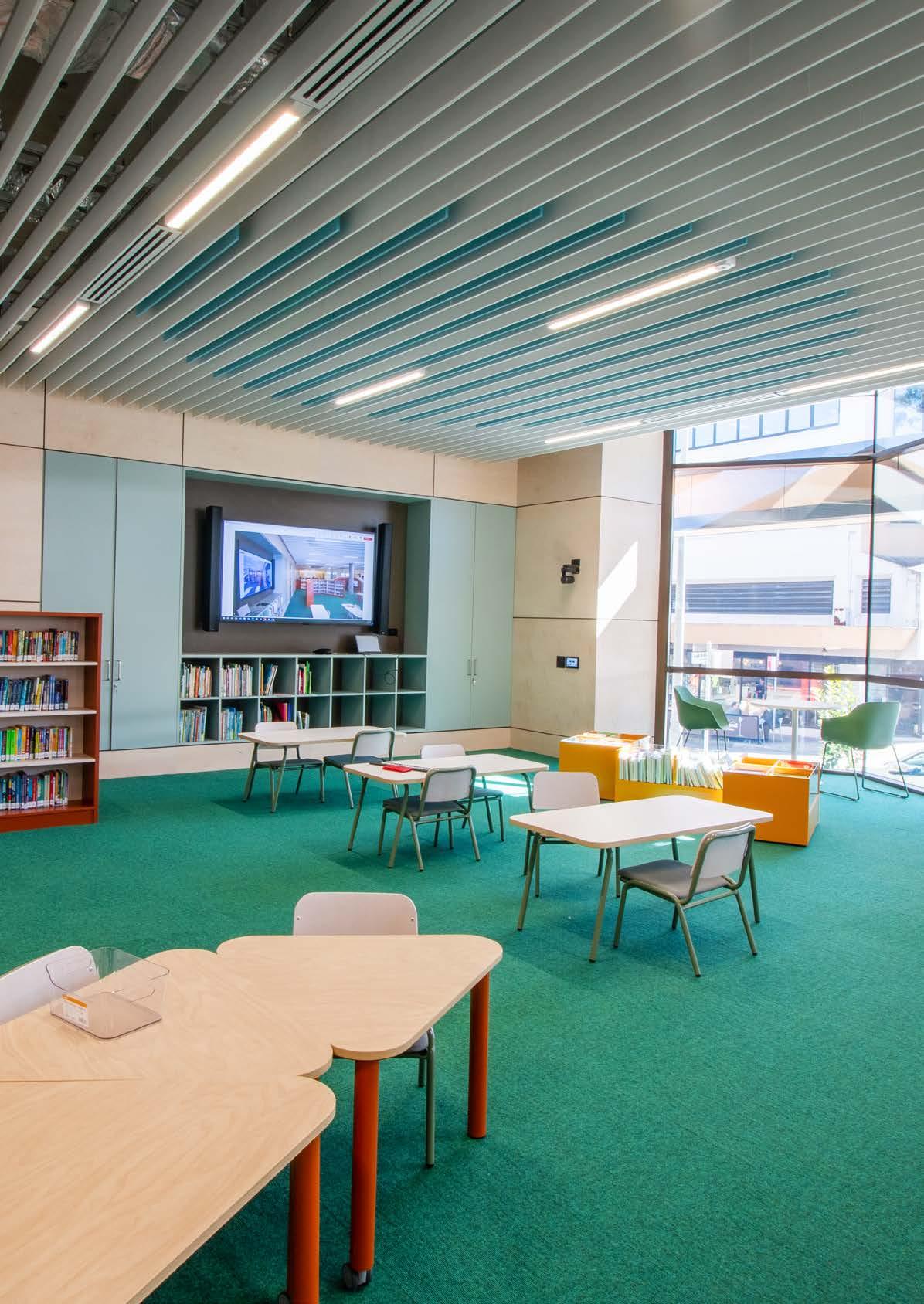
Below J.R Prime Group delivered precise interior and exterior linings for Gosford Library, enhancing its distinctive architectural identity.
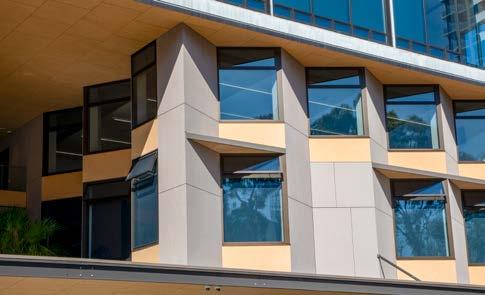
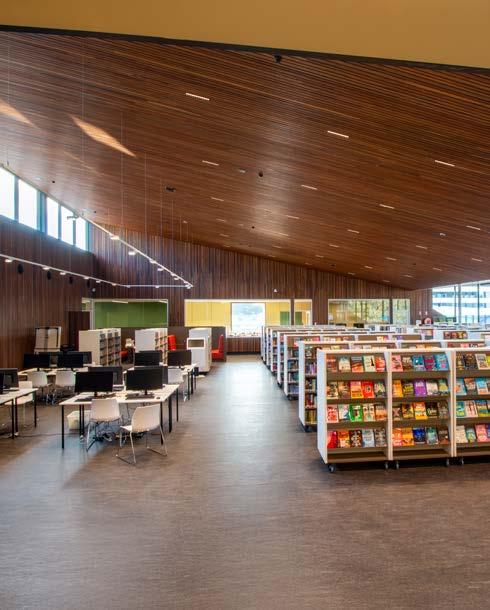
BRINGING ARCHITECTURAL VISION TO LIFE AT THE NEW GOSFORD LIBRARY
J.R Prime Group has played a vital role in shaping the architectural identity of the new Gosford Regional Library, proudly delivering the majority of the interior and exterior linings for the landmark civic project.
“Our scope included partition walls, feature walls and ceilings, and external fibre cement panels,” said Anthony Sun, Project Manager at J.R Prime. “Most of the linings, both inside and out, were completed by our team.”
The striking library design presented its fair share of construction challenges, including a distinctive zigzag façade on the building’s northern side.
“Setting the zigzags was the biggest issue at the start,” Anthony explained. “It took us a couple of weeks to get it right and aligned precisely with the architectural drawings. We worked closely with the architect and suppliers on shop drawings and procurement to meet the short programme.”
“Every two weeks we had a meeting with North to confirm tasks and timelines. We also met weekly with the project manager and
site manager to ensure we had enough manpower,” said Anthony. “We even worked with the builder and client to secure early payments to suppliers to keep things moving.”
On the sustainability and accessibility front, J.R Prime delivered all work to meet the architect’s specifications. “We’re confident the finishes meet the highest standards,” Anthony explained.
As a local business and the largest contractor on the project, J.R Prime sees the Gosford Library as a defining moment. “It means a lot to us. We’ve demonstrated our full capability, in both management and quality. After this, we can confidently say we’re ready for any library project,” said Anthony. “It’s also a step forward in our commitment to contributing to our community.”
For more information contact J.R Prime Pty Ltd, Unit 7, 24 John Hooker St Islington, NSW 2296, phone 0420 419 788, email Anthony@jrprimegroup.com, website www.jrprimegroup.com
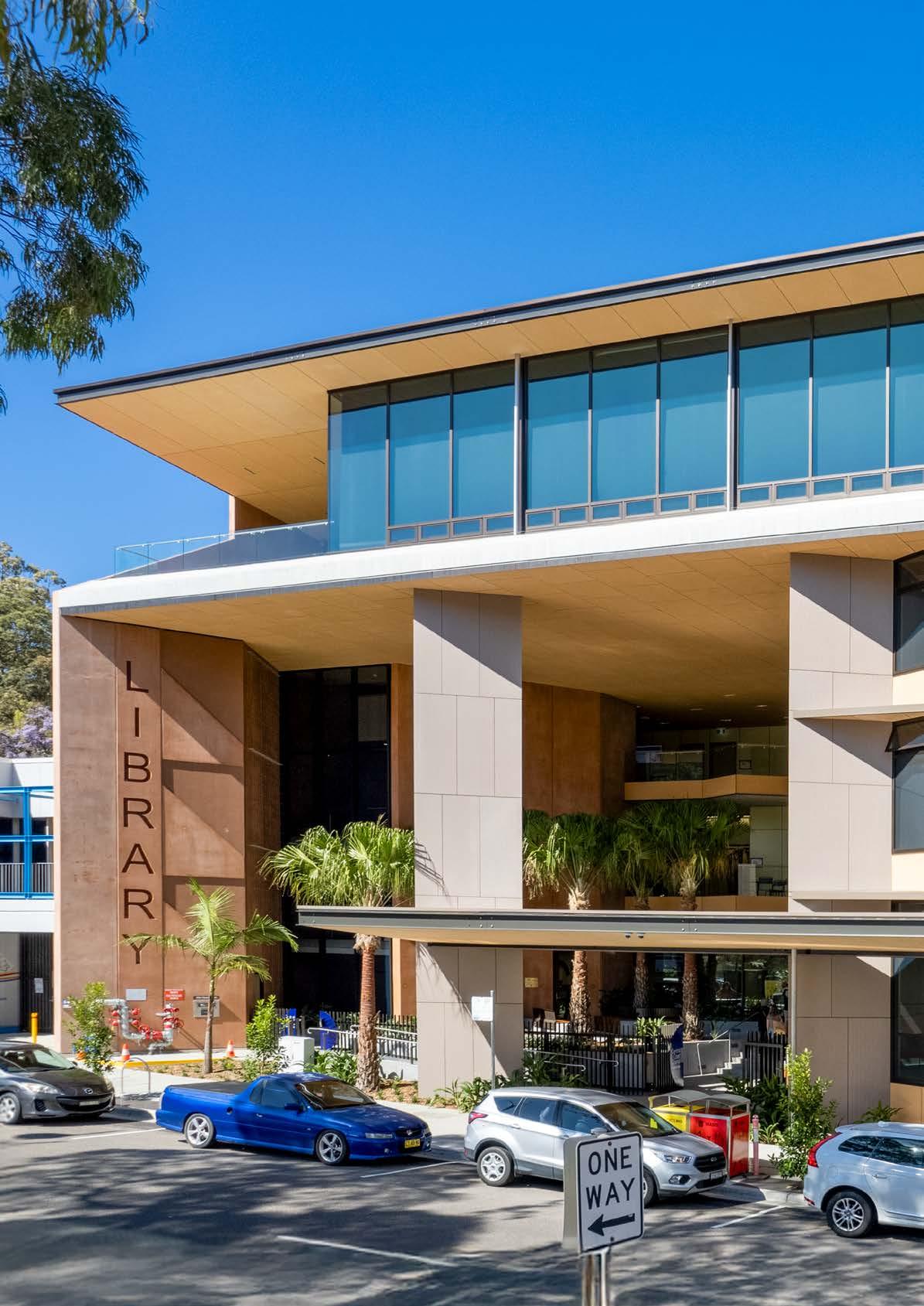
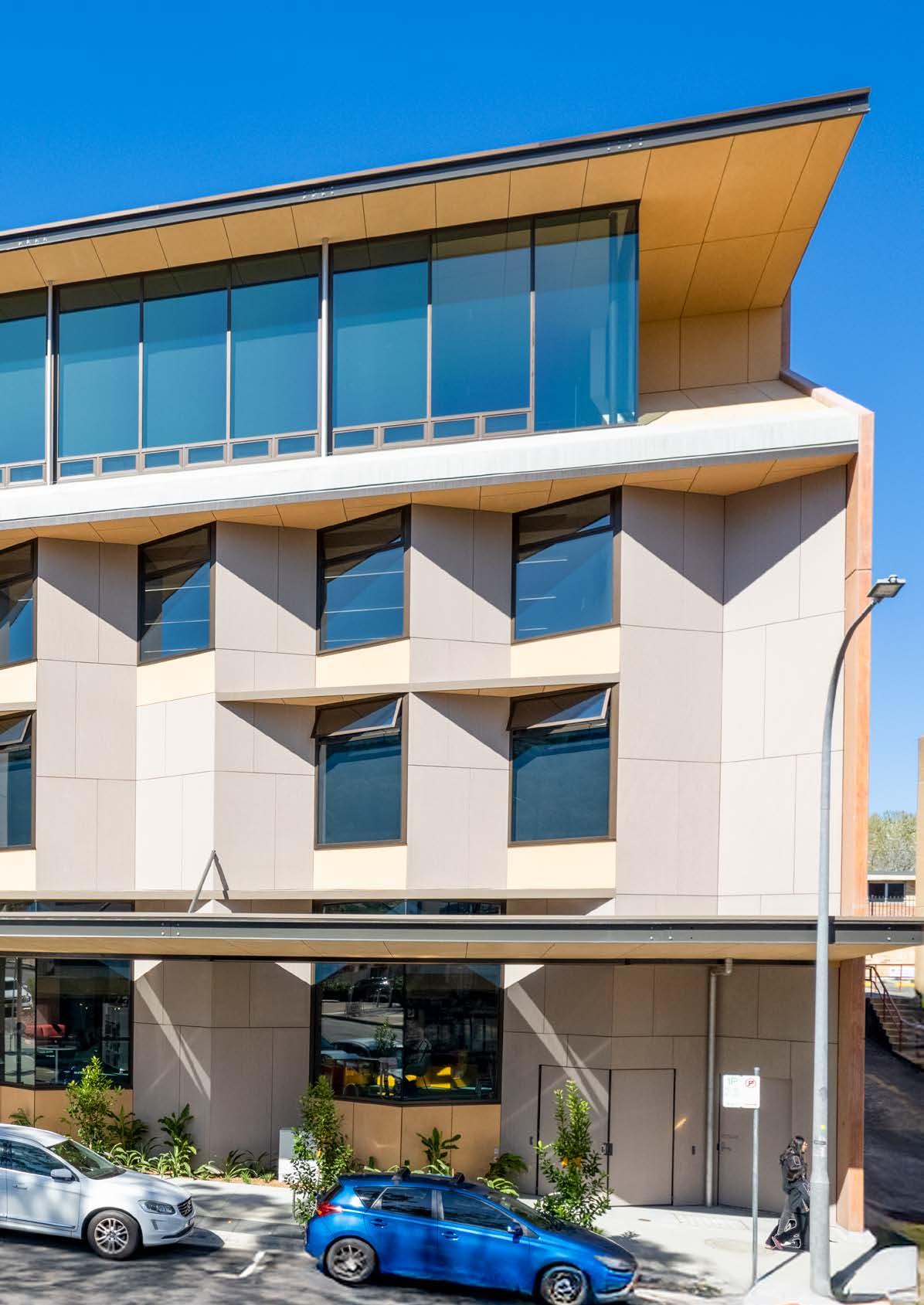
ELEVATING THE HUNTER REGION TO NEW HEIGHTS
CLIENT : Newcastle Airport
MAIN CONSTRUCTION COMPANY : Construction Control
ARCHITECT : Cox Architects
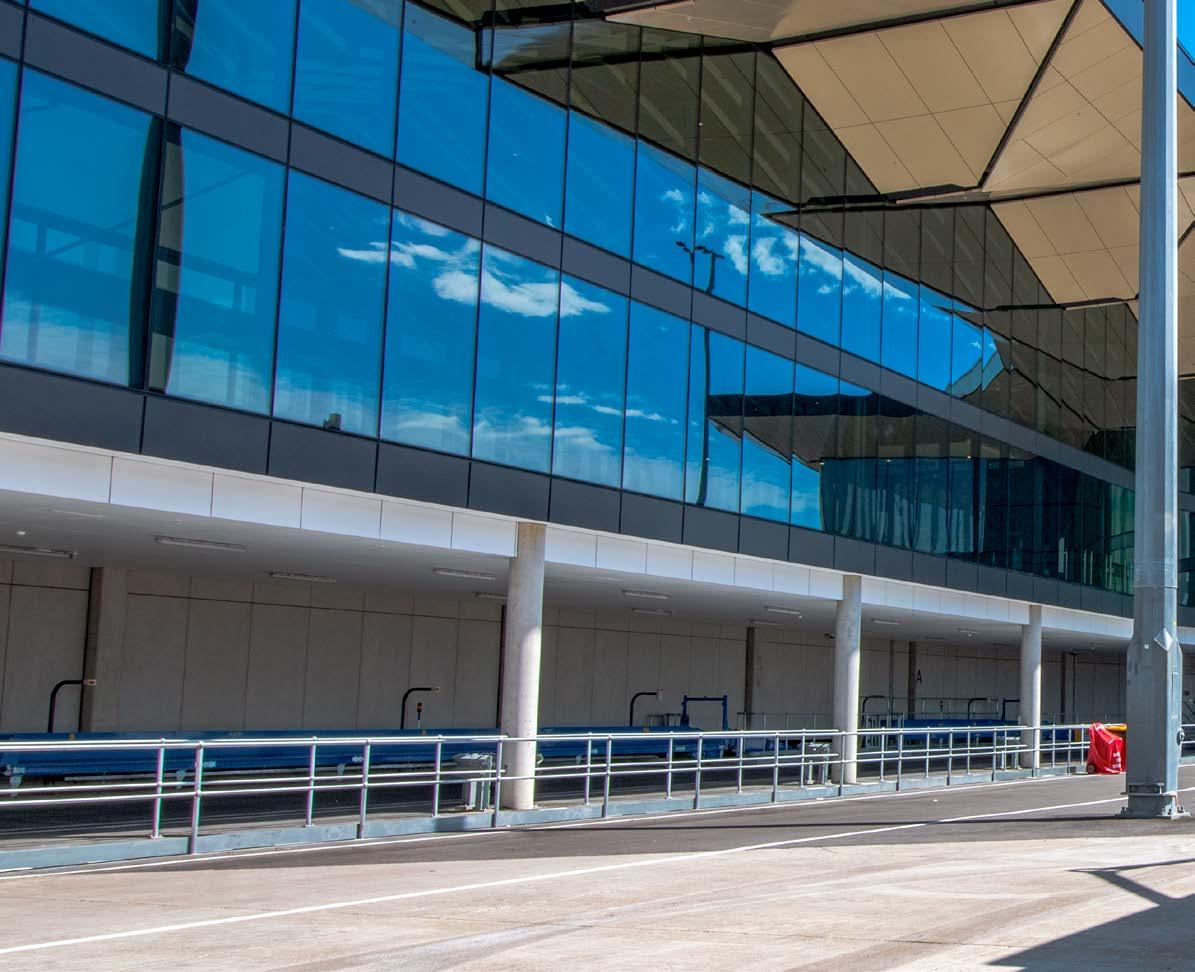
Newcastle Airport’s $250 million airport redevelopment represents a transformative leap for regional aviation and construction in the Hunter. Featuring eight gates, an expanded arrivals hall, streamlined passenger flows and a state-of-the-art aerobridge, the terminal more than doubles the airport’s passenger capacity during peak periods. It has been designed to accommodate larger international aircraft opening the way for future services to major global hubs and sets a new benchmark for sustainable, high-capacity regional airports. The project was delivered in partnership with local contractors and businesses, ensuring economic benefits flow directly into Hunter communities.
Designed by Cox Architects and constructed by Construction Control, the Newcastle Airport Expansion provides an additional 50% increase to the airports footprint. Delivered through innovative staging, modular construction, and collaborative site management, the project boasts a sustainable design while providing long-term economic and operational benefits for the region.
“This redevelopment positions Newcastle Airport as the region’s international gateway,” said Newcastle Airport CEO, Linc Horton.
“It’s about connecting the Hunter to global destinations, supporting local business and creating opportunities for the future. The project celebrates who we are as a region – from our beaches to our wineries – while ensuring we’re ready for decades of growth.”
“The terminal’s footprint has now been expanded by 50% opening the Hunter Region to the world and making international travel from Newcastle easier and more accessible. We commenced direct flights to
Perth and to Bali in October, have just announced Singapore via Bali commencing 29 March 2026 and are working on more exciting routes for our region,” Linc said.
The architectural design of the terminal draws directly from the landscapes and light of the Hunter. “The vaulted ceiling takes its cues from the sand dunes; the textures of the walls reflect our vineyards; and the floor finishes mirror the tones of our coastline,” Linc explained.
“Every element celebrates our region’s natural beauty, with the design allowing that unique ‘Hunter Light’ to fill the space.”
Equally central to the design is a commitment to sustainability. The new terminal is targeting a 5 Star Green Star rating, reflecting a fusion of aesthetic excellence and environmental responsibility.
“We wanted to create something that doesn’t just look beautiful, but also performs beautifully. This means energy efficiency, improved
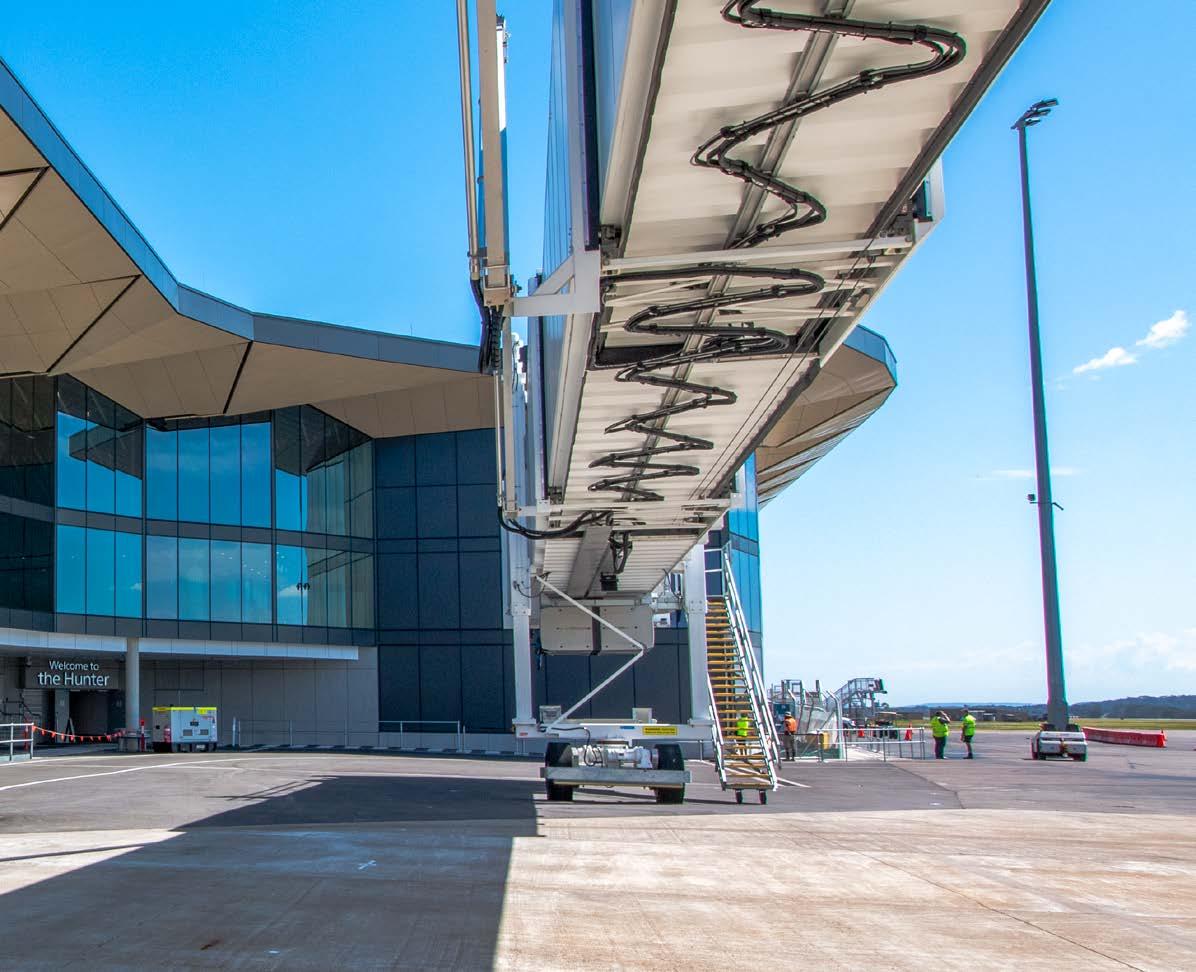
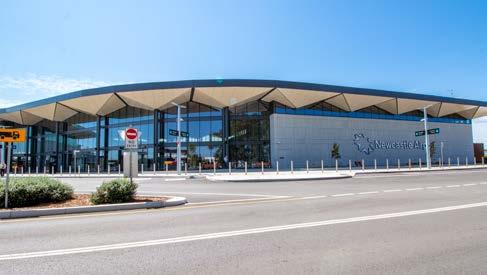
passenger comfort, and sustainable materials embedded from construction through to operations,” explained Linc.
The benefits extend far beyond the airport boundary. The redevelopment is forecast to generate over 4,400 long-term jobs and contribute $12.7 billion in economic activity to the region over the next 20 years, including $6.2 billion in tourism and $6.5 billion in freight and logistics.
“Newcastle Airport is a key economic enabler for the Hunter,” Linc said. “We’re supporting tourism, trade and investment, but we’re also inspiring confidence in regional business. When people and goods can move efficiently, the whole region thrives.”
Newcastle Airport Executive GM Planning & Infrastructure, Ben Kochanski said during construction, the project created more than 500 local jobs, with procurement prioritising regional contractors and
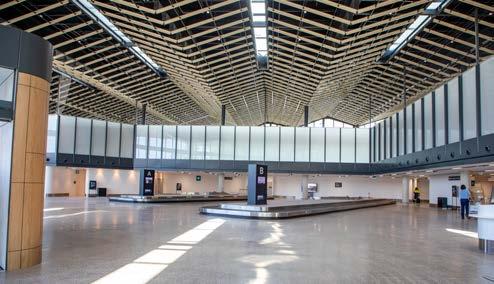
suppliers wherever possible. “This project has been about supporting our community from the ground up,” Ben noted.
Delivering such an ambitious project on a live airport site required precision planning and collaboration. “Maintaining an exceptional passenger experience while doubling the footprint of the terminal was a complex challenge,” Ben said. “Methodologies and sequencing strategies were crucial to keeping the site safe and efficient.”
NAPL’s key priorities included a build strategy that prioritised clear segregation between construction zones and passenger areas, allowing conventional construction activity to continue without the complexity of air side access requirements. This approach not only streamlined build sequencing but materially enhanced safety outcomes for both workers and the travelling public.
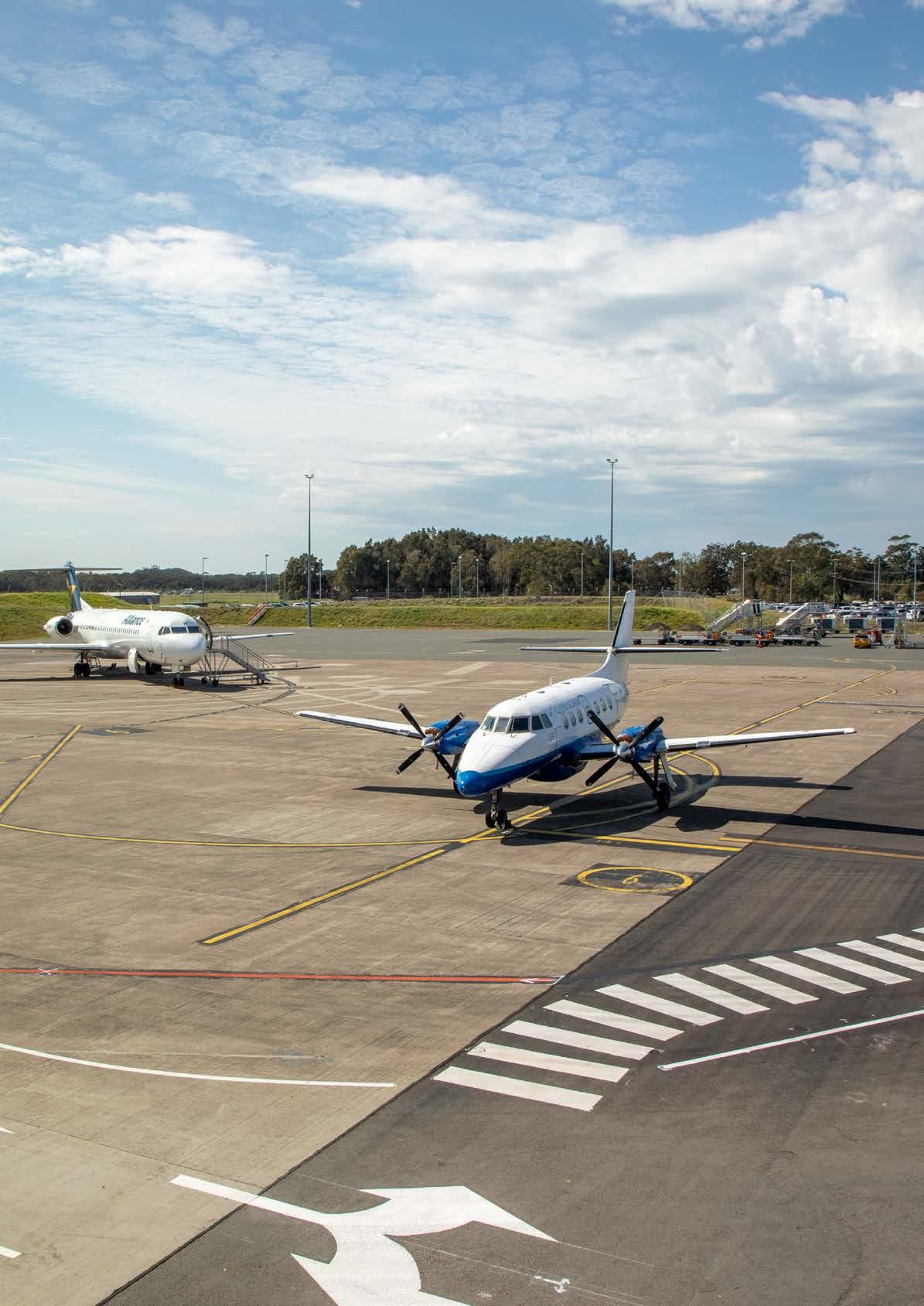

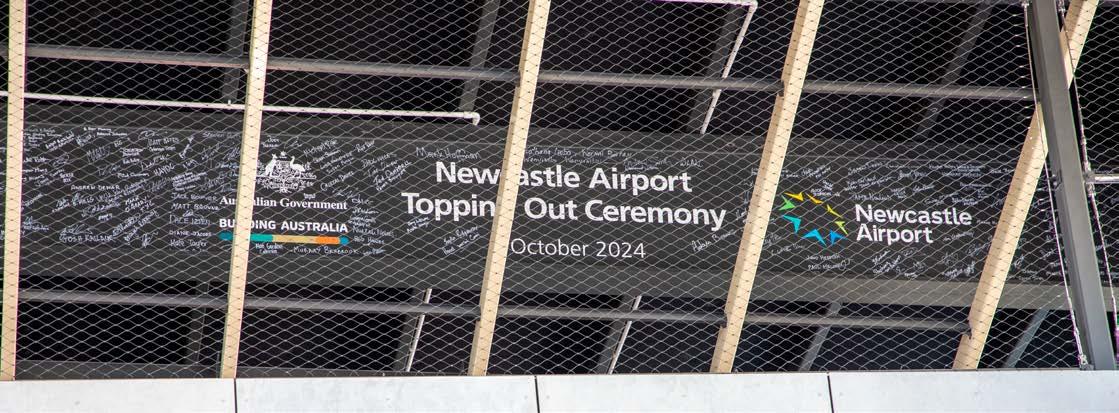

“We undertook regular third-party audits across the construction site and deployed a dedicated airport superintendent to work directly with the construction contractor,” explained Ben. “This ensured daily co-ordination with airport operations and protected the safety and experience of passengers at all times.”
Milestones throughout the build reflected the project’s deep ties to community and country. A Topping Out ceremony in October 2024 marked the completion of the structural phase, where the final beam was raised alongside a Banksia Ericifolia — Heath Banksia, supplied by the Worimi People, the traditional custodians of the land. “That moment symbolised our respect for local culture and our connection to place,” Ben said.
The new domestic terminal opened to passengers in July 2025. “It’s exciting to think of the journeys that will begin here,” Ben said. “For some, it will be their first overseas trip; for others, it’s a gateway home.”
Linc Horton said looking ahead, the Newcastle Airport expansion stands as a legacy project, one that will serve generations. “We’re proud of the partnerships, craftsmanship, and community spirit that made this possible,” Linc reflected. “This terminal is a physical representation of our commitment to delivering the airport our region deserves, connecting the people of the Hunter to the world and creating new pathways for trade, tourism and economic development.”
Newcastle Airport currently serves around 1.3 million passengers each year. By 2036, this is forecast to grow to 2.6 million annually, with the capacity to ultimately support around 5 million passengers per year.
Above: Project stakeholders and airport executive signed the final steel beam which was lifted into place during the Airport’s topping out ceremony.
Below Benmax delivered mechanical systems for Newcastle Airport’s expansion, enhancing sustainability, and efficiency through precision HVAC integration.
SUSTAINABLE SYSTEMS FOR A MODERN GATEWAY
The Newcastle Airport Terminal Expansion represents a major step in transforming the Hunter Region’s aviation gateway into a modern, sustainable transport hub.
As part of Construction Control’s delivery team, Benmax was responsible for the mechanical services scope, managing detailed design coordination, prefabrication, installation, and commissioning to ensure seamless integration across all building systems. The company’s work supported a smooth delivery process while enhancing comfort, sustainability, and operational resilience within the new terminal.
The scope included:
• Three chilled-water secondary pumps,
• Three heating-water secondary pumps,
• One air-cooled chiller,
• Two air-cooled multifunction heat pumps,
• Air-handling units servicing terminal zones,
• 50+ VAV terminals for localised climate control,
• Daikin VRF and standalone systems to support the communications and borderforce areas.
Working with Johnson Controls, the team also delivered a new Building Management and Control System integrating energy sub-metering, CO2-based demand ventilation, and future interfacing capability with flight-information systems.
Delivering high-performance HVAC systems within a live, operational airport required precise planning and close collaboration. Leveraging its experience in complex mechanical services delivery, Benmax adopted an integrated approach, combining design co-ordination, prefabrication, and commissioning, to minimise disruption, manage programme risk, and achieve building performance targets from day one.
“This project demanded meticulous sequencing, and extensive after-hours work to minimise disruption,” explained Matt Browne, Construction Manager – Newcastle.
The Benmax team coordinated closely with Construction Control and airport operations to schedule shutdowns, adhere to aviationsecurity protocols and maintain airside access controls. Passenger comfort, safety and continuity of services were prioritised throughout construction and commissioning.
A key driver of the mechanical design was the project’s sustainability target. The expansion aims to achieve a 5 Star Green Star “As Built” rating, shaping every major system decision.
“The target of achieving a 5 Star Green Star rating was central to every stage of design and delivery,” Matt said. The installed systems utilise low-GWP refrigerants (R1234ze and R454B), high-efficiency EC fan air-handling units, and variable-speed drives across pumps and fans to reduce energy use. Ventilation rates were engineered to provide 50% more outdoor air than required by AS 1668.2 to enhance passenger comfort and indoor air quality.
To ensure ongoing operational performance, Benmax implemented comprehensive metering, commissioning, and buildingtuning protocols. Airtightness testing, cleanair compliance to ASHRAE 62.1 and AIRAH hygiene standards, and staged performance verification were all documented to Green Star certification standards. The result is a flexible, efficient system built for long-term resilience.
One of the project’s defining innovations was the simultaneous heating and cooling system configuration. “We developed a highefficiency mechanical solution using aircooled four-pipe multifunction heat pumps in tandem with a low-GWP screw chiller,” Matt said. This arrangement enables heat
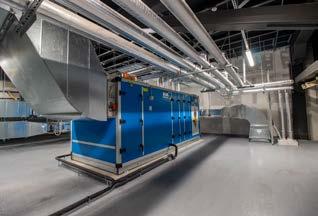
rejected from one part of the terminal to be reused in another, significantly improving thermal efficiency and reducing electrical load. Combined with finely tuned BMCS control strategies, the system balances comfort, performance, and energy outcomes across varied terminal zones.
Coordination was critical to success. Benmax collaborated with Construction Control, multiple specialist trades, and airport management within a tightly governed interface framework designed to maintain passenger flow and operational continuity. Clear communication ensured every stage of work aligned with safety requirements and live terminal constraints.
Looking back on the project, Matt reflects on both its technical achievement and its regional significance. “We’re most proud of delivering a high-performance system that has helped transform Newcastle Airport into a modern, sustainable gateway for the Hunter Region. The project represents not just an engineering achievement, but a demonstration of how regional capability can deliver infrastructure to metropolitan standards.”
With the expansion now complete, the mechanical systems operate quietly behind the scenes — supporting comfort, efficiency, sustainability and the passenger experience.
For Benmax, the project stands as a high value reference point in delivering cutting edge HVAC infrastructure for aviation environments across Australia and beyond.
For more information contact Benmax, 33 Hincksman Street, Queanbeyan NSW 2620, phone 02 6122 3800, email administration@ benmax.com.au, website www.benmax.com.au

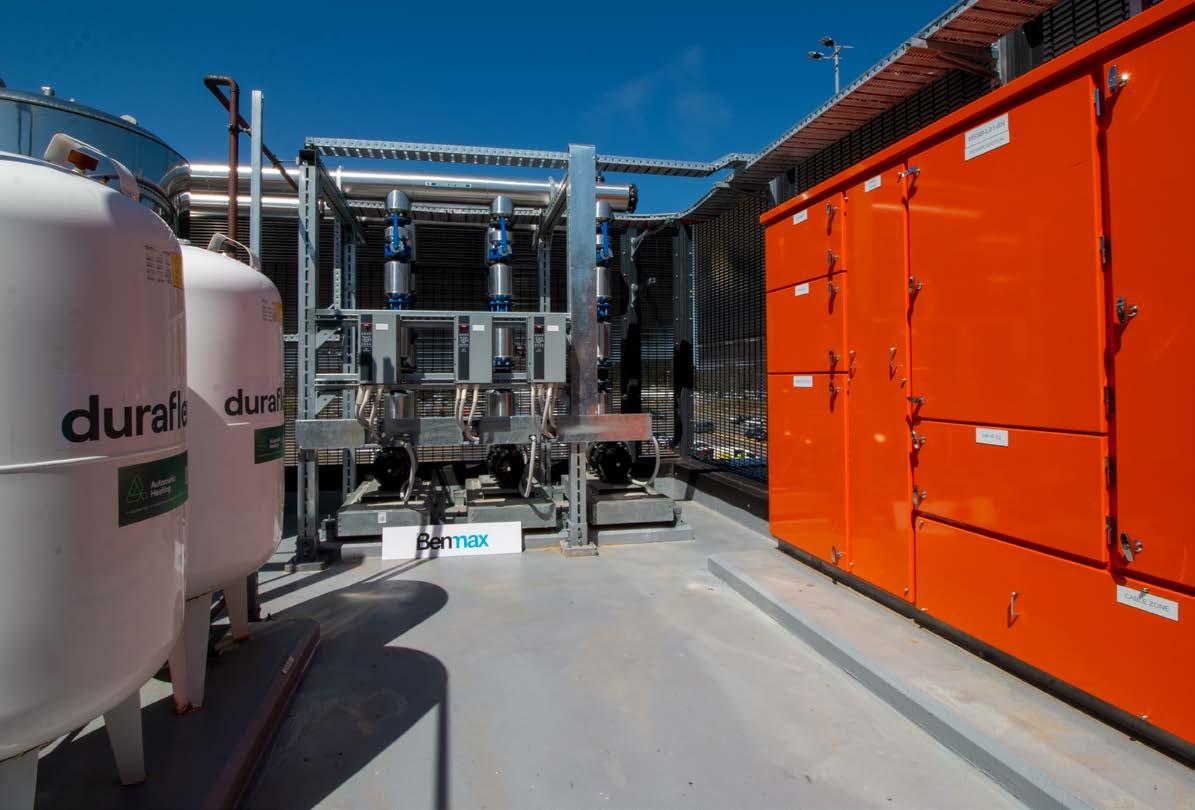
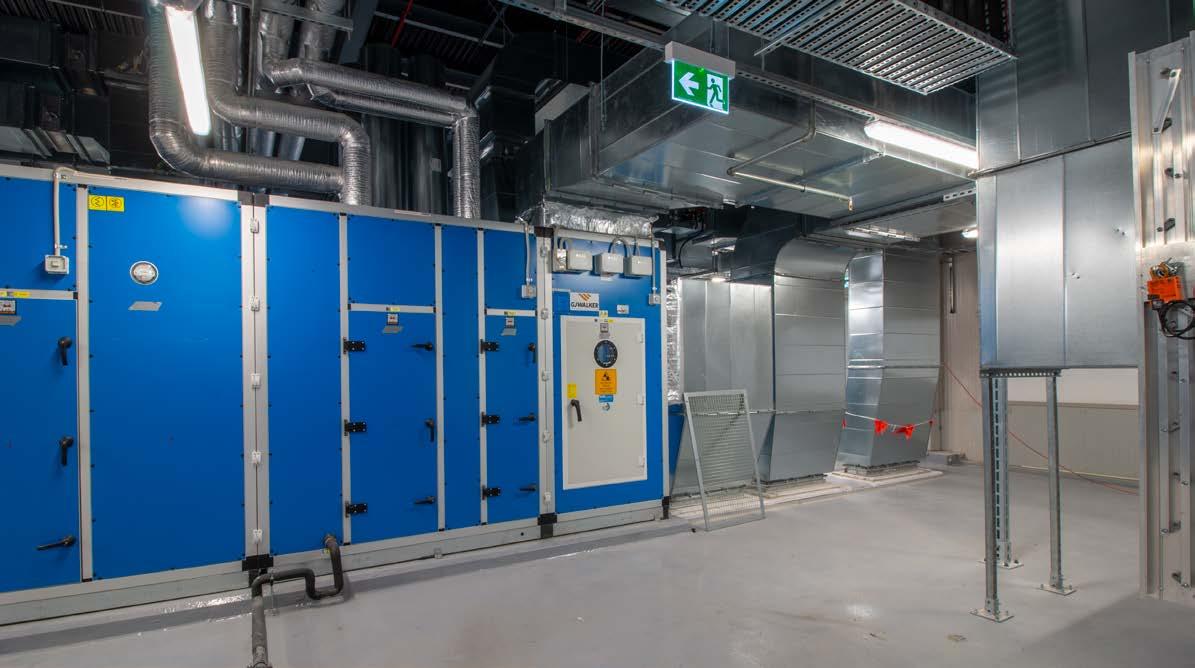
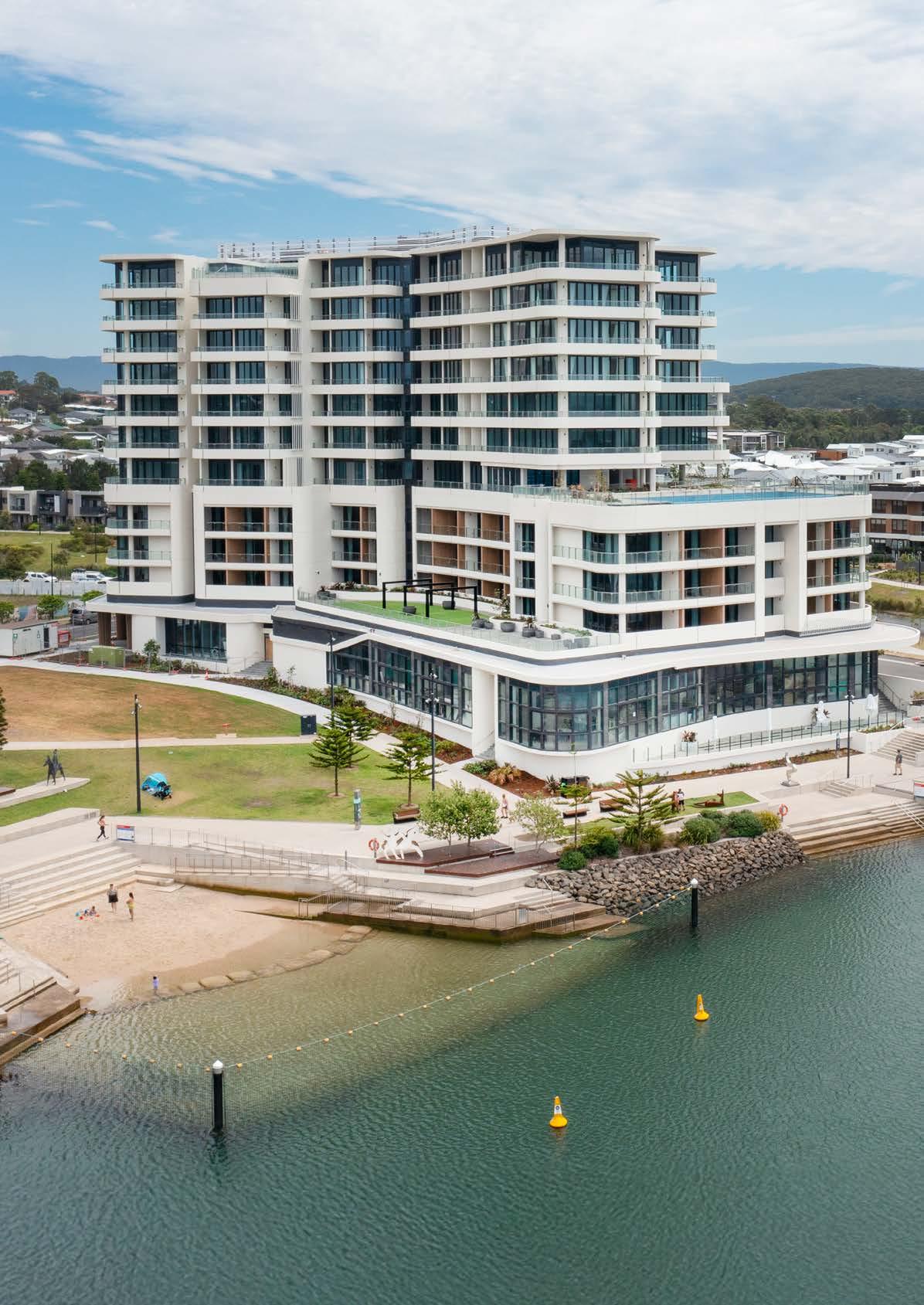
THE JEWEL OF THE SOUTH: BENETTI SHELL COVE
DEVELOPER : Oscars Group
MAIN CONSTRUCTION COMPANY : Growthbuilt
ARCHITECT : DBI
LANDSCAPE DESIGN : Site Image
Benetti Shell Cove is a landmark 11-storey waterfront development blending luxury living, world-class marina views, and premium hotel-style amenities. Featuring 117 opulent hotel rooms, 32 serviced apartments, and 42 exclusive residences, this exceptional mixed-use destination offers a lifestyle of sophistication and convenience
Set against the stunning backdrop of the Shell Cove marina, the Benetti Shell Cove development is redefining coastal luxury in the Illawarra. At the heart of this transformation is Growthbuilt, the design and construction contractor responsible for delivering the landmark $110 million mixed-use project.
With 11 storeys, 4.5 levels of basement, 117 hotel suites, 32 serviced apartments, 42 residential apartments, multiple pools, and a grand ballroom, this development has become one of the most ambitious and technically complex in the region.
“We’ve worked with Oscars Group for many years and are proud to be delivering what we’re calling ‘the jewel of the South’.” says Adam Ashcroft, General Manager at Growthbuilt.
The site’s waterfront location presented considerable construction hurdles, particularly in delivering the deep basement structure.
“We’re right on the water, and the basement goes 4.5 levels deep,” explains Adam. “There was a huge amount of effort required just for the shoring system. We had to install a Secant Piling wall, a waterproof wall, and a concrete wall to manage water pressure,
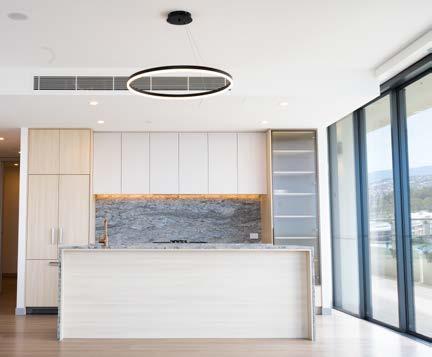
especially with the challenges of working through hard rock.”
Given the limited availability of local subcontractors equipped for such a largescale project, Growthbuilt brought in specialised teams from Sydney while striving to maintain a regional presence. “It’s a large-scale project for this region,” he says. “We worked closely with subcontractors to ensure we had the right people on-site, even if that meant relocating some from Sydney.”
Despite the architectural ambition, Growthbuilt worked hard to ensure the project remained buildable. “The design is efficient from a construction standpoint,” notes Adam. “We used precast elements during the structure phase which allowed us to remove scaffolding early. It’s helped streamline the process on what is otherwise a very detailed and premium build.”
The project also had to contend with the challenges of combining two different building classifications, Class 2 residential and Class 3 hotel, within a single structure. “It’s not just a matter of form, it’s functionality across multiple use types, with each needing to meet its own set of compliance requirements.”
Benetti Shell Cove delivers a level of amenity
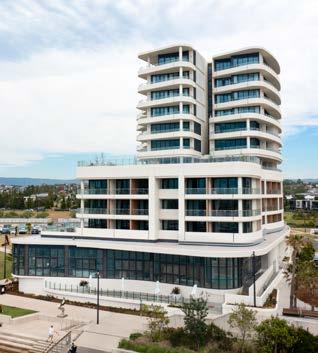
rarely seen in regional developments. “It’s a city-style offering,” Adam says. “You’ve got rooftop pools, an outdoor bar, higher-thanaverage ceilings, and a grand ballroom, all right on the water.”
With proximity to the ocean, Growthbuilt also took material selection seriously. “We’ve used concrete balustrades instead of glass where we can—less maintenance in that environment. There are solar panels and a recycled water system integrated into the design as well. It’s all code-compliant and low-maintenance, aligned with our approach to smart and resilient coastal construction.”
For Growthbuilt, Benetti represents more than a project, it’s a milestone in their broader strategic direction. “Three years ago, we made a commitment to expand our footprint beyond Sydney, to the Illawarra and Newcastle regions in particular,” Adam explains. “Now, we’ve got four or five projects in those areas, and this strategy has really come to life.”
Working with repeat clients like Oscars Group is part of that journey. “This project reflects the kind of relationship we want to keep building—collaborative, respectful, and long-term,” says Adam.
Looking back, he says the project’s early momentum was a key factor in its success. “We started early, got the construction certificate early, and built in a buffer for unknowns. That’s a testament to our team’s foresight and commitment.”
With more than 150 people on-site at its peak, the Benetti Shell Cove project is a prime example of how Growthbuilt delivers on vision, complexity, and collaboration.
For more information contact Growthbuilt, Level 9, 100 William Street, Woolloomooloo NSW 2000, phone 02 9212 7811, website www.growthbuilt.com.au
TILING WITH PURPOSE: DNT CO. BALANCED DESIGN AND DURABILITY AT SHELL COVE
As part of Shell Cove’s highly anticipated Waterfront Marina master-plan, Benetti Shell Cove sets a new benchmark for coastal luxury. This landmark development features high-end hotel suites, resort-style apartments, a grand ballroom, fine dining spaces, and a spa.
“DNT Co. was engaged to complete the tiling installation and supply a portion of the materials,” says Amy Lee, Project Manager at DNT Co. “Our team delivered premium tiling finishes that enhance the overall elegance and durability of this luxury hotel development.”
“We delivered the full tiling and paving package for Benetti Shell Cove, encompassing both internal and external areas,” explains Amy. “Our scope included the hotel’s guest suites, residential apartments, and all common areas, corridors, lobbies, and amenities.”
From high-traffic public spaces to private luxury bathrooms, DNT Co. approached each area with the same commitment to quality. For the suites and apartments, the team installed a combination of premium large-format porcelain tiles and standard tiles arranged in a vertical staggered pattern, a unique design element requiring precision and consistency across the board. “These materials were chosen for their durability and refined aesthetic,” Amy notes.
To add richness and depth to the resort’s communal areas, DNT Co. installed natural
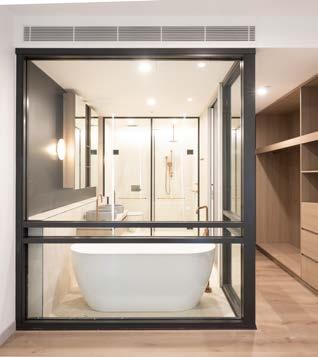
stone tiles, enhancing the luxurious ambiance. One standout feature was the intricate stone inlay patterns used in the lobby floors and common spaces. “These required precision cutting and careful installation to achieve the bespoke design intent,” says Amy.
Working in a coastal environment brought its own set of challenges, including exposure to salt air and high humidity, which can compromise materials over time if not properly addressed. “We specified materials with high resistance to efflorescence and corrosion,” Amy explained. “We also used anti-efflorescence additives and flexible adhesives for all external works to ensure long-term performance.”
An additional challenge was ensuring the external tiling on balconies and podiums remained unaffected by moisture trapped in screeds. “We used pedestal installation systems in those areas to improve drainage and stability,” Amy said.
In a project of this scale and sophistication, sequencing, coordination, and collaboration were crucial. DNT Co. worked closely with the broader construction team to ensure seamless delivery across multiple trades and zones.
“The Benetti Shell Cove project exemplifies our ability to deliver superior craftsmanship,” said Amy. “We are proud of the exceptional quality and attention to detail achieved across every surface, from the high-end
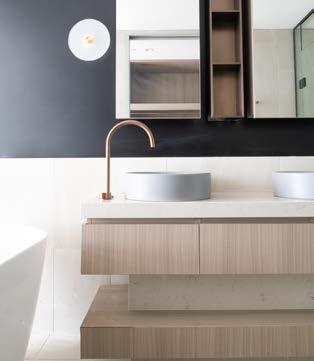
residential bathrooms to the expansive external paving.”
Founded in 2009, DNT Co. has grown into one of Australia’s leading commercial tiling and stonework contractors. With a strong foundation in craftsmanship, technical expertise, and project delivery, the company has built a reputation for excellence across the residential, hospitality, and infrastructure sectors — consistently delivering high-quality finishes on time and at scale.
With its blend of modern sophistication and coastal charm, Benetti Shell Cove now stands as a shining example of what’s possible when design vision meets expert execution.
For DNT Co., it also serves as a powerful showcase of the company’s growing reputation in the high-end hospitality and multi-residential space.
Whether delivering intricate custom layouts or navigating technical coastal conditions, DNT Co. brings to each project not just materials and labour, but a commitment to excellence and a deep understanding of design intent, and that’s what sets them apart.
For more information contact DNT Co., 30A Legge Street, Roseland NSW 2196, phone 02 9052 0835, email info@dntco.com.au, website www.dntco.com.au
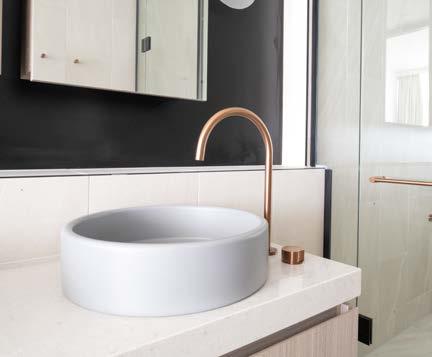
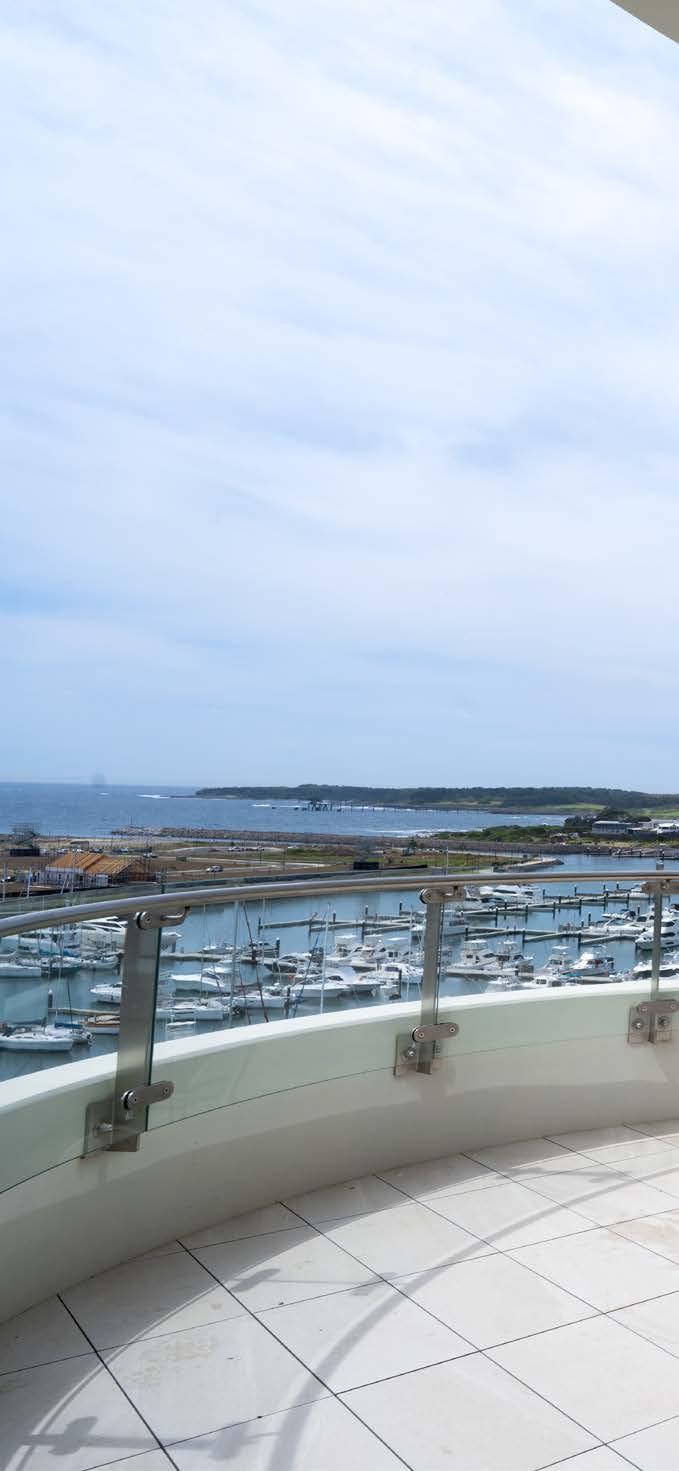
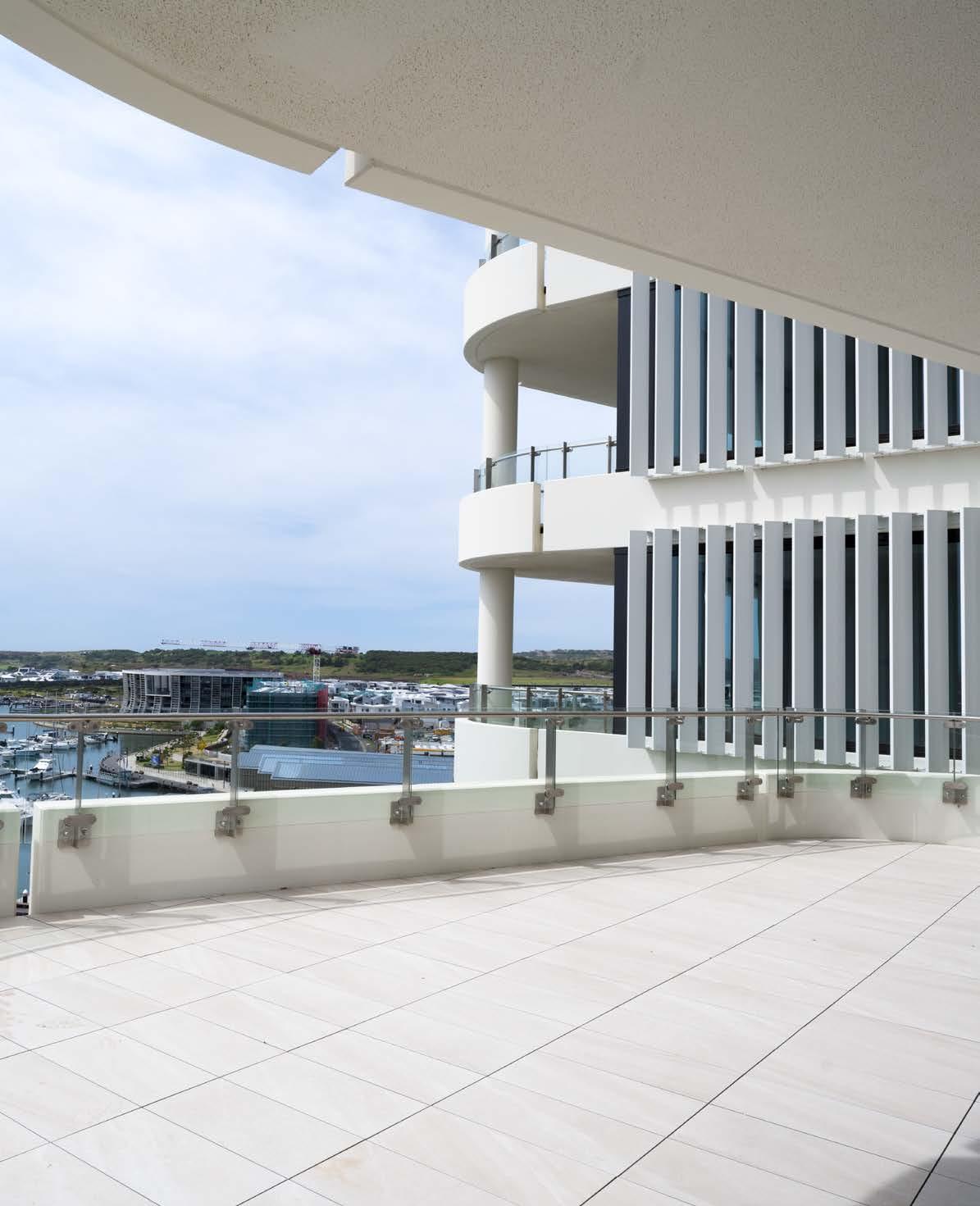
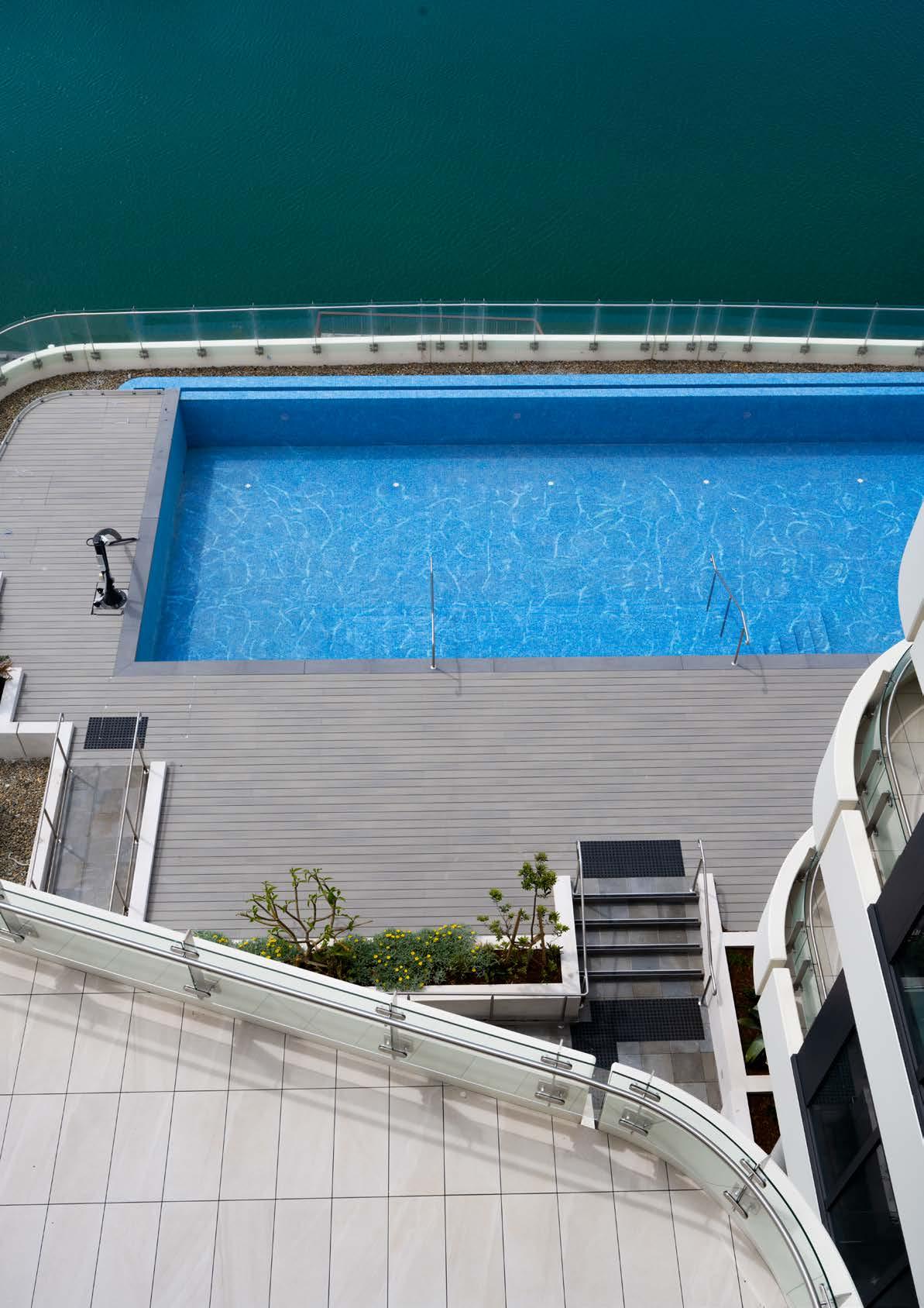
Below Miele supplied kitchen and laundry appliances at Benetti Shell Cove, enhancing luxury, functionality and longevity.
MIELE ELEVATES LUXURY LIVING
Miele has delivered a premium suite of kitchen and laundry appliances for the penthouse and upgrade apartments at Benetti Shell Cove, elevating the development’s luxury appeal and long-term value.
“These appliances represent the perfect balance of innovation, performance, and refined design,” says Alice Byrnes, State Sales Manager.
The selection includes the H 7260 BP pyrolytic oven, KM 2334 G five-burner gas cooktop with mono wok burner, DA 2578 integrated rangehood, M 7244 TC built-in microwave, and the G 5210 SCI CLST semi-integrated dishwasher with AutoOpen drying and a 3D MultiFlex tray. Complementing these are the WCA 020 7kg washing machine and TCB 140 WP 7kg heat pump dryer, delivering energy efficiency and garment care.
By combining durability, seamless integration, and cutting-edge functionality, Miele ensures Benetti Shell Cove residents enjoy a truly elevated living experience—while developers benefit from tradefriendly solutions designed to last up to 20 years.
For more information contact Miele Projects Australia:
NSW/ACT: nswprojects@miele.com.au
SA: saprojects@miele.com.au
WA: waprojects@miele.com.au
VIC/TAS: vicprojects@miele.com.au
Website: www.miele.com/en/project-business/index.htm
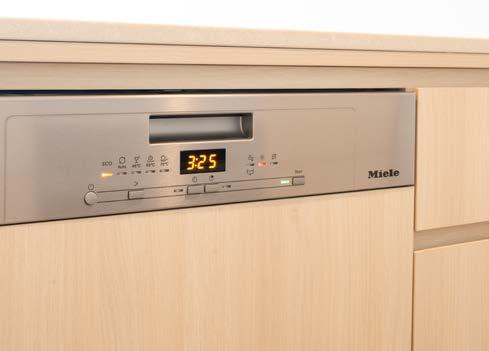

EMBEDDING PEOPLE, PLACE, AND SUSTAINABILITY IN MIRVAC’S BUILD-TO-RENT VISION
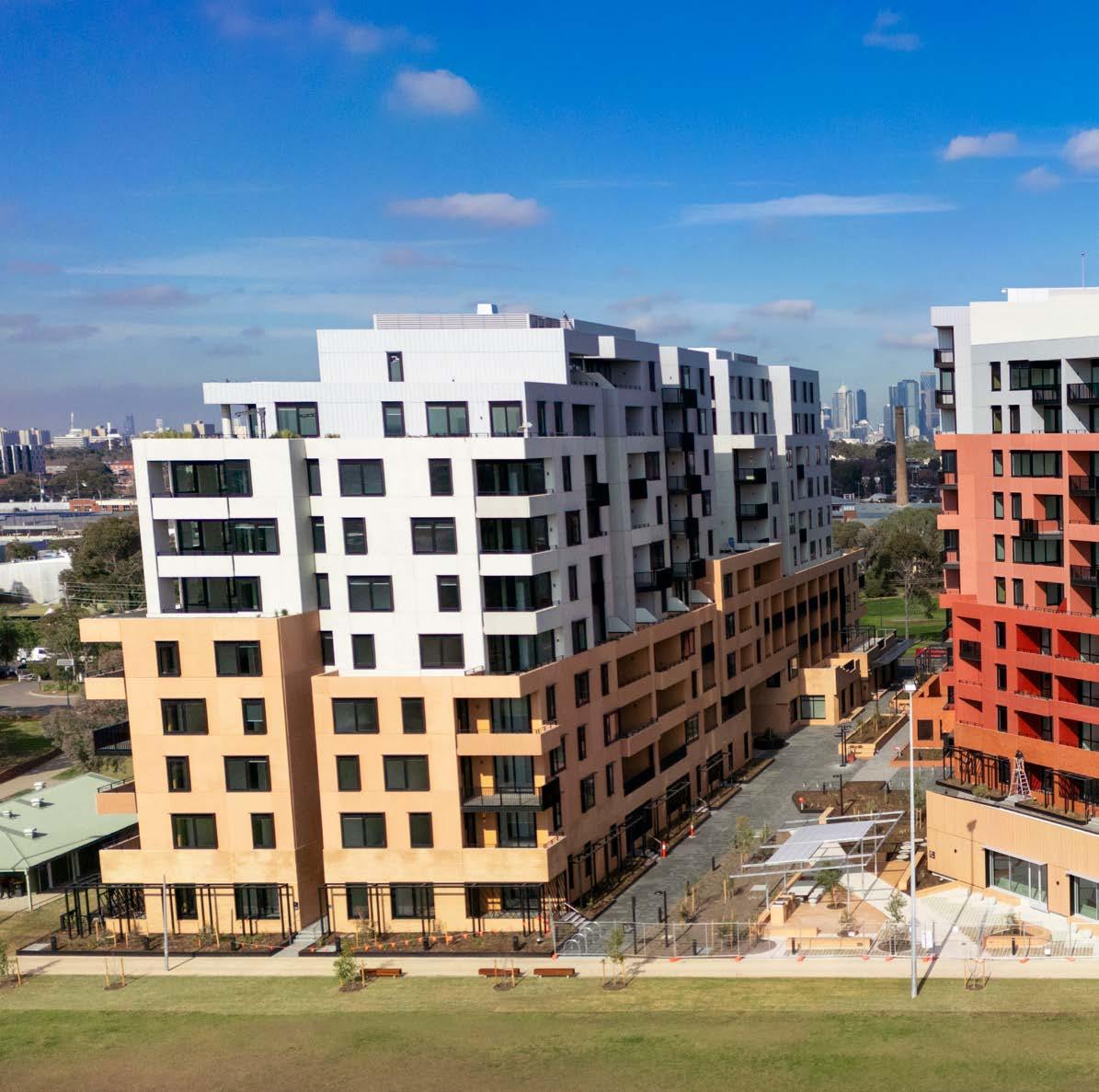
DEVELOPER : Mirvac
ARCHITECTS : Fieldwork, Webber Australia, and Breathe Architecture
STRUCTURAL ENGINEER : AECOM
ESD : Ark Resources
LIV Albert set a new benchmark for sustainable build-to-rent living. Surrounded by 20 hectares of parkland and close to transport and retail, the development delivered 498 apartments, including 15 affordable housing units. Residents benefit from 2,350m² of shared amenity, 800m² of retail, and extensive parking, bike, and storage facilities. Designed 100% fossil fuel free, the project achieved an 8.2-star NatHERS rating and targeted 5 Star Green Star certification, placing people and sustainability at its core.
Mirvac’s LIV Albert stands as one of Australia’s first renter-only communities, designed entirely with people at the centre of its vision. Situated in Brunswick, the development reflects Mirvac’s commitment to sustainability, inclusivity, and placemaking, while advancing its growing build-to-rent portfolio.
From the outset, Mirvac’s goal was to create a neighbourhood that was both people-focused and integrated with its natural surrounds.
“We recognised the importance of creating a master plan that celebrated its parkland interface and created an architecture
that engaged positively in scale, texture and activity,” said Vlad Doudakliev, Associate Director from Fieldwork. By carving out public through-links and embedding intuitive wayfinding into the design, LIV Albert offers residents a neighbourhood feel while opening the site to the wider community.
“From driving 350 precast piles 40 meters deep through a complex landfill site to pouring over 24,000 m³ of concrete, LIV Albert set a new benchmark for campus-style residential BTR delivery. Despite challenging ground conditions, the project was a true collaboration
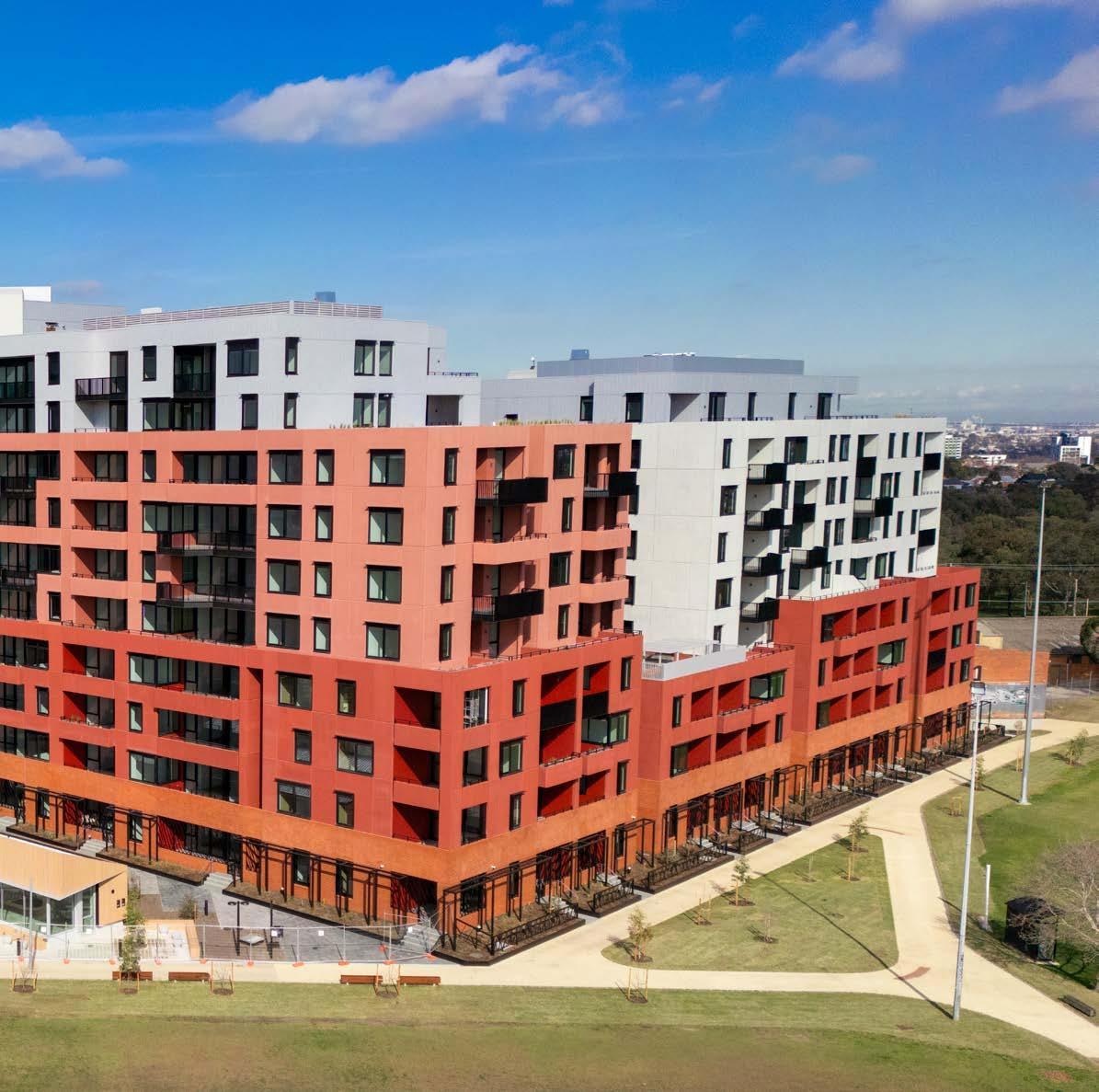
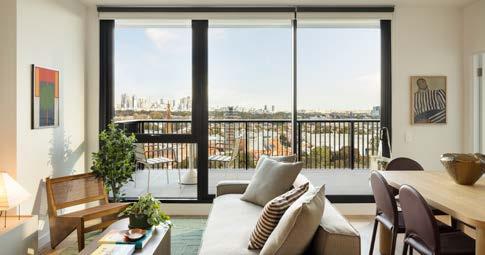
– with subcontractors, consultants, and the Mirvac team working seamlessly together to achieve an exceptional result,” said Leigh Giannopoulos, Mirvac’s Senior Project Manager, Construction in Victoria.
Collaboration was key to achieving this balance of design and functionality. Mirvac worked closely with Fieldwork, Breathe, and Openwork to translate Brunswick’s heritage character into a contemporary design language. “We drew reference to the Victorianera red brick terrace houses, and the Post-War yellow brick buildings that characterise the area, translating these into a modern palette for each residential building,” Vlad explained. Elements such as articulated pergola structures nod to post-war migrant traditions of urban gardening, while generous landscaping and community spaces foster connection.
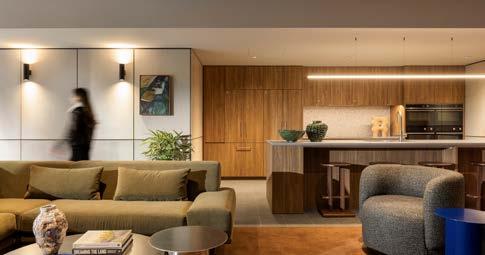
Sustainability underpins every aspect of LIV Albert. The project targets a 5 Star Green Star Buildings rating, 8.2 NatHERS, and is 100% fossil fuel-free. “We maximised daylight access, integrated shading, provided high-performance windows, and ensured abundant opportunities for cross ventilation,” said Vlad. Residents benefit from renewable energy through a 99.5kW solar PV system, an embedded renewable network, rainwater harvesting, and extensive bike parking to encourage sustainable transport. Even during construction, Mirvac prioritised innovation, replacing diesel generators with battery-powered alternatives and adopting modular construction to minimise waste.
Inclusivity is another defining feature. LIV Albert integrates 15 affordable housing dwellings through a tenure-blind model, ensuring
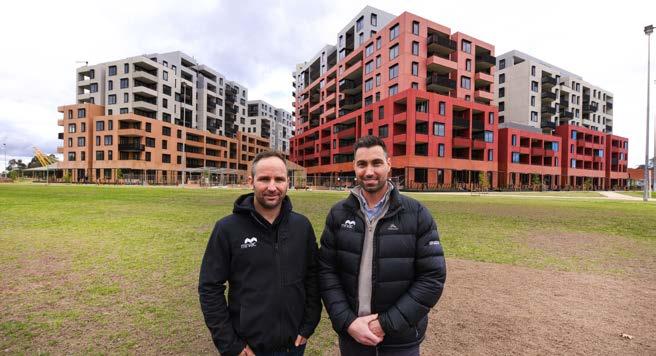
all residents share the same design quality and amenities. “There are no visual or experiential differences between affordable and market-rate apartments, supporting true inclusivity and dignity in housing,” said Sarsha Durham, Mirvac’s National Development Director, Build to Rent.
To strengthen community cohesion, Mirvac designed pathways and communal spaces that encourage both internal connection and external activation. Co-working areas, lounges, and dining spaces are strategically placed adjacent to public nodes, fostering serendipitous interactions. Open-air staircases further promote active lifestyles while encouraging daily use.
As Mirvac’s fifth build-to-rent community, LIV Albert is also its most sustainable. It embodies the flexibility of the LIV model, with leases ranging from six months to five years, catering to diverse lifestyles and household types. “LIV Albert reflects our broader strategy by offering high-quality, sustainable rental apartments that prioritise resident experience,” Sarsha noted. “It supports our goal of enabling long-term, stable tenancies within a purpose-built rental environment.”
Looking ahead, LIV Albert is also a blueprint for Mirvac’s future developments. The project provides valuable lessons in tenant engagement, design collaboration, and sustainable construction practices that will shape the company’s national build-to-rent pipeline. Mirvac is continuing to explore opportunities across Melbourne, Sydney, and Brisbane, with an emphasis on embedding climate resilience and affordability in every project.
“Our approach to LIV Albert demonstrates how we can adapt the build-to-rent model to respond to both environmental and social needs. It shows that housing can be high quality, sustainable, and inclusive without compromising on commercial viability,” said Sarsha
With LIV Albert, Mirvac has raised the bar for urban living in Australia. By fusing innovation with inclusivity, and embedding sustainability at every level, the project is more than a residential development, it is a model for how cities can grow responsibly, equitably, and with people at the heart.
For more information contact Mirvac, Level 28, 200 George Street, Sydney NSW 2000, phone 02 9080 8000, website www.mirvac.com
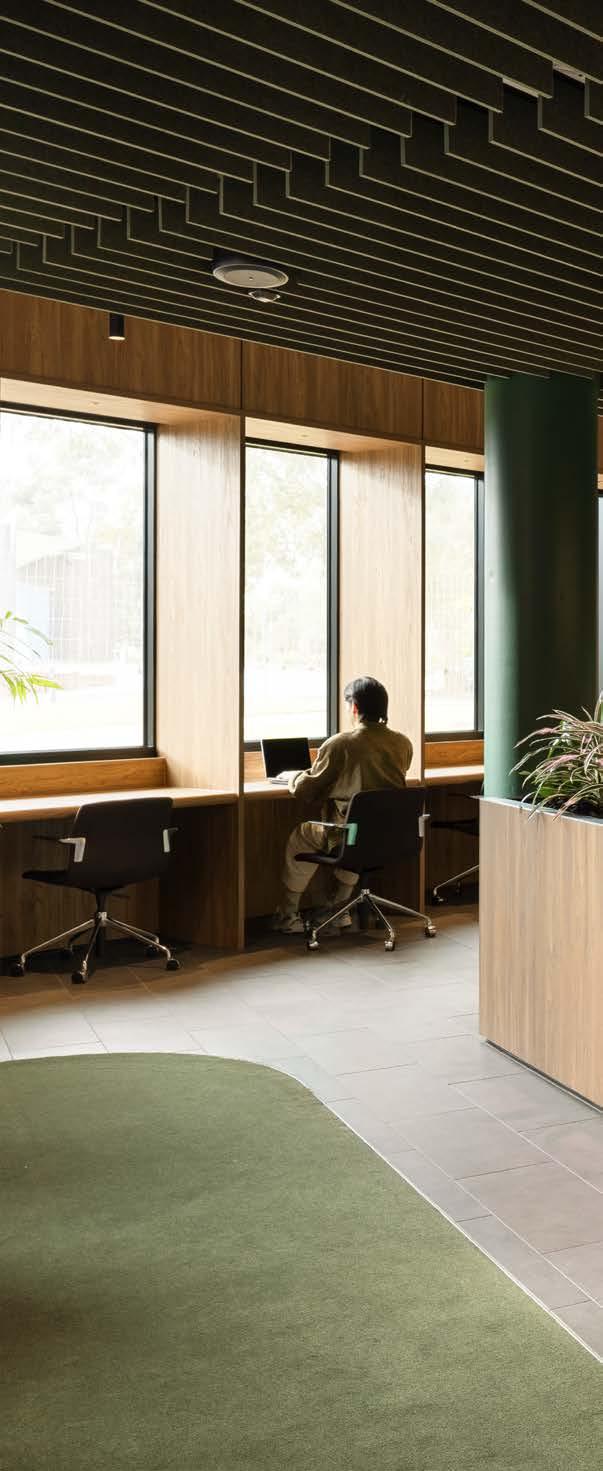
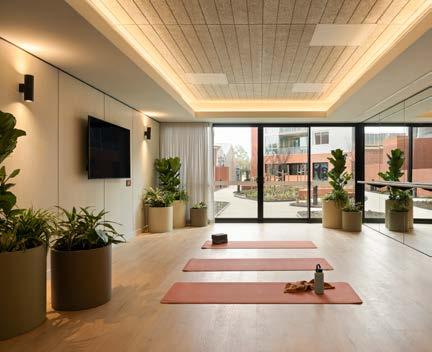
Above: Ben Field, Senior Site Manager and Leigh Giannopoulos, Senior Project Manager
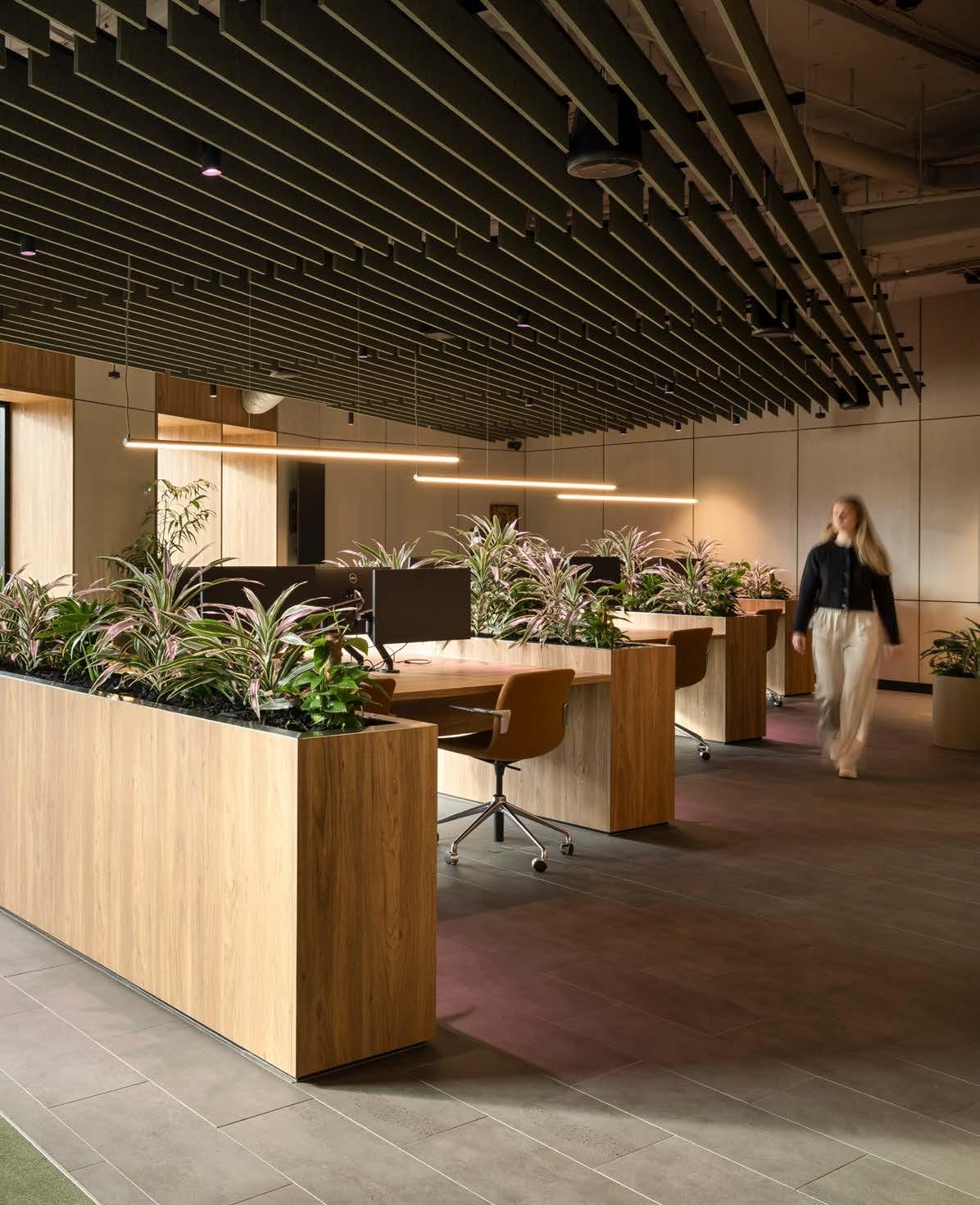
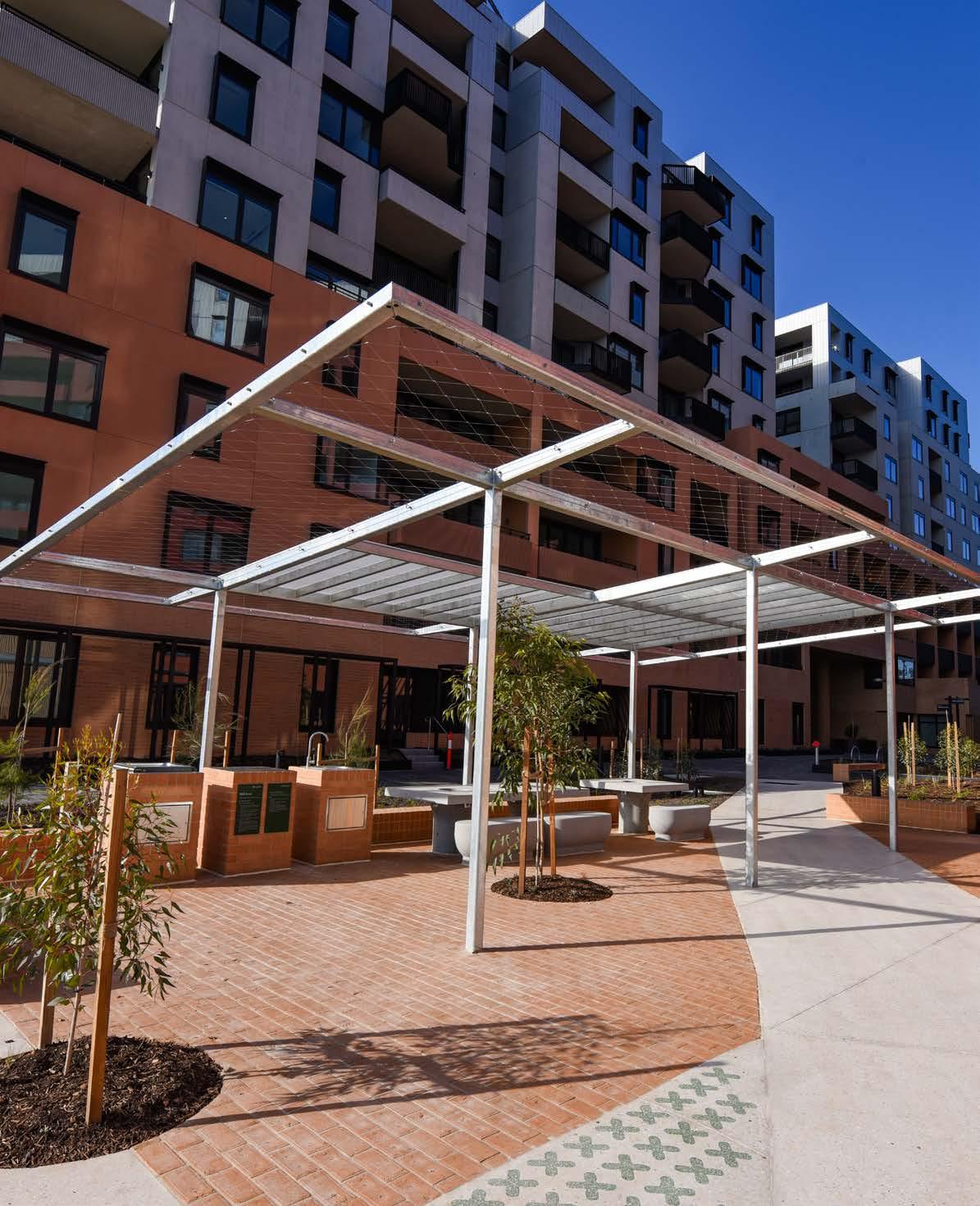
Below GTC Engineering delivered modular structural and architectural steelwork, ensuring efficient installation and high-quality finishes.
PRECISION STEEL FABRICATION FOR BUILD-TO-RENT
In pursuing ambitious sustainability, design, and delivery objectives for LIV Albert, Mirvac partnered with GTC Engineering, a specialist in structural and architectural steelwork.
As GTC’s first major build-to-rent project, LIV Albert showcased their expertise in modular construction, precision fabrication, and seamless collaboration with large project teams.
GTC’s role was to deliver the structural and architectural steelwork for the project, ensuring every element met the design intent while being fabricated for maximum efficiency. This included large-scale framing elements, complex external steel features, and architectural details designed to complement the building’s contemporary aesthetic.
“We approached the project with a very modular mindset,” explained Tom Butler, General Manager. “We used fabrication and installation techniques that streamlined onsite installation times. Things like fully assembled pergola framing installed with the tower crane, and using precast lean-over trailers for oversized frames. These methods helped us work faster, smarter, and with less disruption on-site.”
GTC’s modular fabrication strategy was critical to minimising time spent on-site and ensuring high-quality finishes. Tom notes that the project was set up logistically, with a site layout and delivery strategy that allowed specialist contractors to work efficiently.
“The modular steelwork, coordinated closely between GTC and Mirvac site management, was the big winner in terms of build speed,” Tom said. “It gave us an edge in hitting milestones and reducing the potential for bottlenecks.”
On a project of this scale, collaboration was key. GTC Engineering worked closely with Mirvac’s internal teams, the broader contractor network, and multiple on-site trades to ensure steel elements were delivered and installed without delays.
“Mirvac’s site team was very accommodating and easy to work with,” Tom said. “The Veyor system was a key factor in ensuring on-time deliveries and transparency on what was happening throughout the day. Mirvac as a whole is a terrific company to work with. Their appreciation of subcontractors and the work they do is visible in their day-to-day dealings.”
This collaborative culture extended beyond logistics to include design coordination and sequencing, particularly for complex external elements that had to integrate seamlessly with the building façade.
While many construction projects encounter unexpected technical hurdles, GTC’s scope was well supported by the site’s advanced logistical planning. Still, the team’s innovative approach ensured that even oversized or awkward steelwork could be installed efficiently.
“Our modular approach eliminated a lot of the potential challenges,” said Tom.
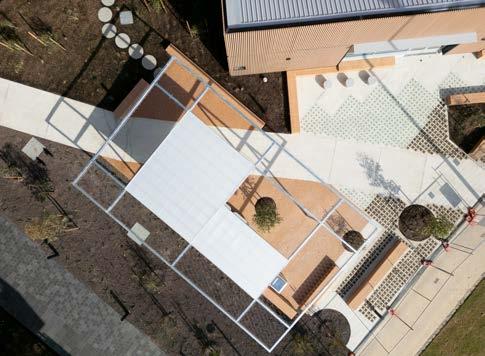
“By pre-assembling components off-site and using crane lifts strategically, we reduced on-site handling and were able to achieve a high standard of finish without adding time to the programme.”
For Tom, LIV Albert holds a personal connection as well as a professional achievement. “Building 3 was a big milestone for us, and the completion of the external works is something I’m really proud of. I live and was raised in Brunswick, so it gives me a lot of pride to drive past the job site on my way to the supermarket and see the work the team did,” he said.
For the company as a whole, LIV Albert represents more than just another successful delivery, it’s proof of their ability to handle large-scale, high-profile contracts in one of the country’s most competitive construction markets. “The ability to turn over that much steel in our first major contract is a great achievement for us,” Tom reflected.
“Big thanks to the whole team at Albert Fields for their contribution to the job and to us at GTC for giving us a great stepping stone into this part of the industry,” Tom said.
For more information contact GTC Engineering, 6 Fonceca Street, Mordiallic VIC 3195, phone 03 9580 8134, email info@gtcengineering.com.au; website www.gtcengineering.com.au
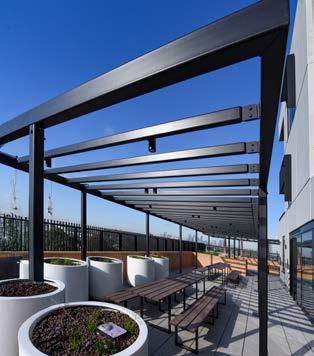
Below Linkstone delivered precise fabrication and installation of stone, tile, and brickwork, creating durable, aesthetically refined LIV Albert spaces.
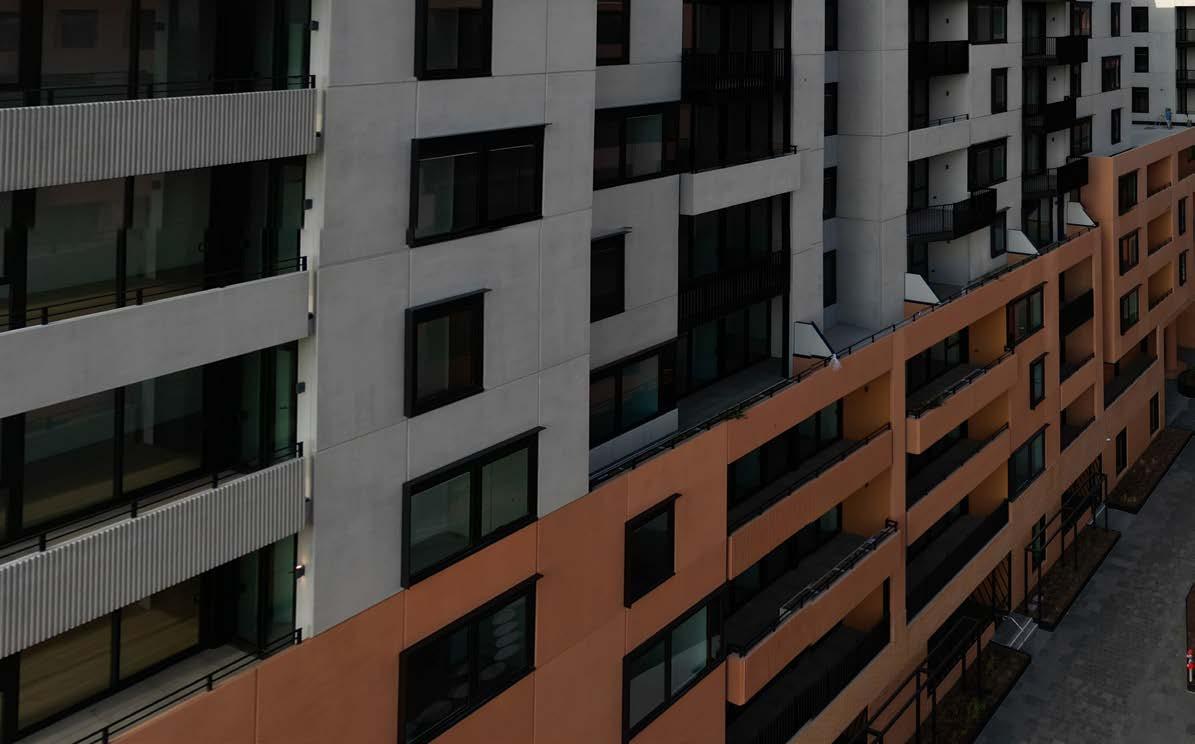
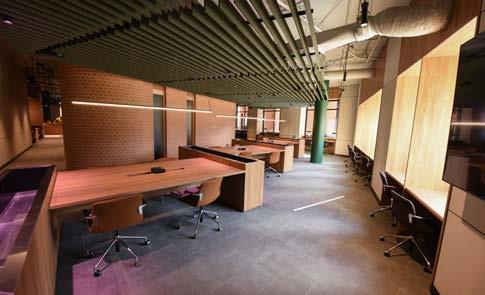
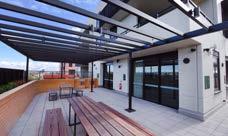
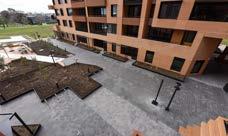
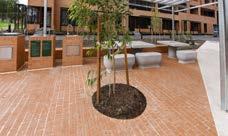
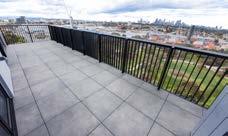
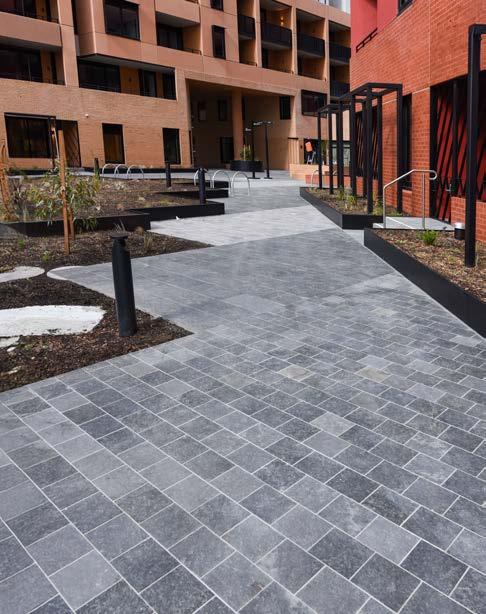
TRANSFORMING SPACES INTO EXPERIENCES THROUGH EXPERT MATERIAL SELECTION
Delivering high-quality finishes on large developments requires both skill and design insight. On the LIV Albert project, Linkstone brought architectural intent to life through precise fabrication, material expertise, and careful installation across interior and exterior spaces.
The company fabricated, supplied, and installed an extensive range of natural stone, porcelain tiles, bluestone, concrete pavers, and brickwork which enhanced both durability and aesthetic appeal, showing how specialised craftsmanship can elevate modern residential projects.
Linkstone was entrusted with a scope that combined both technical precision and aesthetic excellence working throughout the project, delivering each element in alignment with the architectural design intent. “Our work spanned everything from feature wall tiling and balcony pavers to large-format bluestone paving and exterior brickwork. Each material was chosen for durability, longevity, and its ability to enhance the modern character of LIV Albert,” explained Steven Gomes, Managing Director at Linkstone.
The project showcased a curated material palette, including warm and cool scheme wall tiles in a matt finish, beige porcelain tiles in multiple formats, dark grey slip-resistant balcony pavers, robust concrete
paving, and bluestone for outdoor spaces. “Every surface was selected to balance performance and aesthetics, ensuring residents enjoy spaces that are not only beautiful but resilient,” said Steven.
Working within a live construction site presented challenges, from tight delivery schedules to the handling of heavy stone and oversized tiles. Linkstone’s in-house fabrication facility proved invaluable, allowing the team to cut, finish, and prepare materials to exacting standards before installation. “We also used specialised lifting equipment and staged deliveries to keep the programme moving efficiently without compromising craftsmanship,” Steven explained.
The integration of natural stone, porcelain, and brick has created a seamless, timeless finish across both interior and exterior areas. “We’re most proud of the precision and quality achieved across the project. It reflects the dedication of our team and our ability to consistently deliver high-end outcomes for our clients,” said Steven.
For more information contact Linkstone, 42-44 Jessica Way, Truganina VIC 3029, phone 1300 546 578, email sales@linkstone.com.au, website www.linkstone.com.au
Below SYNC supplied 660 prefabricated bathroom and kitchen pods for LIV Albert Fields, enhancing efficiency, sustainability, and design.
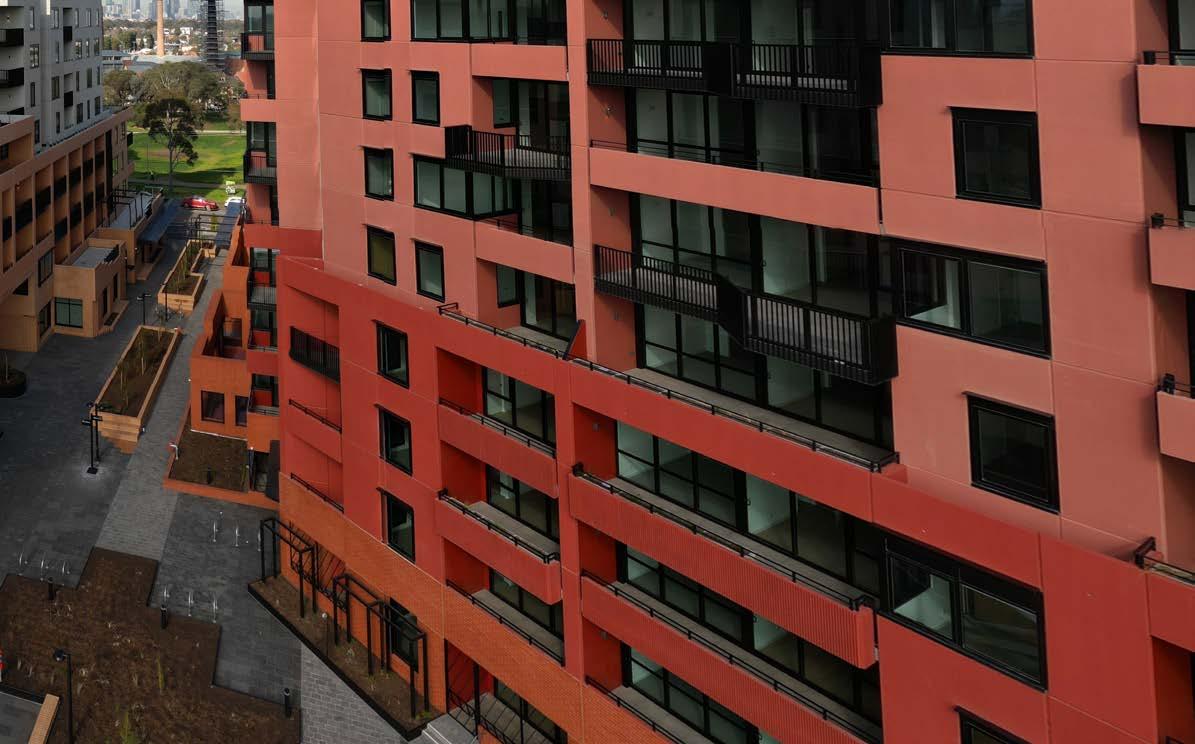
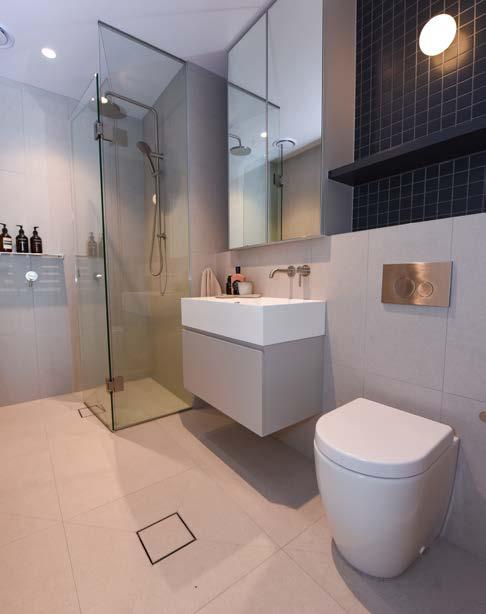
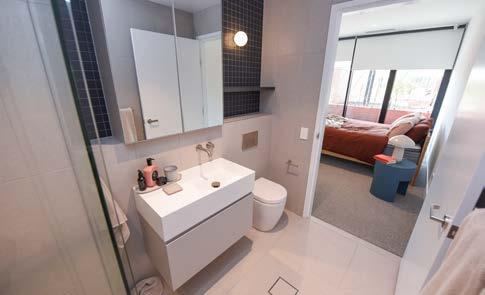
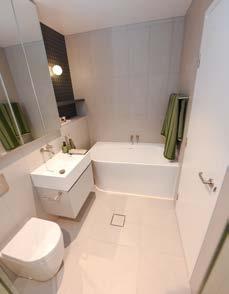
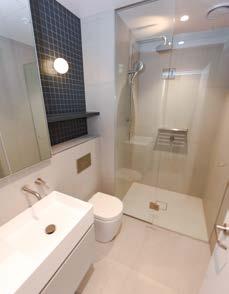
LEVERAGING MODULAR POD TECHNOLOGY FOR LARGE-SCALE RESIDENTIAL PROJECTS
At LIV Albert Fields in Brunswick, Mirvac set out to deliver an ambitious built-to-rent neighbourhood that blends premium design with adaptability and environmental responsibility. A key contributor to this vision was SYNC, Australia’s leading Bathroom pod manufacturing business, which supplied 660 high-quality pods tailored to the projects unique requirements.
LIV Albert Fields is an outstanding example of how our prefabricated solutions can streamline construction without compromising on quality or aesthetics. Every pod was designed and manufactured to exacting standards, ensuring durability, functionality, and a cohesive interior finish across the development.
The pods feature sophisticated design touches, including matte tiles with distinctive feature wall variations, finger pull mirrored cabinets, brushed nickel fixtures with anti-fingerprint coatings, and a combination of downlights and wall sconces. These details were customised in collaboration with Mirvac to reflect the project’s design vision while supporting efficient installation on-site.
Sustainability was also front of mind. LIV Albert Fields is 100% fossil fuel-free, targeting a 5 Star Green Star certification and a 7.5 NatHERS
rating. SYNC played a role in achieving these targets by manufacturing pods with minimal waste, optimising water and energy efficiency, and ensuring selected units met the Livable Housing Design Guidelines. The adaptability built into these pods means they can serve residents’ changing needs over time, which is essential for a project of this scale and longevity.
By prefabricating complete bathroom modules off-site, SYNC helped reduce on-site labour demands, limit construction disruption, and maintain a high level of quality control. This approach also sped up delivery, supporting Mirvac’s project timeline while ensuring consistent finishes across the 10 different pod types.
For SYNC, LIV Albert Fields is a showcase of their ability to merge precision engineering, design flexibility, and sustainable building practices. It’s more than just delivering pods, it’s about delivering smarter, greener, and more liveable spaces for the communities of the future.
For more information contact SYNC, phone 03 8329 4111, email info@sync.industries, website sync.industries.
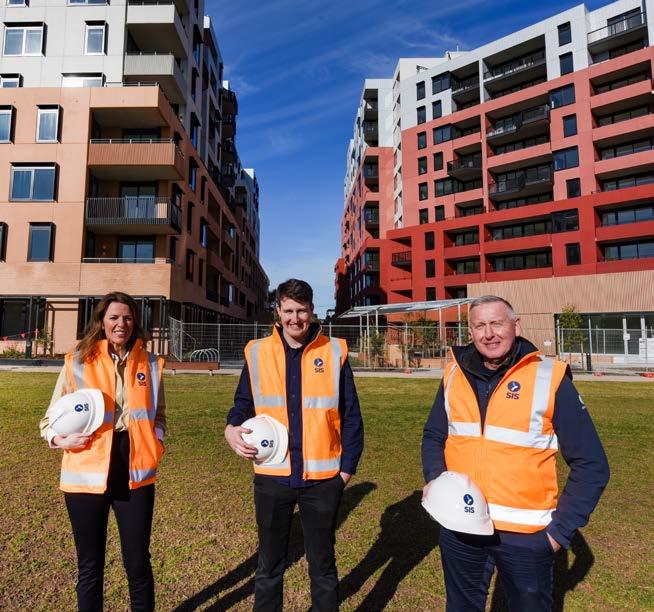
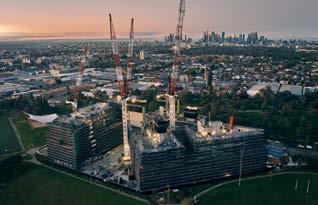
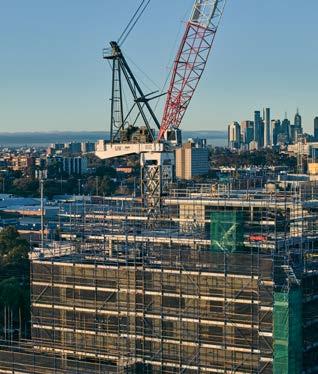
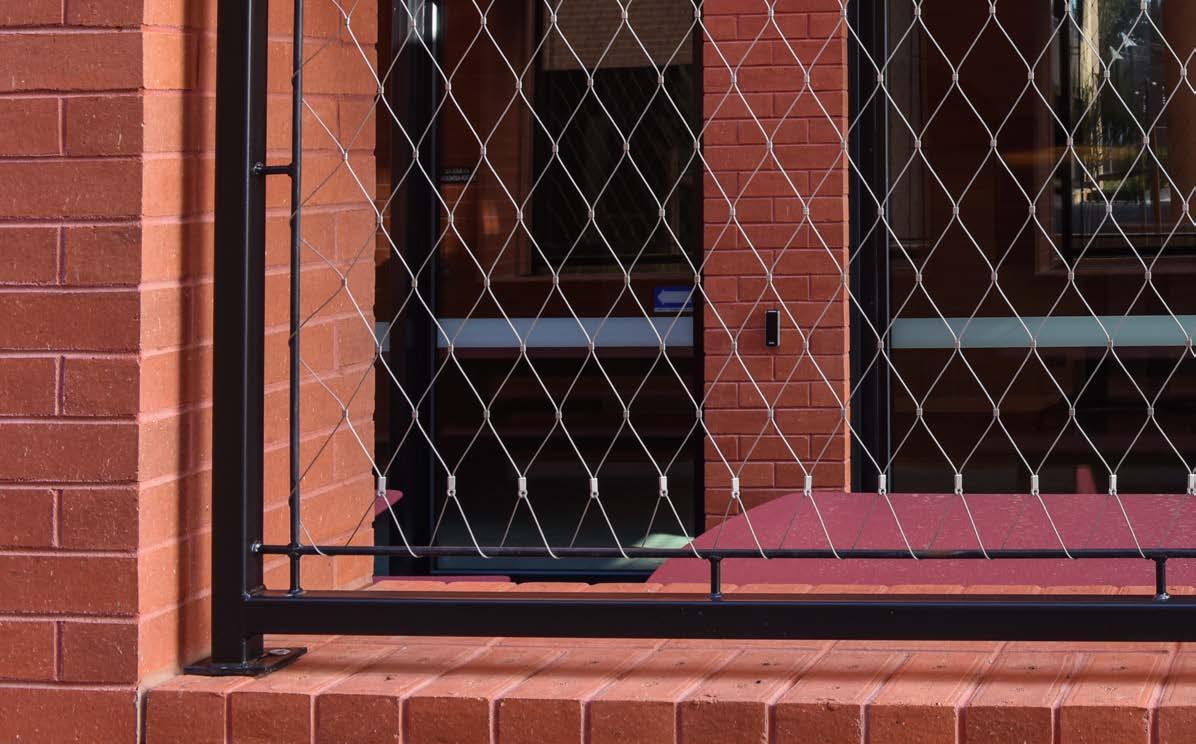
2,000 TONNES OF SAFETY: SCAFFOLD TO ENSURE SAFE, EFFICIENT TRADE ACCESS
From day one at the LIV Albert project, safety and accessibility for all trades were paramount. Stilcon Industrial Services (SIS) was engaged to deliver full perimeter protection and engineered façade access systems, ensuring work progressed efficiently and securely.
“Our role was to design and implement systems that allowed trades to carry out their tasks without compromise,” said SIS Director, Kristina Nobel. “By providing reliable fall protection and scaffold access across all levels, we gave the project team the confidence to build efficiently while maintaining the highest safety standards.”
SIS utilised Kwikstage scaffolding with integrated aluminium stair towers, a system selected for its strength, flexibility, and reliability.
“We co-ordinated closely with the formwork contractor and Mirvac to deliver a safe, efficient erection programme. Because no subsequent works could commence until perimeter fall protection was in place on each level, our sequencing and collaboration were critical to keeping the build on schedule,” said Gary Carlise, Operations Supervisor,.
The project wasn’t without its technical challenges. LIV Albert’s façade included complex balcony geometries that required tailored access solutions. “Our scaffolders and in-house design team worked in
lockstep to engineer practical, safe configurations that maintained clear work zones for all trades despite the challenging details,” Gary said.
In total, more than 2,000 tonnes of steel scaffolding were erected and dismantled safely, ahead of programme, and without incident.
“We’re proud of the seamless effort from our field crews and design engineers to deliver at scale and ahead of programme. It reflects our commitment to safety, precision, and dependable delivery,” explained Gary.
“Special mention to Lachie Devlin, our recent graduate, who helped deliver his first project, and to Gary Carlisle, our Operations Supervisor, who mentored him throughout. It’s a great example of our capability building in action,” said Kristina.
For more information contact Stilcon Industrial Services, 134-140 Fairbairn Road, Sunshine West VIC 3020, phone 1300 287 747, website www.stilconindustrialservices.com.au
Image supplied by Mirvac Copyright © 2025 Dylan James Lark.
Below CJ Arms delivered resilient, sustainable stormwater solutions at LIV Albert, integrating engineering and landscape design.
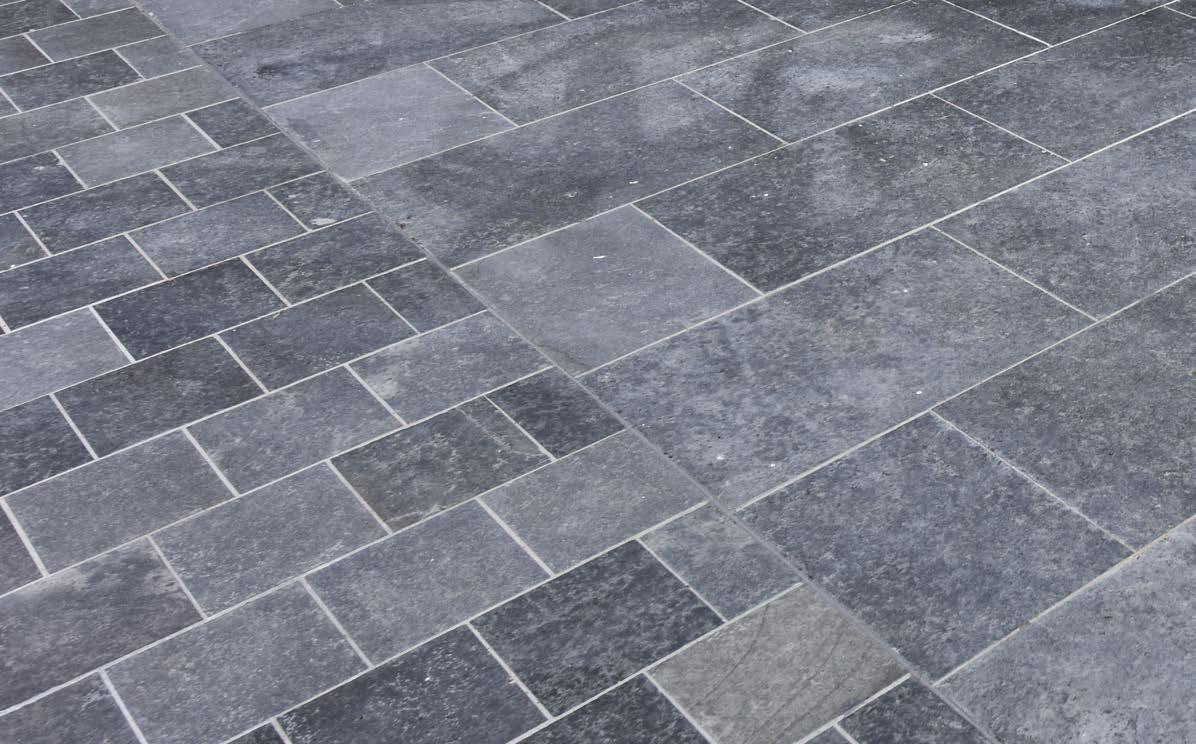
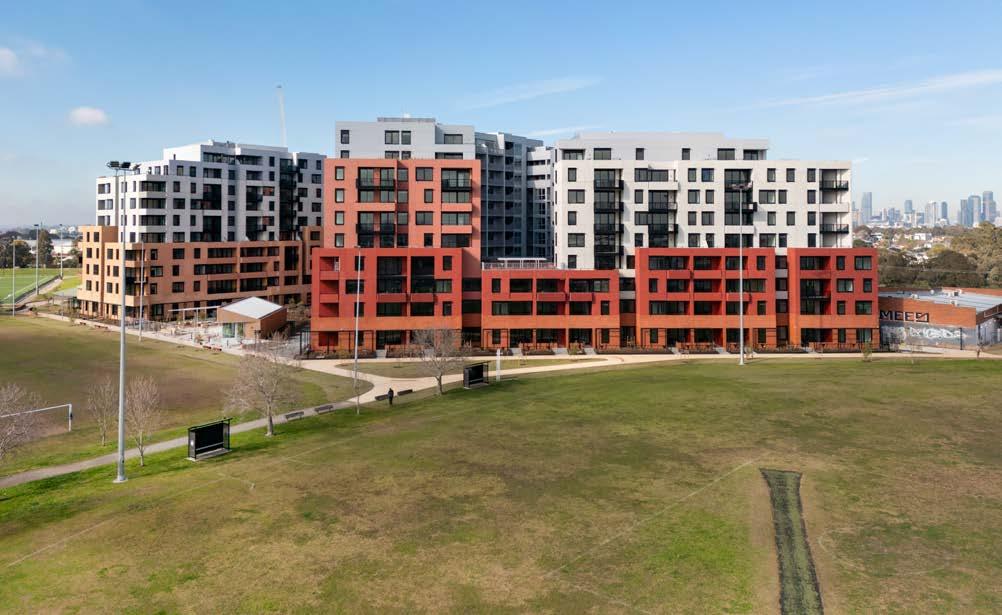
ENVIRONMENTAL STEWARDSHIP: SUSTAINABLE STORMWATER SOLUTIONS FOR COMPLEX SITES
Effective water management is critical in complex urban developments, particularly on challenging sites like former quarries or landfills. At LIV Albert, CJ Arms combined scienceled engineering integrating the landscape design to deliver a resilient, sustainable water strategy that protects downstream waterways while meeting the demands of a landmark build-to-rent development.
“We came in during the early masterplanning stage, reviewed the original stormwater design, and found the requirement for a single discharge point was neither appropriate nor sustainable,” explained Director Ben Wilson. “Instead, we applied a science- and engineeringled approach to maintain the pre-development hydrology.”
By analysing existing catchments and underground constraints on the former quarry and landfill site, CJ Arms developed a decentralised urban drainage strategy. “Rather than relying solely on large underground tanks and pumps, which were expensive and problematic given ground conditions, we integrated rain gardens into the landscape,” Ben said.
This approach treats and filters rainwater on-site before it leaves the development, while also offering built redundancy and resilience into the system by avoiding a single point of failure.
This commitment to balancing engineering precision with environmental outcomes reflects CJ Arms’ wider philosophy, focused on bringing together civil engineers and landscape architects to deliver truly integrated outcomes, through partnership. “Many of our projects sit beside natural or urban waterways, where the need to protect water quality is obvious,” Ben notes. “But even when there’s no visible waterway in sight, the responsibility is the same. Every site plays a role in improving urban water quality.”
At LIV Albert, this ethos translated into a water management system that was efficient, environmentally sound, and resilient for the long term. It’s a prime example of how CJ Arms uses science and design to put nature first while meeting the demands of complex urban projects.
CJ Arms expertise spans regenerative design, ecological conservation, flood analysis, resilience planning, and civil and landscape construction. Their capability includes both development and urban built form projects that celebrate water and use it to create a better future for people, communities and the environment.
For more information contact CJ Arms, Melbourne Studio, phone 03 9285 2800, website www.cjarms.com
Below Syntech Coatings delivered precise external waterproofing for LIV Albert, ensuring long-term protection and architectural integrity.
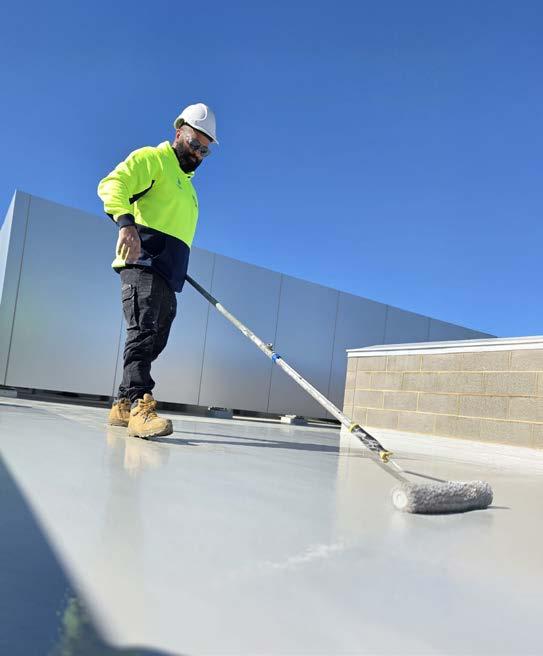
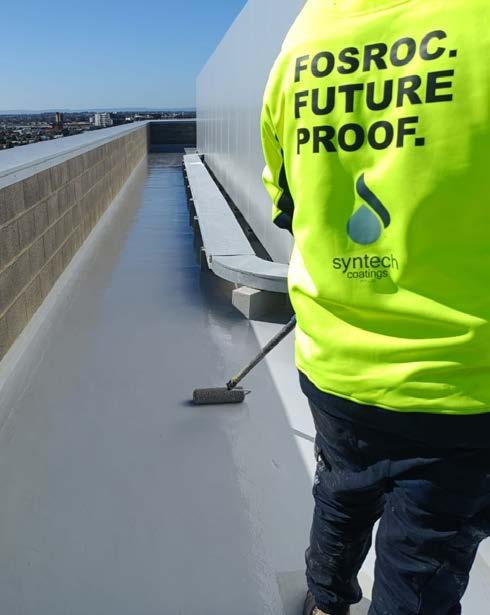
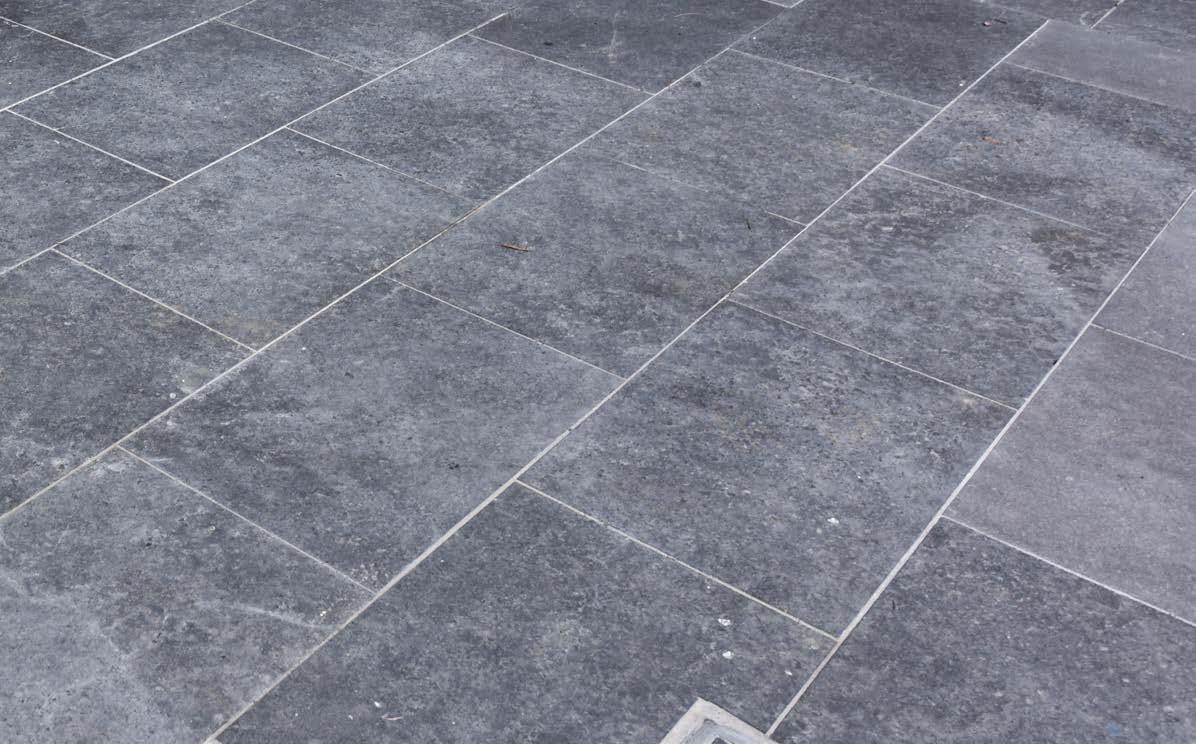
WHERE TECHNICAL DETAIL MEETS ARCHITECTURAL FINISH
At the heart of the LIV Albert development’s durability and design is Syntech Coatings, entrusted with supplying and installing all external waterproofing.
“Our scope was to supply and install waterproofing to all external areas,” explained Peter Lawson, CEO and Managing Director of Syntech Coatings. To achieve this, the team utilised Tremco products, applying them through a combination of hand-applied methods and liquid polyurea spray application. This hybrid approach allowed for both precision detailing and rapid coverage of larger areas, ensuring the works met stringent performance requirements.
Managing a project of this scale required meticulous coordination. Peter credits his leading hand and supervisor, Ash King, for the seamless delivery. “Ash coordinated all areas and applications in a professional manner, including the delivery and crane lifting of our custom-made spray machine cages to each area of application,” Peter explained.
This careful planning enabled the team to apply and hand over each section on the same day, minimising disruption to other trades and keeping the project on track.
While large-scale waterproofing projects can present unexpected hurdles, Syntech’s commercial team delivered the works with ease thanks to their depth of experience and professionalism. The focus on efficiency, safety, and clear communication allowed them to avoid delays and maintain the highest quality standards throughout.
Looking back, Peter is proud of Syntech’s attention to detail and compliance. “We ensure all membranes are compliant with Australian Standards requirements, while also achieving the highest visual quality finish for the client,” Peter said. This combination of technical excellence and aesthetic care ensures the LIV Albert development’s external areas are protected for the long term, while also meeting the architectural vision.
For more information contact Syntech Coatings, 2/54 Cobham Street, Reservoir, Melbourne VIC 3000, phone 03 9419 3991, email admin@ syntechcoatings.com.au, website www.syntechcoatings.com.au
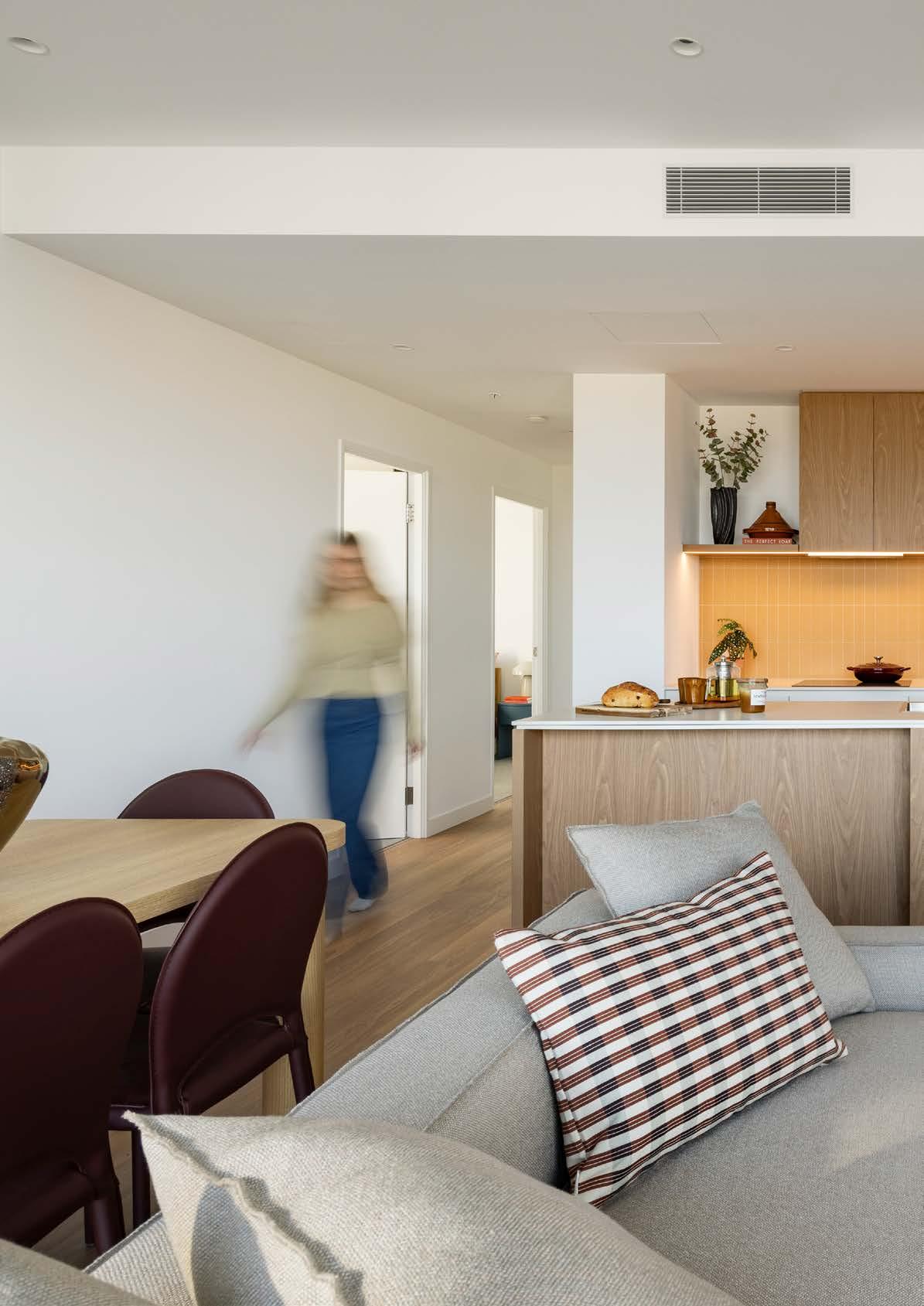
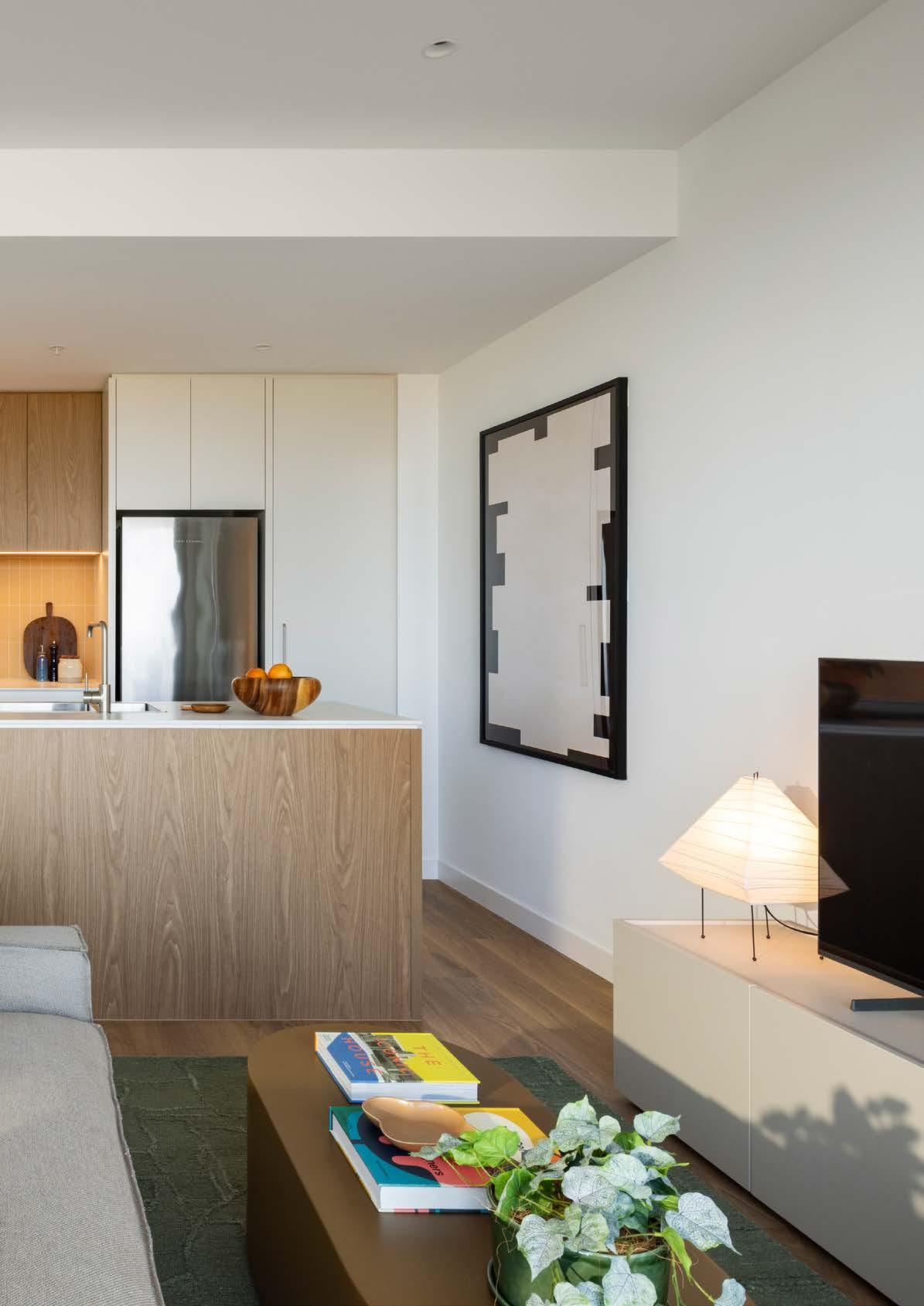
Image supplied by Mirvac
Copyright © 2025 Dylan James Lark.
WHERE THE PAST COLLIDES WITH THE FUTURE
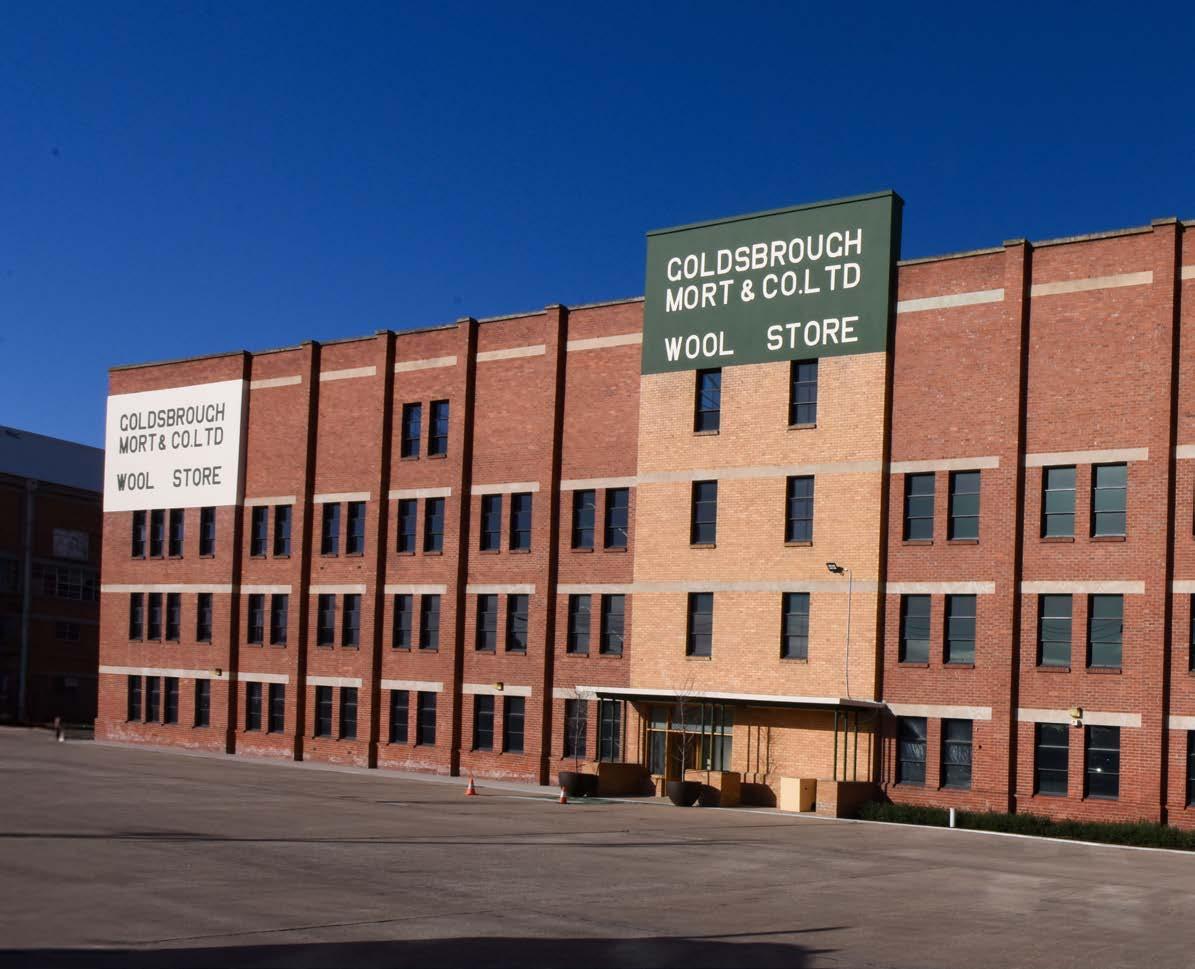
DEVELOPER : The Perri Group
ARCHITECT : Tandem Design Studio
HERITAGE ARCHITECT : Bryce Raworth
STRUCTURAL ENGINEER : Webber Design
The revitalisation of West Footscray’s historic Wool Store is transforming the iconic site into a premium, high-amenity precinct. The 4-storey warehouse includes 1,300m2 of modern office space, as well as meticulously restored heritage features complemented by advanced infrastructure.
In Melbourne’s inner west, a striking transformation is unfolding. West Footscray Wool Store, a proud industrial relic from the mid-20th century, has been reborn as a dynamic business, leisure and logistics hub.
The Perri Group is redefining what it means to repurpose heritage sites for modern industry. “WEFO is where the past collides with the future,” says David Scalzo, Managing Director. “We’ve honoured the building’s original purpose while shaping a cutting-edge destination for the next wave of innovation and enterprise.”
The original 4-storey wool store, built between the 1940s and 1950s, was once a vital part of Victoria’s export economy. Today, it has been meticulously restored and reinvented by The Perri Group as part of the Western Industrial Precinct, a key State Significant Industrial Land (SSIL) earmarked for growth under Plan Melbourne 2017–2050.
With over 11,200m2 of high-bay warehousing and flexible workspace, the development is set to become the ‘new Port Melbourne’, offering next-gen infrastructure, logistics, and lifestyle facilities, located 5 km from the CBD and 3 km from the Port of Melbourne.
“The site was strategically acquired to provide unmatched accessibility,” David explains. “Tenants enjoy proximity to two train stations, 125+ car spaces, state-of-the-art wellness and end-of-trip amenities, plus potential F&B offerings and recreation zones.”
Restoring the building came with its share of complexities. The original sawtooth roof was removed and replaced due to asbestos. High-bay lighting and modern fire systems were installed. Iconic steel windows were removed, sandblasted, and reglazed with thermal-efficient E-glass. “Retaining the building’s industrial DNA while achieving modern comfort was one of our biggest challenges,” David said. “But it was worth it. We’ve made something timeless.”
Heritage restoration also extended to the building’s original ‘Goldsbrough & Mort Wool Store’ signage and Victorian Ash floorboards, each detail carefully revived.
True to its future-forward mission,the WEFO Wool Store was developed under an endorsed Sustainable Management Plan (SMP) in line with the Built Environment Sustainability Scorecard (BESS). From solar panels and LED lighting to thermal glazing, rainwater harvesting, and high indoor
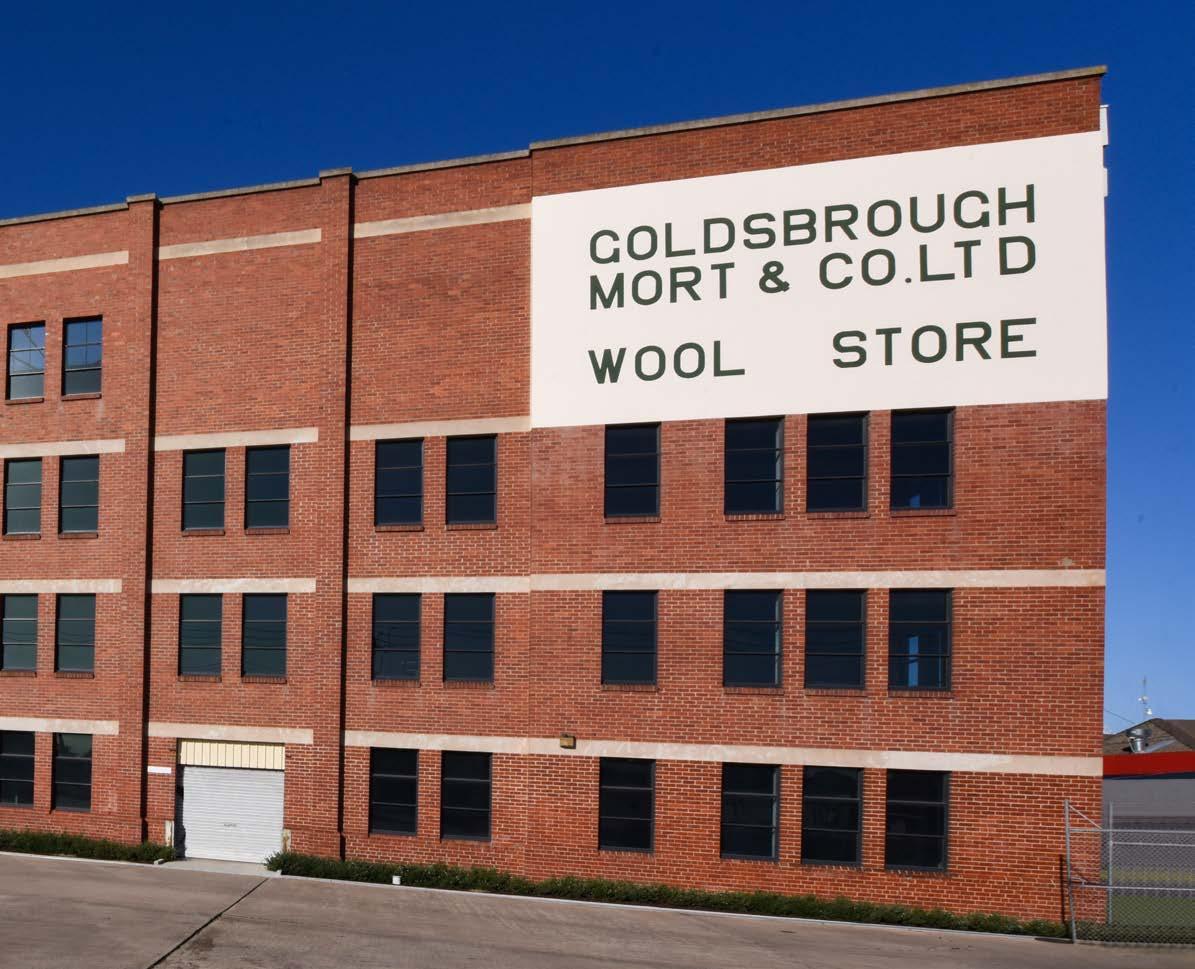
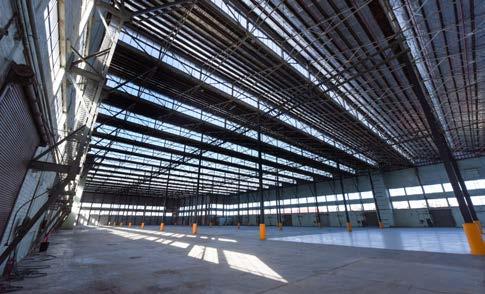
environmental quality, every aspect was designed with sustainability and wellbeing in mind.
Additional measures, such as bicycle transport facilities, low-VOC materials, and a waste management strategy that diverted over 70% of demolition material from landfill, helped create a development that’s as environmentally conscious as it is commercially compelling.
“We’ve delivered a space that balances high function with environmental responsibility,” said David.
Beyond the bricks and mortar, WEFO is a place with identity. Its rebirth has elevated the local streetscape, revived community pride, and set a new standard for placemaking in West Footscray.
“It’s more than a commercial park,” explained David. “It’s a landmark. Locals and visitors alike comment on how good it is to see the building brought back to life. It now serves a whole new generation
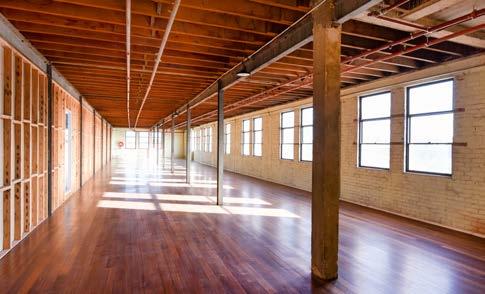
of innovators, while continuing to tell the story of Melbourne’s industrial past.”
The WEFO Wool Store exemplifies The Perri Group’s commitment to delivering projects that are not only commercially viable but socially and culturally meaningful. By seamlessly integrating heritage, sustainability, and innovation, the development offers tenants space, a sense of identity, connection, and opportunity within a thriving innerurban community.
From neglected wool store to multi-tenanted, activated precinct, The Perri Group’s work on the WEFO Wool Store is a masterclass in adaptive reuse, and a bold vision of what’s possible when history, design, and future-focused enterprise come together.
For more information contact Perri Group, Level 10, 60 Albert Road, South Melbourne VIC 3205, email info@perri-group.com, phone 03 8609 9060, website www.perri-group.com
SAFEGUARDING WEFO WOOL STORE WITH END-TO-END FULL SCOPE SECURITY
AHS Security Group played a pivotal role in the WEFO Wool Store redevelopment, delivering end-to-end security solutions across both the construction and operational phases. This high-profile mixed-use precinct, blending retail, commercial, and hospitality spaces with heritage architecture, required a security plan that was both robust and adaptable.
“Our scope of work covered the entire lifecycle of the project,” said Hass Al, Client Services Manager at AHS Security Group. “From conducting a full risk assessment to deploying static guards, mobile patrols, and solar-powered CCTV with motion detection and remote access, we ensured the site was fully protected at every stage.”
The team faced unique challenges inherent to mixed-use developments. “Precincts like WEFO Wool Store require layered security,” Hass explained. “We needed to protect high-traffic public
areas while maintaining strict control over back-of-house and restricted zones. At the same time, we had to make sure our security presence didn’t interfere with the visitor experience, especially in hospitality and retail spaces.”
Given the heritage significance of the Wool store, integrating modern security infrastructure required careful planning. “We worked closely with site managers and heritage consultants to select and position surveillance equipment discreetly, preserving the site’s architectural character and ensuring all installations were compliant and non-invasive,” said Hass.
To future proof the precinct, AHS Security Group implemented innovative solutions including mobile, solar-powered surveillance towers with 4G connectivity, providing real-time monitoring and flexible placement as site conditions evolved. “Our digital reporting system also gave site managers live updates, incident logs, and patrol verification,” Hass added. “It created a transparent, efficient communication loop that will continue to support the precinct into its operational phase.”
Through its combination of strategic planning, cutting-edge technology, and heritage-sensitive implementation, AHS Security Group has delivered a comprehensive security solution that safeguards both the legacy and future of the WEFO Wool Store precinct.
For more information contact AHS Security Group, 1 Lennon Street, West Melbourne VIC 3003, phone 03 8372 4441, email admin@ ahssecuritygroup.com.au, website www.ahssecuritygroup.com.au
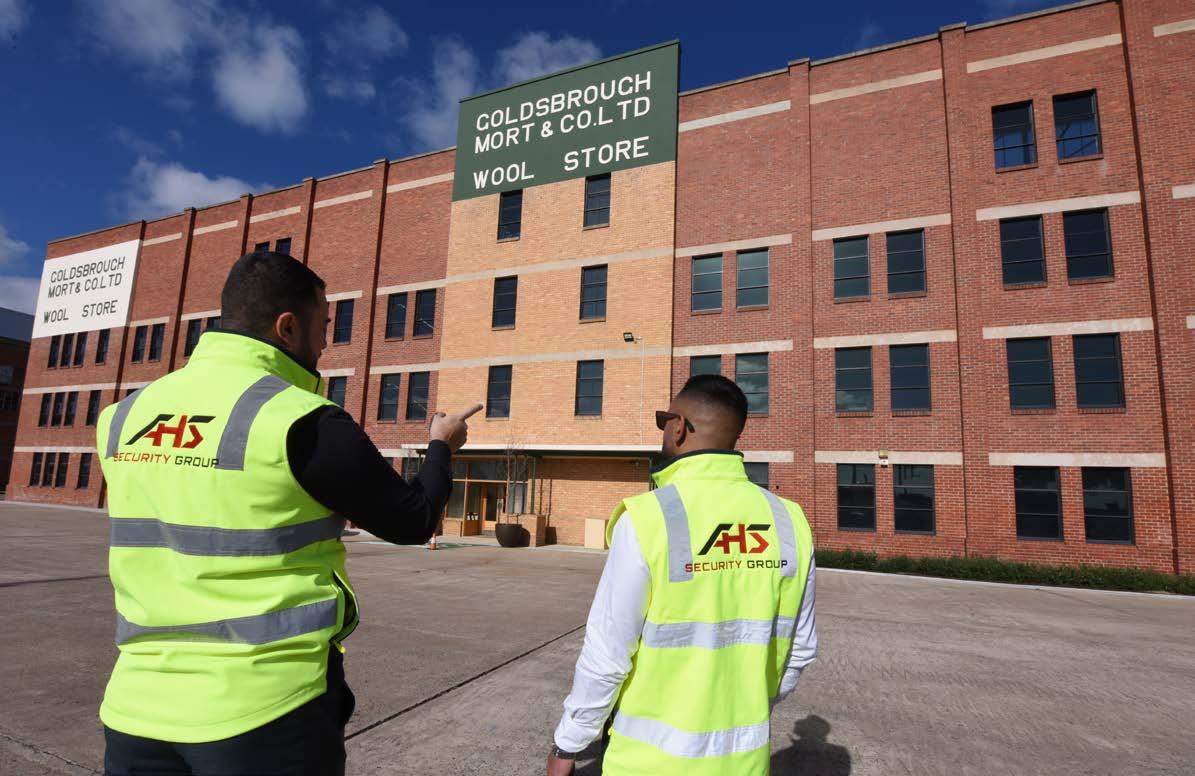
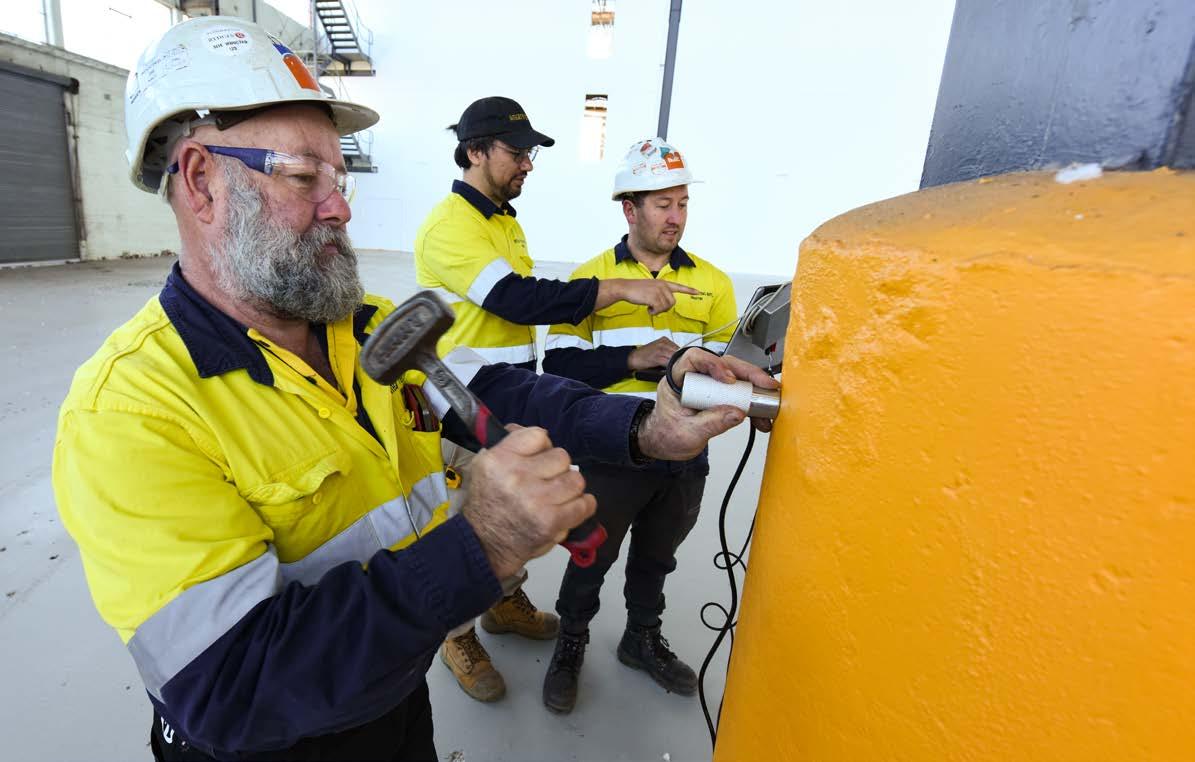
WHERE HISTORY MEETS MODERN ENGINEERING: HERITAGE-SAFE TESTING SOLUTIONS
In the ambitious transformation of Melbourne’s historic WEFO Wool Store, Integrity Testing International played a critical behind-the-scenes role in ensuring the century-old structure could support the demands of a modern redevelopment, without sacrificing its heritage character.
“Integrity was brought on as a specialist structural engineering consultant to understand the present structure’s ability to accommodate the proposed development, particularly its foundations, columns, and floor slabs,” explained Director Rikki Tongue. “ With limited historical documentation and no room for error, Integrity Testing conducted a diagnostic investigation using proprietary non-destructive techniques to assess the structural integrity of the site.
“Our Mod-shock® foundational and column testing methods allowed us to evaluate load-bearing capacity and structural condition without intrusive excavation or disruption to the operational building,” said Rikki. “Especially at the southern end, where part of the floor slab was semi-suspended, we needed to determine which areas were safe to carry additional loads.”
The heritage nature of the Wool Store, combined with ongoing limited-use operations and potential asbestos presence, demanded a tailored approach. “We couldn’t rely on traditional geotechnical testing or destructive methods,” Rikki said. “Our systems are completely
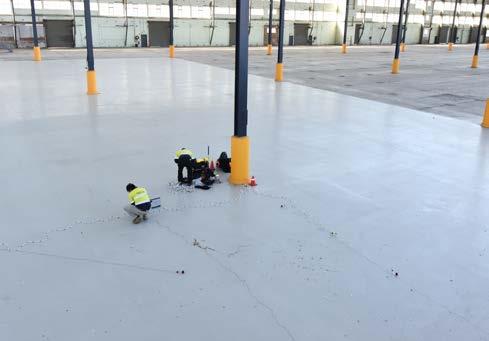
non-destructive, portable, and low-impact, ideal for sites with sensitive heritage or safety concerns.”
In addition to foundational analysis, Integrity’s testing satisfied Australian and international compliance standards, including AS 21592009 and ISO 22477-10:2016. “All our methods align with ISO 90012015 quality standards,” Rikki added.
Working closely with the client and consulting engineers, Integrity ensured all data requirements were met ahead of major construction. Their real-time insights provided direct, in-situ measurements without the need for complex desktop conversions, saving time and reducing risk.
“Ultimately, our goal was to deliver accurate, efficient, and nonintrusive diagnostics that respected the heritage value of the structure,” said Tongue. And in doing so, Integrity Testing helped lay the groundwork—quite literally—for the Wool Store’s new future.
For more information contact Integrity Testing International, email info@integritytesting.com.au, phone 03 5444 0782, website www.integritytesting.com.au
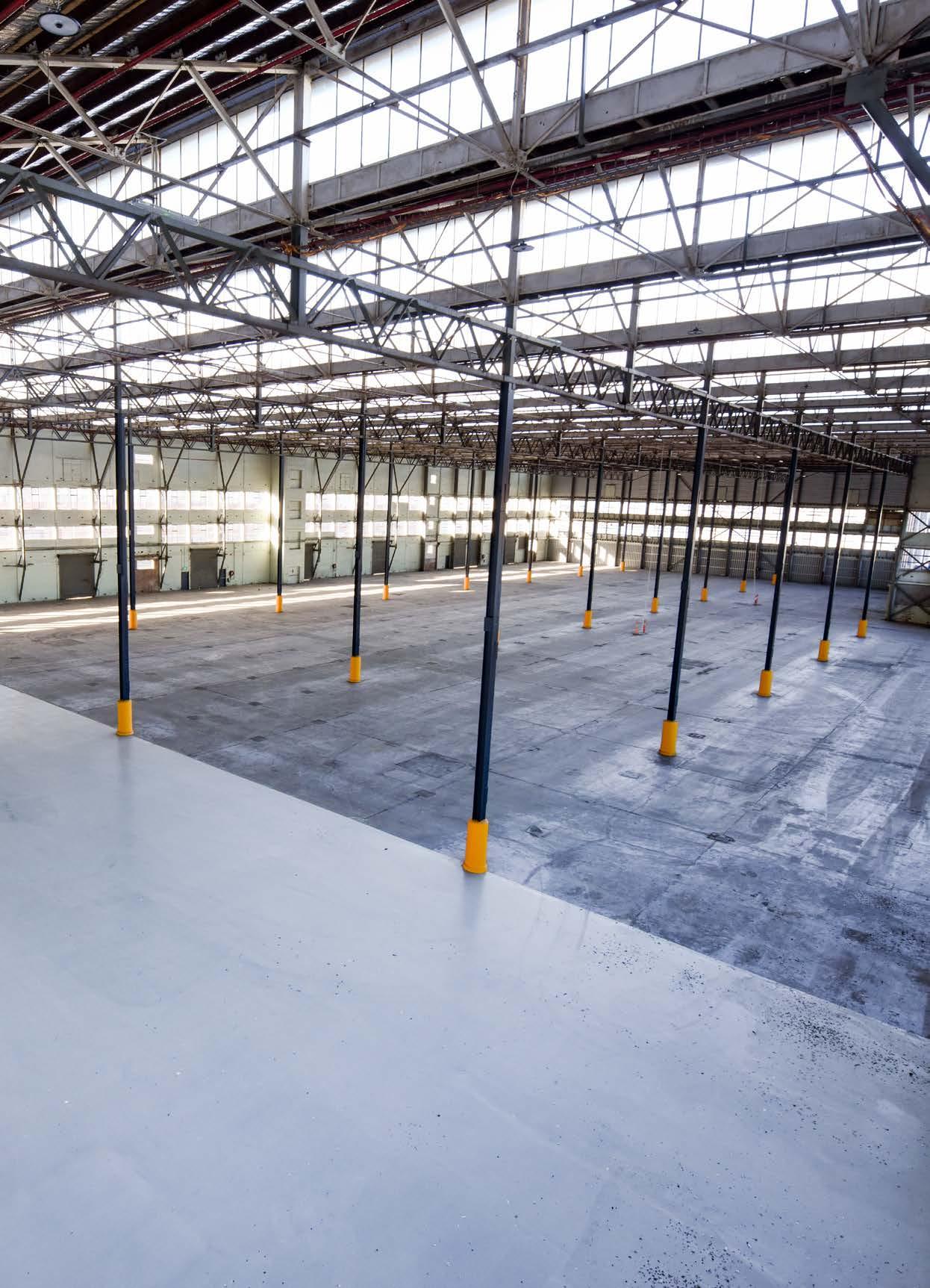

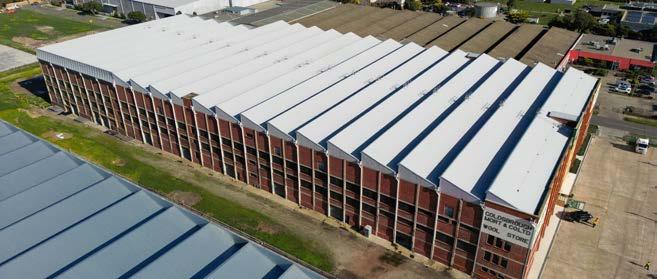
ADAPTIVE FIRE SAFETY SOLUTIONS FOR COMPLEX HERITAGE SITES
At the revitalised WEFO Wool Store precinct, Focus Fire Protection delivered a performance-led fire safety solution that balanced modern compliance with heritage preservation, engineering a full-system overhaul within one of Melbourne’s most complex adaptive reuse environments.
“Our scope included stripping out and replacing the damaged concrete fire tanks, installing fully compliant modern replacements, refurbishing and recommissioning the site’s fire pumps, replacing every sprinkler head across the facility, and delivering a new, networked fire detection and evacuation system,” explains Mike Donohue, Project Lead at Focus Fire Protection.
The biggest challenge came in protecting the main warehouse, which required a fire safety overhaul within the high-ceilinged, heritagesensitive, multi-use environment, with void ceilings approaching 20m high. Traditional point or beam detection was either non-compliant or impractical due to ongoing maintenance requirements.
Instead, Focus Fire Protection implemented a KIDDE MODULASER aspirating system, using long sample pipe runs with modular detection heads feeding into a central FIP. “It gave us reliable coverage in a harsh, dusty environment while respecting the heritage aesthetic,” Mike explained. “It’s a great example of performance-based engineering being done right.”
Focus Fire Protection also played a critical role in identifying flaws in early consultant drawings, saving the client more than $500,000 through targeted value management, refined layouts and smarter
material strategies. Their collaboration with Fusion Fire also ensured full compliance with AS1670 and AS7240 battery recharge standards, an area often overlooked.
“WEFO is a project we’re incredibly proud of, but our work in the BESS sector is equally exciting,” says Mike. “We’re doing some great things in battery energy storage fire protection right now, and the level of risk and innovation required in that space makes it a natural fit for our expertise.”
By combining heritage sensitivity with advanced detection technologies, Focus Fire Protection delivered a performancebased fire safety solution tailored to a challenging adaptive reuse environment—demonstrating the practical application of intelligent design in achieving lasting safety outcomes.

For more information contact Focus Fire Protection, phone 1300 565 002, email admin@focusfireprotection.biz, website www.focusfireprotection.biz
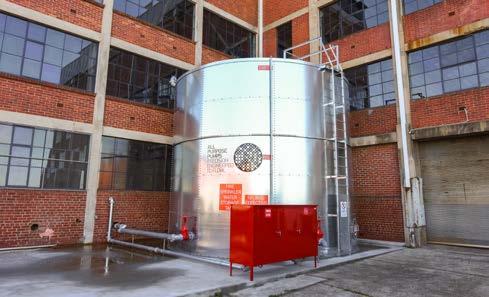
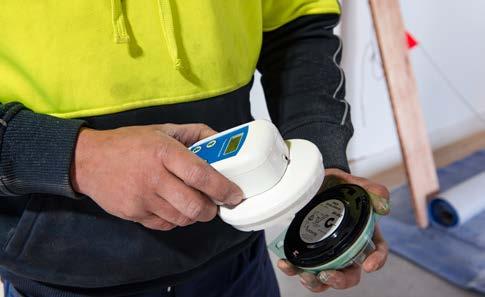
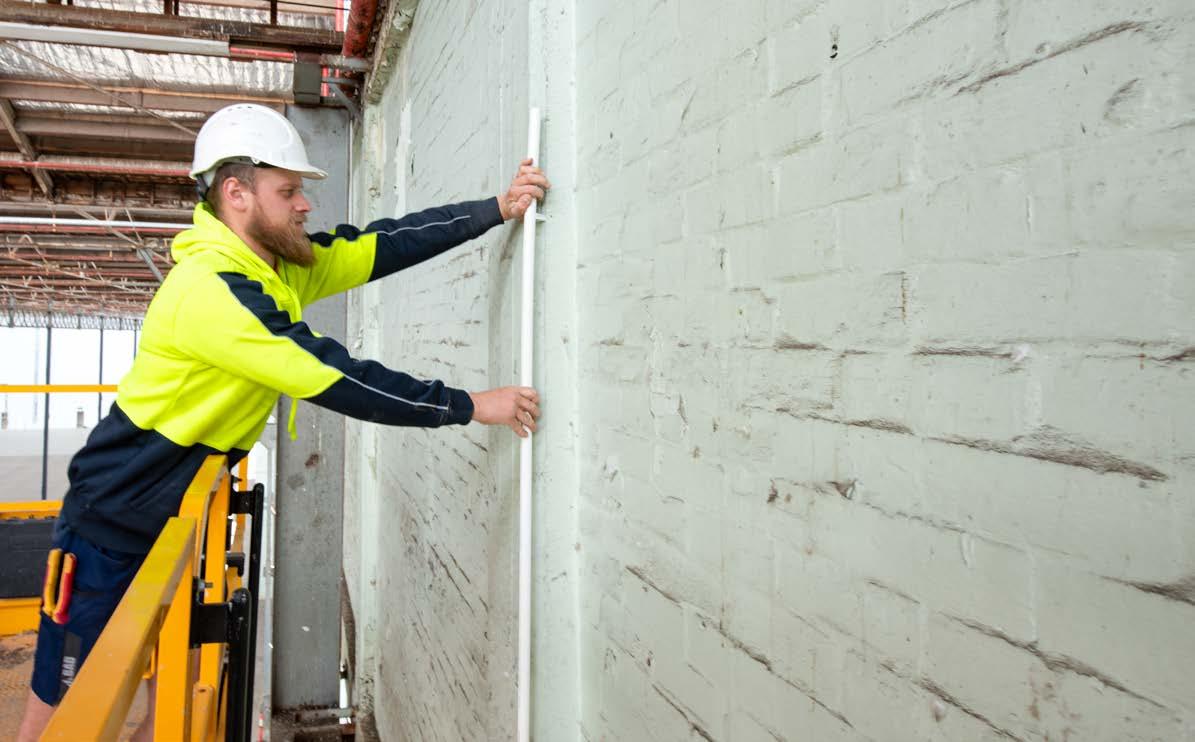
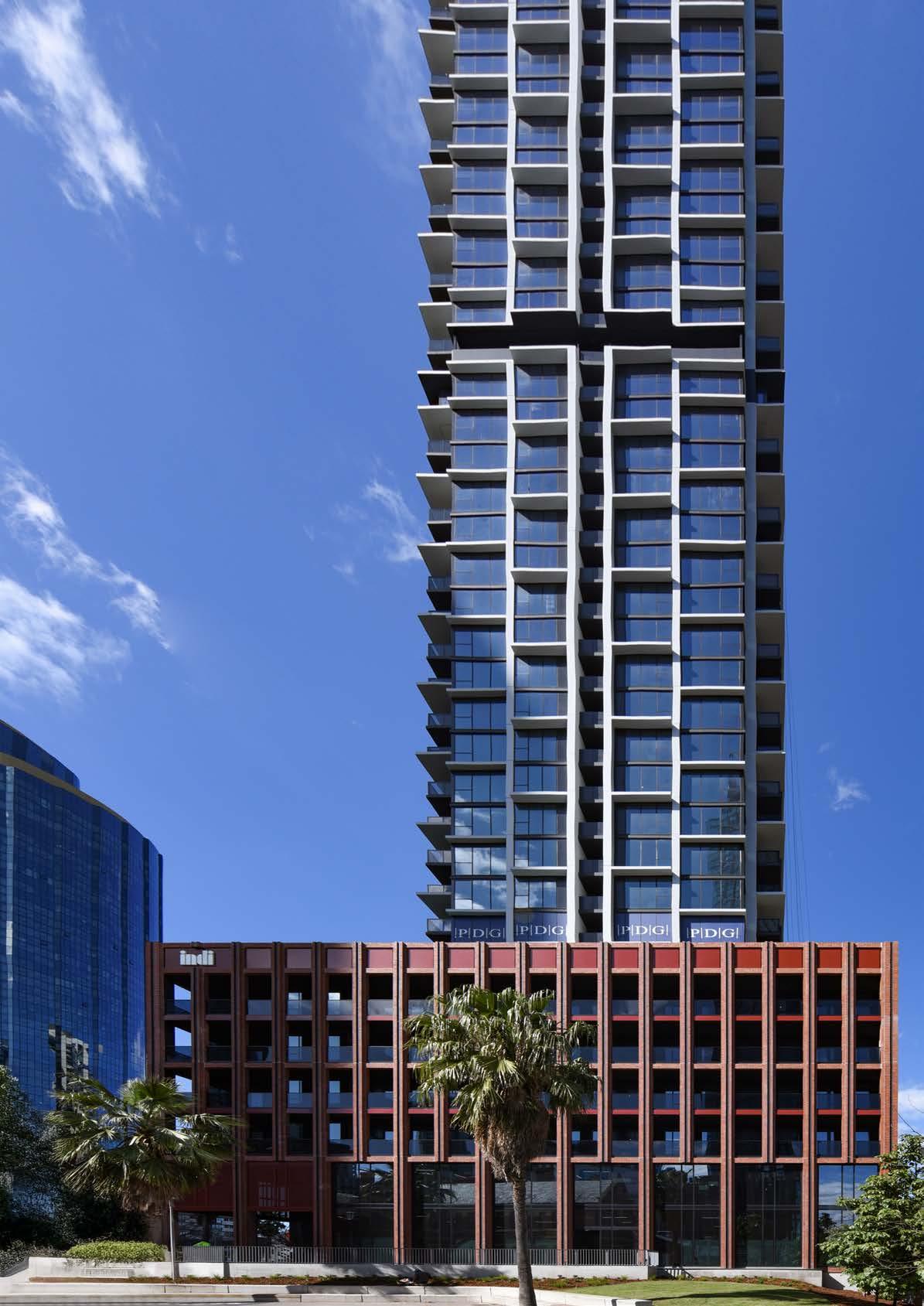
DEVELOPER : PDG
MAIN CONSTRUCTION COMPANY : Hamilton Marino
ARCHITECT : DKO
STRUCTURAL ENGINEER : Webber Design
PROJECT VALUE : $200 million
SUSTAINABLE URBAN LIVING AT THE HEART OF SOUTHBANK
Boyd Village is a landmark Build-to-Rent development delivering 434 apartments, in the centre of Melbourne’s Southbank. Inspired by the site’s educational and community heritage, residents will enjoy premium amenities like private dining rooms, a podcast studio, cocktail lounge, co-working spaces, gym, pool, and dog-friendly zones.
PDG’s Boyd Village development is more than just a high-rise, it’s a thoughtfully designed ‘vertical village with a green front door’ that brings together heritage, housing, and community infrastructure in the heart of Melbourne’s Southbank.
With a population forecasted to grow by 68% by 2043, Boyd Village directly responds to the area’s increasing demand for high-quality, community-focused housing.
“We wanted to create a residential community that integrated physically and culturally with the surrounding area,” explained Josh Griffiths, PDG Construction Director. “That meant ensuring the design didn’t just sit beside the Boyd Community Hub, but became part of it.”
Designed in collaboration with DKO Architecture and delivered by Hamilton Marino, Boyd Village comprises 434 spacious build-to-rent apartments under Investa’s Indi Southbank brand. Each apartment features light-filled interiors, floor-to-ceiling windows, and generous balconies. Across the building, residents have access to premium amenities including co-working spaces, private dining rooms, a pool and outdoor terrace, and even a dog run.
Balancing the modern with the historic was a central design challenge. “We integrated Hawthorn-style brickwork and red metal finishes to reflect the heritage of the JH Boyd Girls’ School and the industrial character
of Kings Way,” Josh said. Internally, colour schemes and materials mirror those of the historic community hub, creating a cohesive experience from the footpath to the top floor.
The project was not without its challenges. Construction began in 2022, a time marked by post-COVID industry uncertainty and rising costs. “Collaboration was crucial,” Josh noted. “Working closely with the City of Melbourne, State Government, and Investa, we overcame those hurdles and kept the project on track.”
Boyd Village has also set new benchmarks for sustainability and innovation. The building is targeting 5-Star Green Star Certification and boasts a 7.5-Star average NatHERS rating, with a minimum of 5.5 Stars across all residences.
Notably, the development has been designed with no gas services—every appliance and hot water unit operates using 100% renewable electricity, contributing to the building’s Net Zero base certification. A 10% improvement on NCC Section J compliance across both commercial and residential common areas further demonstrates the project’s commitment to exceeding energy efficiency standards.
The site incorporates best practice water sensitive urban design and effective stormwater pollutant removal systems, supporting both environmental responsibility and long-term operational efficiency.
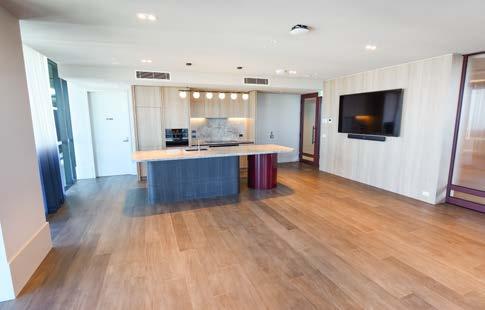
Solar panels with more than 25kW capacity have been installed to service both residential and Council tenancies, further reducing the precinct’s carbon footprint. An innovative e-diverter waste system allows residents to conveniently separate general waste, recycling, glass, and organic materials in alignment with the City of Melbourne’s advanced waste collection services.
To encourage sustainable transport, Boyd Village includes ample bike storage facilities and access to car-share vehicles, reducing reliance on private car ownership. Beyond environmental initiatives, the development also embraces a strong social ethos.
Communal areas are designed to promote health, wellbeing, and meaningful social interaction among residents, reinforcing the project’s vision of a connected, future-ready community.
Stakeholder engagement was central to the project’s success. “Whether consulting with the Southbank Residents Association or council departments, we aimed for open communication and community-driven outcomes,” Josh said. “Boyd Village is proof that when developers, government, and the community work together, the result can be greater than the sum of its parts.”
For more information contact PDG, 17/501 Swanston Street, Melbourne VIC 3000, phone 03 9662 9996, email info@pdg.com.au, website www.pdg.com.au
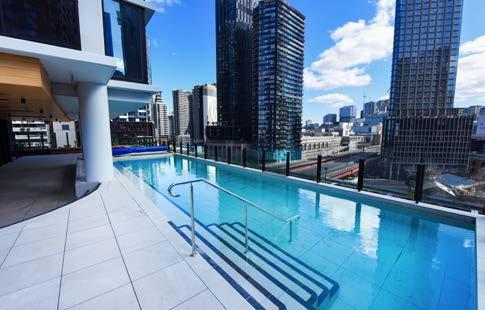
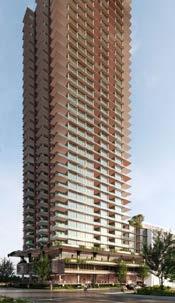
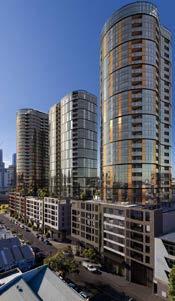
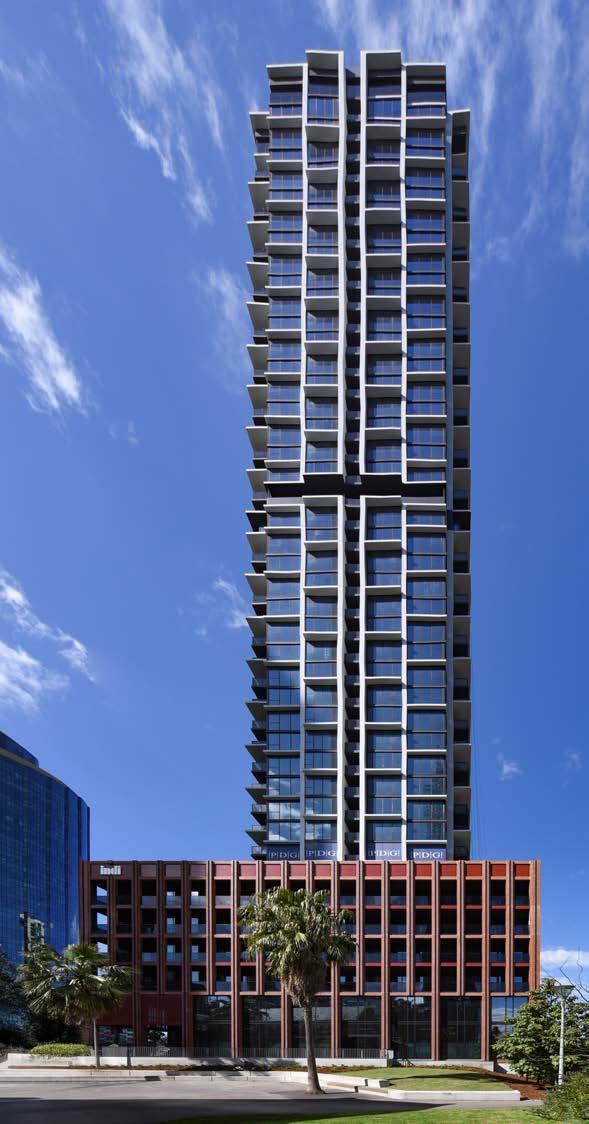
PAUL WEBBER AND THE WEBBER DESIGN TEAM
Structural Engineers for Boyd Village would like to congratulate PDG on their landmark project.
Level 5
31 Queen Street
Melbourne VIC 3000 t. 03 9614 7155
Suite 301, Level 3 19A Boundary Street Rushcutters Bay NSW 2011 t. 02 9690 2488
e. paul@webberdesign.com www.webberdesign.com
Madison Grand Southbank VIC
15-85 Gladstone Street Melbourne VIC
Caulfield Village Precinct 2 VIC
Novus on Harris Parramatta NSW
COMPLIANCE IN ACTION: HERITAGE, FLOOD ZONES, AND BUILDING TO CODE
As part of the transformative Boyd Village development by PDG, Philip Chun’s role was to ensure the project adhered to regulatory requirements from concept to completion.
Appointed to deliver building surveying services in accordance with the Building Act 1993 and Building Regulations 2018, Philip Chun’s involvement spanned compliance assessments, building permit approvals, mandatory inspections, and final occupancy certification.
“Our engagement began in late 2019 with a compliance review of pretender design documentation,” said Andrew Urli, Director at Philip Chun. “From there, we provided detailed assessments across all design disciplines—structural, civil, architectural, and services—to ensure the design aligned with the Building Code of Australia 2019, which was applicable at the time.”
The site surrounding the heritage building for the former JH Boyd Girls’ School, presented a unique challenge for flood level compliance. “The minimum finished floor level needed to be significantly higher than surrounding streets and footpaths,” Andrew explained. “We worked closely with the design team to ensure Melbourne Water and Melbourne City Council authority requirements where satisfied.”
Philip Chun’s strategic involvement from the early design phase helped drive documentation quality and supported a streamlined approvals process. “Our early compliance reviews set a benchmark for the entire design team and consultants,” Andrew noted. “Once the builder came on board, we provided ongoing compliance reviews tailored to building permit staging, which enabled efficient delivery.”
Throughout the construction process, our statutory role requires mandatory inspections to be undertaken. Chris Farrell, who has over 30 years of experience as a building inspector conducted these inspections from foundations, to concrete pours, to fire rating of apartments on every storey through to completion. The attention to detail during the design and construction process emphasis's the team aspect at Philip Chun, in being able to deliver a positive outcome for the project and the occupants of Boyd Tower.
From a building surveying perspective, Andrew highlighted the complex ground floor interface and the Level 6 terrace pool zone as particularly challenging and rewarding aspects of the project. “Navigating accessible provisions with elevated entries and rights of access around the adjoining parklands was intricate, but seeing it come together was incredibly satisfying.”
Through proactive engagement and expertise, Philip Chun helped deliver a compliant, accessible, and functional urban development in the heart of Southbank.
For more information contact Philip Chun, Suite 3, Level 1, 5 Queens Road, Melbourne VIC 3004, phone 03 9662 2200, website www.philipchun.com
philipchunbuildingcompliance
philipchun.bc
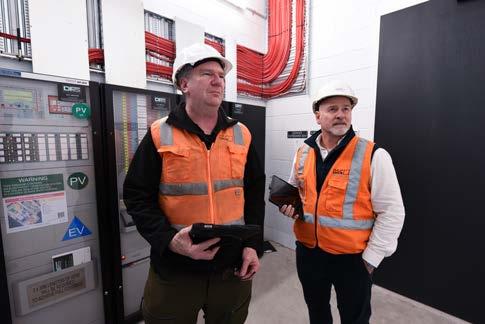
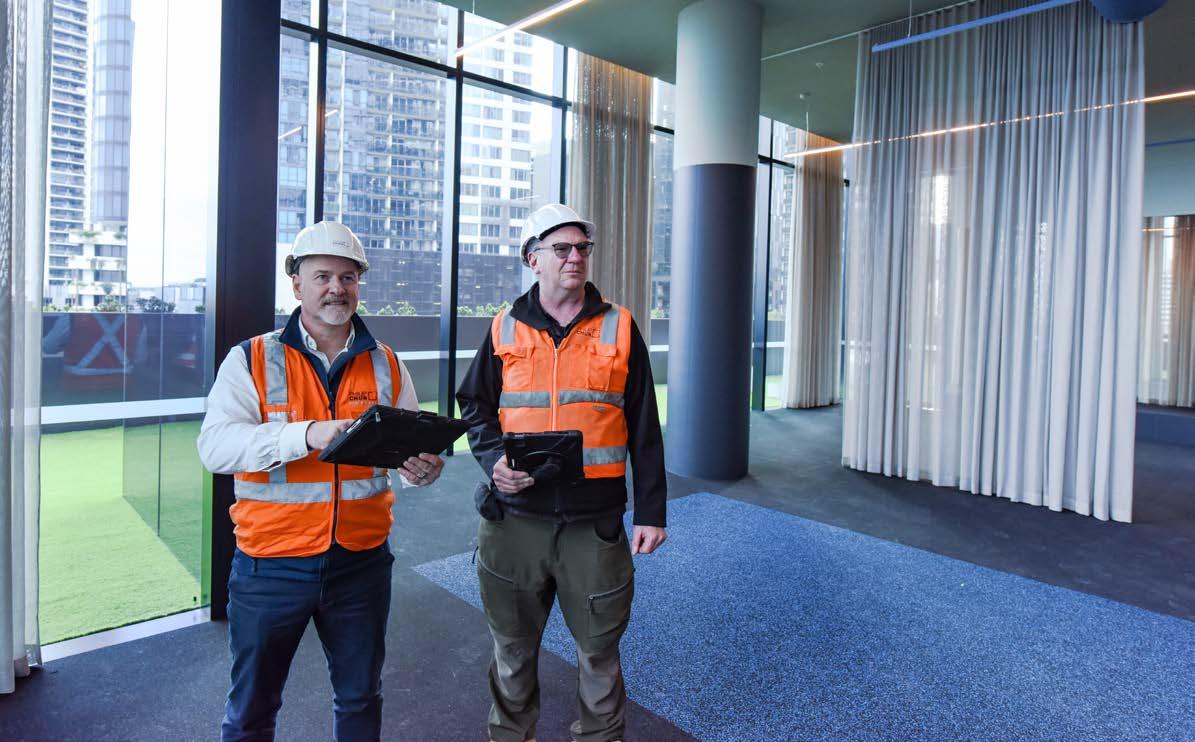
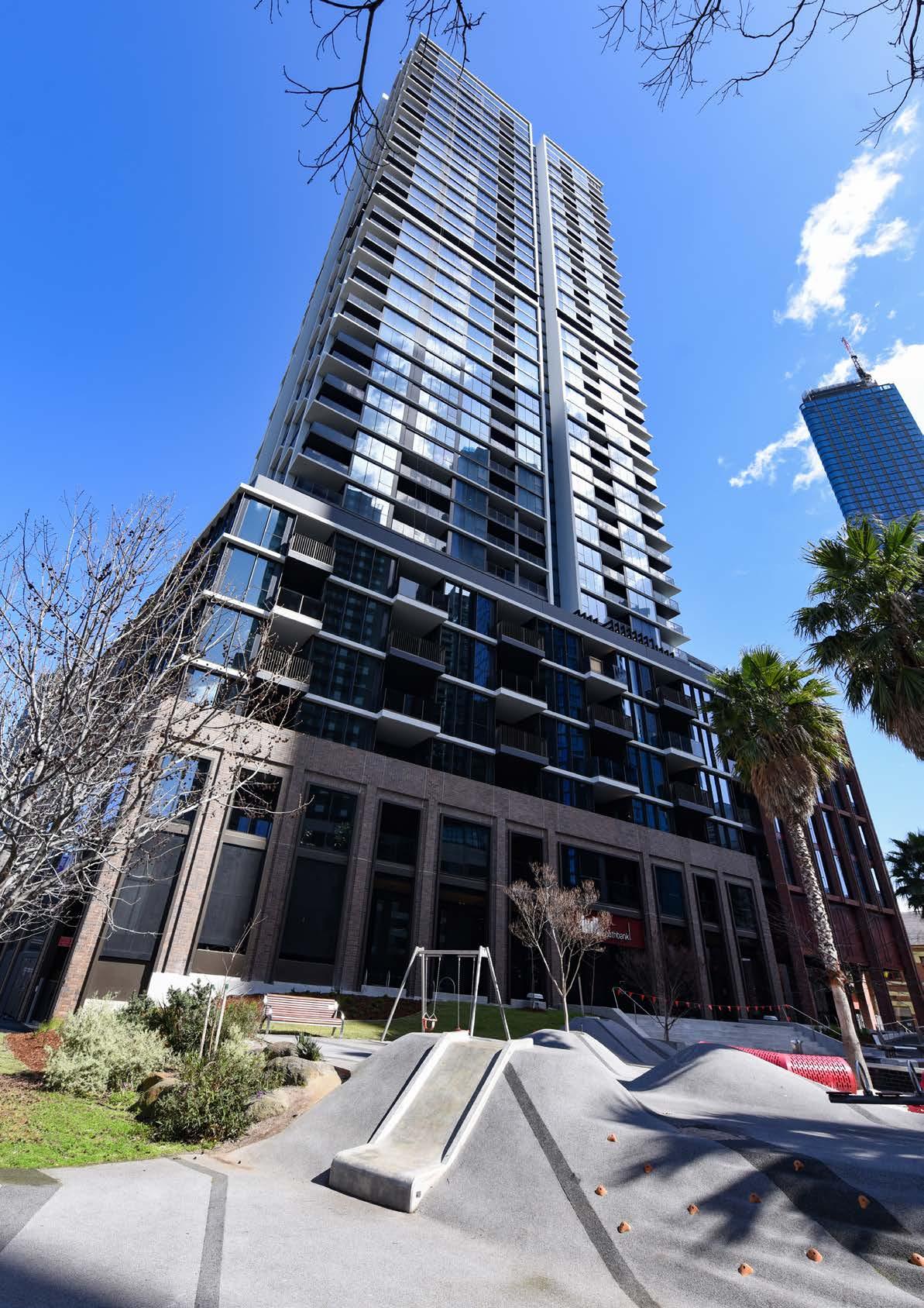
BENEATH IT ALL: SOLVING SUBSURFACE CHALLENGES
LTE Construction Group brought its expertise in groundworks and foundations to the ambitious Boyd Village development in Southbank, a transformative social and affordable housing project delivered by Homes Victoria. As specialists in civil construction and ground preparation, LTE was responsible for the site cut, installation of foundation piles, rafts, pile caps and slab-onground works across the precinct.
“This was a fairly standard job for us in terms of scope,” explained Benjamin Patrick, General Manager at LTE Construction Group. “But every site presents its own set of challenges. Boyd Village was no different.”
One of the primary logistical hurdles was the site’s tight access and the complex urban setting. “We managed the title boundary works and liaised with Hamilton Marino, who handled the broader management plan, including council approvals and traffic plans,” said Patrick. “It was a brownfield site, so there were environmental considerations too.”
A major obstacle emerged early in the foundation works. “We had to use polymer slurry to create deep foundation piles that socket into bedrock,” Patrick explained. “Initially, we lost time due to contaminants—specifically E. coli in the groundwater—were deactivating the polymer slurry. That caused some of the pile shafts to collapse.”
To address the issue, LTE brought in a specialist company to customise and manage the polymer mix on-site. “Once we got the chemistry right, we could produce consistently clean, stable pile holes,” he added. “It was a challenge, but overcoming it became a real point of pride for our team.”
Weekly site meetings and close coordination with builder Hamilton Marino allowed LTE to maintain momentum and compress the schedule where needed. “We often had multiple activities overlapping to make up for lost time,” said Patrick.
In the end, LTE’s ability to deliver the critical groundworks under pressure reflects their reputation for reliability and excellence in infrastructure projects across Melbourne.
For more information contact LTE Construction Group, email info@lteconstructiongroup.com.au, phone 03 9748 3646, website www.lteconstructiongroup.com.au
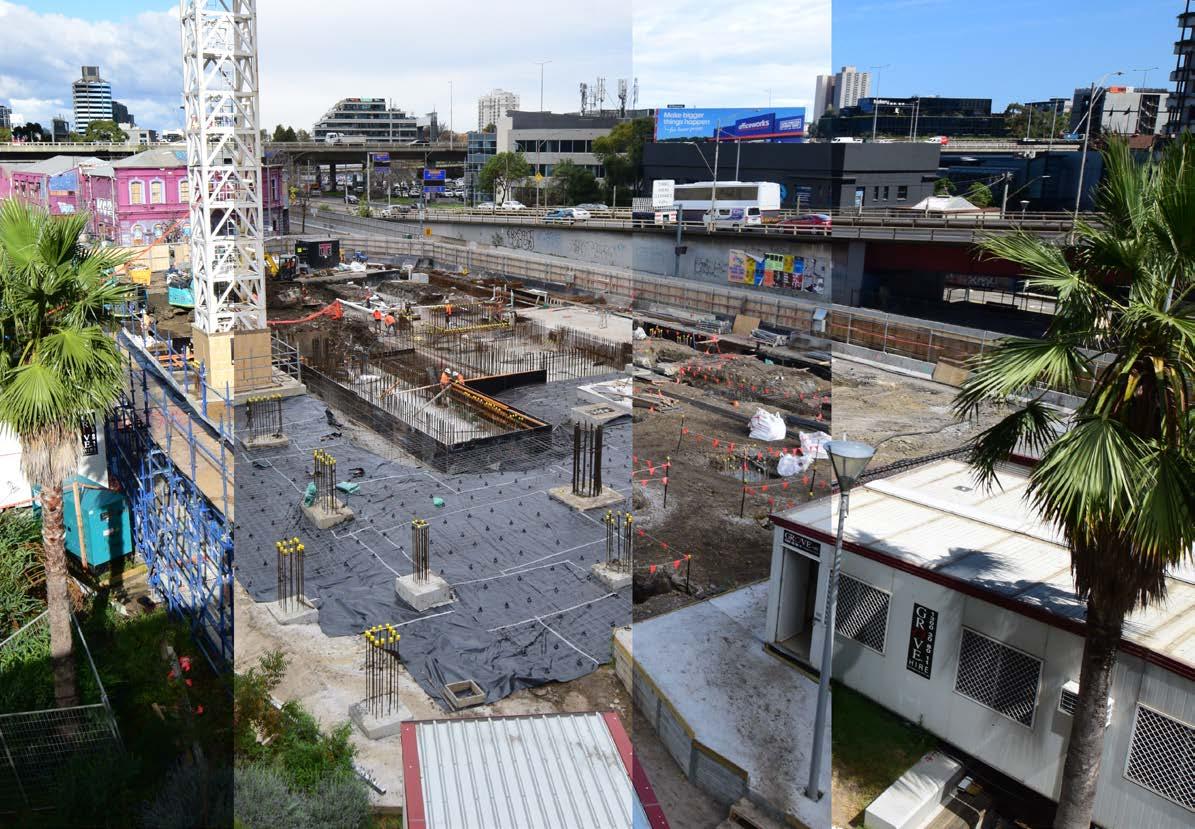
THE ART OF BUILDING A COMMUNITY
DEVELOPER : Golden Age
MAIN CONSTRUCTION COMPANY : Figurehead Group
ARCHITECT : Rothe Lowman
STRUCTURAL ENGINEER : Farrar D
PROJECT VALUE : $33 million
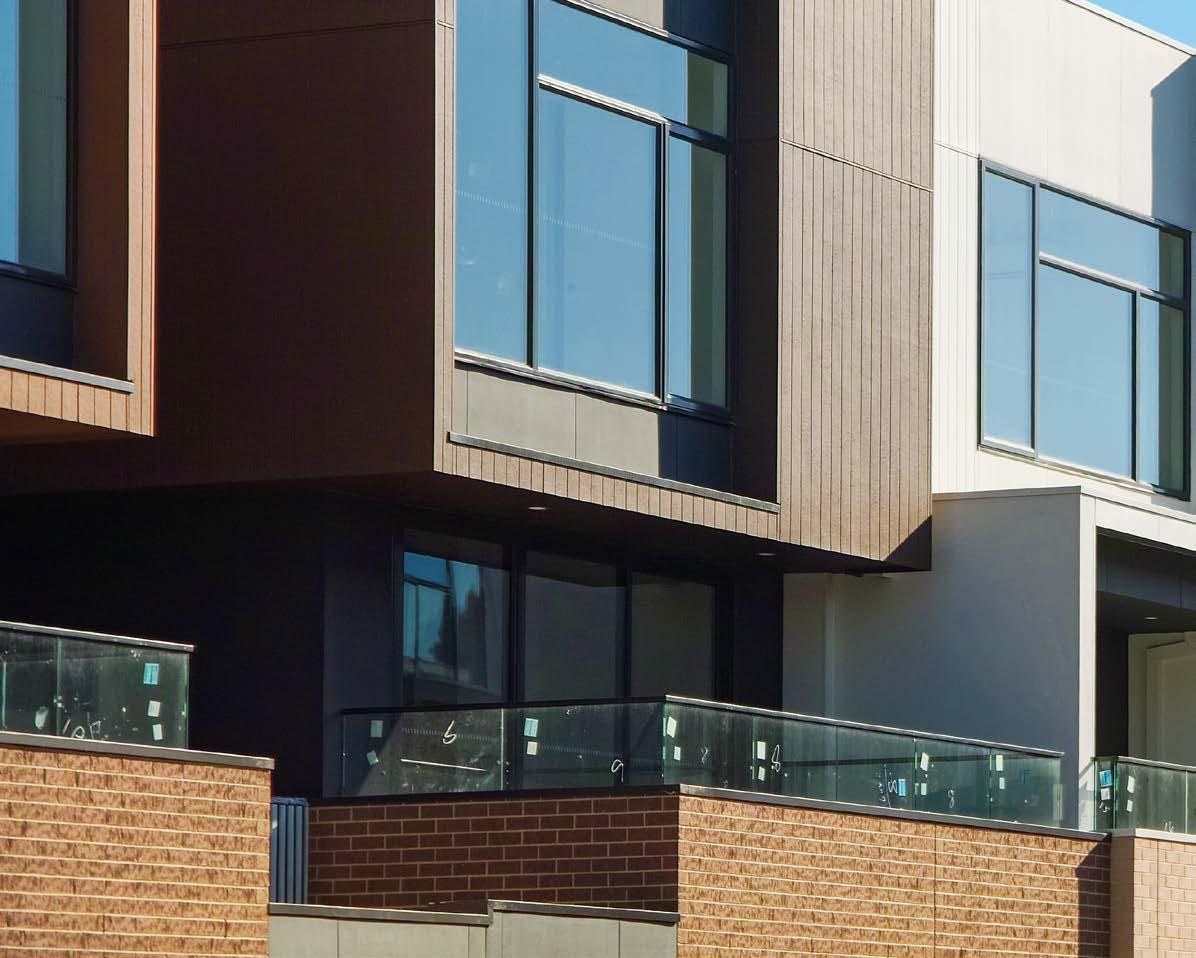
Floret Glen Waverley is a boutique townhouse development redefining premium medium-density living in Melbourne. Delivered by Figurehead Townhomes for Golden Age Group, the two-stage project features 77 architecturally designed residences with landscaped surrounds, sustainable construction, and meticulous detailing, showcasing Figurehead’s ability to combine efficiency, innovation, and craftsmanship at the highest level.
The Design & Construct (D&C) scope encompassed 77 luxury townhomes, from in-ground services and structural works to detailed façades, high-end interiors, landscaping, and final handover.
“Floret was all about balancing efficiency with precision,” says Joe Grasso, Founder and Managing Director of Figurehead. “We tailored our approach by staging construction to maintain quality, reduce site congestion, and deliver each element to the premium standard expected by the client and future residents.”
Light gauge steel frames and waffle slabs were employed to achieve both durability and build efficiency. Quality assurance processes specific to medium-density projects ensured the delivery of intricate façade finishes, custom joinery, cladded garage doors, and landscaped communal areas.
Floret’s architectural vision emphasised nature, wellbeing, and seamless integration of design and landscape, values Figurehead upheld through careful sequencing of works to protect landscaped areas and
shared green spaces throughout the build. Interiors were delivered in three curated palette options, each blending premium materials and refined detailing. The construction team paid close attention to timber flooring installation, precise joinery alignments, and high-spec hardware selections.
Externally, façades combining James Hardie cladding and brickwork were perfected through early prototyping to confirm design details before rollout. This ensured a consistent, high-quality finish across all 77 homes, eliminating costly rework and maintaining the development’s visual cohesion.
The staged delivery of Floret required disciplined planning. Stage 1 was handed over while Stage 2 construction was still underway, demanding close monitoring of site access, noise management, and traffic flow to minimise disruption for incoming residents.
“We sequenced trades carefully, delivering the townhomes in staged rows to maintain quality control and keep the site flowing smoothly,” said Joe.
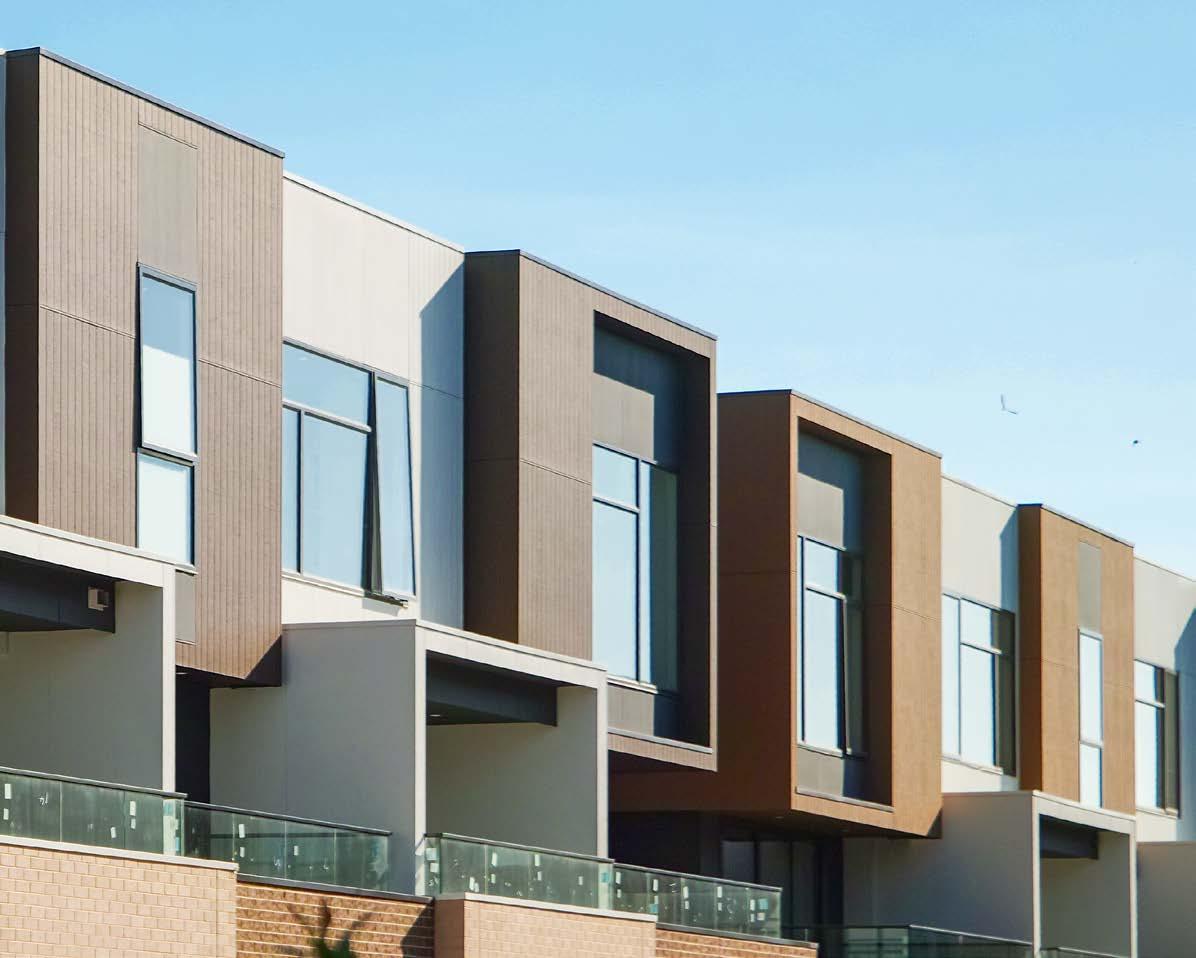

This phased approach not only maintained quality but also allowed Golden Age Group to begin marketing and settling homes earlier, adding commercial and operational value to the project.
Early involvement of consultants, subcontractors, and suppliers proved key to the project’s success. By resolving detailing challenges at prototype stage, the team aligned material choices with both buildability and long-term performance. The integration of architecture, landscaping, and sustainability measures was carefully managed so that every element, from green spaces to façade materials, complemented the development’s premium vision.
Sustainability outcomes included the use of light gauge steel framing to reduce waste, installation of double-glazed windows to improve thermal performance, and the selection of low-maintenance, long-life materials to reduce the environmental footprint over the building’s lifecycle.
For Figurehead, Floret is more than a completed development, it’s a showcase of how the company applies commercial-grade systems
and precision to a residential environment. Their townhouse division brought together rigorous QA protocols, meticulous planning, and a culture of collaboration to deliver a medium-density project without compromising liveability or craftsmanship.
“Floret is a great example of how our townhouse division applies the same discipline, attention to detail, and client collaboration that define Figurehead,” Joe reflected. “We brought commercial-level systems into a residential setting to meet Melbourne’s evolving urban demands— without compromising on quality or livability.”
By combining innovative staging, sustainable construction methods, and design integrity, Figurehead Townhomes has helped set a new standard for Melbourne’s townhouse developments, one that blends premium craftsmanship, efficient delivery, and a genuine respect for the community and environment in which it’s built.
For more information contact Figurehead Group, 601 / 116 Rokeby Street, Collingwood VIC 3066, email info@figurehead.com.au, phone 03 8592 6310, website www.figurehead.com.au
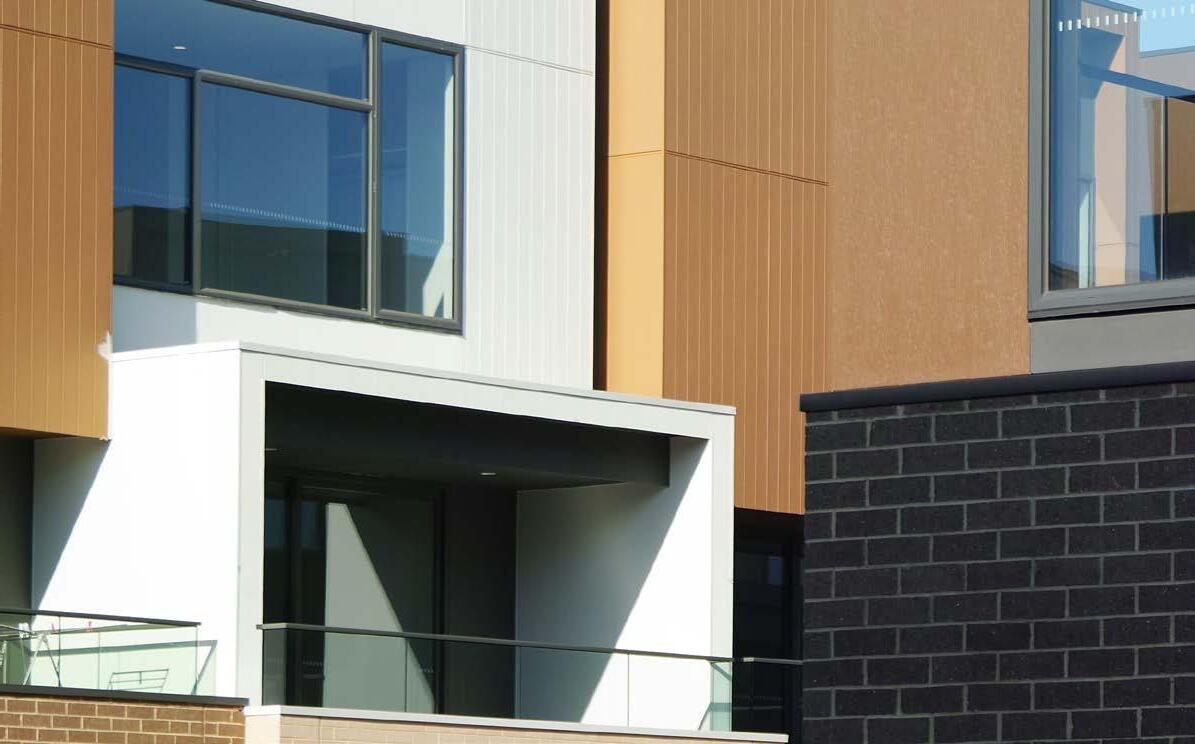
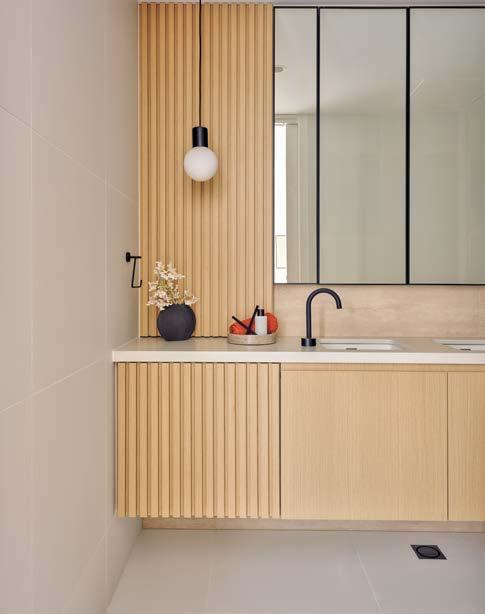
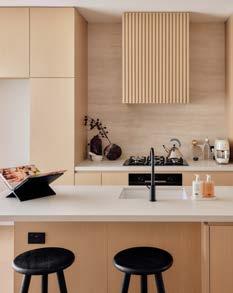
COMPLETE TILING SOLUTIONS FOR MULTI-RESIDENTIAL PROJECTS
Philton Group brought their reputation for quality and consistency to the Floret Glen Waverley development, where they were engaged to deliver full tiling services across the multiresidential project.
Their scope covered bathrooms, ensuites, kitchens, and laundries— key wet areas that demand both durability and aesthetic cohesion.
“Given the size of the project, we staged the works and had a dedicated team on-site to maintain workflow and meet key deadlines,” said Tony Fakhoury, Managing Director of Philton Group.
While all tiles and finishes were selected by the client and design team, the Philton crew was responsible for executing those selections to the highest standard. “We worked strictly to the construction drawings and tile schedules to deliver everything to spec and on time,” Tony explained.
“Our focus was on clean, accurate installations with consistent quality throughout,” Tony said. That quality-first mindset helped ensure the finishes complemented the premium look and feel of the broader Floret Glen Waverley design vision.
Philton Group has expanded its business footprint with the recent acquisition of TILEPRO Australia and Melbourne Home Centre, adding the capacity for a tile and bathware showroom in Epping, as well as a warehouse to support wholesale supply to other tilers and builders. “This helps us offer better service, faster lead times, and a full end-to-end solution for our clients,” Tony said.
The move positions Philton Group to further enhance its service offerings while supporting the broader industry with premium products and logistical efficiency.
As both a trusted tiling contractor and a growing supplier, Philton Group is well placed to continue delivering precision and reliability across Victoria’s residential and commercial construction landscape.
For more information contact Philton Group, 35 Longford Road, Epping VIC 3076, for Trade shop TILEPRO Australia and Melbourne Home Centre, phone 0406 062 103
Below Farrar delivered robust civil and structural engineering, ensuring Floret’s premium townhomes met durability and drainage standards.
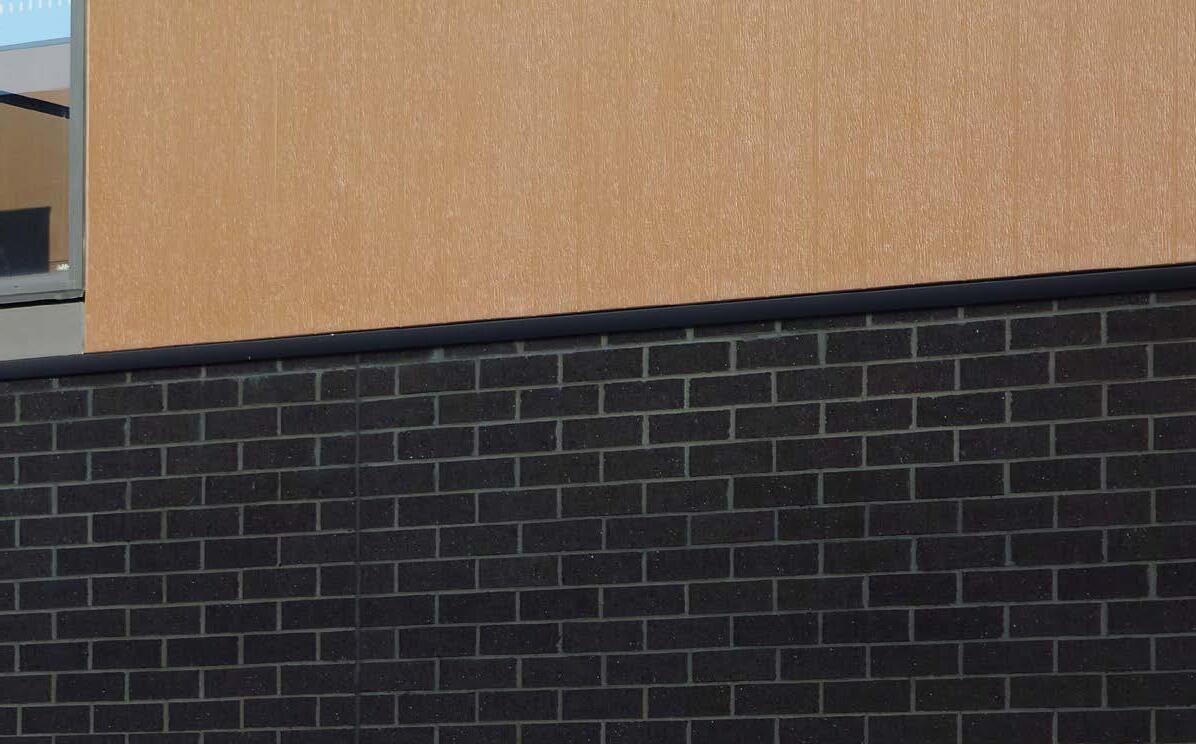
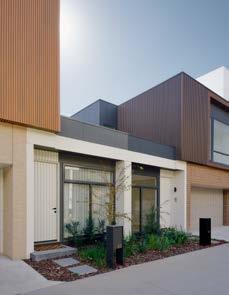
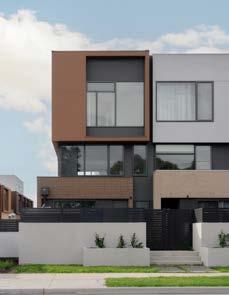
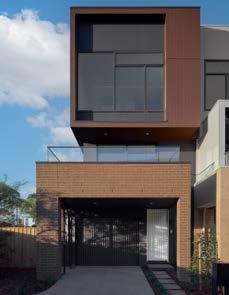
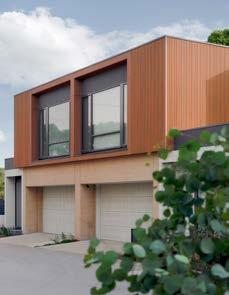
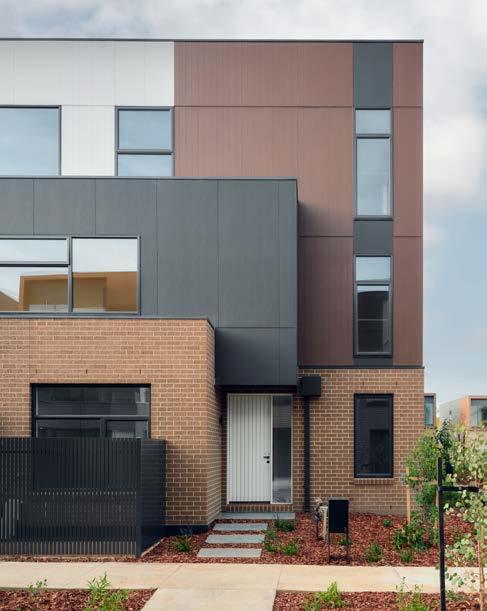
ENGINEERING THE BACKBONE OF A GROWING COMMUNITY
Farrar was tasked with crucial engineering responsibilities on the Floret townhouse development, a vibrant collection of 77 architecturally crafted homes in Glen Waverley, developed by Golden Age Group and delivered by Figurehead Construction.
“Farrar played a central role in designing the concrete slabs, retaining walls, and in-ground drainage systems essential to the project’s long-term performance and resilience,” said David Farrar, Director, underscoring Farrar’s hands-on approach to civil and structural engineering excellence.
Floret is set on a 16,500m² site and features a mix of 3-4-bedroom residences over two and three storeys, each meticulously designed by Rothelowman with lush landscaping by Aspect Studios. Delivering these premium townhomes required robust foundational and drainage solutions to manage both structural loads and water flow in a suburban context.
Constructed on ground-floor waffle slabs with prefabricated framing, each residence was delivered with consistent programming and sequencing. Farrar ensured every concrete platform and retaining structure met the project’s strict standards for quality and durability,
while integrated drainage systems safeguarded against water issues, an essential consideration in a dense, high-end residential environment
Farrar’s involvement helped secure the engineering integrity that supports Floret’s seamless integration of built form and living landscapes. Their contribution continues to be a quiet, but vital element beneath the elegance of this growing Glen Waverley community.

For more information contact Farrar, 3 Kirks Lane, Melbourne, VIC 3000, phone 03 9600 0424, email info@farrareng.com.au, website farrareng.com.au
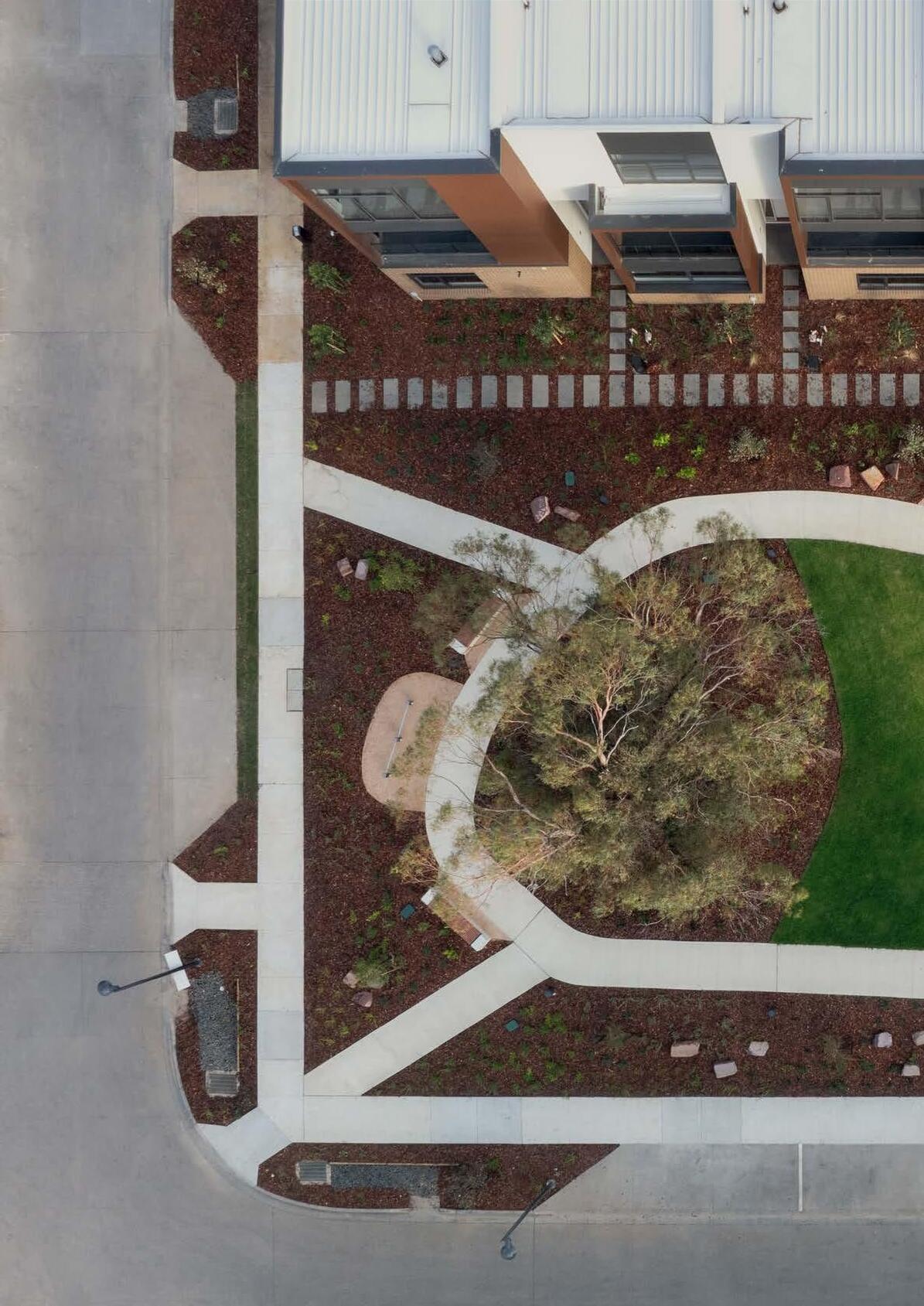
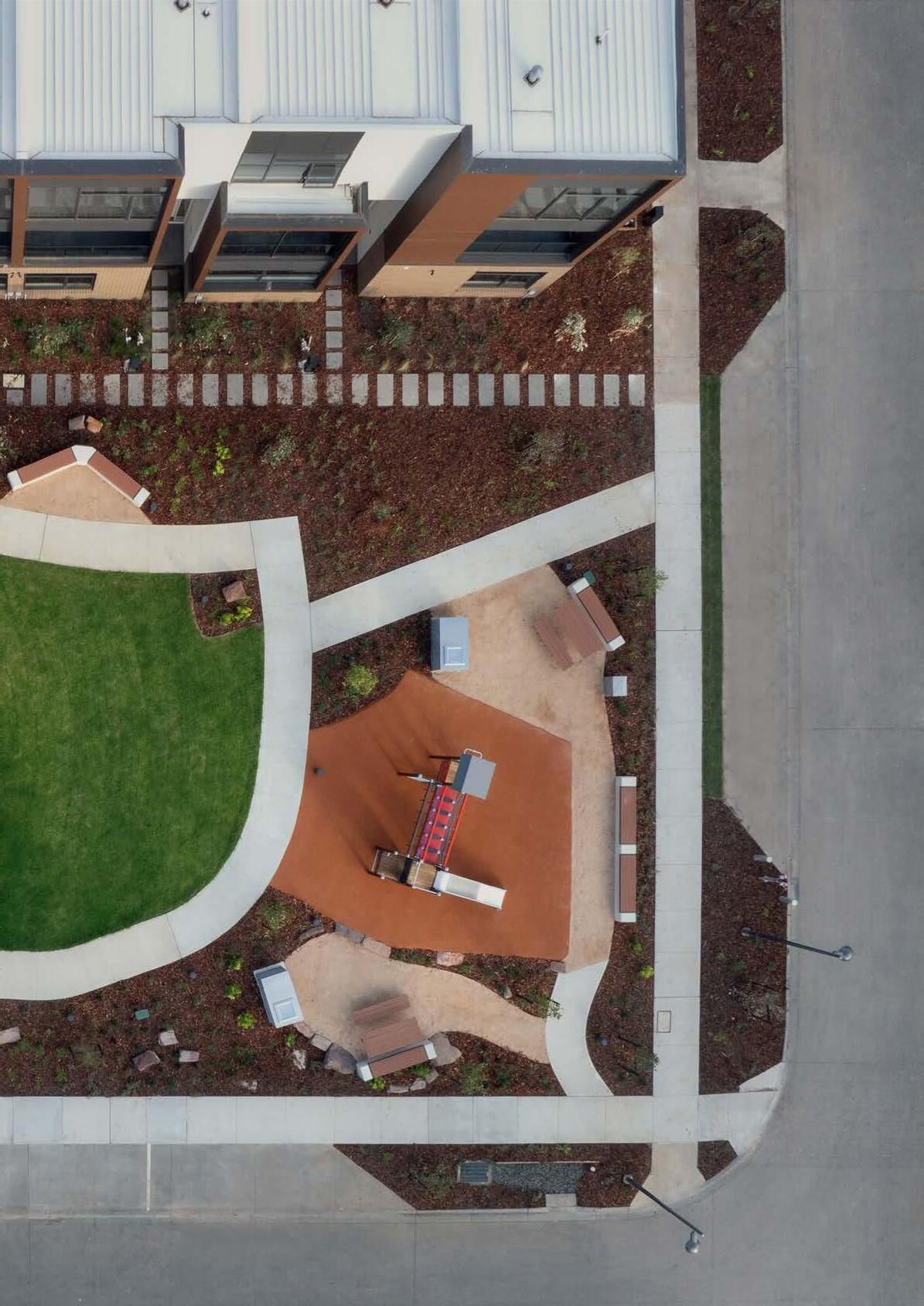
Playground within the heart of the Floret Glen Waverly community.
Image © Studio VP – Vikash Patel
HIGH-TECH TRAINING FACILITY
BUILT FOR CHAMPIONS
DEVELOPER: Department of Infrastructure and Transport
MAIN CONSTRUCTION COMPANY : Hansen Yuncken
ARCHITECT : Cox Architecture
CIVIL / STRUCTURAL ENGINEER : KBR
QUANTITY SURVEYOR : Chris Sale Consulting
PROJECT VALUE : $77.2 million
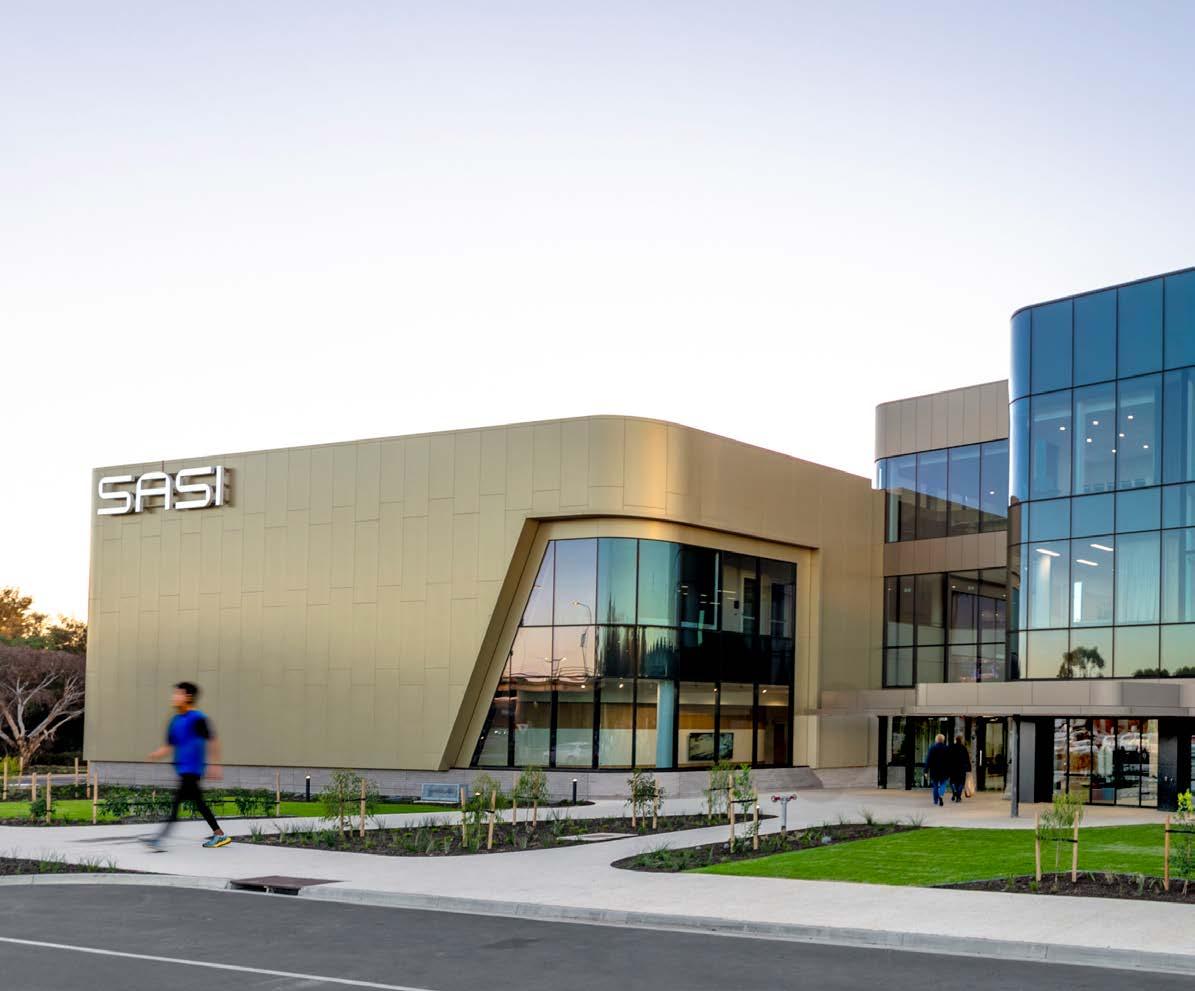
The state-of-the-art South Australian Sports Institute (SASI) facility in Adelaide offers a premier training environment designed to advance sports teaching and industry collaboration. Complete with a full-sized indoor sprung timber court, a movement studio, ergometer training space, physiology and biomechanics labs, SASI will attract national and international teams as they prepare for the Olympics and Paralympics, positioning Adelaide as a global sports training hub.
As South Australia’s premier sporting institution, the South Australian Sports Institute (SASI) has a long history of training top-tier athletes. With the construction of the new SASI Headquarters, this legacy will reach even greater heights.
Designed by Cox Architecture, and managed by Hansen Yuncken, the project has set new benchmarks for sustainability and innovation in sports infrastructure.
The project’s scope included the construction of 1,300m2 of strength and conditioning gyms, two recovery pools, two saunas, and a FIBA-rated basketball court—each element designed with the athlete’s peak performance in mind.
Two world-class environmental chambers were also included within the facilities design. These areas can simulate different altitudes, humidity, and temperatures to mimic varied training environments.
The inclusion of the chambers were integral to the facility’s mission of developing elite athletes capable of competing on the global stage. One of the most innovative features of the new SASI HQ is the ‘Movement Studio’. This immersive exercise space, outfitted with cutting-edge AV technology, allows athletes to be filmed during training sessions.
Coaches and trainers can then analyse the footage, providing immediate, data-driven feedback to enhance performance. The studio’s two large LED screens and projectors can create an immersive environment tailored to the specific needs of the athlete and the sport they are practising. This unique integration of technology and sports science is a hallmark of Hansen Yuncken’s commitment to delivering world-class facilities.
“This was a complex project that required input from both end-user groups to ensure that the finer day-to-day details were constructed
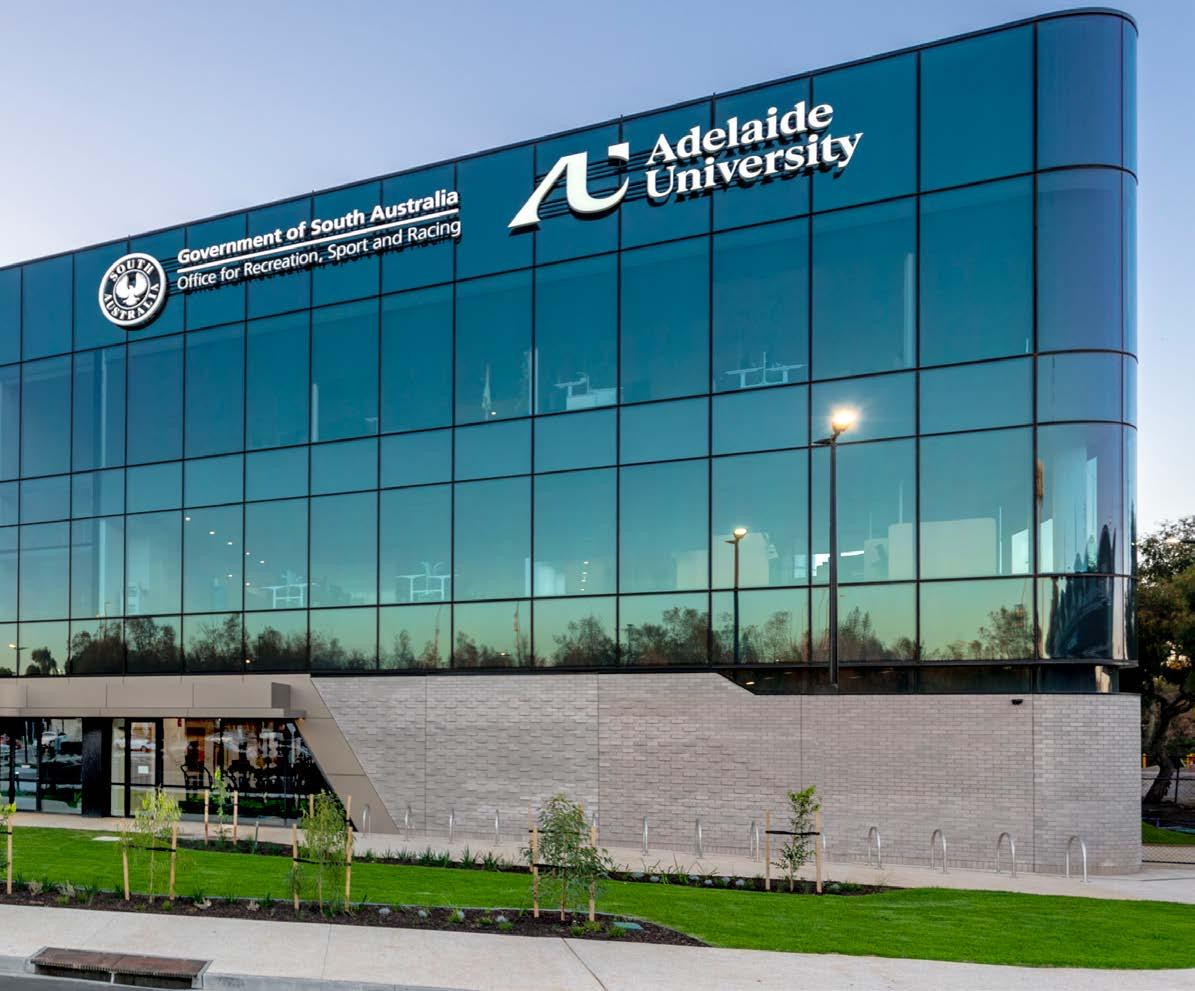
as they required,” said Ricky Emili, Project Coordinator at Hansen Yuncken. The collaborative relationship with the design team was crucial in meeting the tight deadlines.“Being able to make quick decisions was imperative to the project’s success,” added Emili.
The site’s location next to a live athletics stadium posed some logistical challenges, with school children and parents frequently moving through the adjacent car park. This required careful planning to ensure safety and minimise disruptions to both site activities and the neighbouring facilities.
The construction phase included unique challenges, with early discovery of soil contamination requiring adjustments to in-ground work. Hansen Yuncken collaborated closely with environmental specialists to manage the situation effectively, ensuring the surrounding environment remained undisturbed.
The site’s technical requirements necessitated several cutting-edge construction techniques to meet both structural demands and project timelines. One key approach involved suspending all pipework beneath the ground-floor slab using stainless steel rods positioned at precise 300mm intervals. This method ensured optimal alignment, stability, and ease of access for future maintenance, while preserving critical under-floor space for other systems.
To streamline the project, Hansen Yuncken opted to prefabricate the mechanical fan coil units off-site, to ensure a high level of quality control, as well as to significantly reduced the installation time on-site. Likewise the ambitious solution of lifting the pre-assembled steel central heart stairs into place through an opening in the roof with the use of a crane, saved important time on the project and resulted in it’s timely completion.
Hansen Yuncken’s has a commitment to sustainability, resulted in SASI Achieving a 5 Star Green Star rating, with the facility incorporating numerous environmentally sustainable elements. Notably, the entire concrete structure was built using carbon-neutral concrete. “This was a significant move towards reducing the facility’s carbon footprint without compromising on the structural integrity of the building,” said Emili.
“It has been a privilege to construct the new headquarters for SASI and to see the uplift in spaces that South Australia’s best athletes will now be able to train in,” said Emili.
For more information, contact Hansen Yuncken, 1/191 Fullarton Road, Dulwich SA 5065, phone 08 8229 7300, email adelaide@hansenyuncken.com.au, website www.hansenyuncken.com.au
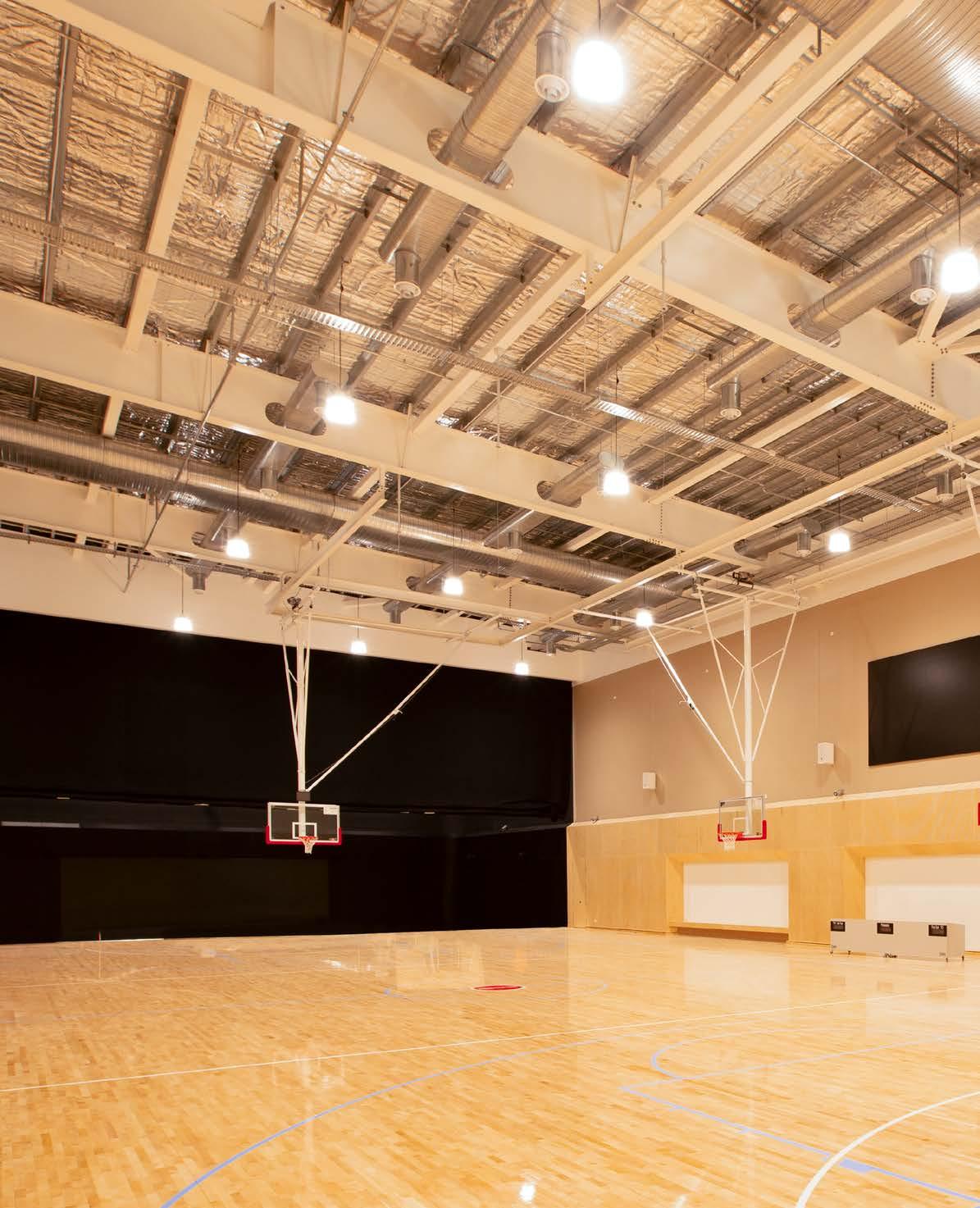
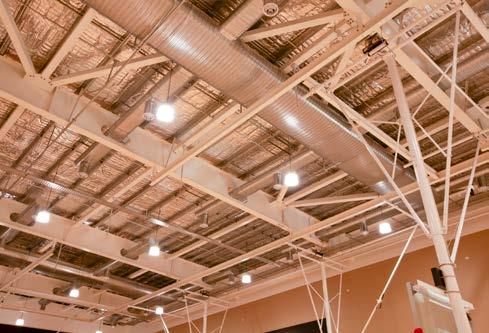
Below Gant & Sons provided expert steel fabrication and installation for SASI, ensuring structural precision and durability.
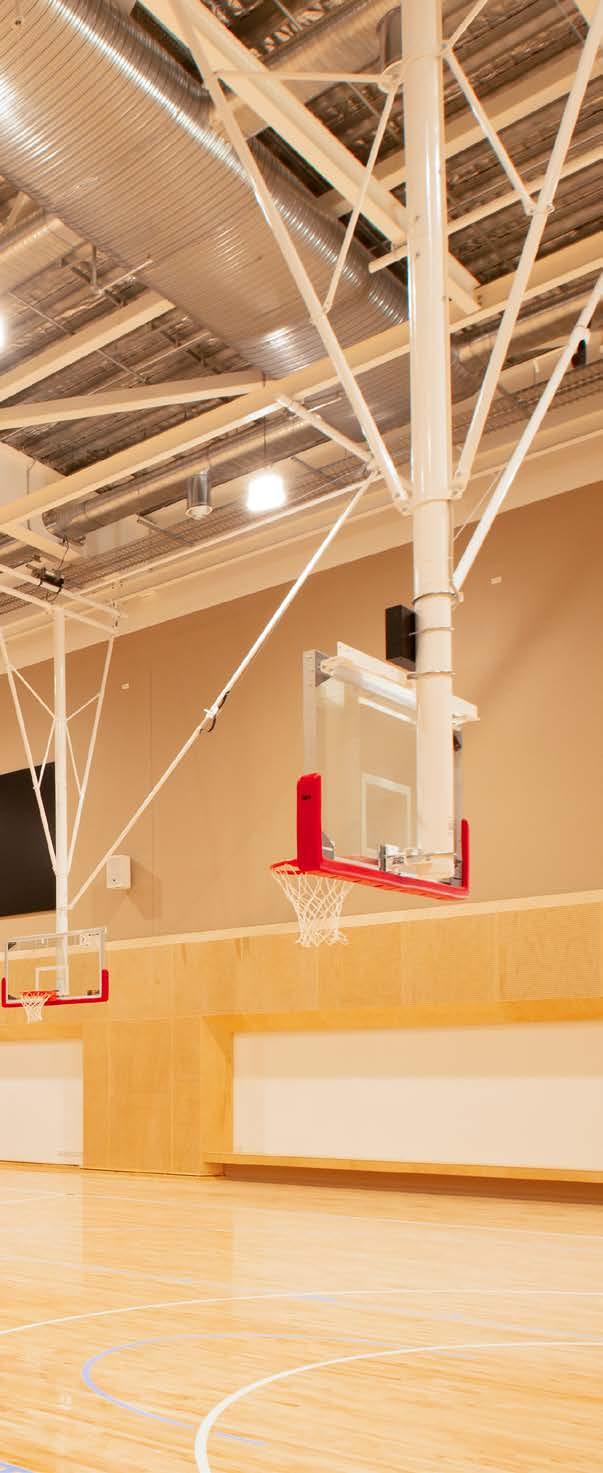
GANT & SONS TAKES SASI’S STRUCTURAL GAME TO THE NEXT LEVEL
Gant & Sons Structural Steelwork—a family-owned leader in steel fabrication and erection across Australia—brings generations of expertise to every project, with a reputation for unmatched precision and quality.
Known for handling intricate, high-detail structural work, Gant & Sons was chosen for the prestigious redevelopment of the South Australian Sports Institute (SASI). This project showcases their commitment to delivering durable, custom-engineered steel solutions that meet the unique needs of complex structures.
“As a company, we have built a reputation of honesty and integrity allowing us to maintain relationships and grow in conjunction with customers and clients,” said Drew Koch. “With the ability to Draft, Fabrication, Transport, Paint and Erect using internal resources, we are in full control of our supply chain and are a ‛one-stop-shop’ for steel solutions.”
Specialising in crane hire, rigging, on-site welding, and steel fabrication, Gant & Sons expertly managed the complexities of the SASI project. “Our approach combines extensive industry knowledge with a commitment to quality and safety, ensuring each phase of the project is executed with precision,” explained Drew.
The scope of work included intricate steel frame installation, demanding not only technical skill but also rigorous adherence to safety standards. “We pride ourselves on a strict, no-tolerance approach to safety. Our team knows that every precaution taken today ensures we all go home safely tomorrow,” said Drew.
With a fleet of cranes up to 55 tonnes, the company handled multiple complex lifts, ensuring seamless integration into the existing infrastructure.
“Our team thrives on challenging projects where we can showcase our comprehensive, one-stop-shop services, from design to final installation,” added Drew.
For more information contact Gant & Sons, 7 Palina Court, Smithfield SA 5114, phone 08 8284 5460, email tenders@gantandsons.com.au, website www.gantandsons.com.au
Below ITE installed motorised curtains, sports barriers, and a motorised truss grid, combining precision, functionality, and versatility for the adaptive space.
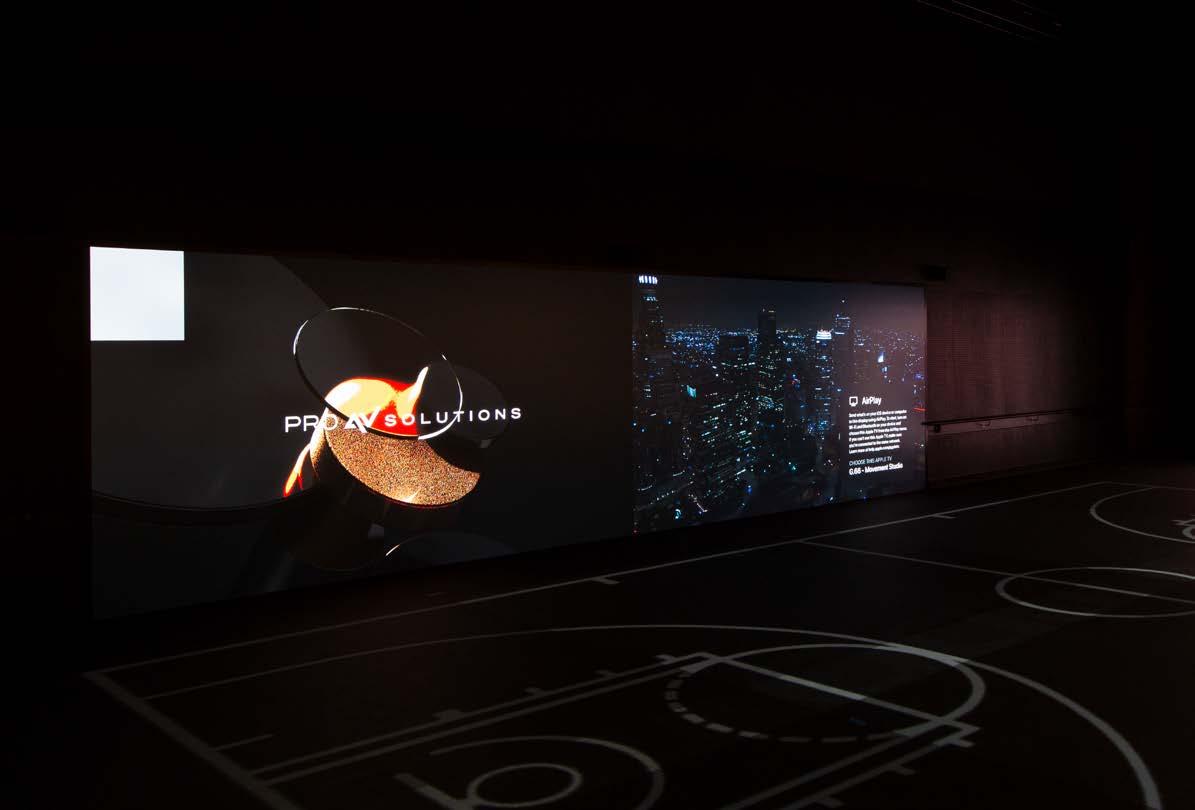
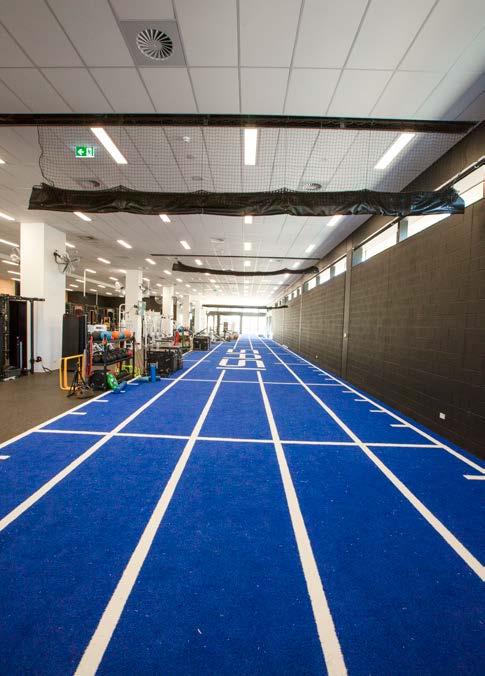
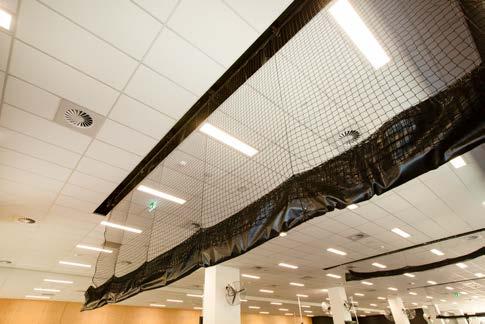
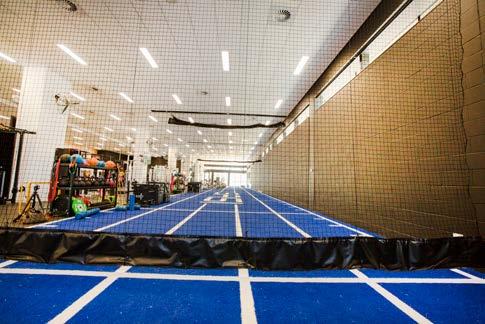
Installation Theatrical Engineering (ITE), experts in stage machinery and audiovisual solutions, brought their expertise to the state-of-the-art South Australian Sports Institute (SASI). Known for enhancing performance spaces in theatres, schools, and universities, ITE showcased its 44 years of experience with this exciting project.
A dedicated team of eight from ITE’s 30 employees were on the ground to install a cutting-edge motorised truss grid. This setup supports lighting and cameras, which are crucial for training sessions and live performances.
Additionally, ITE installed a motorised concertina curtain to separate the movement studio from the gym, along with motorised sports nets for the bounding track, making the space more versatile.
“The motorised concertina curtain was a tricky part of the project,”said ITE Director Jon Agosta. “We had to get the sizing just right and ensure the logo was perfectly sewn onto the curtain. The grid design, with its multiple motors, was also a complex task. We needed to carefully size each component, motor, and brake to ensure everything works seamlessly.”
This project highlights ITE’s knack for tackling tough engineering challenges while delivering functional and visually appealing results.
ITE’s current other major projects include work at the Australian War Memorial, Ruyton Girls School, University of NSW Footbridge Theatre, and Wellington Town Hall Redevelopment.
For more information, contact Installation Theatrical Engineering, 816 Lorimer Street, Port Melbourne VIC 3207, phone 03 9646 0822, email info@ite.net.au, website www.ite.net.au
Below SASI’s elite training facility features cutting-edge AV technology by Pro AV Solutions (SA) for performance analysis.

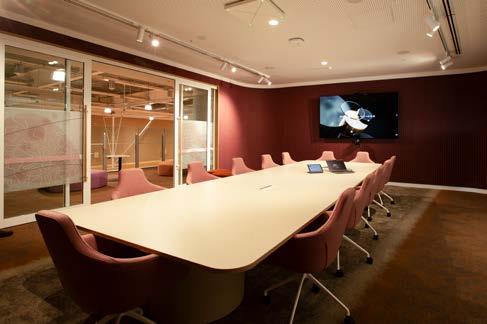
The South Australian Sports Institute (SASI) is a world-class high-performance training facility dedicated to developing elite athletes through cutting-edge technology, research, and education. As part of its commitment to innovation, SASI sought to enhance its training and analysis capabilities with state-of-the-art audio-visual (AV) systems, ensuring an immersive and data-driven environment for athletes, coaches, and researchers.
Pro AV Solutions (SA) designed and implemented a tailored AV ecosystem that supports a wide range of sporting disciplines and performance analytics. The project encompassed everything from real-time video analysis and advanced display systems to integrated communication platforms, allowing for seamless collaboration and data sharing.
The facility spans three floors, deploying technology in over 30 spaces to maximise training, learning, and performance analysis. “Our goal was to provide SASI with flexible, world-class AV technology to support athletes and students alike,” a Pro AV Solutions spokesperson shared. “Key installations include more than 145m² of LED screens, 40 LCD displays with integrated control systems, and a floorprojection mapping simulation space. These systems transform
training through immersive simulation and real-time performance analysis,” the spokesperson added.
Specialised AV features such as the bike lab camera system enable enhanced performance tracking, while the impact-resistant LED screens deliver high-resolution visual content.
Pro AV Solutions (SA) began work onsite in April 2024, deploying 22 skilled South Australian employees to design, install, and program in partnership with a specialised LED contractor.
“We’re proud to bring this vision to life, setting a new benchmark for AV integration in sporting facilities in South Australia," the spokesperson concluded.
Pro AV Solutions (SA) is currently designing and implementing a number of critical projects that support the South Australian economy and operations.
For more information contact Pro AV Solutions (SA), 247 Greenhill Road, Dulwich SA 5065, phone 08 8124 7777, email reception.sa@proav.com.au, website www.proavsolutions.com.au
PUSHING THE LIMITS: HEUCH’S ALTITUDE CHAMBER TAKING SPORTS SCIENCE TO
Heuch Cooling Solutions is proud to be delivering a state-of the-art environmental and altitude simulation chamber for the University of South Australia as part of the South Australian Sports Institute (SASI) Mile End development.
“The Heuch Environmental Chamber provides a cutting-edge simulation and research environment that will allow precise data gathering and testing in the most extreme conditions imaginable,” Neil Morrison, CEO at Heuch says.
With decades of experience, Heuch is the only company in Australia with the breadth of expertise to design and build such specialised environmental chambers. We have successfully delivered numerous projects across the country, backed by our local team of highly qualified and experienced engineers and technicians.
“These advanced facilities allow testing under various temperature, humidity, and hypoxic conditions, helping drive breakthroughs in high-performance sports science,” Neil says. Our Australian-based facilities not only ensure high-quality service but also ongoing support and maintenance.
If you’re looking for a trusted partner in environmental chamber design and construction, get in touch with us today.
For more information contact Heuch Cooling Systems, 1300 001 952, email cool@heuch.com.au, website www.heuch.com.au
NEW HEIGHTS
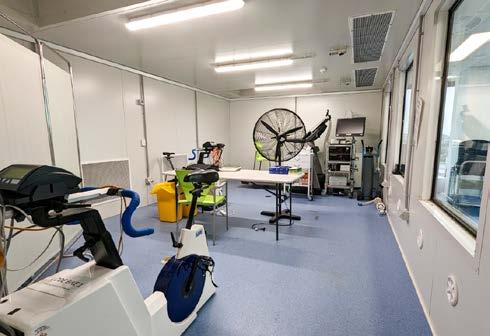


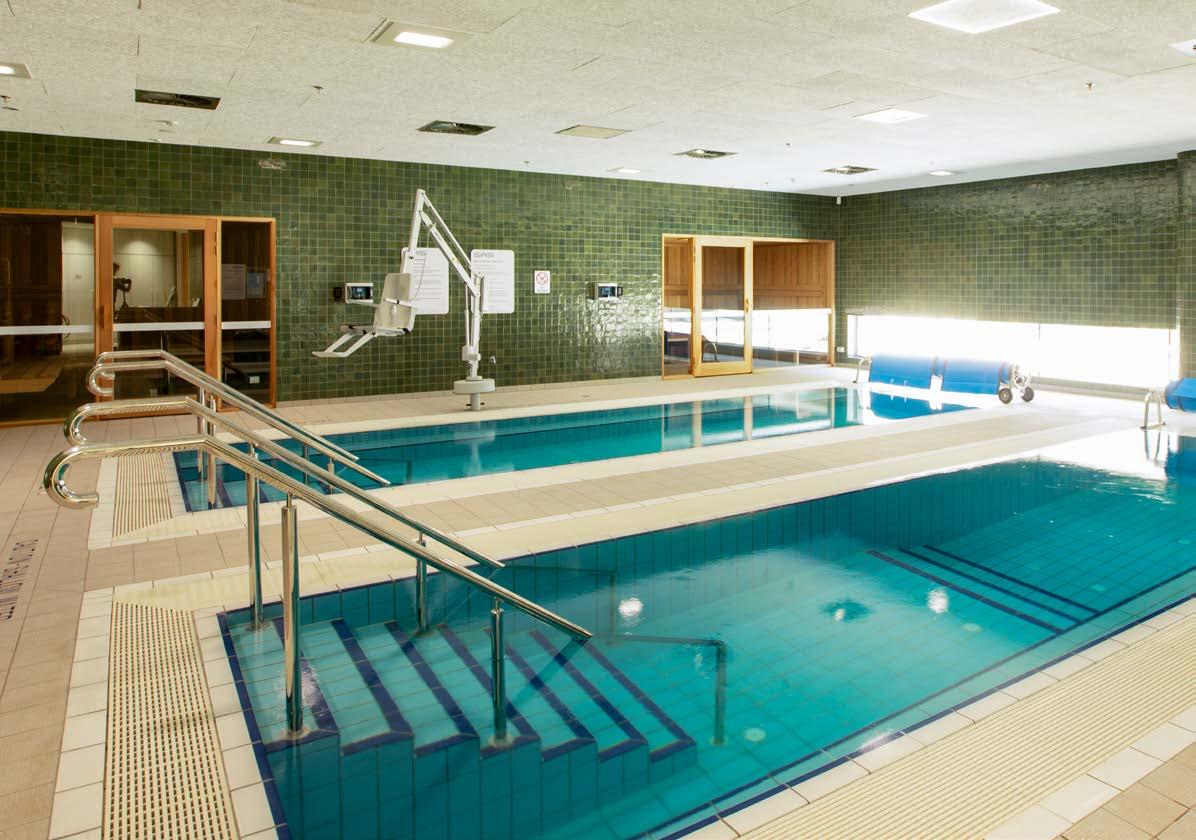
Top: Design & Custom-made Climate Chamber by Heuch Cooling Solutions Left: Pre-designed Climate Chamber installed by Heuch Right: Neil Morrison, CEO Heuch
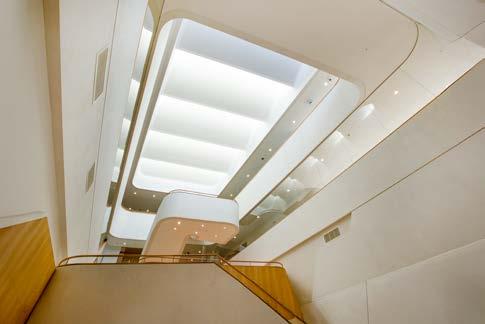
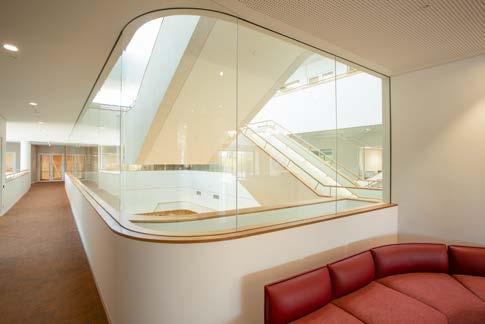
Below GMR Interiors delivered high-performance ceilings, partitions, and framing, enhancing SASI’s architectural detail and durability.
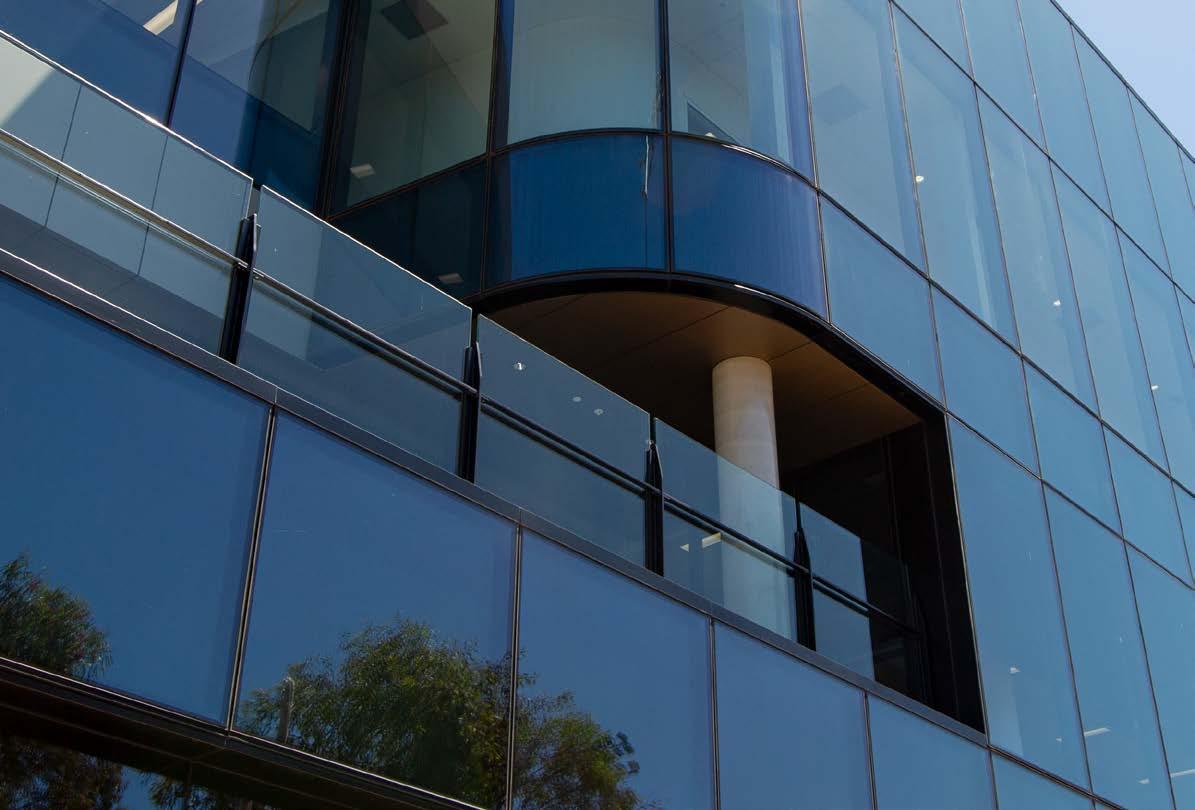
Known for their precision and attention to architectural detail, the GMR Interiors team was tasked with the installation of highperformance ceilings, partitions, and stud framing that define the South Australian Sports Institute’s unique interior spaces.
Spanning an impressive 4,900m² of partitions on the ground level, 3,800m² on Level 1, and 3,600m² on Level 2, along with 2,200m² of external framing, GMR Interiors brought scale and sophistication to each area.
Complementing these partitions, ceilings were installed across 2,700m² on the Ground Level, 3,100m² on Level 1, and 2,800m² on Level 2, providing a seamless and functional design throughout the institute.
“Our role in this project was extensive,” said Seth Powell, Project Manager at GMR Interiors. “We handled everything from insulation and plasterboard to the Level 5 finishes for the Central Heart stairs — a feature that stands at an impressive 11m.”
The work included custom 13m high partition walls for the basketball court, delivering durability and refined aesthetics suited to high-traffic sports environments.
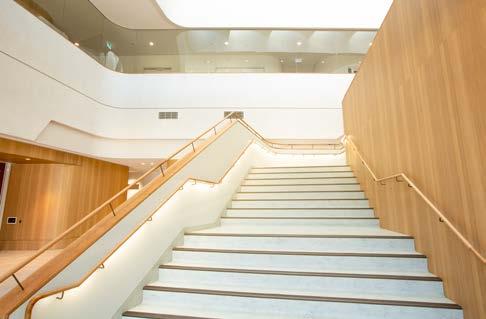
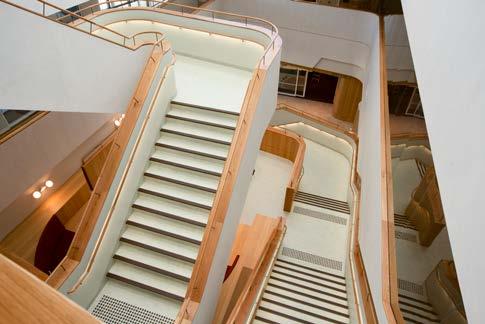
Due to the complex slab heights and custom design requirements, GMR Interiors adapted their approach with meticulous planning and execution. “We used custom-made interior stud work and plasterboard from local suppliers to meet the project’s high standards and curved architectural design,” added Gary Powell, Managing Director. This locally sourced, high-quality material allowed GMR to deliver robust structural support while honouring the intricate aesthetic requirements of the space.
With over 70 team members deployed at peak times, the project required intense coordination across multiple trades and building floors. The success of the installation hinged on strategic pre-planning to align material logistics with the project’s condensed schedule. “Delivering such a high-quality finish in a short program was a challenge, but it speaks to our team’s commitment to excellence,” Seth noted.
GMR Interiors innovative methods and seemless coordination has set a new benchmark in the creation of dynamic spaces
For more information contact GMR Interiors, 18-20 Richard Street, Hindmarsh SA 5007, phone 0433 728 282, email seth@gmrinteriors.com.au
URBAN RENEWAL WITH COMMUNITY AT HEART
DEVELOPER: Catcorp
MAIN CONSTRUCTION COMPANY : Buildtec
ARCHITECT : Tectvs
PROJECT VALUE : $60 million
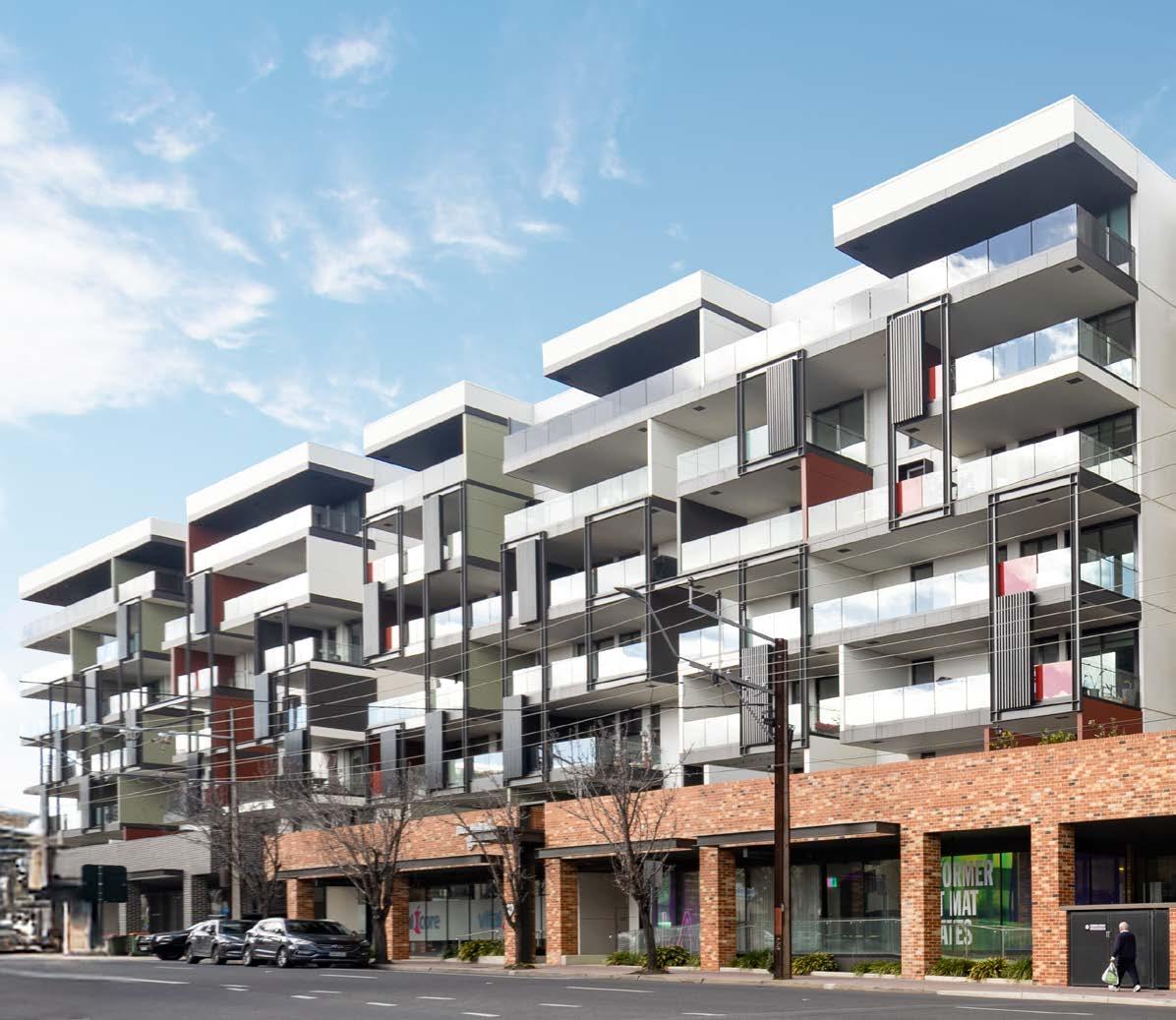
Norwood Green is a thoughtfully designed residential development featuring 1, 2, and 3-bedroom apartments and townhouses across five 7-storey buildings. Arranged around a private communal village green, the project integrates the site’s industrial heritage with modern urban living. The townhome collection includes 31, two, and three-bedroom residences, blending style with functionality.
In Adelaide’s inner east, a bold urban renewal has reshaped a once-industrial site into Norwood Green, a vibrant, sustainable precinct that reflects the vision and expertise of South Australian developer Buildtec.
In partnership with Catcorp, Buildtec led the master-planning and delivery of this landmark mixed-use project, which brings together contemporary living, community-focused design, and thoughtfully integrated green spaces.
“Being part of this redevelopment has been both a privilege and an honour,” said Director Michael Carrocci. “We have a rich history of shaping Adelaide’s urban landscape, and this site has truly become a jewel among city-fringe projects.”
Buildtec’s scope at Norwood Green included the construction and delivery of 22 luxury townhomes, two 6-storey apartment buildings, a
communal residents’ garden, and a public park, creating a place where people genuinely want to live, shop, and connect. From the outset, Buildtec and its partner assembled a trusted team of consultants with a shared vision.
“We curated a team we knew could deliver an exceptional product,” Michael explained. “The planning and documentation were so meticulous that construction became one of the smoother parts of the project. It’s been a seamless and very rewarding process.”
The project’s five-year delivery required meticulous planning to manage staged handovers, ensuring active construction zones operated seamlessly alongside completed, occupied residences.
“Our focus was on safety and minimising disruption. Attention to detail in planning ensured we could confidently deliver each stage without compromising the quality of life for residents already moved in,” Michael says.
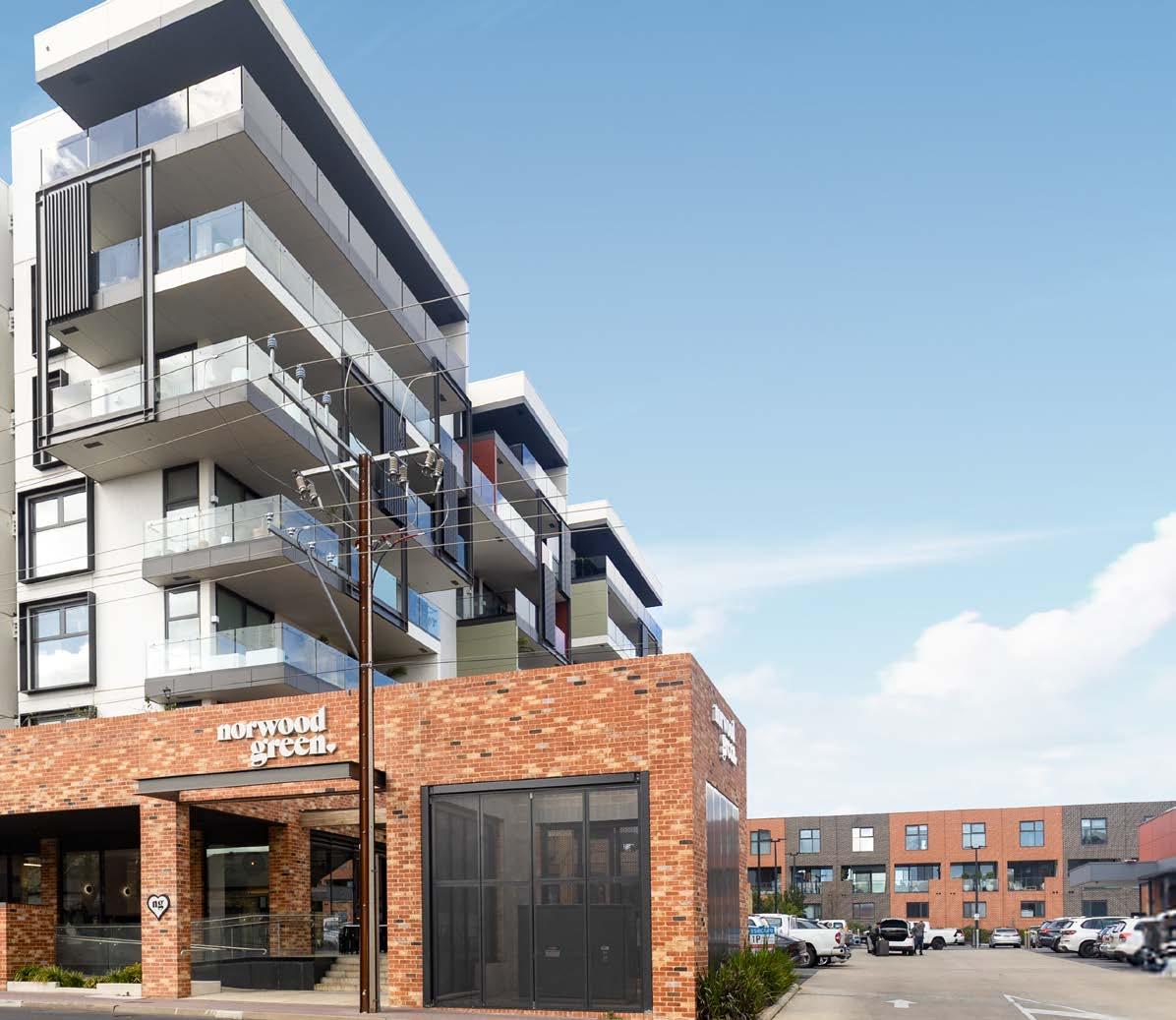
Sustainability was a central pillar of the Norwood Green vision. Buildtec worked closely with environmental consultants from the outset to ensure energy efficiency, water management, and long-term environmental considerations were embedded into both design and construction.
“We integrate sustainable principles in all our projects, but especially here,” Michael notes. “We understand our industry’s environmental footprint and make a conscious effort to reduce it through every phase of the development.”
Although approved under state planning provisions, Buildtec prioritised collaboration with the Norwood Payneham and St Peters Council to ensure the built form aligned with community expectations. “The council was an important member of our design team,” said Michael. “Their input ensured we achieved a balance between architectural innovation and community relevance. A great example is the creation of public parks within the precinct, which will be handed over to the council as lasting assets for the whole community.”
The retail precinct, featuring a supermarket, dining, healthcare, and fitness facilities, has been operational for two years and continues
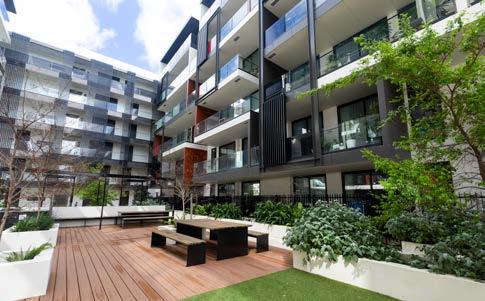
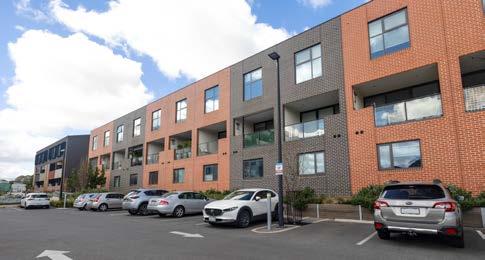
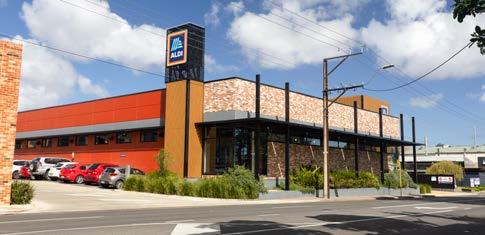
to perform strongly. Designed as a central gathering point for both residents and the wider community, it reflects the project’s intent to create an activated, self-sustaining neighbourhood.
“The popularity of this precinct speaks for itself,” says Michael. “It’s been truly accepted and embraced by the community. Even now, while we’re completing the final stages, residents engage with us daily, a testament to the connection they feel to the project.”
Buildtec is particularly proud of how the development honours the site’s history while announcing a bold new future. “The architecture respects the past but represents the next generation of the area. The materials we chose will allow the design to age gracefully, maintaining its identity for decades to come.”
At Norwood Green, Buildtec has achieved more than a successful development, they’ve created a destination. One that celebrates connection, sustainability, and the evolving spirit of Adelaide’s east.
For more information contact Buildtec, 99 King William Street, Kent Town SA 5067, phone 08 8132 8400, email reception@buildtec. com.au, website www.buildtec.com.au
Below B&S Joinery brought expert craftsmanship and seamless collaboration to the large-scale Norwood Green development.
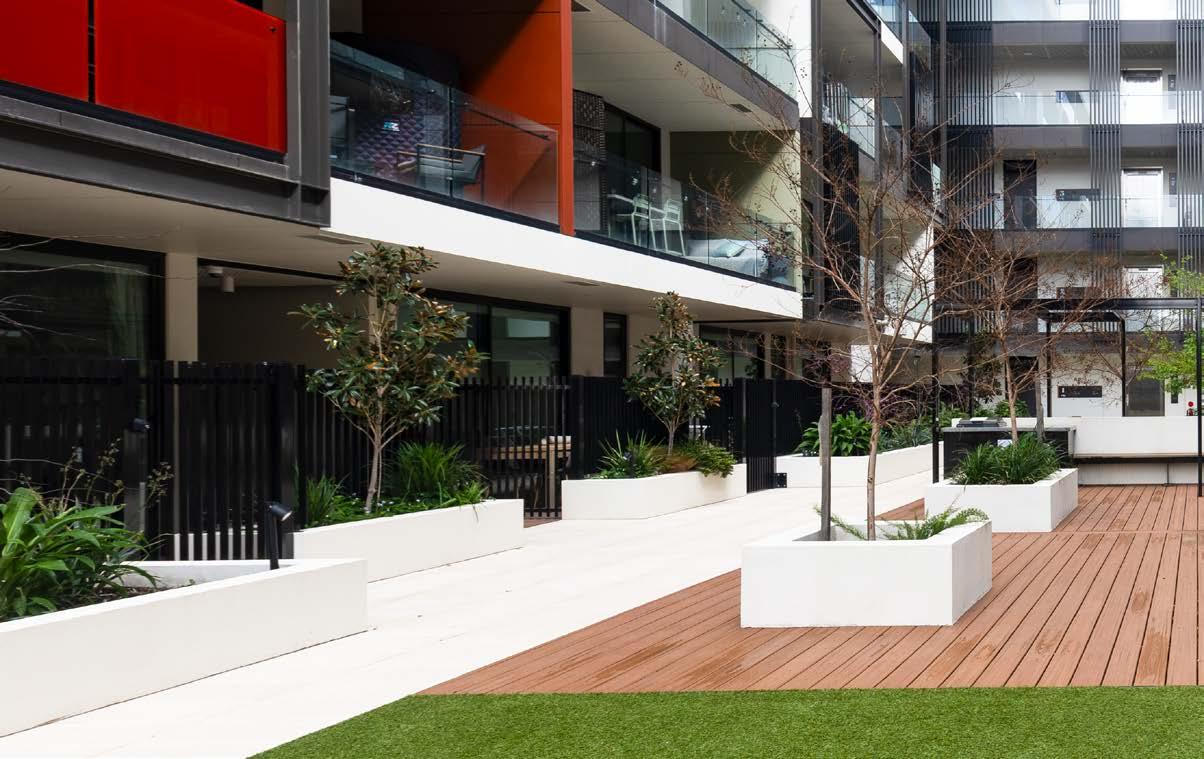
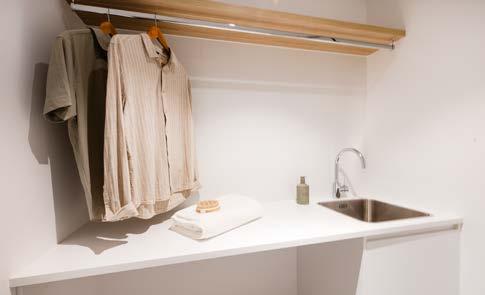
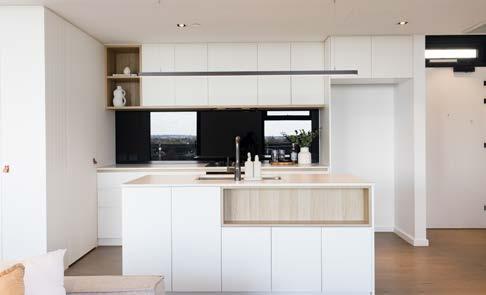
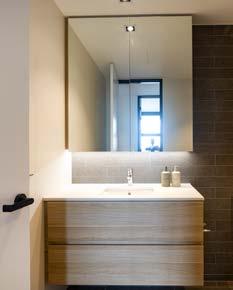
BIG PROJECTS WITH A PERSONAL TOUCH: BUILDING THE HEART OF HOMES AT SCALE
With over 35 years of experience in South Australia’s building industry, B&S Joinery (SA) has built a reputation for delivering high-quality, custom joinery with a personal, family-driven approach. Their recent work on the large-scale Norwood Green development is a testament to their ability to combine craftsmanship, collaboration, and care, bringing functional character to hundreds of residences without sacrificing attention to detail.
“We were engaged to supply and install all custom joinery across the Norwood Green apartments. That included kitchens, laundries, bathroom vanities, robes, and linen cupboards, every internal joinery element that brings function and finish to these homes,” said Managing Director, Adam Saccardo and Adrian Porcaro.
“We worked closely with all contractors to ensure every joinery component was delivered and installed on schedule,” Adrian says. “That collaboration was key to keeping the broader construction program on track.”
B&S Joinery’s team brought their decades of experience to bear on the high standards of Norwood Green’s design. The result is a seamless blend of aesthetics and practicality across hundreds of residences.
“Every project is different, but our approach remains the same, delivering quality joinery with a hassle-free attitude and an eye for detail,” said Adam.
In addition to their work at Norwood Green, B&S Joinery is also delivering joinery packages for the Prospect Apartments development, continuing their longstanding commitment to South Australian residential and commercial construction.
A proud family-owned business, B&S Joinery is committed to being approachable, reliable, and economical. “We take great pride in what we do,” says Adam. “Our clients know that when they engage us, they’re not just getting a contractor, they’re getting a trusted partner in delivering excellence.”
From bespoke interiors to large-scale apartment builds, B&S Joinery continues to set the standard in custom architectural joinery across South Australia.
For more information contact B&S Joinery, 124-126 Wingfield Road Wingfield SA 5013, Adelaide SA 5013, email bsjoinery@bsjoinery. com.au, phone 08 8349 7376
Below Mez Contracting delivered expert waterproofing at Norwood Green, using durable torch-applied membranes for structural longevity.
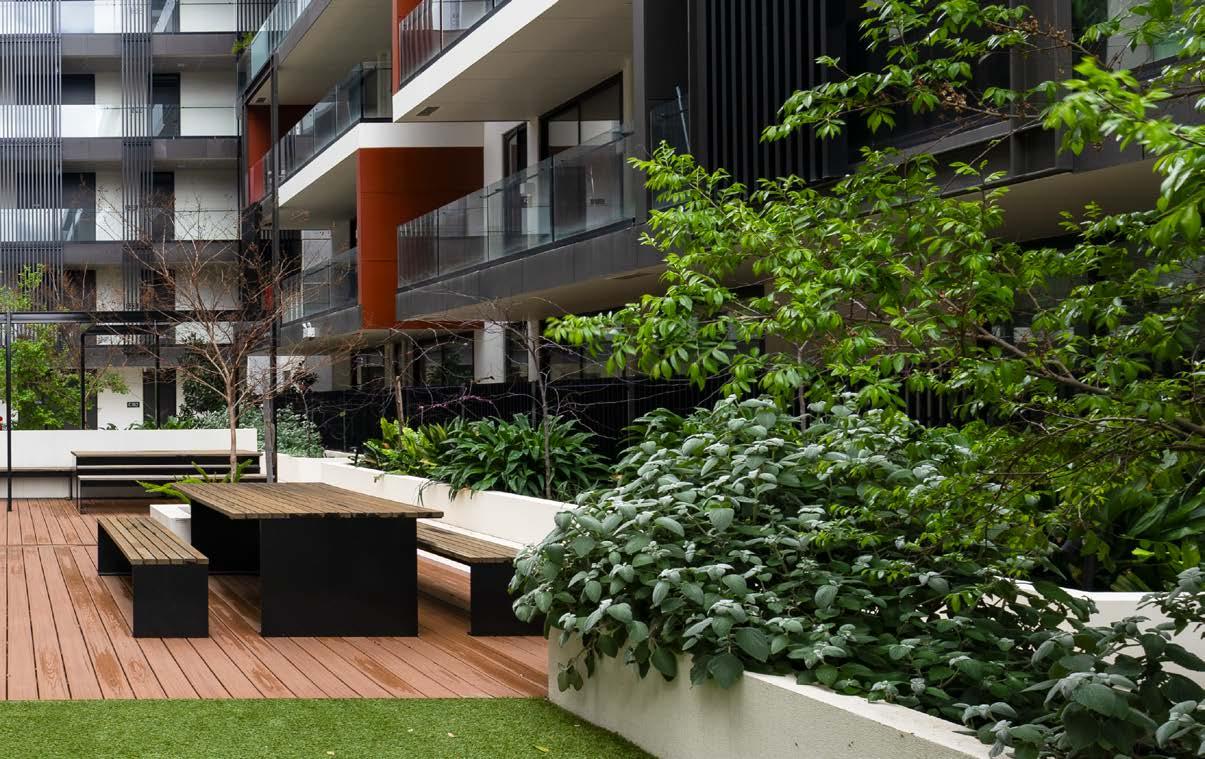
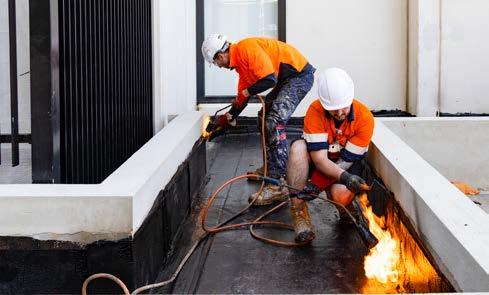
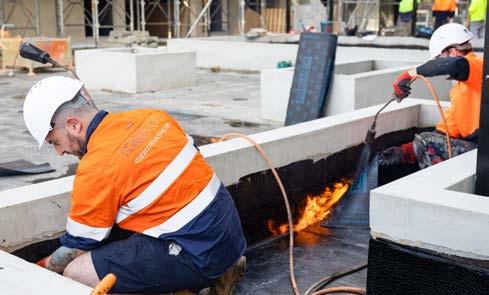
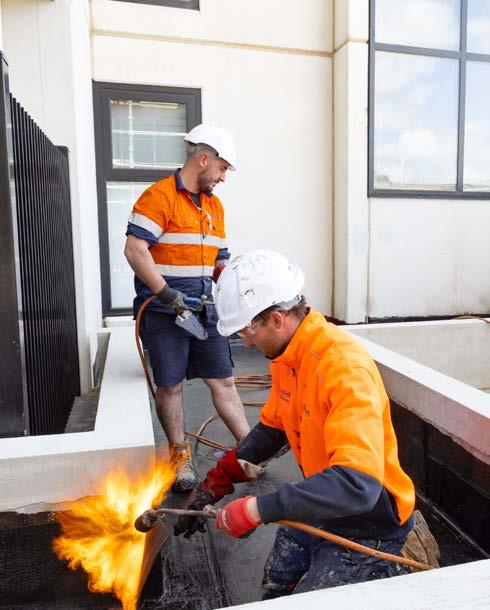
SEALING STRUCTURAL LONGEVITY: WATERPROOFING FOR LARGE-SCALE PROJECTS
As Adelaide’s longest-standing waterproofing specialists, Mezcon Dayproof brought over 35 years of proven experience to the transformative Norwood Green project, delivering durable, high-performance solutions tailored to high traffic environments, providing a critical safeguard against long-term structural deterioration and costly remediation.
“We installed a complete waterproofing system from Mapei, with the scope including waterproofing for the podium plaza on level two, the retaining walls, planter boxes, and floor areas,” Operations Manager George Rowan explained. “We used a torch-applied bitumen membrane renowned for its durability and proven performance. The proprietary material comes in rolls, and provides a reliable, long-term waterproofing solution.”
In high-risk areas such as retaining walls, Mezcon Dayproof installed a double layer of membrane along with a protective drainage sheet (HDPE) to ensure maximum protection and structural longevity, using a controlled heating process to achieve full adhesion to the substrate.
While technical challenges can arise in a large-scale development like Norwood Green, George credits a smooth workflow to strong
collaboration with the builder. “Buildtec were great to work with,” he said. “Materials were delivered to our yard and craned over the building when needed. Everything was well-organised.”
With a track record spanning over 35 years, Mezcon Dayproof has built a solid reputation for excellence in both residential and commercial sectors.
In addition to waterproofing, the company also offers concrete remediation, truncations, specialist grouting, shotcrete, carbon fibre reinforcement, crack injection (acrylic, pu, epoxy, etc), epoxy repairs and applications, polyurea spray and applications, as well as expansion joints, and all types of water sealing services, interior and exterior.
“Projects like Norwood Green really showcase our expertise in torchapplied membranes,” says George. “It’s where we shine, applying best practices and proven systems to ensure the long-term success of high-profile builds.”
For more information contact Mez Contracting, 4/13 Thames Avenue, Klemzig SA 5087, email info@mezcontracting.com, phone 08 8346 0924, website www.mezcontracting.com.au
SHAPING THE FUTURE OF MENTAL HEALTH CARE
CLIENT : Central Adelaide Local Health Network (CALHN) supported by Department for Infrastructure and Transport (DIT) and SA Health
MAIN CONSTRUCTION COMPANY : Hindmarsh Construction
ARCHITECT : Cheesman Architects
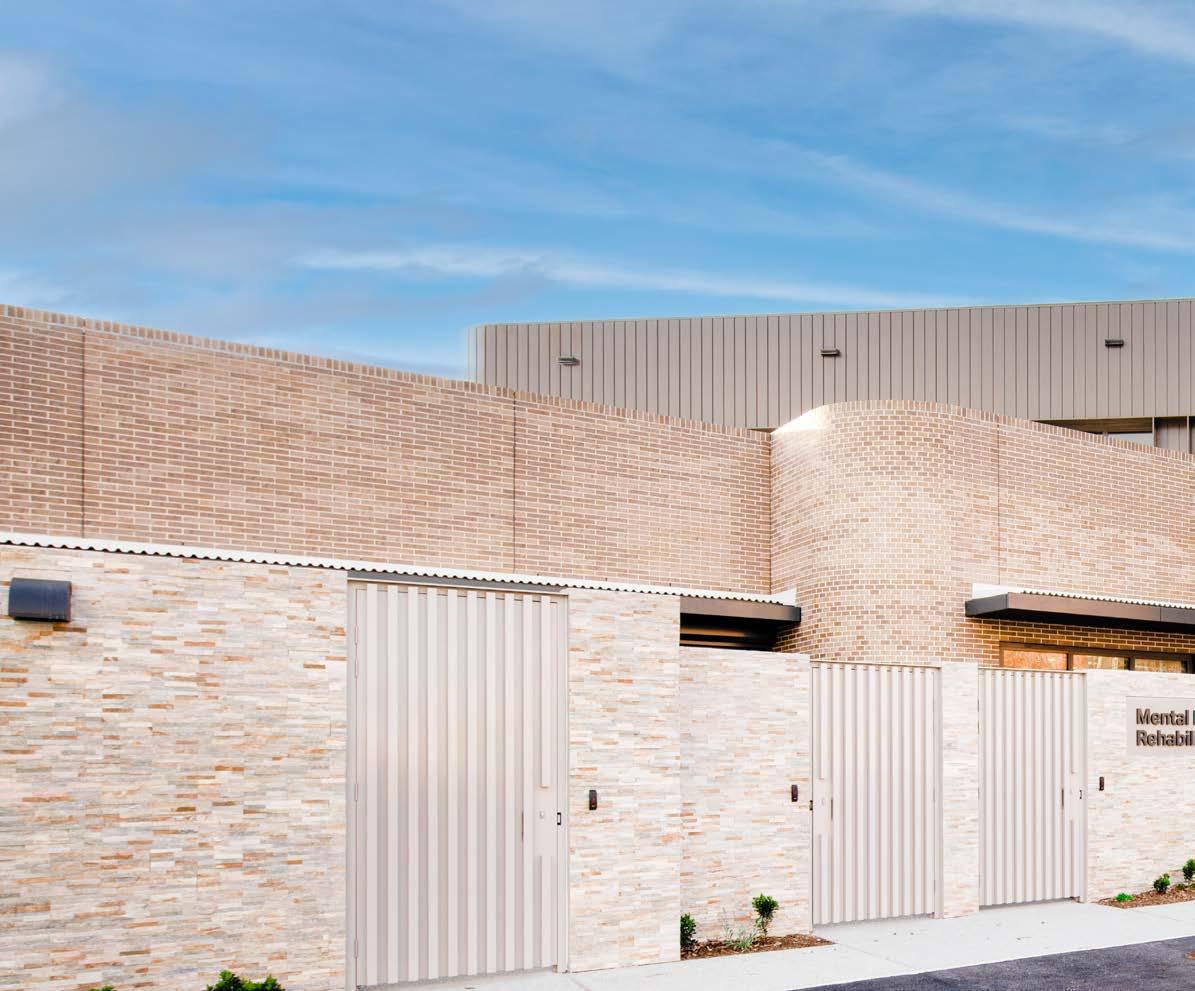
The Queen Elizabeth Hospital (TQEH) Mental Health Rehabilitation Facility is a 24-bed, purpose-built centre delivering recovery-focused care in a dignified, therapeutic environment. Featuring natural light, landscaped courtyards, and anti-ligature design, it promotes safety and wellbeing. The fully electric, energy-efficient facility enhances South Australia’s mental health capacity and sets a benchmark in collaborative, sustainable healthcare delivery.
Constructed by Hindmarsh Construction on behalf of Central Adelaide Local Health Network (CALHN) and supported by Department for Infrastructure and Transport (DIT) and SA Health, The Queen Elizabeth Hospital Mental Health Rehabilitation Facility marks a new chapter in how specialist mental health services are delivered in South Australia.
The project forms part of a broader state government initiative to increase mental health capacity and reduce pressure on emergency departments and acute wards. The Queen Elizabeth Hospital services a population of more than 250,000 residents across western Adelaide, and the addition of specialist rehabilitation beds helps to create better service flow across the region’s mental health system.
Designed to provide longer-term, recovery-focused care, the twostorey, 24-bed facility offers a calm, residential environment where patients can safely transition from acute care to greater independence. Single bedrooms with ensuites, communal living areas, therapy rooms,
and landscaped courtyards have been carefully arranged to encourage connection, dignity, and healing.
Delivering mental health infrastructure of this nature demanded a nuanced and collaborative approach. Hindmarsh worked closely with CALHN clinical teams, specialist consultants, governance stakeholders, and consumer representatives — including the Office of the Chief Psychiatrist, Infection Control, and union representatives — to ensure the spaces supported both therapeutic goals and stringent clinical requirements.
Anti-ligature fixtures, passive observation lines, and acoustic controls were carefully integrated, while periodic inspections, sample submissions, and staged sign-offs ensured every built element met clinical, operational, and functional standards.
To refine the design, a prototype bedroom was constructed early in the process, enabling clinical teams to test layouts, materials, and
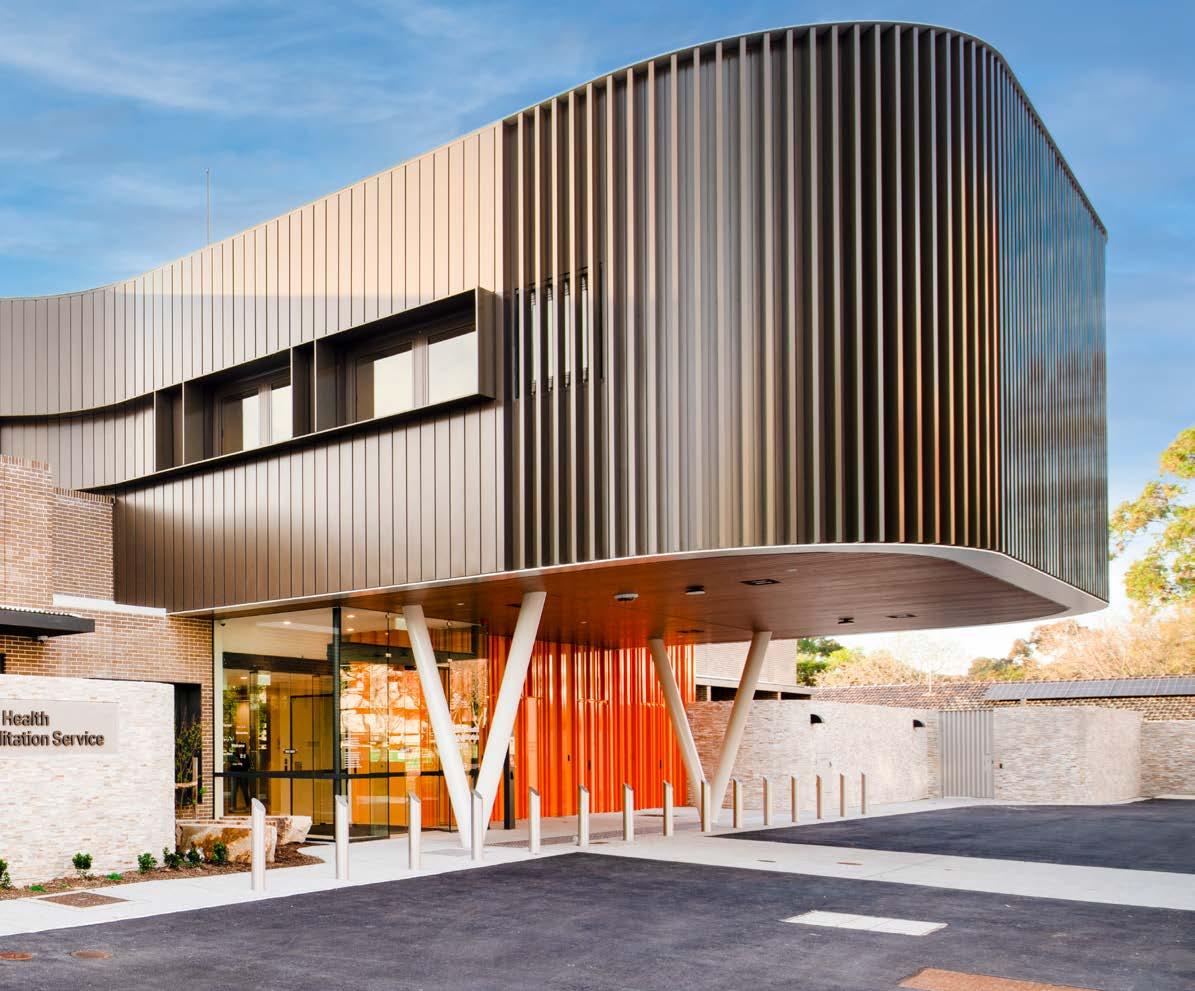
safety features under real-world conditions. Insights gained directly informed the final fit-out demonstrating a practical and collaborative approach to stakeholder engagement and user-led design.
Specialist furniture, fixtures, and clinical equipment was sourced internationally. Key imported elements included Britplas anti-ligature bedroom window systems from the United Kingdom, Hipac specialist door hardware from the UK, Qinera sensory modulation equipment from Spain, and oversized Otis lift components from multiple international manufacturing centres.
Local suppliers produced essential custom components such as Crown Furniture beds and side tables, and entirely new ensuite door systems designed specifically for this project. Co-ordinating procurement, freight, customs clearance, installation sequencing, and commissioning for all of these items required detailed forward planning, risk management and close communication between Hindmarsh, suppliers, and CALHN stakeholders.
Given the complexity of mental health care, the architectural and interior planning elements of the project carry significant weight. Circulation pathways, sight-lines, acoustic control, privacy, and access to outdoor space were all carefully balanced to promote calmness and connection rather than confinement, with two secure courtyards providing patient-
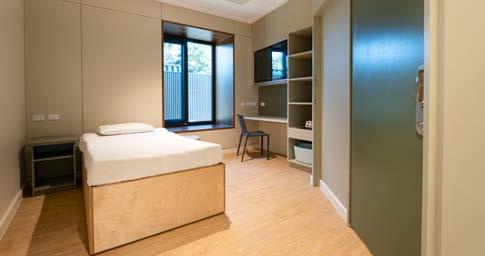
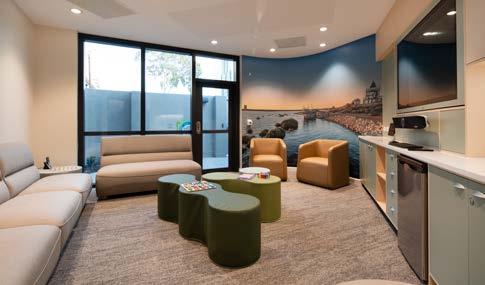
controlled access to outdoor recreation. Sustainability, durability, and lifecycle considerations were integrated throughout, with finishes selected for longevity in high-use environments while maintaining a contemporary, warm, and human-scaled atmosphere consistent with current therapeutic design philosophies.
Although the facility sits across the road from the main TQEH campus, it needed to integrate fully into the hospital’s existing operational and digital networks, introducing significant technical complexity to the
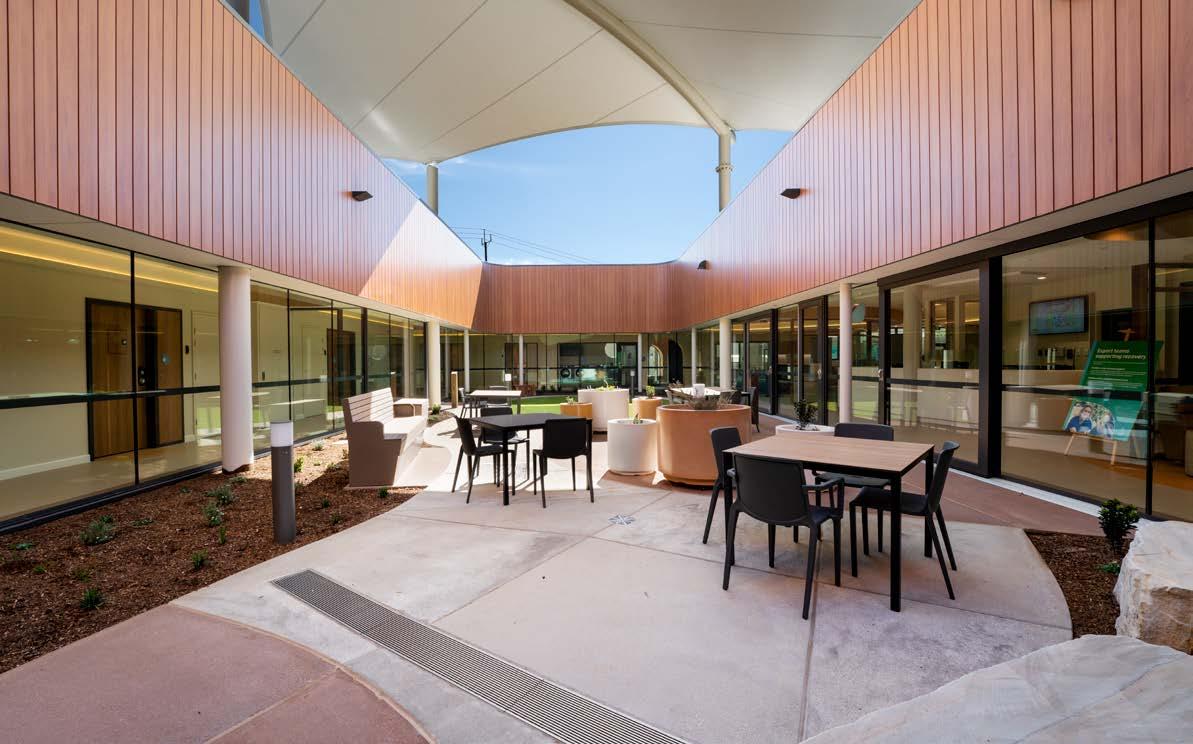
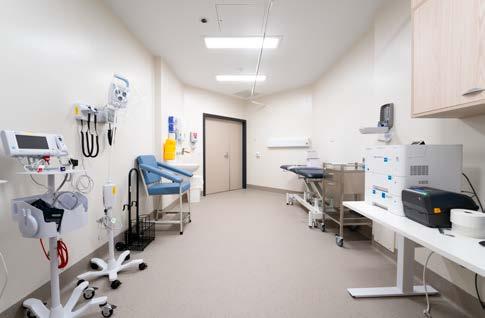
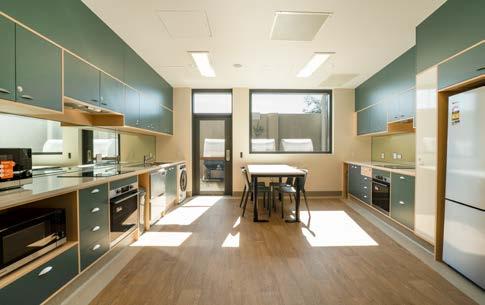
construction programme. Services integration included linking fibre networks, security, access control, CCTV, clinical communications and mobile duress systems into CALHN’s broader digital and emergency response platforms.
The mechanical services and fire systems were configured so that each wing can shut down independently during an incident while the rest of the facility remains operational, demonstrating a high level of controlled systems integration. Backup generator and UPS systems were tied into the site-wide power resilience framework, further supporting continuity of care.
As mental health service models continue to evolve nationally, infrastructure is increasingly being shaped around recovery-oriented practice rather than solely crisis intervention. The new facility at The Queen Elizabeth Hospital reflects that shift: providing time, space, and specialist support for people to rebuild capacity and confidence before returning to the community.
For Hindmarsh, the project underscores its role as a national contractor capable of delivering technically complex social infrastructure that directly contributes to community wellbeing. It is an example of thoughtful construction shaping not only the built environment, but also the quality of care that environment enables.
For more information contact Hindmarsh Construction, phone 08 8228 4188, email enquiries@hindmarsh.com.au, website hindmarsh.com.au
Hindmarsh
Below Humphreys Electrical delivered compliant, anti-ligature, and bespoke electrical systems at the Queen Elizabeth Hospital Mental Health Facility.
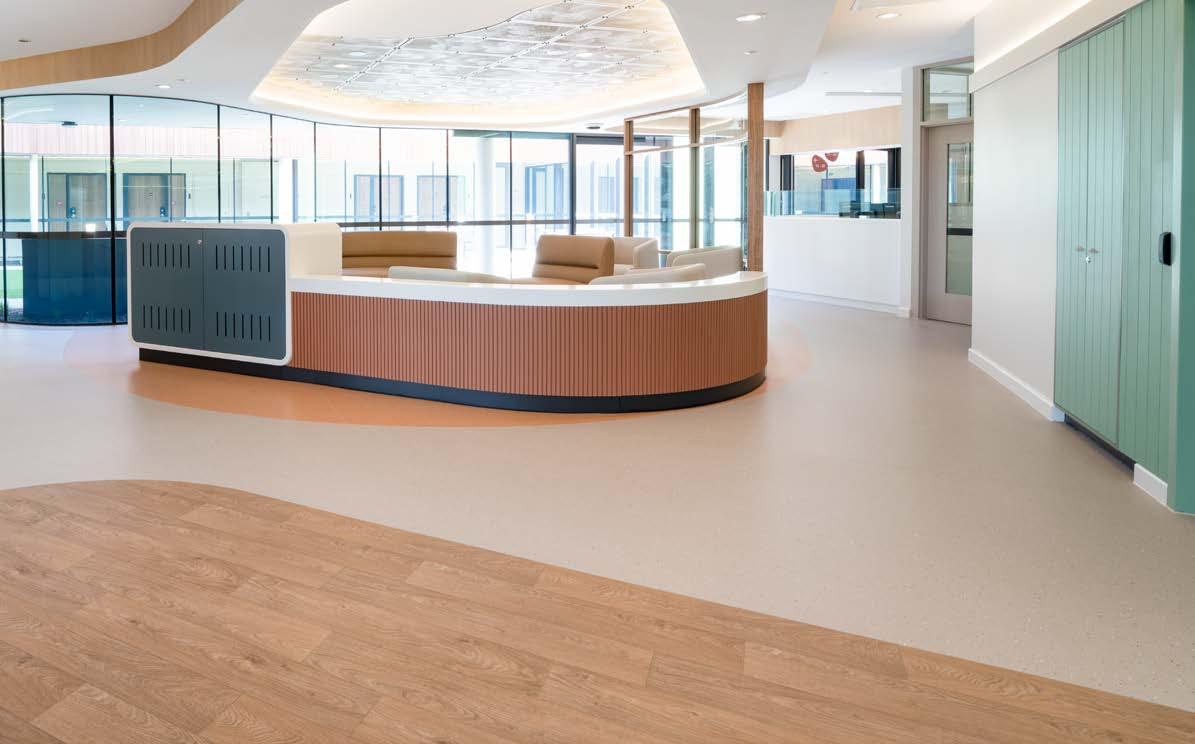
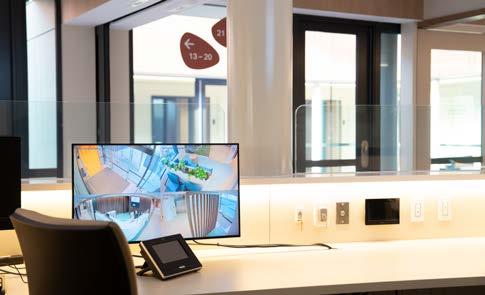
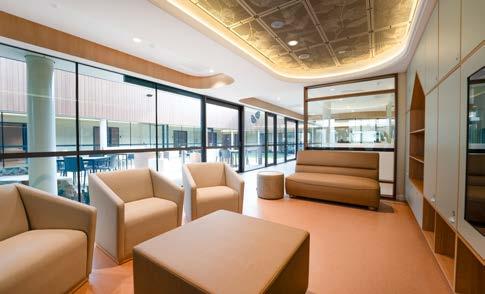
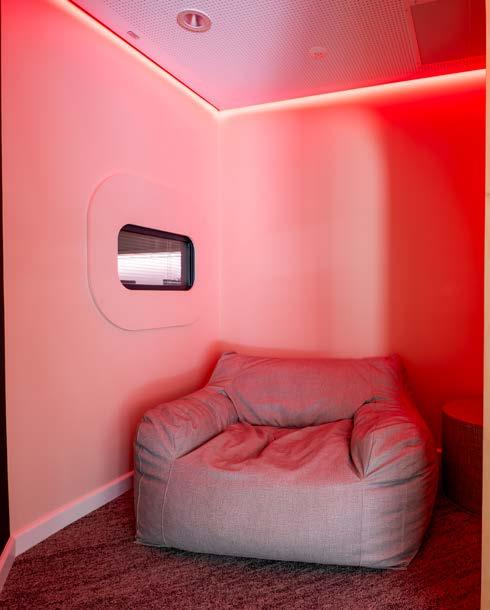
TECHNICAL PRECISION AND SAFETY IN HEALTHCARE ELECTRICAL INSTALLATIONS
The delivery of the new TQEH Mental Health Rehabilitation Service in Adelaide required a specialist approach to electrical and security systems, with a strong focus on patient safety. Humphreys Electrical was entrusted with this critical package, bringing technical expertise and industry qualifications to one of South Australia’s most significant healthcare projects.
“Our scope was the complete electrical package,” explained Nick Doyle, Construction Manager at Humphreys Electrical. “That included electrical, communications, security and access systems, CCTV, mobile duress, AV, and generator power.”
“Because it was a mental health facility, all systems had to be antiligature compliant,” Nick explained. “We also introduced new doortop alarm systems as part of the safety package, ensuring the highest level of protection for patients and staff.” These bespoke solutions required close co-ordination with the client and design teams to achieve compliance without compromising functionality.
The company’s DIT CAT E2 qualification further reinforced its ability to manage high-level electrical and communication installations in healthcare environments.
The project was technically complex, yet Humphreys Electrical ensured smooth delivery. “This project was very complex, but delivered on time and on budget,” Nick said. “We’re proud to have played a role in delivering a facility that prioritises safety, security, and care.”
Humphreys Electrical’s contribution to TQEH Mental Health Rehabilitation Service continues its legacy of delivering high-quality electrical solutions across diverse sectors. Other recent projects include 200 East Terrace, Findon Technical College, Queen Elizabeth Hospital – Fast Track Beds, and Resthaven Aged Care, all of which showcase the company’s versatility and reliability.
With proven capability in complex healthcare projects, Humphreys Electrical has cemented its reputation as a trusted partner for delivering innovative, compliant, and reliable electrical solutions across South Australia.
For more information contact Humphreys Electrical, Unit 1, 360-365 Richmond Road, Netley SA 5037, phone 08 8357 3298, email admin@heservices.au, website www.humphreyselectrical.com.au
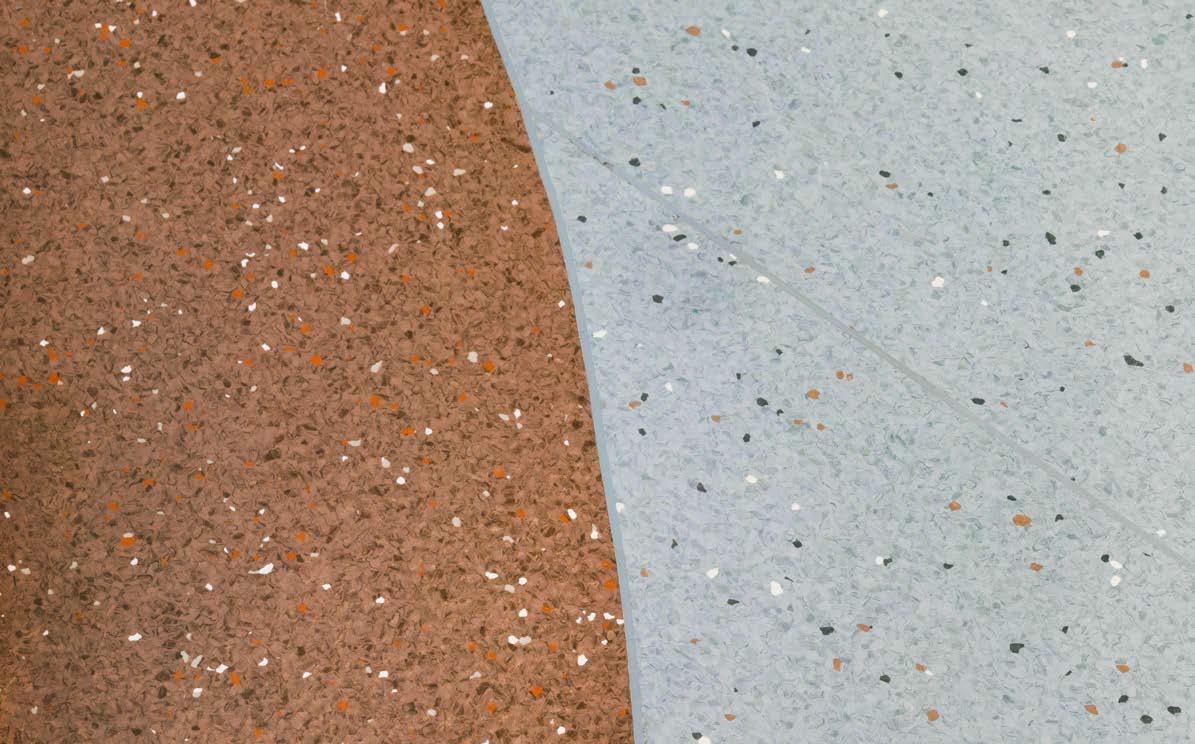
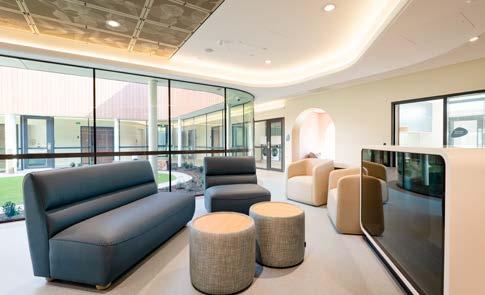
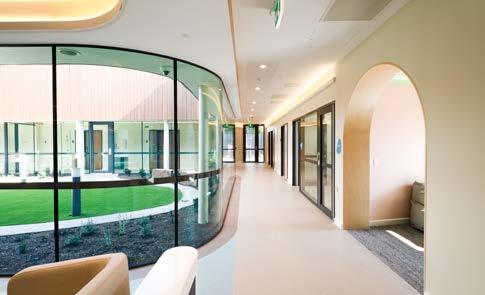
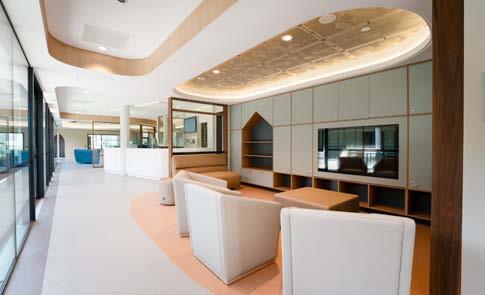
INTERIOR DETAILING THAT SUPPORTS WELLBEING AND COMPLIANCE
Mental health facilities demand more than quality finishes, they require precision detailing that directly supports safety and wellbeing. At the TQEH Mental Health Rehabilitation Service in Adelaide, Bespoke Contractors brought this expertise to life, delivering interiors that balanced performance, compliance, and design sensitivity, reinforcing their reputation as a trusted partner for complex builds
“Our scope of work for this project involved all the structural and non-structural timber framing, plasterboard linings and suspended ceilings,” explained Eddie Wignall. “Our team also supplied and installed both timber and metal feature ceiling linings, ensuring the project met the high standards expected for a healthcare environment.”
The facility’s design demanded not only quality finishes but also strict compliance with anti-ligature safety standards. This created unique challenges during delivery.
The project involved several significant challenges for us, such as tight construction timeframes, complex design detailing, and the precise execution of curved ceilings, openings, and recessed ensuite doors,” Eddie explained. “Achieving compliance with the strict anti-ligature
standards required in mental health facilities demanded exceptional attention to detail and seamless coordination between all trades and the broader project team.
Bespoke Contractors is well-versed in projects that call for both technical capability and design sensitivity. Beyond healthcare, the company’s portfolio spans education and retail, with recent work including Findon Technical college, Immanuel college and currently North Park Shopping Centre. Across all sectors, the team brings the same focus on delivering high-quality finishes tailored to each client’s needs.
For Bespoke Contractors, the TQEH Mental Health Rehabilitation Service was a rewarding challenge. “Being involved in such an important facility is something we’re proud of,” Eddie said. “It’s great to know that our contribution supports a safe, functional, and welcoming environment for the people who will use it.”
For more information contact Bespoke Contractors, 104 Hardys Road, Torrensville SA 5031, phone 0411 845 763, website www.bespokecontractors.com.au

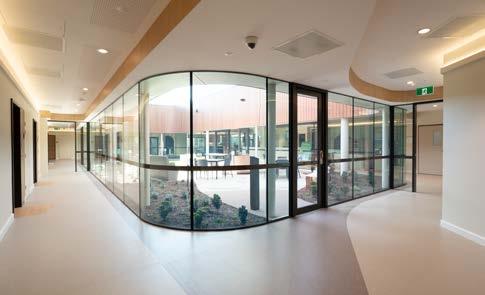
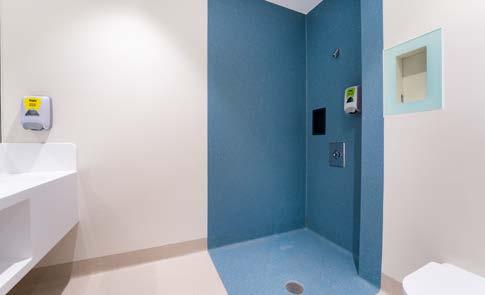
Below JFloors delivered durable, safe, and design-focused flooring at Queen Elizabeth Hospital Mental Health Facility.
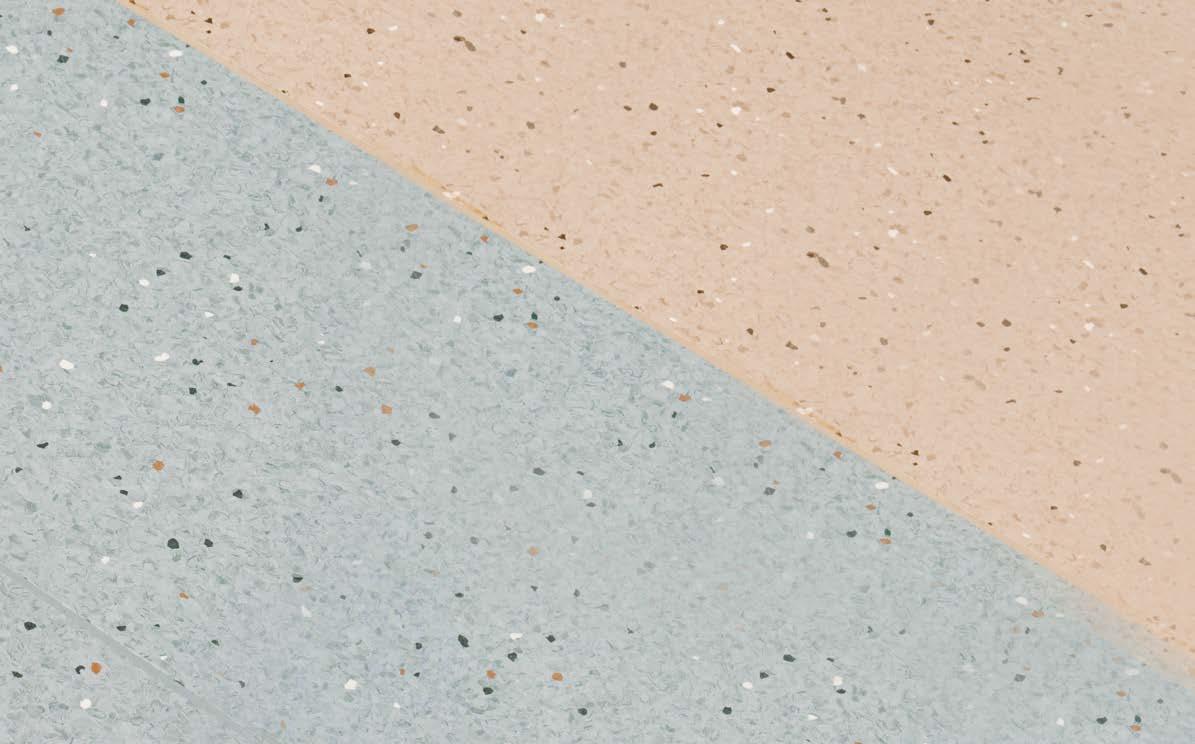
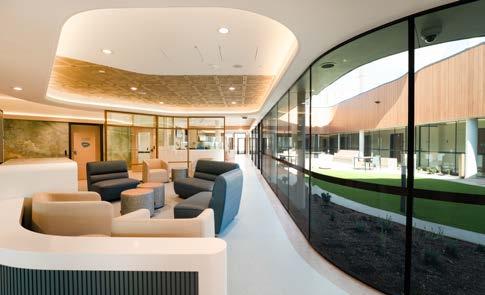
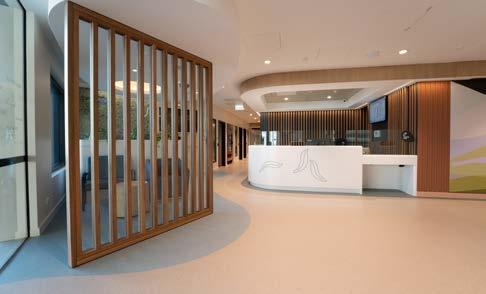
FLOORING THAT COMBINES SAFETY, DURABILITY, AND INTERIOR APPEAL
In high-use environments like healthcare, education, and multiresidential projects, flooring must do far more than look good, it must conform to safety, withstands constant wear, and shapes how people experience interior spaces. Since 2016, JFloors has specialised in delivering surfaces that combine durability, compliance, and aesthetic presence, ensuring each project balances technical performance with inviting, well-considered design.
For the TQEH Mental Health Rehabilitation Service, the company’s scope was extensive, with JFloors handling all flooring for the project. “Our scope included everything from floor preparation, including falls and ramping, through to product supply, installation, and wall vinyl in bathrooms,” explained Jesse Roberts, General Manager of JFloors.
“We completed full custom pattern work in all areas, including the bathrooms,” Jesse said. This not only elevated the aesthetics of the facility but also provided a durable, hygienic, and functional solution suited to a demanding healthcare environment.
Healthcare facilities bring their own challenges, with strict standards for safety and ease of maintenance. JFloors’ contribution balanced
technical performance with a design-conscious approach, ensuring the spaces are not only robust but also welcoming for staff, patients, and visitors.
With a compact but highly skilled team of seven employees, JFloors demonstrates how boutique contractors can make a big impact on complex, high-profile projects. Their collaborative approach with builders and other trades ensured that installation was seamless and delivered to program requirements.
Beyond TQEH Mental Health Rehabilitation Service, JFloors continues to expand its portfolio with projects such as Westpac Festival Tower, TQEH Fast Track Beds, and multiple residential towers.
“We’re proud to deliver flooring that combines function, design, and quality. Projects like this show what we can achieve when precision and creativity come together,” Jesse said.
For more information contact JFloors, Unit 1/20 Adam Street, Hindmarsh SA 5007, phone 0498 185 719, email sales@jfloors.com.au, website www.jfloors.com.au
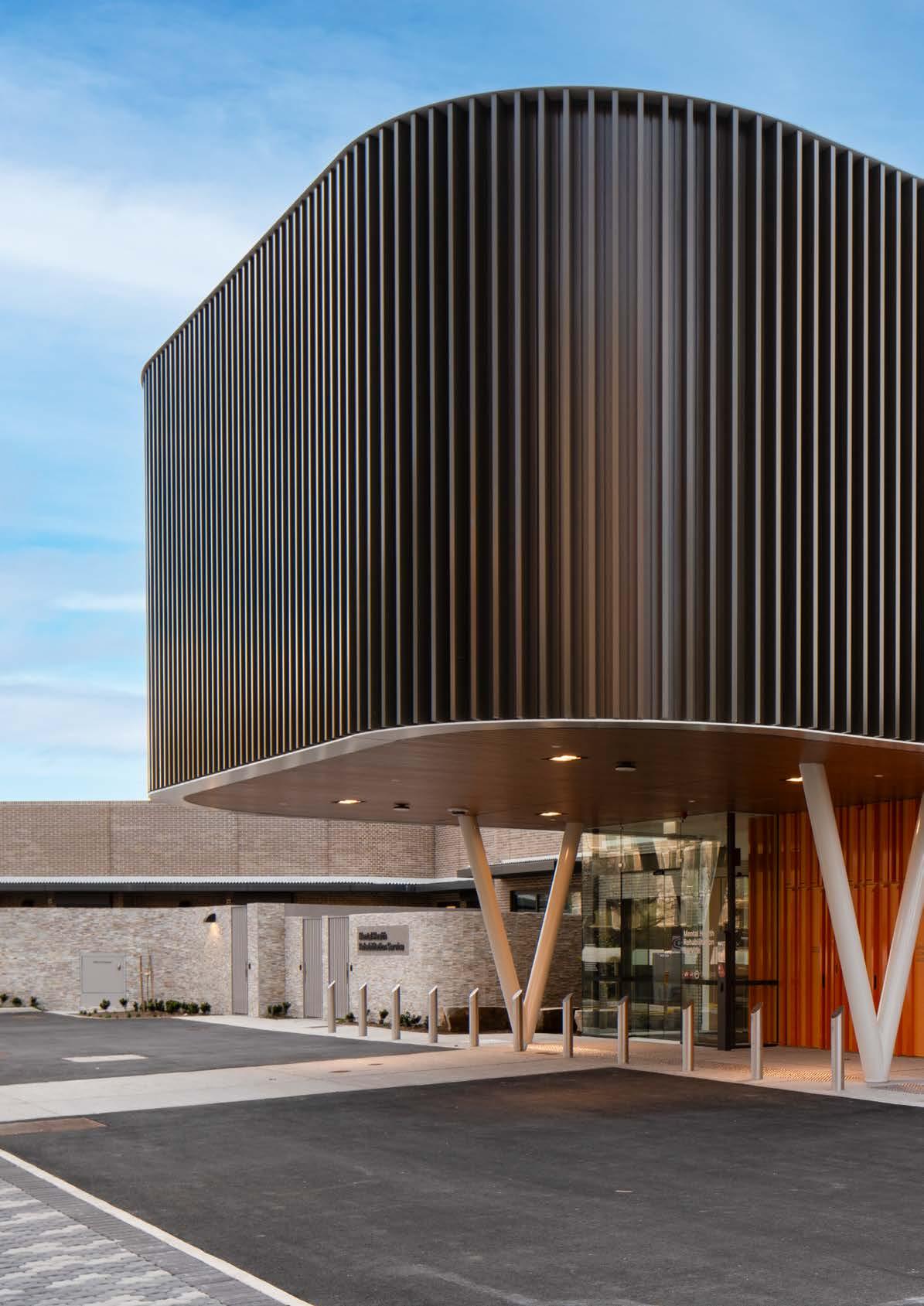
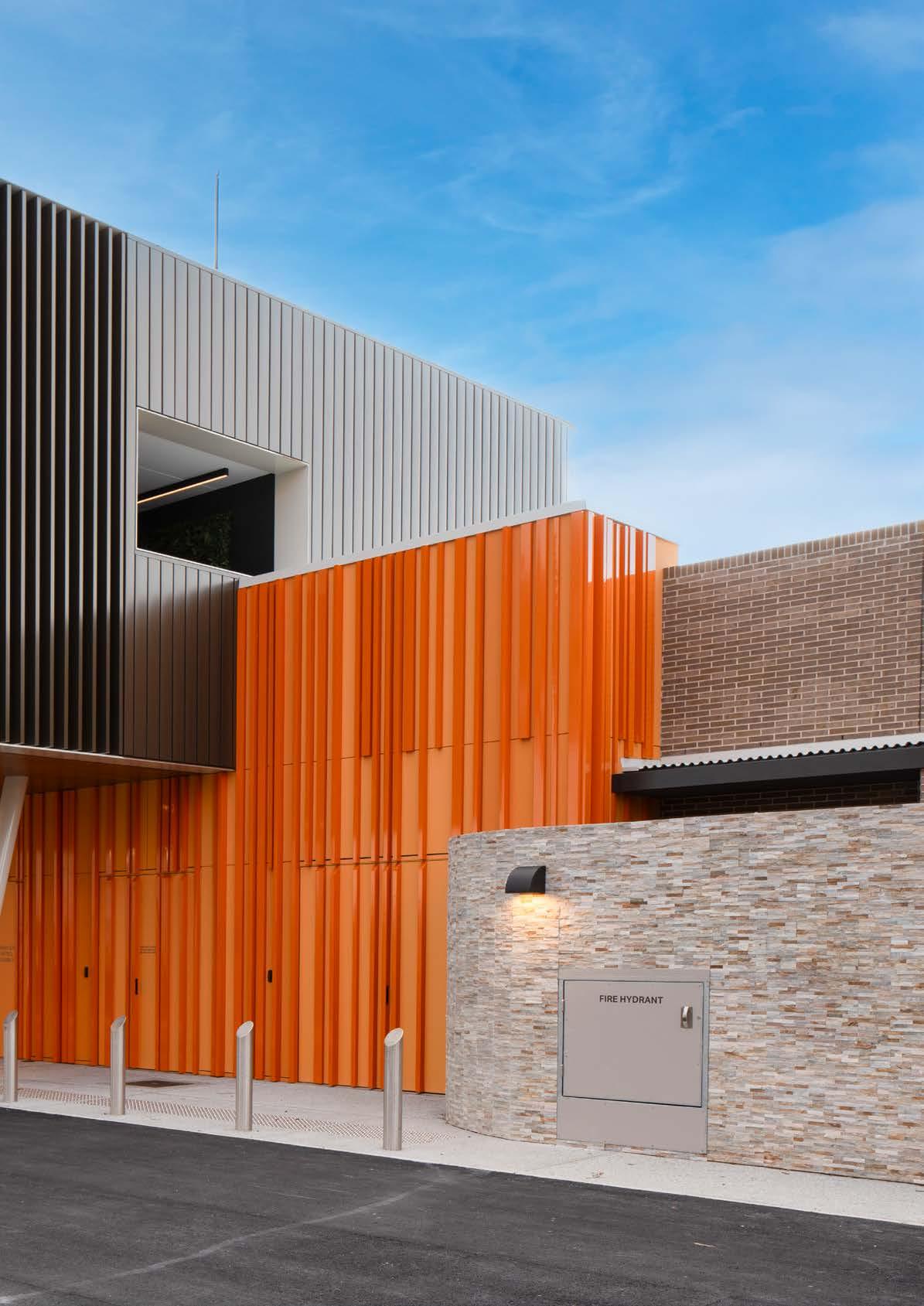
INTEGRATING WELLNESS & SUSTAINABILITY IN URBAN DESIGN
DEVELOPER : Azure
ARCHITECT : Sparc Architects
PROJECT VALUE : $40 million
Photos this feature supplied by Azure
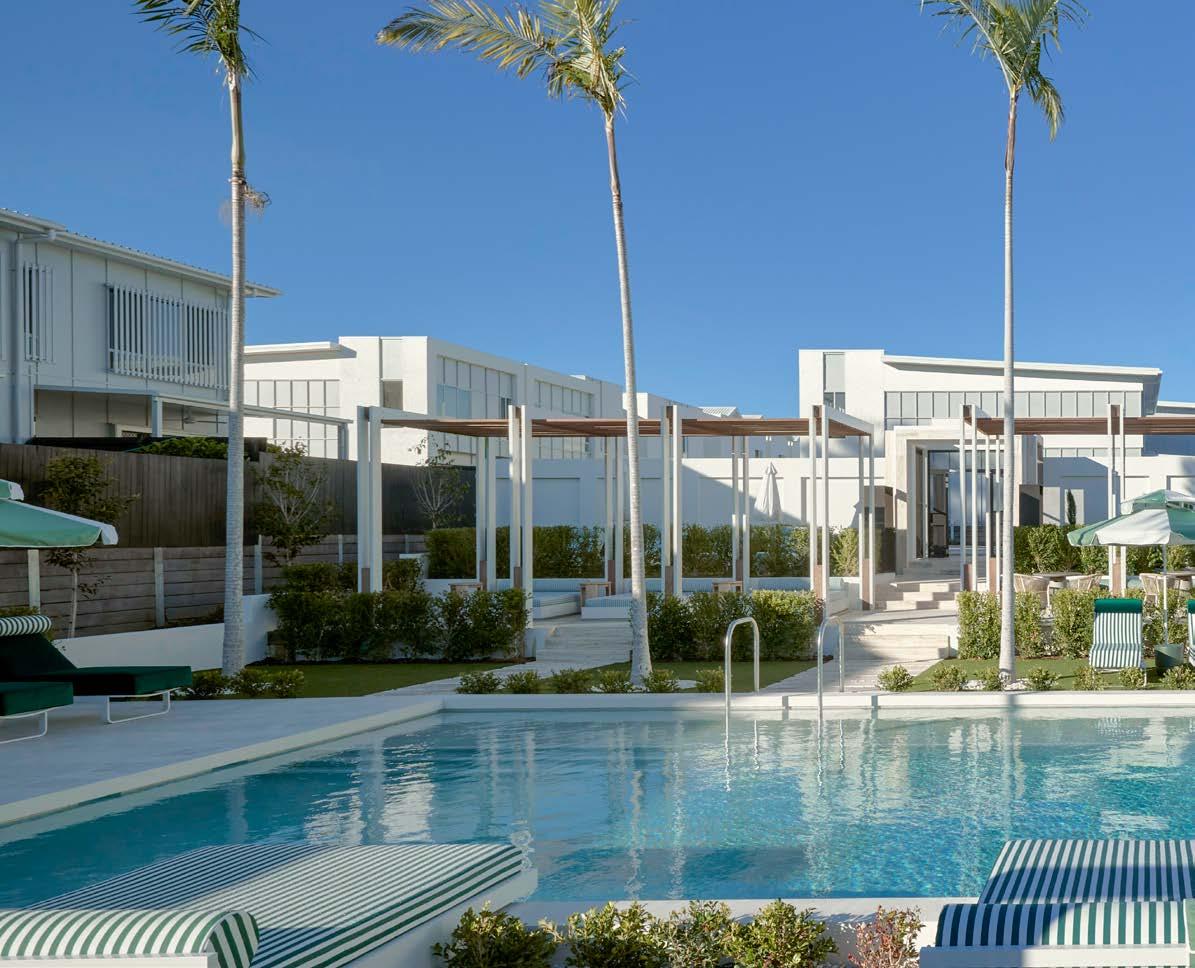
Willow is a secure, master-planned community of 76 terrace homes designed to combine aesthetic refinement with everyday practicality. The homes feature three- or four-bedroom configurations arranged over two or three levels, with open-plan living spaces and premium finishes including ILVE appliances, stone benchtops, and custom joinery. Residents have access to landscaped communal areas, a 20-metre lap pool, and spaces for yoga, meditation, and relaxation.
Balancing timeless design, wellness-focused amenities, and mixed-use integration, Azure’s North Lakes community showcases the strength of its design-led philosophy.
At North Lakes, in Brisbane’s northern growth corridor, Azure has brought its philosophy to life in Willow by Azure, a community of 76 terrace homes anchored by resort-style amenities and complemented by mixed-use elements. For Azure, Willow represents more than just a residential development; it is a statement of design and placemaking.
From the outset, Willow was envisioned as a neighbourhood where modern convenience meets timeless appeal. “Willow was curated as a community that balances modern convenience with timeless design,” explained Trent Keirnan, Director at Azure.
“Our vision was to create homes that are practical and low-maintenance without compromising on space, natural light, and premium finishes. Every residence has been thoughtfully planned to maximise liveability today, while ensuring enduring appeal for future generations.
This commitment to quality and design integrity reflects Azure’s philosophy of crafting communities that remain Special Forever.”
This philosophy is evident not only in the homes but also in the creation of shared amenities that support wellbeing and connection.
“At Willow, amenities were designed not just as features, but as spaces that enrich everyday life,” Trent said. Residents enjoy a 20m heated pool for year-round relaxation, a yoga lawn for mindfulness and movement, and landscaped lounging zones. “Collectively, these amenities foster a strong sense of community and support the wellbeing of every resident.”
Azure also recognised the importance of blending residential and commercial uses to reflect North Lakes’ dynamic, master-planned identity. “By introducing 76 terrace homes alongside mixed-use elements, we’ve delivered a community that caters to both residential and commercial needs,” Trent explained. “The terraces offer secure, private living environments, while the light industry units provide local economic activity and convenience. This balance supports
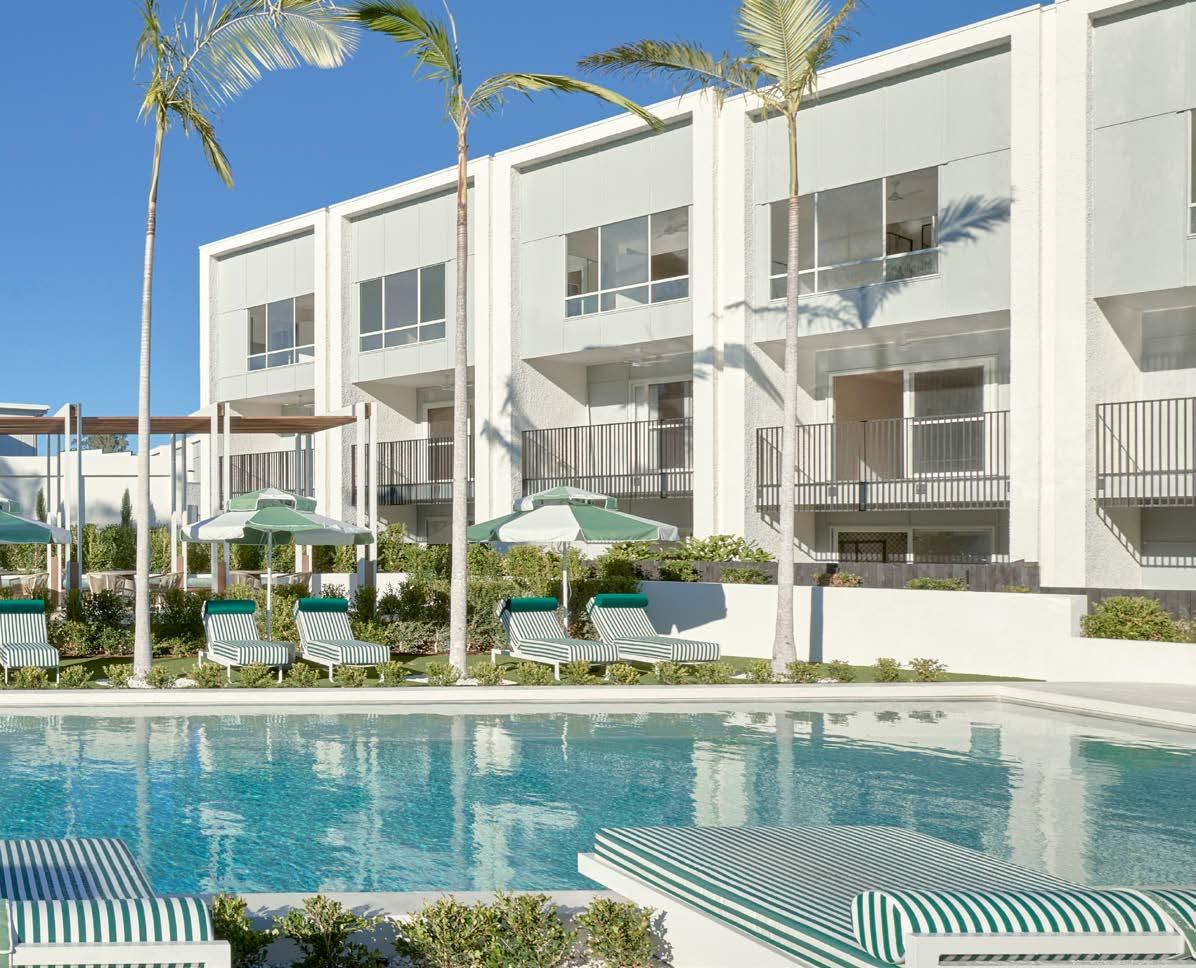
North Lakes’ growth, making Willow both a place to call home and a contributor to the wider community fabric.”
Behind Willow’s seamless delivery is Azure’s integrated model, which combines design, construction, and ongoing management. “Willow is a testament to the strength of Azure’s integrated approach,” said Trent. “By designing, building, and managing the project in-house, we’ve ensured consistency of vision, quality of delivery, and longevity of value. This model allows us to create cohesive communities where design excellence is matched by construction integrity and ongoing care through Azure Living. The result is a neighbourhood built for today, but also managed for tomorrow.”
A central part of Willow’s appeal is Azure’s lifestyle offering, AClub, which reimagines community living through a wellness-first approach. “The AClub offering is central to Willow’s identity,” Trent noted. “It brings together wellness, leisure, and connection, delivering a resort-inspired lifestyle that enhances the everyday. From the yoga lawns to the poolside retreats, these spaces encourage balance,
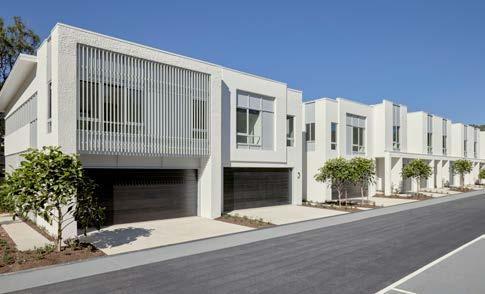
belonging, and rejuvenation. By placing wellness at the heart of the resident experience, AClub ensures that Willow is not only a collection of homes, but a community where people feel healthier, happier, and more connected.”
Willow reflects the culmination of Azure’s design-led approach, bringing together thoughtful residences, purposeful amenities, and a strong sense of place. It also provides a roadmap for future communities. The lessons learned at Willow, in balancing mixed-use design, fostering connection, and embedding wellness, will shape Azure’s pipeline of developments across South East Queensland and beyond.
“We want to create communities that people are proud to live in, not just today, but for decades to come,” Trent said. “Willow shows that it’s possible to combine quality design, sustainable living, and lifestyle-focused amenities in a way that endures. That is what makes a community ‘Special Forever’.”
For more information contact Azure, website www.azd.com.au
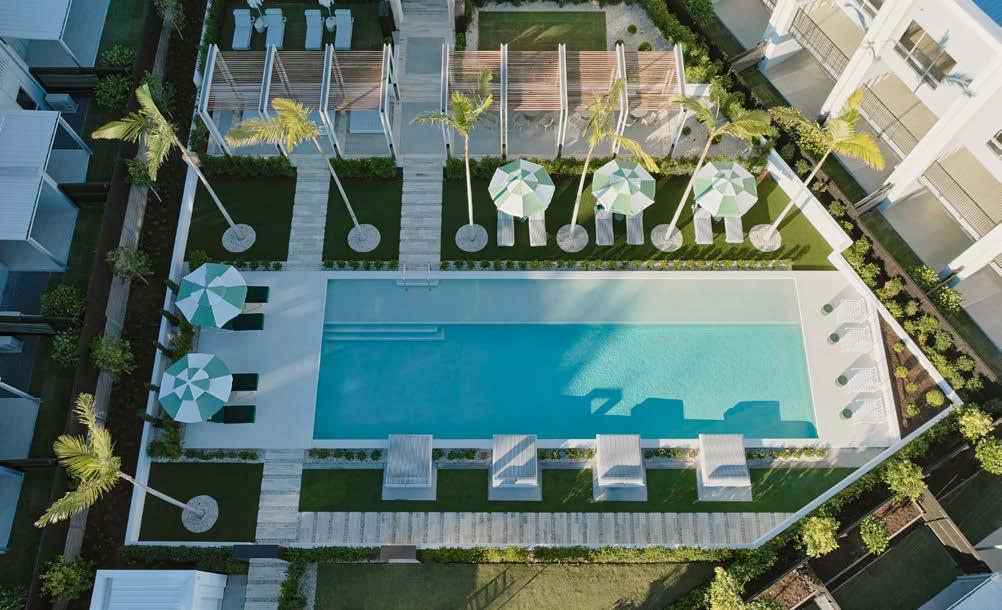
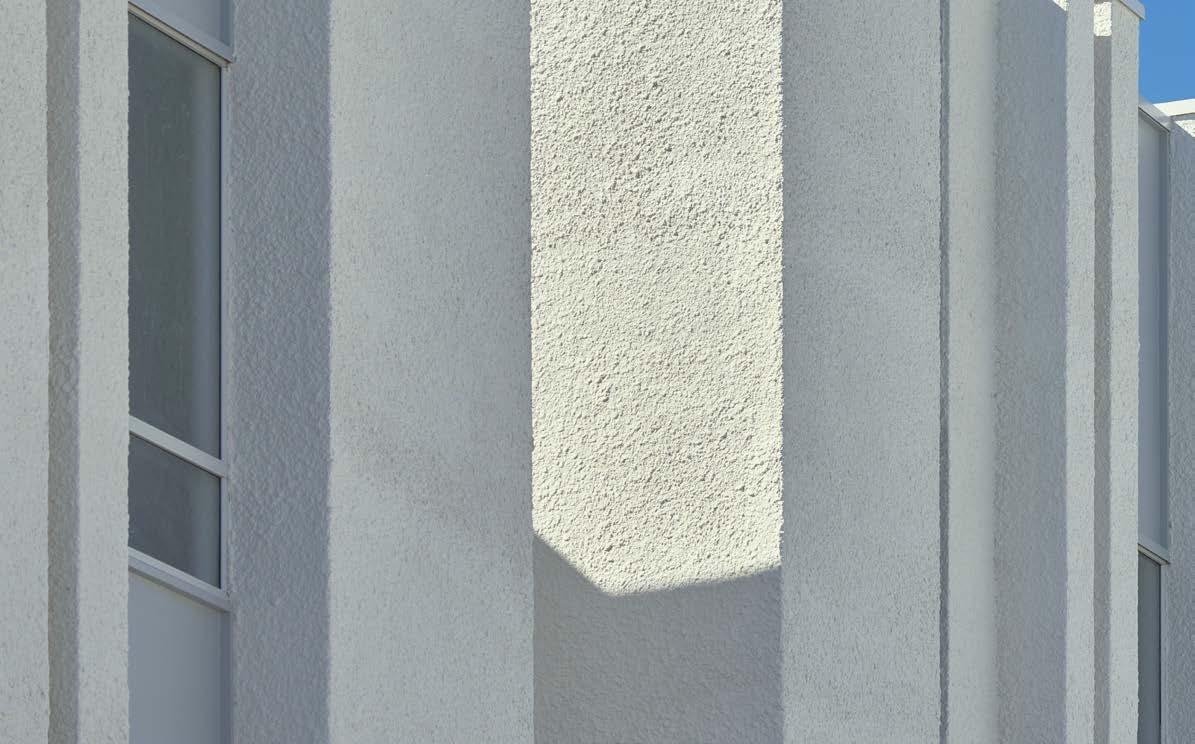
EFFICIENT POOL DELIVERY THROUGH BUILDER PARTNERSHIP MODEL
Wholesale Pool Shells brings a builder-focused delivery model to complex aquatic installations, offering developers greater control over cost, quality, and programme. At Willow, the company was engaged by Azure to deliver the community pool, a custom inground structure requiring detailed coordination between architectural intent and structural design.
“Our scope included the install of the structural concrete pool shell which was a custom in-ground shell,” explained Director Ewan Moody. “We supplied the Pebblecrete finish to the interior of the pool and we supplied and installed all the filtration, lighting and plumbing.”
The project required close collaboration with Azure’s design team to achieve the right balance of form and function. “This particular pool took a fair bit of input between us and the design team at Azure to get right,” Ewan said. “There were a few mixed elements of the pool and the surrounds that needed to meet as seamlessly as possible whilst still offering the benefit of low maintenance and longevity.”
Unlike prefabricated pool models, Wholesale Pool Shells’ builderbased approach allows clients to maintain control of budget and timeline while outsourcing the most complex aspects of construction.
“For Azure we take care of 75% of the pool installation working within their budget and schedule and they take care of the rest,” Ewan noted. “For other builders we might only do 50% and offer them the resources to coordinate their finishes at their own pace.”
Looking ahead, Wholesale Pool Shells has a growing pipeline of residential and commercial work, including two swim schools in Brisbane and several more projects with Azure across South East Queensland.
“Each project is a valuable lesson in how we can create efficiencies in what we do to benefit our clients,” Ewan said. “We hope our partnership with Azure encourages other builders and developers of this scale to give our model a try.”
For more information contact Wholesale Pool Shells, 18/6 Maunder Street, Slacks Creek QLD 4127, phone 07 3208 9099, email admin@ wholesalepoolshells.com.au, website wholesalepoolshells.com.au
Below Aussie Timber Stairs unites traditional craftsmanship with modern construction methods to deliver bespoke, enduring timber stair solutions.
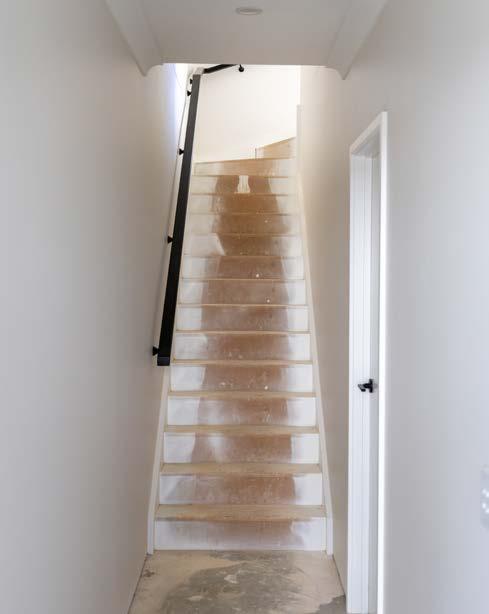
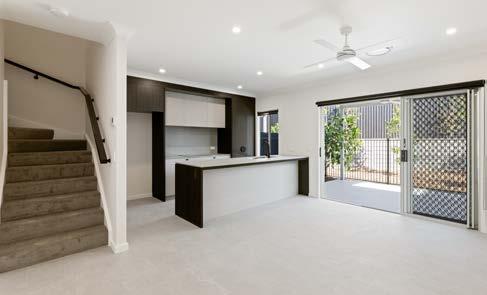
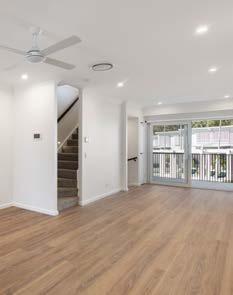
STEP BY STEP. HERITAGE CRAFTSMANSHIP FOR MODERN LIVING
With more than six decades of experience, Aussie Timber Stairs continues to combine traditional joinery with contemporary construction methods to meet the demands of modern residential design. At Willow by Azure, the company manufactured and installed bespoke timber staircases across 76 terrace homes, delivering a consistent standard of craftsmanship, durability, and design alignment throughout the community.
“Our scope on this project was to manufacture and install the stairs and wall rails in each unit,” explained Corinne Nelson, co-owner of Aussie Timber Stairs. “Every staircase is built with the same care and attention to detail that has defined our family-owned business for more than six decades.”
From its beginnings in Melbourne under founder Keith Mason, Aussie Timber Stairs has grown into a respected, multi-generational company. Today, the business is operated out of Molendinar, Queensland, with a skilled team of joiners and installers who carry forward that legacy of excellence. “In an industry where size often overshadows substance, we’ve chosen a different path,” Nelson said. “What sets us apart is our commitment to craftsmanship, personal service, and the relationships we build along the way.”
At Willow, that commitment translated into bespoke timber staircases designed to complement Azure’s contemporary architecture while providing durability and functionality for residents. Each staircase was manufactured in-house, then installed on site by Aussie Timber Stairs’ experienced team, ensuring precision and quality at every stage.
The project also highlights the company’s ongoing partnerships with leading developers. “We are currently working on other Azure communities as well as residential stairs for major builders across South East Queensland,” Corinne noted.
For Aussie Timber Stairs, the value lies in enduring workmanship and partnership. By pairing heritage craftsmanship with precision manufacturing, the company continues to support builders and developers in achieving design excellence and long-term performance. “Because for us, it’s never just about stairs,” Corinne said. “It’s about standing behind what we build with heart, heritage, and integrity.”
For more information contact Aussie Timber Stairs, 10 Activity Crescent, Molendinar QLD 4214, phone 07 5594 9588, email info@aussietimberstairs.com.au, website aussietimberstairs.com.au
aussietimberstairs aussiestairs aussietimberstairs
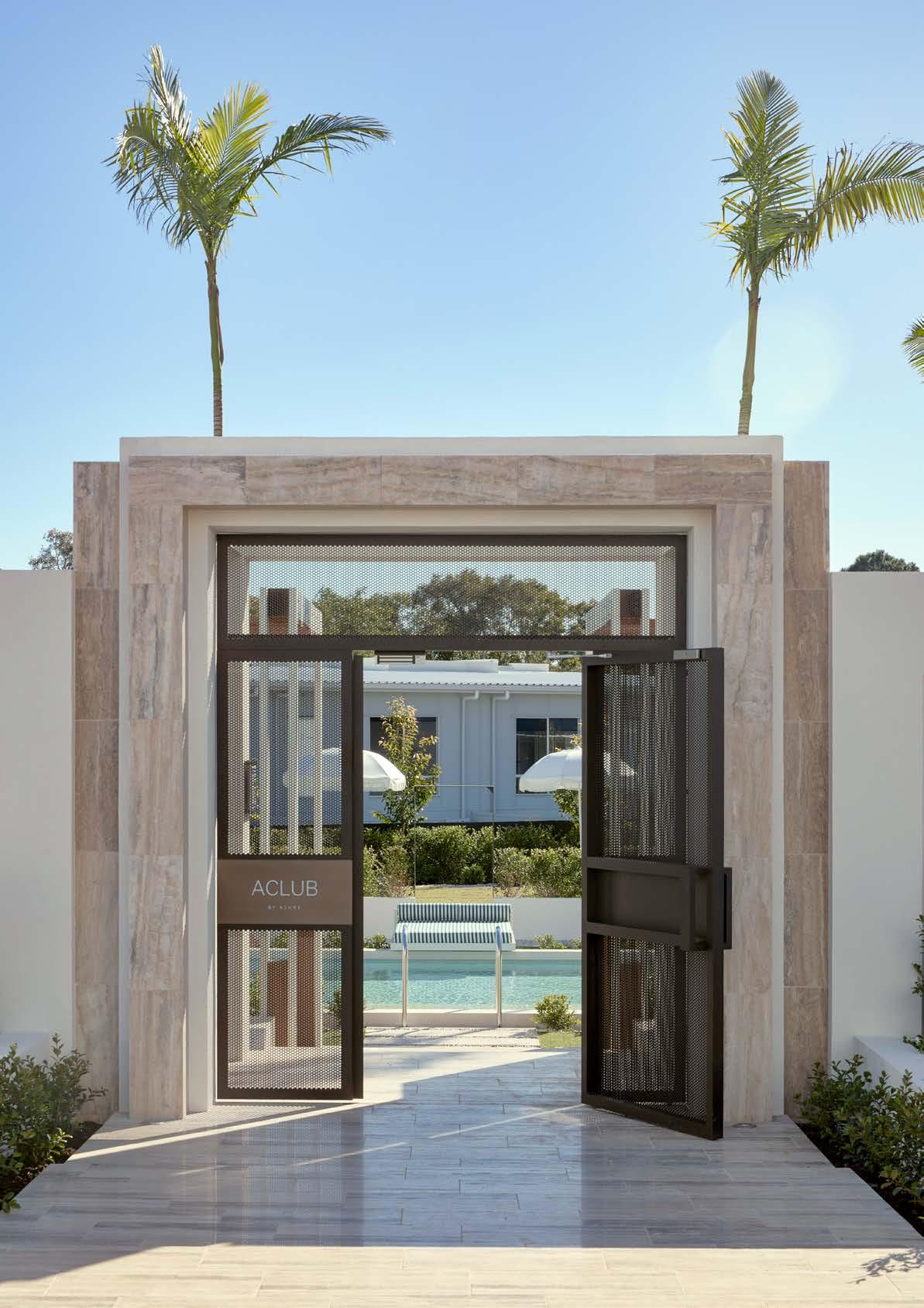

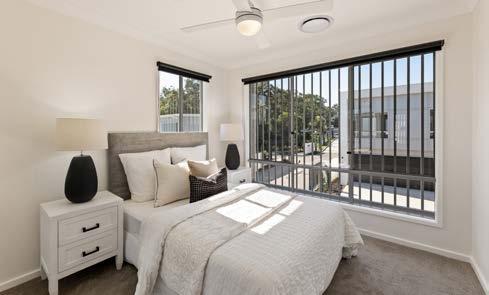
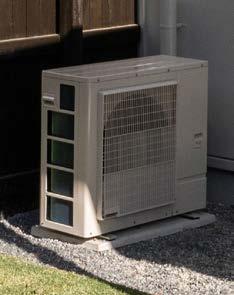
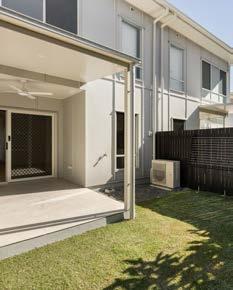
Below Aircon Masters delivered tailored, high-performance HVAC systems at Willow, ensuring comfort, efficiency, and lasting reliability.
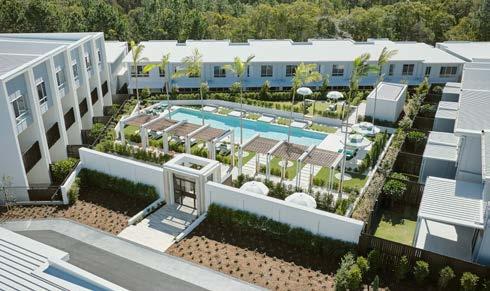
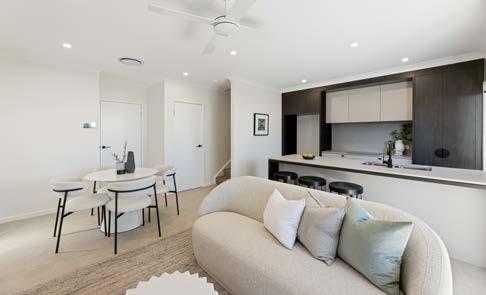
END-TO-END HVAC EXPERTISE FOR MULTI-UNIT PROJECTS
With over three decades of HVAC experience, Aircon Masters is known for precision, reliability, and end-to-end service. Engaged by Azure, the team delivered high-performance air conditioning systems for every home in Willow, ensuring lasting comfort and efficiency.
“Aircon Masters was engaged to design, supply and install ducted air conditioning systems for all 76 townhouses at Willow by Azure. We worked closely with Azure’s design team to deliver a tailored HVAC solution,” explained Kane Masters, Owner. “For this project, we installed 10kW Fujitsu ducted systems, chosen for their proven performance in Queensland’s climate, energy efficiency, and reliability.”
The company managed the process end-to-end, from design through to commissioning, and continues to provide after-sales support to both property managers and residents. “For that extra peace of mind, our role extends beyond handover, and Aircon Masters continues to provide after-sales support and assistance,” Kane said.
Comfort and energy efficiency were key considerations. “We draw on over 30 years of experience and use HVAC software to calculate heat loads, for every layout. This ensures consistent comfort and control
without unnecessary energy consumption,” said Kane. The inclusion of zone control allows residents to cool or heat only the spaces they need, reducing running costs.
The two-storey terrace format presented some challenges with duct runs and vent placement. “Every project presents unique design constraints, and our team develops tailored solutions to deliver the best outcome - no shortcuts,” Kane noted.
Aircon Masters’ long-standing collaboration with Azure highlights the company’s reputation for reliability and expertise in large-scale residential projects. “Our work at Willow reflects our ability to deliver HVAC solutions at scale while maintaining strict quality control,” Kane said. With 10 projects now completed with Azure, our focus on consistency and high-quality workmanship remains the same.
For more information contact Aircon Masters, phone 0416 074 251, email airconmasters@outlook.com, website www.airconmasters.com.au
CONSTRUCTION
DIRECTOR
Michael Matthews
ART DIRECTOR/DESIGN
Jessica Mills
SALES
Jeremiah Plant
WRITERS
Tanya Nellestein, Lexi Gugger
PHOTOGRAPHERS
Benjamin Halcomb, Bruce Robinson, Jim Young, David Dickson, Joe Sabljak, David Castro, Adiran Chiali, Jack Ham, Cameron Longshaw, Elana Bailey, David Castro
PUBLISHED BY
InBuild Media Group Pty Ltd
ACN 667 363 779 p. 02 4322 1200
The Australian National Construction Review Australian National Construction Review
COPYRIGHT
All material in this publication is copyrighted to the publisher and/or its advertisers and contributors. No material or portion of this publication may be reproduced in whole or part without the express written permission of the publisher.
DISCLAIMER
The Australian National Construction Major Project Review and the publisher InBuild Media Group Pty Ltd reserve the right to alter or omit any advertisement, editorial, or advertorial.
The Australian National Construction Major Project Review and the publisher are not liable for inaccuracy in any advertisement or editorial and do not accept responsibility for any claims made by advertisers/ contributors, or losses as a result of acting on the information provided with the publication.
Opinions published in The Australian National Construction Major Project Review are not necessarily those of the publisher or staff of The Australian National Construction Major Project Review.
The Australian National Construction Major Project Review is not related to any other publication.
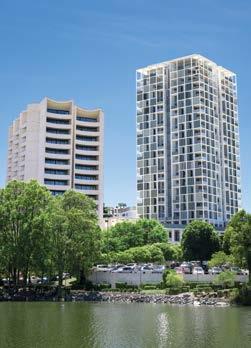
The Directory
The Directory
AIR CONDITIONING, (HVAC, REFRIGERATION & MECHANICAL SERVICES)
Aircon Masters
Page 117 0416 074 251 airconmasters@outlook.com, airconmasters.com.au
Mitsubushi Heavy Industries Air-Conditioning Australia, Pty. Ltd. Page 12 mhiaa.com.au
AERIAL PHOTOGRAPHY
Skyview Aerial Photography
Page 4 0431 931 910 skyviewaerialphotogrpahy.com.au
ALTITUDE SIMULATION CHAMBER
Heuch Cooling Systems
Page 98 1300 001 952 cool@heuch.com.au, heuch.com.au
APPLIANCES
Miele Projects Australia
Page 59
NSW/ACT: nswprojects@miele.com.au SA: saprojects@miele.com.au WA: waprojects@miele.com.au
VIC/TAS: vicprojects@miele.com.au miele.com/en/project-business/index.htmbuilder
AUDIO/VISUAL & IT EQUIPMENT
Pro AV Solutions (SA)
Page 97 08 8124 7777 reception.sa@proav.com.au proavsolutions.com.au
BATHROOMS (PREFAB/MODULAR)
SYNC
Page 67 03 8329 4111 info@sync.industries sync.industries
BATHROOMS (TOILET PARTITIONS / END OF TRIP FACILITIES)
JCR Cubicle
Page 36 0410 488 668 estimating@jcrinteriors.com.au jcrinteriors.com.au
BRICK AND BLOCK WORK
Ozbrick Masonry
Page 29 0425 807 705 admin@ozbrick.com.au ozbrick.com.au
CEILINGS & WALLS
GMR Interiors
Page 99 0433 728 282 seth@gmrinteriors.com.au
COMPLIANCE (NCC AND ACCESSIBILITY)
MBC Group
Page 37 02 9939 1530 mbc-group.com.au
CONCRETE (STRUCTURAL REINFORCING)
Goldenlight Pty Ltd
Page 16 0421 548 469 alex@goldenlightcivil.com.au goldenlightstructure.com.au
CONCRETE PRODUCTS
Mapei
Page 20 mapei.com.au
CONSTRUCTION COMPANIES & ALLIANCES
Buildtec
Page 100
08 8132 8400 reception@buildtec.com.au buildtec.com.au
Figurehead Group
Page 86 03 8592 6310 info@figurehead.com.au figurehead.com.au
Growthbuilt
Page 54 02 9212 7811 growthbuilt.com.au
Hansen Yuncken
Page 30, 92 (NSW) 02 9770 7600 (SA) 08 8229 7300 hansenyuncken.com.au
Hindmarsh Construction
Page 104
08 8228 4188 enquiries@hindmarsh.com.au hindmarsh.com.au
North Construction & Building,
Page 40 1300 667 840 north.com.au
Parkview
Page 22
02 9506 1500 enquiries@parkview.com.au parkview.com.au
CONSTRUCTION SOFTWARE / DOCUMENT/PERSONNEL MANAGEMENT
CoreLogic
Page 1
1300 734 318
DEVELOPERS
Azure Page 112 azd.com.au
Mirvac
Page 60 02 9080 8000 www.mirvac.com
Perri Group
Page 74 03 8609 9060 info@perriprojects.com perriprojects.com
PDG
Page 80 03 9662 9996 info@pdg.com.au pdg.com.au
ELECTRICAL DESIGN AND FITOUT
Crossmuller
Page 42 1300 300 540 sales@crossmuller.com.au crossmuller.com.au
Humphreys Electrical
Page 107 08 8357 3298 admin@heservices.au humphreyselectrical.com.au
ENGINEERS (CONSULTING)
Farrar D
Page 89 03 9600 0424 info@farrard.com.au farrard.com.au
ENGINEERS (STRUCTURAL)
Webber Design
Page 82 (VIC) 03 9614 7155 (NSW) 02 9690 2488 www.webberdesign.com
ENGINEERS (STRUCTURAL CONSULTANT)
Integrity Testing International
Page 77 03 5444 0782 info@integritytesting.com.au integritytesting.com.au
ENVIRONMENTAL & SUSTAINABILITY
CONSULTANTS
Renyi
Page 24 02 9316 8882 info@renyi.com.au renyi.com.au
FAÇADES AND CURTAIN WALLS
Ausrise Façades
Page 32 ausrise.com.au
FAÇADE (ENGINEER)
Radiant North Engineers & Constructors
Page 28 0403 564 772 zebei@rneng.com.au
FIRE SAFETY (ALL FIRE PRODUCTS & SERVICES)
Focus Fire Protection
Page 79 1300 565 002 admin@focusfireprotection.biz focusfireprotection.biz
FLOORING
JFloors
Page 109 0498 185 719 sales@jfloors.com.au jfloors.com.au
FLOORING (ACCESS FLOORS)
ASP Access Floors
Page 34 02 9620 9915 sales@aspfloors.com.au aspfloors.com.au
The Directory
FOUNDATIONS
LTE Construction Group
Page 85
03 9748 3646
info@lteconstructiongroup.com.au lteconstructiongroup.com.au
FURNITURE (FF&E - FURNITURE, FITTINGS & EQUIPMENT/ LOGISTICS)
Grace Removals (Australia)
Page 38 1300 209 028 grace.com.au/workplace/
GOVERNMENT DEPARTMENTS & COUNCILS
Newcastle Airport Page 48 newcastleairport.com.au
JOINERY & FITOUTS
B&S Joinery
Page 102 08 8349 7376 bsjoinery@bsjoinery.com.au
LININGS (INTERIOR AND EXTERIOR)
J.R Prime Pty Ltd
Page 45 0420 419 788 jrprimegroup.com
Bespoke Contractors
Page 108 0411 845 763 bespokecontractors.com.au
MECHANICAL SERVICES (HVAC)
Benmax
Page 52 02 6122 3800 administration@ benmax.com.au benmax.com.au
PLANNING, DESIGN AND ENVIRONMENT CONSULTANCY
CJ Arms
Page 70 03 9285 2800 cjarms.com
POOLS
Wholesale Pool Shells
Page 114 07 3208 9099 admin@wholesalepoolshells.com.au wholesalepoolshells.com.au
SCAFFOLDING
Stilcon Industrial Services
Page 68 1300 287 747 stilconindustrialservices.com.au
SECURITY
AHS Security Group
Page 76 03 8372 4441 admin@ahssecuritygroup.com.au ahssecuritygroup.com.au
SHADE STRUCTURES
Sydney Shade Sails (NSW) Pty Ltd
Page 11 02 9592 0401 enquiries@shadesailsydney.net.au shadesailsydney.net.au
Vergola
Page 24 02 9160 0338 vergolansw.com.au
STAIRCASE MANAFACTURER
Asentis
Page 39 1300 685 000 sales@asentis.com.au asentis.com.au
Aussie Timber Stairs
Page 115 07 5594 9588 info@aussietimberstairs.com.au aussietimberstairs.com.au
aussietimberstairs aussiestairs aussietimberstairs
STEEL (STRUCTURAL/FABRICATION)
Gant & Sons
Page 94 08 8284 5460 tenders@gantandsons.com.au gantandsons.com.au
GTC Engineering
Page 64 03 9580 8134 info@gtcengineering.com.au gtcengineering.com.au
SURVEYORS
Philip Chun
Page 83 03 9662 2200 www.philipchun.com
philipchunbuildingcompliance
THEATRE EQUIPMENT
Installation Theatrical Engineering
Page 96 03 9646 0822 info@ite.net.au ite.net.au
TILING
DNT Co.
Page 56 02 9052 0835 info@dntco.com.au dntco.com.au
Philton Group
Page 88 0406 062 103
TILING (STONE)
Linkstone
Page 66
1300 546 578 sales@linkstone.com.au linkstone.com.au
WATERPROOFING
Mez Contracting
Page 103 08 8346 0924 info@mezcontracting.com mezcontracting.com.au
Syntech Coatings
Page 71 03 9419 3991 admin@syntechcoatings.com.au syntechcoatings.com.au philipchun.bc