BO BARTLETT
BO BARTLETT
‘BO BARTLETT: LAST LOOKS’
Craig Drennen
On a recent cold winter evening, I watched Jim Jarmusch’s 1984 film Stranger Than Paradise for the first time since the early ’90s. The opening scene shows Eszter Balint as Eva standing with her back to us on the right side of the frame overlooking an airport runway. She watches a 727 glide to the ground past a second 727 on the tarmac. This short, beautiful sequence sparked a strong feeling of déjà vu that I had not experienced when I first saw it. This time, I had the unshakable feeling that I was looking at a scene from a painting. Eva stands straight as a fence post while she looks into the distance, her silhouette strengthened by her dark coat and dark pants. The shopping bag and single suitcase on either side of her read as carefully selected asymmetrical props, which is exactly what they are. The scale difference between the 727s mirrors the scale shift in the luggage. There is no shortage of paintings with figures looking away from the viewer, from Jean-Auguste-Dominique Ingres’s Valpinçon Bather (1808) to Caspar David Friedrich’s Wanderer Above the Sea of Fog (ca. 1817) to Andrew Wyeth’s Christina’s World (1948). I quickly realized, however, that the paintings this image brought to mind belonged to one artist only: Bo Bartlett.
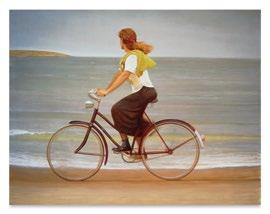
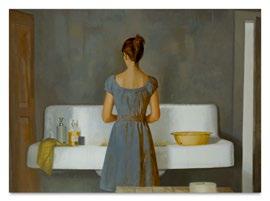
The Bartlett paintings that Jarmusch prompted me to remember could have been The Dowry (2000) or Commonwealth (2008), with their female figures
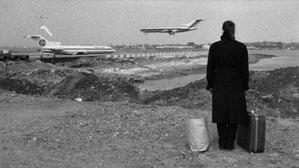
Stranger Than Paradise, directed by Jim Jarmusch (Samuel Goldwyn Company, 1984), HBO Max.
Bo Bartlett, The Dowry, 2000, Oil on linen, 85 x 100 inches (215.9 x 254 cm).
Bo Bartlett, The Commonwealth, 2008, Oil on linen 48 x 66 inches (121.9 x 167.6 cm).
turned away in moments of suspended enigma. The first time I watched Stranger Than Paradise, I had not yet seen a Bo Bartlett painting. By the second time I watched it, I had seen many and could confirm the degree of stagecraft present in Bartlett’s work. Believable figure paintings have always required costumes, lighting, and blocking. Jacques-Louis David’s Oath of the Horatii (ca. 1784) resembles a stage set, and the pantomimed gestures in Giotto di Bondone’s frescoes recur nearly verbatim in early silent films.
Yet Bartlett’s paintings have a cinematography that feels uniquely their own. Unlike other painters in the representational canon, such as Alex Katz or Sidney Goodman, Bartlett never zooms in on his subjects. Jean-Luc Godard famously hated zooming in on actors, claiming that it pulled viewers out of the moment because it resembled television news coverage.1 From the look of Bartlett’s paintings over the past 50 years, he took that lesson to heart. He also abandoned the orchestrated chiaroscuro of his early years in favor of cool, even lighting. The critic Carter Ratcliff notes that Bartlett’s time in the Pacific Northwest introduced him to a new quality of light that was “... much less insistent than in other parts of the United States.”2 So in a Bartlett painting, every person appears perfectly, almost equally, well lit.
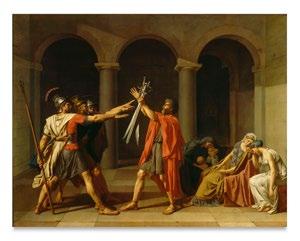
Jacques-Louis David, The Oath of the Horatii, ca. 1784, Oil on canvas, 129 7/8 x 167 1/4 inches (330 x 425 cm). Musée du Louvre, Paris, France.
As he enters his eighth decade, Bartlett’s bio has become the stuff of legend. He was born in a quiet Georgia town on the Alabama border. He studied in Italy and eventually at the Pennsylvania Academy of the Fine Arts. After PAFA, he showed with Locks Gallery in Philadelphia and organized the legendary “Disdain for False Authorities” exhibition in an empty storefront. In 1986, he made an unexpected move for a painter of his generation and earned a certificate in filmmaking from New York University. Soon thereafter, he began showing with the P·P·O·W gallery in New York City. By 1991, however, the critical response to his work had cooled. That was also the year the realist painter Philip Pearlstein published an essay, “Censorship on Stylistic Grounds,” in which he summarized the bias against representational painting that he had witnessed. Pearlstein described his shock at the casualness with which representational painting was ignored by the art world press and institutions. Pearlstein explained the problem thusly:
1 Florence Platarets (director), Godard par Godard, 60 min., 2023.
2 David Houston and Carter Ratcliff, Bo Bartlett: Selected Works. (London: Scala Arts and Heritage Publishers, 2016): 12.
It has been decided that our culture should present itself through modernism, forward-looking, politically progressive, and seemingly inventive. Realism has been stigmatized as the opposite of these things, the way of the past, because Hitler, Mussolini, and Stalin promoted it.3
Pearlstein’s quote is interesting for stating something so obvious that it had been forgotten. In 1991, the art world was still recovering from the lingering internal bruise left by mid-century fascist regimes and the stigma created by enforced socialist realism in communist countries. These negative associations had sunk so deeply into the art establishment’s collective psyche that the biases became invisible, and they therefore felt “natural.” This cognitive blind spot could partially explain how critics in The New York Times could, in 1991, write about realist painting exhibitions as if it were a self-evident truth that realist technique and oppressive ideologies were eternally wed. The good news is that subsequent decades of global art making have proved those critics wrong. Representational figure painting is now more widespread, and with a more diverse range of practitioners, than any time in recent memory. Not only has Bartlett never stopped representational figure painting, he may even have planted the seeds for its eventual reemergence.
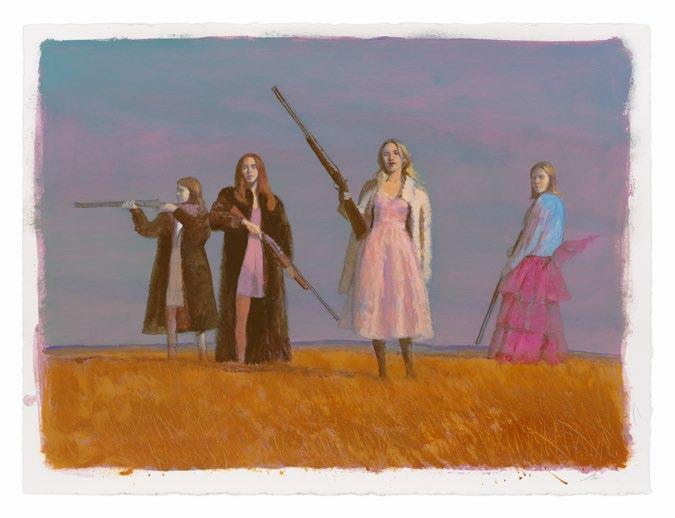
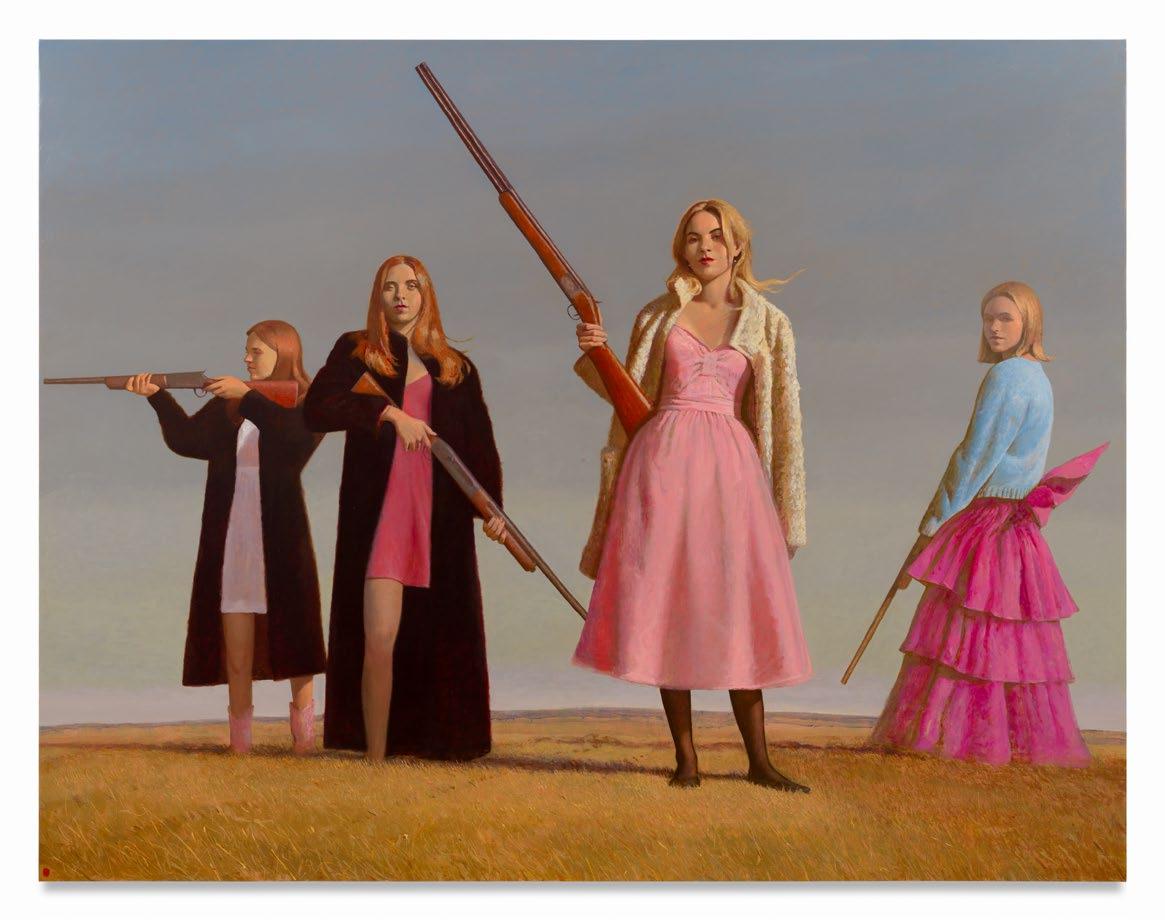
Bartlett’s current exhibition at the Miles McEnery Gallery, his sixth since 2016, is titled “Paintings from the HomeFront.” It features ten oil paintings on linen or panel and eleven studies in gouache and oil on paper, all executed since early 2025. The most recent large painting is The Debutantes (2026). It includes four of Bartlett’s nieces fanned out across a patch of grass, each with a gun. The youngest girl on the left points her gun out of the scene as if carefully following instructions. The girl to her right points her gun to the ground, in studious accordance with safety protocols. The oldest girl, a college undergraduate at the time, lets the butt of her gun rest at the waist of her dress. Hers is the only gun pointing skyward, as testament to her confidence and imagined status. The last young woman on the right stands with her gun down, seeming to question her role in the entire scene. The costuming suggests a hidden code; all the young women wear pink dresses, but two of them have black coats while the leader wears a white coat. There was a time when Bartlett’s appetite for unexpected visual turns could
3 Philip Pearlstein, “Censorship on Stylistic Grounds,” Art Journal 50, no. 4 (Winter 1991): 65-70
verge on the surreal. In this exhibition, however, he seems to place his bets on veracity. Done by a different artist, a row of girls in formal gowns holding guns might be satire. With Bartlett’s The Debutantes, the title is truthful, and the guns are real.
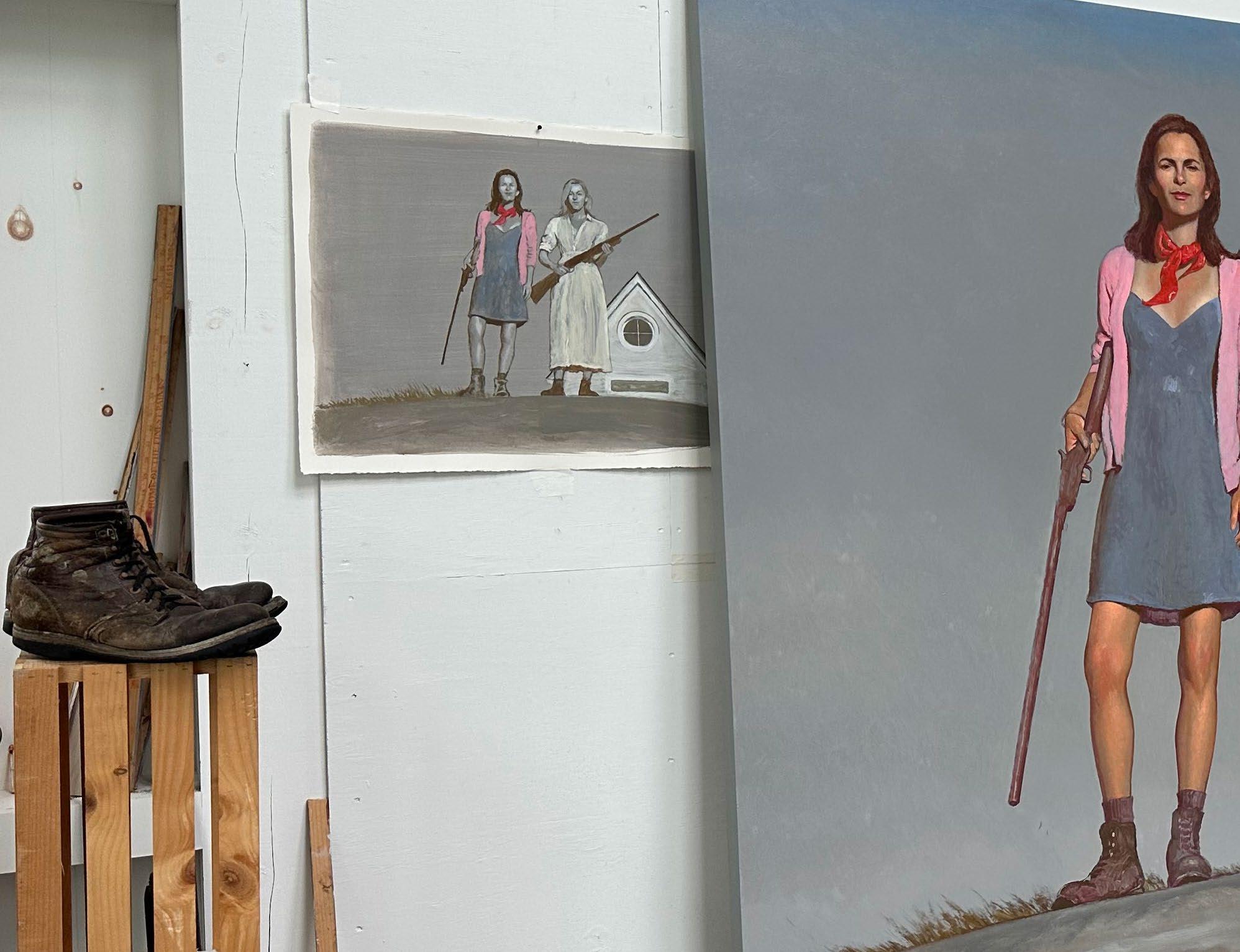
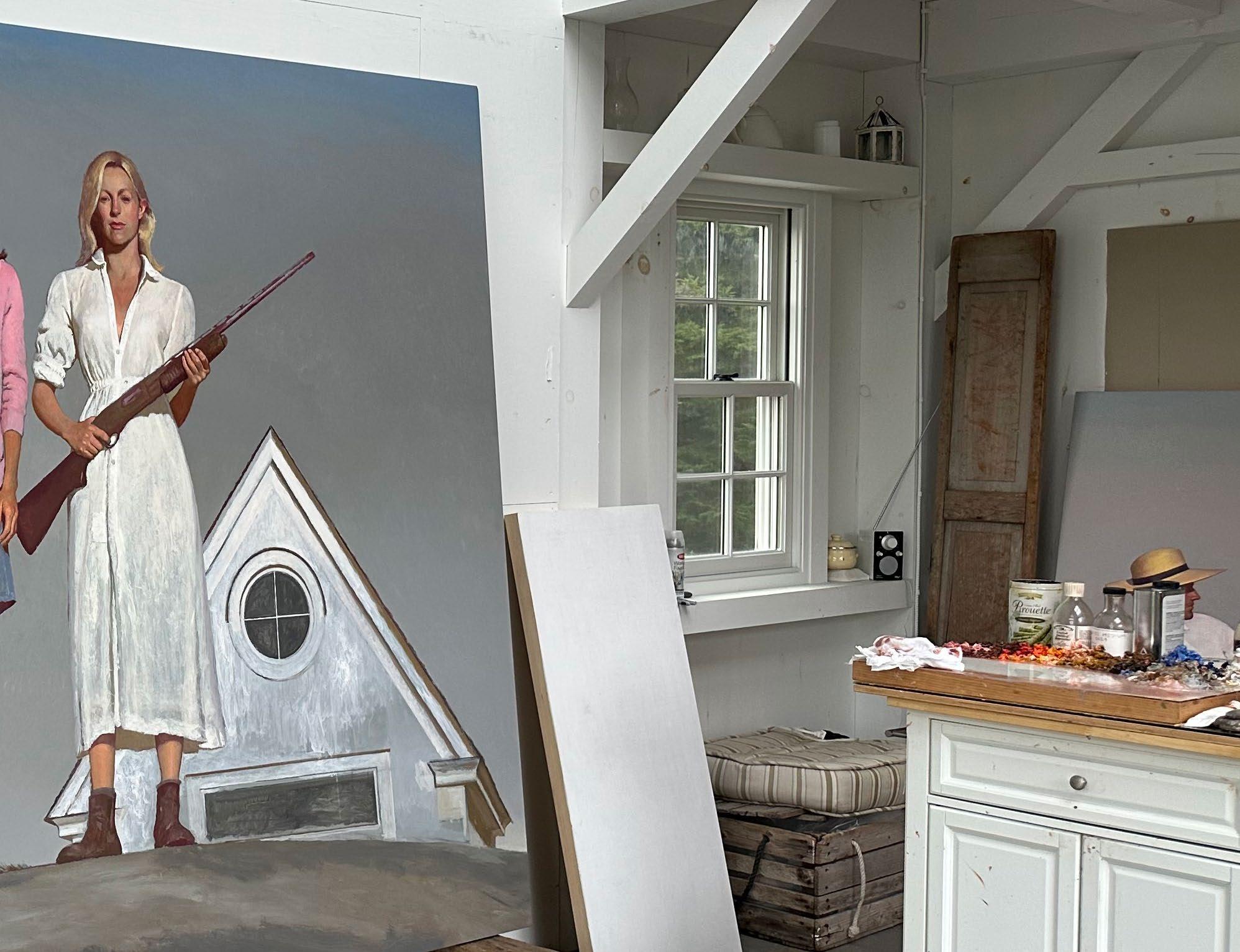
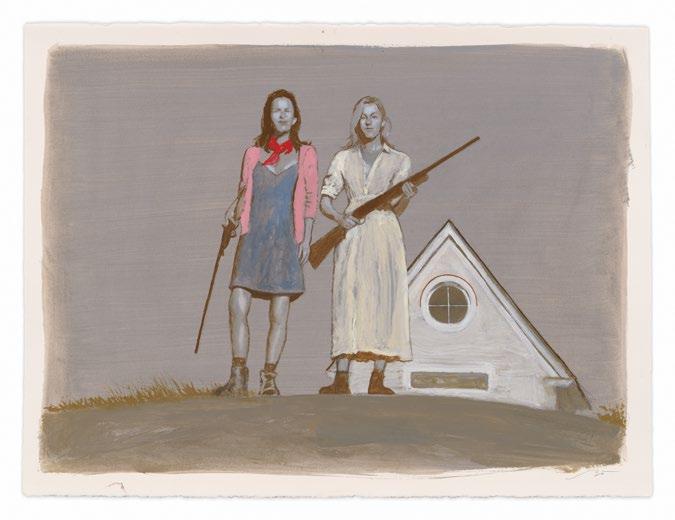
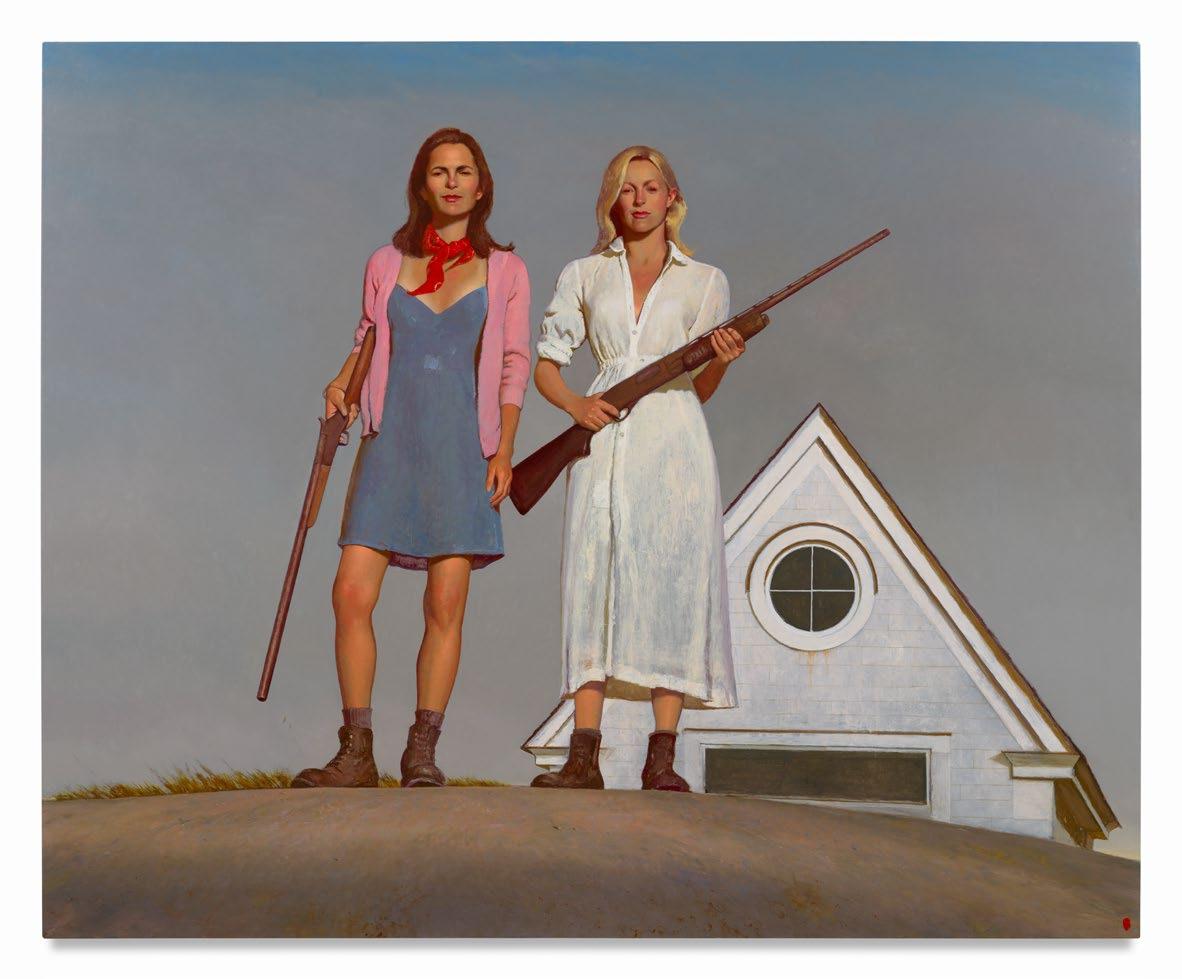
Another painting, titled HomeFront (2025), portrays two adult women with guns, centered on a hill in front of a darkening sky. The taller brunette on the left wears a blue dress, a pink sweater, and a red scarf; her gun hangs relaxed at her side. She is squinting quizzically, as if she can almost recognize the viewers in front of her. This woman is Bartlett’s wife, Betsy, and the blond woman next to her in a white dress is her friend. The friend holds her gun in a diagonal across her torso, a position drill teams would recognize as “high ready.” Behind her is a house that matches her dress. As always, Bartlett’s careful staging provides clues. Tufts of grass grow beneath Betsy’s boots. She has the tan lines of a vacationer and the calves of a track star. The blond woman’s dress appears slightly more modest, though it is unbuttoned enough to be unfit for church service. The ground beneath her is smooth and barren, and a white farmhouse rises behind her. Her body overlaps the house and appears to share its force. The slats in the circular porthole window of the house form a crosshair pointed at the viewer. To perceptive eyes, the wide horizontal window beneath the crosshair circle almost resembles a quietly open mouth. The bottom of the painting is interrupted by dark penumbra entering the scene, as if brought on by the viewers themselves.
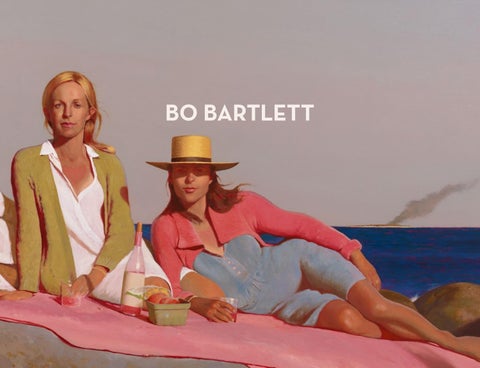
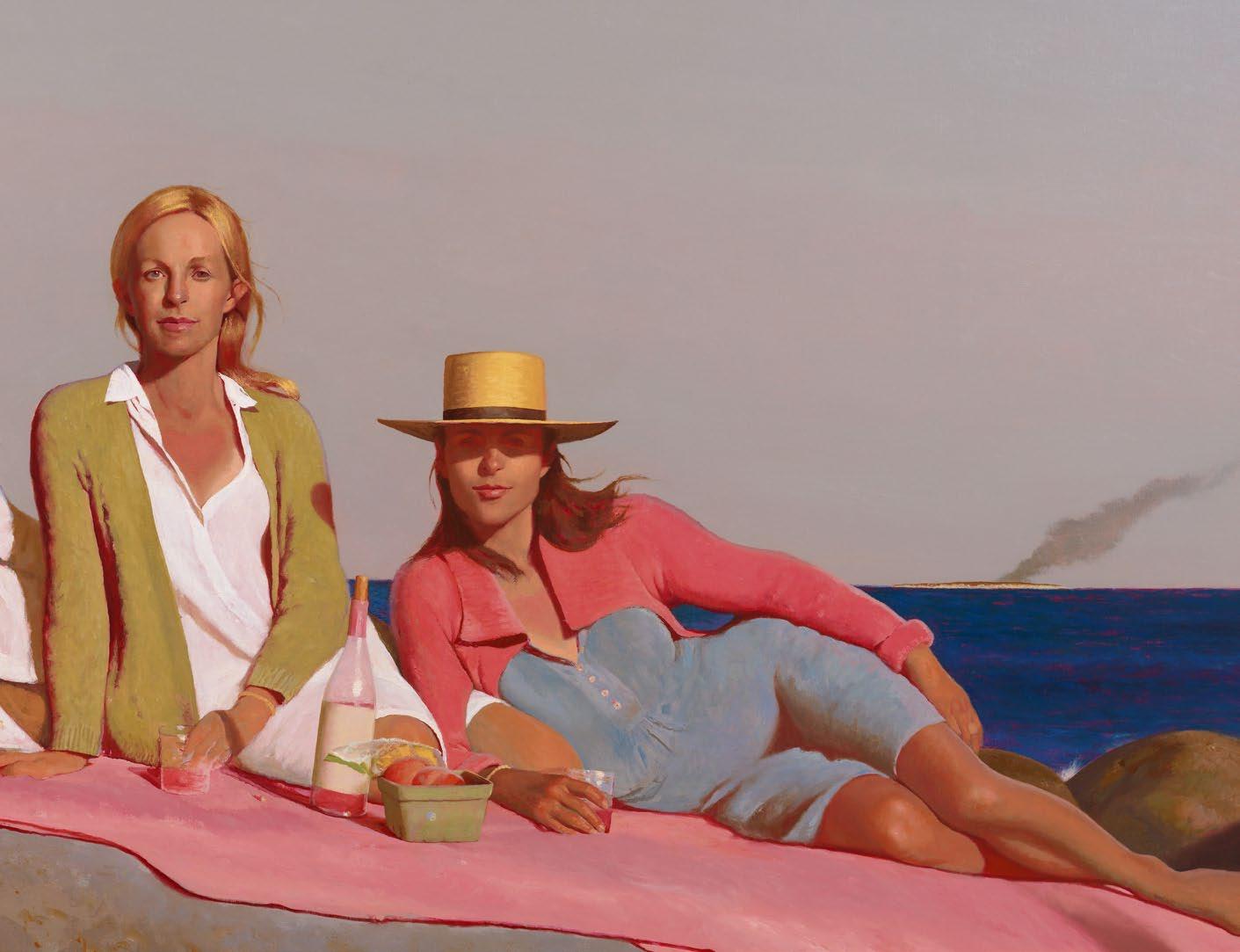
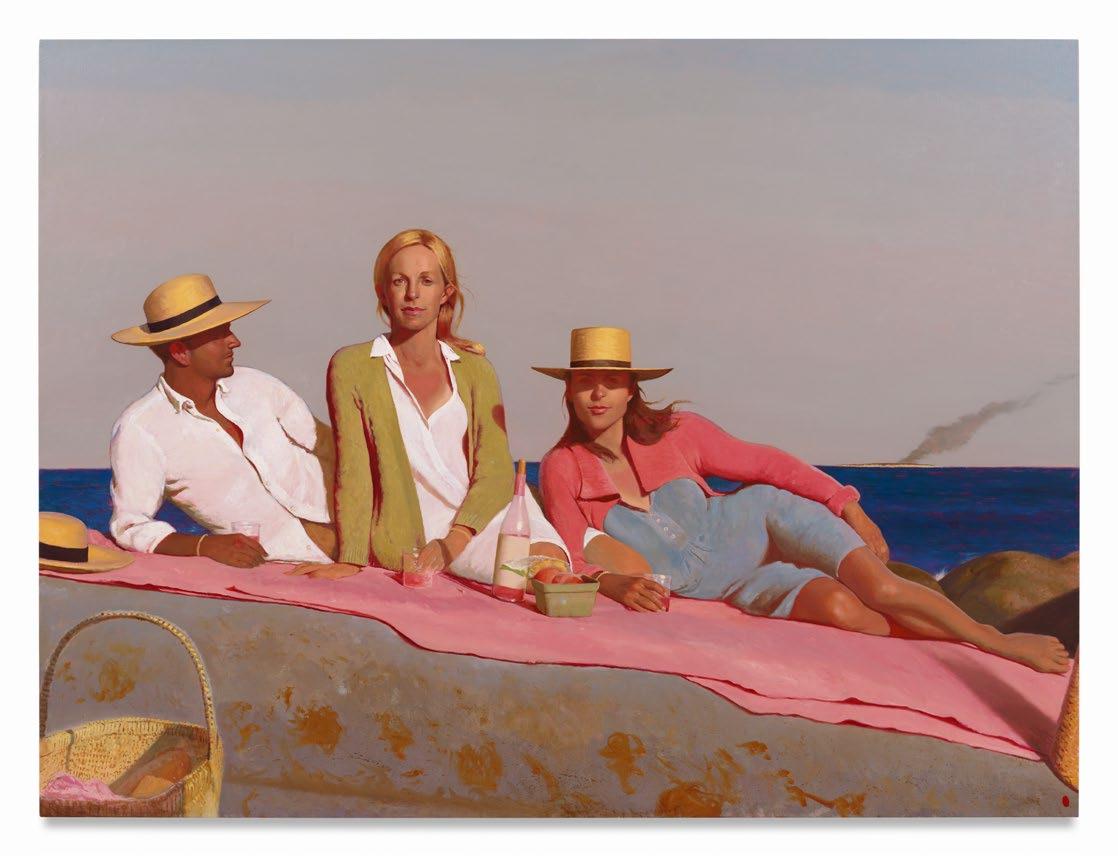
In two other paintings, Ten Days in July (2025) and Wild Love (2025), Bartlett depicts a grouping of three figures; his wife Betsy is joined by couples, all reclining horizontally across the frame. In both paintings, the two women stare back at the viewer while the man looks back toward smoke on the horizon. In Ten Days in July, Betsy rests her right hand on the thigh of the adjacent woman with a sisterly intimacy. In Wild Love, both women lightly touch the leg of the reclining man, one at the knee and the other at the ankle. This gesture, perhaps prompted by the painting’s title, colors the threesome’s relationship as less innocent. The overturned wine bottle, a reference pulled straight from the 19th-century French painter William-Adolphe Bouguereau, seems to confirm this interpretation. Three small studies of Betsy and one self-portrait all have single figures standing isolated, looking into the distance as if waiting for that 727.
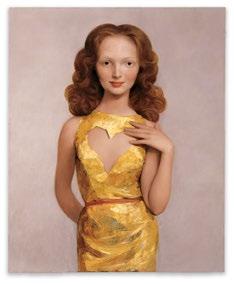
After decades of operating a brush, Bartlett’s technique has settled into a relaxed accuracy often sought by poets. Linen shirts and clapboard siding are scumbled for textured effect. His figures’ muscle groups flex or relax with such easy correctness that it is possible to forget how difficult such portrayals can actually be. Skin tones gravitate toward middle values, with knuckles and kneecaps indicated by restrained highlights. The edges of limbs darken slightly only when it is necessary for legibility. The genealogy of Bartlett’s paintings is often traced backward through Balthus or Thomas Eakins, but his works connect to younger figure painters just as easily. Lisa Yuskavage met him when she was an undergraduate student at the Tyler School of Art and Architecture in Philadelphia. Amy Sherald says the first depiction of a Black person that she had ever seen on canvas was in a Bartlett painting, and that the experience helped prompt her to become a painter.4 For years, Bartlett has painted lightly tanned hearts onto Betsy’s chest in his depictions of her. It is interesting to imagine whether this influenced John Currin’s 1997 painting of his new wife wearing a dress with a sternum-baring cut out of a heart, titled Heartless. Bartlett has expressed his admiration to Jenna Gribbon for her willingness to repeatedly and emphatically paint the person she loves. As this exhibition of Bartlett’s work opens to the public, there are multiple online discussions of the ways in which Bartlett’s influence can be seen in Wes Anderson’s films.
Through it all, Bartlett’s figures are eternally positioned and waiting for us, presenting themselves as directed by the artist. They seem to acknowledge the spectators as part of a compositional method used since Rembrandt’s time to make viewers feel included within a scene. But Bartlett’s technique seems different now. As the critic Claire Bishop describes in a recent essay, contemporary viewership has dramatically changed since the invention of the iPhone in 2007.5 Since then, networked digital photography has become an expected component of viewing artwork; people take pictures of works of art as they look at them. This is especially true of performance art—or any art with a performative element. In Bartlett’s more recent paintings, the family and friends he portrays
4 Graham Messick (producer), “Amy Sherald,” 60 Minutes (New York: CBS television network, October 19, 2025).
5 Claire Bishop, Disordered Attention: How We Look at Art and Performance Today (Brooklyn, NY: Verso. 2024): 3 John Currin, Heartless, 1997, Oil on canvas, 46 x 35 7/8 inches (117 x 91 cm).
seem to recognize their role as performers. They stand poised within the paintings, ready to be photographed. “Last look” is a cinematic term that is used on set to provide the crew with one last view of the actors before cameras start recording. It’s the one last look before things become final. For a large portion of each year, Bartlett works in the complicated Southern town where he grew up, and he spends the rest of his time at his island studio off the coast of Maine. These locations serve as the recurring backdrops for his painted universe, the way Catalonia did for Salvador Dali or Chadd’s Ford did for Andrew Wyeth. It is easy to imagine that, in the late phase of a long career, a deep well of emotion might arise in an artist for whom the present cannot be seen without the overlay of the past. One can imagine how valuable it might feel for Bartlett to ask his loved ones to step into his paintings and hold their positions for one last time. Or as the novelist James Salter wrote in Light Years:
He was reaching that age, he was at the edge of it, when the world becomes suddenly more beautiful, when it reveals itself in a special way, in every detail, roof and wall, in the leaves of trees fluttering faintly before the rain. The world was opening itself, as if to allow, now that life was shortening, one long, passionate look, and all that had been withheld would finally be given.6
6 James Salter, Light Years (New York: Vintage, 1995): 250
Craig Drennen is a painter and a 2018 Guggenheim Fellow.
22 3/4 x 30 inches
58 x 76 cm
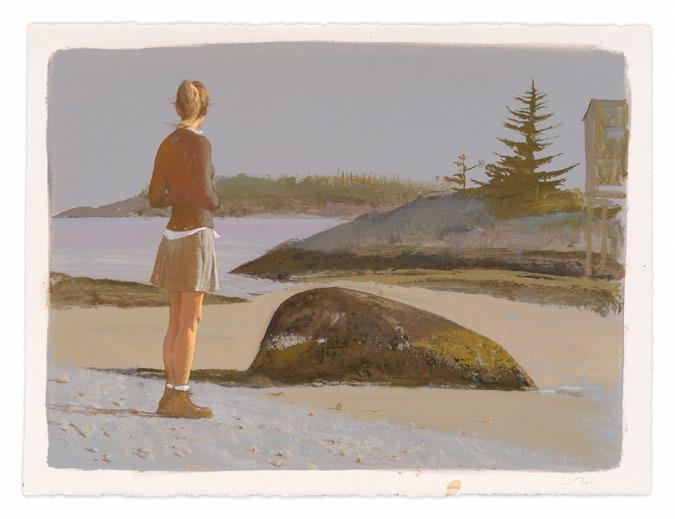
Betsy at the Cove, 2025
Gouache on Arches Aquarelle hot pressed paper
22 1/2 x 30 inches
57 x 76 cm
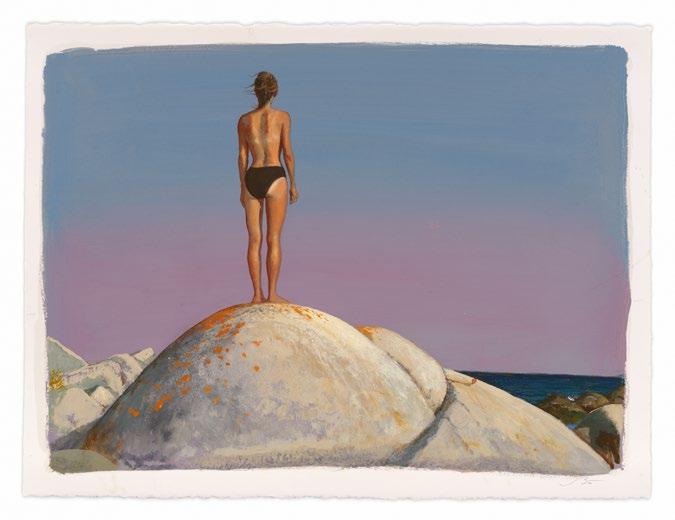
Betsy Further Away on White Rock Wheaton, 2025
Gouache on Arches Aquarelle hot pressed paper
22 1/2 x 30 inches
57 x 76 cm
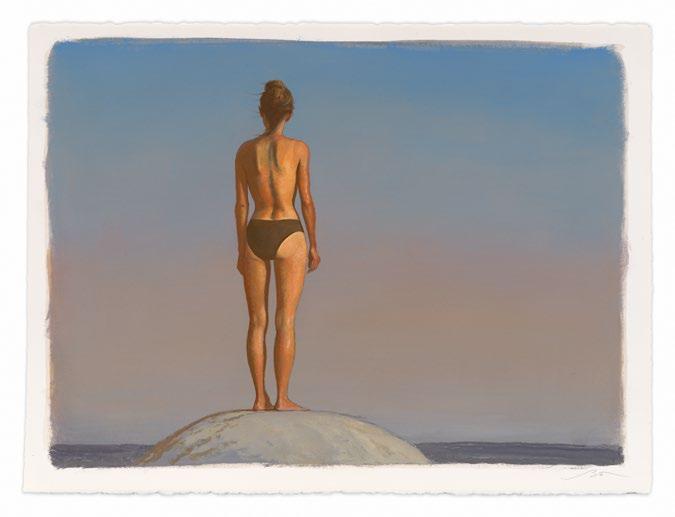
Betsy on Rock on Wheaton, 2025
Gouache on Arches Aquarelle hot pressed paper
22 3/4 x 30 inches
58 x 76 cm
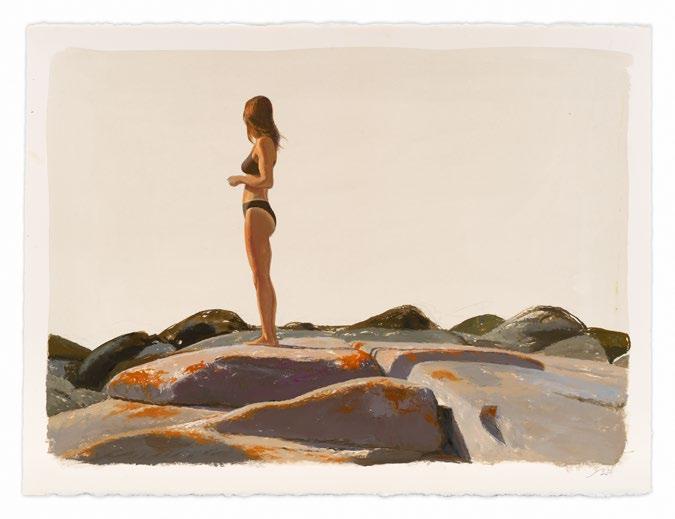
Betsy on the Rock AM Fog, 2025
Gouache on Arches Aquarelle hot pressed paper
22 3/4 x 30 inches
58 x 76 cm
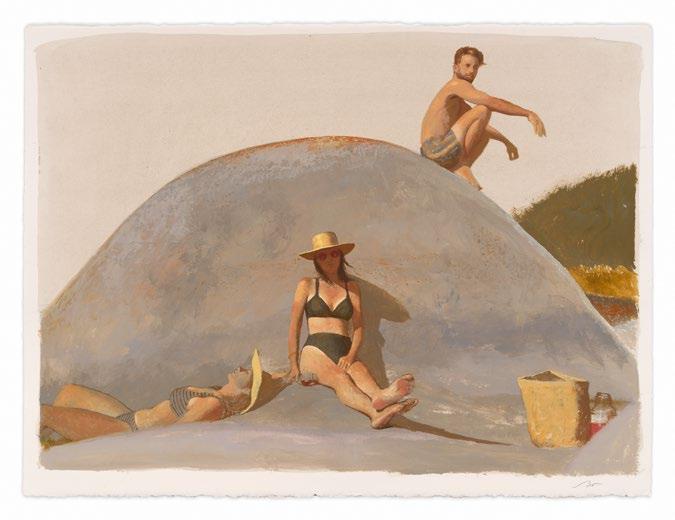
Katie, Betsy, Joseph, Rock, 2025
Gouache on Arches Aquarelle hot pressed paper
22 1/2 x 30 inches
57 x 76 cm
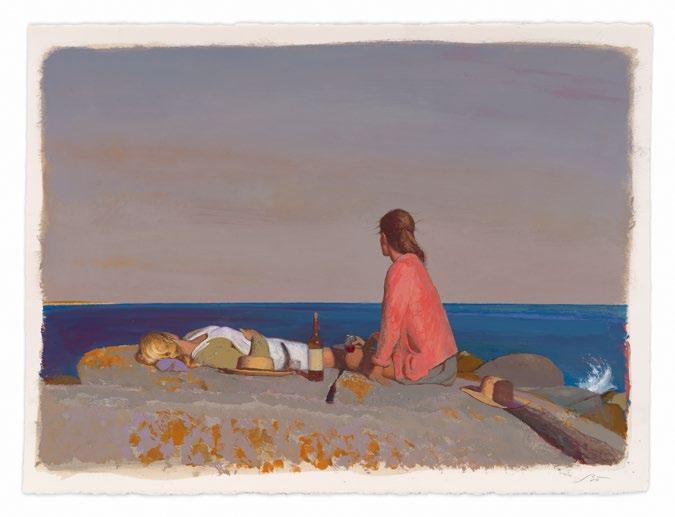
Picnic, 2025
Gouache and oil on Arches Aquarelle hot pressed paper
11 1/4 x 15 1/4 inches
29 x 39 cm
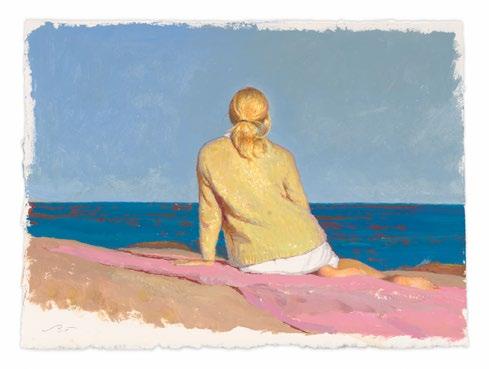
Post Picnic, 2025
Gouache on Arches Aquarelle hot pressed paper
22 3/4 x 30 inches
58 x 76 cm
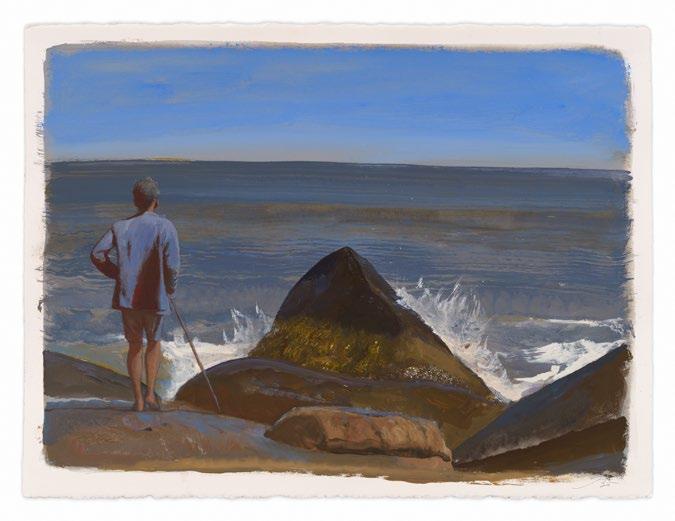
Self Portrait on Wheaton Rückenfigur, 2025
Gouache on Arches Aquarelle hot pressed paper
Study
for HomeFront, 2025
22
Gouache on Arches Aquarelle hot pressed paper
1/2 x 30 inches
57 x 76 cm
HomeFront, 2025
Oil on linen
82 x 100 inches
208 x 254 cm
Study for Ten Days in July, 2025
Oil on panel
24 x 30 inches
61 x 76 cm
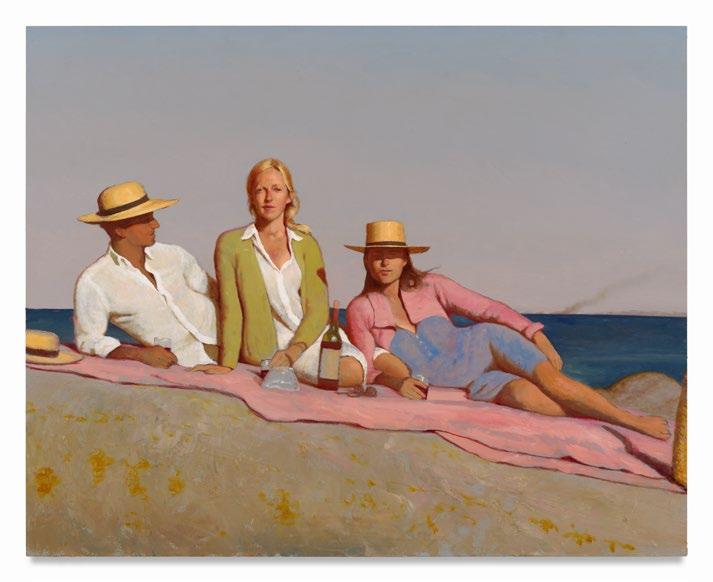
Ten Days in July, 2025
Oil on linen
60 x 80 inches
152 x 203 cm
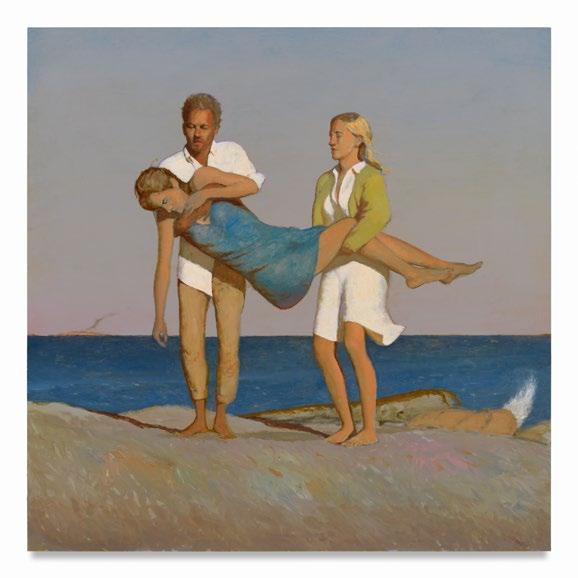
Study for Triad, 2025
Oil on panel
24 x 24 inches
61 x 61 cm
Study for Wild Love, 2025
Oil on panel
24 x 30 inches
61 x 76 cm
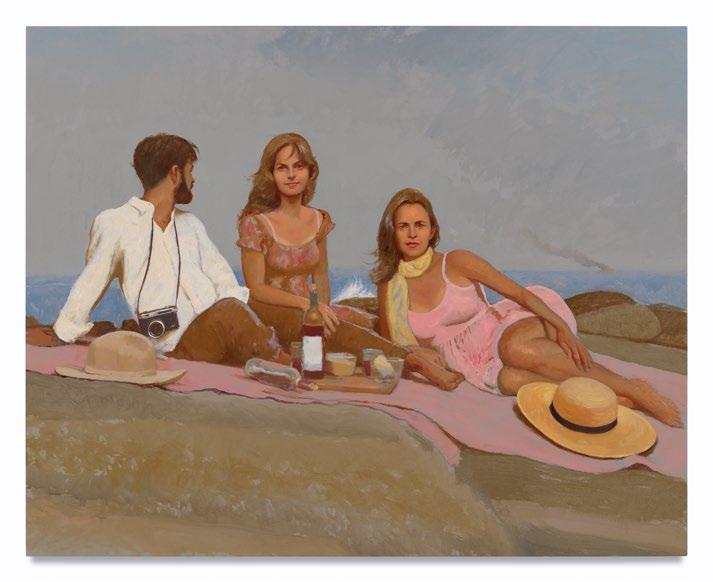
Wild Love, 2025
Oil on linen
60 x 80 inches
152 x 203 cm
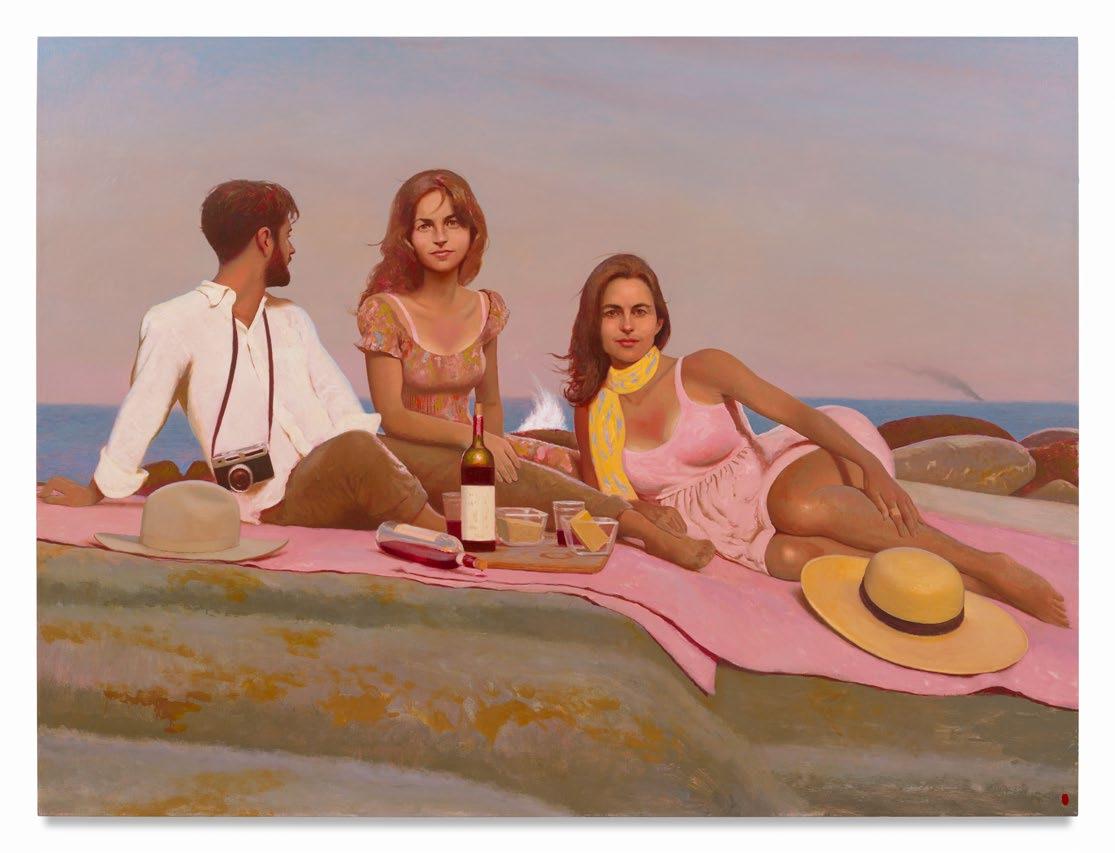
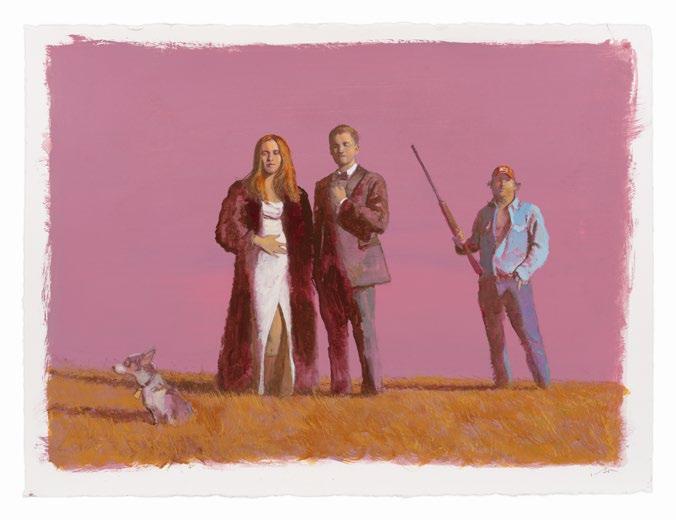
Study for Shotgun Wedding, 2026
22
58 x 76 cm
Gouache on Arches Aquarelle hot pressed paper
3/4 x 30 inches
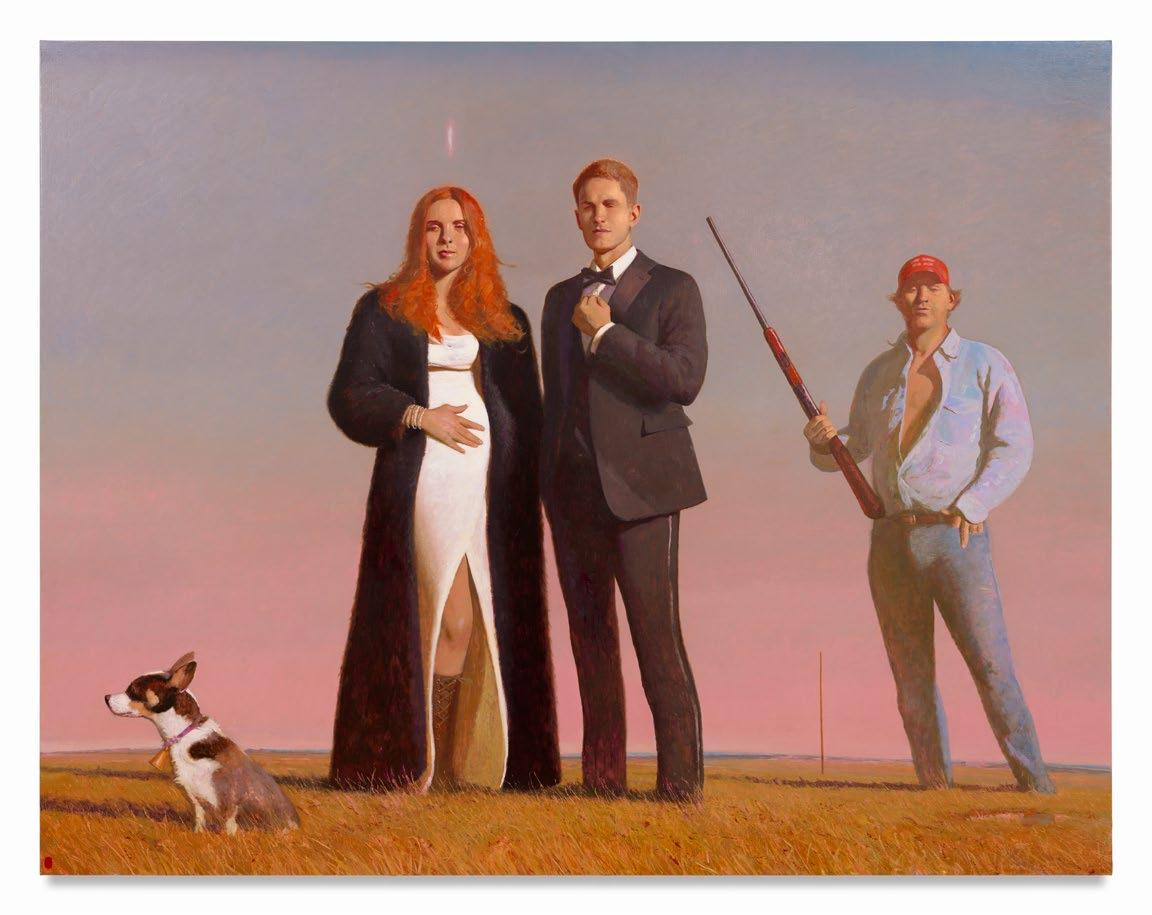
Shotgun Wedding, 2026 Oil on linen
70 x 90 inches
178 x 229 cm
Study for the Debutantes, 2026
22 1/2 x 30 inches
57 x 76 cm
Gouache on Arches Aquarelle hot pressed paper
24 x 24 inches
61 x 61 cm
The Debutante, 2026
Oil on panel
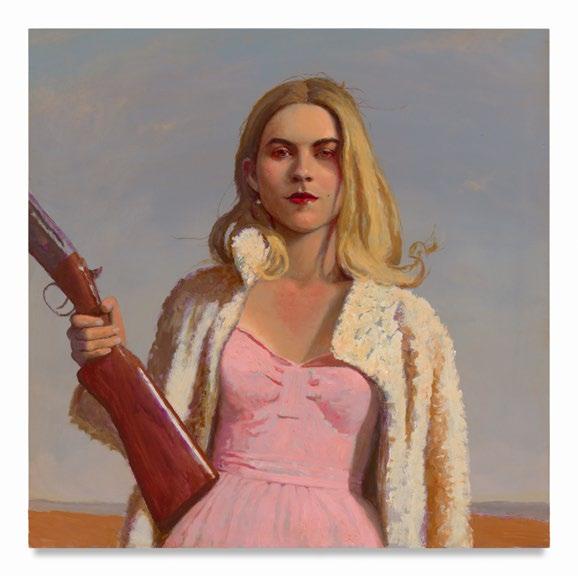
The Debutantes Study, 2026
Oil on panel
30 x 40 inches
76 x 102 cm
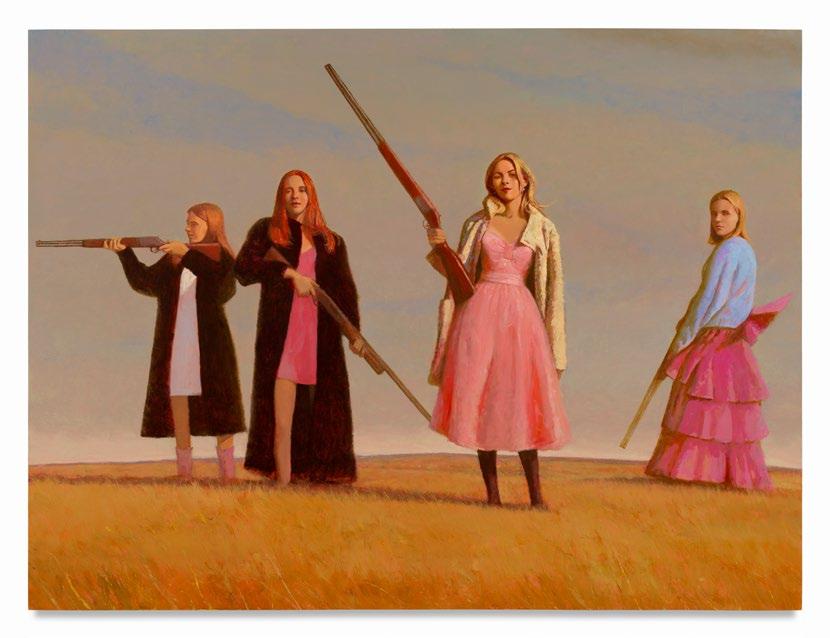
The Debutantes, 2026
Oil on linen
76 x 98 inches
193 x 249 cm
Published on the occasion of the exhibition
BO BARTLETT
PAINTINGS FROM THE HOMEFRONT
2 April – 9 May 2026
Miles McEnery Gallery 515 West 22nd Street New York NY 10011
tel +1 212 445 0051 www.milesmcenery.com
Publication © 2026 Miles McEnery Gallery
All rights reserved
Essay © 2026 Craig Drennen
Photo Credits
p. 2: Image courtesy of Bo Bartlett Studio
p. 2: Image courtesy of Bo Bartlett Studio
p. 3: Digital image © RMN-Grand Palais / Art Resource, New York, NY /
Photo by Gérard Blot / Christian Jean
p. 6: © John Currin. Digital image courtesy of Gagosian
Associate Director Julia Schlank, New York, NY
Photography by Dan Bradica, New York, NY
Catalogue layout by Allison Leung
ISBN: 979-8-3507-6361-4
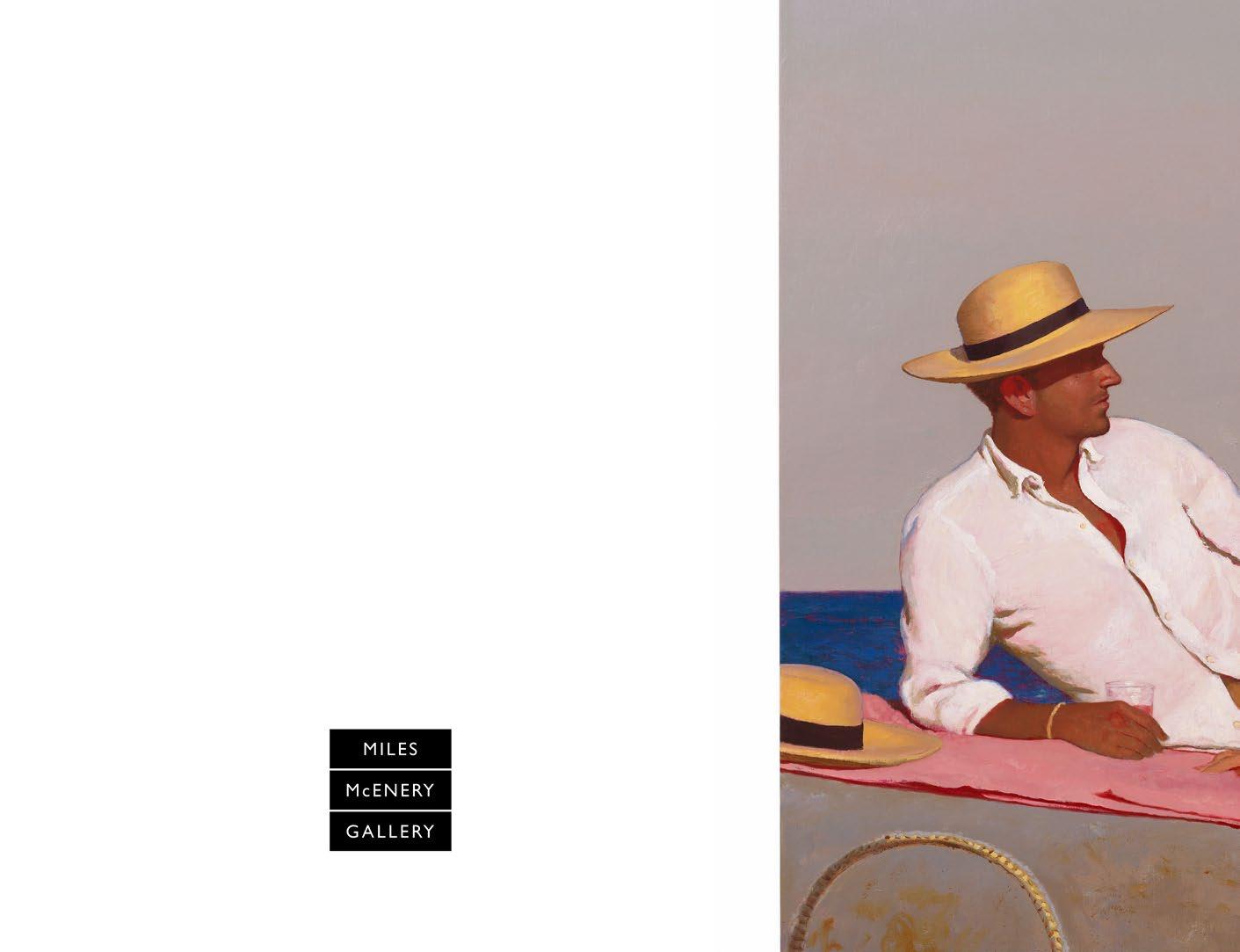
Cover: Ten Days in July, (detail), 2025