
Prepared by: Andrea Melo, Lían Rincon, Carol Hernández and Erika Mora
Present to: Ricardo Augusto Carreño Estupiñan
This report examines the importance of intercultural negotiation in the context of Grupo Bimbo, a global leader in the baking industry with operations in 35 countries. Through its worldwide expansion, Bimbo has demonstrated how adapting to cultural differences, managing multicultural teams, and implementing effective communication strategies are key to success in international markets. The document explores the cultural dimensions that influence negotiations, the strategies Bimbo has developed to address intercultural challenges, and recommendations for Latin American companies seeking to overcome cultural barriers The goal is to highlight best practices that enable businesses to grow sustainably while respecting cultural diversity.

Understanding business culture in the international market is essential because it influences how companies interact with partners, employees, and customers in different countries. In the case of Grupo Bimbo, its global success is largely due to its ability to adapt to various business cultures and understand the dynamics of each market.
Communication in an international setting varies according to the values and norms of each country For example, in some markets, hierarchy in business relationships is crucial, while in others, informality and flexibility are more valued.
Grupo Bimbo has successfully integrated these cultural differences into its business strategies to establish strong relationships with suppliers, distributors, and customers.
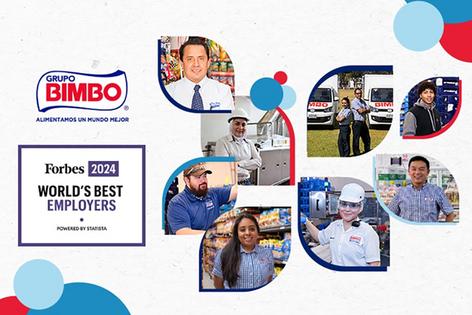
Grupo Bimbo has implemented global initiatives to reduce its environmental impact, such as the use of renewable energy and the production of electric vehicles in its own factories.
These strategies align with the company’s internal values while also meeting consumer expectations in markets that prioritize sustainability
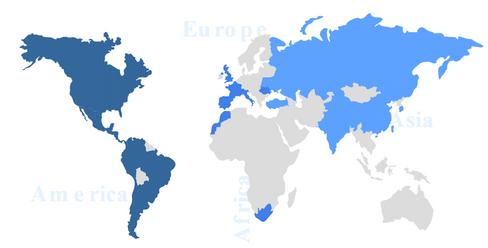
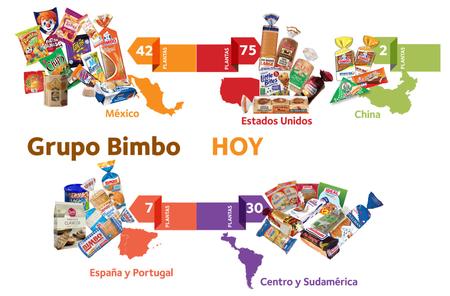
Grupo Bimbo operates in 35 countries across the Americas, Europe, Asia, and Africa, requiring an understanding of cultural differences to offer products that align with local preferences. Since its foundation, the company has prioritized quality and innovation, ensuring that its offerings are well received in each region
The company has 134,000 employees worldwide, requiring the management of multicultural teams with different work styles, expectations, and leadership approaches Its focus on diversity and inclusion has been key to fostering a positive and efficient work environment.
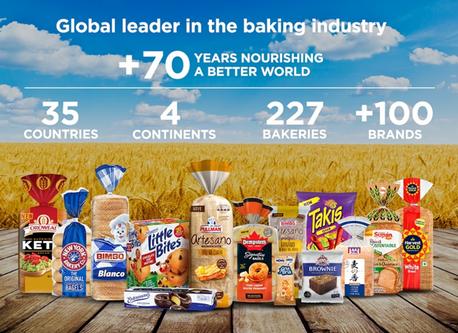
Grupo Bimbo has positioned itself as a global leader in the baking industry thanks to an expansion strategy that balances corporate identity with adaptation to the cultural specificities of each market. Its presence in more than 30 countries has required it to develop a flexible business approach, where respect for cultural differences becomes a key pillar for its sustainable growth

One of the fundamental aspects of Bimbo's strategy has been the integration of universal values such as business ethics and social responsibility, which has allowed it to connect with diverse audiences without losing its essence. In each country where it operates, the company has strived not only to introduce its products but also to understand local preferences, adapting its recipes, packaging, and marketing strategies to meet consumer expectations. A clear example of this is its acquisition of brands with strong roots in specific markets, ensuring that expansion is carried out with cultural sensitivity and without displacing the identity of local companies.
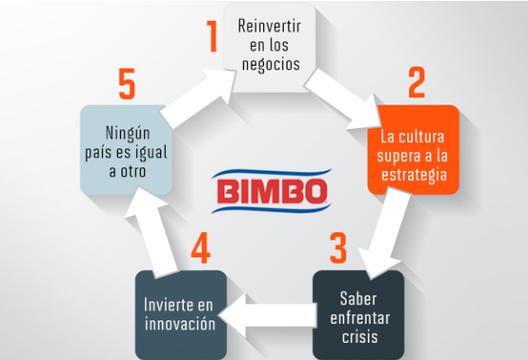
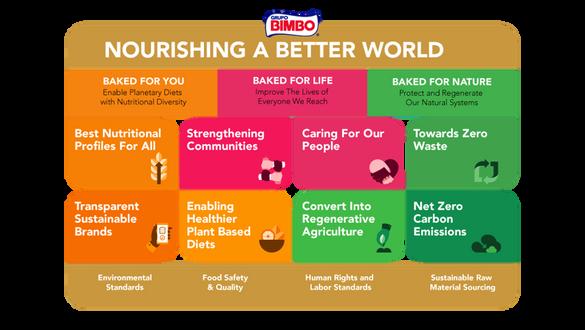
Another relevant point is its commitment to sustainability, which not only responds to a global trend but also aligns with growing consumer demand for companies with a positive impact on the environment. Through the use of renewable energy and the optimization of its supply chain, Bimbo has positioned itself as an innovative company that understands the importance of operating responsibly in any cultural context. Its adaptability was especially demonstrated during the pandemic, when it applied lessons learned from its operations in China to implement health protocols in other regions before the crisis escalated globally. This proactive approach reflects its ability to manage interculturality in highly complex situations, ensuring the continuity of its operations without compromising the wellbeing of its employees or the trust of its customers
Ultimately, Grupo Bimbo's intercultural strategy is based on a combination of smart expansion, respect for cultural diversity, and a business model that prioritizes both innovation and sustainability This approach has allowed it to establish itself in various markets without generating rejection, becoming a success story in international business management
International negotiations are influenced by various cultural dimensions that determine how parties interact, make decisions, and establish agreements According to Geert Hofstede’s model, some of the most relevant cultural dimensions in a negotiation include power distance, individualism vs collectivism, uncertainty avoidance, and longterm orientation
In the case of Grupo Bimbo, these dimensions have played a key role in its global expansion and the way it manages business relationships in different countries:
This dimension measures how accepted hierarchies are in a society. In countries with high power distance (such as Mexico or China), negotiations tend to be more formal and structured, with decisions centralized among top executives.
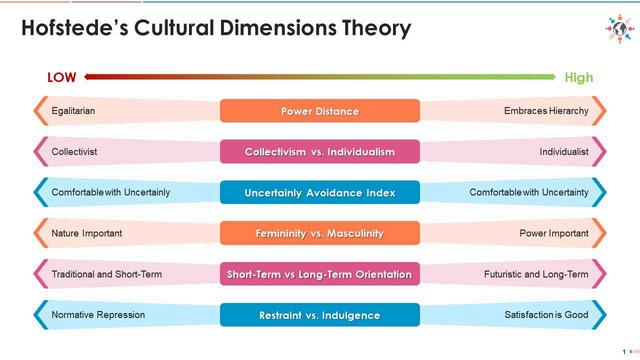
Grupo Bimbo has successfully adapted to these markets by respecting hierarchical protocols while also promoting leadership that is close to employees and business partners
In individualistic countries (such as the U.S.), negotiations tend to focus on personal interests and business autonomy, whereas in collectivist societies (such as in Latin America or Asia), loyalty, trust, and long-term relationships are highly valued
Grupo Bimbo has established strong partnerships in collectivist markets by building solid relationships with suppliers and distributors, based on mutual trust and shared benefits
Some cultures, such as Mexico, prefer to avoid uncertainty through clear rules and welldefined structures in negotiations. In contrast, countries with lower uncertainty avoidance, such as the U.S., tend to be more flexible and innovative in business agreements.
Bimbo has balanced this dimension by maintaining structured processes in rigid markets while also being flexible in regions where a more dynamic negotiation approach is expected
In countries with a strong long-term orientation, such as China and Japan, negotiations focus on building sustainable relationships and future benefits. In contrast, in markets with a more shortterm orientation, companies prioritize immediate results
Grupo Bimbo has implemented sustainable growth strategies, investing in long-term markets, which has allowed it to establish itself as a leader in various regions
Grupo Bimbo has successfully expanded globally due to its ability to understand and adapt to these cultural dimensions in negotiations Its flexible approach and interest in building strong business relationships have enabled it to integrate effectively into markets with different values and negotiation styles
Communication in intercultural negotiations involves the interaction between people from different cultural backgrounds to reach mutually beneficial agreements. In a global company like Grupo Bimbo, understanding and adapting communication styles is essential to avoid misunderstandings and strengthen business relationships.
Linguistic Differences: While English is a common business language, many countries prefer negotiating in their native tongue.
Communication Styles: Some cultures, like the U S , are direct, while others, like Japan, prefer more subtle approaches
Negotiation Norms: Hierarchy and respect for authority are crucial in some countries, whereas negotiation is more flexible in others
Time Perception: In Latin America, long-term relationships are prioritized, while in the U S and Europe, efficiency and speed are expected
Cultural Awareness Training: Educate employees on business practices and cultural values of each country.
Multilingual Strategies: Use interpreters and hire multilingual staff to improve communication
Adaptation of Negotiation Style: Adjust the approach based on the country and its business customs
Building Long-Term Relationships: Foster mutual trust to strengthen strategic partnerships
Use of Technology: Implement digital tools to facilitate remote communication without compromising effectiveness
Ethics and Social Responsibility: Uphold Grupo Bimbo’s core values (sustainability, innovation, and humanity) as key negotiation principles
Grupo Bimbo operates in 33 countries across the Americas, Europe, Asia, and Africa, requiring adaptation to diverse cultures and regulations Its success in international expansion is driven by its people-centered approach, negotiation flexibility, and commitment to sustainability and technology
With these strategies, Grupo Bimbo can strengthen its communication in international markets, optimize negotiations, and solidify its global presence.

Latin American countries must face different economic, ecological, political and cultural barriers in order to enter any market. Therefore, they must conduct a thorough investigation to mitigate any type of risk associated with the opening of an international market.
Must take into account the cultural diversity of the markets in which it operates, as there are cultural differences in each continent They must prioritize cultural and ecological practices and interaction with their employees, listening carefully to the needs of these and their main consumers.
Before undertaking any business venture in a foreign country, it is essential to conduct thorough cultural research you must learn to investigate and understand the social norms, business practices and cultural beliefs in the target country. This will enable them to adjust their business approach and adapt their negotiation strategy to avoid offending or misunderstanding their business partners.
Adaptproductsandlanguage
Must adapt all its products to a respectful and clear language depending on the country or culture in which they are introduced, on the other hand, they must study the different types of languages, whether oral, written, verbal or non-verbal. This must be taken into account in order not to incur in any kind of offense towards that culture and/or country
Implement international exchange andinternshipprograms
To overcome cultural barriers, should consider implementing international exchange and internship programs These opportunities provide direct exposure to different cultures and business environments, allowing managers and employees to learn firsthand how to interact and adapt in international contexts. In addition, these experiences help develop a network of valuable international contacts, which can be beneficial in future business opportunities.
Technologyimplementation
Technology offers powerful tools to overcome cultural barriers in international trade, leveraging online communication platforms, such as videoconferencing and social networking, to facilitate collaboration and information exchange with trading partners from different cultures, ensuring effective and culturally sensitive communication.
Grupo Bimbo has demonstrated that global success is built through cultural adaptation, combining corporate identity with intercultural sensitivity. Their approach - which integrates respect for cultural dimensions, investment in sustainability, and adaptation to local marketsoffers valuable lessons for Latin American companies: conducting cultural research, maintaining communication flexibility, adapting products, and strategically using technology are key to overcoming barriers The Bimbo case proves that cultural diversity is not an obstacle, but rather an opportunity to grow, innovate, and fulfill its mission of "nourishing a better world," establishing a model to follow for responsible and effective international expansion (AndreaMelo)
The Bimbo Group has managed to reach different global markets, facing various political, economic and cultural obstacles They have been able to investigate and apply the traditions of different cultures, having commercial strategies and assertive communication From my personal point of view, I consider that they have opened their global path having cultural diversity as a base to open their markets and apply their different effective commercial strategies. (CarolHernández)
Understanding the business culture of the country you wish to enter is essential for successful negotiations and sustainable business relationships. Bimbo has demonstrated that a company can adapt to different cultural environments without losing its essence, through strategies such as hiring local talent, respectful integration, and intercultural training. Cultural dimensions allow us to identify key differences in the way we negotiate, communicate, and make decisions. Communication in intercultural contexts requires sensitivity, preparation, and flexibility to avoid conflicts and strengthen trust. Finally, Latin American companies seeking to internationalize must invest in cultural training, be open to learning, and foster a global mindset to overcome cultural barriers.(ErikaMora)
From my point of view, over the years, Grupo Bimbo has proven to be a successful and resilient company, not only because of its remarkable global growth, but also due to its ability to adapt to diverse cultural environments without losing its essence It has successfully integrated universal values such as ethics, sustainability, and respect for diversity, as well as for the various cultures it has engaged with This vision has been key to establishing itself as a benchmark in the food industry. Its flexible and people-centered approach to interculturality, combined with well-designed strategies, has allowed it to build strong and sustainable relationships in different parts of the world. Without a doubt, it is a clear example of how a Latin American company can succeed globally by respecting cultural differences and embracing innovation tailored to the needs of each market. (LianPuentes)
Adomako, S., Opoku, R. A., and Frimpong, K. (2017). The Moderating Influence of Competitive Intensity on the Relationship between CEOs’ Regulatory Foci and SME Internationalization. Journal of International Management, 23(3), 268–278. https://research-ebsco-com.bibliotecavirtual.unad.edu.co/linkprocessor/plink? id=0dcb4ff0-6bba-3036-a8be-072a9525ffe8
Alqarni, A. M. (2022). Hofstede’s cultural dimensions in relation to learning behaviors and learning styles: A critical analysis of studies under different cultural and language learning environments https://research-ebscocom bibliotecavirtual unad edu co/linkprocessor/plink?id=55eb9e9f-944c-398f-b951cea730e9ff15
Annual reports | Grupo Bimbo (2023) https://www.grupobimbo.com/en/investors/reports/annual-reports https://research-ebsco-com.bibliotecavirtual.unad.edu.co/linkprocessor/plink?
id=ae20f633-b264-375c-aa54-ebdd43fbde8d
Khan, Z., and Lew, Y. K. (2018). Post-entry survival of developing economy international new ventures: A dynamic capability perspective. International Business Review, 27(1), 149–160. https://research-ebsco-com.bibliotecavirtual.unad.edu.co/linkprocessor/plink? id=62b1f1cf-27c6-3956-841a-f2150e35a187
Nader H. Asgary. (2021). Global Business: An Economic, Social, and Environmental Perspective Third Edition: Vol 3rd edition Information Age Publishing https://researchebsco-com bibliotecavirtual unad edu co/linkprocessor/plink?id=35095b93-3027-327196f9-6716aa85e0f2
Our brands (s f ) Grupo Bimbo https://www grupobimbo com/en/brands
Sustainability (s f ) Grupo Bimbo https://www grupobimbo com/en/sustainability
Yoo, D., and Reimann, F. (2017). Internationalization of Developing Country Firms into Developed Countries: The Role of Host Country Knowledge-Based Assets and IPR Protection in FDI Location Choice. Journal of International Management, 23(3), 242–254.