www.altiusgraphics.com
ALTIUS Graphics Creating Accessible Environments with Eco-Friendly Solutions
www.altiusgraphics.com
Introduction
The Importance of Accessibility and Sustainability
Overview of Eco-Friendly Solutions
Understanding Accessibility
Definition and Importance
Legal and Ethical Considerations
Sustainable Practices in Accessibility
Combining Accessibility with Environmental Responsibility
Benefits of Sustainable Practices
Eco-Friendly Braille Signage
Overview of Braille Signage
The Need for Eco-Friendly Braille Signs
Case Study: Magnolia School
Background and Objectives
Implementation and Results
Designing Accessible and Sustainable Spaces
Key Principles of Universal Design Integrating Eco-Friendly Materials
Implementing Eco-Friendly Solutions
Step-by-Step Guide Selecting the Right Materials
Maintenance and Longevity
Ensuring Long-Term Accessibility
Sustainable Maintenance Practices
Future Trends in Sustainable Accessibility
Innovations in Eco-Friendly Materials The Future of Accessible Design
Conclusion
Summary of Key Points Call to Action
Resources
Further Reading Useful Links
CHAPTER 1: INTRODUCTION
Accessibility and sustainability are two critical considerations in modern design and construction. Ensuring that environments are accessible to all individuals, regardless of their abilities, is not only a legal requirement but also an ethical responsibility. At the same time, sustainability focuses on minimizing environmental impact and preserving resources for future generations. Integrating these two principles leads to inclusive, eco-friendly spaces that benefit everyone.
Eco-friendly solutions are those that prioritize environmental conservation and sustainability. These solutions can include the use of recycled materials, energy-efficient technologies, and sustainable design practices. When applied to accessibility, these solutions ensure that inclusive environments are created without compromising ecological integrity.
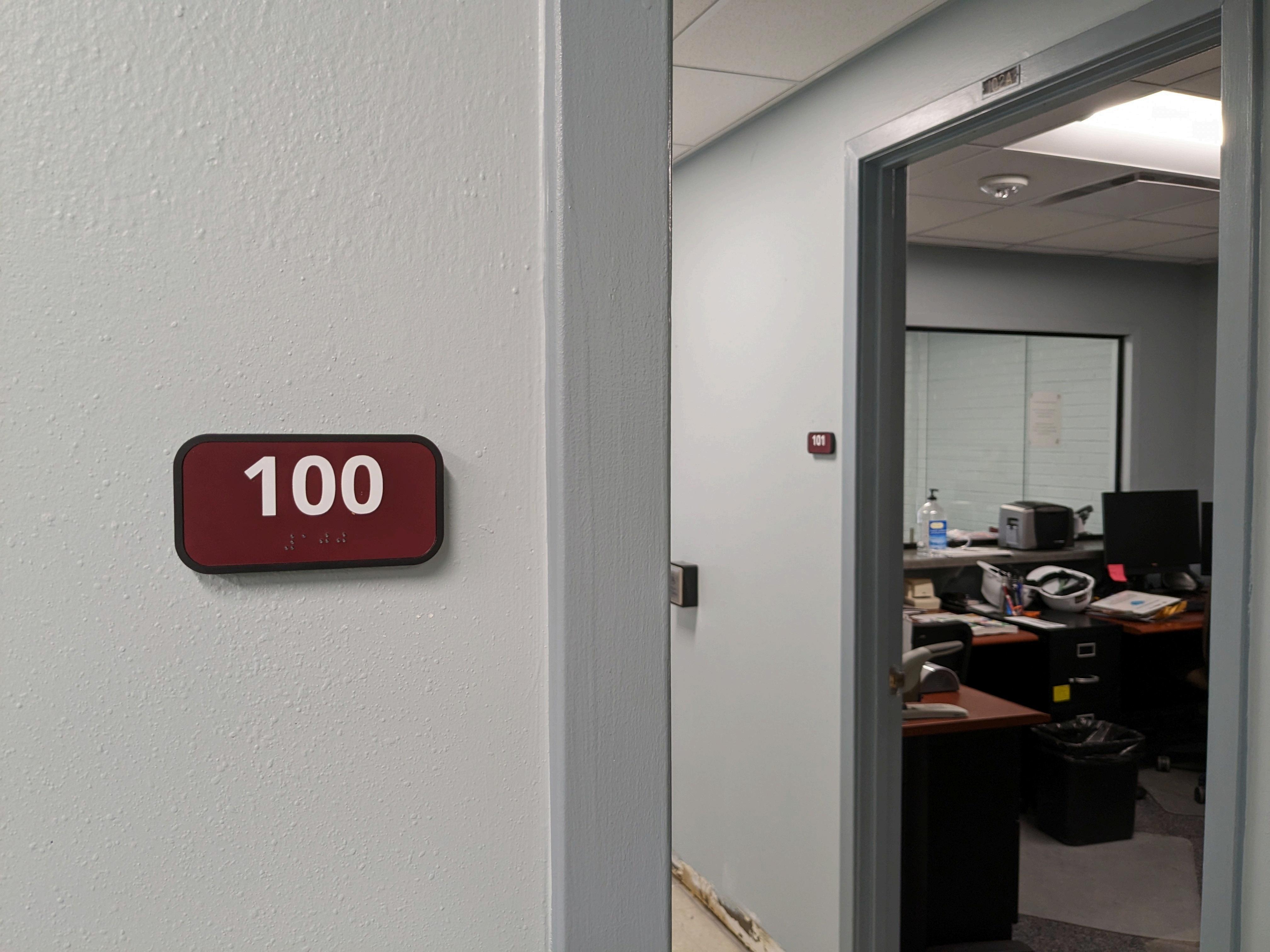
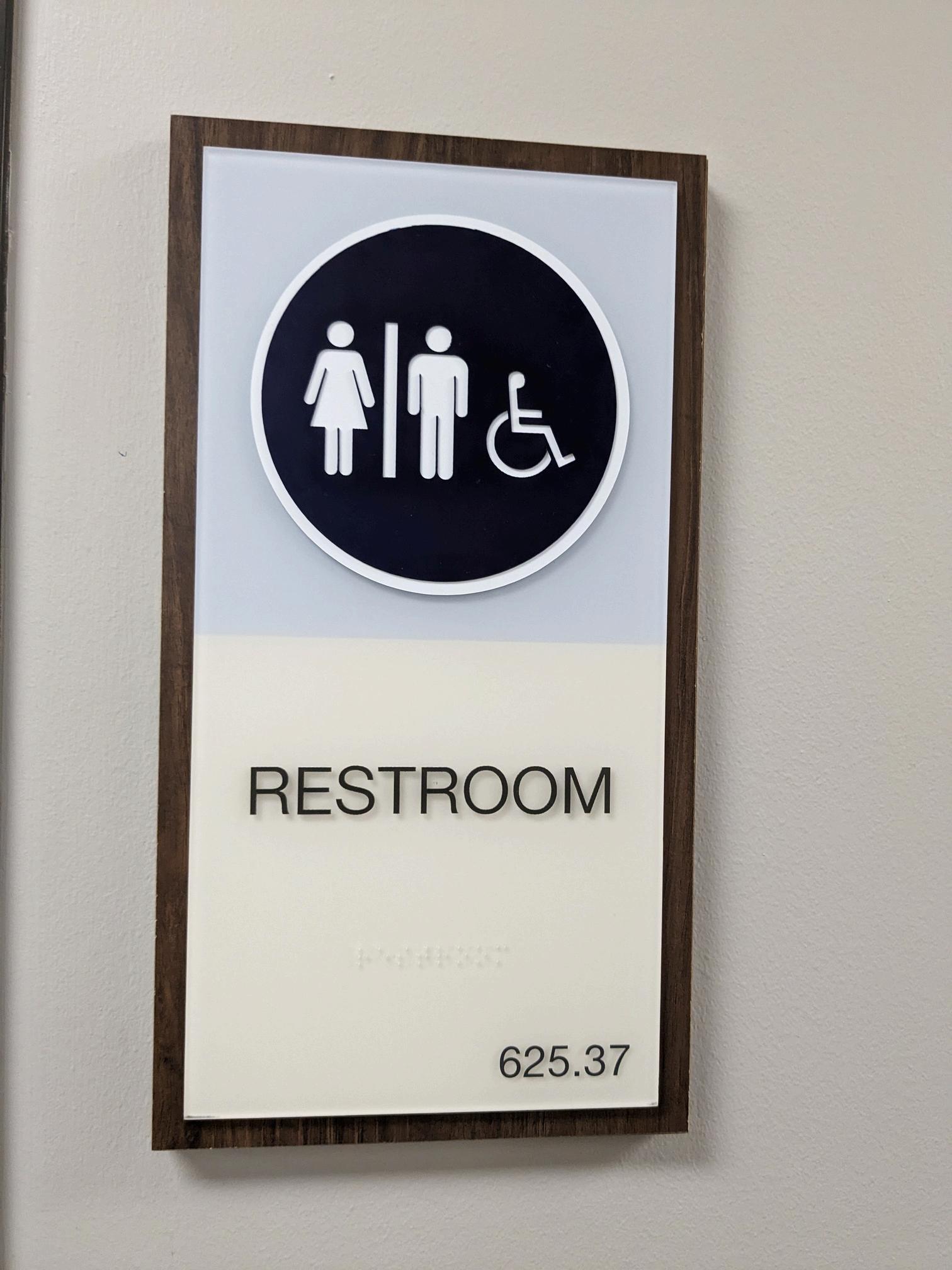
Accessibility refers to the design of products, devices, services, or environments for people with disabilities. The goal is to ensure that everyone, regardless of their physical or cognitive abilities, can access and use these spaces effectively.
Legal and Ethical Considerations
Laws such as the Americans with Disabilities Act (ADA) in the United States set out specific requirements for accessibility in public and private spaces. Beyond legal obligations, there is a moral imperative to create environments that are inclusive and welcoming to all individuals.
Accessibility with Environmental Responsibility
Creating accessible environments using sustainable practices involves selecting materials and processes that reduce environmental impact. This approach ensures that spaces are inclusive and eco-friendly.
Benefits of Sustainable Practices
Environmental Impact: Reduces waste and conserves natural resources. Health Benefits: Non-toxic materials promote healthier indoor environments.
Economic Advantages:
Sustainable practices can lead to cost savings over time through energy efficiency and reduced maintenance costs.
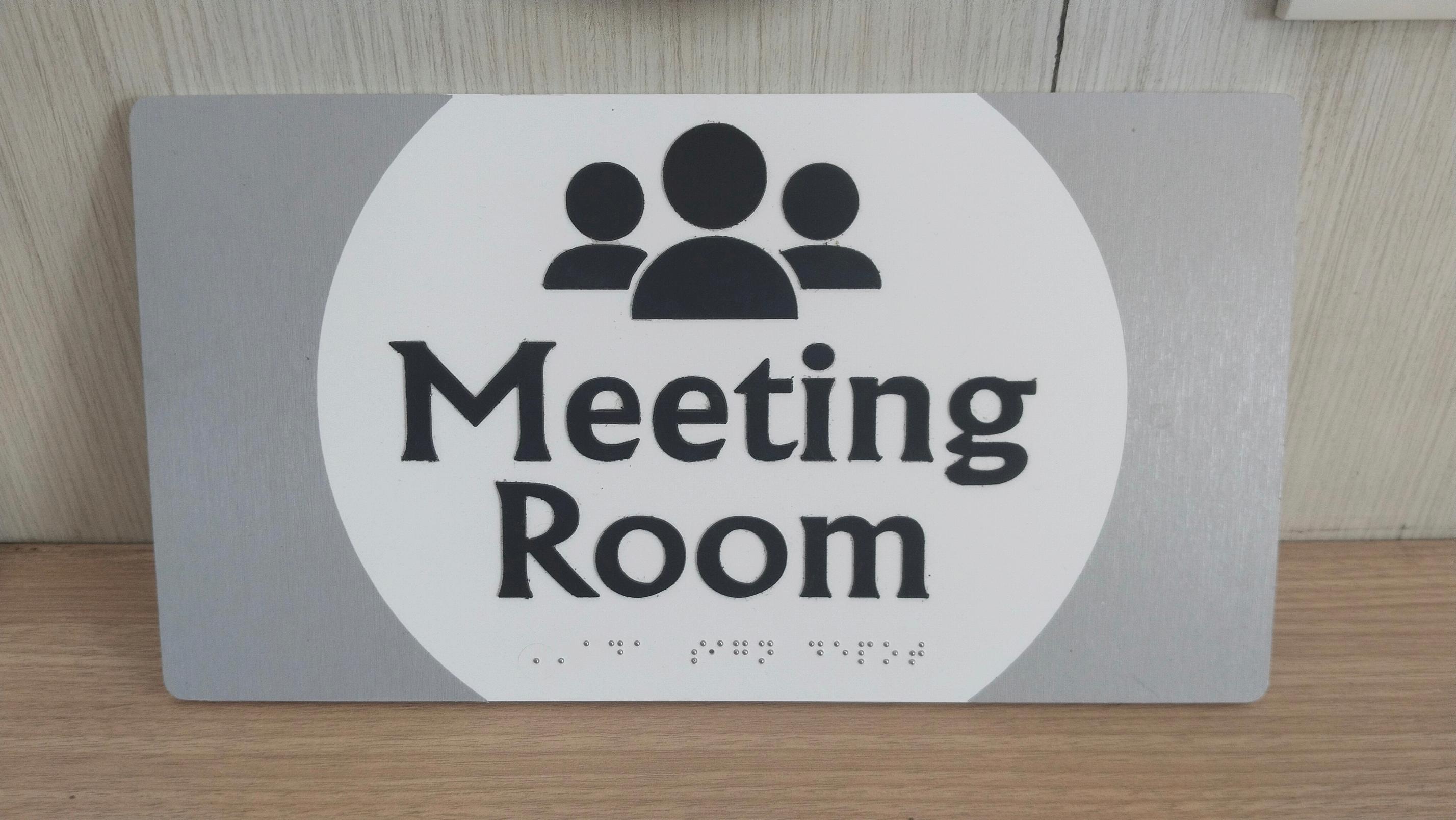
CHAPTER 4: ECO-FRIENDLY BRAILLE SIGNAGE
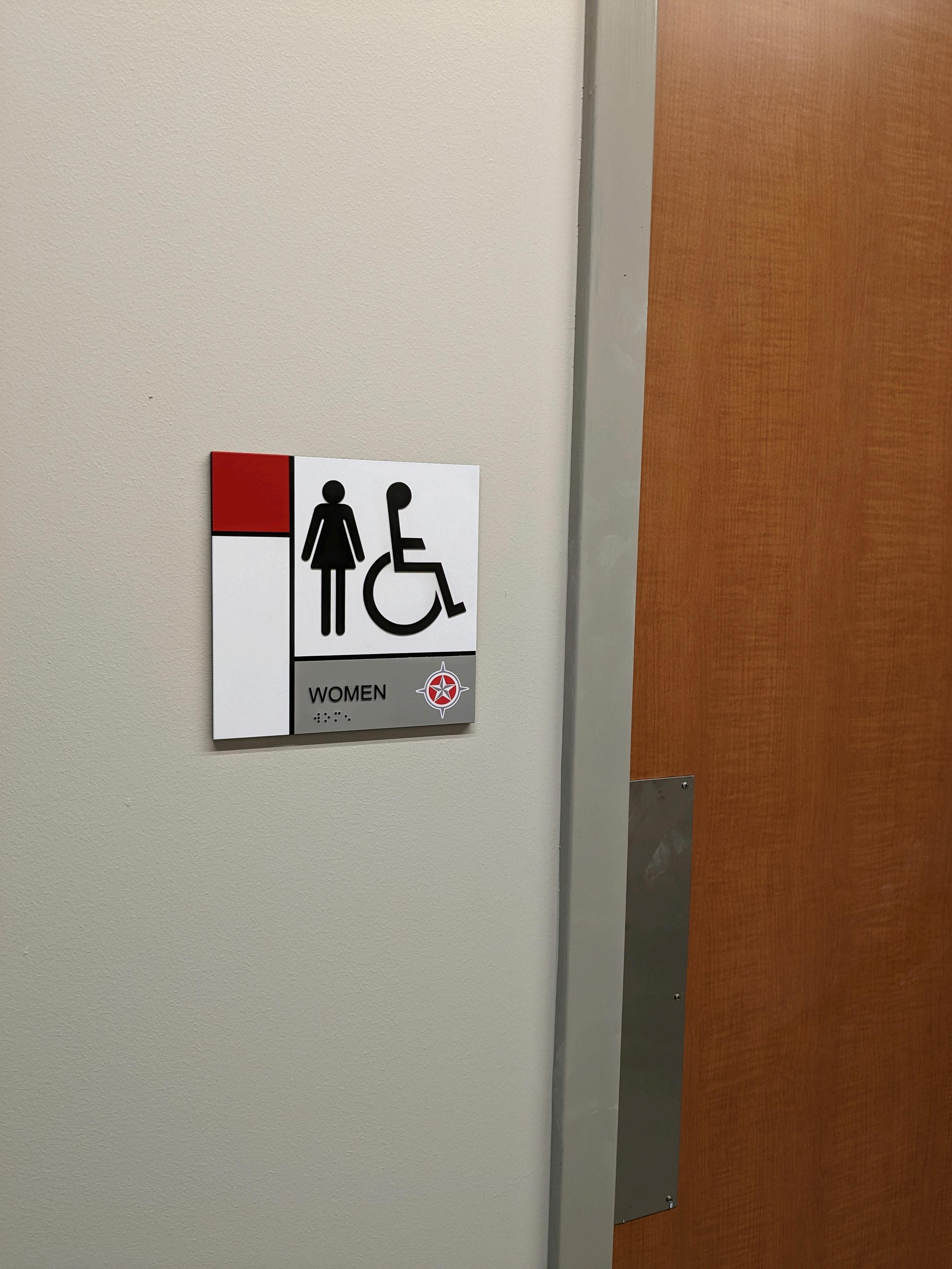
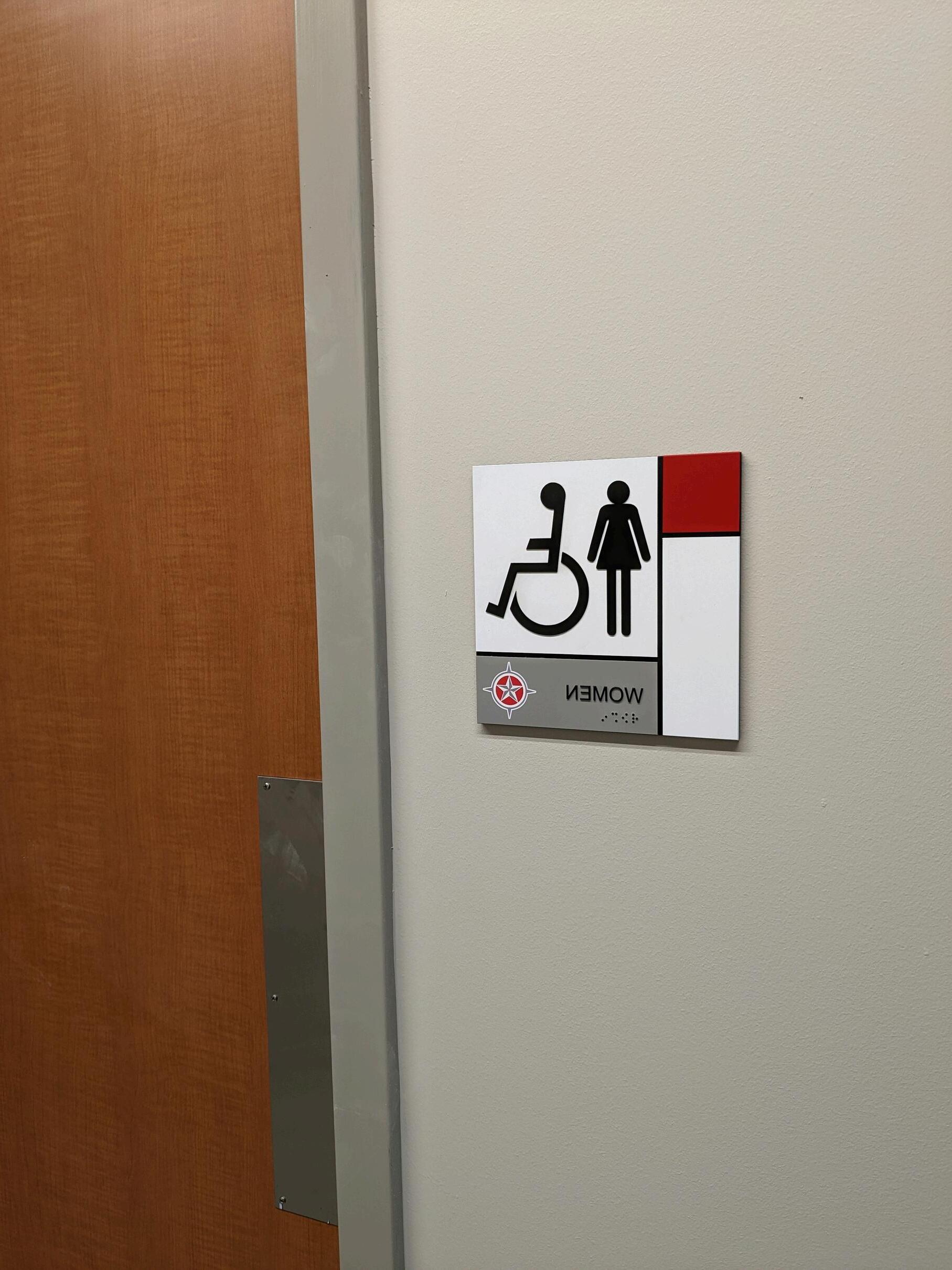
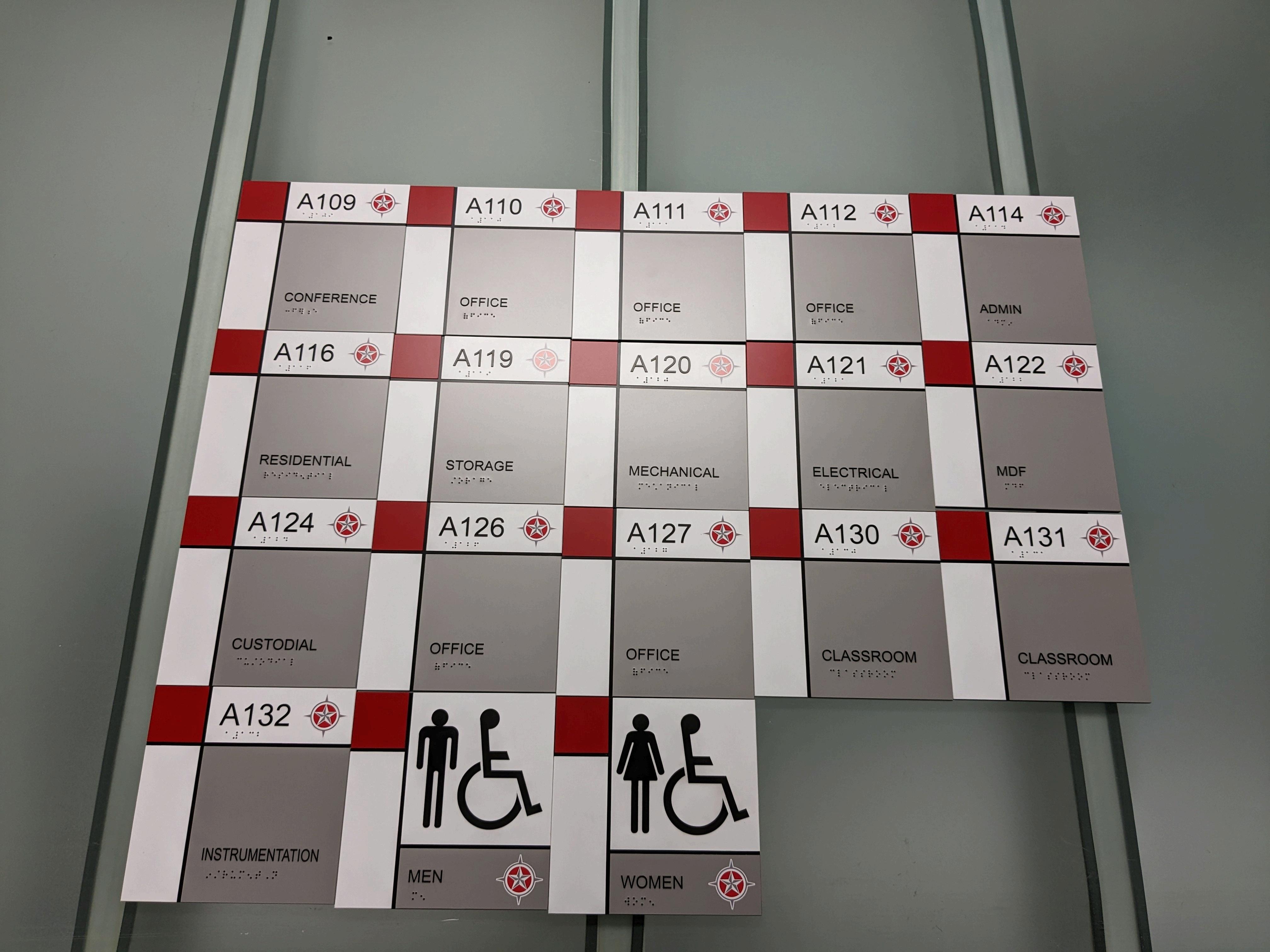
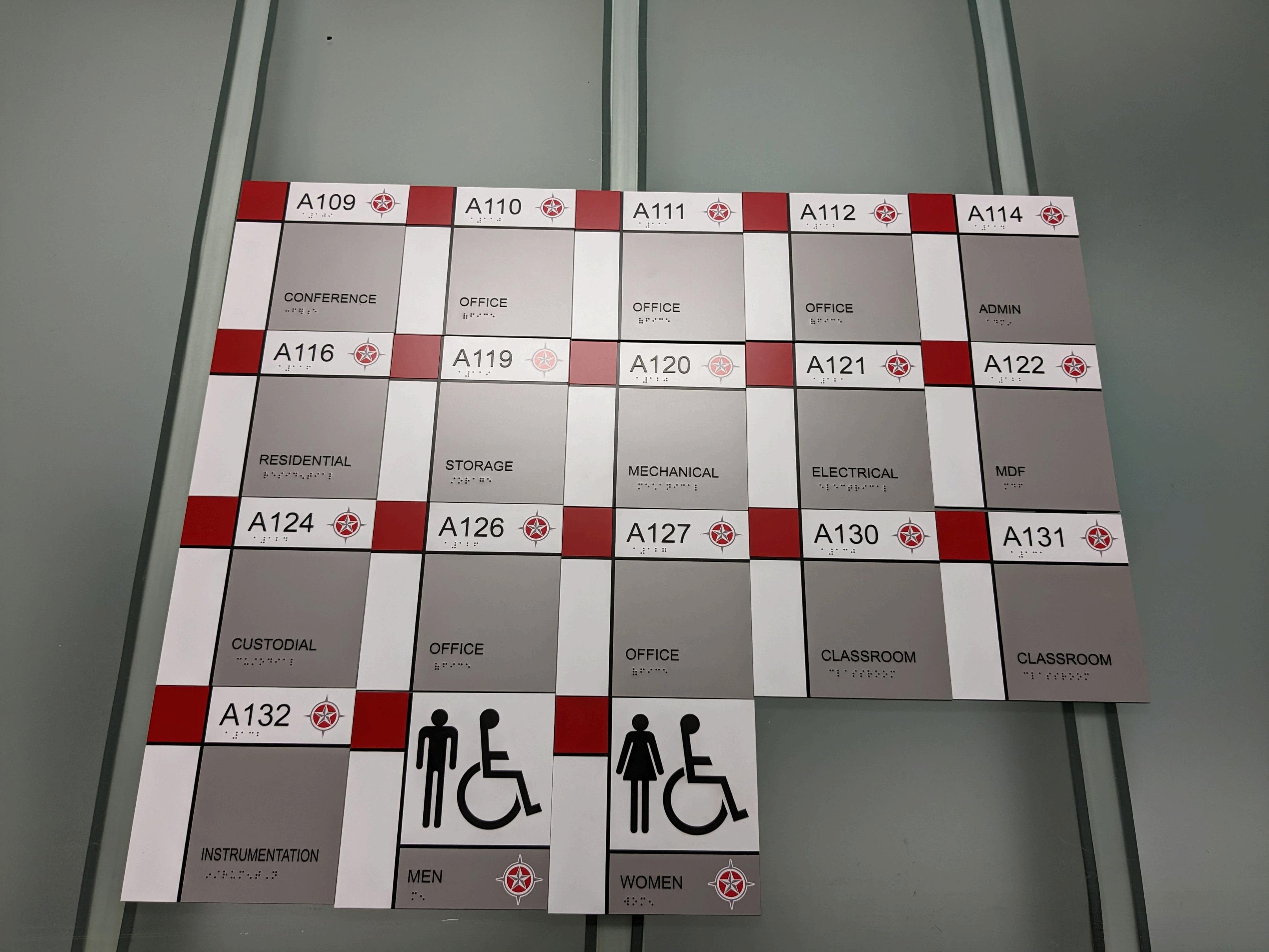
Braille signage is crucial for visually impaired individuals, providing essential information in a tactile format. These signs are often used in public buildings, schools, hospitals, and other spaces to ensure that information is accessible to everyone.
Traditional signage materials can be harmful to the environment. Eco-friendly Braille signs, made from recycled and sustainable materials, offer a solution that meets accessibility needs while minimizing ecological impact.
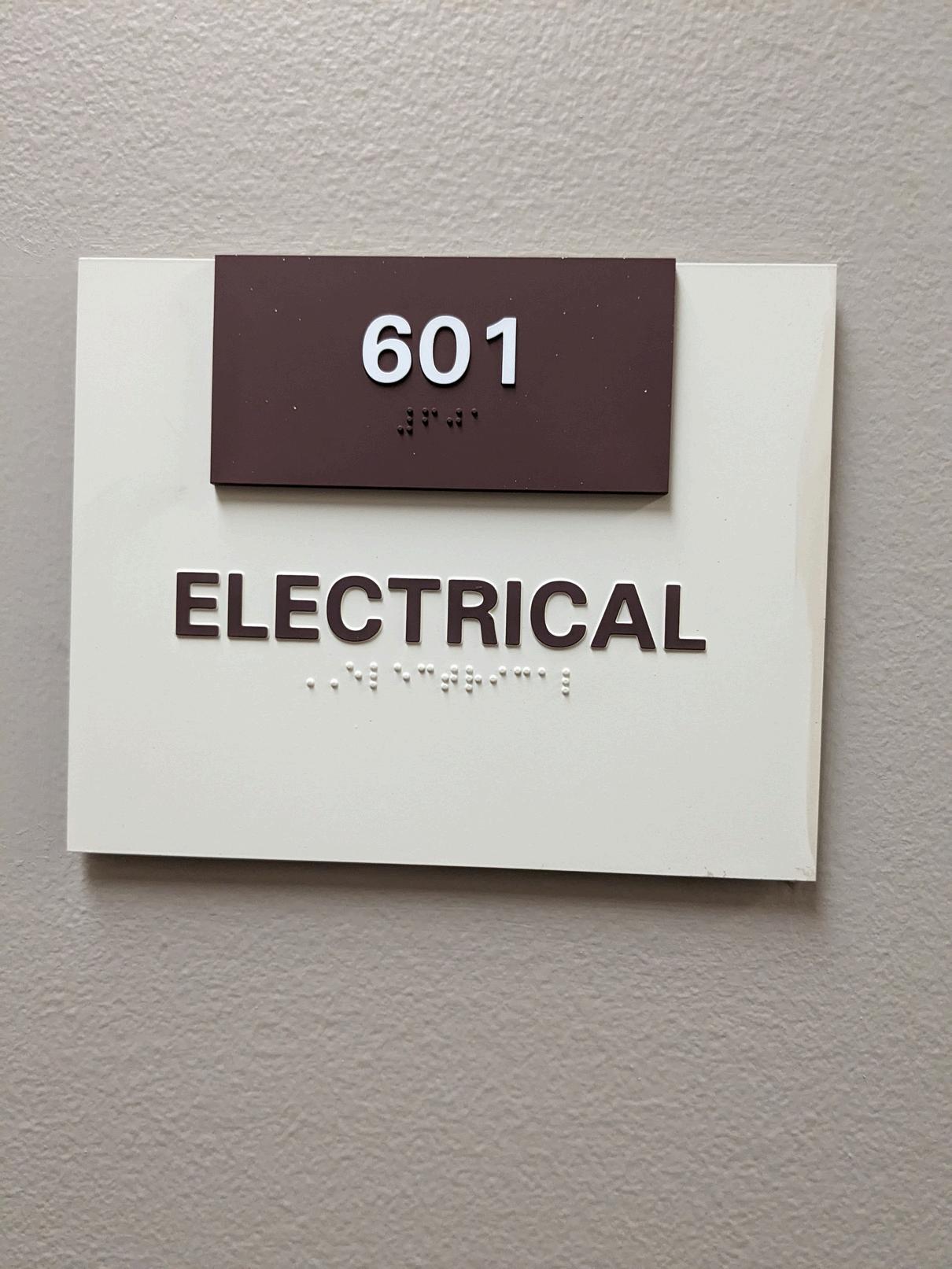
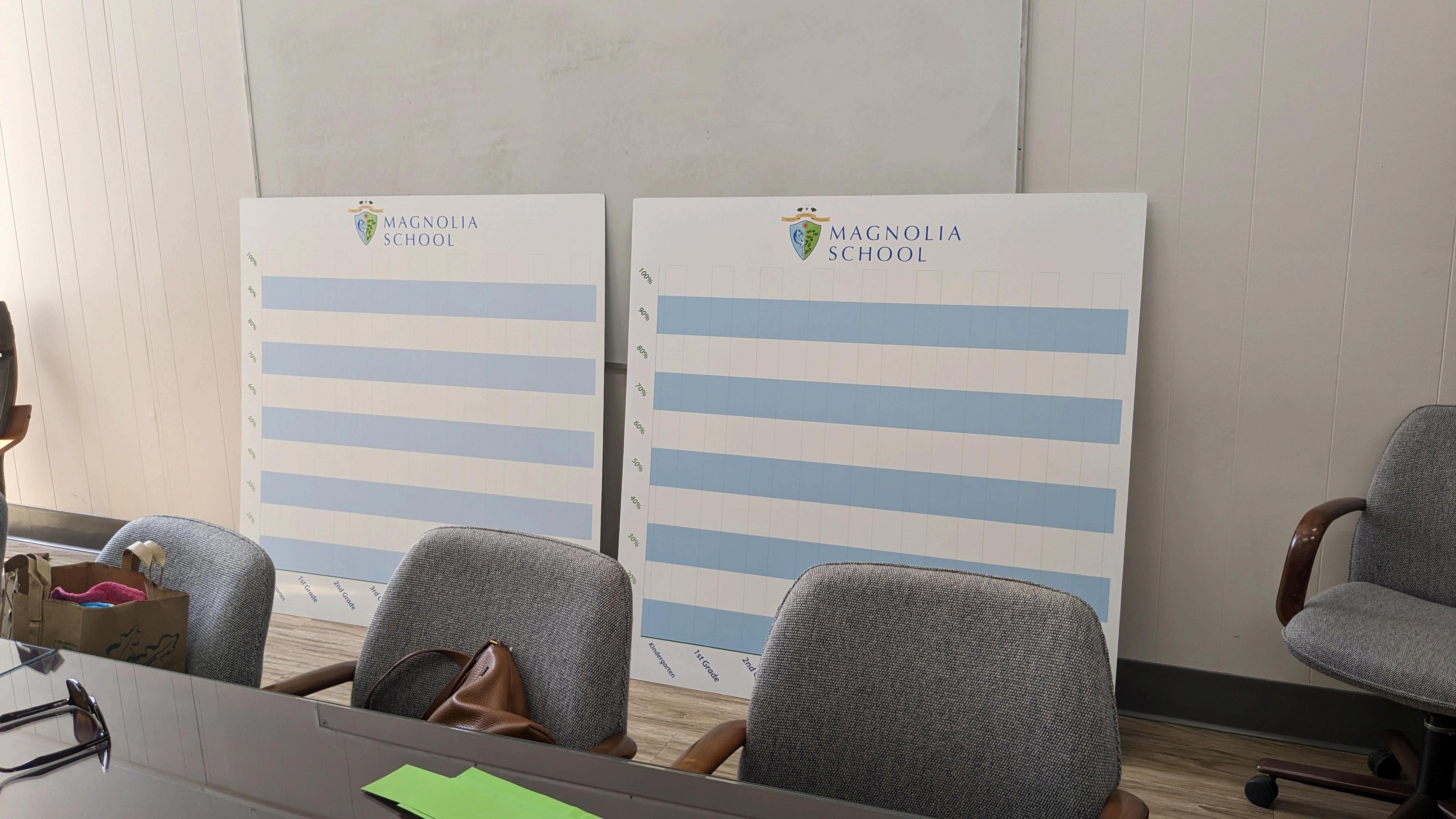
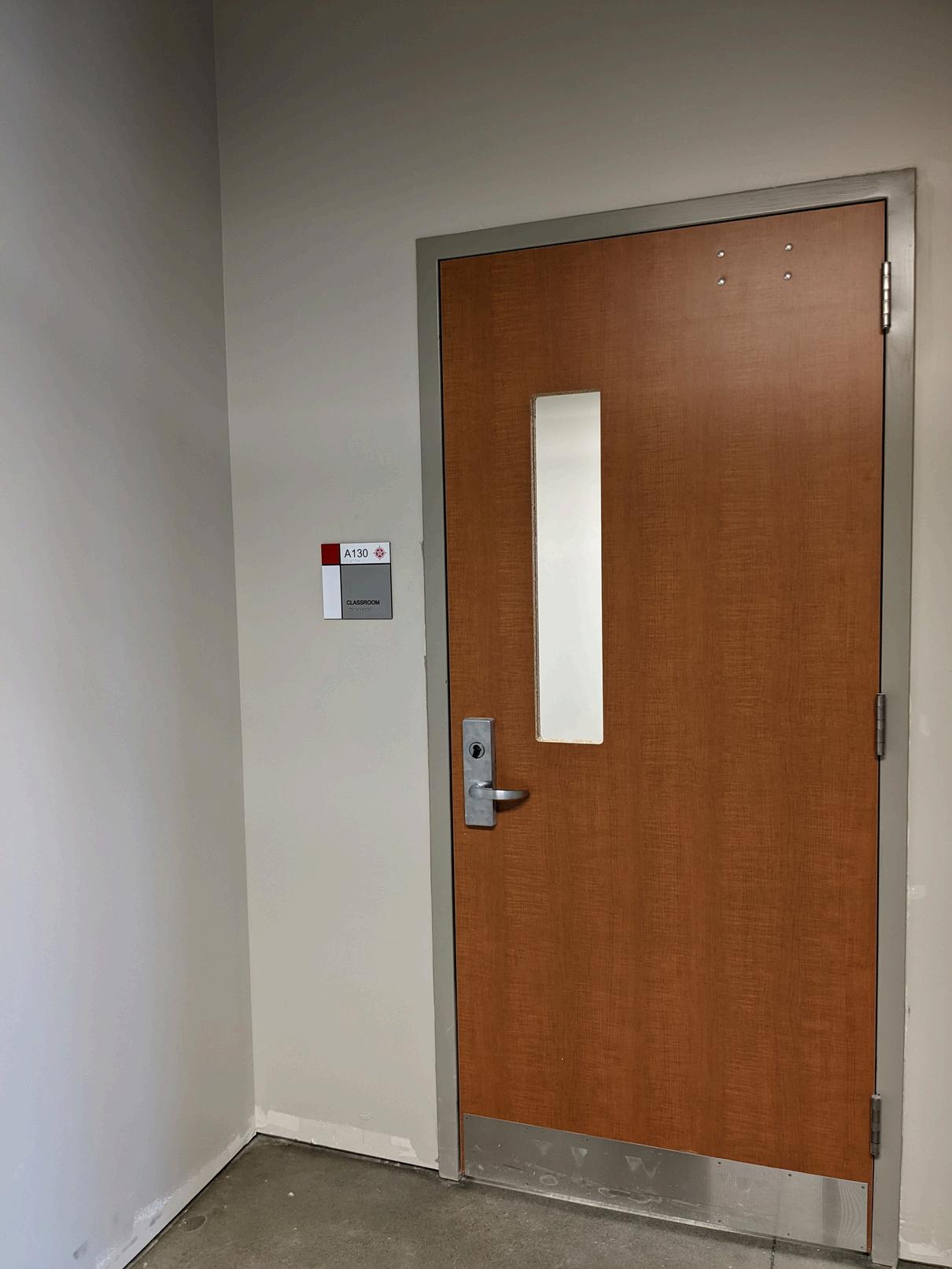
Magnolia School aimed to improve accessibility and sustainability by integrating eco-friendly Braille signs throughout their campus.
The project involved a comprehensive plan to replace existing signs with those made from recycled materials. The new signage improved navigation for visually impaired students and supported the school's sustainability goals.
Universal design principles ensure that spaces are usable by all people, to the greatest extent possible, without the need for adaptation or specialized design.
Selecting materials that are both accessible and sustainable is key to creating inclusive environments. This includes using recycled content, nontoxic finishes, and energy-efficient lighting.
Step-by-Step Guide
1. Planning: Develop a plan to integrate sustainable practices.
Assessment: Evaluate current accessibility and environmental impact.
2. Design: Create designs that incorporate eco-friendly materials.
3. Execution: Implement the plan with careful consideration of accessibility needs.
5.
4. Review: Continuously assess and improve the solutions.

Choose materials that offer durability, are easy to maintain, and have a low environmental impact. Examples include recycled plastics, sustainably harvested wood, and low-VOC (volatile organic compounds) finishes.
Regular maintenance is crucial to ensure that accessible features remain effective. This includes checking for wear and tear and making necessary repairs.
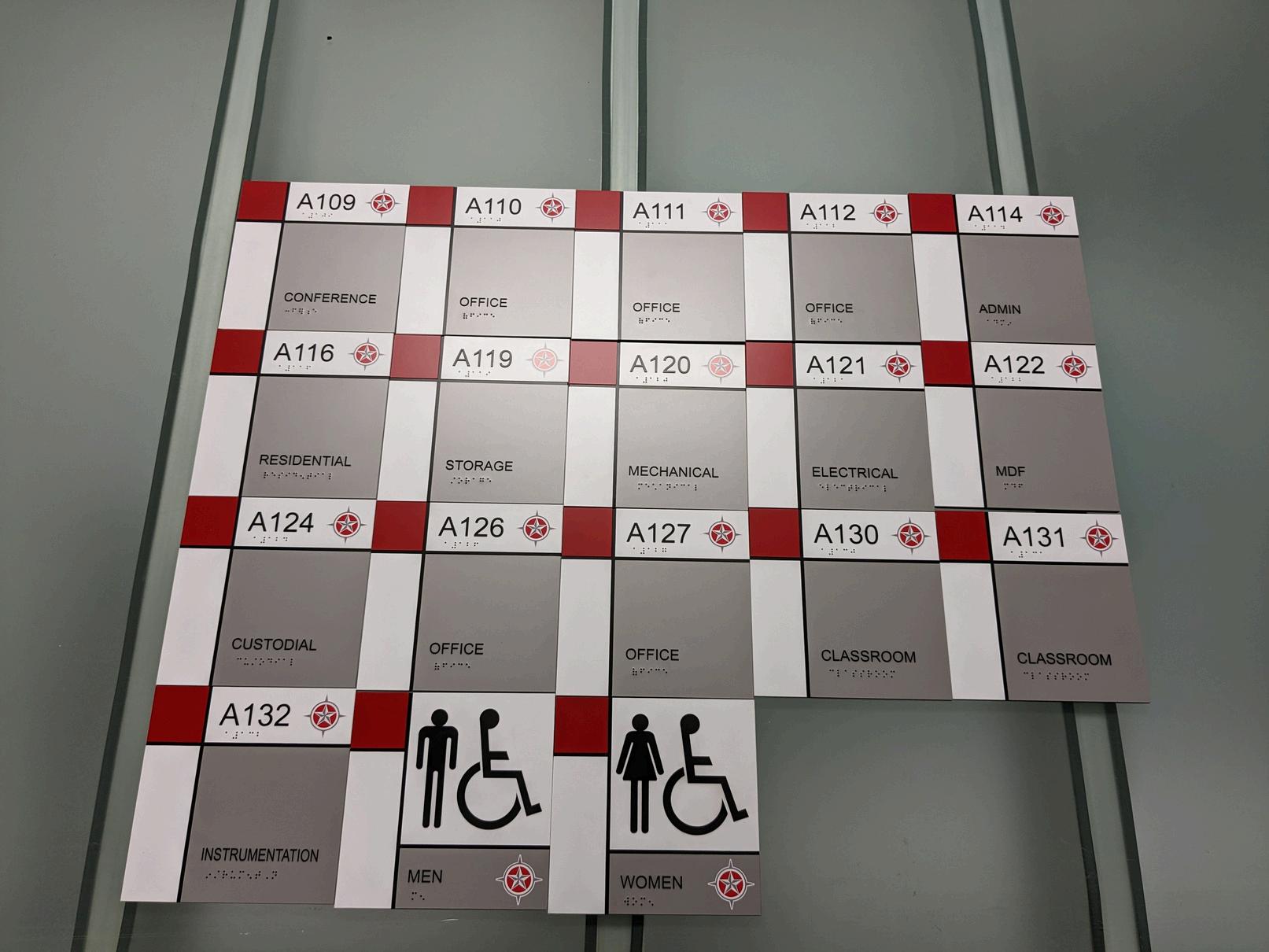
Use eco-friendly cleaning products and methods to maintain the accessibility features. This reduces the environmental impact and ensures a healthier environment.
New materials are being developed that offer even greater sustainability and functionality. These include biodegradable plastics, advanced composites, and renewable resources.
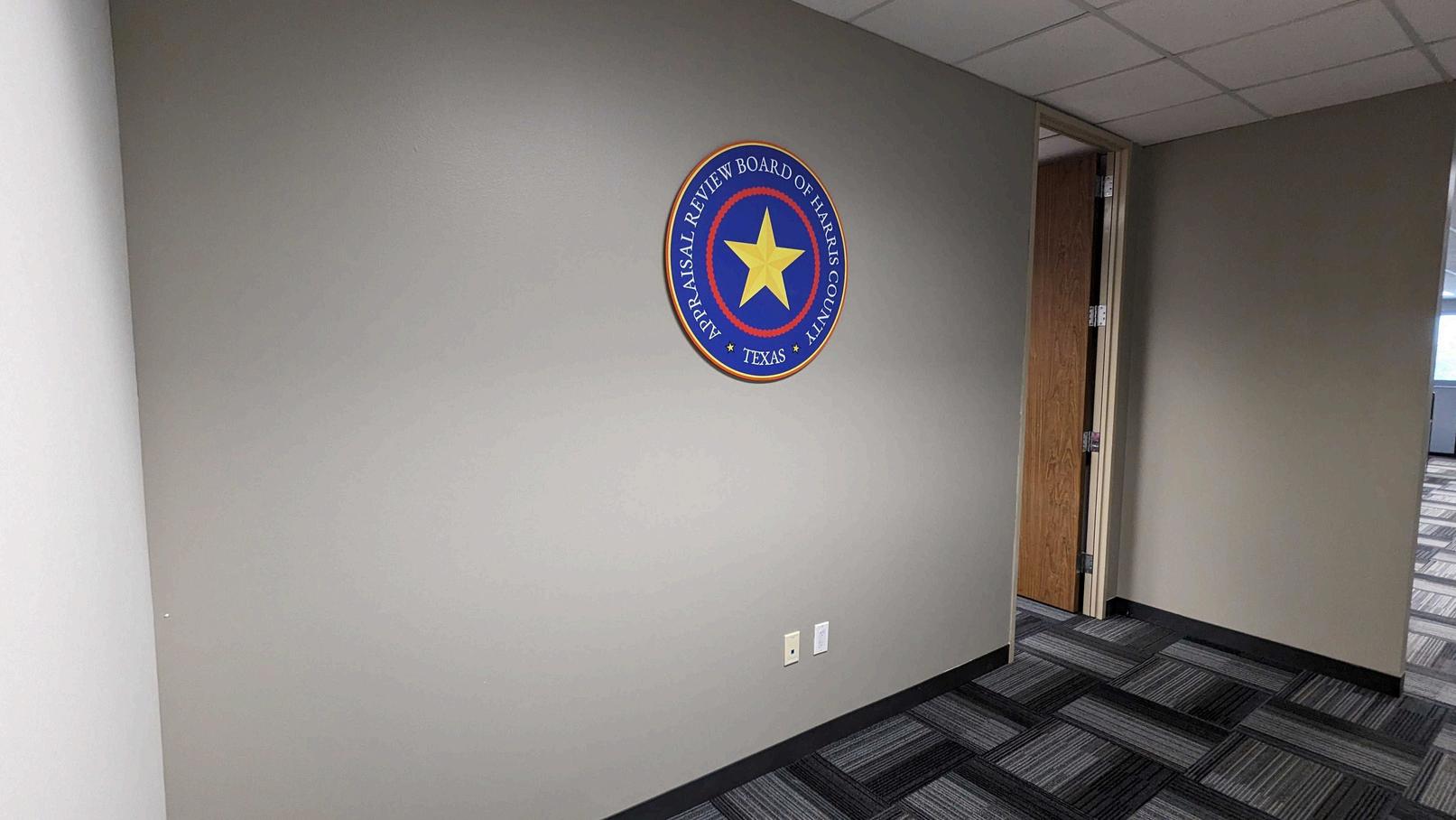
The future of accessible design lies in integrating advanced technologies and sustainable practices to create environments that are both inclusive and environmentally responsible.
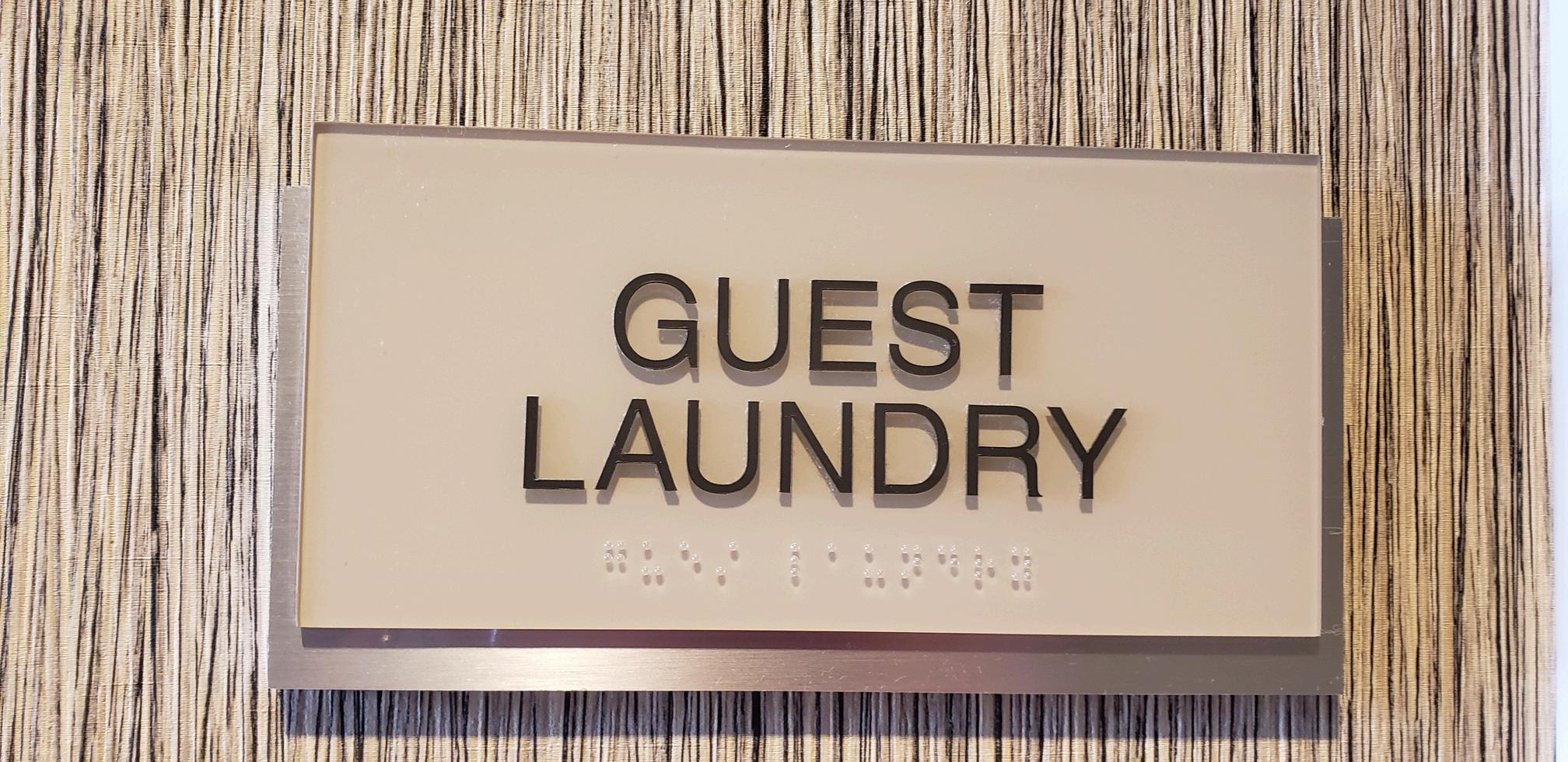
Creating accessible environments using eco-friendly solutions benefits individuals and the planet. It involves understanding accessibility, selecting sustainable materials, and implementing best practices.
We encourage designers, builders, and facility managers to prioritize accessibility and sustainability in their projects. By doing so, we can create a world that is inclusive and sustainable for future generations.
Further Reading
"The Principles of Universal Design"
"Sustainable Materials for Interior Design"
"Accessibility and Inclusion in Public Spaces"
Useful Links
ADA Standards for Accessible Design
Green Building Certification Programs
Altius Graphics: Environmentally Friendly Braille Signs
ALTIUS Graphics, brings an Engineering mindset organization to the art of Premium Quality Large-format Printing. We deliver solutions and Architectural Signage that achieve customers’ messaging and marketing goals. Thankyou!
LEARN MORE