Alpha Delta Kappa
Collegiate Clubs Network
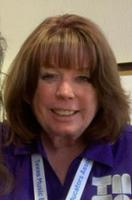
StacyRedding
StacyCoalsonRedding MusicSpecialist,MEd, Administration TexasBetaOmicron
AlphaDeltaKappa CollegiateClubs&Alumni
Welcometoourmonthly newsletter!Wearehereto provideyouwithsome helpfultips,connections, andnetworking opportunities.
ThankfulforourStudents:TheGood,the
Wearethankfulforourstudentsandeverythingeach everyoneofthembringstotheclassroom.Mywonderful mentorandfriend,BettyJo,ledyoudownapathof ClassroomManagementinlastmonth’sissue. Thatisthe
importantstepone.Oncetheclassroommanagementpieceisdevelopedand inplace,thesecondstepcanbetaken.Nextstep?Whatareyoutalkingabout? Unlessyouhaverobotsandnotchildrenforstudents,youwillhavestudentsnot followingyourclassroommanagementplan…andnowwhat?!
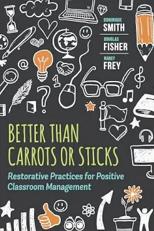
Inthebigpictureofeducationoverthepastfour decades,weareinthemiddleofaparadigmshiftfrom PunitiveDisciplinetoRestorativeDiscipline.Thisisthe firstofthreearticlestohelpyouunderstandwhat, when,andhowofthisconcept.Thisissuewillfocuson thewhat:whatispunitivediscipline?Whatis restorativediscipline?Whatarethedifferencesin philosophybehindeach?WhatshouldIknow?Be awareof?Whataretheexpectationsofmy administration?Hereareacoupleofbooksyoumay wanttoaddtoyoureducationallibraryasweexplore overthenextcoupleofmonths.ThefirstisBetterthan CarrotsorSticks:RestorativePracticesforPositive ClassroomManagementbyDominiqueSmith,Douglas Fisher,andNancyFrey.
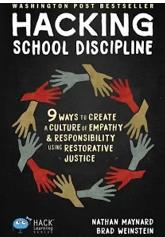
The second is Hacking School Discipline: 9 Ways to Create of Culture of Empathy and Responsibility using Restorative Justice by Nathan Maynard and Brad Weinstein. I strongly urge you to invest in these two books that are crucial in restorative discipline literature.
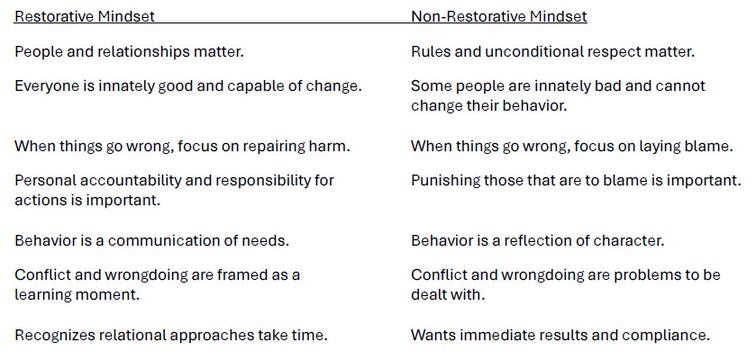
The first difference is you must understand your mindset. A restorative mindset is key is understanding, creating, and building a classroom climate and culture. Understanding needs and responding with empathy is crucial in fostering meaningful accountability in our students. Rather than focus and punishing “bad behavior” in hopes of the behavior stopping, we engage and work with the student to understand choice and accountability to the classroom/community as well as thought and opportunity to make things better, or make it right, so to speak. Chart by MTSS Multi-Tiered System of Supports.
Restorative discipline is an approach to conflict resolution in discipline matters. The focus moves from punishment to repairing harm and restoring relationships. Structured conversations are key in accountability, empathy, and classroom climate and culture building.The next issue will move from the what to the how. We will look at the seven practices and the five R’s of restorative practice. This journey will set your students up for positive engagement and building a supportive classroom culture, giving thanks for each and every student’s importance in the classroom family.
Dr.LauraBrown
AdvancedAcademics
Facilitator,MesquiteISD
TexasGammaTheta, LeadershipAcademyBoard
Supporting Your Gifted Student
Researchers estimate that gifted students begin the school year already knowing up to 80% of the curriculum that will be taught (National Research Center on Gifted and Talented). Imagine sitting in class until January or even later without learning anything new! It is no surprise that gifted students can become overlooked in classrooms where teachers are focused on intervention groups and skill remediation for other learners.
Even though gifted students may not show obvious academic deficits, they still have important needs that deserve attention. One common characteristic is asynchronous development, a mismatch between a student’s advanced intellectual abilities and their social, emotional, or fine motor skills.
For instance, a child might grasp complex math concepts yet struggle with fine motor tasks or social interactions. Recognizing this dynamic allows teachers to offer more intentional and targeted support. Integrating social-emotional learning into the classroom helps gifted learners better understand and process the emotions that stem from these gaps. Consider how frustrating it would be to understand high-level math but struggle to use scissors effectively or navigate social cues like your peers.
Teachers also play a crucial role in fostering a growth mindset. By creating a classroom environment where mistakes are safe and valued, teachers help gifted students build resilience and learn how to persevere. Above all, it is essential to validate students’ feelings rather than dismiss them. Many gifted learners are acutely aware of the disconnect between what they know and what they can do.
When educators address asynchronous development and nurture social-emotional growth, gifted students thrive academically and personally. Ultimately, meeting their needs ensures that all learners, not just those who struggle, receive the attention and opportunities they deserve.

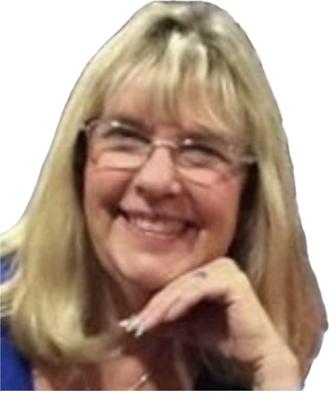
Susan Carden AΔKCC Board Member
My name is Susan Carden. I am a retired Elementary school teacher. I taught regular 2nd grade for a year, and the rest of my 40 years of teaching was in Special Education. I was nominated once for Master Teacher of the Year in Kansas. I worked on a few committees for the State Department of Education in Kansas during my career. Since my retirement, I have been substitute teaching some, and I volunteer every year (for the past 17 years) for a camp for kids on the Autism Spectrum.
I re-joined Alpha Delta Kappa about 12 years ago. I have served as my Chapter’s Treasurer for four years, By-Laws Chair, Song leader, and Co-Vice President. I have been Kansas State Vice President for Membership for the past three and a half years, and just recently joined the Alpha Delta Kappa International Collegiate Club Board. I am Co-Sponsor of the Baker University Collegiate Club Chartered in 2023, which was the first Collegiate Club in Kansas and in the South Central Region. (Three of the four Alpha Delta Kappa founders attended Baker University). We are currently working on three more Collegiate Clubs and a new ADK Chapter in Baldwin City, KS.
Since my retirement (in my spare time) besides being involved in Alpha Delta Kappa, I do water aerobics, occasionally help at Harvesters, Usher at the Lied Center, and attend (season ticket holder) Men’s Basketball, Football, Women’s Basketball, and Volleyball games at the University of Kansas in Lawrence where I live. I have just finished classes to be a CASA Volunteer. I am secretary on the Douglas County Crimestoppers Board. I am a member of Delta Delta Delta Sorority. I have two grown children (Julie and Christopher) who I raised as a single parent, and who are my pride and joy! I am also an animal lover, and have a dog and two cats.