
REACTCALM GUIDE
WrittenBy: Tom Mitchell
IS THIS FOR YOU?
Before we begin, let's make sure we're a good match. This guide is designed for a specific situation, and your safety (and your dog's) matters most.
For You If...
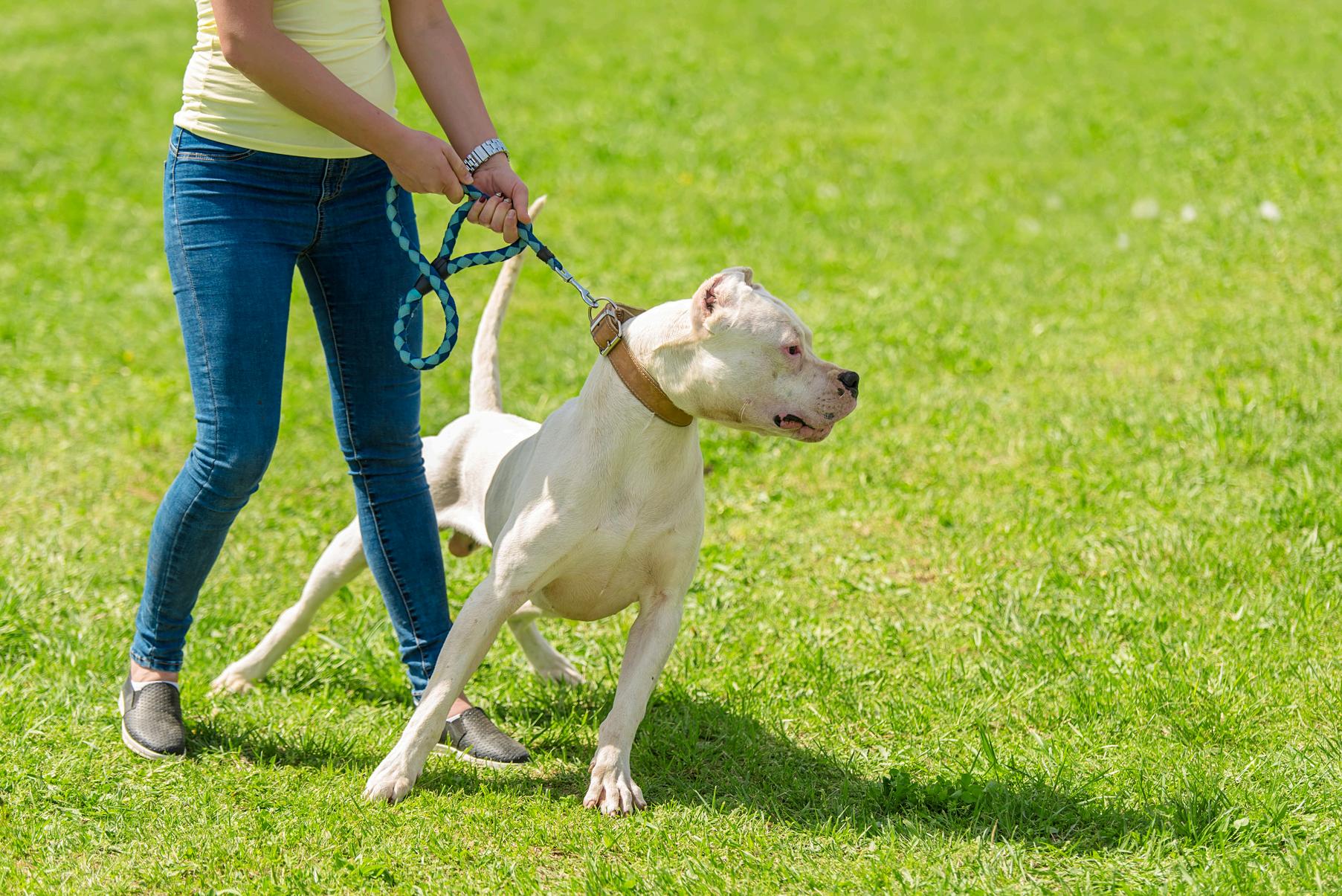
Your dog barks or lunges on leash
Walks feel stressful or unpredictable
You want something you can use immediately
You’re willing to practice short daily sessions
Not For You If...
Dogs with bite history
Aggression toward children
Situations requiring medical intervention

STOP & GET PROFESSIONAL HELP
If your dog has a bite history or shows aggression toward children, contact a certified behavior consultant or veterinary behaviorist.
WHAT REACTIVITY REALLY IS
"Reactivity isn't normal—it's overwhelm + learned patterns." Three Drivers:
Stress Stacking
Triggers accumulate.
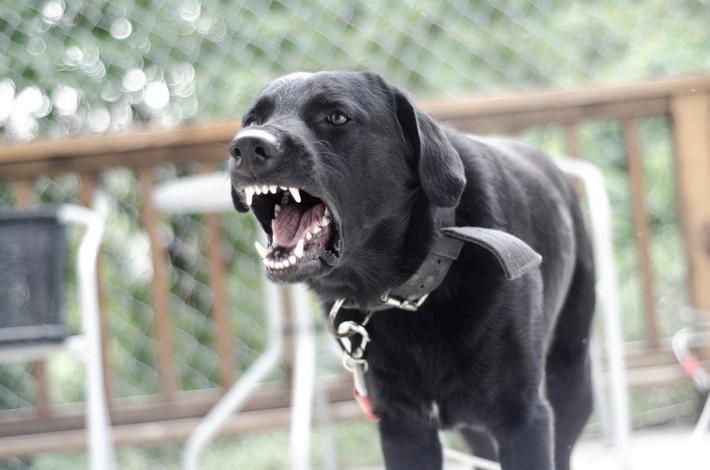
Threshold Distance
Too close too fast.
Reinforcement Loops
If barking makes the scary thing go away (even by coincidence), your dog learns: "Barking works." These patterns can be replaced with new ones.
THE 3 GOALS
INTERRUPT
Catch early signals
REGULATE
Calm down faster
REHEARSE
Practice recovery
Most owners focus on stopping barking.
Smart owners focus on shortening recovery time.
Recovery is the lever.
THE 1 MINUTE METHOD: WHY IT WORKS
Reactivity is not stubbornness. It is a nervous system response.
When your dog reacts, their brain shifts into survival mode. In that state, they cannot think clearly or respond reliably.
The solution is not more force. The solution is building a calm response pattern before the reactive moment ever happens.
The 1 Minute Dog method is simple:
Work with your dog 3-5 times a day. One focused minute.
During each minute, your only goal is calm attention and followthrough. Short, structured sessions work because dogs learn best in brief repetitions. Frequent practice builds neural pathways faster than occasional long sessions.
What You Practice
Start inside your home where distractions a Practice: Sit Stay Come
THE 1 MINUTE METHOD: WHY IT WORKS
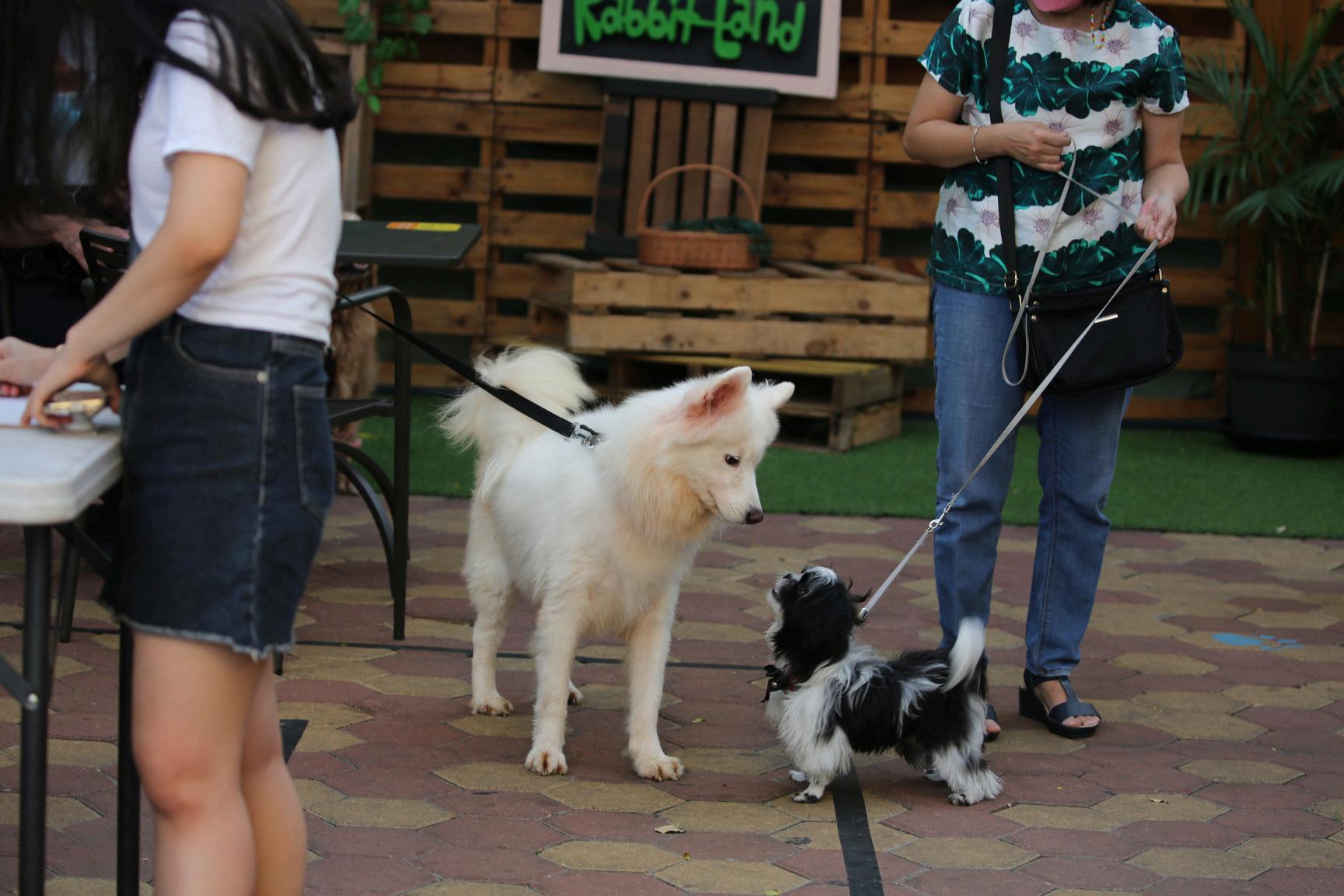
Work both on leash and off leash (when safe). The goal is not perfection. The goal is reliability.
Why Home Practice Matters
You cannot expect your dog to listen in a reactive moment if they have not mastered the skill in a calm environment.
Training progresses in this o
1.Calm home
2.Mild distractions
3.Controlled exposure
4.Real-life situations
If you have practiced focused listening three times a day, your cues will carry weight. Your presence will anchor them. Instead of escalating, they will be more likely to look to you.
This method is about repetition, regulation, and relationship.
Practice in the home. Build the reflex. Bring it into the world.
THE 1 MINUTE RESET
When you see a trigger:
→ Exhale slowly.
Say calmly: “I see it. We’re okay.” Create distance immediately.
Then begin the 60-second reset: Keep moving slowly.
Speak in full, steady sentences. Add TTouch® if appropriate.
Leave early with small wins while remaining calm.
CALM THROUGH TREATS & TOUCH
It Is Important to Understand Reinforcement
In the early stages of training, treats can be a powerful tool because they create a clear and immediate positive association with calm behavior.
Food activates the reward center of the brain and helps your dog link focus and listening with something good.
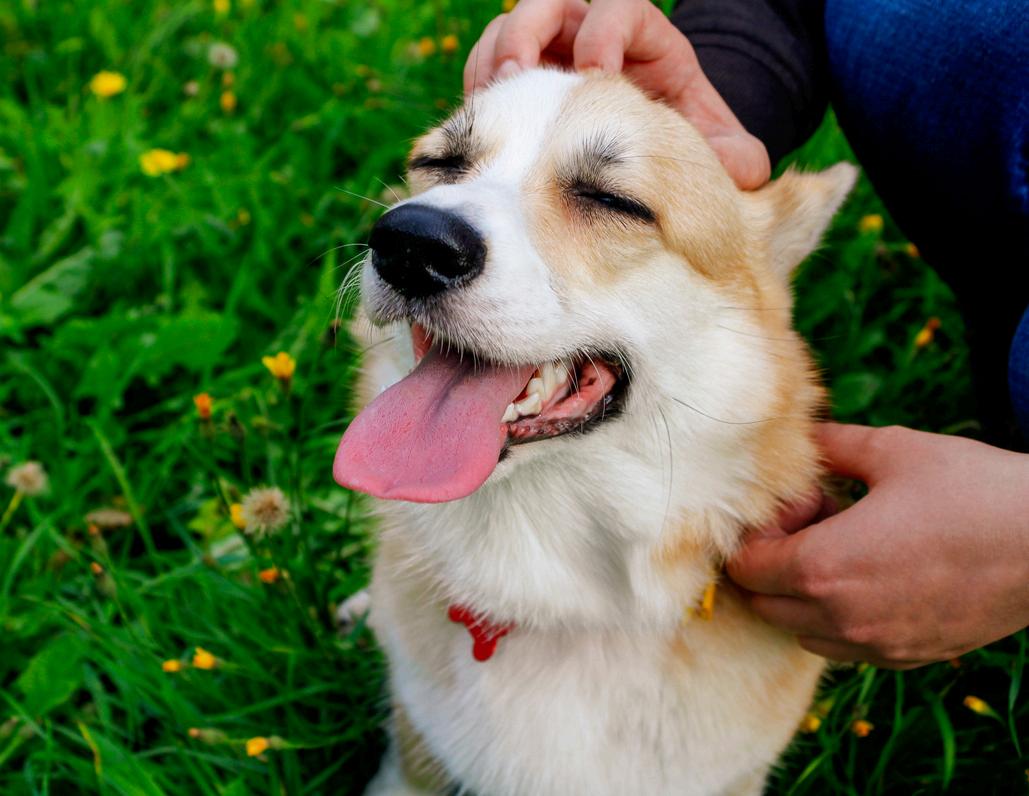
At the same time, gentle touch and calm physical contact help regulate the nervous system.
Some dogs are not highly food motivated, and in real life you will not always have treats available.
That is why we use both reward and relationship. Treats can help build the behavior. Touch and consistency help sustain it
CALM THROUGH TREATS & TOUCH
TTouch® (Tellington TTouch)
The TTouch is a gentle method of intentional touch designed to help lower stress and increase body awareness. It is not massage. It is not restraint. It is slow, focused connection that helps your dog’s nervous system shift from reaction to regulation.
Using TTouch® When You Don’t Have Treats
You may not always have food with you. But you always have your hands and your voice.
Food can change association.
Touch and tone can change state.
When to Use Touch
Use grounding touch:
When you first notice a trigger
During early signs of tension
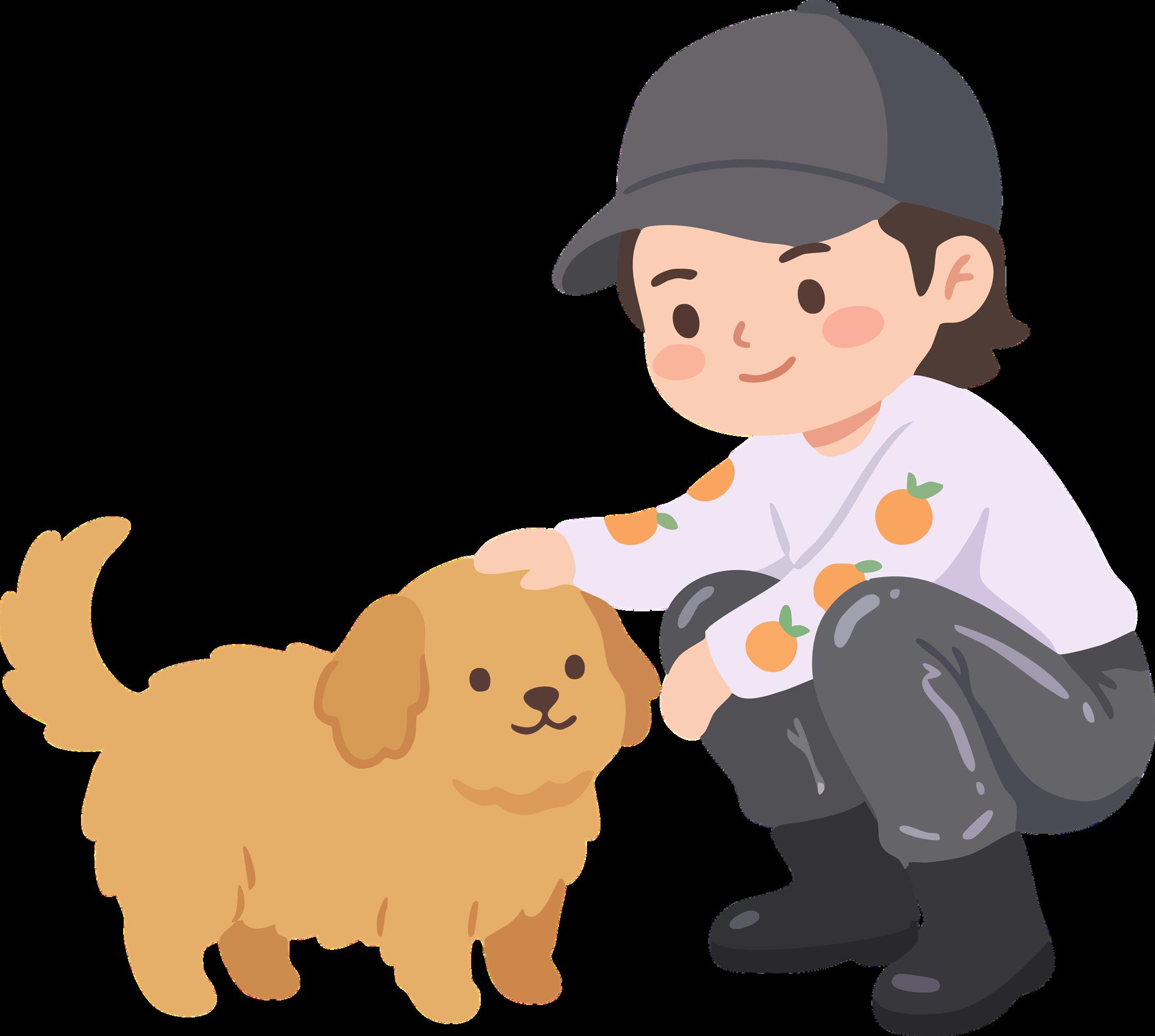
After a reaction while waiting for recovery
At home as daily practice
Do not use touch if your dog pulls away or becomes more tense. It should always feel supportive, not controlling.
3 Simple Grounding Touches
Place fingers at the base of the ear.
Slowly slide toward the tip.
Light pressure. 3–5 repetitions.
Place fingers on chest or shoulder. Make small, slow circles (about one per second). 5–10 circles.
If comfortable for your dog, rest your hand lightly at the base of the tail for 3–5 seconds. Gently rotate if your dog is comfortable with this. No squeezing. Just steady contact.
YOUR 4 ESSENTIAL TOOLS
Master These and You Can Handle Most Reactive Moments
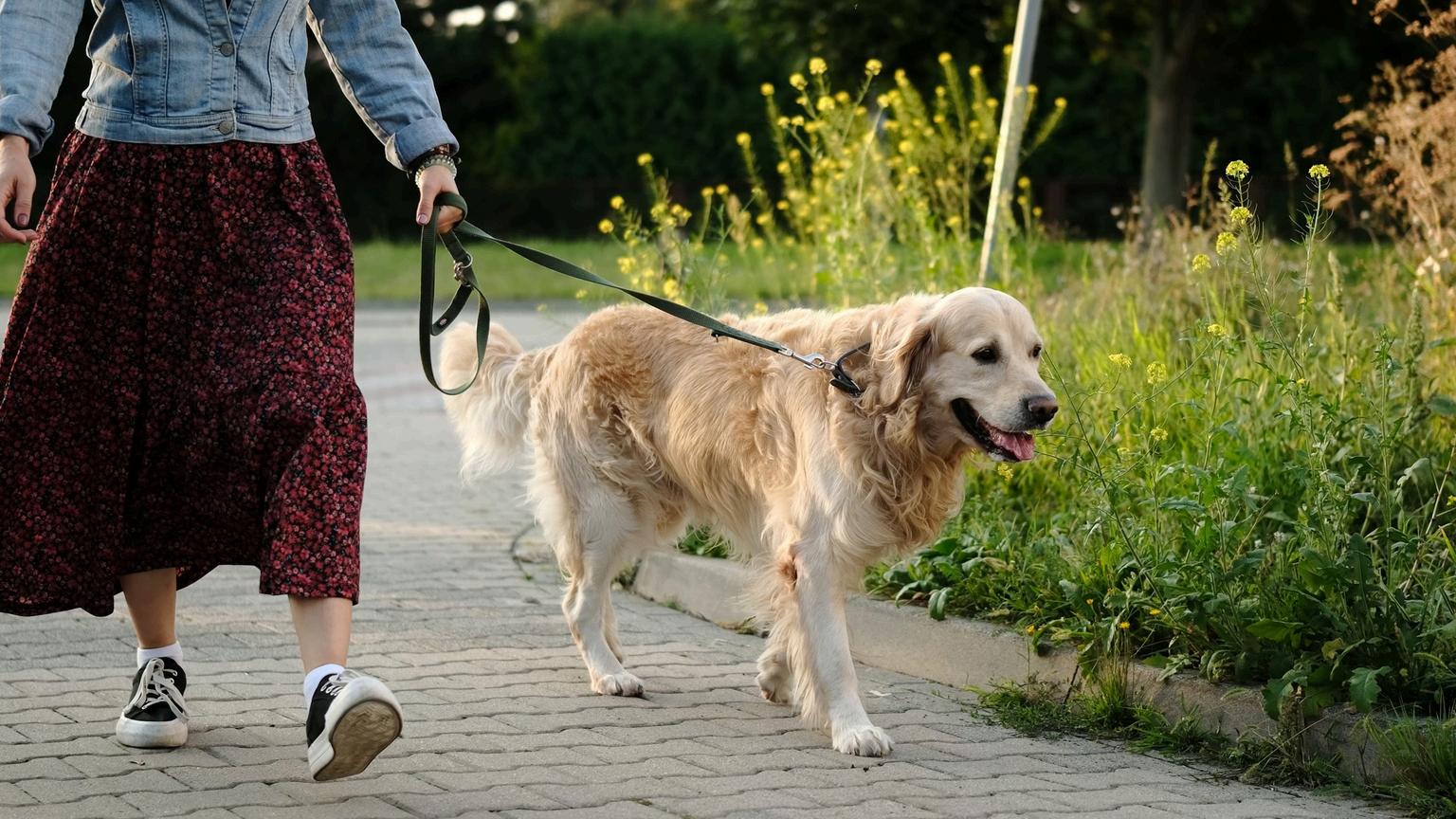
1.The U-Turn (“Let’s Go Please”)
When to use: You see a trigger before your dog does.
Say your cue calmly: “Let’s go please.”
Turn 180° away.
Walk away with gentle purpose — not panic.
Add grounding touch or light reinforcement if needed.
Common mistake: Jerking the leash or sounding panicked. Your energy transfers to your dog.
2
2."Find It" Scatter
When to use: Your dog noticed the trigger but hasn't exploded.
Have your dog sit, and feed your dog a treat.
Then place 2-3 treats on the ground.
While they sniff, create more space. Sniffing lowers arousal.
Common mistake: Using this when your dog is already barking or lunging. If they won’t eat, you are too close.
3.Calm Tempo Walking
When to use: During and after exposure.. Slow your breathing. Slow your pace.
Speak in full sentences.
Add light grounding touch if helpful.
Common mistake: Stopping completely and staring at the trigger. That often increases tension instead of reducing it.
4.Recovery Pause
When to use: After any reaction.
Create distance and wait quietly.
Watch for the first exhale, blink, or softening.
Speak to your dog calmly and do TTouches. Then continue walking.
Common mistake: Rushing to “fix” the moment. Recovery takes time. Let the nervous system settle.
Practice these in 60-second loops at home.
Five short reps per day beat one long session.
Simple tools. Repeated calmly.
That is how change happens.
PROGRESS THAT ACTUALLY MATTERS
Look for:
Shorter recovery time
Softer body faster
Dog disengaging on their own
You noticing triggers earlier
Fewer stacked reactions
Track weekly:
1.How close could we get?
2.How long did recovery take?
3.What improved?
Progress is m not perfection.
KEEP GOING
Remember This
Your dog isn't broken. They're communicating.
Small steps compound into big change.
Your calm is your superpower.
Keep practicing and celebrate every small win!
What NOT to Do
Yanking the leash increases frustration
Yelling "no!" adds stress
Flooding (forcing exposure) makes it worse
Prong/choke/shock collars suppress but don't address cause

"Every calm moment you create with your dog is a gift — to them, to you, and to every walk that follows."
Safety Reminder: This guide is for leash-reactive dogs with no bite history. If your dog has bitten or shown aggression toward children, please seek professional help.

This guide is brought to you by Tom Mitchell and 1 Minute Dog Training.
The React Calm Guide www 1minutedog com