ALLUSION MAGAZINE X kevin lau ISSUE 3 FEATURING KEVIN
ALLUSION MAGAZINE X kevin lau
WRITER & PRODUCER ON HOUSE OF THE DRAGON, DUNE: PROPHECY, LOVECRAFT COUNTRY, WESTWORLD & MORE
WRITER & PRODUCER ON HOUSE OF THE DRAGON , DUNE: PROPHECY , LOVECRAFT COUNTRY, WESTWORLD
THE THIRD ISSUE THE THIRD ISSUE
UPLIFTING RISING & ESTABLISHED FILMMAKERS + ENTERTAINMENT LEADERS
REGARDLESS OF AWARDS, EDUCATION, OR STATUS WE ALLUDE TO OUR OWN STORIES
TABLEOF CONTENTS
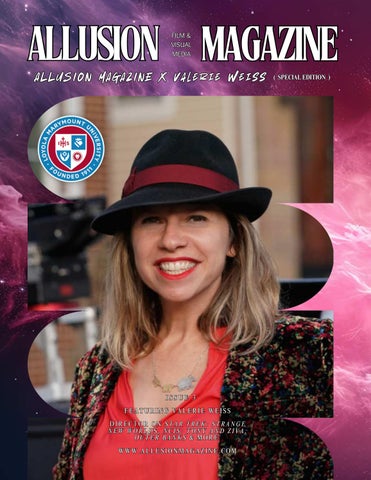
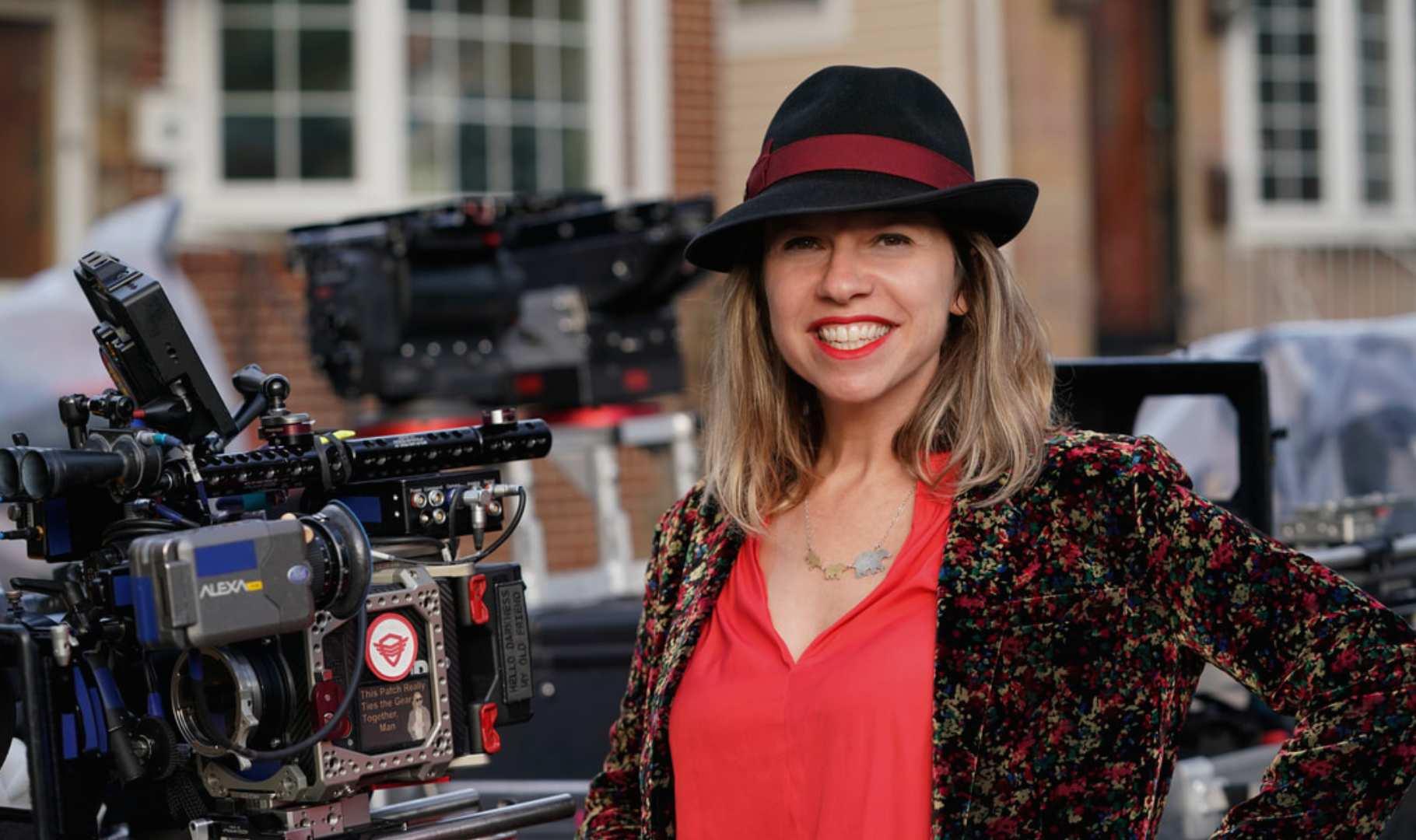
Valerie Weiss is a multi-faceted television and feature film director who explores complicated human relationships in feel-good ways. Her impressive credits include episodes on Star Trek: Strange New Worlds, NCIS: Tony and Ziva, Outer Banks, and more.
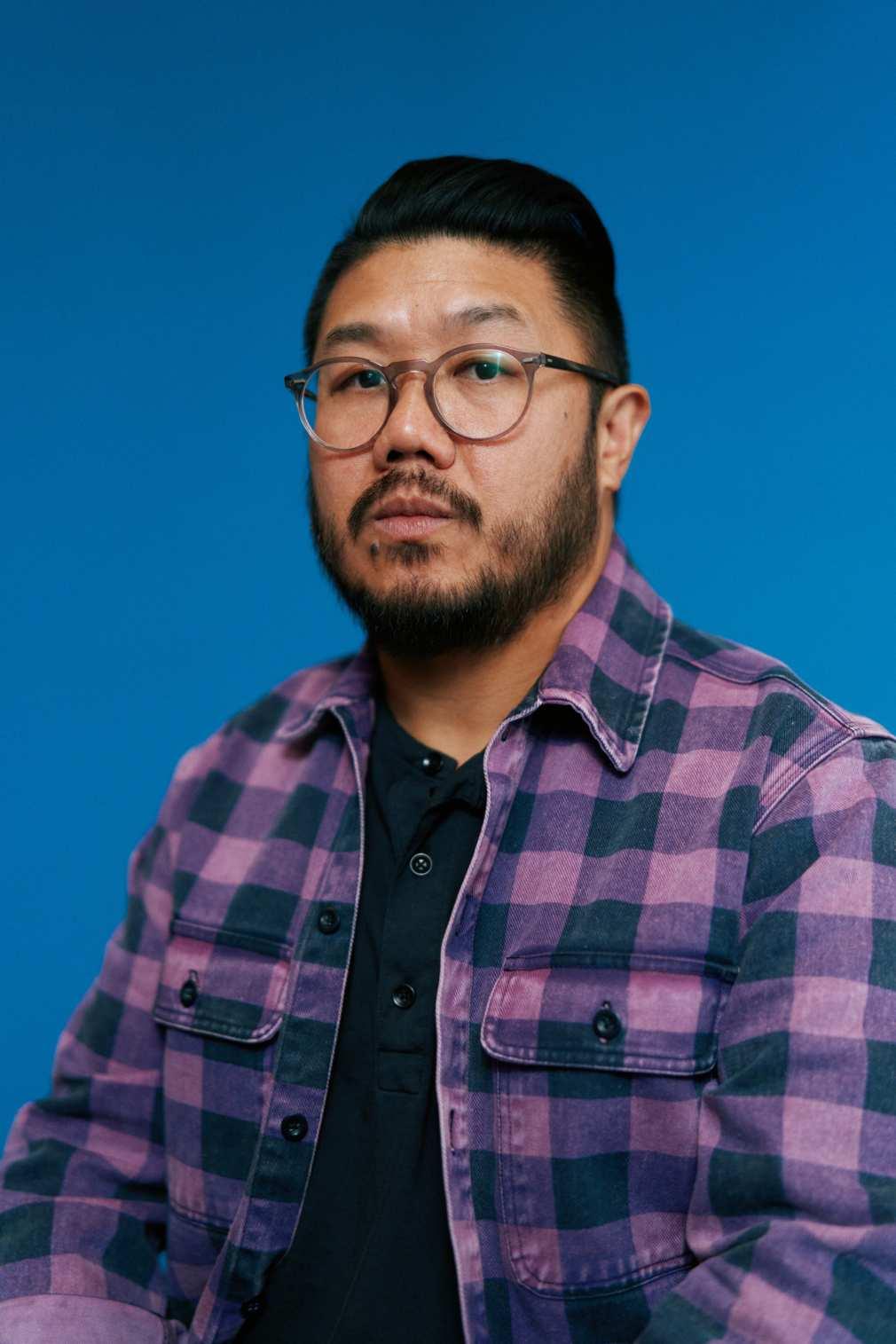
Matt Ogens is an Academy Award-nominated, Emmy-winning director known for authentic, human documentaries such as Audible, Madu, and Home + Away. He is a versatile creative, well-versed in directing character-driven ad campaigns and virtual reality media.
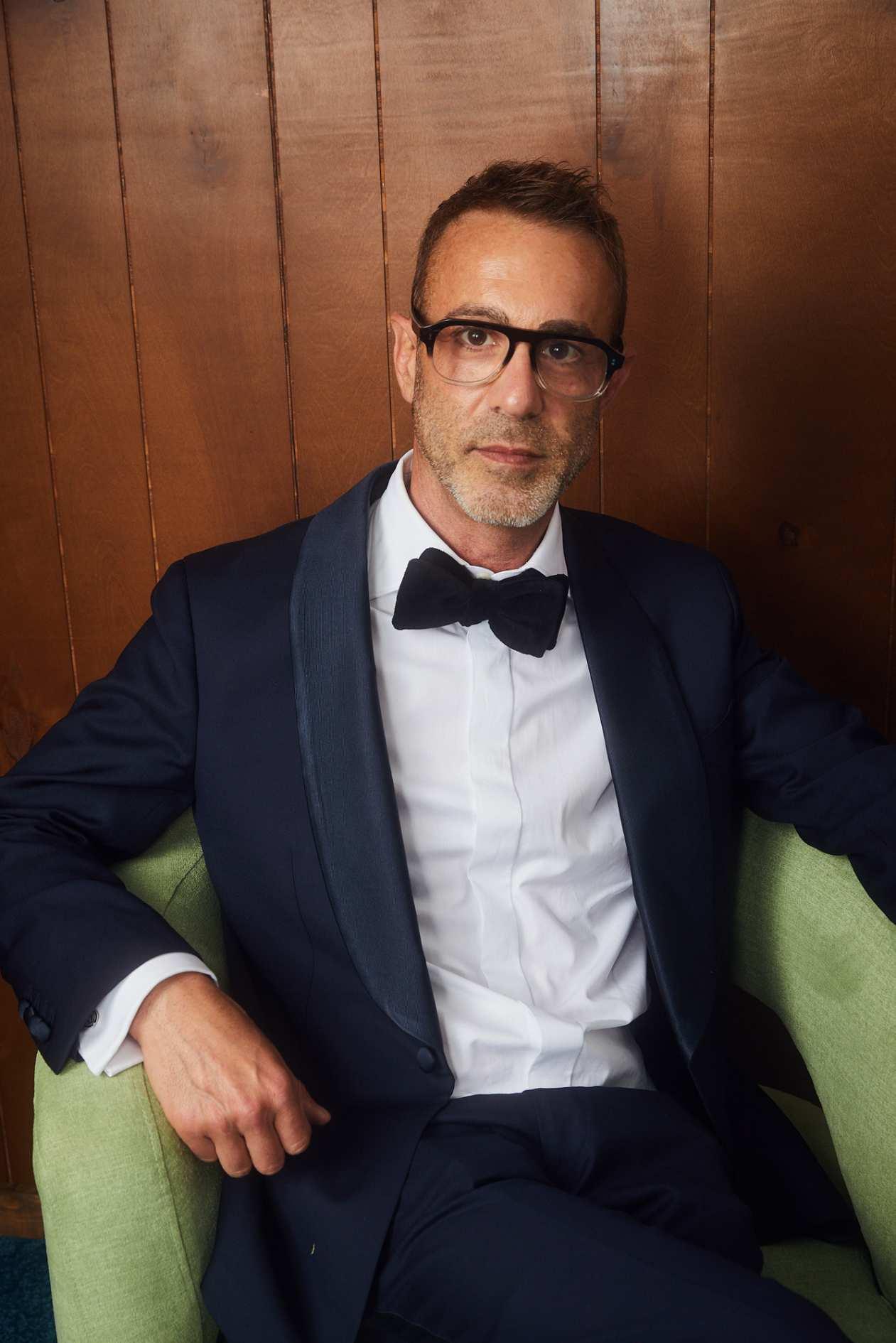
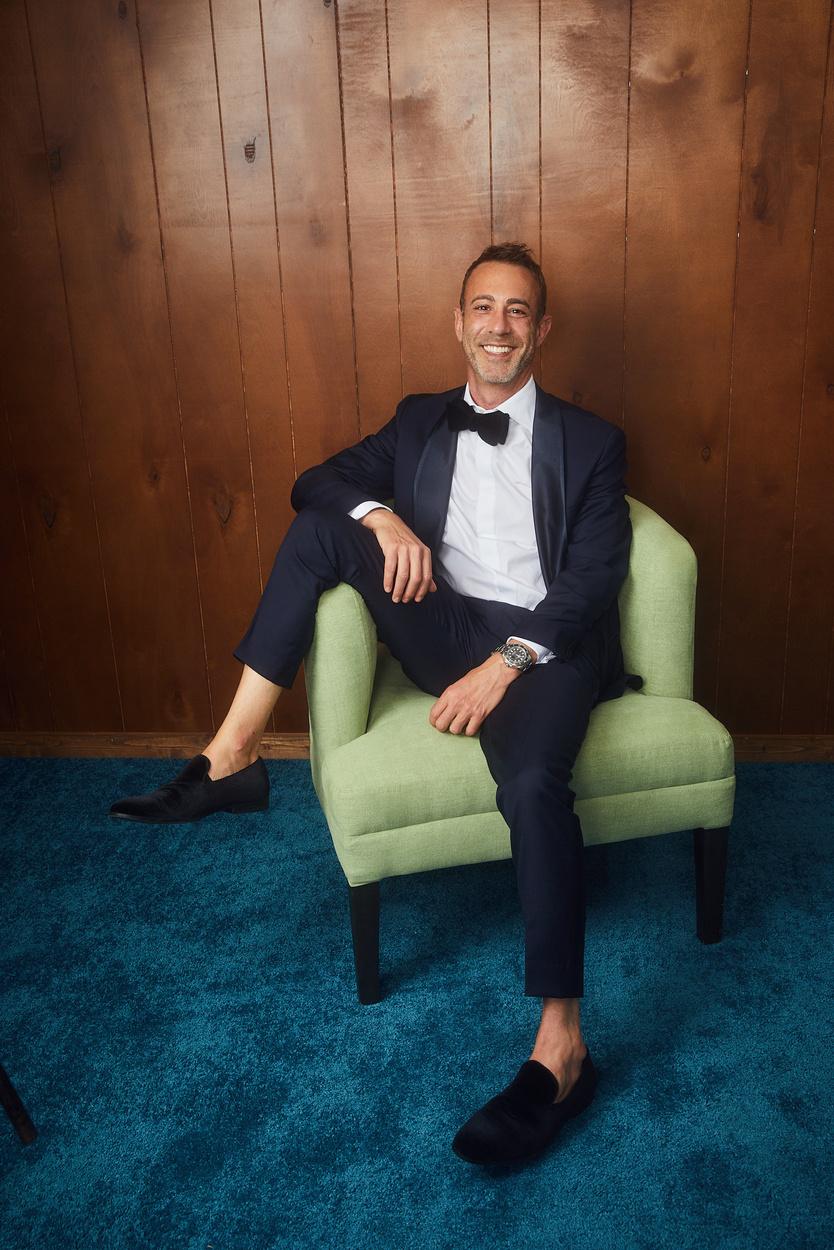
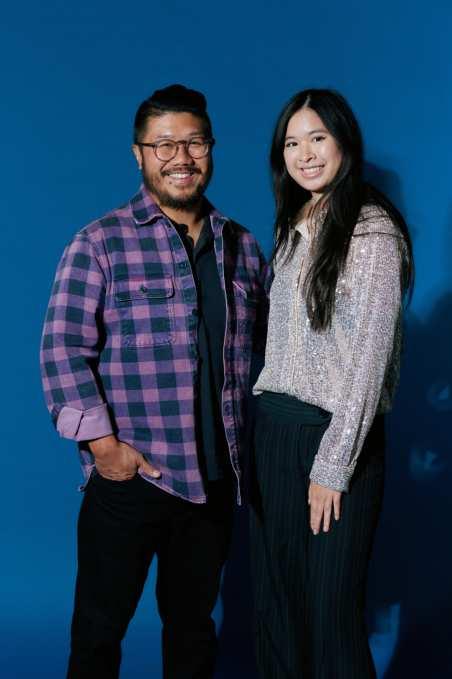
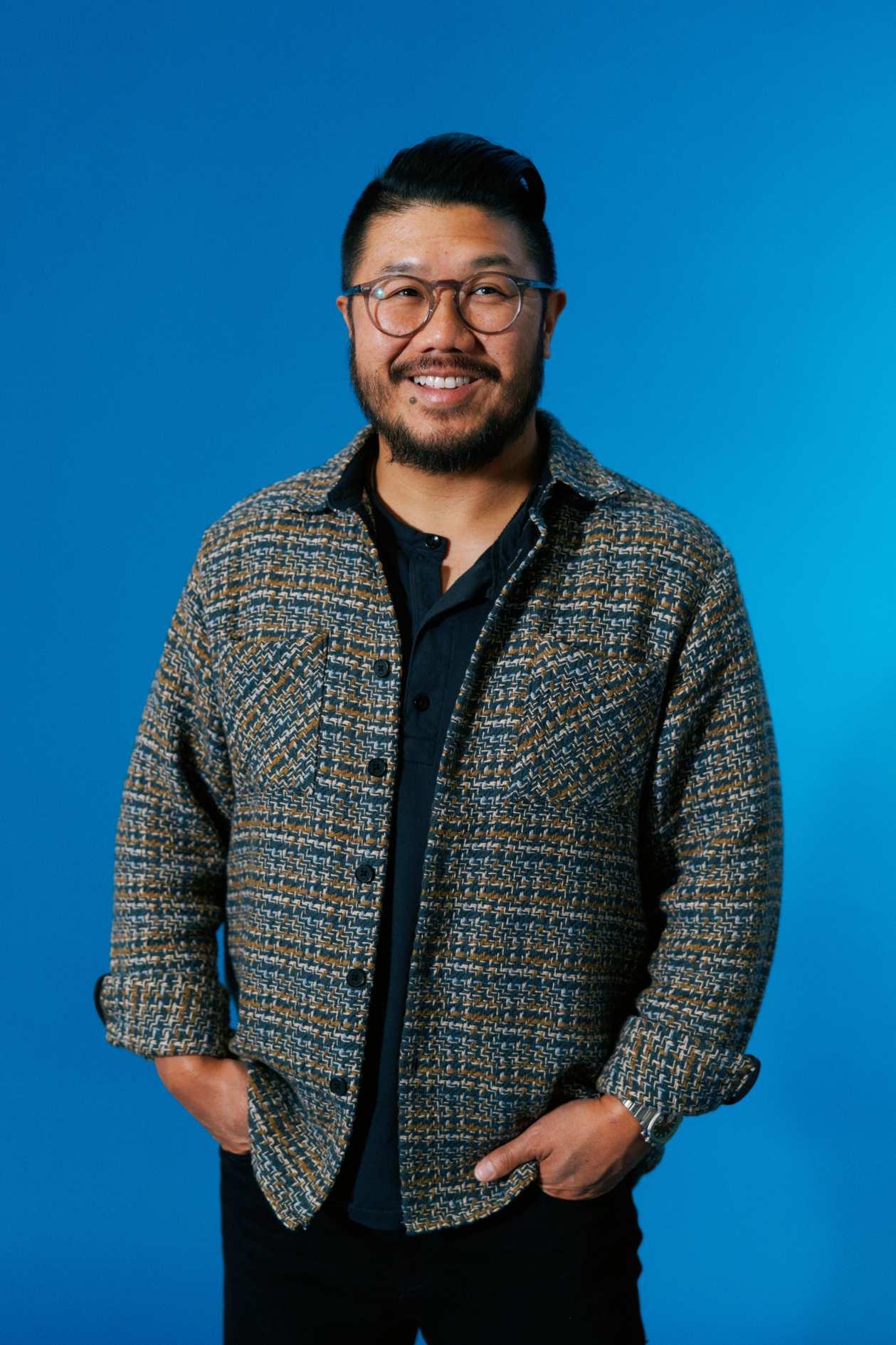
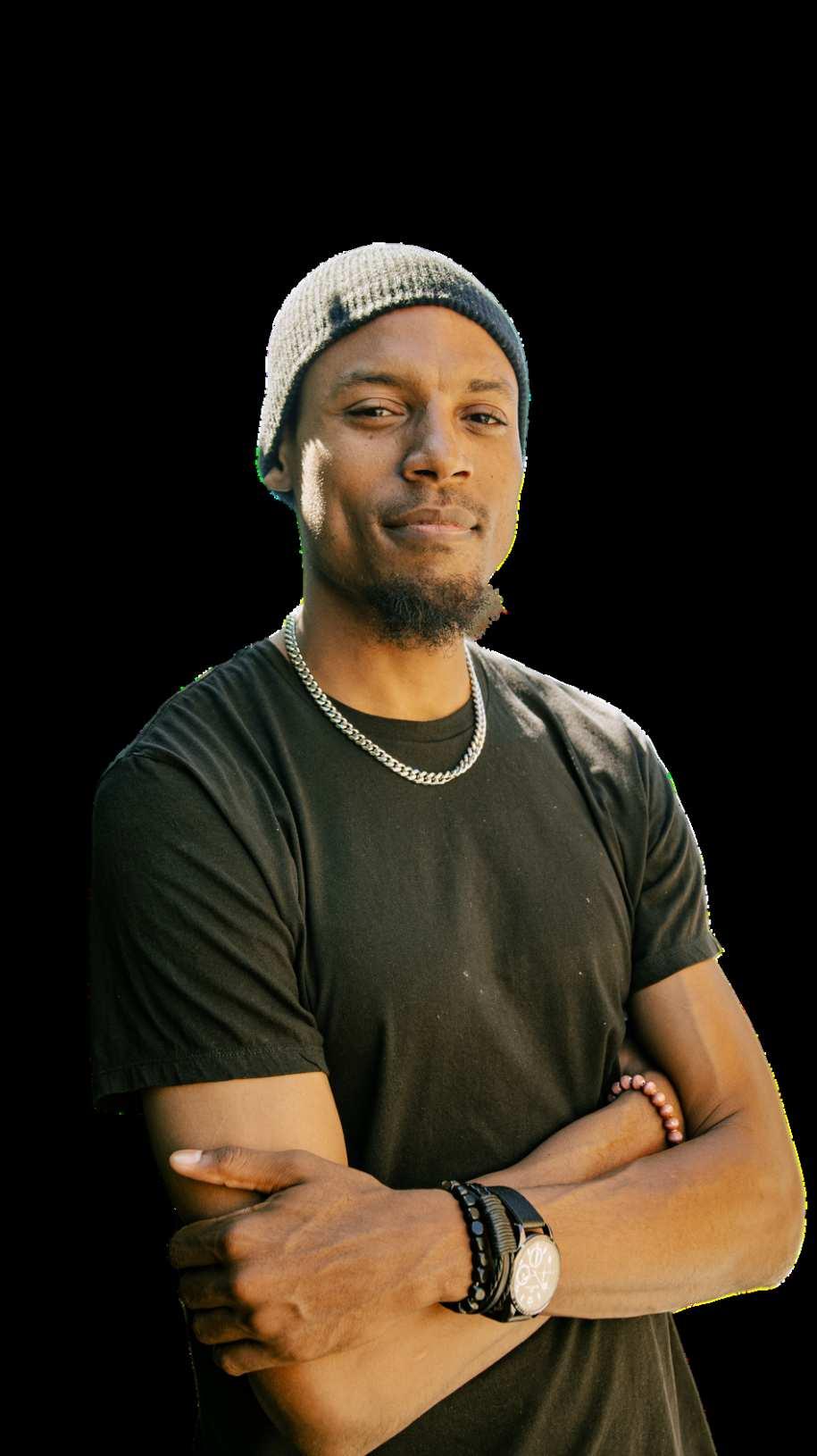
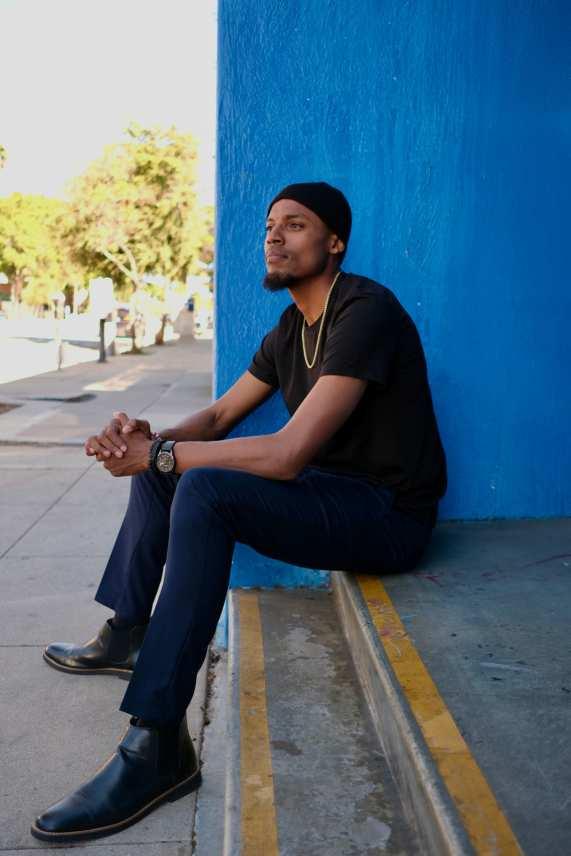
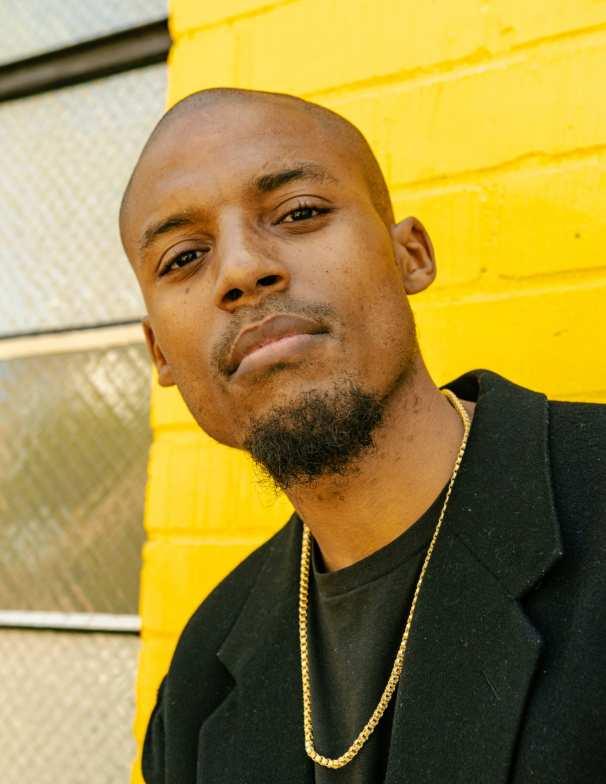
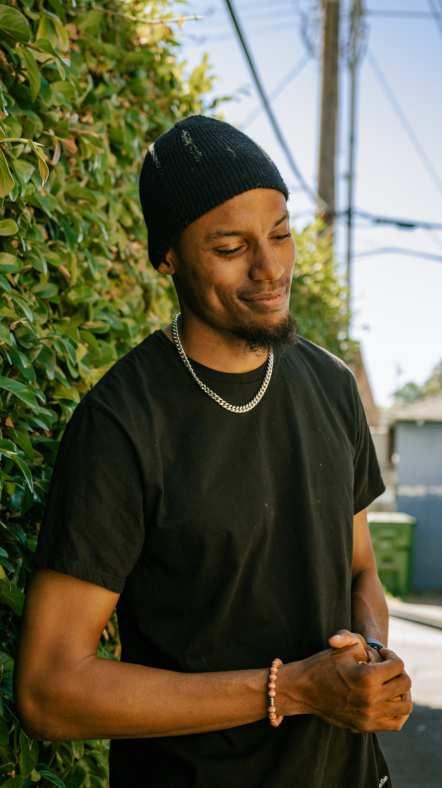
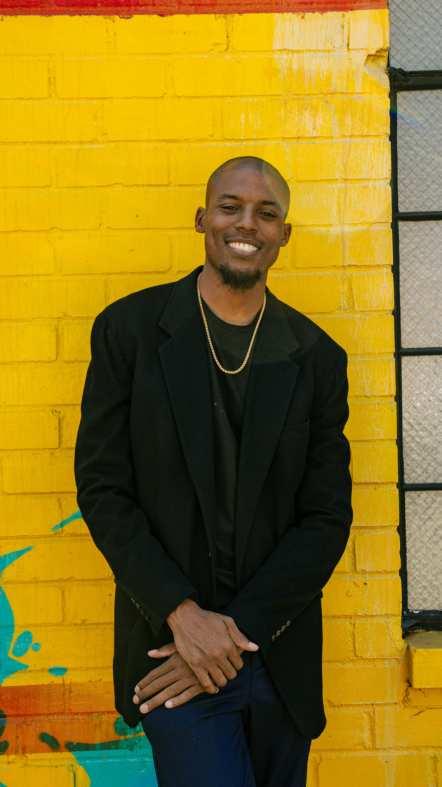
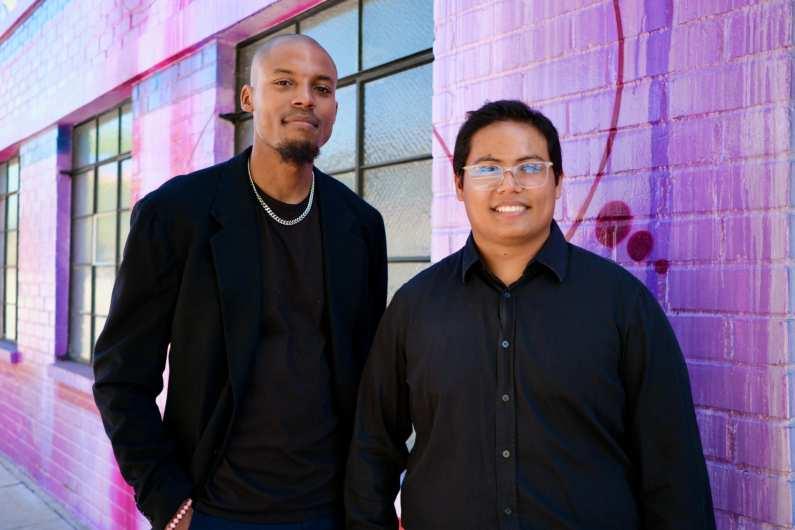
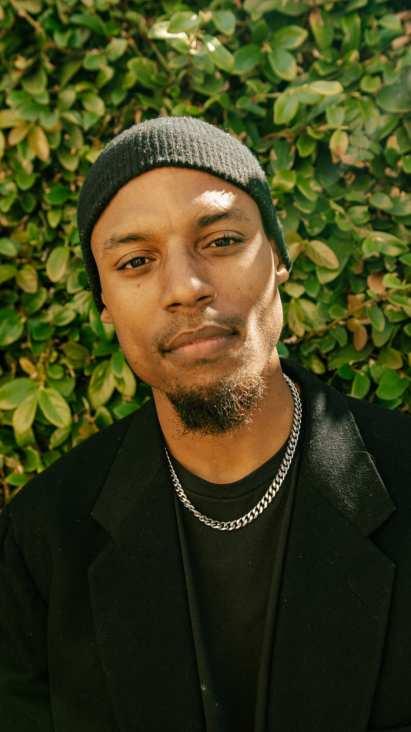
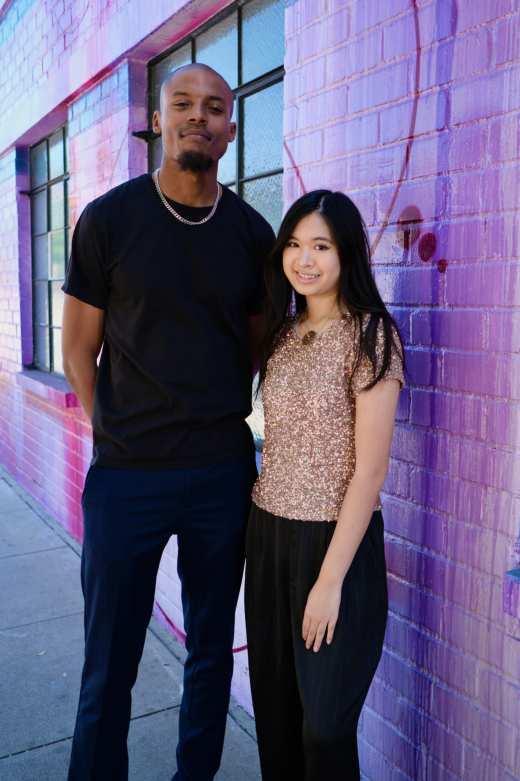
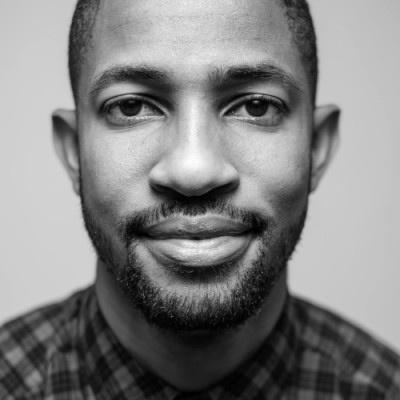
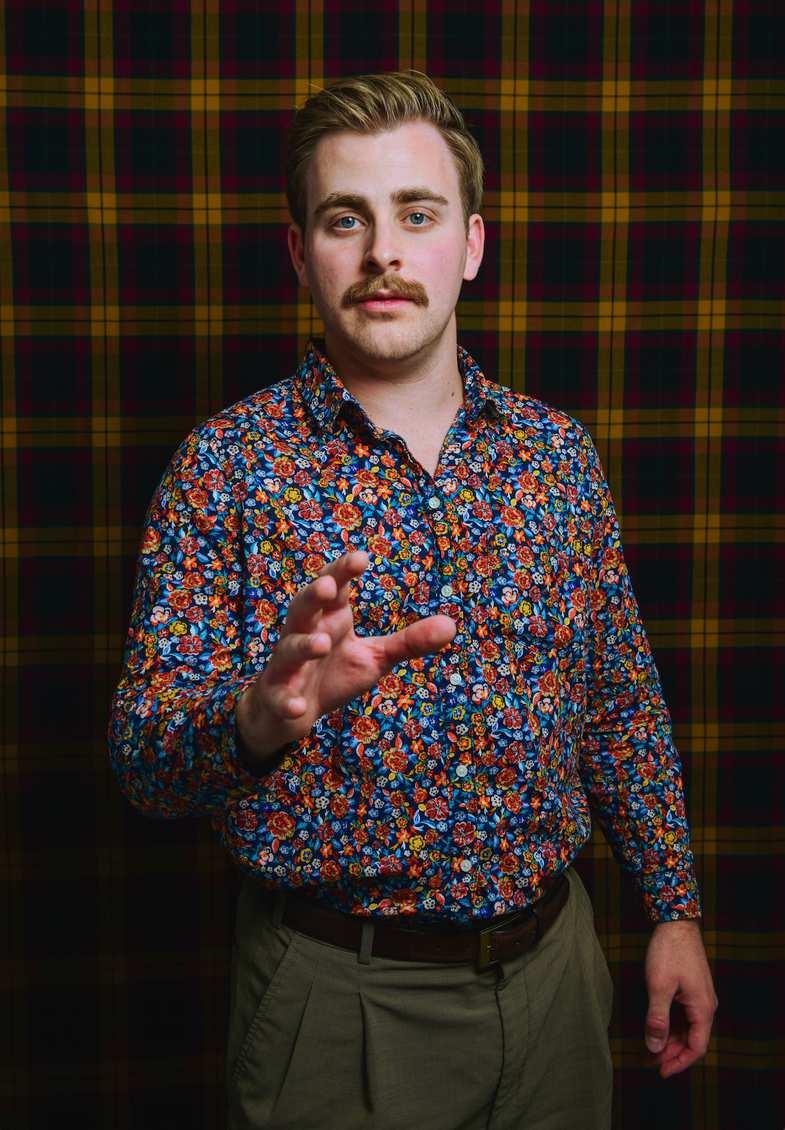
Kevin Lau, a seasoned writer and producer, creates genre-bending worlds that are beyond our imagination. He has been staffed on House of the Dragon, Dune: Prophecy, Westworld, Lovecraft Country, The Nevers, and more.
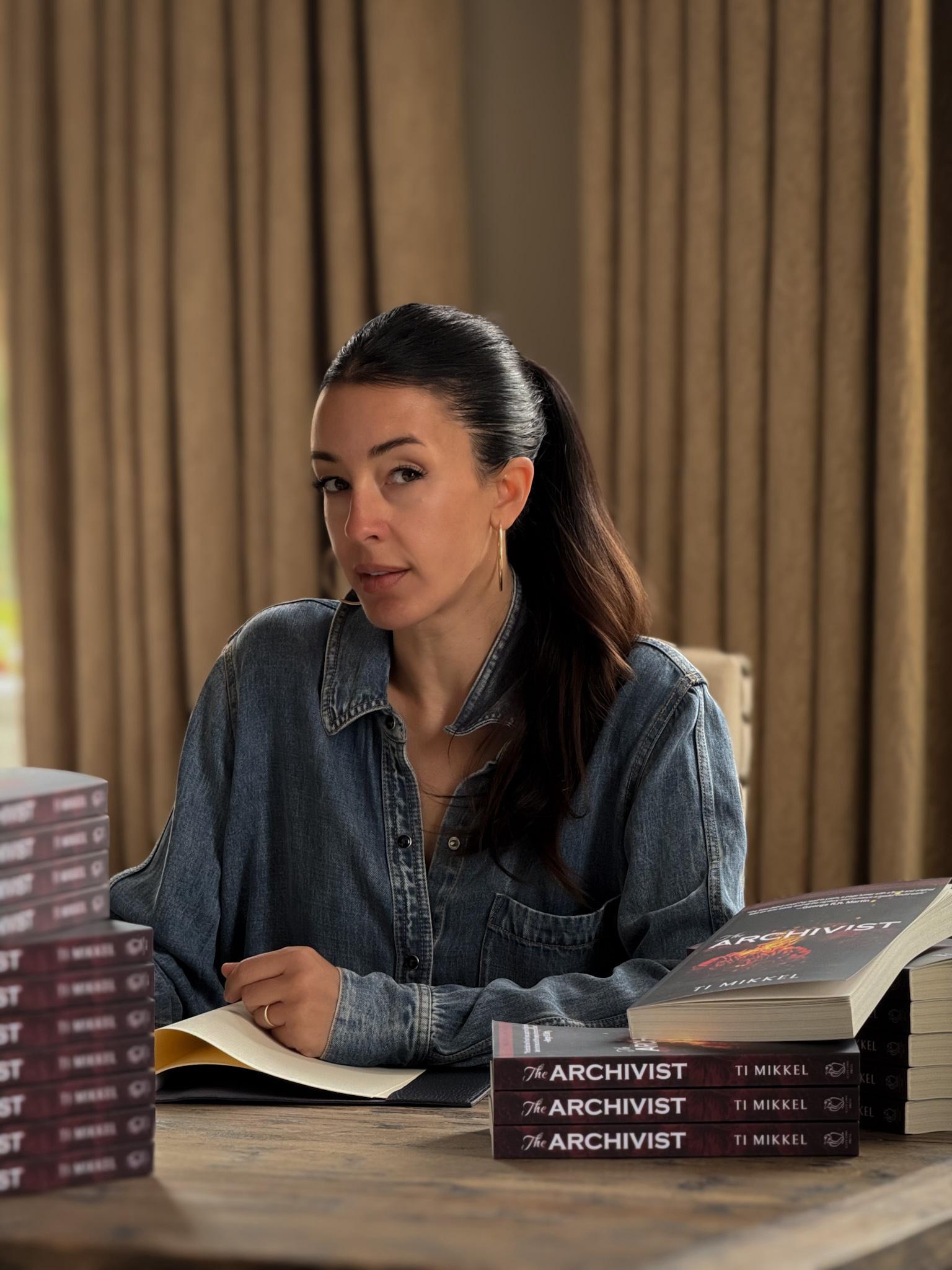
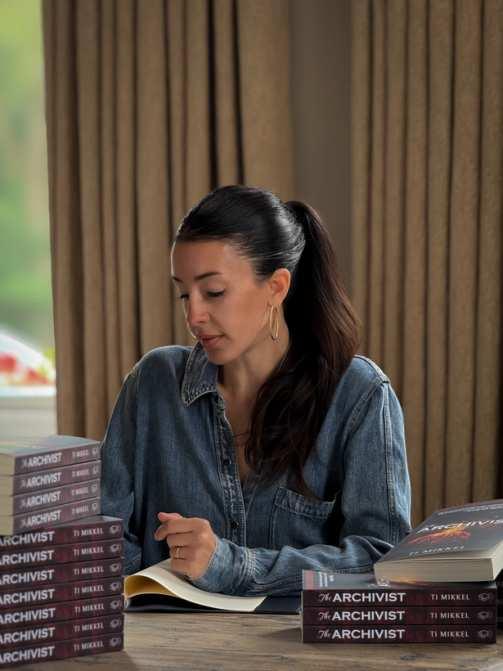
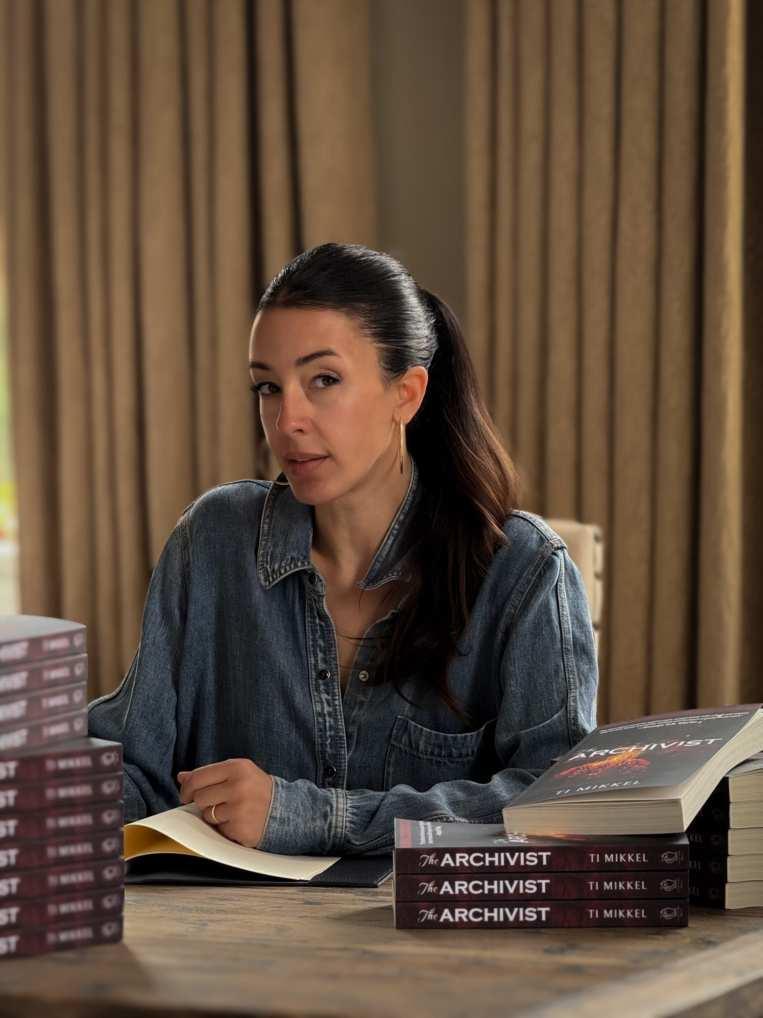
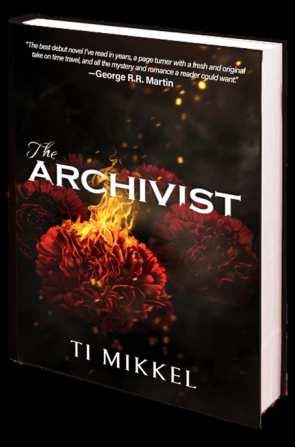
Ti Mikkel is making her debut as a novelist with The Archivist, a thrilling fusion of action, romance, and science. She is a writer and producer on House of The Dragon and the new Game of Thrones spin-off, A Knight of the Seven Kingdoms. TI MIKKEL
JORDAN MITCHELL
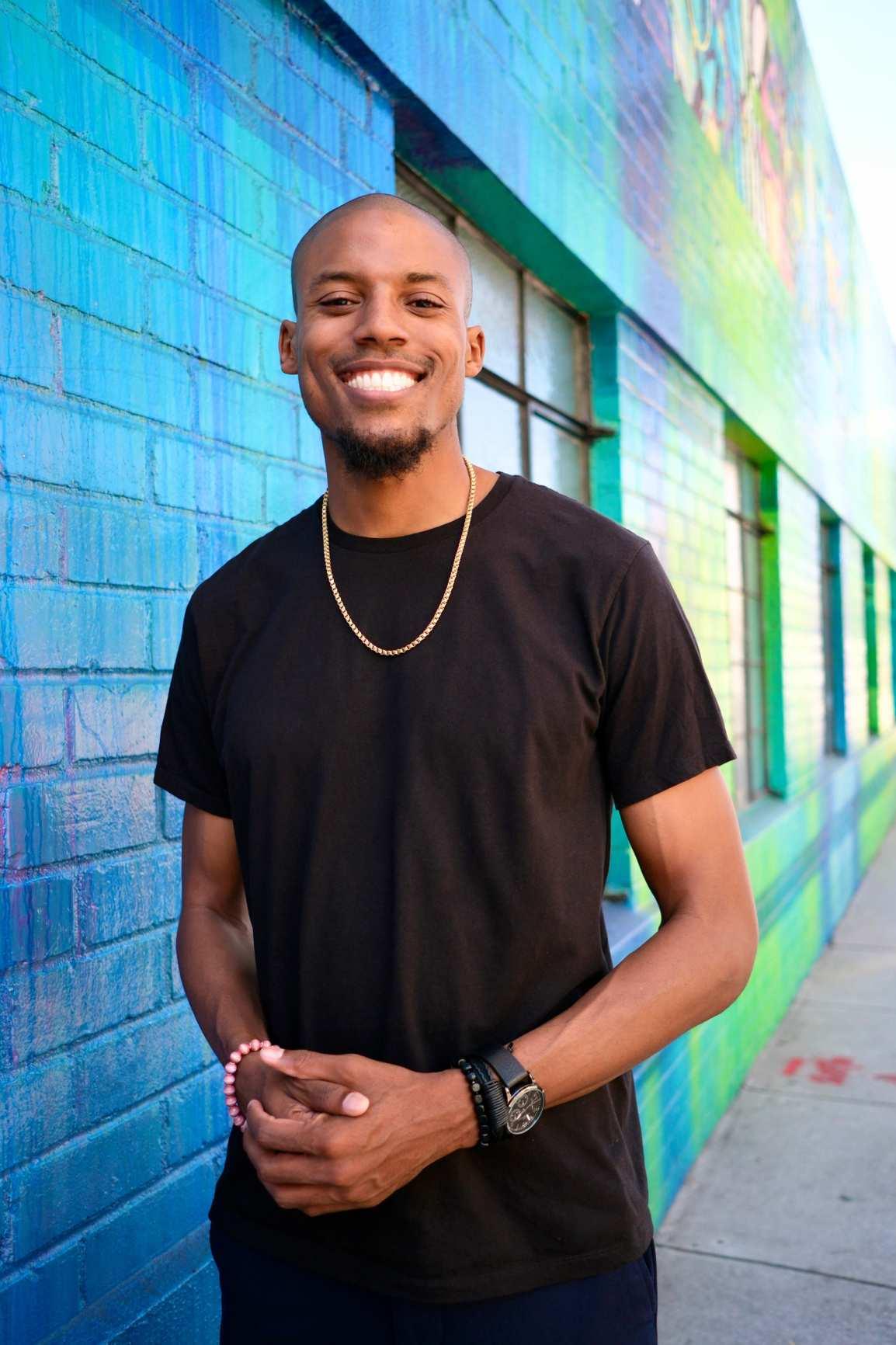
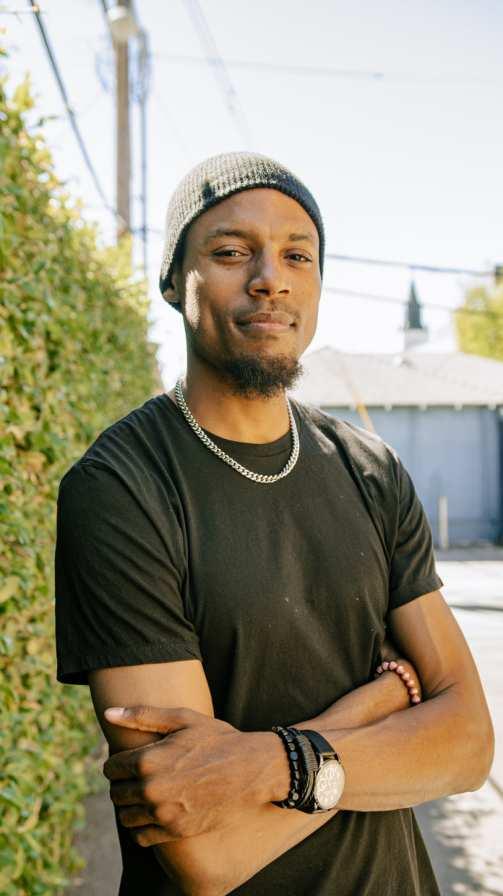
Jordan Mitchell is a television writer most known for his work on the iCarly reboot and Raven’s Home. A writer by day, a script consultant by noon, and a stand-up comedian by night, he proves himself to be a well-rounded creative.
Viet Film Fest (VFF), presented by the Vietnamese American Arts and Letters Association (VAALA), is the largest film festival centered around the Vietnamese diaspora in the world. Milla Nguyen details her experience of attending this year’s film festival.
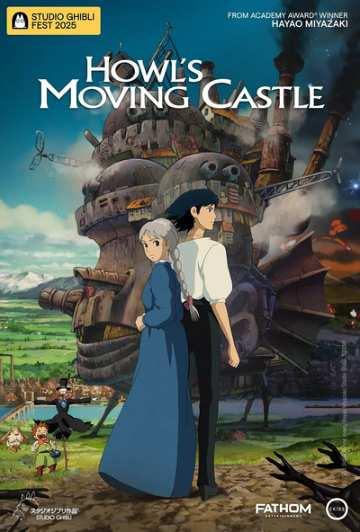
MOVING CASTLE BY: EMMA SINGLETARY
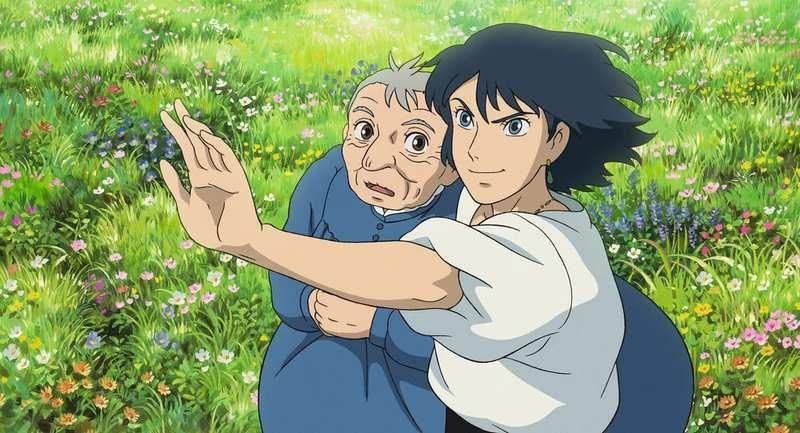
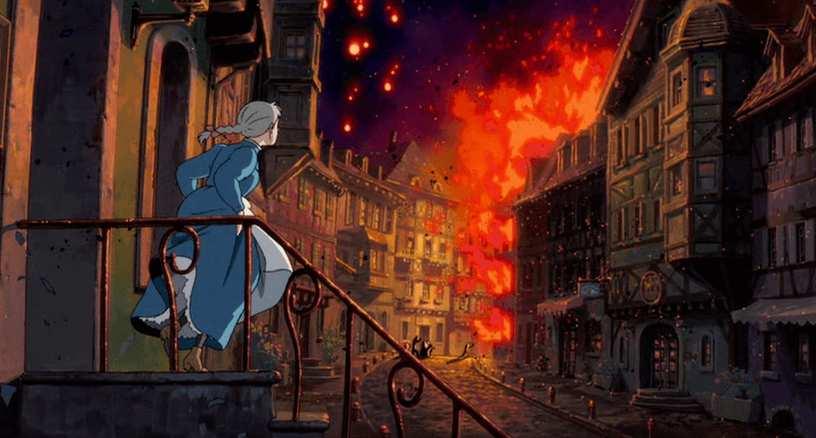
Emma Singletary writes a profound analysis of Hayao Miyazaki’s Howl’s Moving Castle, which has received numerous accolades and was nominated for Best Feature at the Academy Awards in 2006.
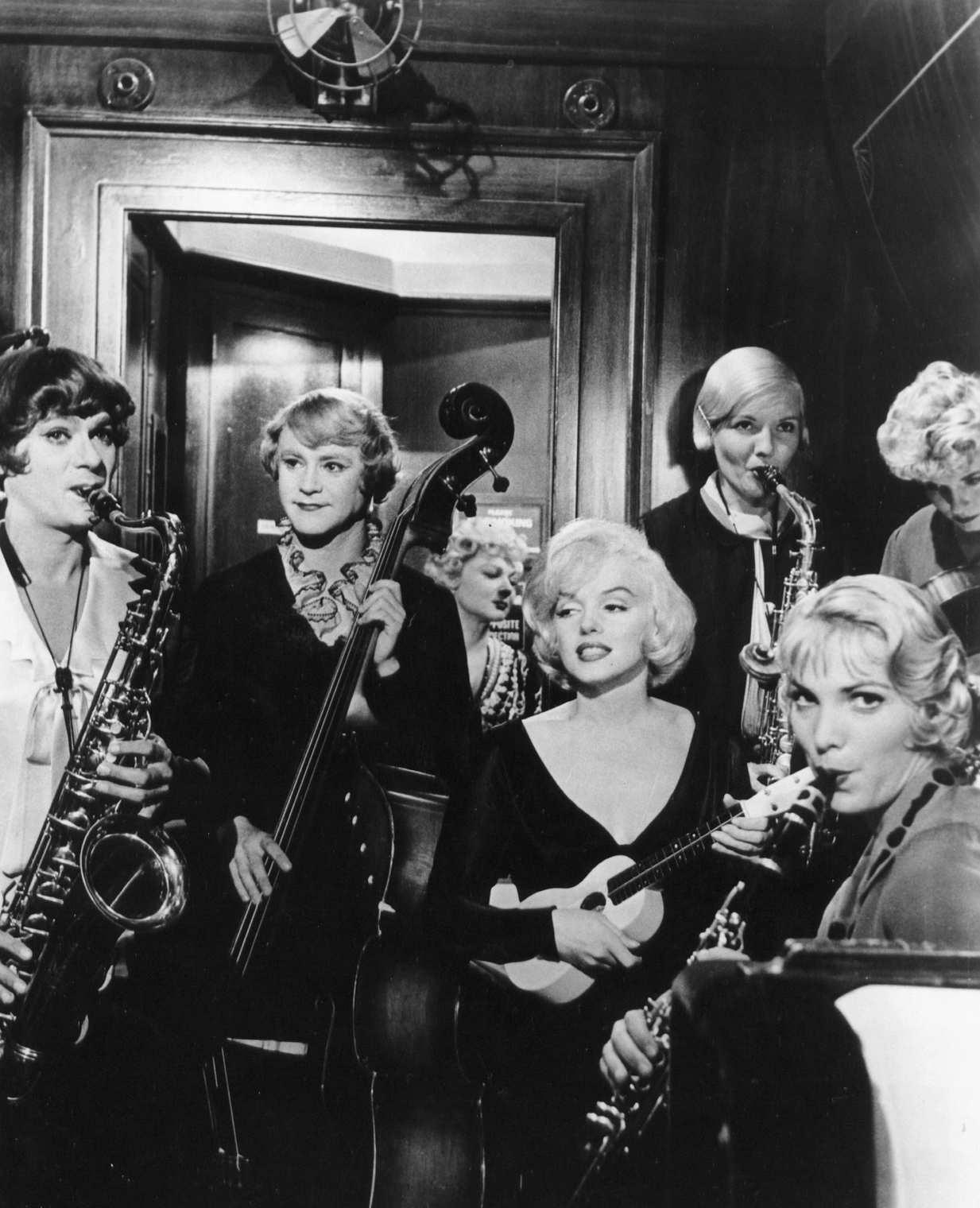
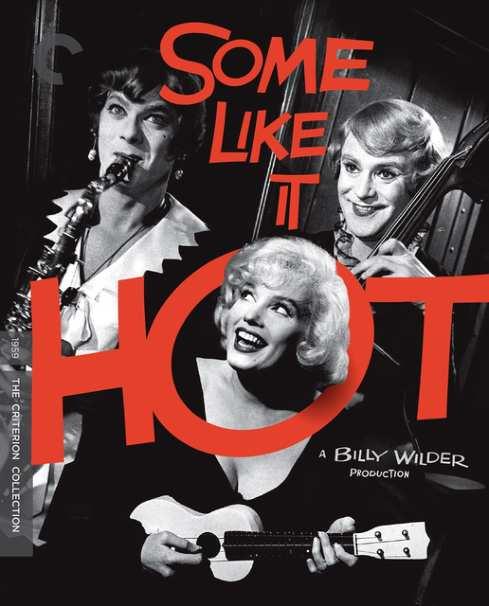
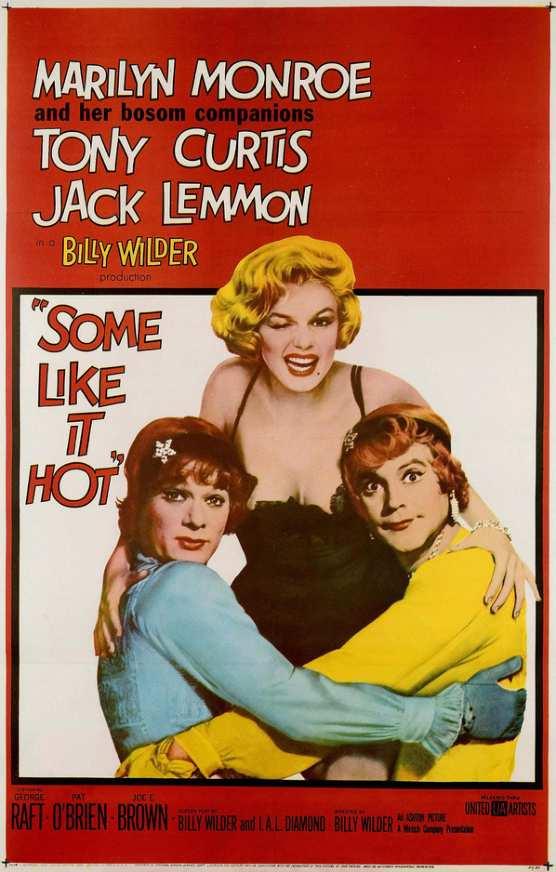
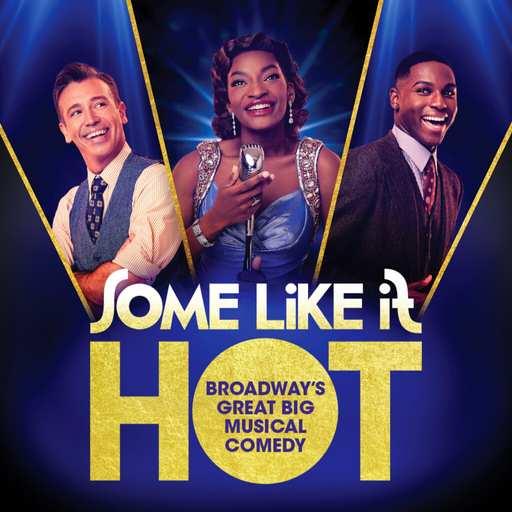
‘SOME LIKE IT HOT’ GETS HOTTER BY: JACOB CHANDLER
Jacob Chandler retells how Some Like It Hot, a Broadway musical comedy based on the 1959 film of the same name, returned to the spotlight and reached audiences worldwide.
Conner Wilson showcases original poems that invite readers to reflect on themselves and the meaning of the silver screen, the avenue in which films come to life.
TABLEOF CONTENTS
UNDERRATED: UPLIFTING RISING FILMMAKERS & ENTERTAINMENT PROFESSIONALS
JON-THOMAS ROYSTON
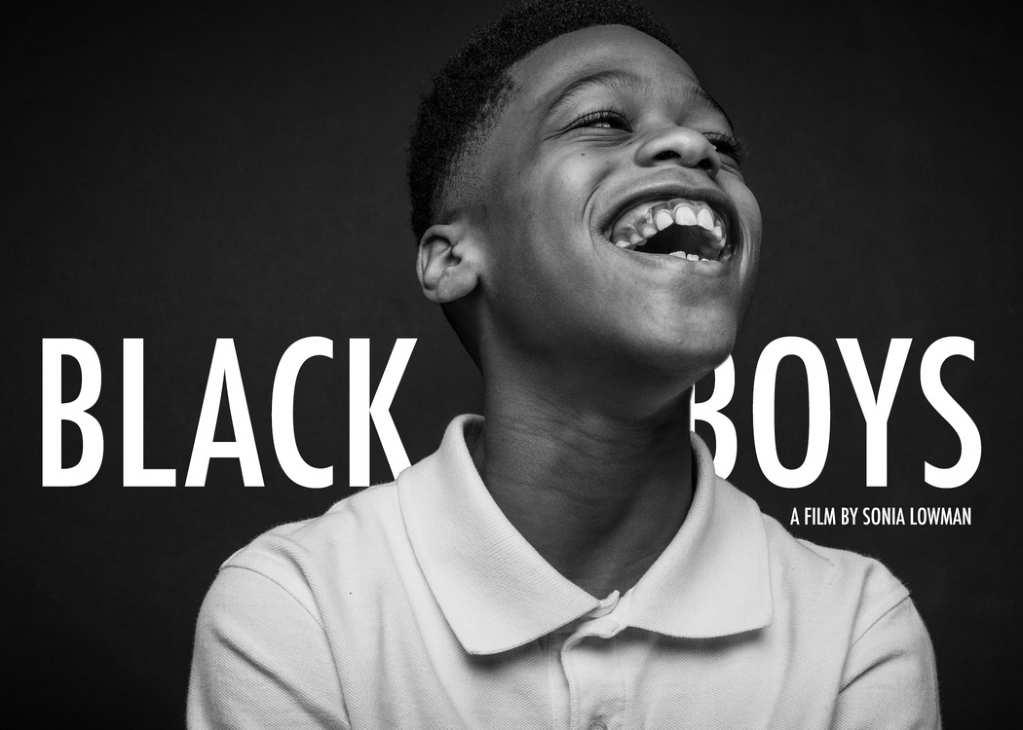
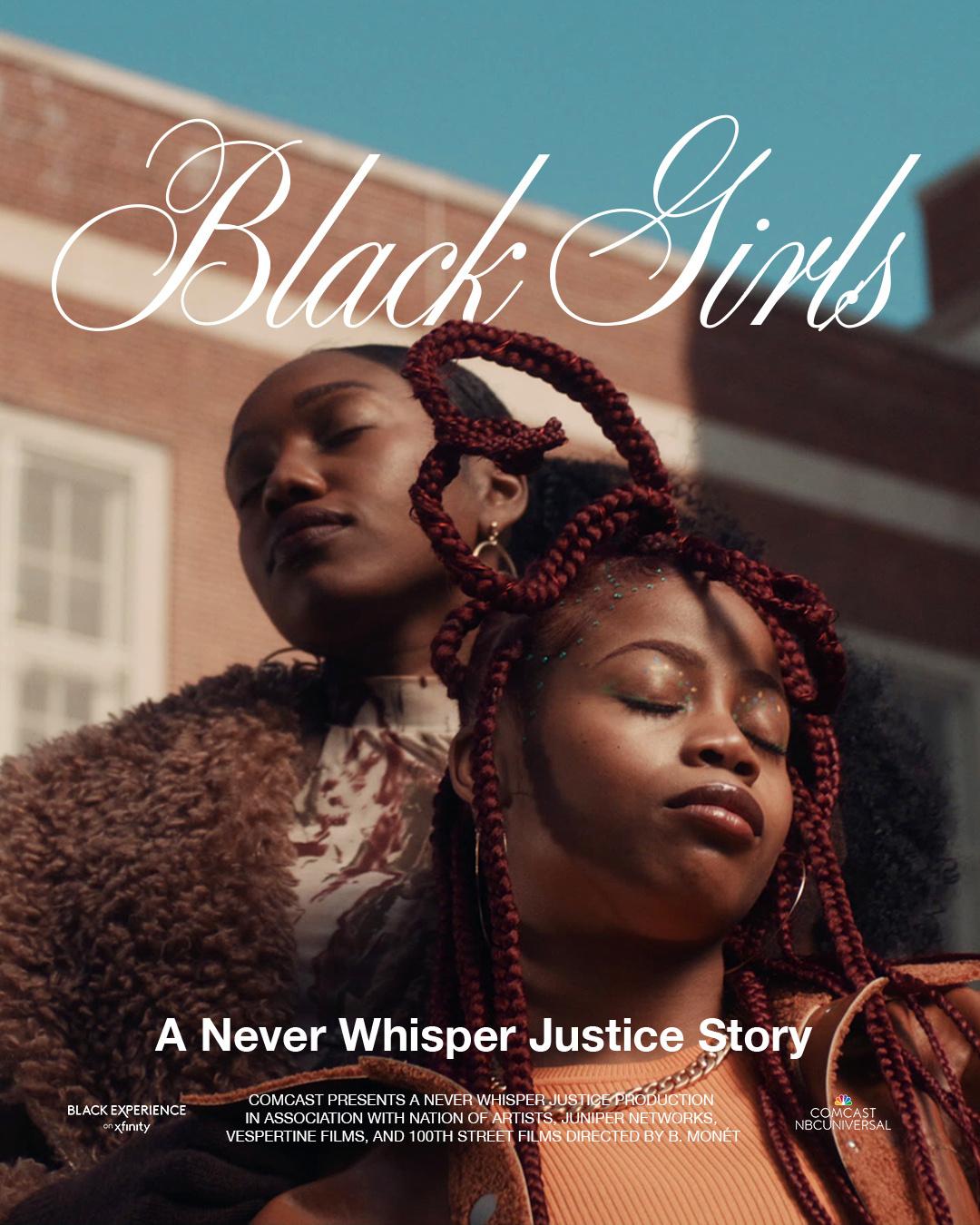
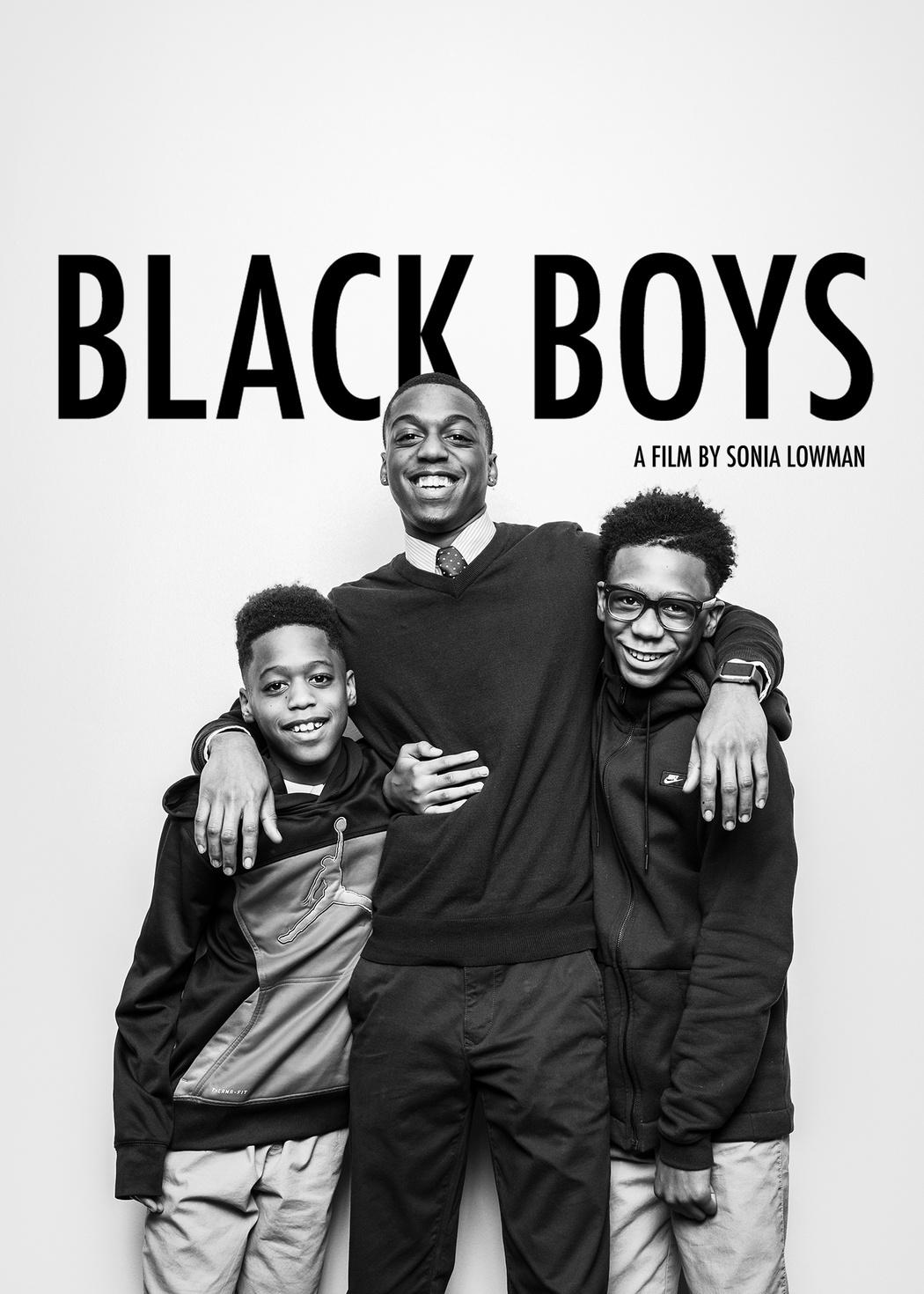
Jon-Thomas (J.T.) Royston, the visionary behind Never Whisper Justice—a creative studio at the forefront of fusing impactful storytelling with real-world change. His films, Black Boys and Black Girls, are both distributed by NBC Universal and Comcast.
LAILANIE GADIA
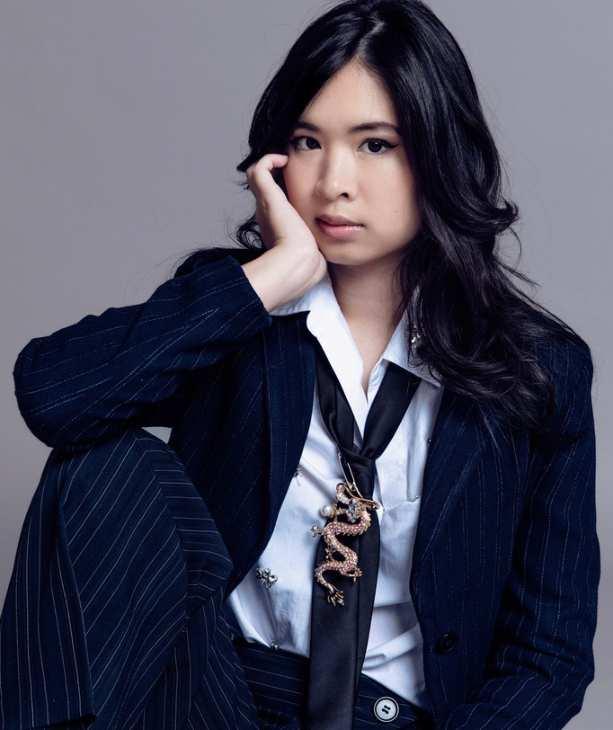
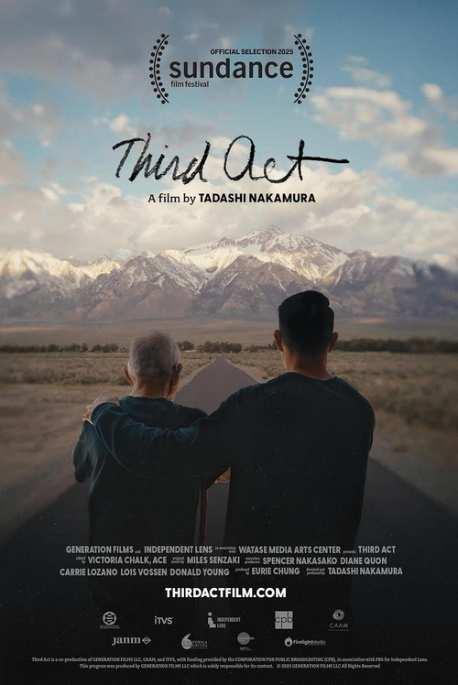
Lailanie Gadia is a financial professional turned film producer. As the founder of her production company, Mango Stories, she is dedicated to producing diverse AAPI stories. Her credits include Third Act, Bridging Our Stories, and more. She is an alumna of Loyola Marymount University.
JACOB STAUDENMAIER
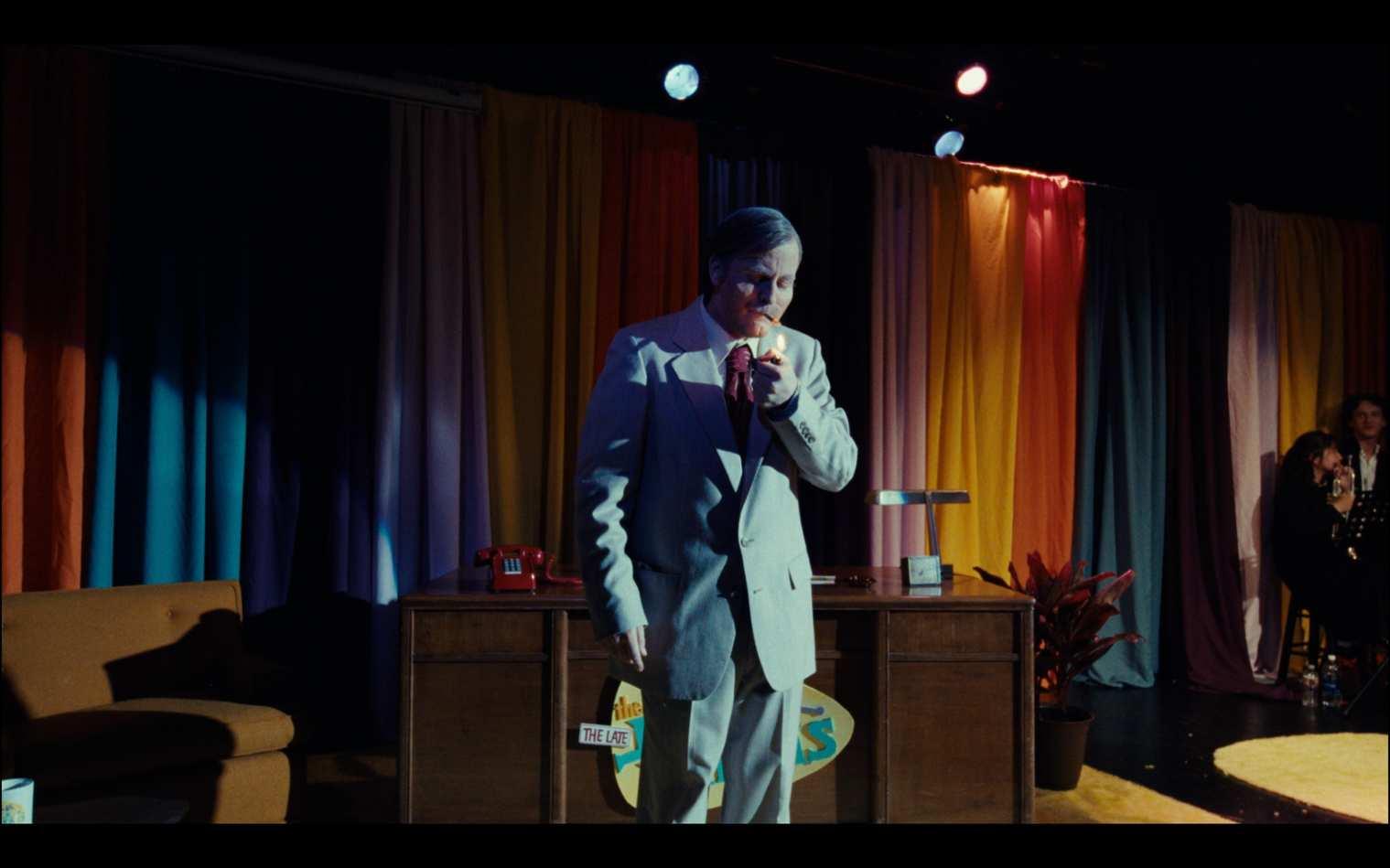
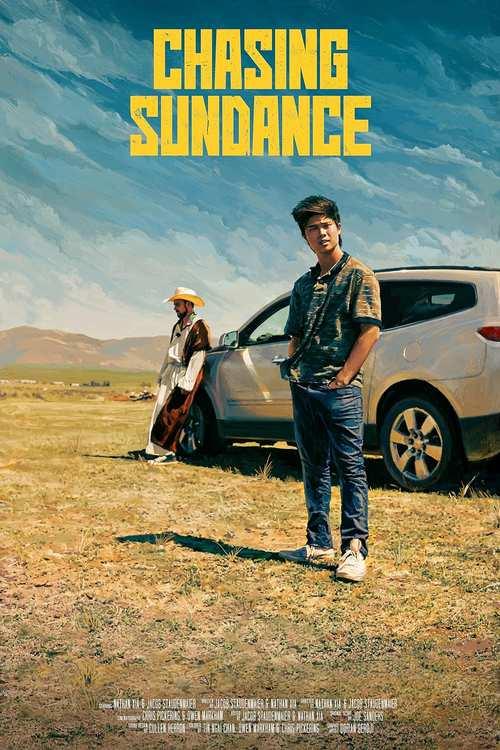
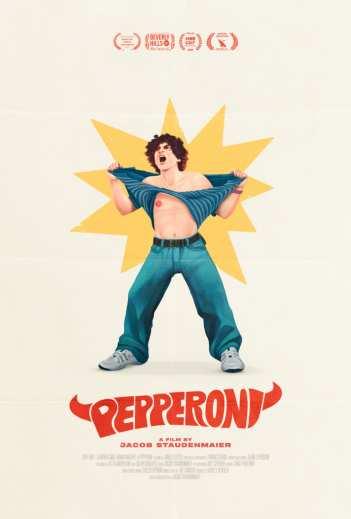
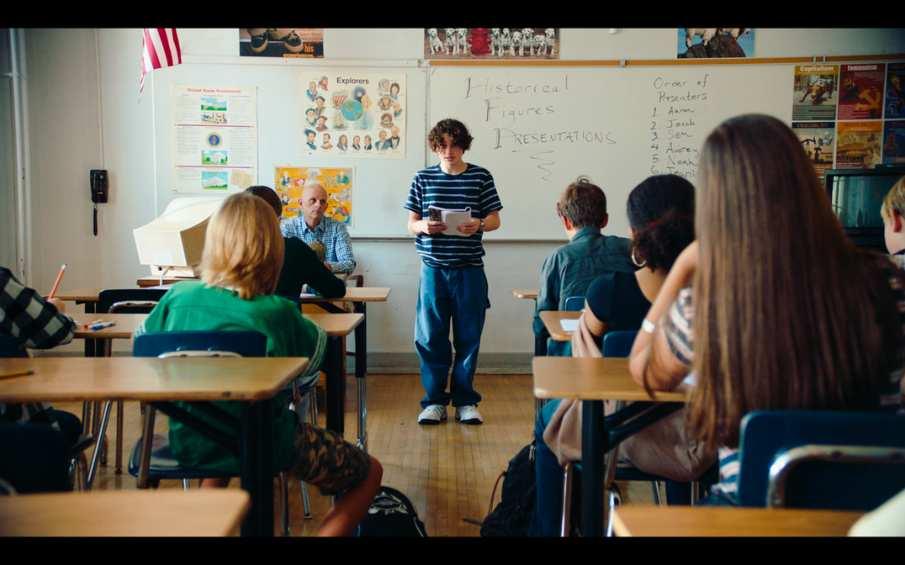
Jacob Staudenmaier is a filmmaker and creator of his Late-night style talk show, The Jack Harris Show. His debut feature, Chasing Sundance was distributed by FreeStyle Digital Media and is currently available on Amazon Prime and Apple TV. He is an alumnus of Loyola Marymount University.
YIRAN CHEN
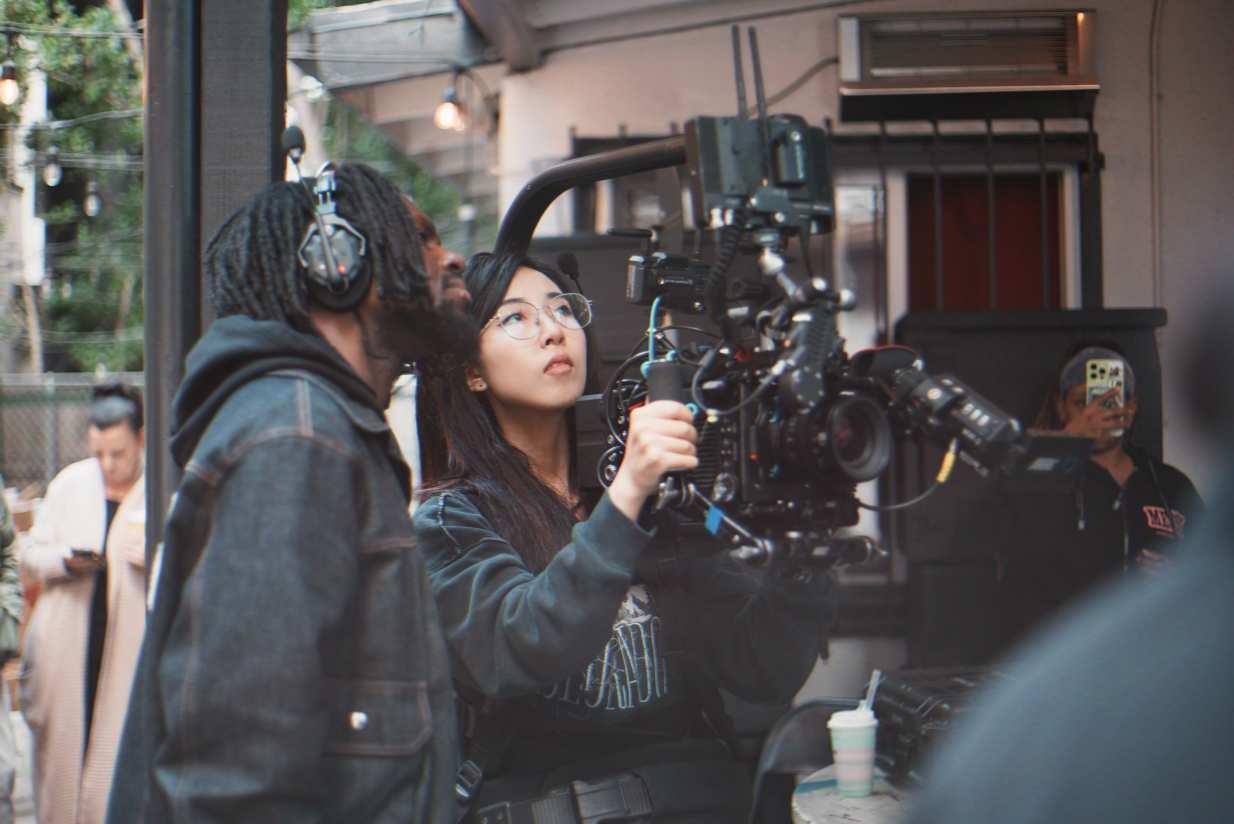
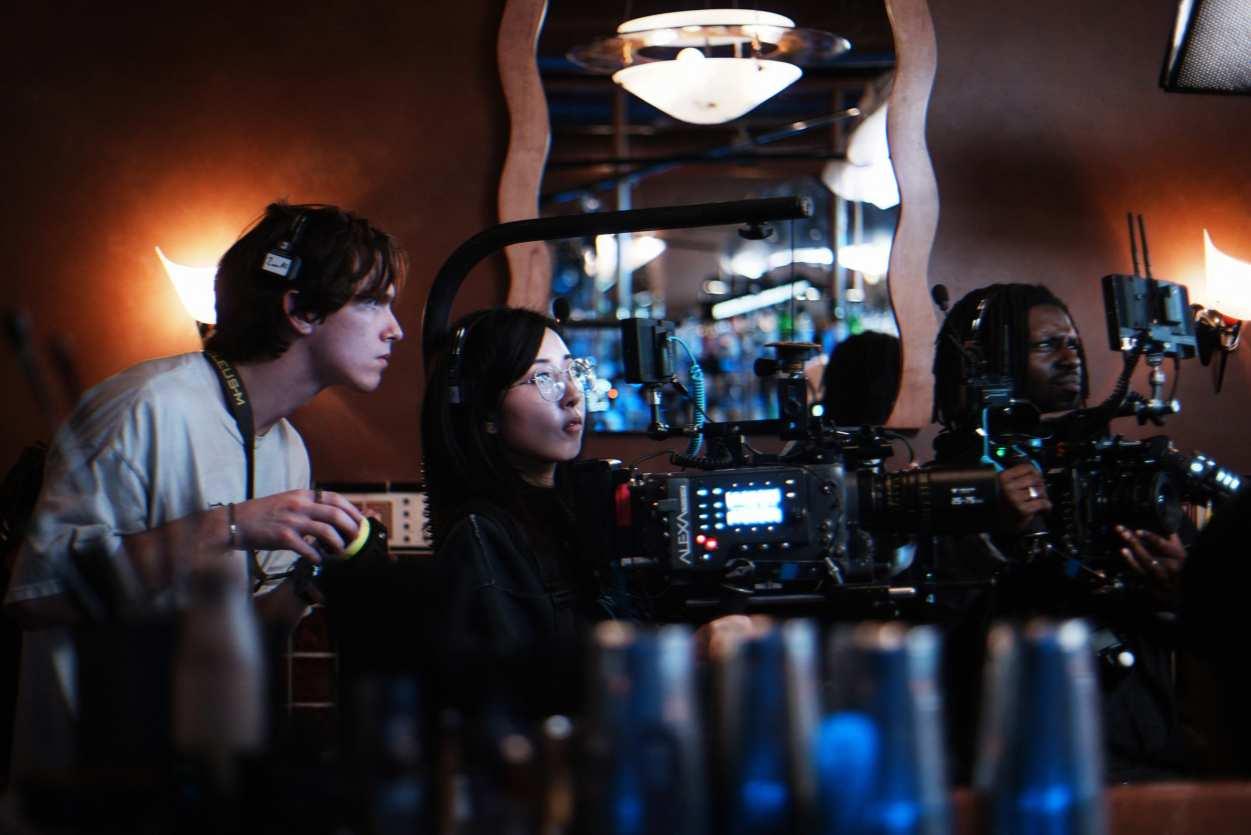
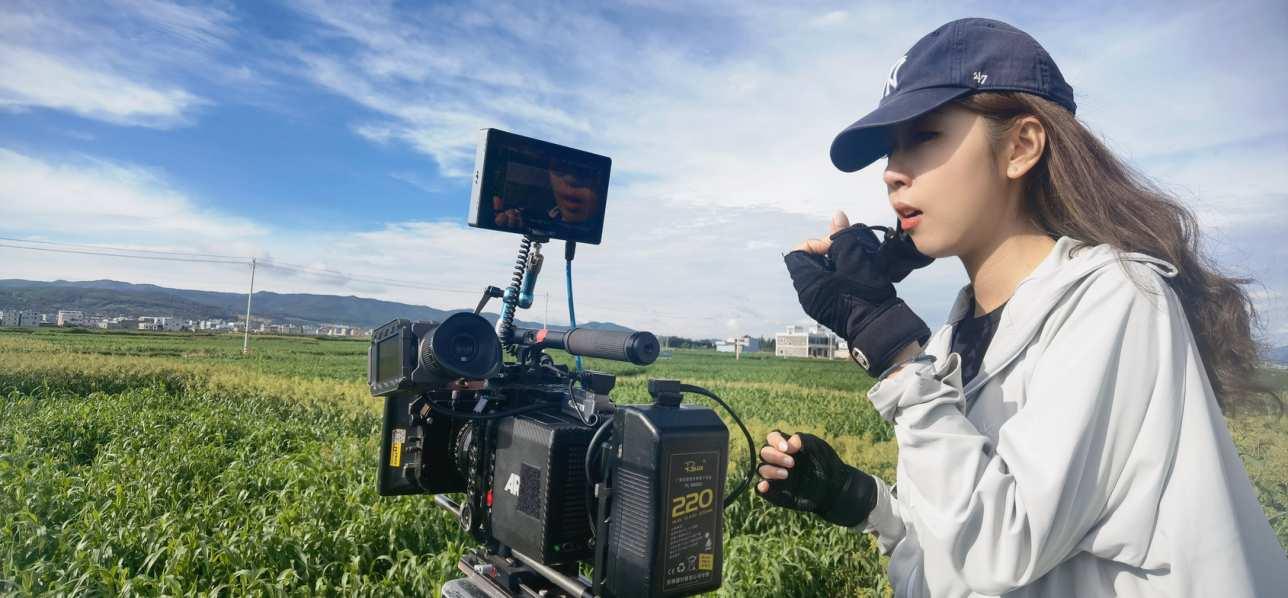
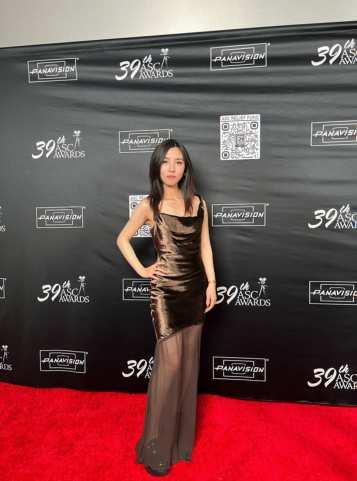
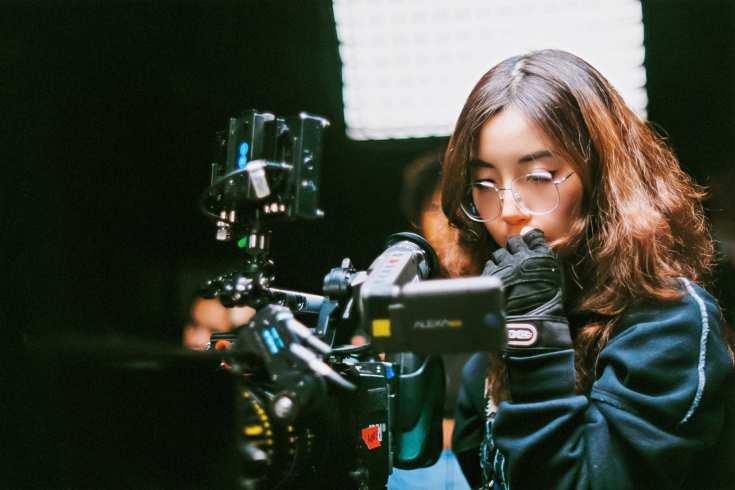
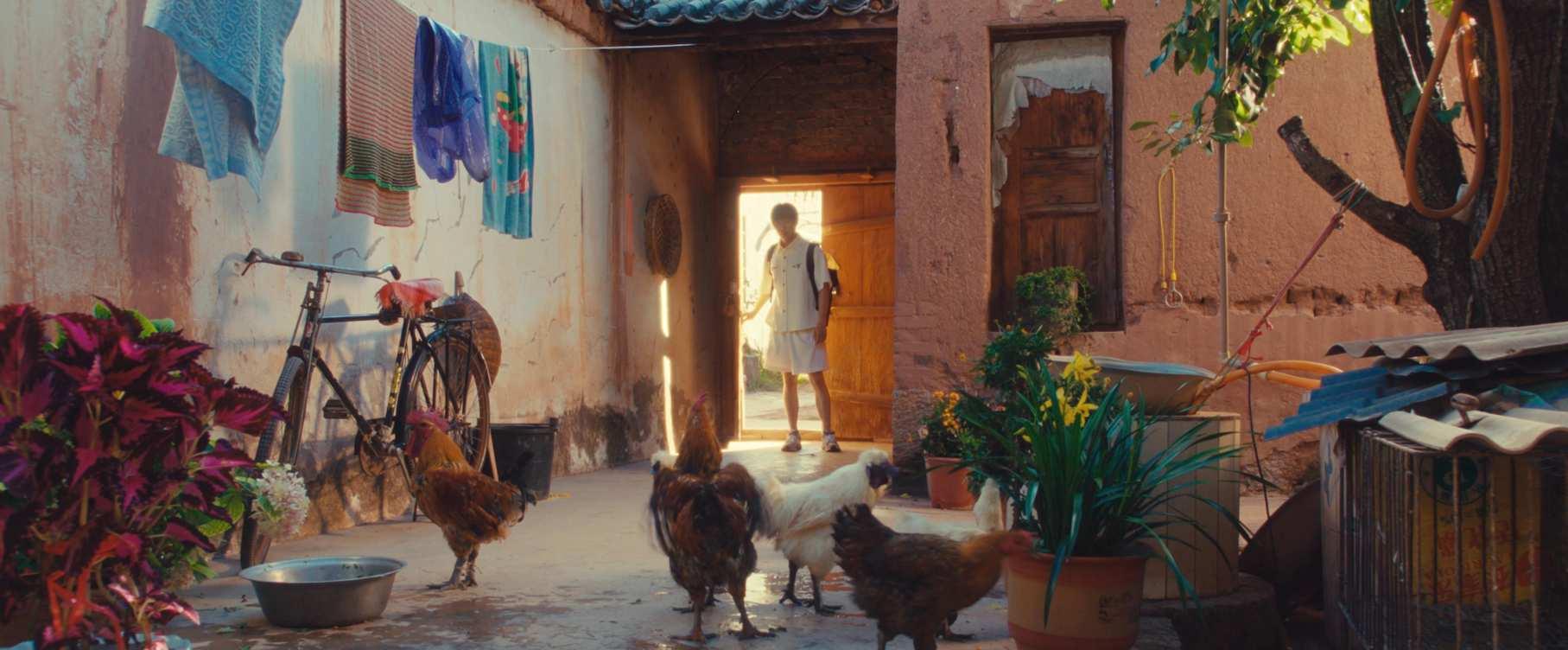
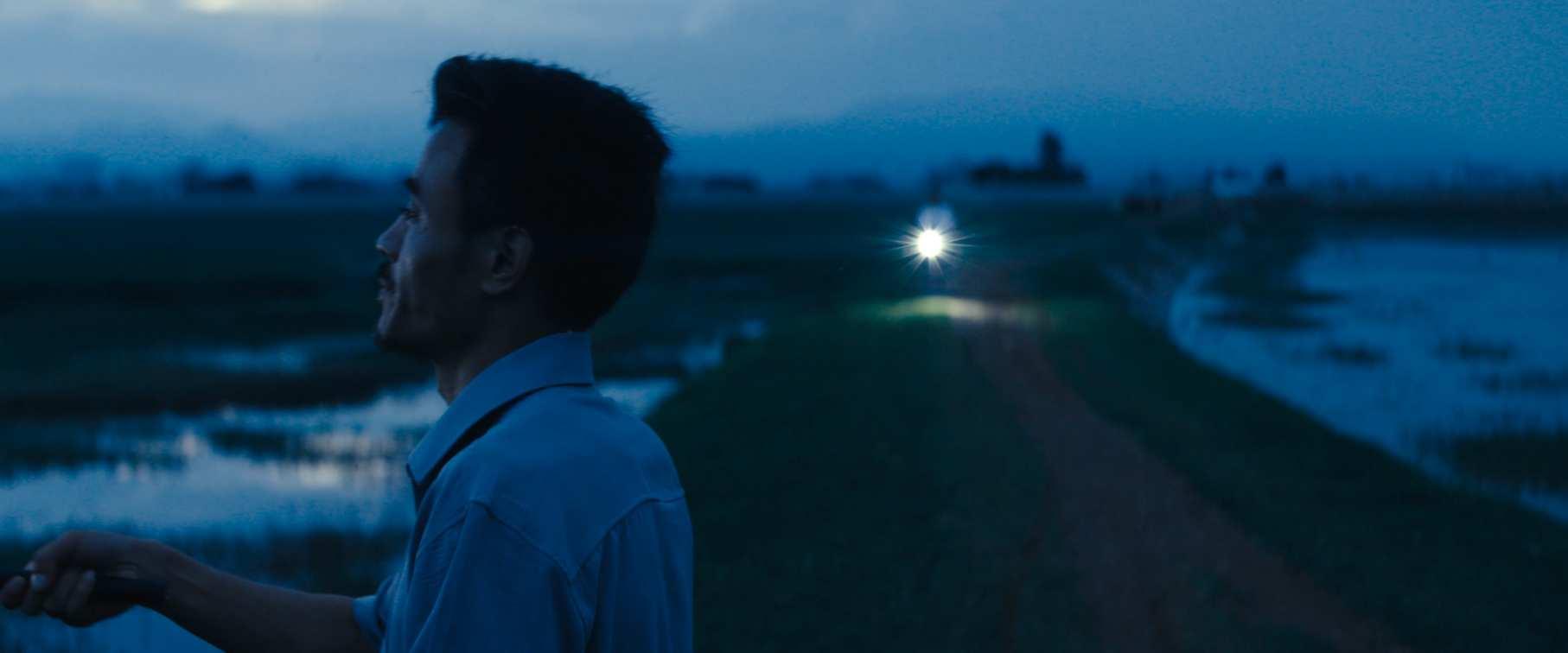
Yiran Chen is a rising cinematographer and filmmaker based in Los Angeles. Combined with her passion for Chinese cinema and her keen eye for beautiful shots, Yiran is able to create unique, intentional films. Her work has screened at various film festivals such as Iris Prize, Scottish Queer International Film Festival, and LA Shorts. She is an alumna of Loyola Marymount University.
TABLEOF CONTENTS
HOWARD MARCH PROFESSOR OF SCREENWRITING AYSER
TANYA EVERETT PROFESSOR OF PLAYWRITING
THE FUTURE OF ALLUSION MAGAZINE THE FUTURE OF ALLUSION MAGAZINE
WELCOME TO THE THIRD ISSUE OF ALLUSION MAGAZINE!
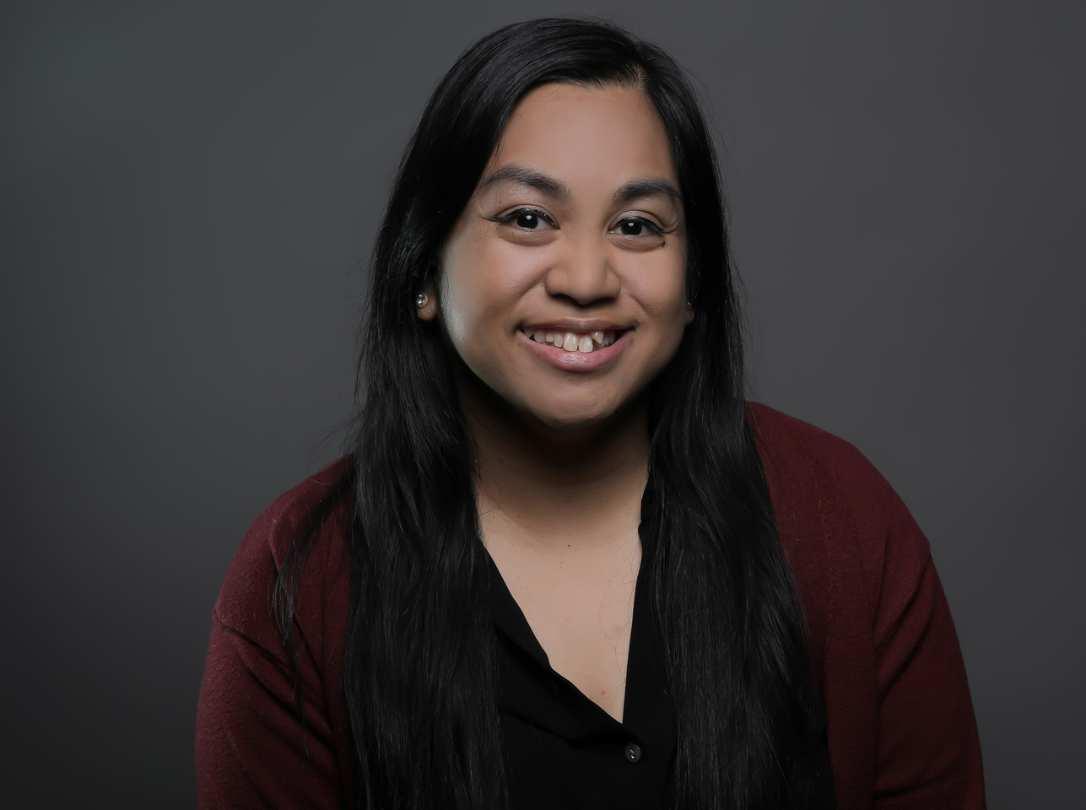
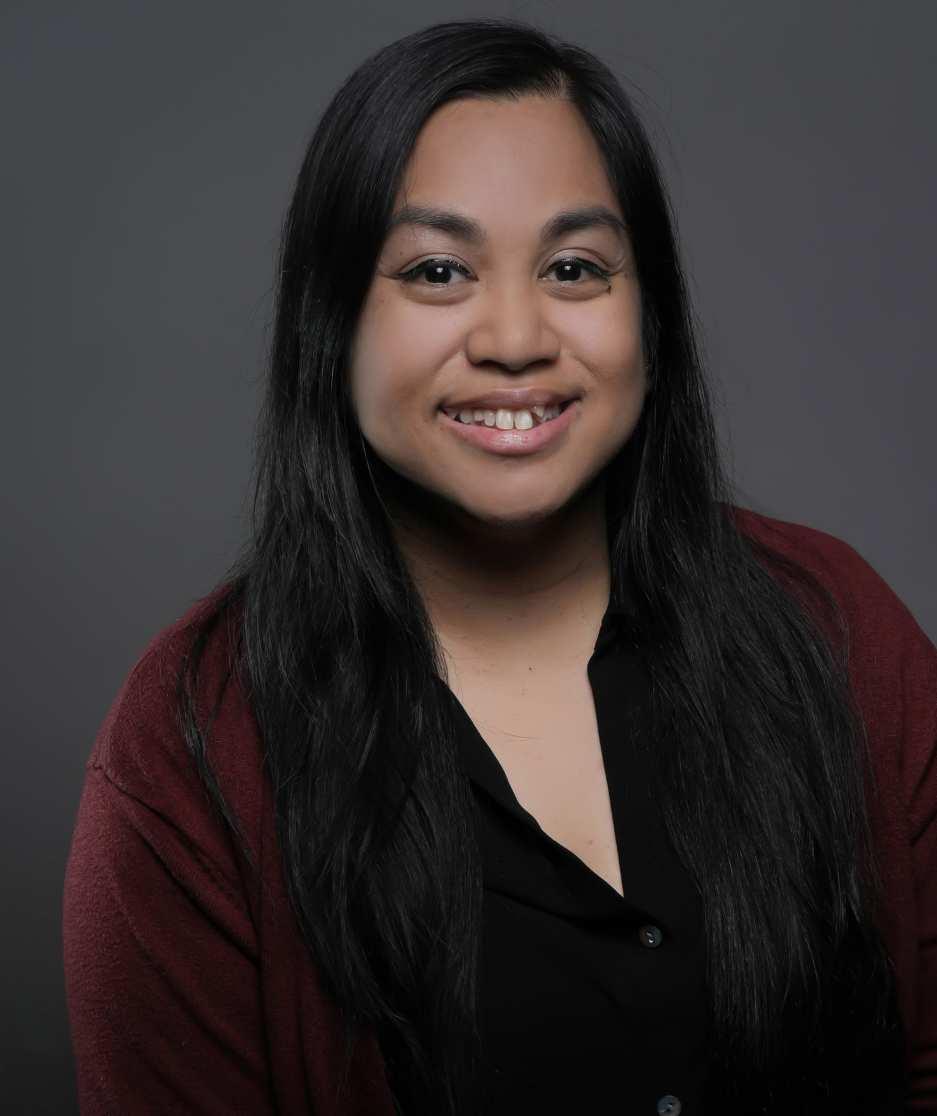
Hello! My name is Milla Nguyen, the Editorin-Chief and founder of Allusion Magazine. I’m beyond excited that you’re here. I am proud to say that this is our third issue. A couple of years ago, I thought of the idea for Allusion Magazine because I craved a sense of community, creativity, and purpose. Upon arriving to graduate school, I realized that it was hard for young filmmakers to get their feet through the door. Major publications mostly feature creatives who have high wealth, status, and a large social media following. I didn’t have this. Many of my peers didn’t either. Yet, I didn’t want to give up. At Allusion, I believe that everyone has a
right to tell their own story, no matter how big or how small. For our Vicarious Column, we interviewed many authentic filmmakers: Valerie Weiss, Matt Ogens, Kevin Lau, Ti Mikkel, and Jordan Mitchell. In one form or another, all of these filmmakers have created boundless worlds that are different yet similar to our own. Their work taps into the human imagination and allows audiences to step into characters’ shoes. For the Underrated section, we interviewed impact-first rising filmmakers: Jon-Thomas Royston, Lailanie Gadia, Jacob Staudenmaier, and Yiren Chen. Each filmmaker fearlessly creates, no matter the obstacles in their path. Next, our brilliant team of writers who contributed to the third issue: Emma Singletary, Jacob Chandler, Conner Wilson, Maria Murphy, Kahlil Maskati, and Asmar Isayeva. I would like to extend my thanks to Tyler Small, Haley Salcido-Gronski, and Jeren Kent for capturing our guests so beautifully.
photography by: Orlando Pelagio @orlandopelagio
I would also like to express my thanks to my team as a whole: Evan Odinsoff (Director of Visual Media), Kurtis Williams (Director of Content), Anna Lei (Director of Events), and Anusha Natarajan (Business Consultant) for believing in the vision and for wanting to make the world a better place. This magazine and its message would not be what they are today without my key team of members and friends. Finally, a tremendous thank you to Weiko Lin, my mentor and Faculty Advisor, for being the professor who told me that our goals are worth accomplishing. When I told him that I had doubts about my idea and our mission to help the community, he encouraged me to keep pushing forward. And I’m so glad we did.
Thank you to all the faculty members who participated in this third issue. It is an honor to scratch the surface of your stories, and we are thankful to learn from educators who care so deeply about the LMU community.
Last but not least, thank you so much to our fellow peers, our supporters online, and our readers all over the world. This third issue was made with love, enthusiasm, and resilience. We hope you enjoy our third issue and we’re excited to bring you many more.
Sincerely,
Milla NGUYEN
photography by: Andrew Castro
Valerie Weiss Matt Ogens
Kevin Lau
Ti Mikkel
Jordan Mitchell x Allusion Magazine
VALERIE WEISS VALERIE WEISS
DIRECTOR ON DIRECTOR ON
STAR TREK: STRANGE NEW WORLDS
STAR TREK: STRANGE NEW WORLDS
NCIS: TONY AND ZIVA, NCIS: TONY AND ZIVA, OUTER BANKS OUTER BANKS
Valerie Weiss’s Biography: Award-winning film and series director Valerie Weiss is drawn to stories that explore complicated human relationships in feel-good ways. She has infused this tonal complexity into her feature films and dozens of television episodes, both in the streaming and broadcast space, while spanning the genres of action, thriller, drama, science-fiction and comedy. Most recently, Weiss directed two episodes of the Paramount+ series Star Trek: Strange New Worlds. Her episodes were praised as "instant classics" and her episode "The Sehlat Who Ate Its Tail" puts the iconic Kirk in the Captain's chair for the first time. Weiss also directed an early block of the new NCIS: Tony and Ziva spinoff for Paramount+ as well as a new series for Prime Video called It’s Not Like That starring Scott Foley. Prior television work includes the finale of Netflix’s limited series Echoes for showrunners Brian Yorkey and Quinton Peeples in addition to five episodes of Netflix's global YA sensation Outer Banks.
She has directed multiple episodes for several of television's biggest producers including Shonda Rhimes, Dick Wolf, Greg Berlanti and Marc Cherry. Weiss began her career in independent features, having directed her award-winning dramatic debut, A Light Beneath Their Feet, starring Taryn Manning, and The Archer, which premiered at SXSW. Her first studio film was Netflix’s Mixtape starring Julie Bowen and Nick Thune. Mixtape is a nostalgic coming-of-age musical odyssey that scored a 100% on Rotten Tomatoes, ranked as one of the Best Family Films of 2021 by the Washington Post, and labeled one of the 17 Best Happy Films by Entertainment Weekly. Weiss has an intriguing background, having studied X-ray Crystallography at Harvard Medical School, earning a Ph.D. in Biophysics and a master’s degree in medical science. Although well on her way to unlocking the molecular mysteries of the universe, she was irrepressibly drawn to the larger scale mysteries of human nature and pivoted to pursue her lifelong passions in the entertainment industry. Very involved in her guild, she is currently Co-Chair of the DGA’s Women’s Steering Committee as well as on the DGA’s Sustainable Future Committee and the Special Projects Committee (appointed by President Glatter).
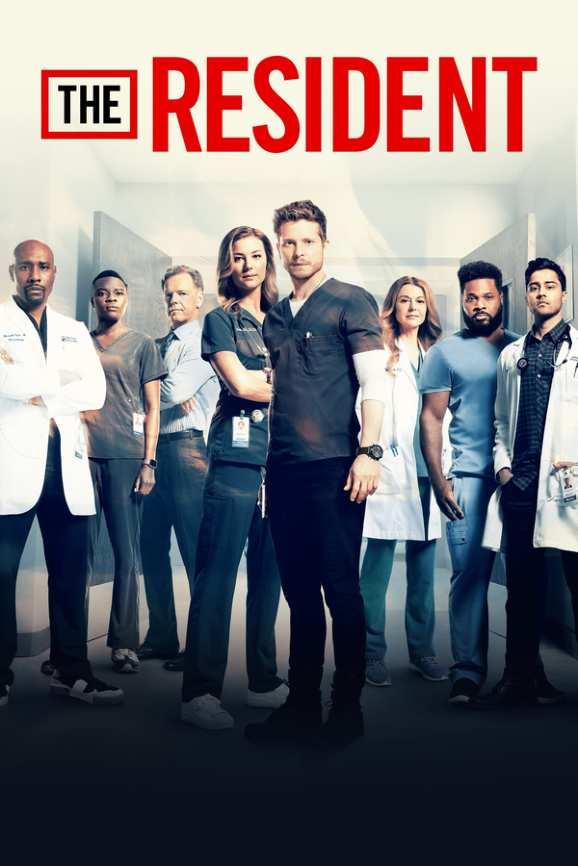
Author’s Note: Interviewing ground-breaking director, Valerie Weiss, is a true highlight of Issue three. Valerie Weiss has made her mark in the industry with an extensive portfolio of directorial projects. The scope ranges from the emotionally charged moments in medical dramas Chicago Med and The Resident, edge-of-your-seat action sequences in Outer Banks and Star Trek: Strange New Worlds, and female-driven genre-benders, The Archer and Why Women Kill. In fact, one common denominator binds all of her works together– the human heart that beats within all of these stories. During our conversation, I recognized Weiss’s ability to analyze the human subtext beneath the surface. She creates characters that defy their fears, and causes us to face our fears while watching them.
Valerie Weiss’s Inner Child:
Valerie Weiss was born and raised in Philadelphia, Pennsylvania. Being the youngest of three siblings and close to her parents, she found that creativity was a way to express her voice inside and outside the home. She was insatiably curious and always asked questions, even if she didn’t receive definitive answers. Weiss recalled how her school friends were peas in a pod, constantly tapping into the magic of storytelling. In their free time, they would write musicals and operas as a group, later performing them at school. She said, “It was an era where kids were always playing outside until dinner time. Sometimes, we would grab my parents’ camcorder and film fake commercials on it. Everything was filled with imagination.”
Diverging Paths: Taking the Path Less Traveled By:
At first, Weiss wanted to be an actor. In her mind, acting was a way to experience many different lives through characters. However, her father was worried that acting and filmmaking would not be a sustainable career; a worry that many young filmmakers still harbor today. To compromise, she attended Princeton University, where she majored in
molecular biology and minored in theatre and dance. One fateful night, the theatre club asked her to direct a play they were planning to put on. Long story short: she said yes. This is when her spark for directing grew into a flame.
Still, given the circumstances, she wasn’t ready to fully commit yet. She ended up pursuing her Ph.D. in biological chemistry and molecular pharmacology and a Master's degree in medical sciences from Harvard Medical School. When speaking about the experience, she said, “I wanted to extend my coming-of-age story as a scientist and artist. Not only that, but the experience of education was fruitful for me. My thesis advisor was so supportive of all my projects; he even saw my plays.” She credited her advisor for giving her impactful life advice. He told her, “People remember you for how you finish something. The end is what counts.” This empowered her to finish her Ph.D. rather than quitting halfway.
Later, she founded the Harvard Dudley Film Program and became the Artist-InResidence. This extracurricular initiative encouraged students of all majors to make short films and showcase them among their peers. While the program is not active today, the university later invested resources to create film studies and collaborative production degree programs.
The Courage to Be a Filmmaker
Finally, after finishing up her time at Harvard, she decided to make the daunting leap. She did not want to let her passion for directing go. She hung up her medical coat and has never looked back since. Reflecting on this journey, she lent sound advice for those concerned. It is no secret that in the ever-changing landscape of Hollywood, many filmmakers face the realities of low stability, pay cuts, and few opportunities. However, in the grand scope of it all, careers beyond the arts face the same struggles. She reinforced,
“Let the fact the careers that were once considered secure are not anymore. Let this be liberating. On one of my projects, I was faced with making a risky decision about where the shooting location would be. A colleague reminded me to make my own mistakes. Life is short; there’s no real safe option. Make your own mistakes, but learnfromthem.”
Star Trek: Strange New Worlds: Is it a Mirror of Humanity?
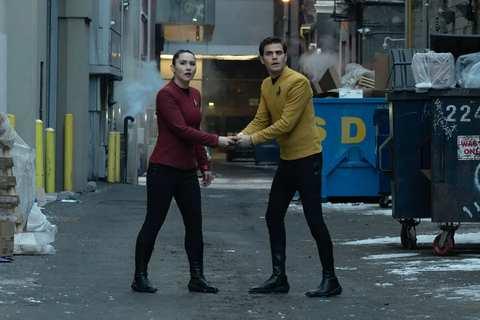
Weiss recently directed episodes “Ad Astra Per Aspera” and “The Sehlat Who Ate Its Tail” for Star Trek: Strange New Worlds, a spin-off of the original franchise. “The Sehlat Who Ate Its Tail” is a unique take on young Captain James T. Kirk’s story and his first time being a full-fledged leader in a dire situation. The episode sets up Captain Kirk’s and Captain Pike’s mission to protect their respective crews, ships, and communities against an enemy alien fleet. While Kirk encounters challenges and rifts in his crew, he musters the courage to step up to the plate. Launching a final attack on the enemy aliens, his crew saves the day. (Spoiler: the twist reveals that the aliens had taken a human colony hostage, and Kirk has just eliminated them all). At the end of the episode, Kirk and Pike reflect on wiping out the humans and question their survival. Weiss discussed her intentional directing choices, “I want to make something that has a lasting message but is also commercial, that goes down easy. I wanted to intercut a young leader and a seasoned leader. Leadership isn’t about bravado and salesmanship; it’s about thought and empathy. To capture
someone as revered as Captain James T. Kirk, I was glad that Paul Wesley went on a deep journey with me to bring this charactertolife.”
NCIS: Tony & Ziva: Female-Centric Action
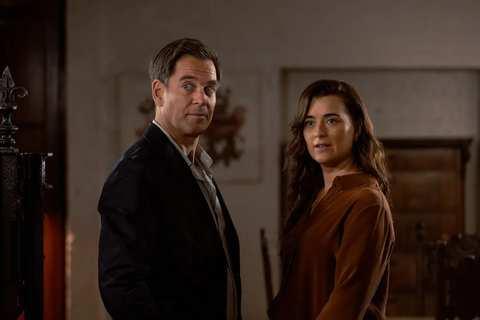
NCIS: Tony & Ziva episodes, “Cover Story” and “Wedding Crashers” dial in on Ziva being a boss lady spy, serving sequences that pack a knock-out punch, literally. Framed for a robbery, agents Tony and Ziva must go undercover to lure enemy agent Martine during a fake wedding. There are notes of Ziva’s and Tony’s romantically subtle moments in the willthey, won’t they game. These scenes are juxtaposed by Ziva’s female rage when she encounters a traitor, beating him up while she’s in a wedding dress. Weiss explained, “I love stunts. And I choreograph them in a character-driven way. I wanted to show how a woman could be married but can get the job done. With these scenes, I also like to walk through the locations and place them throughout the script. As you’re watching, you feel like you are Ziva inherperspective.”
Outer Banks: Shaping Hits in Young Adult Television
I first discovered Valerie Weiss through her significant work on Netflix’s hit show, Outer Banks. For context, the young adult coming-of-age story has accumulated over 200 million views across its seasons and continues to generate Gen Z hype on social media. It follows a group of rag-tag
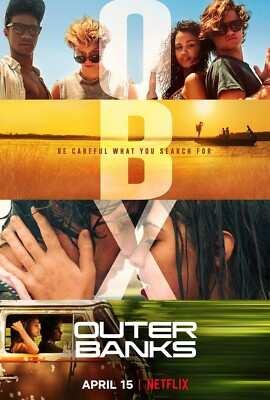
North Carolina teens: John B, JJ, Pope, Kiara, Sarah, and Cleo, known as “The Pogues” during their hunt for mysterious treasures. Weiss directed top episodes
“Dead Calm”, “The Dark Forest”, and more. My personal favorite, “DeadCalm”, gives a strong insight into JJ Maybank’s tumultuous relationship with his abusive father, as well as igniting the sparks of his eventual romance with fellow Pogue, Kiara Carrera. It is also the first episode when audiences cement John B’s and Sarah’s intimate relationship for real. Weiss recalled, “Outer Banks was so much fun. I worked with showrunner Jonas Pate, and he gave me freedom to create. The cast was so new in season one, but so full of heart. They were so prepared and showed up to set with alternate lines and little gimmicks. The chemistry was real onscreen and off-screen. Between the treasure hunt, murder, and boat chases, it amplifiedthecoming-of-ageeffect.”
Has Dr. Valerie Weiss used her medical knowledge on Chicago Med & The Resident?
The answer is yes. She directed several episodes of these iconic medical dramas, utilizing her medical science knowledge. As she retold her experiences, she said, “I remember being interviewed by Michael Waxman, the pilot director and coexecutive producer of Chicago Med. When he was interviewing me, he saw that I graduated from Harvard Medical School and hired me. I also had a meeting with a medical consultant which was three hours long. I researched the equipment and the diseases that these characters had. My episode was about a father and mother transplanting an organ to their daughter. It was a triple-transplant with three operating rooms intercut at once.” In conclusion, the best way to research
something before a directing stint is to visit locations, interview experts, and do it, for real.
Highlighting Female-Driven Stories
Weiss’s original feature films, The Archer and A Light Beneath Their Feet, both explore multi-layered female characters who are driven by purpose. I was especially drawn to The Archer, which follows two young women who escape from a prison camp facility with only a bow and arrow and each other. The film is beautifully shot, with scenes featuring a strong young woman taking aim at those who come to harm her and her friend, no matter the cost.
When Weiss first started directing, she was also selected as a finalist for the AFI Directing Workshop for Women, where she submitted a short film idea of an allfemale cast version of The Maze Runner to 21st Century Fox. A major throughline in Weiss’s career is her mission dedicated to uplifting female-driven stories and initiatives. She said, “I am the Co-chair of the DGA Women’s Steering Comittee.
We have an initiative called the Squad Mentorship, where we uplift mid-level female directors. When I got started, I was a part of the Directing Intensive Initiative, mentored by director Roxanne Dawson. Being a part of these organizations and initiatives allows me to pay back my community.” Weiss also serves on the allinclusive sustainable futures initiative, encouraging productions to reduce plastic waste and paper usage.
Future Projects
In terms of future projects, she is working on a romantic comedy that explores complex female characters and their equal partnerships with the men in their lives. She is also slated to direct a number of television projects from major studios.
Finally, I asked her if there was anyone she would like to thank for supporting her in her career. She mentioned her husband, who has stuck by her side since their college days. Weiss said, “My husband is extremely supportive of me and my filmmaking career.”
MATT OGENS MATT OGENS
DOCUMENTARIEs<HUMANSTORIES
OSCAR NOMINATED, EMMY AWARDWINNING FILMMAKER MATT OGENS ON THE IMMEASURABLE INFLUENCE OF AUTHENTIC DOCUMENTARIES
OSCAR NOMINATED, EMMY AWARDWINNING FILMMAKER MATT OGENS ON THE IMMEASURABLE INFLUENCE OF AUTHENTIC DOCUMENTARIES
STORY BY: MILLA NGUYEN STORY BY: MILLA NGUYEN
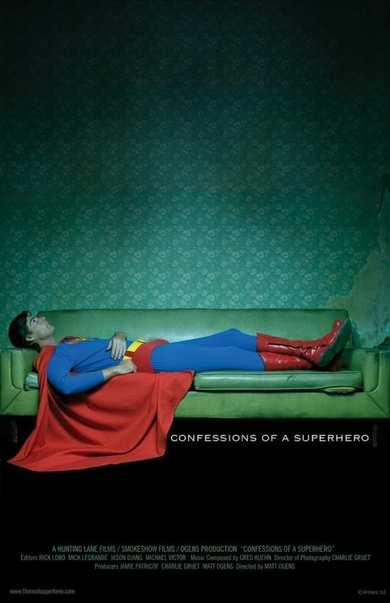
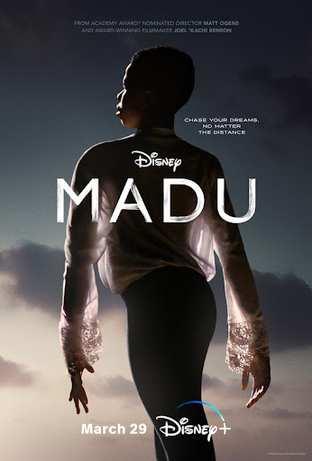
Matt Ogens’s Biography: Matt Ogens is an Academy Award-nominated, Emmywinning director known for capturing authentic human stories through an evocative visual and narrative aesthetic. His Netflix Original Audible was nominated for an Oscar®, an immersive coming-of-age documentary told from the perspective of Deaf high school students and communicated through sign language.His latest film Madu, a Disney Original Documentary, is the epic journey of Anthony Madu, a 12year-old who leaves his home in Nigeria to study at the prestigious Elmhurst Ballet School in England. It recently earned an Emmy Award for Outstanding Arts and Culture Documentary. His breakthrough documentary, Confessions of a Superhero, premiered at SXSW to critical acclaim and a devoted following. He subsequently earned a Primetime Emmy® Award for ESPN’s 30 for 30: From Harlem with Love about the Globetrotters.
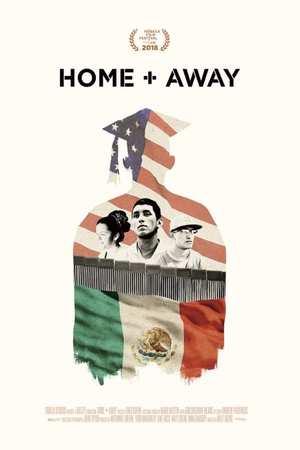
Additional projects include the feature documentary Home + Away, following high school-athletes living on the US/Mexico border, which premiered at the Tribeca Film Festival. Additionally, his two-time Emmy-nominated documentary series Why We Fight launched on ESPN+. Ogens also helms major campaigns for iconic brands, earning prominent awards including Cannes Lions, Clios, One Show, Webby Award, D&AD, Communication Arts, and theSXSWInteractiveAward.
Author’s Note: Matt Ogens is a filmmaker creating media with unbridled curiosity and deep passion. Using his own words, he searches for a story in every place he travels to, every community he films, and every person he meets on the street. I had the most incredible opportunity to interview him for Issue three of the magazine. His vast documentary portfolio is not just a brand, but a window to human vulnerabilities and human willpower. Ogens’s films explore communities that might be hidden away in mainstream media, but shine a light on important perspectives. In my opinion, the most influential films in society are the ones that cause the audience to put themselves in the character’s shoes and empathize with their choices. Ogens does just that. Our conversation delves into his creative journey, humanitarian mission, andexcitingfutureplans.
Matt Ogens was born and raised in a neighborhood not far from Washington, D.C. He grew up at the intersection of city, rural, and suburbia. He recalls spending time in nature, climbing trees, and searching for new vantage points. It made him feel safe, especially when he didn’t feel like he fit in with his peers.. When it was time to apply for colleges, Ogens decided to leave his safe zone, and intoanother.
He received a degree in finance from Tulane University in New Orleans, Louisiana. He explained, “New Orleans was a city where I first experienced culture. The music. The food. The historicalarchitecture.Tome,Ithinkit’s
the most unique and interesting town in America.”
The summer after graduating, he interned at the World Trade Center just before 9/11 happened. Working days and nights on Wall Street, Ogens felt that he could contribute more and did not want to be stuck sitting behind a desk for the rest of his life. While he received job offers in the finance world, he turned them down and tookarisk.
One night, he was enjoying the New Orleans music scene with a friend and was held up at gunpoint by a man, an indelible experience. He asked himself: Who is he? What is his story? Matt led with empathy and curiosity and decided to make a documentary short about crime in America through the microcosm of New Orleans. He went to housing projects and met with mothers who lost their children to gun violence and inmates at Angola prison, capturingbothperspectives.
Sincehedidn’tgotofilmschool,heneeded to find other avenues in order to teach himself the skills of filmmaking. He read every book on film he could find and watched as many movies as possible, sometimes three a day. He then found himself in the New York independent film scene where he worked tirelessly as a production assistant and various other roles, making short films on the side. A producer, Jamie Patricof, was developing ESPN’s first docu-series, called The Life. Ogens was hired as a director on the series and never looked back. He said, “I met a lot ofpeopleonthatprojectthatIstillwork
with today. I also recognized how there was a rise in doc-style commercials, especially for big brands. I cut a reel from my documentary work and was signed by a commercial production company. I’ve always gone back and forth between longform and short-form branded content. I think of a feature film as a long conversation and an advertisement as a single sentence.”
His first feature documentary, Confessions of a Superhero, had an explosive premiere at acclaimed film festival, SXSW. The film follows buskers on Hollywood Boulevard who dress up in superhero costumes and offer to take pictures with tourists. Ogens was walking on the street and stopped to talk to a man named Christopher Dennis who was dressed in a Superman costume. The more they conversed, the more he discovered there was a story with this community. He put a team together consisting of producers Jamie Patricof and Charlie Gruet, who also served as the director of photography. They followed four characters, dressed as Superman, Batman, the Hulk, and Wonder Woman. The film created a layered narrative around these street performers, revealing their lives in and out of costume, while also showing what it truly means to pursue your dream in a city of entertainment.
Throughout all of his work, Ogens parses out themes that are relatable and vulnerable no matter what background his audience comes from. Ogens emphasized, “Ultimately, my films are illustrating human themes. For example, themes of acceptance and belonging within a
community and in the world. My work consists of character-driven stories that could be about healing, love, chasing your dreams, etc. I’m drawn to places and people. I want to go off the beaten path.”
In his more recent work, I recognized that Ogens was consistent in uplifting athletes’ stories. Between strenuous physical training and mental social pressures, Ogens humanizes and three dimensionalizes athletes. For example, he directed Verizon’s The Team That Wouldn’t Be Here Superbowl campaign, which earned him 3x Cannes Lions Awards, 4x Clio Awards, and a Webby Award. He elaborated, “You can watch a game on any given Sunday but I’m looking for the story behind the game. I
think about: What is the athlete’s life off thefield?Whataretheirdreamsandgoals? What obstacles were in the way? I also want to see how I can draw non-sports fans into being interested in these athletes. There is always a deeper truth that transcendsthesport.”
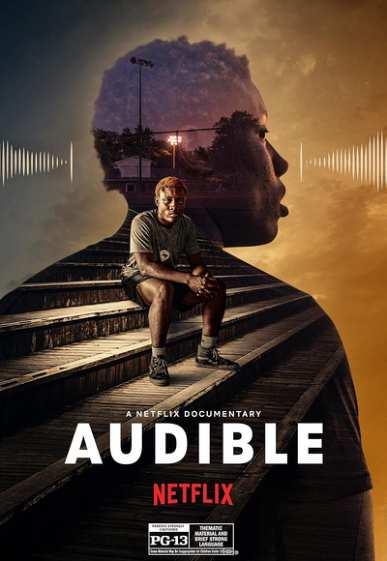
Audible, on Netflix, which was nominated for an Academy Award, follows a group of Deaf football players who also attend Maryland School for the Deaf. Most of the film is in American Sign Language and allows the audience to be immersed in the Deaf community. That being said, the journey was not easy for many of the interviewees, battling with mental health and pressures from society. Ogens explained, “I made this film for and with the Deaf community, but I also made it so that the hearing community can understand the Deaf community. We track theupsanddownsofthesefootballplayers
through the main character, Amaree.” Audible is a centerpiece of human grit, willpower, and the courage to not give up. Combined with the surreal cinematography and intimate directing, the film offers a unique experience for boththehearingandDeafcommunity.
One of Ogens’s most recognizable works, Madu, on Disney+, follows Anthony Madu, a twelve-year-old ballet dancer who leaves his family and community in Nigeria to study at a prestigious ballet school in England for the first time. Ogens says, “It’s a coming of age story. We are just trying to belong and trying to pursue impossible dreams. It’s ultimately a journey of self acceptance.” One scene in the film, Anthony Madu expressed he was having a hard time seeing with his left eye in class. He was sent to the doctor’s office andwastoldthathewaspartiallyblind,
and it might affect his ability to dance going forward. Madu became frustrated with the obstacles in his path, but learned to eventually overcome them. Ogens watched these events happen in real time. Ogens said, “With documentaries, things won’t always go according to plan. It’s about discovery.”
Ogens and his team earned an Emmy Award for their incredible documentary. It was truly a full circle moment. He said, “It was special to share it with my co-director and producers. We shot the film on two continents and it took years in the process.”
Given the changing landscape of society, technology, and politics, making films about underrepresented communities is needed more than ever. Ogens directed Home + Away, a story following a group of teens who live in El Paso, Texas and Juarez, Mexico where they attend the closest high school in America to the Mexican border. Many families and children cross the border to El Paso, in search of opportunity and sanctuary. Ogens emphasized, “It’s not about me observing characters. I’m just a liaison or conduit for them to tell their stories. I take a more immersive approach. I want to elevate them and their community.”
If Ogens didn’t seem multi-faceted enough, he quickly expanded his body of work beyond traditional filmmaking. He created an interactive art exhibition using augmented reality called the L.A. Louvre, where he invited middle school students to view projections of art that are currently on display in the Louvre Museum in Paris, France.
Ogens is also a dedicated advocate for giving back to the community and uplifting young artists. He serves on the board for non-profit organization Venice Arts. “Venice Arts teaches young creatives in media, animation, photography, etc. We just had our fundraising gala where we gave awards to young filmmakers. I volunteer there and have served on the board for ten years. I didn’t have a lot of mentors coming up, so I want to be of service and help them grow. Trust me, I’m learning from them, too.”
For Matt Ogens, the future is bright. His new documentary film, The Quiet After, is a love story set in warzones. The themes highlighted in the film align with his previous work but also paint a different picture. He also has a few other narrative films and documentaries in development.
Finally, I asked if there was anyone he would like to thank for supporting him throughout his career. He mentioned all the crew members of his films and his key collaborators, those that gave him opportunities to bring them to life, and his family. He said, “I want to talk about why we made these films and who we made them for. They allow us into their hearts, minds, and stories.”
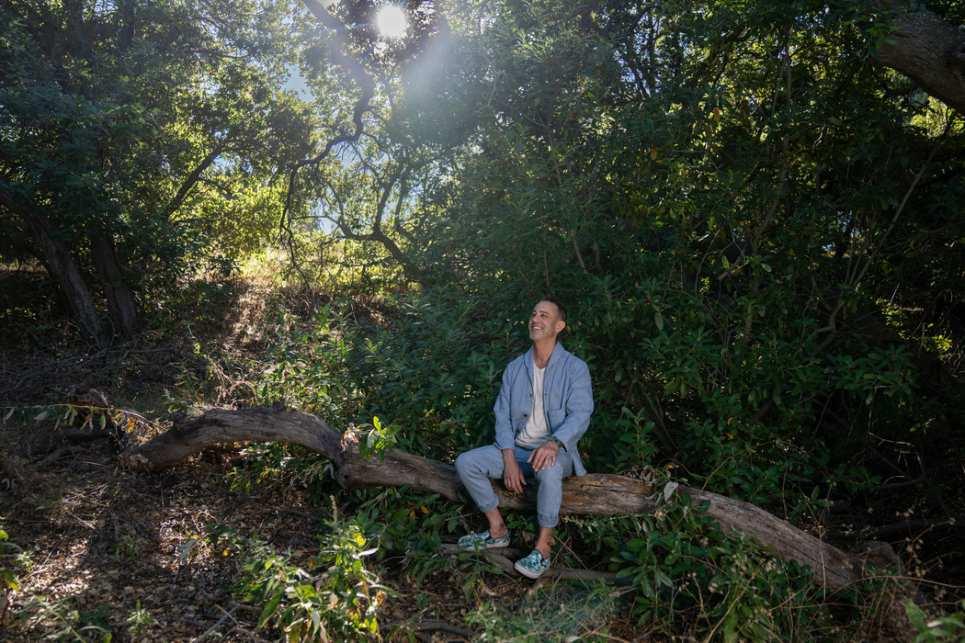
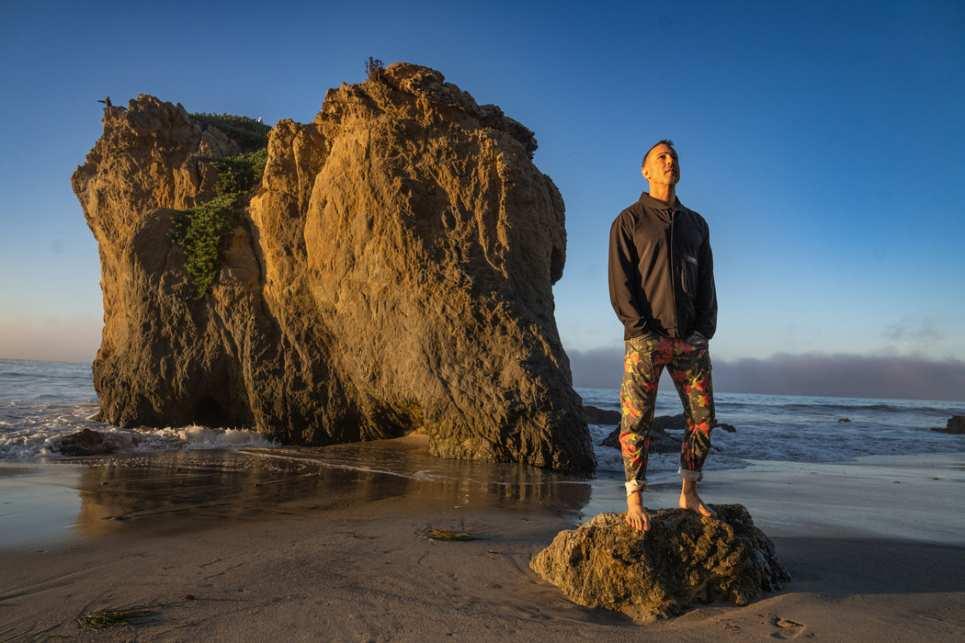
KEVIN LAU
WRITER AND PRODUCER ON DUNE: PROPHECY, HOUSE OF THE DRAGON, LOVECRAFT COUNTRY, & MORE ON GENRE-BENDING WORLD-BUILDING
story by: Milla Nguyen
photography by: Jeren Kent
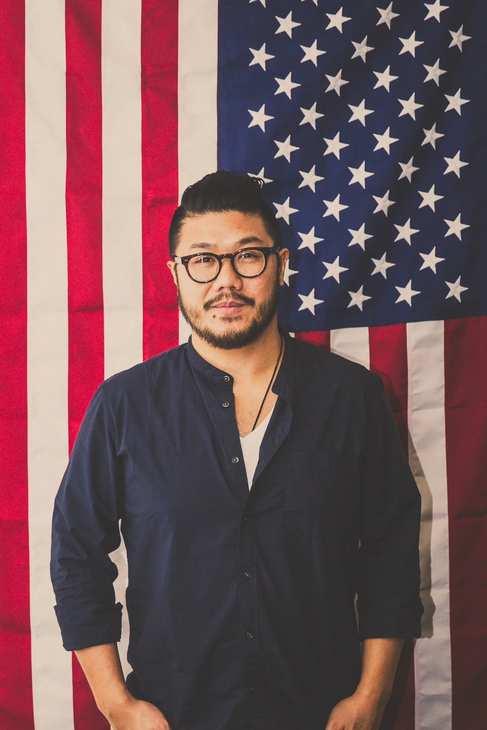
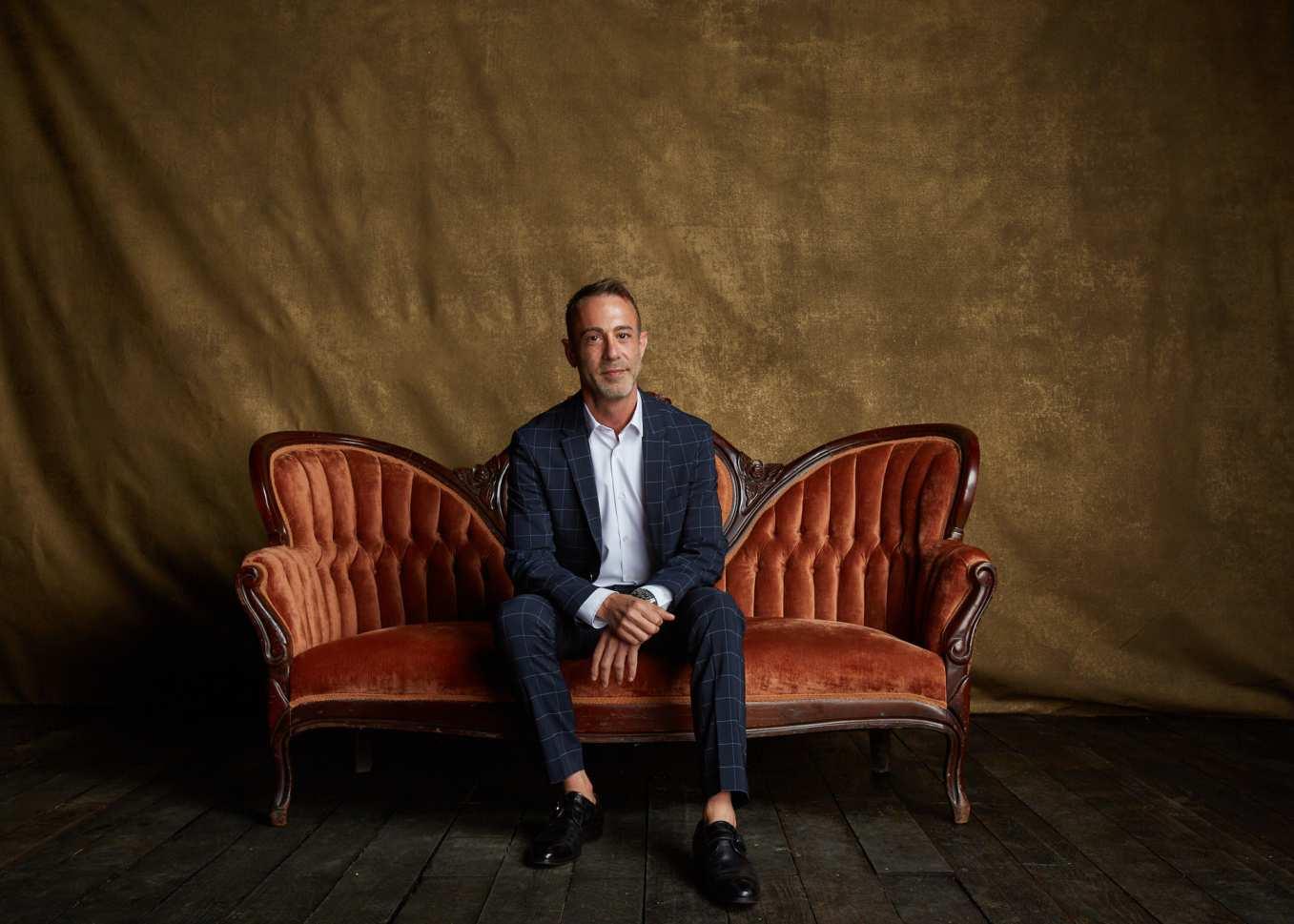
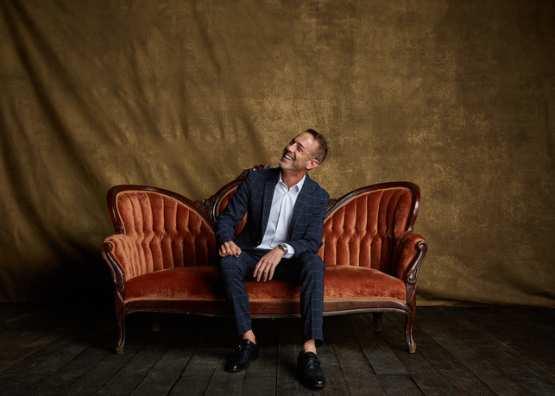
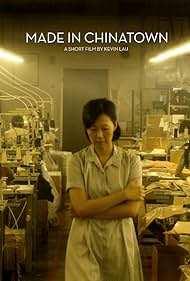
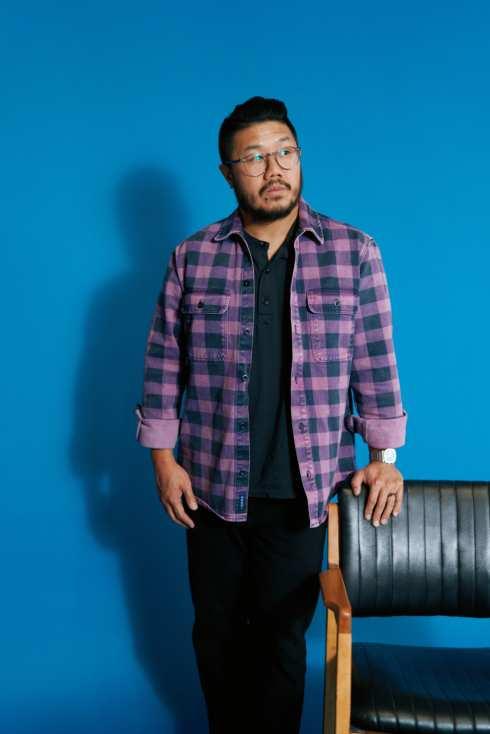
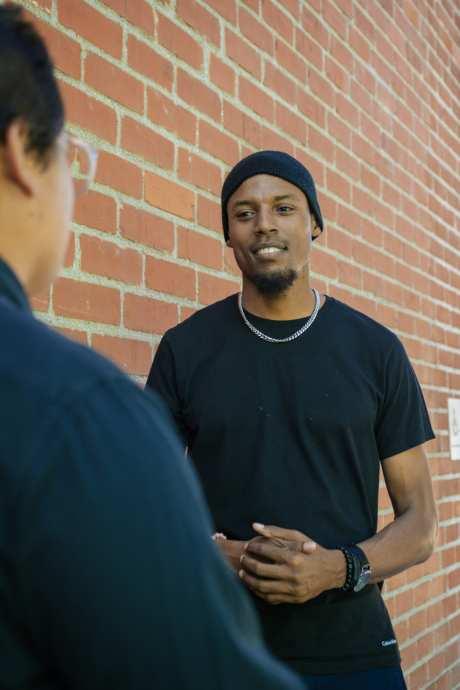
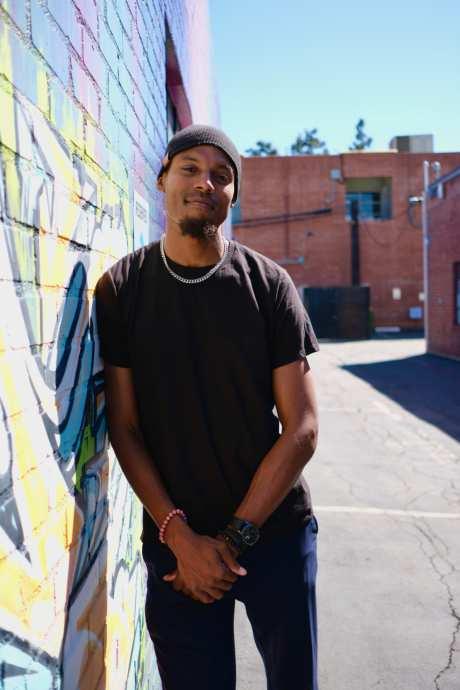
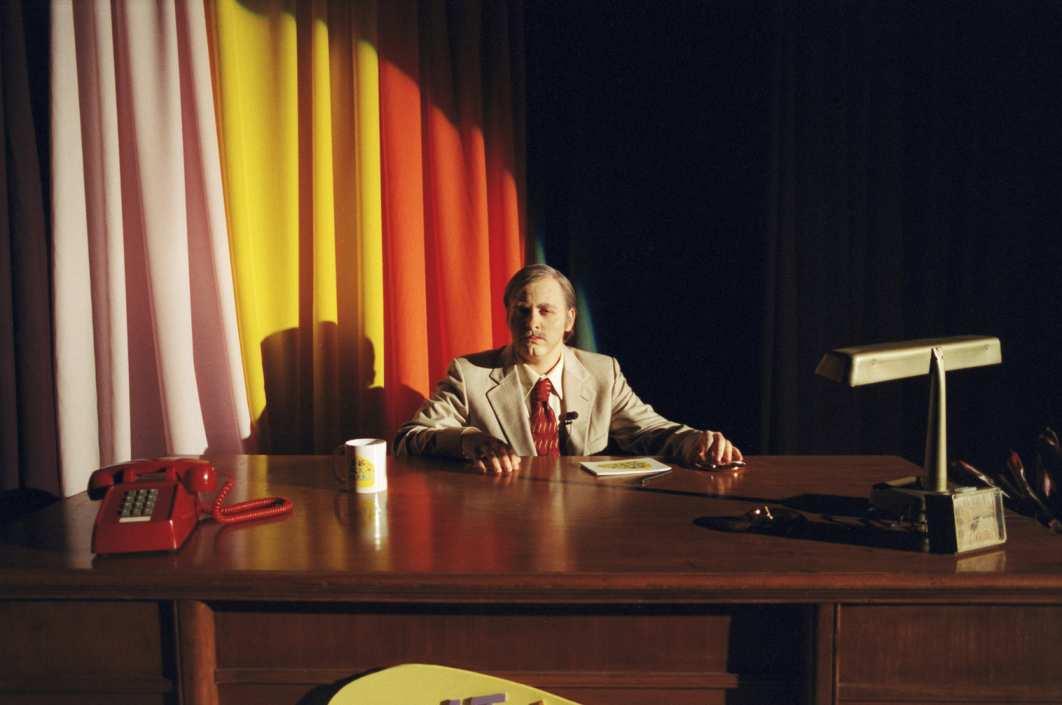
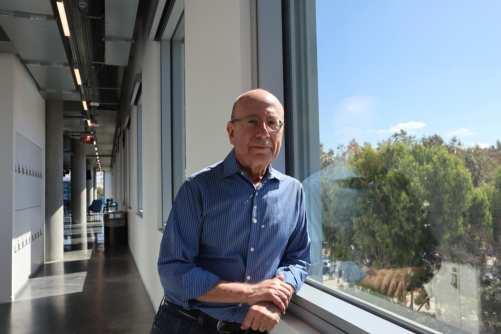
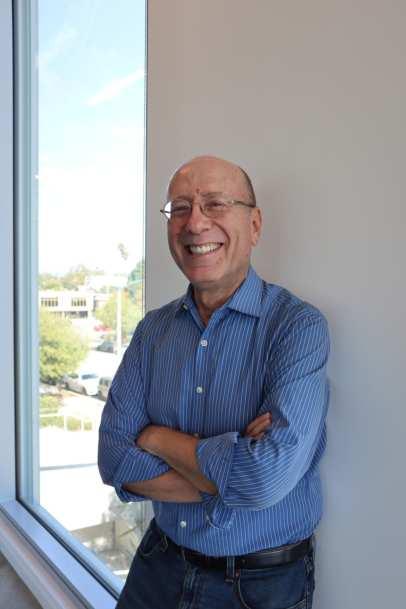
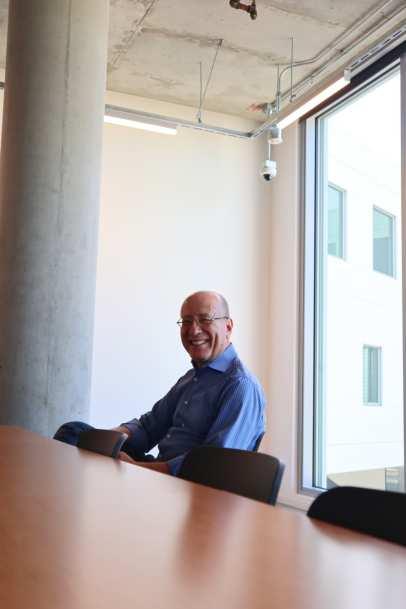
Kevin Lau’s Biography: Kevin Lau is a writer and director with a WGA Award nomination, currently serving as an Executive Producer on the HBO series Dune: Prophecy . He has several projects in development including an adult animated series at Netflix. He’s been on an overall deal at HBO, writing and producing on the Game of Thrones spinoff House of the Dragon and Westworld , and has also been staffed on the HBO series The Nevers , Lovecraft Country, and USA's Damnation . As an HBO Directing Fellow, Lau directed the comedy pilot presentation F**KED UP and sold a half-hour dramedy titled, Disconnect to FX. A Columbia University MFA graduate, Kevin’s stylish thesis drama film Made in Chinatown was a recipient of the Panavision New Filmmaker Grant, SimonSays Entertainment Award for Innovative Filmmaking, and has won multiple awards on the festival circuit, including Best Film, Best Writing, and Best Actor at the NBCUniversal Shortcuts Competition.
Kevin Lau’s Kevin Lau is a writer and director with a WGA Award nomination, projects He’s been on deal Westworld, and has also been staffed on the HBO series , USA's F**KED
Kevin’s Panavision Filmmaking, Writing, Author’s conversation, Lau spoke of “full-circle” moments as he reflected on his creative journey from start to finish. He articulated his anecdotes in relation to every chapter of his career. this, I could see how mentally fortified he was as a filmmaker. Lau brings lots of experience to the table, given his extensive portfolio in producing and writing on large-scale, big-budget projects. Global hit series such as require intricate narrative planning and genre-bending world-building that must make sense to audiences. emphasized the importance of tapping into his creative vision and learning to trust himself with these complex stories. The more he writes, the more he can see his imaginative worlds come life on the page and on the screen.
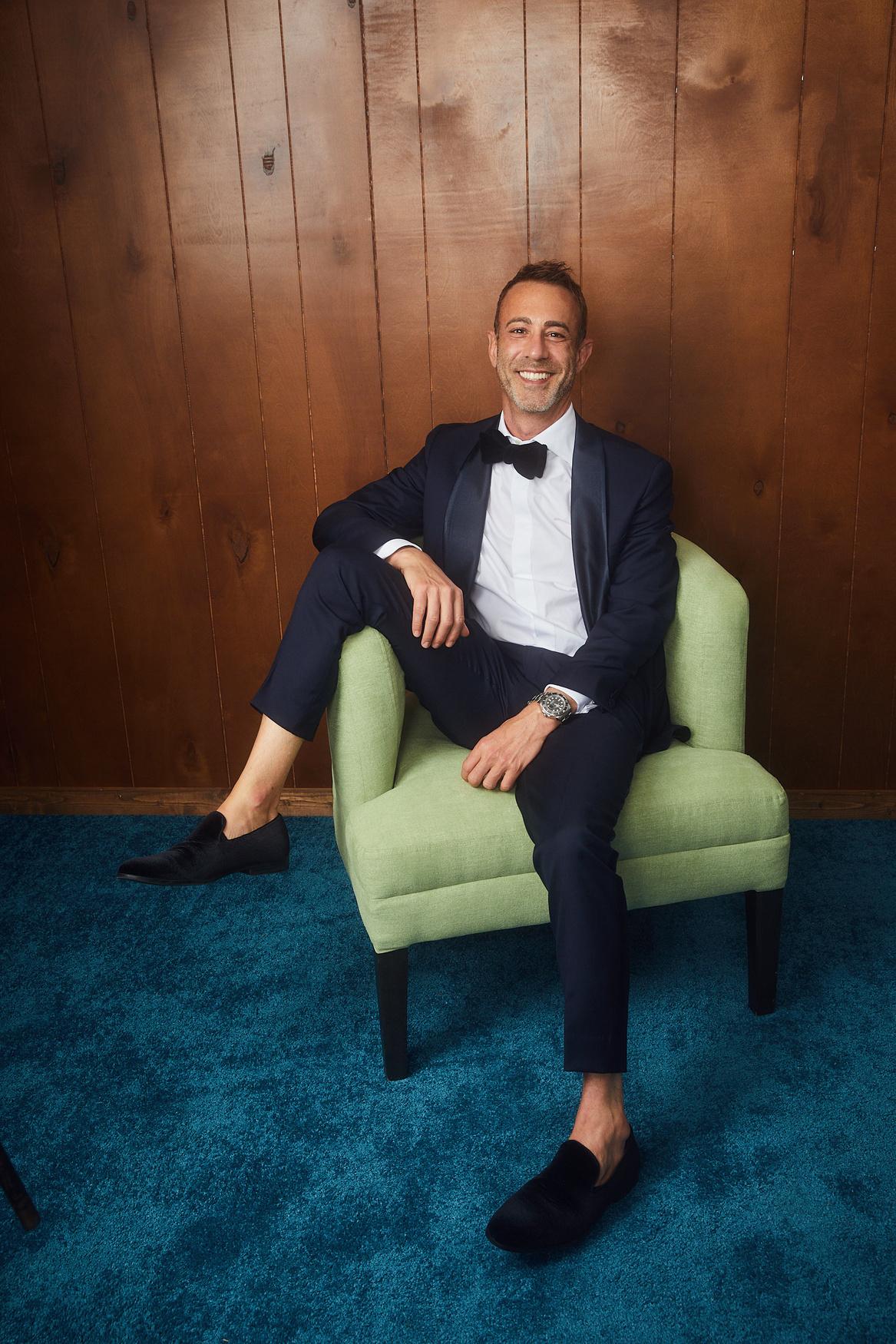
Author’s Note: Kevin Lau is a multifaceted writer, director, and producer to watch. During our conversation, Lau spoke of “full-circle ” moments as he reflected on his creative journey from start to finish. He articulated his anecdotes in relation to every chapter of his career. Because of this, I could see how mentally fortified he was as a filmmaker. Lau brings lots of experience to the table, given his extensive portfolio in producing and writing on large-scale, big-budget projects. Global hit series such as House of the Dragon and Dune: Prophecy require intricate narrative planning and genre-bending world-building that must make sense to audiences. Lau emphasized the importance of tapping into his creative vision and learning to trust himself with these complex stories. The more he writes, the more he can see his imaginative worlds come to life on the page and on the screen.
Kevin Lau’s Beginnings
Kevin Lau’s
Lau’s childhood began in Los Angeles, California. In the early 1970s, his parents immigrated from Hong Kong in search of a better life and better opportunities. They opened a takeout restaurant, where Lau spent a lot of his time.
Lau’s childhood began in Los Angeles, California. In the early 1970s, his parents immigrated from Hong Kong in search of a better life and better opportunities. They opened a takeout restaurant, where Lau spent a lot of his time.
Choosing a Life of Stability or Passion?
Kevin Lau attended UCLA for his undergraduate studies. Being dual-culture (ChineseAmerican), he felt pressure to choose a major that would set him up for stability in the future. His family thought that a career in the arts would be challenging to achieve. Lau expressed, “My identity was very intertwined with my family back then. Thinking about a career in the arts was a hurdle for me in general. I didn’t want to rock the boat too much. So, I chose communications. Because film and media studies were under the umbrella of communications, I was still able to take those classes. I would say my major brought me knowledge that I still use in filmmaking today.”
The Ambitions of an Emerging Filmmaker
After graduating from college, he mustered the courage to overcome his previous doubts by fully committing himself to film school at Columbia University in pursuit of his MFA. He explained, “I went to Columbia to be a director and get better at screenwriting. Being in New York City, I
Kevin Lau attended UCLA for his undergraduate studies. Being dual-culture (ChineseAmerican), he felt pressure to choose a major that would set him up for stability in the future. His family thought that a career in the arts would be challenging to achieve. Lau expressed, “My identity was very intertwined with my family back then. Thinking about a career in the arts was a hurdle for me in general. I didn’t want to rock the boat too much. So, I chose communications. Because film and media studies were under the umbrella of communications, I was still able to today.” by fully “I
experienced hustle culture and met very hard-working people, which is what I needed at the time. I didn’t want to let my dreams pass me by. The infectious ambitions of my community motivated me.”
time. I didn’t me.”
Made in Chinatown
Made in Chinatown
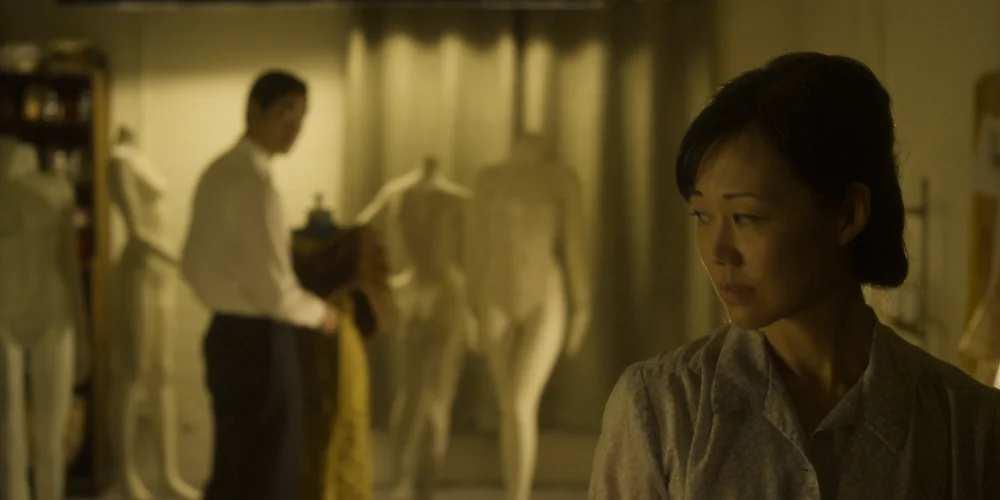
His thesis film, Made in Chinatown , is a deep character study set in an old garment factory. We follow a factory seamstress who is having an affair with the factory owner's son and must decide whether or not to tell him of her pregnancy. In under twenty minutes, the audience is taken through three different characters and their perspectives. Thematically, the short film is a battle of Eastern and Western cultures and values, pointing to a larger zeitgeist about how Asian people survive in the United States. Lau elaborated, “One day, I was digging around in my parents’ photo box and found old photographs of my dad in a suit, looking very Wong Kar Wai-like. He didn’t talk much about that time in his life; he gave up everything he knew to come to the States. It got me thinking about the word sacrifice.”
His Return to Los Angeles
At this point, Lau truly made a full circle around the film industry. From being born in Los Angeles to living in New York City during his 20s, he felt more confident returning to Los Angeles, where he worked his way up in various writers’ rooms.
HBO’s
“One day, I was digging around in my parents’ photo box and found old photographs of my dad in a suit, looking very Wong Kar Wai-like. He didn’t talk much gave up everything he knew to come to the States. It got me thinking about the word sacrifice.”
herself by losing her virginity on the first day of college.
“After making this pilot, I brought more comedic elements to my scene work. Real life isn’t just drama or just comedy; it’s a blend of both. It’s a balance. The experience was invaluable.”
Before his big break, he was selected as a fellow for HBO’s Directing program. HBO lent financial support to all the selected filmmakers to shoot an original pilot concept. Even though Lau was in tune with his character-driven dramas, he was given the opportunity to direct a comedy script. He created the blueprint for directing F**KED UP , a project about a young woman who tries to prove herself by losing her virginity on the first day of college. He said, “After making this pilot, I brought more comedic elements to my scene work. Real life isn’t just drama or just comedy; it’s a blend of both. It’s a balance. The experience was invaluable.” writers’ rooms.
House of the Dragon: Dragons, Dungeons, and Dire Wars
House of the Dragon: Dragons, Dungeons, and Dire Wars
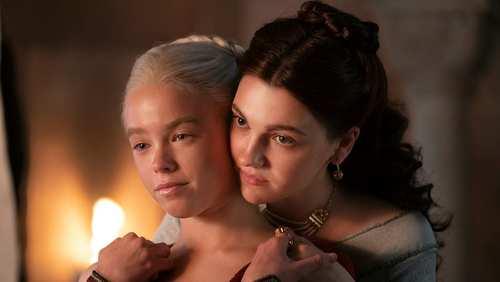
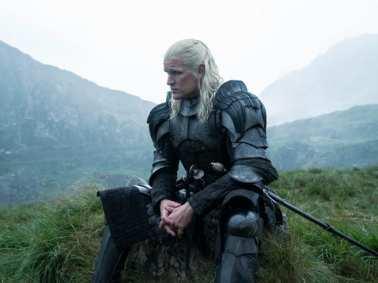
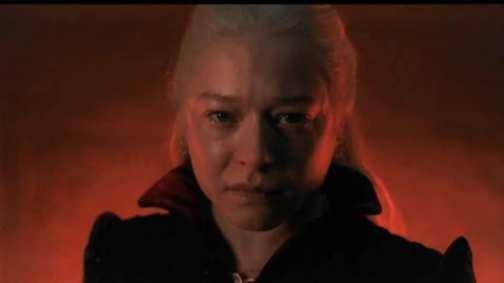
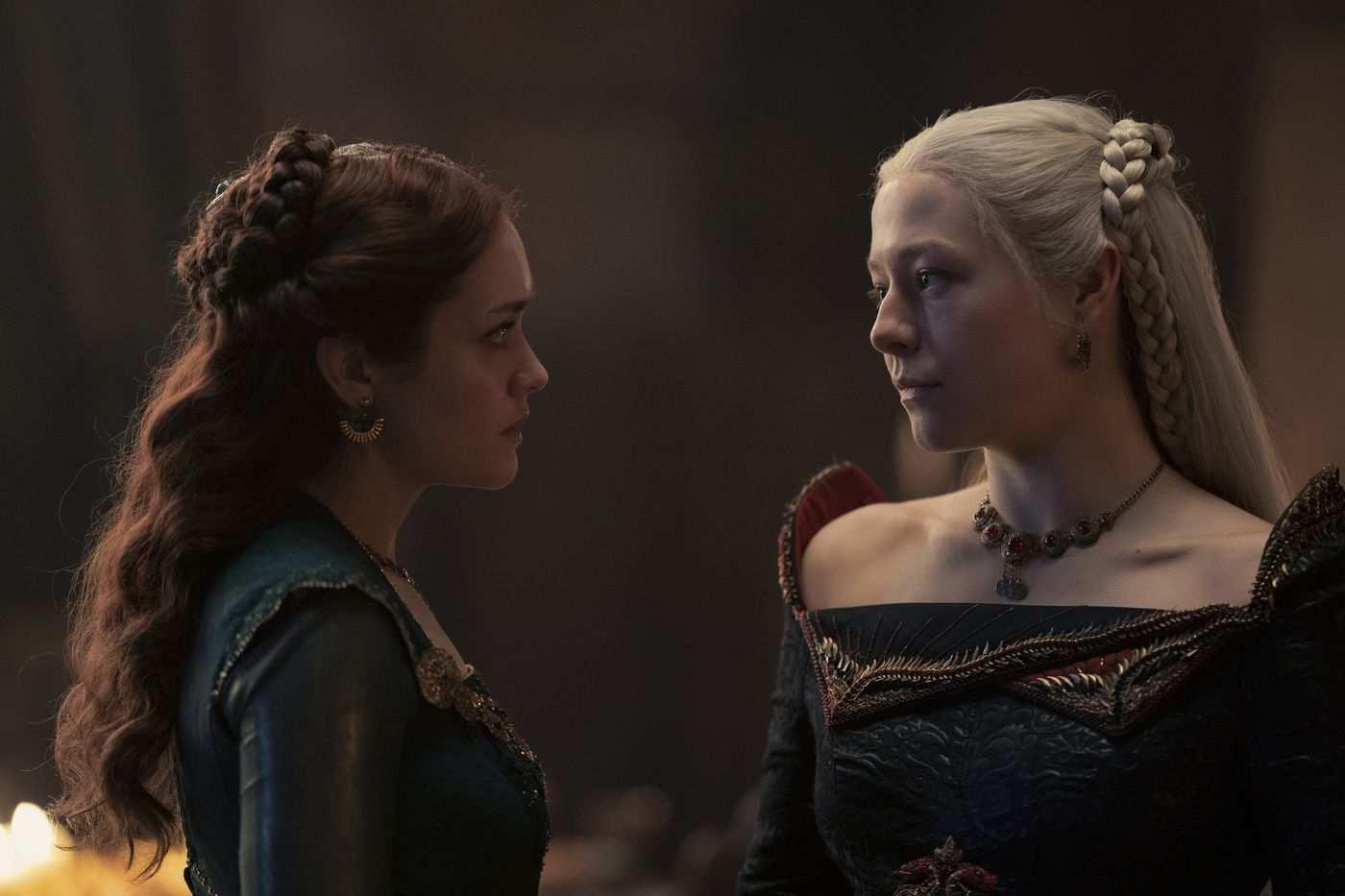
Kevin Lau is a writer and producer on HBO’s acclaimed series, House of The Dragon , a spin-off of Game of Thrones. Lau expressed that House of the Dragon makes major callbacks to the original franchise but is also different in its own right. The world-building is complex, so the showrunners decided to focus on one family: The Targaryens. I asked if there were any scenes of episodes that really stuck with him. He said, “Daemon was always an interesting character. The audience kept guessing if he would take the crown from himself. When Viserys dropped his crown in episode eight, Daemon picked it up and placed it on Viserys’s head. That scene showed his pure intentions; he loved his brother.” House of the Dragon follows the events of the Dance of the Dragons, a tense war between the Targaryen house and their enemies. Lau wrote episode 7 in season 1, and spoke about the scene when Aemond tamed Vhagar, the largest dragon in the realm. Lau said, “I love that whole section. I think Aemond is my favorite character in the whole show. I pitched that I wanted to be the one to write this episode.”
Kevin Lau is a writer and producer on HBO’s House of The Dragon, a spin-off of Game of Thrones. Lau expressed that House of the Dragon makes major callbacks to the original franchise but is also different in its own right. The world-building is complex, showrunners decided to focus on one family: The Targaryens. I asked if there were any scenes of episodes that really stuck with him. He said, “Daemon was always an interesting character. The audience kept guessing if he would take the crown from himself. When Viserys dropped his crown in episode eight, Daemon picked it up and placed it on Viserys’s head. That scene showed his pure intentions; he loved his brother.” House of the Dragon follows the events of the Dance of the Dragons, a tense war between the Targaryen house and their enemies. Lau wrote episode 7 in season 1, and spoke about the scene when Aemond tamed Vhagar, the largest dragon in the “I love that whole section. I think Aemond is my favorite character in the whole show. I pitched that I wanted to be the one to write this episode.”
Westworld: A Familiar Parallel
Westworld: A Familiar Parallel
When he was staffed on Westworld , he found it incredibly thrilling and fun to work on. Season 4 took place during the pandemic, but that didn’t stop him from immersing himself in the world. He explained, “I love science fiction. I actually considered going into astrophysics originally. But, I thought if I were an astrophysicist, I wouldn’t be able to bring my love for the cinema.
When he was staffed on Westworld, he found it incredibly thrilling and fun to work on. Season 4 took place during the pandemic, but that didn’t stop him from immersing himself in the world. He explained, “I love science fiction. I actually considered going into astrophysics originally. But, I thought if I were an astrophysicist, I wouldn’t be able to bring my love for the cinema.
As a filmmaker, I could bring those interests to the show. I think it’s interesting to think about what society will look like in x amount of years. Culturally, what does it mean? Especially with the growth of AI right now.”
As a filmmaker, I could bring those interests to the show. I think it’s interesting to think about what society will look like in x amount of years. Culturally, what does it mean? Especially with the growth of AI right now.”
Dune: Prophecy: World-Building 101
Dune: Prophecy: World-Building 101
Lau’s writing stints on major big-budget shows don’t end there. He was asked to come on board for Dune: Prophecy . The series blends elements of intense intergalactic world-building, political intrigue, and interpersonal relationships. Lau and I discussed the characters’ wants and needs within the bounds of the story. “Big ensemble shows set in horror, fantasy, or sci-fi genres should start with why we want to tell the story. It’s like, how does this world reflect ours today? Second, what characters maximize the most potential in the story? We’re casting the gaze inward and outward, looking at the events through their eyes.” Despite Dune: Prophecy’ s extensive ensemble cast, each character has a clear goal and emotional story. For example, the protagonist, Valya Harkonnen, seeks power and desires to control the great houses. However, her emotional need is to heal from her grief and lean on those around her.
Lau’s writing stints on major big-budget shows don’t end there. He was asked to come on board for Dune: Prophecy. The series blends elements of intense intergalactic world-building, political intrigue, and interpersonal relationships. Lau and I discussed the characters’ wants and needs within the bounds of the story. “Big ensemble shows set in horror, fantasy, or sci-fi genres should start with why we want to tell the story. It’s like, how does this world reflect ours today? Second, what characters maximize the most potential in the story? We’re casting the gaze inward and outward, looking at the events through their eyes.” Despite Dune: Prophecy’s extensive ensemble cast, each character has a clear goal and emotional story. For example, the protagonist, Valya Harkonnen, seeks power and desires to control the great houses. her emotional need is to heal from her grief and lean on those around her.
Lovecraft Country: Television & Social Justice
Lovecraft Country: Television & Social Justice
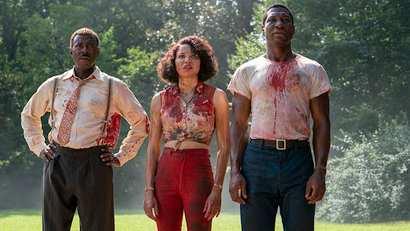
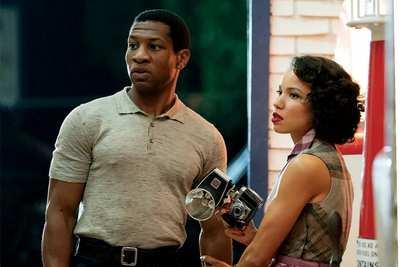
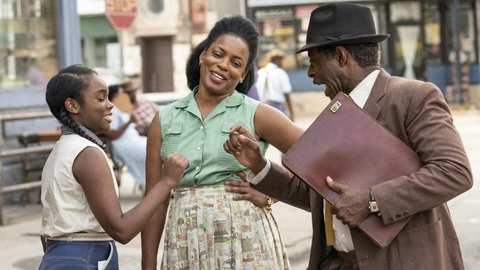
Lovecraft Country , a series produced by Jordan Peele’s Monkeypaw Productions, Bad Robot, and Warner Bros. Television, is a stark example of a show that combines racially diverse characters, horror set pieces, and societal themes.
Lovecraft Country, a series produced by Jordan Peele’s Monkeypaw Productions, Bad Robot, and Warner Bros. Television, is a stark example of a show that combines racially diverse characters, horror set pieces, and societal themes.
“Horror it’s
Lau spoke of his time staff writing on it, “Horror becomes a metaphor. An allegory for the horrors we see in our own culture. Creatively, it’s probably one of the most fulfilling shows I've worked on. There are ways to talk about relevant issues without being so on the nose. There’s an elegance to it. My episode was set in the Korean War, and it was a way to highlight the Koreans’ perspective on American involvement in the war.”
war.”
on the There’s an Koreans’
Fellowships & Community at CAPE
within a writers’
“The CAPE and biases. Everyone who was in the program and ran the program was Asian. Therefore, about the cultural nuances in Asian households and the pressures of being an immigrant.” Lau said, “It made me realize it’s okay to rock the boat sometimes. I wanted to feel more comfortable asserting myself especially after identifying the way we, as Asian Americans, were raised.”
Additionally, Lau was selected for the CAPE New Writers Fellowship and the Sony Directing Workshop. He expressed that both programs have helped him become better at communicating within a writers’ room and taught him to lean into his craft. He described, “The CAPE fellowship was the first time I felt allowed to speak about being Asian in this industry. In a professional setting, we are able to trade stories and honestly discuss Asian stereotypes and biases. Everyone who was in the program and ran the program was Asian. Therefore, they knew about the cultural nuances in Asian households and the pressures of being an immigrant.” Lau said, “It made me realize it’s okay to rock the boat sometimes. I wanted to feel more comfortable asserting myself especially after identifying the way we, as Asian Americans, were raised.”
Kevin Lau’s Advice on the Industry
Kevin Lau’s
I also asked if there was any advice he could give to emerging filmmakers who are looking to get their foot in the door. His words rang with truth and provided comfort for those who are concerned about their position in the industry. He urged, “Your time in school is not the end-all, be-all. The industry at large is so much bigger. Your class might feel insular and intimate, but remind yourself that the program is a small pond in a much larger ocean. It’s not about the school’s name. It’s about you, your work ethic, and your passion. And your network.”
I also asked if there was any advice he could give to emerging filmmakers who are looking to get their foot in the door. His words rang with truth and provided comfort for those who are concerned about their position in the industry. He urged, “Your time in school is not the end-all, be-all. The industry at large is so much bigger. Your class might feel insular and intimate, but remind yourself that the program is a small pond in a much larger ocean. It’s not about the school’s name. It’s about you, your work ethic, and your passion. And your network.”
His Slate for the Future
As for future plans, Lau is developing an animated series with Netflix. He is also working on a procedural in the mystery genre. Last but not least, he is passionate about creating an adaptation that is a social commentary.
As for future plans, Lau is developing an animated series with Netflix. He is also working on a procedural in the mystery genre. Last but not least, he is passionate about creating an adaptation that is a social commentary.
Acknowledgements & Thanks
Finally, I asked if there was anyone he would like to thank for supporting him in his career. He mentioned his wife. He said, “Day to day, I would not be able to do any of this without her in my life. Not just as support, but as a muse. I do these things for my wife and kids. Without a proper work-life balance, you might question the point. Filmmakers should make time for their relationships. Of course, my parents have supported me a lot. Coming to America was selfless; I understood that from a very young age. They did it so we could thrive.”
Finally, I asked if there was anyone he would like to thank for supporting him in his career. He mentioned his wife. He said, “Day to day, I would not be able to do any of this without her in my life. Not just as support, but as a muse. I do these things for my wife and kids. Without a proper work-life balance, you might question the point. Filmmakers should make time for their relationships. Of course, my parents have supported me a lot. Coming to America was selfless; I understood that from a very young age. They did it so we could thrive.”
KEVIN KEVIN LAU LAU
WORLD BUILDING WORLD BUILDING MASTER OF MASTER OF KEVIN KEVIN LAU LAU
PHOTOGRAPHY BY:
JEREN KENT
@YESULSTUDIOLA
The House of Ti Mikkel TheHouseofTiMikkel
Story by: Milla Nguyen Storyby:MillaNguyen
TI MIKKEL TI MIKKEL
HOUSE OF THE DR A GON & A KNIGHT OF THE SEVEN KINGDOMS HOUSE OF THE DRAGON & A KNIGHT OF THE SEVEN
KINGDOMS
WRITER ON WRITER ON author of The Archivist
Ti Mikkel’s Biography: Ti Mikkel is an acclaimed television writer making her debut as a novelist with“The Archivist”, the first in a genre-bending trilogy nearly a decade in the making. Raised in small-town Indiana by a family of golfers, she studied German in Colorado and Germany before undergoing spinal fusion surgery for advanced scoliosis—a turning point that set her on a new path. After college, she moved to Los Angeles, where a chance internship led to working as George R.R. Martin's writing assistant. She has since joined the writing teams of HBO's House of the Dragon and A Knight of the Seven Kingdoms. She now splits her time between the U.K. and Florida with her English husband and their Chihuahua, Brisket.
Author’s Note: Ti Mikkel is bringing complex time machines, fiery dragons, and riveting worlds to life – all from the tip of her pen. Mikkel is naturally expressive and imaginative, traits that certainly come in handy when developing all-consuming stories. A notable aspect of her career is that she is well-versed in both screenwriting and literary writing. It was truly an honor to interview a creative who is authentic and honest, unafraid to speak about the hardships of being a writer. While the road to pursuing passions is never easy, Mikkel advises readers to take“the hard road and the one less traveled by.”She emphasized,“You just might learn something new each time.”
Her Calling
Mikkel was born in a small town in Indiana.As she recalled the memories of her childhood neighborhood, she spoke of the endless cornfields and tall woods that stretched towards the horizon. Ever since a young age, she had always tapped into her imagination, often daydreaming about the worlds she created in her mind. She said, “I was constantly imagining different worlds and characters. I had one foot in the real world and one foot out a lot of the time. Even in school, which probably wasn't ideal.”
Her Hero’s Journey
She was accepted into the University of Colorado Boulder where she received a Bachelor of Arts in German. She subsequently studied abroad in Germany, where she fully immersed herself in European culture. To this day, her German degree has informed the stories she wants to create. She said, “I have always been captivated by WWI and WWII. I consume every book, documentary, movie and tv show on either topic. It's my plan, and it has been for a long time, that studying German and its history will eventually pave the way to a future project. A book or feature, maybe a pilot. I've even gone as far as to promise my husband, who is English and a Royal Air Force veteran, that I will one day pen a story about the world wars that have shaped us.”
A Fateful Encounter with George R.R. Martin
While some filmmakers claim to have discovered their passion for storytelling early on, Mikkel didn’t find hers until later in life.
One fateful day, her older brother recommended George R.R. Martin’s “A Song of Ice and Fire”, a novel series that served as the blueprint for HBO’s hit television adaptations, Game of Thrones and House of the Dragon. She explained,“When I read George's A Song of Ice and Fire series, I knew it was something I wanted to be a part of. At the time, I didn't know what "it" was, but I eventually moved out to LosAngeles. I had no plan, no money, and no connections. Looking back, it's a wonder I lasted more than five minutes. I think my super power was simply being too bull-headed to quit.”
House of the Dragon: Which team are you?
She finally arrived in LosAngeles, which is known as the beating heart of Hollywood, film, and entertainment. The stars aligned, and George R.R. Martin asked her to become his writing assistant, a position that’s not easy to come by. After working closely with him on his novels, she was brought on board for the writers’room of House of the Dragon.
I asked her if there were any scenes of episodes that lingered in her mind after the seasons ended. She mentioned season 1, episode 1, when Aemma Targaryen struggles to give birth to her son, Baelon, and ultimately dies in the process. She recalled the intense performances of the actors,“A scene that will forever haunt me is the tragic Aemma/Baelon birth scene. I was there the day it was filmed, and I can still hear the screams. Absolutely brutal.”Another pinnacle moment in the series is season 2, episode 8, when Daemon Targaryen bends the knee to Rhaenyra Targaryen, his wife and queen. Prior to that moment, the audience questioned if he would rather take the
crown for himself. Mikkel said,“Daemon bending the knee to Rhaenyra gave me chills. I can't talk about season three, but ask me this question again next year.” Well, we’re certainly in for a ride next season.
A Knight of the Seven Kingdoms: Venturing into New Realms
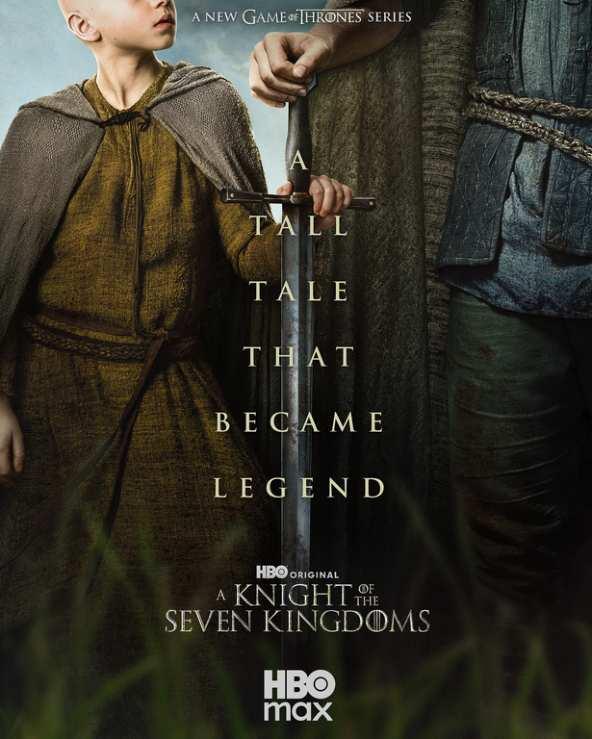
A Knight of the Seven Kingdoms, a new Game of Thrones spin-off, is set to premiere on January 18, 2026.While Mikkel can’t spoil all the surprises within the season, she reiterated her excitement for fans to watch the series,“I signed on because the series is based on the "Dunk and Egg" novellas, which I have been fangirling over for ages. And with Ira Parker at the helm, I was a "hell yes" from the beginning. In House of the Dragon you're in a palace. In this series, you're in a tent. It's a shift in focus. We're not with kings and queens, we're with the smallfolk, a hedge knight and his squire.”She added,“It's a show about passion and integrity and doing the right thing. You still get the fighting, of course, the intrigue...and now a sliver of whimsy.”
TheArchivist:Ti Mikkel’s World
Most recently, Mikkel released her genre-bending debut novel, in which science fiction, action, and romance collide. The story follows the protagonist, Cora Moreau, a twenty-two-year-old who has always lived a quiet life in Durango, Colorado. She's never had a boyfriend and has rarely ventured far from home. But after a life-altering surgery, she uncovers a shocking secret: her blood holds extraordinary, untapped power.A major aspect of Cora’s character is that she struggles with scoliosis in her day-to-day life. I asked Mikkel about her inspiration for this specific detail,“I was diagnosed with scoliosis around age 11, and it was a really bad case. Going through middle school, high school, and college is hard enough if you're normal, but you add in something that makes you "other," and every day is a fresh hell. So, Cora's struggle is deeply personal. It's a scary thing, leaving myself so emotionally exposed, but I don’t care who
or what your background is; all of us can unite in the way pain shapes us.”
The main focal point of the novel is Cora’s romance with Nick, a bodyguard hired by her father to protect her in a world that is unfamiliar to her. Needless to say, Nick is broody, handsomely attractive, and kind to Cora in all the right ways. However, readers can see that there’s much more to Nick than meets the eye. Mikkel said, “Buckle up. Book two will take you places and show you a side of Nick that might scare you. ”A teaser for what’s to come.
Talking about Tour
Fresh off wrapping up her multi-city book tour, Mikkel reflects on her experiences. To start, George R.R. Martin even made an appearance to support Mikkel during her book signings. She spoke candidly about the tour: from sleepless nights on planes to exhilarating days meeting fans to doing the hard things in between. She said,“Some people are born to go out on stage and be amazing. Personally, I found myself being nervous. Being honest about where I am, where I messed up, and where I want to go grounds me. When I do these Q&As now, I just expose the raw truth. This is hard, but I’m glad I’m out here doing it.”
Food for Thought for Emerging Writers
Writing is a layered art form, and it is a two-sided coin. On one side, a writer’s story can connect people emotionally and give them the courage to express themselves. From the reader's point of view, stories serve as a means to initiate discussions about vulnerable truths and foster community. That being said, many young writers struggle to put their pen to the page, afraid of the outcomes ahead. I asked Mikkel if she had any advice for emerging writers. She said,“I always begin with character, and I build from there. If I'm struggling or stuck, I go back to basics and pull out the writing prompts. I'll write a journal entry in the mind of a character. Let's call him Bob. I will describe Bob's day or share a memory about a time when he was most afraid. You'll be surprised what rises to the top, what breaks through, if you simply enrich a character's backstory.”
In Her Down Time
In her free time, when she’s not working, she enjoys doing Peloton and long walks outside. She loves playing and snuggling with her dog. When she’s in the States, she takes her husband to Disney and Universal theme parks. She quipped,“I love full immersion and corndogs.”
Future Plans In Store
Regarding future plans, Ti has a lot in store. She will continue to develop House of the Dragon and A Knight of Seven Kingdoms, as well as other television projects in the works. As mentioned above, she has a head start on the future books of the “Archivist” trilogy. She also mentioned that, storywise, she would like to venture into space. Epic, grounded sciencefiction or maybe a western.
Acknowledgements & Thanks
Looking back on her career, she thanks her parents, her husband, her cousins, and her friends for supporting her.
She added, “George R.R. Martin, the master of the page, and showrunners Ryan Condal and Ira Parker. I am constantly in awe of what they do. Being around them makes me better.”
JORDAN JORDAN
STORYBY:JACOBCHANDLER
MITCHELL MITCHELL
JORDAN
JORDAN MITCHELL- WRITER ON iCARLY REBOOT AND RAVEN’S HOME: THE WRITER’S JOURNEY OF CREATIVITY, HUSTLE, AND LEVERAGE
MITCHELL- WRITER ON iCARLY REBOOT AND RAVEN’S HOME: THE WRITER’S JOURNEY OF CREATIVITY, HUSTLE, AND LEVERAGE
story by: Jacob Chandler story by: Jacob Chandler
Jordan Mitchell’s Biography: Jordan Mitchell is a Los Angeles–based television and film writer with credits on the Emmy-nominated Raven’s Home (Disney Channel) and the iCarly reboot (Paramount+). A graduate of Loyola Marymount University’s MFA Screenwriting program, Jordan has developed original projects for talent including Cedric the Entertainer and Gabrielle Union. His work spans comedy, drama, and family entertainment,oftenblendingheartfelt
storytelling with sharp social insight. In addition to his industry work, Jordan mentors emerging writers through his sitcom writing program, guiding new voices from concept to completed pilot.
Author’s Note: I was given the incredible opportunity to interview Jordan Mitchell, a distinguished LMU alum, storyteller, and versatile creative. Mitchell’s talents extend far beyond writing; with a resourceful slew of
of c r ea tiv e skills a n d e xp e ri e n ce s un de r his be lt , M it c h e ll h a s m ade un de ni ab ly
imp ac tful stri de s in th e e nt e rt a inm e nt in d ustry … a n d h e ’s just g e tting st a rt ed .
Starting in third grade and continuing heavily through fourth and fifth grade, he and his best friend, Tanner Brown, would dedicate themselves to drawing comic strips like "Fat Man and Jelly Donut," creating lengthy story arcs on notebook paper. Mitchell recalls that even while playing sports and often being the tallest kid in his class, his mindset remained fixed on movies, cartoons, comics, and franchises like Star Wars, rather than what was considered "hip" by his peers, like discussing star basketball players. It wasn't until later, possibly in high school,thatherecognizeddrawingwas merely the medium he chose; his true aspirationwastobeawriter.
W h e n a sk ed to intro d u ce hims e lf ,
M it c h e ll off e r ed a multif ace t ed r e spons e : h e is fun da m e nt a lly a ded i ca t ed storyt e ll e r , a c om ed i a n , a n ac tor , a n ed u ca tor , a form e r a thl e t e , a n d a C hristi a n for whom f a ith is p a r a mount .
of creative skills and experiences under his belt, Mitchell has made undeniably impactful strides in the entertainment industry… and he’s getting started. When asked to introduce himself, Mitchell offered a multifaceted response: he is fundamentally a dedicated storyteller, a comedian, an actor, an educator, a former athlete, and a Christian for whom faith is paramount.
His deepest personal role model remainshisfather,HavenMitchell,who is also a writer. Mitchell’s father instilled biblical values, discipline, and responsibilityintohislife.
G rowing up in Ha wthorn e a n d
a tt e n d ing s c hool in Red on d o a n d
Ga r de n a , M it c h e ll knows his w a y a roun d L os A ng e l e s . He c omp a r e s his c or e be ing to th e M yth of S isyphus , " a p e rson who is trying e v e ry da y to w a k e up a n d push th a t prov e r b i a l ro c k up th e hill . " U ltim a t e ly , h e hop e s to be a p e rson “ who ca n inspir e oth e rs , who ca n e nt e rt a in oth e rs , who ca n uplift oth e rs a s w e ll . T h a t ’s wh a t I r ea lly hop e to be . ”
Growing up in Hawthorne and attending school in Redondo and Gardena, Mitchell knows his way around Los Angeles. He compares his core being to the Myth of Sisyphus, "a person who is trying everyday to wake upandpushthatproverbialrockupthe hill." Ultimately, he hopes to be a person “who can inspire others, who can entertain others, who can uplift others as well. That’s what I really hope tobe.”
M it c h e ll ’s foun da tion a l c onn ec tion to storyt e lling be g a n ea rly , root ed in his c hil d hoo d a s a r e l a tiv e ly qui e t ki d who lov ed to d r a w .
Mitchell’s foundational connection to storytelling began early, rooted in his childhood as a relatively quiet kid who lovedtodraw.
He a lso w a s instrum e nt a l in intro d u c ing M it c h e ll to c riti ca l c in e m a ti c a n d c om ed i c works , in c lu d ing T h e S impsons , Se inf e l d , a n d c riti ca lly acc l a im ed movi e s lik e T h e A p a rtm e nt a n d S i de w a ys . M it c h e ll a n d his f a th e r
writ e tog e th e r fr e qu e ntly , a r e l a tionship th a t , lik e a ny d yn a mi c , involv e s o cca sion a l d is a gr ee m e nts b ut is root ed in mutu a l r e sp ec t a n d support .
He also was instrumental in introducing Mitchell to critical cinematic and comedic works, including The Simpsons, Seinfeld, and critically acclaimed movies like The Apartment and Sideways. Mitchell and his father write together frequently, a relationship that, like any dynamic, involves occasional disagreements but is rooted in mutual respect and support.
M it c h e ll ’s ea rly lif e a s a n a thl e t e , sp ec ifi ca lly pl a ying
high s c hool a n d c oll e g e ba sk e t ba ll , w a s c riti ca l in sh a ping his prof e ssion a l e n d ur a n ce . I n 2010 , h e won th e CIF ( Ca liforni a I nt e rs c hol a sti c Fede r a tion ) a n d
S t a t e c h a mpionship a s a pl a y e r for S i e rr a H igh Sc hool ’s t ea m . T his ea rn ed him a s c hol a rship to a tt e n d Ca l
S t a t e N orthri d g e , wh e r e h e join ed th e B ig We st a llacade mi c t ea m . He ea rn ed a Bac h e lor of F in e A rts in F ilm / C in e m a / V i de o S tu d i e s from Ca liforni a S t a t e U niv e rsity , L os A ng e l e s , be tw ee n 2013 a n d 2015 .
M it c h e ll c r ed its ba sk e t ba ll with provi d ing inv a lu ab l e d is c iplin e a n d c on d itioning . T h e h a r d ships of w a king up ea rly to run , lift w e ights , a tt e n d e v e ry c l a ss a s r e quir ed of a stu de nt a thl e t e , a n d stu d y whil e physi ca lly e xh a ust ed c onstitut ed a " tri a l b y fir e " . He be li e v e s to this da y th a t th e r e w a s nothing physi ca lly h a r de r th a n h a ving to gu a r d a s e v e n - foot e r in a b ig g a m e a ft e r tr a v e ling for hours . T his c on d itioning m ade th e d iffi c ulti e s of prof e ssion a l lif e , su c h a s working jo b s h e might not pr e f e r , s ee m l e ss da unting . T h e e xp e ri e n ce a lso instill ed a c ru c i a l philosophi ca l l e sson for M it c h e ll : th a t , oft e n in sports ( a n d in e nt e rt a inm e nt ), on e ca n work d ilig e ntly a n d e xec ut e th e ir p a rt p e rf ec tly , b ut th e t ea m m a y still los e ; th e y must r e turn th e n e xt da y a n d c ontinu e to work h a r d . “ You n eed to h a v e th e b r a v e ry a n d th e c our a g e to d o your p a rt , e v e n though it ’s not gu a r a nt eed you ’r e going to g e t th e out c om e th a t you w a nt . ”
Mitchell’s early life as an athlete, specifically playing high school and college basketball, was critical in shaping his professional endurance. In 2010, he won the CIF (California Interscholastic Federation) and State championship as a player for Sierra High School’s team. This earned him a scholarship to attend Cal State Northridge, where he joined the Big West allacademic team. earned a Bachelor Fine Arts Film/Cinema/Video Studies from California State University, Los Angeles, between 2013 and 2015. Mitchell credits basketball with providing invaluable discipline and conditioning. The hardships of waking up early to run, lift weights, attend every class as required of a student athlete, and study while physically exhausted constituted a "trial by fire". believes to this day that there was nothing physically harder than having to guard a seven-footer in a big game after traveling for hours. This conditioning made the difficulties of professional life, such as working jobs he might not prefer, seem less daunting. The experience also instilled a crucial philosophical lesson for Mitchell: that, often in sports (and in entertainment), one can work diligently and execute their part perfectly, but the team may still lose; they must return the next day and continue to work hard. “You need to have the bravery and the courage to do your part, even though it’s not guaranteed you’re going to get the outcome that you want.”
W h e n a sk ed why M it c h e ll c hos e L oyol a Ma rymount U niv e rsity ( LMU ) for his post - gr ad u a t e stu d i e s , h e highlight ed th a t th e univ e rsity off e r ed a bea utiful ca mpus e nvironm e nt a n d a lign ed with his C hristi a n v a lu e s .
When asked why Mitchell chose Loyola Marymount University (LMU) for his post-graduate studies, he highlighted that the university offered a beautiful campus environment and aligned with his Christian values.
He felt he was at the right school and strongly contends that without the LMU Master’s program, particularly the instruction received in Beth Serlin's class, he "would be much behind" in mastering the craft of writing. While attending LMU, Mitchell also served as a Graduate Assistant from 2016 to 2018, handling administrative duties and assisting the director of student housing affairs. But his initial taste of the entertainment world came via internships.
He candidly described these internships as good learning experiences but on the other hand, they were very limited and lacked creative opportunities.. He felt that he could contribute more with his skills. Mitchell gave crucial advice for emerging storytellers: do not pour all effort into speculative opportunities for someone else, especially when a fulltime job is not guaranteed. Instead, creatives should focus energy on
creating their own endeavors—writing a screenplay, making a short film, or producing content on new platforms like TikTok, YouTube, Twitch, or Discord. He advises that while paid internships are worthwhile, the priority should be building a body of consistent work and focusing on personal creative development.
Mitchell’s professional industry trajectory began after LMU, leading him to the highly competitive Nickelodeon Writing Program (NWP), where he was accepted in 2020 after being recommended by his manager and submitting an Atlanta spec script. The fellowship was originally scheduled for six months but was extended due to the pandemic. Following the NWP, soon after, he secured a position as a staff writer on the iCarly reboot (2021) for Paramount+, where he worked collaboratively with other writers. From brainstorming sessions, pitchingjokes,
to rewriting scripts, Mitchell was fully hands-on. He then served as a staff writer on Raven’s Home for eight months, and described the in-person writer’s room experience as invaluable. He worked alongside figures such as Nori Reid, Jed Elinoff, Scott Thomas, and Anthony Hill. The show was already in its sixth season, meaning the "ball was already rolling" and the characters were well-established. It was during this time, specifically while working remotely to write one of his two episodes, that he realized he could successfully deliver high-level work under extreme pressure, having only about twodaystowritehissecondepisodewithaprovidedoutline.
However, Mitchell quickly encountered the unexpected challenges of the professional writer’s room. As one of two Black writers on iCarly, he faced specific hurdles related to diversity.Forinstance,aprofessorcharacterhewrotespecificallytobeaBlackmanwas ultimately rewritten to be a "John Oliver type". Additionally, the love interest for iCarly in his credited episode was originally envisioned as a person of color, but the role eventually went to an actor with "blonde hair, blue eyes". However, rather than accepting defeat, Mitchell channeled these experiences into a pragmatic strategy. He now advises emerging writers of color facing similar situations to prioritize gaining "leverage" through building "time and wins". His core advice is to "get your check" and "get over the hump" to build the momentum necessary to eventually have greater power in the room, recognizing they are not yet in the position of established creators likeJordanPeeleorIssaRae.Furthermore,thelackofcertaintyintheindustryprompted Mitchell to strategically "expand a bit" beyond singular writing for film and television, leading him to pursue stand-up comedy as a means of creative survival and diversification.
The WGA strike served as a catalyst, prompting Mitchell to understand that he needed to expand his creative footprint beyond singular writing for film and television. This led him to stand-up comedy, a field he entered after being inspired by Raven’s Home writer Nori Reed, who successfully juggled the writer room with her own separate comedy career. Mitchell signed up for a stand-up class at UCB (Upright Citizens Brigade) under the tutelage of comedian and improv giant Londale Theuss – today Mitchell currently performs couple of days a week.
Mitchell’s career since leaving the writer's room demonstrates his adaptability. In the face of industry contractions and disruptions like the WGA strike, Mitchell currently juggles multiple roles to support his main creative pursuits. He worked full-time as a Substitute Teacher for the Los Angeles Unified School District. Now, he maintains a job in social services at night, and provides writing mentorships to clients developing sitcom pilots. Mitchell emphasizes that the teaching job offers a vital connection to the young adults he often writes for, providing "real-time" insight that studios and production companies sometimes lack.
In his life outlook, Mitchell stresses the difficulty of forecasting the future, noting that "life will throw a lot of curve balls at you," requiring adjustments on the fly. His goal is simply "not quitting". He currently works hard to stay "two if not three steps ahead" in his writing, anticipating market changes, even while cautioning that one should not solely write for the market.
Regarding future plans, he is currently pursuing several projects: he recently completed a heist comedy feature script, and is also in pre-production on a potential short or web series featuring artist Marco Bernard (Masterminds Connect). He continues to teach and offer mentorships, encouraging other creatives on the importance of mindful work choices: if they must take side jobs, those jobs should allow for the mental space necessary to think, develop stories, and outline screenplays during downtime, rather than being mentally draining.
Ultimately, Mitchell gratefully acknowledges the support he has received throughout his journey, specifically his father Haven, his mother Rhonda Bayche, his Aunt Lisa, his sister, Jade, his nephews (all 3 of them), his best friend and former CSUN teammate, Josh Greene, his instructors at LMU, and all the mentors and industry figures who have provided opportunities for him along the way. “If you are reading this, there’s so many people we can name, and I hope anybody reading this, anybody who’s successful: we cannot do this alone. There will always be people, supporting characters, in your film who are going to help you and who you have to help to get to where you’re going.”
VIETFILMFEST:AHOMECOMING
FORRISING&ESTABLISHED VIETNAMESEFILMMAKERS
written by: Milla Nguyen
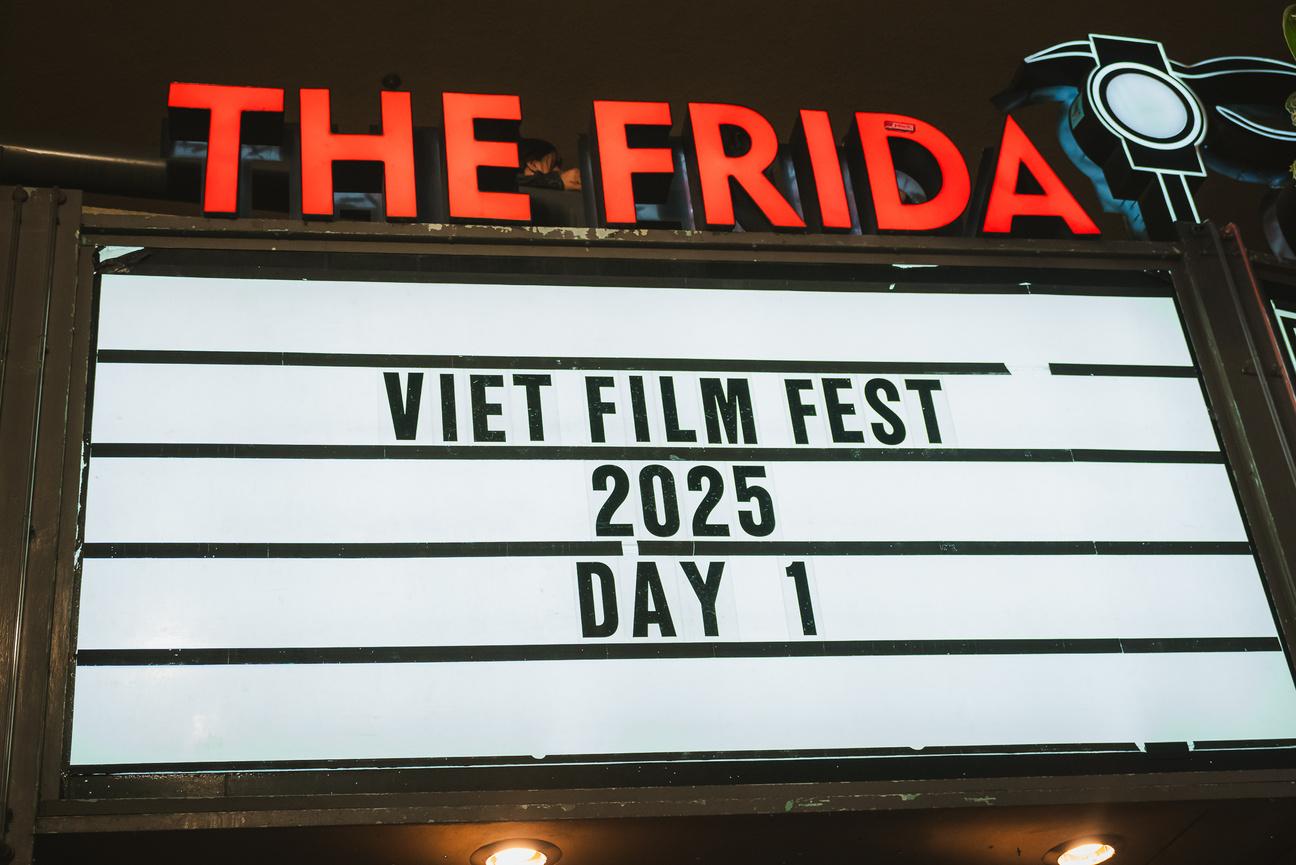
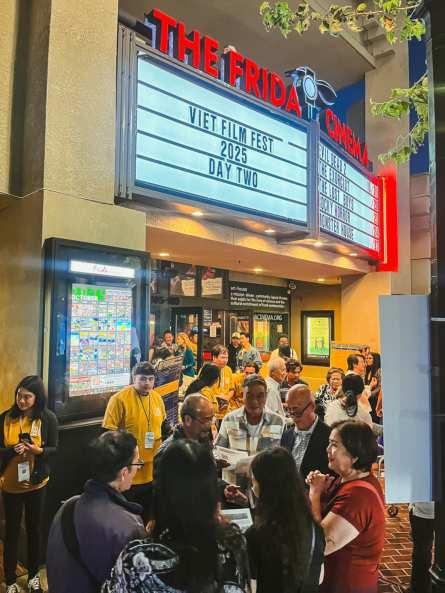
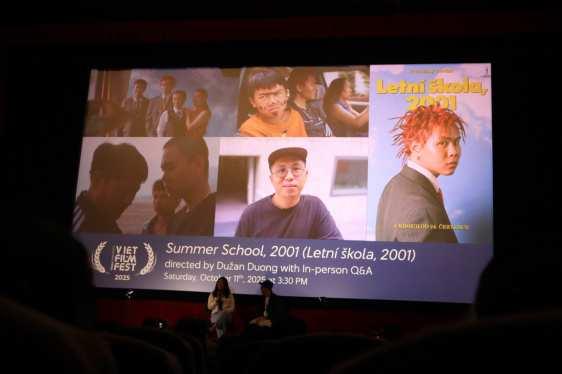
Viet Film Fest (VFF), presented by the Vietnamese American Arts and Letters Association (VAALA), is the largest film festival centered around the Vietnamese diaspora in the world. The film festival continues to recognize Vietnamese filmmaking legends, the very first filmmakers to break barriers in their respective generations. Simultaneously, the festival takes pride in uplifting rising filmmakers from all sorts of cultural backgrounds. Weekends leading up to festival screenings, VFF hosts a variety of networking events and talk-backs with accomplished creatives.
While the Vietnamese community has always been an integral part of Southern California’s and Orange County’s DNA, film lovers and filmmakers were in desperate need of a place to gather. With a lack of Vietnamese faces and stories on-screen, many members of the community craved connection.
In 2003, Viet Film Fest was founded by Trâm Lê and Ysa Lê (Executive Director) in order to serve this purpose. Since then, the team behind the film festival and the Vietnamese American Arts and Letters Association (VAALA) has grown immensely.
This year’s edition of the festival boasts a hundred film submissions, creating a unique showcase of work curated by Eric Nong (Artistic Director) and his team. I asked Eric about his part in contributing to VFF. He elaborated, “For yours truly, whose first love is and remains Golden Age Hollywood, VFF also represents a place where, at least in my head, Vietnamese and Vietnamese diasporic filmmakers occupy the same space as my favorite classics: the big screen. And, by being in such a space, that Golden Age past and our filmmakers' present converse in ways that fascinate me. Being both VFF’s Artistic Director and an unabashed fan of classic movies only makes it more apparent to me how certain human necessities and desires persist through geography and time.”
Corey Linh, VFF’s Communication & Outreach Manager, also emphasized the essential work of VFF’s volunteers, “As someone who’s only ever worked the festival, my experience is shaped by the long days of organizing, photographing, filming, and editing, often done by volunteers dedicating their time and skills out of passion. That labor of love, that unseen creativity, that devotion—that’s what Viet Film Fest truly means to me.”
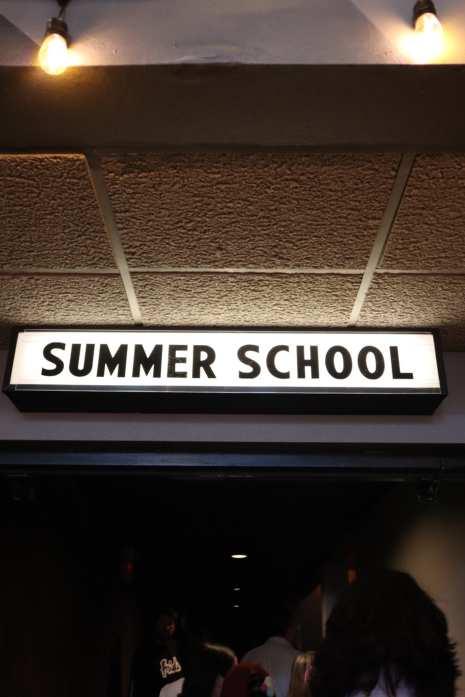
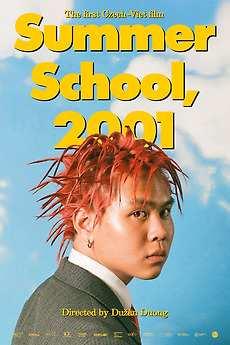
As a filmmaker and passionate fan of Vietnamese stories myself, I’ve had the wonderful opportunity of being involved with VFF through many avenues. Prior to this year’s festival, I submitted my own thesis film, I Want You to Live, which was a part of VFF’s edition in 2023. Alongside other rising directors, I was invited to speak at a panel in collaboration with Orange County Public Libraries. One of my most fond memories is when I accompanied visionary filmmaker, Tony Bui, to the VFF 2024 gala where he received the Inspiration Award. This year’s festival still carries the same exciting, explosive energy. By attending inperson screenings at the Frida Cinema in downtown Santa Ana, and watching films virtually, I remain inspired for the future.
The first screening I attended was Summer School, 2001 (Letní škola, 2001), directed by Dužan Duong. His debut feature can be described as a Russian doll. It’s a story that contains multiple layers that you peel back as you weave in and out of the characters’ lives. The film is told in chapters, focusing mainly on two brothers, Tai and Kien, who don’t see eye to eye. The barrier between them is caused by the desperation to find their place in the world and past grievances caused by their parents. While I was at the screening, I found Summer School, 2001 to be a raw portrait of brotherhood that reshapes how we believe Vietnamese families to operate. Even more reasons to watch the film, Duong made it a point to work with first-time actors and to paint a picture of his home country, Czechia. The Czech Republic has the third-largest Vietnamese diaspora in Europe, yet there is little representation of Viet-Czech culture on screen. That didn’t stop Dužan Duong, he’s certainly a director to watch.
Afterwards, I watched a wide variety of short films that piqued my interest. None of the films are ranked in order or by merit, just by my own perspective and key takeaways. This article is not representative of VFF’s organizers or the films’ respective directors.
In the ‘Let This Acceptance Take’ category, Little Bird (directed by Oanh-Nhi Nguyen) is an emotional piece that allows audiences to consider survival in America. The story follows Linh Tran, a disillusioned Vietnamese woman tasked with carrying out evictions for a landlord as she comes face to face with her own humanity when she is instructed to evict Vietnamese refugees. Linh, portrayed by actor Chantal Thuy, is doing what she needs to do for her day job. She doesn’t particularly enjoy it but it's her own means of survival. She enters a run-down apartment, which happens to be the home of a Vietnamese family and other refugees. The children of the home invite her to sit down for a meal and she’s faced with the moral conflict of kicking out her own community. The short film opens up a discussion about empathy and what humans are willing to do for their own survival in a new society. Something many immigrants and refugees can relate to.
vietfilmfesT
From Me to You (directed by Vy Nguyen) is another short that allows a lot of young Vietnamese women to relate. At least, I did. The short opens with a scene between a young Vietnamese woman and her hard-headed mother as they have dinner together. Their conversation escalates into an argument, past resentments unravel about things that were said and done. She storms out, seeking the comfort of her Indian-American best friend who had experienced the same conflicts with her own family. By the end of the film, the young woman is able to come to terms with forgiveness by eating Vietnamese food alone, but her relationship with her mother remains unresolved. Vietnamese mother-daughter relationships are never black and white, and are often layered with intergenerational trauma among other emotions.
In the ‘Phim Femme’ category, a collection of films centered on female characters, Saigon Kiss (directed by Hồng Anh Nguyễn) is a stand-out short. The film doesn’t necessarily have a certain goal or plot, but I enjoyed the natural landscape of the Saigon hustlebustle, a true portrayal of how Vietnamese people live in the city. The story opens with Mo as she roams through the rush hour traffic to avoid an unwanted phone call. Then, she has an encounter with Vicky who’s stranded because her motorbike is broken. Their chance encounter unfolds, and their quiet attraction to each other blooms under the city lights. As I mentioned above, this film showcases every-day life in Saigon and the hopeful chance that you could meet someone amazing right around the corner.
vietfilmfesT
The ‘Remember My Forgotten Man’ category presents a new perspective on society’s definition of masculinity and male stereotypes in the media. I found myself reflecting on the themes in Land of Opportunity (directed by Summer Doan). As someone whose parents are Vietnamese war refugees, I’ve heard countless stories about how hard it was to relocate and start anew in the United States. Not all refugees were lucky to immigrate to the United States along with all of their family members and friends. Many were scattered or left behind. This documentary covers a Vietnamese man living in Hong Kong. With little resources and inside a tiny apartment without running water, he reflects on his past choices, wondering if he regrets leaving Vietnam. He expressed uncertainty that even if he could go back, his life might be the same as in Hong Kong.
Visa (directed by Chi Tran) is a brilliant, laugh-out-loud, but also very surreal short film. The main character, portrayed by actor Benjamin Ting, is desperate. He is faced with deportation at the end of his work permit and tries to get hate-crimed to secure a green card. On one hand, the comedy is very straight-forward, with scenes of Ting’s character getting hit by a car and rolling over comedically. Or, throwing himself against his boss’s desk in order to achieve his goal of getting a green card. On the other hand, the short points to a bigger dilemma that many international students face today; how to secure a job after graduation and how to continue living in the United States without being threatened with deportation. I found this piece to be approachable, funny, and memorable.
vietfilmfesT
Love is complicated. No matter what culture, age, or background you have, love is always a complex human emotion. This is explored in We’re Only Strangers (directed by Jennifer Vu) under ‘The Fairest Trees Are Grown in Solid Ground’ block. The story opens with Jade, a young Vietnamese woman who keeps getting voicemails from an unknown number. It’s a young man named Alex, who thinks Jade’s phone number is his ex’s. One day, she picks up, and the two strangers dive into each other’s memories. These days, a lot of young people are yearning for human connection. Due to the ever-changing landscape of social media and internet culture, dating is getting harder and harder. However, the short’s main ideas point to the concept that real love comes from acceptance, forgiveness, and letting go. Even if you don’t end up with who you think you’re supposed to be with, there is hope in the new day and in strangers.
Out of all the blocks, I’d say ‘Where the Heart Settles’ is wh gravitated to the most. I’m a sucker for emotional, heartfelt, coming-of-age stories, and these highly influence my own work. The visual style of We Used to Take the Long Way Home (directed by An Nguyen) is tonally beautiful. It mimics a moving scrapbook, captured through film photographs, scribbles, and 2000s themed stickers. The story is centered on a young Vietnamese woman who returns to Vietnam from studying abroad in America, where she reunites with her middle school friends and past crush. As a whole, the group commiserates on how much has changed. Nguyen has created a true summer vibe– showcasing teenage shenanigans in the city, but not without consequences.
vietfilmfesT
My stomach was definitely rumbling when watching the ‘A Place at the Table’ block. My culture’s flavors consist of clean veggies, fresh ingredients, and hearty, homemade-tasting dishes. I can guarantee you won’t feel heavy after eating our food. A few of my favorite dishes are Pho (noodles), Cha Giò (egg rolls), Bún Bò Huê (noodle soup), and those are just a few. Short film highlights include These Yellow Stars of Ours (directed by Vinh Nguyen), a documentary that utilizes interviews, archival footage, and animation to chronicle a Vietnamese couple’s migration story. The fast-paced editing and collage-like storytelling held my attention, and in the end, told a meaningful story as a whole. Not to mention the beautiful shots of Vietnamese dishes that you’ll find at family barbecues and special occasions.
The Market (directed by Oanh-Nhi Nguyen), who also directed Little Bird brings us to the Southeast Asian Market in Philadelphia’s FDR Park, a vibrant, refugee-founded space where ancestral cuisines nourish both body and community. Because it’s a documentary, it’s authentic and real to those who live in that area. Nguyen makes it simple for us to follow and shines a light on the talented cooks and vendors who run the market. The women that were interviewed have a bright energy to them, causing the audience to feel a sense of familiarity and friendliness. I’ve never been to the market myself but after watching the film, it feels like I have.
vietfilmfesT
The last block I had the pleasure of watching is ‘Ethe(real)’. The play on words here is absolutely fitting. These films have a certain magical quality to them but represent real life situations we’ve found ourselves in from time to time. Flightpaths (directed by Ravenna Tran), drops us into the future, where two brothers journey through space in search of home and a connection to their father. It is not enough to say that the cinematography is excellent, Tran and her crew turned American landscapes into the sciencefiction space world we imagine in our heads. Now, we can visualize it on-screen. The emotional throughlines of grief and brotherhood carry through as well.
Out of Time (Hors du Temps) (directed by Sébastien Kong), was one of the very few films in this year’s festival that made me tear up. The one-take short film starring Hiep Tran Nghia, is an insight to what the grief of an elderly man feels like. Nghia’s performance combined with Kong’s directing simply draws you in with its narrative music video-like quality. We see an elderly man miss his late wife during his daily prayer ritual. Nothing more needs to be said, the scenes touch the heart in ways I can’t describe. The production design and cinematography are just as high-quality as the storytelling.
Finally to wrap up, the last film I watched was Long’s Long Lost Mini Mart (directed by Julian Doan). In the opening shot, we trail behind a young Vietnamese man as he leads us to a seedy Little Saigon convenience store. With his father’s urn in hand, he tells the cashier that he wants to reanimate his dead father for one last conversation. By some supernatural force, she is able to summon his father’s spirit. However, because of the past, the young man is unable to say goodbye. Plagued with feelings of guilt and regret, he questions everything he believes to be true. The short is almost haunting in tone, crossing the realms of the dead and the living. The claustrophobic environments and intentional lighting design sell the concept well. It causes the audience to ponder the zeitgeist of death and the regrets that come with missed chances. The film’s theme lingers in my thoughts in this way.
Ultimately, this year’s edition of VFF hosts a unique variety of talent, diversity, and performances. In the haze of post-festival highs, I asked Ysa Lê, Executive Director of VFF, on how the journey has been. She said, “Viet Film Fest holds a special place in my heart. It's a platform where I dive into creativity and stories that reflect Vietnamese life experiences, and it's also where I've built lifelong friendships. When Tram Le and I cofounded the festival in 2003, we didn't imagine having even a second edition, and now we're celebrating our 16th. The festival wouldn't be possible without the dedication of our volunteers, sponsors, and filmmakers who believe in our mission: to celebrate Vietnamese stories and voices in cinema.”
A Heart’s a Heavy Burden: What 20 Years of ‘Howl’s Moving Castle’ Can Teach Us
written by: Emma Singletary
Even if you haven’t watched Howl’s Moving Castle in full, you’ve likely come into contact with it online. From videos romanticizing its dreamy art style to TikToks and reels set to its iconic musical score, Howl has burrowed its way into the internet so deeply that many people don’t even realize what they’re referencing when they make such content. Over the past 20 years, the movie has become a staple of an idealized aesthetic, one that longs for a simpler life accented with touches of whimsy, one where, at the end of the day, everything will be okay.
While there is something to be said about the comfort such a movie brings, it is done a disservice by being idealized and commodified. It’s when we dig deeper into its themes that we find the true messages we must take with us into the real worldmessages that aren’t as kind or easy, but important all the same.
Howl’s Moving Castle follows a woman named Sophie and a wizard named Howl. When Sophie is cursed by an evil witch, she must turn to Howl for help in finding a solution. Up close, she realizes that the wizard her entire village adored is not as grand as he once seemed. Not only is he pompous, vain, and even cowardly. And when Sophie leaves her quaint village that the internet today is so quick to romanticize, she is faced with the horrors of a war happening just out of view.
Howl witnesses this violence as well and has nothing but disdain for it. He takes no pleasure in battle when he is forced to get involved; in fact, he spends the majority of the movie running away from it. When those in power seek to enlist him, telling him it will be a great honor, he flees, taking his moving castle to places not yet touched by war. Yet no matter where he goes, the war follows.
As an audience, we watch this violence destroy the beautiful scenes we’ve fallen in love with. We watch Howl himself become ravaged by war. The animation works stunningly here, trading the vibrant colors of flower fields for dark, twisted shapes, illustrating the idea again and again that violence is the reason for this loss of beauty.
It’s not surprising for Howl’s Moving Castle to take such a strong anti-war stance, considering its director, Hayao Miyazaki, whose films have carried a history of pacifist themes. Famous for his work at Studio Ghibli, Miyazaki has become known for critiquing modern-day violence and promoting the importance of nature in his works, depicting both beauty and destruction in his art.
“Humans have both the urge to create and destroy,” he has said, displaying the philosophy woven throughout his films. Howl’s Moving Castle is no exception. While the film critiqued the Iraq War at its release, its criticisms are still relevant 20 years later. In a time where conflict seems to be happening everywhere, it’s easy to pretend it isn’t your problem, just as Howl does. The film, however, doesn’t simply leave its audience with this problem, but offers a solution many are quick to miss.
Howl doesn’t stop running away until Sophie teaches him the lesson that both he and audiences need to take to heart: the only way to face conflict is to remember what you’re fighting for. When Howl realizes that his reason is to protect Sophie, he is finally able to truly defeat and escape the violence surrounding him.
Today, it’s easy to take a movie like Howl’s Moving Castle and simply use it to escape the violence and chaos of the real world. However, the movie itself implores us to do more than escape, it urges us to find the people we love and care for and hold them close. We don’t find our strength in a romanticized life we only see while scrolling through a social media feed. We find it when we allow ourselves to love. And that’s a spark of magic worth protecting.
‘Some Like It Hot’ Gets Hotter ‘Some Like It Hot’ Gets Hotter
writtenby:JacobChandler
I was finishing up my final year of undergrad media studies when my professor assigned us to watch some black-and-white film made nearly 60 years ago. I scoffed as I pulled the film up on my laptop and sat to eat dinner, ready to lie about my analysis in class the next day. Two hours later, I was forced to eat my own words… Some Like It Hot (1959) is one of the hottest pieces of cinema to come out of the Golden Age of Hollywood. Directed and written by Hollywood legend Billy Wilder, Some Like It Hot follows two men who cross-dress to escape the mafia with a traveling all-female jazz band. Audiences and critics consider it one of the greatest films of all time, garnering six Academy Award nominations, and it was one of the first 25 films selected by the Library of Congress for preservation in the United States National Film Registry. Some Like It Hot was hot enough to be adapted into a 1970s Broadway musical spinoff, and again, just three years ago, as a Tony Awardwinning Broadway musical.
So why, and how, is a movie that came out over half a century ago still attracting eyeballs and audiences? Authentic adaptation.
Firstly, its progressive storytelling during the fall of Hollywood’s strict production code prompted the film’s success. As society evolved, Some Like It Hot adapted into the semi-successful 1972 Broadway musical Sugar, continuing its cultural longevity. Then, exactly 50 years later, it exploded back to life with a newly adapted Broadway musical that secured 13 Tony nominations and four wins. Some Like It Hot has found itself in the spotlight again and again because its story evolves with time.
Originally released in 1959, Some Like It Hot was based on a screenplay by German screenwriters Robert Thoeren and Michael Logan for Fanfare of Love (1935). Having Billy Wilder as the director, with Marilyn Monroe, Jack Lemmon, and Tony Curtis leading the ensemble cast, thrust the film into the spotlight. However, the people behind the movie were not the foremost reason for its massive success; it was the story itself.
Some Like It Hot follows two struggling musicians, Joe and Jerry, who accidentally witness a mob hit in Prohibition-era Chicago. To escape the gangsters chasing them, they disguise themselves as women and join an all-female band headed to Florida. Joe, posing as "Josephine," falls for the band’s singer, Sugar Kane, while Jerry, as "Daphne," finds himself pursued by a wealthy older man. Their cover unravels in a chaotic and hilarious finale when the mob catches up to them, leading to one of cinema’s most famous closing lines: “Well, nobody’s perfect.” The Golden Age of Hollywood was nearing its end, notably due to the weakening of the Hays Code throughout the 1950s. The Hays Code, established in 1930, was a strict set of guidelines that censored film content considered “dangerous” or “immoral”. These censories included “sex perversion,” which implied that homosexuality, cross-dressing, or gender nonconformity shall not be explored within cinema. In addition, implied sexual relationships outside marriage, as well as excessive kissing, dancing, or dialogue, were forbidden. Some Like It Hot directly challenged the code, having its main characters cross-dress, explore gender non-
conformity and homosexuality, flirt with unmarried characters, and play with sensuality and sexual innuendos. While inaccurate Queer representation, nonexistent Black representation, and the objectification of Monroe’s character riddled some audiences, Some Like It Hot was ahead of its time in terms of social progression. Many cinema historians credit the film as one of the major influences that led to the collapse of the Hays Code. In fact, the Code explicitly forbade Wilder from releasing the film. Yet, it was unofficially released when United Artists backed Wilder’s vision. The film immediately became a massive critical and commercial success, proving that audiences no longer needed, or wanted, the moral policing of the Hays Code.
In a mix of Hollywood nostalgia and commercial strategy, Some Like it Hot returned to the spotlight briefly in 1972. The Golden Age of Hollywood was officially over, and audiences, critics, and executives alike were nostalgic over what once was. While Marilyn Monroe had unfortunately passed nearly a decade earlier, her iconic postmortem image prompted a musical adaptation of Some Like It Hot marketed around her character: Sugar. In competition with the rise of television and film, Broadway marketed Sugar as a glamorous showgirl-centered female-led musical comedy, rather than of two men in drag. While the musical did find success, it wasn’t nearly as celebrated or progressive. Many critics agreed that Sugar played it too safe, and would have made more sense to open 15 years earlier. Despite this, the musical did make strides forward with notable changes and adaptations for the stage. The most significant change was the expansion of Monroe’s character, particularly the addition of two emotional musical solos to accurately replace comedic beats from the original film.
While Black actors did appear on stage, they were also still limited to background characters. However, they smoothed over some of the more risqué queer elements from the original film to make it more “pallatable” for theater audiences. Nonetheless, Some Like It Hot was able to reach new audiences with its new adaptation, Sugar.
Subsequently, the story slept in the dark for the next 50 years. As society continued to evolve, it became more difficult to do an adaptation without feeling outdated or commercially unappealing. Broadway was shifting towards diverse casting, large musical sets, and contemporary relevance. The rights and licensing to Some Like it Hot
were under strict control at Warner Bros.. Plus, drag and queer subtext weren’t as widely acceptable on Broadway until recently. It was a waiting game.
Then, in 2018, Warner Bros. reached out to Craig Zadan and Neil Meron, who produced films like Hairspray (2002), The Bucket List (2007), and Footloose (1984), and asked them to put together a newly adapted Broadway musical of Some Like It Hot for its 50th anniversary.
They reached out to Casey Nicholaw, choreographer for pictures like The Drowsy Chaperone (2006), The Book of Mormon (2011), and Aladdin (2014), and secured him for the project.
After years of writes, rewrites, and the COVID pandemic, the 2022 revival adaptation of Some Like It Hot hit the Broadway stage and completely swept the scene. Its Broadway run was widely commemorated, and its success prompted a North American tour that is making its way across the United States as I write this.
The Broadway run garnered 11 Tony nominations and won 4 of them for Best Lead Performance (J. Harrison Ghee), Best Costume Design (Gregg Barnes), Best Choreography (Casey Nicholaw), and Best Orchestrations (Charlie Rosen, Bryan Carter). The reason for this success? The musical refocused on two men in drag, retaining much of the original film’s premise without the comedic beats or nuanced representation. Rather than leaning into gender identity or queer experiences for comedy, the laughs stemmed from farcical situations and the inherent absurdity of the disguise. The progressive reimaging of characters also significantly helped the musical reach new heights. The character of Jerry/Daphne was reimagined as nonbinary, and nonbinary actor J. Harrison Ghee brought depth back to the character. Other characters were revived with a diverse cast, reflecting a commitment to authentic representation. Additionally, the flashy emptiness of Sugar was replaced by themes of identity, freedom, and expression.
Romantic arcs are expanded with more emotional beats, while outdated sexual innuendos and stereotypes are replaced with modernized slapstick comedy and queer-coded jokes. Perhaps the most significant change is the ending; the original film ends on a comedic beat of Jerry/Daphne begrudgingly marrying another man. In the 2022 musical, Jerry/Daphne happily marries another man as a celebration of identity and acceptance.
The enduring success of the 1959 film Some Like It Hot is a powerful testament to its core narrative. What’s more exciting? Plans were just announced: Some Like It Hot is going international.
One version of the night: The two of us, standing there,
And I look out at the night
Because I can’t bear to look at you. Happy New Year, Johnny, I say, And I mean it.
You in your suit, me in my black dress, Framed in the window,
Glowing like Bette Davis in the movies. You look at me with your sad eyes, Your unplaceable charm,
Another version of the night:
We’re in a crowd, in a crowded square, The air crowded with lights and songs, Paper streamers crowding all around,
And we can’t reach each other Because of all the people crowding And shouting and celebrating
And it’s so beautiful you want to squeeze it to death.
We can’t reach each other, but we can see each other,
And you look at me, and I look at you,
And we rush across the crowd
And say words we can’t hear,
And then we kiss. Projectionist’s choice.
#UNDERRATED #UNDERRATED RISING STARS RISING STARS
A FILM IS WORTH A THOUSAND WORDS: JON-THOMAS ROYSTON ON HIS IMPACT-FIRST FILMMAKING A FILM IS WORTH A THOUSAND WORDS: JON-THOMAS ROYSTON ON HIS IMPACT-FIRST FILMMAKING
written by: Milla Nguyen
When audiences watch actors perform on screen, there are actors who don’t use words to describe how they feel. They use facial expressions and body language. When fans attend a concert, there are musicians who can communicate relatable experiences through only instruments. When filmmakers watch movies in a theater, there are stories that are simple, but have thematic messages that are heard loud and clear. Jon-Thomas (J.T.) Royston has defined himself as not only an award-winning producer, but a leader whose filmmaking is impactful on all levels: socially, economically, and interpersonally. It is clear that his stories will change communities for the better and encourage them to be even more vulnerable than they already are.
Being from a military family, J.T. moved all over the place. Born in Texas, he later planted roots in Germany, Hawaii, and finally, Santa Barbara, California. As a child, it was exciting to see so much of the world so fast. At the same time, it led him to be curious about his own identity. He asked himself: Where do I belong? What am I meant to do?
In the interview, he explained that his parents didn’t splurge on many things due to moving around so much. However, they did spend money on food, necessities, and Friday night movies. While he loved watching movies and making trips to the Blockbuster in their neighborhood, he didn’t think of filmmaking as a career yet. He just knew he loved the arts.
J.T. graduated from Concordia University with a degree in marketing, searching for a career that was comfortable and stable. After graduating, he worked at a boutique agency for four years. As a creative side hustle, he pursued a certification in music producing at the Garnish School of Music Production while working. On top of that, he volunteered at youth organizations such as Peace4Kids and Big Sisters Big Brothers of America. Even though J.T. was exposed to all kinds of jobs, people, and stories, he thought: What art form expresses what I want to say? That goes beyond words?
His answer was film. Looking at where he is now versus the beginning of his story, it’s safe to say that all these different pieces of his background fit into his role as a filmmaker like a jigsaw puzzle. Film combined his marketing knowledge from university, his love for making music, and his passion for telling stories about people who overcome injustice. Something he saw in a lot of community leaders at the non-profits he volunteered for.
Later down the line, he co-founded and became the CEO of his own impact-first creative studio, Never Whisper Justice.
A powerful label that is imprinted on every project he creates. I asked about his thought process behind the studio’s name. He said, “In our documentary Black Boys, we interviewed Justice Page, an associate justice of the Minnesota Supreme Court, and his wife Diane. When asked about a quote that spoke to their shared convictions as philanthropists, they recalled the words ‘Never Whisper Justice’. A quote from a previous law professor that has acted as a guiding principal for their advocacy journey. Later that year, Diane passed away from cancer. As a team, we decided how powerful this phrase was. We wanted to honor Diane and the principle of our ‘why’ as filmmakers.”
J.T. served as a producer on two immensely impactful documentaries, Black Boys (directed by Sonia Lowman) and Black Girls (directed by B. Monet). Both received distribution with NBC Universal and Comcast. After watching both, Black Boys examines the process of growing up from the perspective of Black boys and men, as many face hardships of community pushback, police brutality, and stereotypes in the media. At the same time, the film is a reflection of strength and homecoming to a safe space where Black men can be vulnerable. Black Girls, my personal favorite of the two, might be lighter in tone and visuals but does not skim over the obstacles that almost all women face today.
Obstacles range from unrealistic beauty standards to health scares to colorism, among other things. Black Girls is a celebration of Black girls and women who come in all different shapes, sizes, skin tones, and personalities. J.T. recalled, “When Black Boys came out, it was during the time when there was a public outcry about police brutality. I even felt that the word ‘Black’ was rooted with deep biases, especially when placed on young Black boys. The historical element of the documentary was important in showing how that bias was created. Black Girls took a different lens on Black girls and women, holding space for Black women to feel supported. We intentionally showed how Black women can influence Black girl youth too, through their softness that they don’t always get to feel. Especially if they’re the first to be vocal about injustices made against their communities."
Utilizing his marketing background, he helped grow a relationship between his production company, Never Whisper Justice, and partners Procter & Gamble, as well as the NFL. He said, “Procter & Gamble had a tenured commitment to increase high school graduation rates. Our film, Black Boys, covered education extensively and we wanted to create a campaign that would amplify these overlapping messages. With the NFL, we filmed players watching the film with kids in classrooms. It was an extension of our mission.”
J.T. emphasized the synergy between films, their audiences, and the marketing behind these films. He said, “Marketing is a vehicle that creates resonance with the audience. It’s about preserving what you want to say.”
During the release of Black Girls, J.T. made it a point to partner with nonprofit youth organizations and city arts organizations for interactive events. For example, in 2024, NYC Her Future partnered with the NYC Young Men’s Initiative as well as Never Whisper Justice for an exclusive screening of Black Girls. The screening was shown to young Black girls ranging ages twelve to fourteen. I asked J.T. how he felt speaking to Black youth about such an important message and project. He elaborated, “We had an amazing cast of women: Allyson Felix, Alex Elle, Vanessa Rochelle Lewis, Marley Dias, Olympia Ausett, and Jacqueline Alexander-Sykes. All of them showed what it means to find yourself. Having that imprint and that sort of encouragement at an early age allows young girls to witness resilience. It’s a fortification of the spirit and the soul. It’s a language of what you represent, your story, and how your story evolves in the future.”
He described the symbiotic relationship between films and the people who watch them, “Stories like these are important. We want to democratize the idea that
people can and should tell their stories. We live in a world where not everyone has had the opportunity to feel special or the ability to feel truly seen. Sitting down with folks and talking about what kind of person they want to be is just as important as the film itself.”
J.T. has many plans for what’s coming up next. He’s been ideating the third installment of Black Boys and Black Girls. Part of being an artist is appreciating the art around you. J.T. mentioned some filmmakers who have inspired him on his journey, such as Ben Proudfoot, Tommy Oliver, RaMell Ross, and Kahlil Joseph. In between projects, he finds himself consuming more films, music, and literature that get his gears turning.
He’s also dedicated to including more non-profits and youth organizations in his work. He explained, “When it comes to investing in the next generation, it’s a lot of individuals who are working to create a community with intention. By working with Peace4Kids, Headstart, and Zero to Three, I have experienced these individuals who have committed their lives to uplifting youth, not for a paycheck or self actualization, but because they have deep convictions. We take it seriously at Never Whisper Justice, bringing people together on screen and off of it.”
At last, I asked if there was anyone he would like to thank for supporting him in his career. He mentioned his family, “I want to thank my parents, my brother, and sisters. My earliest creative experiences came from being around them. We didn’t always have community but we had each other. I’d like to thank my Never Whisper Justice team, Elaine Casap, Chad Williamson, Jessica De La Rosa, Matthew Chao, Angela McLain and all the heads of departments. Additionally, our advocacy partners who inspire us and invite us into their stories.”
HER JOURNEY BEYOND THE ISLAND WITH LAILANIE GADIA, AWARD-WINNING PRODUCER
& FILMMAKER
written by: Milla Nguyen
Lailanie Gadia is a producer & filmmaker who weaves the fabric of AAPI filmmakers, themes, and narrativestogether.Whileitisnot always an easy feat, Lailanie continues to build a strong foundation for this purpose. She produces and develops several projects at a time, relentlessly laying the tracks down for untold stories. Not just for the sake of visibilitybutforeducationandfor the community. Lailanie was also named a 2023 DOC NYC
Lailanie Gadia is a producer & filmmaker who weaves the fabric of AAPI filmmakers, themes, and narrativestogether.Whileitisnot always an easy feat, Lailanie continues to build a strong foundation for this purpose. She produces and develops several projects at a time, relentlessly laying the tracks down for untold stories. Not just for the sake of visibilitybutforeducationandfor the community. Lailanie was also named a 2023 DOC NYC
Documentary New Leader for bringingequityandchangetothe documentary industry. She continuestospeakonpanelsand lead workshops about her experience in fundraising and filmmakersustainabilityatvarious conferences.
Documentary New Leader for bringingequityandchangetothe documentary industry. She continuestospeakonpanelsand lead workshops about her experience in fundraising and filmmakersustainabilityatvarious conferences.
Even though Lailanie Gadia was born in Long Beach, California, she considers the island of Guam her home. She spent most of her childhood through high school years there. Little did she know that her island roots would influence her passion for filmmaking and love for AAPIculture.
Even though Lailanie Gadia was born in Long Beach, California, she considers the island of Guam her home. She spent most of her childhood through high school years there. Little did she know that her island roots would influence her passion for filmmaking and love for AAPIculture.
Her father served in the military and her mother worked in janitorial services.Becauseofthis,theywanted Lailanie to make the right choices. They wanted her to choose a career that would lead to income stability. . She applied to Loyola Marymount University where she majored in Economics. This would be her first time leaving the island on her own.
Her father served in the military and her mother worked in janitorial services.Becauseofthis,theywanted Lailanie to make the right choices. They wanted her to choose a career that would lead to income stability. . She applied to Loyola Marymount University where she majored in Economics. This would be her first time leaving the island on her own.
Lailanierecalled,“Asafirstgeneration college student, I had to research colleges on my own and relied on my school counselor at the time. My parents didn’t want me to leave the island but I had a calling to do bigger things.Iwantedtospreadmywings.”
Lailanierecalled,“Asafirstgeneration college student, I had to research colleges on my own and relied on my school counselor at the time. My parents didn’t want me to leave the island but I had a calling to do bigger things.Iwantedtospreadmywings.”
Once she arrived at LMU's Los Angeles campus, she quickly started buildingherlifethere.
Once she arrived at LMU's Los Angeles campus, she quickly started buildingherlifethere.
She joined the AFROTC program, inspiredbyherfather’spath.Insearch of community, she participated in Filipino student activities on campus and was involved in the Ethnic and Intercultural Services office.
Furthermore, while she wasn’t a film major, she teamed up with two SFTV alumni from her year who started a production company post-graduation. There, she became the director of marketing. She said, “It was a great opportunity to train myself with content and understand the early rise of social media. It helped me later on forsure.”
She joined the AFROTC program, inspiredbyherfather’spath.Insearch of community, she participated in Filipino student activities on campus and was involved in the Ethnic and Intercultural Services office. Furthermore, while she wasn’t a film major, she teamed up with two SFTV alumni from her year who started a production company post-graduation. There, she became the director of marketing. She said, “It was a great opportunity to train myself with content and understand the early rise of social media. It helped me later on forsure.”
Post-LMU, Lailanie pursued a career in banking out of necessity. She said, “The first bank I worked at was in Koreatown. I needed to pay the bills and get my footing. Three years into thatjob,arecruiterreachedouttome on LinkedIn during a difficult time and I was hired for a new opportunity at CityNationalBank.Istartedbecoming
Post-LMU, Lailanie pursued a career in banking out of necessity. She said, “The first bank I worked at was in Koreatown. I needed to pay the bills and get my footing. Three years into thatjob,arecruiterreachedouttome on LinkedIn during a difficult time and I was hired for a new opportunity at CityNationalBank.Istartedbecoming
interested in entertainment banking.” In a slow but steady evolution, Lailanie was able to leverage her skills working in banking and finance, catapulting her towards her real dream, making films.
WhileatCityNationalBank,Lailanie became involved with the Asian American Network (an employee resource group) where she was able to ideate ways to blend film, AAPI representation and the banking world together. A marketing executive at the bank became her mentor and encouraged her to execute projects.
WhileatCityNationalBank,Lailanie became involved with the Asian American Network (an employee resource group) where she was able to ideate ways to blend film, AAPI representation and the banking world together. A marketing executive at the bank became her mentor and encouraged her to execute projects.
Concurrently, she was developing strong relationships at Visual Communications, a non-profit organization that is dedicated to supporting Asian American and PacificIslander(AAPI) filmmakers
Concurrently, she was developing strong relationships at Visual Communications, a non-profit organization that is dedicated to supporting Asian American and PacificIslander(AAPI) filmmakers interested in entertainment banking.” In a slow but steady evolution, Lailanie was able to leverage her skills working in banking and finance, catapulting her towards her real dream, making films.
and media artists, where she managed social media during their 2018 Los Angeles Asian Pacific Film Festival. And to this day, she supports their fiscal sponsorships program. Through her work at VC, she’s been able to engage with filmmakers and partners in the community. Lailanie elaborated, “I feel VC is a huge source of support for the AAPI filmmaker community. I thank them for all the support they gave me over the years. May is one of my favorite times of the year becauseoftheirfestival.”
Atthepeakof2019,shewasbrought ontoworkwiththeteamattheAsian American Documentary Network (ADoc for short). Starting off as their social media coordinator then manager right before the pandemic, she has worked her way up to her current role as operations director. Recalling her time during the pandemic, she said, “At the height of the pandemic, Anti-Asian hate was bad.Therewasalotofracism.Asians are not a monolith, we’re very diverse. From there, the A-Doc team created a storytelling initiative. We commissioned ten filmmakers to make micro documentaries and five todophotoessays.Wereleasedthe
Atthepeakof2019,shewasbrought ontoworkwiththeteamattheAsian American Documentary Network (ADoc for short). Starting off as their social media coordinator then manager right before the pandemic, she has worked her way up to her current role as operations director. Recalling her time during the pandemic, she said, “At the height of the pandemic, Anti-Asian hate was bad.Therewasalotofracism.Asians are not a monolith, we’re very diverse. From there, the A-Doc team created a storytelling initiative. We commissioned ten filmmakers to make micro documentaries and five todophotoessays.Wereleasedthe and media artists, where she managed social media during their 2018 Los Angeles Asian Pacific Film Festival. And to this day, she supports their fiscal sponsorships program. Through her work at VC, she’s been able to engage with filmmakers and partners in the community. Lailanie elaborated, “I feel VC is a huge source of support for the AAPI filmmaker community. I thank them for all the support they gave me over the years. May is one of my favorite times of the year becauseoftheirfestival.”
series out on social media.” Projects that Lailanie helped execute include: Our Stories, Our Voices, Asian American Stories In the Time of Coronavirus, and Asian American StoriesofResilienceandBeyond.
She emphasized the importance of diversestorytelling,“Showingdiverse stories on screen is doing a lot of things. It humanizes Asians and Pacific Islanders, and shows we’re notjustlumpedintoanabstractidea. Beyond our skin, we have souls and hearts. I feel there’s a lot more we haveincommonthanwethink.”
She emphasized the importance of diversestorytelling,“Showingdiverse stories on screen is doing a lot of things. It humanizes Asians and Pacific Islanders, and shows we’re notjustlumpedintoanabstractidea. Beyond our skin, we have souls and hearts. I feel there’s a lot more we haveincommonthanwethink.” series out on social media.” Projects that Lailanie helped execute include: Our Stories, Our Voices, Asian American Stories In the Time of Coronavirus, and Asian American StoriesofResilienceandBeyond.
This semester, Lailanie graciously invited Allusion Magazine writers to a screening of Third Act, a documentary directed by Tadashi Nakamura. She served as associate producer for the last 6+ years. The filmistoldthroughtheperspectiveof the director and his father, Robert A. Nakamura, a legendary filmmaker coined as the godfather of Asian American media’. The Nakamuras discuss the WWII incarceration of Japanese Americans, the AAPI social movement, and Robert Nakamura’s Parkinson’s Disease diagnosis. After seeing the film, the crowd was in tears. It is a raw, heart-wrenching, honest picture of how grief is felt. Grief stems from many soils: the homeland that immigrants left behind, the unfamiliar place they arrived to, and all the places they’ve experienced in between. She explained, “I helped Tad with the financial side of his project. Throughout production, we were balancing many things. Like with Robert’s Parkinson’s diagnosis and his mental health while filming and fundraising. It was super personal and real.” ThirdAct had its Sundance world premiere in 2025 as well as its Los Angeles premiere a few months later.
This semester, Lailanie graciously invited Allusion Magazine writers to a screening of Third Act, a documentary directed by Tadashi Nakamura. She served as associate producer for the last 6+ years. The filmistoldthroughtheperspectiveof the director and his father, Robert A. Nakamura, a legendary filmmaker coined as the godfather of Asian American media’. The Nakamuras discuss the WWII incarceration of Japanese Americans, the AAPI social movement, and Robert Nakamura’s Parkinson’s Disease diagnosis. After seeing the film, the crowd was in tears. It is a raw, heart-wrenching, honest picture of how grief is felt. Grief stems from many soils: the homeland that immigrants left behind, the unfamiliar place they arrived to, and all the places they’ve experienced in between. She explained, “I helped Tad with the financial side of his project. Throughout production, we were balancing many things. Like with Robert’s Parkinson’s diagnosis and his mental health while filming and fundraising. It was super personal and real.” ThirdAct had its Sundance world premiere in 2025 as well as its Los Angeles premiere a few months later.
Lailanie lamented, “The Sundance premiere was sold out. It was truly a special moment. Prior to the screening, when I first saw Tad’s family with Bob (Robert). I immediately became emotional. For theLosAngeleshometownpremiere, it was a meaningful celebration of Bob,hislegacy,andthecommunity.
Lailanie lamented, “The Sundance premiere was sold out. It was truly a special moment. Prior to the screening, when I first saw Tad’s family with Bob (Robert). I immediately became emotional. For theLosAngeleshometownpremiere, it was a meaningful celebration of Bob,hislegacy,andthecommunity.
Lailanie’s current slate of films evokes nostalgia, community spirit, and empowerment. The first comes to mind is Bridging Our Stories (directedbyRafaelBitanga).Thefilm follows a 50-year-old Filipina immigrant who travels to the Philippines for the first time since infancy, immersing herself in her native culture and connecting with the Filipino community in Alaska. BackinOctober,sheandthedirector screenedafinecutofthefilmforthe Filipino community in Alaska, “The subject of the film is a woman who is seen as someone passionate about preserving her culture and cultural dance. However, there’s a lot of layers that include impostor syndromeandwhatitmeanstocome into that role. Even I struggle with that.Itwasgreattobringherstoryto life.”
Lailanie’s current slate of films evokes nostalgia, community spirit, and empowerment. The first comes to mind is Bridging Our Stories (directedbyRafaelBitanga).Thefilm follows a 50-year-old Filipina immigrant who travels to the Philippines for the first time since infancy, immersing herself in her native culture and connecting with the Filipino community in Alaska. BackinOctober,sheandthedirector screenedafinecutofthefilmforthe Filipino community in Alaska, “The subject of the film is a woman who is seen as someone passionate about preserving her culture and cultural dance. However, there’s a lot of layers that include impostor syndromeandwhatitmeanstocome into that role. Even I struggle with that.Itwasgreattobringherstoryto life.”
The next is a doc-fiction project, Iakwe: Hello Goodbye (directed by Nathan Fitch), is the story of Jacob Hawkes, a young Marshallese adoptee, who meets his blood relatives for the first time while knocking on doors as a traveling salesman in Arkansas. She recalled, “Aswewerefilmingthisshort,Jacob was still meeting relatives he had never met before. It was special to uplift filmmaking and events that werehappeninginhispersonallifeat the same time. It’s about delving deep and reconnecting with your ownroots.”
The next is a doc-fiction project, Iakwe: Hello Goodbye (directed by Nathan Fitch), is the story of Jacob Hawkes, a young Marshallese adoptee, who meets his blood relatives for the first time while knocking on doors as a traveling salesman in Arkansas. She recalled, “Aswewerefilmingthisshort,Jacob was still meeting relatives he had never met before. It was special to uplift filmmaking and events that werehappeninginhispersonallifeat the same time. It’s about delving deep and reconnecting with your ownroots.”
The Stirring Place (directed by Neil Tinkham), is a feature about a Chamoru family visiting Guam for a military funeral when the son, eager toprovehisChamoru-ness,joinsan
The Stirring Place (directed by Neil Tinkham), is a feature about a Chamoru family visiting Guam for a military funeral when the son, eager toprovehisChamoru-ness,joinsan
activist group protesting a planned military shooting range. Lailanie will be returning to her home island of Guam to shoot this film, bringing her journey full circle. She said, “When I left Guam, I wanted to experience the world. I feel like I have. It made meappreciateGuammore.Iwantto uplift more Guam stories and give back.Itfeelslikemyhomecoming.”
She is in development with another feature film, Milk & Honey (directed by Rachel Leyco), a narrative surrounding an ambitious Filipina nurse who leaves her family behind in the Philippines to chase the American Dream in the 1990s. “We recently completed the short film versionasaproof-of-concept which is a winner of the 2025 CAPE JuliaS.GouwShortFilmChallenge
She is in development with another feature film, Milk & Honey (directed by Rachel Leyco), a narrative surrounding an ambitious Filipina nurse who leaves her family behind in the Philippines to chase the American Dream in the 1990s. “We recently completed the short film versionasaproof-of-concept which is a winner of the 2025 CAPE JuliaS.GouwShortFilmChallenge activist group protesting a planned military shooting range. Lailanie will be returning to her home island of Guam to shoot this film, bringing her journey full circle. She said, “When I left Guam, I wanted to experience the world. I feel like I have. It made meappreciateGuammore.Iwantto uplift more Guam stories and give back.Itfeelslikemyhomecoming.”
co-presented by Janet Yang Productions.” she said. “This story is really emotional. There are a lot of FilipinoswhoarenursesandI’msure everyone else knows at least one. There’salotofhistorythere,andthe film speaks to the hardships that Filipinonurseshavegonethrough.”
As she continues to develop more projects, one fact remains true: Lailanie is dedicated to serving her community and uplifting others. Currently, she also serves as board member of the APIAA (Asian Pacific Islander Alumni Association) at LMU. They frequently host networking events and activities. She said, “Coming back to LMU to support currentstudentsisreallygreat.Ilove connecting with them and enriching the alumni network. We’re still a young association but we’re finding ourplace.”
As she continues to develop more projects, one fact remains true: Lailanie is dedicated to serving her community and uplifting others. Currently, she also serves as board member of the APIAA (Asian Pacific Islander Alumni Association) at LMU. They frequently host networking events and activities. She said, “Coming back to LMU to support currentstudentsisreallygreat.Ilove connecting with them and enriching the alumni network. We’re still a young association but we’re finding ourplace.”
Additionally, as the founder of her self-made production company, Mango Stories, she continues to make dreams happen. From pen to paper,andpapertoscreen,
Additionally, as the founder of her self-made production company, Mango Stories, she continues to make dreams happen. From pen to paper,andpapertoscreen, co-presented by Janet Yang Productions.” she said. “This story is really emotional. There are a lot of FilipinoswhoarenursesandI’msure everyone else knows at least one. There’salotofhistorythere,andthe film speaks to the hardships that Filipinonurseshavegonethrough.”
Lailanie has no plans to stop her mission of highlighting important, diverse stories. In the end, I asked if there was anyone she would like to thank for supporting her in her career. She credited her mother for being her role model. She said, “My mom and my dad are supportive in their own ways. My mom is such a hard worker. I learned to work hard from her. I dedicate a lot of my successestoher.”
Lailanie has no plans to stop her mission of highlighting important, diverse stories. In the end, I asked if there was anyone she would like to thank for supporting her in her career. She credited her mother for being her role model. She said, “My mom and my dad are supportive in their own ways. My mom is such a hard worker. I learned to work hard from her. I dedicate a lot of my successestoher.”
I had the opportunity to interview Jacob Staudenmaier, a rising filmmaker and alum of the LMU production program. Make no mistake, he is determined to break into the industry, the Jacob Staudenmaier way. He can be described as someone who is unabashedly himself, no matter the circumstances. Plans could be thrown out the window on set, and Jacob will still find a way to improvise and create an experience. His laidback authenticity and ability to adapt are two of his strongest suits.
Born in the desert sands of Arizona, the summers were always hot, and people opted to stay inside. Even so, Jacob spent his childhood exploring the arts right at home. He found himself sketching and creating images. In his mind, he dreamed up worlds and characters that only he imagined. When asked, he had two seminal moments in his life that pointed him in the direction of filmmaking. He explained, “There was one art camp I went to and I met two new friends that I hit it off with. Later, I ended up going to the same high school with one of them. Luckily, our high school had a great film program too. Filming stuff with those two friends and the program really jumpstarted the creative spark for me.”
The second moment was during junior year of high school. Jacob recreated the opening scene from the highly popular musical film, La La Land, and rewrote the lyrics as a promposal to the lead actress, Emma Stone.
He knew it was a longshot, but was excited to shoot something fun with his friends. When it was finished, he posted it on YouTube. Within just a few hours, his phone blew up with hundreds of notifications and text messages. His video went viral online, and currently has 1.4 million views today. At seventeen years old, he was invited to be interviewed on Good Morning America and Jimmy Kimmel Live!. This gave Jacob a dose of confidence he needed topursuehisdreamsasafilmmaker.
Later, Jacob was set to attend Loyola Marymount University for college. He spoke of his time at LMU fondly, “I’m so glad I went there. I don’t know if it was the universe or something but I met all of my best friends and collaborators there.Weallstillworktogethertothis
day. The filmmaking community has a real sense of teamwork. I never felt like people were there to show off. Of course, there was friendly competition, but we all raised the bar for each other. It’s a great feeling.” Years later, as a collective, Jacob and his group of filmmaking friends and collaborators from LMU became highly successful in the community, often generating their own opportunities. They carry this ‘just do it’ mindset into the work they do today, no matter what odds are stacked againstthem.
When it came to defining his creative voice, Jacob fell in love with the idea of comedy. Comedy had the power to make anything approachable – deep emotions, current events, and even his ownidentity.
His first feature film, Chasing Sundance, was a collaboration with close friend and fellow LMU alum, Nathan Xia. The film is a metacomedy about two film school graduates who embark on an adventure to make a feature film as their last-ditch effort to break into Hollywood before entering the real world. Both Jacob and Nathan star in the film. He elaborated, “Nathan and I worked on a bunch of stuff together but hadn’t worked together in a co-director relationship yet. The pandemic happened and a lot of our projects fell through. One night, we decided we wanted to make something. This is how Chasing Sundance came about. The meta part kind of takes away the pressure of having to make a perfect film. The crew was just Nathan, me, and our two cinematographers on a road trip. It spoketohowwewerefeeling.Itwas an outlet to channel our anxiety nearinggraduation.”
Jacob offers his insight on the pressure that almost all filmmakers experience: the idea that those who make short films must eventually make features. In this sense, Jacob carves his own path and goes against the grain. He has created several short films, skits, feature films, and even a comedy show. Even though he’s already put together his own features, it doesn’t stop him from writing short form content.
He explained, “I was working on short films and features at the same time. I don’t think I was chasing the idea of making a feature even though people at school were and did it differently. I sort of have a vision for who I want to be in the future but the specifics of that are totally gone. I just enjoy making things and don’t feel locked in with one thing.” In addition to what Jacob said, his mindset is liberating in a sense. When he takes away the all consuming pressures of his dream, it allows him to focus on what reallymatters:hispassion.
The short film that Jacob is most known for is Pepperoni. It follows a self-conscious eighth-grader who seeks the help of a famous wrestler after a school bully threatens to expose his darkest secret: his pepperoni nipples. As mentioned above, Jacob showcases character-driven comedy that makes you laugh-out-loud, but also has emotional subtext underneath. As much as people don’t want to admit it, every person has gone through the embarrassing process of puberty. Your body shape changes, your emotions are in flux, and you’re suddenly hyper-ware of what people at school think of you. Jacob detailed his process of developing the story, “The film was so directly tied to something I was vulnerable about. I think more so now, my comedy is about laughing at myself and insecurities I have. Through creating, we can own it. It’s cathartic, and it’s opening a door to conversations. Like, I don’t mind taking off my shirt anymore.”
The comedy streak continues. Jacob’s other recognizable creation, The Jack Harris Show, is a major source of his excitement for creating. It is a surreal theatrical play disguised as a 70s talk show that has filled out seats at Hudson Theatres in Hollywood. Jacob not only created it but also stars as Jack Harris, a dead talk-show host from the 70s who has returned to revive the dying late-night scene. Every show, his transformation is complete with impressive makeup and themed costuming. He elaborated on the show’s creative direction, “The live studio audience is a part of the talk show. Having the curtains, the desk, and the live band brings it to life. We want the audience to lose themselves in this world we've created for 90 minutes. We did our first show in a backyard and it was chaotic. Now we’re in a live theatre. Every show features
an entirely new storyline. The storytelling is always an important feature, but the narratives themselves are constantly being reinvented.” Since the first show, Jacob’s second installment was Christmas themed, based on the Christmas Carol. This November, the third installment is a Halloween special, teasing comedic set pieces and possible jumpscares.
Because of Jacob’s natural desire to explore and experiment, he is also well-versed in acting. He has acted in a wide range of drama, comedy, and music video projects. I asked him about his process of getting into his unique characters, he said, “I don’t really have a specific process but I try to immerse myself as closely as possible. I run the lines as many times as I can and I pull experiences from my own life. I don’t want to feel like I’m reading words. I strive to align myself with the character.”
When it comes to the new things he’s working on, he plans to build out the lore of The Jack Harris Show and plan for more in-person shows in the future. He’s also editing his second feature film, which was filmed back in 2020. The film is a meta-comedy about getting out of project hell and completing film projects, a concept similar to Chasing Sundance.
In the end, I asked him if there was anyone he would like to thank for supporting him in his career. He mentioned his friends from art camp, Alli Gooch and Josh Babu, as well as Riley Johnson and Dallas Greene. He referred to them as his “Mount Rushmore of filmmaking friends whom he first discovered his love for filmmaking with." He emphasized, “They're the people who I grew up with and made movies with when I was younger. I wouldn't be the filmmaker I am today without their assistance during the early parts of my journey.”
yiran
yiran chen’s viewfinder: cinematography, color, and cultural roots in china
chen’s viewfinder: cinematography, color, and cultural roots in china
written by: Milla Nguyen
written by: Milla Nguyen
Yiran Chen is a cinematographer based in Los Angeles, and a filmmaker who has mastered the creative voice she ’s been searching for all along . The frames she captures unveil the world as a kaleidoscope of color . The characters she films are incredibly layered and are tonally emotional , in the most human way possible. As a person, she is humble and hungry to learn, a trait that will ensure her future success in the industry .
Yiran Chen is a cinematographer based in Los Angeles, and a filmmaker who has mastered the creative voice she’s along. The frames she captures unveil the world as a kaleidoscope of color. The characters she films are incredibly layered and are tonally emotional, in the most human way possible. As a person, she is humble and hungry to learn, a trait that will ensure her future success in the industry.
Yiran’s journey started with her childhood in a seaside city in China, about a six hour journey from Shanghai. Her childhood was defined by a multitude of storytelling. She credited her father for encouraging her to be well-versed in all forms of art: literature, music, and painting. She said, “I was always interested in classic novels and Chinese literature. I thought I wanted to be a novelist at first. I also liked music and learned how to play the pipa. The arts were fun.” In middle school, Yiran and her friends put on plays and shows for the community. This created her passion for telling stories as a whole.
Yiran’s journey started with her childhood in a seaside city in China, about a six hour journey from Shanghai. Her childhood was defined by a storytelling. She credited her father for encouraging her to be well-versed in all forms of art: literature, music, and painting. She said, “I was always interested in classic novels and Chinese literature. I thought I wanted to be a novelist at first. I also liked music and learned how to play the pipa. The arts were fun.” In middle school, Yiran and her friends put on plays and shows for the community. This created her passion for telling stories as a whole.
Eventually, she was accepted to Sichuan University’s journalism & media program. During her assignments, she was responsible for conducting interviews and filming subjects. However, she felt that the interviews didn’t draw the audience in. The people watching them didn’t connect emotionally. Yiran elaborated, “Journalism gave me a lot of chances to shoot . I also had free time to watch a lot of films. I also got my own camera. But I wanted to treat it like real art . I talked to my parents and I told them I was interested in filmmaking.”
Eventually, she was accepted to Sichuan University’s & program. assignments, she was responsible for conducting interviews and filming subjects. However, she felt that the interviews didn’t draw the audience in. The people watching them didn’t connect emotionally. Yiran elaborated, “Journalism gave me a lot of chances to shoot. I also had free time to watch a lot of films. I also got my own camera. But I wanted to treat it like real art. I talked to my parents and I told them I was interested in filmmaking.”
That year, it was time for her to do an exchange program in New York City at Columbia University There, she took many film studies and cinematography courses. She explained, “I loved being in the United States. I watched amazing films and studied them is how I got into film. I knew I wanted to be a filmmaker.” After some convincing supported her decision to apply to Loyola Marymount University in pursuit of her Master cinematography.
Arriving at LMU, she experienced a whole new world
year, program in New York City at Columbia University. There, she took many film studies and cinematography courses. She explained, “I loved being in the United States. I watched amazing films and studied them. This is how I got into film. I knew I wanted to be a filmmaker.” After some convincing, Chen’s family supported her decision to apply to Loyola Marymount University in pursuit of her Master’s degree in cinematography. LMU, world.
Weekdays were filled with classes that inspired her Weekends were filled with student production sets where she learned how to be in different positions.
Weekdays were filled with classes that inspired her. Weekends were filled with student production sets where she learned how to be in different positions.
Many days and nights were spent with fellow filmmaking peers . At the time, she believed that she wanted to be a director so that she could make the most creative decisions. The more she worked on projects, she found herself leaning towards making decisions about the way scenes were shot. Then, the pandemic hit. This led her to take a two-year gap to decide if cinematography was her true calling.
Many days and nights were spent with fellow filmmaking peers. At the time, she believed that she wanted to be a director so that she could make the most creative decisions. The more she worked on projects, she found herself leaning towards making decisions about the shot. Then, hit. This led her to take a two-year if cinematography was her true calling.
Back in China, she questioned her future . Her mind was plagued with self -doubt. But this didn’t stop her from creating a plan. She worked in the distribution department at Beijing Enlight Media, the studio and company behind hit films Ne Zha, Astro Boy, Monkey King , Big Fish and Begonia . Most recently, Ne Zha 2 was re-released with English dubs in partnership with A24. While she learned a lot from the company , she wanted to be in charge of her own creative development .
Back in China, she questioned her future. Her mind was plagued with self-doubt. But this didn’t stop her from creating a plan. She worked in the distribution department at Beijing Enlight Media, the studio and company behind hit films Ne Zha Big Fish and Begonia. Most recently, Ne Zha was re-released with English dubs in partnership with A24. While she learned a lot from the company, she wanted to be in charge of her own creative development.
Simultaneously, she founded her own production company called Cine Phage Inc . She gathered her filmmaker friends in Shanghai. They shot commercials, social media videos , and projects together. Once the pandemic was over, she returned to LMU.
Simultaneously, she founded her own production company called Cine Phage Inc. She Shanghai. commercials, social media videos, and projects together. Once the pandemic was over, she returned to LMU.
Yiran spoke about invaluable resources at LMU. She mentioned attending the ASC Heritage Award Ceremony multiple times. She explained, “It was so inspiring. They sit in front of you then go up on stage to give a speech. It made me feel like my dreams weren’t impossible. I got to talk to so many DPs, and they were so kind and humble.”
Yiran spoke about invaluable resources at LMU. She mentioned attending the ASC Heritage Award Ceremony multiple times. She explained, “It was so inspiring. They sit in front of you then go up on stage to give a speech. It made me feel like my dreams weren ’t impossible. I got to talk to so many DPs, and they were so kind and humble .”
Getting into her work, To Kill A Chicken (directed by Qin-Qin ) has been her favorite piece to shoot. The story follows a 27-year-old Chinese gay man grappling with hiding his sexuality to meet his family's marriage expectations, leading to a tense showdown during the traditional chicken slaughter ritual. She said, “I’m so grateful to LMU for allowing students to shoot international projects . Something many film schools don’t allow now. We shot the film in Qin-Qin’s home village. It was a luxury to stay on location, scout, and meet the villagers. They made us a local meal, and we had a great time.”
Getting into her work, ToKillAChicken (directed by Qin-Qin) has been her favorite piece to shoot. The story follows a 27-year-old Chinese gay man grappling with hiding his sexuality to meet his family's expectations, leading to a tense showdown during the ritual. She said, “I’m to shoot international projects. Something many film schools don’t allow now. We shot the film in Qin-Qin’s home village. It was a luxury to stay on location, scout, and meet the villagers. They made us a local meal, and we had a great time.”
The most unique aspect about her cinematography is how in tandem the shots, the color grading, and lighting design are. The frames are pristine , a key element in her shooting style. The colors also shift with the character’s emotions. For example, she visualized a pinnacle scene where the main character has an emotional conversation with his conservative father. She described it, “We wanted the scene to be during blue hour. We wanted the audience to understand that the son and father might not agree with each other but care about the family as a whole. We had to shoot most of it in daylight and cheat the blue tone during post-production. I work very closely with the colorist to create the color palette .”
The most unique aspect about her cinematography is how in tandem the shots, the color grading, and lighting design are. The frames are pristine, a key element in her shooting style. The colors also shift with the character’s emotions. For example, she visualized a pinnacle scene where the main character has an emotional conversation with his conservative father. She described it, “We wanted the scene to be during blue hour. We wanted the audience to understand that the son and father might not agree with each other but care whole. and cheat the blue tone during post-production. I work very closely with the colorist to create the color palette.”
Every cinematographer takes inspiration from those that came before them. According to Yiran Chen, she is inspired by films such as TheConformist and The Last Emperor. She is also greatly influenced by European artistic directors such as the Dardenne brothers, Vittorio Storaro, Andrei Tarkovsky, and Alain Renai. Additionally, early films from Asian directors , like Yimou Zhang and Karwai Wong also laid her foundation forunderstandingcinema.
Her other films, Toad Song, Lie, Spring, Ornamental Oriental, etc., have one common theme: complex Asian narratives. Historically, Asian narratives in film and television used to be stereotypical and only showcased Asian characters as the nerdy sidekick or the ill-tempered gangster. In recent years,
have created or championed multidimensional stories. Yiran discussed her passion for new Asian stories, “I think a lot of Asian filmmakers are interested in telling stories about their background. Personally, growing up in a society with so many constraints, I understand those characters who struggle. The director of To Kill a Chicken writes a lot of LGBTQ+ narratives that might not always be accepted back home. As a DP, I have a lot of ideas to help Asian directors create these moments.” Yiran’s films have screened in festivals all over the world, such as the HoustonAsian
Her other films, Toad Song , Reason to Lie , Spring, Ornamental Oriental , etc., have one common theme: complex Asian narratives. Historically, Asian narratives in film and television used to be stereotypical and only showcased Asian characters as the nerdy sidekick or the ill-tempered gangster. In recent years, Asian filmmakers across the industry have created or championed multidimensional stories. Yiran discussed her passion for new Asian stories, “I think a lot of Asian filmmakers are interested in telling stories about their background. Personally, growing up in a society with so many constraints , I understand those characters who struggle. The director of To Kill a Chicken writes a lot of LGBTQ+ narratives that might not always be accepted back home. As a DP, I have a lot of ideas to help Asian directors create these moments.” Yiran’s films have screened in festivals all over the world, such as the HoustonAsian Every cinematographer takes inspiration from those that came before them. According to Yiran Chen, she is inspired The Conformist and The Last Emperor. She is also greatly influenced by European artistic directors such as the Dardenne brothers, Vittorio Storaro, Andrei Tarkovsky, and Alain Renai. Additionally, early films from Asian directors, like Yimou Zhang and forunderstandingcinema.
American Pacific Islander Film Festival, the Doc. London Documentary Film Festival in the UK, FIRST International Film Festival In China, and more. Recently, her films have been nominated for awards at Iris Prize (BAFTA Qualifying), ScottishQueerInternational Film Festival (BAFTA Qualifying), LA Shorts (Oscar Qualifying + Canadian Screen Award Qualifying), QFest St. Louis (which also runs the Oscarqualifying SLIFF), and Newport Beach FilmFestival (FilmFestivalAlliance ).
American Pacific Islander Film Festival, the Doc. London Documentary Film Festival in the UK, FIRST International Film Festival In China, and more. Recently, her films have been nominated for awards at Iris Prize (BAFTA Qualifying),ScottishQueerInternational Film Festival (BAFTA Qualifying), LA Shorts (Oscar Qualifying + Canadian Screen Award Qualifying), QFest St. Louis (which also runs the Oscarqualifying SLIFF), and Newport Beach FilmFestival(FilmFestivalAlliance).
After graduating from LMU, she has been working on verticals, a popular short-form content format that platforms have been utilizing. She is also developing her own short films and projects on the side with other filmmakers.
LMU, she has been working on verticals, a popular short-form content format that platforms have been utilizing. She is also developing her own short films and projects on the side with other filmmakers.
At last, I asked her if there’s anyone she wouldliketothankforsupportingherin her career. She emphasized her family ’s love and support, “I know what I ’m trying to do is different from what my parents had in mind . Still, they always supported me and respected my choice even if it’s hard. I remember I had to shoot a film to apply for film school. Something went wrong and one location fell through. My mother drove to the location and negotiated with the owner to let me use it. They were willing to do anything to help me and my projects. It trulymeantalottome. ”
At last, I asked her if there’s anyone she wouldliketothankforsupportingherin her career. She emphasized her family’s love and support, “I know what I’m trying to do is different from what my parents had in mind. Still, they always supported me and respected my choice even if it’s hard. I remember I had to shoot a film to apply for film school. Something went wrong and one location fell through. My mother drove to the location and negotiated with the owner to let me use it. They were willing to do anything to help me and my projects. It trulymeantalottome.”
An interview with
AYSER SALMAN AYSER SALMAN
written by: Asmar Isayeva written by: Asmar Isayeva
Ayser Salman’s Biography: Ayser Salman is a filmmaker and producer/editor of Emmy and Clio-Award-winning short-form docuseries. She focuses on projects with an eye toward representation, inclusion, and shedding light on underrepresented communities. Born in Iraq , and growing up mostly in the Southern United States - with a brief stint in Saudi Arabia , Ayser constantly felt like a fish out of water and "the other."
Ayser Salman’s Biography: Ayser Salman producer/editor of Emmy and Clio-Award-winning short-form docuseries. She focuses on projects with an eye toward representation, inclusion, and shedding light on underrepresented communities. Born in Iraq, and growing up mostly in the Southern United States - with a Arabia, felt like a fish out of water and "the other."
Her nomadic childhood shaped her interest in storytelling - the desire to learn about other people and what made them tick and experiences. docu-series Miramax Films, Disney, Universal Pictures, FX, and the Weinstein Company. Her book,
"The Wrong End of the Table," a comic memoir about growing up an Iraqi Muslim in Kentucky, film.
Her nomadic childhood shaped her interest in storytelling - the desire to learn about other people and what made them tick and share her own experiences. She is known for docu-series and other original content for Miramax Films , Disney, Universal Pictures, FX, and the Weinstein Company. Her book, "The Wrong End of the Table, " a comic memoir about growing up an Iraqi Muslim in Kentucky, is being developed as a feature film.
Writer and filmmaker, Emmy-winning editor and Senior Lecturer, Ayser Salman shares her insights on authenticity, her favorite parts of teaching at LMU , and why comedy is more accessible to her than drama. It ’s sunny in LA and our conversation starts with the classic . This interview was on Zoom, but my interviewee makes it feel like we were sipping our chai at a cute , small Iraqi café.
Writer and filmmaker, Emmy-winning editor and Senior Lecturer, Ayser Salman shares her insights on authenticity, her favorite parts of teaching at LMU, and why drama. It’s conversation starts with the classic. This interview was on Zoom, but my interviewee makes it feel like we were sipping our chai at a cute, small Iraqi café.
The first question I asked her was : ‘Who is Ayser Salman ?” Ayser Salman was born in Iraq and grew up in Lexington , Kentucky. When she was nine, her family left Kentucky and then moved to Saudi Arabia, where they lived for five years.
The first question I asked her was: ‘Who is Ayser Salman?” Ayser Salman was born in Iraq and grew up in Lexington, Kentucky. When she was nine, her family left Arabia, years.
She said , “We kept moving around a lot and I became interested in hearing stories from other people. When we came back to Kentucky, I ended up going to a very private , small Catholic High School where everybody knew each other, and the feeling of not fitting in, reared up. And so, I turned to writing and creating stories .” Still , she hadn’t considered it as a career yet .
Salman recalled a conversation with her mother when it was time to apply for colleges, her mother said, “You don't know what you want to do, so we're not going to pay for you to go do it elsewhere; you can go to University of Kentucky.”
Salman recalled a conversation with her mother when it was time to apply for colleges , her mother said, “You don't know what you want to do, so we're not going to pay for you to go do it elsewhere; you can go to University of Kentucky.” She said, “We kept moving around a lot and I became interested in hearing stories from other people. When we came back to Kentucky, I ended private, School where everybody knew each other, and the feeling of not fitting in, reared up. And so, I turned to writing and creating stories.” Still, she hadn’t considered it as a career yet.
She went on to explain, “Being Middle Eastern, it was always this idea of, you'll be a doctor, a lawyer, that kind of thing. In college, I was a double major, and I took organic chemistry, and I absolutely hated it. The second part of the double major was telecommunications. My mother was thrilled: “Great, you're Amanpour,” she said. Well, I didn't want to be in front of the camera; I wanted to be behind the scenes. So, I got a journalism degree. I worked at the local news station, and through that, realized I don't have that personality where they call you in the middle of the night and say, “Go, there's a fire!”
She went on to explain, “Being Middle Eastern , it was always this idea of, you'll be a doctor , a lawyer, that kind of thing . In college , I was a double major, and I took organic chemistry, and I absolutely hated it. The second part of the double major was telecommunications. My mother was thrilled: “Great, you're going to be Christian Amanpour ,” she said. Well, I didn't want to be in front of the camera; I wanted to be behind the scenes. So, I got a journalism degree . I worked at the local news station , and through that, realized I don't have that personality where they call you in the middle of the night and say , “ Go, there's a fire !”
Eventually, Salman applied to film school and was accepted at Loyola Marymount University . She said , “I came out here in 1994 , and everything was amazing. I was able to fit in . I loved Loyola from the start. It was a very structured environment. Everybody cared about each other. Everybody had a fair chance of making a film . I had this skill of being an editor . And so, I thought, while I wait for my three-picture deal, I 'm going to edit , which is hilarious, because it's not ‘just editing’. I ended up at Miramax Films . It was fantastic . I was making money and being creative. I 've had the fortune of working on Emmy Award-winning projects.”
Eventually, Salman applied to film school and was accepted at Loyola Marymount University. She said, “I came out here in 1994, and everything was amazing. in. I loved Loyola from the start. It was a very structured environment. Everybody cared about each other. Everybody had a fair chance of making a film. I had this skill of being an editor. And so, I thought, while I wait for my three-picture deal, I'm going to edit, which is hilarious, because it's not ‘just editing’. I ended up at Miramax Films. It was fantastic. I was making money and being creative. I've had the fortune of working on Emmy Award-winning projects.”
Later, Salman was hired at the Weinstein Company . In 2017, when news broke about Weinstein, Salman quit and went freelance . She made projects on the side which reminded her of why she chose film in the first place . She said , “ I had also been working on these little vignettes about my family. I realized I came out here to tell my own stories and the kinds of stories I wanted to tell lend themselves more to television, because they were character-based. My characters are Arabic, or Iraqi -specific.
Later, Salman was hired at the Weinstein Company. In 2017, when news broke about Weinstein, Salman quit and went freelance. She made projects on the side which reminded her of why she chose film in the first place. She said, “ I had also been working on these little vignettes about my family. I realized I came out here to tell my own stories and the kinds of stories I wanted to tell lend themselves more to television, because they were character-based. My characters are Arabic, Iraqi-specific.
I was told , "You must anchor them with an American character, or somebody in the Midwest isn't going to want to watch it ." A mentor of mine, whom I had met through the Humanitas program, had said, “Why don't you put them together in a book of essays and take them to meetings as intellectual property ?” So, we worked together on this book, called “The Wrong End of the Table: A Mostly Comic Memoir of a Muslim Arab American Woman Just Trying to Fit in”, that came out in 2019 .”
I was told, "You must anchor them with an American character, or somebody in the Midwest isn't going to want to watch it." mine, whom I had met through the Humanitas program, had said, “Why don't you put them together in a book of essays and take them to meetings as intellectual property?” So, we worked together on this book, called “The Wrong End of the Table: A Mostly Comic Memoir of a Muslim Arab American Woman Just Trying to Fit in”, that came out in 2019.”
Delving deeper into the memoir’s creation, she mentioned how it changed her life and affected the trajectory of her career. “The book taught me that if you just tell your honest story, eventually it will find a home. While writing this, I had a crisis of faith . I thought, well, who's going to care about my story ? I was writing as a Muslim Arab American , and for me at the time , that was reserved for people who had actually battled things in war -torn countries. Yes, we left a country of a fascist regime, but I didn't feel confident enough to talk about that , because it wasn't something that I had been directly affected by. It was a very interesting learning moment for me: when you write, you're creating a character and putting thematic elements into their story . When you're writing as yourself, you can't hide behind anything.” memoir’s creation, she mentioned how it changed her life and affected the trajectory of her career. “The book taught me that if you just tell your honest story, eventually it will find a home. While writing this, crisis faith. I thought, well, who's going to care about my story? I was writing as a Muslim Arab American, and for me at the time, that was reserved for people who had actually battled things in war-torn countries. Yes, we left a country of a fascist regime, but I didn't feel confident enough to talk about that, because it wasn't that I had been directly affected by. It was a very interesting learning moment for me: when you write, you're creating a character and putting thematic elements into their story. When you're writing as yourself, you can't hide behind anything.”
When the book was nearly finished, she spoke with her mother about the material. Salman said, “I remember my mother went, ‘you're gonna bring shame on our family; don't give our secrets away.’ At one point she was like , ‘why don't you make up an aunt and give her all of the very embarrassing things.’ And I replied , ‘well, mom, first of all , I 'm not going to make up an aunt, because that's antithetical to what I 'm trying to do.’ And there weren embarrassing things . When we made the rounds in the book circuit to find the publishers thought I had to make it funny because it wasn 't interesting otherwise came back : ‘She’s charming, she has a good voice, but she's getting in her way upon it some more, I was still hiding . I had to really dig deep . I sat with it for a while went, ‘Maybe nobody will read this book, maybe nobody will see it.’ liberating . I decided that I had the freedom to write what I wanted.”
When the book was nearly finished, material. Salman said, “I remember my mother went, ‘you're gonna bring shame on our family; don't give our secrets away.’ At one point she was like, ‘why don't you make up an aunt and give her all of the very embarrassing things.’ And I replied, ‘well, mom, first of all, I'm not going to make up an aunt, because that's antithetical to what I'm trying to do.’ And there wer embarrassing things. thought I had to make it funny because it wasn't otherwise. came back: ‘She’s charming, she has a good voice, but she's getting in her w more, I was still hiding. I had to really dig deep. I sat wit went, ‘Maybe nobody will read this book, maybe nobody will see it.’ In a liberating. I decided that I had the freedom to write what I wanted.”
She emphasized the importance of trusting yourself and your story, “When I gave myself permission to be authentic, I realized you can find experiences that you may have forgotten It’s basically writing what you know and just coming from the it'll lead you to where you need be.”
She emphasized the importance of trusting yourself and your story, “When I gave myself permission to be authentic, I realized you can find experiences that you may have forgotten about that fit that theme. It’s basically writing what you know and just coming from the character’s point of view because the character dictates the theme. And if you do that, it'll lead you to where you need be.”
When speaking about teaching at LMU, Salman expressed her passion for working with students. Especially since she was also a student at LMU, she’s seen how much it has changed over the years. She said, “I loved being a student here, and I love teaching here. Every time I drive on campus, at the beginning of the semester, it feels like that first semester that I was there. And it's so different because it was just the Comm Arts building. The talent is so much better now. The level of creativity at Loyola is just so great. It's also because students are being encouraged to just lean into whatever they are.”
When speaking about teaching at LMU, Salman expressed her passion for working with students. Especially since she was also a student at LMU, she’s seen how much it has changed over the years. She said, Every time I semester that I was there. And it's so different because it was just the Comm Arts building. The talent is so much better now. The level of creativity at Loyola is just so great. It's also because students are being encouraged to just lean into whatever they are.” their own memoirs. With
Outside of LMU, she teaches workshop classes where students write their own memoirs. With her experience, she is able to guide students in identifying the vulnerable parts of their writing, “Everybody has a story to tell, and I love helping people excavate it. We don't see ourselves as the main character a lot; we're narrating some other story. But it's important that we tap into who we are as a viewer of the narrative. Especially right now, we need more stories with she explained.
“Everybody has a story to tell, and I love helping people excavate it. We don't see ourselves as the main character a lot; we're narrating some other story. But it's important that we tap into who we are as a viewer of the narrative. Especially right now, we need more stories with individual lived experiences.”, she explained.
, how do your Iraqi, Arabic or Muslim nature come into play with your American side? How do you feel now?, I asked her . Salman is defining her Middle Eastern She explained , “When I was a teenager , my mom said, “you don't blend, look at you”. I didn't want to be different. When you're an outsider, when you're an immigrant , you can be either a chameleon, fit in and code switch to whatever group you're integrating with . Or you could be the opposite and just go, “this is who I am and I 'm going to be this .” I was not the latter. And I 'm very impressed by this newer generation, your generation. I 'm not a hijabi . I could never have done it back then; I would’ve been too afraid. You can use that as a blanket for everything : it was a different time. I 've always said I 'm Iraqi , but I think it was the Muslim thing that I always felt like , well, am I Muslim enough? Today's generation is braver; they lean into their authenticity more. You do what works for you, I do what works for me. And we all come at it in our own way.”
In terms of identity, how do your Iraqi, Arabic or Muslim nature come into play with your American side? How do you feel about fitting “out” now?, I asked her. Salman is defining her Middle Eastern identity, her way. She explained, “When I was a teenager, my mom said, “you don't blend, look at you”. I didn't want to be different. When you're an outsider, when you're immigrant, you can be either a chameleon, fit in and code switch to whatever group you're integrating with. Or you could be the opposite and just go, “this is who I am and I'm going to be this.” I was not the latter. And I'm very impressed by this newer generation, generation. I'm not a hijabi. I could never have done it back then; I would’ve been too afraid. You can use that as a blanket for everything: it was a time. I've always said I'm Iraqi, but always felt like, well, am I Muslim enough? Today's generation is braver; they lean into their authenticity more. You do what works for you, I do what works for me. And we all come at it in our own way.”
With filmmaking , she is owning the stories she wants to tell more than ever. Even if it means opening up a discussion about her culture and community in a new light. She said, “The biggest epiphany was , I 'm just accepting and allowing it to be . I had a couple of people tell me , “you don't want to be known as that kind of Arab filmmaker , because you'll get pigeonholed .” It could come with political ramifications or whatever that you're not intending. And this was around the late 90s. Now in hindsight, I 'm thinking , “ yes, I do, that's who I am .”
With filmmaking, she is owning the stories she wants to tell more than ever. Even if it means opening up a discussion about her culture and community in a new light. She said, “The biggest epiphany was, I'm just be. I had a couple of people tell me, “you don't want to be known as that kind of Arab filmmaker, because you'll get pigeonholed.” It could come with political ramifications or whatever that you're not intending. And this was around the late 90s. hindsight, I'm thinking, “yes, I do, that's who I am.”
I tell all of my students, lean into whatever you are. All you can do is just be yourself. My friend always says, "go is.”
I tell all of my students , lean into whatever you are. All you can do is just be yourself. My friend always says, " go where the love is.”
As an avid reader myself, I asked her if she had any book recommendations. She “Four Agreements” by Miguel Ruiz. She also said, “I'm reading a book right now, that’s called “The Ichie” by Hector Garcia and Francesc Miralles. There's a book called “Breaking the Habit of Being Yourself” by Joe Dispenza. “Lifespan” by David Sinclair is about the concept of aging. I read that with my father before he passed away. We would talk about it every night. I was lending copies of Steve Martin’s “Pure Drivel” to people but I know I'm never getting them back.”
As an avid reader myself, I asked her if she had any book recommendations. She mentioned “Four Agreements” by Miguel Ruiz. She also said , “I 'm reading a book right now, that’s called “The Book of Ichigo Ichie” by Hector Garcia and Francesc Miralles . There's a book called “Breaking the Habit of Being Yourself” by Joe Dispenza. “Lifespan” by David Sinclair is about the concept of aging . I read that with my father before he passed away . We would talk about it every night. I was lending copies of Steve Martin ’s “Pure Drivel” to people but I know I 'm never getting them back .”
She also discussed her short, titled, “My SoCalled Iraqi Wedding” which is a proof of concept for a feature that she’s developing. Her short highlights various aspects of her culture, “The reason why I made my short is because I wanted to focus on the cultural aspects of the circumstances, especially with the wedding. My favorite thing about an Iraqi wedding is the Dabka dance , where they hold hands and you go in a circle, and it just gets you going . You can't be depressed listening to this music . So, I worked with a composer, and we got a choreographer who studied the steps, and we did our version of it.”
She also discussed her short, titled, “My SoWedding” concept for a feature that she’s developing. Her short highlights various aspects of her culture, “The reason why I made my short is because I wanted to focus on the cultural circumstances, especially with wedding. My favorite thing about an Iraqi wedding is the Dabka dance, where they hold hands and you go in a circle, and it just gets you going. You can't be depressed listening to this music. So, I worked with a composer, and we got a choreographer who the steps, it.”
In her broad range of work, she enjoys blending drama with comedic moments
She detailed, “If you kind of poke a little bit of fun at something and bring it to light, you can also uphold it thematically at the end. I feel like the best comedies are the ones that are funny, but also with heart. A I love my family, but they make me crazy. So, what do I do? Both of my parents are funny. I was blessed with different senses of humor from them. I feel like Iraqis in general are funny.” She mentioned that she would like to write and direct another short as well as a documentary, too.
In her broad range of work, she enjoys blending drama with comedic moments together. She detailed, “If you kind of poke a little bit of fun at something and bring it to light, you can also uphold it thematically at the end. I feel like the best comedies are the ones that are funny, but also with heart. A lot of people think: I love my family, but they make me crazy. So, what do I do? Both of my parents are funny. I was blessed with different senses of humor from them. I feel like Iraqis in general are funny.” She mentioned that she would like to write and direct another short as well as a documentary, too.
When asked about who has supported her in her career, she listed a variety of people. She said, “Pretty much everyone I have come in contact with these past decades has played a role in my career. They say it takes a village, right? I have a small nation: from beloved and recently retired LMU professor Jeffrey Davis who taught me that every story you tell must first start with character to my mentor Lowell Mate
When asked about who has supported her in her career, she listed a variety of people. She said, “Pretty much everyone I have come in contact with these past decades has played a role in my career. They say it takes a village, right? I have a small nation: from beloved and recently retired LMU professor Jeffrey Davis who taught me that every story you tell must first start with character development; to my mentor Lowell Mate who encouraged me to write what became my book; to my dear friend Jude Roth who tells me to always go where the love is when it comes to choosing what direction to take in my career (which also works in life, right?) This last one really crystallizes the idea of being true to yourself because the right people will come along who believe in you and you don’t have to sell yourself short in the meantime. I draw upon that advice when I get bummed about a professional rejection or door slammed in my face. There will always be someone who gets your material. Look for them.”
my book; to my dear friend Jude Roth who tells me to always go where the love is when it comes to choosing what direction to take in my career (which also works in life, right?) This last one really crystallizes the idea of being true to yourself because the right people will come along who believe in you and you don’t have to sell yourself short in the meantime. I draw upon that advice when I get bummed about a professional rejection or door slammed in my face. There will always be someone who gets your material. Look for them.”
HOWARD MARCH
PROFESSOR OF SCREENWRITING
WRITTEN BY: MARIA MURPHY
Howard March’s Biography: Howard March teaches in the Screenwriting Department at LMU's highly-ranked School of Film and Television. He is a soughtafter script consultant for private clients including Ben Affleck (Gone Baby Gone), Brendan Hunt (Ted Lasso), and Kay Cannon (Pitch Perfect series). His adaptation of his own feature screenplay, My Fake Fiance, was the most successful original TV movie in ABC Family history, spawning the hit sitcom Melissa & Joey. He also wrote for the popular ABC sitcom Coach. He's had feature screenplays in development at Leverage Entertainment, Grammnet Productions, and Paramount Pictures, with talent like Mark Wahlberg, Stephen Levinson, and Kelsey Grammer attached. From 2012 to 2022, he was a Senior Story Producer on 30 seasons of The Bachelor, The Bachelorette, and Bachelor in Paradise. He is an alumnus of the Sundance Institute, having had projects selected for the Sundance Film Festival and the Sundance ProducersConference.
As a writer, producer, script consultant, and teacher, LMU’s Professor Howard Marchisexperiencedineveryaspectofstorytelling.March’spassionforstorytelling began with the theater. When he was ten, he was allowed to take the commuter train from his Westchester, NY hometown to see Broadway shows with his friends. One of these shows was a revival of Man of La Mancha. This inspired him to read an abridged version of Don Quixote, a book that changed his life. In his 11th grade English class, he explored the themes of Don Quixote again, writing his term paper on the conflict between the real and the ideal in Don Quixote and Henry James’ The American. Other inspirations included One Flew Over the Cuckoo’s Nest, the play Equus, and the works of Charlie Chaplin, the Marx Brothers, and Bruce Springsteen. He remarked that “They moved me and inspired me and so, for me, the idea of creating something that has the same effect on other people is the best thing I can imaginedoing.”
Inhissenioryearofcollege,Marchbegantodojustthatwhenhewrotethebookto a musical for The Freshman Review. This experience motivated him to pursue a career in the entertainment industry. He landed a gig as an office PA on The Brother from Another Planet,afilmbylegendaryindiefilmmakerJohnSayles.
He became close with John and his producing partners Maggie Renzi and Peggy Rajski (former dean of SFTV). When the production coordinator had her baby on the final day of shooting, he took over as the coordinator for postproduction. March spent ten years working in the exciting NYC indie film scene. But as new and innovative as the film scene was, he felt as though he “was in the wrong end of the right business.” He craved to be more creatively involved, and began performing improv comedy while writing on the side. March told me, “I love the experience of writing. Writing collapses time. I like sitting down to write and it feels like 15 mins but you look up at the clock and it’s beenfifteenhours.”
In his early thirties, Howard March decided to write, produce, and direct his own short film called “Revenge of the Occupant,” a comedy about a woman who finally fights back against the egregious influx of takeout menus slid under her door. He had a positive experience directing for the first time, raving that “You have all these talented people who are there to serve your vision. I have to admit that I loved it.”
When the film premiered at the SundanceFilmFestival,anexecutive from Disney TV asked him if he would be interested in writing for sitcoms. So, he wrote a Seinfeld spec. The execs liked it, and it led him to pitch projects at Disney. While the pitches didn’t produce results right away, his spec script attracted something every young screenwriter yearns for: a literary agent.
Later, March moved to LA to write for the sitcom Coach. After Coach, he wrote features that were set up at various production companies, such as the animated family film Rocks and My Fake Fiance, which spawned the popular ABC Family sitcom Melissa and Joey. Driven by his lifelong interest in Don Quixote, he wrote a script called “Plumb Loco,” a contemporary reworking of the classic novel with Don Quixote as a delusional American cowboy. Unfortunately, this project was put on hold, but he explained that the script is more relevant now than ever. He noticed that he was drawn to stories about the individual vs. society. Themes of who is delusional, vindication, and succeeding as the underdog work theirwayintomostofhisprojects.
When he and his wife were expecting a baby, feature writing took the backburner as he accepted a job as a senior story producer on TheBachelor. He explains that at the time, this job was some of the best job security you could find in the industry. With The Bachelor, The Bachelorette, and Bachelor in Paradise, March was able to hop from show to show, working all year long.
As someone interested in both scripted and unscripted TV producing, it was fascinating to hear how similar the two are. He described it as “storytelling with a whole new set of tools.” March worked in post-production, where his job began by working with The Bachelor’s uber-talented editors to watch all of the footage. To understand the contestant’s motivations, he reviewed the interviews and the editor reviewed the reality footage. Once he could identify what the story was, he would pull the sound bites that supported the vision. March would outline each episode as if it was something scripted, three-act structure and everything. Then, he would focus on raising the stakes. He and the editors would discuss “what’s the best case scenario and what’stheworstcasescenario?”
Typically, the best case scenario would be falling in love and getting married, and the worst case scenario would be leaving brokenhearted without a rose. The Bachelor’s world-class editors could accomplish virtually anything. But generally speaking, the authentic character moments are the most engaging. March elaborated, “To craft a compelling and well-told story, arrange these puzzle pieces to erect a solid structure, then set up and build them in the most
March got into teaching by giving great notes. When an actor friend started having success as a writer, his fellow acting students at Lesly Kahn and Company started asking him for notes on their scripts. His responsewas"Idon'thavethetime, but let me give you the number of the person who reads all of mine." This led March to becoming a script consultant, working with talented creatives such as Ben Affleck, Ted Lasso co-creator Brendan Hunt, and Pitch Perfect screenwriter Kay Cannon.
After Lesly Kahn, herself, started recommending him to all her students with scripts, March eventually created a series of workshops that he taught at her studio. He explained that many writers will push their own concepts onto a person’s script but he sees the potential of the person’s script and helps them realize that potential. “I read it line by line. I make notes on the script in the margins. And I’m really just telling the writer how I, as the reader, am experiencing their story moment to moment....If the pages are empty, youknowyou’relosingthereader.”
A trip to the doctor changed March’s life. Years ago, he was contemplating the pros and cons of a procedure. Cedar Sinai’s chief surgeon took out a marker and a whiteboardandexplainedexactly
what was going on with his body, and what the surgery would accomplish. He marveled at this, as it’s something that every doctor should do, but no doctor does. The doctor told him that “in medicine, we feel that there are three phases oflearning,andyoudon’tfullyknow a subject until you have gone through all three phases. You learn by studying, you learn by doing, and youlearnbyteaching.”
After ten years working on The Bachelor, March began teaching at LMU. By the surgeon’s definition, he was able to master the art of screenwriting. After two years at the university, he has two pieces of advice for screenwriting students. Lesson #1: Take the note. March recognizes how difficult it is for somebody to criticize your work, even acknowledging that he isn’t always the best at taking notes. However, it’s essential to improve your writing. “If people are giving you notes and saying the same thing, then you know that something’s not working. You don’t have to take their solutions, but you have to find your own, better solution.” Lesson #2: Keep writing. “You have to know friends in the business and stay in touch with those people. Writing new stuff gives you an excuse to stay in touch withthesepeople.”
Teaching at LMU has allowed him to continue writing and producing his own projects. By putting into practice the rules and techniques he was teaching to his students, he became a better writer. This past summer, he finally had the time to sit down and write a script on his own. And that momentum is just starting. Along with producing partner Alex Fazeli, the pair recently co-founded a production company with a fully developed slate. That Don Quixote script? He’s finally takingitoutofdevelopmenthell!He is also currently in the process of recruiting cast and crew for a proofof-concept short shooting this February.
When asked about his support system throughout the years, he mentioned his family the most. He wouldliketothankhiswifeandson, his producing partner Alex Fazeli, his 11th grade English teacher Bob Jackson, and everyone who has ever hired him, including SFTV’s Peggy Rajski, Karol Hoefner, and Beth Serlin.
TANYA Everett Everett
Professor of playwriting
written by: Kahlil Maskati written by: Kahlil Maskati
Tanya Everett’s Biography: Everett hails from Massachusetts, but grew to adulthood in Brooklyn. She is a storyteller: writer, actor, public speaker, and activist. She was most recently featured in the American Theater Magazine as a member of the new class of the Kilroys, a collective of artists, producers, educators, and organizers founded to advance gender parity in the theatre industry. Her plays have been incubated across New York’s most vital stages—including the Public Theater, Cherry Lane, and HERE Arts Center—and her voice has been recognized through numerous national competitions. A 2019–20 Playwrights’ Realm Fellow, Everett has seen And The Gods Walk Among Us reach the Semi-Finals for the Princess Grace
Award and the Finals for the Lark Development Week, while A Dead Black Man was honored as a Finalist for the Dramatists Guild Fellowship. She is also an accomplished actor, working on stage and screen, opposite such stars as J.D. Williams (The Wire) and the late Ron Cephas Jones (This Is Us). Everett earned her MFA from Brooklyn College under celebrated playwrights Mac Wellman and Erin Courtney, and along the way received major support from the AAUW Career Development Grant, the Truman Capote Scholarship, and the MFA in Playwriting Award.
Her short play Thousand Miles was nominated for a Drama League Award with the AFO Shorts Festival, and she was named an Alternate for the Djerassi Resident Artists Program. Now expanding her voice into film and television, Everett is developing several projects for the screen. She credits mentors such as Stephen Adly Guirgis, Aurin Squire, Marcus Gardley, Ellen McLaughlin, and Maggie Flanigan, for shaping her artistic lineage. She is represented by Tim Phillips at UTA, and Malissa Young Management.
When Milla asked me which professor I wanted to interview this semester, I immediately knew my answer: Tanya Everett. I sat in her class on her first day of teaching at Loyola Marymount University, and right away, I could tell she had a different energy from other professors. She is currently the head of the LMU Playwriting Program, having relocated from Brooklyn to take on the role. As I interviewed her, I was eager to learn more about what made her take that leap, and what shaped her into the artist and educator she is today.
“I’m from Quincy, Massachusetts, which is a quaint New England town,” said Professor Everett, laughing a bit. “As a child, I would drive past old plantation homes. As a little Black girl growing up in America, that was very interesting.” In her classes today, Everett drives home themes of rebellion, revolution, and social justice.
When discussing her childhood, she mentioned how theatre influenced her. She explained, “I did children’s theater. One of my earliest childhood memories of being on a stage was when I was in Pocahontas. I remember there was this young boy with glasses who acted more than I did. When I lost my lines, he was able to improv us back to the script. And I just thought, ‘What magic is this?!’” Every day in Everett’s playwriting class, she asks her students, “What is a play? Why is this a play? What makes this theatrical?” And those questions, which inherently make for good theater, seem to come from Everett’s earliest memories of being on stage and experiencing the magic of plays. She also discussed her desire to see more diverse acting roles on projects, specifically for Black and POC women.
Tanya Everett graduated from Columbia University, where she earned her Bachelor of Arts in Anthropology. When she wasn’t studying, she was participating in theatre clubs, writing plays, and seeing Broadway shows. After she graduated, she subsequently completed her Master’s of Fine Arts in playwriting from Brooklyn College. She recalled, “Even when I went to college, I was still acting. I went to Columbia. I was in classes with really wellknown writers. I was immersed. I went to school with Greta Gerwig and Kate McKinnon. It was nuts. I got out of school, and I was acting for a while. Acting was such a weird grind, and roles for Black women at the time weren’t plentiful. It was just Drug Addict or Sexy Girl #2. So, I started writing roles for my friends. I wanted to create more fulfilling characters for them to play.” Everett recalled.
As she yearned for Black stories to be seen on screen and on stage, she wrote a play titled A Dead Black Man, a finalist for the Dramatist Guild in 2019. The play follows a Black man
who has passed away, and later explores the kind of person he was when he was alive. His death is dissected, his body studied, vilified, defiled, and dehumanized. Through a series of vignettes, he attempts to unravel this cruelty, envisioning a world that uplifts and promises a secure passage for the dead – a world in which Black men are full of light, joy, and peace. “This play was a critique of many things but mainly, a critique of what society has done to Black bodies. I wrote it as a love letter to Black men. In the play, there are also Black women and a Black queer couple. I wanted to dive deeper into the work that is needed to love and value Black bodies of all gender expressions.”
When discussing the overarching themes in her work, she mentioned a singular word: grief. During the interview, she spoke about experiencing familial grief at a young age, especially after her father passed away. She said, “I lost my dad really young. My grandmother and other family members encouraged me to pursue theatre and dance so I could get through these hard times. When I was in my 30s, my biological mother and father figure both had cancer at the same time. I organized their funerals. By writing plays, I was able to piece together my father through other people’s memories. It was an outlet for me to process the grief and turn it into a real body of work. A way for me to explore the love woven into my grief.”
Teaching students has become a strong passion for Everett outside her creative work. She emphasized that education can be invaluable to any artist’s career. In her playwriting class, Everett has her students read a variety of work. From classics like Night Mother and Dutchman, to contemporary pieces like Disgraced and BLKS. Everett’s vast experience of writing with and for her collaborators shows us that contemporary and diverse works are just as important as timeless classics. The unique, broad scope of theatre allows us to expereince a wider sense of what’s out there and what’s possible. “That’s what I encourage young people to do,” urged Everett. “Just be doing it all the time.”
She also spoke fondly of the LMU student and faculty community. “I love LMU,” said Everett, laughing with joy when I asked her how she got the job. “I love it so much. It’s literally my favorite thing that’s ever happened to me. I didn’t expect any of it. John Strauss was paired with me on a pitch. We both had the same management. Back then, we were pitching this show. Alicia Keys was set as the executive producer. I learned so much.” Afterwards, Strauss told her to apply to become a professor at LMU. Everett elaborated, “He knew I’d been teaching at that point, and that’s how it happened. I had a lot of guardian angels in that way. I always thought, ‘Alright, I’ll land where I’m supposed to be.’”
Everett is a huge proponent of community, and it makes sense why. She emphasized the value in finding your people, your creative family, and lifting each other up along the way. She asked herself, “Do I want to fly across the country and leave everything I know to teach this one class? That’s nuts… But it’s been incredible,” smiled Everett. “I’ll be back next semester, and I’d love to stay for more. I just think that the LMU community has such a beautiful energy. People are so kind, generous, and warm. LMU wants students to be good writers, but also to other people. A community of care. Knowing that that exists is so cool. The intention of the school is to build you, yes, in a career. But LMU also cares about you as a person.” Everett’s first semester students are lucky to have her, and we all hope for many semesters to come.
Beyond the dazzling stage lights of theatre, Everett has also staffed on television shows and developed pilots for studios. Most notably, Moonhaven, an AMC+ Dystopian Sci-fi series, set 100 years in the future. The story is centered on Bella Sway, a lunar pilot & smuggler, who finds herself a victim of a crime. She is marooned on Moonhaven, a utopian community built on the moon to find solutions to problems that will soon end civilization. She spoke of her expereince on the show, “In the writers’ room, we break down big and small details like how a space ship will fly or a storyline with improv dialogue. I came in with pitches in advance. There was a Black female character I was rooting for and my charge was about how to get her more screentime.”
Moving forward, Everett is dedicated to creating all kinds of stories but more specifically, stories that showcase Black women in a new light. She said, “I’d like to subvert the stereotype that Black women have to be strong all the time. They don’t always need to have it figured out. I want to write flawed characters that show people we can be our own heroes. Like, I want to see more Black women villains and stories set in Afrofuturism.”
Finally, she would like to thank John Strauss for leading her to LMU. She also mentioned her current class of students at LMU as well. She said, “I’d like to thank my earth parents: Linda and John, my birth parents: Nikki and Ken, and my brother, Jesse. Aurin Squire, who continues to mentor and pour into me. Mando Alvardo and Sandra and Nelson Soto who are my heroes. I have to shout out to all of my close friends, especially Takiyah Gray, Annie Mathews, and Clinton Lowe, who hold me down.”
Sometimes you gotta take the leap of faith and trust your madness will become magic
CLOSING NOTE FROM THE EDITOR ISSUE 03 ISSUE 03
Once more, I want to reiterate a tremendous thank you to everyone who is a part of this process. The journey has not been easy but that’s what makes it rewarding and special. We are committed to making a magazine that shines a light on filmmakers of all backgrounds. We allude to our own stories.