Portfolio
Family Name:
Iordache
Forename:
Alexandru Nicolae 20088829
UCL Student ID number:
Programme applied for: MArch Architecture [TMHARCSING09] (ARB/RIBA PT2)
Any other programmes you have applied for at UCL:
Qualification, Subject, Grade (e.g. Bachelor degree in Architecture 2:1):
MEng Engineering and Architectural Design 2:1
Have you completed work experience (taken after your degree)?
Graduate Building Physics Engineer at Mott MacDonald
If an English Language certificate is required please let us know if you have one or will be taking a test?
Cambridge Certificate in Advanced English - C1
Link to your online portfolio (Preferably on ISSUU):
https://issuu.com/alexiordache-architecture/docs/portfolio_alex_iordache_extended_online_optimised
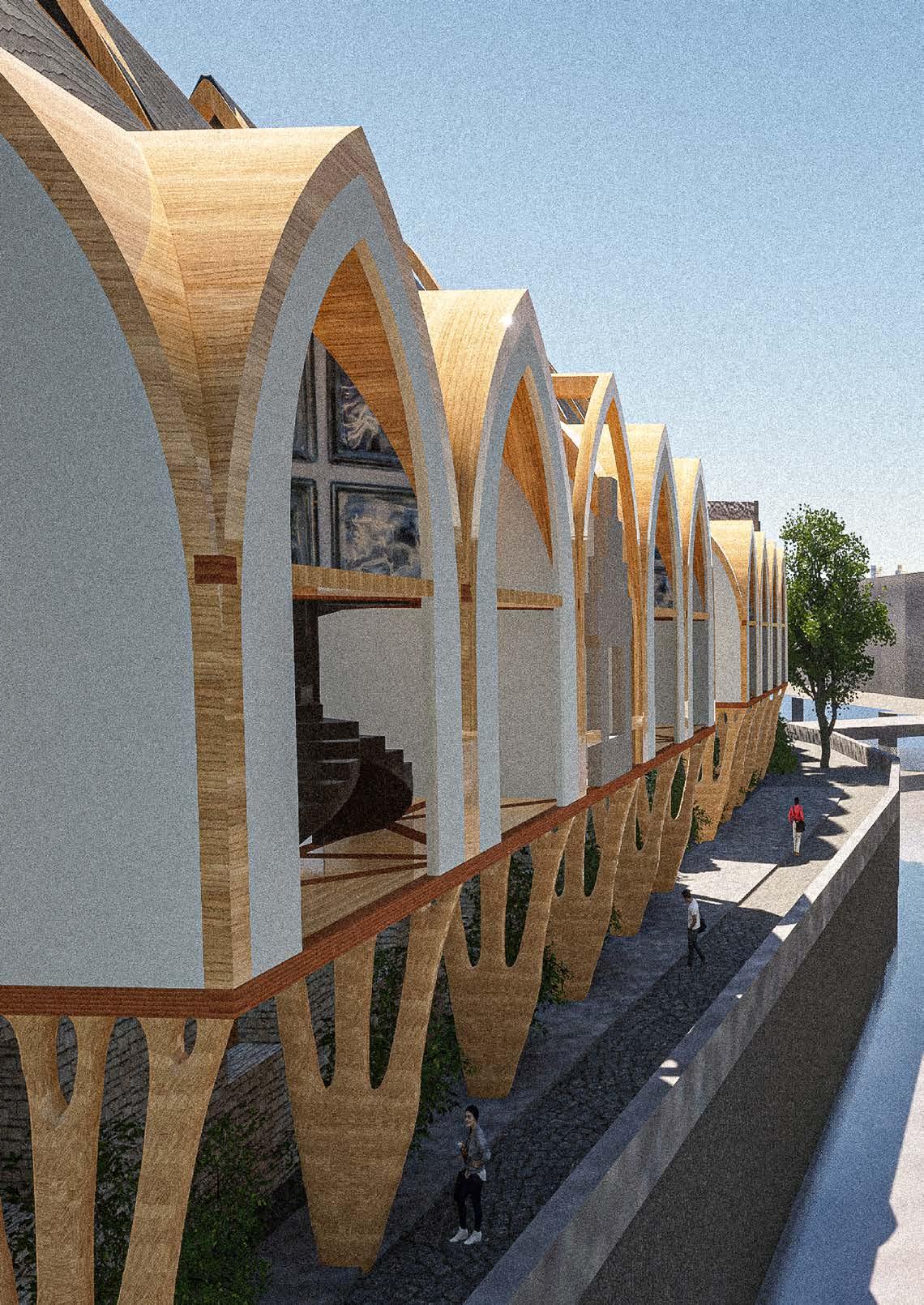
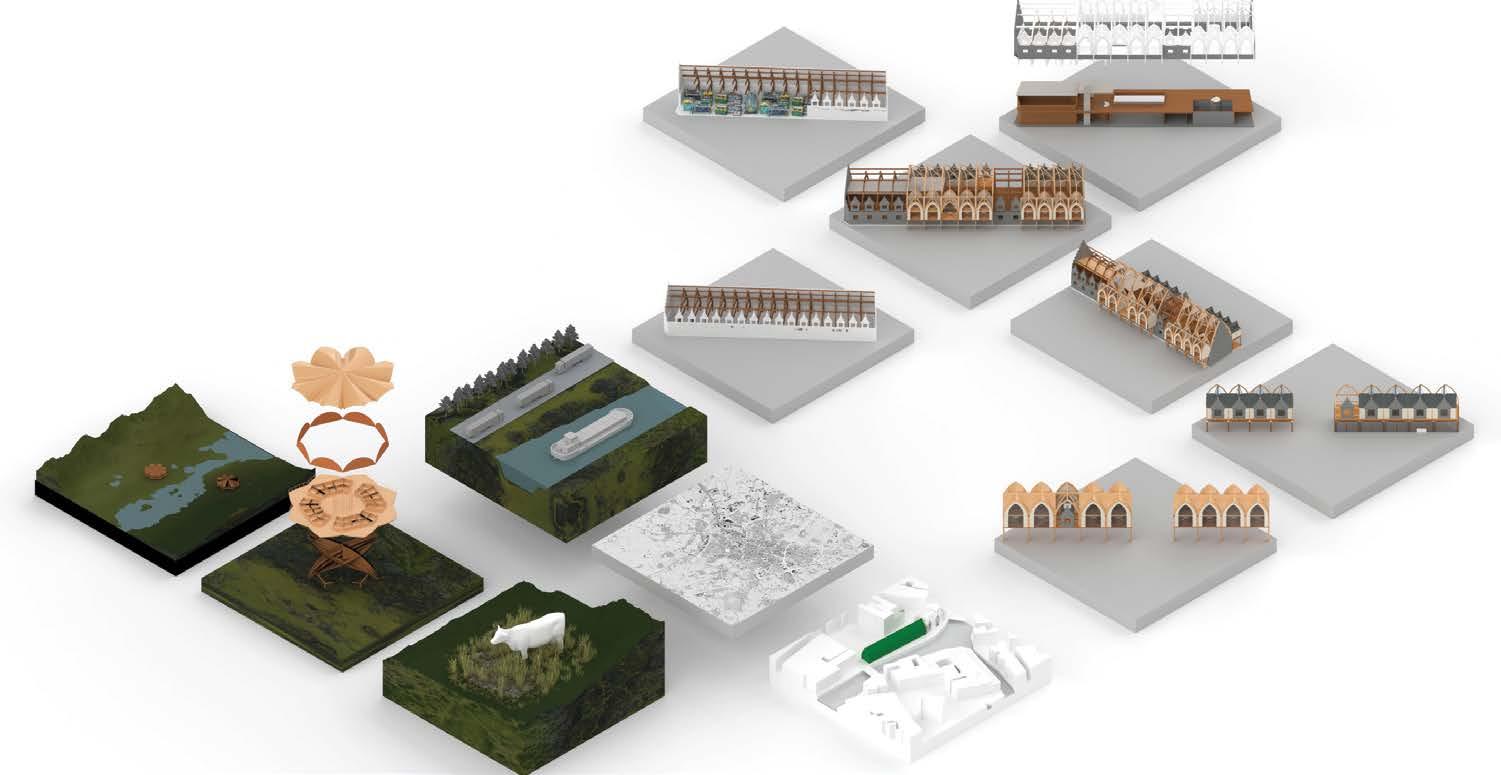
The vision of the following projects is the harmonious integration of sustainable agriculture and artisanal craftsmanship within a circular economy, where every component interconnects to minimize waste, maximize efficiency, and foster a thriving community. Both designs are connected and dependent to one another. The proposal integrates floating cattle farms which respond to the rising sea levels and high risk of flooding in Flanders, Belgium with modern guild houses for butchers and leather makers, creating a self-sustaining ecosystem powered by biogas plants. This holistic approach aims to redefine how we live, work, and interact with our environment, promoting sustainability, craftsmanship, and community well-being.
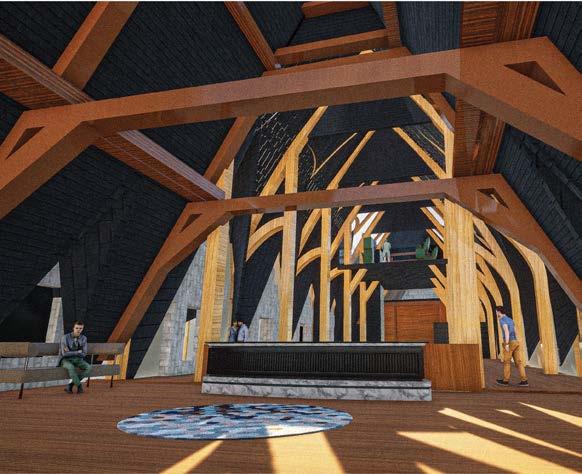
1. Communal Area inside the Great Butcher’s Hall - Rendered View
4. Great Butcher’s Hall (Groot Vleeshuis) - Rendered View
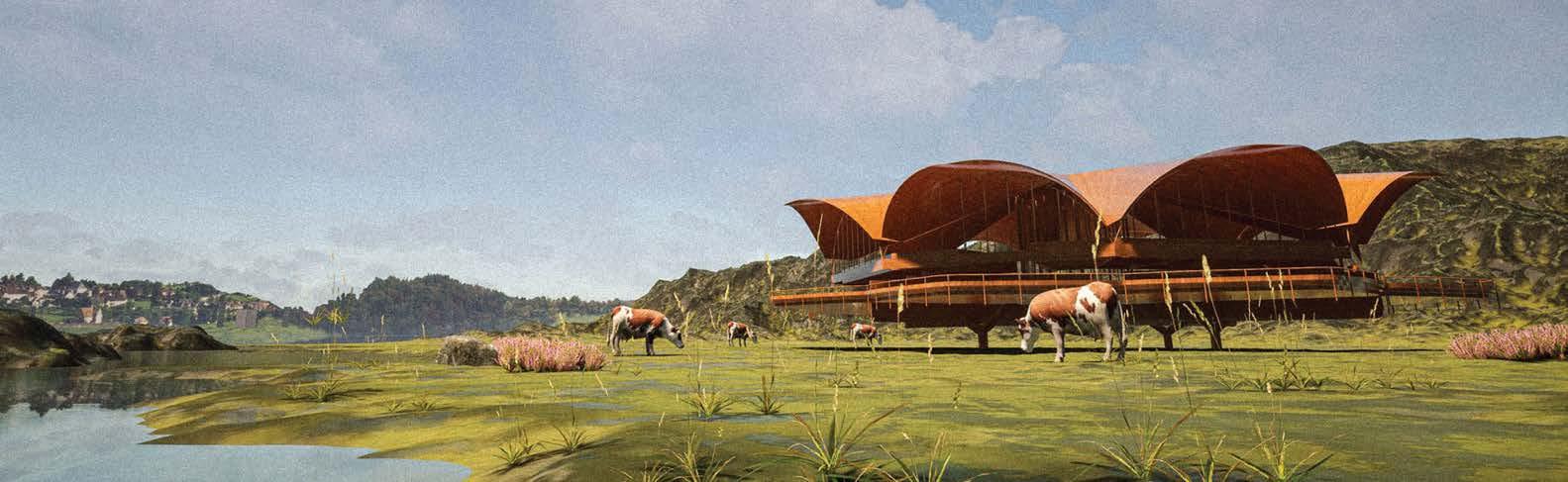
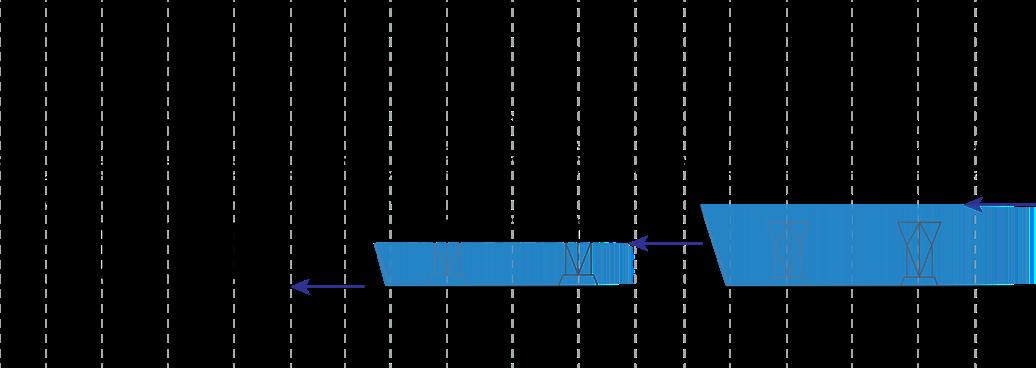
Floating
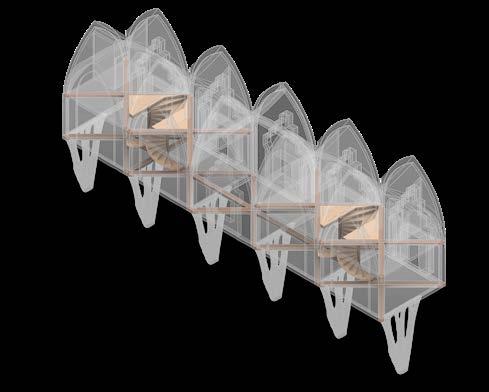
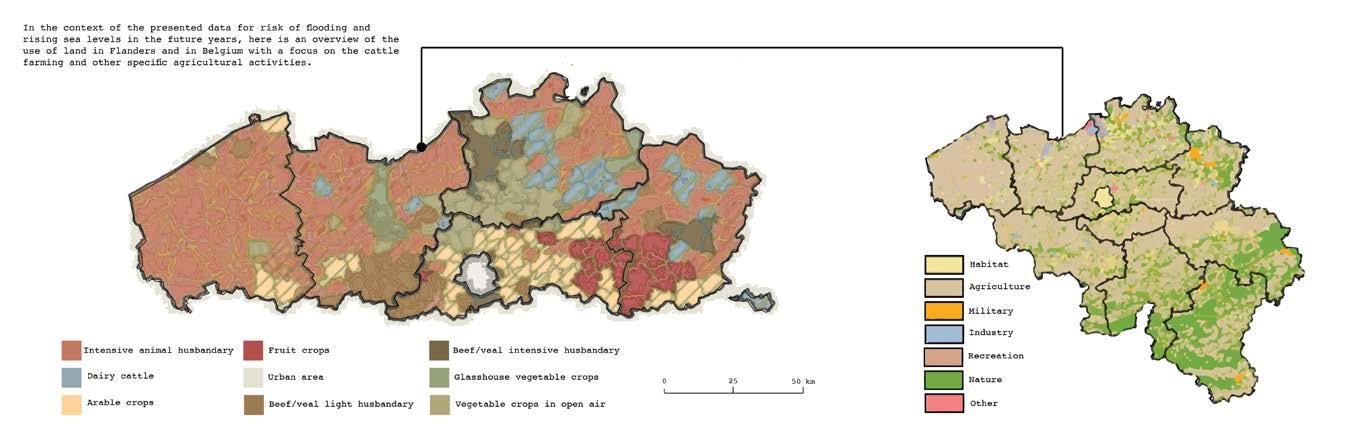
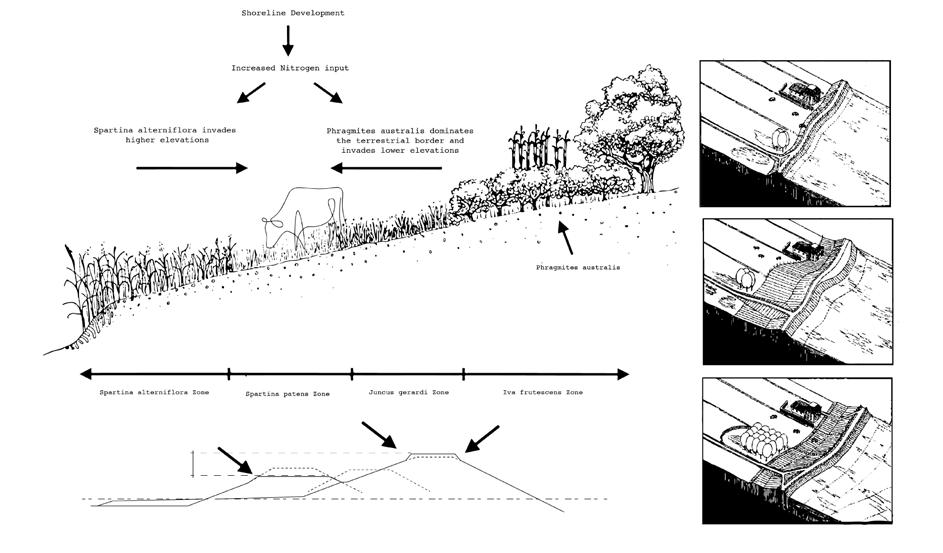
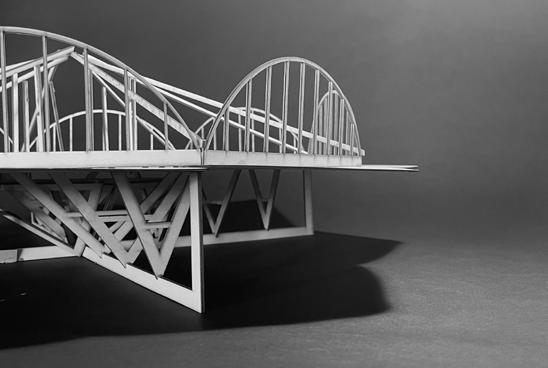
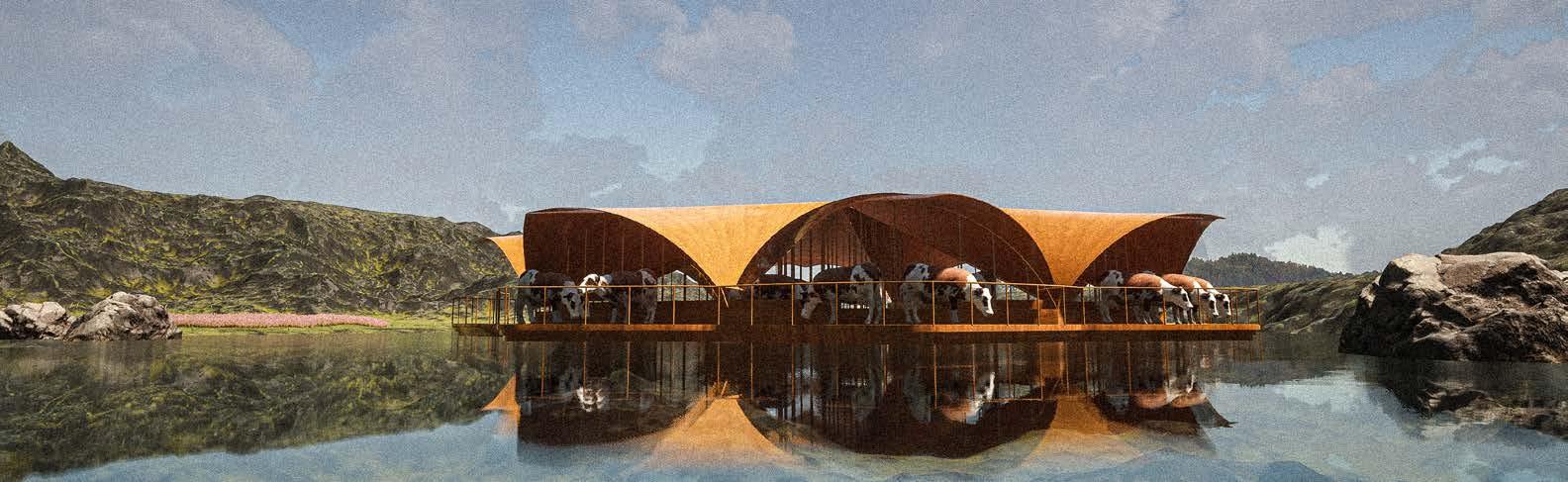
As part of the first design exploration the concept of a floating cattle farm was developed as a solution for the high density cattle farming activities that are currently endangered by the rising water levels in the northern regions of Flanders, Belgium.
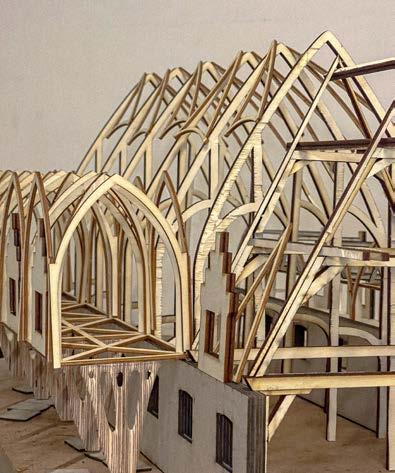
1. Physical Model of the Floating Farm Structure
2. Floating farm during low tide scenario
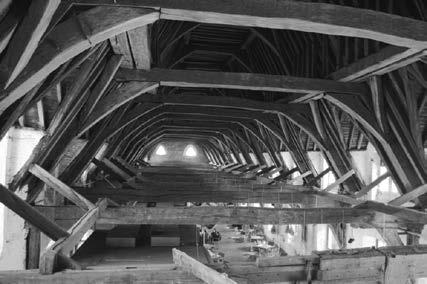
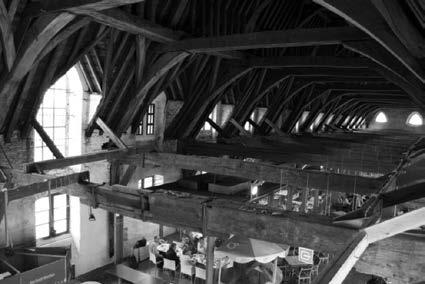
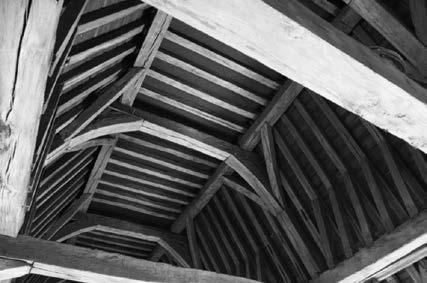
3. Images of the timber roof structure
4. Cattle farm floating during high tide
Ghent Antwer Bruges
1.
Existing Structure Assessment
VLEESHUIS
To promote an efficient solution in integrating the concept defined in the design intends it was crucial to gain a deep understanding of the existing fabrics both from a structural point of view but also from a daylight point of view as this was one of the key environmental concept the design will be optimized on.
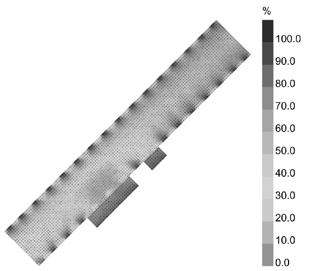
DA: % of daylight hours > 300 lux
Spatial Daylight Autonomy: 50%
Due to the morphology of the high gothic gable roof the inside volume of the Butcher’s Hall is dark. The new roof structure should enhance the harvesting of natural light inside the building.
1. Daylight Analysis in the existing main hall
2. Structural Assessment of the existing timber roof strcuture
3. Images of the timber roof structure
4. Sections of the Great Butcher’s Hall highlighting key areas of decay in the roof structure
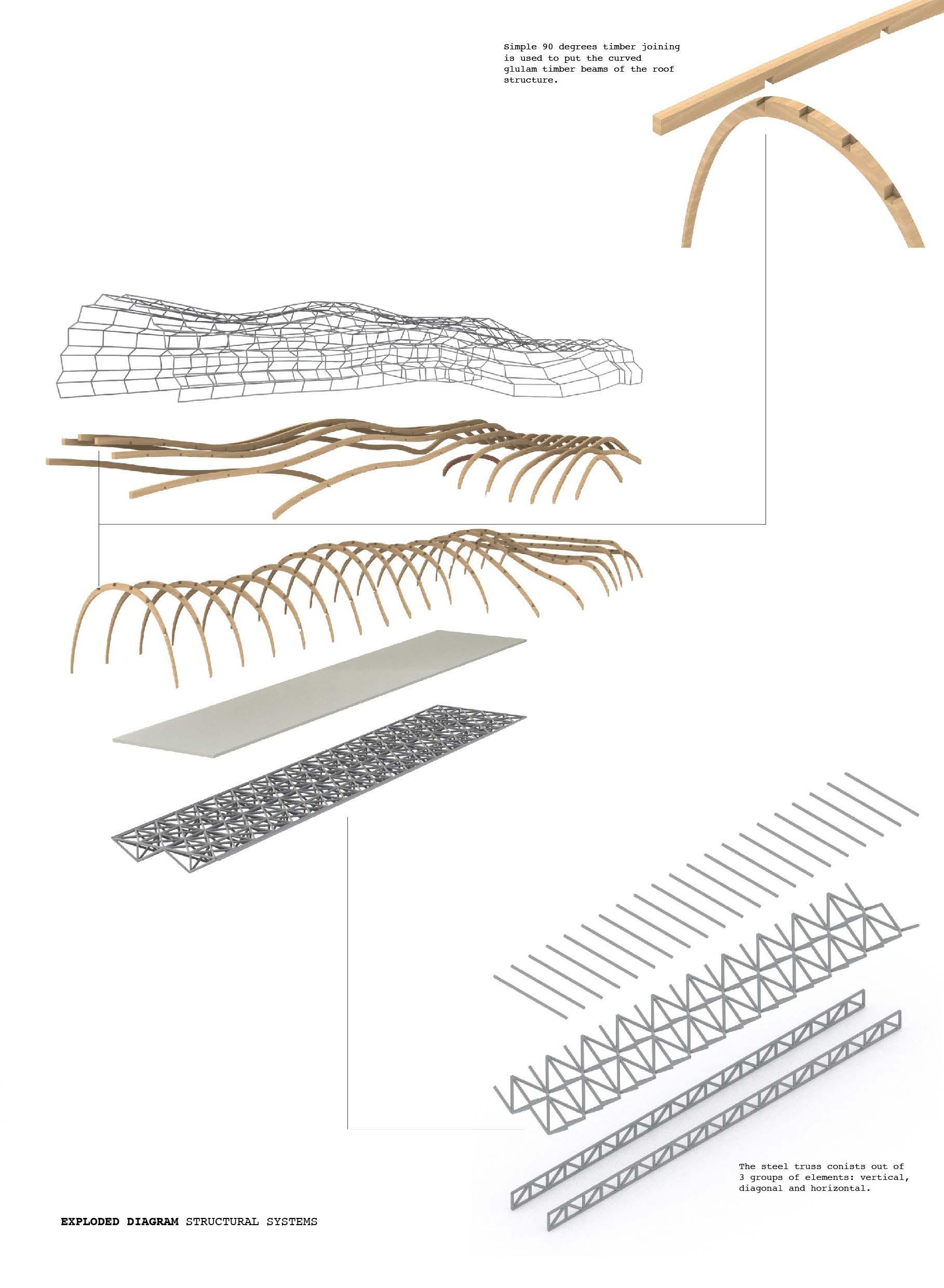
A central concept of this design journey was the aspiration to reimagine traditional methodologies across various crafts; ranging from cattle farming and housing to the artful design of timber frames. By drawing upon the proportions inherent to the existing architecture, the new timber frames are conceived with a singular variable as their foundation. This deliberate approach ensures that the newly introduced elements seamlessly integrate with the established structure while maintaining a distinct identity. In doing so, the design not only harmonizes with the past but also celebrates the principles of restoration, merging continuity with innovation.
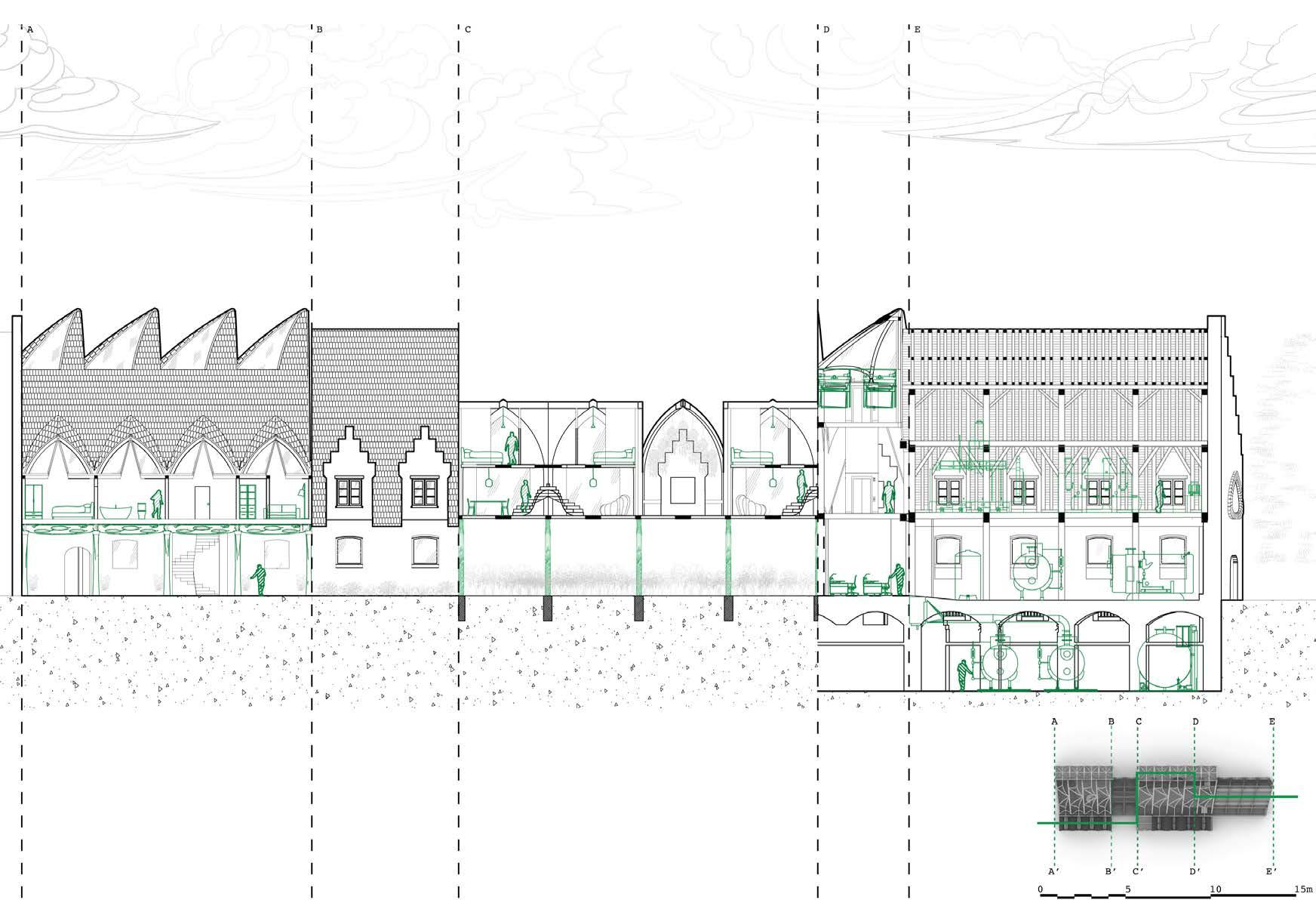
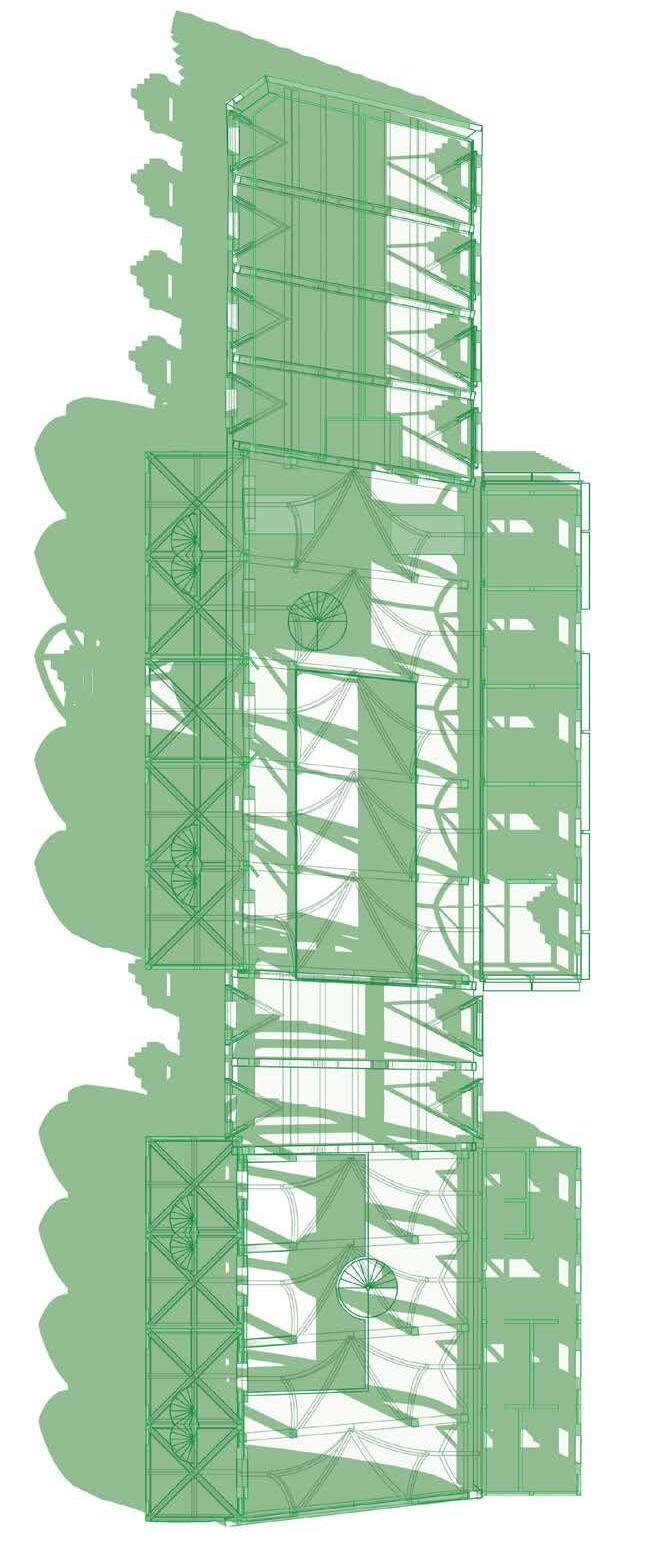
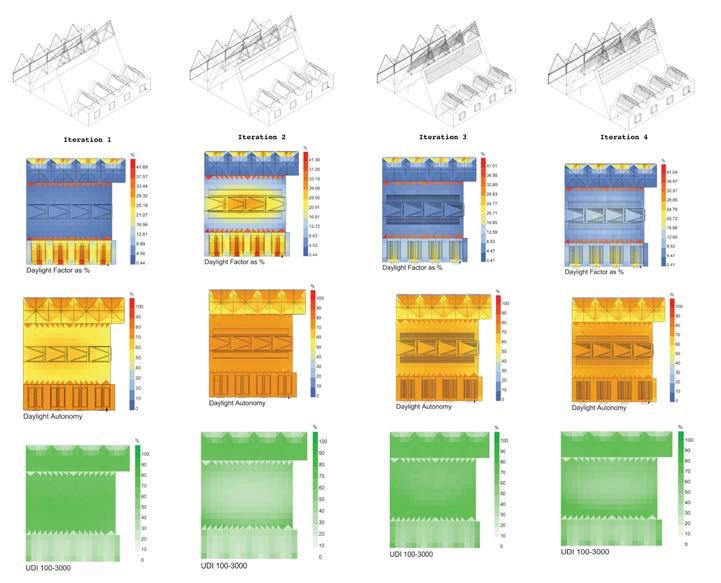
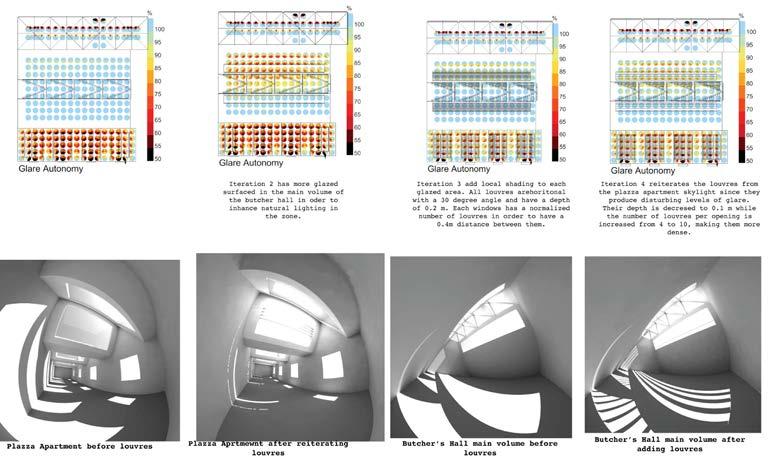
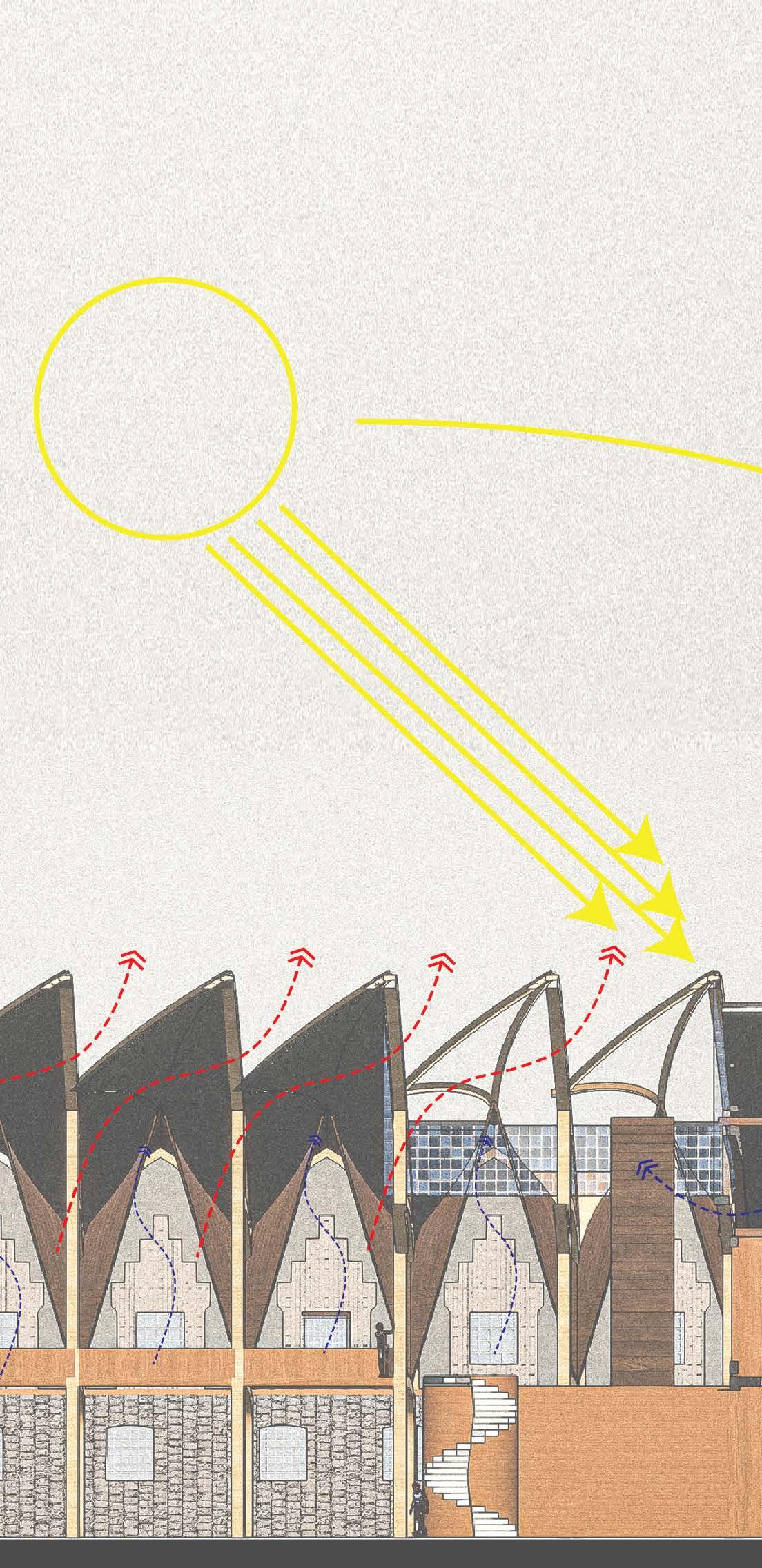
Daylight and solar radiation were the central environmental aspects explored in the extension of the Great Butcher’s Hall as it was the area the original design lacked the most. Through iterative optimisation of rooflight dimensions and different shading devices both the design studio areas and residential flats benefit from a good daylight autonomy while reducing solar heat gains.
1.
2.
3.
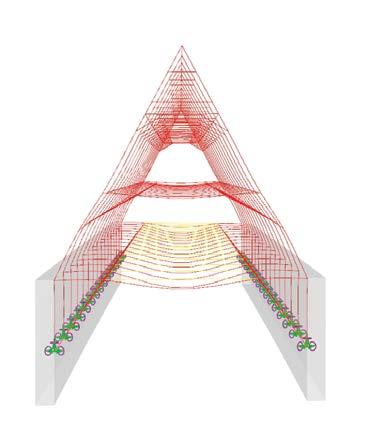
Shadow Study of the new timber roof structure
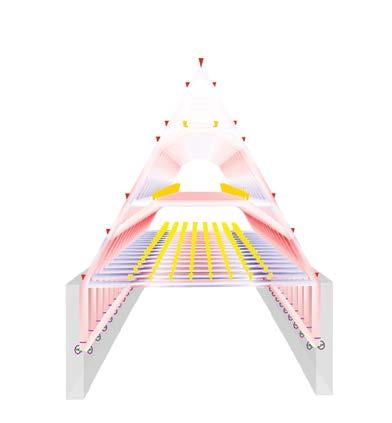
Daylight Autonomy and Glare Analysis and Optimisation of the rooflights design.
Environmental Section presenting natural ventilation strategy
Sketches / Manufacturing - Personal Projects
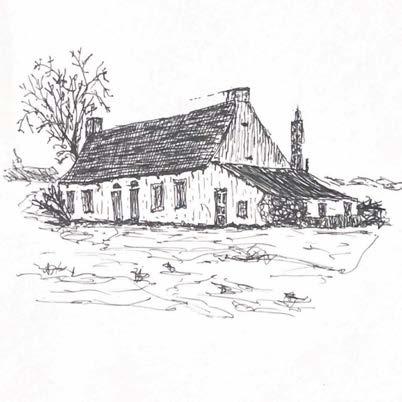
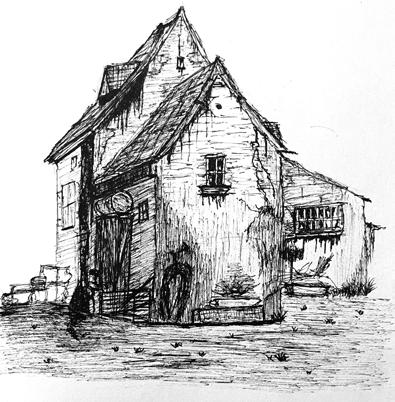
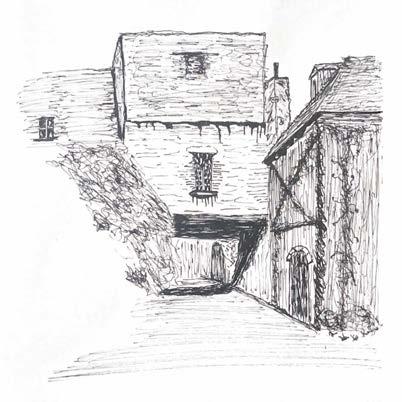
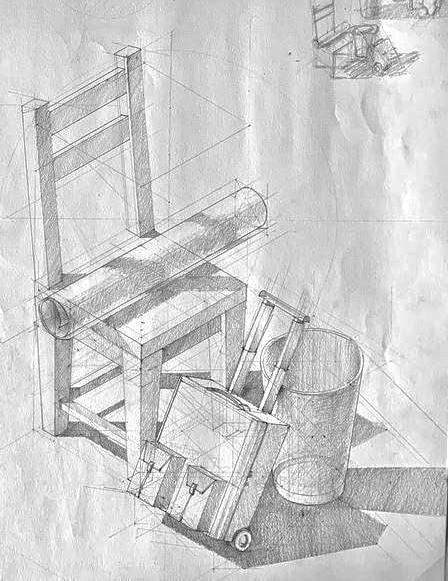
This section offers a brief overview of my personal projects, which span a variety of mediums. While much of my academic work emphasized advancing skills in computational design and optimization workflows, I find it equally invigorating to return to traditional methods, such as sketching from observation with pen and paper. This balance between digital and analog practices reflects my commitment to a holistic approach to design.
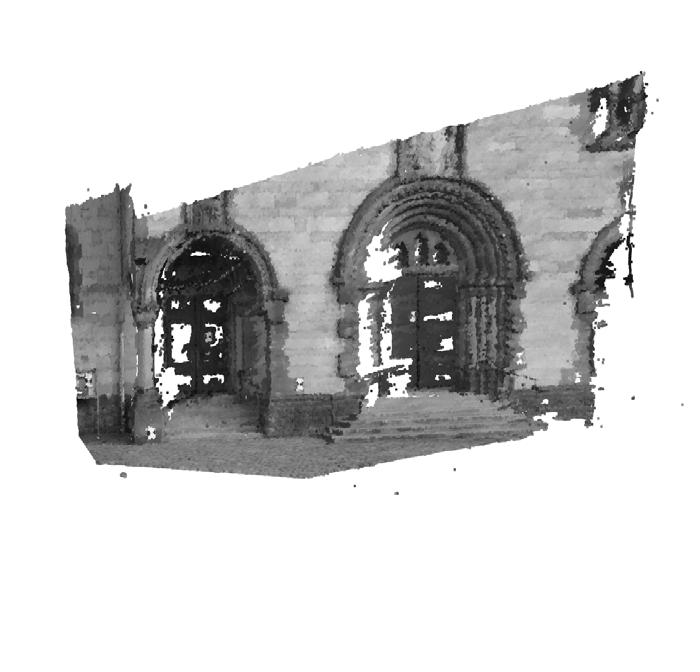
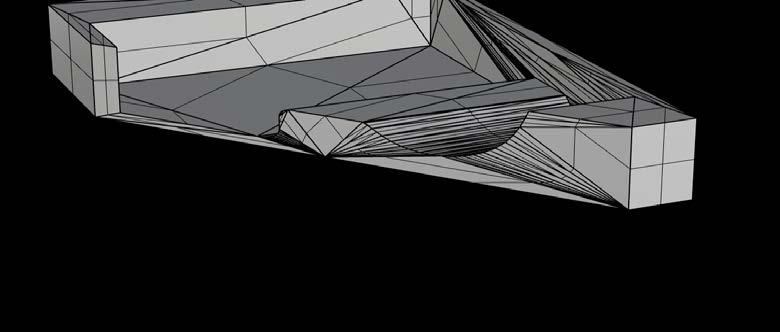
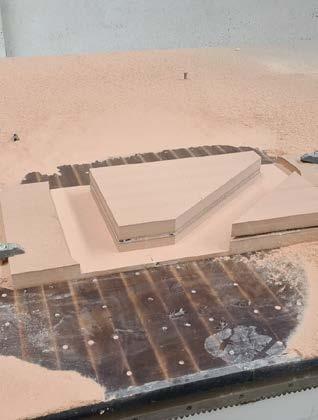
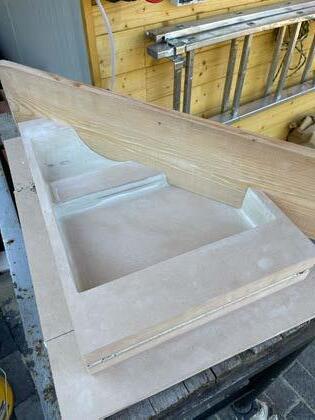
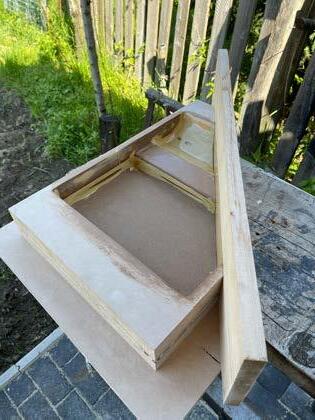
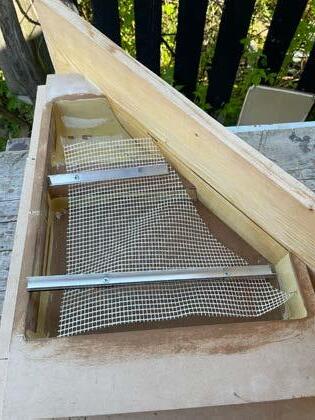
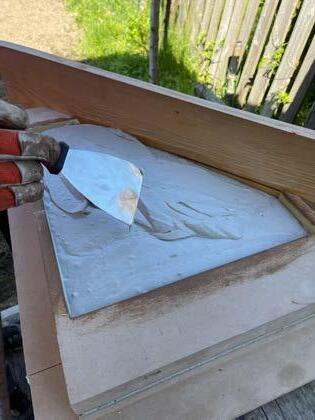
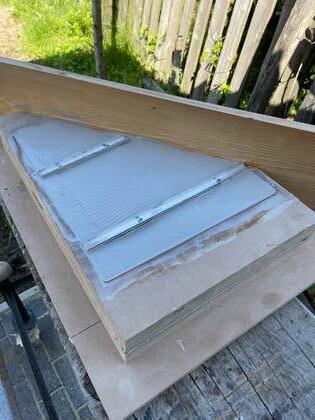
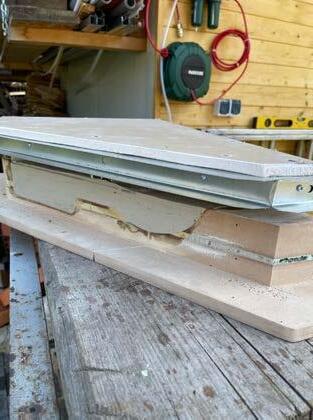
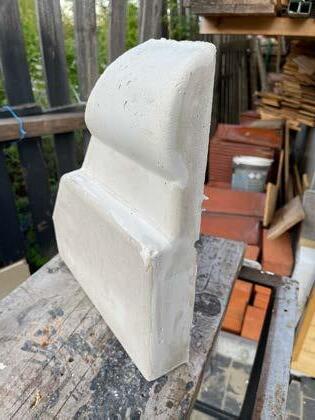
One of my recent personal projects involved validating a key aspect of my academic research: LiDAR scanning and its potential applications in restoration projects.I explored how this technology could be applied in practice by creating a cast of a façade element.
1. Sketches from countryside
2. Still life axonometric drawing
3. Lidar Scan facade to digital generated mold
4. Manufacturing of the scaned mold and plaster cast
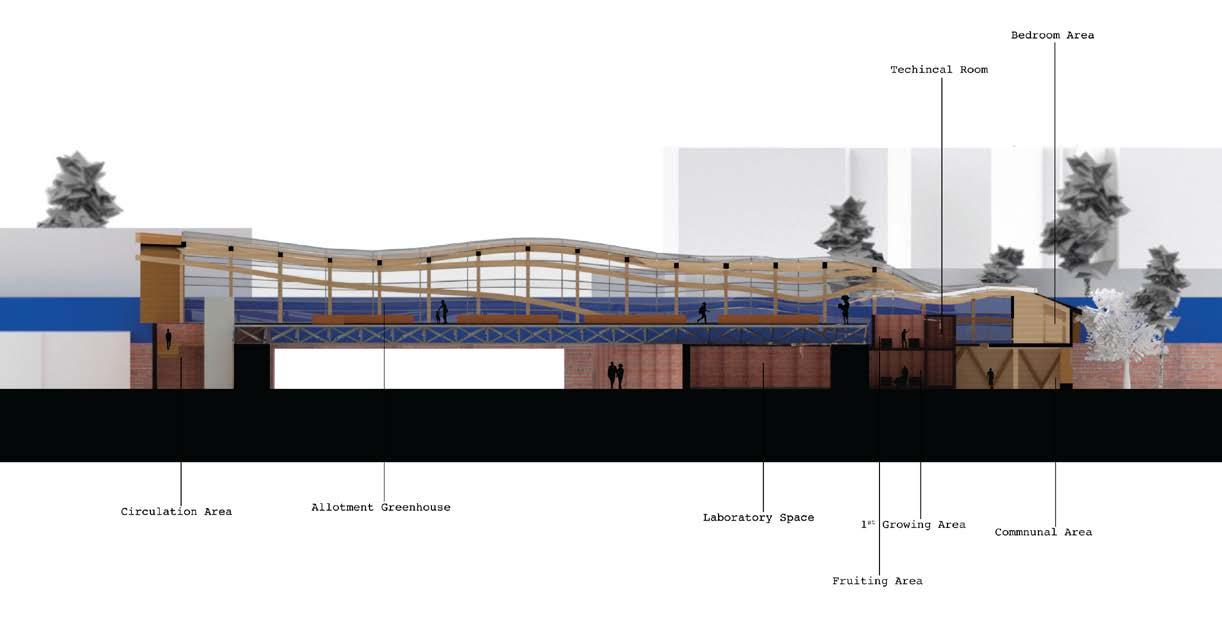
1. Section highlighting key areas of the hanging garden
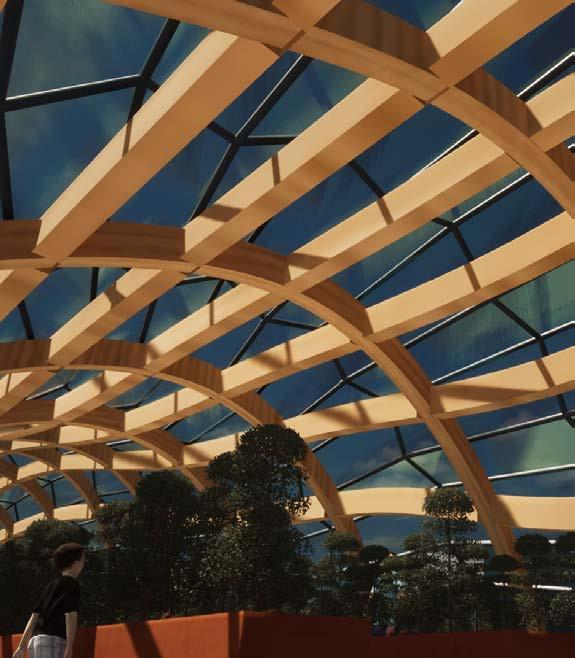
2. Rendered View inside the allotment greenhouse
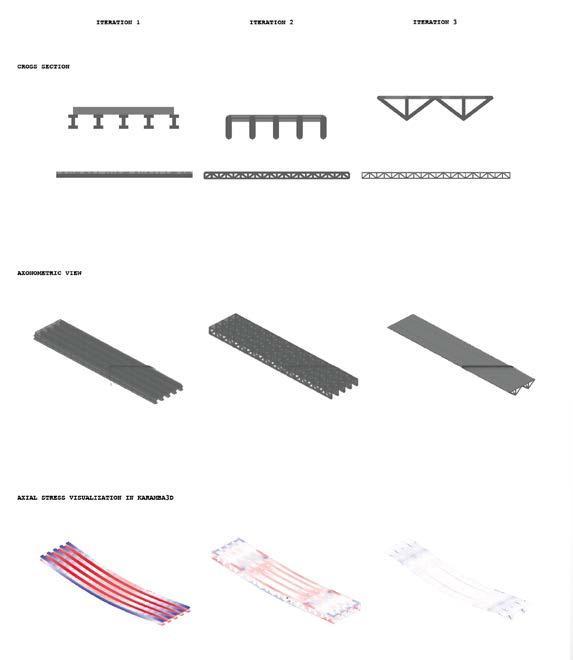
Composite deck iterative optimisation
Urban Hanging Garden in London
Topology Optimised Structural Elements
- Technical Study
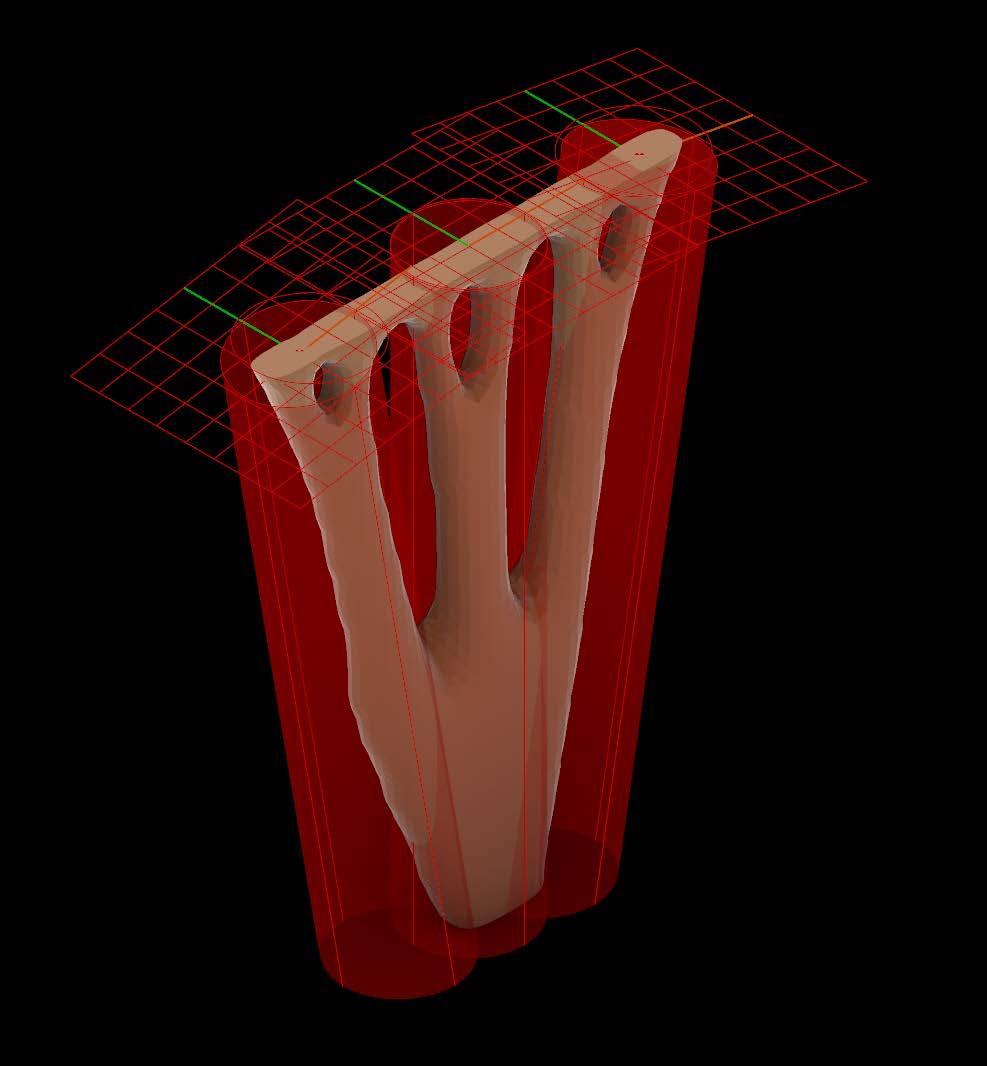
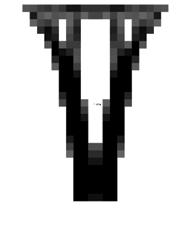
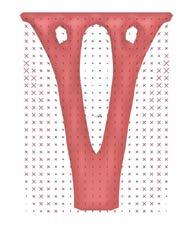
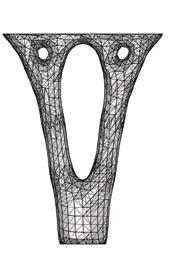
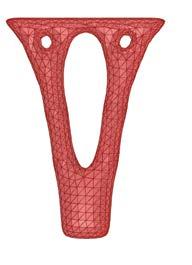
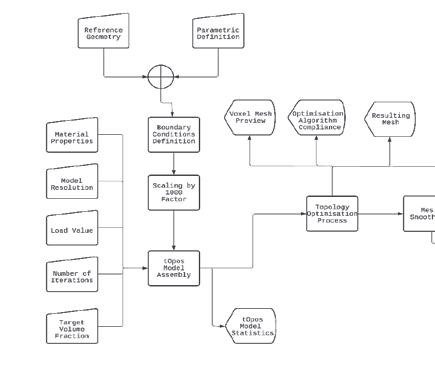
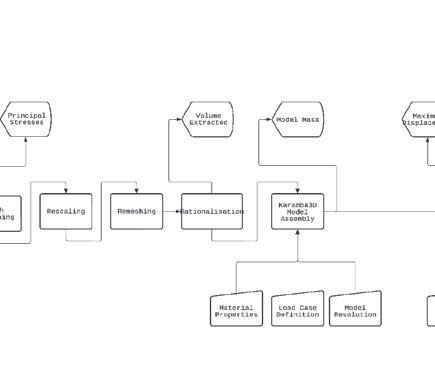
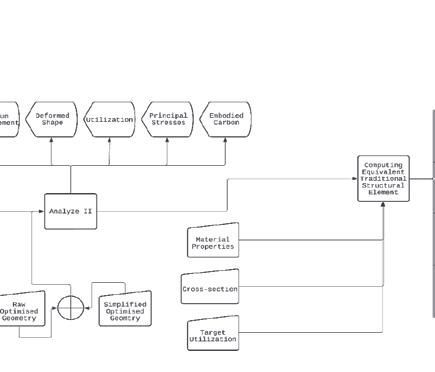
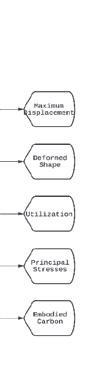
This section delves into my research on the feasibility of employing topology optimization algorithms in the manufacturing of laminated timber structural elements. The study seeks to underscore the potential benefits these optimized components could offer to designers and engineers globally, particularly as timber continues to gain prominence in the built environment due to its accessibility and sustainable qualities. This workflow utilises the BESO algorithm, implemented through Grasshopper components facilitated by Karamba3D and the tOpos plugin, to explore innovative approaches to structural optimization.
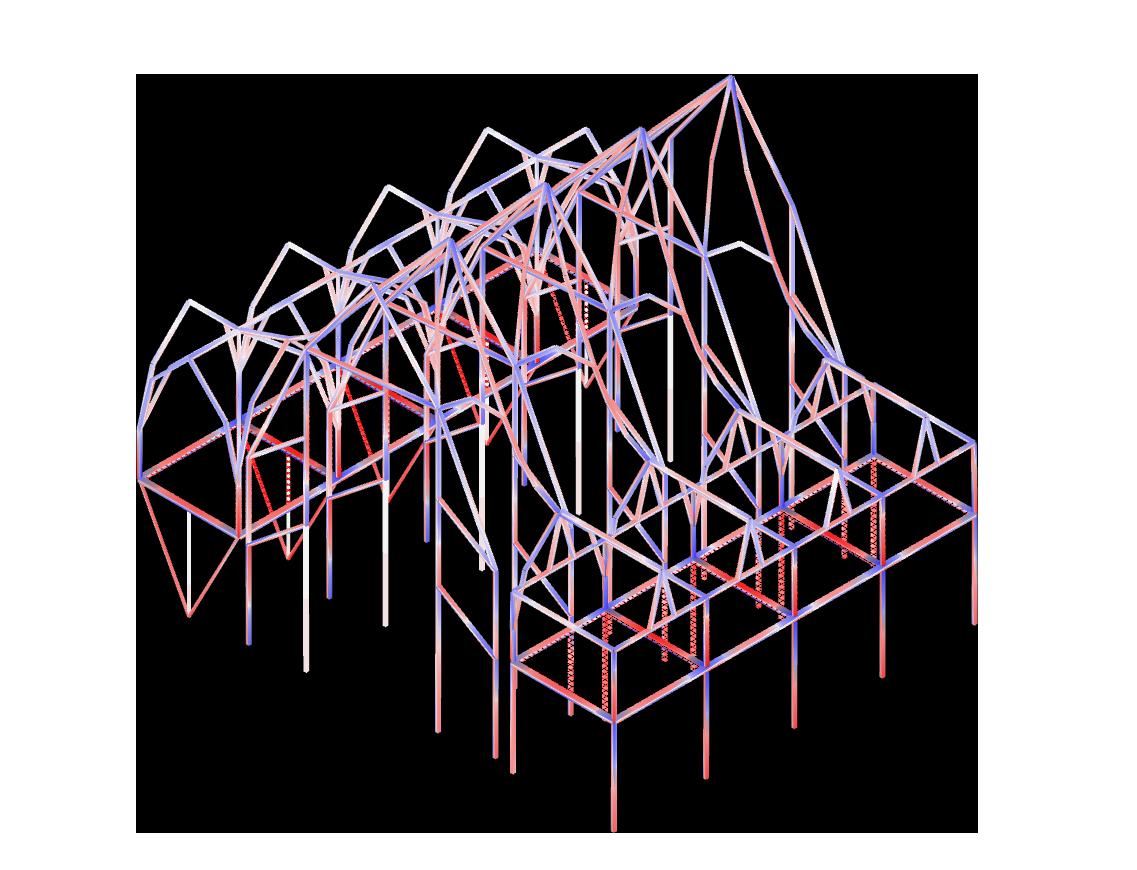
1. Utilization of a timber roof structure with topology optimised members
2. Boundary conditions and load planes definition
3. Flowchart of the optimisation workflow
4. The studied element at different stages of the optimisation process