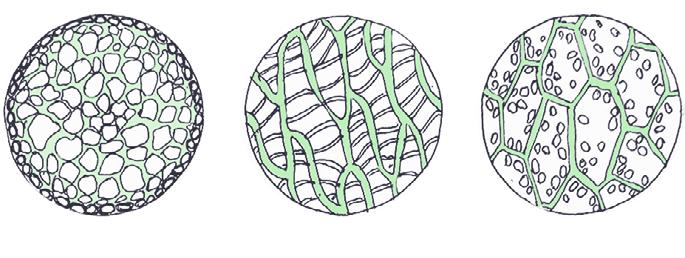
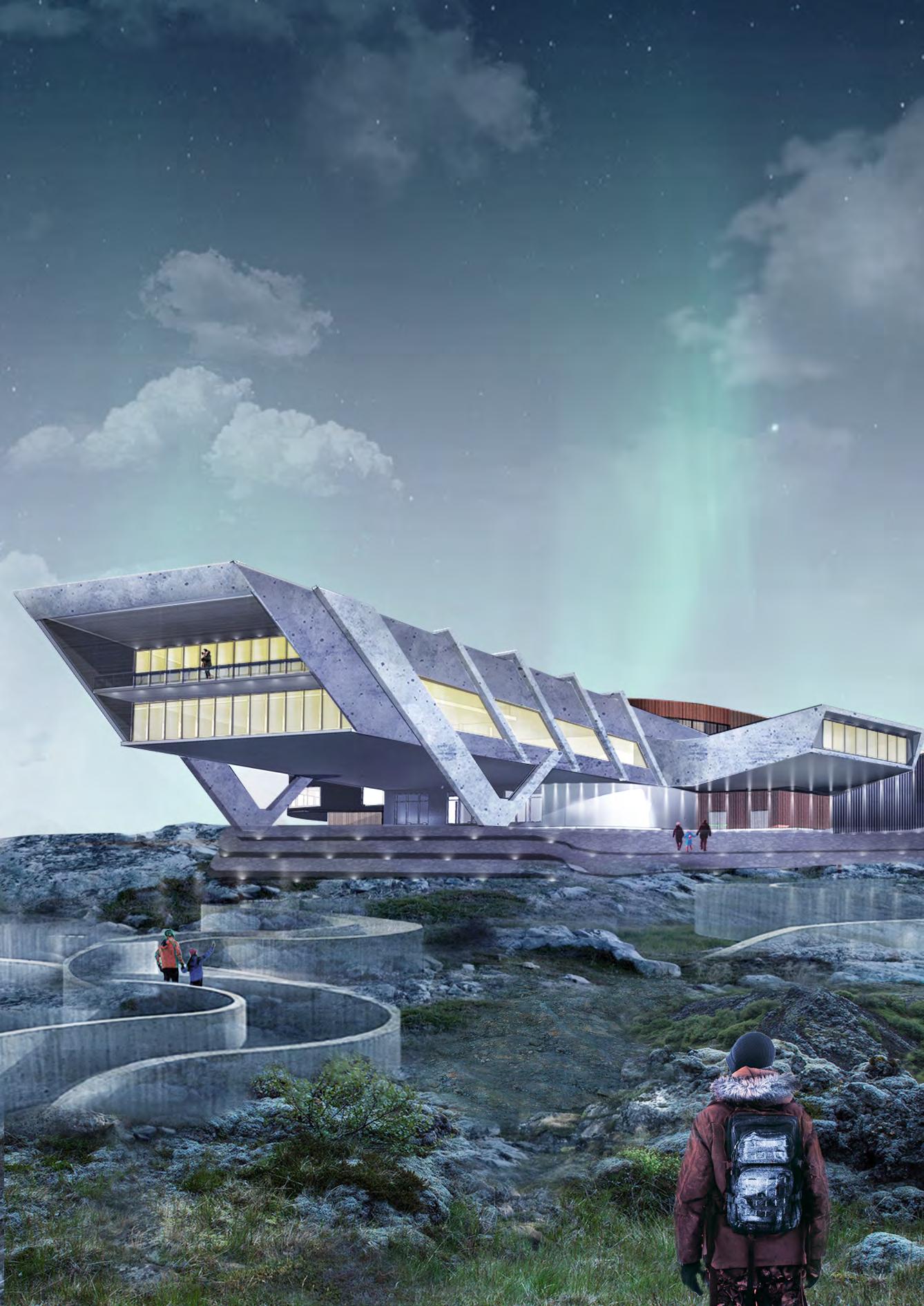
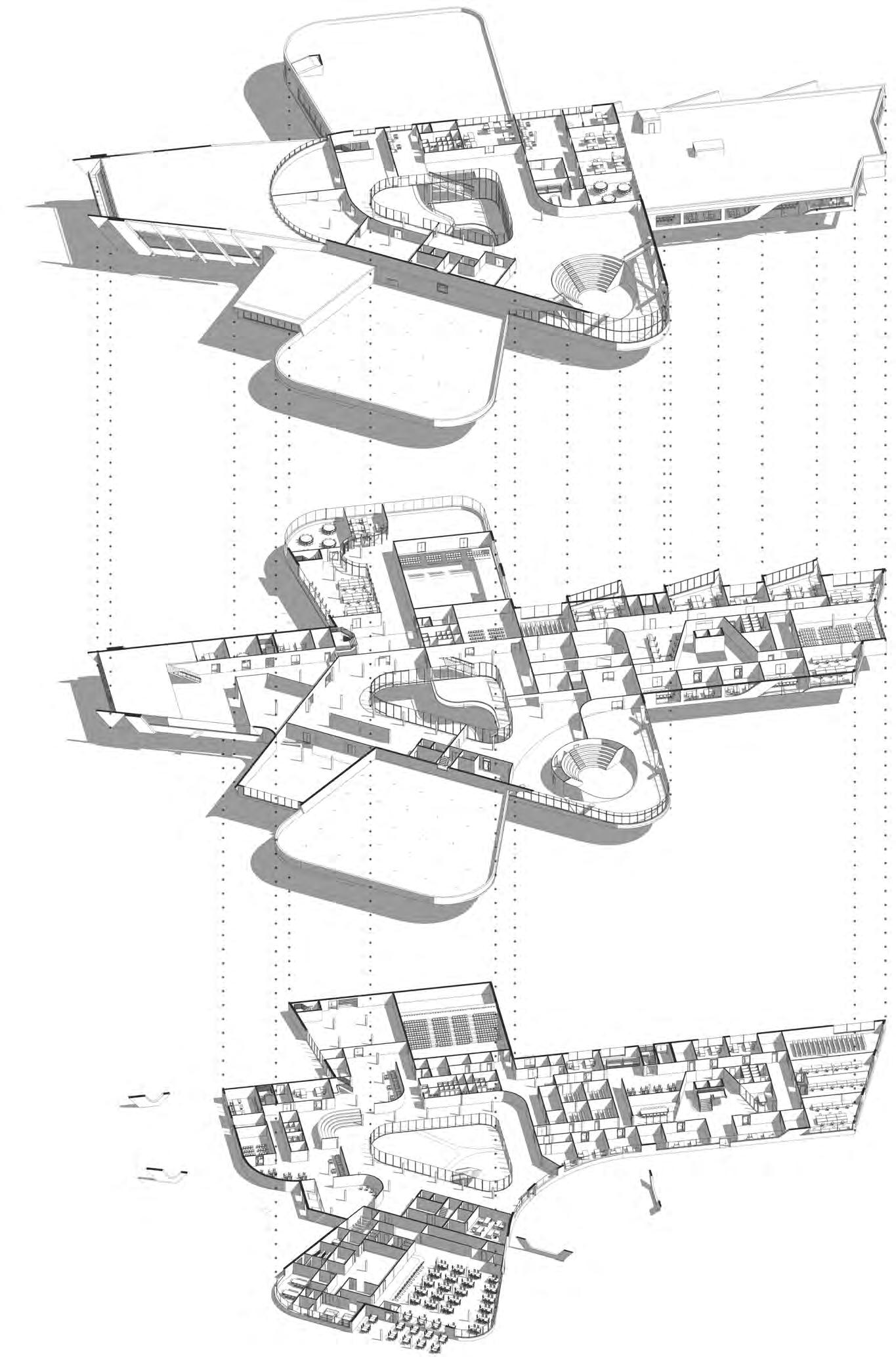
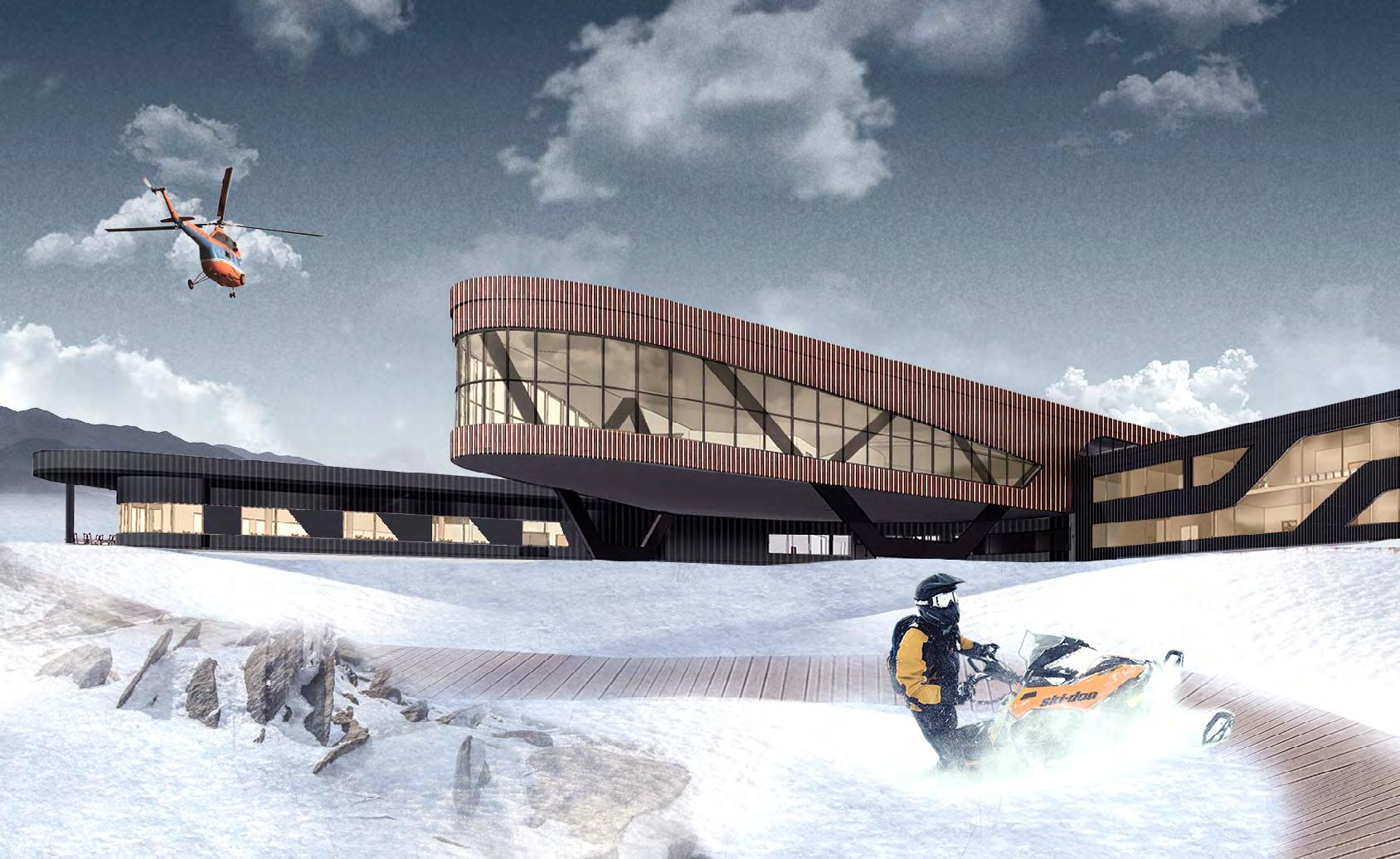
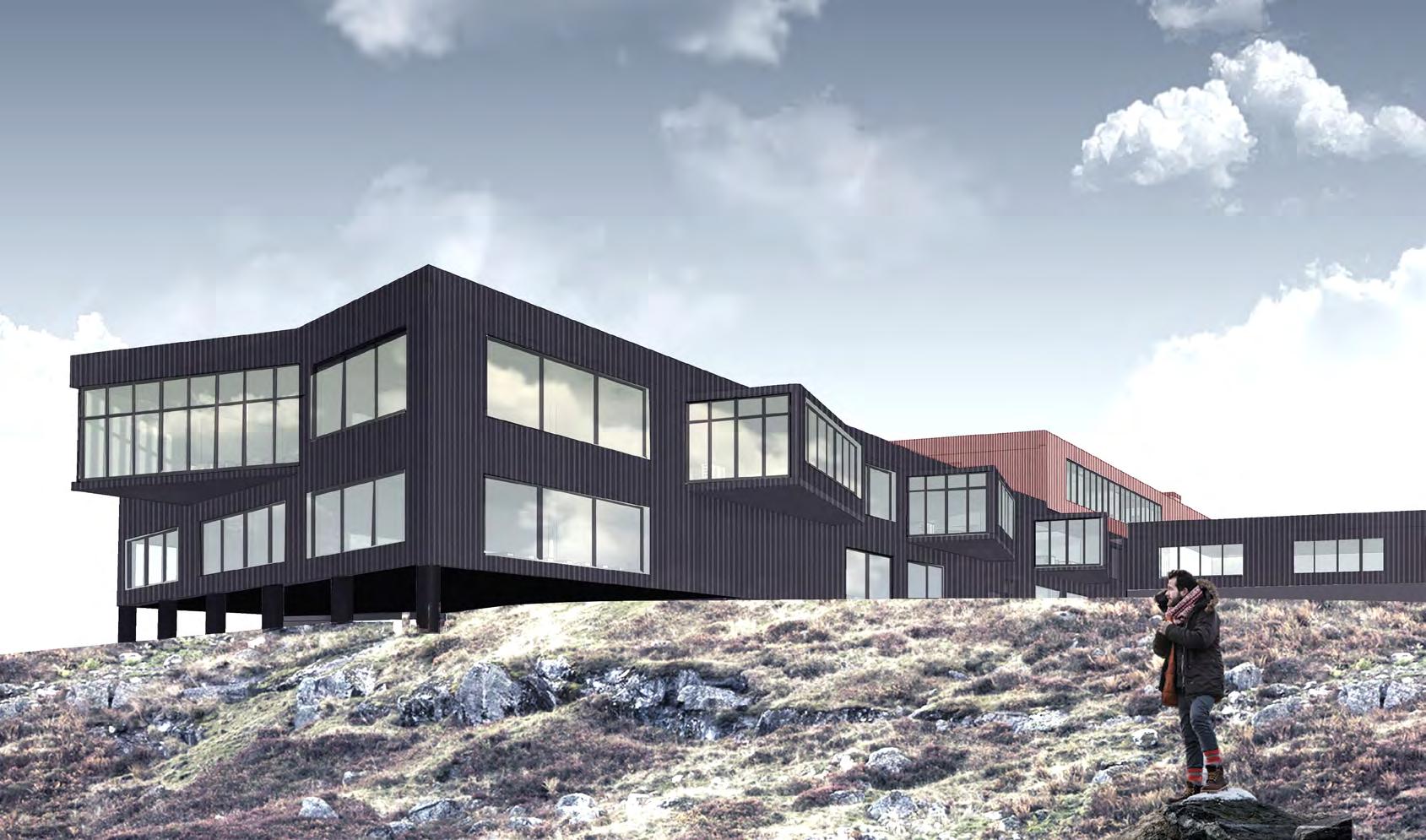
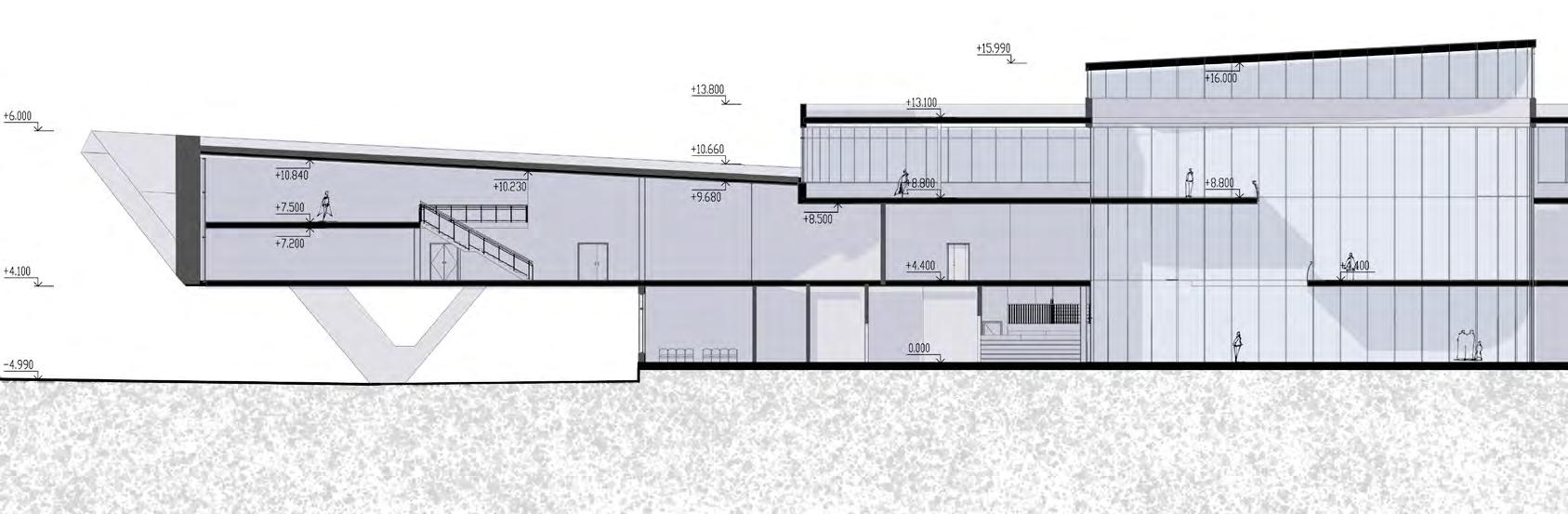
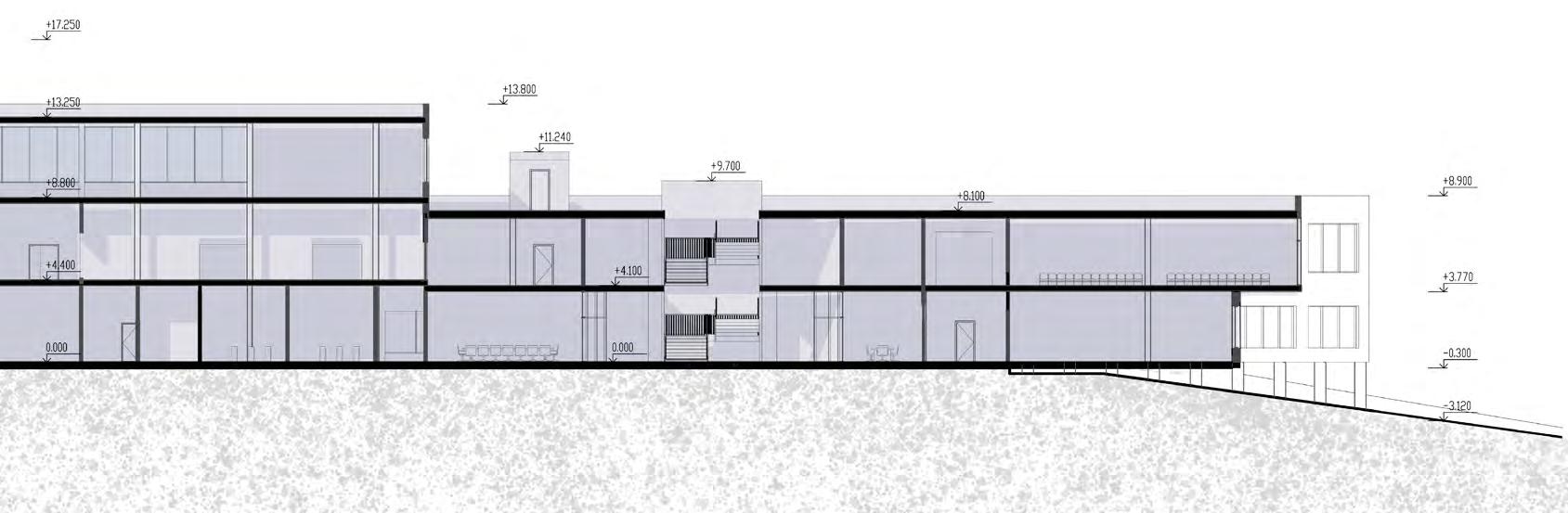
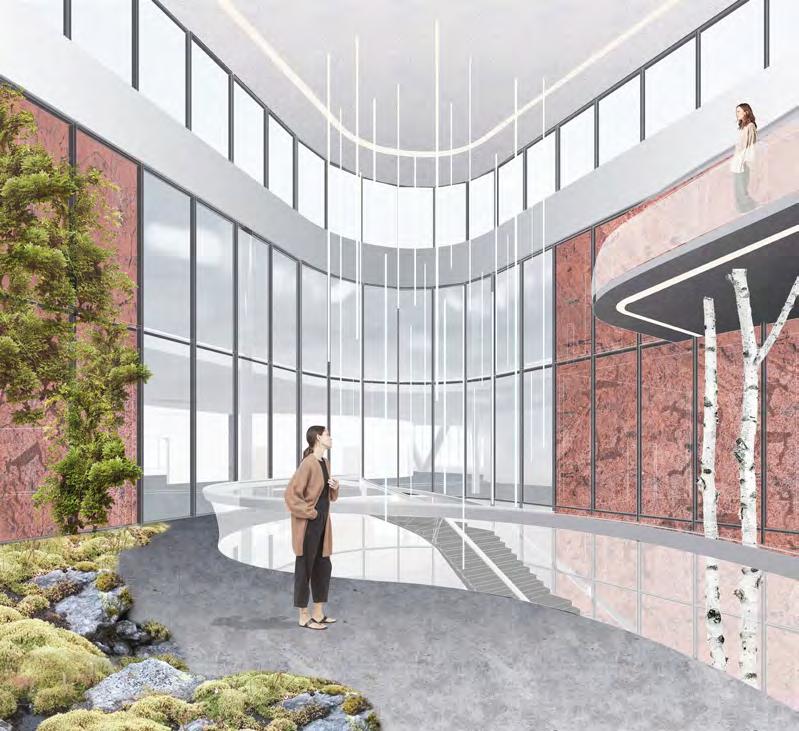
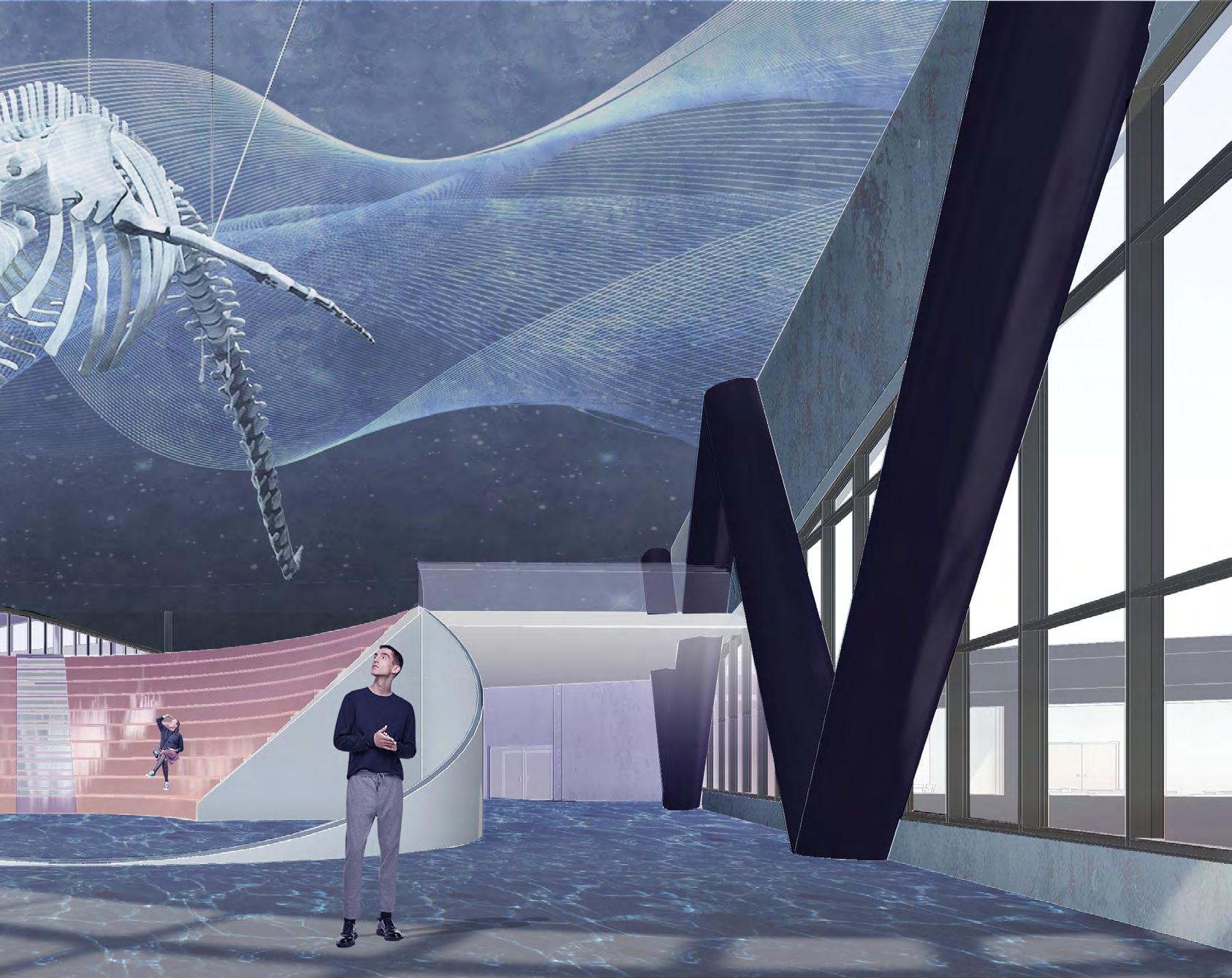
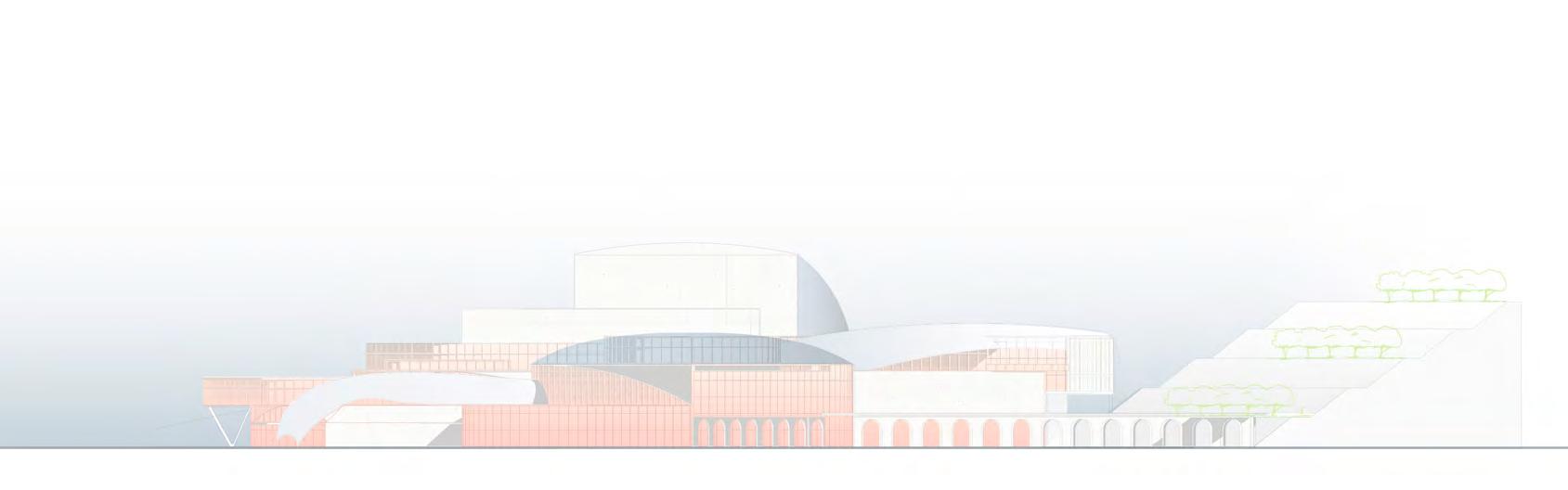
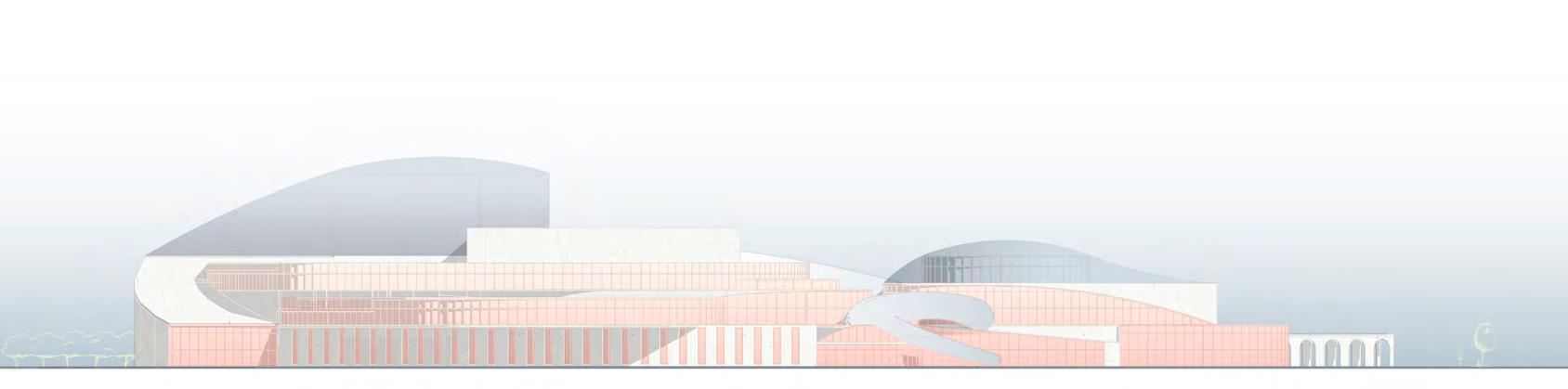
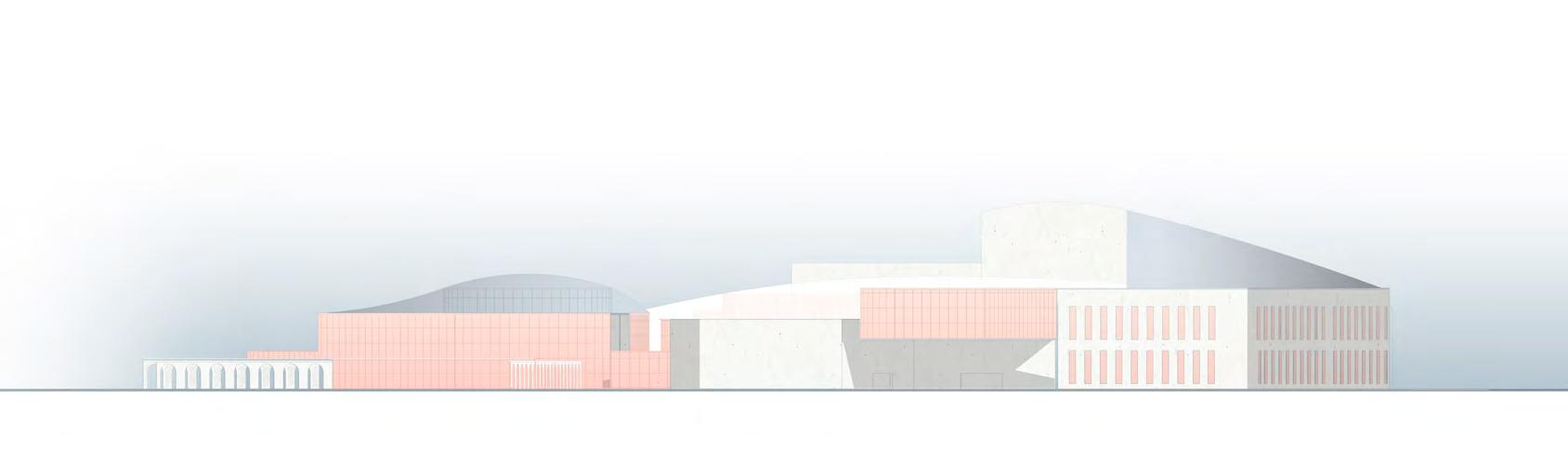
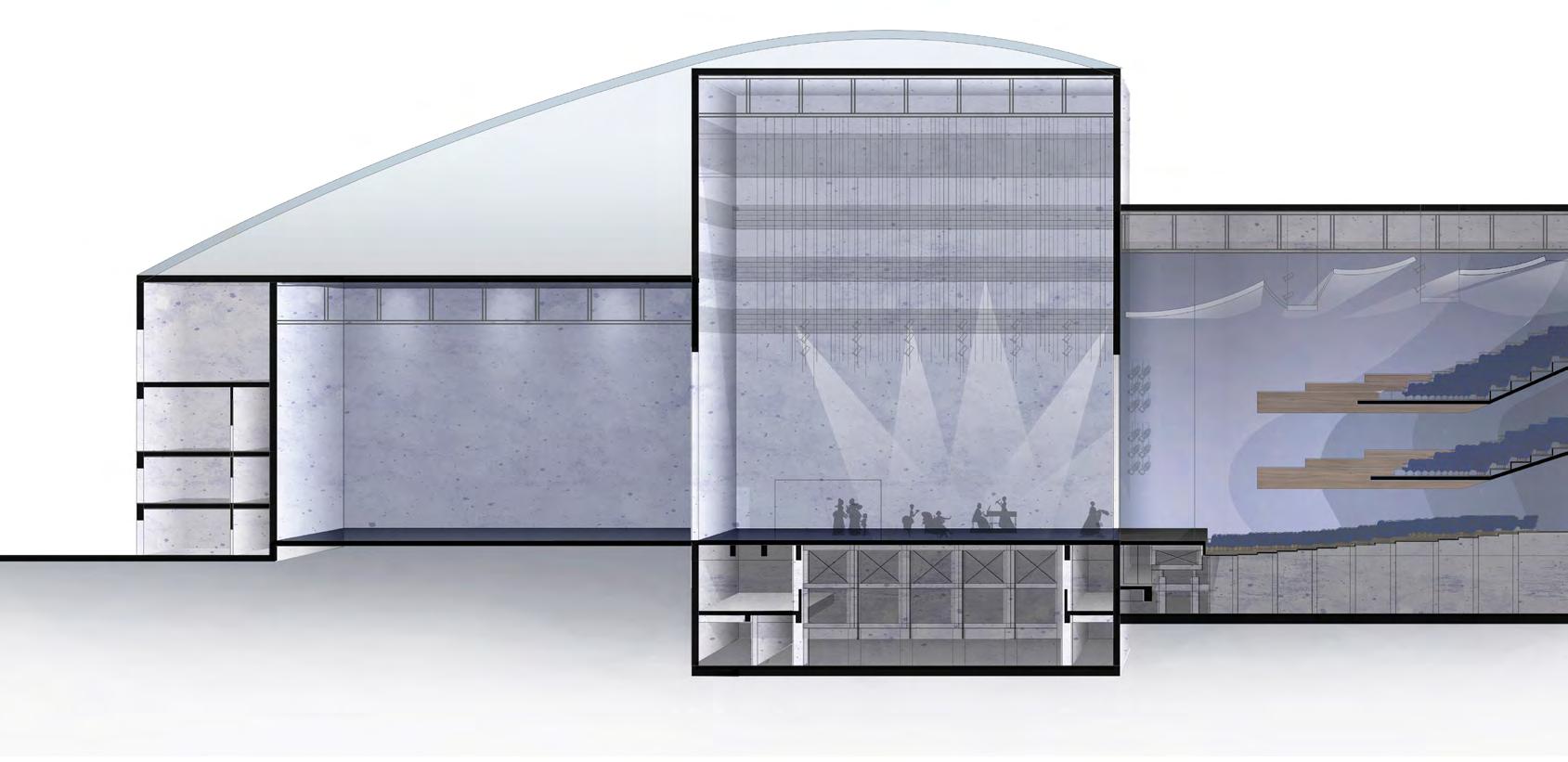
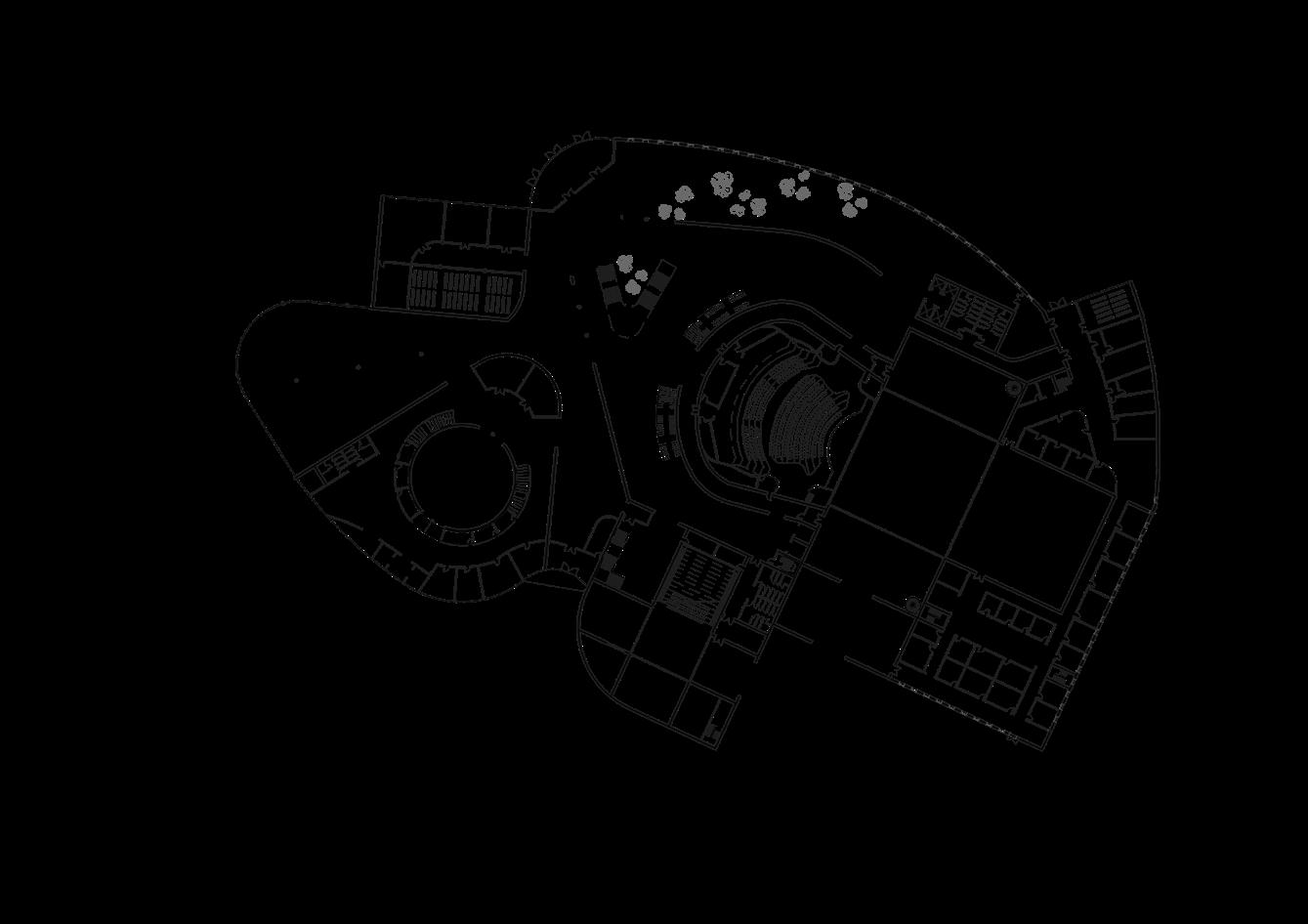
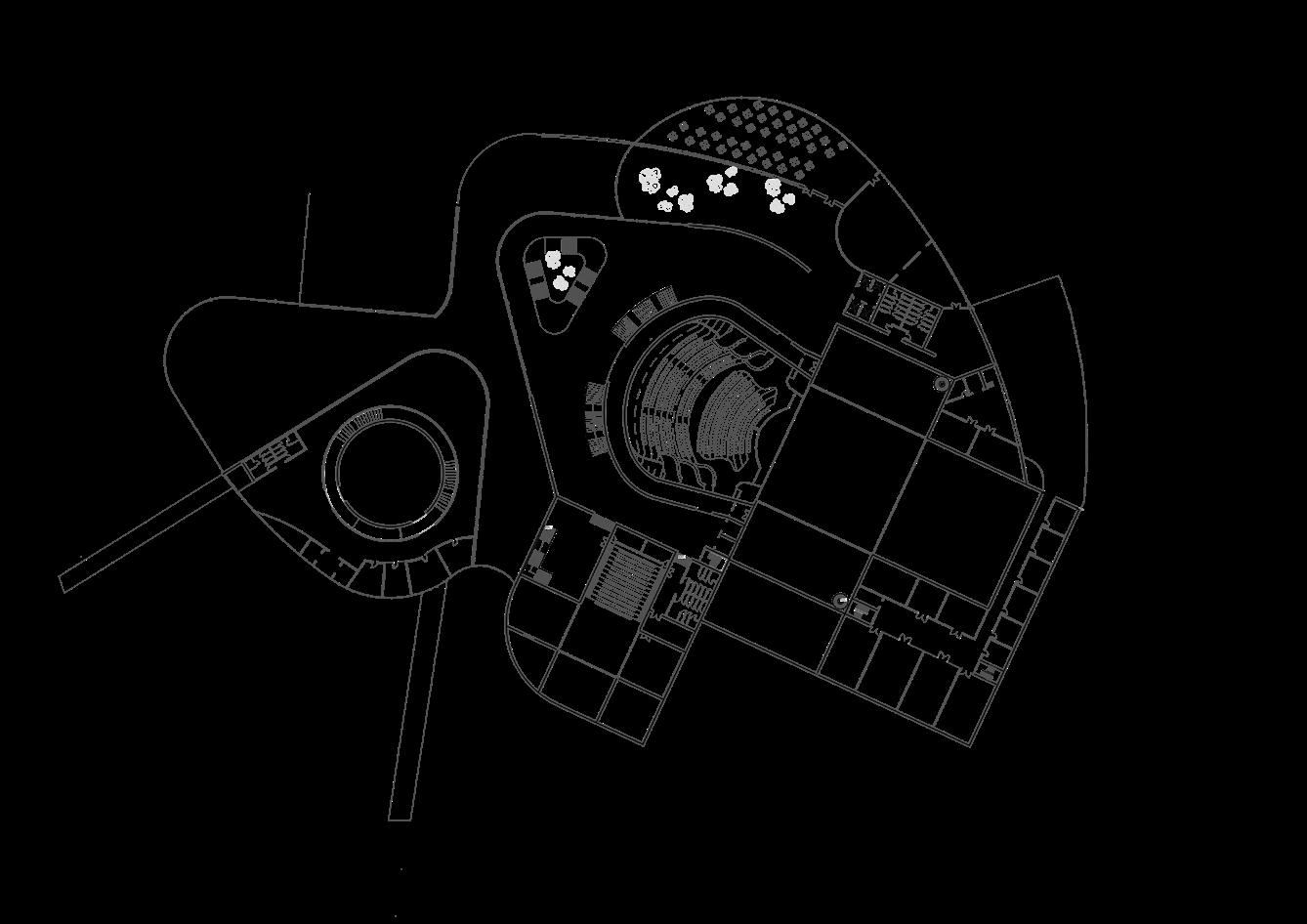
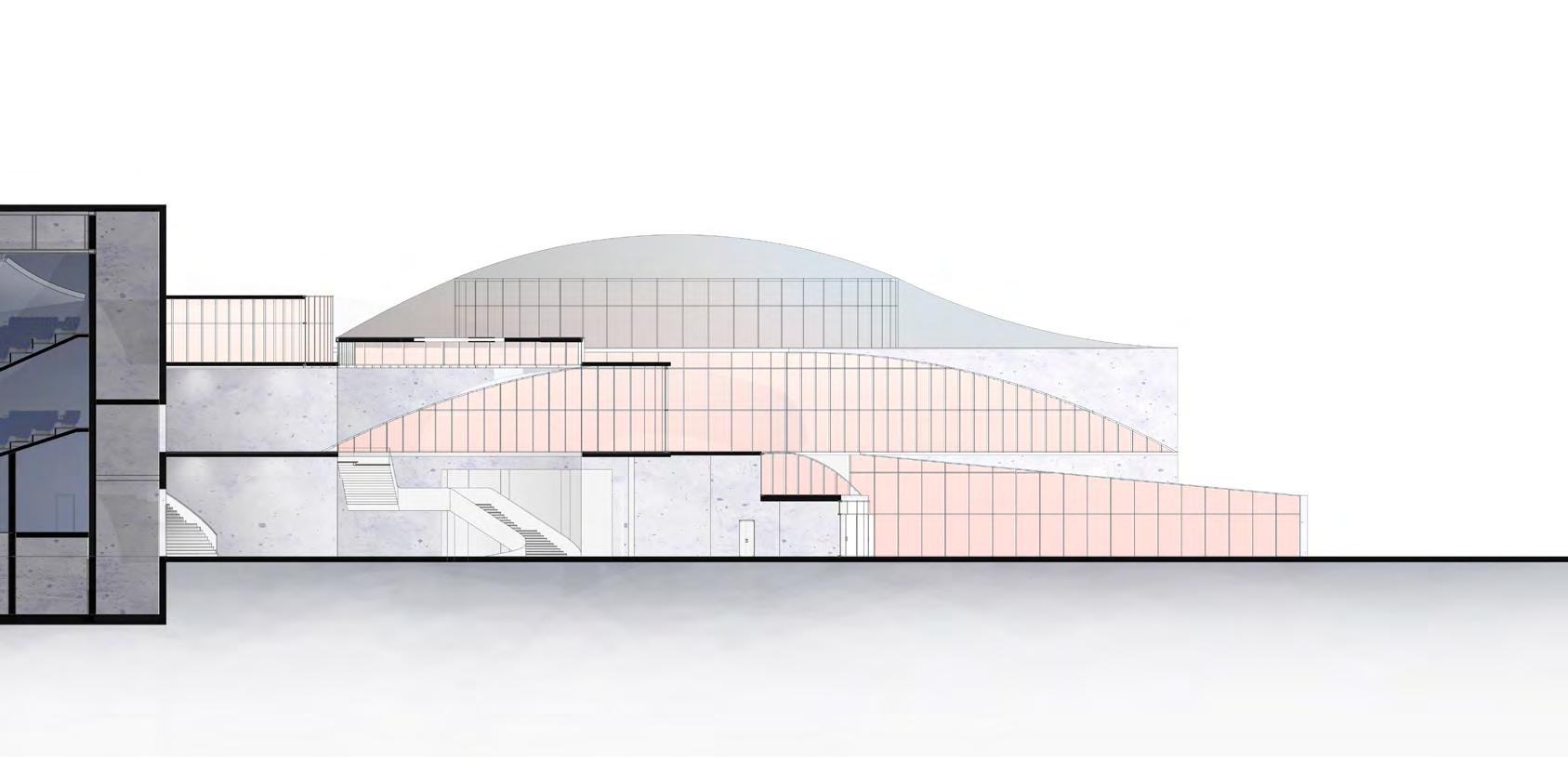
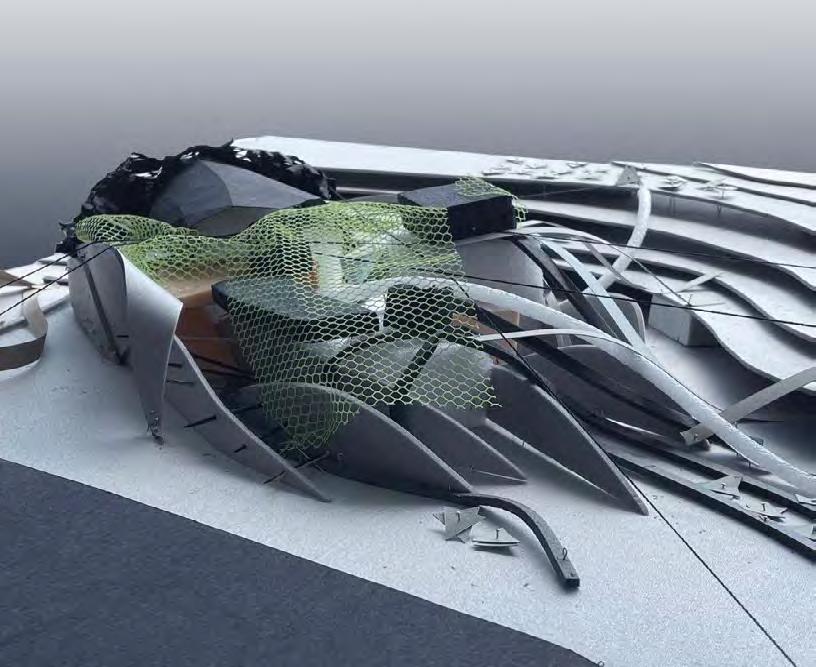
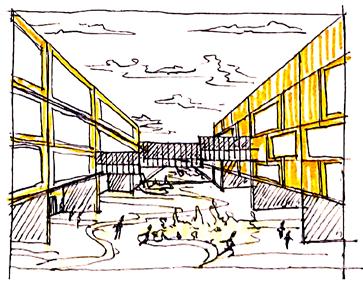
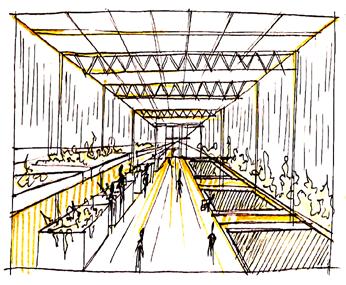
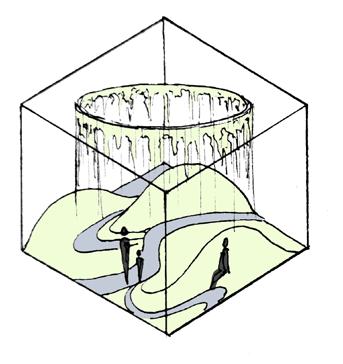
Currently, due to climate change and increased human activity in the Arctic region, there is a need for a deeper study of this area and its impact on many aspects of life on our planet. The concept is to create a multifunctional space in Teriberka village, which would provide an opportunity to solve such problems as: studying the flora and fauna of the Arctic in the conditions of global warming and its consequences, pollution of the Arctic Ocean, familiarizing tourists with the Arctic in the most careful and environmentally friendly way. The structure of moss, which is characteristic of the Teriberka area, was taken as a basis for the volume-planning solution. In terms of volume planning, each block of the building is visually recognizable both inside and out. This centre will become a new point of attraction for residents of the settlement, scientists, and travelers.
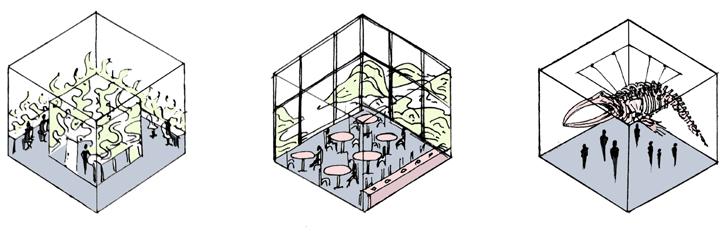
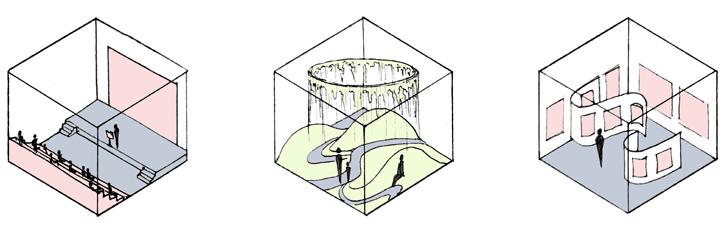
research gastronomy exhibitions lecture hall recreation art space
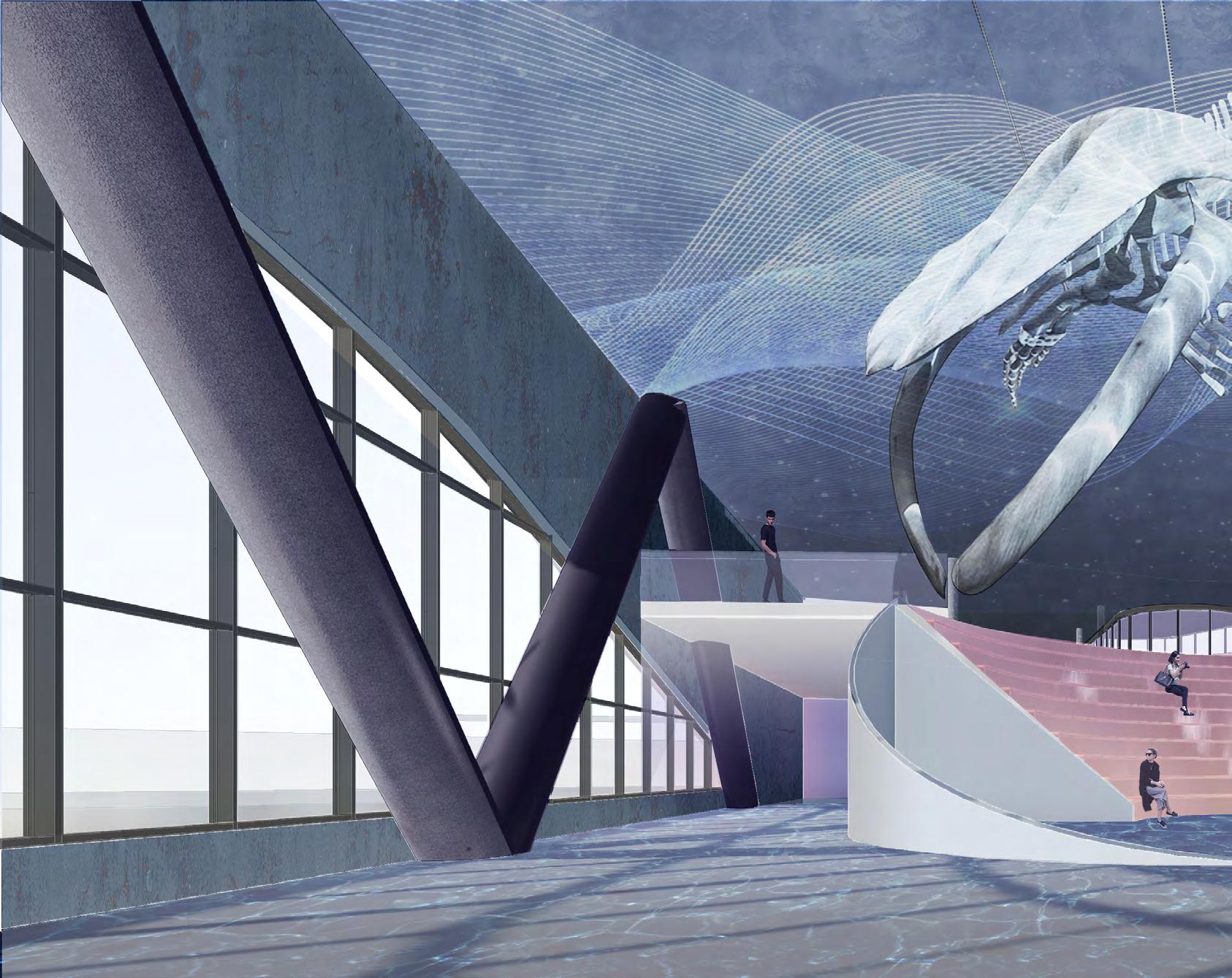
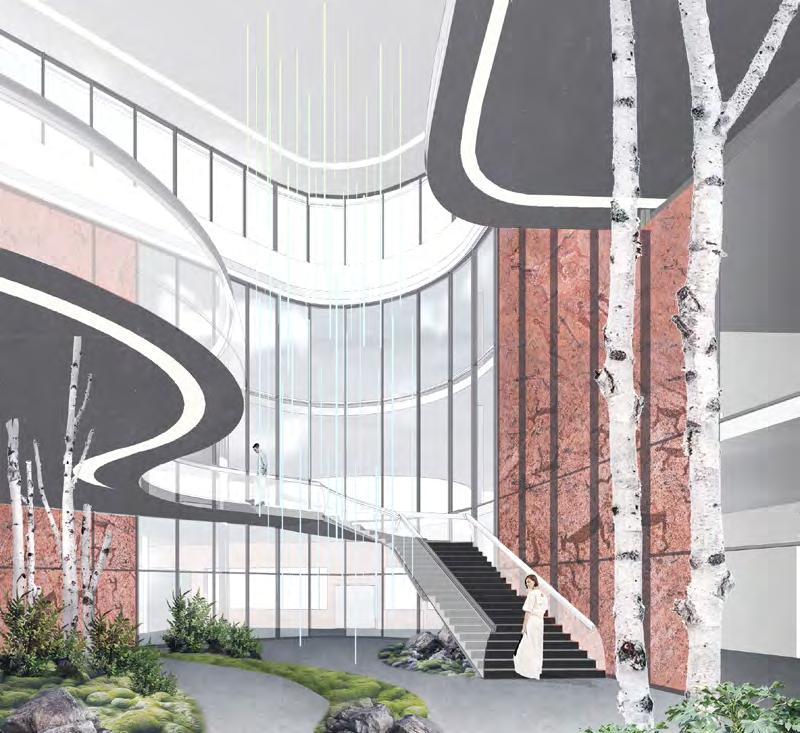
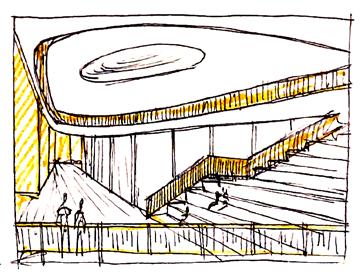
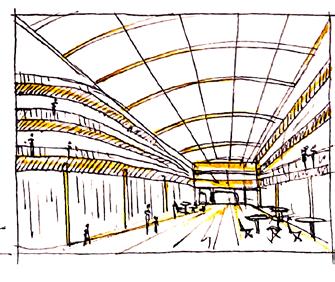
The atrium space of the winter garden connects all 3 floors and ends with a zenith lantern. Here visitors can familiarize themselves with the flora of the Far North. The second floor houses the museum and exhibition area of the ecological center. The Museum of Oceanography focuses on the Barents Sea and introduces visitors to the inhabitants of the Arctic Ocean and species threatened with extinction due to unfavorable environmental conditions. Walking down the amphitheater, guests of the center can see the sea from the panoramic windows and the skeleton of a whale. The exhibition space is full of interactive installations and recreations in the form of spaces with northern moss covering the floor and walls. Green spaces allow visitors to feel connected to nature regardless of the season or weather.
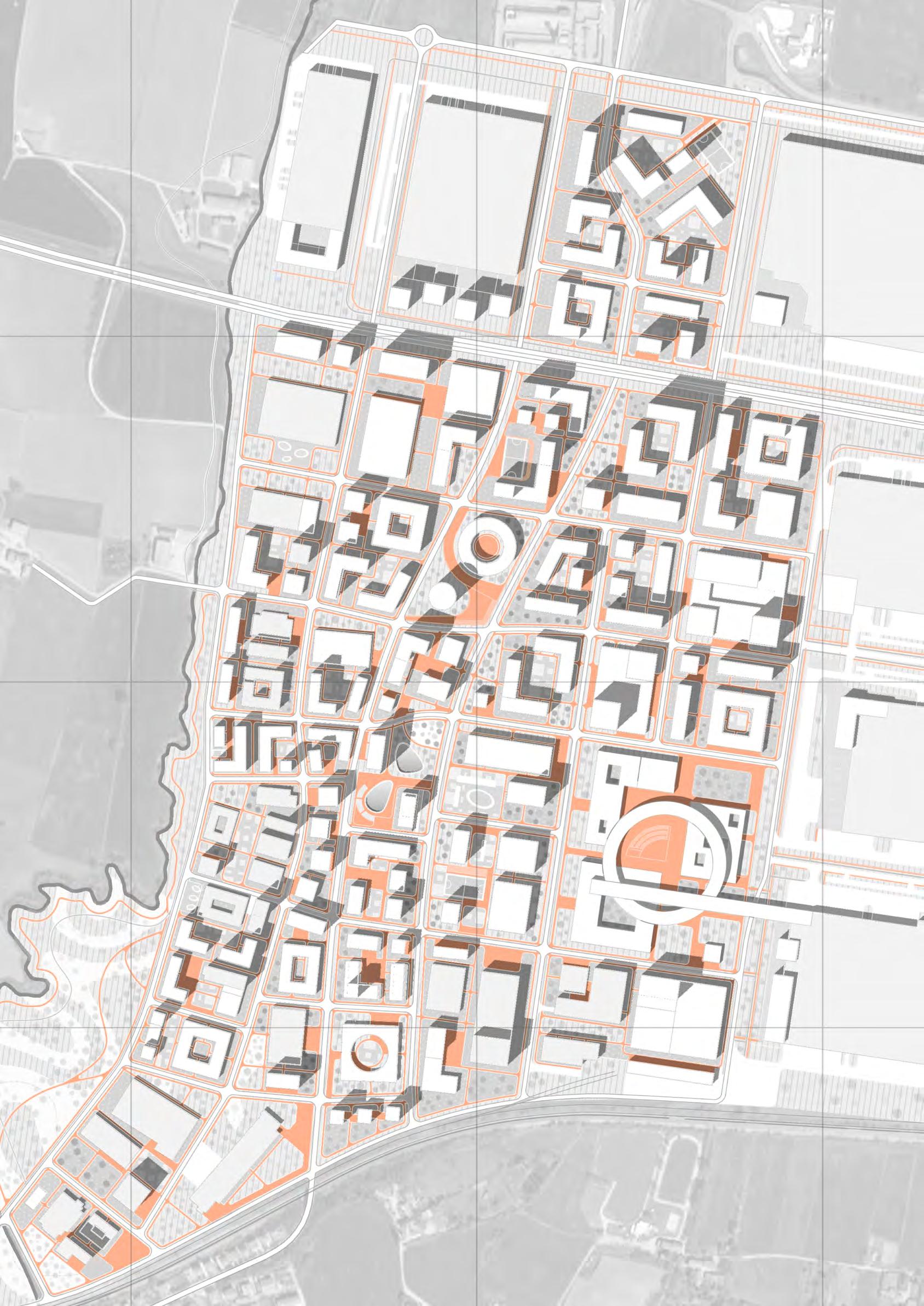
Mixed-use city: 2050
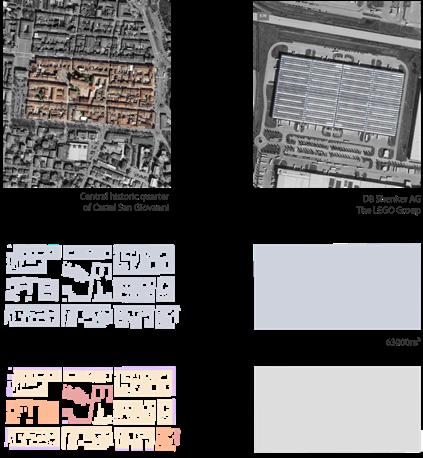
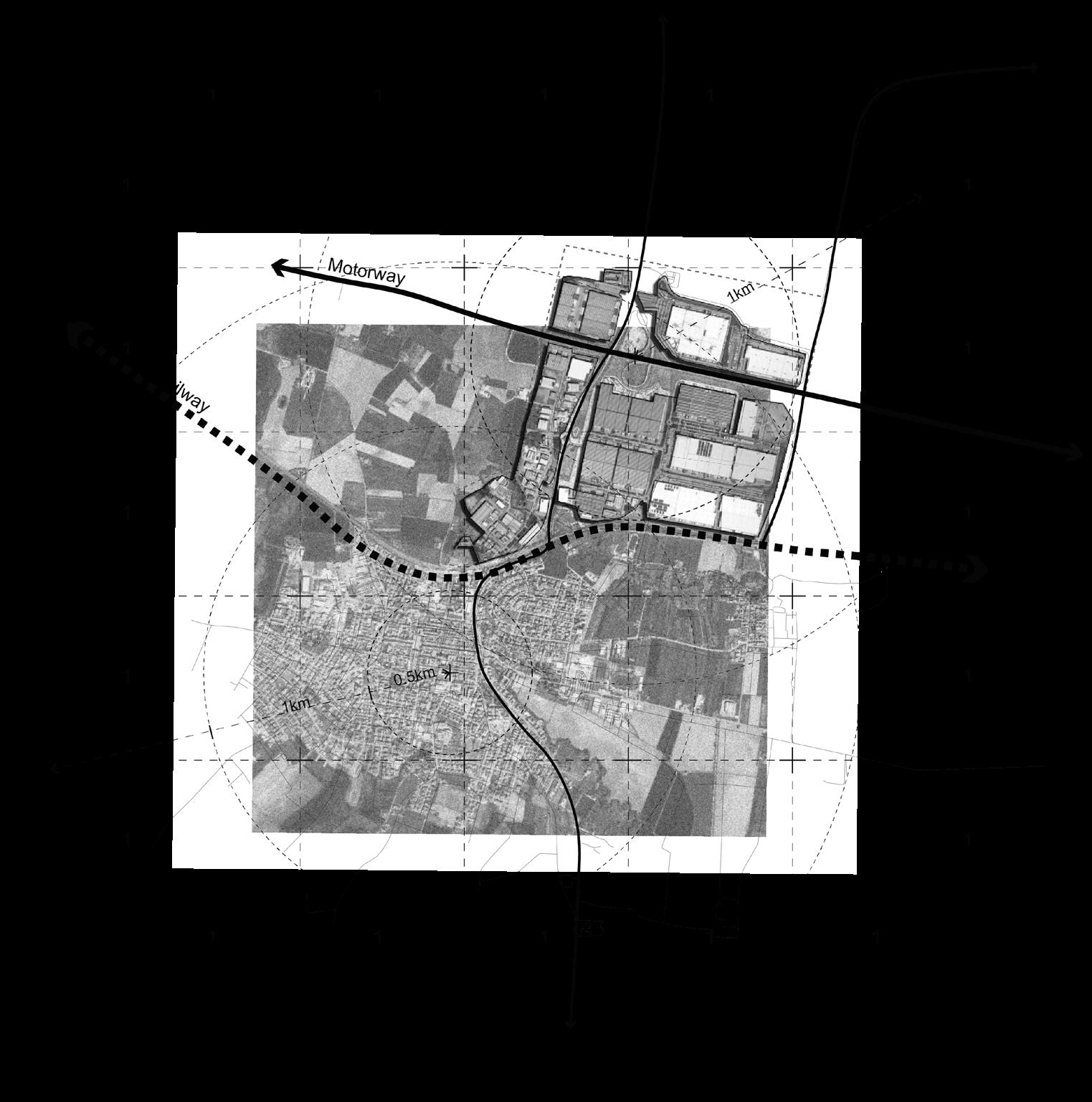
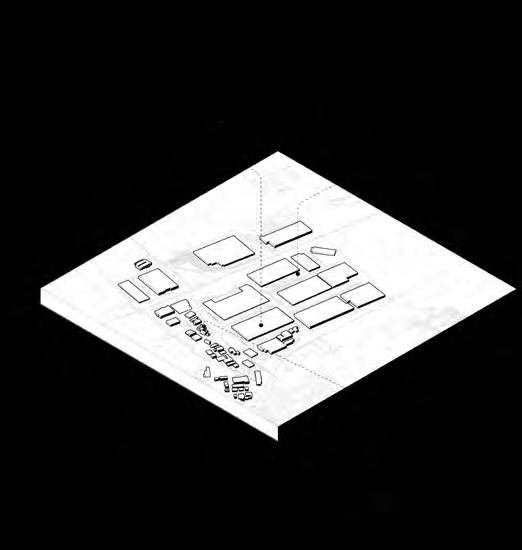
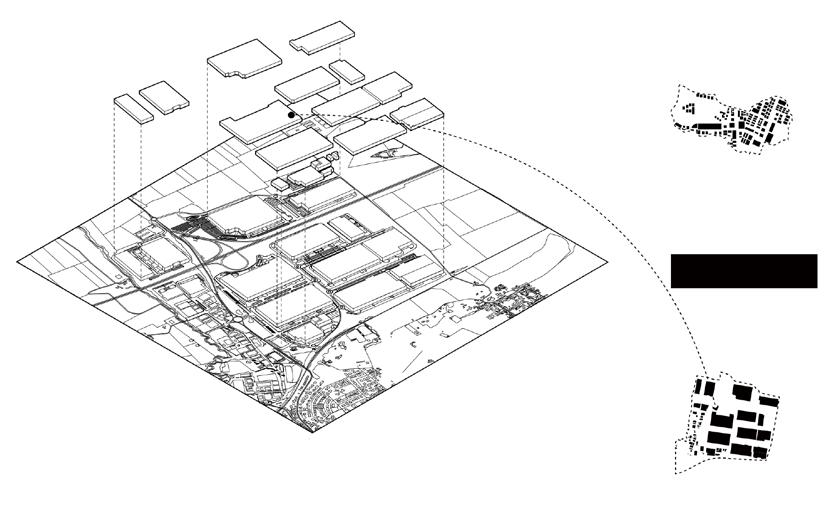
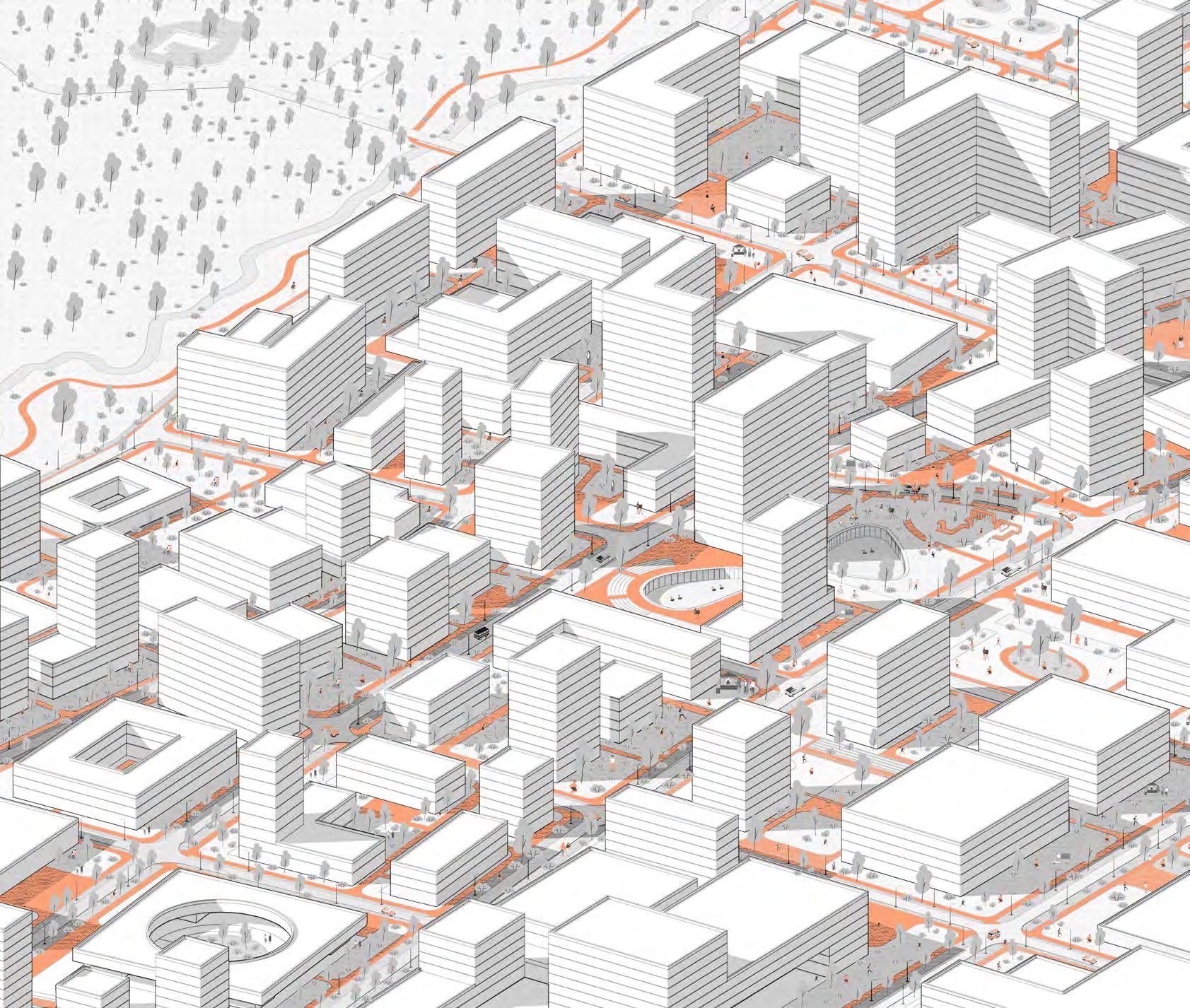
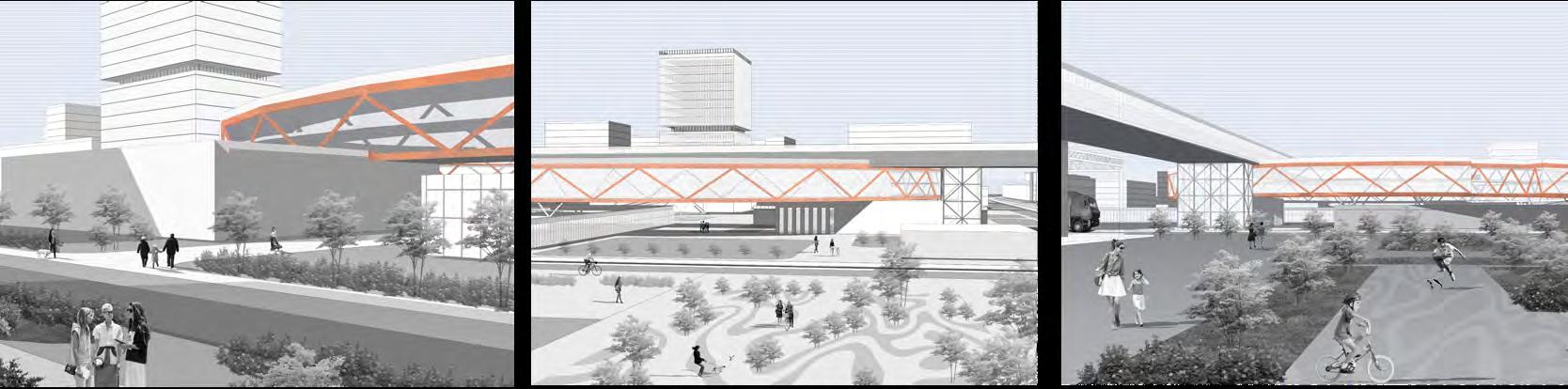
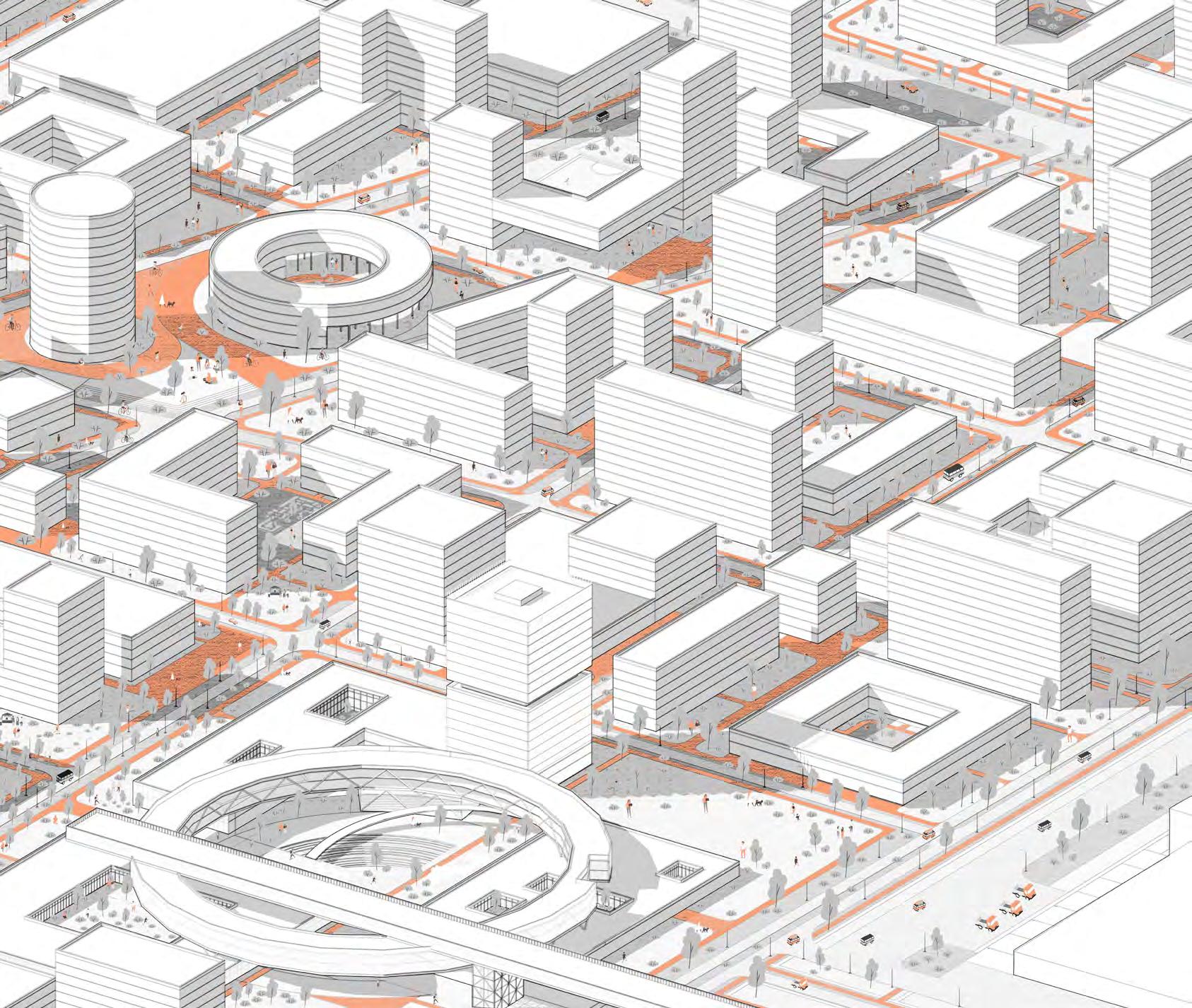
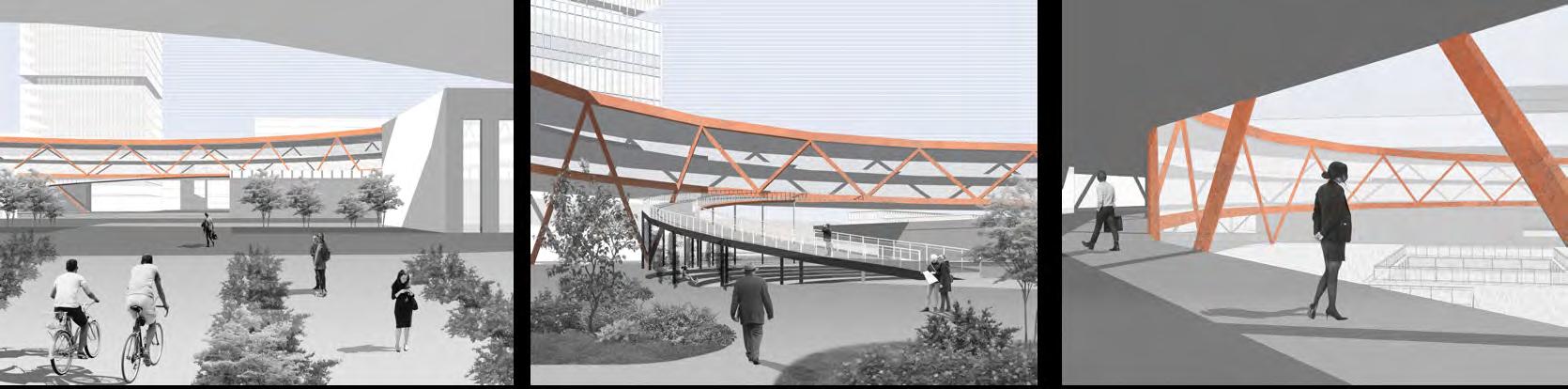
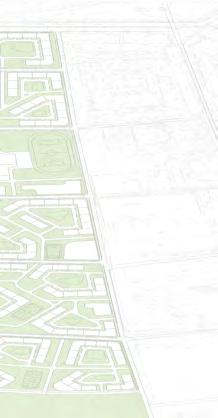
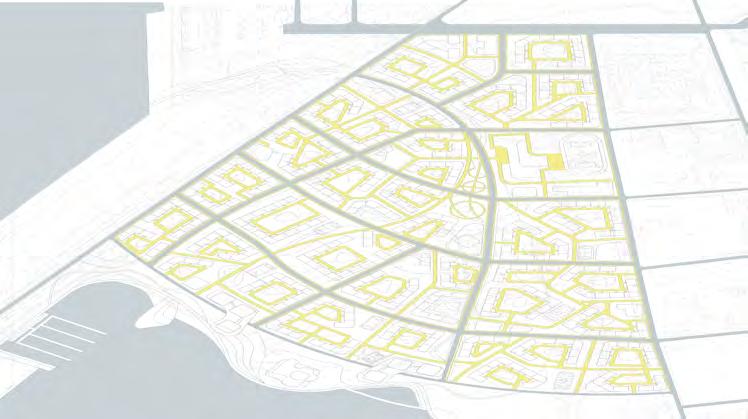
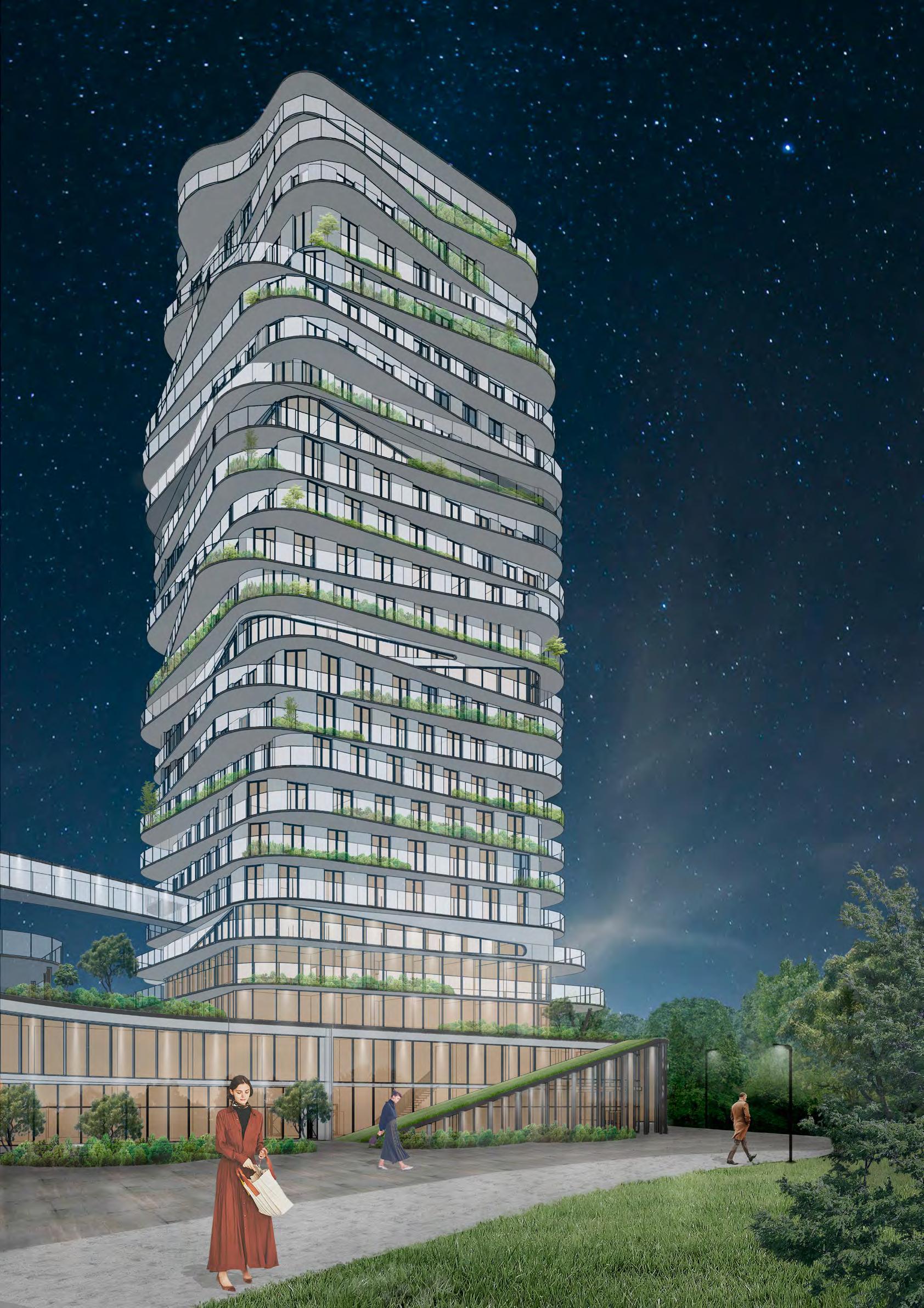
Castel San Giovanni Logistics Park, located in the province of Piacenza in Italy, is a strategically positioned logistics hub that caters to various sectors, including e-commerce, retail, and distribution. What if: the diverse mixed-use cityscape evolved from a homogeneous logistics hub? What if the logistics centre continues to develop and creates a mixeduse new city? The logistics park itself will continue to operate and develop, and a research and education centre for logistics development will be built on its basis.
Date: June 20, 2024
Project type: Academic | M.Arch.
Type of work: Group work
Location: Castel San Giovanni, Italy
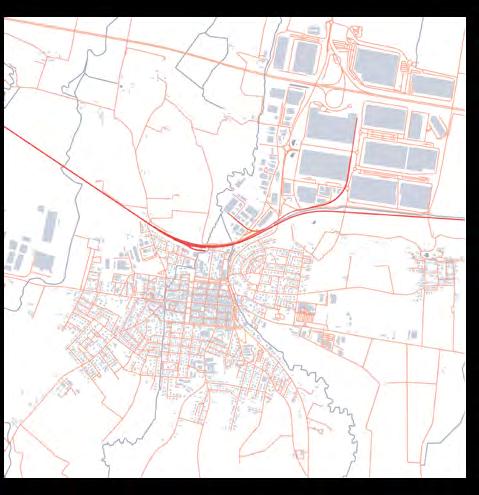
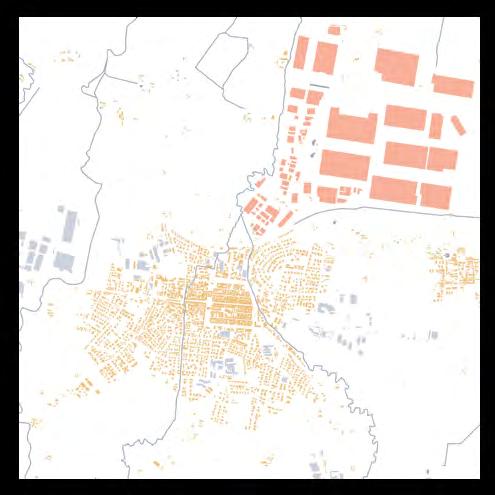
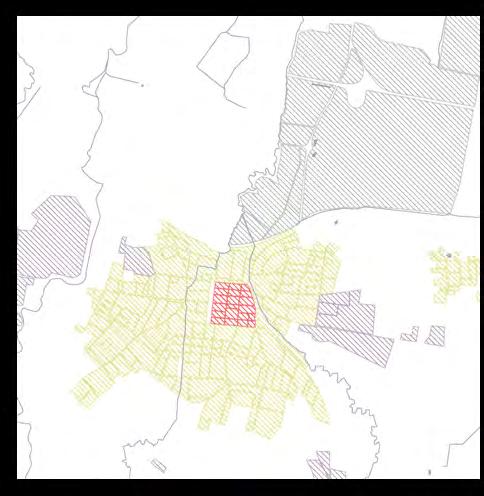
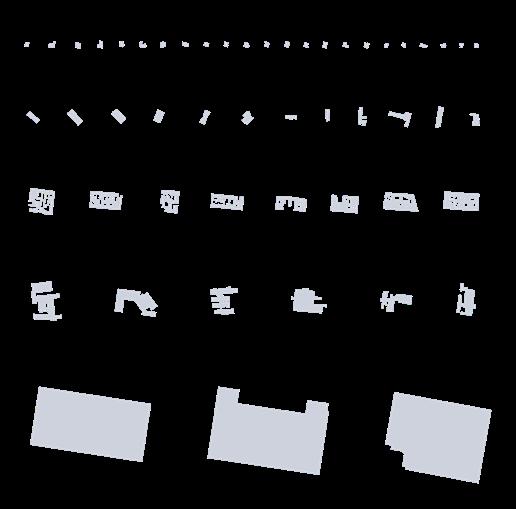
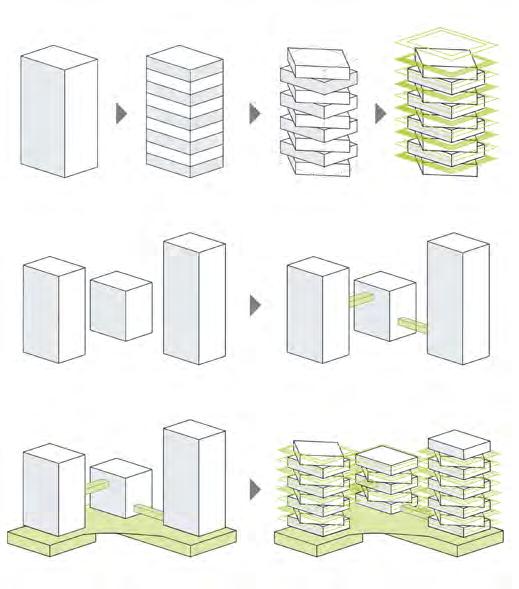
Building morphology analysis
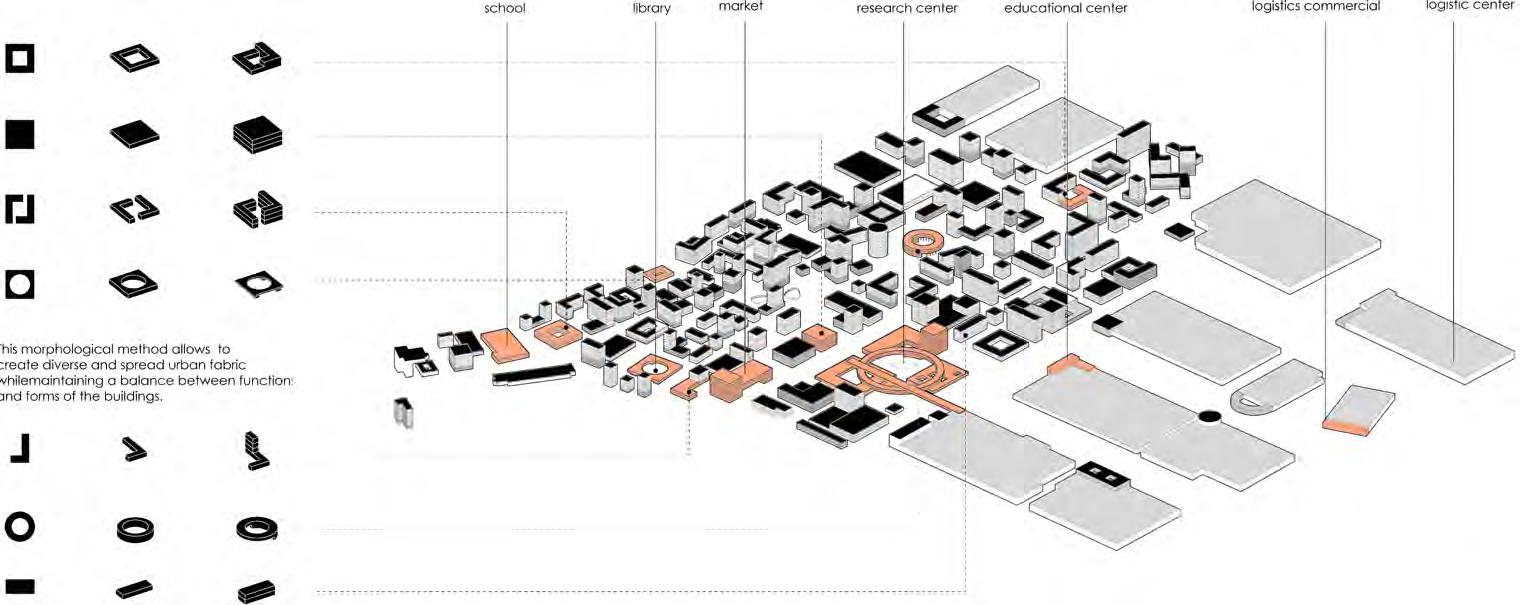
Methodology
Axonometric view of the city center
Views of the Logistic Research Center
Soaring Drama Theater
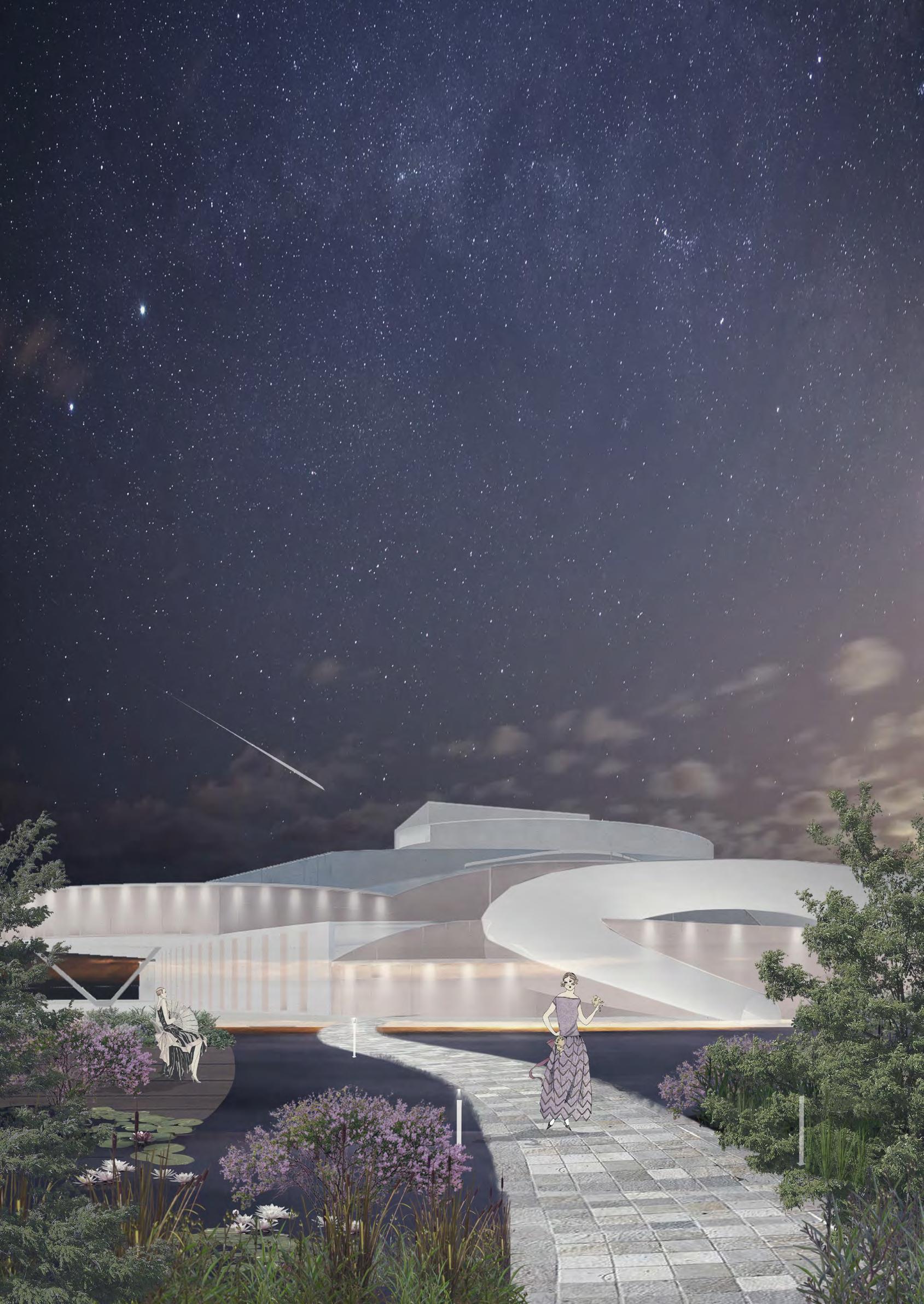
The Soaring Drama Theater located near the Kazanka river combines modern design with natural elements. As visitors approach the theater, they are immediately struck by the stunning views of the water and sky. The building’s reflective surfaces seem to merge with the surrounding landscape, blurring the line between indoors and out. The theater’s location near the water is also an important part of its design. The building’s exterior features - roof terraces and walkways - offering stunning views of the surrounding landscape. Additionally, outdoor spaces can be used to host summer theater events or simply to enjoy a quiet moment by the water. Light and soaring architecture of the theater can create a sense of grandeur and elegance that elevates a space beyond mere function. Architecture can make people feel uplifted and inspired.
Date: June 2, 2022
Project type: Academic | 8th semester | B.Arch. Type of work: Individual Location: Kazan, Russia
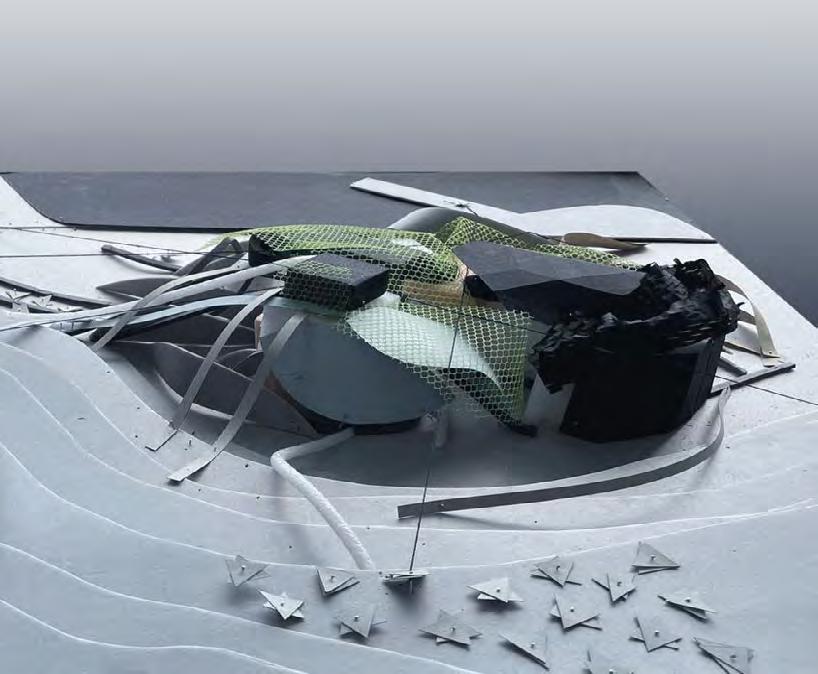
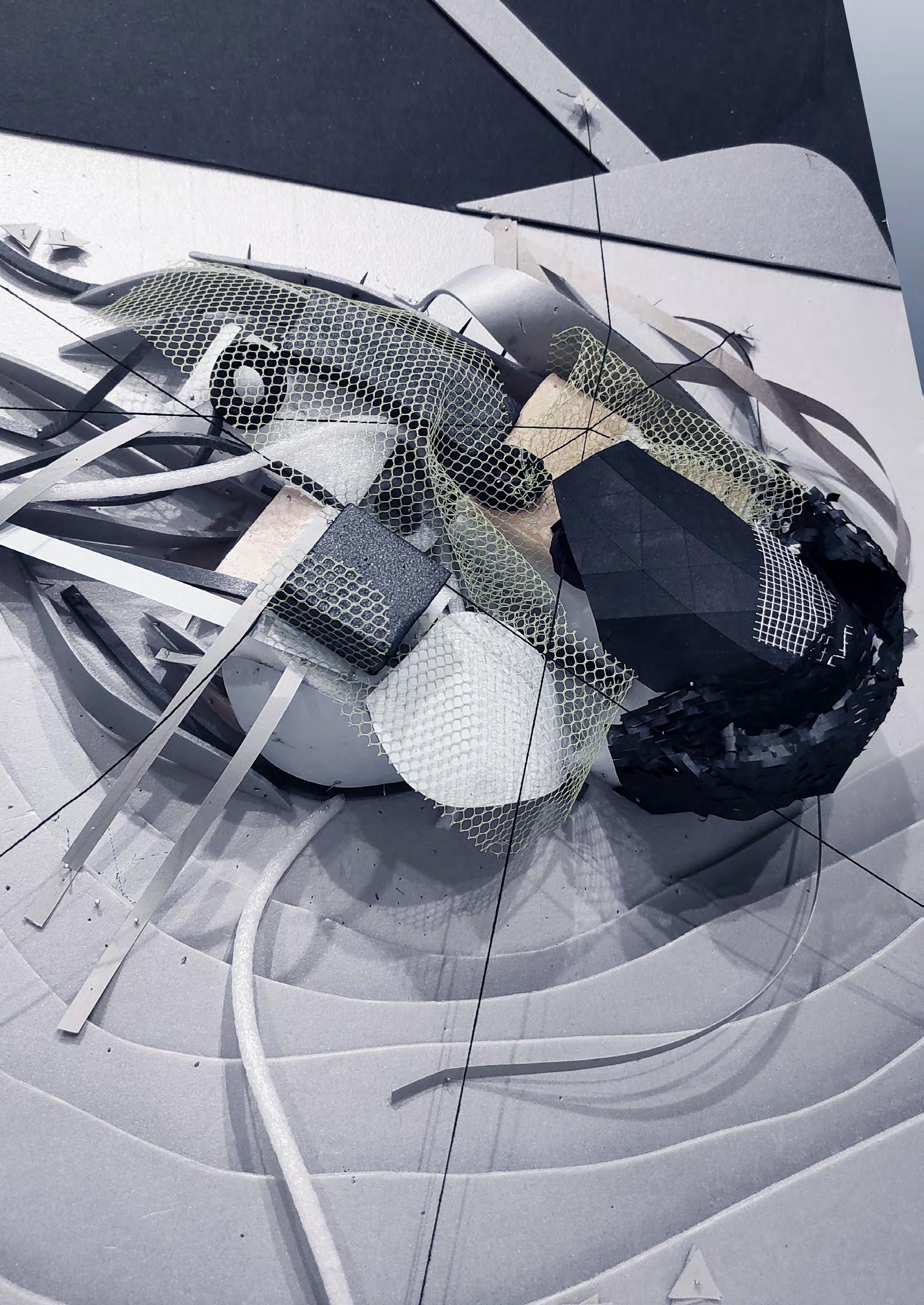
The concept model of the drama theater. 100x70 cm. The model was carried out at the initial design stage and served as a tool for finding the form and expression of a figurative architectural solution.
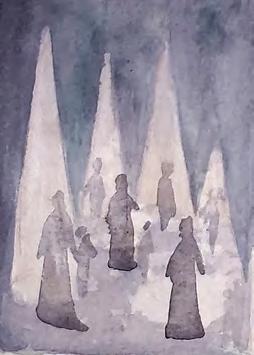
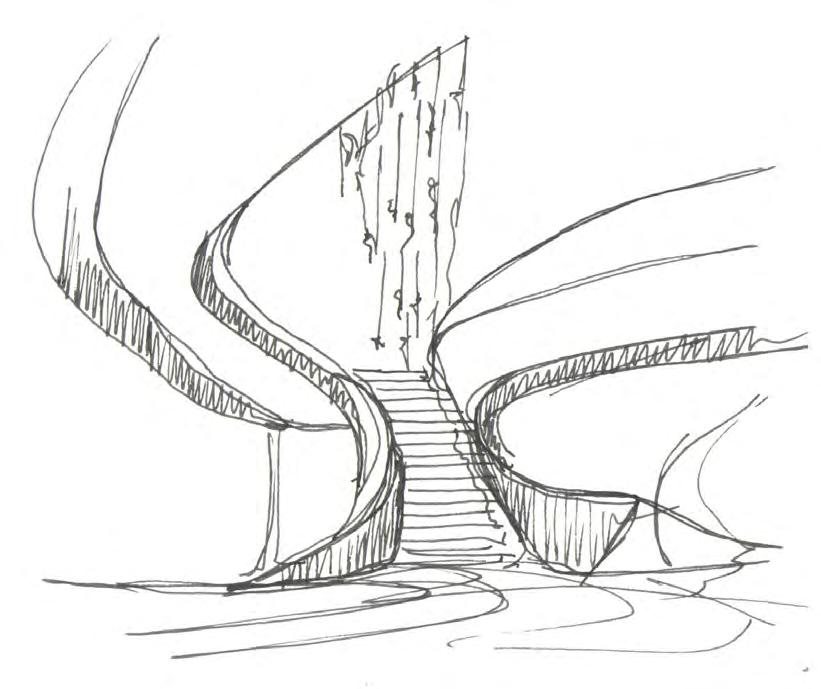
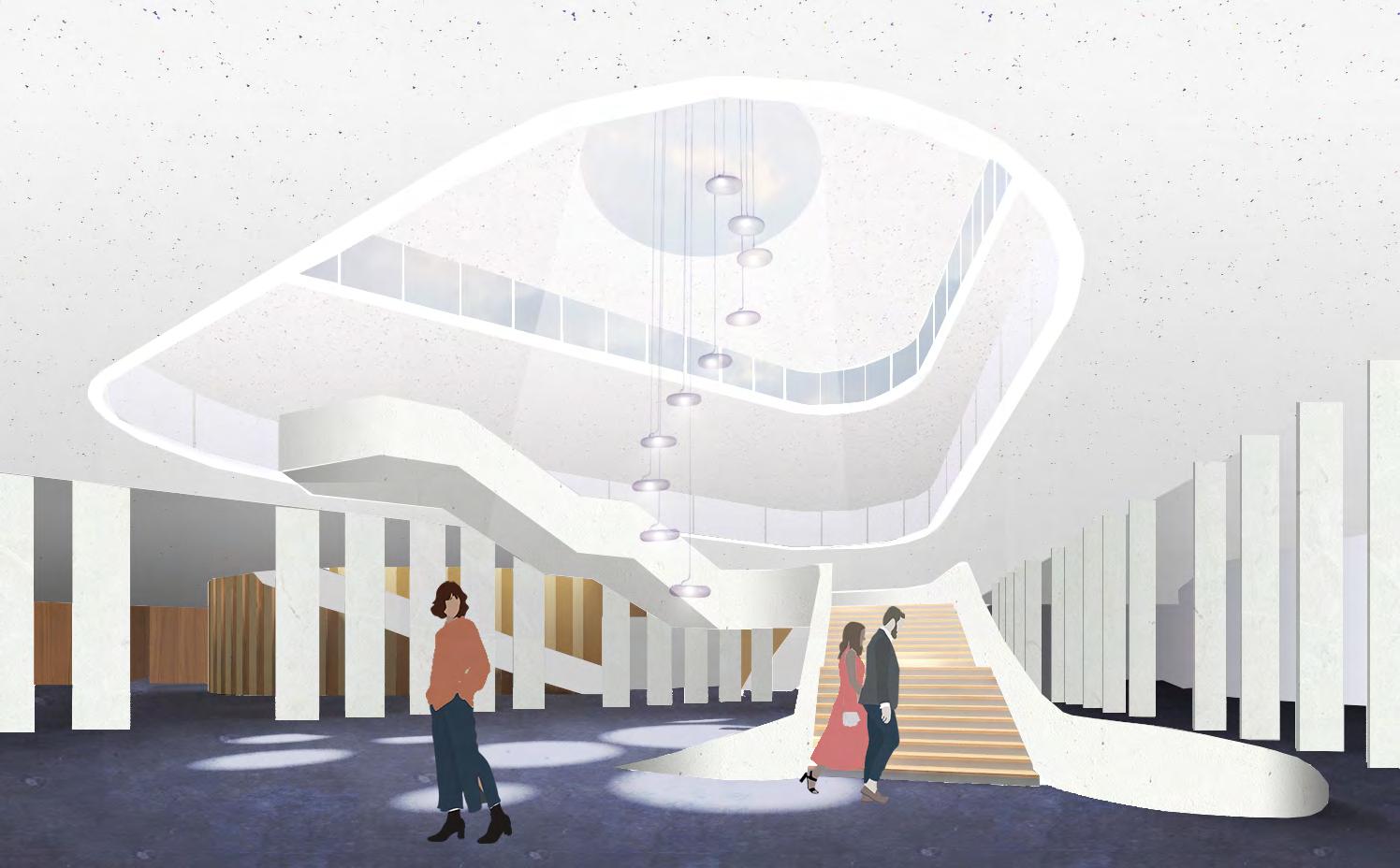
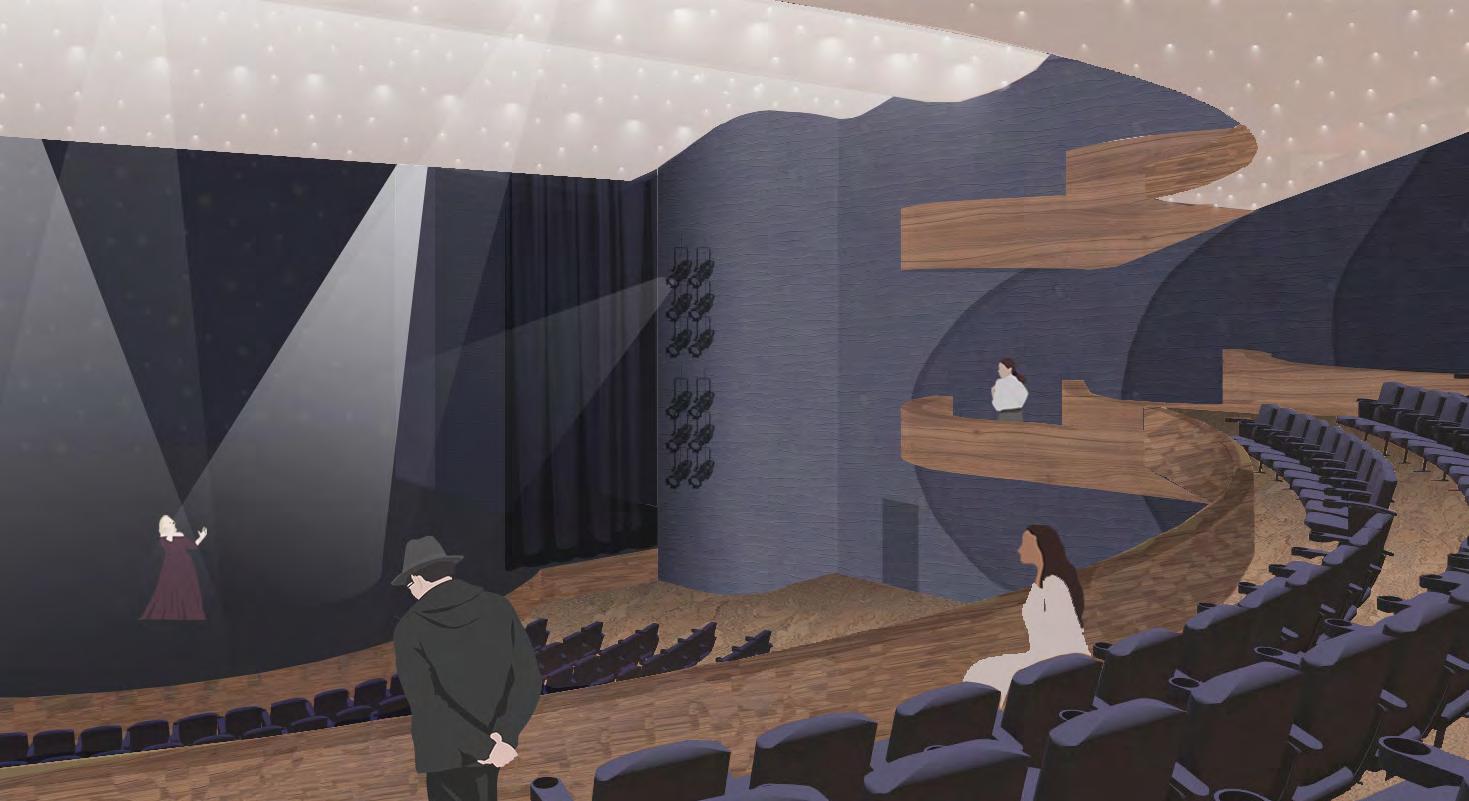
The interior of the theater was designed in order to create a feeling in the viewer that he is a participant in a theatrical action. The viewer is the creator of art. Entering the auditorium, he enters the community called the «audience», becomes part of the collective perceiving body, by his reaction forming and imposing on the actors the «spectator score of the performance»
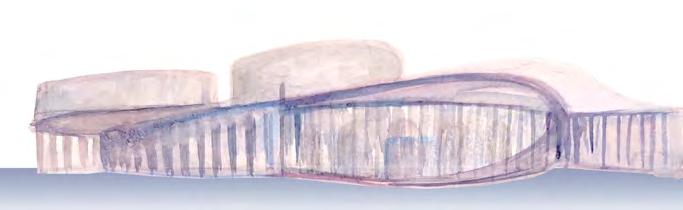
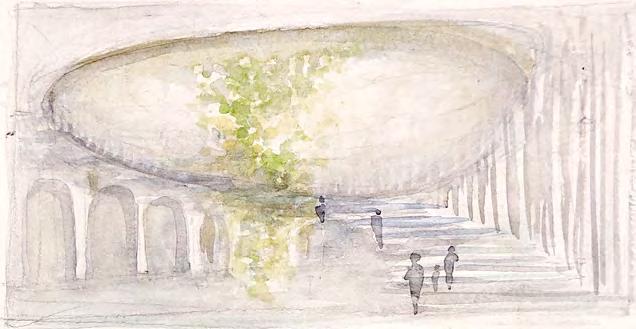
Sketch of the interior aquarelle, pastel
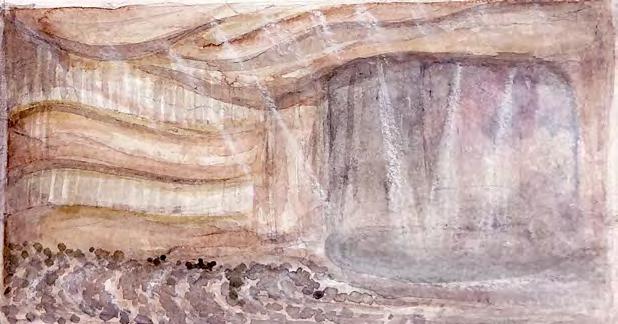
Sketch of the theater hall fountain pen, ink
View of the interior: auditorium
View of the interior: the hall
Smart School
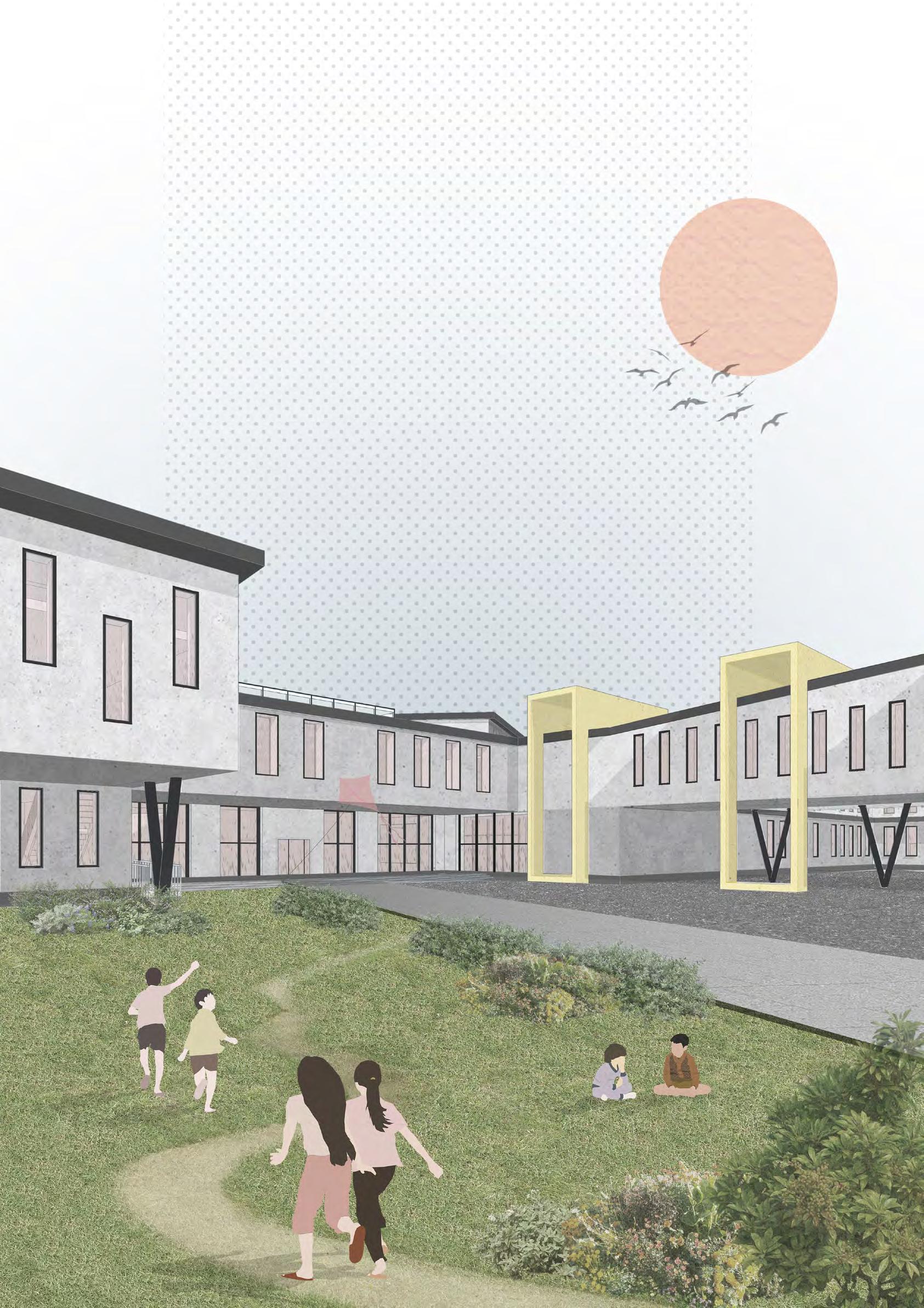
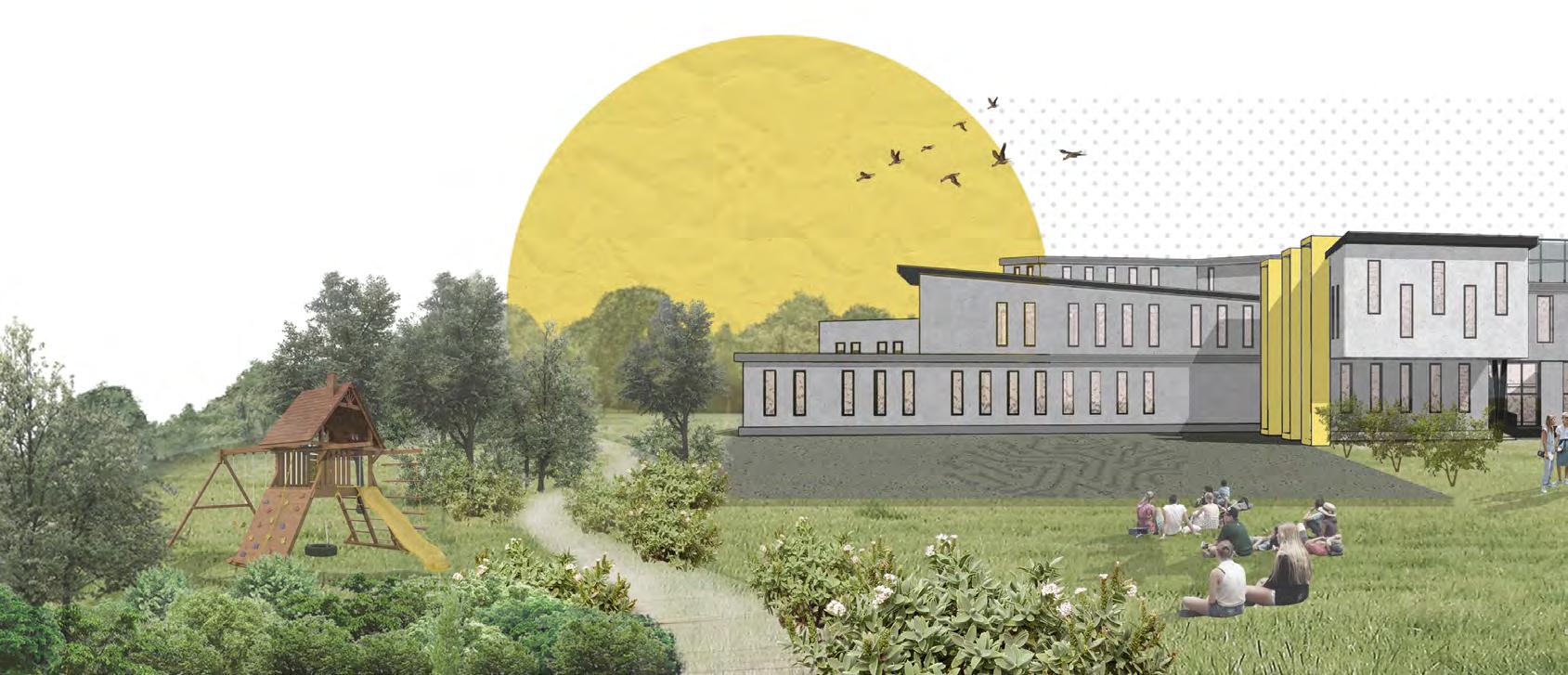
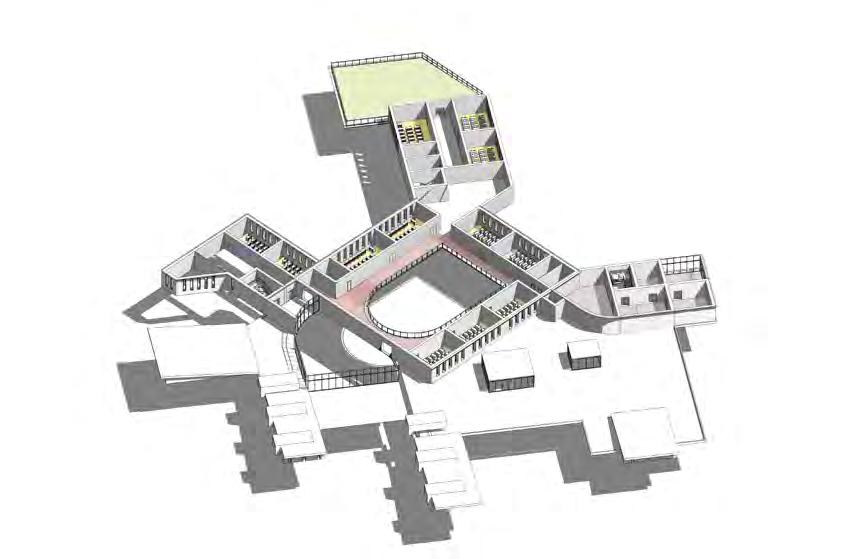
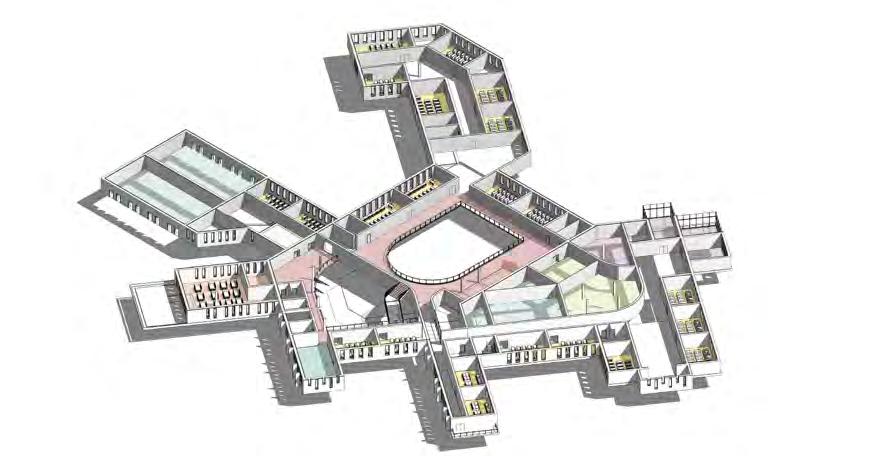
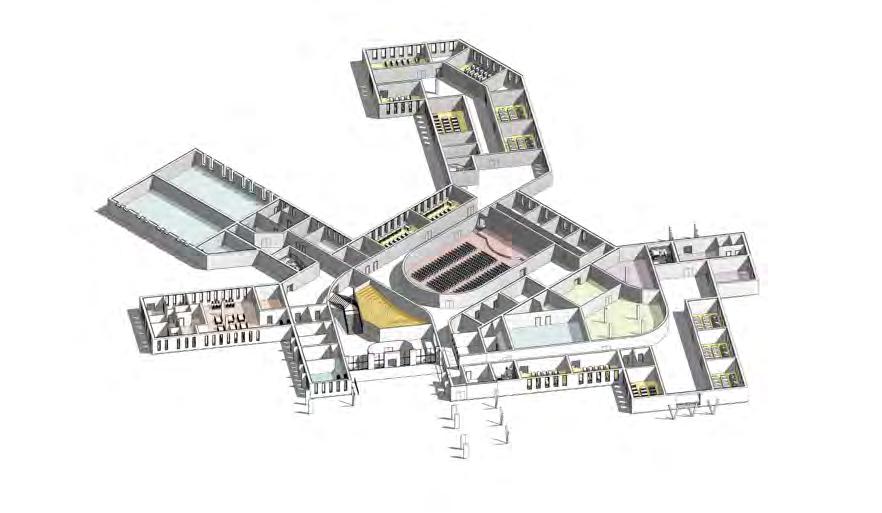
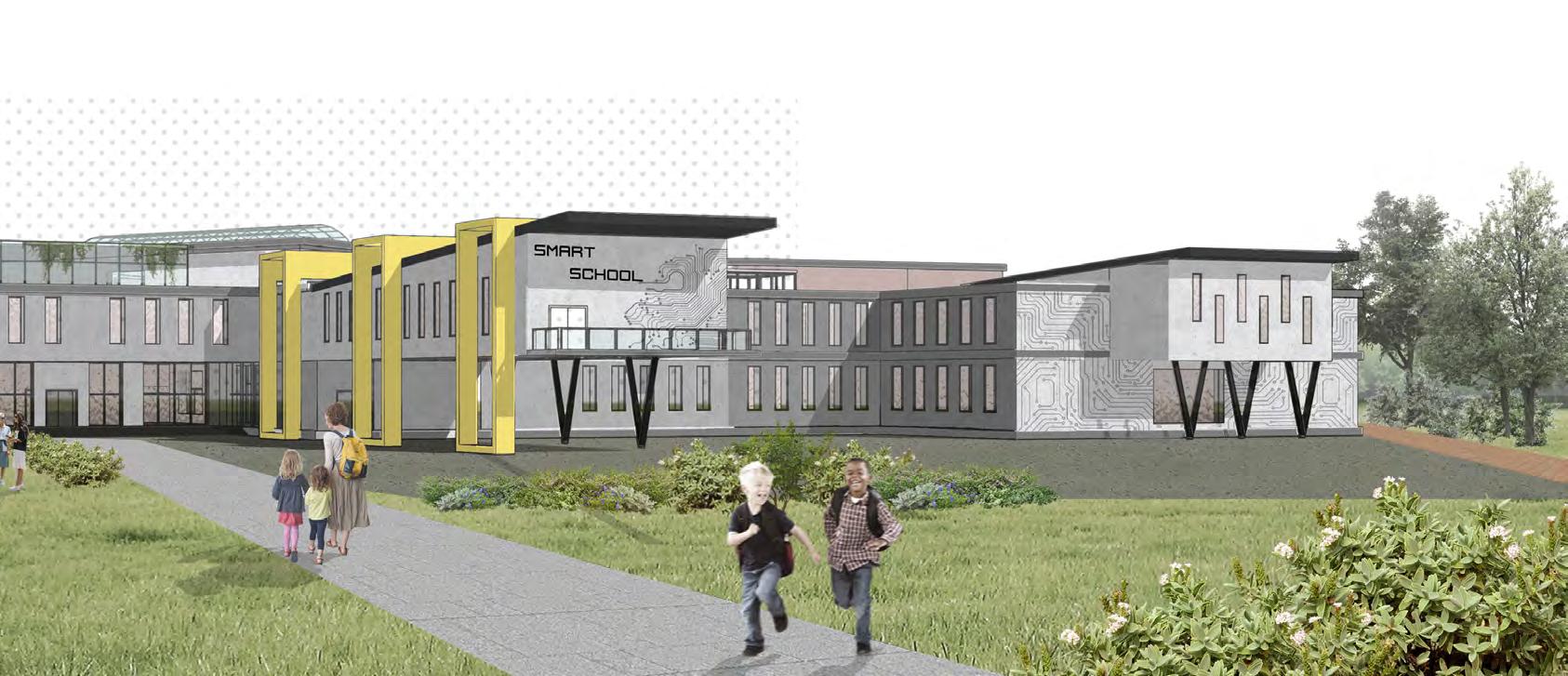
The general education school «Smart School» is designed for 770 students and is located on Sibgat Hakim Str. in Kazan. The school is a rich educational environment with a smooth transition between internal and external spaces. The focus of the concept is a flexible combination of students’ own initiative, their curiosity, a sense of security and care. The architecture of the school makes it possible to choose zones for work already in the lower grades, to determine its character - individual or group.
Date: April 16, 2021
Project type: Academic | 6th semester | B.Arch. Type of work: Individual Location: Kazan, Russia
Recreation
Bypass Gallery
Research Center
Training classes
Workshop
Dining room
Reading room
Extended classes
Workshops for the public
Winter Garden
Junior classes
Training classes
Gym
Swimming pool
Canteen
Library
Dressing rooms
Assembly hall
Gym
Junior classes
Volga Beach Residential Area
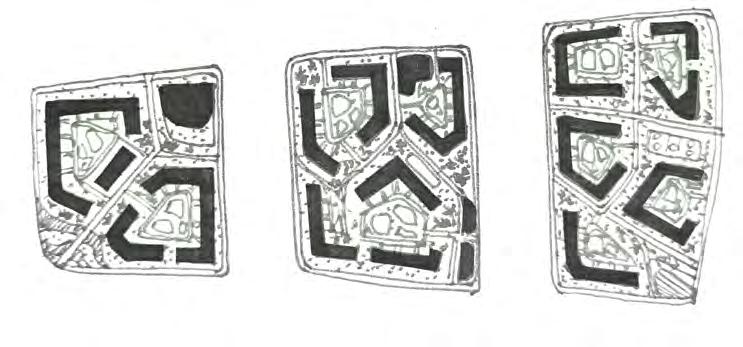
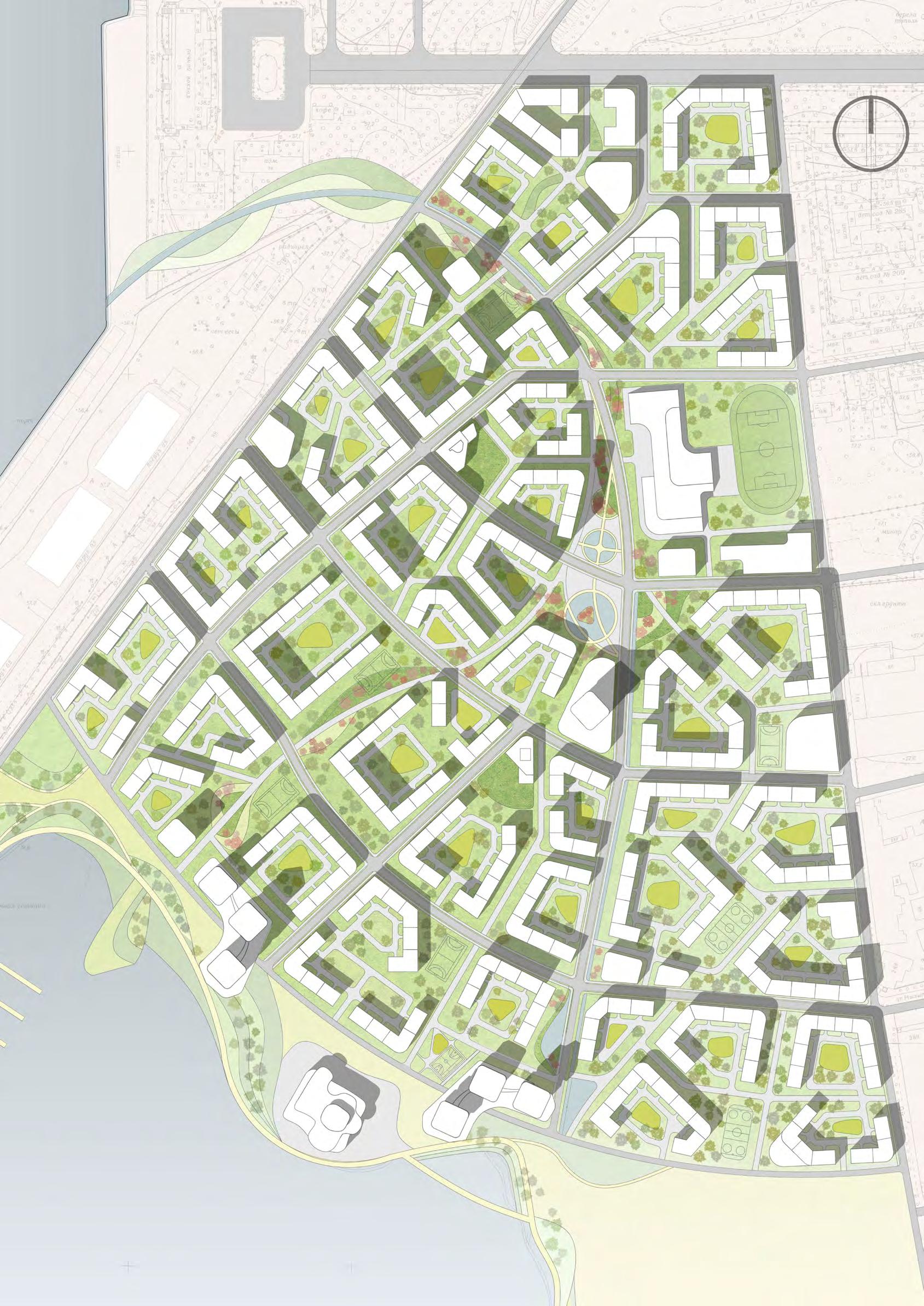
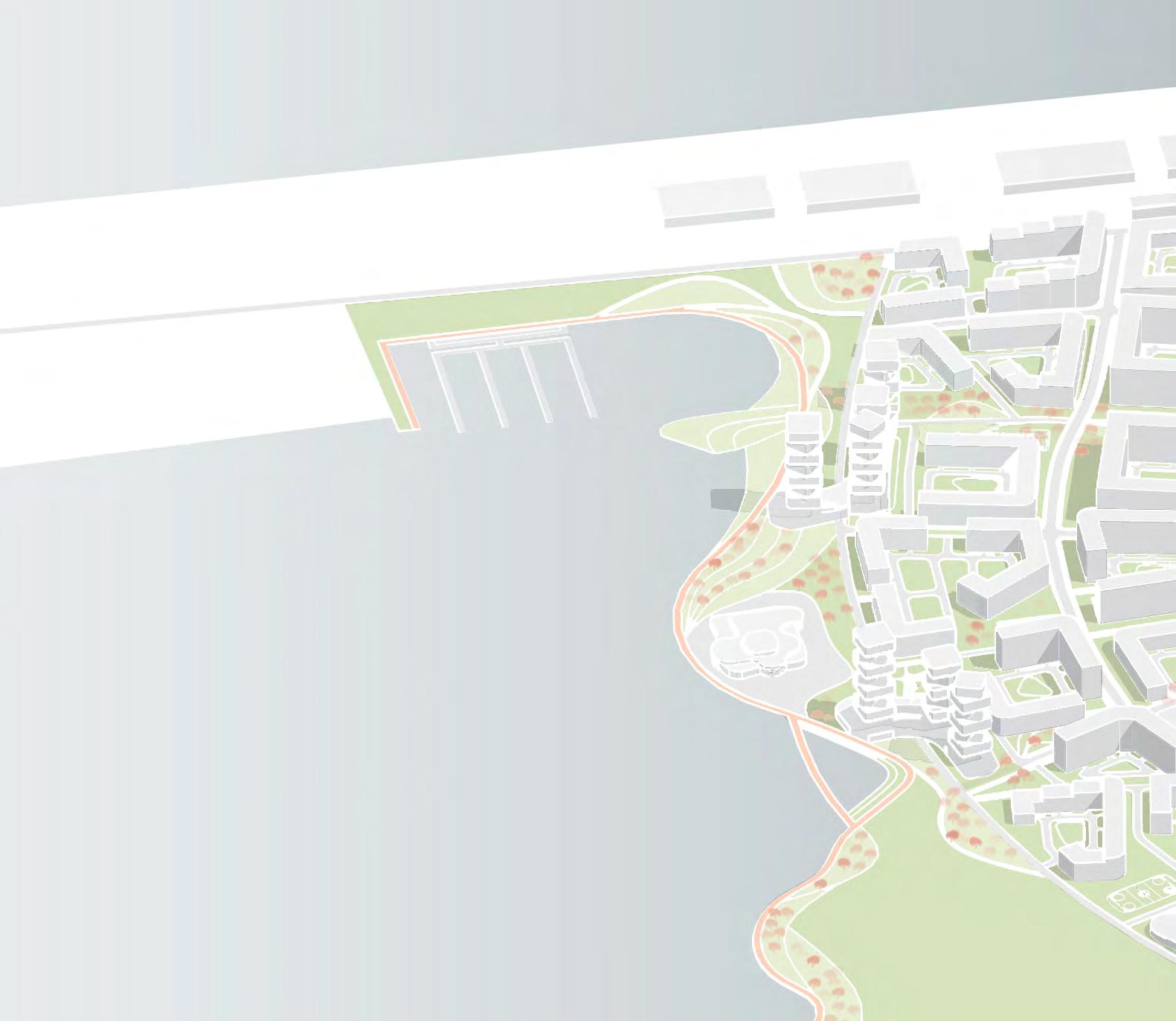
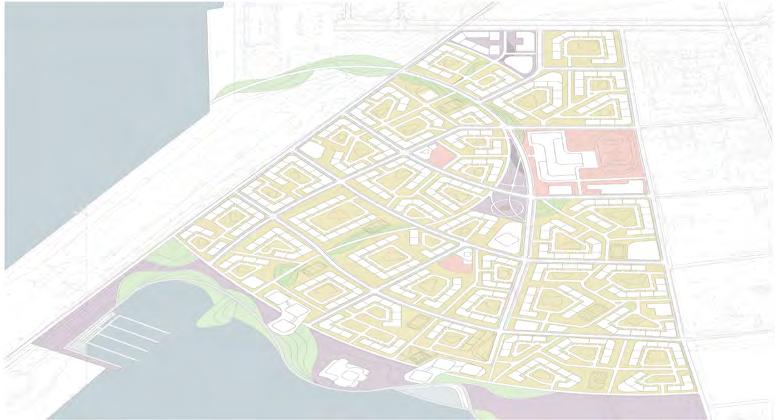
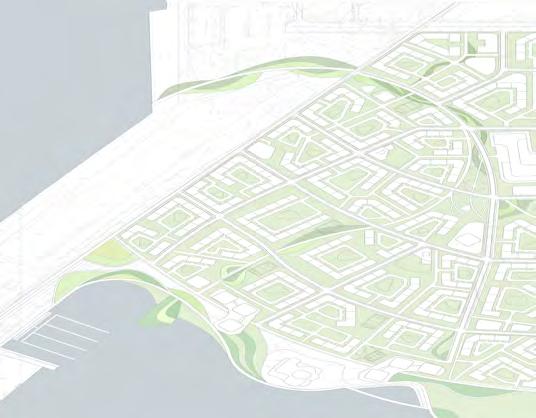
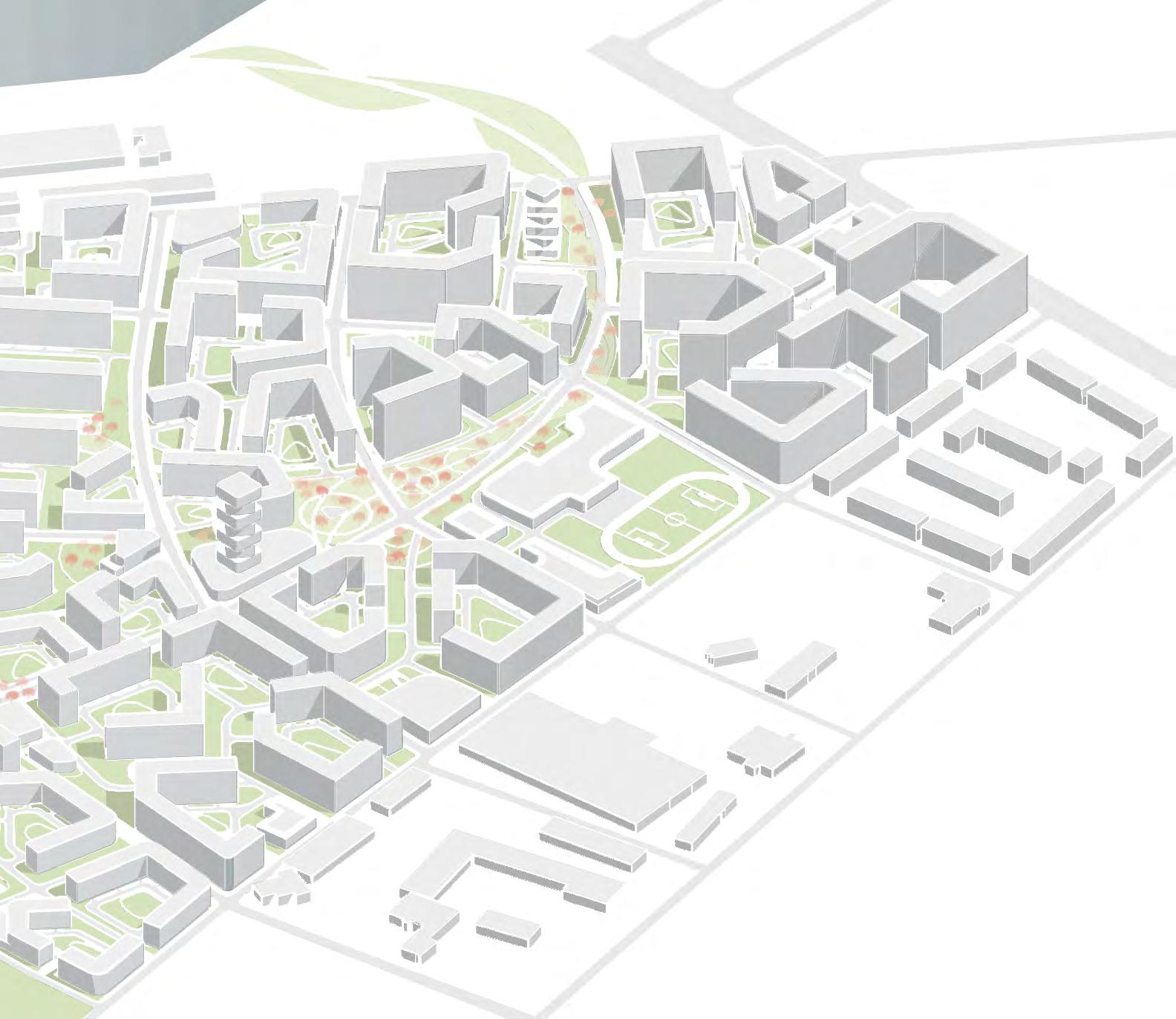
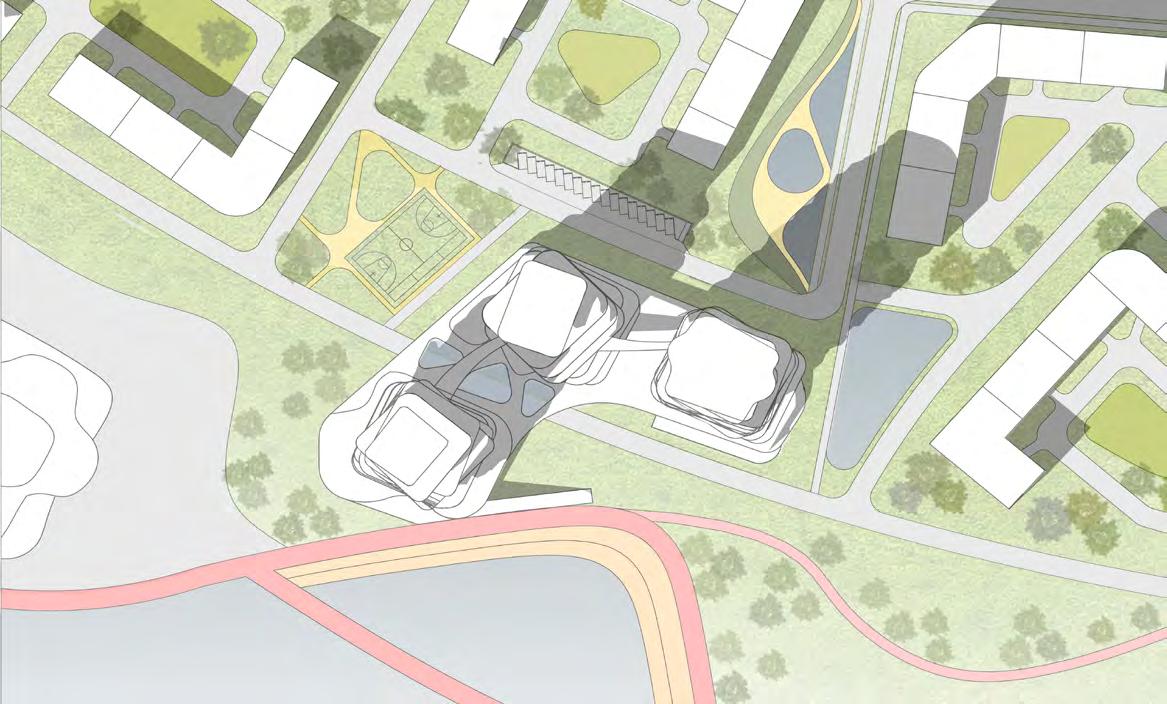
The projected site is located on the territory of the Vakhitovsky district of Kazan, near the water area of the Volga River. The concept of the residential area is based on a green carcas which originates in the River Port and passing through residential areas, goes to the «heart» of the residential area - the central fountain square, and ends with a landscaped pedestrian embankment. According to the project, the territory of the district is filled with public, commercial and cultural functions with multifunctional buildings of mainly medium storeys and high-rise dominants at the entrance and the Kazanka embankment. Residential cells are designed for creating a neighborhood community.
Date: November 2, 2021
Project type: Academic | 5th semester | B.Arch.
Type of work: Individual
Location: Kazan, Russia
Functional scheme
- residential area
- public and business area
- objects education
- recreational area
Axonometry view
Landscaping scheme
- public green spaces
- landscaping area
- water area
- water channel
Transport and pedestrian scheme
- transport network
- pedestrian network
Garden Residential Complex
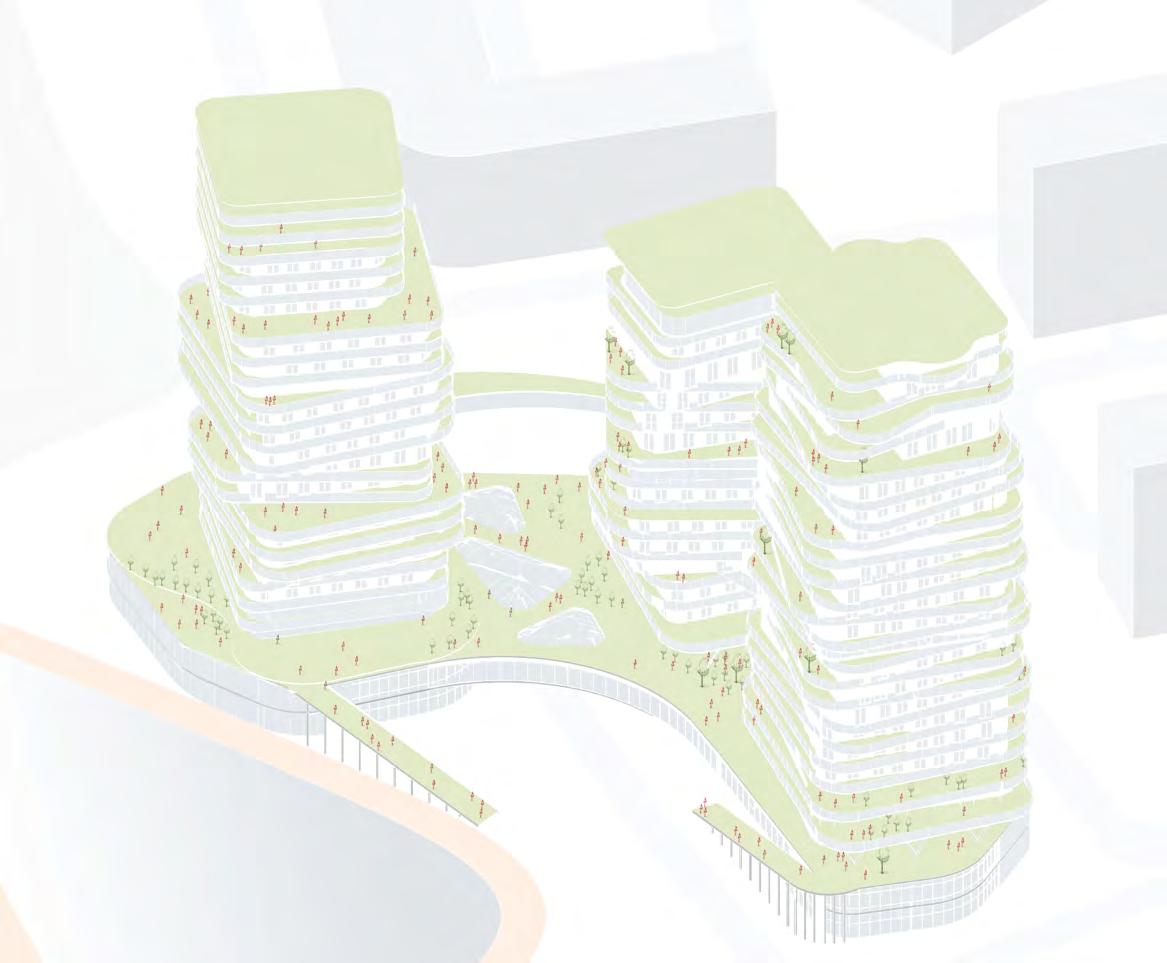
A residential building of increased number of storeys (26 levels) is located on the embankment of the Volga River, Kazan. Thanks to the spatial, planning and facade solutions, future residents of the house are provided with a large selection of apartments with panoramic views of the water area. The first level is a public area with retail premises. A pedestrian boulevard runs through the residential complex. A recreation area is formed on the operated roof of the stylobate, which can be reached by landscaped ramps.
Date: December 23, 2021
Project type: Academic | 7th semester | B.Arch.
Type of work: Individual
Location: Kazan, Russia
Axonometry
General plan
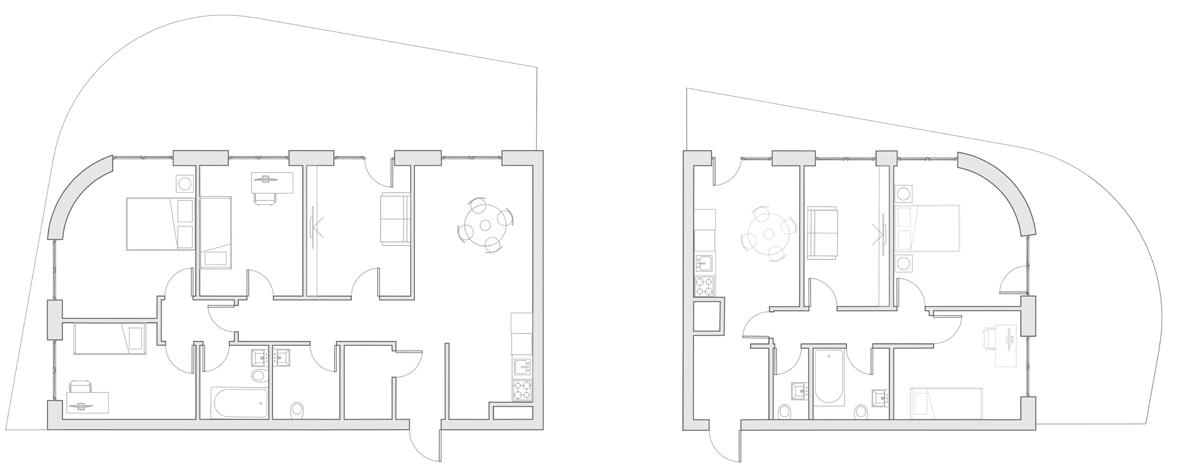
Plan of a 4-room apartment
Area: 98 m2
Plan of a 2-room apartment Area: 68 m2
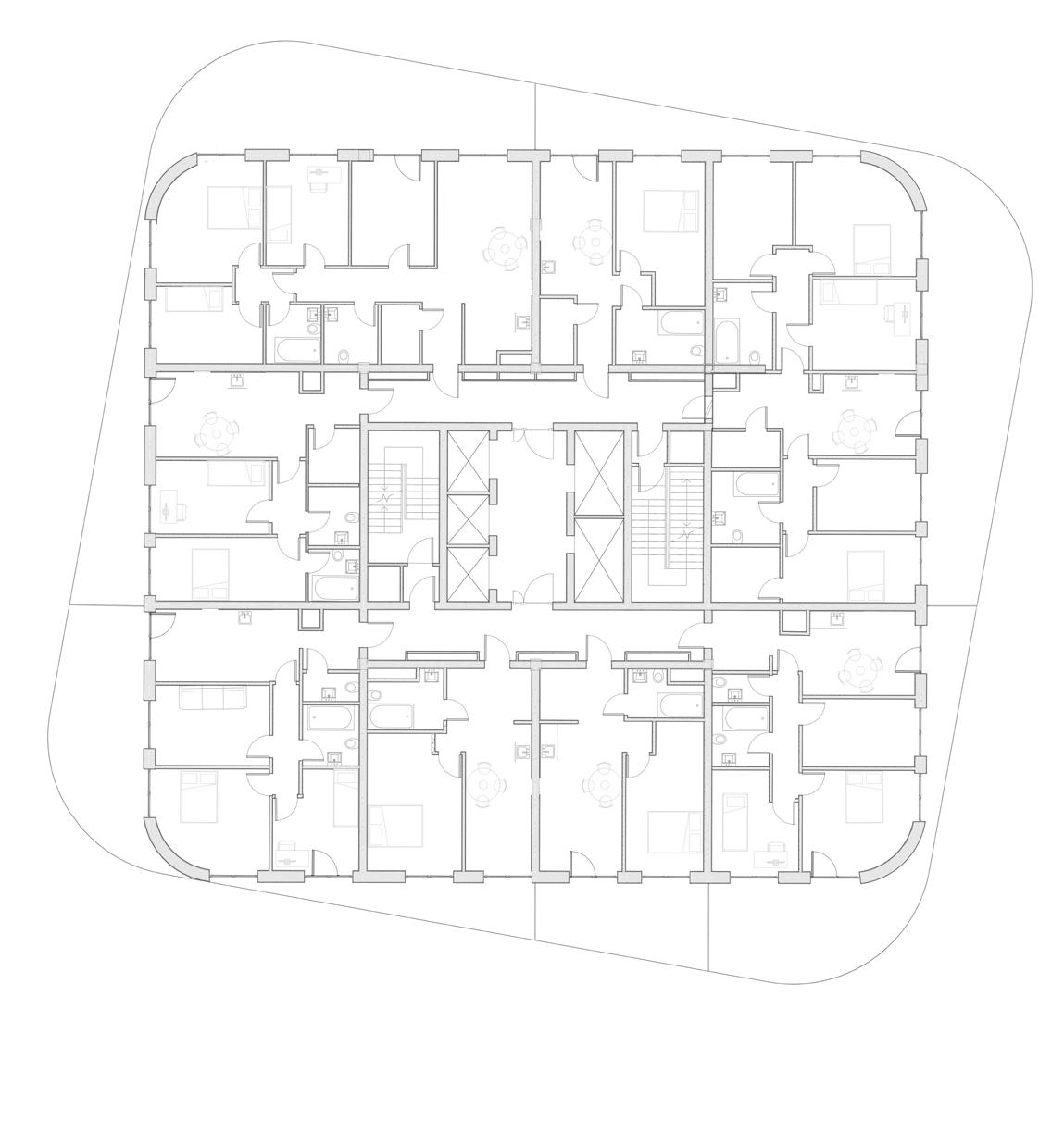
Apartment A - 98 m2
Apartment B - 43 m2
Apartment C - 117 m2
Apartment D - 68 m2
Apartment E - 61 m2
Typical floor
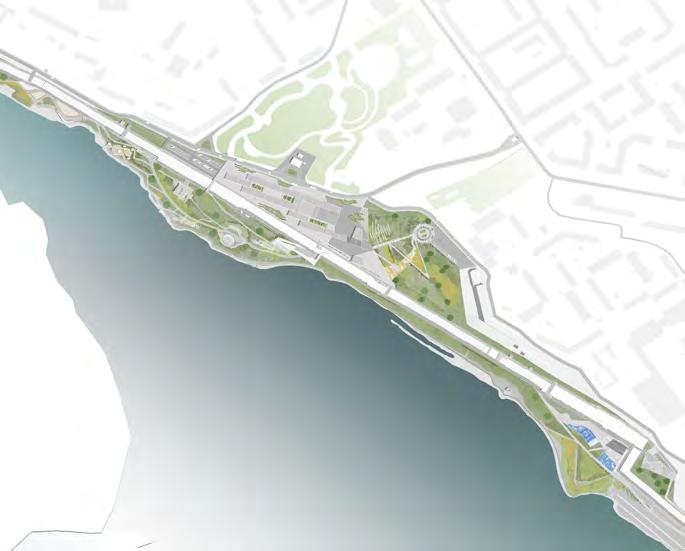
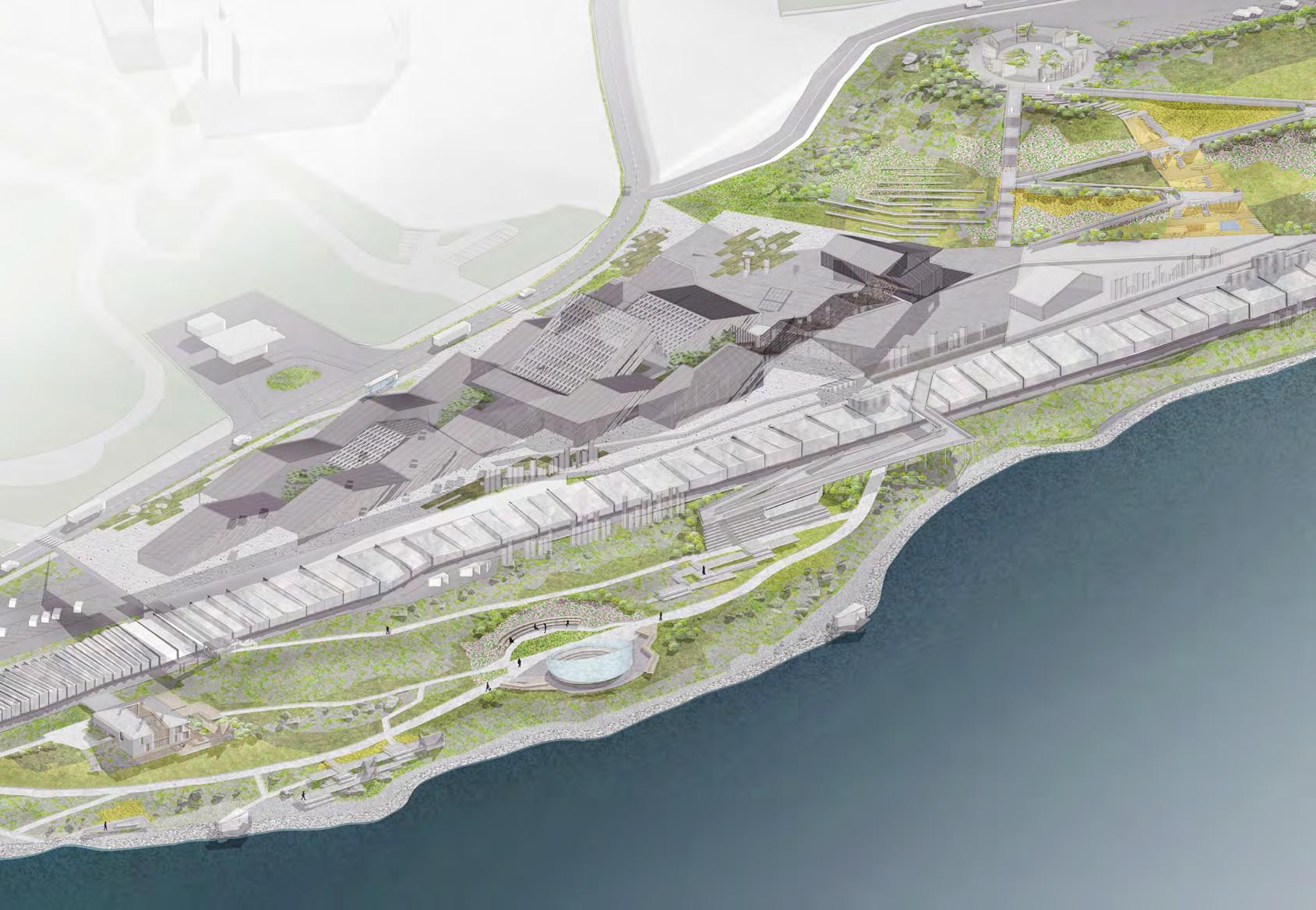
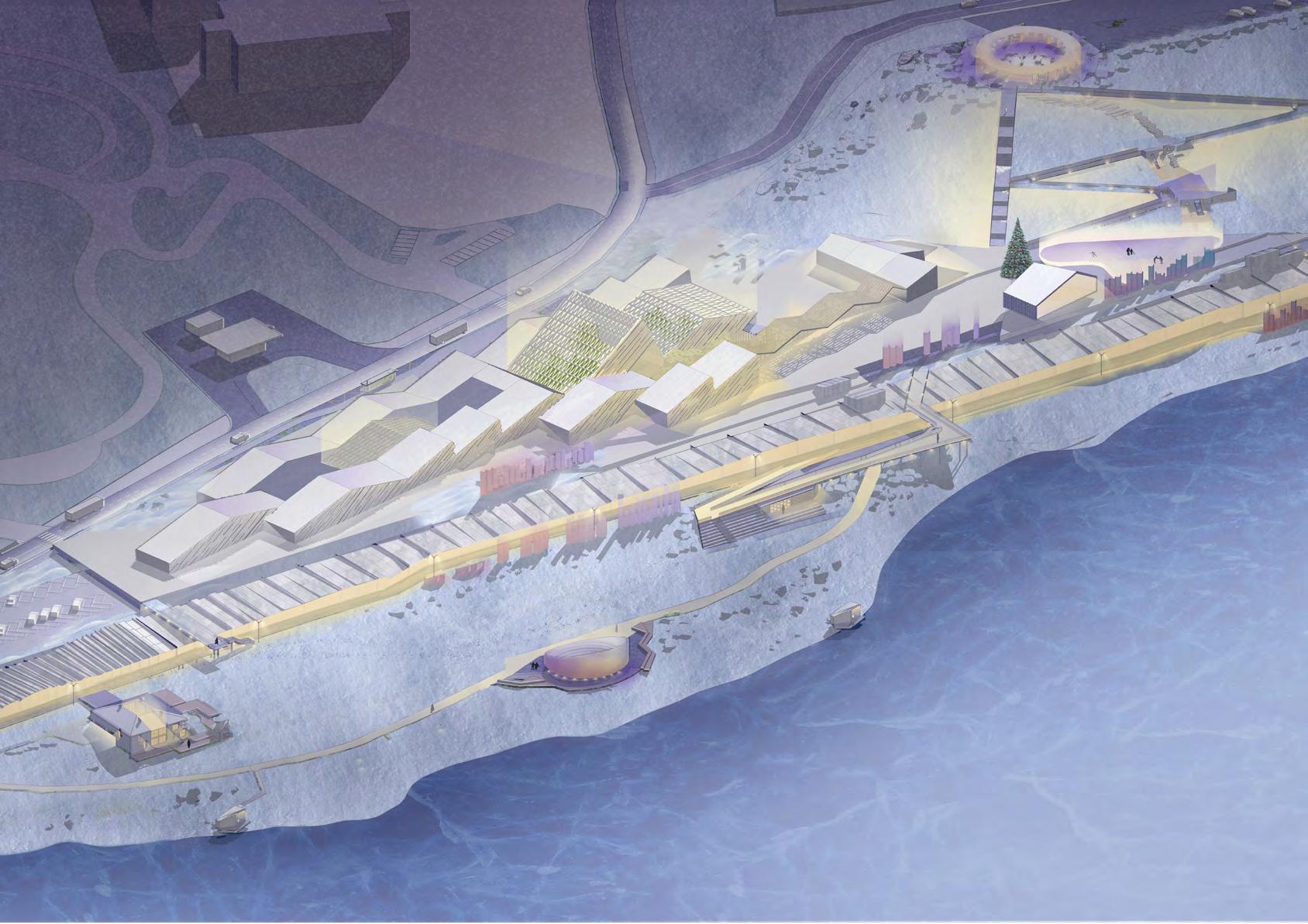
Landscape development of the embankment in Norilsk
During my internship at the bureau, I participated in the creation of a master plan of the enbankment in Norilsk, the selection of small architectural forms, and the visualization of axonometric views in Photoshop. The main task was to show two seasonal scenarios for the development of the embankment in Norilsk. The harsh polar climate and technical features of the industrial region were taken into account in reason to create environmentalfriendly and sustainable decisions. The main idea is to give people light and warmth all year round.
Date: August 17, 2022
Project type: Internship
Type of work: Teamwork
Location: Norilsk, Russia
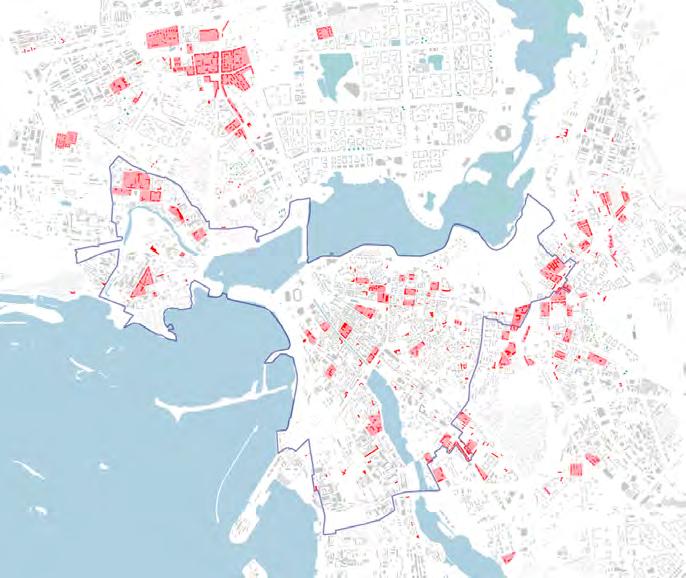
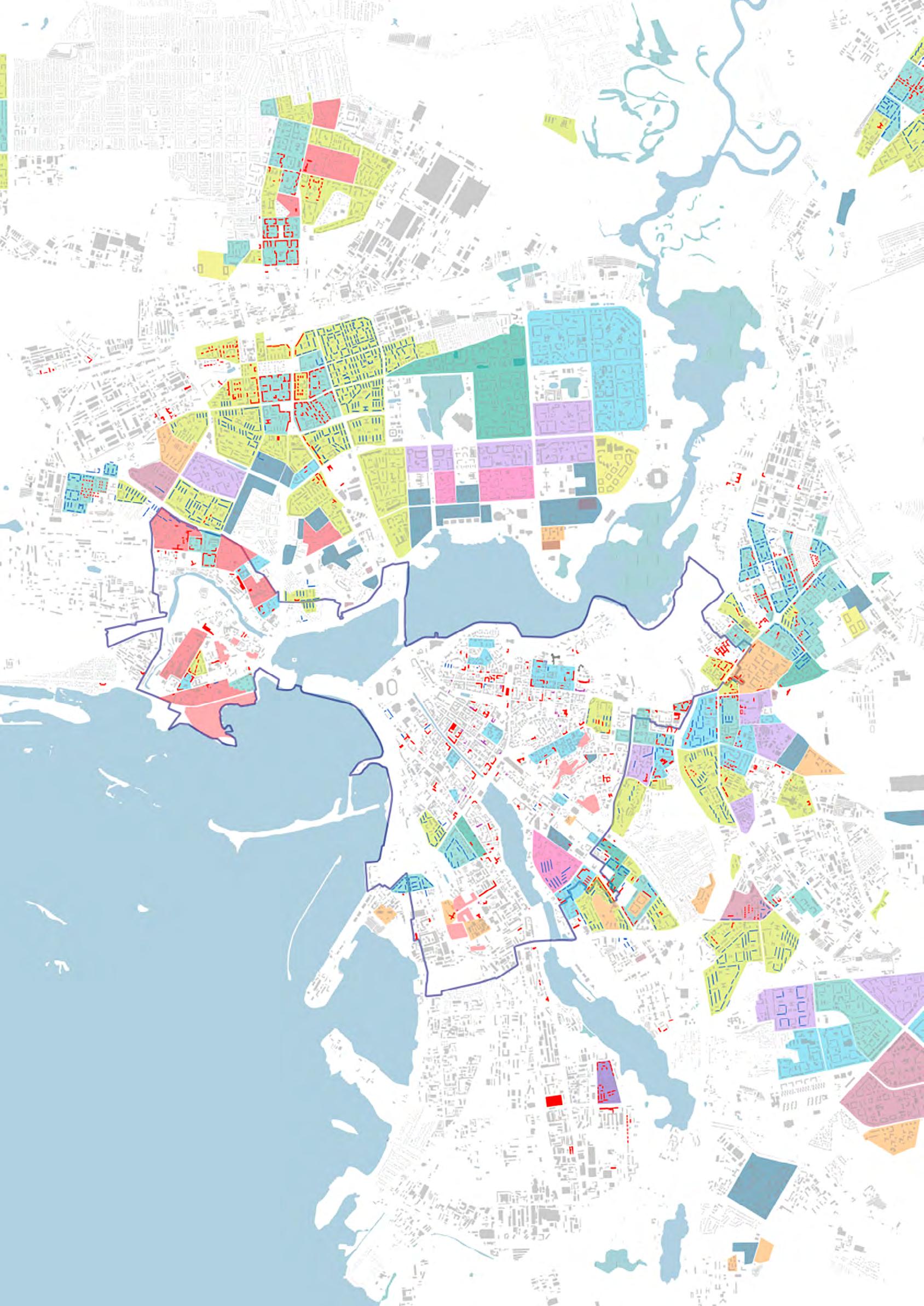
Urban planning analysis of Kazan
Urban planning analysis of the city of Kazan was carried out in order to identify the typology of development, its placement in relation to the boundaries of the historical part of the city. The zones of the most built-up areas were identified. The stylistic characteristics of buildings, construction time and their impact on the urban environment were also taken into account. The analysis was carried out as part of the City Development Institute to develop a unified design code for city streets..