As I write this, I am preparing for our annual trip to Europe where we will once again present our investment summit in Italy
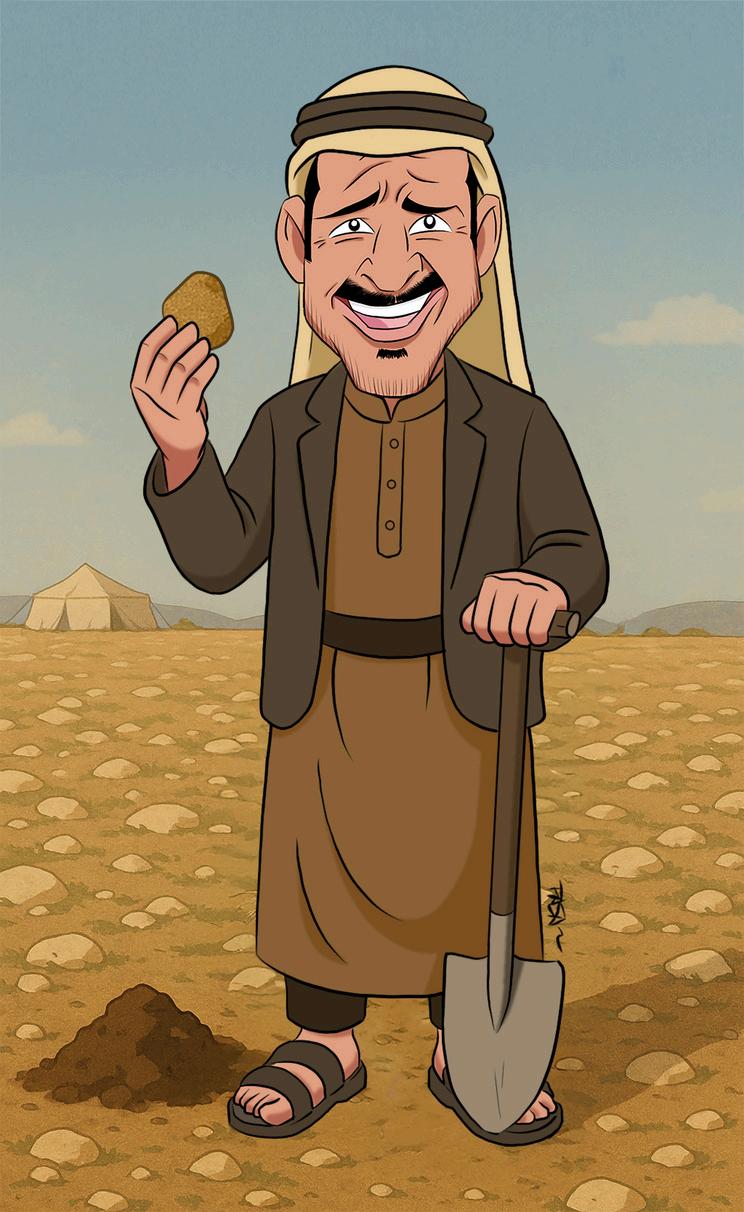
This region is famous for, among other wonderful things, its truffles These delicacies are difficult to find, but are worth the labor They are extremely valuable, both in financial terms but also in the enjoyment they bring,
It seems to be that our summits are much like this too There is treasure to be found in terms of investment, but also in partnership and friendship These are not easy things to find in dayto-day life, but they enrich our community in multiple ways
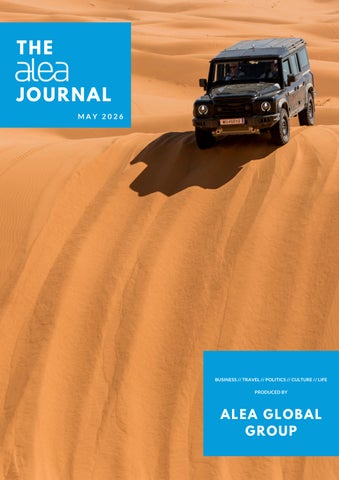
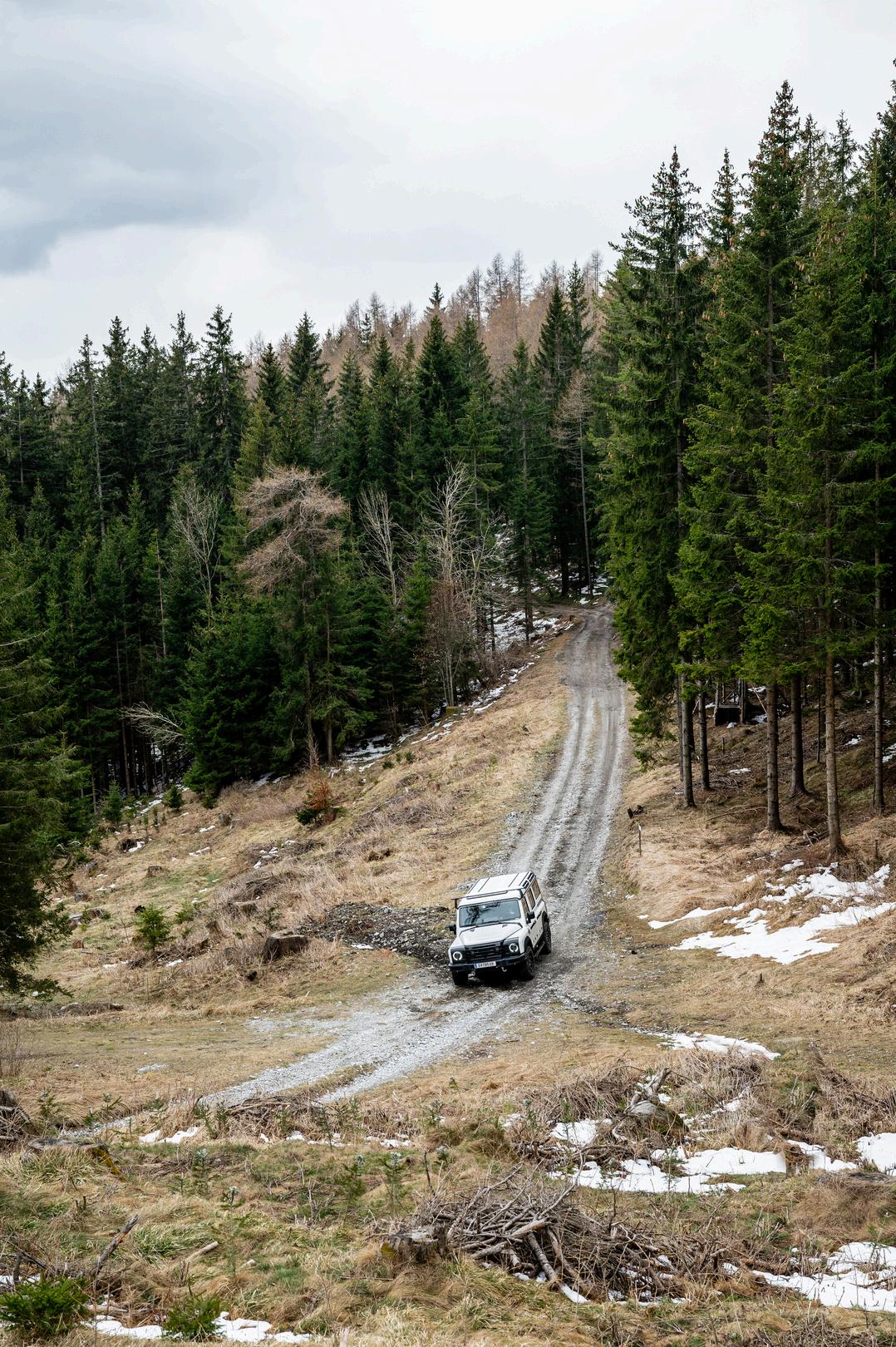
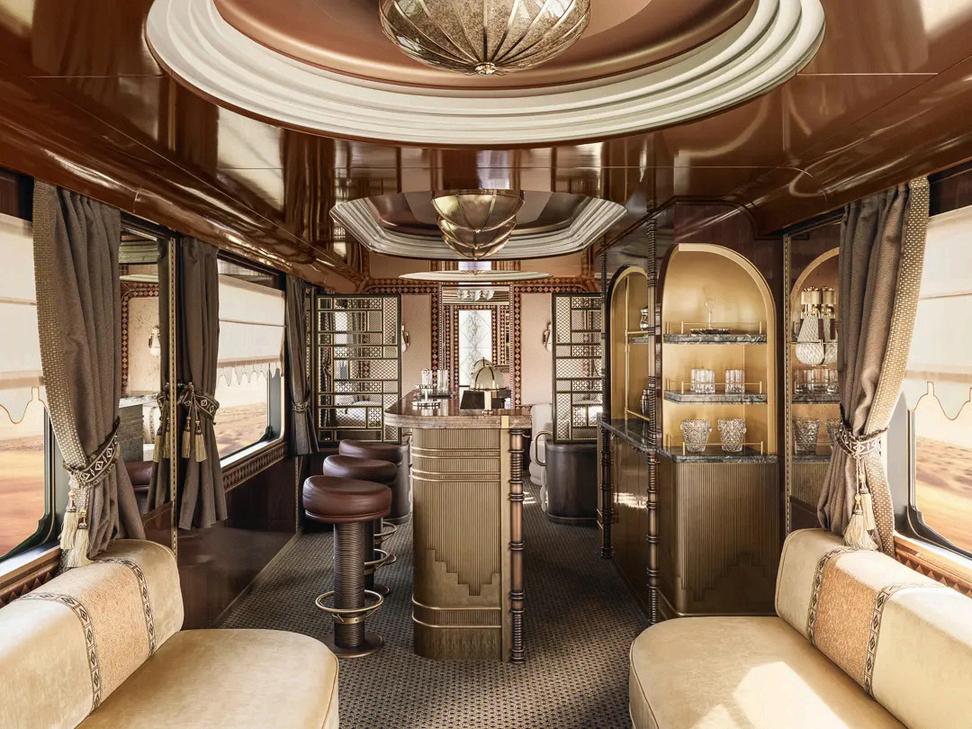
In this issue we present some treasures too There’s the story of the Grenadier the history of the Strait of Hormuz, and an introduction to the Dream of the Desert train adventure
We also present events shaping sectors of our global economy, covering a symposium on AI and its impact on creativity, and the World Experience Summit
Looking ahead to our next event, we also look at APAC family office investments and how they are shaping our future
Do you have something we should cover? Contact me at info@aleaglobalgroup.com
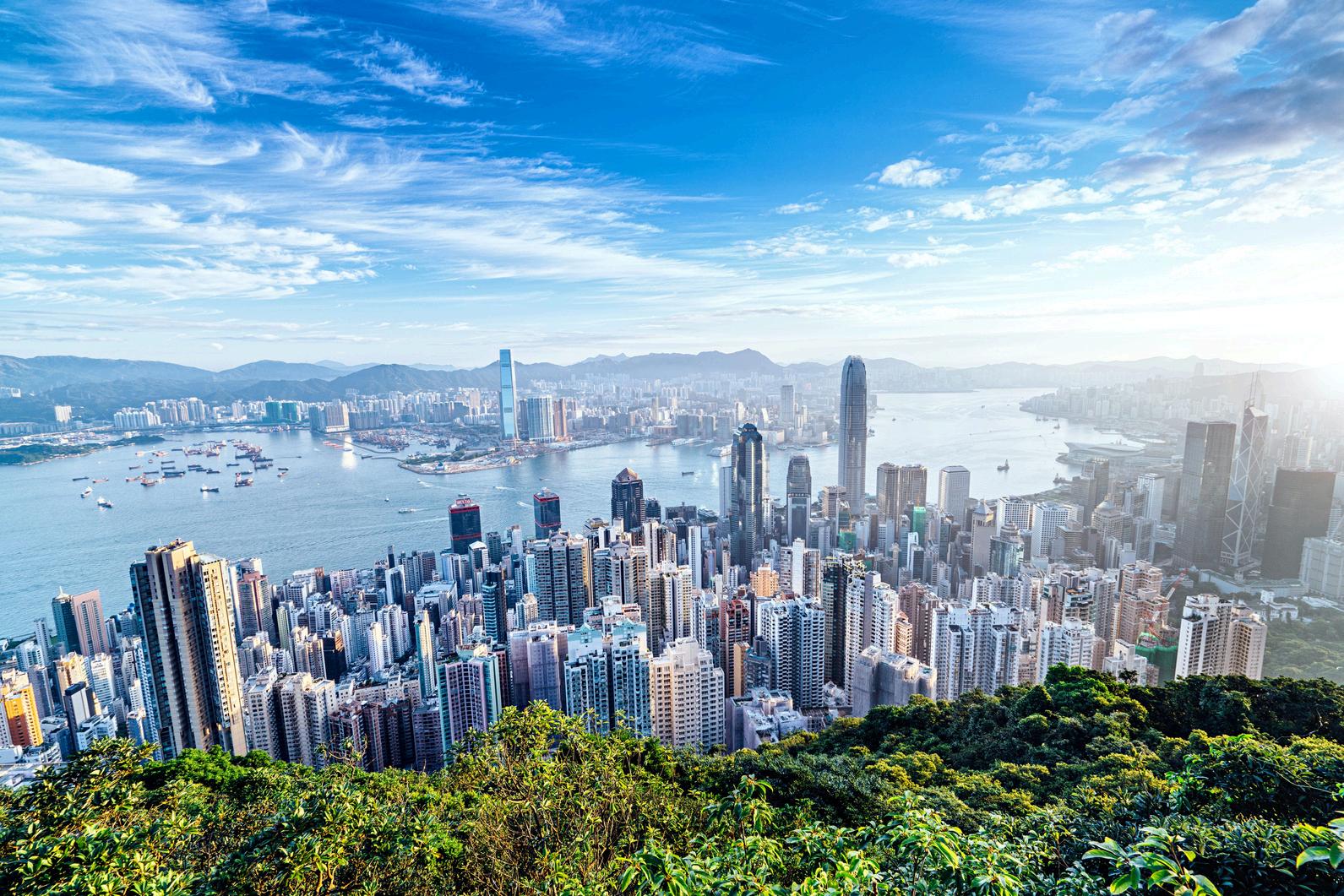
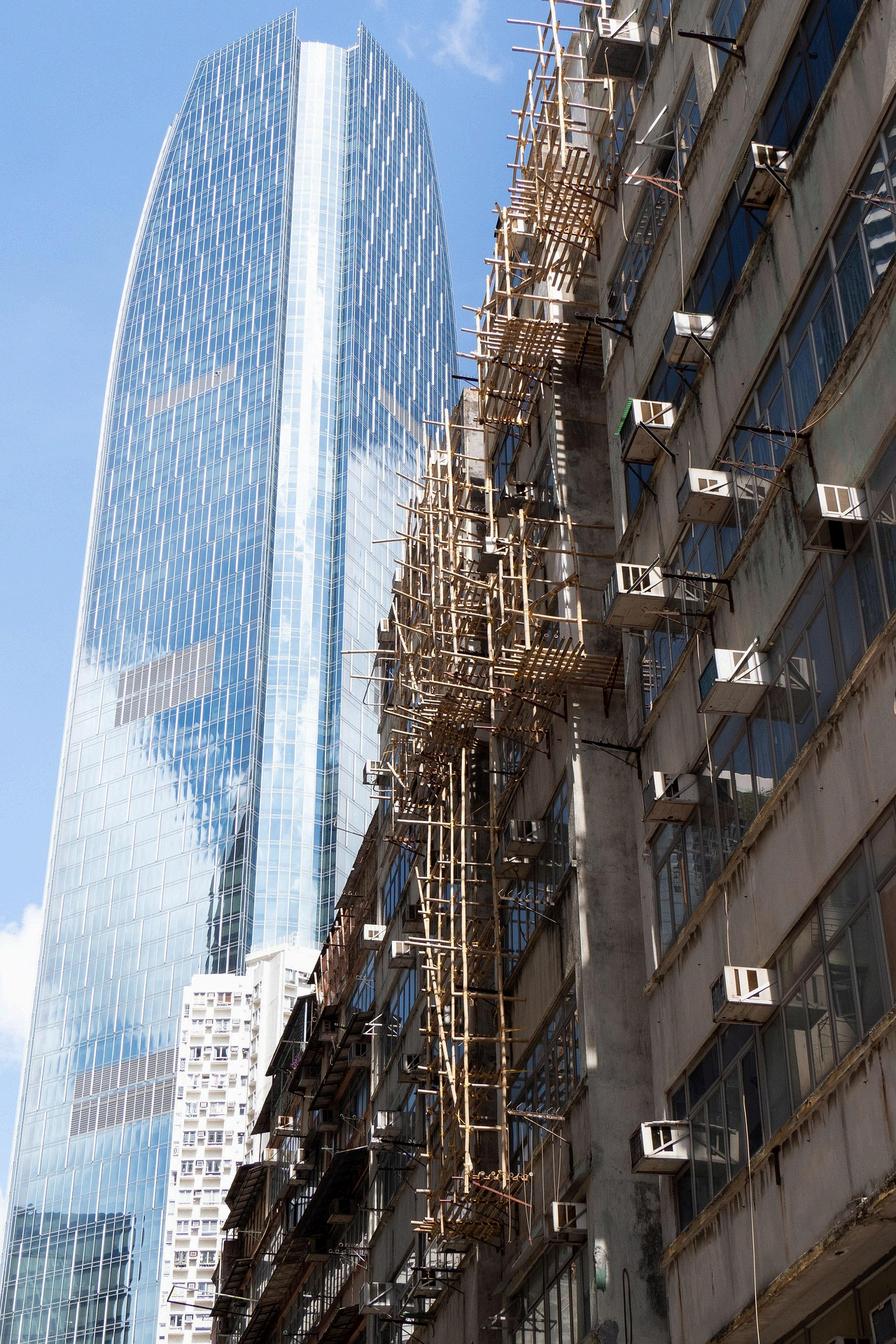
The Gateway East: Why European Family
Offices Are Looking to Hong Kong
With global uncertainty reshaping the investment landscape, a growing number of Europe's well-established families are turning to Hong Kong for stability, growth and strategic access to Asia
There is a familiar pattern taking hold across Europe Taxes are being raised and adjusted. Monitoring frameworks are tightening Political landscapes are growing harder to predict For families whose wealth was built across generations, often quietly, behind the scenes of industrial enterprises, agricultural holdings and professional services firms, the question is no longer whether to diversify beyond the continent, but how and where
Increasingly, the answer is Asia. And the city at the centre of that conversation is Hong Kong
For European families navigating geopolitical turbulence and seeking new growth momentum, Hong Kong offers something that has become remarkably scarce: certainty, resilience, stability and opportunity in a single jurisdiction
A bridge, not a relocation
What makes Hong Kong especially relevant for European family enterprises is what it does not require Old-money families whose wealth is rooted in manufacturing, real estate or generational business holdings do not need to move factories, machinery or capital Hong Kong functions as a bridge Families can directly link their existing
businesses and family offices to the opportunities across Asia through Hong Kong's financial, legal and regulatory infrastructure, without uprooting anything.
"Switzerland has long been recognised as a trusted hub for cross-border asset management in Europe, and Hong Kong plays an equally vital role in the Asian region," says Ekaterina Tattersall, Founder and Chief Executive Officer of Strela Capital GmbH "Both markets boast robust regulatory frameworks, deep financial expertise, and global connectivity as their core advantages. For us, Hong Kong is an indispensable extension of our global wealth strategy "
Where innovation meets capital
Hong Kong is rapidly establishing itself as an international innovation and technology hub For European families whose portfolios are increasingly tilted towards venture capital, life sciences and frontier technology, the city provides a compelling gateway to Asia's most dynamic sectors
"Hong Kong's growing life sciences ecosystem, combining academic research, clinical networks, and capital, makes it a compelling base for early-stage biotech and medtech innovation," says Dr Bettina Ernst, Director of Bernina Bioinvest, a private investment company focused on earlystage biotech and medtech, " For investors like us, the city's regional connectivity and regulatory openness create practical pathways from laboratory ideas to clinical and
commercial milestones. Hong Kong sits at a valuable intersection of talent, research, and partnerships across Asia, which is an excellent location for investing in innovation For early-stage biotech and medtech companies, access to universities, clinicians, and crossborder collaborators helps accelerate validation and scale, which is essential for translating science into patient impact "
The regulatory framework regarding virtual assets has also been evolving, with the government welcoming the passage of the Stablecoins Bill in May 2025, establishing a licensing regime for fiat-referenced stablecoin issuers. It came into effect on 1 August 2025 For families with exposure to digital assets, this signals a jurisdiction that is embracing innovation within a framework of institutional trust.
Beneficial tax regime
Some jurisdictions may face rising tax burdens. The UAE introduced a corporate tax in 2023, moving from 0% to 9% Hong Kong, by contrast, has long maintained a low and straightforward tax regime Hong Kong tax residents are only taxed on income earned in Hong Kong. There are no taxes on capital gains, no VAT, no estate tax, no inheritance tax, and no withholding tax on dividends or interest
Corporate profits are taxed at a two-tier rate, with the first HK$2 million of a company ' s profits taxed at 8 25 per cent The personal income tax rate ranges from 2 to 17 per cent, making Hong Kong a tax-efficient jurisdiction for investment and wealth preservation.
Hong Kong government introduced the tax concession for single family office, enhancing the growth of family wealth over generations This offers a 0% profits tax rate for eligible family-owned investment holding vehicles managed by single family offices in Hong Kong.
They will continue refining the measures - including further expansion of scope for qualifying investment for the preferential tax regimes offered to funds and singlefamily offices, covering for example precious metals, loans and private credit investments, and digital assetsto maintain this strong growth trajectory
For families accustomed to navigating Europe’s increasingly complex fiscal landscape, the contrast is striking
A foundation built over generations
With more than a century of experience in family wealth management, Hong Kong has grown into Asia's premier international financial centre and the continent's first cross-border asset and wealth management hub It is projected to become the world's number one crossborder wealth management centre in the coming years.
For European families whose legacies were built on longterm thinking, patience and quiet ambition, Hong Kong offers a familiar set of values in a new geography. The opportunity is Asia And the connection has never been more direct
HOW APAC FAMILY OFFICES ARE RESHAPING GLOBAL INVESTMENT
Alea Global Group's next event is our annual APAC Family Office Investment Summit. Asia Pacific has become one of the most dynamic and consequential arenas in the global family office landscape. Driven by a new generation of wealth creators, maturing governance structures, and a region that offers both extraordinary opportunity and complex risk, APAC family offices are evolving at pace and increasingly setting the agenda for how private capital behaves worldwide.
The scale of the shift underway is difficult to overstate. Asia is now the second-largest wealth region after North America and the fastest-growing globally, accounting for around 30% of the world's single-family offices and 26% of multi-family offices Much of this wealth is relatively new: 40% of Asian family offices have been established within the last 15 years
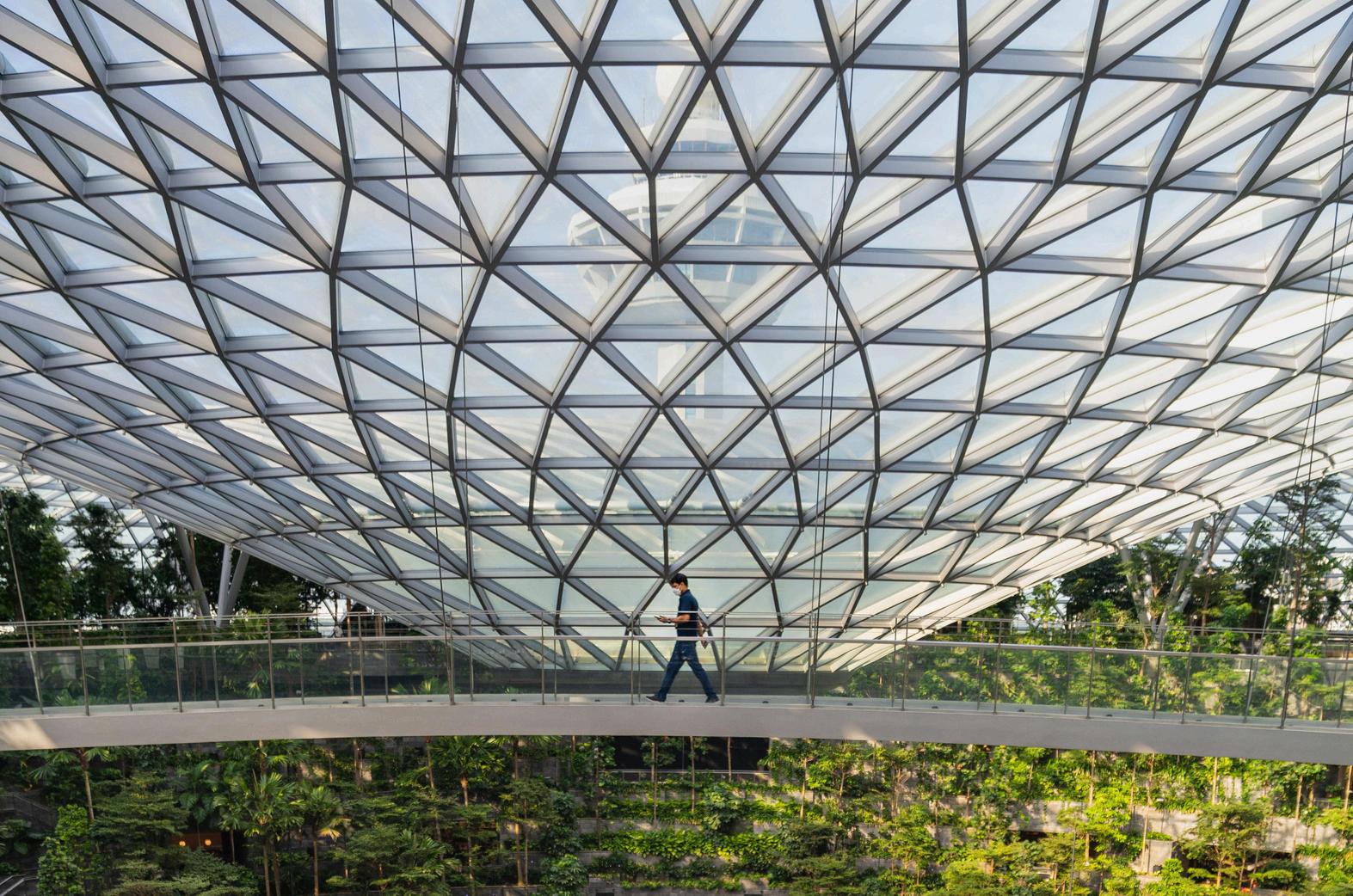
The numbers on the ground reflect this momentum Around 600 new single-family offices were added in Singapore in 2024 alone, taking the total to over 2,000 – a 400% increase on 2020 Hong Kong has moved aggressively to keep pace: the number of single-family offices in Hong Kong has grown by at least 25%, to 3,384, over the last two years, according to a recent Deloitte study
The financial policy frameworks underpinning this growth are deliberately constructed Singapore's Variable Capital Company structure and tax incentive schemes under Sections 13O and 13U have created a compelling environment for wealth domiciling Hong Kong introduced new tax concessions for familyowned investment-holding vehicles in 2023, and the special administrative region does not tax capital gain or offshore profits, with dividend income generally not taxable.
The wealth pipeline sustaining this growth is substantial A wealth transfer in the broader Asia-Pacific region has been estimated at USD 5 8 trillion by 2030, alongside GDP growth for Southeast Asia that is outpacing global averages Against this backdrop, 84% of AsiaPacific family offices expect an increase in their family's wealth, and 77% expect to see their AUM rise
Portfolio Construction: Alternatives Take Centre Stage
The investment preferences of APAC family offices diverge in instructive ways from their global peers Asia is characterised by a high proportion of equities at 37%, with a clear preference for direct private equity investments
at 31% Notably, 77% of private equity investments are channelled into technology-oriented companies Alternatives are commanding a growing share of attention According to Preqin, private capital assets in the overall Asia Pacific region are projected to reach USD 2 3 trillion by 2026, driven by the growth of private equity and venture capital across the entire market
The BNP Paribas Wealth Management and Campden Wealth Asia-Pacific Family Office Report 2025 found that private markets now constitute 24% of average portfolios Despite recent private equity and venture capital underperformance, offices remain confident in long-term risk-adjusted returns
Private credit has also gained significant traction The proportion of family offices without exposure to private credit fell to 26%, from 36% in 2023, as investors seek to benefit from elevated rates and perceived downside protection
Infrastructure, too, is drawing increased interest: nearly one-third of family offices intend to increase their allocations to infrastructure in 2025–2026, attracted by its ability to generate stable cash flows, its role as a portfolio diversifier, and its perceived resilience
Hedge funds hold particular appeal in the region 46% of APAC family offices are invested in hedge funds, compared to 33% for the global average
This selective, sector-specific approach to China characterises a broader maturation in how APAC family offices engage with the market Rather than broad-based exposure, the trend is towards careful positioning in China's technology and private equity pipeline, particularly at pre-IPO stage, while managing wider macro risk through diversification
The US-China tension itself is reshaping capital flows. According to Citi Wealth's 2025 Global Family Office Report, trade disputes were cited by 61% of APAC respondents and US-China relations by 53% as their primary concerns related to investment strategy – a reflection of how deeply geopolitical friction has embedded itself in portfolio thinking
Technology and AI: From Thesis to
Allocation
Technology dominates APAC family office sector preferences, both as an investment theme and as an operational tool. Geopolitical conflict remains the most frequently cited investment risk globally, but in APAC, 75% of respondents listed it among their top three concerns – higher than any other region Yet investment convictions in technology remain firm
86% of family office respondents are investing in AI, and 51% are already using AI tools in their investment process, applying them to data analysis research productivity, investment due diligence, and idea generation. The Raffles Family Office anticipates that 2026 will see enhanced allocation driven by AI integration, tokenisation of real-world assets, and growing demand for programmable financial infrastructure
Operationally, AI adoption is beginning to reshape how family offices function internally Family offices in APAC are already using AI for risk management and investment reporting, with advances expected to accelerate adoption –
including the possibility of reducing staff in basic accounting and administrative roles The BNP Paribas and Campden Wealth report also identified that spreadsheet over-reliance and manual processes are now top operational concerns, overtaking cybersecurity, and are seen as hindering efficiency – particularly in non-automated reporting
Digital Assets: The Frontier Moves Mainstream
APAC leads globally in appetite for digital assets Interest in digital assets is especially robust in the Asia-Pacific region, with 39% of APAC offices considering future allocations to cryptocurrencies, compared to a global average of 33% ownership APAC family offices, including those in Hong Kong, are supplementing traditional asset classes with greater capital directed toward cryptocurrencies, AI, art, and ESG programmes.
The regulatory environment is evolving to match this appetite Singapore has established a licensing-led approach via the Payment Services Act, setting expectations for exchanges and wallet providers, while the UAE has positioned its Securities and Commodities Authority as the primary federal regulator for virtual asset activity These frameworks are providing the institutional clarity that family offices require before committing significant capital.
Family offices are increasingly treating digital assets as two distinct investment categories: cautious, tightly risk-managed exposure to core digital assets and infrastructure on one hand, and venturestyle investments in the wider blockchain ecosystem on the other
Sustainability: Commitment Deepens
Sustainable investment has moved from aspiration to allocation across APAC, with the region consistently ahead of global
peers on this measure More than 60% of survey respondents in the APAC region indicated they were likely to allocate assets to sustainable investments, according to Citi's data – making it the most bullish major region globally on sustainable strategies
The Sustainable Finance Initiative's 2025 survey of 144 family office representatives globally found that Asia Pacific continues to be a high priority, with 42% of all votes ranking the region as their primary area of investment for sustainable finance
Thematic priorities have also evolved: nature-based solutions, biodiversity and regenerative practices now take the top spot among investment themes, followed by food and agriculture, and healthcare Among APAC offices specifically, more than 40% practise responsible investing, with over 90% rejecting lower returns as a precondition for doing so – with many believing responsible investing boosts returns while cutting risk.
The Geography of Opportunity: Beyond Greater China
While China dominates regional allocations, APAC family offices are looking beyond Greater China with increasing confidence Technology, green technology, healthcare, impact investing, and private market strategies – including private equity real estate and venture capital –are among the areas family offices are targeting, with Singapore and Hong Kong serving as primary hubs for managing this exposure
Southeast Asia is increasingly compelling Opportunities in APAC's unicorn ecosystem in 2025 are concentrated in thriving sectors including fintech, health tech, and green tech, with cross-border investment strategies and partnerships opening access to emerging hubs such as India and Southeast Asia Vietnam, the Philippines, Indonesia, and India are all drawing
attention from APAC family offices seeking higher-growth exposure than mature markets can offer
Real estate continues to underpin portfolios, though its character is changing Over 60% of global investors plan to increase APAC real estate exposure, drawn by cities including Singapore, Ho Chi Minh City and Bangalore according to CBRE's Investor Intentions Survey.
ESG considerations are increasingly embedded in real estate selection: buildings with green certifications achieve up to a 10% rental premium, according to CBRE's 2025 Decarbonisation Report
The Generational Shift: Succession at the Centre
Perhaps the most consequential story in APAC family offices is not where capital is going, but who is directing it. Family offices in Asia-Pacific are at the forefront globally in transferring wealth control to the second generation, with 43% having completed succession, according to Citi's 2025 Global Family Office Report
This transition is reshaping investment culture Where first-generation founders often prioritised capital preservation and real estate, their successors are oriented towards private markets, impact investment, and frontier technology
The priorities of the rising generation are clear. Education on family wealth emerged as the top priority for 73% of APAC respondents in the Citi survey, followed by gaining professional experience outside and inside the family enterprise, alongside mentoring
Governance frameworks are also being formalised in response: many family offices are introducing constitutions, decision frameworks and next-generation pathways to reduce friction across generations and clarify how capital is stewarded.
Looking Ahead
The direction of travel for APAC family offices is towards greater sophistication, deeper internationalisation, and a more deliberate integration of values into investment frameworks APAC families were among the most internationally oriented of any region, with 76% maintaining a global investment footprint – a figure that reflects both the outward ambitions of regional wealth and the practical reality of managing risk across a complex geopolitical environment
North American family offices are already reviewing their US exposure amid market volatility and dollar weakness, with many increasing allocations to APAC, excluding China, or shifting more capital to Europe
This inflow of global capital into a region already experiencing rapid domestic wealth creation is likely to intensify competition for assets, elevate valuations, and further embed APAC in the architecture of global private capital
For family offices across the region, the challenge ahead is not finding opportunity – it is exercising the discipline, governance, and generational coherence to convert the extraordinary moment into enduring wealth
By attending our next summit you can network with potential partners in the region and find out everything you need to know to expertly navigate these opportunities
Born in a Pub: The Story of the INEOS Grenadier
Most great products begin with a problem and a spreadsheet The INEOS Grenadier began with a pint of beer, a £5 note, and a conviction that the automotive industry had quietly stopped serving the people who needed it most. What followed was one of the most audacious vehiclebuilding ventures of the modern era, and one of its most satisfying results
The year was 2017, and the setting was as unlikely as origin stories come In the dimly lit Grenadier pub on the cobbled streets of Belgravia, London, Sir Jim Ratcliffe founder and chairman of INEOS, one of Europe's largest privately owned companies, sat with a pint in hand and a growing frustration in mind
Ratcliffe had long been a devotee of the rugged, purpose-built 4x4.
For decades, vehicles of that character had served farmers explorers mountaineers, scientists, and anyone else whose work or adventure took them somewhere a road couldn't follow.
But the model that had done it best had ceased production, and its successors –and the entire SUV category that had mushroomed around it – had drifted steadily toward comfort, fashion, and urban credibility, abandoning the core qualities that had made the original so beloved: functional design, serious durability, and extreme off-road capability.
Nobody, it seemed, was going to build the proper utilitarian 4x4 anymore And so, over a drink, Ratcliffe decided that INEOS would
The first sketch of the Grenadier was made on the nearest thing to hand; a £5 note That note, the founding document of an entirely new vehicle, still hangs pinned to the ceiling of the Grenadier pub today
The vehicle takes its name from the same establishment It is, in every sense, a product born from the conviction that if something worth having doesn't exist, you build it yourself.
What distinguishes the Grenadier story from other exercises in automotive aspiration is the rigour with which INEOS approached the task Ratcliffe established three non-negotiables from the outset: functional design, serious durability, and extreme off-road capability Every decision, every component, every bolt, had to pass that test.
To turn the sketch into steel, INEOS went straight to Magna Steyr – a 4x4 engineering specialist with decades of experience – without shopping around For the powerplant, BMW was appointed to supply their TwinPower Turbo petrol and diesel engines
The transmission was sourced from ZF, and the transfer case, a bespoke, heavy-duty unit, was built by Tremec These were not compromises born of budget; they were deliberate choices made by people who knew exactly what they needed and went to the best in the world to get it
For its factory, INEOS acquired a worldclass production facility in Hambach, France – originally built by MercedesBenz – and upgraded it with custom tooling, automated production lines, and a dedicated 4x4 assembly process The Grenadier, conceived in London, designed with intention, and built in France, was taking shape.
Festival of Speed The vehicle didn't need to be the fastest thing on the hill It just needed to be itself, and it turned heads doing precisely that
Production began in 2022, and in 2023, INEOS invited motoring journalists on Expedition 1 0; a 32day road trip from Caithness in the far north of Scotland to London. Their verdict confirmed what the testing had established: the Grenadier handles brutal, harsh conditions with ease Not bad for a 4x4 conceived over a drink in a Belgravia pub less than five years earlier
The Grenadier is, above all, honest Its boxy silhouette – all four corners visible from the driver's seat – is not a styling affectation It is there because simple geometry gives drivers absolute confidence about exactly where their vehicle is and isn't at all times The flat hood panels are sturdy enough to double as a table a lookout post or a working surface in the field. Every design decision has a reason.
The Station Wagon, the five-seat all-terrain variant, comes built around a full box-sectioned ladder frame, with Carraro beam axles front and rear, heavy-duty coil suspension, permanent four-wheel drive, a centre differential lock, and a two-speed transfer case Ground clearance stands at 10 4 inches, and Wading Mode allows river crossings up
The overhead switchgear keeps trail functions accessible without cluttering the driving environment Gear, GPS, fuel, tyre pressures, pitch, roll, and coordinates all appear on a single display, controlled by touchscreen, multifunction wheel, or rotary dial
Off-road navigation is handled by Pathfinder, allowing drivers to mark GPS waypoints, upload GPX files, and save tracks, while Waze, Google Maps, and Apple Maps are all integrated for onroad use. RECARO seats come as standard. Six airbags are built in.
The Trialmaster variant adds front and rear differential locks, a raised air intake, and heavyduty utility features for those whose off-road ambitions push further still The Fieldmaster is configured for comfort and design alongside capability
A Black Edition, in inky black throughout with 18-inch alloy wheels, offers a more assertive visual presence. And for those who want something truly singular, Arcane Works, INEOS's in-house custom division, produces limitededition variants that are, in their own words, rare and rigorously refined, but every bit still a Grenadier
g means something from a company that has staked its automotive reputation on a vehicle built to be genuinely, durably, uncompromisingly useful
The Quartermaster, a double-cab off-road pickup variant, extends the Grenadier's proposition further into the working world. Whether the job involves hauling tools, towing boats, or heading somewhere a road does not reach, every switch, surface, and system in the Grenadier family is designed, in the brand's own words, to get the job done, and done right
There is something quietly radical about that position in today's automotive market At a time when the category that the Grenadier inhabits has largely abandoned its original purpose, dressed up in premium trimmings, loaded with features that signal status rather than deliver utility, INEOS went back to first principles and built the vehicle that the original off-road legends represented, rebuilt from scratch, with the best engineering partners in the world
The sketch is still on the ceiling of the pub
The vehicle is on the road, in the mud, on the mountain, and in the river crossing The story of how a pint of beer and a £5 note became one of the most interesting new vehicles of the twenty-first century is, in its own way, exactly the kind of story the Grenadier was built to tell
A History of the Strait of Hormuz
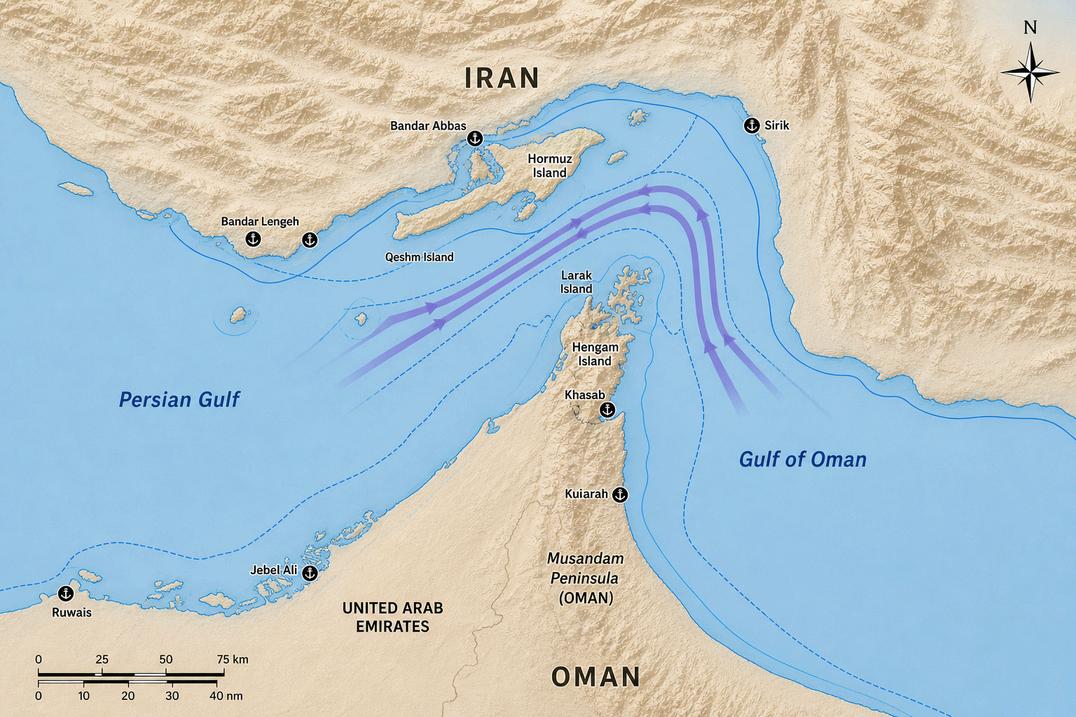
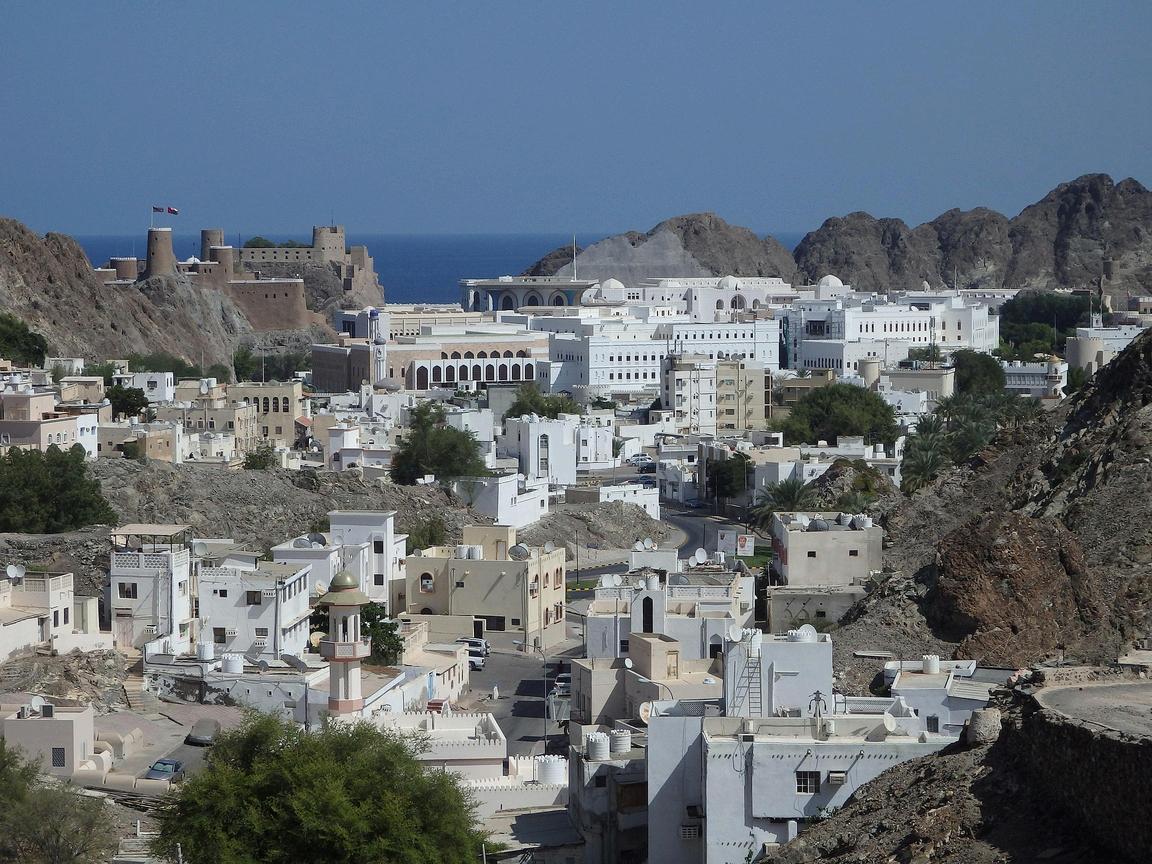
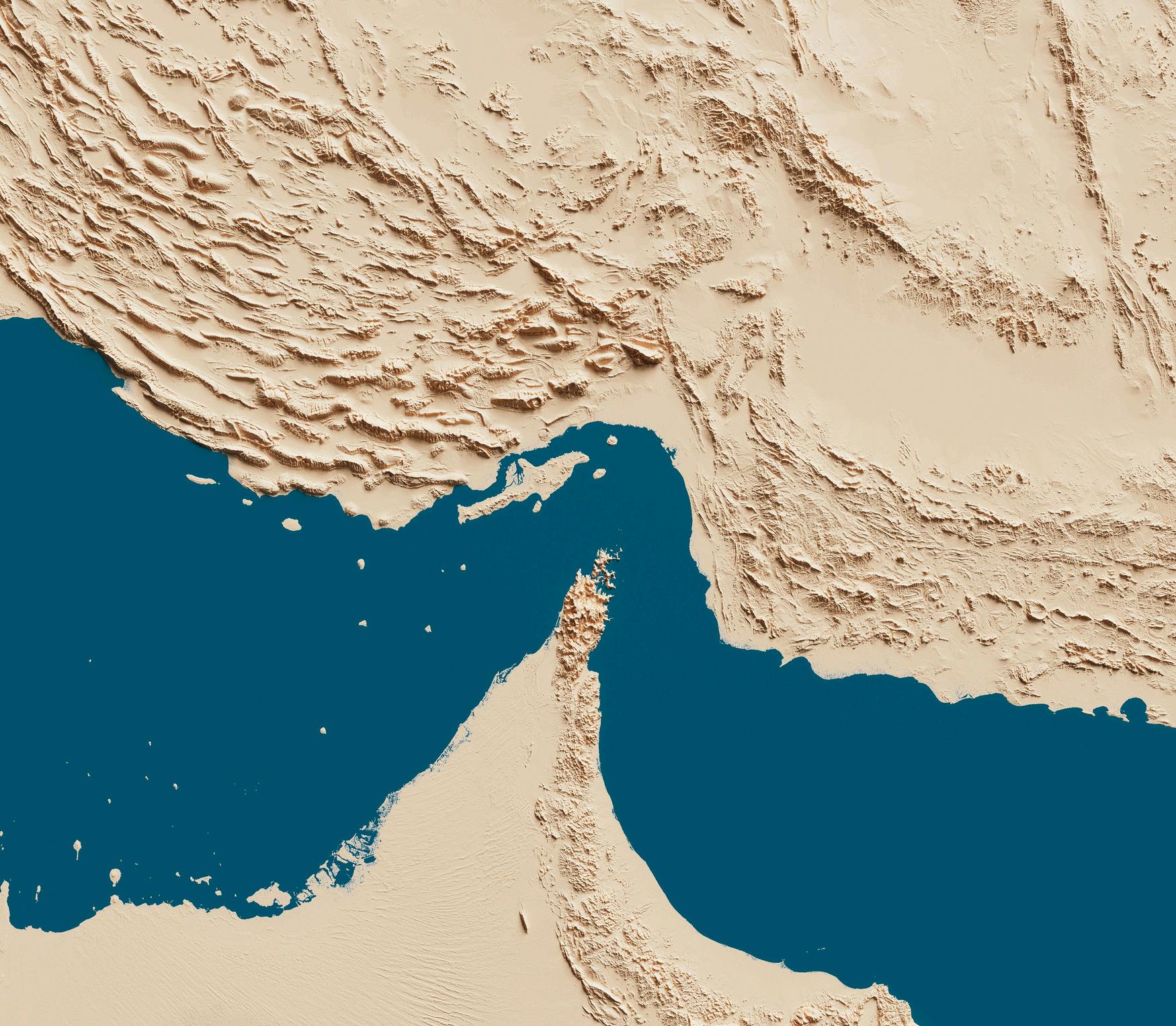
The Strait of Hormuz is approximately 167 kilometres long and 39 kilometres wide at its narrowest navigable point. It is bordered by Iran to the north and the Musandam Peninsula of Oman to the south, with a small section under UAE sovereignty
Few stretches of water have done more to shape the course of human civilization than this narrow passage between the Persian Gulf and the open ocean For more than four thousand years empires have risen and fallen in competition for it, and today it remains the single most consequential maritime chokepoint on Earth.
Before Oil: A Passage Between Worlds
The story of the Strait of Hormuz begins not with petroleum but with pepper, silk, and frankincense For over four thousand years, it served as a maritime crossroads, first for ancient traders navigating between Mesopotamia and
the Indus Valley, and later for empires, navies, and multinational corporations. The strait was, in essence, the hinge between civilisations: to pass through it was to move between the world of the Arabian Peninsula and the riches of Persia, India, and East Africa
Since the ancient Mesopotamian era, it has been a vital maritime hub for trade toward the Horn of Africa and across into the Indian Ocean Merchants carrying dates, copper, and lapis lazuli from the Gulf moved through these waters toward the ports of the Indus Valley civilization. In the other direction came timber, cotton, and the luxury goods that sustained the aristocracies of the ancient Near East
The very name of the strait tells its own history The word Hormuz is derived from the holiest name of the god of the Zoroastrian faith, a reminder that the waterway's identity is inseparable from the Persian civilisations that first grasped its strategic potential
Cyrus the Great and his successors understood the importance of sea power and coastal administration in controlling both trade and military movement Under Darius I (522–486 BCE), naval exploration extended into the Indian Ocean, and Persian fleets operated throughout the Gulf region The Achaemenid Empire managed to secure the strait's approaches by forming alliances or asserting dominance over coastal peoples, ensuring a steady flow of tribute and trade goods.
The Greeks, too, recognised what they had found here The Periplus of the Erythraean Sea, a first-century merchant's sailing guide, documented the routes through the Gulf with commercial precision, recording winds, anchorages, and the goods available at each port Alexander the Great charted the strait as a navigable passage, though it would take a later empire to understand its full coercive potential
The Sassanids and the Birth of Economic Warfare
Iranian leaders first discovered the power of the Strait of Hormuz around 224 AD, almost 500 years after Alexander the Great first charted it as a navigable shipping passage, when the Persian Sassanid Empire began its centuries of Middle Eastern dominance
A new phenomenon known as global trade had recently emerged, and the flow of luxury goods from the Indian subcontinent was enriching the much more powerful Roman Empire, making its capitals in Rome and then Constantinople dependent on flows of silk, spices and other high-end commodities
All seaborne trade in such Asian goods had to pass through that narrow strait
The implications were enormous Rome's appetite for Eastern luxuries – the silks, the spices, the perfumes that lubricated the machinery of imperial patronage –could be taxed, throttled, or denied entirely by whoever sat astride the passage The Sassanids were not slow to understand this They became the first to deploy the strait not merely as a trade corridor but as a lever of geopolitical pressure: a tool that has, ever since, remained fundamentally unchanged The Iranian tactic of using the Strait of Hormuz to hold the world economy hostage has remained virtually unchanged over more than 1,800 years
The Kingdom of Hormuz: Wealth Built on Taxing the World
After the collapse of Sassanid power before the Islamic conquest in the seventh century, the strait passed through successive hands; Umayyad, Abbasid, and eventually into the orbit of local Arab Muslim dynasties who grasped its revenue-generating potential with characteristic brilliance
After four centuries of Persian dominance, the Zoroastrian Persians were defeated by Muslim Arabs from across the Strait, who soon turned Hormuz into its own, spectacular kingdom, centred around the location of present-day Oman
The strategy of the Kingdom of Hormuz was not to intercept trade but to tax it heavily, and to distribute the revenues in its cities; this turned the kingdom into a lavishly wealthy land of many cultures and religions
Medieval travellers described Hormuz with astonishment. Marco Polo, passing through in the thirteenth century, called it "the gem in the ring of the world”.
The island city – perpetually hot, almost treeless, home to merchants from across the known world – was simultaneously a marvel and a marvel of extraction Every ship that passed through paid its dues The kingdom that controlled the gate became, in consequence, extraordinarily rich
By the medieval period, the strait's importance was registering in Islamic cartography Al-Idrisi's Tabula Rogeriana (1154) a blend of Greek Islamic and firsthand traveller knowledge mapped the Persian Gulf and the Indian Ocean with growing precision, tending to emphasise trade routes, coastal towns, and the wider maritime environment
The Portuguese: Europe Arrives at the Gate
The arrival of European maritime power changed everything In 1507, Portuguese explorer Afonso de Albuquerque sailed into the Gulf on the heels of Vasco da Gama's opening of the Cape route to India; a route that had, at a stroke, changed the economics of Eastern trade by circumventing the overland paths that had enriched the Levant and the Ottoman world for centuries
After capturing the small island of Hormuz, the Portuguese built a fortress and a customs house there to collect tolls from ships passing through the strait to trade in commodities like silk, spices, pearls and Arabian horses Portuguese authorities issued "cartazas" – paid permission to trade in the Persian Gulf
The logic was unchanged from that of the Kingdom of Hormuz before them: control the passage, tax the world. Having secured a headquarters at Goa in 1510 Albuquerque moved to secure the strategic emporia cities of trade across the Indian Ocean in an attempt to control trade and effect a monopoly The fortress of Hormuz was one of these key points, as it stood on the strait that led into the Persian Gulf
The Ottoman Empire newly ascendant and hungry for its share of Eastern commerce was not prepared to accept Portuguese dominance quietly The Ottomans sought to displace the Portuguese from the entrance to the Persian Gulf Three engagements by the Ottomans failed, however, and the Arabian Sea remained in Portuguese control until the coming of the Dutch in the seventeenth century The most notable of these Ottoman attempts came in 1552 under the admiral and cartographer Piri Reis, who briefly gained ground before retreating, and was subsequently beheaded for his failure
A Portuguese map from 1519 in the Lopo HomenReinal Atlas clearly marks the island of Hormuz and nearby coastal features, decorated with fortresses and figures, reflecting the growing European interest in controlling the maritime routes of the East
The Safavids, the East India Company, and the Expulsion of Portugal
Portugal held Hormuz for over a century; a remarkable run, but ultimately untenable against the combined hostility of the regional power and a rising European competitor with commercial instincts at least as sharp as its military ones
The Portuguese enriched themselves on trade through the Strait of Hormuz for a century until they were driven out in 1622 by an alliance between Abbas I, Shah of Persia's powerful Safavid dynasty, and the English East India Company The English provided naval power in return for lucrative trading contracts with the Safavids
This alliance – pragmatic mutually beneficial and entirely indifferent to ideology – established a template that would recur throughout the strait's modern history: an external naval power aligning with a regional state against a common rival, with commercial advantage as the animating logic
The expulsion of Portugal did not diminish the strait's importance It simply shifted the beneficiary European Ottoman Persian and later British interests converged in the region, and maps from the eighteenth and nineteenth centuries increasingly depicted it with greater precision, reflecting advances in surveying and navigation
Oil, Empire, and the Making of the Modern Strait
Everything that preceded the twentieth century was, in a sense, a prologue The discovery of oil transformed the strategic calculus of the Strait of Hormuz from important to existential
After oil was discovered in Iran in 1908, the British played a leading role in exploiting the resource
The company that later became BP started out as the Anglo-Persian Oil Company, which won a lopsided deal in 1933 to control Iran's oil exports
The strategic importance of the Strait of Hormuz increased dramatically in the twentieth century with the discovery and large-scale exploitation of petroleum resources in the Persian Gulf region
Major oil reserves discovered in Saudi Arabia, Kuwait, Iraq, Qatar, and the United Arab Emirates transformed the Gulf into the world's primary energy production hub As global demand for oil expanded after World War II, tanker shipping through the Strait of Hormuz increased exponentially
The strait's role as the chokepoint for this traffic made it, by the second half of the twentieth century, arguably the single most strategically consequential piece of geography on the planet
The navigable shipping lanes – approximately three kilometres wide in each direction, separated by a two-kilometre buffer zone –were the eye of a needle through which the industrialised world's energy supply had to pass
The first major crisis of the oil era unfolded not over production but over ownership In 1951, Iranian Prime Minister Mohammad Mossadegh announced that Iran was nationalising its oil industry, which included the largest oil refinery in the world at the time at Abadan The British responded by sending the Royal Navy to establish a blockade around the port of Abadan and prevent any Iranian oil tankers from passing through the Strait of Hormuz Britain, in other words, weaponised the strait against Iran the same tactic Iranian leaders had used against Rome eighteen centuries earlier, now reversed
The British and Americans responded in 1953 with a CIA-backed coup that overthrew Mossadegh and reinstalled the Shah The result was an agreement that split oil profits evenly between Iran and Western oil companies The episode left deep wounds in Iranian political culture, wounds that would shape the region's trajectory for the remainder of the century
The Tanker War: The Strait as a Battlefield
The Iranian Revolution of 1979 remade the political geography of the Gulf The Shah's departure and the establishment of the Islamic Republic fundamentally altered Iran's relationship with the West and with its neighbours When Iraq invaded Iran in 1980, the resulting eight-year war did not merely devastate two nations, it turned the Strait of Hormuz into the most dangerous stretch of water in the world.
The Tanker War was a series of military attacks by Iran and Iraq against merchant vessels in the Persian Gulf and Strait of Hormuz from 1981 to 1988 Iraq was responsible for 283 attacks; Iran accounted for 168
The targeting by Iran and Iraq of each other's merchant shipping and in particular oil tankers represented the most sustained attack on merchant shipping since the Second World War, and resulted in over 400 civilian seamen killed, hundreds of merchant ships damaged and substantial economic losses. Its broader significance lay in the danger such attacks posed to an international economy critically dependent on Gulf oil exports traversing the Straits of Hormuz chokepoint
Iraq's aim in attacking Iranian shipping was to provoke the Iranians to retaliate with extreme measures such as closing the Strait of Hormuz to all maritime traffic thereby bringing about foreign intervention against Iran Iran, for its part, threatened closure repeatedly but held back, aware that its own oil-dependent economy would be among the casualties
The crisis drew in the United States directly. During the Tanker War the US sent warships to escort neutral tankers safely through the Strait of Hormuz In 1988, an Iranian mine damaged the USS Samuel B Roberts, a naval frigate on escort duty in the Persian Gulf The US responded with Operation Praying Mantis, a major military operation that sank or crippled much of the Iranian navy Later that year a US warship accidentally shot down Iran Air Flight 655, killing all 290 civilians aboard
The episode demonstrated both the strait's vulnerability and a paradox that has shaped policy ever since: that full closure is for Iran a form of economic self-destruction Its own exports, its own imports, its own economic survival depend on the passage remaining open The threat of closure, rather than closure itself, has historically been the instrument
The Contemporary Chokepoint: Geography as Leverage
The numbers alone explain the world's anxious attention to this narrow water During 2023–2025, 20% of the world's liquefied natural gas and 25% of seaborne oil trade passed through the strait annually It is the only maritime route
for several Gulf countries including UAE, Qatar, Bahrain, Kuwait, and Iraq
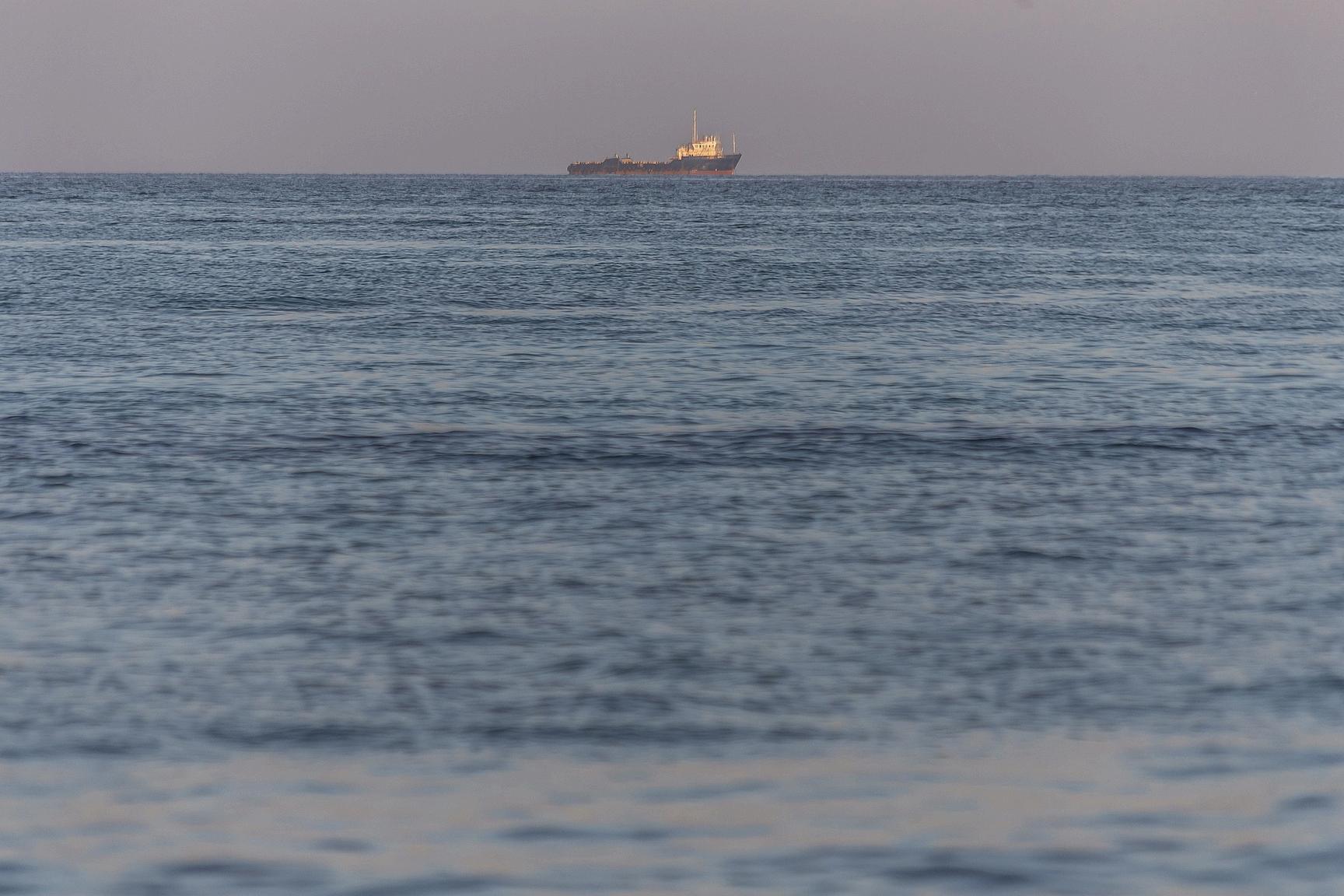
Approximately 20–21 million barrels of crude oil per day, representing nearly 20 percent of global petroleum consumption, pass through this narrow waterway In addition, about 20 percent of global liquefied natural gas trade also transits the strait The Persian Gulf is also, notably a major hub for global fertiliser production meaning the strait's disruption would ripple through food systems as well as energy markets
The shallow surrounding waters create their own strategic dynamics The surrounding waters are shallow creating challenges for navigation and making maritime forces more vulnerable to threats from land-based missile systems Iran, with its coastline running the full length of the strait's northern shore, has invested heavily in precisely those capabilities: its naval forces, including the Islamic Revolutionary Guard Corps have developed asymmetric warfare tactics such as deploying fast boats mines and drones to monitor and restrict maritime traffic
The legal dimension is equally contested Iran interprets UNCLOS provisions differently from most signatories While Iran is a signatory to the convention it insists that only countries that have ratified the treaty are entitled to benefit from transit passage Moreover, Iran has occasionally challenged US naval operations in the strait, arguing that they violate Iranian sovereignty, a claim the United States, which asserts freedom of navigation based on customary international law contests
The Question That Has Not Changed
Since 2021 Iran has harassed attacked or seized nearly 20 internationally flagged merchant vessels, presenting a clear threat to regional maritime security Each episode, whether the seizure of a Danish container ship in 2015, a British-flagged tanker in 2019, or subsequent incidents has followed a recognisable logic: demonstration of leverage without the self-destructive step of full closure
Alternative routes exist, but none are adequate substitutes Saudi Arabia has invested in overland pipeline infrastructure to reduce its own dependence on the strait. Oman whose coastline opens directly to the Indian Ocean has positioned itself as a logistics hub that partially bypasses the chokepoint But the volumes involved are simply too great: a temporary or prolonged closure of this maritime corridor would have severe economic
consequences for the global energy market, with higher energy costs affecting nearly all sectors of the global economy including shipping, aviation, food production, and manufacturing
The Strait's enduring potency is a reminder of how little has really changed in the architecture and substance of global commerce; how much of our futuristic life of invisible clean-looking technology remains rooted in a deeper movement of ancient, crude combustible resources passing through millennia-old sea channels between fortified cliffs
The empires change. The ships change. The cargoes change But the strait itself – 21 miles of contested, churning, indispensable water –remains what it has always been: the throat of the world, and the place where those who hold it and those who need it will always, eventually, meet
Manchester's AI Social Club Puts Creative Authorship on the Agenda
On 5 March 2026 while the European AI conference circuit geared up for a year of large-scale summits – from the World AI Cannes Festival to the AI Summit in London and the Rise of AI conference in Berlin –Manchester hosted something that couldn't be more different in scale, and perhaps more significant in intention
The AI Social Club Symposium brought 200 artists, filmmakers, researchers, and entrepreneurs to the Renold Building on the city's Oxford Road corridor for a full-day reckoning with one of the most pressing questions in the creative industries: who controls authorship in the age of AI and how do creators reclaim agency in an ecosystem that is moving faster than most can track?
The AI Social Club describes itself as a safe space for open dialogue about the positives and negatives of the AI revolution free from sponsor influence and PR spin, a deliberate contrast to the enterprise-facing summits that dominate the European AI calendar
Events like the World AI Cannes Festival drew over 10 000 participants and 320 international speakers in February 2026 with programming spanning AI in business, climate technology, and ethics The RAISE Summit in Paris, the World Summit AI in Amsterdam, and GITEX AI Europe in Berlin all place the emphasis firmly on ROI, regulation and enterprise deployment
The AI Social Club Symposium occupied a different space entirely: community-rooted creatively focused, and firmly rooted in the North of England
Manchester was not an arbitrary choice of location
The event drew on the University of Manchester's rich history of pioneering radical change, a city where the first stored-program computer ran in 1948 where independent culture has long had a habit of reshaping the mainstream, and where the creative and digital sectors are increasingly intertwined The event was produced by Mark Ashmore FRSA of Future Artists and co-produced by Professor Anita Greenhill of the University of Manchester and funded by the Hallsworth Conference Fund giving the gathering both grassroots credibility and academic weight As the event's own framing put it, invoking the city's most famous music impresario: "This is Manchester – we do things differently here "
The programme reflected that ethos Jon Howard from the BBC opened with a session on how generative AI is transforming public service media, addressing questions of creative trust and storytelling that have no easy answers
Lewis Hackett, R&D lead at Amazon-backed Showrunner explored the prospect of audiences co-creating narrative worlds alongside AI platforms Professor Greenhill and heritage expert Sens Sagna presented an AI storytelling pilot coproducing a digital retelling of a traditional West African heritage story, exploring how artificial intelligence can support, not replace, oral traditions
The afternoon turned toward practice and provocation Chris Hogg of Royal Holloway University applied forgotten Marshall McLuhan essays to the age of industrial creativity, offering a framework for protecting creative practice in an era of AI overwhelm Klaire Tanner of AI Wales North and CreuTech argued that AI and XR can expand creativity rather than replace it, keeping human imagination at the centre
A session led by the co-founders of Manchester AI Café featured among other things, Dr John O'Hare from DreamLab demonstrating Junkie Jarvis, a conversational AI agent running multi-user in augmented reality
What distinguished the day was as much its format as its content Rather than the broadcast model of most conferences, the Symposium was designed for genuine exchange, with breakout spaces, community WhatsApp groups ensuring connection before and after the event, and a format that positioned attendees rather than speakers as its centre of gravity
The AI Social Club was founded by Mark Ashmore FRSA with the support of Associate Professor Anita Greenhill and Dr Kadja Manninen of Manchester Metropolitan University positioned as a one-of-a-kind community space at the intersection of art, technology, and science, created to place Manchester and the North of England at the forefront of the AI revolution
The Symposium was the first time the community had gathered at this scale, and the sell-out attendance suggested the appetite for this kind of conversation was real and significant
At a moment when the European AI event landscape is dominated by enterprisescale gatherings debating regulation, ROI, and industrial deployment, the AI Social Club Symposium made the case that the most urgent conversations might be smaller, messier, and more human, and that Manchester was exactly the right place to have them
Where the World's Experience Economy Came Together: London Experience Week 2026
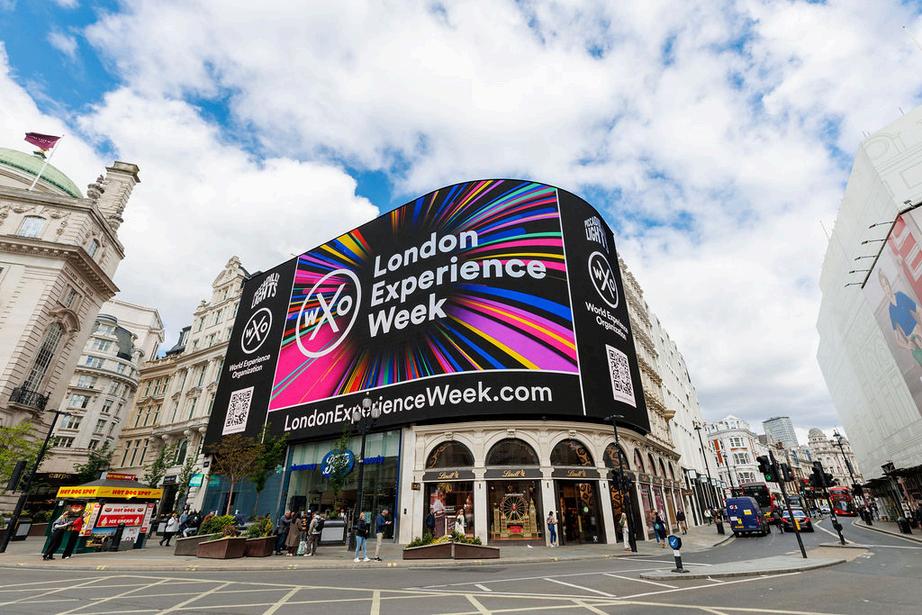
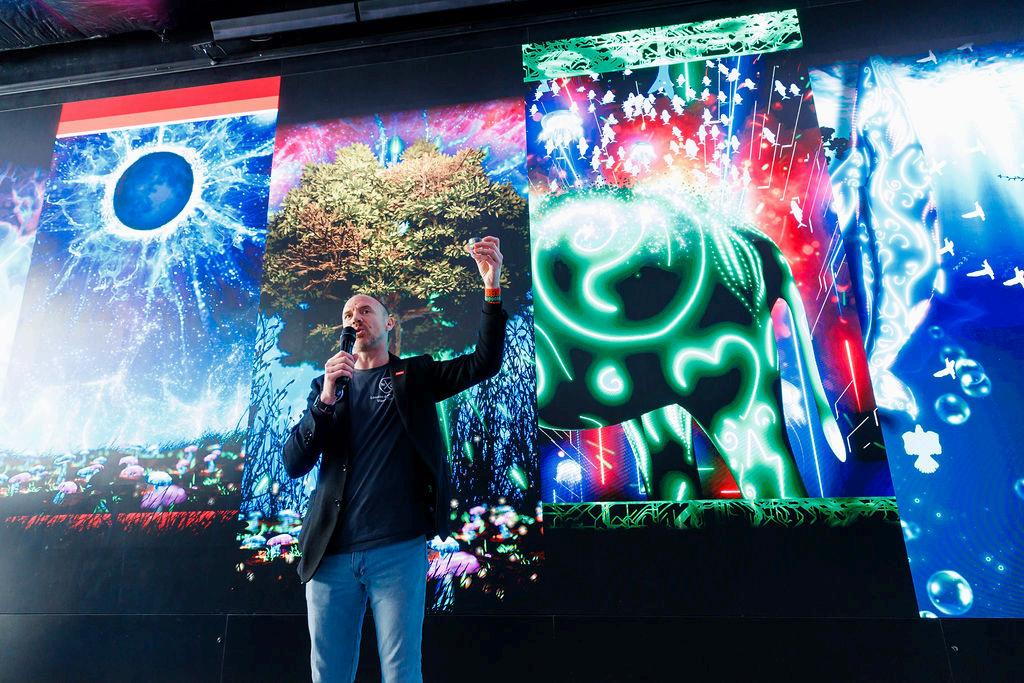
For five days in April, London became the undisputed capital of the global experience economy The second edition of London Experience Week, hosted by the World Experience Organisation (WXO) in partnership with London & Partners, drew around 750 senior leaders, creators, and operators from more than 40 countries to a city-wide programme of talks, behind-the-scenes tours, industry awards, and immersive encounters
Its flagship World Experience Summit, a curated Experience Safari, and an expanding lineup of fringe events and activations spread across the capital made it one of the most ambitious gatherings the sector has yet seen.
At its heart was a simple but powerful idea: that the people designing and delivering the world's most compelling experiences from immersive theatre to experiential retail, transformational travel to location-based entertainment, deserved a dedicated home
The World Experience Organization was
founded in 2020, with co-founders from Helsinki to Melbourne, from Shanghai to San Francisco, as a global institution dedicated to improving the quality of experiences, enhancing the opportunities for experience creators, and promoting the Experience Economy
Its founder and CEO, James Wallman, built the WXO on the conviction – first articulated by business theorists Joe Pine and Jim Gilmore in their 1999 book The Experience Economy – that the world was shifting from an economy that manufactures things to one that makes memories, and that the people driving that shift deserved an institution of their own.
‘Think of us as the World Economic Forum, but for experiences’, was how Wallman described it. The WXO grew steadily from that founding vision, and by 2026 had become a leading expert on the $13 trillion Experience Economy, uniting top professionals from entertainment, hospitality, tourism, and other sectors to shape the future of experiences, with more than 1,100 members from over 50 countries
London Experience Week 2026 ran from 20 to 24 April, anchored at Ministry of Sound for the World Experience Summit, with the Experience Safari taking participants out across the city Now in its fourth year, the programme has expanded steadily, with previous editions selling out and participation increasing year on year.
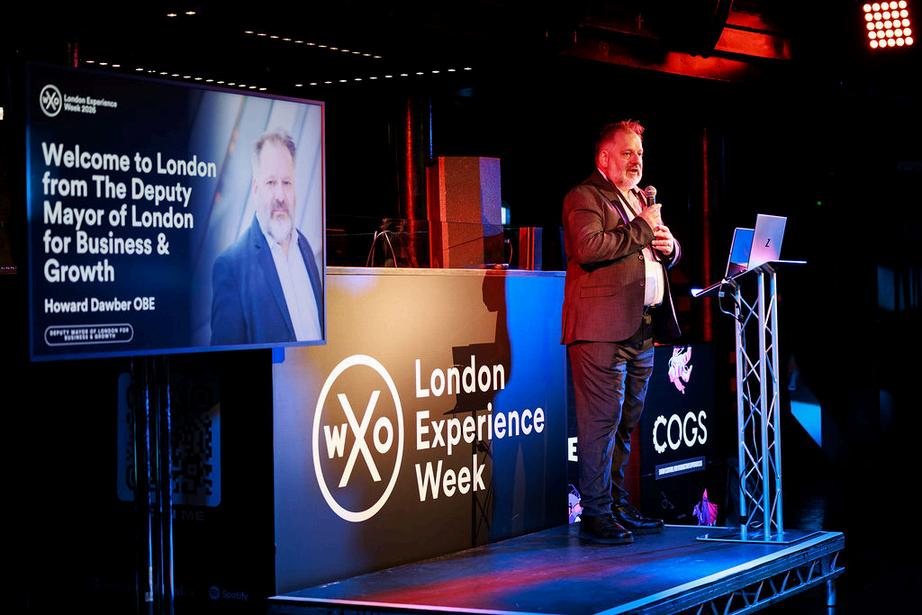
The Summit itself was the intellectual engine of the week – a multi-day programme of talks, case studies, and workshops featuring voices from across the experience landscape There was a keynote address by the Deputy Mayor of London for Business & Growth, alongside speakers from Odyssey Works, Innovate UK, Secret Cinema, Third Rail Projects, SCAD, Royal Holloway University, and many more
The format was notable for what it refused to be: a passive broadcast of presentations An unconference format and a no-phones 'Dark Room' running under Chatham House rules created space for honest, off-therecord conversations that rarely happen at more conventional industry gatherings
The Experience Safari extended the week far beyond the summit venue Confirmed events included an exclusive opening night at Lightroom for David Bowie: You're Not Alone, a private listening room experience from L-Acoustics, and an inside look at the transformative world of Bompas & Parr, alongside behind-the-scenes tours of Vikings: The Immersive Experience and Punchdrunk's Lander 23
Attendees also had access to exclusive visits and activations at venues including ABBA Voyage, Outernet, Olympia, The Crystal Maze Experience, Pixel Artworks' London studio, and a special launch activation at Piccadilly Lights.
As one attendee from a previous edition put it: "The most rewarding experience we had this year was at London Experience Week And this is after having been to other events like SXSW and Cannes Lions "
The crowd at London Experience Week was unlike that at almost any other industry event It brought together a 'United Nations' of experience creators, from immersive entertainment to experiential marketing and AI-driven retail – directors and founders, creative directors and technologists, academics and investors, all united by a professional preoccupation with what it means to design something someone will remember
The networking was tangible and productive Samit
Garg of E-Factor in India and Ludovica Arci of SARAVA in Italy got talking at London Experience Week 2025 – a conversation that turned into a real project Sergio Ramirez of Demiurgo in Mexico met Florian Woegerer of boraborastudios in Spain and Alex Wills of Disguise in the UK "The people we met at LXW quickly became collaborators," Ramirez noted Sharon Reus, CEO of CPG Agency in the US, found the WXO community had become a genuine talent pipeline for her agency "I've hired great people through the WXO," she said The emphasis on practical knowledge was a defining characteristic – sessions structured to move beyond high-level discussion and offer applied insights drawn from real-world projects, reflecting a shift in the industry where attendees increasingly expect actionable frameworks rather than purely conceptual presentations
What made London Experience Week more than a conference was the community that sustained it the other fifty-one weeks of the year. The WXO is the global community for professionals working in the experience
economy – from immersive entertainment to transformational travel – with members in over 50 countries Through curated content, monthly Campfires, and events such as London Experience Week, the WXO connects and supports those who design the future of experiences.
The Campfire sessions are the WXO's most distinctive ongoing offering. The WXO has run more than 150 weekly virtual Campfires to champion and challenge the pioneers at the forefront of the experience revolution, many of which are available to view on-demand
These informal, expert-led conversations –covering everything from experience design frameworks and the neuroscience of awe to the economics of transformation – have featured contributors from Walt Disney Imagineering, Meow Wolf, Secret Cinema, and beyond Todd Richins, Executive Producer and VP at Walt Disney Imagineering, described a Campfire as "so inclusive and engaging, I was actually taking notes "
Members also have access to the World Experience Circle, a private platform open 24/7 where community members share news, new experiences and work opportunities, ask questions, and organise meetups in cities from Amsterdam to New York The World Experience Circle has been awarded Platinum Community status by the tech platform it is built on – among the top 10% of 8,500 communities for engagement
Membership tiers run from student and emerging talent through to individual, professional, and organisational levels, with full members invited to every weekly live Campfire, giving them access to the global conversation, tools, and connections that drive the Experience Economy.
London Experience Week is the world's first city-wide festival dedicated to the Experience Economy, an industry worth £134 billion in the
UK alone The choice of London as its home was not merely geographic The city offered a uniquely concentrated ecosystem: its strengths in culture, creativity, technology, and hospitality make it a global testing ground for new experience formats – a place where immersive theatre, world-class museums, cutting-edge technology studios, and some of the world's most visited attractions exist in productive proximity
As James Wallman put it: "London Experience Week has become the moment when the global experience economy converges on London” In April 2026, that convergence was more complete, more international, and more creatively charged than ever before. For those who were there, it was less a conference than a proof of concept – evidence that the experience economy had found its annual home, and that London was exactly the right place for it.
Three Home Gadgets That Work Hard for Your Health
The wellness industry is full of promises and fleeting trends But a handful of home devices have earned not only trend status but also genuine staying power through consistent results and ease of integration into users ’ lives Here are three that deliver meaningful value for your health, each with a single standout model worth investing in
1. The Air Fryer: Ninja Foodi DZ550 DualZone Smart XL
The air fryer's ascent from novelty to kitchen staple is a rare story of a gadget that actually delivered on its hype At its heart, an air fryer is a compact convection oven: a powerful fan circulates hot air at speed, producing the crispness of deep-fried food with a fraction of the oil. For anyone trying to eat well without sacrificing flavour or texture it is one of the most practical tools available
The Ninja Foodi DZ550 has earned its place at the top of almost every credible best-air-fryer list RTINGS com names it the best air fryer they have tested, and it is easy to see why. Inside the unit are two completely independent 5-quart cooking zones, each with its own heating element and fan, allowing you to cook two entirely different foods at two different temperatures simultaneously This is its defining feature: a salmon fillet in one basket, roasted vegetables in the other, both finishing at the same time with no flavour crossover The integrated Foodi Smart Thermometer monitors internal temperature
and stops cooking at the perfect moment From rare to well-done, at the touch of a button with no guesswork required Six cooking functions cover air frying, air broiling, roasting, baking, reheating, and dehydrating, and the whole unit cooks up to 30% faster than a traditional oven The non-stick surface is 100% PFAS-free, and the crisper plates are dishwasher safe.
After months of use, reviewers consistently find that cleanup after even the messiest foods takes little more than warm soapy water and a soft sponge For households that cook from scratch regularly, the DZ550 is not just an appliance, it changes how meals are planned and prepared
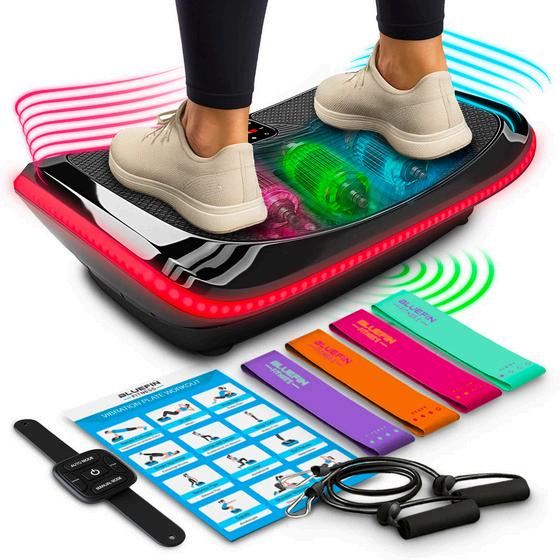
2. The Vibration Plate: Bluefin 4D
Vibration plates have moved steadily from gym floors into home fitness routines, and the science behind them, while still developing, is genuinely interesting Research suggests that whole-body vibration can improve circulation, stimulate blood flow and oxygen delivery to muscles and tissues, aid muscle recovery, enhance flexibility and joint mobility, and may support bone density In laboratory studies, low-intensity vibration used for 10 to 20 minutes five days a week showed significant benefit to bone health in certain groups As with any emerging area, findings vary and it is worth noting that vibration plates work best as a complement to, rather than a replacement for, other forms of exercise.
The Bluefin 4D stands out in a crowded category Where most vibration plates offer a single type of movement, the Bluefin 4D provides three distinct motor-driven functions: standard oscillation, where the plate moves from side to side; microvibrations which stimulate and contract the smaller stabilising muscles; and a magnetic therapy motor designed to soothe joints and muscles in recovery
The curved base design allows for maximum contact at all times so the body can fully absorb vibrations for maximum benefit There are 60 levels of intensity to progress through, three built-in programmes covering weight loss, muscle power, and core conditioning, and a wrist-worn remote that tracks workout time and intensity Built-in Bluetooth speakers resistance cables and an LED intensity meter that moves through colour bands as the session intensifies complete the package
With over 100,000 units sold, Bluefin is a West Yorkshire brand with a track record behind it Users report a particular benefit in recovery by using the plate on a lower setting delivers a relaxing massage that helps alleviate muscle soreness and improve circulation, making it useful both at the start and end of a workout, or on days when more intense exercise simply isn't on the agenda
3. The Walking Pad: WalkingPad A1 Pro
Of the three devices here, the walking pad may be the one that does the most quiet, sustained good Sedentary behaviour is one of the most consistently identified contributors to poor long-term health and the walking pad exists to address exactly that not by demanding a gym session, but by making it possible to move while doing something else entirely
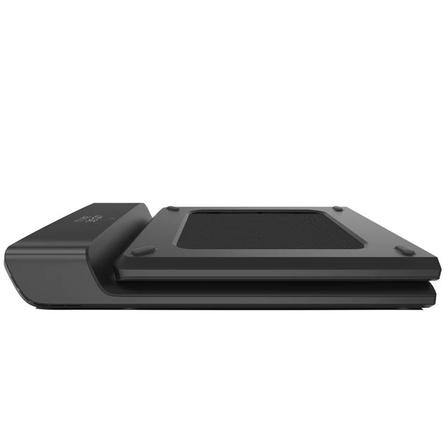
The WalkingPad A1 Pro by KingSmith is the benchmark model in its category Awardwinning WalkingPads have been recognised for their original design, innovative folding technology, and intelligent, user-friendly operation The A1 Pro takes all of this further: its 180-degree folding design allows it to be stored flat under a sofa, bed, or desk when not in use – a genuine breakthrough for smaller homes and home offices where a conventional treadmill would be impossible
The eight-layer walking belt includes comfort, shock-reducing, and durability layers for a smooth, low-impact experience, and the large walking area of 47 inches by 16 5 inches gives more space than some traditional treadmills, allowing for a natural stride without constant attention to footing The brushless motor runs at under 40 decibels – quiet enough to use during calls or while watching television.
The FootSense automatic speed mode adjusts the belt based on your position on the deck, with no remote required, and the machine needs no assembly – unfold it, plug it in, and walk
The A1 Pro supports a maximum user weight of 136kg, significantly higher than many competing folding models, and connects to the KS Fit app via Bluetooth
for workout tracking The walking pad's greatest strength is perhaps the simplest thing that can be said about it: it removes every excuse not to move.
The Bigger Picture
What unites these three devices is the same quality: they make better choices easier The Ninja DZ550 makes homecooked food faster and cleaner than takeaway The Bluefin 4D delivers a meaningful short workout in ten minutes, on days when nothing more ambitious is possible
The WalkingPad A1 Pro adds movement to hours that would otherwise be entirely sedentary None of them demands a lifestyle overhaul, and together they make a meaningful transformation as easy as possible
Competent Heirs Are Made, Not Born
Octavian Graf Pilati Founder, The Antifragile Family®
Entitlement is not the problem. Fragility is.
An heir is neither born competent nor incompetent They are made into either This is the founding principle of the work I do at The Antifragile Family®, and it is the lesson that 1000 years of my own family’s history has taught me sometimes through success, more often through hard-won failure.
The Mindset of Antifragility
The families that preserve wealth across four generations and beyond share one consistent feature: an educational mindset It may be formal or informal, instilled through academies or dinner tables, but it is always deliberate. The absence of it is not neutral. It is catastrophic.
I speak with founders and second-generation patriarchs regularly, and I hear the same concerns They want their children to enjoy a normal childhood. They want to protect them from the pressures of wealth while letting them enjoy its benefits. This is an understandable instinct, and it is a disastrous one.
You cannot take only the positive side of something Wealth comes with both sides of the coin, and a child shielded from one side is not protected they are simply unprepared. Attempting to shelter an heir from the weight of their inheritance is like casting a glass block under a press The moment pressure arrives, it will shatter.
“Aristocracy’s only an admission that certain traits which we call fine courage and honour and beauty and all that sort of thing can best be developed in a favourable environment, where you don’t have the warpings of ignorance and necessity”
F. Scott Fitzgerald, The Beautiful and Damned
In my family’s tradition, the eldest son was trained to manage the estates and political functions; the second entered the military; the third the clergy. The choice of destiny was not always left to the individual, which is an archaic practice with no place today. But the underlying logic that each family member was intentionally prepared for a defined role was sound
The cost of abandoning it is visible in my own family history. My great-grandfather had no male heirs. His four daughters were not trained for the estates that awaited them It was assumed that their future husbands would bring the necessary competence. It was 1939.
All four married Wehrmacht officers capable soldiers, one an actor none of whom had any grounding in estate management The result was not merely administrative difficulty. It broke the chain of intentional education for an entire generation. My father spent much of his life trying to reestablish it.
The Aristocratic Model
The right age to begin preparing an heir is the age you are probably not thinking of: immediately after birth
It starts with the parent as the primary model If you tell a child one thing and demonstrate another, they will follow what they see. From this foundation, you build deliberate, age-appropriate experiences
The goal is not to burden a child prematurely, but to expose them consistently to decisions that carry real consequences consequences that sting without shattering. Real stakes create real learning Managed insulation creates fragility
What Heirs Need to Learn
The curriculum of a capable heir is broader than most formal education touches It spans financial literacy and entrepreneurial thinking, but equally leadership, negotiation, and problem-solving. It includes knowledge of the family’s specific industries and asset base, and just as importantly, the family’s history, values, and culture.
Social fluency understanding power dynamics, etiquette, and how to build and maintain networks is rarely taught in school and rarely missing from a competent successor.
Many of these can be partially outsourced to professionals. But some cannot. The transmission of family culture and values requires the parent directly. No tutor can do it. Neither can a boarding school, however excellent. T
he grandparents, where present, are an underused resource: the stories they carry are irreplaceable, and their involvement gives the preceding generation both purpose and a meaningful role in continuity
Intentionality Over Assumption
Parenting the next generation well requires the same intentionality as running a business: a plan, consistency, and the recognition that there are no second chances. The most common failure I
observe is the family in which parent and child run a business together yet are strangers to one another.
The trust that should exist by nature of shared blood has to be rebuilt at great cost far greater than the cost of building it properly from the start. Many patriarchs are rightly focused on legacy. What they sometimes forget is that their children are that legacy
Obligation, Not Entitlement
The fear of producing an entitled heir leads many parents to overcorrect. They withhold, they test, they manage from a posture of suspicion The more productive lens is obligation The most capable heirs I know are not motivated by the privilege of their position they are motivated by a sense of responsibility to it.
They understand that their name is on the door, and that this demands more, not less. This sense of duty does not emerge automatically. It develops when heirs are given genuine responsibility, allowed to fail within it, and trusted to grow into it
“Life ultimately means taking the responsibility to find the right answer to its problems and to fulfil the tasks which it constantly sets for each individual.”
Viktor E Frankl
Competent heirs are not born. They are designed.
Discovering Saudi Arabia on the Dream of the Desert
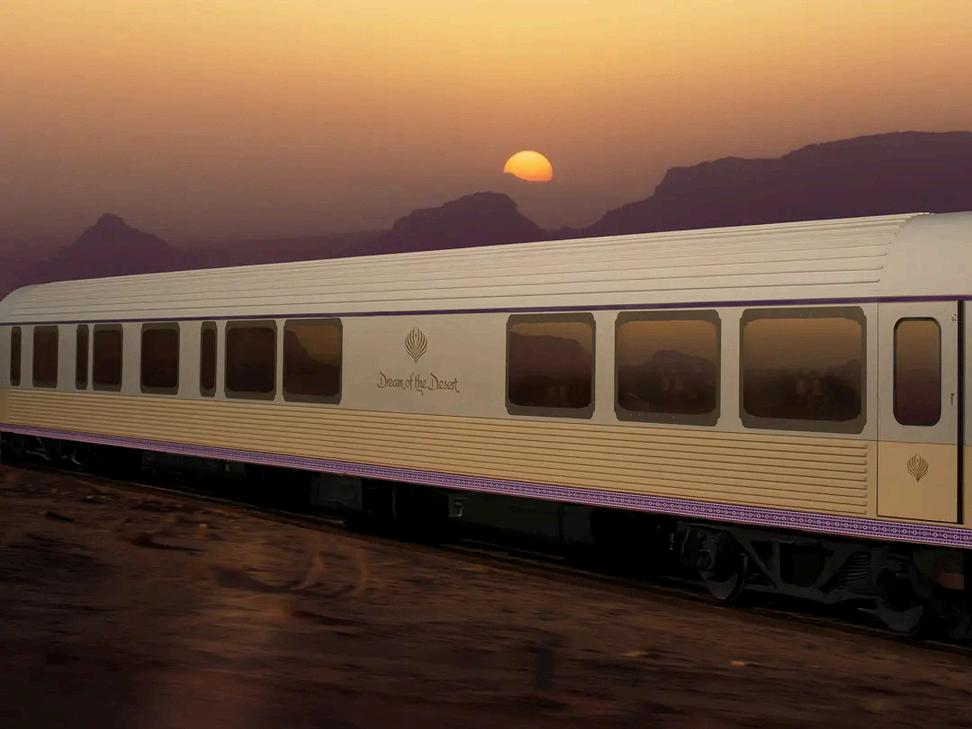
There is a particular magic to watching a landscape change through a train window Now, for the first time, that magic is possible across one of the most ancient and visually dramatic terrains on Earth Dream of the Desert, Saudi Arabia's first ultra-luxury train, is not simply a new way to travel It is an entirely new way to encounter a kingdom
A Train Born from Collaboration
Dream of the Desert is a genuinely ambitious project. Born from a partnership between the Italian luxury travel group Arsenale Group Saudi Arabia Railways the Ministry of Culture, and the Saudi Tourism Authority, it represents a meeting of European hospitality expertise and deep Saudi cultural investment, a combination that shows in every detail of the experience.
The train runs primarily between October and May (with a special summer edition in June and September), traversing routes that connect Riyadh northward through landscapes most international travellers have never seen and, until recently, had little means to reach This is a country that has
opened its doors to leisure tourism only in the past few years, and Dream of the Desert arrives at exactly the right moment, as the world's curiosity about Saudi Arabia is at its highest, and the Kingdom's own appetite to share its heritage is unmistakable.
The Train Itself: A Moving Palace
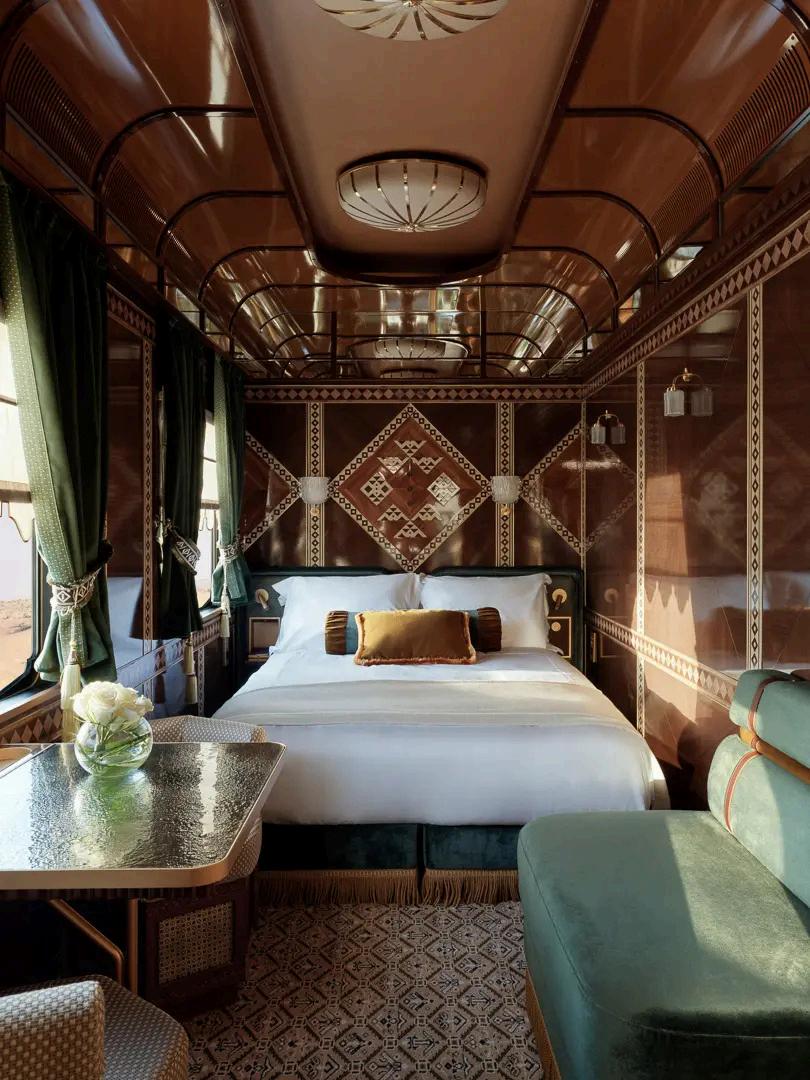
To board Dream of the Desert is to step inside what can only be described as a moving work of art The interiors draw on the richest traditions of Saudi craftsmanship, with bespoke wooden marquetry rich upholstery in warm desert tones soft lighting that shifts with the mood of the day while remaining thoroughly contemporary in their comfort Details inspired by Saudi equestrian culture appear throughout: in the patterns of the textiles, in the carved motifs of the panelling, in a colour palette that evokes both the warmth of the desert at dusk and the cool blue of a clear Arabian sky
The suite cabins are private sanctuaries, each one designed to make the journey feel unhurried, intimate, and quietly extraordinary Dedicated butlers attend to guests around the clock. The reception lounges inspired by the traditional
Saudi majlis – the communal gathering space at the heart of Arabian hospitality culture – feature hand-carved wooden elements and woven textiles that create an atmosphere both welcoming and genuinely beautiful References to the ancient sites of Hegra and Madain Salih appear in architectural details throughout, grounding the experience in the deep history of the land passing outside the window
There is also an observation car designed expressly for watching the desert unfold, and live performances take place in the sophisticated lounge carriages as the landscape rolls by This is travel as theatre, in the best possible sense
The Table: Saudi Cuisine at Its Finest
The dining experience aboard Dream of the Desert is central to the journey rather than incidental to it Local and international chefs have collaborated to create menus that celebrate the breadth of Saudi culinary tradition an often under-celebrated cuisine characterised by its generosity, its aromatic
depth, and its deep roots in both Bedouin and Levantine cooking Dining rooms inspired by the plaster motifs of central Saudi Arabia with elegant wooden carvings and amber tones, create an environment that feels simultaneously grand and intimate Gourmet lunches served amidst the dunes during desert excursions take the philosophy further: the food and the landscape become part of a single continuous experience
Five Itineraries, Five Ways to Know Arabia
What makes Dream of the Desert genuinely exciting is the range of what it offers. The flagship itinerary The Northern Sands (three days two nights running October to May) takes guests from Riyadh through Al Jouf –where the ancient Marid Castle rises from a landscape of olive groves – and on to Jubbah, where prehistoric rock carvings etched into sandstone cliffs stand as some of the oldest art in human history
A morning desert experience and gourmet lunch among the dunes complete a journey that is as much about encountering deep time as it is about luxury
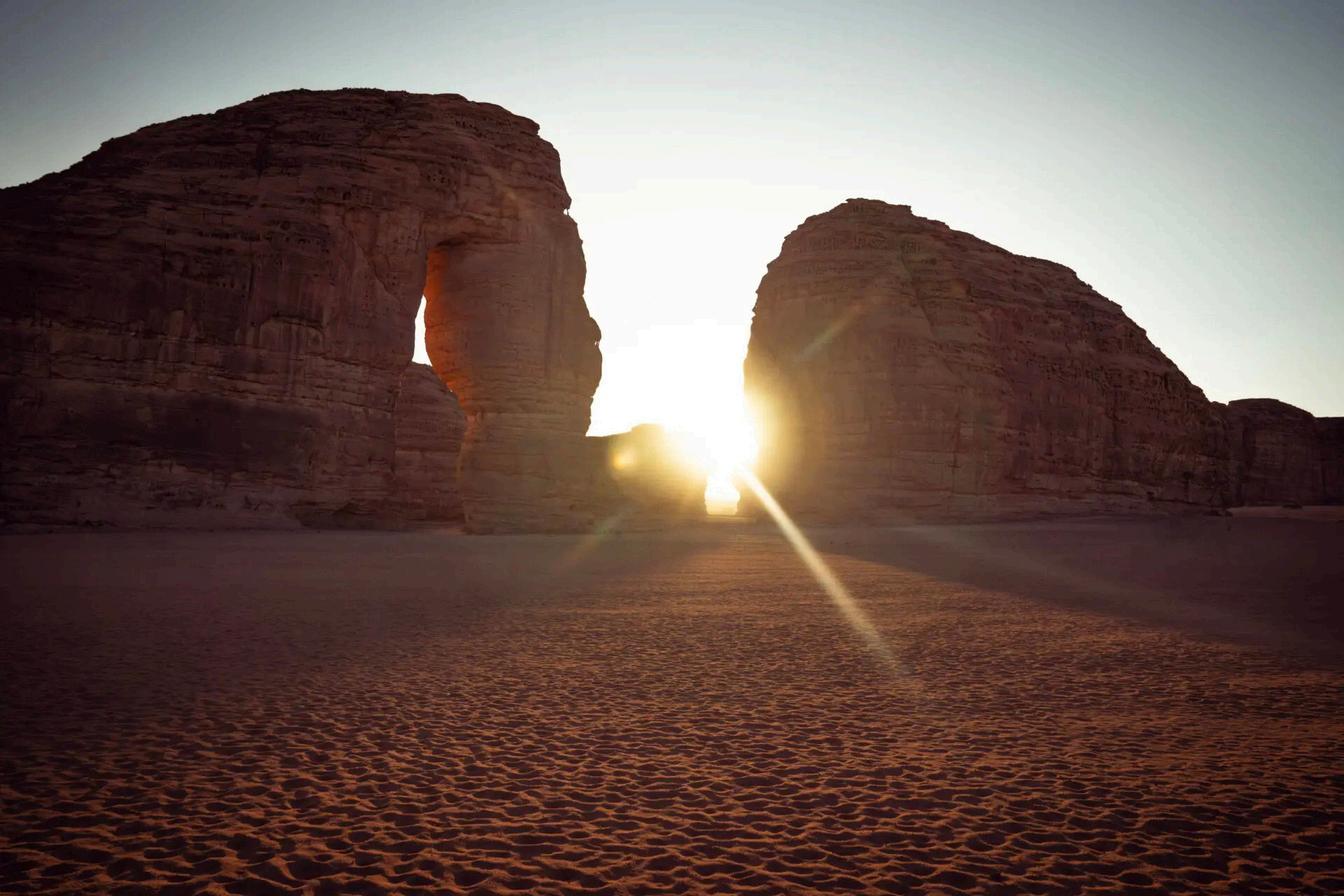
A Taste of AlUla extends the northern route further, culminating in the extraordinary destination of AlUla, a place of rose-sandstone formations, Nabataean tombs, and one of the most dramatic natural amphitheatres in the world The journey includes a gala dinner in Al Jouf, a star-lit desert camp at Jubbah and a private sunset transfer across golden dunes before arriving at a destination that has been called one of the world's great undiscovered wonders
Whispers of Jubbah offers a more intimate two-day adventure focused entirely on the prehistoric rock art at Jubbah a historically significant site where ancient peoples carved images of animals hunters and dances into the rock face thousands of years ago It is a journey into archaeology as much as landscape, followed by a desert camp experience before returning to Riyadh and the option of exploring Diriyah, the cradle of the Saudi state
For those travelling during the holy month Ramadan Nights is something genuinely special: an overnight journey from Riyadh to Qassim, structured entirely around the rhythms of Iftar and Suhoor, with exceptional food, a mesmerising stargazing stop in Qassim, and an atmosphere of warmth and communal celebration that captures something essential about Saudi culture It is the kind of experience that no other travel format could offer
Finally, the Summer Mirage itinerary (June and September) turns the conventional logic of desert travel on its head Rather than fleeing the heat, it embraces it, the train departs Riyadh in the late afternoon and travels through the desert night with world-class dining, themed events, and the surreal experience of watching the desert landscape pass under a summer moon The harsh climate becomes, in this context, a kind of theatre
Saudi Arabia: A Country Ready to Be Known
It is impossible to separate Dream of the Desert from the broader moment it inhabits Saudi Arabia has long been one of the world's most misunderstood countries, its extraordinary cultural and natural heritage overshadowed in Western imagination by geopolitical narratives What Dream of the Desert offers is the experience of the country itself: its immensity its silence, its archaeological riches, its hospitality, and its particular quality of beauty
AlUla, Jubbah, Al Jouf and Diriyah are not tourist trappings. They are places of genuine historical significance carrying within them layers of human civilization stretching back thousands of years The rock art at Jubbah dates to the Neolithic period The
Nabataean tombs at Hegra, near AlUla, predate those at Petra Marid Castle in Dumat alJandal, in Al Jouf, appears in pre-Islamic poetry. Dream of the Desert does not merely transport guests between these places it creates the conditions in which they can actually be felt
The Art of Slow Travel, Rediscovered
There is something quietly countercultural about a luxury train journey in an age of flights and frantic itineraries To choose Dream of the Desert is to choose slowness, to accept that the space between destinations is itself part of the experience, that a window and a comfortable seat and desert pouring fast
in golden silence is not dead time but perhaps the most valuable time of all
Marco Polo called the Strait of Hormuz "the gem in the ring of the world” He might have said something similar about this landscape if he had had a butler, a glass of something cold, and the courtesy of moving at a speed that allowed him to actually see it
Dream of the Desert is not just a new way to travel through Saudi Arabia It is an invitation to reconsider what travel at its best is for Dream of the Desert operates multiple itineraries across the Saudi rail network Priority list registration and further information are available at dreamofthedesert com
Upcoming Events
8-9 September 2026
APAC Family Office Investment
Shanghai, China
18-19 November
Middle East Family Office Investment Summit Dubai, UAE