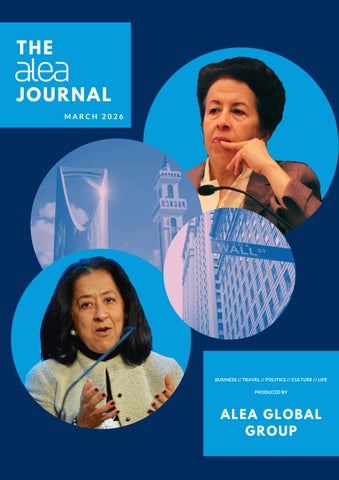
In the middle of geopolitical turbulance rocking Alea’s home region, we are looking forward to and preparing for brighter times
In this issue we look at the kind of opportunities and trends that may shape a nation’s recovery after conflict, and we pay attention in particular to the investment interests of European family offices ahead of our next event in the region.
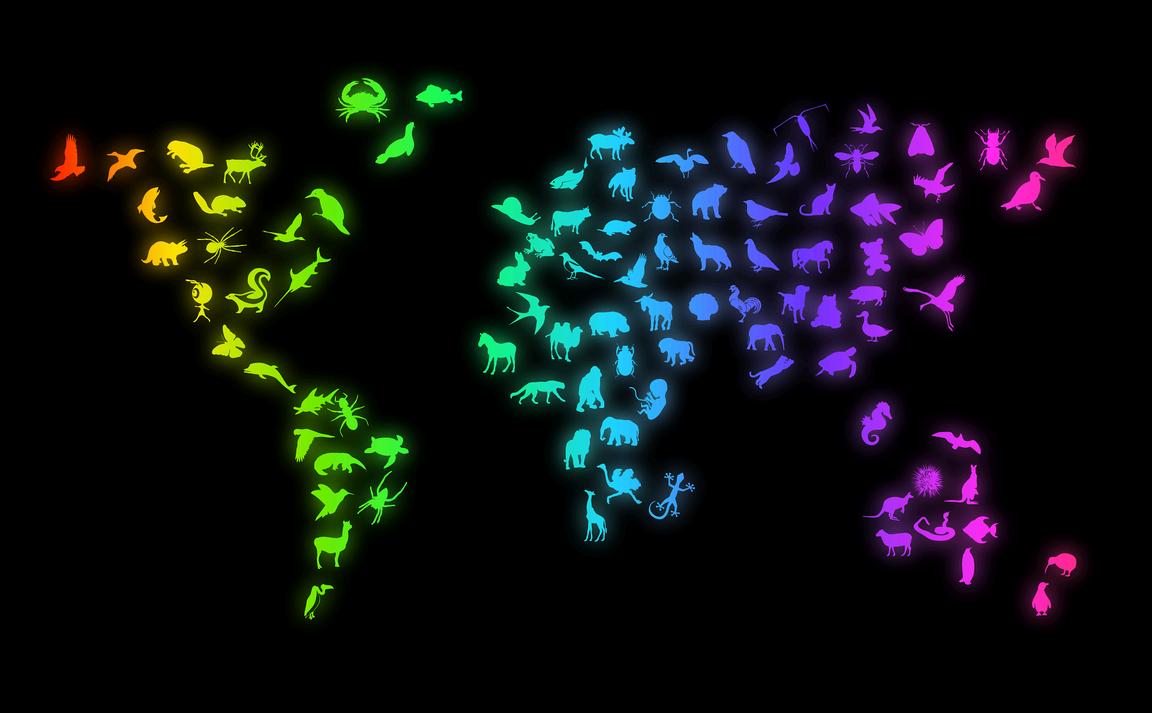
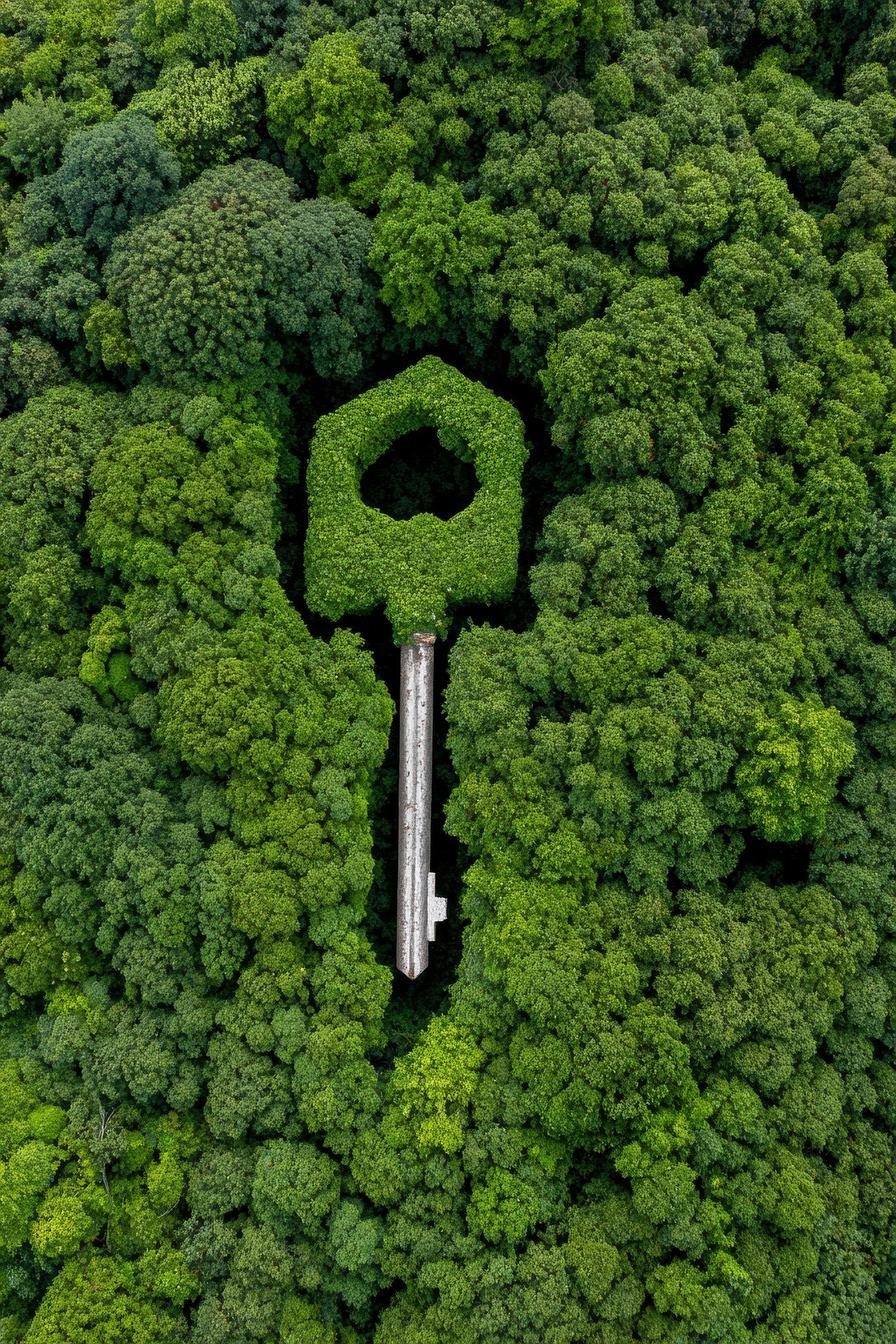
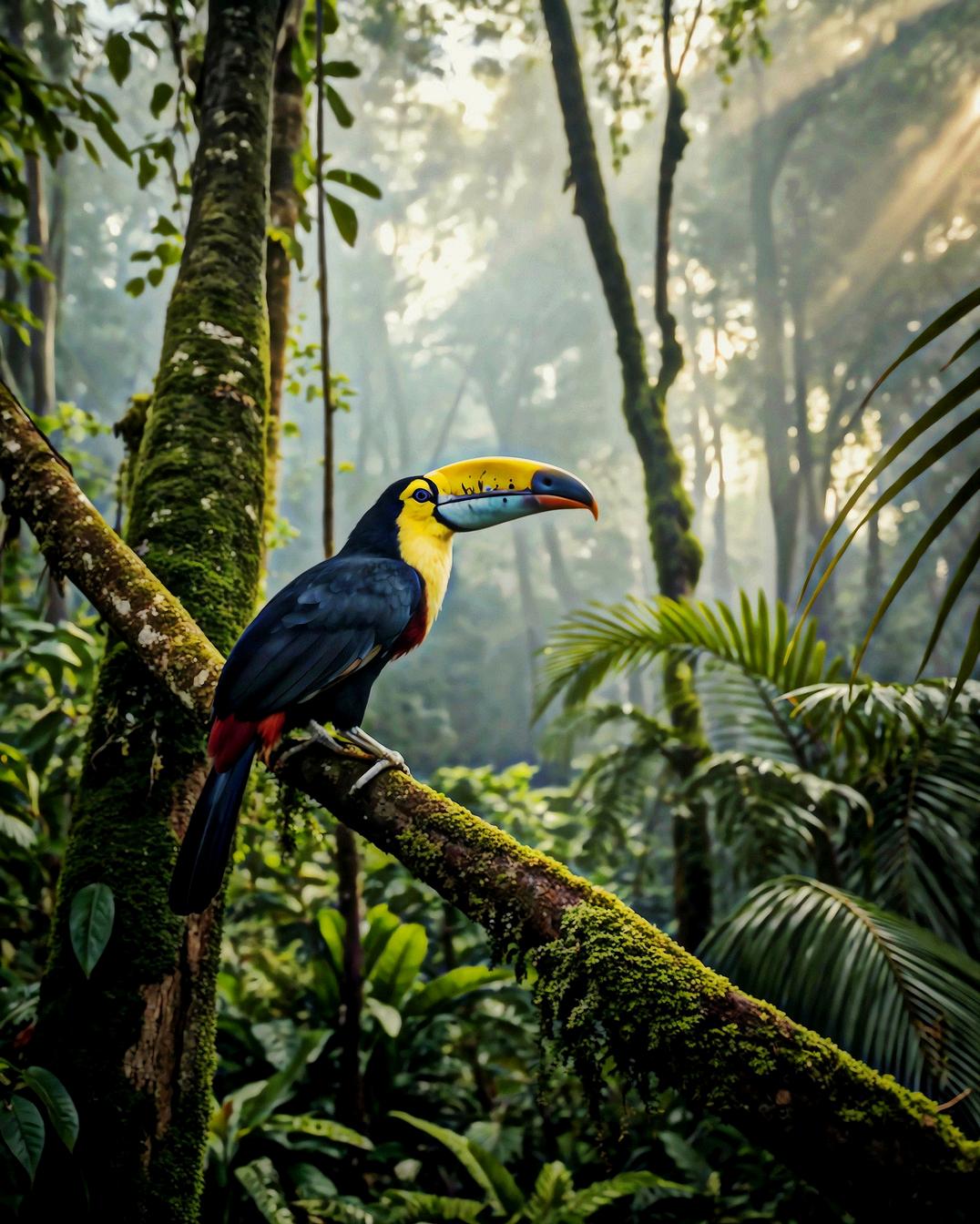
The recovery of our planet is top priority for Capacity, and we highlight their mission to protect nature, a topic close to my heart as a wilderness enthusiast
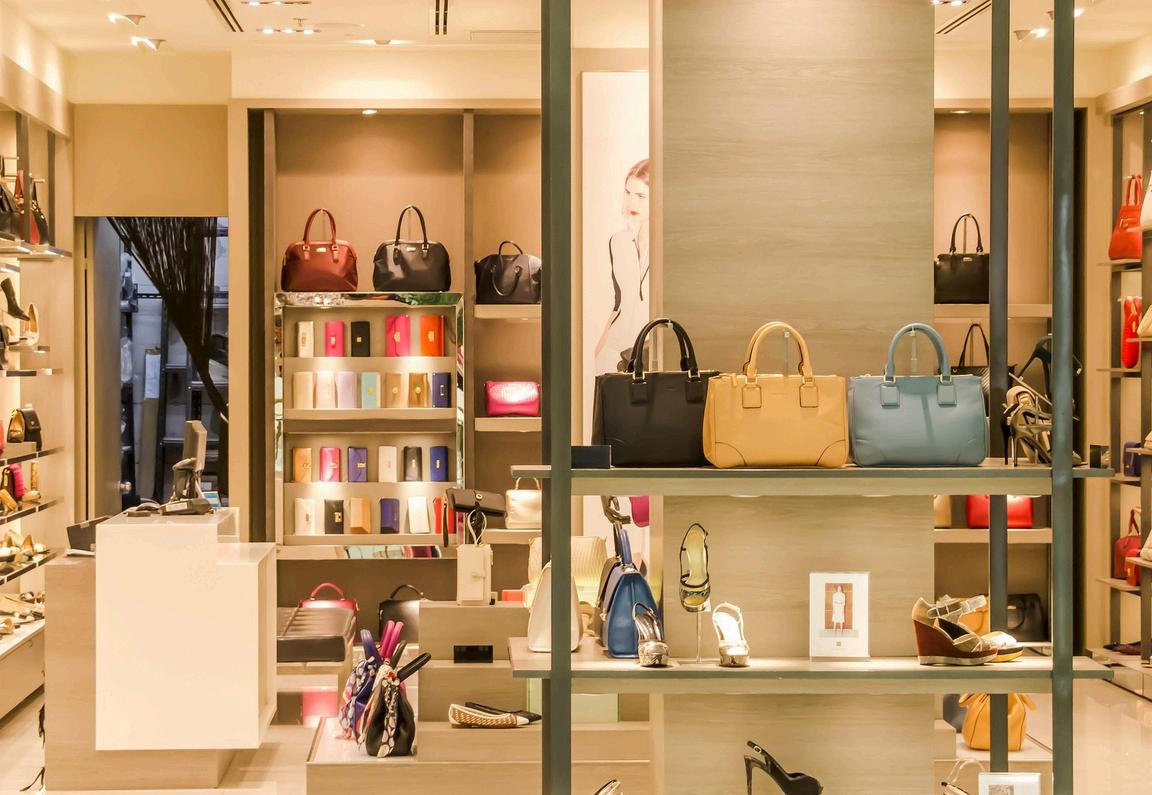
Meanwhile luxury brands are extending their scope beyond their core products and creating an entire lifestyle for their customers, and we examine how they are incorporating real estate, food and wellness into their worlds.
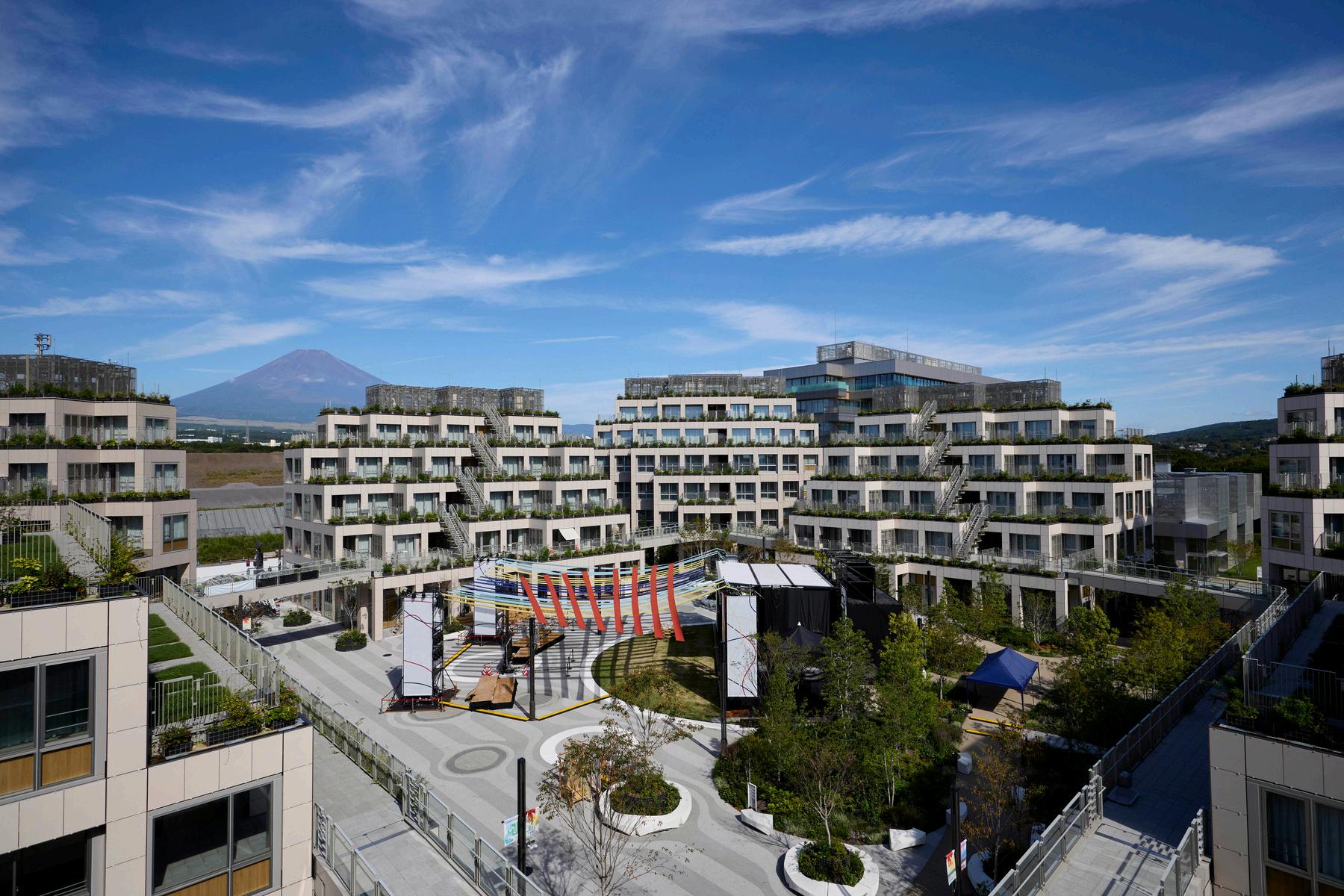
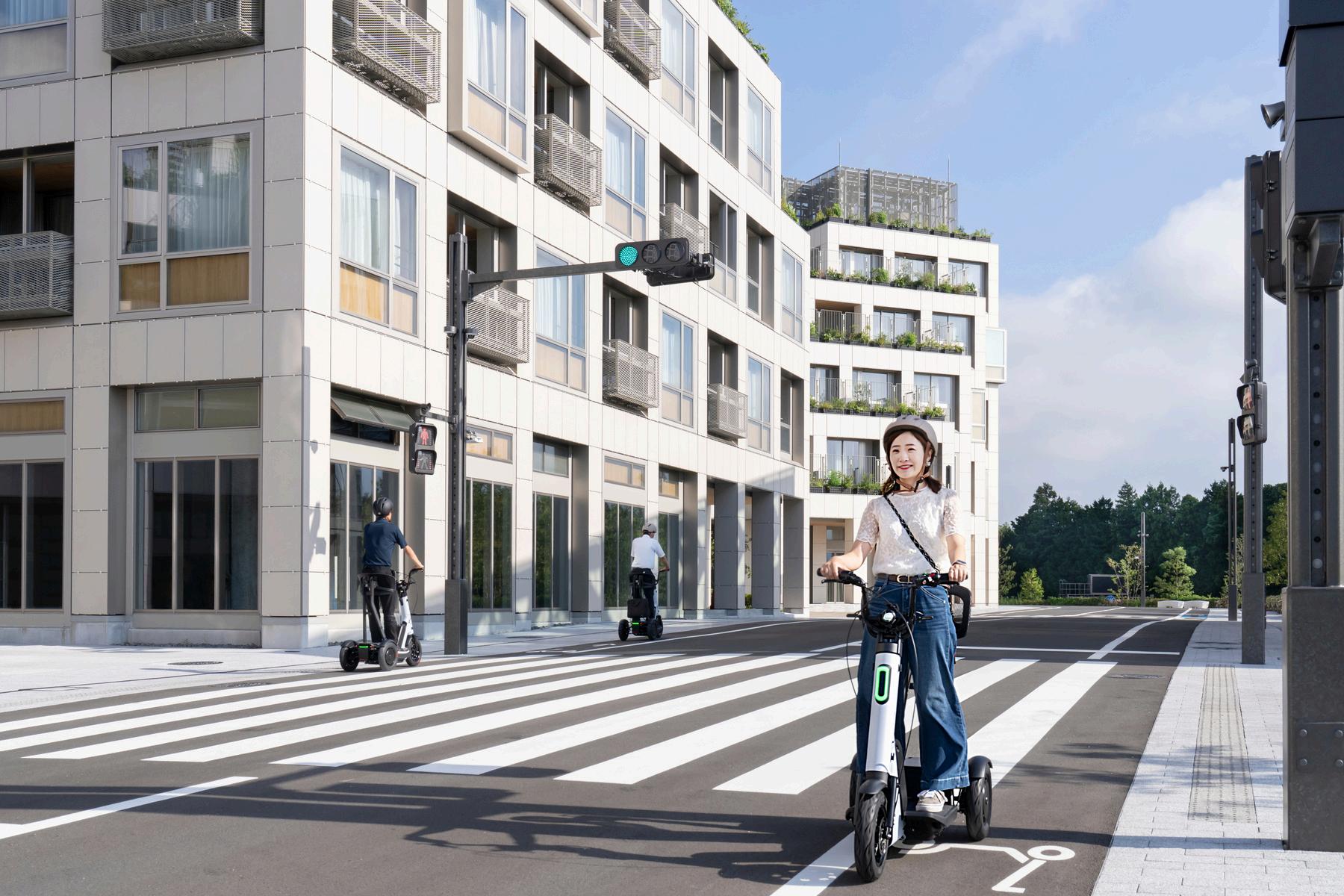
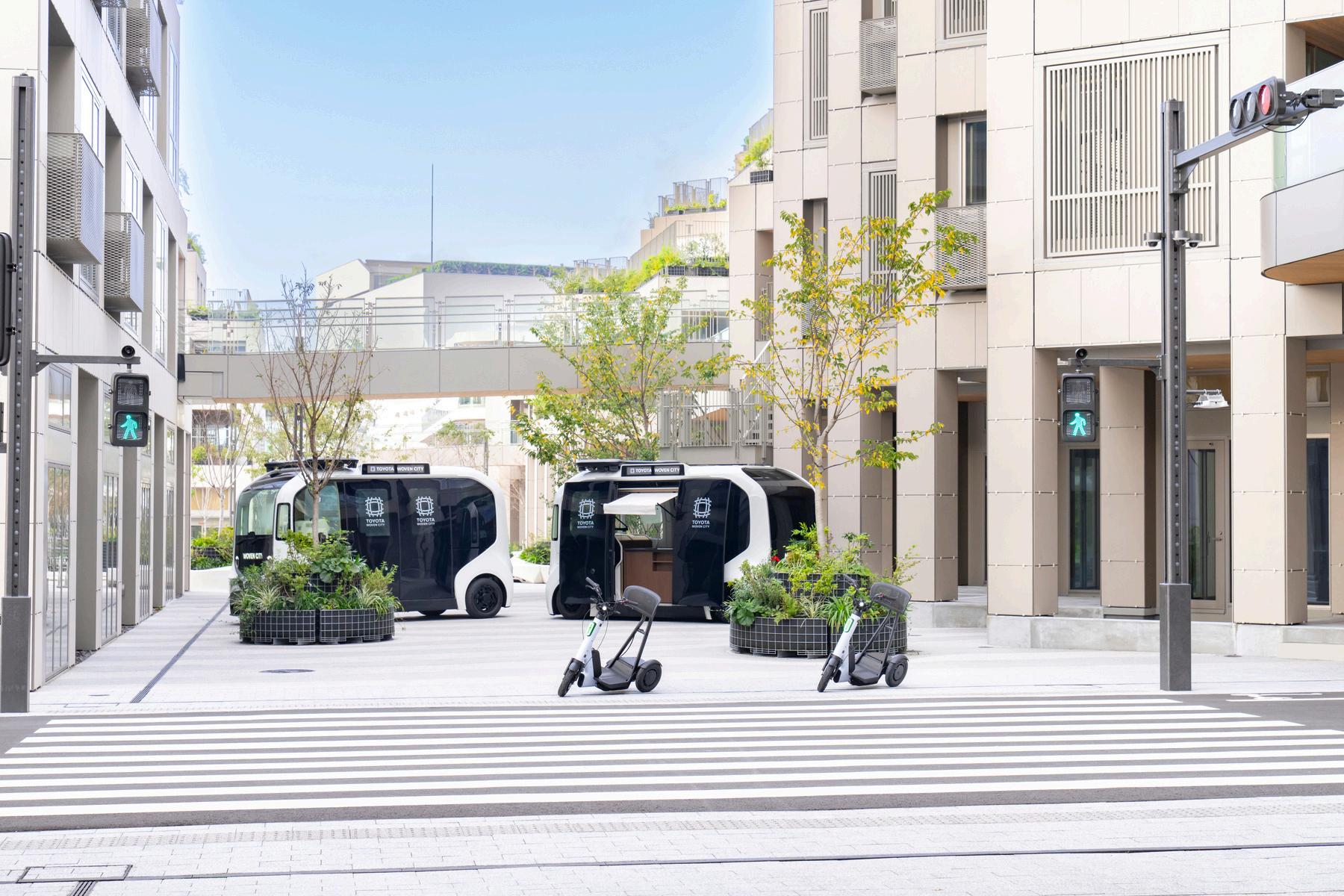
In a similar vein, Toyota are creating their own futuristic
Woven City in alignment with their sustainability goals
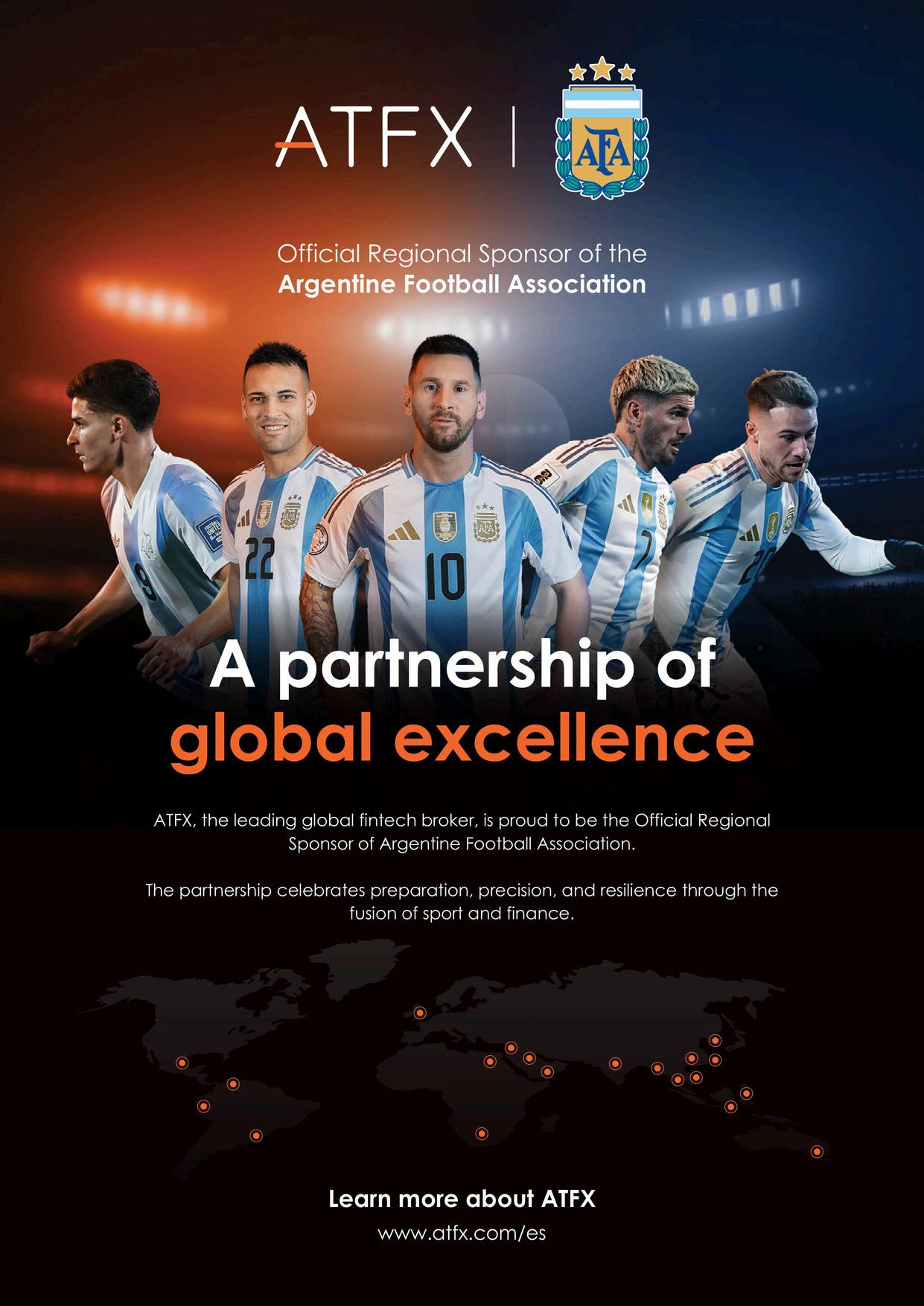
And speaking of goals, we take a quick look at the imminent Fifa World Cup fixtures across North America
We also present the inspiring story of the Olayan sisters, who fought the odds to make their mark on Wall Street and the world, and we tell the tale of the influential Blackbird of Córdoba
Do you have something we should cover? Contact me at info@aleaglobalgroup.com
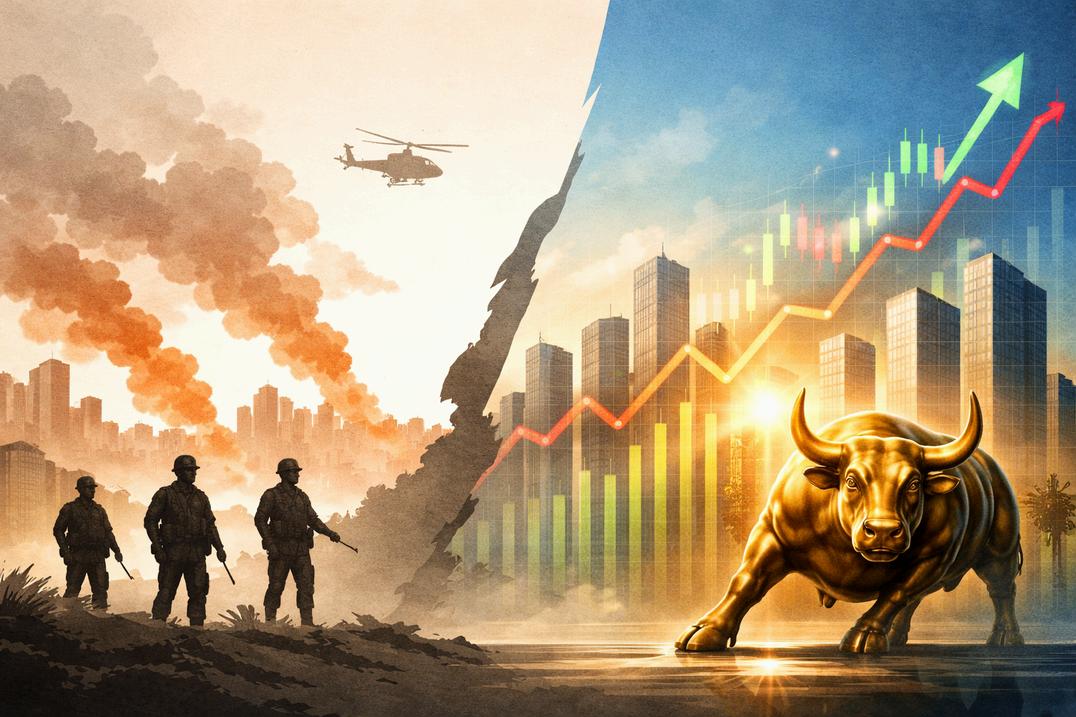
WHEN THE WORLD RESETS: INVESTMENT TRENDS IN
THE SHADOW OF WAR
There is a particular kind of clarity that emerges from catastrophe. When the structures that governed economic life are swept away by war, by regime change, by the collapse of a world order capital does not disappear, it repositions.
And in the repositioning, fortunes are made, preserved, or lost, depending on whether one understood, in advance,
which direction the tectonic plates were moving.
For family offices, whose mandate is measured not in quarters but in generations.
This is not an academic question, it is the central question of long-term stewardship
The Post-War Playbook
The period following the Second World War remains the most instructive laboratory in modern financial history The war had destroyed much property, caused investments to lose value, and driven top tax rates up dramatically, significantly reshaping both income and wealth distributions
And yet from that devastation came one of the longest periods of broadly shared prosperity the world has ever seen.
What made the difference was not the volume of capital injected into recovery, but the institutional environment that capital helped create The conditions attached to Marshall Plan aid pushed European political economy in a direction that left its post-war "mixed economies" with more "market" and less "controls" in the mix
The victorious Allies established the United Nations and the Bretton Woods monetary system, international institutions designed to promote stability through free trade, managed exchange rates, and Keynesian economics
For private capital, the message was clear: reconstruction is opportunity West Germany saw industrial production double from 1950 to 1957, with gross national product growing at 9 or 10% per year, providing the engine for economic growth across all of Western Europe
Infrastructure, industrial equity, and recovering real estate markets became the defining asset classes of the era. The investors who benefited most were not those who predicted the boom's precise contours, but those who maintained capital and patience through the uncertainty that preceded it
History also offers a cautionary counterpoint
Nearly half of American private investments in Europe between the wars had been lost The post-1945 generation of investors understood this, and approached reconstruction with discipline rather than speculation
A Current Case Study: The Middle East
No account of today's investment environment can avoid the ongoing volatility in the Middle East, however briefly it must be treated here The humanitarian dimensions of this conflict are beyond the scope of a financial publication, and the political questions it raises are ones on which reasonable people hold deeply divergent views
What history and current market analysis suggest about the investment implications is, at this stage, more contained than the headlines might imply, but not without meaningful tail risk The reaction of equity and oil markets to the Middle East conflict thus far has been restrained, with many analysts maintaining a base case that recent oil price moves are likely temporary, with minimal lasting effects on inflation Historically, the market impact of geopolitical conflicts has tended to be short-lived, with risk premia reversing over time
The critical variable is duration The real risk lies in conflict spillover to the broader region or key transit routes like the Strait of Hormuz, the choke point through which around 20% of global crude oil passes. For family offices, the structural response being widely advocated – diversification into uncorrelated assets, gold, and infrastructure maps almost exactly onto the lessons of post-war capital preservation
How Family Offices Are Responding Now
Since mid-2024, family offices have reoriented their investment strategies towards real estate. According to PwC's 2025 Family Office Deals Study, real estate now constitutes 39% of portfolio allocations, its highest share since 2019, reflecting a preference for more stable options over riskier ventures Gold's role as a hedge against geopolitical disorder is as old as disorder itself, and appetite for it among family offices has grown markedly in the current environment
Meanwhile, private markets and technology retain their forward-looking appeal. 39% of surveyed family offices plan to increase their private equity allocations over the next twelve months, according to Goldman Sachs' 2025 Family Office Investment Insights report And artificial intelligence occupies the position that post-war electrification and telecommunications once did; structurally transformative, and comparatively insulated from near-term geopolitical noise
Through all of this, the defining characteristic of the most resilient family offices is consistency of purpose Aware of the risks of trade war and geopolitical conflict, they are looking through 2025's volatility and remaining true to their longterm investment objectives; adjusting beneath the surface rather than abandoning their strategic course
What History Ultimately Suggests
If the emerging global regime produces a coherent multilateral framework even one reconfigured around different poles of power, capital will adapt and find productive channels, as it did after 1945. If it produces instead a fragmented world of competing blocs and persistent friction, the pattern will resemble the interwar period more than the Golden Age: fitful growth, volatile flows, and a premium on defence
The honest answer is that nobody knows which it will be What history does tell us, with reasonable consistency, is that the families who preserve and grow wealth across geopolitical ruptures are rarely those who retreated entirely into safety, nor those who speculated recklessly into the chaos They are those who understood, as the dust settled, where the new world needed to be built, and had the resources and the resolve to help build it
Where European Family Offices Are Investing: Priorities, Themes, and Emerging Opportunities
Alea Global Group's next event is our annual European Family Office Investment Summit, a well-established event that attracts family office investors and investment opportunities alike.
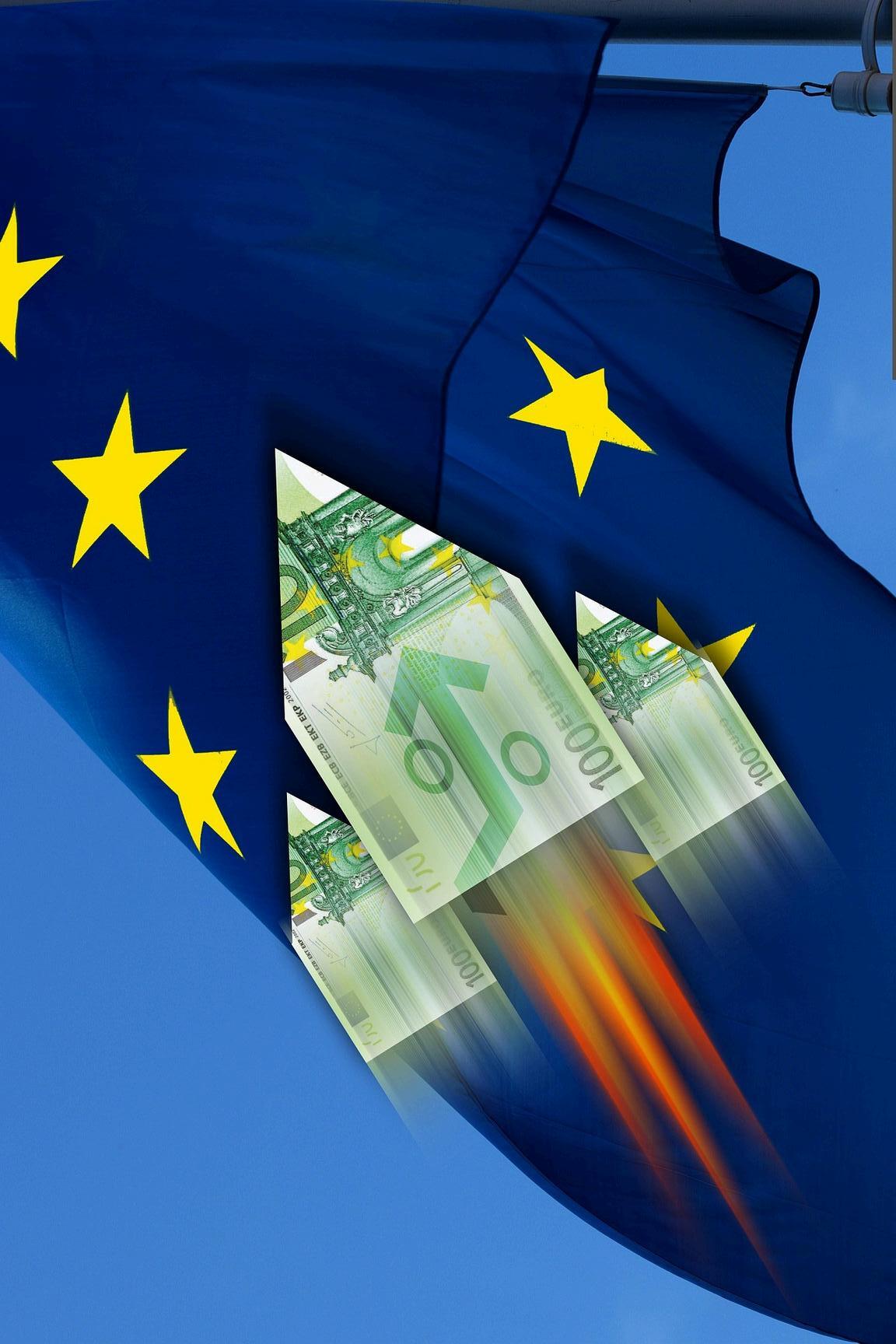
Europe enters 2026 as one of the world's most compelling investment destinations, more so than it has been for several years After a difficult period marked by energy shocks, elevated inflation, and geopolitical turbulence, the continent has stabilised Recession fears have receded, inflation is close to central bank targets, and fiscal packages are beginning to filter through to the real economy
The European Commission's Autumn 2025 Economic Forecast projected real GDP in the EU to grow by 1.4% in 2026 and 1.5%
in 2027, though the ECB's more recent March 2026 projections have revised the euro area outlook downward to 0 9% for 2026, reflecting geopolitical headwinds from the Middle East conflict.
The data cited in this article draws on the major 2025 family office surveys from Goldman Sachs, UBS, and BlackRock, which cover global samples Where European-specific data is available it is noted; where global figures are used, they are presented as indicative of broader trends in which European offices participate, rather than as Europeanspecific findings
What follows is a picture of where European family offices are directing capital, and why.
Key Allocation Themes for European Family Offices
1. Private Markets: Private Equity, Credit, and Direct Deals
Private markets remain the dominant allocation theme for European family offices, accounting for the majority of their alternatives exposure. According to the UBS Global Family Office Report 2025, which surveyed 317 family offices globally,
European family offices allocate on average 49% to alternatives, led by private equity at 27% and real estate at 11%, though allocations vary significantly across offices depending on size, geography, and investment philosophy
The shift toward direct deals and coinvestment is accelerating. Across family offices globally, 72% now invest in secondaries, up from 60% in 2023, according to Goldman Sachs' 2025 Family Office Investment Insights report, with European offices increasingly active in the strategy, using secondary purchases to access mature portfolios at a discount without the J-curve of primary commitments
Private credit has moved from a niche position to a core allocation. The trend is clear across major surveys: European families favour senior direct lending, consistent with their generally more conservative approach compared to their American peers
According to Goldman Sachs' 2025 report, nearly one-third of family offices globally intend to increase allocations to private credit in 2025 to 2026, the highest figure for any alternative asset class
and family offices with formal sustainability mandates will need to assess compatibility on a case-by-case basis
The opportunity extends well beyond primary defence contractors into advanced materials, cybersecurity, dual-use technologies, and the supply chains that serve them, areas that sit comfortably within the broader deep tech and industrial investment appetite of European families.
3. Digital Infrastructure, AI, and Technology
Technology remains the most overweighted sector across family office portfolios globally, and European offices are no exception According to Goldman Sachs' 2025 Family Office Investment Insights report, 58% of family offices globally expect their portfolios to be overweight technology in the next 12 months, and 86% have some exposure to AI, though the majority of that exposure is through public equities rather than direct investment, and many respondents noted valuation concerns at current levels.
For European family offices specifically, the opportunity is increasingly being expressed through private markets rather than public equities, backing AI infrastructure, data centre development, cybersecurity, fintech, and deep tech ventures across the continent's leading innovation hubs in London,
Infrastructure is gaining significant momentum According to BlackRock's 2025 Global Family Office Survey, three-quarters of family offices globally feel positive about infrastructure's prospects, attracted by its ability to generate stable cash flows, its role as a portfolio diversifier, and its perceived resilience in volatile environments 19% of European family offices plan to increase infrastructure allocations, reflecting interest in energy transition and digital infrastructure themes. The living sectors, including purpose-built residential, student accommodation, and co-living, are attracting particular attention given acute structural housing shortages across the continent
5. Sustainability, Impact, and the Energy Transition
European family offices are moving toward a more rigorous, outcomes-focused approach to sustainable and impact investing, driven both by conviction and by the next generation assuming greater influence over investment decisions. In 76% of UK family offices, conversations about sustainability and nature-based investing are typically driven by a family member, and a quarter of family offices globally are looking at
Office Decision-Making
A Conservative but Active Stance
European family offices are generally characterised by a measured approach to risk, with higher cash balances than many of their global peers reflecting a preference for strategic optionality over immediate deployment, a pattern consistent across the major 2025 surveys This is increasingly understood as dry powder rather than defensiveness, with capital being preserved for the right moments in private credit and infrastructure
The Generational Transition
One of the most consequential forces reshaping European family office investment behaviour is not a market shift but a demographic one Younger family members are reshaping governance and investment philosophy through a stronger emphasis on ESG, social impact, and philanthropy, shifting the centre of gravity of many portfolios meaningfully
Governance and Professionalisation
Governance is becoming more structured and underpinned by modernised platforms and
allocations to hard assets and gold, and a more active approach to tail risk management, themes that will continue to define portfolio construction through the rest of the decade
Challenges to Navigate
Regulatory complexity is a persistent feature of the European landscape, spanning GDPR, the AI Act, SFDR sustainability reporting requirements, and evolving environmental standards Understanding the specific regulatory environment for each sector and jurisdiction is not optional: it is a precondition for effective deployment
A McKinsey Global Institute analysis found that over the past five years the largest US technology companies invested approximately €2 trillion more in digital technologies than their European counterparts, based on the capex and R&D of the 150 largest tech firms on each side of the Atlantic
The gap reflects the structural absence of hyperscale technology companies in Europe rather than a broad economy-wide shortfall, but its implications for where AI and digital infrastructure leadership will concentrate are significant nonetheless
The City as a Laboratory: Toyota's Woven City
In September 2025, something quietly remarkable happened at the base of Mount Fuji. Toyota opened a city. Not a technology park, not a research campus a city, with residents, streets, homes, energy infrastructure, and a design philosophy rooted in human wellbeing
Woven City describes itself as a test course for mobility, driven by a collaborative community with a shared passion to enhance well-being for all; a place to co-create, test, and bring to life products and services addressing everyday societal challenges around the movement of people goods information, and energy.
The project began as personal conviction rather than corporate strategy Eight years ago, Toyota chairman Akio Toyoda unveiled his vision for a "prototype city" following the closure of the Toyota Higashi-Fuji Plant and now, carrying forward the plant's history and supported by partners well beyond the automotive industry, the city-sized test course is operational
The 71-hectare urban laboratory completely segregates mobility into three distinct road types one for autonomous vehicles, one for cyclists, and one for pedestrians eliminating traditional car traffic and prioritising human-centred movement Its zerocarbon energy ambition is underpinned by hydrogen fuel-cell energy and solar power, with an initial population of 360 residents providing real-time data for AIdriven urban management
The project has already received LEED for Communities Platinum certification, the first such designation in Japan and the city is planned to grow to approximately 2,000 residents.
The community of partners assembled around it is striking in its breadth The ‘inventors’ are companies developing and testing their products and services within the city, and includes Daikin Industries, Nissin Food Products, DyDo DRINCO, Interstellar Technologies, Denso, and Aisin, supported by energy group ENEOS, telecoms giant NTT, and others
This is not a Toyota branding exercise It is a cross-sector consortium using a working city as shared research infrastructure The guiding philosophy is Kakezan a Japanese concept of multiplication
The city is also not without cultural continuity: it features a reproduction of the wooden hand loom invented by Toyota founder Sakichi Toyoda in 1890 which was built, as company history records, to ease his mother's burden of weaving cloth through the night. The founding ethos of making life easier for others runs as a thread through the entire project
Toyota has established Toyota Invention Partners with approximately $670 million in capital focused on accelerating collaborations between Toyota, Woven by Toyota, and external partners Its venture arm, Woven Capital, has simultaneously launched a second fund of $800 million, targeting 20 to 25 new investments in AI automation, climate technology, energy, and sustainability.
This is venture capital deployed at industrial scale, into the precise intersection of themes that define the growth frontiers of the coming decades
For patient, long-horizon investors, Woven City is interesting less as a Toyota story and more as a directional signal across several converging themes The most immediate is the maturation of the smart city concept from aspiration to operation. Projects of this ambition have historically struggled to move from planning documents to lived reality
Unlike earlier smart city experiments such as Masdar or Songdo, Woven City is designed as a genuine living laboratory, with residents, real logistics needs, and real health and behavioural data positioning it to lead in mobility markets some analysts project at $1 trillion
A credible operational proof of concept at this scale raises the investment case for the entire smart infrastructure sector.
The second signal concerns hydrogen The clean energy debate has at times presented battery-electric as the settled answer Toyota's decision to make hydrogen fuel-cell infrastructure central to a decade-long urban experiment backed by ENEOS and with LEED Platinum recognition suggests the question remains more open than the prevailing narrative implies. Investors who have written hydrogen off entirely may wish to revisit that position
The third, and perhaps most underappreciated, implication is about data AI trained on the behaviour of real people in real homes, navigating real
streets, is qualitatively different from AI trained in simulated environments The residents of Woven City are, among other things, the data source for systems that, if proven, could be adapted for cities worldwide The value of that data, over time, may substantially exceed the value of any individual product tested within the city's streets.
Woven City may remain a compelling but contained experiment Or it may prove to be a prototype for how the built environment of the mid-21st century is designed, powered, and managed
At Saudi Arabia's Future Investment Initiative conference this year known as Davos in the Desert Lubna Olayan hosted a gathering in Riyadh attended by some of the world's most senior financial executives It was a characteristically understated display of influence from a woman who has spent decades at the intersection of Saudi Arabia and global capital without ever courting the attention that intersection commands
That her sister Hutham was elsewhere, overseeing the New York operations of the same empire, was equally typical Between them, the Olayan sisters have spent four decades building one of the world's most consequential private fortunes while avoiding, almost as a matter of principle the spotlight that usually accompanies such achievement
A Dynasty Built from Nothing
The story of the Olayan Group begins, as the best stories do, with almost nothing. Suliman Olayan was orphaned at a young age learned English and spent years working as a transportation dispatcher at the predecessor company of Saudi Aramco He mortgaged his house for $8,000 to win a pipeline contract From that beginning, in 1947, he built what would become one of the most significant private business empires in the Arab world.
The Olayan Group is a multinational enterprise with international offices in New York, London, Luxembourg, Athens, Riyadh, and Singapore, investing across public and private equities, real estate, and fixed income securities, with a portfolio concentrated in North America, Europe, Asia, and the Middle East Today it operates at a scale that invites comparison not with other family offices but with sovereign wealth funds
Suliman's daughters Hutham, Hayat, and Lubna grew up in a household where commerce was the native language. Lubna grew up in cosmopolitan Beirut the youngest of the siblings Suliman was a stern but invested father who closely tracked his daughters' academic performance Lubna spent nine years in the United States, studying at Cornell University and then at Indiana University, where, alongside her sister Hutham, she earned an MBA
Two Sisters, One Empire
The division of responsibility that emerged between the sisters has the elegance of a welldesigned institution Lubna led the Middle Eastfocused division and Hutham took charge of Olayan
America That structure has held, and deepened, for four decades
Lubna as CEO of Olayan Financing Company oversees the group's operations across Saudi Arabia and the wider Middle East a portfolio that includes partnerships with more than 40 international companies including Coca-Cola, Nestlé, Colgate-Palmolive, and Kimberly-Clark. Hutham as CEO and president of the group's USbased investment arm manages one of the most quietly powerful pools of capital in American finance According to Bloomberg's reporting in December 2025, the group's US equity portfolio stood at approximately $12 7 billion, including stakes of close to $1 billion in BlackRock and $1.5 billion in JPMorgan Chase alongside positions in Microsoft Alphabet and Amazon These figures reflect market valuations at that point in time and will fluctuate with markets
The group's private equity portfolio is estimated to run into the tens of billions of dollars. The Olayan Group states on its own website that the compounded annual growth rate for its direct investments has exceeded 30% over a ten-year period an exceptional figure by any institutional benchmark, though one drawn from the group's own published materials Real estate holdings, according to Bloomberg's December 2025 analysis, span more than 40 million square feet and approximately 40 000 managed apartments globally The group's total assets under stewardship are broadly estimated at over $50 billion, though as a private concern the Olayans do not publish consolidated figures
Hutham sits on the board of Brookfield Asset Management one of the world's largest alternative asset managers and the sisters have also acquired a stake in the ICD Brookfield tower in Dubai Lubna, meanwhile, has close connections to BlackRock co-founder Larry Fink, among others, and was recently named co-chair of the US-Saudi Business Council alongside Citi's Jane Fraser
Pioneers in a Country Changing Around Them
To understand what the Olayan sisters have built, it is necessary to understand the environment in which they built it. The duo came of age at a time when women were not permitted to drive and needed a male guardian's permission even to get a passport in the kingdom That they did not merely succeed within this environment, but helped transform it, is perhaps their most significant achievement
Lubna was the first woman elected to the board of a public company in Saudi Arabia, in 2004 In 2018, she became the first woman to chair a Saudi bank Until 2001, she was the only woman working for the Olayan Financing Company conglomerate.
Today there are more than 400, across 28 of its 30 companies She built internal programmes OnWARD and the Olayan Women's Network that identified, trained, and placed Saudi women in professional roles across the group's operations treating inclusion not as a symbolic gesture but as an operating system
Hutham articulated the family's philosophy in a speech before the Arab Bankers Association of North America in 2013: "We generally do not seek the spotlight, and we avoid ostentatious displays leaning towards austerity " It is a philosophy the sisters have adhered to with almost stubborn consistency, even as their influence has grown to the point where global financial executives compete for their attention
The Bridge Builders
The Olayan Group's significance has only grown as Saudi Arabia's Vision 2030 programme has deepened the kingdom's engagement with global capital markets
Key to the sisters' growing profile are their relationships on Wall Street and within the kingdom, particularly as Riyadh has started to intensify pressure on foreign firms to invest more locally and help diversify the economy
When Western financial institutions seek intelligence on navigating the Saudi economy or entrée to its most significant relationships, the Olayans are frequently the first call Senior officials on Wall Street regularly turn to the family for advice amid their efforts to expand into an economy reshaped by Crown Prince Mohammed bin Salman
The journey has not been without setbacks The group was among the major investors in Credit Suisse, holding on as the bank declined and sustaining significant losses when UBS took it over Despite the magnitude of those losses, the group dealt with them as relatively normal and financial operations continued without disruption
Lubna and Hutham Olayan are, in the most precise sense, bridge builders: between a kingdom reshaping itself and a financial world eager to participate in that reshaping between the generation that built the empire and the one that will inherit it, and between the Saudi Arabia of their childhood and the one their work has helped, quietly and durably, to create
Moonshots for Mother Nature: An Introduction to Capacity
The world's first not-for-profit venture studio taking on biodiversity loss one bold mission at a time
There is a particular kind of entrepreneur who, having built successful companies and accumulated the freedom that comes with it turns not toward retirement but toward the largest unsolved problems on Earth Lawrence Leuschner is that kind of entrepreneur Capacity, the organisation he founded in September 2024, is the most ambitious expression of that impulse yet
To understand Capacity it helps to understand its founder Lawrence Leuschner was born in 1982 and grew up in Bavaria, Germany, the son of a Syrian immigrant who went from working as a mechanic at a petrol station to owning one and later running a car and truck rental company. That background – self-made practical oriented toward problem-solving – runs through everything Leuschner has built
He co-founded reBuy in high school as Trade-a-game, expanding it into one of Europe's largest online marketplaces for used electronics extending the lifecycle of
approximately 100 million products and generating over €100 million in annual revenue before he stepped away in 2017 after fifteen years as CEO
It was not retirement that followed, but discovery Leuschner took a sabbatical – a 17-month world surf trip through South and Central America, travelling over 40 000 kilometres across more than 20 countries – during which he was confronted directly with the effects of climate change
He returned to Germany with the idea for TIER Mobility, a sustainable micro-mobility sharing provider
TIER became a European unicorn one of the continent's leading e-scooter companies, and a platform from which Leuschner made a gesture that said something profound about his values: he pledged 100% of his shares in the company, via Founders Pledge, to Blue Impact Ventures, his own climate-focused investment vehicle
His journey reflects a deliberate progression: sustainability first, then climate, and now biodiversity Through Blue Impact, his fund that recycles all profits back into climate-positive ventures, and his role as a Venture Partner at AENU Leuschner has spent recent years
championing nature-based solutions and scaling ventures in biodiversity and conservation technology Capacity is the culmination of that journey
Capacity describes itself as the world's first not-forprofit venture studio building scalable frontier technology solutions to end biodiversity loss globally That sentence rewards unpacking It is not a charity in the traditional sense – it does not fund existing conservation work or issue grants It is a venture studio: it identifies a problem, builds a solution recruits the talent to execute it and scales it The difference is that it does this in service of nature rather than profit, and it operates at a speed and ambition that conventional conservation organisations rarely match
The scale of the problem it is addressing is not in dispute Estimates suggest that every day 150 species are lost 75% of Earth's land surface is degraded Wildlife populations have declined by around 68% in the last 50 years The United Nations has warned that biodiversity loss and climate change are deeply interconnected global threats, and the annual funding gap for nature protection and restoration stands at an estimated €700 billion
Conservation today, Capacity argues, is fragmented, underfunded, and moving too slowly to match the scale of the crisis Key technologies remain unscaled, frontline communities lack vital tools and support, and NGOs face persistent resource shortages Capacity's answer is to bring the tools and mindset of tech entrepreneurship – speed, scale, systems thinking, and access to capital to bear on a challenge that has historically been left to under-resourced NGOs working in isolation
The model is built around "Moonshot Missions": deep-research-first systematically designed interventions that are conceived for planetary scale, built with the best available entrepreneurs and operators, and supported by a global network of members who contribute expertise, resources, and connections The organisation plans to build one to two such missions per year.
The first Moonshot is already operational Mission One: The Shield is described as the first end-to-end system to stop illegal deforestation from active monitoring to real-time alerts and enforcement support It launched in 2025 with the mission to safeguard 280 million hectares of Amazon rainforest by 2030 and has already placed 8 million hectares across six Indigenous territories under protection
The urgency is acute 19% of the Amazon rainforest has already been lost Scientists estimate that if the critical tipping point of 20–25% loss is reached, the rainforest risks being irreversibly transformed into a barren savanna a collapse that would unleash vast carbon stores and trigger a global climate and biodiversity disaster
The strategy is built around Indigenous communities, who are recognised as the Amazon's most effective guardians: people with thousands of years of knowledge of the land, whose presence and stewardship have historically been the single most effective barrier to destruction The problem is that they have been fighting with inadequate tools against well-funded and well-equipped opposition Manual surveillance alone cannot cover and protect 280 million hectares an area the size of France, Spain, Sweden, Germany, Italy, Poland, and the UK combined 95% of infractions are illegal
The Shield changes that equation The system uses high-resolution, real-time satellite and sensor data from multiple sources, analysed by AI to detect potential threats through before-and-after comparisons with unprecedented speed and accuracy When an invasion is detected an alert is sent directly through Capacity's Guardião app –community rangers on the ground receive all relevant incident details, including satellite imagery and GPS coordinates, giving them the opportunity to confirm the threat and respond If local action is insufficient, the system compiles all collected information into a detailed regulation-compliant legal report that is immediately escalated to federal and state authorities, including partners in the Federal Police
It is, in the truest sense, a force multiplier – giving frontline communities the tools and intelligence to defend a territory that no human patrol alone could ever cover
What makes Capacity genuinely distinctive is the network it has assembled around its missions The organisation's 300-plus "Stewards of the Planet" include Indigenous leaders such as Chief Tapi Yawalapiti and the legendary Chief Raoni Metuktire of the Kayapó people, alongside scientists, NGO leaders, entrepreneurs, and investors
The team itself is a remarkable convergence of disciplines The Head of Indigenous Relations, Flora Dutra, has over a decade of experience working alongside Indigenous leaders in the Amazon's most remote border regions The Head of Enforcement, Pedro Paulo Lins e Silva, is a Brazilian lawyer and
serial entrepreneur who has spent 17 years working alongside Indigenous peoples through organisations he co-founded The machine learning engineer building the deforestation detection algorithms, Philip Popien, brings nine years of experience turning geospatial data into real-world impact having previously built flood mapping and methane detection models
The Founder's Associate, Cassandra Yip, is an environmental scientist and venture builder who has worked with rural communities across Asia-Pacific and East Africa and championed environmental action at the United Nations and APEC
This is not a team assembled from one world It is a deliberate fusion of technological expertise, on-theground Indigenous knowledge, legal rigour, and entrepreneurial execution which is precisely what the problem demands
Capacity sits at an interesting intersection It is neither a traditional NGO nor a tech company, neither a philanthropic foundation nor a venture fund It is something genuinely new: an organisation that applies the full toolkit of modern entrepreneurship deep research systems design speed to scale, global network to the protection of the natural world
Its stated goals are ambitious: to make biodiversity protection the world's number one priority, to connect thousands of biodiversity activists, scientists policymakers entrepreneurs NGO leaders, and investors, and to help unlock the capital needed to close the $700 billion annual funding gap by 2030
What gives these goals credibility is the track record of the people pursuing them. Lawrence Leuschner has built unicorn companies mobilised nearly a billion dollars in capital, and – unusually for someone who has done so – given the proceeds away in pursuit of something he considers more important The team around him has spent careers building at the intersection of technology, sustainability, and community.
The world has no shortage of organisations that care about biodiversity What it has lacked is the entrepreneurial capacity to act on that care at the speed and scale the crisis demands That is exactly what Capacity is trying to build
You can learn more and join the network at capacity eco
The World Comes to North America: FIFA World Cup 2026
This summer, for the first time in the sport's history, the FIFA World Cup will be held across three nations simultaneously.
When Mexico kicks off against South Africa at the Estadio Azteca in Mexico City on 11 June 2026, it will mark not just the beginning of a tournament but the opening of a 38-day continental celebration that will sweep from Vancouver in the north to Mexico City in the south, from Boston in the east to Los Angeles in the west before concluding with the final at MetLife Stadium in New Jersey on 19 July
The 2026 FIFA World Cup is the first tournament to feature 48 national teams, the first to be hosted by three countries, and with 104 matches played across 16 cities, the largest World Cup ever staged in terms of scale, participation, and geographic coverage It is, by almost any measure, the most ambitious sporting event ever organised
A Tournament of Firsts
The scale alone is remarkable. An expanded field of 48 teams in 12 groups of four will play 104 matches with the top two teams in each group and the eight best third-placed teams advancing to a new round of 32, adding an entire additional knockout round compared to previous editions
The United States will host 78 matches, including all fixtures from the quarterfinals onward, while Canada and Mexico will each host 13 AT&T Stadium in Arlington, Texas, will host the most matches of any venue in the tournament, with nine The three host nations are divided into geographic clusters to minimize travel, with a western group anchored by Los Angeles, Vancouver, and Seattle; a central group spanning Dallas, Houston, Kansas City, and the three Mexican cities; and an eastern corridor running from Toronto and Boston down through New York, Philadelphia, and Miami
Mexico City is the only capital city of the three host nations to be chosen as a venue, and Mexico will become the first country to have hosted FIFA World Cup matches across three separate tournaments –1970, 1986, and now 2026. The Estadio Azteca, scene of Pelé's brilliance in 1970 and Maradona's hand of God in 1986, hosting an opening match once more is a piece of footballing poetry that needs no embellishment.
For Mexico, the World Cup is a homecoming. Football is woven into the national identity Liga MX boasts some of the largest attendances in North America, and the passion for the sport is widespread and deeply embedded in culture Hosting matches in Mexico City, Guadalajara, and Monterrey will be less a novelty than a celebration of something already deeply known and loved
For Canada, the significance is of a different kind Interest in football saw a notable 32 8% increase following the announcement of Canada co-hosting the tournament, and the men's national team's qualification for the 2022 World Cup – their first in 36 years – further boosted enthusiasm, with 35 6% of Canadians reporting increased interest in watching the sport afterward The 2026 tournament represents a genuine watershed moment for a country where the game has long sat in the shadow of ice hockey, and where a generation of talented young players is now beginning to emerge
The United States is perhaps the most interesting case For decades, soccer has battled for attention in a crowded sports landscape dominated by American football, basketball, and baseball. The 2026 World Cup is expected to catapult the sport into the mainstream consciousness in ways previously unimaginable. The precedent is instructive: when the United States first hosted the World Cup in 1994, the tournament led directly to the establishment of Major League Soccer which now boasts 29 teams
The question of what 2026 might catalyse in a country where soccer's demographic and cultural soil has matured considerably since then is one of the more intriguing long-term questions the tournament poses
Adding a particular resonance to the American hosting, the 2026 World Cup falls during the year the United States celebrates its 250th anniversary Philadelphia – one of the host cities and the birthplace of American independence – is scheduled to host a World Cup match on 4 July itself, the 250th anniversary of the nation's founding
The 16 host cities collectively constitute a portrait of North American civilization in its remarkable diversity
New York, hosting the final, brings its unmatched cosmopolitan energy and its vast immigrant communities for whom football is not a spectacle but a mother tongue Los Angeles, Miami, and Houston – three of the most Latino cities in the United States – will generate an atmosphere closer to Buenos Aires or São Paulo than to anything typically associated with American sport
Lesser-known US host cities are also preparing for their moment Kansas City, for instance, expects 650,000 visitors, with Argentine superstar Lionel Messi's team scheduled to play an early group stage match there.
For cities unaccustomed to being on the global sporting map, the exposure alone carries a significance that outlasts the tournament
The fan experience across three countries will itself be part of the story
Traveling supporters will be able to move between the rich urban culture of New York, the ancient traditions of Guadalajara, and the vibrant multiculturalism of Toronto – sampling tacos, poutine, and barbecue, experiencing the distinct sporting atmospheres of each nation
No previous World Cup has offered its visitors anything quite like this geographical and cultural range within a single tournament.
Lifestyle as an Asset Class: The Rise of the Branded World
Something has quietly shifted in the architecture of global luxury The brands that once defined themselves by what they made a car, a suit, a watch, a bottle of perfume are increasingly defining themselves by how their customers live The expansion of iconic names into food and beverage wellness beauty hospitality and beyond is no longer a novelty It is becoming one of the more consequential structural trends in brand economics, and it is playing out simultaneously across the world's major markets
The underlying driver is simple Luxury spending is shifting from goods to experiences as the experience economy booms and bleeds into the transformation economy While personal luxury declined marginally in 2025, experiential luxury –including travel, wellness, and hospitality – grew by 8% to $103 4 billion Clients are becoming more interested in luxury experiences not just luxury goods Brands that understand this are not simply diversifying their product lines They are constructing worlds for their customers to inhabit
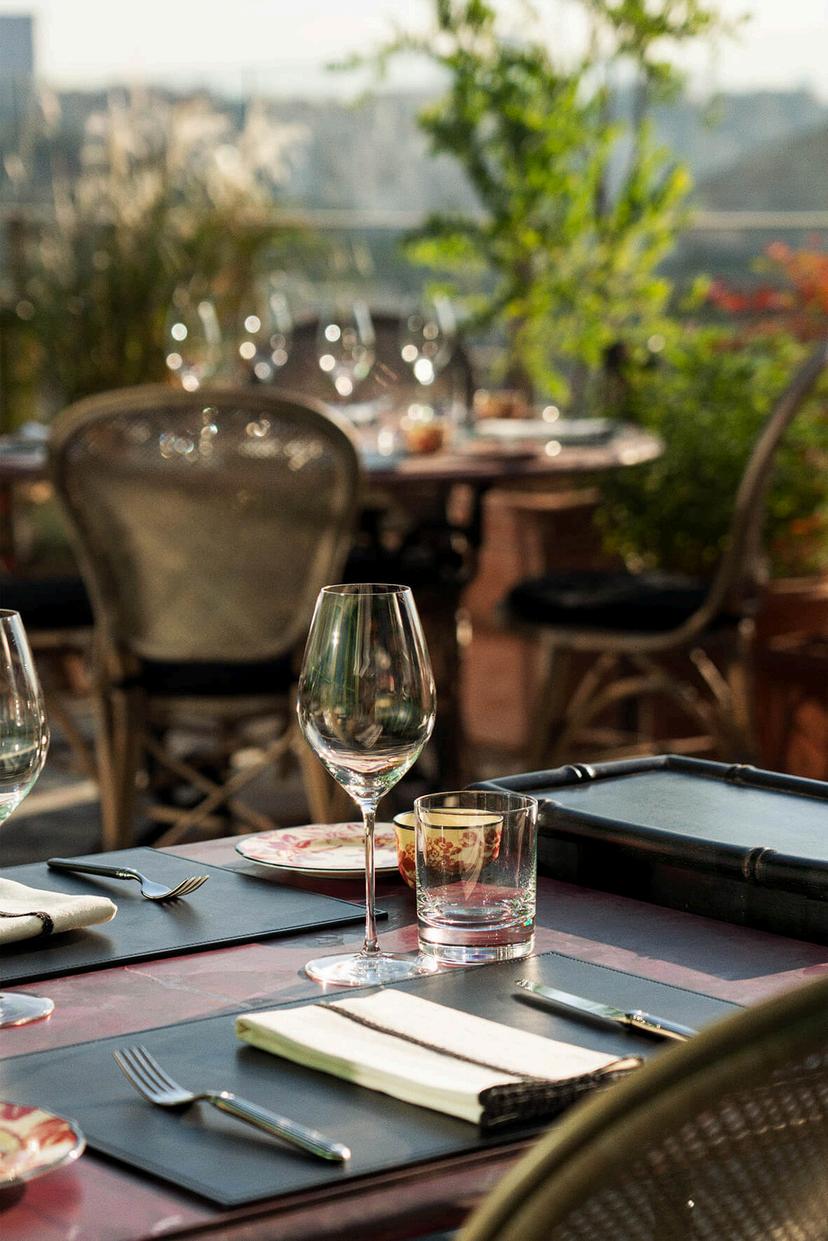
The Table: Fashion Goes to the Restaurant
Perhaps no category better illustrates the ambition of brand extension than food and beverage and no geography has embraced it more enthusiastically than East Asia, where café culture and the appetite for immersive brand experiences have converged into something genuinely new
In China where coffee culture has boomed in recent years there has been a surge of branded cafes opening Ralph Lauren opened APAC's first Ralph's Bar in Chengdu Maison Margiela also ran a series of branded café activations across Chinese cities including Shanghai and Shenzhen, part of a broader wave of fashion houses using food and beverage pop-ups to build brand presence in the region's booming café culture Coffee shops and restaurants allow brands to engage with entry-level luxury consumers, potentially their consumers of tomorrow
Gucci partnered with Michelin-starred chef Massimo Bottura to bring its Osteria concept to Beverly Hills, Tokyo and Florence Louis Vuitton debuted a chocolate shop in Paris a café in Osaka and a full restaurant in Seoul In Tokyo alone, the world's most concentrated showcase for branded culinary experiences, you can dine at Gucci Osteria's Alice in Wonderland-style interiors, visit Bulgari's Il Ristorante Luca Fantin on the ninth floor of Ginza Tower alongside its flagship store sip coffee at Ralph's Coffee or have pastries at Café Dior by Ladurée
In Paris, Dior has gone further still The new Monsieur Dior restaurant on Avenue Montaigne occupies a Peter Marino-designed interior where designer-clad waiters circle a dining room layered with the maison's signature codes
In the kitchen chef Jean Imbert crafts cuisine inspired by the life of Christian Dior himself In New York, meanwhile, Tiffany's renovation of its Fifth Avenue flagship embedded a café overseen by Michelin-starred chef Daniel Boulud
That accessibility is a key part of the logic The bag costs €3 000; the coffee costs €9 If haute couture remains inaccessible to many, coffee becomes a gentle gateway into the brand's universe
Saint Laurent has taken its own idiosyncratic approach Sushi Park Paris by Saint Laurent transplants the celebrated West Hollywood cult sushi bar to the French capital aligning with the brand's sleek, edgy sensibility in a setting where the fish is sublime and the atmosphere unmistakably branded
The Body: Luxury Moves Into Wellness and Beauty
If food is the most visible frontier, wellness and beauty may be the most strategically significant Luxury is expanding beyond fashion and accessories into home, wellness, and even retirement living
A deeper convergence of luxury and lifestyle is evolving: brands are selling more than products curating worlds and touchpoints that resonate with consumers on a deeper and more conscious level
Aman has built its lifestyle product line, Aman Essentials into a full retail brand spanning skincare fine fragrance ready-to-wear leather goods and wellness accessories, available at its properties through in-resort Aman Cabana boutiques and at external retailers including Harrods and Neiman Marcus, allowing guests to take the brand's aesthetic home with them and deepening loyalty well beyond the hotel stay
Louis Vuitton's move into beauty has been particularly notable The fashion house launched La Beauté Louis Vuitton in partnership with renowned makeup artist Pat McGrath, who serves as the brand's Creative Director an extension of McGrath's long-standing relationship with the house across more than two decades of runway shows and campaigns
The beauty and skincare category is attracting significant investment globally, with Asia leading both in consumption and in innovation The global luxury skincare market was valued at $25 69 billion in 2024 and is projected to reach $54 18 billion by 2033 growing at a compound annual rate of 8 64%
Asia Pacific leads in market share, with South Korea recognised for sophisticated skincare technologies and a deeply embedded cultural emphasis on skincare as both art and ritual
2025 was marked by boundary-blurring launches where skincare met supplements, fragrance moved into hair and wellness, and the category definitions that once seemed fixed became increasingly irrelevant
Birkenstock, for instance, expanded its Care Essentials line into full-body skincare and foot wellness, reinforcing the brand's evolution from footwear icon to holistic lifestyle player
The Home: Real Estate as the Ultimate Statement
The built environment represents the most capital-intensive expression of this trend and none more dramatically than the Porsche Design Tower in Miami a 60storey building where residents park their cars directly on their apartment floor via an integrated car elevator It is an image that has become emblematic of what branded living means at its most literal: the brand does not stop at the front door
More broadly, branded residential projects worldwide have grown from 323 in 2015 to around 910 by the end of 2025, with 837 new projects already in the pipeline through to 2032.
In 2025 alone 25 countries launched their first branded residential project, and the total number of branded residential units has grown from around 27,000 to more than 162,000 over the past decade What began as a Miami phenomenon is now a global one with strong pipelines in the Middle East Southern Europe Southeast Asia, and beyond
The Logic Behind It All
What connects the Gucci Osteria in Seoul, the Louis Vuitton café in Osaka, the Aman skincare range, and the Porsche Design Tower in Bangkok? All of them represent the same fundamental insight: that for the affluent consumer, brand loyalty is no longer built through product alone It is built through immersion
55% of high-income respondents in a 2025 survey prefer spending on experiences rather than things Traditional markers of luxury exclusivity, craftsmanship, heritage no longer satisfy on their own Today's consumers seek deeper emotional resonance, wellbeing, and lifestyle alignment, asking what the brand stands for and how it reflects their values
The geography of this expansion is increasingly diverse Where once the branded lifestyle conversation was centred on New York, Paris, and Milan, it now runs through Tokyo, Seoul, Shanghai, Chengdu, Singapore, Riyadh, and São Paulo.
Each market brings its own cultural dynamics; Korean consumers at Gucci Osteria emphasize atmosphere above all; American consumers place a higher value on food quality, but the underlying appetite is consistent: a desire to inhabit the brand rather than simply own something it made.
The brands that navigate this well, who extend without diluting, who remain true to their aesthetic logic even as they range across categories and continents, will find that the lifetime value of a customer who sleeps, eats, bathes, and exercises within their universe is qualitatively different from one who merely shops
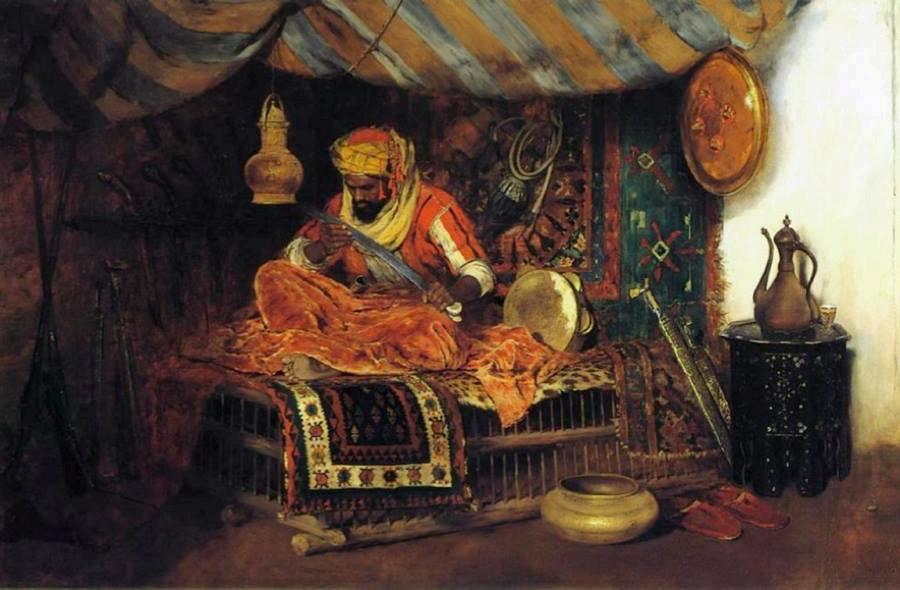
The Blackbird of Córdoba
The ninth-century polymath who shaped the way the Western world eats, dresses, and listens to music
History has its celebrated polymaths; figures whose curiosity and talent ranged so far beyond a single discipline that their influence becomes difficult to contain within any one field Leonardo da Vinci is the name most readily reached for
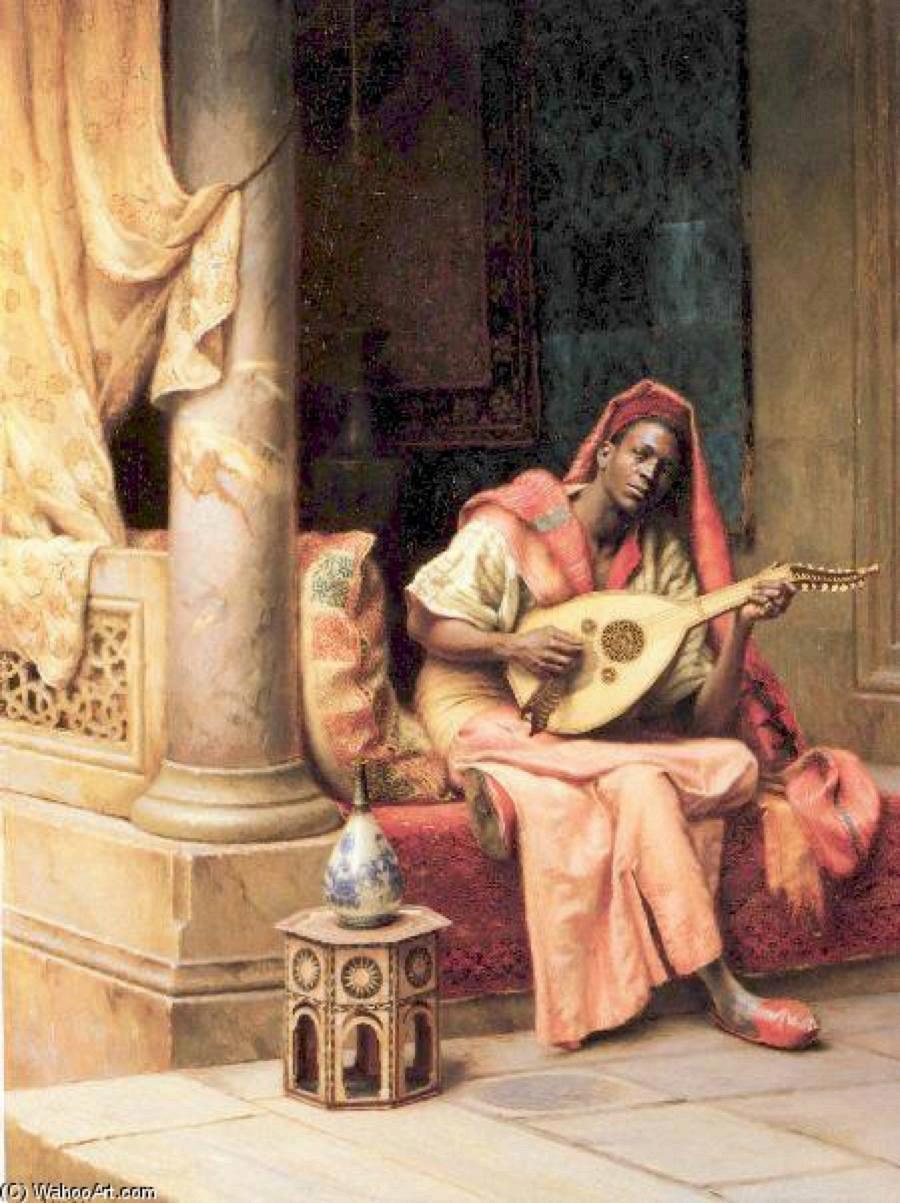
But more than six centuries before Leonardo, a man born in what is now Iraq arrived at the Umayyad court of Córdoba and quietly proceeded to transform the cultural life of medieval Europe in ways that still echo largely unacknowledged, in the rhythms of daily life today His name was Abu al-Hasan 'Ali Ibn Nafi' History knows him as Ziryab, the Blackbird
Ziryab was born around 789 CE, most likely in Baghdad then the intellectual and cultural capital of the Islamic world He was trained in music from a young age by the celebrated musician Ibrahim al-Mawsili, in a city that was at that time an important centre of music in the Muslim world
The story of how he came to leave Baghdad has the quality of legend One account recorded by the historian al-Maqqari says that Ziryab inspired the jealousy of his own mentor by giving an impression performance for the caliph Harun alRashid – with the result that al-Mawsili told him to leave the city.
Whether or not this account is entirely accurate, it captures something true about the nature of exceptional talent: it tends to outgrow its origins
From Baghdad, Ziryab travelled first to Syria, then to Kairouan in what is now Tunisia, before receiving an invitation that would define the rest of his life In 822 CE he was invited to Al-Andalus by the Umayyad prince Al-Hakam I Arriving to find the prince had died he was welcomed instead by the prince's son Abd ar-Rahman II who renewed his father's invitation Ziryab settled in Córdoba with a monthly salary of 200 gold dinars – a figure that speaks to how highly his gifts were valued
It was here, in the glittering court of one of medieval Europe's most sophisticated cities that Ziryab flourished
Music was the foundation of everything Ziryab is said to have created a unique and influential style of musical performance and written songs that were performed in Iberia for generations He was a great influence on Spanish music and is considered the founder of the Andalusian classical music traditions of North Africa
He was also an innovator of the instrument itself Ziryab improved the oud by adding a fifth pair of strings, and used an eagle's beak or quill instead of a wooden pick He dyed the four original strings colours to symbolise the Aristotelian humours and dedicated the fifth string to representing the soul
His greatest institutional legacy was the school he established He founded one of the first schools of music in Córdoba, incorporating both male and female students who were very popular amongst the aristocracy of the time The school influenced musical performance for at least two generations after him, and his children – five sons and two daughters – continued it after his death The medieval historian al-Maqqari wrote of him: "There never was, either before or after him, a man of his profession who was more generally beloved and admired "
Ziryab's influence, however, extended far beyond the lute and the concert hall He revolutionised the way people ate, and in doing so established a dining structure that Western culture still considers simply obvious
He insisted that meals should be served in three separate courses: soup, the main course, and dessert Prior to his time, food was served plainly on platters on bare tables, as was the case with the Romans. The formal structure of the modern dinner – that seemingly natural sequence of a meal that hosts and restaurants still follow – is in no small part, his invention
He also had opinions about what one drank from. Ziryab introduced the use of crystal as a container for drinks arguing it was more effective than metal, and is said to have popularised new fruits and vegetables, including asparagus, to the Iberian table He was, in the fullest sense, a tastemaker: someone who understood that how one ate was inseparable from how one lived.
And then there was style Ziryab was a major trendsetter of his time, creating new standards in fashion, hairstyles, and hygiene He started a vogue for changing clothes according to the weather and season, and suggested different clothing for mornings, afternoons, and evenings
This concept that dress should shift with the time of day and the season is so embedded in contemporary life that it takes a deliberate effort of imagination to grasp that it was once novel.
His influence on personal grooming was equally pervasive He created a deodorant, promoted morning and evening baths, emphasised personal hygiene, popularised shaving among men, and introduced new haircut styles that left the neck, ears, and eyebrows free He is also thought to have invented an early toothpaste, reported to have been both functional and pleasant to taste
According to Ibn Hayyan, he was called
Blackbird because of his dark complexion, the clarity of his voice, and "the sweetness of his character " That final quality – sweetness of character – runs through every account of him He was not merely brilliant He was by all historical accounts, genuinely beloved
Ziryab's relative obscurity in Western cultural memory is one of history's quiet injustices He lived at the hinge point between the Islamic world and medieval Europe in the city of Córdoba that was for a time the most sophisticated in the western hemisphere
Through his music, his table, his dress, and his person, he transmitted ideas and practices across a cultural divide that would later harden into something more rigid and less generous
Much of what feels self-evidently European –the three-course meal, the seasonal wardrobe, the formal music school, the culture of personal grooming – arrived via the Umayyad courts of Al-Andalus, and often via this one extraordinary man from Baghdad
He died around 857 CE, having spent the better part of three decades transforming the cultural life of a continent He left behind music that outlasted him by centuries, children who carried his school forward, and habits of daily life so thoroughly absorbed into the cultures he touched that the world forgot to ask where they came from The Blackbird sang, and the Western world listened
Upcoming Events
14-15 April 2026
LATAM Family Office Investment Summit
Mexico City, Mexico
12-13 May 2026
Europe Family Office Investment Summit
Rome, Italy
8-9 September 2026
APAC Family Office Investment Summit Shanghai, China
18-19 November
Middle East Family Office Investment Summit Dubai, UAE See aleagloblgroup.com for