Professors: Ila Berman & Mona El-Khafif Fall 2025 (Partner Studio with Isabella Koch)
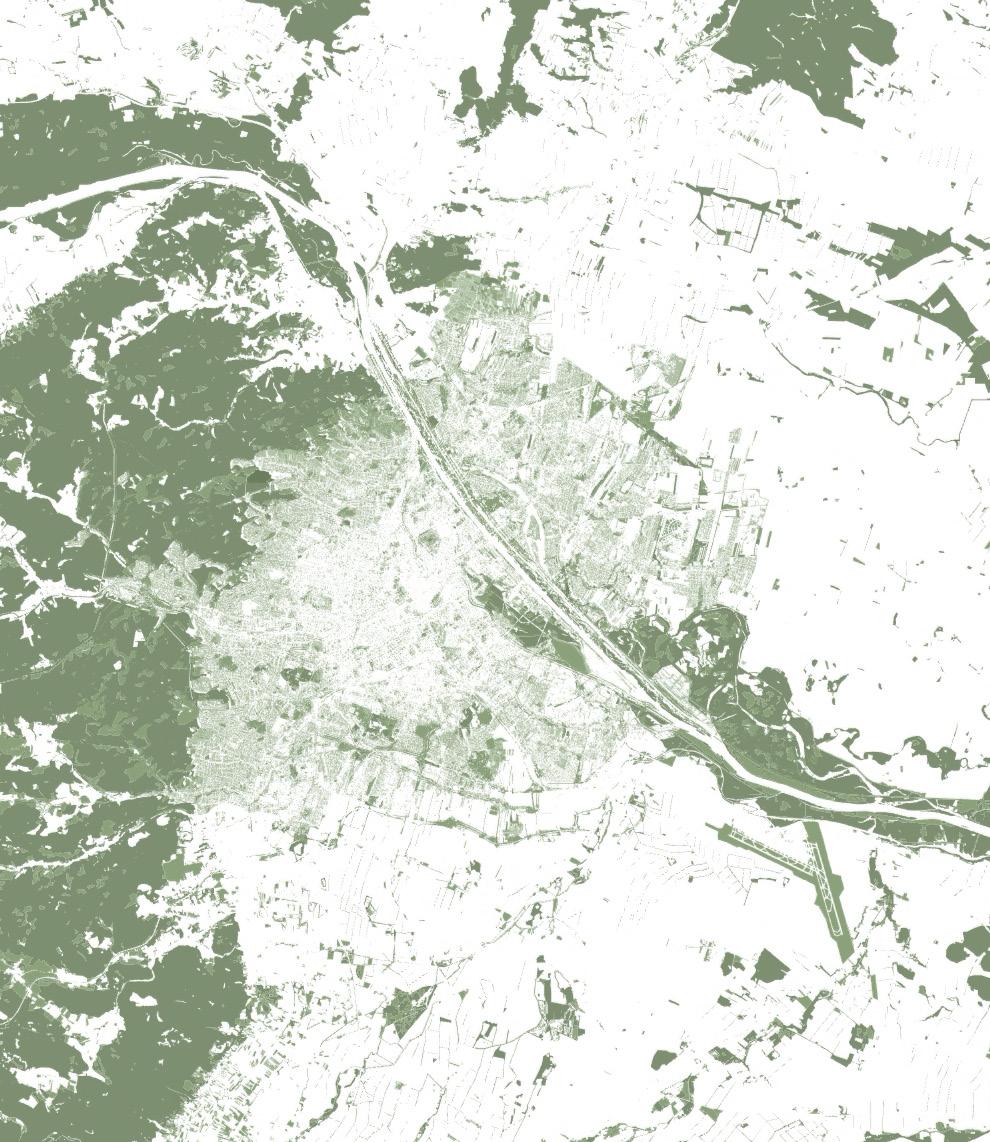
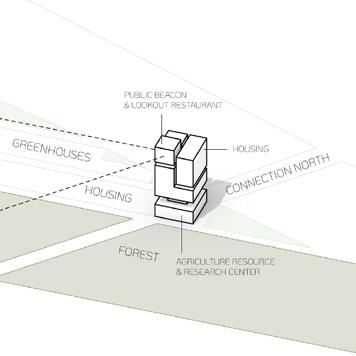
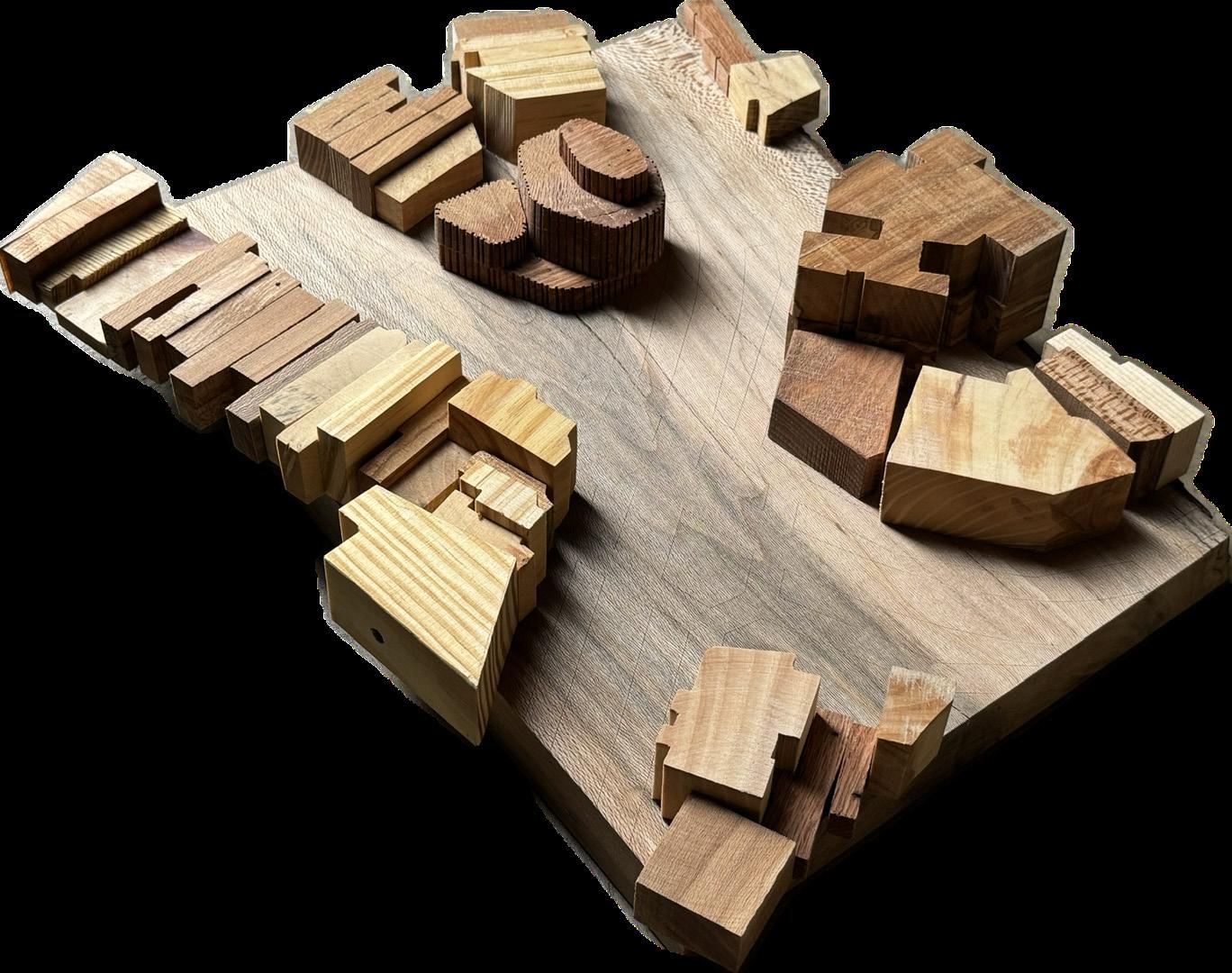
This urban design & architecture project seeks to complete the development of a new, dense urban center in the outskirts of the city of Vienna, Austria. The Mikrowald Masterplan organizes housing through a clear system of high density mid-rise courtyard houses, reducing hardscape and semi private areas in favor of wild open spaces (the Wald) that is shared among humans and non-humans to build a strong open space network linking to the Lobau. The design is guided by the generation of a new forest belt to connect to existing north-south forest belts on either side of the city, promoting biodiversity and allowing more space to be given back to nature.
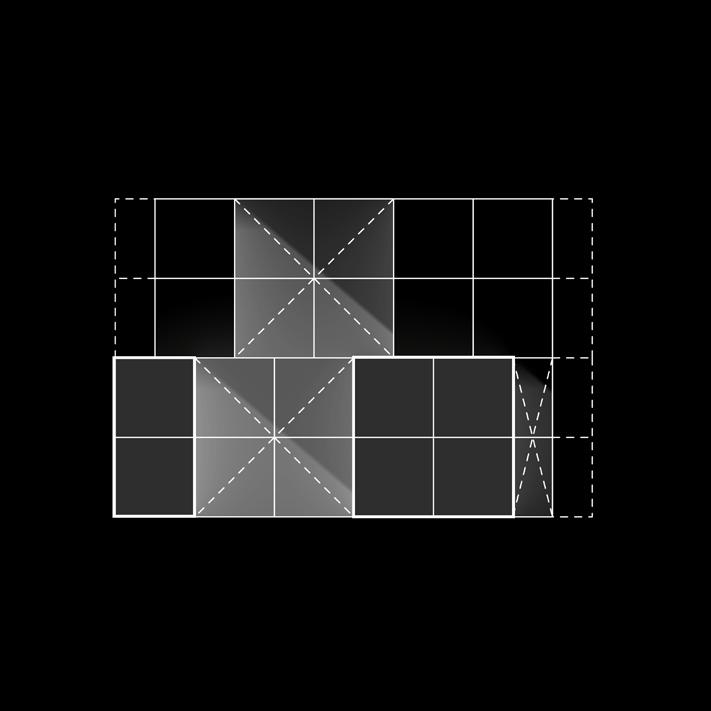
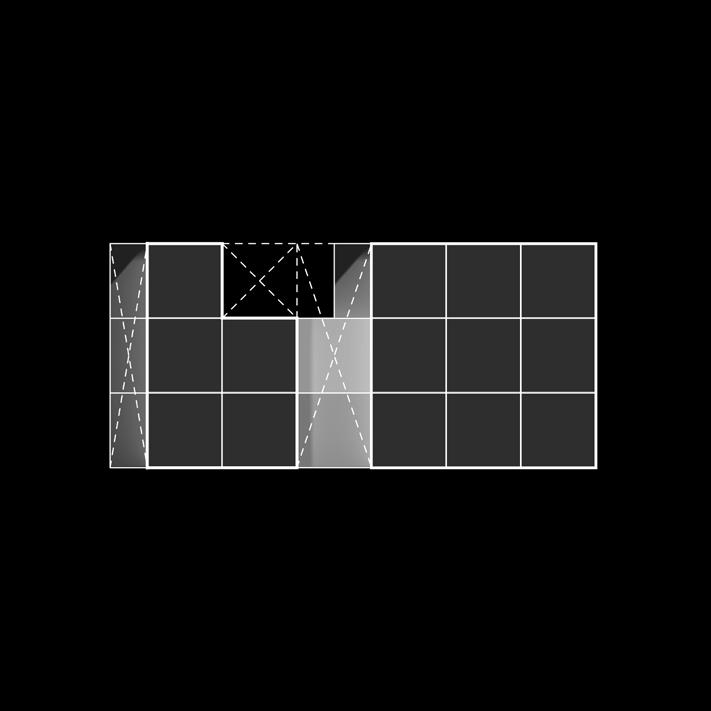
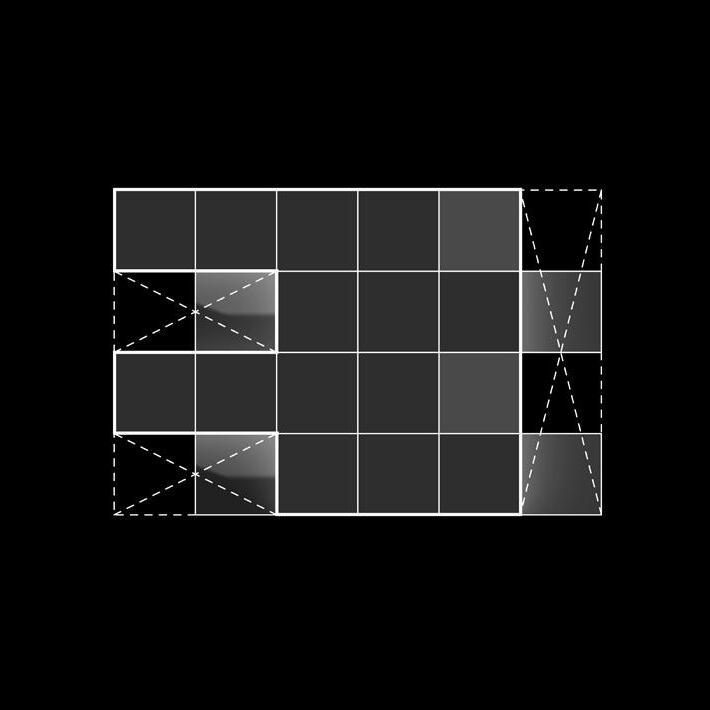
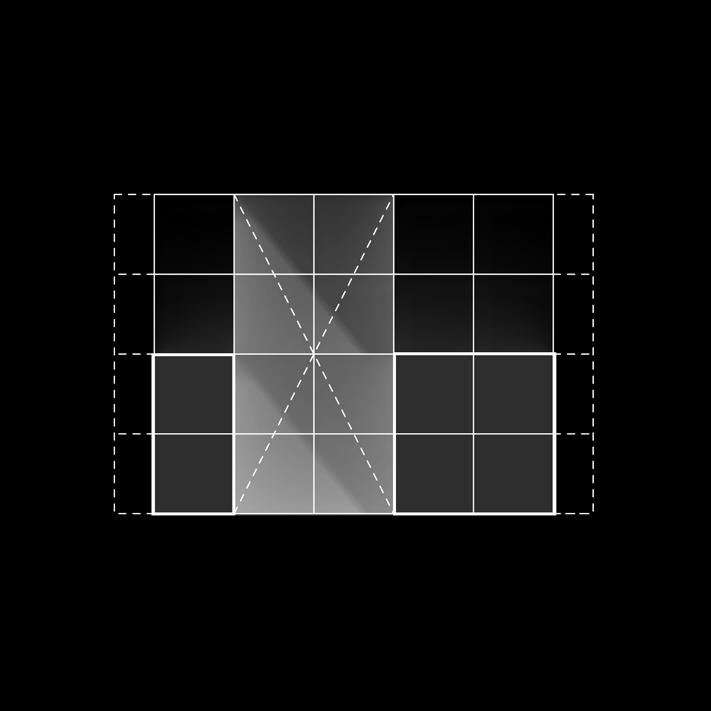
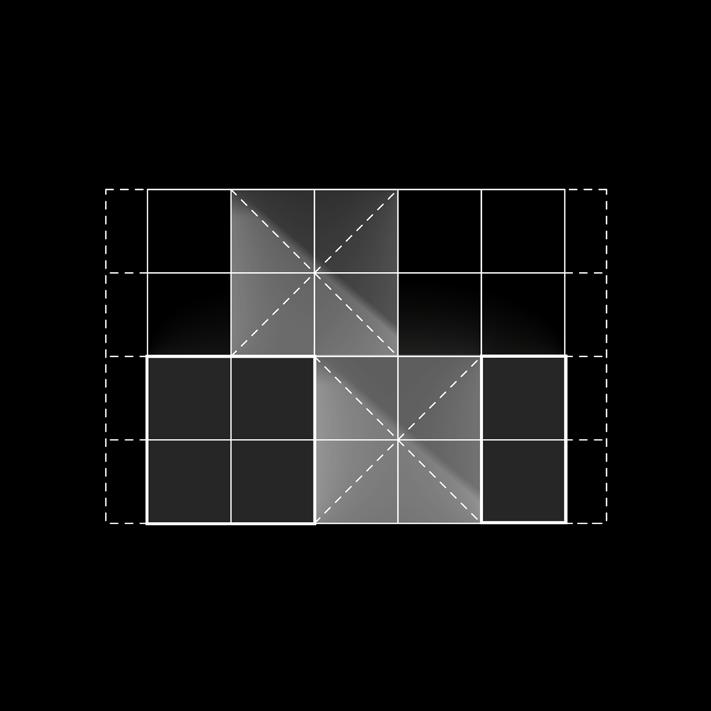
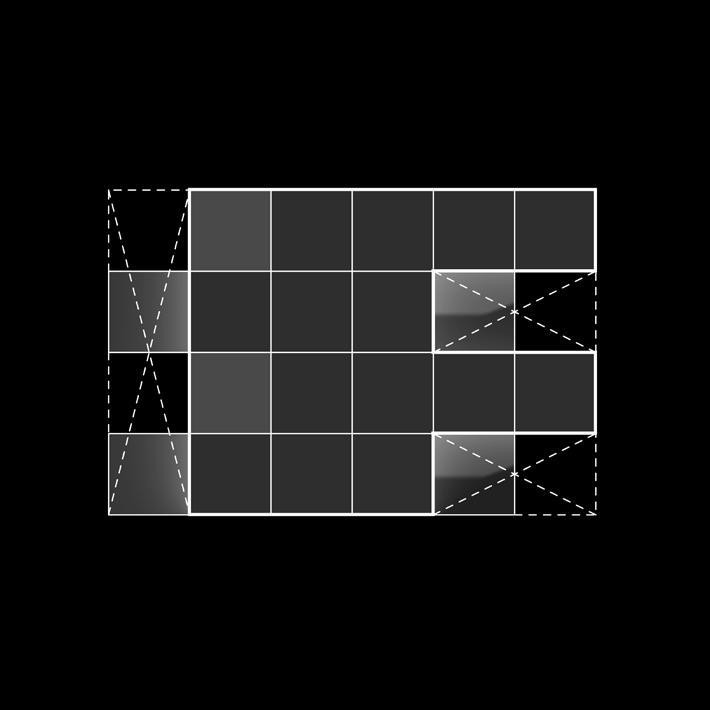
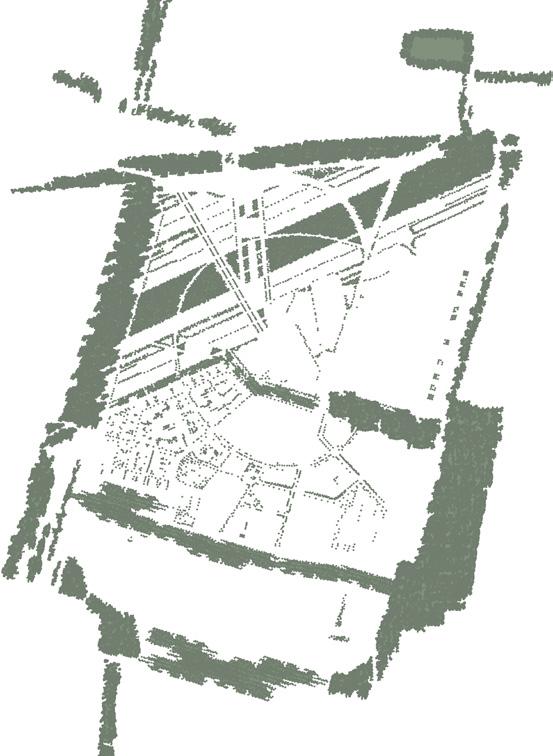
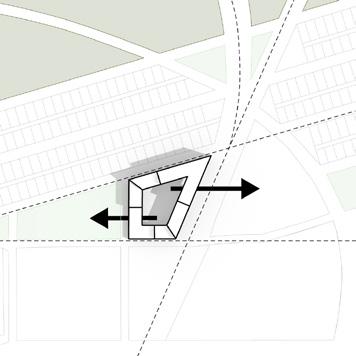
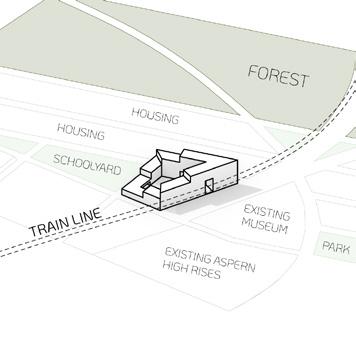
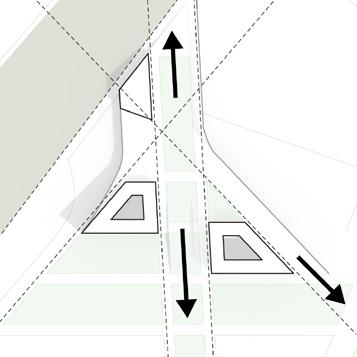
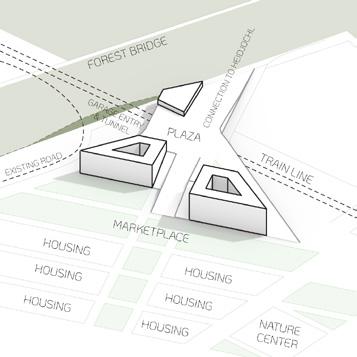
Bands of housing are required to have a minimum of 30% void space and follow a dense, patio typology that consolidates private space and allows for more shared public space through the creation of active park bands, which hold markets, recreation, and more. Site-specific and contextual relationships inform both the direction of development and the strategic cuts where landscape elements are inserted. These cuts respond to existing conditions, including the central man-made lake in Aspern, forest belt connections, the existing train station, a key road toward Heidjochl, and the incoming rail line linking the site to the active urban core. While Aspern’s existing ring road does not determine the new urban grain, it remains as a secondary circulation loop, allowing movement around a dense and ecologically integrated city center.
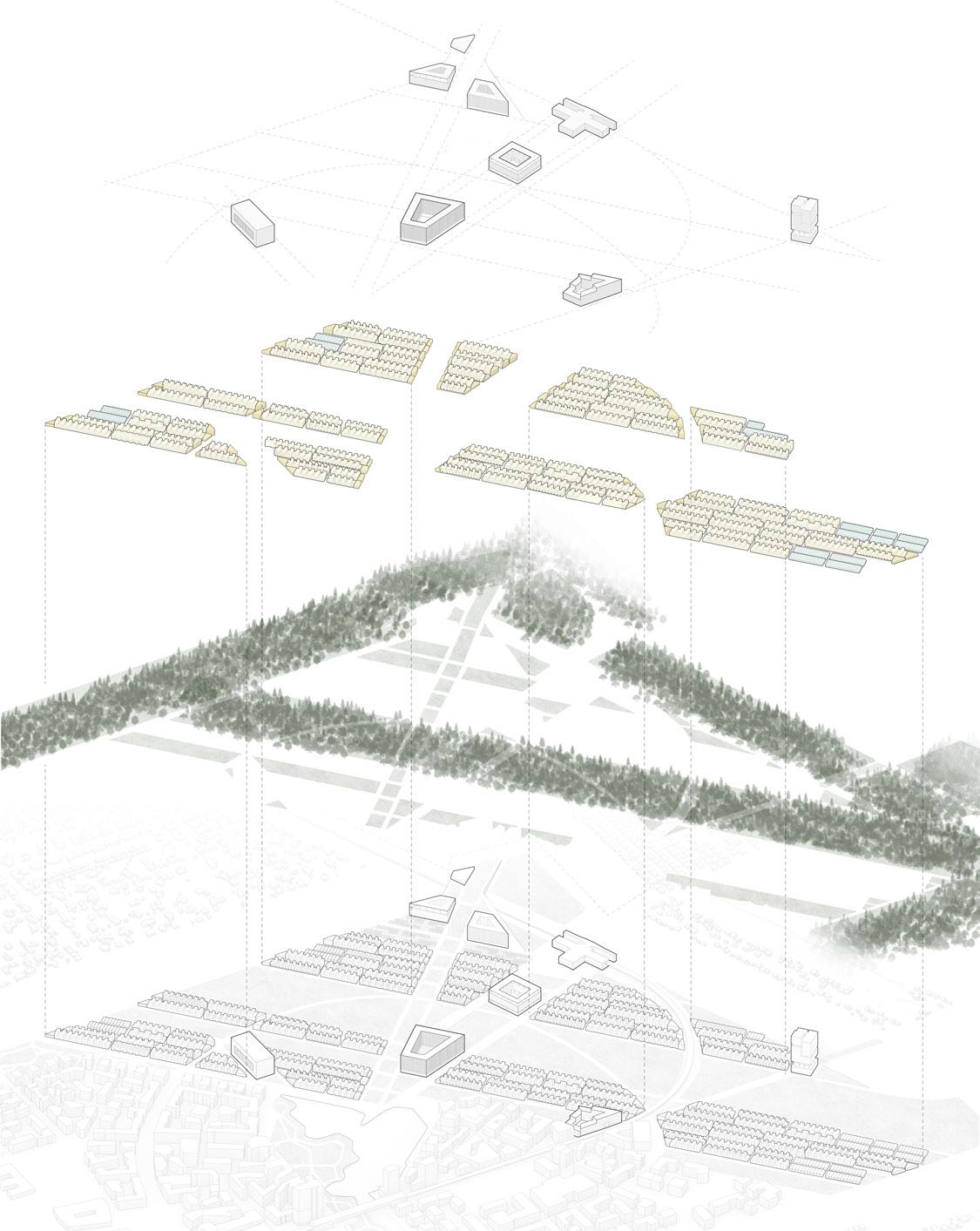
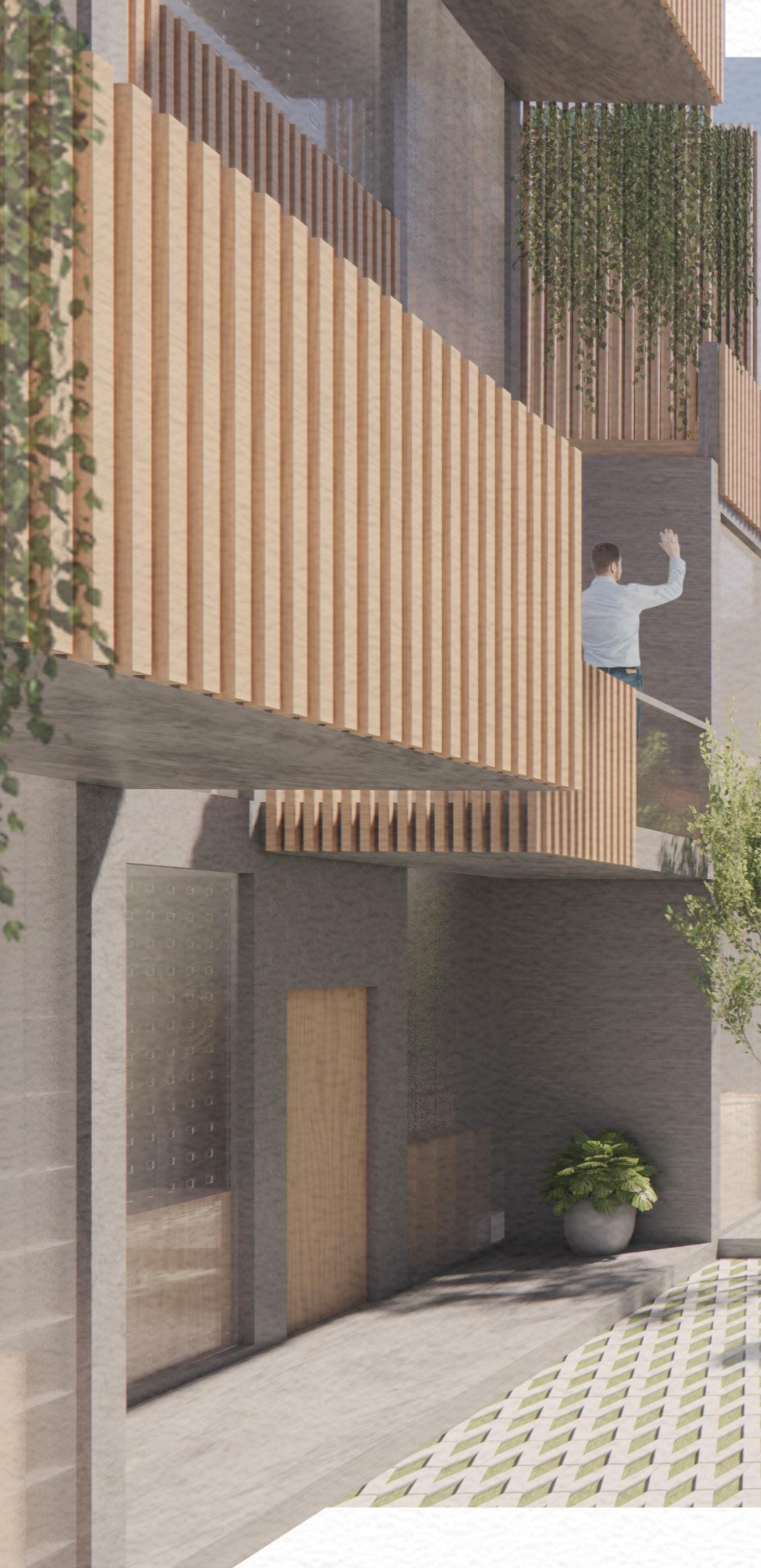
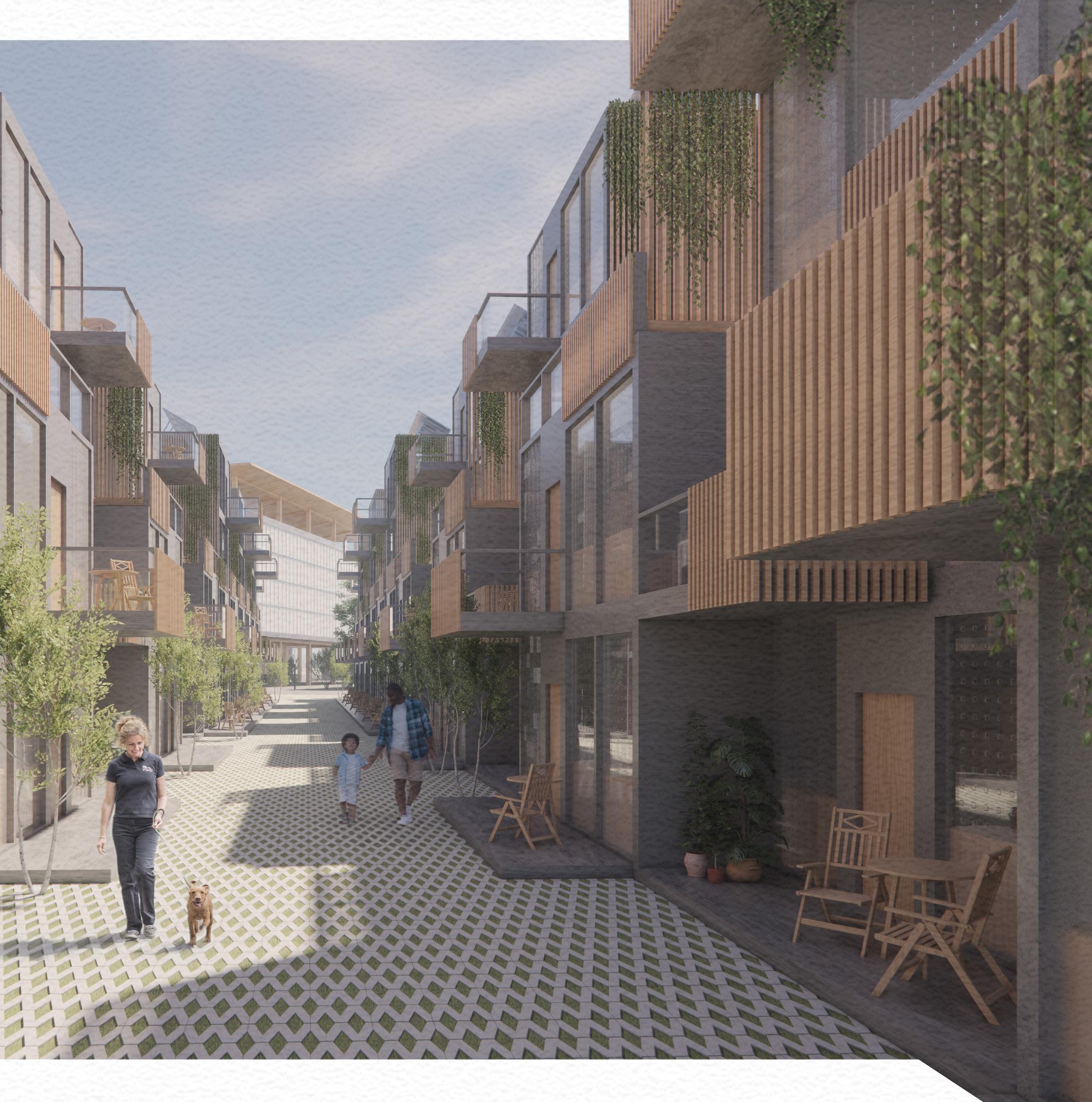
The overall urban strategy is driven by the creation of a forest belt to support nature-centered activities as well as an understanding of the urban grain from site-specific relationships and conditions.
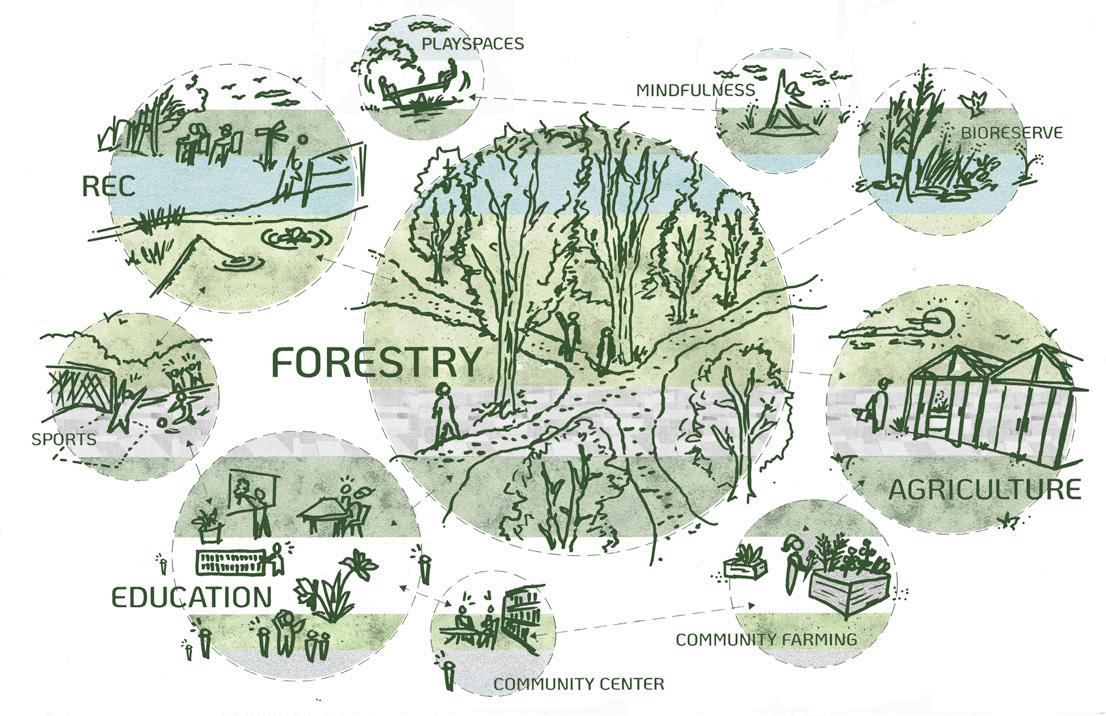
Plus Program Diagram: Engagement with Nature
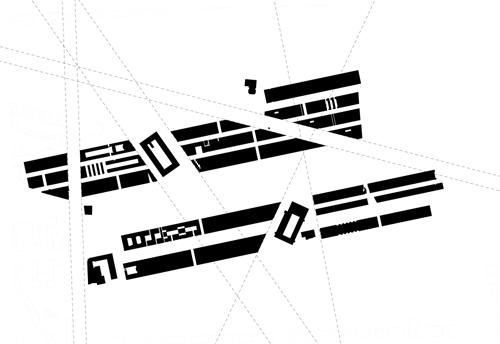
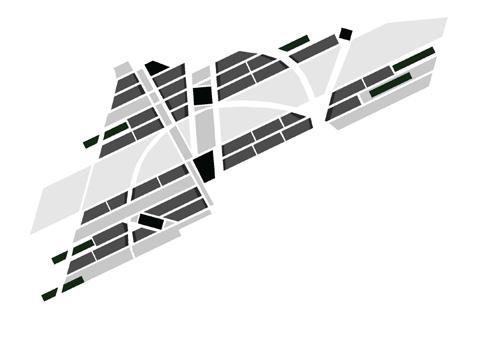
PRECEDENT STRATEGY DIAGRAM PROCESS MASSING DIAGRAM
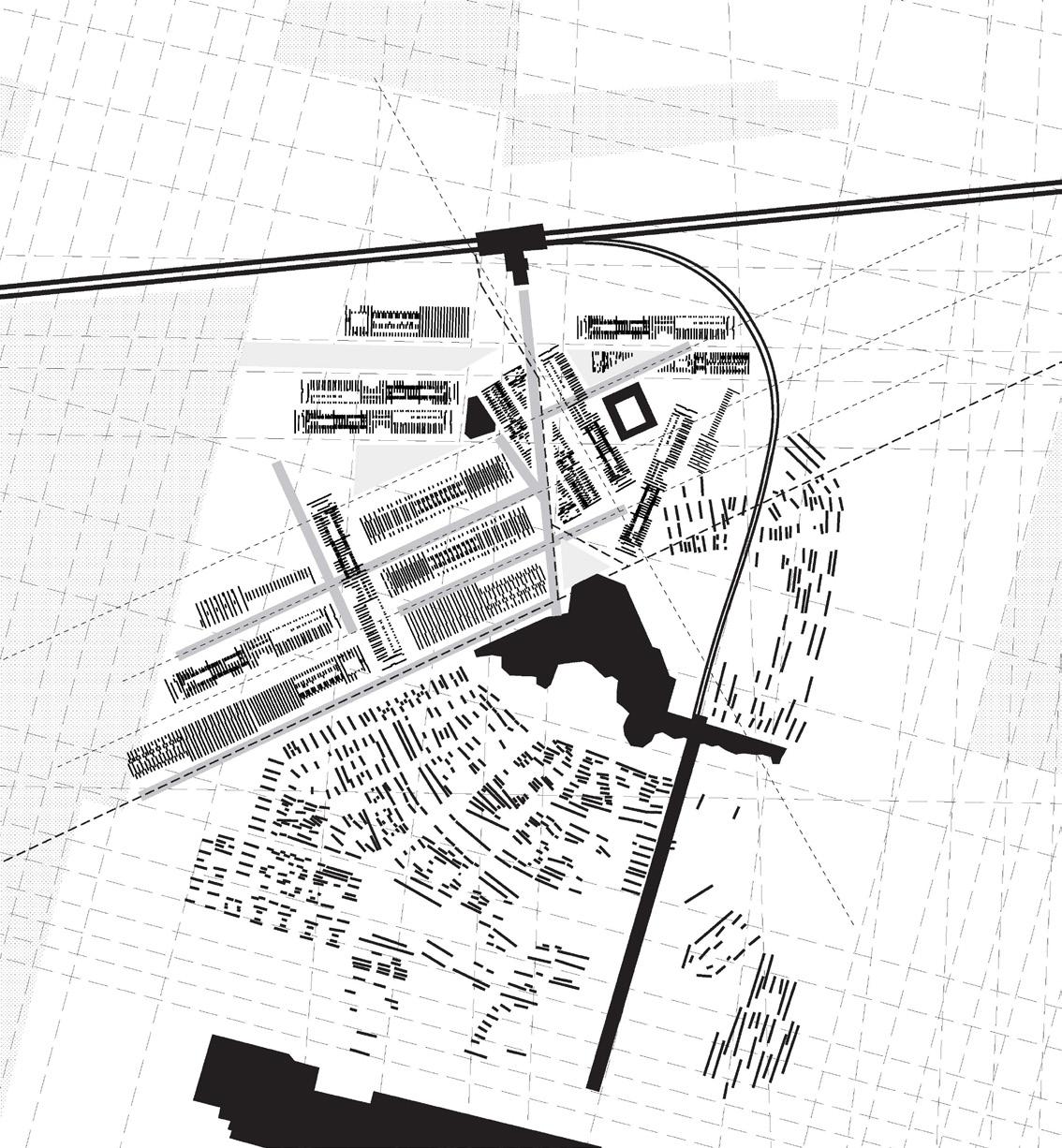
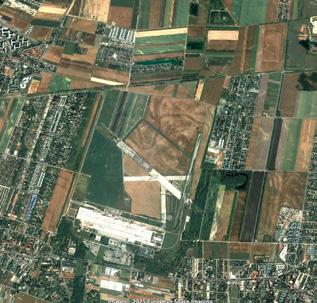
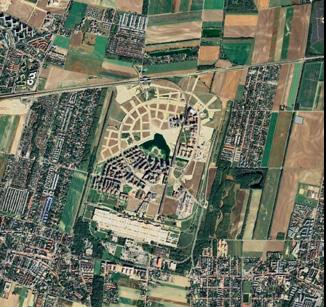
Strategy Development: New & Existing Grain
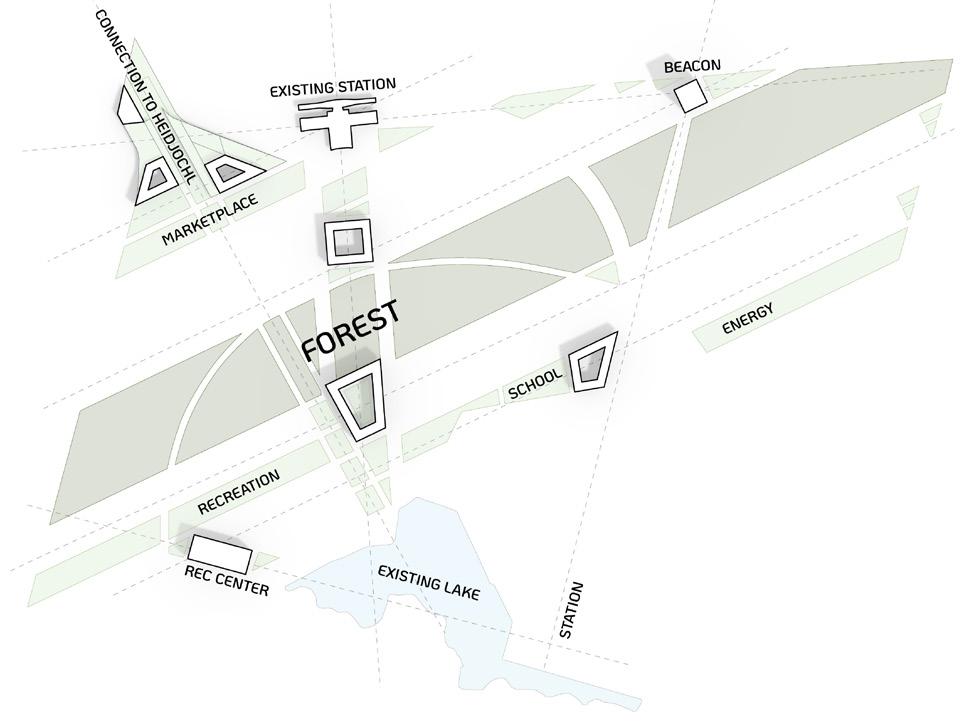
SPACE & PARKS DIAGRAM
Green Matrix: Proposal of Forest Belts
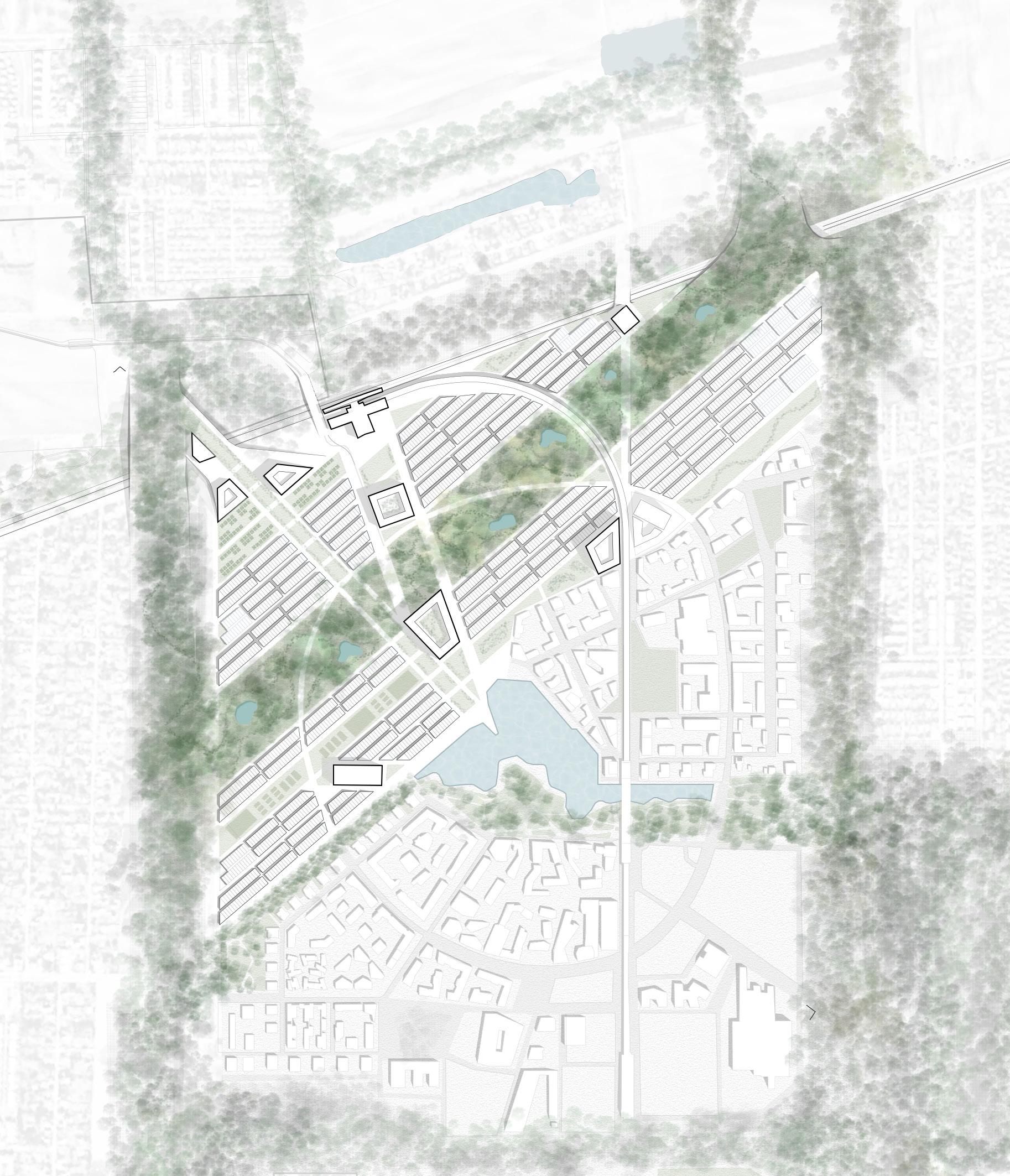
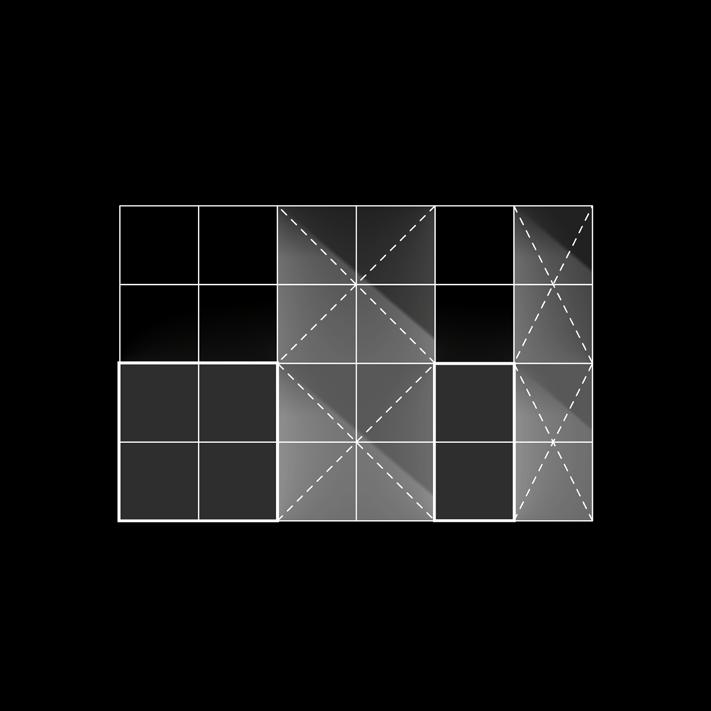
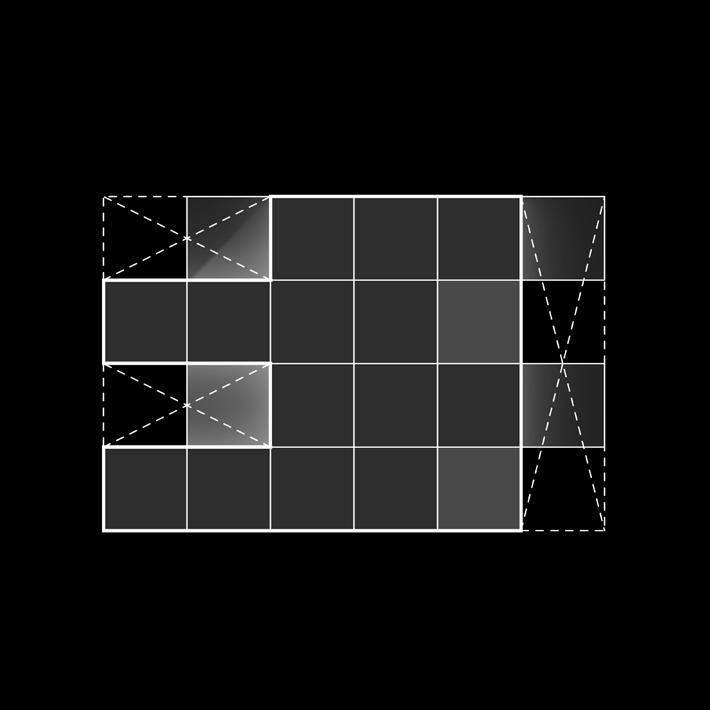
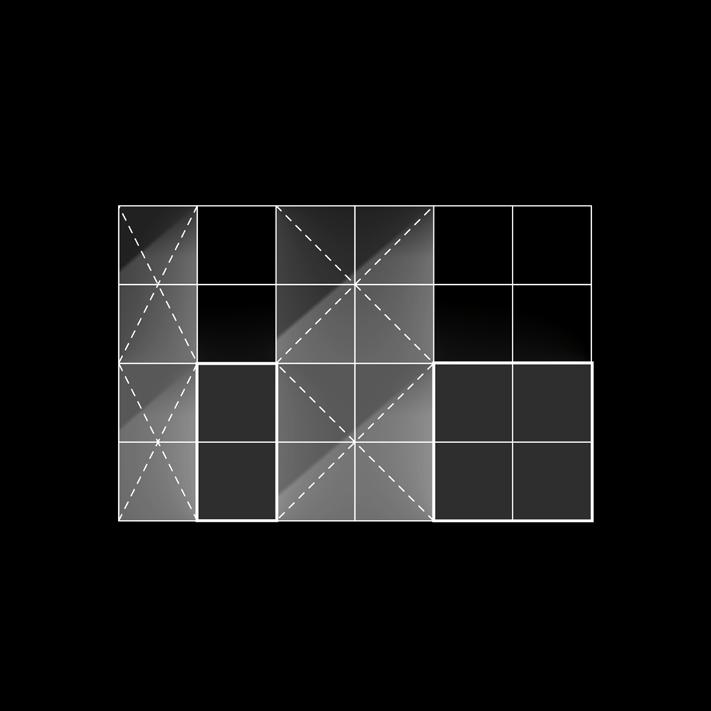
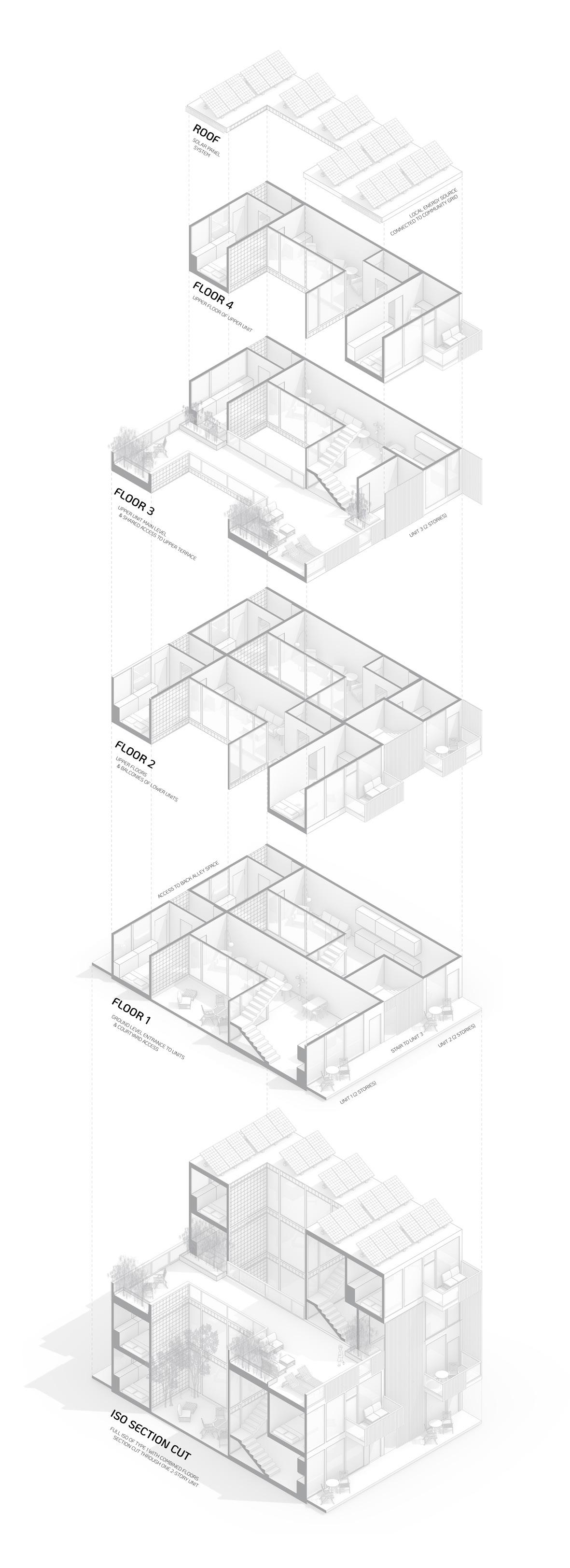
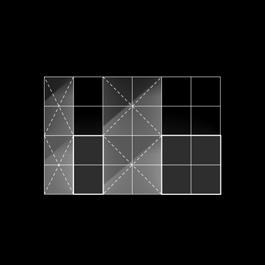
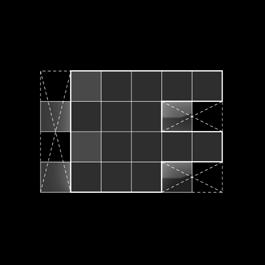
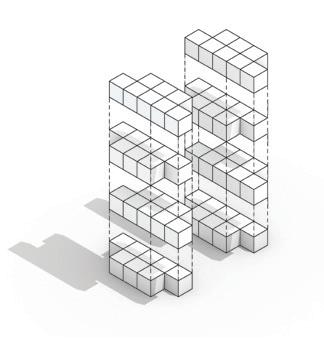
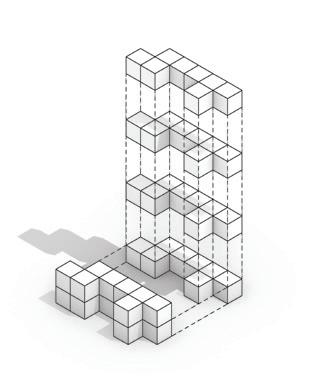
Bands of housing are characterized by alternating 2 and 4 story massing and breaking up the grain of the band with void space--internal courtyards and light wells. See full matrix continued page 9.
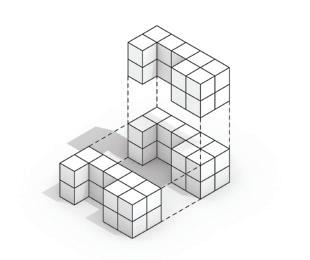
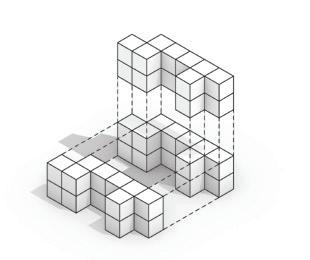
Exploded Axon: Type 1A Housing (Right)
EARLY TYPE 1 PLAN ITERATION GRID VOID
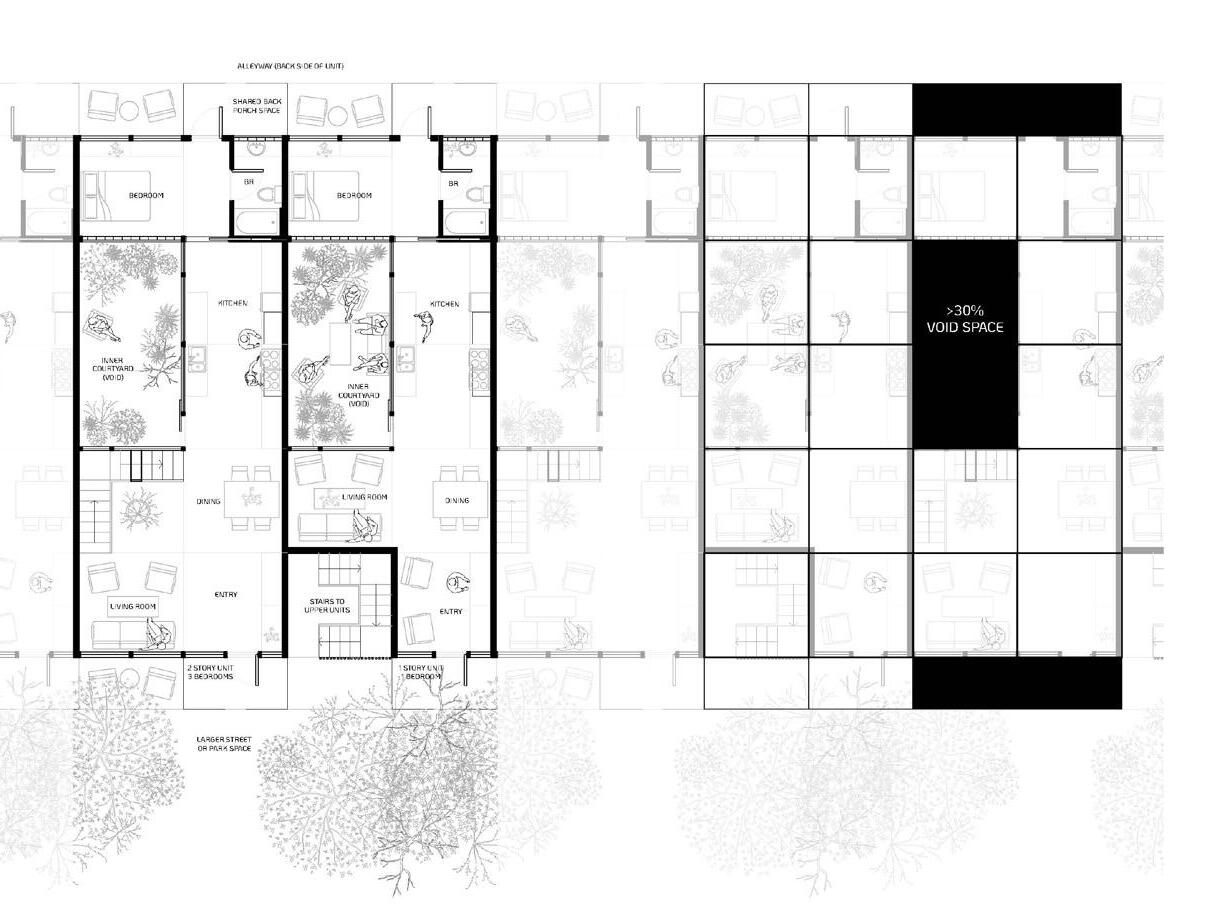
Grid & Void Space: Minimum 30% Void Requirement
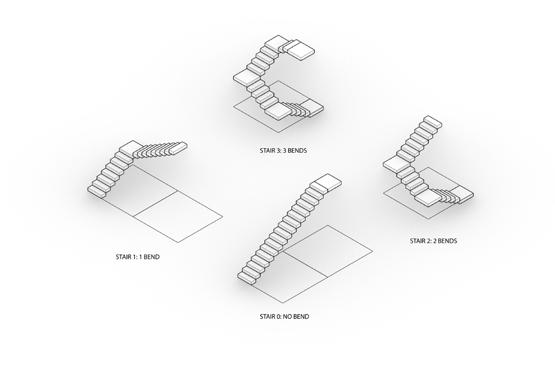
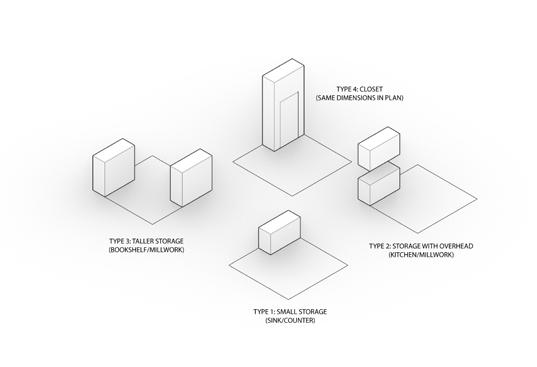
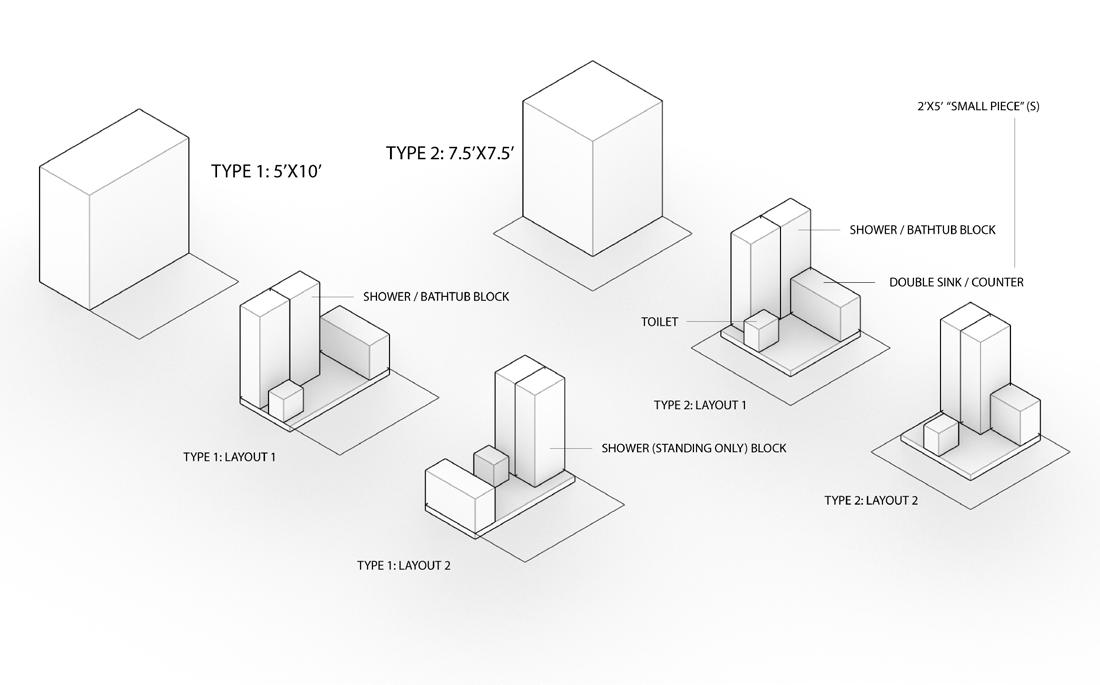
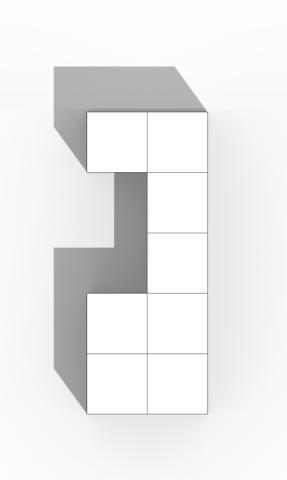
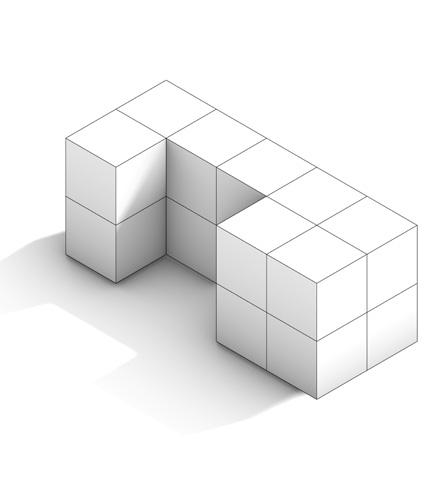
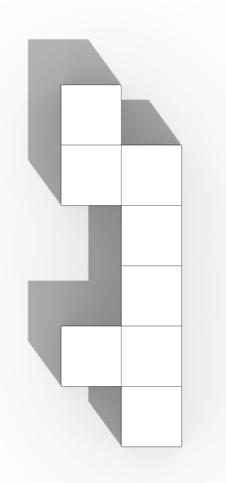
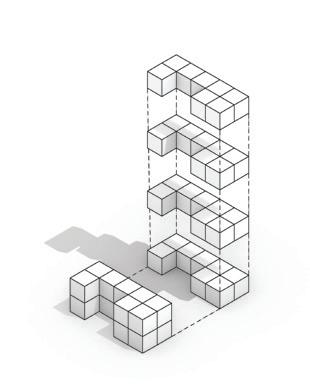
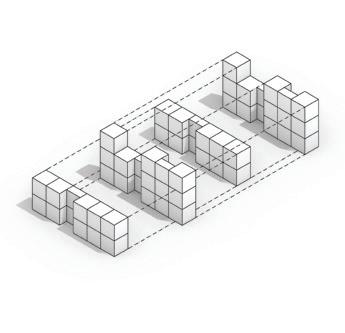
Kit of Parts: Modular Pieces to Populate Massing
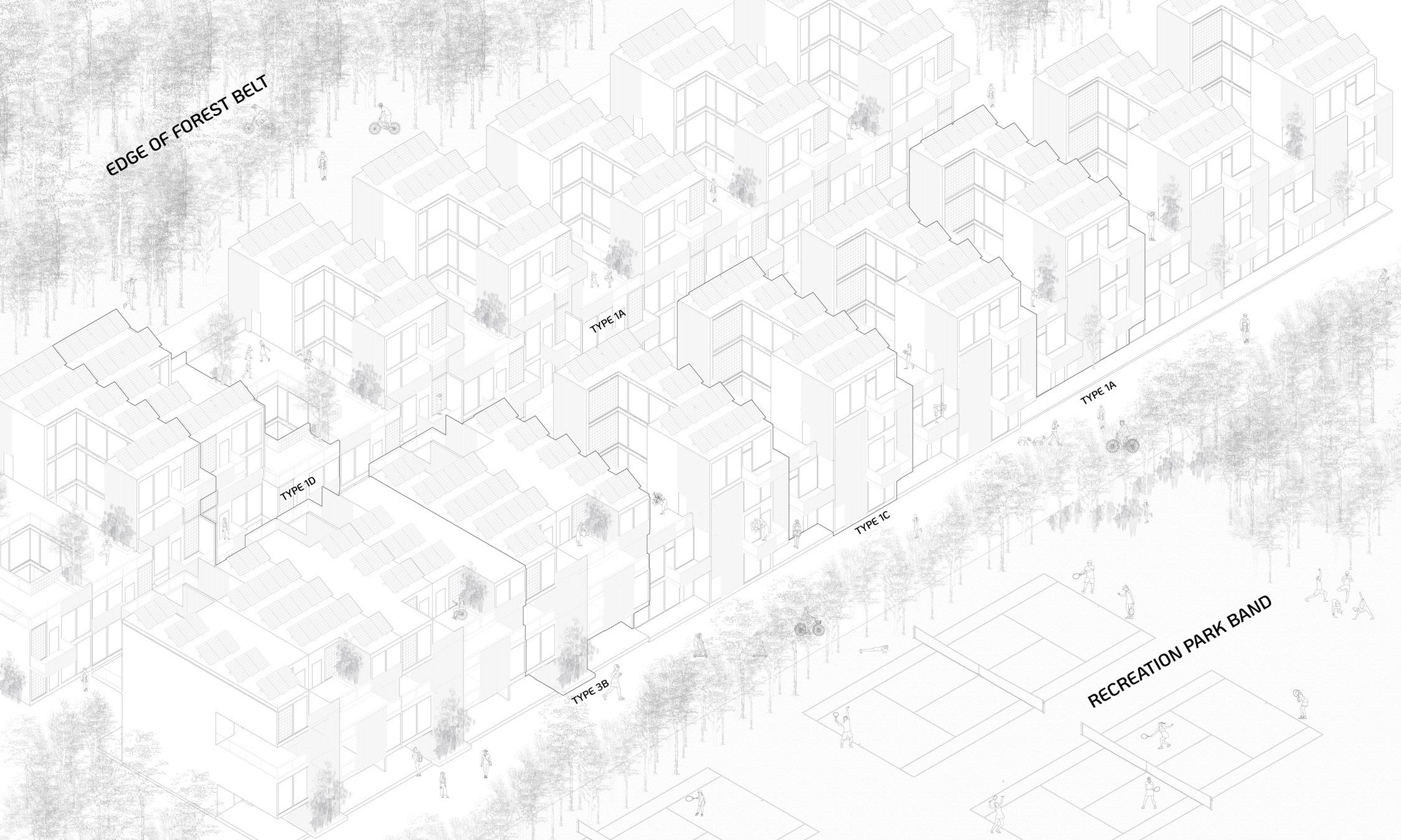
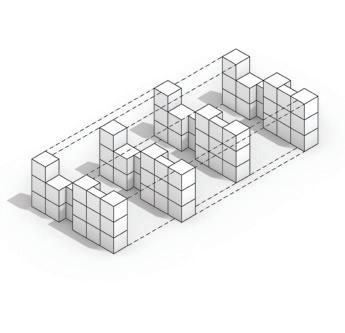
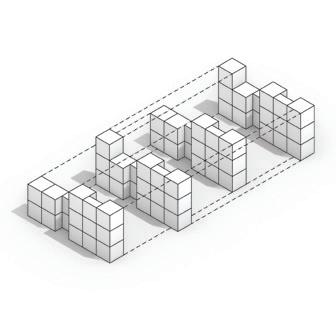
Isometric Housing in Context: Types 1A, 1C, 1D, & 3B
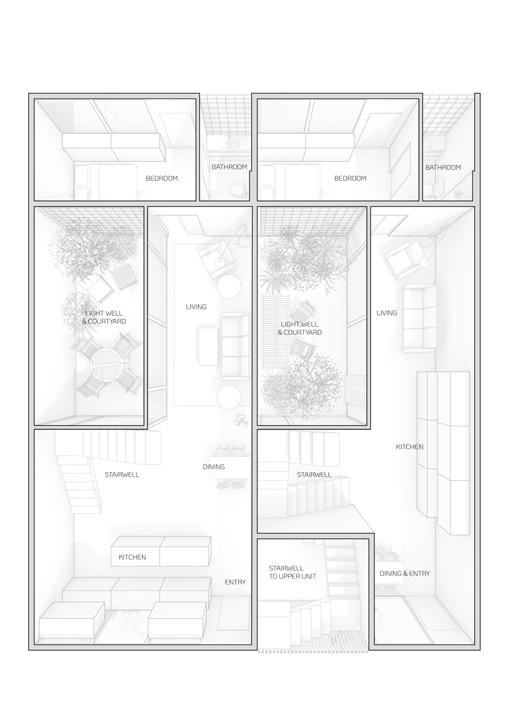
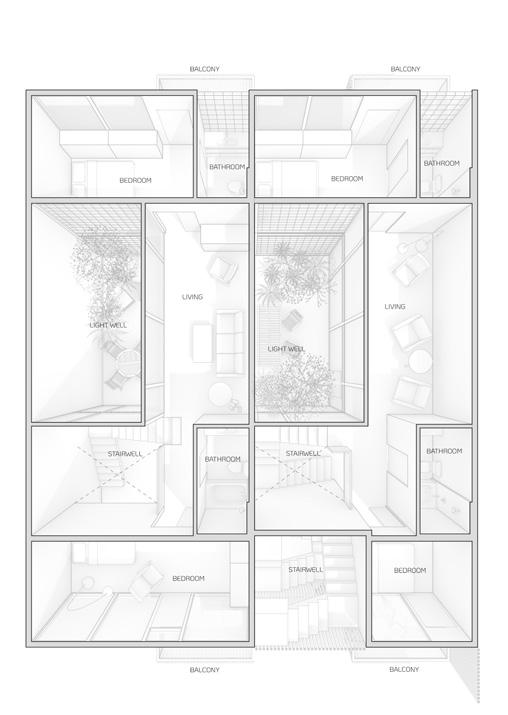
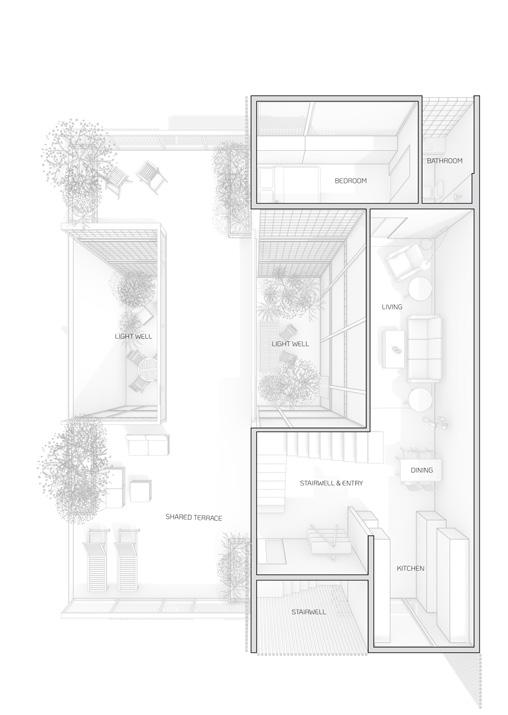
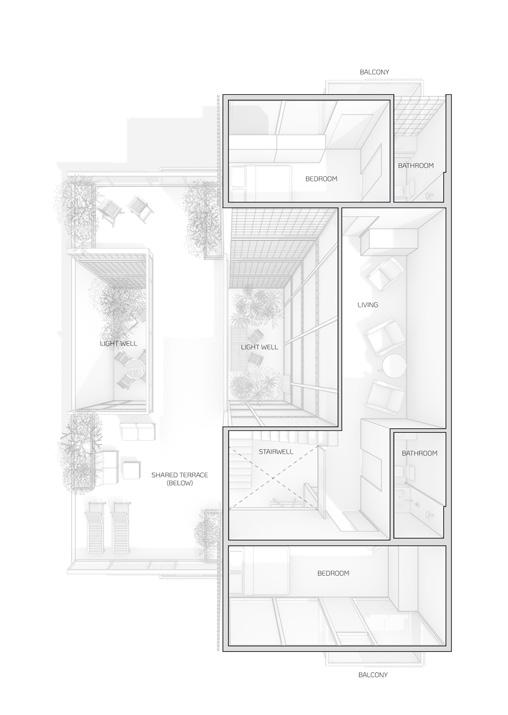
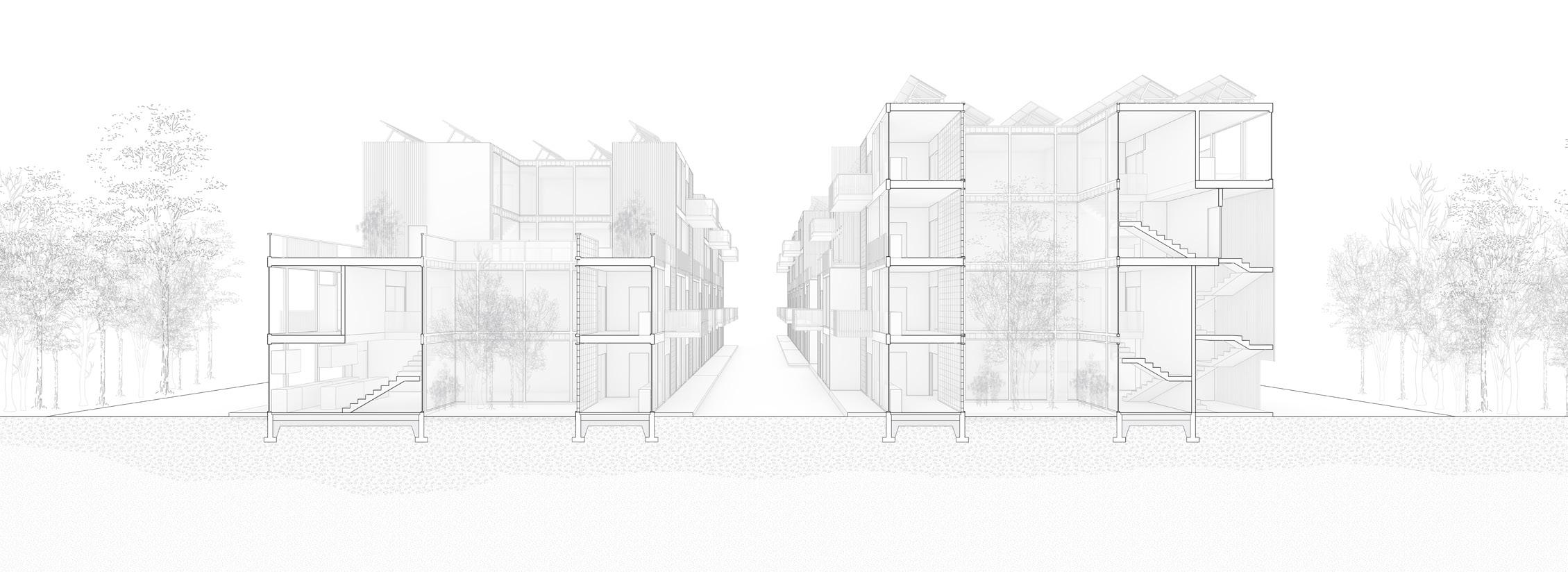
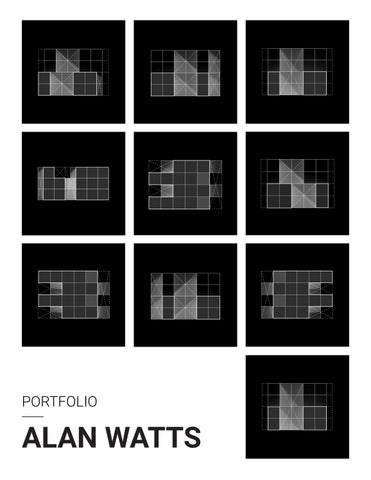
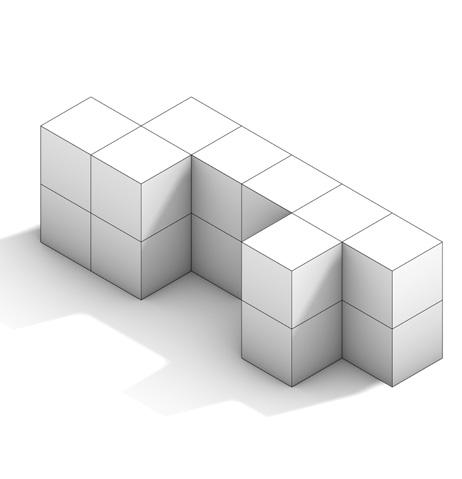
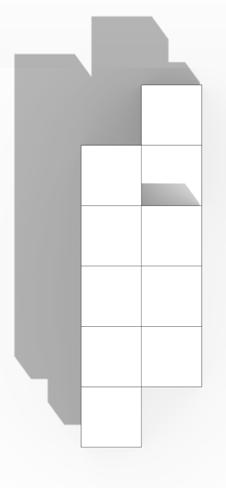
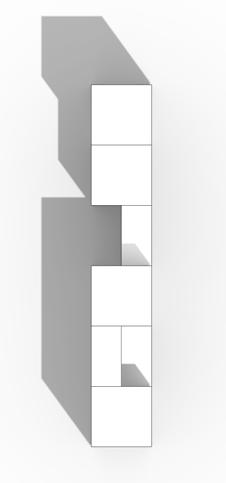
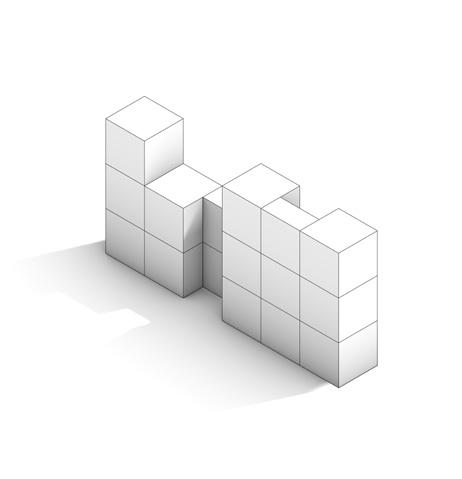
Matrix introduces four potential housing types with additional arrangement options for each type. Arrangements are shown in plan, isometric, and section (black). Massing is populated via a modular kit of parts.
Type 2
Type 3

Type 4
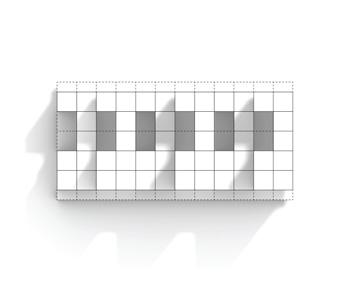
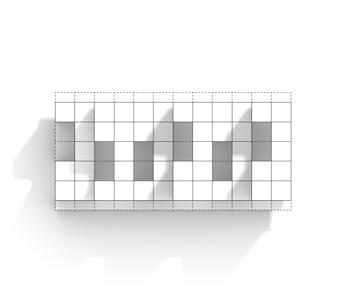
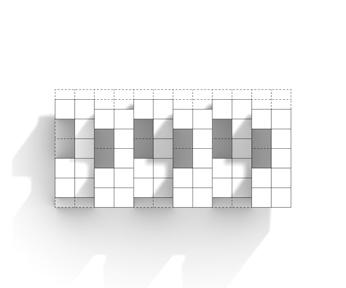
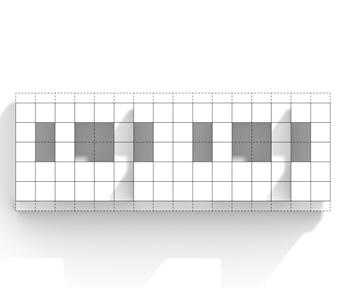
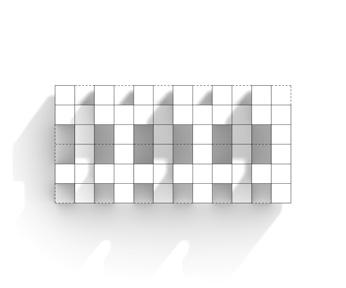
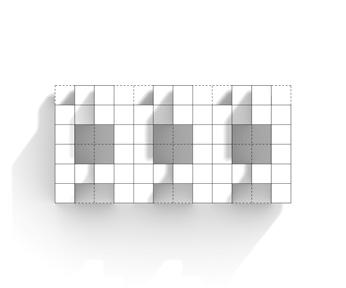
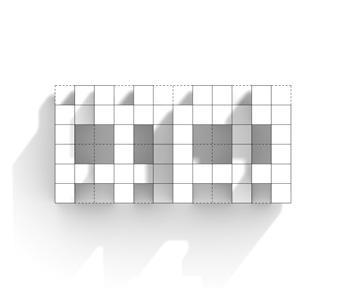
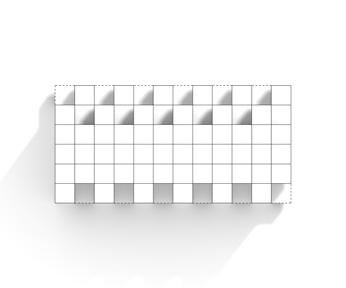
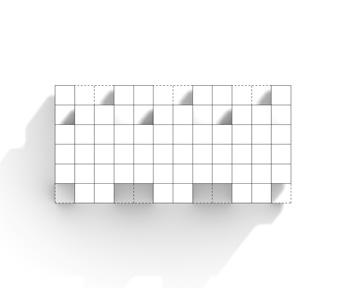
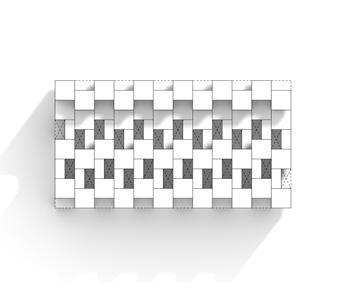
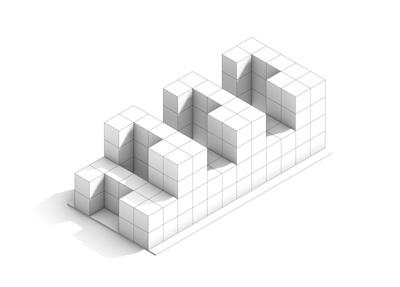
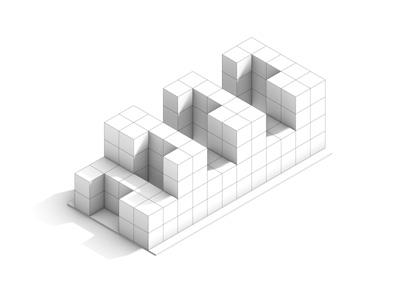
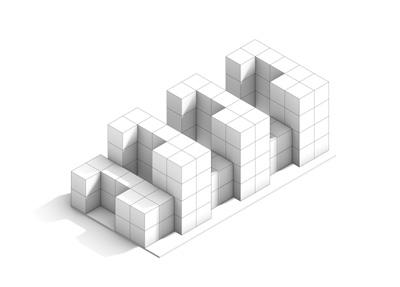
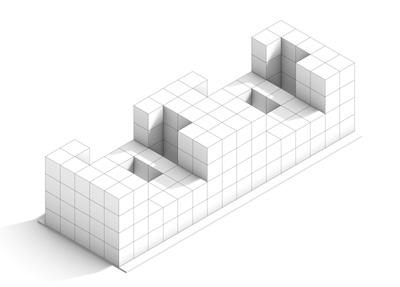

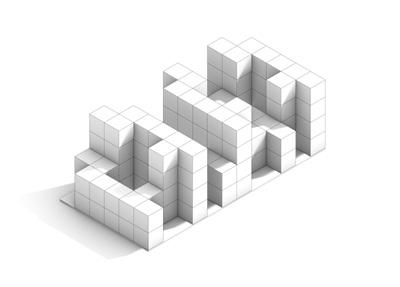
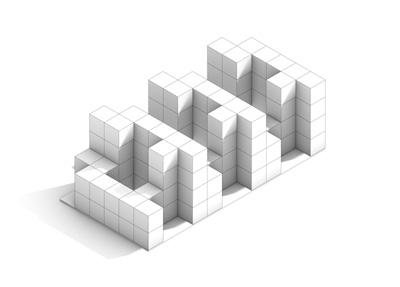
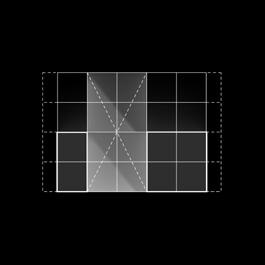
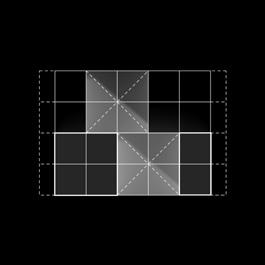
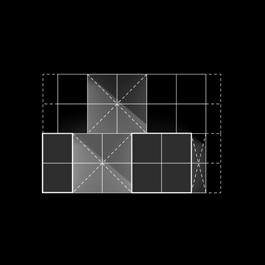
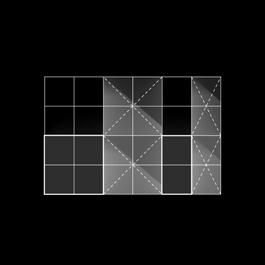


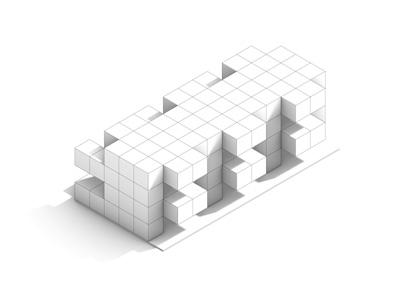
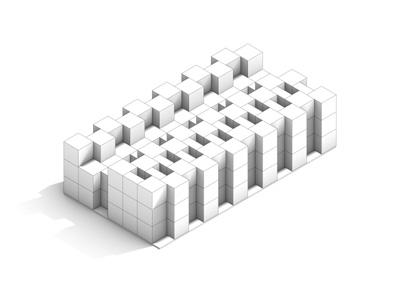
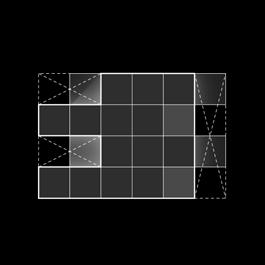
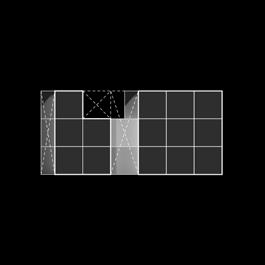
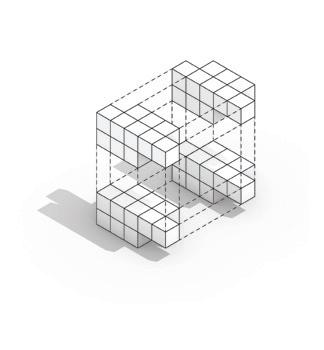
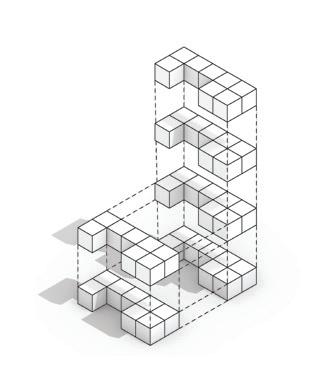
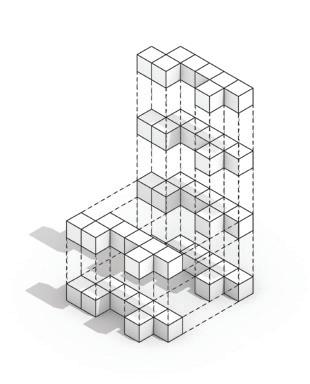

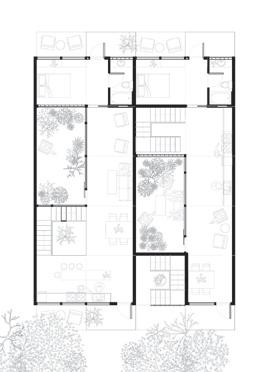
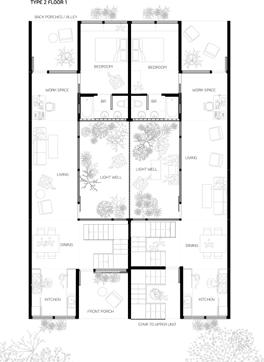
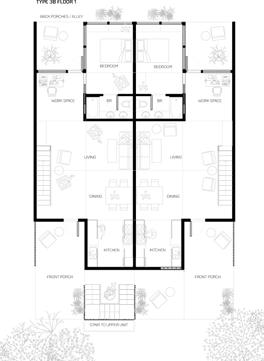
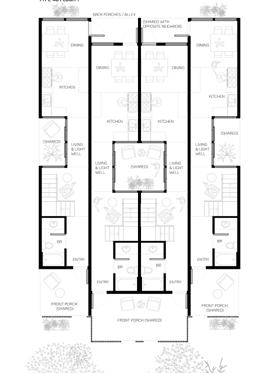
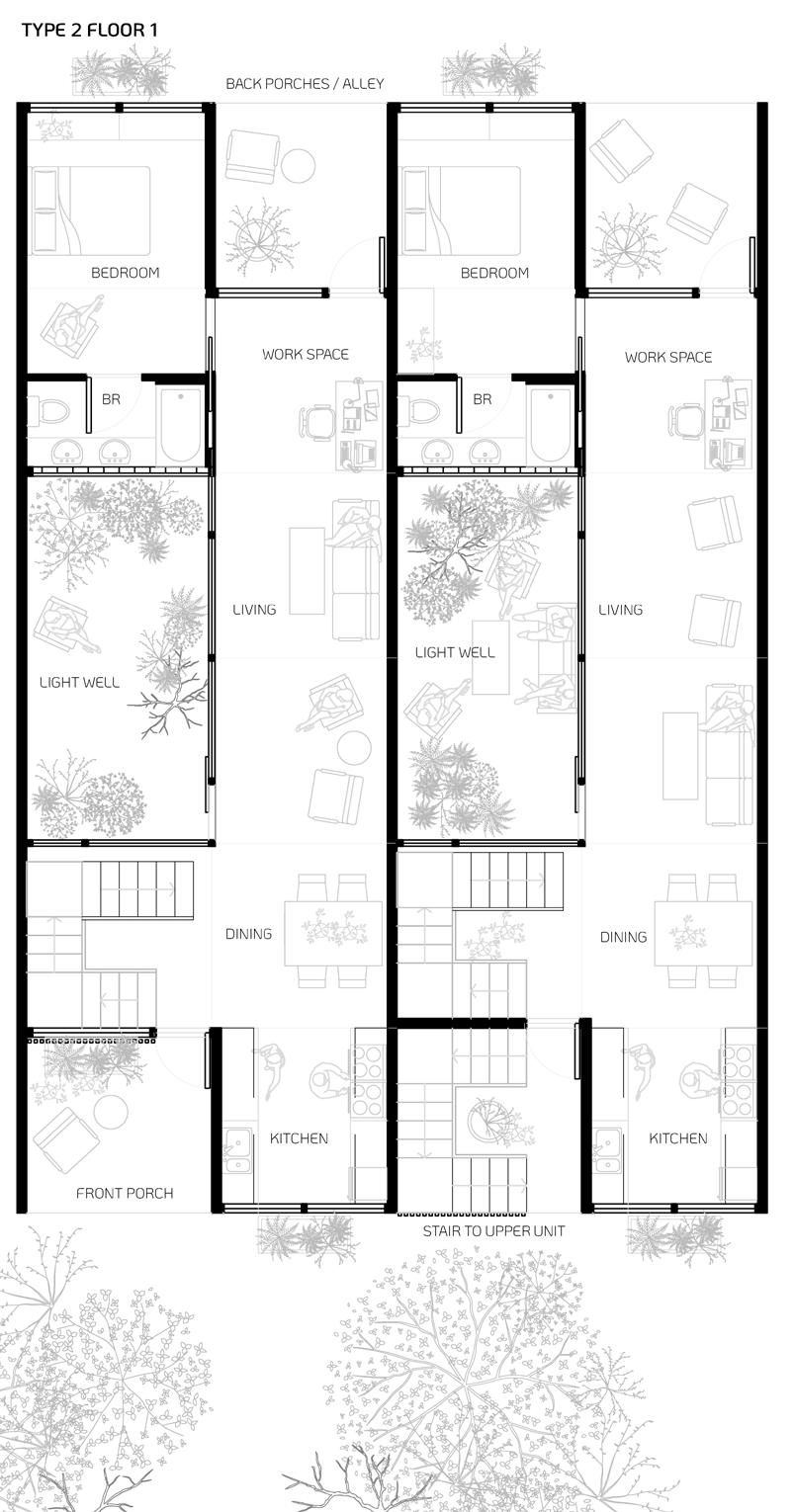
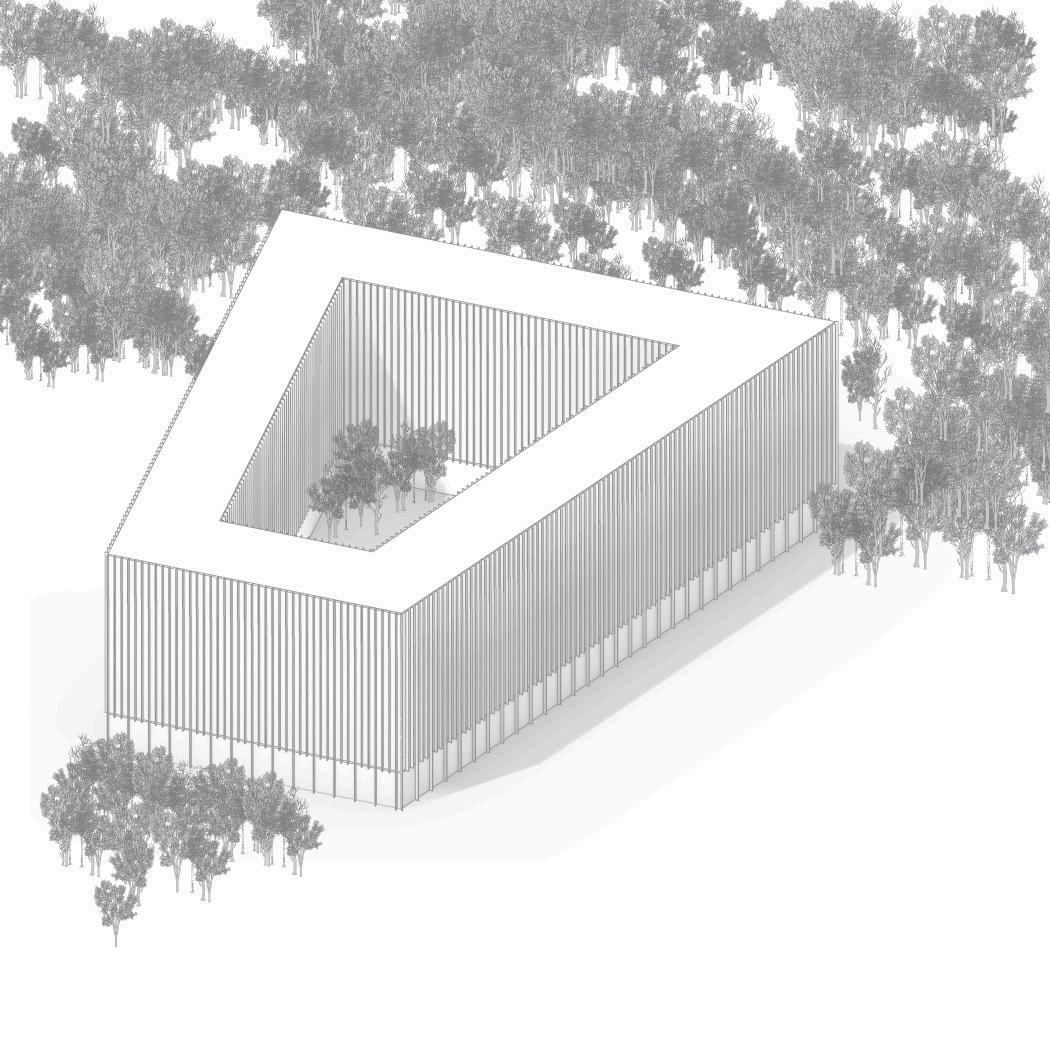
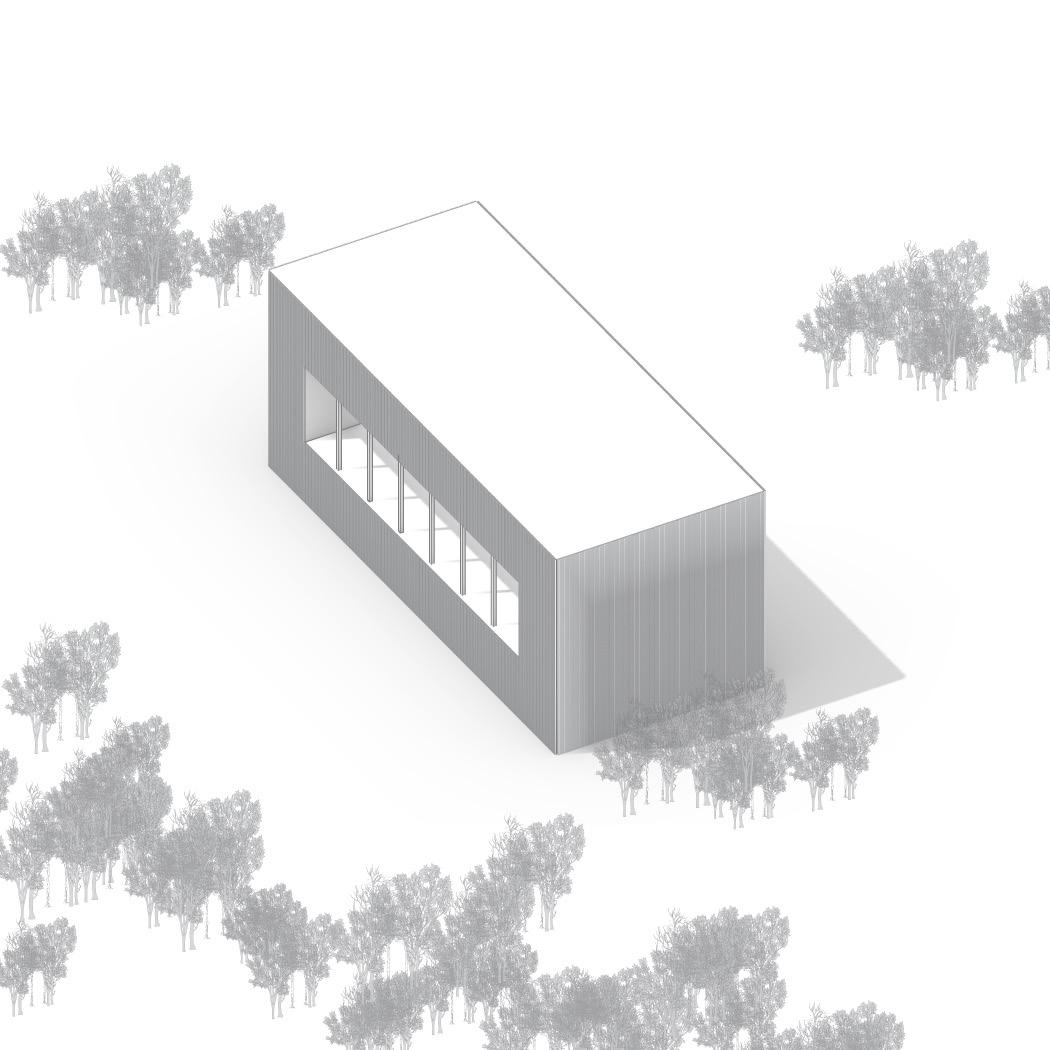
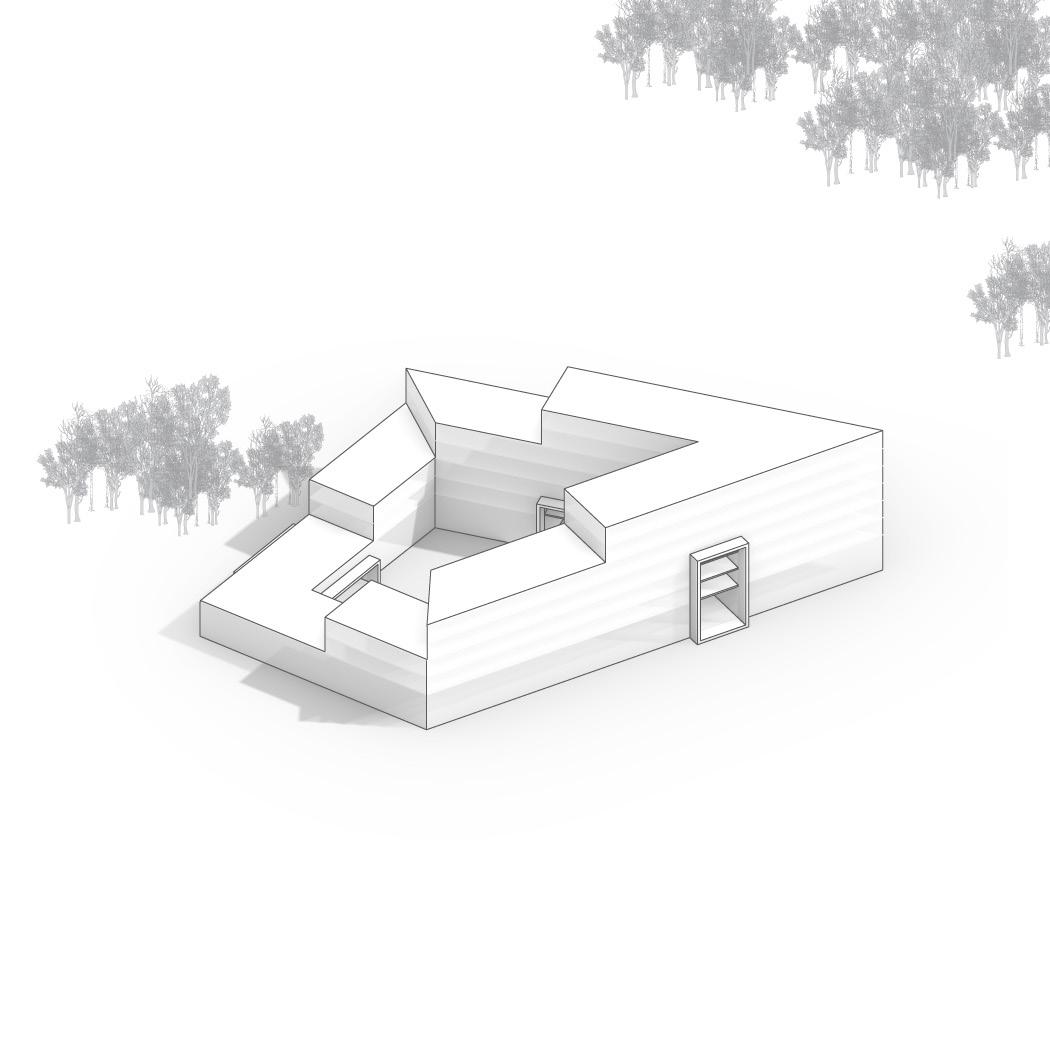
These inserted landscape elements, or “rocks,” break up the grain of the bands of housing and contribute large-scale public space. The design reflects that of the typical Viennese courtyard typology.
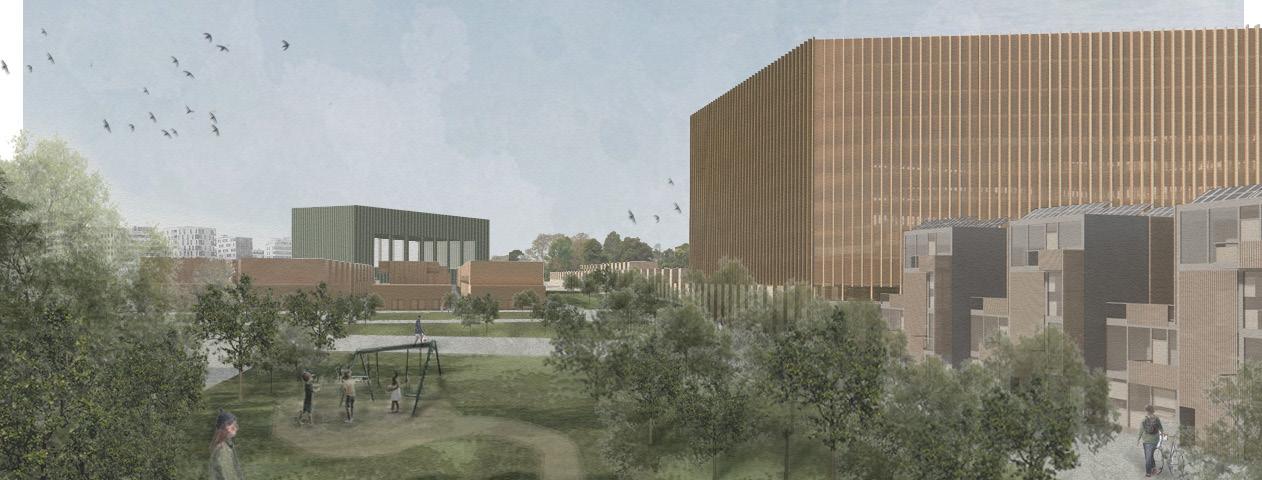
Community Wedge Nature Center
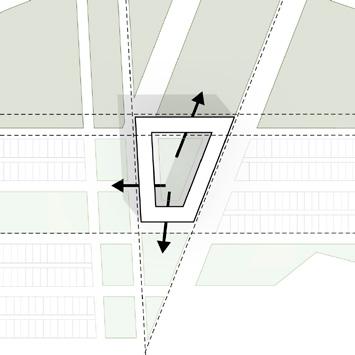
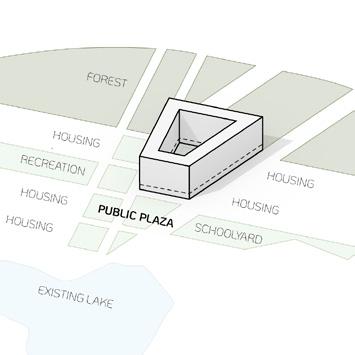
Recreation Center
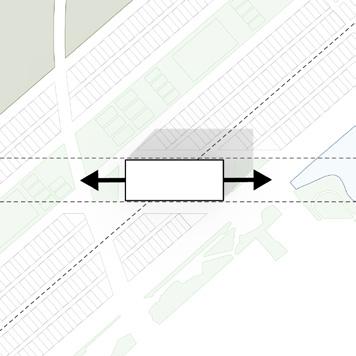
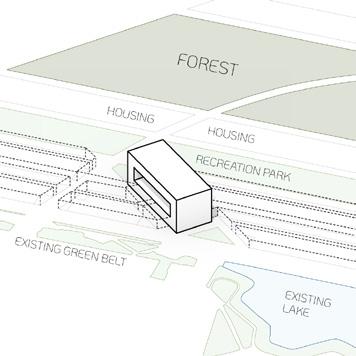
School
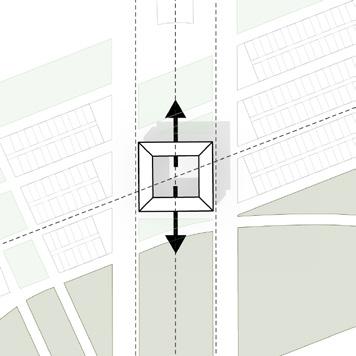
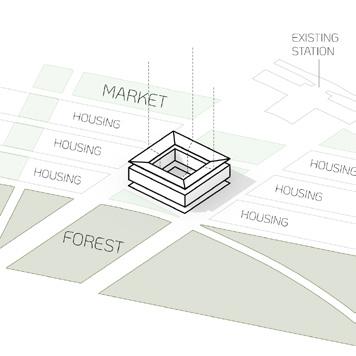
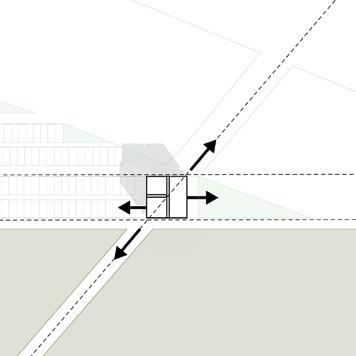
Intersection
Professor: Cam Fullmer Spring 2025
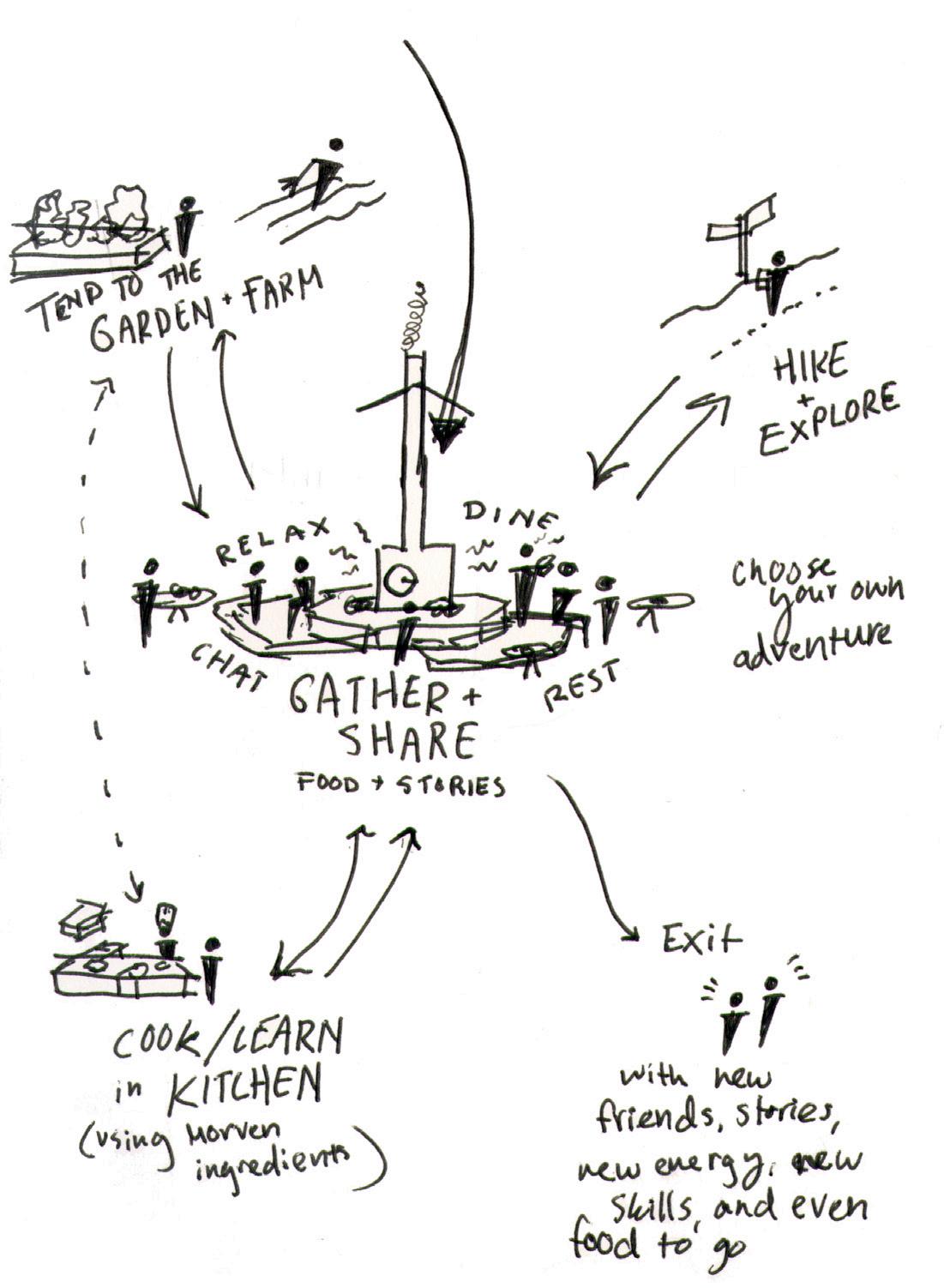
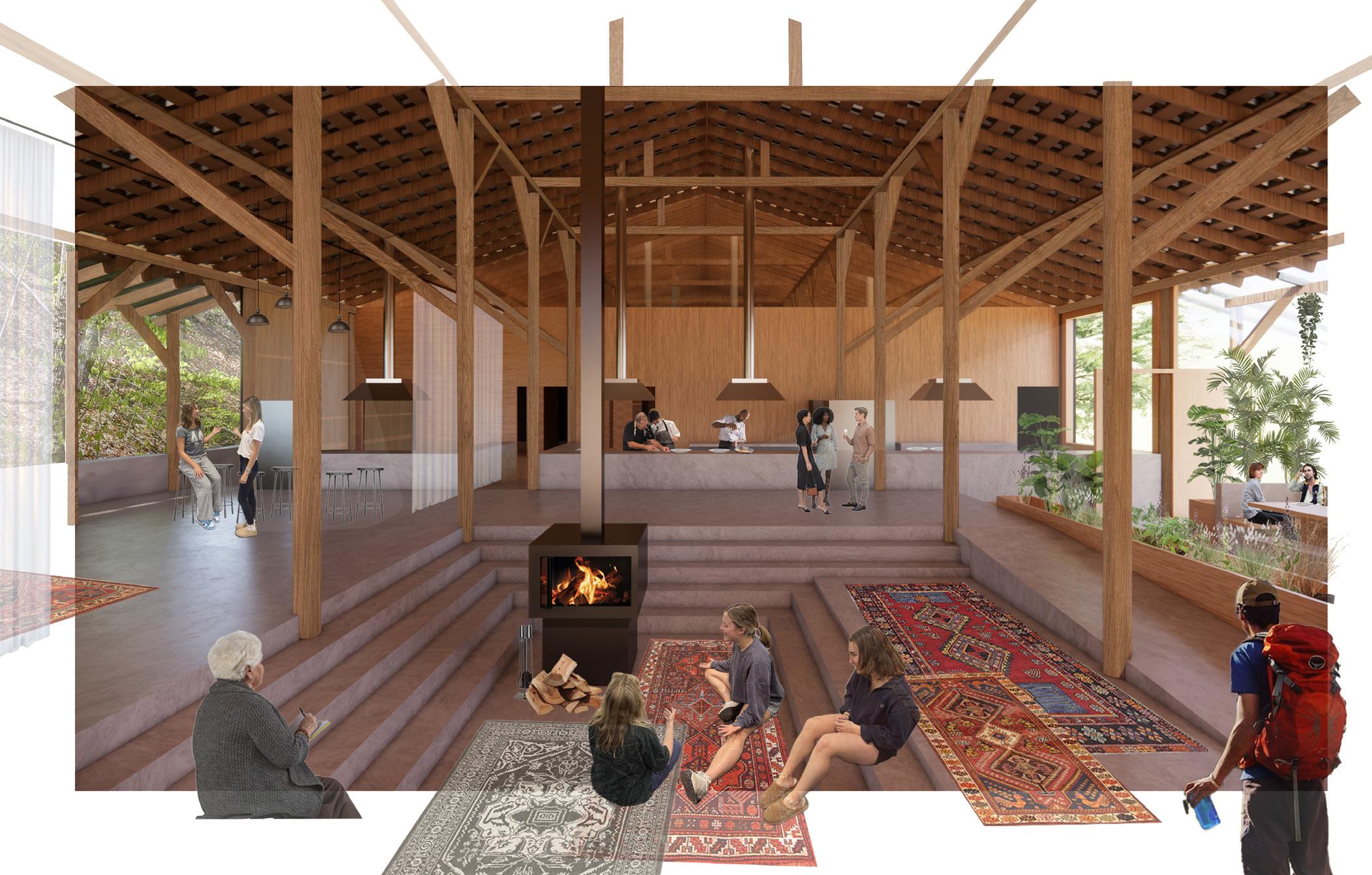
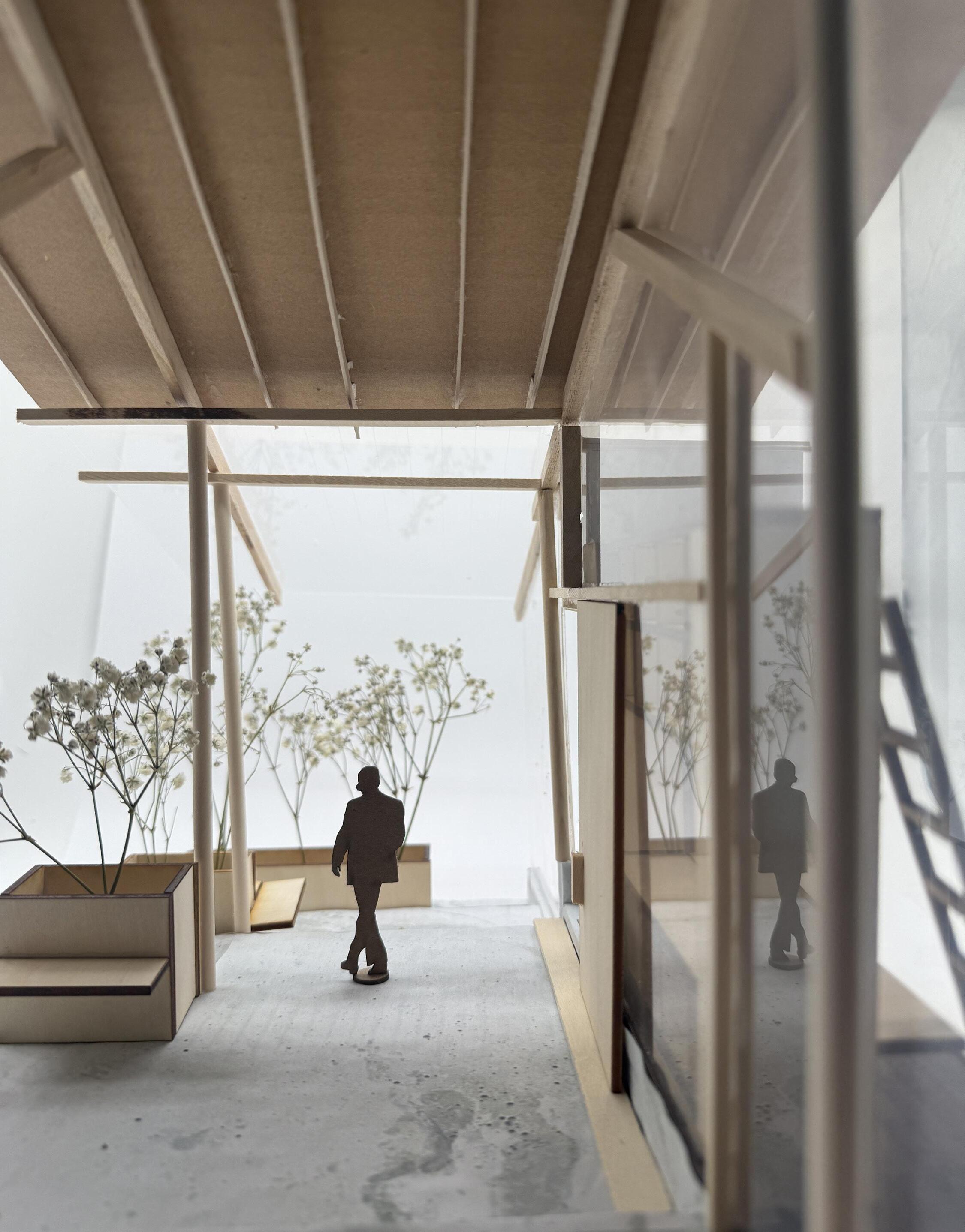
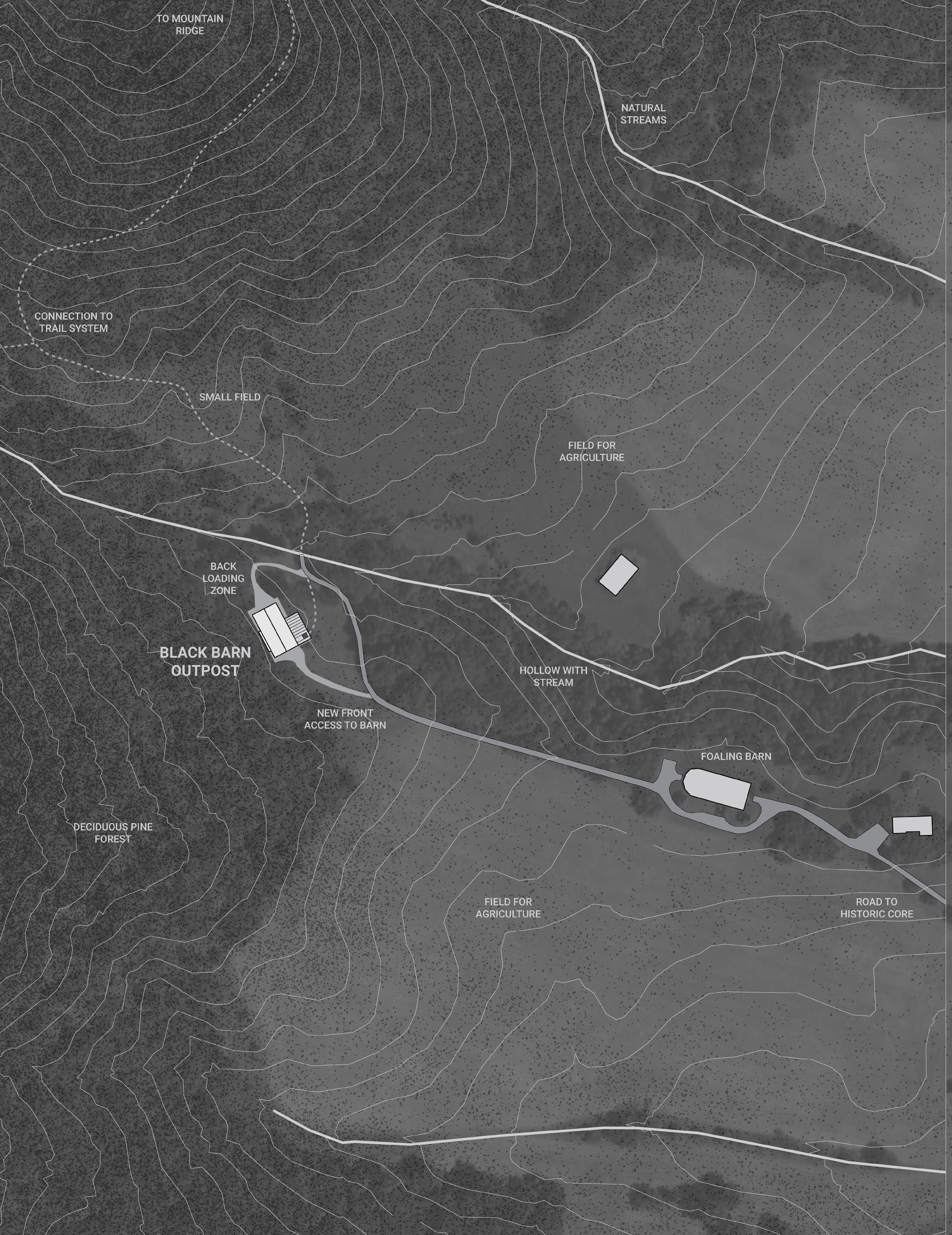
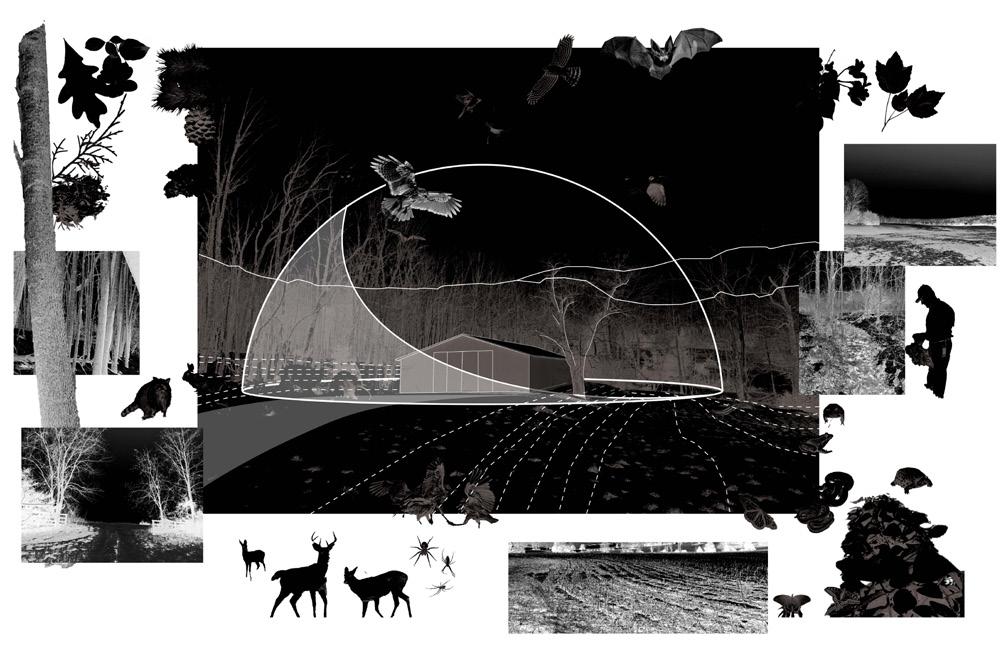
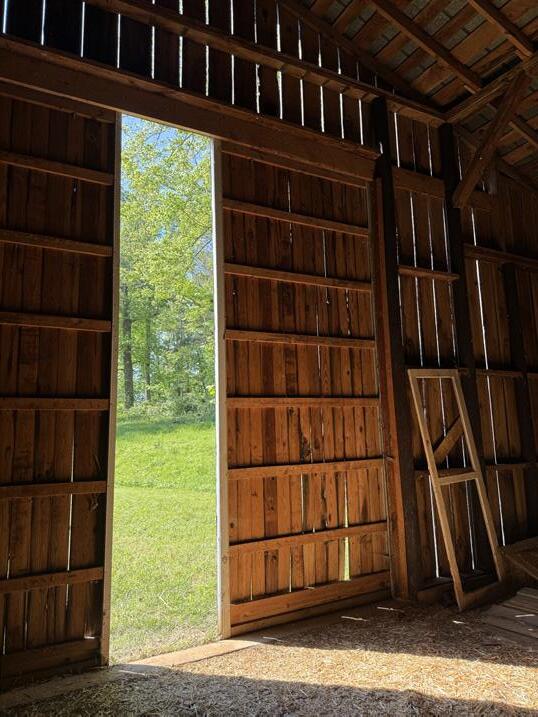
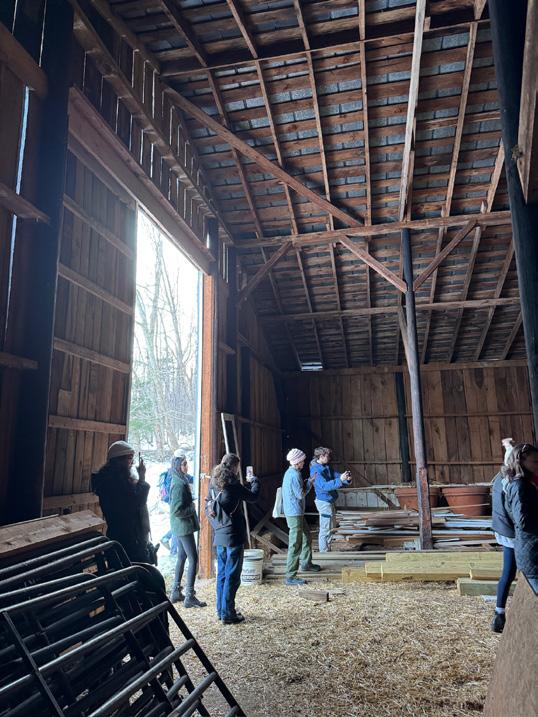
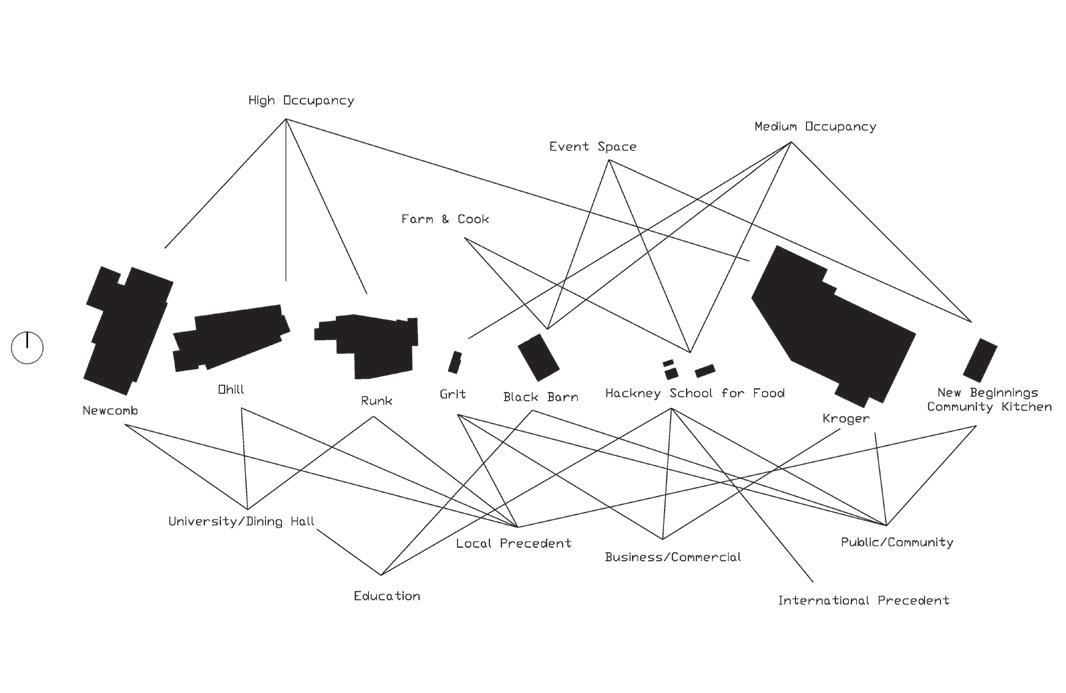
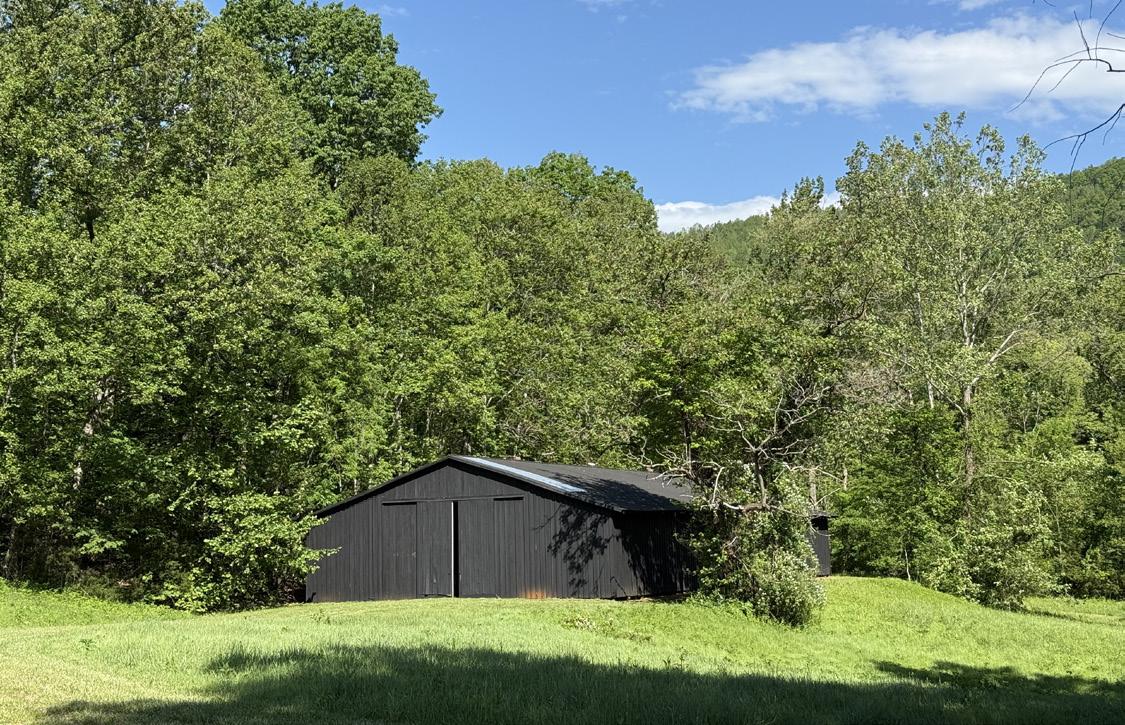
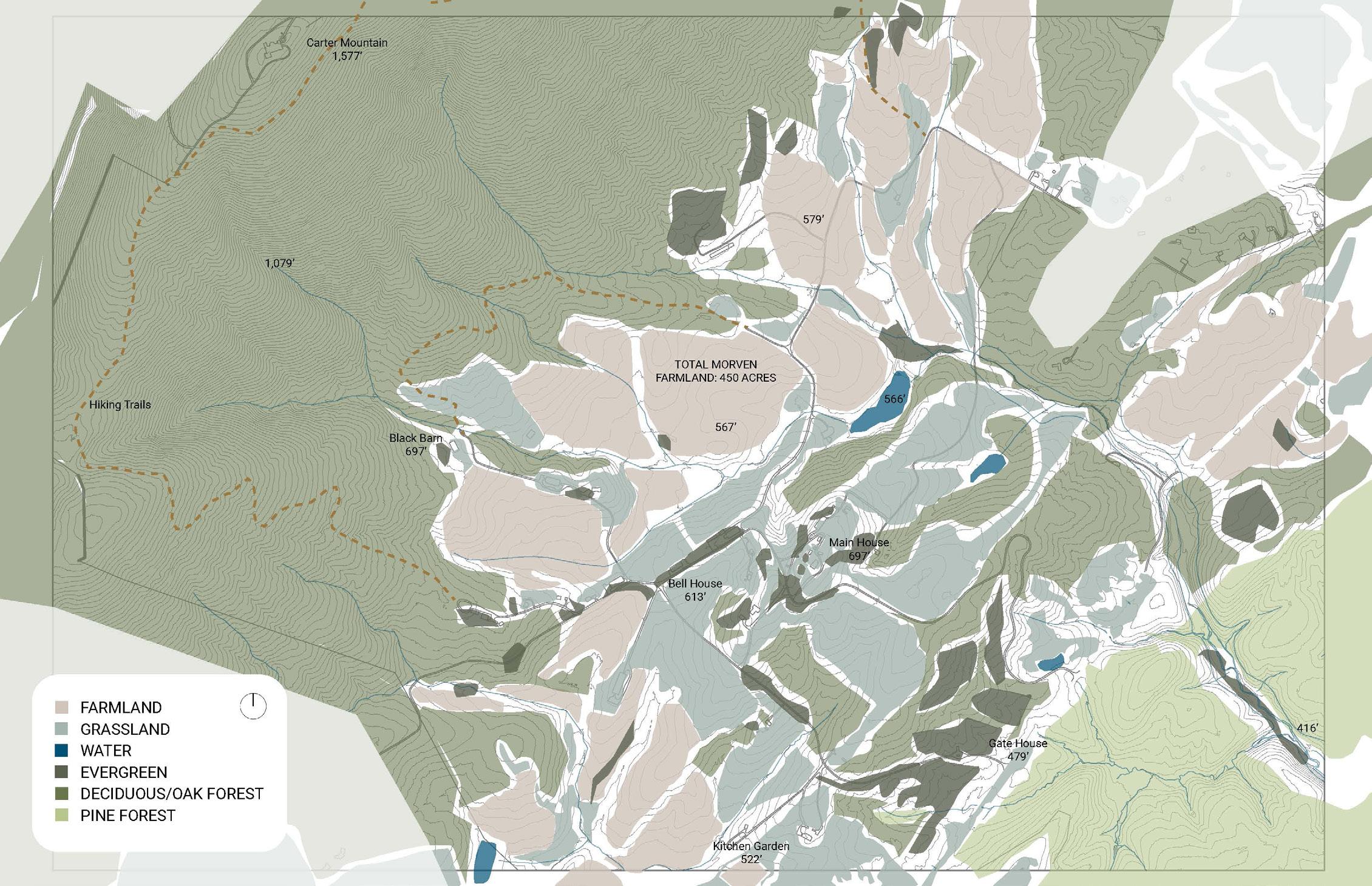
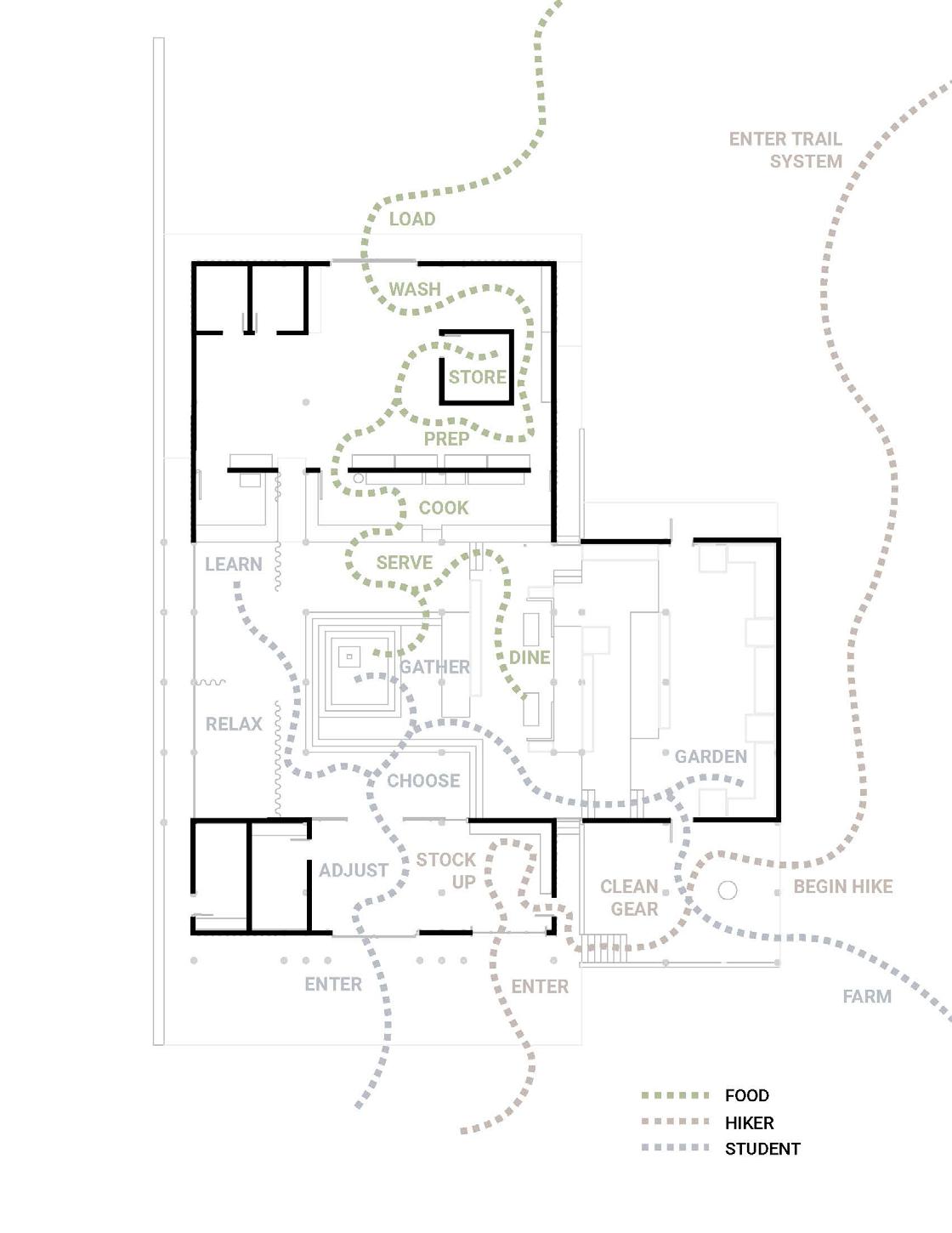
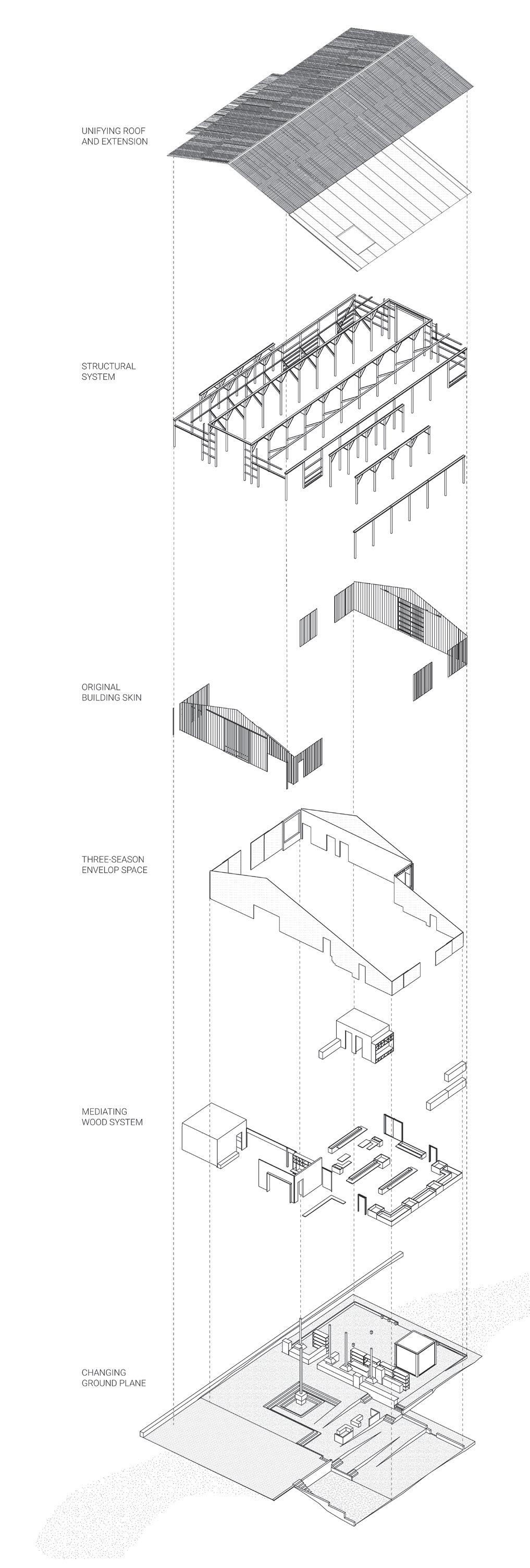
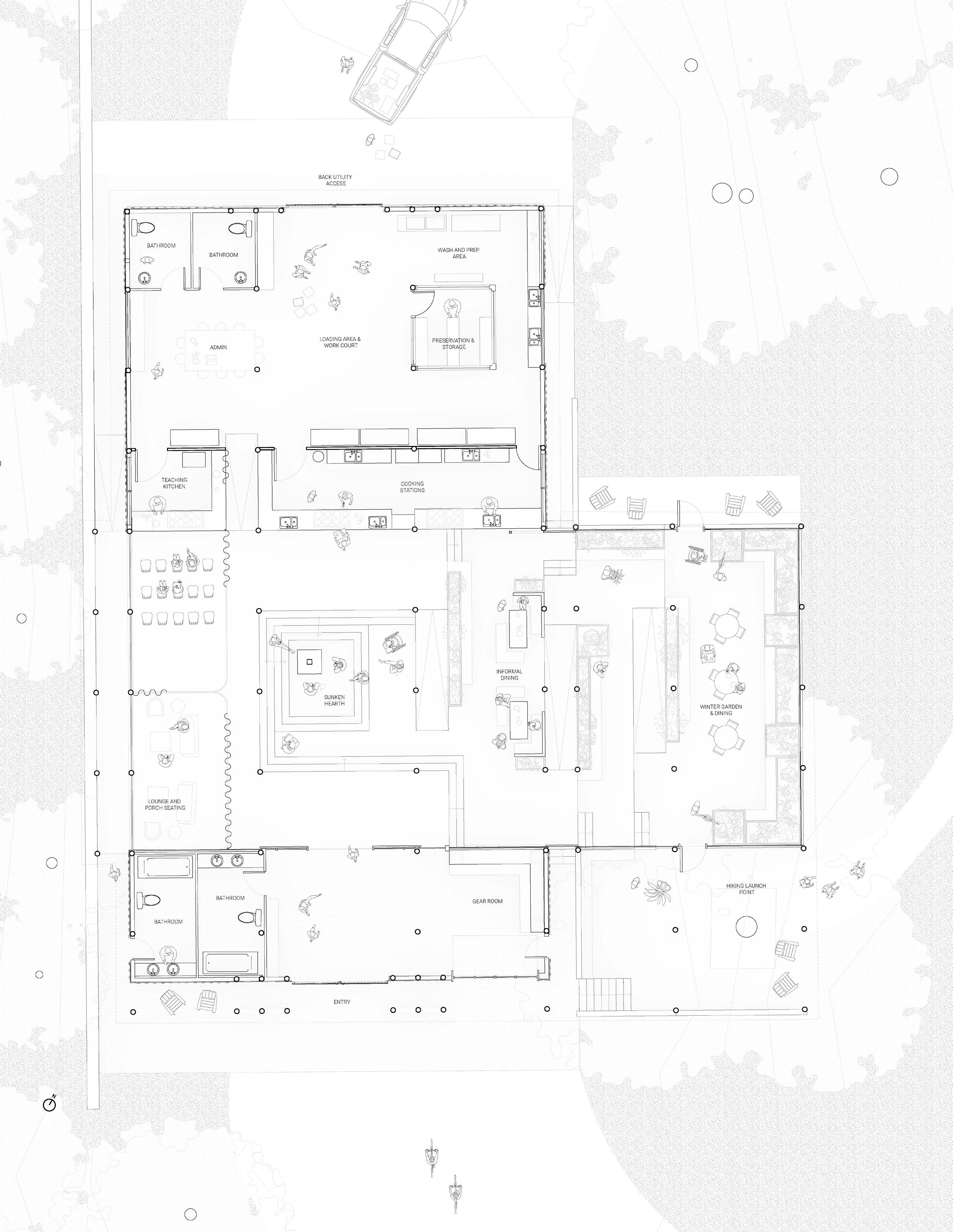
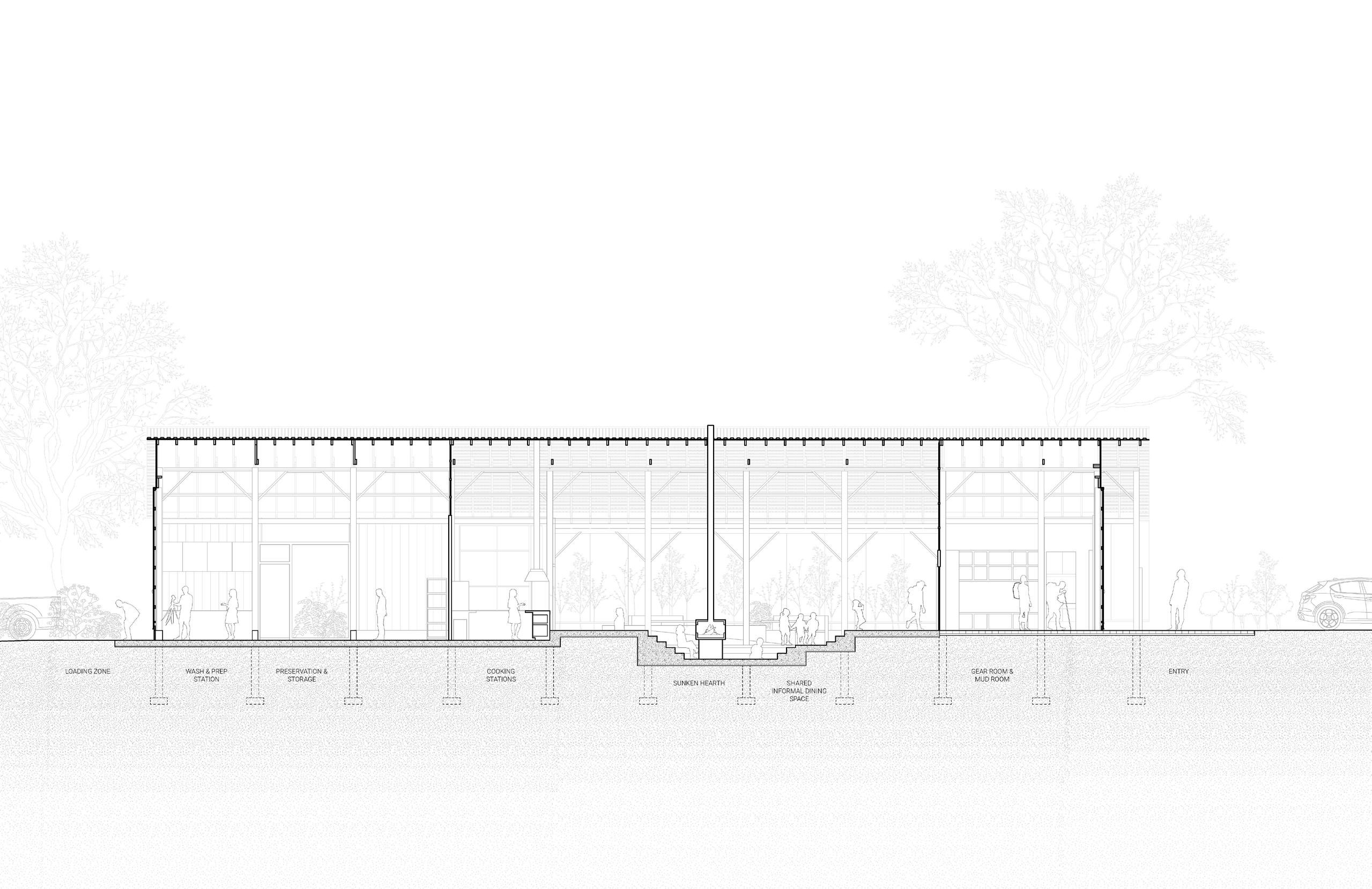
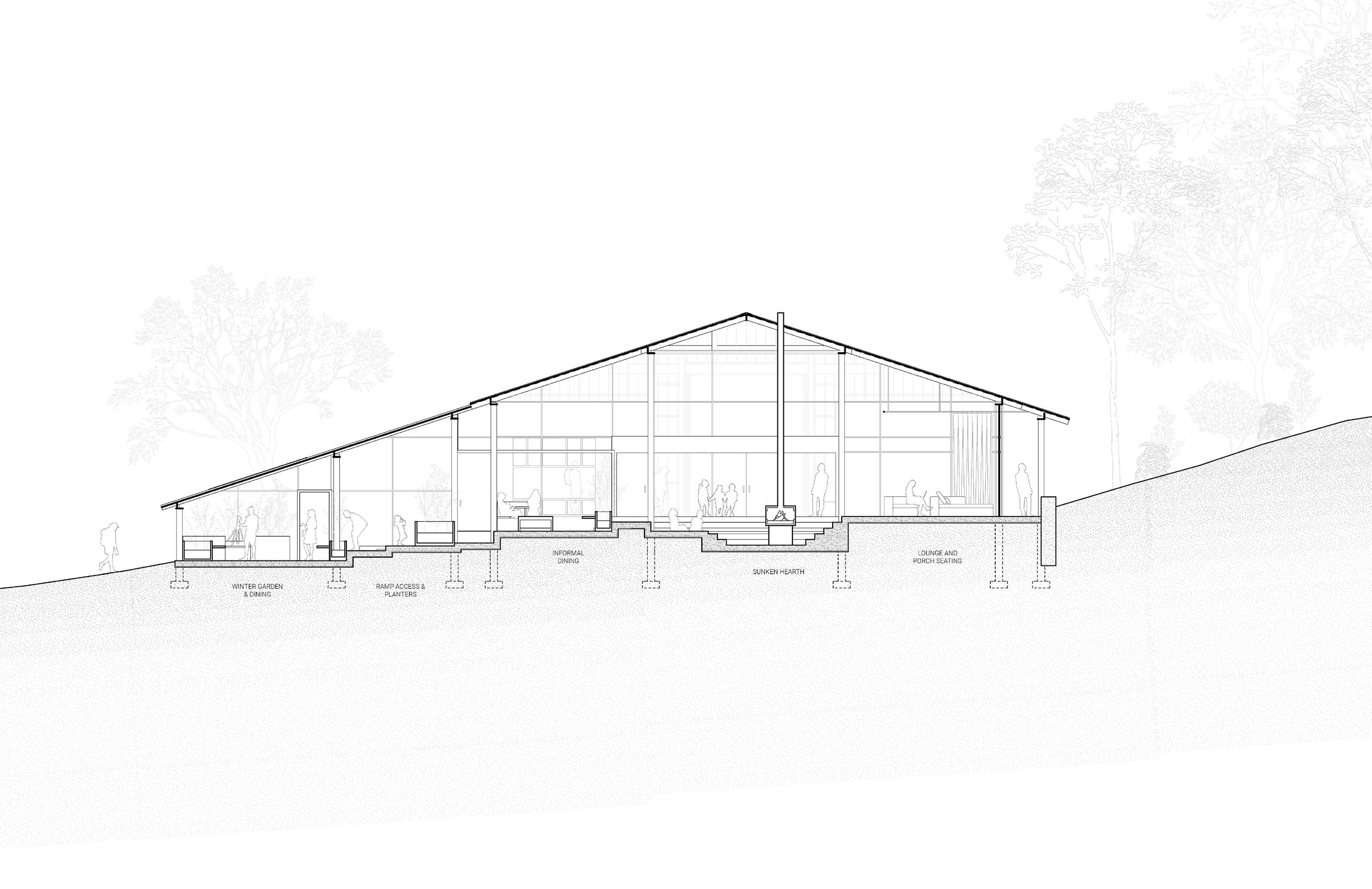
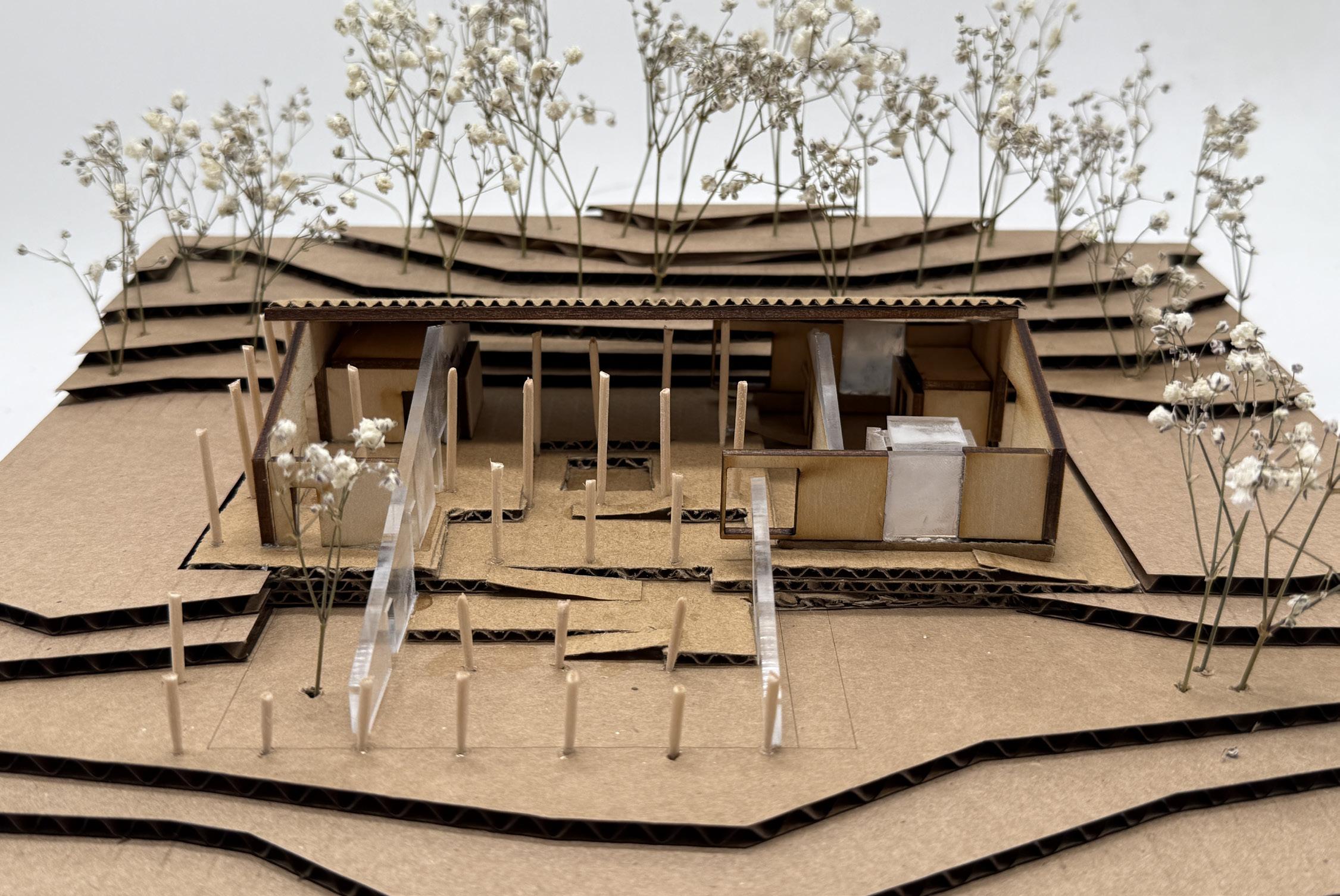
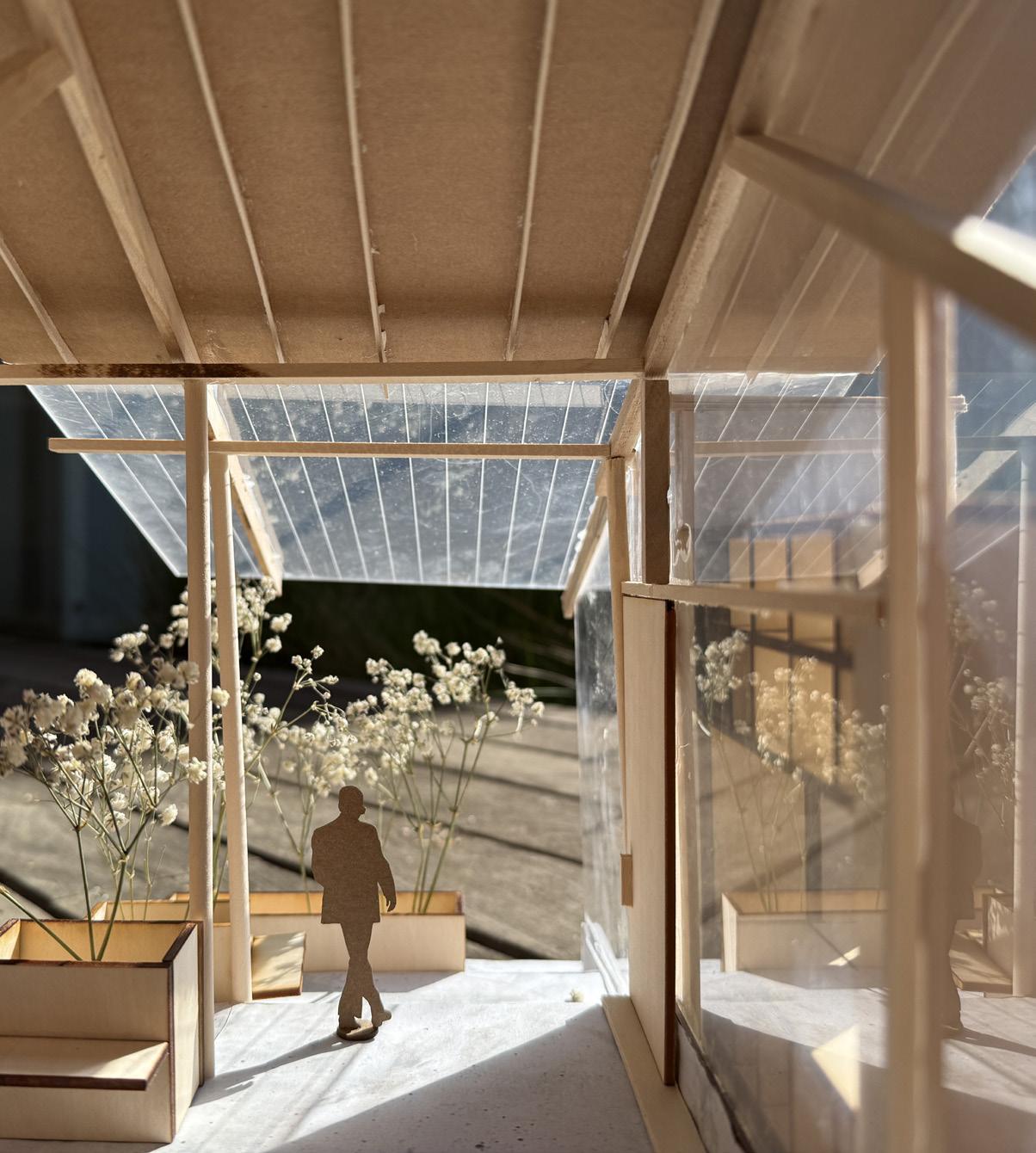
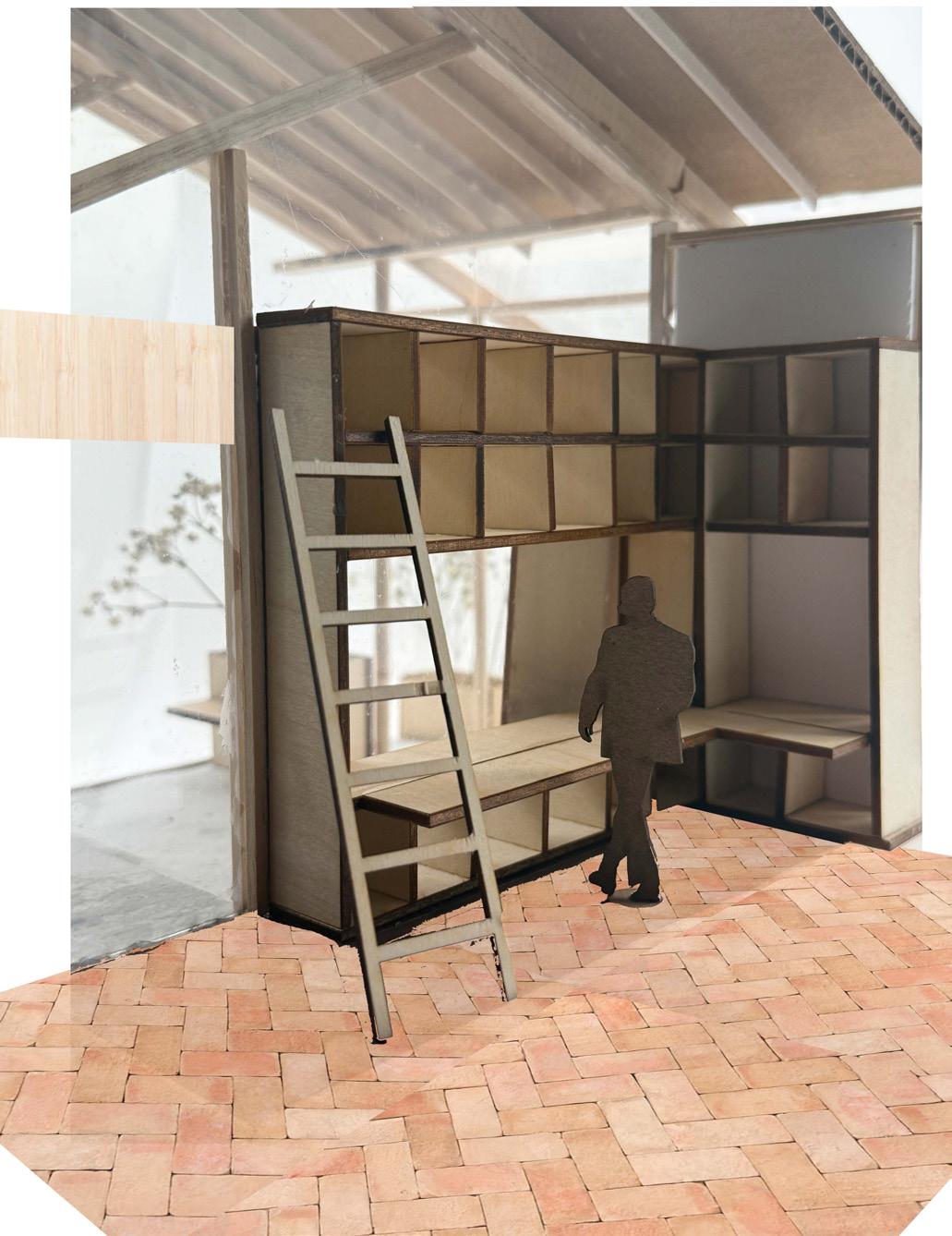
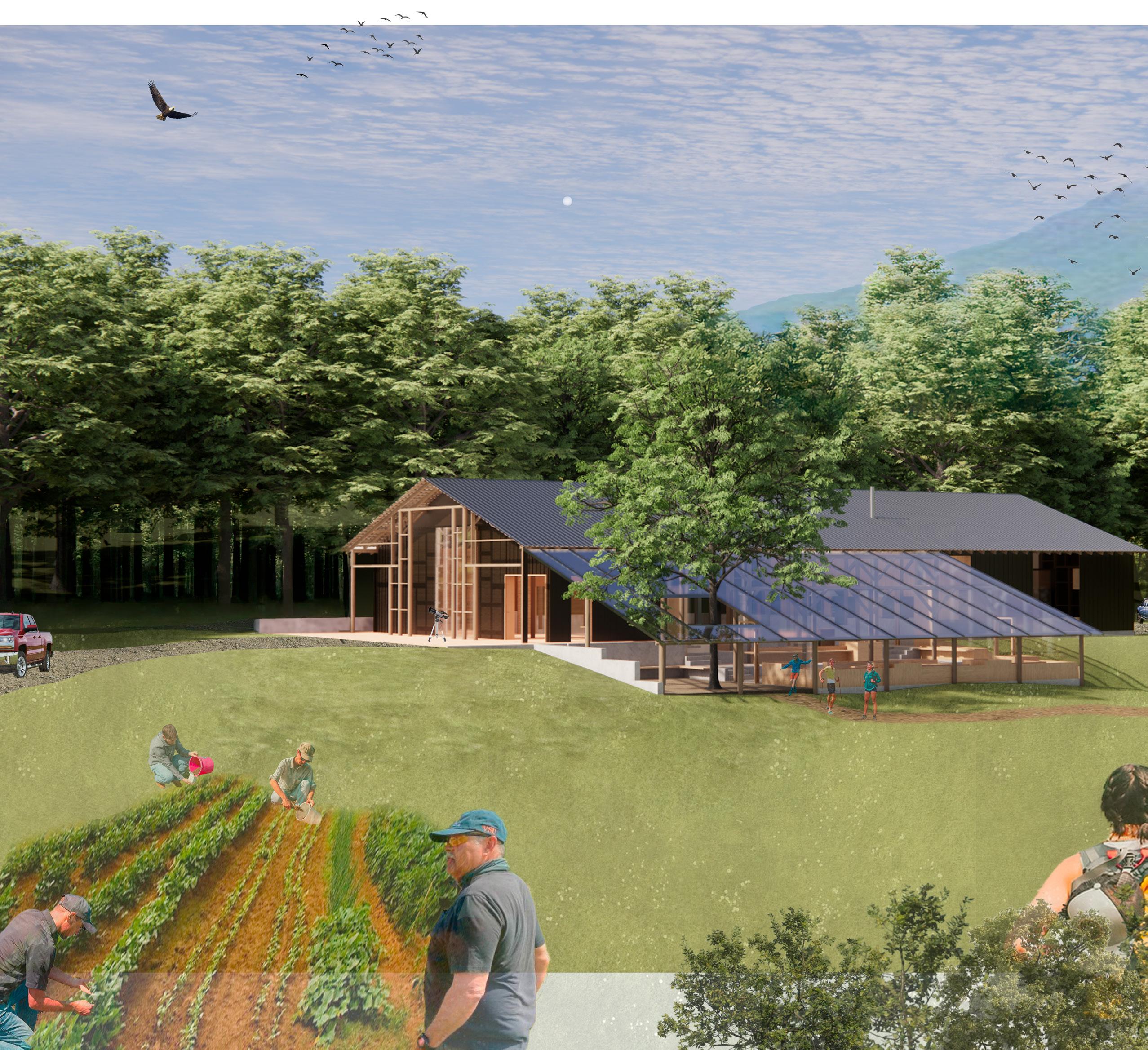
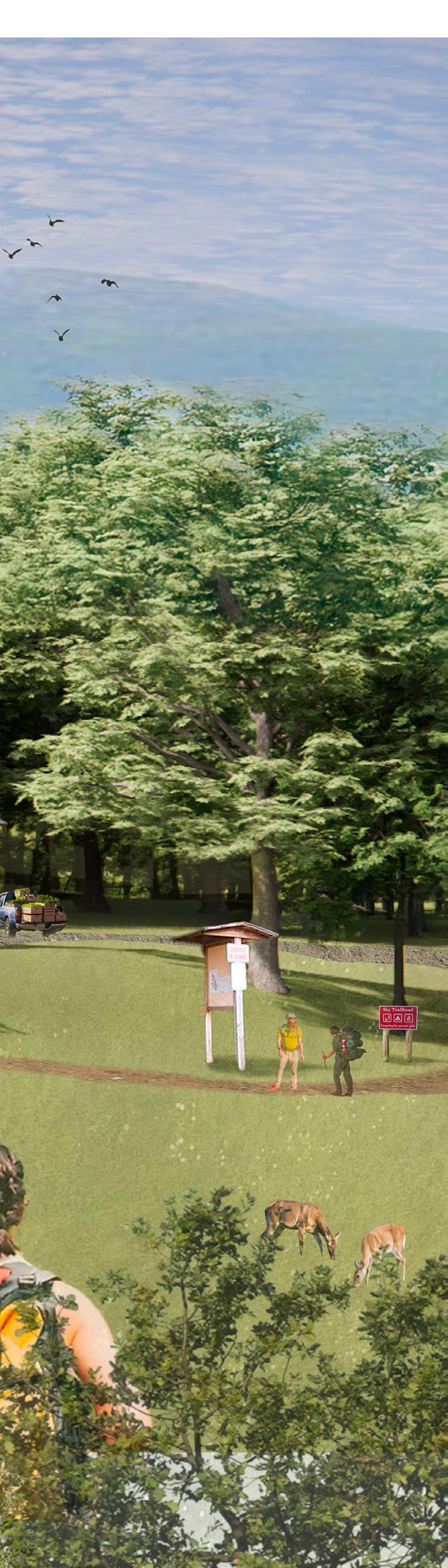
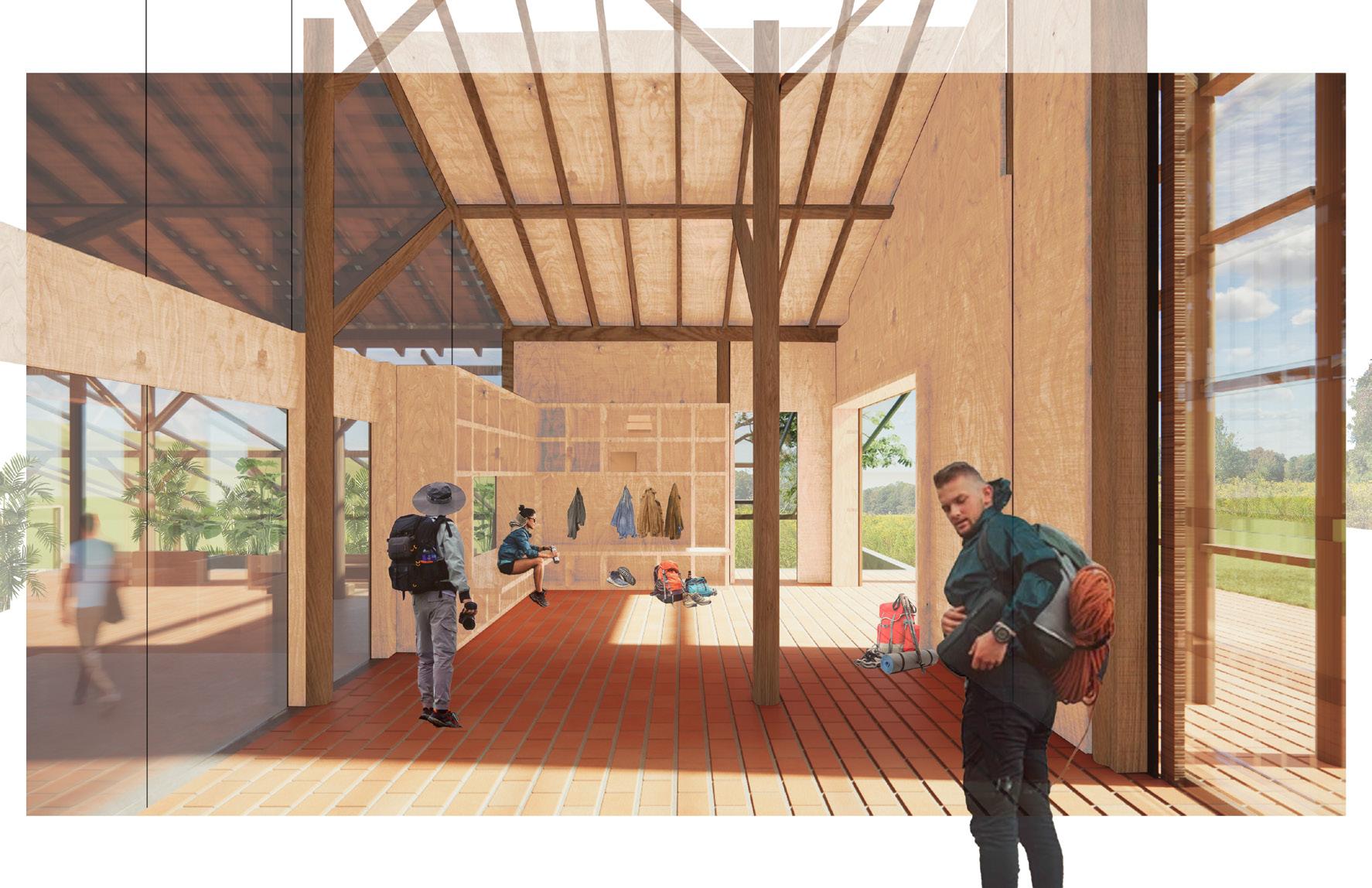
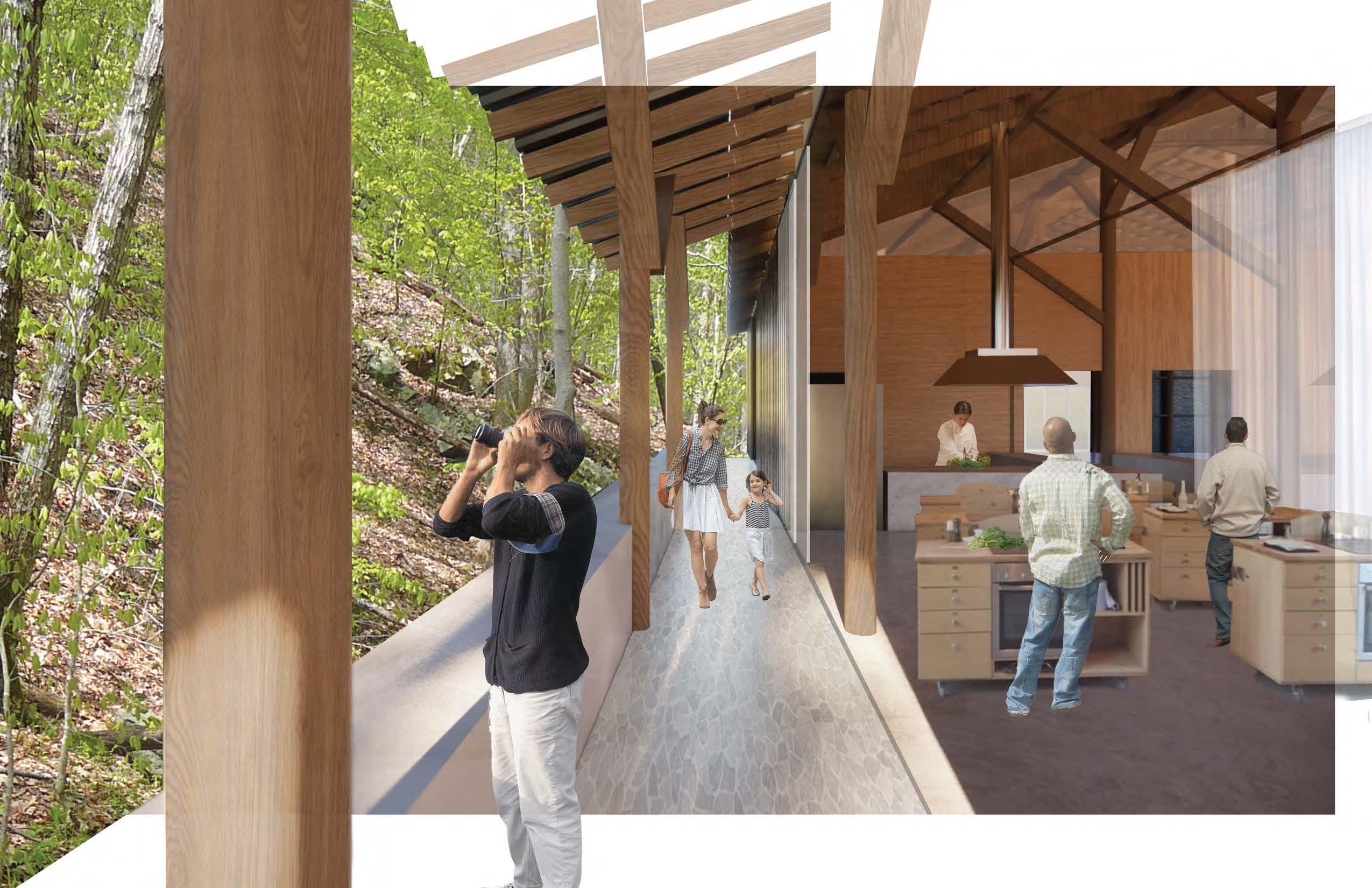
The Morven Outpost is an adaptive reuse project proposal that seeks to repurpose the Black Barn, an old hay barn, at UVA’s Morven Sustainability Lab as a hub to all the many experiences that happen in the Northwest sector of the 3000+ acre property and rich cultural landscape. The design seeks to maintain the bones of the original hay barn; it preserves the original structure and roofline, as well as elements of the siding. To accomodate the people and activities this barn will now facilitate, from cooking, learning, resting, dining, and building relationships, the dirt ground is replaced by a new fluctuating floor system that follows change in program and experience. A third system of light wooden elements is integrated into the structural system of the barn, dictating seating, entrances, and human-scale architecture, to mediate the other two systems of roof and changing floor.
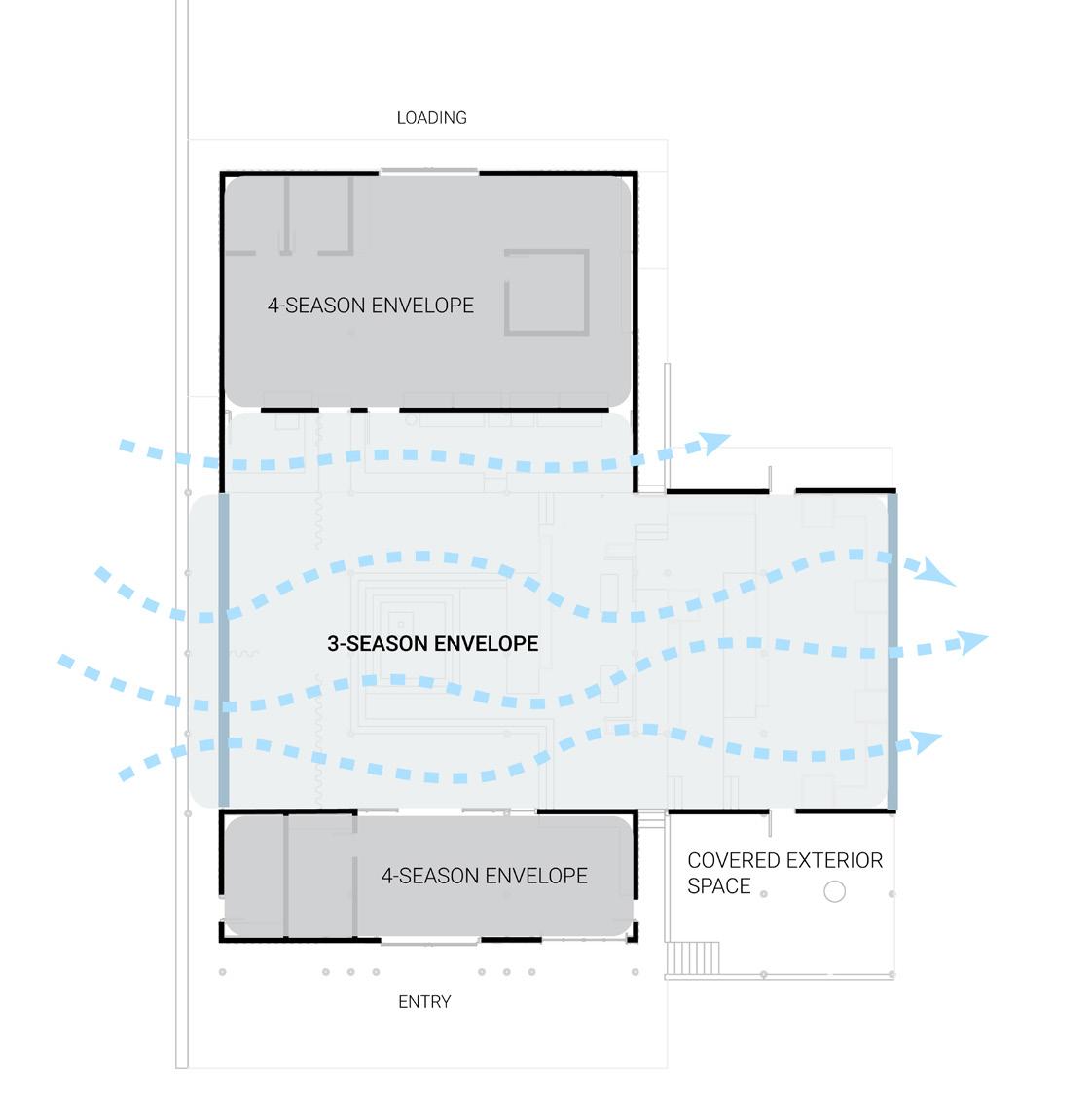
To extend the primary communal gathering and dining space of the outpost, a winter garden extends down the hill along a new northeast axis perpendicular to the northwest axis of the existing barn. The winter garden sinks down into the hill to follow the grade, accomodated by the changing floor system and a series of accessible ramps to navigate the hillside. The primary gathering space, rooted by a sunken hearth in the center of the barn, becomes a three-season space. During the summertime, the walls are slide open from either end of the building to allow for a gentle summer breeze to be funneled through the space along the northwest axis to provide passive conditioning during hot Virginia summers rather than using energy-intensive air conditioning systems.
Professor: Isaac Mangual-Martinez Fall 2024
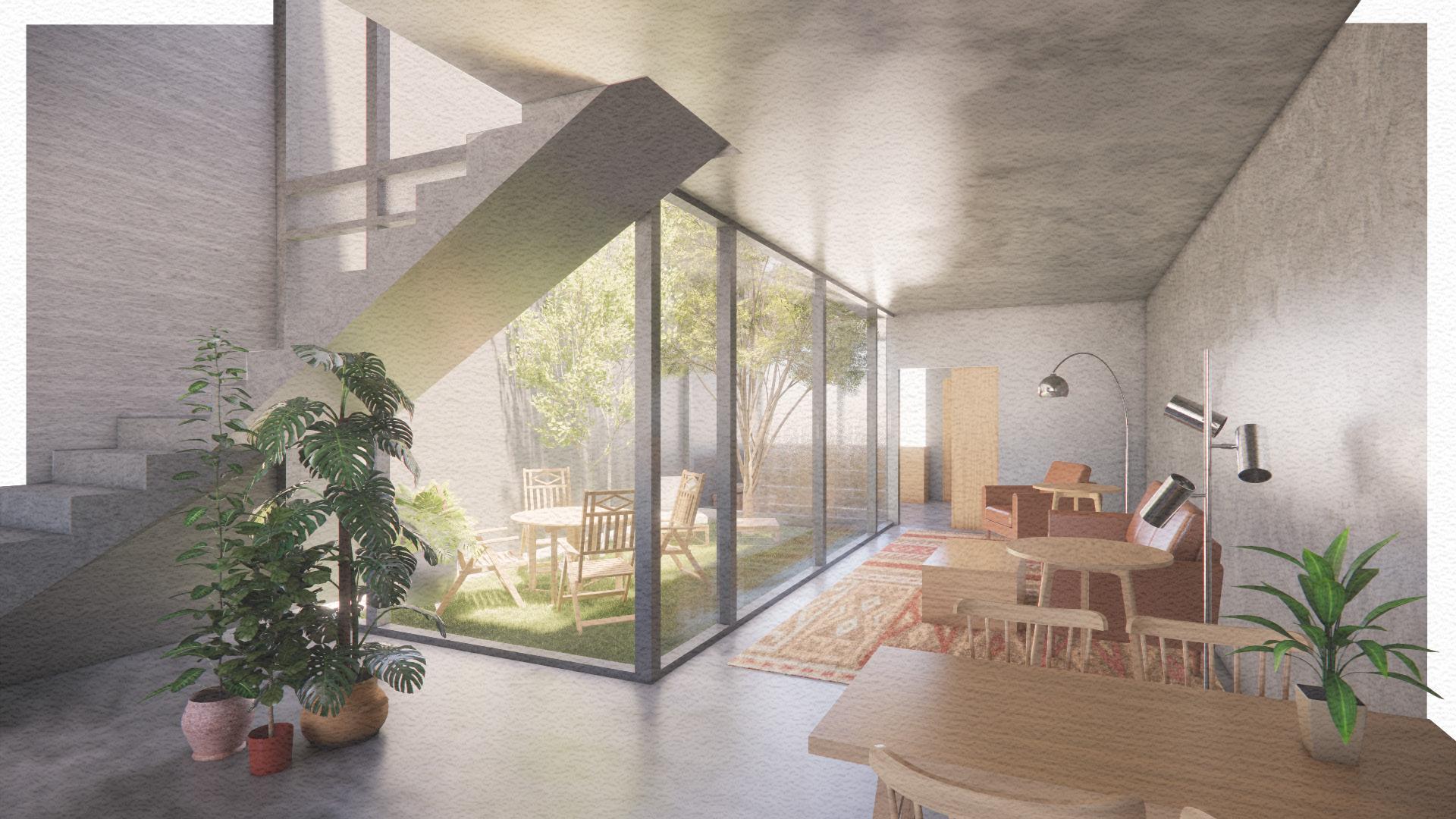
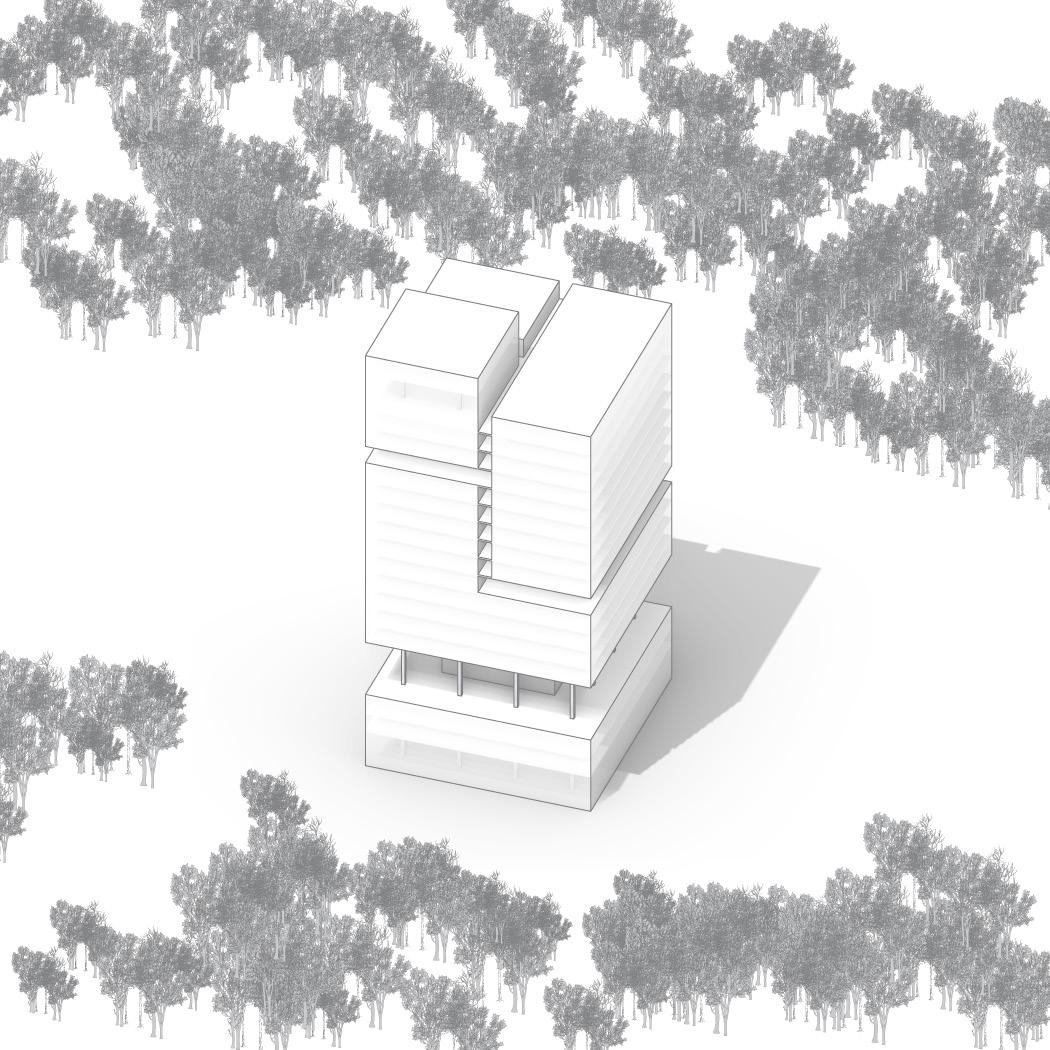
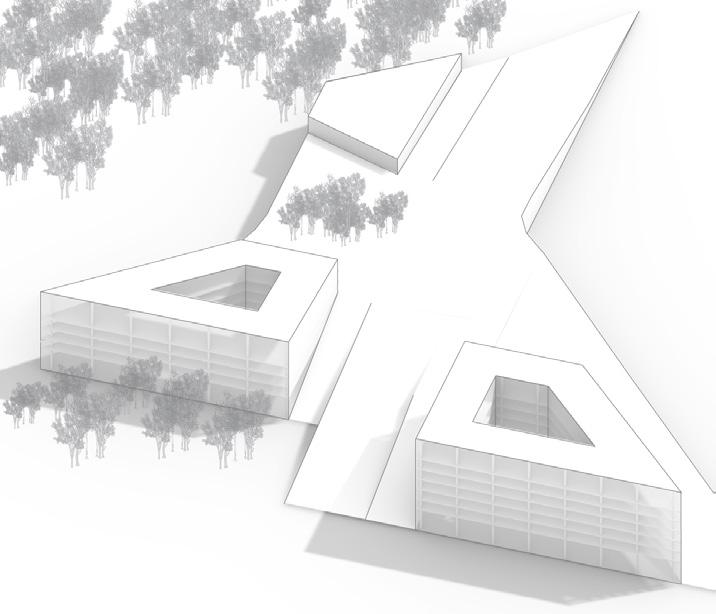
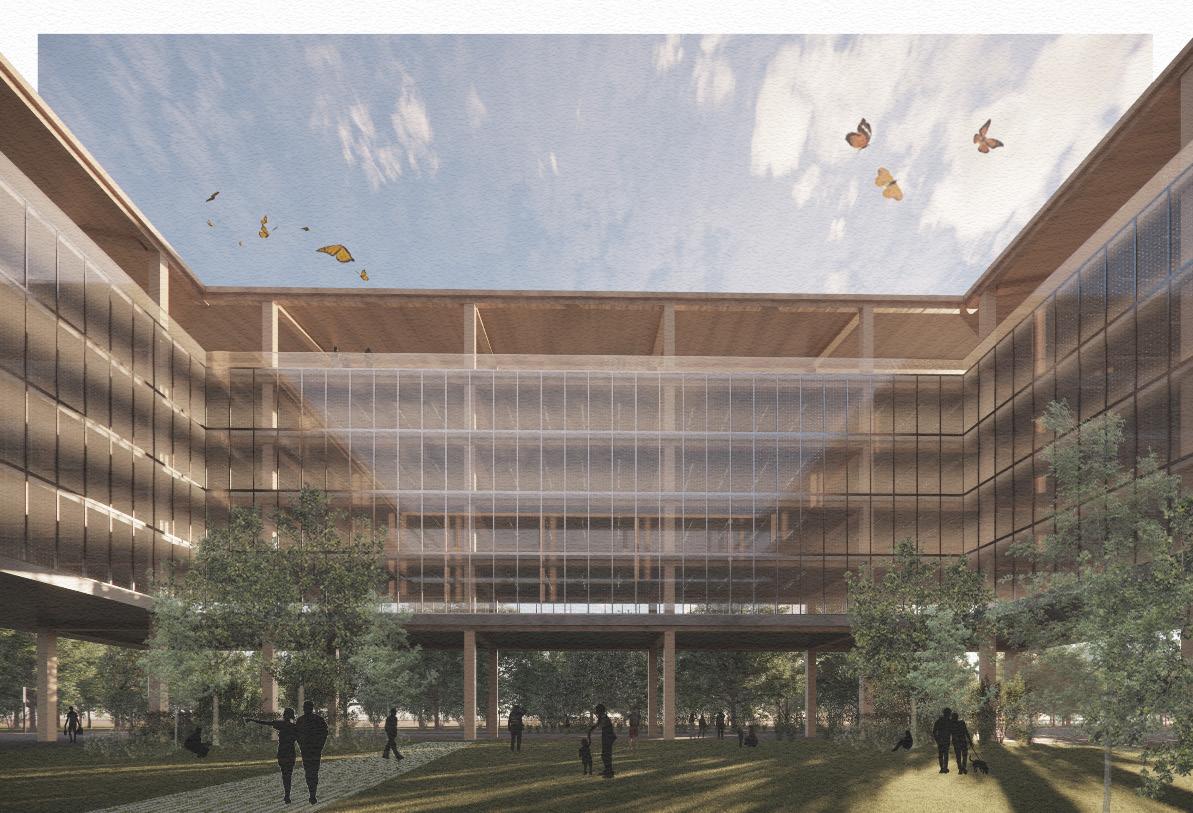
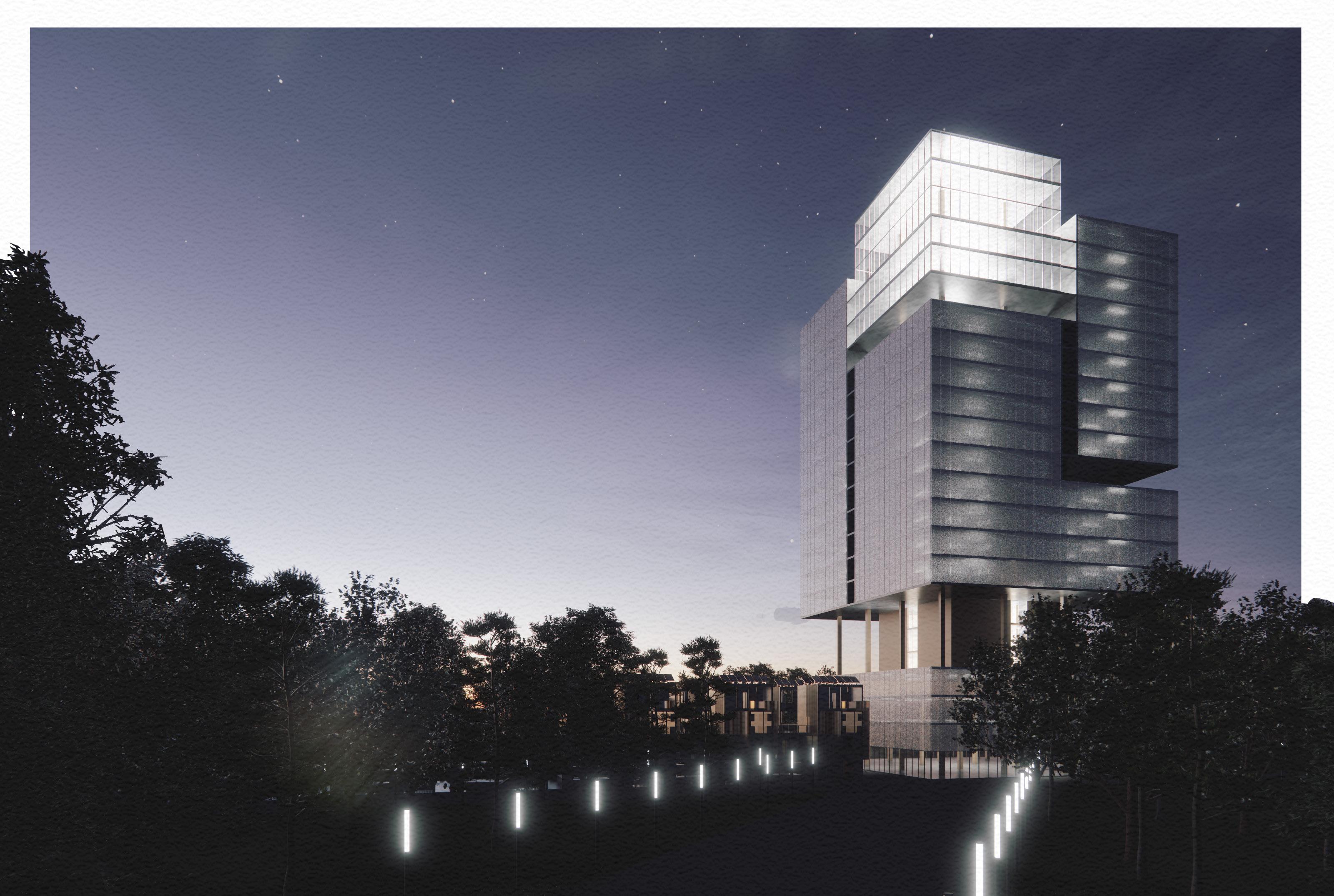
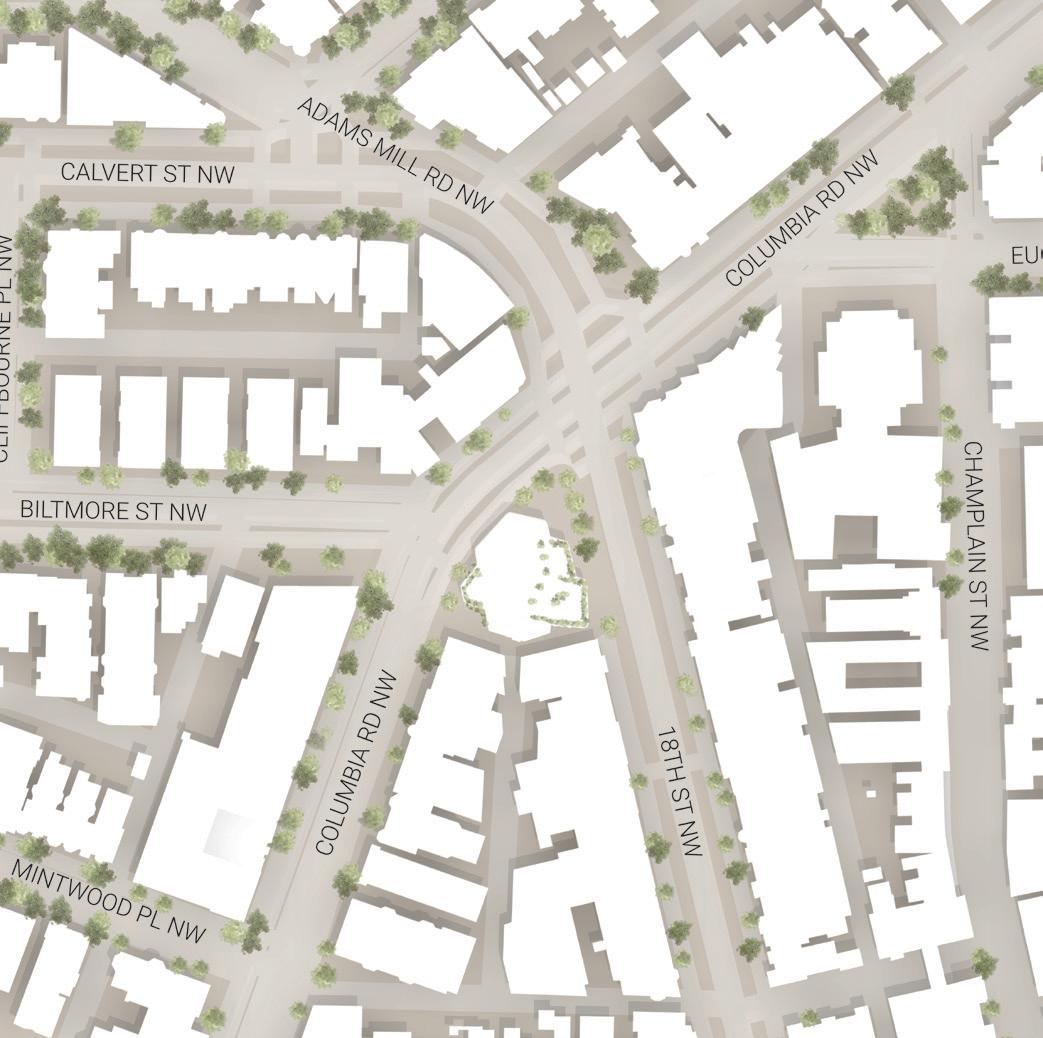
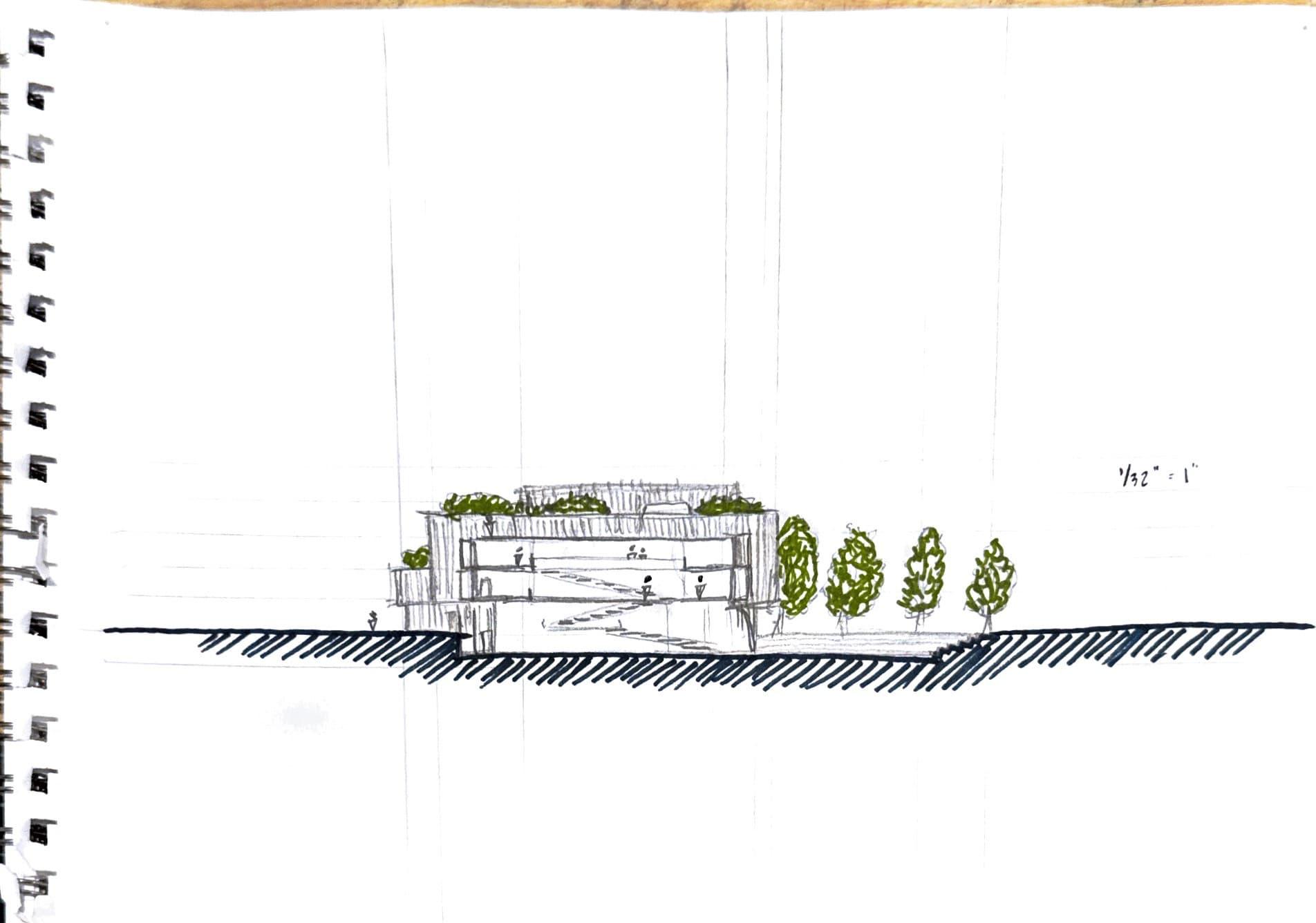
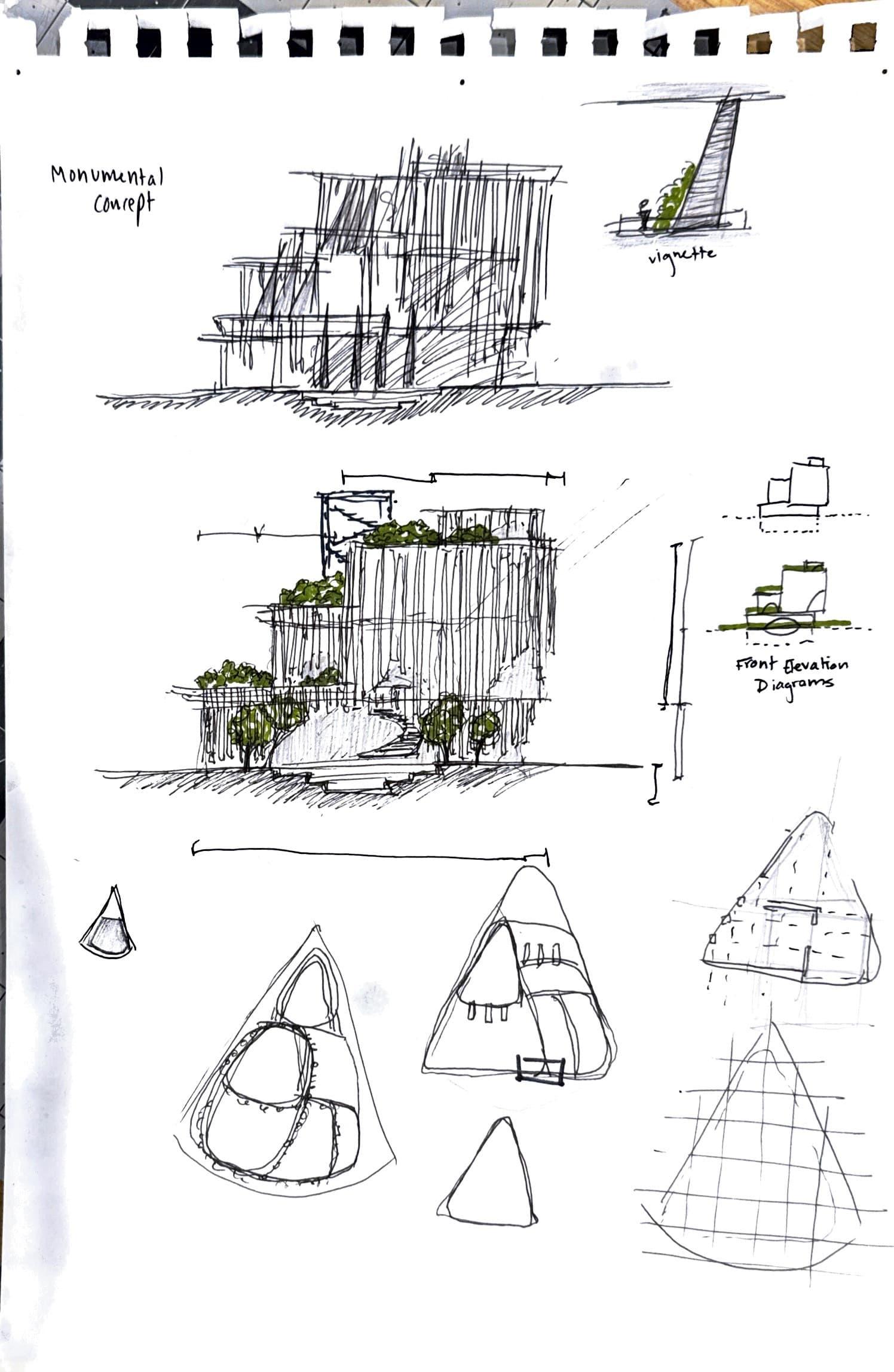
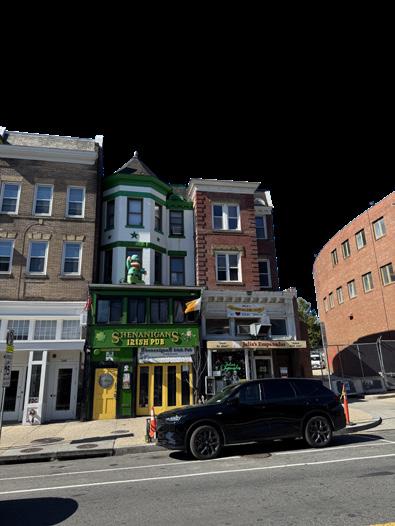
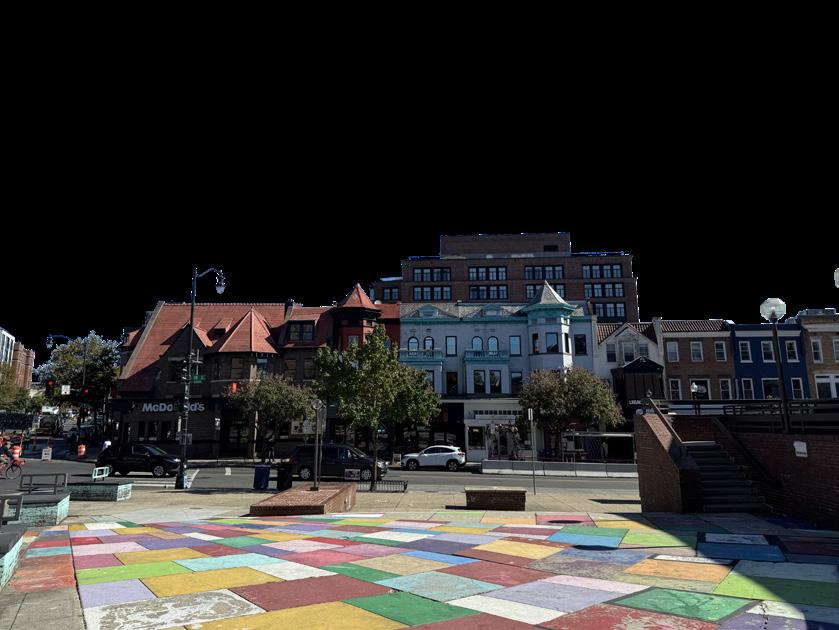
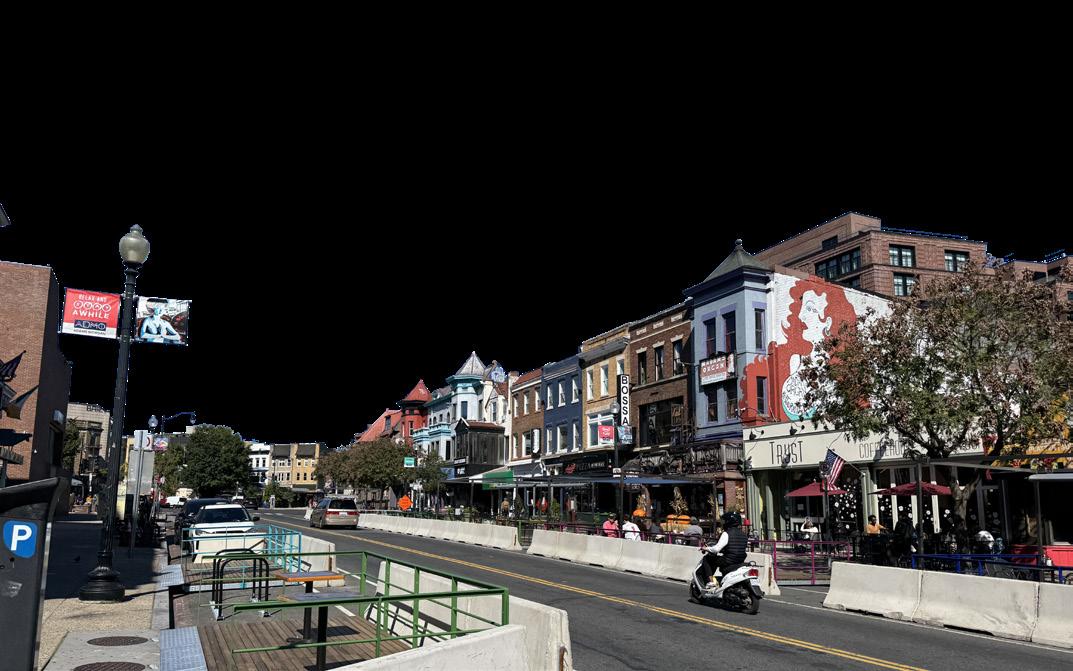
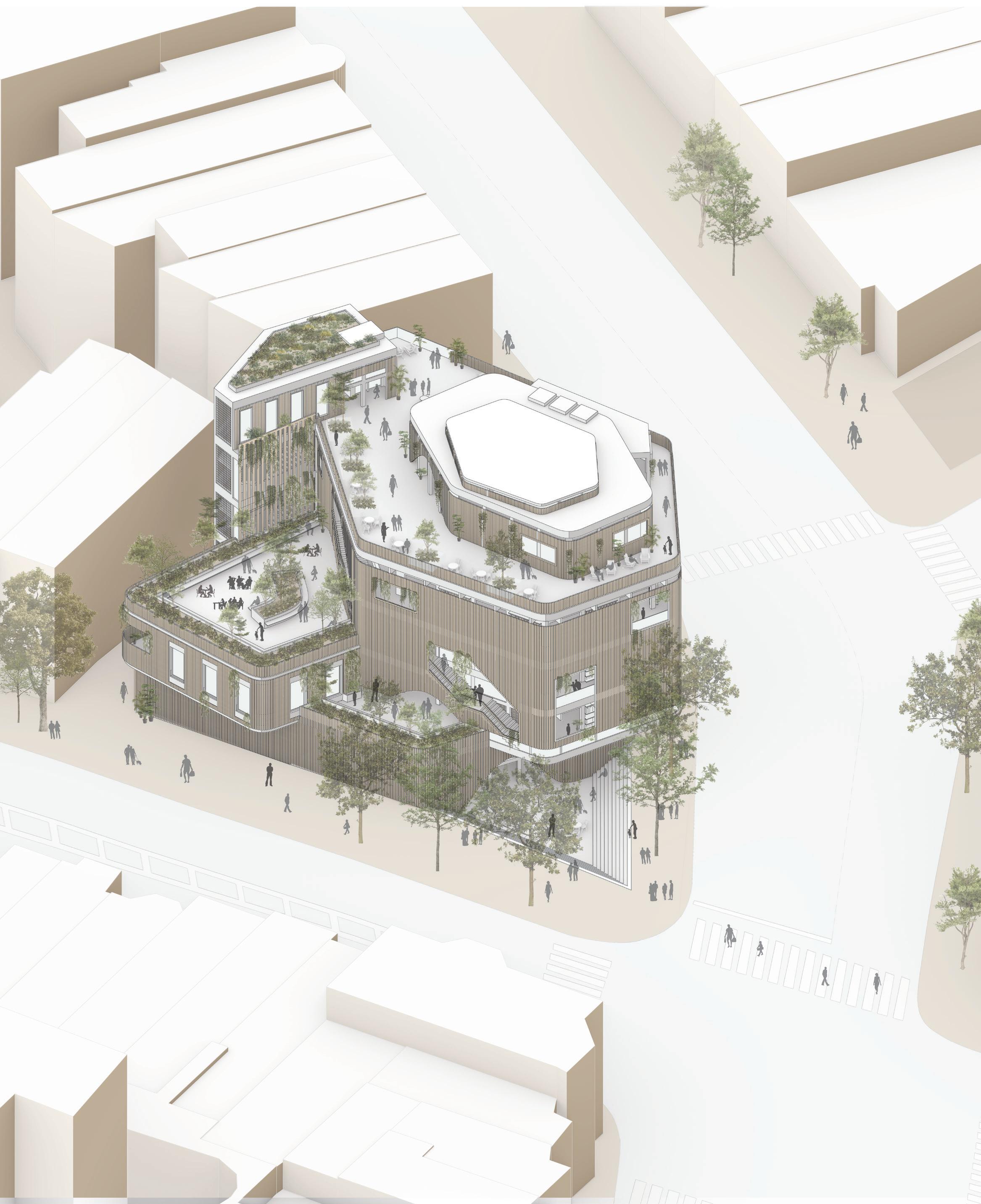
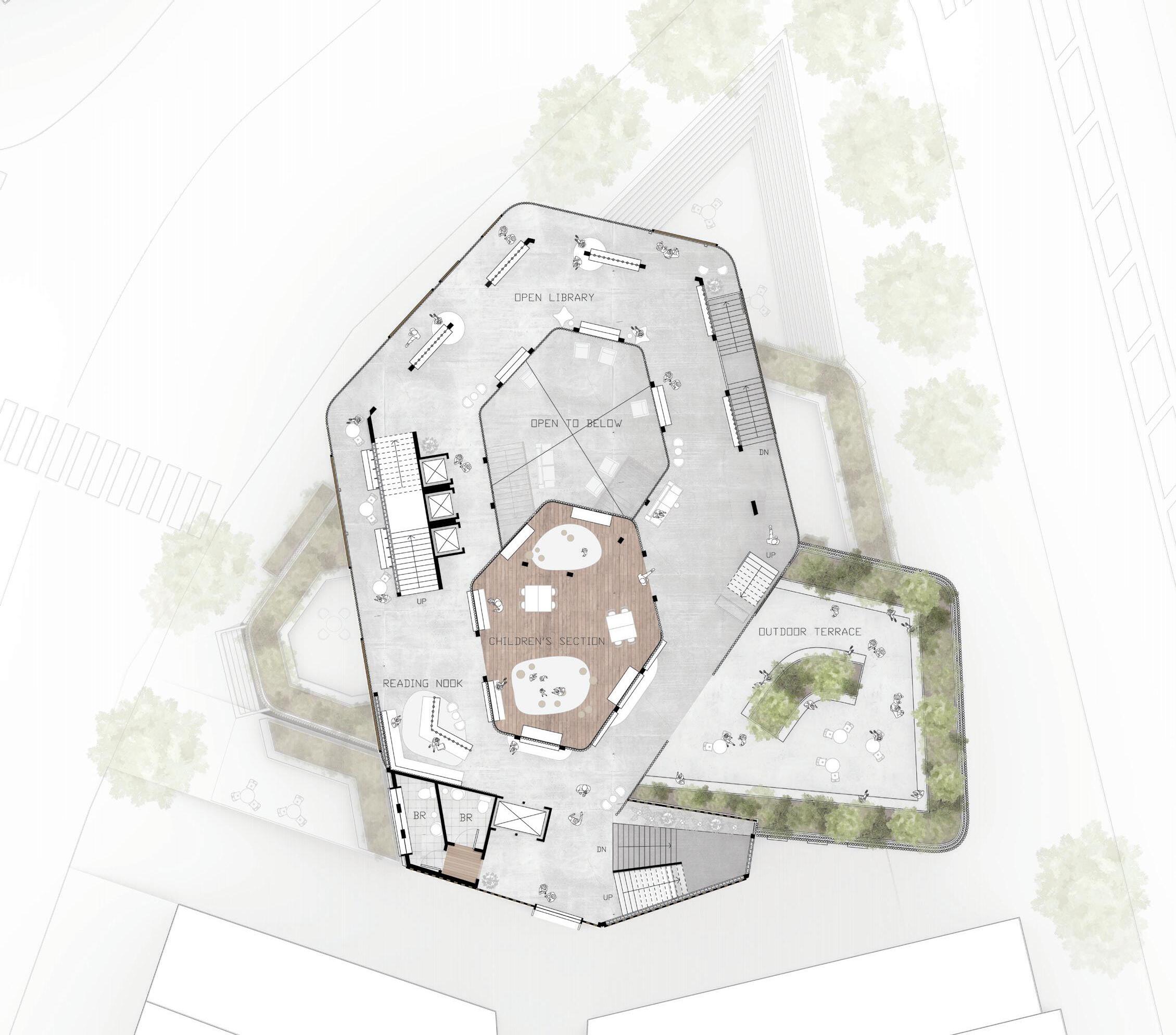
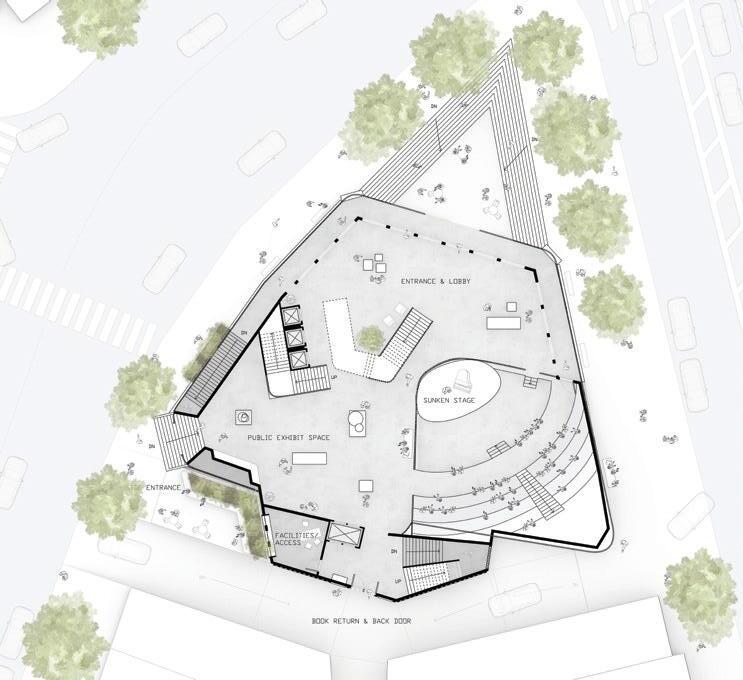
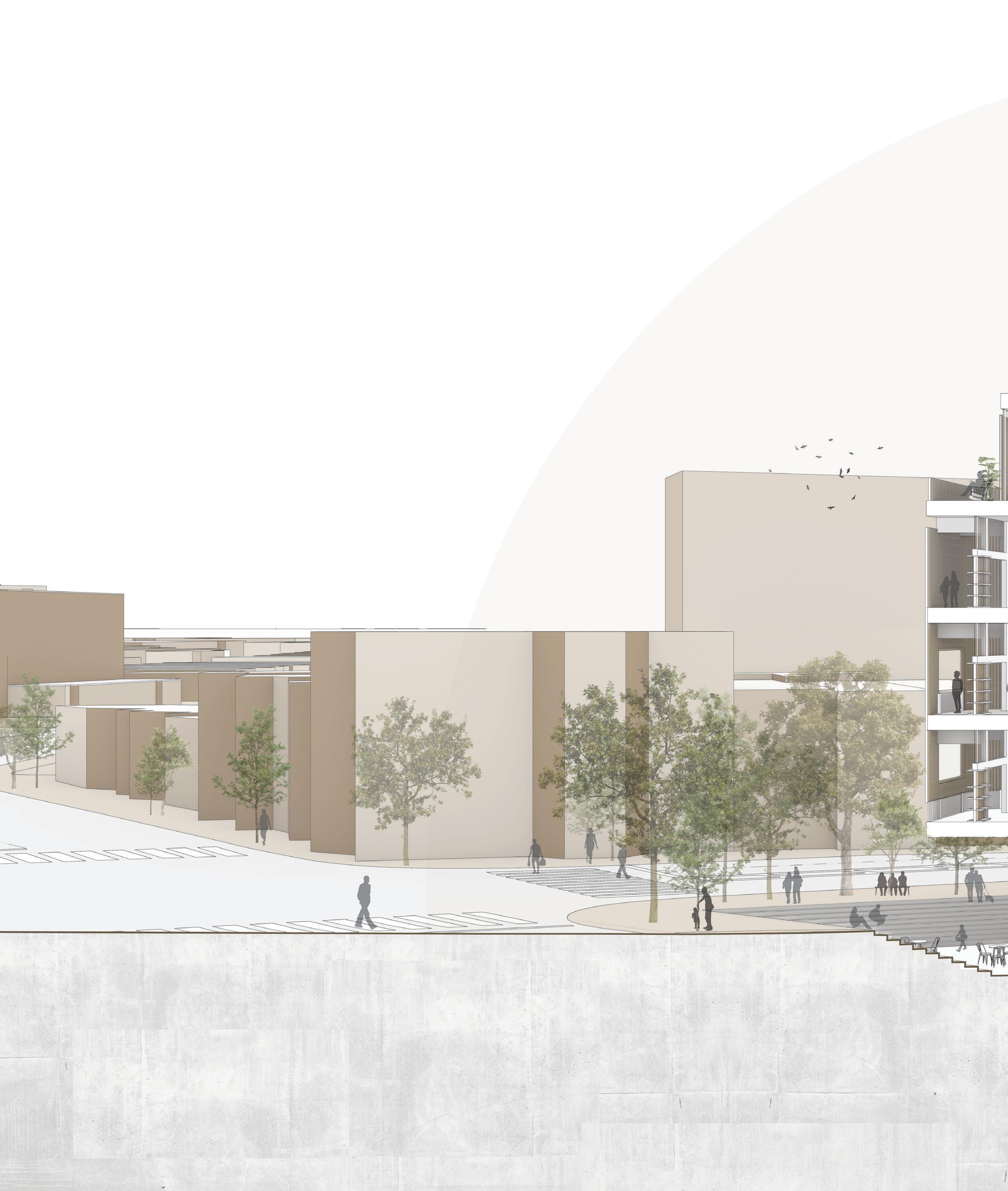
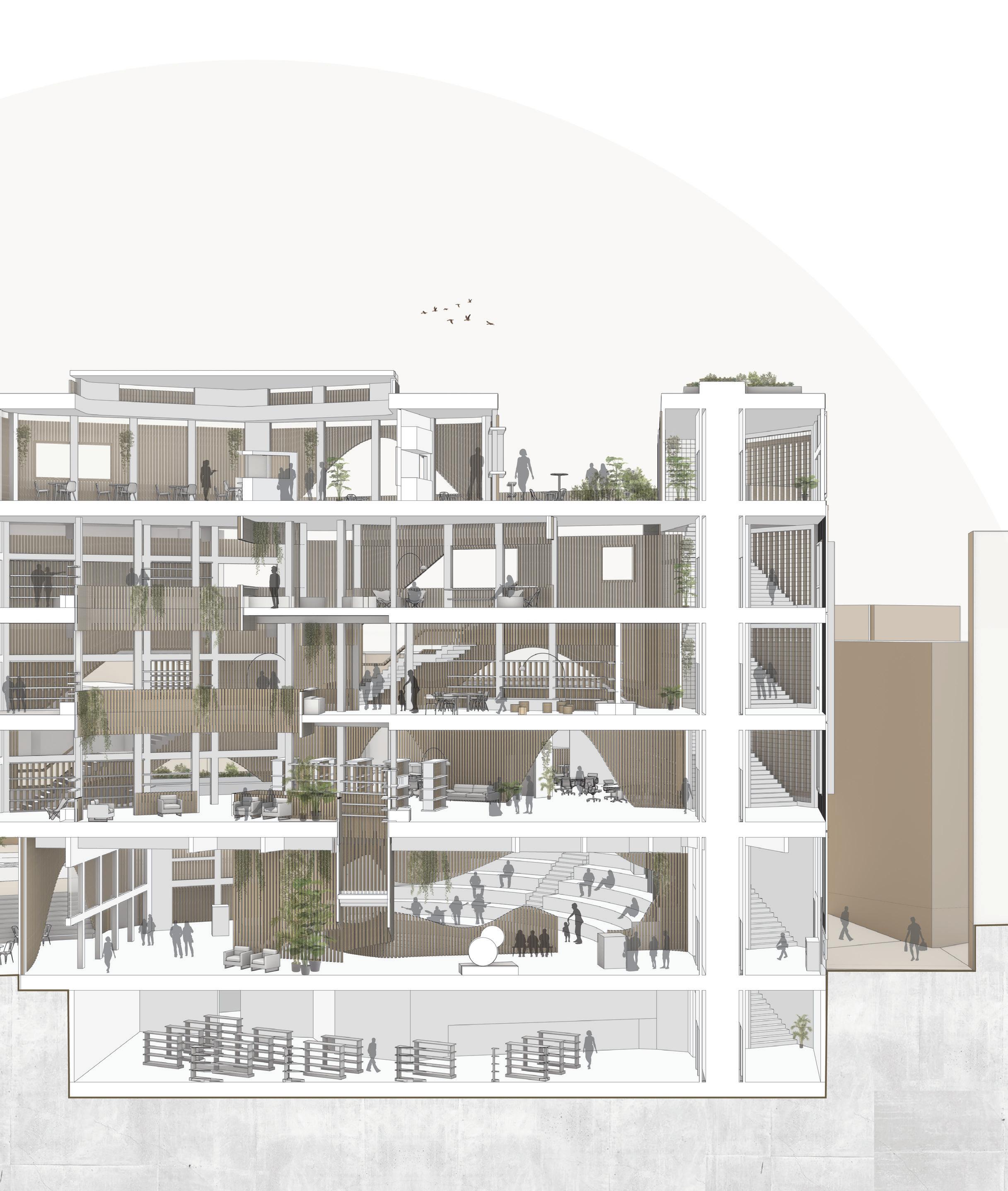
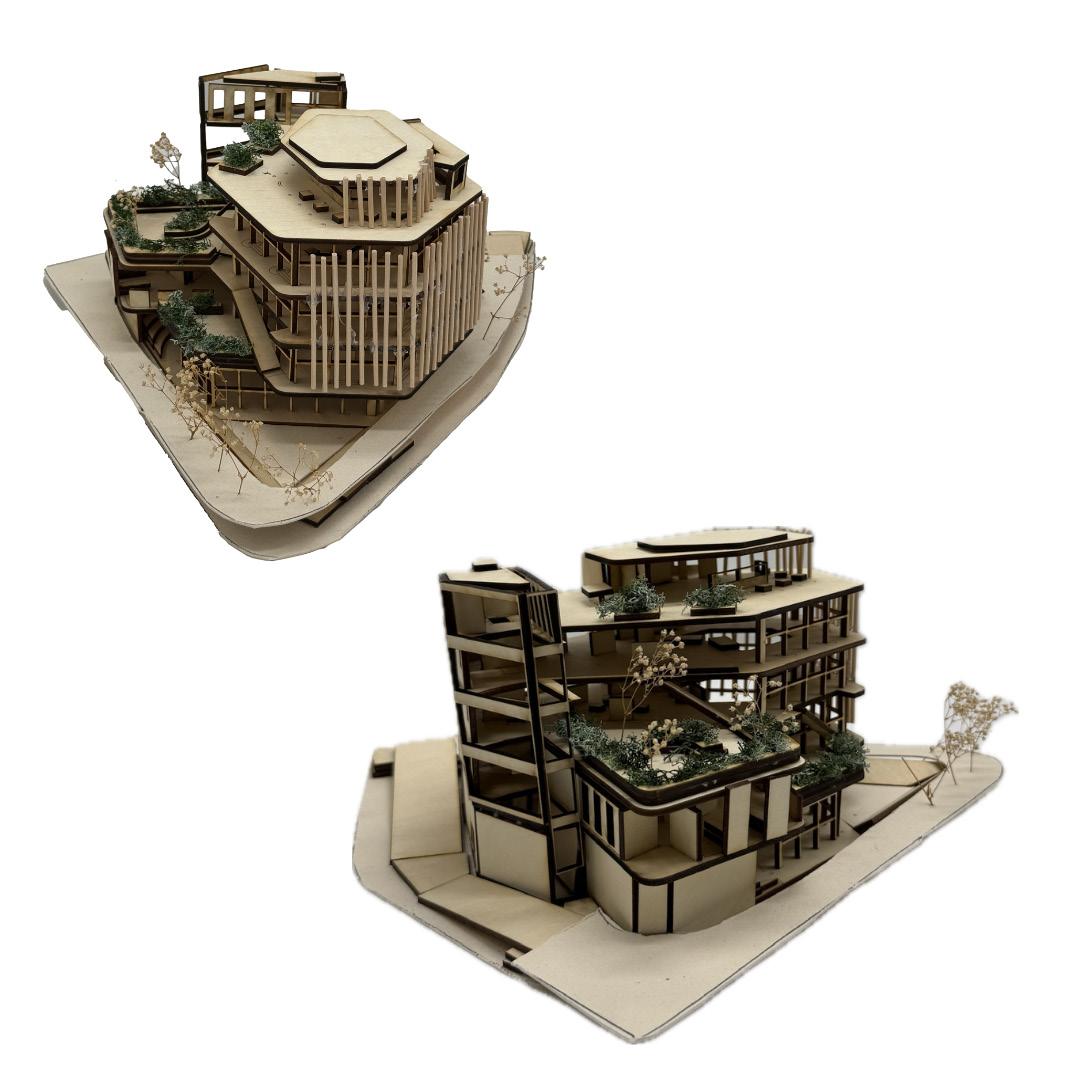
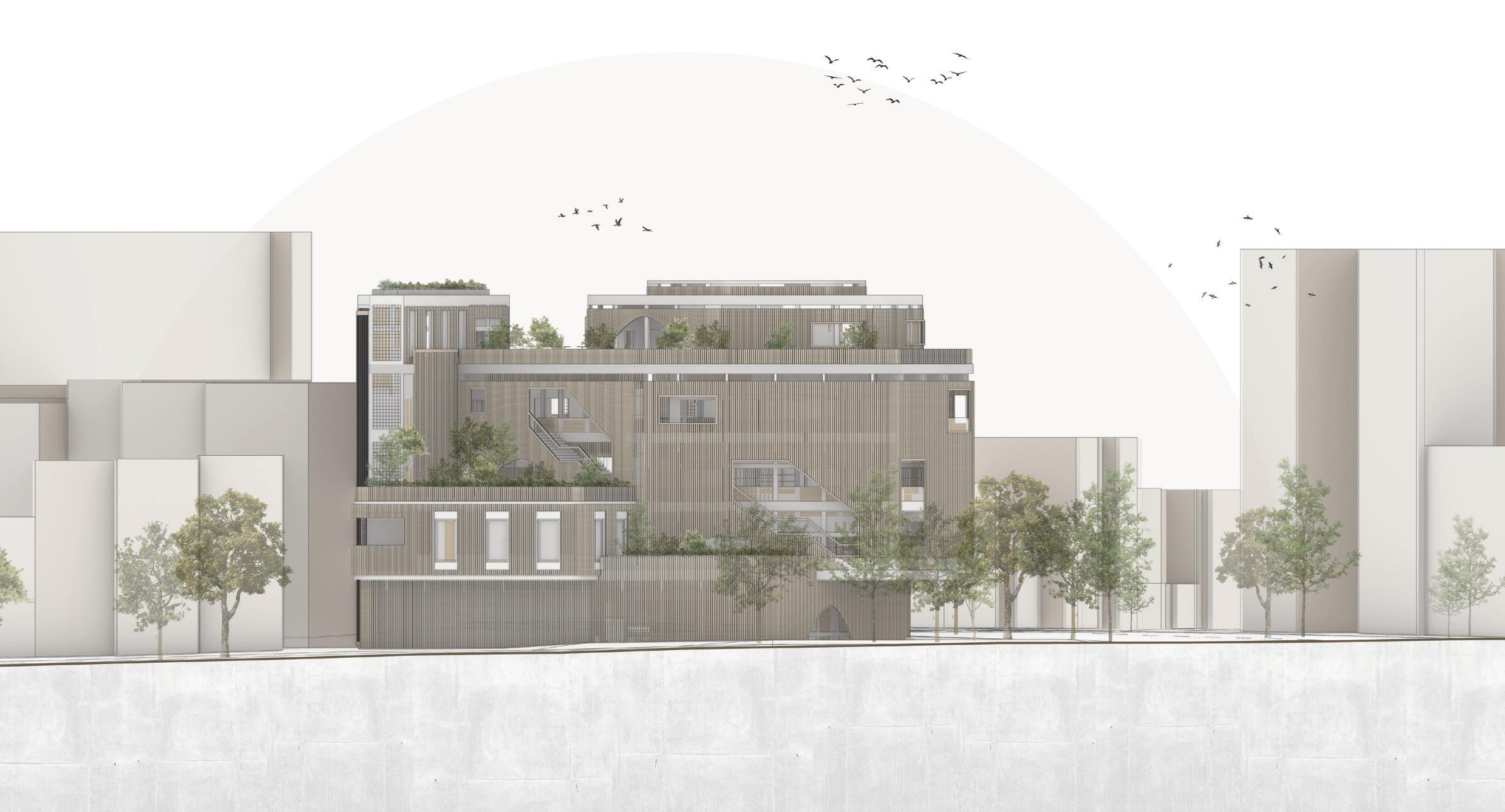
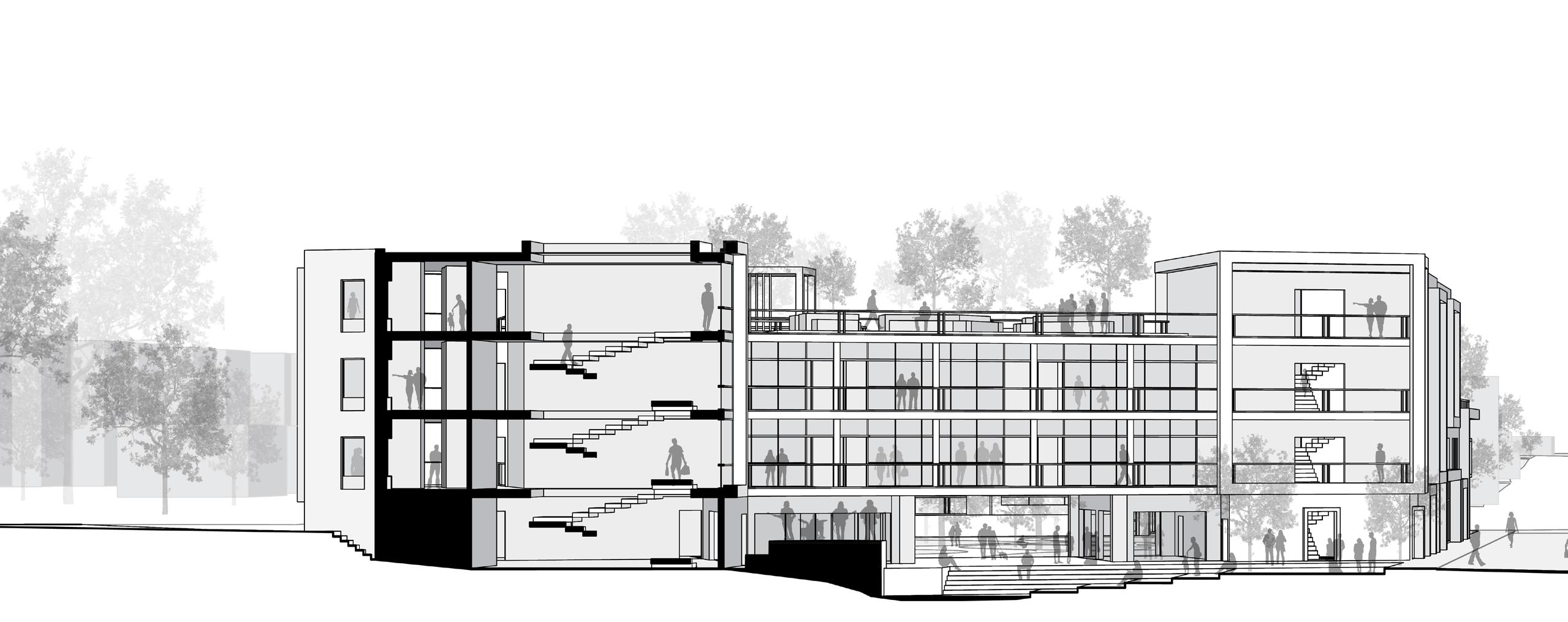
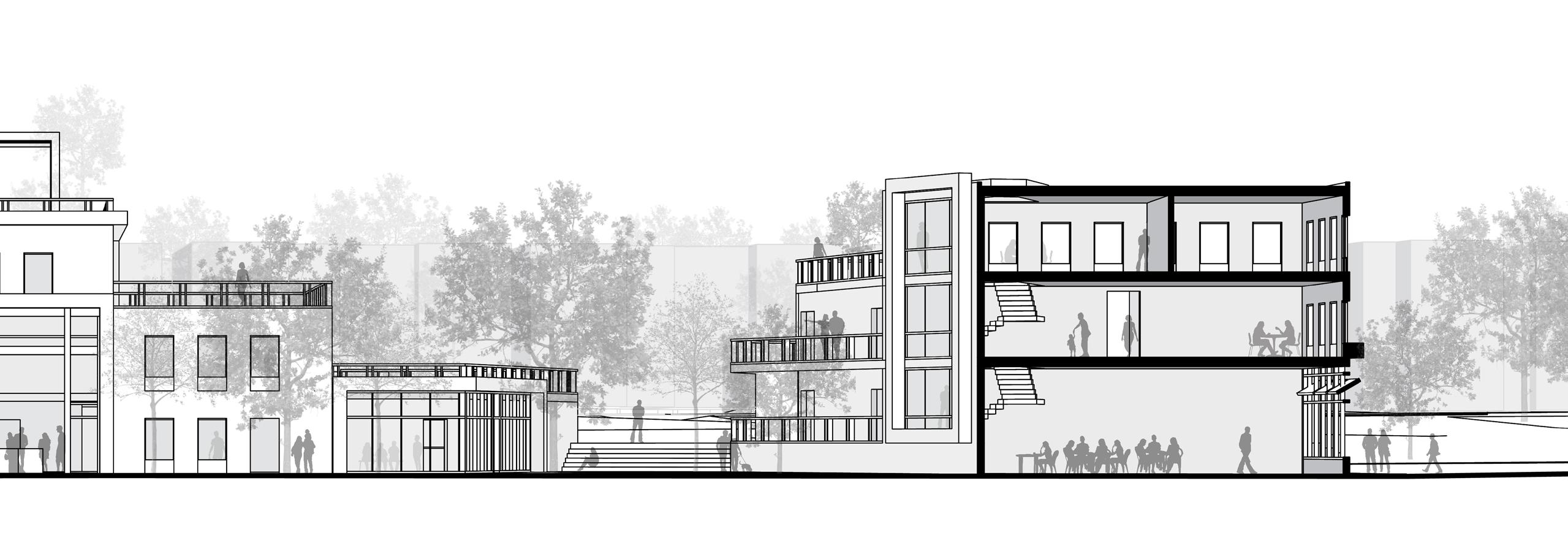
This scheme represents a design proposal for a civic center in Adams Morgan DC. Its spatial organization and form combines a modern library and civic resource center in order to support the diverse population of the surrounding neighborhood. The monumentality of the project works to make the building act as a beacon, emphasizing wayfinding and offering a new sense of identity to arguably the most central and lively intersection in this historic neighborhood. The scheme is designed with a set of tiered off floors and levels which

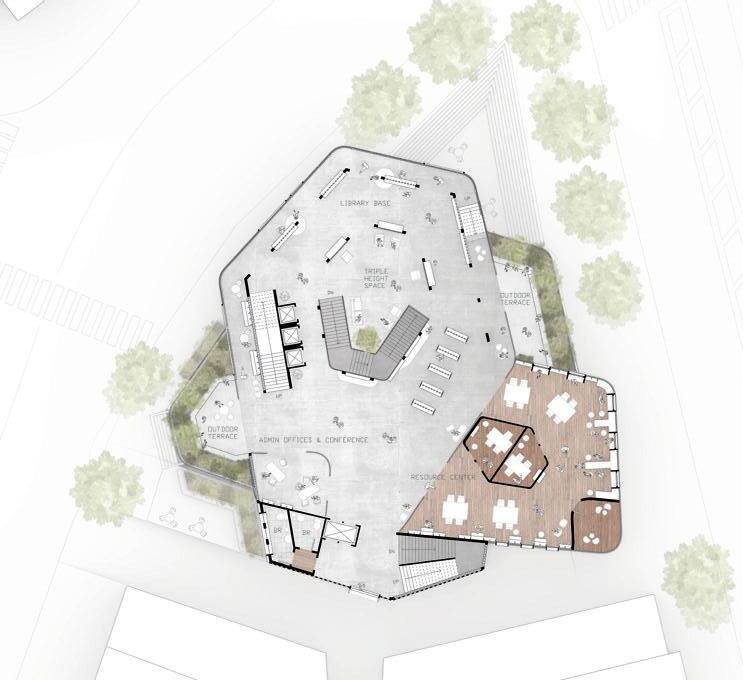
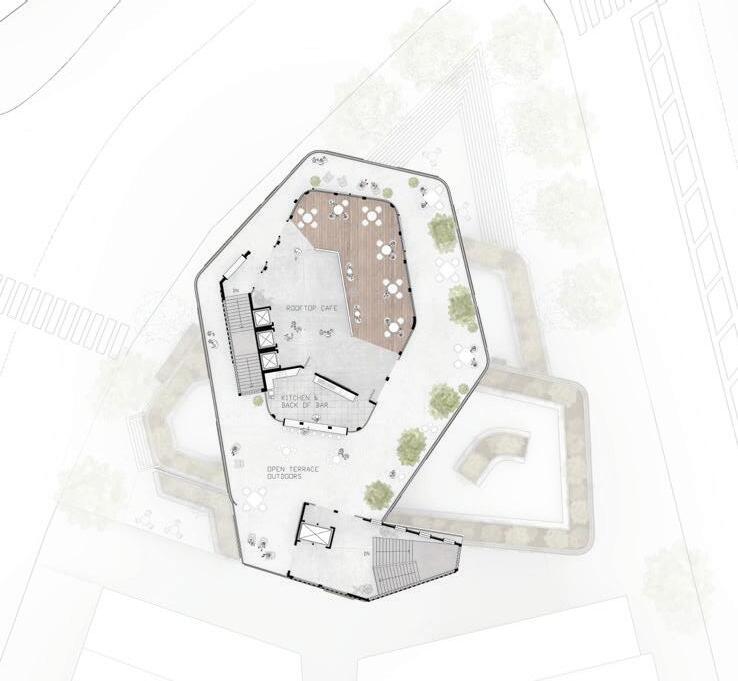
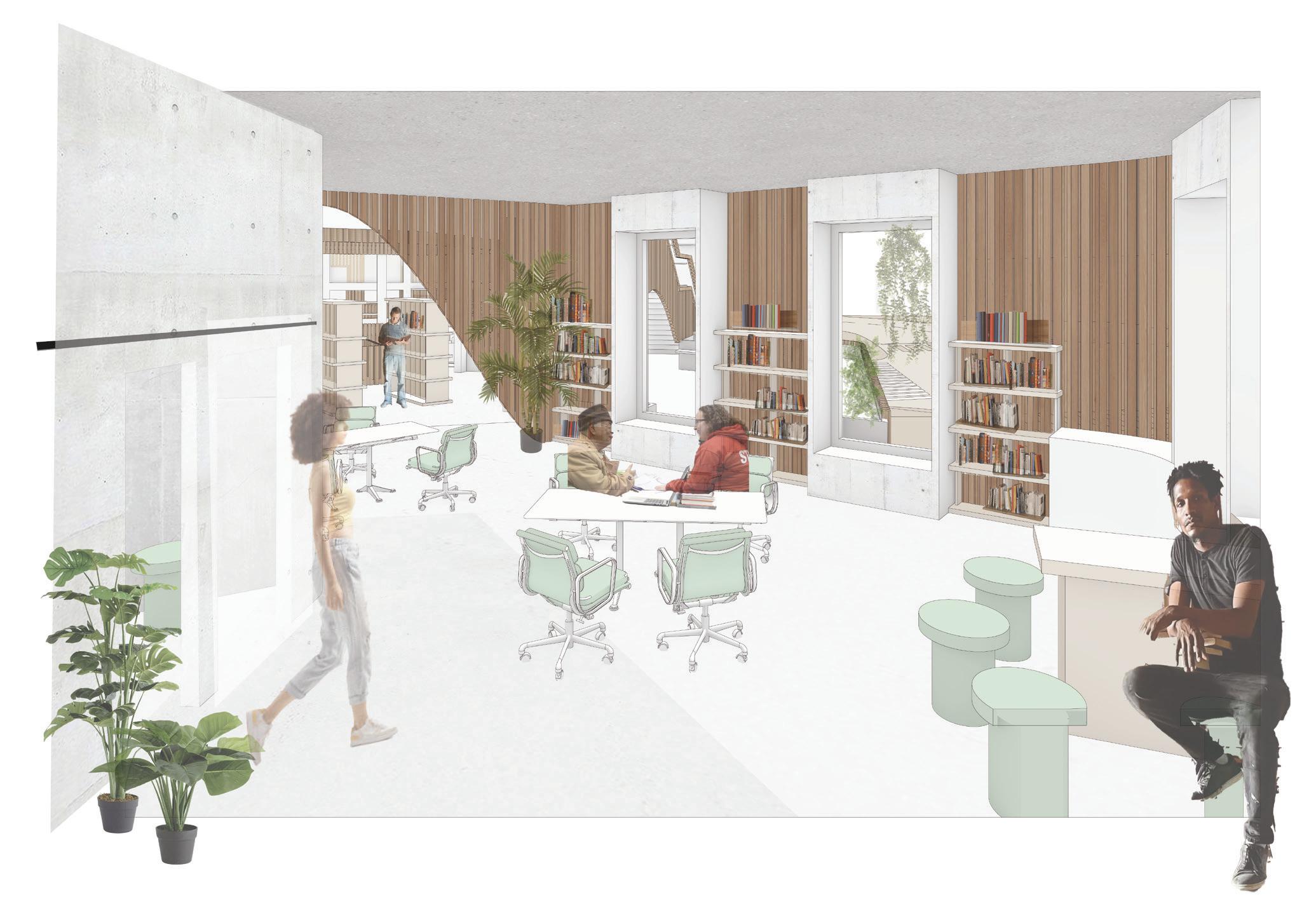
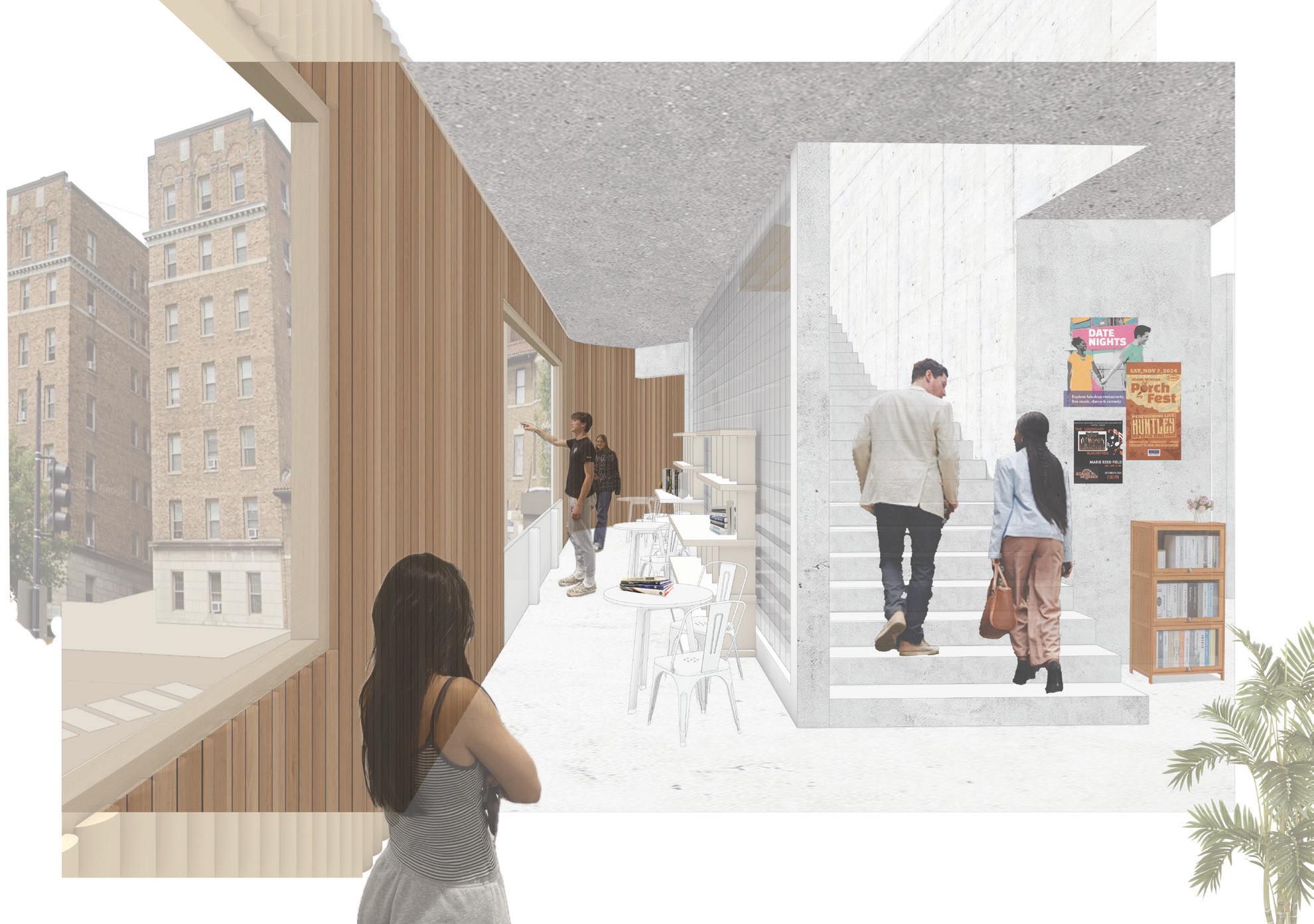
Interior Perspectives: Housing Resource Center (Above) & Circulation Space (Below)
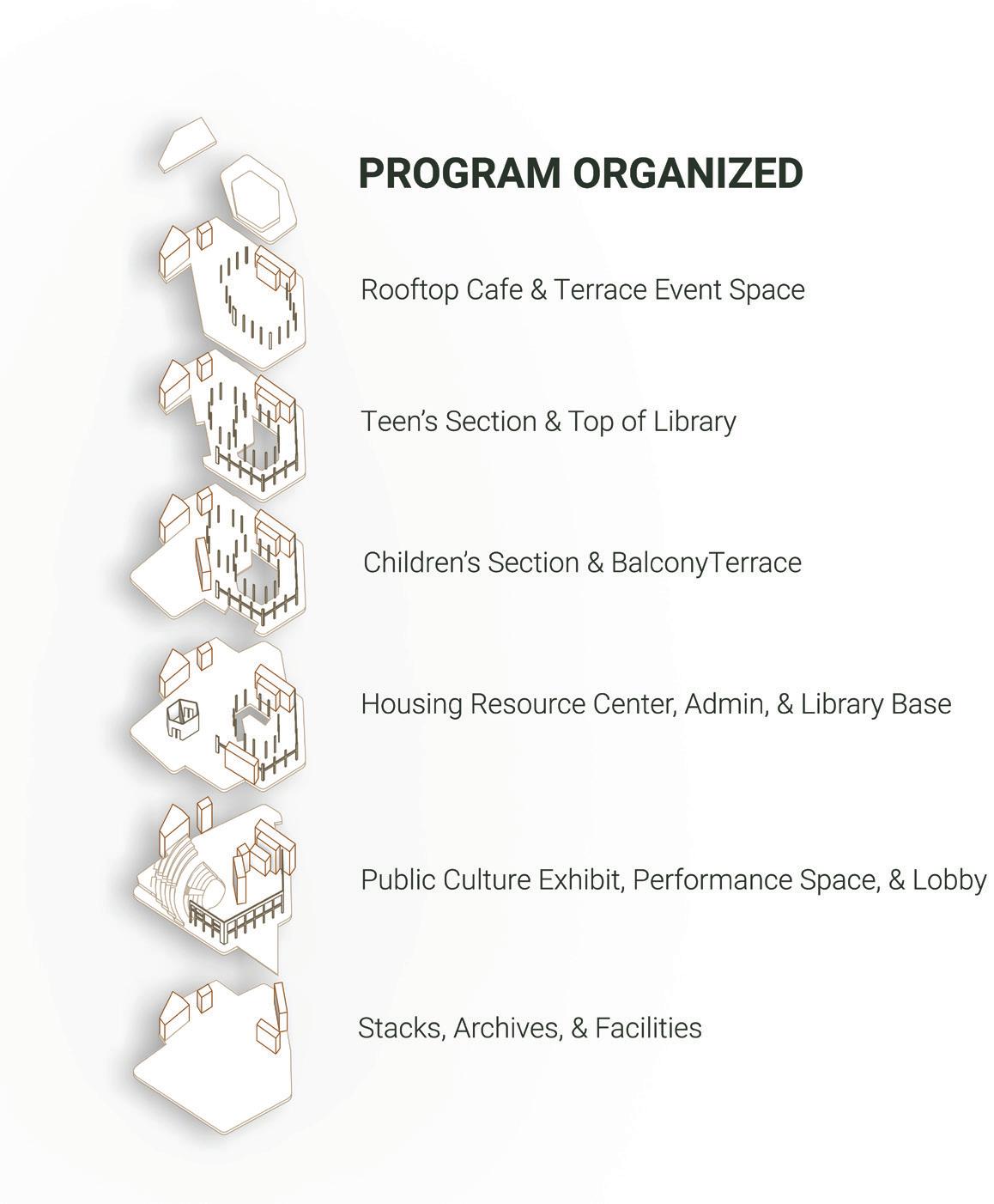
Program Diagram: By Floor (Above)
Professor: Dhara Goradia Spring 2024
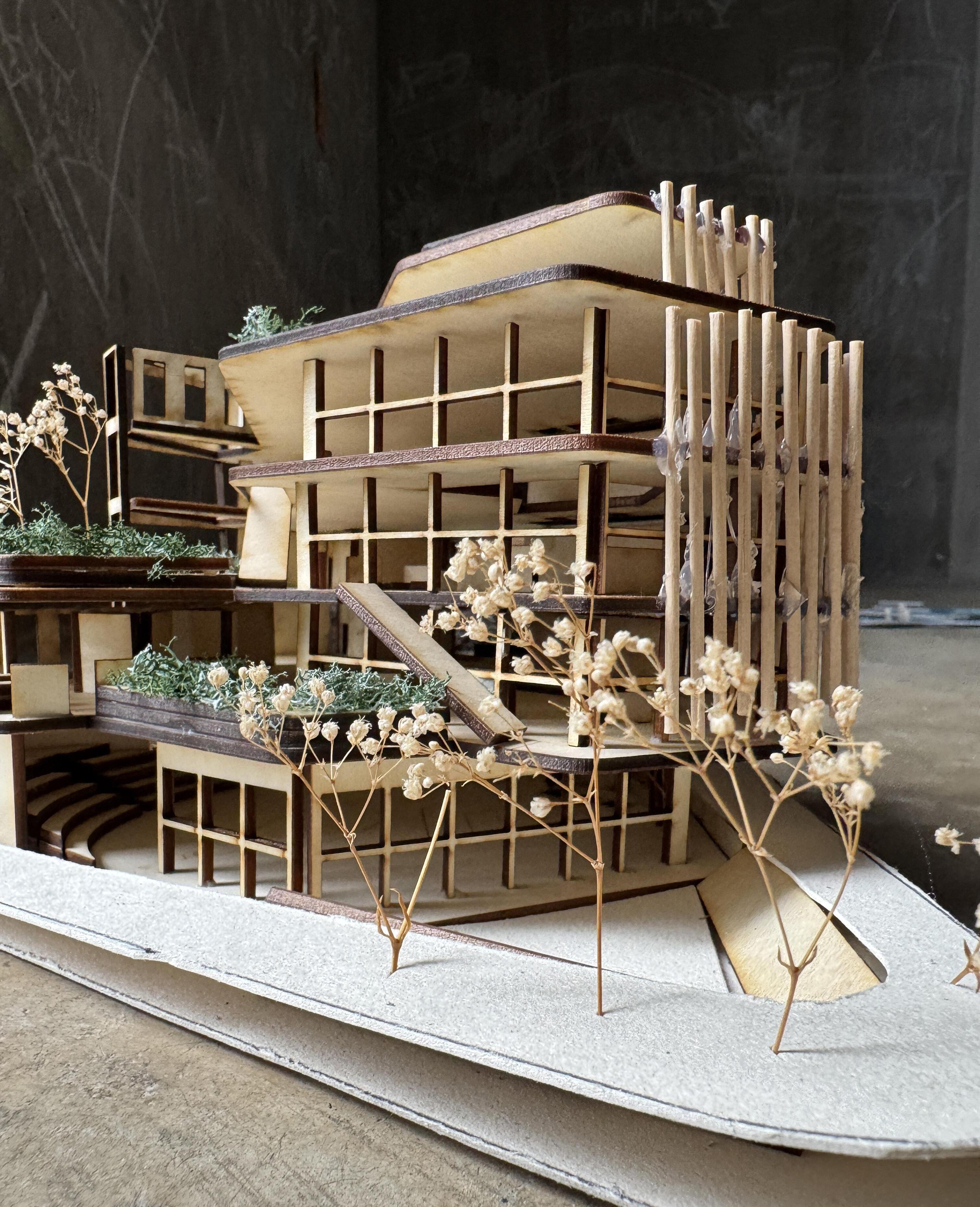
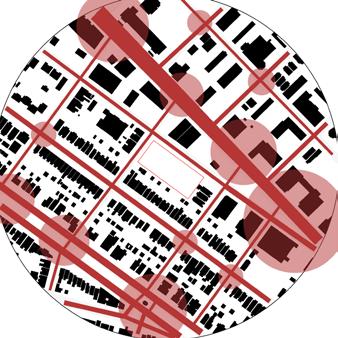
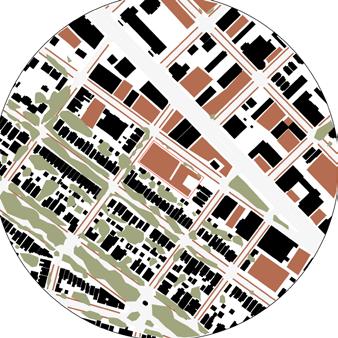
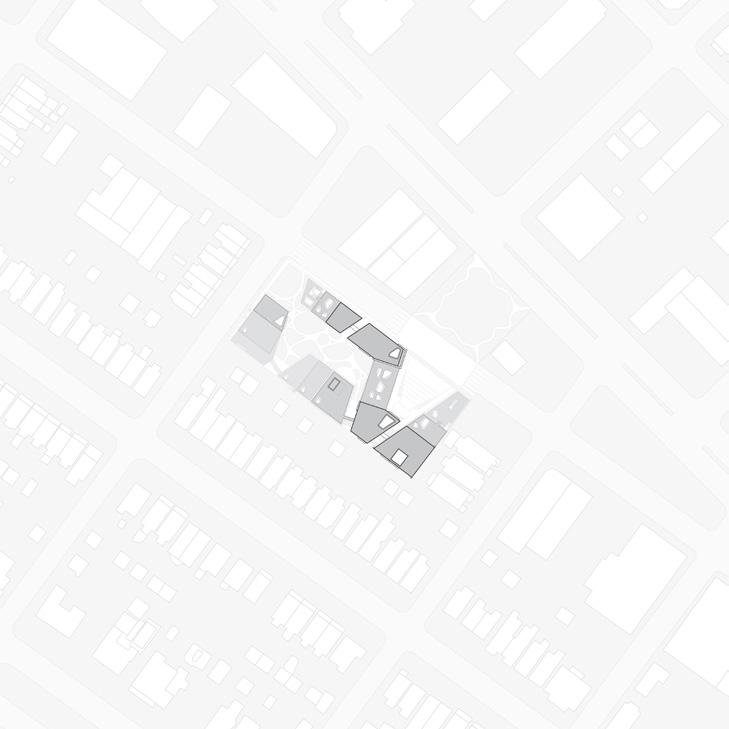
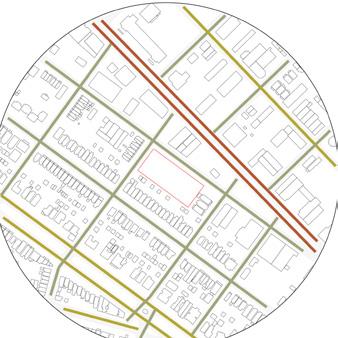
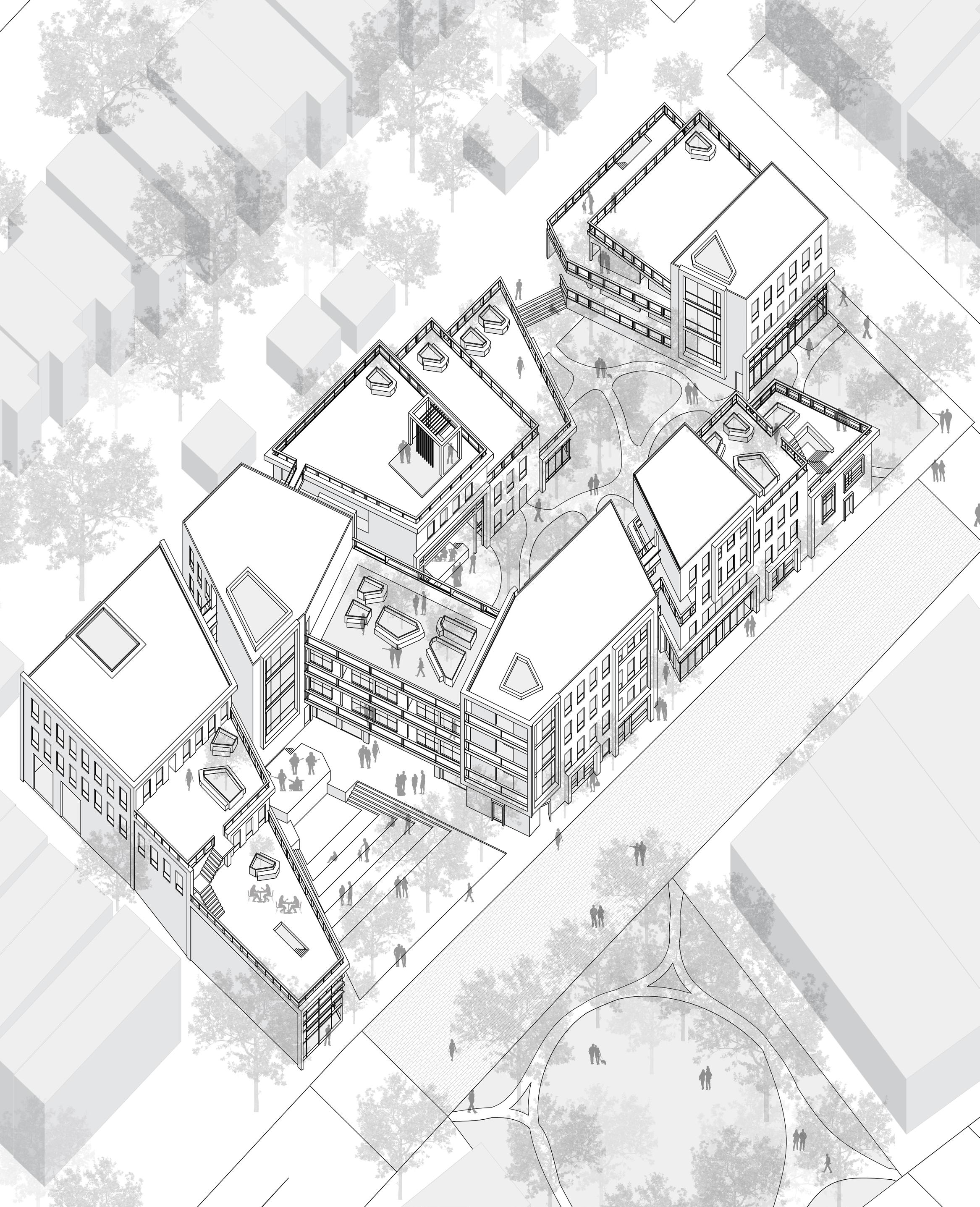
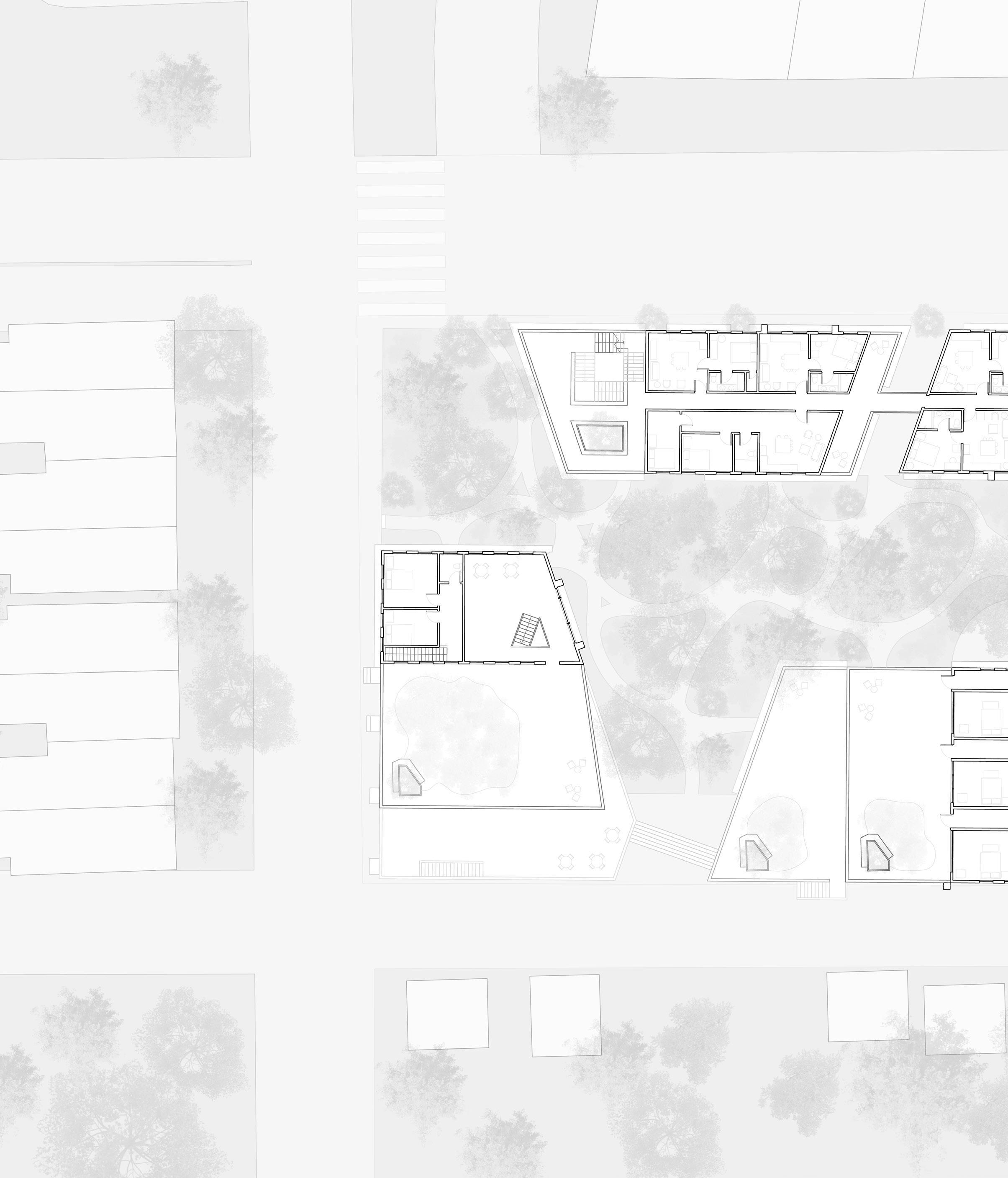
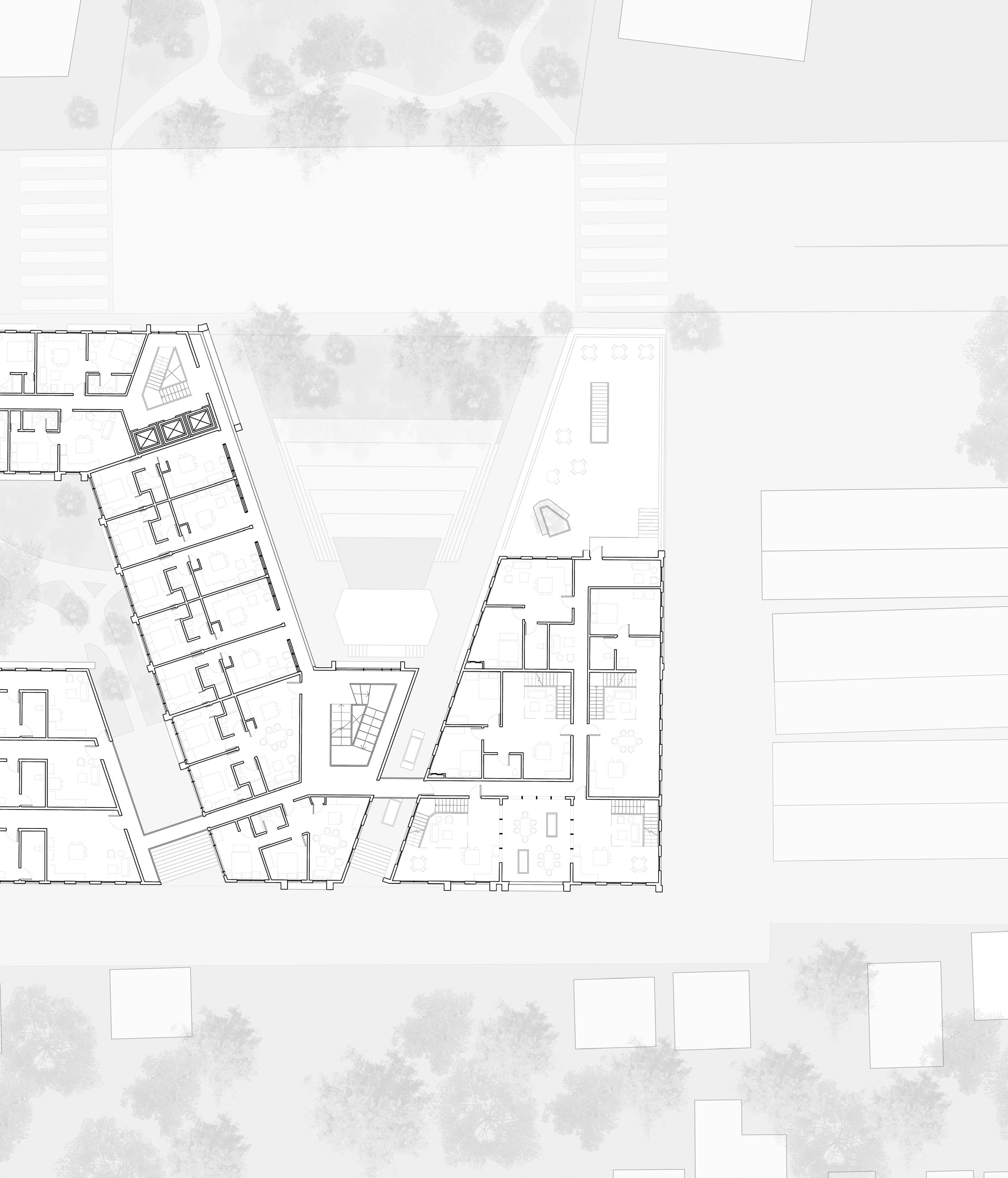
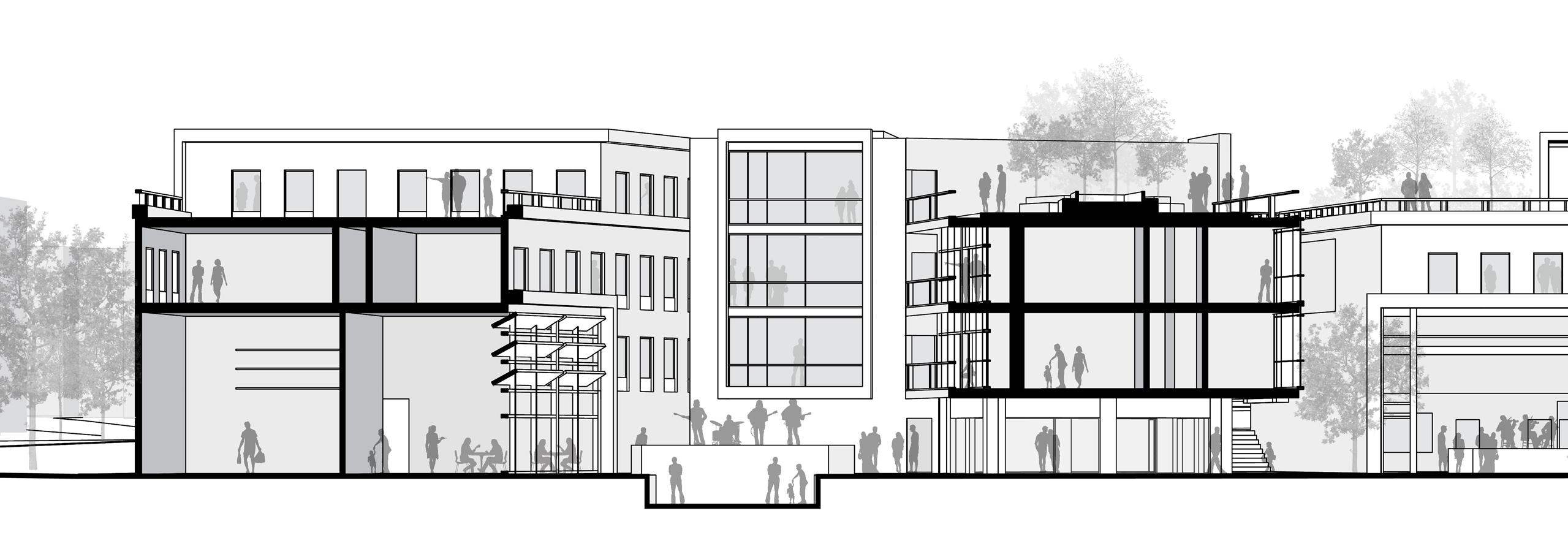
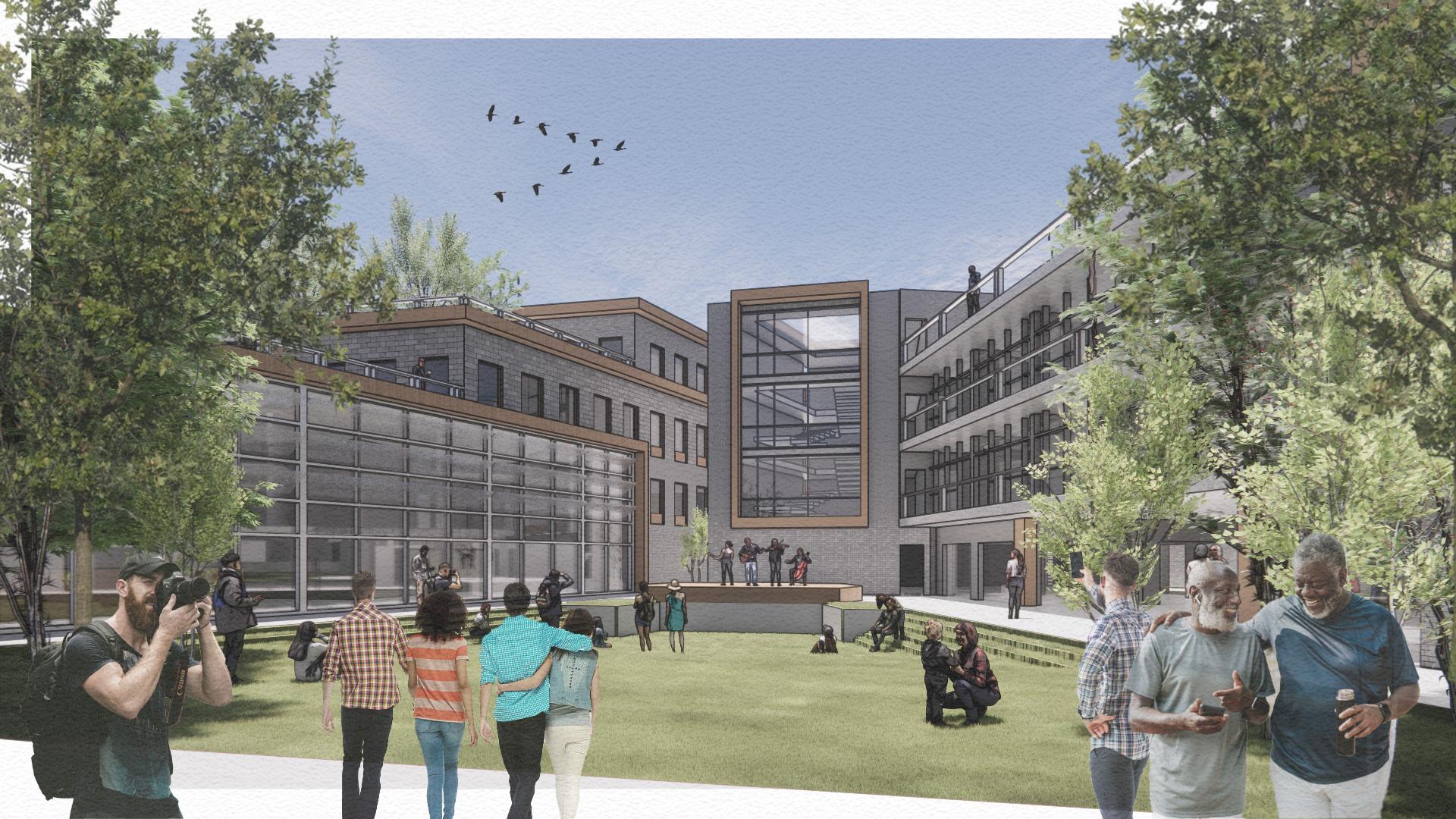
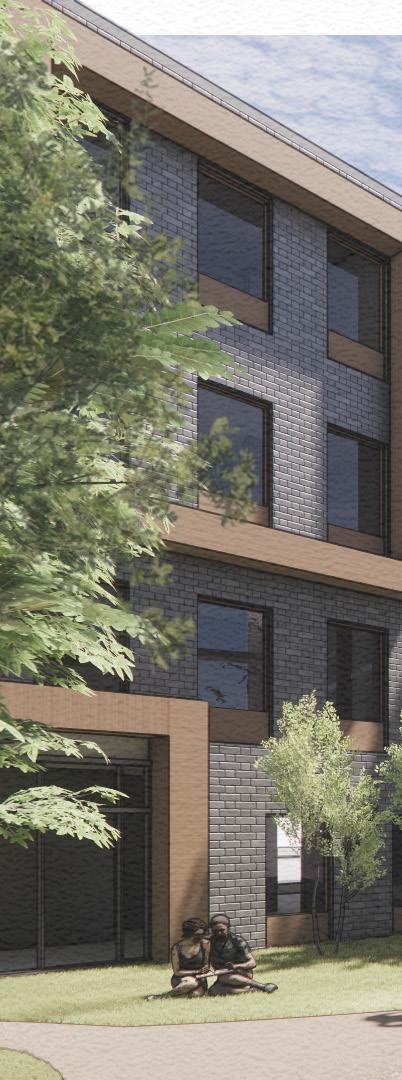
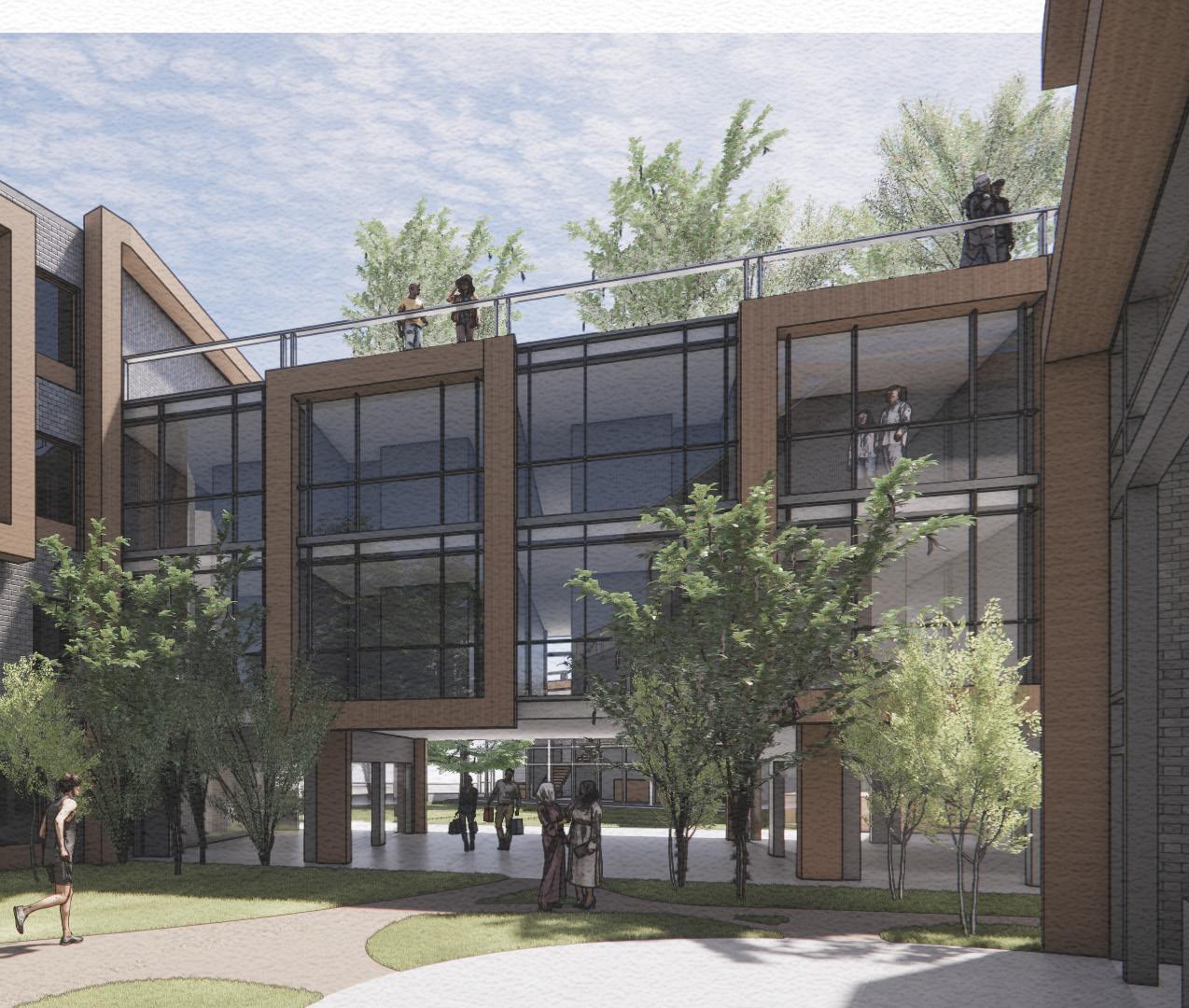
New Angle RVA is a mixed-use collective housing community offering options for equitable housing in the central Richmond area. The variation in unit type and style stems from the site’s unique position along the border of the Fan District and Scott’s Addition in Richmond, and the overall design seeks to blur the lines between these two districts. While allowing more green space to creep north into the outskirts of the Scott’s Addition, the small business-oriented and lively culture of Scott’s Addition are pulled across Broad street through the urban redesign of the surrounding blocks. Pedestrians are drawn into a public performance space within the project through the conversion of a nearby parking lot into a connecting green space.
Opposite to the public courtyard and amphitheater is the private courtyard for residents only, surrounded by structures that begin to step down to the scale of the homes on the south side of the site in the Fan. Cutshaw avenue adjacent to the project would be converted to a more pedestrian-friendly and walkable space, with access to the mixed-use and small business spaces on the ground level. Green space stretches through the site with organic paths that allow for residents to navigate through a central natural area, following a pattern that contrasts the sharp and orthogonal design language of the structures themselves.
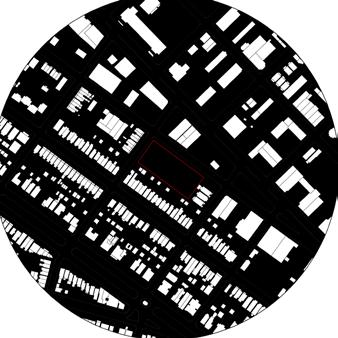
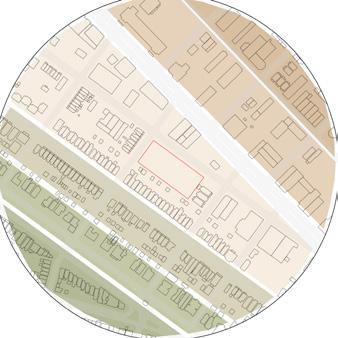
Site Diagrams: Analysis &
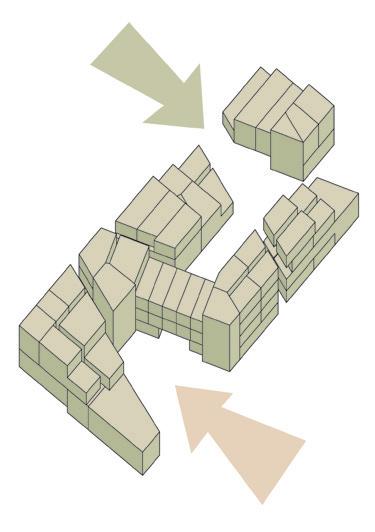
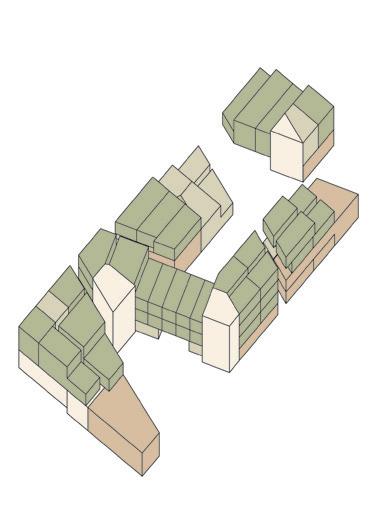
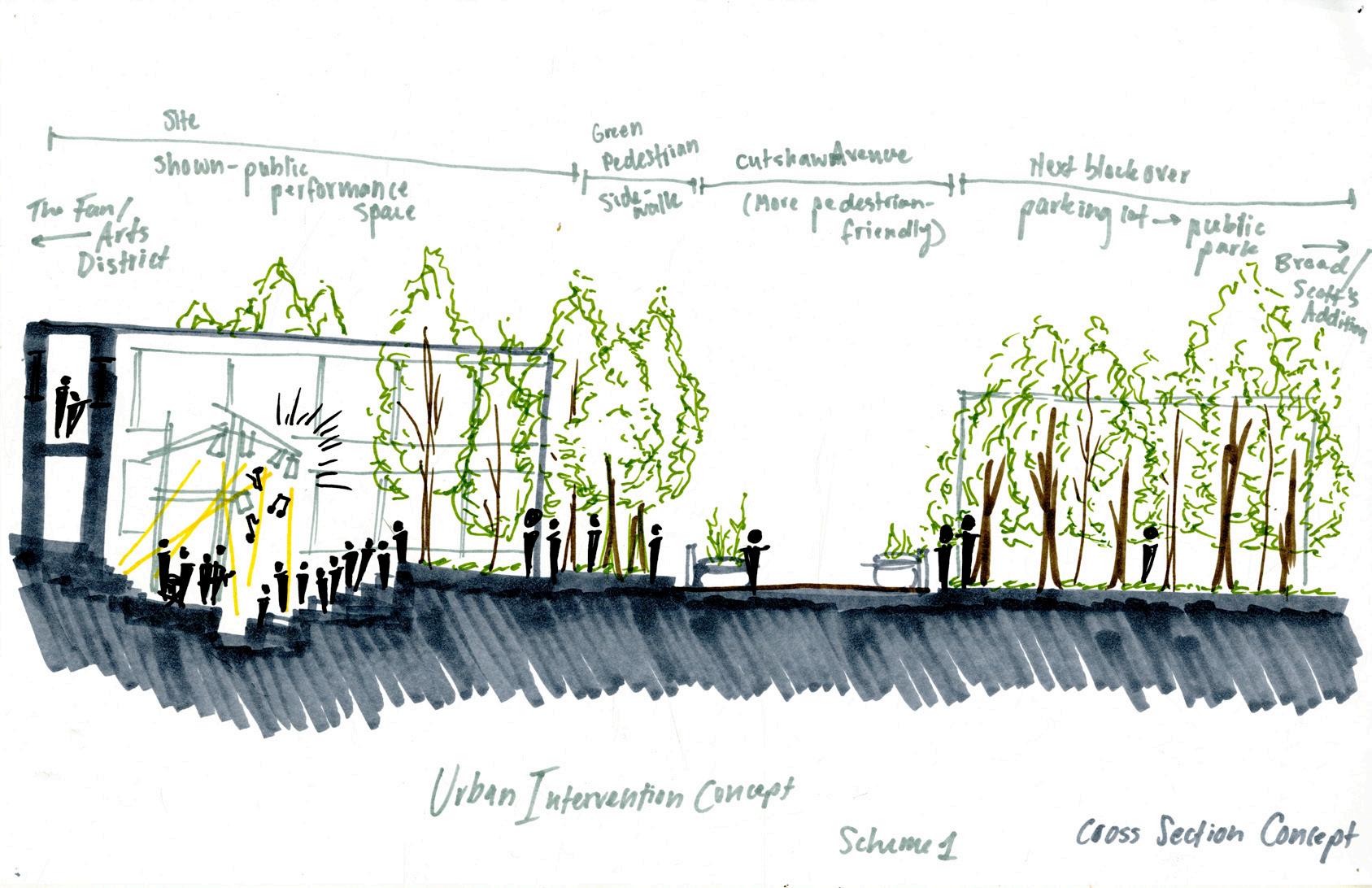
Concepts: Axon Diagrams & Sectional Concept Sketch
Proposed Green Space
Connection to Scott’s Addition & Broad Street
Public Performance Space
Younger-Scale Units
Restaurant & Terrace
Restaurant (Kitchen & Dining Room Shown)
Public Ampitheater & Performance Space
Bridge Passthrough & Single-Occupant Units Above
Indoor/Outdoor & Double-Occupant
Public Ampitheater & Performance Space
Indoor/Outdoor Performance Space Double-Occupant Units Above
Quiet
Family-Style Units & Shared Resident Space
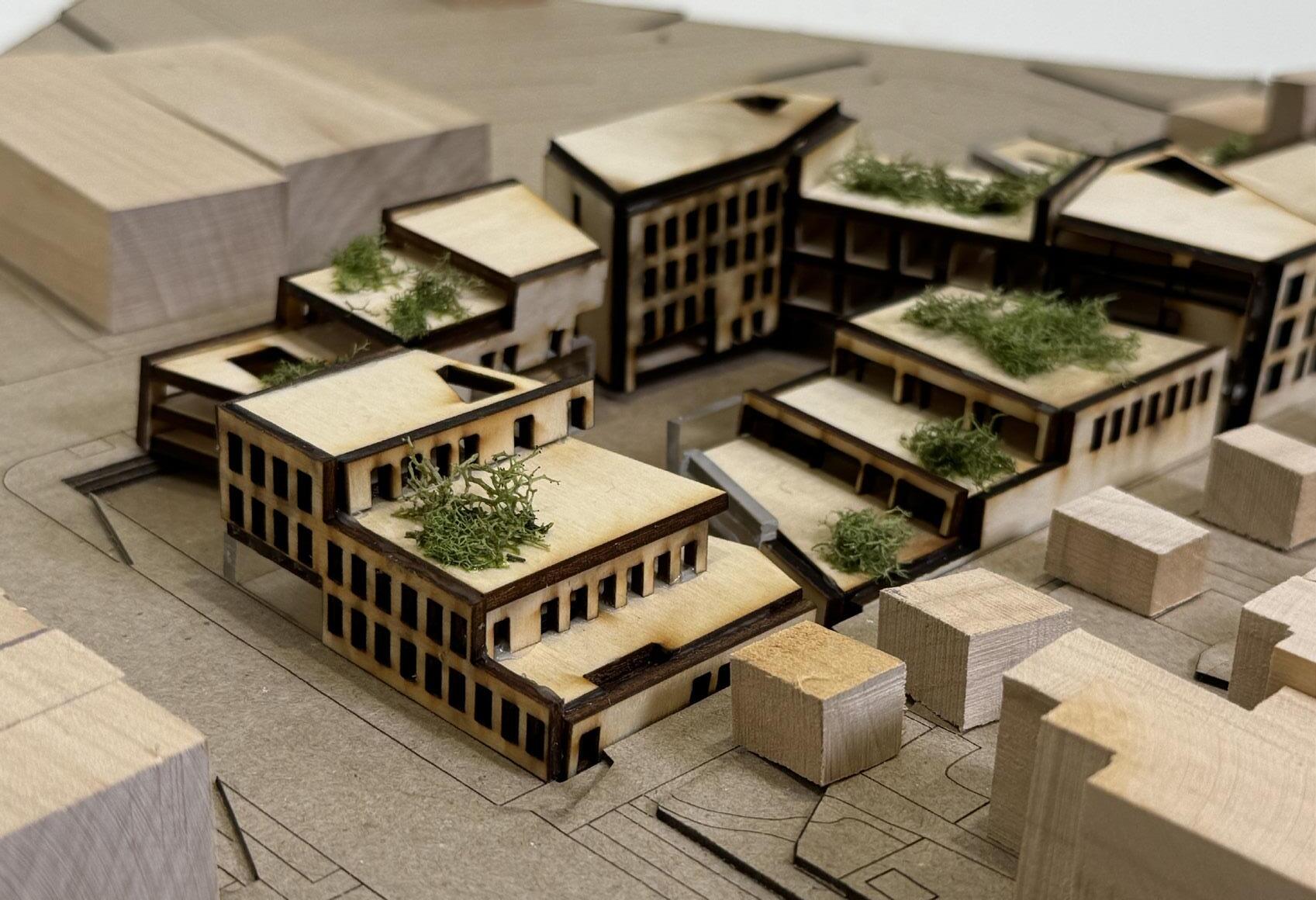
Final Model: View of Private Inner Courtyard (Bottom Left)
Professor: JT Bachman
Design-Build Project with Isabel Hamilton, Jack Allison, and Nick Kaperday Fall 2025
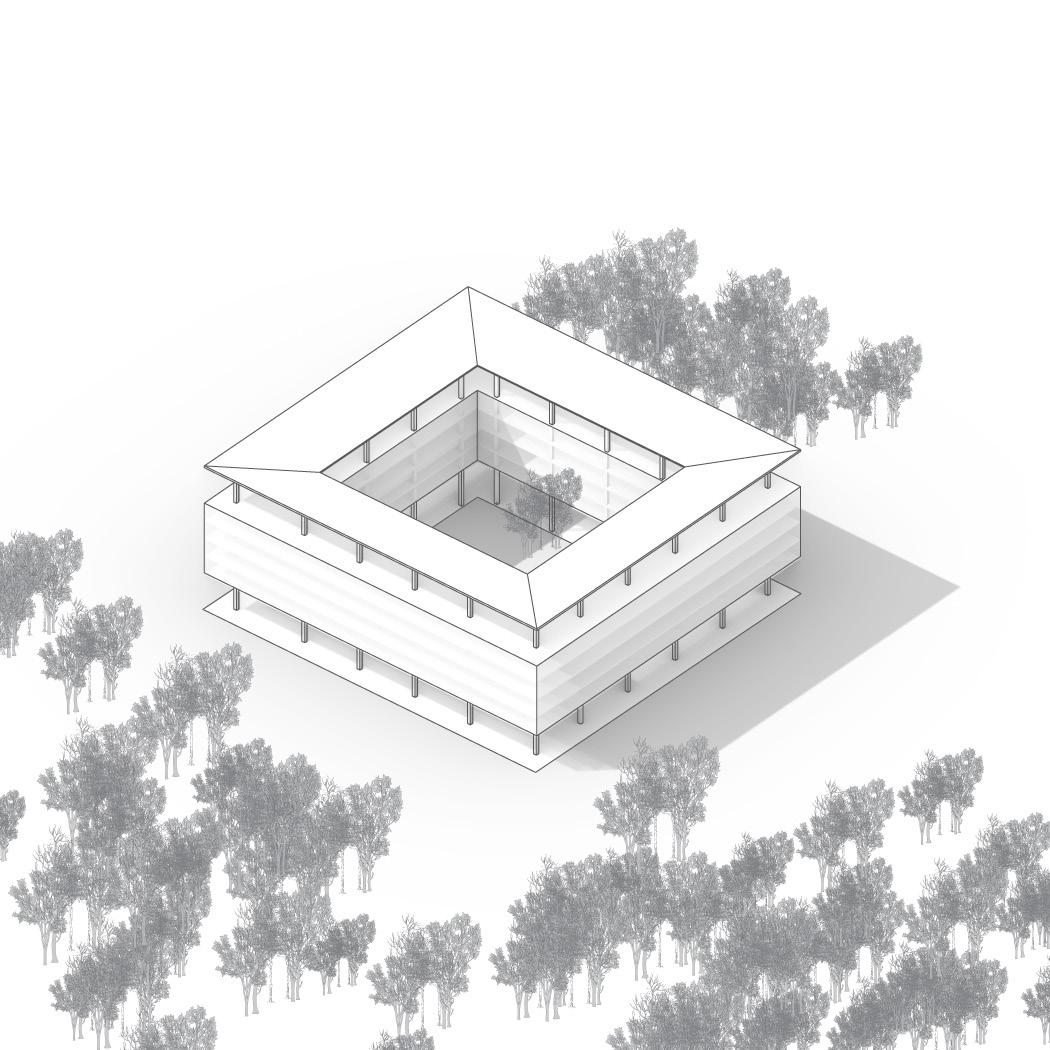
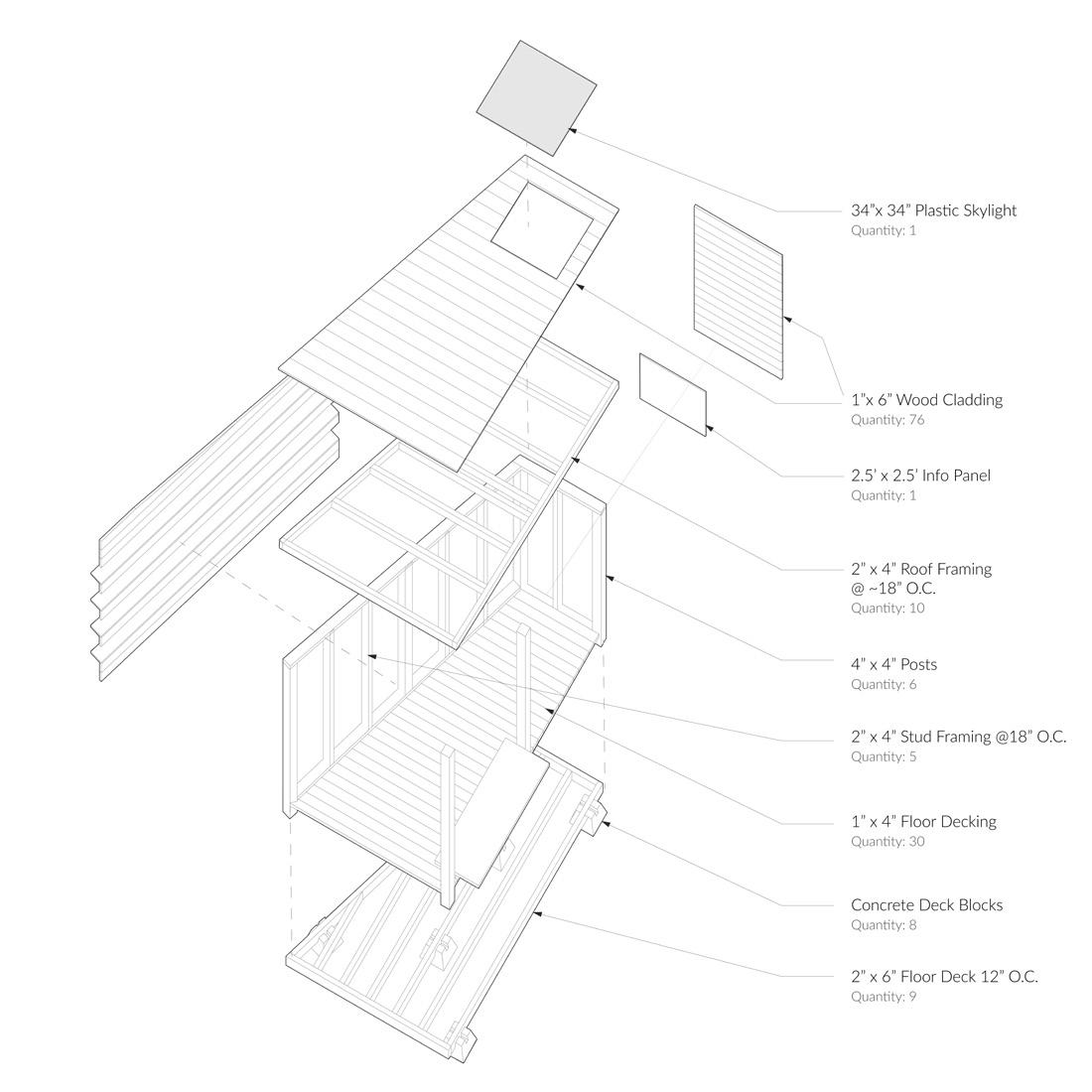
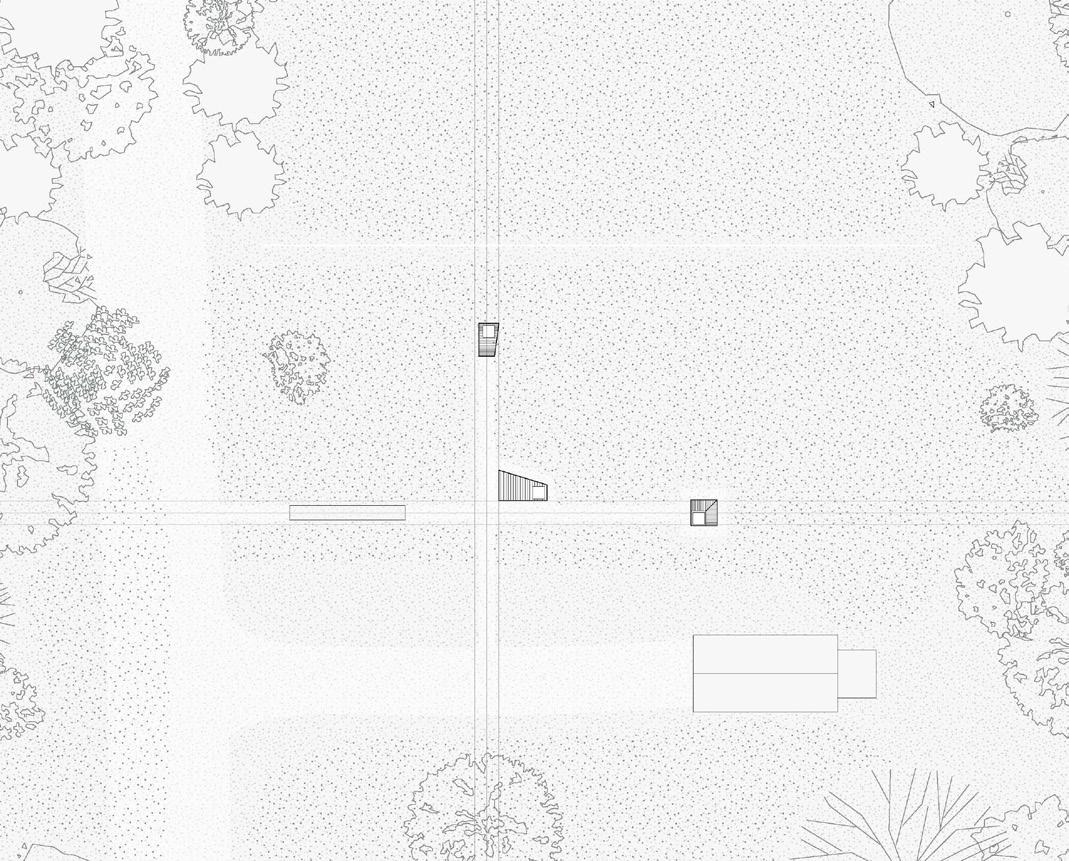
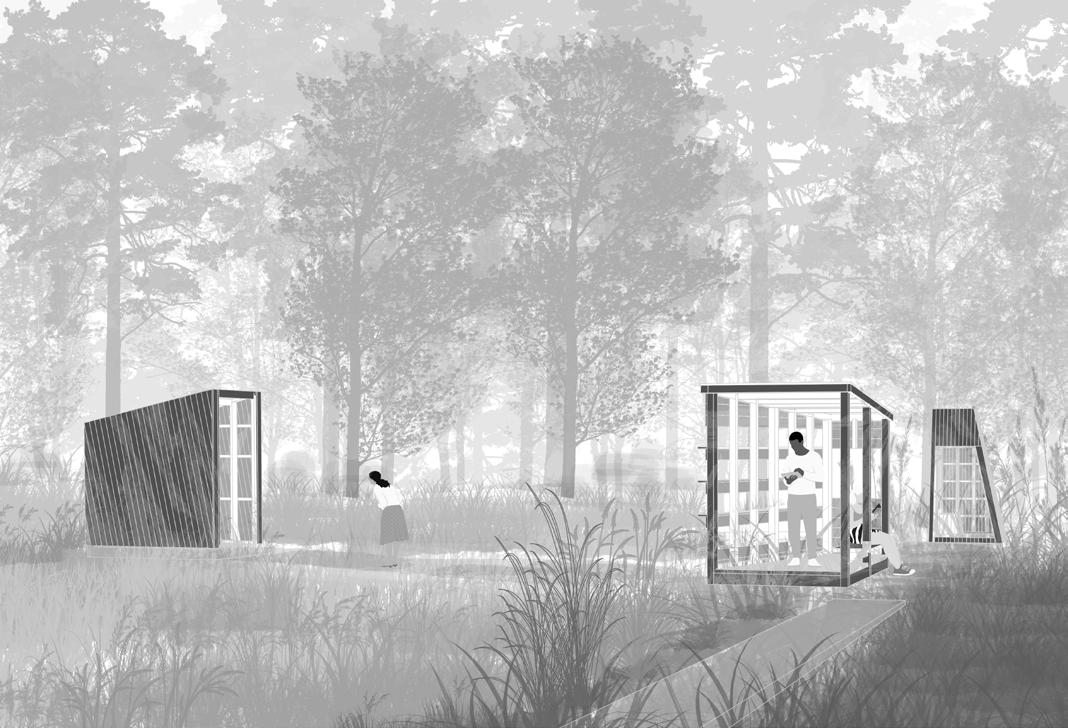
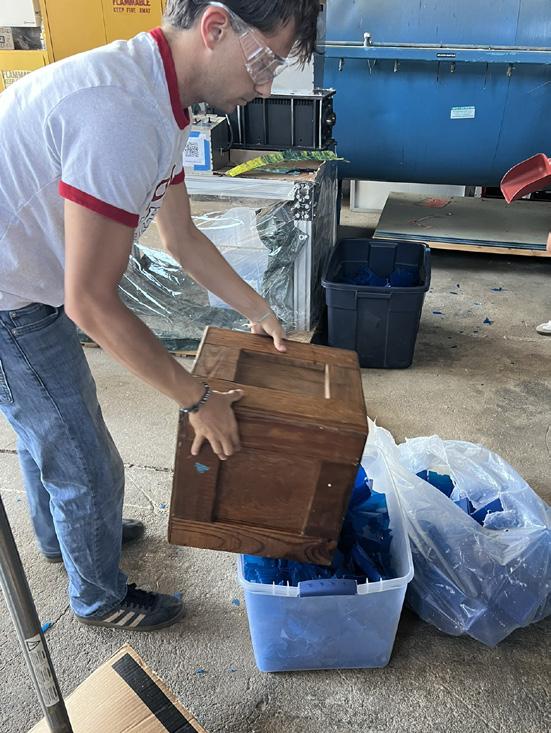
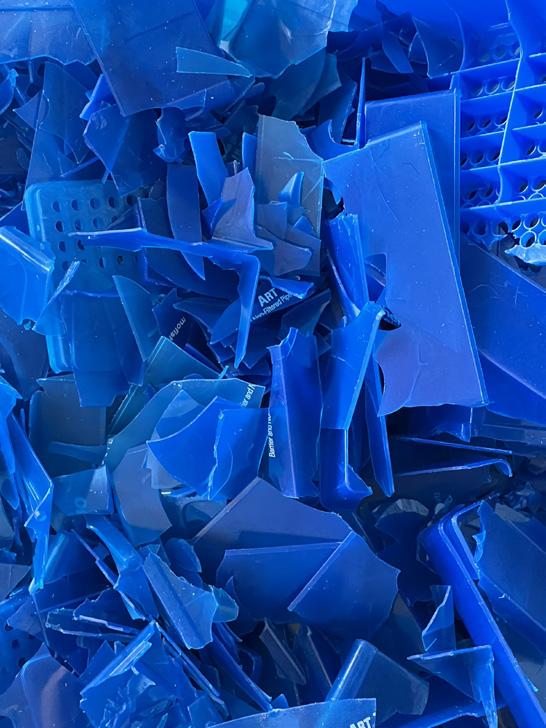
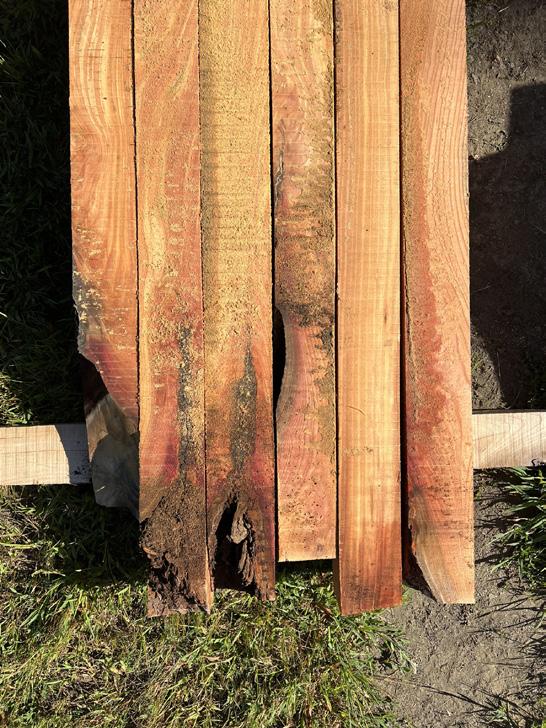
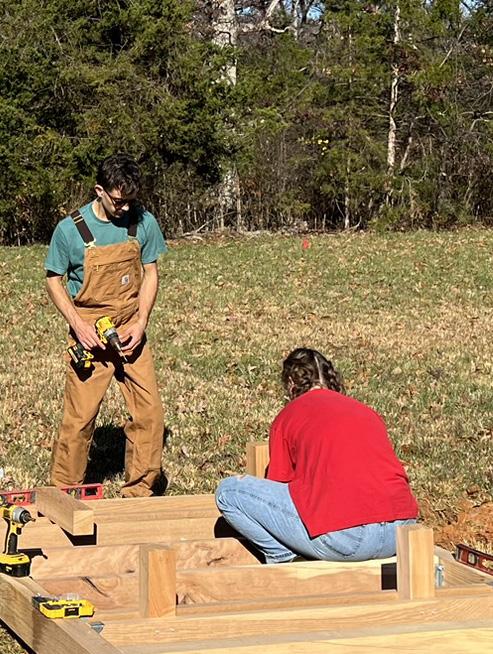
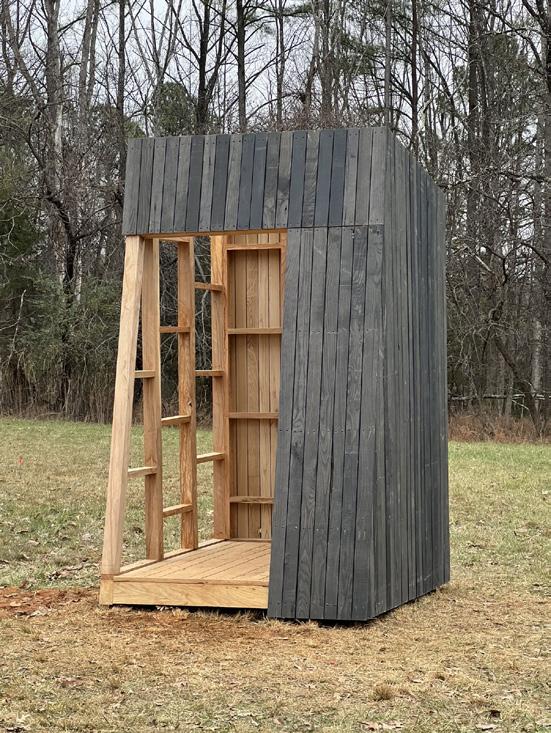
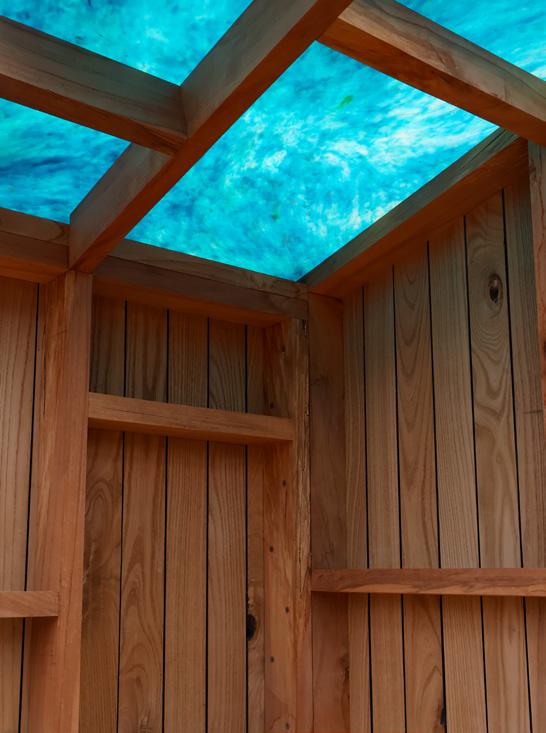
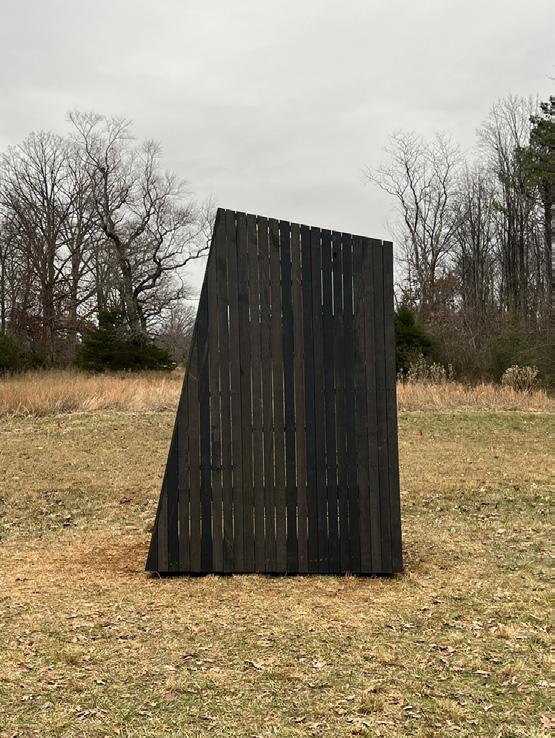
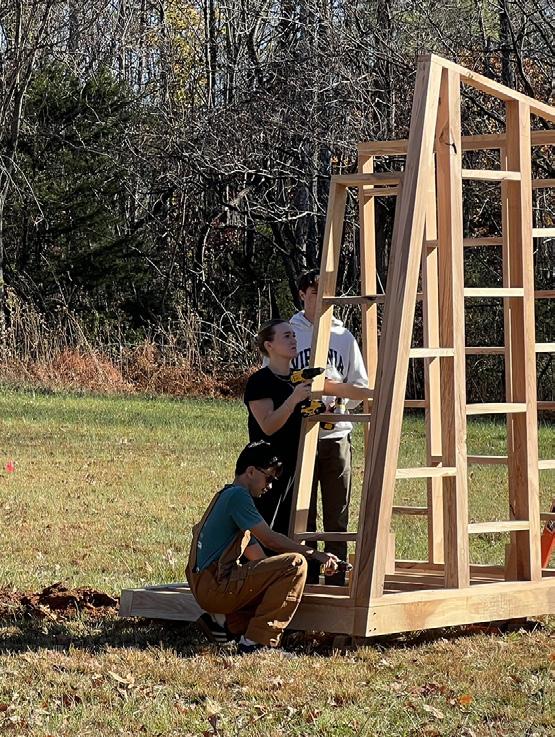
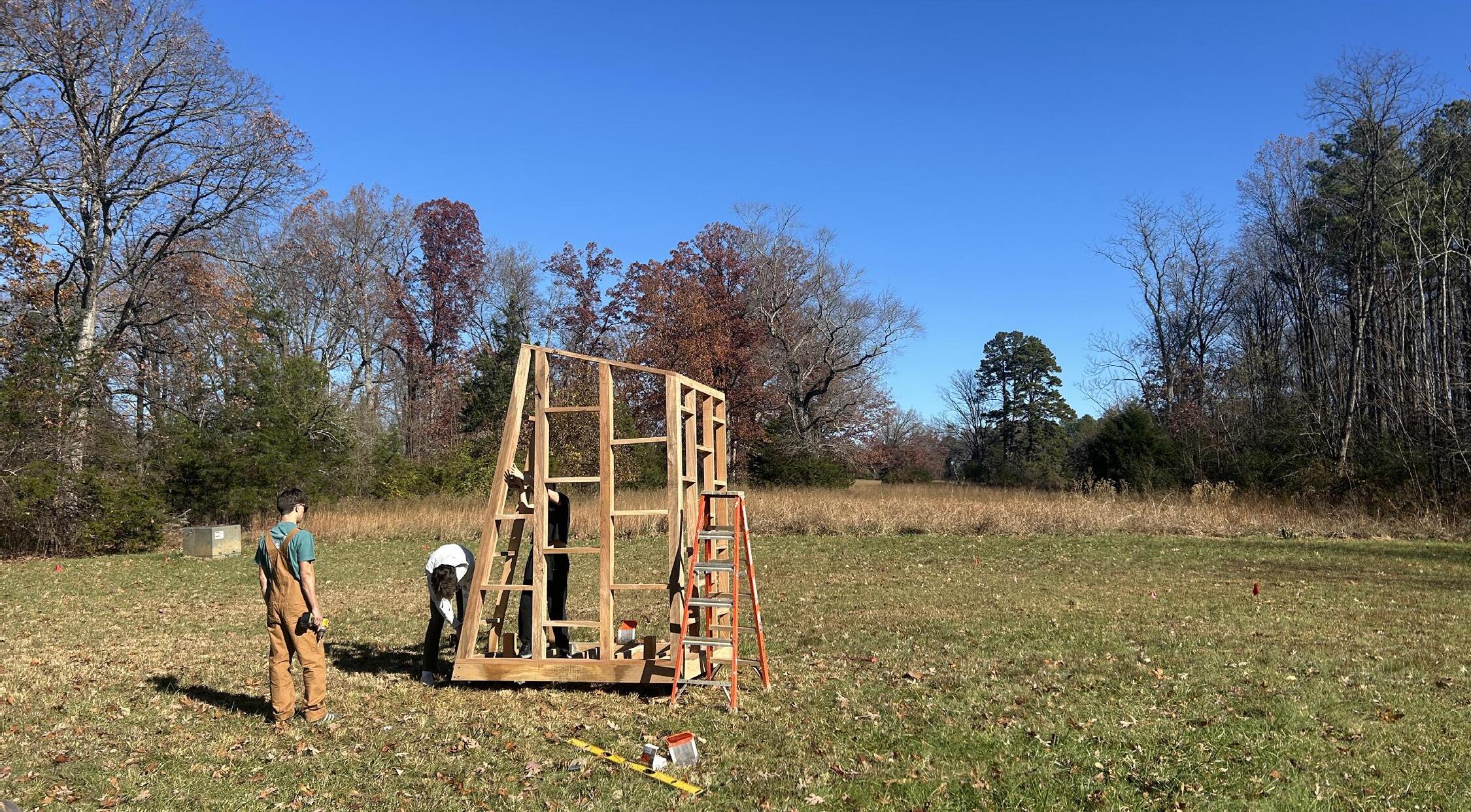
This trailhead pavilion was designed and built for Morven’s Trail System for the class, ARCH 5500, Processing the Anthopocene with JT Bachman. The design offers hikers a space to rest and reflect, using recycled plastic elements in the skylight and local wood. Our group’s three-pavilion design was selected by Morven stakeholders and narrowed to one to be constructed.
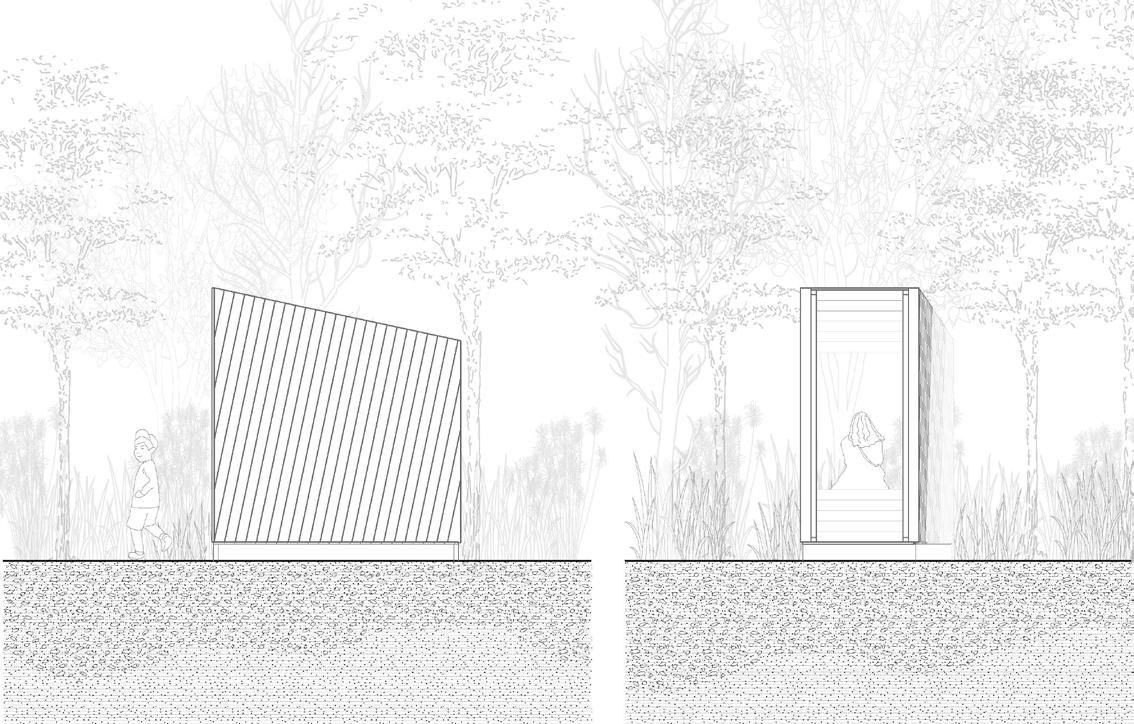
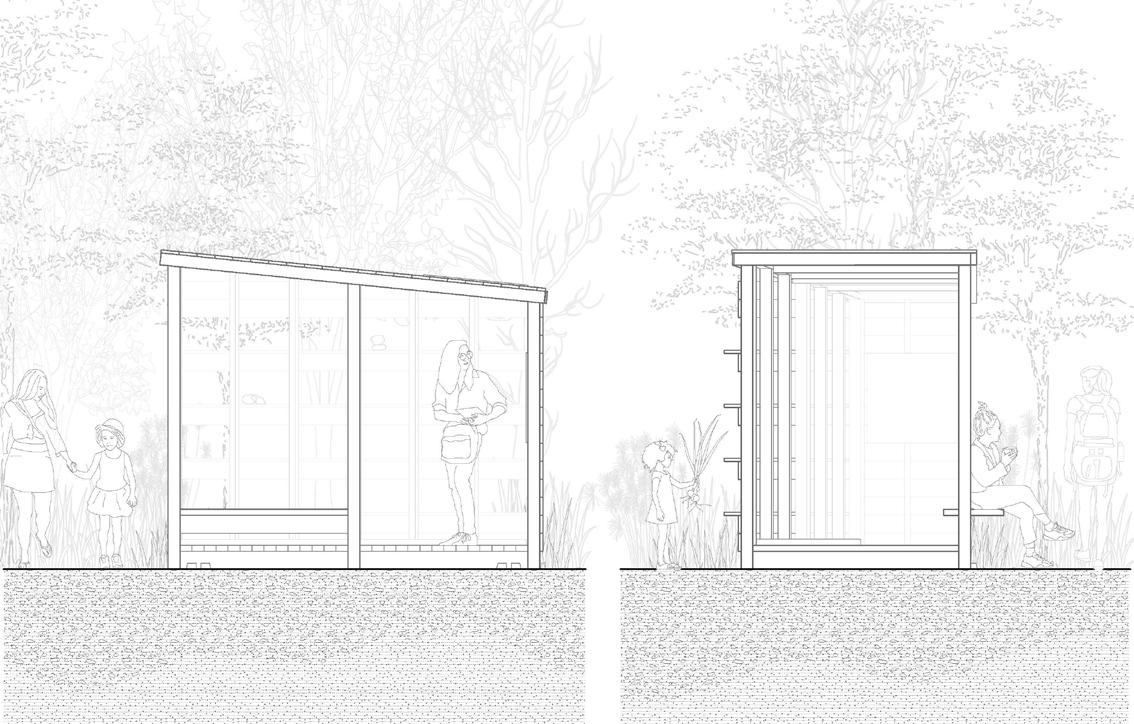
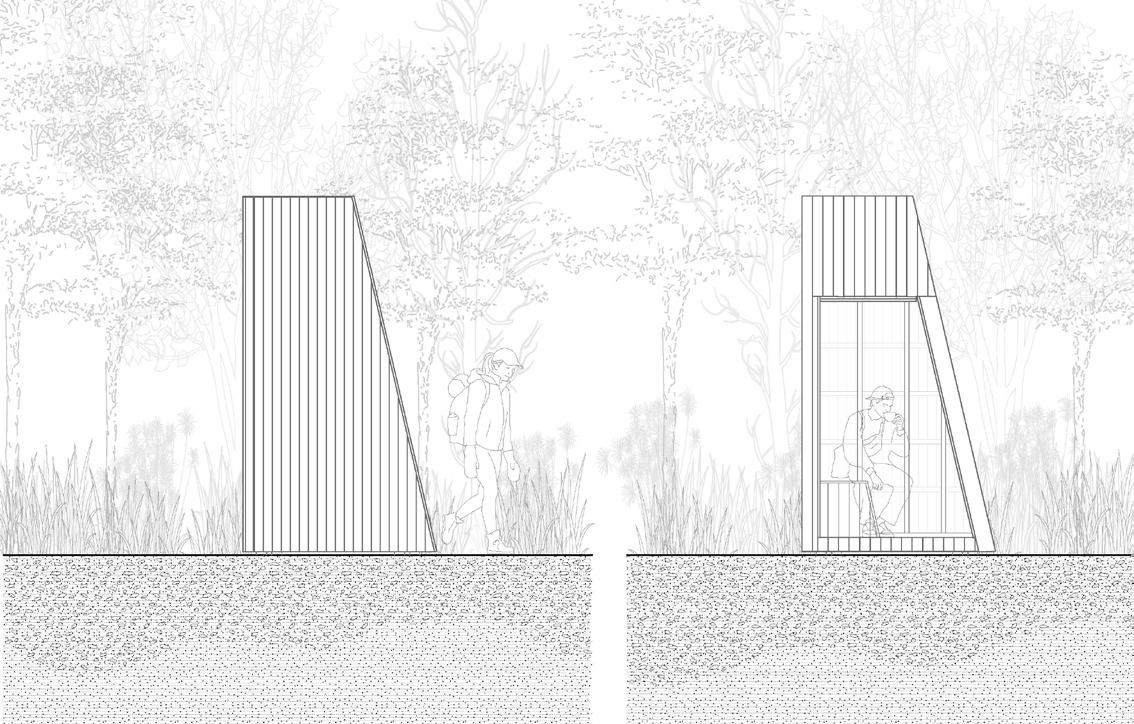
Elevations: Three Initial Pavilions
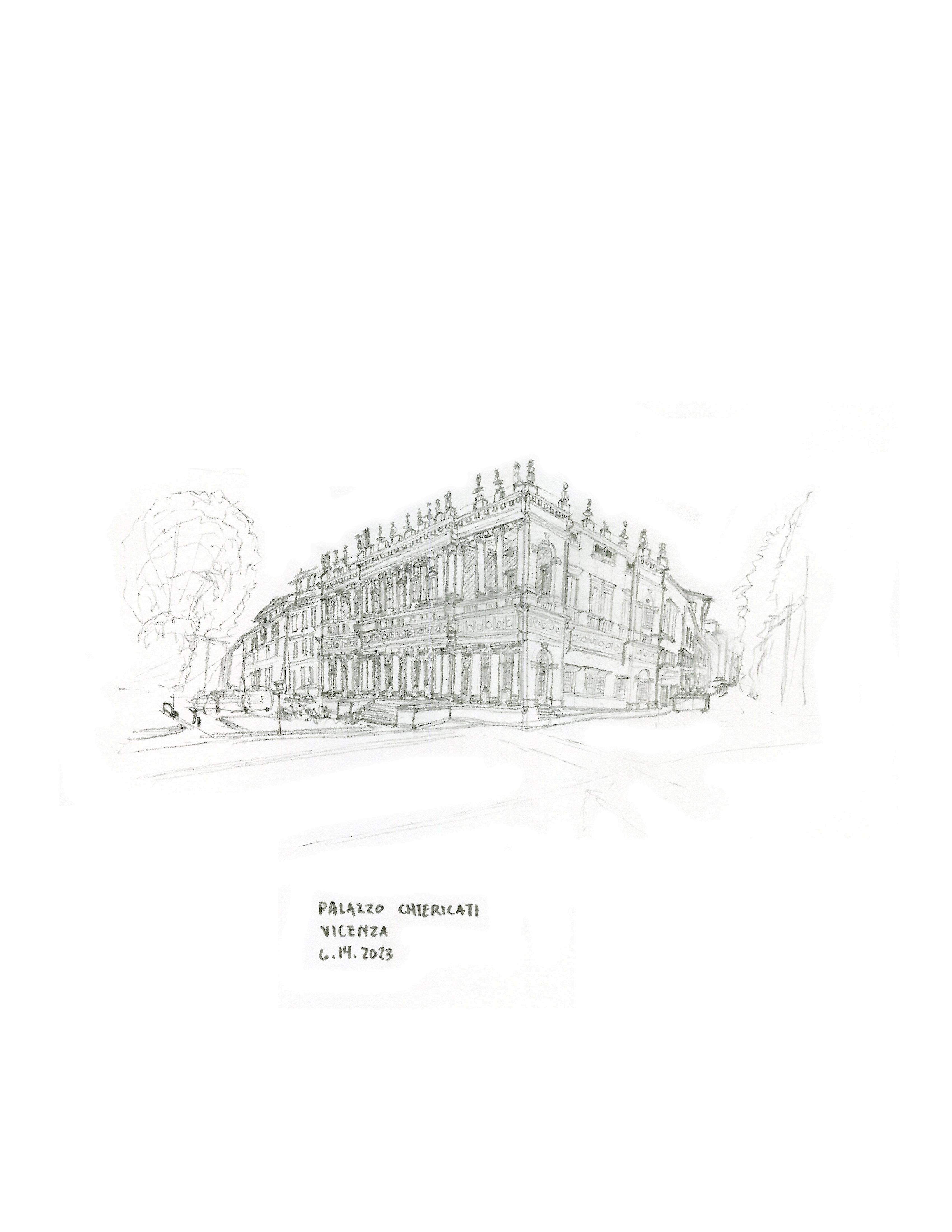
Professor: Ines Martin Robles & Luis Pancorbo Crespo Summer 2023
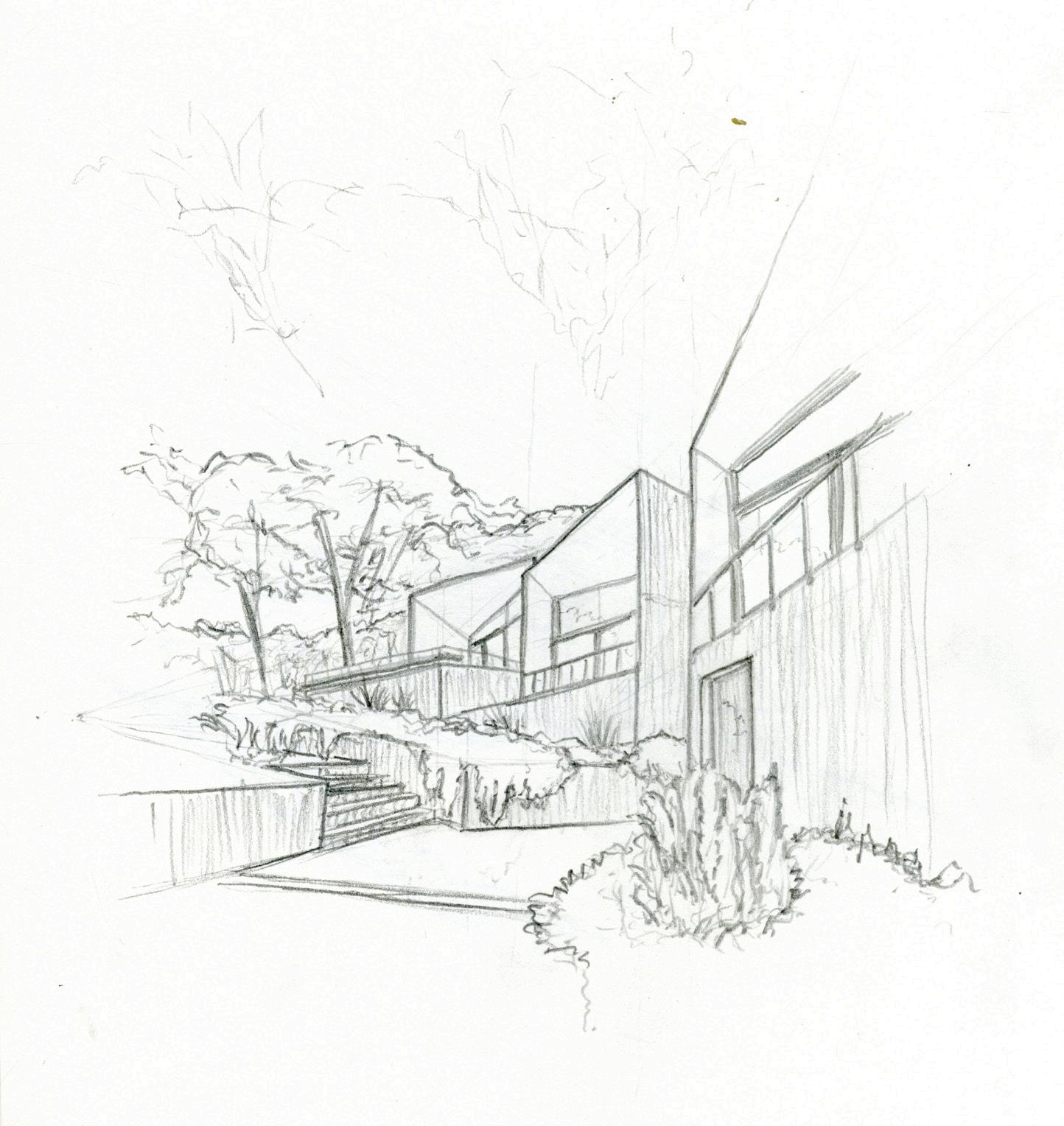
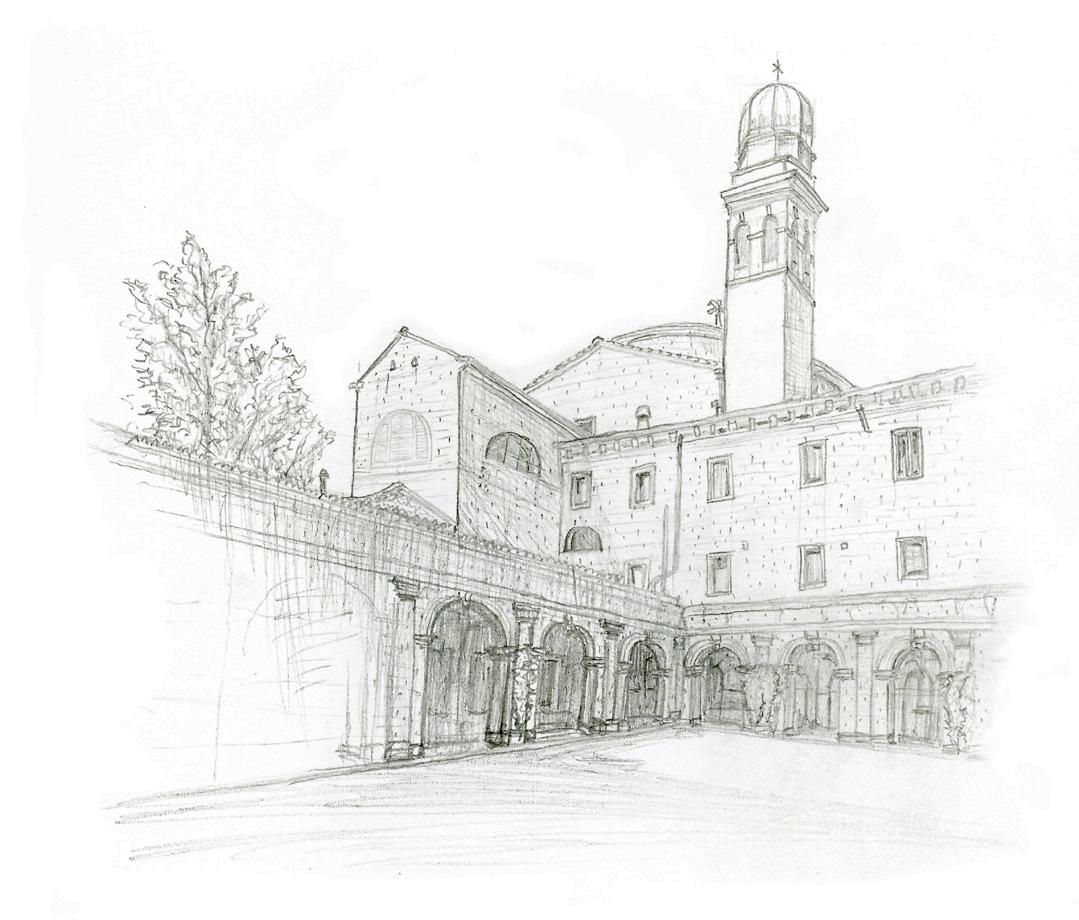
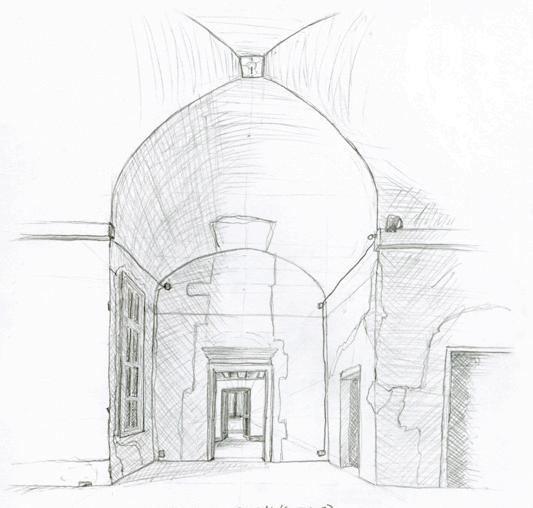
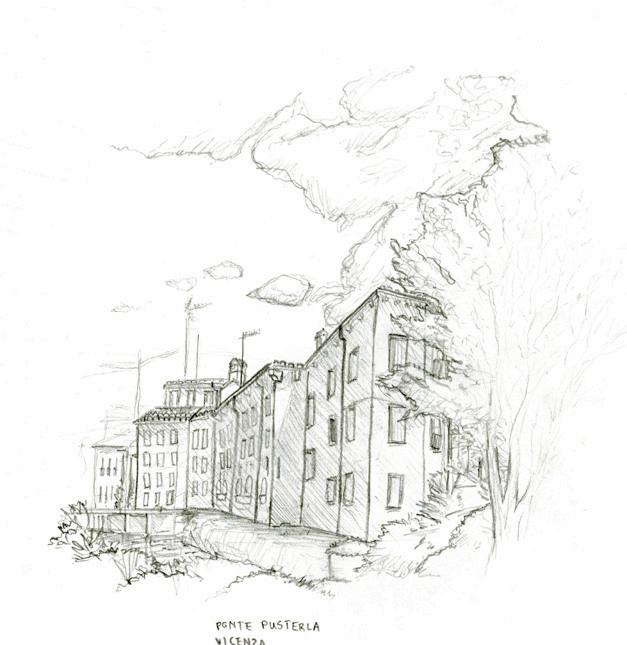
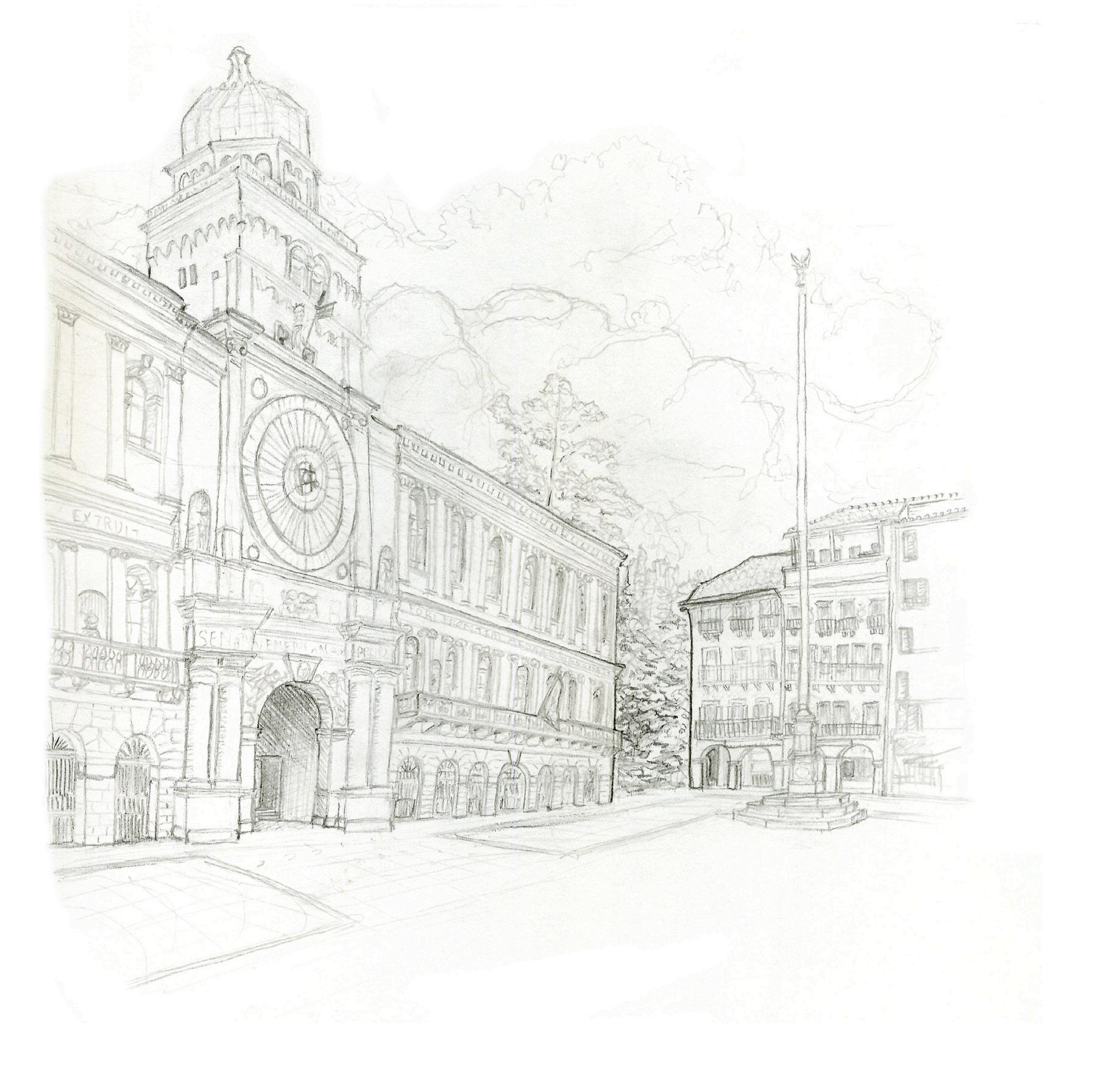
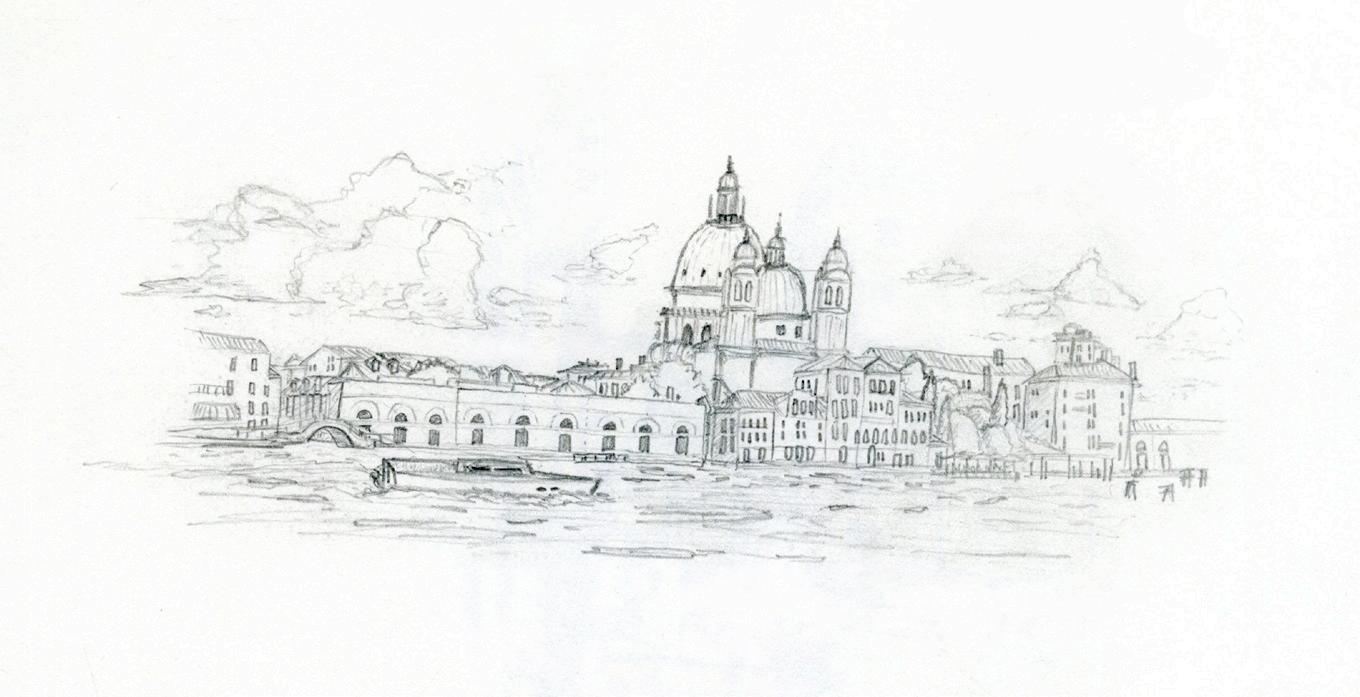
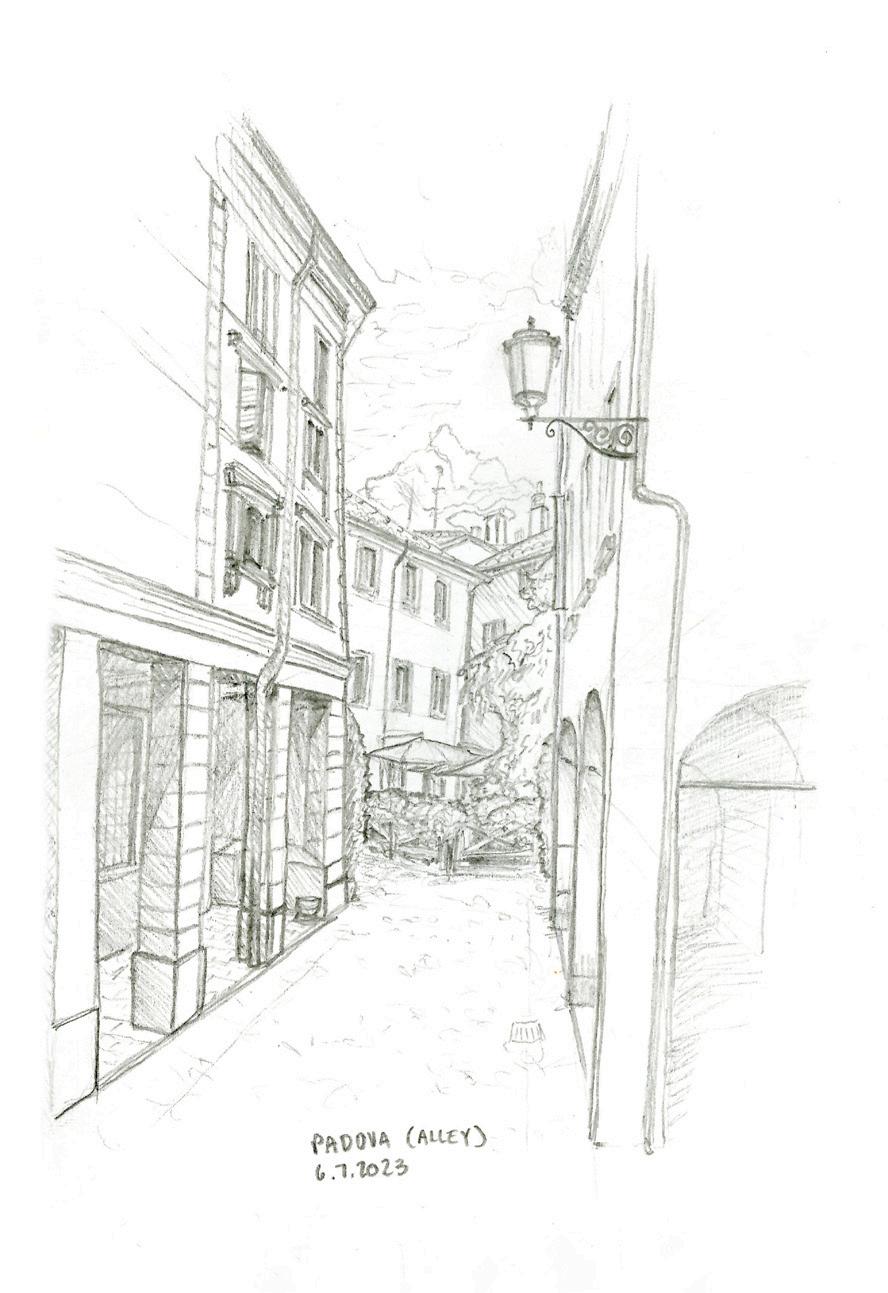
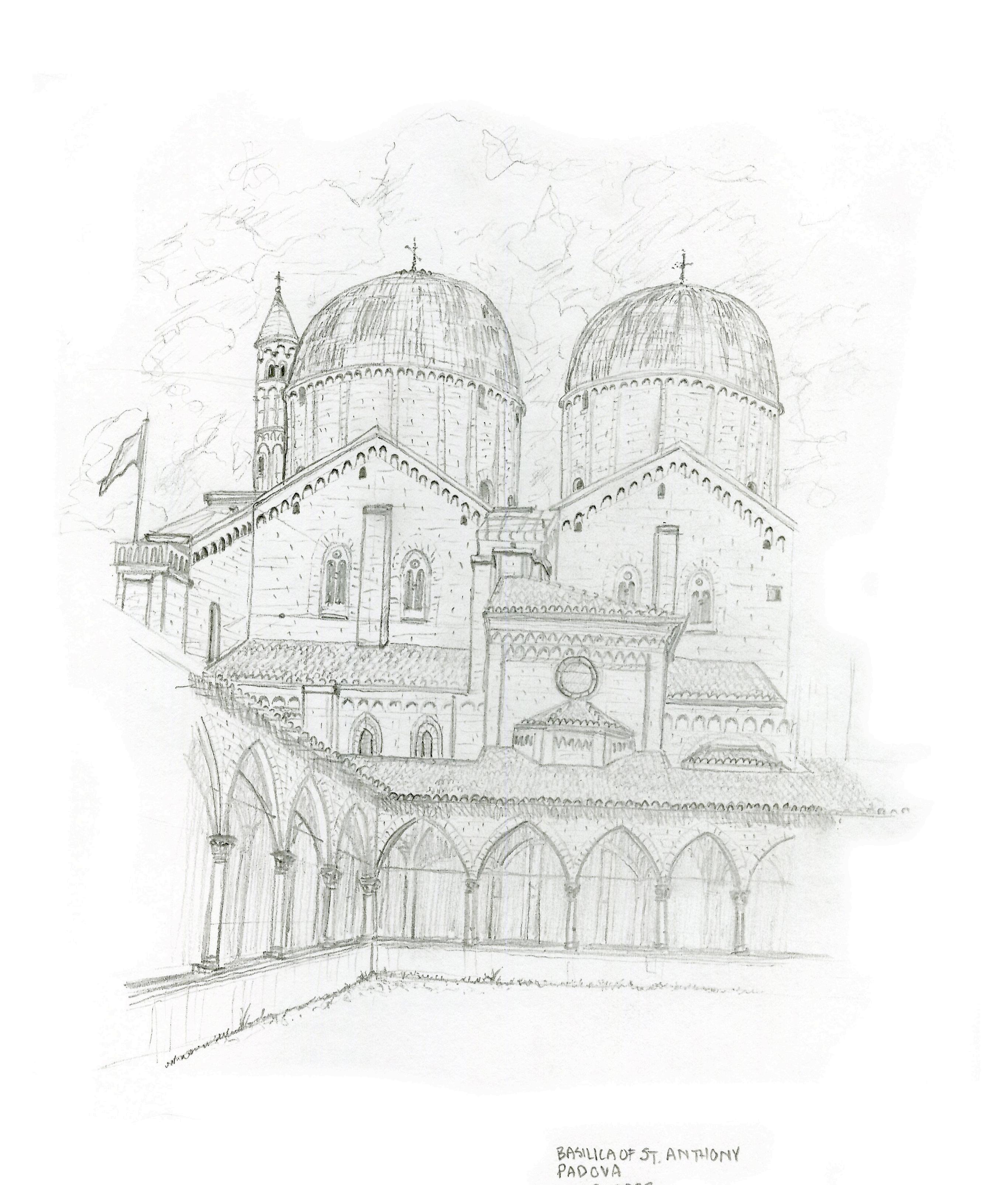
This project stems from a summer studio based out of Vicenza, Italy with an emphasis on hand-drawing and drafting skills. The final book included over 60 final sketches

Firm: ENV, Richmond Office Internship Summer 2025
For this project, I worked closely and directly with a client, a local Richmond law firm, to determine the scope and design for an architectural update to their exterior of their main office building. The project included a series of presentations and renders made in collaboration with Mohamed Ali, a fellow designer in the office, who applied general materials and lighting to my 3D model in Twin Motion. I was responsible for all of the design work, diagrams, the digital model, post-production and editing, and the final presentation to the client, while recieving feedback and mentorship along the way from ENV’s design principal, Whitney Campbell.
Project Scope: Three Options
Level 1: Minimal Most affordable
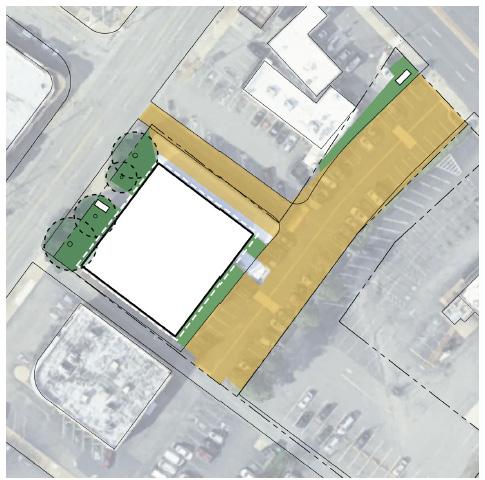
Level 1: Moderate Mostly costmetic
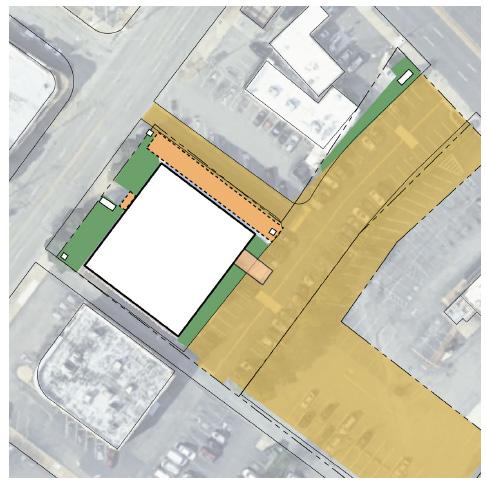
Level 3: Maximum Most architectural
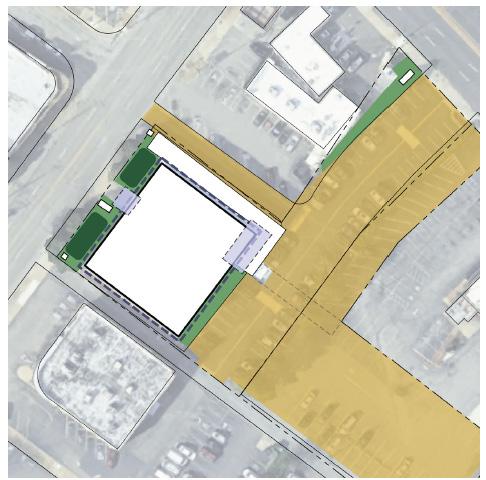
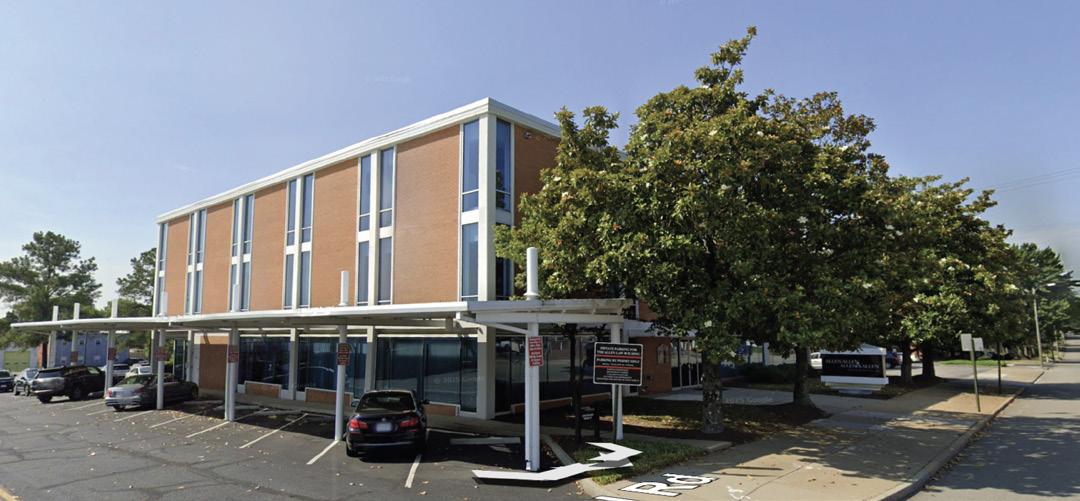
Existing Conditions
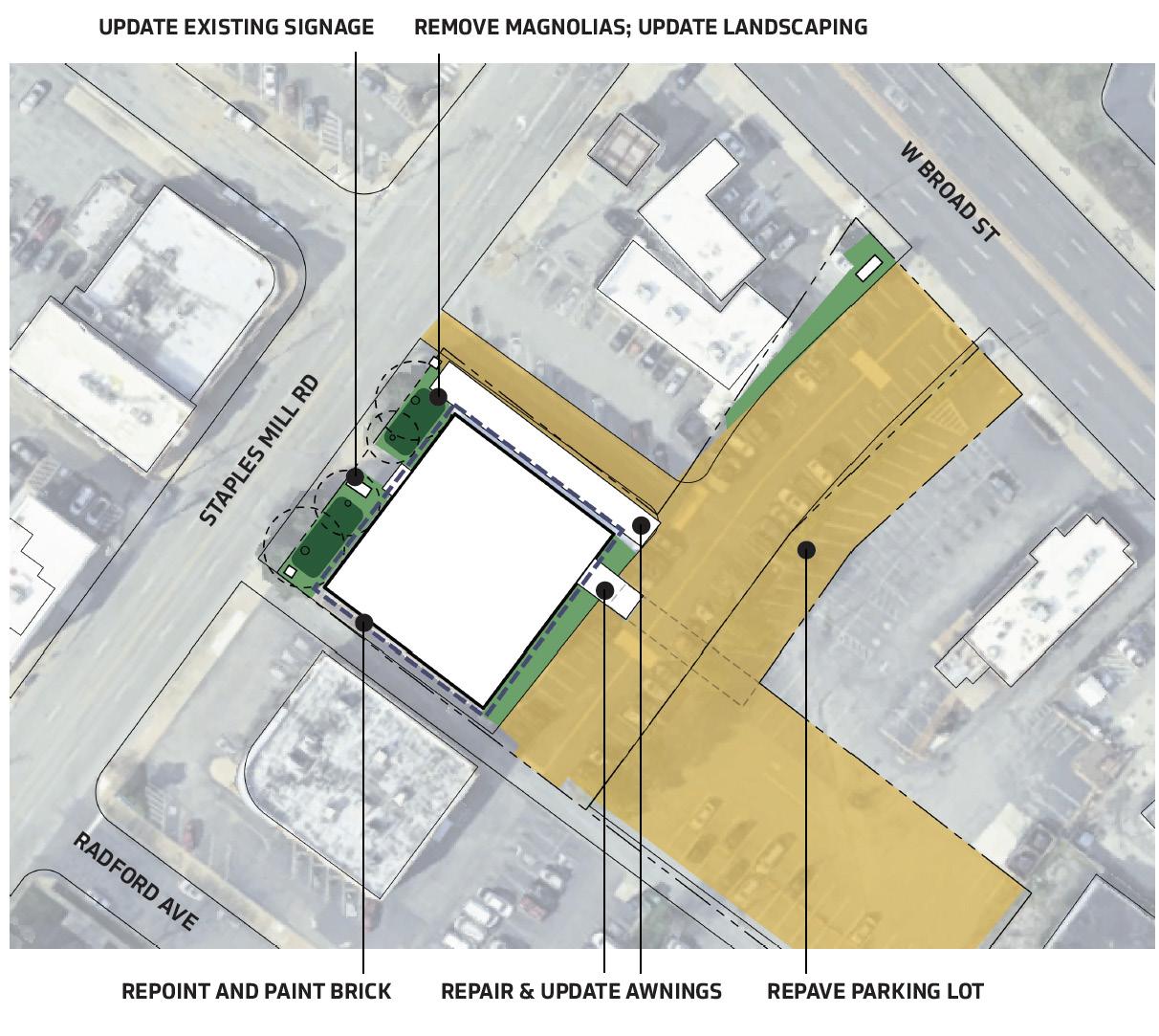
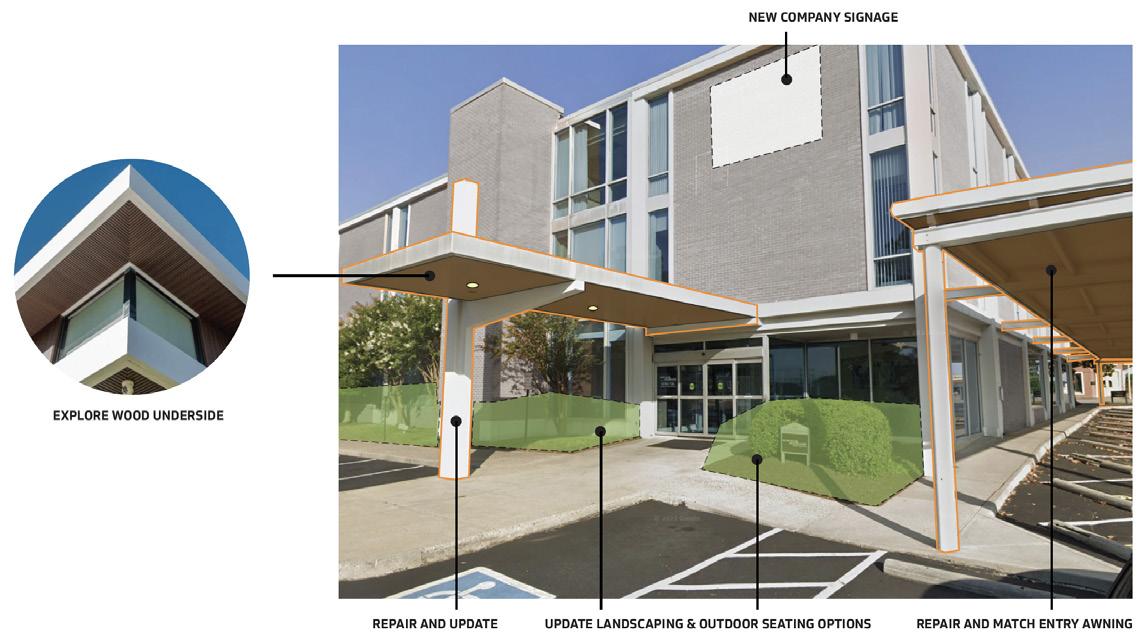
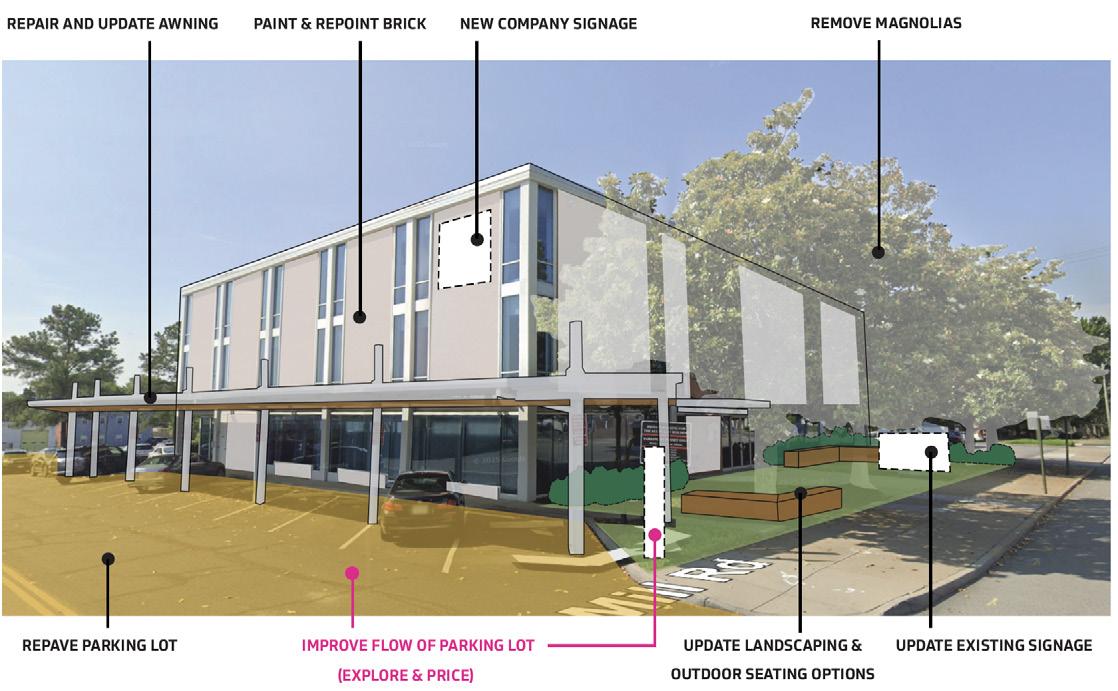
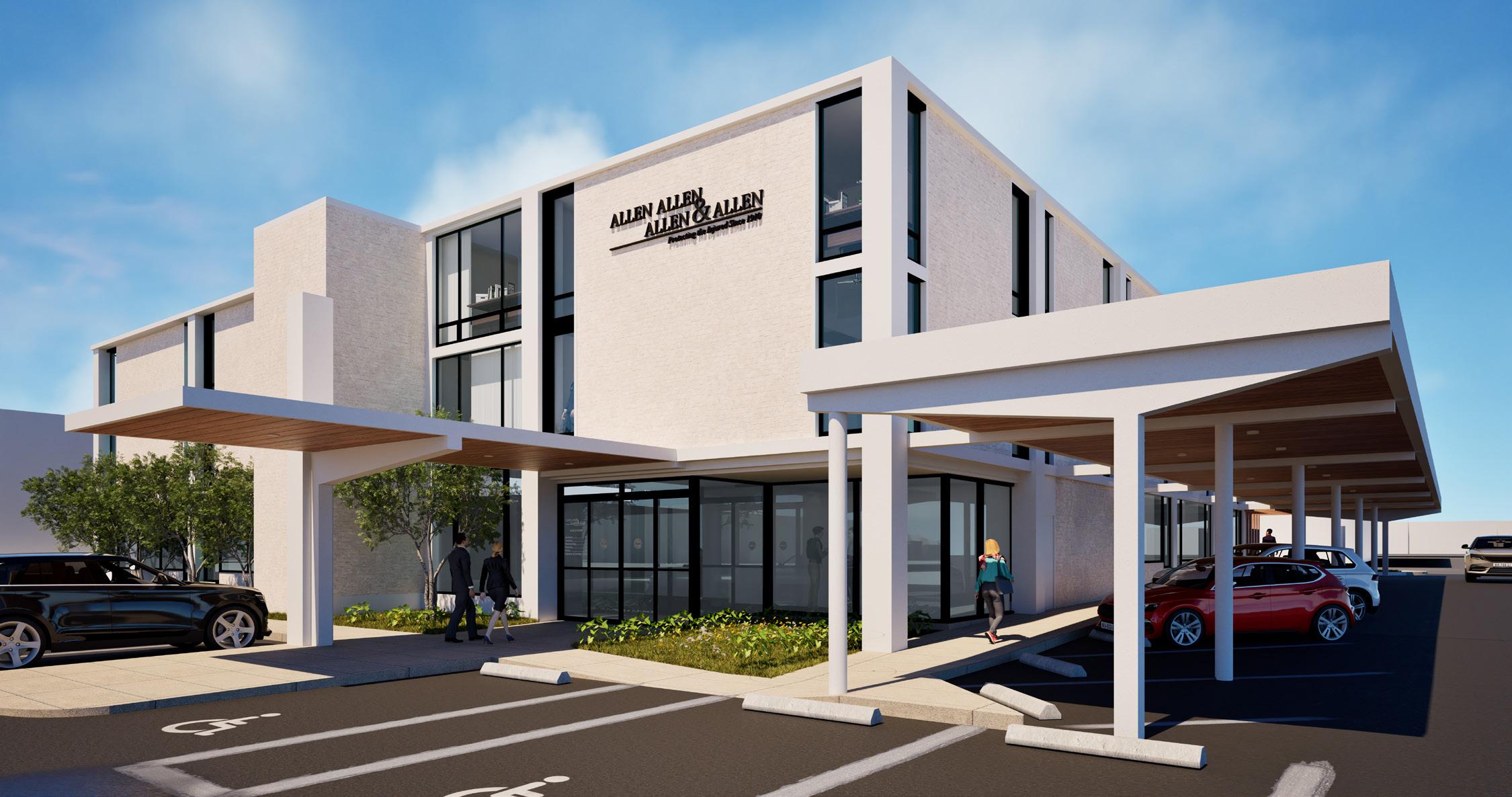
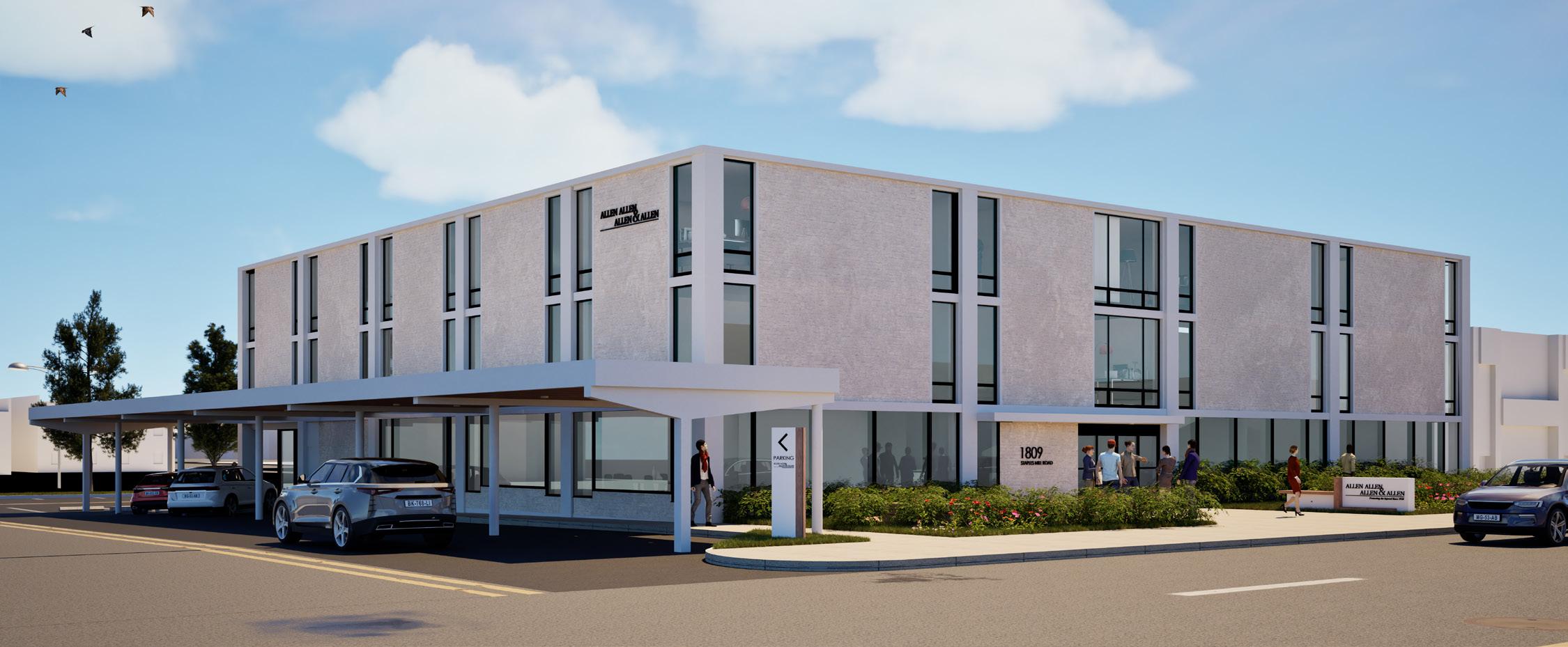
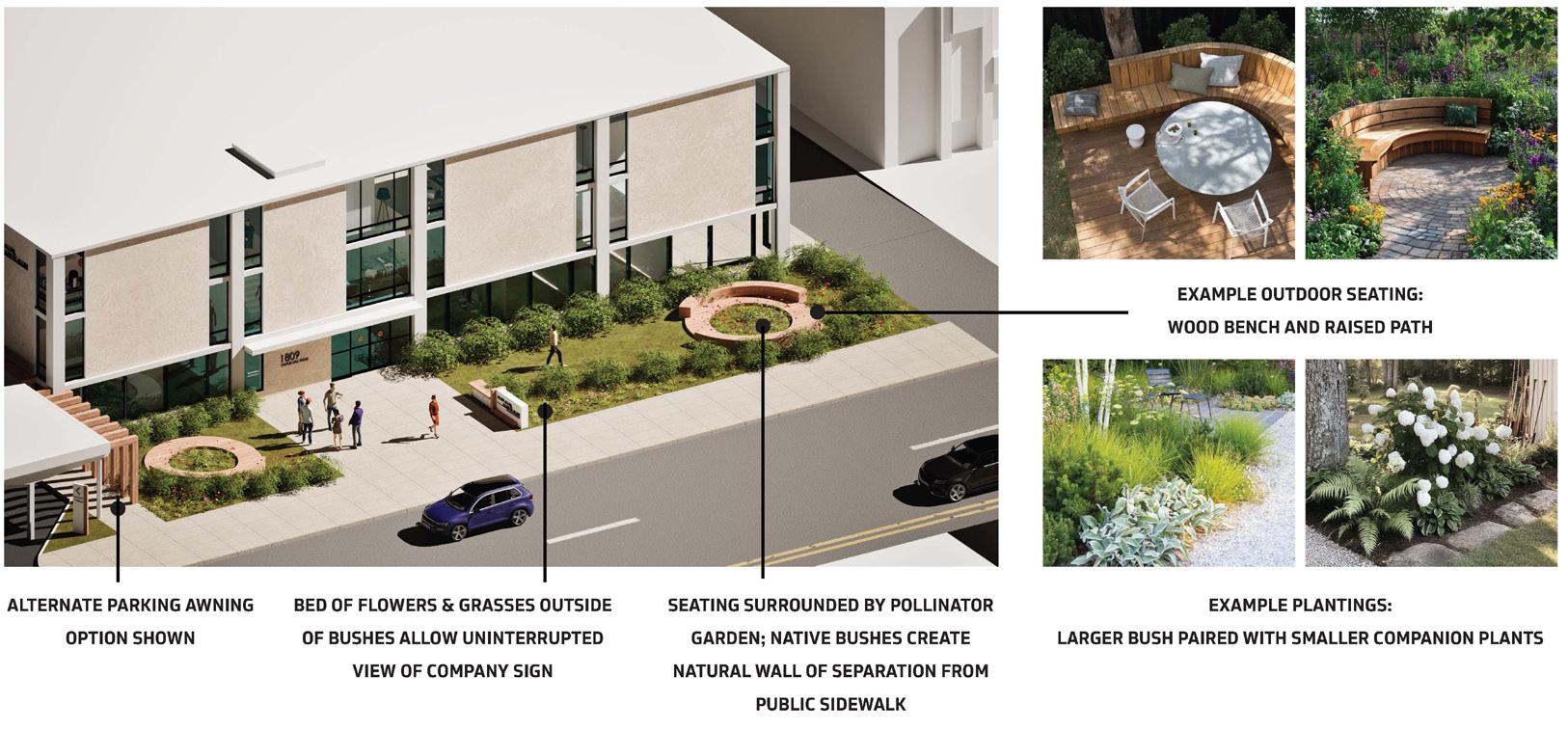
Landscape & Outdoor Seating: Proposed Design Option for a new public-facing green space in front of the law firm. Included as a part of final presentation.
Firm: Quinn Evans, Richmond Office
Internship Summer 2024
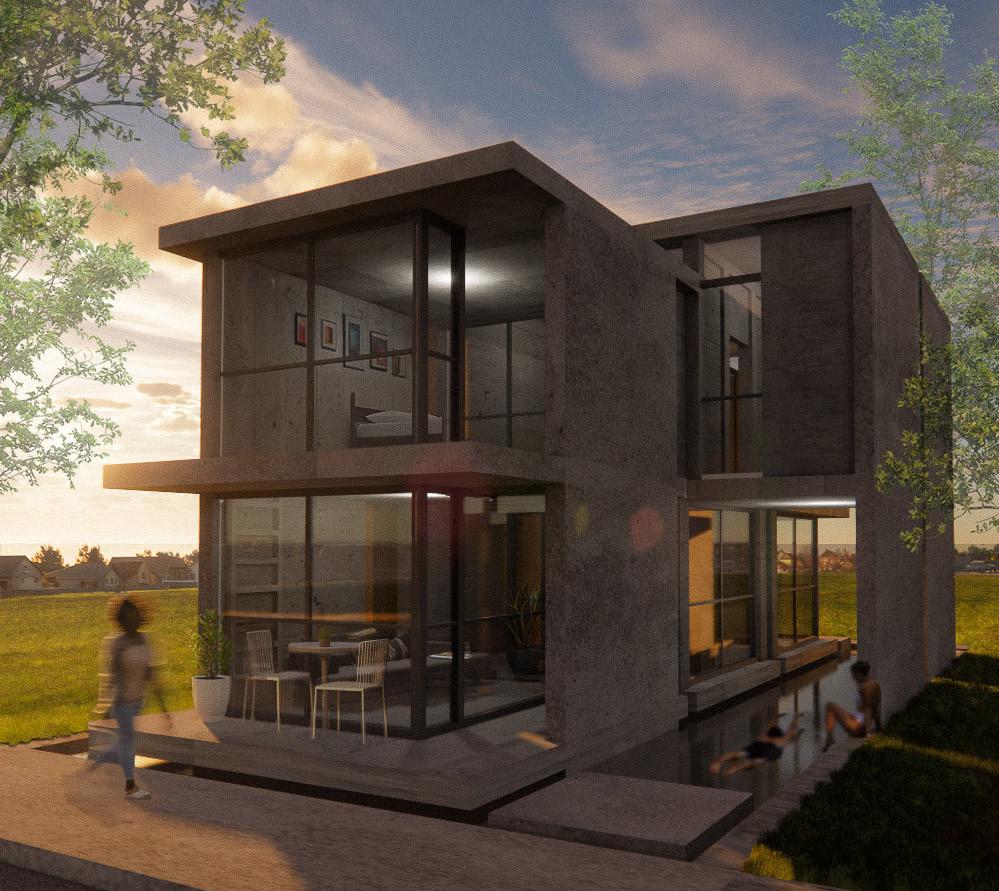
INITIAL RENDER 1
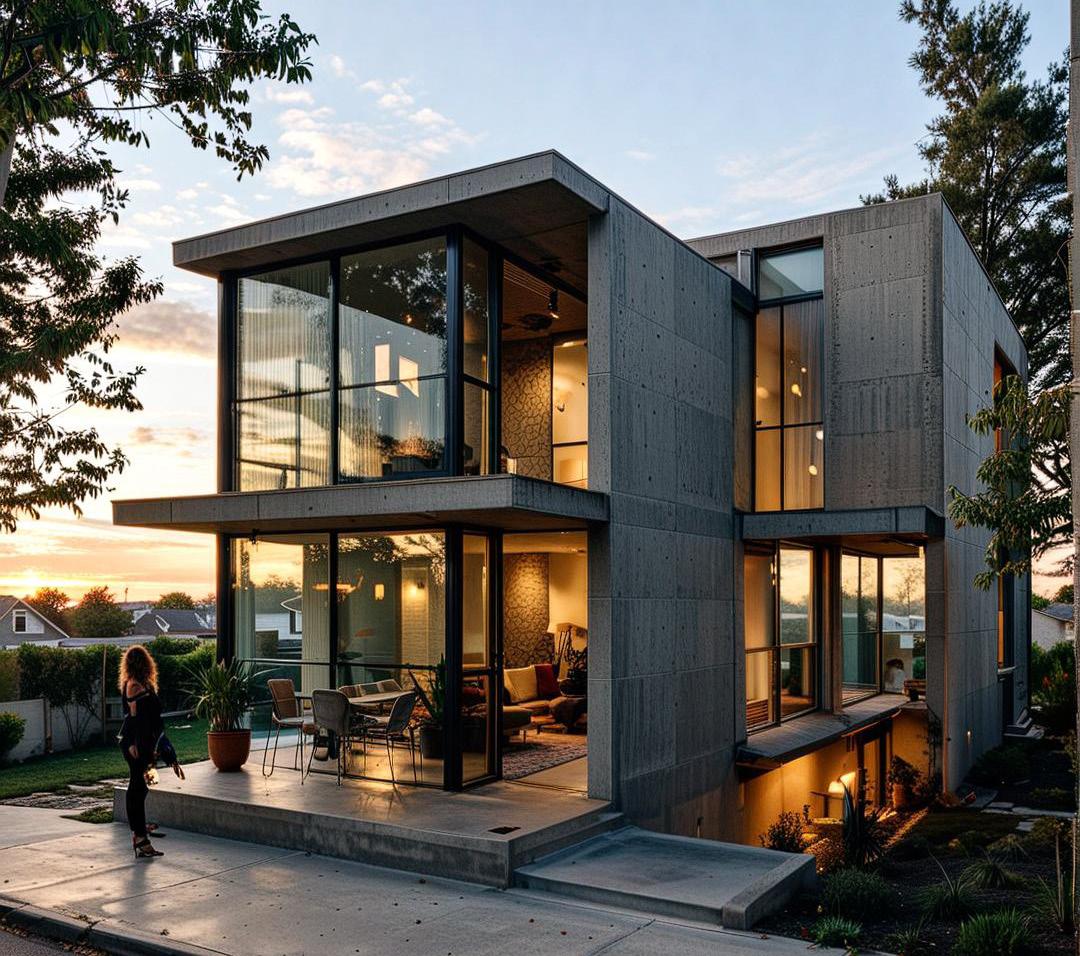
FINAL RENDER 1
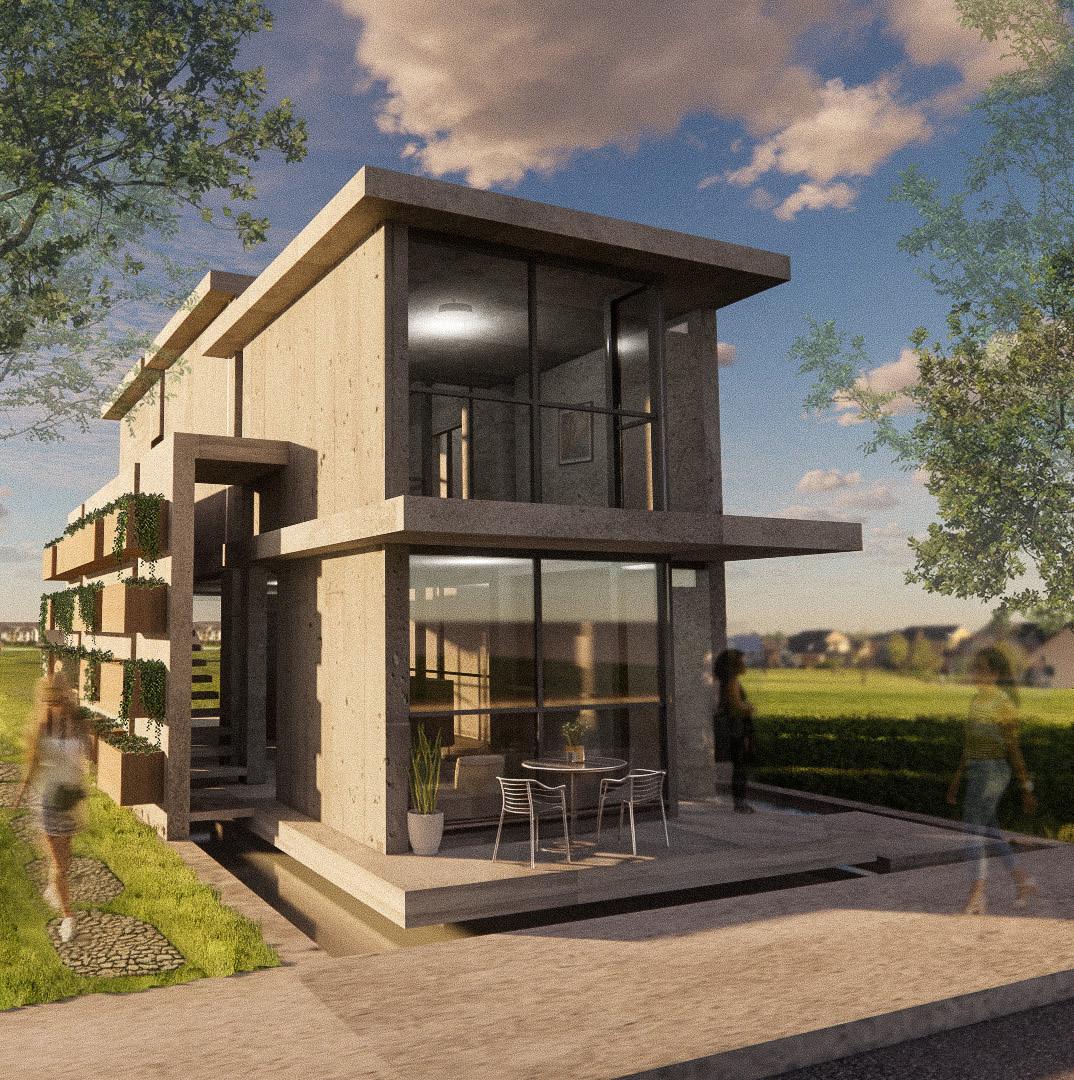
INITIAL RENDER 2
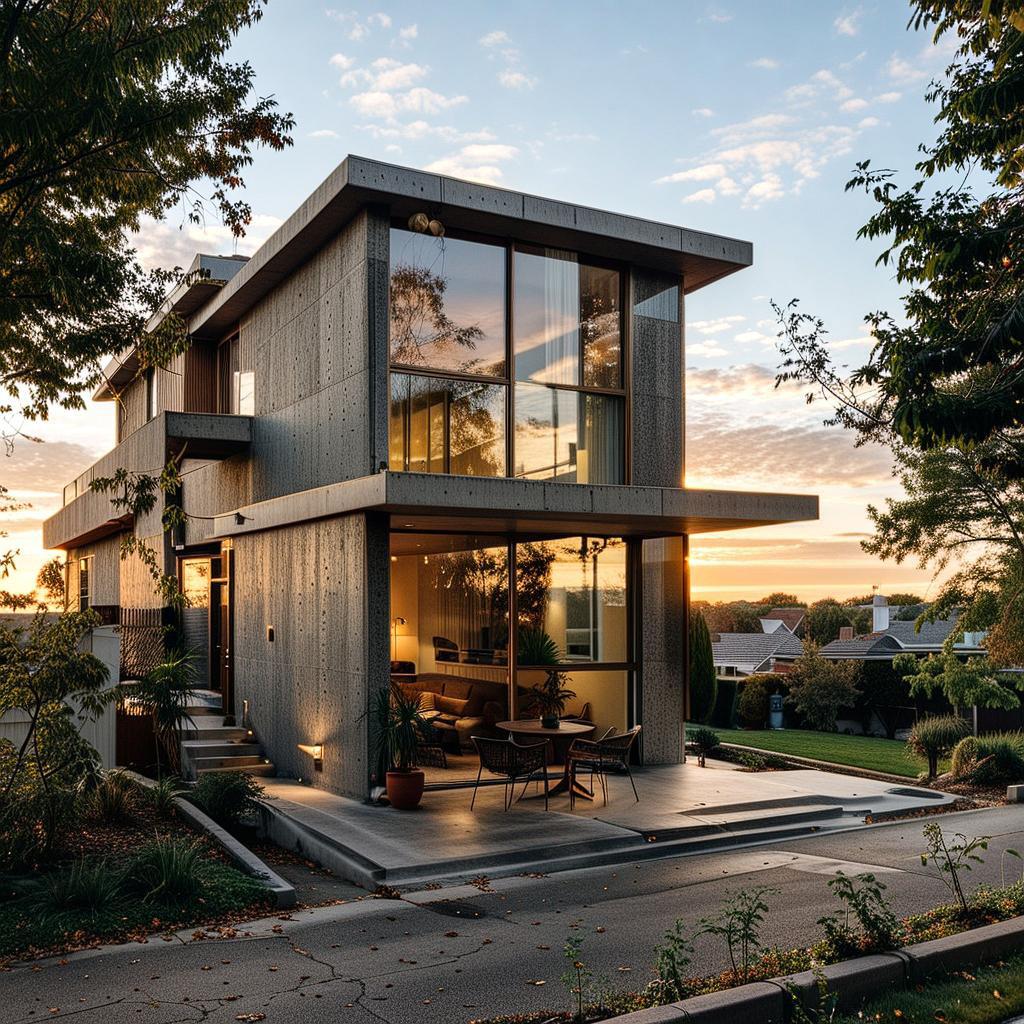
FINAL RENDER 2
Rendering with AI: Cascade House (Presented at Software Symposium)
The two above renders of Cascade House, an original academic project from ARCH 2020, were created using text and image to render software, Rendair, including additional parameters programming lighting, geometry, and style reference as a part of independent research on using AI software in post production, inspiration and ideation, and other stages of workflow in architecture, presented to Quinn Evans architects’ Richmond Office. The base images pictured above were built through a 3D Rhino Model and Enscape renders with additional photoshop work and post-production editing.

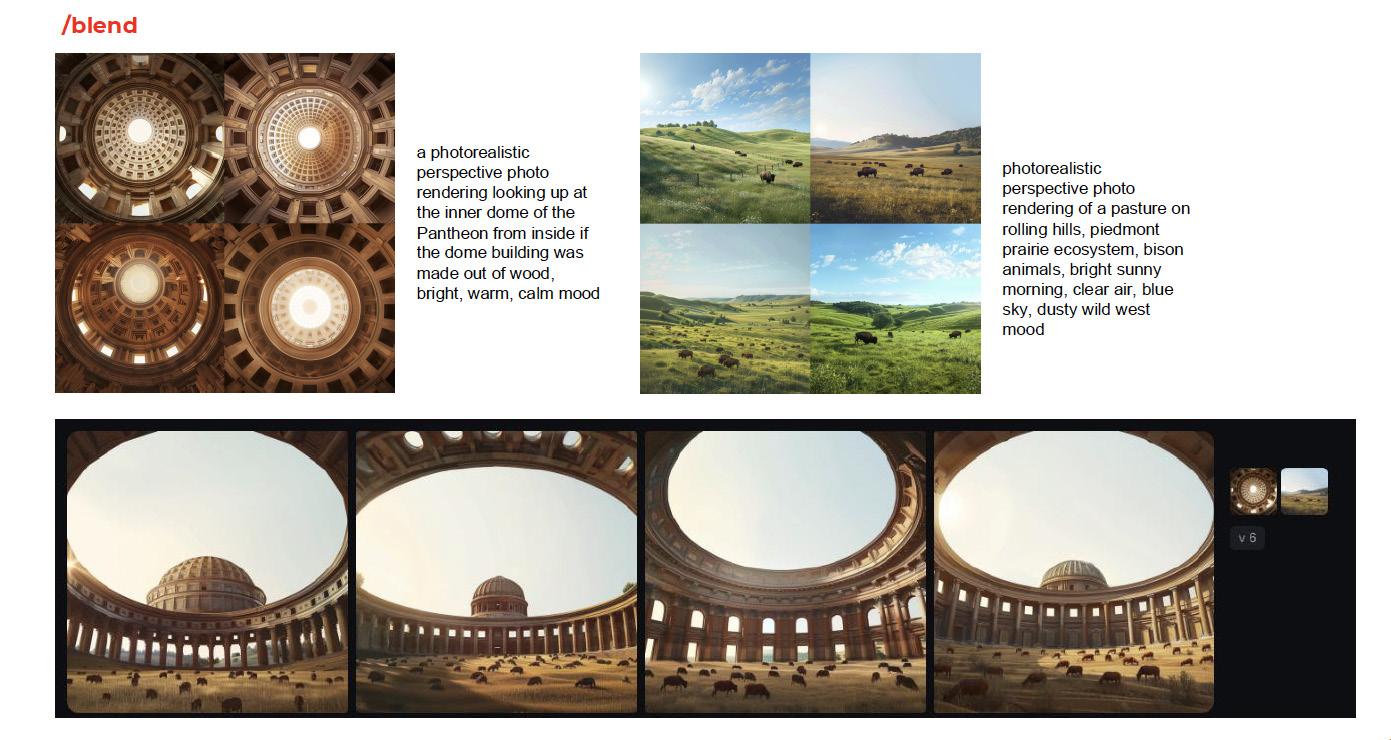
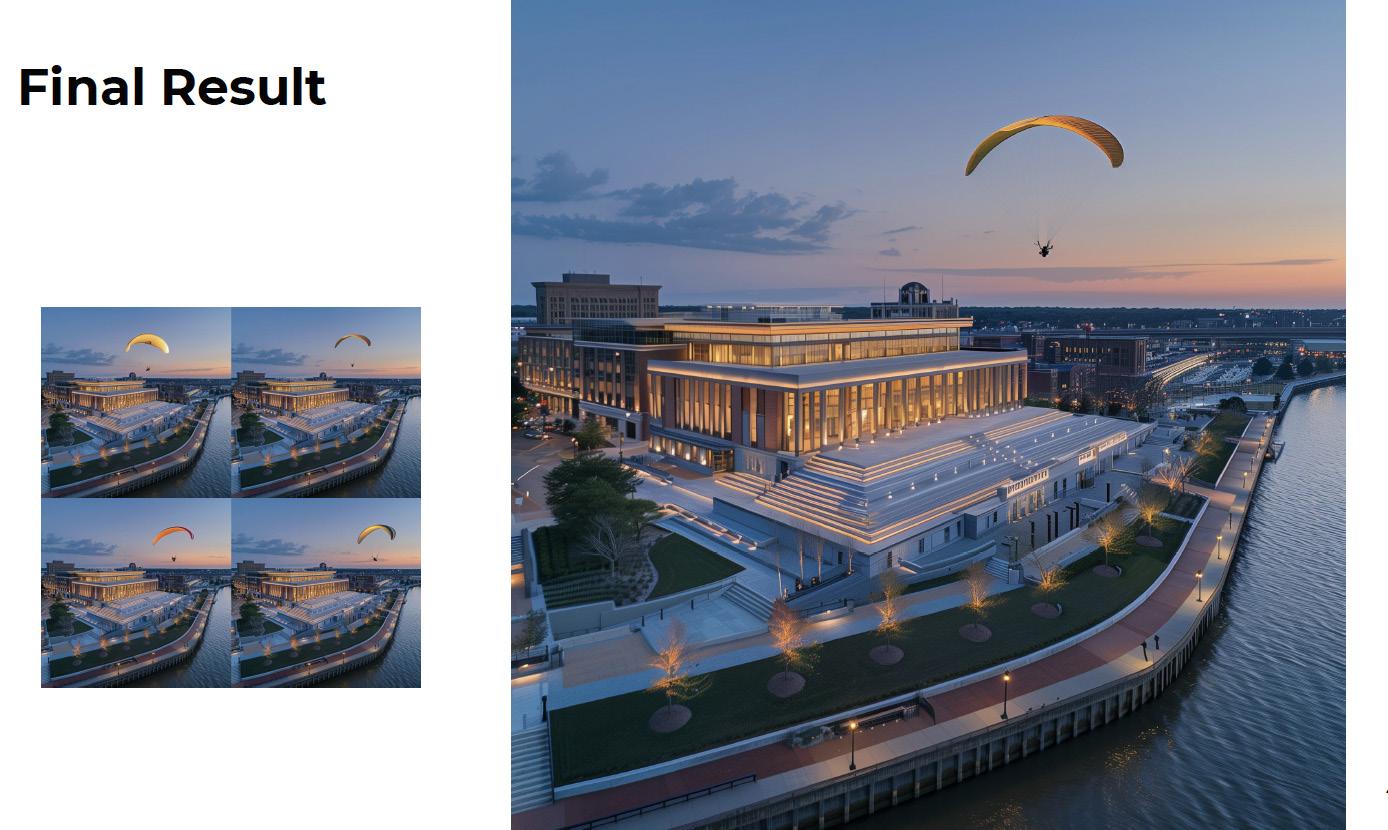
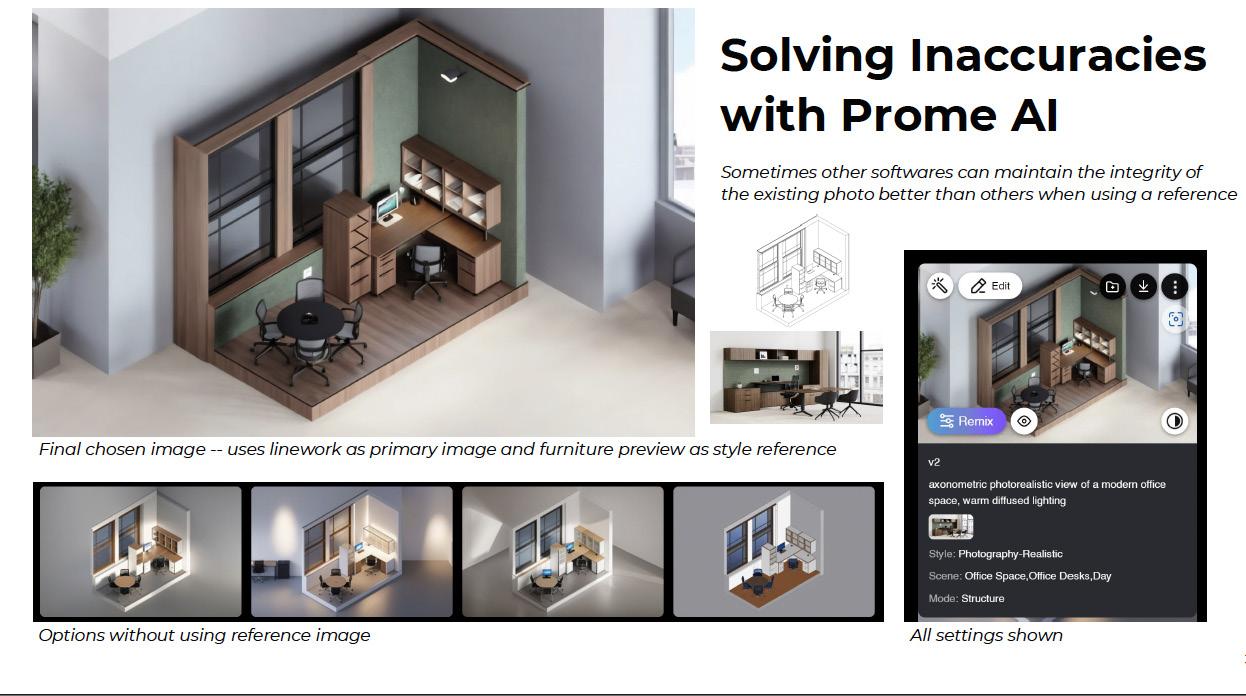
This series of slides is an exerpt from a greater presentation and comprehensive how-to-use guide from research on AI software in the field of architecture. The final slide deck was presented to the Richmond office during the internship and exists as a standing resource for designers to reference.
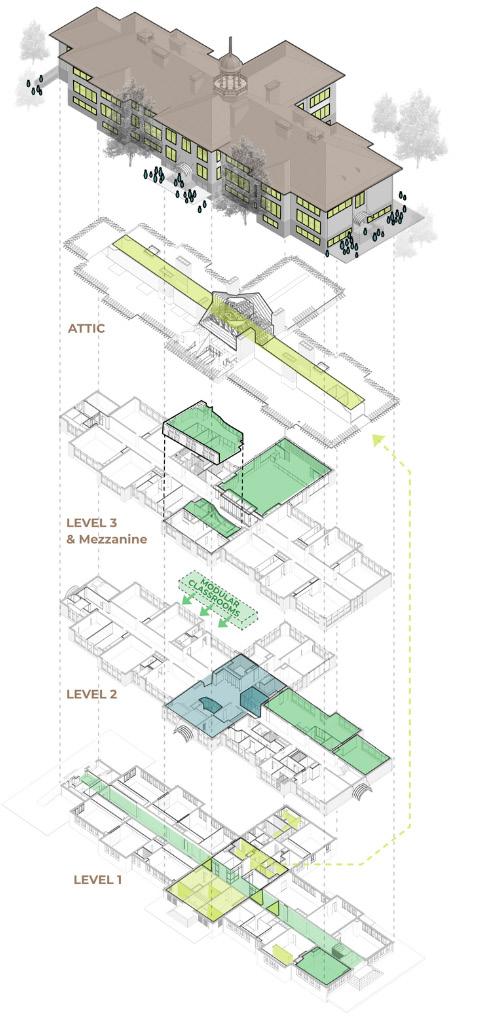

This series of diagrams makes up the summer 2024 intern project presented to the firm as a whole alongside professional work for the Fox Elementary restoration project, a historic school in Richmond that suffered from a devastating fire.