ARCHITECTURE PORTFOLIO
SELECTED WORKS - 2025
ALAA HENDI
SELECTED WORKS - 2025
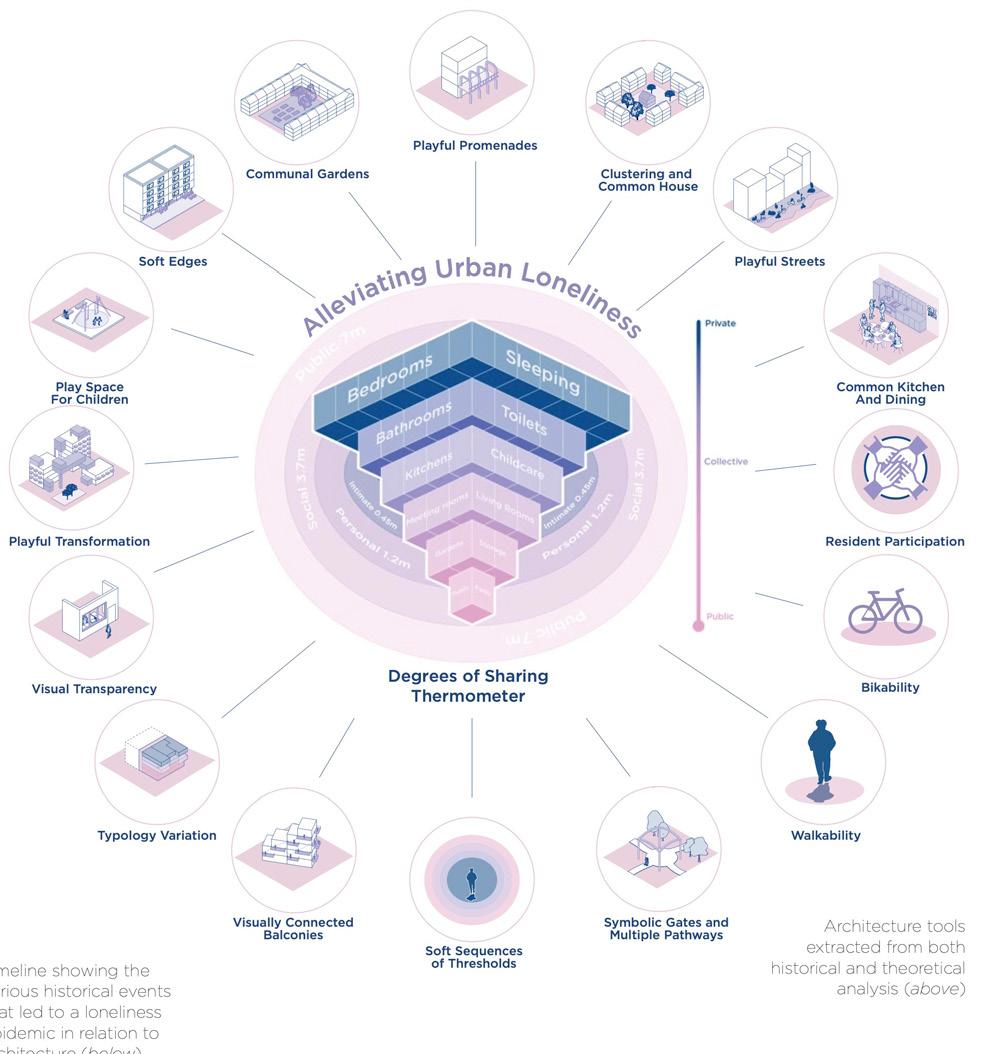
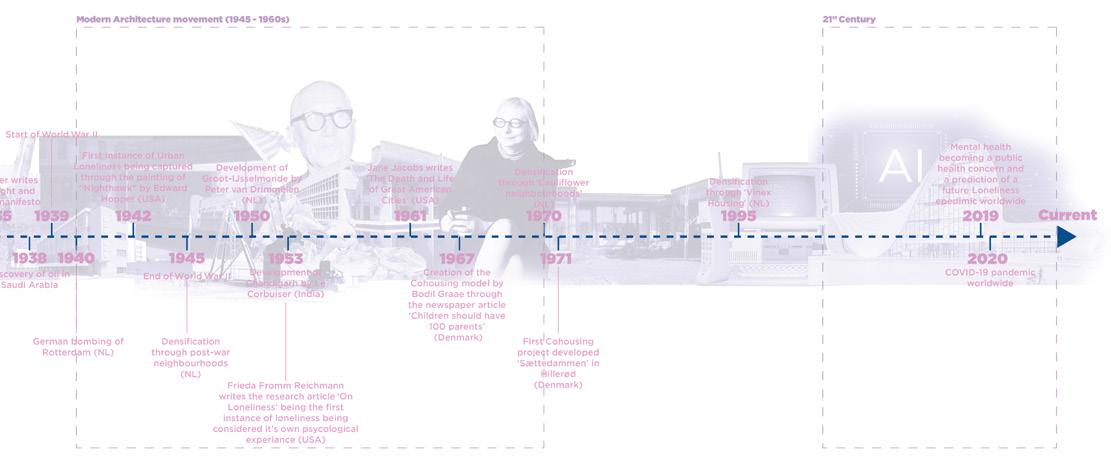
My graduation project explored the correlation between densification and social isolation. The growing concern of a mental health crisis and a looming threat of a loneliness epidemic worldwide was further escalated by the COVID-19 pandemic, which forced people into isolation, creating a new form of ‘work from home’ lifestyle. Nonetheless, the loneliness epidemic can be traced back to the 19th-century design principles that designed our current cities using industrial tools such as the car instead of the ‘human scale’. Many of these modernist ideals had negative implications on the mental health of the residents in post-war districts.
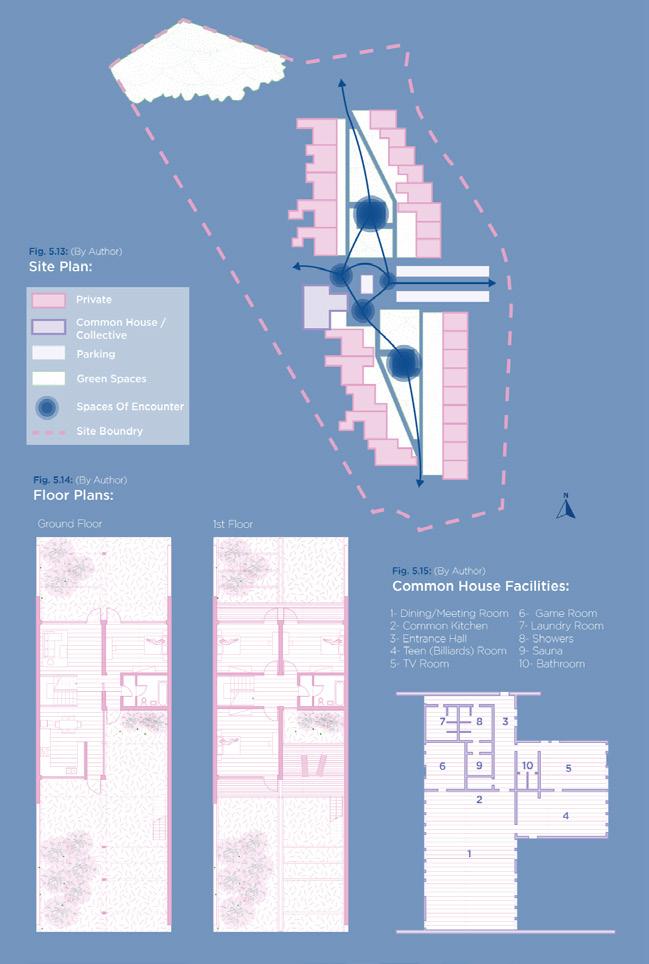
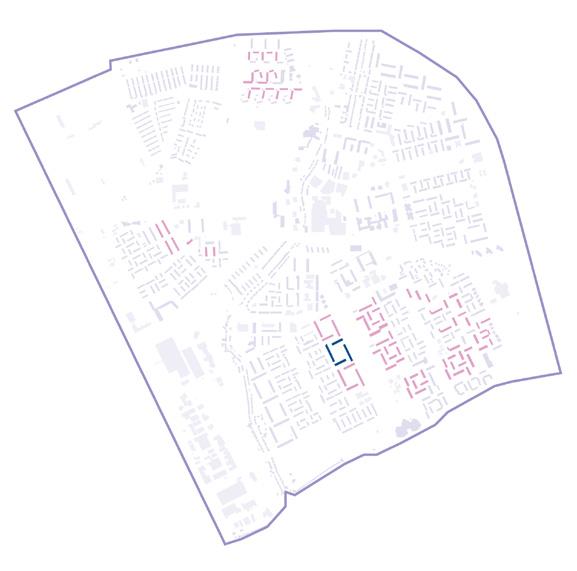
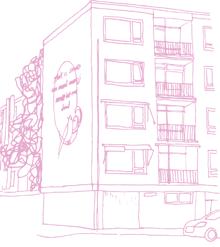
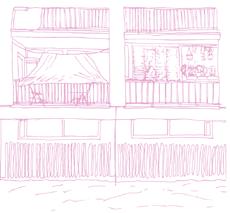
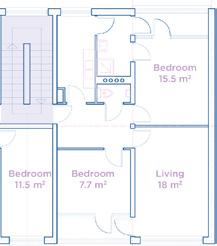
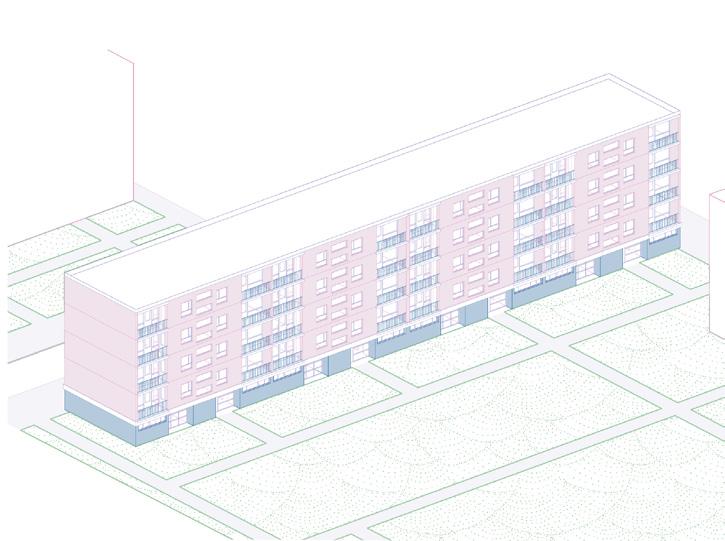
The project first begins from a personal experience of living in crowded cities such as London and then later through an exploration of the five different lenses (sociological, historical, urban, building and dwelling scale) encompassing the inhabitants of Groot-IJsselmonde in Rotterdam, The Netherlands. This is due to the urgency of tackling social isolation in the area, specifically in Thamerdijk and post-war neighbourhoods primarily targeted for future densification schemes. The site-specific observation concludes with restorative densificationintergenerational co-housing that considers various degrees of sharing depending on the needs and wants of different age groups. This is then translated into a design proposal that features both transformation and new buildings that maximise the use of timber.
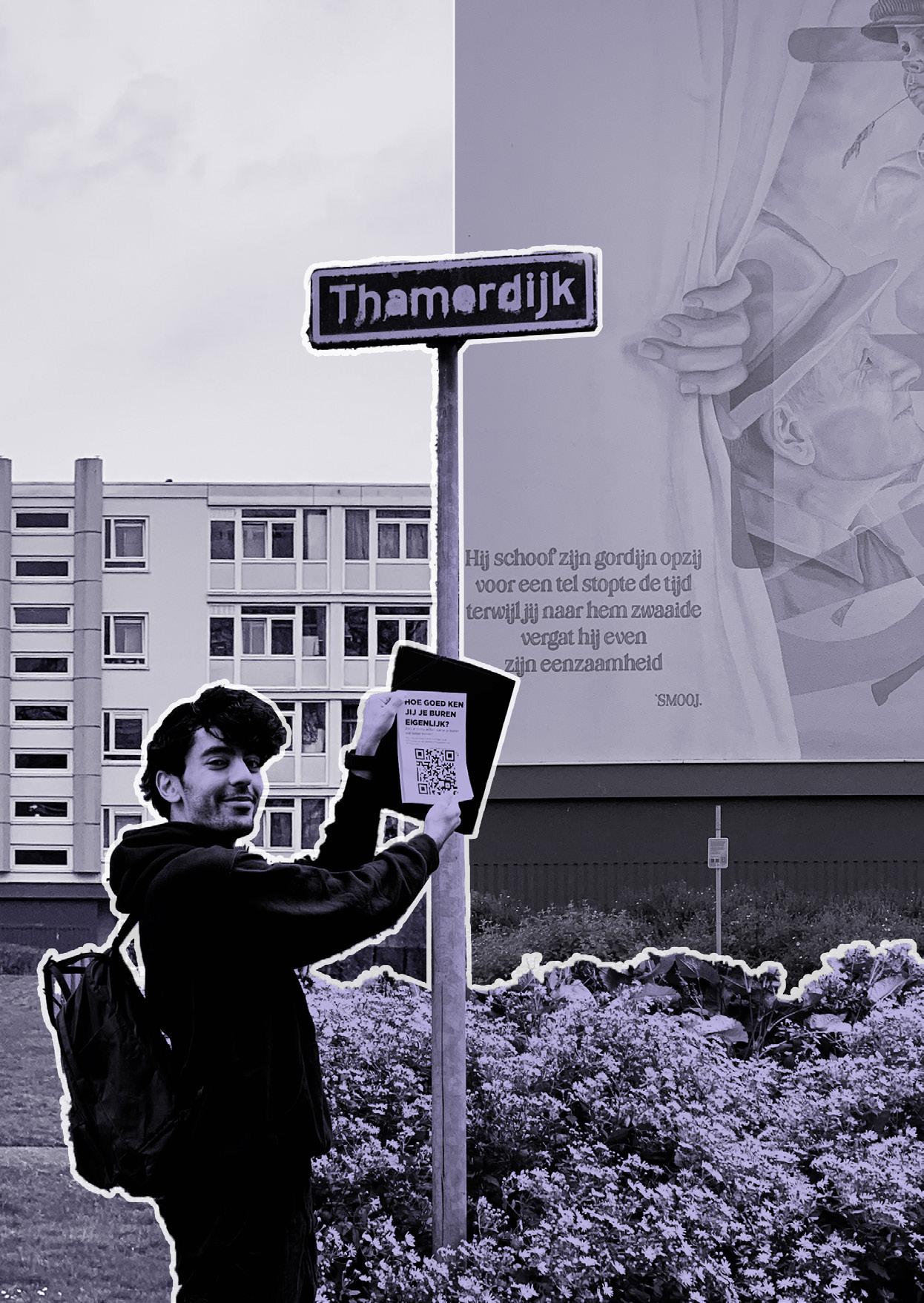

Pg.6Translation: “Hepushedhis curtainasideforamomenttime stoppedwhileyouwavedathim forgettinghislonelinessforan istance”
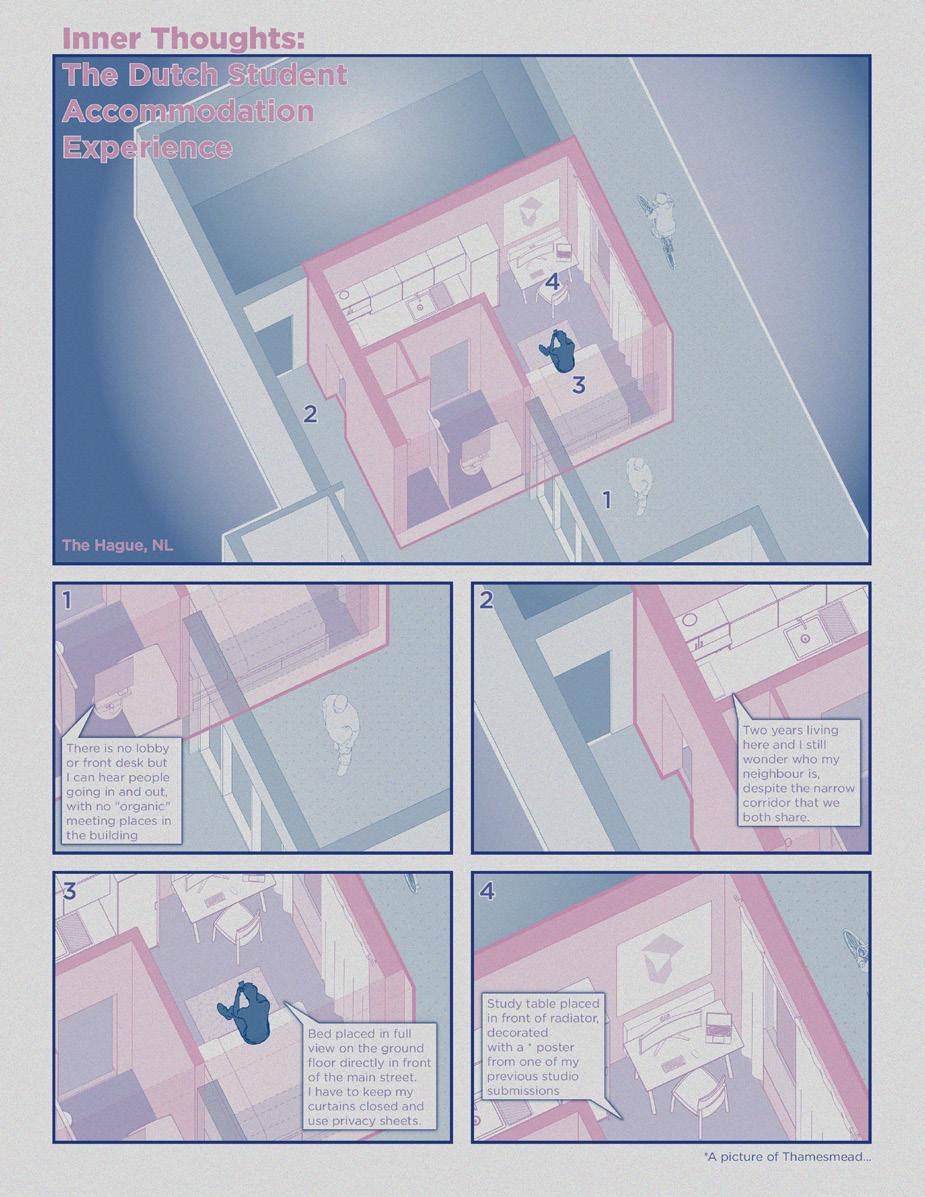
Diagramofmypersonalexperience inmystudentaccommodationin London(right)andTheNetherlands (below)
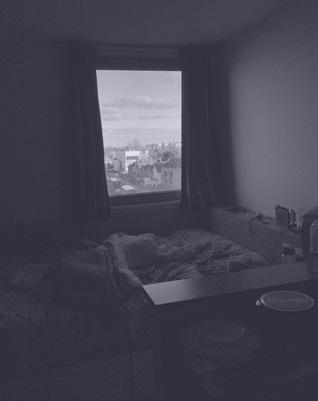
London ‘19
Casestudy:Sættedammen
TheoBjerg(Hillerød,1969–72)
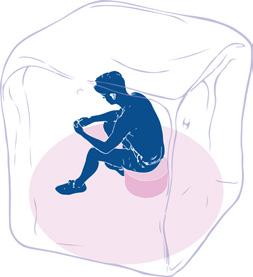
“Hellisifyouarefrozenin isolationinto ablockofice.ThatiswhereIhavebeen.”
TheLonelyCity:Adventuresin theArtofBeingAlone.

Timelineshowingthe varioushistoricalevents thatledtoaloneliness epidemicinrelationto architecture(below)
Architecturetools extractedfrom bothhistoricaland theoreticalanalysis (above)
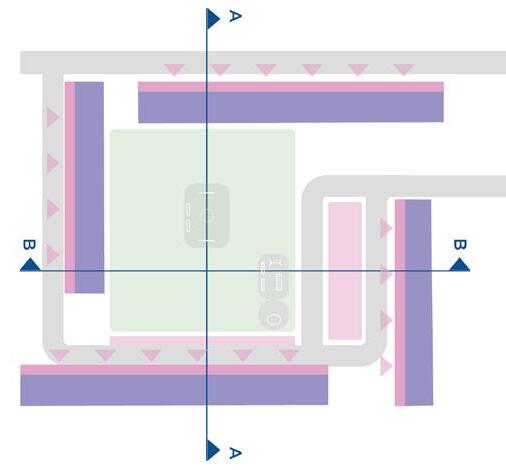
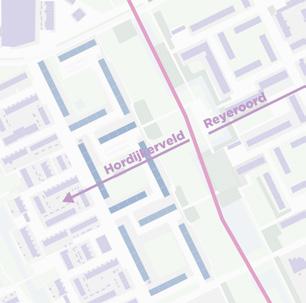
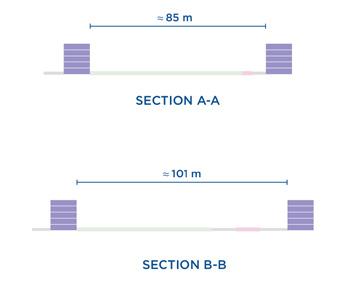
Restorative Densification
Intergeneration living & Cohousing Solutions

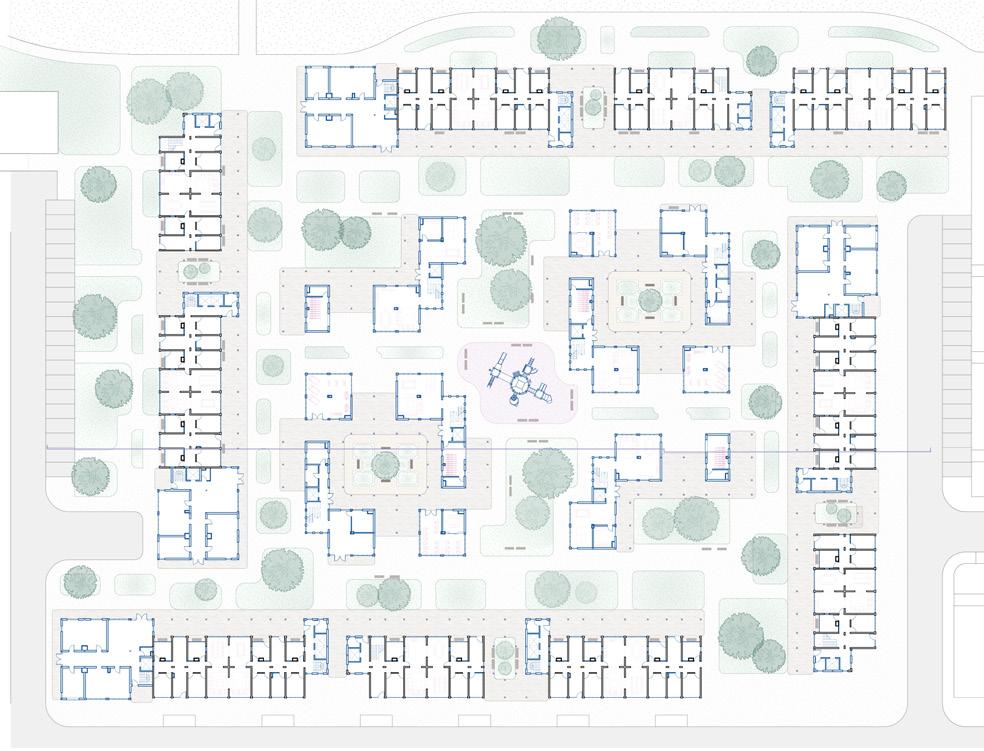
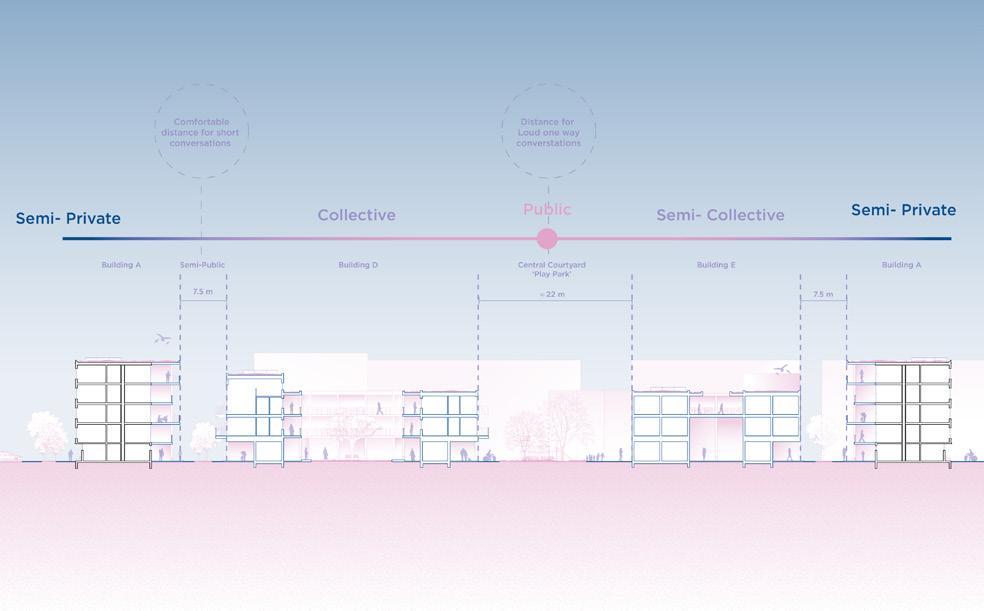


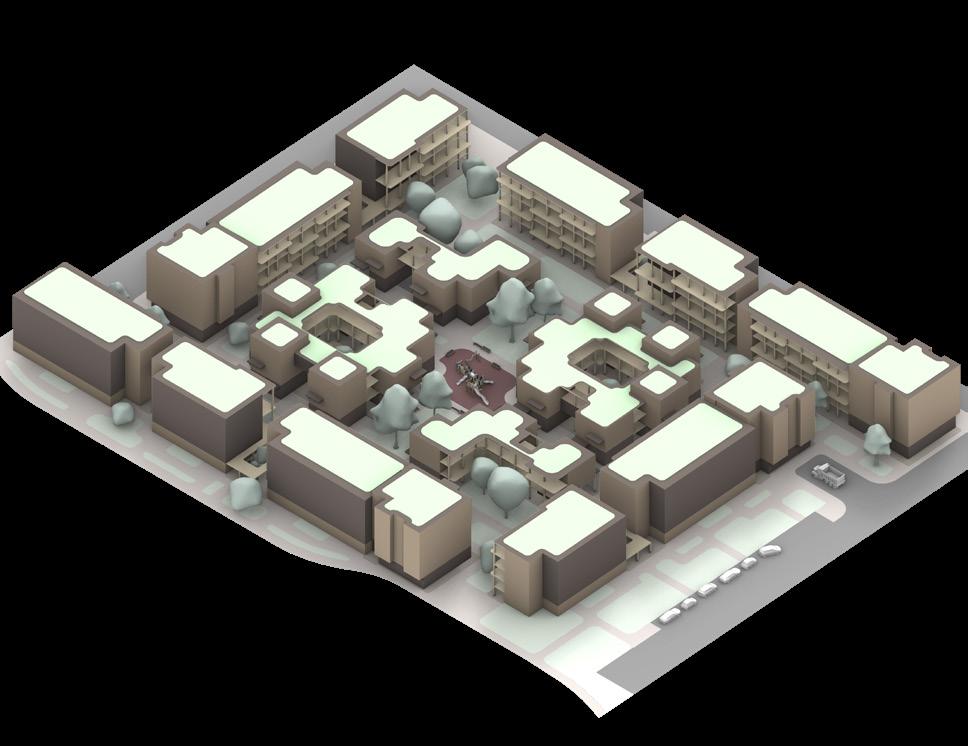
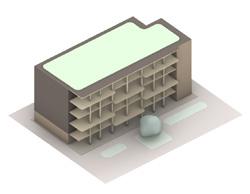
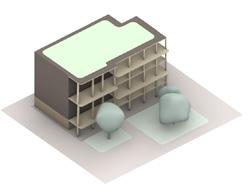
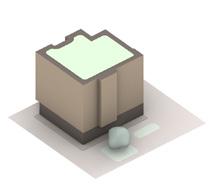
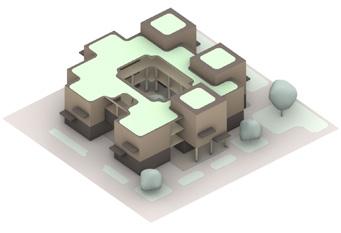
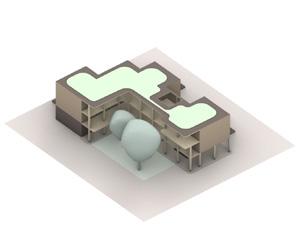
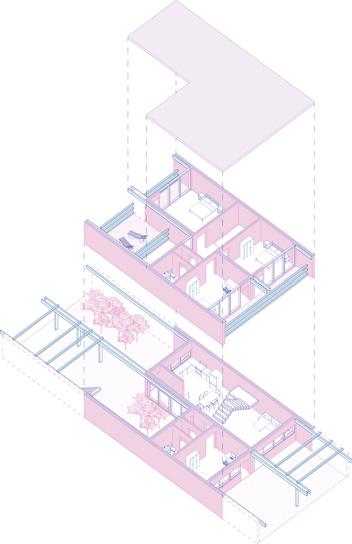
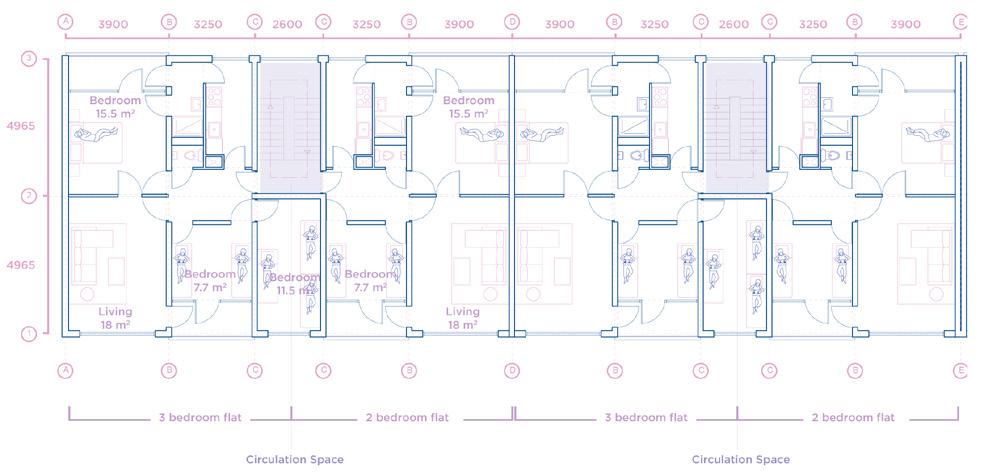
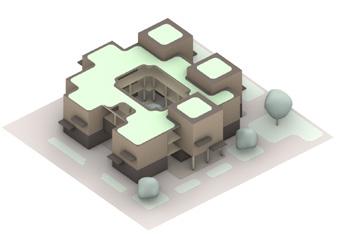
Building D (New) - Student / Starter Cluster
1st floor - Shared Kitchen and Private Studios Dwellings 22 to 32 m2


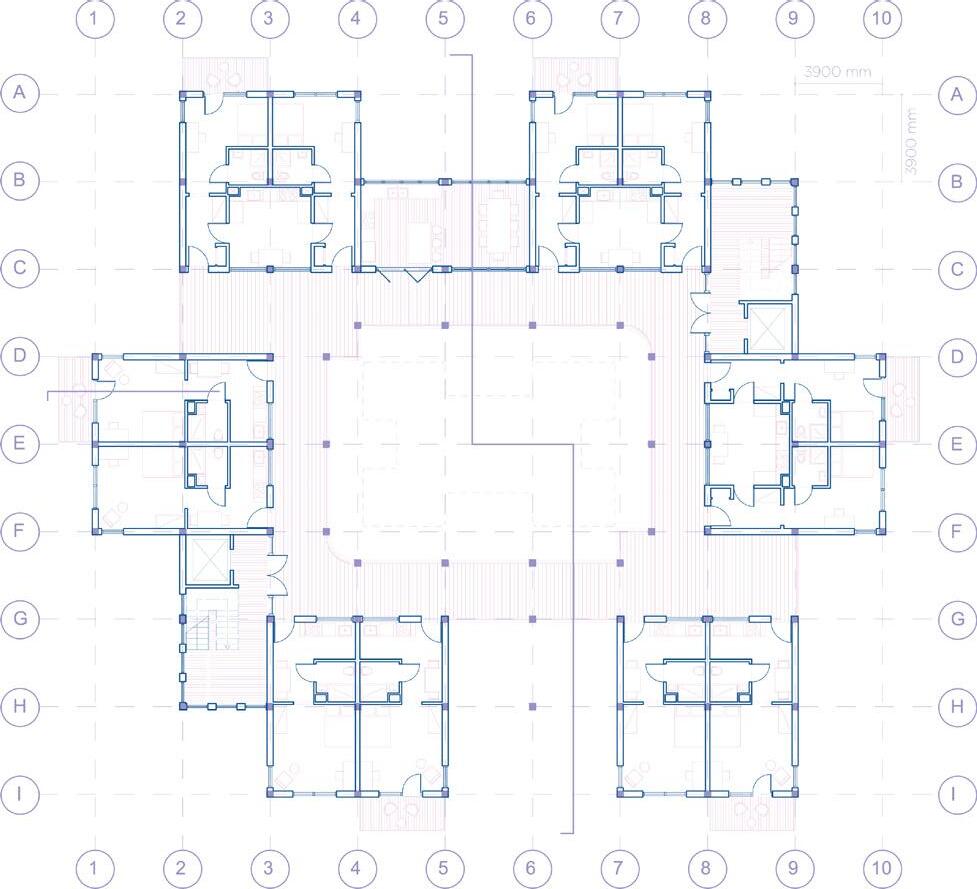


1-PrivateStudios
2-StudioswithSharedKitchen
3-CirculationCore
4-CollectiveKitchen/Dining
5-CollectiveGallery
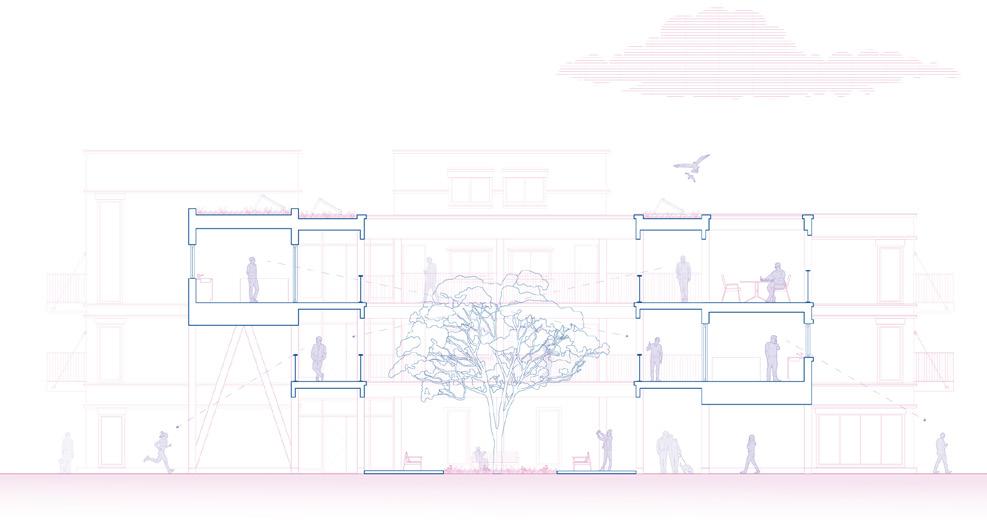
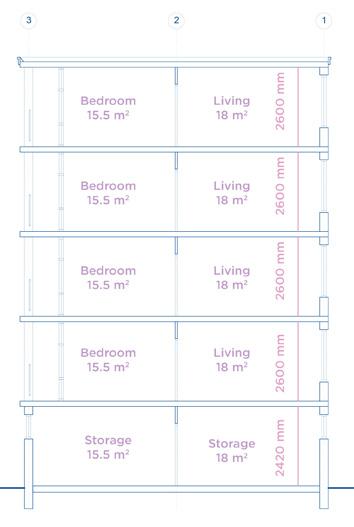
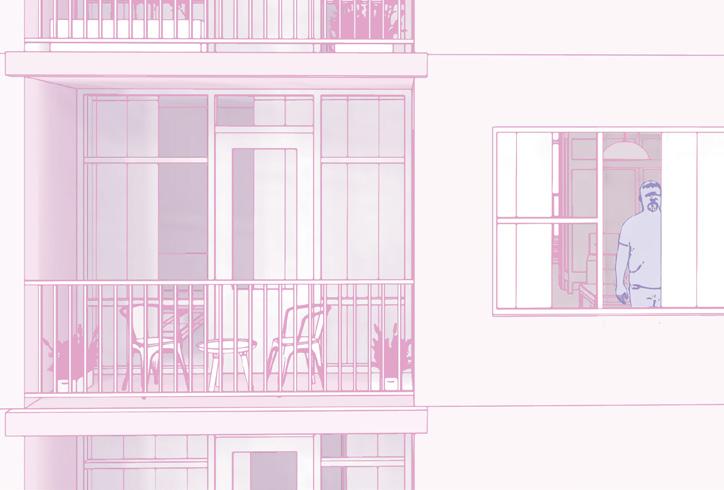
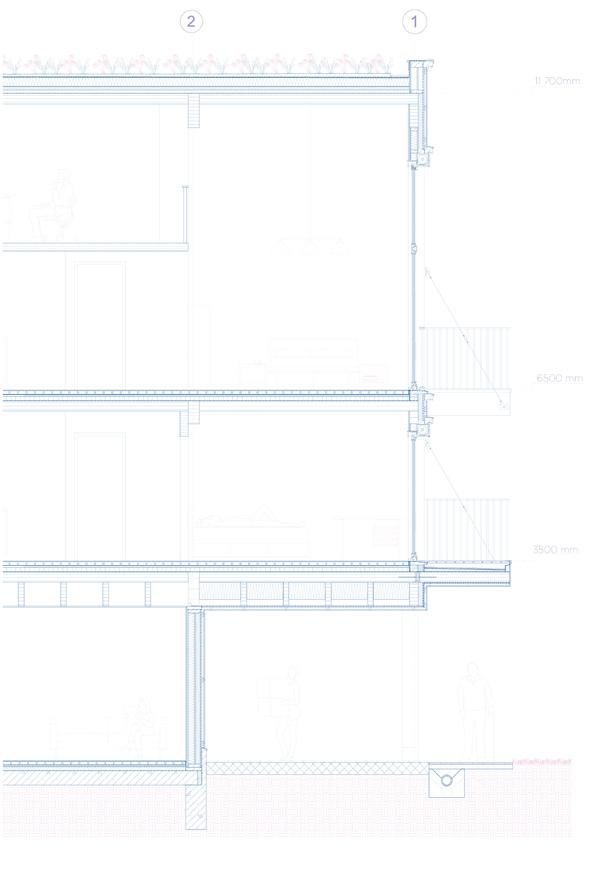
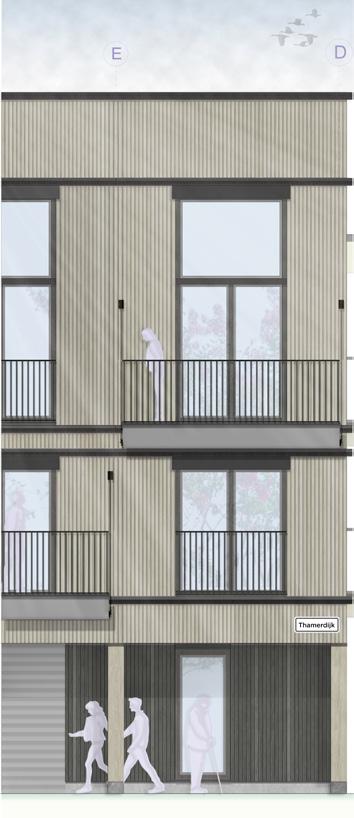
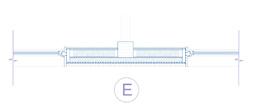
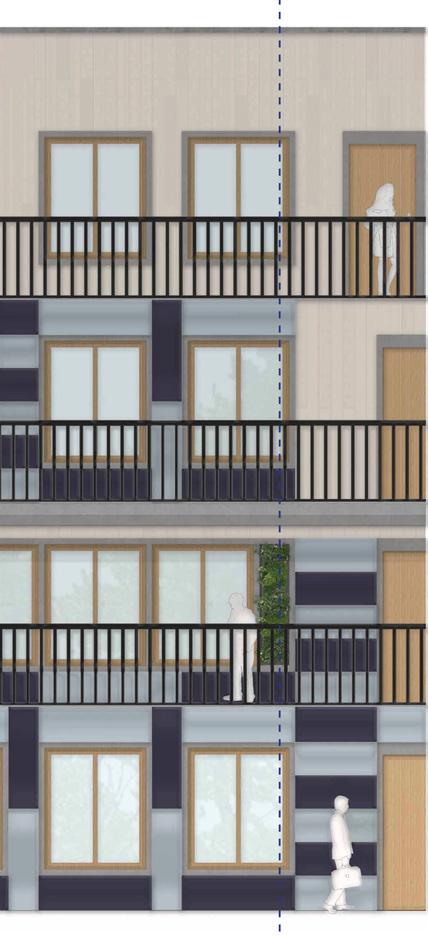
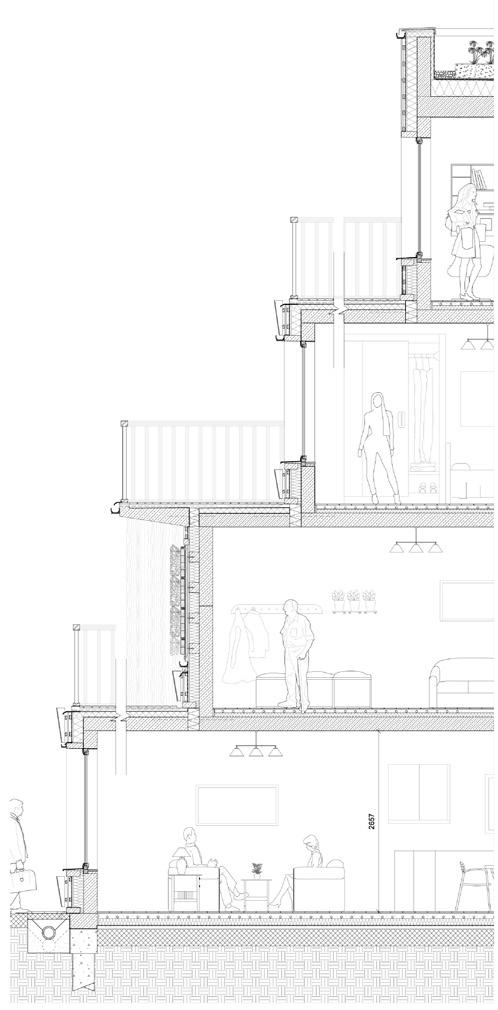
Below-1:20 section(left)& elevation(right) detailofthenew buildingblock.
Above-Sectionofthecollectivespaces inthenewbuildingblockshowingvisual transparency
Building C/D/E (New)
1:5 Details
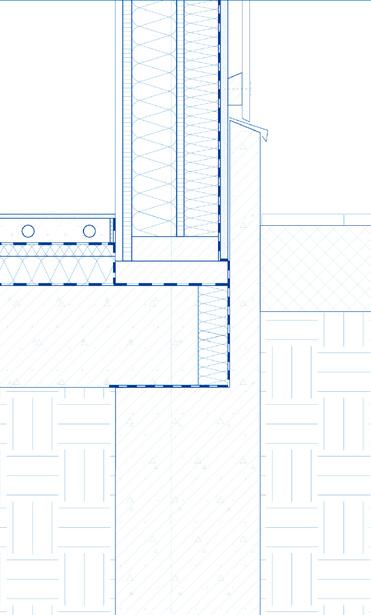
18mmFermacell(fireresistant)white
plasterboard
23mmOSBboard
120mmGutextThermolexInsulation
13mmPlywood
90mmGutextThermoflexInsulation
Vapourproofbarrier
20mmSheathingboard
35mmx80mmtimberbattens
RockPanalWood(CeramicOak)Cladding
RigidInsulation
10mmTimberfloorboards
65mmscreedwithfloorheatingpipes
Vapourproofbarrier
35mmEPSSoundinsulation
80mmGutexThermoflexinsulation
DPM
250mmReinforcedconcrete
Steelpinconnectingbalconywithinternal CLT(Spruce)floorslabRC=1
30mmbalconytiles
30mmstructuraltimber
60./100-120mmconical
Protectivemat
40mmepssoundinsulation
Emergencysealelastomerbitumenmembrane
180mmCLT(spruce)floorslab
DPM
18mmSheathingboard
35mmx80mmTimberbattens
Accoyawood(Uncoated)cladding
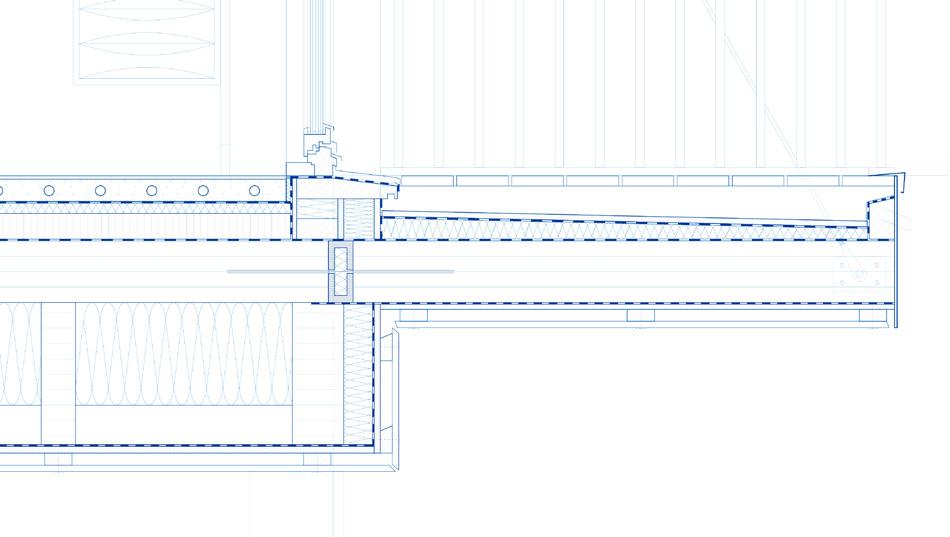
Steelbarscrewedintoamountedplate
300mmGutexThermoflexInsulation
150mmx400mmCLT(Spruce)beamRC=1
90mmGutexThermoflexInsulation
Vapourproofbarrier
18mmSheathingboard
35mmx80mmTimberbattens
Accoyawood(Uncoated)Cladding
275Mmx275mmCLT(Spruce)RC=1
columnon500mmconcretefooting (inelevation)
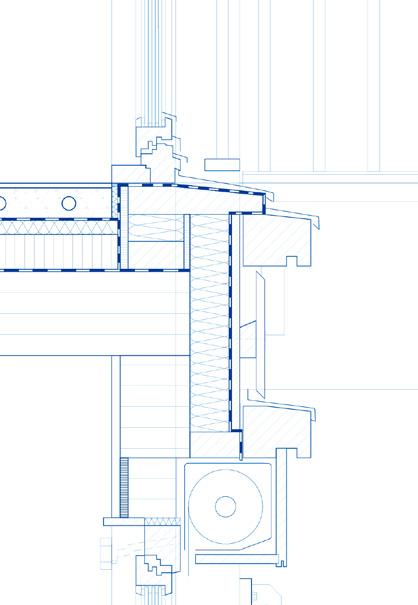
180mmCLT(Spruce)floorslabRC=1
DPM
80mmOSBboard
35mmEPS
VapourProofBarrier
65mmScreedwithheatingpipes
10mmTimberfloorInteriorfinish
25mmx1100mmSteelbalustradepaintedblack
DPM
23mmOSBboard
120mmGutextThermoflexInsulation
13mmPlywood
90mmGutextThermoflexInsulation
Vapourproofbarrier
20mmSheathingboard
35mmx80mmTimberbattens
AccoyaWood(Unfinished)Cladding
150mmx200mmCLT(Spruce)BeamRC=1
Tripleglazedwindows/balconydoors Andshuttersforclimatecontrol 18mmWhiteplasterboardinteriorfinish
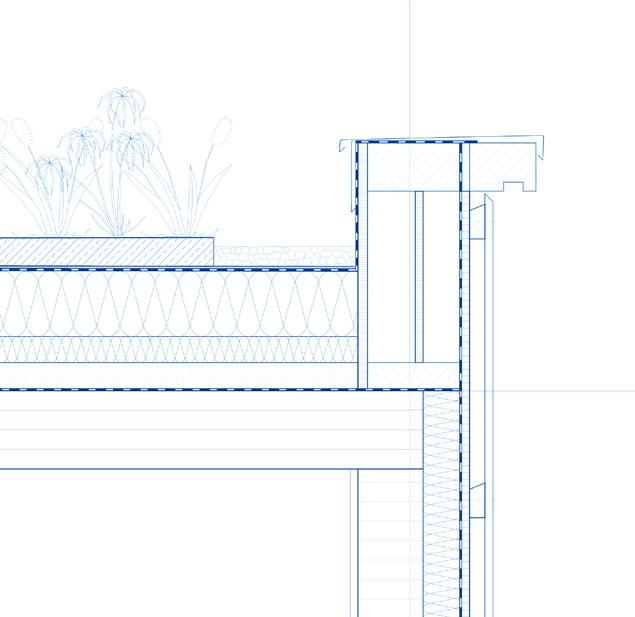
GravelandextensiveVegetation
60mmDrainageElement
6mmprotectivemat
DPM
150mmUnidekAeroBioInsulation
----6°Inclinefordrainage---
60mmUnidekAeroBioInsulation
60mmchippedinfillbonded
Vapourbarrier
180mmCLT(Spruce)RC=1
18mmFermacell(fireresistant)whiteplaster
board
150mmx400mmCLT(Spruce)BeamRC=1
90mmGutexThermoflexinsulation
18mmSheathingboard
Vapourproofbarrier
35mmx80mmtimberbattens
AccoyawoodUnfinishedcladding(Exterior)
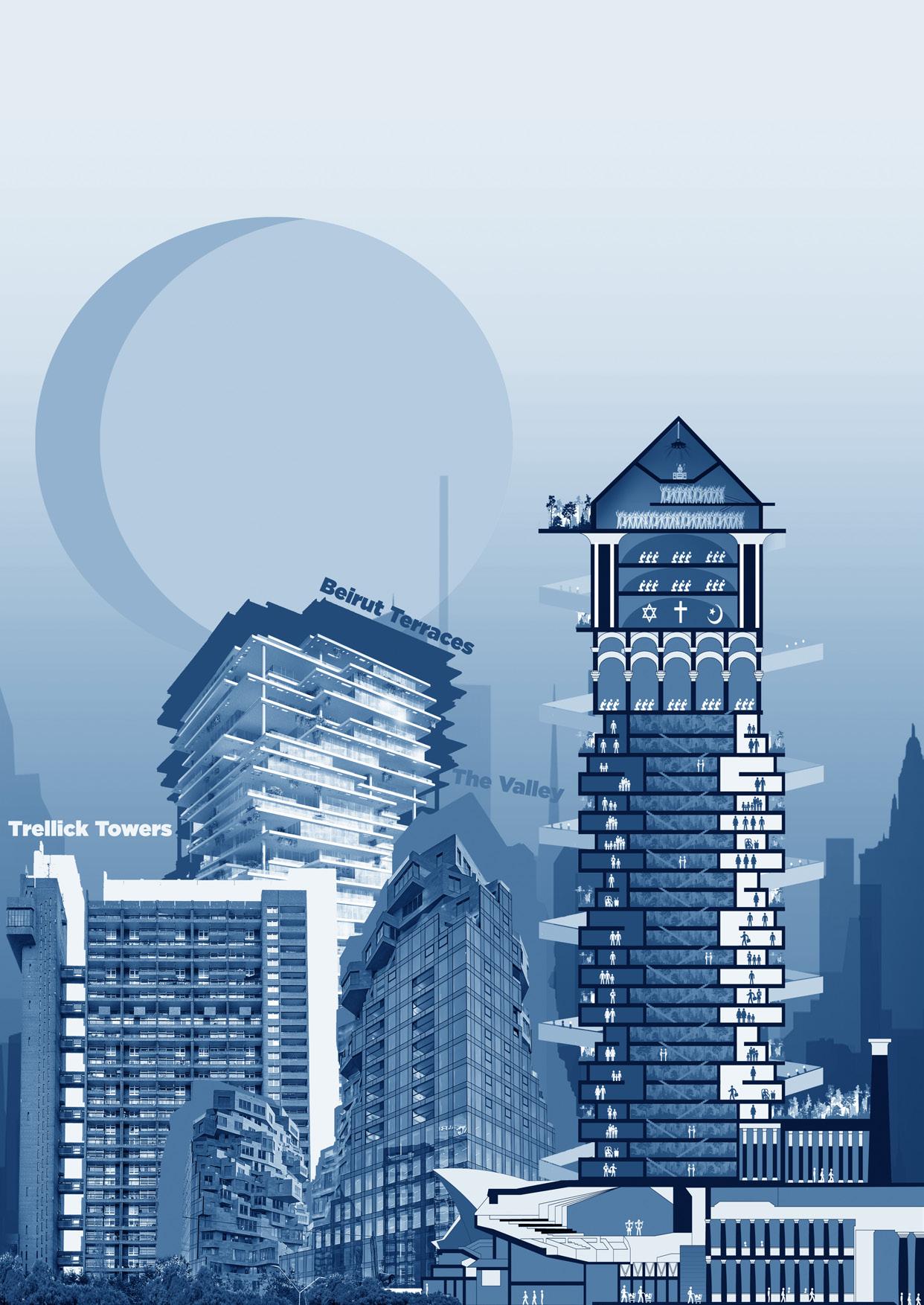
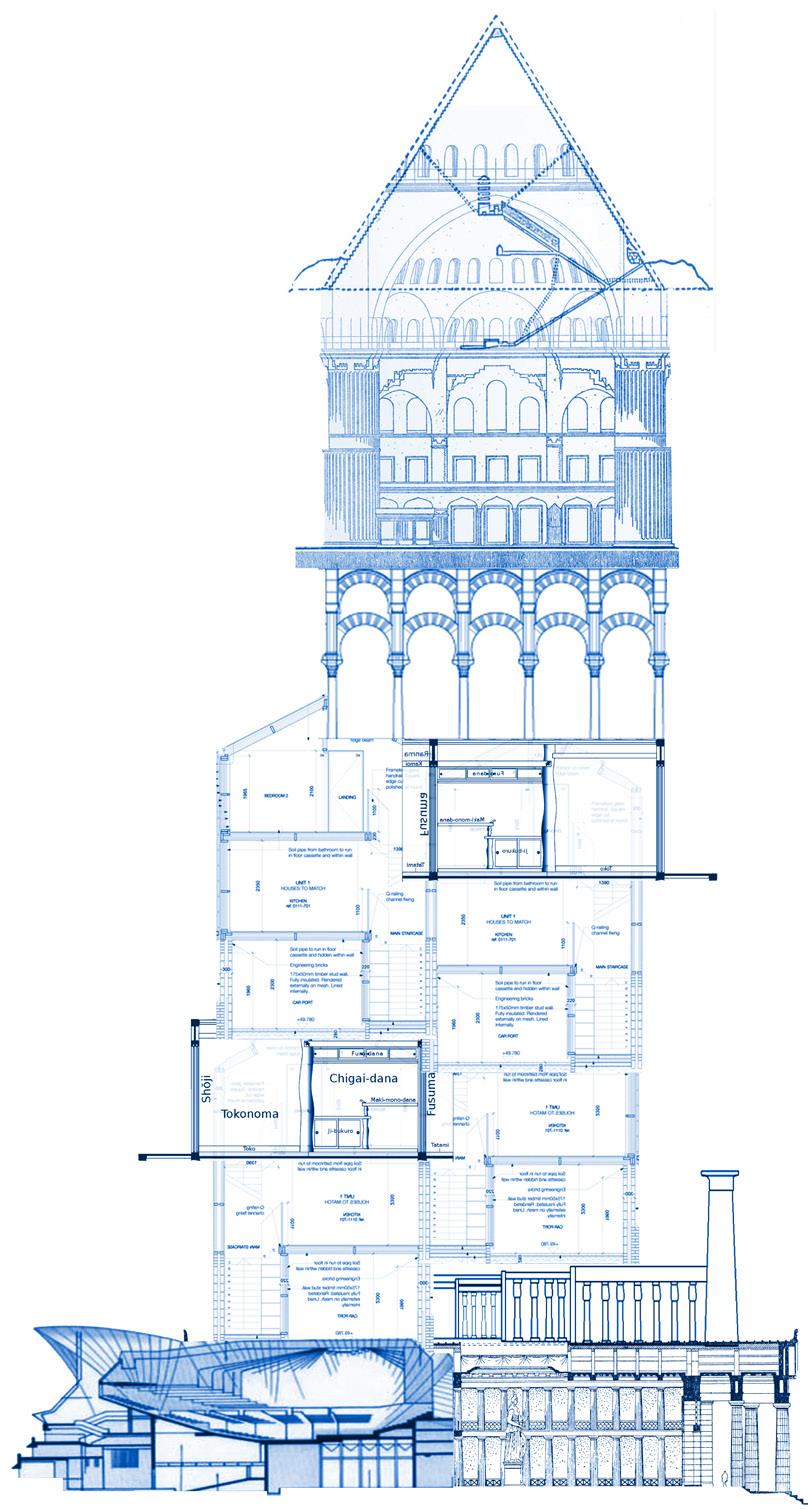
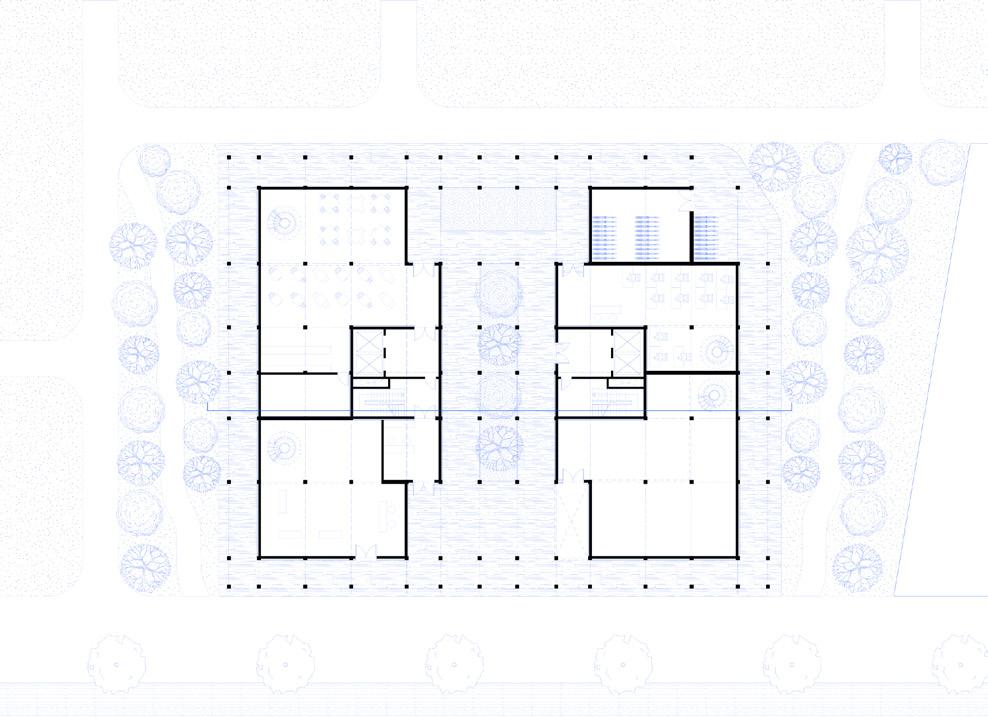
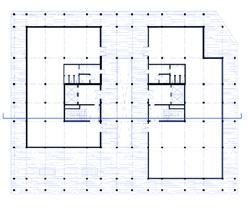
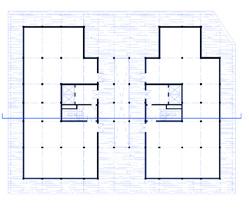
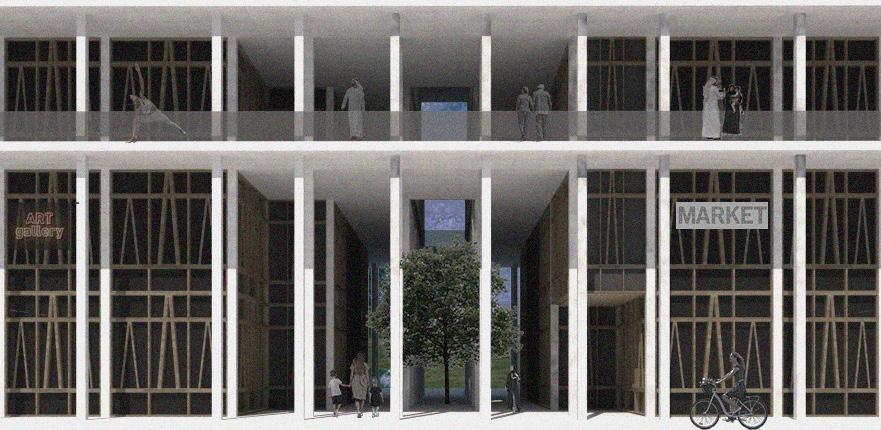
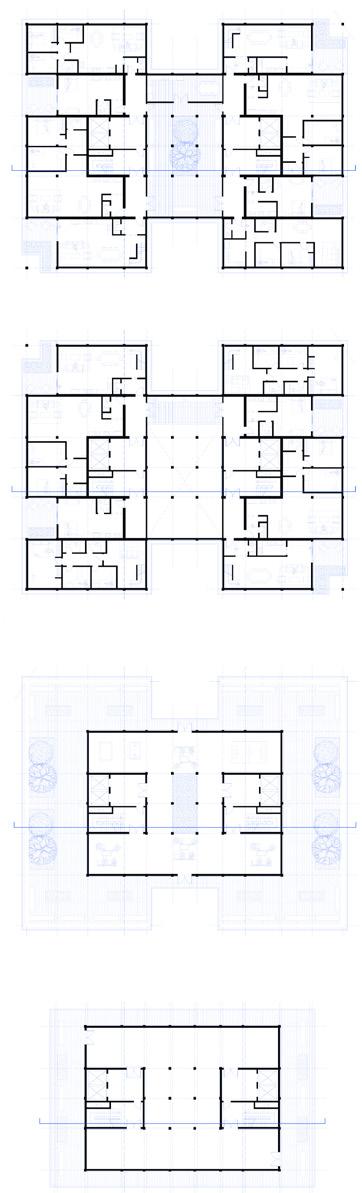
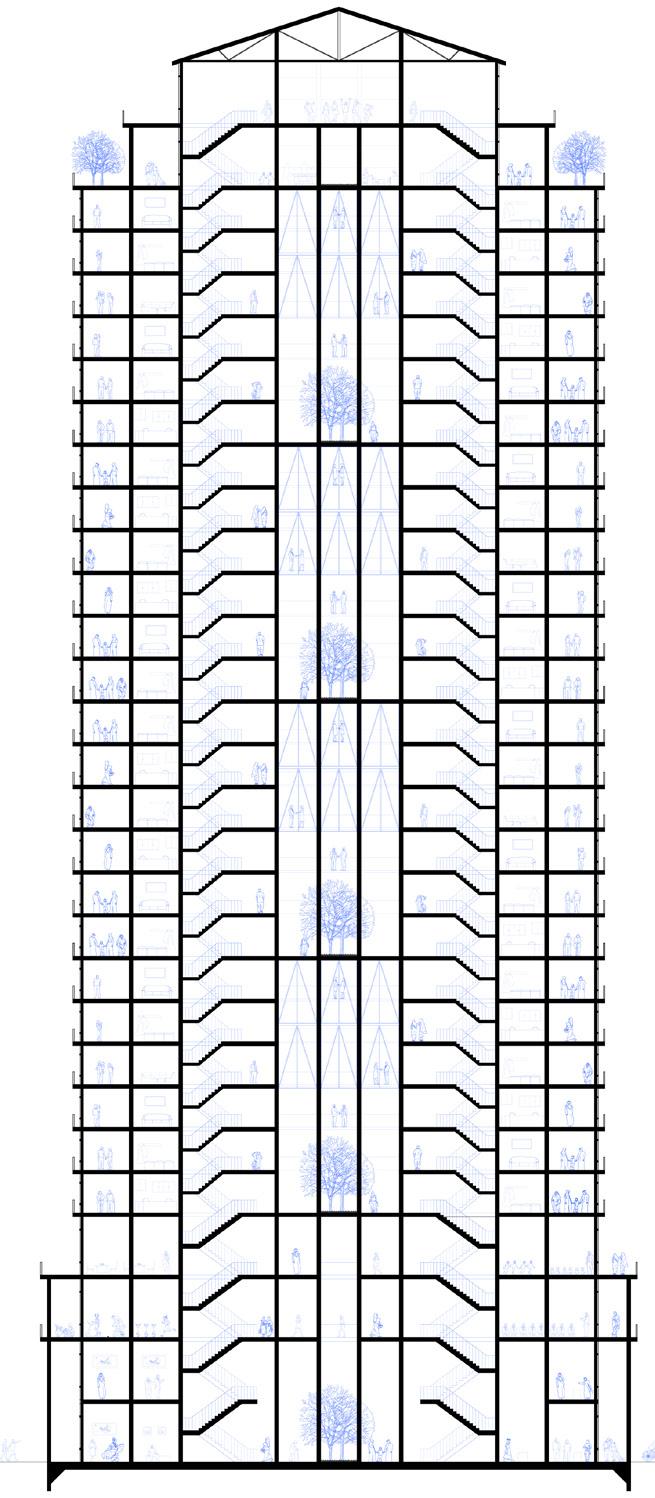
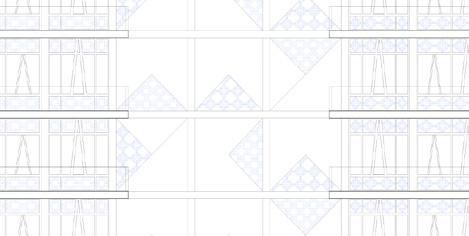
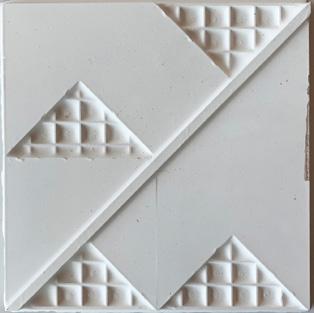
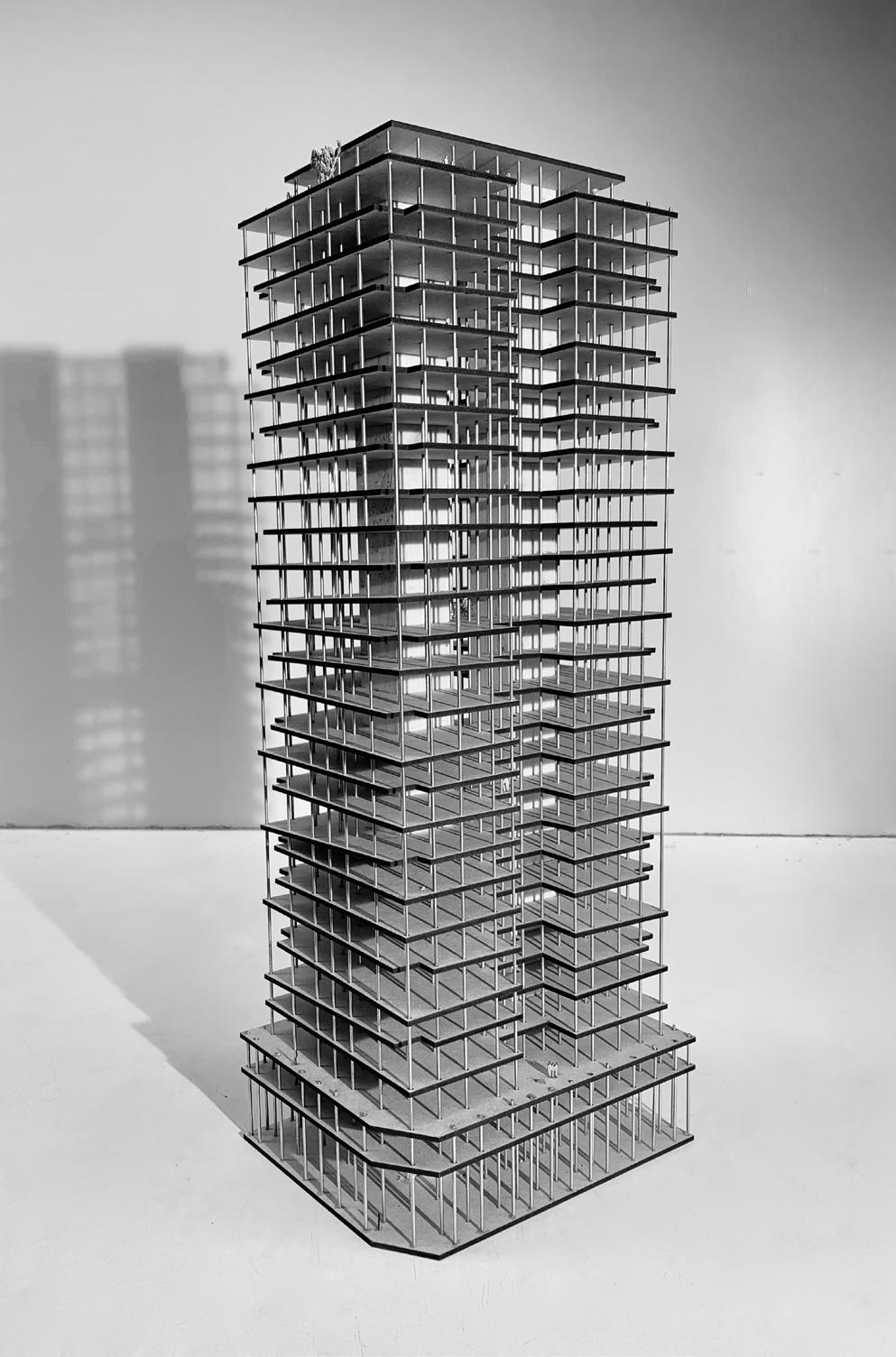
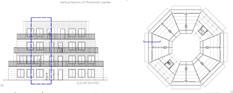
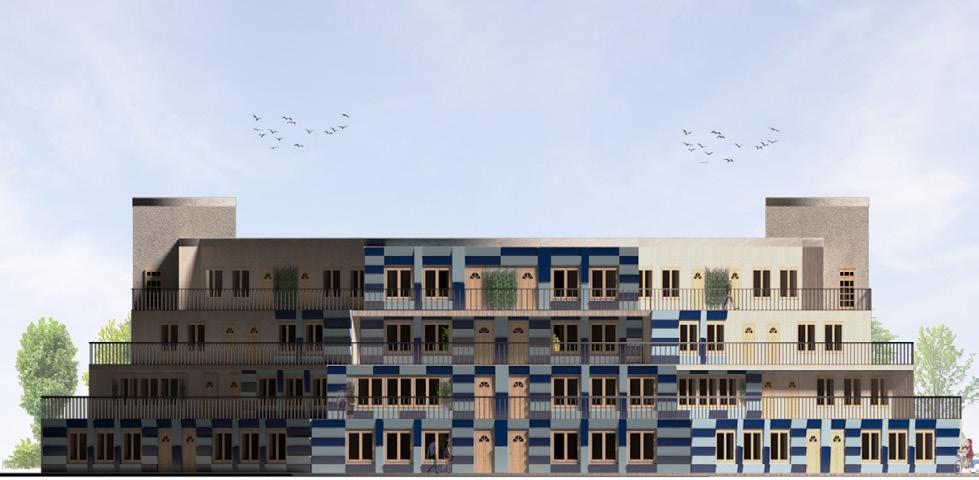
The purpose of this experimental high-rise project is to attempt to amalgamate different groups of people who inhabit the city of Amsterdam. A commemoration of the contributions of various migrant groups who have made the capital their home over the last century and a representation of their heritage within the migrant-dominant neighbourhoods of the horizontal city. This is achieved through subtle traits of a traditional house infused into different quarters with cultural patterns on the exterior facade. A central shared kitchen/dining space is added, bringing together people from divergent walks of life, hoping to mitigate social stratification and cultural misconceptions.
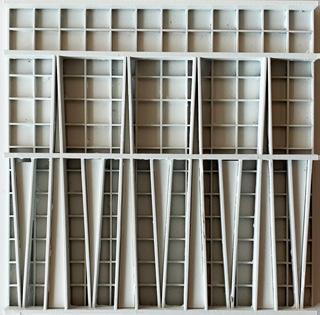
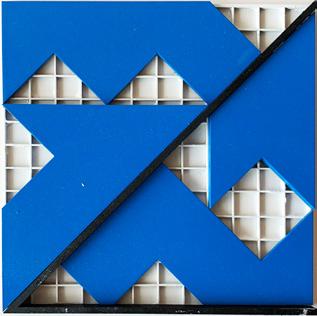
CulturalPatternshighlightingeachneighbourhood
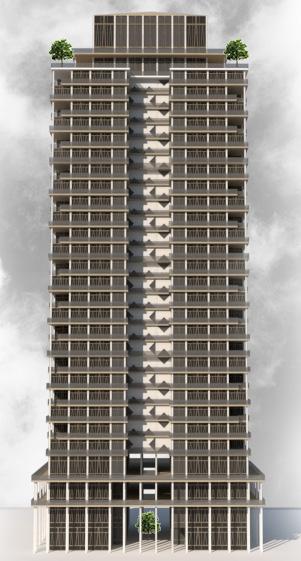
Renderofthefrontfacade
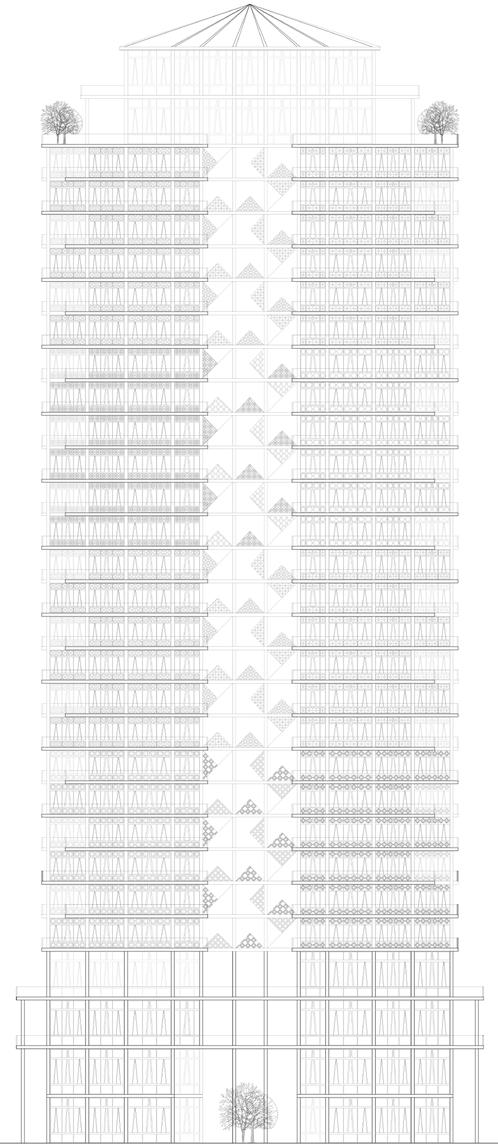
1:200Elevationofproposalhighlightingthevariouspatterns
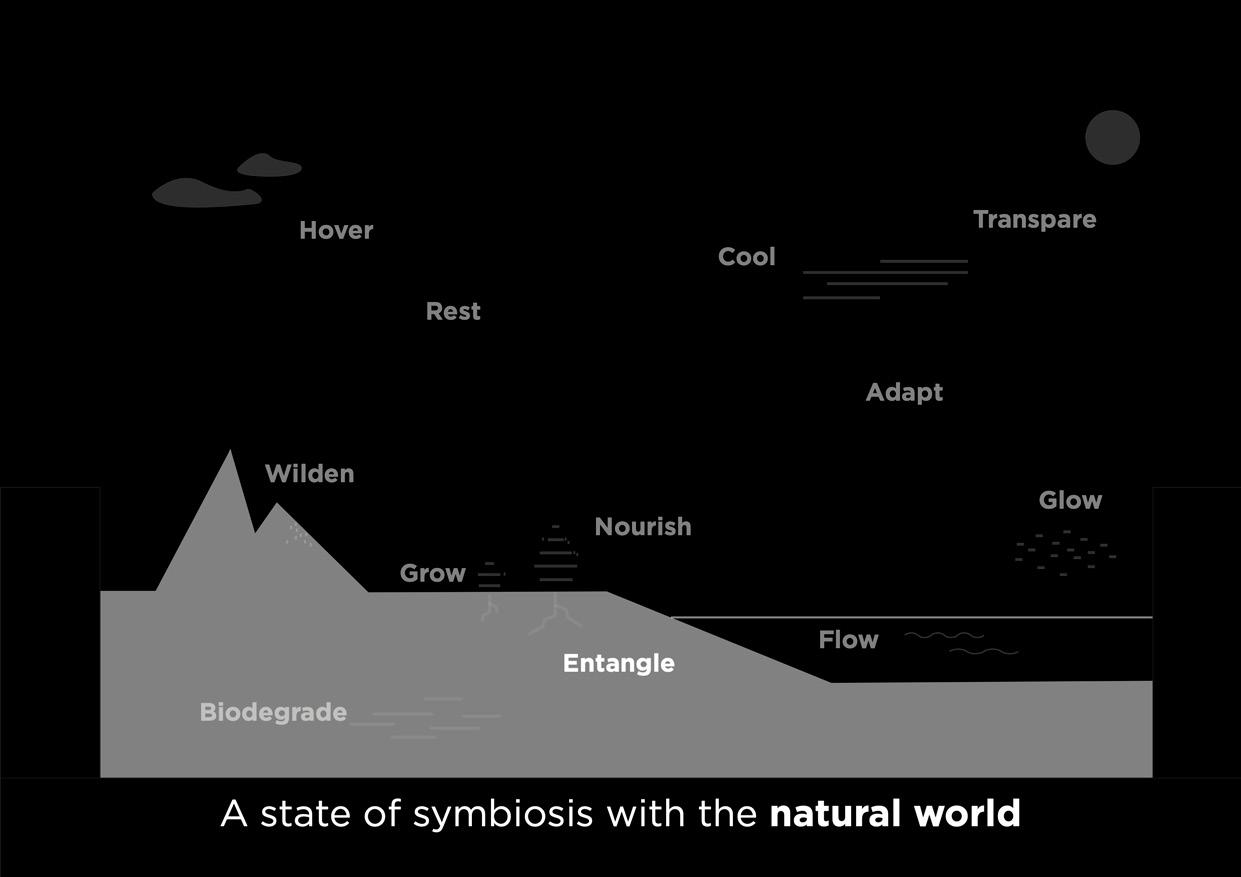
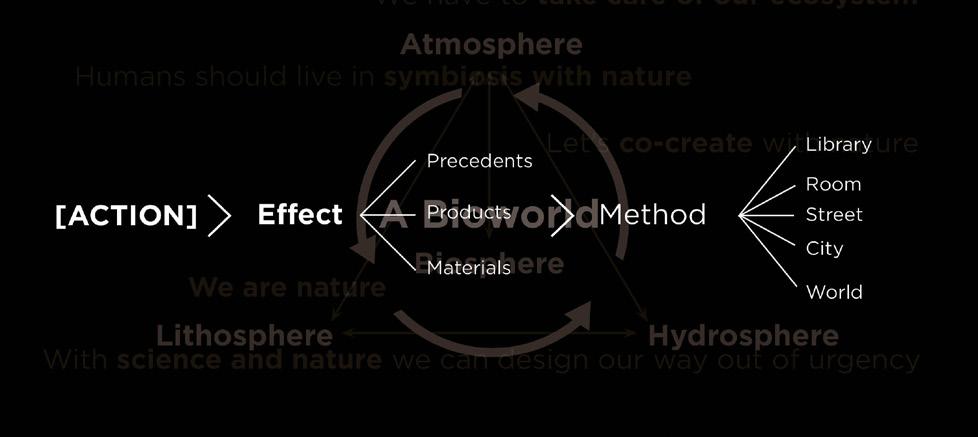
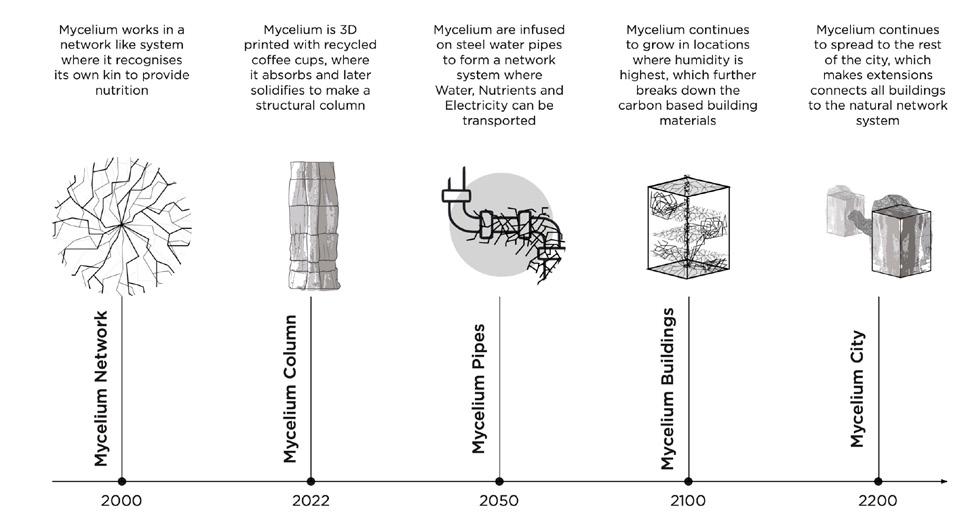
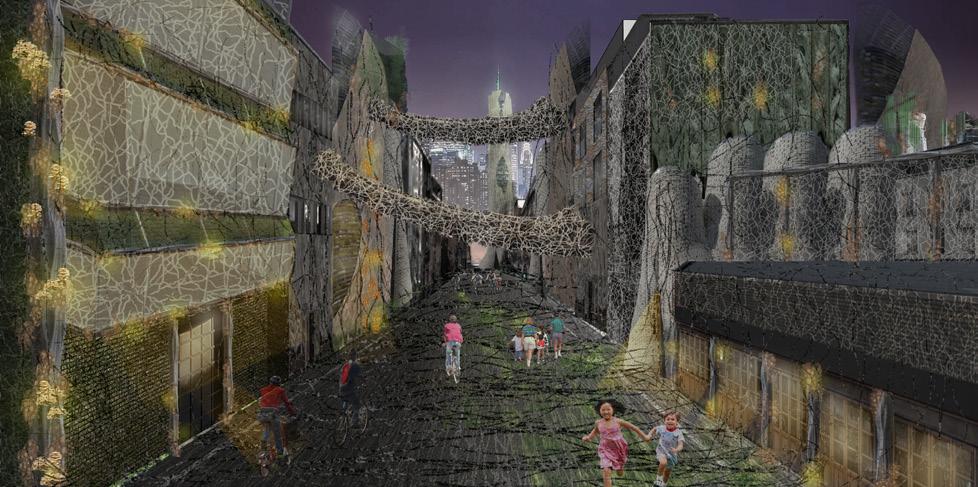
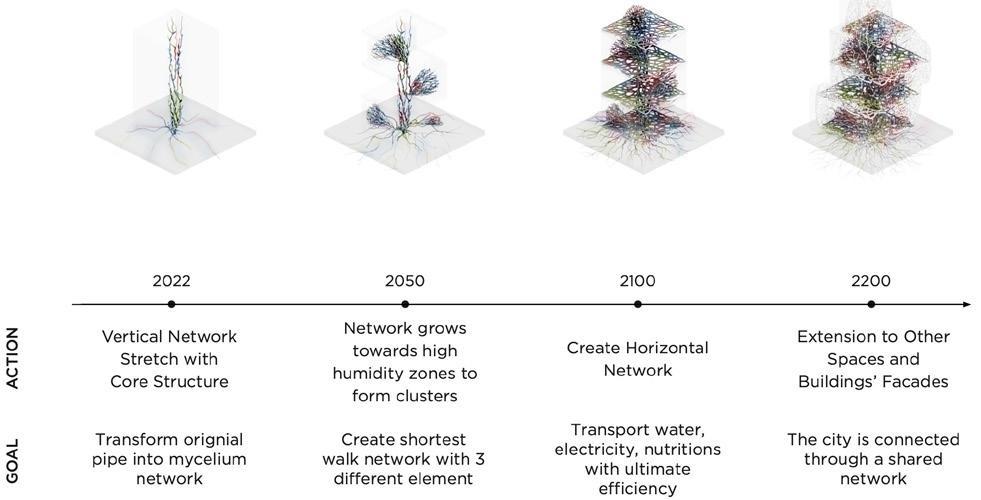
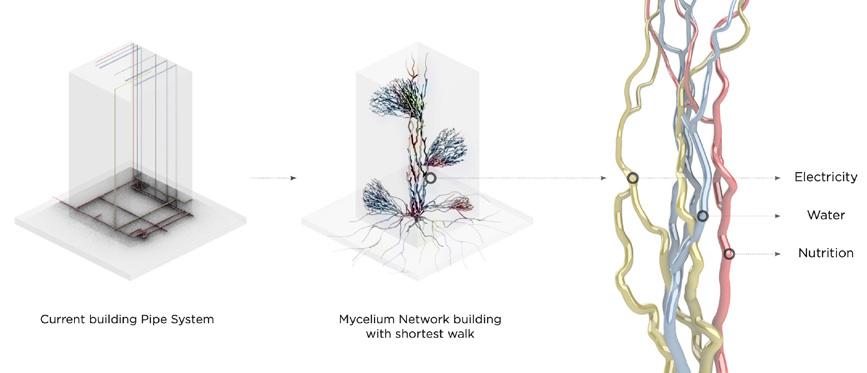
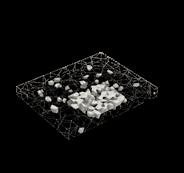
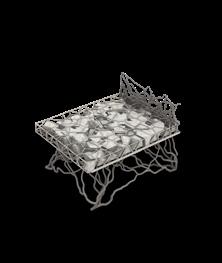
Under the research and design studio ‘The Why Factory’ run by MVRDV, we explored alternative possibilities of Bioworld cities using Manhattan, New York, as our testing ground. Tackling the urgency of water scarcity, in a group of four, we explored the potential of mycelium as the root system of fungi within the Lithosphere. Mycelium has the potential to function as nature’s AI that could help respond to the sustenance of the natural world by supporting the weaker microbial tribes and identifying their kin within the envisioned built environment. The project assumes that mycelium could be injected within the carbon-based water pipes and continue to grow following humidity patterns, allowing for the possible densification of our cities. A series of views (city, street and room) on the subject of ‘Entangle’ were made and showcased within a joint final presentation of twelve action groups, where I also had an additional role as a key contributor to the outro and ensured all groups submitted their work promptly.

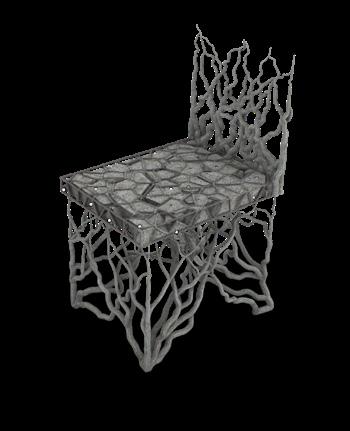
PARAMETERS:
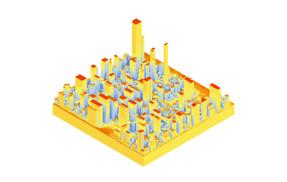
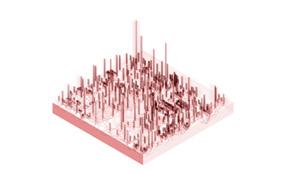
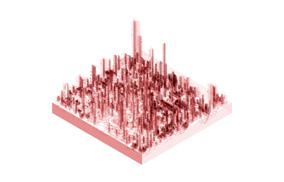
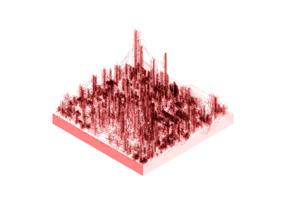
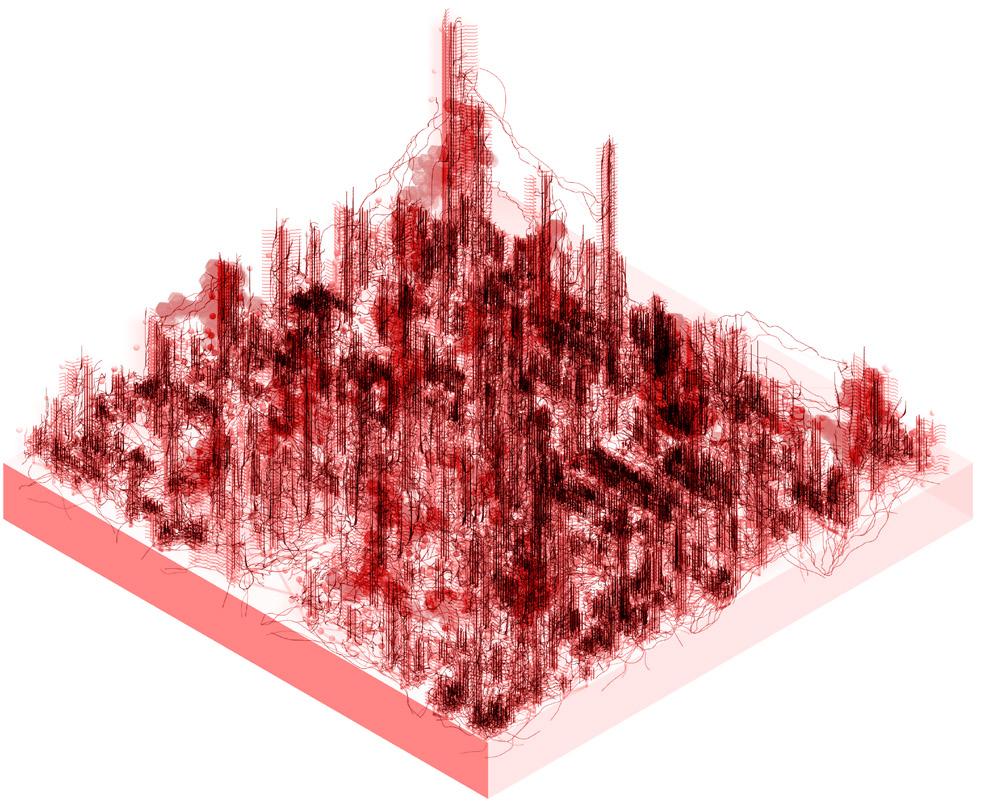
view-‘veins ofthecity’step4 bygroup(left)
The new residential development “Nieuwe Haven”, situated in Schiekwartier, Delft, lacks a unifying centrepiece and cultural connections in its master plan. To address this, the design draws inspiration from local landmarks like the Delft Blue factory, incorporating a ziggurat shape and Octatube’s octagonal structure. The project aims to mix diverse demographics within the community, fostering therapeutic interaction through various dwelling types strategically placed together and a central common courtyard. Green walls and solar panels are integrated within the southern facade of the residential block to generate energy for its residents. Thus, celebrating the past, present, and future of the area. The proposal was designed in a group of two but separated after the preliminary design phase.
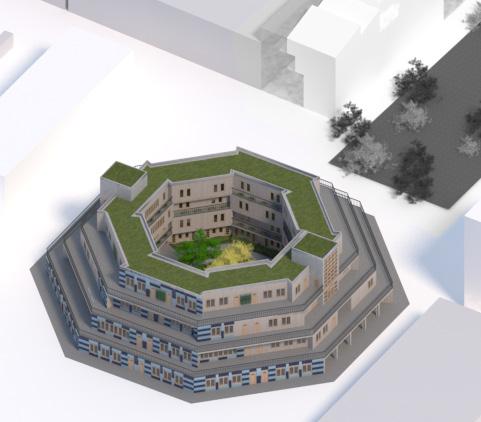
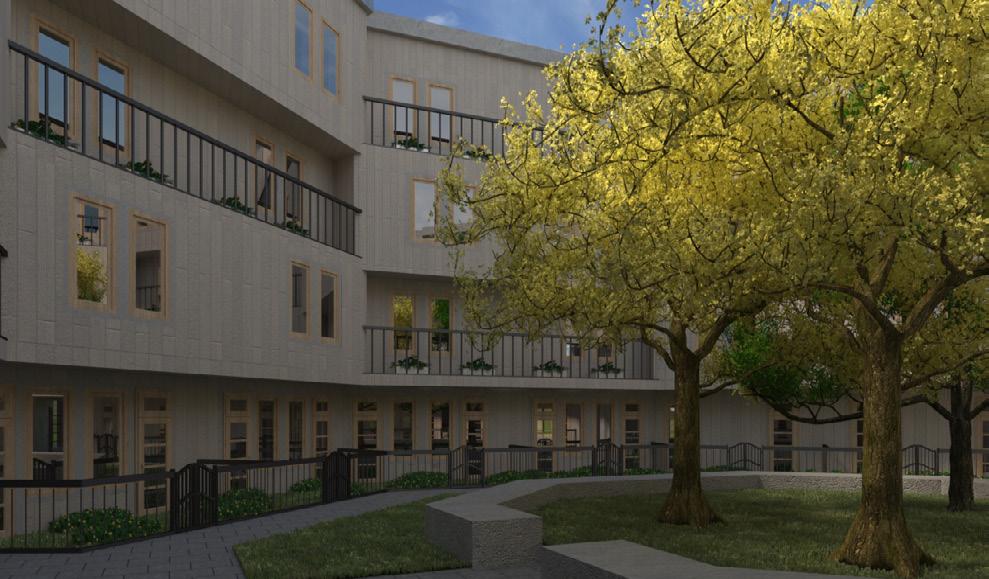
SouthelevationincontextshowcasingthePVpanels
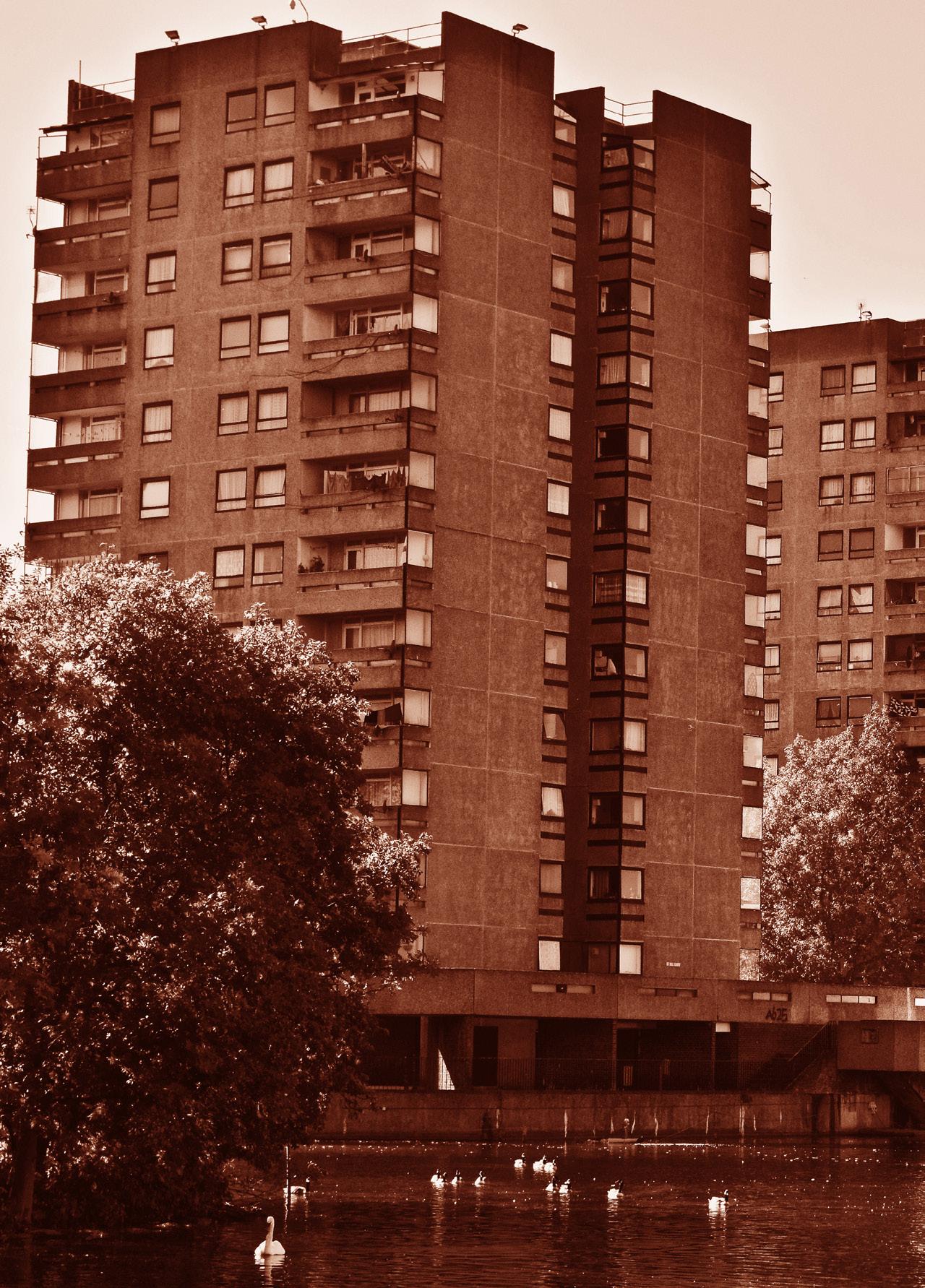
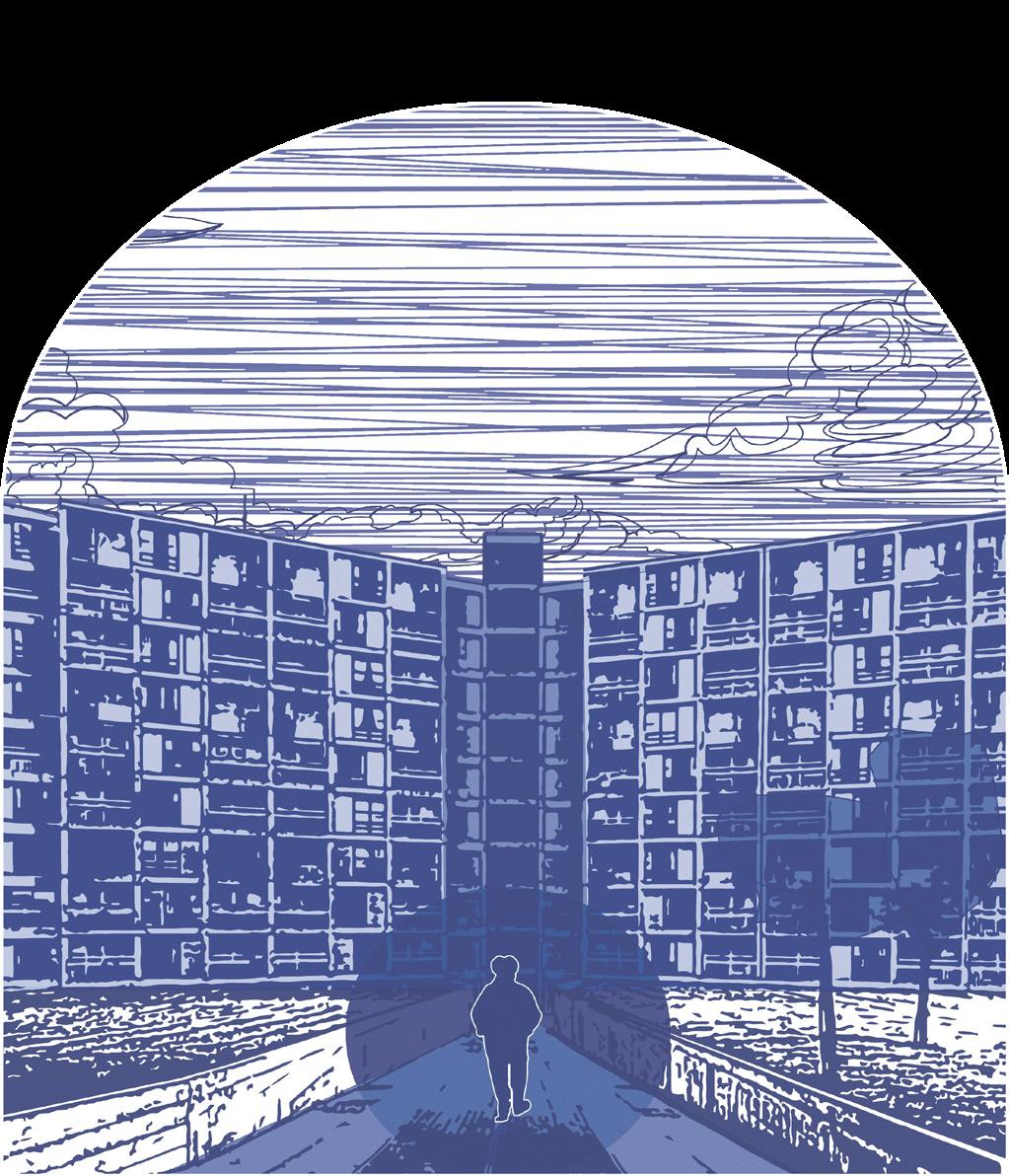
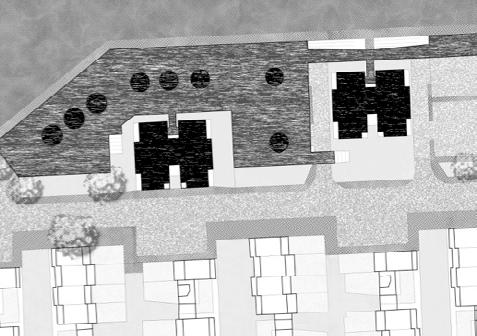
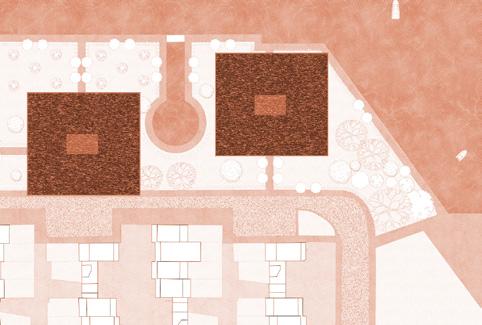
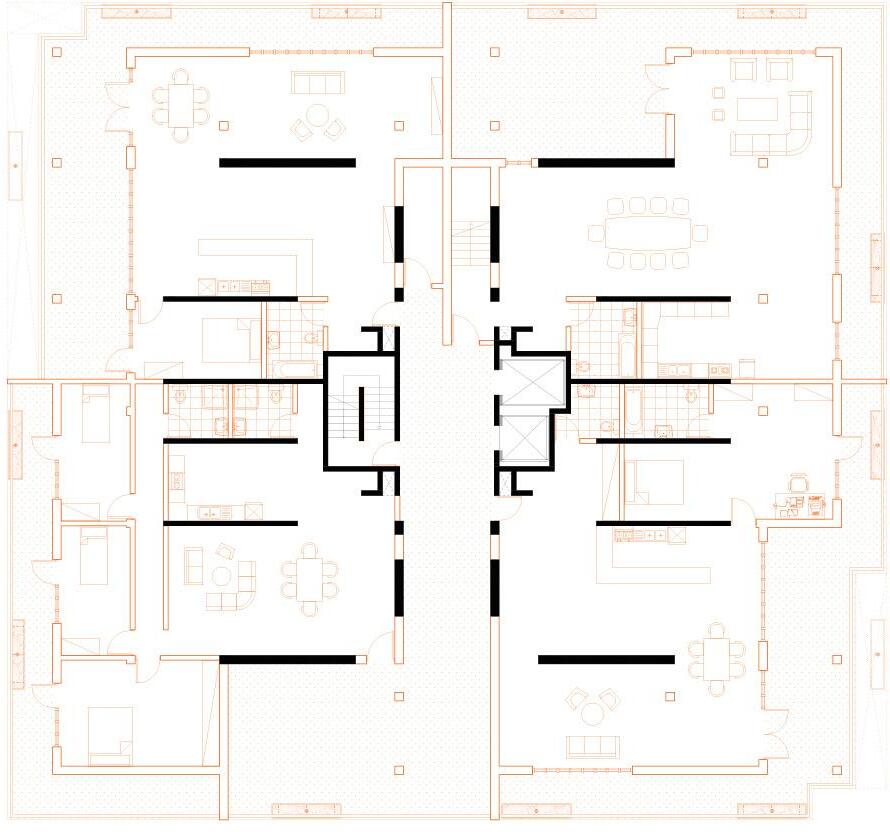
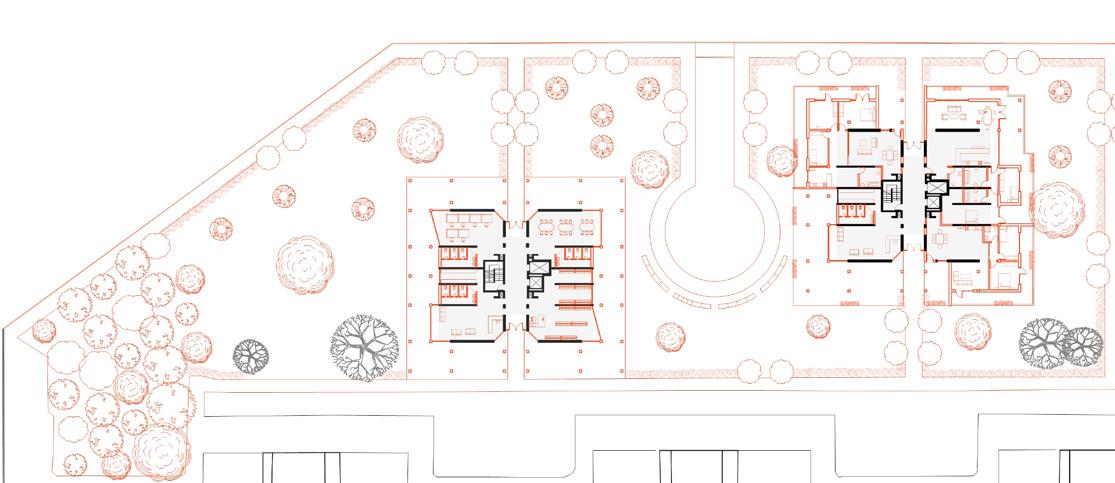
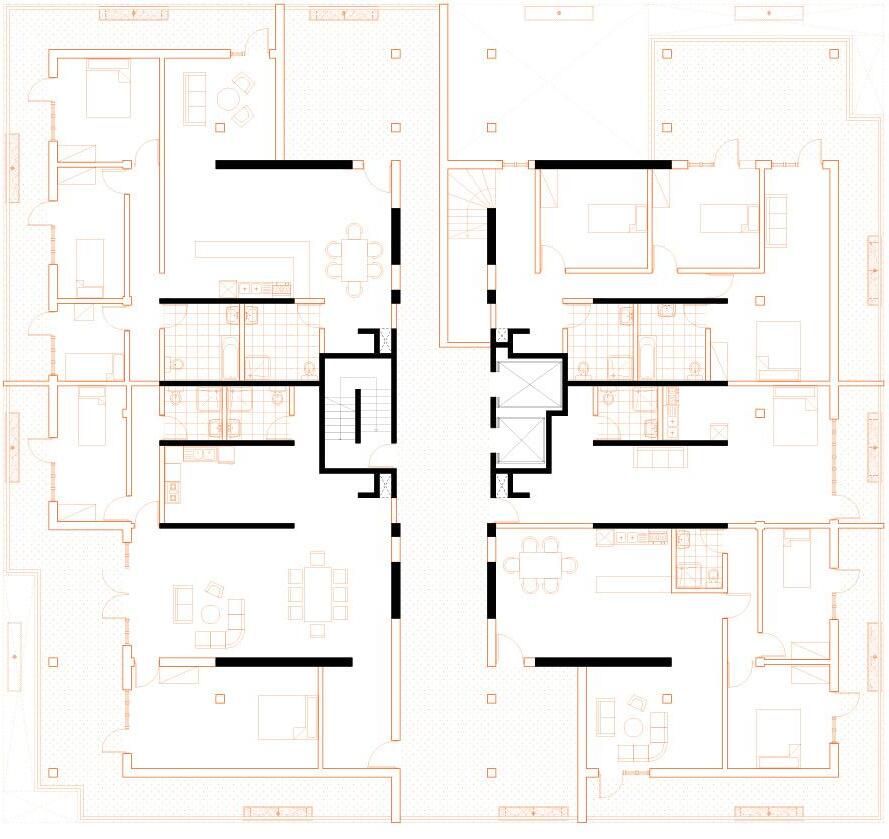
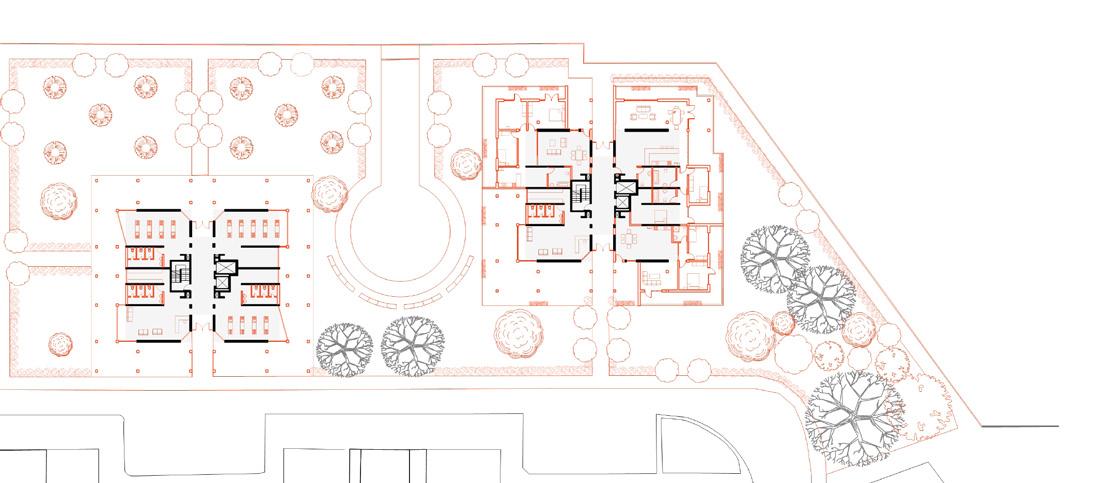
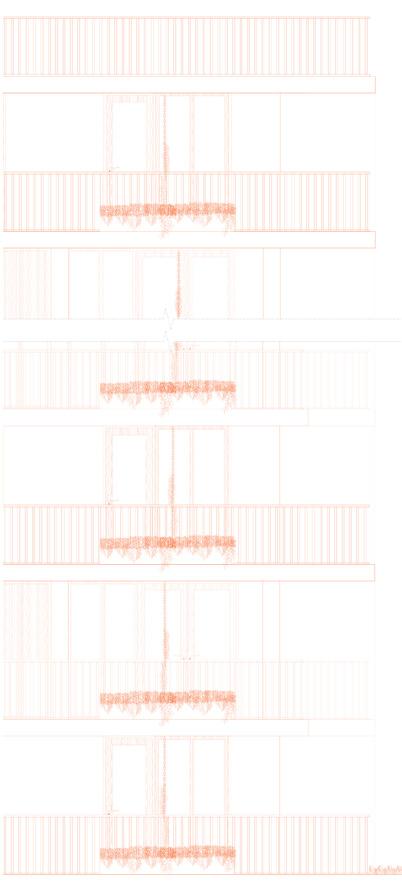
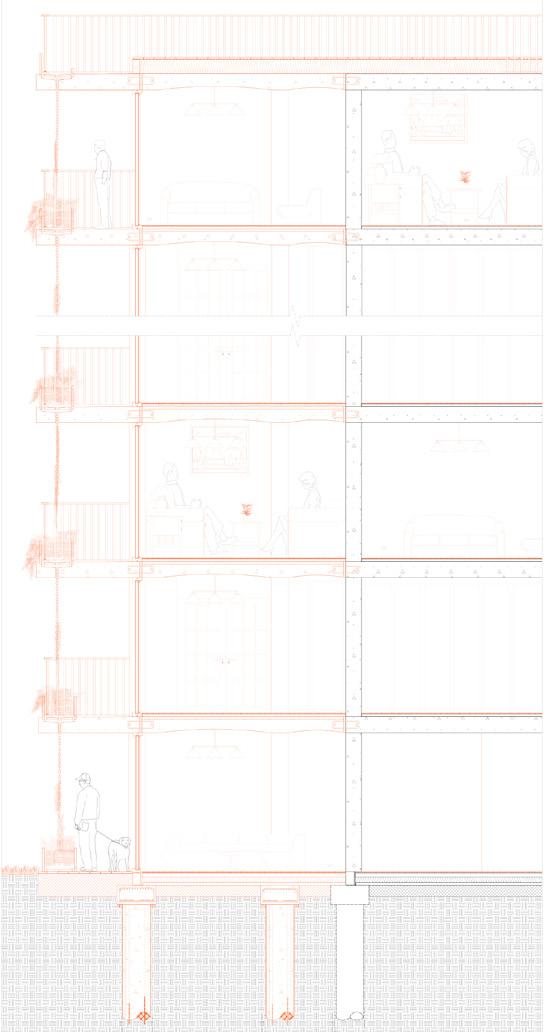
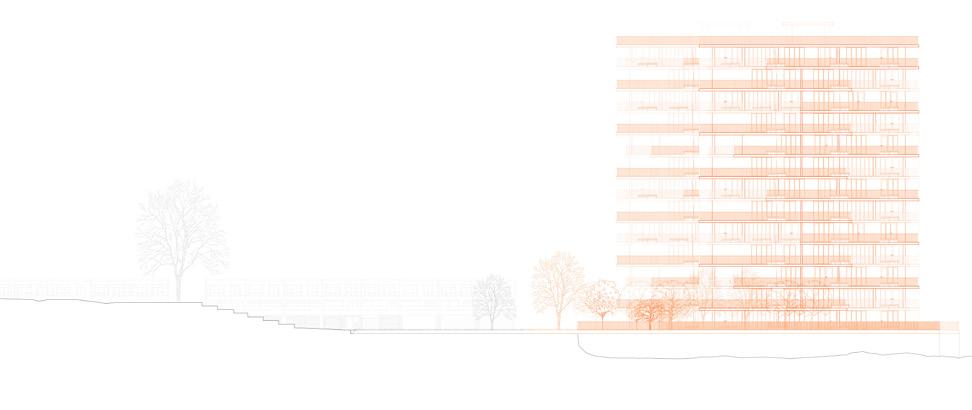
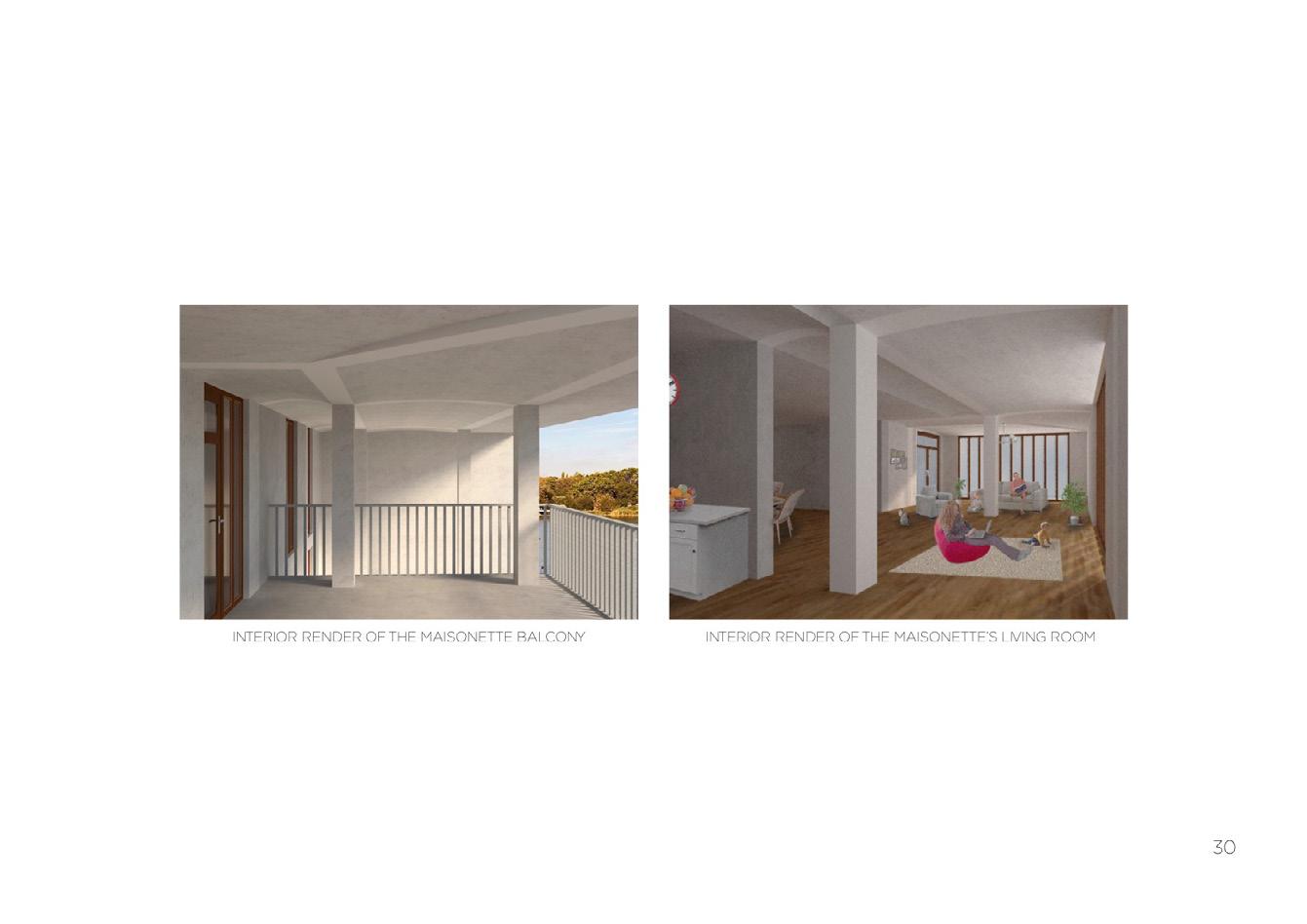
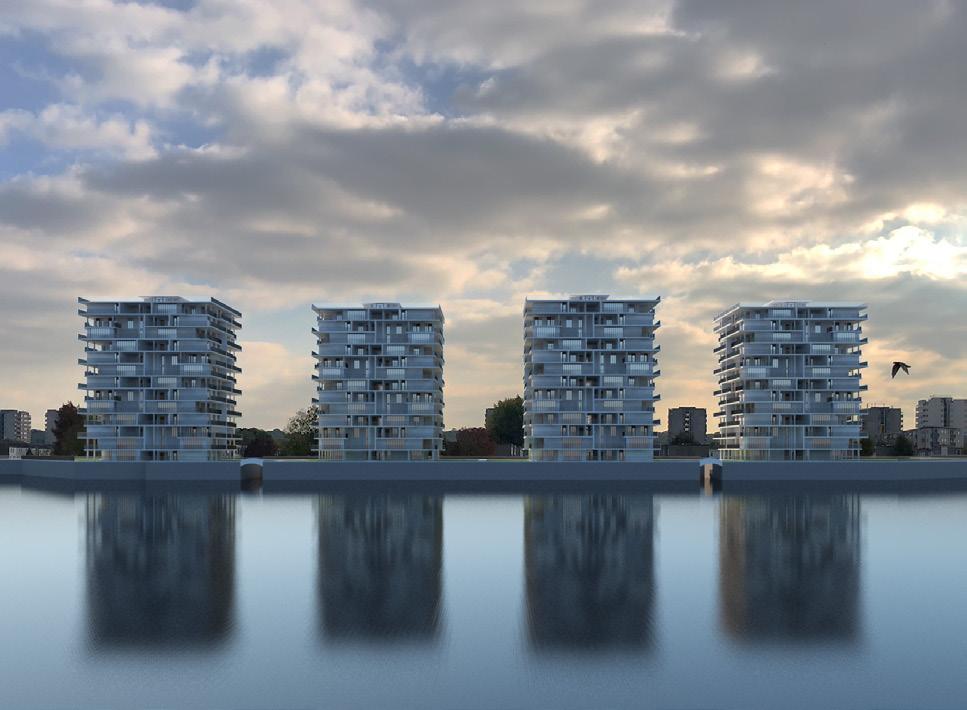
Despite Thamesmead’s architectural innovation and functionality in the 1960s, the project did not translate well after its realisation, with films such as ‘A Clockwork Orange’ highlighting the social challenges faced in the area. The current initiative aims to refurbish the four existing tower blocks and develop a new promenade by Southmere Lake, enhancing the area in a way that instils greater pride among residents. It seeks to create a ‘luxury of space’ through new flat types that vary in size and include terrace gardens tailored to the individual needs of different household types. The redesigned promenade will improve safety by eliminating dark pockets of space and introducing new urban furniture along the lakefront. The walkway will be lined with a variety of fruit trees, reintroducing species that were previously uprooted. Additionally, the two tower blocks closest to the street will house a culinary and agricultural school, open to the public. This space will educate current and prospective residents on preserving the new trees and revive the local tradition of jam-making.
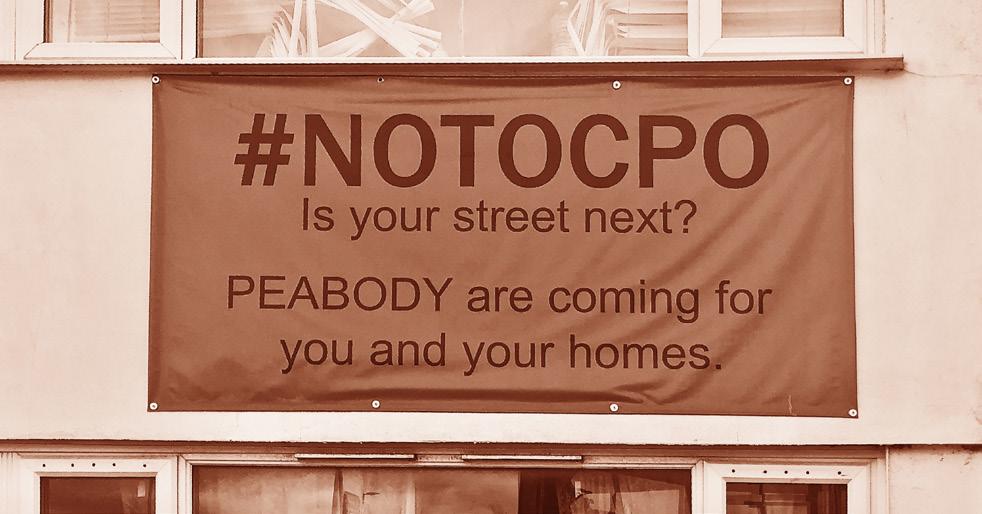
photograph ofaresident’s

Existingresident’sopiniononlivinginoneoftheSouthmareLaketowerblocks
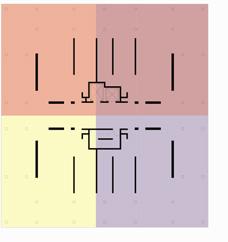
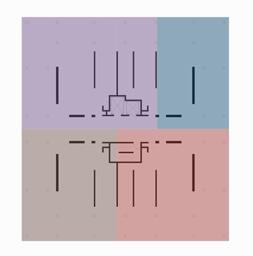
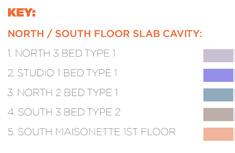
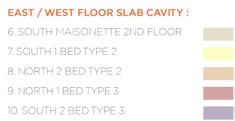
Apartmentvariationsoverview(left)conceptdiagram(right)
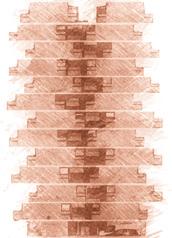
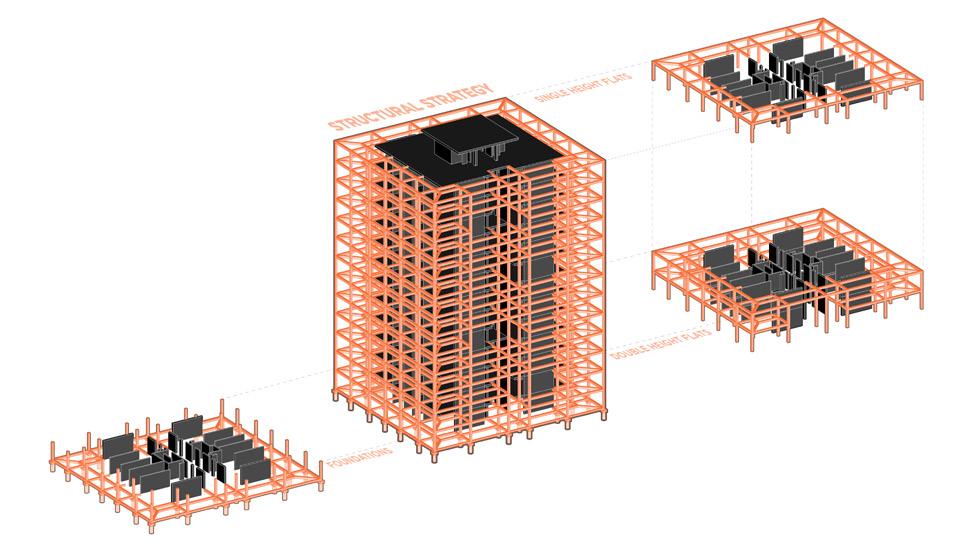
Precasteconcrete columnsareused toextendoutwards tobeableto createapartment varations
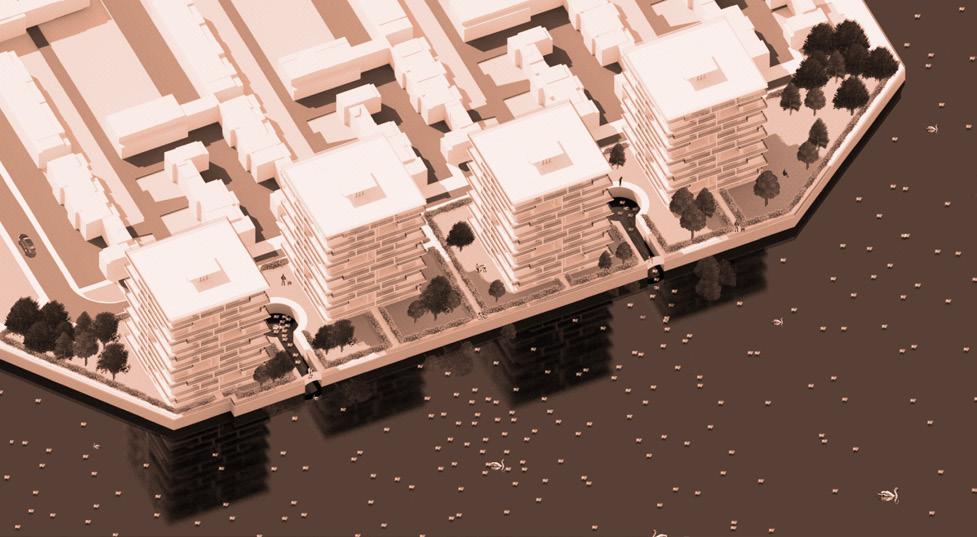
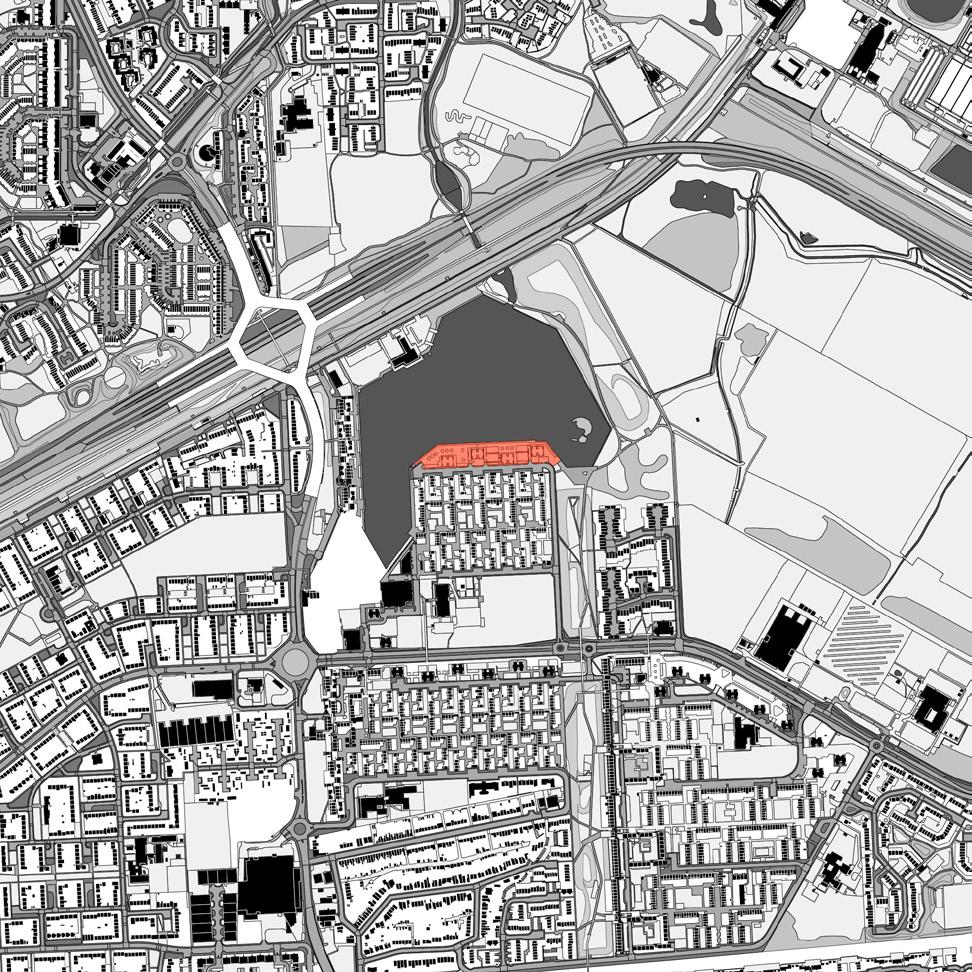
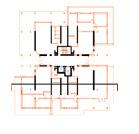
Siteplanbefore/after(top)andaxonometricofthetransformationproject(below) Before


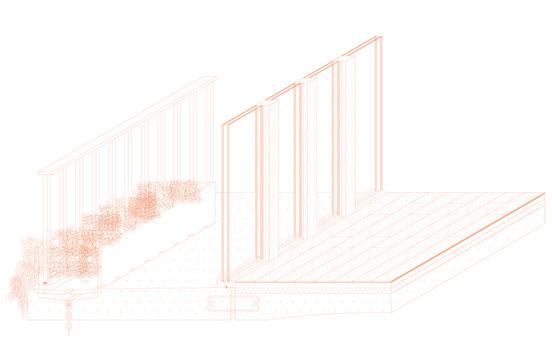
Below-1:5Detail (left)ofthebalcony extensionwith plantingsystem
1:20section(right) &elevation(left) detailforthenew Southmeretower blocks
N
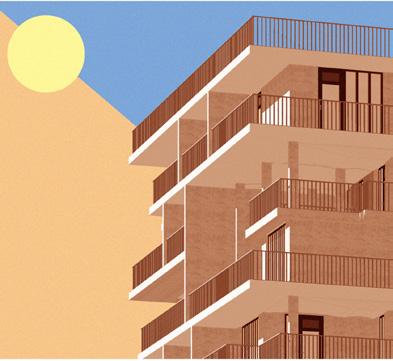
1:200Eastelevation towardsthenew
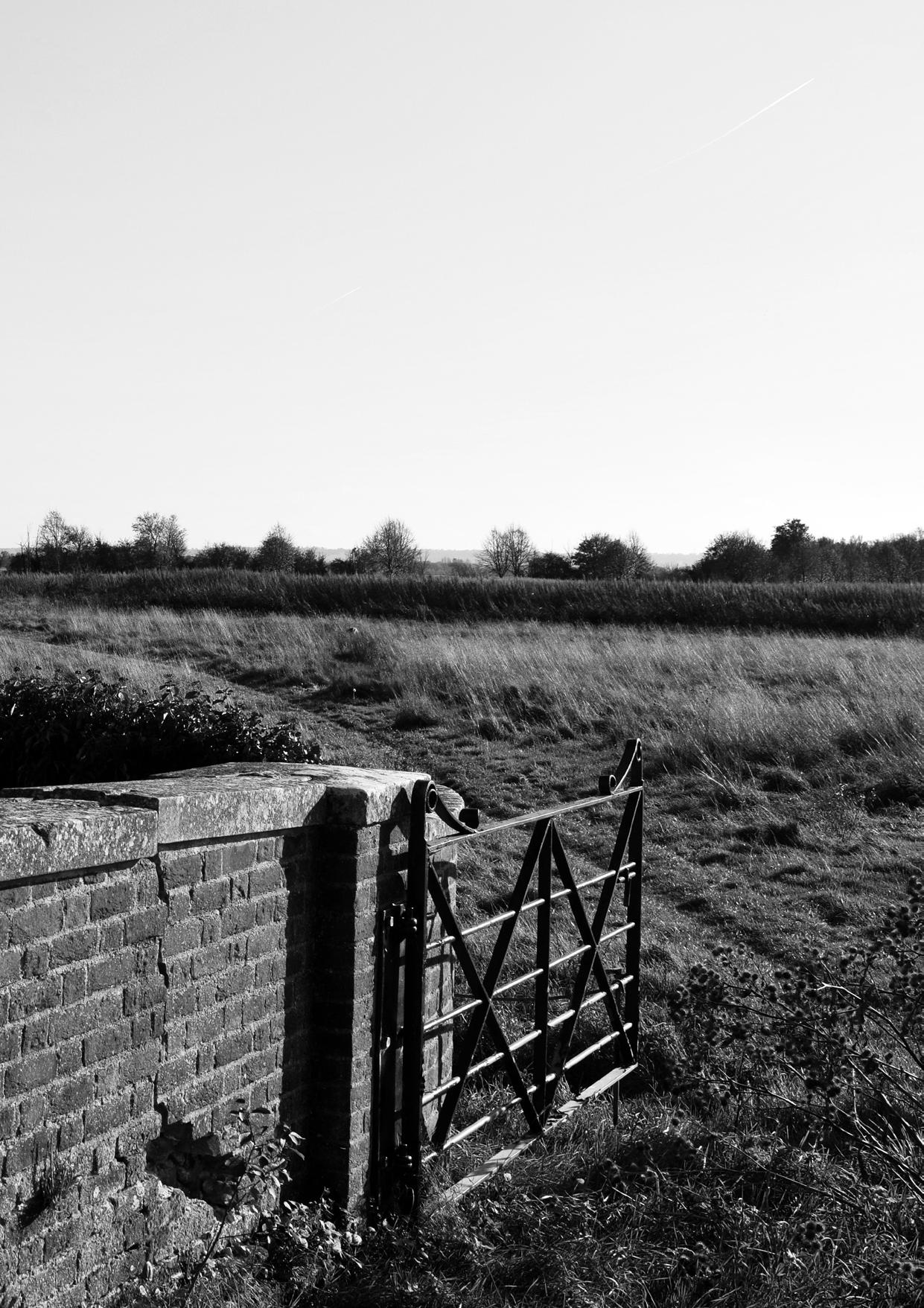
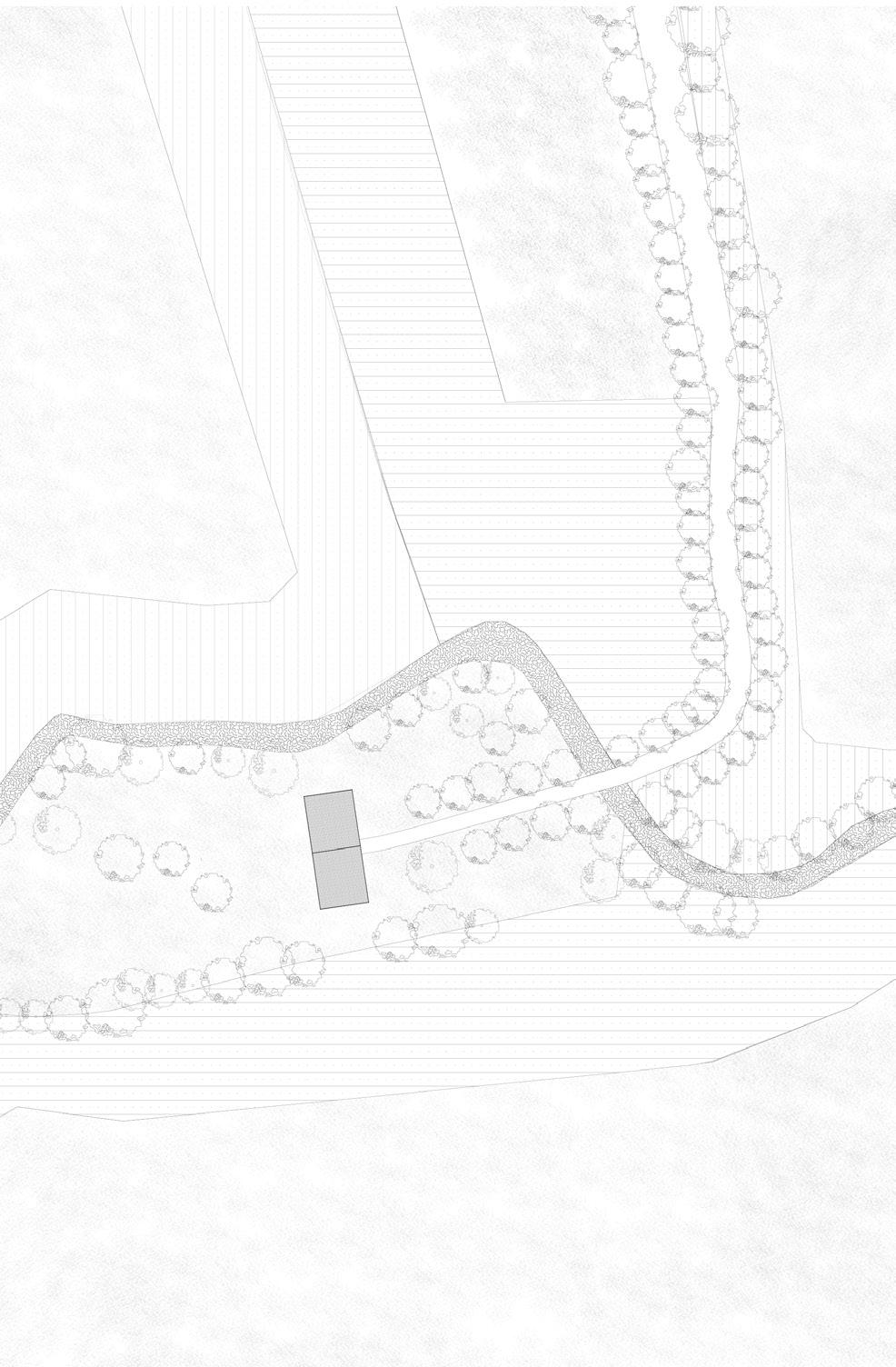
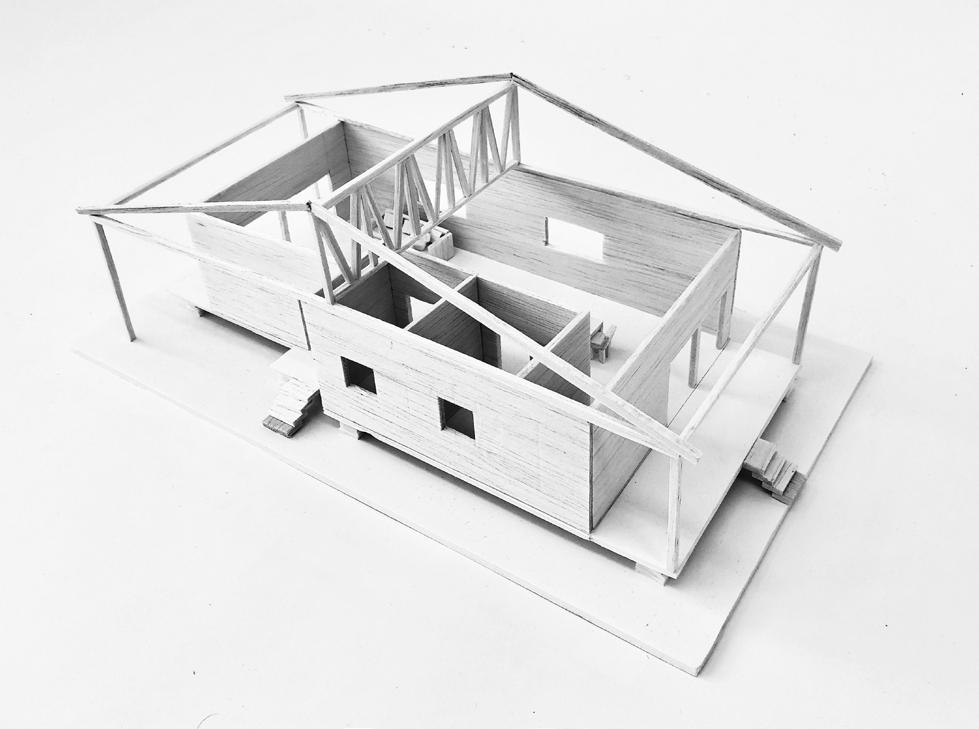
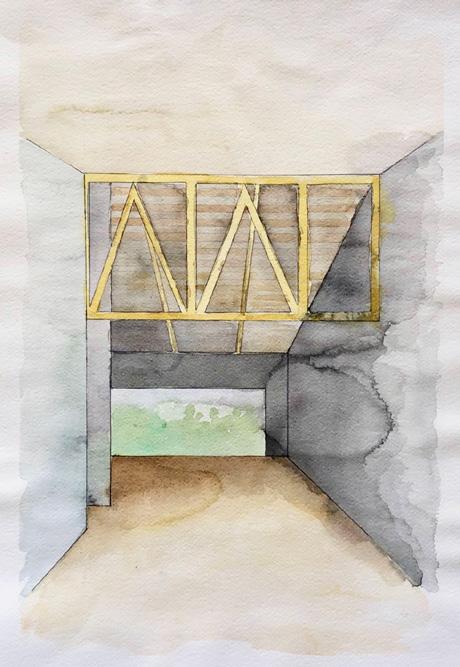
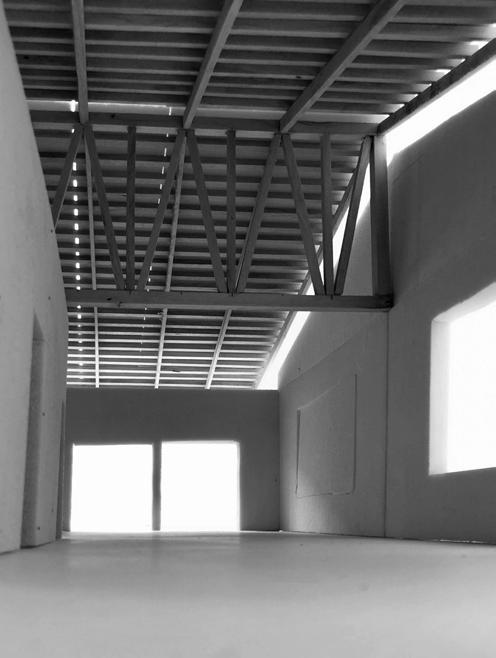
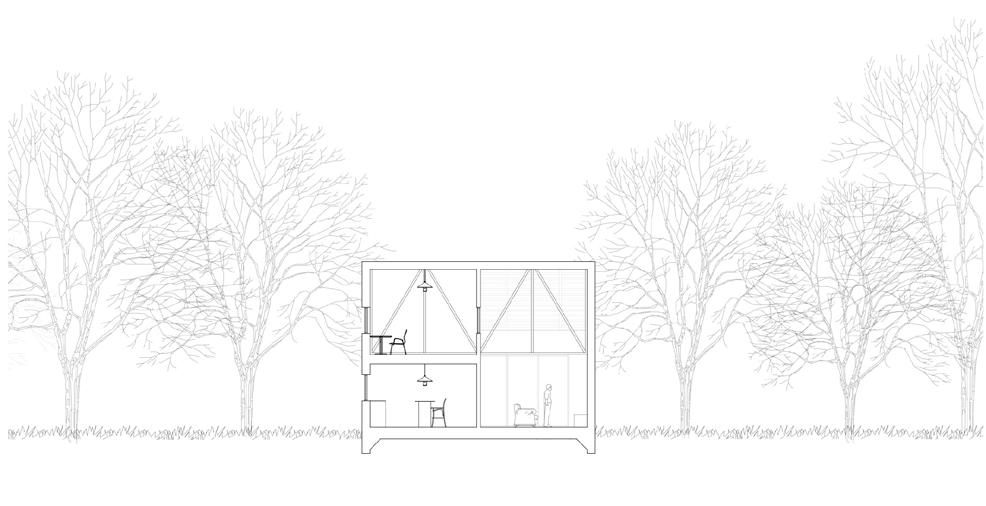
Both And is a project conducted during the second year of my bachelor’s degree that drew inspiration from Japanese contemporary architect Kazuo Shinohara’s duality and contradiction in architectural elements. The single-family summer house proposal is situated near Cambridgeshire’s Wimpole Hall, which features a strong geometric timber truss that spans through the main living spaces and large windows that frame the contrasting natural landscape of the English countryside. The proposal’s section drawings and interior model photographs were showcased in Kingston School of Art’s 2017 - 2018 end-of-year exhibition and catalogue.

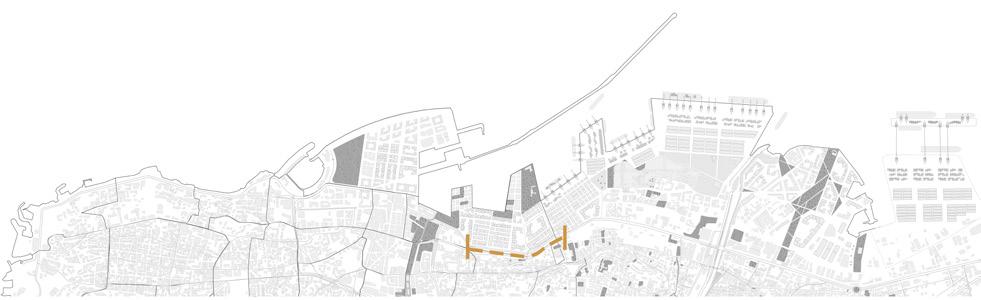
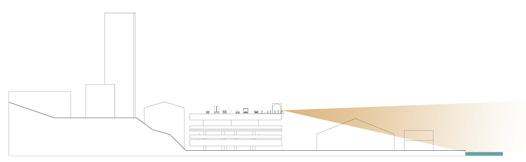
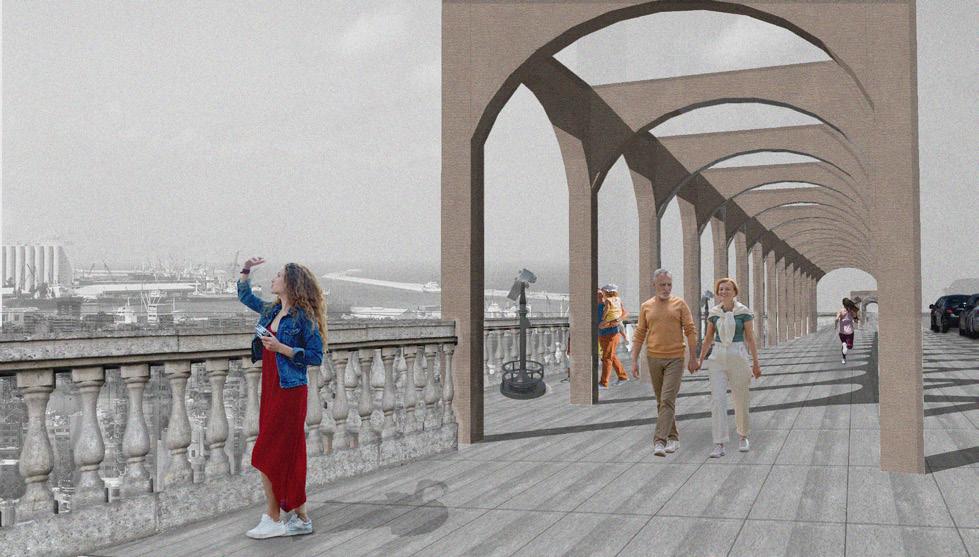
The purpose of this proposal is to formulate an adaptive strategy for the port of Beirut after the explosion in 2020. The project establishes three routes, Memory Lane, Fairuz Lane and Khalil Gibran Lane, inspired by Lebanese pop culture for tactile urbanism interventions based on the three pillars of Identity, connectivity and inclusivity. The culturally sensitive proposals aim to reconnect the once historically important harbour with the rest of the city. The final research and presentation were made in a group of five; all drawings and renders were made individually for the Memory Lane - Charles Helou Bridge (above).


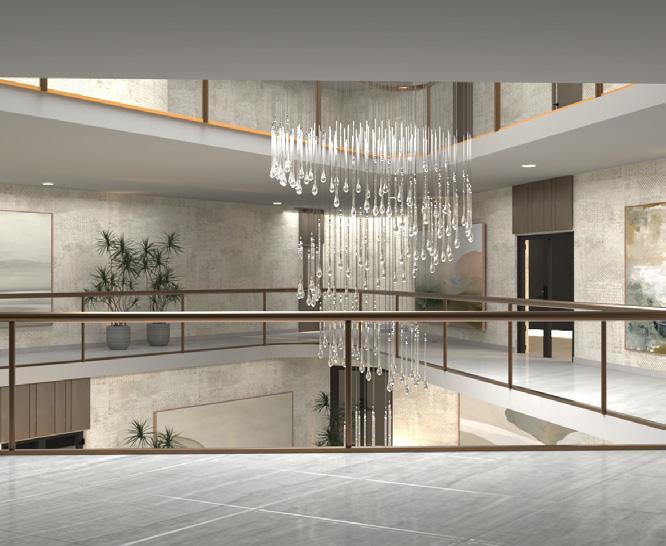
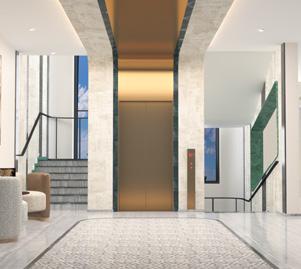
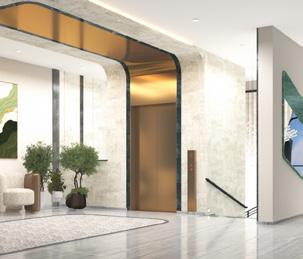
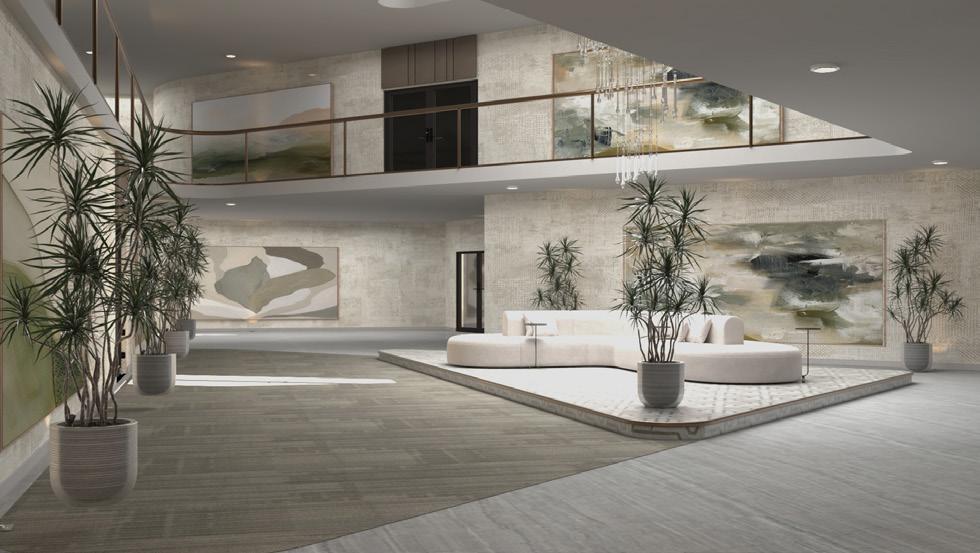
This project aims to design a 5-star hotel for the Belgian client Three Corners who wish to expand from their Red Sea hospitality ventures into the capital. The upcoming boutique hotel is situated in the upscale neighbourhood of Sheikh Zayed, Cairo which features wellness areas, gyms, conference rooms, speciality restaurants and lounge bars for public use and their guests. Within the architectural scope, I had the opportunity to enhance both dwelling efficiency and drawing readability before applying for building licensing. In terms of interior design, I created the lift lobby and atrium spaces, which featured a gold elevator, light grey and emerald green accent marble, textured walls, and a ‘three corners’ pattern that served as a leitmotif throughout the hotel’s public and semi-public areas.
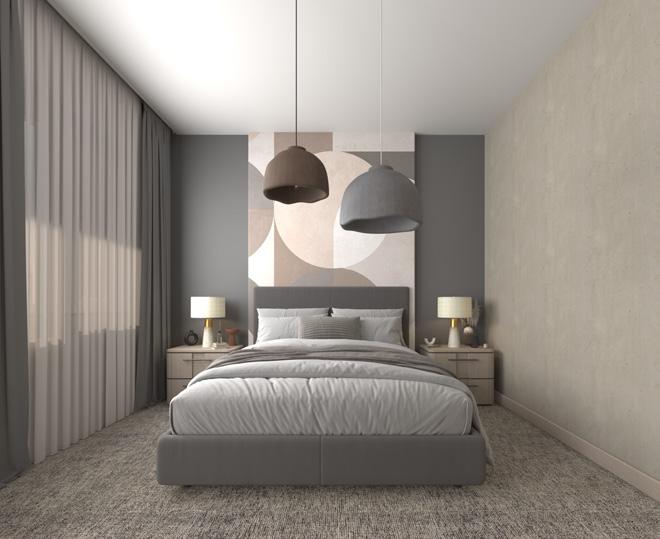
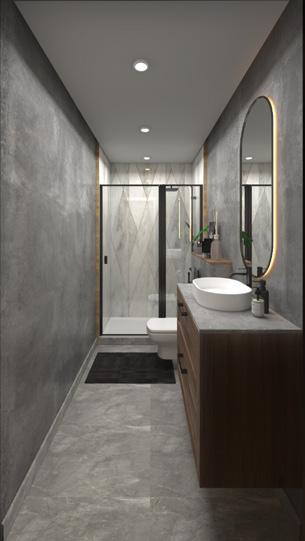
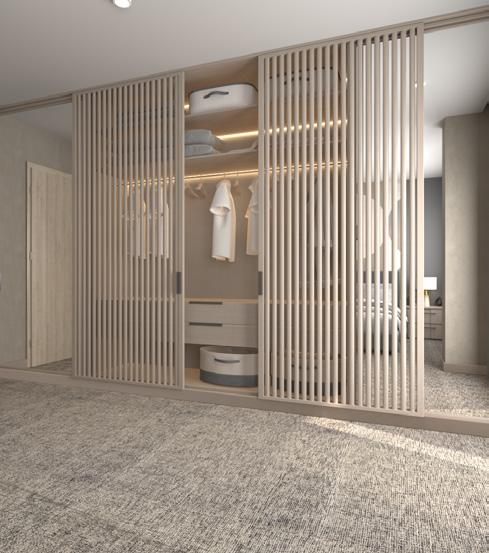
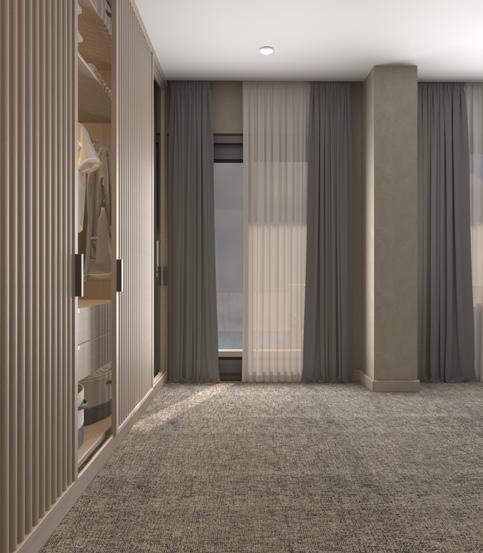
Maadi Penthouse is an interior design project for a family of four, located in the expatriate-dominant area of southern Cairo. The penthouse includes a spacious master bedroom for the young couple, en-suite bedrooms for their children, and multiple generous living areas. My role in this project was to assist the lead designer, Menna Essam, in developing the design concept for the en-suite guest bedroom. The main colour palette for this space features light beige with dark grey accents, light timber furniture with silver hardware, and a floorto-ceiling closet to maximize storage in line with the client’s wishes. Additionally, the bathroom is designed in a darker grey palette, with white marble panels used for visual separation in the shower space.
I was granted the opportunity to work on the Stedelijk Museum competition entry with RDVA, which aimed to reshape the spatial and programmatic relationship between the square toward the entrance of the building and the foyer of the extension. During this project, I assisted in the redesign of the museum shop, which was a movable steel structure box that could retract and open up to the public to sell items such as books or gadgets. The space will therefore become flexible in its programming if needed for art installations or events. My role was compromised in making diagrams, renders and sections.
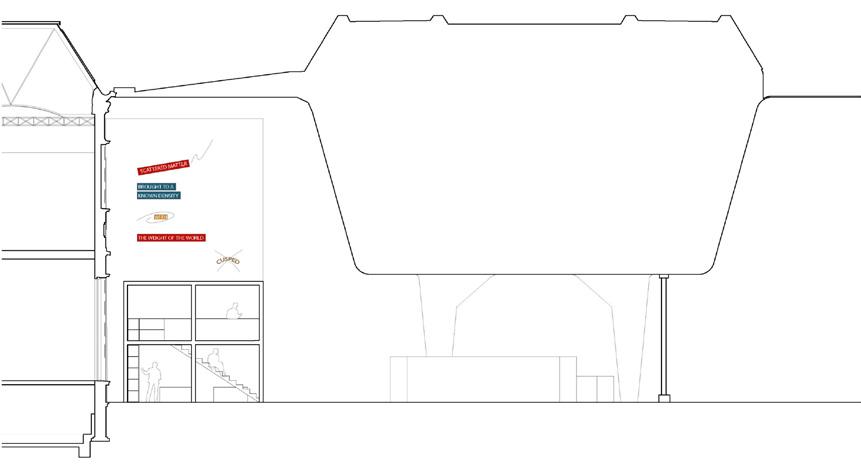
Sectionofbookshop (top)Axonometricdiagramshowingtherelationoftheinterventions onthegroundfloor (bottom)

The following project was a competition entry by KAD for Egypt’s Ministry of Housing, Utilities & Urban Communities for a memorial building in the new Galala city by the Red Sea. The proposal adds a cantilevering restaurant and office spaces within the sculptural building. Visuals were produced under the supervision of KAD’s general manager, Eng. Abdel-Moniem and Eng. Ahmed Dewany led the conceptual design of the proposal.
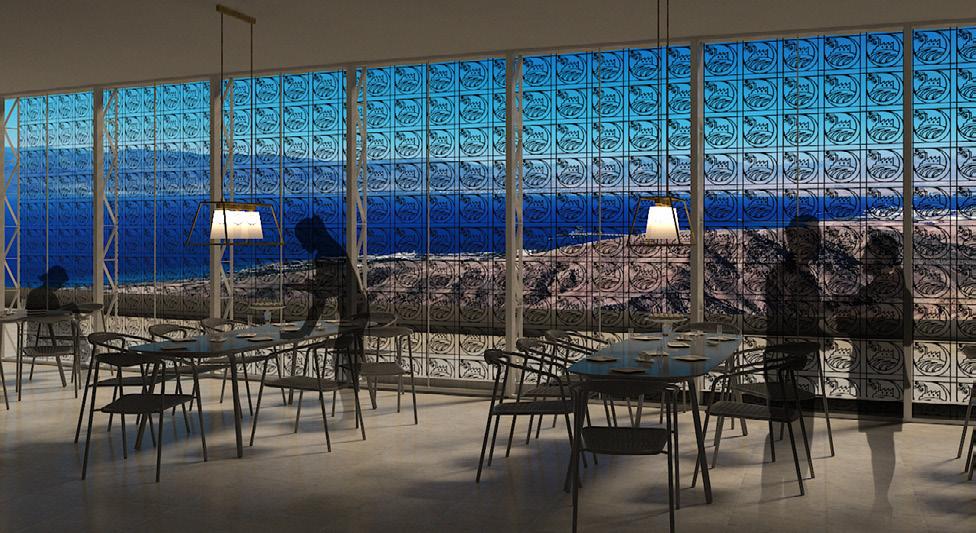
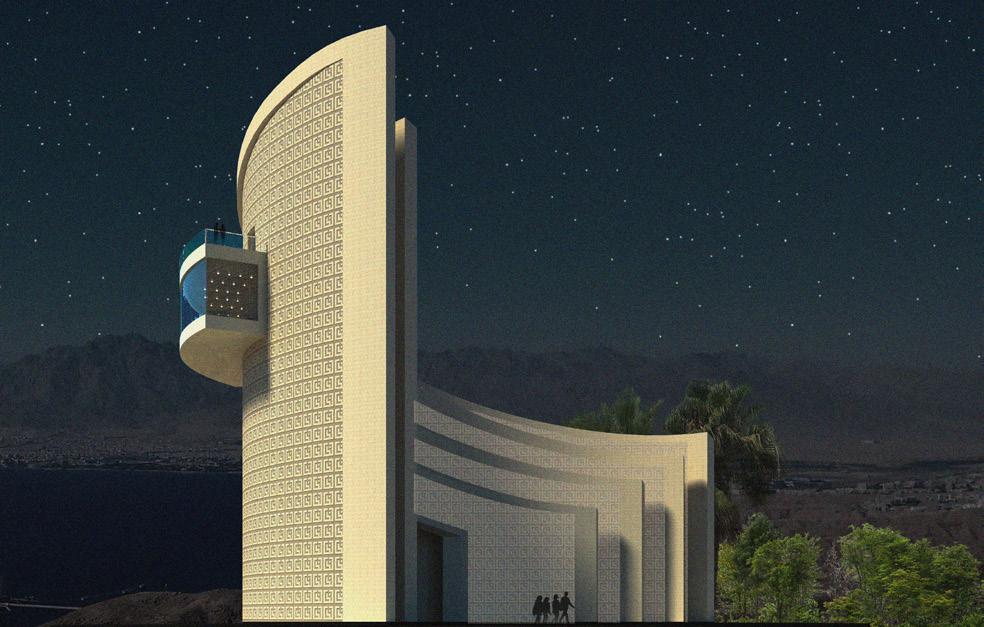
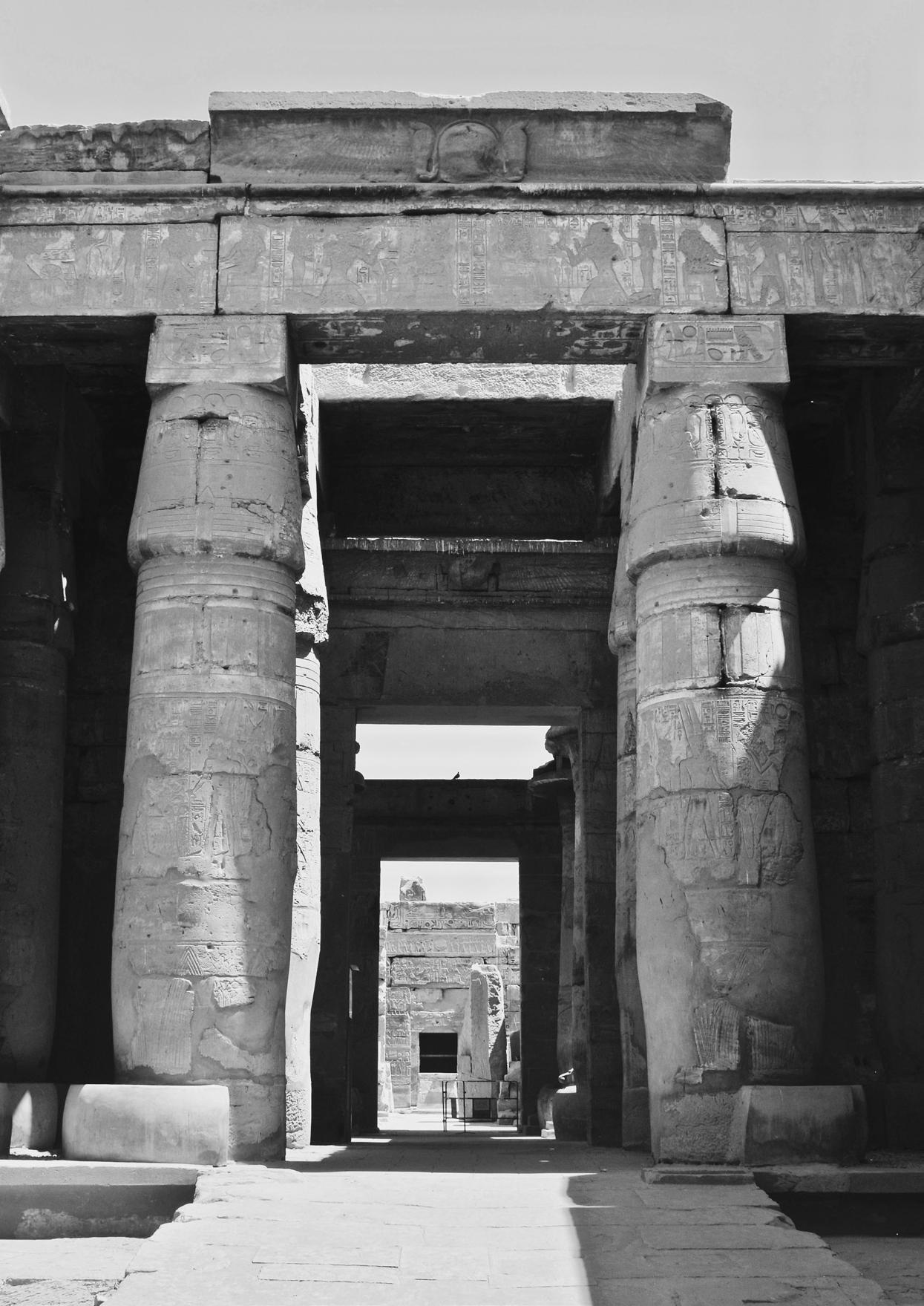

For my bachelor’s dissertation, I explored the Karnak Temple in Luxor, Egypt, the largest ancient temple in the world, through illustrations and architectural theory such as ‘Axis Mundi’ where primitive cultures believed they stood in the centre of the earth. The research discusses 2500 years of Ancient Egypt’s religious and political events that shaped the construction and architectural design of the sanctuary. The study also argues the possible influence that Karnak and Ancient Egypt had on the spatial configurations utilised today.
1:1000FloorPlanofKarnakTemple
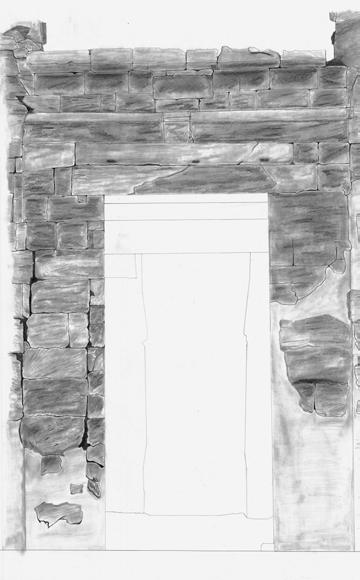
1:20 Hand drawn Elevation of the entrance ofKhonsuTemple
Hypotheticalaxonometricofthe1stpylon
Hypotheticalelevationofthe1stpylon
SectionoftheTempleof KhonsuatKarnak